 English (United States)
  Spanish
  Portuguese
  English (UK)
  German
  French
  Italian
  Japanese
  Chinese (China)
  Korean
  Arabic
  Indonesian
  Thai
Thai  Chinese (Hong Kong)
Ondina




| Trip dates | Trip dates | Itinerary | Days/Nights | Start Place | End Place |
|---|---|---|---|---|---|
| 06 Jan 2027 | Raja Ampat Central & South | 9D/8N | Sorong | Sorong | |
| 25 Jun 2027 | Raja Ampat Central & North | 10D/9N | Sorong | Sorong | |
| 10 Nov 2027 | All Banda Sea | 12D/11N | Ambon | Kalabahi | |
| 24 Nov 2027 | All Banda Sea | 12D/11N | Kalabahi | Ambon | |
| 08 Dec 2027 | Raja Ampat & North Banda Sea | 11D/10N | Ambon | Sorong | |
| 10 Mar 2028 | Raja Ampat & Halmahera | 10D/9N | Sorong | Ternate | |
| 21 Mar 2028 | Raja Ampat & Halmahera | 10D/9N | Ternate | Sorong | |
| 14 Apr 2028 | Raja Ampat, Halmahera & Lembeh | 12D/11N | Sorong | Bitung | |
| 24 Jun 2028 | Raja Ampat, Halmahera & Lembeh | 12D/11N | Bitung | Sorong | |
| 08 Jul 2028 | Raja Ampat Central & North | 10D/9N | Sorong | Sorong | |
| 20 Jul 2028 | Raja Ampat Central & North | 10D/9N | Sorong | Sorong | |
| 01 Aug 2028 | Raja Ampat Central & North | 10D/9N | Sorong | Sorong | |
| 14 Aug 2028 | Whalesharks & Wrecks | 10D/9N | Manokwari | Biak | |
| 07 Sep 2028 | Whalesharks & Wrecks | 10D/9N | Manokwari | Biak | |
| 19 Sep 2028 | Whalesharks & Wrecks | 10D/9N | Biak | Manokwari | |
| 02 Oct 2028 | Raja Ampat Central & North | 10D/9N | Sorong | Sorong | |
| 13 Oct 2028 | Raja Ampat & Kai Islands | 11D/10N | Sorong | Tual | |
| 26 Oct 2028 | Raja Ampat & Kai Islands | 11D/10N | Tual | Sorong | |
| 08 Nov 2028 | Raja Ampat & Kai Islands | 11D/10N | Sorong | Tual | |
| 04 Dec 2028 | Raja Ampat Central & South | 10D/9N | Sorong | Sorong |
| Cabins | Preview | Name | Available Cabins | Price/Persons | ||||||||||||||||||||||||||||||||||||||||||||||||||||||||||||||||||||||||||||||||||||||||||||||||||||||||||||||||||||||||||||||||||||||||||||||||||||||||||||||||||||||||||||||||||||||||||||||||||||||||||||||||||||||||||||||||||||||||||||||||||||||||||||||||||||||||||||||||||||||||||||||||||||||||||||||||||||||||||||||||||||||||||||||||||||||||||||||||||||||||||||||||||||||||||||||||||||||||||||||||||||||||||||||||||||||||||||||||||||||||||||||||||||||||||||||||||||||||||||||||||||||||||||||||||||||||||||||||||||||||||||||||||||||||||||||||||||||||||||||||||||||||||||||||||||||||||||||||||||||||||||||||||||||||||||
|---|---|---|---|---|---|---|---|---|---|---|---|---|---|---|---|---|---|---|---|---|---|---|---|---|---|---|---|---|---|---|---|---|---|---|---|---|---|---|---|---|---|---|---|---|---|---|---|---|---|---|---|---|---|---|---|---|---|---|---|---|---|---|---|---|---|---|---|---|---|---|---|---|---|---|---|---|---|---|---|---|---|---|---|---|---|---|---|---|---|---|---|---|---|---|---|---|---|---|---|---|---|---|---|---|---|---|---|---|---|---|---|---|---|---|---|---|---|---|---|---|---|---|---|---|---|---|---|---|---|---|---|---|---|---|---|---|---|---|---|---|---|---|---|---|---|---|---|---|---|---|---|---|---|---|---|---|---|---|---|---|---|---|---|---|---|---|---|---|---|---|---|---|---|---|---|---|---|---|---|---|---|---|---|---|---|---|---|---|---|---|---|---|---|---|---|---|---|---|---|---|---|---|---|---|---|---|---|---|---|---|---|---|---|---|---|---|---|---|---|---|---|---|---|---|---|---|---|---|---|---|---|---|---|---|---|---|---|---|---|---|---|---|---|---|---|---|---|---|---|---|---|---|---|---|---|---|---|---|---|---|---|---|---|---|---|---|---|---|---|---|---|---|---|---|---|---|---|---|---|---|---|---|---|---|---|---|---|---|---|---|---|---|---|---|---|---|---|---|---|---|---|---|---|---|---|---|---|---|---|---|---|---|---|---|---|---|---|---|---|---|---|---|---|---|---|---|---|---|---|---|---|---|---|---|---|---|---|---|---|---|---|---|---|---|---|---|---|---|---|---|---|---|---|---|---|---|---|---|---|---|---|---|---|---|---|---|---|---|---|---|---|---|---|---|---|---|---|---|---|---|---|---|---|---|---|---|---|---|---|---|---|---|---|---|---|---|---|---|---|---|---|---|---|---|---|---|---|---|---|---|---|---|---|---|---|---|---|---|---|---|---|---|---|---|---|---|---|---|---|---|---|---|---|---|---|---|---|---|---|---|---|---|---|---|---|---|---|---|---|---|---|---|---|---|---|---|---|---|---|---|---|---|---|---|---|---|---|---|---|---|---|---|---|---|---|---|---|---|---|---|---|---|---|---|---|---|---|---|---|---|---|---|---|---|---|---|---|---|---|---|---|---|---|---|---|---|---|---|---|---|---|---|---|---|---|---|---|---|---|---|---|---|---|---|---|---|---|---|---|---|---|---|---|---|---|---|---|---|---|---|---|---|---|---|---|---|---|---|---|---|---|---|---|---|---|---|---|---|---|---|---|---|---|---|---|---|---|---|---|---|---|---|---|---|---|---|---|---|---|---|---|---|---|---|---|---|---|---|---|---|---|---|---|---|---|---|---|---|---|---|---|---|---|---|---|---|---|---|---|---|---|---|---|---|---|---|---|---|---|---|---|---|---|---|
| Junior Cabins 1 -2 Lower Deck | Select Trip | FULL | FULL | FULL | FULL | FULL | FULL | FULL | FULL | FULL | FULL | FULL | FULL | FULL | FULL | FULL | FULL | FULL | FULL | FULL | FULL | FULL | FULL | FULL | FULL | 1 Cabins 2 Availability | 1 Cabins 1 Availability | FULL | FULL | FULL | FULL | FULL | FULL | 1 Cabins 2 Availability | 1 Cabins 2 Availability | 1 Cabins 2 Availability | 1 Cabins 1 Availability | 2 Cabins 4 Availability | 2 Cabins 4 Availability | 2 Cabins 4 Availability | 2 Cabins 4 Availability | FULL | FULL | FULL | FULL | 1 Cabins 1 Availability | FULL | FULL | FULL | FULL | FULL | FULL | FULL | 1 Cabins 2 Availability | 2 Cabins 4 Availability | FULL | FULL | 2 Cabins 4 Availability | FULL | FULL | FULL | FULL | FULL | FULL | FULL | 2 Cabins 4 Availability | 2 Cabins 4 Availability | FULL | FULL | FULL | FULL | FULL | FULL | FULL | FULL | FULL | FULL | FULL | FULL | FULL | FULL | FULL | 2 Cabins 4 Availability | 2 Cabins 4 Availability | 2 Cabins 4 Availability | FULL | FULL | FULL | FULL | 2 Cabins 4 Availability | FULL | FULL | FULL | FULL | 2 Cabins 3 Availability | FULL | 2 Cabins 4 Availability | FULL | FULL | FULL | FULL | FULL | FULL | FULL | 2 Cabins 4 Availability | 2 Cabins 4 Availability | 2 Cabins 4 Availability | 2 Cabins 4 Availability | 2 Cabins 4 Availability | 2 Cabins 4 Availability | 2 Cabins 4 Availability | 2 Cabins 4 Availability | 2 Cabins 4 Availability | FULL | 2 Cabins 4 Availability | 2 Cabins 4 Availability | 2 Cabins 4 Availability | 2 Cabins 4 Availability | 2 Cabins 4 Availability | 2 Cabins 4 Availability | FULL | FULL | FULL | FULL | FULL | FULL | FULL | 2 Cabins 4 Availability | 2 Cabins 4 Availability | FULL | 2 Cabins 4 Availability | 2 Cabins 4 Availability | 2 Cabins 4 Availability | 2 Cabins 4 Availability | FULL | 2 Cabins 4 Availability | FULL | FULL | 2 Cabins 4 Availability | Select Trip | $0.00 | $0.00 | $0.00 | $0.00 | $0.00 | $0.00 | $0.00 | $0.00 | $0.00 | $0.00 | $0.00 | $0.00 | $0.00 | $0.00 | $0.00 | $0.00 | $0.00 | $0.00 | $0.00 | $0.00 | $0.00 | $0.00 | $0.00 | $0.00 | $4,164.00 | $4,126.00 | $4,126.00 | $4,707.00 | $4,679.00 | $4,211.00 | $4,211.00 | $4,101.00 | $4,169.00 | $5,079.00 | $5,079.00 | $4,155.00 | $4,155.00 | $4,155.00 | $4,155.00 | $4,096.00 | $0.00 | $0.00 | $3,582.00 | $5,079.00 | $4,155.00 | $4,155.00 | $4,617.00 | $4,155.00 | $4,155.00 | $3,148.00 | $3,148.00 | $4,155.00 | $4,155.00 | $4,201.00 | $4,371.00 | $4,313.00 | $4,174.00 | $4,323.00 | $4,313.00 | $4,313.00 | $4,313.00 | $4,792.00 | $5,271.00 | $6,709.00 | $4,337.00 | $3,855.00 | $4,322.00 | $4,313.00 | $4,313.00 | $4,313.00 | $4,313.00 | $4,313.00 | $4,792.00 | $0.00 | $0.00 | $0.00 | $0.00 | $0.00 | $0.00 | $4,792.00 | $4,792.00 | $5,271.00 | $5,271.00 | $4,792.00 | $3,355.00 | $3,355.00 | $3,232.00 | $3,232.00 | $3,243.00 | $3,694.00 | $5,271.00 | $4,313.00 | $0.00 | $3,701.00 | $3,694.00 | $4,313.00 | $4,792.00 | $4,313.00 | $4,313.00 | $4,371.00 | $4,792.00 | $4,792.00 | $4,371.00 | $4,211.00 | $4,211.00 | $4,371.00 | $5,342.00 | $5,271.00 | $4,313.00 | $4,313.00 | $4,313.00 | $4,313.00 | $4,313.00 | $4,313.00 | $4,313.00 | $4,313.00 | $4,856.00 | $4,856.00 | $4,856.00 | $4,856.00 | $4,371.00 | $4,371.00 | $4,371.00 | $4,792.00 | $4,792.00 | $4,792.00 | $4,155.00 | $4,155.00 | $4,313.00 | $5,271.00 | $4,792.00 | $4,792.00 | $4,792.00 | $4,792.00 | $4,313.00 | $3,355.00 | $3,355.00 | $3,694.00 |
||||||||||||||||||||||||||||||||||||||||||||||||||||||||||||||||||||||||||||||||||||||||||||||||||||||||||||||||||||||||||||||||||||||||||||||||||||||||||||||||||||||||||||||||||||||||||||||||||||||||||||||||||||||||||||||||||||||||||||||||||||||||||||||||||||||||||||||||||||||||||||||||||||||||||||||||||||||||||||||||||||||||||||||||||||||||||
| Twin/Double Lower Deck | Select Trip | 8 Cabins 16 Availability | FULL | FULL | 7 Cabins 14 Availability | 8 Cabins 16 Availability | FULL | FULL | FULL | 8 Cabins 16 Availability | FULL | FULL | 8 Cabins 16 Availability | 8 Cabins 16 Availability | 8 Cabins 16 Availability | 3 Cabins 6 Availability | FULL | FULL | 6 Cabins 12 Availability | FULL | FULL | FULL | FULL | FULL | FULL | FULL | FULL | 8 Cabins 16 Availability | FULL | FULL | 8 Cabins 16 Availability | FULL | 7 Cabins 14 Availability | FULL | FULL | 8 Cabins 16 Availability | 8 Cabins 16 Availability | 8 Cabins 16 Availability | 8 Cabins 16 Availability | 8 Cabins 16 Availability | FULL | FULL | 8 Cabins 16 Availability | 8 Cabins 16 Availability | 8 Cabins 16 Availability | 8 Cabins 16 Availability | 6 Cabins 12 Availability | 2 Cabins 4 Availability | 8 Cabins 16 Availability | 8 Cabins 16 Availability | 8 Cabins 16 Availability | 8 Cabins 16 Availability | 8 Cabins 16 Availability | 8 Cabins 16 Availability | 8 Cabins 16 Availability | 8 Cabins 16 Availability | FULL | 8 Cabins 16 Availability | 8 Cabins 16 Availability | 8 Cabins 16 Availability | 8 Cabins 16 Availability | 8 Cabins 16 Availability | 8 Cabins 16 Availability | 8 Cabins 16 Availability | 2 Cabins 3 Availability | FULL | FULL | FULL | FULL | FULL | FULL | FULL | 8 Cabins 16 Availability | 8 Cabins 16 Availability | 3 Cabins 5 Availability | 8 Cabins 16 Availability | 8 Cabins 16 Availability | 3 Cabins 6 Availability | 8 Cabins 16 Availability | 8 Cabins 16 Availability | 8 Cabins 16 Availability | FULL | 8 Cabins 16 Availability | 8 Cabins 16 Availability | 8 Cabins 16 Availability | FULL | 8 Cabins 16 Availability | 7 Cabins 14 Availability | 4 Cabins 8 Availability | FULL | FULL | 8 Cabins 16 Availability | 2 Cabins 3 Availability | FULL | 8 Cabins 16 Availability | FULL | FULL | FULL | FULL | FULL | FULL | FULL | FULL | 3 Cabins 6 Availability | 4 Cabins 8 Availability | 2 Cabins 4 Availability | 2 Cabins 4 Availability | FULL | 4 Cabins 7 Availability | 6 Cabins 11 Availability | FULL | 3 Cabins 6 Availability | FULL | 4 Cabins 7 Availability | 2 Cabins 3 Availability | FULL | FULL | FULL | FULL | FULL | FULL | FULL | FULL | FULL | 3 Cabins 5 Availability | 4 Cabins 7 Availability | 4 Cabins 7 Availability | FULL | FULL | 4 Cabins 7 Availability | 5 Cabins 9 Availability | FULL | 2 Cabins 3 Availability | FULL | FULL | FULL | FULL | FULL | FULL | FULL | FULL | FULL | FULL | 1 Cabins 1 Availability | FULL | 8 Cabins 16 Availability | 8 Cabins 16 Availability | 8 Cabins 16 Availability | FULL | FULL | FULL | FULL | FULL | FULL | FULL | FULL | FULL | 8 Cabins 16 Availability | 8 Cabins 16 Availability | 8 Cabins 16 Availability | 8 Cabins 16 Availability | 8 Cabins 16 Availability | 8 Cabins 16 Availability | FULL | FULL | 4 Cabins 7 Availability | 2 Cabins 3 Availability | 6 Cabins 12 Availability | 1 Cabins 1 Availability | FULL | 4 Cabins 7 Availability | FULL | FULL | FULL | FULL | FULL | 8 Cabins 16 Availability | FULL | 8 Cabins 16 Availability | 8 Cabins 16 Availability | 8 Cabins 16 Availability | 8 Cabins 16 Availability | FULL | FULL | 1 Cabins 1 Availability | FULL | FULL | FULL | FULL | FULL | FULL | 2 Cabins 3 Availability | FULL | 1 Cabins 2 Availability | 1 Cabins 2 Availability | 2 Cabins 4 Availability | 4 Cabins 7 Availability | 1 Cabins 1 Availability | 6 Cabins 12 Availability | 6 Cabins 12 Availability | 6 Cabins 12 Availability | FULL | FULL | FULL | 6 Cabins 12 Availability | FULL | FULL | FULL | FULL | FULL | 2 Cabins 4 Availability | 1 Cabins 2 Availability | FULL | FULL | FULL | FULL | FULL | FULL | 6 Cabins 12 Availability | FULL | FULL | FULL | 3 Cabins 5 Availability | FULL | FULL | 6 Cabins 12 Availability | 6 Cabins 12 Availability | FULL | FULL | 6 Cabins 12 Availability | FULL | FULL | FULL | FULL | FULL | FULL | FULL | 6 Cabins 11 Availability | 6 Cabins 12 Availability | FULL | FULL | FULL | FULL | FULL | FULL | FULL | 6 Cabins 12 Availability | 6 Cabins 12 Availability | 6 Cabins 12 Availability | 6 Cabins 12 Availability | 6 Cabins 12 Availability | 6 Cabins 12 Availability | FULL | FULL | 6 Cabins 12 Availability | 6 Cabins 12 Availability | 5 Cabins 9 Availability | FULL | FULL | FULL | FULL | 6 Cabins 12 Availability | FULL | FULL | FULL | 2 Cabins 3 Availability | 5 Cabins 9 Availability | FULL | 5 Cabins 9 Availability | FULL | FULL | FULL | FULL | FULL | FULL | FULL | 6 Cabins 12 Availability | 6 Cabins 12 Availability | 6 Cabins 12 Availability | 6 Cabins 12 Availability | 6 Cabins 12 Availability | 6 Cabins 12 Availability | 6 Cabins 12 Availability | 6 Cabins 12 Availability | 6 Cabins 12 Availability | FULL | 6 Cabins 12 Availability | 6 Cabins 12 Availability | 6 Cabins 12 Availability | 6 Cabins 12 Availability | 6 Cabins 12 Availability | 6 Cabins 12 Availability | FULL | FULL | FULL | FULL | FULL | FULL | FULL | 6 Cabins 12 Availability | 6 Cabins 12 Availability | FULL | 6 Cabins 12 Availability | 6 Cabins 12 Availability | 6 Cabins 12 Availability | 6 Cabins 12 Availability | FULL | 6 Cabins 12 Availability | FULL | FULL | 6 Cabins 12 Availability | Select Trip | $3,500.00 | $3,850.00 | $3,850.00 | $3,500.00 | $3,150.00 | $3,500.00 | $4,541.00 | $3,735.00 | $4,102.00 | $4,575.00 | $3,770.00 | $3,820.00 | $3,841.00 | $4,109.00 | $4,037.00 | $4,041.00 | $4,045.00 | $4,024.00 | $4,024.00 | $3,520.00 | $4,779.00 | $4,866.00 | $4,470.00 | $4,949.00 | $3,527.00 | $3,516.00 | $3,490.00 | $3,513.00 | $3,468.00 | $3,700.00 | $4,278.00 | $4,234.00 | $4,990.00 | $3,768.00 | $3,770.00 | $4,002.00 | $3,802.00 | $3,707.00 | $3,800.00 | $3,369.00 | $3,668.00 | $4,024.00 | $3,652.00 | $3,246.00 | $3,652.00 | $3,652.00 | $4,464.00 | $3,356.00 | $3,356.00 | $3,356.00 | $3,346.00 | $3,482.00 | $3,482.00 | $4,788.00 | $3,857.00 | $3,663.00 | $3,383.00 | $3,805.00 | $3,760.00 | $3,857.00 | $3,857.00 | $3,857.00 | $3,857.00 | $3,479.00 | $3,479.00 | $3,479.00 | $3,479.00 | $3,667.00 | $4,103.00 | $3,782.00 | $4,199.00 | $3,712.00 | $3,634.00 | $3,962.00 | $3,246.00 | $3,246.00 | $4,464.00 | $3,246.00 | $3,246.00 | $3,246.00 | $4,182.00 | $4,464.00 | $3,652.00 | $3,652.00 | $3,643.00 | $3,652.00 | $3,652.00 | $4,058.00 | $4,465.00 | $3,344.00 | $3,344.00 | $2,972.00 | $3,847.00 | $3,652.00 | $2,971.00 | $3,725.00 | $4,054.00 | $3,649.00 | $4,087.00 | $4,238.00 | $4,629.00 | $3,897.00 | $3,408.00 | $3,386.00 | $3,230.00 | $4,104.00 | $4,109.00 | $4,463.00 | $3,713.00 | $3,866.00 | $4,171.00 | $3,676.00 | $3,785.00 | $3,779.00 | $3,977.00 | $4,131.00 | $4,171.00 | $4,635.00 | $4,182.00 | $4,109.00 | $4,109.00 | $4,109.00 | $4,520.00 | $4,533.00 | $3,750.00 | $3,774.00 | $3,757.00 | $3,788.00 | $3,883.00 | $3,854.00 | $3,853.00 | $4,739.00 | $4,627.00 | $4,158.00 | $3,698.00 | $4,060.00 | $3,479.00 | $3,676.00 | $3,676.00 | $4,616.00 | $4,109.00 | $3,661.00 | $3,686.00 | $4,123.00 | $4,131.00 | $3,731.00 | $4,280.00 | $4,297.00 | $3,896.00 | $4,039.00 | $4,948.00 | $5,037.00 | $4,154.00 | $4,174.00 | $4,657.00 | $5,289.00 | $3,746.00 | $3,746.00 | $3,746.00 | $3,746.00 | $3,746.00 | $3,746.00 | $3,238.00 | $4,157.00 | $3,470.00 | $3,694.00 | $3,710.00 | $4,226.00 | $4,182.00 | $4,564.00 | $3,666.00 | $2,945.00 | $2,799.00 | $2,806.00 | $5,289.00 | $3,850.00 | $4,719.00 | $3,919.00 | $3,919.00 | $4,354.00 | $3,827.00 | $3,238.00 | $4,322.00 | $4,283.00 | $4,283.00 | $4,103.00 | $4,856.00 | $4,371.00 | $4,371.00 | $4,256.00 | $4,327.00 | $5,271.00 | $5,271.00 | $4,313.00 | $4,313.00 | $4,313.00 | $4,313.00 | $4,251.00 | $3,870.00 | $3,440.00 | $3,718.00 | $4,229.00 | $4,313.00 | $3,960.00 | $3,960.00 | $4,313.00 | $4,313.00 | $3,267.00 | $3,267.00 | $3,769.00 | $4,134.00 | $5,433.00 | $4,122.00 | $3,232.00 | $5,102.00 | $4,313.00 | $4,792.00 | $4,229.00 | $4,166.00 | $4,885.00 | $4,638.00 | $4,606.00 | $5,271.00 | $4,313.00 | $4,313.00 | $4,354.00 | $4,531.00 | $4,471.00 | $4,327.00 | $4,481.00 | $4,471.00 | $4,471.00 | $4,471.00 | $4,968.00 | $5,464.00 | $6,955.00 | $4,496.00 | $3,996.00 | $4,480.00 | $4,471.00 | $4,471.00 | $4,471.00 | $4,471.00 | $4,471.00 | $4,968.00 | $5,066.00 | $4,605.00 | $5,527.00 | $5,527.00 | $4,605.00 | $3,224.00 | $4,968.00 | $4,968.00 | $5,464.00 | $5,464.00 | $4,968.00 | $3,477.00 | $3,477.00 | $3,355.00 | $3,355.00 | $3,366.00 | $3,834.00 | $5,464.00 | $4,471.00 | $4,133.00 | $3,842.00 | $3,834.00 | $4,471.00 | $4,968.00 | $4,471.00 | $4,471.00 | $4,531.00 | $4,968.00 | $4,968.00 | $4,531.00 | $4,371.00 | $4,371.00 | $4,531.00 | $5,538.00 | $5,464.00 | $4,471.00 | $4,471.00 | $4,471.00 | $4,471.00 | $4,471.00 | $4,471.00 | $4,471.00 | $4,471.00 | $5,034.00 | $5,034.00 | $5,034.00 | $5,034.00 | $4,531.00 | $4,531.00 | $4,531.00 | $4,968.00 | $4,968.00 | $4,968.00 | $4,313.00 | $4,313.00 | $4,471.00 | $5,464.00 | $4,968.00 | $4,968.00 | $4,968.00 | $4,968.00 | $4,471.00 | $3,477.00 | $3,477.00 | $3,834.00 |
Message
×
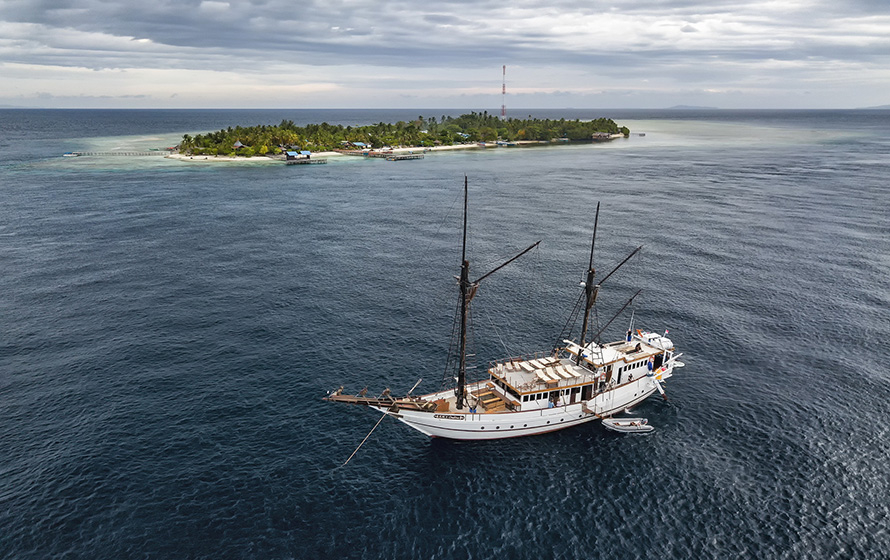
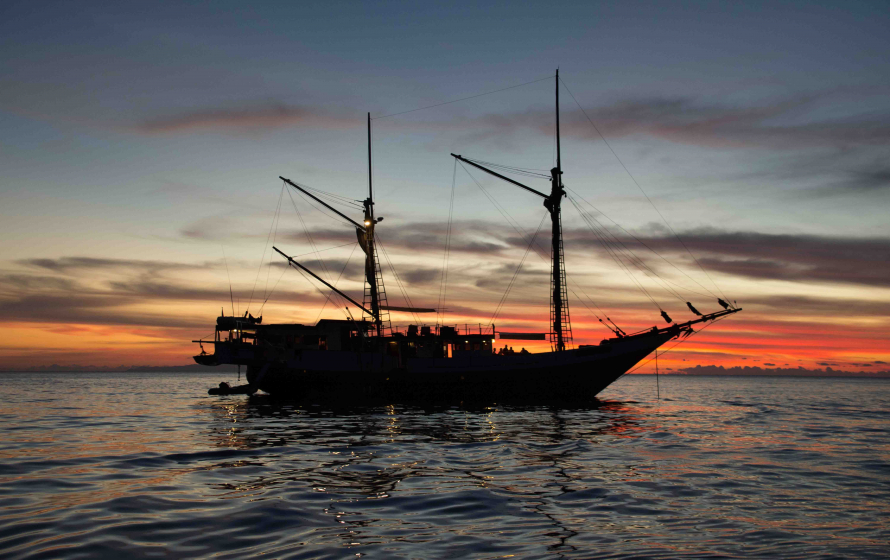
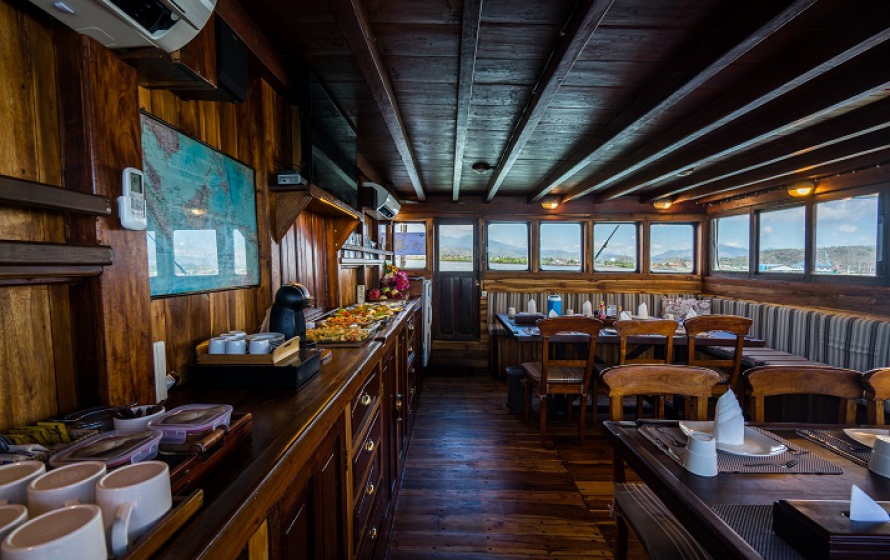
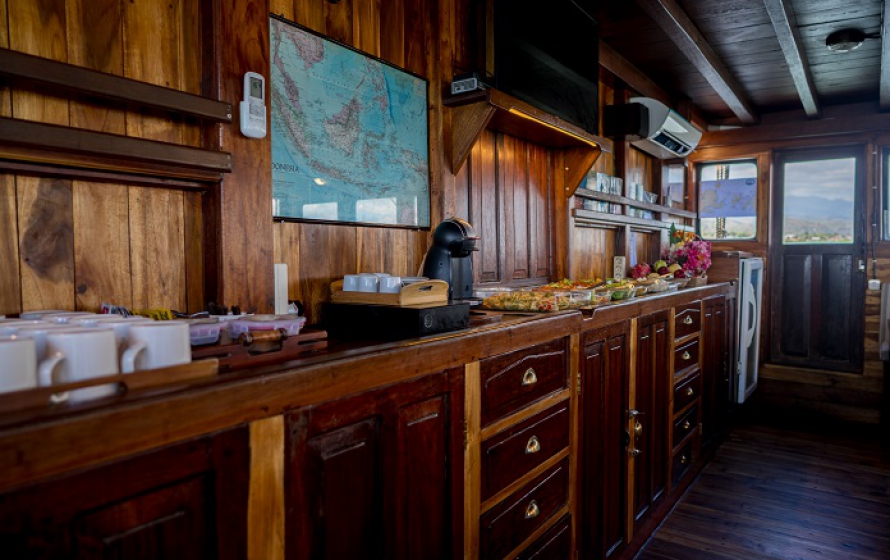
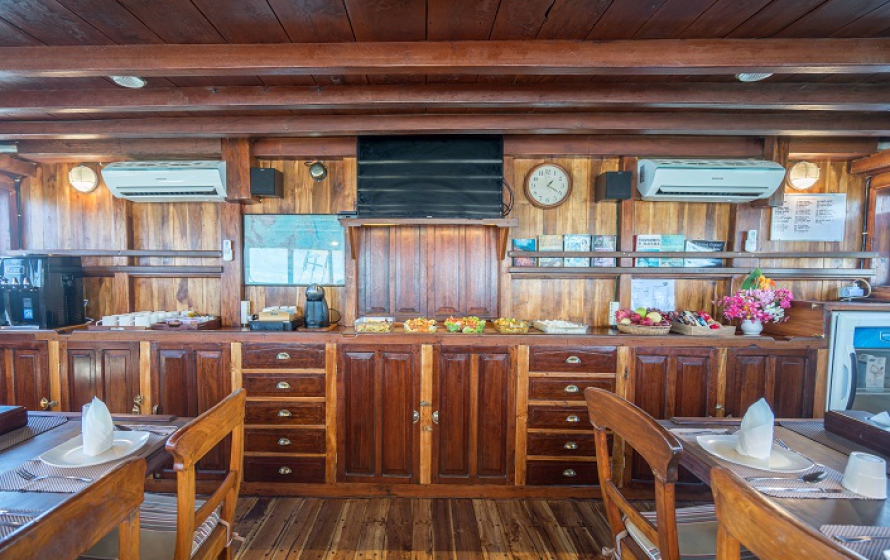
Launched in 2001, this traditional wooden schooner – known as Phinisi in the local language – was built in South Sulawesi by the Bugis tribes of seafarers, using tropical timbers and following traditional methods from their ancestry. Custom-built under the direct supervision of our director of operations, she was built by a diver for the divers.
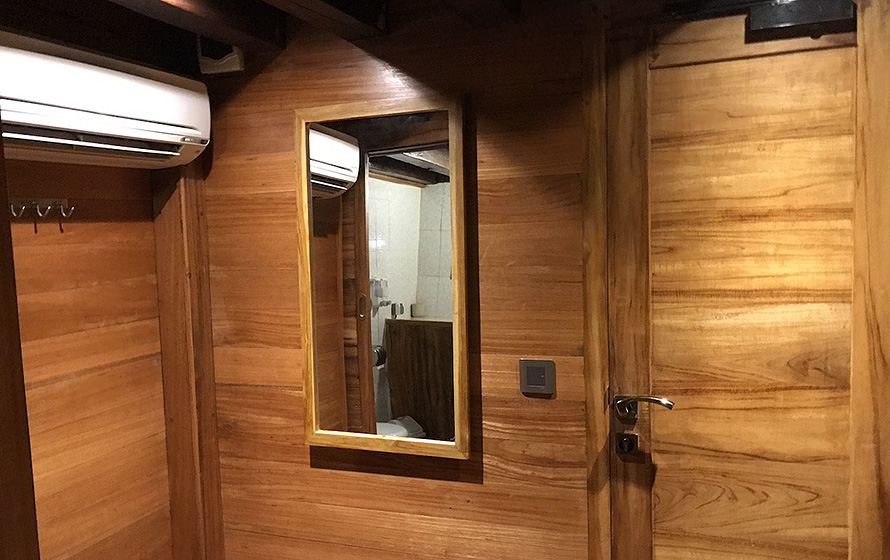
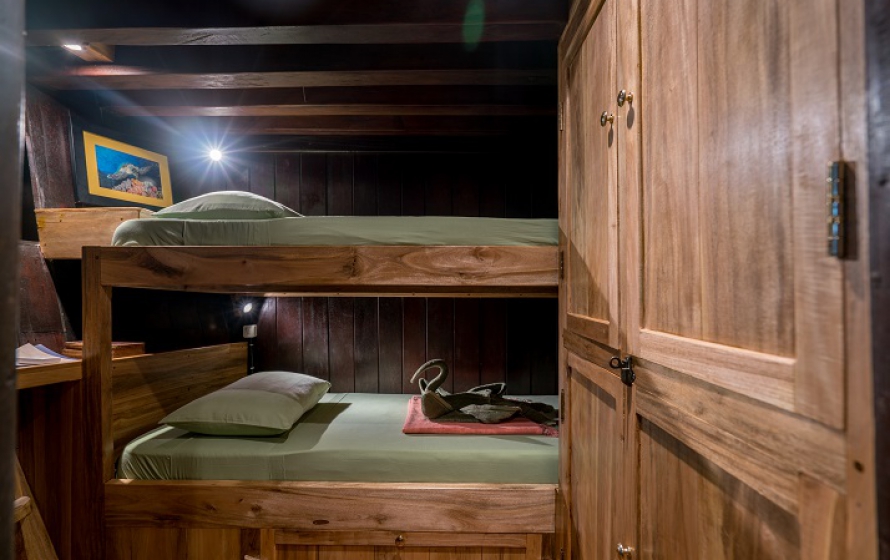
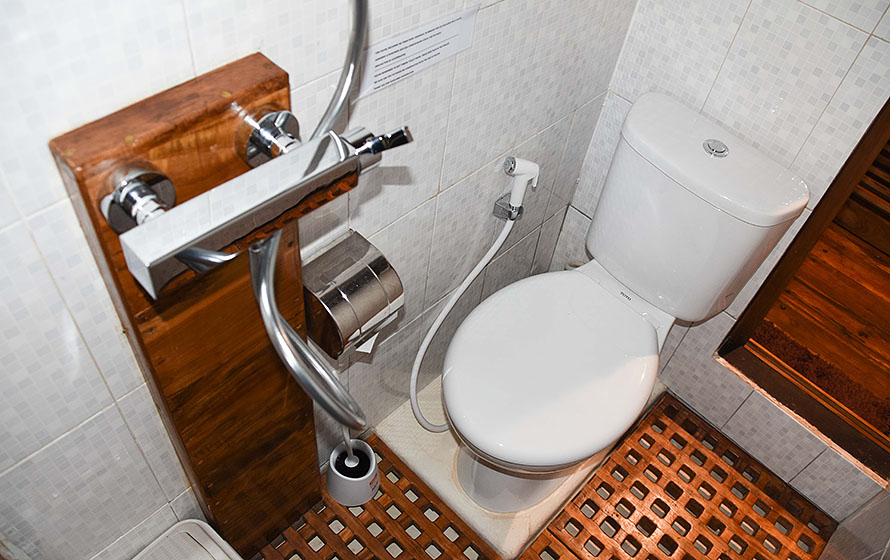
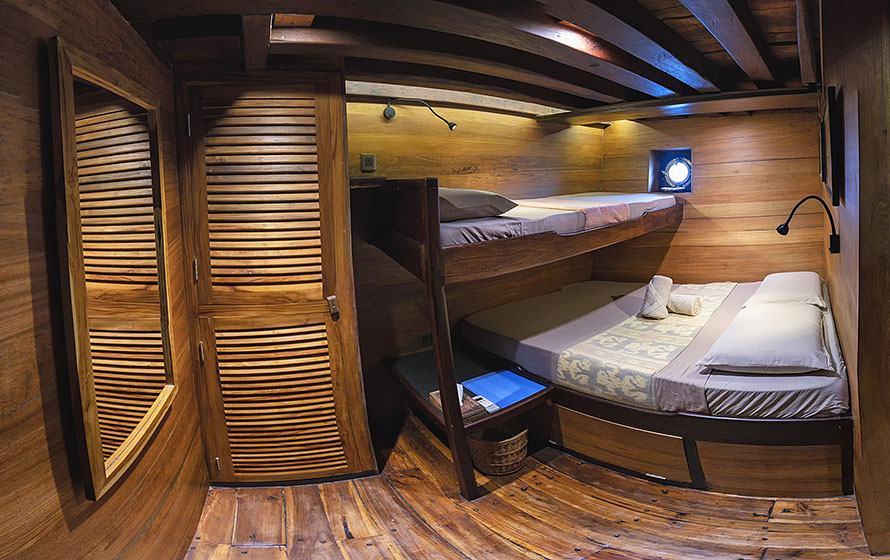
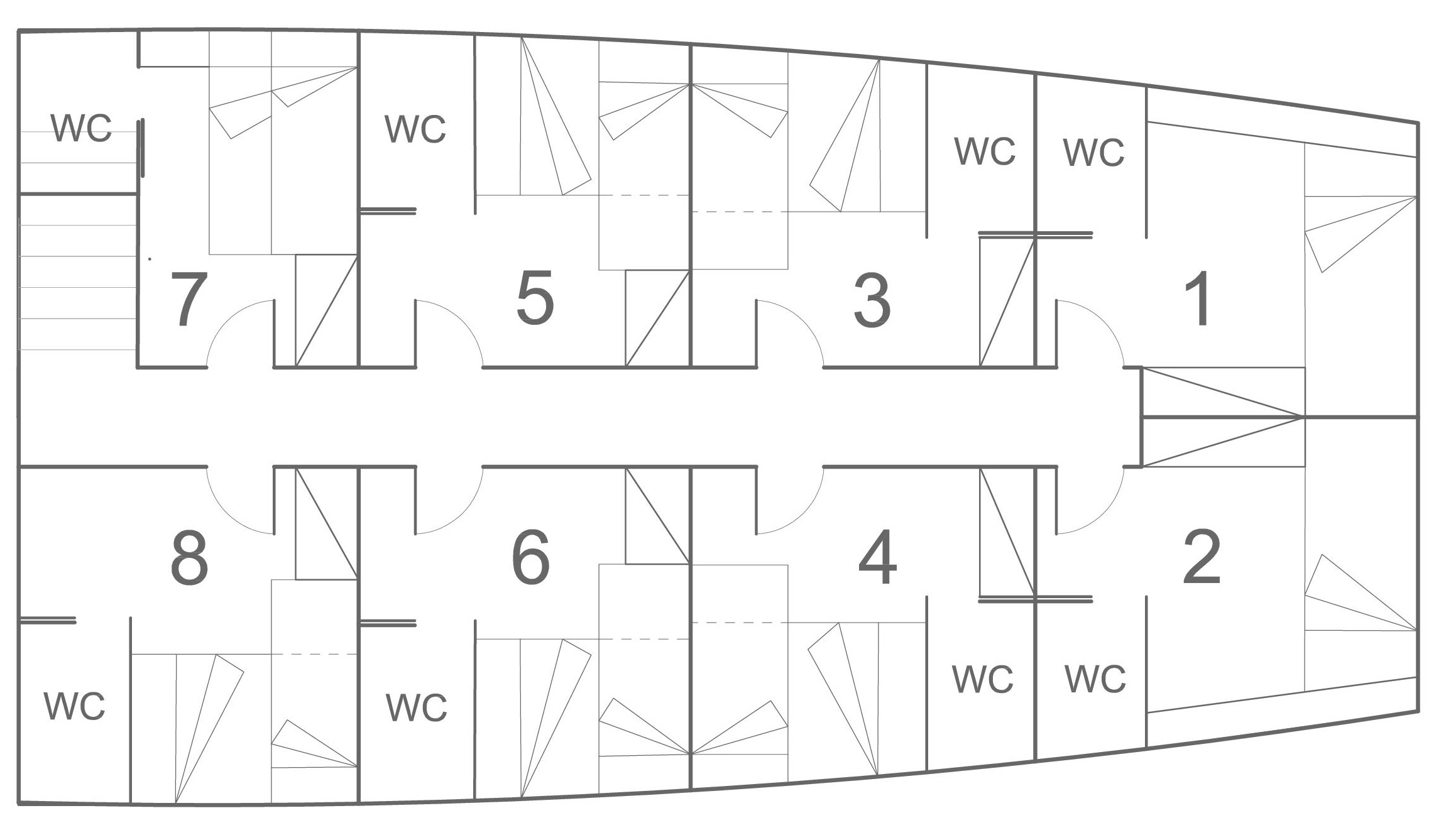
Her spacious interiors can comfortably sleep 16 passengers in 8 double AC/ensuite cabins, from which the two on the foredeck have twin single bunks each, while the remaining six cabins are fitted with double bed and a single bunk on top. Three gensets provide all-around-the-clock 220 v electricity supply, with two-pin European standard sockets. Ondina is currently based in Sorong, from where she operates different routes in Raja Ampat, Cenderawasih Bay, North Banda Sea, Triton Bay and Halmahera.
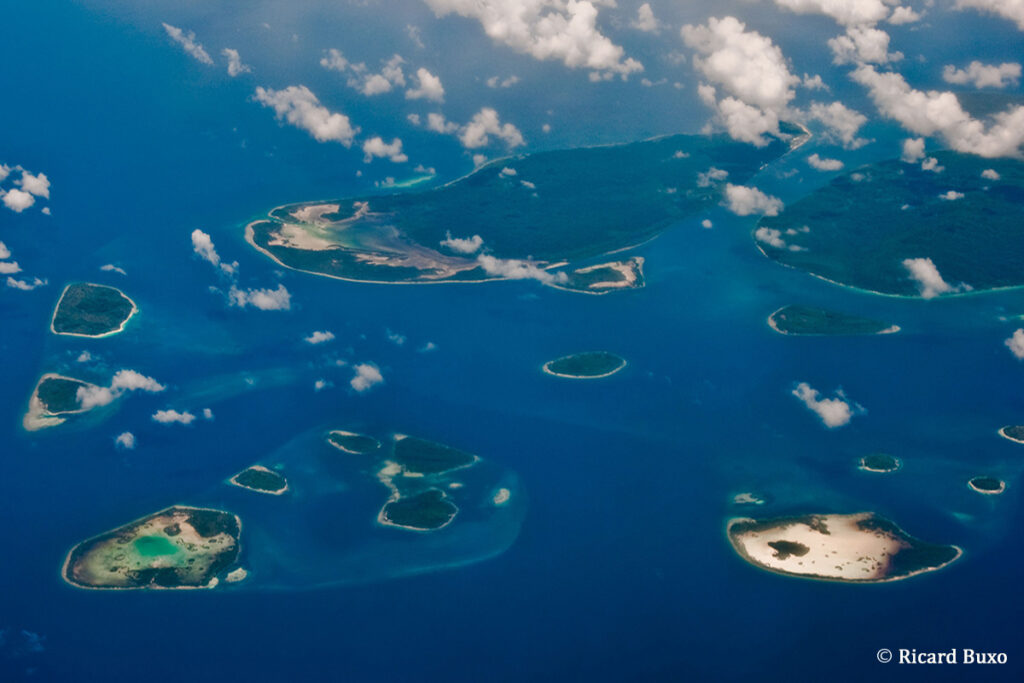
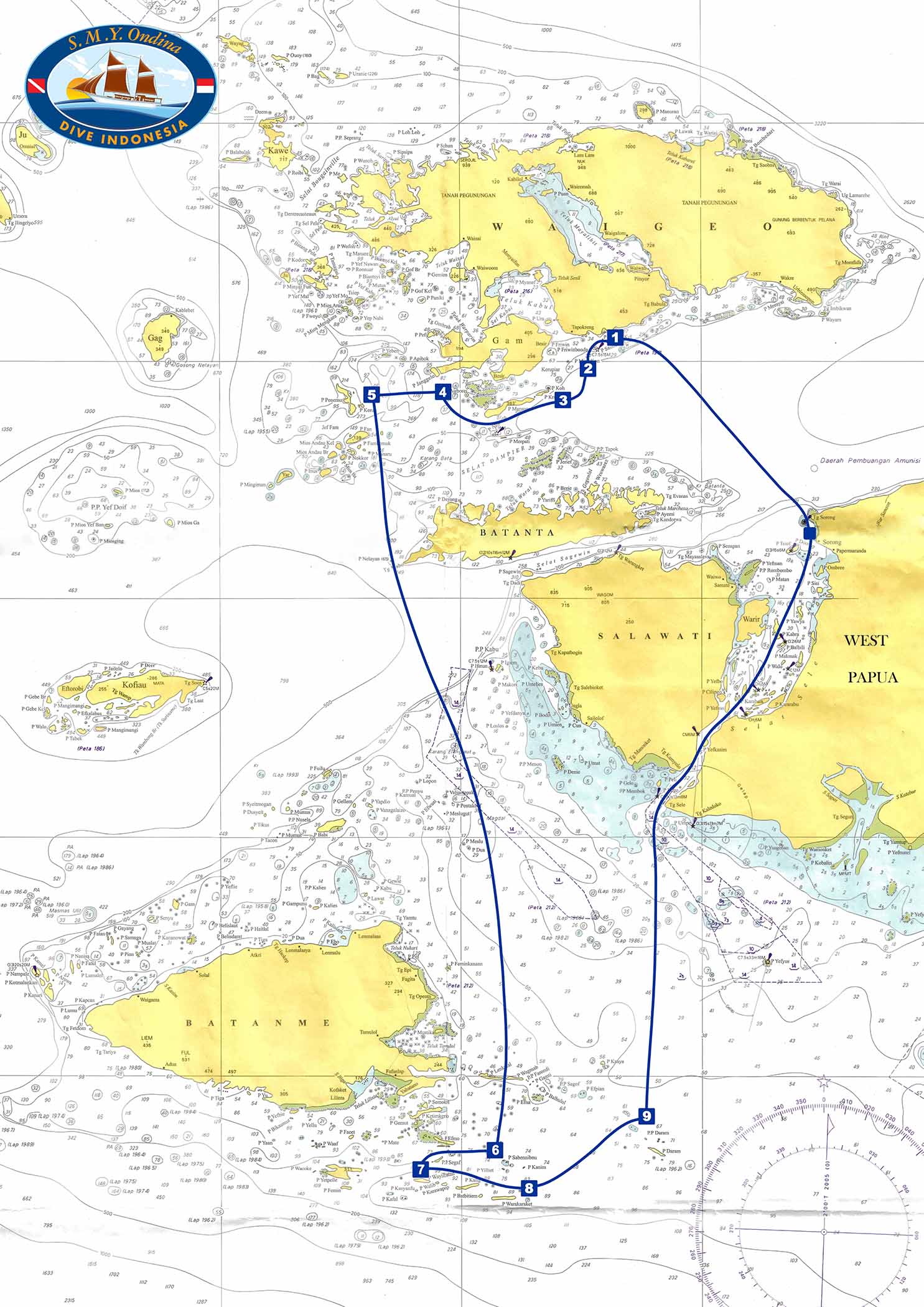
Raja Ampat: Sorong-Sorong
Disclaimer: Itineraries are only orientative and might be modified due to weather conditions, sea conditions and other external causes.
DAY 1: Pick up in Sorong airport, transfer to the boat, welcome drink and accommodation. Sail straight to Waisai for clearance and check dive in the afternoon at one of the reefs nearby. Night dive in Saonek.
DAY 2: Diving some of the fabulous reefs of the Dampier Straits: Sardine reef, Blue Magic and Mioskon amongst others. Night dive in the jetties of Saporkren (muck diving).
DAY 3: Early morning excursion to see the birds of paradise on the canopy of Waigeo. Diving in Cape Kri, Sawandarek Jetty and night dive in Yenbuba.
DAY 4: Dive the jetties of Airborek and nearby sites, like Manta Point, Lalosi Reef, or Citrus Ridge. Afternoon visit to the village of Airborek and night dive afterward in the jetties.
DAY 5: Three day dives in the area of Fam, in places such as Melissa’s Garden, Keruo Channel, My Reef, or Galaxy. Ascend to the viewpoint in Penemu Island. Overnight sail to Misool.
DAY 6: First dive in Puri Pinnacle, and the following two dives in the Fiabacet area. After the third dive visit Kalig beach, where we also do the night dive.
DAY 7: Full diving day in Wayilbatan, in sites like Gorgonian Passage, Four Kings and Weeding Cake, amongst others. Night dive at Barracuda Rock.
DAY 8: Three day dives in sites around Pulau Boo, Shadow Reef (a.k.a. Magic Mountain), Yilliet, or Romeo. Afternoon visit to the blacktip reef shark nursery beach in Yiliet and night dive afterward.
DAY 9: Two morning dives in the Daram Islands, in sites like Andiamo and Candy Store. After the dives head to Sorong in the afternoon, while preparing for departure the morning after.
Inclusions
Exclusions
- Cruise fee: 250.00 EUR
Indonesians call their own country Tanah Air Kita, Our Land and Waters, a good way of describing the largest archipelago in the world. Occupying a surface equivalent of the entire Europe of the U.S., Indonesia is strategically positioned across the tropics between the Indian and the Pacific oceans, and is crossed in its entirety by the Ring of Fire. The combination of deep inner seas, volcanic islands, and a monsoon weather regime creates a vast variety of ecosystems both on land and underwater, with a variety of ethnic groups and cultures to match. The result is a kaleidoscope of landscapes, peoples and nature that won’t cease to amaze the most demanding traveller, no matter how many times you visit…
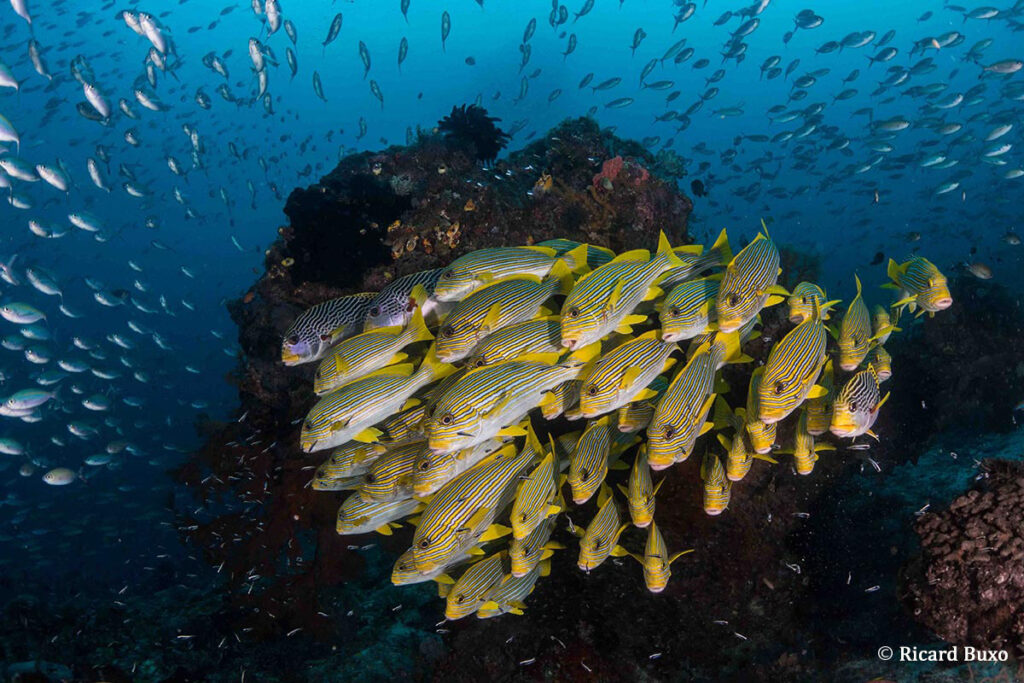
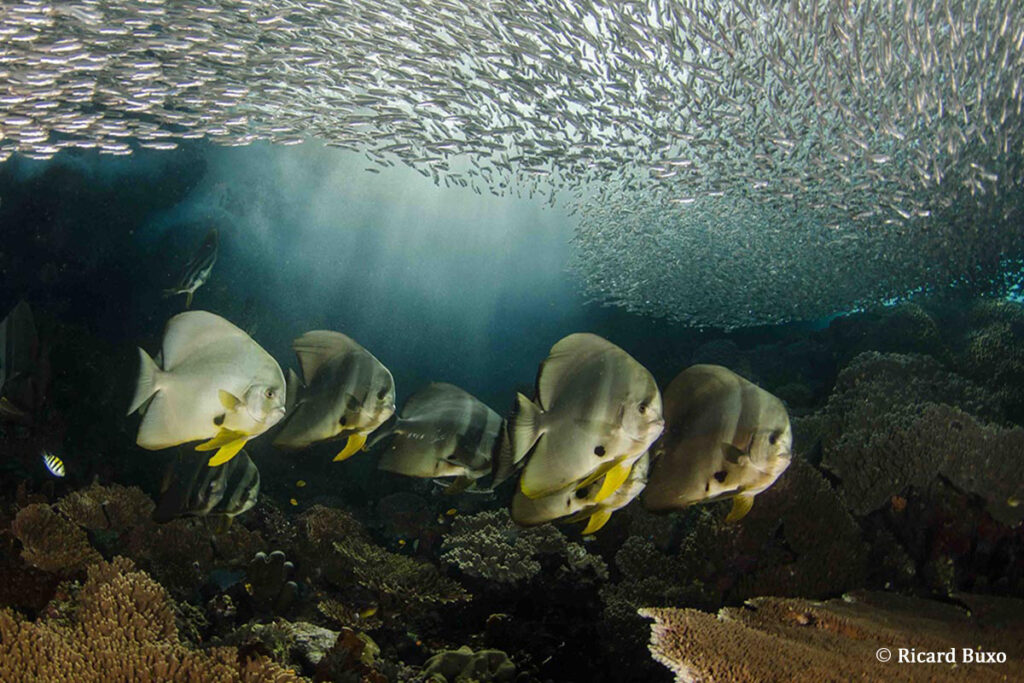
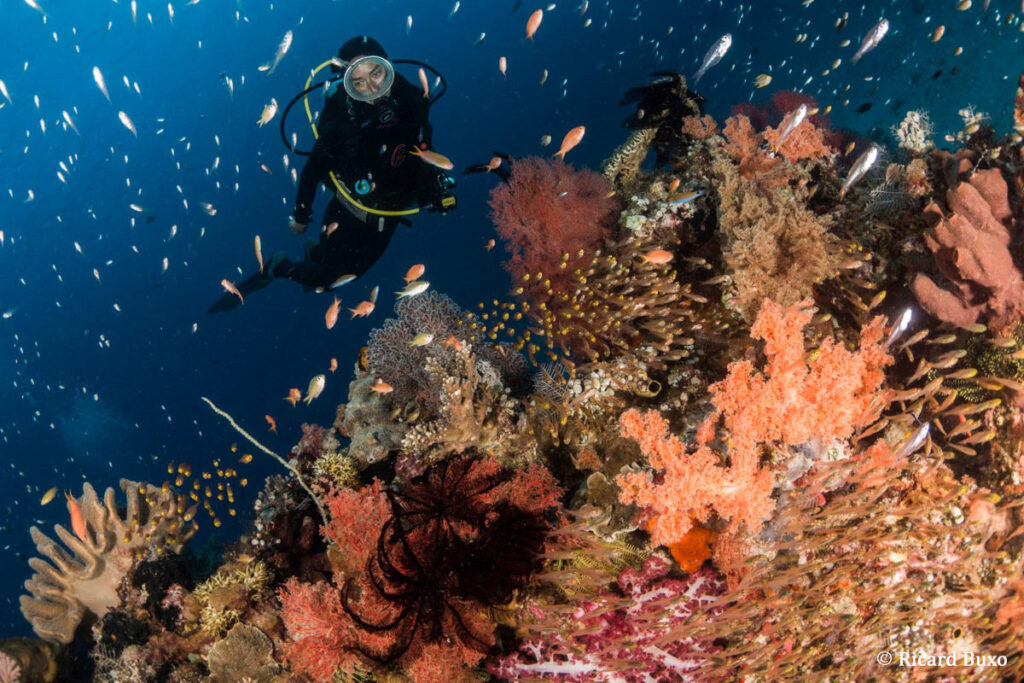
Volcanoes, rainforests, vast expanses of mangroves and some of the richest seas on the planet, this fascinating archipelago is home to a myriad of unusual creatures, from the little Tarsier to the (almost extinct) Sumatran rhino, tiger and elephant. Underwater, more than 4.000 species of fish and 500 types of coral are found throughout its mosaic of islands and reefs, creating a spectacular background that sets the scene for memorable encounters, from the tiny pygmy seahorse to the largest animal ever to exist, the blue whale, everything is possible in this land of wonders…
Different races and ethnic groups have coexisted here for centuries. This is the world’s largest Muslim country, a permissive Islam that coexist with matriarchal cultures, and gives an important role to women in social life. There are also important populations of Christians and Hindus, and traditional animist rituals are still widely practiced, blended with all other faiths. It is this rich mixture of beliefs, customs and lifestyles that make this country a real gem to visit. Indonesians are well known for their permanent smile and hospitality. A trip through this immense country is always a guarantee for wonderful experiences.
Cruises to Komodo start and/or end in Bima or Labuanbajo. For Alor, Maumere, or Kupang are the starting/ending points
Cruises starting or ending in Papua, Maluku or Sulawesi (Sorong, Manokwari, Ambon Tual or Bitung)
For these routes the best entry point is Manado (from Singapore), or Jakarta from elsewhere. From either of these two airports, you can fly to the starting points with a direct flight or with a short stop-over in between.
- 200 € cash to pay for the Harbour Fee on board. This fee includes all national park fees, diving permits for Marine Protected Areas, unexpected fuel price increases, etc…
- Passport valid for a minimum period of 6 months.
- Since 2015 the Indonesian authorities have extended its Free Visa program to all countries except six (Cameroon, Guinea, Montenegro, North Korea, Pakistan and Somalia). All other countries don’t need a pre-arranged visa for stays of less than 30 days. If you plan to stay longer in Indonesia, make sure you have the right visa. Check out the conditions for details.
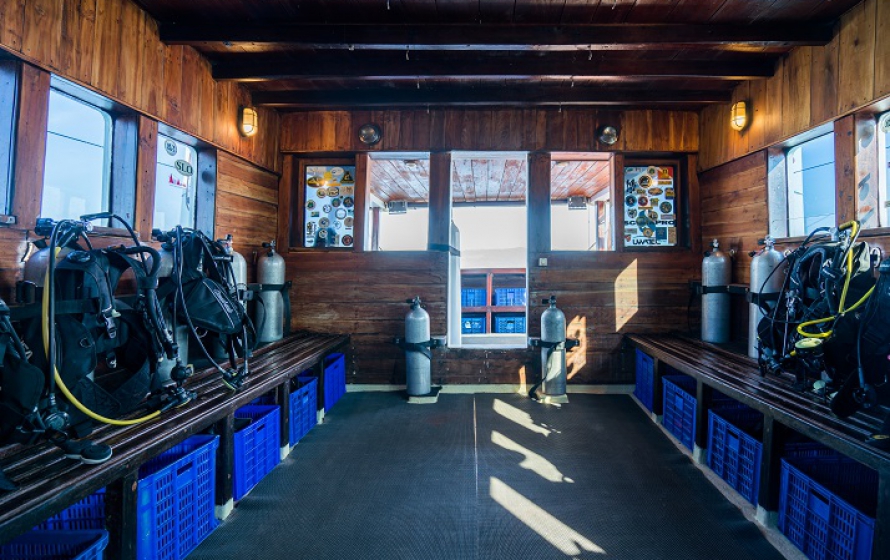
- Your own diving gear and all spare parts you may need. We have a limited number of sets of dive gear for rent and spare parts on board, but better check in advance if you plan to rent equipment onboard.
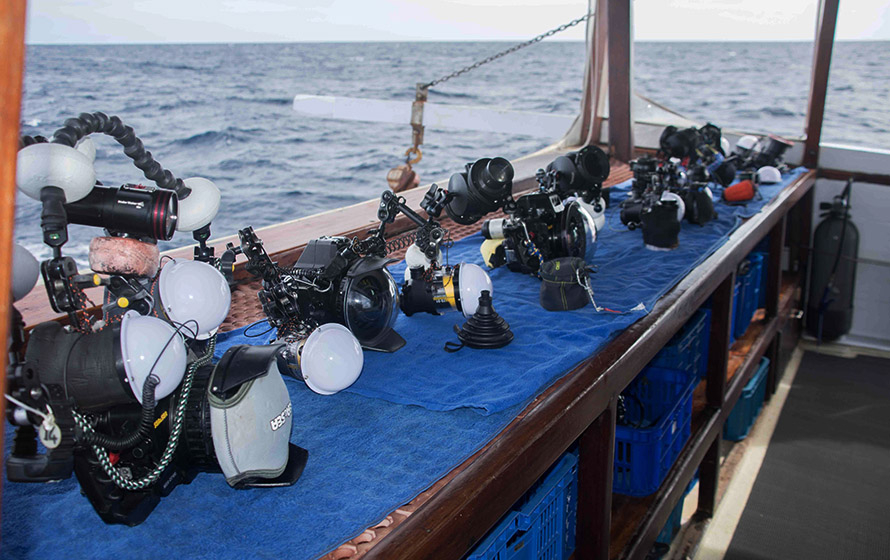
- Photography and video equipment.
- Mosquito repellent for when we go out on land tours (not needed onboard).
- Any specific medication you may be taking. No need for malaria treatment unless you are extending your stay in a malaria-endemic area. We have a complete First Aid Kit on board for minor injuries and regular illnesses.
- Your personal toiletries
- Light and comfortable clothing (cotton shorts & T-shirts are best), a sweater, and a pair of washable footwear for landing ashore on some land tours.
- Your favourite alcoholic drink from the Duty-Free shop at the airport. We have beer and a limited number of bottles of liquor on board, but you are welcome to bring your own bottle of the latter. Beer from outside the boat is not permitted. If you want to bring your own beer, we charge a “corkage” fee.
- Domestic flights are usually strict with overweight. You may have to pay extra if you exceed the allowance, so bring the minimum with you and some change to pay for extras.
- Electricity onboard is 220V all-around-the-clock, and all sockets are two round pins European standard. Please bring your adaptors if needed.
The average water temperature is around 28ºC, but in some areas like south Komodo, Alor or North Raja Ampat the temperature can drop to 22-24ºC. Usually a 3 mm wetsuit is enough, but bring a 5 mm or a hooded vest if you tend to get cold underwater.
The first day we only do the check dive in the afternoon plus night dive if we don’t have to cruise a long distance. The last day we also program two dives: early morning and after breakfast, to allow enough time to desaturate and safely fly the morning after. The remaining days we usually do three day-dives and night dive most days, unless we need to sail overnight to the next destination, in which case there is no night dive. Also, certain land tours – such as the walk on the Komodo National Park or the early tour to see the birds of paradise in Papua – take the time equivalent to the first dive in the morning. For all these reasons, the average number of dives at the end of the cruise ends up being about 3 per day.
We encourage our guests to arrive at the port of embarkation before noon (12:00) on the departure date, to allow for the check dive in the afternoon and subsequent departure the same day. If you can’t find a flight arriving at noon at the latest please consult the organization so we can plan accordingly.Equally, on the departure date guests are expected to leave the boat around noon at the latest, to allow for the preparation of the next cruise. The boat usually arrives at the departing port the night before the day of departure.Transfers from and to the airport or hotel at the starting and ending towns are included in the price of the cruise. Remember to provide specific details of arrival, either flight number and ETA, or name, address and telephone number of the hotel if you arrive earlier than the scheduled day of departure. Guests staying in a hotel will be contacted by our Cruise Director at 6 pm the latest the day before departure.
Currents make for good diving, and the reason Indonesia enjoys such great levels of biodiversity is precisely because of this constant flow of nutrient-packed currents and upwellings that feed the reefs. These currents promote rich, varied environments, from walls to flat reefs, slopes, underwater mountains, jetties, river mouths and black sand slopes. It is this extraordinary variety of ecosystems that provides the unique experience that diving Indonesia is.When it comes to currents, it is important to understand is that our cruise directors and diveguides all have many years of experience taking groups of divers in the waters of Indonesia. We have never had an accident, something we pride ourselves for, but we also make an effort to adapt to the needs of every diver, starting from the assessment of the kind of group we have during the first pre-dive briefing upon arrival, and subsequently dividing the group into smaller sub-groups with a ratio of about 4-5 divers to a guide. We assess the needs and interests of every group and plan the dives according to the level and interest of every diver, working around the tides and timing the dives to always ensure everybody has a good experience on board.
Euros and Dollars are widely accepted in Indonesia, although dollar notes must be from years later than 1996 and virtually flawless, or else might be (and often are) rejected. The best exchange rates are in Bali, though pretty much every town has at least one place to exchange hard currency. Banks do change as well but at a slightly lower rate. Always try to stick to larger money changers and avoid smaller ones in tourist areas. We accept any kind of hard currency or Indonesia Rupiah on board, though not credit cards nor checks. We recommend you to bring some small (local) money to buy handicrafts when visiting villages.
As defendants of the “digital detox” movement, our boats don’t have internet connexion. Still, nowadays about 50% of the time there is some public internet connection available, depending on the route. If you are the kind that likes to be connected at all times, we suggest you purchase a phone card with a data package upon arrival in the country. Telkomsel works best and is available in any of the many dedicated phone stores. Our boats are both equipped with a satellite phone for emergencies, and guests are welcome to use them at the established rates.
Visa: Most countries are allowed a 30-days free visa on arrival, but it’s always good to check in advance.
Passports: The date of expiration must be a minimum of 6 months from the date of exiting the country.
Diving insurance: It is compulsory to hold valid personal diving insurance to dive with us.
We strongly recommend considering a Land Tour extension before or after the cruise. After a long journey to Indonesia, it is worth exploring one or more of the numerous places of interest in the region, by the hand of professional, experienced guides. Should you need help arranging for one of the tours we can put you in touch with our partners in Bali which can organize many different land tours and activities throughout the archipelago.
Conditions for Payment and cancellations: To avoid problems, please read carefully the section of Bookings and Cancellations.
Money: Most hard currencies can be exchanged directly at airports and hotels in Indonesia. The best exchange rate to Rupiah is found in the money changers in Bali, though it is best to use the larger ones with a good, professional image. Credit cards are accepted in Bali and the big cities of Indonesia, but not in villages nor in remote islands. You can pay with any currency on board, but not with credit card nor checks.
Cruise fees: Remember to carry € 200 in cash per person to pay the Harbour Fee.
Diving: The diving is normally carried out from the tenders, sometimes without even anchoring. The tenders stay on top of the group for the entire length of the dive, picking up the divers at the end of it. We recommend divers to hold an advanced certification or a minimum of 50 signed dives, so they can fully enjoy the diving. Although we do our utmost to assess the level of the divers and organize the underwater activities accordingly, some dives are in strong currents and a minimum experience of every single diver is key for the safety and enjoyment of the group.
Water temperature: The temperature is normally 28º C, although areas exposed to upwellings from the ocean (like South Komodo or Alor) can experience lower temperatures down to 22º C. Usually a 3 mm dive suit is enough, though some divers like to add a hooded vest or simply wear a 5 mm.
Visibility: The average visibility is 15-20 m, with variations depending on season and tides.
Safety in diving: Every diver must carry a Surface Marker Buoy; if you don’t bring your own we will lend you one for the duration of the cruise.
Rental of diving equipment: Available onboard, please ask in advance for availability and check prices in the Services Onboard section of the menu.
Electricity: Electricity onboard is 220 v with standard two-pin European sockets. The same applies to land.
Health: There are no mandatory vaccinations for traveling to Indonesia. The Tropical Disease Institutes consider that some of the islands of the Indonesian archipelago are affected by malaria, although this is only true for highlands on the interior. Risks are minimum during the cruise and it is sufficient to bring a mosquito repellent for the land tours, or use the one provided onboard. It is important not to drink tap water nor eat fruits and vegetables without peeling, washing or boiling them. If you suffer seasickness carry your own remedy.
Clothing: Our boats do not have laundry service, so we recommend you bring enough clothing for the entire length of the cruise. T-shirts, polo shirts, shorts and bathing suits are the norm, and a sweater for the evenings is usually enough.
Heat: We are near the tropics and it can get very hot. Bring high protection sunscreen, sunglasses, hat…
We do not recommend bringing children under 6 years of age unless it is a consolidated route (see the Types of Route section), and at least one parent or legal tutor must remain on board with the children under 6 during dives.
- Deck Length: 32 meters
- Beam: 8 meters
- Draft: 2,6 metres
- Hull: Iron Wood
- Engine: 400 HP Man 8 cylinders
- Sails: 300 square meters in 7 sails
- Cruising Speed: 7 Knots
- Water: 10.000 liters plus watermaker deposits
- Fuel tanks: 10.000 liters
- Gensets: 2 x 30 Kw plus 1 x 20 Kw
- Compressors: 2 x Bauer Mariner plus spare block
- Nitrox: Membrane system with Atlas Copco compressor
Launched in 2001, this traditional wooden schooner – known as Phinisi in the local language – was built in South Sulawesi by the Bugis tribes of seafarers, using tropical timbers and following traditional methods from their ancestry. Custom-built under the direct supervision of our director of operations, she was built by a diver for the divers.
Her spacious interiors can comfortably sleep 16 passengers in 8 double AC/ensuite cabins, from which the two on the foredeck have twin single bunks each, while the remaining six cabins are fitted with double bed and a single bunk on top. Three gensets provide all-around-the-clock 220 v electricity supply, with two-pin European standard sockets. Ondina is currently based in Sorong, from where she operates different routes in Raja Ampat, Cenderawasih Bay, North Banda Sea, Triton Bay and Halmahera.
Inclusions
Exclusions
- Cruise fee: 250.00 EUR
Indonesians call their own country Tanah Air Kita, Our Land and Waters, a good way of describing the largest archipelago in the world. Occupying a surface equivalent of the entire Europe of the U.S., Indonesia is strategically positioned across the tropics between the Indian and the Pacific oceans, and is crossed in its entirety by the Ring of Fire. The combination of deep inner seas, volcanic islands, and a monsoon weather regime creates a vast variety of ecosystems both on land and underwater, with a variety of ethnic groups and cultures to match. The result is a kaleidoscope of landscapes, peoples and nature that won’t cease to amaze the most demanding traveller, no matter how many times you visit…
Volcanoes, rainforests, vast expanses of mangroves and some of the richest seas on the planet, this fascinating archipelago is home to a myriad of unusual creatures, from the little Tarsier to the (almost extinct) Sumatran rhino, tiger and elephant. Underwater, more than 4.000 species of fish and 500 types of coral are found throughout its mosaic of islands and reefs, creating a spectacular background that sets the scene for memorable encounters, from the tiny pygmy seahorse to the largest animal ever to exist, the blue whale, everything is possible in this land of wonders…
Different races and ethnic groups have coexisted here for centuries. This is the world’s largest Muslim country, a permissive Islam that coexist with matriarchal cultures, and gives an important role to women in social life. There are also important populations of Christians and Hindus, and traditional animist rituals are still widely practiced, blended with all other faiths. It is this rich mixture of beliefs, customs and lifestyles that make this country a real gem to visit. Indonesians are well known for their permanent smile and hospitality. A trip through this immense country is always a guarantee for wonderful experiences.
Cruises to Komodo start and/or end in Bima or Labuanbajo. For Alor, Maumere, or Kupang are the starting/ending points
Cruises starting or ending in Papua, Maluku or Sulawesi (Sorong, Manokwari, Ambon Tual or Bitung)
For these routes the best entry point is Manado (from Singapore), or Jakarta from elsewhere. From either of these two airports, you can fly to the starting points with a direct flight or with a short stop-over in between.
- 200 € cash to pay for the Harbour Fee on board. This fee includes all national park fees, diving permits for Marine Protected Areas, unexpected fuel price increases, etc…
- Passport valid for a minimum period of 6 months.
- Since 2015 the Indonesian authorities have extended its Free Visa program to all countries except six (Cameroon, Guinea, Montenegro, North Korea, Pakistan and Somalia). All other countries don’t need a pre-arranged visa for stays of less than 30 days. If you plan to stay longer in Indonesia, make sure you have the right visa. Check out the conditions for details.
- Your own diving gear and all spare parts you may need. We have a limited number of sets of dive gear for rent and spare parts on board, but better check in advance if you plan to rent equipment onboard.
- Photography and video equipment.
- Mosquito repellent for when we go out on land tours (not needed onboard).
- Any specific medication you may be taking. No need for malaria treatment unless you are extending your stay in a malaria-endemic area. We have a complete First Aid Kit on board for minor injuries and regular illnesses.
- Your personal toiletries
- Light and comfortable clothing (cotton shorts & T-shirts are best), a sweater, and a pair of washable footwear for landing ashore on some land tours.
- Your favourite alcoholic drink from the Duty-Free shop at the airport. We have beer and a limited number of bottles of liquor on board, but you are welcome to bring your own bottle of the latter. Beer from outside the boat is not permitted. If you want to bring your own beer, we charge a “corkage” fee.
- Domestic flights are usually strict with overweight. You may have to pay extra if you exceed the allowance, so bring the minimum with you and some change to pay for extras.
- Electricity onboard is 220V all-around-the-clock, and all sockets are two round pins European standard. Please bring your adaptors if needed.
The average water temperature is around 28ºC, but in some areas like south Komodo, Alor or North Raja Ampat the temperature can drop to 22-24ºC. Usually a 3 mm wetsuit is enough, but bring a 5 mm or a hooded vest if you tend to get cold underwater.
The first day we only do the check dive in the afternoon plus night dive if we don’t have to cruise a long distance. The last day we also program two dives: early morning and after breakfast, to allow enough time to desaturate and safely fly the morning after. The remaining days we usually do three day-dives and night dive most days, unless we need to sail overnight to the next destination, in which case there is no night dive. Also, certain land tours – such as the walk on the Komodo National Park or the early tour to see the birds of paradise in Papua – take the time equivalent to the first dive in the morning. For all these reasons, the average number of dives at the end of the cruise ends up being about 3 per day.
We encourage our guests to arrive at the port of embarkation before noon (12:00) on the departure date, to allow for the check dive in the afternoon and subsequent departure the same day. If you can’t find a flight arriving at noon at the latest please consult the organization so we can plan accordingly.Equally, on the departure date guests are expected to leave the boat around noon at the latest, to allow for the preparation of the next cruise. The boat usually arrives at the departing port the night before the day of departure.Transfers from and to the airport or hotel at the starting and ending towns are included in the price of the cruise. Remember to provide specific details of arrival, either flight number and ETA, or name, address and telephone number of the hotel if you arrive earlier than the scheduled day of departure. Guests staying in a hotel will be contacted by our Cruise Director at 6 pm the latest the day before departure.
Currents make for good diving, and the reason Indonesia enjoys such great levels of biodiversity is precisely because of this constant flow of nutrient-packed currents and upwellings that feed the reefs. These currents promote rich, varied environments, from walls to flat reefs, slopes, underwater mountains, jetties, river mouths and black sand slopes. It is this extraordinary variety of ecosystems that provides the unique experience that diving Indonesia is.When it comes to currents, it is important to understand is that our cruise directors and diveguides all have many years of experience taking groups of divers in the waters of Indonesia. We have never had an accident, something we pride ourselves for, but we also make an effort to adapt to the needs of every diver, starting from the assessment of the kind of group we have during the first pre-dive briefing upon arrival, and subsequently dividing the group into smaller sub-groups with a ratio of about 4-5 divers to a guide. We assess the needs and interests of every group and plan the dives according to the level and interest of every diver, working around the tides and timing the dives to always ensure everybody has a good experience on board.
Euros and Dollars are widely accepted in Indonesia, although dollar notes must be from years later than 1996 and virtually flawless, or else might be (and often are) rejected. The best exchange rates are in Bali, though pretty much every town has at least one place to exchange hard currency. Banks do change as well but at a slightly lower rate. Always try to stick to larger money changers and avoid smaller ones in tourist areas. We accept any kind of hard currency or Indonesia Rupiah on board, though not credit cards nor checks. We recommend you to bring some small (local) money to buy handicrafts when visiting villages.
As defendants of the “digital detox” movement, our boats don’t have internet connexion. Still, nowadays about 50% of the time there is some public internet connection available, depending on the route. If you are the kind that likes to be connected at all times, we suggest you purchase a phone card with a data package upon arrival in the country. Telkomsel works best and is available in any of the many dedicated phone stores. Our boats are both equipped with a satellite phone for emergencies, and guests are welcome to use them at the established rates.
Visa: Most countries are allowed a 30-days free visa on arrival, but it’s always good to check in advance.
Passports: The date of expiration must be a minimum of 6 months from the date of exiting the country.
Diving insurance: It is compulsory to hold valid personal diving insurance to dive with us.
We strongly recommend considering a Land Tour extension before or after the cruise. After a long journey to Indonesia, it is worth exploring one or more of the numerous places of interest in the region, by the hand of professional, experienced guides. Should you need help arranging for one of the tours we can put you in touch with our partners in Bali which can organize many different land tours and activities throughout the archipelago.
Conditions for Payment and cancellations: To avoid problems, please read carefully the section of Bookings and Cancellations.
Money: Most hard currencies can be exchanged directly at airports and hotels in Indonesia. The best exchange rate to Rupiah is found in the money changers in Bali, though it is best to use the larger ones with a good, professional image. Credit cards are accepted in Bali and the big cities of Indonesia, but not in villages nor in remote islands. You can pay with any currency on board, but not with credit card nor checks.
Cruise fees: Remember to carry € 200 in cash per person to pay the Harbour Fee.
Diving: The diving is normally carried out from the tenders, sometimes without even anchoring. The tenders stay on top of the group for the entire length of the dive, picking up the divers at the end of it. We recommend divers to hold an advanced certification or a minimum of 50 signed dives, so they can fully enjoy the diving. Although we do our utmost to assess the level of the divers and organize the underwater activities accordingly, some dives are in strong currents and a minimum experience of every single diver is key for the safety and enjoyment of the group.
Water temperature: The temperature is normally 28º C, although areas exposed to upwellings from the ocean (like South Komodo or Alor) can experience lower temperatures down to 22º C. Usually a 3 mm dive suit is enough, though some divers like to add a hooded vest or simply wear a 5 mm.
Visibility: The average visibility is 15-20 m, with variations depending on season and tides.
Safety in diving: Every diver must carry a Surface Marker Buoy; if you don’t bring your own we will lend you one for the duration of the cruise.
Rental of diving equipment: Available onboard, please ask in advance for availability and check prices in the Services Onboard section of the menu.
Electricity: Electricity onboard is 220 v with standard two-pin European sockets. The same applies to land.
Health: There are no mandatory vaccinations for traveling to Indonesia. The Tropical Disease Institutes consider that some of the islands of the Indonesian archipelago are affected by malaria, although this is only true for highlands on the interior. Risks are minimum during the cruise and it is sufficient to bring a mosquito repellent for the land tours, or use the one provided onboard. It is important not to drink tap water nor eat fruits and vegetables without peeling, washing or boiling them. If you suffer seasickness carry your own remedy.
Clothing: Our boats do not have laundry service, so we recommend you bring enough clothing for the entire length of the cruise. T-shirts, polo shirts, shorts and bathing suits are the norm, and a sweater for the evenings is usually enough.
Heat: We are near the tropics and it can get very hot. Bring high protection sunscreen, sunglasses, hat…
We do not recommend bringing children under 6 years of age unless it is a consolidated route (see the Types of Route section), and at least one parent or legal tutor must remain on board with the children under 6 during dives.
- Deck Length: 32 meters
- Beam: 8 meters
- Draft: 2,6 metres
- Hull: Iron Wood
- Engine: 400 HP Man 8 cylinders
- Sails: 300 square meters in 7 sails
- Cruising Speed: 7 Knots
- Water: 10.000 liters plus watermaker deposits
- Fuel tanks: 10.000 liters
- Gensets: 2 x 30 Kw plus 1 x 20 Kw
- Compressors: 2 x Bauer Mariner plus spare block
- Nitrox: Membrane system with Atlas Copco compressor
Launched in 2001, this traditional wooden schooner – known as Phinisi in the local language – was built in South Sulawesi by the Bugis tribes of seafarers, using tropical timbers and following traditional methods from their ancestry. Custom-built under the direct supervision of our director of operations, she was built by a diver for the divers.
Her spacious interiors can comfortably sleep 16 passengers in 8 double AC/ensuite cabins, from which the two on the foredeck have twin single bunks each, while the remaining six cabins are fitted with double bed and a single bunk on top. Three gensets provide all-around-the-clock 220 v electricity supply, with two-pin European standard sockets. Ondina is currently based in Sorong, from where she operates different routes in Raja Ampat, Cenderawasih Bay, North Banda Sea, Triton Bay and Halmahera.
Raja Ampat: Sorong-Sorong
Disclaimer: Itineraries are only orientative and might be modified due to weather conditions, sea conditions and other external causes.
DAY 1: Pick up in Sorong airport, transfer to the boat, welcome drink and accommodation. Sail straight to Waisai for clearance and check dive in the afternoon at one of the reefs nearby. Night dive in Saonek.
DAY 2: Diving some of the fabulous reefs of the Dampier Straits: Sardine reef, Blue Magic and Mioskon amongst others. Night dive in the jetties of Saporkren (muck diving).
DAY 3: Early morning excursion to see the birds of paradise on the canopy of Waigeo. Diving in Cape Kri, Sawandarek Jetty and night dive in Yenbuba.
DAY 4: Dive the jetties of Airborek and nearby sites, like Manta Point, Lalosi Reef, or Citrus Ridge. Afternoon visit to the village of Airborek and night dive afterward in the jetties.
DAY 5: Three day dives in the area of Fam, in places such as Melissa’s Garden, Keruo Channel, My Reef, or Galaxy. Ascend to the viewpoint in Penemu Island. Overnight sail to Misool.
DAY 6: First dive in Puri Pinnacle, and the following two dives in the Fiabacet area. After the third dive visit Kalig beach, where we also do the night dive.
DAY 7: Full diving day in Wayilbatan, in sites like Gorgonian Passage, Four Kings and Weeding Cake, amongst others. Night dive at Barracuda Rock.
DAY 8: Three day dives in sites around Pulau Boo, Shadow Reef (a.k.a. Magic Mountain), Yilliet, or Romeo. Afternoon visit to the blacktip reef shark nursery beach in Yiliet and night dive afterward.
DAY 9: Two morning dives in the Daram Islands, in sites like Andiamo and Candy Store. After the dives head to Sorong in the afternoon, while preparing for departure the morning after.
Inclusions
Exclusions
- Cruise fee: 250.00 EUR
Indonesians call their own country Tanah Air Kita, Our Land and Waters, a good way of describing the largest archipelago in the world. Occupying a surface equivalent of the entire Europe of the U.S., Indonesia is strategically positioned across the tropics between the Indian and the Pacific oceans, and is crossed in its entirety by the Ring of Fire. The combination of deep inner seas, volcanic islands, and a monsoon weather regime creates a vast variety of ecosystems both on land and underwater, with a variety of ethnic groups and cultures to match. The result is a kaleidoscope of landscapes, peoples and nature that won’t cease to amaze the most demanding traveller, no matter how many times you visit…
Volcanoes, rainforests, vast expanses of mangroves and some of the richest seas on the planet, this fascinating archipelago is home to a myriad of unusual creatures, from the little Tarsier to the (almost extinct) Sumatran rhino, tiger and elephant. Underwater, more than 4.000 species of fish and 500 types of coral are found throughout its mosaic of islands and reefs, creating a spectacular background that sets the scene for memorable encounters, from the tiny pygmy seahorse to the largest animal ever to exist, the blue whale, everything is possible in this land of wonders…
Different races and ethnic groups have coexisted here for centuries. This is the world’s largest Muslim country, a permissive Islam that coexist with matriarchal cultures, and gives an important role to women in social life. There are also important populations of Christians and Hindus, and traditional animist rituals are still widely practiced, blended with all other faiths. It is this rich mixture of beliefs, customs and lifestyles that make this country a real gem to visit. Indonesians are well known for their permanent smile and hospitality. A trip through this immense country is always a guarantee for wonderful experiences.
Cruises to Komodo start and/or end in Bima or Labuanbajo. For Alor, Maumere, or Kupang are the starting/ending points
Cruises starting or ending in Papua, Maluku or Sulawesi (Sorong, Manokwari, Ambon Tual or Bitung)
For these routes the best entry point is Manado (from Singapore), or Jakarta from elsewhere. From either of these two airports, you can fly to the starting points with a direct flight or with a short stop-over in between.
- 200 € cash to pay for the Harbour Fee on board. This fee includes all national park fees, diving permits for Marine Protected Areas, unexpected fuel price increases, etc…
- Passport valid for a minimum period of 6 months.
- Since 2015 the Indonesian authorities have extended its Free Visa program to all countries except six (Cameroon, Guinea, Montenegro, North Korea, Pakistan and Somalia). All other countries don’t need a pre-arranged visa for stays of less than 30 days. If you plan to stay longer in Indonesia, make sure you have the right visa. Check out the conditions for details.
- Your own diving gear and all spare parts you may need. We have a limited number of sets of dive gear for rent and spare parts on board, but better check in advance if you plan to rent equipment onboard.
- Photography and video equipment.
- Mosquito repellent for when we go out on land tours (not needed onboard).
- Any specific medication you may be taking. No need for malaria treatment unless you are extending your stay in a malaria-endemic area. We have a complete First Aid Kit on board for minor injuries and regular illnesses.
- Your personal toiletries
- Light and comfortable clothing (cotton shorts & T-shirts are best), a sweater, and a pair of washable footwear for landing ashore on some land tours.
- Your favourite alcoholic drink from the Duty-Free shop at the airport. We have beer and a limited number of bottles of liquor on board, but you are welcome to bring your own bottle of the latter. Beer from outside the boat is not permitted. If you want to bring your own beer, we charge a “corkage” fee.
- Domestic flights are usually strict with overweight. You may have to pay extra if you exceed the allowance, so bring the minimum with you and some change to pay for extras.
- Electricity onboard is 220V all-around-the-clock, and all sockets are two round pins European standard. Please bring your adaptors if needed.
The average water temperature is around 28ºC, but in some areas like south Komodo, Alor or North Raja Ampat the temperature can drop to 22-24ºC. Usually a 3 mm wetsuit is enough, but bring a 5 mm or a hooded vest if you tend to get cold underwater.
The first day we only do the check dive in the afternoon plus night dive if we don’t have to cruise a long distance. The last day we also program two dives: early morning and after breakfast, to allow enough time to desaturate and safely fly the morning after. The remaining days we usually do three day-dives and night dive most days, unless we need to sail overnight to the next destination, in which case there is no night dive. Also, certain land tours – such as the walk on the Komodo National Park or the early tour to see the birds of paradise in Papua – take the time equivalent to the first dive in the morning. For all these reasons, the average number of dives at the end of the cruise ends up being about 3 per day.
We encourage our guests to arrive at the port of embarkation before noon (12:00) on the departure date, to allow for the check dive in the afternoon and subsequent departure the same day. If you can’t find a flight arriving at noon at the latest please consult the organization so we can plan accordingly.Equally, on the departure date guests are expected to leave the boat around noon at the latest, to allow for the preparation of the next cruise. The boat usually arrives at the departing port the night before the day of departure.Transfers from and to the airport or hotel at the starting and ending towns are included in the price of the cruise. Remember to provide specific details of arrival, either flight number and ETA, or name, address and telephone number of the hotel if you arrive earlier than the scheduled day of departure. Guests staying in a hotel will be contacted by our Cruise Director at 6 pm the latest the day before departure.
Currents make for good diving, and the reason Indonesia enjoys such great levels of biodiversity is precisely because of this constant flow of nutrient-packed currents and upwellings that feed the reefs. These currents promote rich, varied environments, from walls to flat reefs, slopes, underwater mountains, jetties, river mouths and black sand slopes. It is this extraordinary variety of ecosystems that provides the unique experience that diving Indonesia is.When it comes to currents, it is important to understand is that our cruise directors and diveguides all have many years of experience taking groups of divers in the waters of Indonesia. We have never had an accident, something we pride ourselves for, but we also make an effort to adapt to the needs of every diver, starting from the assessment of the kind of group we have during the first pre-dive briefing upon arrival, and subsequently dividing the group into smaller sub-groups with a ratio of about 4-5 divers to a guide. We assess the needs and interests of every group and plan the dives according to the level and interest of every diver, working around the tides and timing the dives to always ensure everybody has a good experience on board.
Euros and Dollars are widely accepted in Indonesia, although dollar notes must be from years later than 1996 and virtually flawless, or else might be (and often are) rejected. The best exchange rates are in Bali, though pretty much every town has at least one place to exchange hard currency. Banks do change as well but at a slightly lower rate. Always try to stick to larger money changers and avoid smaller ones in tourist areas. We accept any kind of hard currency or Indonesia Rupiah on board, though not credit cards nor checks. We recommend you to bring some small (local) money to buy handicrafts when visiting villages.
As defendants of the “digital detox” movement, our boats don’t have internet connexion. Still, nowadays about 50% of the time there is some public internet connection available, depending on the route. If you are the kind that likes to be connected at all times, we suggest you purchase a phone card with a data package upon arrival in the country. Telkomsel works best and is available in any of the many dedicated phone stores. Our boats are both equipped with a satellite phone for emergencies, and guests are welcome to use them at the established rates.
Visa: Most countries are allowed a 30-days free visa on arrival, but it’s always good to check in advance.
Passports: The date of expiration must be a minimum of 6 months from the date of exiting the country.
Diving insurance: It is compulsory to hold valid personal diving insurance to dive with us.
We strongly recommend considering a Land Tour extension before or after the cruise. After a long journey to Indonesia, it is worth exploring one or more of the numerous places of interest in the region, by the hand of professional, experienced guides. Should you need help arranging for one of the tours we can put you in touch with our partners in Bali which can organize many different land tours and activities throughout the archipelago.
Conditions for Payment and cancellations: To avoid problems, please read carefully the section of Bookings and Cancellations.
Money: Most hard currencies can be exchanged directly at airports and hotels in Indonesia. The best exchange rate to Rupiah is found in the money changers in Bali, though it is best to use the larger ones with a good, professional image. Credit cards are accepted in Bali and the big cities of Indonesia, but not in villages nor in remote islands. You can pay with any currency on board, but not with credit card nor checks.
Cruise fees: Remember to carry € 200 in cash per person to pay the Harbour Fee.
Diving: The diving is normally carried out from the tenders, sometimes without even anchoring. The tenders stay on top of the group for the entire length of the dive, picking up the divers at the end of it. We recommend divers to hold an advanced certification or a minimum of 50 signed dives, so they can fully enjoy the diving. Although we do our utmost to assess the level of the divers and organize the underwater activities accordingly, some dives are in strong currents and a minimum experience of every single diver is key for the safety and enjoyment of the group.
Water temperature: The temperature is normally 28º C, although areas exposed to upwellings from the ocean (like South Komodo or Alor) can experience lower temperatures down to 22º C. Usually a 3 mm dive suit is enough, though some divers like to add a hooded vest or simply wear a 5 mm.
Visibility: The average visibility is 15-20 m, with variations depending on season and tides.
Safety in diving: Every diver must carry a Surface Marker Buoy; if you don’t bring your own we will lend you one for the duration of the cruise.
Rental of diving equipment: Available onboard, please ask in advance for availability and check prices in the Services Onboard section of the menu.
Electricity: Electricity onboard is 220 v with standard two-pin European sockets. The same applies to land.
Health: There are no mandatory vaccinations for traveling to Indonesia. The Tropical Disease Institutes consider that some of the islands of the Indonesian archipelago are affected by malaria, although this is only true for highlands on the interior. Risks are minimum during the cruise and it is sufficient to bring a mosquito repellent for the land tours, or use the one provided onboard. It is important not to drink tap water nor eat fruits and vegetables without peeling, washing or boiling them. If you suffer seasickness carry your own remedy.
Clothing: Our boats do not have laundry service, so we recommend you bring enough clothing for the entire length of the cruise. T-shirts, polo shirts, shorts and bathing suits are the norm, and a sweater for the evenings is usually enough.
Heat: We are near the tropics and it can get very hot. Bring high protection sunscreen, sunglasses, hat…
We do not recommend bringing children under 6 years of age unless it is a consolidated route (see the Types of Route section), and at least one parent or legal tutor must remain on board with the children under 6 during dives.
- Deck Length: 32 meters
- Beam: 8 meters
- Draft: 2,6 metres
- Hull: Iron Wood
- Engine: 400 HP Man 8 cylinders
- Sails: 300 square meters in 7 sails
- Cruising Speed: 7 Knots
- Water: 10.000 liters plus watermaker deposits
- Fuel tanks: 10.000 liters
- Gensets: 2 x 30 Kw plus 1 x 20 Kw
- Compressors: 2 x Bauer Mariner plus spare block
- Nitrox: Membrane system with Atlas Copco compressor
Launched in 2001, this traditional wooden schooner – known as Phinisi in the local language – was built in South Sulawesi by the Bugis tribes of seafarers, using tropical timbers and following traditional methods from their ancestry. Custom-built under the direct supervision of our director of operations, she was built by a diver for the divers.
Her spacious interiors can comfortably sleep 16 passengers in 8 double AC/ensuite cabins, from which the two on the foredeck have twin single bunks each, while the remaining six cabins are fitted with double bed and a single bunk on top. Three gensets provide all-around-the-clock 220 v electricity supply, with two-pin European standard sockets. Ondina is currently based in Sorong, from where she operates different routes in Raja Ampat, Cenderawasih Bay, North Banda Sea, Triton Bay and Halmahera.
Raja Ampat: Sorong-Sorong
Disclaimer: Itineraries are only orientative and might be modified due to weather conditions, sea conditions and other external causes.
DAY 1: Pick up in Sorong airport, transfer to the boat, welcome drink and accommodation. Sail straight to Waisai for clearance and check dive in the afternoon at one of the reefs nearby. Night dive in Saonek.
DAY 2: Diving some of the fabulous reefs of the Dampier Straits: Sardine reef, Blue Magic and Mioskon amongst others. Night dive in the jetties of Saporkren (muck diving).
DAY 3: Early morning excursion to see the birds of paradise on the canopy of Waigeo. Diving in Cape Kri, Sawandarek Jetty and night dive in Yenbuba.
DAY 4: Dive the jetties of Airborek and nearby sites, like Manta Point, Lalosi Reef, or Citrus Ridge. Afternoon visit to the village of Airborek and night dive afterward in the jetties.
DAY 5: Three day dives in the area of Fam, in places such as Melissa’s Garden, Keruo Channel, My Reef, or Galaxy. Ascend to the viewpoint in Penemu Island. Overnight sail to Misool.
DAY 6: First dive in Puri Pinnacle, and the following two dives in the Fiabacet area. After the third dive visit Kalig beach, where we also do the night dive.
DAY 7: Full diving day in Wayilbatan, in sites like Gorgonian Passage, Four Kings and Weeding Cake, amongst others. Night dive at Barracuda Rock.
DAY 8: Three day dives in sites around Pulau Boo, Shadow Reef (a.k.a. Magic Mountain), Yilliet, or Romeo. Afternoon visit to the blacktip reef shark nursery beach in Yiliet and night dive afterward.
DAY 9: Two morning dives in the Daram Islands, in sites like Andiamo and Candy Store. After the dives head to Sorong in the afternoon, while preparing for departure the morning after.
Inclusions
Exclusions
- Cruise fee: 250.00 EUR
Indonesians call their own country Tanah Air Kita, Our Land and Waters, a good way of describing the largest archipelago in the world. Occupying a surface equivalent of the entire Europe of the U.S., Indonesia is strategically positioned across the tropics between the Indian and the Pacific oceans, and is crossed in its entirety by the Ring of Fire. The combination of deep inner seas, volcanic islands, and a monsoon weather regime creates a vast variety of ecosystems both on land and underwater, with a variety of ethnic groups and cultures to match. The result is a kaleidoscope of landscapes, peoples and nature that won’t cease to amaze the most demanding traveller, no matter how many times you visit…
Volcanoes, rainforests, vast expanses of mangroves and some of the richest seas on the planet, this fascinating archipelago is home to a myriad of unusual creatures, from the little Tarsier to the (almost extinct) Sumatran rhino, tiger and elephant. Underwater, more than 4.000 species of fish and 500 types of coral are found throughout its mosaic of islands and reefs, creating a spectacular background that sets the scene for memorable encounters, from the tiny pygmy seahorse to the largest animal ever to exist, the blue whale, everything is possible in this land of wonders…
Different races and ethnic groups have coexisted here for centuries. This is the world’s largest Muslim country, a permissive Islam that coexist with matriarchal cultures, and gives an important role to women in social life. There are also important populations of Christians and Hindus, and traditional animist rituals are still widely practiced, blended with all other faiths. It is this rich mixture of beliefs, customs and lifestyles that make this country a real gem to visit. Indonesians are well known for their permanent smile and hospitality. A trip through this immense country is always a guarantee for wonderful experiences.
Cruises to Komodo start and/or end in Bima or Labuanbajo. For Alor, Maumere, or Kupang are the starting/ending points
Cruises starting or ending in Papua, Maluku or Sulawesi (Sorong, Manokwari, Ambon Tual or Bitung)
For these routes the best entry point is Manado (from Singapore), or Jakarta from elsewhere. From either of these two airports, you can fly to the starting points with a direct flight or with a short stop-over in between.
- 200 € cash to pay for the Harbour Fee on board. This fee includes all national park fees, diving permits for Marine Protected Areas, unexpected fuel price increases, etc…
- Passport valid for a minimum period of 6 months.
- Since 2015 the Indonesian authorities have extended its Free Visa program to all countries except six (Cameroon, Guinea, Montenegro, North Korea, Pakistan and Somalia). All other countries don’t need a pre-arranged visa for stays of less than 30 days. If you plan to stay longer in Indonesia, make sure you have the right visa. Check out the conditions for details.
- Your own diving gear and all spare parts you may need. We have a limited number of sets of dive gear for rent and spare parts on board, but better check in advance if you plan to rent equipment onboard.
- Photography and video equipment.
- Mosquito repellent for when we go out on land tours (not needed onboard).
- Any specific medication you may be taking. No need for malaria treatment unless you are extending your stay in a malaria-endemic area. We have a complete First Aid Kit on board for minor injuries and regular illnesses.
- Your personal toiletries
- Light and comfortable clothing (cotton shorts & T-shirts are best), a sweater, and a pair of washable footwear for landing ashore on some land tours.
- Your favourite alcoholic drink from the Duty-Free shop at the airport. We have beer and a limited number of bottles of liquor on board, but you are welcome to bring your own bottle of the latter. Beer from outside the boat is not permitted. If you want to bring your own beer, we charge a “corkage” fee.
- Domestic flights are usually strict with overweight. You may have to pay extra if you exceed the allowance, so bring the minimum with you and some change to pay for extras.
- Electricity onboard is 220V all-around-the-clock, and all sockets are two round pins European standard. Please bring your adaptors if needed.
The average water temperature is around 28ºC, but in some areas like south Komodo, Alor or North Raja Ampat the temperature can drop to 22-24ºC. Usually a 3 mm wetsuit is enough, but bring a 5 mm or a hooded vest if you tend to get cold underwater.
The first day we only do the check dive in the afternoon plus night dive if we don’t have to cruise a long distance. The last day we also program two dives: early morning and after breakfast, to allow enough time to desaturate and safely fly the morning after. The remaining days we usually do three day-dives and night dive most days, unless we need to sail overnight to the next destination, in which case there is no night dive. Also, certain land tours – such as the walk on the Komodo National Park or the early tour to see the birds of paradise in Papua – take the time equivalent to the first dive in the morning. For all these reasons, the average number of dives at the end of the cruise ends up being about 3 per day.
We encourage our guests to arrive at the port of embarkation before noon (12:00) on the departure date, to allow for the check dive in the afternoon and subsequent departure the same day. If you can’t find a flight arriving at noon at the latest please consult the organization so we can plan accordingly.Equally, on the departure date guests are expected to leave the boat around noon at the latest, to allow for the preparation of the next cruise. The boat usually arrives at the departing port the night before the day of departure.Transfers from and to the airport or hotel at the starting and ending towns are included in the price of the cruise. Remember to provide specific details of arrival, either flight number and ETA, or name, address and telephone number of the hotel if you arrive earlier than the scheduled day of departure. Guests staying in a hotel will be contacted by our Cruise Director at 6 pm the latest the day before departure.
Currents make for good diving, and the reason Indonesia enjoys such great levels of biodiversity is precisely because of this constant flow of nutrient-packed currents and upwellings that feed the reefs. These currents promote rich, varied environments, from walls to flat reefs, slopes, underwater mountains, jetties, river mouths and black sand slopes. It is this extraordinary variety of ecosystems that provides the unique experience that diving Indonesia is.When it comes to currents, it is important to understand is that our cruise directors and diveguides all have many years of experience taking groups of divers in the waters of Indonesia. We have never had an accident, something we pride ourselves for, but we also make an effort to adapt to the needs of every diver, starting from the assessment of the kind of group we have during the first pre-dive briefing upon arrival, and subsequently dividing the group into smaller sub-groups with a ratio of about 4-5 divers to a guide. We assess the needs and interests of every group and plan the dives according to the level and interest of every diver, working around the tides and timing the dives to always ensure everybody has a good experience on board.
Euros and Dollars are widely accepted in Indonesia, although dollar notes must be from years later than 1996 and virtually flawless, or else might be (and often are) rejected. The best exchange rates are in Bali, though pretty much every town has at least one place to exchange hard currency. Banks do change as well but at a slightly lower rate. Always try to stick to larger money changers and avoid smaller ones in tourist areas. We accept any kind of hard currency or Indonesia Rupiah on board, though not credit cards nor checks. We recommend you to bring some small (local) money to buy handicrafts when visiting villages.
As defendants of the “digital detox” movement, our boats don’t have internet connexion. Still, nowadays about 50% of the time there is some public internet connection available, depending on the route. If you are the kind that likes to be connected at all times, we suggest you purchase a phone card with a data package upon arrival in the country. Telkomsel works best and is available in any of the many dedicated phone stores. Our boats are both equipped with a satellite phone for emergencies, and guests are welcome to use them at the established rates.
Visa: Most countries are allowed a 30-days free visa on arrival, but it’s always good to check in advance.
Passports: The date of expiration must be a minimum of 6 months from the date of exiting the country.
Diving insurance: It is compulsory to hold valid personal diving insurance to dive with us.
We strongly recommend considering a Land Tour extension before or after the cruise. After a long journey to Indonesia, it is worth exploring one or more of the numerous places of interest in the region, by the hand of professional, experienced guides. Should you need help arranging for one of the tours we can put you in touch with our partners in Bali which can organize many different land tours and activities throughout the archipelago.
Conditions for Payment and cancellations: To avoid problems, please read carefully the section of Bookings and Cancellations.
Money: Most hard currencies can be exchanged directly at airports and hotels in Indonesia. The best exchange rate to Rupiah is found in the money changers in Bali, though it is best to use the larger ones with a good, professional image. Credit cards are accepted in Bali and the big cities of Indonesia, but not in villages nor in remote islands. You can pay with any currency on board, but not with credit card nor checks.
Cruise fees: Remember to carry € 200 in cash per person to pay the Harbour Fee.
Diving: The diving is normally carried out from the tenders, sometimes without even anchoring. The tenders stay on top of the group for the entire length of the dive, picking up the divers at the end of it. We recommend divers to hold an advanced certification or a minimum of 50 signed dives, so they can fully enjoy the diving. Although we do our utmost to assess the level of the divers and organize the underwater activities accordingly, some dives are in strong currents and a minimum experience of every single diver is key for the safety and enjoyment of the group.
Water temperature: The temperature is normally 28º C, although areas exposed to upwellings from the ocean (like South Komodo or Alor) can experience lower temperatures down to 22º C. Usually a 3 mm dive suit is enough, though some divers like to add a hooded vest or simply wear a 5 mm.
Visibility: The average visibility is 15-20 m, with variations depending on season and tides.
Safety in diving: Every diver must carry a Surface Marker Buoy; if you don’t bring your own we will lend you one for the duration of the cruise.
Rental of diving equipment: Available onboard, please ask in advance for availability and check prices in the Services Onboard section of the menu.
Electricity: Electricity onboard is 220 v with standard two-pin European sockets. The same applies to land.
Health: There are no mandatory vaccinations for traveling to Indonesia. The Tropical Disease Institutes consider that some of the islands of the Indonesian archipelago are affected by malaria, although this is only true for highlands on the interior. Risks are minimum during the cruise and it is sufficient to bring a mosquito repellent for the land tours, or use the one provided onboard. It is important not to drink tap water nor eat fruits and vegetables without peeling, washing or boiling them. If you suffer seasickness carry your own remedy.
Clothing: Our boats do not have laundry service, so we recommend you bring enough clothing for the entire length of the cruise. T-shirts, polo shirts, shorts and bathing suits are the norm, and a sweater for the evenings is usually enough.
Heat: We are near the tropics and it can get very hot. Bring high protection sunscreen, sunglasses, hat…
We do not recommend bringing children under 6 years of age unless it is a consolidated route (see the Types of Route section), and at least one parent or legal tutor must remain on board with the children under 6 during dives.
- Deck Length: 32 meters
- Beam: 8 meters
- Draft: 2,6 metres
- Hull: Iron Wood
- Engine: 400 HP Man 8 cylinders
- Sails: 300 square meters in 7 sails
- Cruising Speed: 7 Knots
- Water: 10.000 liters plus watermaker deposits
- Fuel tanks: 10.000 liters
- Gensets: 2 x 30 Kw plus 1 x 20 Kw
- Compressors: 2 x Bauer Mariner plus spare block
- Nitrox: Membrane system with Atlas Copco compressor
Launched in 2001, this traditional wooden schooner – known as Phinisi in the local language – was built in South Sulawesi by the Bugis tribes of seafarers, using tropical timbers and following traditional methods from their ancestry. Custom-built under the direct supervision of our director of operations, she was built by a diver for the divers.
Her spacious interiors can comfortably sleep 16 passengers in 8 double AC/ensuite cabins, from which the two on the foredeck have twin single bunks each, while the remaining six cabins are fitted with double bed and a single bunk on top. Three gensets provide all-around-the-clock 220 v electricity supply, with two-pin European standard sockets. Ondina is currently based in Sorong, from where she operates different routes in Raja Ampat, Cenderawasih Bay, North Banda Sea, Triton Bay and Halmahera.
Raja Ampat: Sorong-Sorong
Disclaimer: Itineraries are only orientative and might be modified due to weather conditions, sea conditions and other external causes.
DAY 1: Pick up in Sorong airport, transfer to the boat, welcome drink and accommodation. Sail straight to Waisai for clearance and check dive in the afternoon at one of the reefs nearby. Night dive in Saonek.
DAY 2: Diving some of the fabulous reefs of the Dampier Straits: Sardine reef, Blue Magic and Mioskon amongst others. Night dive in the jetties of Saporkren (muck diving).
DAY 3: Early morning excursion to see the birds of paradise on the canopy of Waigeo. Diving in Cape Kri, Sawandarek Jetty and night dive in Yenbuba.
DAY 4: Dive the jetties of Airborek and nearby sites, like Manta Point, Lalosi Reef, or Citrus Ridge. Afternoon visit to the village of Airborek and night dive afterward in the jetties.
DAY 5: Three day dives in the area of Fam, in places such as Melissa’s Garden, Keruo Channel, My Reef, or Galaxy. Ascend to the viewpoint in Penemu Island. Overnight sail to Misool.
DAY 6: First dive in Puri Pinnacle, and the following two dives in the Fiabacet area. After the third dive visit Kalig beach, where we also do the night dive.
DAY 7: Full diving day in Wayilbatan, in sites like Gorgonian Passage, Four Kings and Weeding Cake, amongst others. Night dive at Barracuda Rock.
DAY 8: Three day dives in sites around Pulau Boo, Shadow Reef (a.k.a. Magic Mountain), Yilliet, or Romeo. Afternoon visit to the blacktip reef shark nursery beach in Yiliet and night dive afterward.
DAY 9: Two morning dives in the Daram Islands, in sites like Andiamo and Candy Store. After the dives head to Sorong in the afternoon, while preparing for departure the morning after.
Inclusions
Exclusions
- Cruise fee: 250.00 EUR
Indonesians call their own country Tanah Air Kita, Our Land and Waters, a good way of describing the largest archipelago in the world. Occupying a surface equivalent of the entire Europe of the U.S., Indonesia is strategically positioned across the tropics between the Indian and the Pacific oceans, and is crossed in its entirety by the Ring of Fire. The combination of deep inner seas, volcanic islands, and a monsoon weather regime creates a vast variety of ecosystems both on land and underwater, with a variety of ethnic groups and cultures to match. The result is a kaleidoscope of landscapes, peoples and nature that won’t cease to amaze the most demanding traveller, no matter how many times you visit…
Volcanoes, rainforests, vast expanses of mangroves and some of the richest seas on the planet, this fascinating archipelago is home to a myriad of unusual creatures, from the little Tarsier to the (almost extinct) Sumatran rhino, tiger and elephant. Underwater, more than 4.000 species of fish and 500 types of coral are found throughout its mosaic of islands and reefs, creating a spectacular background that sets the scene for memorable encounters, from the tiny pygmy seahorse to the largest animal ever to exist, the blue whale, everything is possible in this land of wonders…
Different races and ethnic groups have coexisted here for centuries. This is the world’s largest Muslim country, a permissive Islam that coexist with matriarchal cultures, and gives an important role to women in social life. There are also important populations of Christians and Hindus, and traditional animist rituals are still widely practiced, blended with all other faiths. It is this rich mixture of beliefs, customs and lifestyles that make this country a real gem to visit. Indonesians are well known for their permanent smile and hospitality. A trip through this immense country is always a guarantee for wonderful experiences.
Cruises to Komodo start and/or end in Bima or Labuanbajo. For Alor, Maumere, or Kupang are the starting/ending points
Cruises starting or ending in Papua, Maluku or Sulawesi (Sorong, Manokwari, Ambon Tual or Bitung)
For these routes the best entry point is Manado (from Singapore), or Jakarta from elsewhere. From either of these two airports, you can fly to the starting points with a direct flight or with a short stop-over in between.
- 200 € cash to pay for the Harbour Fee on board. This fee includes all national park fees, diving permits for Marine Protected Areas, unexpected fuel price increases, etc…
- Passport valid for a minimum period of 6 months.
- Since 2015 the Indonesian authorities have extended its Free Visa program to all countries except six (Cameroon, Guinea, Montenegro, North Korea, Pakistan and Somalia). All other countries don’t need a pre-arranged visa for stays of less than 30 days. If you plan to stay longer in Indonesia, make sure you have the right visa. Check out the conditions for details.
- Your own diving gear and all spare parts you may need. We have a limited number of sets of dive gear for rent and spare parts on board, but better check in advance if you plan to rent equipment onboard.
- Photography and video equipment.
- Mosquito repellent for when we go out on land tours (not needed onboard).
- Any specific medication you may be taking. No need for malaria treatment unless you are extending your stay in a malaria-endemic area. We have a complete First Aid Kit on board for minor injuries and regular illnesses.
- Your personal toiletries
- Light and comfortable clothing (cotton shorts & T-shirts are best), a sweater, and a pair of washable footwear for landing ashore on some land tours.
- Your favourite alcoholic drink from the Duty-Free shop at the airport. We have beer and a limited number of bottles of liquor on board, but you are welcome to bring your own bottle of the latter. Beer from outside the boat is not permitted. If you want to bring your own beer, we charge a “corkage” fee.
- Domestic flights are usually strict with overweight. You may have to pay extra if you exceed the allowance, so bring the minimum with you and some change to pay for extras.
- Electricity onboard is 220V all-around-the-clock, and all sockets are two round pins European standard. Please bring your adaptors if needed.
The average water temperature is around 28ºC, but in some areas like south Komodo, Alor or North Raja Ampat the temperature can drop to 22-24ºC. Usually a 3 mm wetsuit is enough, but bring a 5 mm or a hooded vest if you tend to get cold underwater.
The first day we only do the check dive in the afternoon plus night dive if we don’t have to cruise a long distance. The last day we also program two dives: early morning and after breakfast, to allow enough time to desaturate and safely fly the morning after. The remaining days we usually do three day-dives and night dive most days, unless we need to sail overnight to the next destination, in which case there is no night dive. Also, certain land tours – such as the walk on the Komodo National Park or the early tour to see the birds of paradise in Papua – take the time equivalent to the first dive in the morning. For all these reasons, the average number of dives at the end of the cruise ends up being about 3 per day.
We encourage our guests to arrive at the port of embarkation before noon (12:00) on the departure date, to allow for the check dive in the afternoon and subsequent departure the same day. If you can’t find a flight arriving at noon at the latest please consult the organization so we can plan accordingly.Equally, on the departure date guests are expected to leave the boat around noon at the latest, to allow for the preparation of the next cruise. The boat usually arrives at the departing port the night before the day of departure.Transfers from and to the airport or hotel at the starting and ending towns are included in the price of the cruise. Remember to provide specific details of arrival, either flight number and ETA, or name, address and telephone number of the hotel if you arrive earlier than the scheduled day of departure. Guests staying in a hotel will be contacted by our Cruise Director at 6 pm the latest the day before departure.
Currents make for good diving, and the reason Indonesia enjoys such great levels of biodiversity is precisely because of this constant flow of nutrient-packed currents and upwellings that feed the reefs. These currents promote rich, varied environments, from walls to flat reefs, slopes, underwater mountains, jetties, river mouths and black sand slopes. It is this extraordinary variety of ecosystems that provides the unique experience that diving Indonesia is.When it comes to currents, it is important to understand is that our cruise directors and diveguides all have many years of experience taking groups of divers in the waters of Indonesia. We have never had an accident, something we pride ourselves for, but we also make an effort to adapt to the needs of every diver, starting from the assessment of the kind of group we have during the first pre-dive briefing upon arrival, and subsequently dividing the group into smaller sub-groups with a ratio of about 4-5 divers to a guide. We assess the needs and interests of every group and plan the dives according to the level and interest of every diver, working around the tides and timing the dives to always ensure everybody has a good experience on board.
Euros and Dollars are widely accepted in Indonesia, although dollar notes must be from years later than 1996 and virtually flawless, or else might be (and often are) rejected. The best exchange rates are in Bali, though pretty much every town has at least one place to exchange hard currency. Banks do change as well but at a slightly lower rate. Always try to stick to larger money changers and avoid smaller ones in tourist areas. We accept any kind of hard currency or Indonesia Rupiah on board, though not credit cards nor checks. We recommend you to bring some small (local) money to buy handicrafts when visiting villages.
As defendants of the “digital detox” movement, our boats don’t have internet connexion. Still, nowadays about 50% of the time there is some public internet connection available, depending on the route. If you are the kind that likes to be connected at all times, we suggest you purchase a phone card with a data package upon arrival in the country. Telkomsel works best and is available in any of the many dedicated phone stores. Our boats are both equipped with a satellite phone for emergencies, and guests are welcome to use them at the established rates.
Visa: Most countries are allowed a 30-days free visa on arrival, but it’s always good to check in advance.
Passports: The date of expiration must be a minimum of 6 months from the date of exiting the country.
Diving insurance: It is compulsory to hold valid personal diving insurance to dive with us.
We strongly recommend considering a Land Tour extension before or after the cruise. After a long journey to Indonesia, it is worth exploring one or more of the numerous places of interest in the region, by the hand of professional, experienced guides. Should you need help arranging for one of the tours we can put you in touch with our partners in Bali which can organize many different land tours and activities throughout the archipelago.
Conditions for Payment and cancellations: To avoid problems, please read carefully the section of Bookings and Cancellations.
Money: Most hard currencies can be exchanged directly at airports and hotels in Indonesia. The best exchange rate to Rupiah is found in the money changers in Bali, though it is best to use the larger ones with a good, professional image. Credit cards are accepted in Bali and the big cities of Indonesia, but not in villages nor in remote islands. You can pay with any currency on board, but not with credit card nor checks.
Cruise fees: Remember to carry € 200 in cash per person to pay the Harbour Fee.
Diving: The diving is normally carried out from the tenders, sometimes without even anchoring. The tenders stay on top of the group for the entire length of the dive, picking up the divers at the end of it. We recommend divers to hold an advanced certification or a minimum of 50 signed dives, so they can fully enjoy the diving. Although we do our utmost to assess the level of the divers and organize the underwater activities accordingly, some dives are in strong currents and a minimum experience of every single diver is key for the safety and enjoyment of the group.
Water temperature: The temperature is normally 28º C, although areas exposed to upwellings from the ocean (like South Komodo or Alor) can experience lower temperatures down to 22º C. Usually a 3 mm dive suit is enough, though some divers like to add a hooded vest or simply wear a 5 mm.
Visibility: The average visibility is 15-20 m, with variations depending on season and tides.
Safety in diving: Every diver must carry a Surface Marker Buoy; if you don’t bring your own we will lend you one for the duration of the cruise.
Rental of diving equipment: Available onboard, please ask in advance for availability and check prices in the Services Onboard section of the menu.
Electricity: Electricity onboard is 220 v with standard two-pin European sockets. The same applies to land.
Health: There are no mandatory vaccinations for traveling to Indonesia. The Tropical Disease Institutes consider that some of the islands of the Indonesian archipelago are affected by malaria, although this is only true for highlands on the interior. Risks are minimum during the cruise and it is sufficient to bring a mosquito repellent for the land tours, or use the one provided onboard. It is important not to drink tap water nor eat fruits and vegetables without peeling, washing or boiling them. If you suffer seasickness carry your own remedy.
Clothing: Our boats do not have laundry service, so we recommend you bring enough clothing for the entire length of the cruise. T-shirts, polo shirts, shorts and bathing suits are the norm, and a sweater for the evenings is usually enough.
Heat: We are near the tropics and it can get very hot. Bring high protection sunscreen, sunglasses, hat…
We do not recommend bringing children under 6 years of age unless it is a consolidated route (see the Types of Route section), and at least one parent or legal tutor must remain on board with the children under 6 during dives.
- Deck Length: 32 meters
- Beam: 8 meters
- Draft: 2,6 metres
- Hull: Iron Wood
- Engine: 400 HP Man 8 cylinders
- Sails: 300 square meters in 7 sails
- Cruising Speed: 7 Knots
- Water: 10.000 liters plus watermaker deposits
- Fuel tanks: 10.000 liters
- Gensets: 2 x 30 Kw plus 1 x 20 Kw
- Compressors: 2 x Bauer Mariner plus spare block
- Nitrox: Membrane system with Atlas Copco compressor
Launched in 2001, this traditional wooden schooner – known as Phinisi in the local language – was built in South Sulawesi by the Bugis tribes of seafarers, using tropical timbers and following traditional methods from their ancestry. Custom-built under the direct supervision of our director of operations, she was built by a diver for the divers.
Her spacious interiors can comfortably sleep 16 passengers in 8 double AC/ensuite cabins, from which the two on the foredeck have twin single bunks each, while the remaining six cabins are fitted with double bed and a single bunk on top. Three gensets provide all-around-the-clock 220 v electricity supply, with two-pin European standard sockets. Ondina is currently based in Sorong, from where she operates different routes in Raja Ampat, Cenderawasih Bay, North Banda Sea, Triton Bay and Halmahera.
Inclusions
Exclusions
- Cruise fee: 250.00 EUR
Indonesians call their own country Tanah Air Kita, Our Land and Waters, a good way of describing the largest archipelago in the world. Occupying a surface equivalent of the entire Europe of the U.S., Indonesia is strategically positioned across the tropics between the Indian and the Pacific oceans, and is crossed in its entirety by the Ring of Fire. The combination of deep inner seas, volcanic islands, and a monsoon weather regime creates a vast variety of ecosystems both on land and underwater, with a variety of ethnic groups and cultures to match. The result is a kaleidoscope of landscapes, peoples and nature that won’t cease to amaze the most demanding traveller, no matter how many times you visit…
Volcanoes, rainforests, vast expanses of mangroves and some of the richest seas on the planet, this fascinating archipelago is home to a myriad of unusual creatures, from the little Tarsier to the (almost extinct) Sumatran rhino, tiger and elephant. Underwater, more than 4.000 species of fish and 500 types of coral are found throughout its mosaic of islands and reefs, creating a spectacular background that sets the scene for memorable encounters, from the tiny pygmy seahorse to the largest animal ever to exist, the blue whale, everything is possible in this land of wonders…
Different races and ethnic groups have coexisted here for centuries. This is the world’s largest Muslim country, a permissive Islam that coexist with matriarchal cultures, and gives an important role to women in social life. There are also important populations of Christians and Hindus, and traditional animist rituals are still widely practiced, blended with all other faiths. It is this rich mixture of beliefs, customs and lifestyles that make this country a real gem to visit. Indonesians are well known for their permanent smile and hospitality. A trip through this immense country is always a guarantee for wonderful experiences.
Cruises to Komodo start and/or end in Bima or Labuanbajo. For Alor, Maumere, or Kupang are the starting/ending points
Cruises starting or ending in Papua, Maluku or Sulawesi (Sorong, Manokwari, Ambon Tual or Bitung)
For these routes the best entry point is Manado (from Singapore), or Jakarta from elsewhere. From either of these two airports, you can fly to the starting points with a direct flight or with a short stop-over in between.
- 200 € cash to pay for the Harbour Fee on board. This fee includes all national park fees, diving permits for Marine Protected Areas, unexpected fuel price increases, etc…
- Passport valid for a minimum period of 6 months.
- Since 2015 the Indonesian authorities have extended its Free Visa program to all countries except six (Cameroon, Guinea, Montenegro, North Korea, Pakistan and Somalia). All other countries don’t need a pre-arranged visa for stays of less than 30 days. If you plan to stay longer in Indonesia, make sure you have the right visa. Check out the conditions for details.
- Your own diving gear and all spare parts you may need. We have a limited number of sets of dive gear for rent and spare parts on board, but better check in advance if you plan to rent equipment onboard.
- Photography and video equipment.
- Mosquito repellent for when we go out on land tours (not needed onboard).
- Any specific medication you may be taking. No need for malaria treatment unless you are extending your stay in a malaria-endemic area. We have a complete First Aid Kit on board for minor injuries and regular illnesses.
- Your personal toiletries
- Light and comfortable clothing (cotton shorts & T-shirts are best), a sweater, and a pair of washable footwear for landing ashore on some land tours.
- Your favourite alcoholic drink from the Duty-Free shop at the airport. We have beer and a limited number of bottles of liquor on board, but you are welcome to bring your own bottle of the latter. Beer from outside the boat is not permitted. If you want to bring your own beer, we charge a “corkage” fee.
- Domestic flights are usually strict with overweight. You may have to pay extra if you exceed the allowance, so bring the minimum with you and some change to pay for extras.
- Electricity onboard is 220V all-around-the-clock, and all sockets are two round pins European standard. Please bring your adaptors if needed.
The average water temperature is around 28ºC, but in some areas like south Komodo, Alor or North Raja Ampat the temperature can drop to 22-24ºC. Usually a 3 mm wetsuit is enough, but bring a 5 mm or a hooded vest if you tend to get cold underwater.
The first day we only do the check dive in the afternoon plus night dive if we don’t have to cruise a long distance. The last day we also program two dives: early morning and after breakfast, to allow enough time to desaturate and safely fly the morning after. The remaining days we usually do three day-dives and night dive most days, unless we need to sail overnight to the next destination, in which case there is no night dive. Also, certain land tours – such as the walk on the Komodo National Park or the early tour to see the birds of paradise in Papua – take the time equivalent to the first dive in the morning. For all these reasons, the average number of dives at the end of the cruise ends up being about 3 per day.
We encourage our guests to arrive at the port of embarkation before noon (12:00) on the departure date, to allow for the check dive in the afternoon and subsequent departure the same day. If you can’t find a flight arriving at noon at the latest please consult the organization so we can plan accordingly.Equally, on the departure date guests are expected to leave the boat around noon at the latest, to allow for the preparation of the next cruise. The boat usually arrives at the departing port the night before the day of departure.Transfers from and to the airport or hotel at the starting and ending towns are included in the price of the cruise. Remember to provide specific details of arrival, either flight number and ETA, or name, address and telephone number of the hotel if you arrive earlier than the scheduled day of departure. Guests staying in a hotel will be contacted by our Cruise Director at 6 pm the latest the day before departure.
Currents make for good diving, and the reason Indonesia enjoys such great levels of biodiversity is precisely because of this constant flow of nutrient-packed currents and upwellings that feed the reefs. These currents promote rich, varied environments, from walls to flat reefs, slopes, underwater mountains, jetties, river mouths and black sand slopes. It is this extraordinary variety of ecosystems that provides the unique experience that diving Indonesia is.When it comes to currents, it is important to understand is that our cruise directors and diveguides all have many years of experience taking groups of divers in the waters of Indonesia. We have never had an accident, something we pride ourselves for, but we also make an effort to adapt to the needs of every diver, starting from the assessment of the kind of group we have during the first pre-dive briefing upon arrival, and subsequently dividing the group into smaller sub-groups with a ratio of about 4-5 divers to a guide. We assess the needs and interests of every group and plan the dives according to the level and interest of every diver, working around the tides and timing the dives to always ensure everybody has a good experience on board.
Euros and Dollars are widely accepted in Indonesia, although dollar notes must be from years later than 1996 and virtually flawless, or else might be (and often are) rejected. The best exchange rates are in Bali, though pretty much every town has at least one place to exchange hard currency. Banks do change as well but at a slightly lower rate. Always try to stick to larger money changers and avoid smaller ones in tourist areas. We accept any kind of hard currency or Indonesia Rupiah on board, though not credit cards nor checks. We recommend you to bring some small (local) money to buy handicrafts when visiting villages.
As defendants of the “digital detox” movement, our boats don’t have internet connexion. Still, nowadays about 50% of the time there is some public internet connection available, depending on the route. If you are the kind that likes to be connected at all times, we suggest you purchase a phone card with a data package upon arrival in the country. Telkomsel works best and is available in any of the many dedicated phone stores. Our boats are both equipped with a satellite phone for emergencies, and guests are welcome to use them at the established rates.
Visa: Most countries are allowed a 30-days free visa on arrival, but it’s always good to check in advance.
Passports: The date of expiration must be a minimum of 6 months from the date of exiting the country.
Diving insurance: It is compulsory to hold valid personal diving insurance to dive with us.
We strongly recommend considering a Land Tour extension before or after the cruise. After a long journey to Indonesia, it is worth exploring one or more of the numerous places of interest in the region, by the hand of professional, experienced guides. Should you need help arranging for one of the tours we can put you in touch with our partners in Bali which can organize many different land tours and activities throughout the archipelago.
Conditions for Payment and cancellations: To avoid problems, please read carefully the section of Bookings and Cancellations.
Money: Most hard currencies can be exchanged directly at airports and hotels in Indonesia. The best exchange rate to Rupiah is found in the money changers in Bali, though it is best to use the larger ones with a good, professional image. Credit cards are accepted in Bali and the big cities of Indonesia, but not in villages nor in remote islands. You can pay with any currency on board, but not with credit card nor checks.
Cruise fees: Remember to carry € 200 in cash per person to pay the Harbour Fee.
Diving: The diving is normally carried out from the tenders, sometimes without even anchoring. The tenders stay on top of the group for the entire length of the dive, picking up the divers at the end of it. We recommend divers to hold an advanced certification or a minimum of 50 signed dives, so they can fully enjoy the diving. Although we do our utmost to assess the level of the divers and organize the underwater activities accordingly, some dives are in strong currents and a minimum experience of every single diver is key for the safety and enjoyment of the group.
Water temperature: The temperature is normally 28º C, although areas exposed to upwellings from the ocean (like South Komodo or Alor) can experience lower temperatures down to 22º C. Usually a 3 mm dive suit is enough, though some divers like to add a hooded vest or simply wear a 5 mm.
Visibility: The average visibility is 15-20 m, with variations depending on season and tides.
Safety in diving: Every diver must carry a Surface Marker Buoy; if you don’t bring your own we will lend you one for the duration of the cruise.
Rental of diving equipment: Available onboard, please ask in advance for availability and check prices in the Services Onboard section of the menu.
Electricity: Electricity onboard is 220 v with standard two-pin European sockets. The same applies to land.
Health: There are no mandatory vaccinations for traveling to Indonesia. The Tropical Disease Institutes consider that some of the islands of the Indonesian archipelago are affected by malaria, although this is only true for highlands on the interior. Risks are minimum during the cruise and it is sufficient to bring a mosquito repellent for the land tours, or use the one provided onboard. It is important not to drink tap water nor eat fruits and vegetables without peeling, washing or boiling them. If you suffer seasickness carry your own remedy.
Clothing: Our boats do not have laundry service, so we recommend you bring enough clothing for the entire length of the cruise. T-shirts, polo shirts, shorts and bathing suits are the norm, and a sweater for the evenings is usually enough.
Heat: We are near the tropics and it can get very hot. Bring high protection sunscreen, sunglasses, hat…
We do not recommend bringing children under 6 years of age unless it is a consolidated route (see the Types of Route section), and at least one parent or legal tutor must remain on board with the children under 6 during dives.
- Deck Length: 32 meters
- Beam: 8 meters
- Draft: 2,6 metres
- Hull: Iron Wood
- Engine: 400 HP Man 8 cylinders
- Sails: 300 square meters in 7 sails
- Cruising Speed: 7 Knots
- Water: 10.000 liters plus watermaker deposits
- Fuel tanks: 10.000 liters
- Gensets: 2 x 30 Kw plus 1 x 20 Kw
- Compressors: 2 x Bauer Mariner plus spare block
- Nitrox: Membrane system with Atlas Copco compressor
Launched in 2001, this traditional wooden schooner – known as Phinisi in the local language – was built in South Sulawesi by the Bugis tribes of seafarers, using tropical timbers and following traditional methods from their ancestry. Custom-built under the direct supervision of our director of operations, she was built by a diver for the divers.
Her spacious interiors can comfortably sleep 16 passengers in 8 double AC/ensuite cabins, from which the two on the foredeck have twin single bunks each, while the remaining six cabins are fitted with double bed and a single bunk on top. Three gensets provide all-around-the-clock 220 v electricity supply, with two-pin European standard sockets. Ondina is currently based in Sorong, from where she operates different routes in Raja Ampat, Cenderawasih Bay, North Banda Sea, Triton Bay and Halmahera.
Inclusions
Exclusions
- Cruise fee: 250.00 EUR
Indonesians call their own country Tanah Air Kita, Our Land and Waters, a good way of describing the largest archipelago in the world. Occupying a surface equivalent of the entire Europe of the U.S., Indonesia is strategically positioned across the tropics between the Indian and the Pacific oceans, and is crossed in its entirety by the Ring of Fire. The combination of deep inner seas, volcanic islands, and a monsoon weather regime creates a vast variety of ecosystems both on land and underwater, with a variety of ethnic groups and cultures to match. The result is a kaleidoscope of landscapes, peoples and nature that won’t cease to amaze the most demanding traveller, no matter how many times you visit…
Volcanoes, rainforests, vast expanses of mangroves and some of the richest seas on the planet, this fascinating archipelago is home to a myriad of unusual creatures, from the little Tarsier to the (almost extinct) Sumatran rhino, tiger and elephant. Underwater, more than 4.000 species of fish and 500 types of coral are found throughout its mosaic of islands and reefs, creating a spectacular background that sets the scene for memorable encounters, from the tiny pygmy seahorse to the largest animal ever to exist, the blue whale, everything is possible in this land of wonders…
Different races and ethnic groups have coexisted here for centuries. This is the world’s largest Muslim country, a permissive Islam that coexist with matriarchal cultures, and gives an important role to women in social life. There are also important populations of Christians and Hindus, and traditional animist rituals are still widely practiced, blended with all other faiths. It is this rich mixture of beliefs, customs and lifestyles that make this country a real gem to visit. Indonesians are well known for their permanent smile and hospitality. A trip through this immense country is always a guarantee for wonderful experiences.
Cruises to Komodo start and/or end in Bima or Labuanbajo. For Alor, Maumere, or Kupang are the starting/ending points
Cruises starting or ending in Papua, Maluku or Sulawesi (Sorong, Manokwari, Ambon Tual or Bitung)
For these routes the best entry point is Manado (from Singapore), or Jakarta from elsewhere. From either of these two airports, you can fly to the starting points with a direct flight or with a short stop-over in between.
- 200 € cash to pay for the Harbour Fee on board. This fee includes all national park fees, diving permits for Marine Protected Areas, unexpected fuel price increases, etc…
- Passport valid for a minimum period of 6 months.
- Since 2015 the Indonesian authorities have extended its Free Visa program to all countries except six (Cameroon, Guinea, Montenegro, North Korea, Pakistan and Somalia). All other countries don’t need a pre-arranged visa for stays of less than 30 days. If you plan to stay longer in Indonesia, make sure you have the right visa. Check out the conditions for details.
- Your own diving gear and all spare parts you may need. We have a limited number of sets of dive gear for rent and spare parts on board, but better check in advance if you plan to rent equipment onboard.
- Photography and video equipment.
- Mosquito repellent for when we go out on land tours (not needed onboard).
- Any specific medication you may be taking. No need for malaria treatment unless you are extending your stay in a malaria-endemic area. We have a complete First Aid Kit on board for minor injuries and regular illnesses.
- Your personal toiletries
- Light and comfortable clothing (cotton shorts & T-shirts are best), a sweater, and a pair of washable footwear for landing ashore on some land tours.
- Your favourite alcoholic drink from the Duty-Free shop at the airport. We have beer and a limited number of bottles of liquor on board, but you are welcome to bring your own bottle of the latter. Beer from outside the boat is not permitted. If you want to bring your own beer, we charge a “corkage” fee.
- Domestic flights are usually strict with overweight. You may have to pay extra if you exceed the allowance, so bring the minimum with you and some change to pay for extras.
- Electricity onboard is 220V all-around-the-clock, and all sockets are two round pins European standard. Please bring your adaptors if needed.
The average water temperature is around 28ºC, but in some areas like south Komodo, Alor or North Raja Ampat the temperature can drop to 22-24ºC. Usually a 3 mm wetsuit is enough, but bring a 5 mm or a hooded vest if you tend to get cold underwater.
The first day we only do the check dive in the afternoon plus night dive if we don’t have to cruise a long distance. The last day we also program two dives: early morning and after breakfast, to allow enough time to desaturate and safely fly the morning after. The remaining days we usually do three day-dives and night dive most days, unless we need to sail overnight to the next destination, in which case there is no night dive. Also, certain land tours – such as the walk on the Komodo National Park or the early tour to see the birds of paradise in Papua – take the time equivalent to the first dive in the morning. For all these reasons, the average number of dives at the end of the cruise ends up being about 3 per day.
We encourage our guests to arrive at the port of embarkation before noon (12:00) on the departure date, to allow for the check dive in the afternoon and subsequent departure the same day. If you can’t find a flight arriving at noon at the latest please consult the organization so we can plan accordingly.Equally, on the departure date guests are expected to leave the boat around noon at the latest, to allow for the preparation of the next cruise. The boat usually arrives at the departing port the night before the day of departure.Transfers from and to the airport or hotel at the starting and ending towns are included in the price of the cruise. Remember to provide specific details of arrival, either flight number and ETA, or name, address and telephone number of the hotel if you arrive earlier than the scheduled day of departure. Guests staying in a hotel will be contacted by our Cruise Director at 6 pm the latest the day before departure.
Currents make for good diving, and the reason Indonesia enjoys such great levels of biodiversity is precisely because of this constant flow of nutrient-packed currents and upwellings that feed the reefs. These currents promote rich, varied environments, from walls to flat reefs, slopes, underwater mountains, jetties, river mouths and black sand slopes. It is this extraordinary variety of ecosystems that provides the unique experience that diving Indonesia is.When it comes to currents, it is important to understand is that our cruise directors and diveguides all have many years of experience taking groups of divers in the waters of Indonesia. We have never had an accident, something we pride ourselves for, but we also make an effort to adapt to the needs of every diver, starting from the assessment of the kind of group we have during the first pre-dive briefing upon arrival, and subsequently dividing the group into smaller sub-groups with a ratio of about 4-5 divers to a guide. We assess the needs and interests of every group and plan the dives according to the level and interest of every diver, working around the tides and timing the dives to always ensure everybody has a good experience on board.
Euros and Dollars are widely accepted in Indonesia, although dollar notes must be from years later than 1996 and virtually flawless, or else might be (and often are) rejected. The best exchange rates are in Bali, though pretty much every town has at least one place to exchange hard currency. Banks do change as well but at a slightly lower rate. Always try to stick to larger money changers and avoid smaller ones in tourist areas. We accept any kind of hard currency or Indonesia Rupiah on board, though not credit cards nor checks. We recommend you to bring some small (local) money to buy handicrafts when visiting villages.
As defendants of the “digital detox” movement, our boats don’t have internet connexion. Still, nowadays about 50% of the time there is some public internet connection available, depending on the route. If you are the kind that likes to be connected at all times, we suggest you purchase a phone card with a data package upon arrival in the country. Telkomsel works best and is available in any of the many dedicated phone stores. Our boats are both equipped with a satellite phone for emergencies, and guests are welcome to use them at the established rates.
Visa: Most countries are allowed a 30-days free visa on arrival, but it’s always good to check in advance.
Passports: The date of expiration must be a minimum of 6 months from the date of exiting the country.
Diving insurance: It is compulsory to hold valid personal diving insurance to dive with us.
We strongly recommend considering a Land Tour extension before or after the cruise. After a long journey to Indonesia, it is worth exploring one or more of the numerous places of interest in the region, by the hand of professional, experienced guides. Should you need help arranging for one of the tours we can put you in touch with our partners in Bali which can organize many different land tours and activities throughout the archipelago.
Conditions for Payment and cancellations: To avoid problems, please read carefully the section of Bookings and Cancellations.
Money: Most hard currencies can be exchanged directly at airports and hotels in Indonesia. The best exchange rate to Rupiah is found in the money changers in Bali, though it is best to use the larger ones with a good, professional image. Credit cards are accepted in Bali and the big cities of Indonesia, but not in villages nor in remote islands. You can pay with any currency on board, but not with credit card nor checks.
Cruise fees: Remember to carry € 200 in cash per person to pay the Harbour Fee.
Diving: The diving is normally carried out from the tenders, sometimes without even anchoring. The tenders stay on top of the group for the entire length of the dive, picking up the divers at the end of it. We recommend divers to hold an advanced certification or a minimum of 50 signed dives, so they can fully enjoy the diving. Although we do our utmost to assess the level of the divers and organize the underwater activities accordingly, some dives are in strong currents and a minimum experience of every single diver is key for the safety and enjoyment of the group.
Water temperature: The temperature is normally 28º C, although areas exposed to upwellings from the ocean (like South Komodo or Alor) can experience lower temperatures down to 22º C. Usually a 3 mm dive suit is enough, though some divers like to add a hooded vest or simply wear a 5 mm.
Visibility: The average visibility is 15-20 m, with variations depending on season and tides.
Safety in diving: Every diver must carry a Surface Marker Buoy; if you don’t bring your own we will lend you one for the duration of the cruise.
Rental of diving equipment: Available onboard, please ask in advance for availability and check prices in the Services Onboard section of the menu.
Electricity: Electricity onboard is 220 v with standard two-pin European sockets. The same applies to land.
Health: There are no mandatory vaccinations for traveling to Indonesia. The Tropical Disease Institutes consider that some of the islands of the Indonesian archipelago are affected by malaria, although this is only true for highlands on the interior. Risks are minimum during the cruise and it is sufficient to bring a mosquito repellent for the land tours, or use the one provided onboard. It is important not to drink tap water nor eat fruits and vegetables without peeling, washing or boiling them. If you suffer seasickness carry your own remedy.
Clothing: Our boats do not have laundry service, so we recommend you bring enough clothing for the entire length of the cruise. T-shirts, polo shirts, shorts and bathing suits are the norm, and a sweater for the evenings is usually enough.
Heat: We are near the tropics and it can get very hot. Bring high protection sunscreen, sunglasses, hat…
We do not recommend bringing children under 6 years of age unless it is a consolidated route (see the Types of Route section), and at least one parent or legal tutor must remain on board with the children under 6 during dives.
- Deck Length: 32 meters
- Beam: 8 meters
- Draft: 2,6 metres
- Hull: Iron Wood
- Engine: 400 HP Man 8 cylinders
- Sails: 300 square meters in 7 sails
- Cruising Speed: 7 Knots
- Water: 10.000 liters plus watermaker deposits
- Fuel tanks: 10.000 liters
- Gensets: 2 x 30 Kw plus 1 x 20 Kw
- Compressors: 2 x Bauer Mariner plus spare block
- Nitrox: Membrane system with Atlas Copco compressor
Launched in 2001, this traditional wooden schooner – known as Phinisi in the local language – was built in South Sulawesi by the Bugis tribes of seafarers, using tropical timbers and following traditional methods from their ancestry. Custom-built under the direct supervision of our director of operations, she was built by a diver for the divers.
Her spacious interiors can comfortably sleep 16 passengers in 8 double AC/ensuite cabins, from which the two on the foredeck have twin single bunks each, while the remaining six cabins are fitted with double bed and a single bunk on top. Three gensets provide all-around-the-clock 220 v electricity supply, with two-pin European standard sockets. Ondina is currently based in Sorong, from where she operates different routes in Raja Ampat, Cenderawasih Bay, North Banda Sea, Triton Bay and Halmahera.
Inclusions
Exclusions
- Cruise fee: 250.00 EUR
Indonesians call their own country Tanah Air Kita, Our Land and Waters, a good way of describing the largest archipelago in the world. Occupying a surface equivalent of the entire Europe of the U.S., Indonesia is strategically positioned across the tropics between the Indian and the Pacific oceans, and is crossed in its entirety by the Ring of Fire. The combination of deep inner seas, volcanic islands, and a monsoon weather regime creates a vast variety of ecosystems both on land and underwater, with a variety of ethnic groups and cultures to match. The result is a kaleidoscope of landscapes, peoples and nature that won’t cease to amaze the most demanding traveller, no matter how many times you visit…
Volcanoes, rainforests, vast expanses of mangroves and some of the richest seas on the planet, this fascinating archipelago is home to a myriad of unusual creatures, from the little Tarsier to the (almost extinct) Sumatran rhino, tiger and elephant. Underwater, more than 4.000 species of fish and 500 types of coral are found throughout its mosaic of islands and reefs, creating a spectacular background that sets the scene for memorable encounters, from the tiny pygmy seahorse to the largest animal ever to exist, the blue whale, everything is possible in this land of wonders…
Different races and ethnic groups have coexisted here for centuries. This is the world’s largest Muslim country, a permissive Islam that coexist with matriarchal cultures, and gives an important role to women in social life. There are also important populations of Christians and Hindus, and traditional animist rituals are still widely practiced, blended with all other faiths. It is this rich mixture of beliefs, customs and lifestyles that make this country a real gem to visit. Indonesians are well known for their permanent smile and hospitality. A trip through this immense country is always a guarantee for wonderful experiences.
Cruises to Komodo start and/or end in Bima or Labuanbajo. For Alor, Maumere, or Kupang are the starting/ending points
Cruises starting or ending in Papua, Maluku or Sulawesi (Sorong, Manokwari, Ambon Tual or Bitung)
For these routes the best entry point is Manado (from Singapore), or Jakarta from elsewhere. From either of these two airports, you can fly to the starting points with a direct flight or with a short stop-over in between.
- 200 € cash to pay for the Harbour Fee on board. This fee includes all national park fees, diving permits for Marine Protected Areas, unexpected fuel price increases, etc…
- Passport valid for a minimum period of 6 months.
- Since 2015 the Indonesian authorities have extended its Free Visa program to all countries except six (Cameroon, Guinea, Montenegro, North Korea, Pakistan and Somalia). All other countries don’t need a pre-arranged visa for stays of less than 30 days. If you plan to stay longer in Indonesia, make sure you have the right visa. Check out the conditions for details.
- Your own diving gear and all spare parts you may need. We have a limited number of sets of dive gear for rent and spare parts on board, but better check in advance if you plan to rent equipment onboard.
- Photography and video equipment.
- Mosquito repellent for when we go out on land tours (not needed onboard).
- Any specific medication you may be taking. No need for malaria treatment unless you are extending your stay in a malaria-endemic area. We have a complete First Aid Kit on board for minor injuries and regular illnesses.
- Your personal toiletries
- Light and comfortable clothing (cotton shorts & T-shirts are best), a sweater, and a pair of washable footwear for landing ashore on some land tours.
- Your favourite alcoholic drink from the Duty-Free shop at the airport. We have beer and a limited number of bottles of liquor on board, but you are welcome to bring your own bottle of the latter. Beer from outside the boat is not permitted. If you want to bring your own beer, we charge a “corkage” fee.
- Domestic flights are usually strict with overweight. You may have to pay extra if you exceed the allowance, so bring the minimum with you and some change to pay for extras.
- Electricity onboard is 220V all-around-the-clock, and all sockets are two round pins European standard. Please bring your adaptors if needed.
The average water temperature is around 28ºC, but in some areas like south Komodo, Alor or North Raja Ampat the temperature can drop to 22-24ºC. Usually a 3 mm wetsuit is enough, but bring a 5 mm or a hooded vest if you tend to get cold underwater.
The first day we only do the check dive in the afternoon plus night dive if we don’t have to cruise a long distance. The last day we also program two dives: early morning and after breakfast, to allow enough time to desaturate and safely fly the morning after. The remaining days we usually do three day-dives and night dive most days, unless we need to sail overnight to the next destination, in which case there is no night dive. Also, certain land tours – such as the walk on the Komodo National Park or the early tour to see the birds of paradise in Papua – take the time equivalent to the first dive in the morning. For all these reasons, the average number of dives at the end of the cruise ends up being about 3 per day.
We encourage our guests to arrive at the port of embarkation before noon (12:00) on the departure date, to allow for the check dive in the afternoon and subsequent departure the same day. If you can’t find a flight arriving at noon at the latest please consult the organization so we can plan accordingly.Equally, on the departure date guests are expected to leave the boat around noon at the latest, to allow for the preparation of the next cruise. The boat usually arrives at the departing port the night before the day of departure.Transfers from and to the airport or hotel at the starting and ending towns are included in the price of the cruise. Remember to provide specific details of arrival, either flight number and ETA, or name, address and telephone number of the hotel if you arrive earlier than the scheduled day of departure. Guests staying in a hotel will be contacted by our Cruise Director at 6 pm the latest the day before departure.
Currents make for good diving, and the reason Indonesia enjoys such great levels of biodiversity is precisely because of this constant flow of nutrient-packed currents and upwellings that feed the reefs. These currents promote rich, varied environments, from walls to flat reefs, slopes, underwater mountains, jetties, river mouths and black sand slopes. It is this extraordinary variety of ecosystems that provides the unique experience that diving Indonesia is.When it comes to currents, it is important to understand is that our cruise directors and diveguides all have many years of experience taking groups of divers in the waters of Indonesia. We have never had an accident, something we pride ourselves for, but we also make an effort to adapt to the needs of every diver, starting from the assessment of the kind of group we have during the first pre-dive briefing upon arrival, and subsequently dividing the group into smaller sub-groups with a ratio of about 4-5 divers to a guide. We assess the needs and interests of every group and plan the dives according to the level and interest of every diver, working around the tides and timing the dives to always ensure everybody has a good experience on board.
Euros and Dollars are widely accepted in Indonesia, although dollar notes must be from years later than 1996 and virtually flawless, or else might be (and often are) rejected. The best exchange rates are in Bali, though pretty much every town has at least one place to exchange hard currency. Banks do change as well but at a slightly lower rate. Always try to stick to larger money changers and avoid smaller ones in tourist areas. We accept any kind of hard currency or Indonesia Rupiah on board, though not credit cards nor checks. We recommend you to bring some small (local) money to buy handicrafts when visiting villages.
As defendants of the “digital detox” movement, our boats don’t have internet connexion. Still, nowadays about 50% of the time there is some public internet connection available, depending on the route. If you are the kind that likes to be connected at all times, we suggest you purchase a phone card with a data package upon arrival in the country. Telkomsel works best and is available in any of the many dedicated phone stores. Our boats are both equipped with a satellite phone for emergencies, and guests are welcome to use them at the established rates.
Visa: Most countries are allowed a 30-days free visa on arrival, but it’s always good to check in advance.
Passports: The date of expiration must be a minimum of 6 months from the date of exiting the country.
Diving insurance: It is compulsory to hold valid personal diving insurance to dive with us.
We strongly recommend considering a Land Tour extension before or after the cruise. After a long journey to Indonesia, it is worth exploring one or more of the numerous places of interest in the region, by the hand of professional, experienced guides. Should you need help arranging for one of the tours we can put you in touch with our partners in Bali which can organize many different land tours and activities throughout the archipelago.
Conditions for Payment and cancellations: To avoid problems, please read carefully the section of Bookings and Cancellations.
Money: Most hard currencies can be exchanged directly at airports and hotels in Indonesia. The best exchange rate to Rupiah is found in the money changers in Bali, though it is best to use the larger ones with a good, professional image. Credit cards are accepted in Bali and the big cities of Indonesia, but not in villages nor in remote islands. You can pay with any currency on board, but not with credit card nor checks.
Cruise fees: Remember to carry € 200 in cash per person to pay the Harbour Fee.
Diving: The diving is normally carried out from the tenders, sometimes without even anchoring. The tenders stay on top of the group for the entire length of the dive, picking up the divers at the end of it. We recommend divers to hold an advanced certification or a minimum of 50 signed dives, so they can fully enjoy the diving. Although we do our utmost to assess the level of the divers and organize the underwater activities accordingly, some dives are in strong currents and a minimum experience of every single diver is key for the safety and enjoyment of the group.
Water temperature: The temperature is normally 28º C, although areas exposed to upwellings from the ocean (like South Komodo or Alor) can experience lower temperatures down to 22º C. Usually a 3 mm dive suit is enough, though some divers like to add a hooded vest or simply wear a 5 mm.
Visibility: The average visibility is 15-20 m, with variations depending on season and tides.
Safety in diving: Every diver must carry a Surface Marker Buoy; if you don’t bring your own we will lend you one for the duration of the cruise.
Rental of diving equipment: Available onboard, please ask in advance for availability and check prices in the Services Onboard section of the menu.
Electricity: Electricity onboard is 220 v with standard two-pin European sockets. The same applies to land.
Health: There are no mandatory vaccinations for traveling to Indonesia. The Tropical Disease Institutes consider that some of the islands of the Indonesian archipelago are affected by malaria, although this is only true for highlands on the interior. Risks are minimum during the cruise and it is sufficient to bring a mosquito repellent for the land tours, or use the one provided onboard. It is important not to drink tap water nor eat fruits and vegetables without peeling, washing or boiling them. If you suffer seasickness carry your own remedy.
Clothing: Our boats do not have laundry service, so we recommend you bring enough clothing for the entire length of the cruise. T-shirts, polo shirts, shorts and bathing suits are the norm, and a sweater for the evenings is usually enough.
Heat: We are near the tropics and it can get very hot. Bring high protection sunscreen, sunglasses, hat…
We do not recommend bringing children under 6 years of age unless it is a consolidated route (see the Types of Route section), and at least one parent or legal tutor must remain on board with the children under 6 during dives.
- Deck Length: 32 meters
- Beam: 8 meters
- Draft: 2,6 metres
- Hull: Iron Wood
- Engine: 400 HP Man 8 cylinders
- Sails: 300 square meters in 7 sails
- Cruising Speed: 7 Knots
- Water: 10.000 liters plus watermaker deposits
- Fuel tanks: 10.000 liters
- Gensets: 2 x 30 Kw plus 1 x 20 Kw
- Compressors: 2 x Bauer Mariner plus spare block
- Nitrox: Membrane system with Atlas Copco compressor
Launched in 2001, this traditional wooden schooner – known as Phinisi in the local language – was built in South Sulawesi by the Bugis tribes of seafarers, using tropical timbers and following traditional methods from their ancestry. Custom-built under the direct supervision of our director of operations, she was built by a diver for the divers.
Her spacious interiors can comfortably sleep 16 passengers in 8 double AC/ensuite cabins, from which the two on the foredeck have twin single bunks each, while the remaining six cabins are fitted with double bed and a single bunk on top. Three gensets provide all-around-the-clock 220 v electricity supply, with two-pin European standard sockets. Ondina is currently based in Sorong, from where she operates different routes in Raja Ampat, Cenderawasih Bay, North Banda Sea, Triton Bay and Halmahera.
Inclusions
Exclusions
- Cruise fee: 250.00 EUR
Indonesians call their own country Tanah Air Kita, Our Land and Waters, a good way of describing the largest archipelago in the world. Occupying a surface equivalent of the entire Europe of the U.S., Indonesia is strategically positioned across the tropics between the Indian and the Pacific oceans, and is crossed in its entirety by the Ring of Fire. The combination of deep inner seas, volcanic islands, and a monsoon weather regime creates a vast variety of ecosystems both on land and underwater, with a variety of ethnic groups and cultures to match. The result is a kaleidoscope of landscapes, peoples and nature that won’t cease to amaze the most demanding traveller, no matter how many times you visit…
Volcanoes, rainforests, vast expanses of mangroves and some of the richest seas on the planet, this fascinating archipelago is home to a myriad of unusual creatures, from the little Tarsier to the (almost extinct) Sumatran rhino, tiger and elephant. Underwater, more than 4.000 species of fish and 500 types of coral are found throughout its mosaic of islands and reefs, creating a spectacular background that sets the scene for memorable encounters, from the tiny pygmy seahorse to the largest animal ever to exist, the blue whale, everything is possible in this land of wonders…
Different races and ethnic groups have coexisted here for centuries. This is the world’s largest Muslim country, a permissive Islam that coexist with matriarchal cultures, and gives an important role to women in social life. There are also important populations of Christians and Hindus, and traditional animist rituals are still widely practiced, blended with all other faiths. It is this rich mixture of beliefs, customs and lifestyles that make this country a real gem to visit. Indonesians are well known for their permanent smile and hospitality. A trip through this immense country is always a guarantee for wonderful experiences.
Cruises to Komodo start and/or end in Bima or Labuanbajo. For Alor, Maumere, or Kupang are the starting/ending points
Cruises starting or ending in Papua, Maluku or Sulawesi (Sorong, Manokwari, Ambon Tual or Bitung)
For these routes the best entry point is Manado (from Singapore), or Jakarta from elsewhere. From either of these two airports, you can fly to the starting points with a direct flight or with a short stop-over in between.
- 200 € cash to pay for the Harbour Fee on board. This fee includes all national park fees, diving permits for Marine Protected Areas, unexpected fuel price increases, etc…
- Passport valid for a minimum period of 6 months.
- Since 2015 the Indonesian authorities have extended its Free Visa program to all countries except six (Cameroon, Guinea, Montenegro, North Korea, Pakistan and Somalia). All other countries don’t need a pre-arranged visa for stays of less than 30 days. If you plan to stay longer in Indonesia, make sure you have the right visa. Check out the conditions for details.
- Your own diving gear and all spare parts you may need. We have a limited number of sets of dive gear for rent and spare parts on board, but better check in advance if you plan to rent equipment onboard.
- Photography and video equipment.
- Mosquito repellent for when we go out on land tours (not needed onboard).
- Any specific medication you may be taking. No need for malaria treatment unless you are extending your stay in a malaria-endemic area. We have a complete First Aid Kit on board for minor injuries and regular illnesses.
- Your personal toiletries
- Light and comfortable clothing (cotton shorts & T-shirts are best), a sweater, and a pair of washable footwear for landing ashore on some land tours.
- Your favourite alcoholic drink from the Duty-Free shop at the airport. We have beer and a limited number of bottles of liquor on board, but you are welcome to bring your own bottle of the latter. Beer from outside the boat is not permitted. If you want to bring your own beer, we charge a “corkage” fee.
- Domestic flights are usually strict with overweight. You may have to pay extra if you exceed the allowance, so bring the minimum with you and some change to pay for extras.
- Electricity onboard is 220V all-around-the-clock, and all sockets are two round pins European standard. Please bring your adaptors if needed.
The average water temperature is around 28ºC, but in some areas like south Komodo, Alor or North Raja Ampat the temperature can drop to 22-24ºC. Usually a 3 mm wetsuit is enough, but bring a 5 mm or a hooded vest if you tend to get cold underwater.
The first day we only do the check dive in the afternoon plus night dive if we don’t have to cruise a long distance. The last day we also program two dives: early morning and after breakfast, to allow enough time to desaturate and safely fly the morning after. The remaining days we usually do three day-dives and night dive most days, unless we need to sail overnight to the next destination, in which case there is no night dive. Also, certain land tours – such as the walk on the Komodo National Park or the early tour to see the birds of paradise in Papua – take the time equivalent to the first dive in the morning. For all these reasons, the average number of dives at the end of the cruise ends up being about 3 per day.
We encourage our guests to arrive at the port of embarkation before noon (12:00) on the departure date, to allow for the check dive in the afternoon and subsequent departure the same day. If you can’t find a flight arriving at noon at the latest please consult the organization so we can plan accordingly.Equally, on the departure date guests are expected to leave the boat around noon at the latest, to allow for the preparation of the next cruise. The boat usually arrives at the departing port the night before the day of departure.Transfers from and to the airport or hotel at the starting and ending towns are included in the price of the cruise. Remember to provide specific details of arrival, either flight number and ETA, or name, address and telephone number of the hotel if you arrive earlier than the scheduled day of departure. Guests staying in a hotel will be contacted by our Cruise Director at 6 pm the latest the day before departure.
Currents make for good diving, and the reason Indonesia enjoys such great levels of biodiversity is precisely because of this constant flow of nutrient-packed currents and upwellings that feed the reefs. These currents promote rich, varied environments, from walls to flat reefs, slopes, underwater mountains, jetties, river mouths and black sand slopes. It is this extraordinary variety of ecosystems that provides the unique experience that diving Indonesia is.When it comes to currents, it is important to understand is that our cruise directors and diveguides all have many years of experience taking groups of divers in the waters of Indonesia. We have never had an accident, something we pride ourselves for, but we also make an effort to adapt to the needs of every diver, starting from the assessment of the kind of group we have during the first pre-dive briefing upon arrival, and subsequently dividing the group into smaller sub-groups with a ratio of about 4-5 divers to a guide. We assess the needs and interests of every group and plan the dives according to the level and interest of every diver, working around the tides and timing the dives to always ensure everybody has a good experience on board.
Euros and Dollars are widely accepted in Indonesia, although dollar notes must be from years later than 1996 and virtually flawless, or else might be (and often are) rejected. The best exchange rates are in Bali, though pretty much every town has at least one place to exchange hard currency. Banks do change as well but at a slightly lower rate. Always try to stick to larger money changers and avoid smaller ones in tourist areas. We accept any kind of hard currency or Indonesia Rupiah on board, though not credit cards nor checks. We recommend you to bring some small (local) money to buy handicrafts when visiting villages.
As defendants of the “digital detox” movement, our boats don’t have internet connexion. Still, nowadays about 50% of the time there is some public internet connection available, depending on the route. If you are the kind that likes to be connected at all times, we suggest you purchase a phone card with a data package upon arrival in the country. Telkomsel works best and is available in any of the many dedicated phone stores. Our boats are both equipped with a satellite phone for emergencies, and guests are welcome to use them at the established rates.
Visa: Most countries are allowed a 30-days free visa on arrival, but it’s always good to check in advance.
Passports: The date of expiration must be a minimum of 6 months from the date of exiting the country.
Diving insurance: It is compulsory to hold valid personal diving insurance to dive with us.
We strongly recommend considering a Land Tour extension before or after the cruise. After a long journey to Indonesia, it is worth exploring one or more of the numerous places of interest in the region, by the hand of professional, experienced guides. Should you need help arranging for one of the tours we can put you in touch with our partners in Bali which can organize many different land tours and activities throughout the archipelago.
Conditions for Payment and cancellations: To avoid problems, please read carefully the section of Bookings and Cancellations.
Money: Most hard currencies can be exchanged directly at airports and hotels in Indonesia. The best exchange rate to Rupiah is found in the money changers in Bali, though it is best to use the larger ones with a good, professional image. Credit cards are accepted in Bali and the big cities of Indonesia, but not in villages nor in remote islands. You can pay with any currency on board, but not with credit card nor checks.
Cruise fees: Remember to carry € 200 in cash per person to pay the Harbour Fee.
Diving: The diving is normally carried out from the tenders, sometimes without even anchoring. The tenders stay on top of the group for the entire length of the dive, picking up the divers at the end of it. We recommend divers to hold an advanced certification or a minimum of 50 signed dives, so they can fully enjoy the diving. Although we do our utmost to assess the level of the divers and organize the underwater activities accordingly, some dives are in strong currents and a minimum experience of every single diver is key for the safety and enjoyment of the group.
Water temperature: The temperature is normally 28º C, although areas exposed to upwellings from the ocean (like South Komodo or Alor) can experience lower temperatures down to 22º C. Usually a 3 mm dive suit is enough, though some divers like to add a hooded vest or simply wear a 5 mm.
Visibility: The average visibility is 15-20 m, with variations depending on season and tides.
Safety in diving: Every diver must carry a Surface Marker Buoy; if you don’t bring your own we will lend you one for the duration of the cruise.
Rental of diving equipment: Available onboard, please ask in advance for availability and check prices in the Services Onboard section of the menu.
Electricity: Electricity onboard is 220 v with standard two-pin European sockets. The same applies to land.
Health: There are no mandatory vaccinations for traveling to Indonesia. The Tropical Disease Institutes consider that some of the islands of the Indonesian archipelago are affected by malaria, although this is only true for highlands on the interior. Risks are minimum during the cruise and it is sufficient to bring a mosquito repellent for the land tours, or use the one provided onboard. It is important not to drink tap water nor eat fruits and vegetables without peeling, washing or boiling them. If you suffer seasickness carry your own remedy.
Clothing: Our boats do not have laundry service, so we recommend you bring enough clothing for the entire length of the cruise. T-shirts, polo shirts, shorts and bathing suits are the norm, and a sweater for the evenings is usually enough.
Heat: We are near the tropics and it can get very hot. Bring high protection sunscreen, sunglasses, hat…
We do not recommend bringing children under 6 years of age unless it is a consolidated route (see the Types of Route section), and at least one parent or legal tutor must remain on board with the children under 6 during dives.
- Deck Length: 32 meters
- Beam: 8 meters
- Draft: 2,6 metres
- Hull: Iron Wood
- Engine: 400 HP Man 8 cylinders
- Sails: 300 square meters in 7 sails
- Cruising Speed: 7 Knots
- Water: 10.000 liters plus watermaker deposits
- Fuel tanks: 10.000 liters
- Gensets: 2 x 30 Kw plus 1 x 20 Kw
- Compressors: 2 x Bauer Mariner plus spare block
- Nitrox: Membrane system with Atlas Copco compressor
Launched in 2001, this traditional wooden schooner – known as Phinisi in the local language – was built in South Sulawesi by the Bugis tribes of seafarers, using tropical timbers and following traditional methods from their ancestry. Custom-built under the direct supervision of our director of operations, she was built by a diver for the divers.
Her spacious interiors can comfortably sleep 16 passengers in 8 double AC/ensuite cabins, from which the two on the foredeck have twin single bunks each, while the remaining six cabins are fitted with double bed and a single bunk on top. Three gensets provide all-around-the-clock 220 v electricity supply, with two-pin European standard sockets. Ondina is currently based in Sorong, from where she operates different routes in Raja Ampat, Cenderawasih Bay, North Banda Sea, Triton Bay and Halmahera.
Inclusions
Exclusions
- Cruise fee: 250.00 EUR
Indonesians call their own country Tanah Air Kita, Our Land and Waters, a good way of describing the largest archipelago in the world. Occupying a surface equivalent of the entire Europe of the U.S., Indonesia is strategically positioned across the tropics between the Indian and the Pacific oceans, and is crossed in its entirety by the Ring of Fire. The combination of deep inner seas, volcanic islands, and a monsoon weather regime creates a vast variety of ecosystems both on land and underwater, with a variety of ethnic groups and cultures to match. The result is a kaleidoscope of landscapes, peoples and nature that won’t cease to amaze the most demanding traveller, no matter how many times you visit…
Volcanoes, rainforests, vast expanses of mangroves and some of the richest seas on the planet, this fascinating archipelago is home to a myriad of unusual creatures, from the little Tarsier to the (almost extinct) Sumatran rhino, tiger and elephant. Underwater, more than 4.000 species of fish and 500 types of coral are found throughout its mosaic of islands and reefs, creating a spectacular background that sets the scene for memorable encounters, from the tiny pygmy seahorse to the largest animal ever to exist, the blue whale, everything is possible in this land of wonders…
Different races and ethnic groups have coexisted here for centuries. This is the world’s largest Muslim country, a permissive Islam that coexist with matriarchal cultures, and gives an important role to women in social life. There are also important populations of Christians and Hindus, and traditional animist rituals are still widely practiced, blended with all other faiths. It is this rich mixture of beliefs, customs and lifestyles that make this country a real gem to visit. Indonesians are well known for their permanent smile and hospitality. A trip through this immense country is always a guarantee for wonderful experiences.
Cruises to Komodo start and/or end in Bima or Labuanbajo. For Alor, Maumere, or Kupang are the starting/ending points
Cruises starting or ending in Papua, Maluku or Sulawesi (Sorong, Manokwari, Ambon Tual or Bitung)
For these routes the best entry point is Manado (from Singapore), or Jakarta from elsewhere. From either of these two airports, you can fly to the starting points with a direct flight or with a short stop-over in between.
- 200 € cash to pay for the Harbour Fee on board. This fee includes all national park fees, diving permits for Marine Protected Areas, unexpected fuel price increases, etc…
- Passport valid for a minimum period of 6 months.
- Since 2015 the Indonesian authorities have extended its Free Visa program to all countries except six (Cameroon, Guinea, Montenegro, North Korea, Pakistan and Somalia). All other countries don’t need a pre-arranged visa for stays of less than 30 days. If you plan to stay longer in Indonesia, make sure you have the right visa. Check out the conditions for details.
- Your own diving gear and all spare parts you may need. We have a limited number of sets of dive gear for rent and spare parts on board, but better check in advance if you plan to rent equipment onboard.
- Photography and video equipment.
- Mosquito repellent for when we go out on land tours (not needed onboard).
- Any specific medication you may be taking. No need for malaria treatment unless you are extending your stay in a malaria-endemic area. We have a complete First Aid Kit on board for minor injuries and regular illnesses.
- Your personal toiletries
- Light and comfortable clothing (cotton shorts & T-shirts are best), a sweater, and a pair of washable footwear for landing ashore on some land tours.
- Your favourite alcoholic drink from the Duty-Free shop at the airport. We have beer and a limited number of bottles of liquor on board, but you are welcome to bring your own bottle of the latter. Beer from outside the boat is not permitted. If you want to bring your own beer, we charge a “corkage” fee.
- Domestic flights are usually strict with overweight. You may have to pay extra if you exceed the allowance, so bring the minimum with you and some change to pay for extras.
- Electricity onboard is 220V all-around-the-clock, and all sockets are two round pins European standard. Please bring your adaptors if needed.
The average water temperature is around 28ºC, but in some areas like south Komodo, Alor or North Raja Ampat the temperature can drop to 22-24ºC. Usually a 3 mm wetsuit is enough, but bring a 5 mm or a hooded vest if you tend to get cold underwater.
The first day we only do the check dive in the afternoon plus night dive if we don’t have to cruise a long distance. The last day we also program two dives: early morning and after breakfast, to allow enough time to desaturate and safely fly the morning after. The remaining days we usually do three day-dives and night dive most days, unless we need to sail overnight to the next destination, in which case there is no night dive. Also, certain land tours – such as the walk on the Komodo National Park or the early tour to see the birds of paradise in Papua – take the time equivalent to the first dive in the morning. For all these reasons, the average number of dives at the end of the cruise ends up being about 3 per day.
We encourage our guests to arrive at the port of embarkation before noon (12:00) on the departure date, to allow for the check dive in the afternoon and subsequent departure the same day. If you can’t find a flight arriving at noon at the latest please consult the organization so we can plan accordingly.Equally, on the departure date guests are expected to leave the boat around noon at the latest, to allow for the preparation of the next cruise. The boat usually arrives at the departing port the night before the day of departure.Transfers from and to the airport or hotel at the starting and ending towns are included in the price of the cruise. Remember to provide specific details of arrival, either flight number and ETA, or name, address and telephone number of the hotel if you arrive earlier than the scheduled day of departure. Guests staying in a hotel will be contacted by our Cruise Director at 6 pm the latest the day before departure.
Currents make for good diving, and the reason Indonesia enjoys such great levels of biodiversity is precisely because of this constant flow of nutrient-packed currents and upwellings that feed the reefs. These currents promote rich, varied environments, from walls to flat reefs, slopes, underwater mountains, jetties, river mouths and black sand slopes. It is this extraordinary variety of ecosystems that provides the unique experience that diving Indonesia is.When it comes to currents, it is important to understand is that our cruise directors and diveguides all have many years of experience taking groups of divers in the waters of Indonesia. We have never had an accident, something we pride ourselves for, but we also make an effort to adapt to the needs of every diver, starting from the assessment of the kind of group we have during the first pre-dive briefing upon arrival, and subsequently dividing the group into smaller sub-groups with a ratio of about 4-5 divers to a guide. We assess the needs and interests of every group and plan the dives according to the level and interest of every diver, working around the tides and timing the dives to always ensure everybody has a good experience on board.
Euros and Dollars are widely accepted in Indonesia, although dollar notes must be from years later than 1996 and virtually flawless, or else might be (and often are) rejected. The best exchange rates are in Bali, though pretty much every town has at least one place to exchange hard currency. Banks do change as well but at a slightly lower rate. Always try to stick to larger money changers and avoid smaller ones in tourist areas. We accept any kind of hard currency or Indonesia Rupiah on board, though not credit cards nor checks. We recommend you to bring some small (local) money to buy handicrafts when visiting villages.
As defendants of the “digital detox” movement, our boats don’t have internet connexion. Still, nowadays about 50% of the time there is some public internet connection available, depending on the route. If you are the kind that likes to be connected at all times, we suggest you purchase a phone card with a data package upon arrival in the country. Telkomsel works best and is available in any of the many dedicated phone stores. Our boats are both equipped with a satellite phone for emergencies, and guests are welcome to use them at the established rates.
Visa: Most countries are allowed a 30-days free visa on arrival, but it’s always good to check in advance.
Passports: The date of expiration must be a minimum of 6 months from the date of exiting the country.
Diving insurance: It is compulsory to hold valid personal diving insurance to dive with us.
We strongly recommend considering a Land Tour extension before or after the cruise. After a long journey to Indonesia, it is worth exploring one or more of the numerous places of interest in the region, by the hand of professional, experienced guides. Should you need help arranging for one of the tours we can put you in touch with our partners in Bali which can organize many different land tours and activities throughout the archipelago.
Conditions for Payment and cancellations: To avoid problems, please read carefully the section of Bookings and Cancellations.
Money: Most hard currencies can be exchanged directly at airports and hotels in Indonesia. The best exchange rate to Rupiah is found in the money changers in Bali, though it is best to use the larger ones with a good, professional image. Credit cards are accepted in Bali and the big cities of Indonesia, but not in villages nor in remote islands. You can pay with any currency on board, but not with credit card nor checks.
Cruise fees: Remember to carry € 200 in cash per person to pay the Harbour Fee.
Diving: The diving is normally carried out from the tenders, sometimes without even anchoring. The tenders stay on top of the group for the entire length of the dive, picking up the divers at the end of it. We recommend divers to hold an advanced certification or a minimum of 50 signed dives, so they can fully enjoy the diving. Although we do our utmost to assess the level of the divers and organize the underwater activities accordingly, some dives are in strong currents and a minimum experience of every single diver is key for the safety and enjoyment of the group.
Water temperature: The temperature is normally 28º C, although areas exposed to upwellings from the ocean (like South Komodo or Alor) can experience lower temperatures down to 22º C. Usually a 3 mm dive suit is enough, though some divers like to add a hooded vest or simply wear a 5 mm.
Visibility: The average visibility is 15-20 m, with variations depending on season and tides.
Safety in diving: Every diver must carry a Surface Marker Buoy; if you don’t bring your own we will lend you one for the duration of the cruise.
Rental of diving equipment: Available onboard, please ask in advance for availability and check prices in the Services Onboard section of the menu.
Electricity: Electricity onboard is 220 v with standard two-pin European sockets. The same applies to land.
Health: There are no mandatory vaccinations for traveling to Indonesia. The Tropical Disease Institutes consider that some of the islands of the Indonesian archipelago are affected by malaria, although this is only true for highlands on the interior. Risks are minimum during the cruise and it is sufficient to bring a mosquito repellent for the land tours, or use the one provided onboard. It is important not to drink tap water nor eat fruits and vegetables without peeling, washing or boiling them. If you suffer seasickness carry your own remedy.
Clothing: Our boats do not have laundry service, so we recommend you bring enough clothing for the entire length of the cruise. T-shirts, polo shirts, shorts and bathing suits are the norm, and a sweater for the evenings is usually enough.
Heat: We are near the tropics and it can get very hot. Bring high protection sunscreen, sunglasses, hat…
We do not recommend bringing children under 6 years of age unless it is a consolidated route (see the Types of Route section), and at least one parent or legal tutor must remain on board with the children under 6 during dives.
- Deck Length: 32 meters
- Beam: 8 meters
- Draft: 2,6 metres
- Hull: Iron Wood
- Engine: 400 HP Man 8 cylinders
- Sails: 300 square meters in 7 sails
- Cruising Speed: 7 Knots
- Water: 10.000 liters plus watermaker deposits
- Fuel tanks: 10.000 liters
- Gensets: 2 x 30 Kw plus 1 x 20 Kw
- Compressors: 2 x Bauer Mariner plus spare block
- Nitrox: Membrane system with Atlas Copco compressor
Launched in 2001, this traditional wooden schooner – known as Phinisi in the local language – was built in South Sulawesi by the Bugis tribes of seafarers, using tropical timbers and following traditional methods from their ancestry. Custom-built under the direct supervision of our director of operations, she was built by a diver for the divers.
Her spacious interiors can comfortably sleep 16 passengers in 8 double AC/ensuite cabins, from which the two on the foredeck have twin single bunks each, while the remaining six cabins are fitted with double bed and a single bunk on top. Three gensets provide all-around-the-clock 220 v electricity supply, with two-pin European standard sockets. Ondina is currently based in Sorong, from where she operates different routes in Raja Ampat, Cenderawasih Bay, North Banda Sea, Triton Bay and Halmahera.
Inclusions
Exclusions
- Cruise fee: 250.00 EUR
Indonesians call their own country Tanah Air Kita, Our Land and Waters, a good way of describing the largest archipelago in the world. Occupying a surface equivalent of the entire Europe of the U.S., Indonesia is strategically positioned across the tropics between the Indian and the Pacific oceans, and is crossed in its entirety by the Ring of Fire. The combination of deep inner seas, volcanic islands, and a monsoon weather regime creates a vast variety of ecosystems both on land and underwater, with a variety of ethnic groups and cultures to match. The result is a kaleidoscope of landscapes, peoples and nature that won’t cease to amaze the most demanding traveller, no matter how many times you visit…
Volcanoes, rainforests, vast expanses of mangroves and some of the richest seas on the planet, this fascinating archipelago is home to a myriad of unusual creatures, from the little Tarsier to the (almost extinct) Sumatran rhino, tiger and elephant. Underwater, more than 4.000 species of fish and 500 types of coral are found throughout its mosaic of islands and reefs, creating a spectacular background that sets the scene for memorable encounters, from the tiny pygmy seahorse to the largest animal ever to exist, the blue whale, everything is possible in this land of wonders…
Different races and ethnic groups have coexisted here for centuries. This is the world’s largest Muslim country, a permissive Islam that coexist with matriarchal cultures, and gives an important role to women in social life. There are also important populations of Christians and Hindus, and traditional animist rituals are still widely practiced, blended with all other faiths. It is this rich mixture of beliefs, customs and lifestyles that make this country a real gem to visit. Indonesians are well known for their permanent smile and hospitality. A trip through this immense country is always a guarantee for wonderful experiences.
Cruises to Komodo start and/or end in Bima or Labuanbajo. For Alor, Maumere, or Kupang are the starting/ending points
Cruises starting or ending in Papua, Maluku or Sulawesi (Sorong, Manokwari, Ambon Tual or Bitung)
For these routes the best entry point is Manado (from Singapore), or Jakarta from elsewhere. From either of these two airports, you can fly to the starting points with a direct flight or with a short stop-over in between.
- 200 € cash to pay for the Harbour Fee on board. This fee includes all national park fees, diving permits for Marine Protected Areas, unexpected fuel price increases, etc…
- Passport valid for a minimum period of 6 months.
- Since 2015 the Indonesian authorities have extended its Free Visa program to all countries except six (Cameroon, Guinea, Montenegro, North Korea, Pakistan and Somalia). All other countries don’t need a pre-arranged visa for stays of less than 30 days. If you plan to stay longer in Indonesia, make sure you have the right visa. Check out the conditions for details.
- Your own diving gear and all spare parts you may need. We have a limited number of sets of dive gear for rent and spare parts on board, but better check in advance if you plan to rent equipment onboard.
- Photography and video equipment.
- Mosquito repellent for when we go out on land tours (not needed onboard).
- Any specific medication you may be taking. No need for malaria treatment unless you are extending your stay in a malaria-endemic area. We have a complete First Aid Kit on board for minor injuries and regular illnesses.
- Your personal toiletries
- Light and comfortable clothing (cotton shorts & T-shirts are best), a sweater, and a pair of washable footwear for landing ashore on some land tours.
- Your favourite alcoholic drink from the Duty-Free shop at the airport. We have beer and a limited number of bottles of liquor on board, but you are welcome to bring your own bottle of the latter. Beer from outside the boat is not permitted. If you want to bring your own beer, we charge a “corkage” fee.
- Domestic flights are usually strict with overweight. You may have to pay extra if you exceed the allowance, so bring the minimum with you and some change to pay for extras.
- Electricity onboard is 220V all-around-the-clock, and all sockets are two round pins European standard. Please bring your adaptors if needed.
The average water temperature is around 28ºC, but in some areas like south Komodo, Alor or North Raja Ampat the temperature can drop to 22-24ºC. Usually a 3 mm wetsuit is enough, but bring a 5 mm or a hooded vest if you tend to get cold underwater.
The first day we only do the check dive in the afternoon plus night dive if we don’t have to cruise a long distance. The last day we also program two dives: early morning and after breakfast, to allow enough time to desaturate and safely fly the morning after. The remaining days we usually do three day-dives and night dive most days, unless we need to sail overnight to the next destination, in which case there is no night dive. Also, certain land tours – such as the walk on the Komodo National Park or the early tour to see the birds of paradise in Papua – take the time equivalent to the first dive in the morning. For all these reasons, the average number of dives at the end of the cruise ends up being about 3 per day.
We encourage our guests to arrive at the port of embarkation before noon (12:00) on the departure date, to allow for the check dive in the afternoon and subsequent departure the same day. If you can’t find a flight arriving at noon at the latest please consult the organization so we can plan accordingly.Equally, on the departure date guests are expected to leave the boat around noon at the latest, to allow for the preparation of the next cruise. The boat usually arrives at the departing port the night before the day of departure.Transfers from and to the airport or hotel at the starting and ending towns are included in the price of the cruise. Remember to provide specific details of arrival, either flight number and ETA, or name, address and telephone number of the hotel if you arrive earlier than the scheduled day of departure. Guests staying in a hotel will be contacted by our Cruise Director at 6 pm the latest the day before departure.
Currents make for good diving, and the reason Indonesia enjoys such great levels of biodiversity is precisely because of this constant flow of nutrient-packed currents and upwellings that feed the reefs. These currents promote rich, varied environments, from walls to flat reefs, slopes, underwater mountains, jetties, river mouths and black sand slopes. It is this extraordinary variety of ecosystems that provides the unique experience that diving Indonesia is.When it comes to currents, it is important to understand is that our cruise directors and diveguides all have many years of experience taking groups of divers in the waters of Indonesia. We have never had an accident, something we pride ourselves for, but we also make an effort to adapt to the needs of every diver, starting from the assessment of the kind of group we have during the first pre-dive briefing upon arrival, and subsequently dividing the group into smaller sub-groups with a ratio of about 4-5 divers to a guide. We assess the needs and interests of every group and plan the dives according to the level and interest of every diver, working around the tides and timing the dives to always ensure everybody has a good experience on board.
Euros and Dollars are widely accepted in Indonesia, although dollar notes must be from years later than 1996 and virtually flawless, or else might be (and often are) rejected. The best exchange rates are in Bali, though pretty much every town has at least one place to exchange hard currency. Banks do change as well but at a slightly lower rate. Always try to stick to larger money changers and avoid smaller ones in tourist areas. We accept any kind of hard currency or Indonesia Rupiah on board, though not credit cards nor checks. We recommend you to bring some small (local) money to buy handicrafts when visiting villages.
As defendants of the “digital detox” movement, our boats don’t have internet connexion. Still, nowadays about 50% of the time there is some public internet connection available, depending on the route. If you are the kind that likes to be connected at all times, we suggest you purchase a phone card with a data package upon arrival in the country. Telkomsel works best and is available in any of the many dedicated phone stores. Our boats are both equipped with a satellite phone for emergencies, and guests are welcome to use them at the established rates.
Visa: Most countries are allowed a 30-days free visa on arrival, but it’s always good to check in advance.
Passports: The date of expiration must be a minimum of 6 months from the date of exiting the country.
Diving insurance: It is compulsory to hold valid personal diving insurance to dive with us.
We strongly recommend considering a Land Tour extension before or after the cruise. After a long journey to Indonesia, it is worth exploring one or more of the numerous places of interest in the region, by the hand of professional, experienced guides. Should you need help arranging for one of the tours we can put you in touch with our partners in Bali which can organize many different land tours and activities throughout the archipelago.
Conditions for Payment and cancellations: To avoid problems, please read carefully the section of Bookings and Cancellations.
Money: Most hard currencies can be exchanged directly at airports and hotels in Indonesia. The best exchange rate to Rupiah is found in the money changers in Bali, though it is best to use the larger ones with a good, professional image. Credit cards are accepted in Bali and the big cities of Indonesia, but not in villages nor in remote islands. You can pay with any currency on board, but not with credit card nor checks.
Cruise fees: Remember to carry € 200 in cash per person to pay the Harbour Fee.
Diving: The diving is normally carried out from the tenders, sometimes without even anchoring. The tenders stay on top of the group for the entire length of the dive, picking up the divers at the end of it. We recommend divers to hold an advanced certification or a minimum of 50 signed dives, so they can fully enjoy the diving. Although we do our utmost to assess the level of the divers and organize the underwater activities accordingly, some dives are in strong currents and a minimum experience of every single diver is key for the safety and enjoyment of the group.
Water temperature: The temperature is normally 28º C, although areas exposed to upwellings from the ocean (like South Komodo or Alor) can experience lower temperatures down to 22º C. Usually a 3 mm dive suit is enough, though some divers like to add a hooded vest or simply wear a 5 mm.
Visibility: The average visibility is 15-20 m, with variations depending on season and tides.
Safety in diving: Every diver must carry a Surface Marker Buoy; if you don’t bring your own we will lend you one for the duration of the cruise.
Rental of diving equipment: Available onboard, please ask in advance for availability and check prices in the Services Onboard section of the menu.
Electricity: Electricity onboard is 220 v with standard two-pin European sockets. The same applies to land.
Health: There are no mandatory vaccinations for traveling to Indonesia. The Tropical Disease Institutes consider that some of the islands of the Indonesian archipelago are affected by malaria, although this is only true for highlands on the interior. Risks are minimum during the cruise and it is sufficient to bring a mosquito repellent for the land tours, or use the one provided onboard. It is important not to drink tap water nor eat fruits and vegetables without peeling, washing or boiling them. If you suffer seasickness carry your own remedy.
Clothing: Our boats do not have laundry service, so we recommend you bring enough clothing for the entire length of the cruise. T-shirts, polo shirts, shorts and bathing suits are the norm, and a sweater for the evenings is usually enough.
Heat: We are near the tropics and it can get very hot. Bring high protection sunscreen, sunglasses, hat…
We do not recommend bringing children under 6 years of age unless it is a consolidated route (see the Types of Route section), and at least one parent or legal tutor must remain on board with the children under 6 during dives.
- Deck Length: 32 meters
- Beam: 8 meters
- Draft: 2,6 metres
- Hull: Iron Wood
- Engine: 400 HP Man 8 cylinders
- Sails: 300 square meters in 7 sails
- Cruising Speed: 7 Knots
- Water: 10.000 liters plus watermaker deposits
- Fuel tanks: 10.000 liters
- Gensets: 2 x 30 Kw plus 1 x 20 Kw
- Compressors: 2 x Bauer Mariner plus spare block
- Nitrox: Membrane system with Atlas Copco compressor
Launched in 2001, this traditional wooden schooner – known as Phinisi in the local language – was built in South Sulawesi by the Bugis tribes of seafarers, using tropical timbers and following traditional methods from their ancestry. Custom-built under the direct supervision of our director of operations, she was built by a diver for the divers.
Her spacious interiors can comfortably sleep 16 passengers in 8 double AC/ensuite cabins, from which the two on the foredeck have twin single bunks each, while the remaining six cabins are fitted with double bed and a single bunk on top. Three gensets provide all-around-the-clock 220 v electricity supply, with two-pin European standard sockets. Ondina is currently based in Sorong, from where she operates different routes in Raja Ampat, Cenderawasih Bay, North Banda Sea, Triton Bay and Halmahera.
Inclusions
Exclusions
- Cruise fee: 250.00 EUR
Indonesians call their own country Tanah Air Kita, Our Land and Waters, a good way of describing the largest archipelago in the world. Occupying a surface equivalent of the entire Europe of the U.S., Indonesia is strategically positioned across the tropics between the Indian and the Pacific oceans, and is crossed in its entirety by the Ring of Fire. The combination of deep inner seas, volcanic islands, and a monsoon weather regime creates a vast variety of ecosystems both on land and underwater, with a variety of ethnic groups and cultures to match. The result is a kaleidoscope of landscapes, peoples and nature that won’t cease to amaze the most demanding traveller, no matter how many times you visit…
Volcanoes, rainforests, vast expanses of mangroves and some of the richest seas on the planet, this fascinating archipelago is home to a myriad of unusual creatures, from the little Tarsier to the (almost extinct) Sumatran rhino, tiger and elephant. Underwater, more than 4.000 species of fish and 500 types of coral are found throughout its mosaic of islands and reefs, creating a spectacular background that sets the scene for memorable encounters, from the tiny pygmy seahorse to the largest animal ever to exist, the blue whale, everything is possible in this land of wonders…
Different races and ethnic groups have coexisted here for centuries. This is the world’s largest Muslim country, a permissive Islam that coexist with matriarchal cultures, and gives an important role to women in social life. There are also important populations of Christians and Hindus, and traditional animist rituals are still widely practiced, blended with all other faiths. It is this rich mixture of beliefs, customs and lifestyles that make this country a real gem to visit. Indonesians are well known for their permanent smile and hospitality. A trip through this immense country is always a guarantee for wonderful experiences.
Cruises to Komodo start and/or end in Bima or Labuanbajo. For Alor, Maumere, or Kupang are the starting/ending points
Cruises starting or ending in Papua, Maluku or Sulawesi (Sorong, Manokwari, Ambon Tual or Bitung)
For these routes the best entry point is Manado (from Singapore), or Jakarta from elsewhere. From either of these two airports, you can fly to the starting points with a direct flight or with a short stop-over in between.
- 200 € cash to pay for the Harbour Fee on board. This fee includes all national park fees, diving permits for Marine Protected Areas, unexpected fuel price increases, etc…
- Passport valid for a minimum period of 6 months.
- Since 2015 the Indonesian authorities have extended its Free Visa program to all countries except six (Cameroon, Guinea, Montenegro, North Korea, Pakistan and Somalia). All other countries don’t need a pre-arranged visa for stays of less than 30 days. If you plan to stay longer in Indonesia, make sure you have the right visa. Check out the conditions for details.
- Your own diving gear and all spare parts you may need. We have a limited number of sets of dive gear for rent and spare parts on board, but better check in advance if you plan to rent equipment onboard.
- Photography and video equipment.
- Mosquito repellent for when we go out on land tours (not needed onboard).
- Any specific medication you may be taking. No need for malaria treatment unless you are extending your stay in a malaria-endemic area. We have a complete First Aid Kit on board for minor injuries and regular illnesses.
- Your personal toiletries
- Light and comfortable clothing (cotton shorts & T-shirts are best), a sweater, and a pair of washable footwear for landing ashore on some land tours.
- Your favourite alcoholic drink from the Duty-Free shop at the airport. We have beer and a limited number of bottles of liquor on board, but you are welcome to bring your own bottle of the latter. Beer from outside the boat is not permitted. If you want to bring your own beer, we charge a “corkage” fee.
- Domestic flights are usually strict with overweight. You may have to pay extra if you exceed the allowance, so bring the minimum with you and some change to pay for extras.
- Electricity onboard is 220V all-around-the-clock, and all sockets are two round pins European standard. Please bring your adaptors if needed.
The average water temperature is around 28ºC, but in some areas like south Komodo, Alor or North Raja Ampat the temperature can drop to 22-24ºC. Usually a 3 mm wetsuit is enough, but bring a 5 mm or a hooded vest if you tend to get cold underwater.
The first day we only do the check dive in the afternoon plus night dive if we don’t have to cruise a long distance. The last day we also program two dives: early morning and after breakfast, to allow enough time to desaturate and safely fly the morning after. The remaining days we usually do three day-dives and night dive most days, unless we need to sail overnight to the next destination, in which case there is no night dive. Also, certain land tours – such as the walk on the Komodo National Park or the early tour to see the birds of paradise in Papua – take the time equivalent to the first dive in the morning. For all these reasons, the average number of dives at the end of the cruise ends up being about 3 per day.
We encourage our guests to arrive at the port of embarkation before noon (12:00) on the departure date, to allow for the check dive in the afternoon and subsequent departure the same day. If you can’t find a flight arriving at noon at the latest please consult the organization so we can plan accordingly.Equally, on the departure date guests are expected to leave the boat around noon at the latest, to allow for the preparation of the next cruise. The boat usually arrives at the departing port the night before the day of departure.Transfers from and to the airport or hotel at the starting and ending towns are included in the price of the cruise. Remember to provide specific details of arrival, either flight number and ETA, or name, address and telephone number of the hotel if you arrive earlier than the scheduled day of departure. Guests staying in a hotel will be contacted by our Cruise Director at 6 pm the latest the day before departure.
Currents make for good diving, and the reason Indonesia enjoys such great levels of biodiversity is precisely because of this constant flow of nutrient-packed currents and upwellings that feed the reefs. These currents promote rich, varied environments, from walls to flat reefs, slopes, underwater mountains, jetties, river mouths and black sand slopes. It is this extraordinary variety of ecosystems that provides the unique experience that diving Indonesia is.When it comes to currents, it is important to understand is that our cruise directors and diveguides all have many years of experience taking groups of divers in the waters of Indonesia. We have never had an accident, something we pride ourselves for, but we also make an effort to adapt to the needs of every diver, starting from the assessment of the kind of group we have during the first pre-dive briefing upon arrival, and subsequently dividing the group into smaller sub-groups with a ratio of about 4-5 divers to a guide. We assess the needs and interests of every group and plan the dives according to the level and interest of every diver, working around the tides and timing the dives to always ensure everybody has a good experience on board.
Euros and Dollars are widely accepted in Indonesia, although dollar notes must be from years later than 1996 and virtually flawless, or else might be (and often are) rejected. The best exchange rates are in Bali, though pretty much every town has at least one place to exchange hard currency. Banks do change as well but at a slightly lower rate. Always try to stick to larger money changers and avoid smaller ones in tourist areas. We accept any kind of hard currency or Indonesia Rupiah on board, though not credit cards nor checks. We recommend you to bring some small (local) money to buy handicrafts when visiting villages.
As defendants of the “digital detox” movement, our boats don’t have internet connexion. Still, nowadays about 50% of the time there is some public internet connection available, depending on the route. If you are the kind that likes to be connected at all times, we suggest you purchase a phone card with a data package upon arrival in the country. Telkomsel works best and is available in any of the many dedicated phone stores. Our boats are both equipped with a satellite phone for emergencies, and guests are welcome to use them at the established rates.
Visa: Most countries are allowed a 30-days free visa on arrival, but it’s always good to check in advance.
Passports: The date of expiration must be a minimum of 6 months from the date of exiting the country.
Diving insurance: It is compulsory to hold valid personal diving insurance to dive with us.
We strongly recommend considering a Land Tour extension before or after the cruise. After a long journey to Indonesia, it is worth exploring one or more of the numerous places of interest in the region, by the hand of professional, experienced guides. Should you need help arranging for one of the tours we can put you in touch with our partners in Bali which can organize many different land tours and activities throughout the archipelago.
Conditions for Payment and cancellations: To avoid problems, please read carefully the section of Bookings and Cancellations.
Money: Most hard currencies can be exchanged directly at airports and hotels in Indonesia. The best exchange rate to Rupiah is found in the money changers in Bali, though it is best to use the larger ones with a good, professional image. Credit cards are accepted in Bali and the big cities of Indonesia, but not in villages nor in remote islands. You can pay with any currency on board, but not with credit card nor checks.
Cruise fees: Remember to carry € 200 in cash per person to pay the Harbour Fee.
Diving: The diving is normally carried out from the tenders, sometimes without even anchoring. The tenders stay on top of the group for the entire length of the dive, picking up the divers at the end of it. We recommend divers to hold an advanced certification or a minimum of 50 signed dives, so they can fully enjoy the diving. Although we do our utmost to assess the level of the divers and organize the underwater activities accordingly, some dives are in strong currents and a minimum experience of every single diver is key for the safety and enjoyment of the group.
Water temperature: The temperature is normally 28º C, although areas exposed to upwellings from the ocean (like South Komodo or Alor) can experience lower temperatures down to 22º C. Usually a 3 mm dive suit is enough, though some divers like to add a hooded vest or simply wear a 5 mm.
Visibility: The average visibility is 15-20 m, with variations depending on season and tides.
Safety in diving: Every diver must carry a Surface Marker Buoy; if you don’t bring your own we will lend you one for the duration of the cruise.
Rental of diving equipment: Available onboard, please ask in advance for availability and check prices in the Services Onboard section of the menu.
Electricity: Electricity onboard is 220 v with standard two-pin European sockets. The same applies to land.
Health: There are no mandatory vaccinations for traveling to Indonesia. The Tropical Disease Institutes consider that some of the islands of the Indonesian archipelago are affected by malaria, although this is only true for highlands on the interior. Risks are minimum during the cruise and it is sufficient to bring a mosquito repellent for the land tours, or use the one provided onboard. It is important not to drink tap water nor eat fruits and vegetables without peeling, washing or boiling them. If you suffer seasickness carry your own remedy.
Clothing: Our boats do not have laundry service, so we recommend you bring enough clothing for the entire length of the cruise. T-shirts, polo shirts, shorts and bathing suits are the norm, and a sweater for the evenings is usually enough.
Heat: We are near the tropics and it can get very hot. Bring high protection sunscreen, sunglasses, hat…
We do not recommend bringing children under 6 years of age unless it is a consolidated route (see the Types of Route section), and at least one parent or legal tutor must remain on board with the children under 6 during dives.
- Deck Length: 32 meters
- Beam: 8 meters
- Draft: 2,6 metres
- Hull: Iron Wood
- Engine: 400 HP Man 8 cylinders
- Sails: 300 square meters in 7 sails
- Cruising Speed: 7 Knots
- Water: 10.000 liters plus watermaker deposits
- Fuel tanks: 10.000 liters
- Gensets: 2 x 30 Kw plus 1 x 20 Kw
- Compressors: 2 x Bauer Mariner plus spare block
- Nitrox: Membrane system with Atlas Copco compressor
Launched in 2001, this traditional wooden schooner – known as Phinisi in the local language – was built in South Sulawesi by the Bugis tribes of seafarers, using tropical timbers and following traditional methods from their ancestry. Custom-built under the direct supervision of our director of operations, she was built by a diver for the divers.
Her spacious interiors can comfortably sleep 16 passengers in 8 double AC/ensuite cabins, from which the two on the foredeck have twin single bunks each, while the remaining six cabins are fitted with double bed and a single bunk on top. Three gensets provide all-around-the-clock 220 v electricity supply, with two-pin European standard sockets. Ondina is currently based in Sorong, from where she operates different routes in Raja Ampat, Cenderawasih Bay, North Banda Sea, Triton Bay and Halmahera.
Raja Ampat: Sorong-Sorong
Disclaimer: Itineraries are only orientative and might be modified due to weather conditions, sea conditions and other external causes.
DAY 1: Pick up in Sorong airport, transfer to the boat, welcome drink and accommodation. Sail straight to Waisai for clearance and check dive in the afternoon at one of the reefs nearby. Night dive in Saonek.
DAY 2: Diving some of the fabulous reefs of the Dampier Straits: Sardine reef, Blue Magic and Mioskon amongst others. Night dive in the jetties of Saporkren (muck diving).
DAY 3: Early morning excursion to see the birds of paradise on the canopy of Waigeo. Diving in Cape Kri, Sawandarek Jetty and night dive in Yenbuba.
DAY 4: Dive the jetties of Airborek and nearby sites, like Manta Point, Lalosi Reef, or Citrus Ridge. Afternoon visit to the village of Airborek and night dive afterward in the jetties.
DAY 5: Three day dives in the area of Fam, in places such as Melissa’s Garden, Keruo Channel, My Reef, or Galaxy. Ascend to the viewpoint in Penemu Island. Overnight sail to Misool.
DAY 6: First dive in Puri Pinnacle, and the following two dives in the Fiabacet area. After the third dive visit Kalig beach, where we also do the night dive.
DAY 7: Full diving day in Wayilbatan, in sites like Gorgonian Passage, Four Kings and Weeding Cake, amongst others. Night dive at Barracuda Rock.
DAY 8: Three day dives in sites around Pulau Boo, Shadow Reef (a.k.a. Magic Mountain), Yilliet, or Romeo. Afternoon visit to the blacktip reef shark nursery beach in Yiliet and night dive afterward.
DAY 9: Two morning dives in the Daram Islands, in sites like Andiamo and Candy Store. After the dives head to Sorong in the afternoon, while preparing for departure the morning after.
Inclusions
Exclusions
- Cruise fee: 250.00 EUR
Indonesians call their own country Tanah Air Kita, Our Land and Waters, a good way of describing the largest archipelago in the world. Occupying a surface equivalent of the entire Europe of the U.S., Indonesia is strategically positioned across the tropics between the Indian and the Pacific oceans, and is crossed in its entirety by the Ring of Fire. The combination of deep inner seas, volcanic islands, and a monsoon weather regime creates a vast variety of ecosystems both on land and underwater, with a variety of ethnic groups and cultures to match. The result is a kaleidoscope of landscapes, peoples and nature that won’t cease to amaze the most demanding traveller, no matter how many times you visit…
Volcanoes, rainforests, vast expanses of mangroves and some of the richest seas on the planet, this fascinating archipelago is home to a myriad of unusual creatures, from the little Tarsier to the (almost extinct) Sumatran rhino, tiger and elephant. Underwater, more than 4.000 species of fish and 500 types of coral are found throughout its mosaic of islands and reefs, creating a spectacular background that sets the scene for memorable encounters, from the tiny pygmy seahorse to the largest animal ever to exist, the blue whale, everything is possible in this land of wonders…
Different races and ethnic groups have coexisted here for centuries. This is the world’s largest Muslim country, a permissive Islam that coexist with matriarchal cultures, and gives an important role to women in social life. There are also important populations of Christians and Hindus, and traditional animist rituals are still widely practiced, blended with all other faiths. It is this rich mixture of beliefs, customs and lifestyles that make this country a real gem to visit. Indonesians are well known for their permanent smile and hospitality. A trip through this immense country is always a guarantee for wonderful experiences.
Cruises to Komodo start and/or end in Bima or Labuanbajo. For Alor, Maumere, or Kupang are the starting/ending points
Cruises starting or ending in Papua, Maluku or Sulawesi (Sorong, Manokwari, Ambon Tual or Bitung)
For these routes the best entry point is Manado (from Singapore), or Jakarta from elsewhere. From either of these two airports, you can fly to the starting points with a direct flight or with a short stop-over in between.
- 200 € cash to pay for the Harbour Fee on board. This fee includes all national park fees, diving permits for Marine Protected Areas, unexpected fuel price increases, etc…
- Passport valid for a minimum period of 6 months.
- Since 2015 the Indonesian authorities have extended its Free Visa program to all countries except six (Cameroon, Guinea, Montenegro, North Korea, Pakistan and Somalia). All other countries don’t need a pre-arranged visa for stays of less than 30 days. If you plan to stay longer in Indonesia, make sure you have the right visa. Check out the conditions for details.
- Your own diving gear and all spare parts you may need. We have a limited number of sets of dive gear for rent and spare parts on board, but better check in advance if you plan to rent equipment onboard.
- Photography and video equipment.
- Mosquito repellent for when we go out on land tours (not needed onboard).
- Any specific medication you may be taking. No need for malaria treatment unless you are extending your stay in a malaria-endemic area. We have a complete First Aid Kit on board for minor injuries and regular illnesses.
- Your personal toiletries
- Light and comfortable clothing (cotton shorts & T-shirts are best), a sweater, and a pair of washable footwear for landing ashore on some land tours.
- Your favourite alcoholic drink from the Duty-Free shop at the airport. We have beer and a limited number of bottles of liquor on board, but you are welcome to bring your own bottle of the latter. Beer from outside the boat is not permitted. If you want to bring your own beer, we charge a “corkage” fee.
- Domestic flights are usually strict with overweight. You may have to pay extra if you exceed the allowance, so bring the minimum with you and some change to pay for extras.
- Electricity onboard is 220V all-around-the-clock, and all sockets are two round pins European standard. Please bring your adaptors if needed.
The average water temperature is around 28ºC, but in some areas like south Komodo, Alor or North Raja Ampat the temperature can drop to 22-24ºC. Usually a 3 mm wetsuit is enough, but bring a 5 mm or a hooded vest if you tend to get cold underwater.
The first day we only do the check dive in the afternoon plus night dive if we don’t have to cruise a long distance. The last day we also program two dives: early morning and after breakfast, to allow enough time to desaturate and safely fly the morning after. The remaining days we usually do three day-dives and night dive most days, unless we need to sail overnight to the next destination, in which case there is no night dive. Also, certain land tours – such as the walk on the Komodo National Park or the early tour to see the birds of paradise in Papua – take the time equivalent to the first dive in the morning. For all these reasons, the average number of dives at the end of the cruise ends up being about 3 per day.
We encourage our guests to arrive at the port of embarkation before noon (12:00) on the departure date, to allow for the check dive in the afternoon and subsequent departure the same day. If you can’t find a flight arriving at noon at the latest please consult the organization so we can plan accordingly.Equally, on the departure date guests are expected to leave the boat around noon at the latest, to allow for the preparation of the next cruise. The boat usually arrives at the departing port the night before the day of departure.Transfers from and to the airport or hotel at the starting and ending towns are included in the price of the cruise. Remember to provide specific details of arrival, either flight number and ETA, or name, address and telephone number of the hotel if you arrive earlier than the scheduled day of departure. Guests staying in a hotel will be contacted by our Cruise Director at 6 pm the latest the day before departure.
Currents make for good diving, and the reason Indonesia enjoys such great levels of biodiversity is precisely because of this constant flow of nutrient-packed currents and upwellings that feed the reefs. These currents promote rich, varied environments, from walls to flat reefs, slopes, underwater mountains, jetties, river mouths and black sand slopes. It is this extraordinary variety of ecosystems that provides the unique experience that diving Indonesia is.When it comes to currents, it is important to understand is that our cruise directors and diveguides all have many years of experience taking groups of divers in the waters of Indonesia. We have never had an accident, something we pride ourselves for, but we also make an effort to adapt to the needs of every diver, starting from the assessment of the kind of group we have during the first pre-dive briefing upon arrival, and subsequently dividing the group into smaller sub-groups with a ratio of about 4-5 divers to a guide. We assess the needs and interests of every group and plan the dives according to the level and interest of every diver, working around the tides and timing the dives to always ensure everybody has a good experience on board.
Euros and Dollars are widely accepted in Indonesia, although dollar notes must be from years later than 1996 and virtually flawless, or else might be (and often are) rejected. The best exchange rates are in Bali, though pretty much every town has at least one place to exchange hard currency. Banks do change as well but at a slightly lower rate. Always try to stick to larger money changers and avoid smaller ones in tourist areas. We accept any kind of hard currency or Indonesia Rupiah on board, though not credit cards nor checks. We recommend you to bring some small (local) money to buy handicrafts when visiting villages.
As defendants of the “digital detox” movement, our boats don’t have internet connexion. Still, nowadays about 50% of the time there is some public internet connection available, depending on the route. If you are the kind that likes to be connected at all times, we suggest you purchase a phone card with a data package upon arrival in the country. Telkomsel works best and is available in any of the many dedicated phone stores. Our boats are both equipped with a satellite phone for emergencies, and guests are welcome to use them at the established rates.
Visa: Most countries are allowed a 30-days free visa on arrival, but it’s always good to check in advance.
Passports: The date of expiration must be a minimum of 6 months from the date of exiting the country.
Diving insurance: It is compulsory to hold valid personal diving insurance to dive with us.
We strongly recommend considering a Land Tour extension before or after the cruise. After a long journey to Indonesia, it is worth exploring one or more of the numerous places of interest in the region, by the hand of professional, experienced guides. Should you need help arranging for one of the tours we can put you in touch with our partners in Bali which can organize many different land tours and activities throughout the archipelago.
Conditions for Payment and cancellations: To avoid problems, please read carefully the section of Bookings and Cancellations.
Money: Most hard currencies can be exchanged directly at airports and hotels in Indonesia. The best exchange rate to Rupiah is found in the money changers in Bali, though it is best to use the larger ones with a good, professional image. Credit cards are accepted in Bali and the big cities of Indonesia, but not in villages nor in remote islands. You can pay with any currency on board, but not with credit card nor checks.
Cruise fees: Remember to carry € 200 in cash per person to pay the Harbour Fee.
Diving: The diving is normally carried out from the tenders, sometimes without even anchoring. The tenders stay on top of the group for the entire length of the dive, picking up the divers at the end of it. We recommend divers to hold an advanced certification or a minimum of 50 signed dives, so they can fully enjoy the diving. Although we do our utmost to assess the level of the divers and organize the underwater activities accordingly, some dives are in strong currents and a minimum experience of every single diver is key for the safety and enjoyment of the group.
Water temperature: The temperature is normally 28º C, although areas exposed to upwellings from the ocean (like South Komodo or Alor) can experience lower temperatures down to 22º C. Usually a 3 mm dive suit is enough, though some divers like to add a hooded vest or simply wear a 5 mm.
Visibility: The average visibility is 15-20 m, with variations depending on season and tides.
Safety in diving: Every diver must carry a Surface Marker Buoy; if you don’t bring your own we will lend you one for the duration of the cruise.
Rental of diving equipment: Available onboard, please ask in advance for availability and check prices in the Services Onboard section of the menu.
Electricity: Electricity onboard is 220 v with standard two-pin European sockets. The same applies to land.
Health: There are no mandatory vaccinations for traveling to Indonesia. The Tropical Disease Institutes consider that some of the islands of the Indonesian archipelago are affected by malaria, although this is only true for highlands on the interior. Risks are minimum during the cruise and it is sufficient to bring a mosquito repellent for the land tours, or use the one provided onboard. It is important not to drink tap water nor eat fruits and vegetables without peeling, washing or boiling them. If you suffer seasickness carry your own remedy.
Clothing: Our boats do not have laundry service, so we recommend you bring enough clothing for the entire length of the cruise. T-shirts, polo shirts, shorts and bathing suits are the norm, and a sweater for the evenings is usually enough.
Heat: We are near the tropics and it can get very hot. Bring high protection sunscreen, sunglasses, hat…
We do not recommend bringing children under 6 years of age unless it is a consolidated route (see the Types of Route section), and at least one parent or legal tutor must remain on board with the children under 6 during dives.
- Deck Length: 32 meters
- Beam: 8 meters
- Draft: 2,6 metres
- Hull: Iron Wood
- Engine: 400 HP Man 8 cylinders
- Sails: 300 square meters in 7 sails
- Cruising Speed: 7 Knots
- Water: 10.000 liters plus watermaker deposits
- Fuel tanks: 10.000 liters
- Gensets: 2 x 30 Kw plus 1 x 20 Kw
- Compressors: 2 x Bauer Mariner plus spare block
- Nitrox: Membrane system with Atlas Copco compressor
Launched in 2001, this traditional wooden schooner – known as Phinisi in the local language – was built in South Sulawesi by the Bugis tribes of seafarers, using tropical timbers and following traditional methods from their ancestry. Custom-built under the direct supervision of our director of operations, she was built by a diver for the divers.
Her spacious interiors can comfortably sleep 16 passengers in 8 double AC/ensuite cabins, from which the two on the foredeck have twin single bunks each, while the remaining six cabins are fitted with double bed and a single bunk on top. Three gensets provide all-around-the-clock 220 v electricity supply, with two-pin European standard sockets. Ondina is currently based in Sorong, from where she operates different routes in Raja Ampat, Cenderawasih Bay, North Banda Sea, Triton Bay and Halmahera.
Raja Ampat: Sorong-Sorong
Disclaimer: Itineraries are only orientative and might be modified due to weather conditions, sea conditions and other external causes.
DAY 1: Pick up in Sorong airport, transfer to the boat, welcome drink and accommodation. Sail straight to Waisai for clearance and check dive in the afternoon at one of the reefs nearby. Night dive in Saonek.
DAY 2: Diving some of the fabulous reefs of the Dampier Straits: Sardine reef, Blue Magic and Mioskon amongst others. Night dive in the jetties of Saporkren (muck diving).
DAY 3: Early morning excursion to see the birds of paradise on the canopy of Waigeo. Diving in Cape Kri, Sawandarek Jetty and night dive in Yenbuba.
DAY 4: Dive the jetties of Airborek and nearby sites, like Manta Point, Lalosi Reef, or Citrus Ridge. Afternoon visit to the village of Airborek and night dive afterward in the jetties.
DAY 5: Three day dives in the area of Fam, in places such as Melissa’s Garden, Keruo Channel, My Reef, or Galaxy. Ascend to the viewpoint in Penemu Island. Overnight sail to Misool.
DAY 6: First dive in Puri Pinnacle, and the following two dives in the Fiabacet area. After the third dive visit Kalig beach, where we also do the night dive.
DAY 7: Full diving day in Wayilbatan, in sites like Gorgonian Passage, Four Kings and Weeding Cake, amongst others. Night dive at Barracuda Rock.
DAY 8: Three day dives in sites around Pulau Boo, Shadow Reef (a.k.a. Magic Mountain), Yilliet, or Romeo. Afternoon visit to the blacktip reef shark nursery beach in Yiliet and night dive afterward.
DAY 9: Two morning dives in the Daram Islands, in sites like Andiamo and Candy Store. After the dives head to Sorong in the afternoon, while preparing for departure the morning after.
Inclusions
Exclusions
- Cruise fee: 250.00 EUR
Indonesians call their own country Tanah Air Kita, Our Land and Waters, a good way of describing the largest archipelago in the world. Occupying a surface equivalent of the entire Europe of the U.S., Indonesia is strategically positioned across the tropics between the Indian and the Pacific oceans, and is crossed in its entirety by the Ring of Fire. The combination of deep inner seas, volcanic islands, and a monsoon weather regime creates a vast variety of ecosystems both on land and underwater, with a variety of ethnic groups and cultures to match. The result is a kaleidoscope of landscapes, peoples and nature that won’t cease to amaze the most demanding traveller, no matter how many times you visit…
Volcanoes, rainforests, vast expanses of mangroves and some of the richest seas on the planet, this fascinating archipelago is home to a myriad of unusual creatures, from the little Tarsier to the (almost extinct) Sumatran rhino, tiger and elephant. Underwater, more than 4.000 species of fish and 500 types of coral are found throughout its mosaic of islands and reefs, creating a spectacular background that sets the scene for memorable encounters, from the tiny pygmy seahorse to the largest animal ever to exist, the blue whale, everything is possible in this land of wonders…
Different races and ethnic groups have coexisted here for centuries. This is the world’s largest Muslim country, a permissive Islam that coexist with matriarchal cultures, and gives an important role to women in social life. There are also important populations of Christians and Hindus, and traditional animist rituals are still widely practiced, blended with all other faiths. It is this rich mixture of beliefs, customs and lifestyles that make this country a real gem to visit. Indonesians are well known for their permanent smile and hospitality. A trip through this immense country is always a guarantee for wonderful experiences.
Cruises to Komodo start and/or end in Bima or Labuanbajo. For Alor, Maumere, or Kupang are the starting/ending points
Cruises starting or ending in Papua, Maluku or Sulawesi (Sorong, Manokwari, Ambon Tual or Bitung)
For these routes the best entry point is Manado (from Singapore), or Jakarta from elsewhere. From either of these two airports, you can fly to the starting points with a direct flight or with a short stop-over in between.
- 200 € cash to pay for the Harbour Fee on board. This fee includes all national park fees, diving permits for Marine Protected Areas, unexpected fuel price increases, etc…
- Passport valid for a minimum period of 6 months.
- Since 2015 the Indonesian authorities have extended its Free Visa program to all countries except six (Cameroon, Guinea, Montenegro, North Korea, Pakistan and Somalia). All other countries don’t need a pre-arranged visa for stays of less than 30 days. If you plan to stay longer in Indonesia, make sure you have the right visa. Check out the conditions for details.
- Your own diving gear and all spare parts you may need. We have a limited number of sets of dive gear for rent and spare parts on board, but better check in advance if you plan to rent equipment onboard.
- Photography and video equipment.
- Mosquito repellent for when we go out on land tours (not needed onboard).
- Any specific medication you may be taking. No need for malaria treatment unless you are extending your stay in a malaria-endemic area. We have a complete First Aid Kit on board for minor injuries and regular illnesses.
- Your personal toiletries
- Light and comfortable clothing (cotton shorts & T-shirts are best), a sweater, and a pair of washable footwear for landing ashore on some land tours.
- Your favourite alcoholic drink from the Duty-Free shop at the airport. We have beer and a limited number of bottles of liquor on board, but you are welcome to bring your own bottle of the latter. Beer from outside the boat is not permitted. If you want to bring your own beer, we charge a “corkage” fee.
- Domestic flights are usually strict with overweight. You may have to pay extra if you exceed the allowance, so bring the minimum with you and some change to pay for extras.
- Electricity onboard is 220V all-around-the-clock, and all sockets are two round pins European standard. Please bring your adaptors if needed.
The average water temperature is around 28ºC, but in some areas like south Komodo, Alor or North Raja Ampat the temperature can drop to 22-24ºC. Usually a 3 mm wetsuit is enough, but bring a 5 mm or a hooded vest if you tend to get cold underwater.
The first day we only do the check dive in the afternoon plus night dive if we don’t have to cruise a long distance. The last day we also program two dives: early morning and after breakfast, to allow enough time to desaturate and safely fly the morning after. The remaining days we usually do three day-dives and night dive most days, unless we need to sail overnight to the next destination, in which case there is no night dive. Also, certain land tours – such as the walk on the Komodo National Park or the early tour to see the birds of paradise in Papua – take the time equivalent to the first dive in the morning. For all these reasons, the average number of dives at the end of the cruise ends up being about 3 per day.
We encourage our guests to arrive at the port of embarkation before noon (12:00) on the departure date, to allow for the check dive in the afternoon and subsequent departure the same day. If you can’t find a flight arriving at noon at the latest please consult the organization so we can plan accordingly.Equally, on the departure date guests are expected to leave the boat around noon at the latest, to allow for the preparation of the next cruise. The boat usually arrives at the departing port the night before the day of departure.Transfers from and to the airport or hotel at the starting and ending towns are included in the price of the cruise. Remember to provide specific details of arrival, either flight number and ETA, or name, address and telephone number of the hotel if you arrive earlier than the scheduled day of departure. Guests staying in a hotel will be contacted by our Cruise Director at 6 pm the latest the day before departure.
Currents make for good diving, and the reason Indonesia enjoys such great levels of biodiversity is precisely because of this constant flow of nutrient-packed currents and upwellings that feed the reefs. These currents promote rich, varied environments, from walls to flat reefs, slopes, underwater mountains, jetties, river mouths and black sand slopes. It is this extraordinary variety of ecosystems that provides the unique experience that diving Indonesia is.When it comes to currents, it is important to understand is that our cruise directors and diveguides all have many years of experience taking groups of divers in the waters of Indonesia. We have never had an accident, something we pride ourselves for, but we also make an effort to adapt to the needs of every diver, starting from the assessment of the kind of group we have during the first pre-dive briefing upon arrival, and subsequently dividing the group into smaller sub-groups with a ratio of about 4-5 divers to a guide. We assess the needs and interests of every group and plan the dives according to the level and interest of every diver, working around the tides and timing the dives to always ensure everybody has a good experience on board.
Euros and Dollars are widely accepted in Indonesia, although dollar notes must be from years later than 1996 and virtually flawless, or else might be (and often are) rejected. The best exchange rates are in Bali, though pretty much every town has at least one place to exchange hard currency. Banks do change as well but at a slightly lower rate. Always try to stick to larger money changers and avoid smaller ones in tourist areas. We accept any kind of hard currency or Indonesia Rupiah on board, though not credit cards nor checks. We recommend you to bring some small (local) money to buy handicrafts when visiting villages.
As defendants of the “digital detox” movement, our boats don’t have internet connexion. Still, nowadays about 50% of the time there is some public internet connection available, depending on the route. If you are the kind that likes to be connected at all times, we suggest you purchase a phone card with a data package upon arrival in the country. Telkomsel works best and is available in any of the many dedicated phone stores. Our boats are both equipped with a satellite phone for emergencies, and guests are welcome to use them at the established rates.
Visa: Most countries are allowed a 30-days free visa on arrival, but it’s always good to check in advance.
Passports: The date of expiration must be a minimum of 6 months from the date of exiting the country.
Diving insurance: It is compulsory to hold valid personal diving insurance to dive with us.
We strongly recommend considering a Land Tour extension before or after the cruise. After a long journey to Indonesia, it is worth exploring one or more of the numerous places of interest in the region, by the hand of professional, experienced guides. Should you need help arranging for one of the tours we can put you in touch with our partners in Bali which can organize many different land tours and activities throughout the archipelago.
Conditions for Payment and cancellations: To avoid problems, please read carefully the section of Bookings and Cancellations.
Money: Most hard currencies can be exchanged directly at airports and hotels in Indonesia. The best exchange rate to Rupiah is found in the money changers in Bali, though it is best to use the larger ones with a good, professional image. Credit cards are accepted in Bali and the big cities of Indonesia, but not in villages nor in remote islands. You can pay with any currency on board, but not with credit card nor checks.
Cruise fees: Remember to carry € 200 in cash per person to pay the Harbour Fee.
Diving: The diving is normally carried out from the tenders, sometimes without even anchoring. The tenders stay on top of the group for the entire length of the dive, picking up the divers at the end of it. We recommend divers to hold an advanced certification or a minimum of 50 signed dives, so they can fully enjoy the diving. Although we do our utmost to assess the level of the divers and organize the underwater activities accordingly, some dives are in strong currents and a minimum experience of every single diver is key for the safety and enjoyment of the group.
Water temperature: The temperature is normally 28º C, although areas exposed to upwellings from the ocean (like South Komodo or Alor) can experience lower temperatures down to 22º C. Usually a 3 mm dive suit is enough, though some divers like to add a hooded vest or simply wear a 5 mm.
Visibility: The average visibility is 15-20 m, with variations depending on season and tides.
Safety in diving: Every diver must carry a Surface Marker Buoy; if you don’t bring your own we will lend you one for the duration of the cruise.
Rental of diving equipment: Available onboard, please ask in advance for availability and check prices in the Services Onboard section of the menu.
Electricity: Electricity onboard is 220 v with standard two-pin European sockets. The same applies to land.
Health: There are no mandatory vaccinations for traveling to Indonesia. The Tropical Disease Institutes consider that some of the islands of the Indonesian archipelago are affected by malaria, although this is only true for highlands on the interior. Risks are minimum during the cruise and it is sufficient to bring a mosquito repellent for the land tours, or use the one provided onboard. It is important not to drink tap water nor eat fruits and vegetables without peeling, washing or boiling them. If you suffer seasickness carry your own remedy.
Clothing: Our boats do not have laundry service, so we recommend you bring enough clothing for the entire length of the cruise. T-shirts, polo shirts, shorts and bathing suits are the norm, and a sweater for the evenings is usually enough.
Heat: We are near the tropics and it can get very hot. Bring high protection sunscreen, sunglasses, hat…
We do not recommend bringing children under 6 years of age unless it is a consolidated route (see the Types of Route section), and at least one parent or legal tutor must remain on board with the children under 6 during dives.
- Deck Length: 32 meters
- Beam: 8 meters
- Draft: 2,6 metres
- Hull: Iron Wood
- Engine: 400 HP Man 8 cylinders
- Sails: 300 square meters in 7 sails
- Cruising Speed: 7 Knots
- Water: 10.000 liters plus watermaker deposits
- Fuel tanks: 10.000 liters
- Gensets: 2 x 30 Kw plus 1 x 20 Kw
- Compressors: 2 x Bauer Mariner plus spare block
- Nitrox: Membrane system with Atlas Copco compressor
Launched in 2001, this traditional wooden schooner – known as Phinisi in the local language – was built in South Sulawesi by the Bugis tribes of seafarers, using tropical timbers and following traditional methods from their ancestry. Custom-built under the direct supervision of our director of operations, she was built by a diver for the divers.
Her spacious interiors can comfortably sleep 16 passengers in 8 double AC/ensuite cabins, from which the two on the foredeck have twin single bunks each, while the remaining six cabins are fitted with double bed and a single bunk on top. Three gensets provide all-around-the-clock 220 v electricity supply, with two-pin European standard sockets. Ondina is currently based in Sorong, from where she operates different routes in Raja Ampat, Cenderawasih Bay, North Banda Sea, Triton Bay and Halmahera.
Raja Ampat: Sorong-Sorong
Disclaimer: Itineraries are only orientative and might be modified due to weather conditions, sea conditions and other external causes.
DAY 1: Pick up in Sorong airport, transfer to the boat, welcome drink and accommodation. Sail straight to Waisai for clearance and check dive in the afternoon at one of the reefs nearby. Night dive in Saonek.
DAY 2: Diving some of the fabulous reefs of the Dampier Straits: Sardine reef, Blue Magic and Mioskon amongst others. Night dive in the jetties of Saporkren (muck diving).
DAY 3: Early morning excursion to see the birds of paradise on the canopy of Waigeo. Diving in Cape Kri, Sawandarek Jetty and night dive in Yenbuba.
DAY 4: Dive the jetties of Airborek and nearby sites, like Manta Point, Lalosi Reef, or Citrus Ridge. Afternoon visit to the village of Airborek and night dive afterward in the jetties.
DAY 5: Three day dives in the area of Fam, in places such as Melissa’s Garden, Keruo Channel, My Reef, or Galaxy. Ascend to the viewpoint in Penemu Island. Overnight sail to Misool.
DAY 6: First dive in Puri Pinnacle, and the following two dives in the Fiabacet area. After the third dive visit Kalig beach, where we also do the night dive.
DAY 7: Full diving day in Wayilbatan, in sites like Gorgonian Passage, Four Kings and Weeding Cake, amongst others. Night dive at Barracuda Rock.
DAY 8: Three day dives in sites around Pulau Boo, Shadow Reef (a.k.a. Magic Mountain), Yilliet, or Romeo. Afternoon visit to the blacktip reef shark nursery beach in Yiliet and night dive afterward.
DAY 9: Two morning dives in the Daram Islands, in sites like Andiamo and Candy Store. After the dives head to Sorong in the afternoon, while preparing for departure the morning after.
Inclusions
Exclusions
- Cruise fee: 250.00 EUR
Indonesians call their own country Tanah Air Kita, Our Land and Waters, a good way of describing the largest archipelago in the world. Occupying a surface equivalent of the entire Europe of the U.S., Indonesia is strategically positioned across the tropics between the Indian and the Pacific oceans, and is crossed in its entirety by the Ring of Fire. The combination of deep inner seas, volcanic islands, and a monsoon weather regime creates a vast variety of ecosystems both on land and underwater, with a variety of ethnic groups and cultures to match. The result is a kaleidoscope of landscapes, peoples and nature that won’t cease to amaze the most demanding traveller, no matter how many times you visit…
Volcanoes, rainforests, vast expanses of mangroves and some of the richest seas on the planet, this fascinating archipelago is home to a myriad of unusual creatures, from the little Tarsier to the (almost extinct) Sumatran rhino, tiger and elephant. Underwater, more than 4.000 species of fish and 500 types of coral are found throughout its mosaic of islands and reefs, creating a spectacular background that sets the scene for memorable encounters, from the tiny pygmy seahorse to the largest animal ever to exist, the blue whale, everything is possible in this land of wonders…
Different races and ethnic groups have coexisted here for centuries. This is the world’s largest Muslim country, a permissive Islam that coexist with matriarchal cultures, and gives an important role to women in social life. There are also important populations of Christians and Hindus, and traditional animist rituals are still widely practiced, blended with all other faiths. It is this rich mixture of beliefs, customs and lifestyles that make this country a real gem to visit. Indonesians are well known for their permanent smile and hospitality. A trip through this immense country is always a guarantee for wonderful experiences.
Cruises to Komodo start and/or end in Bima or Labuanbajo. For Alor, Maumere, or Kupang are the starting/ending points
Cruises starting or ending in Papua, Maluku or Sulawesi (Sorong, Manokwari, Ambon Tual or Bitung)
For these routes the best entry point is Manado (from Singapore), or Jakarta from elsewhere. From either of these two airports, you can fly to the starting points with a direct flight or with a short stop-over in between.
- 200 € cash to pay for the Harbour Fee on board. This fee includes all national park fees, diving permits for Marine Protected Areas, unexpected fuel price increases, etc…
- Passport valid for a minimum period of 6 months.
- Since 2015 the Indonesian authorities have extended its Free Visa program to all countries except six (Cameroon, Guinea, Montenegro, North Korea, Pakistan and Somalia). All other countries don’t need a pre-arranged visa for stays of less than 30 days. If you plan to stay longer in Indonesia, make sure you have the right visa. Check out the conditions for details.
- Your own diving gear and all spare parts you may need. We have a limited number of sets of dive gear for rent and spare parts on board, but better check in advance if you plan to rent equipment onboard.
- Photography and video equipment.
- Mosquito repellent for when we go out on land tours (not needed onboard).
- Any specific medication you may be taking. No need for malaria treatment unless you are extending your stay in a malaria-endemic area. We have a complete First Aid Kit on board for minor injuries and regular illnesses.
- Your personal toiletries
- Light and comfortable clothing (cotton shorts & T-shirts are best), a sweater, and a pair of washable footwear for landing ashore on some land tours.
- Your favourite alcoholic drink from the Duty-Free shop at the airport. We have beer and a limited number of bottles of liquor on board, but you are welcome to bring your own bottle of the latter. Beer from outside the boat is not permitted. If you want to bring your own beer, we charge a “corkage” fee.
- Domestic flights are usually strict with overweight. You may have to pay extra if you exceed the allowance, so bring the minimum with you and some change to pay for extras.
- Electricity onboard is 220V all-around-the-clock, and all sockets are two round pins European standard. Please bring your adaptors if needed.
The average water temperature is around 28ºC, but in some areas like south Komodo, Alor or North Raja Ampat the temperature can drop to 22-24ºC. Usually a 3 mm wetsuit is enough, but bring a 5 mm or a hooded vest if you tend to get cold underwater.
The first day we only do the check dive in the afternoon plus night dive if we don’t have to cruise a long distance. The last day we also program two dives: early morning and after breakfast, to allow enough time to desaturate and safely fly the morning after. The remaining days we usually do three day-dives and night dive most days, unless we need to sail overnight to the next destination, in which case there is no night dive. Also, certain land tours – such as the walk on the Komodo National Park or the early tour to see the birds of paradise in Papua – take the time equivalent to the first dive in the morning. For all these reasons, the average number of dives at the end of the cruise ends up being about 3 per day.
We encourage our guests to arrive at the port of embarkation before noon (12:00) on the departure date, to allow for the check dive in the afternoon and subsequent departure the same day. If you can’t find a flight arriving at noon at the latest please consult the organization so we can plan accordingly.Equally, on the departure date guests are expected to leave the boat around noon at the latest, to allow for the preparation of the next cruise. The boat usually arrives at the departing port the night before the day of departure.Transfers from and to the airport or hotel at the starting and ending towns are included in the price of the cruise. Remember to provide specific details of arrival, either flight number and ETA, or name, address and telephone number of the hotel if you arrive earlier than the scheduled day of departure. Guests staying in a hotel will be contacted by our Cruise Director at 6 pm the latest the day before departure.
Currents make for good diving, and the reason Indonesia enjoys such great levels of biodiversity is precisely because of this constant flow of nutrient-packed currents and upwellings that feed the reefs. These currents promote rich, varied environments, from walls to flat reefs, slopes, underwater mountains, jetties, river mouths and black sand slopes. It is this extraordinary variety of ecosystems that provides the unique experience that diving Indonesia is.When it comes to currents, it is important to understand is that our cruise directors and diveguides all have many years of experience taking groups of divers in the waters of Indonesia. We have never had an accident, something we pride ourselves for, but we also make an effort to adapt to the needs of every diver, starting from the assessment of the kind of group we have during the first pre-dive briefing upon arrival, and subsequently dividing the group into smaller sub-groups with a ratio of about 4-5 divers to a guide. We assess the needs and interests of every group and plan the dives according to the level and interest of every diver, working around the tides and timing the dives to always ensure everybody has a good experience on board.
Euros and Dollars are widely accepted in Indonesia, although dollar notes must be from years later than 1996 and virtually flawless, or else might be (and often are) rejected. The best exchange rates are in Bali, though pretty much every town has at least one place to exchange hard currency. Banks do change as well but at a slightly lower rate. Always try to stick to larger money changers and avoid smaller ones in tourist areas. We accept any kind of hard currency or Indonesia Rupiah on board, though not credit cards nor checks. We recommend you to bring some small (local) money to buy handicrafts when visiting villages.
As defendants of the “digital detox” movement, our boats don’t have internet connexion. Still, nowadays about 50% of the time there is some public internet connection available, depending on the route. If you are the kind that likes to be connected at all times, we suggest you purchase a phone card with a data package upon arrival in the country. Telkomsel works best and is available in any of the many dedicated phone stores. Our boats are both equipped with a satellite phone for emergencies, and guests are welcome to use them at the established rates.
Visa: Most countries are allowed a 30-days free visa on arrival, but it’s always good to check in advance.
Passports: The date of expiration must be a minimum of 6 months from the date of exiting the country.
Diving insurance: It is compulsory to hold valid personal diving insurance to dive with us.
We strongly recommend considering a Land Tour extension before or after the cruise. After a long journey to Indonesia, it is worth exploring one or more of the numerous places of interest in the region, by the hand of professional, experienced guides. Should you need help arranging for one of the tours we can put you in touch with our partners in Bali which can organize many different land tours and activities throughout the archipelago.
Conditions for Payment and cancellations: To avoid problems, please read carefully the section of Bookings and Cancellations.
Money: Most hard currencies can be exchanged directly at airports and hotels in Indonesia. The best exchange rate to Rupiah is found in the money changers in Bali, though it is best to use the larger ones with a good, professional image. Credit cards are accepted in Bali and the big cities of Indonesia, but not in villages nor in remote islands. You can pay with any currency on board, but not with credit card nor checks.
Cruise fees: Remember to carry € 200 in cash per person to pay the Harbour Fee.
Diving: The diving is normally carried out from the tenders, sometimes without even anchoring. The tenders stay on top of the group for the entire length of the dive, picking up the divers at the end of it. We recommend divers to hold an advanced certification or a minimum of 50 signed dives, so they can fully enjoy the diving. Although we do our utmost to assess the level of the divers and organize the underwater activities accordingly, some dives are in strong currents and a minimum experience of every single diver is key for the safety and enjoyment of the group.
Water temperature: The temperature is normally 28º C, although areas exposed to upwellings from the ocean (like South Komodo or Alor) can experience lower temperatures down to 22º C. Usually a 3 mm dive suit is enough, though some divers like to add a hooded vest or simply wear a 5 mm.
Visibility: The average visibility is 15-20 m, with variations depending on season and tides.
Safety in diving: Every diver must carry a Surface Marker Buoy; if you don’t bring your own we will lend you one for the duration of the cruise.
Rental of diving equipment: Available onboard, please ask in advance for availability and check prices in the Services Onboard section of the menu.
Electricity: Electricity onboard is 220 v with standard two-pin European sockets. The same applies to land.
Health: There are no mandatory vaccinations for traveling to Indonesia. The Tropical Disease Institutes consider that some of the islands of the Indonesian archipelago are affected by malaria, although this is only true for highlands on the interior. Risks are minimum during the cruise and it is sufficient to bring a mosquito repellent for the land tours, or use the one provided onboard. It is important not to drink tap water nor eat fruits and vegetables without peeling, washing or boiling them. If you suffer seasickness carry your own remedy.
Clothing: Our boats do not have laundry service, so we recommend you bring enough clothing for the entire length of the cruise. T-shirts, polo shirts, shorts and bathing suits are the norm, and a sweater for the evenings is usually enough.
Heat: We are near the tropics and it can get very hot. Bring high protection sunscreen, sunglasses, hat…
We do not recommend bringing children under 6 years of age unless it is a consolidated route (see the Types of Route section), and at least one parent or legal tutor must remain on board with the children under 6 during dives.
- Deck Length: 32 meters
- Beam: 8 meters
- Draft: 2,6 metres
- Hull: Iron Wood
- Engine: 400 HP Man 8 cylinders
- Sails: 300 square meters in 7 sails
- Cruising Speed: 7 Knots
- Water: 10.000 liters plus watermaker deposits
- Fuel tanks: 10.000 liters
- Gensets: 2 x 30 Kw plus 1 x 20 Kw
- Compressors: 2 x Bauer Mariner plus spare block
- Nitrox: Membrane system with Atlas Copco compressor
Launched in 2001, this traditional wooden schooner – known as Phinisi in the local language – was built in South Sulawesi by the Bugis tribes of seafarers, using tropical timbers and following traditional methods from their ancestry. Custom-built under the direct supervision of our director of operations, she was built by a diver for the divers.
Her spacious interiors can comfortably sleep 16 passengers in 8 double AC/ensuite cabins, from which the two on the foredeck have twin single bunks each, while the remaining six cabins are fitted with double bed and a single bunk on top. Three gensets provide all-around-the-clock 220 v electricity supply, with two-pin European standard sockets. Ondina is currently based in Sorong, from where she operates different routes in Raja Ampat, Cenderawasih Bay, North Banda Sea, Triton Bay and Halmahera.
Raja Ampat: Sorong-Sorong
Disclaimer: Itineraries are only orientative and might be modified due to weather conditions, sea conditions and other external causes.
DAY 1: Pick up in Sorong airport, transfer to the boat, welcome drink and accommodation. Sail straight to Waisai for clearance and check dive in the afternoon at one of the reefs nearby. Night dive in Saonek.
DAY 2: Diving some of the fabulous reefs of the Dampier Straits: Sardine reef, Blue Magic and Mioskon amongst others. Night dive in the jetties of Saporkren (muck diving).
DAY 3: Early morning excursion to see the birds of paradise on the canopy of Waigeo. Diving in Cape Kri, Sawandarek Jetty and night dive in Yenbuba.
DAY 4: Dive the jetties of Airborek and nearby sites, like Manta Point, Lalosi Reef, or Citrus Ridge. Afternoon visit to the village of Airborek and night dive afterward in the jetties.
DAY 5: Three day dives in the area of Fam, in places such as Melissa’s Garden, Keruo Channel, My Reef, or Galaxy. Ascend to the viewpoint in Penemu Island. Overnight sail to Misool.
DAY 6: First dive in Puri Pinnacle, and the following two dives in the Fiabacet area. After the third dive visit Kalig beach, where we also do the night dive.
DAY 7: Full diving day in Wayilbatan, in sites like Gorgonian Passage, Four Kings and Weeding Cake, amongst others. Night dive at Barracuda Rock.
DAY 8: Three day dives in sites around Pulau Boo, Shadow Reef (a.k.a. Magic Mountain), Yilliet, or Romeo. Afternoon visit to the blacktip reef shark nursery beach in Yiliet and night dive afterward.
DAY 9: Two morning dives in the Daram Islands, in sites like Andiamo and Candy Store. After the dives head to Sorong in the afternoon, while preparing for departure the morning after.
Inclusions
Exclusions
- Cruise fee: 250.00 EUR
Indonesians call their own country Tanah Air Kita, Our Land and Waters, a good way of describing the largest archipelago in the world. Occupying a surface equivalent of the entire Europe of the U.S., Indonesia is strategically positioned across the tropics between the Indian and the Pacific oceans, and is crossed in its entirety by the Ring of Fire. The combination of deep inner seas, volcanic islands, and a monsoon weather regime creates a vast variety of ecosystems both on land and underwater, with a variety of ethnic groups and cultures to match. The result is a kaleidoscope of landscapes, peoples and nature that won’t cease to amaze the most demanding traveller, no matter how many times you visit…
Volcanoes, rainforests, vast expanses of mangroves and some of the richest seas on the planet, this fascinating archipelago is home to a myriad of unusual creatures, from the little Tarsier to the (almost extinct) Sumatran rhino, tiger and elephant. Underwater, more than 4.000 species of fish and 500 types of coral are found throughout its mosaic of islands and reefs, creating a spectacular background that sets the scene for memorable encounters, from the tiny pygmy seahorse to the largest animal ever to exist, the blue whale, everything is possible in this land of wonders…
Different races and ethnic groups have coexisted here for centuries. This is the world’s largest Muslim country, a permissive Islam that coexist with matriarchal cultures, and gives an important role to women in social life. There are also important populations of Christians and Hindus, and traditional animist rituals are still widely practiced, blended with all other faiths. It is this rich mixture of beliefs, customs and lifestyles that make this country a real gem to visit. Indonesians are well known for their permanent smile and hospitality. A trip through this immense country is always a guarantee for wonderful experiences.
Cruises to Komodo start and/or end in Bima or Labuanbajo. For Alor, Maumere, or Kupang are the starting/ending points
Cruises starting or ending in Papua, Maluku or Sulawesi (Sorong, Manokwari, Ambon Tual or Bitung)
For these routes the best entry point is Manado (from Singapore), or Jakarta from elsewhere. From either of these two airports, you can fly to the starting points with a direct flight or with a short stop-over in between.
- 200 € cash to pay for the Harbour Fee on board. This fee includes all national park fees, diving permits for Marine Protected Areas, unexpected fuel price increases, etc…
- Passport valid for a minimum period of 6 months.
- Since 2015 the Indonesian authorities have extended its Free Visa program to all countries except six (Cameroon, Guinea, Montenegro, North Korea, Pakistan and Somalia). All other countries don’t need a pre-arranged visa for stays of less than 30 days. If you plan to stay longer in Indonesia, make sure you have the right visa. Check out the conditions for details.
- Your own diving gear and all spare parts you may need. We have a limited number of sets of dive gear for rent and spare parts on board, but better check in advance if you plan to rent equipment onboard.
- Photography and video equipment.
- Mosquito repellent for when we go out on land tours (not needed onboard).
- Any specific medication you may be taking. No need for malaria treatment unless you are extending your stay in a malaria-endemic area. We have a complete First Aid Kit on board for minor injuries and regular illnesses.
- Your personal toiletries
- Light and comfortable clothing (cotton shorts & T-shirts are best), a sweater, and a pair of washable footwear for landing ashore on some land tours.
- Your favourite alcoholic drink from the Duty-Free shop at the airport. We have beer and a limited number of bottles of liquor on board, but you are welcome to bring your own bottle of the latter. Beer from outside the boat is not permitted. If you want to bring your own beer, we charge a “corkage” fee.
- Domestic flights are usually strict with overweight. You may have to pay extra if you exceed the allowance, so bring the minimum with you and some change to pay for extras.
- Electricity onboard is 220V all-around-the-clock, and all sockets are two round pins European standard. Please bring your adaptors if needed.
The average water temperature is around 28ºC, but in some areas like south Komodo, Alor or North Raja Ampat the temperature can drop to 22-24ºC. Usually a 3 mm wetsuit is enough, but bring a 5 mm or a hooded vest if you tend to get cold underwater.
The first day we only do the check dive in the afternoon plus night dive if we don’t have to cruise a long distance. The last day we also program two dives: early morning and after breakfast, to allow enough time to desaturate and safely fly the morning after. The remaining days we usually do three day-dives and night dive most days, unless we need to sail overnight to the next destination, in which case there is no night dive. Also, certain land tours – such as the walk on the Komodo National Park or the early tour to see the birds of paradise in Papua – take the time equivalent to the first dive in the morning. For all these reasons, the average number of dives at the end of the cruise ends up being about 3 per day.
We encourage our guests to arrive at the port of embarkation before noon (12:00) on the departure date, to allow for the check dive in the afternoon and subsequent departure the same day. If you can’t find a flight arriving at noon at the latest please consult the organization so we can plan accordingly.Equally, on the departure date guests are expected to leave the boat around noon at the latest, to allow for the preparation of the next cruise. The boat usually arrives at the departing port the night before the day of departure.Transfers from and to the airport or hotel at the starting and ending towns are included in the price of the cruise. Remember to provide specific details of arrival, either flight number and ETA, or name, address and telephone number of the hotel if you arrive earlier than the scheduled day of departure. Guests staying in a hotel will be contacted by our Cruise Director at 6 pm the latest the day before departure.
Currents make for good diving, and the reason Indonesia enjoys such great levels of biodiversity is precisely because of this constant flow of nutrient-packed currents and upwellings that feed the reefs. These currents promote rich, varied environments, from walls to flat reefs, slopes, underwater mountains, jetties, river mouths and black sand slopes. It is this extraordinary variety of ecosystems that provides the unique experience that diving Indonesia is.When it comes to currents, it is important to understand is that our cruise directors and diveguides all have many years of experience taking groups of divers in the waters of Indonesia. We have never had an accident, something we pride ourselves for, but we also make an effort to adapt to the needs of every diver, starting from the assessment of the kind of group we have during the first pre-dive briefing upon arrival, and subsequently dividing the group into smaller sub-groups with a ratio of about 4-5 divers to a guide. We assess the needs and interests of every group and plan the dives according to the level and interest of every diver, working around the tides and timing the dives to always ensure everybody has a good experience on board.
Euros and Dollars are widely accepted in Indonesia, although dollar notes must be from years later than 1996 and virtually flawless, or else might be (and often are) rejected. The best exchange rates are in Bali, though pretty much every town has at least one place to exchange hard currency. Banks do change as well but at a slightly lower rate. Always try to stick to larger money changers and avoid smaller ones in tourist areas. We accept any kind of hard currency or Indonesia Rupiah on board, though not credit cards nor checks. We recommend you to bring some small (local) money to buy handicrafts when visiting villages.
As defendants of the “digital detox” movement, our boats don’t have internet connexion. Still, nowadays about 50% of the time there is some public internet connection available, depending on the route. If you are the kind that likes to be connected at all times, we suggest you purchase a phone card with a data package upon arrival in the country. Telkomsel works best and is available in any of the many dedicated phone stores. Our boats are both equipped with a satellite phone for emergencies, and guests are welcome to use them at the established rates.
Visa: Most countries are allowed a 30-days free visa on arrival, but it’s always good to check in advance.
Passports: The date of expiration must be a minimum of 6 months from the date of exiting the country.
Diving insurance: It is compulsory to hold valid personal diving insurance to dive with us.
We strongly recommend considering a Land Tour extension before or after the cruise. After a long journey to Indonesia, it is worth exploring one or more of the numerous places of interest in the region, by the hand of professional, experienced guides. Should you need help arranging for one of the tours we can put you in touch with our partners in Bali which can organize many different land tours and activities throughout the archipelago.
Conditions for Payment and cancellations: To avoid problems, please read carefully the section of Bookings and Cancellations.
Money: Most hard currencies can be exchanged directly at airports and hotels in Indonesia. The best exchange rate to Rupiah is found in the money changers in Bali, though it is best to use the larger ones with a good, professional image. Credit cards are accepted in Bali and the big cities of Indonesia, but not in villages nor in remote islands. You can pay with any currency on board, but not with credit card nor checks.
Cruise fees: Remember to carry € 200 in cash per person to pay the Harbour Fee.
Diving: The diving is normally carried out from the tenders, sometimes without even anchoring. The tenders stay on top of the group for the entire length of the dive, picking up the divers at the end of it. We recommend divers to hold an advanced certification or a minimum of 50 signed dives, so they can fully enjoy the diving. Although we do our utmost to assess the level of the divers and organize the underwater activities accordingly, some dives are in strong currents and a minimum experience of every single diver is key for the safety and enjoyment of the group.
Water temperature: The temperature is normally 28º C, although areas exposed to upwellings from the ocean (like South Komodo or Alor) can experience lower temperatures down to 22º C. Usually a 3 mm dive suit is enough, though some divers like to add a hooded vest or simply wear a 5 mm.
Visibility: The average visibility is 15-20 m, with variations depending on season and tides.
Safety in diving: Every diver must carry a Surface Marker Buoy; if you don’t bring your own we will lend you one for the duration of the cruise.
Rental of diving equipment: Available onboard, please ask in advance for availability and check prices in the Services Onboard section of the menu.
Electricity: Electricity onboard is 220 v with standard two-pin European sockets. The same applies to land.
Health: There are no mandatory vaccinations for traveling to Indonesia. The Tropical Disease Institutes consider that some of the islands of the Indonesian archipelago are affected by malaria, although this is only true for highlands on the interior. Risks are minimum during the cruise and it is sufficient to bring a mosquito repellent for the land tours, or use the one provided onboard. It is important not to drink tap water nor eat fruits and vegetables without peeling, washing or boiling them. If you suffer seasickness carry your own remedy.
Clothing: Our boats do not have laundry service, so we recommend you bring enough clothing for the entire length of the cruise. T-shirts, polo shirts, shorts and bathing suits are the norm, and a sweater for the evenings is usually enough.
Heat: We are near the tropics and it can get very hot. Bring high protection sunscreen, sunglasses, hat…
We do not recommend bringing children under 6 years of age unless it is a consolidated route (see the Types of Route section), and at least one parent or legal tutor must remain on board with the children under 6 during dives.
- Deck Length: 32 meters
- Beam: 8 meters
- Draft: 2,6 metres
- Hull: Iron Wood
- Engine: 400 HP Man 8 cylinders
- Sails: 300 square meters in 7 sails
- Cruising Speed: 7 Knots
- Water: 10.000 liters plus watermaker deposits
- Fuel tanks: 10.000 liters
- Gensets: 2 x 30 Kw plus 1 x 20 Kw
- Compressors: 2 x Bauer Mariner plus spare block
- Nitrox: Membrane system with Atlas Copco compressor
Launched in 2001, this traditional wooden schooner – known as Phinisi in the local language – was built in South Sulawesi by the Bugis tribes of seafarers, using tropical timbers and following traditional methods from their ancestry. Custom-built under the direct supervision of our director of operations, she was built by a diver for the divers.
Her spacious interiors can comfortably sleep 16 passengers in 8 double AC/ensuite cabins, from which the two on the foredeck have twin single bunks each, while the remaining six cabins are fitted with double bed and a single bunk on top. Three gensets provide all-around-the-clock 220 v electricity supply, with two-pin European standard sockets. Ondina is currently based in Sorong, from where she operates different routes in Raja Ampat, Cenderawasih Bay, North Banda Sea, Triton Bay and Halmahera.
Raja Ampat: Sorong-Sorong
Disclaimer: Itineraries are only orientative and might be modified due to weather conditions, sea conditions and other external causes.
DAY 1: Pick up in Sorong airport, transfer to the boat, welcome drink and accommodation. Sail straight to Waisai for clearance and check dive in the afternoon at one of the reefs nearby. Night dive in Saonek.
DAY 2: Diving some of the fabulous reefs of the Dampier Straits: Sardine reef, Blue Magic and Mioskon amongst others. Night dive in the jetties of Saporkren (muck diving).
DAY 3: Early morning excursion to see the birds of paradise on the canopy of Waigeo. Diving in Cape Kri, Sawandarek Jetty and night dive in Yenbuba.
DAY 4: Dive the jetties of Airborek and nearby sites, like Manta Point, Lalosi Reef, or Citrus Ridge. Afternoon visit to the village of Airborek and night dive afterward in the jetties.
DAY 5: Three day dives in the area of Fam, in places such as Melissa’s Garden, Keruo Channel, My Reef, or Galaxy. Ascend to the viewpoint in Penemu Island. Overnight sail to Misool.
DAY 6: First dive in Puri Pinnacle, and the following two dives in the Fiabacet area. After the third dive visit Kalig beach, where we also do the night dive.
DAY 7: Full diving day in Wayilbatan, in sites like Gorgonian Passage, Four Kings and Weeding Cake, amongst others. Night dive at Barracuda Rock.
DAY 8: Three day dives in sites around Pulau Boo, Shadow Reef (a.k.a. Magic Mountain), Yilliet, or Romeo. Afternoon visit to the blacktip reef shark nursery beach in Yiliet and night dive afterward.
DAY 9: Two morning dives in the Daram Islands, in sites like Andiamo and Candy Store. After the dives head to Sorong in the afternoon, while preparing for departure the morning after.
Inclusions
Exclusions
- Cruise fee: 250.00 EUR
Indonesians call their own country Tanah Air Kita, Our Land and Waters, a good way of describing the largest archipelago in the world. Occupying a surface equivalent of the entire Europe of the U.S., Indonesia is strategically positioned across the tropics between the Indian and the Pacific oceans, and is crossed in its entirety by the Ring of Fire. The combination of deep inner seas, volcanic islands, and a monsoon weather regime creates a vast variety of ecosystems both on land and underwater, with a variety of ethnic groups and cultures to match. The result is a kaleidoscope of landscapes, peoples and nature that won’t cease to amaze the most demanding traveller, no matter how many times you visit…
Volcanoes, rainforests, vast expanses of mangroves and some of the richest seas on the planet, this fascinating archipelago is home to a myriad of unusual creatures, from the little Tarsier to the (almost extinct) Sumatran rhino, tiger and elephant. Underwater, more than 4.000 species of fish and 500 types of coral are found throughout its mosaic of islands and reefs, creating a spectacular background that sets the scene for memorable encounters, from the tiny pygmy seahorse to the largest animal ever to exist, the blue whale, everything is possible in this land of wonders…
Different races and ethnic groups have coexisted here for centuries. This is the world’s largest Muslim country, a permissive Islam that coexist with matriarchal cultures, and gives an important role to women in social life. There are also important populations of Christians and Hindus, and traditional animist rituals are still widely practiced, blended with all other faiths. It is this rich mixture of beliefs, customs and lifestyles that make this country a real gem to visit. Indonesians are well known for their permanent smile and hospitality. A trip through this immense country is always a guarantee for wonderful experiences.
Cruises to Komodo start and/or end in Bima or Labuanbajo. For Alor, Maumere, or Kupang are the starting/ending points
Cruises starting or ending in Papua, Maluku or Sulawesi (Sorong, Manokwari, Ambon Tual or Bitung)
For these routes the best entry point is Manado (from Singapore), or Jakarta from elsewhere. From either of these two airports, you can fly to the starting points with a direct flight or with a short stop-over in between.
- 200 € cash to pay for the Harbour Fee on board. This fee includes all national park fees, diving permits for Marine Protected Areas, unexpected fuel price increases, etc…
- Passport valid for a minimum period of 6 months.
- Since 2015 the Indonesian authorities have extended its Free Visa program to all countries except six (Cameroon, Guinea, Montenegro, North Korea, Pakistan and Somalia). All other countries don’t need a pre-arranged visa for stays of less than 30 days. If you plan to stay longer in Indonesia, make sure you have the right visa. Check out the conditions for details.
- Your own diving gear and all spare parts you may need. We have a limited number of sets of dive gear for rent and spare parts on board, but better check in advance if you plan to rent equipment onboard.
- Photography and video equipment.
- Mosquito repellent for when we go out on land tours (not needed onboard).
- Any specific medication you may be taking. No need for malaria treatment unless you are extending your stay in a malaria-endemic area. We have a complete First Aid Kit on board for minor injuries and regular illnesses.
- Your personal toiletries
- Light and comfortable clothing (cotton shorts & T-shirts are best), a sweater, and a pair of washable footwear for landing ashore on some land tours.
- Your favourite alcoholic drink from the Duty-Free shop at the airport. We have beer and a limited number of bottles of liquor on board, but you are welcome to bring your own bottle of the latter. Beer from outside the boat is not permitted. If you want to bring your own beer, we charge a “corkage” fee.
- Domestic flights are usually strict with overweight. You may have to pay extra if you exceed the allowance, so bring the minimum with you and some change to pay for extras.
- Electricity onboard is 220V all-around-the-clock, and all sockets are two round pins European standard. Please bring your adaptors if needed.
The average water temperature is around 28ºC, but in some areas like south Komodo, Alor or North Raja Ampat the temperature can drop to 22-24ºC. Usually a 3 mm wetsuit is enough, but bring a 5 mm or a hooded vest if you tend to get cold underwater.
The first day we only do the check dive in the afternoon plus night dive if we don’t have to cruise a long distance. The last day we also program two dives: early morning and after breakfast, to allow enough time to desaturate and safely fly the morning after. The remaining days we usually do three day-dives and night dive most days, unless we need to sail overnight to the next destination, in which case there is no night dive. Also, certain land tours – such as the walk on the Komodo National Park or the early tour to see the birds of paradise in Papua – take the time equivalent to the first dive in the morning. For all these reasons, the average number of dives at the end of the cruise ends up being about 3 per day.
We encourage our guests to arrive at the port of embarkation before noon (12:00) on the departure date, to allow for the check dive in the afternoon and subsequent departure the same day. If you can’t find a flight arriving at noon at the latest please consult the organization so we can plan accordingly.Equally, on the departure date guests are expected to leave the boat around noon at the latest, to allow for the preparation of the next cruise. The boat usually arrives at the departing port the night before the day of departure.Transfers from and to the airport or hotel at the starting and ending towns are included in the price of the cruise. Remember to provide specific details of arrival, either flight number and ETA, or name, address and telephone number of the hotel if you arrive earlier than the scheduled day of departure. Guests staying in a hotel will be contacted by our Cruise Director at 6 pm the latest the day before departure.
Currents make for good diving, and the reason Indonesia enjoys such great levels of biodiversity is precisely because of this constant flow of nutrient-packed currents and upwellings that feed the reefs. These currents promote rich, varied environments, from walls to flat reefs, slopes, underwater mountains, jetties, river mouths and black sand slopes. It is this extraordinary variety of ecosystems that provides the unique experience that diving Indonesia is.When it comes to currents, it is important to understand is that our cruise directors and diveguides all have many years of experience taking groups of divers in the waters of Indonesia. We have never had an accident, something we pride ourselves for, but we also make an effort to adapt to the needs of every diver, starting from the assessment of the kind of group we have during the first pre-dive briefing upon arrival, and subsequently dividing the group into smaller sub-groups with a ratio of about 4-5 divers to a guide. We assess the needs and interests of every group and plan the dives according to the level and interest of every diver, working around the tides and timing the dives to always ensure everybody has a good experience on board.
Euros and Dollars are widely accepted in Indonesia, although dollar notes must be from years later than 1996 and virtually flawless, or else might be (and often are) rejected. The best exchange rates are in Bali, though pretty much every town has at least one place to exchange hard currency. Banks do change as well but at a slightly lower rate. Always try to stick to larger money changers and avoid smaller ones in tourist areas. We accept any kind of hard currency or Indonesia Rupiah on board, though not credit cards nor checks. We recommend you to bring some small (local) money to buy handicrafts when visiting villages.
As defendants of the “digital detox” movement, our boats don’t have internet connexion. Still, nowadays about 50% of the time there is some public internet connection available, depending on the route. If you are the kind that likes to be connected at all times, we suggest you purchase a phone card with a data package upon arrival in the country. Telkomsel works best and is available in any of the many dedicated phone stores. Our boats are both equipped with a satellite phone for emergencies, and guests are welcome to use them at the established rates.
Visa: Most countries are allowed a 30-days free visa on arrival, but it’s always good to check in advance.
Passports: The date of expiration must be a minimum of 6 months from the date of exiting the country.
Diving insurance: It is compulsory to hold valid personal diving insurance to dive with us.
We strongly recommend considering a Land Tour extension before or after the cruise. After a long journey to Indonesia, it is worth exploring one or more of the numerous places of interest in the region, by the hand of professional, experienced guides. Should you need help arranging for one of the tours we can put you in touch with our partners in Bali which can organize many different land tours and activities throughout the archipelago.
Conditions for Payment and cancellations: To avoid problems, please read carefully the section of Bookings and Cancellations.
Money: Most hard currencies can be exchanged directly at airports and hotels in Indonesia. The best exchange rate to Rupiah is found in the money changers in Bali, though it is best to use the larger ones with a good, professional image. Credit cards are accepted in Bali and the big cities of Indonesia, but not in villages nor in remote islands. You can pay with any currency on board, but not with credit card nor checks.
Cruise fees: Remember to carry € 200 in cash per person to pay the Harbour Fee.
Diving: The diving is normally carried out from the tenders, sometimes without even anchoring. The tenders stay on top of the group for the entire length of the dive, picking up the divers at the end of it. We recommend divers to hold an advanced certification or a minimum of 50 signed dives, so they can fully enjoy the diving. Although we do our utmost to assess the level of the divers and organize the underwater activities accordingly, some dives are in strong currents and a minimum experience of every single diver is key for the safety and enjoyment of the group.
Water temperature: The temperature is normally 28º C, although areas exposed to upwellings from the ocean (like South Komodo or Alor) can experience lower temperatures down to 22º C. Usually a 3 mm dive suit is enough, though some divers like to add a hooded vest or simply wear a 5 mm.
Visibility: The average visibility is 15-20 m, with variations depending on season and tides.
Safety in diving: Every diver must carry a Surface Marker Buoy; if you don’t bring your own we will lend you one for the duration of the cruise.
Rental of diving equipment: Available onboard, please ask in advance for availability and check prices in the Services Onboard section of the menu.
Electricity: Electricity onboard is 220 v with standard two-pin European sockets. The same applies to land.
Health: There are no mandatory vaccinations for traveling to Indonesia. The Tropical Disease Institutes consider that some of the islands of the Indonesian archipelago are affected by malaria, although this is only true for highlands on the interior. Risks are minimum during the cruise and it is sufficient to bring a mosquito repellent for the land tours, or use the one provided onboard. It is important not to drink tap water nor eat fruits and vegetables without peeling, washing or boiling them. If you suffer seasickness carry your own remedy.
Clothing: Our boats do not have laundry service, so we recommend you bring enough clothing for the entire length of the cruise. T-shirts, polo shirts, shorts and bathing suits are the norm, and a sweater for the evenings is usually enough.
Heat: We are near the tropics and it can get very hot. Bring high protection sunscreen, sunglasses, hat…
We do not recommend bringing children under 6 years of age unless it is a consolidated route (see the Types of Route section), and at least one parent or legal tutor must remain on board with the children under 6 during dives.
- Deck Length: 32 meters
- Beam: 8 meters
- Draft: 2,6 metres
- Hull: Iron Wood
- Engine: 400 HP Man 8 cylinders
- Sails: 300 square meters in 7 sails
- Cruising Speed: 7 Knots
- Water: 10.000 liters plus watermaker deposits
- Fuel tanks: 10.000 liters
- Gensets: 2 x 30 Kw plus 1 x 20 Kw
- Compressors: 2 x Bauer Mariner plus spare block
- Nitrox: Membrane system with Atlas Copco compressor
Launched in 2001, this traditional wooden schooner – known as Phinisi in the local language – was built in South Sulawesi by the Bugis tribes of seafarers, using tropical timbers and following traditional methods from their ancestry. Custom-built under the direct supervision of our director of operations, she was built by a diver for the divers.
Her spacious interiors can comfortably sleep 16 passengers in 8 double AC/ensuite cabins, from which the two on the foredeck have twin single bunks each, while the remaining six cabins are fitted with double bed and a single bunk on top. Three gensets provide all-around-the-clock 220 v electricity supply, with two-pin European standard sockets. Ondina is currently based in Sorong, from where she operates different routes in Raja Ampat, Cenderawasih Bay, North Banda Sea, Triton Bay and Halmahera.
Raja Ampat: Sorong-Sorong
Disclaimer: Itineraries are only orientative and might be modified due to weather conditions, sea conditions and other external causes.
DAY 1: Pick up in Sorong airport, transfer to the boat, welcome drink and accommodation. Sail straight to Waisai for clearance and check dive in the afternoon at one of the reefs nearby. Night dive in Saonek.
DAY 2: Diving some of the fabulous reefs of the Dampier Straits: Sardine reef, Blue Magic and Mioskon amongst others. Night dive in the jetties of Saporkren (muck diving).
DAY 3: Early morning excursion to see the birds of paradise on the canopy of Waigeo. Diving in Cape Kri, Sawandarek Jetty and night dive in Yenbuba.
DAY 4: Dive the jetties of Airborek and nearby sites, like Manta Point, Lalosi Reef, or Citrus Ridge. Afternoon visit to the village of Airborek and night dive afterward in the jetties.
DAY 5: Three day dives in the area of Fam, in places such as Melissa’s Garden, Keruo Channel, My Reef, or Galaxy. Ascend to the viewpoint in Penemu Island. Overnight sail to Misool.
DAY 6: First dive in Puri Pinnacle, and the following two dives in the Fiabacet area. After the third dive visit Kalig beach, where we also do the night dive.
DAY 7: Full diving day in Wayilbatan, in sites like Gorgonian Passage, Four Kings and Weeding Cake, amongst others. Night dive at Barracuda Rock.
DAY 8: Three day dives in sites around Pulau Boo, Shadow Reef (a.k.a. Magic Mountain), Yilliet, or Romeo. Afternoon visit to the blacktip reef shark nursery beach in Yiliet and night dive afterward.
DAY 9: Two morning dives in the Daram Islands, in sites like Andiamo and Candy Store. After the dives head to Sorong in the afternoon, while preparing for departure the morning after.
Inclusions
Exclusions
- Cruise fee: 250.00 EUR
Indonesians call their own country Tanah Air Kita, Our Land and Waters, a good way of describing the largest archipelago in the world. Occupying a surface equivalent of the entire Europe of the U.S., Indonesia is strategically positioned across the tropics between the Indian and the Pacific oceans, and is crossed in its entirety by the Ring of Fire. The combination of deep inner seas, volcanic islands, and a monsoon weather regime creates a vast variety of ecosystems both on land and underwater, with a variety of ethnic groups and cultures to match. The result is a kaleidoscope of landscapes, peoples and nature that won’t cease to amaze the most demanding traveller, no matter how many times you visit…
Volcanoes, rainforests, vast expanses of mangroves and some of the richest seas on the planet, this fascinating archipelago is home to a myriad of unusual creatures, from the little Tarsier to the (almost extinct) Sumatran rhino, tiger and elephant. Underwater, more than 4.000 species of fish and 500 types of coral are found throughout its mosaic of islands and reefs, creating a spectacular background that sets the scene for memorable encounters, from the tiny pygmy seahorse to the largest animal ever to exist, the blue whale, everything is possible in this land of wonders…
Different races and ethnic groups have coexisted here for centuries. This is the world’s largest Muslim country, a permissive Islam that coexist with matriarchal cultures, and gives an important role to women in social life. There are also important populations of Christians and Hindus, and traditional animist rituals are still widely practiced, blended with all other faiths. It is this rich mixture of beliefs, customs and lifestyles that make this country a real gem to visit. Indonesians are well known for their permanent smile and hospitality. A trip through this immense country is always a guarantee for wonderful experiences.
Cruises to Komodo start and/or end in Bima or Labuanbajo. For Alor, Maumere, or Kupang are the starting/ending points
Cruises starting or ending in Papua, Maluku or Sulawesi (Sorong, Manokwari, Ambon Tual or Bitung)
For these routes the best entry point is Manado (from Singapore), or Jakarta from elsewhere. From either of these two airports, you can fly to the starting points with a direct flight or with a short stop-over in between.
- 200 € cash to pay for the Harbour Fee on board. This fee includes all national park fees, diving permits for Marine Protected Areas, unexpected fuel price increases, etc…
- Passport valid for a minimum period of 6 months.
- Since 2015 the Indonesian authorities have extended its Free Visa program to all countries except six (Cameroon, Guinea, Montenegro, North Korea, Pakistan and Somalia). All other countries don’t need a pre-arranged visa for stays of less than 30 days. If you plan to stay longer in Indonesia, make sure you have the right visa. Check out the conditions for details.
- Your own diving gear and all spare parts you may need. We have a limited number of sets of dive gear for rent and spare parts on board, but better check in advance if you plan to rent equipment onboard.
- Photography and video equipment.
- Mosquito repellent for when we go out on land tours (not needed onboard).
- Any specific medication you may be taking. No need for malaria treatment unless you are extending your stay in a malaria-endemic area. We have a complete First Aid Kit on board for minor injuries and regular illnesses.
- Your personal toiletries
- Light and comfortable clothing (cotton shorts & T-shirts are best), a sweater, and a pair of washable footwear for landing ashore on some land tours.
- Your favourite alcoholic drink from the Duty-Free shop at the airport. We have beer and a limited number of bottles of liquor on board, but you are welcome to bring your own bottle of the latter. Beer from outside the boat is not permitted. If you want to bring your own beer, we charge a “corkage” fee.
- Domestic flights are usually strict with overweight. You may have to pay extra if you exceed the allowance, so bring the minimum with you and some change to pay for extras.
- Electricity onboard is 220V all-around-the-clock, and all sockets are two round pins European standard. Please bring your adaptors if needed.
The average water temperature is around 28ºC, but in some areas like south Komodo, Alor or North Raja Ampat the temperature can drop to 22-24ºC. Usually a 3 mm wetsuit is enough, but bring a 5 mm or a hooded vest if you tend to get cold underwater.
The first day we only do the check dive in the afternoon plus night dive if we don’t have to cruise a long distance. The last day we also program two dives: early morning and after breakfast, to allow enough time to desaturate and safely fly the morning after. The remaining days we usually do three day-dives and night dive most days, unless we need to sail overnight to the next destination, in which case there is no night dive. Also, certain land tours – such as the walk on the Komodo National Park or the early tour to see the birds of paradise in Papua – take the time equivalent to the first dive in the morning. For all these reasons, the average number of dives at the end of the cruise ends up being about 3 per day.
We encourage our guests to arrive at the port of embarkation before noon (12:00) on the departure date, to allow for the check dive in the afternoon and subsequent departure the same day. If you can’t find a flight arriving at noon at the latest please consult the organization so we can plan accordingly.Equally, on the departure date guests are expected to leave the boat around noon at the latest, to allow for the preparation of the next cruise. The boat usually arrives at the departing port the night before the day of departure.Transfers from and to the airport or hotel at the starting and ending towns are included in the price of the cruise. Remember to provide specific details of arrival, either flight number and ETA, or name, address and telephone number of the hotel if you arrive earlier than the scheduled day of departure. Guests staying in a hotel will be contacted by our Cruise Director at 6 pm the latest the day before departure.
Currents make for good diving, and the reason Indonesia enjoys such great levels of biodiversity is precisely because of this constant flow of nutrient-packed currents and upwellings that feed the reefs. These currents promote rich, varied environments, from walls to flat reefs, slopes, underwater mountains, jetties, river mouths and black sand slopes. It is this extraordinary variety of ecosystems that provides the unique experience that diving Indonesia is.When it comes to currents, it is important to understand is that our cruise directors and diveguides all have many years of experience taking groups of divers in the waters of Indonesia. We have never had an accident, something we pride ourselves for, but we also make an effort to adapt to the needs of every diver, starting from the assessment of the kind of group we have during the first pre-dive briefing upon arrival, and subsequently dividing the group into smaller sub-groups with a ratio of about 4-5 divers to a guide. We assess the needs and interests of every group and plan the dives according to the level and interest of every diver, working around the tides and timing the dives to always ensure everybody has a good experience on board.
Euros and Dollars are widely accepted in Indonesia, although dollar notes must be from years later than 1996 and virtually flawless, or else might be (and often are) rejected. The best exchange rates are in Bali, though pretty much every town has at least one place to exchange hard currency. Banks do change as well but at a slightly lower rate. Always try to stick to larger money changers and avoid smaller ones in tourist areas. We accept any kind of hard currency or Indonesia Rupiah on board, though not credit cards nor checks. We recommend you to bring some small (local) money to buy handicrafts when visiting villages.
As defendants of the “digital detox” movement, our boats don’t have internet connexion. Still, nowadays about 50% of the time there is some public internet connection available, depending on the route. If you are the kind that likes to be connected at all times, we suggest you purchase a phone card with a data package upon arrival in the country. Telkomsel works best and is available in any of the many dedicated phone stores. Our boats are both equipped with a satellite phone for emergencies, and guests are welcome to use them at the established rates.
Visa: Most countries are allowed a 30-days free visa on arrival, but it’s always good to check in advance.
Passports: The date of expiration must be a minimum of 6 months from the date of exiting the country.
Diving insurance: It is compulsory to hold valid personal diving insurance to dive with us.
We strongly recommend considering a Land Tour extension before or after the cruise. After a long journey to Indonesia, it is worth exploring one or more of the numerous places of interest in the region, by the hand of professional, experienced guides. Should you need help arranging for one of the tours we can put you in touch with our partners in Bali which can organize many different land tours and activities throughout the archipelago.
Conditions for Payment and cancellations: To avoid problems, please read carefully the section of Bookings and Cancellations.
Money: Most hard currencies can be exchanged directly at airports and hotels in Indonesia. The best exchange rate to Rupiah is found in the money changers in Bali, though it is best to use the larger ones with a good, professional image. Credit cards are accepted in Bali and the big cities of Indonesia, but not in villages nor in remote islands. You can pay with any currency on board, but not with credit card nor checks.
Cruise fees: Remember to carry € 200 in cash per person to pay the Harbour Fee.
Diving: The diving is normally carried out from the tenders, sometimes without even anchoring. The tenders stay on top of the group for the entire length of the dive, picking up the divers at the end of it. We recommend divers to hold an advanced certification or a minimum of 50 signed dives, so they can fully enjoy the diving. Although we do our utmost to assess the level of the divers and organize the underwater activities accordingly, some dives are in strong currents and a minimum experience of every single diver is key for the safety and enjoyment of the group.
Water temperature: The temperature is normally 28º C, although areas exposed to upwellings from the ocean (like South Komodo or Alor) can experience lower temperatures down to 22º C. Usually a 3 mm dive suit is enough, though some divers like to add a hooded vest or simply wear a 5 mm.
Visibility: The average visibility is 15-20 m, with variations depending on season and tides.
Safety in diving: Every diver must carry a Surface Marker Buoy; if you don’t bring your own we will lend you one for the duration of the cruise.
Rental of diving equipment: Available onboard, please ask in advance for availability and check prices in the Services Onboard section of the menu.
Electricity: Electricity onboard is 220 v with standard two-pin European sockets. The same applies to land.
Health: There are no mandatory vaccinations for traveling to Indonesia. The Tropical Disease Institutes consider that some of the islands of the Indonesian archipelago are affected by malaria, although this is only true for highlands on the interior. Risks are minimum during the cruise and it is sufficient to bring a mosquito repellent for the land tours, or use the one provided onboard. It is important not to drink tap water nor eat fruits and vegetables without peeling, washing or boiling them. If you suffer seasickness carry your own remedy.
Clothing: Our boats do not have laundry service, so we recommend you bring enough clothing for the entire length of the cruise. T-shirts, polo shirts, shorts and bathing suits are the norm, and a sweater for the evenings is usually enough.
Heat: We are near the tropics and it can get very hot. Bring high protection sunscreen, sunglasses, hat…
We do not recommend bringing children under 6 years of age unless it is a consolidated route (see the Types of Route section), and at least one parent or legal tutor must remain on board with the children under 6 during dives.
- Deck Length: 32 meters
- Beam: 8 meters
- Draft: 2,6 metres
- Hull: Iron Wood
- Engine: 400 HP Man 8 cylinders
- Sails: 300 square meters in 7 sails
- Cruising Speed: 7 Knots
- Water: 10.000 liters plus watermaker deposits
- Fuel tanks: 10.000 liters
- Gensets: 2 x 30 Kw plus 1 x 20 Kw
- Compressors: 2 x Bauer Mariner plus spare block
- Nitrox: Membrane system with Atlas Copco compressor
Launched in 2001, this traditional wooden schooner – known as Phinisi in the local language – was built in South Sulawesi by the Bugis tribes of seafarers, using tropical timbers and following traditional methods from their ancestry. Custom-built under the direct supervision of our director of operations, she was built by a diver for the divers.
Her spacious interiors can comfortably sleep 16 passengers in 8 double AC/ensuite cabins, from which the two on the foredeck have twin single bunks each, while the remaining six cabins are fitted with double bed and a single bunk on top. Three gensets provide all-around-the-clock 220 v electricity supply, with two-pin European standard sockets. Ondina is currently based in Sorong, from where she operates different routes in Raja Ampat, Cenderawasih Bay, North Banda Sea, Triton Bay and Halmahera.
Inclusions
Exclusions
- Cruise fee: 250.00 EUR
Indonesians call their own country Tanah Air Kita, Our Land and Waters, a good way of describing the largest archipelago in the world. Occupying a surface equivalent of the entire Europe of the U.S., Indonesia is strategically positioned across the tropics between the Indian and the Pacific oceans, and is crossed in its entirety by the Ring of Fire. The combination of deep inner seas, volcanic islands, and a monsoon weather regime creates a vast variety of ecosystems both on land and underwater, with a variety of ethnic groups and cultures to match. The result is a kaleidoscope of landscapes, peoples and nature that won’t cease to amaze the most demanding traveller, no matter how many times you visit…
Volcanoes, rainforests, vast expanses of mangroves and some of the richest seas on the planet, this fascinating archipelago is home to a myriad of unusual creatures, from the little Tarsier to the (almost extinct) Sumatran rhino, tiger and elephant. Underwater, more than 4.000 species of fish and 500 types of coral are found throughout its mosaic of islands and reefs, creating a spectacular background that sets the scene for memorable encounters, from the tiny pygmy seahorse to the largest animal ever to exist, the blue whale, everything is possible in this land of wonders…
Different races and ethnic groups have coexisted here for centuries. This is the world’s largest Muslim country, a permissive Islam that coexist with matriarchal cultures, and gives an important role to women in social life. There are also important populations of Christians and Hindus, and traditional animist rituals are still widely practiced, blended with all other faiths. It is this rich mixture of beliefs, customs and lifestyles that make this country a real gem to visit. Indonesians are well known for their permanent smile and hospitality. A trip through this immense country is always a guarantee for wonderful experiences.
Cruises to Komodo start and/or end in Bima or Labuanbajo. For Alor, Maumere, or Kupang are the starting/ending points
Cruises starting or ending in Papua, Maluku or Sulawesi (Sorong, Manokwari, Ambon Tual or Bitung)
For these routes the best entry point is Manado (from Singapore), or Jakarta from elsewhere. From either of these two airports, you can fly to the starting points with a direct flight or with a short stop-over in between.
- 200 € cash to pay for the Harbour Fee on board. This fee includes all national park fees, diving permits for Marine Protected Areas, unexpected fuel price increases, etc…
- Passport valid for a minimum period of 6 months.
- Since 2015 the Indonesian authorities have extended its Free Visa program to all countries except six (Cameroon, Guinea, Montenegro, North Korea, Pakistan and Somalia). All other countries don’t need a pre-arranged visa for stays of less than 30 days. If you plan to stay longer in Indonesia, make sure you have the right visa. Check out the conditions for details.
- Your own diving gear and all spare parts you may need. We have a limited number of sets of dive gear for rent and spare parts on board, but better check in advance if you plan to rent equipment onboard.
- Photography and video equipment.
- Mosquito repellent for when we go out on land tours (not needed onboard).
- Any specific medication you may be taking. No need for malaria treatment unless you are extending your stay in a malaria-endemic area. We have a complete First Aid Kit on board for minor injuries and regular illnesses.
- Your personal toiletries
- Light and comfortable clothing (cotton shorts & T-shirts are best), a sweater, and a pair of washable footwear for landing ashore on some land tours.
- Your favourite alcoholic drink from the Duty-Free shop at the airport. We have beer and a limited number of bottles of liquor on board, but you are welcome to bring your own bottle of the latter. Beer from outside the boat is not permitted. If you want to bring your own beer, we charge a “corkage” fee.
- Domestic flights are usually strict with overweight. You may have to pay extra if you exceed the allowance, so bring the minimum with you and some change to pay for extras.
- Electricity onboard is 220V all-around-the-clock, and all sockets are two round pins European standard. Please bring your adaptors if needed.
The average water temperature is around 28ºC, but in some areas like south Komodo, Alor or North Raja Ampat the temperature can drop to 22-24ºC. Usually a 3 mm wetsuit is enough, but bring a 5 mm or a hooded vest if you tend to get cold underwater.
The first day we only do the check dive in the afternoon plus night dive if we don’t have to cruise a long distance. The last day we also program two dives: early morning and after breakfast, to allow enough time to desaturate and safely fly the morning after. The remaining days we usually do three day-dives and night dive most days, unless we need to sail overnight to the next destination, in which case there is no night dive. Also, certain land tours – such as the walk on the Komodo National Park or the early tour to see the birds of paradise in Papua – take the time equivalent to the first dive in the morning. For all these reasons, the average number of dives at the end of the cruise ends up being about 3 per day.
We encourage our guests to arrive at the port of embarkation before noon (12:00) on the departure date, to allow for the check dive in the afternoon and subsequent departure the same day. If you can’t find a flight arriving at noon at the latest please consult the organization so we can plan accordingly.Equally, on the departure date guests are expected to leave the boat around noon at the latest, to allow for the preparation of the next cruise. The boat usually arrives at the departing port the night before the day of departure.Transfers from and to the airport or hotel at the starting and ending towns are included in the price of the cruise. Remember to provide specific details of arrival, either flight number and ETA, or name, address and telephone number of the hotel if you arrive earlier than the scheduled day of departure. Guests staying in a hotel will be contacted by our Cruise Director at 6 pm the latest the day before departure.
Currents make for good diving, and the reason Indonesia enjoys such great levels of biodiversity is precisely because of this constant flow of nutrient-packed currents and upwellings that feed the reefs. These currents promote rich, varied environments, from walls to flat reefs, slopes, underwater mountains, jetties, river mouths and black sand slopes. It is this extraordinary variety of ecosystems that provides the unique experience that diving Indonesia is.When it comes to currents, it is important to understand is that our cruise directors and diveguides all have many years of experience taking groups of divers in the waters of Indonesia. We have never had an accident, something we pride ourselves for, but we also make an effort to adapt to the needs of every diver, starting from the assessment of the kind of group we have during the first pre-dive briefing upon arrival, and subsequently dividing the group into smaller sub-groups with a ratio of about 4-5 divers to a guide. We assess the needs and interests of every group and plan the dives according to the level and interest of every diver, working around the tides and timing the dives to always ensure everybody has a good experience on board.
Euros and Dollars are widely accepted in Indonesia, although dollar notes must be from years later than 1996 and virtually flawless, or else might be (and often are) rejected. The best exchange rates are in Bali, though pretty much every town has at least one place to exchange hard currency. Banks do change as well but at a slightly lower rate. Always try to stick to larger money changers and avoid smaller ones in tourist areas. We accept any kind of hard currency or Indonesia Rupiah on board, though not credit cards nor checks. We recommend you to bring some small (local) money to buy handicrafts when visiting villages.
As defendants of the “digital detox” movement, our boats don’t have internet connexion. Still, nowadays about 50% of the time there is some public internet connection available, depending on the route. If you are the kind that likes to be connected at all times, we suggest you purchase a phone card with a data package upon arrival in the country. Telkomsel works best and is available in any of the many dedicated phone stores. Our boats are both equipped with a satellite phone for emergencies, and guests are welcome to use them at the established rates.
Visa: Most countries are allowed a 30-days free visa on arrival, but it’s always good to check in advance.
Passports: The date of expiration must be a minimum of 6 months from the date of exiting the country.
Diving insurance: It is compulsory to hold valid personal diving insurance to dive with us.
We strongly recommend considering a Land Tour extension before or after the cruise. After a long journey to Indonesia, it is worth exploring one or more of the numerous places of interest in the region, by the hand of professional, experienced guides. Should you need help arranging for one of the tours we can put you in touch with our partners in Bali which can organize many different land tours and activities throughout the archipelago.
Conditions for Payment and cancellations: To avoid problems, please read carefully the section of Bookings and Cancellations.
Money: Most hard currencies can be exchanged directly at airports and hotels in Indonesia. The best exchange rate to Rupiah is found in the money changers in Bali, though it is best to use the larger ones with a good, professional image. Credit cards are accepted in Bali and the big cities of Indonesia, but not in villages nor in remote islands. You can pay with any currency on board, but not with credit card nor checks.
Cruise fees: Remember to carry € 200 in cash per person to pay the Harbour Fee.
Diving: The diving is normally carried out from the tenders, sometimes without even anchoring. The tenders stay on top of the group for the entire length of the dive, picking up the divers at the end of it. We recommend divers to hold an advanced certification or a minimum of 50 signed dives, so they can fully enjoy the diving. Although we do our utmost to assess the level of the divers and organize the underwater activities accordingly, some dives are in strong currents and a minimum experience of every single diver is key for the safety and enjoyment of the group.
Water temperature: The temperature is normally 28º C, although areas exposed to upwellings from the ocean (like South Komodo or Alor) can experience lower temperatures down to 22º C. Usually a 3 mm dive suit is enough, though some divers like to add a hooded vest or simply wear a 5 mm.
Visibility: The average visibility is 15-20 m, with variations depending on season and tides.
Safety in diving: Every diver must carry a Surface Marker Buoy; if you don’t bring your own we will lend you one for the duration of the cruise.
Rental of diving equipment: Available onboard, please ask in advance for availability and check prices in the Services Onboard section of the menu.
Electricity: Electricity onboard is 220 v with standard two-pin European sockets. The same applies to land.
Health: There are no mandatory vaccinations for traveling to Indonesia. The Tropical Disease Institutes consider that some of the islands of the Indonesian archipelago are affected by malaria, although this is only true for highlands on the interior. Risks are minimum during the cruise and it is sufficient to bring a mosquito repellent for the land tours, or use the one provided onboard. It is important not to drink tap water nor eat fruits and vegetables without peeling, washing or boiling them. If you suffer seasickness carry your own remedy.
Clothing: Our boats do not have laundry service, so we recommend you bring enough clothing for the entire length of the cruise. T-shirts, polo shirts, shorts and bathing suits are the norm, and a sweater for the evenings is usually enough.
Heat: We are near the tropics and it can get very hot. Bring high protection sunscreen, sunglasses, hat…
We do not recommend bringing children under 6 years of age unless it is a consolidated route (see the Types of Route section), and at least one parent or legal tutor must remain on board with the children under 6 during dives.
- Deck Length: 32 meters
- Beam: 8 meters
- Draft: 2,6 metres
- Hull: Iron Wood
- Engine: 400 HP Man 8 cylinders
- Sails: 300 square meters in 7 sails
- Cruising Speed: 7 Knots
- Water: 10.000 liters plus watermaker deposits
- Fuel tanks: 10.000 liters
- Gensets: 2 x 30 Kw plus 1 x 20 Kw
- Compressors: 2 x Bauer Mariner plus spare block
- Nitrox: Membrane system with Atlas Copco compressor
Launched in 2001, this traditional wooden schooner – known as Phinisi in the local language – was built in South Sulawesi by the Bugis tribes of seafarers, using tropical timbers and following traditional methods from their ancestry. Custom-built under the direct supervision of our director of operations, she was built by a diver for the divers.
Her spacious interiors can comfortably sleep 16 passengers in 8 double AC/ensuite cabins, from which the two on the foredeck have twin single bunks each, while the remaining six cabins are fitted with double bed and a single bunk on top. Three gensets provide all-around-the-clock 220 v electricity supply, with two-pin European standard sockets. Ondina is currently based in Sorong, from where she operates different routes in Raja Ampat, Cenderawasih Bay, North Banda Sea, Triton Bay and Halmahera.
Inclusions
Exclusions
- Cruise fee: 250.00 EUR
Indonesians call their own country Tanah Air Kita, Our Land and Waters, a good way of describing the largest archipelago in the world. Occupying a surface equivalent of the entire Europe of the U.S., Indonesia is strategically positioned across the tropics between the Indian and the Pacific oceans, and is crossed in its entirety by the Ring of Fire. The combination of deep inner seas, volcanic islands, and a monsoon weather regime creates a vast variety of ecosystems both on land and underwater, with a variety of ethnic groups and cultures to match. The result is a kaleidoscope of landscapes, peoples and nature that won’t cease to amaze the most demanding traveller, no matter how many times you visit…
Volcanoes, rainforests, vast expanses of mangroves and some of the richest seas on the planet, this fascinating archipelago is home to a myriad of unusual creatures, from the little Tarsier to the (almost extinct) Sumatran rhino, tiger and elephant. Underwater, more than 4.000 species of fish and 500 types of coral are found throughout its mosaic of islands and reefs, creating a spectacular background that sets the scene for memorable encounters, from the tiny pygmy seahorse to the largest animal ever to exist, the blue whale, everything is possible in this land of wonders…
Different races and ethnic groups have coexisted here for centuries. This is the world’s largest Muslim country, a permissive Islam that coexist with matriarchal cultures, and gives an important role to women in social life. There are also important populations of Christians and Hindus, and traditional animist rituals are still widely practiced, blended with all other faiths. It is this rich mixture of beliefs, customs and lifestyles that make this country a real gem to visit. Indonesians are well known for their permanent smile and hospitality. A trip through this immense country is always a guarantee for wonderful experiences.
Cruises to Komodo start and/or end in Bima or Labuanbajo. For Alor, Maumere, or Kupang are the starting/ending points
Cruises starting or ending in Papua, Maluku or Sulawesi (Sorong, Manokwari, Ambon Tual or Bitung)
For these routes the best entry point is Manado (from Singapore), or Jakarta from elsewhere. From either of these two airports, you can fly to the starting points with a direct flight or with a short stop-over in between.
- 200 € cash to pay for the Harbour Fee on board. This fee includes all national park fees, diving permits for Marine Protected Areas, unexpected fuel price increases, etc…
- Passport valid for a minimum period of 6 months.
- Since 2015 the Indonesian authorities have extended its Free Visa program to all countries except six (Cameroon, Guinea, Montenegro, North Korea, Pakistan and Somalia). All other countries don’t need a pre-arranged visa for stays of less than 30 days. If you plan to stay longer in Indonesia, make sure you have the right visa. Check out the conditions for details.
- Your own diving gear and all spare parts you may need. We have a limited number of sets of dive gear for rent and spare parts on board, but better check in advance if you plan to rent equipment onboard.
- Photography and video equipment.
- Mosquito repellent for when we go out on land tours (not needed onboard).
- Any specific medication you may be taking. No need for malaria treatment unless you are extending your stay in a malaria-endemic area. We have a complete First Aid Kit on board for minor injuries and regular illnesses.
- Your personal toiletries
- Light and comfortable clothing (cotton shorts & T-shirts are best), a sweater, and a pair of washable footwear for landing ashore on some land tours.
- Your favourite alcoholic drink from the Duty-Free shop at the airport. We have beer and a limited number of bottles of liquor on board, but you are welcome to bring your own bottle of the latter. Beer from outside the boat is not permitted. If you want to bring your own beer, we charge a “corkage” fee.
- Domestic flights are usually strict with overweight. You may have to pay extra if you exceed the allowance, so bring the minimum with you and some change to pay for extras.
- Electricity onboard is 220V all-around-the-clock, and all sockets are two round pins European standard. Please bring your adaptors if needed.
The average water temperature is around 28ºC, but in some areas like south Komodo, Alor or North Raja Ampat the temperature can drop to 22-24ºC. Usually a 3 mm wetsuit is enough, but bring a 5 mm or a hooded vest if you tend to get cold underwater.
The first day we only do the check dive in the afternoon plus night dive if we don’t have to cruise a long distance. The last day we also program two dives: early morning and after breakfast, to allow enough time to desaturate and safely fly the morning after. The remaining days we usually do three day-dives and night dive most days, unless we need to sail overnight to the next destination, in which case there is no night dive. Also, certain land tours – such as the walk on the Komodo National Park or the early tour to see the birds of paradise in Papua – take the time equivalent to the first dive in the morning. For all these reasons, the average number of dives at the end of the cruise ends up being about 3 per day.
We encourage our guests to arrive at the port of embarkation before noon (12:00) on the departure date, to allow for the check dive in the afternoon and subsequent departure the same day. If you can’t find a flight arriving at noon at the latest please consult the organization so we can plan accordingly.Equally, on the departure date guests are expected to leave the boat around noon at the latest, to allow for the preparation of the next cruise. The boat usually arrives at the departing port the night before the day of departure.Transfers from and to the airport or hotel at the starting and ending towns are included in the price of the cruise. Remember to provide specific details of arrival, either flight number and ETA, or name, address and telephone number of the hotel if you arrive earlier than the scheduled day of departure. Guests staying in a hotel will be contacted by our Cruise Director at 6 pm the latest the day before departure.
Currents make for good diving, and the reason Indonesia enjoys such great levels of biodiversity is precisely because of this constant flow of nutrient-packed currents and upwellings that feed the reefs. These currents promote rich, varied environments, from walls to flat reefs, slopes, underwater mountains, jetties, river mouths and black sand slopes. It is this extraordinary variety of ecosystems that provides the unique experience that diving Indonesia is.When it comes to currents, it is important to understand is that our cruise directors and diveguides all have many years of experience taking groups of divers in the waters of Indonesia. We have never had an accident, something we pride ourselves for, but we also make an effort to adapt to the needs of every diver, starting from the assessment of the kind of group we have during the first pre-dive briefing upon arrival, and subsequently dividing the group into smaller sub-groups with a ratio of about 4-5 divers to a guide. We assess the needs and interests of every group and plan the dives according to the level and interest of every diver, working around the tides and timing the dives to always ensure everybody has a good experience on board.
Euros and Dollars are widely accepted in Indonesia, although dollar notes must be from years later than 1996 and virtually flawless, or else might be (and often are) rejected. The best exchange rates are in Bali, though pretty much every town has at least one place to exchange hard currency. Banks do change as well but at a slightly lower rate. Always try to stick to larger money changers and avoid smaller ones in tourist areas. We accept any kind of hard currency or Indonesia Rupiah on board, though not credit cards nor checks. We recommend you to bring some small (local) money to buy handicrafts when visiting villages.
As defendants of the “digital detox” movement, our boats don’t have internet connexion. Still, nowadays about 50% of the time there is some public internet connection available, depending on the route. If you are the kind that likes to be connected at all times, we suggest you purchase a phone card with a data package upon arrival in the country. Telkomsel works best and is available in any of the many dedicated phone stores. Our boats are both equipped with a satellite phone for emergencies, and guests are welcome to use them at the established rates.
Visa: Most countries are allowed a 30-days free visa on arrival, but it’s always good to check in advance.
Passports: The date of expiration must be a minimum of 6 months from the date of exiting the country.
Diving insurance: It is compulsory to hold valid personal diving insurance to dive with us.
We strongly recommend considering a Land Tour extension before or after the cruise. After a long journey to Indonesia, it is worth exploring one or more of the numerous places of interest in the region, by the hand of professional, experienced guides. Should you need help arranging for one of the tours we can put you in touch with our partners in Bali which can organize many different land tours and activities throughout the archipelago.
Conditions for Payment and cancellations: To avoid problems, please read carefully the section of Bookings and Cancellations.
Money: Most hard currencies can be exchanged directly at airports and hotels in Indonesia. The best exchange rate to Rupiah is found in the money changers in Bali, though it is best to use the larger ones with a good, professional image. Credit cards are accepted in Bali and the big cities of Indonesia, but not in villages nor in remote islands. You can pay with any currency on board, but not with credit card nor checks.
Cruise fees: Remember to carry € 200 in cash per person to pay the Harbour Fee.
Diving: The diving is normally carried out from the tenders, sometimes without even anchoring. The tenders stay on top of the group for the entire length of the dive, picking up the divers at the end of it. We recommend divers to hold an advanced certification or a minimum of 50 signed dives, so they can fully enjoy the diving. Although we do our utmost to assess the level of the divers and organize the underwater activities accordingly, some dives are in strong currents and a minimum experience of every single diver is key for the safety and enjoyment of the group.
Water temperature: The temperature is normally 28º C, although areas exposed to upwellings from the ocean (like South Komodo or Alor) can experience lower temperatures down to 22º C. Usually a 3 mm dive suit is enough, though some divers like to add a hooded vest or simply wear a 5 mm.
Visibility: The average visibility is 15-20 m, with variations depending on season and tides.
Safety in diving: Every diver must carry a Surface Marker Buoy; if you don’t bring your own we will lend you one for the duration of the cruise.
Rental of diving equipment: Available onboard, please ask in advance for availability and check prices in the Services Onboard section of the menu.
Electricity: Electricity onboard is 220 v with standard two-pin European sockets. The same applies to land.
Health: There are no mandatory vaccinations for traveling to Indonesia. The Tropical Disease Institutes consider that some of the islands of the Indonesian archipelago are affected by malaria, although this is only true for highlands on the interior. Risks are minimum during the cruise and it is sufficient to bring a mosquito repellent for the land tours, or use the one provided onboard. It is important not to drink tap water nor eat fruits and vegetables without peeling, washing or boiling them. If you suffer seasickness carry your own remedy.
Clothing: Our boats do not have laundry service, so we recommend you bring enough clothing for the entire length of the cruise. T-shirts, polo shirts, shorts and bathing suits are the norm, and a sweater for the evenings is usually enough.
Heat: We are near the tropics and it can get very hot. Bring high protection sunscreen, sunglasses, hat…
We do not recommend bringing children under 6 years of age unless it is a consolidated route (see the Types of Route section), and at least one parent or legal tutor must remain on board with the children under 6 during dives.
- Deck Length: 32 meters
- Beam: 8 meters
- Draft: 2,6 metres
- Hull: Iron Wood
- Engine: 400 HP Man 8 cylinders
- Sails: 300 square meters in 7 sails
- Cruising Speed: 7 Knots
- Water: 10.000 liters plus watermaker deposits
- Fuel tanks: 10.000 liters
- Gensets: 2 x 30 Kw plus 1 x 20 Kw
- Compressors: 2 x Bauer Mariner plus spare block
- Nitrox: Membrane system with Atlas Copco compressor
Launched in 2001, this traditional wooden schooner – known as Phinisi in the local language – was built in South Sulawesi by the Bugis tribes of seafarers, using tropical timbers and following traditional methods from their ancestry. Custom-built under the direct supervision of our director of operations, she was built by a diver for the divers.
Her spacious interiors can comfortably sleep 16 passengers in 8 double AC/ensuite cabins, from which the two on the foredeck have twin single bunks each, while the remaining six cabins are fitted with double bed and a single bunk on top. Three gensets provide all-around-the-clock 220 v electricity supply, with two-pin European standard sockets. Ondina is currently based in Sorong, from where she operates different routes in Raja Ampat, Cenderawasih Bay, North Banda Sea, Triton Bay and Halmahera.
Inclusions
Exclusions
- Cruise fee: 250.00 EUR
Indonesians call their own country Tanah Air Kita, Our Land and Waters, a good way of describing the largest archipelago in the world. Occupying a surface equivalent of the entire Europe of the U.S., Indonesia is strategically positioned across the tropics between the Indian and the Pacific oceans, and is crossed in its entirety by the Ring of Fire. The combination of deep inner seas, volcanic islands, and a monsoon weather regime creates a vast variety of ecosystems both on land and underwater, with a variety of ethnic groups and cultures to match. The result is a kaleidoscope of landscapes, peoples and nature that won’t cease to amaze the most demanding traveller, no matter how many times you visit…
Volcanoes, rainforests, vast expanses of mangroves and some of the richest seas on the planet, this fascinating archipelago is home to a myriad of unusual creatures, from the little Tarsier to the (almost extinct) Sumatran rhino, tiger and elephant. Underwater, more than 4.000 species of fish and 500 types of coral are found throughout its mosaic of islands and reefs, creating a spectacular background that sets the scene for memorable encounters, from the tiny pygmy seahorse to the largest animal ever to exist, the blue whale, everything is possible in this land of wonders…
Different races and ethnic groups have coexisted here for centuries. This is the world’s largest Muslim country, a permissive Islam that coexist with matriarchal cultures, and gives an important role to women in social life. There are also important populations of Christians and Hindus, and traditional animist rituals are still widely practiced, blended with all other faiths. It is this rich mixture of beliefs, customs and lifestyles that make this country a real gem to visit. Indonesians are well known for their permanent smile and hospitality. A trip through this immense country is always a guarantee for wonderful experiences.
Cruises to Komodo start and/or end in Bima or Labuanbajo. For Alor, Maumere, or Kupang are the starting/ending points
Cruises starting or ending in Papua, Maluku or Sulawesi (Sorong, Manokwari, Ambon Tual or Bitung)
For these routes the best entry point is Manado (from Singapore), or Jakarta from elsewhere. From either of these two airports, you can fly to the starting points with a direct flight or with a short stop-over in between.
- 200 € cash to pay for the Harbour Fee on board. This fee includes all national park fees, diving permits for Marine Protected Areas, unexpected fuel price increases, etc…
- Passport valid for a minimum period of 6 months.
- Since 2015 the Indonesian authorities have extended its Free Visa program to all countries except six (Cameroon, Guinea, Montenegro, North Korea, Pakistan and Somalia). All other countries don’t need a pre-arranged visa for stays of less than 30 days. If you plan to stay longer in Indonesia, make sure you have the right visa. Check out the conditions for details.
- Your own diving gear and all spare parts you may need. We have a limited number of sets of dive gear for rent and spare parts on board, but better check in advance if you plan to rent equipment onboard.
- Photography and video equipment.
- Mosquito repellent for when we go out on land tours (not needed onboard).
- Any specific medication you may be taking. No need for malaria treatment unless you are extending your stay in a malaria-endemic area. We have a complete First Aid Kit on board for minor injuries and regular illnesses.
- Your personal toiletries
- Light and comfortable clothing (cotton shorts & T-shirts are best), a sweater, and a pair of washable footwear for landing ashore on some land tours.
- Your favourite alcoholic drink from the Duty-Free shop at the airport. We have beer and a limited number of bottles of liquor on board, but you are welcome to bring your own bottle of the latter. Beer from outside the boat is not permitted. If you want to bring your own beer, we charge a “corkage” fee.
- Domestic flights are usually strict with overweight. You may have to pay extra if you exceed the allowance, so bring the minimum with you and some change to pay for extras.
- Electricity onboard is 220V all-around-the-clock, and all sockets are two round pins European standard. Please bring your adaptors if needed.
The average water temperature is around 28ºC, but in some areas like south Komodo, Alor or North Raja Ampat the temperature can drop to 22-24ºC. Usually a 3 mm wetsuit is enough, but bring a 5 mm or a hooded vest if you tend to get cold underwater.
The first day we only do the check dive in the afternoon plus night dive if we don’t have to cruise a long distance. The last day we also program two dives: early morning and after breakfast, to allow enough time to desaturate and safely fly the morning after. The remaining days we usually do three day-dives and night dive most days, unless we need to sail overnight to the next destination, in which case there is no night dive. Also, certain land tours – such as the walk on the Komodo National Park or the early tour to see the birds of paradise in Papua – take the time equivalent to the first dive in the morning. For all these reasons, the average number of dives at the end of the cruise ends up being about 3 per day.
We encourage our guests to arrive at the port of embarkation before noon (12:00) on the departure date, to allow for the check dive in the afternoon and subsequent departure the same day. If you can’t find a flight arriving at noon at the latest please consult the organization so we can plan accordingly.Equally, on the departure date guests are expected to leave the boat around noon at the latest, to allow for the preparation of the next cruise. The boat usually arrives at the departing port the night before the day of departure.Transfers from and to the airport or hotel at the starting and ending towns are included in the price of the cruise. Remember to provide specific details of arrival, either flight number and ETA, or name, address and telephone number of the hotel if you arrive earlier than the scheduled day of departure. Guests staying in a hotel will be contacted by our Cruise Director at 6 pm the latest the day before departure.
Currents make for good diving, and the reason Indonesia enjoys such great levels of biodiversity is precisely because of this constant flow of nutrient-packed currents and upwellings that feed the reefs. These currents promote rich, varied environments, from walls to flat reefs, slopes, underwater mountains, jetties, river mouths and black sand slopes. It is this extraordinary variety of ecosystems that provides the unique experience that diving Indonesia is.When it comes to currents, it is important to understand is that our cruise directors and diveguides all have many years of experience taking groups of divers in the waters of Indonesia. We have never had an accident, something we pride ourselves for, but we also make an effort to adapt to the needs of every diver, starting from the assessment of the kind of group we have during the first pre-dive briefing upon arrival, and subsequently dividing the group into smaller sub-groups with a ratio of about 4-5 divers to a guide. We assess the needs and interests of every group and plan the dives according to the level and interest of every diver, working around the tides and timing the dives to always ensure everybody has a good experience on board.
Euros and Dollars are widely accepted in Indonesia, although dollar notes must be from years later than 1996 and virtually flawless, or else might be (and often are) rejected. The best exchange rates are in Bali, though pretty much every town has at least one place to exchange hard currency. Banks do change as well but at a slightly lower rate. Always try to stick to larger money changers and avoid smaller ones in tourist areas. We accept any kind of hard currency or Indonesia Rupiah on board, though not credit cards nor checks. We recommend you to bring some small (local) money to buy handicrafts when visiting villages.
As defendants of the “digital detox” movement, our boats don’t have internet connexion. Still, nowadays about 50% of the time there is some public internet connection available, depending on the route. If you are the kind that likes to be connected at all times, we suggest you purchase a phone card with a data package upon arrival in the country. Telkomsel works best and is available in any of the many dedicated phone stores. Our boats are both equipped with a satellite phone for emergencies, and guests are welcome to use them at the established rates.
Visa: Most countries are allowed a 30-days free visa on arrival, but it’s always good to check in advance.
Passports: The date of expiration must be a minimum of 6 months from the date of exiting the country.
Diving insurance: It is compulsory to hold valid personal diving insurance to dive with us.
We strongly recommend considering a Land Tour extension before or after the cruise. After a long journey to Indonesia, it is worth exploring one or more of the numerous places of interest in the region, by the hand of professional, experienced guides. Should you need help arranging for one of the tours we can put you in touch with our partners in Bali which can organize many different land tours and activities throughout the archipelago.
Conditions for Payment and cancellations: To avoid problems, please read carefully the section of Bookings and Cancellations.
Money: Most hard currencies can be exchanged directly at airports and hotels in Indonesia. The best exchange rate to Rupiah is found in the money changers in Bali, though it is best to use the larger ones with a good, professional image. Credit cards are accepted in Bali and the big cities of Indonesia, but not in villages nor in remote islands. You can pay with any currency on board, but not with credit card nor checks.
Cruise fees: Remember to carry € 200 in cash per person to pay the Harbour Fee.
Diving: The diving is normally carried out from the tenders, sometimes without even anchoring. The tenders stay on top of the group for the entire length of the dive, picking up the divers at the end of it. We recommend divers to hold an advanced certification or a minimum of 50 signed dives, so they can fully enjoy the diving. Although we do our utmost to assess the level of the divers and organize the underwater activities accordingly, some dives are in strong currents and a minimum experience of every single diver is key for the safety and enjoyment of the group.
Water temperature: The temperature is normally 28º C, although areas exposed to upwellings from the ocean (like South Komodo or Alor) can experience lower temperatures down to 22º C. Usually a 3 mm dive suit is enough, though some divers like to add a hooded vest or simply wear a 5 mm.
Visibility: The average visibility is 15-20 m, with variations depending on season and tides.
Safety in diving: Every diver must carry a Surface Marker Buoy; if you don’t bring your own we will lend you one for the duration of the cruise.
Rental of diving equipment: Available onboard, please ask in advance for availability and check prices in the Services Onboard section of the menu.
Electricity: Electricity onboard is 220 v with standard two-pin European sockets. The same applies to land.
Health: There are no mandatory vaccinations for traveling to Indonesia. The Tropical Disease Institutes consider that some of the islands of the Indonesian archipelago are affected by malaria, although this is only true for highlands on the interior. Risks are minimum during the cruise and it is sufficient to bring a mosquito repellent for the land tours, or use the one provided onboard. It is important not to drink tap water nor eat fruits and vegetables without peeling, washing or boiling them. If you suffer seasickness carry your own remedy.
Clothing: Our boats do not have laundry service, so we recommend you bring enough clothing for the entire length of the cruise. T-shirts, polo shirts, shorts and bathing suits are the norm, and a sweater for the evenings is usually enough.
Heat: We are near the tropics and it can get very hot. Bring high protection sunscreen, sunglasses, hat…
We do not recommend bringing children under 6 years of age unless it is a consolidated route (see the Types of Route section), and at least one parent or legal tutor must remain on board with the children under 6 during dives.
- Deck Length: 32 meters
- Beam: 8 meters
- Draft: 2,6 metres
- Hull: Iron Wood
- Engine: 400 HP Man 8 cylinders
- Sails: 300 square meters in 7 sails
- Cruising Speed: 7 Knots
- Water: 10.000 liters plus watermaker deposits
- Fuel tanks: 10.000 liters
- Gensets: 2 x 30 Kw plus 1 x 20 Kw
- Compressors: 2 x Bauer Mariner plus spare block
- Nitrox: Membrane system with Atlas Copco compressor
Launched in 2001, this traditional wooden schooner – known as Phinisi in the local language – was built in South Sulawesi by the Bugis tribes of seafarers, using tropical timbers and following traditional methods from their ancestry. Custom-built under the direct supervision of our director of operations, she was built by a diver for the divers.
Her spacious interiors can comfortably sleep 16 passengers in 8 double AC/ensuite cabins, from which the two on the foredeck have twin single bunks each, while the remaining six cabins are fitted with double bed and a single bunk on top. Three gensets provide all-around-the-clock 220 v electricity supply, with two-pin European standard sockets. Ondina is currently based in Sorong, from where she operates different routes in Raja Ampat, Cenderawasih Bay, North Banda Sea, Triton Bay and Halmahera.
Raja Ampat: Sorong-Sorong
Disclaimer: Itineraries are only orientative and might be modified due to weather conditions, sea conditions and other external causes.
DAY 1: Pick up in Sorong airport, transfer to the boat, welcome drink and accommodation. Sail straight to Waisai for clearance and check dive in the afternoon at one of the reefs nearby. Night dive in Saonek.
DAY 2: Diving some of the fabulous reefs of the Dampier Straits: Sardine reef, Blue Magic and Mioskon amongst others. Night dive in the jetties of Saporkren (muck diving).
DAY 3: Early morning excursion to see the birds of paradise on the canopy of Waigeo. Diving in Cape Kri, Sawandarek Jetty and night dive in Yenbuba.
DAY 4: Dive the jetties of Airborek and nearby sites, like Manta Point, Lalosi Reef, or Citrus Ridge. Afternoon visit to the village of Airborek and night dive afterward in the jetties.
DAY 5: Three day dives in the area of Fam, in places such as Melissa’s Garden, Keruo Channel, My Reef, or Galaxy. Ascend to the viewpoint in Penemu Island. Overnight sail to Misool.
DAY 6: First dive in Puri Pinnacle, and the following two dives in the Fiabacet area. After the third dive visit Kalig beach, where we also do the night dive.
DAY 7: Full diving day in Wayilbatan, in sites like Gorgonian Passage, Four Kings and Weeding Cake, amongst others. Night dive at Barracuda Rock.
DAY 8: Three day dives in sites around Pulau Boo, Shadow Reef (a.k.a. Magic Mountain), Yilliet, or Romeo. Afternoon visit to the blacktip reef shark nursery beach in Yiliet and night dive afterward.
DAY 9: Two morning dives in the Daram Islands, in sites like Andiamo and Candy Store. After the dives head to Sorong in the afternoon, while preparing for departure the morning after.
Inclusions
Exclusions
- Cruise fee: 250.00 EUR
Indonesians call their own country Tanah Air Kita, Our Land and Waters, a good way of describing the largest archipelago in the world. Occupying a surface equivalent of the entire Europe of the U.S., Indonesia is strategically positioned across the tropics between the Indian and the Pacific oceans, and is crossed in its entirety by the Ring of Fire. The combination of deep inner seas, volcanic islands, and a monsoon weather regime creates a vast variety of ecosystems both on land and underwater, with a variety of ethnic groups and cultures to match. The result is a kaleidoscope of landscapes, peoples and nature that won’t cease to amaze the most demanding traveller, no matter how many times you visit…
Volcanoes, rainforests, vast expanses of mangroves and some of the richest seas on the planet, this fascinating archipelago is home to a myriad of unusual creatures, from the little Tarsier to the (almost extinct) Sumatran rhino, tiger and elephant. Underwater, more than 4.000 species of fish and 500 types of coral are found throughout its mosaic of islands and reefs, creating a spectacular background that sets the scene for memorable encounters, from the tiny pygmy seahorse to the largest animal ever to exist, the blue whale, everything is possible in this land of wonders…
Different races and ethnic groups have coexisted here for centuries. This is the world’s largest Muslim country, a permissive Islam that coexist with matriarchal cultures, and gives an important role to women in social life. There are also important populations of Christians and Hindus, and traditional animist rituals are still widely practiced, blended with all other faiths. It is this rich mixture of beliefs, customs and lifestyles that make this country a real gem to visit. Indonesians are well known for their permanent smile and hospitality. A trip through this immense country is always a guarantee for wonderful experiences.
Cruises to Komodo start and/or end in Bima or Labuanbajo. For Alor, Maumere, or Kupang are the starting/ending points
Cruises starting or ending in Papua, Maluku or Sulawesi (Sorong, Manokwari, Ambon Tual or Bitung)
For these routes the best entry point is Manado (from Singapore), or Jakarta from elsewhere. From either of these two airports, you can fly to the starting points with a direct flight or with a short stop-over in between.
- 200 € cash to pay for the Harbour Fee on board. This fee includes all national park fees, diving permits for Marine Protected Areas, unexpected fuel price increases, etc…
- Passport valid for a minimum period of 6 months.
- Since 2015 the Indonesian authorities have extended its Free Visa program to all countries except six (Cameroon, Guinea, Montenegro, North Korea, Pakistan and Somalia). All other countries don’t need a pre-arranged visa for stays of less than 30 days. If you plan to stay longer in Indonesia, make sure you have the right visa. Check out the conditions for details.
- Your own diving gear and all spare parts you may need. We have a limited number of sets of dive gear for rent and spare parts on board, but better check in advance if you plan to rent equipment onboard.
- Photography and video equipment.
- Mosquito repellent for when we go out on land tours (not needed onboard).
- Any specific medication you may be taking. No need for malaria treatment unless you are extending your stay in a malaria-endemic area. We have a complete First Aid Kit on board for minor injuries and regular illnesses.
- Your personal toiletries
- Light and comfortable clothing (cotton shorts & T-shirts are best), a sweater, and a pair of washable footwear for landing ashore on some land tours.
- Your favourite alcoholic drink from the Duty-Free shop at the airport. We have beer and a limited number of bottles of liquor on board, but you are welcome to bring your own bottle of the latter. Beer from outside the boat is not permitted. If you want to bring your own beer, we charge a “corkage” fee.
- Domestic flights are usually strict with overweight. You may have to pay extra if you exceed the allowance, so bring the minimum with you and some change to pay for extras.
- Electricity onboard is 220V all-around-the-clock, and all sockets are two round pins European standard. Please bring your adaptors if needed.
The average water temperature is around 28ºC, but in some areas like south Komodo, Alor or North Raja Ampat the temperature can drop to 22-24ºC. Usually a 3 mm wetsuit is enough, but bring a 5 mm or a hooded vest if you tend to get cold underwater.
The first day we only do the check dive in the afternoon plus night dive if we don’t have to cruise a long distance. The last day we also program two dives: early morning and after breakfast, to allow enough time to desaturate and safely fly the morning after. The remaining days we usually do three day-dives and night dive most days, unless we need to sail overnight to the next destination, in which case there is no night dive. Also, certain land tours – such as the walk on the Komodo National Park or the early tour to see the birds of paradise in Papua – take the time equivalent to the first dive in the morning. For all these reasons, the average number of dives at the end of the cruise ends up being about 3 per day.
We encourage our guests to arrive at the port of embarkation before noon (12:00) on the departure date, to allow for the check dive in the afternoon and subsequent departure the same day. If you can’t find a flight arriving at noon at the latest please consult the organization so we can plan accordingly.Equally, on the departure date guests are expected to leave the boat around noon at the latest, to allow for the preparation of the next cruise. The boat usually arrives at the departing port the night before the day of departure.Transfers from and to the airport or hotel at the starting and ending towns are included in the price of the cruise. Remember to provide specific details of arrival, either flight number and ETA, or name, address and telephone number of the hotel if you arrive earlier than the scheduled day of departure. Guests staying in a hotel will be contacted by our Cruise Director at 6 pm the latest the day before departure.
Currents make for good diving, and the reason Indonesia enjoys such great levels of biodiversity is precisely because of this constant flow of nutrient-packed currents and upwellings that feed the reefs. These currents promote rich, varied environments, from walls to flat reefs, slopes, underwater mountains, jetties, river mouths and black sand slopes. It is this extraordinary variety of ecosystems that provides the unique experience that diving Indonesia is.When it comes to currents, it is important to understand is that our cruise directors and diveguides all have many years of experience taking groups of divers in the waters of Indonesia. We have never had an accident, something we pride ourselves for, but we also make an effort to adapt to the needs of every diver, starting from the assessment of the kind of group we have during the first pre-dive briefing upon arrival, and subsequently dividing the group into smaller sub-groups with a ratio of about 4-5 divers to a guide. We assess the needs and interests of every group and plan the dives according to the level and interest of every diver, working around the tides and timing the dives to always ensure everybody has a good experience on board.
Euros and Dollars are widely accepted in Indonesia, although dollar notes must be from years later than 1996 and virtually flawless, or else might be (and often are) rejected. The best exchange rates are in Bali, though pretty much every town has at least one place to exchange hard currency. Banks do change as well but at a slightly lower rate. Always try to stick to larger money changers and avoid smaller ones in tourist areas. We accept any kind of hard currency or Indonesia Rupiah on board, though not credit cards nor checks. We recommend you to bring some small (local) money to buy handicrafts when visiting villages.
As defendants of the “digital detox” movement, our boats don’t have internet connexion. Still, nowadays about 50% of the time there is some public internet connection available, depending on the route. If you are the kind that likes to be connected at all times, we suggest you purchase a phone card with a data package upon arrival in the country. Telkomsel works best and is available in any of the many dedicated phone stores. Our boats are both equipped with a satellite phone for emergencies, and guests are welcome to use them at the established rates.
Visa: Most countries are allowed a 30-days free visa on arrival, but it’s always good to check in advance.
Passports: The date of expiration must be a minimum of 6 months from the date of exiting the country.
Diving insurance: It is compulsory to hold valid personal diving insurance to dive with us.
We strongly recommend considering a Land Tour extension before or after the cruise. After a long journey to Indonesia, it is worth exploring one or more of the numerous places of interest in the region, by the hand of professional, experienced guides. Should you need help arranging for one of the tours we can put you in touch with our partners in Bali which can organize many different land tours and activities throughout the archipelago.
Conditions for Payment and cancellations: To avoid problems, please read carefully the section of Bookings and Cancellations.
Money: Most hard currencies can be exchanged directly at airports and hotels in Indonesia. The best exchange rate to Rupiah is found in the money changers in Bali, though it is best to use the larger ones with a good, professional image. Credit cards are accepted in Bali and the big cities of Indonesia, but not in villages nor in remote islands. You can pay with any currency on board, but not with credit card nor checks.
Cruise fees: Remember to carry € 200 in cash per person to pay the Harbour Fee.
Diving: The diving is normally carried out from the tenders, sometimes without even anchoring. The tenders stay on top of the group for the entire length of the dive, picking up the divers at the end of it. We recommend divers to hold an advanced certification or a minimum of 50 signed dives, so they can fully enjoy the diving. Although we do our utmost to assess the level of the divers and organize the underwater activities accordingly, some dives are in strong currents and a minimum experience of every single diver is key for the safety and enjoyment of the group.
Water temperature: The temperature is normally 28º C, although areas exposed to upwellings from the ocean (like South Komodo or Alor) can experience lower temperatures down to 22º C. Usually a 3 mm dive suit is enough, though some divers like to add a hooded vest or simply wear a 5 mm.
Visibility: The average visibility is 15-20 m, with variations depending on season and tides.
Safety in diving: Every diver must carry a Surface Marker Buoy; if you don’t bring your own we will lend you one for the duration of the cruise.
Rental of diving equipment: Available onboard, please ask in advance for availability and check prices in the Services Onboard section of the menu.
Electricity: Electricity onboard is 220 v with standard two-pin European sockets. The same applies to land.
Health: There are no mandatory vaccinations for traveling to Indonesia. The Tropical Disease Institutes consider that some of the islands of the Indonesian archipelago are affected by malaria, although this is only true for highlands on the interior. Risks are minimum during the cruise and it is sufficient to bring a mosquito repellent for the land tours, or use the one provided onboard. It is important not to drink tap water nor eat fruits and vegetables without peeling, washing or boiling them. If you suffer seasickness carry your own remedy.
Clothing: Our boats do not have laundry service, so we recommend you bring enough clothing for the entire length of the cruise. T-shirts, polo shirts, shorts and bathing suits are the norm, and a sweater for the evenings is usually enough.
Heat: We are near the tropics and it can get very hot. Bring high protection sunscreen, sunglasses, hat…
We do not recommend bringing children under 6 years of age unless it is a consolidated route (see the Types of Route section), and at least one parent or legal tutor must remain on board with the children under 6 during dives.
- Deck Length: 32 meters
- Beam: 8 meters
- Draft: 2,6 metres
- Hull: Iron Wood
- Engine: 400 HP Man 8 cylinders
- Sails: 300 square meters in 7 sails
- Cruising Speed: 7 Knots
- Water: 10.000 liters plus watermaker deposits
- Fuel tanks: 10.000 liters
- Gensets: 2 x 30 Kw plus 1 x 20 Kw
- Compressors: 2 x Bauer Mariner plus spare block
- Nitrox: Membrane system with Atlas Copco compressor
Launched in 2001, this traditional wooden schooner – known as Phinisi in the local language – was built in South Sulawesi by the Bugis tribes of seafarers, using tropical timbers and following traditional methods from their ancestry. Custom-built under the direct supervision of our director of operations, she was built by a diver for the divers.
Her spacious interiors can comfortably sleep 16 passengers in 8 double AC/ensuite cabins, from which the two on the foredeck have twin single bunks each, while the remaining six cabins are fitted with double bed and a single bunk on top. Three gensets provide all-around-the-clock 220 v electricity supply, with two-pin European standard sockets. Ondina is currently based in Sorong, from where she operates different routes in Raja Ampat, Cenderawasih Bay, North Banda Sea, Triton Bay and Halmahera.
Raja Ampat: Sorong-Sorong
Disclaimer: Itineraries are only orientative and might be modified due to weather conditions, sea conditions and other external causes.
DAY 1: Pick up in Sorong airport, transfer to the boat, welcome drink and accommodation. Sail straight to Waisai for clearance and check dive in the afternoon at one of the reefs nearby. Night dive in Saonek.
DAY 2: Diving some of the fabulous reefs of the Dampier Straits: Sardine reef, Blue Magic and Mioskon amongst others. Night dive in the jetties of Saporkren (muck diving).
DAY 3: Early morning excursion to see the birds of paradise on the canopy of Waigeo. Diving in Cape Kri, Sawandarek Jetty and night dive in Yenbuba.
DAY 4: Dive the jetties of Airborek and nearby sites, like Manta Point, Lalosi Reef, or Citrus Ridge. Afternoon visit to the village of Airborek and night dive afterward in the jetties.
DAY 5: Three day dives in the area of Fam, in places such as Melissa’s Garden, Keruo Channel, My Reef, or Galaxy. Ascend to the viewpoint in Penemu Island. Overnight sail to Misool.
DAY 6: First dive in Puri Pinnacle, and the following two dives in the Fiabacet area. After the third dive visit Kalig beach, where we also do the night dive.
DAY 7: Full diving day in Wayilbatan, in sites like Gorgonian Passage, Four Kings and Weeding Cake, amongst others. Night dive at Barracuda Rock.
DAY 8: Three day dives in sites around Pulau Boo, Shadow Reef (a.k.a. Magic Mountain), Yilliet, or Romeo. Afternoon visit to the blacktip reef shark nursery beach in Yiliet and night dive afterward.
DAY 9: Two morning dives in the Daram Islands, in sites like Andiamo and Candy Store. After the dives head to Sorong in the afternoon, while preparing for departure the morning after.
Inclusions
Exclusions
- Cruise fee: 250.00 EUR
Indonesians call their own country Tanah Air Kita, Our Land and Waters, a good way of describing the largest archipelago in the world. Occupying a surface equivalent of the entire Europe of the U.S., Indonesia is strategically positioned across the tropics between the Indian and the Pacific oceans, and is crossed in its entirety by the Ring of Fire. The combination of deep inner seas, volcanic islands, and a monsoon weather regime creates a vast variety of ecosystems both on land and underwater, with a variety of ethnic groups and cultures to match. The result is a kaleidoscope of landscapes, peoples and nature that won’t cease to amaze the most demanding traveller, no matter how many times you visit…
Volcanoes, rainforests, vast expanses of mangroves and some of the richest seas on the planet, this fascinating archipelago is home to a myriad of unusual creatures, from the little Tarsier to the (almost extinct) Sumatran rhino, tiger and elephant. Underwater, more than 4.000 species of fish and 500 types of coral are found throughout its mosaic of islands and reefs, creating a spectacular background that sets the scene for memorable encounters, from the tiny pygmy seahorse to the largest animal ever to exist, the blue whale, everything is possible in this land of wonders…
Different races and ethnic groups have coexisted here for centuries. This is the world’s largest Muslim country, a permissive Islam that coexist with matriarchal cultures, and gives an important role to women in social life. There are also important populations of Christians and Hindus, and traditional animist rituals are still widely practiced, blended with all other faiths. It is this rich mixture of beliefs, customs and lifestyles that make this country a real gem to visit. Indonesians are well known for their permanent smile and hospitality. A trip through this immense country is always a guarantee for wonderful experiences.
Cruises to Komodo start and/or end in Bima or Labuanbajo. For Alor, Maumere, or Kupang are the starting/ending points
Cruises starting or ending in Papua, Maluku or Sulawesi (Sorong, Manokwari, Ambon Tual or Bitung)
For these routes the best entry point is Manado (from Singapore), or Jakarta from elsewhere. From either of these two airports, you can fly to the starting points with a direct flight or with a short stop-over in between.
- 200 € cash to pay for the Harbour Fee on board. This fee includes all national park fees, diving permits for Marine Protected Areas, unexpected fuel price increases, etc…
- Passport valid for a minimum period of 6 months.
- Since 2015 the Indonesian authorities have extended its Free Visa program to all countries except six (Cameroon, Guinea, Montenegro, North Korea, Pakistan and Somalia). All other countries don’t need a pre-arranged visa for stays of less than 30 days. If you plan to stay longer in Indonesia, make sure you have the right visa. Check out the conditions for details.
- Your own diving gear and all spare parts you may need. We have a limited number of sets of dive gear for rent and spare parts on board, but better check in advance if you plan to rent equipment onboard.
- Photography and video equipment.
- Mosquito repellent for when we go out on land tours (not needed onboard).
- Any specific medication you may be taking. No need for malaria treatment unless you are extending your stay in a malaria-endemic area. We have a complete First Aid Kit on board for minor injuries and regular illnesses.
- Your personal toiletries
- Light and comfortable clothing (cotton shorts & T-shirts are best), a sweater, and a pair of washable footwear for landing ashore on some land tours.
- Your favourite alcoholic drink from the Duty-Free shop at the airport. We have beer and a limited number of bottles of liquor on board, but you are welcome to bring your own bottle of the latter. Beer from outside the boat is not permitted. If you want to bring your own beer, we charge a “corkage” fee.
- Domestic flights are usually strict with overweight. You may have to pay extra if you exceed the allowance, so bring the minimum with you and some change to pay for extras.
- Electricity onboard is 220V all-around-the-clock, and all sockets are two round pins European standard. Please bring your adaptors if needed.
The average water temperature is around 28ºC, but in some areas like south Komodo, Alor or North Raja Ampat the temperature can drop to 22-24ºC. Usually a 3 mm wetsuit is enough, but bring a 5 mm or a hooded vest if you tend to get cold underwater.
The first day we only do the check dive in the afternoon plus night dive if we don’t have to cruise a long distance. The last day we also program two dives: early morning and after breakfast, to allow enough time to desaturate and safely fly the morning after. The remaining days we usually do three day-dives and night dive most days, unless we need to sail overnight to the next destination, in which case there is no night dive. Also, certain land tours – such as the walk on the Komodo National Park or the early tour to see the birds of paradise in Papua – take the time equivalent to the first dive in the morning. For all these reasons, the average number of dives at the end of the cruise ends up being about 3 per day.
We encourage our guests to arrive at the port of embarkation before noon (12:00) on the departure date, to allow for the check dive in the afternoon and subsequent departure the same day. If you can’t find a flight arriving at noon at the latest please consult the organization so we can plan accordingly.Equally, on the departure date guests are expected to leave the boat around noon at the latest, to allow for the preparation of the next cruise. The boat usually arrives at the departing port the night before the day of departure.Transfers from and to the airport or hotel at the starting and ending towns are included in the price of the cruise. Remember to provide specific details of arrival, either flight number and ETA, or name, address and telephone number of the hotel if you arrive earlier than the scheduled day of departure. Guests staying in a hotel will be contacted by our Cruise Director at 6 pm the latest the day before departure.
Currents make for good diving, and the reason Indonesia enjoys such great levels of biodiversity is precisely because of this constant flow of nutrient-packed currents and upwellings that feed the reefs. These currents promote rich, varied environments, from walls to flat reefs, slopes, underwater mountains, jetties, river mouths and black sand slopes. It is this extraordinary variety of ecosystems that provides the unique experience that diving Indonesia is.When it comes to currents, it is important to understand is that our cruise directors and diveguides all have many years of experience taking groups of divers in the waters of Indonesia. We have never had an accident, something we pride ourselves for, but we also make an effort to adapt to the needs of every diver, starting from the assessment of the kind of group we have during the first pre-dive briefing upon arrival, and subsequently dividing the group into smaller sub-groups with a ratio of about 4-5 divers to a guide. We assess the needs and interests of every group and plan the dives according to the level and interest of every diver, working around the tides and timing the dives to always ensure everybody has a good experience on board.
Euros and Dollars are widely accepted in Indonesia, although dollar notes must be from years later than 1996 and virtually flawless, or else might be (and often are) rejected. The best exchange rates are in Bali, though pretty much every town has at least one place to exchange hard currency. Banks do change as well but at a slightly lower rate. Always try to stick to larger money changers and avoid smaller ones in tourist areas. We accept any kind of hard currency or Indonesia Rupiah on board, though not credit cards nor checks. We recommend you to bring some small (local) money to buy handicrafts when visiting villages.
As defendants of the “digital detox” movement, our boats don’t have internet connexion. Still, nowadays about 50% of the time there is some public internet connection available, depending on the route. If you are the kind that likes to be connected at all times, we suggest you purchase a phone card with a data package upon arrival in the country. Telkomsel works best and is available in any of the many dedicated phone stores. Our boats are both equipped with a satellite phone for emergencies, and guests are welcome to use them at the established rates.
Visa: Most countries are allowed a 30-days free visa on arrival, but it’s always good to check in advance.
Passports: The date of expiration must be a minimum of 6 months from the date of exiting the country.
Diving insurance: It is compulsory to hold valid personal diving insurance to dive with us.
We strongly recommend considering a Land Tour extension before or after the cruise. After a long journey to Indonesia, it is worth exploring one or more of the numerous places of interest in the region, by the hand of professional, experienced guides. Should you need help arranging for one of the tours we can put you in touch with our partners in Bali which can organize many different land tours and activities throughout the archipelago.
Conditions for Payment and cancellations: To avoid problems, please read carefully the section of Bookings and Cancellations.
Money: Most hard currencies can be exchanged directly at airports and hotels in Indonesia. The best exchange rate to Rupiah is found in the money changers in Bali, though it is best to use the larger ones with a good, professional image. Credit cards are accepted in Bali and the big cities of Indonesia, but not in villages nor in remote islands. You can pay with any currency on board, but not with credit card nor checks.
Cruise fees: Remember to carry € 200 in cash per person to pay the Harbour Fee.
Diving: The diving is normally carried out from the tenders, sometimes without even anchoring. The tenders stay on top of the group for the entire length of the dive, picking up the divers at the end of it. We recommend divers to hold an advanced certification or a minimum of 50 signed dives, so they can fully enjoy the diving. Although we do our utmost to assess the level of the divers and organize the underwater activities accordingly, some dives are in strong currents and a minimum experience of every single diver is key for the safety and enjoyment of the group.
Water temperature: The temperature is normally 28º C, although areas exposed to upwellings from the ocean (like South Komodo or Alor) can experience lower temperatures down to 22º C. Usually a 3 mm dive suit is enough, though some divers like to add a hooded vest or simply wear a 5 mm.
Visibility: The average visibility is 15-20 m, with variations depending on season and tides.
Safety in diving: Every diver must carry a Surface Marker Buoy; if you don’t bring your own we will lend you one for the duration of the cruise.
Rental of diving equipment: Available onboard, please ask in advance for availability and check prices in the Services Onboard section of the menu.
Electricity: Electricity onboard is 220 v with standard two-pin European sockets. The same applies to land.
Health: There are no mandatory vaccinations for traveling to Indonesia. The Tropical Disease Institutes consider that some of the islands of the Indonesian archipelago are affected by malaria, although this is only true for highlands on the interior. Risks are minimum during the cruise and it is sufficient to bring a mosquito repellent for the land tours, or use the one provided onboard. It is important not to drink tap water nor eat fruits and vegetables without peeling, washing or boiling them. If you suffer seasickness carry your own remedy.
Clothing: Our boats do not have laundry service, so we recommend you bring enough clothing for the entire length of the cruise. T-shirts, polo shirts, shorts and bathing suits are the norm, and a sweater for the evenings is usually enough.
Heat: We are near the tropics and it can get very hot. Bring high protection sunscreen, sunglasses, hat…
We do not recommend bringing children under 6 years of age unless it is a consolidated route (see the Types of Route section), and at least one parent or legal tutor must remain on board with the children under 6 during dives.
- Deck Length: 32 meters
- Beam: 8 meters
- Draft: 2,6 metres
- Hull: Iron Wood
- Engine: 400 HP Man 8 cylinders
- Sails: 300 square meters in 7 sails
- Cruising Speed: 7 Knots
- Water: 10.000 liters plus watermaker deposits
- Fuel tanks: 10.000 liters
- Gensets: 2 x 30 Kw plus 1 x 20 Kw
- Compressors: 2 x Bauer Mariner plus spare block
- Nitrox: Membrane system with Atlas Copco compressor
Launched in 2001, this traditional wooden schooner – known as Phinisi in the local language – was built in South Sulawesi by the Bugis tribes of seafarers, using tropical timbers and following traditional methods from their ancestry. Custom-built under the direct supervision of our director of operations, she was built by a diver for the divers.
Her spacious interiors can comfortably sleep 16 passengers in 8 double AC/ensuite cabins, from which the two on the foredeck have twin single bunks each, while the remaining six cabins are fitted with double bed and a single bunk on top. Three gensets provide all-around-the-clock 220 v electricity supply, with two-pin European standard sockets. Ondina is currently based in Sorong, from where she operates different routes in Raja Ampat, Cenderawasih Bay, North Banda Sea, Triton Bay and Halmahera.
Inclusions
Exclusions
- Cruise fee: 250.00 EUR
Indonesians call their own country Tanah Air Kita, Our Land and Waters, a good way of describing the largest archipelago in the world. Occupying a surface equivalent of the entire Europe of the U.S., Indonesia is strategically positioned across the tropics between the Indian and the Pacific oceans, and is crossed in its entirety by the Ring of Fire. The combination of deep inner seas, volcanic islands, and a monsoon weather regime creates a vast variety of ecosystems both on land and underwater, with a variety of ethnic groups and cultures to match. The result is a kaleidoscope of landscapes, peoples and nature that won’t cease to amaze the most demanding traveller, no matter how many times you visit…
Volcanoes, rainforests, vast expanses of mangroves and some of the richest seas on the planet, this fascinating archipelago is home to a myriad of unusual creatures, from the little Tarsier to the (almost extinct) Sumatran rhino, tiger and elephant. Underwater, more than 4.000 species of fish and 500 types of coral are found throughout its mosaic of islands and reefs, creating a spectacular background that sets the scene for memorable encounters, from the tiny pygmy seahorse to the largest animal ever to exist, the blue whale, everything is possible in this land of wonders…
Different races and ethnic groups have coexisted here for centuries. This is the world’s largest Muslim country, a permissive Islam that coexist with matriarchal cultures, and gives an important role to women in social life. There are also important populations of Christians and Hindus, and traditional animist rituals are still widely practiced, blended with all other faiths. It is this rich mixture of beliefs, customs and lifestyles that make this country a real gem to visit. Indonesians are well known for their permanent smile and hospitality. A trip through this immense country is always a guarantee for wonderful experiences.
Cruises to Komodo start and/or end in Bima or Labuanbajo. For Alor, Maumere, or Kupang are the starting/ending points
Cruises starting or ending in Papua, Maluku or Sulawesi (Sorong, Manokwari, Ambon Tual or Bitung)
For these routes the best entry point is Manado (from Singapore), or Jakarta from elsewhere. From either of these two airports, you can fly to the starting points with a direct flight or with a short stop-over in between.
- 200 € cash to pay for the Harbour Fee on board. This fee includes all national park fees, diving permits for Marine Protected Areas, unexpected fuel price increases, etc…
- Passport valid for a minimum period of 6 months.
- Since 2015 the Indonesian authorities have extended its Free Visa program to all countries except six (Cameroon, Guinea, Montenegro, North Korea, Pakistan and Somalia). All other countries don’t need a pre-arranged visa for stays of less than 30 days. If you plan to stay longer in Indonesia, make sure you have the right visa. Check out the conditions for details.
- Your own diving gear and all spare parts you may need. We have a limited number of sets of dive gear for rent and spare parts on board, but better check in advance if you plan to rent equipment onboard.
- Photography and video equipment.
- Mosquito repellent for when we go out on land tours (not needed onboard).
- Any specific medication you may be taking. No need for malaria treatment unless you are extending your stay in a malaria-endemic area. We have a complete First Aid Kit on board for minor injuries and regular illnesses.
- Your personal toiletries
- Light and comfortable clothing (cotton shorts & T-shirts are best), a sweater, and a pair of washable footwear for landing ashore on some land tours.
- Your favourite alcoholic drink from the Duty-Free shop at the airport. We have beer and a limited number of bottles of liquor on board, but you are welcome to bring your own bottle of the latter. Beer from outside the boat is not permitted. If you want to bring your own beer, we charge a “corkage” fee.
- Domestic flights are usually strict with overweight. You may have to pay extra if you exceed the allowance, so bring the minimum with you and some change to pay for extras.
- Electricity onboard is 220V all-around-the-clock, and all sockets are two round pins European standard. Please bring your adaptors if needed.
The average water temperature is around 28ºC, but in some areas like south Komodo, Alor or North Raja Ampat the temperature can drop to 22-24ºC. Usually a 3 mm wetsuit is enough, but bring a 5 mm or a hooded vest if you tend to get cold underwater.
The first day we only do the check dive in the afternoon plus night dive if we don’t have to cruise a long distance. The last day we also program two dives: early morning and after breakfast, to allow enough time to desaturate and safely fly the morning after. The remaining days we usually do three day-dives and night dive most days, unless we need to sail overnight to the next destination, in which case there is no night dive. Also, certain land tours – such as the walk on the Komodo National Park or the early tour to see the birds of paradise in Papua – take the time equivalent to the first dive in the morning. For all these reasons, the average number of dives at the end of the cruise ends up being about 3 per day.
We encourage our guests to arrive at the port of embarkation before noon (12:00) on the departure date, to allow for the check dive in the afternoon and subsequent departure the same day. If you can’t find a flight arriving at noon at the latest please consult the organization so we can plan accordingly.Equally, on the departure date guests are expected to leave the boat around noon at the latest, to allow for the preparation of the next cruise. The boat usually arrives at the departing port the night before the day of departure.Transfers from and to the airport or hotel at the starting and ending towns are included in the price of the cruise. Remember to provide specific details of arrival, either flight number and ETA, or name, address and telephone number of the hotel if you arrive earlier than the scheduled day of departure. Guests staying in a hotel will be contacted by our Cruise Director at 6 pm the latest the day before departure.
Currents make for good diving, and the reason Indonesia enjoys such great levels of biodiversity is precisely because of this constant flow of nutrient-packed currents and upwellings that feed the reefs. These currents promote rich, varied environments, from walls to flat reefs, slopes, underwater mountains, jetties, river mouths and black sand slopes. It is this extraordinary variety of ecosystems that provides the unique experience that diving Indonesia is.When it comes to currents, it is important to understand is that our cruise directors and diveguides all have many years of experience taking groups of divers in the waters of Indonesia. We have never had an accident, something we pride ourselves for, but we also make an effort to adapt to the needs of every diver, starting from the assessment of the kind of group we have during the first pre-dive briefing upon arrival, and subsequently dividing the group into smaller sub-groups with a ratio of about 4-5 divers to a guide. We assess the needs and interests of every group and plan the dives according to the level and interest of every diver, working around the tides and timing the dives to always ensure everybody has a good experience on board.
Euros and Dollars are widely accepted in Indonesia, although dollar notes must be from years later than 1996 and virtually flawless, or else might be (and often are) rejected. The best exchange rates are in Bali, though pretty much every town has at least one place to exchange hard currency. Banks do change as well but at a slightly lower rate. Always try to stick to larger money changers and avoid smaller ones in tourist areas. We accept any kind of hard currency or Indonesia Rupiah on board, though not credit cards nor checks. We recommend you to bring some small (local) money to buy handicrafts when visiting villages.
As defendants of the “digital detox” movement, our boats don’t have internet connexion. Still, nowadays about 50% of the time there is some public internet connection available, depending on the route. If you are the kind that likes to be connected at all times, we suggest you purchase a phone card with a data package upon arrival in the country. Telkomsel works best and is available in any of the many dedicated phone stores. Our boats are both equipped with a satellite phone for emergencies, and guests are welcome to use them at the established rates.
Visa: Most countries are allowed a 30-days free visa on arrival, but it’s always good to check in advance.
Passports: The date of expiration must be a minimum of 6 months from the date of exiting the country.
Diving insurance: It is compulsory to hold valid personal diving insurance to dive with us.
We strongly recommend considering a Land Tour extension before or after the cruise. After a long journey to Indonesia, it is worth exploring one or more of the numerous places of interest in the region, by the hand of professional, experienced guides. Should you need help arranging for one of the tours we can put you in touch with our partners in Bali which can organize many different land tours and activities throughout the archipelago.
Conditions for Payment and cancellations: To avoid problems, please read carefully the section of Bookings and Cancellations.
Money: Most hard currencies can be exchanged directly at airports and hotels in Indonesia. The best exchange rate to Rupiah is found in the money changers in Bali, though it is best to use the larger ones with a good, professional image. Credit cards are accepted in Bali and the big cities of Indonesia, but not in villages nor in remote islands. You can pay with any currency on board, but not with credit card nor checks.
Cruise fees: Remember to carry € 200 in cash per person to pay the Harbour Fee.
Diving: The diving is normally carried out from the tenders, sometimes without even anchoring. The tenders stay on top of the group for the entire length of the dive, picking up the divers at the end of it. We recommend divers to hold an advanced certification or a minimum of 50 signed dives, so they can fully enjoy the diving. Although we do our utmost to assess the level of the divers and organize the underwater activities accordingly, some dives are in strong currents and a minimum experience of every single diver is key for the safety and enjoyment of the group.
Water temperature: The temperature is normally 28º C, although areas exposed to upwellings from the ocean (like South Komodo or Alor) can experience lower temperatures down to 22º C. Usually a 3 mm dive suit is enough, though some divers like to add a hooded vest or simply wear a 5 mm.
Visibility: The average visibility is 15-20 m, with variations depending on season and tides.
Safety in diving: Every diver must carry a Surface Marker Buoy; if you don’t bring your own we will lend you one for the duration of the cruise.
Rental of diving equipment: Available onboard, please ask in advance for availability and check prices in the Services Onboard section of the menu.
Electricity: Electricity onboard is 220 v with standard two-pin European sockets. The same applies to land.
Health: There are no mandatory vaccinations for traveling to Indonesia. The Tropical Disease Institutes consider that some of the islands of the Indonesian archipelago are affected by malaria, although this is only true for highlands on the interior. Risks are minimum during the cruise and it is sufficient to bring a mosquito repellent for the land tours, or use the one provided onboard. It is important not to drink tap water nor eat fruits and vegetables without peeling, washing or boiling them. If you suffer seasickness carry your own remedy.
Clothing: Our boats do not have laundry service, so we recommend you bring enough clothing for the entire length of the cruise. T-shirts, polo shirts, shorts and bathing suits are the norm, and a sweater for the evenings is usually enough.
Heat: We are near the tropics and it can get very hot. Bring high protection sunscreen, sunglasses, hat…
We do not recommend bringing children under 6 years of age unless it is a consolidated route (see the Types of Route section), and at least one parent or legal tutor must remain on board with the children under 6 during dives.
- Deck Length: 32 meters
- Beam: 8 meters
- Draft: 2,6 metres
- Hull: Iron Wood
- Engine: 400 HP Man 8 cylinders
- Sails: 300 square meters in 7 sails
- Cruising Speed: 7 Knots
- Water: 10.000 liters plus watermaker deposits
- Fuel tanks: 10.000 liters
- Gensets: 2 x 30 Kw plus 1 x 20 Kw
- Compressors: 2 x Bauer Mariner plus spare block
- Nitrox: Membrane system with Atlas Copco compressor
Launched in 2001, this traditional wooden schooner – known as Phinisi in the local language – was built in South Sulawesi by the Bugis tribes of seafarers, using tropical timbers and following traditional methods from their ancestry. Custom-built under the direct supervision of our director of operations, she was built by a diver for the divers.
Her spacious interiors can comfortably sleep 16 passengers in 8 double AC/ensuite cabins, from which the two on the foredeck have twin single bunks each, while the remaining six cabins are fitted with double bed and a single bunk on top. Three gensets provide all-around-the-clock 220 v electricity supply, with two-pin European standard sockets. Ondina is currently based in Sorong, from where she operates different routes in Raja Ampat, Cenderawasih Bay, North Banda Sea, Triton Bay and Halmahera.
Inclusions
Exclusions
- Cruise fee: 250.00 EUR
Indonesians call their own country Tanah Air Kita, Our Land and Waters, a good way of describing the largest archipelago in the world. Occupying a surface equivalent of the entire Europe of the U.S., Indonesia is strategically positioned across the tropics between the Indian and the Pacific oceans, and is crossed in its entirety by the Ring of Fire. The combination of deep inner seas, volcanic islands, and a monsoon weather regime creates a vast variety of ecosystems both on land and underwater, with a variety of ethnic groups and cultures to match. The result is a kaleidoscope of landscapes, peoples and nature that won’t cease to amaze the most demanding traveller, no matter how many times you visit…
Volcanoes, rainforests, vast expanses of mangroves and some of the richest seas on the planet, this fascinating archipelago is home to a myriad of unusual creatures, from the little Tarsier to the (almost extinct) Sumatran rhino, tiger and elephant. Underwater, more than 4.000 species of fish and 500 types of coral are found throughout its mosaic of islands and reefs, creating a spectacular background that sets the scene for memorable encounters, from the tiny pygmy seahorse to the largest animal ever to exist, the blue whale, everything is possible in this land of wonders…
Different races and ethnic groups have coexisted here for centuries. This is the world’s largest Muslim country, a permissive Islam that coexist with matriarchal cultures, and gives an important role to women in social life. There are also important populations of Christians and Hindus, and traditional animist rituals are still widely practiced, blended with all other faiths. It is this rich mixture of beliefs, customs and lifestyles that make this country a real gem to visit. Indonesians are well known for their permanent smile and hospitality. A trip through this immense country is always a guarantee for wonderful experiences.
Cruises to Komodo start and/or end in Bima or Labuanbajo. For Alor, Maumere, or Kupang are the starting/ending points
Cruises starting or ending in Papua, Maluku or Sulawesi (Sorong, Manokwari, Ambon Tual or Bitung)
For these routes the best entry point is Manado (from Singapore), or Jakarta from elsewhere. From either of these two airports, you can fly to the starting points with a direct flight or with a short stop-over in between.
- 200 € cash to pay for the Harbour Fee on board. This fee includes all national park fees, diving permits for Marine Protected Areas, unexpected fuel price increases, etc…
- Passport valid for a minimum period of 6 months.
- Since 2015 the Indonesian authorities have extended its Free Visa program to all countries except six (Cameroon, Guinea, Montenegro, North Korea, Pakistan and Somalia). All other countries don’t need a pre-arranged visa for stays of less than 30 days. If you plan to stay longer in Indonesia, make sure you have the right visa. Check out the conditions for details.
- Your own diving gear and all spare parts you may need. We have a limited number of sets of dive gear for rent and spare parts on board, but better check in advance if you plan to rent equipment onboard.
- Photography and video equipment.
- Mosquito repellent for when we go out on land tours (not needed onboard).
- Any specific medication you may be taking. No need for malaria treatment unless you are extending your stay in a malaria-endemic area. We have a complete First Aid Kit on board for minor injuries and regular illnesses.
- Your personal toiletries
- Light and comfortable clothing (cotton shorts & T-shirts are best), a sweater, and a pair of washable footwear for landing ashore on some land tours.
- Your favourite alcoholic drink from the Duty-Free shop at the airport. We have beer and a limited number of bottles of liquor on board, but you are welcome to bring your own bottle of the latter. Beer from outside the boat is not permitted. If you want to bring your own beer, we charge a “corkage” fee.
- Domestic flights are usually strict with overweight. You may have to pay extra if you exceed the allowance, so bring the minimum with you and some change to pay for extras.
- Electricity onboard is 220V all-around-the-clock, and all sockets are two round pins European standard. Please bring your adaptors if needed.
The average water temperature is around 28ºC, but in some areas like south Komodo, Alor or North Raja Ampat the temperature can drop to 22-24ºC. Usually a 3 mm wetsuit is enough, but bring a 5 mm or a hooded vest if you tend to get cold underwater.
The first day we only do the check dive in the afternoon plus night dive if we don’t have to cruise a long distance. The last day we also program two dives: early morning and after breakfast, to allow enough time to desaturate and safely fly the morning after. The remaining days we usually do three day-dives and night dive most days, unless we need to sail overnight to the next destination, in which case there is no night dive. Also, certain land tours – such as the walk on the Komodo National Park or the early tour to see the birds of paradise in Papua – take the time equivalent to the first dive in the morning. For all these reasons, the average number of dives at the end of the cruise ends up being about 3 per day.
We encourage our guests to arrive at the port of embarkation before noon (12:00) on the departure date, to allow for the check dive in the afternoon and subsequent departure the same day. If you can’t find a flight arriving at noon at the latest please consult the organization so we can plan accordingly.Equally, on the departure date guests are expected to leave the boat around noon at the latest, to allow for the preparation of the next cruise. The boat usually arrives at the departing port the night before the day of departure.Transfers from and to the airport or hotel at the starting and ending towns are included in the price of the cruise. Remember to provide specific details of arrival, either flight number and ETA, or name, address and telephone number of the hotel if you arrive earlier than the scheduled day of departure. Guests staying in a hotel will be contacted by our Cruise Director at 6 pm the latest the day before departure.
Currents make for good diving, and the reason Indonesia enjoys such great levels of biodiversity is precisely because of this constant flow of nutrient-packed currents and upwellings that feed the reefs. These currents promote rich, varied environments, from walls to flat reefs, slopes, underwater mountains, jetties, river mouths and black sand slopes. It is this extraordinary variety of ecosystems that provides the unique experience that diving Indonesia is.When it comes to currents, it is important to understand is that our cruise directors and diveguides all have many years of experience taking groups of divers in the waters of Indonesia. We have never had an accident, something we pride ourselves for, but we also make an effort to adapt to the needs of every diver, starting from the assessment of the kind of group we have during the first pre-dive briefing upon arrival, and subsequently dividing the group into smaller sub-groups with a ratio of about 4-5 divers to a guide. We assess the needs and interests of every group and plan the dives according to the level and interest of every diver, working around the tides and timing the dives to always ensure everybody has a good experience on board.
Euros and Dollars are widely accepted in Indonesia, although dollar notes must be from years later than 1996 and virtually flawless, or else might be (and often are) rejected. The best exchange rates are in Bali, though pretty much every town has at least one place to exchange hard currency. Banks do change as well but at a slightly lower rate. Always try to stick to larger money changers and avoid smaller ones in tourist areas. We accept any kind of hard currency or Indonesia Rupiah on board, though not credit cards nor checks. We recommend you to bring some small (local) money to buy handicrafts when visiting villages.
As defendants of the “digital detox” movement, our boats don’t have internet connexion. Still, nowadays about 50% of the time there is some public internet connection available, depending on the route. If you are the kind that likes to be connected at all times, we suggest you purchase a phone card with a data package upon arrival in the country. Telkomsel works best and is available in any of the many dedicated phone stores. Our boats are both equipped with a satellite phone for emergencies, and guests are welcome to use them at the established rates.
Visa: Most countries are allowed a 30-days free visa on arrival, but it’s always good to check in advance.
Passports: The date of expiration must be a minimum of 6 months from the date of exiting the country.
Diving insurance: It is compulsory to hold valid personal diving insurance to dive with us.
We strongly recommend considering a Land Tour extension before or after the cruise. After a long journey to Indonesia, it is worth exploring one or more of the numerous places of interest in the region, by the hand of professional, experienced guides. Should you need help arranging for one of the tours we can put you in touch with our partners in Bali which can organize many different land tours and activities throughout the archipelago.
Conditions for Payment and cancellations: To avoid problems, please read carefully the section of Bookings and Cancellations.
Money: Most hard currencies can be exchanged directly at airports and hotels in Indonesia. The best exchange rate to Rupiah is found in the money changers in Bali, though it is best to use the larger ones with a good, professional image. Credit cards are accepted in Bali and the big cities of Indonesia, but not in villages nor in remote islands. You can pay with any currency on board, but not with credit card nor checks.
Cruise fees: Remember to carry € 200 in cash per person to pay the Harbour Fee.
Diving: The diving is normally carried out from the tenders, sometimes without even anchoring. The tenders stay on top of the group for the entire length of the dive, picking up the divers at the end of it. We recommend divers to hold an advanced certification or a minimum of 50 signed dives, so they can fully enjoy the diving. Although we do our utmost to assess the level of the divers and organize the underwater activities accordingly, some dives are in strong currents and a minimum experience of every single diver is key for the safety and enjoyment of the group.
Water temperature: The temperature is normally 28º C, although areas exposed to upwellings from the ocean (like South Komodo or Alor) can experience lower temperatures down to 22º C. Usually a 3 mm dive suit is enough, though some divers like to add a hooded vest or simply wear a 5 mm.
Visibility: The average visibility is 15-20 m, with variations depending on season and tides.
Safety in diving: Every diver must carry a Surface Marker Buoy; if you don’t bring your own we will lend you one for the duration of the cruise.
Rental of diving equipment: Available onboard, please ask in advance for availability and check prices in the Services Onboard section of the menu.
Electricity: Electricity onboard is 220 v with standard two-pin European sockets. The same applies to land.
Health: There are no mandatory vaccinations for traveling to Indonesia. The Tropical Disease Institutes consider that some of the islands of the Indonesian archipelago are affected by malaria, although this is only true for highlands on the interior. Risks are minimum during the cruise and it is sufficient to bring a mosquito repellent for the land tours, or use the one provided onboard. It is important not to drink tap water nor eat fruits and vegetables without peeling, washing or boiling them. If you suffer seasickness carry your own remedy.
Clothing: Our boats do not have laundry service, so we recommend you bring enough clothing for the entire length of the cruise. T-shirts, polo shirts, shorts and bathing suits are the norm, and a sweater for the evenings is usually enough.
Heat: We are near the tropics and it can get very hot. Bring high protection sunscreen, sunglasses, hat…
We do not recommend bringing children under 6 years of age unless it is a consolidated route (see the Types of Route section), and at least one parent or legal tutor must remain on board with the children under 6 during dives.
- Deck Length: 32 meters
- Beam: 8 meters
- Draft: 2,6 metres
- Hull: Iron Wood
- Engine: 400 HP Man 8 cylinders
- Sails: 300 square meters in 7 sails
- Cruising Speed: 7 Knots
- Water: 10.000 liters plus watermaker deposits
- Fuel tanks: 10.000 liters
- Gensets: 2 x 30 Kw plus 1 x 20 Kw
- Compressors: 2 x Bauer Mariner plus spare block
- Nitrox: Membrane system with Atlas Copco compressor
Launched in 2001, this traditional wooden schooner – known as Phinisi in the local language – was built in South Sulawesi by the Bugis tribes of seafarers, using tropical timbers and following traditional methods from their ancestry. Custom-built under the direct supervision of our director of operations, she was built by a diver for the divers.
Her spacious interiors can comfortably sleep 16 passengers in 8 double AC/ensuite cabins, from which the two on the foredeck have twin single bunks each, while the remaining six cabins are fitted with double bed and a single bunk on top. Three gensets provide all-around-the-clock 220 v electricity supply, with two-pin European standard sockets. Ondina is currently based in Sorong, from where she operates different routes in Raja Ampat, Cenderawasih Bay, North Banda Sea, Triton Bay and Halmahera.
Raja Ampat: Sorong-Sorong
Disclaimer: Itineraries are only orientative and might be modified due to weather conditions, sea conditions and other external causes.
DAY 1: Pick up in Sorong airport, transfer to the boat, welcome drink and accommodation. Sail straight to Waisai for clearance and check dive in the afternoon at one of the reefs nearby. Night dive in Saonek.
DAY 2: Diving some of the fabulous reefs of the Dampier Straits: Sardine reef, Blue Magic and Mioskon amongst others. Night dive in the jetties of Saporkren (muck diving).
DAY 3: Early morning excursion to see the birds of paradise on the canopy of Waigeo. Diving in Cape Kri, Sawandarek Jetty and night dive in Yenbuba.
DAY 4: Dive the jetties of Airborek and nearby sites, like Manta Point, Lalosi Reef, or Citrus Ridge. Afternoon visit to the village of Airborek and night dive afterward in the jetties.
DAY 5: Three day dives in the area of Fam, in places such as Melissa’s Garden, Keruo Channel, My Reef, or Galaxy. Ascend to the viewpoint in Penemu Island. Overnight sail to Misool.
DAY 6: First dive in Puri Pinnacle, and the following two dives in the Fiabacet area. After the third dive visit Kalig beach, where we also do the night dive.
DAY 7: Full diving day in Wayilbatan, in sites like Gorgonian Passage, Four Kings and Weeding Cake, amongst others. Night dive at Barracuda Rock.
DAY 8: Three day dives in sites around Pulau Boo, Shadow Reef (a.k.a. Magic Mountain), Yilliet, or Romeo. Afternoon visit to the blacktip reef shark nursery beach in Yiliet and night dive afterward.
DAY 9: Two morning dives in the Daram Islands, in sites like Andiamo and Candy Store. After the dives head to Sorong in the afternoon, while preparing for departure the morning after.
Inclusions
Exclusions
- Cruise fee: 250.00 EUR
Indonesians call their own country Tanah Air Kita, Our Land and Waters, a good way of describing the largest archipelago in the world. Occupying a surface equivalent of the entire Europe of the U.S., Indonesia is strategically positioned across the tropics between the Indian and the Pacific oceans, and is crossed in its entirety by the Ring of Fire. The combination of deep inner seas, volcanic islands, and a monsoon weather regime creates a vast variety of ecosystems both on land and underwater, with a variety of ethnic groups and cultures to match. The result is a kaleidoscope of landscapes, peoples and nature that won’t cease to amaze the most demanding traveller, no matter how many times you visit…
Volcanoes, rainforests, vast expanses of mangroves and some of the richest seas on the planet, this fascinating archipelago is home to a myriad of unusual creatures, from the little Tarsier to the (almost extinct) Sumatran rhino, tiger and elephant. Underwater, more than 4.000 species of fish and 500 types of coral are found throughout its mosaic of islands and reefs, creating a spectacular background that sets the scene for memorable encounters, from the tiny pygmy seahorse to the largest animal ever to exist, the blue whale, everything is possible in this land of wonders…
Different races and ethnic groups have coexisted here for centuries. This is the world’s largest Muslim country, a permissive Islam that coexist with matriarchal cultures, and gives an important role to women in social life. There are also important populations of Christians and Hindus, and traditional animist rituals are still widely practiced, blended with all other faiths. It is this rich mixture of beliefs, customs and lifestyles that make this country a real gem to visit. Indonesians are well known for their permanent smile and hospitality. A trip through this immense country is always a guarantee for wonderful experiences.
Cruises to Komodo start and/or end in Bima or Labuanbajo. For Alor, Maumere, or Kupang are the starting/ending points
Cruises starting or ending in Papua, Maluku or Sulawesi (Sorong, Manokwari, Ambon Tual or Bitung)
For these routes the best entry point is Manado (from Singapore), or Jakarta from elsewhere. From either of these two airports, you can fly to the starting points with a direct flight or with a short stop-over in between.
- 200 € cash to pay for the Harbour Fee on board. This fee includes all national park fees, diving permits for Marine Protected Areas, unexpected fuel price increases, etc…
- Passport valid for a minimum period of 6 months.
- Since 2015 the Indonesian authorities have extended its Free Visa program to all countries except six (Cameroon, Guinea, Montenegro, North Korea, Pakistan and Somalia). All other countries don’t need a pre-arranged visa for stays of less than 30 days. If you plan to stay longer in Indonesia, make sure you have the right visa. Check out the conditions for details.
- Your own diving gear and all spare parts you may need. We have a limited number of sets of dive gear for rent and spare parts on board, but better check in advance if you plan to rent equipment onboard.
- Photography and video equipment.
- Mosquito repellent for when we go out on land tours (not needed onboard).
- Any specific medication you may be taking. No need for malaria treatment unless you are extending your stay in a malaria-endemic area. We have a complete First Aid Kit on board for minor injuries and regular illnesses.
- Your personal toiletries
- Light and comfortable clothing (cotton shorts & T-shirts are best), a sweater, and a pair of washable footwear for landing ashore on some land tours.
- Your favourite alcoholic drink from the Duty-Free shop at the airport. We have beer and a limited number of bottles of liquor on board, but you are welcome to bring your own bottle of the latter. Beer from outside the boat is not permitted. If you want to bring your own beer, we charge a “corkage” fee.
- Domestic flights are usually strict with overweight. You may have to pay extra if you exceed the allowance, so bring the minimum with you and some change to pay for extras.
- Electricity onboard is 220V all-around-the-clock, and all sockets are two round pins European standard. Please bring your adaptors if needed.
The average water temperature is around 28ºC, but in some areas like south Komodo, Alor or North Raja Ampat the temperature can drop to 22-24ºC. Usually a 3 mm wetsuit is enough, but bring a 5 mm or a hooded vest if you tend to get cold underwater.
The first day we only do the check dive in the afternoon plus night dive if we don’t have to cruise a long distance. The last day we also program two dives: early morning and after breakfast, to allow enough time to desaturate and safely fly the morning after. The remaining days we usually do three day-dives and night dive most days, unless we need to sail overnight to the next destination, in which case there is no night dive. Also, certain land tours – such as the walk on the Komodo National Park or the early tour to see the birds of paradise in Papua – take the time equivalent to the first dive in the morning. For all these reasons, the average number of dives at the end of the cruise ends up being about 3 per day.
We encourage our guests to arrive at the port of embarkation before noon (12:00) on the departure date, to allow for the check dive in the afternoon and subsequent departure the same day. If you can’t find a flight arriving at noon at the latest please consult the organization so we can plan accordingly.Equally, on the departure date guests are expected to leave the boat around noon at the latest, to allow for the preparation of the next cruise. The boat usually arrives at the departing port the night before the day of departure.Transfers from and to the airport or hotel at the starting and ending towns are included in the price of the cruise. Remember to provide specific details of arrival, either flight number and ETA, or name, address and telephone number of the hotel if you arrive earlier than the scheduled day of departure. Guests staying in a hotel will be contacted by our Cruise Director at 6 pm the latest the day before departure.
Currents make for good diving, and the reason Indonesia enjoys such great levels of biodiversity is precisely because of this constant flow of nutrient-packed currents and upwellings that feed the reefs. These currents promote rich, varied environments, from walls to flat reefs, slopes, underwater mountains, jetties, river mouths and black sand slopes. It is this extraordinary variety of ecosystems that provides the unique experience that diving Indonesia is.When it comes to currents, it is important to understand is that our cruise directors and diveguides all have many years of experience taking groups of divers in the waters of Indonesia. We have never had an accident, something we pride ourselves for, but we also make an effort to adapt to the needs of every diver, starting from the assessment of the kind of group we have during the first pre-dive briefing upon arrival, and subsequently dividing the group into smaller sub-groups with a ratio of about 4-5 divers to a guide. We assess the needs and interests of every group and plan the dives according to the level and interest of every diver, working around the tides and timing the dives to always ensure everybody has a good experience on board.
Euros and Dollars are widely accepted in Indonesia, although dollar notes must be from years later than 1996 and virtually flawless, or else might be (and often are) rejected. The best exchange rates are in Bali, though pretty much every town has at least one place to exchange hard currency. Banks do change as well but at a slightly lower rate. Always try to stick to larger money changers and avoid smaller ones in tourist areas. We accept any kind of hard currency or Indonesia Rupiah on board, though not credit cards nor checks. We recommend you to bring some small (local) money to buy handicrafts when visiting villages.
As defendants of the “digital detox” movement, our boats don’t have internet connexion. Still, nowadays about 50% of the time there is some public internet connection available, depending on the route. If you are the kind that likes to be connected at all times, we suggest you purchase a phone card with a data package upon arrival in the country. Telkomsel works best and is available in any of the many dedicated phone stores. Our boats are both equipped with a satellite phone for emergencies, and guests are welcome to use them at the established rates.
Visa: Most countries are allowed a 30-days free visa on arrival, but it’s always good to check in advance.
Passports: The date of expiration must be a minimum of 6 months from the date of exiting the country.
Diving insurance: It is compulsory to hold valid personal diving insurance to dive with us.
We strongly recommend considering a Land Tour extension before or after the cruise. After a long journey to Indonesia, it is worth exploring one or more of the numerous places of interest in the region, by the hand of professional, experienced guides. Should you need help arranging for one of the tours we can put you in touch with our partners in Bali which can organize many different land tours and activities throughout the archipelago.
Conditions for Payment and cancellations: To avoid problems, please read carefully the section of Bookings and Cancellations.
Money: Most hard currencies can be exchanged directly at airports and hotels in Indonesia. The best exchange rate to Rupiah is found in the money changers in Bali, though it is best to use the larger ones with a good, professional image. Credit cards are accepted in Bali and the big cities of Indonesia, but not in villages nor in remote islands. You can pay with any currency on board, but not with credit card nor checks.
Cruise fees: Remember to carry € 200 in cash per person to pay the Harbour Fee.
Diving: The diving is normally carried out from the tenders, sometimes without even anchoring. The tenders stay on top of the group for the entire length of the dive, picking up the divers at the end of it. We recommend divers to hold an advanced certification or a minimum of 50 signed dives, so they can fully enjoy the diving. Although we do our utmost to assess the level of the divers and organize the underwater activities accordingly, some dives are in strong currents and a minimum experience of every single diver is key for the safety and enjoyment of the group.
Water temperature: The temperature is normally 28º C, although areas exposed to upwellings from the ocean (like South Komodo or Alor) can experience lower temperatures down to 22º C. Usually a 3 mm dive suit is enough, though some divers like to add a hooded vest or simply wear a 5 mm.
Visibility: The average visibility is 15-20 m, with variations depending on season and tides.
Safety in diving: Every diver must carry a Surface Marker Buoy; if you don’t bring your own we will lend you one for the duration of the cruise.
Rental of diving equipment: Available onboard, please ask in advance for availability and check prices in the Services Onboard section of the menu.
Electricity: Electricity onboard is 220 v with standard two-pin European sockets. The same applies to land.
Health: There are no mandatory vaccinations for traveling to Indonesia. The Tropical Disease Institutes consider that some of the islands of the Indonesian archipelago are affected by malaria, although this is only true for highlands on the interior. Risks are minimum during the cruise and it is sufficient to bring a mosquito repellent for the land tours, or use the one provided onboard. It is important not to drink tap water nor eat fruits and vegetables without peeling, washing or boiling them. If you suffer seasickness carry your own remedy.
Clothing: Our boats do not have laundry service, so we recommend you bring enough clothing for the entire length of the cruise. T-shirts, polo shirts, shorts and bathing suits are the norm, and a sweater for the evenings is usually enough.
Heat: We are near the tropics and it can get very hot. Bring high protection sunscreen, sunglasses, hat…
We do not recommend bringing children under 6 years of age unless it is a consolidated route (see the Types of Route section), and at least one parent or legal tutor must remain on board with the children under 6 during dives.
- Deck Length: 32 meters
- Beam: 8 meters
- Draft: 2,6 metres
- Hull: Iron Wood
- Engine: 400 HP Man 8 cylinders
- Sails: 300 square meters in 7 sails
- Cruising Speed: 7 Knots
- Water: 10.000 liters plus watermaker deposits
- Fuel tanks: 10.000 liters
- Gensets: 2 x 30 Kw plus 1 x 20 Kw
- Compressors: 2 x Bauer Mariner plus spare block
- Nitrox: Membrane system with Atlas Copco compressor
Launched in 2001, this traditional wooden schooner – known as Phinisi in the local language – was built in South Sulawesi by the Bugis tribes of seafarers, using tropical timbers and following traditional methods from their ancestry. Custom-built under the direct supervision of our director of operations, she was built by a diver for the divers.
Her spacious interiors can comfortably sleep 16 passengers in 8 double AC/ensuite cabins, from which the two on the foredeck have twin single bunks each, while the remaining six cabins are fitted with double bed and a single bunk on top. Three gensets provide all-around-the-clock 220 v electricity supply, with two-pin European standard sockets. Ondina is currently based in Sorong, from where she operates different routes in Raja Ampat, Cenderawasih Bay, North Banda Sea, Triton Bay and Halmahera.
Raja Ampat: Sorong-Sorong
Disclaimer: Itineraries are only orientative and might be modified due to weather conditions, sea conditions and other external causes.
DAY 1: Pick up in Sorong airport, transfer to the boat, welcome drink and accommodation. Sail straight to Waisai for clearance and check dive in the afternoon at one of the reefs nearby. Night dive in Saonek.
DAY 2: Diving some of the fabulous reefs of the Dampier Straits: Sardine reef, Blue Magic and Mioskon amongst others. Night dive in the jetties of Saporkren (muck diving).
DAY 3: Early morning excursion to see the birds of paradise on the canopy of Waigeo. Diving in Cape Kri, Sawandarek Jetty and night dive in Yenbuba.
DAY 4: Dive the jetties of Airborek and nearby sites, like Manta Point, Lalosi Reef, or Citrus Ridge. Afternoon visit to the village of Airborek and night dive afterward in the jetties.
DAY 5: Three day dives in the area of Fam, in places such as Melissa’s Garden, Keruo Channel, My Reef, or Galaxy. Ascend to the viewpoint in Penemu Island. Overnight sail to Misool.
DAY 6: First dive in Puri Pinnacle, and the following two dives in the Fiabacet area. After the third dive visit Kalig beach, where we also do the night dive.
DAY 7: Full diving day in Wayilbatan, in sites like Gorgonian Passage, Four Kings and Weeding Cake, amongst others. Night dive at Barracuda Rock.
DAY 8: Three day dives in sites around Pulau Boo, Shadow Reef (a.k.a. Magic Mountain), Yilliet, or Romeo. Afternoon visit to the blacktip reef shark nursery beach in Yiliet and night dive afterward.
DAY 9: Two morning dives in the Daram Islands, in sites like Andiamo and Candy Store. After the dives head to Sorong in the afternoon, while preparing for departure the morning after.
Inclusions
Exclusions
- Cruise fee: 250.00 EUR
Indonesians call their own country Tanah Air Kita, Our Land and Waters, a good way of describing the largest archipelago in the world. Occupying a surface equivalent of the entire Europe of the U.S., Indonesia is strategically positioned across the tropics between the Indian and the Pacific oceans, and is crossed in its entirety by the Ring of Fire. The combination of deep inner seas, volcanic islands, and a monsoon weather regime creates a vast variety of ecosystems both on land and underwater, with a variety of ethnic groups and cultures to match. The result is a kaleidoscope of landscapes, peoples and nature that won’t cease to amaze the most demanding traveller, no matter how many times you visit…
Volcanoes, rainforests, vast expanses of mangroves and some of the richest seas on the planet, this fascinating archipelago is home to a myriad of unusual creatures, from the little Tarsier to the (almost extinct) Sumatran rhino, tiger and elephant. Underwater, more than 4.000 species of fish and 500 types of coral are found throughout its mosaic of islands and reefs, creating a spectacular background that sets the scene for memorable encounters, from the tiny pygmy seahorse to the largest animal ever to exist, the blue whale, everything is possible in this land of wonders…
Different races and ethnic groups have coexisted here for centuries. This is the world’s largest Muslim country, a permissive Islam that coexist with matriarchal cultures, and gives an important role to women in social life. There are also important populations of Christians and Hindus, and traditional animist rituals are still widely practiced, blended with all other faiths. It is this rich mixture of beliefs, customs and lifestyles that make this country a real gem to visit. Indonesians are well known for their permanent smile and hospitality. A trip through this immense country is always a guarantee for wonderful experiences.
Cruises to Komodo start and/or end in Bima or Labuanbajo. For Alor, Maumere, or Kupang are the starting/ending points
Cruises starting or ending in Papua, Maluku or Sulawesi (Sorong, Manokwari, Ambon Tual or Bitung)
For these routes the best entry point is Manado (from Singapore), or Jakarta from elsewhere. From either of these two airports, you can fly to the starting points with a direct flight or with a short stop-over in between.
- 200 € cash to pay for the Harbour Fee on board. This fee includes all national park fees, diving permits for Marine Protected Areas, unexpected fuel price increases, etc…
- Passport valid for a minimum period of 6 months.
- Since 2015 the Indonesian authorities have extended its Free Visa program to all countries except six (Cameroon, Guinea, Montenegro, North Korea, Pakistan and Somalia). All other countries don’t need a pre-arranged visa for stays of less than 30 days. If you plan to stay longer in Indonesia, make sure you have the right visa. Check out the conditions for details.
- Your own diving gear and all spare parts you may need. We have a limited number of sets of dive gear for rent and spare parts on board, but better check in advance if you plan to rent equipment onboard.
- Photography and video equipment.
- Mosquito repellent for when we go out on land tours (not needed onboard).
- Any specific medication you may be taking. No need for malaria treatment unless you are extending your stay in a malaria-endemic area. We have a complete First Aid Kit on board for minor injuries and regular illnesses.
- Your personal toiletries
- Light and comfortable clothing (cotton shorts & T-shirts are best), a sweater, and a pair of washable footwear for landing ashore on some land tours.
- Your favourite alcoholic drink from the Duty-Free shop at the airport. We have beer and a limited number of bottles of liquor on board, but you are welcome to bring your own bottle of the latter. Beer from outside the boat is not permitted. If you want to bring your own beer, we charge a “corkage” fee.
- Domestic flights are usually strict with overweight. You may have to pay extra if you exceed the allowance, so bring the minimum with you and some change to pay for extras.
- Electricity onboard is 220V all-around-the-clock, and all sockets are two round pins European standard. Please bring your adaptors if needed.
The average water temperature is around 28ºC, but in some areas like south Komodo, Alor or North Raja Ampat the temperature can drop to 22-24ºC. Usually a 3 mm wetsuit is enough, but bring a 5 mm or a hooded vest if you tend to get cold underwater.
The first day we only do the check dive in the afternoon plus night dive if we don’t have to cruise a long distance. The last day we also program two dives: early morning and after breakfast, to allow enough time to desaturate and safely fly the morning after. The remaining days we usually do three day-dives and night dive most days, unless we need to sail overnight to the next destination, in which case there is no night dive. Also, certain land tours – such as the walk on the Komodo National Park or the early tour to see the birds of paradise in Papua – take the time equivalent to the first dive in the morning. For all these reasons, the average number of dives at the end of the cruise ends up being about 3 per day.
We encourage our guests to arrive at the port of embarkation before noon (12:00) on the departure date, to allow for the check dive in the afternoon and subsequent departure the same day. If you can’t find a flight arriving at noon at the latest please consult the organization so we can plan accordingly.Equally, on the departure date guests are expected to leave the boat around noon at the latest, to allow for the preparation of the next cruise. The boat usually arrives at the departing port the night before the day of departure.Transfers from and to the airport or hotel at the starting and ending towns are included in the price of the cruise. Remember to provide specific details of arrival, either flight number and ETA, or name, address and telephone number of the hotel if you arrive earlier than the scheduled day of departure. Guests staying in a hotel will be contacted by our Cruise Director at 6 pm the latest the day before departure.
Currents make for good diving, and the reason Indonesia enjoys such great levels of biodiversity is precisely because of this constant flow of nutrient-packed currents and upwellings that feed the reefs. These currents promote rich, varied environments, from walls to flat reefs, slopes, underwater mountains, jetties, river mouths and black sand slopes. It is this extraordinary variety of ecosystems that provides the unique experience that diving Indonesia is.When it comes to currents, it is important to understand is that our cruise directors and diveguides all have many years of experience taking groups of divers in the waters of Indonesia. We have never had an accident, something we pride ourselves for, but we also make an effort to adapt to the needs of every diver, starting from the assessment of the kind of group we have during the first pre-dive briefing upon arrival, and subsequently dividing the group into smaller sub-groups with a ratio of about 4-5 divers to a guide. We assess the needs and interests of every group and plan the dives according to the level and interest of every diver, working around the tides and timing the dives to always ensure everybody has a good experience on board.
Euros and Dollars are widely accepted in Indonesia, although dollar notes must be from years later than 1996 and virtually flawless, or else might be (and often are) rejected. The best exchange rates are in Bali, though pretty much every town has at least one place to exchange hard currency. Banks do change as well but at a slightly lower rate. Always try to stick to larger money changers and avoid smaller ones in tourist areas. We accept any kind of hard currency or Indonesia Rupiah on board, though not credit cards nor checks. We recommend you to bring some small (local) money to buy handicrafts when visiting villages.
As defendants of the “digital detox” movement, our boats don’t have internet connexion. Still, nowadays about 50% of the time there is some public internet connection available, depending on the route. If you are the kind that likes to be connected at all times, we suggest you purchase a phone card with a data package upon arrival in the country. Telkomsel works best and is available in any of the many dedicated phone stores. Our boats are both equipped with a satellite phone for emergencies, and guests are welcome to use them at the established rates.
Visa: Most countries are allowed a 30-days free visa on arrival, but it’s always good to check in advance.
Passports: The date of expiration must be a minimum of 6 months from the date of exiting the country.
Diving insurance: It is compulsory to hold valid personal diving insurance to dive with us.
We strongly recommend considering a Land Tour extension before or after the cruise. After a long journey to Indonesia, it is worth exploring one or more of the numerous places of interest in the region, by the hand of professional, experienced guides. Should you need help arranging for one of the tours we can put you in touch with our partners in Bali which can organize many different land tours and activities throughout the archipelago.
Conditions for Payment and cancellations: To avoid problems, please read carefully the section of Bookings and Cancellations.
Money: Most hard currencies can be exchanged directly at airports and hotels in Indonesia. The best exchange rate to Rupiah is found in the money changers in Bali, though it is best to use the larger ones with a good, professional image. Credit cards are accepted in Bali and the big cities of Indonesia, but not in villages nor in remote islands. You can pay with any currency on board, but not with credit card nor checks.
Cruise fees: Remember to carry € 200 in cash per person to pay the Harbour Fee.
Diving: The diving is normally carried out from the tenders, sometimes without even anchoring. The tenders stay on top of the group for the entire length of the dive, picking up the divers at the end of it. We recommend divers to hold an advanced certification or a minimum of 50 signed dives, so they can fully enjoy the diving. Although we do our utmost to assess the level of the divers and organize the underwater activities accordingly, some dives are in strong currents and a minimum experience of every single diver is key for the safety and enjoyment of the group.
Water temperature: The temperature is normally 28º C, although areas exposed to upwellings from the ocean (like South Komodo or Alor) can experience lower temperatures down to 22º C. Usually a 3 mm dive suit is enough, though some divers like to add a hooded vest or simply wear a 5 mm.
Visibility: The average visibility is 15-20 m, with variations depending on season and tides.
Safety in diving: Every diver must carry a Surface Marker Buoy; if you don’t bring your own we will lend you one for the duration of the cruise.
Rental of diving equipment: Available onboard, please ask in advance for availability and check prices in the Services Onboard section of the menu.
Electricity: Electricity onboard is 220 v with standard two-pin European sockets. The same applies to land.
Health: There are no mandatory vaccinations for traveling to Indonesia. The Tropical Disease Institutes consider that some of the islands of the Indonesian archipelago are affected by malaria, although this is only true for highlands on the interior. Risks are minimum during the cruise and it is sufficient to bring a mosquito repellent for the land tours, or use the one provided onboard. It is important not to drink tap water nor eat fruits and vegetables without peeling, washing or boiling them. If you suffer seasickness carry your own remedy.
Clothing: Our boats do not have laundry service, so we recommend you bring enough clothing for the entire length of the cruise. T-shirts, polo shirts, shorts and bathing suits are the norm, and a sweater for the evenings is usually enough.
Heat: We are near the tropics and it can get very hot. Bring high protection sunscreen, sunglasses, hat…
We do not recommend bringing children under 6 years of age unless it is a consolidated route (see the Types of Route section), and at least one parent or legal tutor must remain on board with the children under 6 during dives.
- Deck Length: 32 meters
- Beam: 8 meters
- Draft: 2,6 metres
- Hull: Iron Wood
- Engine: 400 HP Man 8 cylinders
- Sails: 300 square meters in 7 sails
- Cruising Speed: 7 Knots
- Water: 10.000 liters plus watermaker deposits
- Fuel tanks: 10.000 liters
- Gensets: 2 x 30 Kw plus 1 x 20 Kw
- Compressors: 2 x Bauer Mariner plus spare block
- Nitrox: Membrane system with Atlas Copco compressor
Launched in 2001, this traditional wooden schooner – known as Phinisi in the local language – was built in South Sulawesi by the Bugis tribes of seafarers, using tropical timbers and following traditional methods from their ancestry. Custom-built under the direct supervision of our director of operations, she was built by a diver for the divers.
Her spacious interiors can comfortably sleep 16 passengers in 8 double AC/ensuite cabins, from which the two on the foredeck have twin single bunks each, while the remaining six cabins are fitted with double bed and a single bunk on top. Three gensets provide all-around-the-clock 220 v electricity supply, with two-pin European standard sockets. Ondina is currently based in Sorong, from where she operates different routes in Raja Ampat, Cenderawasih Bay, North Banda Sea, Triton Bay and Halmahera.
Raja Ampat: Sorong-Sorong
Disclaimer: Itineraries are only orientative and might be modified due to weather conditions, sea conditions and other external causes.
DAY 1: Pick up in Sorong airport, transfer to the boat, welcome drink and accommodation. Sail straight to Waisai for clearance and check dive in the afternoon at one of the reefs nearby. Night dive in Saonek.
DAY 2: Diving some of the fabulous reefs of the Dampier Straits: Sardine reef, Blue Magic and Mioskon amongst others. Night dive in the jetties of Saporkren (muck diving).
DAY 3: Early morning excursion to see the birds of paradise on the canopy of Waigeo. Diving in Cape Kri, Sawandarek Jetty and night dive in Yenbuba.
DAY 4: Dive the jetties of Airborek and nearby sites, like Manta Point, Lalosi Reef, or Citrus Ridge. Afternoon visit to the village of Airborek and night dive afterward in the jetties.
DAY 5: Three day dives in the area of Fam, in places such as Melissa’s Garden, Keruo Channel, My Reef, or Galaxy. Ascend to the viewpoint in Penemu Island. Overnight sail to Misool.
DAY 6: First dive in Puri Pinnacle, and the following two dives in the Fiabacet area. After the third dive visit Kalig beach, where we also do the night dive.
DAY 7: Full diving day in Wayilbatan, in sites like Gorgonian Passage, Four Kings and Weeding Cake, amongst others. Night dive at Barracuda Rock.
DAY 8: Three day dives in sites around Pulau Boo, Shadow Reef (a.k.a. Magic Mountain), Yilliet, or Romeo. Afternoon visit to the blacktip reef shark nursery beach in Yiliet and night dive afterward.
DAY 9: Two morning dives in the Daram Islands, in sites like Andiamo and Candy Store. After the dives head to Sorong in the afternoon, while preparing for departure the morning after.
Inclusions
Exclusions
- Cruise fee: 250.00 EUR
Indonesians call their own country Tanah Air Kita, Our Land and Waters, a good way of describing the largest archipelago in the world. Occupying a surface equivalent of the entire Europe of the U.S., Indonesia is strategically positioned across the tropics between the Indian and the Pacific oceans, and is crossed in its entirety by the Ring of Fire. The combination of deep inner seas, volcanic islands, and a monsoon weather regime creates a vast variety of ecosystems both on land and underwater, with a variety of ethnic groups and cultures to match. The result is a kaleidoscope of landscapes, peoples and nature that won’t cease to amaze the most demanding traveller, no matter how many times you visit…
Volcanoes, rainforests, vast expanses of mangroves and some of the richest seas on the planet, this fascinating archipelago is home to a myriad of unusual creatures, from the little Tarsier to the (almost extinct) Sumatran rhino, tiger and elephant. Underwater, more than 4.000 species of fish and 500 types of coral are found throughout its mosaic of islands and reefs, creating a spectacular background that sets the scene for memorable encounters, from the tiny pygmy seahorse to the largest animal ever to exist, the blue whale, everything is possible in this land of wonders…
Different races and ethnic groups have coexisted here for centuries. This is the world’s largest Muslim country, a permissive Islam that coexist with matriarchal cultures, and gives an important role to women in social life. There are also important populations of Christians and Hindus, and traditional animist rituals are still widely practiced, blended with all other faiths. It is this rich mixture of beliefs, customs and lifestyles that make this country a real gem to visit. Indonesians are well known for their permanent smile and hospitality. A trip through this immense country is always a guarantee for wonderful experiences.
Cruises to Komodo start and/or end in Bima or Labuanbajo. For Alor, Maumere, or Kupang are the starting/ending points
Cruises starting or ending in Papua, Maluku or Sulawesi (Sorong, Manokwari, Ambon Tual or Bitung)
For these routes the best entry point is Manado (from Singapore), or Jakarta from elsewhere. From either of these two airports, you can fly to the starting points with a direct flight or with a short stop-over in between.
- 200 € cash to pay for the Harbour Fee on board. This fee includes all national park fees, diving permits for Marine Protected Areas, unexpected fuel price increases, etc…
- Passport valid for a minimum period of 6 months.
- Since 2015 the Indonesian authorities have extended its Free Visa program to all countries except six (Cameroon, Guinea, Montenegro, North Korea, Pakistan and Somalia). All other countries don’t need a pre-arranged visa for stays of less than 30 days. If you plan to stay longer in Indonesia, make sure you have the right visa. Check out the conditions for details.
- Your own diving gear and all spare parts you may need. We have a limited number of sets of dive gear for rent and spare parts on board, but better check in advance if you plan to rent equipment onboard.
- Photography and video equipment.
- Mosquito repellent for when we go out on land tours (not needed onboard).
- Any specific medication you may be taking. No need for malaria treatment unless you are extending your stay in a malaria-endemic area. We have a complete First Aid Kit on board for minor injuries and regular illnesses.
- Your personal toiletries
- Light and comfortable clothing (cotton shorts & T-shirts are best), a sweater, and a pair of washable footwear for landing ashore on some land tours.
- Your favourite alcoholic drink from the Duty-Free shop at the airport. We have beer and a limited number of bottles of liquor on board, but you are welcome to bring your own bottle of the latter. Beer from outside the boat is not permitted. If you want to bring your own beer, we charge a “corkage” fee.
- Domestic flights are usually strict with overweight. You may have to pay extra if you exceed the allowance, so bring the minimum with you and some change to pay for extras.
- Electricity onboard is 220V all-around-the-clock, and all sockets are two round pins European standard. Please bring your adaptors if needed.
The average water temperature is around 28ºC, but in some areas like south Komodo, Alor or North Raja Ampat the temperature can drop to 22-24ºC. Usually a 3 mm wetsuit is enough, but bring a 5 mm or a hooded vest if you tend to get cold underwater.
The first day we only do the check dive in the afternoon plus night dive if we don’t have to cruise a long distance. The last day we also program two dives: early morning and after breakfast, to allow enough time to desaturate and safely fly the morning after. The remaining days we usually do three day-dives and night dive most days, unless we need to sail overnight to the next destination, in which case there is no night dive. Also, certain land tours – such as the walk on the Komodo National Park or the early tour to see the birds of paradise in Papua – take the time equivalent to the first dive in the morning. For all these reasons, the average number of dives at the end of the cruise ends up being about 3 per day.
We encourage our guests to arrive at the port of embarkation before noon (12:00) on the departure date, to allow for the check dive in the afternoon and subsequent departure the same day. If you can’t find a flight arriving at noon at the latest please consult the organization so we can plan accordingly.Equally, on the departure date guests are expected to leave the boat around noon at the latest, to allow for the preparation of the next cruise. The boat usually arrives at the departing port the night before the day of departure.Transfers from and to the airport or hotel at the starting and ending towns are included in the price of the cruise. Remember to provide specific details of arrival, either flight number and ETA, or name, address and telephone number of the hotel if you arrive earlier than the scheduled day of departure. Guests staying in a hotel will be contacted by our Cruise Director at 6 pm the latest the day before departure.
Currents make for good diving, and the reason Indonesia enjoys such great levels of biodiversity is precisely because of this constant flow of nutrient-packed currents and upwellings that feed the reefs. These currents promote rich, varied environments, from walls to flat reefs, slopes, underwater mountains, jetties, river mouths and black sand slopes. It is this extraordinary variety of ecosystems that provides the unique experience that diving Indonesia is.When it comes to currents, it is important to understand is that our cruise directors and diveguides all have many years of experience taking groups of divers in the waters of Indonesia. We have never had an accident, something we pride ourselves for, but we also make an effort to adapt to the needs of every diver, starting from the assessment of the kind of group we have during the first pre-dive briefing upon arrival, and subsequently dividing the group into smaller sub-groups with a ratio of about 4-5 divers to a guide. We assess the needs and interests of every group and plan the dives according to the level and interest of every diver, working around the tides and timing the dives to always ensure everybody has a good experience on board.
Euros and Dollars are widely accepted in Indonesia, although dollar notes must be from years later than 1996 and virtually flawless, or else might be (and often are) rejected. The best exchange rates are in Bali, though pretty much every town has at least one place to exchange hard currency. Banks do change as well but at a slightly lower rate. Always try to stick to larger money changers and avoid smaller ones in tourist areas. We accept any kind of hard currency or Indonesia Rupiah on board, though not credit cards nor checks. We recommend you to bring some small (local) money to buy handicrafts when visiting villages.
As defendants of the “digital detox” movement, our boats don’t have internet connexion. Still, nowadays about 50% of the time there is some public internet connection available, depending on the route. If you are the kind that likes to be connected at all times, we suggest you purchase a phone card with a data package upon arrival in the country. Telkomsel works best and is available in any of the many dedicated phone stores. Our boats are both equipped with a satellite phone for emergencies, and guests are welcome to use them at the established rates.
Visa: Most countries are allowed a 30-days free visa on arrival, but it’s always good to check in advance.
Passports: The date of expiration must be a minimum of 6 months from the date of exiting the country.
Diving insurance: It is compulsory to hold valid personal diving insurance to dive with us.
We strongly recommend considering a Land Tour extension before or after the cruise. After a long journey to Indonesia, it is worth exploring one or more of the numerous places of interest in the region, by the hand of professional, experienced guides. Should you need help arranging for one of the tours we can put you in touch with our partners in Bali which can organize many different land tours and activities throughout the archipelago.
Conditions for Payment and cancellations: To avoid problems, please read carefully the section of Bookings and Cancellations.
Money: Most hard currencies can be exchanged directly at airports and hotels in Indonesia. The best exchange rate to Rupiah is found in the money changers in Bali, though it is best to use the larger ones with a good, professional image. Credit cards are accepted in Bali and the big cities of Indonesia, but not in villages nor in remote islands. You can pay with any currency on board, but not with credit card nor checks.
Cruise fees: Remember to carry € 200 in cash per person to pay the Harbour Fee.
Diving: The diving is normally carried out from the tenders, sometimes without even anchoring. The tenders stay on top of the group for the entire length of the dive, picking up the divers at the end of it. We recommend divers to hold an advanced certification or a minimum of 50 signed dives, so they can fully enjoy the diving. Although we do our utmost to assess the level of the divers and organize the underwater activities accordingly, some dives are in strong currents and a minimum experience of every single diver is key for the safety and enjoyment of the group.
Water temperature: The temperature is normally 28º C, although areas exposed to upwellings from the ocean (like South Komodo or Alor) can experience lower temperatures down to 22º C. Usually a 3 mm dive suit is enough, though some divers like to add a hooded vest or simply wear a 5 mm.
Visibility: The average visibility is 15-20 m, with variations depending on season and tides.
Safety in diving: Every diver must carry a Surface Marker Buoy; if you don’t bring your own we will lend you one for the duration of the cruise.
Rental of diving equipment: Available onboard, please ask in advance for availability and check prices in the Services Onboard section of the menu.
Electricity: Electricity onboard is 220 v with standard two-pin European sockets. The same applies to land.
Health: There are no mandatory vaccinations for traveling to Indonesia. The Tropical Disease Institutes consider that some of the islands of the Indonesian archipelago are affected by malaria, although this is only true for highlands on the interior. Risks are minimum during the cruise and it is sufficient to bring a mosquito repellent for the land tours, or use the one provided onboard. It is important not to drink tap water nor eat fruits and vegetables without peeling, washing or boiling them. If you suffer seasickness carry your own remedy.
Clothing: Our boats do not have laundry service, so we recommend you bring enough clothing for the entire length of the cruise. T-shirts, polo shirts, shorts and bathing suits are the norm, and a sweater for the evenings is usually enough.
Heat: We are near the tropics and it can get very hot. Bring high protection sunscreen, sunglasses, hat…
We do not recommend bringing children under 6 years of age unless it is a consolidated route (see the Types of Route section), and at least one parent or legal tutor must remain on board with the children under 6 during dives.
- Deck Length: 32 meters
- Beam: 8 meters
- Draft: 2,6 metres
- Hull: Iron Wood
- Engine: 400 HP Man 8 cylinders
- Sails: 300 square meters in 7 sails
- Cruising Speed: 7 Knots
- Water: 10.000 liters plus watermaker deposits
- Fuel tanks: 10.000 liters
- Gensets: 2 x 30 Kw plus 1 x 20 Kw
- Compressors: 2 x Bauer Mariner plus spare block
- Nitrox: Membrane system with Atlas Copco compressor
Launched in 2001, this traditional wooden schooner – known as Phinisi in the local language – was built in South Sulawesi by the Bugis tribes of seafarers, using tropical timbers and following traditional methods from their ancestry. Custom-built under the direct supervision of our director of operations, she was built by a diver for the divers.
Her spacious interiors can comfortably sleep 16 passengers in 8 double AC/ensuite cabins, from which the two on the foredeck have twin single bunks each, while the remaining six cabins are fitted with double bed and a single bunk on top. Three gensets provide all-around-the-clock 220 v electricity supply, with two-pin European standard sockets. Ondina is currently based in Sorong, from where she operates different routes in Raja Ampat, Cenderawasih Bay, North Banda Sea, Triton Bay and Halmahera.
Raja Ampat: Sorong-Sorong
Disclaimer: Itineraries are only orientative and might be modified due to weather conditions, sea conditions and other external causes.
DAY 1: Pick up in Sorong airport, transfer to the boat, welcome drink and accommodation. Sail straight to Waisai for clearance and check dive in the afternoon at one of the reefs nearby. Night dive in Saonek.
DAY 2: Diving some of the fabulous reefs of the Dampier Straits: Sardine reef, Blue Magic and Mioskon amongst others. Night dive in the jetties of Saporkren (muck diving).
DAY 3: Early morning excursion to see the birds of paradise on the canopy of Waigeo. Diving in Cape Kri, Sawandarek Jetty and night dive in Yenbuba.
DAY 4: Dive the jetties of Airborek and nearby sites, like Manta Point, Lalosi Reef, or Citrus Ridge. Afternoon visit to the village of Airborek and night dive afterward in the jetties.
DAY 5: Three day dives in the area of Fam, in places such as Melissa’s Garden, Keruo Channel, My Reef, or Galaxy. Ascend to the viewpoint in Penemu Island. Overnight sail to Misool.
DAY 6: First dive in Puri Pinnacle, and the following two dives in the Fiabacet area. After the third dive visit Kalig beach, where we also do the night dive.
DAY 7: Full diving day in Wayilbatan, in sites like Gorgonian Passage, Four Kings and Weeding Cake, amongst others. Night dive at Barracuda Rock.
DAY 8: Three day dives in sites around Pulau Boo, Shadow Reef (a.k.a. Magic Mountain), Yilliet, or Romeo. Afternoon visit to the blacktip reef shark nursery beach in Yiliet and night dive afterward.
DAY 9: Two morning dives in the Daram Islands, in sites like Andiamo and Candy Store. After the dives head to Sorong in the afternoon, while preparing for departure the morning after.
Inclusions
Exclusions
- Cruise fee: 250.00 EUR
Indonesians call their own country Tanah Air Kita, Our Land and Waters, a good way of describing the largest archipelago in the world. Occupying a surface equivalent of the entire Europe of the U.S., Indonesia is strategically positioned across the tropics between the Indian and the Pacific oceans, and is crossed in its entirety by the Ring of Fire. The combination of deep inner seas, volcanic islands, and a monsoon weather regime creates a vast variety of ecosystems both on land and underwater, with a variety of ethnic groups and cultures to match. The result is a kaleidoscope of landscapes, peoples and nature that won’t cease to amaze the most demanding traveller, no matter how many times you visit…
Volcanoes, rainforests, vast expanses of mangroves and some of the richest seas on the planet, this fascinating archipelago is home to a myriad of unusual creatures, from the little Tarsier to the (almost extinct) Sumatran rhino, tiger and elephant. Underwater, more than 4.000 species of fish and 500 types of coral are found throughout its mosaic of islands and reefs, creating a spectacular background that sets the scene for memorable encounters, from the tiny pygmy seahorse to the largest animal ever to exist, the blue whale, everything is possible in this land of wonders…
Different races and ethnic groups have coexisted here for centuries. This is the world’s largest Muslim country, a permissive Islam that coexist with matriarchal cultures, and gives an important role to women in social life. There are also important populations of Christians and Hindus, and traditional animist rituals are still widely practiced, blended with all other faiths. It is this rich mixture of beliefs, customs and lifestyles that make this country a real gem to visit. Indonesians are well known for their permanent smile and hospitality. A trip through this immense country is always a guarantee for wonderful experiences.
Cruises to Komodo start and/or end in Bima or Labuanbajo. For Alor, Maumere, or Kupang are the starting/ending points
Cruises starting or ending in Papua, Maluku or Sulawesi (Sorong, Manokwari, Ambon Tual or Bitung)
For these routes the best entry point is Manado (from Singapore), or Jakarta from elsewhere. From either of these two airports, you can fly to the starting points with a direct flight or with a short stop-over in between.
- 200 € cash to pay for the Harbour Fee on board. This fee includes all national park fees, diving permits for Marine Protected Areas, unexpected fuel price increases, etc…
- Passport valid for a minimum period of 6 months.
- Since 2015 the Indonesian authorities have extended its Free Visa program to all countries except six (Cameroon, Guinea, Montenegro, North Korea, Pakistan and Somalia). All other countries don’t need a pre-arranged visa for stays of less than 30 days. If you plan to stay longer in Indonesia, make sure you have the right visa. Check out the conditions for details.
- Your own diving gear and all spare parts you may need. We have a limited number of sets of dive gear for rent and spare parts on board, but better check in advance if you plan to rent equipment onboard.
- Photography and video equipment.
- Mosquito repellent for when we go out on land tours (not needed onboard).
- Any specific medication you may be taking. No need for malaria treatment unless you are extending your stay in a malaria-endemic area. We have a complete First Aid Kit on board for minor injuries and regular illnesses.
- Your personal toiletries
- Light and comfortable clothing (cotton shorts & T-shirts are best), a sweater, and a pair of washable footwear for landing ashore on some land tours.
- Your favourite alcoholic drink from the Duty-Free shop at the airport. We have beer and a limited number of bottles of liquor on board, but you are welcome to bring your own bottle of the latter. Beer from outside the boat is not permitted. If you want to bring your own beer, we charge a “corkage” fee.
- Domestic flights are usually strict with overweight. You may have to pay extra if you exceed the allowance, so bring the minimum with you and some change to pay for extras.
- Electricity onboard is 220V all-around-the-clock, and all sockets are two round pins European standard. Please bring your adaptors if needed.
The average water temperature is around 28ºC, but in some areas like south Komodo, Alor or North Raja Ampat the temperature can drop to 22-24ºC. Usually a 3 mm wetsuit is enough, but bring a 5 mm or a hooded vest if you tend to get cold underwater.
The first day we only do the check dive in the afternoon plus night dive if we don’t have to cruise a long distance. The last day we also program two dives: early morning and after breakfast, to allow enough time to desaturate and safely fly the morning after. The remaining days we usually do three day-dives and night dive most days, unless we need to sail overnight to the next destination, in which case there is no night dive. Also, certain land tours – such as the walk on the Komodo National Park or the early tour to see the birds of paradise in Papua – take the time equivalent to the first dive in the morning. For all these reasons, the average number of dives at the end of the cruise ends up being about 3 per day.
We encourage our guests to arrive at the port of embarkation before noon (12:00) on the departure date, to allow for the check dive in the afternoon and subsequent departure the same day. If you can’t find a flight arriving at noon at the latest please consult the organization so we can plan accordingly.Equally, on the departure date guests are expected to leave the boat around noon at the latest, to allow for the preparation of the next cruise. The boat usually arrives at the departing port the night before the day of departure.Transfers from and to the airport or hotel at the starting and ending towns are included in the price of the cruise. Remember to provide specific details of arrival, either flight number and ETA, or name, address and telephone number of the hotel if you arrive earlier than the scheduled day of departure. Guests staying in a hotel will be contacted by our Cruise Director at 6 pm the latest the day before departure.
Currents make for good diving, and the reason Indonesia enjoys such great levels of biodiversity is precisely because of this constant flow of nutrient-packed currents and upwellings that feed the reefs. These currents promote rich, varied environments, from walls to flat reefs, slopes, underwater mountains, jetties, river mouths and black sand slopes. It is this extraordinary variety of ecosystems that provides the unique experience that diving Indonesia is.When it comes to currents, it is important to understand is that our cruise directors and diveguides all have many years of experience taking groups of divers in the waters of Indonesia. We have never had an accident, something we pride ourselves for, but we also make an effort to adapt to the needs of every diver, starting from the assessment of the kind of group we have during the first pre-dive briefing upon arrival, and subsequently dividing the group into smaller sub-groups with a ratio of about 4-5 divers to a guide. We assess the needs and interests of every group and plan the dives according to the level and interest of every diver, working around the tides and timing the dives to always ensure everybody has a good experience on board.
Euros and Dollars are widely accepted in Indonesia, although dollar notes must be from years later than 1996 and virtually flawless, or else might be (and often are) rejected. The best exchange rates are in Bali, though pretty much every town has at least one place to exchange hard currency. Banks do change as well but at a slightly lower rate. Always try to stick to larger money changers and avoid smaller ones in tourist areas. We accept any kind of hard currency or Indonesia Rupiah on board, though not credit cards nor checks. We recommend you to bring some small (local) money to buy handicrafts when visiting villages.
As defendants of the “digital detox” movement, our boats don’t have internet connexion. Still, nowadays about 50% of the time there is some public internet connection available, depending on the route. If you are the kind that likes to be connected at all times, we suggest you purchase a phone card with a data package upon arrival in the country. Telkomsel works best and is available in any of the many dedicated phone stores. Our boats are both equipped with a satellite phone for emergencies, and guests are welcome to use them at the established rates.
Visa: Most countries are allowed a 30-days free visa on arrival, but it’s always good to check in advance.
Passports: The date of expiration must be a minimum of 6 months from the date of exiting the country.
Diving insurance: It is compulsory to hold valid personal diving insurance to dive with us.
We strongly recommend considering a Land Tour extension before or after the cruise. After a long journey to Indonesia, it is worth exploring one or more of the numerous places of interest in the region, by the hand of professional, experienced guides. Should you need help arranging for one of the tours we can put you in touch with our partners in Bali which can organize many different land tours and activities throughout the archipelago.
Conditions for Payment and cancellations: To avoid problems, please read carefully the section of Bookings and Cancellations.
Money: Most hard currencies can be exchanged directly at airports and hotels in Indonesia. The best exchange rate to Rupiah is found in the money changers in Bali, though it is best to use the larger ones with a good, professional image. Credit cards are accepted in Bali and the big cities of Indonesia, but not in villages nor in remote islands. You can pay with any currency on board, but not with credit card nor checks.
Cruise fees: Remember to carry € 200 in cash per person to pay the Harbour Fee.
Diving: The diving is normally carried out from the tenders, sometimes without even anchoring. The tenders stay on top of the group for the entire length of the dive, picking up the divers at the end of it. We recommend divers to hold an advanced certification or a minimum of 50 signed dives, so they can fully enjoy the diving. Although we do our utmost to assess the level of the divers and organize the underwater activities accordingly, some dives are in strong currents and a minimum experience of every single diver is key for the safety and enjoyment of the group.
Water temperature: The temperature is normally 28º C, although areas exposed to upwellings from the ocean (like South Komodo or Alor) can experience lower temperatures down to 22º C. Usually a 3 mm dive suit is enough, though some divers like to add a hooded vest or simply wear a 5 mm.
Visibility: The average visibility is 15-20 m, with variations depending on season and tides.
Safety in diving: Every diver must carry a Surface Marker Buoy; if you don’t bring your own we will lend you one for the duration of the cruise.
Rental of diving equipment: Available onboard, please ask in advance for availability and check prices in the Services Onboard section of the menu.
Electricity: Electricity onboard is 220 v with standard two-pin European sockets. The same applies to land.
Health: There are no mandatory vaccinations for traveling to Indonesia. The Tropical Disease Institutes consider that some of the islands of the Indonesian archipelago are affected by malaria, although this is only true for highlands on the interior. Risks are minimum during the cruise and it is sufficient to bring a mosquito repellent for the land tours, or use the one provided onboard. It is important not to drink tap water nor eat fruits and vegetables without peeling, washing or boiling them. If you suffer seasickness carry your own remedy.
Clothing: Our boats do not have laundry service, so we recommend you bring enough clothing for the entire length of the cruise. T-shirts, polo shirts, shorts and bathing suits are the norm, and a sweater for the evenings is usually enough.
Heat: We are near the tropics and it can get very hot. Bring high protection sunscreen, sunglasses, hat…
We do not recommend bringing children under 6 years of age unless it is a consolidated route (see the Types of Route section), and at least one parent or legal tutor must remain on board with the children under 6 during dives.
- Deck Length: 32 meters
- Beam: 8 meters
- Draft: 2,6 metres
- Hull: Iron Wood
- Engine: 400 HP Man 8 cylinders
- Sails: 300 square meters in 7 sails
- Cruising Speed: 7 Knots
- Water: 10.000 liters plus watermaker deposits
- Fuel tanks: 10.000 liters
- Gensets: 2 x 30 Kw plus 1 x 20 Kw
- Compressors: 2 x Bauer Mariner plus spare block
- Nitrox: Membrane system with Atlas Copco compressor
Launched in 2001, this traditional wooden schooner – known as Phinisi in the local language – was built in South Sulawesi by the Bugis tribes of seafarers, using tropical timbers and following traditional methods from their ancestry. Custom-built under the direct supervision of our director of operations, she was built by a diver for the divers.
Her spacious interiors can comfortably sleep 16 passengers in 8 double AC/ensuite cabins, from which the two on the foredeck have twin single bunks each, while the remaining six cabins are fitted with double bed and a single bunk on top. Three gensets provide all-around-the-clock 220 v electricity supply, with two-pin European standard sockets. Ondina is currently based in Sorong, from where she operates different routes in Raja Ampat, Cenderawasih Bay, North Banda Sea, Triton Bay and Halmahera.
Raja Ampat: Sorong-Sorong
Disclaimer: Itineraries are only orientative and might be modified due to weather conditions, sea conditions and other external causes.
DAY 1: Pick up in Sorong airport, transfer to the boat, welcome drink and accommodation. Sail straight to Waisai for clearance and check dive in the afternoon at one of the reefs nearby. Night dive in Saonek.
DAY 2: Diving some of the fabulous reefs of the Dampier Straits: Sardine reef, Blue Magic and Mioskon amongst others. Night dive in the jetties of Saporkren (muck diving).
DAY 3: Early morning excursion to see the birds of paradise on the canopy of Waigeo. Diving in Cape Kri, Sawandarek Jetty and night dive in Yenbuba.
DAY 4: Dive the jetties of Airborek and nearby sites, like Manta Point, Lalosi Reef, or Citrus Ridge. Afternoon visit to the village of Airborek and night dive afterward in the jetties.
DAY 5: Three day dives in the area of Fam, in places such as Melissa’s Garden, Keruo Channel, My Reef, or Galaxy. Ascend to the viewpoint in Penemu Island. Overnight sail to Misool.
DAY 6: First dive in Puri Pinnacle, and the following two dives in the Fiabacet area. After the third dive visit Kalig beach, where we also do the night dive.
DAY 7: Full diving day in Wayilbatan, in sites like Gorgonian Passage, Four Kings and Weeding Cake, amongst others. Night dive at Barracuda Rock.
DAY 8: Three day dives in sites around Pulau Boo, Shadow Reef (a.k.a. Magic Mountain), Yilliet, or Romeo. Afternoon visit to the blacktip reef shark nursery beach in Yiliet and night dive afterward.
DAY 9: Two morning dives in the Daram Islands, in sites like Andiamo and Candy Store. After the dives head to Sorong in the afternoon, while preparing for departure the morning after.
Inclusions
Exclusions
- Cruise fee: 250.00 EUR
Indonesians call their own country Tanah Air Kita, Our Land and Waters, a good way of describing the largest archipelago in the world. Occupying a surface equivalent of the entire Europe of the U.S., Indonesia is strategically positioned across the tropics between the Indian and the Pacific oceans, and is crossed in its entirety by the Ring of Fire. The combination of deep inner seas, volcanic islands, and a monsoon weather regime creates a vast variety of ecosystems both on land and underwater, with a variety of ethnic groups and cultures to match. The result is a kaleidoscope of landscapes, peoples and nature that won’t cease to amaze the most demanding traveller, no matter how many times you visit…
Volcanoes, rainforests, vast expanses of mangroves and some of the richest seas on the planet, this fascinating archipelago is home to a myriad of unusual creatures, from the little Tarsier to the (almost extinct) Sumatran rhino, tiger and elephant. Underwater, more than 4.000 species of fish and 500 types of coral are found throughout its mosaic of islands and reefs, creating a spectacular background that sets the scene for memorable encounters, from the tiny pygmy seahorse to the largest animal ever to exist, the blue whale, everything is possible in this land of wonders…
Different races and ethnic groups have coexisted here for centuries. This is the world’s largest Muslim country, a permissive Islam that coexist with matriarchal cultures, and gives an important role to women in social life. There are also important populations of Christians and Hindus, and traditional animist rituals are still widely practiced, blended with all other faiths. It is this rich mixture of beliefs, customs and lifestyles that make this country a real gem to visit. Indonesians are well known for their permanent smile and hospitality. A trip through this immense country is always a guarantee for wonderful experiences.
Cruises to Komodo start and/or end in Bima or Labuanbajo. For Alor, Maumere, or Kupang are the starting/ending points
Cruises starting or ending in Papua, Maluku or Sulawesi (Sorong, Manokwari, Ambon Tual or Bitung)
For these routes the best entry point is Manado (from Singapore), or Jakarta from elsewhere. From either of these two airports, you can fly to the starting points with a direct flight or with a short stop-over in between.
- 200 € cash to pay for the Harbour Fee on board. This fee includes all national park fees, diving permits for Marine Protected Areas, unexpected fuel price increases, etc…
- Passport valid for a minimum period of 6 months.
- Since 2015 the Indonesian authorities have extended its Free Visa program to all countries except six (Cameroon, Guinea, Montenegro, North Korea, Pakistan and Somalia). All other countries don’t need a pre-arranged visa for stays of less than 30 days. If you plan to stay longer in Indonesia, make sure you have the right visa. Check out the conditions for details.
- Your own diving gear and all spare parts you may need. We have a limited number of sets of dive gear for rent and spare parts on board, but better check in advance if you plan to rent equipment onboard.
- Photography and video equipment.
- Mosquito repellent for when we go out on land tours (not needed onboard).
- Any specific medication you may be taking. No need for malaria treatment unless you are extending your stay in a malaria-endemic area. We have a complete First Aid Kit on board for minor injuries and regular illnesses.
- Your personal toiletries
- Light and comfortable clothing (cotton shorts & T-shirts are best), a sweater, and a pair of washable footwear for landing ashore on some land tours.
- Your favourite alcoholic drink from the Duty-Free shop at the airport. We have beer and a limited number of bottles of liquor on board, but you are welcome to bring your own bottle of the latter. Beer from outside the boat is not permitted. If you want to bring your own beer, we charge a “corkage” fee.
- Domestic flights are usually strict with overweight. You may have to pay extra if you exceed the allowance, so bring the minimum with you and some change to pay for extras.
- Electricity onboard is 220V all-around-the-clock, and all sockets are two round pins European standard. Please bring your adaptors if needed.
The average water temperature is around 28ºC, but in some areas like south Komodo, Alor or North Raja Ampat the temperature can drop to 22-24ºC. Usually a 3 mm wetsuit is enough, but bring a 5 mm or a hooded vest if you tend to get cold underwater.
The first day we only do the check dive in the afternoon plus night dive if we don’t have to cruise a long distance. The last day we also program two dives: early morning and after breakfast, to allow enough time to desaturate and safely fly the morning after. The remaining days we usually do three day-dives and night dive most days, unless we need to sail overnight to the next destination, in which case there is no night dive. Also, certain land tours – such as the walk on the Komodo National Park or the early tour to see the birds of paradise in Papua – take the time equivalent to the first dive in the morning. For all these reasons, the average number of dives at the end of the cruise ends up being about 3 per day.
We encourage our guests to arrive at the port of embarkation before noon (12:00) on the departure date, to allow for the check dive in the afternoon and subsequent departure the same day. If you can’t find a flight arriving at noon at the latest please consult the organization so we can plan accordingly.Equally, on the departure date guests are expected to leave the boat around noon at the latest, to allow for the preparation of the next cruise. The boat usually arrives at the departing port the night before the day of departure.Transfers from and to the airport or hotel at the starting and ending towns are included in the price of the cruise. Remember to provide specific details of arrival, either flight number and ETA, or name, address and telephone number of the hotel if you arrive earlier than the scheduled day of departure. Guests staying in a hotel will be contacted by our Cruise Director at 6 pm the latest the day before departure.
Currents make for good diving, and the reason Indonesia enjoys such great levels of biodiversity is precisely because of this constant flow of nutrient-packed currents and upwellings that feed the reefs. These currents promote rich, varied environments, from walls to flat reefs, slopes, underwater mountains, jetties, river mouths and black sand slopes. It is this extraordinary variety of ecosystems that provides the unique experience that diving Indonesia is.When it comes to currents, it is important to understand is that our cruise directors and diveguides all have many years of experience taking groups of divers in the waters of Indonesia. We have never had an accident, something we pride ourselves for, but we also make an effort to adapt to the needs of every diver, starting from the assessment of the kind of group we have during the first pre-dive briefing upon arrival, and subsequently dividing the group into smaller sub-groups with a ratio of about 4-5 divers to a guide. We assess the needs and interests of every group and plan the dives according to the level and interest of every diver, working around the tides and timing the dives to always ensure everybody has a good experience on board.
Euros and Dollars are widely accepted in Indonesia, although dollar notes must be from years later than 1996 and virtually flawless, or else might be (and often are) rejected. The best exchange rates are in Bali, though pretty much every town has at least one place to exchange hard currency. Banks do change as well but at a slightly lower rate. Always try to stick to larger money changers and avoid smaller ones in tourist areas. We accept any kind of hard currency or Indonesia Rupiah on board, though not credit cards nor checks. We recommend you to bring some small (local) money to buy handicrafts when visiting villages.
As defendants of the “digital detox” movement, our boats don’t have internet connexion. Still, nowadays about 50% of the time there is some public internet connection available, depending on the route. If you are the kind that likes to be connected at all times, we suggest you purchase a phone card with a data package upon arrival in the country. Telkomsel works best and is available in any of the many dedicated phone stores. Our boats are both equipped with a satellite phone for emergencies, and guests are welcome to use them at the established rates.
Visa: Most countries are allowed a 30-days free visa on arrival, but it’s always good to check in advance.
Passports: The date of expiration must be a minimum of 6 months from the date of exiting the country.
Diving insurance: It is compulsory to hold valid personal diving insurance to dive with us.
We strongly recommend considering a Land Tour extension before or after the cruise. After a long journey to Indonesia, it is worth exploring one or more of the numerous places of interest in the region, by the hand of professional, experienced guides. Should you need help arranging for one of the tours we can put you in touch with our partners in Bali which can organize many different land tours and activities throughout the archipelago.
Conditions for Payment and cancellations: To avoid problems, please read carefully the section of Bookings and Cancellations.
Money: Most hard currencies can be exchanged directly at airports and hotels in Indonesia. The best exchange rate to Rupiah is found in the money changers in Bali, though it is best to use the larger ones with a good, professional image. Credit cards are accepted in Bali and the big cities of Indonesia, but not in villages nor in remote islands. You can pay with any currency on board, but not with credit card nor checks.
Cruise fees: Remember to carry € 200 in cash per person to pay the Harbour Fee.
Diving: The diving is normally carried out from the tenders, sometimes without even anchoring. The tenders stay on top of the group for the entire length of the dive, picking up the divers at the end of it. We recommend divers to hold an advanced certification or a minimum of 50 signed dives, so they can fully enjoy the diving. Although we do our utmost to assess the level of the divers and organize the underwater activities accordingly, some dives are in strong currents and a minimum experience of every single diver is key for the safety and enjoyment of the group.
Water temperature: The temperature is normally 28º C, although areas exposed to upwellings from the ocean (like South Komodo or Alor) can experience lower temperatures down to 22º C. Usually a 3 mm dive suit is enough, though some divers like to add a hooded vest or simply wear a 5 mm.
Visibility: The average visibility is 15-20 m, with variations depending on season and tides.
Safety in diving: Every diver must carry a Surface Marker Buoy; if you don’t bring your own we will lend you one for the duration of the cruise.
Rental of diving equipment: Available onboard, please ask in advance for availability and check prices in the Services Onboard section of the menu.
Electricity: Electricity onboard is 220 v with standard two-pin European sockets. The same applies to land.
Health: There are no mandatory vaccinations for traveling to Indonesia. The Tropical Disease Institutes consider that some of the islands of the Indonesian archipelago are affected by malaria, although this is only true for highlands on the interior. Risks are minimum during the cruise and it is sufficient to bring a mosquito repellent for the land tours, or use the one provided onboard. It is important not to drink tap water nor eat fruits and vegetables without peeling, washing or boiling them. If you suffer seasickness carry your own remedy.
Clothing: Our boats do not have laundry service, so we recommend you bring enough clothing for the entire length of the cruise. T-shirts, polo shirts, shorts and bathing suits are the norm, and a sweater for the evenings is usually enough.
Heat: We are near the tropics and it can get very hot. Bring high protection sunscreen, sunglasses, hat…
We do not recommend bringing children under 6 years of age unless it is a consolidated route (see the Types of Route section), and at least one parent or legal tutor must remain on board with the children under 6 during dives.
- Deck Length: 32 meters
- Beam: 8 meters
- Draft: 2,6 metres
- Hull: Iron Wood
- Engine: 400 HP Man 8 cylinders
- Sails: 300 square meters in 7 sails
- Cruising Speed: 7 Knots
- Water: 10.000 liters plus watermaker deposits
- Fuel tanks: 10.000 liters
- Gensets: 2 x 30 Kw plus 1 x 20 Kw
- Compressors: 2 x Bauer Mariner plus spare block
- Nitrox: Membrane system with Atlas Copco compressor
Launched in 2001, this traditional wooden schooner – known as Phinisi in the local language – was built in South Sulawesi by the Bugis tribes of seafarers, using tropical timbers and following traditional methods from their ancestry. Custom-built under the direct supervision of our director of operations, she was built by a diver for the divers.
Her spacious interiors can comfortably sleep 16 passengers in 8 double AC/ensuite cabins, from which the two on the foredeck have twin single bunks each, while the remaining six cabins are fitted with double bed and a single bunk on top. Three gensets provide all-around-the-clock 220 v electricity supply, with two-pin European standard sockets. Ondina is currently based in Sorong, from where she operates different routes in Raja Ampat, Cenderawasih Bay, North Banda Sea, Triton Bay and Halmahera.
Raja Ampat: Sorong-Sorong
Disclaimer: Itineraries are only orientative and might be modified due to weather conditions, sea conditions and other external causes.
DAY 1: Pick up in Sorong airport, transfer to the boat, welcome drink and accommodation. Sail straight to Waisai for clearance and check dive in the afternoon at one of the reefs nearby. Night dive in Saonek.
DAY 2: Diving some of the fabulous reefs of the Dampier Straits: Sardine reef, Blue Magic and Mioskon amongst others. Night dive in the jetties of Saporkren (muck diving).
DAY 3: Early morning excursion to see the birds of paradise on the canopy of Waigeo. Diving in Cape Kri, Sawandarek Jetty and night dive in Yenbuba.
DAY 4: Dive the jetties of Airborek and nearby sites, like Manta Point, Lalosi Reef, or Citrus Ridge. Afternoon visit to the village of Airborek and night dive afterward in the jetties.
DAY 5: Three day dives in the area of Fam, in places such as Melissa’s Garden, Keruo Channel, My Reef, or Galaxy. Ascend to the viewpoint in Penemu Island. Overnight sail to Misool.
DAY 6: First dive in Puri Pinnacle, and the following two dives in the Fiabacet area. After the third dive visit Kalig beach, where we also do the night dive.
DAY 7: Full diving day in Wayilbatan, in sites like Gorgonian Passage, Four Kings and Weeding Cake, amongst others. Night dive at Barracuda Rock.
DAY 8: Three day dives in sites around Pulau Boo, Shadow Reef (a.k.a. Magic Mountain), Yilliet, or Romeo. Afternoon visit to the blacktip reef shark nursery beach in Yiliet and night dive afterward.
DAY 9: Two morning dives in the Daram Islands, in sites like Andiamo and Candy Store. After the dives head to Sorong in the afternoon, while preparing for departure the morning after.
Inclusions
Exclusions
- Cruise fee: 250.00 EUR
Indonesians call their own country Tanah Air Kita, Our Land and Waters, a good way of describing the largest archipelago in the world. Occupying a surface equivalent of the entire Europe of the U.S., Indonesia is strategically positioned across the tropics between the Indian and the Pacific oceans, and is crossed in its entirety by the Ring of Fire. The combination of deep inner seas, volcanic islands, and a monsoon weather regime creates a vast variety of ecosystems both on land and underwater, with a variety of ethnic groups and cultures to match. The result is a kaleidoscope of landscapes, peoples and nature that won’t cease to amaze the most demanding traveller, no matter how many times you visit…
Volcanoes, rainforests, vast expanses of mangroves and some of the richest seas on the planet, this fascinating archipelago is home to a myriad of unusual creatures, from the little Tarsier to the (almost extinct) Sumatran rhino, tiger and elephant. Underwater, more than 4.000 species of fish and 500 types of coral are found throughout its mosaic of islands and reefs, creating a spectacular background that sets the scene for memorable encounters, from the tiny pygmy seahorse to the largest animal ever to exist, the blue whale, everything is possible in this land of wonders…
Different races and ethnic groups have coexisted here for centuries. This is the world’s largest Muslim country, a permissive Islam that coexist with matriarchal cultures, and gives an important role to women in social life. There are also important populations of Christians and Hindus, and traditional animist rituals are still widely practiced, blended with all other faiths. It is this rich mixture of beliefs, customs and lifestyles that make this country a real gem to visit. Indonesians are well known for their permanent smile and hospitality. A trip through this immense country is always a guarantee for wonderful experiences.
Cruises to Komodo start and/or end in Bima or Labuanbajo. For Alor, Maumere, or Kupang are the starting/ending points
Cruises starting or ending in Papua, Maluku or Sulawesi (Sorong, Manokwari, Ambon Tual or Bitung)
For these routes the best entry point is Manado (from Singapore), or Jakarta from elsewhere. From either of these two airports, you can fly to the starting points with a direct flight or with a short stop-over in between.
- 200 € cash to pay for the Harbour Fee on board. This fee includes all national park fees, diving permits for Marine Protected Areas, unexpected fuel price increases, etc…
- Passport valid for a minimum period of 6 months.
- Since 2015 the Indonesian authorities have extended its Free Visa program to all countries except six (Cameroon, Guinea, Montenegro, North Korea, Pakistan and Somalia). All other countries don’t need a pre-arranged visa for stays of less than 30 days. If you plan to stay longer in Indonesia, make sure you have the right visa. Check out the conditions for details.
- Your own diving gear and all spare parts you may need. We have a limited number of sets of dive gear for rent and spare parts on board, but better check in advance if you plan to rent equipment onboard.
- Photography and video equipment.
- Mosquito repellent for when we go out on land tours (not needed onboard).
- Any specific medication you may be taking. No need for malaria treatment unless you are extending your stay in a malaria-endemic area. We have a complete First Aid Kit on board for minor injuries and regular illnesses.
- Your personal toiletries
- Light and comfortable clothing (cotton shorts & T-shirts are best), a sweater, and a pair of washable footwear for landing ashore on some land tours.
- Your favourite alcoholic drink from the Duty-Free shop at the airport. We have beer and a limited number of bottles of liquor on board, but you are welcome to bring your own bottle of the latter. Beer from outside the boat is not permitted. If you want to bring your own beer, we charge a “corkage” fee.
- Domestic flights are usually strict with overweight. You may have to pay extra if you exceed the allowance, so bring the minimum with you and some change to pay for extras.
- Electricity onboard is 220V all-around-the-clock, and all sockets are two round pins European standard. Please bring your adaptors if needed.
The average water temperature is around 28ºC, but in some areas like south Komodo, Alor or North Raja Ampat the temperature can drop to 22-24ºC. Usually a 3 mm wetsuit is enough, but bring a 5 mm or a hooded vest if you tend to get cold underwater.
The first day we only do the check dive in the afternoon plus night dive if we don’t have to cruise a long distance. The last day we also program two dives: early morning and after breakfast, to allow enough time to desaturate and safely fly the morning after. The remaining days we usually do three day-dives and night dive most days, unless we need to sail overnight to the next destination, in which case there is no night dive. Also, certain land tours – such as the walk on the Komodo National Park or the early tour to see the birds of paradise in Papua – take the time equivalent to the first dive in the morning. For all these reasons, the average number of dives at the end of the cruise ends up being about 3 per day.
We encourage our guests to arrive at the port of embarkation before noon (12:00) on the departure date, to allow for the check dive in the afternoon and subsequent departure the same day. If you can’t find a flight arriving at noon at the latest please consult the organization so we can plan accordingly.Equally, on the departure date guests are expected to leave the boat around noon at the latest, to allow for the preparation of the next cruise. The boat usually arrives at the departing port the night before the day of departure.Transfers from and to the airport or hotel at the starting and ending towns are included in the price of the cruise. Remember to provide specific details of arrival, either flight number and ETA, or name, address and telephone number of the hotel if you arrive earlier than the scheduled day of departure. Guests staying in a hotel will be contacted by our Cruise Director at 6 pm the latest the day before departure.
Currents make for good diving, and the reason Indonesia enjoys such great levels of biodiversity is precisely because of this constant flow of nutrient-packed currents and upwellings that feed the reefs. These currents promote rich, varied environments, from walls to flat reefs, slopes, underwater mountains, jetties, river mouths and black sand slopes. It is this extraordinary variety of ecosystems that provides the unique experience that diving Indonesia is.When it comes to currents, it is important to understand is that our cruise directors and diveguides all have many years of experience taking groups of divers in the waters of Indonesia. We have never had an accident, something we pride ourselves for, but we also make an effort to adapt to the needs of every diver, starting from the assessment of the kind of group we have during the first pre-dive briefing upon arrival, and subsequently dividing the group into smaller sub-groups with a ratio of about 4-5 divers to a guide. We assess the needs and interests of every group and plan the dives according to the level and interest of every diver, working around the tides and timing the dives to always ensure everybody has a good experience on board.
Euros and Dollars are widely accepted in Indonesia, although dollar notes must be from years later than 1996 and virtually flawless, or else might be (and often are) rejected. The best exchange rates are in Bali, though pretty much every town has at least one place to exchange hard currency. Banks do change as well but at a slightly lower rate. Always try to stick to larger money changers and avoid smaller ones in tourist areas. We accept any kind of hard currency or Indonesia Rupiah on board, though not credit cards nor checks. We recommend you to bring some small (local) money to buy handicrafts when visiting villages.
As defendants of the “digital detox” movement, our boats don’t have internet connexion. Still, nowadays about 50% of the time there is some public internet connection available, depending on the route. If you are the kind that likes to be connected at all times, we suggest you purchase a phone card with a data package upon arrival in the country. Telkomsel works best and is available in any of the many dedicated phone stores. Our boats are both equipped with a satellite phone for emergencies, and guests are welcome to use them at the established rates.
Visa: Most countries are allowed a 30-days free visa on arrival, but it’s always good to check in advance.
Passports: The date of expiration must be a minimum of 6 months from the date of exiting the country.
Diving insurance: It is compulsory to hold valid personal diving insurance to dive with us.
We strongly recommend considering a Land Tour extension before or after the cruise. After a long journey to Indonesia, it is worth exploring one or more of the numerous places of interest in the region, by the hand of professional, experienced guides. Should you need help arranging for one of the tours we can put you in touch with our partners in Bali which can organize many different land tours and activities throughout the archipelago.
Conditions for Payment and cancellations: To avoid problems, please read carefully the section of Bookings and Cancellations.
Money: Most hard currencies can be exchanged directly at airports and hotels in Indonesia. The best exchange rate to Rupiah is found in the money changers in Bali, though it is best to use the larger ones with a good, professional image. Credit cards are accepted in Bali and the big cities of Indonesia, but not in villages nor in remote islands. You can pay with any currency on board, but not with credit card nor checks.
Cruise fees: Remember to carry € 200 in cash per person to pay the Harbour Fee.
Diving: The diving is normally carried out from the tenders, sometimes without even anchoring. The tenders stay on top of the group for the entire length of the dive, picking up the divers at the end of it. We recommend divers to hold an advanced certification or a minimum of 50 signed dives, so they can fully enjoy the diving. Although we do our utmost to assess the level of the divers and organize the underwater activities accordingly, some dives are in strong currents and a minimum experience of every single diver is key for the safety and enjoyment of the group.
Water temperature: The temperature is normally 28º C, although areas exposed to upwellings from the ocean (like South Komodo or Alor) can experience lower temperatures down to 22º C. Usually a 3 mm dive suit is enough, though some divers like to add a hooded vest or simply wear a 5 mm.
Visibility: The average visibility is 15-20 m, with variations depending on season and tides.
Safety in diving: Every diver must carry a Surface Marker Buoy; if you don’t bring your own we will lend you one for the duration of the cruise.
Rental of diving equipment: Available onboard, please ask in advance for availability and check prices in the Services Onboard section of the menu.
Electricity: Electricity onboard is 220 v with standard two-pin European sockets. The same applies to land.
Health: There are no mandatory vaccinations for traveling to Indonesia. The Tropical Disease Institutes consider that some of the islands of the Indonesian archipelago are affected by malaria, although this is only true for highlands on the interior. Risks are minimum during the cruise and it is sufficient to bring a mosquito repellent for the land tours, or use the one provided onboard. It is important not to drink tap water nor eat fruits and vegetables without peeling, washing or boiling them. If you suffer seasickness carry your own remedy.
Clothing: Our boats do not have laundry service, so we recommend you bring enough clothing for the entire length of the cruise. T-shirts, polo shirts, shorts and bathing suits are the norm, and a sweater for the evenings is usually enough.
Heat: We are near the tropics and it can get very hot. Bring high protection sunscreen, sunglasses, hat…
We do not recommend bringing children under 6 years of age unless it is a consolidated route (see the Types of Route section), and at least one parent or legal tutor must remain on board with the children under 6 during dives.
- Deck Length: 32 meters
- Beam: 8 meters
- Draft: 2,6 metres
- Hull: Iron Wood
- Engine: 400 HP Man 8 cylinders
- Sails: 300 square meters in 7 sails
- Cruising Speed: 7 Knots
- Water: 10.000 liters plus watermaker deposits
- Fuel tanks: 10.000 liters
- Gensets: 2 x 30 Kw plus 1 x 20 Kw
- Compressors: 2 x Bauer Mariner plus spare block
- Nitrox: Membrane system with Atlas Copco compressor
Launched in 2001, this traditional wooden schooner – known as Phinisi in the local language – was built in South Sulawesi by the Bugis tribes of seafarers, using tropical timbers and following traditional methods from their ancestry. Custom-built under the direct supervision of our director of operations, she was built by a diver for the divers.
Her spacious interiors can comfortably sleep 16 passengers in 8 double AC/ensuite cabins, from which the two on the foredeck have twin single bunks each, while the remaining six cabins are fitted with double bed and a single bunk on top. Three gensets provide all-around-the-clock 220 v electricity supply, with two-pin European standard sockets. Ondina is currently based in Sorong, from where she operates different routes in Raja Ampat, Cenderawasih Bay, North Banda Sea, Triton Bay and Halmahera.
Raja Ampat: Sorong-Sorong
Disclaimer: Itineraries are only orientative and might be modified due to weather conditions, sea conditions and other external causes.
DAY 1: Pick up in Sorong airport, transfer to the boat, welcome drink and accommodation. Sail straight to Waisai for clearance and check dive in the afternoon at one of the reefs nearby. Night dive in Saonek.
DAY 2: Diving some of the fabulous reefs of the Dampier Straits: Sardine reef, Blue Magic and Mioskon amongst others. Night dive in the jetties of Saporkren (muck diving).
DAY 3: Early morning excursion to see the birds of paradise on the canopy of Waigeo. Diving in Cape Kri, Sawandarek Jetty and night dive in Yenbuba.
DAY 4: Dive the jetties of Airborek and nearby sites, like Manta Point, Lalosi Reef, or Citrus Ridge. Afternoon visit to the village of Airborek and night dive afterward in the jetties.
DAY 5: Three day dives in the area of Fam, in places such as Melissa’s Garden, Keruo Channel, My Reef, or Galaxy. Ascend to the viewpoint in Penemu Island. Overnight sail to Misool.
DAY 6: First dive in Puri Pinnacle, and the following two dives in the Fiabacet area. After the third dive visit Kalig beach, where we also do the night dive.
DAY 7: Full diving day in Wayilbatan, in sites like Gorgonian Passage, Four Kings and Weeding Cake, amongst others. Night dive at Barracuda Rock.
DAY 8: Three day dives in sites around Pulau Boo, Shadow Reef (a.k.a. Magic Mountain), Yilliet, or Romeo. Afternoon visit to the blacktip reef shark nursery beach in Yiliet and night dive afterward.
DAY 9: Two morning dives in the Daram Islands, in sites like Andiamo and Candy Store. After the dives head to Sorong in the afternoon, while preparing for departure the morning after.
Inclusions
Exclusions
- Cruise fee: 250.00 EUR
Indonesians call their own country Tanah Air Kita, Our Land and Waters, a good way of describing the largest archipelago in the world. Occupying a surface equivalent of the entire Europe of the U.S., Indonesia is strategically positioned across the tropics between the Indian and the Pacific oceans, and is crossed in its entirety by the Ring of Fire. The combination of deep inner seas, volcanic islands, and a monsoon weather regime creates a vast variety of ecosystems both on land and underwater, with a variety of ethnic groups and cultures to match. The result is a kaleidoscope of landscapes, peoples and nature that won’t cease to amaze the most demanding traveller, no matter how many times you visit…
Volcanoes, rainforests, vast expanses of mangroves and some of the richest seas on the planet, this fascinating archipelago is home to a myriad of unusual creatures, from the little Tarsier to the (almost extinct) Sumatran rhino, tiger and elephant. Underwater, more than 4.000 species of fish and 500 types of coral are found throughout its mosaic of islands and reefs, creating a spectacular background that sets the scene for memorable encounters, from the tiny pygmy seahorse to the largest animal ever to exist, the blue whale, everything is possible in this land of wonders…
Different races and ethnic groups have coexisted here for centuries. This is the world’s largest Muslim country, a permissive Islam that coexist with matriarchal cultures, and gives an important role to women in social life. There are also important populations of Christians and Hindus, and traditional animist rituals are still widely practiced, blended with all other faiths. It is this rich mixture of beliefs, customs and lifestyles that make this country a real gem to visit. Indonesians are well known for their permanent smile and hospitality. A trip through this immense country is always a guarantee for wonderful experiences.
Cruises to Komodo start and/or end in Bima or Labuanbajo. For Alor, Maumere, or Kupang are the starting/ending points
Cruises starting or ending in Papua, Maluku or Sulawesi (Sorong, Manokwari, Ambon Tual or Bitung)
For these routes the best entry point is Manado (from Singapore), or Jakarta from elsewhere. From either of these two airports, you can fly to the starting points with a direct flight or with a short stop-over in between.
- 200 € cash to pay for the Harbour Fee on board. This fee includes all national park fees, diving permits for Marine Protected Areas, unexpected fuel price increases, etc…
- Passport valid for a minimum period of 6 months.
- Since 2015 the Indonesian authorities have extended its Free Visa program to all countries except six (Cameroon, Guinea, Montenegro, North Korea, Pakistan and Somalia). All other countries don’t need a pre-arranged visa for stays of less than 30 days. If you plan to stay longer in Indonesia, make sure you have the right visa. Check out the conditions for details.
- Your own diving gear and all spare parts you may need. We have a limited number of sets of dive gear for rent and spare parts on board, but better check in advance if you plan to rent equipment onboard.
- Photography and video equipment.
- Mosquito repellent for when we go out on land tours (not needed onboard).
- Any specific medication you may be taking. No need for malaria treatment unless you are extending your stay in a malaria-endemic area. We have a complete First Aid Kit on board for minor injuries and regular illnesses.
- Your personal toiletries
- Light and comfortable clothing (cotton shorts & T-shirts are best), a sweater, and a pair of washable footwear for landing ashore on some land tours.
- Your favourite alcoholic drink from the Duty-Free shop at the airport. We have beer and a limited number of bottles of liquor on board, but you are welcome to bring your own bottle of the latter. Beer from outside the boat is not permitted. If you want to bring your own beer, we charge a “corkage” fee.
- Domestic flights are usually strict with overweight. You may have to pay extra if you exceed the allowance, so bring the minimum with you and some change to pay for extras.
- Electricity onboard is 220V all-around-the-clock, and all sockets are two round pins European standard. Please bring your adaptors if needed.
The average water temperature is around 28ºC, but in some areas like south Komodo, Alor or North Raja Ampat the temperature can drop to 22-24ºC. Usually a 3 mm wetsuit is enough, but bring a 5 mm or a hooded vest if you tend to get cold underwater.
The first day we only do the check dive in the afternoon plus night dive if we don’t have to cruise a long distance. The last day we also program two dives: early morning and after breakfast, to allow enough time to desaturate and safely fly the morning after. The remaining days we usually do three day-dives and night dive most days, unless we need to sail overnight to the next destination, in which case there is no night dive. Also, certain land tours – such as the walk on the Komodo National Park or the early tour to see the birds of paradise in Papua – take the time equivalent to the first dive in the morning. For all these reasons, the average number of dives at the end of the cruise ends up being about 3 per day.
We encourage our guests to arrive at the port of embarkation before noon (12:00) on the departure date, to allow for the check dive in the afternoon and subsequent departure the same day. If you can’t find a flight arriving at noon at the latest please consult the organization so we can plan accordingly.Equally, on the departure date guests are expected to leave the boat around noon at the latest, to allow for the preparation of the next cruise. The boat usually arrives at the departing port the night before the day of departure.Transfers from and to the airport or hotel at the starting and ending towns are included in the price of the cruise. Remember to provide specific details of arrival, either flight number and ETA, or name, address and telephone number of the hotel if you arrive earlier than the scheduled day of departure. Guests staying in a hotel will be contacted by our Cruise Director at 6 pm the latest the day before departure.
Currents make for good diving, and the reason Indonesia enjoys such great levels of biodiversity is precisely because of this constant flow of nutrient-packed currents and upwellings that feed the reefs. These currents promote rich, varied environments, from walls to flat reefs, slopes, underwater mountains, jetties, river mouths and black sand slopes. It is this extraordinary variety of ecosystems that provides the unique experience that diving Indonesia is.When it comes to currents, it is important to understand is that our cruise directors and diveguides all have many years of experience taking groups of divers in the waters of Indonesia. We have never had an accident, something we pride ourselves for, but we also make an effort to adapt to the needs of every diver, starting from the assessment of the kind of group we have during the first pre-dive briefing upon arrival, and subsequently dividing the group into smaller sub-groups with a ratio of about 4-5 divers to a guide. We assess the needs and interests of every group and plan the dives according to the level and interest of every diver, working around the tides and timing the dives to always ensure everybody has a good experience on board.
Euros and Dollars are widely accepted in Indonesia, although dollar notes must be from years later than 1996 and virtually flawless, or else might be (and often are) rejected. The best exchange rates are in Bali, though pretty much every town has at least one place to exchange hard currency. Banks do change as well but at a slightly lower rate. Always try to stick to larger money changers and avoid smaller ones in tourist areas. We accept any kind of hard currency or Indonesia Rupiah on board, though not credit cards nor checks. We recommend you to bring some small (local) money to buy handicrafts when visiting villages.
As defendants of the “digital detox” movement, our boats don’t have internet connexion. Still, nowadays about 50% of the time there is some public internet connection available, depending on the route. If you are the kind that likes to be connected at all times, we suggest you purchase a phone card with a data package upon arrival in the country. Telkomsel works best and is available in any of the many dedicated phone stores. Our boats are both equipped with a satellite phone for emergencies, and guests are welcome to use them at the established rates.
Visa: Most countries are allowed a 30-days free visa on arrival, but it’s always good to check in advance.
Passports: The date of expiration must be a minimum of 6 months from the date of exiting the country.
Diving insurance: It is compulsory to hold valid personal diving insurance to dive with us.
We strongly recommend considering a Land Tour extension before or after the cruise. After a long journey to Indonesia, it is worth exploring one or more of the numerous places of interest in the region, by the hand of professional, experienced guides. Should you need help arranging for one of the tours we can put you in touch with our partners in Bali which can organize many different land tours and activities throughout the archipelago.
Conditions for Payment and cancellations: To avoid problems, please read carefully the section of Bookings and Cancellations.
Money: Most hard currencies can be exchanged directly at airports and hotels in Indonesia. The best exchange rate to Rupiah is found in the money changers in Bali, though it is best to use the larger ones with a good, professional image. Credit cards are accepted in Bali and the big cities of Indonesia, but not in villages nor in remote islands. You can pay with any currency on board, but not with credit card nor checks.
Cruise fees: Remember to carry € 200 in cash per person to pay the Harbour Fee.
Diving: The diving is normally carried out from the tenders, sometimes without even anchoring. The tenders stay on top of the group for the entire length of the dive, picking up the divers at the end of it. We recommend divers to hold an advanced certification or a minimum of 50 signed dives, so they can fully enjoy the diving. Although we do our utmost to assess the level of the divers and organize the underwater activities accordingly, some dives are in strong currents and a minimum experience of every single diver is key for the safety and enjoyment of the group.
Water temperature: The temperature is normally 28º C, although areas exposed to upwellings from the ocean (like South Komodo or Alor) can experience lower temperatures down to 22º C. Usually a 3 mm dive suit is enough, though some divers like to add a hooded vest or simply wear a 5 mm.
Visibility: The average visibility is 15-20 m, with variations depending on season and tides.
Safety in diving: Every diver must carry a Surface Marker Buoy; if you don’t bring your own we will lend you one for the duration of the cruise.
Rental of diving equipment: Available onboard, please ask in advance for availability and check prices in the Services Onboard section of the menu.
Electricity: Electricity onboard is 220 v with standard two-pin European sockets. The same applies to land.
Health: There are no mandatory vaccinations for traveling to Indonesia. The Tropical Disease Institutes consider that some of the islands of the Indonesian archipelago are affected by malaria, although this is only true for highlands on the interior. Risks are minimum during the cruise and it is sufficient to bring a mosquito repellent for the land tours, or use the one provided onboard. It is important not to drink tap water nor eat fruits and vegetables without peeling, washing or boiling them. If you suffer seasickness carry your own remedy.
Clothing: Our boats do not have laundry service, so we recommend you bring enough clothing for the entire length of the cruise. T-shirts, polo shirts, shorts and bathing suits are the norm, and a sweater for the evenings is usually enough.
Heat: We are near the tropics and it can get very hot. Bring high protection sunscreen, sunglasses, hat…
We do not recommend bringing children under 6 years of age unless it is a consolidated route (see the Types of Route section), and at least one parent or legal tutor must remain on board with the children under 6 during dives.
- Deck Length: 32 meters
- Beam: 8 meters
- Draft: 2,6 metres
- Hull: Iron Wood
- Engine: 400 HP Man 8 cylinders
- Sails: 300 square meters in 7 sails
- Cruising Speed: 7 Knots
- Water: 10.000 liters plus watermaker deposits
- Fuel tanks: 10.000 liters
- Gensets: 2 x 30 Kw plus 1 x 20 Kw
- Compressors: 2 x Bauer Mariner plus spare block
- Nitrox: Membrane system with Atlas Copco compressor
Launched in 2001, this traditional wooden schooner – known as Phinisi in the local language – was built in South Sulawesi by the Bugis tribes of seafarers, using tropical timbers and following traditional methods from their ancestry. Custom-built under the direct supervision of our director of operations, she was built by a diver for the divers.
Her spacious interiors can comfortably sleep 16 passengers in 8 double AC/ensuite cabins, from which the two on the foredeck have twin single bunks each, while the remaining six cabins are fitted with double bed and a single bunk on top. Three gensets provide all-around-the-clock 220 v electricity supply, with two-pin European standard sockets. Ondina is currently based in Sorong, from where she operates different routes in Raja Ampat, Cenderawasih Bay, North Banda Sea, Triton Bay and Halmahera.
Inclusions
Exclusions
- Cruise fee: 250.00 EUR
Indonesians call their own country Tanah Air Kita, Our Land and Waters, a good way of describing the largest archipelago in the world. Occupying a surface equivalent of the entire Europe of the U.S., Indonesia is strategically positioned across the tropics between the Indian and the Pacific oceans, and is crossed in its entirety by the Ring of Fire. The combination of deep inner seas, volcanic islands, and a monsoon weather regime creates a vast variety of ecosystems both on land and underwater, with a variety of ethnic groups and cultures to match. The result is a kaleidoscope of landscapes, peoples and nature that won’t cease to amaze the most demanding traveller, no matter how many times you visit…
Volcanoes, rainforests, vast expanses of mangroves and some of the richest seas on the planet, this fascinating archipelago is home to a myriad of unusual creatures, from the little Tarsier to the (almost extinct) Sumatran rhino, tiger and elephant. Underwater, more than 4.000 species of fish and 500 types of coral are found throughout its mosaic of islands and reefs, creating a spectacular background that sets the scene for memorable encounters, from the tiny pygmy seahorse to the largest animal ever to exist, the blue whale, everything is possible in this land of wonders…
Different races and ethnic groups have coexisted here for centuries. This is the world’s largest Muslim country, a permissive Islam that coexist with matriarchal cultures, and gives an important role to women in social life. There are also important populations of Christians and Hindus, and traditional animist rituals are still widely practiced, blended with all other faiths. It is this rich mixture of beliefs, customs and lifestyles that make this country a real gem to visit. Indonesians are well known for their permanent smile and hospitality. A trip through this immense country is always a guarantee for wonderful experiences.
Cruises to Komodo start and/or end in Bima or Labuanbajo. For Alor, Maumere, or Kupang are the starting/ending points
Cruises starting or ending in Papua, Maluku or Sulawesi (Sorong, Manokwari, Ambon Tual or Bitung)
For these routes the best entry point is Manado (from Singapore), or Jakarta from elsewhere. From either of these two airports, you can fly to the starting points with a direct flight or with a short stop-over in between.
- 200 € cash to pay for the Harbour Fee on board. This fee includes all national park fees, diving permits for Marine Protected Areas, unexpected fuel price increases, etc…
- Passport valid for a minimum period of 6 months.
- Since 2015 the Indonesian authorities have extended its Free Visa program to all countries except six (Cameroon, Guinea, Montenegro, North Korea, Pakistan and Somalia). All other countries don’t need a pre-arranged visa for stays of less than 30 days. If you plan to stay longer in Indonesia, make sure you have the right visa. Check out the conditions for details.
- Your own diving gear and all spare parts you may need. We have a limited number of sets of dive gear for rent and spare parts on board, but better check in advance if you plan to rent equipment onboard.
- Photography and video equipment.
- Mosquito repellent for when we go out on land tours (not needed onboard).
- Any specific medication you may be taking. No need for malaria treatment unless you are extending your stay in a malaria-endemic area. We have a complete First Aid Kit on board for minor injuries and regular illnesses.
- Your personal toiletries
- Light and comfortable clothing (cotton shorts & T-shirts are best), a sweater, and a pair of washable footwear for landing ashore on some land tours.
- Your favourite alcoholic drink from the Duty-Free shop at the airport. We have beer and a limited number of bottles of liquor on board, but you are welcome to bring your own bottle of the latter. Beer from outside the boat is not permitted. If you want to bring your own beer, we charge a “corkage” fee.
- Domestic flights are usually strict with overweight. You may have to pay extra if you exceed the allowance, so bring the minimum with you and some change to pay for extras.
- Electricity onboard is 220V all-around-the-clock, and all sockets are two round pins European standard. Please bring your adaptors if needed.
The average water temperature is around 28ºC, but in some areas like south Komodo, Alor or North Raja Ampat the temperature can drop to 22-24ºC. Usually a 3 mm wetsuit is enough, but bring a 5 mm or a hooded vest if you tend to get cold underwater.
The first day we only do the check dive in the afternoon plus night dive if we don’t have to cruise a long distance. The last day we also program two dives: early morning and after breakfast, to allow enough time to desaturate and safely fly the morning after. The remaining days we usually do three day-dives and night dive most days, unless we need to sail overnight to the next destination, in which case there is no night dive. Also, certain land tours – such as the walk on the Komodo National Park or the early tour to see the birds of paradise in Papua – take the time equivalent to the first dive in the morning. For all these reasons, the average number of dives at the end of the cruise ends up being about 3 per day.
We encourage our guests to arrive at the port of embarkation before noon (12:00) on the departure date, to allow for the check dive in the afternoon and subsequent departure the same day. If you can’t find a flight arriving at noon at the latest please consult the organization so we can plan accordingly.Equally, on the departure date guests are expected to leave the boat around noon at the latest, to allow for the preparation of the next cruise. The boat usually arrives at the departing port the night before the day of departure.Transfers from and to the airport or hotel at the starting and ending towns are included in the price of the cruise. Remember to provide specific details of arrival, either flight number and ETA, or name, address and telephone number of the hotel if you arrive earlier than the scheduled day of departure. Guests staying in a hotel will be contacted by our Cruise Director at 6 pm the latest the day before departure.
Currents make for good diving, and the reason Indonesia enjoys such great levels of biodiversity is precisely because of this constant flow of nutrient-packed currents and upwellings that feed the reefs. These currents promote rich, varied environments, from walls to flat reefs, slopes, underwater mountains, jetties, river mouths and black sand slopes. It is this extraordinary variety of ecosystems that provides the unique experience that diving Indonesia is.When it comes to currents, it is important to understand is that our cruise directors and diveguides all have many years of experience taking groups of divers in the waters of Indonesia. We have never had an accident, something we pride ourselves for, but we also make an effort to adapt to the needs of every diver, starting from the assessment of the kind of group we have during the first pre-dive briefing upon arrival, and subsequently dividing the group into smaller sub-groups with a ratio of about 4-5 divers to a guide. We assess the needs and interests of every group and plan the dives according to the level and interest of every diver, working around the tides and timing the dives to always ensure everybody has a good experience on board.
Euros and Dollars are widely accepted in Indonesia, although dollar notes must be from years later than 1996 and virtually flawless, or else might be (and often are) rejected. The best exchange rates are in Bali, though pretty much every town has at least one place to exchange hard currency. Banks do change as well but at a slightly lower rate. Always try to stick to larger money changers and avoid smaller ones in tourist areas. We accept any kind of hard currency or Indonesia Rupiah on board, though not credit cards nor checks. We recommend you to bring some small (local) money to buy handicrafts when visiting villages.
As defendants of the “digital detox” movement, our boats don’t have internet connexion. Still, nowadays about 50% of the time there is some public internet connection available, depending on the route. If you are the kind that likes to be connected at all times, we suggest you purchase a phone card with a data package upon arrival in the country. Telkomsel works best and is available in any of the many dedicated phone stores. Our boats are both equipped with a satellite phone for emergencies, and guests are welcome to use them at the established rates.
Visa: Most countries are allowed a 30-days free visa on arrival, but it’s always good to check in advance.
Passports: The date of expiration must be a minimum of 6 months from the date of exiting the country.
Diving insurance: It is compulsory to hold valid personal diving insurance to dive with us.
We strongly recommend considering a Land Tour extension before or after the cruise. After a long journey to Indonesia, it is worth exploring one or more of the numerous places of interest in the region, by the hand of professional, experienced guides. Should you need help arranging for one of the tours we can put you in touch with our partners in Bali which can organize many different land tours and activities throughout the archipelago.
Conditions for Payment and cancellations: To avoid problems, please read carefully the section of Bookings and Cancellations.
Money: Most hard currencies can be exchanged directly at airports and hotels in Indonesia. The best exchange rate to Rupiah is found in the money changers in Bali, though it is best to use the larger ones with a good, professional image. Credit cards are accepted in Bali and the big cities of Indonesia, but not in villages nor in remote islands. You can pay with any currency on board, but not with credit card nor checks.
Cruise fees: Remember to carry € 200 in cash per person to pay the Harbour Fee.
Diving: The diving is normally carried out from the tenders, sometimes without even anchoring. The tenders stay on top of the group for the entire length of the dive, picking up the divers at the end of it. We recommend divers to hold an advanced certification or a minimum of 50 signed dives, so they can fully enjoy the diving. Although we do our utmost to assess the level of the divers and organize the underwater activities accordingly, some dives are in strong currents and a minimum experience of every single diver is key for the safety and enjoyment of the group.
Water temperature: The temperature is normally 28º C, although areas exposed to upwellings from the ocean (like South Komodo or Alor) can experience lower temperatures down to 22º C. Usually a 3 mm dive suit is enough, though some divers like to add a hooded vest or simply wear a 5 mm.
Visibility: The average visibility is 15-20 m, with variations depending on season and tides.
Safety in diving: Every diver must carry a Surface Marker Buoy; if you don’t bring your own we will lend you one for the duration of the cruise.
Rental of diving equipment: Available onboard, please ask in advance for availability and check prices in the Services Onboard section of the menu.
Electricity: Electricity onboard is 220 v with standard two-pin European sockets. The same applies to land.
Health: There are no mandatory vaccinations for traveling to Indonesia. The Tropical Disease Institutes consider that some of the islands of the Indonesian archipelago are affected by malaria, although this is only true for highlands on the interior. Risks are minimum during the cruise and it is sufficient to bring a mosquito repellent for the land tours, or use the one provided onboard. It is important not to drink tap water nor eat fruits and vegetables without peeling, washing or boiling them. If you suffer seasickness carry your own remedy.
Clothing: Our boats do not have laundry service, so we recommend you bring enough clothing for the entire length of the cruise. T-shirts, polo shirts, shorts and bathing suits are the norm, and a sweater for the evenings is usually enough.
Heat: We are near the tropics and it can get very hot. Bring high protection sunscreen, sunglasses, hat…
We do not recommend bringing children under 6 years of age unless it is a consolidated route (see the Types of Route section), and at least one parent or legal tutor must remain on board with the children under 6 during dives.
- Deck Length: 32 meters
- Beam: 8 meters
- Draft: 2,6 metres
- Hull: Iron Wood
- Engine: 400 HP Man 8 cylinders
- Sails: 300 square meters in 7 sails
- Cruising Speed: 7 Knots
- Water: 10.000 liters plus watermaker deposits
- Fuel tanks: 10.000 liters
- Gensets: 2 x 30 Kw plus 1 x 20 Kw
- Compressors: 2 x Bauer Mariner plus spare block
- Nitrox: Membrane system with Atlas Copco compressor
Launched in 2001, this traditional wooden schooner – known as Phinisi in the local language – was built in South Sulawesi by the Bugis tribes of seafarers, using tropical timbers and following traditional methods from their ancestry. Custom-built under the direct supervision of our director of operations, she was built by a diver for the divers.
Her spacious interiors can comfortably sleep 16 passengers in 8 double AC/ensuite cabins, from which the two on the foredeck have twin single bunks each, while the remaining six cabins are fitted with double bed and a single bunk on top. Three gensets provide all-around-the-clock 220 v electricity supply, with two-pin European standard sockets. Ondina is currently based in Sorong, from where she operates different routes in Raja Ampat, Cenderawasih Bay, North Banda Sea, Triton Bay and Halmahera.
Inclusions
Exclusions
- Cruise fee: 250.00 EUR
Indonesians call their own country Tanah Air Kita, Our Land and Waters, a good way of describing the largest archipelago in the world. Occupying a surface equivalent of the entire Europe of the U.S., Indonesia is strategically positioned across the tropics between the Indian and the Pacific oceans, and is crossed in its entirety by the Ring of Fire. The combination of deep inner seas, volcanic islands, and a monsoon weather regime creates a vast variety of ecosystems both on land and underwater, with a variety of ethnic groups and cultures to match. The result is a kaleidoscope of landscapes, peoples and nature that won’t cease to amaze the most demanding traveller, no matter how many times you visit…
Volcanoes, rainforests, vast expanses of mangroves and some of the richest seas on the planet, this fascinating archipelago is home to a myriad of unusual creatures, from the little Tarsier to the (almost extinct) Sumatran rhino, tiger and elephant. Underwater, more than 4.000 species of fish and 500 types of coral are found throughout its mosaic of islands and reefs, creating a spectacular background that sets the scene for memorable encounters, from the tiny pygmy seahorse to the largest animal ever to exist, the blue whale, everything is possible in this land of wonders…
Different races and ethnic groups have coexisted here for centuries. This is the world’s largest Muslim country, a permissive Islam that coexist with matriarchal cultures, and gives an important role to women in social life. There are also important populations of Christians and Hindus, and traditional animist rituals are still widely practiced, blended with all other faiths. It is this rich mixture of beliefs, customs and lifestyles that make this country a real gem to visit. Indonesians are well known for their permanent smile and hospitality. A trip through this immense country is always a guarantee for wonderful experiences.
Cruises to Komodo start and/or end in Bima or Labuanbajo. For Alor, Maumere, or Kupang are the starting/ending points
Cruises starting or ending in Papua, Maluku or Sulawesi (Sorong, Manokwari, Ambon Tual or Bitung)
For these routes the best entry point is Manado (from Singapore), or Jakarta from elsewhere. From either of these two airports, you can fly to the starting points with a direct flight or with a short stop-over in between.
- 200 € cash to pay for the Harbour Fee on board. This fee includes all national park fees, diving permits for Marine Protected Areas, unexpected fuel price increases, etc…
- Passport valid for a minimum period of 6 months.
- Since 2015 the Indonesian authorities have extended its Free Visa program to all countries except six (Cameroon, Guinea, Montenegro, North Korea, Pakistan and Somalia). All other countries don’t need a pre-arranged visa for stays of less than 30 days. If you plan to stay longer in Indonesia, make sure you have the right visa. Check out the conditions for details.
- Your own diving gear and all spare parts you may need. We have a limited number of sets of dive gear for rent and spare parts on board, but better check in advance if you plan to rent equipment onboard.
- Photography and video equipment.
- Mosquito repellent for when we go out on land tours (not needed onboard).
- Any specific medication you may be taking. No need for malaria treatment unless you are extending your stay in a malaria-endemic area. We have a complete First Aid Kit on board for minor injuries and regular illnesses.
- Your personal toiletries
- Light and comfortable clothing (cotton shorts & T-shirts are best), a sweater, and a pair of washable footwear for landing ashore on some land tours.
- Your favourite alcoholic drink from the Duty-Free shop at the airport. We have beer and a limited number of bottles of liquor on board, but you are welcome to bring your own bottle of the latter. Beer from outside the boat is not permitted. If you want to bring your own beer, we charge a “corkage” fee.
- Domestic flights are usually strict with overweight. You may have to pay extra if you exceed the allowance, so bring the minimum with you and some change to pay for extras.
- Electricity onboard is 220V all-around-the-clock, and all sockets are two round pins European standard. Please bring your adaptors if needed.
The average water temperature is around 28ºC, but in some areas like south Komodo, Alor or North Raja Ampat the temperature can drop to 22-24ºC. Usually a 3 mm wetsuit is enough, but bring a 5 mm or a hooded vest if you tend to get cold underwater.
The first day we only do the check dive in the afternoon plus night dive if we don’t have to cruise a long distance. The last day we also program two dives: early morning and after breakfast, to allow enough time to desaturate and safely fly the morning after. The remaining days we usually do three day-dives and night dive most days, unless we need to sail overnight to the next destination, in which case there is no night dive. Also, certain land tours – such as the walk on the Komodo National Park or the early tour to see the birds of paradise in Papua – take the time equivalent to the first dive in the morning. For all these reasons, the average number of dives at the end of the cruise ends up being about 3 per day.
We encourage our guests to arrive at the port of embarkation before noon (12:00) on the departure date, to allow for the check dive in the afternoon and subsequent departure the same day. If you can’t find a flight arriving at noon at the latest please consult the organization so we can plan accordingly.Equally, on the departure date guests are expected to leave the boat around noon at the latest, to allow for the preparation of the next cruise. The boat usually arrives at the departing port the night before the day of departure.Transfers from and to the airport or hotel at the starting and ending towns are included in the price of the cruise. Remember to provide specific details of arrival, either flight number and ETA, or name, address and telephone number of the hotel if you arrive earlier than the scheduled day of departure. Guests staying in a hotel will be contacted by our Cruise Director at 6 pm the latest the day before departure.
Currents make for good diving, and the reason Indonesia enjoys such great levels of biodiversity is precisely because of this constant flow of nutrient-packed currents and upwellings that feed the reefs. These currents promote rich, varied environments, from walls to flat reefs, slopes, underwater mountains, jetties, river mouths and black sand slopes. It is this extraordinary variety of ecosystems that provides the unique experience that diving Indonesia is.When it comes to currents, it is important to understand is that our cruise directors and diveguides all have many years of experience taking groups of divers in the waters of Indonesia. We have never had an accident, something we pride ourselves for, but we also make an effort to adapt to the needs of every diver, starting from the assessment of the kind of group we have during the first pre-dive briefing upon arrival, and subsequently dividing the group into smaller sub-groups with a ratio of about 4-5 divers to a guide. We assess the needs and interests of every group and plan the dives according to the level and interest of every diver, working around the tides and timing the dives to always ensure everybody has a good experience on board.
Euros and Dollars are widely accepted in Indonesia, although dollar notes must be from years later than 1996 and virtually flawless, or else might be (and often are) rejected. The best exchange rates are in Bali, though pretty much every town has at least one place to exchange hard currency. Banks do change as well but at a slightly lower rate. Always try to stick to larger money changers and avoid smaller ones in tourist areas. We accept any kind of hard currency or Indonesia Rupiah on board, though not credit cards nor checks. We recommend you to bring some small (local) money to buy handicrafts when visiting villages.
As defendants of the “digital detox” movement, our boats don’t have internet connexion. Still, nowadays about 50% of the time there is some public internet connection available, depending on the route. If you are the kind that likes to be connected at all times, we suggest you purchase a phone card with a data package upon arrival in the country. Telkomsel works best and is available in any of the many dedicated phone stores. Our boats are both equipped with a satellite phone for emergencies, and guests are welcome to use them at the established rates.
Visa: Most countries are allowed a 30-days free visa on arrival, but it’s always good to check in advance.
Passports: The date of expiration must be a minimum of 6 months from the date of exiting the country.
Diving insurance: It is compulsory to hold valid personal diving insurance to dive with us.
We strongly recommend considering a Land Tour extension before or after the cruise. After a long journey to Indonesia, it is worth exploring one or more of the numerous places of interest in the region, by the hand of professional, experienced guides. Should you need help arranging for one of the tours we can put you in touch with our partners in Bali which can organize many different land tours and activities throughout the archipelago.
Conditions for Payment and cancellations: To avoid problems, please read carefully the section of Bookings and Cancellations.
Money: Most hard currencies can be exchanged directly at airports and hotels in Indonesia. The best exchange rate to Rupiah is found in the money changers in Bali, though it is best to use the larger ones with a good, professional image. Credit cards are accepted in Bali and the big cities of Indonesia, but not in villages nor in remote islands. You can pay with any currency on board, but not with credit card nor checks.
Cruise fees: Remember to carry € 200 in cash per person to pay the Harbour Fee.
Diving: The diving is normally carried out from the tenders, sometimes without even anchoring. The tenders stay on top of the group for the entire length of the dive, picking up the divers at the end of it. We recommend divers to hold an advanced certification or a minimum of 50 signed dives, so they can fully enjoy the diving. Although we do our utmost to assess the level of the divers and organize the underwater activities accordingly, some dives are in strong currents and a minimum experience of every single diver is key for the safety and enjoyment of the group.
Water temperature: The temperature is normally 28º C, although areas exposed to upwellings from the ocean (like South Komodo or Alor) can experience lower temperatures down to 22º C. Usually a 3 mm dive suit is enough, though some divers like to add a hooded vest or simply wear a 5 mm.
Visibility: The average visibility is 15-20 m, with variations depending on season and tides.
Safety in diving: Every diver must carry a Surface Marker Buoy; if you don’t bring your own we will lend you one for the duration of the cruise.
Rental of diving equipment: Available onboard, please ask in advance for availability and check prices in the Services Onboard section of the menu.
Electricity: Electricity onboard is 220 v with standard two-pin European sockets. The same applies to land.
Health: There are no mandatory vaccinations for traveling to Indonesia. The Tropical Disease Institutes consider that some of the islands of the Indonesian archipelago are affected by malaria, although this is only true for highlands on the interior. Risks are minimum during the cruise and it is sufficient to bring a mosquito repellent for the land tours, or use the one provided onboard. It is important not to drink tap water nor eat fruits and vegetables without peeling, washing or boiling them. If you suffer seasickness carry your own remedy.
Clothing: Our boats do not have laundry service, so we recommend you bring enough clothing for the entire length of the cruise. T-shirts, polo shirts, shorts and bathing suits are the norm, and a sweater for the evenings is usually enough.
Heat: We are near the tropics and it can get very hot. Bring high protection sunscreen, sunglasses, hat…
We do not recommend bringing children under 6 years of age unless it is a consolidated route (see the Types of Route section), and at least one parent or legal tutor must remain on board with the children under 6 during dives.
- Deck Length: 32 meters
- Beam: 8 meters
- Draft: 2,6 metres
- Hull: Iron Wood
- Engine: 400 HP Man 8 cylinders
- Sails: 300 square meters in 7 sails
- Cruising Speed: 7 Knots
- Water: 10.000 liters plus watermaker deposits
- Fuel tanks: 10.000 liters
- Gensets: 2 x 30 Kw plus 1 x 20 Kw
- Compressors: 2 x Bauer Mariner plus spare block
- Nitrox: Membrane system with Atlas Copco compressor
Launched in 2001, this traditional wooden schooner – known as Phinisi in the local language – was built in South Sulawesi by the Bugis tribes of seafarers, using tropical timbers and following traditional methods from their ancestry. Custom-built under the direct supervision of our director of operations, she was built by a diver for the divers.
Her spacious interiors can comfortably sleep 16 passengers in 8 double AC/ensuite cabins, from which the two on the foredeck have twin single bunks each, while the remaining six cabins are fitted with double bed and a single bunk on top. Three gensets provide all-around-the-clock 220 v electricity supply, with two-pin European standard sockets. Ondina is currently based in Sorong, from where she operates different routes in Raja Ampat, Cenderawasih Bay, North Banda Sea, Triton Bay and Halmahera.
Inclusions
Exclusions
- Cruise fee: 250.00 EUR
Indonesians call their own country Tanah Air Kita, Our Land and Waters, a good way of describing the largest archipelago in the world. Occupying a surface equivalent of the entire Europe of the U.S., Indonesia is strategically positioned across the tropics between the Indian and the Pacific oceans, and is crossed in its entirety by the Ring of Fire. The combination of deep inner seas, volcanic islands, and a monsoon weather regime creates a vast variety of ecosystems both on land and underwater, with a variety of ethnic groups and cultures to match. The result is a kaleidoscope of landscapes, peoples and nature that won’t cease to amaze the most demanding traveller, no matter how many times you visit…
Volcanoes, rainforests, vast expanses of mangroves and some of the richest seas on the planet, this fascinating archipelago is home to a myriad of unusual creatures, from the little Tarsier to the (almost extinct) Sumatran rhino, tiger and elephant. Underwater, more than 4.000 species of fish and 500 types of coral are found throughout its mosaic of islands and reefs, creating a spectacular background that sets the scene for memorable encounters, from the tiny pygmy seahorse to the largest animal ever to exist, the blue whale, everything is possible in this land of wonders…
Different races and ethnic groups have coexisted here for centuries. This is the world’s largest Muslim country, a permissive Islam that coexist with matriarchal cultures, and gives an important role to women in social life. There are also important populations of Christians and Hindus, and traditional animist rituals are still widely practiced, blended with all other faiths. It is this rich mixture of beliefs, customs and lifestyles that make this country a real gem to visit. Indonesians are well known for their permanent smile and hospitality. A trip through this immense country is always a guarantee for wonderful experiences.
Cruises to Komodo start and/or end in Bima or Labuanbajo. For Alor, Maumere, or Kupang are the starting/ending points
Cruises starting or ending in Papua, Maluku or Sulawesi (Sorong, Manokwari, Ambon Tual or Bitung)
For these routes the best entry point is Manado (from Singapore), or Jakarta from elsewhere. From either of these two airports, you can fly to the starting points with a direct flight or with a short stop-over in between.
- 200 € cash to pay for the Harbour Fee on board. This fee includes all national park fees, diving permits for Marine Protected Areas, unexpected fuel price increases, etc…
- Passport valid for a minimum period of 6 months.
- Since 2015 the Indonesian authorities have extended its Free Visa program to all countries except six (Cameroon, Guinea, Montenegro, North Korea, Pakistan and Somalia). All other countries don’t need a pre-arranged visa for stays of less than 30 days. If you plan to stay longer in Indonesia, make sure you have the right visa. Check out the conditions for details.
- Your own diving gear and all spare parts you may need. We have a limited number of sets of dive gear for rent and spare parts on board, but better check in advance if you plan to rent equipment onboard.
- Photography and video equipment.
- Mosquito repellent for when we go out on land tours (not needed onboard).
- Any specific medication you may be taking. No need for malaria treatment unless you are extending your stay in a malaria-endemic area. We have a complete First Aid Kit on board for minor injuries and regular illnesses.
- Your personal toiletries
- Light and comfortable clothing (cotton shorts & T-shirts are best), a sweater, and a pair of washable footwear for landing ashore on some land tours.
- Your favourite alcoholic drink from the Duty-Free shop at the airport. We have beer and a limited number of bottles of liquor on board, but you are welcome to bring your own bottle of the latter. Beer from outside the boat is not permitted. If you want to bring your own beer, we charge a “corkage” fee.
- Domestic flights are usually strict with overweight. You may have to pay extra if you exceed the allowance, so bring the minimum with you and some change to pay for extras.
- Electricity onboard is 220V all-around-the-clock, and all sockets are two round pins European standard. Please bring your adaptors if needed.
The average water temperature is around 28ºC, but in some areas like south Komodo, Alor or North Raja Ampat the temperature can drop to 22-24ºC. Usually a 3 mm wetsuit is enough, but bring a 5 mm or a hooded vest if you tend to get cold underwater.
The first day we only do the check dive in the afternoon plus night dive if we don’t have to cruise a long distance. The last day we also program two dives: early morning and after breakfast, to allow enough time to desaturate and safely fly the morning after. The remaining days we usually do three day-dives and night dive most days, unless we need to sail overnight to the next destination, in which case there is no night dive. Also, certain land tours – such as the walk on the Komodo National Park or the early tour to see the birds of paradise in Papua – take the time equivalent to the first dive in the morning. For all these reasons, the average number of dives at the end of the cruise ends up being about 3 per day.
We encourage our guests to arrive at the port of embarkation before noon (12:00) on the departure date, to allow for the check dive in the afternoon and subsequent departure the same day. If you can’t find a flight arriving at noon at the latest please consult the organization so we can plan accordingly.Equally, on the departure date guests are expected to leave the boat around noon at the latest, to allow for the preparation of the next cruise. The boat usually arrives at the departing port the night before the day of departure.Transfers from and to the airport or hotel at the starting and ending towns are included in the price of the cruise. Remember to provide specific details of arrival, either flight number and ETA, or name, address and telephone number of the hotel if you arrive earlier than the scheduled day of departure. Guests staying in a hotel will be contacted by our Cruise Director at 6 pm the latest the day before departure.
Currents make for good diving, and the reason Indonesia enjoys such great levels of biodiversity is precisely because of this constant flow of nutrient-packed currents and upwellings that feed the reefs. These currents promote rich, varied environments, from walls to flat reefs, slopes, underwater mountains, jetties, river mouths and black sand slopes. It is this extraordinary variety of ecosystems that provides the unique experience that diving Indonesia is.When it comes to currents, it is important to understand is that our cruise directors and diveguides all have many years of experience taking groups of divers in the waters of Indonesia. We have never had an accident, something we pride ourselves for, but we also make an effort to adapt to the needs of every diver, starting from the assessment of the kind of group we have during the first pre-dive briefing upon arrival, and subsequently dividing the group into smaller sub-groups with a ratio of about 4-5 divers to a guide. We assess the needs and interests of every group and plan the dives according to the level and interest of every diver, working around the tides and timing the dives to always ensure everybody has a good experience on board.
Euros and Dollars are widely accepted in Indonesia, although dollar notes must be from years later than 1996 and virtually flawless, or else might be (and often are) rejected. The best exchange rates are in Bali, though pretty much every town has at least one place to exchange hard currency. Banks do change as well but at a slightly lower rate. Always try to stick to larger money changers and avoid smaller ones in tourist areas. We accept any kind of hard currency or Indonesia Rupiah on board, though not credit cards nor checks. We recommend you to bring some small (local) money to buy handicrafts when visiting villages.
As defendants of the “digital detox” movement, our boats don’t have internet connexion. Still, nowadays about 50% of the time there is some public internet connection available, depending on the route. If you are the kind that likes to be connected at all times, we suggest you purchase a phone card with a data package upon arrival in the country. Telkomsel works best and is available in any of the many dedicated phone stores. Our boats are both equipped with a satellite phone for emergencies, and guests are welcome to use them at the established rates.
Visa: Most countries are allowed a 30-days free visa on arrival, but it’s always good to check in advance.
Passports: The date of expiration must be a minimum of 6 months from the date of exiting the country.
Diving insurance: It is compulsory to hold valid personal diving insurance to dive with us.
We strongly recommend considering a Land Tour extension before or after the cruise. After a long journey to Indonesia, it is worth exploring one or more of the numerous places of interest in the region, by the hand of professional, experienced guides. Should you need help arranging for one of the tours we can put you in touch with our partners in Bali which can organize many different land tours and activities throughout the archipelago.
Conditions for Payment and cancellations: To avoid problems, please read carefully the section of Bookings and Cancellations.
Money: Most hard currencies can be exchanged directly at airports and hotels in Indonesia. The best exchange rate to Rupiah is found in the money changers in Bali, though it is best to use the larger ones with a good, professional image. Credit cards are accepted in Bali and the big cities of Indonesia, but not in villages nor in remote islands. You can pay with any currency on board, but not with credit card nor checks.
Cruise fees: Remember to carry € 200 in cash per person to pay the Harbour Fee.
Diving: The diving is normally carried out from the tenders, sometimes without even anchoring. The tenders stay on top of the group for the entire length of the dive, picking up the divers at the end of it. We recommend divers to hold an advanced certification or a minimum of 50 signed dives, so they can fully enjoy the diving. Although we do our utmost to assess the level of the divers and organize the underwater activities accordingly, some dives are in strong currents and a minimum experience of every single diver is key for the safety and enjoyment of the group.
Water temperature: The temperature is normally 28º C, although areas exposed to upwellings from the ocean (like South Komodo or Alor) can experience lower temperatures down to 22º C. Usually a 3 mm dive suit is enough, though some divers like to add a hooded vest or simply wear a 5 mm.
Visibility: The average visibility is 15-20 m, with variations depending on season and tides.
Safety in diving: Every diver must carry a Surface Marker Buoy; if you don’t bring your own we will lend you one for the duration of the cruise.
Rental of diving equipment: Available onboard, please ask in advance for availability and check prices in the Services Onboard section of the menu.
Electricity: Electricity onboard is 220 v with standard two-pin European sockets. The same applies to land.
Health: There are no mandatory vaccinations for traveling to Indonesia. The Tropical Disease Institutes consider that some of the islands of the Indonesian archipelago are affected by malaria, although this is only true for highlands on the interior. Risks are minimum during the cruise and it is sufficient to bring a mosquito repellent for the land tours, or use the one provided onboard. It is important not to drink tap water nor eat fruits and vegetables without peeling, washing or boiling them. If you suffer seasickness carry your own remedy.
Clothing: Our boats do not have laundry service, so we recommend you bring enough clothing for the entire length of the cruise. T-shirts, polo shirts, shorts and bathing suits are the norm, and a sweater for the evenings is usually enough.
Heat: We are near the tropics and it can get very hot. Bring high protection sunscreen, sunglasses, hat…
We do not recommend bringing children under 6 years of age unless it is a consolidated route (see the Types of Route section), and at least one parent or legal tutor must remain on board with the children under 6 during dives.
- Deck Length: 32 meters
- Beam: 8 meters
- Draft: 2,6 metres
- Hull: Iron Wood
- Engine: 400 HP Man 8 cylinders
- Sails: 300 square meters in 7 sails
- Cruising Speed: 7 Knots
- Water: 10.000 liters plus watermaker deposits
- Fuel tanks: 10.000 liters
- Gensets: 2 x 30 Kw plus 1 x 20 Kw
- Compressors: 2 x Bauer Mariner plus spare block
- Nitrox: Membrane system with Atlas Copco compressor
Launched in 2001, this traditional wooden schooner – known as Phinisi in the local language – was built in South Sulawesi by the Bugis tribes of seafarers, using tropical timbers and following traditional methods from their ancestry. Custom-built under the direct supervision of our director of operations, she was built by a diver for the divers.
Her spacious interiors can comfortably sleep 16 passengers in 8 double AC/ensuite cabins, from which the two on the foredeck have twin single bunks each, while the remaining six cabins are fitted with double bed and a single bunk on top. Three gensets provide all-around-the-clock 220 v electricity supply, with two-pin European standard sockets. Ondina is currently based in Sorong, from where she operates different routes in Raja Ampat, Cenderawasih Bay, North Banda Sea, Triton Bay and Halmahera.
Inclusions
Exclusions
- Cruise fee: 250.00 EUR
Indonesians call their own country Tanah Air Kita, Our Land and Waters, a good way of describing the largest archipelago in the world. Occupying a surface equivalent of the entire Europe of the U.S., Indonesia is strategically positioned across the tropics between the Indian and the Pacific oceans, and is crossed in its entirety by the Ring of Fire. The combination of deep inner seas, volcanic islands, and a monsoon weather regime creates a vast variety of ecosystems both on land and underwater, with a variety of ethnic groups and cultures to match. The result is a kaleidoscope of landscapes, peoples and nature that won’t cease to amaze the most demanding traveller, no matter how many times you visit…
Volcanoes, rainforests, vast expanses of mangroves and some of the richest seas on the planet, this fascinating archipelago is home to a myriad of unusual creatures, from the little Tarsier to the (almost extinct) Sumatran rhino, tiger and elephant. Underwater, more than 4.000 species of fish and 500 types of coral are found throughout its mosaic of islands and reefs, creating a spectacular background that sets the scene for memorable encounters, from the tiny pygmy seahorse to the largest animal ever to exist, the blue whale, everything is possible in this land of wonders…
Different races and ethnic groups have coexisted here for centuries. This is the world’s largest Muslim country, a permissive Islam that coexist with matriarchal cultures, and gives an important role to women in social life. There are also important populations of Christians and Hindus, and traditional animist rituals are still widely practiced, blended with all other faiths. It is this rich mixture of beliefs, customs and lifestyles that make this country a real gem to visit. Indonesians are well known for their permanent smile and hospitality. A trip through this immense country is always a guarantee for wonderful experiences.
Cruises to Komodo start and/or end in Bima or Labuanbajo. For Alor, Maumere, or Kupang are the starting/ending points
Cruises starting or ending in Papua, Maluku or Sulawesi (Sorong, Manokwari, Ambon Tual or Bitung)
For these routes the best entry point is Manado (from Singapore), or Jakarta from elsewhere. From either of these two airports, you can fly to the starting points with a direct flight or with a short stop-over in between.
- 200 € cash to pay for the Harbour Fee on board. This fee includes all national park fees, diving permits for Marine Protected Areas, unexpected fuel price increases, etc…
- Passport valid for a minimum period of 6 months.
- Since 2015 the Indonesian authorities have extended its Free Visa program to all countries except six (Cameroon, Guinea, Montenegro, North Korea, Pakistan and Somalia). All other countries don’t need a pre-arranged visa for stays of less than 30 days. If you plan to stay longer in Indonesia, make sure you have the right visa. Check out the conditions for details.
- Your own diving gear and all spare parts you may need. We have a limited number of sets of dive gear for rent and spare parts on board, but better check in advance if you plan to rent equipment onboard.
- Photography and video equipment.
- Mosquito repellent for when we go out on land tours (not needed onboard).
- Any specific medication you may be taking. No need for malaria treatment unless you are extending your stay in a malaria-endemic area. We have a complete First Aid Kit on board for minor injuries and regular illnesses.
- Your personal toiletries
- Light and comfortable clothing (cotton shorts & T-shirts are best), a sweater, and a pair of washable footwear for landing ashore on some land tours.
- Your favourite alcoholic drink from the Duty-Free shop at the airport. We have beer and a limited number of bottles of liquor on board, but you are welcome to bring your own bottle of the latter. Beer from outside the boat is not permitted. If you want to bring your own beer, we charge a “corkage” fee.
- Domestic flights are usually strict with overweight. You may have to pay extra if you exceed the allowance, so bring the minimum with you and some change to pay for extras.
- Electricity onboard is 220V all-around-the-clock, and all sockets are two round pins European standard. Please bring your adaptors if needed.
The average water temperature is around 28ºC, but in some areas like south Komodo, Alor or North Raja Ampat the temperature can drop to 22-24ºC. Usually a 3 mm wetsuit is enough, but bring a 5 mm or a hooded vest if you tend to get cold underwater.
The first day we only do the check dive in the afternoon plus night dive if we don’t have to cruise a long distance. The last day we also program two dives: early morning and after breakfast, to allow enough time to desaturate and safely fly the morning after. The remaining days we usually do three day-dives and night dive most days, unless we need to sail overnight to the next destination, in which case there is no night dive. Also, certain land tours – such as the walk on the Komodo National Park or the early tour to see the birds of paradise in Papua – take the time equivalent to the first dive in the morning. For all these reasons, the average number of dives at the end of the cruise ends up being about 3 per day.
We encourage our guests to arrive at the port of embarkation before noon (12:00) on the departure date, to allow for the check dive in the afternoon and subsequent departure the same day. If you can’t find a flight arriving at noon at the latest please consult the organization so we can plan accordingly.Equally, on the departure date guests are expected to leave the boat around noon at the latest, to allow for the preparation of the next cruise. The boat usually arrives at the departing port the night before the day of departure.Transfers from and to the airport or hotel at the starting and ending towns are included in the price of the cruise. Remember to provide specific details of arrival, either flight number and ETA, or name, address and telephone number of the hotel if you arrive earlier than the scheduled day of departure. Guests staying in a hotel will be contacted by our Cruise Director at 6 pm the latest the day before departure.
Currents make for good diving, and the reason Indonesia enjoys such great levels of biodiversity is precisely because of this constant flow of nutrient-packed currents and upwellings that feed the reefs. These currents promote rich, varied environments, from walls to flat reefs, slopes, underwater mountains, jetties, river mouths and black sand slopes. It is this extraordinary variety of ecosystems that provides the unique experience that diving Indonesia is.When it comes to currents, it is important to understand is that our cruise directors and diveguides all have many years of experience taking groups of divers in the waters of Indonesia. We have never had an accident, something we pride ourselves for, but we also make an effort to adapt to the needs of every diver, starting from the assessment of the kind of group we have during the first pre-dive briefing upon arrival, and subsequently dividing the group into smaller sub-groups with a ratio of about 4-5 divers to a guide. We assess the needs and interests of every group and plan the dives according to the level and interest of every diver, working around the tides and timing the dives to always ensure everybody has a good experience on board.
Euros and Dollars are widely accepted in Indonesia, although dollar notes must be from years later than 1996 and virtually flawless, or else might be (and often are) rejected. The best exchange rates are in Bali, though pretty much every town has at least one place to exchange hard currency. Banks do change as well but at a slightly lower rate. Always try to stick to larger money changers and avoid smaller ones in tourist areas. We accept any kind of hard currency or Indonesia Rupiah on board, though not credit cards nor checks. We recommend you to bring some small (local) money to buy handicrafts when visiting villages.
As defendants of the “digital detox” movement, our boats don’t have internet connexion. Still, nowadays about 50% of the time there is some public internet connection available, depending on the route. If you are the kind that likes to be connected at all times, we suggest you purchase a phone card with a data package upon arrival in the country. Telkomsel works best and is available in any of the many dedicated phone stores. Our boats are both equipped with a satellite phone for emergencies, and guests are welcome to use them at the established rates.
Visa: Most countries are allowed a 30-days free visa on arrival, but it’s always good to check in advance.
Passports: The date of expiration must be a minimum of 6 months from the date of exiting the country.
Diving insurance: It is compulsory to hold valid personal diving insurance to dive with us.
We strongly recommend considering a Land Tour extension before or after the cruise. After a long journey to Indonesia, it is worth exploring one or more of the numerous places of interest in the region, by the hand of professional, experienced guides. Should you need help arranging for one of the tours we can put you in touch with our partners in Bali which can organize many different land tours and activities throughout the archipelago.
Conditions for Payment and cancellations: To avoid problems, please read carefully the section of Bookings and Cancellations.
Money: Most hard currencies can be exchanged directly at airports and hotels in Indonesia. The best exchange rate to Rupiah is found in the money changers in Bali, though it is best to use the larger ones with a good, professional image. Credit cards are accepted in Bali and the big cities of Indonesia, but not in villages nor in remote islands. You can pay with any currency on board, but not with credit card nor checks.
Cruise fees: Remember to carry € 200 in cash per person to pay the Harbour Fee.
Diving: The diving is normally carried out from the tenders, sometimes without even anchoring. The tenders stay on top of the group for the entire length of the dive, picking up the divers at the end of it. We recommend divers to hold an advanced certification or a minimum of 50 signed dives, so they can fully enjoy the diving. Although we do our utmost to assess the level of the divers and organize the underwater activities accordingly, some dives are in strong currents and a minimum experience of every single diver is key for the safety and enjoyment of the group.
Water temperature: The temperature is normally 28º C, although areas exposed to upwellings from the ocean (like South Komodo or Alor) can experience lower temperatures down to 22º C. Usually a 3 mm dive suit is enough, though some divers like to add a hooded vest or simply wear a 5 mm.
Visibility: The average visibility is 15-20 m, with variations depending on season and tides.
Safety in diving: Every diver must carry a Surface Marker Buoy; if you don’t bring your own we will lend you one for the duration of the cruise.
Rental of diving equipment: Available onboard, please ask in advance for availability and check prices in the Services Onboard section of the menu.
Electricity: Electricity onboard is 220 v with standard two-pin European sockets. The same applies to land.
Health: There are no mandatory vaccinations for traveling to Indonesia. The Tropical Disease Institutes consider that some of the islands of the Indonesian archipelago are affected by malaria, although this is only true for highlands on the interior. Risks are minimum during the cruise and it is sufficient to bring a mosquito repellent for the land tours, or use the one provided onboard. It is important not to drink tap water nor eat fruits and vegetables without peeling, washing or boiling them. If you suffer seasickness carry your own remedy.
Clothing: Our boats do not have laundry service, so we recommend you bring enough clothing for the entire length of the cruise. T-shirts, polo shirts, shorts and bathing suits are the norm, and a sweater for the evenings is usually enough.
Heat: We are near the tropics and it can get very hot. Bring high protection sunscreen, sunglasses, hat…
We do not recommend bringing children under 6 years of age unless it is a consolidated route (see the Types of Route section), and at least one parent or legal tutor must remain on board with the children under 6 during dives.
- Deck Length: 32 meters
- Beam: 8 meters
- Draft: 2,6 metres
- Hull: Iron Wood
- Engine: 400 HP Man 8 cylinders
- Sails: 300 square meters in 7 sails
- Cruising Speed: 7 Knots
- Water: 10.000 liters plus watermaker deposits
- Fuel tanks: 10.000 liters
- Gensets: 2 x 30 Kw plus 1 x 20 Kw
- Compressors: 2 x Bauer Mariner plus spare block
- Nitrox: Membrane system with Atlas Copco compressor
Launched in 2001, this traditional wooden schooner – known as Phinisi in the local language – was built in South Sulawesi by the Bugis tribes of seafarers, using tropical timbers and following traditional methods from their ancestry. Custom-built under the direct supervision of our director of operations, she was built by a diver for the divers.
Her spacious interiors can comfortably sleep 16 passengers in 8 double AC/ensuite cabins, from which the two on the foredeck have twin single bunks each, while the remaining six cabins are fitted with double bed and a single bunk on top. Three gensets provide all-around-the-clock 220 v electricity supply, with two-pin European standard sockets. Ondina is currently based in Sorong, from where she operates different routes in Raja Ampat, Cenderawasih Bay, North Banda Sea, Triton Bay and Halmahera.
Inclusions
Exclusions
- Cruise fee: 250.00 EUR
Indonesians call their own country Tanah Air Kita, Our Land and Waters, a good way of describing the largest archipelago in the world. Occupying a surface equivalent of the entire Europe of the U.S., Indonesia is strategically positioned across the tropics between the Indian and the Pacific oceans, and is crossed in its entirety by the Ring of Fire. The combination of deep inner seas, volcanic islands, and a monsoon weather regime creates a vast variety of ecosystems both on land and underwater, with a variety of ethnic groups and cultures to match. The result is a kaleidoscope of landscapes, peoples and nature that won’t cease to amaze the most demanding traveller, no matter how many times you visit…
Volcanoes, rainforests, vast expanses of mangroves and some of the richest seas on the planet, this fascinating archipelago is home to a myriad of unusual creatures, from the little Tarsier to the (almost extinct) Sumatran rhino, tiger and elephant. Underwater, more than 4.000 species of fish and 500 types of coral are found throughout its mosaic of islands and reefs, creating a spectacular background that sets the scene for memorable encounters, from the tiny pygmy seahorse to the largest animal ever to exist, the blue whale, everything is possible in this land of wonders…
Different races and ethnic groups have coexisted here for centuries. This is the world’s largest Muslim country, a permissive Islam that coexist with matriarchal cultures, and gives an important role to women in social life. There are also important populations of Christians and Hindus, and traditional animist rituals are still widely practiced, blended with all other faiths. It is this rich mixture of beliefs, customs and lifestyles that make this country a real gem to visit. Indonesians are well known for their permanent smile and hospitality. A trip through this immense country is always a guarantee for wonderful experiences.
Cruises to Komodo start and/or end in Bima or Labuanbajo. For Alor, Maumere, or Kupang are the starting/ending points
Cruises starting or ending in Papua, Maluku or Sulawesi (Sorong, Manokwari, Ambon Tual or Bitung)
For these routes the best entry point is Manado (from Singapore), or Jakarta from elsewhere. From either of these two airports, you can fly to the starting points with a direct flight or with a short stop-over in between.
- 200 € cash to pay for the Harbour Fee on board. This fee includes all national park fees, diving permits for Marine Protected Areas, unexpected fuel price increases, etc…
- Passport valid for a minimum period of 6 months.
- Since 2015 the Indonesian authorities have extended its Free Visa program to all countries except six (Cameroon, Guinea, Montenegro, North Korea, Pakistan and Somalia). All other countries don’t need a pre-arranged visa for stays of less than 30 days. If you plan to stay longer in Indonesia, make sure you have the right visa. Check out the conditions for details.
- Your own diving gear and all spare parts you may need. We have a limited number of sets of dive gear for rent and spare parts on board, but better check in advance if you plan to rent equipment onboard.
- Photography and video equipment.
- Mosquito repellent for when we go out on land tours (not needed onboard).
- Any specific medication you may be taking. No need for malaria treatment unless you are extending your stay in a malaria-endemic area. We have a complete First Aid Kit on board for minor injuries and regular illnesses.
- Your personal toiletries
- Light and comfortable clothing (cotton shorts & T-shirts are best), a sweater, and a pair of washable footwear for landing ashore on some land tours.
- Your favourite alcoholic drink from the Duty-Free shop at the airport. We have beer and a limited number of bottles of liquor on board, but you are welcome to bring your own bottle of the latter. Beer from outside the boat is not permitted. If you want to bring your own beer, we charge a “corkage” fee.
- Domestic flights are usually strict with overweight. You may have to pay extra if you exceed the allowance, so bring the minimum with you and some change to pay for extras.
- Electricity onboard is 220V all-around-the-clock, and all sockets are two round pins European standard. Please bring your adaptors if needed.
The average water temperature is around 28ºC, but in some areas like south Komodo, Alor or North Raja Ampat the temperature can drop to 22-24ºC. Usually a 3 mm wetsuit is enough, but bring a 5 mm or a hooded vest if you tend to get cold underwater.
The first day we only do the check dive in the afternoon plus night dive if we don’t have to cruise a long distance. The last day we also program two dives: early morning and after breakfast, to allow enough time to desaturate and safely fly the morning after. The remaining days we usually do three day-dives and night dive most days, unless we need to sail overnight to the next destination, in which case there is no night dive. Also, certain land tours – such as the walk on the Komodo National Park or the early tour to see the birds of paradise in Papua – take the time equivalent to the first dive in the morning. For all these reasons, the average number of dives at the end of the cruise ends up being about 3 per day.
We encourage our guests to arrive at the port of embarkation before noon (12:00) on the departure date, to allow for the check dive in the afternoon and subsequent departure the same day. If you can’t find a flight arriving at noon at the latest please consult the organization so we can plan accordingly.Equally, on the departure date guests are expected to leave the boat around noon at the latest, to allow for the preparation of the next cruise. The boat usually arrives at the departing port the night before the day of departure.Transfers from and to the airport or hotel at the starting and ending towns are included in the price of the cruise. Remember to provide specific details of arrival, either flight number and ETA, or name, address and telephone number of the hotel if you arrive earlier than the scheduled day of departure. Guests staying in a hotel will be contacted by our Cruise Director at 6 pm the latest the day before departure.
Currents make for good diving, and the reason Indonesia enjoys such great levels of biodiversity is precisely because of this constant flow of nutrient-packed currents and upwellings that feed the reefs. These currents promote rich, varied environments, from walls to flat reefs, slopes, underwater mountains, jetties, river mouths and black sand slopes. It is this extraordinary variety of ecosystems that provides the unique experience that diving Indonesia is.When it comes to currents, it is important to understand is that our cruise directors and diveguides all have many years of experience taking groups of divers in the waters of Indonesia. We have never had an accident, something we pride ourselves for, but we also make an effort to adapt to the needs of every diver, starting from the assessment of the kind of group we have during the first pre-dive briefing upon arrival, and subsequently dividing the group into smaller sub-groups with a ratio of about 4-5 divers to a guide. We assess the needs and interests of every group and plan the dives according to the level and interest of every diver, working around the tides and timing the dives to always ensure everybody has a good experience on board.
Euros and Dollars are widely accepted in Indonesia, although dollar notes must be from years later than 1996 and virtually flawless, or else might be (and often are) rejected. The best exchange rates are in Bali, though pretty much every town has at least one place to exchange hard currency. Banks do change as well but at a slightly lower rate. Always try to stick to larger money changers and avoid smaller ones in tourist areas. We accept any kind of hard currency or Indonesia Rupiah on board, though not credit cards nor checks. We recommend you to bring some small (local) money to buy handicrafts when visiting villages.
As defendants of the “digital detox” movement, our boats don’t have internet connexion. Still, nowadays about 50% of the time there is some public internet connection available, depending on the route. If you are the kind that likes to be connected at all times, we suggest you purchase a phone card with a data package upon arrival in the country. Telkomsel works best and is available in any of the many dedicated phone stores. Our boats are both equipped with a satellite phone for emergencies, and guests are welcome to use them at the established rates.
Visa: Most countries are allowed a 30-days free visa on arrival, but it’s always good to check in advance.
Passports: The date of expiration must be a minimum of 6 months from the date of exiting the country.
Diving insurance: It is compulsory to hold valid personal diving insurance to dive with us.
We strongly recommend considering a Land Tour extension before or after the cruise. After a long journey to Indonesia, it is worth exploring one or more of the numerous places of interest in the region, by the hand of professional, experienced guides. Should you need help arranging for one of the tours we can put you in touch with our partners in Bali which can organize many different land tours and activities throughout the archipelago.
Conditions for Payment and cancellations: To avoid problems, please read carefully the section of Bookings and Cancellations.
Money: Most hard currencies can be exchanged directly at airports and hotels in Indonesia. The best exchange rate to Rupiah is found in the money changers in Bali, though it is best to use the larger ones with a good, professional image. Credit cards are accepted in Bali and the big cities of Indonesia, but not in villages nor in remote islands. You can pay with any currency on board, but not with credit card nor checks.
Cruise fees: Remember to carry € 200 in cash per person to pay the Harbour Fee.
Diving: The diving is normally carried out from the tenders, sometimes without even anchoring. The tenders stay on top of the group for the entire length of the dive, picking up the divers at the end of it. We recommend divers to hold an advanced certification or a minimum of 50 signed dives, so they can fully enjoy the diving. Although we do our utmost to assess the level of the divers and organize the underwater activities accordingly, some dives are in strong currents and a minimum experience of every single diver is key for the safety and enjoyment of the group.
Water temperature: The temperature is normally 28º C, although areas exposed to upwellings from the ocean (like South Komodo or Alor) can experience lower temperatures down to 22º C. Usually a 3 mm dive suit is enough, though some divers like to add a hooded vest or simply wear a 5 mm.
Visibility: The average visibility is 15-20 m, with variations depending on season and tides.
Safety in diving: Every diver must carry a Surface Marker Buoy; if you don’t bring your own we will lend you one for the duration of the cruise.
Rental of diving equipment: Available onboard, please ask in advance for availability and check prices in the Services Onboard section of the menu.
Electricity: Electricity onboard is 220 v with standard two-pin European sockets. The same applies to land.
Health: There are no mandatory vaccinations for traveling to Indonesia. The Tropical Disease Institutes consider that some of the islands of the Indonesian archipelago are affected by malaria, although this is only true for highlands on the interior. Risks are minimum during the cruise and it is sufficient to bring a mosquito repellent for the land tours, or use the one provided onboard. It is important not to drink tap water nor eat fruits and vegetables without peeling, washing or boiling them. If you suffer seasickness carry your own remedy.
Clothing: Our boats do not have laundry service, so we recommend you bring enough clothing for the entire length of the cruise. T-shirts, polo shirts, shorts and bathing suits are the norm, and a sweater for the evenings is usually enough.
Heat: We are near the tropics and it can get very hot. Bring high protection sunscreen, sunglasses, hat…
We do not recommend bringing children under 6 years of age unless it is a consolidated route (see the Types of Route section), and at least one parent or legal tutor must remain on board with the children under 6 during dives.
- Deck Length: 32 meters
- Beam: 8 meters
- Draft: 2,6 metres
- Hull: Iron Wood
- Engine: 400 HP Man 8 cylinders
- Sails: 300 square meters in 7 sails
- Cruising Speed: 7 Knots
- Water: 10.000 liters plus watermaker deposits
- Fuel tanks: 10.000 liters
- Gensets: 2 x 30 Kw plus 1 x 20 Kw
- Compressors: 2 x Bauer Mariner plus spare block
- Nitrox: Membrane system with Atlas Copco compressor
Launched in 2001, this traditional wooden schooner – known as Phinisi in the local language – was built in South Sulawesi by the Bugis tribes of seafarers, using tropical timbers and following traditional methods from their ancestry. Custom-built under the direct supervision of our director of operations, she was built by a diver for the divers.
Her spacious interiors can comfortably sleep 16 passengers in 8 double AC/ensuite cabins, from which the two on the foredeck have twin single bunks each, while the remaining six cabins are fitted with double bed and a single bunk on top. Three gensets provide all-around-the-clock 220 v electricity supply, with two-pin European standard sockets. Ondina is currently based in Sorong, from where she operates different routes in Raja Ampat, Cenderawasih Bay, North Banda Sea, Triton Bay and Halmahera.
Raja Ampat: Sorong-Sorong
Disclaimer: Itineraries are only orientative and might be modified due to weather conditions, sea conditions and other external causes.
DAY 1: Pick up in Sorong airport, transfer to the boat, welcome drink and accommodation. Sail straight to Waisai for clearance and check dive in the afternoon at one of the reefs nearby. Night dive in Saonek.
DAY 2: Diving some of the fabulous reefs of the Dampier Straits: Sardine reef, Blue Magic and Mioskon amongst others. Night dive in the jetties of Saporkren (muck diving).
DAY 3: Early morning excursion to see the birds of paradise on the canopy of Waigeo. Diving in Cape Kri, Sawandarek Jetty and night dive in Yenbuba.
DAY 4: Dive the jetties of Airborek and nearby sites, like Manta Point, Lalosi Reef, or Citrus Ridge. Afternoon visit to the village of Airborek and night dive afterward in the jetties.
DAY 5: Three day dives in the area of Fam, in places such as Melissa’s Garden, Keruo Channel, My Reef, or Galaxy. Ascend to the viewpoint in Penemu Island. Overnight sail to Misool.
DAY 6: First dive in Puri Pinnacle, and the following two dives in the Fiabacet area. After the third dive visit Kalig beach, where we also do the night dive.
DAY 7: Full diving day in Wayilbatan, in sites like Gorgonian Passage, Four Kings and Weeding Cake, amongst others. Night dive at Barracuda Rock.
DAY 8: Three day dives in sites around Pulau Boo, Shadow Reef (a.k.a. Magic Mountain), Yilliet, or Romeo. Afternoon visit to the blacktip reef shark nursery beach in Yiliet and night dive afterward.
DAY 9: Two morning dives in the Daram Islands, in sites like Andiamo and Candy Store. After the dives head to Sorong in the afternoon, while preparing for departure the morning after.
Inclusions
Exclusions
- Cruise fee: 250.00 EUR
Indonesians call their own country Tanah Air Kita, Our Land and Waters, a good way of describing the largest archipelago in the world. Occupying a surface equivalent of the entire Europe of the U.S., Indonesia is strategically positioned across the tropics between the Indian and the Pacific oceans, and is crossed in its entirety by the Ring of Fire. The combination of deep inner seas, volcanic islands, and a monsoon weather regime creates a vast variety of ecosystems both on land and underwater, with a variety of ethnic groups and cultures to match. The result is a kaleidoscope of landscapes, peoples and nature that won’t cease to amaze the most demanding traveller, no matter how many times you visit…
Volcanoes, rainforests, vast expanses of mangroves and some of the richest seas on the planet, this fascinating archipelago is home to a myriad of unusual creatures, from the little Tarsier to the (almost extinct) Sumatran rhino, tiger and elephant. Underwater, more than 4.000 species of fish and 500 types of coral are found throughout its mosaic of islands and reefs, creating a spectacular background that sets the scene for memorable encounters, from the tiny pygmy seahorse to the largest animal ever to exist, the blue whale, everything is possible in this land of wonders…
Different races and ethnic groups have coexisted here for centuries. This is the world’s largest Muslim country, a permissive Islam that coexist with matriarchal cultures, and gives an important role to women in social life. There are also important populations of Christians and Hindus, and traditional animist rituals are still widely practiced, blended with all other faiths. It is this rich mixture of beliefs, customs and lifestyles that make this country a real gem to visit. Indonesians are well known for their permanent smile and hospitality. A trip through this immense country is always a guarantee for wonderful experiences.
Cruises to Komodo start and/or end in Bima or Labuanbajo. For Alor, Maumere, or Kupang are the starting/ending points
Cruises starting or ending in Papua, Maluku or Sulawesi (Sorong, Manokwari, Ambon Tual or Bitung)
For these routes the best entry point is Manado (from Singapore), or Jakarta from elsewhere. From either of these two airports, you can fly to the starting points with a direct flight or with a short stop-over in between.
- 200 € cash to pay for the Harbour Fee on board. This fee includes all national park fees, diving permits for Marine Protected Areas, unexpected fuel price increases, etc…
- Passport valid for a minimum period of 6 months.
- Since 2015 the Indonesian authorities have extended its Free Visa program to all countries except six (Cameroon, Guinea, Montenegro, North Korea, Pakistan and Somalia). All other countries don’t need a pre-arranged visa for stays of less than 30 days. If you plan to stay longer in Indonesia, make sure you have the right visa. Check out the conditions for details.
- Your own diving gear and all spare parts you may need. We have a limited number of sets of dive gear for rent and spare parts on board, but better check in advance if you plan to rent equipment onboard.
- Photography and video equipment.
- Mosquito repellent for when we go out on land tours (not needed onboard).
- Any specific medication you may be taking. No need for malaria treatment unless you are extending your stay in a malaria-endemic area. We have a complete First Aid Kit on board for minor injuries and regular illnesses.
- Your personal toiletries
- Light and comfortable clothing (cotton shorts & T-shirts are best), a sweater, and a pair of washable footwear for landing ashore on some land tours.
- Your favourite alcoholic drink from the Duty-Free shop at the airport. We have beer and a limited number of bottles of liquor on board, but you are welcome to bring your own bottle of the latter. Beer from outside the boat is not permitted. If you want to bring your own beer, we charge a “corkage” fee.
- Domestic flights are usually strict with overweight. You may have to pay extra if you exceed the allowance, so bring the minimum with you and some change to pay for extras.
- Electricity onboard is 220V all-around-the-clock, and all sockets are two round pins European standard. Please bring your adaptors if needed.
The average water temperature is around 28ºC, but in some areas like south Komodo, Alor or North Raja Ampat the temperature can drop to 22-24ºC. Usually a 3 mm wetsuit is enough, but bring a 5 mm or a hooded vest if you tend to get cold underwater.
The first day we only do the check dive in the afternoon plus night dive if we don’t have to cruise a long distance. The last day we also program two dives: early morning and after breakfast, to allow enough time to desaturate and safely fly the morning after. The remaining days we usually do three day-dives and night dive most days, unless we need to sail overnight to the next destination, in which case there is no night dive. Also, certain land tours – such as the walk on the Komodo National Park or the early tour to see the birds of paradise in Papua – take the time equivalent to the first dive in the morning. For all these reasons, the average number of dives at the end of the cruise ends up being about 3 per day.
We encourage our guests to arrive at the port of embarkation before noon (12:00) on the departure date, to allow for the check dive in the afternoon and subsequent departure the same day. If you can’t find a flight arriving at noon at the latest please consult the organization so we can plan accordingly.Equally, on the departure date guests are expected to leave the boat around noon at the latest, to allow for the preparation of the next cruise. The boat usually arrives at the departing port the night before the day of departure.Transfers from and to the airport or hotel at the starting and ending towns are included in the price of the cruise. Remember to provide specific details of arrival, either flight number and ETA, or name, address and telephone number of the hotel if you arrive earlier than the scheduled day of departure. Guests staying in a hotel will be contacted by our Cruise Director at 6 pm the latest the day before departure.
Currents make for good diving, and the reason Indonesia enjoys such great levels of biodiversity is precisely because of this constant flow of nutrient-packed currents and upwellings that feed the reefs. These currents promote rich, varied environments, from walls to flat reefs, slopes, underwater mountains, jetties, river mouths and black sand slopes. It is this extraordinary variety of ecosystems that provides the unique experience that diving Indonesia is.When it comes to currents, it is important to understand is that our cruise directors and diveguides all have many years of experience taking groups of divers in the waters of Indonesia. We have never had an accident, something we pride ourselves for, but we also make an effort to adapt to the needs of every diver, starting from the assessment of the kind of group we have during the first pre-dive briefing upon arrival, and subsequently dividing the group into smaller sub-groups with a ratio of about 4-5 divers to a guide. We assess the needs and interests of every group and plan the dives according to the level and interest of every diver, working around the tides and timing the dives to always ensure everybody has a good experience on board.
Euros and Dollars are widely accepted in Indonesia, although dollar notes must be from years later than 1996 and virtually flawless, or else might be (and often are) rejected. The best exchange rates are in Bali, though pretty much every town has at least one place to exchange hard currency. Banks do change as well but at a slightly lower rate. Always try to stick to larger money changers and avoid smaller ones in tourist areas. We accept any kind of hard currency or Indonesia Rupiah on board, though not credit cards nor checks. We recommend you to bring some small (local) money to buy handicrafts when visiting villages.
As defendants of the “digital detox” movement, our boats don’t have internet connexion. Still, nowadays about 50% of the time there is some public internet connection available, depending on the route. If you are the kind that likes to be connected at all times, we suggest you purchase a phone card with a data package upon arrival in the country. Telkomsel works best and is available in any of the many dedicated phone stores. Our boats are both equipped with a satellite phone for emergencies, and guests are welcome to use them at the established rates.
Visa: Most countries are allowed a 30-days free visa on arrival, but it’s always good to check in advance.
Passports: The date of expiration must be a minimum of 6 months from the date of exiting the country.
Diving insurance: It is compulsory to hold valid personal diving insurance to dive with us.
We strongly recommend considering a Land Tour extension before or after the cruise. After a long journey to Indonesia, it is worth exploring one or more of the numerous places of interest in the region, by the hand of professional, experienced guides. Should you need help arranging for one of the tours we can put you in touch with our partners in Bali which can organize many different land tours and activities throughout the archipelago.
Conditions for Payment and cancellations: To avoid problems, please read carefully the section of Bookings and Cancellations.
Money: Most hard currencies can be exchanged directly at airports and hotels in Indonesia. The best exchange rate to Rupiah is found in the money changers in Bali, though it is best to use the larger ones with a good, professional image. Credit cards are accepted in Bali and the big cities of Indonesia, but not in villages nor in remote islands. You can pay with any currency on board, but not with credit card nor checks.
Cruise fees: Remember to carry € 200 in cash per person to pay the Harbour Fee.
Diving: The diving is normally carried out from the tenders, sometimes without even anchoring. The tenders stay on top of the group for the entire length of the dive, picking up the divers at the end of it. We recommend divers to hold an advanced certification or a minimum of 50 signed dives, so they can fully enjoy the diving. Although we do our utmost to assess the level of the divers and organize the underwater activities accordingly, some dives are in strong currents and a minimum experience of every single diver is key for the safety and enjoyment of the group.
Water temperature: The temperature is normally 28º C, although areas exposed to upwellings from the ocean (like South Komodo or Alor) can experience lower temperatures down to 22º C. Usually a 3 mm dive suit is enough, though some divers like to add a hooded vest or simply wear a 5 mm.
Visibility: The average visibility is 15-20 m, with variations depending on season and tides.
Safety in diving: Every diver must carry a Surface Marker Buoy; if you don’t bring your own we will lend you one for the duration of the cruise.
Rental of diving equipment: Available onboard, please ask in advance for availability and check prices in the Services Onboard section of the menu.
Electricity: Electricity onboard is 220 v with standard two-pin European sockets. The same applies to land.
Health: There are no mandatory vaccinations for traveling to Indonesia. The Tropical Disease Institutes consider that some of the islands of the Indonesian archipelago are affected by malaria, although this is only true for highlands on the interior. Risks are minimum during the cruise and it is sufficient to bring a mosquito repellent for the land tours, or use the one provided onboard. It is important not to drink tap water nor eat fruits and vegetables without peeling, washing or boiling them. If you suffer seasickness carry your own remedy.
Clothing: Our boats do not have laundry service, so we recommend you bring enough clothing for the entire length of the cruise. T-shirts, polo shirts, shorts and bathing suits are the norm, and a sweater for the evenings is usually enough.
Heat: We are near the tropics and it can get very hot. Bring high protection sunscreen, sunglasses, hat…
We do not recommend bringing children under 6 years of age unless it is a consolidated route (see the Types of Route section), and at least one parent or legal tutor must remain on board with the children under 6 during dives.
- Deck Length: 32 meters
- Beam: 8 meters
- Draft: 2,6 metres
- Hull: Iron Wood
- Engine: 400 HP Man 8 cylinders
- Sails: 300 square meters in 7 sails
- Cruising Speed: 7 Knots
- Water: 10.000 liters plus watermaker deposits
- Fuel tanks: 10.000 liters
- Gensets: 2 x 30 Kw plus 1 x 20 Kw
- Compressors: 2 x Bauer Mariner plus spare block
- Nitrox: Membrane system with Atlas Copco compressor
Launched in 2001, this traditional wooden schooner – known as Phinisi in the local language – was built in South Sulawesi by the Bugis tribes of seafarers, using tropical timbers and following traditional methods from their ancestry. Custom-built under the direct supervision of our director of operations, she was built by a diver for the divers.
Her spacious interiors can comfortably sleep 16 passengers in 8 double AC/ensuite cabins, from which the two on the foredeck have twin single bunks each, while the remaining six cabins are fitted with double bed and a single bunk on top. Three gensets provide all-around-the-clock 220 v electricity supply, with two-pin European standard sockets. Ondina is currently based in Sorong, from where she operates different routes in Raja Ampat, Cenderawasih Bay, North Banda Sea, Triton Bay and Halmahera.
Raja Ampat: Sorong-Sorong
Disclaimer: Itineraries are only orientative and might be modified due to weather conditions, sea conditions and other external causes.
DAY 1: Pick up in Sorong airport, transfer to the boat, welcome drink and accommodation. Sail straight to Waisai for clearance and check dive in the afternoon at one of the reefs nearby. Night dive in Saonek.
DAY 2: Diving some of the fabulous reefs of the Dampier Straits: Sardine reef, Blue Magic and Mioskon amongst others. Night dive in the jetties of Saporkren (muck diving).
DAY 3: Early morning excursion to see the birds of paradise on the canopy of Waigeo. Diving in Cape Kri, Sawandarek Jetty and night dive in Yenbuba.
DAY 4: Dive the jetties of Airborek and nearby sites, like Manta Point, Lalosi Reef, or Citrus Ridge. Afternoon visit to the village of Airborek and night dive afterward in the jetties.
DAY 5: Three day dives in the area of Fam, in places such as Melissa’s Garden, Keruo Channel, My Reef, or Galaxy. Ascend to the viewpoint in Penemu Island. Overnight sail to Misool.
DAY 6: First dive in Puri Pinnacle, and the following two dives in the Fiabacet area. After the third dive visit Kalig beach, where we also do the night dive.
DAY 7: Full diving day in Wayilbatan, in sites like Gorgonian Passage, Four Kings and Weeding Cake, amongst others. Night dive at Barracuda Rock.
DAY 8: Three day dives in sites around Pulau Boo, Shadow Reef (a.k.a. Magic Mountain), Yilliet, or Romeo. Afternoon visit to the blacktip reef shark nursery beach in Yiliet and night dive afterward.
DAY 9: Two morning dives in the Daram Islands, in sites like Andiamo and Candy Store. After the dives head to Sorong in the afternoon, while preparing for departure the morning after.
Inclusions
Exclusions
- Cruise fee: 250.00 EUR
Indonesians call their own country Tanah Air Kita, Our Land and Waters, a good way of describing the largest archipelago in the world. Occupying a surface equivalent of the entire Europe of the U.S., Indonesia is strategically positioned across the tropics between the Indian and the Pacific oceans, and is crossed in its entirety by the Ring of Fire. The combination of deep inner seas, volcanic islands, and a monsoon weather regime creates a vast variety of ecosystems both on land and underwater, with a variety of ethnic groups and cultures to match. The result is a kaleidoscope of landscapes, peoples and nature that won’t cease to amaze the most demanding traveller, no matter how many times you visit…
Volcanoes, rainforests, vast expanses of mangroves and some of the richest seas on the planet, this fascinating archipelago is home to a myriad of unusual creatures, from the little Tarsier to the (almost extinct) Sumatran rhino, tiger and elephant. Underwater, more than 4.000 species of fish and 500 types of coral are found throughout its mosaic of islands and reefs, creating a spectacular background that sets the scene for memorable encounters, from the tiny pygmy seahorse to the largest animal ever to exist, the blue whale, everything is possible in this land of wonders…
Different races and ethnic groups have coexisted here for centuries. This is the world’s largest Muslim country, a permissive Islam that coexist with matriarchal cultures, and gives an important role to women in social life. There are also important populations of Christians and Hindus, and traditional animist rituals are still widely practiced, blended with all other faiths. It is this rich mixture of beliefs, customs and lifestyles that make this country a real gem to visit. Indonesians are well known for their permanent smile and hospitality. A trip through this immense country is always a guarantee for wonderful experiences.
Cruises to Komodo start and/or end in Bima or Labuanbajo. For Alor, Maumere, or Kupang are the starting/ending points
Cruises starting or ending in Papua, Maluku or Sulawesi (Sorong, Manokwari, Ambon Tual or Bitung)
For these routes the best entry point is Manado (from Singapore), or Jakarta from elsewhere. From either of these two airports, you can fly to the starting points with a direct flight or with a short stop-over in between.
- 200 € cash to pay for the Harbour Fee on board. This fee includes all national park fees, diving permits for Marine Protected Areas, unexpected fuel price increases, etc…
- Passport valid for a minimum period of 6 months.
- Since 2015 the Indonesian authorities have extended its Free Visa program to all countries except six (Cameroon, Guinea, Montenegro, North Korea, Pakistan and Somalia). All other countries don’t need a pre-arranged visa for stays of less than 30 days. If you plan to stay longer in Indonesia, make sure you have the right visa. Check out the conditions for details.
- Your own diving gear and all spare parts you may need. We have a limited number of sets of dive gear for rent and spare parts on board, but better check in advance if you plan to rent equipment onboard.
- Photography and video equipment.
- Mosquito repellent for when we go out on land tours (not needed onboard).
- Any specific medication you may be taking. No need for malaria treatment unless you are extending your stay in a malaria-endemic area. We have a complete First Aid Kit on board for minor injuries and regular illnesses.
- Your personal toiletries
- Light and comfortable clothing (cotton shorts & T-shirts are best), a sweater, and a pair of washable footwear for landing ashore on some land tours.
- Your favourite alcoholic drink from the Duty-Free shop at the airport. We have beer and a limited number of bottles of liquor on board, but you are welcome to bring your own bottle of the latter. Beer from outside the boat is not permitted. If you want to bring your own beer, we charge a “corkage” fee.
- Domestic flights are usually strict with overweight. You may have to pay extra if you exceed the allowance, so bring the minimum with you and some change to pay for extras.
- Electricity onboard is 220V all-around-the-clock, and all sockets are two round pins European standard. Please bring your adaptors if needed.
The average water temperature is around 28ºC, but in some areas like south Komodo, Alor or North Raja Ampat the temperature can drop to 22-24ºC. Usually a 3 mm wetsuit is enough, but bring a 5 mm or a hooded vest if you tend to get cold underwater.
The first day we only do the check dive in the afternoon plus night dive if we don’t have to cruise a long distance. The last day we also program two dives: early morning and after breakfast, to allow enough time to desaturate and safely fly the morning after. The remaining days we usually do three day-dives and night dive most days, unless we need to sail overnight to the next destination, in which case there is no night dive. Also, certain land tours – such as the walk on the Komodo National Park or the early tour to see the birds of paradise in Papua – take the time equivalent to the first dive in the morning. For all these reasons, the average number of dives at the end of the cruise ends up being about 3 per day.
We encourage our guests to arrive at the port of embarkation before noon (12:00) on the departure date, to allow for the check dive in the afternoon and subsequent departure the same day. If you can’t find a flight arriving at noon at the latest please consult the organization so we can plan accordingly.Equally, on the departure date guests are expected to leave the boat around noon at the latest, to allow for the preparation of the next cruise. The boat usually arrives at the departing port the night before the day of departure.Transfers from and to the airport or hotel at the starting and ending towns are included in the price of the cruise. Remember to provide specific details of arrival, either flight number and ETA, or name, address and telephone number of the hotel if you arrive earlier than the scheduled day of departure. Guests staying in a hotel will be contacted by our Cruise Director at 6 pm the latest the day before departure.
Currents make for good diving, and the reason Indonesia enjoys such great levels of biodiversity is precisely because of this constant flow of nutrient-packed currents and upwellings that feed the reefs. These currents promote rich, varied environments, from walls to flat reefs, slopes, underwater mountains, jetties, river mouths and black sand slopes. It is this extraordinary variety of ecosystems that provides the unique experience that diving Indonesia is.When it comes to currents, it is important to understand is that our cruise directors and diveguides all have many years of experience taking groups of divers in the waters of Indonesia. We have never had an accident, something we pride ourselves for, but we also make an effort to adapt to the needs of every diver, starting from the assessment of the kind of group we have during the first pre-dive briefing upon arrival, and subsequently dividing the group into smaller sub-groups with a ratio of about 4-5 divers to a guide. We assess the needs and interests of every group and plan the dives according to the level and interest of every diver, working around the tides and timing the dives to always ensure everybody has a good experience on board.
Euros and Dollars are widely accepted in Indonesia, although dollar notes must be from years later than 1996 and virtually flawless, or else might be (and often are) rejected. The best exchange rates are in Bali, though pretty much every town has at least one place to exchange hard currency. Banks do change as well but at a slightly lower rate. Always try to stick to larger money changers and avoid smaller ones in tourist areas. We accept any kind of hard currency or Indonesia Rupiah on board, though not credit cards nor checks. We recommend you to bring some small (local) money to buy handicrafts when visiting villages.
As defendants of the “digital detox” movement, our boats don’t have internet connexion. Still, nowadays about 50% of the time there is some public internet connection available, depending on the route. If you are the kind that likes to be connected at all times, we suggest you purchase a phone card with a data package upon arrival in the country. Telkomsel works best and is available in any of the many dedicated phone stores. Our boats are both equipped with a satellite phone for emergencies, and guests are welcome to use them at the established rates.
Visa: Most countries are allowed a 30-days free visa on arrival, but it’s always good to check in advance.
Passports: The date of expiration must be a minimum of 6 months from the date of exiting the country.
Diving insurance: It is compulsory to hold valid personal diving insurance to dive with us.
We strongly recommend considering a Land Tour extension before or after the cruise. After a long journey to Indonesia, it is worth exploring one or more of the numerous places of interest in the region, by the hand of professional, experienced guides. Should you need help arranging for one of the tours we can put you in touch with our partners in Bali which can organize many different land tours and activities throughout the archipelago.
Conditions for Payment and cancellations: To avoid problems, please read carefully the section of Bookings and Cancellations.
Money: Most hard currencies can be exchanged directly at airports and hotels in Indonesia. The best exchange rate to Rupiah is found in the money changers in Bali, though it is best to use the larger ones with a good, professional image. Credit cards are accepted in Bali and the big cities of Indonesia, but not in villages nor in remote islands. You can pay with any currency on board, but not with credit card nor checks.
Cruise fees: Remember to carry € 200 in cash per person to pay the Harbour Fee.
Diving: The diving is normally carried out from the tenders, sometimes without even anchoring. The tenders stay on top of the group for the entire length of the dive, picking up the divers at the end of it. We recommend divers to hold an advanced certification or a minimum of 50 signed dives, so they can fully enjoy the diving. Although we do our utmost to assess the level of the divers and organize the underwater activities accordingly, some dives are in strong currents and a minimum experience of every single diver is key for the safety and enjoyment of the group.
Water temperature: The temperature is normally 28º C, although areas exposed to upwellings from the ocean (like South Komodo or Alor) can experience lower temperatures down to 22º C. Usually a 3 mm dive suit is enough, though some divers like to add a hooded vest or simply wear a 5 mm.
Visibility: The average visibility is 15-20 m, with variations depending on season and tides.
Safety in diving: Every diver must carry a Surface Marker Buoy; if you don’t bring your own we will lend you one for the duration of the cruise.
Rental of diving equipment: Available onboard, please ask in advance for availability and check prices in the Services Onboard section of the menu.
Electricity: Electricity onboard is 220 v with standard two-pin European sockets. The same applies to land.
Health: There are no mandatory vaccinations for traveling to Indonesia. The Tropical Disease Institutes consider that some of the islands of the Indonesian archipelago are affected by malaria, although this is only true for highlands on the interior. Risks are minimum during the cruise and it is sufficient to bring a mosquito repellent for the land tours, or use the one provided onboard. It is important not to drink tap water nor eat fruits and vegetables without peeling, washing or boiling them. If you suffer seasickness carry your own remedy.
Clothing: Our boats do not have laundry service, so we recommend you bring enough clothing for the entire length of the cruise. T-shirts, polo shirts, shorts and bathing suits are the norm, and a sweater for the evenings is usually enough.
Heat: We are near the tropics and it can get very hot. Bring high protection sunscreen, sunglasses, hat…
We do not recommend bringing children under 6 years of age unless it is a consolidated route (see the Types of Route section), and at least one parent or legal tutor must remain on board with the children under 6 during dives.
- Deck Length: 32 meters
- Beam: 8 meters
- Draft: 2,6 metres
- Hull: Iron Wood
- Engine: 400 HP Man 8 cylinders
- Sails: 300 square meters in 7 sails
- Cruising Speed: 7 Knots
- Water: 10.000 liters plus watermaker deposits
- Fuel tanks: 10.000 liters
- Gensets: 2 x 30 Kw plus 1 x 20 Kw
- Compressors: 2 x Bauer Mariner plus spare block
- Nitrox: Membrane system with Atlas Copco compressor
Launched in 2001, this traditional wooden schooner – known as Phinisi in the local language – was built in South Sulawesi by the Bugis tribes of seafarers, using tropical timbers and following traditional methods from their ancestry. Custom-built under the direct supervision of our director of operations, she was built by a diver for the divers.
Her spacious interiors can comfortably sleep 16 passengers in 8 double AC/ensuite cabins, from which the two on the foredeck have twin single bunks each, while the remaining six cabins are fitted with double bed and a single bunk on top. Three gensets provide all-around-the-clock 220 v electricity supply, with two-pin European standard sockets. Ondina is currently based in Sorong, from where she operates different routes in Raja Ampat, Cenderawasih Bay, North Banda Sea, Triton Bay and Halmahera.
Raja Ampat: Sorong-Sorong
Disclaimer: Itineraries are only orientative and might be modified due to weather conditions, sea conditions and other external causes.
DAY 1: Pick up in Sorong airport, transfer to the boat, welcome drink and accommodation. Sail straight to Waisai for clearance and check dive in the afternoon at one of the reefs nearby. Night dive in Saonek.
DAY 2: Diving some of the fabulous reefs of the Dampier Straits: Sardine reef, Blue Magic and Mioskon amongst others. Night dive in the jetties of Saporkren (muck diving).
DAY 3: Early morning excursion to see the birds of paradise on the canopy of Waigeo. Diving in Cape Kri, Sawandarek Jetty and night dive in Yenbuba.
DAY 4: Dive the jetties of Airborek and nearby sites, like Manta Point, Lalosi Reef, or Citrus Ridge. Afternoon visit to the village of Airborek and night dive afterward in the jetties.
DAY 5: Three day dives in the area of Fam, in places such as Melissa’s Garden, Keruo Channel, My Reef, or Galaxy. Ascend to the viewpoint in Penemu Island. Overnight sail to Misool.
DAY 6: First dive in Puri Pinnacle, and the following two dives in the Fiabacet area. After the third dive visit Kalig beach, where we also do the night dive.
DAY 7: Full diving day in Wayilbatan, in sites like Gorgonian Passage, Four Kings and Weeding Cake, amongst others. Night dive at Barracuda Rock.
DAY 8: Three day dives in sites around Pulau Boo, Shadow Reef (a.k.a. Magic Mountain), Yilliet, or Romeo. Afternoon visit to the blacktip reef shark nursery beach in Yiliet and night dive afterward.
DAY 9: Two morning dives in the Daram Islands, in sites like Andiamo and Candy Store. After the dives head to Sorong in the afternoon, while preparing for departure the morning after.
Inclusions
Exclusions
- Cruise fee: 250.00 EUR
Indonesians call their own country Tanah Air Kita, Our Land and Waters, a good way of describing the largest archipelago in the world. Occupying a surface equivalent of the entire Europe of the U.S., Indonesia is strategically positioned across the tropics between the Indian and the Pacific oceans, and is crossed in its entirety by the Ring of Fire. The combination of deep inner seas, volcanic islands, and a monsoon weather regime creates a vast variety of ecosystems both on land and underwater, with a variety of ethnic groups and cultures to match. The result is a kaleidoscope of landscapes, peoples and nature that won’t cease to amaze the most demanding traveller, no matter how many times you visit…
Volcanoes, rainforests, vast expanses of mangroves and some of the richest seas on the planet, this fascinating archipelago is home to a myriad of unusual creatures, from the little Tarsier to the (almost extinct) Sumatran rhino, tiger and elephant. Underwater, more than 4.000 species of fish and 500 types of coral are found throughout its mosaic of islands and reefs, creating a spectacular background that sets the scene for memorable encounters, from the tiny pygmy seahorse to the largest animal ever to exist, the blue whale, everything is possible in this land of wonders…
Different races and ethnic groups have coexisted here for centuries. This is the world’s largest Muslim country, a permissive Islam that coexist with matriarchal cultures, and gives an important role to women in social life. There are also important populations of Christians and Hindus, and traditional animist rituals are still widely practiced, blended with all other faiths. It is this rich mixture of beliefs, customs and lifestyles that make this country a real gem to visit. Indonesians are well known for their permanent smile and hospitality. A trip through this immense country is always a guarantee for wonderful experiences.
Cruises to Komodo start and/or end in Bima or Labuanbajo. For Alor, Maumere, or Kupang are the starting/ending points
Cruises starting or ending in Papua, Maluku or Sulawesi (Sorong, Manokwari, Ambon Tual or Bitung)
For these routes the best entry point is Manado (from Singapore), or Jakarta from elsewhere. From either of these two airports, you can fly to the starting points with a direct flight or with a short stop-over in between.
- 200 € cash to pay for the Harbour Fee on board. This fee includes all national park fees, diving permits for Marine Protected Areas, unexpected fuel price increases, etc…
- Passport valid for a minimum period of 6 months.
- Since 2015 the Indonesian authorities have extended its Free Visa program to all countries except six (Cameroon, Guinea, Montenegro, North Korea, Pakistan and Somalia). All other countries don’t need a pre-arranged visa for stays of less than 30 days. If you plan to stay longer in Indonesia, make sure you have the right visa. Check out the conditions for details.
- Your own diving gear and all spare parts you may need. We have a limited number of sets of dive gear for rent and spare parts on board, but better check in advance if you plan to rent equipment onboard.
- Photography and video equipment.
- Mosquito repellent for when we go out on land tours (not needed onboard).
- Any specific medication you may be taking. No need for malaria treatment unless you are extending your stay in a malaria-endemic area. We have a complete First Aid Kit on board for minor injuries and regular illnesses.
- Your personal toiletries
- Light and comfortable clothing (cotton shorts & T-shirts are best), a sweater, and a pair of washable footwear for landing ashore on some land tours.
- Your favourite alcoholic drink from the Duty-Free shop at the airport. We have beer and a limited number of bottles of liquor on board, but you are welcome to bring your own bottle of the latter. Beer from outside the boat is not permitted. If you want to bring your own beer, we charge a “corkage” fee.
- Domestic flights are usually strict with overweight. You may have to pay extra if you exceed the allowance, so bring the minimum with you and some change to pay for extras.
- Electricity onboard is 220V all-around-the-clock, and all sockets are two round pins European standard. Please bring your adaptors if needed.
The average water temperature is around 28ºC, but in some areas like south Komodo, Alor or North Raja Ampat the temperature can drop to 22-24ºC. Usually a 3 mm wetsuit is enough, but bring a 5 mm or a hooded vest if you tend to get cold underwater.
The first day we only do the check dive in the afternoon plus night dive if we don’t have to cruise a long distance. The last day we also program two dives: early morning and after breakfast, to allow enough time to desaturate and safely fly the morning after. The remaining days we usually do three day-dives and night dive most days, unless we need to sail overnight to the next destination, in which case there is no night dive. Also, certain land tours – such as the walk on the Komodo National Park or the early tour to see the birds of paradise in Papua – take the time equivalent to the first dive in the morning. For all these reasons, the average number of dives at the end of the cruise ends up being about 3 per day.
We encourage our guests to arrive at the port of embarkation before noon (12:00) on the departure date, to allow for the check dive in the afternoon and subsequent departure the same day. If you can’t find a flight arriving at noon at the latest please consult the organization so we can plan accordingly.Equally, on the departure date guests are expected to leave the boat around noon at the latest, to allow for the preparation of the next cruise. The boat usually arrives at the departing port the night before the day of departure.Transfers from and to the airport or hotel at the starting and ending towns are included in the price of the cruise. Remember to provide specific details of arrival, either flight number and ETA, or name, address and telephone number of the hotel if you arrive earlier than the scheduled day of departure. Guests staying in a hotel will be contacted by our Cruise Director at 6 pm the latest the day before departure.
Currents make for good diving, and the reason Indonesia enjoys such great levels of biodiversity is precisely because of this constant flow of nutrient-packed currents and upwellings that feed the reefs. These currents promote rich, varied environments, from walls to flat reefs, slopes, underwater mountains, jetties, river mouths and black sand slopes. It is this extraordinary variety of ecosystems that provides the unique experience that diving Indonesia is.When it comes to currents, it is important to understand is that our cruise directors and diveguides all have many years of experience taking groups of divers in the waters of Indonesia. We have never had an accident, something we pride ourselves for, but we also make an effort to adapt to the needs of every diver, starting from the assessment of the kind of group we have during the first pre-dive briefing upon arrival, and subsequently dividing the group into smaller sub-groups with a ratio of about 4-5 divers to a guide. We assess the needs and interests of every group and plan the dives according to the level and interest of every diver, working around the tides and timing the dives to always ensure everybody has a good experience on board.
Euros and Dollars are widely accepted in Indonesia, although dollar notes must be from years later than 1996 and virtually flawless, or else might be (and often are) rejected. The best exchange rates are in Bali, though pretty much every town has at least one place to exchange hard currency. Banks do change as well but at a slightly lower rate. Always try to stick to larger money changers and avoid smaller ones in tourist areas. We accept any kind of hard currency or Indonesia Rupiah on board, though not credit cards nor checks. We recommend you to bring some small (local) money to buy handicrafts when visiting villages.
As defendants of the “digital detox” movement, our boats don’t have internet connexion. Still, nowadays about 50% of the time there is some public internet connection available, depending on the route. If you are the kind that likes to be connected at all times, we suggest you purchase a phone card with a data package upon arrival in the country. Telkomsel works best and is available in any of the many dedicated phone stores. Our boats are both equipped with a satellite phone for emergencies, and guests are welcome to use them at the established rates.
Visa: Most countries are allowed a 30-days free visa on arrival, but it’s always good to check in advance.
Passports: The date of expiration must be a minimum of 6 months from the date of exiting the country.
Diving insurance: It is compulsory to hold valid personal diving insurance to dive with us.
We strongly recommend considering a Land Tour extension before or after the cruise. After a long journey to Indonesia, it is worth exploring one or more of the numerous places of interest in the region, by the hand of professional, experienced guides. Should you need help arranging for one of the tours we can put you in touch with our partners in Bali which can organize many different land tours and activities throughout the archipelago.
Conditions for Payment and cancellations: To avoid problems, please read carefully the section of Bookings and Cancellations.
Money: Most hard currencies can be exchanged directly at airports and hotels in Indonesia. The best exchange rate to Rupiah is found in the money changers in Bali, though it is best to use the larger ones with a good, professional image. Credit cards are accepted in Bali and the big cities of Indonesia, but not in villages nor in remote islands. You can pay with any currency on board, but not with credit card nor checks.
Cruise fees: Remember to carry € 200 in cash per person to pay the Harbour Fee.
Diving: The diving is normally carried out from the tenders, sometimes without even anchoring. The tenders stay on top of the group for the entire length of the dive, picking up the divers at the end of it. We recommend divers to hold an advanced certification or a minimum of 50 signed dives, so they can fully enjoy the diving. Although we do our utmost to assess the level of the divers and organize the underwater activities accordingly, some dives are in strong currents and a minimum experience of every single diver is key for the safety and enjoyment of the group.
Water temperature: The temperature is normally 28º C, although areas exposed to upwellings from the ocean (like South Komodo or Alor) can experience lower temperatures down to 22º C. Usually a 3 mm dive suit is enough, though some divers like to add a hooded vest or simply wear a 5 mm.
Visibility: The average visibility is 15-20 m, with variations depending on season and tides.
Safety in diving: Every diver must carry a Surface Marker Buoy; if you don’t bring your own we will lend you one for the duration of the cruise.
Rental of diving equipment: Available onboard, please ask in advance for availability and check prices in the Services Onboard section of the menu.
Electricity: Electricity onboard is 220 v with standard two-pin European sockets. The same applies to land.
Health: There are no mandatory vaccinations for traveling to Indonesia. The Tropical Disease Institutes consider that some of the islands of the Indonesian archipelago are affected by malaria, although this is only true for highlands on the interior. Risks are minimum during the cruise and it is sufficient to bring a mosquito repellent for the land tours, or use the one provided onboard. It is important not to drink tap water nor eat fruits and vegetables without peeling, washing or boiling them. If you suffer seasickness carry your own remedy.
Clothing: Our boats do not have laundry service, so we recommend you bring enough clothing for the entire length of the cruise. T-shirts, polo shirts, shorts and bathing suits are the norm, and a sweater for the evenings is usually enough.
Heat: We are near the tropics and it can get very hot. Bring high protection sunscreen, sunglasses, hat…
We do not recommend bringing children under 6 years of age unless it is a consolidated route (see the Types of Route section), and at least one parent or legal tutor must remain on board with the children under 6 during dives.
- Deck Length: 32 meters
- Beam: 8 meters
- Draft: 2,6 metres
- Hull: Iron Wood
- Engine: 400 HP Man 8 cylinders
- Sails: 300 square meters in 7 sails
- Cruising Speed: 7 Knots
- Water: 10.000 liters plus watermaker deposits
- Fuel tanks: 10.000 liters
- Gensets: 2 x 30 Kw plus 1 x 20 Kw
- Compressors: 2 x Bauer Mariner plus spare block
- Nitrox: Membrane system with Atlas Copco compressor
Launched in 2001, this traditional wooden schooner – known as Phinisi in the local language – was built in South Sulawesi by the Bugis tribes of seafarers, using tropical timbers and following traditional methods from their ancestry. Custom-built under the direct supervision of our director of operations, she was built by a diver for the divers.
Her spacious interiors can comfortably sleep 16 passengers in 8 double AC/ensuite cabins, from which the two on the foredeck have twin single bunks each, while the remaining six cabins are fitted with double bed and a single bunk on top. Three gensets provide all-around-the-clock 220 v electricity supply, with two-pin European standard sockets. Ondina is currently based in Sorong, from where she operates different routes in Raja Ampat, Cenderawasih Bay, North Banda Sea, Triton Bay and Halmahera.
Inclusions
Exclusions
- Cruise fee: 250.00 EUR
Indonesians call their own country Tanah Air Kita, Our Land and Waters, a good way of describing the largest archipelago in the world. Occupying a surface equivalent of the entire Europe of the U.S., Indonesia is strategically positioned across the tropics between the Indian and the Pacific oceans, and is crossed in its entirety by the Ring of Fire. The combination of deep inner seas, volcanic islands, and a monsoon weather regime creates a vast variety of ecosystems both on land and underwater, with a variety of ethnic groups and cultures to match. The result is a kaleidoscope of landscapes, peoples and nature that won’t cease to amaze the most demanding traveller, no matter how many times you visit…
Volcanoes, rainforests, vast expanses of mangroves and some of the richest seas on the planet, this fascinating archipelago is home to a myriad of unusual creatures, from the little Tarsier to the (almost extinct) Sumatran rhino, tiger and elephant. Underwater, more than 4.000 species of fish and 500 types of coral are found throughout its mosaic of islands and reefs, creating a spectacular background that sets the scene for memorable encounters, from the tiny pygmy seahorse to the largest animal ever to exist, the blue whale, everything is possible in this land of wonders…
Different races and ethnic groups have coexisted here for centuries. This is the world’s largest Muslim country, a permissive Islam that coexist with matriarchal cultures, and gives an important role to women in social life. There are also important populations of Christians and Hindus, and traditional animist rituals are still widely practiced, blended with all other faiths. It is this rich mixture of beliefs, customs and lifestyles that make this country a real gem to visit. Indonesians are well known for their permanent smile and hospitality. A trip through this immense country is always a guarantee for wonderful experiences.
Cruises to Komodo start and/or end in Bima or Labuanbajo. For Alor, Maumere, or Kupang are the starting/ending points
Cruises starting or ending in Papua, Maluku or Sulawesi (Sorong, Manokwari, Ambon Tual or Bitung)
For these routes the best entry point is Manado (from Singapore), or Jakarta from elsewhere. From either of these two airports, you can fly to the starting points with a direct flight or with a short stop-over in between.
- 200 € cash to pay for the Harbour Fee on board. This fee includes all national park fees, diving permits for Marine Protected Areas, unexpected fuel price increases, etc…
- Passport valid for a minimum period of 6 months.
- Since 2015 the Indonesian authorities have extended its Free Visa program to all countries except six (Cameroon, Guinea, Montenegro, North Korea, Pakistan and Somalia). All other countries don’t need a pre-arranged visa for stays of less than 30 days. If you plan to stay longer in Indonesia, make sure you have the right visa. Check out the conditions for details.
- Your own diving gear and all spare parts you may need. We have a limited number of sets of dive gear for rent and spare parts on board, but better check in advance if you plan to rent equipment onboard.
- Photography and video equipment.
- Mosquito repellent for when we go out on land tours (not needed onboard).
- Any specific medication you may be taking. No need for malaria treatment unless you are extending your stay in a malaria-endemic area. We have a complete First Aid Kit on board for minor injuries and regular illnesses.
- Your personal toiletries
- Light and comfortable clothing (cotton shorts & T-shirts are best), a sweater, and a pair of washable footwear for landing ashore on some land tours.
- Your favourite alcoholic drink from the Duty-Free shop at the airport. We have beer and a limited number of bottles of liquor on board, but you are welcome to bring your own bottle of the latter. Beer from outside the boat is not permitted. If you want to bring your own beer, we charge a “corkage” fee.
- Domestic flights are usually strict with overweight. You may have to pay extra if you exceed the allowance, so bring the minimum with you and some change to pay for extras.
- Electricity onboard is 220V all-around-the-clock, and all sockets are two round pins European standard. Please bring your adaptors if needed.
The average water temperature is around 28ºC, but in some areas like south Komodo, Alor or North Raja Ampat the temperature can drop to 22-24ºC. Usually a 3 mm wetsuit is enough, but bring a 5 mm or a hooded vest if you tend to get cold underwater.
The first day we only do the check dive in the afternoon plus night dive if we don’t have to cruise a long distance. The last day we also program two dives: early morning and after breakfast, to allow enough time to desaturate and safely fly the morning after. The remaining days we usually do three day-dives and night dive most days, unless we need to sail overnight to the next destination, in which case there is no night dive. Also, certain land tours – such as the walk on the Komodo National Park or the early tour to see the birds of paradise in Papua – take the time equivalent to the first dive in the morning. For all these reasons, the average number of dives at the end of the cruise ends up being about 3 per day.
We encourage our guests to arrive at the port of embarkation before noon (12:00) on the departure date, to allow for the check dive in the afternoon and subsequent departure the same day. If you can’t find a flight arriving at noon at the latest please consult the organization so we can plan accordingly.Equally, on the departure date guests are expected to leave the boat around noon at the latest, to allow for the preparation of the next cruise. The boat usually arrives at the departing port the night before the day of departure.Transfers from and to the airport or hotel at the starting and ending towns are included in the price of the cruise. Remember to provide specific details of arrival, either flight number and ETA, or name, address and telephone number of the hotel if you arrive earlier than the scheduled day of departure. Guests staying in a hotel will be contacted by our Cruise Director at 6 pm the latest the day before departure.
Currents make for good diving, and the reason Indonesia enjoys such great levels of biodiversity is precisely because of this constant flow of nutrient-packed currents and upwellings that feed the reefs. These currents promote rich, varied environments, from walls to flat reefs, slopes, underwater mountains, jetties, river mouths and black sand slopes. It is this extraordinary variety of ecosystems that provides the unique experience that diving Indonesia is.When it comes to currents, it is important to understand is that our cruise directors and diveguides all have many years of experience taking groups of divers in the waters of Indonesia. We have never had an accident, something we pride ourselves for, but we also make an effort to adapt to the needs of every diver, starting from the assessment of the kind of group we have during the first pre-dive briefing upon arrival, and subsequently dividing the group into smaller sub-groups with a ratio of about 4-5 divers to a guide. We assess the needs and interests of every group and plan the dives according to the level and interest of every diver, working around the tides and timing the dives to always ensure everybody has a good experience on board.
Euros and Dollars are widely accepted in Indonesia, although dollar notes must be from years later than 1996 and virtually flawless, or else might be (and often are) rejected. The best exchange rates are in Bali, though pretty much every town has at least one place to exchange hard currency. Banks do change as well but at a slightly lower rate. Always try to stick to larger money changers and avoid smaller ones in tourist areas. We accept any kind of hard currency or Indonesia Rupiah on board, though not credit cards nor checks. We recommend you to bring some small (local) money to buy handicrafts when visiting villages.
As defendants of the “digital detox” movement, our boats don’t have internet connexion. Still, nowadays about 50% of the time there is some public internet connection available, depending on the route. If you are the kind that likes to be connected at all times, we suggest you purchase a phone card with a data package upon arrival in the country. Telkomsel works best and is available in any of the many dedicated phone stores. Our boats are both equipped with a satellite phone for emergencies, and guests are welcome to use them at the established rates.
Visa: Most countries are allowed a 30-days free visa on arrival, but it’s always good to check in advance.
Passports: The date of expiration must be a minimum of 6 months from the date of exiting the country.
Diving insurance: It is compulsory to hold valid personal diving insurance to dive with us.
We strongly recommend considering a Land Tour extension before or after the cruise. After a long journey to Indonesia, it is worth exploring one or more of the numerous places of interest in the region, by the hand of professional, experienced guides. Should you need help arranging for one of the tours we can put you in touch with our partners in Bali which can organize many different land tours and activities throughout the archipelago.
Conditions for Payment and cancellations: To avoid problems, please read carefully the section of Bookings and Cancellations.
Money: Most hard currencies can be exchanged directly at airports and hotels in Indonesia. The best exchange rate to Rupiah is found in the money changers in Bali, though it is best to use the larger ones with a good, professional image. Credit cards are accepted in Bali and the big cities of Indonesia, but not in villages nor in remote islands. You can pay with any currency on board, but not with credit card nor checks.
Cruise fees: Remember to carry € 200 in cash per person to pay the Harbour Fee.
Diving: The diving is normally carried out from the tenders, sometimes without even anchoring. The tenders stay on top of the group for the entire length of the dive, picking up the divers at the end of it. We recommend divers to hold an advanced certification or a minimum of 50 signed dives, so they can fully enjoy the diving. Although we do our utmost to assess the level of the divers and organize the underwater activities accordingly, some dives are in strong currents and a minimum experience of every single diver is key for the safety and enjoyment of the group.
Water temperature: The temperature is normally 28º C, although areas exposed to upwellings from the ocean (like South Komodo or Alor) can experience lower temperatures down to 22º C. Usually a 3 mm dive suit is enough, though some divers like to add a hooded vest or simply wear a 5 mm.
Visibility: The average visibility is 15-20 m, with variations depending on season and tides.
Safety in diving: Every diver must carry a Surface Marker Buoy; if you don’t bring your own we will lend you one for the duration of the cruise.
Rental of diving equipment: Available onboard, please ask in advance for availability and check prices in the Services Onboard section of the menu.
Electricity: Electricity onboard is 220 v with standard two-pin European sockets. The same applies to land.
Health: There are no mandatory vaccinations for traveling to Indonesia. The Tropical Disease Institutes consider that some of the islands of the Indonesian archipelago are affected by malaria, although this is only true for highlands on the interior. Risks are minimum during the cruise and it is sufficient to bring a mosquito repellent for the land tours, or use the one provided onboard. It is important not to drink tap water nor eat fruits and vegetables without peeling, washing or boiling them. If you suffer seasickness carry your own remedy.
Clothing: Our boats do not have laundry service, so we recommend you bring enough clothing for the entire length of the cruise. T-shirts, polo shirts, shorts and bathing suits are the norm, and a sweater for the evenings is usually enough.
Heat: We are near the tropics and it can get very hot. Bring high protection sunscreen, sunglasses, hat…
We do not recommend bringing children under 6 years of age unless it is a consolidated route (see the Types of Route section), and at least one parent or legal tutor must remain on board with the children under 6 during dives.
- Deck Length: 32 meters
- Beam: 8 meters
- Draft: 2,6 metres
- Hull: Iron Wood
- Engine: 400 HP Man 8 cylinders
- Sails: 300 square meters in 7 sails
- Cruising Speed: 7 Knots
- Water: 10.000 liters plus watermaker deposits
- Fuel tanks: 10.000 liters
- Gensets: 2 x 30 Kw plus 1 x 20 Kw
- Compressors: 2 x Bauer Mariner plus spare block
- Nitrox: Membrane system with Atlas Copco compressor
Launched in 2001, this traditional wooden schooner – known as Phinisi in the local language – was built in South Sulawesi by the Bugis tribes of seafarers, using tropical timbers and following traditional methods from their ancestry. Custom-built under the direct supervision of our director of operations, she was built by a diver for the divers.
Her spacious interiors can comfortably sleep 16 passengers in 8 double AC/ensuite cabins, from which the two on the foredeck have twin single bunks each, while the remaining six cabins are fitted with double bed and a single bunk on top. Three gensets provide all-around-the-clock 220 v electricity supply, with two-pin European standard sockets. Ondina is currently based in Sorong, from where she operates different routes in Raja Ampat, Cenderawasih Bay, North Banda Sea, Triton Bay and Halmahera.
Raja Ampat: Sorong-Sorong
Disclaimer: Itineraries are only orientative and might be modified due to weather conditions, sea conditions and other external causes.
DAY 1: Pick up in Sorong airport, transfer to the boat, welcome drink and accommodation. Sail straight to Waisai for clearance and check dive in the afternoon at one of the reefs nearby. Night dive in Saonek.
DAY 2: Diving some of the fabulous reefs of the Dampier Straits: Sardine reef, Blue Magic and Mioskon amongst others. Night dive in the jetties of Saporkren (muck diving).
DAY 3: Early morning excursion to see the birds of paradise on the canopy of Waigeo. Diving in Cape Kri, Sawandarek Jetty and night dive in Yenbuba.
DAY 4: Dive the jetties of Airborek and nearby sites, like Manta Point, Lalosi Reef, or Citrus Ridge. Afternoon visit to the village of Airborek and night dive afterward in the jetties.
DAY 5: Three day dives in the area of Fam, in places such as Melissa’s Garden, Keruo Channel, My Reef, or Galaxy. Ascend to the viewpoint in Penemu Island. Overnight sail to Misool.
DAY 6: First dive in Puri Pinnacle, and the following two dives in the Fiabacet area. After the third dive visit Kalig beach, where we also do the night dive.
DAY 7: Full diving day in Wayilbatan, in sites like Gorgonian Passage, Four Kings and Weeding Cake, amongst others. Night dive at Barracuda Rock.
DAY 8: Three day dives in sites around Pulau Boo, Shadow Reef (a.k.a. Magic Mountain), Yilliet, or Romeo. Afternoon visit to the blacktip reef shark nursery beach in Yiliet and night dive afterward.
DAY 9: Two morning dives in the Daram Islands, in sites like Andiamo and Candy Store. After the dives head to Sorong in the afternoon, while preparing for departure the morning after.
Inclusions
Exclusions
- Cruise fee: 250.00 EUR
Indonesians call their own country Tanah Air Kita, Our Land and Waters, a good way of describing the largest archipelago in the world. Occupying a surface equivalent of the entire Europe of the U.S., Indonesia is strategically positioned across the tropics between the Indian and the Pacific oceans, and is crossed in its entirety by the Ring of Fire. The combination of deep inner seas, volcanic islands, and a monsoon weather regime creates a vast variety of ecosystems both on land and underwater, with a variety of ethnic groups and cultures to match. The result is a kaleidoscope of landscapes, peoples and nature that won’t cease to amaze the most demanding traveller, no matter how many times you visit…
Volcanoes, rainforests, vast expanses of mangroves and some of the richest seas on the planet, this fascinating archipelago is home to a myriad of unusual creatures, from the little Tarsier to the (almost extinct) Sumatran rhino, tiger and elephant. Underwater, more than 4.000 species of fish and 500 types of coral are found throughout its mosaic of islands and reefs, creating a spectacular background that sets the scene for memorable encounters, from the tiny pygmy seahorse to the largest animal ever to exist, the blue whale, everything is possible in this land of wonders…
Different races and ethnic groups have coexisted here for centuries. This is the world’s largest Muslim country, a permissive Islam that coexist with matriarchal cultures, and gives an important role to women in social life. There are also important populations of Christians and Hindus, and traditional animist rituals are still widely practiced, blended with all other faiths. It is this rich mixture of beliefs, customs and lifestyles that make this country a real gem to visit. Indonesians are well known for their permanent smile and hospitality. A trip through this immense country is always a guarantee for wonderful experiences.
Cruises to Komodo start and/or end in Bima or Labuanbajo. For Alor, Maumere, or Kupang are the starting/ending points
Cruises starting or ending in Papua, Maluku or Sulawesi (Sorong, Manokwari, Ambon Tual or Bitung)
For these routes the best entry point is Manado (from Singapore), or Jakarta from elsewhere. From either of these two airports, you can fly to the starting points with a direct flight or with a short stop-over in between.
- 200 € cash to pay for the Harbour Fee on board. This fee includes all national park fees, diving permits for Marine Protected Areas, unexpected fuel price increases, etc…
- Passport valid for a minimum period of 6 months.
- Since 2015 the Indonesian authorities have extended its Free Visa program to all countries except six (Cameroon, Guinea, Montenegro, North Korea, Pakistan and Somalia). All other countries don’t need a pre-arranged visa for stays of less than 30 days. If you plan to stay longer in Indonesia, make sure you have the right visa. Check out the conditions for details.
- Your own diving gear and all spare parts you may need. We have a limited number of sets of dive gear for rent and spare parts on board, but better check in advance if you plan to rent equipment onboard.
- Photography and video equipment.
- Mosquito repellent for when we go out on land tours (not needed onboard).
- Any specific medication you may be taking. No need for malaria treatment unless you are extending your stay in a malaria-endemic area. We have a complete First Aid Kit on board for minor injuries and regular illnesses.
- Your personal toiletries
- Light and comfortable clothing (cotton shorts & T-shirts are best), a sweater, and a pair of washable footwear for landing ashore on some land tours.
- Your favourite alcoholic drink from the Duty-Free shop at the airport. We have beer and a limited number of bottles of liquor on board, but you are welcome to bring your own bottle of the latter. Beer from outside the boat is not permitted. If you want to bring your own beer, we charge a “corkage” fee.
- Domestic flights are usually strict with overweight. You may have to pay extra if you exceed the allowance, so bring the minimum with you and some change to pay for extras.
- Electricity onboard is 220V all-around-the-clock, and all sockets are two round pins European standard. Please bring your adaptors if needed.
The average water temperature is around 28ºC, but in some areas like south Komodo, Alor or North Raja Ampat the temperature can drop to 22-24ºC. Usually a 3 mm wetsuit is enough, but bring a 5 mm or a hooded vest if you tend to get cold underwater.
The first day we only do the check dive in the afternoon plus night dive if we don’t have to cruise a long distance. The last day we also program two dives: early morning and after breakfast, to allow enough time to desaturate and safely fly the morning after. The remaining days we usually do three day-dives and night dive most days, unless we need to sail overnight to the next destination, in which case there is no night dive. Also, certain land tours – such as the walk on the Komodo National Park or the early tour to see the birds of paradise in Papua – take the time equivalent to the first dive in the morning. For all these reasons, the average number of dives at the end of the cruise ends up being about 3 per day.
We encourage our guests to arrive at the port of embarkation before noon (12:00) on the departure date, to allow for the check dive in the afternoon and subsequent departure the same day. If you can’t find a flight arriving at noon at the latest please consult the organization so we can plan accordingly.Equally, on the departure date guests are expected to leave the boat around noon at the latest, to allow for the preparation of the next cruise. The boat usually arrives at the departing port the night before the day of departure.Transfers from and to the airport or hotel at the starting and ending towns are included in the price of the cruise. Remember to provide specific details of arrival, either flight number and ETA, or name, address and telephone number of the hotel if you arrive earlier than the scheduled day of departure. Guests staying in a hotel will be contacted by our Cruise Director at 6 pm the latest the day before departure.
Currents make for good diving, and the reason Indonesia enjoys such great levels of biodiversity is precisely because of this constant flow of nutrient-packed currents and upwellings that feed the reefs. These currents promote rich, varied environments, from walls to flat reefs, slopes, underwater mountains, jetties, river mouths and black sand slopes. It is this extraordinary variety of ecosystems that provides the unique experience that diving Indonesia is.When it comes to currents, it is important to understand is that our cruise directors and diveguides all have many years of experience taking groups of divers in the waters of Indonesia. We have never had an accident, something we pride ourselves for, but we also make an effort to adapt to the needs of every diver, starting from the assessment of the kind of group we have during the first pre-dive briefing upon arrival, and subsequently dividing the group into smaller sub-groups with a ratio of about 4-5 divers to a guide. We assess the needs and interests of every group and plan the dives according to the level and interest of every diver, working around the tides and timing the dives to always ensure everybody has a good experience on board.
Euros and Dollars are widely accepted in Indonesia, although dollar notes must be from years later than 1996 and virtually flawless, or else might be (and often are) rejected. The best exchange rates are in Bali, though pretty much every town has at least one place to exchange hard currency. Banks do change as well but at a slightly lower rate. Always try to stick to larger money changers and avoid smaller ones in tourist areas. We accept any kind of hard currency or Indonesia Rupiah on board, though not credit cards nor checks. We recommend you to bring some small (local) money to buy handicrafts when visiting villages.
As defendants of the “digital detox” movement, our boats don’t have internet connexion. Still, nowadays about 50% of the time there is some public internet connection available, depending on the route. If you are the kind that likes to be connected at all times, we suggest you purchase a phone card with a data package upon arrival in the country. Telkomsel works best and is available in any of the many dedicated phone stores. Our boats are both equipped with a satellite phone for emergencies, and guests are welcome to use them at the established rates.
Visa: Most countries are allowed a 30-days free visa on arrival, but it’s always good to check in advance.
Passports: The date of expiration must be a minimum of 6 months from the date of exiting the country.
Diving insurance: It is compulsory to hold valid personal diving insurance to dive with us.
We strongly recommend considering a Land Tour extension before or after the cruise. After a long journey to Indonesia, it is worth exploring one or more of the numerous places of interest in the region, by the hand of professional, experienced guides. Should you need help arranging for one of the tours we can put you in touch with our partners in Bali which can organize many different land tours and activities throughout the archipelago.
Conditions for Payment and cancellations: To avoid problems, please read carefully the section of Bookings and Cancellations.
Money: Most hard currencies can be exchanged directly at airports and hotels in Indonesia. The best exchange rate to Rupiah is found in the money changers in Bali, though it is best to use the larger ones with a good, professional image. Credit cards are accepted in Bali and the big cities of Indonesia, but not in villages nor in remote islands. You can pay with any currency on board, but not with credit card nor checks.
Cruise fees: Remember to carry € 200 in cash per person to pay the Harbour Fee.
Diving: The diving is normally carried out from the tenders, sometimes without even anchoring. The tenders stay on top of the group for the entire length of the dive, picking up the divers at the end of it. We recommend divers to hold an advanced certification or a minimum of 50 signed dives, so they can fully enjoy the diving. Although we do our utmost to assess the level of the divers and organize the underwater activities accordingly, some dives are in strong currents and a minimum experience of every single diver is key for the safety and enjoyment of the group.
Water temperature: The temperature is normally 28º C, although areas exposed to upwellings from the ocean (like South Komodo or Alor) can experience lower temperatures down to 22º C. Usually a 3 mm dive suit is enough, though some divers like to add a hooded vest or simply wear a 5 mm.
Visibility: The average visibility is 15-20 m, with variations depending on season and tides.
Safety in diving: Every diver must carry a Surface Marker Buoy; if you don’t bring your own we will lend you one for the duration of the cruise.
Rental of diving equipment: Available onboard, please ask in advance for availability and check prices in the Services Onboard section of the menu.
Electricity: Electricity onboard is 220 v with standard two-pin European sockets. The same applies to land.
Health: There are no mandatory vaccinations for traveling to Indonesia. The Tropical Disease Institutes consider that some of the islands of the Indonesian archipelago are affected by malaria, although this is only true for highlands on the interior. Risks are minimum during the cruise and it is sufficient to bring a mosquito repellent for the land tours, or use the one provided onboard. It is important not to drink tap water nor eat fruits and vegetables without peeling, washing or boiling them. If you suffer seasickness carry your own remedy.
Clothing: Our boats do not have laundry service, so we recommend you bring enough clothing for the entire length of the cruise. T-shirts, polo shirts, shorts and bathing suits are the norm, and a sweater for the evenings is usually enough.
Heat: We are near the tropics and it can get very hot. Bring high protection sunscreen, sunglasses, hat…
We do not recommend bringing children under 6 years of age unless it is a consolidated route (see the Types of Route section), and at least one parent or legal tutor must remain on board with the children under 6 during dives.
- Deck Length: 32 meters
- Beam: 8 meters
- Draft: 2,6 metres
- Hull: Iron Wood
- Engine: 400 HP Man 8 cylinders
- Sails: 300 square meters in 7 sails
- Cruising Speed: 7 Knots
- Water: 10.000 liters plus watermaker deposits
- Fuel tanks: 10.000 liters
- Gensets: 2 x 30 Kw plus 1 x 20 Kw
- Compressors: 2 x Bauer Mariner plus spare block
- Nitrox: Membrane system with Atlas Copco compressor
Launched in 2001, this traditional wooden schooner – known as Phinisi in the local language – was built in South Sulawesi by the Bugis tribes of seafarers, using tropical timbers and following traditional methods from their ancestry. Custom-built under the direct supervision of our director of operations, she was built by a diver for the divers.
Her spacious interiors can comfortably sleep 16 passengers in 8 double AC/ensuite cabins, from which the two on the foredeck have twin single bunks each, while the remaining six cabins are fitted with double bed and a single bunk on top. Three gensets provide all-around-the-clock 220 v electricity supply, with two-pin European standard sockets. Ondina is currently based in Sorong, from where she operates different routes in Raja Ampat, Cenderawasih Bay, North Banda Sea, Triton Bay and Halmahera.
Raja Ampat: Sorong-Sorong
Disclaimer: Itineraries are only orientative and might be modified due to weather conditions, sea conditions and other external causes.
DAY 1: Pick up in Sorong airport, transfer to the boat, welcome drink and accommodation. Sail straight to Waisai for clearance and check dive in the afternoon at one of the reefs nearby. Night dive in Saonek.
DAY 2: Diving some of the fabulous reefs of the Dampier Straits: Sardine reef, Blue Magic and Mioskon amongst others. Night dive in the jetties of Saporkren (muck diving).
DAY 3: Early morning excursion to see the birds of paradise on the canopy of Waigeo. Diving in Cape Kri, Sawandarek Jetty and night dive in Yenbuba.
DAY 4: Dive the jetties of Airborek and nearby sites, like Manta Point, Lalosi Reef, or Citrus Ridge. Afternoon visit to the village of Airborek and night dive afterward in the jetties.
DAY 5: Three day dives in the area of Fam, in places such as Melissa’s Garden, Keruo Channel, My Reef, or Galaxy. Ascend to the viewpoint in Penemu Island. Overnight sail to Misool.
DAY 6: First dive in Puri Pinnacle, and the following two dives in the Fiabacet area. After the third dive visit Kalig beach, where we also do the night dive.
DAY 7: Full diving day in Wayilbatan, in sites like Gorgonian Passage, Four Kings and Weeding Cake, amongst others. Night dive at Barracuda Rock.
DAY 8: Three day dives in sites around Pulau Boo, Shadow Reef (a.k.a. Magic Mountain), Yilliet, or Romeo. Afternoon visit to the blacktip reef shark nursery beach in Yiliet and night dive afterward.
DAY 9: Two morning dives in the Daram Islands, in sites like Andiamo and Candy Store. After the dives head to Sorong in the afternoon, while preparing for departure the morning after.
Inclusions
Exclusions
- Cruise fee: 250.00 EUR
Indonesians call their own country Tanah Air Kita, Our Land and Waters, a good way of describing the largest archipelago in the world. Occupying a surface equivalent of the entire Europe of the U.S., Indonesia is strategically positioned across the tropics between the Indian and the Pacific oceans, and is crossed in its entirety by the Ring of Fire. The combination of deep inner seas, volcanic islands, and a monsoon weather regime creates a vast variety of ecosystems both on land and underwater, with a variety of ethnic groups and cultures to match. The result is a kaleidoscope of landscapes, peoples and nature that won’t cease to amaze the most demanding traveller, no matter how many times you visit…
Volcanoes, rainforests, vast expanses of mangroves and some of the richest seas on the planet, this fascinating archipelago is home to a myriad of unusual creatures, from the little Tarsier to the (almost extinct) Sumatran rhino, tiger and elephant. Underwater, more than 4.000 species of fish and 500 types of coral are found throughout its mosaic of islands and reefs, creating a spectacular background that sets the scene for memorable encounters, from the tiny pygmy seahorse to the largest animal ever to exist, the blue whale, everything is possible in this land of wonders…
Different races and ethnic groups have coexisted here for centuries. This is the world’s largest Muslim country, a permissive Islam that coexist with matriarchal cultures, and gives an important role to women in social life. There are also important populations of Christians and Hindus, and traditional animist rituals are still widely practiced, blended with all other faiths. It is this rich mixture of beliefs, customs and lifestyles that make this country a real gem to visit. Indonesians are well known for their permanent smile and hospitality. A trip through this immense country is always a guarantee for wonderful experiences.
Cruises to Komodo start and/or end in Bima or Labuanbajo. For Alor, Maumere, or Kupang are the starting/ending points
Cruises starting or ending in Papua, Maluku or Sulawesi (Sorong, Manokwari, Ambon Tual or Bitung)
For these routes the best entry point is Manado (from Singapore), or Jakarta from elsewhere. From either of these two airports, you can fly to the starting points with a direct flight or with a short stop-over in between.
- 200 € cash to pay for the Harbour Fee on board. This fee includes all national park fees, diving permits for Marine Protected Areas, unexpected fuel price increases, etc…
- Passport valid for a minimum period of 6 months.
- Since 2015 the Indonesian authorities have extended its Free Visa program to all countries except six (Cameroon, Guinea, Montenegro, North Korea, Pakistan and Somalia). All other countries don’t need a pre-arranged visa for stays of less than 30 days. If you plan to stay longer in Indonesia, make sure you have the right visa. Check out the conditions for details.
- Your own diving gear and all spare parts you may need. We have a limited number of sets of dive gear for rent and spare parts on board, but better check in advance if you plan to rent equipment onboard.
- Photography and video equipment.
- Mosquito repellent for when we go out on land tours (not needed onboard).
- Any specific medication you may be taking. No need for malaria treatment unless you are extending your stay in a malaria-endemic area. We have a complete First Aid Kit on board for minor injuries and regular illnesses.
- Your personal toiletries
- Light and comfortable clothing (cotton shorts & T-shirts are best), a sweater, and a pair of washable footwear for landing ashore on some land tours.
- Your favourite alcoholic drink from the Duty-Free shop at the airport. We have beer and a limited number of bottles of liquor on board, but you are welcome to bring your own bottle of the latter. Beer from outside the boat is not permitted. If you want to bring your own beer, we charge a “corkage” fee.
- Domestic flights are usually strict with overweight. You may have to pay extra if you exceed the allowance, so bring the minimum with you and some change to pay for extras.
- Electricity onboard is 220V all-around-the-clock, and all sockets are two round pins European standard. Please bring your adaptors if needed.
The average water temperature is around 28ºC, but in some areas like south Komodo, Alor or North Raja Ampat the temperature can drop to 22-24ºC. Usually a 3 mm wetsuit is enough, but bring a 5 mm or a hooded vest if you tend to get cold underwater.
The first day we only do the check dive in the afternoon plus night dive if we don’t have to cruise a long distance. The last day we also program two dives: early morning and after breakfast, to allow enough time to desaturate and safely fly the morning after. The remaining days we usually do three day-dives and night dive most days, unless we need to sail overnight to the next destination, in which case there is no night dive. Also, certain land tours – such as the walk on the Komodo National Park or the early tour to see the birds of paradise in Papua – take the time equivalent to the first dive in the morning. For all these reasons, the average number of dives at the end of the cruise ends up being about 3 per day.
We encourage our guests to arrive at the port of embarkation before noon (12:00) on the departure date, to allow for the check dive in the afternoon and subsequent departure the same day. If you can’t find a flight arriving at noon at the latest please consult the organization so we can plan accordingly.Equally, on the departure date guests are expected to leave the boat around noon at the latest, to allow for the preparation of the next cruise. The boat usually arrives at the departing port the night before the day of departure.Transfers from and to the airport or hotel at the starting and ending towns are included in the price of the cruise. Remember to provide specific details of arrival, either flight number and ETA, or name, address and telephone number of the hotel if you arrive earlier than the scheduled day of departure. Guests staying in a hotel will be contacted by our Cruise Director at 6 pm the latest the day before departure.
Currents make for good diving, and the reason Indonesia enjoys such great levels of biodiversity is precisely because of this constant flow of nutrient-packed currents and upwellings that feed the reefs. These currents promote rich, varied environments, from walls to flat reefs, slopes, underwater mountains, jetties, river mouths and black sand slopes. It is this extraordinary variety of ecosystems that provides the unique experience that diving Indonesia is.When it comes to currents, it is important to understand is that our cruise directors and diveguides all have many years of experience taking groups of divers in the waters of Indonesia. We have never had an accident, something we pride ourselves for, but we also make an effort to adapt to the needs of every diver, starting from the assessment of the kind of group we have during the first pre-dive briefing upon arrival, and subsequently dividing the group into smaller sub-groups with a ratio of about 4-5 divers to a guide. We assess the needs and interests of every group and plan the dives according to the level and interest of every diver, working around the tides and timing the dives to always ensure everybody has a good experience on board.
Euros and Dollars are widely accepted in Indonesia, although dollar notes must be from years later than 1996 and virtually flawless, or else might be (and often are) rejected. The best exchange rates are in Bali, though pretty much every town has at least one place to exchange hard currency. Banks do change as well but at a slightly lower rate. Always try to stick to larger money changers and avoid smaller ones in tourist areas. We accept any kind of hard currency or Indonesia Rupiah on board, though not credit cards nor checks. We recommend you to bring some small (local) money to buy handicrafts when visiting villages.
As defendants of the “digital detox” movement, our boats don’t have internet connexion. Still, nowadays about 50% of the time there is some public internet connection available, depending on the route. If you are the kind that likes to be connected at all times, we suggest you purchase a phone card with a data package upon arrival in the country. Telkomsel works best and is available in any of the many dedicated phone stores. Our boats are both equipped with a satellite phone for emergencies, and guests are welcome to use them at the established rates.
Visa: Most countries are allowed a 30-days free visa on arrival, but it’s always good to check in advance.
Passports: The date of expiration must be a minimum of 6 months from the date of exiting the country.
Diving insurance: It is compulsory to hold valid personal diving insurance to dive with us.
We strongly recommend considering a Land Tour extension before or after the cruise. After a long journey to Indonesia, it is worth exploring one or more of the numerous places of interest in the region, by the hand of professional, experienced guides. Should you need help arranging for one of the tours we can put you in touch with our partners in Bali which can organize many different land tours and activities throughout the archipelago.
Conditions for Payment and cancellations: To avoid problems, please read carefully the section of Bookings and Cancellations.
Money: Most hard currencies can be exchanged directly at airports and hotels in Indonesia. The best exchange rate to Rupiah is found in the money changers in Bali, though it is best to use the larger ones with a good, professional image. Credit cards are accepted in Bali and the big cities of Indonesia, but not in villages nor in remote islands. You can pay with any currency on board, but not with credit card nor checks.
Cruise fees: Remember to carry € 200 in cash per person to pay the Harbour Fee.
Diving: The diving is normally carried out from the tenders, sometimes without even anchoring. The tenders stay on top of the group for the entire length of the dive, picking up the divers at the end of it. We recommend divers to hold an advanced certification or a minimum of 50 signed dives, so they can fully enjoy the diving. Although we do our utmost to assess the level of the divers and organize the underwater activities accordingly, some dives are in strong currents and a minimum experience of every single diver is key for the safety and enjoyment of the group.
Water temperature: The temperature is normally 28º C, although areas exposed to upwellings from the ocean (like South Komodo or Alor) can experience lower temperatures down to 22º C. Usually a 3 mm dive suit is enough, though some divers like to add a hooded vest or simply wear a 5 mm.
Visibility: The average visibility is 15-20 m, with variations depending on season and tides.
Safety in diving: Every diver must carry a Surface Marker Buoy; if you don’t bring your own we will lend you one for the duration of the cruise.
Rental of diving equipment: Available onboard, please ask in advance for availability and check prices in the Services Onboard section of the menu.
Electricity: Electricity onboard is 220 v with standard two-pin European sockets. The same applies to land.
Health: There are no mandatory vaccinations for traveling to Indonesia. The Tropical Disease Institutes consider that some of the islands of the Indonesian archipelago are affected by malaria, although this is only true for highlands on the interior. Risks are minimum during the cruise and it is sufficient to bring a mosquito repellent for the land tours, or use the one provided onboard. It is important not to drink tap water nor eat fruits and vegetables without peeling, washing or boiling them. If you suffer seasickness carry your own remedy.
Clothing: Our boats do not have laundry service, so we recommend you bring enough clothing for the entire length of the cruise. T-shirts, polo shirts, shorts and bathing suits are the norm, and a sweater for the evenings is usually enough.
Heat: We are near the tropics and it can get very hot. Bring high protection sunscreen, sunglasses, hat…
We do not recommend bringing children under 6 years of age unless it is a consolidated route (see the Types of Route section), and at least one parent or legal tutor must remain on board with the children under 6 during dives.
- Deck Length: 32 meters
- Beam: 8 meters
- Draft: 2,6 metres
- Hull: Iron Wood
- Engine: 400 HP Man 8 cylinders
- Sails: 300 square meters in 7 sails
- Cruising Speed: 7 Knots
- Water: 10.000 liters plus watermaker deposits
- Fuel tanks: 10.000 liters
- Gensets: 2 x 30 Kw plus 1 x 20 Kw
- Compressors: 2 x Bauer Mariner plus spare block
- Nitrox: Membrane system with Atlas Copco compressor
Launched in 2001, this traditional wooden schooner – known as Phinisi in the local language – was built in South Sulawesi by the Bugis tribes of seafarers, using tropical timbers and following traditional methods from their ancestry. Custom-built under the direct supervision of our director of operations, she was built by a diver for the divers.
Her spacious interiors can comfortably sleep 16 passengers in 8 double AC/ensuite cabins, from which the two on the foredeck have twin single bunks each, while the remaining six cabins are fitted with double bed and a single bunk on top. Three gensets provide all-around-the-clock 220 v electricity supply, with two-pin European standard sockets. Ondina is currently based in Sorong, from where she operates different routes in Raja Ampat, Cenderawasih Bay, North Banda Sea, Triton Bay and Halmahera.
Raja Ampat: Sorong-Sorong
Disclaimer: Itineraries are only orientative and might be modified due to weather conditions, sea conditions and other external causes.
DAY 1: Pick up in Sorong airport, transfer to the boat, welcome drink and accommodation. Sail straight to Waisai for clearance and check dive in the afternoon at one of the reefs nearby. Night dive in Saonek.
DAY 2: Diving some of the fabulous reefs of the Dampier Straits: Sardine reef, Blue Magic and Mioskon amongst others. Night dive in the jetties of Saporkren (muck diving).
DAY 3: Early morning excursion to see the birds of paradise on the canopy of Waigeo. Diving in Cape Kri, Sawandarek Jetty and night dive in Yenbuba.
DAY 4: Dive the jetties of Airborek and nearby sites, like Manta Point, Lalosi Reef, or Citrus Ridge. Afternoon visit to the village of Airborek and night dive afterward in the jetties.
DAY 5: Three day dives in the area of Fam, in places such as Melissa’s Garden, Keruo Channel, My Reef, or Galaxy. Ascend to the viewpoint in Penemu Island. Overnight sail to Misool.
DAY 6: First dive in Puri Pinnacle, and the following two dives in the Fiabacet area. After the third dive visit Kalig beach, where we also do the night dive.
DAY 7: Full diving day in Wayilbatan, in sites like Gorgonian Passage, Four Kings and Weeding Cake, amongst others. Night dive at Barracuda Rock.
DAY 8: Three day dives in sites around Pulau Boo, Shadow Reef (a.k.a. Magic Mountain), Yilliet, or Romeo. Afternoon visit to the blacktip reef shark nursery beach in Yiliet and night dive afterward.
DAY 9: Two morning dives in the Daram Islands, in sites like Andiamo and Candy Store. After the dives head to Sorong in the afternoon, while preparing for departure the morning after.
Inclusions
Exclusions
- Cruise fee: 250.00 EUR
Indonesians call their own country Tanah Air Kita, Our Land and Waters, a good way of describing the largest archipelago in the world. Occupying a surface equivalent of the entire Europe of the U.S., Indonesia is strategically positioned across the tropics between the Indian and the Pacific oceans, and is crossed in its entirety by the Ring of Fire. The combination of deep inner seas, volcanic islands, and a monsoon weather regime creates a vast variety of ecosystems both on land and underwater, with a variety of ethnic groups and cultures to match. The result is a kaleidoscope of landscapes, peoples and nature that won’t cease to amaze the most demanding traveller, no matter how many times you visit…
Volcanoes, rainforests, vast expanses of mangroves and some of the richest seas on the planet, this fascinating archipelago is home to a myriad of unusual creatures, from the little Tarsier to the (almost extinct) Sumatran rhino, tiger and elephant. Underwater, more than 4.000 species of fish and 500 types of coral are found throughout its mosaic of islands and reefs, creating a spectacular background that sets the scene for memorable encounters, from the tiny pygmy seahorse to the largest animal ever to exist, the blue whale, everything is possible in this land of wonders…
Different races and ethnic groups have coexisted here for centuries. This is the world’s largest Muslim country, a permissive Islam that coexist with matriarchal cultures, and gives an important role to women in social life. There are also important populations of Christians and Hindus, and traditional animist rituals are still widely practiced, blended with all other faiths. It is this rich mixture of beliefs, customs and lifestyles that make this country a real gem to visit. Indonesians are well known for their permanent smile and hospitality. A trip through this immense country is always a guarantee for wonderful experiences.
Cruises to Komodo start and/or end in Bima or Labuanbajo. For Alor, Maumere, or Kupang are the starting/ending points
Cruises starting or ending in Papua, Maluku or Sulawesi (Sorong, Manokwari, Ambon Tual or Bitung)
For these routes the best entry point is Manado (from Singapore), or Jakarta from elsewhere. From either of these two airports, you can fly to the starting points with a direct flight or with a short stop-over in between.
- 200 € cash to pay for the Harbour Fee on board. This fee includes all national park fees, diving permits for Marine Protected Areas, unexpected fuel price increases, etc…
- Passport valid for a minimum period of 6 months.
- Since 2015 the Indonesian authorities have extended its Free Visa program to all countries except six (Cameroon, Guinea, Montenegro, North Korea, Pakistan and Somalia). All other countries don’t need a pre-arranged visa for stays of less than 30 days. If you plan to stay longer in Indonesia, make sure you have the right visa. Check out the conditions for details.
- Your own diving gear and all spare parts you may need. We have a limited number of sets of dive gear for rent and spare parts on board, but better check in advance if you plan to rent equipment onboard.
- Photography and video equipment.
- Mosquito repellent for when we go out on land tours (not needed onboard).
- Any specific medication you may be taking. No need for malaria treatment unless you are extending your stay in a malaria-endemic area. We have a complete First Aid Kit on board for minor injuries and regular illnesses.
- Your personal toiletries
- Light and comfortable clothing (cotton shorts & T-shirts are best), a sweater, and a pair of washable footwear for landing ashore on some land tours.
- Your favourite alcoholic drink from the Duty-Free shop at the airport. We have beer and a limited number of bottles of liquor on board, but you are welcome to bring your own bottle of the latter. Beer from outside the boat is not permitted. If you want to bring your own beer, we charge a “corkage” fee.
- Domestic flights are usually strict with overweight. You may have to pay extra if you exceed the allowance, so bring the minimum with you and some change to pay for extras.
- Electricity onboard is 220V all-around-the-clock, and all sockets are two round pins European standard. Please bring your adaptors if needed.
The average water temperature is around 28ºC, but in some areas like south Komodo, Alor or North Raja Ampat the temperature can drop to 22-24ºC. Usually a 3 mm wetsuit is enough, but bring a 5 mm or a hooded vest if you tend to get cold underwater.
The first day we only do the check dive in the afternoon plus night dive if we don’t have to cruise a long distance. The last day we also program two dives: early morning and after breakfast, to allow enough time to desaturate and safely fly the morning after. The remaining days we usually do three day-dives and night dive most days, unless we need to sail overnight to the next destination, in which case there is no night dive. Also, certain land tours – such as the walk on the Komodo National Park or the early tour to see the birds of paradise in Papua – take the time equivalent to the first dive in the morning. For all these reasons, the average number of dives at the end of the cruise ends up being about 3 per day.
We encourage our guests to arrive at the port of embarkation before noon (12:00) on the departure date, to allow for the check dive in the afternoon and subsequent departure the same day. If you can’t find a flight arriving at noon at the latest please consult the organization so we can plan accordingly.Equally, on the departure date guests are expected to leave the boat around noon at the latest, to allow for the preparation of the next cruise. The boat usually arrives at the departing port the night before the day of departure.Transfers from and to the airport or hotel at the starting and ending towns are included in the price of the cruise. Remember to provide specific details of arrival, either flight number and ETA, or name, address and telephone number of the hotel if you arrive earlier than the scheduled day of departure. Guests staying in a hotel will be contacted by our Cruise Director at 6 pm the latest the day before departure.
Currents make for good diving, and the reason Indonesia enjoys such great levels of biodiversity is precisely because of this constant flow of nutrient-packed currents and upwellings that feed the reefs. These currents promote rich, varied environments, from walls to flat reefs, slopes, underwater mountains, jetties, river mouths and black sand slopes. It is this extraordinary variety of ecosystems that provides the unique experience that diving Indonesia is.When it comes to currents, it is important to understand is that our cruise directors and diveguides all have many years of experience taking groups of divers in the waters of Indonesia. We have never had an accident, something we pride ourselves for, but we also make an effort to adapt to the needs of every diver, starting from the assessment of the kind of group we have during the first pre-dive briefing upon arrival, and subsequently dividing the group into smaller sub-groups with a ratio of about 4-5 divers to a guide. We assess the needs and interests of every group and plan the dives according to the level and interest of every diver, working around the tides and timing the dives to always ensure everybody has a good experience on board.
Euros and Dollars are widely accepted in Indonesia, although dollar notes must be from years later than 1996 and virtually flawless, or else might be (and often are) rejected. The best exchange rates are in Bali, though pretty much every town has at least one place to exchange hard currency. Banks do change as well but at a slightly lower rate. Always try to stick to larger money changers and avoid smaller ones in tourist areas. We accept any kind of hard currency or Indonesia Rupiah on board, though not credit cards nor checks. We recommend you to bring some small (local) money to buy handicrafts when visiting villages.
As defendants of the “digital detox” movement, our boats don’t have internet connexion. Still, nowadays about 50% of the time there is some public internet connection available, depending on the route. If you are the kind that likes to be connected at all times, we suggest you purchase a phone card with a data package upon arrival in the country. Telkomsel works best and is available in any of the many dedicated phone stores. Our boats are both equipped with a satellite phone for emergencies, and guests are welcome to use them at the established rates.
Visa: Most countries are allowed a 30-days free visa on arrival, but it’s always good to check in advance.
Passports: The date of expiration must be a minimum of 6 months from the date of exiting the country.
Diving insurance: It is compulsory to hold valid personal diving insurance to dive with us.
We strongly recommend considering a Land Tour extension before or after the cruise. After a long journey to Indonesia, it is worth exploring one or more of the numerous places of interest in the region, by the hand of professional, experienced guides. Should you need help arranging for one of the tours we can put you in touch with our partners in Bali which can organize many different land tours and activities throughout the archipelago.
Conditions for Payment and cancellations: To avoid problems, please read carefully the section of Bookings and Cancellations.
Money: Most hard currencies can be exchanged directly at airports and hotels in Indonesia. The best exchange rate to Rupiah is found in the money changers in Bali, though it is best to use the larger ones with a good, professional image. Credit cards are accepted in Bali and the big cities of Indonesia, but not in villages nor in remote islands. You can pay with any currency on board, but not with credit card nor checks.
Cruise fees: Remember to carry € 200 in cash per person to pay the Harbour Fee.
Diving: The diving is normally carried out from the tenders, sometimes without even anchoring. The tenders stay on top of the group for the entire length of the dive, picking up the divers at the end of it. We recommend divers to hold an advanced certification or a minimum of 50 signed dives, so they can fully enjoy the diving. Although we do our utmost to assess the level of the divers and organize the underwater activities accordingly, some dives are in strong currents and a minimum experience of every single diver is key for the safety and enjoyment of the group.
Water temperature: The temperature is normally 28º C, although areas exposed to upwellings from the ocean (like South Komodo or Alor) can experience lower temperatures down to 22º C. Usually a 3 mm dive suit is enough, though some divers like to add a hooded vest or simply wear a 5 mm.
Visibility: The average visibility is 15-20 m, with variations depending on season and tides.
Safety in diving: Every diver must carry a Surface Marker Buoy; if you don’t bring your own we will lend you one for the duration of the cruise.
Rental of diving equipment: Available onboard, please ask in advance for availability and check prices in the Services Onboard section of the menu.
Electricity: Electricity onboard is 220 v with standard two-pin European sockets. The same applies to land.
Health: There are no mandatory vaccinations for traveling to Indonesia. The Tropical Disease Institutes consider that some of the islands of the Indonesian archipelago are affected by malaria, although this is only true for highlands on the interior. Risks are minimum during the cruise and it is sufficient to bring a mosquito repellent for the land tours, or use the one provided onboard. It is important not to drink tap water nor eat fruits and vegetables without peeling, washing or boiling them. If you suffer seasickness carry your own remedy.
Clothing: Our boats do not have laundry service, so we recommend you bring enough clothing for the entire length of the cruise. T-shirts, polo shirts, shorts and bathing suits are the norm, and a sweater for the evenings is usually enough.
Heat: We are near the tropics and it can get very hot. Bring high protection sunscreen, sunglasses, hat…
We do not recommend bringing children under 6 years of age unless it is a consolidated route (see the Types of Route section), and at least one parent or legal tutor must remain on board with the children under 6 during dives.
- Deck Length: 32 meters
- Beam: 8 meters
- Draft: 2,6 metres
- Hull: Iron Wood
- Engine: 400 HP Man 8 cylinders
- Sails: 300 square meters in 7 sails
- Cruising Speed: 7 Knots
- Water: 10.000 liters plus watermaker deposits
- Fuel tanks: 10.000 liters
- Gensets: 2 x 30 Kw plus 1 x 20 Kw
- Compressors: 2 x Bauer Mariner plus spare block
- Nitrox: Membrane system with Atlas Copco compressor
Launched in 2001, this traditional wooden schooner – known as Phinisi in the local language – was built in South Sulawesi by the Bugis tribes of seafarers, using tropical timbers and following traditional methods from their ancestry. Custom-built under the direct supervision of our director of operations, she was built by a diver for the divers.
Her spacious interiors can comfortably sleep 16 passengers in 8 double AC/ensuite cabins, from which the two on the foredeck have twin single bunks each, while the remaining six cabins are fitted with double bed and a single bunk on top. Three gensets provide all-around-the-clock 220 v electricity supply, with two-pin European standard sockets. Ondina is currently based in Sorong, from where she operates different routes in Raja Ampat, Cenderawasih Bay, North Banda Sea, Triton Bay and Halmahera.
Raja Ampat: Sorong-Sorong
Disclaimer: Itineraries are only orientative and might be modified due to weather conditions, sea conditions and other external causes.
DAY 1: Pick up in Sorong airport, transfer to the boat, welcome drink and accommodation. Sail straight to Waisai for clearance and check dive in the afternoon at one of the reefs nearby. Night dive in Saonek.
DAY 2: Diving some of the fabulous reefs of the Dampier Straits: Sardine reef, Blue Magic and Mioskon amongst others. Night dive in the jetties of Saporkren (muck diving).
DAY 3: Early morning excursion to see the birds of paradise on the canopy of Waigeo. Diving in Cape Kri, Sawandarek Jetty and night dive in Yenbuba.
DAY 4: Dive the jetties of Airborek and nearby sites, like Manta Point, Lalosi Reef, or Citrus Ridge. Afternoon visit to the village of Airborek and night dive afterward in the jetties.
DAY 5: Three day dives in the area of Fam, in places such as Melissa’s Garden, Keruo Channel, My Reef, or Galaxy. Ascend to the viewpoint in Penemu Island. Overnight sail to Misool.
DAY 6: First dive in Puri Pinnacle, and the following two dives in the Fiabacet area. After the third dive visit Kalig beach, where we also do the night dive.
DAY 7: Full diving day in Wayilbatan, in sites like Gorgonian Passage, Four Kings and Weeding Cake, amongst others. Night dive at Barracuda Rock.
DAY 8: Three day dives in sites around Pulau Boo, Shadow Reef (a.k.a. Magic Mountain), Yilliet, or Romeo. Afternoon visit to the blacktip reef shark nursery beach in Yiliet and night dive afterward.
DAY 9: Two morning dives in the Daram Islands, in sites like Andiamo and Candy Store. After the dives head to Sorong in the afternoon, while preparing for departure the morning after.
Inclusions
Exclusions
- Cruise fee: 250.00 EUR
Indonesians call their own country Tanah Air Kita, Our Land and Waters, a good way of describing the largest archipelago in the world. Occupying a surface equivalent of the entire Europe of the U.S., Indonesia is strategically positioned across the tropics between the Indian and the Pacific oceans, and is crossed in its entirety by the Ring of Fire. The combination of deep inner seas, volcanic islands, and a monsoon weather regime creates a vast variety of ecosystems both on land and underwater, with a variety of ethnic groups and cultures to match. The result is a kaleidoscope of landscapes, peoples and nature that won’t cease to amaze the most demanding traveller, no matter how many times you visit…
Volcanoes, rainforests, vast expanses of mangroves and some of the richest seas on the planet, this fascinating archipelago is home to a myriad of unusual creatures, from the little Tarsier to the (almost extinct) Sumatran rhino, tiger and elephant. Underwater, more than 4.000 species of fish and 500 types of coral are found throughout its mosaic of islands and reefs, creating a spectacular background that sets the scene for memorable encounters, from the tiny pygmy seahorse to the largest animal ever to exist, the blue whale, everything is possible in this land of wonders…
Different races and ethnic groups have coexisted here for centuries. This is the world’s largest Muslim country, a permissive Islam that coexist with matriarchal cultures, and gives an important role to women in social life. There are also important populations of Christians and Hindus, and traditional animist rituals are still widely practiced, blended with all other faiths. It is this rich mixture of beliefs, customs and lifestyles that make this country a real gem to visit. Indonesians are well known for their permanent smile and hospitality. A trip through this immense country is always a guarantee for wonderful experiences.
Cruises to Komodo start and/or end in Bima or Labuanbajo. For Alor, Maumere, or Kupang are the starting/ending points
Cruises starting or ending in Papua, Maluku or Sulawesi (Sorong, Manokwari, Ambon Tual or Bitung)
For these routes the best entry point is Manado (from Singapore), or Jakarta from elsewhere. From either of these two airports, you can fly to the starting points with a direct flight or with a short stop-over in between.
- 200 € cash to pay for the Harbour Fee on board. This fee includes all national park fees, diving permits for Marine Protected Areas, unexpected fuel price increases, etc…
- Passport valid for a minimum period of 6 months.
- Since 2015 the Indonesian authorities have extended its Free Visa program to all countries except six (Cameroon, Guinea, Montenegro, North Korea, Pakistan and Somalia). All other countries don’t need a pre-arranged visa for stays of less than 30 days. If you plan to stay longer in Indonesia, make sure you have the right visa. Check out the conditions for details.
- Your own diving gear and all spare parts you may need. We have a limited number of sets of dive gear for rent and spare parts on board, but better check in advance if you plan to rent equipment onboard.
- Photography and video equipment.
- Mosquito repellent for when we go out on land tours (not needed onboard).
- Any specific medication you may be taking. No need for malaria treatment unless you are extending your stay in a malaria-endemic area. We have a complete First Aid Kit on board for minor injuries and regular illnesses.
- Your personal toiletries
- Light and comfortable clothing (cotton shorts & T-shirts are best), a sweater, and a pair of washable footwear for landing ashore on some land tours.
- Your favourite alcoholic drink from the Duty-Free shop at the airport. We have beer and a limited number of bottles of liquor on board, but you are welcome to bring your own bottle of the latter. Beer from outside the boat is not permitted. If you want to bring your own beer, we charge a “corkage” fee.
- Domestic flights are usually strict with overweight. You may have to pay extra if you exceed the allowance, so bring the minimum with you and some change to pay for extras.
- Electricity onboard is 220V all-around-the-clock, and all sockets are two round pins European standard. Please bring your adaptors if needed.
The average water temperature is around 28ºC, but in some areas like south Komodo, Alor or North Raja Ampat the temperature can drop to 22-24ºC. Usually a 3 mm wetsuit is enough, but bring a 5 mm or a hooded vest if you tend to get cold underwater.
The first day we only do the check dive in the afternoon plus night dive if we don’t have to cruise a long distance. The last day we also program two dives: early morning and after breakfast, to allow enough time to desaturate and safely fly the morning after. The remaining days we usually do three day-dives and night dive most days, unless we need to sail overnight to the next destination, in which case there is no night dive. Also, certain land tours – such as the walk on the Komodo National Park or the early tour to see the birds of paradise in Papua – take the time equivalent to the first dive in the morning. For all these reasons, the average number of dives at the end of the cruise ends up being about 3 per day.
We encourage our guests to arrive at the port of embarkation before noon (12:00) on the departure date, to allow for the check dive in the afternoon and subsequent departure the same day. If you can’t find a flight arriving at noon at the latest please consult the organization so we can plan accordingly.Equally, on the departure date guests are expected to leave the boat around noon at the latest, to allow for the preparation of the next cruise. The boat usually arrives at the departing port the night before the day of departure.Transfers from and to the airport or hotel at the starting and ending towns are included in the price of the cruise. Remember to provide specific details of arrival, either flight number and ETA, or name, address and telephone number of the hotel if you arrive earlier than the scheduled day of departure. Guests staying in a hotel will be contacted by our Cruise Director at 6 pm the latest the day before departure.
Currents make for good diving, and the reason Indonesia enjoys such great levels of biodiversity is precisely because of this constant flow of nutrient-packed currents and upwellings that feed the reefs. These currents promote rich, varied environments, from walls to flat reefs, slopes, underwater mountains, jetties, river mouths and black sand slopes. It is this extraordinary variety of ecosystems that provides the unique experience that diving Indonesia is.When it comes to currents, it is important to understand is that our cruise directors and diveguides all have many years of experience taking groups of divers in the waters of Indonesia. We have never had an accident, something we pride ourselves for, but we also make an effort to adapt to the needs of every diver, starting from the assessment of the kind of group we have during the first pre-dive briefing upon arrival, and subsequently dividing the group into smaller sub-groups with a ratio of about 4-5 divers to a guide. We assess the needs and interests of every group and plan the dives according to the level and interest of every diver, working around the tides and timing the dives to always ensure everybody has a good experience on board.
Euros and Dollars are widely accepted in Indonesia, although dollar notes must be from years later than 1996 and virtually flawless, or else might be (and often are) rejected. The best exchange rates are in Bali, though pretty much every town has at least one place to exchange hard currency. Banks do change as well but at a slightly lower rate. Always try to stick to larger money changers and avoid smaller ones in tourist areas. We accept any kind of hard currency or Indonesia Rupiah on board, though not credit cards nor checks. We recommend you to bring some small (local) money to buy handicrafts when visiting villages.
As defendants of the “digital detox” movement, our boats don’t have internet connexion. Still, nowadays about 50% of the time there is some public internet connection available, depending on the route. If you are the kind that likes to be connected at all times, we suggest you purchase a phone card with a data package upon arrival in the country. Telkomsel works best and is available in any of the many dedicated phone stores. Our boats are both equipped with a satellite phone for emergencies, and guests are welcome to use them at the established rates.
Visa: Most countries are allowed a 30-days free visa on arrival, but it’s always good to check in advance.
Passports: The date of expiration must be a minimum of 6 months from the date of exiting the country.
Diving insurance: It is compulsory to hold valid personal diving insurance to dive with us.
We strongly recommend considering a Land Tour extension before or after the cruise. After a long journey to Indonesia, it is worth exploring one or more of the numerous places of interest in the region, by the hand of professional, experienced guides. Should you need help arranging for one of the tours we can put you in touch with our partners in Bali which can organize many different land tours and activities throughout the archipelago.
Conditions for Payment and cancellations: To avoid problems, please read carefully the section of Bookings and Cancellations.
Money: Most hard currencies can be exchanged directly at airports and hotels in Indonesia. The best exchange rate to Rupiah is found in the money changers in Bali, though it is best to use the larger ones with a good, professional image. Credit cards are accepted in Bali and the big cities of Indonesia, but not in villages nor in remote islands. You can pay with any currency on board, but not with credit card nor checks.
Cruise fees: Remember to carry € 200 in cash per person to pay the Harbour Fee.
Diving: The diving is normally carried out from the tenders, sometimes without even anchoring. The tenders stay on top of the group for the entire length of the dive, picking up the divers at the end of it. We recommend divers to hold an advanced certification or a minimum of 50 signed dives, so they can fully enjoy the diving. Although we do our utmost to assess the level of the divers and organize the underwater activities accordingly, some dives are in strong currents and a minimum experience of every single diver is key for the safety and enjoyment of the group.
Water temperature: The temperature is normally 28º C, although areas exposed to upwellings from the ocean (like South Komodo or Alor) can experience lower temperatures down to 22º C. Usually a 3 mm dive suit is enough, though some divers like to add a hooded vest or simply wear a 5 mm.
Visibility: The average visibility is 15-20 m, with variations depending on season and tides.
Safety in diving: Every diver must carry a Surface Marker Buoy; if you don’t bring your own we will lend you one for the duration of the cruise.
Rental of diving equipment: Available onboard, please ask in advance for availability and check prices in the Services Onboard section of the menu.
Electricity: Electricity onboard is 220 v with standard two-pin European sockets. The same applies to land.
Health: There are no mandatory vaccinations for traveling to Indonesia. The Tropical Disease Institutes consider that some of the islands of the Indonesian archipelago are affected by malaria, although this is only true for highlands on the interior. Risks are minimum during the cruise and it is sufficient to bring a mosquito repellent for the land tours, or use the one provided onboard. It is important not to drink tap water nor eat fruits and vegetables without peeling, washing or boiling them. If you suffer seasickness carry your own remedy.
Clothing: Our boats do not have laundry service, so we recommend you bring enough clothing for the entire length of the cruise. T-shirts, polo shirts, shorts and bathing suits are the norm, and a sweater for the evenings is usually enough.
Heat: We are near the tropics and it can get very hot. Bring high protection sunscreen, sunglasses, hat…
We do not recommend bringing children under 6 years of age unless it is a consolidated route (see the Types of Route section), and at least one parent or legal tutor must remain on board with the children under 6 during dives.
- Deck Length: 32 meters
- Beam: 8 meters
- Draft: 2,6 metres
- Hull: Iron Wood
- Engine: 400 HP Man 8 cylinders
- Sails: 300 square meters in 7 sails
- Cruising Speed: 7 Knots
- Water: 10.000 liters plus watermaker deposits
- Fuel tanks: 10.000 liters
- Gensets: 2 x 30 Kw plus 1 x 20 Kw
- Compressors: 2 x Bauer Mariner plus spare block
- Nitrox: Membrane system with Atlas Copco compressor
Launched in 2001, this traditional wooden schooner – known as Phinisi in the local language – was built in South Sulawesi by the Bugis tribes of seafarers, using tropical timbers and following traditional methods from their ancestry. Custom-built under the direct supervision of our director of operations, she was built by a diver for the divers.
Her spacious interiors can comfortably sleep 16 passengers in 8 double AC/ensuite cabins, from which the two on the foredeck have twin single bunks each, while the remaining six cabins are fitted with double bed and a single bunk on top. Three gensets provide all-around-the-clock 220 v electricity supply, with two-pin European standard sockets. Ondina is currently based in Sorong, from where she operates different routes in Raja Ampat, Cenderawasih Bay, North Banda Sea, Triton Bay and Halmahera.
Raja Ampat: Sorong-Sorong
Disclaimer: Itineraries are only orientative and might be modified due to weather conditions, sea conditions and other external causes.
DAY 1: Pick up in Sorong airport, transfer to the boat, welcome drink and accommodation. Sail straight to Waisai for clearance and check dive in the afternoon at one of the reefs nearby. Night dive in Saonek.
DAY 2: Diving some of the fabulous reefs of the Dampier Straits: Sardine reef, Blue Magic and Mioskon amongst others. Night dive in the jetties of Saporkren (muck diving).
DAY 3: Early morning excursion to see the birds of paradise on the canopy of Waigeo. Diving in Cape Kri, Sawandarek Jetty and night dive in Yenbuba.
DAY 4: Dive the jetties of Airborek and nearby sites, like Manta Point, Lalosi Reef, or Citrus Ridge. Afternoon visit to the village of Airborek and night dive afterward in the jetties.
DAY 5: Three day dives in the area of Fam, in places such as Melissa’s Garden, Keruo Channel, My Reef, or Galaxy. Ascend to the viewpoint in Penemu Island. Overnight sail to Misool.
DAY 6: First dive in Puri Pinnacle, and the following two dives in the Fiabacet area. After the third dive visit Kalig beach, where we also do the night dive.
DAY 7: Full diving day in Wayilbatan, in sites like Gorgonian Passage, Four Kings and Weeding Cake, amongst others. Night dive at Barracuda Rock.
DAY 8: Three day dives in sites around Pulau Boo, Shadow Reef (a.k.a. Magic Mountain), Yilliet, or Romeo. Afternoon visit to the blacktip reef shark nursery beach in Yiliet and night dive afterward.
DAY 9: Two morning dives in the Daram Islands, in sites like Andiamo and Candy Store. After the dives head to Sorong in the afternoon, while preparing for departure the morning after.
Indonesians call their own country Tanah Air Kita, Our Land and Waters, a good way of describing the largest archipelago in the world. Occupying a surface equivalent of the entire Europe of the U.S., Indonesia is strategically positioned across the tropics between the Indian and the Pacific oceans, and is crossed in its entirety by the Ring of Fire. The combination of deep inner seas, volcanic islands, and a monsoon weather regime creates a vast variety of ecosystems both on land and underwater, with a variety of ethnic groups and cultures to match. The result is a kaleidoscope of landscapes, peoples and nature that won’t cease to amaze the most demanding traveller, no matter how many times you visit…
Volcanoes, rainforests, vast expanses of mangroves and some of the richest seas on the planet, this fascinating archipelago is home to a myriad of unusual creatures, from the little Tarsier to the (almost extinct) Sumatran rhino, tiger and elephant. Underwater, more than 4.000 species of fish and 500 types of coral are found throughout its mosaic of islands and reefs, creating a spectacular background that sets the scene for memorable encounters, from the tiny pygmy seahorse to the largest animal ever to exist, the blue whale, everything is possible in this land of wonders…
Different races and ethnic groups have coexisted here for centuries. This is the world’s largest Muslim country, a permissive Islam that coexist with matriarchal cultures, and gives an important role to women in social life. There are also important populations of Christians and Hindus, and traditional animist rituals are still widely practiced, blended with all other faiths. It is this rich mixture of beliefs, customs and lifestyles that make this country a real gem to visit. Indonesians are well known for their permanent smile and hospitality. A trip through this immense country is always a guarantee for wonderful experiences.
Cruises to Komodo start and/or end in Bima or Labuanbajo. For Alor, Maumere, or Kupang are the starting/ending points
Cruises starting or ending in Papua, Maluku or Sulawesi (Sorong, Manokwari, Ambon Tual or Bitung)
For these routes the best entry point is Manado (from Singapore), or Jakarta from elsewhere. From either of these two airports, you can fly to the starting points with a direct flight or with a short stop-over in between.
- 200 € cash to pay for the Harbour Fee on board. This fee includes all national park fees, diving permits for Marine Protected Areas, unexpected fuel price increases, etc…
- Passport valid for a minimum period of 6 months.
- Since 2015 the Indonesian authorities have extended its Free Visa program to all countries except six (Cameroon, Guinea, Montenegro, North Korea, Pakistan and Somalia). All other countries don’t need a pre-arranged visa for stays of less than 30 days. If you plan to stay longer in Indonesia, make sure you have the right visa. Check out the conditions for details.
- Your own diving gear and all spare parts you may need. We have a limited number of sets of dive gear for rent and spare parts on board, but better check in advance if you plan to rent equipment onboard.
- Photography and video equipment.
- Mosquito repellent for when we go out on land tours (not needed onboard).
- Any specific medication you may be taking. No need for malaria treatment unless you are extending your stay in a malaria-endemic area. We have a complete First Aid Kit on board for minor injuries and regular illnesses.
- Your personal toiletries
- Light and comfortable clothing (cotton shorts & T-shirts are best), a sweater, and a pair of washable footwear for landing ashore on some land tours.
- Your favourite alcoholic drink from the Duty-Free shop at the airport. We have beer and a limited number of bottles of liquor on board, but you are welcome to bring your own bottle of the latter. Beer from outside the boat is not permitted. If you want to bring your own beer, we charge a “corkage” fee.
- Domestic flights are usually strict with overweight. You may have to pay extra if you exceed the allowance, so bring the minimum with you and some change to pay for extras.
- Electricity onboard is 220V all-around-the-clock, and all sockets are two round pins European standard. Please bring your adaptors if needed.
The average water temperature is around 28ºC, but in some areas like south Komodo, Alor or North Raja Ampat the temperature can drop to 22-24ºC. Usually a 3 mm wetsuit is enough, but bring a 5 mm or a hooded vest if you tend to get cold underwater.
The first day we only do the check dive in the afternoon plus night dive if we don’t have to cruise a long distance. The last day we also program two dives: early morning and after breakfast, to allow enough time to desaturate and safely fly the morning after. The remaining days we usually do three day-dives and night dive most days, unless we need to sail overnight to the next destination, in which case there is no night dive. Also, certain land tours – such as the walk on the Komodo National Park or the early tour to see the birds of paradise in Papua – take the time equivalent to the first dive in the morning. For all these reasons, the average number of dives at the end of the cruise ends up being about 3 per day.
We encourage our guests to arrive at the port of embarkation before noon (12:00) on the departure date, to allow for the check dive in the afternoon and subsequent departure the same day. If you can’t find a flight arriving at noon at the latest please consult the organization so we can plan accordingly.Equally, on the departure date guests are expected to leave the boat around noon at the latest, to allow for the preparation of the next cruise. The boat usually arrives at the departing port the night before the day of departure.Transfers from and to the airport or hotel at the starting and ending towns are included in the price of the cruise. Remember to provide specific details of arrival, either flight number and ETA, or name, address and telephone number of the hotel if you arrive earlier than the scheduled day of departure. Guests staying in a hotel will be contacted by our Cruise Director at 6 pm the latest the day before departure.
Currents make for good diving, and the reason Indonesia enjoys such great levels of biodiversity is precisely because of this constant flow of nutrient-packed currents and upwellings that feed the reefs. These currents promote rich, varied environments, from walls to flat reefs, slopes, underwater mountains, jetties, river mouths and black sand slopes. It is this extraordinary variety of ecosystems that provides the unique experience that diving Indonesia is.When it comes to currents, it is important to understand is that our cruise directors and diveguides all have many years of experience taking groups of divers in the waters of Indonesia. We have never had an accident, something we pride ourselves for, but we also make an effort to adapt to the needs of every diver, starting from the assessment of the kind of group we have during the first pre-dive briefing upon arrival, and subsequently dividing the group into smaller sub-groups with a ratio of about 4-5 divers to a guide. We assess the needs and interests of every group and plan the dives according to the level and interest of every diver, working around the tides and timing the dives to always ensure everybody has a good experience on board.
Euros and Dollars are widely accepted in Indonesia, although dollar notes must be from years later than 1996 and virtually flawless, or else might be (and often are) rejected. The best exchange rates are in Bali, though pretty much every town has at least one place to exchange hard currency. Banks do change as well but at a slightly lower rate. Always try to stick to larger money changers and avoid smaller ones in tourist areas. We accept any kind of hard currency or Indonesia Rupiah on board, though not credit cards nor checks. We recommend you to bring some small (local) money to buy handicrafts when visiting villages.
As defendants of the “digital detox” movement, our boats don’t have internet connexion. Still, nowadays about 50% of the time there is some public internet connection available, depending on the route. If you are the kind that likes to be connected at all times, we suggest you purchase a phone card with a data package upon arrival in the country. Telkomsel works best and is available in any of the many dedicated phone stores. Our boats are both equipped with a satellite phone for emergencies, and guests are welcome to use them at the established rates.
Visa: Most countries are allowed a 30-days free visa on arrival, but it’s always good to check in advance.
Passports: The date of expiration must be a minimum of 6 months from the date of exiting the country.
Diving insurance: It is compulsory to hold valid personal diving insurance to dive with us.
We strongly recommend considering a Land Tour extension before or after the cruise. After a long journey to Indonesia, it is worth exploring one or more of the numerous places of interest in the region, by the hand of professional, experienced guides. Should you need help arranging for one of the tours we can put you in touch with our partners in Bali which can organize many different land tours and activities throughout the archipelago.
Conditions for Payment and cancellations: To avoid problems, please read carefully the section of Bookings and Cancellations.
Money: Most hard currencies can be exchanged directly at airports and hotels in Indonesia. The best exchange rate to Rupiah is found in the money changers in Bali, though it is best to use the larger ones with a good, professional image. Credit cards are accepted in Bali and the big cities of Indonesia, but not in villages nor in remote islands. You can pay with any currency on board, but not with credit card nor checks.
Cruise fees: Remember to carry € 200 in cash per person to pay the Harbour Fee.
Diving: The diving is normally carried out from the tenders, sometimes without even anchoring. The tenders stay on top of the group for the entire length of the dive, picking up the divers at the end of it. We recommend divers to hold an advanced certification or a minimum of 50 signed dives, so they can fully enjoy the diving. Although we do our utmost to assess the level of the divers and organize the underwater activities accordingly, some dives are in strong currents and a minimum experience of every single diver is key for the safety and enjoyment of the group.
Water temperature: The temperature is normally 28º C, although areas exposed to upwellings from the ocean (like South Komodo or Alor) can experience lower temperatures down to 22º C. Usually a 3 mm dive suit is enough, though some divers like to add a hooded vest or simply wear a 5 mm.
Visibility: The average visibility is 15-20 m, with variations depending on season and tides.
Safety in diving: Every diver must carry a Surface Marker Buoy; if you don’t bring your own we will lend you one for the duration of the cruise.
Rental of diving equipment: Available onboard, please ask in advance for availability and check prices in the Services Onboard section of the menu.
Electricity: Electricity onboard is 220 v with standard two-pin European sockets. The same applies to land.
Health: There are no mandatory vaccinations for traveling to Indonesia. The Tropical Disease Institutes consider that some of the islands of the Indonesian archipelago are affected by malaria, although this is only true for highlands on the interior. Risks are minimum during the cruise and it is sufficient to bring a mosquito repellent for the land tours, or use the one provided onboard. It is important not to drink tap water nor eat fruits and vegetables without peeling, washing or boiling them. If you suffer seasickness carry your own remedy.
Clothing: Our boats do not have laundry service, so we recommend you bring enough clothing for the entire length of the cruise. T-shirts, polo shirts, shorts and bathing suits are the norm, and a sweater for the evenings is usually enough.
Heat: We are near the tropics and it can get very hot. Bring high protection sunscreen, sunglasses, hat…
We do not recommend bringing children under 6 years of age unless it is a consolidated route (see the Types of Route section), and at least one parent or legal tutor must remain on board with the children under 6 during dives.
- Deck Length: 32 meters
- Beam: 8 meters
- Draft: 2,6 metres
- Hull: Iron Wood
- Engine: 400 HP Man 8 cylinders
- Sails: 300 square meters in 7 sails
- Cruising Speed: 7 Knots
- Water: 10.000 liters plus watermaker deposits
- Fuel tanks: 10.000 liters
- Gensets: 2 x 30 Kw plus 1 x 20 Kw
- Compressors: 2 x Bauer Mariner plus spare block
- Nitrox: Membrane system with Atlas Copco compressor
Launched in 2001, this traditional wooden schooner – known as Phinisi in the local language – was built in South Sulawesi by the Bugis tribes of seafarers, using tropical timbers and following traditional methods from their ancestry. Custom-built under the direct supervision of our director of operations, she was built by a diver for the divers.
Her spacious interiors can comfortably sleep 16 passengers in 8 double AC/ensuite cabins, from which the two on the foredeck have twin single bunks each, while the remaining six cabins are fitted with double bed and a single bunk on top. Three gensets provide all-around-the-clock 220 v electricity supply, with two-pin European standard sockets. Ondina is currently based in Sorong, from where she operates different routes in Raja Ampat, Cenderawasih Bay, North Banda Sea, Triton Bay and Halmahera.
Raja Ampat: Sorong-Sorong
Disclaimer: Itineraries are only orientative and might be modified due to weather conditions, sea conditions and other external causes.
DAY 1: Pick up in Sorong airport, transfer to the boat, welcome drink and accommodation. Sail straight to Waisai for clearance and check dive in the afternoon at one of the reefs nearby. Night dive in Saonek.
DAY 2: Diving some of the fabulous reefs of the Dampier Straits: Sardine reef, Blue Magic and Mioskon amongst others. Night dive in the jetties of Saporkren (muck diving).
DAY 3: Early morning excursion to see the birds of paradise on the canopy of Waigeo. Diving in Cape Kri, Sawandarek Jetty and night dive in Yenbuba.
DAY 4: Dive the jetties of Airborek and nearby sites, like Manta Point, Lalosi Reef, or Citrus Ridge. Afternoon visit to the village of Airborek and night dive afterward in the jetties.
DAY 5: Three day dives in the area of Fam, in places such as Melissa’s Garden, Keruo Channel, My Reef, or Galaxy. Ascend to the viewpoint in Penemu Island. Overnight sail to Misool.
DAY 6: First dive in Puri Pinnacle, and the following two dives in the Fiabacet area. After the third dive visit Kalig beach, where we also do the night dive.
DAY 7: Full diving day in Wayilbatan, in sites like Gorgonian Passage, Four Kings and Weeding Cake, amongst others. Night dive at Barracuda Rock.
DAY 8: Three day dives in sites around Pulau Boo, Shadow Reef (a.k.a. Magic Mountain), Yilliet, or Romeo. Afternoon visit to the blacktip reef shark nursery beach in Yiliet and night dive afterward.
DAY 9: Two morning dives in the Daram Islands, in sites like Andiamo and Candy Store. After the dives head to Sorong in the afternoon, while preparing for departure the morning after.
Indonesians call their own country Tanah Air Kita, Our Land and Waters, a good way of describing the largest archipelago in the world. Occupying a surface equivalent of the entire Europe of the U.S., Indonesia is strategically positioned across the tropics between the Indian and the Pacific oceans, and is crossed in its entirety by the Ring of Fire. The combination of deep inner seas, volcanic islands, and a monsoon weather regime creates a vast variety of ecosystems both on land and underwater, with a variety of ethnic groups and cultures to match. The result is a kaleidoscope of landscapes, peoples and nature that won’t cease to amaze the most demanding traveller, no matter how many times you visit…
Volcanoes, rainforests, vast expanses of mangroves and some of the richest seas on the planet, this fascinating archipelago is home to a myriad of unusual creatures, from the little Tarsier to the (almost extinct) Sumatran rhino, tiger and elephant. Underwater, more than 4.000 species of fish and 500 types of coral are found throughout its mosaic of islands and reefs, creating a spectacular background that sets the scene for memorable encounters, from the tiny pygmy seahorse to the largest animal ever to exist, the blue whale, everything is possible in this land of wonders…
Different races and ethnic groups have coexisted here for centuries. This is the world’s largest Muslim country, a permissive Islam that coexist with matriarchal cultures, and gives an important role to women in social life. There are also important populations of Christians and Hindus, and traditional animist rituals are still widely practiced, blended with all other faiths. It is this rich mixture of beliefs, customs and lifestyles that make this country a real gem to visit. Indonesians are well known for their permanent smile and hospitality. A trip through this immense country is always a guarantee for wonderful experiences.
Cruises to Komodo start and/or end in Bima or Labuanbajo. For Alor, Maumere, or Kupang are the starting/ending points
Cruises starting or ending in Papua, Maluku or Sulawesi (Sorong, Manokwari, Ambon Tual or Bitung)
For these routes the best entry point is Manado (from Singapore), or Jakarta from elsewhere. From either of these two airports, you can fly to the starting points with a direct flight or with a short stop-over in between.
- 200 € cash to pay for the Harbour Fee on board. This fee includes all national park fees, diving permits for Marine Protected Areas, unexpected fuel price increases, etc…
- Passport valid for a minimum period of 6 months.
- Since 2015 the Indonesian authorities have extended its Free Visa program to all countries except six (Cameroon, Guinea, Montenegro, North Korea, Pakistan and Somalia). All other countries don’t need a pre-arranged visa for stays of less than 30 days. If you plan to stay longer in Indonesia, make sure you have the right visa. Check out the conditions for details.
- Your own diving gear and all spare parts you may need. We have a limited number of sets of dive gear for rent and spare parts on board, but better check in advance if you plan to rent equipment onboard.
- Photography and video equipment.
- Mosquito repellent for when we go out on land tours (not needed onboard).
- Any specific medication you may be taking. No need for malaria treatment unless you are extending your stay in a malaria-endemic area. We have a complete First Aid Kit on board for minor injuries and regular illnesses.
- Your personal toiletries
- Light and comfortable clothing (cotton shorts & T-shirts are best), a sweater, and a pair of washable footwear for landing ashore on some land tours.
- Your favourite alcoholic drink from the Duty-Free shop at the airport. We have beer and a limited number of bottles of liquor on board, but you are welcome to bring your own bottle of the latter. Beer from outside the boat is not permitted. If you want to bring your own beer, we charge a “corkage” fee.
- Domestic flights are usually strict with overweight. You may have to pay extra if you exceed the allowance, so bring the minimum with you and some change to pay for extras.
- Electricity onboard is 220V all-around-the-clock, and all sockets are two round pins European standard. Please bring your adaptors if needed.
The average water temperature is around 28ºC, but in some areas like south Komodo, Alor or North Raja Ampat the temperature can drop to 22-24ºC. Usually a 3 mm wetsuit is enough, but bring a 5 mm or a hooded vest if you tend to get cold underwater.
The first day we only do the check dive in the afternoon plus night dive if we don’t have to cruise a long distance. The last day we also program two dives: early morning and after breakfast, to allow enough time to desaturate and safely fly the morning after. The remaining days we usually do three day-dives and night dive most days, unless we need to sail overnight to the next destination, in which case there is no night dive. Also, certain land tours – such as the walk on the Komodo National Park or the early tour to see the birds of paradise in Papua – take the time equivalent to the first dive in the morning. For all these reasons, the average number of dives at the end of the cruise ends up being about 3 per day.
We encourage our guests to arrive at the port of embarkation before noon (12:00) on the departure date, to allow for the check dive in the afternoon and subsequent departure the same day. If you can’t find a flight arriving at noon at the latest please consult the organization so we can plan accordingly.Equally, on the departure date guests are expected to leave the boat around noon at the latest, to allow for the preparation of the next cruise. The boat usually arrives at the departing port the night before the day of departure.Transfers from and to the airport or hotel at the starting and ending towns are included in the price of the cruise. Remember to provide specific details of arrival, either flight number and ETA, or name, address and telephone number of the hotel if you arrive earlier than the scheduled day of departure. Guests staying in a hotel will be contacted by our Cruise Director at 6 pm the latest the day before departure.
Currents make for good diving, and the reason Indonesia enjoys such great levels of biodiversity is precisely because of this constant flow of nutrient-packed currents and upwellings that feed the reefs. These currents promote rich, varied environments, from walls to flat reefs, slopes, underwater mountains, jetties, river mouths and black sand slopes. It is this extraordinary variety of ecosystems that provides the unique experience that diving Indonesia is.When it comes to currents, it is important to understand is that our cruise directors and diveguides all have many years of experience taking groups of divers in the waters of Indonesia. We have never had an accident, something we pride ourselves for, but we also make an effort to adapt to the needs of every diver, starting from the assessment of the kind of group we have during the first pre-dive briefing upon arrival, and subsequently dividing the group into smaller sub-groups with a ratio of about 4-5 divers to a guide. We assess the needs and interests of every group and plan the dives according to the level and interest of every diver, working around the tides and timing the dives to always ensure everybody has a good experience on board.
Euros and Dollars are widely accepted in Indonesia, although dollar notes must be from years later than 1996 and virtually flawless, or else might be (and often are) rejected. The best exchange rates are in Bali, though pretty much every town has at least one place to exchange hard currency. Banks do change as well but at a slightly lower rate. Always try to stick to larger money changers and avoid smaller ones in tourist areas. We accept any kind of hard currency or Indonesia Rupiah on board, though not credit cards nor checks. We recommend you to bring some small (local) money to buy handicrafts when visiting villages.
As defendants of the “digital detox” movement, our boats don’t have internet connexion. Still, nowadays about 50% of the time there is some public internet connection available, depending on the route. If you are the kind that likes to be connected at all times, we suggest you purchase a phone card with a data package upon arrival in the country. Telkomsel works best and is available in any of the many dedicated phone stores. Our boats are both equipped with a satellite phone for emergencies, and guests are welcome to use them at the established rates.
Visa: Most countries are allowed a 30-days free visa on arrival, but it’s always good to check in advance.
Passports: The date of expiration must be a minimum of 6 months from the date of exiting the country.
Diving insurance: It is compulsory to hold valid personal diving insurance to dive with us.
We strongly recommend considering a Land Tour extension before or after the cruise. After a long journey to Indonesia, it is worth exploring one or more of the numerous places of interest in the region, by the hand of professional, experienced guides. Should you need help arranging for one of the tours we can put you in touch with our partners in Bali which can organize many different land tours and activities throughout the archipelago.
Conditions for Payment and cancellations: To avoid problems, please read carefully the section of Bookings and Cancellations.
Money: Most hard currencies can be exchanged directly at airports and hotels in Indonesia. The best exchange rate to Rupiah is found in the money changers in Bali, though it is best to use the larger ones with a good, professional image. Credit cards are accepted in Bali and the big cities of Indonesia, but not in villages nor in remote islands. You can pay with any currency on board, but not with credit card nor checks.
Cruise fees: Remember to carry € 200 in cash per person to pay the Harbour Fee.
Diving: The diving is normally carried out from the tenders, sometimes without even anchoring. The tenders stay on top of the group for the entire length of the dive, picking up the divers at the end of it. We recommend divers to hold an advanced certification or a minimum of 50 signed dives, so they can fully enjoy the diving. Although we do our utmost to assess the level of the divers and organize the underwater activities accordingly, some dives are in strong currents and a minimum experience of every single diver is key for the safety and enjoyment of the group.
Water temperature: The temperature is normally 28º C, although areas exposed to upwellings from the ocean (like South Komodo or Alor) can experience lower temperatures down to 22º C. Usually a 3 mm dive suit is enough, though some divers like to add a hooded vest or simply wear a 5 mm.
Visibility: The average visibility is 15-20 m, with variations depending on season and tides.
Safety in diving: Every diver must carry a Surface Marker Buoy; if you don’t bring your own we will lend you one for the duration of the cruise.
Rental of diving equipment: Available onboard, please ask in advance for availability and check prices in the Services Onboard section of the menu.
Electricity: Electricity onboard is 220 v with standard two-pin European sockets. The same applies to land.
Health: There are no mandatory vaccinations for traveling to Indonesia. The Tropical Disease Institutes consider that some of the islands of the Indonesian archipelago are affected by malaria, although this is only true for highlands on the interior. Risks are minimum during the cruise and it is sufficient to bring a mosquito repellent for the land tours, or use the one provided onboard. It is important not to drink tap water nor eat fruits and vegetables without peeling, washing or boiling them. If you suffer seasickness carry your own remedy.
Clothing: Our boats do not have laundry service, so we recommend you bring enough clothing for the entire length of the cruise. T-shirts, polo shirts, shorts and bathing suits are the norm, and a sweater for the evenings is usually enough.
Heat: We are near the tropics and it can get very hot. Bring high protection sunscreen, sunglasses, hat…
We do not recommend bringing children under 6 years of age unless it is a consolidated route (see the Types of Route section), and at least one parent or legal tutor must remain on board with the children under 6 during dives.
- Deck Length: 32 meters
- Beam: 8 meters
- Draft: 2,6 metres
- Hull: Iron Wood
- Engine: 400 HP Man 8 cylinders
- Sails: 300 square meters in 7 sails
- Cruising Speed: 7 Knots
- Water: 10.000 liters plus watermaker deposits
- Fuel tanks: 10.000 liters
- Gensets: 2 x 30 Kw plus 1 x 20 Kw
- Compressors: 2 x Bauer Mariner plus spare block
- Nitrox: Membrane system with Atlas Copco compressor
Launched in 2001, this traditional wooden schooner – known as Phinisi in the local language – was built in South Sulawesi by the Bugis tribes of seafarers, using tropical timbers and following traditional methods from their ancestry. Custom-built under the direct supervision of our director of operations, she was built by a diver for the divers.
Her spacious interiors can comfortably sleep 16 passengers in 8 double AC/ensuite cabins, from which the two on the foredeck have twin single bunks each, while the remaining six cabins are fitted with double bed and a single bunk on top. Three gensets provide all-around-the-clock 220 v electricity supply, with two-pin European standard sockets. Ondina is currently based in Sorong, from where she operates different routes in Raja Ampat, Cenderawasih Bay, North Banda Sea, Triton Bay and Halmahera.
Indonesians call their own country Tanah Air Kita, Our Land and Waters, a good way of describing the largest archipelago in the world. Occupying a surface equivalent of the entire Europe of the U.S., Indonesia is strategically positioned across the tropics between the Indian and the Pacific oceans, and is crossed in its entirety by the Ring of Fire. The combination of deep inner seas, volcanic islands, and a monsoon weather regime creates a vast variety of ecosystems both on land and underwater, with a variety of ethnic groups and cultures to match. The result is a kaleidoscope of landscapes, peoples and nature that won’t cease to amaze the most demanding traveller, no matter how many times you visit…
Volcanoes, rainforests, vast expanses of mangroves and some of the richest seas on the planet, this fascinating archipelago is home to a myriad of unusual creatures, from the little Tarsier to the (almost extinct) Sumatran rhino, tiger and elephant. Underwater, more than 4.000 species of fish and 500 types of coral are found throughout its mosaic of islands and reefs, creating a spectacular background that sets the scene for memorable encounters, from the tiny pygmy seahorse to the largest animal ever to exist, the blue whale, everything is possible in this land of wonders…
Different races and ethnic groups have coexisted here for centuries. This is the world’s largest Muslim country, a permissive Islam that coexist with matriarchal cultures, and gives an important role to women in social life. There are also important populations of Christians and Hindus, and traditional animist rituals are still widely practiced, blended with all other faiths. It is this rich mixture of beliefs, customs and lifestyles that make this country a real gem to visit. Indonesians are well known for their permanent smile and hospitality. A trip through this immense country is always a guarantee for wonderful experiences.
Cruises to Komodo start and/or end in Bima or Labuanbajo. For Alor, Maumere, or Kupang are the starting/ending points
Cruises starting or ending in Papua, Maluku or Sulawesi (Sorong, Manokwari, Ambon Tual or Bitung)
For these routes the best entry point is Manado (from Singapore), or Jakarta from elsewhere. From either of these two airports, you can fly to the starting points with a direct flight or with a short stop-over in between.
- 200 € cash to pay for the Harbour Fee on board. This fee includes all national park fees, diving permits for Marine Protected Areas, unexpected fuel price increases, etc…
- Passport valid for a minimum period of 6 months.
- Since 2015 the Indonesian authorities have extended its Free Visa program to all countries except six (Cameroon, Guinea, Montenegro, North Korea, Pakistan and Somalia). All other countries don’t need a pre-arranged visa for stays of less than 30 days. If you plan to stay longer in Indonesia, make sure you have the right visa. Check out the conditions for details.
- Your own diving gear and all spare parts you may need. We have a limited number of sets of dive gear for rent and spare parts on board, but better check in advance if you plan to rent equipment onboard.
- Photography and video equipment.
- Mosquito repellent for when we go out on land tours (not needed onboard).
- Any specific medication you may be taking. No need for malaria treatment unless you are extending your stay in a malaria-endemic area. We have a complete First Aid Kit on board for minor injuries and regular illnesses.
- Your personal toiletries
- Light and comfortable clothing (cotton shorts & T-shirts are best), a sweater, and a pair of washable footwear for landing ashore on some land tours.
- Your favourite alcoholic drink from the Duty-Free shop at the airport. We have beer and a limited number of bottles of liquor on board, but you are welcome to bring your own bottle of the latter. Beer from outside the boat is not permitted. If you want to bring your own beer, we charge a “corkage” fee.
- Domestic flights are usually strict with overweight. You may have to pay extra if you exceed the allowance, so bring the minimum with you and some change to pay for extras.
- Electricity onboard is 220V all-around-the-clock, and all sockets are two round pins European standard. Please bring your adaptors if needed.
The average water temperature is around 28ºC, but in some areas like south Komodo, Alor or North Raja Ampat the temperature can drop to 22-24ºC. Usually a 3 mm wetsuit is enough, but bring a 5 mm or a hooded vest if you tend to get cold underwater.
The first day we only do the check dive in the afternoon plus night dive if we don’t have to cruise a long distance. The last day we also program two dives: early morning and after breakfast, to allow enough time to desaturate and safely fly the morning after. The remaining days we usually do three day-dives and night dive most days, unless we need to sail overnight to the next destination, in which case there is no night dive. Also, certain land tours – such as the walk on the Komodo National Park or the early tour to see the birds of paradise in Papua – take the time equivalent to the first dive in the morning. For all these reasons, the average number of dives at the end of the cruise ends up being about 3 per day.
We encourage our guests to arrive at the port of embarkation before noon (12:00) on the departure date, to allow for the check dive in the afternoon and subsequent departure the same day. If you can’t find a flight arriving at noon at the latest please consult the organization so we can plan accordingly.Equally, on the departure date guests are expected to leave the boat around noon at the latest, to allow for the preparation of the next cruise. The boat usually arrives at the departing port the night before the day of departure.Transfers from and to the airport or hotel at the starting and ending towns are included in the price of the cruise. Remember to provide specific details of arrival, either flight number and ETA, or name, address and telephone number of the hotel if you arrive earlier than the scheduled day of departure. Guests staying in a hotel will be contacted by our Cruise Director at 6 pm the latest the day before departure.
Currents make for good diving, and the reason Indonesia enjoys such great levels of biodiversity is precisely because of this constant flow of nutrient-packed currents and upwellings that feed the reefs. These currents promote rich, varied environments, from walls to flat reefs, slopes, underwater mountains, jetties, river mouths and black sand slopes. It is this extraordinary variety of ecosystems that provides the unique experience that diving Indonesia is.When it comes to currents, it is important to understand is that our cruise directors and diveguides all have many years of experience taking groups of divers in the waters of Indonesia. We have never had an accident, something we pride ourselves for, but we also make an effort to adapt to the needs of every diver, starting from the assessment of the kind of group we have during the first pre-dive briefing upon arrival, and subsequently dividing the group into smaller sub-groups with a ratio of about 4-5 divers to a guide. We assess the needs and interests of every group and plan the dives according to the level and interest of every diver, working around the tides and timing the dives to always ensure everybody has a good experience on board.
Euros and Dollars are widely accepted in Indonesia, although dollar notes must be from years later than 1996 and virtually flawless, or else might be (and often are) rejected. The best exchange rates are in Bali, though pretty much every town has at least one place to exchange hard currency. Banks do change as well but at a slightly lower rate. Always try to stick to larger money changers and avoid smaller ones in tourist areas. We accept any kind of hard currency or Indonesia Rupiah on board, though not credit cards nor checks. We recommend you to bring some small (local) money to buy handicrafts when visiting villages.
As defendants of the “digital detox” movement, our boats don’t have internet connexion. Still, nowadays about 50% of the time there is some public internet connection available, depending on the route. If you are the kind that likes to be connected at all times, we suggest you purchase a phone card with a data package upon arrival in the country. Telkomsel works best and is available in any of the many dedicated phone stores. Our boats are both equipped with a satellite phone for emergencies, and guests are welcome to use them at the established rates.
Visa: Most countries are allowed a 30-days free visa on arrival, but it’s always good to check in advance.
Passports: The date of expiration must be a minimum of 6 months from the date of exiting the country.
Diving insurance: It is compulsory to hold valid personal diving insurance to dive with us.
We strongly recommend considering a Land Tour extension before or after the cruise. After a long journey to Indonesia, it is worth exploring one or more of the numerous places of interest in the region, by the hand of professional, experienced guides. Should you need help arranging for one of the tours we can put you in touch with our partners in Bali which can organize many different land tours and activities throughout the archipelago.
Conditions for Payment and cancellations: To avoid problems, please read carefully the section of Bookings and Cancellations.
Money: Most hard currencies can be exchanged directly at airports and hotels in Indonesia. The best exchange rate to Rupiah is found in the money changers in Bali, though it is best to use the larger ones with a good, professional image. Credit cards are accepted in Bali and the big cities of Indonesia, but not in villages nor in remote islands. You can pay with any currency on board, but not with credit card nor checks.
Cruise fees: Remember to carry € 200 in cash per person to pay the Harbour Fee.
Diving: The diving is normally carried out from the tenders, sometimes without even anchoring. The tenders stay on top of the group for the entire length of the dive, picking up the divers at the end of it. We recommend divers to hold an advanced certification or a minimum of 50 signed dives, so they can fully enjoy the diving. Although we do our utmost to assess the level of the divers and organize the underwater activities accordingly, some dives are in strong currents and a minimum experience of every single diver is key for the safety and enjoyment of the group.
Water temperature: The temperature is normally 28º C, although areas exposed to upwellings from the ocean (like South Komodo or Alor) can experience lower temperatures down to 22º C. Usually a 3 mm dive suit is enough, though some divers like to add a hooded vest or simply wear a 5 mm.
Visibility: The average visibility is 15-20 m, with variations depending on season and tides.
Safety in diving: Every diver must carry a Surface Marker Buoy; if you don’t bring your own we will lend you one for the duration of the cruise.
Rental of diving equipment: Available onboard, please ask in advance for availability and check prices in the Services Onboard section of the menu.
Electricity: Electricity onboard is 220 v with standard two-pin European sockets. The same applies to land.
Health: There are no mandatory vaccinations for traveling to Indonesia. The Tropical Disease Institutes consider that some of the islands of the Indonesian archipelago are affected by malaria, although this is only true for highlands on the interior. Risks are minimum during the cruise and it is sufficient to bring a mosquito repellent for the land tours, or use the one provided onboard. It is important not to drink tap water nor eat fruits and vegetables without peeling, washing or boiling them. If you suffer seasickness carry your own remedy.
Clothing: Our boats do not have laundry service, so we recommend you bring enough clothing for the entire length of the cruise. T-shirts, polo shirts, shorts and bathing suits are the norm, and a sweater for the evenings is usually enough.
Heat: We are near the tropics and it can get very hot. Bring high protection sunscreen, sunglasses, hat…
We do not recommend bringing children under 6 years of age unless it is a consolidated route (see the Types of Route section), and at least one parent or legal tutor must remain on board with the children under 6 during dives.
- Deck Length: 32 meters
- Beam: 8 meters
- Draft: 2,6 metres
- Hull: Iron Wood
- Engine: 400 HP Man 8 cylinders
- Sails: 300 square meters in 7 sails
- Cruising Speed: 7 Knots
- Water: 10.000 liters plus watermaker deposits
- Fuel tanks: 10.000 liters
- Gensets: 2 x 30 Kw plus 1 x 20 Kw
- Compressors: 2 x Bauer Mariner plus spare block
- Nitrox: Membrane system with Atlas Copco compressor
Launched in 2001, this traditional wooden schooner – known as Phinisi in the local language – was built in South Sulawesi by the Bugis tribes of seafarers, using tropical timbers and following traditional methods from their ancestry. Custom-built under the direct supervision of our director of operations, she was built by a diver for the divers.
Her spacious interiors can comfortably sleep 16 passengers in 8 double AC/ensuite cabins, from which the two on the foredeck have twin single bunks each, while the remaining six cabins are fitted with double bed and a single bunk on top. Three gensets provide all-around-the-clock 220 v electricity supply, with two-pin European standard sockets. Ondina is currently based in Sorong, from where she operates different routes in Raja Ampat, Cenderawasih Bay, North Banda Sea, Triton Bay and Halmahera.
Indonesians call their own country Tanah Air Kita, Our Land and Waters, a good way of describing the largest archipelago in the world. Occupying a surface equivalent of the entire Europe of the U.S., Indonesia is strategically positioned across the tropics between the Indian and the Pacific oceans, and is crossed in its entirety by the Ring of Fire. The combination of deep inner seas, volcanic islands, and a monsoon weather regime creates a vast variety of ecosystems both on land and underwater, with a variety of ethnic groups and cultures to match. The result is a kaleidoscope of landscapes, peoples and nature that won’t cease to amaze the most demanding traveller, no matter how many times you visit…
Volcanoes, rainforests, vast expanses of mangroves and some of the richest seas on the planet, this fascinating archipelago is home to a myriad of unusual creatures, from the little Tarsier to the (almost extinct) Sumatran rhino, tiger and elephant. Underwater, more than 4.000 species of fish and 500 types of coral are found throughout its mosaic of islands and reefs, creating a spectacular background that sets the scene for memorable encounters, from the tiny pygmy seahorse to the largest animal ever to exist, the blue whale, everything is possible in this land of wonders…
Different races and ethnic groups have coexisted here for centuries. This is the world’s largest Muslim country, a permissive Islam that coexist with matriarchal cultures, and gives an important role to women in social life. There are also important populations of Christians and Hindus, and traditional animist rituals are still widely practiced, blended with all other faiths. It is this rich mixture of beliefs, customs and lifestyles that make this country a real gem to visit. Indonesians are well known for their permanent smile and hospitality. A trip through this immense country is always a guarantee for wonderful experiences.
Cruises to Komodo start and/or end in Bima or Labuanbajo. For Alor, Maumere, or Kupang are the starting/ending points
Cruises starting or ending in Papua, Maluku or Sulawesi (Sorong, Manokwari, Ambon Tual or Bitung)
For these routes the best entry point is Manado (from Singapore), or Jakarta from elsewhere. From either of these two airports, you can fly to the starting points with a direct flight or with a short stop-over in between.
- 200 € cash to pay for the Harbour Fee on board. This fee includes all national park fees, diving permits for Marine Protected Areas, unexpected fuel price increases, etc…
- Passport valid for a minimum period of 6 months.
- Since 2015 the Indonesian authorities have extended its Free Visa program to all countries except six (Cameroon, Guinea, Montenegro, North Korea, Pakistan and Somalia). All other countries don’t need a pre-arranged visa for stays of less than 30 days. If you plan to stay longer in Indonesia, make sure you have the right visa. Check out the conditions for details.
- Your own diving gear and all spare parts you may need. We have a limited number of sets of dive gear for rent and spare parts on board, but better check in advance if you plan to rent equipment onboard.
- Photography and video equipment.
- Mosquito repellent for when we go out on land tours (not needed onboard).
- Any specific medication you may be taking. No need for malaria treatment unless you are extending your stay in a malaria-endemic area. We have a complete First Aid Kit on board for minor injuries and regular illnesses.
- Your personal toiletries
- Light and comfortable clothing (cotton shorts & T-shirts are best), a sweater, and a pair of washable footwear for landing ashore on some land tours.
- Your favourite alcoholic drink from the Duty-Free shop at the airport. We have beer and a limited number of bottles of liquor on board, but you are welcome to bring your own bottle of the latter. Beer from outside the boat is not permitted. If you want to bring your own beer, we charge a “corkage” fee.
- Domestic flights are usually strict with overweight. You may have to pay extra if you exceed the allowance, so bring the minimum with you and some change to pay for extras.
- Electricity onboard is 220V all-around-the-clock, and all sockets are two round pins European standard. Please bring your adaptors if needed.
The average water temperature is around 28ºC, but in some areas like south Komodo, Alor or North Raja Ampat the temperature can drop to 22-24ºC. Usually a 3 mm wetsuit is enough, but bring a 5 mm or a hooded vest if you tend to get cold underwater.
The first day we only do the check dive in the afternoon plus night dive if we don’t have to cruise a long distance. The last day we also program two dives: early morning and after breakfast, to allow enough time to desaturate and safely fly the morning after. The remaining days we usually do three day-dives and night dive most days, unless we need to sail overnight to the next destination, in which case there is no night dive. Also, certain land tours – such as the walk on the Komodo National Park or the early tour to see the birds of paradise in Papua – take the time equivalent to the first dive in the morning. For all these reasons, the average number of dives at the end of the cruise ends up being about 3 per day.
We encourage our guests to arrive at the port of embarkation before noon (12:00) on the departure date, to allow for the check dive in the afternoon and subsequent departure the same day. If you can’t find a flight arriving at noon at the latest please consult the organization so we can plan accordingly.Equally, on the departure date guests are expected to leave the boat around noon at the latest, to allow for the preparation of the next cruise. The boat usually arrives at the departing port the night before the day of departure.Transfers from and to the airport or hotel at the starting and ending towns are included in the price of the cruise. Remember to provide specific details of arrival, either flight number and ETA, or name, address and telephone number of the hotel if you arrive earlier than the scheduled day of departure. Guests staying in a hotel will be contacted by our Cruise Director at 6 pm the latest the day before departure.
Currents make for good diving, and the reason Indonesia enjoys such great levels of biodiversity is precisely because of this constant flow of nutrient-packed currents and upwellings that feed the reefs. These currents promote rich, varied environments, from walls to flat reefs, slopes, underwater mountains, jetties, river mouths and black sand slopes. It is this extraordinary variety of ecosystems that provides the unique experience that diving Indonesia is.When it comes to currents, it is important to understand is that our cruise directors and diveguides all have many years of experience taking groups of divers in the waters of Indonesia. We have never had an accident, something we pride ourselves for, but we also make an effort to adapt to the needs of every diver, starting from the assessment of the kind of group we have during the first pre-dive briefing upon arrival, and subsequently dividing the group into smaller sub-groups with a ratio of about 4-5 divers to a guide. We assess the needs and interests of every group and plan the dives according to the level and interest of every diver, working around the tides and timing the dives to always ensure everybody has a good experience on board.
Euros and Dollars are widely accepted in Indonesia, although dollar notes must be from years later than 1996 and virtually flawless, or else might be (and often are) rejected. The best exchange rates are in Bali, though pretty much every town has at least one place to exchange hard currency. Banks do change as well but at a slightly lower rate. Always try to stick to larger money changers and avoid smaller ones in tourist areas. We accept any kind of hard currency or Indonesia Rupiah on board, though not credit cards nor checks. We recommend you to bring some small (local) money to buy handicrafts when visiting villages.
As defendants of the “digital detox” movement, our boats don’t have internet connexion. Still, nowadays about 50% of the time there is some public internet connection available, depending on the route. If you are the kind that likes to be connected at all times, we suggest you purchase a phone card with a data package upon arrival in the country. Telkomsel works best and is available in any of the many dedicated phone stores. Our boats are both equipped with a satellite phone for emergencies, and guests are welcome to use them at the established rates.
Visa: Most countries are allowed a 30-days free visa on arrival, but it’s always good to check in advance.
Passports: The date of expiration must be a minimum of 6 months from the date of exiting the country.
Diving insurance: It is compulsory to hold valid personal diving insurance to dive with us.
We strongly recommend considering a Land Tour extension before or after the cruise. After a long journey to Indonesia, it is worth exploring one or more of the numerous places of interest in the region, by the hand of professional, experienced guides. Should you need help arranging for one of the tours we can put you in touch with our partners in Bali which can organize many different land tours and activities throughout the archipelago.
Conditions for Payment and cancellations: To avoid problems, please read carefully the section of Bookings and Cancellations.
Money: Most hard currencies can be exchanged directly at airports and hotels in Indonesia. The best exchange rate to Rupiah is found in the money changers in Bali, though it is best to use the larger ones with a good, professional image. Credit cards are accepted in Bali and the big cities of Indonesia, but not in villages nor in remote islands. You can pay with any currency on board, but not with credit card nor checks.
Cruise fees: Remember to carry € 200 in cash per person to pay the Harbour Fee.
Diving: The diving is normally carried out from the tenders, sometimes without even anchoring. The tenders stay on top of the group for the entire length of the dive, picking up the divers at the end of it. We recommend divers to hold an advanced certification or a minimum of 50 signed dives, so they can fully enjoy the diving. Although we do our utmost to assess the level of the divers and organize the underwater activities accordingly, some dives are in strong currents and a minimum experience of every single diver is key for the safety and enjoyment of the group.
Water temperature: The temperature is normally 28º C, although areas exposed to upwellings from the ocean (like South Komodo or Alor) can experience lower temperatures down to 22º C. Usually a 3 mm dive suit is enough, though some divers like to add a hooded vest or simply wear a 5 mm.
Visibility: The average visibility is 15-20 m, with variations depending on season and tides.
Safety in diving: Every diver must carry a Surface Marker Buoy; if you don’t bring your own we will lend you one for the duration of the cruise.
Rental of diving equipment: Available onboard, please ask in advance for availability and check prices in the Services Onboard section of the menu.
Electricity: Electricity onboard is 220 v with standard two-pin European sockets. The same applies to land.
Health: There are no mandatory vaccinations for traveling to Indonesia. The Tropical Disease Institutes consider that some of the islands of the Indonesian archipelago are affected by malaria, although this is only true for highlands on the interior. Risks are minimum during the cruise and it is sufficient to bring a mosquito repellent for the land tours, or use the one provided onboard. It is important not to drink tap water nor eat fruits and vegetables without peeling, washing or boiling them. If you suffer seasickness carry your own remedy.
Clothing: Our boats do not have laundry service, so we recommend you bring enough clothing for the entire length of the cruise. T-shirts, polo shirts, shorts and bathing suits are the norm, and a sweater for the evenings is usually enough.
Heat: We are near the tropics and it can get very hot. Bring high protection sunscreen, sunglasses, hat…
We do not recommend bringing children under 6 years of age unless it is a consolidated route (see the Types of Route section), and at least one parent or legal tutor must remain on board with the children under 6 during dives.
- Deck Length: 32 meters
- Beam: 8 meters
- Draft: 2,6 metres
- Hull: Iron Wood
- Engine: 400 HP Man 8 cylinders
- Sails: 300 square meters in 7 sails
- Cruising Speed: 7 Knots
- Water: 10.000 liters plus watermaker deposits
- Fuel tanks: 10.000 liters
- Gensets: 2 x 30 Kw plus 1 x 20 Kw
- Compressors: 2 x Bauer Mariner plus spare block
- Nitrox: Membrane system with Atlas Copco compressor
Launched in 2001, this traditional wooden schooner – known as Phinisi in the local language – was built in South Sulawesi by the Bugis tribes of seafarers, using tropical timbers and following traditional methods from their ancestry. Custom-built under the direct supervision of our director of operations, she was built by a diver for the divers.
Her spacious interiors can comfortably sleep 16 passengers in 8 double AC/ensuite cabins, from which the two on the foredeck have twin single bunks each, while the remaining six cabins are fitted with double bed and a single bunk on top. Three gensets provide all-around-the-clock 220 v electricity supply, with two-pin European standard sockets. Ondina is currently based in Sorong, from where she operates different routes in Raja Ampat, Cenderawasih Bay, North Banda Sea, Triton Bay and Halmahera.
Indonesians call their own country Tanah Air Kita, Our Land and Waters, a good way of describing the largest archipelago in the world. Occupying a surface equivalent of the entire Europe of the U.S., Indonesia is strategically positioned across the tropics between the Indian and the Pacific oceans, and is crossed in its entirety by the Ring of Fire. The combination of deep inner seas, volcanic islands, and a monsoon weather regime creates a vast variety of ecosystems both on land and underwater, with a variety of ethnic groups and cultures to match. The result is a kaleidoscope of landscapes, peoples and nature that won’t cease to amaze the most demanding traveller, no matter how many times you visit…
Volcanoes, rainforests, vast expanses of mangroves and some of the richest seas on the planet, this fascinating archipelago is home to a myriad of unusual creatures, from the little Tarsier to the (almost extinct) Sumatran rhino, tiger and elephant. Underwater, more than 4.000 species of fish and 500 types of coral are found throughout its mosaic of islands and reefs, creating a spectacular background that sets the scene for memorable encounters, from the tiny pygmy seahorse to the largest animal ever to exist, the blue whale, everything is possible in this land of wonders…
Different races and ethnic groups have coexisted here for centuries. This is the world’s largest Muslim country, a permissive Islam that coexist with matriarchal cultures, and gives an important role to women in social life. There are also important populations of Christians and Hindus, and traditional animist rituals are still widely practiced, blended with all other faiths. It is this rich mixture of beliefs, customs and lifestyles that make this country a real gem to visit. Indonesians are well known for their permanent smile and hospitality. A trip through this immense country is always a guarantee for wonderful experiences.
Cruises to Komodo start and/or end in Bima or Labuanbajo. For Alor, Maumere, or Kupang are the starting/ending points
Cruises starting or ending in Papua, Maluku or Sulawesi (Sorong, Manokwari, Ambon Tual or Bitung)
For these routes the best entry point is Manado (from Singapore), or Jakarta from elsewhere. From either of these two airports, you can fly to the starting points with a direct flight or with a short stop-over in between.
- 200 € cash to pay for the Harbour Fee on board. This fee includes all national park fees, diving permits for Marine Protected Areas, unexpected fuel price increases, etc…
- Passport valid for a minimum period of 6 months.
- Since 2015 the Indonesian authorities have extended its Free Visa program to all countries except six (Cameroon, Guinea, Montenegro, North Korea, Pakistan and Somalia). All other countries don’t need a pre-arranged visa for stays of less than 30 days. If you plan to stay longer in Indonesia, make sure you have the right visa. Check out the conditions for details.
- Your own diving gear and all spare parts you may need. We have a limited number of sets of dive gear for rent and spare parts on board, but better check in advance if you plan to rent equipment onboard.
- Photography and video equipment.
- Mosquito repellent for when we go out on land tours (not needed onboard).
- Any specific medication you may be taking. No need for malaria treatment unless you are extending your stay in a malaria-endemic area. We have a complete First Aid Kit on board for minor injuries and regular illnesses.
- Your personal toiletries
- Light and comfortable clothing (cotton shorts & T-shirts are best), a sweater, and a pair of washable footwear for landing ashore on some land tours.
- Your favourite alcoholic drink from the Duty-Free shop at the airport. We have beer and a limited number of bottles of liquor on board, but you are welcome to bring your own bottle of the latter. Beer from outside the boat is not permitted. If you want to bring your own beer, we charge a “corkage” fee.
- Domestic flights are usually strict with overweight. You may have to pay extra if you exceed the allowance, so bring the minimum with you and some change to pay for extras.
- Electricity onboard is 220V all-around-the-clock, and all sockets are two round pins European standard. Please bring your adaptors if needed.
The average water temperature is around 28ºC, but in some areas like south Komodo, Alor or North Raja Ampat the temperature can drop to 22-24ºC. Usually a 3 mm wetsuit is enough, but bring a 5 mm or a hooded vest if you tend to get cold underwater.
The first day we only do the check dive in the afternoon plus night dive if we don’t have to cruise a long distance. The last day we also program two dives: early morning and after breakfast, to allow enough time to desaturate and safely fly the morning after. The remaining days we usually do three day-dives and night dive most days, unless we need to sail overnight to the next destination, in which case there is no night dive. Also, certain land tours – such as the walk on the Komodo National Park or the early tour to see the birds of paradise in Papua – take the time equivalent to the first dive in the morning. For all these reasons, the average number of dives at the end of the cruise ends up being about 3 per day.
We encourage our guests to arrive at the port of embarkation before noon (12:00) on the departure date, to allow for the check dive in the afternoon and subsequent departure the same day. If you can’t find a flight arriving at noon at the latest please consult the organization so we can plan accordingly.Equally, on the departure date guests are expected to leave the boat around noon at the latest, to allow for the preparation of the next cruise. The boat usually arrives at the departing port the night before the day of departure.Transfers from and to the airport or hotel at the starting and ending towns are included in the price of the cruise. Remember to provide specific details of arrival, either flight number and ETA, or name, address and telephone number of the hotel if you arrive earlier than the scheduled day of departure. Guests staying in a hotel will be contacted by our Cruise Director at 6 pm the latest the day before departure.
Currents make for good diving, and the reason Indonesia enjoys such great levels of biodiversity is precisely because of this constant flow of nutrient-packed currents and upwellings that feed the reefs. These currents promote rich, varied environments, from walls to flat reefs, slopes, underwater mountains, jetties, river mouths and black sand slopes. It is this extraordinary variety of ecosystems that provides the unique experience that diving Indonesia is.When it comes to currents, it is important to understand is that our cruise directors and diveguides all have many years of experience taking groups of divers in the waters of Indonesia. We have never had an accident, something we pride ourselves for, but we also make an effort to adapt to the needs of every diver, starting from the assessment of the kind of group we have during the first pre-dive briefing upon arrival, and subsequently dividing the group into smaller sub-groups with a ratio of about 4-5 divers to a guide. We assess the needs and interests of every group and plan the dives according to the level and interest of every diver, working around the tides and timing the dives to always ensure everybody has a good experience on board.
Euros and Dollars are widely accepted in Indonesia, although dollar notes must be from years later than 1996 and virtually flawless, or else might be (and often are) rejected. The best exchange rates are in Bali, though pretty much every town has at least one place to exchange hard currency. Banks do change as well but at a slightly lower rate. Always try to stick to larger money changers and avoid smaller ones in tourist areas. We accept any kind of hard currency or Indonesia Rupiah on board, though not credit cards nor checks. We recommend you to bring some small (local) money to buy handicrafts when visiting villages.
As defendants of the “digital detox” movement, our boats don’t have internet connexion. Still, nowadays about 50% of the time there is some public internet connection available, depending on the route. If you are the kind that likes to be connected at all times, we suggest you purchase a phone card with a data package upon arrival in the country. Telkomsel works best and is available in any of the many dedicated phone stores. Our boats are both equipped with a satellite phone for emergencies, and guests are welcome to use them at the established rates.
Visa: Most countries are allowed a 30-days free visa on arrival, but it’s always good to check in advance.
Passports: The date of expiration must be a minimum of 6 months from the date of exiting the country.
Diving insurance: It is compulsory to hold valid personal diving insurance to dive with us.
We strongly recommend considering a Land Tour extension before or after the cruise. After a long journey to Indonesia, it is worth exploring one or more of the numerous places of interest in the region, by the hand of professional, experienced guides. Should you need help arranging for one of the tours we can put you in touch with our partners in Bali which can organize many different land tours and activities throughout the archipelago.
Conditions for Payment and cancellations: To avoid problems, please read carefully the section of Bookings and Cancellations.
Money: Most hard currencies can be exchanged directly at airports and hotels in Indonesia. The best exchange rate to Rupiah is found in the money changers in Bali, though it is best to use the larger ones with a good, professional image. Credit cards are accepted in Bali and the big cities of Indonesia, but not in villages nor in remote islands. You can pay with any currency on board, but not with credit card nor checks.
Cruise fees: Remember to carry € 200 in cash per person to pay the Harbour Fee.
Diving: The diving is normally carried out from the tenders, sometimes without even anchoring. The tenders stay on top of the group for the entire length of the dive, picking up the divers at the end of it. We recommend divers to hold an advanced certification or a minimum of 50 signed dives, so they can fully enjoy the diving. Although we do our utmost to assess the level of the divers and organize the underwater activities accordingly, some dives are in strong currents and a minimum experience of every single diver is key for the safety and enjoyment of the group.
Water temperature: The temperature is normally 28º C, although areas exposed to upwellings from the ocean (like South Komodo or Alor) can experience lower temperatures down to 22º C. Usually a 3 mm dive suit is enough, though some divers like to add a hooded vest or simply wear a 5 mm.
Visibility: The average visibility is 15-20 m, with variations depending on season and tides.
Safety in diving: Every diver must carry a Surface Marker Buoy; if you don’t bring your own we will lend you one for the duration of the cruise.
Rental of diving equipment: Available onboard, please ask in advance for availability and check prices in the Services Onboard section of the menu.
Electricity: Electricity onboard is 220 v with standard two-pin European sockets. The same applies to land.
Health: There are no mandatory vaccinations for traveling to Indonesia. The Tropical Disease Institutes consider that some of the islands of the Indonesian archipelago are affected by malaria, although this is only true for highlands on the interior. Risks are minimum during the cruise and it is sufficient to bring a mosquito repellent for the land tours, or use the one provided onboard. It is important not to drink tap water nor eat fruits and vegetables without peeling, washing or boiling them. If you suffer seasickness carry your own remedy.
Clothing: Our boats do not have laundry service, so we recommend you bring enough clothing for the entire length of the cruise. T-shirts, polo shirts, shorts and bathing suits are the norm, and a sweater for the evenings is usually enough.
Heat: We are near the tropics and it can get very hot. Bring high protection sunscreen, sunglasses, hat…
We do not recommend bringing children under 6 years of age unless it is a consolidated route (see the Types of Route section), and at least one parent or legal tutor must remain on board with the children under 6 during dives.
- Deck Length: 32 meters
- Beam: 8 meters
- Draft: 2,6 metres
- Hull: Iron Wood
- Engine: 400 HP Man 8 cylinders
- Sails: 300 square meters in 7 sails
- Cruising Speed: 7 Knots
- Water: 10.000 liters plus watermaker deposits
- Fuel tanks: 10.000 liters
- Gensets: 2 x 30 Kw plus 1 x 20 Kw
- Compressors: 2 x Bauer Mariner plus spare block
- Nitrox: Membrane system with Atlas Copco compressor
Launched in 2001, this traditional wooden schooner – known as Phinisi in the local language – was built in South Sulawesi by the Bugis tribes of seafarers, using tropical timbers and following traditional methods from their ancestry. Custom-built under the direct supervision of our director of operations, she was built by a diver for the divers.
Her spacious interiors can comfortably sleep 16 passengers in 8 double AC/ensuite cabins, from which the two on the foredeck have twin single bunks each, while the remaining six cabins are fitted with double bed and a single bunk on top. Three gensets provide all-around-the-clock 220 v electricity supply, with two-pin European standard sockets. Ondina is currently based in Sorong, from where she operates different routes in Raja Ampat, Cenderawasih Bay, North Banda Sea, Triton Bay and Halmahera.
Raja Ampat: Sorong-Sorong
Disclaimer: Itineraries are only orientative and might be modified due to weather conditions, sea conditions and other external causes.
DAY 1: Pick up in Sorong airport, transfer to the boat, welcome drink and accommodation. Sail straight to Waisai for clearance and check dive in the afternoon at one of the reefs nearby. Night dive in Saonek.
DAY 2: Diving some of the fabulous reefs of the Dampier Straits: Sardine reef, Blue Magic and Mioskon amongst others. Night dive in the jetties of Saporkren (muck diving).
DAY 3: Early morning excursion to see the birds of paradise on the canopy of Waigeo. Diving in Cape Kri, Sawandarek Jetty and night dive in Yenbuba.
DAY 4: Dive the jetties of Airborek and nearby sites, like Manta Point, Lalosi Reef, or Citrus Ridge. Afternoon visit to the village of Airborek and night dive afterward in the jetties.
DAY 5: Three day dives in the area of Fam, in places such as Melissa’s Garden, Keruo Channel, My Reef, or Galaxy. Ascend to the viewpoint in Penemu Island. Overnight sail to Misool.
DAY 6: First dive in Puri Pinnacle, and the following two dives in the Fiabacet area. After the third dive visit Kalig beach, where we also do the night dive.
DAY 7: Full diving day in Wayilbatan, in sites like Gorgonian Passage, Four Kings and Weeding Cake, amongst others. Night dive at Barracuda Rock.
DAY 8: Three day dives in sites around Pulau Boo, Shadow Reef (a.k.a. Magic Mountain), Yilliet, or Romeo. Afternoon visit to the blacktip reef shark nursery beach in Yiliet and night dive afterward.
DAY 9: Two morning dives in the Daram Islands, in sites like Andiamo and Candy Store. After the dives head to Sorong in the afternoon, while preparing for departure the morning after.
Inclusions
Exclusions
- Cruise fee: 200.00 EUR
Indonesians call their own country Tanah Air Kita, Our Land and Waters, a good way of describing the largest archipelago in the world. Occupying a surface equivalent of the entire Europe of the U.S., Indonesia is strategically positioned across the tropics between the Indian and the Pacific oceans, and is crossed in its entirety by the Ring of Fire. The combination of deep inner seas, volcanic islands, and a monsoon weather regime creates a vast variety of ecosystems both on land and underwater, with a variety of ethnic groups and cultures to match. The result is a kaleidoscope of landscapes, peoples and nature that won’t cease to amaze the most demanding traveller, no matter how many times you visit…
Volcanoes, rainforests, vast expanses of mangroves and some of the richest seas on the planet, this fascinating archipelago is home to a myriad of unusual creatures, from the little Tarsier to the (almost extinct) Sumatran rhino, tiger and elephant. Underwater, more than 4.000 species of fish and 500 types of coral are found throughout its mosaic of islands and reefs, creating a spectacular background that sets the scene for memorable encounters, from the tiny pygmy seahorse to the largest animal ever to exist, the blue whale, everything is possible in this land of wonders…
Different races and ethnic groups have coexisted here for centuries. This is the world’s largest Muslim country, a permissive Islam that coexist with matriarchal cultures, and gives an important role to women in social life. There are also important populations of Christians and Hindus, and traditional animist rituals are still widely practiced, blended with all other faiths. It is this rich mixture of beliefs, customs and lifestyles that make this country a real gem to visit. Indonesians are well known for their permanent smile and hospitality. A trip through this immense country is always a guarantee for wonderful experiences.
Cruises to Komodo start and/or end in Bima or Labuanbajo. For Alor, Maumere, or Kupang are the starting/ending points
Cruises starting or ending in Papua, Maluku or Sulawesi (Sorong, Manokwari, Ambon Tual or Bitung)
For these routes the best entry point is Manado (from Singapore), or Jakarta from elsewhere. From either of these two airports, you can fly to the starting points with a direct flight or with a short stop-over in between.
- 200 € cash to pay for the Harbour Fee on board. This fee includes all national park fees, diving permits for Marine Protected Areas, unexpected fuel price increases, etc…
- Passport valid for a minimum period of 6 months.
- Since 2015 the Indonesian authorities have extended its Free Visa program to all countries except six (Cameroon, Guinea, Montenegro, North Korea, Pakistan and Somalia). All other countries don’t need a pre-arranged visa for stays of less than 30 days. If you plan to stay longer in Indonesia, make sure you have the right visa. Check out the conditions for details.
- Your own diving gear and all spare parts you may need. We have a limited number of sets of dive gear for rent and spare parts on board, but better check in advance if you plan to rent equipment onboard.
- Photography and video equipment.
- Mosquito repellent for when we go out on land tours (not needed onboard).
- Any specific medication you may be taking. No need for malaria treatment unless you are extending your stay in a malaria-endemic area. We have a complete First Aid Kit on board for minor injuries and regular illnesses.
- Your personal toiletries
- Light and comfortable clothing (cotton shorts & T-shirts are best), a sweater, and a pair of washable footwear for landing ashore on some land tours.
- Your favourite alcoholic drink from the Duty-Free shop at the airport. We have beer and a limited number of bottles of liquor on board, but you are welcome to bring your own bottle of the latter. Beer from outside the boat is not permitted. If you want to bring your own beer, we charge a “corkage” fee.
- Domestic flights are usually strict with overweight. You may have to pay extra if you exceed the allowance, so bring the minimum with you and some change to pay for extras.
- Electricity onboard is 220V all-around-the-clock, and all sockets are two round pins European standard. Please bring your adaptors if needed.
The average water temperature is around 28ºC, but in some areas like south Komodo, Alor or North Raja Ampat the temperature can drop to 22-24ºC. Usually a 3 mm wetsuit is enough, but bring a 5 mm or a hooded vest if you tend to get cold underwater.
The first day we only do the check dive in the afternoon plus night dive if we don’t have to cruise a long distance. The last day we also program two dives: early morning and after breakfast, to allow enough time to desaturate and safely fly the morning after. The remaining days we usually do three day-dives and night dive most days, unless we need to sail overnight to the next destination, in which case there is no night dive. Also, certain land tours – such as the walk on the Komodo National Park or the early tour to see the birds of paradise in Papua – take the time equivalent to the first dive in the morning. For all these reasons, the average number of dives at the end of the cruise ends up being about 3 per day.
We encourage our guests to arrive at the port of embarkation before noon (12:00) on the departure date, to allow for the check dive in the afternoon and subsequent departure the same day. If you can’t find a flight arriving at noon at the latest please consult the organization so we can plan accordingly.Equally, on the departure date guests are expected to leave the boat around noon at the latest, to allow for the preparation of the next cruise. The boat usually arrives at the departing port the night before the day of departure.Transfers from and to the airport or hotel at the starting and ending towns are included in the price of the cruise. Remember to provide specific details of arrival, either flight number and ETA, or name, address and telephone number of the hotel if you arrive earlier than the scheduled day of departure. Guests staying in a hotel will be contacted by our Cruise Director at 6 pm the latest the day before departure.
Currents make for good diving, and the reason Indonesia enjoys such great levels of biodiversity is precisely because of this constant flow of nutrient-packed currents and upwellings that feed the reefs. These currents promote rich, varied environments, from walls to flat reefs, slopes, underwater mountains, jetties, river mouths and black sand slopes. It is this extraordinary variety of ecosystems that provides the unique experience that diving Indonesia is.When it comes to currents, it is important to understand is that our cruise directors and diveguides all have many years of experience taking groups of divers in the waters of Indonesia. We have never had an accident, something we pride ourselves for, but we also make an effort to adapt to the needs of every diver, starting from the assessment of the kind of group we have during the first pre-dive briefing upon arrival, and subsequently dividing the group into smaller sub-groups with a ratio of about 4-5 divers to a guide. We assess the needs and interests of every group and plan the dives according to the level and interest of every diver, working around the tides and timing the dives to always ensure everybody has a good experience on board.
Euros and Dollars are widely accepted in Indonesia, although dollar notes must be from years later than 1996 and virtually flawless, or else might be (and often are) rejected. The best exchange rates are in Bali, though pretty much every town has at least one place to exchange hard currency. Banks do change as well but at a slightly lower rate. Always try to stick to larger money changers and avoid smaller ones in tourist areas. We accept any kind of hard currency or Indonesia Rupiah on board, though not credit cards nor checks. We recommend you to bring some small (local) money to buy handicrafts when visiting villages.
As defendants of the “digital detox” movement, our boats don’t have internet connexion. Still, nowadays about 50% of the time there is some public internet connection available, depending on the route. If you are the kind that likes to be connected at all times, we suggest you purchase a phone card with a data package upon arrival in the country. Telkomsel works best and is available in any of the many dedicated phone stores. Our boats are both equipped with a satellite phone for emergencies, and guests are welcome to use them at the established rates.
Visa: Most countries are allowed a 30-days free visa on arrival, but it’s always good to check in advance.
Passports: The date of expiration must be a minimum of 6 months from the date of exiting the country.
Diving insurance: It is compulsory to hold valid personal diving insurance to dive with us.
We strongly recommend considering a Land Tour extension before or after the cruise. After a long journey to Indonesia, it is worth exploring one or more of the numerous places of interest in the region, by the hand of professional, experienced guides. Should you need help arranging for one of the tours we can put you in touch with our partners in Bali which can organize many different land tours and activities throughout the archipelago.
Conditions for Payment and cancellations: To avoid problems, please read carefully the section of Bookings and Cancellations.
Money: Most hard currencies can be exchanged directly at airports and hotels in Indonesia. The best exchange rate to Rupiah is found in the money changers in Bali, though it is best to use the larger ones with a good, professional image. Credit cards are accepted in Bali and the big cities of Indonesia, but not in villages nor in remote islands. You can pay with any currency on board, but not with credit card nor checks.
Cruise fees: Remember to carry € 200 in cash per person to pay the Harbour Fee.
Diving: The diving is normally carried out from the tenders, sometimes without even anchoring. The tenders stay on top of the group for the entire length of the dive, picking up the divers at the end of it. We recommend divers to hold an advanced certification or a minimum of 50 signed dives, so they can fully enjoy the diving. Although we do our utmost to assess the level of the divers and organize the underwater activities accordingly, some dives are in strong currents and a minimum experience of every single diver is key for the safety and enjoyment of the group.
Water temperature: The temperature is normally 28º C, although areas exposed to upwellings from the ocean (like South Komodo or Alor) can experience lower temperatures down to 22º C. Usually a 3 mm dive suit is enough, though some divers like to add a hooded vest or simply wear a 5 mm.
Visibility: The average visibility is 15-20 m, with variations depending on season and tides.
Safety in diving: Every diver must carry a Surface Marker Buoy; if you don’t bring your own we will lend you one for the duration of the cruise.
Rental of diving equipment: Available onboard, please ask in advance for availability and check prices in the Services Onboard section of the menu.
Electricity: Electricity onboard is 220 v with standard two-pin European sockets. The same applies to land.
Health: There are no mandatory vaccinations for traveling to Indonesia. The Tropical Disease Institutes consider that some of the islands of the Indonesian archipelago are affected by malaria, although this is only true for highlands on the interior. Risks are minimum during the cruise and it is sufficient to bring a mosquito repellent for the land tours, or use the one provided onboard. It is important not to drink tap water nor eat fruits and vegetables without peeling, washing or boiling them. If you suffer seasickness carry your own remedy.
Clothing: Our boats do not have laundry service, so we recommend you bring enough clothing for the entire length of the cruise. T-shirts, polo shirts, shorts and bathing suits are the norm, and a sweater for the evenings is usually enough.
Heat: We are near the tropics and it can get very hot. Bring high protection sunscreen, sunglasses, hat…
We do not recommend bringing children under 6 years of age unless it is a consolidated route (see the Types of Route section), and at least one parent or legal tutor must remain on board with the children under 6 during dives.
- Deck Length: 32 meters
- Beam: 8 meters
- Draft: 2,6 metres
- Hull: Iron Wood
- Engine: 400 HP Man 8 cylinders
- Sails: 300 square meters in 7 sails
- Cruising Speed: 7 Knots
- Water: 10.000 liters plus watermaker deposits
- Fuel tanks: 10.000 liters
- Gensets: 2 x 30 Kw plus 1 x 20 Kw
- Compressors: 2 x Bauer Mariner plus spare block
- Nitrox: Membrane system with Atlas Copco compressor
Launched in 2001, this traditional wooden schooner – known as Phinisi in the local language – was built in South Sulawesi by the Bugis tribes of seafarers, using tropical timbers and following traditional methods from their ancestry. Custom-built under the direct supervision of our director of operations, she was built by a diver for the divers.
Her spacious interiors can comfortably sleep 16 passengers in 8 double AC/ensuite cabins, from which the two on the foredeck have twin single bunks each, while the remaining six cabins are fitted with double bed and a single bunk on top. Three gensets provide all-around-the-clock 220 v electricity supply, with two-pin European standard sockets. Ondina is currently based in Sorong, from where she operates different routes in Raja Ampat, Cenderawasih Bay, North Banda Sea, Triton Bay and Halmahera.
Indonesians call their own country Tanah Air Kita, Our Land and Waters, a good way of describing the largest archipelago in the world. Occupying a surface equivalent of the entire Europe of the U.S., Indonesia is strategically positioned across the tropics between the Indian and the Pacific oceans, and is crossed in its entirety by the Ring of Fire. The combination of deep inner seas, volcanic islands, and a monsoon weather regime creates a vast variety of ecosystems both on land and underwater, with a variety of ethnic groups and cultures to match. The result is a kaleidoscope of landscapes, peoples and nature that won’t cease to amaze the most demanding traveller, no matter how many times you visit…
Volcanoes, rainforests, vast expanses of mangroves and some of the richest seas on the planet, this fascinating archipelago is home to a myriad of unusual creatures, from the little Tarsier to the (almost extinct) Sumatran rhino, tiger and elephant. Underwater, more than 4.000 species of fish and 500 types of coral are found throughout its mosaic of islands and reefs, creating a spectacular background that sets the scene for memorable encounters, from the tiny pygmy seahorse to the largest animal ever to exist, the blue whale, everything is possible in this land of wonders…
Different races and ethnic groups have coexisted here for centuries. This is the world’s largest Muslim country, a permissive Islam that coexist with matriarchal cultures, and gives an important role to women in social life. There are also important populations of Christians and Hindus, and traditional animist rituals are still widely practiced, blended with all other faiths. It is this rich mixture of beliefs, customs and lifestyles that make this country a real gem to visit. Indonesians are well known for their permanent smile and hospitality. A trip through this immense country is always a guarantee for wonderful experiences.
Cruises to Komodo start and/or end in Bima or Labuanbajo. For Alor, Maumere, or Kupang are the starting/ending points
Cruises starting or ending in Papua, Maluku or Sulawesi (Sorong, Manokwari, Ambon Tual or Bitung)
For these routes the best entry point is Manado (from Singapore), or Jakarta from elsewhere. From either of these two airports, you can fly to the starting points with a direct flight or with a short stop-over in between.
- 200 € cash to pay for the Harbour Fee on board. This fee includes all national park fees, diving permits for Marine Protected Areas, unexpected fuel price increases, etc…
- Passport valid for a minimum period of 6 months.
- Since 2015 the Indonesian authorities have extended its Free Visa program to all countries except six (Cameroon, Guinea, Montenegro, North Korea, Pakistan and Somalia). All other countries don’t need a pre-arranged visa for stays of less than 30 days. If you plan to stay longer in Indonesia, make sure you have the right visa. Check out the conditions for details.
- Your own diving gear and all spare parts you may need. We have a limited number of sets of dive gear for rent and spare parts on board, but better check in advance if you plan to rent equipment onboard.
- Photography and video equipment.
- Mosquito repellent for when we go out on land tours (not needed onboard).
- Any specific medication you may be taking. No need for malaria treatment unless you are extending your stay in a malaria-endemic area. We have a complete First Aid Kit on board for minor injuries and regular illnesses.
- Your personal toiletries
- Light and comfortable clothing (cotton shorts & T-shirts are best), a sweater, and a pair of washable footwear for landing ashore on some land tours.
- Your favourite alcoholic drink from the Duty-Free shop at the airport. We have beer and a limited number of bottles of liquor on board, but you are welcome to bring your own bottle of the latter. Beer from outside the boat is not permitted. If you want to bring your own beer, we charge a “corkage” fee.
- Domestic flights are usually strict with overweight. You may have to pay extra if you exceed the allowance, so bring the minimum with you and some change to pay for extras.
- Electricity onboard is 220V all-around-the-clock, and all sockets are two round pins European standard. Please bring your adaptors if needed.
The average water temperature is around 28ºC, but in some areas like south Komodo, Alor or North Raja Ampat the temperature can drop to 22-24ºC. Usually a 3 mm wetsuit is enough, but bring a 5 mm or a hooded vest if you tend to get cold underwater.
The first day we only do the check dive in the afternoon plus night dive if we don’t have to cruise a long distance. The last day we also program two dives: early morning and after breakfast, to allow enough time to desaturate and safely fly the morning after. The remaining days we usually do three day-dives and night dive most days, unless we need to sail overnight to the next destination, in which case there is no night dive. Also, certain land tours – such as the walk on the Komodo National Park or the early tour to see the birds of paradise in Papua – take the time equivalent to the first dive in the morning. For all these reasons, the average number of dives at the end of the cruise ends up being about 3 per day.
We encourage our guests to arrive at the port of embarkation before noon (12:00) on the departure date, to allow for the check dive in the afternoon and subsequent departure the same day. If you can’t find a flight arriving at noon at the latest please consult the organization so we can plan accordingly.Equally, on the departure date guests are expected to leave the boat around noon at the latest, to allow for the preparation of the next cruise. The boat usually arrives at the departing port the night before the day of departure.Transfers from and to the airport or hotel at the starting and ending towns are included in the price of the cruise. Remember to provide specific details of arrival, either flight number and ETA, or name, address and telephone number of the hotel if you arrive earlier than the scheduled day of departure. Guests staying in a hotel will be contacted by our Cruise Director at 6 pm the latest the day before departure.
Currents make for good diving, and the reason Indonesia enjoys such great levels of biodiversity is precisely because of this constant flow of nutrient-packed currents and upwellings that feed the reefs. These currents promote rich, varied environments, from walls to flat reefs, slopes, underwater mountains, jetties, river mouths and black sand slopes. It is this extraordinary variety of ecosystems that provides the unique experience that diving Indonesia is.When it comes to currents, it is important to understand is that our cruise directors and diveguides all have many years of experience taking groups of divers in the waters of Indonesia. We have never had an accident, something we pride ourselves for, but we also make an effort to adapt to the needs of every diver, starting from the assessment of the kind of group we have during the first pre-dive briefing upon arrival, and subsequently dividing the group into smaller sub-groups with a ratio of about 4-5 divers to a guide. We assess the needs and interests of every group and plan the dives according to the level and interest of every diver, working around the tides and timing the dives to always ensure everybody has a good experience on board.
Euros and Dollars are widely accepted in Indonesia, although dollar notes must be from years later than 1996 and virtually flawless, or else might be (and often are) rejected. The best exchange rates are in Bali, though pretty much every town has at least one place to exchange hard currency. Banks do change as well but at a slightly lower rate. Always try to stick to larger money changers and avoid smaller ones in tourist areas. We accept any kind of hard currency or Indonesia Rupiah on board, though not credit cards nor checks. We recommend you to bring some small (local) money to buy handicrafts when visiting villages.
As defendants of the “digital detox” movement, our boats don’t have internet connexion. Still, nowadays about 50% of the time there is some public internet connection available, depending on the route. If you are the kind that likes to be connected at all times, we suggest you purchase a phone card with a data package upon arrival in the country. Telkomsel works best and is available in any of the many dedicated phone stores. Our boats are both equipped with a satellite phone for emergencies, and guests are welcome to use them at the established rates.
Visa: Most countries are allowed a 30-days free visa on arrival, but it’s always good to check in advance.
Passports: The date of expiration must be a minimum of 6 months from the date of exiting the country.
Diving insurance: It is compulsory to hold valid personal diving insurance to dive with us.
We strongly recommend considering a Land Tour extension before or after the cruise. After a long journey to Indonesia, it is worth exploring one or more of the numerous places of interest in the region, by the hand of professional, experienced guides. Should you need help arranging for one of the tours we can put you in touch with our partners in Bali which can organize many different land tours and activities throughout the archipelago.
Conditions for Payment and cancellations: To avoid problems, please read carefully the section of Bookings and Cancellations.
Money: Most hard currencies can be exchanged directly at airports and hotels in Indonesia. The best exchange rate to Rupiah is found in the money changers in Bali, though it is best to use the larger ones with a good, professional image. Credit cards are accepted in Bali and the big cities of Indonesia, but not in villages nor in remote islands. You can pay with any currency on board, but not with credit card nor checks.
Cruise fees: Remember to carry € 200 in cash per person to pay the Harbour Fee.
Diving: The diving is normally carried out from the tenders, sometimes without even anchoring. The tenders stay on top of the group for the entire length of the dive, picking up the divers at the end of it. We recommend divers to hold an advanced certification or a minimum of 50 signed dives, so they can fully enjoy the diving. Although we do our utmost to assess the level of the divers and organize the underwater activities accordingly, some dives are in strong currents and a minimum experience of every single diver is key for the safety and enjoyment of the group.
Water temperature: The temperature is normally 28º C, although areas exposed to upwellings from the ocean (like South Komodo or Alor) can experience lower temperatures down to 22º C. Usually a 3 mm dive suit is enough, though some divers like to add a hooded vest or simply wear a 5 mm.
Visibility: The average visibility is 15-20 m, with variations depending on season and tides.
Safety in diving: Every diver must carry a Surface Marker Buoy; if you don’t bring your own we will lend you one for the duration of the cruise.
Rental of diving equipment: Available onboard, please ask in advance for availability and check prices in the Services Onboard section of the menu.
Electricity: Electricity onboard is 220 v with standard two-pin European sockets. The same applies to land.
Health: There are no mandatory vaccinations for traveling to Indonesia. The Tropical Disease Institutes consider that some of the islands of the Indonesian archipelago are affected by malaria, although this is only true for highlands on the interior. Risks are minimum during the cruise and it is sufficient to bring a mosquito repellent for the land tours, or use the one provided onboard. It is important not to drink tap water nor eat fruits and vegetables without peeling, washing or boiling them. If you suffer seasickness carry your own remedy.
Clothing: Our boats do not have laundry service, so we recommend you bring enough clothing for the entire length of the cruise. T-shirts, polo shirts, shorts and bathing suits are the norm, and a sweater for the evenings is usually enough.
Heat: We are near the tropics and it can get very hot. Bring high protection sunscreen, sunglasses, hat…
We do not recommend bringing children under 6 years of age unless it is a consolidated route (see the Types of Route section), and at least one parent or legal tutor must remain on board with the children under 6 during dives.
- Deck Length: 32 meters
- Beam: 8 meters
- Draft: 2,6 metres
- Hull: Iron Wood
- Engine: 400 HP Man 8 cylinders
- Sails: 300 square meters in 7 sails
- Cruising Speed: 7 Knots
- Water: 10.000 liters plus watermaker deposits
- Fuel tanks: 10.000 liters
- Gensets: 2 x 30 Kw plus 1 x 20 Kw
- Compressors: 2 x Bauer Mariner plus spare block
- Nitrox: Membrane system with Atlas Copco compressor
Launched in 2001, this traditional wooden schooner – known as Phinisi in the local language – was built in South Sulawesi by the Bugis tribes of seafarers, using tropical timbers and following traditional methods from their ancestry. Custom-built under the direct supervision of our director of operations, she was built by a diver for the divers.
Her spacious interiors can comfortably sleep 16 passengers in 8 double AC/ensuite cabins, from which the two on the foredeck have twin single bunks each, while the remaining six cabins are fitted with double bed and a single bunk on top. Three gensets provide all-around-the-clock 220 v electricity supply, with two-pin European standard sockets. Ondina is currently based in Sorong, from where she operates different routes in Raja Ampat, Cenderawasih Bay, North Banda Sea, Triton Bay and Halmahera.
Indonesians call their own country Tanah Air Kita, Our Land and Waters, a good way of describing the largest archipelago in the world. Occupying a surface equivalent of the entire Europe of the U.S., Indonesia is strategically positioned across the tropics between the Indian and the Pacific oceans, and is crossed in its entirety by the Ring of Fire. The combination of deep inner seas, volcanic islands, and a monsoon weather regime creates a vast variety of ecosystems both on land and underwater, with a variety of ethnic groups and cultures to match. The result is a kaleidoscope of landscapes, peoples and nature that won’t cease to amaze the most demanding traveller, no matter how many times you visit…
Volcanoes, rainforests, vast expanses of mangroves and some of the richest seas on the planet, this fascinating archipelago is home to a myriad of unusual creatures, from the little Tarsier to the (almost extinct) Sumatran rhino, tiger and elephant. Underwater, more than 4.000 species of fish and 500 types of coral are found throughout its mosaic of islands and reefs, creating a spectacular background that sets the scene for memorable encounters, from the tiny pygmy seahorse to the largest animal ever to exist, the blue whale, everything is possible in this land of wonders…
Different races and ethnic groups have coexisted here for centuries. This is the world’s largest Muslim country, a permissive Islam that coexist with matriarchal cultures, and gives an important role to women in social life. There are also important populations of Christians and Hindus, and traditional animist rituals are still widely practiced, blended with all other faiths. It is this rich mixture of beliefs, customs and lifestyles that make this country a real gem to visit. Indonesians are well known for their permanent smile and hospitality. A trip through this immense country is always a guarantee for wonderful experiences.
Cruises to Komodo start and/or end in Bima or Labuanbajo. For Alor, Maumere, or Kupang are the starting/ending points
Cruises starting or ending in Papua, Maluku or Sulawesi (Sorong, Manokwari, Ambon Tual or Bitung)
For these routes the best entry point is Manado (from Singapore), or Jakarta from elsewhere. From either of these two airports, you can fly to the starting points with a direct flight or with a short stop-over in between.
- 200 € cash to pay for the Harbour Fee on board. This fee includes all national park fees, diving permits for Marine Protected Areas, unexpected fuel price increases, etc…
- Passport valid for a minimum period of 6 months.
- Since 2015 the Indonesian authorities have extended its Free Visa program to all countries except six (Cameroon, Guinea, Montenegro, North Korea, Pakistan and Somalia). All other countries don’t need a pre-arranged visa for stays of less than 30 days. If you plan to stay longer in Indonesia, make sure you have the right visa. Check out the conditions for details.
- Your own diving gear and all spare parts you may need. We have a limited number of sets of dive gear for rent and spare parts on board, but better check in advance if you plan to rent equipment onboard.
- Photography and video equipment.
- Mosquito repellent for when we go out on land tours (not needed onboard).
- Any specific medication you may be taking. No need for malaria treatment unless you are extending your stay in a malaria-endemic area. We have a complete First Aid Kit on board for minor injuries and regular illnesses.
- Your personal toiletries
- Light and comfortable clothing (cotton shorts & T-shirts are best), a sweater, and a pair of washable footwear for landing ashore on some land tours.
- Your favourite alcoholic drink from the Duty-Free shop at the airport. We have beer and a limited number of bottles of liquor on board, but you are welcome to bring your own bottle of the latter. Beer from outside the boat is not permitted. If you want to bring your own beer, we charge a “corkage” fee.
- Domestic flights are usually strict with overweight. You may have to pay extra if you exceed the allowance, so bring the minimum with you and some change to pay for extras.
- Electricity onboard is 220V all-around-the-clock, and all sockets are two round pins European standard. Please bring your adaptors if needed.
The average water temperature is around 28ºC, but in some areas like south Komodo, Alor or North Raja Ampat the temperature can drop to 22-24ºC. Usually a 3 mm wetsuit is enough, but bring a 5 mm or a hooded vest if you tend to get cold underwater.
The first day we only do the check dive in the afternoon plus night dive if we don’t have to cruise a long distance. The last day we also program two dives: early morning and after breakfast, to allow enough time to desaturate and safely fly the morning after. The remaining days we usually do three day-dives and night dive most days, unless we need to sail overnight to the next destination, in which case there is no night dive. Also, certain land tours – such as the walk on the Komodo National Park or the early tour to see the birds of paradise in Papua – take the time equivalent to the first dive in the morning. For all these reasons, the average number of dives at the end of the cruise ends up being about 3 per day.
We encourage our guests to arrive at the port of embarkation before noon (12:00) on the departure date, to allow for the check dive in the afternoon and subsequent departure the same day. If you can’t find a flight arriving at noon at the latest please consult the organization so we can plan accordingly.Equally, on the departure date guests are expected to leave the boat around noon at the latest, to allow for the preparation of the next cruise. The boat usually arrives at the departing port the night before the day of departure.Transfers from and to the airport or hotel at the starting and ending towns are included in the price of the cruise. Remember to provide specific details of arrival, either flight number and ETA, or name, address and telephone number of the hotel if you arrive earlier than the scheduled day of departure. Guests staying in a hotel will be contacted by our Cruise Director at 6 pm the latest the day before departure.
Currents make for good diving, and the reason Indonesia enjoys such great levels of biodiversity is precisely because of this constant flow of nutrient-packed currents and upwellings that feed the reefs. These currents promote rich, varied environments, from walls to flat reefs, slopes, underwater mountains, jetties, river mouths and black sand slopes. It is this extraordinary variety of ecosystems that provides the unique experience that diving Indonesia is.When it comes to currents, it is important to understand is that our cruise directors and diveguides all have many years of experience taking groups of divers in the waters of Indonesia. We have never had an accident, something we pride ourselves for, but we also make an effort to adapt to the needs of every diver, starting from the assessment of the kind of group we have during the first pre-dive briefing upon arrival, and subsequently dividing the group into smaller sub-groups with a ratio of about 4-5 divers to a guide. We assess the needs and interests of every group and plan the dives according to the level and interest of every diver, working around the tides and timing the dives to always ensure everybody has a good experience on board.
Euros and Dollars are widely accepted in Indonesia, although dollar notes must be from years later than 1996 and virtually flawless, or else might be (and often are) rejected. The best exchange rates are in Bali, though pretty much every town has at least one place to exchange hard currency. Banks do change as well but at a slightly lower rate. Always try to stick to larger money changers and avoid smaller ones in tourist areas. We accept any kind of hard currency or Indonesia Rupiah on board, though not credit cards nor checks. We recommend you to bring some small (local) money to buy handicrafts when visiting villages.
As defendants of the “digital detox” movement, our boats don’t have internet connexion. Still, nowadays about 50% of the time there is some public internet connection available, depending on the route. If you are the kind that likes to be connected at all times, we suggest you purchase a phone card with a data package upon arrival in the country. Telkomsel works best and is available in any of the many dedicated phone stores. Our boats are both equipped with a satellite phone for emergencies, and guests are welcome to use them at the established rates.
Visa: Most countries are allowed a 30-days free visa on arrival, but it’s always good to check in advance.
Passports: The date of expiration must be a minimum of 6 months from the date of exiting the country.
Diving insurance: It is compulsory to hold valid personal diving insurance to dive with us.
We strongly recommend considering a Land Tour extension before or after the cruise. After a long journey to Indonesia, it is worth exploring one or more of the numerous places of interest in the region, by the hand of professional, experienced guides. Should you need help arranging for one of the tours we can put you in touch with our partners in Bali which can organize many different land tours and activities throughout the archipelago.
Conditions for Payment and cancellations: To avoid problems, please read carefully the section of Bookings and Cancellations.
Money: Most hard currencies can be exchanged directly at airports and hotels in Indonesia. The best exchange rate to Rupiah is found in the money changers in Bali, though it is best to use the larger ones with a good, professional image. Credit cards are accepted in Bali and the big cities of Indonesia, but not in villages nor in remote islands. You can pay with any currency on board, but not with credit card nor checks.
Cruise fees: Remember to carry € 200 in cash per person to pay the Harbour Fee.
Diving: The diving is normally carried out from the tenders, sometimes without even anchoring. The tenders stay on top of the group for the entire length of the dive, picking up the divers at the end of it. We recommend divers to hold an advanced certification or a minimum of 50 signed dives, so they can fully enjoy the diving. Although we do our utmost to assess the level of the divers and organize the underwater activities accordingly, some dives are in strong currents and a minimum experience of every single diver is key for the safety and enjoyment of the group.
Water temperature: The temperature is normally 28º C, although areas exposed to upwellings from the ocean (like South Komodo or Alor) can experience lower temperatures down to 22º C. Usually a 3 mm dive suit is enough, though some divers like to add a hooded vest or simply wear a 5 mm.
Visibility: The average visibility is 15-20 m, with variations depending on season and tides.
Safety in diving: Every diver must carry a Surface Marker Buoy; if you don’t bring your own we will lend you one for the duration of the cruise.
Rental of diving equipment: Available onboard, please ask in advance for availability and check prices in the Services Onboard section of the menu.
Electricity: Electricity onboard is 220 v with standard two-pin European sockets. The same applies to land.
Health: There are no mandatory vaccinations for traveling to Indonesia. The Tropical Disease Institutes consider that some of the islands of the Indonesian archipelago are affected by malaria, although this is only true for highlands on the interior. Risks are minimum during the cruise and it is sufficient to bring a mosquito repellent for the land tours, or use the one provided onboard. It is important not to drink tap water nor eat fruits and vegetables without peeling, washing or boiling them. If you suffer seasickness carry your own remedy.
Clothing: Our boats do not have laundry service, so we recommend you bring enough clothing for the entire length of the cruise. T-shirts, polo shirts, shorts and bathing suits are the norm, and a sweater for the evenings is usually enough.
Heat: We are near the tropics and it can get very hot. Bring high protection sunscreen, sunglasses, hat…
We do not recommend bringing children under 6 years of age unless it is a consolidated route (see the Types of Route section), and at least one parent or legal tutor must remain on board with the children under 6 during dives.
- Deck Length: 32 meters
- Beam: 8 meters
- Draft: 2,6 metres
- Hull: Iron Wood
- Engine: 400 HP Man 8 cylinders
- Sails: 300 square meters in 7 sails
- Cruising Speed: 7 Knots
- Water: 10.000 liters plus watermaker deposits
- Fuel tanks: 10.000 liters
- Gensets: 2 x 30 Kw plus 1 x 20 Kw
- Compressors: 2 x Bauer Mariner plus spare block
- Nitrox: Membrane system with Atlas Copco compressor
Launched in 2001, this traditional wooden schooner – known as Phinisi in the local language – was built in South Sulawesi by the Bugis tribes of seafarers, using tropical timbers and following traditional methods from their ancestry. Custom-built under the direct supervision of our director of operations, she was built by a diver for the divers.
Her spacious interiors can comfortably sleep 16 passengers in 8 double AC/ensuite cabins, from which the two on the foredeck have twin single bunks each, while the remaining six cabins are fitted with double bed and a single bunk on top. Three gensets provide all-around-the-clock 220 v electricity supply, with two-pin European standard sockets. Ondina is currently based in Sorong, from where she operates different routes in Raja Ampat, Cenderawasih Bay, North Banda Sea, Triton Bay and Halmahera.
Indonesians call their own country Tanah Air Kita, Our Land and Waters, a good way of describing the largest archipelago in the world. Occupying a surface equivalent of the entire Europe of the U.S., Indonesia is strategically positioned across the tropics between the Indian and the Pacific oceans, and is crossed in its entirety by the Ring of Fire. The combination of deep inner seas, volcanic islands, and a monsoon weather regime creates a vast variety of ecosystems both on land and underwater, with a variety of ethnic groups and cultures to match. The result is a kaleidoscope of landscapes, peoples and nature that won’t cease to amaze the most demanding traveller, no matter how many times you visit…
Volcanoes, rainforests, vast expanses of mangroves and some of the richest seas on the planet, this fascinating archipelago is home to a myriad of unusual creatures, from the little Tarsier to the (almost extinct) Sumatran rhino, tiger and elephant. Underwater, more than 4.000 species of fish and 500 types of coral are found throughout its mosaic of islands and reefs, creating a spectacular background that sets the scene for memorable encounters, from the tiny pygmy seahorse to the largest animal ever to exist, the blue whale, everything is possible in this land of wonders…
Different races and ethnic groups have coexisted here for centuries. This is the world’s largest Muslim country, a permissive Islam that coexist with matriarchal cultures, and gives an important role to women in social life. There are also important populations of Christians and Hindus, and traditional animist rituals are still widely practiced, blended with all other faiths. It is this rich mixture of beliefs, customs and lifestyles that make this country a real gem to visit. Indonesians are well known for their permanent smile and hospitality. A trip through this immense country is always a guarantee for wonderful experiences.
Cruises to Komodo start and/or end in Bima or Labuanbajo. For Alor, Maumere, or Kupang are the starting/ending points
Cruises starting or ending in Papua, Maluku or Sulawesi (Sorong, Manokwari, Ambon Tual or Bitung)
For these routes the best entry point is Manado (from Singapore), or Jakarta from elsewhere. From either of these two airports, you can fly to the starting points with a direct flight or with a short stop-over in between.
- 200 € cash to pay for the Harbour Fee on board. This fee includes all national park fees, diving permits for Marine Protected Areas, unexpected fuel price increases, etc…
- Passport valid for a minimum period of 6 months.
- Since 2015 the Indonesian authorities have extended its Free Visa program to all countries except six (Cameroon, Guinea, Montenegro, North Korea, Pakistan and Somalia). All other countries don’t need a pre-arranged visa for stays of less than 30 days. If you plan to stay longer in Indonesia, make sure you have the right visa. Check out the conditions for details.
- Your own diving gear and all spare parts you may need. We have a limited number of sets of dive gear for rent and spare parts on board, but better check in advance if you plan to rent equipment onboard.
- Photography and video equipment.
- Mosquito repellent for when we go out on land tours (not needed onboard).
- Any specific medication you may be taking. No need for malaria treatment unless you are extending your stay in a malaria-endemic area. We have a complete First Aid Kit on board for minor injuries and regular illnesses.
- Your personal toiletries
- Light and comfortable clothing (cotton shorts & T-shirts are best), a sweater, and a pair of washable footwear for landing ashore on some land tours.
- Your favourite alcoholic drink from the Duty-Free shop at the airport. We have beer and a limited number of bottles of liquor on board, but you are welcome to bring your own bottle of the latter. Beer from outside the boat is not permitted. If you want to bring your own beer, we charge a “corkage” fee.
- Domestic flights are usually strict with overweight. You may have to pay extra if you exceed the allowance, so bring the minimum with you and some change to pay for extras.
- Electricity onboard is 220V all-around-the-clock, and all sockets are two round pins European standard. Please bring your adaptors if needed.
The average water temperature is around 28ºC, but in some areas like south Komodo, Alor or North Raja Ampat the temperature can drop to 22-24ºC. Usually a 3 mm wetsuit is enough, but bring a 5 mm or a hooded vest if you tend to get cold underwater.
The first day we only do the check dive in the afternoon plus night dive if we don’t have to cruise a long distance. The last day we also program two dives: early morning and after breakfast, to allow enough time to desaturate and safely fly the morning after. The remaining days we usually do three day-dives and night dive most days, unless we need to sail overnight to the next destination, in which case there is no night dive. Also, certain land tours – such as the walk on the Komodo National Park or the early tour to see the birds of paradise in Papua – take the time equivalent to the first dive in the morning. For all these reasons, the average number of dives at the end of the cruise ends up being about 3 per day.
We encourage our guests to arrive at the port of embarkation before noon (12:00) on the departure date, to allow for the check dive in the afternoon and subsequent departure the same day. If you can’t find a flight arriving at noon at the latest please consult the organization so we can plan accordingly.Equally, on the departure date guests are expected to leave the boat around noon at the latest, to allow for the preparation of the next cruise. The boat usually arrives at the departing port the night before the day of departure.Transfers from and to the airport or hotel at the starting and ending towns are included in the price of the cruise. Remember to provide specific details of arrival, either flight number and ETA, or name, address and telephone number of the hotel if you arrive earlier than the scheduled day of departure. Guests staying in a hotel will be contacted by our Cruise Director at 6 pm the latest the day before departure.
Currents make for good diving, and the reason Indonesia enjoys such great levels of biodiversity is precisely because of this constant flow of nutrient-packed currents and upwellings that feed the reefs. These currents promote rich, varied environments, from walls to flat reefs, slopes, underwater mountains, jetties, river mouths and black sand slopes. It is this extraordinary variety of ecosystems that provides the unique experience that diving Indonesia is.When it comes to currents, it is important to understand is that our cruise directors and diveguides all have many years of experience taking groups of divers in the waters of Indonesia. We have never had an accident, something we pride ourselves for, but we also make an effort to adapt to the needs of every diver, starting from the assessment of the kind of group we have during the first pre-dive briefing upon arrival, and subsequently dividing the group into smaller sub-groups with a ratio of about 4-5 divers to a guide. We assess the needs and interests of every group and plan the dives according to the level and interest of every diver, working around the tides and timing the dives to always ensure everybody has a good experience on board.
Euros and Dollars are widely accepted in Indonesia, although dollar notes must be from years later than 1996 and virtually flawless, or else might be (and often are) rejected. The best exchange rates are in Bali, though pretty much every town has at least one place to exchange hard currency. Banks do change as well but at a slightly lower rate. Always try to stick to larger money changers and avoid smaller ones in tourist areas. We accept any kind of hard currency or Indonesia Rupiah on board, though not credit cards nor checks. We recommend you to bring some small (local) money to buy handicrafts when visiting villages.
As defendants of the “digital detox” movement, our boats don’t have internet connexion. Still, nowadays about 50% of the time there is some public internet connection available, depending on the route. If you are the kind that likes to be connected at all times, we suggest you purchase a phone card with a data package upon arrival in the country. Telkomsel works best and is available in any of the many dedicated phone stores. Our boats are both equipped with a satellite phone for emergencies, and guests are welcome to use them at the established rates.
Visa: Most countries are allowed a 30-days free visa on arrival, but it’s always good to check in advance.
Passports: The date of expiration must be a minimum of 6 months from the date of exiting the country.
Diving insurance: It is compulsory to hold valid personal diving insurance to dive with us.
We strongly recommend considering a Land Tour extension before or after the cruise. After a long journey to Indonesia, it is worth exploring one or more of the numerous places of interest in the region, by the hand of professional, experienced guides. Should you need help arranging for one of the tours we can put you in touch with our partners in Bali which can organize many different land tours and activities throughout the archipelago.
Conditions for Payment and cancellations: To avoid problems, please read carefully the section of Bookings and Cancellations.
Money: Most hard currencies can be exchanged directly at airports and hotels in Indonesia. The best exchange rate to Rupiah is found in the money changers in Bali, though it is best to use the larger ones with a good, professional image. Credit cards are accepted in Bali and the big cities of Indonesia, but not in villages nor in remote islands. You can pay with any currency on board, but not with credit card nor checks.
Cruise fees: Remember to carry € 200 in cash per person to pay the Harbour Fee.
Diving: The diving is normally carried out from the tenders, sometimes without even anchoring. The tenders stay on top of the group for the entire length of the dive, picking up the divers at the end of it. We recommend divers to hold an advanced certification or a minimum of 50 signed dives, so they can fully enjoy the diving. Although we do our utmost to assess the level of the divers and organize the underwater activities accordingly, some dives are in strong currents and a minimum experience of every single diver is key for the safety and enjoyment of the group.
Water temperature: The temperature is normally 28º C, although areas exposed to upwellings from the ocean (like South Komodo or Alor) can experience lower temperatures down to 22º C. Usually a 3 mm dive suit is enough, though some divers like to add a hooded vest or simply wear a 5 mm.
Visibility: The average visibility is 15-20 m, with variations depending on season and tides.
Safety in diving: Every diver must carry a Surface Marker Buoy; if you don’t bring your own we will lend you one for the duration of the cruise.
Rental of diving equipment: Available onboard, please ask in advance for availability and check prices in the Services Onboard section of the menu.
Electricity: Electricity onboard is 220 v with standard two-pin European sockets. The same applies to land.
Health: There are no mandatory vaccinations for traveling to Indonesia. The Tropical Disease Institutes consider that some of the islands of the Indonesian archipelago are affected by malaria, although this is only true for highlands on the interior. Risks are minimum during the cruise and it is sufficient to bring a mosquito repellent for the land tours, or use the one provided onboard. It is important not to drink tap water nor eat fruits and vegetables without peeling, washing or boiling them. If you suffer seasickness carry your own remedy.
Clothing: Our boats do not have laundry service, so we recommend you bring enough clothing for the entire length of the cruise. T-shirts, polo shirts, shorts and bathing suits are the norm, and a sweater for the evenings is usually enough.
Heat: We are near the tropics and it can get very hot. Bring high protection sunscreen, sunglasses, hat…
We do not recommend bringing children under 6 years of age unless it is a consolidated route (see the Types of Route section), and at least one parent or legal tutor must remain on board with the children under 6 during dives.
- Deck Length: 32 meters
- Beam: 8 meters
- Draft: 2,6 metres
- Hull: Iron Wood
- Engine: 400 HP Man 8 cylinders
- Sails: 300 square meters in 7 sails
- Cruising Speed: 7 Knots
- Water: 10.000 liters plus watermaker deposits
- Fuel tanks: 10.000 liters
- Gensets: 2 x 30 Kw plus 1 x 20 Kw
- Compressors: 2 x Bauer Mariner plus spare block
- Nitrox: Membrane system with Atlas Copco compressor
Launched in 2001, this traditional wooden schooner – known as Phinisi in the local language – was built in South Sulawesi by the Bugis tribes of seafarers, using tropical timbers and following traditional methods from their ancestry. Custom-built under the direct supervision of our director of operations, she was built by a diver for the divers.
Her spacious interiors can comfortably sleep 16 passengers in 8 double AC/ensuite cabins, from which the two on the foredeck have twin single bunks each, while the remaining six cabins are fitted with double bed and a single bunk on top. Three gensets provide all-around-the-clock 220 v electricity supply, with two-pin European standard sockets. Ondina is currently based in Sorong, from where she operates different routes in Raja Ampat, Cenderawasih Bay, North Banda Sea, Triton Bay and Halmahera.
Indonesians call their own country Tanah Air Kita, Our Land and Waters, a good way of describing the largest archipelago in the world. Occupying a surface equivalent of the entire Europe of the U.S., Indonesia is strategically positioned across the tropics between the Indian and the Pacific oceans, and is crossed in its entirety by the Ring of Fire. The combination of deep inner seas, volcanic islands, and a monsoon weather regime creates a vast variety of ecosystems both on land and underwater, with a variety of ethnic groups and cultures to match. The result is a kaleidoscope of landscapes, peoples and nature that won’t cease to amaze the most demanding traveller, no matter how many times you visit…
Volcanoes, rainforests, vast expanses of mangroves and some of the richest seas on the planet, this fascinating archipelago is home to a myriad of unusual creatures, from the little Tarsier to the (almost extinct) Sumatran rhino, tiger and elephant. Underwater, more than 4.000 species of fish and 500 types of coral are found throughout its mosaic of islands and reefs, creating a spectacular background that sets the scene for memorable encounters, from the tiny pygmy seahorse to the largest animal ever to exist, the blue whale, everything is possible in this land of wonders…
Different races and ethnic groups have coexisted here for centuries. This is the world’s largest Muslim country, a permissive Islam that coexist with matriarchal cultures, and gives an important role to women in social life. There are also important populations of Christians and Hindus, and traditional animist rituals are still widely practiced, blended with all other faiths. It is this rich mixture of beliefs, customs and lifestyles that make this country a real gem to visit. Indonesians are well known for their permanent smile and hospitality. A trip through this immense country is always a guarantee for wonderful experiences.
Cruises to Komodo start and/or end in Bima or Labuanbajo. For Alor, Maumere, or Kupang are the starting/ending points
Cruises starting or ending in Papua, Maluku or Sulawesi (Sorong, Manokwari, Ambon Tual or Bitung)
For these routes the best entry point is Manado (from Singapore), or Jakarta from elsewhere. From either of these two airports, you can fly to the starting points with a direct flight or with a short stop-over in between.
- 200 € cash to pay for the Harbour Fee on board. This fee includes all national park fees, diving permits for Marine Protected Areas, unexpected fuel price increases, etc…
- Passport valid for a minimum period of 6 months.
- Since 2015 the Indonesian authorities have extended its Free Visa program to all countries except six (Cameroon, Guinea, Montenegro, North Korea, Pakistan and Somalia). All other countries don’t need a pre-arranged visa for stays of less than 30 days. If you plan to stay longer in Indonesia, make sure you have the right visa. Check out the conditions for details.
- Your own diving gear and all spare parts you may need. We have a limited number of sets of dive gear for rent and spare parts on board, but better check in advance if you plan to rent equipment onboard.
- Photography and video equipment.
- Mosquito repellent for when we go out on land tours (not needed onboard).
- Any specific medication you may be taking. No need for malaria treatment unless you are extending your stay in a malaria-endemic area. We have a complete First Aid Kit on board for minor injuries and regular illnesses.
- Your personal toiletries
- Light and comfortable clothing (cotton shorts & T-shirts are best), a sweater, and a pair of washable footwear for landing ashore on some land tours.
- Your favourite alcoholic drink from the Duty-Free shop at the airport. We have beer and a limited number of bottles of liquor on board, but you are welcome to bring your own bottle of the latter. Beer from outside the boat is not permitted. If you want to bring your own beer, we charge a “corkage” fee.
- Domestic flights are usually strict with overweight. You may have to pay extra if you exceed the allowance, so bring the minimum with you and some change to pay for extras.
- Electricity onboard is 220V all-around-the-clock, and all sockets are two round pins European standard. Please bring your adaptors if needed.
The average water temperature is around 28ºC, but in some areas like south Komodo, Alor or North Raja Ampat the temperature can drop to 22-24ºC. Usually a 3 mm wetsuit is enough, but bring a 5 mm or a hooded vest if you tend to get cold underwater.
The first day we only do the check dive in the afternoon plus night dive if we don’t have to cruise a long distance. The last day we also program two dives: early morning and after breakfast, to allow enough time to desaturate and safely fly the morning after. The remaining days we usually do three day-dives and night dive most days, unless we need to sail overnight to the next destination, in which case there is no night dive. Also, certain land tours – such as the walk on the Komodo National Park or the early tour to see the birds of paradise in Papua – take the time equivalent to the first dive in the morning. For all these reasons, the average number of dives at the end of the cruise ends up being about 3 per day.
We encourage our guests to arrive at the port of embarkation before noon (12:00) on the departure date, to allow for the check dive in the afternoon and subsequent departure the same day. If you can’t find a flight arriving at noon at the latest please consult the organization so we can plan accordingly.Equally, on the departure date guests are expected to leave the boat around noon at the latest, to allow for the preparation of the next cruise. The boat usually arrives at the departing port the night before the day of departure.Transfers from and to the airport or hotel at the starting and ending towns are included in the price of the cruise. Remember to provide specific details of arrival, either flight number and ETA, or name, address and telephone number of the hotel if you arrive earlier than the scheduled day of departure. Guests staying in a hotel will be contacted by our Cruise Director at 6 pm the latest the day before departure.
Currents make for good diving, and the reason Indonesia enjoys such great levels of biodiversity is precisely because of this constant flow of nutrient-packed currents and upwellings that feed the reefs. These currents promote rich, varied environments, from walls to flat reefs, slopes, underwater mountains, jetties, river mouths and black sand slopes. It is this extraordinary variety of ecosystems that provides the unique experience that diving Indonesia is.When it comes to currents, it is important to understand is that our cruise directors and diveguides all have many years of experience taking groups of divers in the waters of Indonesia. We have never had an accident, something we pride ourselves for, but we also make an effort to adapt to the needs of every diver, starting from the assessment of the kind of group we have during the first pre-dive briefing upon arrival, and subsequently dividing the group into smaller sub-groups with a ratio of about 4-5 divers to a guide. We assess the needs and interests of every group and plan the dives according to the level and interest of every diver, working around the tides and timing the dives to always ensure everybody has a good experience on board.
Euros and Dollars are widely accepted in Indonesia, although dollar notes must be from years later than 1996 and virtually flawless, or else might be (and often are) rejected. The best exchange rates are in Bali, though pretty much every town has at least one place to exchange hard currency. Banks do change as well but at a slightly lower rate. Always try to stick to larger money changers and avoid smaller ones in tourist areas. We accept any kind of hard currency or Indonesia Rupiah on board, though not credit cards nor checks. We recommend you to bring some small (local) money to buy handicrafts when visiting villages.
As defendants of the “digital detox” movement, our boats don’t have internet connexion. Still, nowadays about 50% of the time there is some public internet connection available, depending on the route. If you are the kind that likes to be connected at all times, we suggest you purchase a phone card with a data package upon arrival in the country. Telkomsel works best and is available in any of the many dedicated phone stores. Our boats are both equipped with a satellite phone for emergencies, and guests are welcome to use them at the established rates.
Visa: Most countries are allowed a 30-days free visa on arrival, but it’s always good to check in advance.
Passports: The date of expiration must be a minimum of 6 months from the date of exiting the country.
Diving insurance: It is compulsory to hold valid personal diving insurance to dive with us.
We strongly recommend considering a Land Tour extension before or after the cruise. After a long journey to Indonesia, it is worth exploring one or more of the numerous places of interest in the region, by the hand of professional, experienced guides. Should you need help arranging for one of the tours we can put you in touch with our partners in Bali which can organize many different land tours and activities throughout the archipelago.
Conditions for Payment and cancellations: To avoid problems, please read carefully the section of Bookings and Cancellations.
Money: Most hard currencies can be exchanged directly at airports and hotels in Indonesia. The best exchange rate to Rupiah is found in the money changers in Bali, though it is best to use the larger ones with a good, professional image. Credit cards are accepted in Bali and the big cities of Indonesia, but not in villages nor in remote islands. You can pay with any currency on board, but not with credit card nor checks.
Cruise fees: Remember to carry € 200 in cash per person to pay the Harbour Fee.
Diving: The diving is normally carried out from the tenders, sometimes without even anchoring. The tenders stay on top of the group for the entire length of the dive, picking up the divers at the end of it. We recommend divers to hold an advanced certification or a minimum of 50 signed dives, so they can fully enjoy the diving. Although we do our utmost to assess the level of the divers and organize the underwater activities accordingly, some dives are in strong currents and a minimum experience of every single diver is key for the safety and enjoyment of the group.
Water temperature: The temperature is normally 28º C, although areas exposed to upwellings from the ocean (like South Komodo or Alor) can experience lower temperatures down to 22º C. Usually a 3 mm dive suit is enough, though some divers like to add a hooded vest or simply wear a 5 mm.
Visibility: The average visibility is 15-20 m, with variations depending on season and tides.
Safety in diving: Every diver must carry a Surface Marker Buoy; if you don’t bring your own we will lend you one for the duration of the cruise.
Rental of diving equipment: Available onboard, please ask in advance for availability and check prices in the Services Onboard section of the menu.
Electricity: Electricity onboard is 220 v with standard two-pin European sockets. The same applies to land.
Health: There are no mandatory vaccinations for traveling to Indonesia. The Tropical Disease Institutes consider that some of the islands of the Indonesian archipelago are affected by malaria, although this is only true for highlands on the interior. Risks are minimum during the cruise and it is sufficient to bring a mosquito repellent for the land tours, or use the one provided onboard. It is important not to drink tap water nor eat fruits and vegetables without peeling, washing or boiling them. If you suffer seasickness carry your own remedy.
Clothing: Our boats do not have laundry service, so we recommend you bring enough clothing for the entire length of the cruise. T-shirts, polo shirts, shorts and bathing suits are the norm, and a sweater for the evenings is usually enough.
Heat: We are near the tropics and it can get very hot. Bring high protection sunscreen, sunglasses, hat…
We do not recommend bringing children under 6 years of age unless it is a consolidated route (see the Types of Route section), and at least one parent or legal tutor must remain on board with the children under 6 during dives.
- Deck Length: 32 meters
- Beam: 8 meters
- Draft: 2,6 metres
- Hull: Iron Wood
- Engine: 400 HP Man 8 cylinders
- Sails: 300 square meters in 7 sails
- Cruising Speed: 7 Knots
- Water: 10.000 liters plus watermaker deposits
- Fuel tanks: 10.000 liters
- Gensets: 2 x 30 Kw plus 1 x 20 Kw
- Compressors: 2 x Bauer Mariner plus spare block
- Nitrox: Membrane system with Atlas Copco compressor
Launched in 2001, this traditional wooden schooner – known as Phinisi in the local language – was built in South Sulawesi by the Bugis tribes of seafarers, using tropical timbers and following traditional methods from their ancestry. Custom-built under the direct supervision of our director of operations, she was built by a diver for the divers.
Her spacious interiors can comfortably sleep 16 passengers in 8 double AC/ensuite cabins, from which the two on the foredeck have twin single bunks each, while the remaining six cabins are fitted with double bed and a single bunk on top. Three gensets provide all-around-the-clock 220 v electricity supply, with two-pin European standard sockets. Ondina is currently based in Sorong, from where she operates different routes in Raja Ampat, Cenderawasih Bay, North Banda Sea, Triton Bay and Halmahera.
Indonesians call their own country Tanah Air Kita, Our Land and Waters, a good way of describing the largest archipelago in the world. Occupying a surface equivalent of the entire Europe of the U.S., Indonesia is strategically positioned across the tropics between the Indian and the Pacific oceans, and is crossed in its entirety by the Ring of Fire. The combination of deep inner seas, volcanic islands, and a monsoon weather regime creates a vast variety of ecosystems both on land and underwater, with a variety of ethnic groups and cultures to match. The result is a kaleidoscope of landscapes, peoples and nature that won’t cease to amaze the most demanding traveller, no matter how many times you visit…
Volcanoes, rainforests, vast expanses of mangroves and some of the richest seas on the planet, this fascinating archipelago is home to a myriad of unusual creatures, from the little Tarsier to the (almost extinct) Sumatran rhino, tiger and elephant. Underwater, more than 4.000 species of fish and 500 types of coral are found throughout its mosaic of islands and reefs, creating a spectacular background that sets the scene for memorable encounters, from the tiny pygmy seahorse to the largest animal ever to exist, the blue whale, everything is possible in this land of wonders…
Different races and ethnic groups have coexisted here for centuries. This is the world’s largest Muslim country, a permissive Islam that coexist with matriarchal cultures, and gives an important role to women in social life. There are also important populations of Christians and Hindus, and traditional animist rituals are still widely practiced, blended with all other faiths. It is this rich mixture of beliefs, customs and lifestyles that make this country a real gem to visit. Indonesians are well known for their permanent smile and hospitality. A trip through this immense country is always a guarantee for wonderful experiences.
Cruises to Komodo start and/or end in Bima or Labuanbajo. For Alor, Maumere, or Kupang are the starting/ending points
Cruises starting or ending in Papua, Maluku or Sulawesi (Sorong, Manokwari, Ambon Tual or Bitung)
For these routes the best entry point is Manado (from Singapore), or Jakarta from elsewhere. From either of these two airports, you can fly to the starting points with a direct flight or with a short stop-over in between.
- 200 € cash to pay for the Harbour Fee on board. This fee includes all national park fees, diving permits for Marine Protected Areas, unexpected fuel price increases, etc…
- Passport valid for a minimum period of 6 months.
- Since 2015 the Indonesian authorities have extended its Free Visa program to all countries except six (Cameroon, Guinea, Montenegro, North Korea, Pakistan and Somalia). All other countries don’t need a pre-arranged visa for stays of less than 30 days. If you plan to stay longer in Indonesia, make sure you have the right visa. Check out the conditions for details.
- Your own diving gear and all spare parts you may need. We have a limited number of sets of dive gear for rent and spare parts on board, but better check in advance if you plan to rent equipment onboard.
- Photography and video equipment.
- Mosquito repellent for when we go out on land tours (not needed onboard).
- Any specific medication you may be taking. No need for malaria treatment unless you are extending your stay in a malaria-endemic area. We have a complete First Aid Kit on board for minor injuries and regular illnesses.
- Your personal toiletries
- Light and comfortable clothing (cotton shorts & T-shirts are best), a sweater, and a pair of washable footwear for landing ashore on some land tours.
- Your favourite alcoholic drink from the Duty-Free shop at the airport. We have beer and a limited number of bottles of liquor on board, but you are welcome to bring your own bottle of the latter. Beer from outside the boat is not permitted. If you want to bring your own beer, we charge a “corkage” fee.
- Domestic flights are usually strict with overweight. You may have to pay extra if you exceed the allowance, so bring the minimum with you and some change to pay for extras.
- Electricity onboard is 220V all-around-the-clock, and all sockets are two round pins European standard. Please bring your adaptors if needed.
The average water temperature is around 28ºC, but in some areas like south Komodo, Alor or North Raja Ampat the temperature can drop to 22-24ºC. Usually a 3 mm wetsuit is enough, but bring a 5 mm or a hooded vest if you tend to get cold underwater.
The first day we only do the check dive in the afternoon plus night dive if we don’t have to cruise a long distance. The last day we also program two dives: early morning and after breakfast, to allow enough time to desaturate and safely fly the morning after. The remaining days we usually do three day-dives and night dive most days, unless we need to sail overnight to the next destination, in which case there is no night dive. Also, certain land tours – such as the walk on the Komodo National Park or the early tour to see the birds of paradise in Papua – take the time equivalent to the first dive in the morning. For all these reasons, the average number of dives at the end of the cruise ends up being about 3 per day.
We encourage our guests to arrive at the port of embarkation before noon (12:00) on the departure date, to allow for the check dive in the afternoon and subsequent departure the same day. If you can’t find a flight arriving at noon at the latest please consult the organization so we can plan accordingly.Equally, on the departure date guests are expected to leave the boat around noon at the latest, to allow for the preparation of the next cruise. The boat usually arrives at the departing port the night before the day of departure.Transfers from and to the airport or hotel at the starting and ending towns are included in the price of the cruise. Remember to provide specific details of arrival, either flight number and ETA, or name, address and telephone number of the hotel if you arrive earlier than the scheduled day of departure. Guests staying in a hotel will be contacted by our Cruise Director at 6 pm the latest the day before departure.
Currents make for good diving, and the reason Indonesia enjoys such great levels of biodiversity is precisely because of this constant flow of nutrient-packed currents and upwellings that feed the reefs. These currents promote rich, varied environments, from walls to flat reefs, slopes, underwater mountains, jetties, river mouths and black sand slopes. It is this extraordinary variety of ecosystems that provides the unique experience that diving Indonesia is.When it comes to currents, it is important to understand is that our cruise directors and diveguides all have many years of experience taking groups of divers in the waters of Indonesia. We have never had an accident, something we pride ourselves for, but we also make an effort to adapt to the needs of every diver, starting from the assessment of the kind of group we have during the first pre-dive briefing upon arrival, and subsequently dividing the group into smaller sub-groups with a ratio of about 4-5 divers to a guide. We assess the needs and interests of every group and plan the dives according to the level and interest of every diver, working around the tides and timing the dives to always ensure everybody has a good experience on board.
Euros and Dollars are widely accepted in Indonesia, although dollar notes must be from years later than 1996 and virtually flawless, or else might be (and often are) rejected. The best exchange rates are in Bali, though pretty much every town has at least one place to exchange hard currency. Banks do change as well but at a slightly lower rate. Always try to stick to larger money changers and avoid smaller ones in tourist areas. We accept any kind of hard currency or Indonesia Rupiah on board, though not credit cards nor checks. We recommend you to bring some small (local) money to buy handicrafts when visiting villages.
As defendants of the “digital detox” movement, our boats don’t have internet connexion. Still, nowadays about 50% of the time there is some public internet connection available, depending on the route. If you are the kind that likes to be connected at all times, we suggest you purchase a phone card with a data package upon arrival in the country. Telkomsel works best and is available in any of the many dedicated phone stores. Our boats are both equipped with a satellite phone for emergencies, and guests are welcome to use them at the established rates.
Visa: Most countries are allowed a 30-days free visa on arrival, but it’s always good to check in advance.
Passports: The date of expiration must be a minimum of 6 months from the date of exiting the country.
Diving insurance: It is compulsory to hold valid personal diving insurance to dive with us.
We strongly recommend considering a Land Tour extension before or after the cruise. After a long journey to Indonesia, it is worth exploring one or more of the numerous places of interest in the region, by the hand of professional, experienced guides. Should you need help arranging for one of the tours we can put you in touch with our partners in Bali which can organize many different land tours and activities throughout the archipelago.
Conditions for Payment and cancellations: To avoid problems, please read carefully the section of Bookings and Cancellations.
Money: Most hard currencies can be exchanged directly at airports and hotels in Indonesia. The best exchange rate to Rupiah is found in the money changers in Bali, though it is best to use the larger ones with a good, professional image. Credit cards are accepted in Bali and the big cities of Indonesia, but not in villages nor in remote islands. You can pay with any currency on board, but not with credit card nor checks.
Cruise fees: Remember to carry € 200 in cash per person to pay the Harbour Fee.
Diving: The diving is normally carried out from the tenders, sometimes without even anchoring. The tenders stay on top of the group for the entire length of the dive, picking up the divers at the end of it. We recommend divers to hold an advanced certification or a minimum of 50 signed dives, so they can fully enjoy the diving. Although we do our utmost to assess the level of the divers and organize the underwater activities accordingly, some dives are in strong currents and a minimum experience of every single diver is key for the safety and enjoyment of the group.
Water temperature: The temperature is normally 28º C, although areas exposed to upwellings from the ocean (like South Komodo or Alor) can experience lower temperatures down to 22º C. Usually a 3 mm dive suit is enough, though some divers like to add a hooded vest or simply wear a 5 mm.
Visibility: The average visibility is 15-20 m, with variations depending on season and tides.
Safety in diving: Every diver must carry a Surface Marker Buoy; if you don’t bring your own we will lend you one for the duration of the cruise.
Rental of diving equipment: Available onboard, please ask in advance for availability and check prices in the Services Onboard section of the menu.
Electricity: Electricity onboard is 220 v with standard two-pin European sockets. The same applies to land.
Health: There are no mandatory vaccinations for traveling to Indonesia. The Tropical Disease Institutes consider that some of the islands of the Indonesian archipelago are affected by malaria, although this is only true for highlands on the interior. Risks are minimum during the cruise and it is sufficient to bring a mosquito repellent for the land tours, or use the one provided onboard. It is important not to drink tap water nor eat fruits and vegetables without peeling, washing or boiling them. If you suffer seasickness carry your own remedy.
Clothing: Our boats do not have laundry service, so we recommend you bring enough clothing for the entire length of the cruise. T-shirts, polo shirts, shorts and bathing suits are the norm, and a sweater for the evenings is usually enough.
Heat: We are near the tropics and it can get very hot. Bring high protection sunscreen, sunglasses, hat…
We do not recommend bringing children under 6 years of age unless it is a consolidated route (see the Types of Route section), and at least one parent or legal tutor must remain on board with the children under 6 during dives.
- Deck Length: 32 meters
- Beam: 8 meters
- Draft: 2,6 metres
- Hull: Iron Wood
- Engine: 400 HP Man 8 cylinders
- Sails: 300 square meters in 7 sails
- Cruising Speed: 7 Knots
- Water: 10.000 liters plus watermaker deposits
- Fuel tanks: 10.000 liters
- Gensets: 2 x 30 Kw plus 1 x 20 Kw
- Compressors: 2 x Bauer Mariner plus spare block
- Nitrox: Membrane system with Atlas Copco compressor
Launched in 2001, this traditional wooden schooner – known as Phinisi in the local language – was built in South Sulawesi by the Bugis tribes of seafarers, using tropical timbers and following traditional methods from their ancestry. Custom-built under the direct supervision of our director of operations, she was built by a diver for the divers.
Her spacious interiors can comfortably sleep 16 passengers in 8 double AC/ensuite cabins, from which the two on the foredeck have twin single bunks each, while the remaining six cabins are fitted with double bed and a single bunk on top. Three gensets provide all-around-the-clock 220 v electricity supply, with two-pin European standard sockets. Ondina is currently based in Sorong, from where she operates different routes in Raja Ampat, Cenderawasih Bay, North Banda Sea, Triton Bay and Halmahera.
Indonesians call their own country Tanah Air Kita, Our Land and Waters, a good way of describing the largest archipelago in the world. Occupying a surface equivalent of the entire Europe of the U.S., Indonesia is strategically positioned across the tropics between the Indian and the Pacific oceans, and is crossed in its entirety by the Ring of Fire. The combination of deep inner seas, volcanic islands, and a monsoon weather regime creates a vast variety of ecosystems both on land and underwater, with a variety of ethnic groups and cultures to match. The result is a kaleidoscope of landscapes, peoples and nature that won’t cease to amaze the most demanding traveller, no matter how many times you visit…
Volcanoes, rainforests, vast expanses of mangroves and some of the richest seas on the planet, this fascinating archipelago is home to a myriad of unusual creatures, from the little Tarsier to the (almost extinct) Sumatran rhino, tiger and elephant. Underwater, more than 4.000 species of fish and 500 types of coral are found throughout its mosaic of islands and reefs, creating a spectacular background that sets the scene for memorable encounters, from the tiny pygmy seahorse to the largest animal ever to exist, the blue whale, everything is possible in this land of wonders…
Different races and ethnic groups have coexisted here for centuries. This is the world’s largest Muslim country, a permissive Islam that coexist with matriarchal cultures, and gives an important role to women in social life. There are also important populations of Christians and Hindus, and traditional animist rituals are still widely practiced, blended with all other faiths. It is this rich mixture of beliefs, customs and lifestyles that make this country a real gem to visit. Indonesians are well known for their permanent smile and hospitality. A trip through this immense country is always a guarantee for wonderful experiences.
Cruises to Komodo start and/or end in Bima or Labuanbajo. For Alor, Maumere, or Kupang are the starting/ending points
Cruises starting or ending in Papua, Maluku or Sulawesi (Sorong, Manokwari, Ambon Tual or Bitung)
For these routes the best entry point is Manado (from Singapore), or Jakarta from elsewhere. From either of these two airports, you can fly to the starting points with a direct flight or with a short stop-over in between.
- 200 € cash to pay for the Harbour Fee on board. This fee includes all national park fees, diving permits for Marine Protected Areas, unexpected fuel price increases, etc…
- Passport valid for a minimum period of 6 months.
- Since 2015 the Indonesian authorities have extended its Free Visa program to all countries except six (Cameroon, Guinea, Montenegro, North Korea, Pakistan and Somalia). All other countries don’t need a pre-arranged visa for stays of less than 30 days. If you plan to stay longer in Indonesia, make sure you have the right visa. Check out the conditions for details.
- Your own diving gear and all spare parts you may need. We have a limited number of sets of dive gear for rent and spare parts on board, but better check in advance if you plan to rent equipment onboard.
- Photography and video equipment.
- Mosquito repellent for when we go out on land tours (not needed onboard).
- Any specific medication you may be taking. No need for malaria treatment unless you are extending your stay in a malaria-endemic area. We have a complete First Aid Kit on board for minor injuries and regular illnesses.
- Your personal toiletries
- Light and comfortable clothing (cotton shorts & T-shirts are best), a sweater, and a pair of washable footwear for landing ashore on some land tours.
- Your favourite alcoholic drink from the Duty-Free shop at the airport. We have beer and a limited number of bottles of liquor on board, but you are welcome to bring your own bottle of the latter. Beer from outside the boat is not permitted. If you want to bring your own beer, we charge a “corkage” fee.
- Domestic flights are usually strict with overweight. You may have to pay extra if you exceed the allowance, so bring the minimum with you and some change to pay for extras.
- Electricity onboard is 220V all-around-the-clock, and all sockets are two round pins European standard. Please bring your adaptors if needed.
The average water temperature is around 28ºC, but in some areas like south Komodo, Alor or North Raja Ampat the temperature can drop to 22-24ºC. Usually a 3 mm wetsuit is enough, but bring a 5 mm or a hooded vest if you tend to get cold underwater.
The first day we only do the check dive in the afternoon plus night dive if we don’t have to cruise a long distance. The last day we also program two dives: early morning and after breakfast, to allow enough time to desaturate and safely fly the morning after. The remaining days we usually do three day-dives and night dive most days, unless we need to sail overnight to the next destination, in which case there is no night dive. Also, certain land tours – such as the walk on the Komodo National Park or the early tour to see the birds of paradise in Papua – take the time equivalent to the first dive in the morning. For all these reasons, the average number of dives at the end of the cruise ends up being about 3 per day.
We encourage our guests to arrive at the port of embarkation before noon (12:00) on the departure date, to allow for the check dive in the afternoon and subsequent departure the same day. If you can’t find a flight arriving at noon at the latest please consult the organization so we can plan accordingly.Equally, on the departure date guests are expected to leave the boat around noon at the latest, to allow for the preparation of the next cruise. The boat usually arrives at the departing port the night before the day of departure.Transfers from and to the airport or hotel at the starting and ending towns are included in the price of the cruise. Remember to provide specific details of arrival, either flight number and ETA, or name, address and telephone number of the hotel if you arrive earlier than the scheduled day of departure. Guests staying in a hotel will be contacted by our Cruise Director at 6 pm the latest the day before departure.
Currents make for good diving, and the reason Indonesia enjoys such great levels of biodiversity is precisely because of this constant flow of nutrient-packed currents and upwellings that feed the reefs. These currents promote rich, varied environments, from walls to flat reefs, slopes, underwater mountains, jetties, river mouths and black sand slopes. It is this extraordinary variety of ecosystems that provides the unique experience that diving Indonesia is.When it comes to currents, it is important to understand is that our cruise directors and diveguides all have many years of experience taking groups of divers in the waters of Indonesia. We have never had an accident, something we pride ourselves for, but we also make an effort to adapt to the needs of every diver, starting from the assessment of the kind of group we have during the first pre-dive briefing upon arrival, and subsequently dividing the group into smaller sub-groups with a ratio of about 4-5 divers to a guide. We assess the needs and interests of every group and plan the dives according to the level and interest of every diver, working around the tides and timing the dives to always ensure everybody has a good experience on board.
Euros and Dollars are widely accepted in Indonesia, although dollar notes must be from years later than 1996 and virtually flawless, or else might be (and often are) rejected. The best exchange rates are in Bali, though pretty much every town has at least one place to exchange hard currency. Banks do change as well but at a slightly lower rate. Always try to stick to larger money changers and avoid smaller ones in tourist areas. We accept any kind of hard currency or Indonesia Rupiah on board, though not credit cards nor checks. We recommend you to bring some small (local) money to buy handicrafts when visiting villages.
As defendants of the “digital detox” movement, our boats don’t have internet connexion. Still, nowadays about 50% of the time there is some public internet connection available, depending on the route. If you are the kind that likes to be connected at all times, we suggest you purchase a phone card with a data package upon arrival in the country. Telkomsel works best and is available in any of the many dedicated phone stores. Our boats are both equipped with a satellite phone for emergencies, and guests are welcome to use them at the established rates.
Visa: Most countries are allowed a 30-days free visa on arrival, but it’s always good to check in advance.
Passports: The date of expiration must be a minimum of 6 months from the date of exiting the country.
Diving insurance: It is compulsory to hold valid personal diving insurance to dive with us.
We strongly recommend considering a Land Tour extension before or after the cruise. After a long journey to Indonesia, it is worth exploring one or more of the numerous places of interest in the region, by the hand of professional, experienced guides. Should you need help arranging for one of the tours we can put you in touch with our partners in Bali which can organize many different land tours and activities throughout the archipelago.
Conditions for Payment and cancellations: To avoid problems, please read carefully the section of Bookings and Cancellations.
Money: Most hard currencies can be exchanged directly at airports and hotels in Indonesia. The best exchange rate to Rupiah is found in the money changers in Bali, though it is best to use the larger ones with a good, professional image. Credit cards are accepted in Bali and the big cities of Indonesia, but not in villages nor in remote islands. You can pay with any currency on board, but not with credit card nor checks.
Cruise fees: Remember to carry € 200 in cash per person to pay the Harbour Fee.
Diving: The diving is normally carried out from the tenders, sometimes without even anchoring. The tenders stay on top of the group for the entire length of the dive, picking up the divers at the end of it. We recommend divers to hold an advanced certification or a minimum of 50 signed dives, so they can fully enjoy the diving. Although we do our utmost to assess the level of the divers and organize the underwater activities accordingly, some dives are in strong currents and a minimum experience of every single diver is key for the safety and enjoyment of the group.
Water temperature: The temperature is normally 28º C, although areas exposed to upwellings from the ocean (like South Komodo or Alor) can experience lower temperatures down to 22º C. Usually a 3 mm dive suit is enough, though some divers like to add a hooded vest or simply wear a 5 mm.
Visibility: The average visibility is 15-20 m, with variations depending on season and tides.
Safety in diving: Every diver must carry a Surface Marker Buoy; if you don’t bring your own we will lend you one for the duration of the cruise.
Rental of diving equipment: Available onboard, please ask in advance for availability and check prices in the Services Onboard section of the menu.
Electricity: Electricity onboard is 220 v with standard two-pin European sockets. The same applies to land.
Health: There are no mandatory vaccinations for traveling to Indonesia. The Tropical Disease Institutes consider that some of the islands of the Indonesian archipelago are affected by malaria, although this is only true for highlands on the interior. Risks are minimum during the cruise and it is sufficient to bring a mosquito repellent for the land tours, or use the one provided onboard. It is important not to drink tap water nor eat fruits and vegetables without peeling, washing or boiling them. If you suffer seasickness carry your own remedy.
Clothing: Our boats do not have laundry service, so we recommend you bring enough clothing for the entire length of the cruise. T-shirts, polo shirts, shorts and bathing suits are the norm, and a sweater for the evenings is usually enough.
Heat: We are near the tropics and it can get very hot. Bring high protection sunscreen, sunglasses, hat…
We do not recommend bringing children under 6 years of age unless it is a consolidated route (see the Types of Route section), and at least one parent or legal tutor must remain on board with the children under 6 during dives.
- Deck Length: 32 meters
- Beam: 8 meters
- Draft: 2,6 metres
- Hull: Iron Wood
- Engine: 400 HP Man 8 cylinders
- Sails: 300 square meters in 7 sails
- Cruising Speed: 7 Knots
- Water: 10.000 liters plus watermaker deposits
- Fuel tanks: 10.000 liters
- Gensets: 2 x 30 Kw plus 1 x 20 Kw
- Compressors: 2 x Bauer Mariner plus spare block
- Nitrox: Membrane system with Atlas Copco compressor
Launched in 2001, this traditional wooden schooner – known as Phinisi in the local language – was built in South Sulawesi by the Bugis tribes of seafarers, using tropical timbers and following traditional methods from their ancestry. Custom-built under the direct supervision of our director of operations, she was built by a diver for the divers.
Her spacious interiors can comfortably sleep 16 passengers in 8 double AC/ensuite cabins, from which the two on the foredeck have twin single bunks each, while the remaining six cabins are fitted with double bed and a single bunk on top. Three gensets provide all-around-the-clock 220 v electricity supply, with two-pin European standard sockets. Ondina is currently based in Sorong, from where she operates different routes in Raja Ampat, Cenderawasih Bay, North Banda Sea, Triton Bay and Halmahera.
Inclusions
Exclusions
- Cruise fee: 250.00 EUR
Indonesians call their own country Tanah Air Kita, Our Land and Waters, a good way of describing the largest archipelago in the world. Occupying a surface equivalent of the entire Europe of the U.S., Indonesia is strategically positioned across the tropics between the Indian and the Pacific oceans, and is crossed in its entirety by the Ring of Fire. The combination of deep inner seas, volcanic islands, and a monsoon weather regime creates a vast variety of ecosystems both on land and underwater, with a variety of ethnic groups and cultures to match. The result is a kaleidoscope of landscapes, peoples and nature that won’t cease to amaze the most demanding traveller, no matter how many times you visit…
Volcanoes, rainforests, vast expanses of mangroves and some of the richest seas on the planet, this fascinating archipelago is home to a myriad of unusual creatures, from the little Tarsier to the (almost extinct) Sumatran rhino, tiger and elephant. Underwater, more than 4.000 species of fish and 500 types of coral are found throughout its mosaic of islands and reefs, creating a spectacular background that sets the scene for memorable encounters, from the tiny pygmy seahorse to the largest animal ever to exist, the blue whale, everything is possible in this land of wonders…
Different races and ethnic groups have coexisted here for centuries. This is the world’s largest Muslim country, a permissive Islam that coexist with matriarchal cultures, and gives an important role to women in social life. There are also important populations of Christians and Hindus, and traditional animist rituals are still widely practiced, blended with all other faiths. It is this rich mixture of beliefs, customs and lifestyles that make this country a real gem to visit. Indonesians are well known for their permanent smile and hospitality. A trip through this immense country is always a guarantee for wonderful experiences.
Cruises to Komodo start and/or end in Bima or Labuanbajo. For Alor, Maumere, or Kupang are the starting/ending points
Cruises starting or ending in Papua, Maluku or Sulawesi (Sorong, Manokwari, Ambon Tual or Bitung)
For these routes the best entry point is Manado (from Singapore), or Jakarta from elsewhere. From either of these two airports, you can fly to the starting points with a direct flight or with a short stop-over in between.
- 200 € cash to pay for the Harbour Fee on board. This fee includes all national park fees, diving permits for Marine Protected Areas, unexpected fuel price increases, etc…
- Passport valid for a minimum period of 6 months.
- Since 2015 the Indonesian authorities have extended its Free Visa program to all countries except six (Cameroon, Guinea, Montenegro, North Korea, Pakistan and Somalia). All other countries don’t need a pre-arranged visa for stays of less than 30 days. If you plan to stay longer in Indonesia, make sure you have the right visa. Check out the conditions for details.
- Your own diving gear and all spare parts you may need. We have a limited number of sets of dive gear for rent and spare parts on board, but better check in advance if you plan to rent equipment onboard.
- Photography and video equipment.
- Mosquito repellent for when we go out on land tours (not needed onboard).
- Any specific medication you may be taking. No need for malaria treatment unless you are extending your stay in a malaria-endemic area. We have a complete First Aid Kit on board for minor injuries and regular illnesses.
- Your personal toiletries
- Light and comfortable clothing (cotton shorts & T-shirts are best), a sweater, and a pair of washable footwear for landing ashore on some land tours.
- Your favourite alcoholic drink from the Duty-Free shop at the airport. We have beer and a limited number of bottles of liquor on board, but you are welcome to bring your own bottle of the latter. Beer from outside the boat is not permitted. If you want to bring your own beer, we charge a “corkage” fee.
- Domestic flights are usually strict with overweight. You may have to pay extra if you exceed the allowance, so bring the minimum with you and some change to pay for extras.
- Electricity onboard is 220V all-around-the-clock, and all sockets are two round pins European standard. Please bring your adaptors if needed.
The average water temperature is around 28ºC, but in some areas like south Komodo, Alor or North Raja Ampat the temperature can drop to 22-24ºC. Usually a 3 mm wetsuit is enough, but bring a 5 mm or a hooded vest if you tend to get cold underwater.
The first day we only do the check dive in the afternoon plus night dive if we don’t have to cruise a long distance. The last day we also program two dives: early morning and after breakfast, to allow enough time to desaturate and safely fly the morning after. The remaining days we usually do three day-dives and night dive most days, unless we need to sail overnight to the next destination, in which case there is no night dive. Also, certain land tours – such as the walk on the Komodo National Park or the early tour to see the birds of paradise in Papua – take the time equivalent to the first dive in the morning. For all these reasons, the average number of dives at the end of the cruise ends up being about 3 per day.
We encourage our guests to arrive at the port of embarkation before noon (12:00) on the departure date, to allow for the check dive in the afternoon and subsequent departure the same day. If you can’t find a flight arriving at noon at the latest please consult the organization so we can plan accordingly.Equally, on the departure date guests are expected to leave the boat around noon at the latest, to allow for the preparation of the next cruise. The boat usually arrives at the departing port the night before the day of departure.Transfers from and to the airport or hotel at the starting and ending towns are included in the price of the cruise. Remember to provide specific details of arrival, either flight number and ETA, or name, address and telephone number of the hotel if you arrive earlier than the scheduled day of departure. Guests staying in a hotel will be contacted by our Cruise Director at 6 pm the latest the day before departure.
Currents make for good diving, and the reason Indonesia enjoys such great levels of biodiversity is precisely because of this constant flow of nutrient-packed currents and upwellings that feed the reefs. These currents promote rich, varied environments, from walls to flat reefs, slopes, underwater mountains, jetties, river mouths and black sand slopes. It is this extraordinary variety of ecosystems that provides the unique experience that diving Indonesia is.When it comes to currents, it is important to understand is that our cruise directors and diveguides all have many years of experience taking groups of divers in the waters of Indonesia. We have never had an accident, something we pride ourselves for, but we also make an effort to adapt to the needs of every diver, starting from the assessment of the kind of group we have during the first pre-dive briefing upon arrival, and subsequently dividing the group into smaller sub-groups with a ratio of about 4-5 divers to a guide. We assess the needs and interests of every group and plan the dives according to the level and interest of every diver, working around the tides and timing the dives to always ensure everybody has a good experience on board.
Euros and Dollars are widely accepted in Indonesia, although dollar notes must be from years later than 1996 and virtually flawless, or else might be (and often are) rejected. The best exchange rates are in Bali, though pretty much every town has at least one place to exchange hard currency. Banks do change as well but at a slightly lower rate. Always try to stick to larger money changers and avoid smaller ones in tourist areas. We accept any kind of hard currency or Indonesia Rupiah on board, though not credit cards nor checks. We recommend you to bring some small (local) money to buy handicrafts when visiting villages.
As defendants of the “digital detox” movement, our boats don’t have internet connexion. Still, nowadays about 50% of the time there is some public internet connection available, depending on the route. If you are the kind that likes to be connected at all times, we suggest you purchase a phone card with a data package upon arrival in the country. Telkomsel works best and is available in any of the many dedicated phone stores. Our boats are both equipped with a satellite phone for emergencies, and guests are welcome to use them at the established rates.
Visa: Most countries are allowed a 30-days free visa on arrival, but it’s always good to check in advance.
Passports: The date of expiration must be a minimum of 6 months from the date of exiting the country.
Diving insurance: It is compulsory to hold valid personal diving insurance to dive with us.
We strongly recommend considering a Land Tour extension before or after the cruise. After a long journey to Indonesia, it is worth exploring one or more of the numerous places of interest in the region, by the hand of professional, experienced guides. Should you need help arranging for one of the tours we can put you in touch with our partners in Bali which can organize many different land tours and activities throughout the archipelago.
Conditions for Payment and cancellations: To avoid problems, please read carefully the section of Bookings and Cancellations.
Money: Most hard currencies can be exchanged directly at airports and hotels in Indonesia. The best exchange rate to Rupiah is found in the money changers in Bali, though it is best to use the larger ones with a good, professional image. Credit cards are accepted in Bali and the big cities of Indonesia, but not in villages nor in remote islands. You can pay with any currency on board, but not with credit card nor checks.
Cruise fees: Remember to carry € 200 in cash per person to pay the Harbour Fee.
Diving: The diving is normally carried out from the tenders, sometimes without even anchoring. The tenders stay on top of the group for the entire length of the dive, picking up the divers at the end of it. We recommend divers to hold an advanced certification or a minimum of 50 signed dives, so they can fully enjoy the diving. Although we do our utmost to assess the level of the divers and organize the underwater activities accordingly, some dives are in strong currents and a minimum experience of every single diver is key for the safety and enjoyment of the group.
Water temperature: The temperature is normally 28º C, although areas exposed to upwellings from the ocean (like South Komodo or Alor) can experience lower temperatures down to 22º C. Usually a 3 mm dive suit is enough, though some divers like to add a hooded vest or simply wear a 5 mm.
Visibility: The average visibility is 15-20 m, with variations depending on season and tides.
Safety in diving: Every diver must carry a Surface Marker Buoy; if you don’t bring your own we will lend you one for the duration of the cruise.
Rental of diving equipment: Available onboard, please ask in advance for availability and check prices in the Services Onboard section of the menu.
Electricity: Electricity onboard is 220 v with standard two-pin European sockets. The same applies to land.
Health: There are no mandatory vaccinations for traveling to Indonesia. The Tropical Disease Institutes consider that some of the islands of the Indonesian archipelago are affected by malaria, although this is only true for highlands on the interior. Risks are minimum during the cruise and it is sufficient to bring a mosquito repellent for the land tours, or use the one provided onboard. It is important not to drink tap water nor eat fruits and vegetables without peeling, washing or boiling them. If you suffer seasickness carry your own remedy.
Clothing: Our boats do not have laundry service, so we recommend you bring enough clothing for the entire length of the cruise. T-shirts, polo shirts, shorts and bathing suits are the norm, and a sweater for the evenings is usually enough.
Heat: We are near the tropics and it can get very hot. Bring high protection sunscreen, sunglasses, hat…
We do not recommend bringing children under 6 years of age unless it is a consolidated route (see the Types of Route section), and at least one parent or legal tutor must remain on board with the children under 6 during dives.
- Deck Length: 32 meters
- Beam: 8 meters
- Draft: 2,6 metres
- Hull: Iron Wood
- Engine: 400 HP Man 8 cylinders
- Sails: 300 square meters in 7 sails
- Cruising Speed: 7 Knots
- Water: 10.000 liters plus watermaker deposits
- Fuel tanks: 10.000 liters
- Gensets: 2 x 30 Kw plus 1 x 20 Kw
- Compressors: 2 x Bauer Mariner plus spare block
- Nitrox: Membrane system with Atlas Copco compressor
Launched in 2001, this traditional wooden schooner – known as Phinisi in the local language – was built in South Sulawesi by the Bugis tribes of seafarers, using tropical timbers and following traditional methods from their ancestry. Custom-built under the direct supervision of our director of operations, she was built by a diver for the divers.
Her spacious interiors can comfortably sleep 16 passengers in 8 double AC/ensuite cabins, from which the two on the foredeck have twin single bunks each, while the remaining six cabins are fitted with double bed and a single bunk on top. Three gensets provide all-around-the-clock 220 v electricity supply, with two-pin European standard sockets. Ondina is currently based in Sorong, from where she operates different routes in Raja Ampat, Cenderawasih Bay, North Banda Sea, Triton Bay and Halmahera.
Inclusions
Exclusions
- Cruise fee: 250.00 EUR
Indonesians call their own country Tanah Air Kita, Our Land and Waters, a good way of describing the largest archipelago in the world. Occupying a surface equivalent of the entire Europe of the U.S., Indonesia is strategically positioned across the tropics between the Indian and the Pacific oceans, and is crossed in its entirety by the Ring of Fire. The combination of deep inner seas, volcanic islands, and a monsoon weather regime creates a vast variety of ecosystems both on land and underwater, with a variety of ethnic groups and cultures to match. The result is a kaleidoscope of landscapes, peoples and nature that won’t cease to amaze the most demanding traveller, no matter how many times you visit…
Volcanoes, rainforests, vast expanses of mangroves and some of the richest seas on the planet, this fascinating archipelago is home to a myriad of unusual creatures, from the little Tarsier to the (almost extinct) Sumatran rhino, tiger and elephant. Underwater, more than 4.000 species of fish and 500 types of coral are found throughout its mosaic of islands and reefs, creating a spectacular background that sets the scene for memorable encounters, from the tiny pygmy seahorse to the largest animal ever to exist, the blue whale, everything is possible in this land of wonders…
Different races and ethnic groups have coexisted here for centuries. This is the world’s largest Muslim country, a permissive Islam that coexist with matriarchal cultures, and gives an important role to women in social life. There are also important populations of Christians and Hindus, and traditional animist rituals are still widely practiced, blended with all other faiths. It is this rich mixture of beliefs, customs and lifestyles that make this country a real gem to visit. Indonesians are well known for their permanent smile and hospitality. A trip through this immense country is always a guarantee for wonderful experiences.
Cruises to Komodo start and/or end in Bima or Labuanbajo. For Alor, Maumere, or Kupang are the starting/ending points
Cruises starting or ending in Papua, Maluku or Sulawesi (Sorong, Manokwari, Ambon Tual or Bitung)
For these routes the best entry point is Manado (from Singapore), or Jakarta from elsewhere. From either of these two airports, you can fly to the starting points with a direct flight or with a short stop-over in between.
- 200 € cash to pay for the Harbour Fee on board. This fee includes all national park fees, diving permits for Marine Protected Areas, unexpected fuel price increases, etc…
- Passport valid for a minimum period of 6 months.
- Since 2015 the Indonesian authorities have extended its Free Visa program to all countries except six (Cameroon, Guinea, Montenegro, North Korea, Pakistan and Somalia). All other countries don’t need a pre-arranged visa for stays of less than 30 days. If you plan to stay longer in Indonesia, make sure you have the right visa. Check out the conditions for details.
- Your own diving gear and all spare parts you may need. We have a limited number of sets of dive gear for rent and spare parts on board, but better check in advance if you plan to rent equipment onboard.
- Photography and video equipment.
- Mosquito repellent for when we go out on land tours (not needed onboard).
- Any specific medication you may be taking. No need for malaria treatment unless you are extending your stay in a malaria-endemic area. We have a complete First Aid Kit on board for minor injuries and regular illnesses.
- Your personal toiletries
- Light and comfortable clothing (cotton shorts & T-shirts are best), a sweater, and a pair of washable footwear for landing ashore on some land tours.
- Your favourite alcoholic drink from the Duty-Free shop at the airport. We have beer and a limited number of bottles of liquor on board, but you are welcome to bring your own bottle of the latter. Beer from outside the boat is not permitted. If you want to bring your own beer, we charge a “corkage” fee.
- Domestic flights are usually strict with overweight. You may have to pay extra if you exceed the allowance, so bring the minimum with you and some change to pay for extras.
- Electricity onboard is 220V all-around-the-clock, and all sockets are two round pins European standard. Please bring your adaptors if needed.
The average water temperature is around 28ºC, but in some areas like south Komodo, Alor or North Raja Ampat the temperature can drop to 22-24ºC. Usually a 3 mm wetsuit is enough, but bring a 5 mm or a hooded vest if you tend to get cold underwater.
The first day we only do the check dive in the afternoon plus night dive if we don’t have to cruise a long distance. The last day we also program two dives: early morning and after breakfast, to allow enough time to desaturate and safely fly the morning after. The remaining days we usually do three day-dives and night dive most days, unless we need to sail overnight to the next destination, in which case there is no night dive. Also, certain land tours – such as the walk on the Komodo National Park or the early tour to see the birds of paradise in Papua – take the time equivalent to the first dive in the morning. For all these reasons, the average number of dives at the end of the cruise ends up being about 3 per day.
We encourage our guests to arrive at the port of embarkation before noon (12:00) on the departure date, to allow for the check dive in the afternoon and subsequent departure the same day. If you can’t find a flight arriving at noon at the latest please consult the organization so we can plan accordingly.Equally, on the departure date guests are expected to leave the boat around noon at the latest, to allow for the preparation of the next cruise. The boat usually arrives at the departing port the night before the day of departure.Transfers from and to the airport or hotel at the starting and ending towns are included in the price of the cruise. Remember to provide specific details of arrival, either flight number and ETA, or name, address and telephone number of the hotel if you arrive earlier than the scheduled day of departure. Guests staying in a hotel will be contacted by our Cruise Director at 6 pm the latest the day before departure.
Currents make for good diving, and the reason Indonesia enjoys such great levels of biodiversity is precisely because of this constant flow of nutrient-packed currents and upwellings that feed the reefs. These currents promote rich, varied environments, from walls to flat reefs, slopes, underwater mountains, jetties, river mouths and black sand slopes. It is this extraordinary variety of ecosystems that provides the unique experience that diving Indonesia is.When it comes to currents, it is important to understand is that our cruise directors and diveguides all have many years of experience taking groups of divers in the waters of Indonesia. We have never had an accident, something we pride ourselves for, but we also make an effort to adapt to the needs of every diver, starting from the assessment of the kind of group we have during the first pre-dive briefing upon arrival, and subsequently dividing the group into smaller sub-groups with a ratio of about 4-5 divers to a guide. We assess the needs and interests of every group and plan the dives according to the level and interest of every diver, working around the tides and timing the dives to always ensure everybody has a good experience on board.
Euros and Dollars are widely accepted in Indonesia, although dollar notes must be from years later than 1996 and virtually flawless, or else might be (and often are) rejected. The best exchange rates are in Bali, though pretty much every town has at least one place to exchange hard currency. Banks do change as well but at a slightly lower rate. Always try to stick to larger money changers and avoid smaller ones in tourist areas. We accept any kind of hard currency or Indonesia Rupiah on board, though not credit cards nor checks. We recommend you to bring some small (local) money to buy handicrafts when visiting villages.
As defendants of the “digital detox” movement, our boats don’t have internet connexion. Still, nowadays about 50% of the time there is some public internet connection available, depending on the route. If you are the kind that likes to be connected at all times, we suggest you purchase a phone card with a data package upon arrival in the country. Telkomsel works best and is available in any of the many dedicated phone stores. Our boats are both equipped with a satellite phone for emergencies, and guests are welcome to use them at the established rates.
Visa: Most countries are allowed a 30-days free visa on arrival, but it’s always good to check in advance.
Passports: The date of expiration must be a minimum of 6 months from the date of exiting the country.
Diving insurance: It is compulsory to hold valid personal diving insurance to dive with us.
We strongly recommend considering a Land Tour extension before or after the cruise. After a long journey to Indonesia, it is worth exploring one or more of the numerous places of interest in the region, by the hand of professional, experienced guides. Should you need help arranging for one of the tours we can put you in touch with our partners in Bali which can organize many different land tours and activities throughout the archipelago.
Conditions for Payment and cancellations: To avoid problems, please read carefully the section of Bookings and Cancellations.
Money: Most hard currencies can be exchanged directly at airports and hotels in Indonesia. The best exchange rate to Rupiah is found in the money changers in Bali, though it is best to use the larger ones with a good, professional image. Credit cards are accepted in Bali and the big cities of Indonesia, but not in villages nor in remote islands. You can pay with any currency on board, but not with credit card nor checks.
Cruise fees: Remember to carry € 200 in cash per person to pay the Harbour Fee.
Diving: The diving is normally carried out from the tenders, sometimes without even anchoring. The tenders stay on top of the group for the entire length of the dive, picking up the divers at the end of it. We recommend divers to hold an advanced certification or a minimum of 50 signed dives, so they can fully enjoy the diving. Although we do our utmost to assess the level of the divers and organize the underwater activities accordingly, some dives are in strong currents and a minimum experience of every single diver is key for the safety and enjoyment of the group.
Water temperature: The temperature is normally 28º C, although areas exposed to upwellings from the ocean (like South Komodo or Alor) can experience lower temperatures down to 22º C. Usually a 3 mm dive suit is enough, though some divers like to add a hooded vest or simply wear a 5 mm.
Visibility: The average visibility is 15-20 m, with variations depending on season and tides.
Safety in diving: Every diver must carry a Surface Marker Buoy; if you don’t bring your own we will lend you one for the duration of the cruise.
Rental of diving equipment: Available onboard, please ask in advance for availability and check prices in the Services Onboard section of the menu.
Electricity: Electricity onboard is 220 v with standard two-pin European sockets. The same applies to land.
Health: There are no mandatory vaccinations for traveling to Indonesia. The Tropical Disease Institutes consider that some of the islands of the Indonesian archipelago are affected by malaria, although this is only true for highlands on the interior. Risks are minimum during the cruise and it is sufficient to bring a mosquito repellent for the land tours, or use the one provided onboard. It is important not to drink tap water nor eat fruits and vegetables without peeling, washing or boiling them. If you suffer seasickness carry your own remedy.
Clothing: Our boats do not have laundry service, so we recommend you bring enough clothing for the entire length of the cruise. T-shirts, polo shirts, shorts and bathing suits are the norm, and a sweater for the evenings is usually enough.
Heat: We are near the tropics and it can get very hot. Bring high protection sunscreen, sunglasses, hat…
We do not recommend bringing children under 6 years of age unless it is a consolidated route (see the Types of Route section), and at least one parent or legal tutor must remain on board with the children under 6 during dives.
- Deck Length: 32 meters
- Beam: 8 meters
- Draft: 2,6 metres
- Hull: Iron Wood
- Engine: 400 HP Man 8 cylinders
- Sails: 300 square meters in 7 sails
- Cruising Speed: 7 Knots
- Water: 10.000 liters plus watermaker deposits
- Fuel tanks: 10.000 liters
- Gensets: 2 x 30 Kw plus 1 x 20 Kw
- Compressors: 2 x Bauer Mariner plus spare block
- Nitrox: Membrane system with Atlas Copco compressor
Launched in 2001, this traditional wooden schooner – known as Phinisi in the local language – was built in South Sulawesi by the Bugis tribes of seafarers, using tropical timbers and following traditional methods from their ancestry. Custom-built under the direct supervision of our director of operations, she was built by a diver for the divers.
Her spacious interiors can comfortably sleep 16 passengers in 8 double AC/ensuite cabins, from which the two on the foredeck have twin single bunks each, while the remaining six cabins are fitted with double bed and a single bunk on top. Three gensets provide all-around-the-clock 220 v electricity supply, with two-pin European standard sockets. Ondina is currently based in Sorong, from where she operates different routes in Raja Ampat, Cenderawasih Bay, North Banda Sea, Triton Bay and Halmahera.
Inclusions
Exclusions
- Cruise fee: 250.00 EUR
Indonesians call their own country Tanah Air Kita, Our Land and Waters, a good way of describing the largest archipelago in the world. Occupying a surface equivalent of the entire Europe of the U.S., Indonesia is strategically positioned across the tropics between the Indian and the Pacific oceans, and is crossed in its entirety by the Ring of Fire. The combination of deep inner seas, volcanic islands, and a monsoon weather regime creates a vast variety of ecosystems both on land and underwater, with a variety of ethnic groups and cultures to match. The result is a kaleidoscope of landscapes, peoples and nature that won’t cease to amaze the most demanding traveller, no matter how many times you visit…
Volcanoes, rainforests, vast expanses of mangroves and some of the richest seas on the planet, this fascinating archipelago is home to a myriad of unusual creatures, from the little Tarsier to the (almost extinct) Sumatran rhino, tiger and elephant. Underwater, more than 4.000 species of fish and 500 types of coral are found throughout its mosaic of islands and reefs, creating a spectacular background that sets the scene for memorable encounters, from the tiny pygmy seahorse to the largest animal ever to exist, the blue whale, everything is possible in this land of wonders…
Different races and ethnic groups have coexisted here for centuries. This is the world’s largest Muslim country, a permissive Islam that coexist with matriarchal cultures, and gives an important role to women in social life. There are also important populations of Christians and Hindus, and traditional animist rituals are still widely practiced, blended with all other faiths. It is this rich mixture of beliefs, customs and lifestyles that make this country a real gem to visit. Indonesians are well known for their permanent smile and hospitality. A trip through this immense country is always a guarantee for wonderful experiences.
Cruises to Komodo start and/or end in Bima or Labuanbajo. For Alor, Maumere, or Kupang are the starting/ending points
Cruises starting or ending in Papua, Maluku or Sulawesi (Sorong, Manokwari, Ambon Tual or Bitung)
For these routes the best entry point is Manado (from Singapore), or Jakarta from elsewhere. From either of these two airports, you can fly to the starting points with a direct flight or with a short stop-over in between.
- 200 € cash to pay for the Harbour Fee on board. This fee includes all national park fees, diving permits for Marine Protected Areas, unexpected fuel price increases, etc…
- Passport valid for a minimum period of 6 months.
- Since 2015 the Indonesian authorities have extended its Free Visa program to all countries except six (Cameroon, Guinea, Montenegro, North Korea, Pakistan and Somalia). All other countries don’t need a pre-arranged visa for stays of less than 30 days. If you plan to stay longer in Indonesia, make sure you have the right visa. Check out the conditions for details.
- Your own diving gear and all spare parts you may need. We have a limited number of sets of dive gear for rent and spare parts on board, but better check in advance if you plan to rent equipment onboard.
- Photography and video equipment.
- Mosquito repellent for when we go out on land tours (not needed onboard).
- Any specific medication you may be taking. No need for malaria treatment unless you are extending your stay in a malaria-endemic area. We have a complete First Aid Kit on board for minor injuries and regular illnesses.
- Your personal toiletries
- Light and comfortable clothing (cotton shorts & T-shirts are best), a sweater, and a pair of washable footwear for landing ashore on some land tours.
- Your favourite alcoholic drink from the Duty-Free shop at the airport. We have beer and a limited number of bottles of liquor on board, but you are welcome to bring your own bottle of the latter. Beer from outside the boat is not permitted. If you want to bring your own beer, we charge a “corkage” fee.
- Domestic flights are usually strict with overweight. You may have to pay extra if you exceed the allowance, so bring the minimum with you and some change to pay for extras.
- Electricity onboard is 220V all-around-the-clock, and all sockets are two round pins European standard. Please bring your adaptors if needed.
The average water temperature is around 28ºC, but in some areas like south Komodo, Alor or North Raja Ampat the temperature can drop to 22-24ºC. Usually a 3 mm wetsuit is enough, but bring a 5 mm or a hooded vest if you tend to get cold underwater.
The first day we only do the check dive in the afternoon plus night dive if we don’t have to cruise a long distance. The last day we also program two dives: early morning and after breakfast, to allow enough time to desaturate and safely fly the morning after. The remaining days we usually do three day-dives and night dive most days, unless we need to sail overnight to the next destination, in which case there is no night dive. Also, certain land tours – such as the walk on the Komodo National Park or the early tour to see the birds of paradise in Papua – take the time equivalent to the first dive in the morning. For all these reasons, the average number of dives at the end of the cruise ends up being about 3 per day.
We encourage our guests to arrive at the port of embarkation before noon (12:00) on the departure date, to allow for the check dive in the afternoon and subsequent departure the same day. If you can’t find a flight arriving at noon at the latest please consult the organization so we can plan accordingly.Equally, on the departure date guests are expected to leave the boat around noon at the latest, to allow for the preparation of the next cruise. The boat usually arrives at the departing port the night before the day of departure.Transfers from and to the airport or hotel at the starting and ending towns are included in the price of the cruise. Remember to provide specific details of arrival, either flight number and ETA, or name, address and telephone number of the hotel if you arrive earlier than the scheduled day of departure. Guests staying in a hotel will be contacted by our Cruise Director at 6 pm the latest the day before departure.
Currents make for good diving, and the reason Indonesia enjoys such great levels of biodiversity is precisely because of this constant flow of nutrient-packed currents and upwellings that feed the reefs. These currents promote rich, varied environments, from walls to flat reefs, slopes, underwater mountains, jetties, river mouths and black sand slopes. It is this extraordinary variety of ecosystems that provides the unique experience that diving Indonesia is.When it comes to currents, it is important to understand is that our cruise directors and diveguides all have many years of experience taking groups of divers in the waters of Indonesia. We have never had an accident, something we pride ourselves for, but we also make an effort to adapt to the needs of every diver, starting from the assessment of the kind of group we have during the first pre-dive briefing upon arrival, and subsequently dividing the group into smaller sub-groups with a ratio of about 4-5 divers to a guide. We assess the needs and interests of every group and plan the dives according to the level and interest of every diver, working around the tides and timing the dives to always ensure everybody has a good experience on board.
Euros and Dollars are widely accepted in Indonesia, although dollar notes must be from years later than 1996 and virtually flawless, or else might be (and often are) rejected. The best exchange rates are in Bali, though pretty much every town has at least one place to exchange hard currency. Banks do change as well but at a slightly lower rate. Always try to stick to larger money changers and avoid smaller ones in tourist areas. We accept any kind of hard currency or Indonesia Rupiah on board, though not credit cards nor checks. We recommend you to bring some small (local) money to buy handicrafts when visiting villages.
As defendants of the “digital detox” movement, our boats don’t have internet connexion. Still, nowadays about 50% of the time there is some public internet connection available, depending on the route. If you are the kind that likes to be connected at all times, we suggest you purchase a phone card with a data package upon arrival in the country. Telkomsel works best and is available in any of the many dedicated phone stores. Our boats are both equipped with a satellite phone for emergencies, and guests are welcome to use them at the established rates.
Visa: Most countries are allowed a 30-days free visa on arrival, but it’s always good to check in advance.
Passports: The date of expiration must be a minimum of 6 months from the date of exiting the country.
Diving insurance: It is compulsory to hold valid personal diving insurance to dive with us.
We strongly recommend considering a Land Tour extension before or after the cruise. After a long journey to Indonesia, it is worth exploring one or more of the numerous places of interest in the region, by the hand of professional, experienced guides. Should you need help arranging for one of the tours we can put you in touch with our partners in Bali which can organize many different land tours and activities throughout the archipelago.
Conditions for Payment and cancellations: To avoid problems, please read carefully the section of Bookings and Cancellations.
Money: Most hard currencies can be exchanged directly at airports and hotels in Indonesia. The best exchange rate to Rupiah is found in the money changers in Bali, though it is best to use the larger ones with a good, professional image. Credit cards are accepted in Bali and the big cities of Indonesia, but not in villages nor in remote islands. You can pay with any currency on board, but not with credit card nor checks.
Cruise fees: Remember to carry € 200 in cash per person to pay the Harbour Fee.
Diving: The diving is normally carried out from the tenders, sometimes without even anchoring. The tenders stay on top of the group for the entire length of the dive, picking up the divers at the end of it. We recommend divers to hold an advanced certification or a minimum of 50 signed dives, so they can fully enjoy the diving. Although we do our utmost to assess the level of the divers and organize the underwater activities accordingly, some dives are in strong currents and a minimum experience of every single diver is key for the safety and enjoyment of the group.
Water temperature: The temperature is normally 28º C, although areas exposed to upwellings from the ocean (like South Komodo or Alor) can experience lower temperatures down to 22º C. Usually a 3 mm dive suit is enough, though some divers like to add a hooded vest or simply wear a 5 mm.
Visibility: The average visibility is 15-20 m, with variations depending on season and tides.
Safety in diving: Every diver must carry a Surface Marker Buoy; if you don’t bring your own we will lend you one for the duration of the cruise.
Rental of diving equipment: Available onboard, please ask in advance for availability and check prices in the Services Onboard section of the menu.
Electricity: Electricity onboard is 220 v with standard two-pin European sockets. The same applies to land.
Health: There are no mandatory vaccinations for traveling to Indonesia. The Tropical Disease Institutes consider that some of the islands of the Indonesian archipelago are affected by malaria, although this is only true for highlands on the interior. Risks are minimum during the cruise and it is sufficient to bring a mosquito repellent for the land tours, or use the one provided onboard. It is important not to drink tap water nor eat fruits and vegetables without peeling, washing or boiling them. If you suffer seasickness carry your own remedy.
Clothing: Our boats do not have laundry service, so we recommend you bring enough clothing for the entire length of the cruise. T-shirts, polo shirts, shorts and bathing suits are the norm, and a sweater for the evenings is usually enough.
Heat: We are near the tropics and it can get very hot. Bring high protection sunscreen, sunglasses, hat…
We do not recommend bringing children under 6 years of age unless it is a consolidated route (see the Types of Route section), and at least one parent or legal tutor must remain on board with the children under 6 during dives.
- Deck Length: 32 meters
- Beam: 8 meters
- Draft: 2,6 metres
- Hull: Iron Wood
- Engine: 400 HP Man 8 cylinders
- Sails: 300 square meters in 7 sails
- Cruising Speed: 7 Knots
- Water: 10.000 liters plus watermaker deposits
- Fuel tanks: 10.000 liters
- Gensets: 2 x 30 Kw plus 1 x 20 Kw
- Compressors: 2 x Bauer Mariner plus spare block
- Nitrox: Membrane system with Atlas Copco compressor
Launched in 2001, this traditional wooden schooner – known as Phinisi in the local language – was built in South Sulawesi by the Bugis tribes of seafarers, using tropical timbers and following traditional methods from their ancestry. Custom-built under the direct supervision of our director of operations, she was built by a diver for the divers.
Her spacious interiors can comfortably sleep 16 passengers in 8 double AC/ensuite cabins, from which the two on the foredeck have twin single bunks each, while the remaining six cabins are fitted with double bed and a single bunk on top. Three gensets provide all-around-the-clock 220 v electricity supply, with two-pin European standard sockets. Ondina is currently based in Sorong, from where she operates different routes in Raja Ampat, Cenderawasih Bay, North Banda Sea, Triton Bay and Halmahera.
Inclusions
Exclusions
- Cruise fee: 250.00 EUR
Indonesians call their own country Tanah Air Kita, Our Land and Waters, a good way of describing the largest archipelago in the world. Occupying a surface equivalent of the entire Europe of the U.S., Indonesia is strategically positioned across the tropics between the Indian and the Pacific oceans, and is crossed in its entirety by the Ring of Fire. The combination of deep inner seas, volcanic islands, and a monsoon weather regime creates a vast variety of ecosystems both on land and underwater, with a variety of ethnic groups and cultures to match. The result is a kaleidoscope of landscapes, peoples and nature that won’t cease to amaze the most demanding traveller, no matter how many times you visit…
Volcanoes, rainforests, vast expanses of mangroves and some of the richest seas on the planet, this fascinating archipelago is home to a myriad of unusual creatures, from the little Tarsier to the (almost extinct) Sumatran rhino, tiger and elephant. Underwater, more than 4.000 species of fish and 500 types of coral are found throughout its mosaic of islands and reefs, creating a spectacular background that sets the scene for memorable encounters, from the tiny pygmy seahorse to the largest animal ever to exist, the blue whale, everything is possible in this land of wonders…
Different races and ethnic groups have coexisted here for centuries. This is the world’s largest Muslim country, a permissive Islam that coexist with matriarchal cultures, and gives an important role to women in social life. There are also important populations of Christians and Hindus, and traditional animist rituals are still widely practiced, blended with all other faiths. It is this rich mixture of beliefs, customs and lifestyles that make this country a real gem to visit. Indonesians are well known for their permanent smile and hospitality. A trip through this immense country is always a guarantee for wonderful experiences.
Cruises to Komodo start and/or end in Bima or Labuanbajo. For Alor, Maumere, or Kupang are the starting/ending points
Cruises starting or ending in Papua, Maluku or Sulawesi (Sorong, Manokwari, Ambon Tual or Bitung)
For these routes the best entry point is Manado (from Singapore), or Jakarta from elsewhere. From either of these two airports, you can fly to the starting points with a direct flight or with a short stop-over in between.
- 200 € cash to pay for the Harbour Fee on board. This fee includes all national park fees, diving permits for Marine Protected Areas, unexpected fuel price increases, etc…
- Passport valid for a minimum period of 6 months.
- Since 2015 the Indonesian authorities have extended its Free Visa program to all countries except six (Cameroon, Guinea, Montenegro, North Korea, Pakistan and Somalia). All other countries don’t need a pre-arranged visa for stays of less than 30 days. If you plan to stay longer in Indonesia, make sure you have the right visa. Check out the conditions for details.
- Your own diving gear and all spare parts you may need. We have a limited number of sets of dive gear for rent and spare parts on board, but better check in advance if you plan to rent equipment onboard.
- Photography and video equipment.
- Mosquito repellent for when we go out on land tours (not needed onboard).
- Any specific medication you may be taking. No need for malaria treatment unless you are extending your stay in a malaria-endemic area. We have a complete First Aid Kit on board for minor injuries and regular illnesses.
- Your personal toiletries
- Light and comfortable clothing (cotton shorts & T-shirts are best), a sweater, and a pair of washable footwear for landing ashore on some land tours.
- Your favourite alcoholic drink from the Duty-Free shop at the airport. We have beer and a limited number of bottles of liquor on board, but you are welcome to bring your own bottle of the latter. Beer from outside the boat is not permitted. If you want to bring your own beer, we charge a “corkage” fee.
- Domestic flights are usually strict with overweight. You may have to pay extra if you exceed the allowance, so bring the minimum with you and some change to pay for extras.
- Electricity onboard is 220V all-around-the-clock, and all sockets are two round pins European standard. Please bring your adaptors if needed.
The average water temperature is around 28ºC, but in some areas like south Komodo, Alor or North Raja Ampat the temperature can drop to 22-24ºC. Usually a 3 mm wetsuit is enough, but bring a 5 mm or a hooded vest if you tend to get cold underwater.
The first day we only do the check dive in the afternoon plus night dive if we don’t have to cruise a long distance. The last day we also program two dives: early morning and after breakfast, to allow enough time to desaturate and safely fly the morning after. The remaining days we usually do three day-dives and night dive most days, unless we need to sail overnight to the next destination, in which case there is no night dive. Also, certain land tours – such as the walk on the Komodo National Park or the early tour to see the birds of paradise in Papua – take the time equivalent to the first dive in the morning. For all these reasons, the average number of dives at the end of the cruise ends up being about 3 per day.
We encourage our guests to arrive at the port of embarkation before noon (12:00) on the departure date, to allow for the check dive in the afternoon and subsequent departure the same day. If you can’t find a flight arriving at noon at the latest please consult the organization so we can plan accordingly.Equally, on the departure date guests are expected to leave the boat around noon at the latest, to allow for the preparation of the next cruise. The boat usually arrives at the departing port the night before the day of departure.Transfers from and to the airport or hotel at the starting and ending towns are included in the price of the cruise. Remember to provide specific details of arrival, either flight number and ETA, or name, address and telephone number of the hotel if you arrive earlier than the scheduled day of departure. Guests staying in a hotel will be contacted by our Cruise Director at 6 pm the latest the day before departure.
Currents make for good diving, and the reason Indonesia enjoys such great levels of biodiversity is precisely because of this constant flow of nutrient-packed currents and upwellings that feed the reefs. These currents promote rich, varied environments, from walls to flat reefs, slopes, underwater mountains, jetties, river mouths and black sand slopes. It is this extraordinary variety of ecosystems that provides the unique experience that diving Indonesia is.When it comes to currents, it is important to understand is that our cruise directors and diveguides all have many years of experience taking groups of divers in the waters of Indonesia. We have never had an accident, something we pride ourselves for, but we also make an effort to adapt to the needs of every diver, starting from the assessment of the kind of group we have during the first pre-dive briefing upon arrival, and subsequently dividing the group into smaller sub-groups with a ratio of about 4-5 divers to a guide. We assess the needs and interests of every group and plan the dives according to the level and interest of every diver, working around the tides and timing the dives to always ensure everybody has a good experience on board.
Euros and Dollars are widely accepted in Indonesia, although dollar notes must be from years later than 1996 and virtually flawless, or else might be (and often are) rejected. The best exchange rates are in Bali, though pretty much every town has at least one place to exchange hard currency. Banks do change as well but at a slightly lower rate. Always try to stick to larger money changers and avoid smaller ones in tourist areas. We accept any kind of hard currency or Indonesia Rupiah on board, though not credit cards nor checks. We recommend you to bring some small (local) money to buy handicrafts when visiting villages.
As defendants of the “digital detox” movement, our boats don’t have internet connexion. Still, nowadays about 50% of the time there is some public internet connection available, depending on the route. If you are the kind that likes to be connected at all times, we suggest you purchase a phone card with a data package upon arrival in the country. Telkomsel works best and is available in any of the many dedicated phone stores. Our boats are both equipped with a satellite phone for emergencies, and guests are welcome to use them at the established rates.
Visa: Most countries are allowed a 30-days free visa on arrival, but it’s always good to check in advance.
Passports: The date of expiration must be a minimum of 6 months from the date of exiting the country.
Diving insurance: It is compulsory to hold valid personal diving insurance to dive with us.
We strongly recommend considering a Land Tour extension before or after the cruise. After a long journey to Indonesia, it is worth exploring one or more of the numerous places of interest in the region, by the hand of professional, experienced guides. Should you need help arranging for one of the tours we can put you in touch with our partners in Bali which can organize many different land tours and activities throughout the archipelago.
Conditions for Payment and cancellations: To avoid problems, please read carefully the section of Bookings and Cancellations.
Money: Most hard currencies can be exchanged directly at airports and hotels in Indonesia. The best exchange rate to Rupiah is found in the money changers in Bali, though it is best to use the larger ones with a good, professional image. Credit cards are accepted in Bali and the big cities of Indonesia, but not in villages nor in remote islands. You can pay with any currency on board, but not with credit card nor checks.
Cruise fees: Remember to carry € 200 in cash per person to pay the Harbour Fee.
Diving: The diving is normally carried out from the tenders, sometimes without even anchoring. The tenders stay on top of the group for the entire length of the dive, picking up the divers at the end of it. We recommend divers to hold an advanced certification or a minimum of 50 signed dives, so they can fully enjoy the diving. Although we do our utmost to assess the level of the divers and organize the underwater activities accordingly, some dives are in strong currents and a minimum experience of every single diver is key for the safety and enjoyment of the group.
Water temperature: The temperature is normally 28º C, although areas exposed to upwellings from the ocean (like South Komodo or Alor) can experience lower temperatures down to 22º C. Usually a 3 mm dive suit is enough, though some divers like to add a hooded vest or simply wear a 5 mm.
Visibility: The average visibility is 15-20 m, with variations depending on season and tides.
Safety in diving: Every diver must carry a Surface Marker Buoy; if you don’t bring your own we will lend you one for the duration of the cruise.
Rental of diving equipment: Available onboard, please ask in advance for availability and check prices in the Services Onboard section of the menu.
Electricity: Electricity onboard is 220 v with standard two-pin European sockets. The same applies to land.
Health: There are no mandatory vaccinations for traveling to Indonesia. The Tropical Disease Institutes consider that some of the islands of the Indonesian archipelago are affected by malaria, although this is only true for highlands on the interior. Risks are minimum during the cruise and it is sufficient to bring a mosquito repellent for the land tours, or use the one provided onboard. It is important not to drink tap water nor eat fruits and vegetables without peeling, washing or boiling them. If you suffer seasickness carry your own remedy.
Clothing: Our boats do not have laundry service, so we recommend you bring enough clothing for the entire length of the cruise. T-shirts, polo shirts, shorts and bathing suits are the norm, and a sweater for the evenings is usually enough.
Heat: We are near the tropics and it can get very hot. Bring high protection sunscreen, sunglasses, hat…
We do not recommend bringing children under 6 years of age unless it is a consolidated route (see the Types of Route section), and at least one parent or legal tutor must remain on board with the children under 6 during dives.
- Deck Length: 32 meters
- Beam: 8 meters
- Draft: 2,6 metres
- Hull: Iron Wood
- Engine: 400 HP Man 8 cylinders
- Sails: 300 square meters in 7 sails
- Cruising Speed: 7 Knots
- Water: 10.000 liters plus watermaker deposits
- Fuel tanks: 10.000 liters
- Gensets: 2 x 30 Kw plus 1 x 20 Kw
- Compressors: 2 x Bauer Mariner plus spare block
- Nitrox: Membrane system with Atlas Copco compressor
Launched in 2001, this traditional wooden schooner – known as Phinisi in the local language – was built in South Sulawesi by the Bugis tribes of seafarers, using tropical timbers and following traditional methods from their ancestry. Custom-built under the direct supervision of our director of operations, she was built by a diver for the divers.
Her spacious interiors can comfortably sleep 16 passengers in 8 double AC/ensuite cabins, from which the two on the foredeck have twin single bunks each, while the remaining six cabins are fitted with double bed and a single bunk on top. Three gensets provide all-around-the-clock 220 v electricity supply, with two-pin European standard sockets. Ondina is currently based in Sorong, from where she operates different routes in Raja Ampat, Cenderawasih Bay, North Banda Sea, Triton Bay and Halmahera.
Raja Ampat: Sorong-Sorong
Disclaimer: Itineraries are only orientative and might be modified due to weather conditions, sea conditions and other external causes.
DAY 1: Pick up in Sorong airport, transfer to the boat, welcome drink and accommodation. Sail straight to Waisai for clearance and check dive in the afternoon at one of the reefs nearby. Night dive in Saonek.
DAY 2: Diving some of the fabulous reefs of the Dampier Straits: Sardine reef, Blue Magic and Mioskon amongst others. Night dive in the jetties of Saporkren (muck diving).
DAY 3: Early morning excursion to see the birds of paradise on the canopy of Waigeo. Diving in Cape Kri, Sawandarek Jetty and night dive in Yenbuba.
DAY 4: Dive the jetties of Airborek and nearby sites, like Manta Point, Lalosi Reef, or Citrus Ridge. Afternoon visit to the village of Airborek and night dive afterward in the jetties.
DAY 5: Three day dives in the area of Fam, in places such as Melissa’s Garden, Keruo Channel, My Reef, or Galaxy. Ascend to the viewpoint in Penemu Island. Overnight sail to Misool.
DAY 6: First dive in Puri Pinnacle, and the following two dives in the Fiabacet area. After the third dive visit Kalig beach, where we also do the night dive.
DAY 7: Full diving day in Wayilbatan, in sites like Gorgonian Passage, Four Kings and Weeding Cake, amongst others. Night dive at Barracuda Rock.
DAY 8: Three day dives in sites around Pulau Boo, Shadow Reef (a.k.a. Magic Mountain), Yilliet, or Romeo. Afternoon visit to the blacktip reef shark nursery beach in Yiliet and night dive afterward.
DAY 9: Two morning dives in the Daram Islands, in sites like Andiamo and Candy Store. After the dives head to Sorong in the afternoon, while preparing for departure the morning after.
Inclusions
Exclusions
- Cruise fee: 200.00 EUR
Indonesians call their own country Tanah Air Kita, Our Land and Waters, a good way of describing the largest archipelago in the world. Occupying a surface equivalent of the entire Europe of the U.S., Indonesia is strategically positioned across the tropics between the Indian and the Pacific oceans, and is crossed in its entirety by the Ring of Fire. The combination of deep inner seas, volcanic islands, and a monsoon weather regime creates a vast variety of ecosystems both on land and underwater, with a variety of ethnic groups and cultures to match. The result is a kaleidoscope of landscapes, peoples and nature that won’t cease to amaze the most demanding traveller, no matter how many times you visit…
Volcanoes, rainforests, vast expanses of mangroves and some of the richest seas on the planet, this fascinating archipelago is home to a myriad of unusual creatures, from the little Tarsier to the (almost extinct) Sumatran rhino, tiger and elephant. Underwater, more than 4.000 species of fish and 500 types of coral are found throughout its mosaic of islands and reefs, creating a spectacular background that sets the scene for memorable encounters, from the tiny pygmy seahorse to the largest animal ever to exist, the blue whale, everything is possible in this land of wonders…
Different races and ethnic groups have coexisted here for centuries. This is the world’s largest Muslim country, a permissive Islam that coexist with matriarchal cultures, and gives an important role to women in social life. There are also important populations of Christians and Hindus, and traditional animist rituals are still widely practiced, blended with all other faiths. It is this rich mixture of beliefs, customs and lifestyles that make this country a real gem to visit. Indonesians are well known for their permanent smile and hospitality. A trip through this immense country is always a guarantee for wonderful experiences.
Cruises to Komodo start and/or end in Bima or Labuanbajo. For Alor, Maumere, or Kupang are the starting/ending points
Cruises starting or ending in Papua, Maluku or Sulawesi (Sorong, Manokwari, Ambon Tual or Bitung)
For these routes the best entry point is Manado (from Singapore), or Jakarta from elsewhere. From either of these two airports, you can fly to the starting points with a direct flight or with a short stop-over in between.
- 200 € cash to pay for the Harbour Fee on board. This fee includes all national park fees, diving permits for Marine Protected Areas, unexpected fuel price increases, etc…
- Passport valid for a minimum period of 6 months.
- Since 2015 the Indonesian authorities have extended its Free Visa program to all countries except six (Cameroon, Guinea, Montenegro, North Korea, Pakistan and Somalia). All other countries don’t need a pre-arranged visa for stays of less than 30 days. If you plan to stay longer in Indonesia, make sure you have the right visa. Check out the conditions for details.
- Your own diving gear and all spare parts you may need. We have a limited number of sets of dive gear for rent and spare parts on board, but better check in advance if you plan to rent equipment onboard.
- Photography and video equipment.
- Mosquito repellent for when we go out on land tours (not needed onboard).
- Any specific medication you may be taking. No need for malaria treatment unless you are extending your stay in a malaria-endemic area. We have a complete First Aid Kit on board for minor injuries and regular illnesses.
- Your personal toiletries
- Light and comfortable clothing (cotton shorts & T-shirts are best), a sweater, and a pair of washable footwear for landing ashore on some land tours.
- Your favourite alcoholic drink from the Duty-Free shop at the airport. We have beer and a limited number of bottles of liquor on board, but you are welcome to bring your own bottle of the latter. Beer from outside the boat is not permitted. If you want to bring your own beer, we charge a “corkage” fee.
- Domestic flights are usually strict with overweight. You may have to pay extra if you exceed the allowance, so bring the minimum with you and some change to pay for extras.
- Electricity onboard is 220V all-around-the-clock, and all sockets are two round pins European standard. Please bring your adaptors if needed.
The average water temperature is around 28ºC, but in some areas like south Komodo, Alor or North Raja Ampat the temperature can drop to 22-24ºC. Usually a 3 mm wetsuit is enough, but bring a 5 mm or a hooded vest if you tend to get cold underwater.
The first day we only do the check dive in the afternoon plus night dive if we don’t have to cruise a long distance. The last day we also program two dives: early morning and after breakfast, to allow enough time to desaturate and safely fly the morning after. The remaining days we usually do three day-dives and night dive most days, unless we need to sail overnight to the next destination, in which case there is no night dive. Also, certain land tours – such as the walk on the Komodo National Park or the early tour to see the birds of paradise in Papua – take the time equivalent to the first dive in the morning. For all these reasons, the average number of dives at the end of the cruise ends up being about 3 per day.
We encourage our guests to arrive at the port of embarkation before noon (12:00) on the departure date, to allow for the check dive in the afternoon and subsequent departure the same day. If you can’t find a flight arriving at noon at the latest please consult the organization so we can plan accordingly.Equally, on the departure date guests are expected to leave the boat around noon at the latest, to allow for the preparation of the next cruise. The boat usually arrives at the departing port the night before the day of departure.Transfers from and to the airport or hotel at the starting and ending towns are included in the price of the cruise. Remember to provide specific details of arrival, either flight number and ETA, or name, address and telephone number of the hotel if you arrive earlier than the scheduled day of departure. Guests staying in a hotel will be contacted by our Cruise Director at 6 pm the latest the day before departure.
Currents make for good diving, and the reason Indonesia enjoys such great levels of biodiversity is precisely because of this constant flow of nutrient-packed currents and upwellings that feed the reefs. These currents promote rich, varied environments, from walls to flat reefs, slopes, underwater mountains, jetties, river mouths and black sand slopes. It is this extraordinary variety of ecosystems that provides the unique experience that diving Indonesia is.When it comes to currents, it is important to understand is that our cruise directors and diveguides all have many years of experience taking groups of divers in the waters of Indonesia. We have never had an accident, something we pride ourselves for, but we also make an effort to adapt to the needs of every diver, starting from the assessment of the kind of group we have during the first pre-dive briefing upon arrival, and subsequently dividing the group into smaller sub-groups with a ratio of about 4-5 divers to a guide. We assess the needs and interests of every group and plan the dives according to the level and interest of every diver, working around the tides and timing the dives to always ensure everybody has a good experience on board.
Euros and Dollars are widely accepted in Indonesia, although dollar notes must be from years later than 1996 and virtually flawless, or else might be (and often are) rejected. The best exchange rates are in Bali, though pretty much every town has at least one place to exchange hard currency. Banks do change as well but at a slightly lower rate. Always try to stick to larger money changers and avoid smaller ones in tourist areas. We accept any kind of hard currency or Indonesia Rupiah on board, though not credit cards nor checks. We recommend you to bring some small (local) money to buy handicrafts when visiting villages.
As defendants of the “digital detox” movement, our boats don’t have internet connexion. Still, nowadays about 50% of the time there is some public internet connection available, depending on the route. If you are the kind that likes to be connected at all times, we suggest you purchase a phone card with a data package upon arrival in the country. Telkomsel works best and is available in any of the many dedicated phone stores. Our boats are both equipped with a satellite phone for emergencies, and guests are welcome to use them at the established rates.
Visa: Most countries are allowed a 30-days free visa on arrival, but it’s always good to check in advance.
Passports: The date of expiration must be a minimum of 6 months from the date of exiting the country.
Diving insurance: It is compulsory to hold valid personal diving insurance to dive with us.
We strongly recommend considering a Land Tour extension before or after the cruise. After a long journey to Indonesia, it is worth exploring one or more of the numerous places of interest in the region, by the hand of professional, experienced guides. Should you need help arranging for one of the tours we can put you in touch with our partners in Bali which can organize many different land tours and activities throughout the archipelago.
Conditions for Payment and cancellations: To avoid problems, please read carefully the section of Bookings and Cancellations.
Money: Most hard currencies can be exchanged directly at airports and hotels in Indonesia. The best exchange rate to Rupiah is found in the money changers in Bali, though it is best to use the larger ones with a good, professional image. Credit cards are accepted in Bali and the big cities of Indonesia, but not in villages nor in remote islands. You can pay with any currency on board, but not with credit card nor checks.
Cruise fees: Remember to carry € 200 in cash per person to pay the Harbour Fee.
Diving: The diving is normally carried out from the tenders, sometimes without even anchoring. The tenders stay on top of the group for the entire length of the dive, picking up the divers at the end of it. We recommend divers to hold an advanced certification or a minimum of 50 signed dives, so they can fully enjoy the diving. Although we do our utmost to assess the level of the divers and organize the underwater activities accordingly, some dives are in strong currents and a minimum experience of every single diver is key for the safety and enjoyment of the group.
Water temperature: The temperature is normally 28º C, although areas exposed to upwellings from the ocean (like South Komodo or Alor) can experience lower temperatures down to 22º C. Usually a 3 mm dive suit is enough, though some divers like to add a hooded vest or simply wear a 5 mm.
Visibility: The average visibility is 15-20 m, with variations depending on season and tides.
Safety in diving: Every diver must carry a Surface Marker Buoy; if you don’t bring your own we will lend you one for the duration of the cruise.
Rental of diving equipment: Available onboard, please ask in advance for availability and check prices in the Services Onboard section of the menu.
Electricity: Electricity onboard is 220 v with standard two-pin European sockets. The same applies to land.
Health: There are no mandatory vaccinations for traveling to Indonesia. The Tropical Disease Institutes consider that some of the islands of the Indonesian archipelago are affected by malaria, although this is only true for highlands on the interior. Risks are minimum during the cruise and it is sufficient to bring a mosquito repellent for the land tours, or use the one provided onboard. It is important not to drink tap water nor eat fruits and vegetables without peeling, washing or boiling them. If you suffer seasickness carry your own remedy.
Clothing: Our boats do not have laundry service, so we recommend you bring enough clothing for the entire length of the cruise. T-shirts, polo shirts, shorts and bathing suits are the norm, and a sweater for the evenings is usually enough.
Heat: We are near the tropics and it can get very hot. Bring high protection sunscreen, sunglasses, hat…
We do not recommend bringing children under 6 years of age unless it is a consolidated route (see the Types of Route section), and at least one parent or legal tutor must remain on board with the children under 6 during dives.
- Deck Length: 32 meters
- Beam: 8 meters
- Draft: 2,6 metres
- Hull: Iron Wood
- Engine: 400 HP Man 8 cylinders
- Sails: 300 square meters in 7 sails
- Cruising Speed: 7 Knots
- Water: 10.000 liters plus watermaker deposits
- Fuel tanks: 10.000 liters
- Gensets: 2 x 30 Kw plus 1 x 20 Kw
- Compressors: 2 x Bauer Mariner plus spare block
- Nitrox: Membrane system with Atlas Copco compressor
Launched in 2001, this traditional wooden schooner – known as Phinisi in the local language – was built in South Sulawesi by the Bugis tribes of seafarers, using tropical timbers and following traditional methods from their ancestry. Custom-built under the direct supervision of our director of operations, she was built by a diver for the divers.
Her spacious interiors can comfortably sleep 16 passengers in 8 double AC/ensuite cabins, from which the two on the foredeck have twin single bunks each, while the remaining six cabins are fitted with double bed and a single bunk on top. Three gensets provide all-around-the-clock 220 v electricity supply, with two-pin European standard sockets. Ondina is currently based in Sorong, from where she operates different routes in Raja Ampat, Cenderawasih Bay, North Banda Sea, Triton Bay and Halmahera.
Inclusions
Exclusions
- Cruise fee: 250.00 EUR
Indonesians call their own country Tanah Air Kita, Our Land and Waters, a good way of describing the largest archipelago in the world. Occupying a surface equivalent of the entire Europe of the U.S., Indonesia is strategically positioned across the tropics between the Indian and the Pacific oceans, and is crossed in its entirety by the Ring of Fire. The combination of deep inner seas, volcanic islands, and a monsoon weather regime creates a vast variety of ecosystems both on land and underwater, with a variety of ethnic groups and cultures to match. The result is a kaleidoscope of landscapes, peoples and nature that won’t cease to amaze the most demanding traveller, no matter how many times you visit…
Volcanoes, rainforests, vast expanses of mangroves and some of the richest seas on the planet, this fascinating archipelago is home to a myriad of unusual creatures, from the little Tarsier to the (almost extinct) Sumatran rhino, tiger and elephant. Underwater, more than 4.000 species of fish and 500 types of coral are found throughout its mosaic of islands and reefs, creating a spectacular background that sets the scene for memorable encounters, from the tiny pygmy seahorse to the largest animal ever to exist, the blue whale, everything is possible in this land of wonders…
Different races and ethnic groups have coexisted here for centuries. This is the world’s largest Muslim country, a permissive Islam that coexist with matriarchal cultures, and gives an important role to women in social life. There are also important populations of Christians and Hindus, and traditional animist rituals are still widely practiced, blended with all other faiths. It is this rich mixture of beliefs, customs and lifestyles that make this country a real gem to visit. Indonesians are well known for their permanent smile and hospitality. A trip through this immense country is always a guarantee for wonderful experiences.
Cruises to Komodo start and/or end in Bima or Labuanbajo. For Alor, Maumere, or Kupang are the starting/ending points
Cruises starting or ending in Papua, Maluku or Sulawesi (Sorong, Manokwari, Ambon Tual or Bitung)
For these routes the best entry point is Manado (from Singapore), or Jakarta from elsewhere. From either of these two airports, you can fly to the starting points with a direct flight or with a short stop-over in between.
- 200 € cash to pay for the Harbour Fee on board. This fee includes all national park fees, diving permits for Marine Protected Areas, unexpected fuel price increases, etc…
- Passport valid for a minimum period of 6 months.
- Since 2015 the Indonesian authorities have extended its Free Visa program to all countries except six (Cameroon, Guinea, Montenegro, North Korea, Pakistan and Somalia). All other countries don’t need a pre-arranged visa for stays of less than 30 days. If you plan to stay longer in Indonesia, make sure you have the right visa. Check out the conditions for details.
- Your own diving gear and all spare parts you may need. We have a limited number of sets of dive gear for rent and spare parts on board, but better check in advance if you plan to rent equipment onboard.
- Photography and video equipment.
- Mosquito repellent for when we go out on land tours (not needed onboard).
- Any specific medication you may be taking. No need for malaria treatment unless you are extending your stay in a malaria-endemic area. We have a complete First Aid Kit on board for minor injuries and regular illnesses.
- Your personal toiletries
- Light and comfortable clothing (cotton shorts & T-shirts are best), a sweater, and a pair of washable footwear for landing ashore on some land tours.
- Your favourite alcoholic drink from the Duty-Free shop at the airport. We have beer and a limited number of bottles of liquor on board, but you are welcome to bring your own bottle of the latter. Beer from outside the boat is not permitted. If you want to bring your own beer, we charge a “corkage” fee.
- Domestic flights are usually strict with overweight. You may have to pay extra if you exceed the allowance, so bring the minimum with you and some change to pay for extras.
- Electricity onboard is 220V all-around-the-clock, and all sockets are two round pins European standard. Please bring your adaptors if needed.
The average water temperature is around 28ºC, but in some areas like south Komodo, Alor or North Raja Ampat the temperature can drop to 22-24ºC. Usually a 3 mm wetsuit is enough, but bring a 5 mm or a hooded vest if you tend to get cold underwater.
The first day we only do the check dive in the afternoon plus night dive if we don’t have to cruise a long distance. The last day we also program two dives: early morning and after breakfast, to allow enough time to desaturate and safely fly the morning after. The remaining days we usually do three day-dives and night dive most days, unless we need to sail overnight to the next destination, in which case there is no night dive. Also, certain land tours – such as the walk on the Komodo National Park or the early tour to see the birds of paradise in Papua – take the time equivalent to the first dive in the morning. For all these reasons, the average number of dives at the end of the cruise ends up being about 3 per day.
We encourage our guests to arrive at the port of embarkation before noon (12:00) on the departure date, to allow for the check dive in the afternoon and subsequent departure the same day. If you can’t find a flight arriving at noon at the latest please consult the organization so we can plan accordingly.Equally, on the departure date guests are expected to leave the boat around noon at the latest, to allow for the preparation of the next cruise. The boat usually arrives at the departing port the night before the day of departure.Transfers from and to the airport or hotel at the starting and ending towns are included in the price of the cruise. Remember to provide specific details of arrival, either flight number and ETA, or name, address and telephone number of the hotel if you arrive earlier than the scheduled day of departure. Guests staying in a hotel will be contacted by our Cruise Director at 6 pm the latest the day before departure.
Currents make for good diving, and the reason Indonesia enjoys such great levels of biodiversity is precisely because of this constant flow of nutrient-packed currents and upwellings that feed the reefs. These currents promote rich, varied environments, from walls to flat reefs, slopes, underwater mountains, jetties, river mouths and black sand slopes. It is this extraordinary variety of ecosystems that provides the unique experience that diving Indonesia is.When it comes to currents, it is important to understand is that our cruise directors and diveguides all have many years of experience taking groups of divers in the waters of Indonesia. We have never had an accident, something we pride ourselves for, but we also make an effort to adapt to the needs of every diver, starting from the assessment of the kind of group we have during the first pre-dive briefing upon arrival, and subsequently dividing the group into smaller sub-groups with a ratio of about 4-5 divers to a guide. We assess the needs and interests of every group and plan the dives according to the level and interest of every diver, working around the tides and timing the dives to always ensure everybody has a good experience on board.
Euros and Dollars are widely accepted in Indonesia, although dollar notes must be from years later than 1996 and virtually flawless, or else might be (and often are) rejected. The best exchange rates are in Bali, though pretty much every town has at least one place to exchange hard currency. Banks do change as well but at a slightly lower rate. Always try to stick to larger money changers and avoid smaller ones in tourist areas. We accept any kind of hard currency or Indonesia Rupiah on board, though not credit cards nor checks. We recommend you to bring some small (local) money to buy handicrafts when visiting villages.
As defendants of the “digital detox” movement, our boats don’t have internet connexion. Still, nowadays about 50% of the time there is some public internet connection available, depending on the route. If you are the kind that likes to be connected at all times, we suggest you purchase a phone card with a data package upon arrival in the country. Telkomsel works best and is available in any of the many dedicated phone stores. Our boats are both equipped with a satellite phone for emergencies, and guests are welcome to use them at the established rates.
Visa: Most countries are allowed a 30-days free visa on arrival, but it’s always good to check in advance.
Passports: The date of expiration must be a minimum of 6 months from the date of exiting the country.
Diving insurance: It is compulsory to hold valid personal diving insurance to dive with us.
We strongly recommend considering a Land Tour extension before or after the cruise. After a long journey to Indonesia, it is worth exploring one or more of the numerous places of interest in the region, by the hand of professional, experienced guides. Should you need help arranging for one of the tours we can put you in touch with our partners in Bali which can organize many different land tours and activities throughout the archipelago.
Conditions for Payment and cancellations: To avoid problems, please read carefully the section of Bookings and Cancellations.
Money: Most hard currencies can be exchanged directly at airports and hotels in Indonesia. The best exchange rate to Rupiah is found in the money changers in Bali, though it is best to use the larger ones with a good, professional image. Credit cards are accepted in Bali and the big cities of Indonesia, but not in villages nor in remote islands. You can pay with any currency on board, but not with credit card nor checks.
Cruise fees: Remember to carry € 200 in cash per person to pay the Harbour Fee.
Diving: The diving is normally carried out from the tenders, sometimes without even anchoring. The tenders stay on top of the group for the entire length of the dive, picking up the divers at the end of it. We recommend divers to hold an advanced certification or a minimum of 50 signed dives, so they can fully enjoy the diving. Although we do our utmost to assess the level of the divers and organize the underwater activities accordingly, some dives are in strong currents and a minimum experience of every single diver is key for the safety and enjoyment of the group.
Water temperature: The temperature is normally 28º C, although areas exposed to upwellings from the ocean (like South Komodo or Alor) can experience lower temperatures down to 22º C. Usually a 3 mm dive suit is enough, though some divers like to add a hooded vest or simply wear a 5 mm.
Visibility: The average visibility is 15-20 m, with variations depending on season and tides.
Safety in diving: Every diver must carry a Surface Marker Buoy; if you don’t bring your own we will lend you one for the duration of the cruise.
Rental of diving equipment: Available onboard, please ask in advance for availability and check prices in the Services Onboard section of the menu.
Electricity: Electricity onboard is 220 v with standard two-pin European sockets. The same applies to land.
Health: There are no mandatory vaccinations for traveling to Indonesia. The Tropical Disease Institutes consider that some of the islands of the Indonesian archipelago are affected by malaria, although this is only true for highlands on the interior. Risks are minimum during the cruise and it is sufficient to bring a mosquito repellent for the land tours, or use the one provided onboard. It is important not to drink tap water nor eat fruits and vegetables without peeling, washing or boiling them. If you suffer seasickness carry your own remedy.
Clothing: Our boats do not have laundry service, so we recommend you bring enough clothing for the entire length of the cruise. T-shirts, polo shirts, shorts and bathing suits are the norm, and a sweater for the evenings is usually enough.
Heat: We are near the tropics and it can get very hot. Bring high protection sunscreen, sunglasses, hat…
We do not recommend bringing children under 6 years of age unless it is a consolidated route (see the Types of Route section), and at least one parent or legal tutor must remain on board with the children under 6 during dives.
- Deck Length: 32 meters
- Beam: 8 meters
- Draft: 2,6 metres
- Hull: Iron Wood
- Engine: 400 HP Man 8 cylinders
- Sails: 300 square meters in 7 sails
- Cruising Speed: 7 Knots
- Water: 10.000 liters plus watermaker deposits
- Fuel tanks: 10.000 liters
- Gensets: 2 x 30 Kw plus 1 x 20 Kw
- Compressors: 2 x Bauer Mariner plus spare block
- Nitrox: Membrane system with Atlas Copco compressor
Launched in 2001, this traditional wooden schooner – known as Phinisi in the local language – was built in South Sulawesi by the Bugis tribes of seafarers, using tropical timbers and following traditional methods from their ancestry. Custom-built under the direct supervision of our director of operations, she was built by a diver for the divers.
Her spacious interiors can comfortably sleep 16 passengers in 8 double AC/ensuite cabins, from which the two on the foredeck have twin single bunks each, while the remaining six cabins are fitted with double bed and a single bunk on top. Three gensets provide all-around-the-clock 220 v electricity supply, with two-pin European standard sockets. Ondina is currently based in Sorong, from where she operates different routes in Raja Ampat, Cenderawasih Bay, North Banda Sea, Triton Bay and Halmahera.
Raja Ampat: Sorong-Sorong
Disclaimer: Itineraries are only orientative and might be modified due to weather conditions, sea conditions and other external causes.
DAY 1: Pick up in Sorong airport, transfer to the boat, welcome drink and accommodation. Sail straight to Waisai for clearance and check dive in the afternoon at one of the reefs nearby. Night dive in Saonek.
DAY 2: Diving some of the fabulous reefs of the Dampier Straits: Sardine reef, Blue Magic and Mioskon amongst others. Night dive in the jetties of Saporkren (muck diving).
DAY 3: Early morning excursion to see the birds of paradise on the canopy of Waigeo. Diving in Cape Kri, Sawandarek Jetty and night dive in Yenbuba.
DAY 4: Dive the jetties of Airborek and nearby sites, like Manta Point, Lalosi Reef, or Citrus Ridge. Afternoon visit to the village of Airborek and night dive afterward in the jetties.
DAY 5: Three day dives in the area of Fam, in places such as Melissa’s Garden, Keruo Channel, My Reef, or Galaxy. Ascend to the viewpoint in Penemu Island. Overnight sail to Misool.
DAY 6: First dive in Puri Pinnacle, and the following two dives in the Fiabacet area. After the third dive visit Kalig beach, where we also do the night dive.
DAY 7: Full diving day in Wayilbatan, in sites like Gorgonian Passage, Four Kings and Weeding Cake, amongst others. Night dive at Barracuda Rock.
DAY 8: Three day dives in sites around Pulau Boo, Shadow Reef (a.k.a. Magic Mountain), Yilliet, or Romeo. Afternoon visit to the blacktip reef shark nursery beach in Yiliet and night dive afterward.
DAY 9: Two morning dives in the Daram Islands, in sites like Andiamo and Candy Store. After the dives head to Sorong in the afternoon, while preparing for departure the morning after.
Inclusions
Exclusions
- Cruise fee: 250.00 EUR
Indonesians call their own country Tanah Air Kita, Our Land and Waters, a good way of describing the largest archipelago in the world. Occupying a surface equivalent of the entire Europe of the U.S., Indonesia is strategically positioned across the tropics between the Indian and the Pacific oceans, and is crossed in its entirety by the Ring of Fire. The combination of deep inner seas, volcanic islands, and a monsoon weather regime creates a vast variety of ecosystems both on land and underwater, with a variety of ethnic groups and cultures to match. The result is a kaleidoscope of landscapes, peoples and nature that won’t cease to amaze the most demanding traveller, no matter how many times you visit…
Volcanoes, rainforests, vast expanses of mangroves and some of the richest seas on the planet, this fascinating archipelago is home to a myriad of unusual creatures, from the little Tarsier to the (almost extinct) Sumatran rhino, tiger and elephant. Underwater, more than 4.000 species of fish and 500 types of coral are found throughout its mosaic of islands and reefs, creating a spectacular background that sets the scene for memorable encounters, from the tiny pygmy seahorse to the largest animal ever to exist, the blue whale, everything is possible in this land of wonders…
Different races and ethnic groups have coexisted here for centuries. This is the world’s largest Muslim country, a permissive Islam that coexist with matriarchal cultures, and gives an important role to women in social life. There are also important populations of Christians and Hindus, and traditional animist rituals are still widely practiced, blended with all other faiths. It is this rich mixture of beliefs, customs and lifestyles that make this country a real gem to visit. Indonesians are well known for their permanent smile and hospitality. A trip through this immense country is always a guarantee for wonderful experiences.
Cruises to Komodo start and/or end in Bima or Labuanbajo. For Alor, Maumere, or Kupang are the starting/ending points
Cruises starting or ending in Papua, Maluku or Sulawesi (Sorong, Manokwari, Ambon Tual or Bitung)
For these routes the best entry point is Manado (from Singapore), or Jakarta from elsewhere. From either of these two airports, you can fly to the starting points with a direct flight or with a short stop-over in between.
- 200 € cash to pay for the Harbour Fee on board. This fee includes all national park fees, diving permits for Marine Protected Areas, unexpected fuel price increases, etc…
- Passport valid for a minimum period of 6 months.
- Since 2015 the Indonesian authorities have extended its Free Visa program to all countries except six (Cameroon, Guinea, Montenegro, North Korea, Pakistan and Somalia). All other countries don’t need a pre-arranged visa for stays of less than 30 days. If you plan to stay longer in Indonesia, make sure you have the right visa. Check out the conditions for details.
- Your own diving gear and all spare parts you may need. We have a limited number of sets of dive gear for rent and spare parts on board, but better check in advance if you plan to rent equipment onboard.
- Photography and video equipment.
- Mosquito repellent for when we go out on land tours (not needed onboard).
- Any specific medication you may be taking. No need for malaria treatment unless you are extending your stay in a malaria-endemic area. We have a complete First Aid Kit on board for minor injuries and regular illnesses.
- Your personal toiletries
- Light and comfortable clothing (cotton shorts & T-shirts are best), a sweater, and a pair of washable footwear for landing ashore on some land tours.
- Your favourite alcoholic drink from the Duty-Free shop at the airport. We have beer and a limited number of bottles of liquor on board, but you are welcome to bring your own bottle of the latter. Beer from outside the boat is not permitted. If you want to bring your own beer, we charge a “corkage” fee.
- Domestic flights are usually strict with overweight. You may have to pay extra if you exceed the allowance, so bring the minimum with you and some change to pay for extras.
- Electricity onboard is 220V all-around-the-clock, and all sockets are two round pins European standard. Please bring your adaptors if needed.
The average water temperature is around 28ºC, but in some areas like south Komodo, Alor or North Raja Ampat the temperature can drop to 22-24ºC. Usually a 3 mm wetsuit is enough, but bring a 5 mm or a hooded vest if you tend to get cold underwater.
The first day we only do the check dive in the afternoon plus night dive if we don’t have to cruise a long distance. The last day we also program two dives: early morning and after breakfast, to allow enough time to desaturate and safely fly the morning after. The remaining days we usually do three day-dives and night dive most days, unless we need to sail overnight to the next destination, in which case there is no night dive. Also, certain land tours – such as the walk on the Komodo National Park or the early tour to see the birds of paradise in Papua – take the time equivalent to the first dive in the morning. For all these reasons, the average number of dives at the end of the cruise ends up being about 3 per day.
We encourage our guests to arrive at the port of embarkation before noon (12:00) on the departure date, to allow for the check dive in the afternoon and subsequent departure the same day. If you can’t find a flight arriving at noon at the latest please consult the organization so we can plan accordingly.Equally, on the departure date guests are expected to leave the boat around noon at the latest, to allow for the preparation of the next cruise. The boat usually arrives at the departing port the night before the day of departure.Transfers from and to the airport or hotel at the starting and ending towns are included in the price of the cruise. Remember to provide specific details of arrival, either flight number and ETA, or name, address and telephone number of the hotel if you arrive earlier than the scheduled day of departure. Guests staying in a hotel will be contacted by our Cruise Director at 6 pm the latest the day before departure.
Currents make for good diving, and the reason Indonesia enjoys such great levels of biodiversity is precisely because of this constant flow of nutrient-packed currents and upwellings that feed the reefs. These currents promote rich, varied environments, from walls to flat reefs, slopes, underwater mountains, jetties, river mouths and black sand slopes. It is this extraordinary variety of ecosystems that provides the unique experience that diving Indonesia is.When it comes to currents, it is important to understand is that our cruise directors and diveguides all have many years of experience taking groups of divers in the waters of Indonesia. We have never had an accident, something we pride ourselves for, but we also make an effort to adapt to the needs of every diver, starting from the assessment of the kind of group we have during the first pre-dive briefing upon arrival, and subsequently dividing the group into smaller sub-groups with a ratio of about 4-5 divers to a guide. We assess the needs and interests of every group and plan the dives according to the level and interest of every diver, working around the tides and timing the dives to always ensure everybody has a good experience on board.
Euros and Dollars are widely accepted in Indonesia, although dollar notes must be from years later than 1996 and virtually flawless, or else might be (and often are) rejected. The best exchange rates are in Bali, though pretty much every town has at least one place to exchange hard currency. Banks do change as well but at a slightly lower rate. Always try to stick to larger money changers and avoid smaller ones in tourist areas. We accept any kind of hard currency or Indonesia Rupiah on board, though not credit cards nor checks. We recommend you to bring some small (local) money to buy handicrafts when visiting villages.
As defendants of the “digital detox” movement, our boats don’t have internet connexion. Still, nowadays about 50% of the time there is some public internet connection available, depending on the route. If you are the kind that likes to be connected at all times, we suggest you purchase a phone card with a data package upon arrival in the country. Telkomsel works best and is available in any of the many dedicated phone stores. Our boats are both equipped with a satellite phone for emergencies, and guests are welcome to use them at the established rates.
Visa: Most countries are allowed a 30-days free visa on arrival, but it’s always good to check in advance.
Passports: The date of expiration must be a minimum of 6 months from the date of exiting the country.
Diving insurance: It is compulsory to hold valid personal diving insurance to dive with us.
We strongly recommend considering a Land Tour extension before or after the cruise. After a long journey to Indonesia, it is worth exploring one or more of the numerous places of interest in the region, by the hand of professional, experienced guides. Should you need help arranging for one of the tours we can put you in touch with our partners in Bali which can organize many different land tours and activities throughout the archipelago.
Conditions for Payment and cancellations: To avoid problems, please read carefully the section of Bookings and Cancellations.
Money: Most hard currencies can be exchanged directly at airports and hotels in Indonesia. The best exchange rate to Rupiah is found in the money changers in Bali, though it is best to use the larger ones with a good, professional image. Credit cards are accepted in Bali and the big cities of Indonesia, but not in villages nor in remote islands. You can pay with any currency on board, but not with credit card nor checks.
Cruise fees: Remember to carry € 200 in cash per person to pay the Harbour Fee.
Diving: The diving is normally carried out from the tenders, sometimes without even anchoring. The tenders stay on top of the group for the entire length of the dive, picking up the divers at the end of it. We recommend divers to hold an advanced certification or a minimum of 50 signed dives, so they can fully enjoy the diving. Although we do our utmost to assess the level of the divers and organize the underwater activities accordingly, some dives are in strong currents and a minimum experience of every single diver is key for the safety and enjoyment of the group.
Water temperature: The temperature is normally 28º C, although areas exposed to upwellings from the ocean (like South Komodo or Alor) can experience lower temperatures down to 22º C. Usually a 3 mm dive suit is enough, though some divers like to add a hooded vest or simply wear a 5 mm.
Visibility: The average visibility is 15-20 m, with variations depending on season and tides.
Safety in diving: Every diver must carry a Surface Marker Buoy; if you don’t bring your own we will lend you one for the duration of the cruise.
Rental of diving equipment: Available onboard, please ask in advance for availability and check prices in the Services Onboard section of the menu.
Electricity: Electricity onboard is 220 v with standard two-pin European sockets. The same applies to land.
Health: There are no mandatory vaccinations for traveling to Indonesia. The Tropical Disease Institutes consider that some of the islands of the Indonesian archipelago are affected by malaria, although this is only true for highlands on the interior. Risks are minimum during the cruise and it is sufficient to bring a mosquito repellent for the land tours, or use the one provided onboard. It is important not to drink tap water nor eat fruits and vegetables without peeling, washing or boiling them. If you suffer seasickness carry your own remedy.
Clothing: Our boats do not have laundry service, so we recommend you bring enough clothing for the entire length of the cruise. T-shirts, polo shirts, shorts and bathing suits are the norm, and a sweater for the evenings is usually enough.
Heat: We are near the tropics and it can get very hot. Bring high protection sunscreen, sunglasses, hat…
We do not recommend bringing children under 6 years of age unless it is a consolidated route (see the Types of Route section), and at least one parent or legal tutor must remain on board with the children under 6 during dives.
- Deck Length: 32 meters
- Beam: 8 meters
- Draft: 2,6 metres
- Hull: Iron Wood
- Engine: 400 HP Man 8 cylinders
- Sails: 300 square meters in 7 sails
- Cruising Speed: 7 Knots
- Water: 10.000 liters plus watermaker deposits
- Fuel tanks: 10.000 liters
- Gensets: 2 x 30 Kw plus 1 x 20 Kw
- Compressors: 2 x Bauer Mariner plus spare block
- Nitrox: Membrane system with Atlas Copco compressor
Launched in 2001, this traditional wooden schooner – known as Phinisi in the local language – was built in South Sulawesi by the Bugis tribes of seafarers, using tropical timbers and following traditional methods from their ancestry. Custom-built under the direct supervision of our director of operations, she was built by a diver for the divers.
Her spacious interiors can comfortably sleep 16 passengers in 8 double AC/ensuite cabins, from which the two on the foredeck have twin single bunks each, while the remaining six cabins are fitted with double bed and a single bunk on top. Three gensets provide all-around-the-clock 220 v electricity supply, with two-pin European standard sockets. Ondina is currently based in Sorong, from where she operates different routes in Raja Ampat, Cenderawasih Bay, North Banda Sea, Triton Bay and Halmahera.
Raja Ampat: Sorong-Sorong
Disclaimer: Itineraries are only orientative and might be modified due to weather conditions, sea conditions and other external causes.
DAY 1: Pick up in Sorong airport, transfer to the boat, welcome drink and accommodation. Sail straight to Waisai for clearance and check dive in the afternoon at one of the reefs nearby. Night dive in Saonek.
DAY 2: Diving some of the fabulous reefs of the Dampier Straits: Sardine reef, Blue Magic and Mioskon amongst others. Night dive in the jetties of Saporkren (muck diving).
DAY 3: Early morning excursion to see the birds of paradise on the canopy of Waigeo. Diving in Cape Kri, Sawandarek Jetty and night dive in Yenbuba.
DAY 4: Dive the jetties of Airborek and nearby sites, like Manta Point, Lalosi Reef, or Citrus Ridge. Afternoon visit to the village of Airborek and night dive afterward in the jetties.
DAY 5: Three day dives in the area of Fam, in places such as Melissa’s Garden, Keruo Channel, My Reef, or Galaxy. Ascend to the viewpoint in Penemu Island. Overnight sail to Misool.
DAY 6: First dive in Puri Pinnacle, and the following two dives in the Fiabacet area. After the third dive visit Kalig beach, where we also do the night dive.
DAY 7: Full diving day in Wayilbatan, in sites like Gorgonian Passage, Four Kings and Weeding Cake, amongst others. Night dive at Barracuda Rock.
DAY 8: Three day dives in sites around Pulau Boo, Shadow Reef (a.k.a. Magic Mountain), Yilliet, or Romeo. Afternoon visit to the blacktip reef shark nursery beach in Yiliet and night dive afterward.
DAY 9: Two morning dives in the Daram Islands, in sites like Andiamo and Candy Store. After the dives head to Sorong in the afternoon, while preparing for departure the morning after.
Inclusions
Exclusions
- Cruise fee: 250.00 EUR
Indonesians call their own country Tanah Air Kita, Our Land and Waters, a good way of describing the largest archipelago in the world. Occupying a surface equivalent of the entire Europe of the U.S., Indonesia is strategically positioned across the tropics between the Indian and the Pacific oceans, and is crossed in its entirety by the Ring of Fire. The combination of deep inner seas, volcanic islands, and a monsoon weather regime creates a vast variety of ecosystems both on land and underwater, with a variety of ethnic groups and cultures to match. The result is a kaleidoscope of landscapes, peoples and nature that won’t cease to amaze the most demanding traveller, no matter how many times you visit…
Volcanoes, rainforests, vast expanses of mangroves and some of the richest seas on the planet, this fascinating archipelago is home to a myriad of unusual creatures, from the little Tarsier to the (almost extinct) Sumatran rhino, tiger and elephant. Underwater, more than 4.000 species of fish and 500 types of coral are found throughout its mosaic of islands and reefs, creating a spectacular background that sets the scene for memorable encounters, from the tiny pygmy seahorse to the largest animal ever to exist, the blue whale, everything is possible in this land of wonders…
Different races and ethnic groups have coexisted here for centuries. This is the world’s largest Muslim country, a permissive Islam that coexist with matriarchal cultures, and gives an important role to women in social life. There are also important populations of Christians and Hindus, and traditional animist rituals are still widely practiced, blended with all other faiths. It is this rich mixture of beliefs, customs and lifestyles that make this country a real gem to visit. Indonesians are well known for their permanent smile and hospitality. A trip through this immense country is always a guarantee for wonderful experiences.
Cruises to Komodo start and/or end in Bima or Labuanbajo. For Alor, Maumere, or Kupang are the starting/ending points
Cruises starting or ending in Papua, Maluku or Sulawesi (Sorong, Manokwari, Ambon Tual or Bitung)
For these routes the best entry point is Manado (from Singapore), or Jakarta from elsewhere. From either of these two airports, you can fly to the starting points with a direct flight or with a short stop-over in between.
- 200 € cash to pay for the Harbour Fee on board. This fee includes all national park fees, diving permits for Marine Protected Areas, unexpected fuel price increases, etc…
- Passport valid for a minimum period of 6 months.
- Since 2015 the Indonesian authorities have extended its Free Visa program to all countries except six (Cameroon, Guinea, Montenegro, North Korea, Pakistan and Somalia). All other countries don’t need a pre-arranged visa for stays of less than 30 days. If you plan to stay longer in Indonesia, make sure you have the right visa. Check out the conditions for details.
- Your own diving gear and all spare parts you may need. We have a limited number of sets of dive gear for rent and spare parts on board, but better check in advance if you plan to rent equipment onboard.
- Photography and video equipment.
- Mosquito repellent for when we go out on land tours (not needed onboard).
- Any specific medication you may be taking. No need for malaria treatment unless you are extending your stay in a malaria-endemic area. We have a complete First Aid Kit on board for minor injuries and regular illnesses.
- Your personal toiletries
- Light and comfortable clothing (cotton shorts & T-shirts are best), a sweater, and a pair of washable footwear for landing ashore on some land tours.
- Your favourite alcoholic drink from the Duty-Free shop at the airport. We have beer and a limited number of bottles of liquor on board, but you are welcome to bring your own bottle of the latter. Beer from outside the boat is not permitted. If you want to bring your own beer, we charge a “corkage” fee.
- Domestic flights are usually strict with overweight. You may have to pay extra if you exceed the allowance, so bring the minimum with you and some change to pay for extras.
- Electricity onboard is 220V all-around-the-clock, and all sockets are two round pins European standard. Please bring your adaptors if needed.
The average water temperature is around 28ºC, but in some areas like south Komodo, Alor or North Raja Ampat the temperature can drop to 22-24ºC. Usually a 3 mm wetsuit is enough, but bring a 5 mm or a hooded vest if you tend to get cold underwater.
The first day we only do the check dive in the afternoon plus night dive if we don’t have to cruise a long distance. The last day we also program two dives: early morning and after breakfast, to allow enough time to desaturate and safely fly the morning after. The remaining days we usually do three day-dives and night dive most days, unless we need to sail overnight to the next destination, in which case there is no night dive. Also, certain land tours – such as the walk on the Komodo National Park or the early tour to see the birds of paradise in Papua – take the time equivalent to the first dive in the morning. For all these reasons, the average number of dives at the end of the cruise ends up being about 3 per day.
We encourage our guests to arrive at the port of embarkation before noon (12:00) on the departure date, to allow for the check dive in the afternoon and subsequent departure the same day. If you can’t find a flight arriving at noon at the latest please consult the organization so we can plan accordingly.Equally, on the departure date guests are expected to leave the boat around noon at the latest, to allow for the preparation of the next cruise. The boat usually arrives at the departing port the night before the day of departure.Transfers from and to the airport or hotel at the starting and ending towns are included in the price of the cruise. Remember to provide specific details of arrival, either flight number and ETA, or name, address and telephone number of the hotel if you arrive earlier than the scheduled day of departure. Guests staying in a hotel will be contacted by our Cruise Director at 6 pm the latest the day before departure.
Currents make for good diving, and the reason Indonesia enjoys such great levels of biodiversity is precisely because of this constant flow of nutrient-packed currents and upwellings that feed the reefs. These currents promote rich, varied environments, from walls to flat reefs, slopes, underwater mountains, jetties, river mouths and black sand slopes. It is this extraordinary variety of ecosystems that provides the unique experience that diving Indonesia is.When it comes to currents, it is important to understand is that our cruise directors and diveguides all have many years of experience taking groups of divers in the waters of Indonesia. We have never had an accident, something we pride ourselves for, but we also make an effort to adapt to the needs of every diver, starting from the assessment of the kind of group we have during the first pre-dive briefing upon arrival, and subsequently dividing the group into smaller sub-groups with a ratio of about 4-5 divers to a guide. We assess the needs and interests of every group and plan the dives according to the level and interest of every diver, working around the tides and timing the dives to always ensure everybody has a good experience on board.
Euros and Dollars are widely accepted in Indonesia, although dollar notes must be from years later than 1996 and virtually flawless, or else might be (and often are) rejected. The best exchange rates are in Bali, though pretty much every town has at least one place to exchange hard currency. Banks do change as well but at a slightly lower rate. Always try to stick to larger money changers and avoid smaller ones in tourist areas. We accept any kind of hard currency or Indonesia Rupiah on board, though not credit cards nor checks. We recommend you to bring some small (local) money to buy handicrafts when visiting villages.
As defendants of the “digital detox” movement, our boats don’t have internet connexion. Still, nowadays about 50% of the time there is some public internet connection available, depending on the route. If you are the kind that likes to be connected at all times, we suggest you purchase a phone card with a data package upon arrival in the country. Telkomsel works best and is available in any of the many dedicated phone stores. Our boats are both equipped with a satellite phone for emergencies, and guests are welcome to use them at the established rates.
Visa: Most countries are allowed a 30-days free visa on arrival, but it’s always good to check in advance.
Passports: The date of expiration must be a minimum of 6 months from the date of exiting the country.
Diving insurance: It is compulsory to hold valid personal diving insurance to dive with us.
We strongly recommend considering a Land Tour extension before or after the cruise. After a long journey to Indonesia, it is worth exploring one or more of the numerous places of interest in the region, by the hand of professional, experienced guides. Should you need help arranging for one of the tours we can put you in touch with our partners in Bali which can organize many different land tours and activities throughout the archipelago.
Conditions for Payment and cancellations: To avoid problems, please read carefully the section of Bookings and Cancellations.
Money: Most hard currencies can be exchanged directly at airports and hotels in Indonesia. The best exchange rate to Rupiah is found in the money changers in Bali, though it is best to use the larger ones with a good, professional image. Credit cards are accepted in Bali and the big cities of Indonesia, but not in villages nor in remote islands. You can pay with any currency on board, but not with credit card nor checks.
Cruise fees: Remember to carry € 200 in cash per person to pay the Harbour Fee.
Diving: The diving is normally carried out from the tenders, sometimes without even anchoring. The tenders stay on top of the group for the entire length of the dive, picking up the divers at the end of it. We recommend divers to hold an advanced certification or a minimum of 50 signed dives, so they can fully enjoy the diving. Although we do our utmost to assess the level of the divers and organize the underwater activities accordingly, some dives are in strong currents and a minimum experience of every single diver is key for the safety and enjoyment of the group.
Water temperature: The temperature is normally 28º C, although areas exposed to upwellings from the ocean (like South Komodo or Alor) can experience lower temperatures down to 22º C. Usually a 3 mm dive suit is enough, though some divers like to add a hooded vest or simply wear a 5 mm.
Visibility: The average visibility is 15-20 m, with variations depending on season and tides.
Safety in diving: Every diver must carry a Surface Marker Buoy; if you don’t bring your own we will lend you one for the duration of the cruise.
Rental of diving equipment: Available onboard, please ask in advance for availability and check prices in the Services Onboard section of the menu.
Electricity: Electricity onboard is 220 v with standard two-pin European sockets. The same applies to land.
Health: There are no mandatory vaccinations for traveling to Indonesia. The Tropical Disease Institutes consider that some of the islands of the Indonesian archipelago are affected by malaria, although this is only true for highlands on the interior. Risks are minimum during the cruise and it is sufficient to bring a mosquito repellent for the land tours, or use the one provided onboard. It is important not to drink tap water nor eat fruits and vegetables without peeling, washing or boiling them. If you suffer seasickness carry your own remedy.
Clothing: Our boats do not have laundry service, so we recommend you bring enough clothing for the entire length of the cruise. T-shirts, polo shirts, shorts and bathing suits are the norm, and a sweater for the evenings is usually enough.
Heat: We are near the tropics and it can get very hot. Bring high protection sunscreen, sunglasses, hat…
We do not recommend bringing children under 6 years of age unless it is a consolidated route (see the Types of Route section), and at least one parent or legal tutor must remain on board with the children under 6 during dives.
- Deck Length: 32 meters
- Beam: 8 meters
- Draft: 2,6 metres
- Hull: Iron Wood
- Engine: 400 HP Man 8 cylinders
- Sails: 300 square meters in 7 sails
- Cruising Speed: 7 Knots
- Water: 10.000 liters plus watermaker deposits
- Fuel tanks: 10.000 liters
- Gensets: 2 x 30 Kw plus 1 x 20 Kw
- Compressors: 2 x Bauer Mariner plus spare block
- Nitrox: Membrane system with Atlas Copco compressor
Launched in 2001, this traditional wooden schooner – known as Phinisi in the local language – was built in South Sulawesi by the Bugis tribes of seafarers, using tropical timbers and following traditional methods from their ancestry. Custom-built under the direct supervision of our director of operations, she was built by a diver for the divers.
Her spacious interiors can comfortably sleep 16 passengers in 8 double AC/ensuite cabins, from which the two on the foredeck have twin single bunks each, while the remaining six cabins are fitted with double bed and a single bunk on top. Three gensets provide all-around-the-clock 220 v electricity supply, with two-pin European standard sockets. Ondina is currently based in Sorong, from where she operates different routes in Raja Ampat, Cenderawasih Bay, North Banda Sea, Triton Bay and Halmahera.
Indonesians call their own country Tanah Air Kita, Our Land and Waters, a good way of describing the largest archipelago in the world. Occupying a surface equivalent of the entire Europe of the U.S., Indonesia is strategically positioned across the tropics between the Indian and the Pacific oceans, and is crossed in its entirety by the Ring of Fire. The combination of deep inner seas, volcanic islands, and a monsoon weather regime creates a vast variety of ecosystems both on land and underwater, with a variety of ethnic groups and cultures to match. The result is a kaleidoscope of landscapes, peoples and nature that won’t cease to amaze the most demanding traveller, no matter how many times you visit…
Volcanoes, rainforests, vast expanses of mangroves and some of the richest seas on the planet, this fascinating archipelago is home to a myriad of unusual creatures, from the little Tarsier to the (almost extinct) Sumatran rhino, tiger and elephant. Underwater, more than 4.000 species of fish and 500 types of coral are found throughout its mosaic of islands and reefs, creating a spectacular background that sets the scene for memorable encounters, from the tiny pygmy seahorse to the largest animal ever to exist, the blue whale, everything is possible in this land of wonders…
Different races and ethnic groups have coexisted here for centuries. This is the world’s largest Muslim country, a permissive Islam that coexist with matriarchal cultures, and gives an important role to women in social life. There are also important populations of Christians and Hindus, and traditional animist rituals are still widely practiced, blended with all other faiths. It is this rich mixture of beliefs, customs and lifestyles that make this country a real gem to visit. Indonesians are well known for their permanent smile and hospitality. A trip through this immense country is always a guarantee for wonderful experiences.
Cruises to Komodo start and/or end in Bima or Labuanbajo. For Alor, Maumere, or Kupang are the starting/ending points
Cruises starting or ending in Papua, Maluku or Sulawesi (Sorong, Manokwari, Ambon Tual or Bitung)
For these routes the best entry point is Manado (from Singapore), or Jakarta from elsewhere. From either of these two airports, you can fly to the starting points with a direct flight or with a short stop-over in between.
- 200 € cash to pay for the Harbour Fee on board. This fee includes all national park fees, diving permits for Marine Protected Areas, unexpected fuel price increases, etc…
- Passport valid for a minimum period of 6 months.
- Since 2015 the Indonesian authorities have extended its Free Visa program to all countries except six (Cameroon, Guinea, Montenegro, North Korea, Pakistan and Somalia). All other countries don’t need a pre-arranged visa for stays of less than 30 days. If you plan to stay longer in Indonesia, make sure you have the right visa. Check out the conditions for details.
- Your own diving gear and all spare parts you may need. We have a limited number of sets of dive gear for rent and spare parts on board, but better check in advance if you plan to rent equipment onboard.
- Photography and video equipment.
- Mosquito repellent for when we go out on land tours (not needed onboard).
- Any specific medication you may be taking. No need for malaria treatment unless you are extending your stay in a malaria-endemic area. We have a complete First Aid Kit on board for minor injuries and regular illnesses.
- Your personal toiletries
- Light and comfortable clothing (cotton shorts & T-shirts are best), a sweater, and a pair of washable footwear for landing ashore on some land tours.
- Your favourite alcoholic drink from the Duty-Free shop at the airport. We have beer and a limited number of bottles of liquor on board, but you are welcome to bring your own bottle of the latter. Beer from outside the boat is not permitted. If you want to bring your own beer, we charge a “corkage” fee.
- Domestic flights are usually strict with overweight. You may have to pay extra if you exceed the allowance, so bring the minimum with you and some change to pay for extras.
- Electricity onboard is 220V all-around-the-clock, and all sockets are two round pins European standard. Please bring your adaptors if needed.
The average water temperature is around 28ºC, but in some areas like south Komodo, Alor or North Raja Ampat the temperature can drop to 22-24ºC. Usually a 3 mm wetsuit is enough, but bring a 5 mm or a hooded vest if you tend to get cold underwater.
The first day we only do the check dive in the afternoon plus night dive if we don’t have to cruise a long distance. The last day we also program two dives: early morning and after breakfast, to allow enough time to desaturate and safely fly the morning after. The remaining days we usually do three day-dives and night dive most days, unless we need to sail overnight to the next destination, in which case there is no night dive. Also, certain land tours – such as the walk on the Komodo National Park or the early tour to see the birds of paradise in Papua – take the time equivalent to the first dive in the morning. For all these reasons, the average number of dives at the end of the cruise ends up being about 3 per day.
We encourage our guests to arrive at the port of embarkation before noon (12:00) on the departure date, to allow for the check dive in the afternoon and subsequent departure the same day. If you can’t find a flight arriving at noon at the latest please consult the organization so we can plan accordingly.Equally, on the departure date guests are expected to leave the boat around noon at the latest, to allow for the preparation of the next cruise. The boat usually arrives at the departing port the night before the day of departure.Transfers from and to the airport or hotel at the starting and ending towns are included in the price of the cruise. Remember to provide specific details of arrival, either flight number and ETA, or name, address and telephone number of the hotel if you arrive earlier than the scheduled day of departure. Guests staying in a hotel will be contacted by our Cruise Director at 6 pm the latest the day before departure.
Currents make for good diving, and the reason Indonesia enjoys such great levels of biodiversity is precisely because of this constant flow of nutrient-packed currents and upwellings that feed the reefs. These currents promote rich, varied environments, from walls to flat reefs, slopes, underwater mountains, jetties, river mouths and black sand slopes. It is this extraordinary variety of ecosystems that provides the unique experience that diving Indonesia is.When it comes to currents, it is important to understand is that our cruise directors and diveguides all have many years of experience taking groups of divers in the waters of Indonesia. We have never had an accident, something we pride ourselves for, but we also make an effort to adapt to the needs of every diver, starting from the assessment of the kind of group we have during the first pre-dive briefing upon arrival, and subsequently dividing the group into smaller sub-groups with a ratio of about 4-5 divers to a guide. We assess the needs and interests of every group and plan the dives according to the level and interest of every diver, working around the tides and timing the dives to always ensure everybody has a good experience on board.
Euros and Dollars are widely accepted in Indonesia, although dollar notes must be from years later than 1996 and virtually flawless, or else might be (and often are) rejected. The best exchange rates are in Bali, though pretty much every town has at least one place to exchange hard currency. Banks do change as well but at a slightly lower rate. Always try to stick to larger money changers and avoid smaller ones in tourist areas. We accept any kind of hard currency or Indonesia Rupiah on board, though not credit cards nor checks. We recommend you to bring some small (local) money to buy handicrafts when visiting villages.
As defendants of the “digital detox” movement, our boats don’t have internet connexion. Still, nowadays about 50% of the time there is some public internet connection available, depending on the route. If you are the kind that likes to be connected at all times, we suggest you purchase a phone card with a data package upon arrival in the country. Telkomsel works best and is available in any of the many dedicated phone stores. Our boats are both equipped with a satellite phone for emergencies, and guests are welcome to use them at the established rates.
Visa: Most countries are allowed a 30-days free visa on arrival, but it’s always good to check in advance.
Passports: The date of expiration must be a minimum of 6 months from the date of exiting the country.
Diving insurance: It is compulsory to hold valid personal diving insurance to dive with us.
We strongly recommend considering a Land Tour extension before or after the cruise. After a long journey to Indonesia, it is worth exploring one or more of the numerous places of interest in the region, by the hand of professional, experienced guides. Should you need help arranging for one of the tours we can put you in touch with our partners in Bali which can organize many different land tours and activities throughout the archipelago.
Conditions for Payment and cancellations: To avoid problems, please read carefully the section of Bookings and Cancellations.
Money: Most hard currencies can be exchanged directly at airports and hotels in Indonesia. The best exchange rate to Rupiah is found in the money changers in Bali, though it is best to use the larger ones with a good, professional image. Credit cards are accepted in Bali and the big cities of Indonesia, but not in villages nor in remote islands. You can pay with any currency on board, but not with credit card nor checks.
Cruise fees: Remember to carry € 200 in cash per person to pay the Harbour Fee.
Diving: The diving is normally carried out from the tenders, sometimes without even anchoring. The tenders stay on top of the group for the entire length of the dive, picking up the divers at the end of it. We recommend divers to hold an advanced certification or a minimum of 50 signed dives, so they can fully enjoy the diving. Although we do our utmost to assess the level of the divers and organize the underwater activities accordingly, some dives are in strong currents and a minimum experience of every single diver is key for the safety and enjoyment of the group.
Water temperature: The temperature is normally 28º C, although areas exposed to upwellings from the ocean (like South Komodo or Alor) can experience lower temperatures down to 22º C. Usually a 3 mm dive suit is enough, though some divers like to add a hooded vest or simply wear a 5 mm.
Visibility: The average visibility is 15-20 m, with variations depending on season and tides.
Safety in diving: Every diver must carry a Surface Marker Buoy; if you don’t bring your own we will lend you one for the duration of the cruise.
Rental of diving equipment: Available onboard, please ask in advance for availability and check prices in the Services Onboard section of the menu.
Electricity: Electricity onboard is 220 v with standard two-pin European sockets. The same applies to land.
Health: There are no mandatory vaccinations for traveling to Indonesia. The Tropical Disease Institutes consider that some of the islands of the Indonesian archipelago are affected by malaria, although this is only true for highlands on the interior. Risks are minimum during the cruise and it is sufficient to bring a mosquito repellent for the land tours, or use the one provided onboard. It is important not to drink tap water nor eat fruits and vegetables without peeling, washing or boiling them. If you suffer seasickness carry your own remedy.
Clothing: Our boats do not have laundry service, so we recommend you bring enough clothing for the entire length of the cruise. T-shirts, polo shirts, shorts and bathing suits are the norm, and a sweater for the evenings is usually enough.
Heat: We are near the tropics and it can get very hot. Bring high protection sunscreen, sunglasses, hat…
We do not recommend bringing children under 6 years of age unless it is a consolidated route (see the Types of Route section), and at least one parent or legal tutor must remain on board with the children under 6 during dives.
- Deck Length: 32 meters
- Beam: 8 meters
- Draft: 2,6 metres
- Hull: Iron Wood
- Engine: 400 HP Man 8 cylinders
- Sails: 300 square meters in 7 sails
- Cruising Speed: 7 Knots
- Water: 10.000 liters plus watermaker deposits
- Fuel tanks: 10.000 liters
- Gensets: 2 x 30 Kw plus 1 x 20 Kw
- Compressors: 2 x Bauer Mariner plus spare block
- Nitrox: Membrane system with Atlas Copco compressor
Launched in 2001, this traditional wooden schooner – known as Phinisi in the local language – was built in South Sulawesi by the Bugis tribes of seafarers, using tropical timbers and following traditional methods from their ancestry. Custom-built under the direct supervision of our director of operations, she was built by a diver for the divers.
Her spacious interiors can comfortably sleep 16 passengers in 8 double AC/ensuite cabins, from which the two on the foredeck have twin single bunks each, while the remaining six cabins are fitted with double bed and a single bunk on top. Three gensets provide all-around-the-clock 220 v electricity supply, with two-pin European standard sockets. Ondina is currently based in Sorong, from where she operates different routes in Raja Ampat, Cenderawasih Bay, North Banda Sea, Triton Bay and Halmahera.
Indonesians call their own country Tanah Air Kita, Our Land and Waters, a good way of describing the largest archipelago in the world. Occupying a surface equivalent of the entire Europe of the U.S., Indonesia is strategically positioned across the tropics between the Indian and the Pacific oceans, and is crossed in its entirety by the Ring of Fire. The combination of deep inner seas, volcanic islands, and a monsoon weather regime creates a vast variety of ecosystems both on land and underwater, with a variety of ethnic groups and cultures to match. The result is a kaleidoscope of landscapes, peoples and nature that won’t cease to amaze the most demanding traveller, no matter how many times you visit…
Volcanoes, rainforests, vast expanses of mangroves and some of the richest seas on the planet, this fascinating archipelago is home to a myriad of unusual creatures, from the little Tarsier to the (almost extinct) Sumatran rhino, tiger and elephant. Underwater, more than 4.000 species of fish and 500 types of coral are found throughout its mosaic of islands and reefs, creating a spectacular background that sets the scene for memorable encounters, from the tiny pygmy seahorse to the largest animal ever to exist, the blue whale, everything is possible in this land of wonders…
Different races and ethnic groups have coexisted here for centuries. This is the world’s largest Muslim country, a permissive Islam that coexist with matriarchal cultures, and gives an important role to women in social life. There are also important populations of Christians and Hindus, and traditional animist rituals are still widely practiced, blended with all other faiths. It is this rich mixture of beliefs, customs and lifestyles that make this country a real gem to visit. Indonesians are well known for their permanent smile and hospitality. A trip through this immense country is always a guarantee for wonderful experiences.
Cruises to Komodo start and/or end in Bima or Labuanbajo. For Alor, Maumere, or Kupang are the starting/ending points
Cruises starting or ending in Papua, Maluku or Sulawesi (Sorong, Manokwari, Ambon Tual or Bitung)
For these routes the best entry point is Manado (from Singapore), or Jakarta from elsewhere. From either of these two airports, you can fly to the starting points with a direct flight or with a short stop-over in between.
- 200 € cash to pay for the Harbour Fee on board. This fee includes all national park fees, diving permits for Marine Protected Areas, unexpected fuel price increases, etc…
- Passport valid for a minimum period of 6 months.
- Since 2015 the Indonesian authorities have extended its Free Visa program to all countries except six (Cameroon, Guinea, Montenegro, North Korea, Pakistan and Somalia). All other countries don’t need a pre-arranged visa for stays of less than 30 days. If you plan to stay longer in Indonesia, make sure you have the right visa. Check out the conditions for details.
- Your own diving gear and all spare parts you may need. We have a limited number of sets of dive gear for rent and spare parts on board, but better check in advance if you plan to rent equipment onboard.
- Photography and video equipment.
- Mosquito repellent for when we go out on land tours (not needed onboard).
- Any specific medication you may be taking. No need for malaria treatment unless you are extending your stay in a malaria-endemic area. We have a complete First Aid Kit on board for minor injuries and regular illnesses.
- Your personal toiletries
- Light and comfortable clothing (cotton shorts & T-shirts are best), a sweater, and a pair of washable footwear for landing ashore on some land tours.
- Your favourite alcoholic drink from the Duty-Free shop at the airport. We have beer and a limited number of bottles of liquor on board, but you are welcome to bring your own bottle of the latter. Beer from outside the boat is not permitted. If you want to bring your own beer, we charge a “corkage” fee.
- Domestic flights are usually strict with overweight. You may have to pay extra if you exceed the allowance, so bring the minimum with you and some change to pay for extras.
- Electricity onboard is 220V all-around-the-clock, and all sockets are two round pins European standard. Please bring your adaptors if needed.
The average water temperature is around 28ºC, but in some areas like south Komodo, Alor or North Raja Ampat the temperature can drop to 22-24ºC. Usually a 3 mm wetsuit is enough, but bring a 5 mm or a hooded vest if you tend to get cold underwater.
The first day we only do the check dive in the afternoon plus night dive if we don’t have to cruise a long distance. The last day we also program two dives: early morning and after breakfast, to allow enough time to desaturate and safely fly the morning after. The remaining days we usually do three day-dives and night dive most days, unless we need to sail overnight to the next destination, in which case there is no night dive. Also, certain land tours – such as the walk on the Komodo National Park or the early tour to see the birds of paradise in Papua – take the time equivalent to the first dive in the morning. For all these reasons, the average number of dives at the end of the cruise ends up being about 3 per day.
We encourage our guests to arrive at the port of embarkation before noon (12:00) on the departure date, to allow for the check dive in the afternoon and subsequent departure the same day. If you can’t find a flight arriving at noon at the latest please consult the organization so we can plan accordingly.Equally, on the departure date guests are expected to leave the boat around noon at the latest, to allow for the preparation of the next cruise. The boat usually arrives at the departing port the night before the day of departure.Transfers from and to the airport or hotel at the starting and ending towns are included in the price of the cruise. Remember to provide specific details of arrival, either flight number and ETA, or name, address and telephone number of the hotel if you arrive earlier than the scheduled day of departure. Guests staying in a hotel will be contacted by our Cruise Director at 6 pm the latest the day before departure.
Currents make for good diving, and the reason Indonesia enjoys such great levels of biodiversity is precisely because of this constant flow of nutrient-packed currents and upwellings that feed the reefs. These currents promote rich, varied environments, from walls to flat reefs, slopes, underwater mountains, jetties, river mouths and black sand slopes. It is this extraordinary variety of ecosystems that provides the unique experience that diving Indonesia is.When it comes to currents, it is important to understand is that our cruise directors and diveguides all have many years of experience taking groups of divers in the waters of Indonesia. We have never had an accident, something we pride ourselves for, but we also make an effort to adapt to the needs of every diver, starting from the assessment of the kind of group we have during the first pre-dive briefing upon arrival, and subsequently dividing the group into smaller sub-groups with a ratio of about 4-5 divers to a guide. We assess the needs and interests of every group and plan the dives according to the level and interest of every diver, working around the tides and timing the dives to always ensure everybody has a good experience on board.
Euros and Dollars are widely accepted in Indonesia, although dollar notes must be from years later than 1996 and virtually flawless, or else might be (and often are) rejected. The best exchange rates are in Bali, though pretty much every town has at least one place to exchange hard currency. Banks do change as well but at a slightly lower rate. Always try to stick to larger money changers and avoid smaller ones in tourist areas. We accept any kind of hard currency or Indonesia Rupiah on board, though not credit cards nor checks. We recommend you to bring some small (local) money to buy handicrafts when visiting villages.
As defendants of the “digital detox” movement, our boats don’t have internet connexion. Still, nowadays about 50% of the time there is some public internet connection available, depending on the route. If you are the kind that likes to be connected at all times, we suggest you purchase a phone card with a data package upon arrival in the country. Telkomsel works best and is available in any of the many dedicated phone stores. Our boats are both equipped with a satellite phone for emergencies, and guests are welcome to use them at the established rates.
Visa: Most countries are allowed a 30-days free visa on arrival, but it’s always good to check in advance.
Passports: The date of expiration must be a minimum of 6 months from the date of exiting the country.
Diving insurance: It is compulsory to hold valid personal diving insurance to dive with us.
We strongly recommend considering a Land Tour extension before or after the cruise. After a long journey to Indonesia, it is worth exploring one or more of the numerous places of interest in the region, by the hand of professional, experienced guides. Should you need help arranging for one of the tours we can put you in touch with our partners in Bali which can organize many different land tours and activities throughout the archipelago.
Conditions for Payment and cancellations: To avoid problems, please read carefully the section of Bookings and Cancellations.
Money: Most hard currencies can be exchanged directly at airports and hotels in Indonesia. The best exchange rate to Rupiah is found in the money changers in Bali, though it is best to use the larger ones with a good, professional image. Credit cards are accepted in Bali and the big cities of Indonesia, but not in villages nor in remote islands. You can pay with any currency on board, but not with credit card nor checks.
Cruise fees: Remember to carry € 200 in cash per person to pay the Harbour Fee.
Diving: The diving is normally carried out from the tenders, sometimes without even anchoring. The tenders stay on top of the group for the entire length of the dive, picking up the divers at the end of it. We recommend divers to hold an advanced certification or a minimum of 50 signed dives, so they can fully enjoy the diving. Although we do our utmost to assess the level of the divers and organize the underwater activities accordingly, some dives are in strong currents and a minimum experience of every single diver is key for the safety and enjoyment of the group.
Water temperature: The temperature is normally 28º C, although areas exposed to upwellings from the ocean (like South Komodo or Alor) can experience lower temperatures down to 22º C. Usually a 3 mm dive suit is enough, though some divers like to add a hooded vest or simply wear a 5 mm.
Visibility: The average visibility is 15-20 m, with variations depending on season and tides.
Safety in diving: Every diver must carry a Surface Marker Buoy; if you don’t bring your own we will lend you one for the duration of the cruise.
Rental of diving equipment: Available onboard, please ask in advance for availability and check prices in the Services Onboard section of the menu.
Electricity: Electricity onboard is 220 v with standard two-pin European sockets. The same applies to land.
Health: There are no mandatory vaccinations for traveling to Indonesia. The Tropical Disease Institutes consider that some of the islands of the Indonesian archipelago are affected by malaria, although this is only true for highlands on the interior. Risks are minimum during the cruise and it is sufficient to bring a mosquito repellent for the land tours, or use the one provided onboard. It is important not to drink tap water nor eat fruits and vegetables without peeling, washing or boiling them. If you suffer seasickness carry your own remedy.
Clothing: Our boats do not have laundry service, so we recommend you bring enough clothing for the entire length of the cruise. T-shirts, polo shirts, shorts and bathing suits are the norm, and a sweater for the evenings is usually enough.
Heat: We are near the tropics and it can get very hot. Bring high protection sunscreen, sunglasses, hat…
We do not recommend bringing children under 6 years of age unless it is a consolidated route (see the Types of Route section), and at least one parent or legal tutor must remain on board with the children under 6 during dives.
- Deck Length: 32 meters
- Beam: 8 meters
- Draft: 2,6 metres
- Hull: Iron Wood
- Engine: 400 HP Man 8 cylinders
- Sails: 300 square meters in 7 sails
- Cruising Speed: 7 Knots
- Water: 10.000 liters plus watermaker deposits
- Fuel tanks: 10.000 liters
- Gensets: 2 x 30 Kw plus 1 x 20 Kw
- Compressors: 2 x Bauer Mariner plus spare block
- Nitrox: Membrane system with Atlas Copco compressor
Launched in 2001, this traditional wooden schooner – known as Phinisi in the local language – was built in South Sulawesi by the Bugis tribes of seafarers, using tropical timbers and following traditional methods from their ancestry. Custom-built under the direct supervision of our director of operations, she was built by a diver for the divers.
Her spacious interiors can comfortably sleep 16 passengers in 8 double AC/ensuite cabins, from which the two on the foredeck have twin single bunks each, while the remaining six cabins are fitted with double bed and a single bunk on top. Three gensets provide all-around-the-clock 220 v electricity supply, with two-pin European standard sockets. Ondina is currently based in Sorong, from where she operates different routes in Raja Ampat, Cenderawasih Bay, North Banda Sea, Triton Bay and Halmahera.
Inclusions
Exclusions
- Cruise fee: 250.00 EUR
Indonesians call their own country Tanah Air Kita, Our Land and Waters, a good way of describing the largest archipelago in the world. Occupying a surface equivalent of the entire Europe of the U.S., Indonesia is strategically positioned across the tropics between the Indian and the Pacific oceans, and is crossed in its entirety by the Ring of Fire. The combination of deep inner seas, volcanic islands, and a monsoon weather regime creates a vast variety of ecosystems both on land and underwater, with a variety of ethnic groups and cultures to match. The result is a kaleidoscope of landscapes, peoples and nature that won’t cease to amaze the most demanding traveller, no matter how many times you visit…
Volcanoes, rainforests, vast expanses of mangroves and some of the richest seas on the planet, this fascinating archipelago is home to a myriad of unusual creatures, from the little Tarsier to the (almost extinct) Sumatran rhino, tiger and elephant. Underwater, more than 4.000 species of fish and 500 types of coral are found throughout its mosaic of islands and reefs, creating a spectacular background that sets the scene for memorable encounters, from the tiny pygmy seahorse to the largest animal ever to exist, the blue whale, everything is possible in this land of wonders…
Different races and ethnic groups have coexisted here for centuries. This is the world’s largest Muslim country, a permissive Islam that coexist with matriarchal cultures, and gives an important role to women in social life. There are also important populations of Christians and Hindus, and traditional animist rituals are still widely practiced, blended with all other faiths. It is this rich mixture of beliefs, customs and lifestyles that make this country a real gem to visit. Indonesians are well known for their permanent smile and hospitality. A trip through this immense country is always a guarantee for wonderful experiences.
Cruises to Komodo start and/or end in Bima or Labuanbajo. For Alor, Maumere, or Kupang are the starting/ending points
Cruises starting or ending in Papua, Maluku or Sulawesi (Sorong, Manokwari, Ambon Tual or Bitung)
For these routes the best entry point is Manado (from Singapore), or Jakarta from elsewhere. From either of these two airports, you can fly to the starting points with a direct flight or with a short stop-over in between.
- 200 € cash to pay for the Harbour Fee on board. This fee includes all national park fees, diving permits for Marine Protected Areas, unexpected fuel price increases, etc…
- Passport valid for a minimum period of 6 months.
- Since 2015 the Indonesian authorities have extended its Free Visa program to all countries except six (Cameroon, Guinea, Montenegro, North Korea, Pakistan and Somalia). All other countries don’t need a pre-arranged visa for stays of less than 30 days. If you plan to stay longer in Indonesia, make sure you have the right visa. Check out the conditions for details.
- Your own diving gear and all spare parts you may need. We have a limited number of sets of dive gear for rent and spare parts on board, but better check in advance if you plan to rent equipment onboard.
- Photography and video equipment.
- Mosquito repellent for when we go out on land tours (not needed onboard).
- Any specific medication you may be taking. No need for malaria treatment unless you are extending your stay in a malaria-endemic area. We have a complete First Aid Kit on board for minor injuries and regular illnesses.
- Your personal toiletries
- Light and comfortable clothing (cotton shorts & T-shirts are best), a sweater, and a pair of washable footwear for landing ashore on some land tours.
- Your favourite alcoholic drink from the Duty-Free shop at the airport. We have beer and a limited number of bottles of liquor on board, but you are welcome to bring your own bottle of the latter. Beer from outside the boat is not permitted. If you want to bring your own beer, we charge a “corkage” fee.
- Domestic flights are usually strict with overweight. You may have to pay extra if you exceed the allowance, so bring the minimum with you and some change to pay for extras.
- Electricity onboard is 220V all-around-the-clock, and all sockets are two round pins European standard. Please bring your adaptors if needed.
The average water temperature is around 28ºC, but in some areas like south Komodo, Alor or North Raja Ampat the temperature can drop to 22-24ºC. Usually a 3 mm wetsuit is enough, but bring a 5 mm or a hooded vest if you tend to get cold underwater.
The first day we only do the check dive in the afternoon plus night dive if we don’t have to cruise a long distance. The last day we also program two dives: early morning and after breakfast, to allow enough time to desaturate and safely fly the morning after. The remaining days we usually do three day-dives and night dive most days, unless we need to sail overnight to the next destination, in which case there is no night dive. Also, certain land tours – such as the walk on the Komodo National Park or the early tour to see the birds of paradise in Papua – take the time equivalent to the first dive in the morning. For all these reasons, the average number of dives at the end of the cruise ends up being about 3 per day.
We encourage our guests to arrive at the port of embarkation before noon (12:00) on the departure date, to allow for the check dive in the afternoon and subsequent departure the same day. If you can’t find a flight arriving at noon at the latest please consult the organization so we can plan accordingly.Equally, on the departure date guests are expected to leave the boat around noon at the latest, to allow for the preparation of the next cruise. The boat usually arrives at the departing port the night before the day of departure.Transfers from and to the airport or hotel at the starting and ending towns are included in the price of the cruise. Remember to provide specific details of arrival, either flight number and ETA, or name, address and telephone number of the hotel if you arrive earlier than the scheduled day of departure. Guests staying in a hotel will be contacted by our Cruise Director at 6 pm the latest the day before departure.
Currents make for good diving, and the reason Indonesia enjoys such great levels of biodiversity is precisely because of this constant flow of nutrient-packed currents and upwellings that feed the reefs. These currents promote rich, varied environments, from walls to flat reefs, slopes, underwater mountains, jetties, river mouths and black sand slopes. It is this extraordinary variety of ecosystems that provides the unique experience that diving Indonesia is.When it comes to currents, it is important to understand is that our cruise directors and diveguides all have many years of experience taking groups of divers in the waters of Indonesia. We have never had an accident, something we pride ourselves for, but we also make an effort to adapt to the needs of every diver, starting from the assessment of the kind of group we have during the first pre-dive briefing upon arrival, and subsequently dividing the group into smaller sub-groups with a ratio of about 4-5 divers to a guide. We assess the needs and interests of every group and plan the dives according to the level and interest of every diver, working around the tides and timing the dives to always ensure everybody has a good experience on board.
Euros and Dollars are widely accepted in Indonesia, although dollar notes must be from years later than 1996 and virtually flawless, or else might be (and often are) rejected. The best exchange rates are in Bali, though pretty much every town has at least one place to exchange hard currency. Banks do change as well but at a slightly lower rate. Always try to stick to larger money changers and avoid smaller ones in tourist areas. We accept any kind of hard currency or Indonesia Rupiah on board, though not credit cards nor checks. We recommend you to bring some small (local) money to buy handicrafts when visiting villages.
As defendants of the “digital detox” movement, our boats don’t have internet connexion. Still, nowadays about 50% of the time there is some public internet connection available, depending on the route. If you are the kind that likes to be connected at all times, we suggest you purchase a phone card with a data package upon arrival in the country. Telkomsel works best and is available in any of the many dedicated phone stores. Our boats are both equipped with a satellite phone for emergencies, and guests are welcome to use them at the established rates.
Visa: Most countries are allowed a 30-days free visa on arrival, but it’s always good to check in advance.
Passports: The date of expiration must be a minimum of 6 months from the date of exiting the country.
Diving insurance: It is compulsory to hold valid personal diving insurance to dive with us.
We strongly recommend considering a Land Tour extension before or after the cruise. After a long journey to Indonesia, it is worth exploring one or more of the numerous places of interest in the region, by the hand of professional, experienced guides. Should you need help arranging for one of the tours we can put you in touch with our partners in Bali which can organize many different land tours and activities throughout the archipelago.
Conditions for Payment and cancellations: To avoid problems, please read carefully the section of Bookings and Cancellations.
Money: Most hard currencies can be exchanged directly at airports and hotels in Indonesia. The best exchange rate to Rupiah is found in the money changers in Bali, though it is best to use the larger ones with a good, professional image. Credit cards are accepted in Bali and the big cities of Indonesia, but not in villages nor in remote islands. You can pay with any currency on board, but not with credit card nor checks.
Cruise fees: Remember to carry € 200 in cash per person to pay the Harbour Fee.
Diving: The diving is normally carried out from the tenders, sometimes without even anchoring. The tenders stay on top of the group for the entire length of the dive, picking up the divers at the end of it. We recommend divers to hold an advanced certification or a minimum of 50 signed dives, so they can fully enjoy the diving. Although we do our utmost to assess the level of the divers and organize the underwater activities accordingly, some dives are in strong currents and a minimum experience of every single diver is key for the safety and enjoyment of the group.
Water temperature: The temperature is normally 28º C, although areas exposed to upwellings from the ocean (like South Komodo or Alor) can experience lower temperatures down to 22º C. Usually a 3 mm dive suit is enough, though some divers like to add a hooded vest or simply wear a 5 mm.
Visibility: The average visibility is 15-20 m, with variations depending on season and tides.
Safety in diving: Every diver must carry a Surface Marker Buoy; if you don’t bring your own we will lend you one for the duration of the cruise.
Rental of diving equipment: Available onboard, please ask in advance for availability and check prices in the Services Onboard section of the menu.
Electricity: Electricity onboard is 220 v with standard two-pin European sockets. The same applies to land.
Health: There are no mandatory vaccinations for traveling to Indonesia. The Tropical Disease Institutes consider that some of the islands of the Indonesian archipelago are affected by malaria, although this is only true for highlands on the interior. Risks are minimum during the cruise and it is sufficient to bring a mosquito repellent for the land tours, or use the one provided onboard. It is important not to drink tap water nor eat fruits and vegetables without peeling, washing or boiling them. If you suffer seasickness carry your own remedy.
Clothing: Our boats do not have laundry service, so we recommend you bring enough clothing for the entire length of the cruise. T-shirts, polo shirts, shorts and bathing suits are the norm, and a sweater for the evenings is usually enough.
Heat: We are near the tropics and it can get very hot. Bring high protection sunscreen, sunglasses, hat…
We do not recommend bringing children under 6 years of age unless it is a consolidated route (see the Types of Route section), and at least one parent or legal tutor must remain on board with the children under 6 during dives.
- Deck Length: 32 meters
- Beam: 8 meters
- Draft: 2,6 metres
- Hull: Iron Wood
- Engine: 400 HP Man 8 cylinders
- Sails: 300 square meters in 7 sails
- Cruising Speed: 7 Knots
- Water: 10.000 liters plus watermaker deposits
- Fuel tanks: 10.000 liters
- Gensets: 2 x 30 Kw plus 1 x 20 Kw
- Compressors: 2 x Bauer Mariner plus spare block
- Nitrox: Membrane system with Atlas Copco compressor
Launched in 2001, this traditional wooden schooner – known as Phinisi in the local language – was built in South Sulawesi by the Bugis tribes of seafarers, using tropical timbers and following traditional methods from their ancestry. Custom-built under the direct supervision of our director of operations, she was built by a diver for the divers.
Her spacious interiors can comfortably sleep 16 passengers in 8 double AC/ensuite cabins, from which the two on the foredeck have twin single bunks each, while the remaining six cabins are fitted with double bed and a single bunk on top. Three gensets provide all-around-the-clock 220 v electricity supply, with two-pin European standard sockets. Ondina is currently based in Sorong, from where she operates different routes in Raja Ampat, Cenderawasih Bay, North Banda Sea, Triton Bay and Halmahera.
Indonesians call their own country Tanah Air Kita, Our Land and Waters, a good way of describing the largest archipelago in the world. Occupying a surface equivalent of the entire Europe of the U.S., Indonesia is strategically positioned across the tropics between the Indian and the Pacific oceans, and is crossed in its entirety by the Ring of Fire. The combination of deep inner seas, volcanic islands, and a monsoon weather regime creates a vast variety of ecosystems both on land and underwater, with a variety of ethnic groups and cultures to match. The result is a kaleidoscope of landscapes, peoples and nature that won’t cease to amaze the most demanding traveller, no matter how many times you visit…
Volcanoes, rainforests, vast expanses of mangroves and some of the richest seas on the planet, this fascinating archipelago is home to a myriad of unusual creatures, from the little Tarsier to the (almost extinct) Sumatran rhino, tiger and elephant. Underwater, more than 4.000 species of fish and 500 types of coral are found throughout its mosaic of islands and reefs, creating a spectacular background that sets the scene for memorable encounters, from the tiny pygmy seahorse to the largest animal ever to exist, the blue whale, everything is possible in this land of wonders…
Different races and ethnic groups have coexisted here for centuries. This is the world’s largest Muslim country, a permissive Islam that coexist with matriarchal cultures, and gives an important role to women in social life. There are also important populations of Christians and Hindus, and traditional animist rituals are still widely practiced, blended with all other faiths. It is this rich mixture of beliefs, customs and lifestyles that make this country a real gem to visit. Indonesians are well known for their permanent smile and hospitality. A trip through this immense country is always a guarantee for wonderful experiences.
Cruises to Komodo start and/or end in Bima or Labuanbajo. For Alor, Maumere, or Kupang are the starting/ending points
Cruises starting or ending in Papua, Maluku or Sulawesi (Sorong, Manokwari, Ambon Tual or Bitung)
For these routes the best entry point is Manado (from Singapore), or Jakarta from elsewhere. From either of these two airports, you can fly to the starting points with a direct flight or with a short stop-over in between.
- 200 € cash to pay for the Harbour Fee on board. This fee includes all national park fees, diving permits for Marine Protected Areas, unexpected fuel price increases, etc…
- Passport valid for a minimum period of 6 months.
- Since 2015 the Indonesian authorities have extended its Free Visa program to all countries except six (Cameroon, Guinea, Montenegro, North Korea, Pakistan and Somalia). All other countries don’t need a pre-arranged visa for stays of less than 30 days. If you plan to stay longer in Indonesia, make sure you have the right visa. Check out the conditions for details.
- Your own diving gear and all spare parts you may need. We have a limited number of sets of dive gear for rent and spare parts on board, but better check in advance if you plan to rent equipment onboard.
- Photography and video equipment.
- Mosquito repellent for when we go out on land tours (not needed onboard).
- Any specific medication you may be taking. No need for malaria treatment unless you are extending your stay in a malaria-endemic area. We have a complete First Aid Kit on board for minor injuries and regular illnesses.
- Your personal toiletries
- Light and comfortable clothing (cotton shorts & T-shirts are best), a sweater, and a pair of washable footwear for landing ashore on some land tours.
- Your favourite alcoholic drink from the Duty-Free shop at the airport. We have beer and a limited number of bottles of liquor on board, but you are welcome to bring your own bottle of the latter. Beer from outside the boat is not permitted. If you want to bring your own beer, we charge a “corkage” fee.
- Domestic flights are usually strict with overweight. You may have to pay extra if you exceed the allowance, so bring the minimum with you and some change to pay for extras.
- Electricity onboard is 220V all-around-the-clock, and all sockets are two round pins European standard. Please bring your adaptors if needed.
The average water temperature is around 28ºC, but in some areas like south Komodo, Alor or North Raja Ampat the temperature can drop to 22-24ºC. Usually a 3 mm wetsuit is enough, but bring a 5 mm or a hooded vest if you tend to get cold underwater.
The first day we only do the check dive in the afternoon plus night dive if we don’t have to cruise a long distance. The last day we also program two dives: early morning and after breakfast, to allow enough time to desaturate and safely fly the morning after. The remaining days we usually do three day-dives and night dive most days, unless we need to sail overnight to the next destination, in which case there is no night dive. Also, certain land tours – such as the walk on the Komodo National Park or the early tour to see the birds of paradise in Papua – take the time equivalent to the first dive in the morning. For all these reasons, the average number of dives at the end of the cruise ends up being about 3 per day.
We encourage our guests to arrive at the port of embarkation before noon (12:00) on the departure date, to allow for the check dive in the afternoon and subsequent departure the same day. If you can’t find a flight arriving at noon at the latest please consult the organization so we can plan accordingly.Equally, on the departure date guests are expected to leave the boat around noon at the latest, to allow for the preparation of the next cruise. The boat usually arrives at the departing port the night before the day of departure.Transfers from and to the airport or hotel at the starting and ending towns are included in the price of the cruise. Remember to provide specific details of arrival, either flight number and ETA, or name, address and telephone number of the hotel if you arrive earlier than the scheduled day of departure. Guests staying in a hotel will be contacted by our Cruise Director at 6 pm the latest the day before departure.
Currents make for good diving, and the reason Indonesia enjoys such great levels of biodiversity is precisely because of this constant flow of nutrient-packed currents and upwellings that feed the reefs. These currents promote rich, varied environments, from walls to flat reefs, slopes, underwater mountains, jetties, river mouths and black sand slopes. It is this extraordinary variety of ecosystems that provides the unique experience that diving Indonesia is.When it comes to currents, it is important to understand is that our cruise directors and diveguides all have many years of experience taking groups of divers in the waters of Indonesia. We have never had an accident, something we pride ourselves for, but we also make an effort to adapt to the needs of every diver, starting from the assessment of the kind of group we have during the first pre-dive briefing upon arrival, and subsequently dividing the group into smaller sub-groups with a ratio of about 4-5 divers to a guide. We assess the needs and interests of every group and plan the dives according to the level and interest of every diver, working around the tides and timing the dives to always ensure everybody has a good experience on board.
Euros and Dollars are widely accepted in Indonesia, although dollar notes must be from years later than 1996 and virtually flawless, or else might be (and often are) rejected. The best exchange rates are in Bali, though pretty much every town has at least one place to exchange hard currency. Banks do change as well but at a slightly lower rate. Always try to stick to larger money changers and avoid smaller ones in tourist areas. We accept any kind of hard currency or Indonesia Rupiah on board, though not credit cards nor checks. We recommend you to bring some small (local) money to buy handicrafts when visiting villages.
As defendants of the “digital detox” movement, our boats don’t have internet connexion. Still, nowadays about 50% of the time there is some public internet connection available, depending on the route. If you are the kind that likes to be connected at all times, we suggest you purchase a phone card with a data package upon arrival in the country. Telkomsel works best and is available in any of the many dedicated phone stores. Our boats are both equipped with a satellite phone for emergencies, and guests are welcome to use them at the established rates.
Visa: Most countries are allowed a 30-days free visa on arrival, but it’s always good to check in advance.
Passports: The date of expiration must be a minimum of 6 months from the date of exiting the country.
Diving insurance: It is compulsory to hold valid personal diving insurance to dive with us.
We strongly recommend considering a Land Tour extension before or after the cruise. After a long journey to Indonesia, it is worth exploring one or more of the numerous places of interest in the region, by the hand of professional, experienced guides. Should you need help arranging for one of the tours we can put you in touch with our partners in Bali which can organize many different land tours and activities throughout the archipelago.
Conditions for Payment and cancellations: To avoid problems, please read carefully the section of Bookings and Cancellations.
Money: Most hard currencies can be exchanged directly at airports and hotels in Indonesia. The best exchange rate to Rupiah is found in the money changers in Bali, though it is best to use the larger ones with a good, professional image. Credit cards are accepted in Bali and the big cities of Indonesia, but not in villages nor in remote islands. You can pay with any currency on board, but not with credit card nor checks.
Cruise fees: Remember to carry € 200 in cash per person to pay the Harbour Fee.
Diving: The diving is normally carried out from the tenders, sometimes without even anchoring. The tenders stay on top of the group for the entire length of the dive, picking up the divers at the end of it. We recommend divers to hold an advanced certification or a minimum of 50 signed dives, so they can fully enjoy the diving. Although we do our utmost to assess the level of the divers and organize the underwater activities accordingly, some dives are in strong currents and a minimum experience of every single diver is key for the safety and enjoyment of the group.
Water temperature: The temperature is normally 28º C, although areas exposed to upwellings from the ocean (like South Komodo or Alor) can experience lower temperatures down to 22º C. Usually a 3 mm dive suit is enough, though some divers like to add a hooded vest or simply wear a 5 mm.
Visibility: The average visibility is 15-20 m, with variations depending on season and tides.
Safety in diving: Every diver must carry a Surface Marker Buoy; if you don’t bring your own we will lend you one for the duration of the cruise.
Rental of diving equipment: Available onboard, please ask in advance for availability and check prices in the Services Onboard section of the menu.
Electricity: Electricity onboard is 220 v with standard two-pin European sockets. The same applies to land.
Health: There are no mandatory vaccinations for traveling to Indonesia. The Tropical Disease Institutes consider that some of the islands of the Indonesian archipelago are affected by malaria, although this is only true for highlands on the interior. Risks are minimum during the cruise and it is sufficient to bring a mosquito repellent for the land tours, or use the one provided onboard. It is important not to drink tap water nor eat fruits and vegetables without peeling, washing or boiling them. If you suffer seasickness carry your own remedy.
Clothing: Our boats do not have laundry service, so we recommend you bring enough clothing for the entire length of the cruise. T-shirts, polo shirts, shorts and bathing suits are the norm, and a sweater for the evenings is usually enough.
Heat: We are near the tropics and it can get very hot. Bring high protection sunscreen, sunglasses, hat…
We do not recommend bringing children under 6 years of age unless it is a consolidated route (see the Types of Route section), and at least one parent or legal tutor must remain on board with the children under 6 during dives.
- Deck Length: 32 meters
- Beam: 8 meters
- Draft: 2,6 metres
- Hull: Iron Wood
- Engine: 400 HP Man 8 cylinders
- Sails: 300 square meters in 7 sails
- Cruising Speed: 7 Knots
- Water: 10.000 liters plus watermaker deposits
- Fuel tanks: 10.000 liters
- Gensets: 2 x 30 Kw plus 1 x 20 Kw
- Compressors: 2 x Bauer Mariner plus spare block
- Nitrox: Membrane system with Atlas Copco compressor
Launched in 2001, this traditional wooden schooner – known as Phinisi in the local language – was built in South Sulawesi by the Bugis tribes of seafarers, using tropical timbers and following traditional methods from their ancestry. Custom-built under the direct supervision of our director of operations, she was built by a diver for the divers.
Her spacious interiors can comfortably sleep 16 passengers in 8 double AC/ensuite cabins, from which the two on the foredeck have twin single bunks each, while the remaining six cabins are fitted with double bed and a single bunk on top. Three gensets provide all-around-the-clock 220 v electricity supply, with two-pin European standard sockets. Ondina is currently based in Sorong, from where she operates different routes in Raja Ampat, Cenderawasih Bay, North Banda Sea, Triton Bay and Halmahera.
Indonesians call their own country Tanah Air Kita, Our Land and Waters, a good way of describing the largest archipelago in the world. Occupying a surface equivalent of the entire Europe of the U.S., Indonesia is strategically positioned across the tropics between the Indian and the Pacific oceans, and is crossed in its entirety by the Ring of Fire. The combination of deep inner seas, volcanic islands, and a monsoon weather regime creates a vast variety of ecosystems both on land and underwater, with a variety of ethnic groups and cultures to match. The result is a kaleidoscope of landscapes, peoples and nature that won’t cease to amaze the most demanding traveller, no matter how many times you visit…
Volcanoes, rainforests, vast expanses of mangroves and some of the richest seas on the planet, this fascinating archipelago is home to a myriad of unusual creatures, from the little Tarsier to the (almost extinct) Sumatran rhino, tiger and elephant. Underwater, more than 4.000 species of fish and 500 types of coral are found throughout its mosaic of islands and reefs, creating a spectacular background that sets the scene for memorable encounters, from the tiny pygmy seahorse to the largest animal ever to exist, the blue whale, everything is possible in this land of wonders…
Different races and ethnic groups have coexisted here for centuries. This is the world’s largest Muslim country, a permissive Islam that coexist with matriarchal cultures, and gives an important role to women in social life. There are also important populations of Christians and Hindus, and traditional animist rituals are still widely practiced, blended with all other faiths. It is this rich mixture of beliefs, customs and lifestyles that make this country a real gem to visit. Indonesians are well known for their permanent smile and hospitality. A trip through this immense country is always a guarantee for wonderful experiences.
Cruises to Komodo start and/or end in Bima or Labuanbajo. For Alor, Maumere, or Kupang are the starting/ending points
Cruises starting or ending in Papua, Maluku or Sulawesi (Sorong, Manokwari, Ambon Tual or Bitung)
For these routes the best entry point is Manado (from Singapore), or Jakarta from elsewhere. From either of these two airports, you can fly to the starting points with a direct flight or with a short stop-over in between.
- 200 € cash to pay for the Harbour Fee on board. This fee includes all national park fees, diving permits for Marine Protected Areas, unexpected fuel price increases, etc…
- Passport valid for a minimum period of 6 months.
- Since 2015 the Indonesian authorities have extended its Free Visa program to all countries except six (Cameroon, Guinea, Montenegro, North Korea, Pakistan and Somalia). All other countries don’t need a pre-arranged visa for stays of less than 30 days. If you plan to stay longer in Indonesia, make sure you have the right visa. Check out the conditions for details.
- Your own diving gear and all spare parts you may need. We have a limited number of sets of dive gear for rent and spare parts on board, but better check in advance if you plan to rent equipment onboard.
- Photography and video equipment.
- Mosquito repellent for when we go out on land tours (not needed onboard).
- Any specific medication you may be taking. No need for malaria treatment unless you are extending your stay in a malaria-endemic area. We have a complete First Aid Kit on board for minor injuries and regular illnesses.
- Your personal toiletries
- Light and comfortable clothing (cotton shorts & T-shirts are best), a sweater, and a pair of washable footwear for landing ashore on some land tours.
- Your favourite alcoholic drink from the Duty-Free shop at the airport. We have beer and a limited number of bottles of liquor on board, but you are welcome to bring your own bottle of the latter. Beer from outside the boat is not permitted. If you want to bring your own beer, we charge a “corkage” fee.
- Domestic flights are usually strict with overweight. You may have to pay extra if you exceed the allowance, so bring the minimum with you and some change to pay for extras.
- Electricity onboard is 220V all-around-the-clock, and all sockets are two round pins European standard. Please bring your adaptors if needed.
The average water temperature is around 28ºC, but in some areas like south Komodo, Alor or North Raja Ampat the temperature can drop to 22-24ºC. Usually a 3 mm wetsuit is enough, but bring a 5 mm or a hooded vest if you tend to get cold underwater.
The first day we only do the check dive in the afternoon plus night dive if we don’t have to cruise a long distance. The last day we also program two dives: early morning and after breakfast, to allow enough time to desaturate and safely fly the morning after. The remaining days we usually do three day-dives and night dive most days, unless we need to sail overnight to the next destination, in which case there is no night dive. Also, certain land tours – such as the walk on the Komodo National Park or the early tour to see the birds of paradise in Papua – take the time equivalent to the first dive in the morning. For all these reasons, the average number of dives at the end of the cruise ends up being about 3 per day.
We encourage our guests to arrive at the port of embarkation before noon (12:00) on the departure date, to allow for the check dive in the afternoon and subsequent departure the same day. If you can’t find a flight arriving at noon at the latest please consult the organization so we can plan accordingly.Equally, on the departure date guests are expected to leave the boat around noon at the latest, to allow for the preparation of the next cruise. The boat usually arrives at the departing port the night before the day of departure.Transfers from and to the airport or hotel at the starting and ending towns are included in the price of the cruise. Remember to provide specific details of arrival, either flight number and ETA, or name, address and telephone number of the hotel if you arrive earlier than the scheduled day of departure. Guests staying in a hotel will be contacted by our Cruise Director at 6 pm the latest the day before departure.
Currents make for good diving, and the reason Indonesia enjoys such great levels of biodiversity is precisely because of this constant flow of nutrient-packed currents and upwellings that feed the reefs. These currents promote rich, varied environments, from walls to flat reefs, slopes, underwater mountains, jetties, river mouths and black sand slopes. It is this extraordinary variety of ecosystems that provides the unique experience that diving Indonesia is.When it comes to currents, it is important to understand is that our cruise directors and diveguides all have many years of experience taking groups of divers in the waters of Indonesia. We have never had an accident, something we pride ourselves for, but we also make an effort to adapt to the needs of every diver, starting from the assessment of the kind of group we have during the first pre-dive briefing upon arrival, and subsequently dividing the group into smaller sub-groups with a ratio of about 4-5 divers to a guide. We assess the needs and interests of every group and plan the dives according to the level and interest of every diver, working around the tides and timing the dives to always ensure everybody has a good experience on board.
Euros and Dollars are widely accepted in Indonesia, although dollar notes must be from years later than 1996 and virtually flawless, or else might be (and often are) rejected. The best exchange rates are in Bali, though pretty much every town has at least one place to exchange hard currency. Banks do change as well but at a slightly lower rate. Always try to stick to larger money changers and avoid smaller ones in tourist areas. We accept any kind of hard currency or Indonesia Rupiah on board, though not credit cards nor checks. We recommend you to bring some small (local) money to buy handicrafts when visiting villages.
As defendants of the “digital detox” movement, our boats don’t have internet connexion. Still, nowadays about 50% of the time there is some public internet connection available, depending on the route. If you are the kind that likes to be connected at all times, we suggest you purchase a phone card with a data package upon arrival in the country. Telkomsel works best and is available in any of the many dedicated phone stores. Our boats are both equipped with a satellite phone for emergencies, and guests are welcome to use them at the established rates.
Visa: Most countries are allowed a 30-days free visa on arrival, but it’s always good to check in advance.
Passports: The date of expiration must be a minimum of 6 months from the date of exiting the country.
Diving insurance: It is compulsory to hold valid personal diving insurance to dive with us.
We strongly recommend considering a Land Tour extension before or after the cruise. After a long journey to Indonesia, it is worth exploring one or more of the numerous places of interest in the region, by the hand of professional, experienced guides. Should you need help arranging for one of the tours we can put you in touch with our partners in Bali which can organize many different land tours and activities throughout the archipelago.
Conditions for Payment and cancellations: To avoid problems, please read carefully the section of Bookings and Cancellations.
Money: Most hard currencies can be exchanged directly at airports and hotels in Indonesia. The best exchange rate to Rupiah is found in the money changers in Bali, though it is best to use the larger ones with a good, professional image. Credit cards are accepted in Bali and the big cities of Indonesia, but not in villages nor in remote islands. You can pay with any currency on board, but not with credit card nor checks.
Cruise fees: Remember to carry € 200 in cash per person to pay the Harbour Fee.
Diving: The diving is normally carried out from the tenders, sometimes without even anchoring. The tenders stay on top of the group for the entire length of the dive, picking up the divers at the end of it. We recommend divers to hold an advanced certification or a minimum of 50 signed dives, so they can fully enjoy the diving. Although we do our utmost to assess the level of the divers and organize the underwater activities accordingly, some dives are in strong currents and a minimum experience of every single diver is key for the safety and enjoyment of the group.
Water temperature: The temperature is normally 28º C, although areas exposed to upwellings from the ocean (like South Komodo or Alor) can experience lower temperatures down to 22º C. Usually a 3 mm dive suit is enough, though some divers like to add a hooded vest or simply wear a 5 mm.
Visibility: The average visibility is 15-20 m, with variations depending on season and tides.
Safety in diving: Every diver must carry a Surface Marker Buoy; if you don’t bring your own we will lend you one for the duration of the cruise.
Rental of diving equipment: Available onboard, please ask in advance for availability and check prices in the Services Onboard section of the menu.
Electricity: Electricity onboard is 220 v with standard two-pin European sockets. The same applies to land.
Health: There are no mandatory vaccinations for traveling to Indonesia. The Tropical Disease Institutes consider that some of the islands of the Indonesian archipelago are affected by malaria, although this is only true for highlands on the interior. Risks are minimum during the cruise and it is sufficient to bring a mosquito repellent for the land tours, or use the one provided onboard. It is important not to drink tap water nor eat fruits and vegetables without peeling, washing or boiling them. If you suffer seasickness carry your own remedy.
Clothing: Our boats do not have laundry service, so we recommend you bring enough clothing for the entire length of the cruise. T-shirts, polo shirts, shorts and bathing suits are the norm, and a sweater for the evenings is usually enough.
Heat: We are near the tropics and it can get very hot. Bring high protection sunscreen, sunglasses, hat…
We do not recommend bringing children under 6 years of age unless it is a consolidated route (see the Types of Route section), and at least one parent or legal tutor must remain on board with the children under 6 during dives.
- Deck Length: 32 meters
- Beam: 8 meters
- Draft: 2,6 metres
- Hull: Iron Wood
- Engine: 400 HP Man 8 cylinders
- Sails: 300 square meters in 7 sails
- Cruising Speed: 7 Knots
- Water: 10.000 liters plus watermaker deposits
- Fuel tanks: 10.000 liters
- Gensets: 2 x 30 Kw plus 1 x 20 Kw
- Compressors: 2 x Bauer Mariner plus spare block
- Nitrox: Membrane system with Atlas Copco compressor
Launched in 2001, this traditional wooden schooner – known as Phinisi in the local language – was built in South Sulawesi by the Bugis tribes of seafarers, using tropical timbers and following traditional methods from their ancestry. Custom-built under the direct supervision of our director of operations, she was built by a diver for the divers.
Her spacious interiors can comfortably sleep 16 passengers in 8 double AC/ensuite cabins, from which the two on the foredeck have twin single bunks each, while the remaining six cabins are fitted with double bed and a single bunk on top. Three gensets provide all-around-the-clock 220 v electricity supply, with two-pin European standard sockets. Ondina is currently based in Sorong, from where she operates different routes in Raja Ampat, Cenderawasih Bay, North Banda Sea, Triton Bay and Halmahera.
Indonesians call their own country Tanah Air Kita, Our Land and Waters, a good way of describing the largest archipelago in the world. Occupying a surface equivalent of the entire Europe of the U.S., Indonesia is strategically positioned across the tropics between the Indian and the Pacific oceans, and is crossed in its entirety by the Ring of Fire. The combination of deep inner seas, volcanic islands, and a monsoon weather regime creates a vast variety of ecosystems both on land and underwater, with a variety of ethnic groups and cultures to match. The result is a kaleidoscope of landscapes, peoples and nature that won’t cease to amaze the most demanding traveller, no matter how many times you visit…
Volcanoes, rainforests, vast expanses of mangroves and some of the richest seas on the planet, this fascinating archipelago is home to a myriad of unusual creatures, from the little Tarsier to the (almost extinct) Sumatran rhino, tiger and elephant. Underwater, more than 4.000 species of fish and 500 types of coral are found throughout its mosaic of islands and reefs, creating a spectacular background that sets the scene for memorable encounters, from the tiny pygmy seahorse to the largest animal ever to exist, the blue whale, everything is possible in this land of wonders…
Different races and ethnic groups have coexisted here for centuries. This is the world’s largest Muslim country, a permissive Islam that coexist with matriarchal cultures, and gives an important role to women in social life. There are also important populations of Christians and Hindus, and traditional animist rituals are still widely practiced, blended with all other faiths. It is this rich mixture of beliefs, customs and lifestyles that make this country a real gem to visit. Indonesians are well known for their permanent smile and hospitality. A trip through this immense country is always a guarantee for wonderful experiences.
Cruises to Komodo start and/or end in Bima or Labuanbajo. For Alor, Maumere, or Kupang are the starting/ending points
Cruises starting or ending in Papua, Maluku or Sulawesi (Sorong, Manokwari, Ambon Tual or Bitung)
For these routes the best entry point is Manado (from Singapore), or Jakarta from elsewhere. From either of these two airports, you can fly to the starting points with a direct flight or with a short stop-over in between.
- 200 € cash to pay for the Harbour Fee on board. This fee includes all national park fees, diving permits for Marine Protected Areas, unexpected fuel price increases, etc…
- Passport valid for a minimum period of 6 months.
- Since 2015 the Indonesian authorities have extended its Free Visa program to all countries except six (Cameroon, Guinea, Montenegro, North Korea, Pakistan and Somalia). All other countries don’t need a pre-arranged visa for stays of less than 30 days. If you plan to stay longer in Indonesia, make sure you have the right visa. Check out the conditions for details.
- Your own diving gear and all spare parts you may need. We have a limited number of sets of dive gear for rent and spare parts on board, but better check in advance if you plan to rent equipment onboard.
- Photography and video equipment.
- Mosquito repellent for when we go out on land tours (not needed onboard).
- Any specific medication you may be taking. No need for malaria treatment unless you are extending your stay in a malaria-endemic area. We have a complete First Aid Kit on board for minor injuries and regular illnesses.
- Your personal toiletries
- Light and comfortable clothing (cotton shorts & T-shirts are best), a sweater, and a pair of washable footwear for landing ashore on some land tours.
- Your favourite alcoholic drink from the Duty-Free shop at the airport. We have beer and a limited number of bottles of liquor on board, but you are welcome to bring your own bottle of the latter. Beer from outside the boat is not permitted. If you want to bring your own beer, we charge a “corkage” fee.
- Domestic flights are usually strict with overweight. You may have to pay extra if you exceed the allowance, so bring the minimum with you and some change to pay for extras.
- Electricity onboard is 220V all-around-the-clock, and all sockets are two round pins European standard. Please bring your adaptors if needed.
The average water temperature is around 28ºC, but in some areas like south Komodo, Alor or North Raja Ampat the temperature can drop to 22-24ºC. Usually a 3 mm wetsuit is enough, but bring a 5 mm or a hooded vest if you tend to get cold underwater.
The first day we only do the check dive in the afternoon plus night dive if we don’t have to cruise a long distance. The last day we also program two dives: early morning and after breakfast, to allow enough time to desaturate and safely fly the morning after. The remaining days we usually do three day-dives and night dive most days, unless we need to sail overnight to the next destination, in which case there is no night dive. Also, certain land tours – such as the walk on the Komodo National Park or the early tour to see the birds of paradise in Papua – take the time equivalent to the first dive in the morning. For all these reasons, the average number of dives at the end of the cruise ends up being about 3 per day.
We encourage our guests to arrive at the port of embarkation before noon (12:00) on the departure date, to allow for the check dive in the afternoon and subsequent departure the same day. If you can’t find a flight arriving at noon at the latest please consult the organization so we can plan accordingly.Equally, on the departure date guests are expected to leave the boat around noon at the latest, to allow for the preparation of the next cruise. The boat usually arrives at the departing port the night before the day of departure.Transfers from and to the airport or hotel at the starting and ending towns are included in the price of the cruise. Remember to provide specific details of arrival, either flight number and ETA, or name, address and telephone number of the hotel if you arrive earlier than the scheduled day of departure. Guests staying in a hotel will be contacted by our Cruise Director at 6 pm the latest the day before departure.
Currents make for good diving, and the reason Indonesia enjoys such great levels of biodiversity is precisely because of this constant flow of nutrient-packed currents and upwellings that feed the reefs. These currents promote rich, varied environments, from walls to flat reefs, slopes, underwater mountains, jetties, river mouths and black sand slopes. It is this extraordinary variety of ecosystems that provides the unique experience that diving Indonesia is.When it comes to currents, it is important to understand is that our cruise directors and diveguides all have many years of experience taking groups of divers in the waters of Indonesia. We have never had an accident, something we pride ourselves for, but we also make an effort to adapt to the needs of every diver, starting from the assessment of the kind of group we have during the first pre-dive briefing upon arrival, and subsequently dividing the group into smaller sub-groups with a ratio of about 4-5 divers to a guide. We assess the needs and interests of every group and plan the dives according to the level and interest of every diver, working around the tides and timing the dives to always ensure everybody has a good experience on board.
Euros and Dollars are widely accepted in Indonesia, although dollar notes must be from years later than 1996 and virtually flawless, or else might be (and often are) rejected. The best exchange rates are in Bali, though pretty much every town has at least one place to exchange hard currency. Banks do change as well but at a slightly lower rate. Always try to stick to larger money changers and avoid smaller ones in tourist areas. We accept any kind of hard currency or Indonesia Rupiah on board, though not credit cards nor checks. We recommend you to bring some small (local) money to buy handicrafts when visiting villages.
As defendants of the “digital detox” movement, our boats don’t have internet connexion. Still, nowadays about 50% of the time there is some public internet connection available, depending on the route. If you are the kind that likes to be connected at all times, we suggest you purchase a phone card with a data package upon arrival in the country. Telkomsel works best and is available in any of the many dedicated phone stores. Our boats are both equipped with a satellite phone for emergencies, and guests are welcome to use them at the established rates.
Visa: Most countries are allowed a 30-days free visa on arrival, but it’s always good to check in advance.
Passports: The date of expiration must be a minimum of 6 months from the date of exiting the country.
Diving insurance: It is compulsory to hold valid personal diving insurance to dive with us.
We strongly recommend considering a Land Tour extension before or after the cruise. After a long journey to Indonesia, it is worth exploring one or more of the numerous places of interest in the region, by the hand of professional, experienced guides. Should you need help arranging for one of the tours we can put you in touch with our partners in Bali which can organize many different land tours and activities throughout the archipelago.
Conditions for Payment and cancellations: To avoid problems, please read carefully the section of Bookings and Cancellations.
Money: Most hard currencies can be exchanged directly at airports and hotels in Indonesia. The best exchange rate to Rupiah is found in the money changers in Bali, though it is best to use the larger ones with a good, professional image. Credit cards are accepted in Bali and the big cities of Indonesia, but not in villages nor in remote islands. You can pay with any currency on board, but not with credit card nor checks.
Cruise fees: Remember to carry € 200 in cash per person to pay the Harbour Fee.
Diving: The diving is normally carried out from the tenders, sometimes without even anchoring. The tenders stay on top of the group for the entire length of the dive, picking up the divers at the end of it. We recommend divers to hold an advanced certification or a minimum of 50 signed dives, so they can fully enjoy the diving. Although we do our utmost to assess the level of the divers and organize the underwater activities accordingly, some dives are in strong currents and a minimum experience of every single diver is key for the safety and enjoyment of the group.
Water temperature: The temperature is normally 28º C, although areas exposed to upwellings from the ocean (like South Komodo or Alor) can experience lower temperatures down to 22º C. Usually a 3 mm dive suit is enough, though some divers like to add a hooded vest or simply wear a 5 mm.
Visibility: The average visibility is 15-20 m, with variations depending on season and tides.
Safety in diving: Every diver must carry a Surface Marker Buoy; if you don’t bring your own we will lend you one for the duration of the cruise.
Rental of diving equipment: Available onboard, please ask in advance for availability and check prices in the Services Onboard section of the menu.
Electricity: Electricity onboard is 220 v with standard two-pin European sockets. The same applies to land.
Health: There are no mandatory vaccinations for traveling to Indonesia. The Tropical Disease Institutes consider that some of the islands of the Indonesian archipelago are affected by malaria, although this is only true for highlands on the interior. Risks are minimum during the cruise and it is sufficient to bring a mosquito repellent for the land tours, or use the one provided onboard. It is important not to drink tap water nor eat fruits and vegetables without peeling, washing or boiling them. If you suffer seasickness carry your own remedy.
Clothing: Our boats do not have laundry service, so we recommend you bring enough clothing for the entire length of the cruise. T-shirts, polo shirts, shorts and bathing suits are the norm, and a sweater for the evenings is usually enough.
Heat: We are near the tropics and it can get very hot. Bring high protection sunscreen, sunglasses, hat…
We do not recommend bringing children under 6 years of age unless it is a consolidated route (see the Types of Route section), and at least one parent or legal tutor must remain on board with the children under 6 during dives.
- Deck Length: 32 meters
- Beam: 8 meters
- Draft: 2,6 metres
- Hull: Iron Wood
- Engine: 400 HP Man 8 cylinders
- Sails: 300 square meters in 7 sails
- Cruising Speed: 7 Knots
- Water: 10.000 liters plus watermaker deposits
- Fuel tanks: 10.000 liters
- Gensets: 2 x 30 Kw plus 1 x 20 Kw
- Compressors: 2 x Bauer Mariner plus spare block
- Nitrox: Membrane system with Atlas Copco compressor
Launched in 2001, this traditional wooden schooner – known as Phinisi in the local language – was built in South Sulawesi by the Bugis tribes of seafarers, using tropical timbers and following traditional methods from their ancestry. Custom-built under the direct supervision of our director of operations, she was built by a diver for the divers.
Her spacious interiors can comfortably sleep 16 passengers in 8 double AC/ensuite cabins, from which the two on the foredeck have twin single bunks each, while the remaining six cabins are fitted with double bed and a single bunk on top. Three gensets provide all-around-the-clock 220 v electricity supply, with two-pin European standard sockets. Ondina is currently based in Sorong, from where she operates different routes in Raja Ampat, Cenderawasih Bay, North Banda Sea, Triton Bay and Halmahera.
Raja Ampat: Sorong-Sorong
Disclaimer: Itineraries are only orientative and might be modified due to weather conditions, sea conditions and other external causes.
DAY 1: Pick up in Sorong airport, transfer to the boat, welcome drink and accommodation. Sail straight to Waisai for clearance and check dive in the afternoon at one of the reefs nearby. Night dive in Saonek.
DAY 2: Diving some of the fabulous reefs of the Dampier Straits: Sardine reef, Blue Magic and Mioskon amongst others. Night dive in the jetties of Saporkren (muck diving).
DAY 3: Early morning excursion to see the birds of paradise on the canopy of Waigeo. Diving in Cape Kri, Sawandarek Jetty and night dive in Yenbuba.
DAY 4: Dive the jetties of Airborek and nearby sites, like Manta Point, Lalosi Reef, or Citrus Ridge. Afternoon visit to the village of Airborek and night dive afterward in the jetties.
DAY 5: Three day dives in the area of Fam, in places such as Melissa’s Garden, Keruo Channel, My Reef, or Galaxy. Ascend to the viewpoint in Penemu Island. Overnight sail to Misool.
DAY 6: First dive in Puri Pinnacle, and the following two dives in the Fiabacet area. After the third dive visit Kalig beach, where we also do the night dive.
DAY 7: Full diving day in Wayilbatan, in sites like Gorgonian Passage, Four Kings and Weeding Cake, amongst others. Night dive at Barracuda Rock.
DAY 8: Three day dives in sites around Pulau Boo, Shadow Reef (a.k.a. Magic Mountain), Yilliet, or Romeo. Afternoon visit to the blacktip reef shark nursery beach in Yiliet and night dive afterward.
DAY 9: Two morning dives in the Daram Islands, in sites like Andiamo and Candy Store. After the dives head to Sorong in the afternoon, while preparing for departure the morning after.
Inclusions
Exclusions
- Cruise fee: 250.00 EUR
Indonesians call their own country Tanah Air Kita, Our Land and Waters, a good way of describing the largest archipelago in the world. Occupying a surface equivalent of the entire Europe of the U.S., Indonesia is strategically positioned across the tropics between the Indian and the Pacific oceans, and is crossed in its entirety by the Ring of Fire. The combination of deep inner seas, volcanic islands, and a monsoon weather regime creates a vast variety of ecosystems both on land and underwater, with a variety of ethnic groups and cultures to match. The result is a kaleidoscope of landscapes, peoples and nature that won’t cease to amaze the most demanding traveller, no matter how many times you visit…
Volcanoes, rainforests, vast expanses of mangroves and some of the richest seas on the planet, this fascinating archipelago is home to a myriad of unusual creatures, from the little Tarsier to the (almost extinct) Sumatran rhino, tiger and elephant. Underwater, more than 4.000 species of fish and 500 types of coral are found throughout its mosaic of islands and reefs, creating a spectacular background that sets the scene for memorable encounters, from the tiny pygmy seahorse to the largest animal ever to exist, the blue whale, everything is possible in this land of wonders…
Different races and ethnic groups have coexisted here for centuries. This is the world’s largest Muslim country, a permissive Islam that coexist with matriarchal cultures, and gives an important role to women in social life. There are also important populations of Christians and Hindus, and traditional animist rituals are still widely practiced, blended with all other faiths. It is this rich mixture of beliefs, customs and lifestyles that make this country a real gem to visit. Indonesians are well known for their permanent smile and hospitality. A trip through this immense country is always a guarantee for wonderful experiences.
Cruises to Komodo start and/or end in Bima or Labuanbajo. For Alor, Maumere, or Kupang are the starting/ending points
Cruises starting or ending in Papua, Maluku or Sulawesi (Sorong, Manokwari, Ambon Tual or Bitung)
For these routes the best entry point is Manado (from Singapore), or Jakarta from elsewhere. From either of these two airports, you can fly to the starting points with a direct flight or with a short stop-over in between.
- 200 € cash to pay for the Harbour Fee on board. This fee includes all national park fees, diving permits for Marine Protected Areas, unexpected fuel price increases, etc…
- Passport valid for a minimum period of 6 months.
- Since 2015 the Indonesian authorities have extended its Free Visa program to all countries except six (Cameroon, Guinea, Montenegro, North Korea, Pakistan and Somalia). All other countries don’t need a pre-arranged visa for stays of less than 30 days. If you plan to stay longer in Indonesia, make sure you have the right visa. Check out the conditions for details.
- Your own diving gear and all spare parts you may need. We have a limited number of sets of dive gear for rent and spare parts on board, but better check in advance if you plan to rent equipment onboard.
- Photography and video equipment.
- Mosquito repellent for when we go out on land tours (not needed onboard).
- Any specific medication you may be taking. No need for malaria treatment unless you are extending your stay in a malaria-endemic area. We have a complete First Aid Kit on board for minor injuries and regular illnesses.
- Your personal toiletries
- Light and comfortable clothing (cotton shorts & T-shirts are best), a sweater, and a pair of washable footwear for landing ashore on some land tours.
- Your favourite alcoholic drink from the Duty-Free shop at the airport. We have beer and a limited number of bottles of liquor on board, but you are welcome to bring your own bottle of the latter. Beer from outside the boat is not permitted. If you want to bring your own beer, we charge a “corkage” fee.
- Domestic flights are usually strict with overweight. You may have to pay extra if you exceed the allowance, so bring the minimum with you and some change to pay for extras.
- Electricity onboard is 220V all-around-the-clock, and all sockets are two round pins European standard. Please bring your adaptors if needed.
The average water temperature is around 28ºC, but in some areas like south Komodo, Alor or North Raja Ampat the temperature can drop to 22-24ºC. Usually a 3 mm wetsuit is enough, but bring a 5 mm or a hooded vest if you tend to get cold underwater.
The first day we only do the check dive in the afternoon plus night dive if we don’t have to cruise a long distance. The last day we also program two dives: early morning and after breakfast, to allow enough time to desaturate and safely fly the morning after. The remaining days we usually do three day-dives and night dive most days, unless we need to sail overnight to the next destination, in which case there is no night dive. Also, certain land tours – such as the walk on the Komodo National Park or the early tour to see the birds of paradise in Papua – take the time equivalent to the first dive in the morning. For all these reasons, the average number of dives at the end of the cruise ends up being about 3 per day.
We encourage our guests to arrive at the port of embarkation before noon (12:00) on the departure date, to allow for the check dive in the afternoon and subsequent departure the same day. If you can’t find a flight arriving at noon at the latest please consult the organization so we can plan accordingly.Equally, on the departure date guests are expected to leave the boat around noon at the latest, to allow for the preparation of the next cruise. The boat usually arrives at the departing port the night before the day of departure.Transfers from and to the airport or hotel at the starting and ending towns are included in the price of the cruise. Remember to provide specific details of arrival, either flight number and ETA, or name, address and telephone number of the hotel if you arrive earlier than the scheduled day of departure. Guests staying in a hotel will be contacted by our Cruise Director at 6 pm the latest the day before departure.
Currents make for good diving, and the reason Indonesia enjoys such great levels of biodiversity is precisely because of this constant flow of nutrient-packed currents and upwellings that feed the reefs. These currents promote rich, varied environments, from walls to flat reefs, slopes, underwater mountains, jetties, river mouths and black sand slopes. It is this extraordinary variety of ecosystems that provides the unique experience that diving Indonesia is.When it comes to currents, it is important to understand is that our cruise directors and diveguides all have many years of experience taking groups of divers in the waters of Indonesia. We have never had an accident, something we pride ourselves for, but we also make an effort to adapt to the needs of every diver, starting from the assessment of the kind of group we have during the first pre-dive briefing upon arrival, and subsequently dividing the group into smaller sub-groups with a ratio of about 4-5 divers to a guide. We assess the needs and interests of every group and plan the dives according to the level and interest of every diver, working around the tides and timing the dives to always ensure everybody has a good experience on board.
Euros and Dollars are widely accepted in Indonesia, although dollar notes must be from years later than 1996 and virtually flawless, or else might be (and often are) rejected. The best exchange rates are in Bali, though pretty much every town has at least one place to exchange hard currency. Banks do change as well but at a slightly lower rate. Always try to stick to larger money changers and avoid smaller ones in tourist areas. We accept any kind of hard currency or Indonesia Rupiah on board, though not credit cards nor checks. We recommend you to bring some small (local) money to buy handicrafts when visiting villages.
As defendants of the “digital detox” movement, our boats don’t have internet connexion. Still, nowadays about 50% of the time there is some public internet connection available, depending on the route. If you are the kind that likes to be connected at all times, we suggest you purchase a phone card with a data package upon arrival in the country. Telkomsel works best and is available in any of the many dedicated phone stores. Our boats are both equipped with a satellite phone for emergencies, and guests are welcome to use them at the established rates.
Visa: Most countries are allowed a 30-days free visa on arrival, but it’s always good to check in advance.
Passports: The date of expiration must be a minimum of 6 months from the date of exiting the country.
Diving insurance: It is compulsory to hold valid personal diving insurance to dive with us.
We strongly recommend considering a Land Tour extension before or after the cruise. After a long journey to Indonesia, it is worth exploring one or more of the numerous places of interest in the region, by the hand of professional, experienced guides. Should you need help arranging for one of the tours we can put you in touch with our partners in Bali which can organize many different land tours and activities throughout the archipelago.
Conditions for Payment and cancellations: To avoid problems, please read carefully the section of Bookings and Cancellations.
Money: Most hard currencies can be exchanged directly at airports and hotels in Indonesia. The best exchange rate to Rupiah is found in the money changers in Bali, though it is best to use the larger ones with a good, professional image. Credit cards are accepted in Bali and the big cities of Indonesia, but not in villages nor in remote islands. You can pay with any currency on board, but not with credit card nor checks.
Cruise fees: Remember to carry € 200 in cash per person to pay the Harbour Fee.
Diving: The diving is normally carried out from the tenders, sometimes without even anchoring. The tenders stay on top of the group for the entire length of the dive, picking up the divers at the end of it. We recommend divers to hold an advanced certification or a minimum of 50 signed dives, so they can fully enjoy the diving. Although we do our utmost to assess the level of the divers and organize the underwater activities accordingly, some dives are in strong currents and a minimum experience of every single diver is key for the safety and enjoyment of the group.
Water temperature: The temperature is normally 28º C, although areas exposed to upwellings from the ocean (like South Komodo or Alor) can experience lower temperatures down to 22º C. Usually a 3 mm dive suit is enough, though some divers like to add a hooded vest or simply wear a 5 mm.
Visibility: The average visibility is 15-20 m, with variations depending on season and tides.
Safety in diving: Every diver must carry a Surface Marker Buoy; if you don’t bring your own we will lend you one for the duration of the cruise.
Rental of diving equipment: Available onboard, please ask in advance for availability and check prices in the Services Onboard section of the menu.
Electricity: Electricity onboard is 220 v with standard two-pin European sockets. The same applies to land.
Health: There are no mandatory vaccinations for traveling to Indonesia. The Tropical Disease Institutes consider that some of the islands of the Indonesian archipelago are affected by malaria, although this is only true for highlands on the interior. Risks are minimum during the cruise and it is sufficient to bring a mosquito repellent for the land tours, or use the one provided onboard. It is important not to drink tap water nor eat fruits and vegetables without peeling, washing or boiling them. If you suffer seasickness carry your own remedy.
Clothing: Our boats do not have laundry service, so we recommend you bring enough clothing for the entire length of the cruise. T-shirts, polo shirts, shorts and bathing suits are the norm, and a sweater for the evenings is usually enough.
Heat: We are near the tropics and it can get very hot. Bring high protection sunscreen, sunglasses, hat…
We do not recommend bringing children under 6 years of age unless it is a consolidated route (see the Types of Route section), and at least one parent or legal tutor must remain on board with the children under 6 during dives.
- Deck Length: 32 meters
- Beam: 8 meters
- Draft: 2,6 metres
- Hull: Iron Wood
- Engine: 400 HP Man 8 cylinders
- Sails: 300 square meters in 7 sails
- Cruising Speed: 7 Knots
- Water: 10.000 liters plus watermaker deposits
- Fuel tanks: 10.000 liters
- Gensets: 2 x 30 Kw plus 1 x 20 Kw
- Compressors: 2 x Bauer Mariner plus spare block
- Nitrox: Membrane system with Atlas Copco compressor
Launched in 2001, this traditional wooden schooner – known as Phinisi in the local language – was built in South Sulawesi by the Bugis tribes of seafarers, using tropical timbers and following traditional methods from their ancestry. Custom-built under the direct supervision of our director of operations, she was built by a diver for the divers.
Her spacious interiors can comfortably sleep 16 passengers in 8 double AC/ensuite cabins, from which the two on the foredeck have twin single bunks each, while the remaining six cabins are fitted with double bed and a single bunk on top. Three gensets provide all-around-the-clock 220 v electricity supply, with two-pin European standard sockets. Ondina is currently based in Sorong, from where she operates different routes in Raja Ampat, Cenderawasih Bay, North Banda Sea, Triton Bay and Halmahera.
Raja Ampat: Sorong-Sorong
Disclaimer: Itineraries are only orientative and might be modified due to weather conditions, sea conditions and other external causes.
DAY 1: Pick up in Sorong airport, transfer to the boat, welcome drink and accommodation. Sail straight to Waisai for clearance and check dive in the afternoon at one of the reefs nearby. Night dive in Saonek.
DAY 2: Diving some of the fabulous reefs of the Dampier Straits: Sardine reef, Blue Magic and Mioskon amongst others. Night dive in the jetties of Saporkren (muck diving).
DAY 3: Early morning excursion to see the birds of paradise on the canopy of Waigeo. Diving in Cape Kri, Sawandarek Jetty and night dive in Yenbuba.
DAY 4: Dive the jetties of Airborek and nearby sites, like Manta Point, Lalosi Reef, or Citrus Ridge. Afternoon visit to the village of Airborek and night dive afterward in the jetties.
DAY 5: Three day dives in the area of Fam, in places such as Melissa’s Garden, Keruo Channel, My Reef, or Galaxy. Ascend to the viewpoint in Penemu Island. Overnight sail to Misool.
DAY 6: First dive in Puri Pinnacle, and the following two dives in the Fiabacet area. After the third dive visit Kalig beach, where we also do the night dive.
DAY 7: Full diving day in Wayilbatan, in sites like Gorgonian Passage, Four Kings and Weeding Cake, amongst others. Night dive at Barracuda Rock.
DAY 8: Three day dives in sites around Pulau Boo, Shadow Reef (a.k.a. Magic Mountain), Yilliet, or Romeo. Afternoon visit to the blacktip reef shark nursery beach in Yiliet and night dive afterward.
DAY 9: Two morning dives in the Daram Islands, in sites like Andiamo and Candy Store. After the dives head to Sorong in the afternoon, while preparing for departure the morning after.
Inclusions
Exclusions
- Cruise fee: 200.00 EUR
Indonesians call their own country Tanah Air Kita, Our Land and Waters, a good way of describing the largest archipelago in the world. Occupying a surface equivalent of the entire Europe of the U.S., Indonesia is strategically positioned across the tropics between the Indian and the Pacific oceans, and is crossed in its entirety by the Ring of Fire. The combination of deep inner seas, volcanic islands, and a monsoon weather regime creates a vast variety of ecosystems both on land and underwater, with a variety of ethnic groups and cultures to match. The result is a kaleidoscope of landscapes, peoples and nature that won’t cease to amaze the most demanding traveller, no matter how many times you visit…
Volcanoes, rainforests, vast expanses of mangroves and some of the richest seas on the planet, this fascinating archipelago is home to a myriad of unusual creatures, from the little Tarsier to the (almost extinct) Sumatran rhino, tiger and elephant. Underwater, more than 4.000 species of fish and 500 types of coral are found throughout its mosaic of islands and reefs, creating a spectacular background that sets the scene for memorable encounters, from the tiny pygmy seahorse to the largest animal ever to exist, the blue whale, everything is possible in this land of wonders…
Different races and ethnic groups have coexisted here for centuries. This is the world’s largest Muslim country, a permissive Islam that coexist with matriarchal cultures, and gives an important role to women in social life. There are also important populations of Christians and Hindus, and traditional animist rituals are still widely practiced, blended with all other faiths. It is this rich mixture of beliefs, customs and lifestyles that make this country a real gem to visit. Indonesians are well known for their permanent smile and hospitality. A trip through this immense country is always a guarantee for wonderful experiences.
Cruises to Komodo start and/or end in Bima or Labuanbajo. For Alor, Maumere, or Kupang are the starting/ending points
Cruises starting or ending in Papua, Maluku or Sulawesi (Sorong, Manokwari, Ambon Tual or Bitung)
For these routes the best entry point is Manado (from Singapore), or Jakarta from elsewhere. From either of these two airports, you can fly to the starting points with a direct flight or with a short stop-over in between.
- 200 € cash to pay for the Harbour Fee on board. This fee includes all national park fees, diving permits for Marine Protected Areas, unexpected fuel price increases, etc…
- Passport valid for a minimum period of 6 months.
- Since 2015 the Indonesian authorities have extended its Free Visa program to all countries except six (Cameroon, Guinea, Montenegro, North Korea, Pakistan and Somalia). All other countries don’t need a pre-arranged visa for stays of less than 30 days. If you plan to stay longer in Indonesia, make sure you have the right visa. Check out the conditions for details.
- Your own diving gear and all spare parts you may need. We have a limited number of sets of dive gear for rent and spare parts on board, but better check in advance if you plan to rent equipment onboard.
- Photography and video equipment.
- Mosquito repellent for when we go out on land tours (not needed onboard).
- Any specific medication you may be taking. No need for malaria treatment unless you are extending your stay in a malaria-endemic area. We have a complete First Aid Kit on board for minor injuries and regular illnesses.
- Your personal toiletries
- Light and comfortable clothing (cotton shorts & T-shirts are best), a sweater, and a pair of washable footwear for landing ashore on some land tours.
- Your favourite alcoholic drink from the Duty-Free shop at the airport. We have beer and a limited number of bottles of liquor on board, but you are welcome to bring your own bottle of the latter. Beer from outside the boat is not permitted. If you want to bring your own beer, we charge a “corkage” fee.
- Domestic flights are usually strict with overweight. You may have to pay extra if you exceed the allowance, so bring the minimum with you and some change to pay for extras.
- Electricity onboard is 220V all-around-the-clock, and all sockets are two round pins European standard. Please bring your adaptors if needed.
The average water temperature is around 28ºC, but in some areas like south Komodo, Alor or North Raja Ampat the temperature can drop to 22-24ºC. Usually a 3 mm wetsuit is enough, but bring a 5 mm or a hooded vest if you tend to get cold underwater.
The first day we only do the check dive in the afternoon plus night dive if we don’t have to cruise a long distance. The last day we also program two dives: early morning and after breakfast, to allow enough time to desaturate and safely fly the morning after. The remaining days we usually do three day-dives and night dive most days, unless we need to sail overnight to the next destination, in which case there is no night dive. Also, certain land tours – such as the walk on the Komodo National Park or the early tour to see the birds of paradise in Papua – take the time equivalent to the first dive in the morning. For all these reasons, the average number of dives at the end of the cruise ends up being about 3 per day.
We encourage our guests to arrive at the port of embarkation before noon (12:00) on the departure date, to allow for the check dive in the afternoon and subsequent departure the same day. If you can’t find a flight arriving at noon at the latest please consult the organization so we can plan accordingly.Equally, on the departure date guests are expected to leave the boat around noon at the latest, to allow for the preparation of the next cruise. The boat usually arrives at the departing port the night before the day of departure.Transfers from and to the airport or hotel at the starting and ending towns are included in the price of the cruise. Remember to provide specific details of arrival, either flight number and ETA, or name, address and telephone number of the hotel if you arrive earlier than the scheduled day of departure. Guests staying in a hotel will be contacted by our Cruise Director at 6 pm the latest the day before departure.
Currents make for good diving, and the reason Indonesia enjoys such great levels of biodiversity is precisely because of this constant flow of nutrient-packed currents and upwellings that feed the reefs. These currents promote rich, varied environments, from walls to flat reefs, slopes, underwater mountains, jetties, river mouths and black sand slopes. It is this extraordinary variety of ecosystems that provides the unique experience that diving Indonesia is.When it comes to currents, it is important to understand is that our cruise directors and diveguides all have many years of experience taking groups of divers in the waters of Indonesia. We have never had an accident, something we pride ourselves for, but we also make an effort to adapt to the needs of every diver, starting from the assessment of the kind of group we have during the first pre-dive briefing upon arrival, and subsequently dividing the group into smaller sub-groups with a ratio of about 4-5 divers to a guide. We assess the needs and interests of every group and plan the dives according to the level and interest of every diver, working around the tides and timing the dives to always ensure everybody has a good experience on board.
Euros and Dollars are widely accepted in Indonesia, although dollar notes must be from years later than 1996 and virtually flawless, or else might be (and often are) rejected. The best exchange rates are in Bali, though pretty much every town has at least one place to exchange hard currency. Banks do change as well but at a slightly lower rate. Always try to stick to larger money changers and avoid smaller ones in tourist areas. We accept any kind of hard currency or Indonesia Rupiah on board, though not credit cards nor checks. We recommend you to bring some small (local) money to buy handicrafts when visiting villages.
As defendants of the “digital detox” movement, our boats don’t have internet connexion. Still, nowadays about 50% of the time there is some public internet connection available, depending on the route. If you are the kind that likes to be connected at all times, we suggest you purchase a phone card with a data package upon arrival in the country. Telkomsel works best and is available in any of the many dedicated phone stores. Our boats are both equipped with a satellite phone for emergencies, and guests are welcome to use them at the established rates.
Visa: Most countries are allowed a 30-days free visa on arrival, but it’s always good to check in advance.
Passports: The date of expiration must be a minimum of 6 months from the date of exiting the country.
Diving insurance: It is compulsory to hold valid personal diving insurance to dive with us.
We strongly recommend considering a Land Tour extension before or after the cruise. After a long journey to Indonesia, it is worth exploring one or more of the numerous places of interest in the region, by the hand of professional, experienced guides. Should you need help arranging for one of the tours we can put you in touch with our partners in Bali which can organize many different land tours and activities throughout the archipelago.
Conditions for Payment and cancellations: To avoid problems, please read carefully the section of Bookings and Cancellations.
Money: Most hard currencies can be exchanged directly at airports and hotels in Indonesia. The best exchange rate to Rupiah is found in the money changers in Bali, though it is best to use the larger ones with a good, professional image. Credit cards are accepted in Bali and the big cities of Indonesia, but not in villages nor in remote islands. You can pay with any currency on board, but not with credit card nor checks.
Cruise fees: Remember to carry € 200 in cash per person to pay the Harbour Fee.
Diving: The diving is normally carried out from the tenders, sometimes without even anchoring. The tenders stay on top of the group for the entire length of the dive, picking up the divers at the end of it. We recommend divers to hold an advanced certification or a minimum of 50 signed dives, so they can fully enjoy the diving. Although we do our utmost to assess the level of the divers and organize the underwater activities accordingly, some dives are in strong currents and a minimum experience of every single diver is key for the safety and enjoyment of the group.
Water temperature: The temperature is normally 28º C, although areas exposed to upwellings from the ocean (like South Komodo or Alor) can experience lower temperatures down to 22º C. Usually a 3 mm dive suit is enough, though some divers like to add a hooded vest or simply wear a 5 mm.
Visibility: The average visibility is 15-20 m, with variations depending on season and tides.
Safety in diving: Every diver must carry a Surface Marker Buoy; if you don’t bring your own we will lend you one for the duration of the cruise.
Rental of diving equipment: Available onboard, please ask in advance for availability and check prices in the Services Onboard section of the menu.
Electricity: Electricity onboard is 220 v with standard two-pin European sockets. The same applies to land.
Health: There are no mandatory vaccinations for traveling to Indonesia. The Tropical Disease Institutes consider that some of the islands of the Indonesian archipelago are affected by malaria, although this is only true for highlands on the interior. Risks are minimum during the cruise and it is sufficient to bring a mosquito repellent for the land tours, or use the one provided onboard. It is important not to drink tap water nor eat fruits and vegetables without peeling, washing or boiling them. If you suffer seasickness carry your own remedy.
Clothing: Our boats do not have laundry service, so we recommend you bring enough clothing for the entire length of the cruise. T-shirts, polo shirts, shorts and bathing suits are the norm, and a sweater for the evenings is usually enough.
Heat: We are near the tropics and it can get very hot. Bring high protection sunscreen, sunglasses, hat…
We do not recommend bringing children under 6 years of age unless it is a consolidated route (see the Types of Route section), and at least one parent or legal tutor must remain on board with the children under 6 during dives.
- Deck Length: 32 meters
- Beam: 8 meters
- Draft: 2,6 metres
- Hull: Iron Wood
- Engine: 400 HP Man 8 cylinders
- Sails: 300 square meters in 7 sails
- Cruising Speed: 7 Knots
- Water: 10.000 liters plus watermaker deposits
- Fuel tanks: 10.000 liters
- Gensets: 2 x 30 Kw plus 1 x 20 Kw
- Compressors: 2 x Bauer Mariner plus spare block
- Nitrox: Membrane system with Atlas Copco compressor
Launched in 2001, this traditional wooden schooner – known as Phinisi in the local language – was built in South Sulawesi by the Bugis tribes of seafarers, using tropical timbers and following traditional methods from their ancestry. Custom-built under the direct supervision of our director of operations, she was built by a diver for the divers.
Her spacious interiors can comfortably sleep 16 passengers in 8 double AC/ensuite cabins, from which the two on the foredeck have twin single bunks each, while the remaining six cabins are fitted with double bed and a single bunk on top. Three gensets provide all-around-the-clock 220 v electricity supply, with two-pin European standard sockets. Ondina is currently based in Sorong, from where she operates different routes in Raja Ampat, Cenderawasih Bay, North Banda Sea, Triton Bay and Halmahera.
Inclusions
Exclusions
- Cruise fee: 250.00 EUR
Indonesians call their own country Tanah Air Kita, Our Land and Waters, a good way of describing the largest archipelago in the world. Occupying a surface equivalent of the entire Europe of the U.S., Indonesia is strategically positioned across the tropics between the Indian and the Pacific oceans, and is crossed in its entirety by the Ring of Fire. The combination of deep inner seas, volcanic islands, and a monsoon weather regime creates a vast variety of ecosystems both on land and underwater, with a variety of ethnic groups and cultures to match. The result is a kaleidoscope of landscapes, peoples and nature that won’t cease to amaze the most demanding traveller, no matter how many times you visit…
Volcanoes, rainforests, vast expanses of mangroves and some of the richest seas on the planet, this fascinating archipelago is home to a myriad of unusual creatures, from the little Tarsier to the (almost extinct) Sumatran rhino, tiger and elephant. Underwater, more than 4.000 species of fish and 500 types of coral are found throughout its mosaic of islands and reefs, creating a spectacular background that sets the scene for memorable encounters, from the tiny pygmy seahorse to the largest animal ever to exist, the blue whale, everything is possible in this land of wonders…
Different races and ethnic groups have coexisted here for centuries. This is the world’s largest Muslim country, a permissive Islam that coexist with matriarchal cultures, and gives an important role to women in social life. There are also important populations of Christians and Hindus, and traditional animist rituals are still widely practiced, blended with all other faiths. It is this rich mixture of beliefs, customs and lifestyles that make this country a real gem to visit. Indonesians are well known for their permanent smile and hospitality. A trip through this immense country is always a guarantee for wonderful experiences.
Cruises to Komodo start and/or end in Bima or Labuanbajo. For Alor, Maumere, or Kupang are the starting/ending points
Cruises starting or ending in Papua, Maluku or Sulawesi (Sorong, Manokwari, Ambon Tual or Bitung)
For these routes the best entry point is Manado (from Singapore), or Jakarta from elsewhere. From either of these two airports, you can fly to the starting points with a direct flight or with a short stop-over in between.
- 200 € cash to pay for the Harbour Fee on board. This fee includes all national park fees, diving permits for Marine Protected Areas, unexpected fuel price increases, etc…
- Passport valid for a minimum period of 6 months.
- Since 2015 the Indonesian authorities have extended its Free Visa program to all countries except six (Cameroon, Guinea, Montenegro, North Korea, Pakistan and Somalia). All other countries don’t need a pre-arranged visa for stays of less than 30 days. If you plan to stay longer in Indonesia, make sure you have the right visa. Check out the conditions for details.
- Your own diving gear and all spare parts you may need. We have a limited number of sets of dive gear for rent and spare parts on board, but better check in advance if you plan to rent equipment onboard.
- Photography and video equipment.
- Mosquito repellent for when we go out on land tours (not needed onboard).
- Any specific medication you may be taking. No need for malaria treatment unless you are extending your stay in a malaria-endemic area. We have a complete First Aid Kit on board for minor injuries and regular illnesses.
- Your personal toiletries
- Light and comfortable clothing (cotton shorts & T-shirts are best), a sweater, and a pair of washable footwear for landing ashore on some land tours.
- Your favourite alcoholic drink from the Duty-Free shop at the airport. We have beer and a limited number of bottles of liquor on board, but you are welcome to bring your own bottle of the latter. Beer from outside the boat is not permitted. If you want to bring your own beer, we charge a “corkage” fee.
- Domestic flights are usually strict with overweight. You may have to pay extra if you exceed the allowance, so bring the minimum with you and some change to pay for extras.
- Electricity onboard is 220V all-around-the-clock, and all sockets are two round pins European standard. Please bring your adaptors if needed.
The average water temperature is around 28ºC, but in some areas like south Komodo, Alor or North Raja Ampat the temperature can drop to 22-24ºC. Usually a 3 mm wetsuit is enough, but bring a 5 mm or a hooded vest if you tend to get cold underwater.
The first day we only do the check dive in the afternoon plus night dive if we don’t have to cruise a long distance. The last day we also program two dives: early morning and after breakfast, to allow enough time to desaturate and safely fly the morning after. The remaining days we usually do three day-dives and night dive most days, unless we need to sail overnight to the next destination, in which case there is no night dive. Also, certain land tours – such as the walk on the Komodo National Park or the early tour to see the birds of paradise in Papua – take the time equivalent to the first dive in the morning. For all these reasons, the average number of dives at the end of the cruise ends up being about 3 per day.
We encourage our guests to arrive at the port of embarkation before noon (12:00) on the departure date, to allow for the check dive in the afternoon and subsequent departure the same day. If you can’t find a flight arriving at noon at the latest please consult the organization so we can plan accordingly.Equally, on the departure date guests are expected to leave the boat around noon at the latest, to allow for the preparation of the next cruise. The boat usually arrives at the departing port the night before the day of departure.Transfers from and to the airport or hotel at the starting and ending towns are included in the price of the cruise. Remember to provide specific details of arrival, either flight number and ETA, or name, address and telephone number of the hotel if you arrive earlier than the scheduled day of departure. Guests staying in a hotel will be contacted by our Cruise Director at 6 pm the latest the day before departure.
Currents make for good diving, and the reason Indonesia enjoys such great levels of biodiversity is precisely because of this constant flow of nutrient-packed currents and upwellings that feed the reefs. These currents promote rich, varied environments, from walls to flat reefs, slopes, underwater mountains, jetties, river mouths and black sand slopes. It is this extraordinary variety of ecosystems that provides the unique experience that diving Indonesia is.When it comes to currents, it is important to understand is that our cruise directors and diveguides all have many years of experience taking groups of divers in the waters of Indonesia. We have never had an accident, something we pride ourselves for, but we also make an effort to adapt to the needs of every diver, starting from the assessment of the kind of group we have during the first pre-dive briefing upon arrival, and subsequently dividing the group into smaller sub-groups with a ratio of about 4-5 divers to a guide. We assess the needs and interests of every group and plan the dives according to the level and interest of every diver, working around the tides and timing the dives to always ensure everybody has a good experience on board.
Euros and Dollars are widely accepted in Indonesia, although dollar notes must be from years later than 1996 and virtually flawless, or else might be (and often are) rejected. The best exchange rates are in Bali, though pretty much every town has at least one place to exchange hard currency. Banks do change as well but at a slightly lower rate. Always try to stick to larger money changers and avoid smaller ones in tourist areas. We accept any kind of hard currency or Indonesia Rupiah on board, though not credit cards nor checks. We recommend you to bring some small (local) money to buy handicrafts when visiting villages.
As defendants of the “digital detox” movement, our boats don’t have internet connexion. Still, nowadays about 50% of the time there is some public internet connection available, depending on the route. If you are the kind that likes to be connected at all times, we suggest you purchase a phone card with a data package upon arrival in the country. Telkomsel works best and is available in any of the many dedicated phone stores. Our boats are both equipped with a satellite phone for emergencies, and guests are welcome to use them at the established rates.
Visa: Most countries are allowed a 30-days free visa on arrival, but it’s always good to check in advance.
Passports: The date of expiration must be a minimum of 6 months from the date of exiting the country.
Diving insurance: It is compulsory to hold valid personal diving insurance to dive with us.
We strongly recommend considering a Land Tour extension before or after the cruise. After a long journey to Indonesia, it is worth exploring one or more of the numerous places of interest in the region, by the hand of professional, experienced guides. Should you need help arranging for one of the tours we can put you in touch with our partners in Bali which can organize many different land tours and activities throughout the archipelago.
Conditions for Payment and cancellations: To avoid problems, please read carefully the section of Bookings and Cancellations.
Money: Most hard currencies can be exchanged directly at airports and hotels in Indonesia. The best exchange rate to Rupiah is found in the money changers in Bali, though it is best to use the larger ones with a good, professional image. Credit cards are accepted in Bali and the big cities of Indonesia, but not in villages nor in remote islands. You can pay with any currency on board, but not with credit card nor checks.
Cruise fees: Remember to carry € 200 in cash per person to pay the Harbour Fee.
Diving: The diving is normally carried out from the tenders, sometimes without even anchoring. The tenders stay on top of the group for the entire length of the dive, picking up the divers at the end of it. We recommend divers to hold an advanced certification or a minimum of 50 signed dives, so they can fully enjoy the diving. Although we do our utmost to assess the level of the divers and organize the underwater activities accordingly, some dives are in strong currents and a minimum experience of every single diver is key for the safety and enjoyment of the group.
Water temperature: The temperature is normally 28º C, although areas exposed to upwellings from the ocean (like South Komodo or Alor) can experience lower temperatures down to 22º C. Usually a 3 mm dive suit is enough, though some divers like to add a hooded vest or simply wear a 5 mm.
Visibility: The average visibility is 15-20 m, with variations depending on season and tides.
Safety in diving: Every diver must carry a Surface Marker Buoy; if you don’t bring your own we will lend you one for the duration of the cruise.
Rental of diving equipment: Available onboard, please ask in advance for availability and check prices in the Services Onboard section of the menu.
Electricity: Electricity onboard is 220 v with standard two-pin European sockets. The same applies to land.
Health: There are no mandatory vaccinations for traveling to Indonesia. The Tropical Disease Institutes consider that some of the islands of the Indonesian archipelago are affected by malaria, although this is only true for highlands on the interior. Risks are minimum during the cruise and it is sufficient to bring a mosquito repellent for the land tours, or use the one provided onboard. It is important not to drink tap water nor eat fruits and vegetables without peeling, washing or boiling them. If you suffer seasickness carry your own remedy.
Clothing: Our boats do not have laundry service, so we recommend you bring enough clothing for the entire length of the cruise. T-shirts, polo shirts, shorts and bathing suits are the norm, and a sweater for the evenings is usually enough.
Heat: We are near the tropics and it can get very hot. Bring high protection sunscreen, sunglasses, hat…
We do not recommend bringing children under 6 years of age unless it is a consolidated route (see the Types of Route section), and at least one parent or legal tutor must remain on board with the children under 6 during dives.
- Deck Length: 32 meters
- Beam: 8 meters
- Draft: 2,6 metres
- Hull: Iron Wood
- Engine: 400 HP Man 8 cylinders
- Sails: 300 square meters in 7 sails
- Cruising Speed: 7 Knots
- Water: 10.000 liters plus watermaker deposits
- Fuel tanks: 10.000 liters
- Gensets: 2 x 30 Kw plus 1 x 20 Kw
- Compressors: 2 x Bauer Mariner plus spare block
- Nitrox: Membrane system with Atlas Copco compressor
Launched in 2001, this traditional wooden schooner – known as Phinisi in the local language – was built in South Sulawesi by the Bugis tribes of seafarers, using tropical timbers and following traditional methods from their ancestry. Custom-built under the direct supervision of our director of operations, she was built by a diver for the divers.
Her spacious interiors can comfortably sleep 16 passengers in 8 double AC/ensuite cabins, from which the two on the foredeck have twin single bunks each, while the remaining six cabins are fitted with double bed and a single bunk on top. Three gensets provide all-around-the-clock 220 v electricity supply, with two-pin European standard sockets. Ondina is currently based in Sorong, from where she operates different routes in Raja Ampat, Cenderawasih Bay, North Banda Sea, Triton Bay and Halmahera.
Raja Ampat: Sorong-Sorong
Disclaimer: Itineraries are only orientative and might be modified due to weather conditions, sea conditions and other external causes.
DAY 1: Pick up in Sorong airport, transfer to the boat, welcome drink and accommodation. Sail straight to Waisai for clearance and check dive in the afternoon at one of the reefs nearby. Night dive in Saonek.
DAY 2: Diving some of the fabulous reefs of the Dampier Straits: Sardine reef, Blue Magic and Mioskon amongst others. Night dive in the jetties of Saporkren (muck diving).
DAY 3: Early morning excursion to see the birds of paradise on the canopy of Waigeo. Diving in Cape Kri, Sawandarek Jetty and night dive in Yenbuba.
DAY 4: Dive the jetties of Airborek and nearby sites, like Manta Point, Lalosi Reef, or Citrus Ridge. Afternoon visit to the village of Airborek and night dive afterward in the jetties.
DAY 5: Three day dives in the area of Fam, in places such as Melissa’s Garden, Keruo Channel, My Reef, or Galaxy. Ascend to the viewpoint in Penemu Island. Overnight sail to Misool.
DAY 6: First dive in Puri Pinnacle, and the following two dives in the Fiabacet area. After the third dive visit Kalig beach, where we also do the night dive.
DAY 7: Full diving day in Wayilbatan, in sites like Gorgonian Passage, Four Kings and Weeding Cake, amongst others. Night dive at Barracuda Rock.
DAY 8: Three day dives in sites around Pulau Boo, Shadow Reef (a.k.a. Magic Mountain), Yilliet, or Romeo. Afternoon visit to the blacktip reef shark nursery beach in Yiliet and night dive afterward.
DAY 9: Two morning dives in the Daram Islands, in sites like Andiamo and Candy Store. After the dives head to Sorong in the afternoon, while preparing for departure the morning after.
Inclusions
Exclusions
- Cruise fee: 250.00 EUR
Indonesians call their own country Tanah Air Kita, Our Land and Waters, a good way of describing the largest archipelago in the world. Occupying a surface equivalent of the entire Europe of the U.S., Indonesia is strategically positioned across the tropics between the Indian and the Pacific oceans, and is crossed in its entirety by the Ring of Fire. The combination of deep inner seas, volcanic islands, and a monsoon weather regime creates a vast variety of ecosystems both on land and underwater, with a variety of ethnic groups and cultures to match. The result is a kaleidoscope of landscapes, peoples and nature that won’t cease to amaze the most demanding traveller, no matter how many times you visit…
Volcanoes, rainforests, vast expanses of mangroves and some of the richest seas on the planet, this fascinating archipelago is home to a myriad of unusual creatures, from the little Tarsier to the (almost extinct) Sumatran rhino, tiger and elephant. Underwater, more than 4.000 species of fish and 500 types of coral are found throughout its mosaic of islands and reefs, creating a spectacular background that sets the scene for memorable encounters, from the tiny pygmy seahorse to the largest animal ever to exist, the blue whale, everything is possible in this land of wonders…
Different races and ethnic groups have coexisted here for centuries. This is the world’s largest Muslim country, a permissive Islam that coexist with matriarchal cultures, and gives an important role to women in social life. There are also important populations of Christians and Hindus, and traditional animist rituals are still widely practiced, blended with all other faiths. It is this rich mixture of beliefs, customs and lifestyles that make this country a real gem to visit. Indonesians are well known for their permanent smile and hospitality. A trip through this immense country is always a guarantee for wonderful experiences.
Cruises to Komodo start and/or end in Bima or Labuanbajo. For Alor, Maumere, or Kupang are the starting/ending points
Cruises starting or ending in Papua, Maluku or Sulawesi (Sorong, Manokwari, Ambon Tual or Bitung)
For these routes the best entry point is Manado (from Singapore), or Jakarta from elsewhere. From either of these two airports, you can fly to the starting points with a direct flight or with a short stop-over in between.
- 200 € cash to pay for the Harbour Fee on board. This fee includes all national park fees, diving permits for Marine Protected Areas, unexpected fuel price increases, etc…
- Passport valid for a minimum period of 6 months.
- Since 2015 the Indonesian authorities have extended its Free Visa program to all countries except six (Cameroon, Guinea, Montenegro, North Korea, Pakistan and Somalia). All other countries don’t need a pre-arranged visa for stays of less than 30 days. If you plan to stay longer in Indonesia, make sure you have the right visa. Check out the conditions for details.
- Your own diving gear and all spare parts you may need. We have a limited number of sets of dive gear for rent and spare parts on board, but better check in advance if you plan to rent equipment onboard.
- Photography and video equipment.
- Mosquito repellent for when we go out on land tours (not needed onboard).
- Any specific medication you may be taking. No need for malaria treatment unless you are extending your stay in a malaria-endemic area. We have a complete First Aid Kit on board for minor injuries and regular illnesses.
- Your personal toiletries
- Light and comfortable clothing (cotton shorts & T-shirts are best), a sweater, and a pair of washable footwear for landing ashore on some land tours.
- Your favourite alcoholic drink from the Duty-Free shop at the airport. We have beer and a limited number of bottles of liquor on board, but you are welcome to bring your own bottle of the latter. Beer from outside the boat is not permitted. If you want to bring your own beer, we charge a “corkage” fee.
- Domestic flights are usually strict with overweight. You may have to pay extra if you exceed the allowance, so bring the minimum with you and some change to pay for extras.
- Electricity onboard is 220V all-around-the-clock, and all sockets are two round pins European standard. Please bring your adaptors if needed.
The average water temperature is around 28ºC, but in some areas like south Komodo, Alor or North Raja Ampat the temperature can drop to 22-24ºC. Usually a 3 mm wetsuit is enough, but bring a 5 mm or a hooded vest if you tend to get cold underwater.
The first day we only do the check dive in the afternoon plus night dive if we don’t have to cruise a long distance. The last day we also program two dives: early morning and after breakfast, to allow enough time to desaturate and safely fly the morning after. The remaining days we usually do three day-dives and night dive most days, unless we need to sail overnight to the next destination, in which case there is no night dive. Also, certain land tours – such as the walk on the Komodo National Park or the early tour to see the birds of paradise in Papua – take the time equivalent to the first dive in the morning. For all these reasons, the average number of dives at the end of the cruise ends up being about 3 per day.
We encourage our guests to arrive at the port of embarkation before noon (12:00) on the departure date, to allow for the check dive in the afternoon and subsequent departure the same day. If you can’t find a flight arriving at noon at the latest please consult the organization so we can plan accordingly.Equally, on the departure date guests are expected to leave the boat around noon at the latest, to allow for the preparation of the next cruise. The boat usually arrives at the departing port the night before the day of departure.Transfers from and to the airport or hotel at the starting and ending towns are included in the price of the cruise. Remember to provide specific details of arrival, either flight number and ETA, or name, address and telephone number of the hotel if you arrive earlier than the scheduled day of departure. Guests staying in a hotel will be contacted by our Cruise Director at 6 pm the latest the day before departure.
Currents make for good diving, and the reason Indonesia enjoys such great levels of biodiversity is precisely because of this constant flow of nutrient-packed currents and upwellings that feed the reefs. These currents promote rich, varied environments, from walls to flat reefs, slopes, underwater mountains, jetties, river mouths and black sand slopes. It is this extraordinary variety of ecosystems that provides the unique experience that diving Indonesia is.When it comes to currents, it is important to understand is that our cruise directors and diveguides all have many years of experience taking groups of divers in the waters of Indonesia. We have never had an accident, something we pride ourselves for, but we also make an effort to adapt to the needs of every diver, starting from the assessment of the kind of group we have during the first pre-dive briefing upon arrival, and subsequently dividing the group into smaller sub-groups with a ratio of about 4-5 divers to a guide. We assess the needs and interests of every group and plan the dives according to the level and interest of every diver, working around the tides and timing the dives to always ensure everybody has a good experience on board.
Euros and Dollars are widely accepted in Indonesia, although dollar notes must be from years later than 1996 and virtually flawless, or else might be (and often are) rejected. The best exchange rates are in Bali, though pretty much every town has at least one place to exchange hard currency. Banks do change as well but at a slightly lower rate. Always try to stick to larger money changers and avoid smaller ones in tourist areas. We accept any kind of hard currency or Indonesia Rupiah on board, though not credit cards nor checks. We recommend you to bring some small (local) money to buy handicrafts when visiting villages.
As defendants of the “digital detox” movement, our boats don’t have internet connexion. Still, nowadays about 50% of the time there is some public internet connection available, depending on the route. If you are the kind that likes to be connected at all times, we suggest you purchase a phone card with a data package upon arrival in the country. Telkomsel works best and is available in any of the many dedicated phone stores. Our boats are both equipped with a satellite phone for emergencies, and guests are welcome to use them at the established rates.
Visa: Most countries are allowed a 30-days free visa on arrival, but it’s always good to check in advance.
Passports: The date of expiration must be a minimum of 6 months from the date of exiting the country.
Diving insurance: It is compulsory to hold valid personal diving insurance to dive with us.
We strongly recommend considering a Land Tour extension before or after the cruise. After a long journey to Indonesia, it is worth exploring one or more of the numerous places of interest in the region, by the hand of professional, experienced guides. Should you need help arranging for one of the tours we can put you in touch with our partners in Bali which can organize many different land tours and activities throughout the archipelago.
Conditions for Payment and cancellations: To avoid problems, please read carefully the section of Bookings and Cancellations.
Money: Most hard currencies can be exchanged directly at airports and hotels in Indonesia. The best exchange rate to Rupiah is found in the money changers in Bali, though it is best to use the larger ones with a good, professional image. Credit cards are accepted in Bali and the big cities of Indonesia, but not in villages nor in remote islands. You can pay with any currency on board, but not with credit card nor checks.
Cruise fees: Remember to carry € 200 in cash per person to pay the Harbour Fee.
Diving: The diving is normally carried out from the tenders, sometimes without even anchoring. The tenders stay on top of the group for the entire length of the dive, picking up the divers at the end of it. We recommend divers to hold an advanced certification or a minimum of 50 signed dives, so they can fully enjoy the diving. Although we do our utmost to assess the level of the divers and organize the underwater activities accordingly, some dives are in strong currents and a minimum experience of every single diver is key for the safety and enjoyment of the group.
Water temperature: The temperature is normally 28º C, although areas exposed to upwellings from the ocean (like South Komodo or Alor) can experience lower temperatures down to 22º C. Usually a 3 mm dive suit is enough, though some divers like to add a hooded vest or simply wear a 5 mm.
Visibility: The average visibility is 15-20 m, with variations depending on season and tides.
Safety in diving: Every diver must carry a Surface Marker Buoy; if you don’t bring your own we will lend you one for the duration of the cruise.
Rental of diving equipment: Available onboard, please ask in advance for availability and check prices in the Services Onboard section of the menu.
Electricity: Electricity onboard is 220 v with standard two-pin European sockets. The same applies to land.
Health: There are no mandatory vaccinations for traveling to Indonesia. The Tropical Disease Institutes consider that some of the islands of the Indonesian archipelago are affected by malaria, although this is only true for highlands on the interior. Risks are minimum during the cruise and it is sufficient to bring a mosquito repellent for the land tours, or use the one provided onboard. It is important not to drink tap water nor eat fruits and vegetables without peeling, washing or boiling them. If you suffer seasickness carry your own remedy.
Clothing: Our boats do not have laundry service, so we recommend you bring enough clothing for the entire length of the cruise. T-shirts, polo shirts, shorts and bathing suits are the norm, and a sweater for the evenings is usually enough.
Heat: We are near the tropics and it can get very hot. Bring high protection sunscreen, sunglasses, hat…
We do not recommend bringing children under 6 years of age unless it is a consolidated route (see the Types of Route section), and at least one parent or legal tutor must remain on board with the children under 6 during dives.
- Deck Length: 32 meters
- Beam: 8 meters
- Draft: 2,6 metres
- Hull: Iron Wood
- Engine: 400 HP Man 8 cylinders
- Sails: 300 square meters in 7 sails
- Cruising Speed: 7 Knots
- Water: 10.000 liters plus watermaker deposits
- Fuel tanks: 10.000 liters
- Gensets: 2 x 30 Kw plus 1 x 20 Kw
- Compressors: 2 x Bauer Mariner plus spare block
- Nitrox: Membrane system with Atlas Copco compressor
Launched in 2001, this traditional wooden schooner – known as Phinisi in the local language – was built in South Sulawesi by the Bugis tribes of seafarers, using tropical timbers and following traditional methods from their ancestry. Custom-built under the direct supervision of our director of operations, she was built by a diver for the divers.
Her spacious interiors can comfortably sleep 16 passengers in 8 double AC/ensuite cabins, from which the two on the foredeck have twin single bunks each, while the remaining six cabins are fitted with double bed and a single bunk on top. Three gensets provide all-around-the-clock 220 v electricity supply, with two-pin European standard sockets. Ondina is currently based in Sorong, from where she operates different routes in Raja Ampat, Cenderawasih Bay, North Banda Sea, Triton Bay and Halmahera.
Inclusions
Exclusions
- Cruise fee: 250.00 EUR
Indonesians call their own country Tanah Air Kita, Our Land and Waters, a good way of describing the largest archipelago in the world. Occupying a surface equivalent of the entire Europe of the U.S., Indonesia is strategically positioned across the tropics between the Indian and the Pacific oceans, and is crossed in its entirety by the Ring of Fire. The combination of deep inner seas, volcanic islands, and a monsoon weather regime creates a vast variety of ecosystems both on land and underwater, with a variety of ethnic groups and cultures to match. The result is a kaleidoscope of landscapes, peoples and nature that won’t cease to amaze the most demanding traveller, no matter how many times you visit…
Volcanoes, rainforests, vast expanses of mangroves and some of the richest seas on the planet, this fascinating archipelago is home to a myriad of unusual creatures, from the little Tarsier to the (almost extinct) Sumatran rhino, tiger and elephant. Underwater, more than 4.000 species of fish and 500 types of coral are found throughout its mosaic of islands and reefs, creating a spectacular background that sets the scene for memorable encounters, from the tiny pygmy seahorse to the largest animal ever to exist, the blue whale, everything is possible in this land of wonders…
Different races and ethnic groups have coexisted here for centuries. This is the world’s largest Muslim country, a permissive Islam that coexist with matriarchal cultures, and gives an important role to women in social life. There are also important populations of Christians and Hindus, and traditional animist rituals are still widely practiced, blended with all other faiths. It is this rich mixture of beliefs, customs and lifestyles that make this country a real gem to visit. Indonesians are well known for their permanent smile and hospitality. A trip through this immense country is always a guarantee for wonderful experiences.
Cruises to Komodo start and/or end in Bima or Labuanbajo. For Alor, Maumere, or Kupang are the starting/ending points
Cruises starting or ending in Papua, Maluku or Sulawesi (Sorong, Manokwari, Ambon Tual or Bitung)
For these routes the best entry point is Manado (from Singapore), or Jakarta from elsewhere. From either of these two airports, you can fly to the starting points with a direct flight or with a short stop-over in between.
- 200 € cash to pay for the Harbour Fee on board. This fee includes all national park fees, diving permits for Marine Protected Areas, unexpected fuel price increases, etc…
- Passport valid for a minimum period of 6 months.
- Since 2015 the Indonesian authorities have extended its Free Visa program to all countries except six (Cameroon, Guinea, Montenegro, North Korea, Pakistan and Somalia). All other countries don’t need a pre-arranged visa for stays of less than 30 days. If you plan to stay longer in Indonesia, make sure you have the right visa. Check out the conditions for details.
- Your own diving gear and all spare parts you may need. We have a limited number of sets of dive gear for rent and spare parts on board, but better check in advance if you plan to rent equipment onboard.
- Photography and video equipment.
- Mosquito repellent for when we go out on land tours (not needed onboard).
- Any specific medication you may be taking. No need for malaria treatment unless you are extending your stay in a malaria-endemic area. We have a complete First Aid Kit on board for minor injuries and regular illnesses.
- Your personal toiletries
- Light and comfortable clothing (cotton shorts & T-shirts are best), a sweater, and a pair of washable footwear for landing ashore on some land tours.
- Your favourite alcoholic drink from the Duty-Free shop at the airport. We have beer and a limited number of bottles of liquor on board, but you are welcome to bring your own bottle of the latter. Beer from outside the boat is not permitted. If you want to bring your own beer, we charge a “corkage” fee.
- Domestic flights are usually strict with overweight. You may have to pay extra if you exceed the allowance, so bring the minimum with you and some change to pay for extras.
- Electricity onboard is 220V all-around-the-clock, and all sockets are two round pins European standard. Please bring your adaptors if needed.
The average water temperature is around 28ºC, but in some areas like south Komodo, Alor or North Raja Ampat the temperature can drop to 22-24ºC. Usually a 3 mm wetsuit is enough, but bring a 5 mm or a hooded vest if you tend to get cold underwater.
The first day we only do the check dive in the afternoon plus night dive if we don’t have to cruise a long distance. The last day we also program two dives: early morning and after breakfast, to allow enough time to desaturate and safely fly the morning after. The remaining days we usually do three day-dives and night dive most days, unless we need to sail overnight to the next destination, in which case there is no night dive. Also, certain land tours – such as the walk on the Komodo National Park or the early tour to see the birds of paradise in Papua – take the time equivalent to the first dive in the morning. For all these reasons, the average number of dives at the end of the cruise ends up being about 3 per day.
We encourage our guests to arrive at the port of embarkation before noon (12:00) on the departure date, to allow for the check dive in the afternoon and subsequent departure the same day. If you can’t find a flight arriving at noon at the latest please consult the organization so we can plan accordingly.Equally, on the departure date guests are expected to leave the boat around noon at the latest, to allow for the preparation of the next cruise. The boat usually arrives at the departing port the night before the day of departure.Transfers from and to the airport or hotel at the starting and ending towns are included in the price of the cruise. Remember to provide specific details of arrival, either flight number and ETA, or name, address and telephone number of the hotel if you arrive earlier than the scheduled day of departure. Guests staying in a hotel will be contacted by our Cruise Director at 6 pm the latest the day before departure.
Currents make for good diving, and the reason Indonesia enjoys such great levels of biodiversity is precisely because of this constant flow of nutrient-packed currents and upwellings that feed the reefs. These currents promote rich, varied environments, from walls to flat reefs, slopes, underwater mountains, jetties, river mouths and black sand slopes. It is this extraordinary variety of ecosystems that provides the unique experience that diving Indonesia is.When it comes to currents, it is important to understand is that our cruise directors and diveguides all have many years of experience taking groups of divers in the waters of Indonesia. We have never had an accident, something we pride ourselves for, but we also make an effort to adapt to the needs of every diver, starting from the assessment of the kind of group we have during the first pre-dive briefing upon arrival, and subsequently dividing the group into smaller sub-groups with a ratio of about 4-5 divers to a guide. We assess the needs and interests of every group and plan the dives according to the level and interest of every diver, working around the tides and timing the dives to always ensure everybody has a good experience on board.
Euros and Dollars are widely accepted in Indonesia, although dollar notes must be from years later than 1996 and virtually flawless, or else might be (and often are) rejected. The best exchange rates are in Bali, though pretty much every town has at least one place to exchange hard currency. Banks do change as well but at a slightly lower rate. Always try to stick to larger money changers and avoid smaller ones in tourist areas. We accept any kind of hard currency or Indonesia Rupiah on board, though not credit cards nor checks. We recommend you to bring some small (local) money to buy handicrafts when visiting villages.
As defendants of the “digital detox” movement, our boats don’t have internet connexion. Still, nowadays about 50% of the time there is some public internet connection available, depending on the route. If you are the kind that likes to be connected at all times, we suggest you purchase a phone card with a data package upon arrival in the country. Telkomsel works best and is available in any of the many dedicated phone stores. Our boats are both equipped with a satellite phone for emergencies, and guests are welcome to use them at the established rates.
Visa: Most countries are allowed a 30-days free visa on arrival, but it’s always good to check in advance.
Passports: The date of expiration must be a minimum of 6 months from the date of exiting the country.
Diving insurance: It is compulsory to hold valid personal diving insurance to dive with us.
We strongly recommend considering a Land Tour extension before or after the cruise. After a long journey to Indonesia, it is worth exploring one or more of the numerous places of interest in the region, by the hand of professional, experienced guides. Should you need help arranging for one of the tours we can put you in touch with our partners in Bali which can organize many different land tours and activities throughout the archipelago.
Conditions for Payment and cancellations: To avoid problems, please read carefully the section of Bookings and Cancellations.
Money: Most hard currencies can be exchanged directly at airports and hotels in Indonesia. The best exchange rate to Rupiah is found in the money changers in Bali, though it is best to use the larger ones with a good, professional image. Credit cards are accepted in Bali and the big cities of Indonesia, but not in villages nor in remote islands. You can pay with any currency on board, but not with credit card nor checks.
Cruise fees: Remember to carry € 200 in cash per person to pay the Harbour Fee.
Diving: The diving is normally carried out from the tenders, sometimes without even anchoring. The tenders stay on top of the group for the entire length of the dive, picking up the divers at the end of it. We recommend divers to hold an advanced certification or a minimum of 50 signed dives, so they can fully enjoy the diving. Although we do our utmost to assess the level of the divers and organize the underwater activities accordingly, some dives are in strong currents and a minimum experience of every single diver is key for the safety and enjoyment of the group.
Water temperature: The temperature is normally 28º C, although areas exposed to upwellings from the ocean (like South Komodo or Alor) can experience lower temperatures down to 22º C. Usually a 3 mm dive suit is enough, though some divers like to add a hooded vest or simply wear a 5 mm.
Visibility: The average visibility is 15-20 m, with variations depending on season and tides.
Safety in diving: Every diver must carry a Surface Marker Buoy; if you don’t bring your own we will lend you one for the duration of the cruise.
Rental of diving equipment: Available onboard, please ask in advance for availability and check prices in the Services Onboard section of the menu.
Electricity: Electricity onboard is 220 v with standard two-pin European sockets. The same applies to land.
Health: There are no mandatory vaccinations for traveling to Indonesia. The Tropical Disease Institutes consider that some of the islands of the Indonesian archipelago are affected by malaria, although this is only true for highlands on the interior. Risks are minimum during the cruise and it is sufficient to bring a mosquito repellent for the land tours, or use the one provided onboard. It is important not to drink tap water nor eat fruits and vegetables without peeling, washing or boiling them. If you suffer seasickness carry your own remedy.
Clothing: Our boats do not have laundry service, so we recommend you bring enough clothing for the entire length of the cruise. T-shirts, polo shirts, shorts and bathing suits are the norm, and a sweater for the evenings is usually enough.
Heat: We are near the tropics and it can get very hot. Bring high protection sunscreen, sunglasses, hat…
We do not recommend bringing children under 6 years of age unless it is a consolidated route (see the Types of Route section), and at least one parent or legal tutor must remain on board with the children under 6 during dives.
- Deck Length: 32 meters
- Beam: 8 meters
- Draft: 2,6 metres
- Hull: Iron Wood
- Engine: 400 HP Man 8 cylinders
- Sails: 300 square meters in 7 sails
- Cruising Speed: 7 Knots
- Water: 10.000 liters plus watermaker deposits
- Fuel tanks: 10.000 liters
- Gensets: 2 x 30 Kw plus 1 x 20 Kw
- Compressors: 2 x Bauer Mariner plus spare block
- Nitrox: Membrane system with Atlas Copco compressor
Launched in 2001, this traditional wooden schooner – known as Phinisi in the local language – was built in South Sulawesi by the Bugis tribes of seafarers, using tropical timbers and following traditional methods from their ancestry. Custom-built under the direct supervision of our director of operations, she was built by a diver for the divers.
Her spacious interiors can comfortably sleep 16 passengers in 8 double AC/ensuite cabins, from which the two on the foredeck have twin single bunks each, while the remaining six cabins are fitted with double bed and a single bunk on top. Three gensets provide all-around-the-clock 220 v electricity supply, with two-pin European standard sockets. Ondina is currently based in Sorong, from where she operates different routes in Raja Ampat, Cenderawasih Bay, North Banda Sea, Triton Bay and Halmahera.
Inclusions
Exclusions
- Cruise fee: 250.00 EUR
Indonesians call their own country Tanah Air Kita, Our Land and Waters, a good way of describing the largest archipelago in the world. Occupying a surface equivalent of the entire Europe of the U.S., Indonesia is strategically positioned across the tropics between the Indian and the Pacific oceans, and is crossed in its entirety by the Ring of Fire. The combination of deep inner seas, volcanic islands, and a monsoon weather regime creates a vast variety of ecosystems both on land and underwater, with a variety of ethnic groups and cultures to match. The result is a kaleidoscope of landscapes, peoples and nature that won’t cease to amaze the most demanding traveller, no matter how many times you visit…
Volcanoes, rainforests, vast expanses of mangroves and some of the richest seas on the planet, this fascinating archipelago is home to a myriad of unusual creatures, from the little Tarsier to the (almost extinct) Sumatran rhino, tiger and elephant. Underwater, more than 4.000 species of fish and 500 types of coral are found throughout its mosaic of islands and reefs, creating a spectacular background that sets the scene for memorable encounters, from the tiny pygmy seahorse to the largest animal ever to exist, the blue whale, everything is possible in this land of wonders…
Different races and ethnic groups have coexisted here for centuries. This is the world’s largest Muslim country, a permissive Islam that coexist with matriarchal cultures, and gives an important role to women in social life. There are also important populations of Christians and Hindus, and traditional animist rituals are still widely practiced, blended with all other faiths. It is this rich mixture of beliefs, customs and lifestyles that make this country a real gem to visit. Indonesians are well known for their permanent smile and hospitality. A trip through this immense country is always a guarantee for wonderful experiences.
Cruises to Komodo start and/or end in Bima or Labuanbajo. For Alor, Maumere, or Kupang are the starting/ending points
Cruises starting or ending in Papua, Maluku or Sulawesi (Sorong, Manokwari, Ambon Tual or Bitung)
For these routes the best entry point is Manado (from Singapore), or Jakarta from elsewhere. From either of these two airports, you can fly to the starting points with a direct flight or with a short stop-over in between.
- 200 € cash to pay for the Harbour Fee on board. This fee includes all national park fees, diving permits for Marine Protected Areas, unexpected fuel price increases, etc…
- Passport valid for a minimum period of 6 months.
- Since 2015 the Indonesian authorities have extended its Free Visa program to all countries except six (Cameroon, Guinea, Montenegro, North Korea, Pakistan and Somalia). All other countries don’t need a pre-arranged visa for stays of less than 30 days. If you plan to stay longer in Indonesia, make sure you have the right visa. Check out the conditions for details.
- Your own diving gear and all spare parts you may need. We have a limited number of sets of dive gear for rent and spare parts on board, but better check in advance if you plan to rent equipment onboard.
- Photography and video equipment.
- Mosquito repellent for when we go out on land tours (not needed onboard).
- Any specific medication you may be taking. No need for malaria treatment unless you are extending your stay in a malaria-endemic area. We have a complete First Aid Kit on board for minor injuries and regular illnesses.
- Your personal toiletries
- Light and comfortable clothing (cotton shorts & T-shirts are best), a sweater, and a pair of washable footwear for landing ashore on some land tours.
- Your favourite alcoholic drink from the Duty-Free shop at the airport. We have beer and a limited number of bottles of liquor on board, but you are welcome to bring your own bottle of the latter. Beer from outside the boat is not permitted. If you want to bring your own beer, we charge a “corkage” fee.
- Domestic flights are usually strict with overweight. You may have to pay extra if you exceed the allowance, so bring the minimum with you and some change to pay for extras.
- Electricity onboard is 220V all-around-the-clock, and all sockets are two round pins European standard. Please bring your adaptors if needed.
The average water temperature is around 28ºC, but in some areas like south Komodo, Alor or North Raja Ampat the temperature can drop to 22-24ºC. Usually a 3 mm wetsuit is enough, but bring a 5 mm or a hooded vest if you tend to get cold underwater.
The first day we only do the check dive in the afternoon plus night dive if we don’t have to cruise a long distance. The last day we also program two dives: early morning and after breakfast, to allow enough time to desaturate and safely fly the morning after. The remaining days we usually do three day-dives and night dive most days, unless we need to sail overnight to the next destination, in which case there is no night dive. Also, certain land tours – such as the walk on the Komodo National Park or the early tour to see the birds of paradise in Papua – take the time equivalent to the first dive in the morning. For all these reasons, the average number of dives at the end of the cruise ends up being about 3 per day.
We encourage our guests to arrive at the port of embarkation before noon (12:00) on the departure date, to allow for the check dive in the afternoon and subsequent departure the same day. If you can’t find a flight arriving at noon at the latest please consult the organization so we can plan accordingly.Equally, on the departure date guests are expected to leave the boat around noon at the latest, to allow for the preparation of the next cruise. The boat usually arrives at the departing port the night before the day of departure.Transfers from and to the airport or hotel at the starting and ending towns are included in the price of the cruise. Remember to provide specific details of arrival, either flight number and ETA, or name, address and telephone number of the hotel if you arrive earlier than the scheduled day of departure. Guests staying in a hotel will be contacted by our Cruise Director at 6 pm the latest the day before departure.
Currents make for good diving, and the reason Indonesia enjoys such great levels of biodiversity is precisely because of this constant flow of nutrient-packed currents and upwellings that feed the reefs. These currents promote rich, varied environments, from walls to flat reefs, slopes, underwater mountains, jetties, river mouths and black sand slopes. It is this extraordinary variety of ecosystems that provides the unique experience that diving Indonesia is.When it comes to currents, it is important to understand is that our cruise directors and diveguides all have many years of experience taking groups of divers in the waters of Indonesia. We have never had an accident, something we pride ourselves for, but we also make an effort to adapt to the needs of every diver, starting from the assessment of the kind of group we have during the first pre-dive briefing upon arrival, and subsequently dividing the group into smaller sub-groups with a ratio of about 4-5 divers to a guide. We assess the needs and interests of every group and plan the dives according to the level and interest of every diver, working around the tides and timing the dives to always ensure everybody has a good experience on board.
Euros and Dollars are widely accepted in Indonesia, although dollar notes must be from years later than 1996 and virtually flawless, or else might be (and often are) rejected. The best exchange rates are in Bali, though pretty much every town has at least one place to exchange hard currency. Banks do change as well but at a slightly lower rate. Always try to stick to larger money changers and avoid smaller ones in tourist areas. We accept any kind of hard currency or Indonesia Rupiah on board, though not credit cards nor checks. We recommend you to bring some small (local) money to buy handicrafts when visiting villages.
As defendants of the “digital detox” movement, our boats don’t have internet connexion. Still, nowadays about 50% of the time there is some public internet connection available, depending on the route. If you are the kind that likes to be connected at all times, we suggest you purchase a phone card with a data package upon arrival in the country. Telkomsel works best and is available in any of the many dedicated phone stores. Our boats are both equipped with a satellite phone for emergencies, and guests are welcome to use them at the established rates.
Visa: Most countries are allowed a 30-days free visa on arrival, but it’s always good to check in advance.
Passports: The date of expiration must be a minimum of 6 months from the date of exiting the country.
Diving insurance: It is compulsory to hold valid personal diving insurance to dive with us.
We strongly recommend considering a Land Tour extension before or after the cruise. After a long journey to Indonesia, it is worth exploring one or more of the numerous places of interest in the region, by the hand of professional, experienced guides. Should you need help arranging for one of the tours we can put you in touch with our partners in Bali which can organize many different land tours and activities throughout the archipelago.
Conditions for Payment and cancellations: To avoid problems, please read carefully the section of Bookings and Cancellations.
Money: Most hard currencies can be exchanged directly at airports and hotels in Indonesia. The best exchange rate to Rupiah is found in the money changers in Bali, though it is best to use the larger ones with a good, professional image. Credit cards are accepted in Bali and the big cities of Indonesia, but not in villages nor in remote islands. You can pay with any currency on board, but not with credit card nor checks.
Cruise fees: Remember to carry € 200 in cash per person to pay the Harbour Fee.
Diving: The diving is normally carried out from the tenders, sometimes without even anchoring. The tenders stay on top of the group for the entire length of the dive, picking up the divers at the end of it. We recommend divers to hold an advanced certification or a minimum of 50 signed dives, so they can fully enjoy the diving. Although we do our utmost to assess the level of the divers and organize the underwater activities accordingly, some dives are in strong currents and a minimum experience of every single diver is key for the safety and enjoyment of the group.
Water temperature: The temperature is normally 28º C, although areas exposed to upwellings from the ocean (like South Komodo or Alor) can experience lower temperatures down to 22º C. Usually a 3 mm dive suit is enough, though some divers like to add a hooded vest or simply wear a 5 mm.
Visibility: The average visibility is 15-20 m, with variations depending on season and tides.
Safety in diving: Every diver must carry a Surface Marker Buoy; if you don’t bring your own we will lend you one for the duration of the cruise.
Rental of diving equipment: Available onboard, please ask in advance for availability and check prices in the Services Onboard section of the menu.
Electricity: Electricity onboard is 220 v with standard two-pin European sockets. The same applies to land.
Health: There are no mandatory vaccinations for traveling to Indonesia. The Tropical Disease Institutes consider that some of the islands of the Indonesian archipelago are affected by malaria, although this is only true for highlands on the interior. Risks are minimum during the cruise and it is sufficient to bring a mosquito repellent for the land tours, or use the one provided onboard. It is important not to drink tap water nor eat fruits and vegetables without peeling, washing or boiling them. If you suffer seasickness carry your own remedy.
Clothing: Our boats do not have laundry service, so we recommend you bring enough clothing for the entire length of the cruise. T-shirts, polo shirts, shorts and bathing suits are the norm, and a sweater for the evenings is usually enough.
Heat: We are near the tropics and it can get very hot. Bring high protection sunscreen, sunglasses, hat…
We do not recommend bringing children under 6 years of age unless it is a consolidated route (see the Types of Route section), and at least one parent or legal tutor must remain on board with the children under 6 during dives.
- Deck Length: 32 meters
- Beam: 8 meters
- Draft: 2,6 metres
- Hull: Iron Wood
- Engine: 400 HP Man 8 cylinders
- Sails: 300 square meters in 7 sails
- Cruising Speed: 7 Knots
- Water: 10.000 liters plus watermaker deposits
- Fuel tanks: 10.000 liters
- Gensets: 2 x 30 Kw plus 1 x 20 Kw
- Compressors: 2 x Bauer Mariner plus spare block
- Nitrox: Membrane system with Atlas Copco compressor
Launched in 2001, this traditional wooden schooner – known as Phinisi in the local language – was built in South Sulawesi by the Bugis tribes of seafarers, using tropical timbers and following traditional methods from their ancestry. Custom-built under the direct supervision of our director of operations, she was built by a diver for the divers.
Her spacious interiors can comfortably sleep 16 passengers in 8 double AC/ensuite cabins, from which the two on the foredeck have twin single bunks each, while the remaining six cabins are fitted with double bed and a single bunk on top. Three gensets provide all-around-the-clock 220 v electricity supply, with two-pin European standard sockets. Ondina is currently based in Sorong, from where she operates different routes in Raja Ampat, Cenderawasih Bay, North Banda Sea, Triton Bay and Halmahera.
Inclusions
Exclusions
- Cruise fee: 250.00 EUR
Indonesians call their own country Tanah Air Kita, Our Land and Waters, a good way of describing the largest archipelago in the world. Occupying a surface equivalent of the entire Europe of the U.S., Indonesia is strategically positioned across the tropics between the Indian and the Pacific oceans, and is crossed in its entirety by the Ring of Fire. The combination of deep inner seas, volcanic islands, and a monsoon weather regime creates a vast variety of ecosystems both on land and underwater, with a variety of ethnic groups and cultures to match. The result is a kaleidoscope of landscapes, peoples and nature that won’t cease to amaze the most demanding traveller, no matter how many times you visit…
Volcanoes, rainforests, vast expanses of mangroves and some of the richest seas on the planet, this fascinating archipelago is home to a myriad of unusual creatures, from the little Tarsier to the (almost extinct) Sumatran rhino, tiger and elephant. Underwater, more than 4.000 species of fish and 500 types of coral are found throughout its mosaic of islands and reefs, creating a spectacular background that sets the scene for memorable encounters, from the tiny pygmy seahorse to the largest animal ever to exist, the blue whale, everything is possible in this land of wonders…
Different races and ethnic groups have coexisted here for centuries. This is the world’s largest Muslim country, a permissive Islam that coexist with matriarchal cultures, and gives an important role to women in social life. There are also important populations of Christians and Hindus, and traditional animist rituals are still widely practiced, blended with all other faiths. It is this rich mixture of beliefs, customs and lifestyles that make this country a real gem to visit. Indonesians are well known for their permanent smile and hospitality. A trip through this immense country is always a guarantee for wonderful experiences.
Cruises to Komodo start and/or end in Bima or Labuanbajo. For Alor, Maumere, or Kupang are the starting/ending points
Cruises starting or ending in Papua, Maluku or Sulawesi (Sorong, Manokwari, Ambon Tual or Bitung)
For these routes the best entry point is Manado (from Singapore), or Jakarta from elsewhere. From either of these two airports, you can fly to the starting points with a direct flight or with a short stop-over in between.
- 200 € cash to pay for the Harbour Fee on board. This fee includes all national park fees, diving permits for Marine Protected Areas, unexpected fuel price increases, etc…
- Passport valid for a minimum period of 6 months.
- Since 2015 the Indonesian authorities have extended its Free Visa program to all countries except six (Cameroon, Guinea, Montenegro, North Korea, Pakistan and Somalia). All other countries don’t need a pre-arranged visa for stays of less than 30 days. If you plan to stay longer in Indonesia, make sure you have the right visa. Check out the conditions for details.
- Your own diving gear and all spare parts you may need. We have a limited number of sets of dive gear for rent and spare parts on board, but better check in advance if you plan to rent equipment onboard.
- Photography and video equipment.
- Mosquito repellent for when we go out on land tours (not needed onboard).
- Any specific medication you may be taking. No need for malaria treatment unless you are extending your stay in a malaria-endemic area. We have a complete First Aid Kit on board for minor injuries and regular illnesses.
- Your personal toiletries
- Light and comfortable clothing (cotton shorts & T-shirts are best), a sweater, and a pair of washable footwear for landing ashore on some land tours.
- Your favourite alcoholic drink from the Duty-Free shop at the airport. We have beer and a limited number of bottles of liquor on board, but you are welcome to bring your own bottle of the latter. Beer from outside the boat is not permitted. If you want to bring your own beer, we charge a “corkage” fee.
- Domestic flights are usually strict with overweight. You may have to pay extra if you exceed the allowance, so bring the minimum with you and some change to pay for extras.
- Electricity onboard is 220V all-around-the-clock, and all sockets are two round pins European standard. Please bring your adaptors if needed.
The average water temperature is around 28ºC, but in some areas like south Komodo, Alor or North Raja Ampat the temperature can drop to 22-24ºC. Usually a 3 mm wetsuit is enough, but bring a 5 mm or a hooded vest if you tend to get cold underwater.
The first day we only do the check dive in the afternoon plus night dive if we don’t have to cruise a long distance. The last day we also program two dives: early morning and after breakfast, to allow enough time to desaturate and safely fly the morning after. The remaining days we usually do three day-dives and night dive most days, unless we need to sail overnight to the next destination, in which case there is no night dive. Also, certain land tours – such as the walk on the Komodo National Park or the early tour to see the birds of paradise in Papua – take the time equivalent to the first dive in the morning. For all these reasons, the average number of dives at the end of the cruise ends up being about 3 per day.
We encourage our guests to arrive at the port of embarkation before noon (12:00) on the departure date, to allow for the check dive in the afternoon and subsequent departure the same day. If you can’t find a flight arriving at noon at the latest please consult the organization so we can plan accordingly.Equally, on the departure date guests are expected to leave the boat around noon at the latest, to allow for the preparation of the next cruise. The boat usually arrives at the departing port the night before the day of departure.Transfers from and to the airport or hotel at the starting and ending towns are included in the price of the cruise. Remember to provide specific details of arrival, either flight number and ETA, or name, address and telephone number of the hotel if you arrive earlier than the scheduled day of departure. Guests staying in a hotel will be contacted by our Cruise Director at 6 pm the latest the day before departure.
Currents make for good diving, and the reason Indonesia enjoys such great levels of biodiversity is precisely because of this constant flow of nutrient-packed currents and upwellings that feed the reefs. These currents promote rich, varied environments, from walls to flat reefs, slopes, underwater mountains, jetties, river mouths and black sand slopes. It is this extraordinary variety of ecosystems that provides the unique experience that diving Indonesia is.When it comes to currents, it is important to understand is that our cruise directors and diveguides all have many years of experience taking groups of divers in the waters of Indonesia. We have never had an accident, something we pride ourselves for, but we also make an effort to adapt to the needs of every diver, starting from the assessment of the kind of group we have during the first pre-dive briefing upon arrival, and subsequently dividing the group into smaller sub-groups with a ratio of about 4-5 divers to a guide. We assess the needs and interests of every group and plan the dives according to the level and interest of every diver, working around the tides and timing the dives to always ensure everybody has a good experience on board.
Euros and Dollars are widely accepted in Indonesia, although dollar notes must be from years later than 1996 and virtually flawless, or else might be (and often are) rejected. The best exchange rates are in Bali, though pretty much every town has at least one place to exchange hard currency. Banks do change as well but at a slightly lower rate. Always try to stick to larger money changers and avoid smaller ones in tourist areas. We accept any kind of hard currency or Indonesia Rupiah on board, though not credit cards nor checks. We recommend you to bring some small (local) money to buy handicrafts when visiting villages.
As defendants of the “digital detox” movement, our boats don’t have internet connexion. Still, nowadays about 50% of the time there is some public internet connection available, depending on the route. If you are the kind that likes to be connected at all times, we suggest you purchase a phone card with a data package upon arrival in the country. Telkomsel works best and is available in any of the many dedicated phone stores. Our boats are both equipped with a satellite phone for emergencies, and guests are welcome to use them at the established rates.
Visa: Most countries are allowed a 30-days free visa on arrival, but it’s always good to check in advance.
Passports: The date of expiration must be a minimum of 6 months from the date of exiting the country.
Diving insurance: It is compulsory to hold valid personal diving insurance to dive with us.
We strongly recommend considering a Land Tour extension before or after the cruise. After a long journey to Indonesia, it is worth exploring one or more of the numerous places of interest in the region, by the hand of professional, experienced guides. Should you need help arranging for one of the tours we can put you in touch with our partners in Bali which can organize many different land tours and activities throughout the archipelago.
Conditions for Payment and cancellations: To avoid problems, please read carefully the section of Bookings and Cancellations.
Money: Most hard currencies can be exchanged directly at airports and hotels in Indonesia. The best exchange rate to Rupiah is found in the money changers in Bali, though it is best to use the larger ones with a good, professional image. Credit cards are accepted in Bali and the big cities of Indonesia, but not in villages nor in remote islands. You can pay with any currency on board, but not with credit card nor checks.
Cruise fees: Remember to carry € 200 in cash per person to pay the Harbour Fee.
Diving: The diving is normally carried out from the tenders, sometimes without even anchoring. The tenders stay on top of the group for the entire length of the dive, picking up the divers at the end of it. We recommend divers to hold an advanced certification or a minimum of 50 signed dives, so they can fully enjoy the diving. Although we do our utmost to assess the level of the divers and organize the underwater activities accordingly, some dives are in strong currents and a minimum experience of every single diver is key for the safety and enjoyment of the group.
Water temperature: The temperature is normally 28º C, although areas exposed to upwellings from the ocean (like South Komodo or Alor) can experience lower temperatures down to 22º C. Usually a 3 mm dive suit is enough, though some divers like to add a hooded vest or simply wear a 5 mm.
Visibility: The average visibility is 15-20 m, with variations depending on season and tides.
Safety in diving: Every diver must carry a Surface Marker Buoy; if you don’t bring your own we will lend you one for the duration of the cruise.
Rental of diving equipment: Available onboard, please ask in advance for availability and check prices in the Services Onboard section of the menu.
Electricity: Electricity onboard is 220 v with standard two-pin European sockets. The same applies to land.
Health: There are no mandatory vaccinations for traveling to Indonesia. The Tropical Disease Institutes consider that some of the islands of the Indonesian archipelago are affected by malaria, although this is only true for highlands on the interior. Risks are minimum during the cruise and it is sufficient to bring a mosquito repellent for the land tours, or use the one provided onboard. It is important not to drink tap water nor eat fruits and vegetables without peeling, washing or boiling them. If you suffer seasickness carry your own remedy.
Clothing: Our boats do not have laundry service, so we recommend you bring enough clothing for the entire length of the cruise. T-shirts, polo shirts, shorts and bathing suits are the norm, and a sweater for the evenings is usually enough.
Heat: We are near the tropics and it can get very hot. Bring high protection sunscreen, sunglasses, hat…
We do not recommend bringing children under 6 years of age unless it is a consolidated route (see the Types of Route section), and at least one parent or legal tutor must remain on board with the children under 6 during dives.
- Deck Length: 32 meters
- Beam: 8 meters
- Draft: 2,6 metres
- Hull: Iron Wood
- Engine: 400 HP Man 8 cylinders
- Sails: 300 square meters in 7 sails
- Cruising Speed: 7 Knots
- Water: 10.000 liters plus watermaker deposits
- Fuel tanks: 10.000 liters
- Gensets: 2 x 30 Kw plus 1 x 20 Kw
- Compressors: 2 x Bauer Mariner plus spare block
- Nitrox: Membrane system with Atlas Copco compressor
Launched in 2001, this traditional wooden schooner – known as Phinisi in the local language – was built in South Sulawesi by the Bugis tribes of seafarers, using tropical timbers and following traditional methods from their ancestry. Custom-built under the direct supervision of our director of operations, she was built by a diver for the divers.
Her spacious interiors can comfortably sleep 16 passengers in 8 double AC/ensuite cabins, from which the two on the foredeck have twin single bunks each, while the remaining six cabins are fitted with double bed and a single bunk on top. Three gensets provide all-around-the-clock 220 v electricity supply, with two-pin European standard sockets. Ondina is currently based in Sorong, from where she operates different routes in Raja Ampat, Cenderawasih Bay, North Banda Sea, Triton Bay and Halmahera.
Inclusions
Exclusions
- Cruise fee: 250.00 EUR
Indonesians call their own country Tanah Air Kita, Our Land and Waters, a good way of describing the largest archipelago in the world. Occupying a surface equivalent of the entire Europe of the U.S., Indonesia is strategically positioned across the tropics between the Indian and the Pacific oceans, and is crossed in its entirety by the Ring of Fire. The combination of deep inner seas, volcanic islands, and a monsoon weather regime creates a vast variety of ecosystems both on land and underwater, with a variety of ethnic groups and cultures to match. The result is a kaleidoscope of landscapes, peoples and nature that won’t cease to amaze the most demanding traveller, no matter how many times you visit…
Volcanoes, rainforests, vast expanses of mangroves and some of the richest seas on the planet, this fascinating archipelago is home to a myriad of unusual creatures, from the little Tarsier to the (almost extinct) Sumatran rhino, tiger and elephant. Underwater, more than 4.000 species of fish and 500 types of coral are found throughout its mosaic of islands and reefs, creating a spectacular background that sets the scene for memorable encounters, from the tiny pygmy seahorse to the largest animal ever to exist, the blue whale, everything is possible in this land of wonders…
Different races and ethnic groups have coexisted here for centuries. This is the world’s largest Muslim country, a permissive Islam that coexist with matriarchal cultures, and gives an important role to women in social life. There are also important populations of Christians and Hindus, and traditional animist rituals are still widely practiced, blended with all other faiths. It is this rich mixture of beliefs, customs and lifestyles that make this country a real gem to visit. Indonesians are well known for their permanent smile and hospitality. A trip through this immense country is always a guarantee for wonderful experiences.
Cruises to Komodo start and/or end in Bima or Labuanbajo. For Alor, Maumere, or Kupang are the starting/ending points
Cruises starting or ending in Papua, Maluku or Sulawesi (Sorong, Manokwari, Ambon Tual or Bitung)
For these routes the best entry point is Manado (from Singapore), or Jakarta from elsewhere. From either of these two airports, you can fly to the starting points with a direct flight or with a short stop-over in between.
- 200 € cash to pay for the Harbour Fee on board. This fee includes all national park fees, diving permits for Marine Protected Areas, unexpected fuel price increases, etc…
- Passport valid for a minimum period of 6 months.
- Since 2015 the Indonesian authorities have extended its Free Visa program to all countries except six (Cameroon, Guinea, Montenegro, North Korea, Pakistan and Somalia). All other countries don’t need a pre-arranged visa for stays of less than 30 days. If you plan to stay longer in Indonesia, make sure you have the right visa. Check out the conditions for details.
- Your own diving gear and all spare parts you may need. We have a limited number of sets of dive gear for rent and spare parts on board, but better check in advance if you plan to rent equipment onboard.
- Photography and video equipment.
- Mosquito repellent for when we go out on land tours (not needed onboard).
- Any specific medication you may be taking. No need for malaria treatment unless you are extending your stay in a malaria-endemic area. We have a complete First Aid Kit on board for minor injuries and regular illnesses.
- Your personal toiletries
- Light and comfortable clothing (cotton shorts & T-shirts are best), a sweater, and a pair of washable footwear for landing ashore on some land tours.
- Your favourite alcoholic drink from the Duty-Free shop at the airport. We have beer and a limited number of bottles of liquor on board, but you are welcome to bring your own bottle of the latter. Beer from outside the boat is not permitted. If you want to bring your own beer, we charge a “corkage” fee.
- Domestic flights are usually strict with overweight. You may have to pay extra if you exceed the allowance, so bring the minimum with you and some change to pay for extras.
- Electricity onboard is 220V all-around-the-clock, and all sockets are two round pins European standard. Please bring your adaptors if needed.
The average water temperature is around 28ºC, but in some areas like south Komodo, Alor or North Raja Ampat the temperature can drop to 22-24ºC. Usually a 3 mm wetsuit is enough, but bring a 5 mm or a hooded vest if you tend to get cold underwater.
The first day we only do the check dive in the afternoon plus night dive if we don’t have to cruise a long distance. The last day we also program two dives: early morning and after breakfast, to allow enough time to desaturate and safely fly the morning after. The remaining days we usually do three day-dives and night dive most days, unless we need to sail overnight to the next destination, in which case there is no night dive. Also, certain land tours – such as the walk on the Komodo National Park or the early tour to see the birds of paradise in Papua – take the time equivalent to the first dive in the morning. For all these reasons, the average number of dives at the end of the cruise ends up being about 3 per day.
We encourage our guests to arrive at the port of embarkation before noon (12:00) on the departure date, to allow for the check dive in the afternoon and subsequent departure the same day. If you can’t find a flight arriving at noon at the latest please consult the organization so we can plan accordingly.Equally, on the departure date guests are expected to leave the boat around noon at the latest, to allow for the preparation of the next cruise. The boat usually arrives at the departing port the night before the day of departure.Transfers from and to the airport or hotel at the starting and ending towns are included in the price of the cruise. Remember to provide specific details of arrival, either flight number and ETA, or name, address and telephone number of the hotel if you arrive earlier than the scheduled day of departure. Guests staying in a hotel will be contacted by our Cruise Director at 6 pm the latest the day before departure.
Currents make for good diving, and the reason Indonesia enjoys such great levels of biodiversity is precisely because of this constant flow of nutrient-packed currents and upwellings that feed the reefs. These currents promote rich, varied environments, from walls to flat reefs, slopes, underwater mountains, jetties, river mouths and black sand slopes. It is this extraordinary variety of ecosystems that provides the unique experience that diving Indonesia is.When it comes to currents, it is important to understand is that our cruise directors and diveguides all have many years of experience taking groups of divers in the waters of Indonesia. We have never had an accident, something we pride ourselves for, but we also make an effort to adapt to the needs of every diver, starting from the assessment of the kind of group we have during the first pre-dive briefing upon arrival, and subsequently dividing the group into smaller sub-groups with a ratio of about 4-5 divers to a guide. We assess the needs and interests of every group and plan the dives according to the level and interest of every diver, working around the tides and timing the dives to always ensure everybody has a good experience on board.
Euros and Dollars are widely accepted in Indonesia, although dollar notes must be from years later than 1996 and virtually flawless, or else might be (and often are) rejected. The best exchange rates are in Bali, though pretty much every town has at least one place to exchange hard currency. Banks do change as well but at a slightly lower rate. Always try to stick to larger money changers and avoid smaller ones in tourist areas. We accept any kind of hard currency or Indonesia Rupiah on board, though not credit cards nor checks. We recommend you to bring some small (local) money to buy handicrafts when visiting villages.
As defendants of the “digital detox” movement, our boats don’t have internet connexion. Still, nowadays about 50% of the time there is some public internet connection available, depending on the route. If you are the kind that likes to be connected at all times, we suggest you purchase a phone card with a data package upon arrival in the country. Telkomsel works best and is available in any of the many dedicated phone stores. Our boats are both equipped with a satellite phone for emergencies, and guests are welcome to use them at the established rates.
Visa: Most countries are allowed a 30-days free visa on arrival, but it’s always good to check in advance.
Passports: The date of expiration must be a minimum of 6 months from the date of exiting the country.
Diving insurance: It is compulsory to hold valid personal diving insurance to dive with us.
We strongly recommend considering a Land Tour extension before or after the cruise. After a long journey to Indonesia, it is worth exploring one or more of the numerous places of interest in the region, by the hand of professional, experienced guides. Should you need help arranging for one of the tours we can put you in touch with our partners in Bali which can organize many different land tours and activities throughout the archipelago.
Conditions for Payment and cancellations: To avoid problems, please read carefully the section of Bookings and Cancellations.
Money: Most hard currencies can be exchanged directly at airports and hotels in Indonesia. The best exchange rate to Rupiah is found in the money changers in Bali, though it is best to use the larger ones with a good, professional image. Credit cards are accepted in Bali and the big cities of Indonesia, but not in villages nor in remote islands. You can pay with any currency on board, but not with credit card nor checks.
Cruise fees: Remember to carry € 200 in cash per person to pay the Harbour Fee.
Diving: The diving is normally carried out from the tenders, sometimes without even anchoring. The tenders stay on top of the group for the entire length of the dive, picking up the divers at the end of it. We recommend divers to hold an advanced certification or a minimum of 50 signed dives, so they can fully enjoy the diving. Although we do our utmost to assess the level of the divers and organize the underwater activities accordingly, some dives are in strong currents and a minimum experience of every single diver is key for the safety and enjoyment of the group.
Water temperature: The temperature is normally 28º C, although areas exposed to upwellings from the ocean (like South Komodo or Alor) can experience lower temperatures down to 22º C. Usually a 3 mm dive suit is enough, though some divers like to add a hooded vest or simply wear a 5 mm.
Visibility: The average visibility is 15-20 m, with variations depending on season and tides.
Safety in diving: Every diver must carry a Surface Marker Buoy; if you don’t bring your own we will lend you one for the duration of the cruise.
Rental of diving equipment: Available onboard, please ask in advance for availability and check prices in the Services Onboard section of the menu.
Electricity: Electricity onboard is 220 v with standard two-pin European sockets. The same applies to land.
Health: There are no mandatory vaccinations for traveling to Indonesia. The Tropical Disease Institutes consider that some of the islands of the Indonesian archipelago are affected by malaria, although this is only true for highlands on the interior. Risks are minimum during the cruise and it is sufficient to bring a mosquito repellent for the land tours, or use the one provided onboard. It is important not to drink tap water nor eat fruits and vegetables without peeling, washing or boiling them. If you suffer seasickness carry your own remedy.
Clothing: Our boats do not have laundry service, so we recommend you bring enough clothing for the entire length of the cruise. T-shirts, polo shirts, shorts and bathing suits are the norm, and a sweater for the evenings is usually enough.
Heat: We are near the tropics and it can get very hot. Bring high protection sunscreen, sunglasses, hat…
We do not recommend bringing children under 6 years of age unless it is a consolidated route (see the Types of Route section), and at least one parent or legal tutor must remain on board with the children under 6 during dives.
- Deck Length: 32 meters
- Beam: 8 meters
- Draft: 2,6 metres
- Hull: Iron Wood
- Engine: 400 HP Man 8 cylinders
- Sails: 300 square meters in 7 sails
- Cruising Speed: 7 Knots
- Water: 10.000 liters plus watermaker deposits
- Fuel tanks: 10.000 liters
- Gensets: 2 x 30 Kw plus 1 x 20 Kw
- Compressors: 2 x Bauer Mariner plus spare block
- Nitrox: Membrane system with Atlas Copco compressor
Launched in 2001, this traditional wooden schooner – known as Phinisi in the local language – was built in South Sulawesi by the Bugis tribes of seafarers, using tropical timbers and following traditional methods from their ancestry. Custom-built under the direct supervision of our director of operations, she was built by a diver for the divers.
Her spacious interiors can comfortably sleep 16 passengers in 8 double AC/ensuite cabins, from which the two on the foredeck have twin single bunks each, while the remaining six cabins are fitted with double bed and a single bunk on top. Three gensets provide all-around-the-clock 220 v electricity supply, with two-pin European standard sockets. Ondina is currently based in Sorong, from where she operates different routes in Raja Ampat, Cenderawasih Bay, North Banda Sea, Triton Bay and Halmahera.
Inclusions
Exclusions
- Cruise fee: 250.00 EUR
Indonesians call their own country Tanah Air Kita, Our Land and Waters, a good way of describing the largest archipelago in the world. Occupying a surface equivalent of the entire Europe of the U.S., Indonesia is strategically positioned across the tropics between the Indian and the Pacific oceans, and is crossed in its entirety by the Ring of Fire. The combination of deep inner seas, volcanic islands, and a monsoon weather regime creates a vast variety of ecosystems both on land and underwater, with a variety of ethnic groups and cultures to match. The result is a kaleidoscope of landscapes, peoples and nature that won’t cease to amaze the most demanding traveller, no matter how many times you visit…
Volcanoes, rainforests, vast expanses of mangroves and some of the richest seas on the planet, this fascinating archipelago is home to a myriad of unusual creatures, from the little Tarsier to the (almost extinct) Sumatran rhino, tiger and elephant. Underwater, more than 4.000 species of fish and 500 types of coral are found throughout its mosaic of islands and reefs, creating a spectacular background that sets the scene for memorable encounters, from the tiny pygmy seahorse to the largest animal ever to exist, the blue whale, everything is possible in this land of wonders…
Different races and ethnic groups have coexisted here for centuries. This is the world’s largest Muslim country, a permissive Islam that coexist with matriarchal cultures, and gives an important role to women in social life. There are also important populations of Christians and Hindus, and traditional animist rituals are still widely practiced, blended with all other faiths. It is this rich mixture of beliefs, customs and lifestyles that make this country a real gem to visit. Indonesians are well known for their permanent smile and hospitality. A trip through this immense country is always a guarantee for wonderful experiences.
Cruises to Komodo start and/or end in Bima or Labuanbajo. For Alor, Maumere, or Kupang are the starting/ending points
Cruises starting or ending in Papua, Maluku or Sulawesi (Sorong, Manokwari, Ambon Tual or Bitung)
For these routes the best entry point is Manado (from Singapore), or Jakarta from elsewhere. From either of these two airports, you can fly to the starting points with a direct flight or with a short stop-over in between.
- 200 € cash to pay for the Harbour Fee on board. This fee includes all national park fees, diving permits for Marine Protected Areas, unexpected fuel price increases, etc…
- Passport valid for a minimum period of 6 months.
- Since 2015 the Indonesian authorities have extended its Free Visa program to all countries except six (Cameroon, Guinea, Montenegro, North Korea, Pakistan and Somalia). All other countries don’t need a pre-arranged visa for stays of less than 30 days. If you plan to stay longer in Indonesia, make sure you have the right visa. Check out the conditions for details.
- Your own diving gear and all spare parts you may need. We have a limited number of sets of dive gear for rent and spare parts on board, but better check in advance if you plan to rent equipment onboard.
- Photography and video equipment.
- Mosquito repellent for when we go out on land tours (not needed onboard).
- Any specific medication you may be taking. No need for malaria treatment unless you are extending your stay in a malaria-endemic area. We have a complete First Aid Kit on board for minor injuries and regular illnesses.
- Your personal toiletries
- Light and comfortable clothing (cotton shorts & T-shirts are best), a sweater, and a pair of washable footwear for landing ashore on some land tours.
- Your favourite alcoholic drink from the Duty-Free shop at the airport. We have beer and a limited number of bottles of liquor on board, but you are welcome to bring your own bottle of the latter. Beer from outside the boat is not permitted. If you want to bring your own beer, we charge a “corkage” fee.
- Domestic flights are usually strict with overweight. You may have to pay extra if you exceed the allowance, so bring the minimum with you and some change to pay for extras.
- Electricity onboard is 220V all-around-the-clock, and all sockets are two round pins European standard. Please bring your adaptors if needed.
The average water temperature is around 28ºC, but in some areas like south Komodo, Alor or North Raja Ampat the temperature can drop to 22-24ºC. Usually a 3 mm wetsuit is enough, but bring a 5 mm or a hooded vest if you tend to get cold underwater.
The first day we only do the check dive in the afternoon plus night dive if we don’t have to cruise a long distance. The last day we also program two dives: early morning and after breakfast, to allow enough time to desaturate and safely fly the morning after. The remaining days we usually do three day-dives and night dive most days, unless we need to sail overnight to the next destination, in which case there is no night dive. Also, certain land tours – such as the walk on the Komodo National Park or the early tour to see the birds of paradise in Papua – take the time equivalent to the first dive in the morning. For all these reasons, the average number of dives at the end of the cruise ends up being about 3 per day.
We encourage our guests to arrive at the port of embarkation before noon (12:00) on the departure date, to allow for the check dive in the afternoon and subsequent departure the same day. If you can’t find a flight arriving at noon at the latest please consult the organization so we can plan accordingly.Equally, on the departure date guests are expected to leave the boat around noon at the latest, to allow for the preparation of the next cruise. The boat usually arrives at the departing port the night before the day of departure.Transfers from and to the airport or hotel at the starting and ending towns are included in the price of the cruise. Remember to provide specific details of arrival, either flight number and ETA, or name, address and telephone number of the hotel if you arrive earlier than the scheduled day of departure. Guests staying in a hotel will be contacted by our Cruise Director at 6 pm the latest the day before departure.
Currents make for good diving, and the reason Indonesia enjoys such great levels of biodiversity is precisely because of this constant flow of nutrient-packed currents and upwellings that feed the reefs. These currents promote rich, varied environments, from walls to flat reefs, slopes, underwater mountains, jetties, river mouths and black sand slopes. It is this extraordinary variety of ecosystems that provides the unique experience that diving Indonesia is.When it comes to currents, it is important to understand is that our cruise directors and diveguides all have many years of experience taking groups of divers in the waters of Indonesia. We have never had an accident, something we pride ourselves for, but we also make an effort to adapt to the needs of every diver, starting from the assessment of the kind of group we have during the first pre-dive briefing upon arrival, and subsequently dividing the group into smaller sub-groups with a ratio of about 4-5 divers to a guide. We assess the needs and interests of every group and plan the dives according to the level and interest of every diver, working around the tides and timing the dives to always ensure everybody has a good experience on board.
Euros and Dollars are widely accepted in Indonesia, although dollar notes must be from years later than 1996 and virtually flawless, or else might be (and often are) rejected. The best exchange rates are in Bali, though pretty much every town has at least one place to exchange hard currency. Banks do change as well but at a slightly lower rate. Always try to stick to larger money changers and avoid smaller ones in tourist areas. We accept any kind of hard currency or Indonesia Rupiah on board, though not credit cards nor checks. We recommend you to bring some small (local) money to buy handicrafts when visiting villages.
As defendants of the “digital detox” movement, our boats don’t have internet connexion. Still, nowadays about 50% of the time there is some public internet connection available, depending on the route. If you are the kind that likes to be connected at all times, we suggest you purchase a phone card with a data package upon arrival in the country. Telkomsel works best and is available in any of the many dedicated phone stores. Our boats are both equipped with a satellite phone for emergencies, and guests are welcome to use them at the established rates.
Visa: Most countries are allowed a 30-days free visa on arrival, but it’s always good to check in advance.
Passports: The date of expiration must be a minimum of 6 months from the date of exiting the country.
Diving insurance: It is compulsory to hold valid personal diving insurance to dive with us.
We strongly recommend considering a Land Tour extension before or after the cruise. After a long journey to Indonesia, it is worth exploring one or more of the numerous places of interest in the region, by the hand of professional, experienced guides. Should you need help arranging for one of the tours we can put you in touch with our partners in Bali which can organize many different land tours and activities throughout the archipelago.
Conditions for Payment and cancellations: To avoid problems, please read carefully the section of Bookings and Cancellations.
Money: Most hard currencies can be exchanged directly at airports and hotels in Indonesia. The best exchange rate to Rupiah is found in the money changers in Bali, though it is best to use the larger ones with a good, professional image. Credit cards are accepted in Bali and the big cities of Indonesia, but not in villages nor in remote islands. You can pay with any currency on board, but not with credit card nor checks.
Cruise fees: Remember to carry € 200 in cash per person to pay the Harbour Fee.
Diving: The diving is normally carried out from the tenders, sometimes without even anchoring. The tenders stay on top of the group for the entire length of the dive, picking up the divers at the end of it. We recommend divers to hold an advanced certification or a minimum of 50 signed dives, so they can fully enjoy the diving. Although we do our utmost to assess the level of the divers and organize the underwater activities accordingly, some dives are in strong currents and a minimum experience of every single diver is key for the safety and enjoyment of the group.
Water temperature: The temperature is normally 28º C, although areas exposed to upwellings from the ocean (like South Komodo or Alor) can experience lower temperatures down to 22º C. Usually a 3 mm dive suit is enough, though some divers like to add a hooded vest or simply wear a 5 mm.
Visibility: The average visibility is 15-20 m, with variations depending on season and tides.
Safety in diving: Every diver must carry a Surface Marker Buoy; if you don’t bring your own we will lend you one for the duration of the cruise.
Rental of diving equipment: Available onboard, please ask in advance for availability and check prices in the Services Onboard section of the menu.
Electricity: Electricity onboard is 220 v with standard two-pin European sockets. The same applies to land.
Health: There are no mandatory vaccinations for traveling to Indonesia. The Tropical Disease Institutes consider that some of the islands of the Indonesian archipelago are affected by malaria, although this is only true for highlands on the interior. Risks are minimum during the cruise and it is sufficient to bring a mosquito repellent for the land tours, or use the one provided onboard. It is important not to drink tap water nor eat fruits and vegetables without peeling, washing or boiling them. If you suffer seasickness carry your own remedy.
Clothing: Our boats do not have laundry service, so we recommend you bring enough clothing for the entire length of the cruise. T-shirts, polo shirts, shorts and bathing suits are the norm, and a sweater for the evenings is usually enough.
Heat: We are near the tropics and it can get very hot. Bring high protection sunscreen, sunglasses, hat…
We do not recommend bringing children under 6 years of age unless it is a consolidated route (see the Types of Route section), and at least one parent or legal tutor must remain on board with the children under 6 during dives.
- Deck Length: 32 meters
- Beam: 8 meters
- Draft: 2,6 metres
- Hull: Iron Wood
- Engine: 400 HP Man 8 cylinders
- Sails: 300 square meters in 7 sails
- Cruising Speed: 7 Knots
- Water: 10.000 liters plus watermaker deposits
- Fuel tanks: 10.000 liters
- Gensets: 2 x 30 Kw plus 1 x 20 Kw
- Compressors: 2 x Bauer Mariner plus spare block
- Nitrox: Membrane system with Atlas Copco compressor
Launched in 2001, this traditional wooden schooner – known as Phinisi in the local language – was built in South Sulawesi by the Bugis tribes of seafarers, using tropical timbers and following traditional methods from their ancestry. Custom-built under the direct supervision of our director of operations, she was built by a diver for the divers.
Her spacious interiors can comfortably sleep 16 passengers in 8 double AC/ensuite cabins, from which the two on the foredeck have twin single bunks each, while the remaining six cabins are fitted with double bed and a single bunk on top. Three gensets provide all-around-the-clock 220 v electricity supply, with two-pin European standard sockets. Ondina is currently based in Sorong, from where she operates different routes in Raja Ampat, Cenderawasih Bay, North Banda Sea, Triton Bay and Halmahera.
Inclusions
Exclusions
- Cruise fee: 250.00 EUR
Indonesians call their own country Tanah Air Kita, Our Land and Waters, a good way of describing the largest archipelago in the world. Occupying a surface equivalent of the entire Europe of the U.S., Indonesia is strategically positioned across the tropics between the Indian and the Pacific oceans, and is crossed in its entirety by the Ring of Fire. The combination of deep inner seas, volcanic islands, and a monsoon weather regime creates a vast variety of ecosystems both on land and underwater, with a variety of ethnic groups and cultures to match. The result is a kaleidoscope of landscapes, peoples and nature that won’t cease to amaze the most demanding traveller, no matter how many times you visit…
Volcanoes, rainforests, vast expanses of mangroves and some of the richest seas on the planet, this fascinating archipelago is home to a myriad of unusual creatures, from the little Tarsier to the (almost extinct) Sumatran rhino, tiger and elephant. Underwater, more than 4.000 species of fish and 500 types of coral are found throughout its mosaic of islands and reefs, creating a spectacular background that sets the scene for memorable encounters, from the tiny pygmy seahorse to the largest animal ever to exist, the blue whale, everything is possible in this land of wonders…
Different races and ethnic groups have coexisted here for centuries. This is the world’s largest Muslim country, a permissive Islam that coexist with matriarchal cultures, and gives an important role to women in social life. There are also important populations of Christians and Hindus, and traditional animist rituals are still widely practiced, blended with all other faiths. It is this rich mixture of beliefs, customs and lifestyles that make this country a real gem to visit. Indonesians are well known for their permanent smile and hospitality. A trip through this immense country is always a guarantee for wonderful experiences.
Cruises to Komodo start and/or end in Bima or Labuanbajo. For Alor, Maumere, or Kupang are the starting/ending points
Cruises starting or ending in Papua, Maluku or Sulawesi (Sorong, Manokwari, Ambon Tual or Bitung)
For these routes the best entry point is Manado (from Singapore), or Jakarta from elsewhere. From either of these two airports, you can fly to the starting points with a direct flight or with a short stop-over in between.
- 200 € cash to pay for the Harbour Fee on board. This fee includes all national park fees, diving permits for Marine Protected Areas, unexpected fuel price increases, etc…
- Passport valid for a minimum period of 6 months.
- Since 2015 the Indonesian authorities have extended its Free Visa program to all countries except six (Cameroon, Guinea, Montenegro, North Korea, Pakistan and Somalia). All other countries don’t need a pre-arranged visa for stays of less than 30 days. If you plan to stay longer in Indonesia, make sure you have the right visa. Check out the conditions for details.
- Your own diving gear and all spare parts you may need. We have a limited number of sets of dive gear for rent and spare parts on board, but better check in advance if you plan to rent equipment onboard.
- Photography and video equipment.
- Mosquito repellent for when we go out on land tours (not needed onboard).
- Any specific medication you may be taking. No need for malaria treatment unless you are extending your stay in a malaria-endemic area. We have a complete First Aid Kit on board for minor injuries and regular illnesses.
- Your personal toiletries
- Light and comfortable clothing (cotton shorts & T-shirts are best), a sweater, and a pair of washable footwear for landing ashore on some land tours.
- Your favourite alcoholic drink from the Duty-Free shop at the airport. We have beer and a limited number of bottles of liquor on board, but you are welcome to bring your own bottle of the latter. Beer from outside the boat is not permitted. If you want to bring your own beer, we charge a “corkage” fee.
- Domestic flights are usually strict with overweight. You may have to pay extra if you exceed the allowance, so bring the minimum with you and some change to pay for extras.
- Electricity onboard is 220V all-around-the-clock, and all sockets are two round pins European standard. Please bring your adaptors if needed.
The average water temperature is around 28ºC, but in some areas like south Komodo, Alor or North Raja Ampat the temperature can drop to 22-24ºC. Usually a 3 mm wetsuit is enough, but bring a 5 mm or a hooded vest if you tend to get cold underwater.
The first day we only do the check dive in the afternoon plus night dive if we don’t have to cruise a long distance. The last day we also program two dives: early morning and after breakfast, to allow enough time to desaturate and safely fly the morning after. The remaining days we usually do three day-dives and night dive most days, unless we need to sail overnight to the next destination, in which case there is no night dive. Also, certain land tours – such as the walk on the Komodo National Park or the early tour to see the birds of paradise in Papua – take the time equivalent to the first dive in the morning. For all these reasons, the average number of dives at the end of the cruise ends up being about 3 per day.
We encourage our guests to arrive at the port of embarkation before noon (12:00) on the departure date, to allow for the check dive in the afternoon and subsequent departure the same day. If you can’t find a flight arriving at noon at the latest please consult the organization so we can plan accordingly.Equally, on the departure date guests are expected to leave the boat around noon at the latest, to allow for the preparation of the next cruise. The boat usually arrives at the departing port the night before the day of departure.Transfers from and to the airport or hotel at the starting and ending towns are included in the price of the cruise. Remember to provide specific details of arrival, either flight number and ETA, or name, address and telephone number of the hotel if you arrive earlier than the scheduled day of departure. Guests staying in a hotel will be contacted by our Cruise Director at 6 pm the latest the day before departure.
Currents make for good diving, and the reason Indonesia enjoys such great levels of biodiversity is precisely because of this constant flow of nutrient-packed currents and upwellings that feed the reefs. These currents promote rich, varied environments, from walls to flat reefs, slopes, underwater mountains, jetties, river mouths and black sand slopes. It is this extraordinary variety of ecosystems that provides the unique experience that diving Indonesia is.When it comes to currents, it is important to understand is that our cruise directors and diveguides all have many years of experience taking groups of divers in the waters of Indonesia. We have never had an accident, something we pride ourselves for, but we also make an effort to adapt to the needs of every diver, starting from the assessment of the kind of group we have during the first pre-dive briefing upon arrival, and subsequently dividing the group into smaller sub-groups with a ratio of about 4-5 divers to a guide. We assess the needs and interests of every group and plan the dives according to the level and interest of every diver, working around the tides and timing the dives to always ensure everybody has a good experience on board.
Euros and Dollars are widely accepted in Indonesia, although dollar notes must be from years later than 1996 and virtually flawless, or else might be (and often are) rejected. The best exchange rates are in Bali, though pretty much every town has at least one place to exchange hard currency. Banks do change as well but at a slightly lower rate. Always try to stick to larger money changers and avoid smaller ones in tourist areas. We accept any kind of hard currency or Indonesia Rupiah on board, though not credit cards nor checks. We recommend you to bring some small (local) money to buy handicrafts when visiting villages.
As defendants of the “digital detox” movement, our boats don’t have internet connexion. Still, nowadays about 50% of the time there is some public internet connection available, depending on the route. If you are the kind that likes to be connected at all times, we suggest you purchase a phone card with a data package upon arrival in the country. Telkomsel works best and is available in any of the many dedicated phone stores. Our boats are both equipped with a satellite phone for emergencies, and guests are welcome to use them at the established rates.
Visa: Most countries are allowed a 30-days free visa on arrival, but it’s always good to check in advance.
Passports: The date of expiration must be a minimum of 6 months from the date of exiting the country.
Diving insurance: It is compulsory to hold valid personal diving insurance to dive with us.
We strongly recommend considering a Land Tour extension before or after the cruise. After a long journey to Indonesia, it is worth exploring one or more of the numerous places of interest in the region, by the hand of professional, experienced guides. Should you need help arranging for one of the tours we can put you in touch with our partners in Bali which can organize many different land tours and activities throughout the archipelago.
Conditions for Payment and cancellations: To avoid problems, please read carefully the section of Bookings and Cancellations.
Money: Most hard currencies can be exchanged directly at airports and hotels in Indonesia. The best exchange rate to Rupiah is found in the money changers in Bali, though it is best to use the larger ones with a good, professional image. Credit cards are accepted in Bali and the big cities of Indonesia, but not in villages nor in remote islands. You can pay with any currency on board, but not with credit card nor checks.
Cruise fees: Remember to carry € 200 in cash per person to pay the Harbour Fee.
Diving: The diving is normally carried out from the tenders, sometimes without even anchoring. The tenders stay on top of the group for the entire length of the dive, picking up the divers at the end of it. We recommend divers to hold an advanced certification or a minimum of 50 signed dives, so they can fully enjoy the diving. Although we do our utmost to assess the level of the divers and organize the underwater activities accordingly, some dives are in strong currents and a minimum experience of every single diver is key for the safety and enjoyment of the group.
Water temperature: The temperature is normally 28º C, although areas exposed to upwellings from the ocean (like South Komodo or Alor) can experience lower temperatures down to 22º C. Usually a 3 mm dive suit is enough, though some divers like to add a hooded vest or simply wear a 5 mm.
Visibility: The average visibility is 15-20 m, with variations depending on season and tides.
Safety in diving: Every diver must carry a Surface Marker Buoy; if you don’t bring your own we will lend you one for the duration of the cruise.
Rental of diving equipment: Available onboard, please ask in advance for availability and check prices in the Services Onboard section of the menu.
Electricity: Electricity onboard is 220 v with standard two-pin European sockets. The same applies to land.
Health: There are no mandatory vaccinations for traveling to Indonesia. The Tropical Disease Institutes consider that some of the islands of the Indonesian archipelago are affected by malaria, although this is only true for highlands on the interior. Risks are minimum during the cruise and it is sufficient to bring a mosquito repellent for the land tours, or use the one provided onboard. It is important not to drink tap water nor eat fruits and vegetables without peeling, washing or boiling them. If you suffer seasickness carry your own remedy.
Clothing: Our boats do not have laundry service, so we recommend you bring enough clothing for the entire length of the cruise. T-shirts, polo shirts, shorts and bathing suits are the norm, and a sweater for the evenings is usually enough.
Heat: We are near the tropics and it can get very hot. Bring high protection sunscreen, sunglasses, hat…
We do not recommend bringing children under 6 years of age unless it is a consolidated route (see the Types of Route section), and at least one parent or legal tutor must remain on board with the children under 6 during dives.
- Deck Length: 32 meters
- Beam: 8 meters
- Draft: 2,6 metres
- Hull: Iron Wood
- Engine: 400 HP Man 8 cylinders
- Sails: 300 square meters in 7 sails
- Cruising Speed: 7 Knots
- Water: 10.000 liters plus watermaker deposits
- Fuel tanks: 10.000 liters
- Gensets: 2 x 30 Kw plus 1 x 20 Kw
- Compressors: 2 x Bauer Mariner plus spare block
- Nitrox: Membrane system with Atlas Copco compressor
Launched in 2001, this traditional wooden schooner – known as Phinisi in the local language – was built in South Sulawesi by the Bugis tribes of seafarers, using tropical timbers and following traditional methods from their ancestry. Custom-built under the direct supervision of our director of operations, she was built by a diver for the divers.
Her spacious interiors can comfortably sleep 16 passengers in 8 double AC/ensuite cabins, from which the two on the foredeck have twin single bunks each, while the remaining six cabins are fitted with double bed and a single bunk on top. Three gensets provide all-around-the-clock 220 v electricity supply, with two-pin European standard sockets. Ondina is currently based in Sorong, from where she operates different routes in Raja Ampat, Cenderawasih Bay, North Banda Sea, Triton Bay and Halmahera.
Inclusions
Exclusions
- Cruise fee: 250.00 EUR
Indonesians call their own country Tanah Air Kita, Our Land and Waters, a good way of describing the largest archipelago in the world. Occupying a surface equivalent of the entire Europe of the U.S., Indonesia is strategically positioned across the tropics between the Indian and the Pacific oceans, and is crossed in its entirety by the Ring of Fire. The combination of deep inner seas, volcanic islands, and a monsoon weather regime creates a vast variety of ecosystems both on land and underwater, with a variety of ethnic groups and cultures to match. The result is a kaleidoscope of landscapes, peoples and nature that won’t cease to amaze the most demanding traveller, no matter how many times you visit…
Volcanoes, rainforests, vast expanses of mangroves and some of the richest seas on the planet, this fascinating archipelago is home to a myriad of unusual creatures, from the little Tarsier to the (almost extinct) Sumatran rhino, tiger and elephant. Underwater, more than 4.000 species of fish and 500 types of coral are found throughout its mosaic of islands and reefs, creating a spectacular background that sets the scene for memorable encounters, from the tiny pygmy seahorse to the largest animal ever to exist, the blue whale, everything is possible in this land of wonders…
Different races and ethnic groups have coexisted here for centuries. This is the world’s largest Muslim country, a permissive Islam that coexist with matriarchal cultures, and gives an important role to women in social life. There are also important populations of Christians and Hindus, and traditional animist rituals are still widely practiced, blended with all other faiths. It is this rich mixture of beliefs, customs and lifestyles that make this country a real gem to visit. Indonesians are well known for their permanent smile and hospitality. A trip through this immense country is always a guarantee for wonderful experiences.
Cruises to Komodo start and/or end in Bima or Labuanbajo. For Alor, Maumere, or Kupang are the starting/ending points
Cruises starting or ending in Papua, Maluku or Sulawesi (Sorong, Manokwari, Ambon Tual or Bitung)
For these routes the best entry point is Manado (from Singapore), or Jakarta from elsewhere. From either of these two airports, you can fly to the starting points with a direct flight or with a short stop-over in between.
- 200 € cash to pay for the Harbour Fee on board. This fee includes all national park fees, diving permits for Marine Protected Areas, unexpected fuel price increases, etc…
- Passport valid for a minimum period of 6 months.
- Since 2015 the Indonesian authorities have extended its Free Visa program to all countries except six (Cameroon, Guinea, Montenegro, North Korea, Pakistan and Somalia). All other countries don’t need a pre-arranged visa for stays of less than 30 days. If you plan to stay longer in Indonesia, make sure you have the right visa. Check out the conditions for details.
- Your own diving gear and all spare parts you may need. We have a limited number of sets of dive gear for rent and spare parts on board, but better check in advance if you plan to rent equipment onboard.
- Photography and video equipment.
- Mosquito repellent for when we go out on land tours (not needed onboard).
- Any specific medication you may be taking. No need for malaria treatment unless you are extending your stay in a malaria-endemic area. We have a complete First Aid Kit on board for minor injuries and regular illnesses.
- Your personal toiletries
- Light and comfortable clothing (cotton shorts & T-shirts are best), a sweater, and a pair of washable footwear for landing ashore on some land tours.
- Your favourite alcoholic drink from the Duty-Free shop at the airport. We have beer and a limited number of bottles of liquor on board, but you are welcome to bring your own bottle of the latter. Beer from outside the boat is not permitted. If you want to bring your own beer, we charge a “corkage” fee.
- Domestic flights are usually strict with overweight. You may have to pay extra if you exceed the allowance, so bring the minimum with you and some change to pay for extras.
- Electricity onboard is 220V all-around-the-clock, and all sockets are two round pins European standard. Please bring your adaptors if needed.
The average water temperature is around 28ºC, but in some areas like south Komodo, Alor or North Raja Ampat the temperature can drop to 22-24ºC. Usually a 3 mm wetsuit is enough, but bring a 5 mm or a hooded vest if you tend to get cold underwater.
The first day we only do the check dive in the afternoon plus night dive if we don’t have to cruise a long distance. The last day we also program two dives: early morning and after breakfast, to allow enough time to desaturate and safely fly the morning after. The remaining days we usually do three day-dives and night dive most days, unless we need to sail overnight to the next destination, in which case there is no night dive. Also, certain land tours – such as the walk on the Komodo National Park or the early tour to see the birds of paradise in Papua – take the time equivalent to the first dive in the morning. For all these reasons, the average number of dives at the end of the cruise ends up being about 3 per day.
We encourage our guests to arrive at the port of embarkation before noon (12:00) on the departure date, to allow for the check dive in the afternoon and subsequent departure the same day. If you can’t find a flight arriving at noon at the latest please consult the organization so we can plan accordingly.Equally, on the departure date guests are expected to leave the boat around noon at the latest, to allow for the preparation of the next cruise. The boat usually arrives at the departing port the night before the day of departure.Transfers from and to the airport or hotel at the starting and ending towns are included in the price of the cruise. Remember to provide specific details of arrival, either flight number and ETA, or name, address and telephone number of the hotel if you arrive earlier than the scheduled day of departure. Guests staying in a hotel will be contacted by our Cruise Director at 6 pm the latest the day before departure.
Currents make for good diving, and the reason Indonesia enjoys such great levels of biodiversity is precisely because of this constant flow of nutrient-packed currents and upwellings that feed the reefs. These currents promote rich, varied environments, from walls to flat reefs, slopes, underwater mountains, jetties, river mouths and black sand slopes. It is this extraordinary variety of ecosystems that provides the unique experience that diving Indonesia is.When it comes to currents, it is important to understand is that our cruise directors and diveguides all have many years of experience taking groups of divers in the waters of Indonesia. We have never had an accident, something we pride ourselves for, but we also make an effort to adapt to the needs of every diver, starting from the assessment of the kind of group we have during the first pre-dive briefing upon arrival, and subsequently dividing the group into smaller sub-groups with a ratio of about 4-5 divers to a guide. We assess the needs and interests of every group and plan the dives according to the level and interest of every diver, working around the tides and timing the dives to always ensure everybody has a good experience on board.
Euros and Dollars are widely accepted in Indonesia, although dollar notes must be from years later than 1996 and virtually flawless, or else might be (and often are) rejected. The best exchange rates are in Bali, though pretty much every town has at least one place to exchange hard currency. Banks do change as well but at a slightly lower rate. Always try to stick to larger money changers and avoid smaller ones in tourist areas. We accept any kind of hard currency or Indonesia Rupiah on board, though not credit cards nor checks. We recommend you to bring some small (local) money to buy handicrafts when visiting villages.
As defendants of the “digital detox” movement, our boats don’t have internet connexion. Still, nowadays about 50% of the time there is some public internet connection available, depending on the route. If you are the kind that likes to be connected at all times, we suggest you purchase a phone card with a data package upon arrival in the country. Telkomsel works best and is available in any of the many dedicated phone stores. Our boats are both equipped with a satellite phone for emergencies, and guests are welcome to use them at the established rates.
Visa: Most countries are allowed a 30-days free visa on arrival, but it’s always good to check in advance.
Passports: The date of expiration must be a minimum of 6 months from the date of exiting the country.
Diving insurance: It is compulsory to hold valid personal diving insurance to dive with us.
We strongly recommend considering a Land Tour extension before or after the cruise. After a long journey to Indonesia, it is worth exploring one or more of the numerous places of interest in the region, by the hand of professional, experienced guides. Should you need help arranging for one of the tours we can put you in touch with our partners in Bali which can organize many different land tours and activities throughout the archipelago.
Conditions for Payment and cancellations: To avoid problems, please read carefully the section of Bookings and Cancellations.
Money: Most hard currencies can be exchanged directly at airports and hotels in Indonesia. The best exchange rate to Rupiah is found in the money changers in Bali, though it is best to use the larger ones with a good, professional image. Credit cards are accepted in Bali and the big cities of Indonesia, but not in villages nor in remote islands. You can pay with any currency on board, but not with credit card nor checks.
Cruise fees: Remember to carry € 200 in cash per person to pay the Harbour Fee.
Diving: The diving is normally carried out from the tenders, sometimes without even anchoring. The tenders stay on top of the group for the entire length of the dive, picking up the divers at the end of it. We recommend divers to hold an advanced certification or a minimum of 50 signed dives, so they can fully enjoy the diving. Although we do our utmost to assess the level of the divers and organize the underwater activities accordingly, some dives are in strong currents and a minimum experience of every single diver is key for the safety and enjoyment of the group.
Water temperature: The temperature is normally 28º C, although areas exposed to upwellings from the ocean (like South Komodo or Alor) can experience lower temperatures down to 22º C. Usually a 3 mm dive suit is enough, though some divers like to add a hooded vest or simply wear a 5 mm.
Visibility: The average visibility is 15-20 m, with variations depending on season and tides.
Safety in diving: Every diver must carry a Surface Marker Buoy; if you don’t bring your own we will lend you one for the duration of the cruise.
Rental of diving equipment: Available onboard, please ask in advance for availability and check prices in the Services Onboard section of the menu.
Electricity: Electricity onboard is 220 v with standard two-pin European sockets. The same applies to land.
Health: There are no mandatory vaccinations for traveling to Indonesia. The Tropical Disease Institutes consider that some of the islands of the Indonesian archipelago are affected by malaria, although this is only true for highlands on the interior. Risks are minimum during the cruise and it is sufficient to bring a mosquito repellent for the land tours, or use the one provided onboard. It is important not to drink tap water nor eat fruits and vegetables without peeling, washing or boiling them. If you suffer seasickness carry your own remedy.
Clothing: Our boats do not have laundry service, so we recommend you bring enough clothing for the entire length of the cruise. T-shirts, polo shirts, shorts and bathing suits are the norm, and a sweater for the evenings is usually enough.
Heat: We are near the tropics and it can get very hot. Bring high protection sunscreen, sunglasses, hat…
We do not recommend bringing children under 6 years of age unless it is a consolidated route (see the Types of Route section), and at least one parent or legal tutor must remain on board with the children under 6 during dives.
- Deck Length: 32 meters
- Beam: 8 meters
- Draft: 2,6 metres
- Hull: Iron Wood
- Engine: 400 HP Man 8 cylinders
- Sails: 300 square meters in 7 sails
- Cruising Speed: 7 Knots
- Water: 10.000 liters plus watermaker deposits
- Fuel tanks: 10.000 liters
- Gensets: 2 x 30 Kw plus 1 x 20 Kw
- Compressors: 2 x Bauer Mariner plus spare block
- Nitrox: Membrane system with Atlas Copco compressor
Launched in 2001, this traditional wooden schooner – known as Phinisi in the local language – was built in South Sulawesi by the Bugis tribes of seafarers, using tropical timbers and following traditional methods from their ancestry. Custom-built under the direct supervision of our director of operations, she was built by a diver for the divers.
Her spacious interiors can comfortably sleep 16 passengers in 8 double AC/ensuite cabins, from which the two on the foredeck have twin single bunks each, while the remaining six cabins are fitted with double bed and a single bunk on top. Three gensets provide all-around-the-clock 220 v electricity supply, with two-pin European standard sockets. Ondina is currently based in Sorong, from where she operates different routes in Raja Ampat, Cenderawasih Bay, North Banda Sea, Triton Bay and Halmahera.
Raja Ampat: Sorong-Sorong
Disclaimer: Itineraries are only orientative and might be modified due to weather conditions, sea conditions and other external causes.
DAY 1: Pick up in Sorong airport, transfer to the boat, welcome drink and accommodation. Sail straight to Waisai for clearance and check dive in the afternoon at one of the reefs nearby. Night dive in Saonek.
DAY 2: Diving some of the fabulous reefs of the Dampier Straits: Sardine reef, Blue Magic and Mioskon amongst others. Night dive in the jetties of Saporkren (muck diving).
DAY 3: Early morning excursion to see the birds of paradise on the canopy of Waigeo. Diving in Cape Kri, Sawandarek Jetty and night dive in Yenbuba.
DAY 4: Dive the jetties of Airborek and nearby sites, like Manta Point, Lalosi Reef, or Citrus Ridge. Afternoon visit to the village of Airborek and night dive afterward in the jetties.
DAY 5: Three day dives in the area of Fam, in places such as Melissa’s Garden, Keruo Channel, My Reef, or Galaxy. Ascend to the viewpoint in Penemu Island. Overnight sail to Misool.
DAY 6: First dive in Puri Pinnacle, and the following two dives in the Fiabacet area. After the third dive visit Kalig beach, where we also do the night dive.
DAY 7: Full diving day in Wayilbatan, in sites like Gorgonian Passage, Four Kings and Weeding Cake, amongst others. Night dive at Barracuda Rock.
DAY 8: Three day dives in sites around Pulau Boo, Shadow Reef (a.k.a. Magic Mountain), Yilliet, or Romeo. Afternoon visit to the blacktip reef shark nursery beach in Yiliet and night dive afterward.
DAY 9: Two morning dives in the Daram Islands, in sites like Andiamo and Candy Store. After the dives head to Sorong in the afternoon, while preparing for departure the morning after.
Inclusions
Exclusions
- Cruise fee: 250.00 EUR
Indonesians call their own country Tanah Air Kita, Our Land and Waters, a good way of describing the largest archipelago in the world. Occupying a surface equivalent of the entire Europe of the U.S., Indonesia is strategically positioned across the tropics between the Indian and the Pacific oceans, and is crossed in its entirety by the Ring of Fire. The combination of deep inner seas, volcanic islands, and a monsoon weather regime creates a vast variety of ecosystems both on land and underwater, with a variety of ethnic groups and cultures to match. The result is a kaleidoscope of landscapes, peoples and nature that won’t cease to amaze the most demanding traveller, no matter how many times you visit…
Volcanoes, rainforests, vast expanses of mangroves and some of the richest seas on the planet, this fascinating archipelago is home to a myriad of unusual creatures, from the little Tarsier to the (almost extinct) Sumatran rhino, tiger and elephant. Underwater, more than 4.000 species of fish and 500 types of coral are found throughout its mosaic of islands and reefs, creating a spectacular background that sets the scene for memorable encounters, from the tiny pygmy seahorse to the largest animal ever to exist, the blue whale, everything is possible in this land of wonders…
Different races and ethnic groups have coexisted here for centuries. This is the world’s largest Muslim country, a permissive Islam that coexist with matriarchal cultures, and gives an important role to women in social life. There are also important populations of Christians and Hindus, and traditional animist rituals are still widely practiced, blended with all other faiths. It is this rich mixture of beliefs, customs and lifestyles that make this country a real gem to visit. Indonesians are well known for their permanent smile and hospitality. A trip through this immense country is always a guarantee for wonderful experiences.
Cruises to Komodo start and/or end in Bima or Labuanbajo. For Alor, Maumere, or Kupang are the starting/ending points
Cruises starting or ending in Papua, Maluku or Sulawesi (Sorong, Manokwari, Ambon Tual or Bitung)
For these routes the best entry point is Manado (from Singapore), or Jakarta from elsewhere. From either of these two airports, you can fly to the starting points with a direct flight or with a short stop-over in between.
- 200 € cash to pay for the Harbour Fee on board. This fee includes all national park fees, diving permits for Marine Protected Areas, unexpected fuel price increases, etc…
- Passport valid for a minimum period of 6 months.
- Since 2015 the Indonesian authorities have extended its Free Visa program to all countries except six (Cameroon, Guinea, Montenegro, North Korea, Pakistan and Somalia). All other countries don’t need a pre-arranged visa for stays of less than 30 days. If you plan to stay longer in Indonesia, make sure you have the right visa. Check out the conditions for details.
- Your own diving gear and all spare parts you may need. We have a limited number of sets of dive gear for rent and spare parts on board, but better check in advance if you plan to rent equipment onboard.
- Photography and video equipment.
- Mosquito repellent for when we go out on land tours (not needed onboard).
- Any specific medication you may be taking. No need for malaria treatment unless you are extending your stay in a malaria-endemic area. We have a complete First Aid Kit on board for minor injuries and regular illnesses.
- Your personal toiletries
- Light and comfortable clothing (cotton shorts & T-shirts are best), a sweater, and a pair of washable footwear for landing ashore on some land tours.
- Your favourite alcoholic drink from the Duty-Free shop at the airport. We have beer and a limited number of bottles of liquor on board, but you are welcome to bring your own bottle of the latter. Beer from outside the boat is not permitted. If you want to bring your own beer, we charge a “corkage” fee.
- Domestic flights are usually strict with overweight. You may have to pay extra if you exceed the allowance, so bring the minimum with you and some change to pay for extras.
- Electricity onboard is 220V all-around-the-clock, and all sockets are two round pins European standard. Please bring your adaptors if needed.
The average water temperature is around 28ºC, but in some areas like south Komodo, Alor or North Raja Ampat the temperature can drop to 22-24ºC. Usually a 3 mm wetsuit is enough, but bring a 5 mm or a hooded vest if you tend to get cold underwater.
The first day we only do the check dive in the afternoon plus night dive if we don’t have to cruise a long distance. The last day we also program two dives: early morning and after breakfast, to allow enough time to desaturate and safely fly the morning after. The remaining days we usually do three day-dives and night dive most days, unless we need to sail overnight to the next destination, in which case there is no night dive. Also, certain land tours – such as the walk on the Komodo National Park or the early tour to see the birds of paradise in Papua – take the time equivalent to the first dive in the morning. For all these reasons, the average number of dives at the end of the cruise ends up being about 3 per day.
We encourage our guests to arrive at the port of embarkation before noon (12:00) on the departure date, to allow for the check dive in the afternoon and subsequent departure the same day. If you can’t find a flight arriving at noon at the latest please consult the organization so we can plan accordingly.Equally, on the departure date guests are expected to leave the boat around noon at the latest, to allow for the preparation of the next cruise. The boat usually arrives at the departing port the night before the day of departure.Transfers from and to the airport or hotel at the starting and ending towns are included in the price of the cruise. Remember to provide specific details of arrival, either flight number and ETA, or name, address and telephone number of the hotel if you arrive earlier than the scheduled day of departure. Guests staying in a hotel will be contacted by our Cruise Director at 6 pm the latest the day before departure.
Currents make for good diving, and the reason Indonesia enjoys such great levels of biodiversity is precisely because of this constant flow of nutrient-packed currents and upwellings that feed the reefs. These currents promote rich, varied environments, from walls to flat reefs, slopes, underwater mountains, jetties, river mouths and black sand slopes. It is this extraordinary variety of ecosystems that provides the unique experience that diving Indonesia is.When it comes to currents, it is important to understand is that our cruise directors and diveguides all have many years of experience taking groups of divers in the waters of Indonesia. We have never had an accident, something we pride ourselves for, but we also make an effort to adapt to the needs of every diver, starting from the assessment of the kind of group we have during the first pre-dive briefing upon arrival, and subsequently dividing the group into smaller sub-groups with a ratio of about 4-5 divers to a guide. We assess the needs and interests of every group and plan the dives according to the level and interest of every diver, working around the tides and timing the dives to always ensure everybody has a good experience on board.
Euros and Dollars are widely accepted in Indonesia, although dollar notes must be from years later than 1996 and virtually flawless, or else might be (and often are) rejected. The best exchange rates are in Bali, though pretty much every town has at least one place to exchange hard currency. Banks do change as well but at a slightly lower rate. Always try to stick to larger money changers and avoid smaller ones in tourist areas. We accept any kind of hard currency or Indonesia Rupiah on board, though not credit cards nor checks. We recommend you to bring some small (local) money to buy handicrafts when visiting villages.
As defendants of the “digital detox” movement, our boats don’t have internet connexion. Still, nowadays about 50% of the time there is some public internet connection available, depending on the route. If you are the kind that likes to be connected at all times, we suggest you purchase a phone card with a data package upon arrival in the country. Telkomsel works best and is available in any of the many dedicated phone stores. Our boats are both equipped with a satellite phone for emergencies, and guests are welcome to use them at the established rates.
Visa: Most countries are allowed a 30-days free visa on arrival, but it’s always good to check in advance.
Passports: The date of expiration must be a minimum of 6 months from the date of exiting the country.
Diving insurance: It is compulsory to hold valid personal diving insurance to dive with us.
We strongly recommend considering a Land Tour extension before or after the cruise. After a long journey to Indonesia, it is worth exploring one or more of the numerous places of interest in the region, by the hand of professional, experienced guides. Should you need help arranging for one of the tours we can put you in touch with our partners in Bali which can organize many different land tours and activities throughout the archipelago.
Conditions for Payment and cancellations: To avoid problems, please read carefully the section of Bookings and Cancellations.
Money: Most hard currencies can be exchanged directly at airports and hotels in Indonesia. The best exchange rate to Rupiah is found in the money changers in Bali, though it is best to use the larger ones with a good, professional image. Credit cards are accepted in Bali and the big cities of Indonesia, but not in villages nor in remote islands. You can pay with any currency on board, but not with credit card nor checks.
Cruise fees: Remember to carry € 200 in cash per person to pay the Harbour Fee.
Diving: The diving is normally carried out from the tenders, sometimes without even anchoring. The tenders stay on top of the group for the entire length of the dive, picking up the divers at the end of it. We recommend divers to hold an advanced certification or a minimum of 50 signed dives, so they can fully enjoy the diving. Although we do our utmost to assess the level of the divers and organize the underwater activities accordingly, some dives are in strong currents and a minimum experience of every single diver is key for the safety and enjoyment of the group.
Water temperature: The temperature is normally 28º C, although areas exposed to upwellings from the ocean (like South Komodo or Alor) can experience lower temperatures down to 22º C. Usually a 3 mm dive suit is enough, though some divers like to add a hooded vest or simply wear a 5 mm.
Visibility: The average visibility is 15-20 m, with variations depending on season and tides.
Safety in diving: Every diver must carry a Surface Marker Buoy; if you don’t bring your own we will lend you one for the duration of the cruise.
Rental of diving equipment: Available onboard, please ask in advance for availability and check prices in the Services Onboard section of the menu.
Electricity: Electricity onboard is 220 v with standard two-pin European sockets. The same applies to land.
Health: There are no mandatory vaccinations for traveling to Indonesia. The Tropical Disease Institutes consider that some of the islands of the Indonesian archipelago are affected by malaria, although this is only true for highlands on the interior. Risks are minimum during the cruise and it is sufficient to bring a mosquito repellent for the land tours, or use the one provided onboard. It is important not to drink tap water nor eat fruits and vegetables without peeling, washing or boiling them. If you suffer seasickness carry your own remedy.
Clothing: Our boats do not have laundry service, so we recommend you bring enough clothing for the entire length of the cruise. T-shirts, polo shirts, shorts and bathing suits are the norm, and a sweater for the evenings is usually enough.
Heat: We are near the tropics and it can get very hot. Bring high protection sunscreen, sunglasses, hat…
We do not recommend bringing children under 6 years of age unless it is a consolidated route (see the Types of Route section), and at least one parent or legal tutor must remain on board with the children under 6 during dives.
- Deck Length: 32 meters
- Beam: 8 meters
- Draft: 2,6 metres
- Hull: Iron Wood
- Engine: 400 HP Man 8 cylinders
- Sails: 300 square meters in 7 sails
- Cruising Speed: 7 Knots
- Water: 10.000 liters plus watermaker deposits
- Fuel tanks: 10.000 liters
- Gensets: 2 x 30 Kw plus 1 x 20 Kw
- Compressors: 2 x Bauer Mariner plus spare block
- Nitrox: Membrane system with Atlas Copco compressor
Launched in 2001, this traditional wooden schooner – known as Phinisi in the local language – was built in South Sulawesi by the Bugis tribes of seafarers, using tropical timbers and following traditional methods from their ancestry. Custom-built under the direct supervision of our director of operations, she was built by a diver for the divers.
Her spacious interiors can comfortably sleep 16 passengers in 8 double AC/ensuite cabins, from which the two on the foredeck have twin single bunks each, while the remaining six cabins are fitted with double bed and a single bunk on top. Three gensets provide all-around-the-clock 220 v electricity supply, with two-pin European standard sockets. Ondina is currently based in Sorong, from where she operates different routes in Raja Ampat, Cenderawasih Bay, North Banda Sea, Triton Bay and Halmahera.
Raja Ampat: Sorong-Sorong
Disclaimer: Itineraries are only orientative and might be modified due to weather conditions, sea conditions and other external causes.
DAY 1: Pick up in Sorong airport, transfer to the boat, welcome drink and accommodation. Sail straight to Waisai for clearance and check dive in the afternoon at one of the reefs nearby. Night dive in Saonek.
DAY 2: Diving some of the fabulous reefs of the Dampier Straits: Sardine reef, Blue Magic and Mioskon amongst others. Night dive in the jetties of Saporkren (muck diving).
DAY 3: Early morning excursion to see the birds of paradise on the canopy of Waigeo. Diving in Cape Kri, Sawandarek Jetty and night dive in Yenbuba.
DAY 4: Dive the jetties of Airborek and nearby sites, like Manta Point, Lalosi Reef, or Citrus Ridge. Afternoon visit to the village of Airborek and night dive afterward in the jetties.
DAY 5: Three day dives in the area of Fam, in places such as Melissa’s Garden, Keruo Channel, My Reef, or Galaxy. Ascend to the viewpoint in Penemu Island. Overnight sail to Misool.
DAY 6: First dive in Puri Pinnacle, and the following two dives in the Fiabacet area. After the third dive visit Kalig beach, where we also do the night dive.
DAY 7: Full diving day in Wayilbatan, in sites like Gorgonian Passage, Four Kings and Weeding Cake, amongst others. Night dive at Barracuda Rock.
DAY 8: Three day dives in sites around Pulau Boo, Shadow Reef (a.k.a. Magic Mountain), Yilliet, or Romeo. Afternoon visit to the blacktip reef shark nursery beach in Yiliet and night dive afterward.
DAY 9: Two morning dives in the Daram Islands, in sites like Andiamo and Candy Store. After the dives head to Sorong in the afternoon, while preparing for departure the morning after.
Inclusions
Exclusions
- Cruise fee: 200.00 EUR
Indonesians call their own country Tanah Air Kita, Our Land and Waters, a good way of describing the largest archipelago in the world. Occupying a surface equivalent of the entire Europe of the U.S., Indonesia is strategically positioned across the tropics between the Indian and the Pacific oceans, and is crossed in its entirety by the Ring of Fire. The combination of deep inner seas, volcanic islands, and a monsoon weather regime creates a vast variety of ecosystems both on land and underwater, with a variety of ethnic groups and cultures to match. The result is a kaleidoscope of landscapes, peoples and nature that won’t cease to amaze the most demanding traveller, no matter how many times you visit…
Volcanoes, rainforests, vast expanses of mangroves and some of the richest seas on the planet, this fascinating archipelago is home to a myriad of unusual creatures, from the little Tarsier to the (almost extinct) Sumatran rhino, tiger and elephant. Underwater, more than 4.000 species of fish and 500 types of coral are found throughout its mosaic of islands and reefs, creating a spectacular background that sets the scene for memorable encounters, from the tiny pygmy seahorse to the largest animal ever to exist, the blue whale, everything is possible in this land of wonders…
Different races and ethnic groups have coexisted here for centuries. This is the world’s largest Muslim country, a permissive Islam that coexist with matriarchal cultures, and gives an important role to women in social life. There are also important populations of Christians and Hindus, and traditional animist rituals are still widely practiced, blended with all other faiths. It is this rich mixture of beliefs, customs and lifestyles that make this country a real gem to visit. Indonesians are well known for their permanent smile and hospitality. A trip through this immense country is always a guarantee for wonderful experiences.
Cruises to Komodo start and/or end in Bima or Labuanbajo. For Alor, Maumere, or Kupang are the starting/ending points
Cruises starting or ending in Papua, Maluku or Sulawesi (Sorong, Manokwari, Ambon Tual or Bitung)
For these routes the best entry point is Manado (from Singapore), or Jakarta from elsewhere. From either of these two airports, you can fly to the starting points with a direct flight or with a short stop-over in between.
- 200 € cash to pay for the Harbour Fee on board. This fee includes all national park fees, diving permits for Marine Protected Areas, unexpected fuel price increases, etc…
- Passport valid for a minimum period of 6 months.
- Since 2015 the Indonesian authorities have extended its Free Visa program to all countries except six (Cameroon, Guinea, Montenegro, North Korea, Pakistan and Somalia). All other countries don’t need a pre-arranged visa for stays of less than 30 days. If you plan to stay longer in Indonesia, make sure you have the right visa. Check out the conditions for details.
- Your own diving gear and all spare parts you may need. We have a limited number of sets of dive gear for rent and spare parts on board, but better check in advance if you plan to rent equipment onboard.
- Photography and video equipment.
- Mosquito repellent for when we go out on land tours (not needed onboard).
- Any specific medication you may be taking. No need for malaria treatment unless you are extending your stay in a malaria-endemic area. We have a complete First Aid Kit on board for minor injuries and regular illnesses.
- Your personal toiletries
- Light and comfortable clothing (cotton shorts & T-shirts are best), a sweater, and a pair of washable footwear for landing ashore on some land tours.
- Your favourite alcoholic drink from the Duty-Free shop at the airport. We have beer and a limited number of bottles of liquor on board, but you are welcome to bring your own bottle of the latter. Beer from outside the boat is not permitted. If you want to bring your own beer, we charge a “corkage” fee.
- Domestic flights are usually strict with overweight. You may have to pay extra if you exceed the allowance, so bring the minimum with you and some change to pay for extras.
- Electricity onboard is 220V all-around-the-clock, and all sockets are two round pins European standard. Please bring your adaptors if needed.
The average water temperature is around 28ºC, but in some areas like south Komodo, Alor or North Raja Ampat the temperature can drop to 22-24ºC. Usually a 3 mm wetsuit is enough, but bring a 5 mm or a hooded vest if you tend to get cold underwater.
The first day we only do the check dive in the afternoon plus night dive if we don’t have to cruise a long distance. The last day we also program two dives: early morning and after breakfast, to allow enough time to desaturate and safely fly the morning after. The remaining days we usually do three day-dives and night dive most days, unless we need to sail overnight to the next destination, in which case there is no night dive. Also, certain land tours – such as the walk on the Komodo National Park or the early tour to see the birds of paradise in Papua – take the time equivalent to the first dive in the morning. For all these reasons, the average number of dives at the end of the cruise ends up being about 3 per day.
We encourage our guests to arrive at the port of embarkation before noon (12:00) on the departure date, to allow for the check dive in the afternoon and subsequent departure the same day. If you can’t find a flight arriving at noon at the latest please consult the organization so we can plan accordingly.Equally, on the departure date guests are expected to leave the boat around noon at the latest, to allow for the preparation of the next cruise. The boat usually arrives at the departing port the night before the day of departure.Transfers from and to the airport or hotel at the starting and ending towns are included in the price of the cruise. Remember to provide specific details of arrival, either flight number and ETA, or name, address and telephone number of the hotel if you arrive earlier than the scheduled day of departure. Guests staying in a hotel will be contacted by our Cruise Director at 6 pm the latest the day before departure.
Currents make for good diving, and the reason Indonesia enjoys such great levels of biodiversity is precisely because of this constant flow of nutrient-packed currents and upwellings that feed the reefs. These currents promote rich, varied environments, from walls to flat reefs, slopes, underwater mountains, jetties, river mouths and black sand slopes. It is this extraordinary variety of ecosystems that provides the unique experience that diving Indonesia is.When it comes to currents, it is important to understand is that our cruise directors and diveguides all have many years of experience taking groups of divers in the waters of Indonesia. We have never had an accident, something we pride ourselves for, but we also make an effort to adapt to the needs of every diver, starting from the assessment of the kind of group we have during the first pre-dive briefing upon arrival, and subsequently dividing the group into smaller sub-groups with a ratio of about 4-5 divers to a guide. We assess the needs and interests of every group and plan the dives according to the level and interest of every diver, working around the tides and timing the dives to always ensure everybody has a good experience on board.
Euros and Dollars are widely accepted in Indonesia, although dollar notes must be from years later than 1996 and virtually flawless, or else might be (and often are) rejected. The best exchange rates are in Bali, though pretty much every town has at least one place to exchange hard currency. Banks do change as well but at a slightly lower rate. Always try to stick to larger money changers and avoid smaller ones in tourist areas. We accept any kind of hard currency or Indonesia Rupiah on board, though not credit cards nor checks. We recommend you to bring some small (local) money to buy handicrafts when visiting villages.
As defendants of the “digital detox” movement, our boats don’t have internet connexion. Still, nowadays about 50% of the time there is some public internet connection available, depending on the route. If you are the kind that likes to be connected at all times, we suggest you purchase a phone card with a data package upon arrival in the country. Telkomsel works best and is available in any of the many dedicated phone stores. Our boats are both equipped with a satellite phone for emergencies, and guests are welcome to use them at the established rates.
Visa: Most countries are allowed a 30-days free visa on arrival, but it’s always good to check in advance.
Passports: The date of expiration must be a minimum of 6 months from the date of exiting the country.
Diving insurance: It is compulsory to hold valid personal diving insurance to dive with us.
We strongly recommend considering a Land Tour extension before or after the cruise. After a long journey to Indonesia, it is worth exploring one or more of the numerous places of interest in the region, by the hand of professional, experienced guides. Should you need help arranging for one of the tours we can put you in touch with our partners in Bali which can organize many different land tours and activities throughout the archipelago.
Conditions for Payment and cancellations: To avoid problems, please read carefully the section of Bookings and Cancellations.
Money: Most hard currencies can be exchanged directly at airports and hotels in Indonesia. The best exchange rate to Rupiah is found in the money changers in Bali, though it is best to use the larger ones with a good, professional image. Credit cards are accepted in Bali and the big cities of Indonesia, but not in villages nor in remote islands. You can pay with any currency on board, but not with credit card nor checks.
Cruise fees: Remember to carry € 200 in cash per person to pay the Harbour Fee.
Diving: The diving is normally carried out from the tenders, sometimes without even anchoring. The tenders stay on top of the group for the entire length of the dive, picking up the divers at the end of it. We recommend divers to hold an advanced certification or a minimum of 50 signed dives, so they can fully enjoy the diving. Although we do our utmost to assess the level of the divers and organize the underwater activities accordingly, some dives are in strong currents and a minimum experience of every single diver is key for the safety and enjoyment of the group.
Water temperature: The temperature is normally 28º C, although areas exposed to upwellings from the ocean (like South Komodo or Alor) can experience lower temperatures down to 22º C. Usually a 3 mm dive suit is enough, though some divers like to add a hooded vest or simply wear a 5 mm.
Visibility: The average visibility is 15-20 m, with variations depending on season and tides.
Safety in diving: Every diver must carry a Surface Marker Buoy; if you don’t bring your own we will lend you one for the duration of the cruise.
Rental of diving equipment: Available onboard, please ask in advance for availability and check prices in the Services Onboard section of the menu.
Electricity: Electricity onboard is 220 v with standard two-pin European sockets. The same applies to land.
Health: There are no mandatory vaccinations for traveling to Indonesia. The Tropical Disease Institutes consider that some of the islands of the Indonesian archipelago are affected by malaria, although this is only true for highlands on the interior. Risks are minimum during the cruise and it is sufficient to bring a mosquito repellent for the land tours, or use the one provided onboard. It is important not to drink tap water nor eat fruits and vegetables without peeling, washing or boiling them. If you suffer seasickness carry your own remedy.
Clothing: Our boats do not have laundry service, so we recommend you bring enough clothing for the entire length of the cruise. T-shirts, polo shirts, shorts and bathing suits are the norm, and a sweater for the evenings is usually enough.
Heat: We are near the tropics and it can get very hot. Bring high protection sunscreen, sunglasses, hat…
We do not recommend bringing children under 6 years of age unless it is a consolidated route (see the Types of Route section), and at least one parent or legal tutor must remain on board with the children under 6 during dives.
- Deck Length: 32 meters
- Beam: 8 meters
- Draft: 2,6 metres
- Hull: Iron Wood
- Engine: 400 HP Man 8 cylinders
- Sails: 300 square meters in 7 sails
- Cruising Speed: 7 Knots
- Water: 10.000 liters plus watermaker deposits
- Fuel tanks: 10.000 liters
- Gensets: 2 x 30 Kw plus 1 x 20 Kw
- Compressors: 2 x Bauer Mariner plus spare block
- Nitrox: Membrane system with Atlas Copco compressor
Launched in 2001, this traditional wooden schooner – known as Phinisi in the local language – was built in South Sulawesi by the Bugis tribes of seafarers, using tropical timbers and following traditional methods from their ancestry. Custom-built under the direct supervision of our director of operations, she was built by a diver for the divers.
Her spacious interiors can comfortably sleep 16 passengers in 8 double AC/ensuite cabins, from which the two on the foredeck have twin single bunks each, while the remaining six cabins are fitted with double bed and a single bunk on top. Three gensets provide all-around-the-clock 220 v electricity supply, with two-pin European standard sockets. Ondina is currently based in Sorong, from where she operates different routes in Raja Ampat, Cenderawasih Bay, North Banda Sea, Triton Bay and Halmahera.
Raja Ampat: Sorong-Sorong
Disclaimer: Itineraries are only orientative and might be modified due to weather conditions, sea conditions and other external causes.
DAY 1: Pick up in Sorong airport, transfer to the boat, welcome drink and accommodation. Sail straight to Waisai for clearance and check dive in the afternoon at one of the reefs nearby. Night dive in Saonek.
DAY 2: Diving some of the fabulous reefs of the Dampier Straits: Sardine reef, Blue Magic and Mioskon amongst others. Night dive in the jetties of Saporkren (muck diving).
DAY 3: Early morning excursion to see the birds of paradise on the canopy of Waigeo. Diving in Cape Kri, Sawandarek Jetty and night dive in Yenbuba.
DAY 4: Dive the jetties of Airborek and nearby sites, like Manta Point, Lalosi Reef, or Citrus Ridge. Afternoon visit to the village of Airborek and night dive afterward in the jetties.
DAY 5: Three day dives in the area of Fam, in places such as Melissa’s Garden, Keruo Channel, My Reef, or Galaxy. Ascend to the viewpoint in Penemu Island. Overnight sail to Misool.
DAY 6: First dive in Puri Pinnacle, and the following two dives in the Fiabacet area. After the third dive visit Kalig beach, where we also do the night dive.
DAY 7: Full diving day in Wayilbatan, in sites like Gorgonian Passage, Four Kings and Weeding Cake, amongst others. Night dive at Barracuda Rock.
DAY 8: Three day dives in sites around Pulau Boo, Shadow Reef (a.k.a. Magic Mountain), Yilliet, or Romeo. Afternoon visit to the blacktip reef shark nursery beach in Yiliet and night dive afterward.
DAY 9: Two morning dives in the Daram Islands, in sites like Andiamo and Candy Store. After the dives head to Sorong in the afternoon, while preparing for departure the morning after.
Inclusions
Exclusions
- Cruise fee: 250.00 EUR
Indonesians call their own country Tanah Air Kita, Our Land and Waters, a good way of describing the largest archipelago in the world. Occupying a surface equivalent of the entire Europe of the U.S., Indonesia is strategically positioned across the tropics between the Indian and the Pacific oceans, and is crossed in its entirety by the Ring of Fire. The combination of deep inner seas, volcanic islands, and a monsoon weather regime creates a vast variety of ecosystems both on land and underwater, with a variety of ethnic groups and cultures to match. The result is a kaleidoscope of landscapes, peoples and nature that won’t cease to amaze the most demanding traveller, no matter how many times you visit…
Volcanoes, rainforests, vast expanses of mangroves and some of the richest seas on the planet, this fascinating archipelago is home to a myriad of unusual creatures, from the little Tarsier to the (almost extinct) Sumatran rhino, tiger and elephant. Underwater, more than 4.000 species of fish and 500 types of coral are found throughout its mosaic of islands and reefs, creating a spectacular background that sets the scene for memorable encounters, from the tiny pygmy seahorse to the largest animal ever to exist, the blue whale, everything is possible in this land of wonders…
Different races and ethnic groups have coexisted here for centuries. This is the world’s largest Muslim country, a permissive Islam that coexist with matriarchal cultures, and gives an important role to women in social life. There are also important populations of Christians and Hindus, and traditional animist rituals are still widely practiced, blended with all other faiths. It is this rich mixture of beliefs, customs and lifestyles that make this country a real gem to visit. Indonesians are well known for their permanent smile and hospitality. A trip through this immense country is always a guarantee for wonderful experiences.
Cruises to Komodo start and/or end in Bima or Labuanbajo. For Alor, Maumere, or Kupang are the starting/ending points
Cruises starting or ending in Papua, Maluku or Sulawesi (Sorong, Manokwari, Ambon Tual or Bitung)
For these routes the best entry point is Manado (from Singapore), or Jakarta from elsewhere. From either of these two airports, you can fly to the starting points with a direct flight or with a short stop-over in between.
- 200 € cash to pay for the Harbour Fee on board. This fee includes all national park fees, diving permits for Marine Protected Areas, unexpected fuel price increases, etc…
- Passport valid for a minimum period of 6 months.
- Since 2015 the Indonesian authorities have extended its Free Visa program to all countries except six (Cameroon, Guinea, Montenegro, North Korea, Pakistan and Somalia). All other countries don’t need a pre-arranged visa for stays of less than 30 days. If you plan to stay longer in Indonesia, make sure you have the right visa. Check out the conditions for details.
- Your own diving gear and all spare parts you may need. We have a limited number of sets of dive gear for rent and spare parts on board, but better check in advance if you plan to rent equipment onboard.
- Photography and video equipment.
- Mosquito repellent for when we go out on land tours (not needed onboard).
- Any specific medication you may be taking. No need for malaria treatment unless you are extending your stay in a malaria-endemic area. We have a complete First Aid Kit on board for minor injuries and regular illnesses.
- Your personal toiletries
- Light and comfortable clothing (cotton shorts & T-shirts are best), a sweater, and a pair of washable footwear for landing ashore on some land tours.
- Your favourite alcoholic drink from the Duty-Free shop at the airport. We have beer and a limited number of bottles of liquor on board, but you are welcome to bring your own bottle of the latter. Beer from outside the boat is not permitted. If you want to bring your own beer, we charge a “corkage” fee.
- Domestic flights are usually strict with overweight. You may have to pay extra if you exceed the allowance, so bring the minimum with you and some change to pay for extras.
- Electricity onboard is 220V all-around-the-clock, and all sockets are two round pins European standard. Please bring your adaptors if needed.
The average water temperature is around 28ºC, but in some areas like south Komodo, Alor or North Raja Ampat the temperature can drop to 22-24ºC. Usually a 3 mm wetsuit is enough, but bring a 5 mm or a hooded vest if you tend to get cold underwater.
The first day we only do the check dive in the afternoon plus night dive if we don’t have to cruise a long distance. The last day we also program two dives: early morning and after breakfast, to allow enough time to desaturate and safely fly the morning after. The remaining days we usually do three day-dives and night dive most days, unless we need to sail overnight to the next destination, in which case there is no night dive. Also, certain land tours – such as the walk on the Komodo National Park or the early tour to see the birds of paradise in Papua – take the time equivalent to the first dive in the morning. For all these reasons, the average number of dives at the end of the cruise ends up being about 3 per day.
We encourage our guests to arrive at the port of embarkation before noon (12:00) on the departure date, to allow for the check dive in the afternoon and subsequent departure the same day. If you can’t find a flight arriving at noon at the latest please consult the organization so we can plan accordingly.Equally, on the departure date guests are expected to leave the boat around noon at the latest, to allow for the preparation of the next cruise. The boat usually arrives at the departing port the night before the day of departure.Transfers from and to the airport or hotel at the starting and ending towns are included in the price of the cruise. Remember to provide specific details of arrival, either flight number and ETA, or name, address and telephone number of the hotel if you arrive earlier than the scheduled day of departure. Guests staying in a hotel will be contacted by our Cruise Director at 6 pm the latest the day before departure.
Currents make for good diving, and the reason Indonesia enjoys such great levels of biodiversity is precisely because of this constant flow of nutrient-packed currents and upwellings that feed the reefs. These currents promote rich, varied environments, from walls to flat reefs, slopes, underwater mountains, jetties, river mouths and black sand slopes. It is this extraordinary variety of ecosystems that provides the unique experience that diving Indonesia is.When it comes to currents, it is important to understand is that our cruise directors and diveguides all have many years of experience taking groups of divers in the waters of Indonesia. We have never had an accident, something we pride ourselves for, but we also make an effort to adapt to the needs of every diver, starting from the assessment of the kind of group we have during the first pre-dive briefing upon arrival, and subsequently dividing the group into smaller sub-groups with a ratio of about 4-5 divers to a guide. We assess the needs and interests of every group and plan the dives according to the level and interest of every diver, working around the tides and timing the dives to always ensure everybody has a good experience on board.
Euros and Dollars are widely accepted in Indonesia, although dollar notes must be from years later than 1996 and virtually flawless, or else might be (and often are) rejected. The best exchange rates are in Bali, though pretty much every town has at least one place to exchange hard currency. Banks do change as well but at a slightly lower rate. Always try to stick to larger money changers and avoid smaller ones in tourist areas. We accept any kind of hard currency or Indonesia Rupiah on board, though not credit cards nor checks. We recommend you to bring some small (local) money to buy handicrafts when visiting villages.
As defendants of the “digital detox” movement, our boats don’t have internet connexion. Still, nowadays about 50% of the time there is some public internet connection available, depending on the route. If you are the kind that likes to be connected at all times, we suggest you purchase a phone card with a data package upon arrival in the country. Telkomsel works best and is available in any of the many dedicated phone stores. Our boats are both equipped with a satellite phone for emergencies, and guests are welcome to use them at the established rates.
Visa: Most countries are allowed a 30-days free visa on arrival, but it’s always good to check in advance.
Passports: The date of expiration must be a minimum of 6 months from the date of exiting the country.
Diving insurance: It is compulsory to hold valid personal diving insurance to dive with us.
We strongly recommend considering a Land Tour extension before or after the cruise. After a long journey to Indonesia, it is worth exploring one or more of the numerous places of interest in the region, by the hand of professional, experienced guides. Should you need help arranging for one of the tours we can put you in touch with our partners in Bali which can organize many different land tours and activities throughout the archipelago.
Conditions for Payment and cancellations: To avoid problems, please read carefully the section of Bookings and Cancellations.
Money: Most hard currencies can be exchanged directly at airports and hotels in Indonesia. The best exchange rate to Rupiah is found in the money changers in Bali, though it is best to use the larger ones with a good, professional image. Credit cards are accepted in Bali and the big cities of Indonesia, but not in villages nor in remote islands. You can pay with any currency on board, but not with credit card nor checks.
Cruise fees: Remember to carry € 200 in cash per person to pay the Harbour Fee.
Diving: The diving is normally carried out from the tenders, sometimes without even anchoring. The tenders stay on top of the group for the entire length of the dive, picking up the divers at the end of it. We recommend divers to hold an advanced certification or a minimum of 50 signed dives, so they can fully enjoy the diving. Although we do our utmost to assess the level of the divers and organize the underwater activities accordingly, some dives are in strong currents and a minimum experience of every single diver is key for the safety and enjoyment of the group.
Water temperature: The temperature is normally 28º C, although areas exposed to upwellings from the ocean (like South Komodo or Alor) can experience lower temperatures down to 22º C. Usually a 3 mm dive suit is enough, though some divers like to add a hooded vest or simply wear a 5 mm.
Visibility: The average visibility is 15-20 m, with variations depending on season and tides.
Safety in diving: Every diver must carry a Surface Marker Buoy; if you don’t bring your own we will lend you one for the duration of the cruise.
Rental of diving equipment: Available onboard, please ask in advance for availability and check prices in the Services Onboard section of the menu.
Electricity: Electricity onboard is 220 v with standard two-pin European sockets. The same applies to land.
Health: There are no mandatory vaccinations for traveling to Indonesia. The Tropical Disease Institutes consider that some of the islands of the Indonesian archipelago are affected by malaria, although this is only true for highlands on the interior. Risks are minimum during the cruise and it is sufficient to bring a mosquito repellent for the land tours, or use the one provided onboard. It is important not to drink tap water nor eat fruits and vegetables without peeling, washing or boiling them. If you suffer seasickness carry your own remedy.
Clothing: Our boats do not have laundry service, so we recommend you bring enough clothing for the entire length of the cruise. T-shirts, polo shirts, shorts and bathing suits are the norm, and a sweater for the evenings is usually enough.
Heat: We are near the tropics and it can get very hot. Bring high protection sunscreen, sunglasses, hat…
We do not recommend bringing children under 6 years of age unless it is a consolidated route (see the Types of Route section), and at least one parent or legal tutor must remain on board with the children under 6 during dives.
- Deck Length: 32 meters
- Beam: 8 meters
- Draft: 2,6 metres
- Hull: Iron Wood
- Engine: 400 HP Man 8 cylinders
- Sails: 300 square meters in 7 sails
- Cruising Speed: 7 Knots
- Water: 10.000 liters plus watermaker deposits
- Fuel tanks: 10.000 liters
- Gensets: 2 x 30 Kw plus 1 x 20 Kw
- Compressors: 2 x Bauer Mariner plus spare block
- Nitrox: Membrane system with Atlas Copco compressor
Launched in 2001, this traditional wooden schooner – known as Phinisi in the local language – was built in South Sulawesi by the Bugis tribes of seafarers, using tropical timbers and following traditional methods from their ancestry. Custom-built under the direct supervision of our director of operations, she was built by a diver for the divers.
Her spacious interiors can comfortably sleep 16 passengers in 8 double AC/ensuite cabins, from which the two on the foredeck have twin single bunks each, while the remaining six cabins are fitted with double bed and a single bunk on top. Three gensets provide all-around-the-clock 220 v electricity supply, with two-pin European standard sockets. Ondina is currently based in Sorong, from where she operates different routes in Raja Ampat, Cenderawasih Bay, North Banda Sea, Triton Bay and Halmahera.
Inclusions
Exclusions
- Cruise fee: 250.00 EUR
Indonesians call their own country Tanah Air Kita, Our Land and Waters, a good way of describing the largest archipelago in the world. Occupying a surface equivalent of the entire Europe of the U.S., Indonesia is strategically positioned across the tropics between the Indian and the Pacific oceans, and is crossed in its entirety by the Ring of Fire. The combination of deep inner seas, volcanic islands, and a monsoon weather regime creates a vast variety of ecosystems both on land and underwater, with a variety of ethnic groups and cultures to match. The result is a kaleidoscope of landscapes, peoples and nature that won’t cease to amaze the most demanding traveller, no matter how many times you visit…
Volcanoes, rainforests, vast expanses of mangroves and some of the richest seas on the planet, this fascinating archipelago is home to a myriad of unusual creatures, from the little Tarsier to the (almost extinct) Sumatran rhino, tiger and elephant. Underwater, more than 4.000 species of fish and 500 types of coral are found throughout its mosaic of islands and reefs, creating a spectacular background that sets the scene for memorable encounters, from the tiny pygmy seahorse to the largest animal ever to exist, the blue whale, everything is possible in this land of wonders…
Different races and ethnic groups have coexisted here for centuries. This is the world’s largest Muslim country, a permissive Islam that coexist with matriarchal cultures, and gives an important role to women in social life. There are also important populations of Christians and Hindus, and traditional animist rituals are still widely practiced, blended with all other faiths. It is this rich mixture of beliefs, customs and lifestyles that make this country a real gem to visit. Indonesians are well known for their permanent smile and hospitality. A trip through this immense country is always a guarantee for wonderful experiences.
Cruises to Komodo start and/or end in Bima or Labuanbajo. For Alor, Maumere, or Kupang are the starting/ending points
Cruises starting or ending in Papua, Maluku or Sulawesi (Sorong, Manokwari, Ambon Tual or Bitung)
For these routes the best entry point is Manado (from Singapore), or Jakarta from elsewhere. From either of these two airports, you can fly to the starting points with a direct flight or with a short stop-over in between.
- 200 € cash to pay for the Harbour Fee on board. This fee includes all national park fees, diving permits for Marine Protected Areas, unexpected fuel price increases, etc…
- Passport valid for a minimum period of 6 months.
- Since 2015 the Indonesian authorities have extended its Free Visa program to all countries except six (Cameroon, Guinea, Montenegro, North Korea, Pakistan and Somalia). All other countries don’t need a pre-arranged visa for stays of less than 30 days. If you plan to stay longer in Indonesia, make sure you have the right visa. Check out the conditions for details.
- Your own diving gear and all spare parts you may need. We have a limited number of sets of dive gear for rent and spare parts on board, but better check in advance if you plan to rent equipment onboard.
- Photography and video equipment.
- Mosquito repellent for when we go out on land tours (not needed onboard).
- Any specific medication you may be taking. No need for malaria treatment unless you are extending your stay in a malaria-endemic area. We have a complete First Aid Kit on board for minor injuries and regular illnesses.
- Your personal toiletries
- Light and comfortable clothing (cotton shorts & T-shirts are best), a sweater, and a pair of washable footwear for landing ashore on some land tours.
- Your favourite alcoholic drink from the Duty-Free shop at the airport. We have beer and a limited number of bottles of liquor on board, but you are welcome to bring your own bottle of the latter. Beer from outside the boat is not permitted. If you want to bring your own beer, we charge a “corkage” fee.
- Domestic flights are usually strict with overweight. You may have to pay extra if you exceed the allowance, so bring the minimum with you and some change to pay for extras.
- Electricity onboard is 220V all-around-the-clock, and all sockets are two round pins European standard. Please bring your adaptors if needed.
The average water temperature is around 28ºC, but in some areas like south Komodo, Alor or North Raja Ampat the temperature can drop to 22-24ºC. Usually a 3 mm wetsuit is enough, but bring a 5 mm or a hooded vest if you tend to get cold underwater.
The first day we only do the check dive in the afternoon plus night dive if we don’t have to cruise a long distance. The last day we also program two dives: early morning and after breakfast, to allow enough time to desaturate and safely fly the morning after. The remaining days we usually do three day-dives and night dive most days, unless we need to sail overnight to the next destination, in which case there is no night dive. Also, certain land tours – such as the walk on the Komodo National Park or the early tour to see the birds of paradise in Papua – take the time equivalent to the first dive in the morning. For all these reasons, the average number of dives at the end of the cruise ends up being about 3 per day.
We encourage our guests to arrive at the port of embarkation before noon (12:00) on the departure date, to allow for the check dive in the afternoon and subsequent departure the same day. If you can’t find a flight arriving at noon at the latest please consult the organization so we can plan accordingly.Equally, on the departure date guests are expected to leave the boat around noon at the latest, to allow for the preparation of the next cruise. The boat usually arrives at the departing port the night before the day of departure.Transfers from and to the airport or hotel at the starting and ending towns are included in the price of the cruise. Remember to provide specific details of arrival, either flight number and ETA, or name, address and telephone number of the hotel if you arrive earlier than the scheduled day of departure. Guests staying in a hotel will be contacted by our Cruise Director at 6 pm the latest the day before departure.
Currents make for good diving, and the reason Indonesia enjoys such great levels of biodiversity is precisely because of this constant flow of nutrient-packed currents and upwellings that feed the reefs. These currents promote rich, varied environments, from walls to flat reefs, slopes, underwater mountains, jetties, river mouths and black sand slopes. It is this extraordinary variety of ecosystems that provides the unique experience that diving Indonesia is.When it comes to currents, it is important to understand is that our cruise directors and diveguides all have many years of experience taking groups of divers in the waters of Indonesia. We have never had an accident, something we pride ourselves for, but we also make an effort to adapt to the needs of every diver, starting from the assessment of the kind of group we have during the first pre-dive briefing upon arrival, and subsequently dividing the group into smaller sub-groups with a ratio of about 4-5 divers to a guide. We assess the needs and interests of every group and plan the dives according to the level and interest of every diver, working around the tides and timing the dives to always ensure everybody has a good experience on board.
Euros and Dollars are widely accepted in Indonesia, although dollar notes must be from years later than 1996 and virtually flawless, or else might be (and often are) rejected. The best exchange rates are in Bali, though pretty much every town has at least one place to exchange hard currency. Banks do change as well but at a slightly lower rate. Always try to stick to larger money changers and avoid smaller ones in tourist areas. We accept any kind of hard currency or Indonesia Rupiah on board, though not credit cards nor checks. We recommend you to bring some small (local) money to buy handicrafts when visiting villages.
As defendants of the “digital detox” movement, our boats don’t have internet connexion. Still, nowadays about 50% of the time there is some public internet connection available, depending on the route. If you are the kind that likes to be connected at all times, we suggest you purchase a phone card with a data package upon arrival in the country. Telkomsel works best and is available in any of the many dedicated phone stores. Our boats are both equipped with a satellite phone for emergencies, and guests are welcome to use them at the established rates.
Visa: Most countries are allowed a 30-days free visa on arrival, but it’s always good to check in advance.
Passports: The date of expiration must be a minimum of 6 months from the date of exiting the country.
Diving insurance: It is compulsory to hold valid personal diving insurance to dive with us.
We strongly recommend considering a Land Tour extension before or after the cruise. After a long journey to Indonesia, it is worth exploring one or more of the numerous places of interest in the region, by the hand of professional, experienced guides. Should you need help arranging for one of the tours we can put you in touch with our partners in Bali which can organize many different land tours and activities throughout the archipelago.
Conditions for Payment and cancellations: To avoid problems, please read carefully the section of Bookings and Cancellations.
Money: Most hard currencies can be exchanged directly at airports and hotels in Indonesia. The best exchange rate to Rupiah is found in the money changers in Bali, though it is best to use the larger ones with a good, professional image. Credit cards are accepted in Bali and the big cities of Indonesia, but not in villages nor in remote islands. You can pay with any currency on board, but not with credit card nor checks.
Cruise fees: Remember to carry € 200 in cash per person to pay the Harbour Fee.
Diving: The diving is normally carried out from the tenders, sometimes without even anchoring. The tenders stay on top of the group for the entire length of the dive, picking up the divers at the end of it. We recommend divers to hold an advanced certification or a minimum of 50 signed dives, so they can fully enjoy the diving. Although we do our utmost to assess the level of the divers and organize the underwater activities accordingly, some dives are in strong currents and a minimum experience of every single diver is key for the safety and enjoyment of the group.
Water temperature: The temperature is normally 28º C, although areas exposed to upwellings from the ocean (like South Komodo or Alor) can experience lower temperatures down to 22º C. Usually a 3 mm dive suit is enough, though some divers like to add a hooded vest or simply wear a 5 mm.
Visibility: The average visibility is 15-20 m, with variations depending on season and tides.
Safety in diving: Every diver must carry a Surface Marker Buoy; if you don’t bring your own we will lend you one for the duration of the cruise.
Rental of diving equipment: Available onboard, please ask in advance for availability and check prices in the Services Onboard section of the menu.
Electricity: Electricity onboard is 220 v with standard two-pin European sockets. The same applies to land.
Health: There are no mandatory vaccinations for traveling to Indonesia. The Tropical Disease Institutes consider that some of the islands of the Indonesian archipelago are affected by malaria, although this is only true for highlands on the interior. Risks are minimum during the cruise and it is sufficient to bring a mosquito repellent for the land tours, or use the one provided onboard. It is important not to drink tap water nor eat fruits and vegetables without peeling, washing or boiling them. If you suffer seasickness carry your own remedy.
Clothing: Our boats do not have laundry service, so we recommend you bring enough clothing for the entire length of the cruise. T-shirts, polo shirts, shorts and bathing suits are the norm, and a sweater for the evenings is usually enough.
Heat: We are near the tropics and it can get very hot. Bring high protection sunscreen, sunglasses, hat…
We do not recommend bringing children under 6 years of age unless it is a consolidated route (see the Types of Route section), and at least one parent or legal tutor must remain on board with the children under 6 during dives.
- Deck Length: 32 meters
- Beam: 8 meters
- Draft: 2,6 metres
- Hull: Iron Wood
- Engine: 400 HP Man 8 cylinders
- Sails: 300 square meters in 7 sails
- Cruising Speed: 7 Knots
- Water: 10.000 liters plus watermaker deposits
- Fuel tanks: 10.000 liters
- Gensets: 2 x 30 Kw plus 1 x 20 Kw
- Compressors: 2 x Bauer Mariner plus spare block
- Nitrox: Membrane system with Atlas Copco compressor
Launched in 2001, this traditional wooden schooner – known as Phinisi in the local language – was built in South Sulawesi by the Bugis tribes of seafarers, using tropical timbers and following traditional methods from their ancestry. Custom-built under the direct supervision of our director of operations, she was built by a diver for the divers.
Her spacious interiors can comfortably sleep 16 passengers in 8 double AC/ensuite cabins, from which the two on the foredeck have twin single bunks each, while the remaining six cabins are fitted with double bed and a single bunk on top. Three gensets provide all-around-the-clock 220 v electricity supply, with two-pin European standard sockets. Ondina is currently based in Sorong, from where she operates different routes in Raja Ampat, Cenderawasih Bay, North Banda Sea, Triton Bay and Halmahera.
Indonesians call their own country Tanah Air Kita, Our Land and Waters, a good way of describing the largest archipelago in the world. Occupying a surface equivalent of the entire Europe of the U.S., Indonesia is strategically positioned across the tropics between the Indian and the Pacific oceans, and is crossed in its entirety by the Ring of Fire. The combination of deep inner seas, volcanic islands, and a monsoon weather regime creates a vast variety of ecosystems both on land and underwater, with a variety of ethnic groups and cultures to match. The result is a kaleidoscope of landscapes, peoples and nature that won’t cease to amaze the most demanding traveller, no matter how many times you visit…
Volcanoes, rainforests, vast expanses of mangroves and some of the richest seas on the planet, this fascinating archipelago is home to a myriad of unusual creatures, from the little Tarsier to the (almost extinct) Sumatran rhino, tiger and elephant. Underwater, more than 4.000 species of fish and 500 types of coral are found throughout its mosaic of islands and reefs, creating a spectacular background that sets the scene for memorable encounters, from the tiny pygmy seahorse to the largest animal ever to exist, the blue whale, everything is possible in this land of wonders…
Different races and ethnic groups have coexisted here for centuries. This is the world’s largest Muslim country, a permissive Islam that coexist with matriarchal cultures, and gives an important role to women in social life. There are also important populations of Christians and Hindus, and traditional animist rituals are still widely practiced, blended with all other faiths. It is this rich mixture of beliefs, customs and lifestyles that make this country a real gem to visit. Indonesians are well known for their permanent smile and hospitality. A trip through this immense country is always a guarantee for wonderful experiences.
Cruises to Komodo start and/or end in Bima or Labuanbajo. For Alor, Maumere, or Kupang are the starting/ending points
Cruises starting or ending in Papua, Maluku or Sulawesi (Sorong, Manokwari, Ambon Tual or Bitung)
For these routes the best entry point is Manado (from Singapore), or Jakarta from elsewhere. From either of these two airports, you can fly to the starting points with a direct flight or with a short stop-over in between.
- 200 € cash to pay for the Harbour Fee on board. This fee includes all national park fees, diving permits for Marine Protected Areas, unexpected fuel price increases, etc…
- Passport valid for a minimum period of 6 months.
- Since 2015 the Indonesian authorities have extended its Free Visa program to all countries except six (Cameroon, Guinea, Montenegro, North Korea, Pakistan and Somalia). All other countries don’t need a pre-arranged visa for stays of less than 30 days. If you plan to stay longer in Indonesia, make sure you have the right visa. Check out the conditions for details.
- Your own diving gear and all spare parts you may need. We have a limited number of sets of dive gear for rent and spare parts on board, but better check in advance if you plan to rent equipment onboard.
- Photography and video equipment.
- Mosquito repellent for when we go out on land tours (not needed onboard).
- Any specific medication you may be taking. No need for malaria treatment unless you are extending your stay in a malaria-endemic area. We have a complete First Aid Kit on board for minor injuries and regular illnesses.
- Your personal toiletries
- Light and comfortable clothing (cotton shorts & T-shirts are best), a sweater, and a pair of washable footwear for landing ashore on some land tours.
- Your favourite alcoholic drink from the Duty-Free shop at the airport. We have beer and a limited number of bottles of liquor on board, but you are welcome to bring your own bottle of the latter. Beer from outside the boat is not permitted. If you want to bring your own beer, we charge a “corkage” fee.
- Domestic flights are usually strict with overweight. You may have to pay extra if you exceed the allowance, so bring the minimum with you and some change to pay for extras.
- Electricity onboard is 220V all-around-the-clock, and all sockets are two round pins European standard. Please bring your adaptors if needed.
The average water temperature is around 28ºC, but in some areas like south Komodo, Alor or North Raja Ampat the temperature can drop to 22-24ºC. Usually a 3 mm wetsuit is enough, but bring a 5 mm or a hooded vest if you tend to get cold underwater.
The first day we only do the check dive in the afternoon plus night dive if we don’t have to cruise a long distance. The last day we also program two dives: early morning and after breakfast, to allow enough time to desaturate and safely fly the morning after. The remaining days we usually do three day-dives and night dive most days, unless we need to sail overnight to the next destination, in which case there is no night dive. Also, certain land tours – such as the walk on the Komodo National Park or the early tour to see the birds of paradise in Papua – take the time equivalent to the first dive in the morning. For all these reasons, the average number of dives at the end of the cruise ends up being about 3 per day.
We encourage our guests to arrive at the port of embarkation before noon (12:00) on the departure date, to allow for the check dive in the afternoon and subsequent departure the same day. If you can’t find a flight arriving at noon at the latest please consult the organization so we can plan accordingly.Equally, on the departure date guests are expected to leave the boat around noon at the latest, to allow for the preparation of the next cruise. The boat usually arrives at the departing port the night before the day of departure.Transfers from and to the airport or hotel at the starting and ending towns are included in the price of the cruise. Remember to provide specific details of arrival, either flight number and ETA, or name, address and telephone number of the hotel if you arrive earlier than the scheduled day of departure. Guests staying in a hotel will be contacted by our Cruise Director at 6 pm the latest the day before departure.
Currents make for good diving, and the reason Indonesia enjoys such great levels of biodiversity is precisely because of this constant flow of nutrient-packed currents and upwellings that feed the reefs. These currents promote rich, varied environments, from walls to flat reefs, slopes, underwater mountains, jetties, river mouths and black sand slopes. It is this extraordinary variety of ecosystems that provides the unique experience that diving Indonesia is.When it comes to currents, it is important to understand is that our cruise directors and diveguides all have many years of experience taking groups of divers in the waters of Indonesia. We have never had an accident, something we pride ourselves for, but we also make an effort to adapt to the needs of every diver, starting from the assessment of the kind of group we have during the first pre-dive briefing upon arrival, and subsequently dividing the group into smaller sub-groups with a ratio of about 4-5 divers to a guide. We assess the needs and interests of every group and plan the dives according to the level and interest of every diver, working around the tides and timing the dives to always ensure everybody has a good experience on board.
Euros and Dollars are widely accepted in Indonesia, although dollar notes must be from years later than 1996 and virtually flawless, or else might be (and often are) rejected. The best exchange rates are in Bali, though pretty much every town has at least one place to exchange hard currency. Banks do change as well but at a slightly lower rate. Always try to stick to larger money changers and avoid smaller ones in tourist areas. We accept any kind of hard currency or Indonesia Rupiah on board, though not credit cards nor checks. We recommend you to bring some small (local) money to buy handicrafts when visiting villages.
As defendants of the “digital detox” movement, our boats don’t have internet connexion. Still, nowadays about 50% of the time there is some public internet connection available, depending on the route. If you are the kind that likes to be connected at all times, we suggest you purchase a phone card with a data package upon arrival in the country. Telkomsel works best and is available in any of the many dedicated phone stores. Our boats are both equipped with a satellite phone for emergencies, and guests are welcome to use them at the established rates.
Visa: Most countries are allowed a 30-days free visa on arrival, but it’s always good to check in advance.
Passports: The date of expiration must be a minimum of 6 months from the date of exiting the country.
Diving insurance: It is compulsory to hold valid personal diving insurance to dive with us.
We strongly recommend considering a Land Tour extension before or after the cruise. After a long journey to Indonesia, it is worth exploring one or more of the numerous places of interest in the region, by the hand of professional, experienced guides. Should you need help arranging for one of the tours we can put you in touch with our partners in Bali which can organize many different land tours and activities throughout the archipelago.
Conditions for Payment and cancellations: To avoid problems, please read carefully the section of Bookings and Cancellations.
Money: Most hard currencies can be exchanged directly at airports and hotels in Indonesia. The best exchange rate to Rupiah is found in the money changers in Bali, though it is best to use the larger ones with a good, professional image. Credit cards are accepted in Bali and the big cities of Indonesia, but not in villages nor in remote islands. You can pay with any currency on board, but not with credit card nor checks.
Cruise fees: Remember to carry € 200 in cash per person to pay the Harbour Fee.
Diving: The diving is normally carried out from the tenders, sometimes without even anchoring. The tenders stay on top of the group for the entire length of the dive, picking up the divers at the end of it. We recommend divers to hold an advanced certification or a minimum of 50 signed dives, so they can fully enjoy the diving. Although we do our utmost to assess the level of the divers and organize the underwater activities accordingly, some dives are in strong currents and a minimum experience of every single diver is key for the safety and enjoyment of the group.
Water temperature: The temperature is normally 28º C, although areas exposed to upwellings from the ocean (like South Komodo or Alor) can experience lower temperatures down to 22º C. Usually a 3 mm dive suit is enough, though some divers like to add a hooded vest or simply wear a 5 mm.
Visibility: The average visibility is 15-20 m, with variations depending on season and tides.
Safety in diving: Every diver must carry a Surface Marker Buoy; if you don’t bring your own we will lend you one for the duration of the cruise.
Rental of diving equipment: Available onboard, please ask in advance for availability and check prices in the Services Onboard section of the menu.
Electricity: Electricity onboard is 220 v with standard two-pin European sockets. The same applies to land.
Health: There are no mandatory vaccinations for traveling to Indonesia. The Tropical Disease Institutes consider that some of the islands of the Indonesian archipelago are affected by malaria, although this is only true for highlands on the interior. Risks are minimum during the cruise and it is sufficient to bring a mosquito repellent for the land tours, or use the one provided onboard. It is important not to drink tap water nor eat fruits and vegetables without peeling, washing or boiling them. If you suffer seasickness carry your own remedy.
Clothing: Our boats do not have laundry service, so we recommend you bring enough clothing for the entire length of the cruise. T-shirts, polo shirts, shorts and bathing suits are the norm, and a sweater for the evenings is usually enough.
Heat: We are near the tropics and it can get very hot. Bring high protection sunscreen, sunglasses, hat…
We do not recommend bringing children under 6 years of age unless it is a consolidated route (see the Types of Route section), and at least one parent or legal tutor must remain on board with the children under 6 during dives.
- Deck Length: 32 meters
- Beam: 8 meters
- Draft: 2,6 metres
- Hull: Iron Wood
- Engine: 400 HP Man 8 cylinders
- Sails: 300 square meters in 7 sails
- Cruising Speed: 7 Knots
- Water: 10.000 liters plus watermaker deposits
- Fuel tanks: 10.000 liters
- Gensets: 2 x 30 Kw plus 1 x 20 Kw
- Compressors: 2 x Bauer Mariner plus spare block
- Nitrox: Membrane system with Atlas Copco compressor
Launched in 2001, this traditional wooden schooner – known as Phinisi in the local language – was built in South Sulawesi by the Bugis tribes of seafarers, using tropical timbers and following traditional methods from their ancestry. Custom-built under the direct supervision of our director of operations, she was built by a diver for the divers.
Her spacious interiors can comfortably sleep 16 passengers in 8 double AC/ensuite cabins, from which the two on the foredeck have twin single bunks each, while the remaining six cabins are fitted with double bed and a single bunk on top. Three gensets provide all-around-the-clock 220 v electricity supply, with two-pin European standard sockets. Ondina is currently based in Sorong, from where she operates different routes in Raja Ampat, Cenderawasih Bay, North Banda Sea, Triton Bay and Halmahera.
Indonesians call their own country Tanah Air Kita, Our Land and Waters, a good way of describing the largest archipelago in the world. Occupying a surface equivalent of the entire Europe of the U.S., Indonesia is strategically positioned across the tropics between the Indian and the Pacific oceans, and is crossed in its entirety by the Ring of Fire. The combination of deep inner seas, volcanic islands, and a monsoon weather regime creates a vast variety of ecosystems both on land and underwater, with a variety of ethnic groups and cultures to match. The result is a kaleidoscope of landscapes, peoples and nature that won’t cease to amaze the most demanding traveller, no matter how many times you visit…
Volcanoes, rainforests, vast expanses of mangroves and some of the richest seas on the planet, this fascinating archipelago is home to a myriad of unusual creatures, from the little Tarsier to the (almost extinct) Sumatran rhino, tiger and elephant. Underwater, more than 4.000 species of fish and 500 types of coral are found throughout its mosaic of islands and reefs, creating a spectacular background that sets the scene for memorable encounters, from the tiny pygmy seahorse to the largest animal ever to exist, the blue whale, everything is possible in this land of wonders…
Different races and ethnic groups have coexisted here for centuries. This is the world’s largest Muslim country, a permissive Islam that coexist with matriarchal cultures, and gives an important role to women in social life. There are also important populations of Christians and Hindus, and traditional animist rituals are still widely practiced, blended with all other faiths. It is this rich mixture of beliefs, customs and lifestyles that make this country a real gem to visit. Indonesians are well known for their permanent smile and hospitality. A trip through this immense country is always a guarantee for wonderful experiences.
Cruises to Komodo start and/or end in Bima or Labuanbajo. For Alor, Maumere, or Kupang are the starting/ending points
Cruises starting or ending in Papua, Maluku or Sulawesi (Sorong, Manokwari, Ambon Tual or Bitung)
For these routes the best entry point is Manado (from Singapore), or Jakarta from elsewhere. From either of these two airports, you can fly to the starting points with a direct flight or with a short stop-over in between.
- 200 € cash to pay for the Harbour Fee on board. This fee includes all national park fees, diving permits for Marine Protected Areas, unexpected fuel price increases, etc…
- Passport valid for a minimum period of 6 months.
- Since 2015 the Indonesian authorities have extended its Free Visa program to all countries except six (Cameroon, Guinea, Montenegro, North Korea, Pakistan and Somalia). All other countries don’t need a pre-arranged visa for stays of less than 30 days. If you plan to stay longer in Indonesia, make sure you have the right visa. Check out the conditions for details.
- Your own diving gear and all spare parts you may need. We have a limited number of sets of dive gear for rent and spare parts on board, but better check in advance if you plan to rent equipment onboard.
- Photography and video equipment.
- Mosquito repellent for when we go out on land tours (not needed onboard).
- Any specific medication you may be taking. No need for malaria treatment unless you are extending your stay in a malaria-endemic area. We have a complete First Aid Kit on board for minor injuries and regular illnesses.
- Your personal toiletries
- Light and comfortable clothing (cotton shorts & T-shirts are best), a sweater, and a pair of washable footwear for landing ashore on some land tours.
- Your favourite alcoholic drink from the Duty-Free shop at the airport. We have beer and a limited number of bottles of liquor on board, but you are welcome to bring your own bottle of the latter. Beer from outside the boat is not permitted. If you want to bring your own beer, we charge a “corkage” fee.
- Domestic flights are usually strict with overweight. You may have to pay extra if you exceed the allowance, so bring the minimum with you and some change to pay for extras.
- Electricity onboard is 220V all-around-the-clock, and all sockets are two round pins European standard. Please bring your adaptors if needed.
The average water temperature is around 28ºC, but in some areas like south Komodo, Alor or North Raja Ampat the temperature can drop to 22-24ºC. Usually a 3 mm wetsuit is enough, but bring a 5 mm or a hooded vest if you tend to get cold underwater.
The first day we only do the check dive in the afternoon plus night dive if we don’t have to cruise a long distance. The last day we also program two dives: early morning and after breakfast, to allow enough time to desaturate and safely fly the morning after. The remaining days we usually do three day-dives and night dive most days, unless we need to sail overnight to the next destination, in which case there is no night dive. Also, certain land tours – such as the walk on the Komodo National Park or the early tour to see the birds of paradise in Papua – take the time equivalent to the first dive in the morning. For all these reasons, the average number of dives at the end of the cruise ends up being about 3 per day.
We encourage our guests to arrive at the port of embarkation before noon (12:00) on the departure date, to allow for the check dive in the afternoon and subsequent departure the same day. If you can’t find a flight arriving at noon at the latest please consult the organization so we can plan accordingly.Equally, on the departure date guests are expected to leave the boat around noon at the latest, to allow for the preparation of the next cruise. The boat usually arrives at the departing port the night before the day of departure.Transfers from and to the airport or hotel at the starting and ending towns are included in the price of the cruise. Remember to provide specific details of arrival, either flight number and ETA, or name, address and telephone number of the hotel if you arrive earlier than the scheduled day of departure. Guests staying in a hotel will be contacted by our Cruise Director at 6 pm the latest the day before departure.
Currents make for good diving, and the reason Indonesia enjoys such great levels of biodiversity is precisely because of this constant flow of nutrient-packed currents and upwellings that feed the reefs. These currents promote rich, varied environments, from walls to flat reefs, slopes, underwater mountains, jetties, river mouths and black sand slopes. It is this extraordinary variety of ecosystems that provides the unique experience that diving Indonesia is.When it comes to currents, it is important to understand is that our cruise directors and diveguides all have many years of experience taking groups of divers in the waters of Indonesia. We have never had an accident, something we pride ourselves for, but we also make an effort to adapt to the needs of every diver, starting from the assessment of the kind of group we have during the first pre-dive briefing upon arrival, and subsequently dividing the group into smaller sub-groups with a ratio of about 4-5 divers to a guide. We assess the needs and interests of every group and plan the dives according to the level and interest of every diver, working around the tides and timing the dives to always ensure everybody has a good experience on board.
Euros and Dollars are widely accepted in Indonesia, although dollar notes must be from years later than 1996 and virtually flawless, or else might be (and often are) rejected. The best exchange rates are in Bali, though pretty much every town has at least one place to exchange hard currency. Banks do change as well but at a slightly lower rate. Always try to stick to larger money changers and avoid smaller ones in tourist areas. We accept any kind of hard currency or Indonesia Rupiah on board, though not credit cards nor checks. We recommend you to bring some small (local) money to buy handicrafts when visiting villages.
As defendants of the “digital detox” movement, our boats don’t have internet connexion. Still, nowadays about 50% of the time there is some public internet connection available, depending on the route. If you are the kind that likes to be connected at all times, we suggest you purchase a phone card with a data package upon arrival in the country. Telkomsel works best and is available in any of the many dedicated phone stores. Our boats are both equipped with a satellite phone for emergencies, and guests are welcome to use them at the established rates.
Visa: Most countries are allowed a 30-days free visa on arrival, but it’s always good to check in advance.
Passports: The date of expiration must be a minimum of 6 months from the date of exiting the country.
Diving insurance: It is compulsory to hold valid personal diving insurance to dive with us.
We strongly recommend considering a Land Tour extension before or after the cruise. After a long journey to Indonesia, it is worth exploring one or more of the numerous places of interest in the region, by the hand of professional, experienced guides. Should you need help arranging for one of the tours we can put you in touch with our partners in Bali which can organize many different land tours and activities throughout the archipelago.
Conditions for Payment and cancellations: To avoid problems, please read carefully the section of Bookings and Cancellations.
Money: Most hard currencies can be exchanged directly at airports and hotels in Indonesia. The best exchange rate to Rupiah is found in the money changers in Bali, though it is best to use the larger ones with a good, professional image. Credit cards are accepted in Bali and the big cities of Indonesia, but not in villages nor in remote islands. You can pay with any currency on board, but not with credit card nor checks.
Cruise fees: Remember to carry € 200 in cash per person to pay the Harbour Fee.
Diving: The diving is normally carried out from the tenders, sometimes without even anchoring. The tenders stay on top of the group for the entire length of the dive, picking up the divers at the end of it. We recommend divers to hold an advanced certification or a minimum of 50 signed dives, so they can fully enjoy the diving. Although we do our utmost to assess the level of the divers and organize the underwater activities accordingly, some dives are in strong currents and a minimum experience of every single diver is key for the safety and enjoyment of the group.
Water temperature: The temperature is normally 28º C, although areas exposed to upwellings from the ocean (like South Komodo or Alor) can experience lower temperatures down to 22º C. Usually a 3 mm dive suit is enough, though some divers like to add a hooded vest or simply wear a 5 mm.
Visibility: The average visibility is 15-20 m, with variations depending on season and tides.
Safety in diving: Every diver must carry a Surface Marker Buoy; if you don’t bring your own we will lend you one for the duration of the cruise.
Rental of diving equipment: Available onboard, please ask in advance for availability and check prices in the Services Onboard section of the menu.
Electricity: Electricity onboard is 220 v with standard two-pin European sockets. The same applies to land.
Health: There are no mandatory vaccinations for traveling to Indonesia. The Tropical Disease Institutes consider that some of the islands of the Indonesian archipelago are affected by malaria, although this is only true for highlands on the interior. Risks are minimum during the cruise and it is sufficient to bring a mosquito repellent for the land tours, or use the one provided onboard. It is important not to drink tap water nor eat fruits and vegetables without peeling, washing or boiling them. If you suffer seasickness carry your own remedy.
Clothing: Our boats do not have laundry service, so we recommend you bring enough clothing for the entire length of the cruise. T-shirts, polo shirts, shorts and bathing suits are the norm, and a sweater for the evenings is usually enough.
Heat: We are near the tropics and it can get very hot. Bring high protection sunscreen, sunglasses, hat…
We do not recommend bringing children under 6 years of age unless it is a consolidated route (see the Types of Route section), and at least one parent or legal tutor must remain on board with the children under 6 during dives.
- Deck Length: 32 meters
- Beam: 8 meters
- Draft: 2,6 metres
- Hull: Iron Wood
- Engine: 400 HP Man 8 cylinders
- Sails: 300 square meters in 7 sails
- Cruising Speed: 7 Knots
- Water: 10.000 liters plus watermaker deposits
- Fuel tanks: 10.000 liters
- Gensets: 2 x 30 Kw plus 1 x 20 Kw
- Compressors: 2 x Bauer Mariner plus spare block
- Nitrox: Membrane system with Atlas Copco compressor
Launched in 2001, this traditional wooden schooner – known as Phinisi in the local language – was built in South Sulawesi by the Bugis tribes of seafarers, using tropical timbers and following traditional methods from their ancestry. Custom-built under the direct supervision of our director of operations, she was built by a diver for the divers.
Her spacious interiors can comfortably sleep 16 passengers in 8 double AC/ensuite cabins, from which the two on the foredeck have twin single bunks each, while the remaining six cabins are fitted with double bed and a single bunk on top. Three gensets provide all-around-the-clock 220 v electricity supply, with two-pin European standard sockets. Ondina is currently based in Sorong, from where she operates different routes in Raja Ampat, Cenderawasih Bay, North Banda Sea, Triton Bay and Halmahera.
Indonesians call their own country Tanah Air Kita, Our Land and Waters, a good way of describing the largest archipelago in the world. Occupying a surface equivalent of the entire Europe of the U.S., Indonesia is strategically positioned across the tropics between the Indian and the Pacific oceans, and is crossed in its entirety by the Ring of Fire. The combination of deep inner seas, volcanic islands, and a monsoon weather regime creates a vast variety of ecosystems both on land and underwater, with a variety of ethnic groups and cultures to match. The result is a kaleidoscope of landscapes, peoples and nature that won’t cease to amaze the most demanding traveller, no matter how many times you visit…
Volcanoes, rainforests, vast expanses of mangroves and some of the richest seas on the planet, this fascinating archipelago is home to a myriad of unusual creatures, from the little Tarsier to the (almost extinct) Sumatran rhino, tiger and elephant. Underwater, more than 4.000 species of fish and 500 types of coral are found throughout its mosaic of islands and reefs, creating a spectacular background that sets the scene for memorable encounters, from the tiny pygmy seahorse to the largest animal ever to exist, the blue whale, everything is possible in this land of wonders…
Different races and ethnic groups have coexisted here for centuries. This is the world’s largest Muslim country, a permissive Islam that coexist with matriarchal cultures, and gives an important role to women in social life. There are also important populations of Christians and Hindus, and traditional animist rituals are still widely practiced, blended with all other faiths. It is this rich mixture of beliefs, customs and lifestyles that make this country a real gem to visit. Indonesians are well known for their permanent smile and hospitality. A trip through this immense country is always a guarantee for wonderful experiences.
Cruises to Komodo start and/or end in Bima or Labuanbajo. For Alor, Maumere, or Kupang are the starting/ending points
Cruises starting or ending in Papua, Maluku or Sulawesi (Sorong, Manokwari, Ambon Tual or Bitung)
For these routes the best entry point is Manado (from Singapore), or Jakarta from elsewhere. From either of these two airports, you can fly to the starting points with a direct flight or with a short stop-over in between.
- 200 € cash to pay for the Harbour Fee on board. This fee includes all national park fees, diving permits for Marine Protected Areas, unexpected fuel price increases, etc…
- Passport valid for a minimum period of 6 months.
- Since 2015 the Indonesian authorities have extended its Free Visa program to all countries except six (Cameroon, Guinea, Montenegro, North Korea, Pakistan and Somalia). All other countries don’t need a pre-arranged visa for stays of less than 30 days. If you plan to stay longer in Indonesia, make sure you have the right visa. Check out the conditions for details.
- Your own diving gear and all spare parts you may need. We have a limited number of sets of dive gear for rent and spare parts on board, but better check in advance if you plan to rent equipment onboard.
- Photography and video equipment.
- Mosquito repellent for when we go out on land tours (not needed onboard).
- Any specific medication you may be taking. No need for malaria treatment unless you are extending your stay in a malaria-endemic area. We have a complete First Aid Kit on board for minor injuries and regular illnesses.
- Your personal toiletries
- Light and comfortable clothing (cotton shorts & T-shirts are best), a sweater, and a pair of washable footwear for landing ashore on some land tours.
- Your favourite alcoholic drink from the Duty-Free shop at the airport. We have beer and a limited number of bottles of liquor on board, but you are welcome to bring your own bottle of the latter. Beer from outside the boat is not permitted. If you want to bring your own beer, we charge a “corkage” fee.
- Domestic flights are usually strict with overweight. You may have to pay extra if you exceed the allowance, so bring the minimum with you and some change to pay for extras.
- Electricity onboard is 220V all-around-the-clock, and all sockets are two round pins European standard. Please bring your adaptors if needed.
The average water temperature is around 28ºC, but in some areas like south Komodo, Alor or North Raja Ampat the temperature can drop to 22-24ºC. Usually a 3 mm wetsuit is enough, but bring a 5 mm or a hooded vest if you tend to get cold underwater.
The first day we only do the check dive in the afternoon plus night dive if we don’t have to cruise a long distance. The last day we also program two dives: early morning and after breakfast, to allow enough time to desaturate and safely fly the morning after. The remaining days we usually do three day-dives and night dive most days, unless we need to sail overnight to the next destination, in which case there is no night dive. Also, certain land tours – such as the walk on the Komodo National Park or the early tour to see the birds of paradise in Papua – take the time equivalent to the first dive in the morning. For all these reasons, the average number of dives at the end of the cruise ends up being about 3 per day.
We encourage our guests to arrive at the port of embarkation before noon (12:00) on the departure date, to allow for the check dive in the afternoon and subsequent departure the same day. If you can’t find a flight arriving at noon at the latest please consult the organization so we can plan accordingly.Equally, on the departure date guests are expected to leave the boat around noon at the latest, to allow for the preparation of the next cruise. The boat usually arrives at the departing port the night before the day of departure.Transfers from and to the airport or hotel at the starting and ending towns are included in the price of the cruise. Remember to provide specific details of arrival, either flight number and ETA, or name, address and telephone number of the hotel if you arrive earlier than the scheduled day of departure. Guests staying in a hotel will be contacted by our Cruise Director at 6 pm the latest the day before departure.
Currents make for good diving, and the reason Indonesia enjoys such great levels of biodiversity is precisely because of this constant flow of nutrient-packed currents and upwellings that feed the reefs. These currents promote rich, varied environments, from walls to flat reefs, slopes, underwater mountains, jetties, river mouths and black sand slopes. It is this extraordinary variety of ecosystems that provides the unique experience that diving Indonesia is.When it comes to currents, it is important to understand is that our cruise directors and diveguides all have many years of experience taking groups of divers in the waters of Indonesia. We have never had an accident, something we pride ourselves for, but we also make an effort to adapt to the needs of every diver, starting from the assessment of the kind of group we have during the first pre-dive briefing upon arrival, and subsequently dividing the group into smaller sub-groups with a ratio of about 4-5 divers to a guide. We assess the needs and interests of every group and plan the dives according to the level and interest of every diver, working around the tides and timing the dives to always ensure everybody has a good experience on board.
Euros and Dollars are widely accepted in Indonesia, although dollar notes must be from years later than 1996 and virtually flawless, or else might be (and often are) rejected. The best exchange rates are in Bali, though pretty much every town has at least one place to exchange hard currency. Banks do change as well but at a slightly lower rate. Always try to stick to larger money changers and avoid smaller ones in tourist areas. We accept any kind of hard currency or Indonesia Rupiah on board, though not credit cards nor checks. We recommend you to bring some small (local) money to buy handicrafts when visiting villages.
As defendants of the “digital detox” movement, our boats don’t have internet connexion. Still, nowadays about 50% of the time there is some public internet connection available, depending on the route. If you are the kind that likes to be connected at all times, we suggest you purchase a phone card with a data package upon arrival in the country. Telkomsel works best and is available in any of the many dedicated phone stores. Our boats are both equipped with a satellite phone for emergencies, and guests are welcome to use them at the established rates.
Visa: Most countries are allowed a 30-days free visa on arrival, but it’s always good to check in advance.
Passports: The date of expiration must be a minimum of 6 months from the date of exiting the country.
Diving insurance: It is compulsory to hold valid personal diving insurance to dive with us.
We strongly recommend considering a Land Tour extension before or after the cruise. After a long journey to Indonesia, it is worth exploring one or more of the numerous places of interest in the region, by the hand of professional, experienced guides. Should you need help arranging for one of the tours we can put you in touch with our partners in Bali which can organize many different land tours and activities throughout the archipelago.
Conditions for Payment and cancellations: To avoid problems, please read carefully the section of Bookings and Cancellations.
Money: Most hard currencies can be exchanged directly at airports and hotels in Indonesia. The best exchange rate to Rupiah is found in the money changers in Bali, though it is best to use the larger ones with a good, professional image. Credit cards are accepted in Bali and the big cities of Indonesia, but not in villages nor in remote islands. You can pay with any currency on board, but not with credit card nor checks.
Cruise fees: Remember to carry € 200 in cash per person to pay the Harbour Fee.
Diving: The diving is normally carried out from the tenders, sometimes without even anchoring. The tenders stay on top of the group for the entire length of the dive, picking up the divers at the end of it. We recommend divers to hold an advanced certification or a minimum of 50 signed dives, so they can fully enjoy the diving. Although we do our utmost to assess the level of the divers and organize the underwater activities accordingly, some dives are in strong currents and a minimum experience of every single diver is key for the safety and enjoyment of the group.
Water temperature: The temperature is normally 28º C, although areas exposed to upwellings from the ocean (like South Komodo or Alor) can experience lower temperatures down to 22º C. Usually a 3 mm dive suit is enough, though some divers like to add a hooded vest or simply wear a 5 mm.
Visibility: The average visibility is 15-20 m, with variations depending on season and tides.
Safety in diving: Every diver must carry a Surface Marker Buoy; if you don’t bring your own we will lend you one for the duration of the cruise.
Rental of diving equipment: Available onboard, please ask in advance for availability and check prices in the Services Onboard section of the menu.
Electricity: Electricity onboard is 220 v with standard two-pin European sockets. The same applies to land.
Health: There are no mandatory vaccinations for traveling to Indonesia. The Tropical Disease Institutes consider that some of the islands of the Indonesian archipelago are affected by malaria, although this is only true for highlands on the interior. Risks are minimum during the cruise and it is sufficient to bring a mosquito repellent for the land tours, or use the one provided onboard. It is important not to drink tap water nor eat fruits and vegetables without peeling, washing or boiling them. If you suffer seasickness carry your own remedy.
Clothing: Our boats do not have laundry service, so we recommend you bring enough clothing for the entire length of the cruise. T-shirts, polo shirts, shorts and bathing suits are the norm, and a sweater for the evenings is usually enough.
Heat: We are near the tropics and it can get very hot. Bring high protection sunscreen, sunglasses, hat…
We do not recommend bringing children under 6 years of age unless it is a consolidated route (see the Types of Route section), and at least one parent or legal tutor must remain on board with the children under 6 during dives.
- Deck Length: 32 meters
- Beam: 8 meters
- Draft: 2,6 metres
- Hull: Iron Wood
- Engine: 400 HP Man 8 cylinders
- Sails: 300 square meters in 7 sails
- Cruising Speed: 7 Knots
- Water: 10.000 liters plus watermaker deposits
- Fuel tanks: 10.000 liters
- Gensets: 2 x 30 Kw plus 1 x 20 Kw
- Compressors: 2 x Bauer Mariner plus spare block
- Nitrox: Membrane system with Atlas Copco compressor
Launched in 2001, this traditional wooden schooner – known as Phinisi in the local language – was built in South Sulawesi by the Bugis tribes of seafarers, using tropical timbers and following traditional methods from their ancestry. Custom-built under the direct supervision of our director of operations, she was built by a diver for the divers.
Her spacious interiors can comfortably sleep 16 passengers in 8 double AC/ensuite cabins, from which the two on the foredeck have twin single bunks each, while the remaining six cabins are fitted with double bed and a single bunk on top. Three gensets provide all-around-the-clock 220 v electricity supply, with two-pin European standard sockets. Ondina is currently based in Sorong, from where she operates different routes in Raja Ampat, Cenderawasih Bay, North Banda Sea, Triton Bay and Halmahera.
Indonesians call their own country Tanah Air Kita, Our Land and Waters, a good way of describing the largest archipelago in the world. Occupying a surface equivalent of the entire Europe of the U.S., Indonesia is strategically positioned across the tropics between the Indian and the Pacific oceans, and is crossed in its entirety by the Ring of Fire. The combination of deep inner seas, volcanic islands, and a monsoon weather regime creates a vast variety of ecosystems both on land and underwater, with a variety of ethnic groups and cultures to match. The result is a kaleidoscope of landscapes, peoples and nature that won’t cease to amaze the most demanding traveller, no matter how many times you visit…
Volcanoes, rainforests, vast expanses of mangroves and some of the richest seas on the planet, this fascinating archipelago is home to a myriad of unusual creatures, from the little Tarsier to the (almost extinct) Sumatran rhino, tiger and elephant. Underwater, more than 4.000 species of fish and 500 types of coral are found throughout its mosaic of islands and reefs, creating a spectacular background that sets the scene for memorable encounters, from the tiny pygmy seahorse to the largest animal ever to exist, the blue whale, everything is possible in this land of wonders…
Different races and ethnic groups have coexisted here for centuries. This is the world’s largest Muslim country, a permissive Islam that coexist with matriarchal cultures, and gives an important role to women in social life. There are also important populations of Christians and Hindus, and traditional animist rituals are still widely practiced, blended with all other faiths. It is this rich mixture of beliefs, customs and lifestyles that make this country a real gem to visit. Indonesians are well known for their permanent smile and hospitality. A trip through this immense country is always a guarantee for wonderful experiences.
Cruises to Komodo start and/or end in Bima or Labuanbajo. For Alor, Maumere, or Kupang are the starting/ending points
Cruises starting or ending in Papua, Maluku or Sulawesi (Sorong, Manokwari, Ambon Tual or Bitung)
For these routes the best entry point is Manado (from Singapore), or Jakarta from elsewhere. From either of these two airports, you can fly to the starting points with a direct flight or with a short stop-over in between.
- 200 € cash to pay for the Harbour Fee on board. This fee includes all national park fees, diving permits for Marine Protected Areas, unexpected fuel price increases, etc…
- Passport valid for a minimum period of 6 months.
- Since 2015 the Indonesian authorities have extended its Free Visa program to all countries except six (Cameroon, Guinea, Montenegro, North Korea, Pakistan and Somalia). All other countries don’t need a pre-arranged visa for stays of less than 30 days. If you plan to stay longer in Indonesia, make sure you have the right visa. Check out the conditions for details.
- Your own diving gear and all spare parts you may need. We have a limited number of sets of dive gear for rent and spare parts on board, but better check in advance if you plan to rent equipment onboard.
- Photography and video equipment.
- Mosquito repellent for when we go out on land tours (not needed onboard).
- Any specific medication you may be taking. No need for malaria treatment unless you are extending your stay in a malaria-endemic area. We have a complete First Aid Kit on board for minor injuries and regular illnesses.
- Your personal toiletries
- Light and comfortable clothing (cotton shorts & T-shirts are best), a sweater, and a pair of washable footwear for landing ashore on some land tours.
- Your favourite alcoholic drink from the Duty-Free shop at the airport. We have beer and a limited number of bottles of liquor on board, but you are welcome to bring your own bottle of the latter. Beer from outside the boat is not permitted. If you want to bring your own beer, we charge a “corkage” fee.
- Domestic flights are usually strict with overweight. You may have to pay extra if you exceed the allowance, so bring the minimum with you and some change to pay for extras.
- Electricity onboard is 220V all-around-the-clock, and all sockets are two round pins European standard. Please bring your adaptors if needed.
The average water temperature is around 28ºC, but in some areas like south Komodo, Alor or North Raja Ampat the temperature can drop to 22-24ºC. Usually a 3 mm wetsuit is enough, but bring a 5 mm or a hooded vest if you tend to get cold underwater.
The first day we only do the check dive in the afternoon plus night dive if we don’t have to cruise a long distance. The last day we also program two dives: early morning and after breakfast, to allow enough time to desaturate and safely fly the morning after. The remaining days we usually do three day-dives and night dive most days, unless we need to sail overnight to the next destination, in which case there is no night dive. Also, certain land tours – such as the walk on the Komodo National Park or the early tour to see the birds of paradise in Papua – take the time equivalent to the first dive in the morning. For all these reasons, the average number of dives at the end of the cruise ends up being about 3 per day.
We encourage our guests to arrive at the port of embarkation before noon (12:00) on the departure date, to allow for the check dive in the afternoon and subsequent departure the same day. If you can’t find a flight arriving at noon at the latest please consult the organization so we can plan accordingly.Equally, on the departure date guests are expected to leave the boat around noon at the latest, to allow for the preparation of the next cruise. The boat usually arrives at the departing port the night before the day of departure.Transfers from and to the airport or hotel at the starting and ending towns are included in the price of the cruise. Remember to provide specific details of arrival, either flight number and ETA, or name, address and telephone number of the hotel if you arrive earlier than the scheduled day of departure. Guests staying in a hotel will be contacted by our Cruise Director at 6 pm the latest the day before departure.
Currents make for good diving, and the reason Indonesia enjoys such great levels of biodiversity is precisely because of this constant flow of nutrient-packed currents and upwellings that feed the reefs. These currents promote rich, varied environments, from walls to flat reefs, slopes, underwater mountains, jetties, river mouths and black sand slopes. It is this extraordinary variety of ecosystems that provides the unique experience that diving Indonesia is.When it comes to currents, it is important to understand is that our cruise directors and diveguides all have many years of experience taking groups of divers in the waters of Indonesia. We have never had an accident, something we pride ourselves for, but we also make an effort to adapt to the needs of every diver, starting from the assessment of the kind of group we have during the first pre-dive briefing upon arrival, and subsequently dividing the group into smaller sub-groups with a ratio of about 4-5 divers to a guide. We assess the needs and interests of every group and plan the dives according to the level and interest of every diver, working around the tides and timing the dives to always ensure everybody has a good experience on board.
Euros and Dollars are widely accepted in Indonesia, although dollar notes must be from years later than 1996 and virtually flawless, or else might be (and often are) rejected. The best exchange rates are in Bali, though pretty much every town has at least one place to exchange hard currency. Banks do change as well but at a slightly lower rate. Always try to stick to larger money changers and avoid smaller ones in tourist areas. We accept any kind of hard currency or Indonesia Rupiah on board, though not credit cards nor checks. We recommend you to bring some small (local) money to buy handicrafts when visiting villages.
As defendants of the “digital detox” movement, our boats don’t have internet connexion. Still, nowadays about 50% of the time there is some public internet connection available, depending on the route. If you are the kind that likes to be connected at all times, we suggest you purchase a phone card with a data package upon arrival in the country. Telkomsel works best and is available in any of the many dedicated phone stores. Our boats are both equipped with a satellite phone for emergencies, and guests are welcome to use them at the established rates.
Visa: Most countries are allowed a 30-days free visa on arrival, but it’s always good to check in advance.
Passports: The date of expiration must be a minimum of 6 months from the date of exiting the country.
Diving insurance: It is compulsory to hold valid personal diving insurance to dive with us.
We strongly recommend considering a Land Tour extension before or after the cruise. After a long journey to Indonesia, it is worth exploring one or more of the numerous places of interest in the region, by the hand of professional, experienced guides. Should you need help arranging for one of the tours we can put you in touch with our partners in Bali which can organize many different land tours and activities throughout the archipelago.
Conditions for Payment and cancellations: To avoid problems, please read carefully the section of Bookings and Cancellations.
Money: Most hard currencies can be exchanged directly at airports and hotels in Indonesia. The best exchange rate to Rupiah is found in the money changers in Bali, though it is best to use the larger ones with a good, professional image. Credit cards are accepted in Bali and the big cities of Indonesia, but not in villages nor in remote islands. You can pay with any currency on board, but not with credit card nor checks.
Cruise fees: Remember to carry € 200 in cash per person to pay the Harbour Fee.
Diving: The diving is normally carried out from the tenders, sometimes without even anchoring. The tenders stay on top of the group for the entire length of the dive, picking up the divers at the end of it. We recommend divers to hold an advanced certification or a minimum of 50 signed dives, so they can fully enjoy the diving. Although we do our utmost to assess the level of the divers and organize the underwater activities accordingly, some dives are in strong currents and a minimum experience of every single diver is key for the safety and enjoyment of the group.
Water temperature: The temperature is normally 28º C, although areas exposed to upwellings from the ocean (like South Komodo or Alor) can experience lower temperatures down to 22º C. Usually a 3 mm dive suit is enough, though some divers like to add a hooded vest or simply wear a 5 mm.
Visibility: The average visibility is 15-20 m, with variations depending on season and tides.
Safety in diving: Every diver must carry a Surface Marker Buoy; if you don’t bring your own we will lend you one for the duration of the cruise.
Rental of diving equipment: Available onboard, please ask in advance for availability and check prices in the Services Onboard section of the menu.
Electricity: Electricity onboard is 220 v with standard two-pin European sockets. The same applies to land.
Health: There are no mandatory vaccinations for traveling to Indonesia. The Tropical Disease Institutes consider that some of the islands of the Indonesian archipelago are affected by malaria, although this is only true for highlands on the interior. Risks are minimum during the cruise and it is sufficient to bring a mosquito repellent for the land tours, or use the one provided onboard. It is important not to drink tap water nor eat fruits and vegetables without peeling, washing or boiling them. If you suffer seasickness carry your own remedy.
Clothing: Our boats do not have laundry service, so we recommend you bring enough clothing for the entire length of the cruise. T-shirts, polo shirts, shorts and bathing suits are the norm, and a sweater for the evenings is usually enough.
Heat: We are near the tropics and it can get very hot. Bring high protection sunscreen, sunglasses, hat…
We do not recommend bringing children under 6 years of age unless it is a consolidated route (see the Types of Route section), and at least one parent or legal tutor must remain on board with the children under 6 during dives.
- Deck Length: 32 meters
- Beam: 8 meters
- Draft: 2,6 metres
- Hull: Iron Wood
- Engine: 400 HP Man 8 cylinders
- Sails: 300 square meters in 7 sails
- Cruising Speed: 7 Knots
- Water: 10.000 liters plus watermaker deposits
- Fuel tanks: 10.000 liters
- Gensets: 2 x 30 Kw plus 1 x 20 Kw
- Compressors: 2 x Bauer Mariner plus spare block
- Nitrox: Membrane system with Atlas Copco compressor
Launched in 2001, this traditional wooden schooner – known as Phinisi in the local language – was built in South Sulawesi by the Bugis tribes of seafarers, using tropical timbers and following traditional methods from their ancestry. Custom-built under the direct supervision of our director of operations, she was built by a diver for the divers.
Her spacious interiors can comfortably sleep 16 passengers in 8 double AC/ensuite cabins, from which the two on the foredeck have twin single bunks each, while the remaining six cabins are fitted with double bed and a single bunk on top. Three gensets provide all-around-the-clock 220 v electricity supply, with two-pin European standard sockets. Ondina is currently based in Sorong, from where she operates different routes in Raja Ampat, Cenderawasih Bay, North Banda Sea, Triton Bay and Halmahera.
Raja Ampat: Sorong-Sorong
Disclaimer: Itineraries are only orientative and might be modified due to weather conditions, sea conditions and other external causes.
DAY 1: Pick up in Sorong airport, transfer to the boat, welcome drink and accommodation. Sail straight to Waisai for clearance and check dive in the afternoon at one of the reefs nearby. Night dive in Saonek.
DAY 2: Diving some of the fabulous reefs of the Dampier Straits: Sardine reef, Blue Magic and Mioskon amongst others. Night dive in the jetties of Saporkren (muck diving).
DAY 3: Early morning excursion to see the birds of paradise on the canopy of Waigeo. Diving in Cape Kri, Sawandarek Jetty and night dive in Yenbuba.
DAY 4: Dive the jetties of Airborek and nearby sites, like Manta Point, Lalosi Reef, or Citrus Ridge. Afternoon visit to the village of Airborek and night dive afterward in the jetties.
DAY 5: Three day dives in the area of Fam, in places such as Melissa’s Garden, Keruo Channel, My Reef, or Galaxy. Ascend to the viewpoint in Penemu Island. Overnight sail to Misool.
DAY 6: First dive in Puri Pinnacle, and the following two dives in the Fiabacet area. After the third dive visit Kalig beach, where we also do the night dive.
DAY 7: Full diving day in Wayilbatan, in sites like Gorgonian Passage, Four Kings and Weeding Cake, amongst others. Night dive at Barracuda Rock.
DAY 8: Three day dives in sites around Pulau Boo, Shadow Reef (a.k.a. Magic Mountain), Yilliet, or Romeo. Afternoon visit to the blacktip reef shark nursery beach in Yiliet and night dive afterward.
DAY 9: Two morning dives in the Daram Islands, in sites like Andiamo and Candy Store. After the dives head to Sorong in the afternoon, while preparing for departure the morning after.
Inclusions
Exclusions
- Cruise fee: 250.00 EUR
Indonesians call their own country Tanah Air Kita, Our Land and Waters, a good way of describing the largest archipelago in the world. Occupying a surface equivalent of the entire Europe of the U.S., Indonesia is strategically positioned across the tropics between the Indian and the Pacific oceans, and is crossed in its entirety by the Ring of Fire. The combination of deep inner seas, volcanic islands, and a monsoon weather regime creates a vast variety of ecosystems both on land and underwater, with a variety of ethnic groups and cultures to match. The result is a kaleidoscope of landscapes, peoples and nature that won’t cease to amaze the most demanding traveller, no matter how many times you visit…
Volcanoes, rainforests, vast expanses of mangroves and some of the richest seas on the planet, this fascinating archipelago is home to a myriad of unusual creatures, from the little Tarsier to the (almost extinct) Sumatran rhino, tiger and elephant. Underwater, more than 4.000 species of fish and 500 types of coral are found throughout its mosaic of islands and reefs, creating a spectacular background that sets the scene for memorable encounters, from the tiny pygmy seahorse to the largest animal ever to exist, the blue whale, everything is possible in this land of wonders…
Different races and ethnic groups have coexisted here for centuries. This is the world’s largest Muslim country, a permissive Islam that coexist with matriarchal cultures, and gives an important role to women in social life. There are also important populations of Christians and Hindus, and traditional animist rituals are still widely practiced, blended with all other faiths. It is this rich mixture of beliefs, customs and lifestyles that make this country a real gem to visit. Indonesians are well known for their permanent smile and hospitality. A trip through this immense country is always a guarantee for wonderful experiences.
Cruises to Komodo start and/or end in Bima or Labuanbajo. For Alor, Maumere, or Kupang are the starting/ending points
Cruises starting or ending in Papua, Maluku or Sulawesi (Sorong, Manokwari, Ambon Tual or Bitung)
For these routes the best entry point is Manado (from Singapore), or Jakarta from elsewhere. From either of these two airports, you can fly to the starting points with a direct flight or with a short stop-over in between.
- 200 € cash to pay for the Harbour Fee on board. This fee includes all national park fees, diving permits for Marine Protected Areas, unexpected fuel price increases, etc…
- Passport valid for a minimum period of 6 months.
- Since 2015 the Indonesian authorities have extended its Free Visa program to all countries except six (Cameroon, Guinea, Montenegro, North Korea, Pakistan and Somalia). All other countries don’t need a pre-arranged visa for stays of less than 30 days. If you plan to stay longer in Indonesia, make sure you have the right visa. Check out the conditions for details.
- Your own diving gear and all spare parts you may need. We have a limited number of sets of dive gear for rent and spare parts on board, but better check in advance if you plan to rent equipment onboard.
- Photography and video equipment.
- Mosquito repellent for when we go out on land tours (not needed onboard).
- Any specific medication you may be taking. No need for malaria treatment unless you are extending your stay in a malaria-endemic area. We have a complete First Aid Kit on board for minor injuries and regular illnesses.
- Your personal toiletries
- Light and comfortable clothing (cotton shorts & T-shirts are best), a sweater, and a pair of washable footwear for landing ashore on some land tours.
- Your favourite alcoholic drink from the Duty-Free shop at the airport. We have beer and a limited number of bottles of liquor on board, but you are welcome to bring your own bottle of the latter. Beer from outside the boat is not permitted. If you want to bring your own beer, we charge a “corkage” fee.
- Domestic flights are usually strict with overweight. You may have to pay extra if you exceed the allowance, so bring the minimum with you and some change to pay for extras.
- Electricity onboard is 220V all-around-the-clock, and all sockets are two round pins European standard. Please bring your adaptors if needed.
The average water temperature is around 28ºC, but in some areas like south Komodo, Alor or North Raja Ampat the temperature can drop to 22-24ºC. Usually a 3 mm wetsuit is enough, but bring a 5 mm or a hooded vest if you tend to get cold underwater.
The first day we only do the check dive in the afternoon plus night dive if we don’t have to cruise a long distance. The last day we also program two dives: early morning and after breakfast, to allow enough time to desaturate and safely fly the morning after. The remaining days we usually do three day-dives and night dive most days, unless we need to sail overnight to the next destination, in which case there is no night dive. Also, certain land tours – such as the walk on the Komodo National Park or the early tour to see the birds of paradise in Papua – take the time equivalent to the first dive in the morning. For all these reasons, the average number of dives at the end of the cruise ends up being about 3 per day.
We encourage our guests to arrive at the port of embarkation before noon (12:00) on the departure date, to allow for the check dive in the afternoon and subsequent departure the same day. If you can’t find a flight arriving at noon at the latest please consult the organization so we can plan accordingly.Equally, on the departure date guests are expected to leave the boat around noon at the latest, to allow for the preparation of the next cruise. The boat usually arrives at the departing port the night before the day of departure.Transfers from and to the airport or hotel at the starting and ending towns are included in the price of the cruise. Remember to provide specific details of arrival, either flight number and ETA, or name, address and telephone number of the hotel if you arrive earlier than the scheduled day of departure. Guests staying in a hotel will be contacted by our Cruise Director at 6 pm the latest the day before departure.
Currents make for good diving, and the reason Indonesia enjoys such great levels of biodiversity is precisely because of this constant flow of nutrient-packed currents and upwellings that feed the reefs. These currents promote rich, varied environments, from walls to flat reefs, slopes, underwater mountains, jetties, river mouths and black sand slopes. It is this extraordinary variety of ecosystems that provides the unique experience that diving Indonesia is.When it comes to currents, it is important to understand is that our cruise directors and diveguides all have many years of experience taking groups of divers in the waters of Indonesia. We have never had an accident, something we pride ourselves for, but we also make an effort to adapt to the needs of every diver, starting from the assessment of the kind of group we have during the first pre-dive briefing upon arrival, and subsequently dividing the group into smaller sub-groups with a ratio of about 4-5 divers to a guide. We assess the needs and interests of every group and plan the dives according to the level and interest of every diver, working around the tides and timing the dives to always ensure everybody has a good experience on board.
Euros and Dollars are widely accepted in Indonesia, although dollar notes must be from years later than 1996 and virtually flawless, or else might be (and often are) rejected. The best exchange rates are in Bali, though pretty much every town has at least one place to exchange hard currency. Banks do change as well but at a slightly lower rate. Always try to stick to larger money changers and avoid smaller ones in tourist areas. We accept any kind of hard currency or Indonesia Rupiah on board, though not credit cards nor checks. We recommend you to bring some small (local) money to buy handicrafts when visiting villages.
As defendants of the “digital detox” movement, our boats don’t have internet connexion. Still, nowadays about 50% of the time there is some public internet connection available, depending on the route. If you are the kind that likes to be connected at all times, we suggest you purchase a phone card with a data package upon arrival in the country. Telkomsel works best and is available in any of the many dedicated phone stores. Our boats are both equipped with a satellite phone for emergencies, and guests are welcome to use them at the established rates.
Visa: Most countries are allowed a 30-days free visa on arrival, but it’s always good to check in advance.
Passports: The date of expiration must be a minimum of 6 months from the date of exiting the country.
Diving insurance: It is compulsory to hold valid personal diving insurance to dive with us.
We strongly recommend considering a Land Tour extension before or after the cruise. After a long journey to Indonesia, it is worth exploring one or more of the numerous places of interest in the region, by the hand of professional, experienced guides. Should you need help arranging for one of the tours we can put you in touch with our partners in Bali which can organize many different land tours and activities throughout the archipelago.
Conditions for Payment and cancellations: To avoid problems, please read carefully the section of Bookings and Cancellations.
Money: Most hard currencies can be exchanged directly at airports and hotels in Indonesia. The best exchange rate to Rupiah is found in the money changers in Bali, though it is best to use the larger ones with a good, professional image. Credit cards are accepted in Bali and the big cities of Indonesia, but not in villages nor in remote islands. You can pay with any currency on board, but not with credit card nor checks.
Cruise fees: Remember to carry € 200 in cash per person to pay the Harbour Fee.
Diving: The diving is normally carried out from the tenders, sometimes without even anchoring. The tenders stay on top of the group for the entire length of the dive, picking up the divers at the end of it. We recommend divers to hold an advanced certification or a minimum of 50 signed dives, so they can fully enjoy the diving. Although we do our utmost to assess the level of the divers and organize the underwater activities accordingly, some dives are in strong currents and a minimum experience of every single diver is key for the safety and enjoyment of the group.
Water temperature: The temperature is normally 28º C, although areas exposed to upwellings from the ocean (like South Komodo or Alor) can experience lower temperatures down to 22º C. Usually a 3 mm dive suit is enough, though some divers like to add a hooded vest or simply wear a 5 mm.
Visibility: The average visibility is 15-20 m, with variations depending on season and tides.
Safety in diving: Every diver must carry a Surface Marker Buoy; if you don’t bring your own we will lend you one for the duration of the cruise.
Rental of diving equipment: Available onboard, please ask in advance for availability and check prices in the Services Onboard section of the menu.
Electricity: Electricity onboard is 220 v with standard two-pin European sockets. The same applies to land.
Health: There are no mandatory vaccinations for traveling to Indonesia. The Tropical Disease Institutes consider that some of the islands of the Indonesian archipelago are affected by malaria, although this is only true for highlands on the interior. Risks are minimum during the cruise and it is sufficient to bring a mosquito repellent for the land tours, or use the one provided onboard. It is important not to drink tap water nor eat fruits and vegetables without peeling, washing or boiling them. If you suffer seasickness carry your own remedy.
Clothing: Our boats do not have laundry service, so we recommend you bring enough clothing for the entire length of the cruise. T-shirts, polo shirts, shorts and bathing suits are the norm, and a sweater for the evenings is usually enough.
Heat: We are near the tropics and it can get very hot. Bring high protection sunscreen, sunglasses, hat…
We do not recommend bringing children under 6 years of age unless it is a consolidated route (see the Types of Route section), and at least one parent or legal tutor must remain on board with the children under 6 during dives.
- Deck Length: 32 meters
- Beam: 8 meters
- Draft: 2,6 metres
- Hull: Iron Wood
- Engine: 400 HP Man 8 cylinders
- Sails: 300 square meters in 7 sails
- Cruising Speed: 7 Knots
- Water: 10.000 liters plus watermaker deposits
- Fuel tanks: 10.000 liters
- Gensets: 2 x 30 Kw plus 1 x 20 Kw
- Compressors: 2 x Bauer Mariner plus spare block
- Nitrox: Membrane system with Atlas Copco compressor
Launched in 2001, this traditional wooden schooner – known as Phinisi in the local language – was built in South Sulawesi by the Bugis tribes of seafarers, using tropical timbers and following traditional methods from their ancestry. Custom-built under the direct supervision of our director of operations, she was built by a diver for the divers.
Her spacious interiors can comfortably sleep 16 passengers in 8 double AC/ensuite cabins, from which the two on the foredeck have twin single bunks each, while the remaining six cabins are fitted with double bed and a single bunk on top. Three gensets provide all-around-the-clock 220 v electricity supply, with two-pin European standard sockets. Ondina is currently based in Sorong, from where she operates different routes in Raja Ampat, Cenderawasih Bay, North Banda Sea, Triton Bay and Halmahera.
Indonesians call their own country Tanah Air Kita, Our Land and Waters, a good way of describing the largest archipelago in the world. Occupying a surface equivalent of the entire Europe of the U.S., Indonesia is strategically positioned across the tropics between the Indian and the Pacific oceans, and is crossed in its entirety by the Ring of Fire. The combination of deep inner seas, volcanic islands, and a monsoon weather regime creates a vast variety of ecosystems both on land and underwater, with a variety of ethnic groups and cultures to match. The result is a kaleidoscope of landscapes, peoples and nature that won’t cease to amaze the most demanding traveller, no matter how many times you visit…
Volcanoes, rainforests, vast expanses of mangroves and some of the richest seas on the planet, this fascinating archipelago is home to a myriad of unusual creatures, from the little Tarsier to the (almost extinct) Sumatran rhino, tiger and elephant. Underwater, more than 4.000 species of fish and 500 types of coral are found throughout its mosaic of islands and reefs, creating a spectacular background that sets the scene for memorable encounters, from the tiny pygmy seahorse to the largest animal ever to exist, the blue whale, everything is possible in this land of wonders…
Different races and ethnic groups have coexisted here for centuries. This is the world’s largest Muslim country, a permissive Islam that coexist with matriarchal cultures, and gives an important role to women in social life. There are also important populations of Christians and Hindus, and traditional animist rituals are still widely practiced, blended with all other faiths. It is this rich mixture of beliefs, customs and lifestyles that make this country a real gem to visit. Indonesians are well known for their permanent smile and hospitality. A trip through this immense country is always a guarantee for wonderful experiences.
Cruises to Komodo start and/or end in Bima or Labuanbajo. For Alor, Maumere, or Kupang are the starting/ending points
Cruises starting or ending in Papua, Maluku or Sulawesi (Sorong, Manokwari, Ambon Tual or Bitung)
For these routes the best entry point is Manado (from Singapore), or Jakarta from elsewhere. From either of these two airports, you can fly to the starting points with a direct flight or with a short stop-over in between.
- 200 € cash to pay for the Harbour Fee on board. This fee includes all national park fees, diving permits for Marine Protected Areas, unexpected fuel price increases, etc…
- Passport valid for a minimum period of 6 months.
- Since 2015 the Indonesian authorities have extended its Free Visa program to all countries except six (Cameroon, Guinea, Montenegro, North Korea, Pakistan and Somalia). All other countries don’t need a pre-arranged visa for stays of less than 30 days. If you plan to stay longer in Indonesia, make sure you have the right visa. Check out the conditions for details.
- Your own diving gear and all spare parts you may need. We have a limited number of sets of dive gear for rent and spare parts on board, but better check in advance if you plan to rent equipment onboard.
- Photography and video equipment.
- Mosquito repellent for when we go out on land tours (not needed onboard).
- Any specific medication you may be taking. No need for malaria treatment unless you are extending your stay in a malaria-endemic area. We have a complete First Aid Kit on board for minor injuries and regular illnesses.
- Your personal toiletries
- Light and comfortable clothing (cotton shorts & T-shirts are best), a sweater, and a pair of washable footwear for landing ashore on some land tours.
- Your favourite alcoholic drink from the Duty-Free shop at the airport. We have beer and a limited number of bottles of liquor on board, but you are welcome to bring your own bottle of the latter. Beer from outside the boat is not permitted. If you want to bring your own beer, we charge a “corkage” fee.
- Domestic flights are usually strict with overweight. You may have to pay extra if you exceed the allowance, so bring the minimum with you and some change to pay for extras.
- Electricity onboard is 220V all-around-the-clock, and all sockets are two round pins European standard. Please bring your adaptors if needed.
The average water temperature is around 28ºC, but in some areas like south Komodo, Alor or North Raja Ampat the temperature can drop to 22-24ºC. Usually a 3 mm wetsuit is enough, but bring a 5 mm or a hooded vest if you tend to get cold underwater.
The first day we only do the check dive in the afternoon plus night dive if we don’t have to cruise a long distance. The last day we also program two dives: early morning and after breakfast, to allow enough time to desaturate and safely fly the morning after. The remaining days we usually do three day-dives and night dive most days, unless we need to sail overnight to the next destination, in which case there is no night dive. Also, certain land tours – such as the walk on the Komodo National Park or the early tour to see the birds of paradise in Papua – take the time equivalent to the first dive in the morning. For all these reasons, the average number of dives at the end of the cruise ends up being about 3 per day.
We encourage our guests to arrive at the port of embarkation before noon (12:00) on the departure date, to allow for the check dive in the afternoon and subsequent departure the same day. If you can’t find a flight arriving at noon at the latest please consult the organization so we can plan accordingly.Equally, on the departure date guests are expected to leave the boat around noon at the latest, to allow for the preparation of the next cruise. The boat usually arrives at the departing port the night before the day of departure.Transfers from and to the airport or hotel at the starting and ending towns are included in the price of the cruise. Remember to provide specific details of arrival, either flight number and ETA, or name, address and telephone number of the hotel if you arrive earlier than the scheduled day of departure. Guests staying in a hotel will be contacted by our Cruise Director at 6 pm the latest the day before departure.
Currents make for good diving, and the reason Indonesia enjoys such great levels of biodiversity is precisely because of this constant flow of nutrient-packed currents and upwellings that feed the reefs. These currents promote rich, varied environments, from walls to flat reefs, slopes, underwater mountains, jetties, river mouths and black sand slopes. It is this extraordinary variety of ecosystems that provides the unique experience that diving Indonesia is.When it comes to currents, it is important to understand is that our cruise directors and diveguides all have many years of experience taking groups of divers in the waters of Indonesia. We have never had an accident, something we pride ourselves for, but we also make an effort to adapt to the needs of every diver, starting from the assessment of the kind of group we have during the first pre-dive briefing upon arrival, and subsequently dividing the group into smaller sub-groups with a ratio of about 4-5 divers to a guide. We assess the needs and interests of every group and plan the dives according to the level and interest of every diver, working around the tides and timing the dives to always ensure everybody has a good experience on board.
Euros and Dollars are widely accepted in Indonesia, although dollar notes must be from years later than 1996 and virtually flawless, or else might be (and often are) rejected. The best exchange rates are in Bali, though pretty much every town has at least one place to exchange hard currency. Banks do change as well but at a slightly lower rate. Always try to stick to larger money changers and avoid smaller ones in tourist areas. We accept any kind of hard currency or Indonesia Rupiah on board, though not credit cards nor checks. We recommend you to bring some small (local) money to buy handicrafts when visiting villages.
As defendants of the “digital detox” movement, our boats don’t have internet connexion. Still, nowadays about 50% of the time there is some public internet connection available, depending on the route. If you are the kind that likes to be connected at all times, we suggest you purchase a phone card with a data package upon arrival in the country. Telkomsel works best and is available in any of the many dedicated phone stores. Our boats are both equipped with a satellite phone for emergencies, and guests are welcome to use them at the established rates.
Visa: Most countries are allowed a 30-days free visa on arrival, but it’s always good to check in advance.
Passports: The date of expiration must be a minimum of 6 months from the date of exiting the country.
Diving insurance: It is compulsory to hold valid personal diving insurance to dive with us.
We strongly recommend considering a Land Tour extension before or after the cruise. After a long journey to Indonesia, it is worth exploring one or more of the numerous places of interest in the region, by the hand of professional, experienced guides. Should you need help arranging for one of the tours we can put you in touch with our partners in Bali which can organize many different land tours and activities throughout the archipelago.
Conditions for Payment and cancellations: To avoid problems, please read carefully the section of Bookings and Cancellations.
Money: Most hard currencies can be exchanged directly at airports and hotels in Indonesia. The best exchange rate to Rupiah is found in the money changers in Bali, though it is best to use the larger ones with a good, professional image. Credit cards are accepted in Bali and the big cities of Indonesia, but not in villages nor in remote islands. You can pay with any currency on board, but not with credit card nor checks.
Cruise fees: Remember to carry € 200 in cash per person to pay the Harbour Fee.
Diving: The diving is normally carried out from the tenders, sometimes without even anchoring. The tenders stay on top of the group for the entire length of the dive, picking up the divers at the end of it. We recommend divers to hold an advanced certification or a minimum of 50 signed dives, so they can fully enjoy the diving. Although we do our utmost to assess the level of the divers and organize the underwater activities accordingly, some dives are in strong currents and a minimum experience of every single diver is key for the safety and enjoyment of the group.
Water temperature: The temperature is normally 28º C, although areas exposed to upwellings from the ocean (like South Komodo or Alor) can experience lower temperatures down to 22º C. Usually a 3 mm dive suit is enough, though some divers like to add a hooded vest or simply wear a 5 mm.
Visibility: The average visibility is 15-20 m, with variations depending on season and tides.
Safety in diving: Every diver must carry a Surface Marker Buoy; if you don’t bring your own we will lend you one for the duration of the cruise.
Rental of diving equipment: Available onboard, please ask in advance for availability and check prices in the Services Onboard section of the menu.
Electricity: Electricity onboard is 220 v with standard two-pin European sockets. The same applies to land.
Health: There are no mandatory vaccinations for traveling to Indonesia. The Tropical Disease Institutes consider that some of the islands of the Indonesian archipelago are affected by malaria, although this is only true for highlands on the interior. Risks are minimum during the cruise and it is sufficient to bring a mosquito repellent for the land tours, or use the one provided onboard. It is important not to drink tap water nor eat fruits and vegetables without peeling, washing or boiling them. If you suffer seasickness carry your own remedy.
Clothing: Our boats do not have laundry service, so we recommend you bring enough clothing for the entire length of the cruise. T-shirts, polo shirts, shorts and bathing suits are the norm, and a sweater for the evenings is usually enough.
Heat: We are near the tropics and it can get very hot. Bring high protection sunscreen, sunglasses, hat…
We do not recommend bringing children under 6 years of age unless it is a consolidated route (see the Types of Route section), and at least one parent or legal tutor must remain on board with the children under 6 during dives.
- Deck Length: 32 meters
- Beam: 8 meters
- Draft: 2,6 metres
- Hull: Iron Wood
- Engine: 400 HP Man 8 cylinders
- Sails: 300 square meters in 7 sails
- Cruising Speed: 7 Knots
- Water: 10.000 liters plus watermaker deposits
- Fuel tanks: 10.000 liters
- Gensets: 2 x 30 Kw plus 1 x 20 Kw
- Compressors: 2 x Bauer Mariner plus spare block
- Nitrox: Membrane system with Atlas Copco compressor
Launched in 2001, this traditional wooden schooner – known as Phinisi in the local language – was built in South Sulawesi by the Bugis tribes of seafarers, using tropical timbers and following traditional methods from their ancestry. Custom-built under the direct supervision of our director of operations, she was built by a diver for the divers.
Her spacious interiors can comfortably sleep 16 passengers in 8 double AC/ensuite cabins, from which the two on the foredeck have twin single bunks each, while the remaining six cabins are fitted with double bed and a single bunk on top. Three gensets provide all-around-the-clock 220 v electricity supply, with two-pin European standard sockets. Ondina is currently based in Sorong, from where she operates different routes in Raja Ampat, Cenderawasih Bay, North Banda Sea, Triton Bay and Halmahera.
Indonesians call their own country Tanah Air Kita, Our Land and Waters, a good way of describing the largest archipelago in the world. Occupying a surface equivalent of the entire Europe of the U.S., Indonesia is strategically positioned across the tropics between the Indian and the Pacific oceans, and is crossed in its entirety by the Ring of Fire. The combination of deep inner seas, volcanic islands, and a monsoon weather regime creates a vast variety of ecosystems both on land and underwater, with a variety of ethnic groups and cultures to match. The result is a kaleidoscope of landscapes, peoples and nature that won’t cease to amaze the most demanding traveller, no matter how many times you visit…
Volcanoes, rainforests, vast expanses of mangroves and some of the richest seas on the planet, this fascinating archipelago is home to a myriad of unusual creatures, from the little Tarsier to the (almost extinct) Sumatran rhino, tiger and elephant. Underwater, more than 4.000 species of fish and 500 types of coral are found throughout its mosaic of islands and reefs, creating a spectacular background that sets the scene for memorable encounters, from the tiny pygmy seahorse to the largest animal ever to exist, the blue whale, everything is possible in this land of wonders…
Different races and ethnic groups have coexisted here for centuries. This is the world’s largest Muslim country, a permissive Islam that coexist with matriarchal cultures, and gives an important role to women in social life. There are also important populations of Christians and Hindus, and traditional animist rituals are still widely practiced, blended with all other faiths. It is this rich mixture of beliefs, customs and lifestyles that make this country a real gem to visit. Indonesians are well known for their permanent smile and hospitality. A trip through this immense country is always a guarantee for wonderful experiences.
Cruises to Komodo start and/or end in Bima or Labuanbajo. For Alor, Maumere, or Kupang are the starting/ending points
Cruises starting or ending in Papua, Maluku or Sulawesi (Sorong, Manokwari, Ambon Tual or Bitung)
For these routes the best entry point is Manado (from Singapore), or Jakarta from elsewhere. From either of these two airports, you can fly to the starting points with a direct flight or with a short stop-over in between.
- 200 € cash to pay for the Harbour Fee on board. This fee includes all national park fees, diving permits for Marine Protected Areas, unexpected fuel price increases, etc…
- Passport valid for a minimum period of 6 months.
- Since 2015 the Indonesian authorities have extended its Free Visa program to all countries except six (Cameroon, Guinea, Montenegro, North Korea, Pakistan and Somalia). All other countries don’t need a pre-arranged visa for stays of less than 30 days. If you plan to stay longer in Indonesia, make sure you have the right visa. Check out the conditions for details.
- Your own diving gear and all spare parts you may need. We have a limited number of sets of dive gear for rent and spare parts on board, but better check in advance if you plan to rent equipment onboard.
- Photography and video equipment.
- Mosquito repellent for when we go out on land tours (not needed onboard).
- Any specific medication you may be taking. No need for malaria treatment unless you are extending your stay in a malaria-endemic area. We have a complete First Aid Kit on board for minor injuries and regular illnesses.
- Your personal toiletries
- Light and comfortable clothing (cotton shorts & T-shirts are best), a sweater, and a pair of washable footwear for landing ashore on some land tours.
- Your favourite alcoholic drink from the Duty-Free shop at the airport. We have beer and a limited number of bottles of liquor on board, but you are welcome to bring your own bottle of the latter. Beer from outside the boat is not permitted. If you want to bring your own beer, we charge a “corkage” fee.
- Domestic flights are usually strict with overweight. You may have to pay extra if you exceed the allowance, so bring the minimum with you and some change to pay for extras.
- Electricity onboard is 220V all-around-the-clock, and all sockets are two round pins European standard. Please bring your adaptors if needed.
The average water temperature is around 28ºC, but in some areas like south Komodo, Alor or North Raja Ampat the temperature can drop to 22-24ºC. Usually a 3 mm wetsuit is enough, but bring a 5 mm or a hooded vest if you tend to get cold underwater.
The first day we only do the check dive in the afternoon plus night dive if we don’t have to cruise a long distance. The last day we also program two dives: early morning and after breakfast, to allow enough time to desaturate and safely fly the morning after. The remaining days we usually do three day-dives and night dive most days, unless we need to sail overnight to the next destination, in which case there is no night dive. Also, certain land tours – such as the walk on the Komodo National Park or the early tour to see the birds of paradise in Papua – take the time equivalent to the first dive in the morning. For all these reasons, the average number of dives at the end of the cruise ends up being about 3 per day.
We encourage our guests to arrive at the port of embarkation before noon (12:00) on the departure date, to allow for the check dive in the afternoon and subsequent departure the same day. If you can’t find a flight arriving at noon at the latest please consult the organization so we can plan accordingly.Equally, on the departure date guests are expected to leave the boat around noon at the latest, to allow for the preparation of the next cruise. The boat usually arrives at the departing port the night before the day of departure.Transfers from and to the airport or hotel at the starting and ending towns are included in the price of the cruise. Remember to provide specific details of arrival, either flight number and ETA, or name, address and telephone number of the hotel if you arrive earlier than the scheduled day of departure. Guests staying in a hotel will be contacted by our Cruise Director at 6 pm the latest the day before departure.
Currents make for good diving, and the reason Indonesia enjoys such great levels of biodiversity is precisely because of this constant flow of nutrient-packed currents and upwellings that feed the reefs. These currents promote rich, varied environments, from walls to flat reefs, slopes, underwater mountains, jetties, river mouths and black sand slopes. It is this extraordinary variety of ecosystems that provides the unique experience that diving Indonesia is.When it comes to currents, it is important to understand is that our cruise directors and diveguides all have many years of experience taking groups of divers in the waters of Indonesia. We have never had an accident, something we pride ourselves for, but we also make an effort to adapt to the needs of every diver, starting from the assessment of the kind of group we have during the first pre-dive briefing upon arrival, and subsequently dividing the group into smaller sub-groups with a ratio of about 4-5 divers to a guide. We assess the needs and interests of every group and plan the dives according to the level and interest of every diver, working around the tides and timing the dives to always ensure everybody has a good experience on board.
Euros and Dollars are widely accepted in Indonesia, although dollar notes must be from years later than 1996 and virtually flawless, or else might be (and often are) rejected. The best exchange rates are in Bali, though pretty much every town has at least one place to exchange hard currency. Banks do change as well but at a slightly lower rate. Always try to stick to larger money changers and avoid smaller ones in tourist areas. We accept any kind of hard currency or Indonesia Rupiah on board, though not credit cards nor checks. We recommend you to bring some small (local) money to buy handicrafts when visiting villages.
As defendants of the “digital detox” movement, our boats don’t have internet connexion. Still, nowadays about 50% of the time there is some public internet connection available, depending on the route. If you are the kind that likes to be connected at all times, we suggest you purchase a phone card with a data package upon arrival in the country. Telkomsel works best and is available in any of the many dedicated phone stores. Our boats are both equipped with a satellite phone for emergencies, and guests are welcome to use them at the established rates.
Visa: Most countries are allowed a 30-days free visa on arrival, but it’s always good to check in advance.
Passports: The date of expiration must be a minimum of 6 months from the date of exiting the country.
Diving insurance: It is compulsory to hold valid personal diving insurance to dive with us.
We strongly recommend considering a Land Tour extension before or after the cruise. After a long journey to Indonesia, it is worth exploring one or more of the numerous places of interest in the region, by the hand of professional, experienced guides. Should you need help arranging for one of the tours we can put you in touch with our partners in Bali which can organize many different land tours and activities throughout the archipelago.
Conditions for Payment and cancellations: To avoid problems, please read carefully the section of Bookings and Cancellations.
Money: Most hard currencies can be exchanged directly at airports and hotels in Indonesia. The best exchange rate to Rupiah is found in the money changers in Bali, though it is best to use the larger ones with a good, professional image. Credit cards are accepted in Bali and the big cities of Indonesia, but not in villages nor in remote islands. You can pay with any currency on board, but not with credit card nor checks.
Cruise fees: Remember to carry € 200 in cash per person to pay the Harbour Fee.
Diving: The diving is normally carried out from the tenders, sometimes without even anchoring. The tenders stay on top of the group for the entire length of the dive, picking up the divers at the end of it. We recommend divers to hold an advanced certification or a minimum of 50 signed dives, so they can fully enjoy the diving. Although we do our utmost to assess the level of the divers and organize the underwater activities accordingly, some dives are in strong currents and a minimum experience of every single diver is key for the safety and enjoyment of the group.
Water temperature: The temperature is normally 28º C, although areas exposed to upwellings from the ocean (like South Komodo or Alor) can experience lower temperatures down to 22º C. Usually a 3 mm dive suit is enough, though some divers like to add a hooded vest or simply wear a 5 mm.
Visibility: The average visibility is 15-20 m, with variations depending on season and tides.
Safety in diving: Every diver must carry a Surface Marker Buoy; if you don’t bring your own we will lend you one for the duration of the cruise.
Rental of diving equipment: Available onboard, please ask in advance for availability and check prices in the Services Onboard section of the menu.
Electricity: Electricity onboard is 220 v with standard two-pin European sockets. The same applies to land.
Health: There are no mandatory vaccinations for traveling to Indonesia. The Tropical Disease Institutes consider that some of the islands of the Indonesian archipelago are affected by malaria, although this is only true for highlands on the interior. Risks are minimum during the cruise and it is sufficient to bring a mosquito repellent for the land tours, or use the one provided onboard. It is important not to drink tap water nor eat fruits and vegetables without peeling, washing or boiling them. If you suffer seasickness carry your own remedy.
Clothing: Our boats do not have laundry service, so we recommend you bring enough clothing for the entire length of the cruise. T-shirts, polo shirts, shorts and bathing suits are the norm, and a sweater for the evenings is usually enough.
Heat: We are near the tropics and it can get very hot. Bring high protection sunscreen, sunglasses, hat…
We do not recommend bringing children under 6 years of age unless it is a consolidated route (see the Types of Route section), and at least one parent or legal tutor must remain on board with the children under 6 during dives.
- Deck Length: 32 meters
- Beam: 8 meters
- Draft: 2,6 metres
- Hull: Iron Wood
- Engine: 400 HP Man 8 cylinders
- Sails: 300 square meters in 7 sails
- Cruising Speed: 7 Knots
- Water: 10.000 liters plus watermaker deposits
- Fuel tanks: 10.000 liters
- Gensets: 2 x 30 Kw plus 1 x 20 Kw
- Compressors: 2 x Bauer Mariner plus spare block
- Nitrox: Membrane system with Atlas Copco compressor
Launched in 2001, this traditional wooden schooner – known as Phinisi in the local language – was built in South Sulawesi by the Bugis tribes of seafarers, using tropical timbers and following traditional methods from their ancestry. Custom-built under the direct supervision of our director of operations, she was built by a diver for the divers.
Her spacious interiors can comfortably sleep 16 passengers in 8 double AC/ensuite cabins, from which the two on the foredeck have twin single bunks each, while the remaining six cabins are fitted with double bed and a single bunk on top. Three gensets provide all-around-the-clock 220 v electricity supply, with two-pin European standard sockets. Ondina is currently based in Sorong, from where she operates different routes in Raja Ampat, Cenderawasih Bay, North Banda Sea, Triton Bay and Halmahera.
Indonesians call their own country Tanah Air Kita, Our Land and Waters, a good way of describing the largest archipelago in the world. Occupying a surface equivalent of the entire Europe of the U.S., Indonesia is strategically positioned across the tropics between the Indian and the Pacific oceans, and is crossed in its entirety by the Ring of Fire. The combination of deep inner seas, volcanic islands, and a monsoon weather regime creates a vast variety of ecosystems both on land and underwater, with a variety of ethnic groups and cultures to match. The result is a kaleidoscope of landscapes, peoples and nature that won’t cease to amaze the most demanding traveller, no matter how many times you visit…
Volcanoes, rainforests, vast expanses of mangroves and some of the richest seas on the planet, this fascinating archipelago is home to a myriad of unusual creatures, from the little Tarsier to the (almost extinct) Sumatran rhino, tiger and elephant. Underwater, more than 4.000 species of fish and 500 types of coral are found throughout its mosaic of islands and reefs, creating a spectacular background that sets the scene for memorable encounters, from the tiny pygmy seahorse to the largest animal ever to exist, the blue whale, everything is possible in this land of wonders…
Different races and ethnic groups have coexisted here for centuries. This is the world’s largest Muslim country, a permissive Islam that coexist with matriarchal cultures, and gives an important role to women in social life. There are also important populations of Christians and Hindus, and traditional animist rituals are still widely practiced, blended with all other faiths. It is this rich mixture of beliefs, customs and lifestyles that make this country a real gem to visit. Indonesians are well known for their permanent smile and hospitality. A trip through this immense country is always a guarantee for wonderful experiences.
Cruises to Komodo start and/or end in Bima or Labuanbajo. For Alor, Maumere, or Kupang are the starting/ending points
Cruises starting or ending in Papua, Maluku or Sulawesi (Sorong, Manokwari, Ambon Tual or Bitung)
For these routes the best entry point is Manado (from Singapore), or Jakarta from elsewhere. From either of these two airports, you can fly to the starting points with a direct flight or with a short stop-over in between.
- 200 € cash to pay for the Harbour Fee on board. This fee includes all national park fees, diving permits for Marine Protected Areas, unexpected fuel price increases, etc…
- Passport valid for a minimum period of 6 months.
- Since 2015 the Indonesian authorities have extended its Free Visa program to all countries except six (Cameroon, Guinea, Montenegro, North Korea, Pakistan and Somalia). All other countries don’t need a pre-arranged visa for stays of less than 30 days. If you plan to stay longer in Indonesia, make sure you have the right visa. Check out the conditions for details.
- Your own diving gear and all spare parts you may need. We have a limited number of sets of dive gear for rent and spare parts on board, but better check in advance if you plan to rent equipment onboard.
- Photography and video equipment.
- Mosquito repellent for when we go out on land tours (not needed onboard).
- Any specific medication you may be taking. No need for malaria treatment unless you are extending your stay in a malaria-endemic area. We have a complete First Aid Kit on board for minor injuries and regular illnesses.
- Your personal toiletries
- Light and comfortable clothing (cotton shorts & T-shirts are best), a sweater, and a pair of washable footwear for landing ashore on some land tours.
- Your favourite alcoholic drink from the Duty-Free shop at the airport. We have beer and a limited number of bottles of liquor on board, but you are welcome to bring your own bottle of the latter. Beer from outside the boat is not permitted. If you want to bring your own beer, we charge a “corkage” fee.
- Domestic flights are usually strict with overweight. You may have to pay extra if you exceed the allowance, so bring the minimum with you and some change to pay for extras.
- Electricity onboard is 220V all-around-the-clock, and all sockets are two round pins European standard. Please bring your adaptors if needed.
The average water temperature is around 28ºC, but in some areas like south Komodo, Alor or North Raja Ampat the temperature can drop to 22-24ºC. Usually a 3 mm wetsuit is enough, but bring a 5 mm or a hooded vest if you tend to get cold underwater.
The first day we only do the check dive in the afternoon plus night dive if we don’t have to cruise a long distance. The last day we also program two dives: early morning and after breakfast, to allow enough time to desaturate and safely fly the morning after. The remaining days we usually do three day-dives and night dive most days, unless we need to sail overnight to the next destination, in which case there is no night dive. Also, certain land tours – such as the walk on the Komodo National Park or the early tour to see the birds of paradise in Papua – take the time equivalent to the first dive in the morning. For all these reasons, the average number of dives at the end of the cruise ends up being about 3 per day.
We encourage our guests to arrive at the port of embarkation before noon (12:00) on the departure date, to allow for the check dive in the afternoon and subsequent departure the same day. If you can’t find a flight arriving at noon at the latest please consult the organization so we can plan accordingly.Equally, on the departure date guests are expected to leave the boat around noon at the latest, to allow for the preparation of the next cruise. The boat usually arrives at the departing port the night before the day of departure.Transfers from and to the airport or hotel at the starting and ending towns are included in the price of the cruise. Remember to provide specific details of arrival, either flight number and ETA, or name, address and telephone number of the hotel if you arrive earlier than the scheduled day of departure. Guests staying in a hotel will be contacted by our Cruise Director at 6 pm the latest the day before departure.
Currents make for good diving, and the reason Indonesia enjoys such great levels of biodiversity is precisely because of this constant flow of nutrient-packed currents and upwellings that feed the reefs. These currents promote rich, varied environments, from walls to flat reefs, slopes, underwater mountains, jetties, river mouths and black sand slopes. It is this extraordinary variety of ecosystems that provides the unique experience that diving Indonesia is.When it comes to currents, it is important to understand is that our cruise directors and diveguides all have many years of experience taking groups of divers in the waters of Indonesia. We have never had an accident, something we pride ourselves for, but we also make an effort to adapt to the needs of every diver, starting from the assessment of the kind of group we have during the first pre-dive briefing upon arrival, and subsequently dividing the group into smaller sub-groups with a ratio of about 4-5 divers to a guide. We assess the needs and interests of every group and plan the dives according to the level and interest of every diver, working around the tides and timing the dives to always ensure everybody has a good experience on board.
Euros and Dollars are widely accepted in Indonesia, although dollar notes must be from years later than 1996 and virtually flawless, or else might be (and often are) rejected. The best exchange rates are in Bali, though pretty much every town has at least one place to exchange hard currency. Banks do change as well but at a slightly lower rate. Always try to stick to larger money changers and avoid smaller ones in tourist areas. We accept any kind of hard currency or Indonesia Rupiah on board, though not credit cards nor checks. We recommend you to bring some small (local) money to buy handicrafts when visiting villages.
As defendants of the “digital detox” movement, our boats don’t have internet connexion. Still, nowadays about 50% of the time there is some public internet connection available, depending on the route. If you are the kind that likes to be connected at all times, we suggest you purchase a phone card with a data package upon arrival in the country. Telkomsel works best and is available in any of the many dedicated phone stores. Our boats are both equipped with a satellite phone for emergencies, and guests are welcome to use them at the established rates.
Visa: Most countries are allowed a 30-days free visa on arrival, but it’s always good to check in advance.
Passports: The date of expiration must be a minimum of 6 months from the date of exiting the country.
Diving insurance: It is compulsory to hold valid personal diving insurance to dive with us.
We strongly recommend considering a Land Tour extension before or after the cruise. After a long journey to Indonesia, it is worth exploring one or more of the numerous places of interest in the region, by the hand of professional, experienced guides. Should you need help arranging for one of the tours we can put you in touch with our partners in Bali which can organize many different land tours and activities throughout the archipelago.
Conditions for Payment and cancellations: To avoid problems, please read carefully the section of Bookings and Cancellations.
Money: Most hard currencies can be exchanged directly at airports and hotels in Indonesia. The best exchange rate to Rupiah is found in the money changers in Bali, though it is best to use the larger ones with a good, professional image. Credit cards are accepted in Bali and the big cities of Indonesia, but not in villages nor in remote islands. You can pay with any currency on board, but not with credit card nor checks.
Cruise fees: Remember to carry € 200 in cash per person to pay the Harbour Fee.
Diving: The diving is normally carried out from the tenders, sometimes without even anchoring. The tenders stay on top of the group for the entire length of the dive, picking up the divers at the end of it. We recommend divers to hold an advanced certification or a minimum of 50 signed dives, so they can fully enjoy the diving. Although we do our utmost to assess the level of the divers and organize the underwater activities accordingly, some dives are in strong currents and a minimum experience of every single diver is key for the safety and enjoyment of the group.
Water temperature: The temperature is normally 28º C, although areas exposed to upwellings from the ocean (like South Komodo or Alor) can experience lower temperatures down to 22º C. Usually a 3 mm dive suit is enough, though some divers like to add a hooded vest or simply wear a 5 mm.
Visibility: The average visibility is 15-20 m, with variations depending on season and tides.
Safety in diving: Every diver must carry a Surface Marker Buoy; if you don’t bring your own we will lend you one for the duration of the cruise.
Rental of diving equipment: Available onboard, please ask in advance for availability and check prices in the Services Onboard section of the menu.
Electricity: Electricity onboard is 220 v with standard two-pin European sockets. The same applies to land.
Health: There are no mandatory vaccinations for traveling to Indonesia. The Tropical Disease Institutes consider that some of the islands of the Indonesian archipelago are affected by malaria, although this is only true for highlands on the interior. Risks are minimum during the cruise and it is sufficient to bring a mosquito repellent for the land tours, or use the one provided onboard. It is important not to drink tap water nor eat fruits and vegetables without peeling, washing or boiling them. If you suffer seasickness carry your own remedy.
Clothing: Our boats do not have laundry service, so we recommend you bring enough clothing for the entire length of the cruise. T-shirts, polo shirts, shorts and bathing suits are the norm, and a sweater for the evenings is usually enough.
Heat: We are near the tropics and it can get very hot. Bring high protection sunscreen, sunglasses, hat…
We do not recommend bringing children under 6 years of age unless it is a consolidated route (see the Types of Route section), and at least one parent or legal tutor must remain on board with the children under 6 during dives.
- Deck Length: 32 meters
- Beam: 8 meters
- Draft: 2,6 metres
- Hull: Iron Wood
- Engine: 400 HP Man 8 cylinders
- Sails: 300 square meters in 7 sails
- Cruising Speed: 7 Knots
- Water: 10.000 liters plus watermaker deposits
- Fuel tanks: 10.000 liters
- Gensets: 2 x 30 Kw plus 1 x 20 Kw
- Compressors: 2 x Bauer Mariner plus spare block
- Nitrox: Membrane system with Atlas Copco compressor
Launched in 2001, this traditional wooden schooner – known as Phinisi in the local language – was built in South Sulawesi by the Bugis tribes of seafarers, using tropical timbers and following traditional methods from their ancestry. Custom-built under the direct supervision of our director of operations, she was built by a diver for the divers.
Her spacious interiors can comfortably sleep 16 passengers in 8 double AC/ensuite cabins, from which the two on the foredeck have twin single bunks each, while the remaining six cabins are fitted with double bed and a single bunk on top. Three gensets provide all-around-the-clock 220 v electricity supply, with two-pin European standard sockets. Ondina is currently based in Sorong, from where she operates different routes in Raja Ampat, Cenderawasih Bay, North Banda Sea, Triton Bay and Halmahera.
Raja Ampat: Sorong-Sorong
Disclaimer: Itineraries are only orientative and might be modified due to weather conditions, sea conditions and other external causes.
DAY 1: Pick up in Sorong airport, transfer to the boat, welcome drink and accommodation. Sail straight to Waisai for clearance and check dive in the afternoon at one of the reefs nearby. Night dive in Saonek.
DAY 2: Diving some of the fabulous reefs of the Dampier Straits: Sardine reef, Blue Magic and Mioskon amongst others. Night dive in the jetties of Saporkren (muck diving).
DAY 3: Early morning excursion to see the birds of paradise on the canopy of Waigeo. Diving in Cape Kri, Sawandarek Jetty and night dive in Yenbuba.
DAY 4: Dive the jetties of Airborek and nearby sites, like Manta Point, Lalosi Reef, or Citrus Ridge. Afternoon visit to the village of Airborek and night dive afterward in the jetties.
DAY 5: Three day dives in the area of Fam, in places such as Melissa’s Garden, Keruo Channel, My Reef, or Galaxy. Ascend to the viewpoint in Penemu Island. Overnight sail to Misool.
DAY 6: First dive in Puri Pinnacle, and the following two dives in the Fiabacet area. After the third dive visit Kalig beach, where we also do the night dive.
DAY 7: Full diving day in Wayilbatan, in sites like Gorgonian Passage, Four Kings and Weeding Cake, amongst others. Night dive at Barracuda Rock.
DAY 8: Three day dives in sites around Pulau Boo, Shadow Reef (a.k.a. Magic Mountain), Yilliet, or Romeo. Afternoon visit to the blacktip reef shark nursery beach in Yiliet and night dive afterward.
DAY 9: Two morning dives in the Daram Islands, in sites like Andiamo and Candy Store. After the dives head to Sorong in the afternoon, while preparing for departure the morning after.
Inclusions
Exclusions
- Cruise fee: 200.00 EUR
Indonesians call their own country Tanah Air Kita, Our Land and Waters, a good way of describing the largest archipelago in the world. Occupying a surface equivalent of the entire Europe of the U.S., Indonesia is strategically positioned across the tropics between the Indian and the Pacific oceans, and is crossed in its entirety by the Ring of Fire. The combination of deep inner seas, volcanic islands, and a monsoon weather regime creates a vast variety of ecosystems both on land and underwater, with a variety of ethnic groups and cultures to match. The result is a kaleidoscope of landscapes, peoples and nature that won’t cease to amaze the most demanding traveller, no matter how many times you visit…
Volcanoes, rainforests, vast expanses of mangroves and some of the richest seas on the planet, this fascinating archipelago is home to a myriad of unusual creatures, from the little Tarsier to the (almost extinct) Sumatran rhino, tiger and elephant. Underwater, more than 4.000 species of fish and 500 types of coral are found throughout its mosaic of islands and reefs, creating a spectacular background that sets the scene for memorable encounters, from the tiny pygmy seahorse to the largest animal ever to exist, the blue whale, everything is possible in this land of wonders…
Different races and ethnic groups have coexisted here for centuries. This is the world’s largest Muslim country, a permissive Islam that coexist with matriarchal cultures, and gives an important role to women in social life. There are also important populations of Christians and Hindus, and traditional animist rituals are still widely practiced, blended with all other faiths. It is this rich mixture of beliefs, customs and lifestyles that make this country a real gem to visit. Indonesians are well known for their permanent smile and hospitality. A trip through this immense country is always a guarantee for wonderful experiences.
Cruises to Komodo start and/or end in Bima or Labuanbajo. For Alor, Maumere, or Kupang are the starting/ending points
Cruises starting or ending in Papua, Maluku or Sulawesi (Sorong, Manokwari, Ambon Tual or Bitung)
For these routes the best entry point is Manado (from Singapore), or Jakarta from elsewhere. From either of these two airports, you can fly to the starting points with a direct flight or with a short stop-over in between.
- 200 € cash to pay for the Harbour Fee on board. This fee includes all national park fees, diving permits for Marine Protected Areas, unexpected fuel price increases, etc…
- Passport valid for a minimum period of 6 months.
- Since 2015 the Indonesian authorities have extended its Free Visa program to all countries except six (Cameroon, Guinea, Montenegro, North Korea, Pakistan and Somalia). All other countries don’t need a pre-arranged visa for stays of less than 30 days. If you plan to stay longer in Indonesia, make sure you have the right visa. Check out the conditions for details.
- Your own diving gear and all spare parts you may need. We have a limited number of sets of dive gear for rent and spare parts on board, but better check in advance if you plan to rent equipment onboard.
- Photography and video equipment.
- Mosquito repellent for when we go out on land tours (not needed onboard).
- Any specific medication you may be taking. No need for malaria treatment unless you are extending your stay in a malaria-endemic area. We have a complete First Aid Kit on board for minor injuries and regular illnesses.
- Your personal toiletries
- Light and comfortable clothing (cotton shorts & T-shirts are best), a sweater, and a pair of washable footwear for landing ashore on some land tours.
- Your favourite alcoholic drink from the Duty-Free shop at the airport. We have beer and a limited number of bottles of liquor on board, but you are welcome to bring your own bottle of the latter. Beer from outside the boat is not permitted. If you want to bring your own beer, we charge a “corkage” fee.
- Domestic flights are usually strict with overweight. You may have to pay extra if you exceed the allowance, so bring the minimum with you and some change to pay for extras.
- Electricity onboard is 220V all-around-the-clock, and all sockets are two round pins European standard. Please bring your adaptors if needed.
The average water temperature is around 28ºC, but in some areas like south Komodo, Alor or North Raja Ampat the temperature can drop to 22-24ºC. Usually a 3 mm wetsuit is enough, but bring a 5 mm or a hooded vest if you tend to get cold underwater.
The first day we only do the check dive in the afternoon plus night dive if we don’t have to cruise a long distance. The last day we also program two dives: early morning and after breakfast, to allow enough time to desaturate and safely fly the morning after. The remaining days we usually do three day-dives and night dive most days, unless we need to sail overnight to the next destination, in which case there is no night dive. Also, certain land tours – such as the walk on the Komodo National Park or the early tour to see the birds of paradise in Papua – take the time equivalent to the first dive in the morning. For all these reasons, the average number of dives at the end of the cruise ends up being about 3 per day.
We encourage our guests to arrive at the port of embarkation before noon (12:00) on the departure date, to allow for the check dive in the afternoon and subsequent departure the same day. If you can’t find a flight arriving at noon at the latest please consult the organization so we can plan accordingly.Equally, on the departure date guests are expected to leave the boat around noon at the latest, to allow for the preparation of the next cruise. The boat usually arrives at the departing port the night before the day of departure.Transfers from and to the airport or hotel at the starting and ending towns are included in the price of the cruise. Remember to provide specific details of arrival, either flight number and ETA, or name, address and telephone number of the hotel if you arrive earlier than the scheduled day of departure. Guests staying in a hotel will be contacted by our Cruise Director at 6 pm the latest the day before departure.
Currents make for good diving, and the reason Indonesia enjoys such great levels of biodiversity is precisely because of this constant flow of nutrient-packed currents and upwellings that feed the reefs. These currents promote rich, varied environments, from walls to flat reefs, slopes, underwater mountains, jetties, river mouths and black sand slopes. It is this extraordinary variety of ecosystems that provides the unique experience that diving Indonesia is.When it comes to currents, it is important to understand is that our cruise directors and diveguides all have many years of experience taking groups of divers in the waters of Indonesia. We have never had an accident, something we pride ourselves for, but we also make an effort to adapt to the needs of every diver, starting from the assessment of the kind of group we have during the first pre-dive briefing upon arrival, and subsequently dividing the group into smaller sub-groups with a ratio of about 4-5 divers to a guide. We assess the needs and interests of every group and plan the dives according to the level and interest of every diver, working around the tides and timing the dives to always ensure everybody has a good experience on board.
Euros and Dollars are widely accepted in Indonesia, although dollar notes must be from years later than 1996 and virtually flawless, or else might be (and often are) rejected. The best exchange rates are in Bali, though pretty much every town has at least one place to exchange hard currency. Banks do change as well but at a slightly lower rate. Always try to stick to larger money changers and avoid smaller ones in tourist areas. We accept any kind of hard currency or Indonesia Rupiah on board, though not credit cards nor checks. We recommend you to bring some small (local) money to buy handicrafts when visiting villages.
As defendants of the “digital detox” movement, our boats don’t have internet connexion. Still, nowadays about 50% of the time there is some public internet connection available, depending on the route. If you are the kind that likes to be connected at all times, we suggest you purchase a phone card with a data package upon arrival in the country. Telkomsel works best and is available in any of the many dedicated phone stores. Our boats are both equipped with a satellite phone for emergencies, and guests are welcome to use them at the established rates.
Visa: Most countries are allowed a 30-days free visa on arrival, but it’s always good to check in advance.
Passports: The date of expiration must be a minimum of 6 months from the date of exiting the country.
Diving insurance: It is compulsory to hold valid personal diving insurance to dive with us.
We strongly recommend considering a Land Tour extension before or after the cruise. After a long journey to Indonesia, it is worth exploring one or more of the numerous places of interest in the region, by the hand of professional, experienced guides. Should you need help arranging for one of the tours we can put you in touch with our partners in Bali which can organize many different land tours and activities throughout the archipelago.
Conditions for Payment and cancellations: To avoid problems, please read carefully the section of Bookings and Cancellations.
Money: Most hard currencies can be exchanged directly at airports and hotels in Indonesia. The best exchange rate to Rupiah is found in the money changers in Bali, though it is best to use the larger ones with a good, professional image. Credit cards are accepted in Bali and the big cities of Indonesia, but not in villages nor in remote islands. You can pay with any currency on board, but not with credit card nor checks.
Cruise fees: Remember to carry € 200 in cash per person to pay the Harbour Fee.
Diving: The diving is normally carried out from the tenders, sometimes without even anchoring. The tenders stay on top of the group for the entire length of the dive, picking up the divers at the end of it. We recommend divers to hold an advanced certification or a minimum of 50 signed dives, so they can fully enjoy the diving. Although we do our utmost to assess the level of the divers and organize the underwater activities accordingly, some dives are in strong currents and a minimum experience of every single diver is key for the safety and enjoyment of the group.
Water temperature: The temperature is normally 28º C, although areas exposed to upwellings from the ocean (like South Komodo or Alor) can experience lower temperatures down to 22º C. Usually a 3 mm dive suit is enough, though some divers like to add a hooded vest or simply wear a 5 mm.
Visibility: The average visibility is 15-20 m, with variations depending on season and tides.
Safety in diving: Every diver must carry a Surface Marker Buoy; if you don’t bring your own we will lend you one for the duration of the cruise.
Rental of diving equipment: Available onboard, please ask in advance for availability and check prices in the Services Onboard section of the menu.
Electricity: Electricity onboard is 220 v with standard two-pin European sockets. The same applies to land.
Health: There are no mandatory vaccinations for traveling to Indonesia. The Tropical Disease Institutes consider that some of the islands of the Indonesian archipelago are affected by malaria, although this is only true for highlands on the interior. Risks are minimum during the cruise and it is sufficient to bring a mosquito repellent for the land tours, or use the one provided onboard. It is important not to drink tap water nor eat fruits and vegetables without peeling, washing or boiling them. If you suffer seasickness carry your own remedy.
Clothing: Our boats do not have laundry service, so we recommend you bring enough clothing for the entire length of the cruise. T-shirts, polo shirts, shorts and bathing suits are the norm, and a sweater for the evenings is usually enough.
Heat: We are near the tropics and it can get very hot. Bring high protection sunscreen, sunglasses, hat…
We do not recommend bringing children under 6 years of age unless it is a consolidated route (see the Types of Route section), and at least one parent or legal tutor must remain on board with the children under 6 during dives.
- Deck Length: 32 meters
- Beam: 8 meters
- Draft: 2,6 metres
- Hull: Iron Wood
- Engine: 400 HP Man 8 cylinders
- Sails: 300 square meters in 7 sails
- Cruising Speed: 7 Knots
- Water: 10.000 liters plus watermaker deposits
- Fuel tanks: 10.000 liters
- Gensets: 2 x 30 Kw plus 1 x 20 Kw
- Compressors: 2 x Bauer Mariner plus spare block
- Nitrox: Membrane system with Atlas Copco compressor
Launched in 2001, this traditional wooden schooner – known as Phinisi in the local language – was built in South Sulawesi by the Bugis tribes of seafarers, using tropical timbers and following traditional methods from their ancestry. Custom-built under the direct supervision of our director of operations, she was built by a diver for the divers.
Her spacious interiors can comfortably sleep 16 passengers in 8 double AC/ensuite cabins, from which the two on the foredeck have twin single bunks each, while the remaining six cabins are fitted with double bed and a single bunk on top. Three gensets provide all-around-the-clock 220 v electricity supply, with two-pin European standard sockets. Ondina is currently based in Sorong, from where she operates different routes in Raja Ampat, Cenderawasih Bay, North Banda Sea, Triton Bay and Halmahera.
Indonesians call their own country Tanah Air Kita, Our Land and Waters, a good way of describing the largest archipelago in the world. Occupying a surface equivalent of the entire Europe of the U.S., Indonesia is strategically positioned across the tropics between the Indian and the Pacific oceans, and is crossed in its entirety by the Ring of Fire. The combination of deep inner seas, volcanic islands, and a monsoon weather regime creates a vast variety of ecosystems both on land and underwater, with a variety of ethnic groups and cultures to match. The result is a kaleidoscope of landscapes, peoples and nature that won’t cease to amaze the most demanding traveller, no matter how many times you visit…
Volcanoes, rainforests, vast expanses of mangroves and some of the richest seas on the planet, this fascinating archipelago is home to a myriad of unusual creatures, from the little Tarsier to the (almost extinct) Sumatran rhino, tiger and elephant. Underwater, more than 4.000 species of fish and 500 types of coral are found throughout its mosaic of islands and reefs, creating a spectacular background that sets the scene for memorable encounters, from the tiny pygmy seahorse to the largest animal ever to exist, the blue whale, everything is possible in this land of wonders…
Different races and ethnic groups have coexisted here for centuries. This is the world’s largest Muslim country, a permissive Islam that coexist with matriarchal cultures, and gives an important role to women in social life. There are also important populations of Christians and Hindus, and traditional animist rituals are still widely practiced, blended with all other faiths. It is this rich mixture of beliefs, customs and lifestyles that make this country a real gem to visit. Indonesians are well known for their permanent smile and hospitality. A trip through this immense country is always a guarantee for wonderful experiences.
Cruises to Komodo start and/or end in Bima or Labuanbajo. For Alor, Maumere, or Kupang are the starting/ending points
Cruises starting or ending in Papua, Maluku or Sulawesi (Sorong, Manokwari, Ambon Tual or Bitung)
For these routes the best entry point is Manado (from Singapore), or Jakarta from elsewhere. From either of these two airports, you can fly to the starting points with a direct flight or with a short stop-over in between.
- 200 € cash to pay for the Harbour Fee on board. This fee includes all national park fees, diving permits for Marine Protected Areas, unexpected fuel price increases, etc…
- Passport valid for a minimum period of 6 months.
- Since 2015 the Indonesian authorities have extended its Free Visa program to all countries except six (Cameroon, Guinea, Montenegro, North Korea, Pakistan and Somalia). All other countries don’t need a pre-arranged visa for stays of less than 30 days. If you plan to stay longer in Indonesia, make sure you have the right visa. Check out the conditions for details.
- Your own diving gear and all spare parts you may need. We have a limited number of sets of dive gear for rent and spare parts on board, but better check in advance if you plan to rent equipment onboard.
- Photography and video equipment.
- Mosquito repellent for when we go out on land tours (not needed onboard).
- Any specific medication you may be taking. No need for malaria treatment unless you are extending your stay in a malaria-endemic area. We have a complete First Aid Kit on board for minor injuries and regular illnesses.
- Your personal toiletries
- Light and comfortable clothing (cotton shorts & T-shirts are best), a sweater, and a pair of washable footwear for landing ashore on some land tours.
- Your favourite alcoholic drink from the Duty-Free shop at the airport. We have beer and a limited number of bottles of liquor on board, but you are welcome to bring your own bottle of the latter. Beer from outside the boat is not permitted. If you want to bring your own beer, we charge a “corkage” fee.
- Domestic flights are usually strict with overweight. You may have to pay extra if you exceed the allowance, so bring the minimum with you and some change to pay for extras.
- Electricity onboard is 220V all-around-the-clock, and all sockets are two round pins European standard. Please bring your adaptors if needed.
The average water temperature is around 28ºC, but in some areas like south Komodo, Alor or North Raja Ampat the temperature can drop to 22-24ºC. Usually a 3 mm wetsuit is enough, but bring a 5 mm or a hooded vest if you tend to get cold underwater.
The first day we only do the check dive in the afternoon plus night dive if we don’t have to cruise a long distance. The last day we also program two dives: early morning and after breakfast, to allow enough time to desaturate and safely fly the morning after. The remaining days we usually do three day-dives and night dive most days, unless we need to sail overnight to the next destination, in which case there is no night dive. Also, certain land tours – such as the walk on the Komodo National Park or the early tour to see the birds of paradise in Papua – take the time equivalent to the first dive in the morning. For all these reasons, the average number of dives at the end of the cruise ends up being about 3 per day.
We encourage our guests to arrive at the port of embarkation before noon (12:00) on the departure date, to allow for the check dive in the afternoon and subsequent departure the same day. If you can’t find a flight arriving at noon at the latest please consult the organization so we can plan accordingly.Equally, on the departure date guests are expected to leave the boat around noon at the latest, to allow for the preparation of the next cruise. The boat usually arrives at the departing port the night before the day of departure.Transfers from and to the airport or hotel at the starting and ending towns are included in the price of the cruise. Remember to provide specific details of arrival, either flight number and ETA, or name, address and telephone number of the hotel if you arrive earlier than the scheduled day of departure. Guests staying in a hotel will be contacted by our Cruise Director at 6 pm the latest the day before departure.
Currents make for good diving, and the reason Indonesia enjoys such great levels of biodiversity is precisely because of this constant flow of nutrient-packed currents and upwellings that feed the reefs. These currents promote rich, varied environments, from walls to flat reefs, slopes, underwater mountains, jetties, river mouths and black sand slopes. It is this extraordinary variety of ecosystems that provides the unique experience that diving Indonesia is.When it comes to currents, it is important to understand is that our cruise directors and diveguides all have many years of experience taking groups of divers in the waters of Indonesia. We have never had an accident, something we pride ourselves for, but we also make an effort to adapt to the needs of every diver, starting from the assessment of the kind of group we have during the first pre-dive briefing upon arrival, and subsequently dividing the group into smaller sub-groups with a ratio of about 4-5 divers to a guide. We assess the needs and interests of every group and plan the dives according to the level and interest of every diver, working around the tides and timing the dives to always ensure everybody has a good experience on board.
Euros and Dollars are widely accepted in Indonesia, although dollar notes must be from years later than 1996 and virtually flawless, or else might be (and often are) rejected. The best exchange rates are in Bali, though pretty much every town has at least one place to exchange hard currency. Banks do change as well but at a slightly lower rate. Always try to stick to larger money changers and avoid smaller ones in tourist areas. We accept any kind of hard currency or Indonesia Rupiah on board, though not credit cards nor checks. We recommend you to bring some small (local) money to buy handicrafts when visiting villages.
As defendants of the “digital detox” movement, our boats don’t have internet connexion. Still, nowadays about 50% of the time there is some public internet connection available, depending on the route. If you are the kind that likes to be connected at all times, we suggest you purchase a phone card with a data package upon arrival in the country. Telkomsel works best and is available in any of the many dedicated phone stores. Our boats are both equipped with a satellite phone for emergencies, and guests are welcome to use them at the established rates.
Visa: Most countries are allowed a 30-days free visa on arrival, but it’s always good to check in advance.
Passports: The date of expiration must be a minimum of 6 months from the date of exiting the country.
Diving insurance: It is compulsory to hold valid personal diving insurance to dive with us.
We strongly recommend considering a Land Tour extension before or after the cruise. After a long journey to Indonesia, it is worth exploring one or more of the numerous places of interest in the region, by the hand of professional, experienced guides. Should you need help arranging for one of the tours we can put you in touch with our partners in Bali which can organize many different land tours and activities throughout the archipelago.
Conditions for Payment and cancellations: To avoid problems, please read carefully the section of Bookings and Cancellations.
Money: Most hard currencies can be exchanged directly at airports and hotels in Indonesia. The best exchange rate to Rupiah is found in the money changers in Bali, though it is best to use the larger ones with a good, professional image. Credit cards are accepted in Bali and the big cities of Indonesia, but not in villages nor in remote islands. You can pay with any currency on board, but not with credit card nor checks.
Cruise fees: Remember to carry € 200 in cash per person to pay the Harbour Fee.
Diving: The diving is normally carried out from the tenders, sometimes without even anchoring. The tenders stay on top of the group for the entire length of the dive, picking up the divers at the end of it. We recommend divers to hold an advanced certification or a minimum of 50 signed dives, so they can fully enjoy the diving. Although we do our utmost to assess the level of the divers and organize the underwater activities accordingly, some dives are in strong currents and a minimum experience of every single diver is key for the safety and enjoyment of the group.
Water temperature: The temperature is normally 28º C, although areas exposed to upwellings from the ocean (like South Komodo or Alor) can experience lower temperatures down to 22º C. Usually a 3 mm dive suit is enough, though some divers like to add a hooded vest or simply wear a 5 mm.
Visibility: The average visibility is 15-20 m, with variations depending on season and tides.
Safety in diving: Every diver must carry a Surface Marker Buoy; if you don’t bring your own we will lend you one for the duration of the cruise.
Rental of diving equipment: Available onboard, please ask in advance for availability and check prices in the Services Onboard section of the menu.
Electricity: Electricity onboard is 220 v with standard two-pin European sockets. The same applies to land.
Health: There are no mandatory vaccinations for traveling to Indonesia. The Tropical Disease Institutes consider that some of the islands of the Indonesian archipelago are affected by malaria, although this is only true for highlands on the interior. Risks are minimum during the cruise and it is sufficient to bring a mosquito repellent for the land tours, or use the one provided onboard. It is important not to drink tap water nor eat fruits and vegetables without peeling, washing or boiling them. If you suffer seasickness carry your own remedy.
Clothing: Our boats do not have laundry service, so we recommend you bring enough clothing for the entire length of the cruise. T-shirts, polo shirts, shorts and bathing suits are the norm, and a sweater for the evenings is usually enough.
Heat: We are near the tropics and it can get very hot. Bring high protection sunscreen, sunglasses, hat…
We do not recommend bringing children under 6 years of age unless it is a consolidated route (see the Types of Route section), and at least one parent or legal tutor must remain on board with the children under 6 during dives.
- Deck Length: 32 meters
- Beam: 8 meters
- Draft: 2,6 metres
- Hull: Iron Wood
- Engine: 400 HP Man 8 cylinders
- Sails: 300 square meters in 7 sails
- Cruising Speed: 7 Knots
- Water: 10.000 liters plus watermaker deposits
- Fuel tanks: 10.000 liters
- Gensets: 2 x 30 Kw plus 1 x 20 Kw
- Compressors: 2 x Bauer Mariner plus spare block
- Nitrox: Membrane system with Atlas Copco compressor
Launched in 2001, this traditional wooden schooner – known as Phinisi in the local language – was built in South Sulawesi by the Bugis tribes of seafarers, using tropical timbers and following traditional methods from their ancestry. Custom-built under the direct supervision of our director of operations, she was built by a diver for the divers.
Her spacious interiors can comfortably sleep 16 passengers in 8 double AC/ensuite cabins, from which the two on the foredeck have twin single bunks each, while the remaining six cabins are fitted with double bed and a single bunk on top. Three gensets provide all-around-the-clock 220 v electricity supply, with two-pin European standard sockets. Ondina is currently based in Sorong, from where she operates different routes in Raja Ampat, Cenderawasih Bay, North Banda Sea, Triton Bay and Halmahera.
Indonesians call their own country Tanah Air Kita, Our Land and Waters, a good way of describing the largest archipelago in the world. Occupying a surface equivalent of the entire Europe of the U.S., Indonesia is strategically positioned across the tropics between the Indian and the Pacific oceans, and is crossed in its entirety by the Ring of Fire. The combination of deep inner seas, volcanic islands, and a monsoon weather regime creates a vast variety of ecosystems both on land and underwater, with a variety of ethnic groups and cultures to match. The result is a kaleidoscope of landscapes, peoples and nature that won’t cease to amaze the most demanding traveller, no matter how many times you visit…
Volcanoes, rainforests, vast expanses of mangroves and some of the richest seas on the planet, this fascinating archipelago is home to a myriad of unusual creatures, from the little Tarsier to the (almost extinct) Sumatran rhino, tiger and elephant. Underwater, more than 4.000 species of fish and 500 types of coral are found throughout its mosaic of islands and reefs, creating a spectacular background that sets the scene for memorable encounters, from the tiny pygmy seahorse to the largest animal ever to exist, the blue whale, everything is possible in this land of wonders…
Different races and ethnic groups have coexisted here for centuries. This is the world’s largest Muslim country, a permissive Islam that coexist with matriarchal cultures, and gives an important role to women in social life. There are also important populations of Christians and Hindus, and traditional animist rituals are still widely practiced, blended with all other faiths. It is this rich mixture of beliefs, customs and lifestyles that make this country a real gem to visit. Indonesians are well known for their permanent smile and hospitality. A trip through this immense country is always a guarantee for wonderful experiences.
Cruises to Komodo start and/or end in Bima or Labuanbajo. For Alor, Maumere, or Kupang are the starting/ending points
Cruises starting or ending in Papua, Maluku or Sulawesi (Sorong, Manokwari, Ambon Tual or Bitung)
For these routes the best entry point is Manado (from Singapore), or Jakarta from elsewhere. From either of these two airports, you can fly to the starting points with a direct flight or with a short stop-over in between.
- 200 € cash to pay for the Harbour Fee on board. This fee includes all national park fees, diving permits for Marine Protected Areas, unexpected fuel price increases, etc…
- Passport valid for a minimum period of 6 months.
- Since 2015 the Indonesian authorities have extended its Free Visa program to all countries except six (Cameroon, Guinea, Montenegro, North Korea, Pakistan and Somalia). All other countries don’t need a pre-arranged visa for stays of less than 30 days. If you plan to stay longer in Indonesia, make sure you have the right visa. Check out the conditions for details.
- Your own diving gear and all spare parts you may need. We have a limited number of sets of dive gear for rent and spare parts on board, but better check in advance if you plan to rent equipment onboard.
- Photography and video equipment.
- Mosquito repellent for when we go out on land tours (not needed onboard).
- Any specific medication you may be taking. No need for malaria treatment unless you are extending your stay in a malaria-endemic area. We have a complete First Aid Kit on board for minor injuries and regular illnesses.
- Your personal toiletries
- Light and comfortable clothing (cotton shorts & T-shirts are best), a sweater, and a pair of washable footwear for landing ashore on some land tours.
- Your favourite alcoholic drink from the Duty-Free shop at the airport. We have beer and a limited number of bottles of liquor on board, but you are welcome to bring your own bottle of the latter. Beer from outside the boat is not permitted. If you want to bring your own beer, we charge a “corkage” fee.
- Domestic flights are usually strict with overweight. You may have to pay extra if you exceed the allowance, so bring the minimum with you and some change to pay for extras.
- Electricity onboard is 220V all-around-the-clock, and all sockets are two round pins European standard. Please bring your adaptors if needed.
The average water temperature is around 28ºC, but in some areas like south Komodo, Alor or North Raja Ampat the temperature can drop to 22-24ºC. Usually a 3 mm wetsuit is enough, but bring a 5 mm or a hooded vest if you tend to get cold underwater.
The first day we only do the check dive in the afternoon plus night dive if we don’t have to cruise a long distance. The last day we also program two dives: early morning and after breakfast, to allow enough time to desaturate and safely fly the morning after. The remaining days we usually do three day-dives and night dive most days, unless we need to sail overnight to the next destination, in which case there is no night dive. Also, certain land tours – such as the walk on the Komodo National Park or the early tour to see the birds of paradise in Papua – take the time equivalent to the first dive in the morning. For all these reasons, the average number of dives at the end of the cruise ends up being about 3 per day.
We encourage our guests to arrive at the port of embarkation before noon (12:00) on the departure date, to allow for the check dive in the afternoon and subsequent departure the same day. If you can’t find a flight arriving at noon at the latest please consult the organization so we can plan accordingly.Equally, on the departure date guests are expected to leave the boat around noon at the latest, to allow for the preparation of the next cruise. The boat usually arrives at the departing port the night before the day of departure.Transfers from and to the airport or hotel at the starting and ending towns are included in the price of the cruise. Remember to provide specific details of arrival, either flight number and ETA, or name, address and telephone number of the hotel if you arrive earlier than the scheduled day of departure. Guests staying in a hotel will be contacted by our Cruise Director at 6 pm the latest the day before departure.
Currents make for good diving, and the reason Indonesia enjoys such great levels of biodiversity is precisely because of this constant flow of nutrient-packed currents and upwellings that feed the reefs. These currents promote rich, varied environments, from walls to flat reefs, slopes, underwater mountains, jetties, river mouths and black sand slopes. It is this extraordinary variety of ecosystems that provides the unique experience that diving Indonesia is.When it comes to currents, it is important to understand is that our cruise directors and diveguides all have many years of experience taking groups of divers in the waters of Indonesia. We have never had an accident, something we pride ourselves for, but we also make an effort to adapt to the needs of every diver, starting from the assessment of the kind of group we have during the first pre-dive briefing upon arrival, and subsequently dividing the group into smaller sub-groups with a ratio of about 4-5 divers to a guide. We assess the needs and interests of every group and plan the dives according to the level and interest of every diver, working around the tides and timing the dives to always ensure everybody has a good experience on board.
Euros and Dollars are widely accepted in Indonesia, although dollar notes must be from years later than 1996 and virtually flawless, or else might be (and often are) rejected. The best exchange rates are in Bali, though pretty much every town has at least one place to exchange hard currency. Banks do change as well but at a slightly lower rate. Always try to stick to larger money changers and avoid smaller ones in tourist areas. We accept any kind of hard currency or Indonesia Rupiah on board, though not credit cards nor checks. We recommend you to bring some small (local) money to buy handicrafts when visiting villages.
As defendants of the “digital detox” movement, our boats don’t have internet connexion. Still, nowadays about 50% of the time there is some public internet connection available, depending on the route. If you are the kind that likes to be connected at all times, we suggest you purchase a phone card with a data package upon arrival in the country. Telkomsel works best and is available in any of the many dedicated phone stores. Our boats are both equipped with a satellite phone for emergencies, and guests are welcome to use them at the established rates.
Visa: Most countries are allowed a 30-days free visa on arrival, but it’s always good to check in advance.
Passports: The date of expiration must be a minimum of 6 months from the date of exiting the country.
Diving insurance: It is compulsory to hold valid personal diving insurance to dive with us.
We strongly recommend considering a Land Tour extension before or after the cruise. After a long journey to Indonesia, it is worth exploring one or more of the numerous places of interest in the region, by the hand of professional, experienced guides. Should you need help arranging for one of the tours we can put you in touch with our partners in Bali which can organize many different land tours and activities throughout the archipelago.
Conditions for Payment and cancellations: To avoid problems, please read carefully the section of Bookings and Cancellations.
Money: Most hard currencies can be exchanged directly at airports and hotels in Indonesia. The best exchange rate to Rupiah is found in the money changers in Bali, though it is best to use the larger ones with a good, professional image. Credit cards are accepted in Bali and the big cities of Indonesia, but not in villages nor in remote islands. You can pay with any currency on board, but not with credit card nor checks.
Cruise fees: Remember to carry € 200 in cash per person to pay the Harbour Fee.
Diving: The diving is normally carried out from the tenders, sometimes without even anchoring. The tenders stay on top of the group for the entire length of the dive, picking up the divers at the end of it. We recommend divers to hold an advanced certification or a minimum of 50 signed dives, so they can fully enjoy the diving. Although we do our utmost to assess the level of the divers and organize the underwater activities accordingly, some dives are in strong currents and a minimum experience of every single diver is key for the safety and enjoyment of the group.
Water temperature: The temperature is normally 28º C, although areas exposed to upwellings from the ocean (like South Komodo or Alor) can experience lower temperatures down to 22º C. Usually a 3 mm dive suit is enough, though some divers like to add a hooded vest or simply wear a 5 mm.
Visibility: The average visibility is 15-20 m, with variations depending on season and tides.
Safety in diving: Every diver must carry a Surface Marker Buoy; if you don’t bring your own we will lend you one for the duration of the cruise.
Rental of diving equipment: Available onboard, please ask in advance for availability and check prices in the Services Onboard section of the menu.
Electricity: Electricity onboard is 220 v with standard two-pin European sockets. The same applies to land.
Health: There are no mandatory vaccinations for traveling to Indonesia. The Tropical Disease Institutes consider that some of the islands of the Indonesian archipelago are affected by malaria, although this is only true for highlands on the interior. Risks are minimum during the cruise and it is sufficient to bring a mosquito repellent for the land tours, or use the one provided onboard. It is important not to drink tap water nor eat fruits and vegetables without peeling, washing or boiling them. If you suffer seasickness carry your own remedy.
Clothing: Our boats do not have laundry service, so we recommend you bring enough clothing for the entire length of the cruise. T-shirts, polo shirts, shorts and bathing suits are the norm, and a sweater for the evenings is usually enough.
Heat: We are near the tropics and it can get very hot. Bring high protection sunscreen, sunglasses, hat…
We do not recommend bringing children under 6 years of age unless it is a consolidated route (see the Types of Route section), and at least one parent or legal tutor must remain on board with the children under 6 during dives.
- Deck Length: 32 meters
- Beam: 8 meters
- Draft: 2,6 metres
- Hull: Iron Wood
- Engine: 400 HP Man 8 cylinders
- Sails: 300 square meters in 7 sails
- Cruising Speed: 7 Knots
- Water: 10.000 liters plus watermaker deposits
- Fuel tanks: 10.000 liters
- Gensets: 2 x 30 Kw plus 1 x 20 Kw
- Compressors: 2 x Bauer Mariner plus spare block
- Nitrox: Membrane system with Atlas Copco compressor
Launched in 2001, this traditional wooden schooner – known as Phinisi in the local language – was built in South Sulawesi by the Bugis tribes of seafarers, using tropical timbers and following traditional methods from their ancestry. Custom-built under the direct supervision of our director of operations, she was built by a diver for the divers.
Her spacious interiors can comfortably sleep 16 passengers in 8 double AC/ensuite cabins, from which the two on the foredeck have twin single bunks each, while the remaining six cabins are fitted with double bed and a single bunk on top. Three gensets provide all-around-the-clock 220 v electricity supply, with two-pin European standard sockets. Ondina is currently based in Sorong, from where she operates different routes in Raja Ampat, Cenderawasih Bay, North Banda Sea, Triton Bay and Halmahera.
Indonesians call their own country Tanah Air Kita, Our Land and Waters, a good way of describing the largest archipelago in the world. Occupying a surface equivalent of the entire Europe of the U.S., Indonesia is strategically positioned across the tropics between the Indian and the Pacific oceans, and is crossed in its entirety by the Ring of Fire. The combination of deep inner seas, volcanic islands, and a monsoon weather regime creates a vast variety of ecosystems both on land and underwater, with a variety of ethnic groups and cultures to match. The result is a kaleidoscope of landscapes, peoples and nature that won’t cease to amaze the most demanding traveller, no matter how many times you visit…
Volcanoes, rainforests, vast expanses of mangroves and some of the richest seas on the planet, this fascinating archipelago is home to a myriad of unusual creatures, from the little Tarsier to the (almost extinct) Sumatran rhino, tiger and elephant. Underwater, more than 4.000 species of fish and 500 types of coral are found throughout its mosaic of islands and reefs, creating a spectacular background that sets the scene for memorable encounters, from the tiny pygmy seahorse to the largest animal ever to exist, the blue whale, everything is possible in this land of wonders…
Different races and ethnic groups have coexisted here for centuries. This is the world’s largest Muslim country, a permissive Islam that coexist with matriarchal cultures, and gives an important role to women in social life. There are also important populations of Christians and Hindus, and traditional animist rituals are still widely practiced, blended with all other faiths. It is this rich mixture of beliefs, customs and lifestyles that make this country a real gem to visit. Indonesians are well known for their permanent smile and hospitality. A trip through this immense country is always a guarantee for wonderful experiences.
Cruises to Komodo start and/or end in Bima or Labuanbajo. For Alor, Maumere, or Kupang are the starting/ending points
Cruises starting or ending in Papua, Maluku or Sulawesi (Sorong, Manokwari, Ambon Tual or Bitung)
For these routes the best entry point is Manado (from Singapore), or Jakarta from elsewhere. From either of these two airports, you can fly to the starting points with a direct flight or with a short stop-over in between.
- 200 € cash to pay for the Harbour Fee on board. This fee includes all national park fees, diving permits for Marine Protected Areas, unexpected fuel price increases, etc…
- Passport valid for a minimum period of 6 months.
- Since 2015 the Indonesian authorities have extended its Free Visa program to all countries except six (Cameroon, Guinea, Montenegro, North Korea, Pakistan and Somalia). All other countries don’t need a pre-arranged visa for stays of less than 30 days. If you plan to stay longer in Indonesia, make sure you have the right visa. Check out the conditions for details.
- Your own diving gear and all spare parts you may need. We have a limited number of sets of dive gear for rent and spare parts on board, but better check in advance if you plan to rent equipment onboard.
- Photography and video equipment.
- Mosquito repellent for when we go out on land tours (not needed onboard).
- Any specific medication you may be taking. No need for malaria treatment unless you are extending your stay in a malaria-endemic area. We have a complete First Aid Kit on board for minor injuries and regular illnesses.
- Your personal toiletries
- Light and comfortable clothing (cotton shorts & T-shirts are best), a sweater, and a pair of washable footwear for landing ashore on some land tours.
- Your favourite alcoholic drink from the Duty-Free shop at the airport. We have beer and a limited number of bottles of liquor on board, but you are welcome to bring your own bottle of the latter. Beer from outside the boat is not permitted. If you want to bring your own beer, we charge a “corkage” fee.
- Domestic flights are usually strict with overweight. You may have to pay extra if you exceed the allowance, so bring the minimum with you and some change to pay for extras.
- Electricity onboard is 220V all-around-the-clock, and all sockets are two round pins European standard. Please bring your adaptors if needed.
The average water temperature is around 28ºC, but in some areas like south Komodo, Alor or North Raja Ampat the temperature can drop to 22-24ºC. Usually a 3 mm wetsuit is enough, but bring a 5 mm or a hooded vest if you tend to get cold underwater.
The first day we only do the check dive in the afternoon plus night dive if we don’t have to cruise a long distance. The last day we also program two dives: early morning and after breakfast, to allow enough time to desaturate and safely fly the morning after. The remaining days we usually do three day-dives and night dive most days, unless we need to sail overnight to the next destination, in which case there is no night dive. Also, certain land tours – such as the walk on the Komodo National Park or the early tour to see the birds of paradise in Papua – take the time equivalent to the first dive in the morning. For all these reasons, the average number of dives at the end of the cruise ends up being about 3 per day.
We encourage our guests to arrive at the port of embarkation before noon (12:00) on the departure date, to allow for the check dive in the afternoon and subsequent departure the same day. If you can’t find a flight arriving at noon at the latest please consult the organization so we can plan accordingly.Equally, on the departure date guests are expected to leave the boat around noon at the latest, to allow for the preparation of the next cruise. The boat usually arrives at the departing port the night before the day of departure.Transfers from and to the airport or hotel at the starting and ending towns are included in the price of the cruise. Remember to provide specific details of arrival, either flight number and ETA, or name, address and telephone number of the hotel if you arrive earlier than the scheduled day of departure. Guests staying in a hotel will be contacted by our Cruise Director at 6 pm the latest the day before departure.
Currents make for good diving, and the reason Indonesia enjoys such great levels of biodiversity is precisely because of this constant flow of nutrient-packed currents and upwellings that feed the reefs. These currents promote rich, varied environments, from walls to flat reefs, slopes, underwater mountains, jetties, river mouths and black sand slopes. It is this extraordinary variety of ecosystems that provides the unique experience that diving Indonesia is.When it comes to currents, it is important to understand is that our cruise directors and diveguides all have many years of experience taking groups of divers in the waters of Indonesia. We have never had an accident, something we pride ourselves for, but we also make an effort to adapt to the needs of every diver, starting from the assessment of the kind of group we have during the first pre-dive briefing upon arrival, and subsequently dividing the group into smaller sub-groups with a ratio of about 4-5 divers to a guide. We assess the needs and interests of every group and plan the dives according to the level and interest of every diver, working around the tides and timing the dives to always ensure everybody has a good experience on board.
Euros and Dollars are widely accepted in Indonesia, although dollar notes must be from years later than 1996 and virtually flawless, or else might be (and often are) rejected. The best exchange rates are in Bali, though pretty much every town has at least one place to exchange hard currency. Banks do change as well but at a slightly lower rate. Always try to stick to larger money changers and avoid smaller ones in tourist areas. We accept any kind of hard currency or Indonesia Rupiah on board, though not credit cards nor checks. We recommend you to bring some small (local) money to buy handicrafts when visiting villages.
As defendants of the “digital detox” movement, our boats don’t have internet connexion. Still, nowadays about 50% of the time there is some public internet connection available, depending on the route. If you are the kind that likes to be connected at all times, we suggest you purchase a phone card with a data package upon arrival in the country. Telkomsel works best and is available in any of the many dedicated phone stores. Our boats are both equipped with a satellite phone for emergencies, and guests are welcome to use them at the established rates.
Visa: Most countries are allowed a 30-days free visa on arrival, but it’s always good to check in advance.
Passports: The date of expiration must be a minimum of 6 months from the date of exiting the country.
Diving insurance: It is compulsory to hold valid personal diving insurance to dive with us.
We strongly recommend considering a Land Tour extension before or after the cruise. After a long journey to Indonesia, it is worth exploring one or more of the numerous places of interest in the region, by the hand of professional, experienced guides. Should you need help arranging for one of the tours we can put you in touch with our partners in Bali which can organize many different land tours and activities throughout the archipelago.
Conditions for Payment and cancellations: To avoid problems, please read carefully the section of Bookings and Cancellations.
Money: Most hard currencies can be exchanged directly at airports and hotels in Indonesia. The best exchange rate to Rupiah is found in the money changers in Bali, though it is best to use the larger ones with a good, professional image. Credit cards are accepted in Bali and the big cities of Indonesia, but not in villages nor in remote islands. You can pay with any currency on board, but not with credit card nor checks.
Cruise fees: Remember to carry € 200 in cash per person to pay the Harbour Fee.
Diving: The diving is normally carried out from the tenders, sometimes without even anchoring. The tenders stay on top of the group for the entire length of the dive, picking up the divers at the end of it. We recommend divers to hold an advanced certification or a minimum of 50 signed dives, so they can fully enjoy the diving. Although we do our utmost to assess the level of the divers and organize the underwater activities accordingly, some dives are in strong currents and a minimum experience of every single diver is key for the safety and enjoyment of the group.
Water temperature: The temperature is normally 28º C, although areas exposed to upwellings from the ocean (like South Komodo or Alor) can experience lower temperatures down to 22º C. Usually a 3 mm dive suit is enough, though some divers like to add a hooded vest or simply wear a 5 mm.
Visibility: The average visibility is 15-20 m, with variations depending on season and tides.
Safety in diving: Every diver must carry a Surface Marker Buoy; if you don’t bring your own we will lend you one for the duration of the cruise.
Rental of diving equipment: Available onboard, please ask in advance for availability and check prices in the Services Onboard section of the menu.
Electricity: Electricity onboard is 220 v with standard two-pin European sockets. The same applies to land.
Health: There are no mandatory vaccinations for traveling to Indonesia. The Tropical Disease Institutes consider that some of the islands of the Indonesian archipelago are affected by malaria, although this is only true for highlands on the interior. Risks are minimum during the cruise and it is sufficient to bring a mosquito repellent for the land tours, or use the one provided onboard. It is important not to drink tap water nor eat fruits and vegetables without peeling, washing or boiling them. If you suffer seasickness carry your own remedy.
Clothing: Our boats do not have laundry service, so we recommend you bring enough clothing for the entire length of the cruise. T-shirts, polo shirts, shorts and bathing suits are the norm, and a sweater for the evenings is usually enough.
Heat: We are near the tropics and it can get very hot. Bring high protection sunscreen, sunglasses, hat…
We do not recommend bringing children under 6 years of age unless it is a consolidated route (see the Types of Route section), and at least one parent or legal tutor must remain on board with the children under 6 during dives.
- Deck Length: 32 meters
- Beam: 8 meters
- Draft: 2,6 metres
- Hull: Iron Wood
- Engine: 400 HP Man 8 cylinders
- Sails: 300 square meters in 7 sails
- Cruising Speed: 7 Knots
- Water: 10.000 liters plus watermaker deposits
- Fuel tanks: 10.000 liters
- Gensets: 2 x 30 Kw plus 1 x 20 Kw
- Compressors: 2 x Bauer Mariner plus spare block
- Nitrox: Membrane system with Atlas Copco compressor
Launched in 2001, this traditional wooden schooner – known as Phinisi in the local language – was built in South Sulawesi by the Bugis tribes of seafarers, using tropical timbers and following traditional methods from their ancestry. Custom-built under the direct supervision of our director of operations, she was built by a diver for the divers.
Her spacious interiors can comfortably sleep 16 passengers in 8 double AC/ensuite cabins, from which the two on the foredeck have twin single bunks each, while the remaining six cabins are fitted with double bed and a single bunk on top. Three gensets provide all-around-the-clock 220 v electricity supply, with two-pin European standard sockets. Ondina is currently based in Sorong, from where she operates different routes in Raja Ampat, Cenderawasih Bay, North Banda Sea, Triton Bay and Halmahera.
Indonesians call their own country Tanah Air Kita, Our Land and Waters, a good way of describing the largest archipelago in the world. Occupying a surface equivalent of the entire Europe of the U.S., Indonesia is strategically positioned across the tropics between the Indian and the Pacific oceans, and is crossed in its entirety by the Ring of Fire. The combination of deep inner seas, volcanic islands, and a monsoon weather regime creates a vast variety of ecosystems both on land and underwater, with a variety of ethnic groups and cultures to match. The result is a kaleidoscope of landscapes, peoples and nature that won’t cease to amaze the most demanding traveller, no matter how many times you visit…
Volcanoes, rainforests, vast expanses of mangroves and some of the richest seas on the planet, this fascinating archipelago is home to a myriad of unusual creatures, from the little Tarsier to the (almost extinct) Sumatran rhino, tiger and elephant. Underwater, more than 4.000 species of fish and 500 types of coral are found throughout its mosaic of islands and reefs, creating a spectacular background that sets the scene for memorable encounters, from the tiny pygmy seahorse to the largest animal ever to exist, the blue whale, everything is possible in this land of wonders…
Different races and ethnic groups have coexisted here for centuries. This is the world’s largest Muslim country, a permissive Islam that coexist with matriarchal cultures, and gives an important role to women in social life. There are also important populations of Christians and Hindus, and traditional animist rituals are still widely practiced, blended with all other faiths. It is this rich mixture of beliefs, customs and lifestyles that make this country a real gem to visit. Indonesians are well known for their permanent smile and hospitality. A trip through this immense country is always a guarantee for wonderful experiences.
Cruises to Komodo start and/or end in Bima or Labuanbajo. For Alor, Maumere, or Kupang are the starting/ending points
Cruises starting or ending in Papua, Maluku or Sulawesi (Sorong, Manokwari, Ambon Tual or Bitung)
For these routes the best entry point is Manado (from Singapore), or Jakarta from elsewhere. From either of these two airports, you can fly to the starting points with a direct flight or with a short stop-over in between.
- 200 € cash to pay for the Harbour Fee on board. This fee includes all national park fees, diving permits for Marine Protected Areas, unexpected fuel price increases, etc…
- Passport valid for a minimum period of 6 months.
- Since 2015 the Indonesian authorities have extended its Free Visa program to all countries except six (Cameroon, Guinea, Montenegro, North Korea, Pakistan and Somalia). All other countries don’t need a pre-arranged visa for stays of less than 30 days. If you plan to stay longer in Indonesia, make sure you have the right visa. Check out the conditions for details.
- Your own diving gear and all spare parts you may need. We have a limited number of sets of dive gear for rent and spare parts on board, but better check in advance if you plan to rent equipment onboard.
- Photography and video equipment.
- Mosquito repellent for when we go out on land tours (not needed onboard).
- Any specific medication you may be taking. No need for malaria treatment unless you are extending your stay in a malaria-endemic area. We have a complete First Aid Kit on board for minor injuries and regular illnesses.
- Your personal toiletries
- Light and comfortable clothing (cotton shorts & T-shirts are best), a sweater, and a pair of washable footwear for landing ashore on some land tours.
- Your favourite alcoholic drink from the Duty-Free shop at the airport. We have beer and a limited number of bottles of liquor on board, but you are welcome to bring your own bottle of the latter. Beer from outside the boat is not permitted. If you want to bring your own beer, we charge a “corkage” fee.
- Domestic flights are usually strict with overweight. You may have to pay extra if you exceed the allowance, so bring the minimum with you and some change to pay for extras.
- Electricity onboard is 220V all-around-the-clock, and all sockets are two round pins European standard. Please bring your adaptors if needed.
The average water temperature is around 28ºC, but in some areas like south Komodo, Alor or North Raja Ampat the temperature can drop to 22-24ºC. Usually a 3 mm wetsuit is enough, but bring a 5 mm or a hooded vest if you tend to get cold underwater.
The first day we only do the check dive in the afternoon plus night dive if we don’t have to cruise a long distance. The last day we also program two dives: early morning and after breakfast, to allow enough time to desaturate and safely fly the morning after. The remaining days we usually do three day-dives and night dive most days, unless we need to sail overnight to the next destination, in which case there is no night dive. Also, certain land tours – such as the walk on the Komodo National Park or the early tour to see the birds of paradise in Papua – take the time equivalent to the first dive in the morning. For all these reasons, the average number of dives at the end of the cruise ends up being about 3 per day.
We encourage our guests to arrive at the port of embarkation before noon (12:00) on the departure date, to allow for the check dive in the afternoon and subsequent departure the same day. If you can’t find a flight arriving at noon at the latest please consult the organization so we can plan accordingly.Equally, on the departure date guests are expected to leave the boat around noon at the latest, to allow for the preparation of the next cruise. The boat usually arrives at the departing port the night before the day of departure.Transfers from and to the airport or hotel at the starting and ending towns are included in the price of the cruise. Remember to provide specific details of arrival, either flight number and ETA, or name, address and telephone number of the hotel if you arrive earlier than the scheduled day of departure. Guests staying in a hotel will be contacted by our Cruise Director at 6 pm the latest the day before departure.
Currents make for good diving, and the reason Indonesia enjoys such great levels of biodiversity is precisely because of this constant flow of nutrient-packed currents and upwellings that feed the reefs. These currents promote rich, varied environments, from walls to flat reefs, slopes, underwater mountains, jetties, river mouths and black sand slopes. It is this extraordinary variety of ecosystems that provides the unique experience that diving Indonesia is.When it comes to currents, it is important to understand is that our cruise directors and diveguides all have many years of experience taking groups of divers in the waters of Indonesia. We have never had an accident, something we pride ourselves for, but we also make an effort to adapt to the needs of every diver, starting from the assessment of the kind of group we have during the first pre-dive briefing upon arrival, and subsequently dividing the group into smaller sub-groups with a ratio of about 4-5 divers to a guide. We assess the needs and interests of every group and plan the dives according to the level and interest of every diver, working around the tides and timing the dives to always ensure everybody has a good experience on board.
Euros and Dollars are widely accepted in Indonesia, although dollar notes must be from years later than 1996 and virtually flawless, or else might be (and often are) rejected. The best exchange rates are in Bali, though pretty much every town has at least one place to exchange hard currency. Banks do change as well but at a slightly lower rate. Always try to stick to larger money changers and avoid smaller ones in tourist areas. We accept any kind of hard currency or Indonesia Rupiah on board, though not credit cards nor checks. We recommend you to bring some small (local) money to buy handicrafts when visiting villages.
As defendants of the “digital detox” movement, our boats don’t have internet connexion. Still, nowadays about 50% of the time there is some public internet connection available, depending on the route. If you are the kind that likes to be connected at all times, we suggest you purchase a phone card with a data package upon arrival in the country. Telkomsel works best and is available in any of the many dedicated phone stores. Our boats are both equipped with a satellite phone for emergencies, and guests are welcome to use them at the established rates.
Visa: Most countries are allowed a 30-days free visa on arrival, but it’s always good to check in advance.
Passports: The date of expiration must be a minimum of 6 months from the date of exiting the country.
Diving insurance: It is compulsory to hold valid personal diving insurance to dive with us.
We strongly recommend considering a Land Tour extension before or after the cruise. After a long journey to Indonesia, it is worth exploring one or more of the numerous places of interest in the region, by the hand of professional, experienced guides. Should you need help arranging for one of the tours we can put you in touch with our partners in Bali which can organize many different land tours and activities throughout the archipelago.
Conditions for Payment and cancellations: To avoid problems, please read carefully the section of Bookings and Cancellations.
Money: Most hard currencies can be exchanged directly at airports and hotels in Indonesia. The best exchange rate to Rupiah is found in the money changers in Bali, though it is best to use the larger ones with a good, professional image. Credit cards are accepted in Bali and the big cities of Indonesia, but not in villages nor in remote islands. You can pay with any currency on board, but not with credit card nor checks.
Cruise fees: Remember to carry € 200 in cash per person to pay the Harbour Fee.
Diving: The diving is normally carried out from the tenders, sometimes without even anchoring. The tenders stay on top of the group for the entire length of the dive, picking up the divers at the end of it. We recommend divers to hold an advanced certification or a minimum of 50 signed dives, so they can fully enjoy the diving. Although we do our utmost to assess the level of the divers and organize the underwater activities accordingly, some dives are in strong currents and a minimum experience of every single diver is key for the safety and enjoyment of the group.
Water temperature: The temperature is normally 28º C, although areas exposed to upwellings from the ocean (like South Komodo or Alor) can experience lower temperatures down to 22º C. Usually a 3 mm dive suit is enough, though some divers like to add a hooded vest or simply wear a 5 mm.
Visibility: The average visibility is 15-20 m, with variations depending on season and tides.
Safety in diving: Every diver must carry a Surface Marker Buoy; if you don’t bring your own we will lend you one for the duration of the cruise.
Rental of diving equipment: Available onboard, please ask in advance for availability and check prices in the Services Onboard section of the menu.
Electricity: Electricity onboard is 220 v with standard two-pin European sockets. The same applies to land.
Health: There are no mandatory vaccinations for traveling to Indonesia. The Tropical Disease Institutes consider that some of the islands of the Indonesian archipelago are affected by malaria, although this is only true for highlands on the interior. Risks are minimum during the cruise and it is sufficient to bring a mosquito repellent for the land tours, or use the one provided onboard. It is important not to drink tap water nor eat fruits and vegetables without peeling, washing or boiling them. If you suffer seasickness carry your own remedy.
Clothing: Our boats do not have laundry service, so we recommend you bring enough clothing for the entire length of the cruise. T-shirts, polo shirts, shorts and bathing suits are the norm, and a sweater for the evenings is usually enough.
Heat: We are near the tropics and it can get very hot. Bring high protection sunscreen, sunglasses, hat…
We do not recommend bringing children under 6 years of age unless it is a consolidated route (see the Types of Route section), and at least one parent or legal tutor must remain on board with the children under 6 during dives.
- Deck Length: 32 meters
- Beam: 8 meters
- Draft: 2,6 metres
- Hull: Iron Wood
- Engine: 400 HP Man 8 cylinders
- Sails: 300 square meters in 7 sails
- Cruising Speed: 7 Knots
- Water: 10.000 liters plus watermaker deposits
- Fuel tanks: 10.000 liters
- Gensets: 2 x 30 Kw plus 1 x 20 Kw
- Compressors: 2 x Bauer Mariner plus spare block
- Nitrox: Membrane system with Atlas Copco compressor
Launched in 2001, this traditional wooden schooner – known as Phinisi in the local language – was built in South Sulawesi by the Bugis tribes of seafarers, using tropical timbers and following traditional methods from their ancestry. Custom-built under the direct supervision of our director of operations, she was built by a diver for the divers.
Her spacious interiors can comfortably sleep 16 passengers in 8 double AC/ensuite cabins, from which the two on the foredeck have twin single bunks each, while the remaining six cabins are fitted with double bed and a single bunk on top. Three gensets provide all-around-the-clock 220 v electricity supply, with two-pin European standard sockets. Ondina is currently based in Sorong, from where she operates different routes in Raja Ampat, Cenderawasih Bay, North Banda Sea, Triton Bay and Halmahera.
Indonesians call their own country Tanah Air Kita, Our Land and Waters, a good way of describing the largest archipelago in the world. Occupying a surface equivalent of the entire Europe of the U.S., Indonesia is strategically positioned across the tropics between the Indian and the Pacific oceans, and is crossed in its entirety by the Ring of Fire. The combination of deep inner seas, volcanic islands, and a monsoon weather regime creates a vast variety of ecosystems both on land and underwater, with a variety of ethnic groups and cultures to match. The result is a kaleidoscope of landscapes, peoples and nature that won’t cease to amaze the most demanding traveller, no matter how many times you visit…
Volcanoes, rainforests, vast expanses of mangroves and some of the richest seas on the planet, this fascinating archipelago is home to a myriad of unusual creatures, from the little Tarsier to the (almost extinct) Sumatran rhino, tiger and elephant. Underwater, more than 4.000 species of fish and 500 types of coral are found throughout its mosaic of islands and reefs, creating a spectacular background that sets the scene for memorable encounters, from the tiny pygmy seahorse to the largest animal ever to exist, the blue whale, everything is possible in this land of wonders…
Different races and ethnic groups have coexisted here for centuries. This is the world’s largest Muslim country, a permissive Islam that coexist with matriarchal cultures, and gives an important role to women in social life. There are also important populations of Christians and Hindus, and traditional animist rituals are still widely practiced, blended with all other faiths. It is this rich mixture of beliefs, customs and lifestyles that make this country a real gem to visit. Indonesians are well known for their permanent smile and hospitality. A trip through this immense country is always a guarantee for wonderful experiences.
Cruises to Komodo start and/or end in Bima or Labuanbajo. For Alor, Maumere, or Kupang are the starting/ending points
Cruises starting or ending in Papua, Maluku or Sulawesi (Sorong, Manokwari, Ambon Tual or Bitung)
For these routes the best entry point is Manado (from Singapore), or Jakarta from elsewhere. From either of these two airports, you can fly to the starting points with a direct flight or with a short stop-over in between.
- 200 € cash to pay for the Harbour Fee on board. This fee includes all national park fees, diving permits for Marine Protected Areas, unexpected fuel price increases, etc…
- Passport valid for a minimum period of 6 months.
- Since 2015 the Indonesian authorities have extended its Free Visa program to all countries except six (Cameroon, Guinea, Montenegro, North Korea, Pakistan and Somalia). All other countries don’t need a pre-arranged visa for stays of less than 30 days. If you plan to stay longer in Indonesia, make sure you have the right visa. Check out the conditions for details.
- Your own diving gear and all spare parts you may need. We have a limited number of sets of dive gear for rent and spare parts on board, but better check in advance if you plan to rent equipment onboard.
- Photography and video equipment.
- Mosquito repellent for when we go out on land tours (not needed onboard).
- Any specific medication you may be taking. No need for malaria treatment unless you are extending your stay in a malaria-endemic area. We have a complete First Aid Kit on board for minor injuries and regular illnesses.
- Your personal toiletries
- Light and comfortable clothing (cotton shorts & T-shirts are best), a sweater, and a pair of washable footwear for landing ashore on some land tours.
- Your favourite alcoholic drink from the Duty-Free shop at the airport. We have beer and a limited number of bottles of liquor on board, but you are welcome to bring your own bottle of the latter. Beer from outside the boat is not permitted. If you want to bring your own beer, we charge a “corkage” fee.
- Domestic flights are usually strict with overweight. You may have to pay extra if you exceed the allowance, so bring the minimum with you and some change to pay for extras.
- Electricity onboard is 220V all-around-the-clock, and all sockets are two round pins European standard. Please bring your adaptors if needed.
The average water temperature is around 28ºC, but in some areas like south Komodo, Alor or North Raja Ampat the temperature can drop to 22-24ºC. Usually a 3 mm wetsuit is enough, but bring a 5 mm or a hooded vest if you tend to get cold underwater.
The first day we only do the check dive in the afternoon plus night dive if we don’t have to cruise a long distance. The last day we also program two dives: early morning and after breakfast, to allow enough time to desaturate and safely fly the morning after. The remaining days we usually do three day-dives and night dive most days, unless we need to sail overnight to the next destination, in which case there is no night dive. Also, certain land tours – such as the walk on the Komodo National Park or the early tour to see the birds of paradise in Papua – take the time equivalent to the first dive in the morning. For all these reasons, the average number of dives at the end of the cruise ends up being about 3 per day.
We encourage our guests to arrive at the port of embarkation before noon (12:00) on the departure date, to allow for the check dive in the afternoon and subsequent departure the same day. If you can’t find a flight arriving at noon at the latest please consult the organization so we can plan accordingly.Equally, on the departure date guests are expected to leave the boat around noon at the latest, to allow for the preparation of the next cruise. The boat usually arrives at the departing port the night before the day of departure.Transfers from and to the airport or hotel at the starting and ending towns are included in the price of the cruise. Remember to provide specific details of arrival, either flight number and ETA, or name, address and telephone number of the hotel if you arrive earlier than the scheduled day of departure. Guests staying in a hotel will be contacted by our Cruise Director at 6 pm the latest the day before departure.
Currents make for good diving, and the reason Indonesia enjoys such great levels of biodiversity is precisely because of this constant flow of nutrient-packed currents and upwellings that feed the reefs. These currents promote rich, varied environments, from walls to flat reefs, slopes, underwater mountains, jetties, river mouths and black sand slopes. It is this extraordinary variety of ecosystems that provides the unique experience that diving Indonesia is.When it comes to currents, it is important to understand is that our cruise directors and diveguides all have many years of experience taking groups of divers in the waters of Indonesia. We have never had an accident, something we pride ourselves for, but we also make an effort to adapt to the needs of every diver, starting from the assessment of the kind of group we have during the first pre-dive briefing upon arrival, and subsequently dividing the group into smaller sub-groups with a ratio of about 4-5 divers to a guide. We assess the needs and interests of every group and plan the dives according to the level and interest of every diver, working around the tides and timing the dives to always ensure everybody has a good experience on board.
Euros and Dollars are widely accepted in Indonesia, although dollar notes must be from years later than 1996 and virtually flawless, or else might be (and often are) rejected. The best exchange rates are in Bali, though pretty much every town has at least one place to exchange hard currency. Banks do change as well but at a slightly lower rate. Always try to stick to larger money changers and avoid smaller ones in tourist areas. We accept any kind of hard currency or Indonesia Rupiah on board, though not credit cards nor checks. We recommend you to bring some small (local) money to buy handicrafts when visiting villages.
As defendants of the “digital detox” movement, our boats don’t have internet connexion. Still, nowadays about 50% of the time there is some public internet connection available, depending on the route. If you are the kind that likes to be connected at all times, we suggest you purchase a phone card with a data package upon arrival in the country. Telkomsel works best and is available in any of the many dedicated phone stores. Our boats are both equipped with a satellite phone for emergencies, and guests are welcome to use them at the established rates.
Visa: Most countries are allowed a 30-days free visa on arrival, but it’s always good to check in advance.
Passports: The date of expiration must be a minimum of 6 months from the date of exiting the country.
Diving insurance: It is compulsory to hold valid personal diving insurance to dive with us.
We strongly recommend considering a Land Tour extension before or after the cruise. After a long journey to Indonesia, it is worth exploring one or more of the numerous places of interest in the region, by the hand of professional, experienced guides. Should you need help arranging for one of the tours we can put you in touch with our partners in Bali which can organize many different land tours and activities throughout the archipelago.
Conditions for Payment and cancellations: To avoid problems, please read carefully the section of Bookings and Cancellations.
Money: Most hard currencies can be exchanged directly at airports and hotels in Indonesia. The best exchange rate to Rupiah is found in the money changers in Bali, though it is best to use the larger ones with a good, professional image. Credit cards are accepted in Bali and the big cities of Indonesia, but not in villages nor in remote islands. You can pay with any currency on board, but not with credit card nor checks.
Cruise fees: Remember to carry € 200 in cash per person to pay the Harbour Fee.
Diving: The diving is normally carried out from the tenders, sometimes without even anchoring. The tenders stay on top of the group for the entire length of the dive, picking up the divers at the end of it. We recommend divers to hold an advanced certification or a minimum of 50 signed dives, so they can fully enjoy the diving. Although we do our utmost to assess the level of the divers and organize the underwater activities accordingly, some dives are in strong currents and a minimum experience of every single diver is key for the safety and enjoyment of the group.
Water temperature: The temperature is normally 28º C, although areas exposed to upwellings from the ocean (like South Komodo or Alor) can experience lower temperatures down to 22º C. Usually a 3 mm dive suit is enough, though some divers like to add a hooded vest or simply wear a 5 mm.
Visibility: The average visibility is 15-20 m, with variations depending on season and tides.
Safety in diving: Every diver must carry a Surface Marker Buoy; if you don’t bring your own we will lend you one for the duration of the cruise.
Rental of diving equipment: Available onboard, please ask in advance for availability and check prices in the Services Onboard section of the menu.
Electricity: Electricity onboard is 220 v with standard two-pin European sockets. The same applies to land.
Health: There are no mandatory vaccinations for traveling to Indonesia. The Tropical Disease Institutes consider that some of the islands of the Indonesian archipelago are affected by malaria, although this is only true for highlands on the interior. Risks are minimum during the cruise and it is sufficient to bring a mosquito repellent for the land tours, or use the one provided onboard. It is important not to drink tap water nor eat fruits and vegetables without peeling, washing or boiling them. If you suffer seasickness carry your own remedy.
Clothing: Our boats do not have laundry service, so we recommend you bring enough clothing for the entire length of the cruise. T-shirts, polo shirts, shorts and bathing suits are the norm, and a sweater for the evenings is usually enough.
Heat: We are near the tropics and it can get very hot. Bring high protection sunscreen, sunglasses, hat…
We do not recommend bringing children under 6 years of age unless it is a consolidated route (see the Types of Route section), and at least one parent or legal tutor must remain on board with the children under 6 during dives.
- Deck Length: 32 meters
- Beam: 8 meters
- Draft: 2,6 metres
- Hull: Iron Wood
- Engine: 400 HP Man 8 cylinders
- Sails: 300 square meters in 7 sails
- Cruising Speed: 7 Knots
- Water: 10.000 liters plus watermaker deposits
- Fuel tanks: 10.000 liters
- Gensets: 2 x 30 Kw plus 1 x 20 Kw
- Compressors: 2 x Bauer Mariner plus spare block
- Nitrox: Membrane system with Atlas Copco compressor
Launched in 2001, this traditional wooden schooner – known as Phinisi in the local language – was built in South Sulawesi by the Bugis tribes of seafarers, using tropical timbers and following traditional methods from their ancestry. Custom-built under the direct supervision of our director of operations, she was built by a diver for the divers.
Her spacious interiors can comfortably sleep 16 passengers in 8 double AC/ensuite cabins, from which the two on the foredeck have twin single bunks each, while the remaining six cabins are fitted with double bed and a single bunk on top. Three gensets provide all-around-the-clock 220 v electricity supply, with two-pin European standard sockets. Ondina is currently based in Sorong, from where she operates different routes in Raja Ampat, Cenderawasih Bay, North Banda Sea, Triton Bay and Halmahera.
Indonesians call their own country Tanah Air Kita, Our Land and Waters, a good way of describing the largest archipelago in the world. Occupying a surface equivalent of the entire Europe of the U.S., Indonesia is strategically positioned across the tropics between the Indian and the Pacific oceans, and is crossed in its entirety by the Ring of Fire. The combination of deep inner seas, volcanic islands, and a monsoon weather regime creates a vast variety of ecosystems both on land and underwater, with a variety of ethnic groups and cultures to match. The result is a kaleidoscope of landscapes, peoples and nature that won’t cease to amaze the most demanding traveller, no matter how many times you visit…
Volcanoes, rainforests, vast expanses of mangroves and some of the richest seas on the planet, this fascinating archipelago is home to a myriad of unusual creatures, from the little Tarsier to the (almost extinct) Sumatran rhino, tiger and elephant. Underwater, more than 4.000 species of fish and 500 types of coral are found throughout its mosaic of islands and reefs, creating a spectacular background that sets the scene for memorable encounters, from the tiny pygmy seahorse to the largest animal ever to exist, the blue whale, everything is possible in this land of wonders…
Different races and ethnic groups have coexisted here for centuries. This is the world’s largest Muslim country, a permissive Islam that coexist with matriarchal cultures, and gives an important role to women in social life. There are also important populations of Christians and Hindus, and traditional animist rituals are still widely practiced, blended with all other faiths. It is this rich mixture of beliefs, customs and lifestyles that make this country a real gem to visit. Indonesians are well known for their permanent smile and hospitality. A trip through this immense country is always a guarantee for wonderful experiences.
Cruises to Komodo start and/or end in Bima or Labuanbajo. For Alor, Maumere, or Kupang are the starting/ending points
Cruises starting or ending in Papua, Maluku or Sulawesi (Sorong, Manokwari, Ambon Tual or Bitung)
For these routes the best entry point is Manado (from Singapore), or Jakarta from elsewhere. From either of these two airports, you can fly to the starting points with a direct flight or with a short stop-over in between.
- 200 € cash to pay for the Harbour Fee on board. This fee includes all national park fees, diving permits for Marine Protected Areas, unexpected fuel price increases, etc…
- Passport valid for a minimum period of 6 months.
- Since 2015 the Indonesian authorities have extended its Free Visa program to all countries except six (Cameroon, Guinea, Montenegro, North Korea, Pakistan and Somalia). All other countries don’t need a pre-arranged visa for stays of less than 30 days. If you plan to stay longer in Indonesia, make sure you have the right visa. Check out the conditions for details.
- Your own diving gear and all spare parts you may need. We have a limited number of sets of dive gear for rent and spare parts on board, but better check in advance if you plan to rent equipment onboard.
- Photography and video equipment.
- Mosquito repellent for when we go out on land tours (not needed onboard).
- Any specific medication you may be taking. No need for malaria treatment unless you are extending your stay in a malaria-endemic area. We have a complete First Aid Kit on board for minor injuries and regular illnesses.
- Your personal toiletries
- Light and comfortable clothing (cotton shorts & T-shirts are best), a sweater, and a pair of washable footwear for landing ashore on some land tours.
- Your favourite alcoholic drink from the Duty-Free shop at the airport. We have beer and a limited number of bottles of liquor on board, but you are welcome to bring your own bottle of the latter. Beer from outside the boat is not permitted. If you want to bring your own beer, we charge a “corkage” fee.
- Domestic flights are usually strict with overweight. You may have to pay extra if you exceed the allowance, so bring the minimum with you and some change to pay for extras.
- Electricity onboard is 220V all-around-the-clock, and all sockets are two round pins European standard. Please bring your adaptors if needed.
The average water temperature is around 28ºC, but in some areas like south Komodo, Alor or North Raja Ampat the temperature can drop to 22-24ºC. Usually a 3 mm wetsuit is enough, but bring a 5 mm or a hooded vest if you tend to get cold underwater.
The first day we only do the check dive in the afternoon plus night dive if we don’t have to cruise a long distance. The last day we also program two dives: early morning and after breakfast, to allow enough time to desaturate and safely fly the morning after. The remaining days we usually do three day-dives and night dive most days, unless we need to sail overnight to the next destination, in which case there is no night dive. Also, certain land tours – such as the walk on the Komodo National Park or the early tour to see the birds of paradise in Papua – take the time equivalent to the first dive in the morning. For all these reasons, the average number of dives at the end of the cruise ends up being about 3 per day.
We encourage our guests to arrive at the port of embarkation before noon (12:00) on the departure date, to allow for the check dive in the afternoon and subsequent departure the same day. If you can’t find a flight arriving at noon at the latest please consult the organization so we can plan accordingly.Equally, on the departure date guests are expected to leave the boat around noon at the latest, to allow for the preparation of the next cruise. The boat usually arrives at the departing port the night before the day of departure.Transfers from and to the airport or hotel at the starting and ending towns are included in the price of the cruise. Remember to provide specific details of arrival, either flight number and ETA, or name, address and telephone number of the hotel if you arrive earlier than the scheduled day of departure. Guests staying in a hotel will be contacted by our Cruise Director at 6 pm the latest the day before departure.
Currents make for good diving, and the reason Indonesia enjoys such great levels of biodiversity is precisely because of this constant flow of nutrient-packed currents and upwellings that feed the reefs. These currents promote rich, varied environments, from walls to flat reefs, slopes, underwater mountains, jetties, river mouths and black sand slopes. It is this extraordinary variety of ecosystems that provides the unique experience that diving Indonesia is.When it comes to currents, it is important to understand is that our cruise directors and diveguides all have many years of experience taking groups of divers in the waters of Indonesia. We have never had an accident, something we pride ourselves for, but we also make an effort to adapt to the needs of every diver, starting from the assessment of the kind of group we have during the first pre-dive briefing upon arrival, and subsequently dividing the group into smaller sub-groups with a ratio of about 4-5 divers to a guide. We assess the needs and interests of every group and plan the dives according to the level and interest of every diver, working around the tides and timing the dives to always ensure everybody has a good experience on board.
Euros and Dollars are widely accepted in Indonesia, although dollar notes must be from years later than 1996 and virtually flawless, or else might be (and often are) rejected. The best exchange rates are in Bali, though pretty much every town has at least one place to exchange hard currency. Banks do change as well but at a slightly lower rate. Always try to stick to larger money changers and avoid smaller ones in tourist areas. We accept any kind of hard currency or Indonesia Rupiah on board, though not credit cards nor checks. We recommend you to bring some small (local) money to buy handicrafts when visiting villages.
As defendants of the “digital detox” movement, our boats don’t have internet connexion. Still, nowadays about 50% of the time there is some public internet connection available, depending on the route. If you are the kind that likes to be connected at all times, we suggest you purchase a phone card with a data package upon arrival in the country. Telkomsel works best and is available in any of the many dedicated phone stores. Our boats are both equipped with a satellite phone for emergencies, and guests are welcome to use them at the established rates.
Visa: Most countries are allowed a 30-days free visa on arrival, but it’s always good to check in advance.
Passports: The date of expiration must be a minimum of 6 months from the date of exiting the country.
Diving insurance: It is compulsory to hold valid personal diving insurance to dive with us.
We strongly recommend considering a Land Tour extension before or after the cruise. After a long journey to Indonesia, it is worth exploring one or more of the numerous places of interest in the region, by the hand of professional, experienced guides. Should you need help arranging for one of the tours we can put you in touch with our partners in Bali which can organize many different land tours and activities throughout the archipelago.
Conditions for Payment and cancellations: To avoid problems, please read carefully the section of Bookings and Cancellations.
Money: Most hard currencies can be exchanged directly at airports and hotels in Indonesia. The best exchange rate to Rupiah is found in the money changers in Bali, though it is best to use the larger ones with a good, professional image. Credit cards are accepted in Bali and the big cities of Indonesia, but not in villages nor in remote islands. You can pay with any currency on board, but not with credit card nor checks.
Cruise fees: Remember to carry € 200 in cash per person to pay the Harbour Fee.
Diving: The diving is normally carried out from the tenders, sometimes without even anchoring. The tenders stay on top of the group for the entire length of the dive, picking up the divers at the end of it. We recommend divers to hold an advanced certification or a minimum of 50 signed dives, so they can fully enjoy the diving. Although we do our utmost to assess the level of the divers and organize the underwater activities accordingly, some dives are in strong currents and a minimum experience of every single diver is key for the safety and enjoyment of the group.
Water temperature: The temperature is normally 28º C, although areas exposed to upwellings from the ocean (like South Komodo or Alor) can experience lower temperatures down to 22º C. Usually a 3 mm dive suit is enough, though some divers like to add a hooded vest or simply wear a 5 mm.
Visibility: The average visibility is 15-20 m, with variations depending on season and tides.
Safety in diving: Every diver must carry a Surface Marker Buoy; if you don’t bring your own we will lend you one for the duration of the cruise.
Rental of diving equipment: Available onboard, please ask in advance for availability and check prices in the Services Onboard section of the menu.
Electricity: Electricity onboard is 220 v with standard two-pin European sockets. The same applies to land.
Health: There are no mandatory vaccinations for traveling to Indonesia. The Tropical Disease Institutes consider that some of the islands of the Indonesian archipelago are affected by malaria, although this is only true for highlands on the interior. Risks are minimum during the cruise and it is sufficient to bring a mosquito repellent for the land tours, or use the one provided onboard. It is important not to drink tap water nor eat fruits and vegetables without peeling, washing or boiling them. If you suffer seasickness carry your own remedy.
Clothing: Our boats do not have laundry service, so we recommend you bring enough clothing for the entire length of the cruise. T-shirts, polo shirts, shorts and bathing suits are the norm, and a sweater for the evenings is usually enough.
Heat: We are near the tropics and it can get very hot. Bring high protection sunscreen, sunglasses, hat…
We do not recommend bringing children under 6 years of age unless it is a consolidated route (see the Types of Route section), and at least one parent or legal tutor must remain on board with the children under 6 during dives.
- Deck Length: 32 meters
- Beam: 8 meters
- Draft: 2,6 metres
- Hull: Iron Wood
- Engine: 400 HP Man 8 cylinders
- Sails: 300 square meters in 7 sails
- Cruising Speed: 7 Knots
- Water: 10.000 liters plus watermaker deposits
- Fuel tanks: 10.000 liters
- Gensets: 2 x 30 Kw plus 1 x 20 Kw
- Compressors: 2 x Bauer Mariner plus spare block
- Nitrox: Membrane system with Atlas Copco compressor
Launched in 2001, this traditional wooden schooner – known as Phinisi in the local language – was built in South Sulawesi by the Bugis tribes of seafarers, using tropical timbers and following traditional methods from their ancestry. Custom-built under the direct supervision of our director of operations, she was built by a diver for the divers.
Her spacious interiors can comfortably sleep 16 passengers in 8 double AC/ensuite cabins, from which the two on the foredeck have twin single bunks each, while the remaining six cabins are fitted with double bed and a single bunk on top. Three gensets provide all-around-the-clock 220 v electricity supply, with two-pin European standard sockets. Ondina is currently based in Sorong, from where she operates different routes in Raja Ampat, Cenderawasih Bay, North Banda Sea, Triton Bay and Halmahera.
Indonesians call their own country Tanah Air Kita, Our Land and Waters, a good way of describing the largest archipelago in the world. Occupying a surface equivalent of the entire Europe of the U.S., Indonesia is strategically positioned across the tropics between the Indian and the Pacific oceans, and is crossed in its entirety by the Ring of Fire. The combination of deep inner seas, volcanic islands, and a monsoon weather regime creates a vast variety of ecosystems both on land and underwater, with a variety of ethnic groups and cultures to match. The result is a kaleidoscope of landscapes, peoples and nature that won’t cease to amaze the most demanding traveller, no matter how many times you visit…
Volcanoes, rainforests, vast expanses of mangroves and some of the richest seas on the planet, this fascinating archipelago is home to a myriad of unusual creatures, from the little Tarsier to the (almost extinct) Sumatran rhino, tiger and elephant. Underwater, more than 4.000 species of fish and 500 types of coral are found throughout its mosaic of islands and reefs, creating a spectacular background that sets the scene for memorable encounters, from the tiny pygmy seahorse to the largest animal ever to exist, the blue whale, everything is possible in this land of wonders…
Different races and ethnic groups have coexisted here for centuries. This is the world’s largest Muslim country, a permissive Islam that coexist with matriarchal cultures, and gives an important role to women in social life. There are also important populations of Christians and Hindus, and traditional animist rituals are still widely practiced, blended with all other faiths. It is this rich mixture of beliefs, customs and lifestyles that make this country a real gem to visit. Indonesians are well known for their permanent smile and hospitality. A trip through this immense country is always a guarantee for wonderful experiences.
Cruises to Komodo start and/or end in Bima or Labuanbajo. For Alor, Maumere, or Kupang are the starting/ending points
Cruises starting or ending in Papua, Maluku or Sulawesi (Sorong, Manokwari, Ambon Tual or Bitung)
For these routes the best entry point is Manado (from Singapore), or Jakarta from elsewhere. From either of these two airports, you can fly to the starting points with a direct flight or with a short stop-over in between.
- 200 € cash to pay for the Harbour Fee on board. This fee includes all national park fees, diving permits for Marine Protected Areas, unexpected fuel price increases, etc…
- Passport valid for a minimum period of 6 months.
- Since 2015 the Indonesian authorities have extended its Free Visa program to all countries except six (Cameroon, Guinea, Montenegro, North Korea, Pakistan and Somalia). All other countries don’t need a pre-arranged visa for stays of less than 30 days. If you plan to stay longer in Indonesia, make sure you have the right visa. Check out the conditions for details.
- Your own diving gear and all spare parts you may need. We have a limited number of sets of dive gear for rent and spare parts on board, but better check in advance if you plan to rent equipment onboard.
- Photography and video equipment.
- Mosquito repellent for when we go out on land tours (not needed onboard).
- Any specific medication you may be taking. No need for malaria treatment unless you are extending your stay in a malaria-endemic area. We have a complete First Aid Kit on board for minor injuries and regular illnesses.
- Your personal toiletries
- Light and comfortable clothing (cotton shorts & T-shirts are best), a sweater, and a pair of washable footwear for landing ashore on some land tours.
- Your favourite alcoholic drink from the Duty-Free shop at the airport. We have beer and a limited number of bottles of liquor on board, but you are welcome to bring your own bottle of the latter. Beer from outside the boat is not permitted. If you want to bring your own beer, we charge a “corkage” fee.
- Domestic flights are usually strict with overweight. You may have to pay extra if you exceed the allowance, so bring the minimum with you and some change to pay for extras.
- Electricity onboard is 220V all-around-the-clock, and all sockets are two round pins European standard. Please bring your adaptors if needed.
The average water temperature is around 28ºC, but in some areas like south Komodo, Alor or North Raja Ampat the temperature can drop to 22-24ºC. Usually a 3 mm wetsuit is enough, but bring a 5 mm or a hooded vest if you tend to get cold underwater.
The first day we only do the check dive in the afternoon plus night dive if we don’t have to cruise a long distance. The last day we also program two dives: early morning and after breakfast, to allow enough time to desaturate and safely fly the morning after. The remaining days we usually do three day-dives and night dive most days, unless we need to sail overnight to the next destination, in which case there is no night dive. Also, certain land tours – such as the walk on the Komodo National Park or the early tour to see the birds of paradise in Papua – take the time equivalent to the first dive in the morning. For all these reasons, the average number of dives at the end of the cruise ends up being about 3 per day.
We encourage our guests to arrive at the port of embarkation before noon (12:00) on the departure date, to allow for the check dive in the afternoon and subsequent departure the same day. If you can’t find a flight arriving at noon at the latest please consult the organization so we can plan accordingly.Equally, on the departure date guests are expected to leave the boat around noon at the latest, to allow for the preparation of the next cruise. The boat usually arrives at the departing port the night before the day of departure.Transfers from and to the airport or hotel at the starting and ending towns are included in the price of the cruise. Remember to provide specific details of arrival, either flight number and ETA, or name, address and telephone number of the hotel if you arrive earlier than the scheduled day of departure. Guests staying in a hotel will be contacted by our Cruise Director at 6 pm the latest the day before departure.
Currents make for good diving, and the reason Indonesia enjoys such great levels of biodiversity is precisely because of this constant flow of nutrient-packed currents and upwellings that feed the reefs. These currents promote rich, varied environments, from walls to flat reefs, slopes, underwater mountains, jetties, river mouths and black sand slopes. It is this extraordinary variety of ecosystems that provides the unique experience that diving Indonesia is.When it comes to currents, it is important to understand is that our cruise directors and diveguides all have many years of experience taking groups of divers in the waters of Indonesia. We have never had an accident, something we pride ourselves for, but we also make an effort to adapt to the needs of every diver, starting from the assessment of the kind of group we have during the first pre-dive briefing upon arrival, and subsequently dividing the group into smaller sub-groups with a ratio of about 4-5 divers to a guide. We assess the needs and interests of every group and plan the dives according to the level and interest of every diver, working around the tides and timing the dives to always ensure everybody has a good experience on board.
Euros and Dollars are widely accepted in Indonesia, although dollar notes must be from years later than 1996 and virtually flawless, or else might be (and often are) rejected. The best exchange rates are in Bali, though pretty much every town has at least one place to exchange hard currency. Banks do change as well but at a slightly lower rate. Always try to stick to larger money changers and avoid smaller ones in tourist areas. We accept any kind of hard currency or Indonesia Rupiah on board, though not credit cards nor checks. We recommend you to bring some small (local) money to buy handicrafts when visiting villages.
As defendants of the “digital detox” movement, our boats don’t have internet connexion. Still, nowadays about 50% of the time there is some public internet connection available, depending on the route. If you are the kind that likes to be connected at all times, we suggest you purchase a phone card with a data package upon arrival in the country. Telkomsel works best and is available in any of the many dedicated phone stores. Our boats are both equipped with a satellite phone for emergencies, and guests are welcome to use them at the established rates.
Visa: Most countries are allowed a 30-days free visa on arrival, but it’s always good to check in advance.
Passports: The date of expiration must be a minimum of 6 months from the date of exiting the country.
Diving insurance: It is compulsory to hold valid personal diving insurance to dive with us.
We strongly recommend considering a Land Tour extension before or after the cruise. After a long journey to Indonesia, it is worth exploring one or more of the numerous places of interest in the region, by the hand of professional, experienced guides. Should you need help arranging for one of the tours we can put you in touch with our partners in Bali which can organize many different land tours and activities throughout the archipelago.
Conditions for Payment and cancellations: To avoid problems, please read carefully the section of Bookings and Cancellations.
Money: Most hard currencies can be exchanged directly at airports and hotels in Indonesia. The best exchange rate to Rupiah is found in the money changers in Bali, though it is best to use the larger ones with a good, professional image. Credit cards are accepted in Bali and the big cities of Indonesia, but not in villages nor in remote islands. You can pay with any currency on board, but not with credit card nor checks.
Cruise fees: Remember to carry € 200 in cash per person to pay the Harbour Fee.
Diving: The diving is normally carried out from the tenders, sometimes without even anchoring. The tenders stay on top of the group for the entire length of the dive, picking up the divers at the end of it. We recommend divers to hold an advanced certification or a minimum of 50 signed dives, so they can fully enjoy the diving. Although we do our utmost to assess the level of the divers and organize the underwater activities accordingly, some dives are in strong currents and a minimum experience of every single diver is key for the safety and enjoyment of the group.
Water temperature: The temperature is normally 28º C, although areas exposed to upwellings from the ocean (like South Komodo or Alor) can experience lower temperatures down to 22º C. Usually a 3 mm dive suit is enough, though some divers like to add a hooded vest or simply wear a 5 mm.
Visibility: The average visibility is 15-20 m, with variations depending on season and tides.
Safety in diving: Every diver must carry a Surface Marker Buoy; if you don’t bring your own we will lend you one for the duration of the cruise.
Rental of diving equipment: Available onboard, please ask in advance for availability and check prices in the Services Onboard section of the menu.
Electricity: Electricity onboard is 220 v with standard two-pin European sockets. The same applies to land.
Health: There are no mandatory vaccinations for traveling to Indonesia. The Tropical Disease Institutes consider that some of the islands of the Indonesian archipelago are affected by malaria, although this is only true for highlands on the interior. Risks are minimum during the cruise and it is sufficient to bring a mosquito repellent for the land tours, or use the one provided onboard. It is important not to drink tap water nor eat fruits and vegetables without peeling, washing or boiling them. If you suffer seasickness carry your own remedy.
Clothing: Our boats do not have laundry service, so we recommend you bring enough clothing for the entire length of the cruise. T-shirts, polo shirts, shorts and bathing suits are the norm, and a sweater for the evenings is usually enough.
Heat: We are near the tropics and it can get very hot. Bring high protection sunscreen, sunglasses, hat…
We do not recommend bringing children under 6 years of age unless it is a consolidated route (see the Types of Route section), and at least one parent or legal tutor must remain on board with the children under 6 during dives.
- Deck Length: 32 meters
- Beam: 8 meters
- Draft: 2,6 metres
- Hull: Iron Wood
- Engine: 400 HP Man 8 cylinders
- Sails: 300 square meters in 7 sails
- Cruising Speed: 7 Knots
- Water: 10.000 liters plus watermaker deposits
- Fuel tanks: 10.000 liters
- Gensets: 2 x 30 Kw plus 1 x 20 Kw
- Compressors: 2 x Bauer Mariner plus spare block
- Nitrox: Membrane system with Atlas Copco compressor
Launched in 2001, this traditional wooden schooner – known as Phinisi in the local language – was built in South Sulawesi by the Bugis tribes of seafarers, using tropical timbers and following traditional methods from their ancestry. Custom-built under the direct supervision of our director of operations, she was built by a diver for the divers.
Her spacious interiors can comfortably sleep 16 passengers in 8 double AC/ensuite cabins, from which the two on the foredeck have twin single bunks each, while the remaining six cabins are fitted with double bed and a single bunk on top. Three gensets provide all-around-the-clock 220 v electricity supply, with two-pin European standard sockets. Ondina is currently based in Sorong, from where she operates different routes in Raja Ampat, Cenderawasih Bay, North Banda Sea, Triton Bay and Halmahera.
Indonesians call their own country Tanah Air Kita, Our Land and Waters, a good way of describing the largest archipelago in the world. Occupying a surface equivalent of the entire Europe of the U.S., Indonesia is strategically positioned across the tropics between the Indian and the Pacific oceans, and is crossed in its entirety by the Ring of Fire. The combination of deep inner seas, volcanic islands, and a monsoon weather regime creates a vast variety of ecosystems both on land and underwater, with a variety of ethnic groups and cultures to match. The result is a kaleidoscope of landscapes, peoples and nature that won’t cease to amaze the most demanding traveller, no matter how many times you visit…
Volcanoes, rainforests, vast expanses of mangroves and some of the richest seas on the planet, this fascinating archipelago is home to a myriad of unusual creatures, from the little Tarsier to the (almost extinct) Sumatran rhino, tiger and elephant. Underwater, more than 4.000 species of fish and 500 types of coral are found throughout its mosaic of islands and reefs, creating a spectacular background that sets the scene for memorable encounters, from the tiny pygmy seahorse to the largest animal ever to exist, the blue whale, everything is possible in this land of wonders…
Different races and ethnic groups have coexisted here for centuries. This is the world’s largest Muslim country, a permissive Islam that coexist with matriarchal cultures, and gives an important role to women in social life. There are also important populations of Christians and Hindus, and traditional animist rituals are still widely practiced, blended with all other faiths. It is this rich mixture of beliefs, customs and lifestyles that make this country a real gem to visit. Indonesians are well known for their permanent smile and hospitality. A trip through this immense country is always a guarantee for wonderful experiences.
Cruises to Komodo start and/or end in Bima or Labuanbajo. For Alor, Maumere, or Kupang are the starting/ending points
Cruises starting or ending in Papua, Maluku or Sulawesi (Sorong, Manokwari, Ambon Tual or Bitung)
For these routes the best entry point is Manado (from Singapore), or Jakarta from elsewhere. From either of these two airports, you can fly to the starting points with a direct flight or with a short stop-over in between.
- 200 € cash to pay for the Harbour Fee on board. This fee includes all national park fees, diving permits for Marine Protected Areas, unexpected fuel price increases, etc…
- Passport valid for a minimum period of 6 months.
- Since 2015 the Indonesian authorities have extended its Free Visa program to all countries except six (Cameroon, Guinea, Montenegro, North Korea, Pakistan and Somalia). All other countries don’t need a pre-arranged visa for stays of less than 30 days. If you plan to stay longer in Indonesia, make sure you have the right visa. Check out the conditions for details.
- Your own diving gear and all spare parts you may need. We have a limited number of sets of dive gear for rent and spare parts on board, but better check in advance if you plan to rent equipment onboard.
- Photography and video equipment.
- Mosquito repellent for when we go out on land tours (not needed onboard).
- Any specific medication you may be taking. No need for malaria treatment unless you are extending your stay in a malaria-endemic area. We have a complete First Aid Kit on board for minor injuries and regular illnesses.
- Your personal toiletries
- Light and comfortable clothing (cotton shorts & T-shirts are best), a sweater, and a pair of washable footwear for landing ashore on some land tours.
- Your favourite alcoholic drink from the Duty-Free shop at the airport. We have beer and a limited number of bottles of liquor on board, but you are welcome to bring your own bottle of the latter. Beer from outside the boat is not permitted. If you want to bring your own beer, we charge a “corkage” fee.
- Domestic flights are usually strict with overweight. You may have to pay extra if you exceed the allowance, so bring the minimum with you and some change to pay for extras.
- Electricity onboard is 220V all-around-the-clock, and all sockets are two round pins European standard. Please bring your adaptors if needed.
The average water temperature is around 28ºC, but in some areas like south Komodo, Alor or North Raja Ampat the temperature can drop to 22-24ºC. Usually a 3 mm wetsuit is enough, but bring a 5 mm or a hooded vest if you tend to get cold underwater.
The first day we only do the check dive in the afternoon plus night dive if we don’t have to cruise a long distance. The last day we also program two dives: early morning and after breakfast, to allow enough time to desaturate and safely fly the morning after. The remaining days we usually do three day-dives and night dive most days, unless we need to sail overnight to the next destination, in which case there is no night dive. Also, certain land tours – such as the walk on the Komodo National Park or the early tour to see the birds of paradise in Papua – take the time equivalent to the first dive in the morning. For all these reasons, the average number of dives at the end of the cruise ends up being about 3 per day.
We encourage our guests to arrive at the port of embarkation before noon (12:00) on the departure date, to allow for the check dive in the afternoon and subsequent departure the same day. If you can’t find a flight arriving at noon at the latest please consult the organization so we can plan accordingly.Equally, on the departure date guests are expected to leave the boat around noon at the latest, to allow for the preparation of the next cruise. The boat usually arrives at the departing port the night before the day of departure.Transfers from and to the airport or hotel at the starting and ending towns are included in the price of the cruise. Remember to provide specific details of arrival, either flight number and ETA, or name, address and telephone number of the hotel if you arrive earlier than the scheduled day of departure. Guests staying in a hotel will be contacted by our Cruise Director at 6 pm the latest the day before departure.
Currents make for good diving, and the reason Indonesia enjoys such great levels of biodiversity is precisely because of this constant flow of nutrient-packed currents and upwellings that feed the reefs. These currents promote rich, varied environments, from walls to flat reefs, slopes, underwater mountains, jetties, river mouths and black sand slopes. It is this extraordinary variety of ecosystems that provides the unique experience that diving Indonesia is.When it comes to currents, it is important to understand is that our cruise directors and diveguides all have many years of experience taking groups of divers in the waters of Indonesia. We have never had an accident, something we pride ourselves for, but we also make an effort to adapt to the needs of every diver, starting from the assessment of the kind of group we have during the first pre-dive briefing upon arrival, and subsequently dividing the group into smaller sub-groups with a ratio of about 4-5 divers to a guide. We assess the needs and interests of every group and plan the dives according to the level and interest of every diver, working around the tides and timing the dives to always ensure everybody has a good experience on board.
Euros and Dollars are widely accepted in Indonesia, although dollar notes must be from years later than 1996 and virtually flawless, or else might be (and often are) rejected. The best exchange rates are in Bali, though pretty much every town has at least one place to exchange hard currency. Banks do change as well but at a slightly lower rate. Always try to stick to larger money changers and avoid smaller ones in tourist areas. We accept any kind of hard currency or Indonesia Rupiah on board, though not credit cards nor checks. We recommend you to bring some small (local) money to buy handicrafts when visiting villages.
As defendants of the “digital detox” movement, our boats don’t have internet connexion. Still, nowadays about 50% of the time there is some public internet connection available, depending on the route. If you are the kind that likes to be connected at all times, we suggest you purchase a phone card with a data package upon arrival in the country. Telkomsel works best and is available in any of the many dedicated phone stores. Our boats are both equipped with a satellite phone for emergencies, and guests are welcome to use them at the established rates.
Visa: Most countries are allowed a 30-days free visa on arrival, but it’s always good to check in advance.
Passports: The date of expiration must be a minimum of 6 months from the date of exiting the country.
Diving insurance: It is compulsory to hold valid personal diving insurance to dive with us.
We strongly recommend considering a Land Tour extension before or after the cruise. After a long journey to Indonesia, it is worth exploring one or more of the numerous places of interest in the region, by the hand of professional, experienced guides. Should you need help arranging for one of the tours we can put you in touch with our partners in Bali which can organize many different land tours and activities throughout the archipelago.
Conditions for Payment and cancellations: To avoid problems, please read carefully the section of Bookings and Cancellations.
Money: Most hard currencies can be exchanged directly at airports and hotels in Indonesia. The best exchange rate to Rupiah is found in the money changers in Bali, though it is best to use the larger ones with a good, professional image. Credit cards are accepted in Bali and the big cities of Indonesia, but not in villages nor in remote islands. You can pay with any currency on board, but not with credit card nor checks.
Cruise fees: Remember to carry € 200 in cash per person to pay the Harbour Fee.
Diving: The diving is normally carried out from the tenders, sometimes without even anchoring. The tenders stay on top of the group for the entire length of the dive, picking up the divers at the end of it. We recommend divers to hold an advanced certification or a minimum of 50 signed dives, so they can fully enjoy the diving. Although we do our utmost to assess the level of the divers and organize the underwater activities accordingly, some dives are in strong currents and a minimum experience of every single diver is key for the safety and enjoyment of the group.
Water temperature: The temperature is normally 28º C, although areas exposed to upwellings from the ocean (like South Komodo or Alor) can experience lower temperatures down to 22º C. Usually a 3 mm dive suit is enough, though some divers like to add a hooded vest or simply wear a 5 mm.
Visibility: The average visibility is 15-20 m, with variations depending on season and tides.
Safety in diving: Every diver must carry a Surface Marker Buoy; if you don’t bring your own we will lend you one for the duration of the cruise.
Rental of diving equipment: Available onboard, please ask in advance for availability and check prices in the Services Onboard section of the menu.
Electricity: Electricity onboard is 220 v with standard two-pin European sockets. The same applies to land.
Health: There are no mandatory vaccinations for traveling to Indonesia. The Tropical Disease Institutes consider that some of the islands of the Indonesian archipelago are affected by malaria, although this is only true for highlands on the interior. Risks are minimum during the cruise and it is sufficient to bring a mosquito repellent for the land tours, or use the one provided onboard. It is important not to drink tap water nor eat fruits and vegetables without peeling, washing or boiling them. If you suffer seasickness carry your own remedy.
Clothing: Our boats do not have laundry service, so we recommend you bring enough clothing for the entire length of the cruise. T-shirts, polo shirts, shorts and bathing suits are the norm, and a sweater for the evenings is usually enough.
Heat: We are near the tropics and it can get very hot. Bring high protection sunscreen, sunglasses, hat…
We do not recommend bringing children under 6 years of age unless it is a consolidated route (see the Types of Route section), and at least one parent or legal tutor must remain on board with the children under 6 during dives.
- Deck Length: 32 meters
- Beam: 8 meters
- Draft: 2,6 metres
- Hull: Iron Wood
- Engine: 400 HP Man 8 cylinders
- Sails: 300 square meters in 7 sails
- Cruising Speed: 7 Knots
- Water: 10.000 liters plus watermaker deposits
- Fuel tanks: 10.000 liters
- Gensets: 2 x 30 Kw plus 1 x 20 Kw
- Compressors: 2 x Bauer Mariner plus spare block
- Nitrox: Membrane system with Atlas Copco compressor
Launched in 2001, this traditional wooden schooner – known as Phinisi in the local language – was built in South Sulawesi by the Bugis tribes of seafarers, using tropical timbers and following traditional methods from their ancestry. Custom-built under the direct supervision of our director of operations, she was built by a diver for the divers.
Her spacious interiors can comfortably sleep 16 passengers in 8 double AC/ensuite cabins, from which the two on the foredeck have twin single bunks each, while the remaining six cabins are fitted with double bed and a single bunk on top. Three gensets provide all-around-the-clock 220 v electricity supply, with two-pin European standard sockets. Ondina is currently based in Sorong, from where she operates different routes in Raja Ampat, Cenderawasih Bay, North Banda Sea, Triton Bay and Halmahera.
Indonesians call their own country Tanah Air Kita, Our Land and Waters, a good way of describing the largest archipelago in the world. Occupying a surface equivalent of the entire Europe of the U.S., Indonesia is strategically positioned across the tropics between the Indian and the Pacific oceans, and is crossed in its entirety by the Ring of Fire. The combination of deep inner seas, volcanic islands, and a monsoon weather regime creates a vast variety of ecosystems both on land and underwater, with a variety of ethnic groups and cultures to match. The result is a kaleidoscope of landscapes, peoples and nature that won’t cease to amaze the most demanding traveller, no matter how many times you visit…
Volcanoes, rainforests, vast expanses of mangroves and some of the richest seas on the planet, this fascinating archipelago is home to a myriad of unusual creatures, from the little Tarsier to the (almost extinct) Sumatran rhino, tiger and elephant. Underwater, more than 4.000 species of fish and 500 types of coral are found throughout its mosaic of islands and reefs, creating a spectacular background that sets the scene for memorable encounters, from the tiny pygmy seahorse to the largest animal ever to exist, the blue whale, everything is possible in this land of wonders…
Different races and ethnic groups have coexisted here for centuries. This is the world’s largest Muslim country, a permissive Islam that coexist with matriarchal cultures, and gives an important role to women in social life. There are also important populations of Christians and Hindus, and traditional animist rituals are still widely practiced, blended with all other faiths. It is this rich mixture of beliefs, customs and lifestyles that make this country a real gem to visit. Indonesians are well known for their permanent smile and hospitality. A trip through this immense country is always a guarantee for wonderful experiences.
Cruises to Komodo start and/or end in Bima or Labuanbajo. For Alor, Maumere, or Kupang are the starting/ending points
Cruises starting or ending in Papua, Maluku or Sulawesi (Sorong, Manokwari, Ambon Tual or Bitung)
For these routes the best entry point is Manado (from Singapore), or Jakarta from elsewhere. From either of these two airports, you can fly to the starting points with a direct flight or with a short stop-over in between.
- 200 € cash to pay for the Harbour Fee on board. This fee includes all national park fees, diving permits for Marine Protected Areas, unexpected fuel price increases, etc…
- Passport valid for a minimum period of 6 months.
- Since 2015 the Indonesian authorities have extended its Free Visa program to all countries except six (Cameroon, Guinea, Montenegro, North Korea, Pakistan and Somalia). All other countries don’t need a pre-arranged visa for stays of less than 30 days. If you plan to stay longer in Indonesia, make sure you have the right visa. Check out the conditions for details.
- Your own diving gear and all spare parts you may need. We have a limited number of sets of dive gear for rent and spare parts on board, but better check in advance if you plan to rent equipment onboard.
- Photography and video equipment.
- Mosquito repellent for when we go out on land tours (not needed onboard).
- Any specific medication you may be taking. No need for malaria treatment unless you are extending your stay in a malaria-endemic area. We have a complete First Aid Kit on board for minor injuries and regular illnesses.
- Your personal toiletries
- Light and comfortable clothing (cotton shorts & T-shirts are best), a sweater, and a pair of washable footwear for landing ashore on some land tours.
- Your favourite alcoholic drink from the Duty-Free shop at the airport. We have beer and a limited number of bottles of liquor on board, but you are welcome to bring your own bottle of the latter. Beer from outside the boat is not permitted. If you want to bring your own beer, we charge a “corkage” fee.
- Domestic flights are usually strict with overweight. You may have to pay extra if you exceed the allowance, so bring the minimum with you and some change to pay for extras.
- Electricity onboard is 220V all-around-the-clock, and all sockets are two round pins European standard. Please bring your adaptors if needed.
The average water temperature is around 28ºC, but in some areas like south Komodo, Alor or North Raja Ampat the temperature can drop to 22-24ºC. Usually a 3 mm wetsuit is enough, but bring a 5 mm or a hooded vest if you tend to get cold underwater.
The first day we only do the check dive in the afternoon plus night dive if we don’t have to cruise a long distance. The last day we also program two dives: early morning and after breakfast, to allow enough time to desaturate and safely fly the morning after. The remaining days we usually do three day-dives and night dive most days, unless we need to sail overnight to the next destination, in which case there is no night dive. Also, certain land tours – such as the walk on the Komodo National Park or the early tour to see the birds of paradise in Papua – take the time equivalent to the first dive in the morning. For all these reasons, the average number of dives at the end of the cruise ends up being about 3 per day.
We encourage our guests to arrive at the port of embarkation before noon (12:00) on the departure date, to allow for the check dive in the afternoon and subsequent departure the same day. If you can’t find a flight arriving at noon at the latest please consult the organization so we can plan accordingly.Equally, on the departure date guests are expected to leave the boat around noon at the latest, to allow for the preparation of the next cruise. The boat usually arrives at the departing port the night before the day of departure.Transfers from and to the airport or hotel at the starting and ending towns are included in the price of the cruise. Remember to provide specific details of arrival, either flight number and ETA, or name, address and telephone number of the hotel if you arrive earlier than the scheduled day of departure. Guests staying in a hotel will be contacted by our Cruise Director at 6 pm the latest the day before departure.
Currents make for good diving, and the reason Indonesia enjoys such great levels of biodiversity is precisely because of this constant flow of nutrient-packed currents and upwellings that feed the reefs. These currents promote rich, varied environments, from walls to flat reefs, slopes, underwater mountains, jetties, river mouths and black sand slopes. It is this extraordinary variety of ecosystems that provides the unique experience that diving Indonesia is.When it comes to currents, it is important to understand is that our cruise directors and diveguides all have many years of experience taking groups of divers in the waters of Indonesia. We have never had an accident, something we pride ourselves for, but we also make an effort to adapt to the needs of every diver, starting from the assessment of the kind of group we have during the first pre-dive briefing upon arrival, and subsequently dividing the group into smaller sub-groups with a ratio of about 4-5 divers to a guide. We assess the needs and interests of every group and plan the dives according to the level and interest of every diver, working around the tides and timing the dives to always ensure everybody has a good experience on board.
Euros and Dollars are widely accepted in Indonesia, although dollar notes must be from years later than 1996 and virtually flawless, or else might be (and often are) rejected. The best exchange rates are in Bali, though pretty much every town has at least one place to exchange hard currency. Banks do change as well but at a slightly lower rate. Always try to stick to larger money changers and avoid smaller ones in tourist areas. We accept any kind of hard currency or Indonesia Rupiah on board, though not credit cards nor checks. We recommend you to bring some small (local) money to buy handicrafts when visiting villages.
As defendants of the “digital detox” movement, our boats don’t have internet connexion. Still, nowadays about 50% of the time there is some public internet connection available, depending on the route. If you are the kind that likes to be connected at all times, we suggest you purchase a phone card with a data package upon arrival in the country. Telkomsel works best and is available in any of the many dedicated phone stores. Our boats are both equipped with a satellite phone for emergencies, and guests are welcome to use them at the established rates.
Visa: Most countries are allowed a 30-days free visa on arrival, but it’s always good to check in advance.
Passports: The date of expiration must be a minimum of 6 months from the date of exiting the country.
Diving insurance: It is compulsory to hold valid personal diving insurance to dive with us.
We strongly recommend considering a Land Tour extension before or after the cruise. After a long journey to Indonesia, it is worth exploring one or more of the numerous places of interest in the region, by the hand of professional, experienced guides. Should you need help arranging for one of the tours we can put you in touch with our partners in Bali which can organize many different land tours and activities throughout the archipelago.
Conditions for Payment and cancellations: To avoid problems, please read carefully the section of Bookings and Cancellations.
Money: Most hard currencies can be exchanged directly at airports and hotels in Indonesia. The best exchange rate to Rupiah is found in the money changers in Bali, though it is best to use the larger ones with a good, professional image. Credit cards are accepted in Bali and the big cities of Indonesia, but not in villages nor in remote islands. You can pay with any currency on board, but not with credit card nor checks.
Cruise fees: Remember to carry € 200 in cash per person to pay the Harbour Fee.
Diving: The diving is normally carried out from the tenders, sometimes without even anchoring. The tenders stay on top of the group for the entire length of the dive, picking up the divers at the end of it. We recommend divers to hold an advanced certification or a minimum of 50 signed dives, so they can fully enjoy the diving. Although we do our utmost to assess the level of the divers and organize the underwater activities accordingly, some dives are in strong currents and a minimum experience of every single diver is key for the safety and enjoyment of the group.
Water temperature: The temperature is normally 28º C, although areas exposed to upwellings from the ocean (like South Komodo or Alor) can experience lower temperatures down to 22º C. Usually a 3 mm dive suit is enough, though some divers like to add a hooded vest or simply wear a 5 mm.
Visibility: The average visibility is 15-20 m, with variations depending on season and tides.
Safety in diving: Every diver must carry a Surface Marker Buoy; if you don’t bring your own we will lend you one for the duration of the cruise.
Rental of diving equipment: Available onboard, please ask in advance for availability and check prices in the Services Onboard section of the menu.
Electricity: Electricity onboard is 220 v with standard two-pin European sockets. The same applies to land.
Health: There are no mandatory vaccinations for traveling to Indonesia. The Tropical Disease Institutes consider that some of the islands of the Indonesian archipelago are affected by malaria, although this is only true for highlands on the interior. Risks are minimum during the cruise and it is sufficient to bring a mosquito repellent for the land tours, or use the one provided onboard. It is important not to drink tap water nor eat fruits and vegetables without peeling, washing or boiling them. If you suffer seasickness carry your own remedy.
Clothing: Our boats do not have laundry service, so we recommend you bring enough clothing for the entire length of the cruise. T-shirts, polo shirts, shorts and bathing suits are the norm, and a sweater for the evenings is usually enough.
Heat: We are near the tropics and it can get very hot. Bring high protection sunscreen, sunglasses, hat…
We do not recommend bringing children under 6 years of age unless it is a consolidated route (see the Types of Route section), and at least one parent or legal tutor must remain on board with the children under 6 during dives.
- Deck Length: 32 meters
- Beam: 8 meters
- Draft: 2,6 metres
- Hull: Iron Wood
- Engine: 400 HP Man 8 cylinders
- Sails: 300 square meters in 7 sails
- Cruising Speed: 7 Knots
- Water: 10.000 liters plus watermaker deposits
- Fuel tanks: 10.000 liters
- Gensets: 2 x 30 Kw plus 1 x 20 Kw
- Compressors: 2 x Bauer Mariner plus spare block
- Nitrox: Membrane system with Atlas Copco compressor
Launched in 2001, this traditional wooden schooner – known as Phinisi in the local language – was built in South Sulawesi by the Bugis tribes of seafarers, using tropical timbers and following traditional methods from their ancestry. Custom-built under the direct supervision of our director of operations, she was built by a diver for the divers.
Her spacious interiors can comfortably sleep 16 passengers in 8 double AC/ensuite cabins, from which the two on the foredeck have twin single bunks each, while the remaining six cabins are fitted with double bed and a single bunk on top. Three gensets provide all-around-the-clock 220 v electricity supply, with two-pin European standard sockets. Ondina is currently based in Sorong, from where she operates different routes in Raja Ampat, Cenderawasih Bay, North Banda Sea, Triton Bay and Halmahera.
Indonesians call their own country Tanah Air Kita, Our Land and Waters, a good way of describing the largest archipelago in the world. Occupying a surface equivalent of the entire Europe of the U.S., Indonesia is strategically positioned across the tropics between the Indian and the Pacific oceans, and is crossed in its entirety by the Ring of Fire. The combination of deep inner seas, volcanic islands, and a monsoon weather regime creates a vast variety of ecosystems both on land and underwater, with a variety of ethnic groups and cultures to match. The result is a kaleidoscope of landscapes, peoples and nature that won’t cease to amaze the most demanding traveller, no matter how many times you visit…
Volcanoes, rainforests, vast expanses of mangroves and some of the richest seas on the planet, this fascinating archipelago is home to a myriad of unusual creatures, from the little Tarsier to the (almost extinct) Sumatran rhino, tiger and elephant. Underwater, more than 4.000 species of fish and 500 types of coral are found throughout its mosaic of islands and reefs, creating a spectacular background that sets the scene for memorable encounters, from the tiny pygmy seahorse to the largest animal ever to exist, the blue whale, everything is possible in this land of wonders…
Different races and ethnic groups have coexisted here for centuries. This is the world’s largest Muslim country, a permissive Islam that coexist with matriarchal cultures, and gives an important role to women in social life. There are also important populations of Christians and Hindus, and traditional animist rituals are still widely practiced, blended with all other faiths. It is this rich mixture of beliefs, customs and lifestyles that make this country a real gem to visit. Indonesians are well known for their permanent smile and hospitality. A trip through this immense country is always a guarantee for wonderful experiences.
Cruises to Komodo start and/or end in Bima or Labuanbajo. For Alor, Maumere, or Kupang are the starting/ending points
Cruises starting or ending in Papua, Maluku or Sulawesi (Sorong, Manokwari, Ambon Tual or Bitung)
For these routes the best entry point is Manado (from Singapore), or Jakarta from elsewhere. From either of these two airports, you can fly to the starting points with a direct flight or with a short stop-over in between.
- 200 € cash to pay for the Harbour Fee on board. This fee includes all national park fees, diving permits for Marine Protected Areas, unexpected fuel price increases, etc…
- Passport valid for a minimum period of 6 months.
- Since 2015 the Indonesian authorities have extended its Free Visa program to all countries except six (Cameroon, Guinea, Montenegro, North Korea, Pakistan and Somalia). All other countries don’t need a pre-arranged visa for stays of less than 30 days. If you plan to stay longer in Indonesia, make sure you have the right visa. Check out the conditions for details.
- Your own diving gear and all spare parts you may need. We have a limited number of sets of dive gear for rent and spare parts on board, but better check in advance if you plan to rent equipment onboard.
- Photography and video equipment.
- Mosquito repellent for when we go out on land tours (not needed onboard).
- Any specific medication you may be taking. No need for malaria treatment unless you are extending your stay in a malaria-endemic area. We have a complete First Aid Kit on board for minor injuries and regular illnesses.
- Your personal toiletries
- Light and comfortable clothing (cotton shorts & T-shirts are best), a sweater, and a pair of washable footwear for landing ashore on some land tours.
- Your favourite alcoholic drink from the Duty-Free shop at the airport. We have beer and a limited number of bottles of liquor on board, but you are welcome to bring your own bottle of the latter. Beer from outside the boat is not permitted. If you want to bring your own beer, we charge a “corkage” fee.
- Domestic flights are usually strict with overweight. You may have to pay extra if you exceed the allowance, so bring the minimum with you and some change to pay for extras.
- Electricity onboard is 220V all-around-the-clock, and all sockets are two round pins European standard. Please bring your adaptors if needed.
The average water temperature is around 28ºC, but in some areas like south Komodo, Alor or North Raja Ampat the temperature can drop to 22-24ºC. Usually a 3 mm wetsuit is enough, but bring a 5 mm or a hooded vest if you tend to get cold underwater.
The first day we only do the check dive in the afternoon plus night dive if we don’t have to cruise a long distance. The last day we also program two dives: early morning and after breakfast, to allow enough time to desaturate and safely fly the morning after. The remaining days we usually do three day-dives and night dive most days, unless we need to sail overnight to the next destination, in which case there is no night dive. Also, certain land tours – such as the walk on the Komodo National Park or the early tour to see the birds of paradise in Papua – take the time equivalent to the first dive in the morning. For all these reasons, the average number of dives at the end of the cruise ends up being about 3 per day.
We encourage our guests to arrive at the port of embarkation before noon (12:00) on the departure date, to allow for the check dive in the afternoon and subsequent departure the same day. If you can’t find a flight arriving at noon at the latest please consult the organization so we can plan accordingly.Equally, on the departure date guests are expected to leave the boat around noon at the latest, to allow for the preparation of the next cruise. The boat usually arrives at the departing port the night before the day of departure.Transfers from and to the airport or hotel at the starting and ending towns are included in the price of the cruise. Remember to provide specific details of arrival, either flight number and ETA, or name, address and telephone number of the hotel if you arrive earlier than the scheduled day of departure. Guests staying in a hotel will be contacted by our Cruise Director at 6 pm the latest the day before departure.
Currents make for good diving, and the reason Indonesia enjoys such great levels of biodiversity is precisely because of this constant flow of nutrient-packed currents and upwellings that feed the reefs. These currents promote rich, varied environments, from walls to flat reefs, slopes, underwater mountains, jetties, river mouths and black sand slopes. It is this extraordinary variety of ecosystems that provides the unique experience that diving Indonesia is.When it comes to currents, it is important to understand is that our cruise directors and diveguides all have many years of experience taking groups of divers in the waters of Indonesia. We have never had an accident, something we pride ourselves for, but we also make an effort to adapt to the needs of every diver, starting from the assessment of the kind of group we have during the first pre-dive briefing upon arrival, and subsequently dividing the group into smaller sub-groups with a ratio of about 4-5 divers to a guide. We assess the needs and interests of every group and plan the dives according to the level and interest of every diver, working around the tides and timing the dives to always ensure everybody has a good experience on board.
Euros and Dollars are widely accepted in Indonesia, although dollar notes must be from years later than 1996 and virtually flawless, or else might be (and often are) rejected. The best exchange rates are in Bali, though pretty much every town has at least one place to exchange hard currency. Banks do change as well but at a slightly lower rate. Always try to stick to larger money changers and avoid smaller ones in tourist areas. We accept any kind of hard currency or Indonesia Rupiah on board, though not credit cards nor checks. We recommend you to bring some small (local) money to buy handicrafts when visiting villages.
As defendants of the “digital detox” movement, our boats don’t have internet connexion. Still, nowadays about 50% of the time there is some public internet connection available, depending on the route. If you are the kind that likes to be connected at all times, we suggest you purchase a phone card with a data package upon arrival in the country. Telkomsel works best and is available in any of the many dedicated phone stores. Our boats are both equipped with a satellite phone for emergencies, and guests are welcome to use them at the established rates.
Visa: Most countries are allowed a 30-days free visa on arrival, but it’s always good to check in advance.
Passports: The date of expiration must be a minimum of 6 months from the date of exiting the country.
Diving insurance: It is compulsory to hold valid personal diving insurance to dive with us.
We strongly recommend considering a Land Tour extension before or after the cruise. After a long journey to Indonesia, it is worth exploring one or more of the numerous places of interest in the region, by the hand of professional, experienced guides. Should you need help arranging for one of the tours we can put you in touch with our partners in Bali which can organize many different land tours and activities throughout the archipelago.
Conditions for Payment and cancellations: To avoid problems, please read carefully the section of Bookings and Cancellations.
Money: Most hard currencies can be exchanged directly at airports and hotels in Indonesia. The best exchange rate to Rupiah is found in the money changers in Bali, though it is best to use the larger ones with a good, professional image. Credit cards are accepted in Bali and the big cities of Indonesia, but not in villages nor in remote islands. You can pay with any currency on board, but not with credit card nor checks.
Cruise fees: Remember to carry € 200 in cash per person to pay the Harbour Fee.
Diving: The diving is normally carried out from the tenders, sometimes without even anchoring. The tenders stay on top of the group for the entire length of the dive, picking up the divers at the end of it. We recommend divers to hold an advanced certification or a minimum of 50 signed dives, so they can fully enjoy the diving. Although we do our utmost to assess the level of the divers and organize the underwater activities accordingly, some dives are in strong currents and a minimum experience of every single diver is key for the safety and enjoyment of the group.
Water temperature: The temperature is normally 28º C, although areas exposed to upwellings from the ocean (like South Komodo or Alor) can experience lower temperatures down to 22º C. Usually a 3 mm dive suit is enough, though some divers like to add a hooded vest or simply wear a 5 mm.
Visibility: The average visibility is 15-20 m, with variations depending on season and tides.
Safety in diving: Every diver must carry a Surface Marker Buoy; if you don’t bring your own we will lend you one for the duration of the cruise.
Rental of diving equipment: Available onboard, please ask in advance for availability and check prices in the Services Onboard section of the menu.
Electricity: Electricity onboard is 220 v with standard two-pin European sockets. The same applies to land.
Health: There are no mandatory vaccinations for traveling to Indonesia. The Tropical Disease Institutes consider that some of the islands of the Indonesian archipelago are affected by malaria, although this is only true for highlands on the interior. Risks are minimum during the cruise and it is sufficient to bring a mosquito repellent for the land tours, or use the one provided onboard. It is important not to drink tap water nor eat fruits and vegetables without peeling, washing or boiling them. If you suffer seasickness carry your own remedy.
Clothing: Our boats do not have laundry service, so we recommend you bring enough clothing for the entire length of the cruise. T-shirts, polo shirts, shorts and bathing suits are the norm, and a sweater for the evenings is usually enough.
Heat: We are near the tropics and it can get very hot. Bring high protection sunscreen, sunglasses, hat…
We do not recommend bringing children under 6 years of age unless it is a consolidated route (see the Types of Route section), and at least one parent or legal tutor must remain on board with the children under 6 during dives.
- Deck Length: 32 meters
- Beam: 8 meters
- Draft: 2,6 metres
- Hull: Iron Wood
- Engine: 400 HP Man 8 cylinders
- Sails: 300 square meters in 7 sails
- Cruising Speed: 7 Knots
- Water: 10.000 liters plus watermaker deposits
- Fuel tanks: 10.000 liters
- Gensets: 2 x 30 Kw plus 1 x 20 Kw
- Compressors: 2 x Bauer Mariner plus spare block
- Nitrox: Membrane system with Atlas Copco compressor
Launched in 2001, this traditional wooden schooner – known as Phinisi in the local language – was built in South Sulawesi by the Bugis tribes of seafarers, using tropical timbers and following traditional methods from their ancestry. Custom-built under the direct supervision of our director of operations, she was built by a diver for the divers.
Her spacious interiors can comfortably sleep 16 passengers in 8 double AC/ensuite cabins, from which the two on the foredeck have twin single bunks each, while the remaining six cabins are fitted with double bed and a single bunk on top. Three gensets provide all-around-the-clock 220 v electricity supply, with two-pin European standard sockets. Ondina is currently based in Sorong, from where she operates different routes in Raja Ampat, Cenderawasih Bay, North Banda Sea, Triton Bay and Halmahera.
Raja Ampat: Sorong-Sorong
Disclaimer: Itineraries are only orientative and might be modified due to weather conditions, sea conditions and other external causes.
DAY 1: Pick up in Sorong airport, transfer to the boat, welcome drink and accommodation. Sail straight to Waisai for clearance and check dive in the afternoon at one of the reefs nearby. Night dive in Saonek.
DAY 2: Diving some of the fabulous reefs of the Dampier Straits: Sardine reef, Blue Magic and Mioskon amongst others. Night dive in the jetties of Saporkren (muck diving).
DAY 3: Early morning excursion to see the birds of paradise on the canopy of Waigeo. Diving in Cape Kri, Sawandarek Jetty and night dive in Yenbuba.
DAY 4: Dive the jetties of Airborek and nearby sites, like Manta Point, Lalosi Reef, or Citrus Ridge. Afternoon visit to the village of Airborek and night dive afterward in the jetties.
DAY 5: Three day dives in the area of Fam, in places such as Melissa’s Garden, Keruo Channel, My Reef, or Galaxy. Ascend to the viewpoint in Penemu Island. Overnight sail to Misool.
DAY 6: First dive in Puri Pinnacle, and the following two dives in the Fiabacet area. After the third dive visit Kalig beach, where we also do the night dive.
DAY 7: Full diving day in Wayilbatan, in sites like Gorgonian Passage, Four Kings and Weeding Cake, amongst others. Night dive at Barracuda Rock.
DAY 8: Three day dives in sites around Pulau Boo, Shadow Reef (a.k.a. Magic Mountain), Yilliet, or Romeo. Afternoon visit to the blacktip reef shark nursery beach in Yiliet and night dive afterward.
DAY 9: Two morning dives in the Daram Islands, in sites like Andiamo and Candy Store. After the dives head to Sorong in the afternoon, while preparing for departure the morning after.
Inclusions
Exclusions
- Cruise fee: 200.00 EUR
Indonesians call their own country Tanah Air Kita, Our Land and Waters, a good way of describing the largest archipelago in the world. Occupying a surface equivalent of the entire Europe of the U.S., Indonesia is strategically positioned across the tropics between the Indian and the Pacific oceans, and is crossed in its entirety by the Ring of Fire. The combination of deep inner seas, volcanic islands, and a monsoon weather regime creates a vast variety of ecosystems both on land and underwater, with a variety of ethnic groups and cultures to match. The result is a kaleidoscope of landscapes, peoples and nature that won’t cease to amaze the most demanding traveller, no matter how many times you visit…
Volcanoes, rainforests, vast expanses of mangroves and some of the richest seas on the planet, this fascinating archipelago is home to a myriad of unusual creatures, from the little Tarsier to the (almost extinct) Sumatran rhino, tiger and elephant. Underwater, more than 4.000 species of fish and 500 types of coral are found throughout its mosaic of islands and reefs, creating a spectacular background that sets the scene for memorable encounters, from the tiny pygmy seahorse to the largest animal ever to exist, the blue whale, everything is possible in this land of wonders…
Different races and ethnic groups have coexisted here for centuries. This is the world’s largest Muslim country, a permissive Islam that coexist with matriarchal cultures, and gives an important role to women in social life. There are also important populations of Christians and Hindus, and traditional animist rituals are still widely practiced, blended with all other faiths. It is this rich mixture of beliefs, customs and lifestyles that make this country a real gem to visit. Indonesians are well known for their permanent smile and hospitality. A trip through this immense country is always a guarantee for wonderful experiences.
Cruises to Komodo start and/or end in Bima or Labuanbajo. For Alor, Maumere, or Kupang are the starting/ending points
Cruises starting or ending in Papua, Maluku or Sulawesi (Sorong, Manokwari, Ambon Tual or Bitung)
For these routes the best entry point is Manado (from Singapore), or Jakarta from elsewhere. From either of these two airports, you can fly to the starting points with a direct flight or with a short stop-over in between.
- 200 € cash to pay for the Harbour Fee on board. This fee includes all national park fees, diving permits for Marine Protected Areas, unexpected fuel price increases, etc…
- Passport valid for a minimum period of 6 months.
- Since 2015 the Indonesian authorities have extended its Free Visa program to all countries except six (Cameroon, Guinea, Montenegro, North Korea, Pakistan and Somalia). All other countries don’t need a pre-arranged visa for stays of less than 30 days. If you plan to stay longer in Indonesia, make sure you have the right visa. Check out the conditions for details.
- Your own diving gear and all spare parts you may need. We have a limited number of sets of dive gear for rent and spare parts on board, but better check in advance if you plan to rent equipment onboard.
- Photography and video equipment.
- Mosquito repellent for when we go out on land tours (not needed onboard).
- Any specific medication you may be taking. No need for malaria treatment unless you are extending your stay in a malaria-endemic area. We have a complete First Aid Kit on board for minor injuries and regular illnesses.
- Your personal toiletries
- Light and comfortable clothing (cotton shorts & T-shirts are best), a sweater, and a pair of washable footwear for landing ashore on some land tours.
- Your favourite alcoholic drink from the Duty-Free shop at the airport. We have beer and a limited number of bottles of liquor on board, but you are welcome to bring your own bottle of the latter. Beer from outside the boat is not permitted. If you want to bring your own beer, we charge a “corkage” fee.
- Domestic flights are usually strict with overweight. You may have to pay extra if you exceed the allowance, so bring the minimum with you and some change to pay for extras.
- Electricity onboard is 220V all-around-the-clock, and all sockets are two round pins European standard. Please bring your adaptors if needed.
The average water temperature is around 28ºC, but in some areas like south Komodo, Alor or North Raja Ampat the temperature can drop to 22-24ºC. Usually a 3 mm wetsuit is enough, but bring a 5 mm or a hooded vest if you tend to get cold underwater.
The first day we only do the check dive in the afternoon plus night dive if we don’t have to cruise a long distance. The last day we also program two dives: early morning and after breakfast, to allow enough time to desaturate and safely fly the morning after. The remaining days we usually do three day-dives and night dive most days, unless we need to sail overnight to the next destination, in which case there is no night dive. Also, certain land tours – such as the walk on the Komodo National Park or the early tour to see the birds of paradise in Papua – take the time equivalent to the first dive in the morning. For all these reasons, the average number of dives at the end of the cruise ends up being about 3 per day.
We encourage our guests to arrive at the port of embarkation before noon (12:00) on the departure date, to allow for the check dive in the afternoon and subsequent departure the same day. If you can’t find a flight arriving at noon at the latest please consult the organization so we can plan accordingly.Equally, on the departure date guests are expected to leave the boat around noon at the latest, to allow for the preparation of the next cruise. The boat usually arrives at the departing port the night before the day of departure.Transfers from and to the airport or hotel at the starting and ending towns are included in the price of the cruise. Remember to provide specific details of arrival, either flight number and ETA, or name, address and telephone number of the hotel if you arrive earlier than the scheduled day of departure. Guests staying in a hotel will be contacted by our Cruise Director at 6 pm the latest the day before departure.
Currents make for good diving, and the reason Indonesia enjoys such great levels of biodiversity is precisely because of this constant flow of nutrient-packed currents and upwellings that feed the reefs. These currents promote rich, varied environments, from walls to flat reefs, slopes, underwater mountains, jetties, river mouths and black sand slopes. It is this extraordinary variety of ecosystems that provides the unique experience that diving Indonesia is.When it comes to currents, it is important to understand is that our cruise directors and diveguides all have many years of experience taking groups of divers in the waters of Indonesia. We have never had an accident, something we pride ourselves for, but we also make an effort to adapt to the needs of every diver, starting from the assessment of the kind of group we have during the first pre-dive briefing upon arrival, and subsequently dividing the group into smaller sub-groups with a ratio of about 4-5 divers to a guide. We assess the needs and interests of every group and plan the dives according to the level and interest of every diver, working around the tides and timing the dives to always ensure everybody has a good experience on board.
Euros and Dollars are widely accepted in Indonesia, although dollar notes must be from years later than 1996 and virtually flawless, or else might be (and often are) rejected. The best exchange rates are in Bali, though pretty much every town has at least one place to exchange hard currency. Banks do change as well but at a slightly lower rate. Always try to stick to larger money changers and avoid smaller ones in tourist areas. We accept any kind of hard currency or Indonesia Rupiah on board, though not credit cards nor checks. We recommend you to bring some small (local) money to buy handicrafts when visiting villages.
As defendants of the “digital detox” movement, our boats don’t have internet connexion. Still, nowadays about 50% of the time there is some public internet connection available, depending on the route. If you are the kind that likes to be connected at all times, we suggest you purchase a phone card with a data package upon arrival in the country. Telkomsel works best and is available in any of the many dedicated phone stores. Our boats are both equipped with a satellite phone for emergencies, and guests are welcome to use them at the established rates.
Visa: Most countries are allowed a 30-days free visa on arrival, but it’s always good to check in advance.
Passports: The date of expiration must be a minimum of 6 months from the date of exiting the country.
Diving insurance: It is compulsory to hold valid personal diving insurance to dive with us.
We strongly recommend considering a Land Tour extension before or after the cruise. After a long journey to Indonesia, it is worth exploring one or more of the numerous places of interest in the region, by the hand of professional, experienced guides. Should you need help arranging for one of the tours we can put you in touch with our partners in Bali which can organize many different land tours and activities throughout the archipelago.
Conditions for Payment and cancellations: To avoid problems, please read carefully the section of Bookings and Cancellations.
Money: Most hard currencies can be exchanged directly at airports and hotels in Indonesia. The best exchange rate to Rupiah is found in the money changers in Bali, though it is best to use the larger ones with a good, professional image. Credit cards are accepted in Bali and the big cities of Indonesia, but not in villages nor in remote islands. You can pay with any currency on board, but not with credit card nor checks.
Cruise fees: Remember to carry € 200 in cash per person to pay the Harbour Fee.
Diving: The diving is normally carried out from the tenders, sometimes without even anchoring. The tenders stay on top of the group for the entire length of the dive, picking up the divers at the end of it. We recommend divers to hold an advanced certification or a minimum of 50 signed dives, so they can fully enjoy the diving. Although we do our utmost to assess the level of the divers and organize the underwater activities accordingly, some dives are in strong currents and a minimum experience of every single diver is key for the safety and enjoyment of the group.
Water temperature: The temperature is normally 28º C, although areas exposed to upwellings from the ocean (like South Komodo or Alor) can experience lower temperatures down to 22º C. Usually a 3 mm dive suit is enough, though some divers like to add a hooded vest or simply wear a 5 mm.
Visibility: The average visibility is 15-20 m, with variations depending on season and tides.
Safety in diving: Every diver must carry a Surface Marker Buoy; if you don’t bring your own we will lend you one for the duration of the cruise.
Rental of diving equipment: Available onboard, please ask in advance for availability and check prices in the Services Onboard section of the menu.
Electricity: Electricity onboard is 220 v with standard two-pin European sockets. The same applies to land.
Health: There are no mandatory vaccinations for traveling to Indonesia. The Tropical Disease Institutes consider that some of the islands of the Indonesian archipelago are affected by malaria, although this is only true for highlands on the interior. Risks are minimum during the cruise and it is sufficient to bring a mosquito repellent for the land tours, or use the one provided onboard. It is important not to drink tap water nor eat fruits and vegetables without peeling, washing or boiling them. If you suffer seasickness carry your own remedy.
Clothing: Our boats do not have laundry service, so we recommend you bring enough clothing for the entire length of the cruise. T-shirts, polo shirts, shorts and bathing suits are the norm, and a sweater for the evenings is usually enough.
Heat: We are near the tropics and it can get very hot. Bring high protection sunscreen, sunglasses, hat…
We do not recommend bringing children under 6 years of age unless it is a consolidated route (see the Types of Route section), and at least one parent or legal tutor must remain on board with the children under 6 during dives.
- Deck Length: 32 meters
- Beam: 8 meters
- Draft: 2,6 metres
- Hull: Iron Wood
- Engine: 400 HP Man 8 cylinders
- Sails: 300 square meters in 7 sails
- Cruising Speed: 7 Knots
- Water: 10.000 liters plus watermaker deposits
- Fuel tanks: 10.000 liters
- Gensets: 2 x 30 Kw plus 1 x 20 Kw
- Compressors: 2 x Bauer Mariner plus spare block
- Nitrox: Membrane system with Atlas Copco compressor
Launched in 2001, this traditional wooden schooner – known as Phinisi in the local language – was built in South Sulawesi by the Bugis tribes of seafarers, using tropical timbers and following traditional methods from their ancestry. Custom-built under the direct supervision of our director of operations, she was built by a diver for the divers.
Her spacious interiors can comfortably sleep 16 passengers in 8 double AC/ensuite cabins, from which the two on the foredeck have twin single bunks each, while the remaining six cabins are fitted with double bed and a single bunk on top. Three gensets provide all-around-the-clock 220 v electricity supply, with two-pin European standard sockets. Ondina is currently based in Sorong, from where she operates different routes in Raja Ampat, Cenderawasih Bay, North Banda Sea, Triton Bay and Halmahera.
Indonesians call their own country Tanah Air Kita, Our Land and Waters, a good way of describing the largest archipelago in the world. Occupying a surface equivalent of the entire Europe of the U.S., Indonesia is strategically positioned across the tropics between the Indian and the Pacific oceans, and is crossed in its entirety by the Ring of Fire. The combination of deep inner seas, volcanic islands, and a monsoon weather regime creates a vast variety of ecosystems both on land and underwater, with a variety of ethnic groups and cultures to match. The result is a kaleidoscope of landscapes, peoples and nature that won’t cease to amaze the most demanding traveller, no matter how many times you visit…
Volcanoes, rainforests, vast expanses of mangroves and some of the richest seas on the planet, this fascinating archipelago is home to a myriad of unusual creatures, from the little Tarsier to the (almost extinct) Sumatran rhino, tiger and elephant. Underwater, more than 4.000 species of fish and 500 types of coral are found throughout its mosaic of islands and reefs, creating a spectacular background that sets the scene for memorable encounters, from the tiny pygmy seahorse to the largest animal ever to exist, the blue whale, everything is possible in this land of wonders…
Different races and ethnic groups have coexisted here for centuries. This is the world’s largest Muslim country, a permissive Islam that coexist with matriarchal cultures, and gives an important role to women in social life. There are also important populations of Christians and Hindus, and traditional animist rituals are still widely practiced, blended with all other faiths. It is this rich mixture of beliefs, customs and lifestyles that make this country a real gem to visit. Indonesians are well known for their permanent smile and hospitality. A trip through this immense country is always a guarantee for wonderful experiences.
Cruises to Komodo start and/or end in Bima or Labuanbajo. For Alor, Maumere, or Kupang are the starting/ending points
Cruises starting or ending in Papua, Maluku or Sulawesi (Sorong, Manokwari, Ambon Tual or Bitung)
For these routes the best entry point is Manado (from Singapore), or Jakarta from elsewhere. From either of these two airports, you can fly to the starting points with a direct flight or with a short stop-over in between.
- 200 € cash to pay for the Harbour Fee on board. This fee includes all national park fees, diving permits for Marine Protected Areas, unexpected fuel price increases, etc…
- Passport valid for a minimum period of 6 months.
- Since 2015 the Indonesian authorities have extended its Free Visa program to all countries except six (Cameroon, Guinea, Montenegro, North Korea, Pakistan and Somalia). All other countries don’t need a pre-arranged visa for stays of less than 30 days. If you plan to stay longer in Indonesia, make sure you have the right visa. Check out the conditions for details.
- Your own diving gear and all spare parts you may need. We have a limited number of sets of dive gear for rent and spare parts on board, but better check in advance if you plan to rent equipment onboard.
- Photography and video equipment.
- Mosquito repellent for when we go out on land tours (not needed onboard).
- Any specific medication you may be taking. No need for malaria treatment unless you are extending your stay in a malaria-endemic area. We have a complete First Aid Kit on board for minor injuries and regular illnesses.
- Your personal toiletries
- Light and comfortable clothing (cotton shorts & T-shirts are best), a sweater, and a pair of washable footwear for landing ashore on some land tours.
- Your favourite alcoholic drink from the Duty-Free shop at the airport. We have beer and a limited number of bottles of liquor on board, but you are welcome to bring your own bottle of the latter. Beer from outside the boat is not permitted. If you want to bring your own beer, we charge a “corkage” fee.
- Domestic flights are usually strict with overweight. You may have to pay extra if you exceed the allowance, so bring the minimum with you and some change to pay for extras.
- Electricity onboard is 220V all-around-the-clock, and all sockets are two round pins European standard. Please bring your adaptors if needed.
The average water temperature is around 28ºC, but in some areas like south Komodo, Alor or North Raja Ampat the temperature can drop to 22-24ºC. Usually a 3 mm wetsuit is enough, but bring a 5 mm or a hooded vest if you tend to get cold underwater.
The first day we only do the check dive in the afternoon plus night dive if we don’t have to cruise a long distance. The last day we also program two dives: early morning and after breakfast, to allow enough time to desaturate and safely fly the morning after. The remaining days we usually do three day-dives and night dive most days, unless we need to sail overnight to the next destination, in which case there is no night dive. Also, certain land tours – such as the walk on the Komodo National Park or the early tour to see the birds of paradise in Papua – take the time equivalent to the first dive in the morning. For all these reasons, the average number of dives at the end of the cruise ends up being about 3 per day.
We encourage our guests to arrive at the port of embarkation before noon (12:00) on the departure date, to allow for the check dive in the afternoon and subsequent departure the same day. If you can’t find a flight arriving at noon at the latest please consult the organization so we can plan accordingly.Equally, on the departure date guests are expected to leave the boat around noon at the latest, to allow for the preparation of the next cruise. The boat usually arrives at the departing port the night before the day of departure.Transfers from and to the airport or hotel at the starting and ending towns are included in the price of the cruise. Remember to provide specific details of arrival, either flight number and ETA, or name, address and telephone number of the hotel if you arrive earlier than the scheduled day of departure. Guests staying in a hotel will be contacted by our Cruise Director at 6 pm the latest the day before departure.
Currents make for good diving, and the reason Indonesia enjoys such great levels of biodiversity is precisely because of this constant flow of nutrient-packed currents and upwellings that feed the reefs. These currents promote rich, varied environments, from walls to flat reefs, slopes, underwater mountains, jetties, river mouths and black sand slopes. It is this extraordinary variety of ecosystems that provides the unique experience that diving Indonesia is.When it comes to currents, it is important to understand is that our cruise directors and diveguides all have many years of experience taking groups of divers in the waters of Indonesia. We have never had an accident, something we pride ourselves for, but we also make an effort to adapt to the needs of every diver, starting from the assessment of the kind of group we have during the first pre-dive briefing upon arrival, and subsequently dividing the group into smaller sub-groups with a ratio of about 4-5 divers to a guide. We assess the needs and interests of every group and plan the dives according to the level and interest of every diver, working around the tides and timing the dives to always ensure everybody has a good experience on board.
Euros and Dollars are widely accepted in Indonesia, although dollar notes must be from years later than 1996 and virtually flawless, or else might be (and often are) rejected. The best exchange rates are in Bali, though pretty much every town has at least one place to exchange hard currency. Banks do change as well but at a slightly lower rate. Always try to stick to larger money changers and avoid smaller ones in tourist areas. We accept any kind of hard currency or Indonesia Rupiah on board, though not credit cards nor checks. We recommend you to bring some small (local) money to buy handicrafts when visiting villages.
As defendants of the “digital detox” movement, our boats don’t have internet connexion. Still, nowadays about 50% of the time there is some public internet connection available, depending on the route. If you are the kind that likes to be connected at all times, we suggest you purchase a phone card with a data package upon arrival in the country. Telkomsel works best and is available in any of the many dedicated phone stores. Our boats are both equipped with a satellite phone for emergencies, and guests are welcome to use them at the established rates.
Visa: Most countries are allowed a 30-days free visa on arrival, but it’s always good to check in advance.
Passports: The date of expiration must be a minimum of 6 months from the date of exiting the country.
Diving insurance: It is compulsory to hold valid personal diving insurance to dive with us.
We strongly recommend considering a Land Tour extension before or after the cruise. After a long journey to Indonesia, it is worth exploring one or more of the numerous places of interest in the region, by the hand of professional, experienced guides. Should you need help arranging for one of the tours we can put you in touch with our partners in Bali which can organize many different land tours and activities throughout the archipelago.
Conditions for Payment and cancellations: To avoid problems, please read carefully the section of Bookings and Cancellations.
Money: Most hard currencies can be exchanged directly at airports and hotels in Indonesia. The best exchange rate to Rupiah is found in the money changers in Bali, though it is best to use the larger ones with a good, professional image. Credit cards are accepted in Bali and the big cities of Indonesia, but not in villages nor in remote islands. You can pay with any currency on board, but not with credit card nor checks.
Cruise fees: Remember to carry € 200 in cash per person to pay the Harbour Fee.
Diving: The diving is normally carried out from the tenders, sometimes without even anchoring. The tenders stay on top of the group for the entire length of the dive, picking up the divers at the end of it. We recommend divers to hold an advanced certification or a minimum of 50 signed dives, so they can fully enjoy the diving. Although we do our utmost to assess the level of the divers and organize the underwater activities accordingly, some dives are in strong currents and a minimum experience of every single diver is key for the safety and enjoyment of the group.
Water temperature: The temperature is normally 28º C, although areas exposed to upwellings from the ocean (like South Komodo or Alor) can experience lower temperatures down to 22º C. Usually a 3 mm dive suit is enough, though some divers like to add a hooded vest or simply wear a 5 mm.
Visibility: The average visibility is 15-20 m, with variations depending on season and tides.
Safety in diving: Every diver must carry a Surface Marker Buoy; if you don’t bring your own we will lend you one for the duration of the cruise.
Rental of diving equipment: Available onboard, please ask in advance for availability and check prices in the Services Onboard section of the menu.
Electricity: Electricity onboard is 220 v with standard two-pin European sockets. The same applies to land.
Health: There are no mandatory vaccinations for traveling to Indonesia. The Tropical Disease Institutes consider that some of the islands of the Indonesian archipelago are affected by malaria, although this is only true for highlands on the interior. Risks are minimum during the cruise and it is sufficient to bring a mosquito repellent for the land tours, or use the one provided onboard. It is important not to drink tap water nor eat fruits and vegetables without peeling, washing or boiling them. If you suffer seasickness carry your own remedy.
Clothing: Our boats do not have laundry service, so we recommend you bring enough clothing for the entire length of the cruise. T-shirts, polo shirts, shorts and bathing suits are the norm, and a sweater for the evenings is usually enough.
Heat: We are near the tropics and it can get very hot. Bring high protection sunscreen, sunglasses, hat…
We do not recommend bringing children under 6 years of age unless it is a consolidated route (see the Types of Route section), and at least one parent or legal tutor must remain on board with the children under 6 during dives.
- Deck Length: 32 meters
- Beam: 8 meters
- Draft: 2,6 metres
- Hull: Iron Wood
- Engine: 400 HP Man 8 cylinders
- Sails: 300 square meters in 7 sails
- Cruising Speed: 7 Knots
- Water: 10.000 liters plus watermaker deposits
- Fuel tanks: 10.000 liters
- Gensets: 2 x 30 Kw plus 1 x 20 Kw
- Compressors: 2 x Bauer Mariner plus spare block
- Nitrox: Membrane system with Atlas Copco compressor
Launched in 2001, this traditional wooden schooner – known as Phinisi in the local language – was built in South Sulawesi by the Bugis tribes of seafarers, using tropical timbers and following traditional methods from their ancestry. Custom-built under the direct supervision of our director of operations, she was built by a diver for the divers.
Her spacious interiors can comfortably sleep 16 passengers in 8 double AC/ensuite cabins, from which the two on the foredeck have twin single bunks each, while the remaining six cabins are fitted with double bed and a single bunk on top. Three gensets provide all-around-the-clock 220 v electricity supply, with two-pin European standard sockets. Ondina is currently based in Sorong, from where she operates different routes in Raja Ampat, Cenderawasih Bay, North Banda Sea, Triton Bay and Halmahera.
Indonesians call their own country Tanah Air Kita, Our Land and Waters, a good way of describing the largest archipelago in the world. Occupying a surface equivalent of the entire Europe of the U.S., Indonesia is strategically positioned across the tropics between the Indian and the Pacific oceans, and is crossed in its entirety by the Ring of Fire. The combination of deep inner seas, volcanic islands, and a monsoon weather regime creates a vast variety of ecosystems both on land and underwater, with a variety of ethnic groups and cultures to match. The result is a kaleidoscope of landscapes, peoples and nature that won’t cease to amaze the most demanding traveller, no matter how many times you visit…
Volcanoes, rainforests, vast expanses of mangroves and some of the richest seas on the planet, this fascinating archipelago is home to a myriad of unusual creatures, from the little Tarsier to the (almost extinct) Sumatran rhino, tiger and elephant. Underwater, more than 4.000 species of fish and 500 types of coral are found throughout its mosaic of islands and reefs, creating a spectacular background that sets the scene for memorable encounters, from the tiny pygmy seahorse to the largest animal ever to exist, the blue whale, everything is possible in this land of wonders…
Different races and ethnic groups have coexisted here for centuries. This is the world’s largest Muslim country, a permissive Islam that coexist with matriarchal cultures, and gives an important role to women in social life. There are also important populations of Christians and Hindus, and traditional animist rituals are still widely practiced, blended with all other faiths. It is this rich mixture of beliefs, customs and lifestyles that make this country a real gem to visit. Indonesians are well known for their permanent smile and hospitality. A trip through this immense country is always a guarantee for wonderful experiences.
Cruises to Komodo start and/or end in Bima or Labuanbajo. For Alor, Maumere, or Kupang are the starting/ending points
Cruises starting or ending in Papua, Maluku or Sulawesi (Sorong, Manokwari, Ambon Tual or Bitung)
For these routes the best entry point is Manado (from Singapore), or Jakarta from elsewhere. From either of these two airports, you can fly to the starting points with a direct flight or with a short stop-over in between.
- 200 € cash to pay for the Harbour Fee on board. This fee includes all national park fees, diving permits for Marine Protected Areas, unexpected fuel price increases, etc…
- Passport valid for a minimum period of 6 months.
- Since 2015 the Indonesian authorities have extended its Free Visa program to all countries except six (Cameroon, Guinea, Montenegro, North Korea, Pakistan and Somalia). All other countries don’t need a pre-arranged visa for stays of less than 30 days. If you plan to stay longer in Indonesia, make sure you have the right visa. Check out the conditions for details.
- Your own diving gear and all spare parts you may need. We have a limited number of sets of dive gear for rent and spare parts on board, but better check in advance if you plan to rent equipment onboard.
- Photography and video equipment.
- Mosquito repellent for when we go out on land tours (not needed onboard).
- Any specific medication you may be taking. No need for malaria treatment unless you are extending your stay in a malaria-endemic area. We have a complete First Aid Kit on board for minor injuries and regular illnesses.
- Your personal toiletries
- Light and comfortable clothing (cotton shorts & T-shirts are best), a sweater, and a pair of washable footwear for landing ashore on some land tours.
- Your favourite alcoholic drink from the Duty-Free shop at the airport. We have beer and a limited number of bottles of liquor on board, but you are welcome to bring your own bottle of the latter. Beer from outside the boat is not permitted. If you want to bring your own beer, we charge a “corkage” fee.
- Domestic flights are usually strict with overweight. You may have to pay extra if you exceed the allowance, so bring the minimum with you and some change to pay for extras.
- Electricity onboard is 220V all-around-the-clock, and all sockets are two round pins European standard. Please bring your adaptors if needed.
The average water temperature is around 28ºC, but in some areas like south Komodo, Alor or North Raja Ampat the temperature can drop to 22-24ºC. Usually a 3 mm wetsuit is enough, but bring a 5 mm or a hooded vest if you tend to get cold underwater.
The first day we only do the check dive in the afternoon plus night dive if we don’t have to cruise a long distance. The last day we also program two dives: early morning and after breakfast, to allow enough time to desaturate and safely fly the morning after. The remaining days we usually do three day-dives and night dive most days, unless we need to sail overnight to the next destination, in which case there is no night dive. Also, certain land tours – such as the walk on the Komodo National Park or the early tour to see the birds of paradise in Papua – take the time equivalent to the first dive in the morning. For all these reasons, the average number of dives at the end of the cruise ends up being about 3 per day.
We encourage our guests to arrive at the port of embarkation before noon (12:00) on the departure date, to allow for the check dive in the afternoon and subsequent departure the same day. If you can’t find a flight arriving at noon at the latest please consult the organization so we can plan accordingly.Equally, on the departure date guests are expected to leave the boat around noon at the latest, to allow for the preparation of the next cruise. The boat usually arrives at the departing port the night before the day of departure.Transfers from and to the airport or hotel at the starting and ending towns are included in the price of the cruise. Remember to provide specific details of arrival, either flight number and ETA, or name, address and telephone number of the hotel if you arrive earlier than the scheduled day of departure. Guests staying in a hotel will be contacted by our Cruise Director at 6 pm the latest the day before departure.
Currents make for good diving, and the reason Indonesia enjoys such great levels of biodiversity is precisely because of this constant flow of nutrient-packed currents and upwellings that feed the reefs. These currents promote rich, varied environments, from walls to flat reefs, slopes, underwater mountains, jetties, river mouths and black sand slopes. It is this extraordinary variety of ecosystems that provides the unique experience that diving Indonesia is.When it comes to currents, it is important to understand is that our cruise directors and diveguides all have many years of experience taking groups of divers in the waters of Indonesia. We have never had an accident, something we pride ourselves for, but we also make an effort to adapt to the needs of every diver, starting from the assessment of the kind of group we have during the first pre-dive briefing upon arrival, and subsequently dividing the group into smaller sub-groups with a ratio of about 4-5 divers to a guide. We assess the needs and interests of every group and plan the dives according to the level and interest of every diver, working around the tides and timing the dives to always ensure everybody has a good experience on board.
Euros and Dollars are widely accepted in Indonesia, although dollar notes must be from years later than 1996 and virtually flawless, or else might be (and often are) rejected. The best exchange rates are in Bali, though pretty much every town has at least one place to exchange hard currency. Banks do change as well but at a slightly lower rate. Always try to stick to larger money changers and avoid smaller ones in tourist areas. We accept any kind of hard currency or Indonesia Rupiah on board, though not credit cards nor checks. We recommend you to bring some small (local) money to buy handicrafts when visiting villages.
As defendants of the “digital detox” movement, our boats don’t have internet connexion. Still, nowadays about 50% of the time there is some public internet connection available, depending on the route. If you are the kind that likes to be connected at all times, we suggest you purchase a phone card with a data package upon arrival in the country. Telkomsel works best and is available in any of the many dedicated phone stores. Our boats are both equipped with a satellite phone for emergencies, and guests are welcome to use them at the established rates.
Visa: Most countries are allowed a 30-days free visa on arrival, but it’s always good to check in advance.
Passports: The date of expiration must be a minimum of 6 months from the date of exiting the country.
Diving insurance: It is compulsory to hold valid personal diving insurance to dive with us.
We strongly recommend considering a Land Tour extension before or after the cruise. After a long journey to Indonesia, it is worth exploring one or more of the numerous places of interest in the region, by the hand of professional, experienced guides. Should you need help arranging for one of the tours we can put you in touch with our partners in Bali which can organize many different land tours and activities throughout the archipelago.
Conditions for Payment and cancellations: To avoid problems, please read carefully the section of Bookings and Cancellations.
Money: Most hard currencies can be exchanged directly at airports and hotels in Indonesia. The best exchange rate to Rupiah is found in the money changers in Bali, though it is best to use the larger ones with a good, professional image. Credit cards are accepted in Bali and the big cities of Indonesia, but not in villages nor in remote islands. You can pay with any currency on board, but not with credit card nor checks.
Cruise fees: Remember to carry € 200 in cash per person to pay the Harbour Fee.
Diving: The diving is normally carried out from the tenders, sometimes without even anchoring. The tenders stay on top of the group for the entire length of the dive, picking up the divers at the end of it. We recommend divers to hold an advanced certification or a minimum of 50 signed dives, so they can fully enjoy the diving. Although we do our utmost to assess the level of the divers and organize the underwater activities accordingly, some dives are in strong currents and a minimum experience of every single diver is key for the safety and enjoyment of the group.
Water temperature: The temperature is normally 28º C, although areas exposed to upwellings from the ocean (like South Komodo or Alor) can experience lower temperatures down to 22º C. Usually a 3 mm dive suit is enough, though some divers like to add a hooded vest or simply wear a 5 mm.
Visibility: The average visibility is 15-20 m, with variations depending on season and tides.
Safety in diving: Every diver must carry a Surface Marker Buoy; if you don’t bring your own we will lend you one for the duration of the cruise.
Rental of diving equipment: Available onboard, please ask in advance for availability and check prices in the Services Onboard section of the menu.
Electricity: Electricity onboard is 220 v with standard two-pin European sockets. The same applies to land.
Health: There are no mandatory vaccinations for traveling to Indonesia. The Tropical Disease Institutes consider that some of the islands of the Indonesian archipelago are affected by malaria, although this is only true for highlands on the interior. Risks are minimum during the cruise and it is sufficient to bring a mosquito repellent for the land tours, or use the one provided onboard. It is important not to drink tap water nor eat fruits and vegetables without peeling, washing or boiling them. If you suffer seasickness carry your own remedy.
Clothing: Our boats do not have laundry service, so we recommend you bring enough clothing for the entire length of the cruise. T-shirts, polo shirts, shorts and bathing suits are the norm, and a sweater for the evenings is usually enough.
Heat: We are near the tropics and it can get very hot. Bring high protection sunscreen, sunglasses, hat…
We do not recommend bringing children under 6 years of age unless it is a consolidated route (see the Types of Route section), and at least one parent or legal tutor must remain on board with the children under 6 during dives.
- Deck Length: 32 meters
- Beam: 8 meters
- Draft: 2,6 metres
- Hull: Iron Wood
- Engine: 400 HP Man 8 cylinders
- Sails: 300 square meters in 7 sails
- Cruising Speed: 7 Knots
- Water: 10.000 liters plus watermaker deposits
- Fuel tanks: 10.000 liters
- Gensets: 2 x 30 Kw plus 1 x 20 Kw
- Compressors: 2 x Bauer Mariner plus spare block
- Nitrox: Membrane system with Atlas Copco compressor
Launched in 2001, this traditional wooden schooner – known as Phinisi in the local language – was built in South Sulawesi by the Bugis tribes of seafarers, using tropical timbers and following traditional methods from their ancestry. Custom-built under the direct supervision of our director of operations, she was built by a diver for the divers.
Her spacious interiors can comfortably sleep 16 passengers in 8 double AC/ensuite cabins, from which the two on the foredeck have twin single bunks each, while the remaining six cabins are fitted with double bed and a single bunk on top. Three gensets provide all-around-the-clock 220 v electricity supply, with two-pin European standard sockets. Ondina is currently based in Sorong, from where she operates different routes in Raja Ampat, Cenderawasih Bay, North Banda Sea, Triton Bay and Halmahera.
Raja Ampat: Sorong-Sorong
Disclaimer: Itineraries are only orientative and might be modified due to weather conditions, sea conditions and other external causes.
DAY 1: Pick up in Sorong airport, transfer to the boat, welcome drink and accommodation. Sail straight to Waisai for clearance and check dive in the afternoon at one of the reefs nearby. Night dive in Saonek.
DAY 2: Diving some of the fabulous reefs of the Dampier Straits: Sardine reef, Blue Magic and Mioskon amongst others. Night dive in the jetties of Saporkren (muck diving).
DAY 3: Early morning excursion to see the birds of paradise on the canopy of Waigeo. Diving in Cape Kri, Sawandarek Jetty and night dive in Yenbuba.
DAY 4: Dive the jetties of Airborek and nearby sites, like Manta Point, Lalosi Reef, or Citrus Ridge. Afternoon visit to the village of Airborek and night dive afterward in the jetties.
DAY 5: Three day dives in the area of Fam, in places such as Melissa’s Garden, Keruo Channel, My Reef, or Galaxy. Ascend to the viewpoint in Penemu Island. Overnight sail to Misool.
DAY 6: First dive in Puri Pinnacle, and the following two dives in the Fiabacet area. After the third dive visit Kalig beach, where we also do the night dive.
DAY 7: Full diving day in Wayilbatan, in sites like Gorgonian Passage, Four Kings and Weeding Cake, amongst others. Night dive at Barracuda Rock.
DAY 8: Three day dives in sites around Pulau Boo, Shadow Reef (a.k.a. Magic Mountain), Yilliet, or Romeo. Afternoon visit to the blacktip reef shark nursery beach in Yiliet and night dive afterward.
DAY 9: Two morning dives in the Daram Islands, in sites like Andiamo and Candy Store. After the dives head to Sorong in the afternoon, while preparing for departure the morning after.
Inclusions
Exclusions
- Cruise fee: 250.00 EUR
Indonesians call their own country Tanah Air Kita, Our Land and Waters, a good way of describing the largest archipelago in the world. Occupying a surface equivalent of the entire Europe of the U.S., Indonesia is strategically positioned across the tropics between the Indian and the Pacific oceans, and is crossed in its entirety by the Ring of Fire. The combination of deep inner seas, volcanic islands, and a monsoon weather regime creates a vast variety of ecosystems both on land and underwater, with a variety of ethnic groups and cultures to match. The result is a kaleidoscope of landscapes, peoples and nature that won’t cease to amaze the most demanding traveller, no matter how many times you visit…
Volcanoes, rainforests, vast expanses of mangroves and some of the richest seas on the planet, this fascinating archipelago is home to a myriad of unusual creatures, from the little Tarsier to the (almost extinct) Sumatran rhino, tiger and elephant. Underwater, more than 4.000 species of fish and 500 types of coral are found throughout its mosaic of islands and reefs, creating a spectacular background that sets the scene for memorable encounters, from the tiny pygmy seahorse to the largest animal ever to exist, the blue whale, everything is possible in this land of wonders…
Different races and ethnic groups have coexisted here for centuries. This is the world’s largest Muslim country, a permissive Islam that coexist with matriarchal cultures, and gives an important role to women in social life. There are also important populations of Christians and Hindus, and traditional animist rituals are still widely practiced, blended with all other faiths. It is this rich mixture of beliefs, customs and lifestyles that make this country a real gem to visit. Indonesians are well known for their permanent smile and hospitality. A trip through this immense country is always a guarantee for wonderful experiences.
Cruises to Komodo start and/or end in Bima or Labuanbajo. For Alor, Maumere, or Kupang are the starting/ending points
Cruises starting or ending in Papua, Maluku or Sulawesi (Sorong, Manokwari, Ambon Tual or Bitung)
For these routes the best entry point is Manado (from Singapore), or Jakarta from elsewhere. From either of these two airports, you can fly to the starting points with a direct flight or with a short stop-over in between.
- 200 € cash to pay for the Harbour Fee on board. This fee includes all national park fees, diving permits for Marine Protected Areas, unexpected fuel price increases, etc…
- Passport valid for a minimum period of 6 months.
- Since 2015 the Indonesian authorities have extended its Free Visa program to all countries except six (Cameroon, Guinea, Montenegro, North Korea, Pakistan and Somalia). All other countries don’t need a pre-arranged visa for stays of less than 30 days. If you plan to stay longer in Indonesia, make sure you have the right visa. Check out the conditions for details.
- Your own diving gear and all spare parts you may need. We have a limited number of sets of dive gear for rent and spare parts on board, but better check in advance if you plan to rent equipment onboard.
- Photography and video equipment.
- Mosquito repellent for when we go out on land tours (not needed onboard).
- Any specific medication you may be taking. No need for malaria treatment unless you are extending your stay in a malaria-endemic area. We have a complete First Aid Kit on board for minor injuries and regular illnesses.
- Your personal toiletries
- Light and comfortable clothing (cotton shorts & T-shirts are best), a sweater, and a pair of washable footwear for landing ashore on some land tours.
- Your favourite alcoholic drink from the Duty-Free shop at the airport. We have beer and a limited number of bottles of liquor on board, but you are welcome to bring your own bottle of the latter. Beer from outside the boat is not permitted. If you want to bring your own beer, we charge a “corkage” fee.
- Domestic flights are usually strict with overweight. You may have to pay extra if you exceed the allowance, so bring the minimum with you and some change to pay for extras.
- Electricity onboard is 220V all-around-the-clock, and all sockets are two round pins European standard. Please bring your adaptors if needed.
The average water temperature is around 28ºC, but in some areas like south Komodo, Alor or North Raja Ampat the temperature can drop to 22-24ºC. Usually a 3 mm wetsuit is enough, but bring a 5 mm or a hooded vest if you tend to get cold underwater.
The first day we only do the check dive in the afternoon plus night dive if we don’t have to cruise a long distance. The last day we also program two dives: early morning and after breakfast, to allow enough time to desaturate and safely fly the morning after. The remaining days we usually do three day-dives and night dive most days, unless we need to sail overnight to the next destination, in which case there is no night dive. Also, certain land tours – such as the walk on the Komodo National Park or the early tour to see the birds of paradise in Papua – take the time equivalent to the first dive in the morning. For all these reasons, the average number of dives at the end of the cruise ends up being about 3 per day.
We encourage our guests to arrive at the port of embarkation before noon (12:00) on the departure date, to allow for the check dive in the afternoon and subsequent departure the same day. If you can’t find a flight arriving at noon at the latest please consult the organization so we can plan accordingly.Equally, on the departure date guests are expected to leave the boat around noon at the latest, to allow for the preparation of the next cruise. The boat usually arrives at the departing port the night before the day of departure.Transfers from and to the airport or hotel at the starting and ending towns are included in the price of the cruise. Remember to provide specific details of arrival, either flight number and ETA, or name, address and telephone number of the hotel if you arrive earlier than the scheduled day of departure. Guests staying in a hotel will be contacted by our Cruise Director at 6 pm the latest the day before departure.
Currents make for good diving, and the reason Indonesia enjoys such great levels of biodiversity is precisely because of this constant flow of nutrient-packed currents and upwellings that feed the reefs. These currents promote rich, varied environments, from walls to flat reefs, slopes, underwater mountains, jetties, river mouths and black sand slopes. It is this extraordinary variety of ecosystems that provides the unique experience that diving Indonesia is.When it comes to currents, it is important to understand is that our cruise directors and diveguides all have many years of experience taking groups of divers in the waters of Indonesia. We have never had an accident, something we pride ourselves for, but we also make an effort to adapt to the needs of every diver, starting from the assessment of the kind of group we have during the first pre-dive briefing upon arrival, and subsequently dividing the group into smaller sub-groups with a ratio of about 4-5 divers to a guide. We assess the needs and interests of every group and plan the dives according to the level and interest of every diver, working around the tides and timing the dives to always ensure everybody has a good experience on board.
Euros and Dollars are widely accepted in Indonesia, although dollar notes must be from years later than 1996 and virtually flawless, or else might be (and often are) rejected. The best exchange rates are in Bali, though pretty much every town has at least one place to exchange hard currency. Banks do change as well but at a slightly lower rate. Always try to stick to larger money changers and avoid smaller ones in tourist areas. We accept any kind of hard currency or Indonesia Rupiah on board, though not credit cards nor checks. We recommend you to bring some small (local) money to buy handicrafts when visiting villages.
As defendants of the “digital detox” movement, our boats don’t have internet connexion. Still, nowadays about 50% of the time there is some public internet connection available, depending on the route. If you are the kind that likes to be connected at all times, we suggest you purchase a phone card with a data package upon arrival in the country. Telkomsel works best and is available in any of the many dedicated phone stores. Our boats are both equipped with a satellite phone for emergencies, and guests are welcome to use them at the established rates.
Visa: Most countries are allowed a 30-days free visa on arrival, but it’s always good to check in advance.
Passports: The date of expiration must be a minimum of 6 months from the date of exiting the country.
Diving insurance: It is compulsory to hold valid personal diving insurance to dive with us.
We strongly recommend considering a Land Tour extension before or after the cruise. After a long journey to Indonesia, it is worth exploring one or more of the numerous places of interest in the region, by the hand of professional, experienced guides. Should you need help arranging for one of the tours we can put you in touch with our partners in Bali which can organize many different land tours and activities throughout the archipelago.
Conditions for Payment and cancellations: To avoid problems, please read carefully the section of Bookings and Cancellations.
Money: Most hard currencies can be exchanged directly at airports and hotels in Indonesia. The best exchange rate to Rupiah is found in the money changers in Bali, though it is best to use the larger ones with a good, professional image. Credit cards are accepted in Bali and the big cities of Indonesia, but not in villages nor in remote islands. You can pay with any currency on board, but not with credit card nor checks.
Cruise fees: Remember to carry € 200 in cash per person to pay the Harbour Fee.
Diving: The diving is normally carried out from the tenders, sometimes without even anchoring. The tenders stay on top of the group for the entire length of the dive, picking up the divers at the end of it. We recommend divers to hold an advanced certification or a minimum of 50 signed dives, so they can fully enjoy the diving. Although we do our utmost to assess the level of the divers and organize the underwater activities accordingly, some dives are in strong currents and a minimum experience of every single diver is key for the safety and enjoyment of the group.
Water temperature: The temperature is normally 28º C, although areas exposed to upwellings from the ocean (like South Komodo or Alor) can experience lower temperatures down to 22º C. Usually a 3 mm dive suit is enough, though some divers like to add a hooded vest or simply wear a 5 mm.
Visibility: The average visibility is 15-20 m, with variations depending on season and tides.
Safety in diving: Every diver must carry a Surface Marker Buoy; if you don’t bring your own we will lend you one for the duration of the cruise.
Rental of diving equipment: Available onboard, please ask in advance for availability and check prices in the Services Onboard section of the menu.
Electricity: Electricity onboard is 220 v with standard two-pin European sockets. The same applies to land.
Health: There are no mandatory vaccinations for traveling to Indonesia. The Tropical Disease Institutes consider that some of the islands of the Indonesian archipelago are affected by malaria, although this is only true for highlands on the interior. Risks are minimum during the cruise and it is sufficient to bring a mosquito repellent for the land tours, or use the one provided onboard. It is important not to drink tap water nor eat fruits and vegetables without peeling, washing or boiling them. If you suffer seasickness carry your own remedy.
Clothing: Our boats do not have laundry service, so we recommend you bring enough clothing for the entire length of the cruise. T-shirts, polo shirts, shorts and bathing suits are the norm, and a sweater for the evenings is usually enough.
Heat: We are near the tropics and it can get very hot. Bring high protection sunscreen, sunglasses, hat…
We do not recommend bringing children under 6 years of age unless it is a consolidated route (see the Types of Route section), and at least one parent or legal tutor must remain on board with the children under 6 during dives.
- Deck Length: 32 meters
- Beam: 8 meters
- Draft: 2,6 metres
- Hull: Iron Wood
- Engine: 400 HP Man 8 cylinders
- Sails: 300 square meters in 7 sails
- Cruising Speed: 7 Knots
- Water: 10.000 liters plus watermaker deposits
- Fuel tanks: 10.000 liters
- Gensets: 2 x 30 Kw plus 1 x 20 Kw
- Compressors: 2 x Bauer Mariner plus spare block
- Nitrox: Membrane system with Atlas Copco compressor
Launched in 2001, this traditional wooden schooner – known as Phinisi in the local language – was built in South Sulawesi by the Bugis tribes of seafarers, using tropical timbers and following traditional methods from their ancestry. Custom-built under the direct supervision of our director of operations, she was built by a diver for the divers.
Her spacious interiors can comfortably sleep 16 passengers in 8 double AC/ensuite cabins, from which the two on the foredeck have twin single bunks each, while the remaining six cabins are fitted with double bed and a single bunk on top. Three gensets provide all-around-the-clock 220 v electricity supply, with two-pin European standard sockets. Ondina is currently based in Sorong, from where she operates different routes in Raja Ampat, Cenderawasih Bay, North Banda Sea, Triton Bay and Halmahera.
Indonesians call their own country Tanah Air Kita, Our Land and Waters, a good way of describing the largest archipelago in the world. Occupying a surface equivalent of the entire Europe of the U.S., Indonesia is strategically positioned across the tropics between the Indian and the Pacific oceans, and is crossed in its entirety by the Ring of Fire. The combination of deep inner seas, volcanic islands, and a monsoon weather regime creates a vast variety of ecosystems both on land and underwater, with a variety of ethnic groups and cultures to match. The result is a kaleidoscope of landscapes, peoples and nature that won’t cease to amaze the most demanding traveller, no matter how many times you visit…
Volcanoes, rainforests, vast expanses of mangroves and some of the richest seas on the planet, this fascinating archipelago is home to a myriad of unusual creatures, from the little Tarsier to the (almost extinct) Sumatran rhino, tiger and elephant. Underwater, more than 4.000 species of fish and 500 types of coral are found throughout its mosaic of islands and reefs, creating a spectacular background that sets the scene for memorable encounters, from the tiny pygmy seahorse to the largest animal ever to exist, the blue whale, everything is possible in this land of wonders…
Different races and ethnic groups have coexisted here for centuries. This is the world’s largest Muslim country, a permissive Islam that coexist with matriarchal cultures, and gives an important role to women in social life. There are also important populations of Christians and Hindus, and traditional animist rituals are still widely practiced, blended with all other faiths. It is this rich mixture of beliefs, customs and lifestyles that make this country a real gem to visit. Indonesians are well known for their permanent smile and hospitality. A trip through this immense country is always a guarantee for wonderful experiences.
Cruises to Komodo start and/or end in Bima or Labuanbajo. For Alor, Maumere, or Kupang are the starting/ending points
Cruises starting or ending in Papua, Maluku or Sulawesi (Sorong, Manokwari, Ambon Tual or Bitung)
For these routes the best entry point is Manado (from Singapore), or Jakarta from elsewhere. From either of these two airports, you can fly to the starting points with a direct flight or with a short stop-over in between.
- 200 € cash to pay for the Harbour Fee on board. This fee includes all national park fees, diving permits for Marine Protected Areas, unexpected fuel price increases, etc…
- Passport valid for a minimum period of 6 months.
- Since 2015 the Indonesian authorities have extended its Free Visa program to all countries except six (Cameroon, Guinea, Montenegro, North Korea, Pakistan and Somalia). All other countries don’t need a pre-arranged visa for stays of less than 30 days. If you plan to stay longer in Indonesia, make sure you have the right visa. Check out the conditions for details.
- Your own diving gear and all spare parts you may need. We have a limited number of sets of dive gear for rent and spare parts on board, but better check in advance if you plan to rent equipment onboard.
- Photography and video equipment.
- Mosquito repellent for when we go out on land tours (not needed onboard).
- Any specific medication you may be taking. No need for malaria treatment unless you are extending your stay in a malaria-endemic area. We have a complete First Aid Kit on board for minor injuries and regular illnesses.
- Your personal toiletries
- Light and comfortable clothing (cotton shorts & T-shirts are best), a sweater, and a pair of washable footwear for landing ashore on some land tours.
- Your favourite alcoholic drink from the Duty-Free shop at the airport. We have beer and a limited number of bottles of liquor on board, but you are welcome to bring your own bottle of the latter. Beer from outside the boat is not permitted. If you want to bring your own beer, we charge a “corkage” fee.
- Domestic flights are usually strict with overweight. You may have to pay extra if you exceed the allowance, so bring the minimum with you and some change to pay for extras.
- Electricity onboard is 220V all-around-the-clock, and all sockets are two round pins European standard. Please bring your adaptors if needed.
The average water temperature is around 28ºC, but in some areas like south Komodo, Alor or North Raja Ampat the temperature can drop to 22-24ºC. Usually a 3 mm wetsuit is enough, but bring a 5 mm or a hooded vest if you tend to get cold underwater.
The first day we only do the check dive in the afternoon plus night dive if we don’t have to cruise a long distance. The last day we also program two dives: early morning and after breakfast, to allow enough time to desaturate and safely fly the morning after. The remaining days we usually do three day-dives and night dive most days, unless we need to sail overnight to the next destination, in which case there is no night dive. Also, certain land tours – such as the walk on the Komodo National Park or the early tour to see the birds of paradise in Papua – take the time equivalent to the first dive in the morning. For all these reasons, the average number of dives at the end of the cruise ends up being about 3 per day.
We encourage our guests to arrive at the port of embarkation before noon (12:00) on the departure date, to allow for the check dive in the afternoon and subsequent departure the same day. If you can’t find a flight arriving at noon at the latest please consult the organization so we can plan accordingly.Equally, on the departure date guests are expected to leave the boat around noon at the latest, to allow for the preparation of the next cruise. The boat usually arrives at the departing port the night before the day of departure.Transfers from and to the airport or hotel at the starting and ending towns are included in the price of the cruise. Remember to provide specific details of arrival, either flight number and ETA, or name, address and telephone number of the hotel if you arrive earlier than the scheduled day of departure. Guests staying in a hotel will be contacted by our Cruise Director at 6 pm the latest the day before departure.
Currents make for good diving, and the reason Indonesia enjoys such great levels of biodiversity is precisely because of this constant flow of nutrient-packed currents and upwellings that feed the reefs. These currents promote rich, varied environments, from walls to flat reefs, slopes, underwater mountains, jetties, river mouths and black sand slopes. It is this extraordinary variety of ecosystems that provides the unique experience that diving Indonesia is.When it comes to currents, it is important to understand is that our cruise directors and diveguides all have many years of experience taking groups of divers in the waters of Indonesia. We have never had an accident, something we pride ourselves for, but we also make an effort to adapt to the needs of every diver, starting from the assessment of the kind of group we have during the first pre-dive briefing upon arrival, and subsequently dividing the group into smaller sub-groups with a ratio of about 4-5 divers to a guide. We assess the needs and interests of every group and plan the dives according to the level and interest of every diver, working around the tides and timing the dives to always ensure everybody has a good experience on board.
Euros and Dollars are widely accepted in Indonesia, although dollar notes must be from years later than 1996 and virtually flawless, or else might be (and often are) rejected. The best exchange rates are in Bali, though pretty much every town has at least one place to exchange hard currency. Banks do change as well but at a slightly lower rate. Always try to stick to larger money changers and avoid smaller ones in tourist areas. We accept any kind of hard currency or Indonesia Rupiah on board, though not credit cards nor checks. We recommend you to bring some small (local) money to buy handicrafts when visiting villages.
As defendants of the “digital detox” movement, our boats don’t have internet connexion. Still, nowadays about 50% of the time there is some public internet connection available, depending on the route. If you are the kind that likes to be connected at all times, we suggest you purchase a phone card with a data package upon arrival in the country. Telkomsel works best and is available in any of the many dedicated phone stores. Our boats are both equipped with a satellite phone for emergencies, and guests are welcome to use them at the established rates.
Visa: Most countries are allowed a 30-days free visa on arrival, but it’s always good to check in advance.
Passports: The date of expiration must be a minimum of 6 months from the date of exiting the country.
Diving insurance: It is compulsory to hold valid personal diving insurance to dive with us.
We strongly recommend considering a Land Tour extension before or after the cruise. After a long journey to Indonesia, it is worth exploring one or more of the numerous places of interest in the region, by the hand of professional, experienced guides. Should you need help arranging for one of the tours we can put you in touch with our partners in Bali which can organize many different land tours and activities throughout the archipelago.
Conditions for Payment and cancellations: To avoid problems, please read carefully the section of Bookings and Cancellations.
Money: Most hard currencies can be exchanged directly at airports and hotels in Indonesia. The best exchange rate to Rupiah is found in the money changers in Bali, though it is best to use the larger ones with a good, professional image. Credit cards are accepted in Bali and the big cities of Indonesia, but not in villages nor in remote islands. You can pay with any currency on board, but not with credit card nor checks.
Cruise fees: Remember to carry € 200 in cash per person to pay the Harbour Fee.
Diving: The diving is normally carried out from the tenders, sometimes without even anchoring. The tenders stay on top of the group for the entire length of the dive, picking up the divers at the end of it. We recommend divers to hold an advanced certification or a minimum of 50 signed dives, so they can fully enjoy the diving. Although we do our utmost to assess the level of the divers and organize the underwater activities accordingly, some dives are in strong currents and a minimum experience of every single diver is key for the safety and enjoyment of the group.
Water temperature: The temperature is normally 28º C, although areas exposed to upwellings from the ocean (like South Komodo or Alor) can experience lower temperatures down to 22º C. Usually a 3 mm dive suit is enough, though some divers like to add a hooded vest or simply wear a 5 mm.
Visibility: The average visibility is 15-20 m, with variations depending on season and tides.
Safety in diving: Every diver must carry a Surface Marker Buoy; if you don’t bring your own we will lend you one for the duration of the cruise.
Rental of diving equipment: Available onboard, please ask in advance for availability and check prices in the Services Onboard section of the menu.
Electricity: Electricity onboard is 220 v with standard two-pin European sockets. The same applies to land.
Health: There are no mandatory vaccinations for traveling to Indonesia. The Tropical Disease Institutes consider that some of the islands of the Indonesian archipelago are affected by malaria, although this is only true for highlands on the interior. Risks are minimum during the cruise and it is sufficient to bring a mosquito repellent for the land tours, or use the one provided onboard. It is important not to drink tap water nor eat fruits and vegetables without peeling, washing or boiling them. If you suffer seasickness carry your own remedy.
Clothing: Our boats do not have laundry service, so we recommend you bring enough clothing for the entire length of the cruise. T-shirts, polo shirts, shorts and bathing suits are the norm, and a sweater for the evenings is usually enough.
Heat: We are near the tropics and it can get very hot. Bring high protection sunscreen, sunglasses, hat…
We do not recommend bringing children under 6 years of age unless it is a consolidated route (see the Types of Route section), and at least one parent or legal tutor must remain on board with the children under 6 during dives.
- Deck Length: 32 meters
- Beam: 8 meters
- Draft: 2,6 metres
- Hull: Iron Wood
- Engine: 400 HP Man 8 cylinders
- Sails: 300 square meters in 7 sails
- Cruising Speed: 7 Knots
- Water: 10.000 liters plus watermaker deposits
- Fuel tanks: 10.000 liters
- Gensets: 2 x 30 Kw plus 1 x 20 Kw
- Compressors: 2 x Bauer Mariner plus spare block
- Nitrox: Membrane system with Atlas Copco compressor
Launched in 2001, this traditional wooden schooner – known as Phinisi in the local language – was built in South Sulawesi by the Bugis tribes of seafarers, using tropical timbers and following traditional methods from their ancestry. Custom-built under the direct supervision of our director of operations, she was built by a diver for the divers.
Her spacious interiors can comfortably sleep 16 passengers in 8 double AC/ensuite cabins, from which the two on the foredeck have twin single bunks each, while the remaining six cabins are fitted with double bed and a single bunk on top. Three gensets provide all-around-the-clock 220 v electricity supply, with two-pin European standard sockets. Ondina is currently based in Sorong, from where she operates different routes in Raja Ampat, Cenderawasih Bay, North Banda Sea, Triton Bay and Halmahera.
Inclusions
Exclusions
- Cruise fee: 250.00 EUR
Indonesians call their own country Tanah Air Kita, Our Land and Waters, a good way of describing the largest archipelago in the world. Occupying a surface equivalent of the entire Europe of the U.S., Indonesia is strategically positioned across the tropics between the Indian and the Pacific oceans, and is crossed in its entirety by the Ring of Fire. The combination of deep inner seas, volcanic islands, and a monsoon weather regime creates a vast variety of ecosystems both on land and underwater, with a variety of ethnic groups and cultures to match. The result is a kaleidoscope of landscapes, peoples and nature that won’t cease to amaze the most demanding traveller, no matter how many times you visit…
Volcanoes, rainforests, vast expanses of mangroves and some of the richest seas on the planet, this fascinating archipelago is home to a myriad of unusual creatures, from the little Tarsier to the (almost extinct) Sumatran rhino, tiger and elephant. Underwater, more than 4.000 species of fish and 500 types of coral are found throughout its mosaic of islands and reefs, creating a spectacular background that sets the scene for memorable encounters, from the tiny pygmy seahorse to the largest animal ever to exist, the blue whale, everything is possible in this land of wonders…
Different races and ethnic groups have coexisted here for centuries. This is the world’s largest Muslim country, a permissive Islam that coexist with matriarchal cultures, and gives an important role to women in social life. There are also important populations of Christians and Hindus, and traditional animist rituals are still widely practiced, blended with all other faiths. It is this rich mixture of beliefs, customs and lifestyles that make this country a real gem to visit. Indonesians are well known for their permanent smile and hospitality. A trip through this immense country is always a guarantee for wonderful experiences.
Cruises to Komodo start and/or end in Bima or Labuanbajo. For Alor, Maumere, or Kupang are the starting/ending points
Cruises starting or ending in Papua, Maluku or Sulawesi (Sorong, Manokwari, Ambon Tual or Bitung)
For these routes the best entry point is Manado (from Singapore), or Jakarta from elsewhere. From either of these two airports, you can fly to the starting points with a direct flight or with a short stop-over in between.
- 200 € cash to pay for the Harbour Fee on board. This fee includes all national park fees, diving permits for Marine Protected Areas, unexpected fuel price increases, etc…
- Passport valid for a minimum period of 6 months.
- Since 2015 the Indonesian authorities have extended its Free Visa program to all countries except six (Cameroon, Guinea, Montenegro, North Korea, Pakistan and Somalia). All other countries don’t need a pre-arranged visa for stays of less than 30 days. If you plan to stay longer in Indonesia, make sure you have the right visa. Check out the conditions for details.
- Your own diving gear and all spare parts you may need. We have a limited number of sets of dive gear for rent and spare parts on board, but better check in advance if you plan to rent equipment onboard.
- Photography and video equipment.
- Mosquito repellent for when we go out on land tours (not needed onboard).
- Any specific medication you may be taking. No need for malaria treatment unless you are extending your stay in a malaria-endemic area. We have a complete First Aid Kit on board for minor injuries and regular illnesses.
- Your personal toiletries
- Light and comfortable clothing (cotton shorts & T-shirts are best), a sweater, and a pair of washable footwear for landing ashore on some land tours.
- Your favourite alcoholic drink from the Duty-Free shop at the airport. We have beer and a limited number of bottles of liquor on board, but you are welcome to bring your own bottle of the latter. Beer from outside the boat is not permitted. If you want to bring your own beer, we charge a “corkage” fee.
- Domestic flights are usually strict with overweight. You may have to pay extra if you exceed the allowance, so bring the minimum with you and some change to pay for extras.
- Electricity onboard is 220V all-around-the-clock, and all sockets are two round pins European standard. Please bring your adaptors if needed.
The average water temperature is around 28ºC, but in some areas like south Komodo, Alor or North Raja Ampat the temperature can drop to 22-24ºC. Usually a 3 mm wetsuit is enough, but bring a 5 mm or a hooded vest if you tend to get cold underwater.
The first day we only do the check dive in the afternoon plus night dive if we don’t have to cruise a long distance. The last day we also program two dives: early morning and after breakfast, to allow enough time to desaturate and safely fly the morning after. The remaining days we usually do three day-dives and night dive most days, unless we need to sail overnight to the next destination, in which case there is no night dive. Also, certain land tours – such as the walk on the Komodo National Park or the early tour to see the birds of paradise in Papua – take the time equivalent to the first dive in the morning. For all these reasons, the average number of dives at the end of the cruise ends up being about 3 per day.
We encourage our guests to arrive at the port of embarkation before noon (12:00) on the departure date, to allow for the check dive in the afternoon and subsequent departure the same day. If you can’t find a flight arriving at noon at the latest please consult the organization so we can plan accordingly.Equally, on the departure date guests are expected to leave the boat around noon at the latest, to allow for the preparation of the next cruise. The boat usually arrives at the departing port the night before the day of departure.Transfers from and to the airport or hotel at the starting and ending towns are included in the price of the cruise. Remember to provide specific details of arrival, either flight number and ETA, or name, address and telephone number of the hotel if you arrive earlier than the scheduled day of departure. Guests staying in a hotel will be contacted by our Cruise Director at 6 pm the latest the day before departure.
Currents make for good diving, and the reason Indonesia enjoys such great levels of biodiversity is precisely because of this constant flow of nutrient-packed currents and upwellings that feed the reefs. These currents promote rich, varied environments, from walls to flat reefs, slopes, underwater mountains, jetties, river mouths and black sand slopes. It is this extraordinary variety of ecosystems that provides the unique experience that diving Indonesia is.When it comes to currents, it is important to understand is that our cruise directors and diveguides all have many years of experience taking groups of divers in the waters of Indonesia. We have never had an accident, something we pride ourselves for, but we also make an effort to adapt to the needs of every diver, starting from the assessment of the kind of group we have during the first pre-dive briefing upon arrival, and subsequently dividing the group into smaller sub-groups with a ratio of about 4-5 divers to a guide. We assess the needs and interests of every group and plan the dives according to the level and interest of every diver, working around the tides and timing the dives to always ensure everybody has a good experience on board.
Euros and Dollars are widely accepted in Indonesia, although dollar notes must be from years later than 1996 and virtually flawless, or else might be (and often are) rejected. The best exchange rates are in Bali, though pretty much every town has at least one place to exchange hard currency. Banks do change as well but at a slightly lower rate. Always try to stick to larger money changers and avoid smaller ones in tourist areas. We accept any kind of hard currency or Indonesia Rupiah on board, though not credit cards nor checks. We recommend you to bring some small (local) money to buy handicrafts when visiting villages.
As defendants of the “digital detox” movement, our boats don’t have internet connexion. Still, nowadays about 50% of the time there is some public internet connection available, depending on the route. If you are the kind that likes to be connected at all times, we suggest you purchase a phone card with a data package upon arrival in the country. Telkomsel works best and is available in any of the many dedicated phone stores. Our boats are both equipped with a satellite phone for emergencies, and guests are welcome to use them at the established rates.
Visa: Most countries are allowed a 30-days free visa on arrival, but it’s always good to check in advance.
Passports: The date of expiration must be a minimum of 6 months from the date of exiting the country.
Diving insurance: It is compulsory to hold valid personal diving insurance to dive with us.
We strongly recommend considering a Land Tour extension before or after the cruise. After a long journey to Indonesia, it is worth exploring one or more of the numerous places of interest in the region, by the hand of professional, experienced guides. Should you need help arranging for one of the tours we can put you in touch with our partners in Bali which can organize many different land tours and activities throughout the archipelago.
Conditions for Payment and cancellations: To avoid problems, please read carefully the section of Bookings and Cancellations.
Money: Most hard currencies can be exchanged directly at airports and hotels in Indonesia. The best exchange rate to Rupiah is found in the money changers in Bali, though it is best to use the larger ones with a good, professional image. Credit cards are accepted in Bali and the big cities of Indonesia, but not in villages nor in remote islands. You can pay with any currency on board, but not with credit card nor checks.
Cruise fees: Remember to carry € 200 in cash per person to pay the Harbour Fee.
Diving: The diving is normally carried out from the tenders, sometimes without even anchoring. The tenders stay on top of the group for the entire length of the dive, picking up the divers at the end of it. We recommend divers to hold an advanced certification or a minimum of 50 signed dives, so they can fully enjoy the diving. Although we do our utmost to assess the level of the divers and organize the underwater activities accordingly, some dives are in strong currents and a minimum experience of every single diver is key for the safety and enjoyment of the group.
Water temperature: The temperature is normally 28º C, although areas exposed to upwellings from the ocean (like South Komodo or Alor) can experience lower temperatures down to 22º C. Usually a 3 mm dive suit is enough, though some divers like to add a hooded vest or simply wear a 5 mm.
Visibility: The average visibility is 15-20 m, with variations depending on season and tides.
Safety in diving: Every diver must carry a Surface Marker Buoy; if you don’t bring your own we will lend you one for the duration of the cruise.
Rental of diving equipment: Available onboard, please ask in advance for availability and check prices in the Services Onboard section of the menu.
Electricity: Electricity onboard is 220 v with standard two-pin European sockets. The same applies to land.
Health: There are no mandatory vaccinations for traveling to Indonesia. The Tropical Disease Institutes consider that some of the islands of the Indonesian archipelago are affected by malaria, although this is only true for highlands on the interior. Risks are minimum during the cruise and it is sufficient to bring a mosquito repellent for the land tours, or use the one provided onboard. It is important not to drink tap water nor eat fruits and vegetables without peeling, washing or boiling them. If you suffer seasickness carry your own remedy.
Clothing: Our boats do not have laundry service, so we recommend you bring enough clothing for the entire length of the cruise. T-shirts, polo shirts, shorts and bathing suits are the norm, and a sweater for the evenings is usually enough.
Heat: We are near the tropics and it can get very hot. Bring high protection sunscreen, sunglasses, hat…
We do not recommend bringing children under 6 years of age unless it is a consolidated route (see the Types of Route section), and at least one parent or legal tutor must remain on board with the children under 6 during dives.
- Deck Length: 32 meters
- Beam: 8 meters
- Draft: 2,6 metres
- Hull: Iron Wood
- Engine: 400 HP Man 8 cylinders
- Sails: 300 square meters in 7 sails
- Cruising Speed: 7 Knots
- Water: 10.000 liters plus watermaker deposits
- Fuel tanks: 10.000 liters
- Gensets: 2 x 30 Kw plus 1 x 20 Kw
- Compressors: 2 x Bauer Mariner plus spare block
- Nitrox: Membrane system with Atlas Copco compressor
Launched in 2001, this traditional wooden schooner – known as Phinisi in the local language – was built in South Sulawesi by the Bugis tribes of seafarers, using tropical timbers and following traditional methods from their ancestry. Custom-built under the direct supervision of our director of operations, she was built by a diver for the divers.
Her spacious interiors can comfortably sleep 16 passengers in 8 double AC/ensuite cabins, from which the two on the foredeck have twin single bunks each, while the remaining six cabins are fitted with double bed and a single bunk on top. Three gensets provide all-around-the-clock 220 v electricity supply, with two-pin European standard sockets. Ondina is currently based in Sorong, from where she operates different routes in Raja Ampat, Cenderawasih Bay, North Banda Sea, Triton Bay and Halmahera.
Inclusions
Exclusions
- Cruise fee: 250.00 EUR
Indonesians call their own country Tanah Air Kita, Our Land and Waters, a good way of describing the largest archipelago in the world. Occupying a surface equivalent of the entire Europe of the U.S., Indonesia is strategically positioned across the tropics between the Indian and the Pacific oceans, and is crossed in its entirety by the Ring of Fire. The combination of deep inner seas, volcanic islands, and a monsoon weather regime creates a vast variety of ecosystems both on land and underwater, with a variety of ethnic groups and cultures to match. The result is a kaleidoscope of landscapes, peoples and nature that won’t cease to amaze the most demanding traveller, no matter how many times you visit…
Volcanoes, rainforests, vast expanses of mangroves and some of the richest seas on the planet, this fascinating archipelago is home to a myriad of unusual creatures, from the little Tarsier to the (almost extinct) Sumatran rhino, tiger and elephant. Underwater, more than 4.000 species of fish and 500 types of coral are found throughout its mosaic of islands and reefs, creating a spectacular background that sets the scene for memorable encounters, from the tiny pygmy seahorse to the largest animal ever to exist, the blue whale, everything is possible in this land of wonders…
Different races and ethnic groups have coexisted here for centuries. This is the world’s largest Muslim country, a permissive Islam that coexist with matriarchal cultures, and gives an important role to women in social life. There are also important populations of Christians and Hindus, and traditional animist rituals are still widely practiced, blended with all other faiths. It is this rich mixture of beliefs, customs and lifestyles that make this country a real gem to visit. Indonesians are well known for their permanent smile and hospitality. A trip through this immense country is always a guarantee for wonderful experiences.
Cruises to Komodo start and/or end in Bima or Labuanbajo. For Alor, Maumere, or Kupang are the starting/ending points
Cruises starting or ending in Papua, Maluku or Sulawesi (Sorong, Manokwari, Ambon Tual or Bitung)
For these routes the best entry point is Manado (from Singapore), or Jakarta from elsewhere. From either of these two airports, you can fly to the starting points with a direct flight or with a short stop-over in between.
- 200 € cash to pay for the Harbour Fee on board. This fee includes all national park fees, diving permits for Marine Protected Areas, unexpected fuel price increases, etc…
- Passport valid for a minimum period of 6 months.
- Since 2015 the Indonesian authorities have extended its Free Visa program to all countries except six (Cameroon, Guinea, Montenegro, North Korea, Pakistan and Somalia). All other countries don’t need a pre-arranged visa for stays of less than 30 days. If you plan to stay longer in Indonesia, make sure you have the right visa. Check out the conditions for details.
- Your own diving gear and all spare parts you may need. We have a limited number of sets of dive gear for rent and spare parts on board, but better check in advance if you plan to rent equipment onboard.
- Photography and video equipment.
- Mosquito repellent for when we go out on land tours (not needed onboard).
- Any specific medication you may be taking. No need for malaria treatment unless you are extending your stay in a malaria-endemic area. We have a complete First Aid Kit on board for minor injuries and regular illnesses.
- Your personal toiletries
- Light and comfortable clothing (cotton shorts & T-shirts are best), a sweater, and a pair of washable footwear for landing ashore on some land tours.
- Your favourite alcoholic drink from the Duty-Free shop at the airport. We have beer and a limited number of bottles of liquor on board, but you are welcome to bring your own bottle of the latter. Beer from outside the boat is not permitted. If you want to bring your own beer, we charge a “corkage” fee.
- Domestic flights are usually strict with overweight. You may have to pay extra if you exceed the allowance, so bring the minimum with you and some change to pay for extras.
- Electricity onboard is 220V all-around-the-clock, and all sockets are two round pins European standard. Please bring your adaptors if needed.
The average water temperature is around 28ºC, but in some areas like south Komodo, Alor or North Raja Ampat the temperature can drop to 22-24ºC. Usually a 3 mm wetsuit is enough, but bring a 5 mm or a hooded vest if you tend to get cold underwater.
The first day we only do the check dive in the afternoon plus night dive if we don’t have to cruise a long distance. The last day we also program two dives: early morning and after breakfast, to allow enough time to desaturate and safely fly the morning after. The remaining days we usually do three day-dives and night dive most days, unless we need to sail overnight to the next destination, in which case there is no night dive. Also, certain land tours – such as the walk on the Komodo National Park or the early tour to see the birds of paradise in Papua – take the time equivalent to the first dive in the morning. For all these reasons, the average number of dives at the end of the cruise ends up being about 3 per day.
We encourage our guests to arrive at the port of embarkation before noon (12:00) on the departure date, to allow for the check dive in the afternoon and subsequent departure the same day. If you can’t find a flight arriving at noon at the latest please consult the organization so we can plan accordingly.Equally, on the departure date guests are expected to leave the boat around noon at the latest, to allow for the preparation of the next cruise. The boat usually arrives at the departing port the night before the day of departure.Transfers from and to the airport or hotel at the starting and ending towns are included in the price of the cruise. Remember to provide specific details of arrival, either flight number and ETA, or name, address and telephone number of the hotel if you arrive earlier than the scheduled day of departure. Guests staying in a hotel will be contacted by our Cruise Director at 6 pm the latest the day before departure.
Currents make for good diving, and the reason Indonesia enjoys such great levels of biodiversity is precisely because of this constant flow of nutrient-packed currents and upwellings that feed the reefs. These currents promote rich, varied environments, from walls to flat reefs, slopes, underwater mountains, jetties, river mouths and black sand slopes. It is this extraordinary variety of ecosystems that provides the unique experience that diving Indonesia is.When it comes to currents, it is important to understand is that our cruise directors and diveguides all have many years of experience taking groups of divers in the waters of Indonesia. We have never had an accident, something we pride ourselves for, but we also make an effort to adapt to the needs of every diver, starting from the assessment of the kind of group we have during the first pre-dive briefing upon arrival, and subsequently dividing the group into smaller sub-groups with a ratio of about 4-5 divers to a guide. We assess the needs and interests of every group and plan the dives according to the level and interest of every diver, working around the tides and timing the dives to always ensure everybody has a good experience on board.
Euros and Dollars are widely accepted in Indonesia, although dollar notes must be from years later than 1996 and virtually flawless, or else might be (and often are) rejected. The best exchange rates are in Bali, though pretty much every town has at least one place to exchange hard currency. Banks do change as well but at a slightly lower rate. Always try to stick to larger money changers and avoid smaller ones in tourist areas. We accept any kind of hard currency or Indonesia Rupiah on board, though not credit cards nor checks. We recommend you to bring some small (local) money to buy handicrafts when visiting villages.
As defendants of the “digital detox” movement, our boats don’t have internet connexion. Still, nowadays about 50% of the time there is some public internet connection available, depending on the route. If you are the kind that likes to be connected at all times, we suggest you purchase a phone card with a data package upon arrival in the country. Telkomsel works best and is available in any of the many dedicated phone stores. Our boats are both equipped with a satellite phone for emergencies, and guests are welcome to use them at the established rates.
Visa: Most countries are allowed a 30-days free visa on arrival, but it’s always good to check in advance.
Passports: The date of expiration must be a minimum of 6 months from the date of exiting the country.
Diving insurance: It is compulsory to hold valid personal diving insurance to dive with us.
We strongly recommend considering a Land Tour extension before or after the cruise. After a long journey to Indonesia, it is worth exploring one or more of the numerous places of interest in the region, by the hand of professional, experienced guides. Should you need help arranging for one of the tours we can put you in touch with our partners in Bali which can organize many different land tours and activities throughout the archipelago.
Conditions for Payment and cancellations: To avoid problems, please read carefully the section of Bookings and Cancellations.
Money: Most hard currencies can be exchanged directly at airports and hotels in Indonesia. The best exchange rate to Rupiah is found in the money changers in Bali, though it is best to use the larger ones with a good, professional image. Credit cards are accepted in Bali and the big cities of Indonesia, but not in villages nor in remote islands. You can pay with any currency on board, but not with credit card nor checks.
Cruise fees: Remember to carry € 200 in cash per person to pay the Harbour Fee.
Diving: The diving is normally carried out from the tenders, sometimes without even anchoring. The tenders stay on top of the group for the entire length of the dive, picking up the divers at the end of it. We recommend divers to hold an advanced certification or a minimum of 50 signed dives, so they can fully enjoy the diving. Although we do our utmost to assess the level of the divers and organize the underwater activities accordingly, some dives are in strong currents and a minimum experience of every single diver is key for the safety and enjoyment of the group.
Water temperature: The temperature is normally 28º C, although areas exposed to upwellings from the ocean (like South Komodo or Alor) can experience lower temperatures down to 22º C. Usually a 3 mm dive suit is enough, though some divers like to add a hooded vest or simply wear a 5 mm.
Visibility: The average visibility is 15-20 m, with variations depending on season and tides.
Safety in diving: Every diver must carry a Surface Marker Buoy; if you don’t bring your own we will lend you one for the duration of the cruise.
Rental of diving equipment: Available onboard, please ask in advance for availability and check prices in the Services Onboard section of the menu.
Electricity: Electricity onboard is 220 v with standard two-pin European sockets. The same applies to land.
Health: There are no mandatory vaccinations for traveling to Indonesia. The Tropical Disease Institutes consider that some of the islands of the Indonesian archipelago are affected by malaria, although this is only true for highlands on the interior. Risks are minimum during the cruise and it is sufficient to bring a mosquito repellent for the land tours, or use the one provided onboard. It is important not to drink tap water nor eat fruits and vegetables without peeling, washing or boiling them. If you suffer seasickness carry your own remedy.
Clothing: Our boats do not have laundry service, so we recommend you bring enough clothing for the entire length of the cruise. T-shirts, polo shirts, shorts and bathing suits are the norm, and a sweater for the evenings is usually enough.
Heat: We are near the tropics and it can get very hot. Bring high protection sunscreen, sunglasses, hat…
We do not recommend bringing children under 6 years of age unless it is a consolidated route (see the Types of Route section), and at least one parent or legal tutor must remain on board with the children under 6 during dives.
- Deck Length: 32 meters
- Beam: 8 meters
- Draft: 2,6 metres
- Hull: Iron Wood
- Engine: 400 HP Man 8 cylinders
- Sails: 300 square meters in 7 sails
- Cruising Speed: 7 Knots
- Water: 10.000 liters plus watermaker deposits
- Fuel tanks: 10.000 liters
- Gensets: 2 x 30 Kw plus 1 x 20 Kw
- Compressors: 2 x Bauer Mariner plus spare block
- Nitrox: Membrane system with Atlas Copco compressor
Launched in 2001, this traditional wooden schooner – known as Phinisi in the local language – was built in South Sulawesi by the Bugis tribes of seafarers, using tropical timbers and following traditional methods from their ancestry. Custom-built under the direct supervision of our director of operations, she was built by a diver for the divers.
Her spacious interiors can comfortably sleep 16 passengers in 8 double AC/ensuite cabins, from which the two on the foredeck have twin single bunks each, while the remaining six cabins are fitted with double bed and a single bunk on top. Three gensets provide all-around-the-clock 220 v electricity supply, with two-pin European standard sockets. Ondina is currently based in Sorong, from where she operates different routes in Raja Ampat, Cenderawasih Bay, North Banda Sea, Triton Bay and Halmahera.
Indonesians call their own country Tanah Air Kita, Our Land and Waters, a good way of describing the largest archipelago in the world. Occupying a surface equivalent of the entire Europe of the U.S., Indonesia is strategically positioned across the tropics between the Indian and the Pacific oceans, and is crossed in its entirety by the Ring of Fire. The combination of deep inner seas, volcanic islands, and a monsoon weather regime creates a vast variety of ecosystems both on land and underwater, with a variety of ethnic groups and cultures to match. The result is a kaleidoscope of landscapes, peoples and nature that won’t cease to amaze the most demanding traveller, no matter how many times you visit…
Volcanoes, rainforests, vast expanses of mangroves and some of the richest seas on the planet, this fascinating archipelago is home to a myriad of unusual creatures, from the little Tarsier to the (almost extinct) Sumatran rhino, tiger and elephant. Underwater, more than 4.000 species of fish and 500 types of coral are found throughout its mosaic of islands and reefs, creating a spectacular background that sets the scene for memorable encounters, from the tiny pygmy seahorse to the largest animal ever to exist, the blue whale, everything is possible in this land of wonders…
Different races and ethnic groups have coexisted here for centuries. This is the world’s largest Muslim country, a permissive Islam that coexist with matriarchal cultures, and gives an important role to women in social life. There are also important populations of Christians and Hindus, and traditional animist rituals are still widely practiced, blended with all other faiths. It is this rich mixture of beliefs, customs and lifestyles that make this country a real gem to visit. Indonesians are well known for their permanent smile and hospitality. A trip through this immense country is always a guarantee for wonderful experiences.
Cruises to Komodo start and/or end in Bima or Labuanbajo. For Alor, Maumere, or Kupang are the starting/ending points
Cruises starting or ending in Papua, Maluku or Sulawesi (Sorong, Manokwari, Ambon Tual or Bitung)
For these routes the best entry point is Manado (from Singapore), or Jakarta from elsewhere. From either of these two airports, you can fly to the starting points with a direct flight or with a short stop-over in between.
- 200 € cash to pay for the Harbour Fee on board. This fee includes all national park fees, diving permits for Marine Protected Areas, unexpected fuel price increases, etc…
- Passport valid for a minimum period of 6 months.
- Since 2015 the Indonesian authorities have extended its Free Visa program to all countries except six (Cameroon, Guinea, Montenegro, North Korea, Pakistan and Somalia). All other countries don’t need a pre-arranged visa for stays of less than 30 days. If you plan to stay longer in Indonesia, make sure you have the right visa. Check out the conditions for details.
- Your own diving gear and all spare parts you may need. We have a limited number of sets of dive gear for rent and spare parts on board, but better check in advance if you plan to rent equipment onboard.
- Photography and video equipment.
- Mosquito repellent for when we go out on land tours (not needed onboard).
- Any specific medication you may be taking. No need for malaria treatment unless you are extending your stay in a malaria-endemic area. We have a complete First Aid Kit on board for minor injuries and regular illnesses.
- Your personal toiletries
- Light and comfortable clothing (cotton shorts & T-shirts are best), a sweater, and a pair of washable footwear for landing ashore on some land tours.
- Your favourite alcoholic drink from the Duty-Free shop at the airport. We have beer and a limited number of bottles of liquor on board, but you are welcome to bring your own bottle of the latter. Beer from outside the boat is not permitted. If you want to bring your own beer, we charge a “corkage” fee.
- Domestic flights are usually strict with overweight. You may have to pay extra if you exceed the allowance, so bring the minimum with you and some change to pay for extras.
- Electricity onboard is 220V all-around-the-clock, and all sockets are two round pins European standard. Please bring your adaptors if needed.
The average water temperature is around 28ºC, but in some areas like south Komodo, Alor or North Raja Ampat the temperature can drop to 22-24ºC. Usually a 3 mm wetsuit is enough, but bring a 5 mm or a hooded vest if you tend to get cold underwater.
The first day we only do the check dive in the afternoon plus night dive if we don’t have to cruise a long distance. The last day we also program two dives: early morning and after breakfast, to allow enough time to desaturate and safely fly the morning after. The remaining days we usually do three day-dives and night dive most days, unless we need to sail overnight to the next destination, in which case there is no night dive. Also, certain land tours – such as the walk on the Komodo National Park or the early tour to see the birds of paradise in Papua – take the time equivalent to the first dive in the morning. For all these reasons, the average number of dives at the end of the cruise ends up being about 3 per day.
We encourage our guests to arrive at the port of embarkation before noon (12:00) on the departure date, to allow for the check dive in the afternoon and subsequent departure the same day. If you can’t find a flight arriving at noon at the latest please consult the organization so we can plan accordingly.Equally, on the departure date guests are expected to leave the boat around noon at the latest, to allow for the preparation of the next cruise. The boat usually arrives at the departing port the night before the day of departure.Transfers from and to the airport or hotel at the starting and ending towns are included in the price of the cruise. Remember to provide specific details of arrival, either flight number and ETA, or name, address and telephone number of the hotel if you arrive earlier than the scheduled day of departure. Guests staying in a hotel will be contacted by our Cruise Director at 6 pm the latest the day before departure.
Currents make for good diving, and the reason Indonesia enjoys such great levels of biodiversity is precisely because of this constant flow of nutrient-packed currents and upwellings that feed the reefs. These currents promote rich, varied environments, from walls to flat reefs, slopes, underwater mountains, jetties, river mouths and black sand slopes. It is this extraordinary variety of ecosystems that provides the unique experience that diving Indonesia is.When it comes to currents, it is important to understand is that our cruise directors and diveguides all have many years of experience taking groups of divers in the waters of Indonesia. We have never had an accident, something we pride ourselves for, but we also make an effort to adapt to the needs of every diver, starting from the assessment of the kind of group we have during the first pre-dive briefing upon arrival, and subsequently dividing the group into smaller sub-groups with a ratio of about 4-5 divers to a guide. We assess the needs and interests of every group and plan the dives according to the level and interest of every diver, working around the tides and timing the dives to always ensure everybody has a good experience on board.
Euros and Dollars are widely accepted in Indonesia, although dollar notes must be from years later than 1996 and virtually flawless, or else might be (and often are) rejected. The best exchange rates are in Bali, though pretty much every town has at least one place to exchange hard currency. Banks do change as well but at a slightly lower rate. Always try to stick to larger money changers and avoid smaller ones in tourist areas. We accept any kind of hard currency or Indonesia Rupiah on board, though not credit cards nor checks. We recommend you to bring some small (local) money to buy handicrafts when visiting villages.
As defendants of the “digital detox” movement, our boats don’t have internet connexion. Still, nowadays about 50% of the time there is some public internet connection available, depending on the route. If you are the kind that likes to be connected at all times, we suggest you purchase a phone card with a data package upon arrival in the country. Telkomsel works best and is available in any of the many dedicated phone stores. Our boats are both equipped with a satellite phone for emergencies, and guests are welcome to use them at the established rates.
Visa: Most countries are allowed a 30-days free visa on arrival, but it’s always good to check in advance.
Passports: The date of expiration must be a minimum of 6 months from the date of exiting the country.
Diving insurance: It is compulsory to hold valid personal diving insurance to dive with us.
We strongly recommend considering a Land Tour extension before or after the cruise. After a long journey to Indonesia, it is worth exploring one or more of the numerous places of interest in the region, by the hand of professional, experienced guides. Should you need help arranging for one of the tours we can put you in touch with our partners in Bali which can organize many different land tours and activities throughout the archipelago.
Conditions for Payment and cancellations: To avoid problems, please read carefully the section of Bookings and Cancellations.
Money: Most hard currencies can be exchanged directly at airports and hotels in Indonesia. The best exchange rate to Rupiah is found in the money changers in Bali, though it is best to use the larger ones with a good, professional image. Credit cards are accepted in Bali and the big cities of Indonesia, but not in villages nor in remote islands. You can pay with any currency on board, but not with credit card nor checks.
Cruise fees: Remember to carry € 200 in cash per person to pay the Harbour Fee.
Diving: The diving is normally carried out from the tenders, sometimes without even anchoring. The tenders stay on top of the group for the entire length of the dive, picking up the divers at the end of it. We recommend divers to hold an advanced certification or a minimum of 50 signed dives, so they can fully enjoy the diving. Although we do our utmost to assess the level of the divers and organize the underwater activities accordingly, some dives are in strong currents and a minimum experience of every single diver is key for the safety and enjoyment of the group.
Water temperature: The temperature is normally 28º C, although areas exposed to upwellings from the ocean (like South Komodo or Alor) can experience lower temperatures down to 22º C. Usually a 3 mm dive suit is enough, though some divers like to add a hooded vest or simply wear a 5 mm.
Visibility: The average visibility is 15-20 m, with variations depending on season and tides.
Safety in diving: Every diver must carry a Surface Marker Buoy; if you don’t bring your own we will lend you one for the duration of the cruise.
Rental of diving equipment: Available onboard, please ask in advance for availability and check prices in the Services Onboard section of the menu.
Electricity: Electricity onboard is 220 v with standard two-pin European sockets. The same applies to land.
Health: There are no mandatory vaccinations for traveling to Indonesia. The Tropical Disease Institutes consider that some of the islands of the Indonesian archipelago are affected by malaria, although this is only true for highlands on the interior. Risks are minimum during the cruise and it is sufficient to bring a mosquito repellent for the land tours, or use the one provided onboard. It is important not to drink tap water nor eat fruits and vegetables without peeling, washing or boiling them. If you suffer seasickness carry your own remedy.
Clothing: Our boats do not have laundry service, so we recommend you bring enough clothing for the entire length of the cruise. T-shirts, polo shirts, shorts and bathing suits are the norm, and a sweater for the evenings is usually enough.
Heat: We are near the tropics and it can get very hot. Bring high protection sunscreen, sunglasses, hat…
We do not recommend bringing children under 6 years of age unless it is a consolidated route (see the Types of Route section), and at least one parent or legal tutor must remain on board with the children under 6 during dives.
- Deck Length: 32 meters
- Beam: 8 meters
- Draft: 2,6 metres
- Hull: Iron Wood
- Engine: 400 HP Man 8 cylinders
- Sails: 300 square meters in 7 sails
- Cruising Speed: 7 Knots
- Water: 10.000 liters plus watermaker deposits
- Fuel tanks: 10.000 liters
- Gensets: 2 x 30 Kw plus 1 x 20 Kw
- Compressors: 2 x Bauer Mariner plus spare block
- Nitrox: Membrane system with Atlas Copco compressor
Launched in 2001, this traditional wooden schooner – known as Phinisi in the local language – was built in South Sulawesi by the Bugis tribes of seafarers, using tropical timbers and following traditional methods from their ancestry. Custom-built under the direct supervision of our director of operations, she was built by a diver for the divers.
Her spacious interiors can comfortably sleep 16 passengers in 8 double AC/ensuite cabins, from which the two on the foredeck have twin single bunks each, while the remaining six cabins are fitted with double bed and a single bunk on top. Three gensets provide all-around-the-clock 220 v electricity supply, with two-pin European standard sockets. Ondina is currently based in Sorong, from where she operates different routes in Raja Ampat, Cenderawasih Bay, North Banda Sea, Triton Bay and Halmahera.
Indonesians call their own country Tanah Air Kita, Our Land and Waters, a good way of describing the largest archipelago in the world. Occupying a surface equivalent of the entire Europe of the U.S., Indonesia is strategically positioned across the tropics between the Indian and the Pacific oceans, and is crossed in its entirety by the Ring of Fire. The combination of deep inner seas, volcanic islands, and a monsoon weather regime creates a vast variety of ecosystems both on land and underwater, with a variety of ethnic groups and cultures to match. The result is a kaleidoscope of landscapes, peoples and nature that won’t cease to amaze the most demanding traveller, no matter how many times you visit…
Volcanoes, rainforests, vast expanses of mangroves and some of the richest seas on the planet, this fascinating archipelago is home to a myriad of unusual creatures, from the little Tarsier to the (almost extinct) Sumatran rhino, tiger and elephant. Underwater, more than 4.000 species of fish and 500 types of coral are found throughout its mosaic of islands and reefs, creating a spectacular background that sets the scene for memorable encounters, from the tiny pygmy seahorse to the largest animal ever to exist, the blue whale, everything is possible in this land of wonders…
Different races and ethnic groups have coexisted here for centuries. This is the world’s largest Muslim country, a permissive Islam that coexist with matriarchal cultures, and gives an important role to women in social life. There are also important populations of Christians and Hindus, and traditional animist rituals are still widely practiced, blended with all other faiths. It is this rich mixture of beliefs, customs and lifestyles that make this country a real gem to visit. Indonesians are well known for their permanent smile and hospitality. A trip through this immense country is always a guarantee for wonderful experiences.
Cruises to Komodo start and/or end in Bima or Labuanbajo. For Alor, Maumere, or Kupang are the starting/ending points
Cruises starting or ending in Papua, Maluku or Sulawesi (Sorong, Manokwari, Ambon Tual or Bitung)
For these routes the best entry point is Manado (from Singapore), or Jakarta from elsewhere. From either of these two airports, you can fly to the starting points with a direct flight or with a short stop-over in between.
- 200 € cash to pay for the Harbour Fee on board. This fee includes all national park fees, diving permits for Marine Protected Areas, unexpected fuel price increases, etc…
- Passport valid for a minimum period of 6 months.
- Since 2015 the Indonesian authorities have extended its Free Visa program to all countries except six (Cameroon, Guinea, Montenegro, North Korea, Pakistan and Somalia). All other countries don’t need a pre-arranged visa for stays of less than 30 days. If you plan to stay longer in Indonesia, make sure you have the right visa. Check out the conditions for details.
- Your own diving gear and all spare parts you may need. We have a limited number of sets of dive gear for rent and spare parts on board, but better check in advance if you plan to rent equipment onboard.
- Photography and video equipment.
- Mosquito repellent for when we go out on land tours (not needed onboard).
- Any specific medication you may be taking. No need for malaria treatment unless you are extending your stay in a malaria-endemic area. We have a complete First Aid Kit on board for minor injuries and regular illnesses.
- Your personal toiletries
- Light and comfortable clothing (cotton shorts & T-shirts are best), a sweater, and a pair of washable footwear for landing ashore on some land tours.
- Your favourite alcoholic drink from the Duty-Free shop at the airport. We have beer and a limited number of bottles of liquor on board, but you are welcome to bring your own bottle of the latter. Beer from outside the boat is not permitted. If you want to bring your own beer, we charge a “corkage” fee.
- Domestic flights are usually strict with overweight. You may have to pay extra if you exceed the allowance, so bring the minimum with you and some change to pay for extras.
- Electricity onboard is 220V all-around-the-clock, and all sockets are two round pins European standard. Please bring your adaptors if needed.
The average water temperature is around 28ºC, but in some areas like south Komodo, Alor or North Raja Ampat the temperature can drop to 22-24ºC. Usually a 3 mm wetsuit is enough, but bring a 5 mm or a hooded vest if you tend to get cold underwater.
The first day we only do the check dive in the afternoon plus night dive if we don’t have to cruise a long distance. The last day we also program two dives: early morning and after breakfast, to allow enough time to desaturate and safely fly the morning after. The remaining days we usually do three day-dives and night dive most days, unless we need to sail overnight to the next destination, in which case there is no night dive. Also, certain land tours – such as the walk on the Komodo National Park or the early tour to see the birds of paradise in Papua – take the time equivalent to the first dive in the morning. For all these reasons, the average number of dives at the end of the cruise ends up being about 3 per day.
We encourage our guests to arrive at the port of embarkation before noon (12:00) on the departure date, to allow for the check dive in the afternoon and subsequent departure the same day. If you can’t find a flight arriving at noon at the latest please consult the organization so we can plan accordingly.Equally, on the departure date guests are expected to leave the boat around noon at the latest, to allow for the preparation of the next cruise. The boat usually arrives at the departing port the night before the day of departure.Transfers from and to the airport or hotel at the starting and ending towns are included in the price of the cruise. Remember to provide specific details of arrival, either flight number and ETA, or name, address and telephone number of the hotel if you arrive earlier than the scheduled day of departure. Guests staying in a hotel will be contacted by our Cruise Director at 6 pm the latest the day before departure.
Currents make for good diving, and the reason Indonesia enjoys such great levels of biodiversity is precisely because of this constant flow of nutrient-packed currents and upwellings that feed the reefs. These currents promote rich, varied environments, from walls to flat reefs, slopes, underwater mountains, jetties, river mouths and black sand slopes. It is this extraordinary variety of ecosystems that provides the unique experience that diving Indonesia is.When it comes to currents, it is important to understand is that our cruise directors and diveguides all have many years of experience taking groups of divers in the waters of Indonesia. We have never had an accident, something we pride ourselves for, but we also make an effort to adapt to the needs of every diver, starting from the assessment of the kind of group we have during the first pre-dive briefing upon arrival, and subsequently dividing the group into smaller sub-groups with a ratio of about 4-5 divers to a guide. We assess the needs and interests of every group and plan the dives according to the level and interest of every diver, working around the tides and timing the dives to always ensure everybody has a good experience on board.
Euros and Dollars are widely accepted in Indonesia, although dollar notes must be from years later than 1996 and virtually flawless, or else might be (and often are) rejected. The best exchange rates are in Bali, though pretty much every town has at least one place to exchange hard currency. Banks do change as well but at a slightly lower rate. Always try to stick to larger money changers and avoid smaller ones in tourist areas. We accept any kind of hard currency or Indonesia Rupiah on board, though not credit cards nor checks. We recommend you to bring some small (local) money to buy handicrafts when visiting villages.
As defendants of the “digital detox” movement, our boats don’t have internet connexion. Still, nowadays about 50% of the time there is some public internet connection available, depending on the route. If you are the kind that likes to be connected at all times, we suggest you purchase a phone card with a data package upon arrival in the country. Telkomsel works best and is available in any of the many dedicated phone stores. Our boats are both equipped with a satellite phone for emergencies, and guests are welcome to use them at the established rates.
Visa: Most countries are allowed a 30-days free visa on arrival, but it’s always good to check in advance.
Passports: The date of expiration must be a minimum of 6 months from the date of exiting the country.
Diving insurance: It is compulsory to hold valid personal diving insurance to dive with us.
We strongly recommend considering a Land Tour extension before or after the cruise. After a long journey to Indonesia, it is worth exploring one or more of the numerous places of interest in the region, by the hand of professional, experienced guides. Should you need help arranging for one of the tours we can put you in touch with our partners in Bali which can organize many different land tours and activities throughout the archipelago.
Conditions for Payment and cancellations: To avoid problems, please read carefully the section of Bookings and Cancellations.
Money: Most hard currencies can be exchanged directly at airports and hotels in Indonesia. The best exchange rate to Rupiah is found in the money changers in Bali, though it is best to use the larger ones with a good, professional image. Credit cards are accepted in Bali and the big cities of Indonesia, but not in villages nor in remote islands. You can pay with any currency on board, but not with credit card nor checks.
Cruise fees: Remember to carry € 200 in cash per person to pay the Harbour Fee.
Diving: The diving is normally carried out from the tenders, sometimes without even anchoring. The tenders stay on top of the group for the entire length of the dive, picking up the divers at the end of it. We recommend divers to hold an advanced certification or a minimum of 50 signed dives, so they can fully enjoy the diving. Although we do our utmost to assess the level of the divers and organize the underwater activities accordingly, some dives are in strong currents and a minimum experience of every single diver is key for the safety and enjoyment of the group.
Water temperature: The temperature is normally 28º C, although areas exposed to upwellings from the ocean (like South Komodo or Alor) can experience lower temperatures down to 22º C. Usually a 3 mm dive suit is enough, though some divers like to add a hooded vest or simply wear a 5 mm.
Visibility: The average visibility is 15-20 m, with variations depending on season and tides.
Safety in diving: Every diver must carry a Surface Marker Buoy; if you don’t bring your own we will lend you one for the duration of the cruise.
Rental of diving equipment: Available onboard, please ask in advance for availability and check prices in the Services Onboard section of the menu.
Electricity: Electricity onboard is 220 v with standard two-pin European sockets. The same applies to land.
Health: There are no mandatory vaccinations for traveling to Indonesia. The Tropical Disease Institutes consider that some of the islands of the Indonesian archipelago are affected by malaria, although this is only true for highlands on the interior. Risks are minimum during the cruise and it is sufficient to bring a mosquito repellent for the land tours, or use the one provided onboard. It is important not to drink tap water nor eat fruits and vegetables without peeling, washing or boiling them. If you suffer seasickness carry your own remedy.
Clothing: Our boats do not have laundry service, so we recommend you bring enough clothing for the entire length of the cruise. T-shirts, polo shirts, shorts and bathing suits are the norm, and a sweater for the evenings is usually enough.
Heat: We are near the tropics and it can get very hot. Bring high protection sunscreen, sunglasses, hat…
We do not recommend bringing children under 6 years of age unless it is a consolidated route (see the Types of Route section), and at least one parent or legal tutor must remain on board with the children under 6 during dives.
- Deck Length: 32 meters
- Beam: 8 meters
- Draft: 2,6 metres
- Hull: Iron Wood
- Engine: 400 HP Man 8 cylinders
- Sails: 300 square meters in 7 sails
- Cruising Speed: 7 Knots
- Water: 10.000 liters plus watermaker deposits
- Fuel tanks: 10.000 liters
- Gensets: 2 x 30 Kw plus 1 x 20 Kw
- Compressors: 2 x Bauer Mariner plus spare block
- Nitrox: Membrane system with Atlas Copco compressor
Launched in 2001, this traditional wooden schooner – known as Phinisi in the local language – was built in South Sulawesi by the Bugis tribes of seafarers, using tropical timbers and following traditional methods from their ancestry. Custom-built under the direct supervision of our director of operations, she was built by a diver for the divers.
Her spacious interiors can comfortably sleep 16 passengers in 8 double AC/ensuite cabins, from which the two on the foredeck have twin single bunks each, while the remaining six cabins are fitted with double bed and a single bunk on top. Three gensets provide all-around-the-clock 220 v electricity supply, with two-pin European standard sockets. Ondina is currently based in Sorong, from where she operates different routes in Raja Ampat, Cenderawasih Bay, North Banda Sea, Triton Bay and Halmahera.
Indonesians call their own country Tanah Air Kita, Our Land and Waters, a good way of describing the largest archipelago in the world. Occupying a surface equivalent of the entire Europe of the U.S., Indonesia is strategically positioned across the tropics between the Indian and the Pacific oceans, and is crossed in its entirety by the Ring of Fire. The combination of deep inner seas, volcanic islands, and a monsoon weather regime creates a vast variety of ecosystems both on land and underwater, with a variety of ethnic groups and cultures to match. The result is a kaleidoscope of landscapes, peoples and nature that won’t cease to amaze the most demanding traveller, no matter how many times you visit…
Volcanoes, rainforests, vast expanses of mangroves and some of the richest seas on the planet, this fascinating archipelago is home to a myriad of unusual creatures, from the little Tarsier to the (almost extinct) Sumatran rhino, tiger and elephant. Underwater, more than 4.000 species of fish and 500 types of coral are found throughout its mosaic of islands and reefs, creating a spectacular background that sets the scene for memorable encounters, from the tiny pygmy seahorse to the largest animal ever to exist, the blue whale, everything is possible in this land of wonders…
Different races and ethnic groups have coexisted here for centuries. This is the world’s largest Muslim country, a permissive Islam that coexist with matriarchal cultures, and gives an important role to women in social life. There are also important populations of Christians and Hindus, and traditional animist rituals are still widely practiced, blended with all other faiths. It is this rich mixture of beliefs, customs and lifestyles that make this country a real gem to visit. Indonesians are well known for their permanent smile and hospitality. A trip through this immense country is always a guarantee for wonderful experiences.
Cruises to Komodo start and/or end in Bima or Labuanbajo. For Alor, Maumere, or Kupang are the starting/ending points
Cruises starting or ending in Papua, Maluku or Sulawesi (Sorong, Manokwari, Ambon Tual or Bitung)
For these routes the best entry point is Manado (from Singapore), or Jakarta from elsewhere. From either of these two airports, you can fly to the starting points with a direct flight or with a short stop-over in between.
- 200 € cash to pay for the Harbour Fee on board. This fee includes all national park fees, diving permits for Marine Protected Areas, unexpected fuel price increases, etc…
- Passport valid for a minimum period of 6 months.
- Since 2015 the Indonesian authorities have extended its Free Visa program to all countries except six (Cameroon, Guinea, Montenegro, North Korea, Pakistan and Somalia). All other countries don’t need a pre-arranged visa for stays of less than 30 days. If you plan to stay longer in Indonesia, make sure you have the right visa. Check out the conditions for details.
- Your own diving gear and all spare parts you may need. We have a limited number of sets of dive gear for rent and spare parts on board, but better check in advance if you plan to rent equipment onboard.
- Photography and video equipment.
- Mosquito repellent for when we go out on land tours (not needed onboard).
- Any specific medication you may be taking. No need for malaria treatment unless you are extending your stay in a malaria-endemic area. We have a complete First Aid Kit on board for minor injuries and regular illnesses.
- Your personal toiletries
- Light and comfortable clothing (cotton shorts & T-shirts are best), a sweater, and a pair of washable footwear for landing ashore on some land tours.
- Your favourite alcoholic drink from the Duty-Free shop at the airport. We have beer and a limited number of bottles of liquor on board, but you are welcome to bring your own bottle of the latter. Beer from outside the boat is not permitted. If you want to bring your own beer, we charge a “corkage” fee.
- Domestic flights are usually strict with overweight. You may have to pay extra if you exceed the allowance, so bring the minimum with you and some change to pay for extras.
- Electricity onboard is 220V all-around-the-clock, and all sockets are two round pins European standard. Please bring your adaptors if needed.
The average water temperature is around 28ºC, but in some areas like south Komodo, Alor or North Raja Ampat the temperature can drop to 22-24ºC. Usually a 3 mm wetsuit is enough, but bring a 5 mm or a hooded vest if you tend to get cold underwater.
The first day we only do the check dive in the afternoon plus night dive if we don’t have to cruise a long distance. The last day we also program two dives: early morning and after breakfast, to allow enough time to desaturate and safely fly the morning after. The remaining days we usually do three day-dives and night dive most days, unless we need to sail overnight to the next destination, in which case there is no night dive. Also, certain land tours – such as the walk on the Komodo National Park or the early tour to see the birds of paradise in Papua – take the time equivalent to the first dive in the morning. For all these reasons, the average number of dives at the end of the cruise ends up being about 3 per day.
We encourage our guests to arrive at the port of embarkation before noon (12:00) on the departure date, to allow for the check dive in the afternoon and subsequent departure the same day. If you can’t find a flight arriving at noon at the latest please consult the organization so we can plan accordingly.Equally, on the departure date guests are expected to leave the boat around noon at the latest, to allow for the preparation of the next cruise. The boat usually arrives at the departing port the night before the day of departure.Transfers from and to the airport or hotel at the starting and ending towns are included in the price of the cruise. Remember to provide specific details of arrival, either flight number and ETA, or name, address and telephone number of the hotel if you arrive earlier than the scheduled day of departure. Guests staying in a hotel will be contacted by our Cruise Director at 6 pm the latest the day before departure.
Currents make for good diving, and the reason Indonesia enjoys such great levels of biodiversity is precisely because of this constant flow of nutrient-packed currents and upwellings that feed the reefs. These currents promote rich, varied environments, from walls to flat reefs, slopes, underwater mountains, jetties, river mouths and black sand slopes. It is this extraordinary variety of ecosystems that provides the unique experience that diving Indonesia is.When it comes to currents, it is important to understand is that our cruise directors and diveguides all have many years of experience taking groups of divers in the waters of Indonesia. We have never had an accident, something we pride ourselves for, but we also make an effort to adapt to the needs of every diver, starting from the assessment of the kind of group we have during the first pre-dive briefing upon arrival, and subsequently dividing the group into smaller sub-groups with a ratio of about 4-5 divers to a guide. We assess the needs and interests of every group and plan the dives according to the level and interest of every diver, working around the tides and timing the dives to always ensure everybody has a good experience on board.
Euros and Dollars are widely accepted in Indonesia, although dollar notes must be from years later than 1996 and virtually flawless, or else might be (and often are) rejected. The best exchange rates are in Bali, though pretty much every town has at least one place to exchange hard currency. Banks do change as well but at a slightly lower rate. Always try to stick to larger money changers and avoid smaller ones in tourist areas. We accept any kind of hard currency or Indonesia Rupiah on board, though not credit cards nor checks. We recommend you to bring some small (local) money to buy handicrafts when visiting villages.
As defendants of the “digital detox” movement, our boats don’t have internet connexion. Still, nowadays about 50% of the time there is some public internet connection available, depending on the route. If you are the kind that likes to be connected at all times, we suggest you purchase a phone card with a data package upon arrival in the country. Telkomsel works best and is available in any of the many dedicated phone stores. Our boats are both equipped with a satellite phone for emergencies, and guests are welcome to use them at the established rates.
Visa: Most countries are allowed a 30-days free visa on arrival, but it’s always good to check in advance.
Passports: The date of expiration must be a minimum of 6 months from the date of exiting the country.
Diving insurance: It is compulsory to hold valid personal diving insurance to dive with us.
We strongly recommend considering a Land Tour extension before or after the cruise. After a long journey to Indonesia, it is worth exploring one or more of the numerous places of interest in the region, by the hand of professional, experienced guides. Should you need help arranging for one of the tours we can put you in touch with our partners in Bali which can organize many different land tours and activities throughout the archipelago.
Conditions for Payment and cancellations: To avoid problems, please read carefully the section of Bookings and Cancellations.
Money: Most hard currencies can be exchanged directly at airports and hotels in Indonesia. The best exchange rate to Rupiah is found in the money changers in Bali, though it is best to use the larger ones with a good, professional image. Credit cards are accepted in Bali and the big cities of Indonesia, but not in villages nor in remote islands. You can pay with any currency on board, but not with credit card nor checks.
Cruise fees: Remember to carry € 200 in cash per person to pay the Harbour Fee.
Diving: The diving is normally carried out from the tenders, sometimes without even anchoring. The tenders stay on top of the group for the entire length of the dive, picking up the divers at the end of it. We recommend divers to hold an advanced certification or a minimum of 50 signed dives, so they can fully enjoy the diving. Although we do our utmost to assess the level of the divers and organize the underwater activities accordingly, some dives are in strong currents and a minimum experience of every single diver is key for the safety and enjoyment of the group.
Water temperature: The temperature is normally 28º C, although areas exposed to upwellings from the ocean (like South Komodo or Alor) can experience lower temperatures down to 22º C. Usually a 3 mm dive suit is enough, though some divers like to add a hooded vest or simply wear a 5 mm.
Visibility: The average visibility is 15-20 m, with variations depending on season and tides.
Safety in diving: Every diver must carry a Surface Marker Buoy; if you don’t bring your own we will lend you one for the duration of the cruise.
Rental of diving equipment: Available onboard, please ask in advance for availability and check prices in the Services Onboard section of the menu.
Electricity: Electricity onboard is 220 v with standard two-pin European sockets. The same applies to land.
Health: There are no mandatory vaccinations for traveling to Indonesia. The Tropical Disease Institutes consider that some of the islands of the Indonesian archipelago are affected by malaria, although this is only true for highlands on the interior. Risks are minimum during the cruise and it is sufficient to bring a mosquito repellent for the land tours, or use the one provided onboard. It is important not to drink tap water nor eat fruits and vegetables without peeling, washing or boiling them. If you suffer seasickness carry your own remedy.
Clothing: Our boats do not have laundry service, so we recommend you bring enough clothing for the entire length of the cruise. T-shirts, polo shirts, shorts and bathing suits are the norm, and a sweater for the evenings is usually enough.
Heat: We are near the tropics and it can get very hot. Bring high protection sunscreen, sunglasses, hat…
We do not recommend bringing children under 6 years of age unless it is a consolidated route (see the Types of Route section), and at least one parent or legal tutor must remain on board with the children under 6 during dives.
- Deck Length: 32 meters
- Beam: 8 meters
- Draft: 2,6 metres
- Hull: Iron Wood
- Engine: 400 HP Man 8 cylinders
- Sails: 300 square meters in 7 sails
- Cruising Speed: 7 Knots
- Water: 10.000 liters plus watermaker deposits
- Fuel tanks: 10.000 liters
- Gensets: 2 x 30 Kw plus 1 x 20 Kw
- Compressors: 2 x Bauer Mariner plus spare block
- Nitrox: Membrane system with Atlas Copco compressor
Launched in 2001, this traditional wooden schooner – known as Phinisi in the local language – was built in South Sulawesi by the Bugis tribes of seafarers, using tropical timbers and following traditional methods from their ancestry. Custom-built under the direct supervision of our director of operations, she was built by a diver for the divers.
Her spacious interiors can comfortably sleep 16 passengers in 8 double AC/ensuite cabins, from which the two on the foredeck have twin single bunks each, while the remaining six cabins are fitted with double bed and a single bunk on top. Three gensets provide all-around-the-clock 220 v electricity supply, with two-pin European standard sockets. Ondina is currently based in Sorong, from where she operates different routes in Raja Ampat, Cenderawasih Bay, North Banda Sea, Triton Bay and Halmahera.
Indonesians call their own country Tanah Air Kita, Our Land and Waters, a good way of describing the largest archipelago in the world. Occupying a surface equivalent of the entire Europe of the U.S., Indonesia is strategically positioned across the tropics between the Indian and the Pacific oceans, and is crossed in its entirety by the Ring of Fire. The combination of deep inner seas, volcanic islands, and a monsoon weather regime creates a vast variety of ecosystems both on land and underwater, with a variety of ethnic groups and cultures to match. The result is a kaleidoscope of landscapes, peoples and nature that won’t cease to amaze the most demanding traveller, no matter how many times you visit…
Volcanoes, rainforests, vast expanses of mangroves and some of the richest seas on the planet, this fascinating archipelago is home to a myriad of unusual creatures, from the little Tarsier to the (almost extinct) Sumatran rhino, tiger and elephant. Underwater, more than 4.000 species of fish and 500 types of coral are found throughout its mosaic of islands and reefs, creating a spectacular background that sets the scene for memorable encounters, from the tiny pygmy seahorse to the largest animal ever to exist, the blue whale, everything is possible in this land of wonders…
Different races and ethnic groups have coexisted here for centuries. This is the world’s largest Muslim country, a permissive Islam that coexist with matriarchal cultures, and gives an important role to women in social life. There are also important populations of Christians and Hindus, and traditional animist rituals are still widely practiced, blended with all other faiths. It is this rich mixture of beliefs, customs and lifestyles that make this country a real gem to visit. Indonesians are well known for their permanent smile and hospitality. A trip through this immense country is always a guarantee for wonderful experiences.
Cruises to Komodo start and/or end in Bima or Labuanbajo. For Alor, Maumere, or Kupang are the starting/ending points
Cruises starting or ending in Papua, Maluku or Sulawesi (Sorong, Manokwari, Ambon Tual or Bitung)
For these routes the best entry point is Manado (from Singapore), or Jakarta from elsewhere. From either of these two airports, you can fly to the starting points with a direct flight or with a short stop-over in between.
- 200 € cash to pay for the Harbour Fee on board. This fee includes all national park fees, diving permits for Marine Protected Areas, unexpected fuel price increases, etc…
- Passport valid for a minimum period of 6 months.
- Since 2015 the Indonesian authorities have extended its Free Visa program to all countries except six (Cameroon, Guinea, Montenegro, North Korea, Pakistan and Somalia). All other countries don’t need a pre-arranged visa for stays of less than 30 days. If you plan to stay longer in Indonesia, make sure you have the right visa. Check out the conditions for details.
- Your own diving gear and all spare parts you may need. We have a limited number of sets of dive gear for rent and spare parts on board, but better check in advance if you plan to rent equipment onboard.
- Photography and video equipment.
- Mosquito repellent for when we go out on land tours (not needed onboard).
- Any specific medication you may be taking. No need for malaria treatment unless you are extending your stay in a malaria-endemic area. We have a complete First Aid Kit on board for minor injuries and regular illnesses.
- Your personal toiletries
- Light and comfortable clothing (cotton shorts & T-shirts are best), a sweater, and a pair of washable footwear for landing ashore on some land tours.
- Your favourite alcoholic drink from the Duty-Free shop at the airport. We have beer and a limited number of bottles of liquor on board, but you are welcome to bring your own bottle of the latter. Beer from outside the boat is not permitted. If you want to bring your own beer, we charge a “corkage” fee.
- Domestic flights are usually strict with overweight. You may have to pay extra if you exceed the allowance, so bring the minimum with you and some change to pay for extras.
- Electricity onboard is 220V all-around-the-clock, and all sockets are two round pins European standard. Please bring your adaptors if needed.
The average water temperature is around 28ºC, but in some areas like south Komodo, Alor or North Raja Ampat the temperature can drop to 22-24ºC. Usually a 3 mm wetsuit is enough, but bring a 5 mm or a hooded vest if you tend to get cold underwater.
The first day we only do the check dive in the afternoon plus night dive if we don’t have to cruise a long distance. The last day we also program two dives: early morning and after breakfast, to allow enough time to desaturate and safely fly the morning after. The remaining days we usually do three day-dives and night dive most days, unless we need to sail overnight to the next destination, in which case there is no night dive. Also, certain land tours – such as the walk on the Komodo National Park or the early tour to see the birds of paradise in Papua – take the time equivalent to the first dive in the morning. For all these reasons, the average number of dives at the end of the cruise ends up being about 3 per day.
We encourage our guests to arrive at the port of embarkation before noon (12:00) on the departure date, to allow for the check dive in the afternoon and subsequent departure the same day. If you can’t find a flight arriving at noon at the latest please consult the organization so we can plan accordingly.Equally, on the departure date guests are expected to leave the boat around noon at the latest, to allow for the preparation of the next cruise. The boat usually arrives at the departing port the night before the day of departure.Transfers from and to the airport or hotel at the starting and ending towns are included in the price of the cruise. Remember to provide specific details of arrival, either flight number and ETA, or name, address and telephone number of the hotel if you arrive earlier than the scheduled day of departure. Guests staying in a hotel will be contacted by our Cruise Director at 6 pm the latest the day before departure.
Currents make for good diving, and the reason Indonesia enjoys such great levels of biodiversity is precisely because of this constant flow of nutrient-packed currents and upwellings that feed the reefs. These currents promote rich, varied environments, from walls to flat reefs, slopes, underwater mountains, jetties, river mouths and black sand slopes. It is this extraordinary variety of ecosystems that provides the unique experience that diving Indonesia is.When it comes to currents, it is important to understand is that our cruise directors and diveguides all have many years of experience taking groups of divers in the waters of Indonesia. We have never had an accident, something we pride ourselves for, but we also make an effort to adapt to the needs of every diver, starting from the assessment of the kind of group we have during the first pre-dive briefing upon arrival, and subsequently dividing the group into smaller sub-groups with a ratio of about 4-5 divers to a guide. We assess the needs and interests of every group and plan the dives according to the level and interest of every diver, working around the tides and timing the dives to always ensure everybody has a good experience on board.
Euros and Dollars are widely accepted in Indonesia, although dollar notes must be from years later than 1996 and virtually flawless, or else might be (and often are) rejected. The best exchange rates are in Bali, though pretty much every town has at least one place to exchange hard currency. Banks do change as well but at a slightly lower rate. Always try to stick to larger money changers and avoid smaller ones in tourist areas. We accept any kind of hard currency or Indonesia Rupiah on board, though not credit cards nor checks. We recommend you to bring some small (local) money to buy handicrafts when visiting villages.
As defendants of the “digital detox” movement, our boats don’t have internet connexion. Still, nowadays about 50% of the time there is some public internet connection available, depending on the route. If you are the kind that likes to be connected at all times, we suggest you purchase a phone card with a data package upon arrival in the country. Telkomsel works best and is available in any of the many dedicated phone stores. Our boats are both equipped with a satellite phone for emergencies, and guests are welcome to use them at the established rates.
Visa: Most countries are allowed a 30-days free visa on arrival, but it’s always good to check in advance.
Passports: The date of expiration must be a minimum of 6 months from the date of exiting the country.
Diving insurance: It is compulsory to hold valid personal diving insurance to dive with us.
We strongly recommend considering a Land Tour extension before or after the cruise. After a long journey to Indonesia, it is worth exploring one or more of the numerous places of interest in the region, by the hand of professional, experienced guides. Should you need help arranging for one of the tours we can put you in touch with our partners in Bali which can organize many different land tours and activities throughout the archipelago.
Conditions for Payment and cancellations: To avoid problems, please read carefully the section of Bookings and Cancellations.
Money: Most hard currencies can be exchanged directly at airports and hotels in Indonesia. The best exchange rate to Rupiah is found in the money changers in Bali, though it is best to use the larger ones with a good, professional image. Credit cards are accepted in Bali and the big cities of Indonesia, but not in villages nor in remote islands. You can pay with any currency on board, but not with credit card nor checks.
Cruise fees: Remember to carry € 200 in cash per person to pay the Harbour Fee.
Diving: The diving is normally carried out from the tenders, sometimes without even anchoring. The tenders stay on top of the group for the entire length of the dive, picking up the divers at the end of it. We recommend divers to hold an advanced certification or a minimum of 50 signed dives, so they can fully enjoy the diving. Although we do our utmost to assess the level of the divers and organize the underwater activities accordingly, some dives are in strong currents and a minimum experience of every single diver is key for the safety and enjoyment of the group.
Water temperature: The temperature is normally 28º C, although areas exposed to upwellings from the ocean (like South Komodo or Alor) can experience lower temperatures down to 22º C. Usually a 3 mm dive suit is enough, though some divers like to add a hooded vest or simply wear a 5 mm.
Visibility: The average visibility is 15-20 m, with variations depending on season and tides.
Safety in diving: Every diver must carry a Surface Marker Buoy; if you don’t bring your own we will lend you one for the duration of the cruise.
Rental of diving equipment: Available onboard, please ask in advance for availability and check prices in the Services Onboard section of the menu.
Electricity: Electricity onboard is 220 v with standard two-pin European sockets. The same applies to land.
Health: There are no mandatory vaccinations for traveling to Indonesia. The Tropical Disease Institutes consider that some of the islands of the Indonesian archipelago are affected by malaria, although this is only true for highlands on the interior. Risks are minimum during the cruise and it is sufficient to bring a mosquito repellent for the land tours, or use the one provided onboard. It is important not to drink tap water nor eat fruits and vegetables without peeling, washing or boiling them. If you suffer seasickness carry your own remedy.
Clothing: Our boats do not have laundry service, so we recommend you bring enough clothing for the entire length of the cruise. T-shirts, polo shirts, shorts and bathing suits are the norm, and a sweater for the evenings is usually enough.
Heat: We are near the tropics and it can get very hot. Bring high protection sunscreen, sunglasses, hat…
We do not recommend bringing children under 6 years of age unless it is a consolidated route (see the Types of Route section), and at least one parent or legal tutor must remain on board with the children under 6 during dives.
- Deck Length: 32 meters
- Beam: 8 meters
- Draft: 2,6 metres
- Hull: Iron Wood
- Engine: 400 HP Man 8 cylinders
- Sails: 300 square meters in 7 sails
- Cruising Speed: 7 Knots
- Water: 10.000 liters plus watermaker deposits
- Fuel tanks: 10.000 liters
- Gensets: 2 x 30 Kw plus 1 x 20 Kw
- Compressors: 2 x Bauer Mariner plus spare block
- Nitrox: Membrane system with Atlas Copco compressor
Launched in 2001, this traditional wooden schooner – known as Phinisi in the local language – was built in South Sulawesi by the Bugis tribes of seafarers, using tropical timbers and following traditional methods from their ancestry. Custom-built under the direct supervision of our director of operations, she was built by a diver for the divers.
Her spacious interiors can comfortably sleep 16 passengers in 8 double AC/ensuite cabins, from which the two on the foredeck have twin single bunks each, while the remaining six cabins are fitted with double bed and a single bunk on top. Three gensets provide all-around-the-clock 220 v electricity supply, with two-pin European standard sockets. Ondina is currently based in Sorong, from where she operates different routes in Raja Ampat, Cenderawasih Bay, North Banda Sea, Triton Bay and Halmahera.
Raja Ampat & North Banda Sea: Sorong-Ambon, Ambon-Sorong
Disclaimer: Itineraries are only orientative and might be modified due to weather conditions, sea conditions and other external causes.
DAY 1: Pick up at Sorong airport, transfer to the boat, welcome drink and accommodation. Check dive in the afternoon at one of the reefs surrounding Sorong. Overnight sailing to Misool.
DAY 2: Three day dives and night dive in the colorful reefs of Daram Islands (Misool): Andiamo, Candy Store and Warna Bewarna amongst others.
DAY 3-4: Diving around the main area of Misool, in some of the “classics” such as Nudi and Tank Rocks, Pulau Boo or Shadow Reef (Magic Mountain), as well as visit the blacktip shark nursery in the beach at Yilliet. In the evening of day 4 overnight sail to Pulau Koon.
DAY 5: Three day dives around the very strategic eastern point of Pulau Koon, where the walls on both sides of the island converge into a sandy plateau facing a deep trench, congregating large masses of fish and the added excitement of some pelagic sightings. Overnight sail to Banda Islands.
DAY 6: Full diving day in the Banda group, at famous sites such as Karang Hatta, Batu Kapal and Lava Flows amongst others. Mandarin dive at dusk and traditional dinner at a restored colonial house in Bandaneira, probably the most beautiful natural anchorage of Indonesia.
DAY 7: Cultural visit around Bandaneira, the heart of the Spice Islands: Fort Rotterdam, the Governor’s House and the nutmeg plantation. Dive Batu Kapal and Pulau Soanggi, and sail to Nusa Laut.
DAY 8: Two morning dives at the famous site Ameth’s Knoll, a reef parallel to the coast that the local villagers have protected since the old times, to allow fish to spawn and spill over to adjacent areas. Afternoon and night dives in Pulau Pombo. Overnight sail to Ambon.
DAY 9: Two muck dives around the jetties at the Twilight Zone, with a vast array of critters and oddities to be found. Preparation for departure the morning after.

Inclusions
Exclusions
- Cruise fee: 200.00 EUR
Indonesians call their own country Tanah Air Kita, Our Land and Waters, a good way of describing the largest archipelago in the world. Occupying a surface equivalent of the entire Europe of the U.S., Indonesia is strategically positioned across the tropics between the Indian and the Pacific oceans, and is crossed in its entirety by the Ring of Fire. The combination of deep inner seas, volcanic islands, and a monsoon weather regime creates a vast variety of ecosystems both on land and underwater, with a variety of ethnic groups and cultures to match. The result is a kaleidoscope of landscapes, peoples and nature that won’t cease to amaze the most demanding traveller, no matter how many times you visit…
Volcanoes, rainforests, vast expanses of mangroves and some of the richest seas on the planet, this fascinating archipelago is home to a myriad of unusual creatures, from the little Tarsier to the (almost extinct) Sumatran rhino, tiger and elephant. Underwater, more than 4.000 species of fish and 500 types of coral are found throughout its mosaic of islands and reefs, creating a spectacular background that sets the scene for memorable encounters, from the tiny pygmy seahorse to the largest animal ever to exist, the blue whale, everything is possible in this land of wonders…
Different races and ethnic groups have coexisted here for centuries. This is the world’s largest Muslim country, a permissive Islam that coexist with matriarchal cultures, and gives an important role to women in social life. There are also important populations of Christians and Hindus, and traditional animist rituals are still widely practiced, blended with all other faiths. It is this rich mixture of beliefs, customs and lifestyles that make this country a real gem to visit. Indonesians are well known for their permanent smile and hospitality. A trip through this immense country is always a guarantee for wonderful experiences.
Cruises to Komodo start and/or end in Bima or Labuanbajo. For Alor, Maumere, or Kupang are the starting/ending points
Cruises starting or ending in Papua, Maluku or Sulawesi (Sorong, Manokwari, Ambon Tual or Bitung)
For these routes the best entry point is Manado (from Singapore), or Jakarta from elsewhere. From either of these two airports, you can fly to the starting points with a direct flight or with a short stop-over in between.
- 200 € cash to pay for the Harbour Fee on board. This fee includes all national park fees, diving permits for Marine Protected Areas, unexpected fuel price increases, etc…
- Passport valid for a minimum period of 6 months.
- Since 2015 the Indonesian authorities have extended its Free Visa program to all countries except six (Cameroon, Guinea, Montenegro, North Korea, Pakistan and Somalia). All other countries don’t need a pre-arranged visa for stays of less than 30 days. If you plan to stay longer in Indonesia, make sure you have the right visa. Check out the conditions for details.
- Your own diving gear and all spare parts you may need. We have a limited number of sets of dive gear for rent and spare parts on board, but better check in advance if you plan to rent equipment onboard.
- Photography and video equipment.
- Mosquito repellent for when we go out on land tours (not needed onboard).
- Any specific medication you may be taking. No need for malaria treatment unless you are extending your stay in a malaria-endemic area. We have a complete First Aid Kit on board for minor injuries and regular illnesses.
- Your personal toiletries
- Light and comfortable clothing (cotton shorts & T-shirts are best), a sweater, and a pair of washable footwear for landing ashore on some land tours.
- Your favourite alcoholic drink from the Duty-Free shop at the airport. We have beer and a limited number of bottles of liquor on board, but you are welcome to bring your own bottle of the latter. Beer from outside the boat is not permitted. If you want to bring your own beer, we charge a “corkage” fee.
- Domestic flights are usually strict with overweight. You may have to pay extra if you exceed the allowance, so bring the minimum with you and some change to pay for extras.
- Electricity onboard is 220V all-around-the-clock, and all sockets are two round pins European standard. Please bring your adaptors if needed.
The average water temperature is around 28ºC, but in some areas like south Komodo, Alor or North Raja Ampat the temperature can drop to 22-24ºC. Usually a 3 mm wetsuit is enough, but bring a 5 mm or a hooded vest if you tend to get cold underwater.
The first day we only do the check dive in the afternoon plus night dive if we don’t have to cruise a long distance. The last day we also program two dives: early morning and after breakfast, to allow enough time to desaturate and safely fly the morning after. The remaining days we usually do three day-dives and night dive most days, unless we need to sail overnight to the next destination, in which case there is no night dive. Also, certain land tours – such as the walk on the Komodo National Park or the early tour to see the birds of paradise in Papua – take the time equivalent to the first dive in the morning. For all these reasons, the average number of dives at the end of the cruise ends up being about 3 per day.
We encourage our guests to arrive at the port of embarkation before noon (12:00) on the departure date, to allow for the check dive in the afternoon and subsequent departure the same day. If you can’t find a flight arriving at noon at the latest please consult the organization so we can plan accordingly.Equally, on the departure date guests are expected to leave the boat around noon at the latest, to allow for the preparation of the next cruise. The boat usually arrives at the departing port the night before the day of departure.Transfers from and to the airport or hotel at the starting and ending towns are included in the price of the cruise. Remember to provide specific details of arrival, either flight number and ETA, or name, address and telephone number of the hotel if you arrive earlier than the scheduled day of departure. Guests staying in a hotel will be contacted by our Cruise Director at 6 pm the latest the day before departure.
Currents make for good diving, and the reason Indonesia enjoys such great levels of biodiversity is precisely because of this constant flow of nutrient-packed currents and upwellings that feed the reefs. These currents promote rich, varied environments, from walls to flat reefs, slopes, underwater mountains, jetties, river mouths and black sand slopes. It is this extraordinary variety of ecosystems that provides the unique experience that diving Indonesia is.When it comes to currents, it is important to understand is that our cruise directors and diveguides all have many years of experience taking groups of divers in the waters of Indonesia. We have never had an accident, something we pride ourselves for, but we also make an effort to adapt to the needs of every diver, starting from the assessment of the kind of group we have during the first pre-dive briefing upon arrival, and subsequently dividing the group into smaller sub-groups with a ratio of about 4-5 divers to a guide. We assess the needs and interests of every group and plan the dives according to the level and interest of every diver, working around the tides and timing the dives to always ensure everybody has a good experience on board.
Euros and Dollars are widely accepted in Indonesia, although dollar notes must be from years later than 1996 and virtually flawless, or else might be (and often are) rejected. The best exchange rates are in Bali, though pretty much every town has at least one place to exchange hard currency. Banks do change as well but at a slightly lower rate. Always try to stick to larger money changers and avoid smaller ones in tourist areas. We accept any kind of hard currency or Indonesia Rupiah on board, though not credit cards nor checks. We recommend you to bring some small (local) money to buy handicrafts when visiting villages.
As defendants of the “digital detox” movement, our boats don’t have internet connexion. Still, nowadays about 50% of the time there is some public internet connection available, depending on the route. If you are the kind that likes to be connected at all times, we suggest you purchase a phone card with a data package upon arrival in the country. Telkomsel works best and is available in any of the many dedicated phone stores. Our boats are both equipped with a satellite phone for emergencies, and guests are welcome to use them at the established rates.
Visa: Most countries are allowed a 30-days free visa on arrival, but it’s always good to check in advance.
Passports: The date of expiration must be a minimum of 6 months from the date of exiting the country.
Diving insurance: It is compulsory to hold valid personal diving insurance to dive with us.
We strongly recommend considering a Land Tour extension before or after the cruise. After a long journey to Indonesia, it is worth exploring one or more of the numerous places of interest in the region, by the hand of professional, experienced guides. Should you need help arranging for one of the tours we can put you in touch with our partners in Bali which can organize many different land tours and activities throughout the archipelago.
Conditions for Payment and cancellations: To avoid problems, please read carefully the section of Bookings and Cancellations.
Money: Most hard currencies can be exchanged directly at airports and hotels in Indonesia. The best exchange rate to Rupiah is found in the money changers in Bali, though it is best to use the larger ones with a good, professional image. Credit cards are accepted in Bali and the big cities of Indonesia, but not in villages nor in remote islands. You can pay with any currency on board, but not with credit card nor checks.
Cruise fees: Remember to carry € 200 in cash per person to pay the Harbour Fee.
Diving: The diving is normally carried out from the tenders, sometimes without even anchoring. The tenders stay on top of the group for the entire length of the dive, picking up the divers at the end of it. We recommend divers to hold an advanced certification or a minimum of 50 signed dives, so they can fully enjoy the diving. Although we do our utmost to assess the level of the divers and organize the underwater activities accordingly, some dives are in strong currents and a minimum experience of every single diver is key for the safety and enjoyment of the group.
Water temperature: The temperature is normally 28º C, although areas exposed to upwellings from the ocean (like South Komodo or Alor) can experience lower temperatures down to 22º C. Usually a 3 mm dive suit is enough, though some divers like to add a hooded vest or simply wear a 5 mm.
Visibility: The average visibility is 15-20 m, with variations depending on season and tides.
Safety in diving: Every diver must carry a Surface Marker Buoy; if you don’t bring your own we will lend you one for the duration of the cruise.
Rental of diving equipment: Available onboard, please ask in advance for availability and check prices in the Services Onboard section of the menu.
Electricity: Electricity onboard is 220 v with standard two-pin European sockets. The same applies to land.
Health: There are no mandatory vaccinations for traveling to Indonesia. The Tropical Disease Institutes consider that some of the islands of the Indonesian archipelago are affected by malaria, although this is only true for highlands on the interior. Risks are minimum during the cruise and it is sufficient to bring a mosquito repellent for the land tours, or use the one provided onboard. It is important not to drink tap water nor eat fruits and vegetables without peeling, washing or boiling them. If you suffer seasickness carry your own remedy.
Clothing: Our boats do not have laundry service, so we recommend you bring enough clothing for the entire length of the cruise. T-shirts, polo shirts, shorts and bathing suits are the norm, and a sweater for the evenings is usually enough.
Heat: We are near the tropics and it can get very hot. Bring high protection sunscreen, sunglasses, hat…
We do not recommend bringing children under 6 years of age unless it is a consolidated route (see the Types of Route section), and at least one parent or legal tutor must remain on board with the children under 6 during dives.
- Deck Length: 32 meters
- Beam: 8 meters
- Draft: 2,6 metres
- Hull: Iron Wood
- Engine: 400 HP Man 8 cylinders
- Sails: 300 square meters in 7 sails
- Cruising Speed: 7 Knots
- Water: 10.000 liters plus watermaker deposits
- Fuel tanks: 10.000 liters
- Gensets: 2 x 30 Kw plus 1 x 20 Kw
- Compressors: 2 x Bauer Mariner plus spare block
- Nitrox: Membrane system with Atlas Copco compressor
Launched in 2001, this traditional wooden schooner – known as Phinisi in the local language – was built in South Sulawesi by the Bugis tribes of seafarers, using tropical timbers and following traditional methods from their ancestry. Custom-built under the direct supervision of our director of operations, she was built by a diver for the divers.
Her spacious interiors can comfortably sleep 16 passengers in 8 double AC/ensuite cabins, from which the two on the foredeck have twin single bunks each, while the remaining six cabins are fitted with double bed and a single bunk on top. Three gensets provide all-around-the-clock 220 v electricity supply, with two-pin European standard sockets. Ondina is currently based in Sorong, from where she operates different routes in Raja Ampat, Cenderawasih Bay, North Banda Sea, Triton Bay and Halmahera.
Inclusions
Exclusions
- Cruise fee: 250.00 EUR
Indonesians call their own country Tanah Air Kita, Our Land and Waters, a good way of describing the largest archipelago in the world. Occupying a surface equivalent of the entire Europe of the U.S., Indonesia is strategically positioned across the tropics between the Indian and the Pacific oceans, and is crossed in its entirety by the Ring of Fire. The combination of deep inner seas, volcanic islands, and a monsoon weather regime creates a vast variety of ecosystems both on land and underwater, with a variety of ethnic groups and cultures to match. The result is a kaleidoscope of landscapes, peoples and nature that won’t cease to amaze the most demanding traveller, no matter how many times you visit…
Volcanoes, rainforests, vast expanses of mangroves and some of the richest seas on the planet, this fascinating archipelago is home to a myriad of unusual creatures, from the little Tarsier to the (almost extinct) Sumatran rhino, tiger and elephant. Underwater, more than 4.000 species of fish and 500 types of coral are found throughout its mosaic of islands and reefs, creating a spectacular background that sets the scene for memorable encounters, from the tiny pygmy seahorse to the largest animal ever to exist, the blue whale, everything is possible in this land of wonders…
Different races and ethnic groups have coexisted here for centuries. This is the world’s largest Muslim country, a permissive Islam that coexist with matriarchal cultures, and gives an important role to women in social life. There are also important populations of Christians and Hindus, and traditional animist rituals are still widely practiced, blended with all other faiths. It is this rich mixture of beliefs, customs and lifestyles that make this country a real gem to visit. Indonesians are well known for their permanent smile and hospitality. A trip through this immense country is always a guarantee for wonderful experiences.
Cruises to Komodo start and/or end in Bima or Labuanbajo. For Alor, Maumere, or Kupang are the starting/ending points
Cruises starting or ending in Papua, Maluku or Sulawesi (Sorong, Manokwari, Ambon Tual or Bitung)
For these routes the best entry point is Manado (from Singapore), or Jakarta from elsewhere. From either of these two airports, you can fly to the starting points with a direct flight or with a short stop-over in between.
- 200 € cash to pay for the Harbour Fee on board. This fee includes all national park fees, diving permits for Marine Protected Areas, unexpected fuel price increases, etc…
- Passport valid for a minimum period of 6 months.
- Since 2015 the Indonesian authorities have extended its Free Visa program to all countries except six (Cameroon, Guinea, Montenegro, North Korea, Pakistan and Somalia). All other countries don’t need a pre-arranged visa for stays of less than 30 days. If you plan to stay longer in Indonesia, make sure you have the right visa. Check out the conditions for details.
- Your own diving gear and all spare parts you may need. We have a limited number of sets of dive gear for rent and spare parts on board, but better check in advance if you plan to rent equipment onboard.
- Photography and video equipment.
- Mosquito repellent for when we go out on land tours (not needed onboard).
- Any specific medication you may be taking. No need for malaria treatment unless you are extending your stay in a malaria-endemic area. We have a complete First Aid Kit on board for minor injuries and regular illnesses.
- Your personal toiletries
- Light and comfortable clothing (cotton shorts & T-shirts are best), a sweater, and a pair of washable footwear for landing ashore on some land tours.
- Your favourite alcoholic drink from the Duty-Free shop at the airport. We have beer and a limited number of bottles of liquor on board, but you are welcome to bring your own bottle of the latter. Beer from outside the boat is not permitted. If you want to bring your own beer, we charge a “corkage” fee.
- Domestic flights are usually strict with overweight. You may have to pay extra if you exceed the allowance, so bring the minimum with you and some change to pay for extras.
- Electricity onboard is 220V all-around-the-clock, and all sockets are two round pins European standard. Please bring your adaptors if needed.
The average water temperature is around 28ºC, but in some areas like south Komodo, Alor or North Raja Ampat the temperature can drop to 22-24ºC. Usually a 3 mm wetsuit is enough, but bring a 5 mm or a hooded vest if you tend to get cold underwater.
The first day we only do the check dive in the afternoon plus night dive if we don’t have to cruise a long distance. The last day we also program two dives: early morning and after breakfast, to allow enough time to desaturate and safely fly the morning after. The remaining days we usually do three day-dives and night dive most days, unless we need to sail overnight to the next destination, in which case there is no night dive. Also, certain land tours – such as the walk on the Komodo National Park or the early tour to see the birds of paradise in Papua – take the time equivalent to the first dive in the morning. For all these reasons, the average number of dives at the end of the cruise ends up being about 3 per day.
We encourage our guests to arrive at the port of embarkation before noon (12:00) on the departure date, to allow for the check dive in the afternoon and subsequent departure the same day. If you can’t find a flight arriving at noon at the latest please consult the organization so we can plan accordingly.Equally, on the departure date guests are expected to leave the boat around noon at the latest, to allow for the preparation of the next cruise. The boat usually arrives at the departing port the night before the day of departure.Transfers from and to the airport or hotel at the starting and ending towns are included in the price of the cruise. Remember to provide specific details of arrival, either flight number and ETA, or name, address and telephone number of the hotel if you arrive earlier than the scheduled day of departure. Guests staying in a hotel will be contacted by our Cruise Director at 6 pm the latest the day before departure.
Currents make for good diving, and the reason Indonesia enjoys such great levels of biodiversity is precisely because of this constant flow of nutrient-packed currents and upwellings that feed the reefs. These currents promote rich, varied environments, from walls to flat reefs, slopes, underwater mountains, jetties, river mouths and black sand slopes. It is this extraordinary variety of ecosystems that provides the unique experience that diving Indonesia is.When it comes to currents, it is important to understand is that our cruise directors and diveguides all have many years of experience taking groups of divers in the waters of Indonesia. We have never had an accident, something we pride ourselves for, but we also make an effort to adapt to the needs of every diver, starting from the assessment of the kind of group we have during the first pre-dive briefing upon arrival, and subsequently dividing the group into smaller sub-groups with a ratio of about 4-5 divers to a guide. We assess the needs and interests of every group and plan the dives according to the level and interest of every diver, working around the tides and timing the dives to always ensure everybody has a good experience on board.
Euros and Dollars are widely accepted in Indonesia, although dollar notes must be from years later than 1996 and virtually flawless, or else might be (and often are) rejected. The best exchange rates are in Bali, though pretty much every town has at least one place to exchange hard currency. Banks do change as well but at a slightly lower rate. Always try to stick to larger money changers and avoid smaller ones in tourist areas. We accept any kind of hard currency or Indonesia Rupiah on board, though not credit cards nor checks. We recommend you to bring some small (local) money to buy handicrafts when visiting villages.
As defendants of the “digital detox” movement, our boats don’t have internet connexion. Still, nowadays about 50% of the time there is some public internet connection available, depending on the route. If you are the kind that likes to be connected at all times, we suggest you purchase a phone card with a data package upon arrival in the country. Telkomsel works best and is available in any of the many dedicated phone stores. Our boats are both equipped with a satellite phone for emergencies, and guests are welcome to use them at the established rates.
Visa: Most countries are allowed a 30-days free visa on arrival, but it’s always good to check in advance.
Passports: The date of expiration must be a minimum of 6 months from the date of exiting the country.
Diving insurance: It is compulsory to hold valid personal diving insurance to dive with us.
We strongly recommend considering a Land Tour extension before or after the cruise. After a long journey to Indonesia, it is worth exploring one or more of the numerous places of interest in the region, by the hand of professional, experienced guides. Should you need help arranging for one of the tours we can put you in touch with our partners in Bali which can organize many different land tours and activities throughout the archipelago.
Conditions for Payment and cancellations: To avoid problems, please read carefully the section of Bookings and Cancellations.
Money: Most hard currencies can be exchanged directly at airports and hotels in Indonesia. The best exchange rate to Rupiah is found in the money changers in Bali, though it is best to use the larger ones with a good, professional image. Credit cards are accepted in Bali and the big cities of Indonesia, but not in villages nor in remote islands. You can pay with any currency on board, but not with credit card nor checks.
Cruise fees: Remember to carry € 200 in cash per person to pay the Harbour Fee.
Diving: The diving is normally carried out from the tenders, sometimes without even anchoring. The tenders stay on top of the group for the entire length of the dive, picking up the divers at the end of it. We recommend divers to hold an advanced certification or a minimum of 50 signed dives, so they can fully enjoy the diving. Although we do our utmost to assess the level of the divers and organize the underwater activities accordingly, some dives are in strong currents and a minimum experience of every single diver is key for the safety and enjoyment of the group.
Water temperature: The temperature is normally 28º C, although areas exposed to upwellings from the ocean (like South Komodo or Alor) can experience lower temperatures down to 22º C. Usually a 3 mm dive suit is enough, though some divers like to add a hooded vest or simply wear a 5 mm.
Visibility: The average visibility is 15-20 m, with variations depending on season and tides.
Safety in diving: Every diver must carry a Surface Marker Buoy; if you don’t bring your own we will lend you one for the duration of the cruise.
Rental of diving equipment: Available onboard, please ask in advance for availability and check prices in the Services Onboard section of the menu.
Electricity: Electricity onboard is 220 v with standard two-pin European sockets. The same applies to land.
Health: There are no mandatory vaccinations for traveling to Indonesia. The Tropical Disease Institutes consider that some of the islands of the Indonesian archipelago are affected by malaria, although this is only true for highlands on the interior. Risks are minimum during the cruise and it is sufficient to bring a mosquito repellent for the land tours, or use the one provided onboard. It is important not to drink tap water nor eat fruits and vegetables without peeling, washing or boiling them. If you suffer seasickness carry your own remedy.
Clothing: Our boats do not have laundry service, so we recommend you bring enough clothing for the entire length of the cruise. T-shirts, polo shirts, shorts and bathing suits are the norm, and a sweater for the evenings is usually enough.
Heat: We are near the tropics and it can get very hot. Bring high protection sunscreen, sunglasses, hat…
We do not recommend bringing children under 6 years of age unless it is a consolidated route (see the Types of Route section), and at least one parent or legal tutor must remain on board with the children under 6 during dives.
- Deck Length: 32 meters
- Beam: 8 meters
- Draft: 2,6 metres
- Hull: Iron Wood
- Engine: 400 HP Man 8 cylinders
- Sails: 300 square meters in 7 sails
- Cruising Speed: 7 Knots
- Water: 10.000 liters plus watermaker deposits
- Fuel tanks: 10.000 liters
- Gensets: 2 x 30 Kw plus 1 x 20 Kw
- Compressors: 2 x Bauer Mariner plus spare block
- Nitrox: Membrane system with Atlas Copco compressor
Launched in 2001, this traditional wooden schooner – known as Phinisi in the local language – was built in South Sulawesi by the Bugis tribes of seafarers, using tropical timbers and following traditional methods from their ancestry. Custom-built under the direct supervision of our director of operations, she was built by a diver for the divers.
Her spacious interiors can comfortably sleep 16 passengers in 8 double AC/ensuite cabins, from which the two on the foredeck have twin single bunks each, while the remaining six cabins are fitted with double bed and a single bunk on top. Three gensets provide all-around-the-clock 220 v electricity supply, with two-pin European standard sockets. Ondina is currently based in Sorong, from where she operates different routes in Raja Ampat, Cenderawasih Bay, North Banda Sea, Triton Bay and Halmahera.
Indonesians call their own country Tanah Air Kita, Our Land and Waters, a good way of describing the largest archipelago in the world. Occupying a surface equivalent of the entire Europe of the U.S., Indonesia is strategically positioned across the tropics between the Indian and the Pacific oceans, and is crossed in its entirety by the Ring of Fire. The combination of deep inner seas, volcanic islands, and a monsoon weather regime creates a vast variety of ecosystems both on land and underwater, with a variety of ethnic groups and cultures to match. The result is a kaleidoscope of landscapes, peoples and nature that won’t cease to amaze the most demanding traveller, no matter how many times you visit…
Volcanoes, rainforests, vast expanses of mangroves and some of the richest seas on the planet, this fascinating archipelago is home to a myriad of unusual creatures, from the little Tarsier to the (almost extinct) Sumatran rhino, tiger and elephant. Underwater, more than 4.000 species of fish and 500 types of coral are found throughout its mosaic of islands and reefs, creating a spectacular background that sets the scene for memorable encounters, from the tiny pygmy seahorse to the largest animal ever to exist, the blue whale, everything is possible in this land of wonders…
Different races and ethnic groups have coexisted here for centuries. This is the world’s largest Muslim country, a permissive Islam that coexist with matriarchal cultures, and gives an important role to women in social life. There are also important populations of Christians and Hindus, and traditional animist rituals are still widely practiced, blended with all other faiths. It is this rich mixture of beliefs, customs and lifestyles that make this country a real gem to visit. Indonesians are well known for their permanent smile and hospitality. A trip through this immense country is always a guarantee for wonderful experiences.
Cruises to Komodo start and/or end in Bima or Labuanbajo. For Alor, Maumere, or Kupang are the starting/ending points
Cruises starting or ending in Papua, Maluku or Sulawesi (Sorong, Manokwari, Ambon Tual or Bitung)
For these routes the best entry point is Manado (from Singapore), or Jakarta from elsewhere. From either of these two airports, you can fly to the starting points with a direct flight or with a short stop-over in between.
- 200 € cash to pay for the Harbour Fee on board. This fee includes all national park fees, diving permits for Marine Protected Areas, unexpected fuel price increases, etc…
- Passport valid for a minimum period of 6 months.
- Since 2015 the Indonesian authorities have extended its Free Visa program to all countries except six (Cameroon, Guinea, Montenegro, North Korea, Pakistan and Somalia). All other countries don’t need a pre-arranged visa for stays of less than 30 days. If you plan to stay longer in Indonesia, make sure you have the right visa. Check out the conditions for details.
- Your own diving gear and all spare parts you may need. We have a limited number of sets of dive gear for rent and spare parts on board, but better check in advance if you plan to rent equipment onboard.
- Photography and video equipment.
- Mosquito repellent for when we go out on land tours (not needed onboard).
- Any specific medication you may be taking. No need for malaria treatment unless you are extending your stay in a malaria-endemic area. We have a complete First Aid Kit on board for minor injuries and regular illnesses.
- Your personal toiletries
- Light and comfortable clothing (cotton shorts & T-shirts are best), a sweater, and a pair of washable footwear for landing ashore on some land tours.
- Your favourite alcoholic drink from the Duty-Free shop at the airport. We have beer and a limited number of bottles of liquor on board, but you are welcome to bring your own bottle of the latter. Beer from outside the boat is not permitted. If you want to bring your own beer, we charge a “corkage” fee.
- Domestic flights are usually strict with overweight. You may have to pay extra if you exceed the allowance, so bring the minimum with you and some change to pay for extras.
- Electricity onboard is 220V all-around-the-clock, and all sockets are two round pins European standard. Please bring your adaptors if needed.
The average water temperature is around 28ºC, but in some areas like south Komodo, Alor or North Raja Ampat the temperature can drop to 22-24ºC. Usually a 3 mm wetsuit is enough, but bring a 5 mm or a hooded vest if you tend to get cold underwater.
The first day we only do the check dive in the afternoon plus night dive if we don’t have to cruise a long distance. The last day we also program two dives: early morning and after breakfast, to allow enough time to desaturate and safely fly the morning after. The remaining days we usually do three day-dives and night dive most days, unless we need to sail overnight to the next destination, in which case there is no night dive. Also, certain land tours – such as the walk on the Komodo National Park or the early tour to see the birds of paradise in Papua – take the time equivalent to the first dive in the morning. For all these reasons, the average number of dives at the end of the cruise ends up being about 3 per day.
We encourage our guests to arrive at the port of embarkation before noon (12:00) on the departure date, to allow for the check dive in the afternoon and subsequent departure the same day. If you can’t find a flight arriving at noon at the latest please consult the organization so we can plan accordingly.Equally, on the departure date guests are expected to leave the boat around noon at the latest, to allow for the preparation of the next cruise. The boat usually arrives at the departing port the night before the day of departure.Transfers from and to the airport or hotel at the starting and ending towns are included in the price of the cruise. Remember to provide specific details of arrival, either flight number and ETA, or name, address and telephone number of the hotel if you arrive earlier than the scheduled day of departure. Guests staying in a hotel will be contacted by our Cruise Director at 6 pm the latest the day before departure.
Currents make for good diving, and the reason Indonesia enjoys such great levels of biodiversity is precisely because of this constant flow of nutrient-packed currents and upwellings that feed the reefs. These currents promote rich, varied environments, from walls to flat reefs, slopes, underwater mountains, jetties, river mouths and black sand slopes. It is this extraordinary variety of ecosystems that provides the unique experience that diving Indonesia is.When it comes to currents, it is important to understand is that our cruise directors and diveguides all have many years of experience taking groups of divers in the waters of Indonesia. We have never had an accident, something we pride ourselves for, but we also make an effort to adapt to the needs of every diver, starting from the assessment of the kind of group we have during the first pre-dive briefing upon arrival, and subsequently dividing the group into smaller sub-groups with a ratio of about 4-5 divers to a guide. We assess the needs and interests of every group and plan the dives according to the level and interest of every diver, working around the tides and timing the dives to always ensure everybody has a good experience on board.
Euros and Dollars are widely accepted in Indonesia, although dollar notes must be from years later than 1996 and virtually flawless, or else might be (and often are) rejected. The best exchange rates are in Bali, though pretty much every town has at least one place to exchange hard currency. Banks do change as well but at a slightly lower rate. Always try to stick to larger money changers and avoid smaller ones in tourist areas. We accept any kind of hard currency or Indonesia Rupiah on board, though not credit cards nor checks. We recommend you to bring some small (local) money to buy handicrafts when visiting villages.
As defendants of the “digital detox” movement, our boats don’t have internet connexion. Still, nowadays about 50% of the time there is some public internet connection available, depending on the route. If you are the kind that likes to be connected at all times, we suggest you purchase a phone card with a data package upon arrival in the country. Telkomsel works best and is available in any of the many dedicated phone stores. Our boats are both equipped with a satellite phone for emergencies, and guests are welcome to use them at the established rates.
Visa: Most countries are allowed a 30-days free visa on arrival, but it’s always good to check in advance.
Passports: The date of expiration must be a minimum of 6 months from the date of exiting the country.
Diving insurance: It is compulsory to hold valid personal diving insurance to dive with us.
We strongly recommend considering a Land Tour extension before or after the cruise. After a long journey to Indonesia, it is worth exploring one or more of the numerous places of interest in the region, by the hand of professional, experienced guides. Should you need help arranging for one of the tours we can put you in touch with our partners in Bali which can organize many different land tours and activities throughout the archipelago.
Conditions for Payment and cancellations: To avoid problems, please read carefully the section of Bookings and Cancellations.
Money: Most hard currencies can be exchanged directly at airports and hotels in Indonesia. The best exchange rate to Rupiah is found in the money changers in Bali, though it is best to use the larger ones with a good, professional image. Credit cards are accepted in Bali and the big cities of Indonesia, but not in villages nor in remote islands. You can pay with any currency on board, but not with credit card nor checks.
Cruise fees: Remember to carry € 200 in cash per person to pay the Harbour Fee.
Diving: The diving is normally carried out from the tenders, sometimes without even anchoring. The tenders stay on top of the group for the entire length of the dive, picking up the divers at the end of it. We recommend divers to hold an advanced certification or a minimum of 50 signed dives, so they can fully enjoy the diving. Although we do our utmost to assess the level of the divers and organize the underwater activities accordingly, some dives are in strong currents and a minimum experience of every single diver is key for the safety and enjoyment of the group.
Water temperature: The temperature is normally 28º C, although areas exposed to upwellings from the ocean (like South Komodo or Alor) can experience lower temperatures down to 22º C. Usually a 3 mm dive suit is enough, though some divers like to add a hooded vest or simply wear a 5 mm.
Visibility: The average visibility is 15-20 m, with variations depending on season and tides.
Safety in diving: Every diver must carry a Surface Marker Buoy; if you don’t bring your own we will lend you one for the duration of the cruise.
Rental of diving equipment: Available onboard, please ask in advance for availability and check prices in the Services Onboard section of the menu.
Electricity: Electricity onboard is 220 v with standard two-pin European sockets. The same applies to land.
Health: There are no mandatory vaccinations for traveling to Indonesia. The Tropical Disease Institutes consider that some of the islands of the Indonesian archipelago are affected by malaria, although this is only true for highlands on the interior. Risks are minimum during the cruise and it is sufficient to bring a mosquito repellent for the land tours, or use the one provided onboard. It is important not to drink tap water nor eat fruits and vegetables without peeling, washing or boiling them. If you suffer seasickness carry your own remedy.
Clothing: Our boats do not have laundry service, so we recommend you bring enough clothing for the entire length of the cruise. T-shirts, polo shirts, shorts and bathing suits are the norm, and a sweater for the evenings is usually enough.
Heat: We are near the tropics and it can get very hot. Bring high protection sunscreen, sunglasses, hat…
We do not recommend bringing children under 6 years of age unless it is a consolidated route (see the Types of Route section), and at least one parent or legal tutor must remain on board with the children under 6 during dives.
- Deck Length: 32 meters
- Beam: 8 meters
- Draft: 2,6 metres
- Hull: Iron Wood
- Engine: 400 HP Man 8 cylinders
- Sails: 300 square meters in 7 sails
- Cruising Speed: 7 Knots
- Water: 10.000 liters plus watermaker deposits
- Fuel tanks: 10.000 liters
- Gensets: 2 x 30 Kw plus 1 x 20 Kw
- Compressors: 2 x Bauer Mariner plus spare block
- Nitrox: Membrane system with Atlas Copco compressor
Launched in 2001, this traditional wooden schooner – known as Phinisi in the local language – was built in South Sulawesi by the Bugis tribes of seafarers, using tropical timbers and following traditional methods from their ancestry. Custom-built under the direct supervision of our director of operations, she was built by a diver for the divers.
Her spacious interiors can comfortably sleep 16 passengers in 8 double AC/ensuite cabins, from which the two on the foredeck have twin single bunks each, while the remaining six cabins are fitted with double bed and a single bunk on top. Three gensets provide all-around-the-clock 220 v electricity supply, with two-pin European standard sockets. Ondina is currently based in Sorong, from where she operates different routes in Raja Ampat, Cenderawasih Bay, North Banda Sea, Triton Bay and Halmahera.
Inclusions
Exclusions
- Cruise fee: 250.00 EUR
Indonesians call their own country Tanah Air Kita, Our Land and Waters, a good way of describing the largest archipelago in the world. Occupying a surface equivalent of the entire Europe of the U.S., Indonesia is strategically positioned across the tropics between the Indian and the Pacific oceans, and is crossed in its entirety by the Ring of Fire. The combination of deep inner seas, volcanic islands, and a monsoon weather regime creates a vast variety of ecosystems both on land and underwater, with a variety of ethnic groups and cultures to match. The result is a kaleidoscope of landscapes, peoples and nature that won’t cease to amaze the most demanding traveller, no matter how many times you visit…
Volcanoes, rainforests, vast expanses of mangroves and some of the richest seas on the planet, this fascinating archipelago is home to a myriad of unusual creatures, from the little Tarsier to the (almost extinct) Sumatran rhino, tiger and elephant. Underwater, more than 4.000 species of fish and 500 types of coral are found throughout its mosaic of islands and reefs, creating a spectacular background that sets the scene for memorable encounters, from the tiny pygmy seahorse to the largest animal ever to exist, the blue whale, everything is possible in this land of wonders…
Different races and ethnic groups have coexisted here for centuries. This is the world’s largest Muslim country, a permissive Islam that coexist with matriarchal cultures, and gives an important role to women in social life. There are also important populations of Christians and Hindus, and traditional animist rituals are still widely practiced, blended with all other faiths. It is this rich mixture of beliefs, customs and lifestyles that make this country a real gem to visit. Indonesians are well known for their permanent smile and hospitality. A trip through this immense country is always a guarantee for wonderful experiences.
Cruises to Komodo start and/or end in Bima or Labuanbajo. For Alor, Maumere, or Kupang are the starting/ending points
Cruises starting or ending in Papua, Maluku or Sulawesi (Sorong, Manokwari, Ambon Tual or Bitung)
For these routes the best entry point is Manado (from Singapore), or Jakarta from elsewhere. From either of these two airports, you can fly to the starting points with a direct flight or with a short stop-over in between.
- 200 € cash to pay for the Harbour Fee on board. This fee includes all national park fees, diving permits for Marine Protected Areas, unexpected fuel price increases, etc…
- Passport valid for a minimum period of 6 months.
- Since 2015 the Indonesian authorities have extended its Free Visa program to all countries except six (Cameroon, Guinea, Montenegro, North Korea, Pakistan and Somalia). All other countries don’t need a pre-arranged visa for stays of less than 30 days. If you plan to stay longer in Indonesia, make sure you have the right visa. Check out the conditions for details.
- Your own diving gear and all spare parts you may need. We have a limited number of sets of dive gear for rent and spare parts on board, but better check in advance if you plan to rent equipment onboard.
- Photography and video equipment.
- Mosquito repellent for when we go out on land tours (not needed onboard).
- Any specific medication you may be taking. No need for malaria treatment unless you are extending your stay in a malaria-endemic area. We have a complete First Aid Kit on board for minor injuries and regular illnesses.
- Your personal toiletries
- Light and comfortable clothing (cotton shorts & T-shirts are best), a sweater, and a pair of washable footwear for landing ashore on some land tours.
- Your favourite alcoholic drink from the Duty-Free shop at the airport. We have beer and a limited number of bottles of liquor on board, but you are welcome to bring your own bottle of the latter. Beer from outside the boat is not permitted. If you want to bring your own beer, we charge a “corkage” fee.
- Domestic flights are usually strict with overweight. You may have to pay extra if you exceed the allowance, so bring the minimum with you and some change to pay for extras.
- Electricity onboard is 220V all-around-the-clock, and all sockets are two round pins European standard. Please bring your adaptors if needed.
The average water temperature is around 28ºC, but in some areas like south Komodo, Alor or North Raja Ampat the temperature can drop to 22-24ºC. Usually a 3 mm wetsuit is enough, but bring a 5 mm or a hooded vest if you tend to get cold underwater.
The first day we only do the check dive in the afternoon plus night dive if we don’t have to cruise a long distance. The last day we also program two dives: early morning and after breakfast, to allow enough time to desaturate and safely fly the morning after. The remaining days we usually do three day-dives and night dive most days, unless we need to sail overnight to the next destination, in which case there is no night dive. Also, certain land tours – such as the walk on the Komodo National Park or the early tour to see the birds of paradise in Papua – take the time equivalent to the first dive in the morning. For all these reasons, the average number of dives at the end of the cruise ends up being about 3 per day.
We encourage our guests to arrive at the port of embarkation before noon (12:00) on the departure date, to allow for the check dive in the afternoon and subsequent departure the same day. If you can’t find a flight arriving at noon at the latest please consult the organization so we can plan accordingly.Equally, on the departure date guests are expected to leave the boat around noon at the latest, to allow for the preparation of the next cruise. The boat usually arrives at the departing port the night before the day of departure.Transfers from and to the airport or hotel at the starting and ending towns are included in the price of the cruise. Remember to provide specific details of arrival, either flight number and ETA, or name, address and telephone number of the hotel if you arrive earlier than the scheduled day of departure. Guests staying in a hotel will be contacted by our Cruise Director at 6 pm the latest the day before departure.
Currents make for good diving, and the reason Indonesia enjoys such great levels of biodiversity is precisely because of this constant flow of nutrient-packed currents and upwellings that feed the reefs. These currents promote rich, varied environments, from walls to flat reefs, slopes, underwater mountains, jetties, river mouths and black sand slopes. It is this extraordinary variety of ecosystems that provides the unique experience that diving Indonesia is.When it comes to currents, it is important to understand is that our cruise directors and diveguides all have many years of experience taking groups of divers in the waters of Indonesia. We have never had an accident, something we pride ourselves for, but we also make an effort to adapt to the needs of every diver, starting from the assessment of the kind of group we have during the first pre-dive briefing upon arrival, and subsequently dividing the group into smaller sub-groups with a ratio of about 4-5 divers to a guide. We assess the needs and interests of every group and plan the dives according to the level and interest of every diver, working around the tides and timing the dives to always ensure everybody has a good experience on board.
Euros and Dollars are widely accepted in Indonesia, although dollar notes must be from years later than 1996 and virtually flawless, or else might be (and often are) rejected. The best exchange rates are in Bali, though pretty much every town has at least one place to exchange hard currency. Banks do change as well but at a slightly lower rate. Always try to stick to larger money changers and avoid smaller ones in tourist areas. We accept any kind of hard currency or Indonesia Rupiah on board, though not credit cards nor checks. We recommend you to bring some small (local) money to buy handicrafts when visiting villages.
As defendants of the “digital detox” movement, our boats don’t have internet connexion. Still, nowadays about 50% of the time there is some public internet connection available, depending on the route. If you are the kind that likes to be connected at all times, we suggest you purchase a phone card with a data package upon arrival in the country. Telkomsel works best and is available in any of the many dedicated phone stores. Our boats are both equipped with a satellite phone for emergencies, and guests are welcome to use them at the established rates.
Visa: Most countries are allowed a 30-days free visa on arrival, but it’s always good to check in advance.
Passports: The date of expiration must be a minimum of 6 months from the date of exiting the country.
Diving insurance: It is compulsory to hold valid personal diving insurance to dive with us.
We strongly recommend considering a Land Tour extension before or after the cruise. After a long journey to Indonesia, it is worth exploring one or more of the numerous places of interest in the region, by the hand of professional, experienced guides. Should you need help arranging for one of the tours we can put you in touch with our partners in Bali which can organize many different land tours and activities throughout the archipelago.
Conditions for Payment and cancellations: To avoid problems, please read carefully the section of Bookings and Cancellations.
Money: Most hard currencies can be exchanged directly at airports and hotels in Indonesia. The best exchange rate to Rupiah is found in the money changers in Bali, though it is best to use the larger ones with a good, professional image. Credit cards are accepted in Bali and the big cities of Indonesia, but not in villages nor in remote islands. You can pay with any currency on board, but not with credit card nor checks.
Cruise fees: Remember to carry € 200 in cash per person to pay the Harbour Fee.
Diving: The diving is normally carried out from the tenders, sometimes without even anchoring. The tenders stay on top of the group for the entire length of the dive, picking up the divers at the end of it. We recommend divers to hold an advanced certification or a minimum of 50 signed dives, so they can fully enjoy the diving. Although we do our utmost to assess the level of the divers and organize the underwater activities accordingly, some dives are in strong currents and a minimum experience of every single diver is key for the safety and enjoyment of the group.
Water temperature: The temperature is normally 28º C, although areas exposed to upwellings from the ocean (like South Komodo or Alor) can experience lower temperatures down to 22º C. Usually a 3 mm dive suit is enough, though some divers like to add a hooded vest or simply wear a 5 mm.
Visibility: The average visibility is 15-20 m, with variations depending on season and tides.
Safety in diving: Every diver must carry a Surface Marker Buoy; if you don’t bring your own we will lend you one for the duration of the cruise.
Rental of diving equipment: Available onboard, please ask in advance for availability and check prices in the Services Onboard section of the menu.
Electricity: Electricity onboard is 220 v with standard two-pin European sockets. The same applies to land.
Health: There are no mandatory vaccinations for traveling to Indonesia. The Tropical Disease Institutes consider that some of the islands of the Indonesian archipelago are affected by malaria, although this is only true for highlands on the interior. Risks are minimum during the cruise and it is sufficient to bring a mosquito repellent for the land tours, or use the one provided onboard. It is important not to drink tap water nor eat fruits and vegetables without peeling, washing or boiling them. If you suffer seasickness carry your own remedy.
Clothing: Our boats do not have laundry service, so we recommend you bring enough clothing for the entire length of the cruise. T-shirts, polo shirts, shorts and bathing suits are the norm, and a sweater for the evenings is usually enough.
Heat: We are near the tropics and it can get very hot. Bring high protection sunscreen, sunglasses, hat…
We do not recommend bringing children under 6 years of age unless it is a consolidated route (see the Types of Route section), and at least one parent or legal tutor must remain on board with the children under 6 during dives.
- Deck Length: 32 meters
- Beam: 8 meters
- Draft: 2,6 metres
- Hull: Iron Wood
- Engine: 400 HP Man 8 cylinders
- Sails: 300 square meters in 7 sails
- Cruising Speed: 7 Knots
- Water: 10.000 liters plus watermaker deposits
- Fuel tanks: 10.000 liters
- Gensets: 2 x 30 Kw plus 1 x 20 Kw
- Compressors: 2 x Bauer Mariner plus spare block
- Nitrox: Membrane system with Atlas Copco compressor
Launched in 2001, this traditional wooden schooner – known as Phinisi in the local language – was built in South Sulawesi by the Bugis tribes of seafarers, using tropical timbers and following traditional methods from their ancestry. Custom-built under the direct supervision of our director of operations, she was built by a diver for the divers.
Her spacious interiors can comfortably sleep 16 passengers in 8 double AC/ensuite cabins, from which the two on the foredeck have twin single bunks each, while the remaining six cabins are fitted with double bed and a single bunk on top. Three gensets provide all-around-the-clock 220 v electricity supply, with two-pin European standard sockets. Ondina is currently based in Sorong, from where she operates different routes in Raja Ampat, Cenderawasih Bay, North Banda Sea, Triton Bay and Halmahera.
Indonesians call their own country Tanah Air Kita, Our Land and Waters, a good way of describing the largest archipelago in the world. Occupying a surface equivalent of the entire Europe of the U.S., Indonesia is strategically positioned across the tropics between the Indian and the Pacific oceans, and is crossed in its entirety by the Ring of Fire. The combination of deep inner seas, volcanic islands, and a monsoon weather regime creates a vast variety of ecosystems both on land and underwater, with a variety of ethnic groups and cultures to match. The result is a kaleidoscope of landscapes, peoples and nature that won’t cease to amaze the most demanding traveller, no matter how many times you visit…
Volcanoes, rainforests, vast expanses of mangroves and some of the richest seas on the planet, this fascinating archipelago is home to a myriad of unusual creatures, from the little Tarsier to the (almost extinct) Sumatran rhino, tiger and elephant. Underwater, more than 4.000 species of fish and 500 types of coral are found throughout its mosaic of islands and reefs, creating a spectacular background that sets the scene for memorable encounters, from the tiny pygmy seahorse to the largest animal ever to exist, the blue whale, everything is possible in this land of wonders…
Different races and ethnic groups have coexisted here for centuries. This is the world’s largest Muslim country, a permissive Islam that coexist with matriarchal cultures, and gives an important role to women in social life. There are also important populations of Christians and Hindus, and traditional animist rituals are still widely practiced, blended with all other faiths. It is this rich mixture of beliefs, customs and lifestyles that make this country a real gem to visit. Indonesians are well known for their permanent smile and hospitality. A trip through this immense country is always a guarantee for wonderful experiences.
Cruises to Komodo start and/or end in Bima or Labuanbajo. For Alor, Maumere, or Kupang are the starting/ending points
Cruises starting or ending in Papua, Maluku or Sulawesi (Sorong, Manokwari, Ambon Tual or Bitung)
For these routes the best entry point is Manado (from Singapore), or Jakarta from elsewhere. From either of these two airports, you can fly to the starting points with a direct flight or with a short stop-over in between.
- 200 € cash to pay for the Harbour Fee on board. This fee includes all national park fees, diving permits for Marine Protected Areas, unexpected fuel price increases, etc…
- Passport valid for a minimum period of 6 months.
- Since 2015 the Indonesian authorities have extended its Free Visa program to all countries except six (Cameroon, Guinea, Montenegro, North Korea, Pakistan and Somalia). All other countries don’t need a pre-arranged visa for stays of less than 30 days. If you plan to stay longer in Indonesia, make sure you have the right visa. Check out the conditions for details.
- Your own diving gear and all spare parts you may need. We have a limited number of sets of dive gear for rent and spare parts on board, but better check in advance if you plan to rent equipment onboard.
- Photography and video equipment.
- Mosquito repellent for when we go out on land tours (not needed onboard).
- Any specific medication you may be taking. No need for malaria treatment unless you are extending your stay in a malaria-endemic area. We have a complete First Aid Kit on board for minor injuries and regular illnesses.
- Your personal toiletries
- Light and comfortable clothing (cotton shorts & T-shirts are best), a sweater, and a pair of washable footwear for landing ashore on some land tours.
- Your favourite alcoholic drink from the Duty-Free shop at the airport. We have beer and a limited number of bottles of liquor on board, but you are welcome to bring your own bottle of the latter. Beer from outside the boat is not permitted. If you want to bring your own beer, we charge a “corkage” fee.
- Domestic flights are usually strict with overweight. You may have to pay extra if you exceed the allowance, so bring the minimum with you and some change to pay for extras.
- Electricity onboard is 220V all-around-the-clock, and all sockets are two round pins European standard. Please bring your adaptors if needed.
The average water temperature is around 28ºC, but in some areas like south Komodo, Alor or North Raja Ampat the temperature can drop to 22-24ºC. Usually a 3 mm wetsuit is enough, but bring a 5 mm or a hooded vest if you tend to get cold underwater.
The first day we only do the check dive in the afternoon plus night dive if we don’t have to cruise a long distance. The last day we also program two dives: early morning and after breakfast, to allow enough time to desaturate and safely fly the morning after. The remaining days we usually do three day-dives and night dive most days, unless we need to sail overnight to the next destination, in which case there is no night dive. Also, certain land tours – such as the walk on the Komodo National Park or the early tour to see the birds of paradise in Papua – take the time equivalent to the first dive in the morning. For all these reasons, the average number of dives at the end of the cruise ends up being about 3 per day.
We encourage our guests to arrive at the port of embarkation before noon (12:00) on the departure date, to allow for the check dive in the afternoon and subsequent departure the same day. If you can’t find a flight arriving at noon at the latest please consult the organization so we can plan accordingly.Equally, on the departure date guests are expected to leave the boat around noon at the latest, to allow for the preparation of the next cruise. The boat usually arrives at the departing port the night before the day of departure.Transfers from and to the airport or hotel at the starting and ending towns are included in the price of the cruise. Remember to provide specific details of arrival, either flight number and ETA, or name, address and telephone number of the hotel if you arrive earlier than the scheduled day of departure. Guests staying in a hotel will be contacted by our Cruise Director at 6 pm the latest the day before departure.
Currents make for good diving, and the reason Indonesia enjoys such great levels of biodiversity is precisely because of this constant flow of nutrient-packed currents and upwellings that feed the reefs. These currents promote rich, varied environments, from walls to flat reefs, slopes, underwater mountains, jetties, river mouths and black sand slopes. It is this extraordinary variety of ecosystems that provides the unique experience that diving Indonesia is.When it comes to currents, it is important to understand is that our cruise directors and diveguides all have many years of experience taking groups of divers in the waters of Indonesia. We have never had an accident, something we pride ourselves for, but we also make an effort to adapt to the needs of every diver, starting from the assessment of the kind of group we have during the first pre-dive briefing upon arrival, and subsequently dividing the group into smaller sub-groups with a ratio of about 4-5 divers to a guide. We assess the needs and interests of every group and plan the dives according to the level and interest of every diver, working around the tides and timing the dives to always ensure everybody has a good experience on board.
Euros and Dollars are widely accepted in Indonesia, although dollar notes must be from years later than 1996 and virtually flawless, or else might be (and often are) rejected. The best exchange rates are in Bali, though pretty much every town has at least one place to exchange hard currency. Banks do change as well but at a slightly lower rate. Always try to stick to larger money changers and avoid smaller ones in tourist areas. We accept any kind of hard currency or Indonesia Rupiah on board, though not credit cards nor checks. We recommend you to bring some small (local) money to buy handicrafts when visiting villages.
As defendants of the “digital detox” movement, our boats don’t have internet connexion. Still, nowadays about 50% of the time there is some public internet connection available, depending on the route. If you are the kind that likes to be connected at all times, we suggest you purchase a phone card with a data package upon arrival in the country. Telkomsel works best and is available in any of the many dedicated phone stores. Our boats are both equipped with a satellite phone for emergencies, and guests are welcome to use them at the established rates.
Visa: Most countries are allowed a 30-days free visa on arrival, but it’s always good to check in advance.
Passports: The date of expiration must be a minimum of 6 months from the date of exiting the country.
Diving insurance: It is compulsory to hold valid personal diving insurance to dive with us.
We strongly recommend considering a Land Tour extension before or after the cruise. After a long journey to Indonesia, it is worth exploring one or more of the numerous places of interest in the region, by the hand of professional, experienced guides. Should you need help arranging for one of the tours we can put you in touch with our partners in Bali which can organize many different land tours and activities throughout the archipelago.
Conditions for Payment and cancellations: To avoid problems, please read carefully the section of Bookings and Cancellations.
Money: Most hard currencies can be exchanged directly at airports and hotels in Indonesia. The best exchange rate to Rupiah is found in the money changers in Bali, though it is best to use the larger ones with a good, professional image. Credit cards are accepted in Bali and the big cities of Indonesia, but not in villages nor in remote islands. You can pay with any currency on board, but not with credit card nor checks.
Cruise fees: Remember to carry € 200 in cash per person to pay the Harbour Fee.
Diving: The diving is normally carried out from the tenders, sometimes without even anchoring. The tenders stay on top of the group for the entire length of the dive, picking up the divers at the end of it. We recommend divers to hold an advanced certification or a minimum of 50 signed dives, so they can fully enjoy the diving. Although we do our utmost to assess the level of the divers and organize the underwater activities accordingly, some dives are in strong currents and a minimum experience of every single diver is key for the safety and enjoyment of the group.
Water temperature: The temperature is normally 28º C, although areas exposed to upwellings from the ocean (like South Komodo or Alor) can experience lower temperatures down to 22º C. Usually a 3 mm dive suit is enough, though some divers like to add a hooded vest or simply wear a 5 mm.
Visibility: The average visibility is 15-20 m, with variations depending on season and tides.
Safety in diving: Every diver must carry a Surface Marker Buoy; if you don’t bring your own we will lend you one for the duration of the cruise.
Rental of diving equipment: Available onboard, please ask in advance for availability and check prices in the Services Onboard section of the menu.
Electricity: Electricity onboard is 220 v with standard two-pin European sockets. The same applies to land.
Health: There are no mandatory vaccinations for traveling to Indonesia. The Tropical Disease Institutes consider that some of the islands of the Indonesian archipelago are affected by malaria, although this is only true for highlands on the interior. Risks are minimum during the cruise and it is sufficient to bring a mosquito repellent for the land tours, or use the one provided onboard. It is important not to drink tap water nor eat fruits and vegetables without peeling, washing or boiling them. If you suffer seasickness carry your own remedy.
Clothing: Our boats do not have laundry service, so we recommend you bring enough clothing for the entire length of the cruise. T-shirts, polo shirts, shorts and bathing suits are the norm, and a sweater for the evenings is usually enough.
Heat: We are near the tropics and it can get very hot. Bring high protection sunscreen, sunglasses, hat…
We do not recommend bringing children under 6 years of age unless it is a consolidated route (see the Types of Route section), and at least one parent or legal tutor must remain on board with the children under 6 during dives.
- Deck Length: 32 meters
- Beam: 8 meters
- Draft: 2,6 metres
- Hull: Iron Wood
- Engine: 400 HP Man 8 cylinders
- Sails: 300 square meters in 7 sails
- Cruising Speed: 7 Knots
- Water: 10.000 liters plus watermaker deposits
- Fuel tanks: 10.000 liters
- Gensets: 2 x 30 Kw plus 1 x 20 Kw
- Compressors: 2 x Bauer Mariner plus spare block
- Nitrox: Membrane system with Atlas Copco compressor
Launched in 2001, this traditional wooden schooner – known as Phinisi in the local language – was built in South Sulawesi by the Bugis tribes of seafarers, using tropical timbers and following traditional methods from their ancestry. Custom-built under the direct supervision of our director of operations, she was built by a diver for the divers.
Her spacious interiors can comfortably sleep 16 passengers in 8 double AC/ensuite cabins, from which the two on the foredeck have twin single bunks each, while the remaining six cabins are fitted with double bed and a single bunk on top. Three gensets provide all-around-the-clock 220 v electricity supply, with two-pin European standard sockets. Ondina is currently based in Sorong, from where she operates different routes in Raja Ampat, Cenderawasih Bay, North Banda Sea, Triton Bay and Halmahera.
Indonesians call their own country Tanah Air Kita, Our Land and Waters, a good way of describing the largest archipelago in the world. Occupying a surface equivalent of the entire Europe of the U.S., Indonesia is strategically positioned across the tropics between the Indian and the Pacific oceans, and is crossed in its entirety by the Ring of Fire. The combination of deep inner seas, volcanic islands, and a monsoon weather regime creates a vast variety of ecosystems both on land and underwater, with a variety of ethnic groups and cultures to match. The result is a kaleidoscope of landscapes, peoples and nature that won’t cease to amaze the most demanding traveller, no matter how many times you visit…
Volcanoes, rainforests, vast expanses of mangroves and some of the richest seas on the planet, this fascinating archipelago is home to a myriad of unusual creatures, from the little Tarsier to the (almost extinct) Sumatran rhino, tiger and elephant. Underwater, more than 4.000 species of fish and 500 types of coral are found throughout its mosaic of islands and reefs, creating a spectacular background that sets the scene for memorable encounters, from the tiny pygmy seahorse to the largest animal ever to exist, the blue whale, everything is possible in this land of wonders…
Different races and ethnic groups have coexisted here for centuries. This is the world’s largest Muslim country, a permissive Islam that coexist with matriarchal cultures, and gives an important role to women in social life. There are also important populations of Christians and Hindus, and traditional animist rituals are still widely practiced, blended with all other faiths. It is this rich mixture of beliefs, customs and lifestyles that make this country a real gem to visit. Indonesians are well known for their permanent smile and hospitality. A trip through this immense country is always a guarantee for wonderful experiences.
Cruises to Komodo start and/or end in Bima or Labuanbajo. For Alor, Maumere, or Kupang are the starting/ending points
Cruises starting or ending in Papua, Maluku or Sulawesi (Sorong, Manokwari, Ambon Tual or Bitung)
For these routes the best entry point is Manado (from Singapore), or Jakarta from elsewhere. From either of these two airports, you can fly to the starting points with a direct flight or with a short stop-over in between.
- 200 € cash to pay for the Harbour Fee on board. This fee includes all national park fees, diving permits for Marine Protected Areas, unexpected fuel price increases, etc…
- Passport valid for a minimum period of 6 months.
- Since 2015 the Indonesian authorities have extended its Free Visa program to all countries except six (Cameroon, Guinea, Montenegro, North Korea, Pakistan and Somalia). All other countries don’t need a pre-arranged visa for stays of less than 30 days. If you plan to stay longer in Indonesia, make sure you have the right visa. Check out the conditions for details.
- Your own diving gear and all spare parts you may need. We have a limited number of sets of dive gear for rent and spare parts on board, but better check in advance if you plan to rent equipment onboard.
- Photography and video equipment.
- Mosquito repellent for when we go out on land tours (not needed onboard).
- Any specific medication you may be taking. No need for malaria treatment unless you are extending your stay in a malaria-endemic area. We have a complete First Aid Kit on board for minor injuries and regular illnesses.
- Your personal toiletries
- Light and comfortable clothing (cotton shorts & T-shirts are best), a sweater, and a pair of washable footwear for landing ashore on some land tours.
- Your favourite alcoholic drink from the Duty-Free shop at the airport. We have beer and a limited number of bottles of liquor on board, but you are welcome to bring your own bottle of the latter. Beer from outside the boat is not permitted. If you want to bring your own beer, we charge a “corkage” fee.
- Domestic flights are usually strict with overweight. You may have to pay extra if you exceed the allowance, so bring the minimum with you and some change to pay for extras.
- Electricity onboard is 220V all-around-the-clock, and all sockets are two round pins European standard. Please bring your adaptors if needed.
The average water temperature is around 28ºC, but in some areas like south Komodo, Alor or North Raja Ampat the temperature can drop to 22-24ºC. Usually a 3 mm wetsuit is enough, but bring a 5 mm or a hooded vest if you tend to get cold underwater.
The first day we only do the check dive in the afternoon plus night dive if we don’t have to cruise a long distance. The last day we also program two dives: early morning and after breakfast, to allow enough time to desaturate and safely fly the morning after. The remaining days we usually do three day-dives and night dive most days, unless we need to sail overnight to the next destination, in which case there is no night dive. Also, certain land tours – such as the walk on the Komodo National Park or the early tour to see the birds of paradise in Papua – take the time equivalent to the first dive in the morning. For all these reasons, the average number of dives at the end of the cruise ends up being about 3 per day.
We encourage our guests to arrive at the port of embarkation before noon (12:00) on the departure date, to allow for the check dive in the afternoon and subsequent departure the same day. If you can’t find a flight arriving at noon at the latest please consult the organization so we can plan accordingly.Equally, on the departure date guests are expected to leave the boat around noon at the latest, to allow for the preparation of the next cruise. The boat usually arrives at the departing port the night before the day of departure.Transfers from and to the airport or hotel at the starting and ending towns are included in the price of the cruise. Remember to provide specific details of arrival, either flight number and ETA, or name, address and telephone number of the hotel if you arrive earlier than the scheduled day of departure. Guests staying in a hotel will be contacted by our Cruise Director at 6 pm the latest the day before departure.
Currents make for good diving, and the reason Indonesia enjoys such great levels of biodiversity is precisely because of this constant flow of nutrient-packed currents and upwellings that feed the reefs. These currents promote rich, varied environments, from walls to flat reefs, slopes, underwater mountains, jetties, river mouths and black sand slopes. It is this extraordinary variety of ecosystems that provides the unique experience that diving Indonesia is.When it comes to currents, it is important to understand is that our cruise directors and diveguides all have many years of experience taking groups of divers in the waters of Indonesia. We have never had an accident, something we pride ourselves for, but we also make an effort to adapt to the needs of every diver, starting from the assessment of the kind of group we have during the first pre-dive briefing upon arrival, and subsequently dividing the group into smaller sub-groups with a ratio of about 4-5 divers to a guide. We assess the needs and interests of every group and plan the dives according to the level and interest of every diver, working around the tides and timing the dives to always ensure everybody has a good experience on board.
Euros and Dollars are widely accepted in Indonesia, although dollar notes must be from years later than 1996 and virtually flawless, or else might be (and often are) rejected. The best exchange rates are in Bali, though pretty much every town has at least one place to exchange hard currency. Banks do change as well but at a slightly lower rate. Always try to stick to larger money changers and avoid smaller ones in tourist areas. We accept any kind of hard currency or Indonesia Rupiah on board, though not credit cards nor checks. We recommend you to bring some small (local) money to buy handicrafts when visiting villages.
As defendants of the “digital detox” movement, our boats don’t have internet connexion. Still, nowadays about 50% of the time there is some public internet connection available, depending on the route. If you are the kind that likes to be connected at all times, we suggest you purchase a phone card with a data package upon arrival in the country. Telkomsel works best and is available in any of the many dedicated phone stores. Our boats are both equipped with a satellite phone for emergencies, and guests are welcome to use them at the established rates.
Visa: Most countries are allowed a 30-days free visa on arrival, but it’s always good to check in advance.
Passports: The date of expiration must be a minimum of 6 months from the date of exiting the country.
Diving insurance: It is compulsory to hold valid personal diving insurance to dive with us.
We strongly recommend considering a Land Tour extension before or after the cruise. After a long journey to Indonesia, it is worth exploring one or more of the numerous places of interest in the region, by the hand of professional, experienced guides. Should you need help arranging for one of the tours we can put you in touch with our partners in Bali which can organize many different land tours and activities throughout the archipelago.
Conditions for Payment and cancellations: To avoid problems, please read carefully the section of Bookings and Cancellations.
Money: Most hard currencies can be exchanged directly at airports and hotels in Indonesia. The best exchange rate to Rupiah is found in the money changers in Bali, though it is best to use the larger ones with a good, professional image. Credit cards are accepted in Bali and the big cities of Indonesia, but not in villages nor in remote islands. You can pay with any currency on board, but not with credit card nor checks.
Cruise fees: Remember to carry € 200 in cash per person to pay the Harbour Fee.
Diving: The diving is normally carried out from the tenders, sometimes without even anchoring. The tenders stay on top of the group for the entire length of the dive, picking up the divers at the end of it. We recommend divers to hold an advanced certification or a minimum of 50 signed dives, so they can fully enjoy the diving. Although we do our utmost to assess the level of the divers and organize the underwater activities accordingly, some dives are in strong currents and a minimum experience of every single diver is key for the safety and enjoyment of the group.
Water temperature: The temperature is normally 28º C, although areas exposed to upwellings from the ocean (like South Komodo or Alor) can experience lower temperatures down to 22º C. Usually a 3 mm dive suit is enough, though some divers like to add a hooded vest or simply wear a 5 mm.
Visibility: The average visibility is 15-20 m, with variations depending on season and tides.
Safety in diving: Every diver must carry a Surface Marker Buoy; if you don’t bring your own we will lend you one for the duration of the cruise.
Rental of diving equipment: Available onboard, please ask in advance for availability and check prices in the Services Onboard section of the menu.
Electricity: Electricity onboard is 220 v with standard two-pin European sockets. The same applies to land.
Health: There are no mandatory vaccinations for traveling to Indonesia. The Tropical Disease Institutes consider that some of the islands of the Indonesian archipelago are affected by malaria, although this is only true for highlands on the interior. Risks are minimum during the cruise and it is sufficient to bring a mosquito repellent for the land tours, or use the one provided onboard. It is important not to drink tap water nor eat fruits and vegetables without peeling, washing or boiling them. If you suffer seasickness carry your own remedy.
Clothing: Our boats do not have laundry service, so we recommend you bring enough clothing for the entire length of the cruise. T-shirts, polo shirts, shorts and bathing suits are the norm, and a sweater for the evenings is usually enough.
Heat: We are near the tropics and it can get very hot. Bring high protection sunscreen, sunglasses, hat…
We do not recommend bringing children under 6 years of age unless it is a consolidated route (see the Types of Route section), and at least one parent or legal tutor must remain on board with the children under 6 during dives.
- Deck Length: 32 meters
- Beam: 8 meters
- Draft: 2,6 metres
- Hull: Iron Wood
- Engine: 400 HP Man 8 cylinders
- Sails: 300 square meters in 7 sails
- Cruising Speed: 7 Knots
- Water: 10.000 liters plus watermaker deposits
- Fuel tanks: 10.000 liters
- Gensets: 2 x 30 Kw plus 1 x 20 Kw
- Compressors: 2 x Bauer Mariner plus spare block
- Nitrox: Membrane system with Atlas Copco compressor
Launched in 2001, this traditional wooden schooner – known as Phinisi in the local language – was built in South Sulawesi by the Bugis tribes of seafarers, using tropical timbers and following traditional methods from their ancestry. Custom-built under the direct supervision of our director of operations, she was built by a diver for the divers.
Her spacious interiors can comfortably sleep 16 passengers in 8 double AC/ensuite cabins, from which the two on the foredeck have twin single bunks each, while the remaining six cabins are fitted with double bed and a single bunk on top. Three gensets provide all-around-the-clock 220 v electricity supply, with two-pin European standard sockets. Ondina is currently based in Sorong, from where she operates different routes in Raja Ampat, Cenderawasih Bay, North Banda Sea, Triton Bay and Halmahera.
Indonesians call their own country Tanah Air Kita, Our Land and Waters, a good way of describing the largest archipelago in the world. Occupying a surface equivalent of the entire Europe of the U.S., Indonesia is strategically positioned across the tropics between the Indian and the Pacific oceans, and is crossed in its entirety by the Ring of Fire. The combination of deep inner seas, volcanic islands, and a monsoon weather regime creates a vast variety of ecosystems both on land and underwater, with a variety of ethnic groups and cultures to match. The result is a kaleidoscope of landscapes, peoples and nature that won’t cease to amaze the most demanding traveller, no matter how many times you visit…
Volcanoes, rainforests, vast expanses of mangroves and some of the richest seas on the planet, this fascinating archipelago is home to a myriad of unusual creatures, from the little Tarsier to the (almost extinct) Sumatran rhino, tiger and elephant. Underwater, more than 4.000 species of fish and 500 types of coral are found throughout its mosaic of islands and reefs, creating a spectacular background that sets the scene for memorable encounters, from the tiny pygmy seahorse to the largest animal ever to exist, the blue whale, everything is possible in this land of wonders…
Different races and ethnic groups have coexisted here for centuries. This is the world’s largest Muslim country, a permissive Islam that coexist with matriarchal cultures, and gives an important role to women in social life. There are also important populations of Christians and Hindus, and traditional animist rituals are still widely practiced, blended with all other faiths. It is this rich mixture of beliefs, customs and lifestyles that make this country a real gem to visit. Indonesians are well known for their permanent smile and hospitality. A trip through this immense country is always a guarantee for wonderful experiences.
Cruises to Komodo start and/or end in Bima or Labuanbajo. For Alor, Maumere, or Kupang are the starting/ending points
Cruises starting or ending in Papua, Maluku or Sulawesi (Sorong, Manokwari, Ambon Tual or Bitung)
For these routes the best entry point is Manado (from Singapore), or Jakarta from elsewhere. From either of these two airports, you can fly to the starting points with a direct flight or with a short stop-over in between.
- 200 € cash to pay for the Harbour Fee on board. This fee includes all national park fees, diving permits for Marine Protected Areas, unexpected fuel price increases, etc…
- Passport valid for a minimum period of 6 months.
- Since 2015 the Indonesian authorities have extended its Free Visa program to all countries except six (Cameroon, Guinea, Montenegro, North Korea, Pakistan and Somalia). All other countries don’t need a pre-arranged visa for stays of less than 30 days. If you plan to stay longer in Indonesia, make sure you have the right visa. Check out the conditions for details.
- Your own diving gear and all spare parts you may need. We have a limited number of sets of dive gear for rent and spare parts on board, but better check in advance if you plan to rent equipment onboard.
- Photography and video equipment.
- Mosquito repellent for when we go out on land tours (not needed onboard).
- Any specific medication you may be taking. No need for malaria treatment unless you are extending your stay in a malaria-endemic area. We have a complete First Aid Kit on board for minor injuries and regular illnesses.
- Your personal toiletries
- Light and comfortable clothing (cotton shorts & T-shirts are best), a sweater, and a pair of washable footwear for landing ashore on some land tours.
- Your favourite alcoholic drink from the Duty-Free shop at the airport. We have beer and a limited number of bottles of liquor on board, but you are welcome to bring your own bottle of the latter. Beer from outside the boat is not permitted. If you want to bring your own beer, we charge a “corkage” fee.
- Domestic flights are usually strict with overweight. You may have to pay extra if you exceed the allowance, so bring the minimum with you and some change to pay for extras.
- Electricity onboard is 220V all-around-the-clock, and all sockets are two round pins European standard. Please bring your adaptors if needed.
The average water temperature is around 28ºC, but in some areas like south Komodo, Alor or North Raja Ampat the temperature can drop to 22-24ºC. Usually a 3 mm wetsuit is enough, but bring a 5 mm or a hooded vest if you tend to get cold underwater.
The first day we only do the check dive in the afternoon plus night dive if we don’t have to cruise a long distance. The last day we also program two dives: early morning and after breakfast, to allow enough time to desaturate and safely fly the morning after. The remaining days we usually do three day-dives and night dive most days, unless we need to sail overnight to the next destination, in which case there is no night dive. Also, certain land tours – such as the walk on the Komodo National Park or the early tour to see the birds of paradise in Papua – take the time equivalent to the first dive in the morning. For all these reasons, the average number of dives at the end of the cruise ends up being about 3 per day.
We encourage our guests to arrive at the port of embarkation before noon (12:00) on the departure date, to allow for the check dive in the afternoon and subsequent departure the same day. If you can’t find a flight arriving at noon at the latest please consult the organization so we can plan accordingly.Equally, on the departure date guests are expected to leave the boat around noon at the latest, to allow for the preparation of the next cruise. The boat usually arrives at the departing port the night before the day of departure.Transfers from and to the airport or hotel at the starting and ending towns are included in the price of the cruise. Remember to provide specific details of arrival, either flight number and ETA, or name, address and telephone number of the hotel if you arrive earlier than the scheduled day of departure. Guests staying in a hotel will be contacted by our Cruise Director at 6 pm the latest the day before departure.
Currents make for good diving, and the reason Indonesia enjoys such great levels of biodiversity is precisely because of this constant flow of nutrient-packed currents and upwellings that feed the reefs. These currents promote rich, varied environments, from walls to flat reefs, slopes, underwater mountains, jetties, river mouths and black sand slopes. It is this extraordinary variety of ecosystems that provides the unique experience that diving Indonesia is.When it comes to currents, it is important to understand is that our cruise directors and diveguides all have many years of experience taking groups of divers in the waters of Indonesia. We have never had an accident, something we pride ourselves for, but we also make an effort to adapt to the needs of every diver, starting from the assessment of the kind of group we have during the first pre-dive briefing upon arrival, and subsequently dividing the group into smaller sub-groups with a ratio of about 4-5 divers to a guide. We assess the needs and interests of every group and plan the dives according to the level and interest of every diver, working around the tides and timing the dives to always ensure everybody has a good experience on board.
Euros and Dollars are widely accepted in Indonesia, although dollar notes must be from years later than 1996 and virtually flawless, or else might be (and often are) rejected. The best exchange rates are in Bali, though pretty much every town has at least one place to exchange hard currency. Banks do change as well but at a slightly lower rate. Always try to stick to larger money changers and avoid smaller ones in tourist areas. We accept any kind of hard currency or Indonesia Rupiah on board, though not credit cards nor checks. We recommend you to bring some small (local) money to buy handicrafts when visiting villages.
As defendants of the “digital detox” movement, our boats don’t have internet connexion. Still, nowadays about 50% of the time there is some public internet connection available, depending on the route. If you are the kind that likes to be connected at all times, we suggest you purchase a phone card with a data package upon arrival in the country. Telkomsel works best and is available in any of the many dedicated phone stores. Our boats are both equipped with a satellite phone for emergencies, and guests are welcome to use them at the established rates.
Visa: Most countries are allowed a 30-days free visa on arrival, but it’s always good to check in advance.
Passports: The date of expiration must be a minimum of 6 months from the date of exiting the country.
Diving insurance: It is compulsory to hold valid personal diving insurance to dive with us.
We strongly recommend considering a Land Tour extension before or after the cruise. After a long journey to Indonesia, it is worth exploring one or more of the numerous places of interest in the region, by the hand of professional, experienced guides. Should you need help arranging for one of the tours we can put you in touch with our partners in Bali which can organize many different land tours and activities throughout the archipelago.
Conditions for Payment and cancellations: To avoid problems, please read carefully the section of Bookings and Cancellations.
Money: Most hard currencies can be exchanged directly at airports and hotels in Indonesia. The best exchange rate to Rupiah is found in the money changers in Bali, though it is best to use the larger ones with a good, professional image. Credit cards are accepted in Bali and the big cities of Indonesia, but not in villages nor in remote islands. You can pay with any currency on board, but not with credit card nor checks.
Cruise fees: Remember to carry € 200 in cash per person to pay the Harbour Fee.
Diving: The diving is normally carried out from the tenders, sometimes without even anchoring. The tenders stay on top of the group for the entire length of the dive, picking up the divers at the end of it. We recommend divers to hold an advanced certification or a minimum of 50 signed dives, so they can fully enjoy the diving. Although we do our utmost to assess the level of the divers and organize the underwater activities accordingly, some dives are in strong currents and a minimum experience of every single diver is key for the safety and enjoyment of the group.
Water temperature: The temperature is normally 28º C, although areas exposed to upwellings from the ocean (like South Komodo or Alor) can experience lower temperatures down to 22º C. Usually a 3 mm dive suit is enough, though some divers like to add a hooded vest or simply wear a 5 mm.
Visibility: The average visibility is 15-20 m, with variations depending on season and tides.
Safety in diving: Every diver must carry a Surface Marker Buoy; if you don’t bring your own we will lend you one for the duration of the cruise.
Rental of diving equipment: Available onboard, please ask in advance for availability and check prices in the Services Onboard section of the menu.
Electricity: Electricity onboard is 220 v with standard two-pin European sockets. The same applies to land.
Health: There are no mandatory vaccinations for traveling to Indonesia. The Tropical Disease Institutes consider that some of the islands of the Indonesian archipelago are affected by malaria, although this is only true for highlands on the interior. Risks are minimum during the cruise and it is sufficient to bring a mosquito repellent for the land tours, or use the one provided onboard. It is important not to drink tap water nor eat fruits and vegetables without peeling, washing or boiling them. If you suffer seasickness carry your own remedy.
Clothing: Our boats do not have laundry service, so we recommend you bring enough clothing for the entire length of the cruise. T-shirts, polo shirts, shorts and bathing suits are the norm, and a sweater for the evenings is usually enough.
Heat: We are near the tropics and it can get very hot. Bring high protection sunscreen, sunglasses, hat…
We do not recommend bringing children under 6 years of age unless it is a consolidated route (see the Types of Route section), and at least one parent or legal tutor must remain on board with the children under 6 during dives.
- Deck Length: 32 meters
- Beam: 8 meters
- Draft: 2,6 metres
- Hull: Iron Wood
- Engine: 400 HP Man 8 cylinders
- Sails: 300 square meters in 7 sails
- Cruising Speed: 7 Knots
- Water: 10.000 liters plus watermaker deposits
- Fuel tanks: 10.000 liters
- Gensets: 2 x 30 Kw plus 1 x 20 Kw
- Compressors: 2 x Bauer Mariner plus spare block
- Nitrox: Membrane system with Atlas Copco compressor
Launched in 2001, this traditional wooden schooner – known as Phinisi in the local language – was built in South Sulawesi by the Bugis tribes of seafarers, using tropical timbers and following traditional methods from their ancestry. Custom-built under the direct supervision of our director of operations, she was built by a diver for the divers.
Her spacious interiors can comfortably sleep 16 passengers in 8 double AC/ensuite cabins, from which the two on the foredeck have twin single bunks each, while the remaining six cabins are fitted with double bed and a single bunk on top. Three gensets provide all-around-the-clock 220 v electricity supply, with two-pin European standard sockets. Ondina is currently based in Sorong, from where she operates different routes in Raja Ampat, Cenderawasih Bay, North Banda Sea, Triton Bay and Halmahera.
Indonesians call their own country Tanah Air Kita, Our Land and Waters, a good way of describing the largest archipelago in the world. Occupying a surface equivalent of the entire Europe of the U.S., Indonesia is strategically positioned across the tropics between the Indian and the Pacific oceans, and is crossed in its entirety by the Ring of Fire. The combination of deep inner seas, volcanic islands, and a monsoon weather regime creates a vast variety of ecosystems both on land and underwater, with a variety of ethnic groups and cultures to match. The result is a kaleidoscope of landscapes, peoples and nature that won’t cease to amaze the most demanding traveller, no matter how many times you visit…
Volcanoes, rainforests, vast expanses of mangroves and some of the richest seas on the planet, this fascinating archipelago is home to a myriad of unusual creatures, from the little Tarsier to the (almost extinct) Sumatran rhino, tiger and elephant. Underwater, more than 4.000 species of fish and 500 types of coral are found throughout its mosaic of islands and reefs, creating a spectacular background that sets the scene for memorable encounters, from the tiny pygmy seahorse to the largest animal ever to exist, the blue whale, everything is possible in this land of wonders…
Different races and ethnic groups have coexisted here for centuries. This is the world’s largest Muslim country, a permissive Islam that coexist with matriarchal cultures, and gives an important role to women in social life. There are also important populations of Christians and Hindus, and traditional animist rituals are still widely practiced, blended with all other faiths. It is this rich mixture of beliefs, customs and lifestyles that make this country a real gem to visit. Indonesians are well known for their permanent smile and hospitality. A trip through this immense country is always a guarantee for wonderful experiences.
Cruises to Komodo start and/or end in Bima or Labuanbajo. For Alor, Maumere, or Kupang are the starting/ending points
Cruises starting or ending in Papua, Maluku or Sulawesi (Sorong, Manokwari, Ambon Tual or Bitung)
For these routes the best entry point is Manado (from Singapore), or Jakarta from elsewhere. From either of these two airports, you can fly to the starting points with a direct flight or with a short stop-over in between.
- 200 € cash to pay for the Harbour Fee on board. This fee includes all national park fees, diving permits for Marine Protected Areas, unexpected fuel price increases, etc…
- Passport valid for a minimum period of 6 months.
- Since 2015 the Indonesian authorities have extended its Free Visa program to all countries except six (Cameroon, Guinea, Montenegro, North Korea, Pakistan and Somalia). All other countries don’t need a pre-arranged visa for stays of less than 30 days. If you plan to stay longer in Indonesia, make sure you have the right visa. Check out the conditions for details.
- Your own diving gear and all spare parts you may need. We have a limited number of sets of dive gear for rent and spare parts on board, but better check in advance if you plan to rent equipment onboard.
- Photography and video equipment.
- Mosquito repellent for when we go out on land tours (not needed onboard).
- Any specific medication you may be taking. No need for malaria treatment unless you are extending your stay in a malaria-endemic area. We have a complete First Aid Kit on board for minor injuries and regular illnesses.
- Your personal toiletries
- Light and comfortable clothing (cotton shorts & T-shirts are best), a sweater, and a pair of washable footwear for landing ashore on some land tours.
- Your favourite alcoholic drink from the Duty-Free shop at the airport. We have beer and a limited number of bottles of liquor on board, but you are welcome to bring your own bottle of the latter. Beer from outside the boat is not permitted. If you want to bring your own beer, we charge a “corkage” fee.
- Domestic flights are usually strict with overweight. You may have to pay extra if you exceed the allowance, so bring the minimum with you and some change to pay for extras.
- Electricity onboard is 220V all-around-the-clock, and all sockets are two round pins European standard. Please bring your adaptors if needed.
The average water temperature is around 28ºC, but in some areas like south Komodo, Alor or North Raja Ampat the temperature can drop to 22-24ºC. Usually a 3 mm wetsuit is enough, but bring a 5 mm or a hooded vest if you tend to get cold underwater.
The first day we only do the check dive in the afternoon plus night dive if we don’t have to cruise a long distance. The last day we also program two dives: early morning and after breakfast, to allow enough time to desaturate and safely fly the morning after. The remaining days we usually do three day-dives and night dive most days, unless we need to sail overnight to the next destination, in which case there is no night dive. Also, certain land tours – such as the walk on the Komodo National Park or the early tour to see the birds of paradise in Papua – take the time equivalent to the first dive in the morning. For all these reasons, the average number of dives at the end of the cruise ends up being about 3 per day.
We encourage our guests to arrive at the port of embarkation before noon (12:00) on the departure date, to allow for the check dive in the afternoon and subsequent departure the same day. If you can’t find a flight arriving at noon at the latest please consult the organization so we can plan accordingly.Equally, on the departure date guests are expected to leave the boat around noon at the latest, to allow for the preparation of the next cruise. The boat usually arrives at the departing port the night before the day of departure.Transfers from and to the airport or hotel at the starting and ending towns are included in the price of the cruise. Remember to provide specific details of arrival, either flight number and ETA, or name, address and telephone number of the hotel if you arrive earlier than the scheduled day of departure. Guests staying in a hotel will be contacted by our Cruise Director at 6 pm the latest the day before departure.
Currents make for good diving, and the reason Indonesia enjoys such great levels of biodiversity is precisely because of this constant flow of nutrient-packed currents and upwellings that feed the reefs. These currents promote rich, varied environments, from walls to flat reefs, slopes, underwater mountains, jetties, river mouths and black sand slopes. It is this extraordinary variety of ecosystems that provides the unique experience that diving Indonesia is.When it comes to currents, it is important to understand is that our cruise directors and diveguides all have many years of experience taking groups of divers in the waters of Indonesia. We have never had an accident, something we pride ourselves for, but we also make an effort to adapt to the needs of every diver, starting from the assessment of the kind of group we have during the first pre-dive briefing upon arrival, and subsequently dividing the group into smaller sub-groups with a ratio of about 4-5 divers to a guide. We assess the needs and interests of every group and plan the dives according to the level and interest of every diver, working around the tides and timing the dives to always ensure everybody has a good experience on board.
Euros and Dollars are widely accepted in Indonesia, although dollar notes must be from years later than 1996 and virtually flawless, or else might be (and often are) rejected. The best exchange rates are in Bali, though pretty much every town has at least one place to exchange hard currency. Banks do change as well but at a slightly lower rate. Always try to stick to larger money changers and avoid smaller ones in tourist areas. We accept any kind of hard currency or Indonesia Rupiah on board, though not credit cards nor checks. We recommend you to bring some small (local) money to buy handicrafts when visiting villages.
As defendants of the “digital detox” movement, our boats don’t have internet connexion. Still, nowadays about 50% of the time there is some public internet connection available, depending on the route. If you are the kind that likes to be connected at all times, we suggest you purchase a phone card with a data package upon arrival in the country. Telkomsel works best and is available in any of the many dedicated phone stores. Our boats are both equipped with a satellite phone for emergencies, and guests are welcome to use them at the established rates.
Visa: Most countries are allowed a 30-days free visa on arrival, but it’s always good to check in advance.
Passports: The date of expiration must be a minimum of 6 months from the date of exiting the country.
Diving insurance: It is compulsory to hold valid personal diving insurance to dive with us.
We strongly recommend considering a Land Tour extension before or after the cruise. After a long journey to Indonesia, it is worth exploring one or more of the numerous places of interest in the region, by the hand of professional, experienced guides. Should you need help arranging for one of the tours we can put you in touch with our partners in Bali which can organize many different land tours and activities throughout the archipelago.
Conditions for Payment and cancellations: To avoid problems, please read carefully the section of Bookings and Cancellations.
Money: Most hard currencies can be exchanged directly at airports and hotels in Indonesia. The best exchange rate to Rupiah is found in the money changers in Bali, though it is best to use the larger ones with a good, professional image. Credit cards are accepted in Bali and the big cities of Indonesia, but not in villages nor in remote islands. You can pay with any currency on board, but not with credit card nor checks.
Cruise fees: Remember to carry € 200 in cash per person to pay the Harbour Fee.
Diving: The diving is normally carried out from the tenders, sometimes without even anchoring. The tenders stay on top of the group for the entire length of the dive, picking up the divers at the end of it. We recommend divers to hold an advanced certification or a minimum of 50 signed dives, so they can fully enjoy the diving. Although we do our utmost to assess the level of the divers and organize the underwater activities accordingly, some dives are in strong currents and a minimum experience of every single diver is key for the safety and enjoyment of the group.
Water temperature: The temperature is normally 28º C, although areas exposed to upwellings from the ocean (like South Komodo or Alor) can experience lower temperatures down to 22º C. Usually a 3 mm dive suit is enough, though some divers like to add a hooded vest or simply wear a 5 mm.
Visibility: The average visibility is 15-20 m, with variations depending on season and tides.
Safety in diving: Every diver must carry a Surface Marker Buoy; if you don’t bring your own we will lend you one for the duration of the cruise.
Rental of diving equipment: Available onboard, please ask in advance for availability and check prices in the Services Onboard section of the menu.
Electricity: Electricity onboard is 220 v with standard two-pin European sockets. The same applies to land.
Health: There are no mandatory vaccinations for traveling to Indonesia. The Tropical Disease Institutes consider that some of the islands of the Indonesian archipelago are affected by malaria, although this is only true for highlands on the interior. Risks are minimum during the cruise and it is sufficient to bring a mosquito repellent for the land tours, or use the one provided onboard. It is important not to drink tap water nor eat fruits and vegetables without peeling, washing or boiling them. If you suffer seasickness carry your own remedy.
Clothing: Our boats do not have laundry service, so we recommend you bring enough clothing for the entire length of the cruise. T-shirts, polo shirts, shorts and bathing suits are the norm, and a sweater for the evenings is usually enough.
Heat: We are near the tropics and it can get very hot. Bring high protection sunscreen, sunglasses, hat…
We do not recommend bringing children under 6 years of age unless it is a consolidated route (see the Types of Route section), and at least one parent or legal tutor must remain on board with the children under 6 during dives.
- Deck Length: 32 meters
- Beam: 8 meters
- Draft: 2,6 metres
- Hull: Iron Wood
- Engine: 400 HP Man 8 cylinders
- Sails: 300 square meters in 7 sails
- Cruising Speed: 7 Knots
- Water: 10.000 liters plus watermaker deposits
- Fuel tanks: 10.000 liters
- Gensets: 2 x 30 Kw plus 1 x 20 Kw
- Compressors: 2 x Bauer Mariner plus spare block
- Nitrox: Membrane system with Atlas Copco compressor
Launched in 2001, this traditional wooden schooner – known as Phinisi in the local language – was built in South Sulawesi by the Bugis tribes of seafarers, using tropical timbers and following traditional methods from their ancestry. Custom-built under the direct supervision of our director of operations, she was built by a diver for the divers.
Her spacious interiors can comfortably sleep 16 passengers in 8 double AC/ensuite cabins, from which the two on the foredeck have twin single bunks each, while the remaining six cabins are fitted with double bed and a single bunk on top. Three gensets provide all-around-the-clock 220 v electricity supply, with two-pin European standard sockets. Ondina is currently based in Sorong, from where she operates different routes in Raja Ampat, Cenderawasih Bay, North Banda Sea, Triton Bay and Halmahera.
Indonesians call their own country Tanah Air Kita, Our Land and Waters, a good way of describing the largest archipelago in the world. Occupying a surface equivalent of the entire Europe of the U.S., Indonesia is strategically positioned across the tropics between the Indian and the Pacific oceans, and is crossed in its entirety by the Ring of Fire. The combination of deep inner seas, volcanic islands, and a monsoon weather regime creates a vast variety of ecosystems both on land and underwater, with a variety of ethnic groups and cultures to match. The result is a kaleidoscope of landscapes, peoples and nature that won’t cease to amaze the most demanding traveller, no matter how many times you visit…
Volcanoes, rainforests, vast expanses of mangroves and some of the richest seas on the planet, this fascinating archipelago is home to a myriad of unusual creatures, from the little Tarsier to the (almost extinct) Sumatran rhino, tiger and elephant. Underwater, more than 4.000 species of fish and 500 types of coral are found throughout its mosaic of islands and reefs, creating a spectacular background that sets the scene for memorable encounters, from the tiny pygmy seahorse to the largest animal ever to exist, the blue whale, everything is possible in this land of wonders…
Different races and ethnic groups have coexisted here for centuries. This is the world’s largest Muslim country, a permissive Islam that coexist with matriarchal cultures, and gives an important role to women in social life. There are also important populations of Christians and Hindus, and traditional animist rituals are still widely practiced, blended with all other faiths. It is this rich mixture of beliefs, customs and lifestyles that make this country a real gem to visit. Indonesians are well known for their permanent smile and hospitality. A trip through this immense country is always a guarantee for wonderful experiences.
Cruises to Komodo start and/or end in Bima or Labuanbajo. For Alor, Maumere, or Kupang are the starting/ending points
Cruises starting or ending in Papua, Maluku or Sulawesi (Sorong, Manokwari, Ambon Tual or Bitung)
For these routes the best entry point is Manado (from Singapore), or Jakarta from elsewhere. From either of these two airports, you can fly to the starting points with a direct flight or with a short stop-over in between.
- 200 € cash to pay for the Harbour Fee on board. This fee includes all national park fees, diving permits for Marine Protected Areas, unexpected fuel price increases, etc…
- Passport valid for a minimum period of 6 months.
- Since 2015 the Indonesian authorities have extended its Free Visa program to all countries except six (Cameroon, Guinea, Montenegro, North Korea, Pakistan and Somalia). All other countries don’t need a pre-arranged visa for stays of less than 30 days. If you plan to stay longer in Indonesia, make sure you have the right visa. Check out the conditions for details.
- Your own diving gear and all spare parts you may need. We have a limited number of sets of dive gear for rent and spare parts on board, but better check in advance if you plan to rent equipment onboard.
- Photography and video equipment.
- Mosquito repellent for when we go out on land tours (not needed onboard).
- Any specific medication you may be taking. No need for malaria treatment unless you are extending your stay in a malaria-endemic area. We have a complete First Aid Kit on board for minor injuries and regular illnesses.
- Your personal toiletries
- Light and comfortable clothing (cotton shorts & T-shirts are best), a sweater, and a pair of washable footwear for landing ashore on some land tours.
- Your favourite alcoholic drink from the Duty-Free shop at the airport. We have beer and a limited number of bottles of liquor on board, but you are welcome to bring your own bottle of the latter. Beer from outside the boat is not permitted. If you want to bring your own beer, we charge a “corkage” fee.
- Domestic flights are usually strict with overweight. You may have to pay extra if you exceed the allowance, so bring the minimum with you and some change to pay for extras.
- Electricity onboard is 220V all-around-the-clock, and all sockets are two round pins European standard. Please bring your adaptors if needed.
The average water temperature is around 28ºC, but in some areas like south Komodo, Alor or North Raja Ampat the temperature can drop to 22-24ºC. Usually a 3 mm wetsuit is enough, but bring a 5 mm or a hooded vest if you tend to get cold underwater.
The first day we only do the check dive in the afternoon plus night dive if we don’t have to cruise a long distance. The last day we also program two dives: early morning and after breakfast, to allow enough time to desaturate and safely fly the morning after. The remaining days we usually do three day-dives and night dive most days, unless we need to sail overnight to the next destination, in which case there is no night dive. Also, certain land tours – such as the walk on the Komodo National Park or the early tour to see the birds of paradise in Papua – take the time equivalent to the first dive in the morning. For all these reasons, the average number of dives at the end of the cruise ends up being about 3 per day.
We encourage our guests to arrive at the port of embarkation before noon (12:00) on the departure date, to allow for the check dive in the afternoon and subsequent departure the same day. If you can’t find a flight arriving at noon at the latest please consult the organization so we can plan accordingly.Equally, on the departure date guests are expected to leave the boat around noon at the latest, to allow for the preparation of the next cruise. The boat usually arrives at the departing port the night before the day of departure.Transfers from and to the airport or hotel at the starting and ending towns are included in the price of the cruise. Remember to provide specific details of arrival, either flight number and ETA, or name, address and telephone number of the hotel if you arrive earlier than the scheduled day of departure. Guests staying in a hotel will be contacted by our Cruise Director at 6 pm the latest the day before departure.
Currents make for good diving, and the reason Indonesia enjoys such great levels of biodiversity is precisely because of this constant flow of nutrient-packed currents and upwellings that feed the reefs. These currents promote rich, varied environments, from walls to flat reefs, slopes, underwater mountains, jetties, river mouths and black sand slopes. It is this extraordinary variety of ecosystems that provides the unique experience that diving Indonesia is.When it comes to currents, it is important to understand is that our cruise directors and diveguides all have many years of experience taking groups of divers in the waters of Indonesia. We have never had an accident, something we pride ourselves for, but we also make an effort to adapt to the needs of every diver, starting from the assessment of the kind of group we have during the first pre-dive briefing upon arrival, and subsequently dividing the group into smaller sub-groups with a ratio of about 4-5 divers to a guide. We assess the needs and interests of every group and plan the dives according to the level and interest of every diver, working around the tides and timing the dives to always ensure everybody has a good experience on board.
Euros and Dollars are widely accepted in Indonesia, although dollar notes must be from years later than 1996 and virtually flawless, or else might be (and often are) rejected. The best exchange rates are in Bali, though pretty much every town has at least one place to exchange hard currency. Banks do change as well but at a slightly lower rate. Always try to stick to larger money changers and avoid smaller ones in tourist areas. We accept any kind of hard currency or Indonesia Rupiah on board, though not credit cards nor checks. We recommend you to bring some small (local) money to buy handicrafts when visiting villages.
As defendants of the “digital detox” movement, our boats don’t have internet connexion. Still, nowadays about 50% of the time there is some public internet connection available, depending on the route. If you are the kind that likes to be connected at all times, we suggest you purchase a phone card with a data package upon arrival in the country. Telkomsel works best and is available in any of the many dedicated phone stores. Our boats are both equipped with a satellite phone for emergencies, and guests are welcome to use them at the established rates.
Visa: Most countries are allowed a 30-days free visa on arrival, but it’s always good to check in advance.
Passports: The date of expiration must be a minimum of 6 months from the date of exiting the country.
Diving insurance: It is compulsory to hold valid personal diving insurance to dive with us.
We strongly recommend considering a Land Tour extension before or after the cruise. After a long journey to Indonesia, it is worth exploring one or more of the numerous places of interest in the region, by the hand of professional, experienced guides. Should you need help arranging for one of the tours we can put you in touch with our partners in Bali which can organize many different land tours and activities throughout the archipelago.
Conditions for Payment and cancellations: To avoid problems, please read carefully the section of Bookings and Cancellations.
Money: Most hard currencies can be exchanged directly at airports and hotels in Indonesia. The best exchange rate to Rupiah is found in the money changers in Bali, though it is best to use the larger ones with a good, professional image. Credit cards are accepted in Bali and the big cities of Indonesia, but not in villages nor in remote islands. You can pay with any currency on board, but not with credit card nor checks.
Cruise fees: Remember to carry € 200 in cash per person to pay the Harbour Fee.
Diving: The diving is normally carried out from the tenders, sometimes without even anchoring. The tenders stay on top of the group for the entire length of the dive, picking up the divers at the end of it. We recommend divers to hold an advanced certification or a minimum of 50 signed dives, so they can fully enjoy the diving. Although we do our utmost to assess the level of the divers and organize the underwater activities accordingly, some dives are in strong currents and a minimum experience of every single diver is key for the safety and enjoyment of the group.
Water temperature: The temperature is normally 28º C, although areas exposed to upwellings from the ocean (like South Komodo or Alor) can experience lower temperatures down to 22º C. Usually a 3 mm dive suit is enough, though some divers like to add a hooded vest or simply wear a 5 mm.
Visibility: The average visibility is 15-20 m, with variations depending on season and tides.
Safety in diving: Every diver must carry a Surface Marker Buoy; if you don’t bring your own we will lend you one for the duration of the cruise.
Rental of diving equipment: Available onboard, please ask in advance for availability and check prices in the Services Onboard section of the menu.
Electricity: Electricity onboard is 220 v with standard two-pin European sockets. The same applies to land.
Health: There are no mandatory vaccinations for traveling to Indonesia. The Tropical Disease Institutes consider that some of the islands of the Indonesian archipelago are affected by malaria, although this is only true for highlands on the interior. Risks are minimum during the cruise and it is sufficient to bring a mosquito repellent for the land tours, or use the one provided onboard. It is important not to drink tap water nor eat fruits and vegetables without peeling, washing or boiling them. If you suffer seasickness carry your own remedy.
Clothing: Our boats do not have laundry service, so we recommend you bring enough clothing for the entire length of the cruise. T-shirts, polo shirts, shorts and bathing suits are the norm, and a sweater for the evenings is usually enough.
Heat: We are near the tropics and it can get very hot. Bring high protection sunscreen, sunglasses, hat…
We do not recommend bringing children under 6 years of age unless it is a consolidated route (see the Types of Route section), and at least one parent or legal tutor must remain on board with the children under 6 during dives.
- Deck Length: 32 meters
- Beam: 8 meters
- Draft: 2,6 metres
- Hull: Iron Wood
- Engine: 400 HP Man 8 cylinders
- Sails: 300 square meters in 7 sails
- Cruising Speed: 7 Knots
- Water: 10.000 liters plus watermaker deposits
- Fuel tanks: 10.000 liters
- Gensets: 2 x 30 Kw plus 1 x 20 Kw
- Compressors: 2 x Bauer Mariner plus spare block
- Nitrox: Membrane system with Atlas Copco compressor
Launched in 2001, this traditional wooden schooner – known as Phinisi in the local language – was built in South Sulawesi by the Bugis tribes of seafarers, using tropical timbers and following traditional methods from their ancestry. Custom-built under the direct supervision of our director of operations, she was built by a diver for the divers.
Her spacious interiors can comfortably sleep 16 passengers in 8 double AC/ensuite cabins, from which the two on the foredeck have twin single bunks each, while the remaining six cabins are fitted with double bed and a single bunk on top. Three gensets provide all-around-the-clock 220 v electricity supply, with two-pin European standard sockets. Ondina is currently based in Sorong, from where she operates different routes in Raja Ampat, Cenderawasih Bay, North Banda Sea, Triton Bay and Halmahera.
Inclusions
Exclusions
- Cruise fee: 250.00 EUR
Indonesians call their own country Tanah Air Kita, Our Land and Waters, a good way of describing the largest archipelago in the world. Occupying a surface equivalent of the entire Europe of the U.S., Indonesia is strategically positioned across the tropics between the Indian and the Pacific oceans, and is crossed in its entirety by the Ring of Fire. The combination of deep inner seas, volcanic islands, and a monsoon weather regime creates a vast variety of ecosystems both on land and underwater, with a variety of ethnic groups and cultures to match. The result is a kaleidoscope of landscapes, peoples and nature that won’t cease to amaze the most demanding traveller, no matter how many times you visit…
Volcanoes, rainforests, vast expanses of mangroves and some of the richest seas on the planet, this fascinating archipelago is home to a myriad of unusual creatures, from the little Tarsier to the (almost extinct) Sumatran rhino, tiger and elephant. Underwater, more than 4.000 species of fish and 500 types of coral are found throughout its mosaic of islands and reefs, creating a spectacular background that sets the scene for memorable encounters, from the tiny pygmy seahorse to the largest animal ever to exist, the blue whale, everything is possible in this land of wonders…
Different races and ethnic groups have coexisted here for centuries. This is the world’s largest Muslim country, a permissive Islam that coexist with matriarchal cultures, and gives an important role to women in social life. There are also important populations of Christians and Hindus, and traditional animist rituals are still widely practiced, blended with all other faiths. It is this rich mixture of beliefs, customs and lifestyles that make this country a real gem to visit. Indonesians are well known for their permanent smile and hospitality. A trip through this immense country is always a guarantee for wonderful experiences.
Cruises to Komodo start and/or end in Bima or Labuanbajo. For Alor, Maumere, or Kupang are the starting/ending points
Cruises starting or ending in Papua, Maluku or Sulawesi (Sorong, Manokwari, Ambon Tual or Bitung)
For these routes the best entry point is Manado (from Singapore), or Jakarta from elsewhere. From either of these two airports, you can fly to the starting points with a direct flight or with a short stop-over in between.
- 200 € cash to pay for the Harbour Fee on board. This fee includes all national park fees, diving permits for Marine Protected Areas, unexpected fuel price increases, etc…
- Passport valid for a minimum period of 6 months.
- Since 2015 the Indonesian authorities have extended its Free Visa program to all countries except six (Cameroon, Guinea, Montenegro, North Korea, Pakistan and Somalia). All other countries don’t need a pre-arranged visa for stays of less than 30 days. If you plan to stay longer in Indonesia, make sure you have the right visa. Check out the conditions for details.
- Your own diving gear and all spare parts you may need. We have a limited number of sets of dive gear for rent and spare parts on board, but better check in advance if you plan to rent equipment onboard.
- Photography and video equipment.
- Mosquito repellent for when we go out on land tours (not needed onboard).
- Any specific medication you may be taking. No need for malaria treatment unless you are extending your stay in a malaria-endemic area. We have a complete First Aid Kit on board for minor injuries and regular illnesses.
- Your personal toiletries
- Light and comfortable clothing (cotton shorts & T-shirts are best), a sweater, and a pair of washable footwear for landing ashore on some land tours.
- Your favourite alcoholic drink from the Duty-Free shop at the airport. We have beer and a limited number of bottles of liquor on board, but you are welcome to bring your own bottle of the latter. Beer from outside the boat is not permitted. If you want to bring your own beer, we charge a “corkage” fee.
- Domestic flights are usually strict with overweight. You may have to pay extra if you exceed the allowance, so bring the minimum with you and some change to pay for extras.
- Electricity onboard is 220V all-around-the-clock, and all sockets are two round pins European standard. Please bring your adaptors if needed.
The average water temperature is around 28ºC, but in some areas like south Komodo, Alor or North Raja Ampat the temperature can drop to 22-24ºC. Usually a 3 mm wetsuit is enough, but bring a 5 mm or a hooded vest if you tend to get cold underwater.
The first day we only do the check dive in the afternoon plus night dive if we don’t have to cruise a long distance. The last day we also program two dives: early morning and after breakfast, to allow enough time to desaturate and safely fly the morning after. The remaining days we usually do three day-dives and night dive most days, unless we need to sail overnight to the next destination, in which case there is no night dive. Also, certain land tours – such as the walk on the Komodo National Park or the early tour to see the birds of paradise in Papua – take the time equivalent to the first dive in the morning. For all these reasons, the average number of dives at the end of the cruise ends up being about 3 per day.
We encourage our guests to arrive at the port of embarkation before noon (12:00) on the departure date, to allow for the check dive in the afternoon and subsequent departure the same day. If you can’t find a flight arriving at noon at the latest please consult the organization so we can plan accordingly.Equally, on the departure date guests are expected to leave the boat around noon at the latest, to allow for the preparation of the next cruise. The boat usually arrives at the departing port the night before the day of departure.Transfers from and to the airport or hotel at the starting and ending towns are included in the price of the cruise. Remember to provide specific details of arrival, either flight number and ETA, or name, address and telephone number of the hotel if you arrive earlier than the scheduled day of departure. Guests staying in a hotel will be contacted by our Cruise Director at 6 pm the latest the day before departure.
Currents make for good diving, and the reason Indonesia enjoys such great levels of biodiversity is precisely because of this constant flow of nutrient-packed currents and upwellings that feed the reefs. These currents promote rich, varied environments, from walls to flat reefs, slopes, underwater mountains, jetties, river mouths and black sand slopes. It is this extraordinary variety of ecosystems that provides the unique experience that diving Indonesia is.When it comes to currents, it is important to understand is that our cruise directors and diveguides all have many years of experience taking groups of divers in the waters of Indonesia. We have never had an accident, something we pride ourselves for, but we also make an effort to adapt to the needs of every diver, starting from the assessment of the kind of group we have during the first pre-dive briefing upon arrival, and subsequently dividing the group into smaller sub-groups with a ratio of about 4-5 divers to a guide. We assess the needs and interests of every group and plan the dives according to the level and interest of every diver, working around the tides and timing the dives to always ensure everybody has a good experience on board.
Euros and Dollars are widely accepted in Indonesia, although dollar notes must be from years later than 1996 and virtually flawless, or else might be (and often are) rejected. The best exchange rates are in Bali, though pretty much every town has at least one place to exchange hard currency. Banks do change as well but at a slightly lower rate. Always try to stick to larger money changers and avoid smaller ones in tourist areas. We accept any kind of hard currency or Indonesia Rupiah on board, though not credit cards nor checks. We recommend you to bring some small (local) money to buy handicrafts when visiting villages.
As defendants of the “digital detox” movement, our boats don’t have internet connexion. Still, nowadays about 50% of the time there is some public internet connection available, depending on the route. If you are the kind that likes to be connected at all times, we suggest you purchase a phone card with a data package upon arrival in the country. Telkomsel works best and is available in any of the many dedicated phone stores. Our boats are both equipped with a satellite phone for emergencies, and guests are welcome to use them at the established rates.
Visa: Most countries are allowed a 30-days free visa on arrival, but it’s always good to check in advance.
Passports: The date of expiration must be a minimum of 6 months from the date of exiting the country.
Diving insurance: It is compulsory to hold valid personal diving insurance to dive with us.
We strongly recommend considering a Land Tour extension before or after the cruise. After a long journey to Indonesia, it is worth exploring one or more of the numerous places of interest in the region, by the hand of professional, experienced guides. Should you need help arranging for one of the tours we can put you in touch with our partners in Bali which can organize many different land tours and activities throughout the archipelago.
Conditions for Payment and cancellations: To avoid problems, please read carefully the section of Bookings and Cancellations.
Money: Most hard currencies can be exchanged directly at airports and hotels in Indonesia. The best exchange rate to Rupiah is found in the money changers in Bali, though it is best to use the larger ones with a good, professional image. Credit cards are accepted in Bali and the big cities of Indonesia, but not in villages nor in remote islands. You can pay with any currency on board, but not with credit card nor checks.
Cruise fees: Remember to carry € 200 in cash per person to pay the Harbour Fee.
Diving: The diving is normally carried out from the tenders, sometimes without even anchoring. The tenders stay on top of the group for the entire length of the dive, picking up the divers at the end of it. We recommend divers to hold an advanced certification or a minimum of 50 signed dives, so they can fully enjoy the diving. Although we do our utmost to assess the level of the divers and organize the underwater activities accordingly, some dives are in strong currents and a minimum experience of every single diver is key for the safety and enjoyment of the group.
Water temperature: The temperature is normally 28º C, although areas exposed to upwellings from the ocean (like South Komodo or Alor) can experience lower temperatures down to 22º C. Usually a 3 mm dive suit is enough, though some divers like to add a hooded vest or simply wear a 5 mm.
Visibility: The average visibility is 15-20 m, with variations depending on season and tides.
Safety in diving: Every diver must carry a Surface Marker Buoy; if you don’t bring your own we will lend you one for the duration of the cruise.
Rental of diving equipment: Available onboard, please ask in advance for availability and check prices in the Services Onboard section of the menu.
Electricity: Electricity onboard is 220 v with standard two-pin European sockets. The same applies to land.
Health: There are no mandatory vaccinations for traveling to Indonesia. The Tropical Disease Institutes consider that some of the islands of the Indonesian archipelago are affected by malaria, although this is only true for highlands on the interior. Risks are minimum during the cruise and it is sufficient to bring a mosquito repellent for the land tours, or use the one provided onboard. It is important not to drink tap water nor eat fruits and vegetables without peeling, washing or boiling them. If you suffer seasickness carry your own remedy.
Clothing: Our boats do not have laundry service, so we recommend you bring enough clothing for the entire length of the cruise. T-shirts, polo shirts, shorts and bathing suits are the norm, and a sweater for the evenings is usually enough.
Heat: We are near the tropics and it can get very hot. Bring high protection sunscreen, sunglasses, hat…
We do not recommend bringing children under 6 years of age unless it is a consolidated route (see the Types of Route section), and at least one parent or legal tutor must remain on board with the children under 6 during dives.
- Deck Length: 32 meters
- Beam: 8 meters
- Draft: 2,6 metres
- Hull: Iron Wood
- Engine: 400 HP Man 8 cylinders
- Sails: 300 square meters in 7 sails
- Cruising Speed: 7 Knots
- Water: 10.000 liters plus watermaker deposits
- Fuel tanks: 10.000 liters
- Gensets: 2 x 30 Kw plus 1 x 20 Kw
- Compressors: 2 x Bauer Mariner plus spare block
- Nitrox: Membrane system with Atlas Copco compressor
Launched in 2001, this traditional wooden schooner – known as Phinisi in the local language – was built in South Sulawesi by the Bugis tribes of seafarers, using tropical timbers and following traditional methods from their ancestry. Custom-built under the direct supervision of our director of operations, she was built by a diver for the divers.
Her spacious interiors can comfortably sleep 16 passengers in 8 double AC/ensuite cabins, from which the two on the foredeck have twin single bunks each, while the remaining six cabins are fitted with double bed and a single bunk on top. Three gensets provide all-around-the-clock 220 v electricity supply, with two-pin European standard sockets. Ondina is currently based in Sorong, from where she operates different routes in Raja Ampat, Cenderawasih Bay, North Banda Sea, Triton Bay and Halmahera.
Indonesians call their own country Tanah Air Kita, Our Land and Waters, a good way of describing the largest archipelago in the world. Occupying a surface equivalent of the entire Europe of the U.S., Indonesia is strategically positioned across the tropics between the Indian and the Pacific oceans, and is crossed in its entirety by the Ring of Fire. The combination of deep inner seas, volcanic islands, and a monsoon weather regime creates a vast variety of ecosystems both on land and underwater, with a variety of ethnic groups and cultures to match. The result is a kaleidoscope of landscapes, peoples and nature that won’t cease to amaze the most demanding traveller, no matter how many times you visit…
Volcanoes, rainforests, vast expanses of mangroves and some of the richest seas on the planet, this fascinating archipelago is home to a myriad of unusual creatures, from the little Tarsier to the (almost extinct) Sumatran rhino, tiger and elephant. Underwater, more than 4.000 species of fish and 500 types of coral are found throughout its mosaic of islands and reefs, creating a spectacular background that sets the scene for memorable encounters, from the tiny pygmy seahorse to the largest animal ever to exist, the blue whale, everything is possible in this land of wonders…
Different races and ethnic groups have coexisted here for centuries. This is the world’s largest Muslim country, a permissive Islam that coexist with matriarchal cultures, and gives an important role to women in social life. There are also important populations of Christians and Hindus, and traditional animist rituals are still widely practiced, blended with all other faiths. It is this rich mixture of beliefs, customs and lifestyles that make this country a real gem to visit. Indonesians are well known for their permanent smile and hospitality. A trip through this immense country is always a guarantee for wonderful experiences.
Cruises to Komodo start and/or end in Bima or Labuanbajo. For Alor, Maumere, or Kupang are the starting/ending points
Cruises starting or ending in Papua, Maluku or Sulawesi (Sorong, Manokwari, Ambon Tual or Bitung)
For these routes the best entry point is Manado (from Singapore), or Jakarta from elsewhere. From either of these two airports, you can fly to the starting points with a direct flight or with a short stop-over in between.
- 200 € cash to pay for the Harbour Fee on board. This fee includes all national park fees, diving permits for Marine Protected Areas, unexpected fuel price increases, etc…
- Passport valid for a minimum period of 6 months.
- Since 2015 the Indonesian authorities have extended its Free Visa program to all countries except six (Cameroon, Guinea, Montenegro, North Korea, Pakistan and Somalia). All other countries don’t need a pre-arranged visa for stays of less than 30 days. If you plan to stay longer in Indonesia, make sure you have the right visa. Check out the conditions for details.
- Your own diving gear and all spare parts you may need. We have a limited number of sets of dive gear for rent and spare parts on board, but better check in advance if you plan to rent equipment onboard.
- Photography and video equipment.
- Mosquito repellent for when we go out on land tours (not needed onboard).
- Any specific medication you may be taking. No need for malaria treatment unless you are extending your stay in a malaria-endemic area. We have a complete First Aid Kit on board for minor injuries and regular illnesses.
- Your personal toiletries
- Light and comfortable clothing (cotton shorts & T-shirts are best), a sweater, and a pair of washable footwear for landing ashore on some land tours.
- Your favourite alcoholic drink from the Duty-Free shop at the airport. We have beer and a limited number of bottles of liquor on board, but you are welcome to bring your own bottle of the latter. Beer from outside the boat is not permitted. If you want to bring your own beer, we charge a “corkage” fee.
- Domestic flights are usually strict with overweight. You may have to pay extra if you exceed the allowance, so bring the minimum with you and some change to pay for extras.
- Electricity onboard is 220V all-around-the-clock, and all sockets are two round pins European standard. Please bring your adaptors if needed.
The average water temperature is around 28ºC, but in some areas like south Komodo, Alor or North Raja Ampat the temperature can drop to 22-24ºC. Usually a 3 mm wetsuit is enough, but bring a 5 mm or a hooded vest if you tend to get cold underwater.
The first day we only do the check dive in the afternoon plus night dive if we don’t have to cruise a long distance. The last day we also program two dives: early morning and after breakfast, to allow enough time to desaturate and safely fly the morning after. The remaining days we usually do three day-dives and night dive most days, unless we need to sail overnight to the next destination, in which case there is no night dive. Also, certain land tours – such as the walk on the Komodo National Park or the early tour to see the birds of paradise in Papua – take the time equivalent to the first dive in the morning. For all these reasons, the average number of dives at the end of the cruise ends up being about 3 per day.
We encourage our guests to arrive at the port of embarkation before noon (12:00) on the departure date, to allow for the check dive in the afternoon and subsequent departure the same day. If you can’t find a flight arriving at noon at the latest please consult the organization so we can plan accordingly.Equally, on the departure date guests are expected to leave the boat around noon at the latest, to allow for the preparation of the next cruise. The boat usually arrives at the departing port the night before the day of departure.Transfers from and to the airport or hotel at the starting and ending towns are included in the price of the cruise. Remember to provide specific details of arrival, either flight number and ETA, or name, address and telephone number of the hotel if you arrive earlier than the scheduled day of departure. Guests staying in a hotel will be contacted by our Cruise Director at 6 pm the latest the day before departure.
Currents make for good diving, and the reason Indonesia enjoys such great levels of biodiversity is precisely because of this constant flow of nutrient-packed currents and upwellings that feed the reefs. These currents promote rich, varied environments, from walls to flat reefs, slopes, underwater mountains, jetties, river mouths and black sand slopes. It is this extraordinary variety of ecosystems that provides the unique experience that diving Indonesia is.When it comes to currents, it is important to understand is that our cruise directors and diveguides all have many years of experience taking groups of divers in the waters of Indonesia. We have never had an accident, something we pride ourselves for, but we also make an effort to adapt to the needs of every diver, starting from the assessment of the kind of group we have during the first pre-dive briefing upon arrival, and subsequently dividing the group into smaller sub-groups with a ratio of about 4-5 divers to a guide. We assess the needs and interests of every group and plan the dives according to the level and interest of every diver, working around the tides and timing the dives to always ensure everybody has a good experience on board.
Euros and Dollars are widely accepted in Indonesia, although dollar notes must be from years later than 1996 and virtually flawless, or else might be (and often are) rejected. The best exchange rates are in Bali, though pretty much every town has at least one place to exchange hard currency. Banks do change as well but at a slightly lower rate. Always try to stick to larger money changers and avoid smaller ones in tourist areas. We accept any kind of hard currency or Indonesia Rupiah on board, though not credit cards nor checks. We recommend you to bring some small (local) money to buy handicrafts when visiting villages.
As defendants of the “digital detox” movement, our boats don’t have internet connexion. Still, nowadays about 50% of the time there is some public internet connection available, depending on the route. If you are the kind that likes to be connected at all times, we suggest you purchase a phone card with a data package upon arrival in the country. Telkomsel works best and is available in any of the many dedicated phone stores. Our boats are both equipped with a satellite phone for emergencies, and guests are welcome to use them at the established rates.
Visa: Most countries are allowed a 30-days free visa on arrival, but it’s always good to check in advance.
Passports: The date of expiration must be a minimum of 6 months from the date of exiting the country.
Diving insurance: It is compulsory to hold valid personal diving insurance to dive with us.
We strongly recommend considering a Land Tour extension before or after the cruise. After a long journey to Indonesia, it is worth exploring one or more of the numerous places of interest in the region, by the hand of professional, experienced guides. Should you need help arranging for one of the tours we can put you in touch with our partners in Bali which can organize many different land tours and activities throughout the archipelago.
Conditions for Payment and cancellations: To avoid problems, please read carefully the section of Bookings and Cancellations.
Money: Most hard currencies can be exchanged directly at airports and hotels in Indonesia. The best exchange rate to Rupiah is found in the money changers in Bali, though it is best to use the larger ones with a good, professional image. Credit cards are accepted in Bali and the big cities of Indonesia, but not in villages nor in remote islands. You can pay with any currency on board, but not with credit card nor checks.
Cruise fees: Remember to carry € 200 in cash per person to pay the Harbour Fee.
Diving: The diving is normally carried out from the tenders, sometimes without even anchoring. The tenders stay on top of the group for the entire length of the dive, picking up the divers at the end of it. We recommend divers to hold an advanced certification or a minimum of 50 signed dives, so they can fully enjoy the diving. Although we do our utmost to assess the level of the divers and organize the underwater activities accordingly, some dives are in strong currents and a minimum experience of every single diver is key for the safety and enjoyment of the group.
Water temperature: The temperature is normally 28º C, although areas exposed to upwellings from the ocean (like South Komodo or Alor) can experience lower temperatures down to 22º C. Usually a 3 mm dive suit is enough, though some divers like to add a hooded vest or simply wear a 5 mm.
Visibility: The average visibility is 15-20 m, with variations depending on season and tides.
Safety in diving: Every diver must carry a Surface Marker Buoy; if you don’t bring your own we will lend you one for the duration of the cruise.
Rental of diving equipment: Available onboard, please ask in advance for availability and check prices in the Services Onboard section of the menu.
Electricity: Electricity onboard is 220 v with standard two-pin European sockets. The same applies to land.
Health: There are no mandatory vaccinations for traveling to Indonesia. The Tropical Disease Institutes consider that some of the islands of the Indonesian archipelago are affected by malaria, although this is only true for highlands on the interior. Risks are minimum during the cruise and it is sufficient to bring a mosquito repellent for the land tours, or use the one provided onboard. It is important not to drink tap water nor eat fruits and vegetables without peeling, washing or boiling them. If you suffer seasickness carry your own remedy.
Clothing: Our boats do not have laundry service, so we recommend you bring enough clothing for the entire length of the cruise. T-shirts, polo shirts, shorts and bathing suits are the norm, and a sweater for the evenings is usually enough.
Heat: We are near the tropics and it can get very hot. Bring high protection sunscreen, sunglasses, hat…
We do not recommend bringing children under 6 years of age unless it is a consolidated route (see the Types of Route section), and at least one parent or legal tutor must remain on board with the children under 6 during dives.
- Deck Length: 32 meters
- Beam: 8 meters
- Draft: 2,6 metres
- Hull: Iron Wood
- Engine: 400 HP Man 8 cylinders
- Sails: 300 square meters in 7 sails
- Cruising Speed: 7 Knots
- Water: 10.000 liters plus watermaker deposits
- Fuel tanks: 10.000 liters
- Gensets: 2 x 30 Kw plus 1 x 20 Kw
- Compressors: 2 x Bauer Mariner plus spare block
- Nitrox: Membrane system with Atlas Copco compressor
Launched in 2001, this traditional wooden schooner – known as Phinisi in the local language – was built in South Sulawesi by the Bugis tribes of seafarers, using tropical timbers and following traditional methods from their ancestry. Custom-built under the direct supervision of our director of operations, she was built by a diver for the divers.
Her spacious interiors can comfortably sleep 16 passengers in 8 double AC/ensuite cabins, from which the two on the foredeck have twin single bunks each, while the remaining six cabins are fitted with double bed and a single bunk on top. Three gensets provide all-around-the-clock 220 v electricity supply, with two-pin European standard sockets. Ondina is currently based in Sorong, from where she operates different routes in Raja Ampat, Cenderawasih Bay, North Banda Sea, Triton Bay and Halmahera.
Raja Ampat & North Banda Sea: Sorong-Ambon, Ambon-Sorong
Disclaimer: Itineraries are only orientative and might be modified due to weather conditions, sea conditions and other external causes.
DAY 1: Pick up at Sorong airport, transfer to the boat, welcome drink and accommodation. Check dive in the afternoon at one of the reefs surrounding Sorong. Overnight sailing to Misool.
DAY 2: Three day dives and night dive in the colorful reefs of Daram Islands (Misool): Andiamo, Candy Store and Warna Bewarna amongst others.
DAY 3-4: Diving around the main area of Misool, in some of the “classics” such as Nudi and Tank Rocks, Pulau Boo or Shadow Reef (Magic Mountain), as well as visit the blacktip shark nursery in the beach at Yilliet. In the evening of day 4 overnight sail to Pulau Koon.
DAY 5: Three day dives around the very strategic eastern point of Pulau Koon, where the walls on both sides of the island converge into a sandy plateau facing a deep trench, congregating large masses of fish and the added excitement of some pelagic sightings. Overnight sail to Banda Islands.
DAY 6: Full diving day in the Banda group, at famous sites such as Karang Hatta, Batu Kapal and Lava Flows amongst others. Mandarin dive at dusk and traditional dinner at a restored colonial house in Bandaneira, probably the most beautiful natural anchorage of Indonesia.
DAY 7: Cultural visit around Bandaneira, the heart of the Spice Islands: Fort Rotterdam, the Governor’s House and the nutmeg plantation. Dive Batu Kapal and Pulau Soanggi, and sail to Nusa Laut.
DAY 8: Two morning dives at the famous site Ameth’s Knoll, a reef parallel to the coast that the local villagers have protected since the old times, to allow fish to spawn and spill over to adjacent areas. Afternoon and night dives in Pulau Pombo. Overnight sail to Ambon.
DAY 9: Two muck dives around the jetties at the Twilight Zone, with a vast array of critters and oddities to be found. Preparation for departure the morning after.
Inclusions
Exclusions
- Cruise fee: 200.00 EUR
Indonesians call their own country Tanah Air Kita, Our Land and Waters, a good way of describing the largest archipelago in the world. Occupying a surface equivalent of the entire Europe of the U.S., Indonesia is strategically positioned across the tropics between the Indian and the Pacific oceans, and is crossed in its entirety by the Ring of Fire. The combination of deep inner seas, volcanic islands, and a monsoon weather regime creates a vast variety of ecosystems both on land and underwater, with a variety of ethnic groups and cultures to match. The result is a kaleidoscope of landscapes, peoples and nature that won’t cease to amaze the most demanding traveller, no matter how many times you visit…
Volcanoes, rainforests, vast expanses of mangroves and some of the richest seas on the planet, this fascinating archipelago is home to a myriad of unusual creatures, from the little Tarsier to the (almost extinct) Sumatran rhino, tiger and elephant. Underwater, more than 4.000 species of fish and 500 types of coral are found throughout its mosaic of islands and reefs, creating a spectacular background that sets the scene for memorable encounters, from the tiny pygmy seahorse to the largest animal ever to exist, the blue whale, everything is possible in this land of wonders…
Different races and ethnic groups have coexisted here for centuries. This is the world’s largest Muslim country, a permissive Islam that coexist with matriarchal cultures, and gives an important role to women in social life. There are also important populations of Christians and Hindus, and traditional animist rituals are still widely practiced, blended with all other faiths. It is this rich mixture of beliefs, customs and lifestyles that make this country a real gem to visit. Indonesians are well known for their permanent smile and hospitality. A trip through this immense country is always a guarantee for wonderful experiences.
Cruises to Komodo start and/or end in Bima or Labuanbajo. For Alor, Maumere, or Kupang are the starting/ending points
Cruises starting or ending in Papua, Maluku or Sulawesi (Sorong, Manokwari, Ambon Tual or Bitung)
For these routes the best entry point is Manado (from Singapore), or Jakarta from elsewhere. From either of these two airports, you can fly to the starting points with a direct flight or with a short stop-over in between.
- 200 € cash to pay for the Harbour Fee on board. This fee includes all national park fees, diving permits for Marine Protected Areas, unexpected fuel price increases, etc…
- Passport valid for a minimum period of 6 months.
- Since 2015 the Indonesian authorities have extended its Free Visa program to all countries except six (Cameroon, Guinea, Montenegro, North Korea, Pakistan and Somalia). All other countries don’t need a pre-arranged visa for stays of less than 30 days. If you plan to stay longer in Indonesia, make sure you have the right visa. Check out the conditions for details.
- Your own diving gear and all spare parts you may need. We have a limited number of sets of dive gear for rent and spare parts on board, but better check in advance if you plan to rent equipment onboard.
- Photography and video equipment.
- Mosquito repellent for when we go out on land tours (not needed onboard).
- Any specific medication you may be taking. No need for malaria treatment unless you are extending your stay in a malaria-endemic area. We have a complete First Aid Kit on board for minor injuries and regular illnesses.
- Your personal toiletries
- Light and comfortable clothing (cotton shorts & T-shirts are best), a sweater, and a pair of washable footwear for landing ashore on some land tours.
- Your favourite alcoholic drink from the Duty-Free shop at the airport. We have beer and a limited number of bottles of liquor on board, but you are welcome to bring your own bottle of the latter. Beer from outside the boat is not permitted. If you want to bring your own beer, we charge a “corkage” fee.
- Domestic flights are usually strict with overweight. You may have to pay extra if you exceed the allowance, so bring the minimum with you and some change to pay for extras.
- Electricity onboard is 220V all-around-the-clock, and all sockets are two round pins European standard. Please bring your adaptors if needed.
The average water temperature is around 28ºC, but in some areas like south Komodo, Alor or North Raja Ampat the temperature can drop to 22-24ºC. Usually a 3 mm wetsuit is enough, but bring a 5 mm or a hooded vest if you tend to get cold underwater.
The first day we only do the check dive in the afternoon plus night dive if we don’t have to cruise a long distance. The last day we also program two dives: early morning and after breakfast, to allow enough time to desaturate and safely fly the morning after. The remaining days we usually do three day-dives and night dive most days, unless we need to sail overnight to the next destination, in which case there is no night dive. Also, certain land tours – such as the walk on the Komodo National Park or the early tour to see the birds of paradise in Papua – take the time equivalent to the first dive in the morning. For all these reasons, the average number of dives at the end of the cruise ends up being about 3 per day.
We encourage our guests to arrive at the port of embarkation before noon (12:00) on the departure date, to allow for the check dive in the afternoon and subsequent departure the same day. If you can’t find a flight arriving at noon at the latest please consult the organization so we can plan accordingly.Equally, on the departure date guests are expected to leave the boat around noon at the latest, to allow for the preparation of the next cruise. The boat usually arrives at the departing port the night before the day of departure.Transfers from and to the airport or hotel at the starting and ending towns are included in the price of the cruise. Remember to provide specific details of arrival, either flight number and ETA, or name, address and telephone number of the hotel if you arrive earlier than the scheduled day of departure. Guests staying in a hotel will be contacted by our Cruise Director at 6 pm the latest the day before departure.
Currents make for good diving, and the reason Indonesia enjoys such great levels of biodiversity is precisely because of this constant flow of nutrient-packed currents and upwellings that feed the reefs. These currents promote rich, varied environments, from walls to flat reefs, slopes, underwater mountains, jetties, river mouths and black sand slopes. It is this extraordinary variety of ecosystems that provides the unique experience that diving Indonesia is.When it comes to currents, it is important to understand is that our cruise directors and diveguides all have many years of experience taking groups of divers in the waters of Indonesia. We have never had an accident, something we pride ourselves for, but we also make an effort to adapt to the needs of every diver, starting from the assessment of the kind of group we have during the first pre-dive briefing upon arrival, and subsequently dividing the group into smaller sub-groups with a ratio of about 4-5 divers to a guide. We assess the needs and interests of every group and plan the dives according to the level and interest of every diver, working around the tides and timing the dives to always ensure everybody has a good experience on board.
Euros and Dollars are widely accepted in Indonesia, although dollar notes must be from years later than 1996 and virtually flawless, or else might be (and often are) rejected. The best exchange rates are in Bali, though pretty much every town has at least one place to exchange hard currency. Banks do change as well but at a slightly lower rate. Always try to stick to larger money changers and avoid smaller ones in tourist areas. We accept any kind of hard currency or Indonesia Rupiah on board, though not credit cards nor checks. We recommend you to bring some small (local) money to buy handicrafts when visiting villages.
As defendants of the “digital detox” movement, our boats don’t have internet connexion. Still, nowadays about 50% of the time there is some public internet connection available, depending on the route. If you are the kind that likes to be connected at all times, we suggest you purchase a phone card with a data package upon arrival in the country. Telkomsel works best and is available in any of the many dedicated phone stores. Our boats are both equipped with a satellite phone for emergencies, and guests are welcome to use them at the established rates.
Visa: Most countries are allowed a 30-days free visa on arrival, but it’s always good to check in advance.
Passports: The date of expiration must be a minimum of 6 months from the date of exiting the country.
Diving insurance: It is compulsory to hold valid personal diving insurance to dive with us.
We strongly recommend considering a Land Tour extension before or after the cruise. After a long journey to Indonesia, it is worth exploring one or more of the numerous places of interest in the region, by the hand of professional, experienced guides. Should you need help arranging for one of the tours we can put you in touch with our partners in Bali which can organize many different land tours and activities throughout the archipelago.
Conditions for Payment and cancellations: To avoid problems, please read carefully the section of Bookings and Cancellations.
Money: Most hard currencies can be exchanged directly at airports and hotels in Indonesia. The best exchange rate to Rupiah is found in the money changers in Bali, though it is best to use the larger ones with a good, professional image. Credit cards are accepted in Bali and the big cities of Indonesia, but not in villages nor in remote islands. You can pay with any currency on board, but not with credit card nor checks.
Cruise fees: Remember to carry € 200 in cash per person to pay the Harbour Fee.
Diving: The diving is normally carried out from the tenders, sometimes without even anchoring. The tenders stay on top of the group for the entire length of the dive, picking up the divers at the end of it. We recommend divers to hold an advanced certification or a minimum of 50 signed dives, so they can fully enjoy the diving. Although we do our utmost to assess the level of the divers and organize the underwater activities accordingly, some dives are in strong currents and a minimum experience of every single diver is key for the safety and enjoyment of the group.
Water temperature: The temperature is normally 28º C, although areas exposed to upwellings from the ocean (like South Komodo or Alor) can experience lower temperatures down to 22º C. Usually a 3 mm dive suit is enough, though some divers like to add a hooded vest or simply wear a 5 mm.
Visibility: The average visibility is 15-20 m, with variations depending on season and tides.
Safety in diving: Every diver must carry a Surface Marker Buoy; if you don’t bring your own we will lend you one for the duration of the cruise.
Rental of diving equipment: Available onboard, please ask in advance for availability and check prices in the Services Onboard section of the menu.
Electricity: Electricity onboard is 220 v with standard two-pin European sockets. The same applies to land.
Health: There are no mandatory vaccinations for traveling to Indonesia. The Tropical Disease Institutes consider that some of the islands of the Indonesian archipelago are affected by malaria, although this is only true for highlands on the interior. Risks are minimum during the cruise and it is sufficient to bring a mosquito repellent for the land tours, or use the one provided onboard. It is important not to drink tap water nor eat fruits and vegetables without peeling, washing or boiling them. If you suffer seasickness carry your own remedy.
Clothing: Our boats do not have laundry service, so we recommend you bring enough clothing for the entire length of the cruise. T-shirts, polo shirts, shorts and bathing suits are the norm, and a sweater for the evenings is usually enough.
Heat: We are near the tropics and it can get very hot. Bring high protection sunscreen, sunglasses, hat…
We do not recommend bringing children under 6 years of age unless it is a consolidated route (see the Types of Route section), and at least one parent or legal tutor must remain on board with the children under 6 during dives.
- Deck Length: 32 meters
- Beam: 8 meters
- Draft: 2,6 metres
- Hull: Iron Wood
- Engine: 400 HP Man 8 cylinders
- Sails: 300 square meters in 7 sails
- Cruising Speed: 7 Knots
- Water: 10.000 liters plus watermaker deposits
- Fuel tanks: 10.000 liters
- Gensets: 2 x 30 Kw plus 1 x 20 Kw
- Compressors: 2 x Bauer Mariner plus spare block
- Nitrox: Membrane system with Atlas Copco compressor
Launched in 2001, this traditional wooden schooner – known as Phinisi in the local language – was built in South Sulawesi by the Bugis tribes of seafarers, using tropical timbers and following traditional methods from their ancestry. Custom-built under the direct supervision of our director of operations, she was built by a diver for the divers.
Her spacious interiors can comfortably sleep 16 passengers in 8 double AC/ensuite cabins, from which the two on the foredeck have twin single bunks each, while the remaining six cabins are fitted with double bed and a single bunk on top. Three gensets provide all-around-the-clock 220 v electricity supply, with two-pin European standard sockets. Ondina is currently based in Sorong, from where she operates different routes in Raja Ampat, Cenderawasih Bay, North Banda Sea, Triton Bay and Halmahera.
Indonesians call their own country Tanah Air Kita, Our Land and Waters, a good way of describing the largest archipelago in the world. Occupying a surface equivalent of the entire Europe of the U.S., Indonesia is strategically positioned across the tropics between the Indian and the Pacific oceans, and is crossed in its entirety by the Ring of Fire. The combination of deep inner seas, volcanic islands, and a monsoon weather regime creates a vast variety of ecosystems both on land and underwater, with a variety of ethnic groups and cultures to match. The result is a kaleidoscope of landscapes, peoples and nature that won’t cease to amaze the most demanding traveller, no matter how many times you visit…
Volcanoes, rainforests, vast expanses of mangroves and some of the richest seas on the planet, this fascinating archipelago is home to a myriad of unusual creatures, from the little Tarsier to the (almost extinct) Sumatran rhino, tiger and elephant. Underwater, more than 4.000 species of fish and 500 types of coral are found throughout its mosaic of islands and reefs, creating a spectacular background that sets the scene for memorable encounters, from the tiny pygmy seahorse to the largest animal ever to exist, the blue whale, everything is possible in this land of wonders…
Different races and ethnic groups have coexisted here for centuries. This is the world’s largest Muslim country, a permissive Islam that coexist with matriarchal cultures, and gives an important role to women in social life. There are also important populations of Christians and Hindus, and traditional animist rituals are still widely practiced, blended with all other faiths. It is this rich mixture of beliefs, customs and lifestyles that make this country a real gem to visit. Indonesians are well known for their permanent smile and hospitality. A trip through this immense country is always a guarantee for wonderful experiences.
Cruises to Komodo start and/or end in Bima or Labuanbajo. For Alor, Maumere, or Kupang are the starting/ending points
Cruises starting or ending in Papua, Maluku or Sulawesi (Sorong, Manokwari, Ambon Tual or Bitung)
For these routes the best entry point is Manado (from Singapore), or Jakarta from elsewhere. From either of these two airports, you can fly to the starting points with a direct flight or with a short stop-over in between.
- 200 € cash to pay for the Harbour Fee on board. This fee includes all national park fees, diving permits for Marine Protected Areas, unexpected fuel price increases, etc…
- Passport valid for a minimum period of 6 months.
- Since 2015 the Indonesian authorities have extended its Free Visa program to all countries except six (Cameroon, Guinea, Montenegro, North Korea, Pakistan and Somalia). All other countries don’t need a pre-arranged visa for stays of less than 30 days. If you plan to stay longer in Indonesia, make sure you have the right visa. Check out the conditions for details.
- Your own diving gear and all spare parts you may need. We have a limited number of sets of dive gear for rent and spare parts on board, but better check in advance if you plan to rent equipment onboard.
- Photography and video equipment.
- Mosquito repellent for when we go out on land tours (not needed onboard).
- Any specific medication you may be taking. No need for malaria treatment unless you are extending your stay in a malaria-endemic area. We have a complete First Aid Kit on board for minor injuries and regular illnesses.
- Your personal toiletries
- Light and comfortable clothing (cotton shorts & T-shirts are best), a sweater, and a pair of washable footwear for landing ashore on some land tours.
- Your favourite alcoholic drink from the Duty-Free shop at the airport. We have beer and a limited number of bottles of liquor on board, but you are welcome to bring your own bottle of the latter. Beer from outside the boat is not permitted. If you want to bring your own beer, we charge a “corkage” fee.
- Domestic flights are usually strict with overweight. You may have to pay extra if you exceed the allowance, so bring the minimum with you and some change to pay for extras.
- Electricity onboard is 220V all-around-the-clock, and all sockets are two round pins European standard. Please bring your adaptors if needed.
The average water temperature is around 28ºC, but in some areas like south Komodo, Alor or North Raja Ampat the temperature can drop to 22-24ºC. Usually a 3 mm wetsuit is enough, but bring a 5 mm or a hooded vest if you tend to get cold underwater.
The first day we only do the check dive in the afternoon plus night dive if we don’t have to cruise a long distance. The last day we also program two dives: early morning and after breakfast, to allow enough time to desaturate and safely fly the morning after. The remaining days we usually do three day-dives and night dive most days, unless we need to sail overnight to the next destination, in which case there is no night dive. Also, certain land tours – such as the walk on the Komodo National Park or the early tour to see the birds of paradise in Papua – take the time equivalent to the first dive in the morning. For all these reasons, the average number of dives at the end of the cruise ends up being about 3 per day.
We encourage our guests to arrive at the port of embarkation before noon (12:00) on the departure date, to allow for the check dive in the afternoon and subsequent departure the same day. If you can’t find a flight arriving at noon at the latest please consult the organization so we can plan accordingly.Equally, on the departure date guests are expected to leave the boat around noon at the latest, to allow for the preparation of the next cruise. The boat usually arrives at the departing port the night before the day of departure.Transfers from and to the airport or hotel at the starting and ending towns are included in the price of the cruise. Remember to provide specific details of arrival, either flight number and ETA, or name, address and telephone number of the hotel if you arrive earlier than the scheduled day of departure. Guests staying in a hotel will be contacted by our Cruise Director at 6 pm the latest the day before departure.
Currents make for good diving, and the reason Indonesia enjoys such great levels of biodiversity is precisely because of this constant flow of nutrient-packed currents and upwellings that feed the reefs. These currents promote rich, varied environments, from walls to flat reefs, slopes, underwater mountains, jetties, river mouths and black sand slopes. It is this extraordinary variety of ecosystems that provides the unique experience that diving Indonesia is.When it comes to currents, it is important to understand is that our cruise directors and diveguides all have many years of experience taking groups of divers in the waters of Indonesia. We have never had an accident, something we pride ourselves for, but we also make an effort to adapt to the needs of every diver, starting from the assessment of the kind of group we have during the first pre-dive briefing upon arrival, and subsequently dividing the group into smaller sub-groups with a ratio of about 4-5 divers to a guide. We assess the needs and interests of every group and plan the dives according to the level and interest of every diver, working around the tides and timing the dives to always ensure everybody has a good experience on board.
Euros and Dollars are widely accepted in Indonesia, although dollar notes must be from years later than 1996 and virtually flawless, or else might be (and often are) rejected. The best exchange rates are in Bali, though pretty much every town has at least one place to exchange hard currency. Banks do change as well but at a slightly lower rate. Always try to stick to larger money changers and avoid smaller ones in tourist areas. We accept any kind of hard currency or Indonesia Rupiah on board, though not credit cards nor checks. We recommend you to bring some small (local) money to buy handicrafts when visiting villages.
As defendants of the “digital detox” movement, our boats don’t have internet connexion. Still, nowadays about 50% of the time there is some public internet connection available, depending on the route. If you are the kind that likes to be connected at all times, we suggest you purchase a phone card with a data package upon arrival in the country. Telkomsel works best and is available in any of the many dedicated phone stores. Our boats are both equipped with a satellite phone for emergencies, and guests are welcome to use them at the established rates.
Visa: Most countries are allowed a 30-days free visa on arrival, but it’s always good to check in advance.
Passports: The date of expiration must be a minimum of 6 months from the date of exiting the country.
Diving insurance: It is compulsory to hold valid personal diving insurance to dive with us.
We strongly recommend considering a Land Tour extension before or after the cruise. After a long journey to Indonesia, it is worth exploring one or more of the numerous places of interest in the region, by the hand of professional, experienced guides. Should you need help arranging for one of the tours we can put you in touch with our partners in Bali which can organize many different land tours and activities throughout the archipelago.
Conditions for Payment and cancellations: To avoid problems, please read carefully the section of Bookings and Cancellations.
Money: Most hard currencies can be exchanged directly at airports and hotels in Indonesia. The best exchange rate to Rupiah is found in the money changers in Bali, though it is best to use the larger ones with a good, professional image. Credit cards are accepted in Bali and the big cities of Indonesia, but not in villages nor in remote islands. You can pay with any currency on board, but not with credit card nor checks.
Cruise fees: Remember to carry € 200 in cash per person to pay the Harbour Fee.
Diving: The diving is normally carried out from the tenders, sometimes without even anchoring. The tenders stay on top of the group for the entire length of the dive, picking up the divers at the end of it. We recommend divers to hold an advanced certification or a minimum of 50 signed dives, so they can fully enjoy the diving. Although we do our utmost to assess the level of the divers and organize the underwater activities accordingly, some dives are in strong currents and a minimum experience of every single diver is key for the safety and enjoyment of the group.
Water temperature: The temperature is normally 28º C, although areas exposed to upwellings from the ocean (like South Komodo or Alor) can experience lower temperatures down to 22º C. Usually a 3 mm dive suit is enough, though some divers like to add a hooded vest or simply wear a 5 mm.
Visibility: The average visibility is 15-20 m, with variations depending on season and tides.
Safety in diving: Every diver must carry a Surface Marker Buoy; if you don’t bring your own we will lend you one for the duration of the cruise.
Rental of diving equipment: Available onboard, please ask in advance for availability and check prices in the Services Onboard section of the menu.
Electricity: Electricity onboard is 220 v with standard two-pin European sockets. The same applies to land.
Health: There are no mandatory vaccinations for traveling to Indonesia. The Tropical Disease Institutes consider that some of the islands of the Indonesian archipelago are affected by malaria, although this is only true for highlands on the interior. Risks are minimum during the cruise and it is sufficient to bring a mosquito repellent for the land tours, or use the one provided onboard. It is important not to drink tap water nor eat fruits and vegetables without peeling, washing or boiling them. If you suffer seasickness carry your own remedy.
Clothing: Our boats do not have laundry service, so we recommend you bring enough clothing for the entire length of the cruise. T-shirts, polo shirts, shorts and bathing suits are the norm, and a sweater for the evenings is usually enough.
Heat: We are near the tropics and it can get very hot. Bring high protection sunscreen, sunglasses, hat…
We do not recommend bringing children under 6 years of age unless it is a consolidated route (see the Types of Route section), and at least one parent or legal tutor must remain on board with the children under 6 during dives.
- Deck Length: 32 meters
- Beam: 8 meters
- Draft: 2,6 metres
- Hull: Iron Wood
- Engine: 400 HP Man 8 cylinders
- Sails: 300 square meters in 7 sails
- Cruising Speed: 7 Knots
- Water: 10.000 liters plus watermaker deposits
- Fuel tanks: 10.000 liters
- Gensets: 2 x 30 Kw plus 1 x 20 Kw
- Compressors: 2 x Bauer Mariner plus spare block
- Nitrox: Membrane system with Atlas Copco compressor
Launched in 2001, this traditional wooden schooner – known as Phinisi in the local language – was built in South Sulawesi by the Bugis tribes of seafarers, using tropical timbers and following traditional methods from their ancestry. Custom-built under the direct supervision of our director of operations, she was built by a diver for the divers.
Her spacious interiors can comfortably sleep 16 passengers in 8 double AC/ensuite cabins, from which the two on the foredeck have twin single bunks each, while the remaining six cabins are fitted with double bed and a single bunk on top. Three gensets provide all-around-the-clock 220 v electricity supply, with two-pin European standard sockets. Ondina is currently based in Sorong, from where she operates different routes in Raja Ampat, Cenderawasih Bay, North Banda Sea, Triton Bay and Halmahera.
Indonesians call their own country Tanah Air Kita, Our Land and Waters, a good way of describing the largest archipelago in the world. Occupying a surface equivalent of the entire Europe of the U.S., Indonesia is strategically positioned across the tropics between the Indian and the Pacific oceans, and is crossed in its entirety by the Ring of Fire. The combination of deep inner seas, volcanic islands, and a monsoon weather regime creates a vast variety of ecosystems both on land and underwater, with a variety of ethnic groups and cultures to match. The result is a kaleidoscope of landscapes, peoples and nature that won’t cease to amaze the most demanding traveller, no matter how many times you visit…
Volcanoes, rainforests, vast expanses of mangroves and some of the richest seas on the planet, this fascinating archipelago is home to a myriad of unusual creatures, from the little Tarsier to the (almost extinct) Sumatran rhino, tiger and elephant. Underwater, more than 4.000 species of fish and 500 types of coral are found throughout its mosaic of islands and reefs, creating a spectacular background that sets the scene for memorable encounters, from the tiny pygmy seahorse to the largest animal ever to exist, the blue whale, everything is possible in this land of wonders…
Different races and ethnic groups have coexisted here for centuries. This is the world’s largest Muslim country, a permissive Islam that coexist with matriarchal cultures, and gives an important role to women in social life. There are also important populations of Christians and Hindus, and traditional animist rituals are still widely practiced, blended with all other faiths. It is this rich mixture of beliefs, customs and lifestyles that make this country a real gem to visit. Indonesians are well known for their permanent smile and hospitality. A trip through this immense country is always a guarantee for wonderful experiences.
Cruises to Komodo start and/or end in Bima or Labuanbajo. For Alor, Maumere, or Kupang are the starting/ending points
Cruises starting or ending in Papua, Maluku or Sulawesi (Sorong, Manokwari, Ambon Tual or Bitung)
For these routes the best entry point is Manado (from Singapore), or Jakarta from elsewhere. From either of these two airports, you can fly to the starting points with a direct flight or with a short stop-over in between.
- 200 € cash to pay for the Harbour Fee on board. This fee includes all national park fees, diving permits for Marine Protected Areas, unexpected fuel price increases, etc…
- Passport valid for a minimum period of 6 months.
- Since 2015 the Indonesian authorities have extended its Free Visa program to all countries except six (Cameroon, Guinea, Montenegro, North Korea, Pakistan and Somalia). All other countries don’t need a pre-arranged visa for stays of less than 30 days. If you plan to stay longer in Indonesia, make sure you have the right visa. Check out the conditions for details.
- Your own diving gear and all spare parts you may need. We have a limited number of sets of dive gear for rent and spare parts on board, but better check in advance if you plan to rent equipment onboard.
- Photography and video equipment.
- Mosquito repellent for when we go out on land tours (not needed onboard).
- Any specific medication you may be taking. No need for malaria treatment unless you are extending your stay in a malaria-endemic area. We have a complete First Aid Kit on board for minor injuries and regular illnesses.
- Your personal toiletries
- Light and comfortable clothing (cotton shorts & T-shirts are best), a sweater, and a pair of washable footwear for landing ashore on some land tours.
- Your favourite alcoholic drink from the Duty-Free shop at the airport. We have beer and a limited number of bottles of liquor on board, but you are welcome to bring your own bottle of the latter. Beer from outside the boat is not permitted. If you want to bring your own beer, we charge a “corkage” fee.
- Domestic flights are usually strict with overweight. You may have to pay extra if you exceed the allowance, so bring the minimum with you and some change to pay for extras.
- Electricity onboard is 220V all-around-the-clock, and all sockets are two round pins European standard. Please bring your adaptors if needed.
The average water temperature is around 28ºC, but in some areas like south Komodo, Alor or North Raja Ampat the temperature can drop to 22-24ºC. Usually a 3 mm wetsuit is enough, but bring a 5 mm or a hooded vest if you tend to get cold underwater.
The first day we only do the check dive in the afternoon plus night dive if we don’t have to cruise a long distance. The last day we also program two dives: early morning and after breakfast, to allow enough time to desaturate and safely fly the morning after. The remaining days we usually do three day-dives and night dive most days, unless we need to sail overnight to the next destination, in which case there is no night dive. Also, certain land tours – such as the walk on the Komodo National Park or the early tour to see the birds of paradise in Papua – take the time equivalent to the first dive in the morning. For all these reasons, the average number of dives at the end of the cruise ends up being about 3 per day.
We encourage our guests to arrive at the port of embarkation before noon (12:00) on the departure date, to allow for the check dive in the afternoon and subsequent departure the same day. If you can’t find a flight arriving at noon at the latest please consult the organization so we can plan accordingly.Equally, on the departure date guests are expected to leave the boat around noon at the latest, to allow for the preparation of the next cruise. The boat usually arrives at the departing port the night before the day of departure.Transfers from and to the airport or hotel at the starting and ending towns are included in the price of the cruise. Remember to provide specific details of arrival, either flight number and ETA, or name, address and telephone number of the hotel if you arrive earlier than the scheduled day of departure. Guests staying in a hotel will be contacted by our Cruise Director at 6 pm the latest the day before departure.
Currents make for good diving, and the reason Indonesia enjoys such great levels of biodiversity is precisely because of this constant flow of nutrient-packed currents and upwellings that feed the reefs. These currents promote rich, varied environments, from walls to flat reefs, slopes, underwater mountains, jetties, river mouths and black sand slopes. It is this extraordinary variety of ecosystems that provides the unique experience that diving Indonesia is.When it comes to currents, it is important to understand is that our cruise directors and diveguides all have many years of experience taking groups of divers in the waters of Indonesia. We have never had an accident, something we pride ourselves for, but we also make an effort to adapt to the needs of every diver, starting from the assessment of the kind of group we have during the first pre-dive briefing upon arrival, and subsequently dividing the group into smaller sub-groups with a ratio of about 4-5 divers to a guide. We assess the needs and interests of every group and plan the dives according to the level and interest of every diver, working around the tides and timing the dives to always ensure everybody has a good experience on board.
Euros and Dollars are widely accepted in Indonesia, although dollar notes must be from years later than 1996 and virtually flawless, or else might be (and often are) rejected. The best exchange rates are in Bali, though pretty much every town has at least one place to exchange hard currency. Banks do change as well but at a slightly lower rate. Always try to stick to larger money changers and avoid smaller ones in tourist areas. We accept any kind of hard currency or Indonesia Rupiah on board, though not credit cards nor checks. We recommend you to bring some small (local) money to buy handicrafts when visiting villages.
As defendants of the “digital detox” movement, our boats don’t have internet connexion. Still, nowadays about 50% of the time there is some public internet connection available, depending on the route. If you are the kind that likes to be connected at all times, we suggest you purchase a phone card with a data package upon arrival in the country. Telkomsel works best and is available in any of the many dedicated phone stores. Our boats are both equipped with a satellite phone for emergencies, and guests are welcome to use them at the established rates.
Visa: Most countries are allowed a 30-days free visa on arrival, but it’s always good to check in advance.
Passports: The date of expiration must be a minimum of 6 months from the date of exiting the country.
Diving insurance: It is compulsory to hold valid personal diving insurance to dive with us.
We strongly recommend considering a Land Tour extension before or after the cruise. After a long journey to Indonesia, it is worth exploring one or more of the numerous places of interest in the region, by the hand of professional, experienced guides. Should you need help arranging for one of the tours we can put you in touch with our partners in Bali which can organize many different land tours and activities throughout the archipelago.
Conditions for Payment and cancellations: To avoid problems, please read carefully the section of Bookings and Cancellations.
Money: Most hard currencies can be exchanged directly at airports and hotels in Indonesia. The best exchange rate to Rupiah is found in the money changers in Bali, though it is best to use the larger ones with a good, professional image. Credit cards are accepted in Bali and the big cities of Indonesia, but not in villages nor in remote islands. You can pay with any currency on board, but not with credit card nor checks.
Cruise fees: Remember to carry € 200 in cash per person to pay the Harbour Fee.
Diving: The diving is normally carried out from the tenders, sometimes without even anchoring. The tenders stay on top of the group for the entire length of the dive, picking up the divers at the end of it. We recommend divers to hold an advanced certification or a minimum of 50 signed dives, so they can fully enjoy the diving. Although we do our utmost to assess the level of the divers and organize the underwater activities accordingly, some dives are in strong currents and a minimum experience of every single diver is key for the safety and enjoyment of the group.
Water temperature: The temperature is normally 28º C, although areas exposed to upwellings from the ocean (like South Komodo or Alor) can experience lower temperatures down to 22º C. Usually a 3 mm dive suit is enough, though some divers like to add a hooded vest or simply wear a 5 mm.
Visibility: The average visibility is 15-20 m, with variations depending on season and tides.
Safety in diving: Every diver must carry a Surface Marker Buoy; if you don’t bring your own we will lend you one for the duration of the cruise.
Rental of diving equipment: Available onboard, please ask in advance for availability and check prices in the Services Onboard section of the menu.
Electricity: Electricity onboard is 220 v with standard two-pin European sockets. The same applies to land.
Health: There are no mandatory vaccinations for traveling to Indonesia. The Tropical Disease Institutes consider that some of the islands of the Indonesian archipelago are affected by malaria, although this is only true for highlands on the interior. Risks are minimum during the cruise and it is sufficient to bring a mosquito repellent for the land tours, or use the one provided onboard. It is important not to drink tap water nor eat fruits and vegetables without peeling, washing or boiling them. If you suffer seasickness carry your own remedy.
Clothing: Our boats do not have laundry service, so we recommend you bring enough clothing for the entire length of the cruise. T-shirts, polo shirts, shorts and bathing suits are the norm, and a sweater for the evenings is usually enough.
Heat: We are near the tropics and it can get very hot. Bring high protection sunscreen, sunglasses, hat…
We do not recommend bringing children under 6 years of age unless it is a consolidated route (see the Types of Route section), and at least one parent or legal tutor must remain on board with the children under 6 during dives.
- Deck Length: 32 meters
- Beam: 8 meters
- Draft: 2,6 metres
- Hull: Iron Wood
- Engine: 400 HP Man 8 cylinders
- Sails: 300 square meters in 7 sails
- Cruising Speed: 7 Knots
- Water: 10.000 liters plus watermaker deposits
- Fuel tanks: 10.000 liters
- Gensets: 2 x 30 Kw plus 1 x 20 Kw
- Compressors: 2 x Bauer Mariner plus spare block
- Nitrox: Membrane system with Atlas Copco compressor
Launched in 2001, this traditional wooden schooner – known as Phinisi in the local language – was built in South Sulawesi by the Bugis tribes of seafarers, using tropical timbers and following traditional methods from their ancestry. Custom-built under the direct supervision of our director of operations, she was built by a diver for the divers.
Her spacious interiors can comfortably sleep 16 passengers in 8 double AC/ensuite cabins, from which the two on the foredeck have twin single bunks each, while the remaining six cabins are fitted with double bed and a single bunk on top. Three gensets provide all-around-the-clock 220 v electricity supply, with two-pin European standard sockets. Ondina is currently based in Sorong, from where she operates different routes in Raja Ampat, Cenderawasih Bay, North Banda Sea, Triton Bay and Halmahera.
Indonesians call their own country Tanah Air Kita, Our Land and Waters, a good way of describing the largest archipelago in the world. Occupying a surface equivalent of the entire Europe of the U.S., Indonesia is strategically positioned across the tropics between the Indian and the Pacific oceans, and is crossed in its entirety by the Ring of Fire. The combination of deep inner seas, volcanic islands, and a monsoon weather regime creates a vast variety of ecosystems both on land and underwater, with a variety of ethnic groups and cultures to match. The result is a kaleidoscope of landscapes, peoples and nature that won’t cease to amaze the most demanding traveller, no matter how many times you visit…
Volcanoes, rainforests, vast expanses of mangroves and some of the richest seas on the planet, this fascinating archipelago is home to a myriad of unusual creatures, from the little Tarsier to the (almost extinct) Sumatran rhino, tiger and elephant. Underwater, more than 4.000 species of fish and 500 types of coral are found throughout its mosaic of islands and reefs, creating a spectacular background that sets the scene for memorable encounters, from the tiny pygmy seahorse to the largest animal ever to exist, the blue whale, everything is possible in this land of wonders…
Different races and ethnic groups have coexisted here for centuries. This is the world’s largest Muslim country, a permissive Islam that coexist with matriarchal cultures, and gives an important role to women in social life. There are also important populations of Christians and Hindus, and traditional animist rituals are still widely practiced, blended with all other faiths. It is this rich mixture of beliefs, customs and lifestyles that make this country a real gem to visit. Indonesians are well known for their permanent smile and hospitality. A trip through this immense country is always a guarantee for wonderful experiences.
Cruises to Komodo start and/or end in Bima or Labuanbajo. For Alor, Maumere, or Kupang are the starting/ending points
Cruises starting or ending in Papua, Maluku or Sulawesi (Sorong, Manokwari, Ambon Tual or Bitung)
For these routes the best entry point is Manado (from Singapore), or Jakarta from elsewhere. From either of these two airports, you can fly to the starting points with a direct flight or with a short stop-over in between.
- 200 € cash to pay for the Harbour Fee on board. This fee includes all national park fees, diving permits for Marine Protected Areas, unexpected fuel price increases, etc…
- Passport valid for a minimum period of 6 months.
- Since 2015 the Indonesian authorities have extended its Free Visa program to all countries except six (Cameroon, Guinea, Montenegro, North Korea, Pakistan and Somalia). All other countries don’t need a pre-arranged visa for stays of less than 30 days. If you plan to stay longer in Indonesia, make sure you have the right visa. Check out the conditions for details.
- Your own diving gear and all spare parts you may need. We have a limited number of sets of dive gear for rent and spare parts on board, but better check in advance if you plan to rent equipment onboard.
- Photography and video equipment.
- Mosquito repellent for when we go out on land tours (not needed onboard).
- Any specific medication you may be taking. No need for malaria treatment unless you are extending your stay in a malaria-endemic area. We have a complete First Aid Kit on board for minor injuries and regular illnesses.
- Your personal toiletries
- Light and comfortable clothing (cotton shorts & T-shirts are best), a sweater, and a pair of washable footwear for landing ashore on some land tours.
- Your favourite alcoholic drink from the Duty-Free shop at the airport. We have beer and a limited number of bottles of liquor on board, but you are welcome to bring your own bottle of the latter. Beer from outside the boat is not permitted. If you want to bring your own beer, we charge a “corkage” fee.
- Domestic flights are usually strict with overweight. You may have to pay extra if you exceed the allowance, so bring the minimum with you and some change to pay for extras.
- Electricity onboard is 220V all-around-the-clock, and all sockets are two round pins European standard. Please bring your adaptors if needed.
The average water temperature is around 28ºC, but in some areas like south Komodo, Alor or North Raja Ampat the temperature can drop to 22-24ºC. Usually a 3 mm wetsuit is enough, but bring a 5 mm or a hooded vest if you tend to get cold underwater.
The first day we only do the check dive in the afternoon plus night dive if we don’t have to cruise a long distance. The last day we also program two dives: early morning and after breakfast, to allow enough time to desaturate and safely fly the morning after. The remaining days we usually do three day-dives and night dive most days, unless we need to sail overnight to the next destination, in which case there is no night dive. Also, certain land tours – such as the walk on the Komodo National Park or the early tour to see the birds of paradise in Papua – take the time equivalent to the first dive in the morning. For all these reasons, the average number of dives at the end of the cruise ends up being about 3 per day.
We encourage our guests to arrive at the port of embarkation before noon (12:00) on the departure date, to allow for the check dive in the afternoon and subsequent departure the same day. If you can’t find a flight arriving at noon at the latest please consult the organization so we can plan accordingly.Equally, on the departure date guests are expected to leave the boat around noon at the latest, to allow for the preparation of the next cruise. The boat usually arrives at the departing port the night before the day of departure.Transfers from and to the airport or hotel at the starting and ending towns are included in the price of the cruise. Remember to provide specific details of arrival, either flight number and ETA, or name, address and telephone number of the hotel if you arrive earlier than the scheduled day of departure. Guests staying in a hotel will be contacted by our Cruise Director at 6 pm the latest the day before departure.
Currents make for good diving, and the reason Indonesia enjoys such great levels of biodiversity is precisely because of this constant flow of nutrient-packed currents and upwellings that feed the reefs. These currents promote rich, varied environments, from walls to flat reefs, slopes, underwater mountains, jetties, river mouths and black sand slopes. It is this extraordinary variety of ecosystems that provides the unique experience that diving Indonesia is.When it comes to currents, it is important to understand is that our cruise directors and diveguides all have many years of experience taking groups of divers in the waters of Indonesia. We have never had an accident, something we pride ourselves for, but we also make an effort to adapt to the needs of every diver, starting from the assessment of the kind of group we have during the first pre-dive briefing upon arrival, and subsequently dividing the group into smaller sub-groups with a ratio of about 4-5 divers to a guide. We assess the needs and interests of every group and plan the dives according to the level and interest of every diver, working around the tides and timing the dives to always ensure everybody has a good experience on board.
Euros and Dollars are widely accepted in Indonesia, although dollar notes must be from years later than 1996 and virtually flawless, or else might be (and often are) rejected. The best exchange rates are in Bali, though pretty much every town has at least one place to exchange hard currency. Banks do change as well but at a slightly lower rate. Always try to stick to larger money changers and avoid smaller ones in tourist areas. We accept any kind of hard currency or Indonesia Rupiah on board, though not credit cards nor checks. We recommend you to bring some small (local) money to buy handicrafts when visiting villages.
As defendants of the “digital detox” movement, our boats don’t have internet connexion. Still, nowadays about 50% of the time there is some public internet connection available, depending on the route. If you are the kind that likes to be connected at all times, we suggest you purchase a phone card with a data package upon arrival in the country. Telkomsel works best and is available in any of the many dedicated phone stores. Our boats are both equipped with a satellite phone for emergencies, and guests are welcome to use them at the established rates.
Visa: Most countries are allowed a 30-days free visa on arrival, but it’s always good to check in advance.
Passports: The date of expiration must be a minimum of 6 months from the date of exiting the country.
Diving insurance: It is compulsory to hold valid personal diving insurance to dive with us.
We strongly recommend considering a Land Tour extension before or after the cruise. After a long journey to Indonesia, it is worth exploring one or more of the numerous places of interest in the region, by the hand of professional, experienced guides. Should you need help arranging for one of the tours we can put you in touch with our partners in Bali which can organize many different land tours and activities throughout the archipelago.
Conditions for Payment and cancellations: To avoid problems, please read carefully the section of Bookings and Cancellations.
Money: Most hard currencies can be exchanged directly at airports and hotels in Indonesia. The best exchange rate to Rupiah is found in the money changers in Bali, though it is best to use the larger ones with a good, professional image. Credit cards are accepted in Bali and the big cities of Indonesia, but not in villages nor in remote islands. You can pay with any currency on board, but not with credit card nor checks.
Cruise fees: Remember to carry € 200 in cash per person to pay the Harbour Fee.
Diving: The diving is normally carried out from the tenders, sometimes without even anchoring. The tenders stay on top of the group for the entire length of the dive, picking up the divers at the end of it. We recommend divers to hold an advanced certification or a minimum of 50 signed dives, so they can fully enjoy the diving. Although we do our utmost to assess the level of the divers and organize the underwater activities accordingly, some dives are in strong currents and a minimum experience of every single diver is key for the safety and enjoyment of the group.
Water temperature: The temperature is normally 28º C, although areas exposed to upwellings from the ocean (like South Komodo or Alor) can experience lower temperatures down to 22º C. Usually a 3 mm dive suit is enough, though some divers like to add a hooded vest or simply wear a 5 mm.
Visibility: The average visibility is 15-20 m, with variations depending on season and tides.
Safety in diving: Every diver must carry a Surface Marker Buoy; if you don’t bring your own we will lend you one for the duration of the cruise.
Rental of diving equipment: Available onboard, please ask in advance for availability and check prices in the Services Onboard section of the menu.
Electricity: Electricity onboard is 220 v with standard two-pin European sockets. The same applies to land.
Health: There are no mandatory vaccinations for traveling to Indonesia. The Tropical Disease Institutes consider that some of the islands of the Indonesian archipelago are affected by malaria, although this is only true for highlands on the interior. Risks are minimum during the cruise and it is sufficient to bring a mosquito repellent for the land tours, or use the one provided onboard. It is important not to drink tap water nor eat fruits and vegetables without peeling, washing or boiling them. If you suffer seasickness carry your own remedy.
Clothing: Our boats do not have laundry service, so we recommend you bring enough clothing for the entire length of the cruise. T-shirts, polo shirts, shorts and bathing suits are the norm, and a sweater for the evenings is usually enough.
Heat: We are near the tropics and it can get very hot. Bring high protection sunscreen, sunglasses, hat…
We do not recommend bringing children under 6 years of age unless it is a consolidated route (see the Types of Route section), and at least one parent or legal tutor must remain on board with the children under 6 during dives.
- Deck Length: 32 meters
- Beam: 8 meters
- Draft: 2,6 metres
- Hull: Iron Wood
- Engine: 400 HP Man 8 cylinders
- Sails: 300 square meters in 7 sails
- Cruising Speed: 7 Knots
- Water: 10.000 liters plus watermaker deposits
- Fuel tanks: 10.000 liters
- Gensets: 2 x 30 Kw plus 1 x 20 Kw
- Compressors: 2 x Bauer Mariner plus spare block
- Nitrox: Membrane system with Atlas Copco compressor
Launched in 2001, this traditional wooden schooner – known as Phinisi in the local language – was built in South Sulawesi by the Bugis tribes of seafarers, using tropical timbers and following traditional methods from their ancestry. Custom-built under the direct supervision of our director of operations, she was built by a diver for the divers.
Her spacious interiors can comfortably sleep 16 passengers in 8 double AC/ensuite cabins, from which the two on the foredeck have twin single bunks each, while the remaining six cabins are fitted with double bed and a single bunk on top. Three gensets provide all-around-the-clock 220 v electricity supply, with two-pin European standard sockets. Ondina is currently based in Sorong, from where she operates different routes in Raja Ampat, Cenderawasih Bay, North Banda Sea, Triton Bay and Halmahera.
Indonesians call their own country Tanah Air Kita, Our Land and Waters, a good way of describing the largest archipelago in the world. Occupying a surface equivalent of the entire Europe of the U.S., Indonesia is strategically positioned across the tropics between the Indian and the Pacific oceans, and is crossed in its entirety by the Ring of Fire. The combination of deep inner seas, volcanic islands, and a monsoon weather regime creates a vast variety of ecosystems both on land and underwater, with a variety of ethnic groups and cultures to match. The result is a kaleidoscope of landscapes, peoples and nature that won’t cease to amaze the most demanding traveller, no matter how many times you visit…
Volcanoes, rainforests, vast expanses of mangroves and some of the richest seas on the planet, this fascinating archipelago is home to a myriad of unusual creatures, from the little Tarsier to the (almost extinct) Sumatran rhino, tiger and elephant. Underwater, more than 4.000 species of fish and 500 types of coral are found throughout its mosaic of islands and reefs, creating a spectacular background that sets the scene for memorable encounters, from the tiny pygmy seahorse to the largest animal ever to exist, the blue whale, everything is possible in this land of wonders…
Different races and ethnic groups have coexisted here for centuries. This is the world’s largest Muslim country, a permissive Islam that coexist with matriarchal cultures, and gives an important role to women in social life. There are also important populations of Christians and Hindus, and traditional animist rituals are still widely practiced, blended with all other faiths. It is this rich mixture of beliefs, customs and lifestyles that make this country a real gem to visit. Indonesians are well known for their permanent smile and hospitality. A trip through this immense country is always a guarantee for wonderful experiences.
Cruises to Komodo start and/or end in Bima or Labuanbajo. For Alor, Maumere, or Kupang are the starting/ending points
Cruises starting or ending in Papua, Maluku or Sulawesi (Sorong, Manokwari, Ambon Tual or Bitung)
For these routes the best entry point is Manado (from Singapore), or Jakarta from elsewhere. From either of these two airports, you can fly to the starting points with a direct flight or with a short stop-over in between.
- 200 € cash to pay for the Harbour Fee on board. This fee includes all national park fees, diving permits for Marine Protected Areas, unexpected fuel price increases, etc…
- Passport valid for a minimum period of 6 months.
- Since 2015 the Indonesian authorities have extended its Free Visa program to all countries except six (Cameroon, Guinea, Montenegro, North Korea, Pakistan and Somalia). All other countries don’t need a pre-arranged visa for stays of less than 30 days. If you plan to stay longer in Indonesia, make sure you have the right visa. Check out the conditions for details.
- Your own diving gear and all spare parts you may need. We have a limited number of sets of dive gear for rent and spare parts on board, but better check in advance if you plan to rent equipment onboard.
- Photography and video equipment.
- Mosquito repellent for when we go out on land tours (not needed onboard).
- Any specific medication you may be taking. No need for malaria treatment unless you are extending your stay in a malaria-endemic area. We have a complete First Aid Kit on board for minor injuries and regular illnesses.
- Your personal toiletries
- Light and comfortable clothing (cotton shorts & T-shirts are best), a sweater, and a pair of washable footwear for landing ashore on some land tours.
- Your favourite alcoholic drink from the Duty-Free shop at the airport. We have beer and a limited number of bottles of liquor on board, but you are welcome to bring your own bottle of the latter. Beer from outside the boat is not permitted. If you want to bring your own beer, we charge a “corkage” fee.
- Domestic flights are usually strict with overweight. You may have to pay extra if you exceed the allowance, so bring the minimum with you and some change to pay for extras.
- Electricity onboard is 220V all-around-the-clock, and all sockets are two round pins European standard. Please bring your adaptors if needed.
The average water temperature is around 28ºC, but in some areas like south Komodo, Alor or North Raja Ampat the temperature can drop to 22-24ºC. Usually a 3 mm wetsuit is enough, but bring a 5 mm or a hooded vest if you tend to get cold underwater.
The first day we only do the check dive in the afternoon plus night dive if we don’t have to cruise a long distance. The last day we also program two dives: early morning and after breakfast, to allow enough time to desaturate and safely fly the morning after. The remaining days we usually do three day-dives and night dive most days, unless we need to sail overnight to the next destination, in which case there is no night dive. Also, certain land tours – such as the walk on the Komodo National Park or the early tour to see the birds of paradise in Papua – take the time equivalent to the first dive in the morning. For all these reasons, the average number of dives at the end of the cruise ends up being about 3 per day.
We encourage our guests to arrive at the port of embarkation before noon (12:00) on the departure date, to allow for the check dive in the afternoon and subsequent departure the same day. If you can’t find a flight arriving at noon at the latest please consult the organization so we can plan accordingly.Equally, on the departure date guests are expected to leave the boat around noon at the latest, to allow for the preparation of the next cruise. The boat usually arrives at the departing port the night before the day of departure.Transfers from and to the airport or hotel at the starting and ending towns are included in the price of the cruise. Remember to provide specific details of arrival, either flight number and ETA, or name, address and telephone number of the hotel if you arrive earlier than the scheduled day of departure. Guests staying in a hotel will be contacted by our Cruise Director at 6 pm the latest the day before departure.
Currents make for good diving, and the reason Indonesia enjoys such great levels of biodiversity is precisely because of this constant flow of nutrient-packed currents and upwellings that feed the reefs. These currents promote rich, varied environments, from walls to flat reefs, slopes, underwater mountains, jetties, river mouths and black sand slopes. It is this extraordinary variety of ecosystems that provides the unique experience that diving Indonesia is.When it comes to currents, it is important to understand is that our cruise directors and diveguides all have many years of experience taking groups of divers in the waters of Indonesia. We have never had an accident, something we pride ourselves for, but we also make an effort to adapt to the needs of every diver, starting from the assessment of the kind of group we have during the first pre-dive briefing upon arrival, and subsequently dividing the group into smaller sub-groups with a ratio of about 4-5 divers to a guide. We assess the needs and interests of every group and plan the dives according to the level and interest of every diver, working around the tides and timing the dives to always ensure everybody has a good experience on board.
Euros and Dollars are widely accepted in Indonesia, although dollar notes must be from years later than 1996 and virtually flawless, or else might be (and often are) rejected. The best exchange rates are in Bali, though pretty much every town has at least one place to exchange hard currency. Banks do change as well but at a slightly lower rate. Always try to stick to larger money changers and avoid smaller ones in tourist areas. We accept any kind of hard currency or Indonesia Rupiah on board, though not credit cards nor checks. We recommend you to bring some small (local) money to buy handicrafts when visiting villages.
As defendants of the “digital detox” movement, our boats don’t have internet connexion. Still, nowadays about 50% of the time there is some public internet connection available, depending on the route. If you are the kind that likes to be connected at all times, we suggest you purchase a phone card with a data package upon arrival in the country. Telkomsel works best and is available in any of the many dedicated phone stores. Our boats are both equipped with a satellite phone for emergencies, and guests are welcome to use them at the established rates.
Visa: Most countries are allowed a 30-days free visa on arrival, but it’s always good to check in advance.
Passports: The date of expiration must be a minimum of 6 months from the date of exiting the country.
Diving insurance: It is compulsory to hold valid personal diving insurance to dive with us.
We strongly recommend considering a Land Tour extension before or after the cruise. After a long journey to Indonesia, it is worth exploring one or more of the numerous places of interest in the region, by the hand of professional, experienced guides. Should you need help arranging for one of the tours we can put you in touch with our partners in Bali which can organize many different land tours and activities throughout the archipelago.
Conditions for Payment and cancellations: To avoid problems, please read carefully the section of Bookings and Cancellations.
Money: Most hard currencies can be exchanged directly at airports and hotels in Indonesia. The best exchange rate to Rupiah is found in the money changers in Bali, though it is best to use the larger ones with a good, professional image. Credit cards are accepted in Bali and the big cities of Indonesia, but not in villages nor in remote islands. You can pay with any currency on board, but not with credit card nor checks.
Cruise fees: Remember to carry € 200 in cash per person to pay the Harbour Fee.
Diving: The diving is normally carried out from the tenders, sometimes without even anchoring. The tenders stay on top of the group for the entire length of the dive, picking up the divers at the end of it. We recommend divers to hold an advanced certification or a minimum of 50 signed dives, so they can fully enjoy the diving. Although we do our utmost to assess the level of the divers and organize the underwater activities accordingly, some dives are in strong currents and a minimum experience of every single diver is key for the safety and enjoyment of the group.
Water temperature: The temperature is normally 28º C, although areas exposed to upwellings from the ocean (like South Komodo or Alor) can experience lower temperatures down to 22º C. Usually a 3 mm dive suit is enough, though some divers like to add a hooded vest or simply wear a 5 mm.
Visibility: The average visibility is 15-20 m, with variations depending on season and tides.
Safety in diving: Every diver must carry a Surface Marker Buoy; if you don’t bring your own we will lend you one for the duration of the cruise.
Rental of diving equipment: Available onboard, please ask in advance for availability and check prices in the Services Onboard section of the menu.
Electricity: Electricity onboard is 220 v with standard two-pin European sockets. The same applies to land.
Health: There are no mandatory vaccinations for traveling to Indonesia. The Tropical Disease Institutes consider that some of the islands of the Indonesian archipelago are affected by malaria, although this is only true for highlands on the interior. Risks are minimum during the cruise and it is sufficient to bring a mosquito repellent for the land tours, or use the one provided onboard. It is important not to drink tap water nor eat fruits and vegetables without peeling, washing or boiling them. If you suffer seasickness carry your own remedy.
Clothing: Our boats do not have laundry service, so we recommend you bring enough clothing for the entire length of the cruise. T-shirts, polo shirts, shorts and bathing suits are the norm, and a sweater for the evenings is usually enough.
Heat: We are near the tropics and it can get very hot. Bring high protection sunscreen, sunglasses, hat…
We do not recommend bringing children under 6 years of age unless it is a consolidated route (see the Types of Route section), and at least one parent or legal tutor must remain on board with the children under 6 during dives.
- Deck Length: 32 meters
- Beam: 8 meters
- Draft: 2,6 metres
- Hull: Iron Wood
- Engine: 400 HP Man 8 cylinders
- Sails: 300 square meters in 7 sails
- Cruising Speed: 7 Knots
- Water: 10.000 liters plus watermaker deposits
- Fuel tanks: 10.000 liters
- Gensets: 2 x 30 Kw plus 1 x 20 Kw
- Compressors: 2 x Bauer Mariner plus spare block
- Nitrox: Membrane system with Atlas Copco compressor
Launched in 2001, this traditional wooden schooner – known as Phinisi in the local language – was built in South Sulawesi by the Bugis tribes of seafarers, using tropical timbers and following traditional methods from their ancestry. Custom-built under the direct supervision of our director of operations, she was built by a diver for the divers.
Her spacious interiors can comfortably sleep 16 passengers in 8 double AC/ensuite cabins, from which the two on the foredeck have twin single bunks each, while the remaining six cabins are fitted with double bed and a single bunk on top. Three gensets provide all-around-the-clock 220 v electricity supply, with two-pin European standard sockets. Ondina is currently based in Sorong, from where she operates different routes in Raja Ampat, Cenderawasih Bay, North Banda Sea, Triton Bay and Halmahera.
Indonesians call their own country Tanah Air Kita, Our Land and Waters, a good way of describing the largest archipelago in the world. Occupying a surface equivalent of the entire Europe of the U.S., Indonesia is strategically positioned across the tropics between the Indian and the Pacific oceans, and is crossed in its entirety by the Ring of Fire. The combination of deep inner seas, volcanic islands, and a monsoon weather regime creates a vast variety of ecosystems both on land and underwater, with a variety of ethnic groups and cultures to match. The result is a kaleidoscope of landscapes, peoples and nature that won’t cease to amaze the most demanding traveller, no matter how many times you visit…
Volcanoes, rainforests, vast expanses of mangroves and some of the richest seas on the planet, this fascinating archipelago is home to a myriad of unusual creatures, from the little Tarsier to the (almost extinct) Sumatran rhino, tiger and elephant. Underwater, more than 4.000 species of fish and 500 types of coral are found throughout its mosaic of islands and reefs, creating a spectacular background that sets the scene for memorable encounters, from the tiny pygmy seahorse to the largest animal ever to exist, the blue whale, everything is possible in this land of wonders…
Different races and ethnic groups have coexisted here for centuries. This is the world’s largest Muslim country, a permissive Islam that coexist with matriarchal cultures, and gives an important role to women in social life. There are also important populations of Christians and Hindus, and traditional animist rituals are still widely practiced, blended with all other faiths. It is this rich mixture of beliefs, customs and lifestyles that make this country a real gem to visit. Indonesians are well known for their permanent smile and hospitality. A trip through this immense country is always a guarantee for wonderful experiences.
Cruises to Komodo start and/or end in Bima or Labuanbajo. For Alor, Maumere, or Kupang are the starting/ending points
Cruises starting or ending in Papua, Maluku or Sulawesi (Sorong, Manokwari, Ambon Tual or Bitung)
For these routes the best entry point is Manado (from Singapore), or Jakarta from elsewhere. From either of these two airports, you can fly to the starting points with a direct flight or with a short stop-over in between.
- 200 € cash to pay for the Harbour Fee on board. This fee includes all national park fees, diving permits for Marine Protected Areas, unexpected fuel price increases, etc…
- Passport valid for a minimum period of 6 months.
- Since 2015 the Indonesian authorities have extended its Free Visa program to all countries except six (Cameroon, Guinea, Montenegro, North Korea, Pakistan and Somalia). All other countries don’t need a pre-arranged visa for stays of less than 30 days. If you plan to stay longer in Indonesia, make sure you have the right visa. Check out the conditions for details.
- Your own diving gear and all spare parts you may need. We have a limited number of sets of dive gear for rent and spare parts on board, but better check in advance if you plan to rent equipment onboard.
- Photography and video equipment.
- Mosquito repellent for when we go out on land tours (not needed onboard).
- Any specific medication you may be taking. No need for malaria treatment unless you are extending your stay in a malaria-endemic area. We have a complete First Aid Kit on board for minor injuries and regular illnesses.
- Your personal toiletries
- Light and comfortable clothing (cotton shorts & T-shirts are best), a sweater, and a pair of washable footwear for landing ashore on some land tours.
- Your favourite alcoholic drink from the Duty-Free shop at the airport. We have beer and a limited number of bottles of liquor on board, but you are welcome to bring your own bottle of the latter. Beer from outside the boat is not permitted. If you want to bring your own beer, we charge a “corkage” fee.
- Domestic flights are usually strict with overweight. You may have to pay extra if you exceed the allowance, so bring the minimum with you and some change to pay for extras.
- Electricity onboard is 220V all-around-the-clock, and all sockets are two round pins European standard. Please bring your adaptors if needed.
The average water temperature is around 28ºC, but in some areas like south Komodo, Alor or North Raja Ampat the temperature can drop to 22-24ºC. Usually a 3 mm wetsuit is enough, but bring a 5 mm or a hooded vest if you tend to get cold underwater.
The first day we only do the check dive in the afternoon plus night dive if we don’t have to cruise a long distance. The last day we also program two dives: early morning and after breakfast, to allow enough time to desaturate and safely fly the morning after. The remaining days we usually do three day-dives and night dive most days, unless we need to sail overnight to the next destination, in which case there is no night dive. Also, certain land tours – such as the walk on the Komodo National Park or the early tour to see the birds of paradise in Papua – take the time equivalent to the first dive in the morning. For all these reasons, the average number of dives at the end of the cruise ends up being about 3 per day.
We encourage our guests to arrive at the port of embarkation before noon (12:00) on the departure date, to allow for the check dive in the afternoon and subsequent departure the same day. If you can’t find a flight arriving at noon at the latest please consult the organization so we can plan accordingly.Equally, on the departure date guests are expected to leave the boat around noon at the latest, to allow for the preparation of the next cruise. The boat usually arrives at the departing port the night before the day of departure.Transfers from and to the airport or hotel at the starting and ending towns are included in the price of the cruise. Remember to provide specific details of arrival, either flight number and ETA, or name, address and telephone number of the hotel if you arrive earlier than the scheduled day of departure. Guests staying in a hotel will be contacted by our Cruise Director at 6 pm the latest the day before departure.
Currents make for good diving, and the reason Indonesia enjoys such great levels of biodiversity is precisely because of this constant flow of nutrient-packed currents and upwellings that feed the reefs. These currents promote rich, varied environments, from walls to flat reefs, slopes, underwater mountains, jetties, river mouths and black sand slopes. It is this extraordinary variety of ecosystems that provides the unique experience that diving Indonesia is.When it comes to currents, it is important to understand is that our cruise directors and diveguides all have many years of experience taking groups of divers in the waters of Indonesia. We have never had an accident, something we pride ourselves for, but we also make an effort to adapt to the needs of every diver, starting from the assessment of the kind of group we have during the first pre-dive briefing upon arrival, and subsequently dividing the group into smaller sub-groups with a ratio of about 4-5 divers to a guide. We assess the needs and interests of every group and plan the dives according to the level and interest of every diver, working around the tides and timing the dives to always ensure everybody has a good experience on board.
Euros and Dollars are widely accepted in Indonesia, although dollar notes must be from years later than 1996 and virtually flawless, or else might be (and often are) rejected. The best exchange rates are in Bali, though pretty much every town has at least one place to exchange hard currency. Banks do change as well but at a slightly lower rate. Always try to stick to larger money changers and avoid smaller ones in tourist areas. We accept any kind of hard currency or Indonesia Rupiah on board, though not credit cards nor checks. We recommend you to bring some small (local) money to buy handicrafts when visiting villages.
As defendants of the “digital detox” movement, our boats don’t have internet connexion. Still, nowadays about 50% of the time there is some public internet connection available, depending on the route. If you are the kind that likes to be connected at all times, we suggest you purchase a phone card with a data package upon arrival in the country. Telkomsel works best and is available in any of the many dedicated phone stores. Our boats are both equipped with a satellite phone for emergencies, and guests are welcome to use them at the established rates.
Visa: Most countries are allowed a 30-days free visa on arrival, but it’s always good to check in advance.
Passports: The date of expiration must be a minimum of 6 months from the date of exiting the country.
Diving insurance: It is compulsory to hold valid personal diving insurance to dive with us.
We strongly recommend considering a Land Tour extension before or after the cruise. After a long journey to Indonesia, it is worth exploring one or more of the numerous places of interest in the region, by the hand of professional, experienced guides. Should you need help arranging for one of the tours we can put you in touch with our partners in Bali which can organize many different land tours and activities throughout the archipelago.
Conditions for Payment and cancellations: To avoid problems, please read carefully the section of Bookings and Cancellations.
Money: Most hard currencies can be exchanged directly at airports and hotels in Indonesia. The best exchange rate to Rupiah is found in the money changers in Bali, though it is best to use the larger ones with a good, professional image. Credit cards are accepted in Bali and the big cities of Indonesia, but not in villages nor in remote islands. You can pay with any currency on board, but not with credit card nor checks.
Cruise fees: Remember to carry € 200 in cash per person to pay the Harbour Fee.
Diving: The diving is normally carried out from the tenders, sometimes without even anchoring. The tenders stay on top of the group for the entire length of the dive, picking up the divers at the end of it. We recommend divers to hold an advanced certification or a minimum of 50 signed dives, so they can fully enjoy the diving. Although we do our utmost to assess the level of the divers and organize the underwater activities accordingly, some dives are in strong currents and a minimum experience of every single diver is key for the safety and enjoyment of the group.
Water temperature: The temperature is normally 28º C, although areas exposed to upwellings from the ocean (like South Komodo or Alor) can experience lower temperatures down to 22º C. Usually a 3 mm dive suit is enough, though some divers like to add a hooded vest or simply wear a 5 mm.
Visibility: The average visibility is 15-20 m, with variations depending on season and tides.
Safety in diving: Every diver must carry a Surface Marker Buoy; if you don’t bring your own we will lend you one for the duration of the cruise.
Rental of diving equipment: Available onboard, please ask in advance for availability and check prices in the Services Onboard section of the menu.
Electricity: Electricity onboard is 220 v with standard two-pin European sockets. The same applies to land.
Health: There are no mandatory vaccinations for traveling to Indonesia. The Tropical Disease Institutes consider that some of the islands of the Indonesian archipelago are affected by malaria, although this is only true for highlands on the interior. Risks are minimum during the cruise and it is sufficient to bring a mosquito repellent for the land tours, or use the one provided onboard. It is important not to drink tap water nor eat fruits and vegetables without peeling, washing or boiling them. If you suffer seasickness carry your own remedy.
Clothing: Our boats do not have laundry service, so we recommend you bring enough clothing for the entire length of the cruise. T-shirts, polo shirts, shorts and bathing suits are the norm, and a sweater for the evenings is usually enough.
Heat: We are near the tropics and it can get very hot. Bring high protection sunscreen, sunglasses, hat…
We do not recommend bringing children under 6 years of age unless it is a consolidated route (see the Types of Route section), and at least one parent or legal tutor must remain on board with the children under 6 during dives.
- Deck Length: 32 meters
- Beam: 8 meters
- Draft: 2,6 metres
- Hull: Iron Wood
- Engine: 400 HP Man 8 cylinders
- Sails: 300 square meters in 7 sails
- Cruising Speed: 7 Knots
- Water: 10.000 liters plus watermaker deposits
- Fuel tanks: 10.000 liters
- Gensets: 2 x 30 Kw plus 1 x 20 Kw
- Compressors: 2 x Bauer Mariner plus spare block
- Nitrox: Membrane system with Atlas Copco compressor
Launched in 2001, this traditional wooden schooner – known as Phinisi in the local language – was built in South Sulawesi by the Bugis tribes of seafarers, using tropical timbers and following traditional methods from their ancestry. Custom-built under the direct supervision of our director of operations, she was built by a diver for the divers.
Her spacious interiors can comfortably sleep 16 passengers in 8 double AC/ensuite cabins, from which the two on the foredeck have twin single bunks each, while the remaining six cabins are fitted with double bed and a single bunk on top. Three gensets provide all-around-the-clock 220 v electricity supply, with two-pin European standard sockets. Ondina is currently based in Sorong, from where she operates different routes in Raja Ampat, Cenderawasih Bay, North Banda Sea, Triton Bay and Halmahera.
Indonesians call their own country Tanah Air Kita, Our Land and Waters, a good way of describing the largest archipelago in the world. Occupying a surface equivalent of the entire Europe of the U.S., Indonesia is strategically positioned across the tropics between the Indian and the Pacific oceans, and is crossed in its entirety by the Ring of Fire. The combination of deep inner seas, volcanic islands, and a monsoon weather regime creates a vast variety of ecosystems both on land and underwater, with a variety of ethnic groups and cultures to match. The result is a kaleidoscope of landscapes, peoples and nature that won’t cease to amaze the most demanding traveller, no matter how many times you visit…
Volcanoes, rainforests, vast expanses of mangroves and some of the richest seas on the planet, this fascinating archipelago is home to a myriad of unusual creatures, from the little Tarsier to the (almost extinct) Sumatran rhino, tiger and elephant. Underwater, more than 4.000 species of fish and 500 types of coral are found throughout its mosaic of islands and reefs, creating a spectacular background that sets the scene for memorable encounters, from the tiny pygmy seahorse to the largest animal ever to exist, the blue whale, everything is possible in this land of wonders…
Different races and ethnic groups have coexisted here for centuries. This is the world’s largest Muslim country, a permissive Islam that coexist with matriarchal cultures, and gives an important role to women in social life. There are also important populations of Christians and Hindus, and traditional animist rituals are still widely practiced, blended with all other faiths. It is this rich mixture of beliefs, customs and lifestyles that make this country a real gem to visit. Indonesians are well known for their permanent smile and hospitality. A trip through this immense country is always a guarantee for wonderful experiences.
Cruises to Komodo start and/or end in Bima or Labuanbajo. For Alor, Maumere, or Kupang are the starting/ending points
Cruises starting or ending in Papua, Maluku or Sulawesi (Sorong, Manokwari, Ambon Tual or Bitung)
For these routes the best entry point is Manado (from Singapore), or Jakarta from elsewhere. From either of these two airports, you can fly to the starting points with a direct flight or with a short stop-over in between.
- 200 € cash to pay for the Harbour Fee on board. This fee includes all national park fees, diving permits for Marine Protected Areas, unexpected fuel price increases, etc…
- Passport valid for a minimum period of 6 months.
- Since 2015 the Indonesian authorities have extended its Free Visa program to all countries except six (Cameroon, Guinea, Montenegro, North Korea, Pakistan and Somalia). All other countries don’t need a pre-arranged visa for stays of less than 30 days. If you plan to stay longer in Indonesia, make sure you have the right visa. Check out the conditions for details.
- Your own diving gear and all spare parts you may need. We have a limited number of sets of dive gear for rent and spare parts on board, but better check in advance if you plan to rent equipment onboard.
- Photography and video equipment.
- Mosquito repellent for when we go out on land tours (not needed onboard).
- Any specific medication you may be taking. No need for malaria treatment unless you are extending your stay in a malaria-endemic area. We have a complete First Aid Kit on board for minor injuries and regular illnesses.
- Your personal toiletries
- Light and comfortable clothing (cotton shorts & T-shirts are best), a sweater, and a pair of washable footwear for landing ashore on some land tours.
- Your favourite alcoholic drink from the Duty-Free shop at the airport. We have beer and a limited number of bottles of liquor on board, but you are welcome to bring your own bottle of the latter. Beer from outside the boat is not permitted. If you want to bring your own beer, we charge a “corkage” fee.
- Domestic flights are usually strict with overweight. You may have to pay extra if you exceed the allowance, so bring the minimum with you and some change to pay for extras.
- Electricity onboard is 220V all-around-the-clock, and all sockets are two round pins European standard. Please bring your adaptors if needed.
The average water temperature is around 28ºC, but in some areas like south Komodo, Alor or North Raja Ampat the temperature can drop to 22-24ºC. Usually a 3 mm wetsuit is enough, but bring a 5 mm or a hooded vest if you tend to get cold underwater.
The first day we only do the check dive in the afternoon plus night dive if we don’t have to cruise a long distance. The last day we also program two dives: early morning and after breakfast, to allow enough time to desaturate and safely fly the morning after. The remaining days we usually do three day-dives and night dive most days, unless we need to sail overnight to the next destination, in which case there is no night dive. Also, certain land tours – such as the walk on the Komodo National Park or the early tour to see the birds of paradise in Papua – take the time equivalent to the first dive in the morning. For all these reasons, the average number of dives at the end of the cruise ends up being about 3 per day.
We encourage our guests to arrive at the port of embarkation before noon (12:00) on the departure date, to allow for the check dive in the afternoon and subsequent departure the same day. If you can’t find a flight arriving at noon at the latest please consult the organization so we can plan accordingly.Equally, on the departure date guests are expected to leave the boat around noon at the latest, to allow for the preparation of the next cruise. The boat usually arrives at the departing port the night before the day of departure.Transfers from and to the airport or hotel at the starting and ending towns are included in the price of the cruise. Remember to provide specific details of arrival, either flight number and ETA, or name, address and telephone number of the hotel if you arrive earlier than the scheduled day of departure. Guests staying in a hotel will be contacted by our Cruise Director at 6 pm the latest the day before departure.
Currents make for good diving, and the reason Indonesia enjoys such great levels of biodiversity is precisely because of this constant flow of nutrient-packed currents and upwellings that feed the reefs. These currents promote rich, varied environments, from walls to flat reefs, slopes, underwater mountains, jetties, river mouths and black sand slopes. It is this extraordinary variety of ecosystems that provides the unique experience that diving Indonesia is.When it comes to currents, it is important to understand is that our cruise directors and diveguides all have many years of experience taking groups of divers in the waters of Indonesia. We have never had an accident, something we pride ourselves for, but we also make an effort to adapt to the needs of every diver, starting from the assessment of the kind of group we have during the first pre-dive briefing upon arrival, and subsequently dividing the group into smaller sub-groups with a ratio of about 4-5 divers to a guide. We assess the needs and interests of every group and plan the dives according to the level and interest of every diver, working around the tides and timing the dives to always ensure everybody has a good experience on board.
Euros and Dollars are widely accepted in Indonesia, although dollar notes must be from years later than 1996 and virtually flawless, or else might be (and often are) rejected. The best exchange rates are in Bali, though pretty much every town has at least one place to exchange hard currency. Banks do change as well but at a slightly lower rate. Always try to stick to larger money changers and avoid smaller ones in tourist areas. We accept any kind of hard currency or Indonesia Rupiah on board, though not credit cards nor checks. We recommend you to bring some small (local) money to buy handicrafts when visiting villages.
As defendants of the “digital detox” movement, our boats don’t have internet connexion. Still, nowadays about 50% of the time there is some public internet connection available, depending on the route. If you are the kind that likes to be connected at all times, we suggest you purchase a phone card with a data package upon arrival in the country. Telkomsel works best and is available in any of the many dedicated phone stores. Our boats are both equipped with a satellite phone for emergencies, and guests are welcome to use them at the established rates.
Visa: Most countries are allowed a 30-days free visa on arrival, but it’s always good to check in advance.
Passports: The date of expiration must be a minimum of 6 months from the date of exiting the country.
Diving insurance: It is compulsory to hold valid personal diving insurance to dive with us.
We strongly recommend considering a Land Tour extension before or after the cruise. After a long journey to Indonesia, it is worth exploring one or more of the numerous places of interest in the region, by the hand of professional, experienced guides. Should you need help arranging for one of the tours we can put you in touch with our partners in Bali which can organize many different land tours and activities throughout the archipelago.
Conditions for Payment and cancellations: To avoid problems, please read carefully the section of Bookings and Cancellations.
Money: Most hard currencies can be exchanged directly at airports and hotels in Indonesia. The best exchange rate to Rupiah is found in the money changers in Bali, though it is best to use the larger ones with a good, professional image. Credit cards are accepted in Bali and the big cities of Indonesia, but not in villages nor in remote islands. You can pay with any currency on board, but not with credit card nor checks.
Cruise fees: Remember to carry € 200 in cash per person to pay the Harbour Fee.
Diving: The diving is normally carried out from the tenders, sometimes without even anchoring. The tenders stay on top of the group for the entire length of the dive, picking up the divers at the end of it. We recommend divers to hold an advanced certification or a minimum of 50 signed dives, so they can fully enjoy the diving. Although we do our utmost to assess the level of the divers and organize the underwater activities accordingly, some dives are in strong currents and a minimum experience of every single diver is key for the safety and enjoyment of the group.
Water temperature: The temperature is normally 28º C, although areas exposed to upwellings from the ocean (like South Komodo or Alor) can experience lower temperatures down to 22º C. Usually a 3 mm dive suit is enough, though some divers like to add a hooded vest or simply wear a 5 mm.
Visibility: The average visibility is 15-20 m, with variations depending on season and tides.
Safety in diving: Every diver must carry a Surface Marker Buoy; if you don’t bring your own we will lend you one for the duration of the cruise.
Rental of diving equipment: Available onboard, please ask in advance for availability and check prices in the Services Onboard section of the menu.
Electricity: Electricity onboard is 220 v with standard two-pin European sockets. The same applies to land.
Health: There are no mandatory vaccinations for traveling to Indonesia. The Tropical Disease Institutes consider that some of the islands of the Indonesian archipelago are affected by malaria, although this is only true for highlands on the interior. Risks are minimum during the cruise and it is sufficient to bring a mosquito repellent for the land tours, or use the one provided onboard. It is important not to drink tap water nor eat fruits and vegetables without peeling, washing or boiling them. If you suffer seasickness carry your own remedy.
Clothing: Our boats do not have laundry service, so we recommend you bring enough clothing for the entire length of the cruise. T-shirts, polo shirts, shorts and bathing suits are the norm, and a sweater for the evenings is usually enough.
Heat: We are near the tropics and it can get very hot. Bring high protection sunscreen, sunglasses, hat…
We do not recommend bringing children under 6 years of age unless it is a consolidated route (see the Types of Route section), and at least one parent or legal tutor must remain on board with the children under 6 during dives.
- Deck Length: 32 meters
- Beam: 8 meters
- Draft: 2,6 metres
- Hull: Iron Wood
- Engine: 400 HP Man 8 cylinders
- Sails: 300 square meters in 7 sails
- Cruising Speed: 7 Knots
- Water: 10.000 liters plus watermaker deposits
- Fuel tanks: 10.000 liters
- Gensets: 2 x 30 Kw plus 1 x 20 Kw
- Compressors: 2 x Bauer Mariner plus spare block
- Nitrox: Membrane system with Atlas Copco compressor
Launched in 2001, this traditional wooden schooner – known as Phinisi in the local language – was built in South Sulawesi by the Bugis tribes of seafarers, using tropical timbers and following traditional methods from their ancestry. Custom-built under the direct supervision of our director of operations, she was built by a diver for the divers.
Her spacious interiors can comfortably sleep 16 passengers in 8 double AC/ensuite cabins, from which the two on the foredeck have twin single bunks each, while the remaining six cabins are fitted with double bed and a single bunk on top. Three gensets provide all-around-the-clock 220 v electricity supply, with two-pin European standard sockets. Ondina is currently based in Sorong, from where she operates different routes in Raja Ampat, Cenderawasih Bay, North Banda Sea, Triton Bay and Halmahera.
Indonesians call their own country Tanah Air Kita, Our Land and Waters, a good way of describing the largest archipelago in the world. Occupying a surface equivalent of the entire Europe of the U.S., Indonesia is strategically positioned across the tropics between the Indian and the Pacific oceans, and is crossed in its entirety by the Ring of Fire. The combination of deep inner seas, volcanic islands, and a monsoon weather regime creates a vast variety of ecosystems both on land and underwater, with a variety of ethnic groups and cultures to match. The result is a kaleidoscope of landscapes, peoples and nature that won’t cease to amaze the most demanding traveller, no matter how many times you visit…
Volcanoes, rainforests, vast expanses of mangroves and some of the richest seas on the planet, this fascinating archipelago is home to a myriad of unusual creatures, from the little Tarsier to the (almost extinct) Sumatran rhino, tiger and elephant. Underwater, more than 4.000 species of fish and 500 types of coral are found throughout its mosaic of islands and reefs, creating a spectacular background that sets the scene for memorable encounters, from the tiny pygmy seahorse to the largest animal ever to exist, the blue whale, everything is possible in this land of wonders…
Different races and ethnic groups have coexisted here for centuries. This is the world’s largest Muslim country, a permissive Islam that coexist with matriarchal cultures, and gives an important role to women in social life. There are also important populations of Christians and Hindus, and traditional animist rituals are still widely practiced, blended with all other faiths. It is this rich mixture of beliefs, customs and lifestyles that make this country a real gem to visit. Indonesians are well known for their permanent smile and hospitality. A trip through this immense country is always a guarantee for wonderful experiences.
Cruises to Komodo start and/or end in Bima or Labuanbajo. For Alor, Maumere, or Kupang are the starting/ending points
Cruises starting or ending in Papua, Maluku or Sulawesi (Sorong, Manokwari, Ambon Tual or Bitung)
For these routes the best entry point is Manado (from Singapore), or Jakarta from elsewhere. From either of these two airports, you can fly to the starting points with a direct flight or with a short stop-over in between.
- 200 € cash to pay for the Harbour Fee on board. This fee includes all national park fees, diving permits for Marine Protected Areas, unexpected fuel price increases, etc…
- Passport valid for a minimum period of 6 months.
- Since 2015 the Indonesian authorities have extended its Free Visa program to all countries except six (Cameroon, Guinea, Montenegro, North Korea, Pakistan and Somalia). All other countries don’t need a pre-arranged visa for stays of less than 30 days. If you plan to stay longer in Indonesia, make sure you have the right visa. Check out the conditions for details.
- Your own diving gear and all spare parts you may need. We have a limited number of sets of dive gear for rent and spare parts on board, but better check in advance if you plan to rent equipment onboard.
- Photography and video equipment.
- Mosquito repellent for when we go out on land tours (not needed onboard).
- Any specific medication you may be taking. No need for malaria treatment unless you are extending your stay in a malaria-endemic area. We have a complete First Aid Kit on board for minor injuries and regular illnesses.
- Your personal toiletries
- Light and comfortable clothing (cotton shorts & T-shirts are best), a sweater, and a pair of washable footwear for landing ashore on some land tours.
- Your favourite alcoholic drink from the Duty-Free shop at the airport. We have beer and a limited number of bottles of liquor on board, but you are welcome to bring your own bottle of the latter. Beer from outside the boat is not permitted. If you want to bring your own beer, we charge a “corkage” fee.
- Domestic flights are usually strict with overweight. You may have to pay extra if you exceed the allowance, so bring the minimum with you and some change to pay for extras.
- Electricity onboard is 220V all-around-the-clock, and all sockets are two round pins European standard. Please bring your adaptors if needed.
The average water temperature is around 28ºC, but in some areas like south Komodo, Alor or North Raja Ampat the temperature can drop to 22-24ºC. Usually a 3 mm wetsuit is enough, but bring a 5 mm or a hooded vest if you tend to get cold underwater.
The first day we only do the check dive in the afternoon plus night dive if we don’t have to cruise a long distance. The last day we also program two dives: early morning and after breakfast, to allow enough time to desaturate and safely fly the morning after. The remaining days we usually do three day-dives and night dive most days, unless we need to sail overnight to the next destination, in which case there is no night dive. Also, certain land tours – such as the walk on the Komodo National Park or the early tour to see the birds of paradise in Papua – take the time equivalent to the first dive in the morning. For all these reasons, the average number of dives at the end of the cruise ends up being about 3 per day.
We encourage our guests to arrive at the port of embarkation before noon (12:00) on the departure date, to allow for the check dive in the afternoon and subsequent departure the same day. If you can’t find a flight arriving at noon at the latest please consult the organization so we can plan accordingly.Equally, on the departure date guests are expected to leave the boat around noon at the latest, to allow for the preparation of the next cruise. The boat usually arrives at the departing port the night before the day of departure.Transfers from and to the airport or hotel at the starting and ending towns are included in the price of the cruise. Remember to provide specific details of arrival, either flight number and ETA, or name, address and telephone number of the hotel if you arrive earlier than the scheduled day of departure. Guests staying in a hotel will be contacted by our Cruise Director at 6 pm the latest the day before departure.
Currents make for good diving, and the reason Indonesia enjoys such great levels of biodiversity is precisely because of this constant flow of nutrient-packed currents and upwellings that feed the reefs. These currents promote rich, varied environments, from walls to flat reefs, slopes, underwater mountains, jetties, river mouths and black sand slopes. It is this extraordinary variety of ecosystems that provides the unique experience that diving Indonesia is.When it comes to currents, it is important to understand is that our cruise directors and diveguides all have many years of experience taking groups of divers in the waters of Indonesia. We have never had an accident, something we pride ourselves for, but we also make an effort to adapt to the needs of every diver, starting from the assessment of the kind of group we have during the first pre-dive briefing upon arrival, and subsequently dividing the group into smaller sub-groups with a ratio of about 4-5 divers to a guide. We assess the needs and interests of every group and plan the dives according to the level and interest of every diver, working around the tides and timing the dives to always ensure everybody has a good experience on board.
Euros and Dollars are widely accepted in Indonesia, although dollar notes must be from years later than 1996 and virtually flawless, or else might be (and often are) rejected. The best exchange rates are in Bali, though pretty much every town has at least one place to exchange hard currency. Banks do change as well but at a slightly lower rate. Always try to stick to larger money changers and avoid smaller ones in tourist areas. We accept any kind of hard currency or Indonesia Rupiah on board, though not credit cards nor checks. We recommend you to bring some small (local) money to buy handicrafts when visiting villages.
As defendants of the “digital detox” movement, our boats don’t have internet connexion. Still, nowadays about 50% of the time there is some public internet connection available, depending on the route. If you are the kind that likes to be connected at all times, we suggest you purchase a phone card with a data package upon arrival in the country. Telkomsel works best and is available in any of the many dedicated phone stores. Our boats are both equipped with a satellite phone for emergencies, and guests are welcome to use them at the established rates.
Visa: Most countries are allowed a 30-days free visa on arrival, but it’s always good to check in advance.
Passports: The date of expiration must be a minimum of 6 months from the date of exiting the country.
Diving insurance: It is compulsory to hold valid personal diving insurance to dive with us.
We strongly recommend considering a Land Tour extension before or after the cruise. After a long journey to Indonesia, it is worth exploring one or more of the numerous places of interest in the region, by the hand of professional, experienced guides. Should you need help arranging for one of the tours we can put you in touch with our partners in Bali which can organize many different land tours and activities throughout the archipelago.
Conditions for Payment and cancellations: To avoid problems, please read carefully the section of Bookings and Cancellations.
Money: Most hard currencies can be exchanged directly at airports and hotels in Indonesia. The best exchange rate to Rupiah is found in the money changers in Bali, though it is best to use the larger ones with a good, professional image. Credit cards are accepted in Bali and the big cities of Indonesia, but not in villages nor in remote islands. You can pay with any currency on board, but not with credit card nor checks.
Cruise fees: Remember to carry € 200 in cash per person to pay the Harbour Fee.
Diving: The diving is normally carried out from the tenders, sometimes without even anchoring. The tenders stay on top of the group for the entire length of the dive, picking up the divers at the end of it. We recommend divers to hold an advanced certification or a minimum of 50 signed dives, so they can fully enjoy the diving. Although we do our utmost to assess the level of the divers and organize the underwater activities accordingly, some dives are in strong currents and a minimum experience of every single diver is key for the safety and enjoyment of the group.
Water temperature: The temperature is normally 28º C, although areas exposed to upwellings from the ocean (like South Komodo or Alor) can experience lower temperatures down to 22º C. Usually a 3 mm dive suit is enough, though some divers like to add a hooded vest or simply wear a 5 mm.
Visibility: The average visibility is 15-20 m, with variations depending on season and tides.
Safety in diving: Every diver must carry a Surface Marker Buoy; if you don’t bring your own we will lend you one for the duration of the cruise.
Rental of diving equipment: Available onboard, please ask in advance for availability and check prices in the Services Onboard section of the menu.
Electricity: Electricity onboard is 220 v with standard two-pin European sockets. The same applies to land.
Health: There are no mandatory vaccinations for traveling to Indonesia. The Tropical Disease Institutes consider that some of the islands of the Indonesian archipelago are affected by malaria, although this is only true for highlands on the interior. Risks are minimum during the cruise and it is sufficient to bring a mosquito repellent for the land tours, or use the one provided onboard. It is important not to drink tap water nor eat fruits and vegetables without peeling, washing or boiling them. If you suffer seasickness carry your own remedy.
Clothing: Our boats do not have laundry service, so we recommend you bring enough clothing for the entire length of the cruise. T-shirts, polo shirts, shorts and bathing suits are the norm, and a sweater for the evenings is usually enough.
Heat: We are near the tropics and it can get very hot. Bring high protection sunscreen, sunglasses, hat…
We do not recommend bringing children under 6 years of age unless it is a consolidated route (see the Types of Route section), and at least one parent or legal tutor must remain on board with the children under 6 during dives.
- Deck Length: 32 meters
- Beam: 8 meters
- Draft: 2,6 metres
- Hull: Iron Wood
- Engine: 400 HP Man 8 cylinders
- Sails: 300 square meters in 7 sails
- Cruising Speed: 7 Knots
- Water: 10.000 liters plus watermaker deposits
- Fuel tanks: 10.000 liters
- Gensets: 2 x 30 Kw plus 1 x 20 Kw
- Compressors: 2 x Bauer Mariner plus spare block
- Nitrox: Membrane system with Atlas Copco compressor
Launched in 2001, this traditional wooden schooner – known as Phinisi in the local language – was built in South Sulawesi by the Bugis tribes of seafarers, using tropical timbers and following traditional methods from their ancestry. Custom-built under the direct supervision of our director of operations, she was built by a diver for the divers.
Her spacious interiors can comfortably sleep 16 passengers in 8 double AC/ensuite cabins, from which the two on the foredeck have twin single bunks each, while the remaining six cabins are fitted with double bed and a single bunk on top. Three gensets provide all-around-the-clock 220 v electricity supply, with two-pin European standard sockets. Ondina is currently based in Sorong, from where she operates different routes in Raja Ampat, Cenderawasih Bay, North Banda Sea, Triton Bay and Halmahera.
Indonesians call their own country Tanah Air Kita, Our Land and Waters, a good way of describing the largest archipelago in the world. Occupying a surface equivalent of the entire Europe of the U.S., Indonesia is strategically positioned across the tropics between the Indian and the Pacific oceans, and is crossed in its entirety by the Ring of Fire. The combination of deep inner seas, volcanic islands, and a monsoon weather regime creates a vast variety of ecosystems both on land and underwater, with a variety of ethnic groups and cultures to match. The result is a kaleidoscope of landscapes, peoples and nature that won’t cease to amaze the most demanding traveller, no matter how many times you visit…
Volcanoes, rainforests, vast expanses of mangroves and some of the richest seas on the planet, this fascinating archipelago is home to a myriad of unusual creatures, from the little Tarsier to the (almost extinct) Sumatran rhino, tiger and elephant. Underwater, more than 4.000 species of fish and 500 types of coral are found throughout its mosaic of islands and reefs, creating a spectacular background that sets the scene for memorable encounters, from the tiny pygmy seahorse to the largest animal ever to exist, the blue whale, everything is possible in this land of wonders…
Different races and ethnic groups have coexisted here for centuries. This is the world’s largest Muslim country, a permissive Islam that coexist with matriarchal cultures, and gives an important role to women in social life. There are also important populations of Christians and Hindus, and traditional animist rituals are still widely practiced, blended with all other faiths. It is this rich mixture of beliefs, customs and lifestyles that make this country a real gem to visit. Indonesians are well known for their permanent smile and hospitality. A trip through this immense country is always a guarantee for wonderful experiences.
Cruises to Komodo start and/or end in Bima or Labuanbajo. For Alor, Maumere, or Kupang are the starting/ending points
Cruises starting or ending in Papua, Maluku or Sulawesi (Sorong, Manokwari, Ambon Tual or Bitung)
For these routes the best entry point is Manado (from Singapore), or Jakarta from elsewhere. From either of these two airports, you can fly to the starting points with a direct flight or with a short stop-over in between.
- 200 € cash to pay for the Harbour Fee on board. This fee includes all national park fees, diving permits for Marine Protected Areas, unexpected fuel price increases, etc…
- Passport valid for a minimum period of 6 months.
- Since 2015 the Indonesian authorities have extended its Free Visa program to all countries except six (Cameroon, Guinea, Montenegro, North Korea, Pakistan and Somalia). All other countries don’t need a pre-arranged visa for stays of less than 30 days. If you plan to stay longer in Indonesia, make sure you have the right visa. Check out the conditions for details.
- Your own diving gear and all spare parts you may need. We have a limited number of sets of dive gear for rent and spare parts on board, but better check in advance if you plan to rent equipment onboard.
- Photography and video equipment.
- Mosquito repellent for when we go out on land tours (not needed onboard).
- Any specific medication you may be taking. No need for malaria treatment unless you are extending your stay in a malaria-endemic area. We have a complete First Aid Kit on board for minor injuries and regular illnesses.
- Your personal toiletries
- Light and comfortable clothing (cotton shorts & T-shirts are best), a sweater, and a pair of washable footwear for landing ashore on some land tours.
- Your favourite alcoholic drink from the Duty-Free shop at the airport. We have beer and a limited number of bottles of liquor on board, but you are welcome to bring your own bottle of the latter. Beer from outside the boat is not permitted. If you want to bring your own beer, we charge a “corkage” fee.
- Domestic flights are usually strict with overweight. You may have to pay extra if you exceed the allowance, so bring the minimum with you and some change to pay for extras.
- Electricity onboard is 220V all-around-the-clock, and all sockets are two round pins European standard. Please bring your adaptors if needed.
The average water temperature is around 28ºC, but in some areas like south Komodo, Alor or North Raja Ampat the temperature can drop to 22-24ºC. Usually a 3 mm wetsuit is enough, but bring a 5 mm or a hooded vest if you tend to get cold underwater.
The first day we only do the check dive in the afternoon plus night dive if we don’t have to cruise a long distance. The last day we also program two dives: early morning and after breakfast, to allow enough time to desaturate and safely fly the morning after. The remaining days we usually do three day-dives and night dive most days, unless we need to sail overnight to the next destination, in which case there is no night dive. Also, certain land tours – such as the walk on the Komodo National Park or the early tour to see the birds of paradise in Papua – take the time equivalent to the first dive in the morning. For all these reasons, the average number of dives at the end of the cruise ends up being about 3 per day.
We encourage our guests to arrive at the port of embarkation before noon (12:00) on the departure date, to allow for the check dive in the afternoon and subsequent departure the same day. If you can’t find a flight arriving at noon at the latest please consult the organization so we can plan accordingly.Equally, on the departure date guests are expected to leave the boat around noon at the latest, to allow for the preparation of the next cruise. The boat usually arrives at the departing port the night before the day of departure.Transfers from and to the airport or hotel at the starting and ending towns are included in the price of the cruise. Remember to provide specific details of arrival, either flight number and ETA, or name, address and telephone number of the hotel if you arrive earlier than the scheduled day of departure. Guests staying in a hotel will be contacted by our Cruise Director at 6 pm the latest the day before departure.
Currents make for good diving, and the reason Indonesia enjoys such great levels of biodiversity is precisely because of this constant flow of nutrient-packed currents and upwellings that feed the reefs. These currents promote rich, varied environments, from walls to flat reefs, slopes, underwater mountains, jetties, river mouths and black sand slopes. It is this extraordinary variety of ecosystems that provides the unique experience that diving Indonesia is.When it comes to currents, it is important to understand is that our cruise directors and diveguides all have many years of experience taking groups of divers in the waters of Indonesia. We have never had an accident, something we pride ourselves for, but we also make an effort to adapt to the needs of every diver, starting from the assessment of the kind of group we have during the first pre-dive briefing upon arrival, and subsequently dividing the group into smaller sub-groups with a ratio of about 4-5 divers to a guide. We assess the needs and interests of every group and plan the dives according to the level and interest of every diver, working around the tides and timing the dives to always ensure everybody has a good experience on board.
Euros and Dollars are widely accepted in Indonesia, although dollar notes must be from years later than 1996 and virtually flawless, or else might be (and often are) rejected. The best exchange rates are in Bali, though pretty much every town has at least one place to exchange hard currency. Banks do change as well but at a slightly lower rate. Always try to stick to larger money changers and avoid smaller ones in tourist areas. We accept any kind of hard currency or Indonesia Rupiah on board, though not credit cards nor checks. We recommend you to bring some small (local) money to buy handicrafts when visiting villages.
As defendants of the “digital detox” movement, our boats don’t have internet connexion. Still, nowadays about 50% of the time there is some public internet connection available, depending on the route. If you are the kind that likes to be connected at all times, we suggest you purchase a phone card with a data package upon arrival in the country. Telkomsel works best and is available in any of the many dedicated phone stores. Our boats are both equipped with a satellite phone for emergencies, and guests are welcome to use them at the established rates.
Visa: Most countries are allowed a 30-days free visa on arrival, but it’s always good to check in advance.
Passports: The date of expiration must be a minimum of 6 months from the date of exiting the country.
Diving insurance: It is compulsory to hold valid personal diving insurance to dive with us.
We strongly recommend considering a Land Tour extension before or after the cruise. After a long journey to Indonesia, it is worth exploring one or more of the numerous places of interest in the region, by the hand of professional, experienced guides. Should you need help arranging for one of the tours we can put you in touch with our partners in Bali which can organize many different land tours and activities throughout the archipelago.
Conditions for Payment and cancellations: To avoid problems, please read carefully the section of Bookings and Cancellations.
Money: Most hard currencies can be exchanged directly at airports and hotels in Indonesia. The best exchange rate to Rupiah is found in the money changers in Bali, though it is best to use the larger ones with a good, professional image. Credit cards are accepted in Bali and the big cities of Indonesia, but not in villages nor in remote islands. You can pay with any currency on board, but not with credit card nor checks.
Cruise fees: Remember to carry € 200 in cash per person to pay the Harbour Fee.
Diving: The diving is normally carried out from the tenders, sometimes without even anchoring. The tenders stay on top of the group for the entire length of the dive, picking up the divers at the end of it. We recommend divers to hold an advanced certification or a minimum of 50 signed dives, so they can fully enjoy the diving. Although we do our utmost to assess the level of the divers and organize the underwater activities accordingly, some dives are in strong currents and a minimum experience of every single diver is key for the safety and enjoyment of the group.
Water temperature: The temperature is normally 28º C, although areas exposed to upwellings from the ocean (like South Komodo or Alor) can experience lower temperatures down to 22º C. Usually a 3 mm dive suit is enough, though some divers like to add a hooded vest or simply wear a 5 mm.
Visibility: The average visibility is 15-20 m, with variations depending on season and tides.
Safety in diving: Every diver must carry a Surface Marker Buoy; if you don’t bring your own we will lend you one for the duration of the cruise.
Rental of diving equipment: Available onboard, please ask in advance for availability and check prices in the Services Onboard section of the menu.
Electricity: Electricity onboard is 220 v with standard two-pin European sockets. The same applies to land.
Health: There are no mandatory vaccinations for traveling to Indonesia. The Tropical Disease Institutes consider that some of the islands of the Indonesian archipelago are affected by malaria, although this is only true for highlands on the interior. Risks are minimum during the cruise and it is sufficient to bring a mosquito repellent for the land tours, or use the one provided onboard. It is important not to drink tap water nor eat fruits and vegetables without peeling, washing or boiling them. If you suffer seasickness carry your own remedy.
Clothing: Our boats do not have laundry service, so we recommend you bring enough clothing for the entire length of the cruise. T-shirts, polo shirts, shorts and bathing suits are the norm, and a sweater for the evenings is usually enough.
Heat: We are near the tropics and it can get very hot. Bring high protection sunscreen, sunglasses, hat…
We do not recommend bringing children under 6 years of age unless it is a consolidated route (see the Types of Route section), and at least one parent or legal tutor must remain on board with the children under 6 during dives.
- Deck Length: 32 meters
- Beam: 8 meters
- Draft: 2,6 metres
- Hull: Iron Wood
- Engine: 400 HP Man 8 cylinders
- Sails: 300 square meters in 7 sails
- Cruising Speed: 7 Knots
- Water: 10.000 liters plus watermaker deposits
- Fuel tanks: 10.000 liters
- Gensets: 2 x 30 Kw plus 1 x 20 Kw
- Compressors: 2 x Bauer Mariner plus spare block
- Nitrox: Membrane system with Atlas Copco compressor
Launched in 2001, this traditional wooden schooner – known as Phinisi in the local language – was built in South Sulawesi by the Bugis tribes of seafarers, using tropical timbers and following traditional methods from their ancestry. Custom-built under the direct supervision of our director of operations, she was built by a diver for the divers.
Her spacious interiors can comfortably sleep 16 passengers in 8 double AC/ensuite cabins, from which the two on the foredeck have twin single bunks each, while the remaining six cabins are fitted with double bed and a single bunk on top. Three gensets provide all-around-the-clock 220 v electricity supply, with two-pin European standard sockets. Ondina is currently based in Sorong, from where she operates different routes in Raja Ampat, Cenderawasih Bay, North Banda Sea, Triton Bay and Halmahera.
Indonesians call their own country Tanah Air Kita, Our Land and Waters, a good way of describing the largest archipelago in the world. Occupying a surface equivalent of the entire Europe of the U.S., Indonesia is strategically positioned across the tropics between the Indian and the Pacific oceans, and is crossed in its entirety by the Ring of Fire. The combination of deep inner seas, volcanic islands, and a monsoon weather regime creates a vast variety of ecosystems both on land and underwater, with a variety of ethnic groups and cultures to match. The result is a kaleidoscope of landscapes, peoples and nature that won’t cease to amaze the most demanding traveller, no matter how many times you visit…
Volcanoes, rainforests, vast expanses of mangroves and some of the richest seas on the planet, this fascinating archipelago is home to a myriad of unusual creatures, from the little Tarsier to the (almost extinct) Sumatran rhino, tiger and elephant. Underwater, more than 4.000 species of fish and 500 types of coral are found throughout its mosaic of islands and reefs, creating a spectacular background that sets the scene for memorable encounters, from the tiny pygmy seahorse to the largest animal ever to exist, the blue whale, everything is possible in this land of wonders…
Different races and ethnic groups have coexisted here for centuries. This is the world’s largest Muslim country, a permissive Islam that coexist with matriarchal cultures, and gives an important role to women in social life. There are also important populations of Christians and Hindus, and traditional animist rituals are still widely practiced, blended with all other faiths. It is this rich mixture of beliefs, customs and lifestyles that make this country a real gem to visit. Indonesians are well known for their permanent smile and hospitality. A trip through this immense country is always a guarantee for wonderful experiences.
Cruises to Komodo start and/or end in Bima or Labuanbajo. For Alor, Maumere, or Kupang are the starting/ending points
Cruises starting or ending in Papua, Maluku or Sulawesi (Sorong, Manokwari, Ambon Tual or Bitung)
For these routes the best entry point is Manado (from Singapore), or Jakarta from elsewhere. From either of these two airports, you can fly to the starting points with a direct flight or with a short stop-over in between.
- 200 € cash to pay for the Harbour Fee on board. This fee includes all national park fees, diving permits for Marine Protected Areas, unexpected fuel price increases, etc…
- Passport valid for a minimum period of 6 months.
- Since 2015 the Indonesian authorities have extended its Free Visa program to all countries except six (Cameroon, Guinea, Montenegro, North Korea, Pakistan and Somalia). All other countries don’t need a pre-arranged visa for stays of less than 30 days. If you plan to stay longer in Indonesia, make sure you have the right visa. Check out the conditions for details.
- Your own diving gear and all spare parts you may need. We have a limited number of sets of dive gear for rent and spare parts on board, but better check in advance if you plan to rent equipment onboard.
- Photography and video equipment.
- Mosquito repellent for when we go out on land tours (not needed onboard).
- Any specific medication you may be taking. No need for malaria treatment unless you are extending your stay in a malaria-endemic area. We have a complete First Aid Kit on board for minor injuries and regular illnesses.
- Your personal toiletries
- Light and comfortable clothing (cotton shorts & T-shirts are best), a sweater, and a pair of washable footwear for landing ashore on some land tours.
- Your favourite alcoholic drink from the Duty-Free shop at the airport. We have beer and a limited number of bottles of liquor on board, but you are welcome to bring your own bottle of the latter. Beer from outside the boat is not permitted. If you want to bring your own beer, we charge a “corkage” fee.
- Domestic flights are usually strict with overweight. You may have to pay extra if you exceed the allowance, so bring the minimum with you and some change to pay for extras.
- Electricity onboard is 220V all-around-the-clock, and all sockets are two round pins European standard. Please bring your adaptors if needed.
The average water temperature is around 28ºC, but in some areas like south Komodo, Alor or North Raja Ampat the temperature can drop to 22-24ºC. Usually a 3 mm wetsuit is enough, but bring a 5 mm or a hooded vest if you tend to get cold underwater.
The first day we only do the check dive in the afternoon plus night dive if we don’t have to cruise a long distance. The last day we also program two dives: early morning and after breakfast, to allow enough time to desaturate and safely fly the morning after. The remaining days we usually do three day-dives and night dive most days, unless we need to sail overnight to the next destination, in which case there is no night dive. Also, certain land tours – such as the walk on the Komodo National Park or the early tour to see the birds of paradise in Papua – take the time equivalent to the first dive in the morning. For all these reasons, the average number of dives at the end of the cruise ends up being about 3 per day.
We encourage our guests to arrive at the port of embarkation before noon (12:00) on the departure date, to allow for the check dive in the afternoon and subsequent departure the same day. If you can’t find a flight arriving at noon at the latest please consult the organization so we can plan accordingly.Equally, on the departure date guests are expected to leave the boat around noon at the latest, to allow for the preparation of the next cruise. The boat usually arrives at the departing port the night before the day of departure.Transfers from and to the airport or hotel at the starting and ending towns are included in the price of the cruise. Remember to provide specific details of arrival, either flight number and ETA, or name, address and telephone number of the hotel if you arrive earlier than the scheduled day of departure. Guests staying in a hotel will be contacted by our Cruise Director at 6 pm the latest the day before departure.
Currents make for good diving, and the reason Indonesia enjoys such great levels of biodiversity is precisely because of this constant flow of nutrient-packed currents and upwellings that feed the reefs. These currents promote rich, varied environments, from walls to flat reefs, slopes, underwater mountains, jetties, river mouths and black sand slopes. It is this extraordinary variety of ecosystems that provides the unique experience that diving Indonesia is.When it comes to currents, it is important to understand is that our cruise directors and diveguides all have many years of experience taking groups of divers in the waters of Indonesia. We have never had an accident, something we pride ourselves for, but we also make an effort to adapt to the needs of every diver, starting from the assessment of the kind of group we have during the first pre-dive briefing upon arrival, and subsequently dividing the group into smaller sub-groups with a ratio of about 4-5 divers to a guide. We assess the needs and interests of every group and plan the dives according to the level and interest of every diver, working around the tides and timing the dives to always ensure everybody has a good experience on board.
Euros and Dollars are widely accepted in Indonesia, although dollar notes must be from years later than 1996 and virtually flawless, or else might be (and often are) rejected. The best exchange rates are in Bali, though pretty much every town has at least one place to exchange hard currency. Banks do change as well but at a slightly lower rate. Always try to stick to larger money changers and avoid smaller ones in tourist areas. We accept any kind of hard currency or Indonesia Rupiah on board, though not credit cards nor checks. We recommend you to bring some small (local) money to buy handicrafts when visiting villages.
As defendants of the “digital detox” movement, our boats don’t have internet connexion. Still, nowadays about 50% of the time there is some public internet connection available, depending on the route. If you are the kind that likes to be connected at all times, we suggest you purchase a phone card with a data package upon arrival in the country. Telkomsel works best and is available in any of the many dedicated phone stores. Our boats are both equipped with a satellite phone for emergencies, and guests are welcome to use them at the established rates.
Visa: Most countries are allowed a 30-days free visa on arrival, but it’s always good to check in advance.
Passports: The date of expiration must be a minimum of 6 months from the date of exiting the country.
Diving insurance: It is compulsory to hold valid personal diving insurance to dive with us.
We strongly recommend considering a Land Tour extension before or after the cruise. After a long journey to Indonesia, it is worth exploring one or more of the numerous places of interest in the region, by the hand of professional, experienced guides. Should you need help arranging for one of the tours we can put you in touch with our partners in Bali which can organize many different land tours and activities throughout the archipelago.
Conditions for Payment and cancellations: To avoid problems, please read carefully the section of Bookings and Cancellations.
Money: Most hard currencies can be exchanged directly at airports and hotels in Indonesia. The best exchange rate to Rupiah is found in the money changers in Bali, though it is best to use the larger ones with a good, professional image. Credit cards are accepted in Bali and the big cities of Indonesia, but not in villages nor in remote islands. You can pay with any currency on board, but not with credit card nor checks.
Cruise fees: Remember to carry € 200 in cash per person to pay the Harbour Fee.
Diving: The diving is normally carried out from the tenders, sometimes without even anchoring. The tenders stay on top of the group for the entire length of the dive, picking up the divers at the end of it. We recommend divers to hold an advanced certification or a minimum of 50 signed dives, so they can fully enjoy the diving. Although we do our utmost to assess the level of the divers and organize the underwater activities accordingly, some dives are in strong currents and a minimum experience of every single diver is key for the safety and enjoyment of the group.
Water temperature: The temperature is normally 28º C, although areas exposed to upwellings from the ocean (like South Komodo or Alor) can experience lower temperatures down to 22º C. Usually a 3 mm dive suit is enough, though some divers like to add a hooded vest or simply wear a 5 mm.
Visibility: The average visibility is 15-20 m, with variations depending on season and tides.
Safety in diving: Every diver must carry a Surface Marker Buoy; if you don’t bring your own we will lend you one for the duration of the cruise.
Rental of diving equipment: Available onboard, please ask in advance for availability and check prices in the Services Onboard section of the menu.
Electricity: Electricity onboard is 220 v with standard two-pin European sockets. The same applies to land.
Health: There are no mandatory vaccinations for traveling to Indonesia. The Tropical Disease Institutes consider that some of the islands of the Indonesian archipelago are affected by malaria, although this is only true for highlands on the interior. Risks are minimum during the cruise and it is sufficient to bring a mosquito repellent for the land tours, or use the one provided onboard. It is important not to drink tap water nor eat fruits and vegetables without peeling, washing or boiling them. If you suffer seasickness carry your own remedy.
Clothing: Our boats do not have laundry service, so we recommend you bring enough clothing for the entire length of the cruise. T-shirts, polo shirts, shorts and bathing suits are the norm, and a sweater for the evenings is usually enough.
Heat: We are near the tropics and it can get very hot. Bring high protection sunscreen, sunglasses, hat…
We do not recommend bringing children under 6 years of age unless it is a consolidated route (see the Types of Route section), and at least one parent or legal tutor must remain on board with the children under 6 during dives.
- Deck Length: 32 meters
- Beam: 8 meters
- Draft: 2,6 metres
- Hull: Iron Wood
- Engine: 400 HP Man 8 cylinders
- Sails: 300 square meters in 7 sails
- Cruising Speed: 7 Knots
- Water: 10.000 liters plus watermaker deposits
- Fuel tanks: 10.000 liters
- Gensets: 2 x 30 Kw plus 1 x 20 Kw
- Compressors: 2 x Bauer Mariner plus spare block
- Nitrox: Membrane system with Atlas Copco compressor
Launched in 2001, this traditional wooden schooner – known as Phinisi in the local language – was built in South Sulawesi by the Bugis tribes of seafarers, using tropical timbers and following traditional methods from their ancestry. Custom-built under the direct supervision of our director of operations, she was built by a diver for the divers.
Her spacious interiors can comfortably sleep 16 passengers in 8 double AC/ensuite cabins, from which the two on the foredeck have twin single bunks each, while the remaining six cabins are fitted with double bed and a single bunk on top. Three gensets provide all-around-the-clock 220 v electricity supply, with two-pin European standard sockets. Ondina is currently based in Sorong, from where she operates different routes in Raja Ampat, Cenderawasih Bay, North Banda Sea, Triton Bay and Halmahera.
Indonesians call their own country Tanah Air Kita, Our Land and Waters, a good way of describing the largest archipelago in the world. Occupying a surface equivalent of the entire Europe of the U.S., Indonesia is strategically positioned across the tropics between the Indian and the Pacific oceans, and is crossed in its entirety by the Ring of Fire. The combination of deep inner seas, volcanic islands, and a monsoon weather regime creates a vast variety of ecosystems both on land and underwater, with a variety of ethnic groups and cultures to match. The result is a kaleidoscope of landscapes, peoples and nature that won’t cease to amaze the most demanding traveller, no matter how many times you visit…
Volcanoes, rainforests, vast expanses of mangroves and some of the richest seas on the planet, this fascinating archipelago is home to a myriad of unusual creatures, from the little Tarsier to the (almost extinct) Sumatran rhino, tiger and elephant. Underwater, more than 4.000 species of fish and 500 types of coral are found throughout its mosaic of islands and reefs, creating a spectacular background that sets the scene for memorable encounters, from the tiny pygmy seahorse to the largest animal ever to exist, the blue whale, everything is possible in this land of wonders…
Different races and ethnic groups have coexisted here for centuries. This is the world’s largest Muslim country, a permissive Islam that coexist with matriarchal cultures, and gives an important role to women in social life. There are also important populations of Christians and Hindus, and traditional animist rituals are still widely practiced, blended with all other faiths. It is this rich mixture of beliefs, customs and lifestyles that make this country a real gem to visit. Indonesians are well known for their permanent smile and hospitality. A trip through this immense country is always a guarantee for wonderful experiences.
Cruises to Komodo start and/or end in Bima or Labuanbajo. For Alor, Maumere, or Kupang are the starting/ending points
Cruises starting or ending in Papua, Maluku or Sulawesi (Sorong, Manokwari, Ambon Tual or Bitung)
For these routes the best entry point is Manado (from Singapore), or Jakarta from elsewhere. From either of these two airports, you can fly to the starting points with a direct flight or with a short stop-over in between.
- 200 € cash to pay for the Harbour Fee on board. This fee includes all national park fees, diving permits for Marine Protected Areas, unexpected fuel price increases, etc…
- Passport valid for a minimum period of 6 months.
- Since 2015 the Indonesian authorities have extended its Free Visa program to all countries except six (Cameroon, Guinea, Montenegro, North Korea, Pakistan and Somalia). All other countries don’t need a pre-arranged visa for stays of less than 30 days. If you plan to stay longer in Indonesia, make sure you have the right visa. Check out the conditions for details.
- Your own diving gear and all spare parts you may need. We have a limited number of sets of dive gear for rent and spare parts on board, but better check in advance if you plan to rent equipment onboard.
- Photography and video equipment.
- Mosquito repellent for when we go out on land tours (not needed onboard).
- Any specific medication you may be taking. No need for malaria treatment unless you are extending your stay in a malaria-endemic area. We have a complete First Aid Kit on board for minor injuries and regular illnesses.
- Your personal toiletries
- Light and comfortable clothing (cotton shorts & T-shirts are best), a sweater, and a pair of washable footwear for landing ashore on some land tours.
- Your favourite alcoholic drink from the Duty-Free shop at the airport. We have beer and a limited number of bottles of liquor on board, but you are welcome to bring your own bottle of the latter. Beer from outside the boat is not permitted. If you want to bring your own beer, we charge a “corkage” fee.
- Domestic flights are usually strict with overweight. You may have to pay extra if you exceed the allowance, so bring the minimum with you and some change to pay for extras.
- Electricity onboard is 220V all-around-the-clock, and all sockets are two round pins European standard. Please bring your adaptors if needed.
The average water temperature is around 28ºC, but in some areas like south Komodo, Alor or North Raja Ampat the temperature can drop to 22-24ºC. Usually a 3 mm wetsuit is enough, but bring a 5 mm or a hooded vest if you tend to get cold underwater.
The first day we only do the check dive in the afternoon plus night dive if we don’t have to cruise a long distance. The last day we also program two dives: early morning and after breakfast, to allow enough time to desaturate and safely fly the morning after. The remaining days we usually do three day-dives and night dive most days, unless we need to sail overnight to the next destination, in which case there is no night dive. Also, certain land tours – such as the walk on the Komodo National Park or the early tour to see the birds of paradise in Papua – take the time equivalent to the first dive in the morning. For all these reasons, the average number of dives at the end of the cruise ends up being about 3 per day.
We encourage our guests to arrive at the port of embarkation before noon (12:00) on the departure date, to allow for the check dive in the afternoon and subsequent departure the same day. If you can’t find a flight arriving at noon at the latest please consult the organization so we can plan accordingly.Equally, on the departure date guests are expected to leave the boat around noon at the latest, to allow for the preparation of the next cruise. The boat usually arrives at the departing port the night before the day of departure.Transfers from and to the airport or hotel at the starting and ending towns are included in the price of the cruise. Remember to provide specific details of arrival, either flight number and ETA, or name, address and telephone number of the hotel if you arrive earlier than the scheduled day of departure. Guests staying in a hotel will be contacted by our Cruise Director at 6 pm the latest the day before departure.
Currents make for good diving, and the reason Indonesia enjoys such great levels of biodiversity is precisely because of this constant flow of nutrient-packed currents and upwellings that feed the reefs. These currents promote rich, varied environments, from walls to flat reefs, slopes, underwater mountains, jetties, river mouths and black sand slopes. It is this extraordinary variety of ecosystems that provides the unique experience that diving Indonesia is.When it comes to currents, it is important to understand is that our cruise directors and diveguides all have many years of experience taking groups of divers in the waters of Indonesia. We have never had an accident, something we pride ourselves for, but we also make an effort to adapt to the needs of every diver, starting from the assessment of the kind of group we have during the first pre-dive briefing upon arrival, and subsequently dividing the group into smaller sub-groups with a ratio of about 4-5 divers to a guide. We assess the needs and interests of every group and plan the dives according to the level and interest of every diver, working around the tides and timing the dives to always ensure everybody has a good experience on board.
Euros and Dollars are widely accepted in Indonesia, although dollar notes must be from years later than 1996 and virtually flawless, or else might be (and often are) rejected. The best exchange rates are in Bali, though pretty much every town has at least one place to exchange hard currency. Banks do change as well but at a slightly lower rate. Always try to stick to larger money changers and avoid smaller ones in tourist areas. We accept any kind of hard currency or Indonesia Rupiah on board, though not credit cards nor checks. We recommend you to bring some small (local) money to buy handicrafts when visiting villages.
As defendants of the “digital detox” movement, our boats don’t have internet connexion. Still, nowadays about 50% of the time there is some public internet connection available, depending on the route. If you are the kind that likes to be connected at all times, we suggest you purchase a phone card with a data package upon arrival in the country. Telkomsel works best and is available in any of the many dedicated phone stores. Our boats are both equipped with a satellite phone for emergencies, and guests are welcome to use them at the established rates.
Visa: Most countries are allowed a 30-days free visa on arrival, but it’s always good to check in advance.
Passports: The date of expiration must be a minimum of 6 months from the date of exiting the country.
Diving insurance: It is compulsory to hold valid personal diving insurance to dive with us.
We strongly recommend considering a Land Tour extension before or after the cruise. After a long journey to Indonesia, it is worth exploring one or more of the numerous places of interest in the region, by the hand of professional, experienced guides. Should you need help arranging for one of the tours we can put you in touch with our partners in Bali which can organize many different land tours and activities throughout the archipelago.
Conditions for Payment and cancellations: To avoid problems, please read carefully the section of Bookings and Cancellations.
Money: Most hard currencies can be exchanged directly at airports and hotels in Indonesia. The best exchange rate to Rupiah is found in the money changers in Bali, though it is best to use the larger ones with a good, professional image. Credit cards are accepted in Bali and the big cities of Indonesia, but not in villages nor in remote islands. You can pay with any currency on board, but not with credit card nor checks.
Cruise fees: Remember to carry € 200 in cash per person to pay the Harbour Fee.
Diving: The diving is normally carried out from the tenders, sometimes without even anchoring. The tenders stay on top of the group for the entire length of the dive, picking up the divers at the end of it. We recommend divers to hold an advanced certification or a minimum of 50 signed dives, so they can fully enjoy the diving. Although we do our utmost to assess the level of the divers and organize the underwater activities accordingly, some dives are in strong currents and a minimum experience of every single diver is key for the safety and enjoyment of the group.
Water temperature: The temperature is normally 28º C, although areas exposed to upwellings from the ocean (like South Komodo or Alor) can experience lower temperatures down to 22º C. Usually a 3 mm dive suit is enough, though some divers like to add a hooded vest or simply wear a 5 mm.
Visibility: The average visibility is 15-20 m, with variations depending on season and tides.
Safety in diving: Every diver must carry a Surface Marker Buoy; if you don’t bring your own we will lend you one for the duration of the cruise.
Rental of diving equipment: Available onboard, please ask in advance for availability and check prices in the Services Onboard section of the menu.
Electricity: Electricity onboard is 220 v with standard two-pin European sockets. The same applies to land.
Health: There are no mandatory vaccinations for traveling to Indonesia. The Tropical Disease Institutes consider that some of the islands of the Indonesian archipelago are affected by malaria, although this is only true for highlands on the interior. Risks are minimum during the cruise and it is sufficient to bring a mosquito repellent for the land tours, or use the one provided onboard. It is important not to drink tap water nor eat fruits and vegetables without peeling, washing or boiling them. If you suffer seasickness carry your own remedy.
Clothing: Our boats do not have laundry service, so we recommend you bring enough clothing for the entire length of the cruise. T-shirts, polo shirts, shorts and bathing suits are the norm, and a sweater for the evenings is usually enough.
Heat: We are near the tropics and it can get very hot. Bring high protection sunscreen, sunglasses, hat…
We do not recommend bringing children under 6 years of age unless it is a consolidated route (see the Types of Route section), and at least one parent or legal tutor must remain on board with the children under 6 during dives.
- Deck Length: 32 meters
- Beam: 8 meters
- Draft: 2,6 metres
- Hull: Iron Wood
- Engine: 400 HP Man 8 cylinders
- Sails: 300 square meters in 7 sails
- Cruising Speed: 7 Knots
- Water: 10.000 liters plus watermaker deposits
- Fuel tanks: 10.000 liters
- Gensets: 2 x 30 Kw plus 1 x 20 Kw
- Compressors: 2 x Bauer Mariner plus spare block
- Nitrox: Membrane system with Atlas Copco compressor
Launched in 2001, this traditional wooden schooner – known as Phinisi in the local language – was built in South Sulawesi by the Bugis tribes of seafarers, using tropical timbers and following traditional methods from their ancestry. Custom-built under the direct supervision of our director of operations, she was built by a diver for the divers.
Her spacious interiors can comfortably sleep 16 passengers in 8 double AC/ensuite cabins, from which the two on the foredeck have twin single bunks each, while the remaining six cabins are fitted with double bed and a single bunk on top. Three gensets provide all-around-the-clock 220 v electricity supply, with two-pin European standard sockets. Ondina is currently based in Sorong, from where she operates different routes in Raja Ampat, Cenderawasih Bay, North Banda Sea, Triton Bay and Halmahera.
Raja Ampat: Sorong-Sorong
Disclaimer: Itineraries are only orientative and might be modified due to weather conditions, sea conditions and other external causes.
DAY 1: Pick up in Sorong airport, transfer to the boat, welcome drink and accommodation. Sail straight to Waisai for clearance and check dive in the afternoon at one of the reefs nearby. Night dive in Saonek.
DAY 2: Diving some of the fabulous reefs of the Dampier Straits: Sardine reef, Blue Magic and Mioskon amongst others. Night dive in the jetties of Saporkren (muck diving).
DAY 3: Early morning excursion to see the birds of paradise on the canopy of Waigeo. Diving in Cape Kri, Sawandarek Jetty and night dive in Yenbuba.
DAY 4: Dive the jetties of Airborek and nearby sites, like Manta Point, Lalosi Reef, or Citrus Ridge. Afternoon visit to the village of Airborek and night dive afterward in the jetties.
DAY 5: Three day dives in the area of Fam, in places such as Melissa’s Garden, Keruo Channel, My Reef, or Galaxy. Ascend to the viewpoint in Penemu Island. Overnight sail to Misool.
DAY 6: First dive in Puri Pinnacle, and the following two dives in the Fiabacet area. After the third dive visit Kalig beach, where we also do the night dive.
DAY 7: Full diving day in Wayilbatan, in sites like Gorgonian Passage, Four Kings and Weeding Cake, amongst others. Night dive at Barracuda Rock.
DAY 8: Three day dives in sites around Pulau Boo, Shadow Reef (a.k.a. Magic Mountain), Yilliet, or Romeo. Afternoon visit to the blacktip reef shark nursery beach in Yiliet and night dive afterward.
DAY 9: Two morning dives in the Daram Islands, in sites like Andiamo and Candy Store. After the dives head to Sorong in the afternoon, while preparing for departure the morning after.
Inclusions
Exclusions
- Cruise fee: 200.00 EUR
Indonesians call their own country Tanah Air Kita, Our Land and Waters, a good way of describing the largest archipelago in the world. Occupying a surface equivalent of the entire Europe of the U.S., Indonesia is strategically positioned across the tropics between the Indian and the Pacific oceans, and is crossed in its entirety by the Ring of Fire. The combination of deep inner seas, volcanic islands, and a monsoon weather regime creates a vast variety of ecosystems both on land and underwater, with a variety of ethnic groups and cultures to match. The result is a kaleidoscope of landscapes, peoples and nature that won’t cease to amaze the most demanding traveller, no matter how many times you visit…
Volcanoes, rainforests, vast expanses of mangroves and some of the richest seas on the planet, this fascinating archipelago is home to a myriad of unusual creatures, from the little Tarsier to the (almost extinct) Sumatran rhino, tiger and elephant. Underwater, more than 4.000 species of fish and 500 types of coral are found throughout its mosaic of islands and reefs, creating a spectacular background that sets the scene for memorable encounters, from the tiny pygmy seahorse to the largest animal ever to exist, the blue whale, everything is possible in this land of wonders…
Different races and ethnic groups have coexisted here for centuries. This is the world’s largest Muslim country, a permissive Islam that coexist with matriarchal cultures, and gives an important role to women in social life. There are also important populations of Christians and Hindus, and traditional animist rituals are still widely practiced, blended with all other faiths. It is this rich mixture of beliefs, customs and lifestyles that make this country a real gem to visit. Indonesians are well known for their permanent smile and hospitality. A trip through this immense country is always a guarantee for wonderful experiences.
Cruises to Komodo start and/or end in Bima or Labuanbajo. For Alor, Maumere, or Kupang are the starting/ending points
Cruises starting or ending in Papua, Maluku or Sulawesi (Sorong, Manokwari, Ambon Tual or Bitung)
For these routes the best entry point is Manado (from Singapore), or Jakarta from elsewhere. From either of these two airports, you can fly to the starting points with a direct flight or with a short stop-over in between.
- 200 € cash to pay for the Harbour Fee on board. This fee includes all national park fees, diving permits for Marine Protected Areas, unexpected fuel price increases, etc…
- Passport valid for a minimum period of 6 months.
- Since 2015 the Indonesian authorities have extended its Free Visa program to all countries except six (Cameroon, Guinea, Montenegro, North Korea, Pakistan and Somalia). All other countries don’t need a pre-arranged visa for stays of less than 30 days. If you plan to stay longer in Indonesia, make sure you have the right visa. Check out the conditions for details.
- Your own diving gear and all spare parts you may need. We have a limited number of sets of dive gear for rent and spare parts on board, but better check in advance if you plan to rent equipment onboard.
- Photography and video equipment.
- Mosquito repellent for when we go out on land tours (not needed onboard).
- Any specific medication you may be taking. No need for malaria treatment unless you are extending your stay in a malaria-endemic area. We have a complete First Aid Kit on board for minor injuries and regular illnesses.
- Your personal toiletries
- Light and comfortable clothing (cotton shorts & T-shirts are best), a sweater, and a pair of washable footwear for landing ashore on some land tours.
- Your favourite alcoholic drink from the Duty-Free shop at the airport. We have beer and a limited number of bottles of liquor on board, but you are welcome to bring your own bottle of the latter. Beer from outside the boat is not permitted. If you want to bring your own beer, we charge a “corkage” fee.
- Domestic flights are usually strict with overweight. You may have to pay extra if you exceed the allowance, so bring the minimum with you and some change to pay for extras.
- Electricity onboard is 220V all-around-the-clock, and all sockets are two round pins European standard. Please bring your adaptors if needed.
The average water temperature is around 28ºC, but in some areas like south Komodo, Alor or North Raja Ampat the temperature can drop to 22-24ºC. Usually a 3 mm wetsuit is enough, but bring a 5 mm or a hooded vest if you tend to get cold underwater.
The first day we only do the check dive in the afternoon plus night dive if we don’t have to cruise a long distance. The last day we also program two dives: early morning and after breakfast, to allow enough time to desaturate and safely fly the morning after. The remaining days we usually do three day-dives and night dive most days, unless we need to sail overnight to the next destination, in which case there is no night dive. Also, certain land tours – such as the walk on the Komodo National Park or the early tour to see the birds of paradise in Papua – take the time equivalent to the first dive in the morning. For all these reasons, the average number of dives at the end of the cruise ends up being about 3 per day.
We encourage our guests to arrive at the port of embarkation before noon (12:00) on the departure date, to allow for the check dive in the afternoon and subsequent departure the same day. If you can’t find a flight arriving at noon at the latest please consult the organization so we can plan accordingly.Equally, on the departure date guests are expected to leave the boat around noon at the latest, to allow for the preparation of the next cruise. The boat usually arrives at the departing port the night before the day of departure.Transfers from and to the airport or hotel at the starting and ending towns are included in the price of the cruise. Remember to provide specific details of arrival, either flight number and ETA, or name, address and telephone number of the hotel if you arrive earlier than the scheduled day of departure. Guests staying in a hotel will be contacted by our Cruise Director at 6 pm the latest the day before departure.
Currents make for good diving, and the reason Indonesia enjoys such great levels of biodiversity is precisely because of this constant flow of nutrient-packed currents and upwellings that feed the reefs. These currents promote rich, varied environments, from walls to flat reefs, slopes, underwater mountains, jetties, river mouths and black sand slopes. It is this extraordinary variety of ecosystems that provides the unique experience that diving Indonesia is.When it comes to currents, it is important to understand is that our cruise directors and diveguides all have many years of experience taking groups of divers in the waters of Indonesia. We have never had an accident, something we pride ourselves for, but we also make an effort to adapt to the needs of every diver, starting from the assessment of the kind of group we have during the first pre-dive briefing upon arrival, and subsequently dividing the group into smaller sub-groups with a ratio of about 4-5 divers to a guide. We assess the needs and interests of every group and plan the dives according to the level and interest of every diver, working around the tides and timing the dives to always ensure everybody has a good experience on board.
Euros and Dollars are widely accepted in Indonesia, although dollar notes must be from years later than 1996 and virtually flawless, or else might be (and often are) rejected. The best exchange rates are in Bali, though pretty much every town has at least one place to exchange hard currency. Banks do change as well but at a slightly lower rate. Always try to stick to larger money changers and avoid smaller ones in tourist areas. We accept any kind of hard currency or Indonesia Rupiah on board, though not credit cards nor checks. We recommend you to bring some small (local) money to buy handicrafts when visiting villages.
As defendants of the “digital detox” movement, our boats don’t have internet connexion. Still, nowadays about 50% of the time there is some public internet connection available, depending on the route. If you are the kind that likes to be connected at all times, we suggest you purchase a phone card with a data package upon arrival in the country. Telkomsel works best and is available in any of the many dedicated phone stores. Our boats are both equipped with a satellite phone for emergencies, and guests are welcome to use them at the established rates.
Visa: Most countries are allowed a 30-days free visa on arrival, but it’s always good to check in advance.
Passports: The date of expiration must be a minimum of 6 months from the date of exiting the country.
Diving insurance: It is compulsory to hold valid personal diving insurance to dive with us.
We strongly recommend considering a Land Tour extension before or after the cruise. After a long journey to Indonesia, it is worth exploring one or more of the numerous places of interest in the region, by the hand of professional, experienced guides. Should you need help arranging for one of the tours we can put you in touch with our partners in Bali which can organize many different land tours and activities throughout the archipelago.
Conditions for Payment and cancellations: To avoid problems, please read carefully the section of Bookings and Cancellations.
Money: Most hard currencies can be exchanged directly at airports and hotels in Indonesia. The best exchange rate to Rupiah is found in the money changers in Bali, though it is best to use the larger ones with a good, professional image. Credit cards are accepted in Bali and the big cities of Indonesia, but not in villages nor in remote islands. You can pay with any currency on board, but not with credit card nor checks.
Cruise fees: Remember to carry € 200 in cash per person to pay the Harbour Fee.
Diving: The diving is normally carried out from the tenders, sometimes without even anchoring. The tenders stay on top of the group for the entire length of the dive, picking up the divers at the end of it. We recommend divers to hold an advanced certification or a minimum of 50 signed dives, so they can fully enjoy the diving. Although we do our utmost to assess the level of the divers and organize the underwater activities accordingly, some dives are in strong currents and a minimum experience of every single diver is key for the safety and enjoyment of the group.
Water temperature: The temperature is normally 28º C, although areas exposed to upwellings from the ocean (like South Komodo or Alor) can experience lower temperatures down to 22º C. Usually a 3 mm dive suit is enough, though some divers like to add a hooded vest or simply wear a 5 mm.
Visibility: The average visibility is 15-20 m, with variations depending on season and tides.
Safety in diving: Every diver must carry a Surface Marker Buoy; if you don’t bring your own we will lend you one for the duration of the cruise.
Rental of diving equipment: Available onboard, please ask in advance for availability and check prices in the Services Onboard section of the menu.
Electricity: Electricity onboard is 220 v with standard two-pin European sockets. The same applies to land.
Health: There are no mandatory vaccinations for traveling to Indonesia. The Tropical Disease Institutes consider that some of the islands of the Indonesian archipelago are affected by malaria, although this is only true for highlands on the interior. Risks are minimum during the cruise and it is sufficient to bring a mosquito repellent for the land tours, or use the one provided onboard. It is important not to drink tap water nor eat fruits and vegetables without peeling, washing or boiling them. If you suffer seasickness carry your own remedy.
Clothing: Our boats do not have laundry service, so we recommend you bring enough clothing for the entire length of the cruise. T-shirts, polo shirts, shorts and bathing suits are the norm, and a sweater for the evenings is usually enough.
Heat: We are near the tropics and it can get very hot. Bring high protection sunscreen, sunglasses, hat…
We do not recommend bringing children under 6 years of age unless it is a consolidated route (see the Types of Route section), and at least one parent or legal tutor must remain on board with the children under 6 during dives.
- Deck Length: 32 meters
- Beam: 8 meters
- Draft: 2,6 metres
- Hull: Iron Wood
- Engine: 400 HP Man 8 cylinders
- Sails: 300 square meters in 7 sails
- Cruising Speed: 7 Knots
- Water: 10.000 liters plus watermaker deposits
- Fuel tanks: 10.000 liters
- Gensets: 2 x 30 Kw plus 1 x 20 Kw
- Compressors: 2 x Bauer Mariner plus spare block
- Nitrox: Membrane system with Atlas Copco compressor
Launched in 2001, this traditional wooden schooner – known as Phinisi in the local language – was built in South Sulawesi by the Bugis tribes of seafarers, using tropical timbers and following traditional methods from their ancestry. Custom-built under the direct supervision of our director of operations, she was built by a diver for the divers.
Her spacious interiors can comfortably sleep 16 passengers in 8 double AC/ensuite cabins, from which the two on the foredeck have twin single bunks each, while the remaining six cabins are fitted with double bed and a single bunk on top. Three gensets provide all-around-the-clock 220 v electricity supply, with two-pin European standard sockets. Ondina is currently based in Sorong, from where she operates different routes in Raja Ampat, Cenderawasih Bay, North Banda Sea, Triton Bay and Halmahera.
Indonesians call their own country Tanah Air Kita, Our Land and Waters, a good way of describing the largest archipelago in the world. Occupying a surface equivalent of the entire Europe of the U.S., Indonesia is strategically positioned across the tropics between the Indian and the Pacific oceans, and is crossed in its entirety by the Ring of Fire. The combination of deep inner seas, volcanic islands, and a monsoon weather regime creates a vast variety of ecosystems both on land and underwater, with a variety of ethnic groups and cultures to match. The result is a kaleidoscope of landscapes, peoples and nature that won’t cease to amaze the most demanding traveller, no matter how many times you visit…
Volcanoes, rainforests, vast expanses of mangroves and some of the richest seas on the planet, this fascinating archipelago is home to a myriad of unusual creatures, from the little Tarsier to the (almost extinct) Sumatran rhino, tiger and elephant. Underwater, more than 4.000 species of fish and 500 types of coral are found throughout its mosaic of islands and reefs, creating a spectacular background that sets the scene for memorable encounters, from the tiny pygmy seahorse to the largest animal ever to exist, the blue whale, everything is possible in this land of wonders…
Different races and ethnic groups have coexisted here for centuries. This is the world’s largest Muslim country, a permissive Islam that coexist with matriarchal cultures, and gives an important role to women in social life. There are also important populations of Christians and Hindus, and traditional animist rituals are still widely practiced, blended with all other faiths. It is this rich mixture of beliefs, customs and lifestyles that make this country a real gem to visit. Indonesians are well known for their permanent smile and hospitality. A trip through this immense country is always a guarantee for wonderful experiences.
Cruises to Komodo start and/or end in Bima or Labuanbajo. For Alor, Maumere, or Kupang are the starting/ending points
Cruises starting or ending in Papua, Maluku or Sulawesi (Sorong, Manokwari, Ambon Tual or Bitung)
For these routes the best entry point is Manado (from Singapore), or Jakarta from elsewhere. From either of these two airports, you can fly to the starting points with a direct flight or with a short stop-over in between.
- 200 € cash to pay for the Harbour Fee on board. This fee includes all national park fees, diving permits for Marine Protected Areas, unexpected fuel price increases, etc…
- Passport valid for a minimum period of 6 months.
- Since 2015 the Indonesian authorities have extended its Free Visa program to all countries except six (Cameroon, Guinea, Montenegro, North Korea, Pakistan and Somalia). All other countries don’t need a pre-arranged visa for stays of less than 30 days. If you plan to stay longer in Indonesia, make sure you have the right visa. Check out the conditions for details.
- Your own diving gear and all spare parts you may need. We have a limited number of sets of dive gear for rent and spare parts on board, but better check in advance if you plan to rent equipment onboard.
- Photography and video equipment.
- Mosquito repellent for when we go out on land tours (not needed onboard).
- Any specific medication you may be taking. No need for malaria treatment unless you are extending your stay in a malaria-endemic area. We have a complete First Aid Kit on board for minor injuries and regular illnesses.
- Your personal toiletries
- Light and comfortable clothing (cotton shorts & T-shirts are best), a sweater, and a pair of washable footwear for landing ashore on some land tours.
- Your favourite alcoholic drink from the Duty-Free shop at the airport. We have beer and a limited number of bottles of liquor on board, but you are welcome to bring your own bottle of the latter. Beer from outside the boat is not permitted. If you want to bring your own beer, we charge a “corkage” fee.
- Domestic flights are usually strict with overweight. You may have to pay extra if you exceed the allowance, so bring the minimum with you and some change to pay for extras.
- Electricity onboard is 220V all-around-the-clock, and all sockets are two round pins European standard. Please bring your adaptors if needed.
The average water temperature is around 28ºC, but in some areas like south Komodo, Alor or North Raja Ampat the temperature can drop to 22-24ºC. Usually a 3 mm wetsuit is enough, but bring a 5 mm or a hooded vest if you tend to get cold underwater.
The first day we only do the check dive in the afternoon plus night dive if we don’t have to cruise a long distance. The last day we also program two dives: early morning and after breakfast, to allow enough time to desaturate and safely fly the morning after. The remaining days we usually do three day-dives and night dive most days, unless we need to sail overnight to the next destination, in which case there is no night dive. Also, certain land tours – such as the walk on the Komodo National Park or the early tour to see the birds of paradise in Papua – take the time equivalent to the first dive in the morning. For all these reasons, the average number of dives at the end of the cruise ends up being about 3 per day.
We encourage our guests to arrive at the port of embarkation before noon (12:00) on the departure date, to allow for the check dive in the afternoon and subsequent departure the same day. If you can’t find a flight arriving at noon at the latest please consult the organization so we can plan accordingly.Equally, on the departure date guests are expected to leave the boat around noon at the latest, to allow for the preparation of the next cruise. The boat usually arrives at the departing port the night before the day of departure.Transfers from and to the airport or hotel at the starting and ending towns are included in the price of the cruise. Remember to provide specific details of arrival, either flight number and ETA, or name, address and telephone number of the hotel if you arrive earlier than the scheduled day of departure. Guests staying in a hotel will be contacted by our Cruise Director at 6 pm the latest the day before departure.
Currents make for good diving, and the reason Indonesia enjoys such great levels of biodiversity is precisely because of this constant flow of nutrient-packed currents and upwellings that feed the reefs. These currents promote rich, varied environments, from walls to flat reefs, slopes, underwater mountains, jetties, river mouths and black sand slopes. It is this extraordinary variety of ecosystems that provides the unique experience that diving Indonesia is.When it comes to currents, it is important to understand is that our cruise directors and diveguides all have many years of experience taking groups of divers in the waters of Indonesia. We have never had an accident, something we pride ourselves for, but we also make an effort to adapt to the needs of every diver, starting from the assessment of the kind of group we have during the first pre-dive briefing upon arrival, and subsequently dividing the group into smaller sub-groups with a ratio of about 4-5 divers to a guide. We assess the needs and interests of every group and plan the dives according to the level and interest of every diver, working around the tides and timing the dives to always ensure everybody has a good experience on board.
Euros and Dollars are widely accepted in Indonesia, although dollar notes must be from years later than 1996 and virtually flawless, or else might be (and often are) rejected. The best exchange rates are in Bali, though pretty much every town has at least one place to exchange hard currency. Banks do change as well but at a slightly lower rate. Always try to stick to larger money changers and avoid smaller ones in tourist areas. We accept any kind of hard currency or Indonesia Rupiah on board, though not credit cards nor checks. We recommend you to bring some small (local) money to buy handicrafts when visiting villages.
As defendants of the “digital detox” movement, our boats don’t have internet connexion. Still, nowadays about 50% of the time there is some public internet connection available, depending on the route. If you are the kind that likes to be connected at all times, we suggest you purchase a phone card with a data package upon arrival in the country. Telkomsel works best and is available in any of the many dedicated phone stores. Our boats are both equipped with a satellite phone for emergencies, and guests are welcome to use them at the established rates.
Visa: Most countries are allowed a 30-days free visa on arrival, but it’s always good to check in advance.
Passports: The date of expiration must be a minimum of 6 months from the date of exiting the country.
Diving insurance: It is compulsory to hold valid personal diving insurance to dive with us.
We strongly recommend considering a Land Tour extension before or after the cruise. After a long journey to Indonesia, it is worth exploring one or more of the numerous places of interest in the region, by the hand of professional, experienced guides. Should you need help arranging for one of the tours we can put you in touch with our partners in Bali which can organize many different land tours and activities throughout the archipelago.
Conditions for Payment and cancellations: To avoid problems, please read carefully the section of Bookings and Cancellations.
Money: Most hard currencies can be exchanged directly at airports and hotels in Indonesia. The best exchange rate to Rupiah is found in the money changers in Bali, though it is best to use the larger ones with a good, professional image. Credit cards are accepted in Bali and the big cities of Indonesia, but not in villages nor in remote islands. You can pay with any currency on board, but not with credit card nor checks.
Cruise fees: Remember to carry € 200 in cash per person to pay the Harbour Fee.
Diving: The diving is normally carried out from the tenders, sometimes without even anchoring. The tenders stay on top of the group for the entire length of the dive, picking up the divers at the end of it. We recommend divers to hold an advanced certification or a minimum of 50 signed dives, so they can fully enjoy the diving. Although we do our utmost to assess the level of the divers and organize the underwater activities accordingly, some dives are in strong currents and a minimum experience of every single diver is key for the safety and enjoyment of the group.
Water temperature: The temperature is normally 28º C, although areas exposed to upwellings from the ocean (like South Komodo or Alor) can experience lower temperatures down to 22º C. Usually a 3 mm dive suit is enough, though some divers like to add a hooded vest or simply wear a 5 mm.
Visibility: The average visibility is 15-20 m, with variations depending on season and tides.
Safety in diving: Every diver must carry a Surface Marker Buoy; if you don’t bring your own we will lend you one for the duration of the cruise.
Rental of diving equipment: Available onboard, please ask in advance for availability and check prices in the Services Onboard section of the menu.
Electricity: Electricity onboard is 220 v with standard two-pin European sockets. The same applies to land.
Health: There are no mandatory vaccinations for traveling to Indonesia. The Tropical Disease Institutes consider that some of the islands of the Indonesian archipelago are affected by malaria, although this is only true for highlands on the interior. Risks are minimum during the cruise and it is sufficient to bring a mosquito repellent for the land tours, or use the one provided onboard. It is important not to drink tap water nor eat fruits and vegetables without peeling, washing or boiling them. If you suffer seasickness carry your own remedy.
Clothing: Our boats do not have laundry service, so we recommend you bring enough clothing for the entire length of the cruise. T-shirts, polo shirts, shorts and bathing suits are the norm, and a sweater for the evenings is usually enough.
Heat: We are near the tropics and it can get very hot. Bring high protection sunscreen, sunglasses, hat…
We do not recommend bringing children under 6 years of age unless it is a consolidated route (see the Types of Route section), and at least one parent or legal tutor must remain on board with the children under 6 during dives.
- Deck Length: 32 meters
- Beam: 8 meters
- Draft: 2,6 metres
- Hull: Iron Wood
- Engine: 400 HP Man 8 cylinders
- Sails: 300 square meters in 7 sails
- Cruising Speed: 7 Knots
- Water: 10.000 liters plus watermaker deposits
- Fuel tanks: 10.000 liters
- Gensets: 2 x 30 Kw plus 1 x 20 Kw
- Compressors: 2 x Bauer Mariner plus spare block
- Nitrox: Membrane system with Atlas Copco compressor
Launched in 2001, this traditional wooden schooner – known as Phinisi in the local language – was built in South Sulawesi by the Bugis tribes of seafarers, using tropical timbers and following traditional methods from their ancestry. Custom-built under the direct supervision of our director of operations, she was built by a diver for the divers.
Her spacious interiors can comfortably sleep 16 passengers in 8 double AC/ensuite cabins, from which the two on the foredeck have twin single bunks each, while the remaining six cabins are fitted with double bed and a single bunk on top. Three gensets provide all-around-the-clock 220 v electricity supply, with two-pin European standard sockets. Ondina is currently based in Sorong, from where she operates different routes in Raja Ampat, Cenderawasih Bay, North Banda Sea, Triton Bay and Halmahera.
Indonesians call their own country Tanah Air Kita, Our Land and Waters, a good way of describing the largest archipelago in the world. Occupying a surface equivalent of the entire Europe of the U.S., Indonesia is strategically positioned across the tropics between the Indian and the Pacific oceans, and is crossed in its entirety by the Ring of Fire. The combination of deep inner seas, volcanic islands, and a monsoon weather regime creates a vast variety of ecosystems both on land and underwater, with a variety of ethnic groups and cultures to match. The result is a kaleidoscope of landscapes, peoples and nature that won’t cease to amaze the most demanding traveller, no matter how many times you visit…
Volcanoes, rainforests, vast expanses of mangroves and some of the richest seas on the planet, this fascinating archipelago is home to a myriad of unusual creatures, from the little Tarsier to the (almost extinct) Sumatran rhino, tiger and elephant. Underwater, more than 4.000 species of fish and 500 types of coral are found throughout its mosaic of islands and reefs, creating a spectacular background that sets the scene for memorable encounters, from the tiny pygmy seahorse to the largest animal ever to exist, the blue whale, everything is possible in this land of wonders…
Different races and ethnic groups have coexisted here for centuries. This is the world’s largest Muslim country, a permissive Islam that coexist with matriarchal cultures, and gives an important role to women in social life. There are also important populations of Christians and Hindus, and traditional animist rituals are still widely practiced, blended with all other faiths. It is this rich mixture of beliefs, customs and lifestyles that make this country a real gem to visit. Indonesians are well known for their permanent smile and hospitality. A trip through this immense country is always a guarantee for wonderful experiences.
Cruises to Komodo start and/or end in Bima or Labuanbajo. For Alor, Maumere, or Kupang are the starting/ending points
Cruises starting or ending in Papua, Maluku or Sulawesi (Sorong, Manokwari, Ambon Tual or Bitung)
For these routes the best entry point is Manado (from Singapore), or Jakarta from elsewhere. From either of these two airports, you can fly to the starting points with a direct flight or with a short stop-over in between.
- 200 € cash to pay for the Harbour Fee on board. This fee includes all national park fees, diving permits for Marine Protected Areas, unexpected fuel price increases, etc…
- Passport valid for a minimum period of 6 months.
- Since 2015 the Indonesian authorities have extended its Free Visa program to all countries except six (Cameroon, Guinea, Montenegro, North Korea, Pakistan and Somalia). All other countries don’t need a pre-arranged visa for stays of less than 30 days. If you plan to stay longer in Indonesia, make sure you have the right visa. Check out the conditions for details.
- Your own diving gear and all spare parts you may need. We have a limited number of sets of dive gear for rent and spare parts on board, but better check in advance if you plan to rent equipment onboard.
- Photography and video equipment.
- Mosquito repellent for when we go out on land tours (not needed onboard).
- Any specific medication you may be taking. No need for malaria treatment unless you are extending your stay in a malaria-endemic area. We have a complete First Aid Kit on board for minor injuries and regular illnesses.
- Your personal toiletries
- Light and comfortable clothing (cotton shorts & T-shirts are best), a sweater, and a pair of washable footwear for landing ashore on some land tours.
- Your favourite alcoholic drink from the Duty-Free shop at the airport. We have beer and a limited number of bottles of liquor on board, but you are welcome to bring your own bottle of the latter. Beer from outside the boat is not permitted. If you want to bring your own beer, we charge a “corkage” fee.
- Domestic flights are usually strict with overweight. You may have to pay extra if you exceed the allowance, so bring the minimum with you and some change to pay for extras.
- Electricity onboard is 220V all-around-the-clock, and all sockets are two round pins European standard. Please bring your adaptors if needed.
The average water temperature is around 28ºC, but in some areas like south Komodo, Alor or North Raja Ampat the temperature can drop to 22-24ºC. Usually a 3 mm wetsuit is enough, but bring a 5 mm or a hooded vest if you tend to get cold underwater.
The first day we only do the check dive in the afternoon plus night dive if we don’t have to cruise a long distance. The last day we also program two dives: early morning and after breakfast, to allow enough time to desaturate and safely fly the morning after. The remaining days we usually do three day-dives and night dive most days, unless we need to sail overnight to the next destination, in which case there is no night dive. Also, certain land tours – such as the walk on the Komodo National Park or the early tour to see the birds of paradise in Papua – take the time equivalent to the first dive in the morning. For all these reasons, the average number of dives at the end of the cruise ends up being about 3 per day.
We encourage our guests to arrive at the port of embarkation before noon (12:00) on the departure date, to allow for the check dive in the afternoon and subsequent departure the same day. If you can’t find a flight arriving at noon at the latest please consult the organization so we can plan accordingly.Equally, on the departure date guests are expected to leave the boat around noon at the latest, to allow for the preparation of the next cruise. The boat usually arrives at the departing port the night before the day of departure.Transfers from and to the airport or hotel at the starting and ending towns are included in the price of the cruise. Remember to provide specific details of arrival, either flight number and ETA, or name, address and telephone number of the hotel if you arrive earlier than the scheduled day of departure. Guests staying in a hotel will be contacted by our Cruise Director at 6 pm the latest the day before departure.
Currents make for good diving, and the reason Indonesia enjoys such great levels of biodiversity is precisely because of this constant flow of nutrient-packed currents and upwellings that feed the reefs. These currents promote rich, varied environments, from walls to flat reefs, slopes, underwater mountains, jetties, river mouths and black sand slopes. It is this extraordinary variety of ecosystems that provides the unique experience that diving Indonesia is.When it comes to currents, it is important to understand is that our cruise directors and diveguides all have many years of experience taking groups of divers in the waters of Indonesia. We have never had an accident, something we pride ourselves for, but we also make an effort to adapt to the needs of every diver, starting from the assessment of the kind of group we have during the first pre-dive briefing upon arrival, and subsequently dividing the group into smaller sub-groups with a ratio of about 4-5 divers to a guide. We assess the needs and interests of every group and plan the dives according to the level and interest of every diver, working around the tides and timing the dives to always ensure everybody has a good experience on board.
Euros and Dollars are widely accepted in Indonesia, although dollar notes must be from years later than 1996 and virtually flawless, or else might be (and often are) rejected. The best exchange rates are in Bali, though pretty much every town has at least one place to exchange hard currency. Banks do change as well but at a slightly lower rate. Always try to stick to larger money changers and avoid smaller ones in tourist areas. We accept any kind of hard currency or Indonesia Rupiah on board, though not credit cards nor checks. We recommend you to bring some small (local) money to buy handicrafts when visiting villages.
As defendants of the “digital detox” movement, our boats don’t have internet connexion. Still, nowadays about 50% of the time there is some public internet connection available, depending on the route. If you are the kind that likes to be connected at all times, we suggest you purchase a phone card with a data package upon arrival in the country. Telkomsel works best and is available in any of the many dedicated phone stores. Our boats are both equipped with a satellite phone for emergencies, and guests are welcome to use them at the established rates.
Visa: Most countries are allowed a 30-days free visa on arrival, but it’s always good to check in advance.
Passports: The date of expiration must be a minimum of 6 months from the date of exiting the country.
Diving insurance: It is compulsory to hold valid personal diving insurance to dive with us.
We strongly recommend considering a Land Tour extension before or after the cruise. After a long journey to Indonesia, it is worth exploring one or more of the numerous places of interest in the region, by the hand of professional, experienced guides. Should you need help arranging for one of the tours we can put you in touch with our partners in Bali which can organize many different land tours and activities throughout the archipelago.
Conditions for Payment and cancellations: To avoid problems, please read carefully the section of Bookings and Cancellations.
Money: Most hard currencies can be exchanged directly at airports and hotels in Indonesia. The best exchange rate to Rupiah is found in the money changers in Bali, though it is best to use the larger ones with a good, professional image. Credit cards are accepted in Bali and the big cities of Indonesia, but not in villages nor in remote islands. You can pay with any currency on board, but not with credit card nor checks.
Cruise fees: Remember to carry € 200 in cash per person to pay the Harbour Fee.
Diving: The diving is normally carried out from the tenders, sometimes without even anchoring. The tenders stay on top of the group for the entire length of the dive, picking up the divers at the end of it. We recommend divers to hold an advanced certification or a minimum of 50 signed dives, so they can fully enjoy the diving. Although we do our utmost to assess the level of the divers and organize the underwater activities accordingly, some dives are in strong currents and a minimum experience of every single diver is key for the safety and enjoyment of the group.
Water temperature: The temperature is normally 28º C, although areas exposed to upwellings from the ocean (like South Komodo or Alor) can experience lower temperatures down to 22º C. Usually a 3 mm dive suit is enough, though some divers like to add a hooded vest or simply wear a 5 mm.
Visibility: The average visibility is 15-20 m, with variations depending on season and tides.
Safety in diving: Every diver must carry a Surface Marker Buoy; if you don’t bring your own we will lend you one for the duration of the cruise.
Rental of diving equipment: Available onboard, please ask in advance for availability and check prices in the Services Onboard section of the menu.
Electricity: Electricity onboard is 220 v with standard two-pin European sockets. The same applies to land.
Health: There are no mandatory vaccinations for traveling to Indonesia. The Tropical Disease Institutes consider that some of the islands of the Indonesian archipelago are affected by malaria, although this is only true for highlands on the interior. Risks are minimum during the cruise and it is sufficient to bring a mosquito repellent for the land tours, or use the one provided onboard. It is important not to drink tap water nor eat fruits and vegetables without peeling, washing or boiling them. If you suffer seasickness carry your own remedy.
Clothing: Our boats do not have laundry service, so we recommend you bring enough clothing for the entire length of the cruise. T-shirts, polo shirts, shorts and bathing suits are the norm, and a sweater for the evenings is usually enough.
Heat: We are near the tropics and it can get very hot. Bring high protection sunscreen, sunglasses, hat…
We do not recommend bringing children under 6 years of age unless it is a consolidated route (see the Types of Route section), and at least one parent or legal tutor must remain on board with the children under 6 during dives.
- Deck Length: 32 meters
- Beam: 8 meters
- Draft: 2,6 metres
- Hull: Iron Wood
- Engine: 400 HP Man 8 cylinders
- Sails: 300 square meters in 7 sails
- Cruising Speed: 7 Knots
- Water: 10.000 liters plus watermaker deposits
- Fuel tanks: 10.000 liters
- Gensets: 2 x 30 Kw plus 1 x 20 Kw
- Compressors: 2 x Bauer Mariner plus spare block
- Nitrox: Membrane system with Atlas Copco compressor
Launched in 2001, this traditional wooden schooner – known as Phinisi in the local language – was built in South Sulawesi by the Bugis tribes of seafarers, using tropical timbers and following traditional methods from their ancestry. Custom-built under the direct supervision of our director of operations, she was built by a diver for the divers.
Her spacious interiors can comfortably sleep 16 passengers in 8 double AC/ensuite cabins, from which the two on the foredeck have twin single bunks each, while the remaining six cabins are fitted with double bed and a single bunk on top. Three gensets provide all-around-the-clock 220 v electricity supply, with two-pin European standard sockets. Ondina is currently based in Sorong, from where she operates different routes in Raja Ampat, Cenderawasih Bay, North Banda Sea, Triton Bay and Halmahera.
Indonesians call their own country Tanah Air Kita, Our Land and Waters, a good way of describing the largest archipelago in the world. Occupying a surface equivalent of the entire Europe of the U.S., Indonesia is strategically positioned across the tropics between the Indian and the Pacific oceans, and is crossed in its entirety by the Ring of Fire. The combination of deep inner seas, volcanic islands, and a monsoon weather regime creates a vast variety of ecosystems both on land and underwater, with a variety of ethnic groups and cultures to match. The result is a kaleidoscope of landscapes, peoples and nature that won’t cease to amaze the most demanding traveller, no matter how many times you visit…
Volcanoes, rainforests, vast expanses of mangroves and some of the richest seas on the planet, this fascinating archipelago is home to a myriad of unusual creatures, from the little Tarsier to the (almost extinct) Sumatran rhino, tiger and elephant. Underwater, more than 4.000 species of fish and 500 types of coral are found throughout its mosaic of islands and reefs, creating a spectacular background that sets the scene for memorable encounters, from the tiny pygmy seahorse to the largest animal ever to exist, the blue whale, everything is possible in this land of wonders…
Different races and ethnic groups have coexisted here for centuries. This is the world’s largest Muslim country, a permissive Islam that coexist with matriarchal cultures, and gives an important role to women in social life. There are also important populations of Christians and Hindus, and traditional animist rituals are still widely practiced, blended with all other faiths. It is this rich mixture of beliefs, customs and lifestyles that make this country a real gem to visit. Indonesians are well known for their permanent smile and hospitality. A trip through this immense country is always a guarantee for wonderful experiences.
Cruises to Komodo start and/or end in Bima or Labuanbajo. For Alor, Maumere, or Kupang are the starting/ending points
Cruises starting or ending in Papua, Maluku or Sulawesi (Sorong, Manokwari, Ambon Tual or Bitung)
For these routes the best entry point is Manado (from Singapore), or Jakarta from elsewhere. From either of these two airports, you can fly to the starting points with a direct flight or with a short stop-over in between.
- 200 € cash to pay for the Harbour Fee on board. This fee includes all national park fees, diving permits for Marine Protected Areas, unexpected fuel price increases, etc…
- Passport valid for a minimum period of 6 months.
- Since 2015 the Indonesian authorities have extended its Free Visa program to all countries except six (Cameroon, Guinea, Montenegro, North Korea, Pakistan and Somalia). All other countries don’t need a pre-arranged visa for stays of less than 30 days. If you plan to stay longer in Indonesia, make sure you have the right visa. Check out the conditions for details.
- Your own diving gear and all spare parts you may need. We have a limited number of sets of dive gear for rent and spare parts on board, but better check in advance if you plan to rent equipment onboard.
- Photography and video equipment.
- Mosquito repellent for when we go out on land tours (not needed onboard).
- Any specific medication you may be taking. No need for malaria treatment unless you are extending your stay in a malaria-endemic area. We have a complete First Aid Kit on board for minor injuries and regular illnesses.
- Your personal toiletries
- Light and comfortable clothing (cotton shorts & T-shirts are best), a sweater, and a pair of washable footwear for landing ashore on some land tours.
- Your favourite alcoholic drink from the Duty-Free shop at the airport. We have beer and a limited number of bottles of liquor on board, but you are welcome to bring your own bottle of the latter. Beer from outside the boat is not permitted. If you want to bring your own beer, we charge a “corkage” fee.
- Domestic flights are usually strict with overweight. You may have to pay extra if you exceed the allowance, so bring the minimum with you and some change to pay for extras.
- Electricity onboard is 220V all-around-the-clock, and all sockets are two round pins European standard. Please bring your adaptors if needed.
The average water temperature is around 28ºC, but in some areas like south Komodo, Alor or North Raja Ampat the temperature can drop to 22-24ºC. Usually a 3 mm wetsuit is enough, but bring a 5 mm or a hooded vest if you tend to get cold underwater.
The first day we only do the check dive in the afternoon plus night dive if we don’t have to cruise a long distance. The last day we also program two dives: early morning and after breakfast, to allow enough time to desaturate and safely fly the morning after. The remaining days we usually do three day-dives and night dive most days, unless we need to sail overnight to the next destination, in which case there is no night dive. Also, certain land tours – such as the walk on the Komodo National Park or the early tour to see the birds of paradise in Papua – take the time equivalent to the first dive in the morning. For all these reasons, the average number of dives at the end of the cruise ends up being about 3 per day.
We encourage our guests to arrive at the port of embarkation before noon (12:00) on the departure date, to allow for the check dive in the afternoon and subsequent departure the same day. If you can’t find a flight arriving at noon at the latest please consult the organization so we can plan accordingly.Equally, on the departure date guests are expected to leave the boat around noon at the latest, to allow for the preparation of the next cruise. The boat usually arrives at the departing port the night before the day of departure.Transfers from and to the airport or hotel at the starting and ending towns are included in the price of the cruise. Remember to provide specific details of arrival, either flight number and ETA, or name, address and telephone number of the hotel if you arrive earlier than the scheduled day of departure. Guests staying in a hotel will be contacted by our Cruise Director at 6 pm the latest the day before departure.
Currents make for good diving, and the reason Indonesia enjoys such great levels of biodiversity is precisely because of this constant flow of nutrient-packed currents and upwellings that feed the reefs. These currents promote rich, varied environments, from walls to flat reefs, slopes, underwater mountains, jetties, river mouths and black sand slopes. It is this extraordinary variety of ecosystems that provides the unique experience that diving Indonesia is.When it comes to currents, it is important to understand is that our cruise directors and diveguides all have many years of experience taking groups of divers in the waters of Indonesia. We have never had an accident, something we pride ourselves for, but we also make an effort to adapt to the needs of every diver, starting from the assessment of the kind of group we have during the first pre-dive briefing upon arrival, and subsequently dividing the group into smaller sub-groups with a ratio of about 4-5 divers to a guide. We assess the needs and interests of every group and plan the dives according to the level and interest of every diver, working around the tides and timing the dives to always ensure everybody has a good experience on board.
Euros and Dollars are widely accepted in Indonesia, although dollar notes must be from years later than 1996 and virtually flawless, or else might be (and often are) rejected. The best exchange rates are in Bali, though pretty much every town has at least one place to exchange hard currency. Banks do change as well but at a slightly lower rate. Always try to stick to larger money changers and avoid smaller ones in tourist areas. We accept any kind of hard currency or Indonesia Rupiah on board, though not credit cards nor checks. We recommend you to bring some small (local) money to buy handicrafts when visiting villages.
As defendants of the “digital detox” movement, our boats don’t have internet connexion. Still, nowadays about 50% of the time there is some public internet connection available, depending on the route. If you are the kind that likes to be connected at all times, we suggest you purchase a phone card with a data package upon arrival in the country. Telkomsel works best and is available in any of the many dedicated phone stores. Our boats are both equipped with a satellite phone for emergencies, and guests are welcome to use them at the established rates.
Visa: Most countries are allowed a 30-days free visa on arrival, but it’s always good to check in advance.
Passports: The date of expiration must be a minimum of 6 months from the date of exiting the country.
Diving insurance: It is compulsory to hold valid personal diving insurance to dive with us.
We strongly recommend considering a Land Tour extension before or after the cruise. After a long journey to Indonesia, it is worth exploring one or more of the numerous places of interest in the region, by the hand of professional, experienced guides. Should you need help arranging for one of the tours we can put you in touch with our partners in Bali which can organize many different land tours and activities throughout the archipelago.
Conditions for Payment and cancellations: To avoid problems, please read carefully the section of Bookings and Cancellations.
Money: Most hard currencies can be exchanged directly at airports and hotels in Indonesia. The best exchange rate to Rupiah is found in the money changers in Bali, though it is best to use the larger ones with a good, professional image. Credit cards are accepted in Bali and the big cities of Indonesia, but not in villages nor in remote islands. You can pay with any currency on board, but not with credit card nor checks.
Cruise fees: Remember to carry € 200 in cash per person to pay the Harbour Fee.
Diving: The diving is normally carried out from the tenders, sometimes without even anchoring. The tenders stay on top of the group for the entire length of the dive, picking up the divers at the end of it. We recommend divers to hold an advanced certification or a minimum of 50 signed dives, so they can fully enjoy the diving. Although we do our utmost to assess the level of the divers and organize the underwater activities accordingly, some dives are in strong currents and a minimum experience of every single diver is key for the safety and enjoyment of the group.
Water temperature: The temperature is normally 28º C, although areas exposed to upwellings from the ocean (like South Komodo or Alor) can experience lower temperatures down to 22º C. Usually a 3 mm dive suit is enough, though some divers like to add a hooded vest or simply wear a 5 mm.
Visibility: The average visibility is 15-20 m, with variations depending on season and tides.
Safety in diving: Every diver must carry a Surface Marker Buoy; if you don’t bring your own we will lend you one for the duration of the cruise.
Rental of diving equipment: Available onboard, please ask in advance for availability and check prices in the Services Onboard section of the menu.
Electricity: Electricity onboard is 220 v with standard two-pin European sockets. The same applies to land.
Health: There are no mandatory vaccinations for traveling to Indonesia. The Tropical Disease Institutes consider that some of the islands of the Indonesian archipelago are affected by malaria, although this is only true for highlands on the interior. Risks are minimum during the cruise and it is sufficient to bring a mosquito repellent for the land tours, or use the one provided onboard. It is important not to drink tap water nor eat fruits and vegetables without peeling, washing or boiling them. If you suffer seasickness carry your own remedy.
Clothing: Our boats do not have laundry service, so we recommend you bring enough clothing for the entire length of the cruise. T-shirts, polo shirts, shorts and bathing suits are the norm, and a sweater for the evenings is usually enough.
Heat: We are near the tropics and it can get very hot. Bring high protection sunscreen, sunglasses, hat…
We do not recommend bringing children under 6 years of age unless it is a consolidated route (see the Types of Route section), and at least one parent or legal tutor must remain on board with the children under 6 during dives.
- Deck Length: 32 meters
- Beam: 8 meters
- Draft: 2,6 metres
- Hull: Iron Wood
- Engine: 400 HP Man 8 cylinders
- Sails: 300 square meters in 7 sails
- Cruising Speed: 7 Knots
- Water: 10.000 liters plus watermaker deposits
- Fuel tanks: 10.000 liters
- Gensets: 2 x 30 Kw plus 1 x 20 Kw
- Compressors: 2 x Bauer Mariner plus spare block
- Nitrox: Membrane system with Atlas Copco compressor
Launched in 2001, this traditional wooden schooner – known as Phinisi in the local language – was built in South Sulawesi by the Bugis tribes of seafarers, using tropical timbers and following traditional methods from their ancestry. Custom-built under the direct supervision of our director of operations, she was built by a diver for the divers.
Her spacious interiors can comfortably sleep 16 passengers in 8 double AC/ensuite cabins, from which the two on the foredeck have twin single bunks each, while the remaining six cabins are fitted with double bed and a single bunk on top. Three gensets provide all-around-the-clock 220 v electricity supply, with two-pin European standard sockets. Ondina is currently based in Sorong, from where she operates different routes in Raja Ampat, Cenderawasih Bay, North Banda Sea, Triton Bay and Halmahera.
Indonesians call their own country Tanah Air Kita, Our Land and Waters, a good way of describing the largest archipelago in the world. Occupying a surface equivalent of the entire Europe of the U.S., Indonesia is strategically positioned across the tropics between the Indian and the Pacific oceans, and is crossed in its entirety by the Ring of Fire. The combination of deep inner seas, volcanic islands, and a monsoon weather regime creates a vast variety of ecosystems both on land and underwater, with a variety of ethnic groups and cultures to match. The result is a kaleidoscope of landscapes, peoples and nature that won’t cease to amaze the most demanding traveller, no matter how many times you visit…
Volcanoes, rainforests, vast expanses of mangroves and some of the richest seas on the planet, this fascinating archipelago is home to a myriad of unusual creatures, from the little Tarsier to the (almost extinct) Sumatran rhino, tiger and elephant. Underwater, more than 4.000 species of fish and 500 types of coral are found throughout its mosaic of islands and reefs, creating a spectacular background that sets the scene for memorable encounters, from the tiny pygmy seahorse to the largest animal ever to exist, the blue whale, everything is possible in this land of wonders…
Different races and ethnic groups have coexisted here for centuries. This is the world’s largest Muslim country, a permissive Islam that coexist with matriarchal cultures, and gives an important role to women in social life. There are also important populations of Christians and Hindus, and traditional animist rituals are still widely practiced, blended with all other faiths. It is this rich mixture of beliefs, customs and lifestyles that make this country a real gem to visit. Indonesians are well known for their permanent smile and hospitality. A trip through this immense country is always a guarantee for wonderful experiences.
Cruises to Komodo start and/or end in Bima or Labuanbajo. For Alor, Maumere, or Kupang are the starting/ending points
Cruises starting or ending in Papua, Maluku or Sulawesi (Sorong, Manokwari, Ambon Tual or Bitung)
For these routes the best entry point is Manado (from Singapore), or Jakarta from elsewhere. From either of these two airports, you can fly to the starting points with a direct flight or with a short stop-over in between.
- 200 € cash to pay for the Harbour Fee on board. This fee includes all national park fees, diving permits for Marine Protected Areas, unexpected fuel price increases, etc…
- Passport valid for a minimum period of 6 months.
- Since 2015 the Indonesian authorities have extended its Free Visa program to all countries except six (Cameroon, Guinea, Montenegro, North Korea, Pakistan and Somalia). All other countries don’t need a pre-arranged visa for stays of less than 30 days. If you plan to stay longer in Indonesia, make sure you have the right visa. Check out the conditions for details.
- Your own diving gear and all spare parts you may need. We have a limited number of sets of dive gear for rent and spare parts on board, but better check in advance if you plan to rent equipment onboard.
- Photography and video equipment.
- Mosquito repellent for when we go out on land tours (not needed onboard).
- Any specific medication you may be taking. No need for malaria treatment unless you are extending your stay in a malaria-endemic area. We have a complete First Aid Kit on board for minor injuries and regular illnesses.
- Your personal toiletries
- Light and comfortable clothing (cotton shorts & T-shirts are best), a sweater, and a pair of washable footwear for landing ashore on some land tours.
- Your favourite alcoholic drink from the Duty-Free shop at the airport. We have beer and a limited number of bottles of liquor on board, but you are welcome to bring your own bottle of the latter. Beer from outside the boat is not permitted. If you want to bring your own beer, we charge a “corkage” fee.
- Domestic flights are usually strict with overweight. You may have to pay extra if you exceed the allowance, so bring the minimum with you and some change to pay for extras.
- Electricity onboard is 220V all-around-the-clock, and all sockets are two round pins European standard. Please bring your adaptors if needed.
The average water temperature is around 28ºC, but in some areas like south Komodo, Alor or North Raja Ampat the temperature can drop to 22-24ºC. Usually a 3 mm wetsuit is enough, but bring a 5 mm or a hooded vest if you tend to get cold underwater.
The first day we only do the check dive in the afternoon plus night dive if we don’t have to cruise a long distance. The last day we also program two dives: early morning and after breakfast, to allow enough time to desaturate and safely fly the morning after. The remaining days we usually do three day-dives and night dive most days, unless we need to sail overnight to the next destination, in which case there is no night dive. Also, certain land tours – such as the walk on the Komodo National Park or the early tour to see the birds of paradise in Papua – take the time equivalent to the first dive in the morning. For all these reasons, the average number of dives at the end of the cruise ends up being about 3 per day.
We encourage our guests to arrive at the port of embarkation before noon (12:00) on the departure date, to allow for the check dive in the afternoon and subsequent departure the same day. If you can’t find a flight arriving at noon at the latest please consult the organization so we can plan accordingly.Equally, on the departure date guests are expected to leave the boat around noon at the latest, to allow for the preparation of the next cruise. The boat usually arrives at the departing port the night before the day of departure.Transfers from and to the airport or hotel at the starting and ending towns are included in the price of the cruise. Remember to provide specific details of arrival, either flight number and ETA, or name, address and telephone number of the hotel if you arrive earlier than the scheduled day of departure. Guests staying in a hotel will be contacted by our Cruise Director at 6 pm the latest the day before departure.
Currents make for good diving, and the reason Indonesia enjoys such great levels of biodiversity is precisely because of this constant flow of nutrient-packed currents and upwellings that feed the reefs. These currents promote rich, varied environments, from walls to flat reefs, slopes, underwater mountains, jetties, river mouths and black sand slopes. It is this extraordinary variety of ecosystems that provides the unique experience that diving Indonesia is.When it comes to currents, it is important to understand is that our cruise directors and diveguides all have many years of experience taking groups of divers in the waters of Indonesia. We have never had an accident, something we pride ourselves for, but we also make an effort to adapt to the needs of every diver, starting from the assessment of the kind of group we have during the first pre-dive briefing upon arrival, and subsequently dividing the group into smaller sub-groups with a ratio of about 4-5 divers to a guide. We assess the needs and interests of every group and plan the dives according to the level and interest of every diver, working around the tides and timing the dives to always ensure everybody has a good experience on board.
Euros and Dollars are widely accepted in Indonesia, although dollar notes must be from years later than 1996 and virtually flawless, or else might be (and often are) rejected. The best exchange rates are in Bali, though pretty much every town has at least one place to exchange hard currency. Banks do change as well but at a slightly lower rate. Always try to stick to larger money changers and avoid smaller ones in tourist areas. We accept any kind of hard currency or Indonesia Rupiah on board, though not credit cards nor checks. We recommend you to bring some small (local) money to buy handicrafts when visiting villages.
As defendants of the “digital detox” movement, our boats don’t have internet connexion. Still, nowadays about 50% of the time there is some public internet connection available, depending on the route. If you are the kind that likes to be connected at all times, we suggest you purchase a phone card with a data package upon arrival in the country. Telkomsel works best and is available in any of the many dedicated phone stores. Our boats are both equipped with a satellite phone for emergencies, and guests are welcome to use them at the established rates.
Visa: Most countries are allowed a 30-days free visa on arrival, but it’s always good to check in advance.
Passports: The date of expiration must be a minimum of 6 months from the date of exiting the country.
Diving insurance: It is compulsory to hold valid personal diving insurance to dive with us.
We strongly recommend considering a Land Tour extension before or after the cruise. After a long journey to Indonesia, it is worth exploring one or more of the numerous places of interest in the region, by the hand of professional, experienced guides. Should you need help arranging for one of the tours we can put you in touch with our partners in Bali which can organize many different land tours and activities throughout the archipelago.
Conditions for Payment and cancellations: To avoid problems, please read carefully the section of Bookings and Cancellations.
Money: Most hard currencies can be exchanged directly at airports and hotels in Indonesia. The best exchange rate to Rupiah is found in the money changers in Bali, though it is best to use the larger ones with a good, professional image. Credit cards are accepted in Bali and the big cities of Indonesia, but not in villages nor in remote islands. You can pay with any currency on board, but not with credit card nor checks.
Cruise fees: Remember to carry € 200 in cash per person to pay the Harbour Fee.
Diving: The diving is normally carried out from the tenders, sometimes without even anchoring. The tenders stay on top of the group for the entire length of the dive, picking up the divers at the end of it. We recommend divers to hold an advanced certification or a minimum of 50 signed dives, so they can fully enjoy the diving. Although we do our utmost to assess the level of the divers and organize the underwater activities accordingly, some dives are in strong currents and a minimum experience of every single diver is key for the safety and enjoyment of the group.
Water temperature: The temperature is normally 28º C, although areas exposed to upwellings from the ocean (like South Komodo or Alor) can experience lower temperatures down to 22º C. Usually a 3 mm dive suit is enough, though some divers like to add a hooded vest or simply wear a 5 mm.
Visibility: The average visibility is 15-20 m, with variations depending on season and tides.
Safety in diving: Every diver must carry a Surface Marker Buoy; if you don’t bring your own we will lend you one for the duration of the cruise.
Rental of diving equipment: Available onboard, please ask in advance for availability and check prices in the Services Onboard section of the menu.
Electricity: Electricity onboard is 220 v with standard two-pin European sockets. The same applies to land.
Health: There are no mandatory vaccinations for traveling to Indonesia. The Tropical Disease Institutes consider that some of the islands of the Indonesian archipelago are affected by malaria, although this is only true for highlands on the interior. Risks are minimum during the cruise and it is sufficient to bring a mosquito repellent for the land tours, or use the one provided onboard. It is important not to drink tap water nor eat fruits and vegetables without peeling, washing or boiling them. If you suffer seasickness carry your own remedy.
Clothing: Our boats do not have laundry service, so we recommend you bring enough clothing for the entire length of the cruise. T-shirts, polo shirts, shorts and bathing suits are the norm, and a sweater for the evenings is usually enough.
Heat: We are near the tropics and it can get very hot. Bring high protection sunscreen, sunglasses, hat…
We do not recommend bringing children under 6 years of age unless it is a consolidated route (see the Types of Route section), and at least one parent or legal tutor must remain on board with the children under 6 during dives.
- Deck Length: 32 meters
- Beam: 8 meters
- Draft: 2,6 metres
- Hull: Iron Wood
- Engine: 400 HP Man 8 cylinders
- Sails: 300 square meters in 7 sails
- Cruising Speed: 7 Knots
- Water: 10.000 liters plus watermaker deposits
- Fuel tanks: 10.000 liters
- Gensets: 2 x 30 Kw plus 1 x 20 Kw
- Compressors: 2 x Bauer Mariner plus spare block
- Nitrox: Membrane system with Atlas Copco compressor
Launched in 2001, this traditional wooden schooner – known as Phinisi in the local language – was built in South Sulawesi by the Bugis tribes of seafarers, using tropical timbers and following traditional methods from their ancestry. Custom-built under the direct supervision of our director of operations, she was built by a diver for the divers.
Her spacious interiors can comfortably sleep 16 passengers in 8 double AC/ensuite cabins, from which the two on the foredeck have twin single bunks each, while the remaining six cabins are fitted with double bed and a single bunk on top. Three gensets provide all-around-the-clock 220 v electricity supply, with two-pin European standard sockets. Ondina is currently based in Sorong, from where she operates different routes in Raja Ampat, Cenderawasih Bay, North Banda Sea, Triton Bay and Halmahera.
Indonesians call their own country Tanah Air Kita, Our Land and Waters, a good way of describing the largest archipelago in the world. Occupying a surface equivalent of the entire Europe of the U.S., Indonesia is strategically positioned across the tropics between the Indian and the Pacific oceans, and is crossed in its entirety by the Ring of Fire. The combination of deep inner seas, volcanic islands, and a monsoon weather regime creates a vast variety of ecosystems both on land and underwater, with a variety of ethnic groups and cultures to match. The result is a kaleidoscope of landscapes, peoples and nature that won’t cease to amaze the most demanding traveller, no matter how many times you visit…
Volcanoes, rainforests, vast expanses of mangroves and some of the richest seas on the planet, this fascinating archipelago is home to a myriad of unusual creatures, from the little Tarsier to the (almost extinct) Sumatran rhino, tiger and elephant. Underwater, more than 4.000 species of fish and 500 types of coral are found throughout its mosaic of islands and reefs, creating a spectacular background that sets the scene for memorable encounters, from the tiny pygmy seahorse to the largest animal ever to exist, the blue whale, everything is possible in this land of wonders…
Different races and ethnic groups have coexisted here for centuries. This is the world’s largest Muslim country, a permissive Islam that coexist with matriarchal cultures, and gives an important role to women in social life. There are also important populations of Christians and Hindus, and traditional animist rituals are still widely practiced, blended with all other faiths. It is this rich mixture of beliefs, customs and lifestyles that make this country a real gem to visit. Indonesians are well known for their permanent smile and hospitality. A trip through this immense country is always a guarantee for wonderful experiences.
Cruises to Komodo start and/or end in Bima or Labuanbajo. For Alor, Maumere, or Kupang are the starting/ending points
Cruises starting or ending in Papua, Maluku or Sulawesi (Sorong, Manokwari, Ambon Tual or Bitung)
For these routes the best entry point is Manado (from Singapore), or Jakarta from elsewhere. From either of these two airports, you can fly to the starting points with a direct flight or with a short stop-over in between.
- 200 € cash to pay for the Harbour Fee on board. This fee includes all national park fees, diving permits for Marine Protected Areas, unexpected fuel price increases, etc…
- Passport valid for a minimum period of 6 months.
- Since 2015 the Indonesian authorities have extended its Free Visa program to all countries except six (Cameroon, Guinea, Montenegro, North Korea, Pakistan and Somalia). All other countries don’t need a pre-arranged visa for stays of less than 30 days. If you plan to stay longer in Indonesia, make sure you have the right visa. Check out the conditions for details.
- Your own diving gear and all spare parts you may need. We have a limited number of sets of dive gear for rent and spare parts on board, but better check in advance if you plan to rent equipment onboard.
- Photography and video equipment.
- Mosquito repellent for when we go out on land tours (not needed onboard).
- Any specific medication you may be taking. No need for malaria treatment unless you are extending your stay in a malaria-endemic area. We have a complete First Aid Kit on board for minor injuries and regular illnesses.
- Your personal toiletries
- Light and comfortable clothing (cotton shorts & T-shirts are best), a sweater, and a pair of washable footwear for landing ashore on some land tours.
- Your favourite alcoholic drink from the Duty-Free shop at the airport. We have beer and a limited number of bottles of liquor on board, but you are welcome to bring your own bottle of the latter. Beer from outside the boat is not permitted. If you want to bring your own beer, we charge a “corkage” fee.
- Domestic flights are usually strict with overweight. You may have to pay extra if you exceed the allowance, so bring the minimum with you and some change to pay for extras.
- Electricity onboard is 220V all-around-the-clock, and all sockets are two round pins European standard. Please bring your adaptors if needed.
The average water temperature is around 28ºC, but in some areas like south Komodo, Alor or North Raja Ampat the temperature can drop to 22-24ºC. Usually a 3 mm wetsuit is enough, but bring a 5 mm or a hooded vest if you tend to get cold underwater.
The first day we only do the check dive in the afternoon plus night dive if we don’t have to cruise a long distance. The last day we also program two dives: early morning and after breakfast, to allow enough time to desaturate and safely fly the morning after. The remaining days we usually do three day-dives and night dive most days, unless we need to sail overnight to the next destination, in which case there is no night dive. Also, certain land tours – such as the walk on the Komodo National Park or the early tour to see the birds of paradise in Papua – take the time equivalent to the first dive in the morning. For all these reasons, the average number of dives at the end of the cruise ends up being about 3 per day.
We encourage our guests to arrive at the port of embarkation before noon (12:00) on the departure date, to allow for the check dive in the afternoon and subsequent departure the same day. If you can’t find a flight arriving at noon at the latest please consult the organization so we can plan accordingly.Equally, on the departure date guests are expected to leave the boat around noon at the latest, to allow for the preparation of the next cruise. The boat usually arrives at the departing port the night before the day of departure.Transfers from and to the airport or hotel at the starting and ending towns are included in the price of the cruise. Remember to provide specific details of arrival, either flight number and ETA, or name, address and telephone number of the hotel if you arrive earlier than the scheduled day of departure. Guests staying in a hotel will be contacted by our Cruise Director at 6 pm the latest the day before departure.
Currents make for good diving, and the reason Indonesia enjoys such great levels of biodiversity is precisely because of this constant flow of nutrient-packed currents and upwellings that feed the reefs. These currents promote rich, varied environments, from walls to flat reefs, slopes, underwater mountains, jetties, river mouths and black sand slopes. It is this extraordinary variety of ecosystems that provides the unique experience that diving Indonesia is.When it comes to currents, it is important to understand is that our cruise directors and diveguides all have many years of experience taking groups of divers in the waters of Indonesia. We have never had an accident, something we pride ourselves for, but we also make an effort to adapt to the needs of every diver, starting from the assessment of the kind of group we have during the first pre-dive briefing upon arrival, and subsequently dividing the group into smaller sub-groups with a ratio of about 4-5 divers to a guide. We assess the needs and interests of every group and plan the dives according to the level and interest of every diver, working around the tides and timing the dives to always ensure everybody has a good experience on board.
Euros and Dollars are widely accepted in Indonesia, although dollar notes must be from years later than 1996 and virtually flawless, or else might be (and often are) rejected. The best exchange rates are in Bali, though pretty much every town has at least one place to exchange hard currency. Banks do change as well but at a slightly lower rate. Always try to stick to larger money changers and avoid smaller ones in tourist areas. We accept any kind of hard currency or Indonesia Rupiah on board, though not credit cards nor checks. We recommend you to bring some small (local) money to buy handicrafts when visiting villages.
As defendants of the “digital detox” movement, our boats don’t have internet connexion. Still, nowadays about 50% of the time there is some public internet connection available, depending on the route. If you are the kind that likes to be connected at all times, we suggest you purchase a phone card with a data package upon arrival in the country. Telkomsel works best and is available in any of the many dedicated phone stores. Our boats are both equipped with a satellite phone for emergencies, and guests are welcome to use them at the established rates.
Visa: Most countries are allowed a 30-days free visa on arrival, but it’s always good to check in advance.
Passports: The date of expiration must be a minimum of 6 months from the date of exiting the country.
Diving insurance: It is compulsory to hold valid personal diving insurance to dive with us.
We strongly recommend considering a Land Tour extension before or after the cruise. After a long journey to Indonesia, it is worth exploring one or more of the numerous places of interest in the region, by the hand of professional, experienced guides. Should you need help arranging for one of the tours we can put you in touch with our partners in Bali which can organize many different land tours and activities throughout the archipelago.
Conditions for Payment and cancellations: To avoid problems, please read carefully the section of Bookings and Cancellations.
Money: Most hard currencies can be exchanged directly at airports and hotels in Indonesia. The best exchange rate to Rupiah is found in the money changers in Bali, though it is best to use the larger ones with a good, professional image. Credit cards are accepted in Bali and the big cities of Indonesia, but not in villages nor in remote islands. You can pay with any currency on board, but not with credit card nor checks.
Cruise fees: Remember to carry € 200 in cash per person to pay the Harbour Fee.
Diving: The diving is normally carried out from the tenders, sometimes without even anchoring. The tenders stay on top of the group for the entire length of the dive, picking up the divers at the end of it. We recommend divers to hold an advanced certification or a minimum of 50 signed dives, so they can fully enjoy the diving. Although we do our utmost to assess the level of the divers and organize the underwater activities accordingly, some dives are in strong currents and a minimum experience of every single diver is key for the safety and enjoyment of the group.
Water temperature: The temperature is normally 28º C, although areas exposed to upwellings from the ocean (like South Komodo or Alor) can experience lower temperatures down to 22º C. Usually a 3 mm dive suit is enough, though some divers like to add a hooded vest or simply wear a 5 mm.
Visibility: The average visibility is 15-20 m, with variations depending on season and tides.
Safety in diving: Every diver must carry a Surface Marker Buoy; if you don’t bring your own we will lend you one for the duration of the cruise.
Rental of diving equipment: Available onboard, please ask in advance for availability and check prices in the Services Onboard section of the menu.
Electricity: Electricity onboard is 220 v with standard two-pin European sockets. The same applies to land.
Health: There are no mandatory vaccinations for traveling to Indonesia. The Tropical Disease Institutes consider that some of the islands of the Indonesian archipelago are affected by malaria, although this is only true for highlands on the interior. Risks are minimum during the cruise and it is sufficient to bring a mosquito repellent for the land tours, or use the one provided onboard. It is important not to drink tap water nor eat fruits and vegetables without peeling, washing or boiling them. If you suffer seasickness carry your own remedy.
Clothing: Our boats do not have laundry service, so we recommend you bring enough clothing for the entire length of the cruise. T-shirts, polo shirts, shorts and bathing suits are the norm, and a sweater for the evenings is usually enough.
Heat: We are near the tropics and it can get very hot. Bring high protection sunscreen, sunglasses, hat…
We do not recommend bringing children under 6 years of age unless it is a consolidated route (see the Types of Route section), and at least one parent or legal tutor must remain on board with the children under 6 during dives.
- Deck Length: 32 meters
- Beam: 8 meters
- Draft: 2,6 metres
- Hull: Iron Wood
- Engine: 400 HP Man 8 cylinders
- Sails: 300 square meters in 7 sails
- Cruising Speed: 7 Knots
- Water: 10.000 liters plus watermaker deposits
- Fuel tanks: 10.000 liters
- Gensets: 2 x 30 Kw plus 1 x 20 Kw
- Compressors: 2 x Bauer Mariner plus spare block
- Nitrox: Membrane system with Atlas Copco compressor
Launched in 2001, this traditional wooden schooner – known as Phinisi in the local language – was built in South Sulawesi by the Bugis tribes of seafarers, using tropical timbers and following traditional methods from their ancestry. Custom-built under the direct supervision of our director of operations, she was built by a diver for the divers.
Her spacious interiors can comfortably sleep 16 passengers in 8 double AC/ensuite cabins, from which the two on the foredeck have twin single bunks each, while the remaining six cabins are fitted with double bed and a single bunk on top. Three gensets provide all-around-the-clock 220 v electricity supply, with two-pin European standard sockets. Ondina is currently based in Sorong, from where she operates different routes in Raja Ampat, Cenderawasih Bay, North Banda Sea, Triton Bay and Halmahera.
Indonesians call their own country Tanah Air Kita, Our Land and Waters, a good way of describing the largest archipelago in the world. Occupying a surface equivalent of the entire Europe of the U.S., Indonesia is strategically positioned across the tropics between the Indian and the Pacific oceans, and is crossed in its entirety by the Ring of Fire. The combination of deep inner seas, volcanic islands, and a monsoon weather regime creates a vast variety of ecosystems both on land and underwater, with a variety of ethnic groups and cultures to match. The result is a kaleidoscope of landscapes, peoples and nature that won’t cease to amaze the most demanding traveller, no matter how many times you visit…
Volcanoes, rainforests, vast expanses of mangroves and some of the richest seas on the planet, this fascinating archipelago is home to a myriad of unusual creatures, from the little Tarsier to the (almost extinct) Sumatran rhino, tiger and elephant. Underwater, more than 4.000 species of fish and 500 types of coral are found throughout its mosaic of islands and reefs, creating a spectacular background that sets the scene for memorable encounters, from the tiny pygmy seahorse to the largest animal ever to exist, the blue whale, everything is possible in this land of wonders…
Different races and ethnic groups have coexisted here for centuries. This is the world’s largest Muslim country, a permissive Islam that coexist with matriarchal cultures, and gives an important role to women in social life. There are also important populations of Christians and Hindus, and traditional animist rituals are still widely practiced, blended with all other faiths. It is this rich mixture of beliefs, customs and lifestyles that make this country a real gem to visit. Indonesians are well known for their permanent smile and hospitality. A trip through this immense country is always a guarantee for wonderful experiences.
Cruises to Komodo start and/or end in Bima or Labuanbajo. For Alor, Maumere, or Kupang are the starting/ending points
Cruises starting or ending in Papua, Maluku or Sulawesi (Sorong, Manokwari, Ambon Tual or Bitung)
For these routes the best entry point is Manado (from Singapore), or Jakarta from elsewhere. From either of these two airports, you can fly to the starting points with a direct flight or with a short stop-over in between.
- 200 € cash to pay for the Harbour Fee on board. This fee includes all national park fees, diving permits for Marine Protected Areas, unexpected fuel price increases, etc…
- Passport valid for a minimum period of 6 months.
- Since 2015 the Indonesian authorities have extended its Free Visa program to all countries except six (Cameroon, Guinea, Montenegro, North Korea, Pakistan and Somalia). All other countries don’t need a pre-arranged visa for stays of less than 30 days. If you plan to stay longer in Indonesia, make sure you have the right visa. Check out the conditions for details.
- Your own diving gear and all spare parts you may need. We have a limited number of sets of dive gear for rent and spare parts on board, but better check in advance if you plan to rent equipment onboard.
- Photography and video equipment.
- Mosquito repellent for when we go out on land tours (not needed onboard).
- Any specific medication you may be taking. No need for malaria treatment unless you are extending your stay in a malaria-endemic area. We have a complete First Aid Kit on board for minor injuries and regular illnesses.
- Your personal toiletries
- Light and comfortable clothing (cotton shorts & T-shirts are best), a sweater, and a pair of washable footwear for landing ashore on some land tours.
- Your favourite alcoholic drink from the Duty-Free shop at the airport. We have beer and a limited number of bottles of liquor on board, but you are welcome to bring your own bottle of the latter. Beer from outside the boat is not permitted. If you want to bring your own beer, we charge a “corkage” fee.
- Domestic flights are usually strict with overweight. You may have to pay extra if you exceed the allowance, so bring the minimum with you and some change to pay for extras.
- Electricity onboard is 220V all-around-the-clock, and all sockets are two round pins European standard. Please bring your adaptors if needed.
The average water temperature is around 28ºC, but in some areas like south Komodo, Alor or North Raja Ampat the temperature can drop to 22-24ºC. Usually a 3 mm wetsuit is enough, but bring a 5 mm or a hooded vest if you tend to get cold underwater.
The first day we only do the check dive in the afternoon plus night dive if we don’t have to cruise a long distance. The last day we also program two dives: early morning and after breakfast, to allow enough time to desaturate and safely fly the morning after. The remaining days we usually do three day-dives and night dive most days, unless we need to sail overnight to the next destination, in which case there is no night dive. Also, certain land tours – such as the walk on the Komodo National Park or the early tour to see the birds of paradise in Papua – take the time equivalent to the first dive in the morning. For all these reasons, the average number of dives at the end of the cruise ends up being about 3 per day.
We encourage our guests to arrive at the port of embarkation before noon (12:00) on the departure date, to allow for the check dive in the afternoon and subsequent departure the same day. If you can’t find a flight arriving at noon at the latest please consult the organization so we can plan accordingly.Equally, on the departure date guests are expected to leave the boat around noon at the latest, to allow for the preparation of the next cruise. The boat usually arrives at the departing port the night before the day of departure.Transfers from and to the airport or hotel at the starting and ending towns are included in the price of the cruise. Remember to provide specific details of arrival, either flight number and ETA, or name, address and telephone number of the hotel if you arrive earlier than the scheduled day of departure. Guests staying in a hotel will be contacted by our Cruise Director at 6 pm the latest the day before departure.
Currents make for good diving, and the reason Indonesia enjoys such great levels of biodiversity is precisely because of this constant flow of nutrient-packed currents and upwellings that feed the reefs. These currents promote rich, varied environments, from walls to flat reefs, slopes, underwater mountains, jetties, river mouths and black sand slopes. It is this extraordinary variety of ecosystems that provides the unique experience that diving Indonesia is.When it comes to currents, it is important to understand is that our cruise directors and diveguides all have many years of experience taking groups of divers in the waters of Indonesia. We have never had an accident, something we pride ourselves for, but we also make an effort to adapt to the needs of every diver, starting from the assessment of the kind of group we have during the first pre-dive briefing upon arrival, and subsequently dividing the group into smaller sub-groups with a ratio of about 4-5 divers to a guide. We assess the needs and interests of every group and plan the dives according to the level and interest of every diver, working around the tides and timing the dives to always ensure everybody has a good experience on board.
Euros and Dollars are widely accepted in Indonesia, although dollar notes must be from years later than 1996 and virtually flawless, or else might be (and often are) rejected. The best exchange rates are in Bali, though pretty much every town has at least one place to exchange hard currency. Banks do change as well but at a slightly lower rate. Always try to stick to larger money changers and avoid smaller ones in tourist areas. We accept any kind of hard currency or Indonesia Rupiah on board, though not credit cards nor checks. We recommend you to bring some small (local) money to buy handicrafts when visiting villages.
As defendants of the “digital detox” movement, our boats don’t have internet connexion. Still, nowadays about 50% of the time there is some public internet connection available, depending on the route. If you are the kind that likes to be connected at all times, we suggest you purchase a phone card with a data package upon arrival in the country. Telkomsel works best and is available in any of the many dedicated phone stores. Our boats are both equipped with a satellite phone for emergencies, and guests are welcome to use them at the established rates.
Visa: Most countries are allowed a 30-days free visa on arrival, but it’s always good to check in advance.
Passports: The date of expiration must be a minimum of 6 months from the date of exiting the country.
Diving insurance: It is compulsory to hold valid personal diving insurance to dive with us.
We strongly recommend considering a Land Tour extension before or after the cruise. After a long journey to Indonesia, it is worth exploring one or more of the numerous places of interest in the region, by the hand of professional, experienced guides. Should you need help arranging for one of the tours we can put you in touch with our partners in Bali which can organize many different land tours and activities throughout the archipelago.
Conditions for Payment and cancellations: To avoid problems, please read carefully the section of Bookings and Cancellations.
Money: Most hard currencies can be exchanged directly at airports and hotels in Indonesia. The best exchange rate to Rupiah is found in the money changers in Bali, though it is best to use the larger ones with a good, professional image. Credit cards are accepted in Bali and the big cities of Indonesia, but not in villages nor in remote islands. You can pay with any currency on board, but not with credit card nor checks.
Cruise fees: Remember to carry € 200 in cash per person to pay the Harbour Fee.
Diving: The diving is normally carried out from the tenders, sometimes without even anchoring. The tenders stay on top of the group for the entire length of the dive, picking up the divers at the end of it. We recommend divers to hold an advanced certification or a minimum of 50 signed dives, so they can fully enjoy the diving. Although we do our utmost to assess the level of the divers and organize the underwater activities accordingly, some dives are in strong currents and a minimum experience of every single diver is key for the safety and enjoyment of the group.
Water temperature: The temperature is normally 28º C, although areas exposed to upwellings from the ocean (like South Komodo or Alor) can experience lower temperatures down to 22º C. Usually a 3 mm dive suit is enough, though some divers like to add a hooded vest or simply wear a 5 mm.
Visibility: The average visibility is 15-20 m, with variations depending on season and tides.
Safety in diving: Every diver must carry a Surface Marker Buoy; if you don’t bring your own we will lend you one for the duration of the cruise.
Rental of diving equipment: Available onboard, please ask in advance for availability and check prices in the Services Onboard section of the menu.
Electricity: Electricity onboard is 220 v with standard two-pin European sockets. The same applies to land.
Health: There are no mandatory vaccinations for traveling to Indonesia. The Tropical Disease Institutes consider that some of the islands of the Indonesian archipelago are affected by malaria, although this is only true for highlands on the interior. Risks are minimum during the cruise and it is sufficient to bring a mosquito repellent for the land tours, or use the one provided onboard. It is important not to drink tap water nor eat fruits and vegetables without peeling, washing or boiling them. If you suffer seasickness carry your own remedy.
Clothing: Our boats do not have laundry service, so we recommend you bring enough clothing for the entire length of the cruise. T-shirts, polo shirts, shorts and bathing suits are the norm, and a sweater for the evenings is usually enough.
Heat: We are near the tropics and it can get very hot. Bring high protection sunscreen, sunglasses, hat…
We do not recommend bringing children under 6 years of age unless it is a consolidated route (see the Types of Route section), and at least one parent or legal tutor must remain on board with the children under 6 during dives.
- Deck Length: 32 meters
- Beam: 8 meters
- Draft: 2,6 metres
- Hull: Iron Wood
- Engine: 400 HP Man 8 cylinders
- Sails: 300 square meters in 7 sails
- Cruising Speed: 7 Knots
- Water: 10.000 liters plus watermaker deposits
- Fuel tanks: 10.000 liters
- Gensets: 2 x 30 Kw plus 1 x 20 Kw
- Compressors: 2 x Bauer Mariner plus spare block
- Nitrox: Membrane system with Atlas Copco compressor
Launched in 2001, this traditional wooden schooner – known as Phinisi in the local language – was built in South Sulawesi by the Bugis tribes of seafarers, using tropical timbers and following traditional methods from their ancestry. Custom-built under the direct supervision of our director of operations, she was built by a diver for the divers.
Her spacious interiors can comfortably sleep 16 passengers in 8 double AC/ensuite cabins, from which the two on the foredeck have twin single bunks each, while the remaining six cabins are fitted with double bed and a single bunk on top. Three gensets provide all-around-the-clock 220 v electricity supply, with two-pin European standard sockets. Ondina is currently based in Sorong, from where she operates different routes in Raja Ampat, Cenderawasih Bay, North Banda Sea, Triton Bay and Halmahera.
Indonesians call their own country Tanah Air Kita, Our Land and Waters, a good way of describing the largest archipelago in the world. Occupying a surface equivalent of the entire Europe of the U.S., Indonesia is strategically positioned across the tropics between the Indian and the Pacific oceans, and is crossed in its entirety by the Ring of Fire. The combination of deep inner seas, volcanic islands, and a monsoon weather regime creates a vast variety of ecosystems both on land and underwater, with a variety of ethnic groups and cultures to match. The result is a kaleidoscope of landscapes, peoples and nature that won’t cease to amaze the most demanding traveller, no matter how many times you visit…
Volcanoes, rainforests, vast expanses of mangroves and some of the richest seas on the planet, this fascinating archipelago is home to a myriad of unusual creatures, from the little Tarsier to the (almost extinct) Sumatran rhino, tiger and elephant. Underwater, more than 4.000 species of fish and 500 types of coral are found throughout its mosaic of islands and reefs, creating a spectacular background that sets the scene for memorable encounters, from the tiny pygmy seahorse to the largest animal ever to exist, the blue whale, everything is possible in this land of wonders…
Different races and ethnic groups have coexisted here for centuries. This is the world’s largest Muslim country, a permissive Islam that coexist with matriarchal cultures, and gives an important role to women in social life. There are also important populations of Christians and Hindus, and traditional animist rituals are still widely practiced, blended with all other faiths. It is this rich mixture of beliefs, customs and lifestyles that make this country a real gem to visit. Indonesians are well known for their permanent smile and hospitality. A trip through this immense country is always a guarantee for wonderful experiences.
Cruises to Komodo start and/or end in Bima or Labuanbajo. For Alor, Maumere, or Kupang are the starting/ending points
Cruises starting or ending in Papua, Maluku or Sulawesi (Sorong, Manokwari, Ambon Tual or Bitung)
For these routes the best entry point is Manado (from Singapore), or Jakarta from elsewhere. From either of these two airports, you can fly to the starting points with a direct flight or with a short stop-over in between.
- 200 € cash to pay for the Harbour Fee on board. This fee includes all national park fees, diving permits for Marine Protected Areas, unexpected fuel price increases, etc…
- Passport valid for a minimum period of 6 months.
- Since 2015 the Indonesian authorities have extended its Free Visa program to all countries except six (Cameroon, Guinea, Montenegro, North Korea, Pakistan and Somalia). All other countries don’t need a pre-arranged visa for stays of less than 30 days. If you plan to stay longer in Indonesia, make sure you have the right visa. Check out the conditions for details.
- Your own diving gear and all spare parts you may need. We have a limited number of sets of dive gear for rent and spare parts on board, but better check in advance if you plan to rent equipment onboard.
- Photography and video equipment.
- Mosquito repellent for when we go out on land tours (not needed onboard).
- Any specific medication you may be taking. No need for malaria treatment unless you are extending your stay in a malaria-endemic area. We have a complete First Aid Kit on board for minor injuries and regular illnesses.
- Your personal toiletries
- Light and comfortable clothing (cotton shorts & T-shirts are best), a sweater, and a pair of washable footwear for landing ashore on some land tours.
- Your favourite alcoholic drink from the Duty-Free shop at the airport. We have beer and a limited number of bottles of liquor on board, but you are welcome to bring your own bottle of the latter. Beer from outside the boat is not permitted. If you want to bring your own beer, we charge a “corkage” fee.
- Domestic flights are usually strict with overweight. You may have to pay extra if you exceed the allowance, so bring the minimum with you and some change to pay for extras.
- Electricity onboard is 220V all-around-the-clock, and all sockets are two round pins European standard. Please bring your adaptors if needed.
The average water temperature is around 28ºC, but in some areas like south Komodo, Alor or North Raja Ampat the temperature can drop to 22-24ºC. Usually a 3 mm wetsuit is enough, but bring a 5 mm or a hooded vest if you tend to get cold underwater.
The first day we only do the check dive in the afternoon plus night dive if we don’t have to cruise a long distance. The last day we also program two dives: early morning and after breakfast, to allow enough time to desaturate and safely fly the morning after. The remaining days we usually do three day-dives and night dive most days, unless we need to sail overnight to the next destination, in which case there is no night dive. Also, certain land tours – such as the walk on the Komodo National Park or the early tour to see the birds of paradise in Papua – take the time equivalent to the first dive in the morning. For all these reasons, the average number of dives at the end of the cruise ends up being about 3 per day.
We encourage our guests to arrive at the port of embarkation before noon (12:00) on the departure date, to allow for the check dive in the afternoon and subsequent departure the same day. If you can’t find a flight arriving at noon at the latest please consult the organization so we can plan accordingly.Equally, on the departure date guests are expected to leave the boat around noon at the latest, to allow for the preparation of the next cruise. The boat usually arrives at the departing port the night before the day of departure.Transfers from and to the airport or hotel at the starting and ending towns are included in the price of the cruise. Remember to provide specific details of arrival, either flight number and ETA, or name, address and telephone number of the hotel if you arrive earlier than the scheduled day of departure. Guests staying in a hotel will be contacted by our Cruise Director at 6 pm the latest the day before departure.
Currents make for good diving, and the reason Indonesia enjoys such great levels of biodiversity is precisely because of this constant flow of nutrient-packed currents and upwellings that feed the reefs. These currents promote rich, varied environments, from walls to flat reefs, slopes, underwater mountains, jetties, river mouths and black sand slopes. It is this extraordinary variety of ecosystems that provides the unique experience that diving Indonesia is.When it comes to currents, it is important to understand is that our cruise directors and diveguides all have many years of experience taking groups of divers in the waters of Indonesia. We have never had an accident, something we pride ourselves for, but we also make an effort to adapt to the needs of every diver, starting from the assessment of the kind of group we have during the first pre-dive briefing upon arrival, and subsequently dividing the group into smaller sub-groups with a ratio of about 4-5 divers to a guide. We assess the needs and interests of every group and plan the dives according to the level and interest of every diver, working around the tides and timing the dives to always ensure everybody has a good experience on board.
Euros and Dollars are widely accepted in Indonesia, although dollar notes must be from years later than 1996 and virtually flawless, or else might be (and often are) rejected. The best exchange rates are in Bali, though pretty much every town has at least one place to exchange hard currency. Banks do change as well but at a slightly lower rate. Always try to stick to larger money changers and avoid smaller ones in tourist areas. We accept any kind of hard currency or Indonesia Rupiah on board, though not credit cards nor checks. We recommend you to bring some small (local) money to buy handicrafts when visiting villages.
As defendants of the “digital detox” movement, our boats don’t have internet connexion. Still, nowadays about 50% of the time there is some public internet connection available, depending on the route. If you are the kind that likes to be connected at all times, we suggest you purchase a phone card with a data package upon arrival in the country. Telkomsel works best and is available in any of the many dedicated phone stores. Our boats are both equipped with a satellite phone for emergencies, and guests are welcome to use them at the established rates.
Visa: Most countries are allowed a 30-days free visa on arrival, but it’s always good to check in advance.
Passports: The date of expiration must be a minimum of 6 months from the date of exiting the country.
Diving insurance: It is compulsory to hold valid personal diving insurance to dive with us.
We strongly recommend considering a Land Tour extension before or after the cruise. After a long journey to Indonesia, it is worth exploring one or more of the numerous places of interest in the region, by the hand of professional, experienced guides. Should you need help arranging for one of the tours we can put you in touch with our partners in Bali which can organize many different land tours and activities throughout the archipelago.
Conditions for Payment and cancellations: To avoid problems, please read carefully the section of Bookings and Cancellations.
Money: Most hard currencies can be exchanged directly at airports and hotels in Indonesia. The best exchange rate to Rupiah is found in the money changers in Bali, though it is best to use the larger ones with a good, professional image. Credit cards are accepted in Bali and the big cities of Indonesia, but not in villages nor in remote islands. You can pay with any currency on board, but not with credit card nor checks.
Cruise fees: Remember to carry € 200 in cash per person to pay the Harbour Fee.
Diving: The diving is normally carried out from the tenders, sometimes without even anchoring. The tenders stay on top of the group for the entire length of the dive, picking up the divers at the end of it. We recommend divers to hold an advanced certification or a minimum of 50 signed dives, so they can fully enjoy the diving. Although we do our utmost to assess the level of the divers and organize the underwater activities accordingly, some dives are in strong currents and a minimum experience of every single diver is key for the safety and enjoyment of the group.
Water temperature: The temperature is normally 28º C, although areas exposed to upwellings from the ocean (like South Komodo or Alor) can experience lower temperatures down to 22º C. Usually a 3 mm dive suit is enough, though some divers like to add a hooded vest or simply wear a 5 mm.
Visibility: The average visibility is 15-20 m, with variations depending on season and tides.
Safety in diving: Every diver must carry a Surface Marker Buoy; if you don’t bring your own we will lend you one for the duration of the cruise.
Rental of diving equipment: Available onboard, please ask in advance for availability and check prices in the Services Onboard section of the menu.
Electricity: Electricity onboard is 220 v with standard two-pin European sockets. The same applies to land.
Health: There are no mandatory vaccinations for traveling to Indonesia. The Tropical Disease Institutes consider that some of the islands of the Indonesian archipelago are affected by malaria, although this is only true for highlands on the interior. Risks are minimum during the cruise and it is sufficient to bring a mosquito repellent for the land tours, or use the one provided onboard. It is important not to drink tap water nor eat fruits and vegetables without peeling, washing or boiling them. If you suffer seasickness carry your own remedy.
Clothing: Our boats do not have laundry service, so we recommend you bring enough clothing for the entire length of the cruise. T-shirts, polo shirts, shorts and bathing suits are the norm, and a sweater for the evenings is usually enough.
Heat: We are near the tropics and it can get very hot. Bring high protection sunscreen, sunglasses, hat…
We do not recommend bringing children under 6 years of age unless it is a consolidated route (see the Types of Route section), and at least one parent or legal tutor must remain on board with the children under 6 during dives.
- Deck Length: 32 meters
- Beam: 8 meters
- Draft: 2,6 metres
- Hull: Iron Wood
- Engine: 400 HP Man 8 cylinders
- Sails: 300 square meters in 7 sails
- Cruising Speed: 7 Knots
- Water: 10.000 liters plus watermaker deposits
- Fuel tanks: 10.000 liters
- Gensets: 2 x 30 Kw plus 1 x 20 Kw
- Compressors: 2 x Bauer Mariner plus spare block
- Nitrox: Membrane system with Atlas Copco compressor
Launched in 2001, this traditional wooden schooner – known as Phinisi in the local language – was built in South Sulawesi by the Bugis tribes of seafarers, using tropical timbers and following traditional methods from their ancestry. Custom-built under the direct supervision of our director of operations, she was built by a diver for the divers.
Her spacious interiors can comfortably sleep 16 passengers in 8 double AC/ensuite cabins, from which the two on the foredeck have twin single bunks each, while the remaining six cabins are fitted with double bed and a single bunk on top. Three gensets provide all-around-the-clock 220 v electricity supply, with two-pin European standard sockets. Ondina is currently based in Sorong, from where she operates different routes in Raja Ampat, Cenderawasih Bay, North Banda Sea, Triton Bay and Halmahera.
Indonesians call their own country Tanah Air Kita, Our Land and Waters, a good way of describing the largest archipelago in the world. Occupying a surface equivalent of the entire Europe of the U.S., Indonesia is strategically positioned across the tropics between the Indian and the Pacific oceans, and is crossed in its entirety by the Ring of Fire. The combination of deep inner seas, volcanic islands, and a monsoon weather regime creates a vast variety of ecosystems both on land and underwater, with a variety of ethnic groups and cultures to match. The result is a kaleidoscope of landscapes, peoples and nature that won’t cease to amaze the most demanding traveller, no matter how many times you visit…
Volcanoes, rainforests, vast expanses of mangroves and some of the richest seas on the planet, this fascinating archipelago is home to a myriad of unusual creatures, from the little Tarsier to the (almost extinct) Sumatran rhino, tiger and elephant. Underwater, more than 4.000 species of fish and 500 types of coral are found throughout its mosaic of islands and reefs, creating a spectacular background that sets the scene for memorable encounters, from the tiny pygmy seahorse to the largest animal ever to exist, the blue whale, everything is possible in this land of wonders…
Different races and ethnic groups have coexisted here for centuries. This is the world’s largest Muslim country, a permissive Islam that coexist with matriarchal cultures, and gives an important role to women in social life. There are also important populations of Christians and Hindus, and traditional animist rituals are still widely practiced, blended with all other faiths. It is this rich mixture of beliefs, customs and lifestyles that make this country a real gem to visit. Indonesians are well known for their permanent smile and hospitality. A trip through this immense country is always a guarantee for wonderful experiences.
Cruises to Komodo start and/or end in Bima or Labuanbajo. For Alor, Maumere, or Kupang are the starting/ending points
Cruises starting or ending in Papua, Maluku or Sulawesi (Sorong, Manokwari, Ambon Tual or Bitung)
For these routes the best entry point is Manado (from Singapore), or Jakarta from elsewhere. From either of these two airports, you can fly to the starting points with a direct flight or with a short stop-over in between.
- 200 € cash to pay for the Harbour Fee on board. This fee includes all national park fees, diving permits for Marine Protected Areas, unexpected fuel price increases, etc…
- Passport valid for a minimum period of 6 months.
- Since 2015 the Indonesian authorities have extended its Free Visa program to all countries except six (Cameroon, Guinea, Montenegro, North Korea, Pakistan and Somalia). All other countries don’t need a pre-arranged visa for stays of less than 30 days. If you plan to stay longer in Indonesia, make sure you have the right visa. Check out the conditions for details.
- Your own diving gear and all spare parts you may need. We have a limited number of sets of dive gear for rent and spare parts on board, but better check in advance if you plan to rent equipment onboard.
- Photography and video equipment.
- Mosquito repellent for when we go out on land tours (not needed onboard).
- Any specific medication you may be taking. No need for malaria treatment unless you are extending your stay in a malaria-endemic area. We have a complete First Aid Kit on board for minor injuries and regular illnesses.
- Your personal toiletries
- Light and comfortable clothing (cotton shorts & T-shirts are best), a sweater, and a pair of washable footwear for landing ashore on some land tours.
- Your favourite alcoholic drink from the Duty-Free shop at the airport. We have beer and a limited number of bottles of liquor on board, but you are welcome to bring your own bottle of the latter. Beer from outside the boat is not permitted. If you want to bring your own beer, we charge a “corkage” fee.
- Domestic flights are usually strict with overweight. You may have to pay extra if you exceed the allowance, so bring the minimum with you and some change to pay for extras.
- Electricity onboard is 220V all-around-the-clock, and all sockets are two round pins European standard. Please bring your adaptors if needed.
The average water temperature is around 28ºC, but in some areas like south Komodo, Alor or North Raja Ampat the temperature can drop to 22-24ºC. Usually a 3 mm wetsuit is enough, but bring a 5 mm or a hooded vest if you tend to get cold underwater.
The first day we only do the check dive in the afternoon plus night dive if we don’t have to cruise a long distance. The last day we also program two dives: early morning and after breakfast, to allow enough time to desaturate and safely fly the morning after. The remaining days we usually do three day-dives and night dive most days, unless we need to sail overnight to the next destination, in which case there is no night dive. Also, certain land tours – such as the walk on the Komodo National Park or the early tour to see the birds of paradise in Papua – take the time equivalent to the first dive in the morning. For all these reasons, the average number of dives at the end of the cruise ends up being about 3 per day.
We encourage our guests to arrive at the port of embarkation before noon (12:00) on the departure date, to allow for the check dive in the afternoon and subsequent departure the same day. If you can’t find a flight arriving at noon at the latest please consult the organization so we can plan accordingly.Equally, on the departure date guests are expected to leave the boat around noon at the latest, to allow for the preparation of the next cruise. The boat usually arrives at the departing port the night before the day of departure.Transfers from and to the airport or hotel at the starting and ending towns are included in the price of the cruise. Remember to provide specific details of arrival, either flight number and ETA, or name, address and telephone number of the hotel if you arrive earlier than the scheduled day of departure. Guests staying in a hotel will be contacted by our Cruise Director at 6 pm the latest the day before departure.
Currents make for good diving, and the reason Indonesia enjoys such great levels of biodiversity is precisely because of this constant flow of nutrient-packed currents and upwellings that feed the reefs. These currents promote rich, varied environments, from walls to flat reefs, slopes, underwater mountains, jetties, river mouths and black sand slopes. It is this extraordinary variety of ecosystems that provides the unique experience that diving Indonesia is.When it comes to currents, it is important to understand is that our cruise directors and diveguides all have many years of experience taking groups of divers in the waters of Indonesia. We have never had an accident, something we pride ourselves for, but we also make an effort to adapt to the needs of every diver, starting from the assessment of the kind of group we have during the first pre-dive briefing upon arrival, and subsequently dividing the group into smaller sub-groups with a ratio of about 4-5 divers to a guide. We assess the needs and interests of every group and plan the dives according to the level and interest of every diver, working around the tides and timing the dives to always ensure everybody has a good experience on board.
Euros and Dollars are widely accepted in Indonesia, although dollar notes must be from years later than 1996 and virtually flawless, or else might be (and often are) rejected. The best exchange rates are in Bali, though pretty much every town has at least one place to exchange hard currency. Banks do change as well but at a slightly lower rate. Always try to stick to larger money changers and avoid smaller ones in tourist areas. We accept any kind of hard currency or Indonesia Rupiah on board, though not credit cards nor checks. We recommend you to bring some small (local) money to buy handicrafts when visiting villages.
As defendants of the “digital detox” movement, our boats don’t have internet connexion. Still, nowadays about 50% of the time there is some public internet connection available, depending on the route. If you are the kind that likes to be connected at all times, we suggest you purchase a phone card with a data package upon arrival in the country. Telkomsel works best and is available in any of the many dedicated phone stores. Our boats are both equipped with a satellite phone for emergencies, and guests are welcome to use them at the established rates.
Visa: Most countries are allowed a 30-days free visa on arrival, but it’s always good to check in advance.
Passports: The date of expiration must be a minimum of 6 months from the date of exiting the country.
Diving insurance: It is compulsory to hold valid personal diving insurance to dive with us.
We strongly recommend considering a Land Tour extension before or after the cruise. After a long journey to Indonesia, it is worth exploring one or more of the numerous places of interest in the region, by the hand of professional, experienced guides. Should you need help arranging for one of the tours we can put you in touch with our partners in Bali which can organize many different land tours and activities throughout the archipelago.
Conditions for Payment and cancellations: To avoid problems, please read carefully the section of Bookings and Cancellations.
Money: Most hard currencies can be exchanged directly at airports and hotels in Indonesia. The best exchange rate to Rupiah is found in the money changers in Bali, though it is best to use the larger ones with a good, professional image. Credit cards are accepted in Bali and the big cities of Indonesia, but not in villages nor in remote islands. You can pay with any currency on board, but not with credit card nor checks.
Cruise fees: Remember to carry € 200 in cash per person to pay the Harbour Fee.
Diving: The diving is normally carried out from the tenders, sometimes without even anchoring. The tenders stay on top of the group for the entire length of the dive, picking up the divers at the end of it. We recommend divers to hold an advanced certification or a minimum of 50 signed dives, so they can fully enjoy the diving. Although we do our utmost to assess the level of the divers and organize the underwater activities accordingly, some dives are in strong currents and a minimum experience of every single diver is key for the safety and enjoyment of the group.
Water temperature: The temperature is normally 28º C, although areas exposed to upwellings from the ocean (like South Komodo or Alor) can experience lower temperatures down to 22º C. Usually a 3 mm dive suit is enough, though some divers like to add a hooded vest or simply wear a 5 mm.
Visibility: The average visibility is 15-20 m, with variations depending on season and tides.
Safety in diving: Every diver must carry a Surface Marker Buoy; if you don’t bring your own we will lend you one for the duration of the cruise.
Rental of diving equipment: Available onboard, please ask in advance for availability and check prices in the Services Onboard section of the menu.
Electricity: Electricity onboard is 220 v with standard two-pin European sockets. The same applies to land.
Health: There are no mandatory vaccinations for traveling to Indonesia. The Tropical Disease Institutes consider that some of the islands of the Indonesian archipelago are affected by malaria, although this is only true for highlands on the interior. Risks are minimum during the cruise and it is sufficient to bring a mosquito repellent for the land tours, or use the one provided onboard. It is important not to drink tap water nor eat fruits and vegetables without peeling, washing or boiling them. If you suffer seasickness carry your own remedy.
Clothing: Our boats do not have laundry service, so we recommend you bring enough clothing for the entire length of the cruise. T-shirts, polo shirts, shorts and bathing suits are the norm, and a sweater for the evenings is usually enough.
Heat: We are near the tropics and it can get very hot. Bring high protection sunscreen, sunglasses, hat…
We do not recommend bringing children under 6 years of age unless it is a consolidated route (see the Types of Route section), and at least one parent or legal tutor must remain on board with the children under 6 during dives.
- Deck Length: 32 meters
- Beam: 8 meters
- Draft: 2,6 metres
- Hull: Iron Wood
- Engine: 400 HP Man 8 cylinders
- Sails: 300 square meters in 7 sails
- Cruising Speed: 7 Knots
- Water: 10.000 liters plus watermaker deposits
- Fuel tanks: 10.000 liters
- Gensets: 2 x 30 Kw plus 1 x 20 Kw
- Compressors: 2 x Bauer Mariner plus spare block
- Nitrox: Membrane system with Atlas Copco compressor
Launched in 2001, this traditional wooden schooner – known as Phinisi in the local language – was built in South Sulawesi by the Bugis tribes of seafarers, using tropical timbers and following traditional methods from their ancestry. Custom-built under the direct supervision of our director of operations, she was built by a diver for the divers.
Her spacious interiors can comfortably sleep 16 passengers in 8 double AC/ensuite cabins, from which the two on the foredeck have twin single bunks each, while the remaining six cabins are fitted with double bed and a single bunk on top. Three gensets provide all-around-the-clock 220 v electricity supply, with two-pin European standard sockets. Ondina is currently based in Sorong, from where she operates different routes in Raja Ampat, Cenderawasih Bay, North Banda Sea, Triton Bay and Halmahera.
Indonesians call their own country Tanah Air Kita, Our Land and Waters, a good way of describing the largest archipelago in the world. Occupying a surface equivalent of the entire Europe of the U.S., Indonesia is strategically positioned across the tropics between the Indian and the Pacific oceans, and is crossed in its entirety by the Ring of Fire. The combination of deep inner seas, volcanic islands, and a monsoon weather regime creates a vast variety of ecosystems both on land and underwater, with a variety of ethnic groups and cultures to match. The result is a kaleidoscope of landscapes, peoples and nature that won’t cease to amaze the most demanding traveller, no matter how many times you visit…
Volcanoes, rainforests, vast expanses of mangroves and some of the richest seas on the planet, this fascinating archipelago is home to a myriad of unusual creatures, from the little Tarsier to the (almost extinct) Sumatran rhino, tiger and elephant. Underwater, more than 4.000 species of fish and 500 types of coral are found throughout its mosaic of islands and reefs, creating a spectacular background that sets the scene for memorable encounters, from the tiny pygmy seahorse to the largest animal ever to exist, the blue whale, everything is possible in this land of wonders…
Different races and ethnic groups have coexisted here for centuries. This is the world’s largest Muslim country, a permissive Islam that coexist with matriarchal cultures, and gives an important role to women in social life. There are also important populations of Christians and Hindus, and traditional animist rituals are still widely practiced, blended with all other faiths. It is this rich mixture of beliefs, customs and lifestyles that make this country a real gem to visit. Indonesians are well known for their permanent smile and hospitality. A trip through this immense country is always a guarantee for wonderful experiences.
Cruises to Komodo start and/or end in Bima or Labuanbajo. For Alor, Maumere, or Kupang are the starting/ending points
Cruises starting or ending in Papua, Maluku or Sulawesi (Sorong, Manokwari, Ambon Tual or Bitung)
For these routes the best entry point is Manado (from Singapore), or Jakarta from elsewhere. From either of these two airports, you can fly to the starting points with a direct flight or with a short stop-over in between.
- 200 € cash to pay for the Harbour Fee on board. This fee includes all national park fees, diving permits for Marine Protected Areas, unexpected fuel price increases, etc…
- Passport valid for a minimum period of 6 months.
- Since 2015 the Indonesian authorities have extended its Free Visa program to all countries except six (Cameroon, Guinea, Montenegro, North Korea, Pakistan and Somalia). All other countries don’t need a pre-arranged visa for stays of less than 30 days. If you plan to stay longer in Indonesia, make sure you have the right visa. Check out the conditions for details.
- Your own diving gear and all spare parts you may need. We have a limited number of sets of dive gear for rent and spare parts on board, but better check in advance if you plan to rent equipment onboard.
- Photography and video equipment.
- Mosquito repellent for when we go out on land tours (not needed onboard).
- Any specific medication you may be taking. No need for malaria treatment unless you are extending your stay in a malaria-endemic area. We have a complete First Aid Kit on board for minor injuries and regular illnesses.
- Your personal toiletries
- Light and comfortable clothing (cotton shorts & T-shirts are best), a sweater, and a pair of washable footwear for landing ashore on some land tours.
- Your favourite alcoholic drink from the Duty-Free shop at the airport. We have beer and a limited number of bottles of liquor on board, but you are welcome to bring your own bottle of the latter. Beer from outside the boat is not permitted. If you want to bring your own beer, we charge a “corkage” fee.
- Domestic flights are usually strict with overweight. You may have to pay extra if you exceed the allowance, so bring the minimum with you and some change to pay for extras.
- Electricity onboard is 220V all-around-the-clock, and all sockets are two round pins European standard. Please bring your adaptors if needed.
The average water temperature is around 28ºC, but in some areas like south Komodo, Alor or North Raja Ampat the temperature can drop to 22-24ºC. Usually a 3 mm wetsuit is enough, but bring a 5 mm or a hooded vest if you tend to get cold underwater.
The first day we only do the check dive in the afternoon plus night dive if we don’t have to cruise a long distance. The last day we also program two dives: early morning and after breakfast, to allow enough time to desaturate and safely fly the morning after. The remaining days we usually do three day-dives and night dive most days, unless we need to sail overnight to the next destination, in which case there is no night dive. Also, certain land tours – such as the walk on the Komodo National Park or the early tour to see the birds of paradise in Papua – take the time equivalent to the first dive in the morning. For all these reasons, the average number of dives at the end of the cruise ends up being about 3 per day.
We encourage our guests to arrive at the port of embarkation before noon (12:00) on the departure date, to allow for the check dive in the afternoon and subsequent departure the same day. If you can’t find a flight arriving at noon at the latest please consult the organization so we can plan accordingly.Equally, on the departure date guests are expected to leave the boat around noon at the latest, to allow for the preparation of the next cruise. The boat usually arrives at the departing port the night before the day of departure.Transfers from and to the airport or hotel at the starting and ending towns are included in the price of the cruise. Remember to provide specific details of arrival, either flight number and ETA, or name, address and telephone number of the hotel if you arrive earlier than the scheduled day of departure. Guests staying in a hotel will be contacted by our Cruise Director at 6 pm the latest the day before departure.
Currents make for good diving, and the reason Indonesia enjoys such great levels of biodiversity is precisely because of this constant flow of nutrient-packed currents and upwellings that feed the reefs. These currents promote rich, varied environments, from walls to flat reefs, slopes, underwater mountains, jetties, river mouths and black sand slopes. It is this extraordinary variety of ecosystems that provides the unique experience that diving Indonesia is.When it comes to currents, it is important to understand is that our cruise directors and diveguides all have many years of experience taking groups of divers in the waters of Indonesia. We have never had an accident, something we pride ourselves for, but we also make an effort to adapt to the needs of every diver, starting from the assessment of the kind of group we have during the first pre-dive briefing upon arrival, and subsequently dividing the group into smaller sub-groups with a ratio of about 4-5 divers to a guide. We assess the needs and interests of every group and plan the dives according to the level and interest of every diver, working around the tides and timing the dives to always ensure everybody has a good experience on board.
Euros and Dollars are widely accepted in Indonesia, although dollar notes must be from years later than 1996 and virtually flawless, or else might be (and often are) rejected. The best exchange rates are in Bali, though pretty much every town has at least one place to exchange hard currency. Banks do change as well but at a slightly lower rate. Always try to stick to larger money changers and avoid smaller ones in tourist areas. We accept any kind of hard currency or Indonesia Rupiah on board, though not credit cards nor checks. We recommend you to bring some small (local) money to buy handicrafts when visiting villages.
As defendants of the “digital detox” movement, our boats don’t have internet connexion. Still, nowadays about 50% of the time there is some public internet connection available, depending on the route. If you are the kind that likes to be connected at all times, we suggest you purchase a phone card with a data package upon arrival in the country. Telkomsel works best and is available in any of the many dedicated phone stores. Our boats are both equipped with a satellite phone for emergencies, and guests are welcome to use them at the established rates.
Visa: Most countries are allowed a 30-days free visa on arrival, but it’s always good to check in advance.
Passports: The date of expiration must be a minimum of 6 months from the date of exiting the country.
Diving insurance: It is compulsory to hold valid personal diving insurance to dive with us.
We strongly recommend considering a Land Tour extension before or after the cruise. After a long journey to Indonesia, it is worth exploring one or more of the numerous places of interest in the region, by the hand of professional, experienced guides. Should you need help arranging for one of the tours we can put you in touch with our partners in Bali which can organize many different land tours and activities throughout the archipelago.
Conditions for Payment and cancellations: To avoid problems, please read carefully the section of Bookings and Cancellations.
Money: Most hard currencies can be exchanged directly at airports and hotels in Indonesia. The best exchange rate to Rupiah is found in the money changers in Bali, though it is best to use the larger ones with a good, professional image. Credit cards are accepted in Bali and the big cities of Indonesia, but not in villages nor in remote islands. You can pay with any currency on board, but not with credit card nor checks.
Cruise fees: Remember to carry € 200 in cash per person to pay the Harbour Fee.
Diving: The diving is normally carried out from the tenders, sometimes without even anchoring. The tenders stay on top of the group for the entire length of the dive, picking up the divers at the end of it. We recommend divers to hold an advanced certification or a minimum of 50 signed dives, so they can fully enjoy the diving. Although we do our utmost to assess the level of the divers and organize the underwater activities accordingly, some dives are in strong currents and a minimum experience of every single diver is key for the safety and enjoyment of the group.
Water temperature: The temperature is normally 28º C, although areas exposed to upwellings from the ocean (like South Komodo or Alor) can experience lower temperatures down to 22º C. Usually a 3 mm dive suit is enough, though some divers like to add a hooded vest or simply wear a 5 mm.
Visibility: The average visibility is 15-20 m, with variations depending on season and tides.
Safety in diving: Every diver must carry a Surface Marker Buoy; if you don’t bring your own we will lend you one for the duration of the cruise.
Rental of diving equipment: Available onboard, please ask in advance for availability and check prices in the Services Onboard section of the menu.
Electricity: Electricity onboard is 220 v with standard two-pin European sockets. The same applies to land.
Health: There are no mandatory vaccinations for traveling to Indonesia. The Tropical Disease Institutes consider that some of the islands of the Indonesian archipelago are affected by malaria, although this is only true for highlands on the interior. Risks are minimum during the cruise and it is sufficient to bring a mosquito repellent for the land tours, or use the one provided onboard. It is important not to drink tap water nor eat fruits and vegetables without peeling, washing or boiling them. If you suffer seasickness carry your own remedy.
Clothing: Our boats do not have laundry service, so we recommend you bring enough clothing for the entire length of the cruise. T-shirts, polo shirts, shorts and bathing suits are the norm, and a sweater for the evenings is usually enough.
Heat: We are near the tropics and it can get very hot. Bring high protection sunscreen, sunglasses, hat…
We do not recommend bringing children under 6 years of age unless it is a consolidated route (see the Types of Route section), and at least one parent or legal tutor must remain on board with the children under 6 during dives.
- Deck Length: 32 meters
- Beam: 8 meters
- Draft: 2,6 metres
- Hull: Iron Wood
- Engine: 400 HP Man 8 cylinders
- Sails: 300 square meters in 7 sails
- Cruising Speed: 7 Knots
- Water: 10.000 liters plus watermaker deposits
- Fuel tanks: 10.000 liters
- Gensets: 2 x 30 Kw plus 1 x 20 Kw
- Compressors: 2 x Bauer Mariner plus spare block
- Nitrox: Membrane system with Atlas Copco compressor
Launched in 2001, this traditional wooden schooner – known as Phinisi in the local language – was built in South Sulawesi by the Bugis tribes of seafarers, using tropical timbers and following traditional methods from their ancestry. Custom-built under the direct supervision of our director of operations, she was built by a diver for the divers.
Her spacious interiors can comfortably sleep 16 passengers in 8 double AC/ensuite cabins, from which the two on the foredeck have twin single bunks each, while the remaining six cabins are fitted with double bed and a single bunk on top. Three gensets provide all-around-the-clock 220 v electricity supply, with two-pin European standard sockets. Ondina is currently based in Sorong, from where she operates different routes in Raja Ampat, Cenderawasih Bay, North Banda Sea, Triton Bay and Halmahera.
Indonesians call their own country Tanah Air Kita, Our Land and Waters, a good way of describing the largest archipelago in the world. Occupying a surface equivalent of the entire Europe of the U.S., Indonesia is strategically positioned across the tropics between the Indian and the Pacific oceans, and is crossed in its entirety by the Ring of Fire. The combination of deep inner seas, volcanic islands, and a monsoon weather regime creates a vast variety of ecosystems both on land and underwater, with a variety of ethnic groups and cultures to match. The result is a kaleidoscope of landscapes, peoples and nature that won’t cease to amaze the most demanding traveller, no matter how many times you visit…
Volcanoes, rainforests, vast expanses of mangroves and some of the richest seas on the planet, this fascinating archipelago is home to a myriad of unusual creatures, from the little Tarsier to the (almost extinct) Sumatran rhino, tiger and elephant. Underwater, more than 4.000 species of fish and 500 types of coral are found throughout its mosaic of islands and reefs, creating a spectacular background that sets the scene for memorable encounters, from the tiny pygmy seahorse to the largest animal ever to exist, the blue whale, everything is possible in this land of wonders…
Different races and ethnic groups have coexisted here for centuries. This is the world’s largest Muslim country, a permissive Islam that coexist with matriarchal cultures, and gives an important role to women in social life. There are also important populations of Christians and Hindus, and traditional animist rituals are still widely practiced, blended with all other faiths. It is this rich mixture of beliefs, customs and lifestyles that make this country a real gem to visit. Indonesians are well known for their permanent smile and hospitality. A trip through this immense country is always a guarantee for wonderful experiences.
Cruises to Komodo start and/or end in Bima or Labuanbajo. For Alor, Maumere, or Kupang are the starting/ending points
Cruises starting or ending in Papua, Maluku or Sulawesi (Sorong, Manokwari, Ambon Tual or Bitung)
For these routes the best entry point is Manado (from Singapore), or Jakarta from elsewhere. From either of these two airports, you can fly to the starting points with a direct flight or with a short stop-over in between.
- 200 € cash to pay for the Harbour Fee on board. This fee includes all national park fees, diving permits for Marine Protected Areas, unexpected fuel price increases, etc…
- Passport valid for a minimum period of 6 months.
- Since 2015 the Indonesian authorities have extended its Free Visa program to all countries except six (Cameroon, Guinea, Montenegro, North Korea, Pakistan and Somalia). All other countries don’t need a pre-arranged visa for stays of less than 30 days. If you plan to stay longer in Indonesia, make sure you have the right visa. Check out the conditions for details.
- Your own diving gear and all spare parts you may need. We have a limited number of sets of dive gear for rent and spare parts on board, but better check in advance if you plan to rent equipment onboard.
- Photography and video equipment.
- Mosquito repellent for when we go out on land tours (not needed onboard).
- Any specific medication you may be taking. No need for malaria treatment unless you are extending your stay in a malaria-endemic area. We have a complete First Aid Kit on board for minor injuries and regular illnesses.
- Your personal toiletries
- Light and comfortable clothing (cotton shorts & T-shirts are best), a sweater, and a pair of washable footwear for landing ashore on some land tours.
- Your favourite alcoholic drink from the Duty-Free shop at the airport. We have beer and a limited number of bottles of liquor on board, but you are welcome to bring your own bottle of the latter. Beer from outside the boat is not permitted. If you want to bring your own beer, we charge a “corkage” fee.
- Domestic flights are usually strict with overweight. You may have to pay extra if you exceed the allowance, so bring the minimum with you and some change to pay for extras.
- Electricity onboard is 220V all-around-the-clock, and all sockets are two round pins European standard. Please bring your adaptors if needed.
The average water temperature is around 28ºC, but in some areas like south Komodo, Alor or North Raja Ampat the temperature can drop to 22-24ºC. Usually a 3 mm wetsuit is enough, but bring a 5 mm or a hooded vest if you tend to get cold underwater.
The first day we only do the check dive in the afternoon plus night dive if we don’t have to cruise a long distance. The last day we also program two dives: early morning and after breakfast, to allow enough time to desaturate and safely fly the morning after. The remaining days we usually do three day-dives and night dive most days, unless we need to sail overnight to the next destination, in which case there is no night dive. Also, certain land tours – such as the walk on the Komodo National Park or the early tour to see the birds of paradise in Papua – take the time equivalent to the first dive in the morning. For all these reasons, the average number of dives at the end of the cruise ends up being about 3 per day.
We encourage our guests to arrive at the port of embarkation before noon (12:00) on the departure date, to allow for the check dive in the afternoon and subsequent departure the same day. If you can’t find a flight arriving at noon at the latest please consult the organization so we can plan accordingly.Equally, on the departure date guests are expected to leave the boat around noon at the latest, to allow for the preparation of the next cruise. The boat usually arrives at the departing port the night before the day of departure.Transfers from and to the airport or hotel at the starting and ending towns are included in the price of the cruise. Remember to provide specific details of arrival, either flight number and ETA, or name, address and telephone number of the hotel if you arrive earlier than the scheduled day of departure. Guests staying in a hotel will be contacted by our Cruise Director at 6 pm the latest the day before departure.
Currents make for good diving, and the reason Indonesia enjoys such great levels of biodiversity is precisely because of this constant flow of nutrient-packed currents and upwellings that feed the reefs. These currents promote rich, varied environments, from walls to flat reefs, slopes, underwater mountains, jetties, river mouths and black sand slopes. It is this extraordinary variety of ecosystems that provides the unique experience that diving Indonesia is.When it comes to currents, it is important to understand is that our cruise directors and diveguides all have many years of experience taking groups of divers in the waters of Indonesia. We have never had an accident, something we pride ourselves for, but we also make an effort to adapt to the needs of every diver, starting from the assessment of the kind of group we have during the first pre-dive briefing upon arrival, and subsequently dividing the group into smaller sub-groups with a ratio of about 4-5 divers to a guide. We assess the needs and interests of every group and plan the dives according to the level and interest of every diver, working around the tides and timing the dives to always ensure everybody has a good experience on board.
Euros and Dollars are widely accepted in Indonesia, although dollar notes must be from years later than 1996 and virtually flawless, or else might be (and often are) rejected. The best exchange rates are in Bali, though pretty much every town has at least one place to exchange hard currency. Banks do change as well but at a slightly lower rate. Always try to stick to larger money changers and avoid smaller ones in tourist areas. We accept any kind of hard currency or Indonesia Rupiah on board, though not credit cards nor checks. We recommend you to bring some small (local) money to buy handicrafts when visiting villages.
As defendants of the “digital detox” movement, our boats don’t have internet connexion. Still, nowadays about 50% of the time there is some public internet connection available, depending on the route. If you are the kind that likes to be connected at all times, we suggest you purchase a phone card with a data package upon arrival in the country. Telkomsel works best and is available in any of the many dedicated phone stores. Our boats are both equipped with a satellite phone for emergencies, and guests are welcome to use them at the established rates.
Visa: Most countries are allowed a 30-days free visa on arrival, but it’s always good to check in advance.
Passports: The date of expiration must be a minimum of 6 months from the date of exiting the country.
Diving insurance: It is compulsory to hold valid personal diving insurance to dive with us.
We strongly recommend considering a Land Tour extension before or after the cruise. After a long journey to Indonesia, it is worth exploring one or more of the numerous places of interest in the region, by the hand of professional, experienced guides. Should you need help arranging for one of the tours we can put you in touch with our partners in Bali which can organize many different land tours and activities throughout the archipelago.
Conditions for Payment and cancellations: To avoid problems, please read carefully the section of Bookings and Cancellations.
Money: Most hard currencies can be exchanged directly at airports and hotels in Indonesia. The best exchange rate to Rupiah is found in the money changers in Bali, though it is best to use the larger ones with a good, professional image. Credit cards are accepted in Bali and the big cities of Indonesia, but not in villages nor in remote islands. You can pay with any currency on board, but not with credit card nor checks.
Cruise fees: Remember to carry € 200 in cash per person to pay the Harbour Fee.
Diving: The diving is normally carried out from the tenders, sometimes without even anchoring. The tenders stay on top of the group for the entire length of the dive, picking up the divers at the end of it. We recommend divers to hold an advanced certification or a minimum of 50 signed dives, so they can fully enjoy the diving. Although we do our utmost to assess the level of the divers and organize the underwater activities accordingly, some dives are in strong currents and a minimum experience of every single diver is key for the safety and enjoyment of the group.
Water temperature: The temperature is normally 28º C, although areas exposed to upwellings from the ocean (like South Komodo or Alor) can experience lower temperatures down to 22º C. Usually a 3 mm dive suit is enough, though some divers like to add a hooded vest or simply wear a 5 mm.
Visibility: The average visibility is 15-20 m, with variations depending on season and tides.
Safety in diving: Every diver must carry a Surface Marker Buoy; if you don’t bring your own we will lend you one for the duration of the cruise.
Rental of diving equipment: Available onboard, please ask in advance for availability and check prices in the Services Onboard section of the menu.
Electricity: Electricity onboard is 220 v with standard two-pin European sockets. The same applies to land.
Health: There are no mandatory vaccinations for traveling to Indonesia. The Tropical Disease Institutes consider that some of the islands of the Indonesian archipelago are affected by malaria, although this is only true for highlands on the interior. Risks are minimum during the cruise and it is sufficient to bring a mosquito repellent for the land tours, or use the one provided onboard. It is important not to drink tap water nor eat fruits and vegetables without peeling, washing or boiling them. If you suffer seasickness carry your own remedy.
Clothing: Our boats do not have laundry service, so we recommend you bring enough clothing for the entire length of the cruise. T-shirts, polo shirts, shorts and bathing suits are the norm, and a sweater for the evenings is usually enough.
Heat: We are near the tropics and it can get very hot. Bring high protection sunscreen, sunglasses, hat…
We do not recommend bringing children under 6 years of age unless it is a consolidated route (see the Types of Route section), and at least one parent or legal tutor must remain on board with the children under 6 during dives.
- Deck Length: 32 meters
- Beam: 8 meters
- Draft: 2,6 metres
- Hull: Iron Wood
- Engine: 400 HP Man 8 cylinders
- Sails: 300 square meters in 7 sails
- Cruising Speed: 7 Knots
- Water: 10.000 liters plus watermaker deposits
- Fuel tanks: 10.000 liters
- Gensets: 2 x 30 Kw plus 1 x 20 Kw
- Compressors: 2 x Bauer Mariner plus spare block
- Nitrox: Membrane system with Atlas Copco compressor
Launched in 2001, this traditional wooden schooner – known as Phinisi in the local language – was built in South Sulawesi by the Bugis tribes of seafarers, using tropical timbers and following traditional methods from their ancestry. Custom-built under the direct supervision of our director of operations, she was built by a diver for the divers.
Her spacious interiors can comfortably sleep 16 passengers in 8 double AC/ensuite cabins, from which the two on the foredeck have twin single bunks each, while the remaining six cabins are fitted with double bed and a single bunk on top. Three gensets provide all-around-the-clock 220 v electricity supply, with two-pin European standard sockets. Ondina is currently based in Sorong, from where she operates different routes in Raja Ampat, Cenderawasih Bay, North Banda Sea, Triton Bay and Halmahera.
Raja Ampat, Halmahera & Lembeh: Sorong-Bitung, Bitung-Sorong
Disclaimer: Itineraries are only orientative and might be modified due to weather conditions, sea conditions and other external causes.
DAY 1: Pick up at Sorong airport, transfer to the boat, welcome drink and accommodation. Check dive in the afternoon at one of the reefs surrounding Sorong. Overnight sail to Dampier Straits.
DAY 2: Diving in the fabulous reefs in the Dampier Straits: Sardine reef, Blue Magic and Mioskon amongst others. Night dive at Saporkren, one of the best in Raja Ampat (muck diving).
DAY 3: Dive around Fam, at the western end of the Dampier Straits, in My Reef, Melissa’s Garden, The Lagoon… Afternoon ascent to the viewpoint. Overnight sail to Daram (Misool).
DAY 4: Dive around Misool in some of the “classics” such as Fiabacet, Whale Rock, Pulau Boo, or Shadow Reef (a.k.a. Magic Mountain). Visit the blacktip shark nursery on the beach of Yilliet for one of the two days.
DAY 5: Two morning dives around Wayilbatan, like Four King or Wedding Cake. In the afternoon third dive in Kaleidoscope ridge in Pele Island. Overnight sail to Pulau Pisang.
DAY 6: Three day dives around the Batuanyer Rocks to the north and south of Pulau Pisang. Soft corals, schools of jacks and surgeonfish, Napoleon wrasse and tunas. Overnight to the Patintie Straits.
DAY 7: Dive the current-struck sites in the Patintie Straits such as Proco channel, Batu Jabu and the signature site discovered by the manager of Ondina: Ric’s Rock. Night dive and sail to the Goraici group.
DAY 8: Three dives around the Goraici group: Reenie’s Rock, Pulau Goweba and Terumbu Gora. Overnight sail to Pulau Tifore.
DAY 9: Two morning dives in Pantai Sago, a wall with a school of 1.000 barracudas, and afternoon dive in a hard coral garden in the north coast of the island. Night sail to Pulau Lembeh.
DAY 10: Four dives in the Lembeh Strait, looking for strange critters in this “muck” diving paradise.
DAY 11: Two last dives in the morning in Lembeh. In the afternoon visit the Tangkoko Nature Reserve to see the tarsiers, a small nocturnal primate found only on a limited number of islands in Southeast Asia, and preparations for departure the following morning.

Inclusions
Exclusions
- Cruise fee: 200.00 EUR
Indonesians call their own country Tanah Air Kita, Our Land and Waters, a good way of describing the largest archipelago in the world. Occupying a surface equivalent of the entire Europe of the U.S., Indonesia is strategically positioned across the tropics between the Indian and the Pacific oceans, and is crossed in its entirety by the Ring of Fire. The combination of deep inner seas, volcanic islands, and a monsoon weather regime creates a vast variety of ecosystems both on land and underwater, with a variety of ethnic groups and cultures to match. The result is a kaleidoscope of landscapes, peoples and nature that won’t cease to amaze the most demanding traveller, no matter how many times you visit…
Volcanoes, rainforests, vast expanses of mangroves and some of the richest seas on the planet, this fascinating archipelago is home to a myriad of unusual creatures, from the little Tarsier to the (almost extinct) Sumatran rhino, tiger and elephant. Underwater, more than 4.000 species of fish and 500 types of coral are found throughout its mosaic of islands and reefs, creating a spectacular background that sets the scene for memorable encounters, from the tiny pygmy seahorse to the largest animal ever to exist, the blue whale, everything is possible in this land of wonders…
Different races and ethnic groups have coexisted here for centuries. This is the world’s largest Muslim country, a permissive Islam that coexist with matriarchal cultures, and gives an important role to women in social life. There are also important populations of Christians and Hindus, and traditional animist rituals are still widely practiced, blended with all other faiths. It is this rich mixture of beliefs, customs and lifestyles that make this country a real gem to visit. Indonesians are well known for their permanent smile and hospitality. A trip through this immense country is always a guarantee for wonderful experiences.
Cruises to Komodo start and/or end in Bima or Labuanbajo. For Alor, Maumere, or Kupang are the starting/ending points
Cruises starting or ending in Papua, Maluku or Sulawesi (Sorong, Manokwari, Ambon Tual or Bitung)
For these routes the best entry point is Manado (from Singapore), or Jakarta from elsewhere. From either of these two airports, you can fly to the starting points with a direct flight or with a short stop-over in between.
- 200 € cash to pay for the Harbour Fee on board. This fee includes all national park fees, diving permits for Marine Protected Areas, unexpected fuel price increases, etc…
- Passport valid for a minimum period of 6 months.
- Since 2015 the Indonesian authorities have extended its Free Visa program to all countries except six (Cameroon, Guinea, Montenegro, North Korea, Pakistan and Somalia). All other countries don’t need a pre-arranged visa for stays of less than 30 days. If you plan to stay longer in Indonesia, make sure you have the right visa. Check out the conditions for details.
- Your own diving gear and all spare parts you may need. We have a limited number of sets of dive gear for rent and spare parts on board, but better check in advance if you plan to rent equipment onboard.
- Photography and video equipment.
- Mosquito repellent for when we go out on land tours (not needed onboard).
- Any specific medication you may be taking. No need for malaria treatment unless you are extending your stay in a malaria-endemic area. We have a complete First Aid Kit on board for minor injuries and regular illnesses.
- Your personal toiletries
- Light and comfortable clothing (cotton shorts & T-shirts are best), a sweater, and a pair of washable footwear for landing ashore on some land tours.
- Your favourite alcoholic drink from the Duty-Free shop at the airport. We have beer and a limited number of bottles of liquor on board, but you are welcome to bring your own bottle of the latter. Beer from outside the boat is not permitted. If you want to bring your own beer, we charge a “corkage” fee.
- Domestic flights are usually strict with overweight. You may have to pay extra if you exceed the allowance, so bring the minimum with you and some change to pay for extras.
- Electricity onboard is 220V all-around-the-clock, and all sockets are two round pins European standard. Please bring your adaptors if needed.
The average water temperature is around 28ºC, but in some areas like south Komodo, Alor or North Raja Ampat the temperature can drop to 22-24ºC. Usually a 3 mm wetsuit is enough, but bring a 5 mm or a hooded vest if you tend to get cold underwater.
The first day we only do the check dive in the afternoon plus night dive if we don’t have to cruise a long distance. The last day we also program two dives: early morning and after breakfast, to allow enough time to desaturate and safely fly the morning after. The remaining days we usually do three day-dives and night dive most days, unless we need to sail overnight to the next destination, in which case there is no night dive. Also, certain land tours – such as the walk on the Komodo National Park or the early tour to see the birds of paradise in Papua – take the time equivalent to the first dive in the morning. For all these reasons, the average number of dives at the end of the cruise ends up being about 3 per day.
We encourage our guests to arrive at the port of embarkation before noon (12:00) on the departure date, to allow for the check dive in the afternoon and subsequent departure the same day. If you can’t find a flight arriving at noon at the latest please consult the organization so we can plan accordingly.Equally, on the departure date guests are expected to leave the boat around noon at the latest, to allow for the preparation of the next cruise. The boat usually arrives at the departing port the night before the day of departure.Transfers from and to the airport or hotel at the starting and ending towns are included in the price of the cruise. Remember to provide specific details of arrival, either flight number and ETA, or name, address and telephone number of the hotel if you arrive earlier than the scheduled day of departure. Guests staying in a hotel will be contacted by our Cruise Director at 6 pm the latest the day before departure.
Currents make for good diving, and the reason Indonesia enjoys such great levels of biodiversity is precisely because of this constant flow of nutrient-packed currents and upwellings that feed the reefs. These currents promote rich, varied environments, from walls to flat reefs, slopes, underwater mountains, jetties, river mouths and black sand slopes. It is this extraordinary variety of ecosystems that provides the unique experience that diving Indonesia is.When it comes to currents, it is important to understand is that our cruise directors and diveguides all have many years of experience taking groups of divers in the waters of Indonesia. We have never had an accident, something we pride ourselves for, but we also make an effort to adapt to the needs of every diver, starting from the assessment of the kind of group we have during the first pre-dive briefing upon arrival, and subsequently dividing the group into smaller sub-groups with a ratio of about 4-5 divers to a guide. We assess the needs and interests of every group and plan the dives according to the level and interest of every diver, working around the tides and timing the dives to always ensure everybody has a good experience on board.
Euros and Dollars are widely accepted in Indonesia, although dollar notes must be from years later than 1996 and virtually flawless, or else might be (and often are) rejected. The best exchange rates are in Bali, though pretty much every town has at least one place to exchange hard currency. Banks do change as well but at a slightly lower rate. Always try to stick to larger money changers and avoid smaller ones in tourist areas. We accept any kind of hard currency or Indonesia Rupiah on board, though not credit cards nor checks. We recommend you to bring some small (local) money to buy handicrafts when visiting villages.
As defendants of the “digital detox” movement, our boats don’t have internet connexion. Still, nowadays about 50% of the time there is some public internet connection available, depending on the route. If you are the kind that likes to be connected at all times, we suggest you purchase a phone card with a data package upon arrival in the country. Telkomsel works best and is available in any of the many dedicated phone stores. Our boats are both equipped with a satellite phone for emergencies, and guests are welcome to use them at the established rates.
Visa: Most countries are allowed a 30-days free visa on arrival, but it’s always good to check in advance.
Passports: The date of expiration must be a minimum of 6 months from the date of exiting the country.
Diving insurance: It is compulsory to hold valid personal diving insurance to dive with us.
We strongly recommend considering a Land Tour extension before or after the cruise. After a long journey to Indonesia, it is worth exploring one or more of the numerous places of interest in the region, by the hand of professional, experienced guides. Should you need help arranging for one of the tours we can put you in touch with our partners in Bali which can organize many different land tours and activities throughout the archipelago.
Conditions for Payment and cancellations: To avoid problems, please read carefully the section of Bookings and Cancellations.
Money: Most hard currencies can be exchanged directly at airports and hotels in Indonesia. The best exchange rate to Rupiah is found in the money changers in Bali, though it is best to use the larger ones with a good, professional image. Credit cards are accepted in Bali and the big cities of Indonesia, but not in villages nor in remote islands. You can pay with any currency on board, but not with credit card nor checks.
Cruise fees: Remember to carry € 200 in cash per person to pay the Harbour Fee.
Diving: The diving is normally carried out from the tenders, sometimes without even anchoring. The tenders stay on top of the group for the entire length of the dive, picking up the divers at the end of it. We recommend divers to hold an advanced certification or a minimum of 50 signed dives, so they can fully enjoy the diving. Although we do our utmost to assess the level of the divers and organize the underwater activities accordingly, some dives are in strong currents and a minimum experience of every single diver is key for the safety and enjoyment of the group.
Water temperature: The temperature is normally 28º C, although areas exposed to upwellings from the ocean (like South Komodo or Alor) can experience lower temperatures down to 22º C. Usually a 3 mm dive suit is enough, though some divers like to add a hooded vest or simply wear a 5 mm.
Visibility: The average visibility is 15-20 m, with variations depending on season and tides.
Safety in diving: Every diver must carry a Surface Marker Buoy; if you don’t bring your own we will lend you one for the duration of the cruise.
Rental of diving equipment: Available onboard, please ask in advance for availability and check prices in the Services Onboard section of the menu.
Electricity: Electricity onboard is 220 v with standard two-pin European sockets. The same applies to land.
Health: There are no mandatory vaccinations for traveling to Indonesia. The Tropical Disease Institutes consider that some of the islands of the Indonesian archipelago are affected by malaria, although this is only true for highlands on the interior. Risks are minimum during the cruise and it is sufficient to bring a mosquito repellent for the land tours, or use the one provided onboard. It is important not to drink tap water nor eat fruits and vegetables without peeling, washing or boiling them. If you suffer seasickness carry your own remedy.
Clothing: Our boats do not have laundry service, so we recommend you bring enough clothing for the entire length of the cruise. T-shirts, polo shirts, shorts and bathing suits are the norm, and a sweater for the evenings is usually enough.
Heat: We are near the tropics and it can get very hot. Bring high protection sunscreen, sunglasses, hat…
We do not recommend bringing children under 6 years of age unless it is a consolidated route (see the Types of Route section), and at least one parent or legal tutor must remain on board with the children under 6 during dives.
- Deck Length: 32 meters
- Beam: 8 meters
- Draft: 2,6 metres
- Hull: Iron Wood
- Engine: 400 HP Man 8 cylinders
- Sails: 300 square meters in 7 sails
- Cruising Speed: 7 Knots
- Water: 10.000 liters plus watermaker deposits
- Fuel tanks: 10.000 liters
- Gensets: 2 x 30 Kw plus 1 x 20 Kw
- Compressors: 2 x Bauer Mariner plus spare block
- Nitrox: Membrane system with Atlas Copco compressor
Launched in 2001, this traditional wooden schooner – known as Phinisi in the local language – was built in South Sulawesi by the Bugis tribes of seafarers, using tropical timbers and following traditional methods from their ancestry. Custom-built under the direct supervision of our director of operations, she was built by a diver for the divers.
Her spacious interiors can comfortably sleep 16 passengers in 8 double AC/ensuite cabins, from which the two on the foredeck have twin single bunks each, while the remaining six cabins are fitted with double bed and a single bunk on top. Three gensets provide all-around-the-clock 220 v electricity supply, with two-pin European standard sockets. Ondina is currently based in Sorong, from where she operates different routes in Raja Ampat, Cenderawasih Bay, North Banda Sea, Triton Bay and Halmahera.
Indonesians call their own country Tanah Air Kita, Our Land and Waters, a good way of describing the largest archipelago in the world. Occupying a surface equivalent of the entire Europe of the U.S., Indonesia is strategically positioned across the tropics between the Indian and the Pacific oceans, and is crossed in its entirety by the Ring of Fire. The combination of deep inner seas, volcanic islands, and a monsoon weather regime creates a vast variety of ecosystems both on land and underwater, with a variety of ethnic groups and cultures to match. The result is a kaleidoscope of landscapes, peoples and nature that won’t cease to amaze the most demanding traveller, no matter how many times you visit…
Volcanoes, rainforests, vast expanses of mangroves and some of the richest seas on the planet, this fascinating archipelago is home to a myriad of unusual creatures, from the little Tarsier to the (almost extinct) Sumatran rhino, tiger and elephant. Underwater, more than 4.000 species of fish and 500 types of coral are found throughout its mosaic of islands and reefs, creating a spectacular background that sets the scene for memorable encounters, from the tiny pygmy seahorse to the largest animal ever to exist, the blue whale, everything is possible in this land of wonders…
Different races and ethnic groups have coexisted here for centuries. This is the world’s largest Muslim country, a permissive Islam that coexist with matriarchal cultures, and gives an important role to women in social life. There are also important populations of Christians and Hindus, and traditional animist rituals are still widely practiced, blended with all other faiths. It is this rich mixture of beliefs, customs and lifestyles that make this country a real gem to visit. Indonesians are well known for their permanent smile and hospitality. A trip through this immense country is always a guarantee for wonderful experiences.
Cruises to Komodo start and/or end in Bima or Labuanbajo. For Alor, Maumere, or Kupang are the starting/ending points
Cruises starting or ending in Papua, Maluku or Sulawesi (Sorong, Manokwari, Ambon Tual or Bitung)
For these routes the best entry point is Manado (from Singapore), or Jakarta from elsewhere. From either of these two airports, you can fly to the starting points with a direct flight or with a short stop-over in between.
- 200 € cash to pay for the Harbour Fee on board. This fee includes all national park fees, diving permits for Marine Protected Areas, unexpected fuel price increases, etc…
- Passport valid for a minimum period of 6 months.
- Since 2015 the Indonesian authorities have extended its Free Visa program to all countries except six (Cameroon, Guinea, Montenegro, North Korea, Pakistan and Somalia). All other countries don’t need a pre-arranged visa for stays of less than 30 days. If you plan to stay longer in Indonesia, make sure you have the right visa. Check out the conditions for details.
- Your own diving gear and all spare parts you may need. We have a limited number of sets of dive gear for rent and spare parts on board, but better check in advance if you plan to rent equipment onboard.
- Photography and video equipment.
- Mosquito repellent for when we go out on land tours (not needed onboard).
- Any specific medication you may be taking. No need for malaria treatment unless you are extending your stay in a malaria-endemic area. We have a complete First Aid Kit on board for minor injuries and regular illnesses.
- Your personal toiletries
- Light and comfortable clothing (cotton shorts & T-shirts are best), a sweater, and a pair of washable footwear for landing ashore on some land tours.
- Your favourite alcoholic drink from the Duty-Free shop at the airport. We have beer and a limited number of bottles of liquor on board, but you are welcome to bring your own bottle of the latter. Beer from outside the boat is not permitted. If you want to bring your own beer, we charge a “corkage” fee.
- Domestic flights are usually strict with overweight. You may have to pay extra if you exceed the allowance, so bring the minimum with you and some change to pay for extras.
- Electricity onboard is 220V all-around-the-clock, and all sockets are two round pins European standard. Please bring your adaptors if needed.
The average water temperature is around 28ºC, but in some areas like south Komodo, Alor or North Raja Ampat the temperature can drop to 22-24ºC. Usually a 3 mm wetsuit is enough, but bring a 5 mm or a hooded vest if you tend to get cold underwater.
The first day we only do the check dive in the afternoon plus night dive if we don’t have to cruise a long distance. The last day we also program two dives: early morning and after breakfast, to allow enough time to desaturate and safely fly the morning after. The remaining days we usually do three day-dives and night dive most days, unless we need to sail overnight to the next destination, in which case there is no night dive. Also, certain land tours – such as the walk on the Komodo National Park or the early tour to see the birds of paradise in Papua – take the time equivalent to the first dive in the morning. For all these reasons, the average number of dives at the end of the cruise ends up being about 3 per day.
We encourage our guests to arrive at the port of embarkation before noon (12:00) on the departure date, to allow for the check dive in the afternoon and subsequent departure the same day. If you can’t find a flight arriving at noon at the latest please consult the organization so we can plan accordingly.Equally, on the departure date guests are expected to leave the boat around noon at the latest, to allow for the preparation of the next cruise. The boat usually arrives at the departing port the night before the day of departure.Transfers from and to the airport or hotel at the starting and ending towns are included in the price of the cruise. Remember to provide specific details of arrival, either flight number and ETA, or name, address and telephone number of the hotel if you arrive earlier than the scheduled day of departure. Guests staying in a hotel will be contacted by our Cruise Director at 6 pm the latest the day before departure.
Currents make for good diving, and the reason Indonesia enjoys such great levels of biodiversity is precisely because of this constant flow of nutrient-packed currents and upwellings that feed the reefs. These currents promote rich, varied environments, from walls to flat reefs, slopes, underwater mountains, jetties, river mouths and black sand slopes. It is this extraordinary variety of ecosystems that provides the unique experience that diving Indonesia is.When it comes to currents, it is important to understand is that our cruise directors and diveguides all have many years of experience taking groups of divers in the waters of Indonesia. We have never had an accident, something we pride ourselves for, but we also make an effort to adapt to the needs of every diver, starting from the assessment of the kind of group we have during the first pre-dive briefing upon arrival, and subsequently dividing the group into smaller sub-groups with a ratio of about 4-5 divers to a guide. We assess the needs and interests of every group and plan the dives according to the level and interest of every diver, working around the tides and timing the dives to always ensure everybody has a good experience on board.
Euros and Dollars are widely accepted in Indonesia, although dollar notes must be from years later than 1996 and virtually flawless, or else might be (and often are) rejected. The best exchange rates are in Bali, though pretty much every town has at least one place to exchange hard currency. Banks do change as well but at a slightly lower rate. Always try to stick to larger money changers and avoid smaller ones in tourist areas. We accept any kind of hard currency or Indonesia Rupiah on board, though not credit cards nor checks. We recommend you to bring some small (local) money to buy handicrafts when visiting villages.
As defendants of the “digital detox” movement, our boats don’t have internet connexion. Still, nowadays about 50% of the time there is some public internet connection available, depending on the route. If you are the kind that likes to be connected at all times, we suggest you purchase a phone card with a data package upon arrival in the country. Telkomsel works best and is available in any of the many dedicated phone stores. Our boats are both equipped with a satellite phone for emergencies, and guests are welcome to use them at the established rates.
Visa: Most countries are allowed a 30-days free visa on arrival, but it’s always good to check in advance.
Passports: The date of expiration must be a minimum of 6 months from the date of exiting the country.
Diving insurance: It is compulsory to hold valid personal diving insurance to dive with us.
We strongly recommend considering a Land Tour extension before or after the cruise. After a long journey to Indonesia, it is worth exploring one or more of the numerous places of interest in the region, by the hand of professional, experienced guides. Should you need help arranging for one of the tours we can put you in touch with our partners in Bali which can organize many different land tours and activities throughout the archipelago.
Conditions for Payment and cancellations: To avoid problems, please read carefully the section of Bookings and Cancellations.
Money: Most hard currencies can be exchanged directly at airports and hotels in Indonesia. The best exchange rate to Rupiah is found in the money changers in Bali, though it is best to use the larger ones with a good, professional image. Credit cards are accepted in Bali and the big cities of Indonesia, but not in villages nor in remote islands. You can pay with any currency on board, but not with credit card nor checks.
Cruise fees: Remember to carry € 200 in cash per person to pay the Harbour Fee.
Diving: The diving is normally carried out from the tenders, sometimes without even anchoring. The tenders stay on top of the group for the entire length of the dive, picking up the divers at the end of it. We recommend divers to hold an advanced certification or a minimum of 50 signed dives, so they can fully enjoy the diving. Although we do our utmost to assess the level of the divers and organize the underwater activities accordingly, some dives are in strong currents and a minimum experience of every single diver is key for the safety and enjoyment of the group.
Water temperature: The temperature is normally 28º C, although areas exposed to upwellings from the ocean (like South Komodo or Alor) can experience lower temperatures down to 22º C. Usually a 3 mm dive suit is enough, though some divers like to add a hooded vest or simply wear a 5 mm.
Visibility: The average visibility is 15-20 m, with variations depending on season and tides.
Safety in diving: Every diver must carry a Surface Marker Buoy; if you don’t bring your own we will lend you one for the duration of the cruise.
Rental of diving equipment: Available onboard, please ask in advance for availability and check prices in the Services Onboard section of the menu.
Electricity: Electricity onboard is 220 v with standard two-pin European sockets. The same applies to land.
Health: There are no mandatory vaccinations for traveling to Indonesia. The Tropical Disease Institutes consider that some of the islands of the Indonesian archipelago are affected by malaria, although this is only true for highlands on the interior. Risks are minimum during the cruise and it is sufficient to bring a mosquito repellent for the land tours, or use the one provided onboard. It is important not to drink tap water nor eat fruits and vegetables without peeling, washing or boiling them. If you suffer seasickness carry your own remedy.
Clothing: Our boats do not have laundry service, so we recommend you bring enough clothing for the entire length of the cruise. T-shirts, polo shirts, shorts and bathing suits are the norm, and a sweater for the evenings is usually enough.
Heat: We are near the tropics and it can get very hot. Bring high protection sunscreen, sunglasses, hat…
We do not recommend bringing children under 6 years of age unless it is a consolidated route (see the Types of Route section), and at least one parent or legal tutor must remain on board with the children under 6 during dives.
- Deck Length: 32 meters
- Beam: 8 meters
- Draft: 2,6 metres
- Hull: Iron Wood
- Engine: 400 HP Man 8 cylinders
- Sails: 300 square meters in 7 sails
- Cruising Speed: 7 Knots
- Water: 10.000 liters plus watermaker deposits
- Fuel tanks: 10.000 liters
- Gensets: 2 x 30 Kw plus 1 x 20 Kw
- Compressors: 2 x Bauer Mariner plus spare block
- Nitrox: Membrane system with Atlas Copco compressor
Launched in 2001, this traditional wooden schooner – known as Phinisi in the local language – was built in South Sulawesi by the Bugis tribes of seafarers, using tropical timbers and following traditional methods from their ancestry. Custom-built under the direct supervision of our director of operations, she was built by a diver for the divers.
Her spacious interiors can comfortably sleep 16 passengers in 8 double AC/ensuite cabins, from which the two on the foredeck have twin single bunks each, while the remaining six cabins are fitted with double bed and a single bunk on top. Three gensets provide all-around-the-clock 220 v electricity supply, with two-pin European standard sockets. Ondina is currently based in Sorong, from where she operates different routes in Raja Ampat, Cenderawasih Bay, North Banda Sea, Triton Bay and Halmahera.
Indonesians call their own country Tanah Air Kita, Our Land and Waters, a good way of describing the largest archipelago in the world. Occupying a surface equivalent of the entire Europe of the U.S., Indonesia is strategically positioned across the tropics between the Indian and the Pacific oceans, and is crossed in its entirety by the Ring of Fire. The combination of deep inner seas, volcanic islands, and a monsoon weather regime creates a vast variety of ecosystems both on land and underwater, with a variety of ethnic groups and cultures to match. The result is a kaleidoscope of landscapes, peoples and nature that won’t cease to amaze the most demanding traveller, no matter how many times you visit…
Volcanoes, rainforests, vast expanses of mangroves and some of the richest seas on the planet, this fascinating archipelago is home to a myriad of unusual creatures, from the little Tarsier to the (almost extinct) Sumatran rhino, tiger and elephant. Underwater, more than 4.000 species of fish and 500 types of coral are found throughout its mosaic of islands and reefs, creating a spectacular background that sets the scene for memorable encounters, from the tiny pygmy seahorse to the largest animal ever to exist, the blue whale, everything is possible in this land of wonders…
Different races and ethnic groups have coexisted here for centuries. This is the world’s largest Muslim country, a permissive Islam that coexist with matriarchal cultures, and gives an important role to women in social life. There are also important populations of Christians and Hindus, and traditional animist rituals are still widely practiced, blended with all other faiths. It is this rich mixture of beliefs, customs and lifestyles that make this country a real gem to visit. Indonesians are well known for their permanent smile and hospitality. A trip through this immense country is always a guarantee for wonderful experiences.
Cruises to Komodo start and/or end in Bima or Labuanbajo. For Alor, Maumere, or Kupang are the starting/ending points
Cruises starting or ending in Papua, Maluku or Sulawesi (Sorong, Manokwari, Ambon Tual or Bitung)
For these routes the best entry point is Manado (from Singapore), or Jakarta from elsewhere. From either of these two airports, you can fly to the starting points with a direct flight or with a short stop-over in between.
- 200 € cash to pay for the Harbour Fee on board. This fee includes all national park fees, diving permits for Marine Protected Areas, unexpected fuel price increases, etc…
- Passport valid for a minimum period of 6 months.
- Since 2015 the Indonesian authorities have extended its Free Visa program to all countries except six (Cameroon, Guinea, Montenegro, North Korea, Pakistan and Somalia). All other countries don’t need a pre-arranged visa for stays of less than 30 days. If you plan to stay longer in Indonesia, make sure you have the right visa. Check out the conditions for details.
- Your own diving gear and all spare parts you may need. We have a limited number of sets of dive gear for rent and spare parts on board, but better check in advance if you plan to rent equipment onboard.
- Photography and video equipment.
- Mosquito repellent for when we go out on land tours (not needed onboard).
- Any specific medication you may be taking. No need for malaria treatment unless you are extending your stay in a malaria-endemic area. We have a complete First Aid Kit on board for minor injuries and regular illnesses.
- Your personal toiletries
- Light and comfortable clothing (cotton shorts & T-shirts are best), a sweater, and a pair of washable footwear for landing ashore on some land tours.
- Your favourite alcoholic drink from the Duty-Free shop at the airport. We have beer and a limited number of bottles of liquor on board, but you are welcome to bring your own bottle of the latter. Beer from outside the boat is not permitted. If you want to bring your own beer, we charge a “corkage” fee.
- Domestic flights are usually strict with overweight. You may have to pay extra if you exceed the allowance, so bring the minimum with you and some change to pay for extras.
- Electricity onboard is 220V all-around-the-clock, and all sockets are two round pins European standard. Please bring your adaptors if needed.
The average water temperature is around 28ºC, but in some areas like south Komodo, Alor or North Raja Ampat the temperature can drop to 22-24ºC. Usually a 3 mm wetsuit is enough, but bring a 5 mm or a hooded vest if you tend to get cold underwater.
The first day we only do the check dive in the afternoon plus night dive if we don’t have to cruise a long distance. The last day we also program two dives: early morning and after breakfast, to allow enough time to desaturate and safely fly the morning after. The remaining days we usually do three day-dives and night dive most days, unless we need to sail overnight to the next destination, in which case there is no night dive. Also, certain land tours – such as the walk on the Komodo National Park or the early tour to see the birds of paradise in Papua – take the time equivalent to the first dive in the morning. For all these reasons, the average number of dives at the end of the cruise ends up being about 3 per day.
We encourage our guests to arrive at the port of embarkation before noon (12:00) on the departure date, to allow for the check dive in the afternoon and subsequent departure the same day. If you can’t find a flight arriving at noon at the latest please consult the organization so we can plan accordingly.Equally, on the departure date guests are expected to leave the boat around noon at the latest, to allow for the preparation of the next cruise. The boat usually arrives at the departing port the night before the day of departure.Transfers from and to the airport or hotel at the starting and ending towns are included in the price of the cruise. Remember to provide specific details of arrival, either flight number and ETA, or name, address and telephone number of the hotel if you arrive earlier than the scheduled day of departure. Guests staying in a hotel will be contacted by our Cruise Director at 6 pm the latest the day before departure.
Currents make for good diving, and the reason Indonesia enjoys such great levels of biodiversity is precisely because of this constant flow of nutrient-packed currents and upwellings that feed the reefs. These currents promote rich, varied environments, from walls to flat reefs, slopes, underwater mountains, jetties, river mouths and black sand slopes. It is this extraordinary variety of ecosystems that provides the unique experience that diving Indonesia is.When it comes to currents, it is important to understand is that our cruise directors and diveguides all have many years of experience taking groups of divers in the waters of Indonesia. We have never had an accident, something we pride ourselves for, but we also make an effort to adapt to the needs of every diver, starting from the assessment of the kind of group we have during the first pre-dive briefing upon arrival, and subsequently dividing the group into smaller sub-groups with a ratio of about 4-5 divers to a guide. We assess the needs and interests of every group and plan the dives according to the level and interest of every diver, working around the tides and timing the dives to always ensure everybody has a good experience on board.
Euros and Dollars are widely accepted in Indonesia, although dollar notes must be from years later than 1996 and virtually flawless, or else might be (and often are) rejected. The best exchange rates are in Bali, though pretty much every town has at least one place to exchange hard currency. Banks do change as well but at a slightly lower rate. Always try to stick to larger money changers and avoid smaller ones in tourist areas. We accept any kind of hard currency or Indonesia Rupiah on board, though not credit cards nor checks. We recommend you to bring some small (local) money to buy handicrafts when visiting villages.
As defendants of the “digital detox” movement, our boats don’t have internet connexion. Still, nowadays about 50% of the time there is some public internet connection available, depending on the route. If you are the kind that likes to be connected at all times, we suggest you purchase a phone card with a data package upon arrival in the country. Telkomsel works best and is available in any of the many dedicated phone stores. Our boats are both equipped with a satellite phone for emergencies, and guests are welcome to use them at the established rates.
Visa: Most countries are allowed a 30-days free visa on arrival, but it’s always good to check in advance.
Passports: The date of expiration must be a minimum of 6 months from the date of exiting the country.
Diving insurance: It is compulsory to hold valid personal diving insurance to dive with us.
We strongly recommend considering a Land Tour extension before or after the cruise. After a long journey to Indonesia, it is worth exploring one or more of the numerous places of interest in the region, by the hand of professional, experienced guides. Should you need help arranging for one of the tours we can put you in touch with our partners in Bali which can organize many different land tours and activities throughout the archipelago.
Conditions for Payment and cancellations: To avoid problems, please read carefully the section of Bookings and Cancellations.
Money: Most hard currencies can be exchanged directly at airports and hotels in Indonesia. The best exchange rate to Rupiah is found in the money changers in Bali, though it is best to use the larger ones with a good, professional image. Credit cards are accepted in Bali and the big cities of Indonesia, but not in villages nor in remote islands. You can pay with any currency on board, but not with credit card nor checks.
Cruise fees: Remember to carry € 200 in cash per person to pay the Harbour Fee.
Diving: The diving is normally carried out from the tenders, sometimes without even anchoring. The tenders stay on top of the group for the entire length of the dive, picking up the divers at the end of it. We recommend divers to hold an advanced certification or a minimum of 50 signed dives, so they can fully enjoy the diving. Although we do our utmost to assess the level of the divers and organize the underwater activities accordingly, some dives are in strong currents and a minimum experience of every single diver is key for the safety and enjoyment of the group.
Water temperature: The temperature is normally 28º C, although areas exposed to upwellings from the ocean (like South Komodo or Alor) can experience lower temperatures down to 22º C. Usually a 3 mm dive suit is enough, though some divers like to add a hooded vest or simply wear a 5 mm.
Visibility: The average visibility is 15-20 m, with variations depending on season and tides.
Safety in diving: Every diver must carry a Surface Marker Buoy; if you don’t bring your own we will lend you one for the duration of the cruise.
Rental of diving equipment: Available onboard, please ask in advance for availability and check prices in the Services Onboard section of the menu.
Electricity: Electricity onboard is 220 v with standard two-pin European sockets. The same applies to land.
Health: There are no mandatory vaccinations for traveling to Indonesia. The Tropical Disease Institutes consider that some of the islands of the Indonesian archipelago are affected by malaria, although this is only true for highlands on the interior. Risks are minimum during the cruise and it is sufficient to bring a mosquito repellent for the land tours, or use the one provided onboard. It is important not to drink tap water nor eat fruits and vegetables without peeling, washing or boiling them. If you suffer seasickness carry your own remedy.
Clothing: Our boats do not have laundry service, so we recommend you bring enough clothing for the entire length of the cruise. T-shirts, polo shirts, shorts and bathing suits are the norm, and a sweater for the evenings is usually enough.
Heat: We are near the tropics and it can get very hot. Bring high protection sunscreen, sunglasses, hat…
We do not recommend bringing children under 6 years of age unless it is a consolidated route (see the Types of Route section), and at least one parent or legal tutor must remain on board with the children under 6 during dives.
- Deck Length: 32 meters
- Beam: 8 meters
- Draft: 2,6 metres
- Hull: Iron Wood
- Engine: 400 HP Man 8 cylinders
- Sails: 300 square meters in 7 sails
- Cruising Speed: 7 Knots
- Water: 10.000 liters plus watermaker deposits
- Fuel tanks: 10.000 liters
- Gensets: 2 x 30 Kw plus 1 x 20 Kw
- Compressors: 2 x Bauer Mariner plus spare block
- Nitrox: Membrane system with Atlas Copco compressor
Launched in 2001, this traditional wooden schooner – known as Phinisi in the local language – was built in South Sulawesi by the Bugis tribes of seafarers, using tropical timbers and following traditional methods from their ancestry. Custom-built under the direct supervision of our director of operations, she was built by a diver for the divers.
Her spacious interiors can comfortably sleep 16 passengers in 8 double AC/ensuite cabins, from which the two on the foredeck have twin single bunks each, while the remaining six cabins are fitted with double bed and a single bunk on top. Three gensets provide all-around-the-clock 220 v electricity supply, with two-pin European standard sockets. Ondina is currently based in Sorong, from where she operates different routes in Raja Ampat, Cenderawasih Bay, North Banda Sea, Triton Bay and Halmahera.
Indonesians call their own country Tanah Air Kita, Our Land and Waters, a good way of describing the largest archipelago in the world. Occupying a surface equivalent of the entire Europe of the U.S., Indonesia is strategically positioned across the tropics between the Indian and the Pacific oceans, and is crossed in its entirety by the Ring of Fire. The combination of deep inner seas, volcanic islands, and a monsoon weather regime creates a vast variety of ecosystems both on land and underwater, with a variety of ethnic groups and cultures to match. The result is a kaleidoscope of landscapes, peoples and nature that won’t cease to amaze the most demanding traveller, no matter how many times you visit…
Volcanoes, rainforests, vast expanses of mangroves and some of the richest seas on the planet, this fascinating archipelago is home to a myriad of unusual creatures, from the little Tarsier to the (almost extinct) Sumatran rhino, tiger and elephant. Underwater, more than 4.000 species of fish and 500 types of coral are found throughout its mosaic of islands and reefs, creating a spectacular background that sets the scene for memorable encounters, from the tiny pygmy seahorse to the largest animal ever to exist, the blue whale, everything is possible in this land of wonders…
Different races and ethnic groups have coexisted here for centuries. This is the world’s largest Muslim country, a permissive Islam that coexist with matriarchal cultures, and gives an important role to women in social life. There are also important populations of Christians and Hindus, and traditional animist rituals are still widely practiced, blended with all other faiths. It is this rich mixture of beliefs, customs and lifestyles that make this country a real gem to visit. Indonesians are well known for their permanent smile and hospitality. A trip through this immense country is always a guarantee for wonderful experiences.
Cruises to Komodo start and/or end in Bima or Labuanbajo. For Alor, Maumere, or Kupang are the starting/ending points
Cruises starting or ending in Papua, Maluku or Sulawesi (Sorong, Manokwari, Ambon Tual or Bitung)
For these routes the best entry point is Manado (from Singapore), or Jakarta from elsewhere. From either of these two airports, you can fly to the starting points with a direct flight or with a short stop-over in between.
- 200 € cash to pay for the Harbour Fee on board. This fee includes all national park fees, diving permits for Marine Protected Areas, unexpected fuel price increases, etc…
- Passport valid for a minimum period of 6 months.
- Since 2015 the Indonesian authorities have extended its Free Visa program to all countries except six (Cameroon, Guinea, Montenegro, North Korea, Pakistan and Somalia). All other countries don’t need a pre-arranged visa for stays of less than 30 days. If you plan to stay longer in Indonesia, make sure you have the right visa. Check out the conditions for details.
- Your own diving gear and all spare parts you may need. We have a limited number of sets of dive gear for rent and spare parts on board, but better check in advance if you plan to rent equipment onboard.
- Photography and video equipment.
- Mosquito repellent for when we go out on land tours (not needed onboard).
- Any specific medication you may be taking. No need for malaria treatment unless you are extending your stay in a malaria-endemic area. We have a complete First Aid Kit on board for minor injuries and regular illnesses.
- Your personal toiletries
- Light and comfortable clothing (cotton shorts & T-shirts are best), a sweater, and a pair of washable footwear for landing ashore on some land tours.
- Your favourite alcoholic drink from the Duty-Free shop at the airport. We have beer and a limited number of bottles of liquor on board, but you are welcome to bring your own bottle of the latter. Beer from outside the boat is not permitted. If you want to bring your own beer, we charge a “corkage” fee.
- Domestic flights are usually strict with overweight. You may have to pay extra if you exceed the allowance, so bring the minimum with you and some change to pay for extras.
- Electricity onboard is 220V all-around-the-clock, and all sockets are two round pins European standard. Please bring your adaptors if needed.
The average water temperature is around 28ºC, but in some areas like south Komodo, Alor or North Raja Ampat the temperature can drop to 22-24ºC. Usually a 3 mm wetsuit is enough, but bring a 5 mm or a hooded vest if you tend to get cold underwater.
The first day we only do the check dive in the afternoon plus night dive if we don’t have to cruise a long distance. The last day we also program two dives: early morning and after breakfast, to allow enough time to desaturate and safely fly the morning after. The remaining days we usually do three day-dives and night dive most days, unless we need to sail overnight to the next destination, in which case there is no night dive. Also, certain land tours – such as the walk on the Komodo National Park or the early tour to see the birds of paradise in Papua – take the time equivalent to the first dive in the morning. For all these reasons, the average number of dives at the end of the cruise ends up being about 3 per day.
We encourage our guests to arrive at the port of embarkation before noon (12:00) on the departure date, to allow for the check dive in the afternoon and subsequent departure the same day. If you can’t find a flight arriving at noon at the latest please consult the organization so we can plan accordingly.Equally, on the departure date guests are expected to leave the boat around noon at the latest, to allow for the preparation of the next cruise. The boat usually arrives at the departing port the night before the day of departure.Transfers from and to the airport or hotel at the starting and ending towns are included in the price of the cruise. Remember to provide specific details of arrival, either flight number and ETA, or name, address and telephone number of the hotel if you arrive earlier than the scheduled day of departure. Guests staying in a hotel will be contacted by our Cruise Director at 6 pm the latest the day before departure.
Currents make for good diving, and the reason Indonesia enjoys such great levels of biodiversity is precisely because of this constant flow of nutrient-packed currents and upwellings that feed the reefs. These currents promote rich, varied environments, from walls to flat reefs, slopes, underwater mountains, jetties, river mouths and black sand slopes. It is this extraordinary variety of ecosystems that provides the unique experience that diving Indonesia is.When it comes to currents, it is important to understand is that our cruise directors and diveguides all have many years of experience taking groups of divers in the waters of Indonesia. We have never had an accident, something we pride ourselves for, but we also make an effort to adapt to the needs of every diver, starting from the assessment of the kind of group we have during the first pre-dive briefing upon arrival, and subsequently dividing the group into smaller sub-groups with a ratio of about 4-5 divers to a guide. We assess the needs and interests of every group and plan the dives according to the level and interest of every diver, working around the tides and timing the dives to always ensure everybody has a good experience on board.
Euros and Dollars are widely accepted in Indonesia, although dollar notes must be from years later than 1996 and virtually flawless, or else might be (and often are) rejected. The best exchange rates are in Bali, though pretty much every town has at least one place to exchange hard currency. Banks do change as well but at a slightly lower rate. Always try to stick to larger money changers and avoid smaller ones in tourist areas. We accept any kind of hard currency or Indonesia Rupiah on board, though not credit cards nor checks. We recommend you to bring some small (local) money to buy handicrafts when visiting villages.
As defendants of the “digital detox” movement, our boats don’t have internet connexion. Still, nowadays about 50% of the time there is some public internet connection available, depending on the route. If you are the kind that likes to be connected at all times, we suggest you purchase a phone card with a data package upon arrival in the country. Telkomsel works best and is available in any of the many dedicated phone stores. Our boats are both equipped with a satellite phone for emergencies, and guests are welcome to use them at the established rates.
Visa: Most countries are allowed a 30-days free visa on arrival, but it’s always good to check in advance.
Passports: The date of expiration must be a minimum of 6 months from the date of exiting the country.
Diving insurance: It is compulsory to hold valid personal diving insurance to dive with us.
We strongly recommend considering a Land Tour extension before or after the cruise. After a long journey to Indonesia, it is worth exploring one or more of the numerous places of interest in the region, by the hand of professional, experienced guides. Should you need help arranging for one of the tours we can put you in touch with our partners in Bali which can organize many different land tours and activities throughout the archipelago.
Conditions for Payment and cancellations: To avoid problems, please read carefully the section of Bookings and Cancellations.
Money: Most hard currencies can be exchanged directly at airports and hotels in Indonesia. The best exchange rate to Rupiah is found in the money changers in Bali, though it is best to use the larger ones with a good, professional image. Credit cards are accepted in Bali and the big cities of Indonesia, but not in villages nor in remote islands. You can pay with any currency on board, but not with credit card nor checks.
Cruise fees: Remember to carry € 200 in cash per person to pay the Harbour Fee.
Diving: The diving is normally carried out from the tenders, sometimes without even anchoring. The tenders stay on top of the group for the entire length of the dive, picking up the divers at the end of it. We recommend divers to hold an advanced certification or a minimum of 50 signed dives, so they can fully enjoy the diving. Although we do our utmost to assess the level of the divers and organize the underwater activities accordingly, some dives are in strong currents and a minimum experience of every single diver is key for the safety and enjoyment of the group.
Water temperature: The temperature is normally 28º C, although areas exposed to upwellings from the ocean (like South Komodo or Alor) can experience lower temperatures down to 22º C. Usually a 3 mm dive suit is enough, though some divers like to add a hooded vest or simply wear a 5 mm.
Visibility: The average visibility is 15-20 m, with variations depending on season and tides.
Safety in diving: Every diver must carry a Surface Marker Buoy; if you don’t bring your own we will lend you one for the duration of the cruise.
Rental of diving equipment: Available onboard, please ask in advance for availability and check prices in the Services Onboard section of the menu.
Electricity: Electricity onboard is 220 v with standard two-pin European sockets. The same applies to land.
Health: There are no mandatory vaccinations for traveling to Indonesia. The Tropical Disease Institutes consider that some of the islands of the Indonesian archipelago are affected by malaria, although this is only true for highlands on the interior. Risks are minimum during the cruise and it is sufficient to bring a mosquito repellent for the land tours, or use the one provided onboard. It is important not to drink tap water nor eat fruits and vegetables without peeling, washing or boiling them. If you suffer seasickness carry your own remedy.
Clothing: Our boats do not have laundry service, so we recommend you bring enough clothing for the entire length of the cruise. T-shirts, polo shirts, shorts and bathing suits are the norm, and a sweater for the evenings is usually enough.
Heat: We are near the tropics and it can get very hot. Bring high protection sunscreen, sunglasses, hat…
We do not recommend bringing children under 6 years of age unless it is a consolidated route (see the Types of Route section), and at least one parent or legal tutor must remain on board with the children under 6 during dives.
- Deck Length: 32 meters
- Beam: 8 meters
- Draft: 2,6 metres
- Hull: Iron Wood
- Engine: 400 HP Man 8 cylinders
- Sails: 300 square meters in 7 sails
- Cruising Speed: 7 Knots
- Water: 10.000 liters plus watermaker deposits
- Fuel tanks: 10.000 liters
- Gensets: 2 x 30 Kw plus 1 x 20 Kw
- Compressors: 2 x Bauer Mariner plus spare block
- Nitrox: Membrane system with Atlas Copco compressor
Launched in 2001, this traditional wooden schooner – known as Phinisi in the local language – was built in South Sulawesi by the Bugis tribes of seafarers, using tropical timbers and following traditional methods from their ancestry. Custom-built under the direct supervision of our director of operations, she was built by a diver for the divers.
Her spacious interiors can comfortably sleep 16 passengers in 8 double AC/ensuite cabins, from which the two on the foredeck have twin single bunks each, while the remaining six cabins are fitted with double bed and a single bunk on top. Three gensets provide all-around-the-clock 220 v electricity supply, with two-pin European standard sockets. Ondina is currently based in Sorong, from where she operates different routes in Raja Ampat, Cenderawasih Bay, North Banda Sea, Triton Bay and Halmahera.
Indonesians call their own country Tanah Air Kita, Our Land and Waters, a good way of describing the largest archipelago in the world. Occupying a surface equivalent of the entire Europe of the U.S., Indonesia is strategically positioned across the tropics between the Indian and the Pacific oceans, and is crossed in its entirety by the Ring of Fire. The combination of deep inner seas, volcanic islands, and a monsoon weather regime creates a vast variety of ecosystems both on land and underwater, with a variety of ethnic groups and cultures to match. The result is a kaleidoscope of landscapes, peoples and nature that won’t cease to amaze the most demanding traveller, no matter how many times you visit…
Volcanoes, rainforests, vast expanses of mangroves and some of the richest seas on the planet, this fascinating archipelago is home to a myriad of unusual creatures, from the little Tarsier to the (almost extinct) Sumatran rhino, tiger and elephant. Underwater, more than 4.000 species of fish and 500 types of coral are found throughout its mosaic of islands and reefs, creating a spectacular background that sets the scene for memorable encounters, from the tiny pygmy seahorse to the largest animal ever to exist, the blue whale, everything is possible in this land of wonders…
Different races and ethnic groups have coexisted here for centuries. This is the world’s largest Muslim country, a permissive Islam that coexist with matriarchal cultures, and gives an important role to women in social life. There are also important populations of Christians and Hindus, and traditional animist rituals are still widely practiced, blended with all other faiths. It is this rich mixture of beliefs, customs and lifestyles that make this country a real gem to visit. Indonesians are well known for their permanent smile and hospitality. A trip through this immense country is always a guarantee for wonderful experiences.
Cruises to Komodo start and/or end in Bima or Labuanbajo. For Alor, Maumere, or Kupang are the starting/ending points
Cruises starting or ending in Papua, Maluku or Sulawesi (Sorong, Manokwari, Ambon Tual or Bitung)
For these routes the best entry point is Manado (from Singapore), or Jakarta from elsewhere. From either of these two airports, you can fly to the starting points with a direct flight or with a short stop-over in between.
- 200 € cash to pay for the Harbour Fee on board. This fee includes all national park fees, diving permits for Marine Protected Areas, unexpected fuel price increases, etc…
- Passport valid for a minimum period of 6 months.
- Since 2015 the Indonesian authorities have extended its Free Visa program to all countries except six (Cameroon, Guinea, Montenegro, North Korea, Pakistan and Somalia). All other countries don’t need a pre-arranged visa for stays of less than 30 days. If you plan to stay longer in Indonesia, make sure you have the right visa. Check out the conditions for details.
- Your own diving gear and all spare parts you may need. We have a limited number of sets of dive gear for rent and spare parts on board, but better check in advance if you plan to rent equipment onboard.
- Photography and video equipment.
- Mosquito repellent for when we go out on land tours (not needed onboard).
- Any specific medication you may be taking. No need for malaria treatment unless you are extending your stay in a malaria-endemic area. We have a complete First Aid Kit on board for minor injuries and regular illnesses.
- Your personal toiletries
- Light and comfortable clothing (cotton shorts & T-shirts are best), a sweater, and a pair of washable footwear for landing ashore on some land tours.
- Your favourite alcoholic drink from the Duty-Free shop at the airport. We have beer and a limited number of bottles of liquor on board, but you are welcome to bring your own bottle of the latter. Beer from outside the boat is not permitted. If you want to bring your own beer, we charge a “corkage” fee.
- Domestic flights are usually strict with overweight. You may have to pay extra if you exceed the allowance, so bring the minimum with you and some change to pay for extras.
- Electricity onboard is 220V all-around-the-clock, and all sockets are two round pins European standard. Please bring your adaptors if needed.
The average water temperature is around 28ºC, but in some areas like south Komodo, Alor or North Raja Ampat the temperature can drop to 22-24ºC. Usually a 3 mm wetsuit is enough, but bring a 5 mm or a hooded vest if you tend to get cold underwater.
The first day we only do the check dive in the afternoon plus night dive if we don’t have to cruise a long distance. The last day we also program two dives: early morning and after breakfast, to allow enough time to desaturate and safely fly the morning after. The remaining days we usually do three day-dives and night dive most days, unless we need to sail overnight to the next destination, in which case there is no night dive. Also, certain land tours – such as the walk on the Komodo National Park or the early tour to see the birds of paradise in Papua – take the time equivalent to the first dive in the morning. For all these reasons, the average number of dives at the end of the cruise ends up being about 3 per day.
We encourage our guests to arrive at the port of embarkation before noon (12:00) on the departure date, to allow for the check dive in the afternoon and subsequent departure the same day. If you can’t find a flight arriving at noon at the latest please consult the organization so we can plan accordingly.Equally, on the departure date guests are expected to leave the boat around noon at the latest, to allow for the preparation of the next cruise. The boat usually arrives at the departing port the night before the day of departure.Transfers from and to the airport or hotel at the starting and ending towns are included in the price of the cruise. Remember to provide specific details of arrival, either flight number and ETA, or name, address and telephone number of the hotel if you arrive earlier than the scheduled day of departure. Guests staying in a hotel will be contacted by our Cruise Director at 6 pm the latest the day before departure.
Currents make for good diving, and the reason Indonesia enjoys such great levels of biodiversity is precisely because of this constant flow of nutrient-packed currents and upwellings that feed the reefs. These currents promote rich, varied environments, from walls to flat reefs, slopes, underwater mountains, jetties, river mouths and black sand slopes. It is this extraordinary variety of ecosystems that provides the unique experience that diving Indonesia is.When it comes to currents, it is important to understand is that our cruise directors and diveguides all have many years of experience taking groups of divers in the waters of Indonesia. We have never had an accident, something we pride ourselves for, but we also make an effort to adapt to the needs of every diver, starting from the assessment of the kind of group we have during the first pre-dive briefing upon arrival, and subsequently dividing the group into smaller sub-groups with a ratio of about 4-5 divers to a guide. We assess the needs and interests of every group and plan the dives according to the level and interest of every diver, working around the tides and timing the dives to always ensure everybody has a good experience on board.
Euros and Dollars are widely accepted in Indonesia, although dollar notes must be from years later than 1996 and virtually flawless, or else might be (and often are) rejected. The best exchange rates are in Bali, though pretty much every town has at least one place to exchange hard currency. Banks do change as well but at a slightly lower rate. Always try to stick to larger money changers and avoid smaller ones in tourist areas. We accept any kind of hard currency or Indonesia Rupiah on board, though not credit cards nor checks. We recommend you to bring some small (local) money to buy handicrafts when visiting villages.
As defendants of the “digital detox” movement, our boats don’t have internet connexion. Still, nowadays about 50% of the time there is some public internet connection available, depending on the route. If you are the kind that likes to be connected at all times, we suggest you purchase a phone card with a data package upon arrival in the country. Telkomsel works best and is available in any of the many dedicated phone stores. Our boats are both equipped with a satellite phone for emergencies, and guests are welcome to use them at the established rates.
Visa: Most countries are allowed a 30-days free visa on arrival, but it’s always good to check in advance.
Passports: The date of expiration must be a minimum of 6 months from the date of exiting the country.
Diving insurance: It is compulsory to hold valid personal diving insurance to dive with us.
We strongly recommend considering a Land Tour extension before or after the cruise. After a long journey to Indonesia, it is worth exploring one or more of the numerous places of interest in the region, by the hand of professional, experienced guides. Should you need help arranging for one of the tours we can put you in touch with our partners in Bali which can organize many different land tours and activities throughout the archipelago.
Conditions for Payment and cancellations: To avoid problems, please read carefully the section of Bookings and Cancellations.
Money: Most hard currencies can be exchanged directly at airports and hotels in Indonesia. The best exchange rate to Rupiah is found in the money changers in Bali, though it is best to use the larger ones with a good, professional image. Credit cards are accepted in Bali and the big cities of Indonesia, but not in villages nor in remote islands. You can pay with any currency on board, but not with credit card nor checks.
Cruise fees: Remember to carry € 200 in cash per person to pay the Harbour Fee.
Diving: The diving is normally carried out from the tenders, sometimes without even anchoring. The tenders stay on top of the group for the entire length of the dive, picking up the divers at the end of it. We recommend divers to hold an advanced certification or a minimum of 50 signed dives, so they can fully enjoy the diving. Although we do our utmost to assess the level of the divers and organize the underwater activities accordingly, some dives are in strong currents and a minimum experience of every single diver is key for the safety and enjoyment of the group.
Water temperature: The temperature is normally 28º C, although areas exposed to upwellings from the ocean (like South Komodo or Alor) can experience lower temperatures down to 22º C. Usually a 3 mm dive suit is enough, though some divers like to add a hooded vest or simply wear a 5 mm.
Visibility: The average visibility is 15-20 m, with variations depending on season and tides.
Safety in diving: Every diver must carry a Surface Marker Buoy; if you don’t bring your own we will lend you one for the duration of the cruise.
Rental of diving equipment: Available onboard, please ask in advance for availability and check prices in the Services Onboard section of the menu.
Electricity: Electricity onboard is 220 v with standard two-pin European sockets. The same applies to land.
Health: There are no mandatory vaccinations for traveling to Indonesia. The Tropical Disease Institutes consider that some of the islands of the Indonesian archipelago are affected by malaria, although this is only true for highlands on the interior. Risks are minimum during the cruise and it is sufficient to bring a mosquito repellent for the land tours, or use the one provided onboard. It is important not to drink tap water nor eat fruits and vegetables without peeling, washing or boiling them. If you suffer seasickness carry your own remedy.
Clothing: Our boats do not have laundry service, so we recommend you bring enough clothing for the entire length of the cruise. T-shirts, polo shirts, shorts and bathing suits are the norm, and a sweater for the evenings is usually enough.
Heat: We are near the tropics and it can get very hot. Bring high protection sunscreen, sunglasses, hat…
We do not recommend bringing children under 6 years of age unless it is a consolidated route (see the Types of Route section), and at least one parent or legal tutor must remain on board with the children under 6 during dives.
- Deck Length: 32 meters
- Beam: 8 meters
- Draft: 2,6 metres
- Hull: Iron Wood
- Engine: 400 HP Man 8 cylinders
- Sails: 300 square meters in 7 sails
- Cruising Speed: 7 Knots
- Water: 10.000 liters plus watermaker deposits
- Fuel tanks: 10.000 liters
- Gensets: 2 x 30 Kw plus 1 x 20 Kw
- Compressors: 2 x Bauer Mariner plus spare block
- Nitrox: Membrane system with Atlas Copco compressor
Launched in 2001, this traditional wooden schooner – known as Phinisi in the local language – was built in South Sulawesi by the Bugis tribes of seafarers, using tropical timbers and following traditional methods from their ancestry. Custom-built under the direct supervision of our director of operations, she was built by a diver for the divers.
Her spacious interiors can comfortably sleep 16 passengers in 8 double AC/ensuite cabins, from which the two on the foredeck have twin single bunks each, while the remaining six cabins are fitted with double bed and a single bunk on top. Three gensets provide all-around-the-clock 220 v electricity supply, with two-pin European standard sockets. Ondina is currently based in Sorong, from where she operates different routes in Raja Ampat, Cenderawasih Bay, North Banda Sea, Triton Bay and Halmahera.
Indonesians call their own country Tanah Air Kita, Our Land and Waters, a good way of describing the largest archipelago in the world. Occupying a surface equivalent of the entire Europe of the U.S., Indonesia is strategically positioned across the tropics between the Indian and the Pacific oceans, and is crossed in its entirety by the Ring of Fire. The combination of deep inner seas, volcanic islands, and a monsoon weather regime creates a vast variety of ecosystems both on land and underwater, with a variety of ethnic groups and cultures to match. The result is a kaleidoscope of landscapes, peoples and nature that won’t cease to amaze the most demanding traveller, no matter how many times you visit…
Volcanoes, rainforests, vast expanses of mangroves and some of the richest seas on the planet, this fascinating archipelago is home to a myriad of unusual creatures, from the little Tarsier to the (almost extinct) Sumatran rhino, tiger and elephant. Underwater, more than 4.000 species of fish and 500 types of coral are found throughout its mosaic of islands and reefs, creating a spectacular background that sets the scene for memorable encounters, from the tiny pygmy seahorse to the largest animal ever to exist, the blue whale, everything is possible in this land of wonders…
Different races and ethnic groups have coexisted here for centuries. This is the world’s largest Muslim country, a permissive Islam that coexist with matriarchal cultures, and gives an important role to women in social life. There are also important populations of Christians and Hindus, and traditional animist rituals are still widely practiced, blended with all other faiths. It is this rich mixture of beliefs, customs and lifestyles that make this country a real gem to visit. Indonesians are well known for their permanent smile and hospitality. A trip through this immense country is always a guarantee for wonderful experiences.
Cruises to Komodo start and/or end in Bima or Labuanbajo. For Alor, Maumere, or Kupang are the starting/ending points
Cruises starting or ending in Papua, Maluku or Sulawesi (Sorong, Manokwari, Ambon Tual or Bitung)
For these routes the best entry point is Manado (from Singapore), or Jakarta from elsewhere. From either of these two airports, you can fly to the starting points with a direct flight or with a short stop-over in between.
- 200 € cash to pay for the Harbour Fee on board. This fee includes all national park fees, diving permits for Marine Protected Areas, unexpected fuel price increases, etc…
- Passport valid for a minimum period of 6 months.
- Since 2015 the Indonesian authorities have extended its Free Visa program to all countries except six (Cameroon, Guinea, Montenegro, North Korea, Pakistan and Somalia). All other countries don’t need a pre-arranged visa for stays of less than 30 days. If you plan to stay longer in Indonesia, make sure you have the right visa. Check out the conditions for details.
- Your own diving gear and all spare parts you may need. We have a limited number of sets of dive gear for rent and spare parts on board, but better check in advance if you plan to rent equipment onboard.
- Photography and video equipment.
- Mosquito repellent for when we go out on land tours (not needed onboard).
- Any specific medication you may be taking. No need for malaria treatment unless you are extending your stay in a malaria-endemic area. We have a complete First Aid Kit on board for minor injuries and regular illnesses.
- Your personal toiletries
- Light and comfortable clothing (cotton shorts & T-shirts are best), a sweater, and a pair of washable footwear for landing ashore on some land tours.
- Your favourite alcoholic drink from the Duty-Free shop at the airport. We have beer and a limited number of bottles of liquor on board, but you are welcome to bring your own bottle of the latter. Beer from outside the boat is not permitted. If you want to bring your own beer, we charge a “corkage” fee.
- Domestic flights are usually strict with overweight. You may have to pay extra if you exceed the allowance, so bring the minimum with you and some change to pay for extras.
- Electricity onboard is 220V all-around-the-clock, and all sockets are two round pins European standard. Please bring your adaptors if needed.
The average water temperature is around 28ºC, but in some areas like south Komodo, Alor or North Raja Ampat the temperature can drop to 22-24ºC. Usually a 3 mm wetsuit is enough, but bring a 5 mm or a hooded vest if you tend to get cold underwater.
The first day we only do the check dive in the afternoon plus night dive if we don’t have to cruise a long distance. The last day we also program two dives: early morning and after breakfast, to allow enough time to desaturate and safely fly the morning after. The remaining days we usually do three day-dives and night dive most days, unless we need to sail overnight to the next destination, in which case there is no night dive. Also, certain land tours – such as the walk on the Komodo National Park or the early tour to see the birds of paradise in Papua – take the time equivalent to the first dive in the morning. For all these reasons, the average number of dives at the end of the cruise ends up being about 3 per day.
We encourage our guests to arrive at the port of embarkation before noon (12:00) on the departure date, to allow for the check dive in the afternoon and subsequent departure the same day. If you can’t find a flight arriving at noon at the latest please consult the organization so we can plan accordingly.Equally, on the departure date guests are expected to leave the boat around noon at the latest, to allow for the preparation of the next cruise. The boat usually arrives at the departing port the night before the day of departure.Transfers from and to the airport or hotel at the starting and ending towns are included in the price of the cruise. Remember to provide specific details of arrival, either flight number and ETA, or name, address and telephone number of the hotel if you arrive earlier than the scheduled day of departure. Guests staying in a hotel will be contacted by our Cruise Director at 6 pm the latest the day before departure.
Currents make for good diving, and the reason Indonesia enjoys such great levels of biodiversity is precisely because of this constant flow of nutrient-packed currents and upwellings that feed the reefs. These currents promote rich, varied environments, from walls to flat reefs, slopes, underwater mountains, jetties, river mouths and black sand slopes. It is this extraordinary variety of ecosystems that provides the unique experience that diving Indonesia is.When it comes to currents, it is important to understand is that our cruise directors and diveguides all have many years of experience taking groups of divers in the waters of Indonesia. We have never had an accident, something we pride ourselves for, but we also make an effort to adapt to the needs of every diver, starting from the assessment of the kind of group we have during the first pre-dive briefing upon arrival, and subsequently dividing the group into smaller sub-groups with a ratio of about 4-5 divers to a guide. We assess the needs and interests of every group and plan the dives according to the level and interest of every diver, working around the tides and timing the dives to always ensure everybody has a good experience on board.
Euros and Dollars are widely accepted in Indonesia, although dollar notes must be from years later than 1996 and virtually flawless, or else might be (and often are) rejected. The best exchange rates are in Bali, though pretty much every town has at least one place to exchange hard currency. Banks do change as well but at a slightly lower rate. Always try to stick to larger money changers and avoid smaller ones in tourist areas. We accept any kind of hard currency or Indonesia Rupiah on board, though not credit cards nor checks. We recommend you to bring some small (local) money to buy handicrafts when visiting villages.
As defendants of the “digital detox” movement, our boats don’t have internet connexion. Still, nowadays about 50% of the time there is some public internet connection available, depending on the route. If you are the kind that likes to be connected at all times, we suggest you purchase a phone card with a data package upon arrival in the country. Telkomsel works best and is available in any of the many dedicated phone stores. Our boats are both equipped with a satellite phone for emergencies, and guests are welcome to use them at the established rates.
Visa: Most countries are allowed a 30-days free visa on arrival, but it’s always good to check in advance.
Passports: The date of expiration must be a minimum of 6 months from the date of exiting the country.
Diving insurance: It is compulsory to hold valid personal diving insurance to dive with us.
We strongly recommend considering a Land Tour extension before or after the cruise. After a long journey to Indonesia, it is worth exploring one or more of the numerous places of interest in the region, by the hand of professional, experienced guides. Should you need help arranging for one of the tours we can put you in touch with our partners in Bali which can organize many different land tours and activities throughout the archipelago.
Conditions for Payment and cancellations: To avoid problems, please read carefully the section of Bookings and Cancellations.
Money: Most hard currencies can be exchanged directly at airports and hotels in Indonesia. The best exchange rate to Rupiah is found in the money changers in Bali, though it is best to use the larger ones with a good, professional image. Credit cards are accepted in Bali and the big cities of Indonesia, but not in villages nor in remote islands. You can pay with any currency on board, but not with credit card nor checks.
Cruise fees: Remember to carry € 200 in cash per person to pay the Harbour Fee.
Diving: The diving is normally carried out from the tenders, sometimes without even anchoring. The tenders stay on top of the group for the entire length of the dive, picking up the divers at the end of it. We recommend divers to hold an advanced certification or a minimum of 50 signed dives, so they can fully enjoy the diving. Although we do our utmost to assess the level of the divers and organize the underwater activities accordingly, some dives are in strong currents and a minimum experience of every single diver is key for the safety and enjoyment of the group.
Water temperature: The temperature is normally 28º C, although areas exposed to upwellings from the ocean (like South Komodo or Alor) can experience lower temperatures down to 22º C. Usually a 3 mm dive suit is enough, though some divers like to add a hooded vest or simply wear a 5 mm.
Visibility: The average visibility is 15-20 m, with variations depending on season and tides.
Safety in diving: Every diver must carry a Surface Marker Buoy; if you don’t bring your own we will lend you one for the duration of the cruise.
Rental of diving equipment: Available onboard, please ask in advance for availability and check prices in the Services Onboard section of the menu.
Electricity: Electricity onboard is 220 v with standard two-pin European sockets. The same applies to land.
Health: There are no mandatory vaccinations for traveling to Indonesia. The Tropical Disease Institutes consider that some of the islands of the Indonesian archipelago are affected by malaria, although this is only true for highlands on the interior. Risks are minimum during the cruise and it is sufficient to bring a mosquito repellent for the land tours, or use the one provided onboard. It is important not to drink tap water nor eat fruits and vegetables without peeling, washing or boiling them. If you suffer seasickness carry your own remedy.
Clothing: Our boats do not have laundry service, so we recommend you bring enough clothing for the entire length of the cruise. T-shirts, polo shirts, shorts and bathing suits are the norm, and a sweater for the evenings is usually enough.
Heat: We are near the tropics and it can get very hot. Bring high protection sunscreen, sunglasses, hat…
We do not recommend bringing children under 6 years of age unless it is a consolidated route (see the Types of Route section), and at least one parent or legal tutor must remain on board with the children under 6 during dives.
- Deck Length: 32 meters
- Beam: 8 meters
- Draft: 2,6 metres
- Hull: Iron Wood
- Engine: 400 HP Man 8 cylinders
- Sails: 300 square meters in 7 sails
- Cruising Speed: 7 Knots
- Water: 10.000 liters plus watermaker deposits
- Fuel tanks: 10.000 liters
- Gensets: 2 x 30 Kw plus 1 x 20 Kw
- Compressors: 2 x Bauer Mariner plus spare block
- Nitrox: Membrane system with Atlas Copco compressor
Launched in 2001, this traditional wooden schooner – known as Phinisi in the local language – was built in South Sulawesi by the Bugis tribes of seafarers, using tropical timbers and following traditional methods from their ancestry. Custom-built under the direct supervision of our director of operations, she was built by a diver for the divers.
Her spacious interiors can comfortably sleep 16 passengers in 8 double AC/ensuite cabins, from which the two on the foredeck have twin single bunks each, while the remaining six cabins are fitted with double bed and a single bunk on top. Three gensets provide all-around-the-clock 220 v electricity supply, with two-pin European standard sockets. Ondina is currently based in Sorong, from where she operates different routes in Raja Ampat, Cenderawasih Bay, North Banda Sea, Triton Bay and Halmahera.
Indonesians call their own country Tanah Air Kita, Our Land and Waters, a good way of describing the largest archipelago in the world. Occupying a surface equivalent of the entire Europe of the U.S., Indonesia is strategically positioned across the tropics between the Indian and the Pacific oceans, and is crossed in its entirety by the Ring of Fire. The combination of deep inner seas, volcanic islands, and a monsoon weather regime creates a vast variety of ecosystems both on land and underwater, with a variety of ethnic groups and cultures to match. The result is a kaleidoscope of landscapes, peoples and nature that won’t cease to amaze the most demanding traveller, no matter how many times you visit…
Volcanoes, rainforests, vast expanses of mangroves and some of the richest seas on the planet, this fascinating archipelago is home to a myriad of unusual creatures, from the little Tarsier to the (almost extinct) Sumatran rhino, tiger and elephant. Underwater, more than 4.000 species of fish and 500 types of coral are found throughout its mosaic of islands and reefs, creating a spectacular background that sets the scene for memorable encounters, from the tiny pygmy seahorse to the largest animal ever to exist, the blue whale, everything is possible in this land of wonders…
Different races and ethnic groups have coexisted here for centuries. This is the world’s largest Muslim country, a permissive Islam that coexist with matriarchal cultures, and gives an important role to women in social life. There are also important populations of Christians and Hindus, and traditional animist rituals are still widely practiced, blended with all other faiths. It is this rich mixture of beliefs, customs and lifestyles that make this country a real gem to visit. Indonesians are well known for their permanent smile and hospitality. A trip through this immense country is always a guarantee for wonderful experiences.
Cruises to Komodo start and/or end in Bima or Labuanbajo. For Alor, Maumere, or Kupang are the starting/ending points
Cruises starting or ending in Papua, Maluku or Sulawesi (Sorong, Manokwari, Ambon Tual or Bitung)
For these routes the best entry point is Manado (from Singapore), or Jakarta from elsewhere. From either of these two airports, you can fly to the starting points with a direct flight or with a short stop-over in between.
- 200 € cash to pay for the Harbour Fee on board. This fee includes all national park fees, diving permits for Marine Protected Areas, unexpected fuel price increases, etc…
- Passport valid for a minimum period of 6 months.
- Since 2015 the Indonesian authorities have extended its Free Visa program to all countries except six (Cameroon, Guinea, Montenegro, North Korea, Pakistan and Somalia). All other countries don’t need a pre-arranged visa for stays of less than 30 days. If you plan to stay longer in Indonesia, make sure you have the right visa. Check out the conditions for details.
- Your own diving gear and all spare parts you may need. We have a limited number of sets of dive gear for rent and spare parts on board, but better check in advance if you plan to rent equipment onboard.
- Photography and video equipment.
- Mosquito repellent for when we go out on land tours (not needed onboard).
- Any specific medication you may be taking. No need for malaria treatment unless you are extending your stay in a malaria-endemic area. We have a complete First Aid Kit on board for minor injuries and regular illnesses.
- Your personal toiletries
- Light and comfortable clothing (cotton shorts & T-shirts are best), a sweater, and a pair of washable footwear for landing ashore on some land tours.
- Your favourite alcoholic drink from the Duty-Free shop at the airport. We have beer and a limited number of bottles of liquor on board, but you are welcome to bring your own bottle of the latter. Beer from outside the boat is not permitted. If you want to bring your own beer, we charge a “corkage” fee.
- Domestic flights are usually strict with overweight. You may have to pay extra if you exceed the allowance, so bring the minimum with you and some change to pay for extras.
- Electricity onboard is 220V all-around-the-clock, and all sockets are two round pins European standard. Please bring your adaptors if needed.
The average water temperature is around 28ºC, but in some areas like south Komodo, Alor or North Raja Ampat the temperature can drop to 22-24ºC. Usually a 3 mm wetsuit is enough, but bring a 5 mm or a hooded vest if you tend to get cold underwater.
The first day we only do the check dive in the afternoon plus night dive if we don’t have to cruise a long distance. The last day we also program two dives: early morning and after breakfast, to allow enough time to desaturate and safely fly the morning after. The remaining days we usually do three day-dives and night dive most days, unless we need to sail overnight to the next destination, in which case there is no night dive. Also, certain land tours – such as the walk on the Komodo National Park or the early tour to see the birds of paradise in Papua – take the time equivalent to the first dive in the morning. For all these reasons, the average number of dives at the end of the cruise ends up being about 3 per day.
We encourage our guests to arrive at the port of embarkation before noon (12:00) on the departure date, to allow for the check dive in the afternoon and subsequent departure the same day. If you can’t find a flight arriving at noon at the latest please consult the organization so we can plan accordingly.Equally, on the departure date guests are expected to leave the boat around noon at the latest, to allow for the preparation of the next cruise. The boat usually arrives at the departing port the night before the day of departure.Transfers from and to the airport or hotel at the starting and ending towns are included in the price of the cruise. Remember to provide specific details of arrival, either flight number and ETA, or name, address and telephone number of the hotel if you arrive earlier than the scheduled day of departure. Guests staying in a hotel will be contacted by our Cruise Director at 6 pm the latest the day before departure.
Currents make for good diving, and the reason Indonesia enjoys such great levels of biodiversity is precisely because of this constant flow of nutrient-packed currents and upwellings that feed the reefs. These currents promote rich, varied environments, from walls to flat reefs, slopes, underwater mountains, jetties, river mouths and black sand slopes. It is this extraordinary variety of ecosystems that provides the unique experience that diving Indonesia is.When it comes to currents, it is important to understand is that our cruise directors and diveguides all have many years of experience taking groups of divers in the waters of Indonesia. We have never had an accident, something we pride ourselves for, but we also make an effort to adapt to the needs of every diver, starting from the assessment of the kind of group we have during the first pre-dive briefing upon arrival, and subsequently dividing the group into smaller sub-groups with a ratio of about 4-5 divers to a guide. We assess the needs and interests of every group and plan the dives according to the level and interest of every diver, working around the tides and timing the dives to always ensure everybody has a good experience on board.
Euros and Dollars are widely accepted in Indonesia, although dollar notes must be from years later than 1996 and virtually flawless, or else might be (and often are) rejected. The best exchange rates are in Bali, though pretty much every town has at least one place to exchange hard currency. Banks do change as well but at a slightly lower rate. Always try to stick to larger money changers and avoid smaller ones in tourist areas. We accept any kind of hard currency or Indonesia Rupiah on board, though not credit cards nor checks. We recommend you to bring some small (local) money to buy handicrafts when visiting villages.
As defendants of the “digital detox” movement, our boats don’t have internet connexion. Still, nowadays about 50% of the time there is some public internet connection available, depending on the route. If you are the kind that likes to be connected at all times, we suggest you purchase a phone card with a data package upon arrival in the country. Telkomsel works best and is available in any of the many dedicated phone stores. Our boats are both equipped with a satellite phone for emergencies, and guests are welcome to use them at the established rates.
Visa: Most countries are allowed a 30-days free visa on arrival, but it’s always good to check in advance.
Passports: The date of expiration must be a minimum of 6 months from the date of exiting the country.
Diving insurance: It is compulsory to hold valid personal diving insurance to dive with us.
We strongly recommend considering a Land Tour extension before or after the cruise. After a long journey to Indonesia, it is worth exploring one or more of the numerous places of interest in the region, by the hand of professional, experienced guides. Should you need help arranging for one of the tours we can put you in touch with our partners in Bali which can organize many different land tours and activities throughout the archipelago.
Conditions for Payment and cancellations: To avoid problems, please read carefully the section of Bookings and Cancellations.
Money: Most hard currencies can be exchanged directly at airports and hotels in Indonesia. The best exchange rate to Rupiah is found in the money changers in Bali, though it is best to use the larger ones with a good, professional image. Credit cards are accepted in Bali and the big cities of Indonesia, but not in villages nor in remote islands. You can pay with any currency on board, but not with credit card nor checks.
Cruise fees: Remember to carry € 200 in cash per person to pay the Harbour Fee.
Diving: The diving is normally carried out from the tenders, sometimes without even anchoring. The tenders stay on top of the group for the entire length of the dive, picking up the divers at the end of it. We recommend divers to hold an advanced certification or a minimum of 50 signed dives, so they can fully enjoy the diving. Although we do our utmost to assess the level of the divers and organize the underwater activities accordingly, some dives are in strong currents and a minimum experience of every single diver is key for the safety and enjoyment of the group.
Water temperature: The temperature is normally 28º C, although areas exposed to upwellings from the ocean (like South Komodo or Alor) can experience lower temperatures down to 22º C. Usually a 3 mm dive suit is enough, though some divers like to add a hooded vest or simply wear a 5 mm.
Visibility: The average visibility is 15-20 m, with variations depending on season and tides.
Safety in diving: Every diver must carry a Surface Marker Buoy; if you don’t bring your own we will lend you one for the duration of the cruise.
Rental of diving equipment: Available onboard, please ask in advance for availability and check prices in the Services Onboard section of the menu.
Electricity: Electricity onboard is 220 v with standard two-pin European sockets. The same applies to land.
Health: There are no mandatory vaccinations for traveling to Indonesia. The Tropical Disease Institutes consider that some of the islands of the Indonesian archipelago are affected by malaria, although this is only true for highlands on the interior. Risks are minimum during the cruise and it is sufficient to bring a mosquito repellent for the land tours, or use the one provided onboard. It is important not to drink tap water nor eat fruits and vegetables without peeling, washing or boiling them. If you suffer seasickness carry your own remedy.
Clothing: Our boats do not have laundry service, so we recommend you bring enough clothing for the entire length of the cruise. T-shirts, polo shirts, shorts and bathing suits are the norm, and a sweater for the evenings is usually enough.
Heat: We are near the tropics and it can get very hot. Bring high protection sunscreen, sunglasses, hat…
We do not recommend bringing children under 6 years of age unless it is a consolidated route (see the Types of Route section), and at least one parent or legal tutor must remain on board with the children under 6 during dives.
- Deck Length: 32 meters
- Beam: 8 meters
- Draft: 2,6 metres
- Hull: Iron Wood
- Engine: 400 HP Man 8 cylinders
- Sails: 300 square meters in 7 sails
- Cruising Speed: 7 Knots
- Water: 10.000 liters plus watermaker deposits
- Fuel tanks: 10.000 liters
- Gensets: 2 x 30 Kw plus 1 x 20 Kw
- Compressors: 2 x Bauer Mariner plus spare block
- Nitrox: Membrane system with Atlas Copco compressor
Launched in 2001, this traditional wooden schooner – known as Phinisi in the local language – was built in South Sulawesi by the Bugis tribes of seafarers, using tropical timbers and following traditional methods from their ancestry. Custom-built under the direct supervision of our director of operations, she was built by a diver for the divers.
Her spacious interiors can comfortably sleep 16 passengers in 8 double AC/ensuite cabins, from which the two on the foredeck have twin single bunks each, while the remaining six cabins are fitted with double bed and a single bunk on top. Three gensets provide all-around-the-clock 220 v electricity supply, with two-pin European standard sockets. Ondina is currently based in Sorong, from where she operates different routes in Raja Ampat, Cenderawasih Bay, North Banda Sea, Triton Bay and Halmahera.
Indonesians call their own country Tanah Air Kita, Our Land and Waters, a good way of describing the largest archipelago in the world. Occupying a surface equivalent of the entire Europe of the U.S., Indonesia is strategically positioned across the tropics between the Indian and the Pacific oceans, and is crossed in its entirety by the Ring of Fire. The combination of deep inner seas, volcanic islands, and a monsoon weather regime creates a vast variety of ecosystems both on land and underwater, with a variety of ethnic groups and cultures to match. The result is a kaleidoscope of landscapes, peoples and nature that won’t cease to amaze the most demanding traveller, no matter how many times you visit…
Volcanoes, rainforests, vast expanses of mangroves and some of the richest seas on the planet, this fascinating archipelago is home to a myriad of unusual creatures, from the little Tarsier to the (almost extinct) Sumatran rhino, tiger and elephant. Underwater, more than 4.000 species of fish and 500 types of coral are found throughout its mosaic of islands and reefs, creating a spectacular background that sets the scene for memorable encounters, from the tiny pygmy seahorse to the largest animal ever to exist, the blue whale, everything is possible in this land of wonders…
Different races and ethnic groups have coexisted here for centuries. This is the world’s largest Muslim country, a permissive Islam that coexist with matriarchal cultures, and gives an important role to women in social life. There are also important populations of Christians and Hindus, and traditional animist rituals are still widely practiced, blended with all other faiths. It is this rich mixture of beliefs, customs and lifestyles that make this country a real gem to visit. Indonesians are well known for their permanent smile and hospitality. A trip through this immense country is always a guarantee for wonderful experiences.
Cruises to Komodo start and/or end in Bima or Labuanbajo. For Alor, Maumere, or Kupang are the starting/ending points
Cruises starting or ending in Papua, Maluku or Sulawesi (Sorong, Manokwari, Ambon Tual or Bitung)
For these routes the best entry point is Manado (from Singapore), or Jakarta from elsewhere. From either of these two airports, you can fly to the starting points with a direct flight or with a short stop-over in between.
- 200 € cash to pay for the Harbour Fee on board. This fee includes all national park fees, diving permits for Marine Protected Areas, unexpected fuel price increases, etc…
- Passport valid for a minimum period of 6 months.
- Since 2015 the Indonesian authorities have extended its Free Visa program to all countries except six (Cameroon, Guinea, Montenegro, North Korea, Pakistan and Somalia). All other countries don’t need a pre-arranged visa for stays of less than 30 days. If you plan to stay longer in Indonesia, make sure you have the right visa. Check out the conditions for details.
- Your own diving gear and all spare parts you may need. We have a limited number of sets of dive gear for rent and spare parts on board, but better check in advance if you plan to rent equipment onboard.
- Photography and video equipment.
- Mosquito repellent for when we go out on land tours (not needed onboard).
- Any specific medication you may be taking. No need for malaria treatment unless you are extending your stay in a malaria-endemic area. We have a complete First Aid Kit on board for minor injuries and regular illnesses.
- Your personal toiletries
- Light and comfortable clothing (cotton shorts & T-shirts are best), a sweater, and a pair of washable footwear for landing ashore on some land tours.
- Your favourite alcoholic drink from the Duty-Free shop at the airport. We have beer and a limited number of bottles of liquor on board, but you are welcome to bring your own bottle of the latter. Beer from outside the boat is not permitted. If you want to bring your own beer, we charge a “corkage” fee.
- Domestic flights are usually strict with overweight. You may have to pay extra if you exceed the allowance, so bring the minimum with you and some change to pay for extras.
- Electricity onboard is 220V all-around-the-clock, and all sockets are two round pins European standard. Please bring your adaptors if needed.
The average water temperature is around 28ºC, but in some areas like south Komodo, Alor or North Raja Ampat the temperature can drop to 22-24ºC. Usually a 3 mm wetsuit is enough, but bring a 5 mm or a hooded vest if you tend to get cold underwater.
The first day we only do the check dive in the afternoon plus night dive if we don’t have to cruise a long distance. The last day we also program two dives: early morning and after breakfast, to allow enough time to desaturate and safely fly the morning after. The remaining days we usually do three day-dives and night dive most days, unless we need to sail overnight to the next destination, in which case there is no night dive. Also, certain land tours – such as the walk on the Komodo National Park or the early tour to see the birds of paradise in Papua – take the time equivalent to the first dive in the morning. For all these reasons, the average number of dives at the end of the cruise ends up being about 3 per day.
We encourage our guests to arrive at the port of embarkation before noon (12:00) on the departure date, to allow for the check dive in the afternoon and subsequent departure the same day. If you can’t find a flight arriving at noon at the latest please consult the organization so we can plan accordingly.Equally, on the departure date guests are expected to leave the boat around noon at the latest, to allow for the preparation of the next cruise. The boat usually arrives at the departing port the night before the day of departure.Transfers from and to the airport or hotel at the starting and ending towns are included in the price of the cruise. Remember to provide specific details of arrival, either flight number and ETA, or name, address and telephone number of the hotel if you arrive earlier than the scheduled day of departure. Guests staying in a hotel will be contacted by our Cruise Director at 6 pm the latest the day before departure.
Currents make for good diving, and the reason Indonesia enjoys such great levels of biodiversity is precisely because of this constant flow of nutrient-packed currents and upwellings that feed the reefs. These currents promote rich, varied environments, from walls to flat reefs, slopes, underwater mountains, jetties, river mouths and black sand slopes. It is this extraordinary variety of ecosystems that provides the unique experience that diving Indonesia is.When it comes to currents, it is important to understand is that our cruise directors and diveguides all have many years of experience taking groups of divers in the waters of Indonesia. We have never had an accident, something we pride ourselves for, but we also make an effort to adapt to the needs of every diver, starting from the assessment of the kind of group we have during the first pre-dive briefing upon arrival, and subsequently dividing the group into smaller sub-groups with a ratio of about 4-5 divers to a guide. We assess the needs and interests of every group and plan the dives according to the level and interest of every diver, working around the tides and timing the dives to always ensure everybody has a good experience on board.
Euros and Dollars are widely accepted in Indonesia, although dollar notes must be from years later than 1996 and virtually flawless, or else might be (and often are) rejected. The best exchange rates are in Bali, though pretty much every town has at least one place to exchange hard currency. Banks do change as well but at a slightly lower rate. Always try to stick to larger money changers and avoid smaller ones in tourist areas. We accept any kind of hard currency or Indonesia Rupiah on board, though not credit cards nor checks. We recommend you to bring some small (local) money to buy handicrafts when visiting villages.
As defendants of the “digital detox” movement, our boats don’t have internet connexion. Still, nowadays about 50% of the time there is some public internet connection available, depending on the route. If you are the kind that likes to be connected at all times, we suggest you purchase a phone card with a data package upon arrival in the country. Telkomsel works best and is available in any of the many dedicated phone stores. Our boats are both equipped with a satellite phone for emergencies, and guests are welcome to use them at the established rates.
Visa: Most countries are allowed a 30-days free visa on arrival, but it’s always good to check in advance.
Passports: The date of expiration must be a minimum of 6 months from the date of exiting the country.
Diving insurance: It is compulsory to hold valid personal diving insurance to dive with us.
We strongly recommend considering a Land Tour extension before or after the cruise. After a long journey to Indonesia, it is worth exploring one or more of the numerous places of interest in the region, by the hand of professional, experienced guides. Should you need help arranging for one of the tours we can put you in touch with our partners in Bali which can organize many different land tours and activities throughout the archipelago.
Conditions for Payment and cancellations: To avoid problems, please read carefully the section of Bookings and Cancellations.
Money: Most hard currencies can be exchanged directly at airports and hotels in Indonesia. The best exchange rate to Rupiah is found in the money changers in Bali, though it is best to use the larger ones with a good, professional image. Credit cards are accepted in Bali and the big cities of Indonesia, but not in villages nor in remote islands. You can pay with any currency on board, but not with credit card nor checks.
Cruise fees: Remember to carry € 200 in cash per person to pay the Harbour Fee.
Diving: The diving is normally carried out from the tenders, sometimes without even anchoring. The tenders stay on top of the group for the entire length of the dive, picking up the divers at the end of it. We recommend divers to hold an advanced certification or a minimum of 50 signed dives, so they can fully enjoy the diving. Although we do our utmost to assess the level of the divers and organize the underwater activities accordingly, some dives are in strong currents and a minimum experience of every single diver is key for the safety and enjoyment of the group.
Water temperature: The temperature is normally 28º C, although areas exposed to upwellings from the ocean (like South Komodo or Alor) can experience lower temperatures down to 22º C. Usually a 3 mm dive suit is enough, though some divers like to add a hooded vest or simply wear a 5 mm.
Visibility: The average visibility is 15-20 m, with variations depending on season and tides.
Safety in diving: Every diver must carry a Surface Marker Buoy; if you don’t bring your own we will lend you one for the duration of the cruise.
Rental of diving equipment: Available onboard, please ask in advance for availability and check prices in the Services Onboard section of the menu.
Electricity: Electricity onboard is 220 v with standard two-pin European sockets. The same applies to land.
Health: There are no mandatory vaccinations for traveling to Indonesia. The Tropical Disease Institutes consider that some of the islands of the Indonesian archipelago are affected by malaria, although this is only true for highlands on the interior. Risks are minimum during the cruise and it is sufficient to bring a mosquito repellent for the land tours, or use the one provided onboard. It is important not to drink tap water nor eat fruits and vegetables without peeling, washing or boiling them. If you suffer seasickness carry your own remedy.
Clothing: Our boats do not have laundry service, so we recommend you bring enough clothing for the entire length of the cruise. T-shirts, polo shirts, shorts and bathing suits are the norm, and a sweater for the evenings is usually enough.
Heat: We are near the tropics and it can get very hot. Bring high protection sunscreen, sunglasses, hat…
We do not recommend bringing children under 6 years of age unless it is a consolidated route (see the Types of Route section), and at least one parent or legal tutor must remain on board with the children under 6 during dives.
- Deck Length: 32 meters
- Beam: 8 meters
- Draft: 2,6 metres
- Hull: Iron Wood
- Engine: 400 HP Man 8 cylinders
- Sails: 300 square meters in 7 sails
- Cruising Speed: 7 Knots
- Water: 10.000 liters plus watermaker deposits
- Fuel tanks: 10.000 liters
- Gensets: 2 x 30 Kw plus 1 x 20 Kw
- Compressors: 2 x Bauer Mariner plus spare block
- Nitrox: Membrane system with Atlas Copco compressor
Launched in 2001, this traditional wooden schooner – known as Phinisi in the local language – was built in South Sulawesi by the Bugis tribes of seafarers, using tropical timbers and following traditional methods from their ancestry. Custom-built under the direct supervision of our director of operations, she was built by a diver for the divers.
Her spacious interiors can comfortably sleep 16 passengers in 8 double AC/ensuite cabins, from which the two on the foredeck have twin single bunks each, while the remaining six cabins are fitted with double bed and a single bunk on top. Three gensets provide all-around-the-clock 220 v electricity supply, with two-pin European standard sockets. Ondina is currently based in Sorong, from where she operates different routes in Raja Ampat, Cenderawasih Bay, North Banda Sea, Triton Bay and Halmahera.
Indonesians call their own country Tanah Air Kita, Our Land and Waters, a good way of describing the largest archipelago in the world. Occupying a surface equivalent of the entire Europe of the U.S., Indonesia is strategically positioned across the tropics between the Indian and the Pacific oceans, and is crossed in its entirety by the Ring of Fire. The combination of deep inner seas, volcanic islands, and a monsoon weather regime creates a vast variety of ecosystems both on land and underwater, with a variety of ethnic groups and cultures to match. The result is a kaleidoscope of landscapes, peoples and nature that won’t cease to amaze the most demanding traveller, no matter how many times you visit…
Volcanoes, rainforests, vast expanses of mangroves and some of the richest seas on the planet, this fascinating archipelago is home to a myriad of unusual creatures, from the little Tarsier to the (almost extinct) Sumatran rhino, tiger and elephant. Underwater, more than 4.000 species of fish and 500 types of coral are found throughout its mosaic of islands and reefs, creating a spectacular background that sets the scene for memorable encounters, from the tiny pygmy seahorse to the largest animal ever to exist, the blue whale, everything is possible in this land of wonders…
Different races and ethnic groups have coexisted here for centuries. This is the world’s largest Muslim country, a permissive Islam that coexist with matriarchal cultures, and gives an important role to women in social life. There are also important populations of Christians and Hindus, and traditional animist rituals are still widely practiced, blended with all other faiths. It is this rich mixture of beliefs, customs and lifestyles that make this country a real gem to visit. Indonesians are well known for their permanent smile and hospitality. A trip through this immense country is always a guarantee for wonderful experiences.
Cruises to Komodo start and/or end in Bima or Labuanbajo. For Alor, Maumere, or Kupang are the starting/ending points
Cruises starting or ending in Papua, Maluku or Sulawesi (Sorong, Manokwari, Ambon Tual or Bitung)
For these routes the best entry point is Manado (from Singapore), or Jakarta from elsewhere. From either of these two airports, you can fly to the starting points with a direct flight or with a short stop-over in between.
- 200 € cash to pay for the Harbour Fee on board. This fee includes all national park fees, diving permits for Marine Protected Areas, unexpected fuel price increases, etc…
- Passport valid for a minimum period of 6 months.
- Since 2015 the Indonesian authorities have extended its Free Visa program to all countries except six (Cameroon, Guinea, Montenegro, North Korea, Pakistan and Somalia). All other countries don’t need a pre-arranged visa for stays of less than 30 days. If you plan to stay longer in Indonesia, make sure you have the right visa. Check out the conditions for details.
- Your own diving gear and all spare parts you may need. We have a limited number of sets of dive gear for rent and spare parts on board, but better check in advance if you plan to rent equipment onboard.
- Photography and video equipment.
- Mosquito repellent for when we go out on land tours (not needed onboard).
- Any specific medication you may be taking. No need for malaria treatment unless you are extending your stay in a malaria-endemic area. We have a complete First Aid Kit on board for minor injuries and regular illnesses.
- Your personal toiletries
- Light and comfortable clothing (cotton shorts & T-shirts are best), a sweater, and a pair of washable footwear for landing ashore on some land tours.
- Your favourite alcoholic drink from the Duty-Free shop at the airport. We have beer and a limited number of bottles of liquor on board, but you are welcome to bring your own bottle of the latter. Beer from outside the boat is not permitted. If you want to bring your own beer, we charge a “corkage” fee.
- Domestic flights are usually strict with overweight. You may have to pay extra if you exceed the allowance, so bring the minimum with you and some change to pay for extras.
- Electricity onboard is 220V all-around-the-clock, and all sockets are two round pins European standard. Please bring your adaptors if needed.
The average water temperature is around 28ºC, but in some areas like south Komodo, Alor or North Raja Ampat the temperature can drop to 22-24ºC. Usually a 3 mm wetsuit is enough, but bring a 5 mm or a hooded vest if you tend to get cold underwater.
The first day we only do the check dive in the afternoon plus night dive if we don’t have to cruise a long distance. The last day we also program two dives: early morning and after breakfast, to allow enough time to desaturate and safely fly the morning after. The remaining days we usually do three day-dives and night dive most days, unless we need to sail overnight to the next destination, in which case there is no night dive. Also, certain land tours – such as the walk on the Komodo National Park or the early tour to see the birds of paradise in Papua – take the time equivalent to the first dive in the morning. For all these reasons, the average number of dives at the end of the cruise ends up being about 3 per day.
We encourage our guests to arrive at the port of embarkation before noon (12:00) on the departure date, to allow for the check dive in the afternoon and subsequent departure the same day. If you can’t find a flight arriving at noon at the latest please consult the organization so we can plan accordingly.Equally, on the departure date guests are expected to leave the boat around noon at the latest, to allow for the preparation of the next cruise. The boat usually arrives at the departing port the night before the day of departure.Transfers from and to the airport or hotel at the starting and ending towns are included in the price of the cruise. Remember to provide specific details of arrival, either flight number and ETA, or name, address and telephone number of the hotel if you arrive earlier than the scheduled day of departure. Guests staying in a hotel will be contacted by our Cruise Director at 6 pm the latest the day before departure.
Currents make for good diving, and the reason Indonesia enjoys such great levels of biodiversity is precisely because of this constant flow of nutrient-packed currents and upwellings that feed the reefs. These currents promote rich, varied environments, from walls to flat reefs, slopes, underwater mountains, jetties, river mouths and black sand slopes. It is this extraordinary variety of ecosystems that provides the unique experience that diving Indonesia is.When it comes to currents, it is important to understand is that our cruise directors and diveguides all have many years of experience taking groups of divers in the waters of Indonesia. We have never had an accident, something we pride ourselves for, but we also make an effort to adapt to the needs of every diver, starting from the assessment of the kind of group we have during the first pre-dive briefing upon arrival, and subsequently dividing the group into smaller sub-groups with a ratio of about 4-5 divers to a guide. We assess the needs and interests of every group and plan the dives according to the level and interest of every diver, working around the tides and timing the dives to always ensure everybody has a good experience on board.
Euros and Dollars are widely accepted in Indonesia, although dollar notes must be from years later than 1996 and virtually flawless, or else might be (and often are) rejected. The best exchange rates are in Bali, though pretty much every town has at least one place to exchange hard currency. Banks do change as well but at a slightly lower rate. Always try to stick to larger money changers and avoid smaller ones in tourist areas. We accept any kind of hard currency or Indonesia Rupiah on board, though not credit cards nor checks. We recommend you to bring some small (local) money to buy handicrafts when visiting villages.
As defendants of the “digital detox” movement, our boats don’t have internet connexion. Still, nowadays about 50% of the time there is some public internet connection available, depending on the route. If you are the kind that likes to be connected at all times, we suggest you purchase a phone card with a data package upon arrival in the country. Telkomsel works best and is available in any of the many dedicated phone stores. Our boats are both equipped with a satellite phone for emergencies, and guests are welcome to use them at the established rates.
Visa: Most countries are allowed a 30-days free visa on arrival, but it’s always good to check in advance.
Passports: The date of expiration must be a minimum of 6 months from the date of exiting the country.
Diving insurance: It is compulsory to hold valid personal diving insurance to dive with us.
We strongly recommend considering a Land Tour extension before or after the cruise. After a long journey to Indonesia, it is worth exploring one or more of the numerous places of interest in the region, by the hand of professional, experienced guides. Should you need help arranging for one of the tours we can put you in touch with our partners in Bali which can organize many different land tours and activities throughout the archipelago.
Conditions for Payment and cancellations: To avoid problems, please read carefully the section of Bookings and Cancellations.
Money: Most hard currencies can be exchanged directly at airports and hotels in Indonesia. The best exchange rate to Rupiah is found in the money changers in Bali, though it is best to use the larger ones with a good, professional image. Credit cards are accepted in Bali and the big cities of Indonesia, but not in villages nor in remote islands. You can pay with any currency on board, but not with credit card nor checks.
Cruise fees: Remember to carry € 200 in cash per person to pay the Harbour Fee.
Diving: The diving is normally carried out from the tenders, sometimes without even anchoring. The tenders stay on top of the group for the entire length of the dive, picking up the divers at the end of it. We recommend divers to hold an advanced certification or a minimum of 50 signed dives, so they can fully enjoy the diving. Although we do our utmost to assess the level of the divers and organize the underwater activities accordingly, some dives are in strong currents and a minimum experience of every single diver is key for the safety and enjoyment of the group.
Water temperature: The temperature is normally 28º C, although areas exposed to upwellings from the ocean (like South Komodo or Alor) can experience lower temperatures down to 22º C. Usually a 3 mm dive suit is enough, though some divers like to add a hooded vest or simply wear a 5 mm.
Visibility: The average visibility is 15-20 m, with variations depending on season and tides.
Safety in diving: Every diver must carry a Surface Marker Buoy; if you don’t bring your own we will lend you one for the duration of the cruise.
Rental of diving equipment: Available onboard, please ask in advance for availability and check prices in the Services Onboard section of the menu.
Electricity: Electricity onboard is 220 v with standard two-pin European sockets. The same applies to land.
Health: There are no mandatory vaccinations for traveling to Indonesia. The Tropical Disease Institutes consider that some of the islands of the Indonesian archipelago are affected by malaria, although this is only true for highlands on the interior. Risks are minimum during the cruise and it is sufficient to bring a mosquito repellent for the land tours, or use the one provided onboard. It is important not to drink tap water nor eat fruits and vegetables without peeling, washing or boiling them. If you suffer seasickness carry your own remedy.
Clothing: Our boats do not have laundry service, so we recommend you bring enough clothing for the entire length of the cruise. T-shirts, polo shirts, shorts and bathing suits are the norm, and a sweater for the evenings is usually enough.
Heat: We are near the tropics and it can get very hot. Bring high protection sunscreen, sunglasses, hat…
We do not recommend bringing children under 6 years of age unless it is a consolidated route (see the Types of Route section), and at least one parent or legal tutor must remain on board with the children under 6 during dives.
- Deck Length: 32 meters
- Beam: 8 meters
- Draft: 2,6 metres
- Hull: Iron Wood
- Engine: 400 HP Man 8 cylinders
- Sails: 300 square meters in 7 sails
- Cruising Speed: 7 Knots
- Water: 10.000 liters plus watermaker deposits
- Fuel tanks: 10.000 liters
- Gensets: 2 x 30 Kw plus 1 x 20 Kw
- Compressors: 2 x Bauer Mariner plus spare block
- Nitrox: Membrane system with Atlas Copco compressor
Launched in 2001, this traditional wooden schooner – known as Phinisi in the local language – was built in South Sulawesi by the Bugis tribes of seafarers, using tropical timbers and following traditional methods from their ancestry. Custom-built under the direct supervision of our director of operations, she was built by a diver for the divers.
Her spacious interiors can comfortably sleep 16 passengers in 8 double AC/ensuite cabins, from which the two on the foredeck have twin single bunks each, while the remaining six cabins are fitted with double bed and a single bunk on top. Three gensets provide all-around-the-clock 220 v electricity supply, with two-pin European standard sockets. Ondina is currently based in Sorong, from where she operates different routes in Raja Ampat, Cenderawasih Bay, North Banda Sea, Triton Bay and Halmahera.
Indonesians call their own country Tanah Air Kita, Our Land and Waters, a good way of describing the largest archipelago in the world. Occupying a surface equivalent of the entire Europe of the U.S., Indonesia is strategically positioned across the tropics between the Indian and the Pacific oceans, and is crossed in its entirety by the Ring of Fire. The combination of deep inner seas, volcanic islands, and a monsoon weather regime creates a vast variety of ecosystems both on land and underwater, with a variety of ethnic groups and cultures to match. The result is a kaleidoscope of landscapes, peoples and nature that won’t cease to amaze the most demanding traveller, no matter how many times you visit…
Volcanoes, rainforests, vast expanses of mangroves and some of the richest seas on the planet, this fascinating archipelago is home to a myriad of unusual creatures, from the little Tarsier to the (almost extinct) Sumatran rhino, tiger and elephant. Underwater, more than 4.000 species of fish and 500 types of coral are found throughout its mosaic of islands and reefs, creating a spectacular background that sets the scene for memorable encounters, from the tiny pygmy seahorse to the largest animal ever to exist, the blue whale, everything is possible in this land of wonders…
Different races and ethnic groups have coexisted here for centuries. This is the world’s largest Muslim country, a permissive Islam that coexist with matriarchal cultures, and gives an important role to women in social life. There are also important populations of Christians and Hindus, and traditional animist rituals are still widely practiced, blended with all other faiths. It is this rich mixture of beliefs, customs and lifestyles that make this country a real gem to visit. Indonesians are well known for their permanent smile and hospitality. A trip through this immense country is always a guarantee for wonderful experiences.
Cruises to Komodo start and/or end in Bima or Labuanbajo. For Alor, Maumere, or Kupang are the starting/ending points
Cruises starting or ending in Papua, Maluku or Sulawesi (Sorong, Manokwari, Ambon Tual or Bitung)
For these routes the best entry point is Manado (from Singapore), or Jakarta from elsewhere. From either of these two airports, you can fly to the starting points with a direct flight or with a short stop-over in between.
- 200 € cash to pay for the Harbour Fee on board. This fee includes all national park fees, diving permits for Marine Protected Areas, unexpected fuel price increases, etc…
- Passport valid for a minimum period of 6 months.
- Since 2015 the Indonesian authorities have extended its Free Visa program to all countries except six (Cameroon, Guinea, Montenegro, North Korea, Pakistan and Somalia). All other countries don’t need a pre-arranged visa for stays of less than 30 days. If you plan to stay longer in Indonesia, make sure you have the right visa. Check out the conditions for details.
- Your own diving gear and all spare parts you may need. We have a limited number of sets of dive gear for rent and spare parts on board, but better check in advance if you plan to rent equipment onboard.
- Photography and video equipment.
- Mosquito repellent for when we go out on land tours (not needed onboard).
- Any specific medication you may be taking. No need for malaria treatment unless you are extending your stay in a malaria-endemic area. We have a complete First Aid Kit on board for minor injuries and regular illnesses.
- Your personal toiletries
- Light and comfortable clothing (cotton shorts & T-shirts are best), a sweater, and a pair of washable footwear for landing ashore on some land tours.
- Your favourite alcoholic drink from the Duty-Free shop at the airport. We have beer and a limited number of bottles of liquor on board, but you are welcome to bring your own bottle of the latter. Beer from outside the boat is not permitted. If you want to bring your own beer, we charge a “corkage” fee.
- Domestic flights are usually strict with overweight. You may have to pay extra if you exceed the allowance, so bring the minimum with you and some change to pay for extras.
- Electricity onboard is 220V all-around-the-clock, and all sockets are two round pins European standard. Please bring your adaptors if needed.
The average water temperature is around 28ºC, but in some areas like south Komodo, Alor or North Raja Ampat the temperature can drop to 22-24ºC. Usually a 3 mm wetsuit is enough, but bring a 5 mm or a hooded vest if you tend to get cold underwater.
The first day we only do the check dive in the afternoon plus night dive if we don’t have to cruise a long distance. The last day we also program two dives: early morning and after breakfast, to allow enough time to desaturate and safely fly the morning after. The remaining days we usually do three day-dives and night dive most days, unless we need to sail overnight to the next destination, in which case there is no night dive. Also, certain land tours – such as the walk on the Komodo National Park or the early tour to see the birds of paradise in Papua – take the time equivalent to the first dive in the morning. For all these reasons, the average number of dives at the end of the cruise ends up being about 3 per day.
We encourage our guests to arrive at the port of embarkation before noon (12:00) on the departure date, to allow for the check dive in the afternoon and subsequent departure the same day. If you can’t find a flight arriving at noon at the latest please consult the organization so we can plan accordingly.Equally, on the departure date guests are expected to leave the boat around noon at the latest, to allow for the preparation of the next cruise. The boat usually arrives at the departing port the night before the day of departure.Transfers from and to the airport or hotel at the starting and ending towns are included in the price of the cruise. Remember to provide specific details of arrival, either flight number and ETA, or name, address and telephone number of the hotel if you arrive earlier than the scheduled day of departure. Guests staying in a hotel will be contacted by our Cruise Director at 6 pm the latest the day before departure.
Currents make for good diving, and the reason Indonesia enjoys such great levels of biodiversity is precisely because of this constant flow of nutrient-packed currents and upwellings that feed the reefs. These currents promote rich, varied environments, from walls to flat reefs, slopes, underwater mountains, jetties, river mouths and black sand slopes. It is this extraordinary variety of ecosystems that provides the unique experience that diving Indonesia is.When it comes to currents, it is important to understand is that our cruise directors and diveguides all have many years of experience taking groups of divers in the waters of Indonesia. We have never had an accident, something we pride ourselves for, but we also make an effort to adapt to the needs of every diver, starting from the assessment of the kind of group we have during the first pre-dive briefing upon arrival, and subsequently dividing the group into smaller sub-groups with a ratio of about 4-5 divers to a guide. We assess the needs and interests of every group and plan the dives according to the level and interest of every diver, working around the tides and timing the dives to always ensure everybody has a good experience on board.
Euros and Dollars are widely accepted in Indonesia, although dollar notes must be from years later than 1996 and virtually flawless, or else might be (and often are) rejected. The best exchange rates are in Bali, though pretty much every town has at least one place to exchange hard currency. Banks do change as well but at a slightly lower rate. Always try to stick to larger money changers and avoid smaller ones in tourist areas. We accept any kind of hard currency or Indonesia Rupiah on board, though not credit cards nor checks. We recommend you to bring some small (local) money to buy handicrafts when visiting villages.
As defendants of the “digital detox” movement, our boats don’t have internet connexion. Still, nowadays about 50% of the time there is some public internet connection available, depending on the route. If you are the kind that likes to be connected at all times, we suggest you purchase a phone card with a data package upon arrival in the country. Telkomsel works best and is available in any of the many dedicated phone stores. Our boats are both equipped with a satellite phone for emergencies, and guests are welcome to use them at the established rates.
Visa: Most countries are allowed a 30-days free visa on arrival, but it’s always good to check in advance.
Passports: The date of expiration must be a minimum of 6 months from the date of exiting the country.
Diving insurance: It is compulsory to hold valid personal diving insurance to dive with us.
We strongly recommend considering a Land Tour extension before or after the cruise. After a long journey to Indonesia, it is worth exploring one or more of the numerous places of interest in the region, by the hand of professional, experienced guides. Should you need help arranging for one of the tours we can put you in touch with our partners in Bali which can organize many different land tours and activities throughout the archipelago.
Conditions for Payment and cancellations: To avoid problems, please read carefully the section of Bookings and Cancellations.
Money: Most hard currencies can be exchanged directly at airports and hotels in Indonesia. The best exchange rate to Rupiah is found in the money changers in Bali, though it is best to use the larger ones with a good, professional image. Credit cards are accepted in Bali and the big cities of Indonesia, but not in villages nor in remote islands. You can pay with any currency on board, but not with credit card nor checks.
Cruise fees: Remember to carry € 200 in cash per person to pay the Harbour Fee.
Diving: The diving is normally carried out from the tenders, sometimes without even anchoring. The tenders stay on top of the group for the entire length of the dive, picking up the divers at the end of it. We recommend divers to hold an advanced certification or a minimum of 50 signed dives, so they can fully enjoy the diving. Although we do our utmost to assess the level of the divers and organize the underwater activities accordingly, some dives are in strong currents and a minimum experience of every single diver is key for the safety and enjoyment of the group.
Water temperature: The temperature is normally 28º C, although areas exposed to upwellings from the ocean (like South Komodo or Alor) can experience lower temperatures down to 22º C. Usually a 3 mm dive suit is enough, though some divers like to add a hooded vest or simply wear a 5 mm.
Visibility: The average visibility is 15-20 m, with variations depending on season and tides.
Safety in diving: Every diver must carry a Surface Marker Buoy; if you don’t bring your own we will lend you one for the duration of the cruise.
Rental of diving equipment: Available onboard, please ask in advance for availability and check prices in the Services Onboard section of the menu.
Electricity: Electricity onboard is 220 v with standard two-pin European sockets. The same applies to land.
Health: There are no mandatory vaccinations for traveling to Indonesia. The Tropical Disease Institutes consider that some of the islands of the Indonesian archipelago are affected by malaria, although this is only true for highlands on the interior. Risks are minimum during the cruise and it is sufficient to bring a mosquito repellent for the land tours, or use the one provided onboard. It is important not to drink tap water nor eat fruits and vegetables without peeling, washing or boiling them. If you suffer seasickness carry your own remedy.
Clothing: Our boats do not have laundry service, so we recommend you bring enough clothing for the entire length of the cruise. T-shirts, polo shirts, shorts and bathing suits are the norm, and a sweater for the evenings is usually enough.
Heat: We are near the tropics and it can get very hot. Bring high protection sunscreen, sunglasses, hat…
We do not recommend bringing children under 6 years of age unless it is a consolidated route (see the Types of Route section), and at least one parent or legal tutor must remain on board with the children under 6 during dives.
- Deck Length: 32 meters
- Beam: 8 meters
- Draft: 2,6 metres
- Hull: Iron Wood
- Engine: 400 HP Man 8 cylinders
- Sails: 300 square meters in 7 sails
- Cruising Speed: 7 Knots
- Water: 10.000 liters plus watermaker deposits
- Fuel tanks: 10.000 liters
- Gensets: 2 x 30 Kw plus 1 x 20 Kw
- Compressors: 2 x Bauer Mariner plus spare block
- Nitrox: Membrane system with Atlas Copco compressor
Launched in 2001, this traditional wooden schooner – known as Phinisi in the local language – was built in South Sulawesi by the Bugis tribes of seafarers, using tropical timbers and following traditional methods from their ancestry. Custom-built under the direct supervision of our director of operations, she was built by a diver for the divers.
Her spacious interiors can comfortably sleep 16 passengers in 8 double AC/ensuite cabins, from which the two on the foredeck have twin single bunks each, while the remaining six cabins are fitted with double bed and a single bunk on top. Three gensets provide all-around-the-clock 220 v electricity supply, with two-pin European standard sockets. Ondina is currently based in Sorong, from where she operates different routes in Raja Ampat, Cenderawasih Bay, North Banda Sea, Triton Bay and Halmahera.
Indonesians call their own country Tanah Air Kita, Our Land and Waters, a good way of describing the largest archipelago in the world. Occupying a surface equivalent of the entire Europe of the U.S., Indonesia is strategically positioned across the tropics between the Indian and the Pacific oceans, and is crossed in its entirety by the Ring of Fire. The combination of deep inner seas, volcanic islands, and a monsoon weather regime creates a vast variety of ecosystems both on land and underwater, with a variety of ethnic groups and cultures to match. The result is a kaleidoscope of landscapes, peoples and nature that won’t cease to amaze the most demanding traveller, no matter how many times you visit…
Volcanoes, rainforests, vast expanses of mangroves and some of the richest seas on the planet, this fascinating archipelago is home to a myriad of unusual creatures, from the little Tarsier to the (almost extinct) Sumatran rhino, tiger and elephant. Underwater, more than 4.000 species of fish and 500 types of coral are found throughout its mosaic of islands and reefs, creating a spectacular background that sets the scene for memorable encounters, from the tiny pygmy seahorse to the largest animal ever to exist, the blue whale, everything is possible in this land of wonders…
Different races and ethnic groups have coexisted here for centuries. This is the world’s largest Muslim country, a permissive Islam that coexist with matriarchal cultures, and gives an important role to women in social life. There are also important populations of Christians and Hindus, and traditional animist rituals are still widely practiced, blended with all other faiths. It is this rich mixture of beliefs, customs and lifestyles that make this country a real gem to visit. Indonesians are well known for their permanent smile and hospitality. A trip through this immense country is always a guarantee for wonderful experiences.
Cruises to Komodo start and/or end in Bima or Labuanbajo. For Alor, Maumere, or Kupang are the starting/ending points
Cruises starting or ending in Papua, Maluku or Sulawesi (Sorong, Manokwari, Ambon Tual or Bitung)
For these routes the best entry point is Manado (from Singapore), or Jakarta from elsewhere. From either of these two airports, you can fly to the starting points with a direct flight or with a short stop-over in between.
- 200 € cash to pay for the Harbour Fee on board. This fee includes all national park fees, diving permits for Marine Protected Areas, unexpected fuel price increases, etc…
- Passport valid for a minimum period of 6 months.
- Since 2015 the Indonesian authorities have extended its Free Visa program to all countries except six (Cameroon, Guinea, Montenegro, North Korea, Pakistan and Somalia). All other countries don’t need a pre-arranged visa for stays of less than 30 days. If you plan to stay longer in Indonesia, make sure you have the right visa. Check out the conditions for details.
- Your own diving gear and all spare parts you may need. We have a limited number of sets of dive gear for rent and spare parts on board, but better check in advance if you plan to rent equipment onboard.
- Photography and video equipment.
- Mosquito repellent for when we go out on land tours (not needed onboard).
- Any specific medication you may be taking. No need for malaria treatment unless you are extending your stay in a malaria-endemic area. We have a complete First Aid Kit on board for minor injuries and regular illnesses.
- Your personal toiletries
- Light and comfortable clothing (cotton shorts & T-shirts are best), a sweater, and a pair of washable footwear for landing ashore on some land tours.
- Your favourite alcoholic drink from the Duty-Free shop at the airport. We have beer and a limited number of bottles of liquor on board, but you are welcome to bring your own bottle of the latter. Beer from outside the boat is not permitted. If you want to bring your own beer, we charge a “corkage” fee.
- Domestic flights are usually strict with overweight. You may have to pay extra if you exceed the allowance, so bring the minimum with you and some change to pay for extras.
- Electricity onboard is 220V all-around-the-clock, and all sockets are two round pins European standard. Please bring your adaptors if needed.
The average water temperature is around 28ºC, but in some areas like south Komodo, Alor or North Raja Ampat the temperature can drop to 22-24ºC. Usually a 3 mm wetsuit is enough, but bring a 5 mm or a hooded vest if you tend to get cold underwater.
The first day we only do the check dive in the afternoon plus night dive if we don’t have to cruise a long distance. The last day we also program two dives: early morning and after breakfast, to allow enough time to desaturate and safely fly the morning after. The remaining days we usually do three day-dives and night dive most days, unless we need to sail overnight to the next destination, in which case there is no night dive. Also, certain land tours – such as the walk on the Komodo National Park or the early tour to see the birds of paradise in Papua – take the time equivalent to the first dive in the morning. For all these reasons, the average number of dives at the end of the cruise ends up being about 3 per day.
We encourage our guests to arrive at the port of embarkation before noon (12:00) on the departure date, to allow for the check dive in the afternoon and subsequent departure the same day. If you can’t find a flight arriving at noon at the latest please consult the organization so we can plan accordingly.Equally, on the departure date guests are expected to leave the boat around noon at the latest, to allow for the preparation of the next cruise. The boat usually arrives at the departing port the night before the day of departure.Transfers from and to the airport or hotel at the starting and ending towns are included in the price of the cruise. Remember to provide specific details of arrival, either flight number and ETA, or name, address and telephone number of the hotel if you arrive earlier than the scheduled day of departure. Guests staying in a hotel will be contacted by our Cruise Director at 6 pm the latest the day before departure.
Currents make for good diving, and the reason Indonesia enjoys such great levels of biodiversity is precisely because of this constant flow of nutrient-packed currents and upwellings that feed the reefs. These currents promote rich, varied environments, from walls to flat reefs, slopes, underwater mountains, jetties, river mouths and black sand slopes. It is this extraordinary variety of ecosystems that provides the unique experience that diving Indonesia is.When it comes to currents, it is important to understand is that our cruise directors and diveguides all have many years of experience taking groups of divers in the waters of Indonesia. We have never had an accident, something we pride ourselves for, but we also make an effort to adapt to the needs of every diver, starting from the assessment of the kind of group we have during the first pre-dive briefing upon arrival, and subsequently dividing the group into smaller sub-groups with a ratio of about 4-5 divers to a guide. We assess the needs and interests of every group and plan the dives according to the level and interest of every diver, working around the tides and timing the dives to always ensure everybody has a good experience on board.
Euros and Dollars are widely accepted in Indonesia, although dollar notes must be from years later than 1996 and virtually flawless, or else might be (and often are) rejected. The best exchange rates are in Bali, though pretty much every town has at least one place to exchange hard currency. Banks do change as well but at a slightly lower rate. Always try to stick to larger money changers and avoid smaller ones in tourist areas. We accept any kind of hard currency or Indonesia Rupiah on board, though not credit cards nor checks. We recommend you to bring some small (local) money to buy handicrafts when visiting villages.
As defendants of the “digital detox” movement, our boats don’t have internet connexion. Still, nowadays about 50% of the time there is some public internet connection available, depending on the route. If you are the kind that likes to be connected at all times, we suggest you purchase a phone card with a data package upon arrival in the country. Telkomsel works best and is available in any of the many dedicated phone stores. Our boats are both equipped with a satellite phone for emergencies, and guests are welcome to use them at the established rates.
Visa: Most countries are allowed a 30-days free visa on arrival, but it’s always good to check in advance.
Passports: The date of expiration must be a minimum of 6 months from the date of exiting the country.
Diving insurance: It is compulsory to hold valid personal diving insurance to dive with us.
We strongly recommend considering a Land Tour extension before or after the cruise. After a long journey to Indonesia, it is worth exploring one or more of the numerous places of interest in the region, by the hand of professional, experienced guides. Should you need help arranging for one of the tours we can put you in touch with our partners in Bali which can organize many different land tours and activities throughout the archipelago.
Conditions for Payment and cancellations: To avoid problems, please read carefully the section of Bookings and Cancellations.
Money: Most hard currencies can be exchanged directly at airports and hotels in Indonesia. The best exchange rate to Rupiah is found in the money changers in Bali, though it is best to use the larger ones with a good, professional image. Credit cards are accepted in Bali and the big cities of Indonesia, but not in villages nor in remote islands. You can pay with any currency on board, but not with credit card nor checks.
Cruise fees: Remember to carry € 200 in cash per person to pay the Harbour Fee.
Diving: The diving is normally carried out from the tenders, sometimes without even anchoring. The tenders stay on top of the group for the entire length of the dive, picking up the divers at the end of it. We recommend divers to hold an advanced certification or a minimum of 50 signed dives, so they can fully enjoy the diving. Although we do our utmost to assess the level of the divers and organize the underwater activities accordingly, some dives are in strong currents and a minimum experience of every single diver is key for the safety and enjoyment of the group.
Water temperature: The temperature is normally 28º C, although areas exposed to upwellings from the ocean (like South Komodo or Alor) can experience lower temperatures down to 22º C. Usually a 3 mm dive suit is enough, though some divers like to add a hooded vest or simply wear a 5 mm.
Visibility: The average visibility is 15-20 m, with variations depending on season and tides.
Safety in diving: Every diver must carry a Surface Marker Buoy; if you don’t bring your own we will lend you one for the duration of the cruise.
Rental of diving equipment: Available onboard, please ask in advance for availability and check prices in the Services Onboard section of the menu.
Electricity: Electricity onboard is 220 v with standard two-pin European sockets. The same applies to land.
Health: There are no mandatory vaccinations for traveling to Indonesia. The Tropical Disease Institutes consider that some of the islands of the Indonesian archipelago are affected by malaria, although this is only true for highlands on the interior. Risks are minimum during the cruise and it is sufficient to bring a mosquito repellent for the land tours, or use the one provided onboard. It is important not to drink tap water nor eat fruits and vegetables without peeling, washing or boiling them. If you suffer seasickness carry your own remedy.
Clothing: Our boats do not have laundry service, so we recommend you bring enough clothing for the entire length of the cruise. T-shirts, polo shirts, shorts and bathing suits are the norm, and a sweater for the evenings is usually enough.
Heat: We are near the tropics and it can get very hot. Bring high protection sunscreen, sunglasses, hat…
We do not recommend bringing children under 6 years of age unless it is a consolidated route (see the Types of Route section), and at least one parent or legal tutor must remain on board with the children under 6 during dives.
- Deck Length: 32 meters
- Beam: 8 meters
- Draft: 2,6 metres
- Hull: Iron Wood
- Engine: 400 HP Man 8 cylinders
- Sails: 300 square meters in 7 sails
- Cruising Speed: 7 Knots
- Water: 10.000 liters plus watermaker deposits
- Fuel tanks: 10.000 liters
- Gensets: 2 x 30 Kw plus 1 x 20 Kw
- Compressors: 2 x Bauer Mariner plus spare block
- Nitrox: Membrane system with Atlas Copco compressor
Launched in 2001, this traditional wooden schooner – known as Phinisi in the local language – was built in South Sulawesi by the Bugis tribes of seafarers, using tropical timbers and following traditional methods from their ancestry. Custom-built under the direct supervision of our director of operations, she was built by a diver for the divers.
Her spacious interiors can comfortably sleep 16 passengers in 8 double AC/ensuite cabins, from which the two on the foredeck have twin single bunks each, while the remaining six cabins are fitted with double bed and a single bunk on top. Three gensets provide all-around-the-clock 220 v electricity supply, with two-pin European standard sockets. Ondina is currently based in Sorong, from where she operates different routes in Raja Ampat, Cenderawasih Bay, North Banda Sea, Triton Bay and Halmahera.
Derawan Islands: Tarakan-Berau, Berau-Tarakan
Disclaimer: Itineraries are only orientative and might be modified due to weather conditions, sea conditions and other external causes.
DAY 1: Arrival in Berau, embarking and briefings. (if the starting point is Tarakan, optional visit to the mangrove and proboscis monkey conservation park in the afternoon). Overnight sail to Derawan. (*Note that there is no diving on the first day of the cruise, whichever the starting point)
DAY 2: Early morning check dive in Derawan, critter diving in the jetties. Second and third dives in the north coast of Maratua atoll, like Fusilier (with the big swirl of barracudas) and Midreef, with possibilities of sighting thresher shark.
DAY 3: Full diving day on the east coast of Maratua, in famed sites such as The Channel, Shark City and Nunukan Express, with sharks and large schools of barracudas and bigeye jacks. Afternoon visit to snorkel the natural canyon of Halo Tabung and night dive SW of the atoll.
DAY 4: Two morning dives in Karang Muaras, to look for the thresher sharks and other pelagics. Afternoon and night dive in Pulau Sambi.
DAY 5: Full diving day in the bagans, fishing outriggers where whale sharks come to feed on scraps from the night catch of little anchovies. Night dive in a nearby reef and night sail to Sangalaki.
DAY 6: Dive the manta sites in Sangalaki, and afternoon visit to the turtle rookery at the Conservation Centre, followed by a night dive in Pulau Samama.
DAY 7: Full diving day in Kakaban, including the hammerhead site and the thresher site. Visit to the Jellyfish Lake between dives.
DAY 8: Two morning dives in Maratua, possibly The Channel and Gorgonzola, and afternoon sail back to the departure port, to fly the morning after.
*Optional extension 3-night river trip to the orangutan reserve of Tanjung Puting in south Kalimantan can be done flying from both Tarakan and Berau to Tanjung Putting, boarding the riverboat (Klotok) the same day in the afternoon.
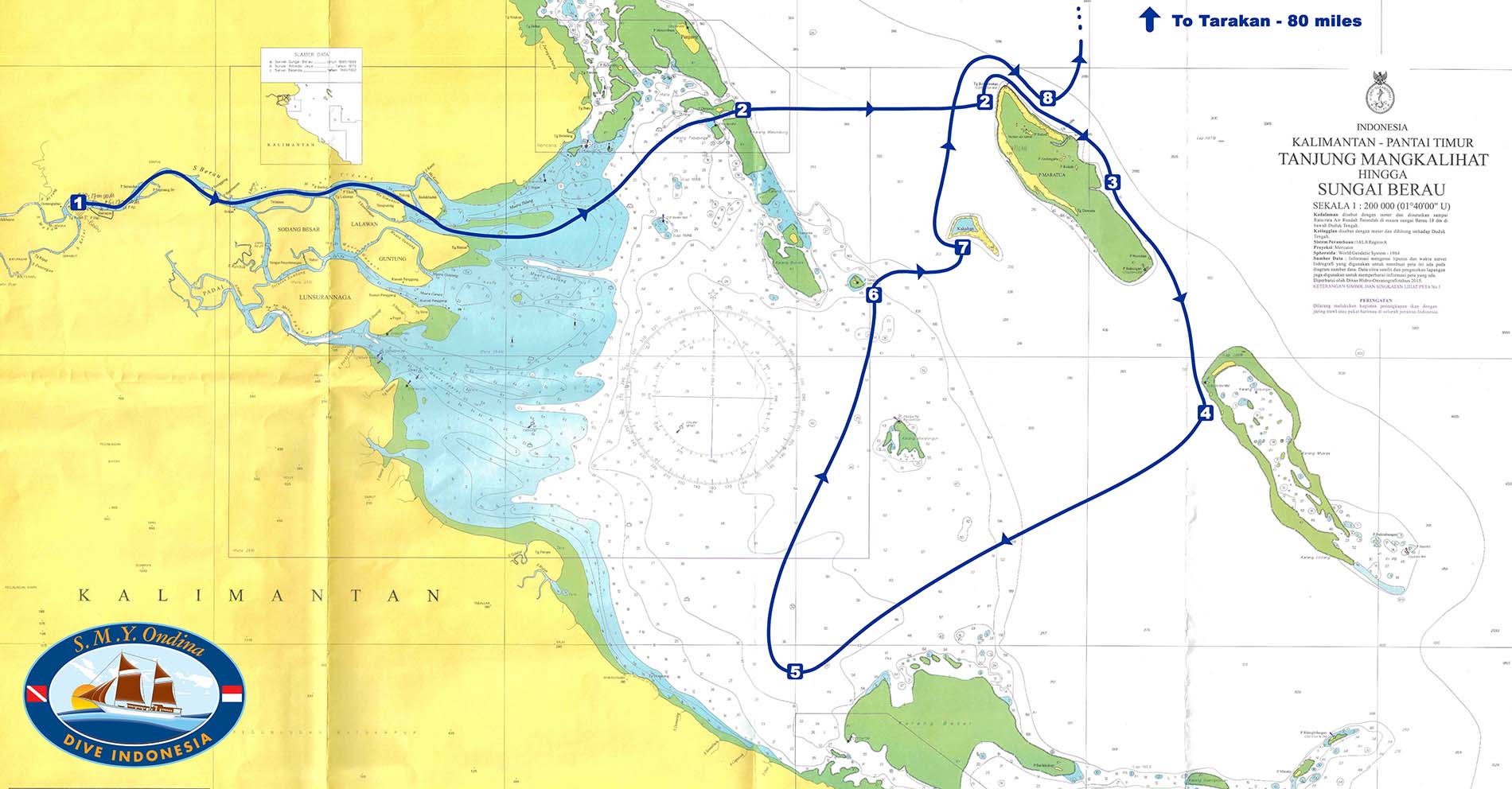
Inclusions
Exclusions
- Cruise fee: 200.00 EUR
Indonesians call their own country Tanah Air Kita, Our Land and Waters, a good way of describing the largest archipelago in the world. Occupying a surface equivalent of the entire Europe of the U.S., Indonesia is strategically positioned across the tropics between the Indian and the Pacific oceans, and is crossed in its entirety by the Ring of Fire. The combination of deep inner seas, volcanic islands, and a monsoon weather regime creates a vast variety of ecosystems both on land and underwater, with a variety of ethnic groups and cultures to match. The result is a kaleidoscope of landscapes, peoples and nature that won’t cease to amaze the most demanding traveller, no matter how many times you visit…
Volcanoes, rainforests, vast expanses of mangroves and some of the richest seas on the planet, this fascinating archipelago is home to a myriad of unusual creatures, from the little Tarsier to the (almost extinct) Sumatran rhino, tiger and elephant. Underwater, more than 4.000 species of fish and 500 types of coral are found throughout its mosaic of islands and reefs, creating a spectacular background that sets the scene for memorable encounters, from the tiny pygmy seahorse to the largest animal ever to exist, the blue whale, everything is possible in this land of wonders…
Different races and ethnic groups have coexisted here for centuries. This is the world’s largest Muslim country, a permissive Islam that coexist with matriarchal cultures, and gives an important role to women in social life. There are also important populations of Christians and Hindus, and traditional animist rituals are still widely practiced, blended with all other faiths. It is this rich mixture of beliefs, customs and lifestyles that make this country a real gem to visit. Indonesians are well known for their permanent smile and hospitality. A trip through this immense country is always a guarantee for wonderful experiences.
Cruises to Komodo start and/or end in Bima or Labuanbajo. For Alor, Maumere, or Kupang are the starting/ending points
Cruises starting or ending in Papua, Maluku or Sulawesi (Sorong, Manokwari, Ambon Tual or Bitung)
For these routes the best entry point is Manado (from Singapore), or Jakarta from elsewhere. From either of these two airports, you can fly to the starting points with a direct flight or with a short stop-over in between.
- 200 € cash to pay for the Harbour Fee on board. This fee includes all national park fees, diving permits for Marine Protected Areas, unexpected fuel price increases, etc…
- Passport valid for a minimum period of 6 months.
- Since 2015 the Indonesian authorities have extended its Free Visa program to all countries except six (Cameroon, Guinea, Montenegro, North Korea, Pakistan and Somalia). All other countries don’t need a pre-arranged visa for stays of less than 30 days. If you plan to stay longer in Indonesia, make sure you have the right visa. Check out the conditions for details.
- Your own diving gear and all spare parts you may need. We have a limited number of sets of dive gear for rent and spare parts on board, but better check in advance if you plan to rent equipment onboard.
- Photography and video equipment.
- Mosquito repellent for when we go out on land tours (not needed onboard).
- Any specific medication you may be taking. No need for malaria treatment unless you are extending your stay in a malaria-endemic area. We have a complete First Aid Kit on board for minor injuries and regular illnesses.
- Your personal toiletries
- Light and comfortable clothing (cotton shorts & T-shirts are best), a sweater, and a pair of washable footwear for landing ashore on some land tours.
- Your favourite alcoholic drink from the Duty-Free shop at the airport. We have beer and a limited number of bottles of liquor on board, but you are welcome to bring your own bottle of the latter. Beer from outside the boat is not permitted. If you want to bring your own beer, we charge a “corkage” fee.
- Domestic flights are usually strict with overweight. You may have to pay extra if you exceed the allowance, so bring the minimum with you and some change to pay for extras.
- Electricity onboard is 220V all-around-the-clock, and all sockets are two round pins European standard. Please bring your adaptors if needed.
The average water temperature is around 28ºC, but in some areas like south Komodo, Alor or North Raja Ampat the temperature can drop to 22-24ºC. Usually a 3 mm wetsuit is enough, but bring a 5 mm or a hooded vest if you tend to get cold underwater.
The first day we only do the check dive in the afternoon plus night dive if we don’t have to cruise a long distance. The last day we also program two dives: early morning and after breakfast, to allow enough time to desaturate and safely fly the morning after. The remaining days we usually do three day-dives and night dive most days, unless we need to sail overnight to the next destination, in which case there is no night dive. Also, certain land tours – such as the walk on the Komodo National Park or the early tour to see the birds of paradise in Papua – take the time equivalent to the first dive in the morning. For all these reasons, the average number of dives at the end of the cruise ends up being about 3 per day.
We encourage our guests to arrive at the port of embarkation before noon (12:00) on the departure date, to allow for the check dive in the afternoon and subsequent departure the same day. If you can’t find a flight arriving at noon at the latest please consult the organization so we can plan accordingly.Equally, on the departure date guests are expected to leave the boat around noon at the latest, to allow for the preparation of the next cruise. The boat usually arrives at the departing port the night before the day of departure.Transfers from and to the airport or hotel at the starting and ending towns are included in the price of the cruise. Remember to provide specific details of arrival, either flight number and ETA, or name, address and telephone number of the hotel if you arrive earlier than the scheduled day of departure. Guests staying in a hotel will be contacted by our Cruise Director at 6 pm the latest the day before departure.
Currents make for good diving, and the reason Indonesia enjoys such great levels of biodiversity is precisely because of this constant flow of nutrient-packed currents and upwellings that feed the reefs. These currents promote rich, varied environments, from walls to flat reefs, slopes, underwater mountains, jetties, river mouths and black sand slopes. It is this extraordinary variety of ecosystems that provides the unique experience that diving Indonesia is.When it comes to currents, it is important to understand is that our cruise directors and diveguides all have many years of experience taking groups of divers in the waters of Indonesia. We have never had an accident, something we pride ourselves for, but we also make an effort to adapt to the needs of every diver, starting from the assessment of the kind of group we have during the first pre-dive briefing upon arrival, and subsequently dividing the group into smaller sub-groups with a ratio of about 4-5 divers to a guide. We assess the needs and interests of every group and plan the dives according to the level and interest of every diver, working around the tides and timing the dives to always ensure everybody has a good experience on board.
Euros and Dollars are widely accepted in Indonesia, although dollar notes must be from years later than 1996 and virtually flawless, or else might be (and often are) rejected. The best exchange rates are in Bali, though pretty much every town has at least one place to exchange hard currency. Banks do change as well but at a slightly lower rate. Always try to stick to larger money changers and avoid smaller ones in tourist areas. We accept any kind of hard currency or Indonesia Rupiah on board, though not credit cards nor checks. We recommend you to bring some small (local) money to buy handicrafts when visiting villages.
As defendants of the “digital detox” movement, our boats don’t have internet connexion. Still, nowadays about 50% of the time there is some public internet connection available, depending on the route. If you are the kind that likes to be connected at all times, we suggest you purchase a phone card with a data package upon arrival in the country. Telkomsel works best and is available in any of the many dedicated phone stores. Our boats are both equipped with a satellite phone for emergencies, and guests are welcome to use them at the established rates.
Visa: Most countries are allowed a 30-days free visa on arrival, but it’s always good to check in advance.
Passports: The date of expiration must be a minimum of 6 months from the date of exiting the country.
Diving insurance: It is compulsory to hold valid personal diving insurance to dive with us.
We strongly recommend considering a Land Tour extension before or after the cruise. After a long journey to Indonesia, it is worth exploring one or more of the numerous places of interest in the region, by the hand of professional, experienced guides. Should you need help arranging for one of the tours we can put you in touch with our partners in Bali which can organize many different land tours and activities throughout the archipelago.
Conditions for Payment and cancellations: To avoid problems, please read carefully the section of Bookings and Cancellations.
Money: Most hard currencies can be exchanged directly at airports and hotels in Indonesia. The best exchange rate to Rupiah is found in the money changers in Bali, though it is best to use the larger ones with a good, professional image. Credit cards are accepted in Bali and the big cities of Indonesia, but not in villages nor in remote islands. You can pay with any currency on board, but not with credit card nor checks.
Cruise fees: Remember to carry € 200 in cash per person to pay the Harbour Fee.
Diving: The diving is normally carried out from the tenders, sometimes without even anchoring. The tenders stay on top of the group for the entire length of the dive, picking up the divers at the end of it. We recommend divers to hold an advanced certification or a minimum of 50 signed dives, so they can fully enjoy the diving. Although we do our utmost to assess the level of the divers and organize the underwater activities accordingly, some dives are in strong currents and a minimum experience of every single diver is key for the safety and enjoyment of the group.
Water temperature: The temperature is normally 28º C, although areas exposed to upwellings from the ocean (like South Komodo or Alor) can experience lower temperatures down to 22º C. Usually a 3 mm dive suit is enough, though some divers like to add a hooded vest or simply wear a 5 mm.
Visibility: The average visibility is 15-20 m, with variations depending on season and tides.
Safety in diving: Every diver must carry a Surface Marker Buoy; if you don’t bring your own we will lend you one for the duration of the cruise.
Rental of diving equipment: Available onboard, please ask in advance for availability and check prices in the Services Onboard section of the menu.
Electricity: Electricity onboard is 220 v with standard two-pin European sockets. The same applies to land.
Health: There are no mandatory vaccinations for traveling to Indonesia. The Tropical Disease Institutes consider that some of the islands of the Indonesian archipelago are affected by malaria, although this is only true for highlands on the interior. Risks are minimum during the cruise and it is sufficient to bring a mosquito repellent for the land tours, or use the one provided onboard. It is important not to drink tap water nor eat fruits and vegetables without peeling, washing or boiling them. If you suffer seasickness carry your own remedy.
Clothing: Our boats do not have laundry service, so we recommend you bring enough clothing for the entire length of the cruise. T-shirts, polo shirts, shorts and bathing suits are the norm, and a sweater for the evenings is usually enough.
Heat: We are near the tropics and it can get very hot. Bring high protection sunscreen, sunglasses, hat…
We do not recommend bringing children under 6 years of age unless it is a consolidated route (see the Types of Route section), and at least one parent or legal tutor must remain on board with the children under 6 during dives.
- Deck Length: 32 meters
- Beam: 8 meters
- Draft: 2,6 metres
- Hull: Iron Wood
- Engine: 400 HP Man 8 cylinders
- Sails: 300 square meters in 7 sails
- Cruising Speed: 7 Knots
- Water: 10.000 liters plus watermaker deposits
- Fuel tanks: 10.000 liters
- Gensets: 2 x 30 Kw plus 1 x 20 Kw
- Compressors: 2 x Bauer Mariner plus spare block
- Nitrox: Membrane system with Atlas Copco compressor
Launched in 2001, this traditional wooden schooner – known as Phinisi in the local language – was built in South Sulawesi by the Bugis tribes of seafarers, using tropical timbers and following traditional methods from their ancestry. Custom-built under the direct supervision of our director of operations, she was built by a diver for the divers.
Her spacious interiors can comfortably sleep 16 passengers in 8 double AC/ensuite cabins, from which the two on the foredeck have twin single bunks each, while the remaining six cabins are fitted with double bed and a single bunk on top. Three gensets provide all-around-the-clock 220 v electricity supply, with two-pin European standard sockets. Ondina is currently based in Sorong, from where she operates different routes in Raja Ampat, Cenderawasih Bay, North Banda Sea, Triton Bay and Halmahera.
Indonesians call their own country Tanah Air Kita, Our Land and Waters, a good way of describing the largest archipelago in the world. Occupying a surface equivalent of the entire Europe of the U.S., Indonesia is strategically positioned across the tropics between the Indian and the Pacific oceans, and is crossed in its entirety by the Ring of Fire. The combination of deep inner seas, volcanic islands, and a monsoon weather regime creates a vast variety of ecosystems both on land and underwater, with a variety of ethnic groups and cultures to match. The result is a kaleidoscope of landscapes, peoples and nature that won’t cease to amaze the most demanding traveller, no matter how many times you visit…
Volcanoes, rainforests, vast expanses of mangroves and some of the richest seas on the planet, this fascinating archipelago is home to a myriad of unusual creatures, from the little Tarsier to the (almost extinct) Sumatran rhino, tiger and elephant. Underwater, more than 4.000 species of fish and 500 types of coral are found throughout its mosaic of islands and reefs, creating a spectacular background that sets the scene for memorable encounters, from the tiny pygmy seahorse to the largest animal ever to exist, the blue whale, everything is possible in this land of wonders…
Different races and ethnic groups have coexisted here for centuries. This is the world’s largest Muslim country, a permissive Islam that coexist with matriarchal cultures, and gives an important role to women in social life. There are also important populations of Christians and Hindus, and traditional animist rituals are still widely practiced, blended with all other faiths. It is this rich mixture of beliefs, customs and lifestyles that make this country a real gem to visit. Indonesians are well known for their permanent smile and hospitality. A trip through this immense country is always a guarantee for wonderful experiences.
Cruises to Komodo start and/or end in Bima or Labuanbajo. For Alor, Maumere, or Kupang are the starting/ending points
Cruises starting or ending in Papua, Maluku or Sulawesi (Sorong, Manokwari, Ambon Tual or Bitung)
For these routes the best entry point is Manado (from Singapore), or Jakarta from elsewhere. From either of these two airports, you can fly to the starting points with a direct flight or with a short stop-over in between.
- 200 € cash to pay for the Harbour Fee on board. This fee includes all national park fees, diving permits for Marine Protected Areas, unexpected fuel price increases, etc…
- Passport valid for a minimum period of 6 months.
- Since 2015 the Indonesian authorities have extended its Free Visa program to all countries except six (Cameroon, Guinea, Montenegro, North Korea, Pakistan and Somalia). All other countries don’t need a pre-arranged visa for stays of less than 30 days. If you plan to stay longer in Indonesia, make sure you have the right visa. Check out the conditions for details.
- Your own diving gear and all spare parts you may need. We have a limited number of sets of dive gear for rent and spare parts on board, but better check in advance if you plan to rent equipment onboard.
- Photography and video equipment.
- Mosquito repellent for when we go out on land tours (not needed onboard).
- Any specific medication you may be taking. No need for malaria treatment unless you are extending your stay in a malaria-endemic area. We have a complete First Aid Kit on board for minor injuries and regular illnesses.
- Your personal toiletries
- Light and comfortable clothing (cotton shorts & T-shirts are best), a sweater, and a pair of washable footwear for landing ashore on some land tours.
- Your favourite alcoholic drink from the Duty-Free shop at the airport. We have beer and a limited number of bottles of liquor on board, but you are welcome to bring your own bottle of the latter. Beer from outside the boat is not permitted. If you want to bring your own beer, we charge a “corkage” fee.
- Domestic flights are usually strict with overweight. You may have to pay extra if you exceed the allowance, so bring the minimum with you and some change to pay for extras.
- Electricity onboard is 220V all-around-the-clock, and all sockets are two round pins European standard. Please bring your adaptors if needed.
The average water temperature is around 28ºC, but in some areas like south Komodo, Alor or North Raja Ampat the temperature can drop to 22-24ºC. Usually a 3 mm wetsuit is enough, but bring a 5 mm or a hooded vest if you tend to get cold underwater.
The first day we only do the check dive in the afternoon plus night dive if we don’t have to cruise a long distance. The last day we also program two dives: early morning and after breakfast, to allow enough time to desaturate and safely fly the morning after. The remaining days we usually do three day-dives and night dive most days, unless we need to sail overnight to the next destination, in which case there is no night dive. Also, certain land tours – such as the walk on the Komodo National Park or the early tour to see the birds of paradise in Papua – take the time equivalent to the first dive in the morning. For all these reasons, the average number of dives at the end of the cruise ends up being about 3 per day.
We encourage our guests to arrive at the port of embarkation before noon (12:00) on the departure date, to allow for the check dive in the afternoon and subsequent departure the same day. If you can’t find a flight arriving at noon at the latest please consult the organization so we can plan accordingly.Equally, on the departure date guests are expected to leave the boat around noon at the latest, to allow for the preparation of the next cruise. The boat usually arrives at the departing port the night before the day of departure.Transfers from and to the airport or hotel at the starting and ending towns are included in the price of the cruise. Remember to provide specific details of arrival, either flight number and ETA, or name, address and telephone number of the hotel if you arrive earlier than the scheduled day of departure. Guests staying in a hotel will be contacted by our Cruise Director at 6 pm the latest the day before departure.
Currents make for good diving, and the reason Indonesia enjoys such great levels of biodiversity is precisely because of this constant flow of nutrient-packed currents and upwellings that feed the reefs. These currents promote rich, varied environments, from walls to flat reefs, slopes, underwater mountains, jetties, river mouths and black sand slopes. It is this extraordinary variety of ecosystems that provides the unique experience that diving Indonesia is.When it comes to currents, it is important to understand is that our cruise directors and diveguides all have many years of experience taking groups of divers in the waters of Indonesia. We have never had an accident, something we pride ourselves for, but we also make an effort to adapt to the needs of every diver, starting from the assessment of the kind of group we have during the first pre-dive briefing upon arrival, and subsequently dividing the group into smaller sub-groups with a ratio of about 4-5 divers to a guide. We assess the needs and interests of every group and plan the dives according to the level and interest of every diver, working around the tides and timing the dives to always ensure everybody has a good experience on board.
Euros and Dollars are widely accepted in Indonesia, although dollar notes must be from years later than 1996 and virtually flawless, or else might be (and often are) rejected. The best exchange rates are in Bali, though pretty much every town has at least one place to exchange hard currency. Banks do change as well but at a slightly lower rate. Always try to stick to larger money changers and avoid smaller ones in tourist areas. We accept any kind of hard currency or Indonesia Rupiah on board, though not credit cards nor checks. We recommend you to bring some small (local) money to buy handicrafts when visiting villages.
As defendants of the “digital detox” movement, our boats don’t have internet connexion. Still, nowadays about 50% of the time there is some public internet connection available, depending on the route. If you are the kind that likes to be connected at all times, we suggest you purchase a phone card with a data package upon arrival in the country. Telkomsel works best and is available in any of the many dedicated phone stores. Our boats are both equipped with a satellite phone for emergencies, and guests are welcome to use them at the established rates.
Visa: Most countries are allowed a 30-days free visa on arrival, but it’s always good to check in advance.
Passports: The date of expiration must be a minimum of 6 months from the date of exiting the country.
Diving insurance: It is compulsory to hold valid personal diving insurance to dive with us.
We strongly recommend considering a Land Tour extension before or after the cruise. After a long journey to Indonesia, it is worth exploring one or more of the numerous places of interest in the region, by the hand of professional, experienced guides. Should you need help arranging for one of the tours we can put you in touch with our partners in Bali which can organize many different land tours and activities throughout the archipelago.
Conditions for Payment and cancellations: To avoid problems, please read carefully the section of Bookings and Cancellations.
Money: Most hard currencies can be exchanged directly at airports and hotels in Indonesia. The best exchange rate to Rupiah is found in the money changers in Bali, though it is best to use the larger ones with a good, professional image. Credit cards are accepted in Bali and the big cities of Indonesia, but not in villages nor in remote islands. You can pay with any currency on board, but not with credit card nor checks.
Cruise fees: Remember to carry € 200 in cash per person to pay the Harbour Fee.
Diving: The diving is normally carried out from the tenders, sometimes without even anchoring. The tenders stay on top of the group for the entire length of the dive, picking up the divers at the end of it. We recommend divers to hold an advanced certification or a minimum of 50 signed dives, so they can fully enjoy the diving. Although we do our utmost to assess the level of the divers and organize the underwater activities accordingly, some dives are in strong currents and a minimum experience of every single diver is key for the safety and enjoyment of the group.
Water temperature: The temperature is normally 28º C, although areas exposed to upwellings from the ocean (like South Komodo or Alor) can experience lower temperatures down to 22º C. Usually a 3 mm dive suit is enough, though some divers like to add a hooded vest or simply wear a 5 mm.
Visibility: The average visibility is 15-20 m, with variations depending on season and tides.
Safety in diving: Every diver must carry a Surface Marker Buoy; if you don’t bring your own we will lend you one for the duration of the cruise.
Rental of diving equipment: Available onboard, please ask in advance for availability and check prices in the Services Onboard section of the menu.
Electricity: Electricity onboard is 220 v with standard two-pin European sockets. The same applies to land.
Health: There are no mandatory vaccinations for traveling to Indonesia. The Tropical Disease Institutes consider that some of the islands of the Indonesian archipelago are affected by malaria, although this is only true for highlands on the interior. Risks are minimum during the cruise and it is sufficient to bring a mosquito repellent for the land tours, or use the one provided onboard. It is important not to drink tap water nor eat fruits and vegetables without peeling, washing or boiling them. If you suffer seasickness carry your own remedy.
Clothing: Our boats do not have laundry service, so we recommend you bring enough clothing for the entire length of the cruise. T-shirts, polo shirts, shorts and bathing suits are the norm, and a sweater for the evenings is usually enough.
Heat: We are near the tropics and it can get very hot. Bring high protection sunscreen, sunglasses, hat…
We do not recommend bringing children under 6 years of age unless it is a consolidated route (see the Types of Route section), and at least one parent or legal tutor must remain on board with the children under 6 during dives.
- Deck Length: 32 meters
- Beam: 8 meters
- Draft: 2,6 metres
- Hull: Iron Wood
- Engine: 400 HP Man 8 cylinders
- Sails: 300 square meters in 7 sails
- Cruising Speed: 7 Knots
- Water: 10.000 liters plus watermaker deposits
- Fuel tanks: 10.000 liters
- Gensets: 2 x 30 Kw plus 1 x 20 Kw
- Compressors: 2 x Bauer Mariner plus spare block
- Nitrox: Membrane system with Atlas Copco compressor
Launched in 2001, this traditional wooden schooner – known as Phinisi in the local language – was built in South Sulawesi by the Bugis tribes of seafarers, using tropical timbers and following traditional methods from their ancestry. Custom-built under the direct supervision of our director of operations, she was built by a diver for the divers.
Her spacious interiors can comfortably sleep 16 passengers in 8 double AC/ensuite cabins, from which the two on the foredeck have twin single bunks each, while the remaining six cabins are fitted with double bed and a single bunk on top. Three gensets provide all-around-the-clock 220 v electricity supply, with two-pin European standard sockets. Ondina is currently based in Sorong, from where she operates different routes in Raja Ampat, Cenderawasih Bay, North Banda Sea, Triton Bay and Halmahera.
Indonesians call their own country Tanah Air Kita, Our Land and Waters, a good way of describing the largest archipelago in the world. Occupying a surface equivalent of the entire Europe of the U.S., Indonesia is strategically positioned across the tropics between the Indian and the Pacific oceans, and is crossed in its entirety by the Ring of Fire. The combination of deep inner seas, volcanic islands, and a monsoon weather regime creates a vast variety of ecosystems both on land and underwater, with a variety of ethnic groups and cultures to match. The result is a kaleidoscope of landscapes, peoples and nature that won’t cease to amaze the most demanding traveller, no matter how many times you visit…
Volcanoes, rainforests, vast expanses of mangroves and some of the richest seas on the planet, this fascinating archipelago is home to a myriad of unusual creatures, from the little Tarsier to the (almost extinct) Sumatran rhino, tiger and elephant. Underwater, more than 4.000 species of fish and 500 types of coral are found throughout its mosaic of islands and reefs, creating a spectacular background that sets the scene for memorable encounters, from the tiny pygmy seahorse to the largest animal ever to exist, the blue whale, everything is possible in this land of wonders…
Different races and ethnic groups have coexisted here for centuries. This is the world’s largest Muslim country, a permissive Islam that coexist with matriarchal cultures, and gives an important role to women in social life. There are also important populations of Christians and Hindus, and traditional animist rituals are still widely practiced, blended with all other faiths. It is this rich mixture of beliefs, customs and lifestyles that make this country a real gem to visit. Indonesians are well known for their permanent smile and hospitality. A trip through this immense country is always a guarantee for wonderful experiences.
Cruises to Komodo start and/or end in Bima or Labuanbajo. For Alor, Maumere, or Kupang are the starting/ending points
Cruises starting or ending in Papua, Maluku or Sulawesi (Sorong, Manokwari, Ambon Tual or Bitung)
For these routes the best entry point is Manado (from Singapore), or Jakarta from elsewhere. From either of these two airports, you can fly to the starting points with a direct flight or with a short stop-over in between.
- 200 € cash to pay for the Harbour Fee on board. This fee includes all national park fees, diving permits for Marine Protected Areas, unexpected fuel price increases, etc…
- Passport valid for a minimum period of 6 months.
- Since 2015 the Indonesian authorities have extended its Free Visa program to all countries except six (Cameroon, Guinea, Montenegro, North Korea, Pakistan and Somalia). All other countries don’t need a pre-arranged visa for stays of less than 30 days. If you plan to stay longer in Indonesia, make sure you have the right visa. Check out the conditions for details.
- Your own diving gear and all spare parts you may need. We have a limited number of sets of dive gear for rent and spare parts on board, but better check in advance if you plan to rent equipment onboard.
- Photography and video equipment.
- Mosquito repellent for when we go out on land tours (not needed onboard).
- Any specific medication you may be taking. No need for malaria treatment unless you are extending your stay in a malaria-endemic area. We have a complete First Aid Kit on board for minor injuries and regular illnesses.
- Your personal toiletries
- Light and comfortable clothing (cotton shorts & T-shirts are best), a sweater, and a pair of washable footwear for landing ashore on some land tours.
- Your favourite alcoholic drink from the Duty-Free shop at the airport. We have beer and a limited number of bottles of liquor on board, but you are welcome to bring your own bottle of the latter. Beer from outside the boat is not permitted. If you want to bring your own beer, we charge a “corkage” fee.
- Domestic flights are usually strict with overweight. You may have to pay extra if you exceed the allowance, so bring the minimum with you and some change to pay for extras.
- Electricity onboard is 220V all-around-the-clock, and all sockets are two round pins European standard. Please bring your adaptors if needed.
The average water temperature is around 28ºC, but in some areas like south Komodo, Alor or North Raja Ampat the temperature can drop to 22-24ºC. Usually a 3 mm wetsuit is enough, but bring a 5 mm or a hooded vest if you tend to get cold underwater.
The first day we only do the check dive in the afternoon plus night dive if we don’t have to cruise a long distance. The last day we also program two dives: early morning and after breakfast, to allow enough time to desaturate and safely fly the morning after. The remaining days we usually do three day-dives and night dive most days, unless we need to sail overnight to the next destination, in which case there is no night dive. Also, certain land tours – such as the walk on the Komodo National Park or the early tour to see the birds of paradise in Papua – take the time equivalent to the first dive in the morning. For all these reasons, the average number of dives at the end of the cruise ends up being about 3 per day.
We encourage our guests to arrive at the port of embarkation before noon (12:00) on the departure date, to allow for the check dive in the afternoon and subsequent departure the same day. If you can’t find a flight arriving at noon at the latest please consult the organization so we can plan accordingly.Equally, on the departure date guests are expected to leave the boat around noon at the latest, to allow for the preparation of the next cruise. The boat usually arrives at the departing port the night before the day of departure.Transfers from and to the airport or hotel at the starting and ending towns are included in the price of the cruise. Remember to provide specific details of arrival, either flight number and ETA, or name, address and telephone number of the hotel if you arrive earlier than the scheduled day of departure. Guests staying in a hotel will be contacted by our Cruise Director at 6 pm the latest the day before departure.
Currents make for good diving, and the reason Indonesia enjoys such great levels of biodiversity is precisely because of this constant flow of nutrient-packed currents and upwellings that feed the reefs. These currents promote rich, varied environments, from walls to flat reefs, slopes, underwater mountains, jetties, river mouths and black sand slopes. It is this extraordinary variety of ecosystems that provides the unique experience that diving Indonesia is.When it comes to currents, it is important to understand is that our cruise directors and diveguides all have many years of experience taking groups of divers in the waters of Indonesia. We have never had an accident, something we pride ourselves for, but we also make an effort to adapt to the needs of every diver, starting from the assessment of the kind of group we have during the first pre-dive briefing upon arrival, and subsequently dividing the group into smaller sub-groups with a ratio of about 4-5 divers to a guide. We assess the needs and interests of every group and plan the dives according to the level and interest of every diver, working around the tides and timing the dives to always ensure everybody has a good experience on board.
Euros and Dollars are widely accepted in Indonesia, although dollar notes must be from years later than 1996 and virtually flawless, or else might be (and often are) rejected. The best exchange rates are in Bali, though pretty much every town has at least one place to exchange hard currency. Banks do change as well but at a slightly lower rate. Always try to stick to larger money changers and avoid smaller ones in tourist areas. We accept any kind of hard currency or Indonesia Rupiah on board, though not credit cards nor checks. We recommend you to bring some small (local) money to buy handicrafts when visiting villages.
As defendants of the “digital detox” movement, our boats don’t have internet connexion. Still, nowadays about 50% of the time there is some public internet connection available, depending on the route. If you are the kind that likes to be connected at all times, we suggest you purchase a phone card with a data package upon arrival in the country. Telkomsel works best and is available in any of the many dedicated phone stores. Our boats are both equipped with a satellite phone for emergencies, and guests are welcome to use them at the established rates.
Visa: Most countries are allowed a 30-days free visa on arrival, but it’s always good to check in advance.
Passports: The date of expiration must be a minimum of 6 months from the date of exiting the country.
Diving insurance: It is compulsory to hold valid personal diving insurance to dive with us.
We strongly recommend considering a Land Tour extension before or after the cruise. After a long journey to Indonesia, it is worth exploring one or more of the numerous places of interest in the region, by the hand of professional, experienced guides. Should you need help arranging for one of the tours we can put you in touch with our partners in Bali which can organize many different land tours and activities throughout the archipelago.
Conditions for Payment and cancellations: To avoid problems, please read carefully the section of Bookings and Cancellations.
Money: Most hard currencies can be exchanged directly at airports and hotels in Indonesia. The best exchange rate to Rupiah is found in the money changers in Bali, though it is best to use the larger ones with a good, professional image. Credit cards are accepted in Bali and the big cities of Indonesia, but not in villages nor in remote islands. You can pay with any currency on board, but not with credit card nor checks.
Cruise fees: Remember to carry € 200 in cash per person to pay the Harbour Fee.
Diving: The diving is normally carried out from the tenders, sometimes without even anchoring. The tenders stay on top of the group for the entire length of the dive, picking up the divers at the end of it. We recommend divers to hold an advanced certification or a minimum of 50 signed dives, so they can fully enjoy the diving. Although we do our utmost to assess the level of the divers and organize the underwater activities accordingly, some dives are in strong currents and a minimum experience of every single diver is key for the safety and enjoyment of the group.
Water temperature: The temperature is normally 28º C, although areas exposed to upwellings from the ocean (like South Komodo or Alor) can experience lower temperatures down to 22º C. Usually a 3 mm dive suit is enough, though some divers like to add a hooded vest or simply wear a 5 mm.
Visibility: The average visibility is 15-20 m, with variations depending on season and tides.
Safety in diving: Every diver must carry a Surface Marker Buoy; if you don’t bring your own we will lend you one for the duration of the cruise.
Rental of diving equipment: Available onboard, please ask in advance for availability and check prices in the Services Onboard section of the menu.
Electricity: Electricity onboard is 220 v with standard two-pin European sockets. The same applies to land.
Health: There are no mandatory vaccinations for traveling to Indonesia. The Tropical Disease Institutes consider that some of the islands of the Indonesian archipelago are affected by malaria, although this is only true for highlands on the interior. Risks are minimum during the cruise and it is sufficient to bring a mosquito repellent for the land tours, or use the one provided onboard. It is important not to drink tap water nor eat fruits and vegetables without peeling, washing or boiling them. If you suffer seasickness carry your own remedy.
Clothing: Our boats do not have laundry service, so we recommend you bring enough clothing for the entire length of the cruise. T-shirts, polo shirts, shorts and bathing suits are the norm, and a sweater for the evenings is usually enough.
Heat: We are near the tropics and it can get very hot. Bring high protection sunscreen, sunglasses, hat…
We do not recommend bringing children under 6 years of age unless it is a consolidated route (see the Types of Route section), and at least one parent or legal tutor must remain on board with the children under 6 during dives.
- Deck Length: 32 meters
- Beam: 8 meters
- Draft: 2,6 metres
- Hull: Iron Wood
- Engine: 400 HP Man 8 cylinders
- Sails: 300 square meters in 7 sails
- Cruising Speed: 7 Knots
- Water: 10.000 liters plus watermaker deposits
- Fuel tanks: 10.000 liters
- Gensets: 2 x 30 Kw plus 1 x 20 Kw
- Compressors: 2 x Bauer Mariner plus spare block
- Nitrox: Membrane system with Atlas Copco compressor
Launched in 2001, this traditional wooden schooner – known as Phinisi in the local language – was built in South Sulawesi by the Bugis tribes of seafarers, using tropical timbers and following traditional methods from their ancestry. Custom-built under the direct supervision of our director of operations, she was built by a diver for the divers.
Her spacious interiors can comfortably sleep 16 passengers in 8 double AC/ensuite cabins, from which the two on the foredeck have twin single bunks each, while the remaining six cabins are fitted with double bed and a single bunk on top. Three gensets provide all-around-the-clock 220 v electricity supply, with two-pin European standard sockets. Ondina is currently based in Sorong, from where she operates different routes in Raja Ampat, Cenderawasih Bay, North Banda Sea, Triton Bay and Halmahera.
Indonesians call their own country Tanah Air Kita, Our Land and Waters, a good way of describing the largest archipelago in the world. Occupying a surface equivalent of the entire Europe of the U.S., Indonesia is strategically positioned across the tropics between the Indian and the Pacific oceans, and is crossed in its entirety by the Ring of Fire. The combination of deep inner seas, volcanic islands, and a monsoon weather regime creates a vast variety of ecosystems both on land and underwater, with a variety of ethnic groups and cultures to match. The result is a kaleidoscope of landscapes, peoples and nature that won’t cease to amaze the most demanding traveller, no matter how many times you visit…
Volcanoes, rainforests, vast expanses of mangroves and some of the richest seas on the planet, this fascinating archipelago is home to a myriad of unusual creatures, from the little Tarsier to the (almost extinct) Sumatran rhino, tiger and elephant. Underwater, more than 4.000 species of fish and 500 types of coral are found throughout its mosaic of islands and reefs, creating a spectacular background that sets the scene for memorable encounters, from the tiny pygmy seahorse to the largest animal ever to exist, the blue whale, everything is possible in this land of wonders…
Different races and ethnic groups have coexisted here for centuries. This is the world’s largest Muslim country, a permissive Islam that coexist with matriarchal cultures, and gives an important role to women in social life. There are also important populations of Christians and Hindus, and traditional animist rituals are still widely practiced, blended with all other faiths. It is this rich mixture of beliefs, customs and lifestyles that make this country a real gem to visit. Indonesians are well known for their permanent smile and hospitality. A trip through this immense country is always a guarantee for wonderful experiences.
Cruises to Komodo start and/or end in Bima or Labuanbajo. For Alor, Maumere, or Kupang are the starting/ending points
Cruises starting or ending in Papua, Maluku or Sulawesi (Sorong, Manokwari, Ambon Tual or Bitung)
For these routes the best entry point is Manado (from Singapore), or Jakarta from elsewhere. From either of these two airports, you can fly to the starting points with a direct flight or with a short stop-over in between.
- 200 € cash to pay for the Harbour Fee on board. This fee includes all national park fees, diving permits for Marine Protected Areas, unexpected fuel price increases, etc…
- Passport valid for a minimum period of 6 months.
- Since 2015 the Indonesian authorities have extended its Free Visa program to all countries except six (Cameroon, Guinea, Montenegro, North Korea, Pakistan and Somalia). All other countries don’t need a pre-arranged visa for stays of less than 30 days. If you plan to stay longer in Indonesia, make sure you have the right visa. Check out the conditions for details.
- Your own diving gear and all spare parts you may need. We have a limited number of sets of dive gear for rent and spare parts on board, but better check in advance if you plan to rent equipment onboard.
- Photography and video equipment.
- Mosquito repellent for when we go out on land tours (not needed onboard).
- Any specific medication you may be taking. No need for malaria treatment unless you are extending your stay in a malaria-endemic area. We have a complete First Aid Kit on board for minor injuries and regular illnesses.
- Your personal toiletries
- Light and comfortable clothing (cotton shorts & T-shirts are best), a sweater, and a pair of washable footwear for landing ashore on some land tours.
- Your favourite alcoholic drink from the Duty-Free shop at the airport. We have beer and a limited number of bottles of liquor on board, but you are welcome to bring your own bottle of the latter. Beer from outside the boat is not permitted. If you want to bring your own beer, we charge a “corkage” fee.
- Domestic flights are usually strict with overweight. You may have to pay extra if you exceed the allowance, so bring the minimum with you and some change to pay for extras.
- Electricity onboard is 220V all-around-the-clock, and all sockets are two round pins European standard. Please bring your adaptors if needed.
The average water temperature is around 28ºC, but in some areas like south Komodo, Alor or North Raja Ampat the temperature can drop to 22-24ºC. Usually a 3 mm wetsuit is enough, but bring a 5 mm or a hooded vest if you tend to get cold underwater.
The first day we only do the check dive in the afternoon plus night dive if we don’t have to cruise a long distance. The last day we also program two dives: early morning and after breakfast, to allow enough time to desaturate and safely fly the morning after. The remaining days we usually do three day-dives and night dive most days, unless we need to sail overnight to the next destination, in which case there is no night dive. Also, certain land tours – such as the walk on the Komodo National Park or the early tour to see the birds of paradise in Papua – take the time equivalent to the first dive in the morning. For all these reasons, the average number of dives at the end of the cruise ends up being about 3 per day.
We encourage our guests to arrive at the port of embarkation before noon (12:00) on the departure date, to allow for the check dive in the afternoon and subsequent departure the same day. If you can’t find a flight arriving at noon at the latest please consult the organization so we can plan accordingly.Equally, on the departure date guests are expected to leave the boat around noon at the latest, to allow for the preparation of the next cruise. The boat usually arrives at the departing port the night before the day of departure.Transfers from and to the airport or hotel at the starting and ending towns are included in the price of the cruise. Remember to provide specific details of arrival, either flight number and ETA, or name, address and telephone number of the hotel if you arrive earlier than the scheduled day of departure. Guests staying in a hotel will be contacted by our Cruise Director at 6 pm the latest the day before departure.
Currents make for good diving, and the reason Indonesia enjoys such great levels of biodiversity is precisely because of this constant flow of nutrient-packed currents and upwellings that feed the reefs. These currents promote rich, varied environments, from walls to flat reefs, slopes, underwater mountains, jetties, river mouths and black sand slopes. It is this extraordinary variety of ecosystems that provides the unique experience that diving Indonesia is.When it comes to currents, it is important to understand is that our cruise directors and diveguides all have many years of experience taking groups of divers in the waters of Indonesia. We have never had an accident, something we pride ourselves for, but we also make an effort to adapt to the needs of every diver, starting from the assessment of the kind of group we have during the first pre-dive briefing upon arrival, and subsequently dividing the group into smaller sub-groups with a ratio of about 4-5 divers to a guide. We assess the needs and interests of every group and plan the dives according to the level and interest of every diver, working around the tides and timing the dives to always ensure everybody has a good experience on board.
Euros and Dollars are widely accepted in Indonesia, although dollar notes must be from years later than 1996 and virtually flawless, or else might be (and often are) rejected. The best exchange rates are in Bali, though pretty much every town has at least one place to exchange hard currency. Banks do change as well but at a slightly lower rate. Always try to stick to larger money changers and avoid smaller ones in tourist areas. We accept any kind of hard currency or Indonesia Rupiah on board, though not credit cards nor checks. We recommend you to bring some small (local) money to buy handicrafts when visiting villages.
As defendants of the “digital detox” movement, our boats don’t have internet connexion. Still, nowadays about 50% of the time there is some public internet connection available, depending on the route. If you are the kind that likes to be connected at all times, we suggest you purchase a phone card with a data package upon arrival in the country. Telkomsel works best and is available in any of the many dedicated phone stores. Our boats are both equipped with a satellite phone for emergencies, and guests are welcome to use them at the established rates.
Visa: Most countries are allowed a 30-days free visa on arrival, but it’s always good to check in advance.
Passports: The date of expiration must be a minimum of 6 months from the date of exiting the country.
Diving insurance: It is compulsory to hold valid personal diving insurance to dive with us.
We strongly recommend considering a Land Tour extension before or after the cruise. After a long journey to Indonesia, it is worth exploring one or more of the numerous places of interest in the region, by the hand of professional, experienced guides. Should you need help arranging for one of the tours we can put you in touch with our partners in Bali which can organize many different land tours and activities throughout the archipelago.
Conditions for Payment and cancellations: To avoid problems, please read carefully the section of Bookings and Cancellations.
Money: Most hard currencies can be exchanged directly at airports and hotels in Indonesia. The best exchange rate to Rupiah is found in the money changers in Bali, though it is best to use the larger ones with a good, professional image. Credit cards are accepted in Bali and the big cities of Indonesia, but not in villages nor in remote islands. You can pay with any currency on board, but not with credit card nor checks.
Cruise fees: Remember to carry € 200 in cash per person to pay the Harbour Fee.
Diving: The diving is normally carried out from the tenders, sometimes without even anchoring. The tenders stay on top of the group for the entire length of the dive, picking up the divers at the end of it. We recommend divers to hold an advanced certification or a minimum of 50 signed dives, so they can fully enjoy the diving. Although we do our utmost to assess the level of the divers and organize the underwater activities accordingly, some dives are in strong currents and a minimum experience of every single diver is key for the safety and enjoyment of the group.
Water temperature: The temperature is normally 28º C, although areas exposed to upwellings from the ocean (like South Komodo or Alor) can experience lower temperatures down to 22º C. Usually a 3 mm dive suit is enough, though some divers like to add a hooded vest or simply wear a 5 mm.
Visibility: The average visibility is 15-20 m, with variations depending on season and tides.
Safety in diving: Every diver must carry a Surface Marker Buoy; if you don’t bring your own we will lend you one for the duration of the cruise.
Rental of diving equipment: Available onboard, please ask in advance for availability and check prices in the Services Onboard section of the menu.
Electricity: Electricity onboard is 220 v with standard two-pin European sockets. The same applies to land.
Health: There are no mandatory vaccinations for traveling to Indonesia. The Tropical Disease Institutes consider that some of the islands of the Indonesian archipelago are affected by malaria, although this is only true for highlands on the interior. Risks are minimum during the cruise and it is sufficient to bring a mosquito repellent for the land tours, or use the one provided onboard. It is important not to drink tap water nor eat fruits and vegetables without peeling, washing or boiling them. If you suffer seasickness carry your own remedy.
Clothing: Our boats do not have laundry service, so we recommend you bring enough clothing for the entire length of the cruise. T-shirts, polo shirts, shorts and bathing suits are the norm, and a sweater for the evenings is usually enough.
Heat: We are near the tropics and it can get very hot. Bring high protection sunscreen, sunglasses, hat…
We do not recommend bringing children under 6 years of age unless it is a consolidated route (see the Types of Route section), and at least one parent or legal tutor must remain on board with the children under 6 during dives.
- Deck Length: 32 meters
- Beam: 8 meters
- Draft: 2,6 metres
- Hull: Iron Wood
- Engine: 400 HP Man 8 cylinders
- Sails: 300 square meters in 7 sails
- Cruising Speed: 7 Knots
- Water: 10.000 liters plus watermaker deposits
- Fuel tanks: 10.000 liters
- Gensets: 2 x 30 Kw plus 1 x 20 Kw
- Compressors: 2 x Bauer Mariner plus spare block
- Nitrox: Membrane system with Atlas Copco compressor
Launched in 2001, this traditional wooden schooner – known as Phinisi in the local language – was built in South Sulawesi by the Bugis tribes of seafarers, using tropical timbers and following traditional methods from their ancestry. Custom-built under the direct supervision of our director of operations, she was built by a diver for the divers.
Her spacious interiors can comfortably sleep 16 passengers in 8 double AC/ensuite cabins, from which the two on the foredeck have twin single bunks each, while the remaining six cabins are fitted with double bed and a single bunk on top. Three gensets provide all-around-the-clock 220 v electricity supply, with two-pin European standard sockets. Ondina is currently based in Sorong, from where she operates different routes in Raja Ampat, Cenderawasih Bay, North Banda Sea, Triton Bay and Halmahera.
Indonesians call their own country Tanah Air Kita, Our Land and Waters, a good way of describing the largest archipelago in the world. Occupying a surface equivalent of the entire Europe of the U.S., Indonesia is strategically positioned across the tropics between the Indian and the Pacific oceans, and is crossed in its entirety by the Ring of Fire. The combination of deep inner seas, volcanic islands, and a monsoon weather regime creates a vast variety of ecosystems both on land and underwater, with a variety of ethnic groups and cultures to match. The result is a kaleidoscope of landscapes, peoples and nature that won’t cease to amaze the most demanding traveller, no matter how many times you visit…
Volcanoes, rainforests, vast expanses of mangroves and some of the richest seas on the planet, this fascinating archipelago is home to a myriad of unusual creatures, from the little Tarsier to the (almost extinct) Sumatran rhino, tiger and elephant. Underwater, more than 4.000 species of fish and 500 types of coral are found throughout its mosaic of islands and reefs, creating a spectacular background that sets the scene for memorable encounters, from the tiny pygmy seahorse to the largest animal ever to exist, the blue whale, everything is possible in this land of wonders…
Different races and ethnic groups have coexisted here for centuries. This is the world’s largest Muslim country, a permissive Islam that coexist with matriarchal cultures, and gives an important role to women in social life. There are also important populations of Christians and Hindus, and traditional animist rituals are still widely practiced, blended with all other faiths. It is this rich mixture of beliefs, customs and lifestyles that make this country a real gem to visit. Indonesians are well known for their permanent smile and hospitality. A trip through this immense country is always a guarantee for wonderful experiences.
Cruises to Komodo start and/or end in Bima or Labuanbajo. For Alor, Maumere, or Kupang are the starting/ending points
Cruises starting or ending in Papua, Maluku or Sulawesi (Sorong, Manokwari, Ambon Tual or Bitung)
For these routes the best entry point is Manado (from Singapore), or Jakarta from elsewhere. From either of these two airports, you can fly to the starting points with a direct flight or with a short stop-over in between.
- 200 € cash to pay for the Harbour Fee on board. This fee includes all national park fees, diving permits for Marine Protected Areas, unexpected fuel price increases, etc…
- Passport valid for a minimum period of 6 months.
- Since 2015 the Indonesian authorities have extended its Free Visa program to all countries except six (Cameroon, Guinea, Montenegro, North Korea, Pakistan and Somalia). All other countries don’t need a pre-arranged visa for stays of less than 30 days. If you plan to stay longer in Indonesia, make sure you have the right visa. Check out the conditions for details.
- Your own diving gear and all spare parts you may need. We have a limited number of sets of dive gear for rent and spare parts on board, but better check in advance if you plan to rent equipment onboard.
- Photography and video equipment.
- Mosquito repellent for when we go out on land tours (not needed onboard).
- Any specific medication you may be taking. No need for malaria treatment unless you are extending your stay in a malaria-endemic area. We have a complete First Aid Kit on board for minor injuries and regular illnesses.
- Your personal toiletries
- Light and comfortable clothing (cotton shorts & T-shirts are best), a sweater, and a pair of washable footwear for landing ashore on some land tours.
- Your favourite alcoholic drink from the Duty-Free shop at the airport. We have beer and a limited number of bottles of liquor on board, but you are welcome to bring your own bottle of the latter. Beer from outside the boat is not permitted. If you want to bring your own beer, we charge a “corkage” fee.
- Domestic flights are usually strict with overweight. You may have to pay extra if you exceed the allowance, so bring the minimum with you and some change to pay for extras.
- Electricity onboard is 220V all-around-the-clock, and all sockets are two round pins European standard. Please bring your adaptors if needed.
The average water temperature is around 28ºC, but in some areas like south Komodo, Alor or North Raja Ampat the temperature can drop to 22-24ºC. Usually a 3 mm wetsuit is enough, but bring a 5 mm or a hooded vest if you tend to get cold underwater.
The first day we only do the check dive in the afternoon plus night dive if we don’t have to cruise a long distance. The last day we also program two dives: early morning and after breakfast, to allow enough time to desaturate and safely fly the morning after. The remaining days we usually do three day-dives and night dive most days, unless we need to sail overnight to the next destination, in which case there is no night dive. Also, certain land tours – such as the walk on the Komodo National Park or the early tour to see the birds of paradise in Papua – take the time equivalent to the first dive in the morning. For all these reasons, the average number of dives at the end of the cruise ends up being about 3 per day.
We encourage our guests to arrive at the port of embarkation before noon (12:00) on the departure date, to allow for the check dive in the afternoon and subsequent departure the same day. If you can’t find a flight arriving at noon at the latest please consult the organization so we can plan accordingly.Equally, on the departure date guests are expected to leave the boat around noon at the latest, to allow for the preparation of the next cruise. The boat usually arrives at the departing port the night before the day of departure.Transfers from and to the airport or hotel at the starting and ending towns are included in the price of the cruise. Remember to provide specific details of arrival, either flight number and ETA, or name, address and telephone number of the hotel if you arrive earlier than the scheduled day of departure. Guests staying in a hotel will be contacted by our Cruise Director at 6 pm the latest the day before departure.
Currents make for good diving, and the reason Indonesia enjoys such great levels of biodiversity is precisely because of this constant flow of nutrient-packed currents and upwellings that feed the reefs. These currents promote rich, varied environments, from walls to flat reefs, slopes, underwater mountains, jetties, river mouths and black sand slopes. It is this extraordinary variety of ecosystems that provides the unique experience that diving Indonesia is.When it comes to currents, it is important to understand is that our cruise directors and diveguides all have many years of experience taking groups of divers in the waters of Indonesia. We have never had an accident, something we pride ourselves for, but we also make an effort to adapt to the needs of every diver, starting from the assessment of the kind of group we have during the first pre-dive briefing upon arrival, and subsequently dividing the group into smaller sub-groups with a ratio of about 4-5 divers to a guide. We assess the needs and interests of every group and plan the dives according to the level and interest of every diver, working around the tides and timing the dives to always ensure everybody has a good experience on board.
Euros and Dollars are widely accepted in Indonesia, although dollar notes must be from years later than 1996 and virtually flawless, or else might be (and often are) rejected. The best exchange rates are in Bali, though pretty much every town has at least one place to exchange hard currency. Banks do change as well but at a slightly lower rate. Always try to stick to larger money changers and avoid smaller ones in tourist areas. We accept any kind of hard currency or Indonesia Rupiah on board, though not credit cards nor checks. We recommend you to bring some small (local) money to buy handicrafts when visiting villages.
As defendants of the “digital detox” movement, our boats don’t have internet connexion. Still, nowadays about 50% of the time there is some public internet connection available, depending on the route. If you are the kind that likes to be connected at all times, we suggest you purchase a phone card with a data package upon arrival in the country. Telkomsel works best and is available in any of the many dedicated phone stores. Our boats are both equipped with a satellite phone for emergencies, and guests are welcome to use them at the established rates.
Visa: Most countries are allowed a 30-days free visa on arrival, but it’s always good to check in advance.
Passports: The date of expiration must be a minimum of 6 months from the date of exiting the country.
Diving insurance: It is compulsory to hold valid personal diving insurance to dive with us.
We strongly recommend considering a Land Tour extension before or after the cruise. After a long journey to Indonesia, it is worth exploring one or more of the numerous places of interest in the region, by the hand of professional, experienced guides. Should you need help arranging for one of the tours we can put you in touch with our partners in Bali which can organize many different land tours and activities throughout the archipelago.
Conditions for Payment and cancellations: To avoid problems, please read carefully the section of Bookings and Cancellations.
Money: Most hard currencies can be exchanged directly at airports and hotels in Indonesia. The best exchange rate to Rupiah is found in the money changers in Bali, though it is best to use the larger ones with a good, professional image. Credit cards are accepted in Bali and the big cities of Indonesia, but not in villages nor in remote islands. You can pay with any currency on board, but not with credit card nor checks.
Cruise fees: Remember to carry € 200 in cash per person to pay the Harbour Fee.
Diving: The diving is normally carried out from the tenders, sometimes without even anchoring. The tenders stay on top of the group for the entire length of the dive, picking up the divers at the end of it. We recommend divers to hold an advanced certification or a minimum of 50 signed dives, so they can fully enjoy the diving. Although we do our utmost to assess the level of the divers and organize the underwater activities accordingly, some dives are in strong currents and a minimum experience of every single diver is key for the safety and enjoyment of the group.
Water temperature: The temperature is normally 28º C, although areas exposed to upwellings from the ocean (like South Komodo or Alor) can experience lower temperatures down to 22º C. Usually a 3 mm dive suit is enough, though some divers like to add a hooded vest or simply wear a 5 mm.
Visibility: The average visibility is 15-20 m, with variations depending on season and tides.
Safety in diving: Every diver must carry a Surface Marker Buoy; if you don’t bring your own we will lend you one for the duration of the cruise.
Rental of diving equipment: Available onboard, please ask in advance for availability and check prices in the Services Onboard section of the menu.
Electricity: Electricity onboard is 220 v with standard two-pin European sockets. The same applies to land.
Health: There are no mandatory vaccinations for traveling to Indonesia. The Tropical Disease Institutes consider that some of the islands of the Indonesian archipelago are affected by malaria, although this is only true for highlands on the interior. Risks are minimum during the cruise and it is sufficient to bring a mosquito repellent for the land tours, or use the one provided onboard. It is important not to drink tap water nor eat fruits and vegetables without peeling, washing or boiling them. If you suffer seasickness carry your own remedy.
Clothing: Our boats do not have laundry service, so we recommend you bring enough clothing for the entire length of the cruise. T-shirts, polo shirts, shorts and bathing suits are the norm, and a sweater for the evenings is usually enough.
Heat: We are near the tropics and it can get very hot. Bring high protection sunscreen, sunglasses, hat…
We do not recommend bringing children under 6 years of age unless it is a consolidated route (see the Types of Route section), and at least one parent or legal tutor must remain on board with the children under 6 during dives.
- Deck Length: 32 meters
- Beam: 8 meters
- Draft: 2,6 metres
- Hull: Iron Wood
- Engine: 400 HP Man 8 cylinders
- Sails: 300 square meters in 7 sails
- Cruising Speed: 7 Knots
- Water: 10.000 liters plus watermaker deposits
- Fuel tanks: 10.000 liters
- Gensets: 2 x 30 Kw plus 1 x 20 Kw
- Compressors: 2 x Bauer Mariner plus spare block
- Nitrox: Membrane system with Atlas Copco compressor
Launched in 2001, this traditional wooden schooner – known as Phinisi in the local language – was built in South Sulawesi by the Bugis tribes of seafarers, using tropical timbers and following traditional methods from their ancestry. Custom-built under the direct supervision of our director of operations, she was built by a diver for the divers.
Her spacious interiors can comfortably sleep 16 passengers in 8 double AC/ensuite cabins, from which the two on the foredeck have twin single bunks each, while the remaining six cabins are fitted with double bed and a single bunk on top. Three gensets provide all-around-the-clock 220 v electricity supply, with two-pin European standard sockets. Ondina is currently based in Sorong, from where she operates different routes in Raja Ampat, Cenderawasih Bay, North Banda Sea, Triton Bay and Halmahera.
Indonesians call their own country Tanah Air Kita, Our Land and Waters, a good way of describing the largest archipelago in the world. Occupying a surface equivalent of the entire Europe of the U.S., Indonesia is strategically positioned across the tropics between the Indian and the Pacific oceans, and is crossed in its entirety by the Ring of Fire. The combination of deep inner seas, volcanic islands, and a monsoon weather regime creates a vast variety of ecosystems both on land and underwater, with a variety of ethnic groups and cultures to match. The result is a kaleidoscope of landscapes, peoples and nature that won’t cease to amaze the most demanding traveller, no matter how many times you visit…
Volcanoes, rainforests, vast expanses of mangroves and some of the richest seas on the planet, this fascinating archipelago is home to a myriad of unusual creatures, from the little Tarsier to the (almost extinct) Sumatran rhino, tiger and elephant. Underwater, more than 4.000 species of fish and 500 types of coral are found throughout its mosaic of islands and reefs, creating a spectacular background that sets the scene for memorable encounters, from the tiny pygmy seahorse to the largest animal ever to exist, the blue whale, everything is possible in this land of wonders…
Different races and ethnic groups have coexisted here for centuries. This is the world’s largest Muslim country, a permissive Islam that coexist with matriarchal cultures, and gives an important role to women in social life. There are also important populations of Christians and Hindus, and traditional animist rituals are still widely practiced, blended with all other faiths. It is this rich mixture of beliefs, customs and lifestyles that make this country a real gem to visit. Indonesians are well known for their permanent smile and hospitality. A trip through this immense country is always a guarantee for wonderful experiences.
Cruises to Komodo start and/or end in Bima or Labuanbajo. For Alor, Maumere, or Kupang are the starting/ending points
Cruises starting or ending in Papua, Maluku or Sulawesi (Sorong, Manokwari, Ambon Tual or Bitung)
For these routes the best entry point is Manado (from Singapore), or Jakarta from elsewhere. From either of these two airports, you can fly to the starting points with a direct flight or with a short stop-over in between.
- 200 € cash to pay for the Harbour Fee on board. This fee includes all national park fees, diving permits for Marine Protected Areas, unexpected fuel price increases, etc…
- Passport valid for a minimum period of 6 months.
- Since 2015 the Indonesian authorities have extended its Free Visa program to all countries except six (Cameroon, Guinea, Montenegro, North Korea, Pakistan and Somalia). All other countries don’t need a pre-arranged visa for stays of less than 30 days. If you plan to stay longer in Indonesia, make sure you have the right visa. Check out the conditions for details.
- Your own diving gear and all spare parts you may need. We have a limited number of sets of dive gear for rent and spare parts on board, but better check in advance if you plan to rent equipment onboard.
- Photography and video equipment.
- Mosquito repellent for when we go out on land tours (not needed onboard).
- Any specific medication you may be taking. No need for malaria treatment unless you are extending your stay in a malaria-endemic area. We have a complete First Aid Kit on board for minor injuries and regular illnesses.
- Your personal toiletries
- Light and comfortable clothing (cotton shorts & T-shirts are best), a sweater, and a pair of washable footwear for landing ashore on some land tours.
- Your favourite alcoholic drink from the Duty-Free shop at the airport. We have beer and a limited number of bottles of liquor on board, but you are welcome to bring your own bottle of the latter. Beer from outside the boat is not permitted. If you want to bring your own beer, we charge a “corkage” fee.
- Domestic flights are usually strict with overweight. You may have to pay extra if you exceed the allowance, so bring the minimum with you and some change to pay for extras.
- Electricity onboard is 220V all-around-the-clock, and all sockets are two round pins European standard. Please bring your adaptors if needed.
The average water temperature is around 28ºC, but in some areas like south Komodo, Alor or North Raja Ampat the temperature can drop to 22-24ºC. Usually a 3 mm wetsuit is enough, but bring a 5 mm or a hooded vest if you tend to get cold underwater.
The first day we only do the check dive in the afternoon plus night dive if we don’t have to cruise a long distance. The last day we also program two dives: early morning and after breakfast, to allow enough time to desaturate and safely fly the morning after. The remaining days we usually do three day-dives and night dive most days, unless we need to sail overnight to the next destination, in which case there is no night dive. Also, certain land tours – such as the walk on the Komodo National Park or the early tour to see the birds of paradise in Papua – take the time equivalent to the first dive in the morning. For all these reasons, the average number of dives at the end of the cruise ends up being about 3 per day.
We encourage our guests to arrive at the port of embarkation before noon (12:00) on the departure date, to allow for the check dive in the afternoon and subsequent departure the same day. If you can’t find a flight arriving at noon at the latest please consult the organization so we can plan accordingly.Equally, on the departure date guests are expected to leave the boat around noon at the latest, to allow for the preparation of the next cruise. The boat usually arrives at the departing port the night before the day of departure.Transfers from and to the airport or hotel at the starting and ending towns are included in the price of the cruise. Remember to provide specific details of arrival, either flight number and ETA, or name, address and telephone number of the hotel if you arrive earlier than the scheduled day of departure. Guests staying in a hotel will be contacted by our Cruise Director at 6 pm the latest the day before departure.
Currents make for good diving, and the reason Indonesia enjoys such great levels of biodiversity is precisely because of this constant flow of nutrient-packed currents and upwellings that feed the reefs. These currents promote rich, varied environments, from walls to flat reefs, slopes, underwater mountains, jetties, river mouths and black sand slopes. It is this extraordinary variety of ecosystems that provides the unique experience that diving Indonesia is.When it comes to currents, it is important to understand is that our cruise directors and diveguides all have many years of experience taking groups of divers in the waters of Indonesia. We have never had an accident, something we pride ourselves for, but we also make an effort to adapt to the needs of every diver, starting from the assessment of the kind of group we have during the first pre-dive briefing upon arrival, and subsequently dividing the group into smaller sub-groups with a ratio of about 4-5 divers to a guide. We assess the needs and interests of every group and plan the dives according to the level and interest of every diver, working around the tides and timing the dives to always ensure everybody has a good experience on board.
Euros and Dollars are widely accepted in Indonesia, although dollar notes must be from years later than 1996 and virtually flawless, or else might be (and often are) rejected. The best exchange rates are in Bali, though pretty much every town has at least one place to exchange hard currency. Banks do change as well but at a slightly lower rate. Always try to stick to larger money changers and avoid smaller ones in tourist areas. We accept any kind of hard currency or Indonesia Rupiah on board, though not credit cards nor checks. We recommend you to bring some small (local) money to buy handicrafts when visiting villages.
As defendants of the “digital detox” movement, our boats don’t have internet connexion. Still, nowadays about 50% of the time there is some public internet connection available, depending on the route. If you are the kind that likes to be connected at all times, we suggest you purchase a phone card with a data package upon arrival in the country. Telkomsel works best and is available in any of the many dedicated phone stores. Our boats are both equipped with a satellite phone for emergencies, and guests are welcome to use them at the established rates.
Visa: Most countries are allowed a 30-days free visa on arrival, but it’s always good to check in advance.
Passports: The date of expiration must be a minimum of 6 months from the date of exiting the country.
Diving insurance: It is compulsory to hold valid personal diving insurance to dive with us.
We strongly recommend considering a Land Tour extension before or after the cruise. After a long journey to Indonesia, it is worth exploring one or more of the numerous places of interest in the region, by the hand of professional, experienced guides. Should you need help arranging for one of the tours we can put you in touch with our partners in Bali which can organize many different land tours and activities throughout the archipelago.
Conditions for Payment and cancellations: To avoid problems, please read carefully the section of Bookings and Cancellations.
Money: Most hard currencies can be exchanged directly at airports and hotels in Indonesia. The best exchange rate to Rupiah is found in the money changers in Bali, though it is best to use the larger ones with a good, professional image. Credit cards are accepted in Bali and the big cities of Indonesia, but not in villages nor in remote islands. You can pay with any currency on board, but not with credit card nor checks.
Cruise fees: Remember to carry € 200 in cash per person to pay the Harbour Fee.
Diving: The diving is normally carried out from the tenders, sometimes without even anchoring. The tenders stay on top of the group for the entire length of the dive, picking up the divers at the end of it. We recommend divers to hold an advanced certification or a minimum of 50 signed dives, so they can fully enjoy the diving. Although we do our utmost to assess the level of the divers and organize the underwater activities accordingly, some dives are in strong currents and a minimum experience of every single diver is key for the safety and enjoyment of the group.
Water temperature: The temperature is normally 28º C, although areas exposed to upwellings from the ocean (like South Komodo or Alor) can experience lower temperatures down to 22º C. Usually a 3 mm dive suit is enough, though some divers like to add a hooded vest or simply wear a 5 mm.
Visibility: The average visibility is 15-20 m, with variations depending on season and tides.
Safety in diving: Every diver must carry a Surface Marker Buoy; if you don’t bring your own we will lend you one for the duration of the cruise.
Rental of diving equipment: Available onboard, please ask in advance for availability and check prices in the Services Onboard section of the menu.
Electricity: Electricity onboard is 220 v with standard two-pin European sockets. The same applies to land.
Health: There are no mandatory vaccinations for traveling to Indonesia. The Tropical Disease Institutes consider that some of the islands of the Indonesian archipelago are affected by malaria, although this is only true for highlands on the interior. Risks are minimum during the cruise and it is sufficient to bring a mosquito repellent for the land tours, or use the one provided onboard. It is important not to drink tap water nor eat fruits and vegetables without peeling, washing or boiling them. If you suffer seasickness carry your own remedy.
Clothing: Our boats do not have laundry service, so we recommend you bring enough clothing for the entire length of the cruise. T-shirts, polo shirts, shorts and bathing suits are the norm, and a sweater for the evenings is usually enough.
Heat: We are near the tropics and it can get very hot. Bring high protection sunscreen, sunglasses, hat…
We do not recommend bringing children under 6 years of age unless it is a consolidated route (see the Types of Route section), and at least one parent or legal tutor must remain on board with the children under 6 during dives.
- Deck Length: 32 meters
- Beam: 8 meters
- Draft: 2,6 metres
- Hull: Iron Wood
- Engine: 400 HP Man 8 cylinders
- Sails: 300 square meters in 7 sails
- Cruising Speed: 7 Knots
- Water: 10.000 liters plus watermaker deposits
- Fuel tanks: 10.000 liters
- Gensets: 2 x 30 Kw plus 1 x 20 Kw
- Compressors: 2 x Bauer Mariner plus spare block
- Nitrox: Membrane system with Atlas Copco compressor
Launched in 2001, this traditional wooden schooner – known as Phinisi in the local language – was built in South Sulawesi by the Bugis tribes of seafarers, using tropical timbers and following traditional methods from their ancestry. Custom-built under the direct supervision of our director of operations, she was built by a diver for the divers.
Her spacious interiors can comfortably sleep 16 passengers in 8 double AC/ensuite cabins, from which the two on the foredeck have twin single bunks each, while the remaining six cabins are fitted with double bed and a single bunk on top. Three gensets provide all-around-the-clock 220 v electricity supply, with two-pin European standard sockets. Ondina is currently based in Sorong, from where she operates different routes in Raja Ampat, Cenderawasih Bay, North Banda Sea, Triton Bay and Halmahera.
Indonesians call their own country Tanah Air Kita, Our Land and Waters, a good way of describing the largest archipelago in the world. Occupying a surface equivalent of the entire Europe of the U.S., Indonesia is strategically positioned across the tropics between the Indian and the Pacific oceans, and is crossed in its entirety by the Ring of Fire. The combination of deep inner seas, volcanic islands, and a monsoon weather regime creates a vast variety of ecosystems both on land and underwater, with a variety of ethnic groups and cultures to match. The result is a kaleidoscope of landscapes, peoples and nature that won’t cease to amaze the most demanding traveller, no matter how many times you visit…
Volcanoes, rainforests, vast expanses of mangroves and some of the richest seas on the planet, this fascinating archipelago is home to a myriad of unusual creatures, from the little Tarsier to the (almost extinct) Sumatran rhino, tiger and elephant. Underwater, more than 4.000 species of fish and 500 types of coral are found throughout its mosaic of islands and reefs, creating a spectacular background that sets the scene for memorable encounters, from the tiny pygmy seahorse to the largest animal ever to exist, the blue whale, everything is possible in this land of wonders…
Different races and ethnic groups have coexisted here for centuries. This is the world’s largest Muslim country, a permissive Islam that coexist with matriarchal cultures, and gives an important role to women in social life. There are also important populations of Christians and Hindus, and traditional animist rituals are still widely practiced, blended with all other faiths. It is this rich mixture of beliefs, customs and lifestyles that make this country a real gem to visit. Indonesians are well known for their permanent smile and hospitality. A trip through this immense country is always a guarantee for wonderful experiences.
Cruises to Komodo start and/or end in Bima or Labuanbajo. For Alor, Maumere, or Kupang are the starting/ending points
Cruises starting or ending in Papua, Maluku or Sulawesi (Sorong, Manokwari, Ambon Tual or Bitung)
For these routes the best entry point is Manado (from Singapore), or Jakarta from elsewhere. From either of these two airports, you can fly to the starting points with a direct flight or with a short stop-over in between.
- 200 € cash to pay for the Harbour Fee on board. This fee includes all national park fees, diving permits for Marine Protected Areas, unexpected fuel price increases, etc…
- Passport valid for a minimum period of 6 months.
- Since 2015 the Indonesian authorities have extended its Free Visa program to all countries except six (Cameroon, Guinea, Montenegro, North Korea, Pakistan and Somalia). All other countries don’t need a pre-arranged visa for stays of less than 30 days. If you plan to stay longer in Indonesia, make sure you have the right visa. Check out the conditions for details.
- Your own diving gear and all spare parts you may need. We have a limited number of sets of dive gear for rent and spare parts on board, but better check in advance if you plan to rent equipment onboard.
- Photography and video equipment.
- Mosquito repellent for when we go out on land tours (not needed onboard).
- Any specific medication you may be taking. No need for malaria treatment unless you are extending your stay in a malaria-endemic area. We have a complete First Aid Kit on board for minor injuries and regular illnesses.
- Your personal toiletries
- Light and comfortable clothing (cotton shorts & T-shirts are best), a sweater, and a pair of washable footwear for landing ashore on some land tours.
- Your favourite alcoholic drink from the Duty-Free shop at the airport. We have beer and a limited number of bottles of liquor on board, but you are welcome to bring your own bottle of the latter. Beer from outside the boat is not permitted. If you want to bring your own beer, we charge a “corkage” fee.
- Domestic flights are usually strict with overweight. You may have to pay extra if you exceed the allowance, so bring the minimum with you and some change to pay for extras.
- Electricity onboard is 220V all-around-the-clock, and all sockets are two round pins European standard. Please bring your adaptors if needed.
The average water temperature is around 28ºC, but in some areas like south Komodo, Alor or North Raja Ampat the temperature can drop to 22-24ºC. Usually a 3 mm wetsuit is enough, but bring a 5 mm or a hooded vest if you tend to get cold underwater.
The first day we only do the check dive in the afternoon plus night dive if we don’t have to cruise a long distance. The last day we also program two dives: early morning and after breakfast, to allow enough time to desaturate and safely fly the morning after. The remaining days we usually do three day-dives and night dive most days, unless we need to sail overnight to the next destination, in which case there is no night dive. Also, certain land tours – such as the walk on the Komodo National Park or the early tour to see the birds of paradise in Papua – take the time equivalent to the first dive in the morning. For all these reasons, the average number of dives at the end of the cruise ends up being about 3 per day.
We encourage our guests to arrive at the port of embarkation before noon (12:00) on the departure date, to allow for the check dive in the afternoon and subsequent departure the same day. If you can’t find a flight arriving at noon at the latest please consult the organization so we can plan accordingly.Equally, on the departure date guests are expected to leave the boat around noon at the latest, to allow for the preparation of the next cruise. The boat usually arrives at the departing port the night before the day of departure.Transfers from and to the airport or hotel at the starting and ending towns are included in the price of the cruise. Remember to provide specific details of arrival, either flight number and ETA, or name, address and telephone number of the hotel if you arrive earlier than the scheduled day of departure. Guests staying in a hotel will be contacted by our Cruise Director at 6 pm the latest the day before departure.
Currents make for good diving, and the reason Indonesia enjoys such great levels of biodiversity is precisely because of this constant flow of nutrient-packed currents and upwellings that feed the reefs. These currents promote rich, varied environments, from walls to flat reefs, slopes, underwater mountains, jetties, river mouths and black sand slopes. It is this extraordinary variety of ecosystems that provides the unique experience that diving Indonesia is.When it comes to currents, it is important to understand is that our cruise directors and diveguides all have many years of experience taking groups of divers in the waters of Indonesia. We have never had an accident, something we pride ourselves for, but we also make an effort to adapt to the needs of every diver, starting from the assessment of the kind of group we have during the first pre-dive briefing upon arrival, and subsequently dividing the group into smaller sub-groups with a ratio of about 4-5 divers to a guide. We assess the needs and interests of every group and plan the dives according to the level and interest of every diver, working around the tides and timing the dives to always ensure everybody has a good experience on board.
Euros and Dollars are widely accepted in Indonesia, although dollar notes must be from years later than 1996 and virtually flawless, or else might be (and often are) rejected. The best exchange rates are in Bali, though pretty much every town has at least one place to exchange hard currency. Banks do change as well but at a slightly lower rate. Always try to stick to larger money changers and avoid smaller ones in tourist areas. We accept any kind of hard currency or Indonesia Rupiah on board, though not credit cards nor checks. We recommend you to bring some small (local) money to buy handicrafts when visiting villages.
As defendants of the “digital detox” movement, our boats don’t have internet connexion. Still, nowadays about 50% of the time there is some public internet connection available, depending on the route. If you are the kind that likes to be connected at all times, we suggest you purchase a phone card with a data package upon arrival in the country. Telkomsel works best and is available in any of the many dedicated phone stores. Our boats are both equipped with a satellite phone for emergencies, and guests are welcome to use them at the established rates.
Visa: Most countries are allowed a 30-days free visa on arrival, but it’s always good to check in advance.
Passports: The date of expiration must be a minimum of 6 months from the date of exiting the country.
Diving insurance: It is compulsory to hold valid personal diving insurance to dive with us.
We strongly recommend considering a Land Tour extension before or after the cruise. After a long journey to Indonesia, it is worth exploring one or more of the numerous places of interest in the region, by the hand of professional, experienced guides. Should you need help arranging for one of the tours we can put you in touch with our partners in Bali which can organize many different land tours and activities throughout the archipelago.
Conditions for Payment and cancellations: To avoid problems, please read carefully the section of Bookings and Cancellations.
Money: Most hard currencies can be exchanged directly at airports and hotels in Indonesia. The best exchange rate to Rupiah is found in the money changers in Bali, though it is best to use the larger ones with a good, professional image. Credit cards are accepted in Bali and the big cities of Indonesia, but not in villages nor in remote islands. You can pay with any currency on board, but not with credit card nor checks.
Cruise fees: Remember to carry € 200 in cash per person to pay the Harbour Fee.
Diving: The diving is normally carried out from the tenders, sometimes without even anchoring. The tenders stay on top of the group for the entire length of the dive, picking up the divers at the end of it. We recommend divers to hold an advanced certification or a minimum of 50 signed dives, so they can fully enjoy the diving. Although we do our utmost to assess the level of the divers and organize the underwater activities accordingly, some dives are in strong currents and a minimum experience of every single diver is key for the safety and enjoyment of the group.
Water temperature: The temperature is normally 28º C, although areas exposed to upwellings from the ocean (like South Komodo or Alor) can experience lower temperatures down to 22º C. Usually a 3 mm dive suit is enough, though some divers like to add a hooded vest or simply wear a 5 mm.
Visibility: The average visibility is 15-20 m, with variations depending on season and tides.
Safety in diving: Every diver must carry a Surface Marker Buoy; if you don’t bring your own we will lend you one for the duration of the cruise.
Rental of diving equipment: Available onboard, please ask in advance for availability and check prices in the Services Onboard section of the menu.
Electricity: Electricity onboard is 220 v with standard two-pin European sockets. The same applies to land.
Health: There are no mandatory vaccinations for traveling to Indonesia. The Tropical Disease Institutes consider that some of the islands of the Indonesian archipelago are affected by malaria, although this is only true for highlands on the interior. Risks are minimum during the cruise and it is sufficient to bring a mosquito repellent for the land tours, or use the one provided onboard. It is important not to drink tap water nor eat fruits and vegetables without peeling, washing or boiling them. If you suffer seasickness carry your own remedy.
Clothing: Our boats do not have laundry service, so we recommend you bring enough clothing for the entire length of the cruise. T-shirts, polo shirts, shorts and bathing suits are the norm, and a sweater for the evenings is usually enough.
Heat: We are near the tropics and it can get very hot. Bring high protection sunscreen, sunglasses, hat…
We do not recommend bringing children under 6 years of age unless it is a consolidated route (see the Types of Route section), and at least one parent or legal tutor must remain on board with the children under 6 during dives.
- Deck Length: 32 meters
- Beam: 8 meters
- Draft: 2,6 metres
- Hull: Iron Wood
- Engine: 400 HP Man 8 cylinders
- Sails: 300 square meters in 7 sails
- Cruising Speed: 7 Knots
- Water: 10.000 liters plus watermaker deposits
- Fuel tanks: 10.000 liters
- Gensets: 2 x 30 Kw plus 1 x 20 Kw
- Compressors: 2 x Bauer Mariner plus spare block
- Nitrox: Membrane system with Atlas Copco compressor
Launched in 2001, this traditional wooden schooner – known as Phinisi in the local language – was built in South Sulawesi by the Bugis tribes of seafarers, using tropical timbers and following traditional methods from their ancestry. Custom-built under the direct supervision of our director of operations, she was built by a diver for the divers.
Her spacious interiors can comfortably sleep 16 passengers in 8 double AC/ensuite cabins, from which the two on the foredeck have twin single bunks each, while the remaining six cabins are fitted with double bed and a single bunk on top. Three gensets provide all-around-the-clock 220 v electricity supply, with two-pin European standard sockets. Ondina is currently based in Sorong, from where she operates different routes in Raja Ampat, Cenderawasih Bay, North Banda Sea, Triton Bay and Halmahera.
Indonesians call their own country Tanah Air Kita, Our Land and Waters, a good way of describing the largest archipelago in the world. Occupying a surface equivalent of the entire Europe of the U.S., Indonesia is strategically positioned across the tropics between the Indian and the Pacific oceans, and is crossed in its entirety by the Ring of Fire. The combination of deep inner seas, volcanic islands, and a monsoon weather regime creates a vast variety of ecosystems both on land and underwater, with a variety of ethnic groups and cultures to match. The result is a kaleidoscope of landscapes, peoples and nature that won’t cease to amaze the most demanding traveller, no matter how many times you visit…
Volcanoes, rainforests, vast expanses of mangroves and some of the richest seas on the planet, this fascinating archipelago is home to a myriad of unusual creatures, from the little Tarsier to the (almost extinct) Sumatran rhino, tiger and elephant. Underwater, more than 4.000 species of fish and 500 types of coral are found throughout its mosaic of islands and reefs, creating a spectacular background that sets the scene for memorable encounters, from the tiny pygmy seahorse to the largest animal ever to exist, the blue whale, everything is possible in this land of wonders…
Different races and ethnic groups have coexisted here for centuries. This is the world’s largest Muslim country, a permissive Islam that coexist with matriarchal cultures, and gives an important role to women in social life. There are also important populations of Christians and Hindus, and traditional animist rituals are still widely practiced, blended with all other faiths. It is this rich mixture of beliefs, customs and lifestyles that make this country a real gem to visit. Indonesians are well known for their permanent smile and hospitality. A trip through this immense country is always a guarantee for wonderful experiences.
Cruises to Komodo start and/or end in Bima or Labuanbajo. For Alor, Maumere, or Kupang are the starting/ending points
Cruises starting or ending in Papua, Maluku or Sulawesi (Sorong, Manokwari, Ambon Tual or Bitung)
For these routes the best entry point is Manado (from Singapore), or Jakarta from elsewhere. From either of these two airports, you can fly to the starting points with a direct flight or with a short stop-over in between.
- 200 € cash to pay for the Harbour Fee on board. This fee includes all national park fees, diving permits for Marine Protected Areas, unexpected fuel price increases, etc…
- Passport valid for a minimum period of 6 months.
- Since 2015 the Indonesian authorities have extended its Free Visa program to all countries except six (Cameroon, Guinea, Montenegro, North Korea, Pakistan and Somalia). All other countries don’t need a pre-arranged visa for stays of less than 30 days. If you plan to stay longer in Indonesia, make sure you have the right visa. Check out the conditions for details.
- Your own diving gear and all spare parts you may need. We have a limited number of sets of dive gear for rent and spare parts on board, but better check in advance if you plan to rent equipment onboard.
- Photography and video equipment.
- Mosquito repellent for when we go out on land tours (not needed onboard).
- Any specific medication you may be taking. No need for malaria treatment unless you are extending your stay in a malaria-endemic area. We have a complete First Aid Kit on board for minor injuries and regular illnesses.
- Your personal toiletries
- Light and comfortable clothing (cotton shorts & T-shirts are best), a sweater, and a pair of washable footwear for landing ashore on some land tours.
- Your favourite alcoholic drink from the Duty-Free shop at the airport. We have beer and a limited number of bottles of liquor on board, but you are welcome to bring your own bottle of the latter. Beer from outside the boat is not permitted. If you want to bring your own beer, we charge a “corkage” fee.
- Domestic flights are usually strict with overweight. You may have to pay extra if you exceed the allowance, so bring the minimum with you and some change to pay for extras.
- Electricity onboard is 220V all-around-the-clock, and all sockets are two round pins European standard. Please bring your adaptors if needed.
The average water temperature is around 28ºC, but in some areas like south Komodo, Alor or North Raja Ampat the temperature can drop to 22-24ºC. Usually a 3 mm wetsuit is enough, but bring a 5 mm or a hooded vest if you tend to get cold underwater.
The first day we only do the check dive in the afternoon plus night dive if we don’t have to cruise a long distance. The last day we also program two dives: early morning and after breakfast, to allow enough time to desaturate and safely fly the morning after. The remaining days we usually do three day-dives and night dive most days, unless we need to sail overnight to the next destination, in which case there is no night dive. Also, certain land tours – such as the walk on the Komodo National Park or the early tour to see the birds of paradise in Papua – take the time equivalent to the first dive in the morning. For all these reasons, the average number of dives at the end of the cruise ends up being about 3 per day.
We encourage our guests to arrive at the port of embarkation before noon (12:00) on the departure date, to allow for the check dive in the afternoon and subsequent departure the same day. If you can’t find a flight arriving at noon at the latest please consult the organization so we can plan accordingly.Equally, on the departure date guests are expected to leave the boat around noon at the latest, to allow for the preparation of the next cruise. The boat usually arrives at the departing port the night before the day of departure.Transfers from and to the airport or hotel at the starting and ending towns are included in the price of the cruise. Remember to provide specific details of arrival, either flight number and ETA, or name, address and telephone number of the hotel if you arrive earlier than the scheduled day of departure. Guests staying in a hotel will be contacted by our Cruise Director at 6 pm the latest the day before departure.
Currents make for good diving, and the reason Indonesia enjoys such great levels of biodiversity is precisely because of this constant flow of nutrient-packed currents and upwellings that feed the reefs. These currents promote rich, varied environments, from walls to flat reefs, slopes, underwater mountains, jetties, river mouths and black sand slopes. It is this extraordinary variety of ecosystems that provides the unique experience that diving Indonesia is.When it comes to currents, it is important to understand is that our cruise directors and diveguides all have many years of experience taking groups of divers in the waters of Indonesia. We have never had an accident, something we pride ourselves for, but we also make an effort to adapt to the needs of every diver, starting from the assessment of the kind of group we have during the first pre-dive briefing upon arrival, and subsequently dividing the group into smaller sub-groups with a ratio of about 4-5 divers to a guide. We assess the needs and interests of every group and plan the dives according to the level and interest of every diver, working around the tides and timing the dives to always ensure everybody has a good experience on board.
Euros and Dollars are widely accepted in Indonesia, although dollar notes must be from years later than 1996 and virtually flawless, or else might be (and often are) rejected. The best exchange rates are in Bali, though pretty much every town has at least one place to exchange hard currency. Banks do change as well but at a slightly lower rate. Always try to stick to larger money changers and avoid smaller ones in tourist areas. We accept any kind of hard currency or Indonesia Rupiah on board, though not credit cards nor checks. We recommend you to bring some small (local) money to buy handicrafts when visiting villages.
As defendants of the “digital detox” movement, our boats don’t have internet connexion. Still, nowadays about 50% of the time there is some public internet connection available, depending on the route. If you are the kind that likes to be connected at all times, we suggest you purchase a phone card with a data package upon arrival in the country. Telkomsel works best and is available in any of the many dedicated phone stores. Our boats are both equipped with a satellite phone for emergencies, and guests are welcome to use them at the established rates.
Visa: Most countries are allowed a 30-days free visa on arrival, but it’s always good to check in advance.
Passports: The date of expiration must be a minimum of 6 months from the date of exiting the country.
Diving insurance: It is compulsory to hold valid personal diving insurance to dive with us.
We strongly recommend considering a Land Tour extension before or after the cruise. After a long journey to Indonesia, it is worth exploring one or more of the numerous places of interest in the region, by the hand of professional, experienced guides. Should you need help arranging for one of the tours we can put you in touch with our partners in Bali which can organize many different land tours and activities throughout the archipelago.
Conditions for Payment and cancellations: To avoid problems, please read carefully the section of Bookings and Cancellations.
Money: Most hard currencies can be exchanged directly at airports and hotels in Indonesia. The best exchange rate to Rupiah is found in the money changers in Bali, though it is best to use the larger ones with a good, professional image. Credit cards are accepted in Bali and the big cities of Indonesia, but not in villages nor in remote islands. You can pay with any currency on board, but not with credit card nor checks.
Cruise fees: Remember to carry € 200 in cash per person to pay the Harbour Fee.
Diving: The diving is normally carried out from the tenders, sometimes without even anchoring. The tenders stay on top of the group for the entire length of the dive, picking up the divers at the end of it. We recommend divers to hold an advanced certification or a minimum of 50 signed dives, so they can fully enjoy the diving. Although we do our utmost to assess the level of the divers and organize the underwater activities accordingly, some dives are in strong currents and a minimum experience of every single diver is key for the safety and enjoyment of the group.
Water temperature: The temperature is normally 28º C, although areas exposed to upwellings from the ocean (like South Komodo or Alor) can experience lower temperatures down to 22º C. Usually a 3 mm dive suit is enough, though some divers like to add a hooded vest or simply wear a 5 mm.
Visibility: The average visibility is 15-20 m, with variations depending on season and tides.
Safety in diving: Every diver must carry a Surface Marker Buoy; if you don’t bring your own we will lend you one for the duration of the cruise.
Rental of diving equipment: Available onboard, please ask in advance for availability and check prices in the Services Onboard section of the menu.
Electricity: Electricity onboard is 220 v with standard two-pin European sockets. The same applies to land.
Health: There are no mandatory vaccinations for traveling to Indonesia. The Tropical Disease Institutes consider that some of the islands of the Indonesian archipelago are affected by malaria, although this is only true for highlands on the interior. Risks are minimum during the cruise and it is sufficient to bring a mosquito repellent for the land tours, or use the one provided onboard. It is important not to drink tap water nor eat fruits and vegetables without peeling, washing or boiling them. If you suffer seasickness carry your own remedy.
Clothing: Our boats do not have laundry service, so we recommend you bring enough clothing for the entire length of the cruise. T-shirts, polo shirts, shorts and bathing suits are the norm, and a sweater for the evenings is usually enough.
Heat: We are near the tropics and it can get very hot. Bring high protection sunscreen, sunglasses, hat…
We do not recommend bringing children under 6 years of age unless it is a consolidated route (see the Types of Route section), and at least one parent or legal tutor must remain on board with the children under 6 during dives.
- Deck Length: 32 meters
- Beam: 8 meters
- Draft: 2,6 metres
- Hull: Iron Wood
- Engine: 400 HP Man 8 cylinders
- Sails: 300 square meters in 7 sails
- Cruising Speed: 7 Knots
- Water: 10.000 liters plus watermaker deposits
- Fuel tanks: 10.000 liters
- Gensets: 2 x 30 Kw plus 1 x 20 Kw
- Compressors: 2 x Bauer Mariner plus spare block
- Nitrox: Membrane system with Atlas Copco compressor
Launched in 2001, this traditional wooden schooner – known as Phinisi in the local language – was built in South Sulawesi by the Bugis tribes of seafarers, using tropical timbers and following traditional methods from their ancestry. Custom-built under the direct supervision of our director of operations, she was built by a diver for the divers.
Her spacious interiors can comfortably sleep 16 passengers in 8 double AC/ensuite cabins, from which the two on the foredeck have twin single bunks each, while the remaining six cabins are fitted with double bed and a single bunk on top. Three gensets provide all-around-the-clock 220 v electricity supply, with two-pin European standard sockets. Ondina is currently based in Sorong, from where she operates different routes in Raja Ampat, Cenderawasih Bay, North Banda Sea, Triton Bay and Halmahera.
Indonesians call their own country Tanah Air Kita, Our Land and Waters, a good way of describing the largest archipelago in the world. Occupying a surface equivalent of the entire Europe of the U.S., Indonesia is strategically positioned across the tropics between the Indian and the Pacific oceans, and is crossed in its entirety by the Ring of Fire. The combination of deep inner seas, volcanic islands, and a monsoon weather regime creates a vast variety of ecosystems both on land and underwater, with a variety of ethnic groups and cultures to match. The result is a kaleidoscope of landscapes, peoples and nature that won’t cease to amaze the most demanding traveller, no matter how many times you visit…
Volcanoes, rainforests, vast expanses of mangroves and some of the richest seas on the planet, this fascinating archipelago is home to a myriad of unusual creatures, from the little Tarsier to the (almost extinct) Sumatran rhino, tiger and elephant. Underwater, more than 4.000 species of fish and 500 types of coral are found throughout its mosaic of islands and reefs, creating a spectacular background that sets the scene for memorable encounters, from the tiny pygmy seahorse to the largest animal ever to exist, the blue whale, everything is possible in this land of wonders…
Different races and ethnic groups have coexisted here for centuries. This is the world’s largest Muslim country, a permissive Islam that coexist with matriarchal cultures, and gives an important role to women in social life. There are also important populations of Christians and Hindus, and traditional animist rituals are still widely practiced, blended with all other faiths. It is this rich mixture of beliefs, customs and lifestyles that make this country a real gem to visit. Indonesians are well known for their permanent smile and hospitality. A trip through this immense country is always a guarantee for wonderful experiences.
Cruises to Komodo start and/or end in Bima or Labuanbajo. For Alor, Maumere, or Kupang are the starting/ending points
Cruises starting or ending in Papua, Maluku or Sulawesi (Sorong, Manokwari, Ambon Tual or Bitung)
For these routes the best entry point is Manado (from Singapore), or Jakarta from elsewhere. From either of these two airports, you can fly to the starting points with a direct flight or with a short stop-over in between.
- 200 € cash to pay for the Harbour Fee on board. This fee includes all national park fees, diving permits for Marine Protected Areas, unexpected fuel price increases, etc…
- Passport valid for a minimum period of 6 months.
- Since 2015 the Indonesian authorities have extended its Free Visa program to all countries except six (Cameroon, Guinea, Montenegro, North Korea, Pakistan and Somalia). All other countries don’t need a pre-arranged visa for stays of less than 30 days. If you plan to stay longer in Indonesia, make sure you have the right visa. Check out the conditions for details.
- Your own diving gear and all spare parts you may need. We have a limited number of sets of dive gear for rent and spare parts on board, but better check in advance if you plan to rent equipment onboard.
- Photography and video equipment.
- Mosquito repellent for when we go out on land tours (not needed onboard).
- Any specific medication you may be taking. No need for malaria treatment unless you are extending your stay in a malaria-endemic area. We have a complete First Aid Kit on board for minor injuries and regular illnesses.
- Your personal toiletries
- Light and comfortable clothing (cotton shorts & T-shirts are best), a sweater, and a pair of washable footwear for landing ashore on some land tours.
- Your favourite alcoholic drink from the Duty-Free shop at the airport. We have beer and a limited number of bottles of liquor on board, but you are welcome to bring your own bottle of the latter. Beer from outside the boat is not permitted. If you want to bring your own beer, we charge a “corkage” fee.
- Domestic flights are usually strict with overweight. You may have to pay extra if you exceed the allowance, so bring the minimum with you and some change to pay for extras.
- Electricity onboard is 220V all-around-the-clock, and all sockets are two round pins European standard. Please bring your adaptors if needed.
The average water temperature is around 28ºC, but in some areas like south Komodo, Alor or North Raja Ampat the temperature can drop to 22-24ºC. Usually a 3 mm wetsuit is enough, but bring a 5 mm or a hooded vest if you tend to get cold underwater.
The first day we only do the check dive in the afternoon plus night dive if we don’t have to cruise a long distance. The last day we also program two dives: early morning and after breakfast, to allow enough time to desaturate and safely fly the morning after. The remaining days we usually do three day-dives and night dive most days, unless we need to sail overnight to the next destination, in which case there is no night dive. Also, certain land tours – such as the walk on the Komodo National Park or the early tour to see the birds of paradise in Papua – take the time equivalent to the first dive in the morning. For all these reasons, the average number of dives at the end of the cruise ends up being about 3 per day.
We encourage our guests to arrive at the port of embarkation before noon (12:00) on the departure date, to allow for the check dive in the afternoon and subsequent departure the same day. If you can’t find a flight arriving at noon at the latest please consult the organization so we can plan accordingly.Equally, on the departure date guests are expected to leave the boat around noon at the latest, to allow for the preparation of the next cruise. The boat usually arrives at the departing port the night before the day of departure.Transfers from and to the airport or hotel at the starting and ending towns are included in the price of the cruise. Remember to provide specific details of arrival, either flight number and ETA, or name, address and telephone number of the hotel if you arrive earlier than the scheduled day of departure. Guests staying in a hotel will be contacted by our Cruise Director at 6 pm the latest the day before departure.
Currents make for good diving, and the reason Indonesia enjoys such great levels of biodiversity is precisely because of this constant flow of nutrient-packed currents and upwellings that feed the reefs. These currents promote rich, varied environments, from walls to flat reefs, slopes, underwater mountains, jetties, river mouths and black sand slopes. It is this extraordinary variety of ecosystems that provides the unique experience that diving Indonesia is.When it comes to currents, it is important to understand is that our cruise directors and diveguides all have many years of experience taking groups of divers in the waters of Indonesia. We have never had an accident, something we pride ourselves for, but we also make an effort to adapt to the needs of every diver, starting from the assessment of the kind of group we have during the first pre-dive briefing upon arrival, and subsequently dividing the group into smaller sub-groups with a ratio of about 4-5 divers to a guide. We assess the needs and interests of every group and plan the dives according to the level and interest of every diver, working around the tides and timing the dives to always ensure everybody has a good experience on board.
Euros and Dollars are widely accepted in Indonesia, although dollar notes must be from years later than 1996 and virtually flawless, or else might be (and often are) rejected. The best exchange rates are in Bali, though pretty much every town has at least one place to exchange hard currency. Banks do change as well but at a slightly lower rate. Always try to stick to larger money changers and avoid smaller ones in tourist areas. We accept any kind of hard currency or Indonesia Rupiah on board, though not credit cards nor checks. We recommend you to bring some small (local) money to buy handicrafts when visiting villages.
As defendants of the “digital detox” movement, our boats don’t have internet connexion. Still, nowadays about 50% of the time there is some public internet connection available, depending on the route. If you are the kind that likes to be connected at all times, we suggest you purchase a phone card with a data package upon arrival in the country. Telkomsel works best and is available in any of the many dedicated phone stores. Our boats are both equipped with a satellite phone for emergencies, and guests are welcome to use them at the established rates.
Visa: Most countries are allowed a 30-days free visa on arrival, but it’s always good to check in advance.
Passports: The date of expiration must be a minimum of 6 months from the date of exiting the country.
Diving insurance: It is compulsory to hold valid personal diving insurance to dive with us.
We strongly recommend considering a Land Tour extension before or after the cruise. After a long journey to Indonesia, it is worth exploring one or more of the numerous places of interest in the region, by the hand of professional, experienced guides. Should you need help arranging for one of the tours we can put you in touch with our partners in Bali which can organize many different land tours and activities throughout the archipelago.
Conditions for Payment and cancellations: To avoid problems, please read carefully the section of Bookings and Cancellations.
Money: Most hard currencies can be exchanged directly at airports and hotels in Indonesia. The best exchange rate to Rupiah is found in the money changers in Bali, though it is best to use the larger ones with a good, professional image. Credit cards are accepted in Bali and the big cities of Indonesia, but not in villages nor in remote islands. You can pay with any currency on board, but not with credit card nor checks.
Cruise fees: Remember to carry € 200 in cash per person to pay the Harbour Fee.
Diving: The diving is normally carried out from the tenders, sometimes without even anchoring. The tenders stay on top of the group for the entire length of the dive, picking up the divers at the end of it. We recommend divers to hold an advanced certification or a minimum of 50 signed dives, so they can fully enjoy the diving. Although we do our utmost to assess the level of the divers and organize the underwater activities accordingly, some dives are in strong currents and a minimum experience of every single diver is key for the safety and enjoyment of the group.
Water temperature: The temperature is normally 28º C, although areas exposed to upwellings from the ocean (like South Komodo or Alor) can experience lower temperatures down to 22º C. Usually a 3 mm dive suit is enough, though some divers like to add a hooded vest or simply wear a 5 mm.
Visibility: The average visibility is 15-20 m, with variations depending on season and tides.
Safety in diving: Every diver must carry a Surface Marker Buoy; if you don’t bring your own we will lend you one for the duration of the cruise.
Rental of diving equipment: Available onboard, please ask in advance for availability and check prices in the Services Onboard section of the menu.
Electricity: Electricity onboard is 220 v with standard two-pin European sockets. The same applies to land.
Health: There are no mandatory vaccinations for traveling to Indonesia. The Tropical Disease Institutes consider that some of the islands of the Indonesian archipelago are affected by malaria, although this is only true for highlands on the interior. Risks are minimum during the cruise and it is sufficient to bring a mosquito repellent for the land tours, or use the one provided onboard. It is important not to drink tap water nor eat fruits and vegetables without peeling, washing or boiling them. If you suffer seasickness carry your own remedy.
Clothing: Our boats do not have laundry service, so we recommend you bring enough clothing for the entire length of the cruise. T-shirts, polo shirts, shorts and bathing suits are the norm, and a sweater for the evenings is usually enough.
Heat: We are near the tropics and it can get very hot. Bring high protection sunscreen, sunglasses, hat…
We do not recommend bringing children under 6 years of age unless it is a consolidated route (see the Types of Route section), and at least one parent or legal tutor must remain on board with the children under 6 during dives.
- Deck Length: 32 meters
- Beam: 8 meters
- Draft: 2,6 metres
- Hull: Iron Wood
- Engine: 400 HP Man 8 cylinders
- Sails: 300 square meters in 7 sails
- Cruising Speed: 7 Knots
- Water: 10.000 liters plus watermaker deposits
- Fuel tanks: 10.000 liters
- Gensets: 2 x 30 Kw plus 1 x 20 Kw
- Compressors: 2 x Bauer Mariner plus spare block
- Nitrox: Membrane system with Atlas Copco compressor
Launched in 2001, this traditional wooden schooner – known as Phinisi in the local language – was built in South Sulawesi by the Bugis tribes of seafarers, using tropical timbers and following traditional methods from their ancestry. Custom-built under the direct supervision of our director of operations, she was built by a diver for the divers.
Her spacious interiors can comfortably sleep 16 passengers in 8 double AC/ensuite cabins, from which the two on the foredeck have twin single bunks each, while the remaining six cabins are fitted with double bed and a single bunk on top. Three gensets provide all-around-the-clock 220 v electricity supply, with two-pin European standard sockets. Ondina is currently based in Sorong, from where she operates different routes in Raja Ampat, Cenderawasih Bay, North Banda Sea, Triton Bay and Halmahera.
Indonesians call their own country Tanah Air Kita, Our Land and Waters, a good way of describing the largest archipelago in the world. Occupying a surface equivalent of the entire Europe of the U.S., Indonesia is strategically positioned across the tropics between the Indian and the Pacific oceans, and is crossed in its entirety by the Ring of Fire. The combination of deep inner seas, volcanic islands, and a monsoon weather regime creates a vast variety of ecosystems both on land and underwater, with a variety of ethnic groups and cultures to match. The result is a kaleidoscope of landscapes, peoples and nature that won’t cease to amaze the most demanding traveller, no matter how many times you visit…
Volcanoes, rainforests, vast expanses of mangroves and some of the richest seas on the planet, this fascinating archipelago is home to a myriad of unusual creatures, from the little Tarsier to the (almost extinct) Sumatran rhino, tiger and elephant. Underwater, more than 4.000 species of fish and 500 types of coral are found throughout its mosaic of islands and reefs, creating a spectacular background that sets the scene for memorable encounters, from the tiny pygmy seahorse to the largest animal ever to exist, the blue whale, everything is possible in this land of wonders…
Different races and ethnic groups have coexisted here for centuries. This is the world’s largest Muslim country, a permissive Islam that coexist with matriarchal cultures, and gives an important role to women in social life. There are also important populations of Christians and Hindus, and traditional animist rituals are still widely practiced, blended with all other faiths. It is this rich mixture of beliefs, customs and lifestyles that make this country a real gem to visit. Indonesians are well known for their permanent smile and hospitality. A trip through this immense country is always a guarantee for wonderful experiences.
Cruises to Komodo start and/or end in Bima or Labuanbajo. For Alor, Maumere, or Kupang are the starting/ending points
Cruises starting or ending in Papua, Maluku or Sulawesi (Sorong, Manokwari, Ambon Tual or Bitung)
For these routes the best entry point is Manado (from Singapore), or Jakarta from elsewhere. From either of these two airports, you can fly to the starting points with a direct flight or with a short stop-over in between.
- 200 € cash to pay for the Harbour Fee on board. This fee includes all national park fees, diving permits for Marine Protected Areas, unexpected fuel price increases, etc…
- Passport valid for a minimum period of 6 months.
- Since 2015 the Indonesian authorities have extended its Free Visa program to all countries except six (Cameroon, Guinea, Montenegro, North Korea, Pakistan and Somalia). All other countries don’t need a pre-arranged visa for stays of less than 30 days. If you plan to stay longer in Indonesia, make sure you have the right visa. Check out the conditions for details.
- Your own diving gear and all spare parts you may need. We have a limited number of sets of dive gear for rent and spare parts on board, but better check in advance if you plan to rent equipment onboard.
- Photography and video equipment.
- Mosquito repellent for when we go out on land tours (not needed onboard).
- Any specific medication you may be taking. No need for malaria treatment unless you are extending your stay in a malaria-endemic area. We have a complete First Aid Kit on board for minor injuries and regular illnesses.
- Your personal toiletries
- Light and comfortable clothing (cotton shorts & T-shirts are best), a sweater, and a pair of washable footwear for landing ashore on some land tours.
- Your favourite alcoholic drink from the Duty-Free shop at the airport. We have beer and a limited number of bottles of liquor on board, but you are welcome to bring your own bottle of the latter. Beer from outside the boat is not permitted. If you want to bring your own beer, we charge a “corkage” fee.
- Domestic flights are usually strict with overweight. You may have to pay extra if you exceed the allowance, so bring the minimum with you and some change to pay for extras.
- Electricity onboard is 220V all-around-the-clock, and all sockets are two round pins European standard. Please bring your adaptors if needed.
The average water temperature is around 28ºC, but in some areas like south Komodo, Alor or North Raja Ampat the temperature can drop to 22-24ºC. Usually a 3 mm wetsuit is enough, but bring a 5 mm or a hooded vest if you tend to get cold underwater.
The first day we only do the check dive in the afternoon plus night dive if we don’t have to cruise a long distance. The last day we also program two dives: early morning and after breakfast, to allow enough time to desaturate and safely fly the morning after. The remaining days we usually do three day-dives and night dive most days, unless we need to sail overnight to the next destination, in which case there is no night dive. Also, certain land tours – such as the walk on the Komodo National Park or the early tour to see the birds of paradise in Papua – take the time equivalent to the first dive in the morning. For all these reasons, the average number of dives at the end of the cruise ends up being about 3 per day.
We encourage our guests to arrive at the port of embarkation before noon (12:00) on the departure date, to allow for the check dive in the afternoon and subsequent departure the same day. If you can’t find a flight arriving at noon at the latest please consult the organization so we can plan accordingly.Equally, on the departure date guests are expected to leave the boat around noon at the latest, to allow for the preparation of the next cruise. The boat usually arrives at the departing port the night before the day of departure.Transfers from and to the airport or hotel at the starting and ending towns are included in the price of the cruise. Remember to provide specific details of arrival, either flight number and ETA, or name, address and telephone number of the hotel if you arrive earlier than the scheduled day of departure. Guests staying in a hotel will be contacted by our Cruise Director at 6 pm the latest the day before departure.
Currents make for good diving, and the reason Indonesia enjoys such great levels of biodiversity is precisely because of this constant flow of nutrient-packed currents and upwellings that feed the reefs. These currents promote rich, varied environments, from walls to flat reefs, slopes, underwater mountains, jetties, river mouths and black sand slopes. It is this extraordinary variety of ecosystems that provides the unique experience that diving Indonesia is.When it comes to currents, it is important to understand is that our cruise directors and diveguides all have many years of experience taking groups of divers in the waters of Indonesia. We have never had an accident, something we pride ourselves for, but we also make an effort to adapt to the needs of every diver, starting from the assessment of the kind of group we have during the first pre-dive briefing upon arrival, and subsequently dividing the group into smaller sub-groups with a ratio of about 4-5 divers to a guide. We assess the needs and interests of every group and plan the dives according to the level and interest of every diver, working around the tides and timing the dives to always ensure everybody has a good experience on board.
Euros and Dollars are widely accepted in Indonesia, although dollar notes must be from years later than 1996 and virtually flawless, or else might be (and often are) rejected. The best exchange rates are in Bali, though pretty much every town has at least one place to exchange hard currency. Banks do change as well but at a slightly lower rate. Always try to stick to larger money changers and avoid smaller ones in tourist areas. We accept any kind of hard currency or Indonesia Rupiah on board, though not credit cards nor checks. We recommend you to bring some small (local) money to buy handicrafts when visiting villages.
As defendants of the “digital detox” movement, our boats don’t have internet connexion. Still, nowadays about 50% of the time there is some public internet connection available, depending on the route. If you are the kind that likes to be connected at all times, we suggest you purchase a phone card with a data package upon arrival in the country. Telkomsel works best and is available in any of the many dedicated phone stores. Our boats are both equipped with a satellite phone for emergencies, and guests are welcome to use them at the established rates.
Visa: Most countries are allowed a 30-days free visa on arrival, but it’s always good to check in advance.
Passports: The date of expiration must be a minimum of 6 months from the date of exiting the country.
Diving insurance: It is compulsory to hold valid personal diving insurance to dive with us.
We strongly recommend considering a Land Tour extension before or after the cruise. After a long journey to Indonesia, it is worth exploring one or more of the numerous places of interest in the region, by the hand of professional, experienced guides. Should you need help arranging for one of the tours we can put you in touch with our partners in Bali which can organize many different land tours and activities throughout the archipelago.
Conditions for Payment and cancellations: To avoid problems, please read carefully the section of Bookings and Cancellations.
Money: Most hard currencies can be exchanged directly at airports and hotels in Indonesia. The best exchange rate to Rupiah is found in the money changers in Bali, though it is best to use the larger ones with a good, professional image. Credit cards are accepted in Bali and the big cities of Indonesia, but not in villages nor in remote islands. You can pay with any currency on board, but not with credit card nor checks.
Cruise fees: Remember to carry € 200 in cash per person to pay the Harbour Fee.
Diving: The diving is normally carried out from the tenders, sometimes without even anchoring. The tenders stay on top of the group for the entire length of the dive, picking up the divers at the end of it. We recommend divers to hold an advanced certification or a minimum of 50 signed dives, so they can fully enjoy the diving. Although we do our utmost to assess the level of the divers and organize the underwater activities accordingly, some dives are in strong currents and a minimum experience of every single diver is key for the safety and enjoyment of the group.
Water temperature: The temperature is normally 28º C, although areas exposed to upwellings from the ocean (like South Komodo or Alor) can experience lower temperatures down to 22º C. Usually a 3 mm dive suit is enough, though some divers like to add a hooded vest or simply wear a 5 mm.
Visibility: The average visibility is 15-20 m, with variations depending on season and tides.
Safety in diving: Every diver must carry a Surface Marker Buoy; if you don’t bring your own we will lend you one for the duration of the cruise.
Rental of diving equipment: Available onboard, please ask in advance for availability and check prices in the Services Onboard section of the menu.
Electricity: Electricity onboard is 220 v with standard two-pin European sockets. The same applies to land.
Health: There are no mandatory vaccinations for traveling to Indonesia. The Tropical Disease Institutes consider that some of the islands of the Indonesian archipelago are affected by malaria, although this is only true for highlands on the interior. Risks are minimum during the cruise and it is sufficient to bring a mosquito repellent for the land tours, or use the one provided onboard. It is important not to drink tap water nor eat fruits and vegetables without peeling, washing or boiling them. If you suffer seasickness carry your own remedy.
Clothing: Our boats do not have laundry service, so we recommend you bring enough clothing for the entire length of the cruise. T-shirts, polo shirts, shorts and bathing suits are the norm, and a sweater for the evenings is usually enough.
Heat: We are near the tropics and it can get very hot. Bring high protection sunscreen, sunglasses, hat…
We do not recommend bringing children under 6 years of age unless it is a consolidated route (see the Types of Route section), and at least one parent or legal tutor must remain on board with the children under 6 during dives.
- Deck Length: 32 meters
- Beam: 8 meters
- Draft: 2,6 metres
- Hull: Iron Wood
- Engine: 400 HP Man 8 cylinders
- Sails: 300 square meters in 7 sails
- Cruising Speed: 7 Knots
- Water: 10.000 liters plus watermaker deposits
- Fuel tanks: 10.000 liters
- Gensets: 2 x 30 Kw plus 1 x 20 Kw
- Compressors: 2 x Bauer Mariner plus spare block
- Nitrox: Membrane system with Atlas Copco compressor
Launched in 2001, this traditional wooden schooner – known as Phinisi in the local language – was built in South Sulawesi by the Bugis tribes of seafarers, using tropical timbers and following traditional methods from their ancestry. Custom-built under the direct supervision of our director of operations, she was built by a diver for the divers.
Her spacious interiors can comfortably sleep 16 passengers in 8 double AC/ensuite cabins, from which the two on the foredeck have twin single bunks each, while the remaining six cabins are fitted with double bed and a single bunk on top. Three gensets provide all-around-the-clock 220 v electricity supply, with two-pin European standard sockets. Ondina is currently based in Sorong, from where she operates different routes in Raja Ampat, Cenderawasih Bay, North Banda Sea, Triton Bay and Halmahera.
Indonesians call their own country Tanah Air Kita, Our Land and Waters, a good way of describing the largest archipelago in the world. Occupying a surface equivalent of the entire Europe of the U.S., Indonesia is strategically positioned across the tropics between the Indian and the Pacific oceans, and is crossed in its entirety by the Ring of Fire. The combination of deep inner seas, volcanic islands, and a monsoon weather regime creates a vast variety of ecosystems both on land and underwater, with a variety of ethnic groups and cultures to match. The result is a kaleidoscope of landscapes, peoples and nature that won’t cease to amaze the most demanding traveller, no matter how many times you visit…
Volcanoes, rainforests, vast expanses of mangroves and some of the richest seas on the planet, this fascinating archipelago is home to a myriad of unusual creatures, from the little Tarsier to the (almost extinct) Sumatran rhino, tiger and elephant. Underwater, more than 4.000 species of fish and 500 types of coral are found throughout its mosaic of islands and reefs, creating a spectacular background that sets the scene for memorable encounters, from the tiny pygmy seahorse to the largest animal ever to exist, the blue whale, everything is possible in this land of wonders…
Different races and ethnic groups have coexisted here for centuries. This is the world’s largest Muslim country, a permissive Islam that coexist with matriarchal cultures, and gives an important role to women in social life. There are also important populations of Christians and Hindus, and traditional animist rituals are still widely practiced, blended with all other faiths. It is this rich mixture of beliefs, customs and lifestyles that make this country a real gem to visit. Indonesians are well known for their permanent smile and hospitality. A trip through this immense country is always a guarantee for wonderful experiences.
Cruises to Komodo start and/or end in Bima or Labuanbajo. For Alor, Maumere, or Kupang are the starting/ending points
Cruises starting or ending in Papua, Maluku or Sulawesi (Sorong, Manokwari, Ambon Tual or Bitung)
For these routes the best entry point is Manado (from Singapore), or Jakarta from elsewhere. From either of these two airports, you can fly to the starting points with a direct flight or with a short stop-over in between.
- 200 € cash to pay for the Harbour Fee on board. This fee includes all national park fees, diving permits for Marine Protected Areas, unexpected fuel price increases, etc…
- Passport valid for a minimum period of 6 months.
- Since 2015 the Indonesian authorities have extended its Free Visa program to all countries except six (Cameroon, Guinea, Montenegro, North Korea, Pakistan and Somalia). All other countries don’t need a pre-arranged visa for stays of less than 30 days. If you plan to stay longer in Indonesia, make sure you have the right visa. Check out the conditions for details.
- Your own diving gear and all spare parts you may need. We have a limited number of sets of dive gear for rent and spare parts on board, but better check in advance if you plan to rent equipment onboard.
- Photography and video equipment.
- Mosquito repellent for when we go out on land tours (not needed onboard).
- Any specific medication you may be taking. No need for malaria treatment unless you are extending your stay in a malaria-endemic area. We have a complete First Aid Kit on board for minor injuries and regular illnesses.
- Your personal toiletries
- Light and comfortable clothing (cotton shorts & T-shirts are best), a sweater, and a pair of washable footwear for landing ashore on some land tours.
- Your favourite alcoholic drink from the Duty-Free shop at the airport. We have beer and a limited number of bottles of liquor on board, but you are welcome to bring your own bottle of the latter. Beer from outside the boat is not permitted. If you want to bring your own beer, we charge a “corkage” fee.
- Domestic flights are usually strict with overweight. You may have to pay extra if you exceed the allowance, so bring the minimum with you and some change to pay for extras.
- Electricity onboard is 220V all-around-the-clock, and all sockets are two round pins European standard. Please bring your adaptors if needed.
The average water temperature is around 28ºC, but in some areas like south Komodo, Alor or North Raja Ampat the temperature can drop to 22-24ºC. Usually a 3 mm wetsuit is enough, but bring a 5 mm or a hooded vest if you tend to get cold underwater.
The first day we only do the check dive in the afternoon plus night dive if we don’t have to cruise a long distance. The last day we also program two dives: early morning and after breakfast, to allow enough time to desaturate and safely fly the morning after. The remaining days we usually do three day-dives and night dive most days, unless we need to sail overnight to the next destination, in which case there is no night dive. Also, certain land tours – such as the walk on the Komodo National Park or the early tour to see the birds of paradise in Papua – take the time equivalent to the first dive in the morning. For all these reasons, the average number of dives at the end of the cruise ends up being about 3 per day.
We encourage our guests to arrive at the port of embarkation before noon (12:00) on the departure date, to allow for the check dive in the afternoon and subsequent departure the same day. If you can’t find a flight arriving at noon at the latest please consult the organization so we can plan accordingly.Equally, on the departure date guests are expected to leave the boat around noon at the latest, to allow for the preparation of the next cruise. The boat usually arrives at the departing port the night before the day of departure.Transfers from and to the airport or hotel at the starting and ending towns are included in the price of the cruise. Remember to provide specific details of arrival, either flight number and ETA, or name, address and telephone number of the hotel if you arrive earlier than the scheduled day of departure. Guests staying in a hotel will be contacted by our Cruise Director at 6 pm the latest the day before departure.
Currents make for good diving, and the reason Indonesia enjoys such great levels of biodiversity is precisely because of this constant flow of nutrient-packed currents and upwellings that feed the reefs. These currents promote rich, varied environments, from walls to flat reefs, slopes, underwater mountains, jetties, river mouths and black sand slopes. It is this extraordinary variety of ecosystems that provides the unique experience that diving Indonesia is.When it comes to currents, it is important to understand is that our cruise directors and diveguides all have many years of experience taking groups of divers in the waters of Indonesia. We have never had an accident, something we pride ourselves for, but we also make an effort to adapt to the needs of every diver, starting from the assessment of the kind of group we have during the first pre-dive briefing upon arrival, and subsequently dividing the group into smaller sub-groups with a ratio of about 4-5 divers to a guide. We assess the needs and interests of every group and plan the dives according to the level and interest of every diver, working around the tides and timing the dives to always ensure everybody has a good experience on board.
Euros and Dollars are widely accepted in Indonesia, although dollar notes must be from years later than 1996 and virtually flawless, or else might be (and often are) rejected. The best exchange rates are in Bali, though pretty much every town has at least one place to exchange hard currency. Banks do change as well but at a slightly lower rate. Always try to stick to larger money changers and avoid smaller ones in tourist areas. We accept any kind of hard currency or Indonesia Rupiah on board, though not credit cards nor checks. We recommend you to bring some small (local) money to buy handicrafts when visiting villages.
As defendants of the “digital detox” movement, our boats don’t have internet connexion. Still, nowadays about 50% of the time there is some public internet connection available, depending on the route. If you are the kind that likes to be connected at all times, we suggest you purchase a phone card with a data package upon arrival in the country. Telkomsel works best and is available in any of the many dedicated phone stores. Our boats are both equipped with a satellite phone for emergencies, and guests are welcome to use them at the established rates.
Visa: Most countries are allowed a 30-days free visa on arrival, but it’s always good to check in advance.
Passports: The date of expiration must be a minimum of 6 months from the date of exiting the country.
Diving insurance: It is compulsory to hold valid personal diving insurance to dive with us.
We strongly recommend considering a Land Tour extension before or after the cruise. After a long journey to Indonesia, it is worth exploring one or more of the numerous places of interest in the region, by the hand of professional, experienced guides. Should you need help arranging for one of the tours we can put you in touch with our partners in Bali which can organize many different land tours and activities throughout the archipelago.
Conditions for Payment and cancellations: To avoid problems, please read carefully the section of Bookings and Cancellations.
Money: Most hard currencies can be exchanged directly at airports and hotels in Indonesia. The best exchange rate to Rupiah is found in the money changers in Bali, though it is best to use the larger ones with a good, professional image. Credit cards are accepted in Bali and the big cities of Indonesia, but not in villages nor in remote islands. You can pay with any currency on board, but not with credit card nor checks.
Cruise fees: Remember to carry € 200 in cash per person to pay the Harbour Fee.
Diving: The diving is normally carried out from the tenders, sometimes without even anchoring. The tenders stay on top of the group for the entire length of the dive, picking up the divers at the end of it. We recommend divers to hold an advanced certification or a minimum of 50 signed dives, so they can fully enjoy the diving. Although we do our utmost to assess the level of the divers and organize the underwater activities accordingly, some dives are in strong currents and a minimum experience of every single diver is key for the safety and enjoyment of the group.
Water temperature: The temperature is normally 28º C, although areas exposed to upwellings from the ocean (like South Komodo or Alor) can experience lower temperatures down to 22º C. Usually a 3 mm dive suit is enough, though some divers like to add a hooded vest or simply wear a 5 mm.
Visibility: The average visibility is 15-20 m, with variations depending on season and tides.
Safety in diving: Every diver must carry a Surface Marker Buoy; if you don’t bring your own we will lend you one for the duration of the cruise.
Rental of diving equipment: Available onboard, please ask in advance for availability and check prices in the Services Onboard section of the menu.
Electricity: Electricity onboard is 220 v with standard two-pin European sockets. The same applies to land.
Health: There are no mandatory vaccinations for traveling to Indonesia. The Tropical Disease Institutes consider that some of the islands of the Indonesian archipelago are affected by malaria, although this is only true for highlands on the interior. Risks are minimum during the cruise and it is sufficient to bring a mosquito repellent for the land tours, or use the one provided onboard. It is important not to drink tap water nor eat fruits and vegetables without peeling, washing or boiling them. If you suffer seasickness carry your own remedy.
Clothing: Our boats do not have laundry service, so we recommend you bring enough clothing for the entire length of the cruise. T-shirts, polo shirts, shorts and bathing suits are the norm, and a sweater for the evenings is usually enough.
Heat: We are near the tropics and it can get very hot. Bring high protection sunscreen, sunglasses, hat…
We do not recommend bringing children under 6 years of age unless it is a consolidated route (see the Types of Route section), and at least one parent or legal tutor must remain on board with the children under 6 during dives.
- Deck Length: 32 meters
- Beam: 8 meters
- Draft: 2,6 metres
- Hull: Iron Wood
- Engine: 400 HP Man 8 cylinders
- Sails: 300 square meters in 7 sails
- Cruising Speed: 7 Knots
- Water: 10.000 liters plus watermaker deposits
- Fuel tanks: 10.000 liters
- Gensets: 2 x 30 Kw plus 1 x 20 Kw
- Compressors: 2 x Bauer Mariner plus spare block
- Nitrox: Membrane system with Atlas Copco compressor
Launched in 2001, this traditional wooden schooner – known as Phinisi in the local language – was built in South Sulawesi by the Bugis tribes of seafarers, using tropical timbers and following traditional methods from their ancestry. Custom-built under the direct supervision of our director of operations, she was built by a diver for the divers.
Her spacious interiors can comfortably sleep 16 passengers in 8 double AC/ensuite cabins, from which the two on the foredeck have twin single bunks each, while the remaining six cabins are fitted with double bed and a single bunk on top. Three gensets provide all-around-the-clock 220 v electricity supply, with two-pin European standard sockets. Ondina is currently based in Sorong, from where she operates different routes in Raja Ampat, Cenderawasih Bay, North Banda Sea, Triton Bay and Halmahera.
Derawan Islands: Tarakan-Berau, Berau-Tarakan
Disclaimer: Itineraries are only orientative and might be modified due to weather conditions, sea conditions and other external causes.
DAY 1: Arrival in Berau, embarking and briefings. (if the starting point is Tarakan, optional visit to the mangrove and proboscis monkey conservation park in the afternoon). Overnight sail to Derawan. (*Note that there is no diving on the first day of the cruise, whichever the starting point)
DAY 2: Early morning check dive in Derawan, critter diving in the jetties. Second and third dives in the north coast of Maratua atoll, like Fusilier (with the big swirl of barracudas) and Midreef, with possibilities of sighting thresher shark.
DAY 3: Full diving day on the east coast of Maratua, in famed sites such as The Channel, Shark City and Nunukan Express, with sharks and large schools of barracudas and bigeye jacks. Afternoon visit to snorkel the natural canyon of Halo Tabung and night dive SW of the atoll.
DAY 4: Two morning dives in Karang Muaras, to look for the thresher sharks and other pelagics. Afternoon and night dive in Pulau Sambi.
DAY 5: Full diving day in the bagans, fishing outriggers where whale sharks come to feed on scraps from the night catch of little anchovies. Night dive in a nearby reef and night sail to Sangalaki.
DAY 6: Dive the manta sites in Sangalaki, and afternoon visit to the turtle rookery at the Conservation Centre, followed by a night dive in Pulau Samama.
DAY 7: Full diving day in Kakaban, including the hammerhead site and the thresher site. Visit to the Jellyfish Lake between dives.
DAY 8: Two morning dives in Maratua, possibly The Channel and Gorgonzola, and afternoon sail back to the departure port, to fly the morning after.
*Optional extension 3-night river trip to the orangutan reserve of Tanjung Puting in south Kalimantan can be done flying from both Tarakan and Berau to Tanjung Putting, boarding the riverboat (Klotok) the same day in the afternoon.
Inclusions
Exclusions
- Cruise fee: 200.00 EUR
Indonesians call their own country Tanah Air Kita, Our Land and Waters, a good way of describing the largest archipelago in the world. Occupying a surface equivalent of the entire Europe of the U.S., Indonesia is strategically positioned across the tropics between the Indian and the Pacific oceans, and is crossed in its entirety by the Ring of Fire. The combination of deep inner seas, volcanic islands, and a monsoon weather regime creates a vast variety of ecosystems both on land and underwater, with a variety of ethnic groups and cultures to match. The result is a kaleidoscope of landscapes, peoples and nature that won’t cease to amaze the most demanding traveller, no matter how many times you visit…
Volcanoes, rainforests, vast expanses of mangroves and some of the richest seas on the planet, this fascinating archipelago is home to a myriad of unusual creatures, from the little Tarsier to the (almost extinct) Sumatran rhino, tiger and elephant. Underwater, more than 4.000 species of fish and 500 types of coral are found throughout its mosaic of islands and reefs, creating a spectacular background that sets the scene for memorable encounters, from the tiny pygmy seahorse to the largest animal ever to exist, the blue whale, everything is possible in this land of wonders…
Different races and ethnic groups have coexisted here for centuries. This is the world’s largest Muslim country, a permissive Islam that coexist with matriarchal cultures, and gives an important role to women in social life. There are also important populations of Christians and Hindus, and traditional animist rituals are still widely practiced, blended with all other faiths. It is this rich mixture of beliefs, customs and lifestyles that make this country a real gem to visit. Indonesians are well known for their permanent smile and hospitality. A trip through this immense country is always a guarantee for wonderful experiences.
Cruises to Komodo start and/or end in Bima or Labuanbajo. For Alor, Maumere, or Kupang are the starting/ending points
Cruises starting or ending in Papua, Maluku or Sulawesi (Sorong, Manokwari, Ambon Tual or Bitung)
For these routes the best entry point is Manado (from Singapore), or Jakarta from elsewhere. From either of these two airports, you can fly to the starting points with a direct flight or with a short stop-over in between.
- 200 € cash to pay for the Harbour Fee on board. This fee includes all national park fees, diving permits for Marine Protected Areas, unexpected fuel price increases, etc…
- Passport valid for a minimum period of 6 months.
- Since 2015 the Indonesian authorities have extended its Free Visa program to all countries except six (Cameroon, Guinea, Montenegro, North Korea, Pakistan and Somalia). All other countries don’t need a pre-arranged visa for stays of less than 30 days. If you plan to stay longer in Indonesia, make sure you have the right visa. Check out the conditions for details.
- Your own diving gear and all spare parts you may need. We have a limited number of sets of dive gear for rent and spare parts on board, but better check in advance if you plan to rent equipment onboard.
- Photography and video equipment.
- Mosquito repellent for when we go out on land tours (not needed onboard).
- Any specific medication you may be taking. No need for malaria treatment unless you are extending your stay in a malaria-endemic area. We have a complete First Aid Kit on board for minor injuries and regular illnesses.
- Your personal toiletries
- Light and comfortable clothing (cotton shorts & T-shirts are best), a sweater, and a pair of washable footwear for landing ashore on some land tours.
- Your favourite alcoholic drink from the Duty-Free shop at the airport. We have beer and a limited number of bottles of liquor on board, but you are welcome to bring your own bottle of the latter. Beer from outside the boat is not permitted. If you want to bring your own beer, we charge a “corkage” fee.
- Domestic flights are usually strict with overweight. You may have to pay extra if you exceed the allowance, so bring the minimum with you and some change to pay for extras.
- Electricity onboard is 220V all-around-the-clock, and all sockets are two round pins European standard. Please bring your adaptors if needed.
The average water temperature is around 28ºC, but in some areas like south Komodo, Alor or North Raja Ampat the temperature can drop to 22-24ºC. Usually a 3 mm wetsuit is enough, but bring a 5 mm or a hooded vest if you tend to get cold underwater.
The first day we only do the check dive in the afternoon plus night dive if we don’t have to cruise a long distance. The last day we also program two dives: early morning and after breakfast, to allow enough time to desaturate and safely fly the morning after. The remaining days we usually do three day-dives and night dive most days, unless we need to sail overnight to the next destination, in which case there is no night dive. Also, certain land tours – such as the walk on the Komodo National Park or the early tour to see the birds of paradise in Papua – take the time equivalent to the first dive in the morning. For all these reasons, the average number of dives at the end of the cruise ends up being about 3 per day.
We encourage our guests to arrive at the port of embarkation before noon (12:00) on the departure date, to allow for the check dive in the afternoon and subsequent departure the same day. If you can’t find a flight arriving at noon at the latest please consult the organization so we can plan accordingly.Equally, on the departure date guests are expected to leave the boat around noon at the latest, to allow for the preparation of the next cruise. The boat usually arrives at the departing port the night before the day of departure.Transfers from and to the airport or hotel at the starting and ending towns are included in the price of the cruise. Remember to provide specific details of arrival, either flight number and ETA, or name, address and telephone number of the hotel if you arrive earlier than the scheduled day of departure. Guests staying in a hotel will be contacted by our Cruise Director at 6 pm the latest the day before departure.
Currents make for good diving, and the reason Indonesia enjoys such great levels of biodiversity is precisely because of this constant flow of nutrient-packed currents and upwellings that feed the reefs. These currents promote rich, varied environments, from walls to flat reefs, slopes, underwater mountains, jetties, river mouths and black sand slopes. It is this extraordinary variety of ecosystems that provides the unique experience that diving Indonesia is.When it comes to currents, it is important to understand is that our cruise directors and diveguides all have many years of experience taking groups of divers in the waters of Indonesia. We have never had an accident, something we pride ourselves for, but we also make an effort to adapt to the needs of every diver, starting from the assessment of the kind of group we have during the first pre-dive briefing upon arrival, and subsequently dividing the group into smaller sub-groups with a ratio of about 4-5 divers to a guide. We assess the needs and interests of every group and plan the dives according to the level and interest of every diver, working around the tides and timing the dives to always ensure everybody has a good experience on board.
Euros and Dollars are widely accepted in Indonesia, although dollar notes must be from years later than 1996 and virtually flawless, or else might be (and often are) rejected. The best exchange rates are in Bali, though pretty much every town has at least one place to exchange hard currency. Banks do change as well but at a slightly lower rate. Always try to stick to larger money changers and avoid smaller ones in tourist areas. We accept any kind of hard currency or Indonesia Rupiah on board, though not credit cards nor checks. We recommend you to bring some small (local) money to buy handicrafts when visiting villages.
As defendants of the “digital detox” movement, our boats don’t have internet connexion. Still, nowadays about 50% of the time there is some public internet connection available, depending on the route. If you are the kind that likes to be connected at all times, we suggest you purchase a phone card with a data package upon arrival in the country. Telkomsel works best and is available in any of the many dedicated phone stores. Our boats are both equipped with a satellite phone for emergencies, and guests are welcome to use them at the established rates.
Visa: Most countries are allowed a 30-days free visa on arrival, but it’s always good to check in advance.
Passports: The date of expiration must be a minimum of 6 months from the date of exiting the country.
Diving insurance: It is compulsory to hold valid personal diving insurance to dive with us.
We strongly recommend considering a Land Tour extension before or after the cruise. After a long journey to Indonesia, it is worth exploring one or more of the numerous places of interest in the region, by the hand of professional, experienced guides. Should you need help arranging for one of the tours we can put you in touch with our partners in Bali which can organize many different land tours and activities throughout the archipelago.
Conditions for Payment and cancellations: To avoid problems, please read carefully the section of Bookings and Cancellations.
Money: Most hard currencies can be exchanged directly at airports and hotels in Indonesia. The best exchange rate to Rupiah is found in the money changers in Bali, though it is best to use the larger ones with a good, professional image. Credit cards are accepted in Bali and the big cities of Indonesia, but not in villages nor in remote islands. You can pay with any currency on board, but not with credit card nor checks.
Cruise fees: Remember to carry € 200 in cash per person to pay the Harbour Fee.
Diving: The diving is normally carried out from the tenders, sometimes without even anchoring. The tenders stay on top of the group for the entire length of the dive, picking up the divers at the end of it. We recommend divers to hold an advanced certification or a minimum of 50 signed dives, so they can fully enjoy the diving. Although we do our utmost to assess the level of the divers and organize the underwater activities accordingly, some dives are in strong currents and a minimum experience of every single diver is key for the safety and enjoyment of the group.
Water temperature: The temperature is normally 28º C, although areas exposed to upwellings from the ocean (like South Komodo or Alor) can experience lower temperatures down to 22º C. Usually a 3 mm dive suit is enough, though some divers like to add a hooded vest or simply wear a 5 mm.
Visibility: The average visibility is 15-20 m, with variations depending on season and tides.
Safety in diving: Every diver must carry a Surface Marker Buoy; if you don’t bring your own we will lend you one for the duration of the cruise.
Rental of diving equipment: Available onboard, please ask in advance for availability and check prices in the Services Onboard section of the menu.
Electricity: Electricity onboard is 220 v with standard two-pin European sockets. The same applies to land.
Health: There are no mandatory vaccinations for traveling to Indonesia. The Tropical Disease Institutes consider that some of the islands of the Indonesian archipelago are affected by malaria, although this is only true for highlands on the interior. Risks are minimum during the cruise and it is sufficient to bring a mosquito repellent for the land tours, or use the one provided onboard. It is important not to drink tap water nor eat fruits and vegetables without peeling, washing or boiling them. If you suffer seasickness carry your own remedy.
Clothing: Our boats do not have laundry service, so we recommend you bring enough clothing for the entire length of the cruise. T-shirts, polo shirts, shorts and bathing suits are the norm, and a sweater for the evenings is usually enough.
Heat: We are near the tropics and it can get very hot. Bring high protection sunscreen, sunglasses, hat…
We do not recommend bringing children under 6 years of age unless it is a consolidated route (see the Types of Route section), and at least one parent or legal tutor must remain on board with the children under 6 during dives.
- Deck Length: 32 meters
- Beam: 8 meters
- Draft: 2,6 metres
- Hull: Iron Wood
- Engine: 400 HP Man 8 cylinders
- Sails: 300 square meters in 7 sails
- Cruising Speed: 7 Knots
- Water: 10.000 liters plus watermaker deposits
- Fuel tanks: 10.000 liters
- Gensets: 2 x 30 Kw plus 1 x 20 Kw
- Compressors: 2 x Bauer Mariner plus spare block
- Nitrox: Membrane system with Atlas Copco compressor
Launched in 2001, this traditional wooden schooner – known as Phinisi in the local language – was built in South Sulawesi by the Bugis tribes of seafarers, using tropical timbers and following traditional methods from their ancestry. Custom-built under the direct supervision of our director of operations, she was built by a diver for the divers.
Her spacious interiors can comfortably sleep 16 passengers in 8 double AC/ensuite cabins, from which the two on the foredeck have twin single bunks each, while the remaining six cabins are fitted with double bed and a single bunk on top. Three gensets provide all-around-the-clock 220 v electricity supply, with two-pin European standard sockets. Ondina is currently based in Sorong, from where she operates different routes in Raja Ampat, Cenderawasih Bay, North Banda Sea, Triton Bay and Halmahera.
Indonesians call their own country Tanah Air Kita, Our Land and Waters, a good way of describing the largest archipelago in the world. Occupying a surface equivalent of the entire Europe of the U.S., Indonesia is strategically positioned across the tropics between the Indian and the Pacific oceans, and is crossed in its entirety by the Ring of Fire. The combination of deep inner seas, volcanic islands, and a monsoon weather regime creates a vast variety of ecosystems both on land and underwater, with a variety of ethnic groups and cultures to match. The result is a kaleidoscope of landscapes, peoples and nature that won’t cease to amaze the most demanding traveller, no matter how many times you visit…
Volcanoes, rainforests, vast expanses of mangroves and some of the richest seas on the planet, this fascinating archipelago is home to a myriad of unusual creatures, from the little Tarsier to the (almost extinct) Sumatran rhino, tiger and elephant. Underwater, more than 4.000 species of fish and 500 types of coral are found throughout its mosaic of islands and reefs, creating a spectacular background that sets the scene for memorable encounters, from the tiny pygmy seahorse to the largest animal ever to exist, the blue whale, everything is possible in this land of wonders…
Different races and ethnic groups have coexisted here for centuries. This is the world’s largest Muslim country, a permissive Islam that coexist with matriarchal cultures, and gives an important role to women in social life. There are also important populations of Christians and Hindus, and traditional animist rituals are still widely practiced, blended with all other faiths. It is this rich mixture of beliefs, customs and lifestyles that make this country a real gem to visit. Indonesians are well known for their permanent smile and hospitality. A trip through this immense country is always a guarantee for wonderful experiences.
Cruises to Komodo start and/or end in Bima or Labuanbajo. For Alor, Maumere, or Kupang are the starting/ending points
Cruises starting or ending in Papua, Maluku or Sulawesi (Sorong, Manokwari, Ambon Tual or Bitung)
For these routes the best entry point is Manado (from Singapore), or Jakarta from elsewhere. From either of these two airports, you can fly to the starting points with a direct flight or with a short stop-over in between.
- 200 € cash to pay for the Harbour Fee on board. This fee includes all national park fees, diving permits for Marine Protected Areas, unexpected fuel price increases, etc…
- Passport valid for a minimum period of 6 months.
- Since 2015 the Indonesian authorities have extended its Free Visa program to all countries except six (Cameroon, Guinea, Montenegro, North Korea, Pakistan and Somalia). All other countries don’t need a pre-arranged visa for stays of less than 30 days. If you plan to stay longer in Indonesia, make sure you have the right visa. Check out the conditions for details.
- Your own diving gear and all spare parts you may need. We have a limited number of sets of dive gear for rent and spare parts on board, but better check in advance if you plan to rent equipment onboard.
- Photography and video equipment.
- Mosquito repellent for when we go out on land tours (not needed onboard).
- Any specific medication you may be taking. No need for malaria treatment unless you are extending your stay in a malaria-endemic area. We have a complete First Aid Kit on board for minor injuries and regular illnesses.
- Your personal toiletries
- Light and comfortable clothing (cotton shorts & T-shirts are best), a sweater, and a pair of washable footwear for landing ashore on some land tours.
- Your favourite alcoholic drink from the Duty-Free shop at the airport. We have beer and a limited number of bottles of liquor on board, but you are welcome to bring your own bottle of the latter. Beer from outside the boat is not permitted. If you want to bring your own beer, we charge a “corkage” fee.
- Domestic flights are usually strict with overweight. You may have to pay extra if you exceed the allowance, so bring the minimum with you and some change to pay for extras.
- Electricity onboard is 220V all-around-the-clock, and all sockets are two round pins European standard. Please bring your adaptors if needed.
The average water temperature is around 28ºC, but in some areas like south Komodo, Alor or North Raja Ampat the temperature can drop to 22-24ºC. Usually a 3 mm wetsuit is enough, but bring a 5 mm or a hooded vest if you tend to get cold underwater.
The first day we only do the check dive in the afternoon plus night dive if we don’t have to cruise a long distance. The last day we also program two dives: early morning and after breakfast, to allow enough time to desaturate and safely fly the morning after. The remaining days we usually do three day-dives and night dive most days, unless we need to sail overnight to the next destination, in which case there is no night dive. Also, certain land tours – such as the walk on the Komodo National Park or the early tour to see the birds of paradise in Papua – take the time equivalent to the first dive in the morning. For all these reasons, the average number of dives at the end of the cruise ends up being about 3 per day.
We encourage our guests to arrive at the port of embarkation before noon (12:00) on the departure date, to allow for the check dive in the afternoon and subsequent departure the same day. If you can’t find a flight arriving at noon at the latest please consult the organization so we can plan accordingly.Equally, on the departure date guests are expected to leave the boat around noon at the latest, to allow for the preparation of the next cruise. The boat usually arrives at the departing port the night before the day of departure.Transfers from and to the airport or hotel at the starting and ending towns are included in the price of the cruise. Remember to provide specific details of arrival, either flight number and ETA, or name, address and telephone number of the hotel if you arrive earlier than the scheduled day of departure. Guests staying in a hotel will be contacted by our Cruise Director at 6 pm the latest the day before departure.
Currents make for good diving, and the reason Indonesia enjoys such great levels of biodiversity is precisely because of this constant flow of nutrient-packed currents and upwellings that feed the reefs. These currents promote rich, varied environments, from walls to flat reefs, slopes, underwater mountains, jetties, river mouths and black sand slopes. It is this extraordinary variety of ecosystems that provides the unique experience that diving Indonesia is.When it comes to currents, it is important to understand is that our cruise directors and diveguides all have many years of experience taking groups of divers in the waters of Indonesia. We have never had an accident, something we pride ourselves for, but we also make an effort to adapt to the needs of every diver, starting from the assessment of the kind of group we have during the first pre-dive briefing upon arrival, and subsequently dividing the group into smaller sub-groups with a ratio of about 4-5 divers to a guide. We assess the needs and interests of every group and plan the dives according to the level and interest of every diver, working around the tides and timing the dives to always ensure everybody has a good experience on board.
Euros and Dollars are widely accepted in Indonesia, although dollar notes must be from years later than 1996 and virtually flawless, or else might be (and often are) rejected. The best exchange rates are in Bali, though pretty much every town has at least one place to exchange hard currency. Banks do change as well but at a slightly lower rate. Always try to stick to larger money changers and avoid smaller ones in tourist areas. We accept any kind of hard currency or Indonesia Rupiah on board, though not credit cards nor checks. We recommend you to bring some small (local) money to buy handicrafts when visiting villages.
As defendants of the “digital detox” movement, our boats don’t have internet connexion. Still, nowadays about 50% of the time there is some public internet connection available, depending on the route. If you are the kind that likes to be connected at all times, we suggest you purchase a phone card with a data package upon arrival in the country. Telkomsel works best and is available in any of the many dedicated phone stores. Our boats are both equipped with a satellite phone for emergencies, and guests are welcome to use them at the established rates.
Visa: Most countries are allowed a 30-days free visa on arrival, but it’s always good to check in advance.
Passports: The date of expiration must be a minimum of 6 months from the date of exiting the country.
Diving insurance: It is compulsory to hold valid personal diving insurance to dive with us.
We strongly recommend considering a Land Tour extension before or after the cruise. After a long journey to Indonesia, it is worth exploring one or more of the numerous places of interest in the region, by the hand of professional, experienced guides. Should you need help arranging for one of the tours we can put you in touch with our partners in Bali which can organize many different land tours and activities throughout the archipelago.
Conditions for Payment and cancellations: To avoid problems, please read carefully the section of Bookings and Cancellations.
Money: Most hard currencies can be exchanged directly at airports and hotels in Indonesia. The best exchange rate to Rupiah is found in the money changers in Bali, though it is best to use the larger ones with a good, professional image. Credit cards are accepted in Bali and the big cities of Indonesia, but not in villages nor in remote islands. You can pay with any currency on board, but not with credit card nor checks.
Cruise fees: Remember to carry € 200 in cash per person to pay the Harbour Fee.
Diving: The diving is normally carried out from the tenders, sometimes without even anchoring. The tenders stay on top of the group for the entire length of the dive, picking up the divers at the end of it. We recommend divers to hold an advanced certification or a minimum of 50 signed dives, so they can fully enjoy the diving. Although we do our utmost to assess the level of the divers and organize the underwater activities accordingly, some dives are in strong currents and a minimum experience of every single diver is key for the safety and enjoyment of the group.
Water temperature: The temperature is normally 28º C, although areas exposed to upwellings from the ocean (like South Komodo or Alor) can experience lower temperatures down to 22º C. Usually a 3 mm dive suit is enough, though some divers like to add a hooded vest or simply wear a 5 mm.
Visibility: The average visibility is 15-20 m, with variations depending on season and tides.
Safety in diving: Every diver must carry a Surface Marker Buoy; if you don’t bring your own we will lend you one for the duration of the cruise.
Rental of diving equipment: Available onboard, please ask in advance for availability and check prices in the Services Onboard section of the menu.
Electricity: Electricity onboard is 220 v with standard two-pin European sockets. The same applies to land.
Health: There are no mandatory vaccinations for traveling to Indonesia. The Tropical Disease Institutes consider that some of the islands of the Indonesian archipelago are affected by malaria, although this is only true for highlands on the interior. Risks are minimum during the cruise and it is sufficient to bring a mosquito repellent for the land tours, or use the one provided onboard. It is important not to drink tap water nor eat fruits and vegetables without peeling, washing or boiling them. If you suffer seasickness carry your own remedy.
Clothing: Our boats do not have laundry service, so we recommend you bring enough clothing for the entire length of the cruise. T-shirts, polo shirts, shorts and bathing suits are the norm, and a sweater for the evenings is usually enough.
Heat: We are near the tropics and it can get very hot. Bring high protection sunscreen, sunglasses, hat…
We do not recommend bringing children under 6 years of age unless it is a consolidated route (see the Types of Route section), and at least one parent or legal tutor must remain on board with the children under 6 during dives.
- Deck Length: 32 meters
- Beam: 8 meters
- Draft: 2,6 metres
- Hull: Iron Wood
- Engine: 400 HP Man 8 cylinders
- Sails: 300 square meters in 7 sails
- Cruising Speed: 7 Knots
- Water: 10.000 liters plus watermaker deposits
- Fuel tanks: 10.000 liters
- Gensets: 2 x 30 Kw plus 1 x 20 Kw
- Compressors: 2 x Bauer Mariner plus spare block
- Nitrox: Membrane system with Atlas Copco compressor
Launched in 2001, this traditional wooden schooner – known as Phinisi in the local language – was built in South Sulawesi by the Bugis tribes of seafarers, using tropical timbers and following traditional methods from their ancestry. Custom-built under the direct supervision of our director of operations, she was built by a diver for the divers.
Her spacious interiors can comfortably sleep 16 passengers in 8 double AC/ensuite cabins, from which the two on the foredeck have twin single bunks each, while the remaining six cabins are fitted with double bed and a single bunk on top. Three gensets provide all-around-the-clock 220 v electricity supply, with two-pin European standard sockets. Ondina is currently based in Sorong, from where she operates different routes in Raja Ampat, Cenderawasih Bay, North Banda Sea, Triton Bay and Halmahera.
Indonesians call their own country Tanah Air Kita, Our Land and Waters, a good way of describing the largest archipelago in the world. Occupying a surface equivalent of the entire Europe of the U.S., Indonesia is strategically positioned across the tropics between the Indian and the Pacific oceans, and is crossed in its entirety by the Ring of Fire. The combination of deep inner seas, volcanic islands, and a monsoon weather regime creates a vast variety of ecosystems both on land and underwater, with a variety of ethnic groups and cultures to match. The result is a kaleidoscope of landscapes, peoples and nature that won’t cease to amaze the most demanding traveller, no matter how many times you visit…
Volcanoes, rainforests, vast expanses of mangroves and some of the richest seas on the planet, this fascinating archipelago is home to a myriad of unusual creatures, from the little Tarsier to the (almost extinct) Sumatran rhino, tiger and elephant. Underwater, more than 4.000 species of fish and 500 types of coral are found throughout its mosaic of islands and reefs, creating a spectacular background that sets the scene for memorable encounters, from the tiny pygmy seahorse to the largest animal ever to exist, the blue whale, everything is possible in this land of wonders…
Different races and ethnic groups have coexisted here for centuries. This is the world’s largest Muslim country, a permissive Islam that coexist with matriarchal cultures, and gives an important role to women in social life. There are also important populations of Christians and Hindus, and traditional animist rituals are still widely practiced, blended with all other faiths. It is this rich mixture of beliefs, customs and lifestyles that make this country a real gem to visit. Indonesians are well known for their permanent smile and hospitality. A trip through this immense country is always a guarantee for wonderful experiences.
Cruises to Komodo start and/or end in Bima or Labuanbajo. For Alor, Maumere, or Kupang are the starting/ending points
Cruises starting or ending in Papua, Maluku or Sulawesi (Sorong, Manokwari, Ambon Tual or Bitung)
For these routes the best entry point is Manado (from Singapore), or Jakarta from elsewhere. From either of these two airports, you can fly to the starting points with a direct flight or with a short stop-over in between.
- 200 € cash to pay for the Harbour Fee on board. This fee includes all national park fees, diving permits for Marine Protected Areas, unexpected fuel price increases, etc…
- Passport valid for a minimum period of 6 months.
- Since 2015 the Indonesian authorities have extended its Free Visa program to all countries except six (Cameroon, Guinea, Montenegro, North Korea, Pakistan and Somalia). All other countries don’t need a pre-arranged visa for stays of less than 30 days. If you plan to stay longer in Indonesia, make sure you have the right visa. Check out the conditions for details.
- Your own diving gear and all spare parts you may need. We have a limited number of sets of dive gear for rent and spare parts on board, but better check in advance if you plan to rent equipment onboard.
- Photography and video equipment.
- Mosquito repellent for when we go out on land tours (not needed onboard).
- Any specific medication you may be taking. No need for malaria treatment unless you are extending your stay in a malaria-endemic area. We have a complete First Aid Kit on board for minor injuries and regular illnesses.
- Your personal toiletries
- Light and comfortable clothing (cotton shorts & T-shirts are best), a sweater, and a pair of washable footwear for landing ashore on some land tours.
- Your favourite alcoholic drink from the Duty-Free shop at the airport. We have beer and a limited number of bottles of liquor on board, but you are welcome to bring your own bottle of the latter. Beer from outside the boat is not permitted. If you want to bring your own beer, we charge a “corkage” fee.
- Domestic flights are usually strict with overweight. You may have to pay extra if you exceed the allowance, so bring the minimum with you and some change to pay for extras.
- Electricity onboard is 220V all-around-the-clock, and all sockets are two round pins European standard. Please bring your adaptors if needed.
The average water temperature is around 28ºC, but in some areas like south Komodo, Alor or North Raja Ampat the temperature can drop to 22-24ºC. Usually a 3 mm wetsuit is enough, but bring a 5 mm or a hooded vest if you tend to get cold underwater.
The first day we only do the check dive in the afternoon plus night dive if we don’t have to cruise a long distance. The last day we also program two dives: early morning and after breakfast, to allow enough time to desaturate and safely fly the morning after. The remaining days we usually do three day-dives and night dive most days, unless we need to sail overnight to the next destination, in which case there is no night dive. Also, certain land tours – such as the walk on the Komodo National Park or the early tour to see the birds of paradise in Papua – take the time equivalent to the first dive in the morning. For all these reasons, the average number of dives at the end of the cruise ends up being about 3 per day.
We encourage our guests to arrive at the port of embarkation before noon (12:00) on the departure date, to allow for the check dive in the afternoon and subsequent departure the same day. If you can’t find a flight arriving at noon at the latest please consult the organization so we can plan accordingly.Equally, on the departure date guests are expected to leave the boat around noon at the latest, to allow for the preparation of the next cruise. The boat usually arrives at the departing port the night before the day of departure.Transfers from and to the airport or hotel at the starting and ending towns are included in the price of the cruise. Remember to provide specific details of arrival, either flight number and ETA, or name, address and telephone number of the hotel if you arrive earlier than the scheduled day of departure. Guests staying in a hotel will be contacted by our Cruise Director at 6 pm the latest the day before departure.
Currents make for good diving, and the reason Indonesia enjoys such great levels of biodiversity is precisely because of this constant flow of nutrient-packed currents and upwellings that feed the reefs. These currents promote rich, varied environments, from walls to flat reefs, slopes, underwater mountains, jetties, river mouths and black sand slopes. It is this extraordinary variety of ecosystems that provides the unique experience that diving Indonesia is.When it comes to currents, it is important to understand is that our cruise directors and diveguides all have many years of experience taking groups of divers in the waters of Indonesia. We have never had an accident, something we pride ourselves for, but we also make an effort to adapt to the needs of every diver, starting from the assessment of the kind of group we have during the first pre-dive briefing upon arrival, and subsequently dividing the group into smaller sub-groups with a ratio of about 4-5 divers to a guide. We assess the needs and interests of every group and plan the dives according to the level and interest of every diver, working around the tides and timing the dives to always ensure everybody has a good experience on board.
Euros and Dollars are widely accepted in Indonesia, although dollar notes must be from years later than 1996 and virtually flawless, or else might be (and often are) rejected. The best exchange rates are in Bali, though pretty much every town has at least one place to exchange hard currency. Banks do change as well but at a slightly lower rate. Always try to stick to larger money changers and avoid smaller ones in tourist areas. We accept any kind of hard currency or Indonesia Rupiah on board, though not credit cards nor checks. We recommend you to bring some small (local) money to buy handicrafts when visiting villages.
As defendants of the “digital detox” movement, our boats don’t have internet connexion. Still, nowadays about 50% of the time there is some public internet connection available, depending on the route. If you are the kind that likes to be connected at all times, we suggest you purchase a phone card with a data package upon arrival in the country. Telkomsel works best and is available in any of the many dedicated phone stores. Our boats are both equipped with a satellite phone for emergencies, and guests are welcome to use them at the established rates.
Visa: Most countries are allowed a 30-days free visa on arrival, but it’s always good to check in advance.
Passports: The date of expiration must be a minimum of 6 months from the date of exiting the country.
Diving insurance: It is compulsory to hold valid personal diving insurance to dive with us.
We strongly recommend considering a Land Tour extension before or after the cruise. After a long journey to Indonesia, it is worth exploring one or more of the numerous places of interest in the region, by the hand of professional, experienced guides. Should you need help arranging for one of the tours we can put you in touch with our partners in Bali which can organize many different land tours and activities throughout the archipelago.
Conditions for Payment and cancellations: To avoid problems, please read carefully the section of Bookings and Cancellations.
Money: Most hard currencies can be exchanged directly at airports and hotels in Indonesia. The best exchange rate to Rupiah is found in the money changers in Bali, though it is best to use the larger ones with a good, professional image. Credit cards are accepted in Bali and the big cities of Indonesia, but not in villages nor in remote islands. You can pay with any currency on board, but not with credit card nor checks.
Cruise fees: Remember to carry € 200 in cash per person to pay the Harbour Fee.
Diving: The diving is normally carried out from the tenders, sometimes without even anchoring. The tenders stay on top of the group for the entire length of the dive, picking up the divers at the end of it. We recommend divers to hold an advanced certification or a minimum of 50 signed dives, so they can fully enjoy the diving. Although we do our utmost to assess the level of the divers and organize the underwater activities accordingly, some dives are in strong currents and a minimum experience of every single diver is key for the safety and enjoyment of the group.
Water temperature: The temperature is normally 28º C, although areas exposed to upwellings from the ocean (like South Komodo or Alor) can experience lower temperatures down to 22º C. Usually a 3 mm dive suit is enough, though some divers like to add a hooded vest or simply wear a 5 mm.
Visibility: The average visibility is 15-20 m, with variations depending on season and tides.
Safety in diving: Every diver must carry a Surface Marker Buoy; if you don’t bring your own we will lend you one for the duration of the cruise.
Rental of diving equipment: Available onboard, please ask in advance for availability and check prices in the Services Onboard section of the menu.
Electricity: Electricity onboard is 220 v with standard two-pin European sockets. The same applies to land.
Health: There are no mandatory vaccinations for traveling to Indonesia. The Tropical Disease Institutes consider that some of the islands of the Indonesian archipelago are affected by malaria, although this is only true for highlands on the interior. Risks are minimum during the cruise and it is sufficient to bring a mosquito repellent for the land tours, or use the one provided onboard. It is important not to drink tap water nor eat fruits and vegetables without peeling, washing or boiling them. If you suffer seasickness carry your own remedy.
Clothing: Our boats do not have laundry service, so we recommend you bring enough clothing for the entire length of the cruise. T-shirts, polo shirts, shorts and bathing suits are the norm, and a sweater for the evenings is usually enough.
Heat: We are near the tropics and it can get very hot. Bring high protection sunscreen, sunglasses, hat…
We do not recommend bringing children under 6 years of age unless it is a consolidated route (see the Types of Route section), and at least one parent or legal tutor must remain on board with the children under 6 during dives.
- Deck Length: 32 meters
- Beam: 8 meters
- Draft: 2,6 metres
- Hull: Iron Wood
- Engine: 400 HP Man 8 cylinders
- Sails: 300 square meters in 7 sails
- Cruising Speed: 7 Knots
- Water: 10.000 liters plus watermaker deposits
- Fuel tanks: 10.000 liters
- Gensets: 2 x 30 Kw plus 1 x 20 Kw
- Compressors: 2 x Bauer Mariner plus spare block
- Nitrox: Membrane system with Atlas Copco compressor
Launched in 2001, this traditional wooden schooner – known as Phinisi in the local language – was built in South Sulawesi by the Bugis tribes of seafarers, using tropical timbers and following traditional methods from their ancestry. Custom-built under the direct supervision of our director of operations, she was built by a diver for the divers.
Her spacious interiors can comfortably sleep 16 passengers in 8 double AC/ensuite cabins, from which the two on the foredeck have twin single bunks each, while the remaining six cabins are fitted with double bed and a single bunk on top. Three gensets provide all-around-the-clock 220 v electricity supply, with two-pin European standard sockets. Ondina is currently based in Sorong, from where she operates different routes in Raja Ampat, Cenderawasih Bay, North Banda Sea, Triton Bay and Halmahera.
Indonesians call their own country Tanah Air Kita, Our Land and Waters, a good way of describing the largest archipelago in the world. Occupying a surface equivalent of the entire Europe of the U.S., Indonesia is strategically positioned across the tropics between the Indian and the Pacific oceans, and is crossed in its entirety by the Ring of Fire. The combination of deep inner seas, volcanic islands, and a monsoon weather regime creates a vast variety of ecosystems both on land and underwater, with a variety of ethnic groups and cultures to match. The result is a kaleidoscope of landscapes, peoples and nature that won’t cease to amaze the most demanding traveller, no matter how many times you visit…
Volcanoes, rainforests, vast expanses of mangroves and some of the richest seas on the planet, this fascinating archipelago is home to a myriad of unusual creatures, from the little Tarsier to the (almost extinct) Sumatran rhino, tiger and elephant. Underwater, more than 4.000 species of fish and 500 types of coral are found throughout its mosaic of islands and reefs, creating a spectacular background that sets the scene for memorable encounters, from the tiny pygmy seahorse to the largest animal ever to exist, the blue whale, everything is possible in this land of wonders…
Different races and ethnic groups have coexisted here for centuries. This is the world’s largest Muslim country, a permissive Islam that coexist with matriarchal cultures, and gives an important role to women in social life. There are also important populations of Christians and Hindus, and traditional animist rituals are still widely practiced, blended with all other faiths. It is this rich mixture of beliefs, customs and lifestyles that make this country a real gem to visit. Indonesians are well known for their permanent smile and hospitality. A trip through this immense country is always a guarantee for wonderful experiences.
Cruises to Komodo start and/or end in Bima or Labuanbajo. For Alor, Maumere, or Kupang are the starting/ending points
Cruises starting or ending in Papua, Maluku or Sulawesi (Sorong, Manokwari, Ambon Tual or Bitung)
For these routes the best entry point is Manado (from Singapore), or Jakarta from elsewhere. From either of these two airports, you can fly to the starting points with a direct flight or with a short stop-over in between.
- 200 € cash to pay for the Harbour Fee on board. This fee includes all national park fees, diving permits for Marine Protected Areas, unexpected fuel price increases, etc…
- Passport valid for a minimum period of 6 months.
- Since 2015 the Indonesian authorities have extended its Free Visa program to all countries except six (Cameroon, Guinea, Montenegro, North Korea, Pakistan and Somalia). All other countries don’t need a pre-arranged visa for stays of less than 30 days. If you plan to stay longer in Indonesia, make sure you have the right visa. Check out the conditions for details.
- Your own diving gear and all spare parts you may need. We have a limited number of sets of dive gear for rent and spare parts on board, but better check in advance if you plan to rent equipment onboard.
- Photography and video equipment.
- Mosquito repellent for when we go out on land tours (not needed onboard).
- Any specific medication you may be taking. No need for malaria treatment unless you are extending your stay in a malaria-endemic area. We have a complete First Aid Kit on board for minor injuries and regular illnesses.
- Your personal toiletries
- Light and comfortable clothing (cotton shorts & T-shirts are best), a sweater, and a pair of washable footwear for landing ashore on some land tours.
- Your favourite alcoholic drink from the Duty-Free shop at the airport. We have beer and a limited number of bottles of liquor on board, but you are welcome to bring your own bottle of the latter. Beer from outside the boat is not permitted. If you want to bring your own beer, we charge a “corkage” fee.
- Domestic flights are usually strict with overweight. You may have to pay extra if you exceed the allowance, so bring the minimum with you and some change to pay for extras.
- Electricity onboard is 220V all-around-the-clock, and all sockets are two round pins European standard. Please bring your adaptors if needed.
The average water temperature is around 28ºC, but in some areas like south Komodo, Alor or North Raja Ampat the temperature can drop to 22-24ºC. Usually a 3 mm wetsuit is enough, but bring a 5 mm or a hooded vest if you tend to get cold underwater.
The first day we only do the check dive in the afternoon plus night dive if we don’t have to cruise a long distance. The last day we also program two dives: early morning and after breakfast, to allow enough time to desaturate and safely fly the morning after. The remaining days we usually do three day-dives and night dive most days, unless we need to sail overnight to the next destination, in which case there is no night dive. Also, certain land tours – such as the walk on the Komodo National Park or the early tour to see the birds of paradise in Papua – take the time equivalent to the first dive in the morning. For all these reasons, the average number of dives at the end of the cruise ends up being about 3 per day.
We encourage our guests to arrive at the port of embarkation before noon (12:00) on the departure date, to allow for the check dive in the afternoon and subsequent departure the same day. If you can’t find a flight arriving at noon at the latest please consult the organization so we can plan accordingly.Equally, on the departure date guests are expected to leave the boat around noon at the latest, to allow for the preparation of the next cruise. The boat usually arrives at the departing port the night before the day of departure.Transfers from and to the airport or hotel at the starting and ending towns are included in the price of the cruise. Remember to provide specific details of arrival, either flight number and ETA, or name, address and telephone number of the hotel if you arrive earlier than the scheduled day of departure. Guests staying in a hotel will be contacted by our Cruise Director at 6 pm the latest the day before departure.
Currents make for good diving, and the reason Indonesia enjoys such great levels of biodiversity is precisely because of this constant flow of nutrient-packed currents and upwellings that feed the reefs. These currents promote rich, varied environments, from walls to flat reefs, slopes, underwater mountains, jetties, river mouths and black sand slopes. It is this extraordinary variety of ecosystems that provides the unique experience that diving Indonesia is.When it comes to currents, it is important to understand is that our cruise directors and diveguides all have many years of experience taking groups of divers in the waters of Indonesia. We have never had an accident, something we pride ourselves for, but we also make an effort to adapt to the needs of every diver, starting from the assessment of the kind of group we have during the first pre-dive briefing upon arrival, and subsequently dividing the group into smaller sub-groups with a ratio of about 4-5 divers to a guide. We assess the needs and interests of every group and plan the dives according to the level and interest of every diver, working around the tides and timing the dives to always ensure everybody has a good experience on board.
Euros and Dollars are widely accepted in Indonesia, although dollar notes must be from years later than 1996 and virtually flawless, or else might be (and often are) rejected. The best exchange rates are in Bali, though pretty much every town has at least one place to exchange hard currency. Banks do change as well but at a slightly lower rate. Always try to stick to larger money changers and avoid smaller ones in tourist areas. We accept any kind of hard currency or Indonesia Rupiah on board, though not credit cards nor checks. We recommend you to bring some small (local) money to buy handicrafts when visiting villages.
As defendants of the “digital detox” movement, our boats don’t have internet connexion. Still, nowadays about 50% of the time there is some public internet connection available, depending on the route. If you are the kind that likes to be connected at all times, we suggest you purchase a phone card with a data package upon arrival in the country. Telkomsel works best and is available in any of the many dedicated phone stores. Our boats are both equipped with a satellite phone for emergencies, and guests are welcome to use them at the established rates.
Visa: Most countries are allowed a 30-days free visa on arrival, but it’s always good to check in advance.
Passports: The date of expiration must be a minimum of 6 months from the date of exiting the country.
Diving insurance: It is compulsory to hold valid personal diving insurance to dive with us.
We strongly recommend considering a Land Tour extension before or after the cruise. After a long journey to Indonesia, it is worth exploring one or more of the numerous places of interest in the region, by the hand of professional, experienced guides. Should you need help arranging for one of the tours we can put you in touch with our partners in Bali which can organize many different land tours and activities throughout the archipelago.
Conditions for Payment and cancellations: To avoid problems, please read carefully the section of Bookings and Cancellations.
Money: Most hard currencies can be exchanged directly at airports and hotels in Indonesia. The best exchange rate to Rupiah is found in the money changers in Bali, though it is best to use the larger ones with a good, professional image. Credit cards are accepted in Bali and the big cities of Indonesia, but not in villages nor in remote islands. You can pay with any currency on board, but not with credit card nor checks.
Cruise fees: Remember to carry € 200 in cash per person to pay the Harbour Fee.
Diving: The diving is normally carried out from the tenders, sometimes without even anchoring. The tenders stay on top of the group for the entire length of the dive, picking up the divers at the end of it. We recommend divers to hold an advanced certification or a minimum of 50 signed dives, so they can fully enjoy the diving. Although we do our utmost to assess the level of the divers and organize the underwater activities accordingly, some dives are in strong currents and a minimum experience of every single diver is key for the safety and enjoyment of the group.
Water temperature: The temperature is normally 28º C, although areas exposed to upwellings from the ocean (like South Komodo or Alor) can experience lower temperatures down to 22º C. Usually a 3 mm dive suit is enough, though some divers like to add a hooded vest or simply wear a 5 mm.
Visibility: The average visibility is 15-20 m, with variations depending on season and tides.
Safety in diving: Every diver must carry a Surface Marker Buoy; if you don’t bring your own we will lend you one for the duration of the cruise.
Rental of diving equipment: Available onboard, please ask in advance for availability and check prices in the Services Onboard section of the menu.
Electricity: Electricity onboard is 220 v with standard two-pin European sockets. The same applies to land.
Health: There are no mandatory vaccinations for traveling to Indonesia. The Tropical Disease Institutes consider that some of the islands of the Indonesian archipelago are affected by malaria, although this is only true for highlands on the interior. Risks are minimum during the cruise and it is sufficient to bring a mosquito repellent for the land tours, or use the one provided onboard. It is important not to drink tap water nor eat fruits and vegetables without peeling, washing or boiling them. If you suffer seasickness carry your own remedy.
Clothing: Our boats do not have laundry service, so we recommend you bring enough clothing for the entire length of the cruise. T-shirts, polo shirts, shorts and bathing suits are the norm, and a sweater for the evenings is usually enough.
Heat: We are near the tropics and it can get very hot. Bring high protection sunscreen, sunglasses, hat…
We do not recommend bringing children under 6 years of age unless it is a consolidated route (see the Types of Route section), and at least one parent or legal tutor must remain on board with the children under 6 during dives.
- Deck Length: 32 meters
- Beam: 8 meters
- Draft: 2,6 metres
- Hull: Iron Wood
- Engine: 400 HP Man 8 cylinders
- Sails: 300 square meters in 7 sails
- Cruising Speed: 7 Knots
- Water: 10.000 liters plus watermaker deposits
- Fuel tanks: 10.000 liters
- Gensets: 2 x 30 Kw plus 1 x 20 Kw
- Compressors: 2 x Bauer Mariner plus spare block
- Nitrox: Membrane system with Atlas Copco compressor
Launched in 2001, this traditional wooden schooner – known as Phinisi in the local language – was built in South Sulawesi by the Bugis tribes of seafarers, using tropical timbers and following traditional methods from their ancestry. Custom-built under the direct supervision of our director of operations, she was built by a diver for the divers.
Her spacious interiors can comfortably sleep 16 passengers in 8 double AC/ensuite cabins, from which the two on the foredeck have twin single bunks each, while the remaining six cabins are fitted with double bed and a single bunk on top. Three gensets provide all-around-the-clock 220 v electricity supply, with two-pin European standard sockets. Ondina is currently based in Sorong, from where she operates different routes in Raja Ampat, Cenderawasih Bay, North Banda Sea, Triton Bay and Halmahera.
Indonesians call their own country Tanah Air Kita, Our Land and Waters, a good way of describing the largest archipelago in the world. Occupying a surface equivalent of the entire Europe of the U.S., Indonesia is strategically positioned across the tropics between the Indian and the Pacific oceans, and is crossed in its entirety by the Ring of Fire. The combination of deep inner seas, volcanic islands, and a monsoon weather regime creates a vast variety of ecosystems both on land and underwater, with a variety of ethnic groups and cultures to match. The result is a kaleidoscope of landscapes, peoples and nature that won’t cease to amaze the most demanding traveller, no matter how many times you visit…
Volcanoes, rainforests, vast expanses of mangroves and some of the richest seas on the planet, this fascinating archipelago is home to a myriad of unusual creatures, from the little Tarsier to the (almost extinct) Sumatran rhino, tiger and elephant. Underwater, more than 4.000 species of fish and 500 types of coral are found throughout its mosaic of islands and reefs, creating a spectacular background that sets the scene for memorable encounters, from the tiny pygmy seahorse to the largest animal ever to exist, the blue whale, everything is possible in this land of wonders…
Different races and ethnic groups have coexisted here for centuries. This is the world’s largest Muslim country, a permissive Islam that coexist with matriarchal cultures, and gives an important role to women in social life. There are also important populations of Christians and Hindus, and traditional animist rituals are still widely practiced, blended with all other faiths. It is this rich mixture of beliefs, customs and lifestyles that make this country a real gem to visit. Indonesians are well known for their permanent smile and hospitality. A trip through this immense country is always a guarantee for wonderful experiences.
Cruises to Komodo start and/or end in Bima or Labuanbajo. For Alor, Maumere, or Kupang are the starting/ending points
Cruises starting or ending in Papua, Maluku or Sulawesi (Sorong, Manokwari, Ambon Tual or Bitung)
For these routes the best entry point is Manado (from Singapore), or Jakarta from elsewhere. From either of these two airports, you can fly to the starting points with a direct flight or with a short stop-over in between.
- 200 € cash to pay for the Harbour Fee on board. This fee includes all national park fees, diving permits for Marine Protected Areas, unexpected fuel price increases, etc…
- Passport valid for a minimum period of 6 months.
- Since 2015 the Indonesian authorities have extended its Free Visa program to all countries except six (Cameroon, Guinea, Montenegro, North Korea, Pakistan and Somalia). All other countries don’t need a pre-arranged visa for stays of less than 30 days. If you plan to stay longer in Indonesia, make sure you have the right visa. Check out the conditions for details.
- Your own diving gear and all spare parts you may need. We have a limited number of sets of dive gear for rent and spare parts on board, but better check in advance if you plan to rent equipment onboard.
- Photography and video equipment.
- Mosquito repellent for when we go out on land tours (not needed onboard).
- Any specific medication you may be taking. No need for malaria treatment unless you are extending your stay in a malaria-endemic area. We have a complete First Aid Kit on board for minor injuries and regular illnesses.
- Your personal toiletries
- Light and comfortable clothing (cotton shorts & T-shirts are best), a sweater, and a pair of washable footwear for landing ashore on some land tours.
- Your favourite alcoholic drink from the Duty-Free shop at the airport. We have beer and a limited number of bottles of liquor on board, but you are welcome to bring your own bottle of the latter. Beer from outside the boat is not permitted. If you want to bring your own beer, we charge a “corkage” fee.
- Domestic flights are usually strict with overweight. You may have to pay extra if you exceed the allowance, so bring the minimum with you and some change to pay for extras.
- Electricity onboard is 220V all-around-the-clock, and all sockets are two round pins European standard. Please bring your adaptors if needed.
The average water temperature is around 28ºC, but in some areas like south Komodo, Alor or North Raja Ampat the temperature can drop to 22-24ºC. Usually a 3 mm wetsuit is enough, but bring a 5 mm or a hooded vest if you tend to get cold underwater.
The first day we only do the check dive in the afternoon plus night dive if we don’t have to cruise a long distance. The last day we also program two dives: early morning and after breakfast, to allow enough time to desaturate and safely fly the morning after. The remaining days we usually do three day-dives and night dive most days, unless we need to sail overnight to the next destination, in which case there is no night dive. Also, certain land tours – such as the walk on the Komodo National Park or the early tour to see the birds of paradise in Papua – take the time equivalent to the first dive in the morning. For all these reasons, the average number of dives at the end of the cruise ends up being about 3 per day.
We encourage our guests to arrive at the port of embarkation before noon (12:00) on the departure date, to allow for the check dive in the afternoon and subsequent departure the same day. If you can’t find a flight arriving at noon at the latest please consult the organization so we can plan accordingly.Equally, on the departure date guests are expected to leave the boat around noon at the latest, to allow for the preparation of the next cruise. The boat usually arrives at the departing port the night before the day of departure.Transfers from and to the airport or hotel at the starting and ending towns are included in the price of the cruise. Remember to provide specific details of arrival, either flight number and ETA, or name, address and telephone number of the hotel if you arrive earlier than the scheduled day of departure. Guests staying in a hotel will be contacted by our Cruise Director at 6 pm the latest the day before departure.
Currents make for good diving, and the reason Indonesia enjoys such great levels of biodiversity is precisely because of this constant flow of nutrient-packed currents and upwellings that feed the reefs. These currents promote rich, varied environments, from walls to flat reefs, slopes, underwater mountains, jetties, river mouths and black sand slopes. It is this extraordinary variety of ecosystems that provides the unique experience that diving Indonesia is.When it comes to currents, it is important to understand is that our cruise directors and diveguides all have many years of experience taking groups of divers in the waters of Indonesia. We have never had an accident, something we pride ourselves for, but we also make an effort to adapt to the needs of every diver, starting from the assessment of the kind of group we have during the first pre-dive briefing upon arrival, and subsequently dividing the group into smaller sub-groups with a ratio of about 4-5 divers to a guide. We assess the needs and interests of every group and plan the dives according to the level and interest of every diver, working around the tides and timing the dives to always ensure everybody has a good experience on board.
Euros and Dollars are widely accepted in Indonesia, although dollar notes must be from years later than 1996 and virtually flawless, or else might be (and often are) rejected. The best exchange rates are in Bali, though pretty much every town has at least one place to exchange hard currency. Banks do change as well but at a slightly lower rate. Always try to stick to larger money changers and avoid smaller ones in tourist areas. We accept any kind of hard currency or Indonesia Rupiah on board, though not credit cards nor checks. We recommend you to bring some small (local) money to buy handicrafts when visiting villages.
As defendants of the “digital detox” movement, our boats don’t have internet connexion. Still, nowadays about 50% of the time there is some public internet connection available, depending on the route. If you are the kind that likes to be connected at all times, we suggest you purchase a phone card with a data package upon arrival in the country. Telkomsel works best and is available in any of the many dedicated phone stores. Our boats are both equipped with a satellite phone for emergencies, and guests are welcome to use them at the established rates.
Visa: Most countries are allowed a 30-days free visa on arrival, but it’s always good to check in advance.
Passports: The date of expiration must be a minimum of 6 months from the date of exiting the country.
Diving insurance: It is compulsory to hold valid personal diving insurance to dive with us.
We strongly recommend considering a Land Tour extension before or after the cruise. After a long journey to Indonesia, it is worth exploring one or more of the numerous places of interest in the region, by the hand of professional, experienced guides. Should you need help arranging for one of the tours we can put you in touch with our partners in Bali which can organize many different land tours and activities throughout the archipelago.
Conditions for Payment and cancellations: To avoid problems, please read carefully the section of Bookings and Cancellations.
Money: Most hard currencies can be exchanged directly at airports and hotels in Indonesia. The best exchange rate to Rupiah is found in the money changers in Bali, though it is best to use the larger ones with a good, professional image. Credit cards are accepted in Bali and the big cities of Indonesia, but not in villages nor in remote islands. You can pay with any currency on board, but not with credit card nor checks.
Cruise fees: Remember to carry € 200 in cash per person to pay the Harbour Fee.
Diving: The diving is normally carried out from the tenders, sometimes without even anchoring. The tenders stay on top of the group for the entire length of the dive, picking up the divers at the end of it. We recommend divers to hold an advanced certification or a minimum of 50 signed dives, so they can fully enjoy the diving. Although we do our utmost to assess the level of the divers and organize the underwater activities accordingly, some dives are in strong currents and a minimum experience of every single diver is key for the safety and enjoyment of the group.
Water temperature: The temperature is normally 28º C, although areas exposed to upwellings from the ocean (like South Komodo or Alor) can experience lower temperatures down to 22º C. Usually a 3 mm dive suit is enough, though some divers like to add a hooded vest or simply wear a 5 mm.
Visibility: The average visibility is 15-20 m, with variations depending on season and tides.
Safety in diving: Every diver must carry a Surface Marker Buoy; if you don’t bring your own we will lend you one for the duration of the cruise.
Rental of diving equipment: Available onboard, please ask in advance for availability and check prices in the Services Onboard section of the menu.
Electricity: Electricity onboard is 220 v with standard two-pin European sockets. The same applies to land.
Health: There are no mandatory vaccinations for traveling to Indonesia. The Tropical Disease Institutes consider that some of the islands of the Indonesian archipelago are affected by malaria, although this is only true for highlands on the interior. Risks are minimum during the cruise and it is sufficient to bring a mosquito repellent for the land tours, or use the one provided onboard. It is important not to drink tap water nor eat fruits and vegetables without peeling, washing or boiling them. If you suffer seasickness carry your own remedy.
Clothing: Our boats do not have laundry service, so we recommend you bring enough clothing for the entire length of the cruise. T-shirts, polo shirts, shorts and bathing suits are the norm, and a sweater for the evenings is usually enough.
Heat: We are near the tropics and it can get very hot. Bring high protection sunscreen, sunglasses, hat…
We do not recommend bringing children under 6 years of age unless it is a consolidated route (see the Types of Route section), and at least one parent or legal tutor must remain on board with the children under 6 during dives.
- Deck Length: 32 meters
- Beam: 8 meters
- Draft: 2,6 metres
- Hull: Iron Wood
- Engine: 400 HP Man 8 cylinders
- Sails: 300 square meters in 7 sails
- Cruising Speed: 7 Knots
- Water: 10.000 liters plus watermaker deposits
- Fuel tanks: 10.000 liters
- Gensets: 2 x 30 Kw plus 1 x 20 Kw
- Compressors: 2 x Bauer Mariner plus spare block
- Nitrox: Membrane system with Atlas Copco compressor
Launched in 2001, this traditional wooden schooner – known as Phinisi in the local language – was built in South Sulawesi by the Bugis tribes of seafarers, using tropical timbers and following traditional methods from their ancestry. Custom-built under the direct supervision of our director of operations, she was built by a diver for the divers.
Her spacious interiors can comfortably sleep 16 passengers in 8 double AC/ensuite cabins, from which the two on the foredeck have twin single bunks each, while the remaining six cabins are fitted with double bed and a single bunk on top. Three gensets provide all-around-the-clock 220 v electricity supply, with two-pin European standard sockets. Ondina is currently based in Sorong, from where she operates different routes in Raja Ampat, Cenderawasih Bay, North Banda Sea, Triton Bay and Halmahera.
Indonesians call their own country Tanah Air Kita, Our Land and Waters, a good way of describing the largest archipelago in the world. Occupying a surface equivalent of the entire Europe of the U.S., Indonesia is strategically positioned across the tropics between the Indian and the Pacific oceans, and is crossed in its entirety by the Ring of Fire. The combination of deep inner seas, volcanic islands, and a monsoon weather regime creates a vast variety of ecosystems both on land and underwater, with a variety of ethnic groups and cultures to match. The result is a kaleidoscope of landscapes, peoples and nature that won’t cease to amaze the most demanding traveller, no matter how many times you visit…
Volcanoes, rainforests, vast expanses of mangroves and some of the richest seas on the planet, this fascinating archipelago is home to a myriad of unusual creatures, from the little Tarsier to the (almost extinct) Sumatran rhino, tiger and elephant. Underwater, more than 4.000 species of fish and 500 types of coral are found throughout its mosaic of islands and reefs, creating a spectacular background that sets the scene for memorable encounters, from the tiny pygmy seahorse to the largest animal ever to exist, the blue whale, everything is possible in this land of wonders…
Different races and ethnic groups have coexisted here for centuries. This is the world’s largest Muslim country, a permissive Islam that coexist with matriarchal cultures, and gives an important role to women in social life. There are also important populations of Christians and Hindus, and traditional animist rituals are still widely practiced, blended with all other faiths. It is this rich mixture of beliefs, customs and lifestyles that make this country a real gem to visit. Indonesians are well known for their permanent smile and hospitality. A trip through this immense country is always a guarantee for wonderful experiences.
Cruises to Komodo start and/or end in Bima or Labuanbajo. For Alor, Maumere, or Kupang are the starting/ending points
Cruises starting or ending in Papua, Maluku or Sulawesi (Sorong, Manokwari, Ambon Tual or Bitung)
For these routes the best entry point is Manado (from Singapore), or Jakarta from elsewhere. From either of these two airports, you can fly to the starting points with a direct flight or with a short stop-over in between.
- 200 € cash to pay for the Harbour Fee on board. This fee includes all national park fees, diving permits for Marine Protected Areas, unexpected fuel price increases, etc…
- Passport valid for a minimum period of 6 months.
- Since 2015 the Indonesian authorities have extended its Free Visa program to all countries except six (Cameroon, Guinea, Montenegro, North Korea, Pakistan and Somalia). All other countries don’t need a pre-arranged visa for stays of less than 30 days. If you plan to stay longer in Indonesia, make sure you have the right visa. Check out the conditions for details.
- Your own diving gear and all spare parts you may need. We have a limited number of sets of dive gear for rent and spare parts on board, but better check in advance if you plan to rent equipment onboard.
- Photography and video equipment.
- Mosquito repellent for when we go out on land tours (not needed onboard).
- Any specific medication you may be taking. No need for malaria treatment unless you are extending your stay in a malaria-endemic area. We have a complete First Aid Kit on board for minor injuries and regular illnesses.
- Your personal toiletries
- Light and comfortable clothing (cotton shorts & T-shirts are best), a sweater, and a pair of washable footwear for landing ashore on some land tours.
- Your favourite alcoholic drink from the Duty-Free shop at the airport. We have beer and a limited number of bottles of liquor on board, but you are welcome to bring your own bottle of the latter. Beer from outside the boat is not permitted. If you want to bring your own beer, we charge a “corkage” fee.
- Domestic flights are usually strict with overweight. You may have to pay extra if you exceed the allowance, so bring the minimum with you and some change to pay for extras.
- Electricity onboard is 220V all-around-the-clock, and all sockets are two round pins European standard. Please bring your adaptors if needed.
The average water temperature is around 28ºC, but in some areas like south Komodo, Alor or North Raja Ampat the temperature can drop to 22-24ºC. Usually a 3 mm wetsuit is enough, but bring a 5 mm or a hooded vest if you tend to get cold underwater.
The first day we only do the check dive in the afternoon plus night dive if we don’t have to cruise a long distance. The last day we also program two dives: early morning and after breakfast, to allow enough time to desaturate and safely fly the morning after. The remaining days we usually do three day-dives and night dive most days, unless we need to sail overnight to the next destination, in which case there is no night dive. Also, certain land tours – such as the walk on the Komodo National Park or the early tour to see the birds of paradise in Papua – take the time equivalent to the first dive in the morning. For all these reasons, the average number of dives at the end of the cruise ends up being about 3 per day.
We encourage our guests to arrive at the port of embarkation before noon (12:00) on the departure date, to allow for the check dive in the afternoon and subsequent departure the same day. If you can’t find a flight arriving at noon at the latest please consult the organization so we can plan accordingly.Equally, on the departure date guests are expected to leave the boat around noon at the latest, to allow for the preparation of the next cruise. The boat usually arrives at the departing port the night before the day of departure.Transfers from and to the airport or hotel at the starting and ending towns are included in the price of the cruise. Remember to provide specific details of arrival, either flight number and ETA, or name, address and telephone number of the hotel if you arrive earlier than the scheduled day of departure. Guests staying in a hotel will be contacted by our Cruise Director at 6 pm the latest the day before departure.
Currents make for good diving, and the reason Indonesia enjoys such great levels of biodiversity is precisely because of this constant flow of nutrient-packed currents and upwellings that feed the reefs. These currents promote rich, varied environments, from walls to flat reefs, slopes, underwater mountains, jetties, river mouths and black sand slopes. It is this extraordinary variety of ecosystems that provides the unique experience that diving Indonesia is.When it comes to currents, it is important to understand is that our cruise directors and diveguides all have many years of experience taking groups of divers in the waters of Indonesia. We have never had an accident, something we pride ourselves for, but we also make an effort to adapt to the needs of every diver, starting from the assessment of the kind of group we have during the first pre-dive briefing upon arrival, and subsequently dividing the group into smaller sub-groups with a ratio of about 4-5 divers to a guide. We assess the needs and interests of every group and plan the dives according to the level and interest of every diver, working around the tides and timing the dives to always ensure everybody has a good experience on board.
Euros and Dollars are widely accepted in Indonesia, although dollar notes must be from years later than 1996 and virtually flawless, or else might be (and often are) rejected. The best exchange rates are in Bali, though pretty much every town has at least one place to exchange hard currency. Banks do change as well but at a slightly lower rate. Always try to stick to larger money changers and avoid smaller ones in tourist areas. We accept any kind of hard currency or Indonesia Rupiah on board, though not credit cards nor checks. We recommend you to bring some small (local) money to buy handicrafts when visiting villages.
As defendants of the “digital detox” movement, our boats don’t have internet connexion. Still, nowadays about 50% of the time there is some public internet connection available, depending on the route. If you are the kind that likes to be connected at all times, we suggest you purchase a phone card with a data package upon arrival in the country. Telkomsel works best and is available in any of the many dedicated phone stores. Our boats are both equipped with a satellite phone for emergencies, and guests are welcome to use them at the established rates.
Visa: Most countries are allowed a 30-days free visa on arrival, but it’s always good to check in advance.
Passports: The date of expiration must be a minimum of 6 months from the date of exiting the country.
Diving insurance: It is compulsory to hold valid personal diving insurance to dive with us.
We strongly recommend considering a Land Tour extension before or after the cruise. After a long journey to Indonesia, it is worth exploring one or more of the numerous places of interest in the region, by the hand of professional, experienced guides. Should you need help arranging for one of the tours we can put you in touch with our partners in Bali which can organize many different land tours and activities throughout the archipelago.
Conditions for Payment and cancellations: To avoid problems, please read carefully the section of Bookings and Cancellations.
Money: Most hard currencies can be exchanged directly at airports and hotels in Indonesia. The best exchange rate to Rupiah is found in the money changers in Bali, though it is best to use the larger ones with a good, professional image. Credit cards are accepted in Bali and the big cities of Indonesia, but not in villages nor in remote islands. You can pay with any currency on board, but not with credit card nor checks.
Cruise fees: Remember to carry € 200 in cash per person to pay the Harbour Fee.
Diving: The diving is normally carried out from the tenders, sometimes without even anchoring. The tenders stay on top of the group for the entire length of the dive, picking up the divers at the end of it. We recommend divers to hold an advanced certification or a minimum of 50 signed dives, so they can fully enjoy the diving. Although we do our utmost to assess the level of the divers and organize the underwater activities accordingly, some dives are in strong currents and a minimum experience of every single diver is key for the safety and enjoyment of the group.
Water temperature: The temperature is normally 28º C, although areas exposed to upwellings from the ocean (like South Komodo or Alor) can experience lower temperatures down to 22º C. Usually a 3 mm dive suit is enough, though some divers like to add a hooded vest or simply wear a 5 mm.
Visibility: The average visibility is 15-20 m, with variations depending on season and tides.
Safety in diving: Every diver must carry a Surface Marker Buoy; if you don’t bring your own we will lend you one for the duration of the cruise.
Rental of diving equipment: Available onboard, please ask in advance for availability and check prices in the Services Onboard section of the menu.
Electricity: Electricity onboard is 220 v with standard two-pin European sockets. The same applies to land.
Health: There are no mandatory vaccinations for traveling to Indonesia. The Tropical Disease Institutes consider that some of the islands of the Indonesian archipelago are affected by malaria, although this is only true for highlands on the interior. Risks are minimum during the cruise and it is sufficient to bring a mosquito repellent for the land tours, or use the one provided onboard. It is important not to drink tap water nor eat fruits and vegetables without peeling, washing or boiling them. If you suffer seasickness carry your own remedy.
Clothing: Our boats do not have laundry service, so we recommend you bring enough clothing for the entire length of the cruise. T-shirts, polo shirts, shorts and bathing suits are the norm, and a sweater for the evenings is usually enough.
Heat: We are near the tropics and it can get very hot. Bring high protection sunscreen, sunglasses, hat…
We do not recommend bringing children under 6 years of age unless it is a consolidated route (see the Types of Route section), and at least one parent or legal tutor must remain on board with the children under 6 during dives.
- Deck Length: 32 meters
- Beam: 8 meters
- Draft: 2,6 metres
- Hull: Iron Wood
- Engine: 400 HP Man 8 cylinders
- Sails: 300 square meters in 7 sails
- Cruising Speed: 7 Knots
- Water: 10.000 liters plus watermaker deposits
- Fuel tanks: 10.000 liters
- Gensets: 2 x 30 Kw plus 1 x 20 Kw
- Compressors: 2 x Bauer Mariner plus spare block
- Nitrox: Membrane system with Atlas Copco compressor
Launched in 2001, this traditional wooden schooner – known as Phinisi in the local language – was built in South Sulawesi by the Bugis tribes of seafarers, using tropical timbers and following traditional methods from their ancestry. Custom-built under the direct supervision of our director of operations, she was built by a diver for the divers.
Her spacious interiors can comfortably sleep 16 passengers in 8 double AC/ensuite cabins, from which the two on the foredeck have twin single bunks each, while the remaining six cabins are fitted with double bed and a single bunk on top. Three gensets provide all-around-the-clock 220 v electricity supply, with two-pin European standard sockets. Ondina is currently based in Sorong, from where she operates different routes in Raja Ampat, Cenderawasih Bay, North Banda Sea, Triton Bay and Halmahera.
Indonesians call their own country Tanah Air Kita, Our Land and Waters, a good way of describing the largest archipelago in the world. Occupying a surface equivalent of the entire Europe of the U.S., Indonesia is strategically positioned across the tropics between the Indian and the Pacific oceans, and is crossed in its entirety by the Ring of Fire. The combination of deep inner seas, volcanic islands, and a monsoon weather regime creates a vast variety of ecosystems both on land and underwater, with a variety of ethnic groups and cultures to match. The result is a kaleidoscope of landscapes, peoples and nature that won’t cease to amaze the most demanding traveller, no matter how many times you visit…
Volcanoes, rainforests, vast expanses of mangroves and some of the richest seas on the planet, this fascinating archipelago is home to a myriad of unusual creatures, from the little Tarsier to the (almost extinct) Sumatran rhino, tiger and elephant. Underwater, more than 4.000 species of fish and 500 types of coral are found throughout its mosaic of islands and reefs, creating a spectacular background that sets the scene for memorable encounters, from the tiny pygmy seahorse to the largest animal ever to exist, the blue whale, everything is possible in this land of wonders…
Different races and ethnic groups have coexisted here for centuries. This is the world’s largest Muslim country, a permissive Islam that coexist with matriarchal cultures, and gives an important role to women in social life. There are also important populations of Christians and Hindus, and traditional animist rituals are still widely practiced, blended with all other faiths. It is this rich mixture of beliefs, customs and lifestyles that make this country a real gem to visit. Indonesians are well known for their permanent smile and hospitality. A trip through this immense country is always a guarantee for wonderful experiences.
Cruises to Komodo start and/or end in Bima or Labuanbajo. For Alor, Maumere, or Kupang are the starting/ending points
Cruises starting or ending in Papua, Maluku or Sulawesi (Sorong, Manokwari, Ambon Tual or Bitung)
For these routes the best entry point is Manado (from Singapore), or Jakarta from elsewhere. From either of these two airports, you can fly to the starting points with a direct flight or with a short stop-over in between.
- 200 € cash to pay for the Harbour Fee on board. This fee includes all national park fees, diving permits for Marine Protected Areas, unexpected fuel price increases, etc…
- Passport valid for a minimum period of 6 months.
- Since 2015 the Indonesian authorities have extended its Free Visa program to all countries except six (Cameroon, Guinea, Montenegro, North Korea, Pakistan and Somalia). All other countries don’t need a pre-arranged visa for stays of less than 30 days. If you plan to stay longer in Indonesia, make sure you have the right visa. Check out the conditions for details.
- Your own diving gear and all spare parts you may need. We have a limited number of sets of dive gear for rent and spare parts on board, but better check in advance if you plan to rent equipment onboard.
- Photography and video equipment.
- Mosquito repellent for when we go out on land tours (not needed onboard).
- Any specific medication you may be taking. No need for malaria treatment unless you are extending your stay in a malaria-endemic area. We have a complete First Aid Kit on board for minor injuries and regular illnesses.
- Your personal toiletries
- Light and comfortable clothing (cotton shorts & T-shirts are best), a sweater, and a pair of washable footwear for landing ashore on some land tours.
- Your favourite alcoholic drink from the Duty-Free shop at the airport. We have beer and a limited number of bottles of liquor on board, but you are welcome to bring your own bottle of the latter. Beer from outside the boat is not permitted. If you want to bring your own beer, we charge a “corkage” fee.
- Domestic flights are usually strict with overweight. You may have to pay extra if you exceed the allowance, so bring the minimum with you and some change to pay for extras.
- Electricity onboard is 220V all-around-the-clock, and all sockets are two round pins European standard. Please bring your adaptors if needed.
The average water temperature is around 28ºC, but in some areas like south Komodo, Alor or North Raja Ampat the temperature can drop to 22-24ºC. Usually a 3 mm wetsuit is enough, but bring a 5 mm or a hooded vest if you tend to get cold underwater.
The first day we only do the check dive in the afternoon plus night dive if we don’t have to cruise a long distance. The last day we also program two dives: early morning and after breakfast, to allow enough time to desaturate and safely fly the morning after. The remaining days we usually do three day-dives and night dive most days, unless we need to sail overnight to the next destination, in which case there is no night dive. Also, certain land tours – such as the walk on the Komodo National Park or the early tour to see the birds of paradise in Papua – take the time equivalent to the first dive in the morning. For all these reasons, the average number of dives at the end of the cruise ends up being about 3 per day.
We encourage our guests to arrive at the port of embarkation before noon (12:00) on the departure date, to allow for the check dive in the afternoon and subsequent departure the same day. If you can’t find a flight arriving at noon at the latest please consult the organization so we can plan accordingly.Equally, on the departure date guests are expected to leave the boat around noon at the latest, to allow for the preparation of the next cruise. The boat usually arrives at the departing port the night before the day of departure.Transfers from and to the airport or hotel at the starting and ending towns are included in the price of the cruise. Remember to provide specific details of arrival, either flight number and ETA, or name, address and telephone number of the hotel if you arrive earlier than the scheduled day of departure. Guests staying in a hotel will be contacted by our Cruise Director at 6 pm the latest the day before departure.
Currents make for good diving, and the reason Indonesia enjoys such great levels of biodiversity is precisely because of this constant flow of nutrient-packed currents and upwellings that feed the reefs. These currents promote rich, varied environments, from walls to flat reefs, slopes, underwater mountains, jetties, river mouths and black sand slopes. It is this extraordinary variety of ecosystems that provides the unique experience that diving Indonesia is.When it comes to currents, it is important to understand is that our cruise directors and diveguides all have many years of experience taking groups of divers in the waters of Indonesia. We have never had an accident, something we pride ourselves for, but we also make an effort to adapt to the needs of every diver, starting from the assessment of the kind of group we have during the first pre-dive briefing upon arrival, and subsequently dividing the group into smaller sub-groups with a ratio of about 4-5 divers to a guide. We assess the needs and interests of every group and plan the dives according to the level and interest of every diver, working around the tides and timing the dives to always ensure everybody has a good experience on board.
Euros and Dollars are widely accepted in Indonesia, although dollar notes must be from years later than 1996 and virtually flawless, or else might be (and often are) rejected. The best exchange rates are in Bali, though pretty much every town has at least one place to exchange hard currency. Banks do change as well but at a slightly lower rate. Always try to stick to larger money changers and avoid smaller ones in tourist areas. We accept any kind of hard currency or Indonesia Rupiah on board, though not credit cards nor checks. We recommend you to bring some small (local) money to buy handicrafts when visiting villages.
As defendants of the “digital detox” movement, our boats don’t have internet connexion. Still, nowadays about 50% of the time there is some public internet connection available, depending on the route. If you are the kind that likes to be connected at all times, we suggest you purchase a phone card with a data package upon arrival in the country. Telkomsel works best and is available in any of the many dedicated phone stores. Our boats are both equipped with a satellite phone for emergencies, and guests are welcome to use them at the established rates.
Visa: Most countries are allowed a 30-days free visa on arrival, but it’s always good to check in advance.
Passports: The date of expiration must be a minimum of 6 months from the date of exiting the country.
Diving insurance: It is compulsory to hold valid personal diving insurance to dive with us.
We strongly recommend considering a Land Tour extension before or after the cruise. After a long journey to Indonesia, it is worth exploring one or more of the numerous places of interest in the region, by the hand of professional, experienced guides. Should you need help arranging for one of the tours we can put you in touch with our partners in Bali which can organize many different land tours and activities throughout the archipelago.
Conditions for Payment and cancellations: To avoid problems, please read carefully the section of Bookings and Cancellations.
Money: Most hard currencies can be exchanged directly at airports and hotels in Indonesia. The best exchange rate to Rupiah is found in the money changers in Bali, though it is best to use the larger ones with a good, professional image. Credit cards are accepted in Bali and the big cities of Indonesia, but not in villages nor in remote islands. You can pay with any currency on board, but not with credit card nor checks.
Cruise fees: Remember to carry € 200 in cash per person to pay the Harbour Fee.
Diving: The diving is normally carried out from the tenders, sometimes without even anchoring. The tenders stay on top of the group for the entire length of the dive, picking up the divers at the end of it. We recommend divers to hold an advanced certification or a minimum of 50 signed dives, so they can fully enjoy the diving. Although we do our utmost to assess the level of the divers and organize the underwater activities accordingly, some dives are in strong currents and a minimum experience of every single diver is key for the safety and enjoyment of the group.
Water temperature: The temperature is normally 28º C, although areas exposed to upwellings from the ocean (like South Komodo or Alor) can experience lower temperatures down to 22º C. Usually a 3 mm dive suit is enough, though some divers like to add a hooded vest or simply wear a 5 mm.
Visibility: The average visibility is 15-20 m, with variations depending on season and tides.
Safety in diving: Every diver must carry a Surface Marker Buoy; if you don’t bring your own we will lend you one for the duration of the cruise.
Rental of diving equipment: Available onboard, please ask in advance for availability and check prices in the Services Onboard section of the menu.
Electricity: Electricity onboard is 220 v with standard two-pin European sockets. The same applies to land.
Health: There are no mandatory vaccinations for traveling to Indonesia. The Tropical Disease Institutes consider that some of the islands of the Indonesian archipelago are affected by malaria, although this is only true for highlands on the interior. Risks are minimum during the cruise and it is sufficient to bring a mosquito repellent for the land tours, or use the one provided onboard. It is important not to drink tap water nor eat fruits and vegetables without peeling, washing or boiling them. If you suffer seasickness carry your own remedy.
Clothing: Our boats do not have laundry service, so we recommend you bring enough clothing for the entire length of the cruise. T-shirts, polo shirts, shorts and bathing suits are the norm, and a sweater for the evenings is usually enough.
Heat: We are near the tropics and it can get very hot. Bring high protection sunscreen, sunglasses, hat…
We do not recommend bringing children under 6 years of age unless it is a consolidated route (see the Types of Route section), and at least one parent or legal tutor must remain on board with the children under 6 during dives.
- Deck Length: 32 meters
- Beam: 8 meters
- Draft: 2,6 metres
- Hull: Iron Wood
- Engine: 400 HP Man 8 cylinders
- Sails: 300 square meters in 7 sails
- Cruising Speed: 7 Knots
- Water: 10.000 liters plus watermaker deposits
- Fuel tanks: 10.000 liters
- Gensets: 2 x 30 Kw plus 1 x 20 Kw
- Compressors: 2 x Bauer Mariner plus spare block
- Nitrox: Membrane system with Atlas Copco compressor
Launched in 2001, this traditional wooden schooner – known as Phinisi in the local language – was built in South Sulawesi by the Bugis tribes of seafarers, using tropical timbers and following traditional methods from their ancestry. Custom-built under the direct supervision of our director of operations, she was built by a diver for the divers.
Her spacious interiors can comfortably sleep 16 passengers in 8 double AC/ensuite cabins, from which the two on the foredeck have twin single bunks each, while the remaining six cabins are fitted with double bed and a single bunk on top. Three gensets provide all-around-the-clock 220 v electricity supply, with two-pin European standard sockets. Ondina is currently based in Sorong, from where she operates different routes in Raja Ampat, Cenderawasih Bay, North Banda Sea, Triton Bay and Halmahera.
Indonesians call their own country Tanah Air Kita, Our Land and Waters, a good way of describing the largest archipelago in the world. Occupying a surface equivalent of the entire Europe of the U.S., Indonesia is strategically positioned across the tropics between the Indian and the Pacific oceans, and is crossed in its entirety by the Ring of Fire. The combination of deep inner seas, volcanic islands, and a monsoon weather regime creates a vast variety of ecosystems both on land and underwater, with a variety of ethnic groups and cultures to match. The result is a kaleidoscope of landscapes, peoples and nature that won’t cease to amaze the most demanding traveller, no matter how many times you visit…
Volcanoes, rainforests, vast expanses of mangroves and some of the richest seas on the planet, this fascinating archipelago is home to a myriad of unusual creatures, from the little Tarsier to the (almost extinct) Sumatran rhino, tiger and elephant. Underwater, more than 4.000 species of fish and 500 types of coral are found throughout its mosaic of islands and reefs, creating a spectacular background that sets the scene for memorable encounters, from the tiny pygmy seahorse to the largest animal ever to exist, the blue whale, everything is possible in this land of wonders…
Different races and ethnic groups have coexisted here for centuries. This is the world’s largest Muslim country, a permissive Islam that coexist with matriarchal cultures, and gives an important role to women in social life. There are also important populations of Christians and Hindus, and traditional animist rituals are still widely practiced, blended with all other faiths. It is this rich mixture of beliefs, customs and lifestyles that make this country a real gem to visit. Indonesians are well known for their permanent smile and hospitality. A trip through this immense country is always a guarantee for wonderful experiences.
Cruises to Komodo start and/or end in Bima or Labuanbajo. For Alor, Maumere, or Kupang are the starting/ending points
Cruises starting or ending in Papua, Maluku or Sulawesi (Sorong, Manokwari, Ambon Tual or Bitung)
For these routes the best entry point is Manado (from Singapore), or Jakarta from elsewhere. From either of these two airports, you can fly to the starting points with a direct flight or with a short stop-over in between.
- 200 € cash to pay for the Harbour Fee on board. This fee includes all national park fees, diving permits for Marine Protected Areas, unexpected fuel price increases, etc…
- Passport valid for a minimum period of 6 months.
- Since 2015 the Indonesian authorities have extended its Free Visa program to all countries except six (Cameroon, Guinea, Montenegro, North Korea, Pakistan and Somalia). All other countries don’t need a pre-arranged visa for stays of less than 30 days. If you plan to stay longer in Indonesia, make sure you have the right visa. Check out the conditions for details.
- Your own diving gear and all spare parts you may need. We have a limited number of sets of dive gear for rent and spare parts on board, but better check in advance if you plan to rent equipment onboard.
- Photography and video equipment.
- Mosquito repellent for when we go out on land tours (not needed onboard).
- Any specific medication you may be taking. No need for malaria treatment unless you are extending your stay in a malaria-endemic area. We have a complete First Aid Kit on board for minor injuries and regular illnesses.
- Your personal toiletries
- Light and comfortable clothing (cotton shorts & T-shirts are best), a sweater, and a pair of washable footwear for landing ashore on some land tours.
- Your favourite alcoholic drink from the Duty-Free shop at the airport. We have beer and a limited number of bottles of liquor on board, but you are welcome to bring your own bottle of the latter. Beer from outside the boat is not permitted. If you want to bring your own beer, we charge a “corkage” fee.
- Domestic flights are usually strict with overweight. You may have to pay extra if you exceed the allowance, so bring the minimum with you and some change to pay for extras.
- Electricity onboard is 220V all-around-the-clock, and all sockets are two round pins European standard. Please bring your adaptors if needed.
The average water temperature is around 28ºC, but in some areas like south Komodo, Alor or North Raja Ampat the temperature can drop to 22-24ºC. Usually a 3 mm wetsuit is enough, but bring a 5 mm or a hooded vest if you tend to get cold underwater.
The first day we only do the check dive in the afternoon plus night dive if we don’t have to cruise a long distance. The last day we also program two dives: early morning and after breakfast, to allow enough time to desaturate and safely fly the morning after. The remaining days we usually do three day-dives and night dive most days, unless we need to sail overnight to the next destination, in which case there is no night dive. Also, certain land tours – such as the walk on the Komodo National Park or the early tour to see the birds of paradise in Papua – take the time equivalent to the first dive in the morning. For all these reasons, the average number of dives at the end of the cruise ends up being about 3 per day.
We encourage our guests to arrive at the port of embarkation before noon (12:00) on the departure date, to allow for the check dive in the afternoon and subsequent departure the same day. If you can’t find a flight arriving at noon at the latest please consult the organization so we can plan accordingly.Equally, on the departure date guests are expected to leave the boat around noon at the latest, to allow for the preparation of the next cruise. The boat usually arrives at the departing port the night before the day of departure.Transfers from and to the airport or hotel at the starting and ending towns are included in the price of the cruise. Remember to provide specific details of arrival, either flight number and ETA, or name, address and telephone number of the hotel if you arrive earlier than the scheduled day of departure. Guests staying in a hotel will be contacted by our Cruise Director at 6 pm the latest the day before departure.
Currents make for good diving, and the reason Indonesia enjoys such great levels of biodiversity is precisely because of this constant flow of nutrient-packed currents and upwellings that feed the reefs. These currents promote rich, varied environments, from walls to flat reefs, slopes, underwater mountains, jetties, river mouths and black sand slopes. It is this extraordinary variety of ecosystems that provides the unique experience that diving Indonesia is.When it comes to currents, it is important to understand is that our cruise directors and diveguides all have many years of experience taking groups of divers in the waters of Indonesia. We have never had an accident, something we pride ourselves for, but we also make an effort to adapt to the needs of every diver, starting from the assessment of the kind of group we have during the first pre-dive briefing upon arrival, and subsequently dividing the group into smaller sub-groups with a ratio of about 4-5 divers to a guide. We assess the needs and interests of every group and plan the dives according to the level and interest of every diver, working around the tides and timing the dives to always ensure everybody has a good experience on board.
Euros and Dollars are widely accepted in Indonesia, although dollar notes must be from years later than 1996 and virtually flawless, or else might be (and often are) rejected. The best exchange rates are in Bali, though pretty much every town has at least one place to exchange hard currency. Banks do change as well but at a slightly lower rate. Always try to stick to larger money changers and avoid smaller ones in tourist areas. We accept any kind of hard currency or Indonesia Rupiah on board, though not credit cards nor checks. We recommend you to bring some small (local) money to buy handicrafts when visiting villages.
As defendants of the “digital detox” movement, our boats don’t have internet connexion. Still, nowadays about 50% of the time there is some public internet connection available, depending on the route. If you are the kind that likes to be connected at all times, we suggest you purchase a phone card with a data package upon arrival in the country. Telkomsel works best and is available in any of the many dedicated phone stores. Our boats are both equipped with a satellite phone for emergencies, and guests are welcome to use them at the established rates.
Visa: Most countries are allowed a 30-days free visa on arrival, but it’s always good to check in advance.
Passports: The date of expiration must be a minimum of 6 months from the date of exiting the country.
Diving insurance: It is compulsory to hold valid personal diving insurance to dive with us.
We strongly recommend considering a Land Tour extension before or after the cruise. After a long journey to Indonesia, it is worth exploring one or more of the numerous places of interest in the region, by the hand of professional, experienced guides. Should you need help arranging for one of the tours we can put you in touch with our partners in Bali which can organize many different land tours and activities throughout the archipelago.
Conditions for Payment and cancellations: To avoid problems, please read carefully the section of Bookings and Cancellations.
Money: Most hard currencies can be exchanged directly at airports and hotels in Indonesia. The best exchange rate to Rupiah is found in the money changers in Bali, though it is best to use the larger ones with a good, professional image. Credit cards are accepted in Bali and the big cities of Indonesia, but not in villages nor in remote islands. You can pay with any currency on board, but not with credit card nor checks.
Cruise fees: Remember to carry € 200 in cash per person to pay the Harbour Fee.
Diving: The diving is normally carried out from the tenders, sometimes without even anchoring. The tenders stay on top of the group for the entire length of the dive, picking up the divers at the end of it. We recommend divers to hold an advanced certification or a minimum of 50 signed dives, so they can fully enjoy the diving. Although we do our utmost to assess the level of the divers and organize the underwater activities accordingly, some dives are in strong currents and a minimum experience of every single diver is key for the safety and enjoyment of the group.
Water temperature: The temperature is normally 28º C, although areas exposed to upwellings from the ocean (like South Komodo or Alor) can experience lower temperatures down to 22º C. Usually a 3 mm dive suit is enough, though some divers like to add a hooded vest or simply wear a 5 mm.
Visibility: The average visibility is 15-20 m, with variations depending on season and tides.
Safety in diving: Every diver must carry a Surface Marker Buoy; if you don’t bring your own we will lend you one for the duration of the cruise.
Rental of diving equipment: Available onboard, please ask in advance for availability and check prices in the Services Onboard section of the menu.
Electricity: Electricity onboard is 220 v with standard two-pin European sockets. The same applies to land.
Health: There are no mandatory vaccinations for traveling to Indonesia. The Tropical Disease Institutes consider that some of the islands of the Indonesian archipelago are affected by malaria, although this is only true for highlands on the interior. Risks are minimum during the cruise and it is sufficient to bring a mosquito repellent for the land tours, or use the one provided onboard. It is important not to drink tap water nor eat fruits and vegetables without peeling, washing or boiling them. If you suffer seasickness carry your own remedy.
Clothing: Our boats do not have laundry service, so we recommend you bring enough clothing for the entire length of the cruise. T-shirts, polo shirts, shorts and bathing suits are the norm, and a sweater for the evenings is usually enough.
Heat: We are near the tropics and it can get very hot. Bring high protection sunscreen, sunglasses, hat…
We do not recommend bringing children under 6 years of age unless it is a consolidated route (see the Types of Route section), and at least one parent or legal tutor must remain on board with the children under 6 during dives.
- Deck Length: 32 meters
- Beam: 8 meters
- Draft: 2,6 metres
- Hull: Iron Wood
- Engine: 400 HP Man 8 cylinders
- Sails: 300 square meters in 7 sails
- Cruising Speed: 7 Knots
- Water: 10.000 liters plus watermaker deposits
- Fuel tanks: 10.000 liters
- Gensets: 2 x 30 Kw plus 1 x 20 Kw
- Compressors: 2 x Bauer Mariner plus spare block
- Nitrox: Membrane system with Atlas Copco compressor
Launched in 2001, this traditional wooden schooner – known as Phinisi in the local language – was built in South Sulawesi by the Bugis tribes of seafarers, using tropical timbers and following traditional methods from their ancestry. Custom-built under the direct supervision of our director of operations, she was built by a diver for the divers.
Her spacious interiors can comfortably sleep 16 passengers in 8 double AC/ensuite cabins, from which the two on the foredeck have twin single bunks each, while the remaining six cabins are fitted with double bed and a single bunk on top. Three gensets provide all-around-the-clock 220 v electricity supply, with two-pin European standard sockets. Ondina is currently based in Sorong, from where she operates different routes in Raja Ampat, Cenderawasih Bay, North Banda Sea, Triton Bay and Halmahera.
Indonesians call their own country Tanah Air Kita, Our Land and Waters, a good way of describing the largest archipelago in the world. Occupying a surface equivalent of the entire Europe of the U.S., Indonesia is strategically positioned across the tropics between the Indian and the Pacific oceans, and is crossed in its entirety by the Ring of Fire. The combination of deep inner seas, volcanic islands, and a monsoon weather regime creates a vast variety of ecosystems both on land and underwater, with a variety of ethnic groups and cultures to match. The result is a kaleidoscope of landscapes, peoples and nature that won’t cease to amaze the most demanding traveller, no matter how many times you visit…
Volcanoes, rainforests, vast expanses of mangroves and some of the richest seas on the planet, this fascinating archipelago is home to a myriad of unusual creatures, from the little Tarsier to the (almost extinct) Sumatran rhino, tiger and elephant. Underwater, more than 4.000 species of fish and 500 types of coral are found throughout its mosaic of islands and reefs, creating a spectacular background that sets the scene for memorable encounters, from the tiny pygmy seahorse to the largest animal ever to exist, the blue whale, everything is possible in this land of wonders…
Different races and ethnic groups have coexisted here for centuries. This is the world’s largest Muslim country, a permissive Islam that coexist with matriarchal cultures, and gives an important role to women in social life. There are also important populations of Christians and Hindus, and traditional animist rituals are still widely practiced, blended with all other faiths. It is this rich mixture of beliefs, customs and lifestyles that make this country a real gem to visit. Indonesians are well known for their permanent smile and hospitality. A trip through this immense country is always a guarantee for wonderful experiences.
Cruises to Komodo start and/or end in Bima or Labuanbajo. For Alor, Maumere, or Kupang are the starting/ending points
Cruises starting or ending in Papua, Maluku or Sulawesi (Sorong, Manokwari, Ambon Tual or Bitung)
For these routes the best entry point is Manado (from Singapore), or Jakarta from elsewhere. From either of these two airports, you can fly to the starting points with a direct flight or with a short stop-over in between.
- 200 € cash to pay for the Harbour Fee on board. This fee includes all national park fees, diving permits for Marine Protected Areas, unexpected fuel price increases, etc…
- Passport valid for a minimum period of 6 months.
- Since 2015 the Indonesian authorities have extended its Free Visa program to all countries except six (Cameroon, Guinea, Montenegro, North Korea, Pakistan and Somalia). All other countries don’t need a pre-arranged visa for stays of less than 30 days. If you plan to stay longer in Indonesia, make sure you have the right visa. Check out the conditions for details.
- Your own diving gear and all spare parts you may need. We have a limited number of sets of dive gear for rent and spare parts on board, but better check in advance if you plan to rent equipment onboard.
- Photography and video equipment.
- Mosquito repellent for when we go out on land tours (not needed onboard).
- Any specific medication you may be taking. No need for malaria treatment unless you are extending your stay in a malaria-endemic area. We have a complete First Aid Kit on board for minor injuries and regular illnesses.
- Your personal toiletries
- Light and comfortable clothing (cotton shorts & T-shirts are best), a sweater, and a pair of washable footwear for landing ashore on some land tours.
- Your favourite alcoholic drink from the Duty-Free shop at the airport. We have beer and a limited number of bottles of liquor on board, but you are welcome to bring your own bottle of the latter. Beer from outside the boat is not permitted. If you want to bring your own beer, we charge a “corkage” fee.
- Domestic flights are usually strict with overweight. You may have to pay extra if you exceed the allowance, so bring the minimum with you and some change to pay for extras.
- Electricity onboard is 220V all-around-the-clock, and all sockets are two round pins European standard. Please bring your adaptors if needed.
The average water temperature is around 28ºC, but in some areas like south Komodo, Alor or North Raja Ampat the temperature can drop to 22-24ºC. Usually a 3 mm wetsuit is enough, but bring a 5 mm or a hooded vest if you tend to get cold underwater.
The first day we only do the check dive in the afternoon plus night dive if we don’t have to cruise a long distance. The last day we also program two dives: early morning and after breakfast, to allow enough time to desaturate and safely fly the morning after. The remaining days we usually do three day-dives and night dive most days, unless we need to sail overnight to the next destination, in which case there is no night dive. Also, certain land tours – such as the walk on the Komodo National Park or the early tour to see the birds of paradise in Papua – take the time equivalent to the first dive in the morning. For all these reasons, the average number of dives at the end of the cruise ends up being about 3 per day.
We encourage our guests to arrive at the port of embarkation before noon (12:00) on the departure date, to allow for the check dive in the afternoon and subsequent departure the same day. If you can’t find a flight arriving at noon at the latest please consult the organization so we can plan accordingly.Equally, on the departure date guests are expected to leave the boat around noon at the latest, to allow for the preparation of the next cruise. The boat usually arrives at the departing port the night before the day of departure.Transfers from and to the airport or hotel at the starting and ending towns are included in the price of the cruise. Remember to provide specific details of arrival, either flight number and ETA, or name, address and telephone number of the hotel if you arrive earlier than the scheduled day of departure. Guests staying in a hotel will be contacted by our Cruise Director at 6 pm the latest the day before departure.
Currents make for good diving, and the reason Indonesia enjoys such great levels of biodiversity is precisely because of this constant flow of nutrient-packed currents and upwellings that feed the reefs. These currents promote rich, varied environments, from walls to flat reefs, slopes, underwater mountains, jetties, river mouths and black sand slopes. It is this extraordinary variety of ecosystems that provides the unique experience that diving Indonesia is.When it comes to currents, it is important to understand is that our cruise directors and diveguides all have many years of experience taking groups of divers in the waters of Indonesia. We have never had an accident, something we pride ourselves for, but we also make an effort to adapt to the needs of every diver, starting from the assessment of the kind of group we have during the first pre-dive briefing upon arrival, and subsequently dividing the group into smaller sub-groups with a ratio of about 4-5 divers to a guide. We assess the needs and interests of every group and plan the dives according to the level and interest of every diver, working around the tides and timing the dives to always ensure everybody has a good experience on board.
Euros and Dollars are widely accepted in Indonesia, although dollar notes must be from years later than 1996 and virtually flawless, or else might be (and often are) rejected. The best exchange rates are in Bali, though pretty much every town has at least one place to exchange hard currency. Banks do change as well but at a slightly lower rate. Always try to stick to larger money changers and avoid smaller ones in tourist areas. We accept any kind of hard currency or Indonesia Rupiah on board, though not credit cards nor checks. We recommend you to bring some small (local) money to buy handicrafts when visiting villages.
As defendants of the “digital detox” movement, our boats don’t have internet connexion. Still, nowadays about 50% of the time there is some public internet connection available, depending on the route. If you are the kind that likes to be connected at all times, we suggest you purchase a phone card with a data package upon arrival in the country. Telkomsel works best and is available in any of the many dedicated phone stores. Our boats are both equipped with a satellite phone for emergencies, and guests are welcome to use them at the established rates.
Visa: Most countries are allowed a 30-days free visa on arrival, but it’s always good to check in advance.
Passports: The date of expiration must be a minimum of 6 months from the date of exiting the country.
Diving insurance: It is compulsory to hold valid personal diving insurance to dive with us.
We strongly recommend considering a Land Tour extension before or after the cruise. After a long journey to Indonesia, it is worth exploring one or more of the numerous places of interest in the region, by the hand of professional, experienced guides. Should you need help arranging for one of the tours we can put you in touch with our partners in Bali which can organize many different land tours and activities throughout the archipelago.
Conditions for Payment and cancellations: To avoid problems, please read carefully the section of Bookings and Cancellations.
Money: Most hard currencies can be exchanged directly at airports and hotels in Indonesia. The best exchange rate to Rupiah is found in the money changers in Bali, though it is best to use the larger ones with a good, professional image. Credit cards are accepted in Bali and the big cities of Indonesia, but not in villages nor in remote islands. You can pay with any currency on board, but not with credit card nor checks.
Cruise fees: Remember to carry € 200 in cash per person to pay the Harbour Fee.
Diving: The diving is normally carried out from the tenders, sometimes without even anchoring. The tenders stay on top of the group for the entire length of the dive, picking up the divers at the end of it. We recommend divers to hold an advanced certification or a minimum of 50 signed dives, so they can fully enjoy the diving. Although we do our utmost to assess the level of the divers and organize the underwater activities accordingly, some dives are in strong currents and a minimum experience of every single diver is key for the safety and enjoyment of the group.
Water temperature: The temperature is normally 28º C, although areas exposed to upwellings from the ocean (like South Komodo or Alor) can experience lower temperatures down to 22º C. Usually a 3 mm dive suit is enough, though some divers like to add a hooded vest or simply wear a 5 mm.
Visibility: The average visibility is 15-20 m, with variations depending on season and tides.
Safety in diving: Every diver must carry a Surface Marker Buoy; if you don’t bring your own we will lend you one for the duration of the cruise.
Rental of diving equipment: Available onboard, please ask in advance for availability and check prices in the Services Onboard section of the menu.
Electricity: Electricity onboard is 220 v with standard two-pin European sockets. The same applies to land.
Health: There are no mandatory vaccinations for traveling to Indonesia. The Tropical Disease Institutes consider that some of the islands of the Indonesian archipelago are affected by malaria, although this is only true for highlands on the interior. Risks are minimum during the cruise and it is sufficient to bring a mosquito repellent for the land tours, or use the one provided onboard. It is important not to drink tap water nor eat fruits and vegetables without peeling, washing or boiling them. If you suffer seasickness carry your own remedy.
Clothing: Our boats do not have laundry service, so we recommend you bring enough clothing for the entire length of the cruise. T-shirts, polo shirts, shorts and bathing suits are the norm, and a sweater for the evenings is usually enough.
Heat: We are near the tropics and it can get very hot. Bring high protection sunscreen, sunglasses, hat…
We do not recommend bringing children under 6 years of age unless it is a consolidated route (see the Types of Route section), and at least one parent or legal tutor must remain on board with the children under 6 during dives.
- Deck Length: 32 meters
- Beam: 8 meters
- Draft: 2,6 metres
- Hull: Iron Wood
- Engine: 400 HP Man 8 cylinders
- Sails: 300 square meters in 7 sails
- Cruising Speed: 7 Knots
- Water: 10.000 liters plus watermaker deposits
- Fuel tanks: 10.000 liters
- Gensets: 2 x 30 Kw plus 1 x 20 Kw
- Compressors: 2 x Bauer Mariner plus spare block
- Nitrox: Membrane system with Atlas Copco compressor
Launched in 2001, this traditional wooden schooner – known as Phinisi in the local language – was built in South Sulawesi by the Bugis tribes of seafarers, using tropical timbers and following traditional methods from their ancestry. Custom-built under the direct supervision of our director of operations, she was built by a diver for the divers.
Her spacious interiors can comfortably sleep 16 passengers in 8 double AC/ensuite cabins, from which the two on the foredeck have twin single bunks each, while the remaining six cabins are fitted with double bed and a single bunk on top. Three gensets provide all-around-the-clock 220 v electricity supply, with two-pin European standard sockets. Ondina is currently based in Sorong, from where she operates different routes in Raja Ampat, Cenderawasih Bay, North Banda Sea, Triton Bay and Halmahera.
Indonesians call their own country Tanah Air Kita, Our Land and Waters, a good way of describing the largest archipelago in the world. Occupying a surface equivalent of the entire Europe of the U.S., Indonesia is strategically positioned across the tropics between the Indian and the Pacific oceans, and is crossed in its entirety by the Ring of Fire. The combination of deep inner seas, volcanic islands, and a monsoon weather regime creates a vast variety of ecosystems both on land and underwater, with a variety of ethnic groups and cultures to match. The result is a kaleidoscope of landscapes, peoples and nature that won’t cease to amaze the most demanding traveller, no matter how many times you visit…
Volcanoes, rainforests, vast expanses of mangroves and some of the richest seas on the planet, this fascinating archipelago is home to a myriad of unusual creatures, from the little Tarsier to the (almost extinct) Sumatran rhino, tiger and elephant. Underwater, more than 4.000 species of fish and 500 types of coral are found throughout its mosaic of islands and reefs, creating a spectacular background that sets the scene for memorable encounters, from the tiny pygmy seahorse to the largest animal ever to exist, the blue whale, everything is possible in this land of wonders…
Different races and ethnic groups have coexisted here for centuries. This is the world’s largest Muslim country, a permissive Islam that coexist with matriarchal cultures, and gives an important role to women in social life. There are also important populations of Christians and Hindus, and traditional animist rituals are still widely practiced, blended with all other faiths. It is this rich mixture of beliefs, customs and lifestyles that make this country a real gem to visit. Indonesians are well known for their permanent smile and hospitality. A trip through this immense country is always a guarantee for wonderful experiences.
Cruises to Komodo start and/or end in Bima or Labuanbajo. For Alor, Maumere, or Kupang are the starting/ending points
Cruises starting or ending in Papua, Maluku or Sulawesi (Sorong, Manokwari, Ambon Tual or Bitung)
For these routes the best entry point is Manado (from Singapore), or Jakarta from elsewhere. From either of these two airports, you can fly to the starting points with a direct flight or with a short stop-over in between.
- 200 € cash to pay for the Harbour Fee on board. This fee includes all national park fees, diving permits for Marine Protected Areas, unexpected fuel price increases, etc…
- Passport valid for a minimum period of 6 months.
- Since 2015 the Indonesian authorities have extended its Free Visa program to all countries except six (Cameroon, Guinea, Montenegro, North Korea, Pakistan and Somalia). All other countries don’t need a pre-arranged visa for stays of less than 30 days. If you plan to stay longer in Indonesia, make sure you have the right visa. Check out the conditions for details.
- Your own diving gear and all spare parts you may need. We have a limited number of sets of dive gear for rent and spare parts on board, but better check in advance if you plan to rent equipment onboard.
- Photography and video equipment.
- Mosquito repellent for when we go out on land tours (not needed onboard).
- Any specific medication you may be taking. No need for malaria treatment unless you are extending your stay in a malaria-endemic area. We have a complete First Aid Kit on board for minor injuries and regular illnesses.
- Your personal toiletries
- Light and comfortable clothing (cotton shorts & T-shirts are best), a sweater, and a pair of washable footwear for landing ashore on some land tours.
- Your favourite alcoholic drink from the Duty-Free shop at the airport. We have beer and a limited number of bottles of liquor on board, but you are welcome to bring your own bottle of the latter. Beer from outside the boat is not permitted. If you want to bring your own beer, we charge a “corkage” fee.
- Domestic flights are usually strict with overweight. You may have to pay extra if you exceed the allowance, so bring the minimum with you and some change to pay for extras.
- Electricity onboard is 220V all-around-the-clock, and all sockets are two round pins European standard. Please bring your adaptors if needed.
The average water temperature is around 28ºC, but in some areas like south Komodo, Alor or North Raja Ampat the temperature can drop to 22-24ºC. Usually a 3 mm wetsuit is enough, but bring a 5 mm or a hooded vest if you tend to get cold underwater.
The first day we only do the check dive in the afternoon plus night dive if we don’t have to cruise a long distance. The last day we also program two dives: early morning and after breakfast, to allow enough time to desaturate and safely fly the morning after. The remaining days we usually do three day-dives and night dive most days, unless we need to sail overnight to the next destination, in which case there is no night dive. Also, certain land tours – such as the walk on the Komodo National Park or the early tour to see the birds of paradise in Papua – take the time equivalent to the first dive in the morning. For all these reasons, the average number of dives at the end of the cruise ends up being about 3 per day.
We encourage our guests to arrive at the port of embarkation before noon (12:00) on the departure date, to allow for the check dive in the afternoon and subsequent departure the same day. If you can’t find a flight arriving at noon at the latest please consult the organization so we can plan accordingly.Equally, on the departure date guests are expected to leave the boat around noon at the latest, to allow for the preparation of the next cruise. The boat usually arrives at the departing port the night before the day of departure.Transfers from and to the airport or hotel at the starting and ending towns are included in the price of the cruise. Remember to provide specific details of arrival, either flight number and ETA, or name, address and telephone number of the hotel if you arrive earlier than the scheduled day of departure. Guests staying in a hotel will be contacted by our Cruise Director at 6 pm the latest the day before departure.
Currents make for good diving, and the reason Indonesia enjoys such great levels of biodiversity is precisely because of this constant flow of nutrient-packed currents and upwellings that feed the reefs. These currents promote rich, varied environments, from walls to flat reefs, slopes, underwater mountains, jetties, river mouths and black sand slopes. It is this extraordinary variety of ecosystems that provides the unique experience that diving Indonesia is.When it comes to currents, it is important to understand is that our cruise directors and diveguides all have many years of experience taking groups of divers in the waters of Indonesia. We have never had an accident, something we pride ourselves for, but we also make an effort to adapt to the needs of every diver, starting from the assessment of the kind of group we have during the first pre-dive briefing upon arrival, and subsequently dividing the group into smaller sub-groups with a ratio of about 4-5 divers to a guide. We assess the needs and interests of every group and plan the dives according to the level and interest of every diver, working around the tides and timing the dives to always ensure everybody has a good experience on board.
Euros and Dollars are widely accepted in Indonesia, although dollar notes must be from years later than 1996 and virtually flawless, or else might be (and often are) rejected. The best exchange rates are in Bali, though pretty much every town has at least one place to exchange hard currency. Banks do change as well but at a slightly lower rate. Always try to stick to larger money changers and avoid smaller ones in tourist areas. We accept any kind of hard currency or Indonesia Rupiah on board, though not credit cards nor checks. We recommend you to bring some small (local) money to buy handicrafts when visiting villages.
As defendants of the “digital detox” movement, our boats don’t have internet connexion. Still, nowadays about 50% of the time there is some public internet connection available, depending on the route. If you are the kind that likes to be connected at all times, we suggest you purchase a phone card with a data package upon arrival in the country. Telkomsel works best and is available in any of the many dedicated phone stores. Our boats are both equipped with a satellite phone for emergencies, and guests are welcome to use them at the established rates.
Visa: Most countries are allowed a 30-days free visa on arrival, but it’s always good to check in advance.
Passports: The date of expiration must be a minimum of 6 months from the date of exiting the country.
Diving insurance: It is compulsory to hold valid personal diving insurance to dive with us.
We strongly recommend considering a Land Tour extension before or after the cruise. After a long journey to Indonesia, it is worth exploring one or more of the numerous places of interest in the region, by the hand of professional, experienced guides. Should you need help arranging for one of the tours we can put you in touch with our partners in Bali which can organize many different land tours and activities throughout the archipelago.
Conditions for Payment and cancellations: To avoid problems, please read carefully the section of Bookings and Cancellations.
Money: Most hard currencies can be exchanged directly at airports and hotels in Indonesia. The best exchange rate to Rupiah is found in the money changers in Bali, though it is best to use the larger ones with a good, professional image. Credit cards are accepted in Bali and the big cities of Indonesia, but not in villages nor in remote islands. You can pay with any currency on board, but not with credit card nor checks.
Cruise fees: Remember to carry € 200 in cash per person to pay the Harbour Fee.
Diving: The diving is normally carried out from the tenders, sometimes without even anchoring. The tenders stay on top of the group for the entire length of the dive, picking up the divers at the end of it. We recommend divers to hold an advanced certification or a minimum of 50 signed dives, so they can fully enjoy the diving. Although we do our utmost to assess the level of the divers and organize the underwater activities accordingly, some dives are in strong currents and a minimum experience of every single diver is key for the safety and enjoyment of the group.
Water temperature: The temperature is normally 28º C, although areas exposed to upwellings from the ocean (like South Komodo or Alor) can experience lower temperatures down to 22º C. Usually a 3 mm dive suit is enough, though some divers like to add a hooded vest or simply wear a 5 mm.
Visibility: The average visibility is 15-20 m, with variations depending on season and tides.
Safety in diving: Every diver must carry a Surface Marker Buoy; if you don’t bring your own we will lend you one for the duration of the cruise.
Rental of diving equipment: Available onboard, please ask in advance for availability and check prices in the Services Onboard section of the menu.
Electricity: Electricity onboard is 220 v with standard two-pin European sockets. The same applies to land.
Health: There are no mandatory vaccinations for traveling to Indonesia. The Tropical Disease Institutes consider that some of the islands of the Indonesian archipelago are affected by malaria, although this is only true for highlands on the interior. Risks are minimum during the cruise and it is sufficient to bring a mosquito repellent for the land tours, or use the one provided onboard. It is important not to drink tap water nor eat fruits and vegetables without peeling, washing or boiling them. If you suffer seasickness carry your own remedy.
Clothing: Our boats do not have laundry service, so we recommend you bring enough clothing for the entire length of the cruise. T-shirts, polo shirts, shorts and bathing suits are the norm, and a sweater for the evenings is usually enough.
Heat: We are near the tropics and it can get very hot. Bring high protection sunscreen, sunglasses, hat…
We do not recommend bringing children under 6 years of age unless it is a consolidated route (see the Types of Route section), and at least one parent or legal tutor must remain on board with the children under 6 during dives.
- Deck Length: 32 meters
- Beam: 8 meters
- Draft: 2,6 metres
- Hull: Iron Wood
- Engine: 400 HP Man 8 cylinders
- Sails: 300 square meters in 7 sails
- Cruising Speed: 7 Knots
- Water: 10.000 liters plus watermaker deposits
- Fuel tanks: 10.000 liters
- Gensets: 2 x 30 Kw plus 1 x 20 Kw
- Compressors: 2 x Bauer Mariner plus spare block
- Nitrox: Membrane system with Atlas Copco compressor
Launched in 2001, this traditional wooden schooner – known as Phinisi in the local language – was built in South Sulawesi by the Bugis tribes of seafarers, using tropical timbers and following traditional methods from their ancestry. Custom-built under the direct supervision of our director of operations, she was built by a diver for the divers.
Her spacious interiors can comfortably sleep 16 passengers in 8 double AC/ensuite cabins, from which the two on the foredeck have twin single bunks each, while the remaining six cabins are fitted with double bed and a single bunk on top. Three gensets provide all-around-the-clock 220 v electricity supply, with two-pin European standard sockets. Ondina is currently based in Sorong, from where she operates different routes in Raja Ampat, Cenderawasih Bay, North Banda Sea, Triton Bay and Halmahera.
Indonesians call their own country Tanah Air Kita, Our Land and Waters, a good way of describing the largest archipelago in the world. Occupying a surface equivalent of the entire Europe of the U.S., Indonesia is strategically positioned across the tropics between the Indian and the Pacific oceans, and is crossed in its entirety by the Ring of Fire. The combination of deep inner seas, volcanic islands, and a monsoon weather regime creates a vast variety of ecosystems both on land and underwater, with a variety of ethnic groups and cultures to match. The result is a kaleidoscope of landscapes, peoples and nature that won’t cease to amaze the most demanding traveller, no matter how many times you visit…
Volcanoes, rainforests, vast expanses of mangroves and some of the richest seas on the planet, this fascinating archipelago is home to a myriad of unusual creatures, from the little Tarsier to the (almost extinct) Sumatran rhino, tiger and elephant. Underwater, more than 4.000 species of fish and 500 types of coral are found throughout its mosaic of islands and reefs, creating a spectacular background that sets the scene for memorable encounters, from the tiny pygmy seahorse to the largest animal ever to exist, the blue whale, everything is possible in this land of wonders…
Different races and ethnic groups have coexisted here for centuries. This is the world’s largest Muslim country, a permissive Islam that coexist with matriarchal cultures, and gives an important role to women in social life. There are also important populations of Christians and Hindus, and traditional animist rituals are still widely practiced, blended with all other faiths. It is this rich mixture of beliefs, customs and lifestyles that make this country a real gem to visit. Indonesians are well known for their permanent smile and hospitality. A trip through this immense country is always a guarantee for wonderful experiences.
Cruises to Komodo start and/or end in Bima or Labuanbajo. For Alor, Maumere, or Kupang are the starting/ending points
Cruises starting or ending in Papua, Maluku or Sulawesi (Sorong, Manokwari, Ambon Tual or Bitung)
For these routes the best entry point is Manado (from Singapore), or Jakarta from elsewhere. From either of these two airports, you can fly to the starting points with a direct flight or with a short stop-over in between.
- 200 € cash to pay for the Harbour Fee on board. This fee includes all national park fees, diving permits for Marine Protected Areas, unexpected fuel price increases, etc…
- Passport valid for a minimum period of 6 months.
- Since 2015 the Indonesian authorities have extended its Free Visa program to all countries except six (Cameroon, Guinea, Montenegro, North Korea, Pakistan and Somalia). All other countries don’t need a pre-arranged visa for stays of less than 30 days. If you plan to stay longer in Indonesia, make sure you have the right visa. Check out the conditions for details.
- Your own diving gear and all spare parts you may need. We have a limited number of sets of dive gear for rent and spare parts on board, but better check in advance if you plan to rent equipment onboard.
- Photography and video equipment.
- Mosquito repellent for when we go out on land tours (not needed onboard).
- Any specific medication you may be taking. No need for malaria treatment unless you are extending your stay in a malaria-endemic area. We have a complete First Aid Kit on board for minor injuries and regular illnesses.
- Your personal toiletries
- Light and comfortable clothing (cotton shorts & T-shirts are best), a sweater, and a pair of washable footwear for landing ashore on some land tours.
- Your favourite alcoholic drink from the Duty-Free shop at the airport. We have beer and a limited number of bottles of liquor on board, but you are welcome to bring your own bottle of the latter. Beer from outside the boat is not permitted. If you want to bring your own beer, we charge a “corkage” fee.
- Domestic flights are usually strict with overweight. You may have to pay extra if you exceed the allowance, so bring the minimum with you and some change to pay for extras.
- Electricity onboard is 220V all-around-the-clock, and all sockets are two round pins European standard. Please bring your adaptors if needed.
The average water temperature is around 28ºC, but in some areas like south Komodo, Alor or North Raja Ampat the temperature can drop to 22-24ºC. Usually a 3 mm wetsuit is enough, but bring a 5 mm or a hooded vest if you tend to get cold underwater.
The first day we only do the check dive in the afternoon plus night dive if we don’t have to cruise a long distance. The last day we also program two dives: early morning and after breakfast, to allow enough time to desaturate and safely fly the morning after. The remaining days we usually do three day-dives and night dive most days, unless we need to sail overnight to the next destination, in which case there is no night dive. Also, certain land tours – such as the walk on the Komodo National Park or the early tour to see the birds of paradise in Papua – take the time equivalent to the first dive in the morning. For all these reasons, the average number of dives at the end of the cruise ends up being about 3 per day.
We encourage our guests to arrive at the port of embarkation before noon (12:00) on the departure date, to allow for the check dive in the afternoon and subsequent departure the same day. If you can’t find a flight arriving at noon at the latest please consult the organization so we can plan accordingly.Equally, on the departure date guests are expected to leave the boat around noon at the latest, to allow for the preparation of the next cruise. The boat usually arrives at the departing port the night before the day of departure.Transfers from and to the airport or hotel at the starting and ending towns are included in the price of the cruise. Remember to provide specific details of arrival, either flight number and ETA, or name, address and telephone number of the hotel if you arrive earlier than the scheduled day of departure. Guests staying in a hotel will be contacted by our Cruise Director at 6 pm the latest the day before departure.
Currents make for good diving, and the reason Indonesia enjoys such great levels of biodiversity is precisely because of this constant flow of nutrient-packed currents and upwellings that feed the reefs. These currents promote rich, varied environments, from walls to flat reefs, slopes, underwater mountains, jetties, river mouths and black sand slopes. It is this extraordinary variety of ecosystems that provides the unique experience that diving Indonesia is.When it comes to currents, it is important to understand is that our cruise directors and diveguides all have many years of experience taking groups of divers in the waters of Indonesia. We have never had an accident, something we pride ourselves for, but we also make an effort to adapt to the needs of every diver, starting from the assessment of the kind of group we have during the first pre-dive briefing upon arrival, and subsequently dividing the group into smaller sub-groups with a ratio of about 4-5 divers to a guide. We assess the needs and interests of every group and plan the dives according to the level and interest of every diver, working around the tides and timing the dives to always ensure everybody has a good experience on board.
Euros and Dollars are widely accepted in Indonesia, although dollar notes must be from years later than 1996 and virtually flawless, or else might be (and often are) rejected. The best exchange rates are in Bali, though pretty much every town has at least one place to exchange hard currency. Banks do change as well but at a slightly lower rate. Always try to stick to larger money changers and avoid smaller ones in tourist areas. We accept any kind of hard currency or Indonesia Rupiah on board, though not credit cards nor checks. We recommend you to bring some small (local) money to buy handicrafts when visiting villages.
As defendants of the “digital detox” movement, our boats don’t have internet connexion. Still, nowadays about 50% of the time there is some public internet connection available, depending on the route. If you are the kind that likes to be connected at all times, we suggest you purchase a phone card with a data package upon arrival in the country. Telkomsel works best and is available in any of the many dedicated phone stores. Our boats are both equipped with a satellite phone for emergencies, and guests are welcome to use them at the established rates.
Visa: Most countries are allowed a 30-days free visa on arrival, but it’s always good to check in advance.
Passports: The date of expiration must be a minimum of 6 months from the date of exiting the country.
Diving insurance: It is compulsory to hold valid personal diving insurance to dive with us.
We strongly recommend considering a Land Tour extension before or after the cruise. After a long journey to Indonesia, it is worth exploring one or more of the numerous places of interest in the region, by the hand of professional, experienced guides. Should you need help arranging for one of the tours we can put you in touch with our partners in Bali which can organize many different land tours and activities throughout the archipelago.
Conditions for Payment and cancellations: To avoid problems, please read carefully the section of Bookings and Cancellations.
Money: Most hard currencies can be exchanged directly at airports and hotels in Indonesia. The best exchange rate to Rupiah is found in the money changers in Bali, though it is best to use the larger ones with a good, professional image. Credit cards are accepted in Bali and the big cities of Indonesia, but not in villages nor in remote islands. You can pay with any currency on board, but not with credit card nor checks.
Cruise fees: Remember to carry € 200 in cash per person to pay the Harbour Fee.
Diving: The diving is normally carried out from the tenders, sometimes without even anchoring. The tenders stay on top of the group for the entire length of the dive, picking up the divers at the end of it. We recommend divers to hold an advanced certification or a minimum of 50 signed dives, so they can fully enjoy the diving. Although we do our utmost to assess the level of the divers and organize the underwater activities accordingly, some dives are in strong currents and a minimum experience of every single diver is key for the safety and enjoyment of the group.
Water temperature: The temperature is normally 28º C, although areas exposed to upwellings from the ocean (like South Komodo or Alor) can experience lower temperatures down to 22º C. Usually a 3 mm dive suit is enough, though some divers like to add a hooded vest or simply wear a 5 mm.
Visibility: The average visibility is 15-20 m, with variations depending on season and tides.
Safety in diving: Every diver must carry a Surface Marker Buoy; if you don’t bring your own we will lend you one for the duration of the cruise.
Rental of diving equipment: Available onboard, please ask in advance for availability and check prices in the Services Onboard section of the menu.
Electricity: Electricity onboard is 220 v with standard two-pin European sockets. The same applies to land.
Health: There are no mandatory vaccinations for traveling to Indonesia. The Tropical Disease Institutes consider that some of the islands of the Indonesian archipelago are affected by malaria, although this is only true for highlands on the interior. Risks are minimum during the cruise and it is sufficient to bring a mosquito repellent for the land tours, or use the one provided onboard. It is important not to drink tap water nor eat fruits and vegetables without peeling, washing or boiling them. If you suffer seasickness carry your own remedy.
Clothing: Our boats do not have laundry service, so we recommend you bring enough clothing for the entire length of the cruise. T-shirts, polo shirts, shorts and bathing suits are the norm, and a sweater for the evenings is usually enough.
Heat: We are near the tropics and it can get very hot. Bring high protection sunscreen, sunglasses, hat…
We do not recommend bringing children under 6 years of age unless it is a consolidated route (see the Types of Route section), and at least one parent or legal tutor must remain on board with the children under 6 during dives.
- Deck Length: 32 meters
- Beam: 8 meters
- Draft: 2,6 metres
- Hull: Iron Wood
- Engine: 400 HP Man 8 cylinders
- Sails: 300 square meters in 7 sails
- Cruising Speed: 7 Knots
- Water: 10.000 liters plus watermaker deposits
- Fuel tanks: 10.000 liters
- Gensets: 2 x 30 Kw plus 1 x 20 Kw
- Compressors: 2 x Bauer Mariner plus spare block
- Nitrox: Membrane system with Atlas Copco compressor
Launched in 2001, this traditional wooden schooner – known as Phinisi in the local language – was built in South Sulawesi by the Bugis tribes of seafarers, using tropical timbers and following traditional methods from their ancestry. Custom-built under the direct supervision of our director of operations, she was built by a diver for the divers.
Her spacious interiors can comfortably sleep 16 passengers in 8 double AC/ensuite cabins, from which the two on the foredeck have twin single bunks each, while the remaining six cabins are fitted with double bed and a single bunk on top. Three gensets provide all-around-the-clock 220 v electricity supply, with two-pin European standard sockets. Ondina is currently based in Sorong, from where she operates different routes in Raja Ampat, Cenderawasih Bay, North Banda Sea, Triton Bay and Halmahera.
Derawan Islands: Tarakan-Berau, Berau-Tarakan
Disclaimer: Itineraries are only orientative and might be modified due to weather conditions, sea conditions and other external causes.
DAY 1: Arrival in Berau, embarking and briefings. (if the starting point is Tarakan, optional visit to the mangrove and proboscis monkey conservation park in the afternoon). Overnight sail to Derawan. (*Note that there is no diving on the first day of the cruise, whichever the starting point)
DAY 2: Early morning check dive in Derawan, critter diving in the jetties. Second and third dives in the north coast of Maratua atoll, like Fusilier (with the big swirl of barracudas) and Midreef, with possibilities of sighting thresher shark.
DAY 3: Full diving day on the east coast of Maratua, in famed sites such as The Channel, Shark City and Nunukan Express, with sharks and large schools of barracudas and bigeye jacks. Afternoon visit to snorkel the natural canyon of Halo Tabung and night dive SW of the atoll.
DAY 4: Two morning dives in Karang Muaras, to look for the thresher sharks and other pelagics. Afternoon and night dive in Pulau Sambi.
DAY 5: Full diving day in the bagans, fishing outriggers where whale sharks come to feed on scraps from the night catch of little anchovies. Night dive in a nearby reef and night sail to Sangalaki.
DAY 6: Dive the manta sites in Sangalaki, and afternoon visit to the turtle rookery at the Conservation Centre, followed by a night dive in Pulau Samama.
DAY 7: Full diving day in Kakaban, including the hammerhead site and the thresher site. Visit to the Jellyfish Lake between dives.
DAY 8: Two morning dives in Maratua, possibly The Channel and Gorgonzola, and afternoon sail back to the departure port, to fly the morning after.
*Optional extension 3-night river trip to the orangutan reserve of Tanjung Puting in south Kalimantan can be done flying from both Tarakan and Berau to Tanjung Putting, boarding the riverboat (Klotok) the same day in the afternoon.
Inclusions
Exclusions
- Cruise fee: 200.00 EUR
Indonesians call their own country Tanah Air Kita, Our Land and Waters, a good way of describing the largest archipelago in the world. Occupying a surface equivalent of the entire Europe of the U.S., Indonesia is strategically positioned across the tropics between the Indian and the Pacific oceans, and is crossed in its entirety by the Ring of Fire. The combination of deep inner seas, volcanic islands, and a monsoon weather regime creates a vast variety of ecosystems both on land and underwater, with a variety of ethnic groups and cultures to match. The result is a kaleidoscope of landscapes, peoples and nature that won’t cease to amaze the most demanding traveller, no matter how many times you visit…
Volcanoes, rainforests, vast expanses of mangroves and some of the richest seas on the planet, this fascinating archipelago is home to a myriad of unusual creatures, from the little Tarsier to the (almost extinct) Sumatran rhino, tiger and elephant. Underwater, more than 4.000 species of fish and 500 types of coral are found throughout its mosaic of islands and reefs, creating a spectacular background that sets the scene for memorable encounters, from the tiny pygmy seahorse to the largest animal ever to exist, the blue whale, everything is possible in this land of wonders…
Different races and ethnic groups have coexisted here for centuries. This is the world’s largest Muslim country, a permissive Islam that coexist with matriarchal cultures, and gives an important role to women in social life. There are also important populations of Christians and Hindus, and traditional animist rituals are still widely practiced, blended with all other faiths. It is this rich mixture of beliefs, customs and lifestyles that make this country a real gem to visit. Indonesians are well known for their permanent smile and hospitality. A trip through this immense country is always a guarantee for wonderful experiences.
Cruises to Komodo start and/or end in Bima or Labuanbajo. For Alor, Maumere, or Kupang are the starting/ending points
Cruises starting or ending in Papua, Maluku or Sulawesi (Sorong, Manokwari, Ambon Tual or Bitung)
For these routes the best entry point is Manado (from Singapore), or Jakarta from elsewhere. From either of these two airports, you can fly to the starting points with a direct flight or with a short stop-over in between.
- 200 € cash to pay for the Harbour Fee on board. This fee includes all national park fees, diving permits for Marine Protected Areas, unexpected fuel price increases, etc…
- Passport valid for a minimum period of 6 months.
- Since 2015 the Indonesian authorities have extended its Free Visa program to all countries except six (Cameroon, Guinea, Montenegro, North Korea, Pakistan and Somalia). All other countries don’t need a pre-arranged visa for stays of less than 30 days. If you plan to stay longer in Indonesia, make sure you have the right visa. Check out the conditions for details.
- Your own diving gear and all spare parts you may need. We have a limited number of sets of dive gear for rent and spare parts on board, but better check in advance if you plan to rent equipment onboard.
- Photography and video equipment.
- Mosquito repellent for when we go out on land tours (not needed onboard).
- Any specific medication you may be taking. No need for malaria treatment unless you are extending your stay in a malaria-endemic area. We have a complete First Aid Kit on board for minor injuries and regular illnesses.
- Your personal toiletries
- Light and comfortable clothing (cotton shorts & T-shirts are best), a sweater, and a pair of washable footwear for landing ashore on some land tours.
- Your favourite alcoholic drink from the Duty-Free shop at the airport. We have beer and a limited number of bottles of liquor on board, but you are welcome to bring your own bottle of the latter. Beer from outside the boat is not permitted. If you want to bring your own beer, we charge a “corkage” fee.
- Domestic flights are usually strict with overweight. You may have to pay extra if you exceed the allowance, so bring the minimum with you and some change to pay for extras.
- Electricity onboard is 220V all-around-the-clock, and all sockets are two round pins European standard. Please bring your adaptors if needed.
The average water temperature is around 28ºC, but in some areas like south Komodo, Alor or North Raja Ampat the temperature can drop to 22-24ºC. Usually a 3 mm wetsuit is enough, but bring a 5 mm or a hooded vest if you tend to get cold underwater.
The first day we only do the check dive in the afternoon plus night dive if we don’t have to cruise a long distance. The last day we also program two dives: early morning and after breakfast, to allow enough time to desaturate and safely fly the morning after. The remaining days we usually do three day-dives and night dive most days, unless we need to sail overnight to the next destination, in which case there is no night dive. Also, certain land tours – such as the walk on the Komodo National Park or the early tour to see the birds of paradise in Papua – take the time equivalent to the first dive in the morning. For all these reasons, the average number of dives at the end of the cruise ends up being about 3 per day.
We encourage our guests to arrive at the port of embarkation before noon (12:00) on the departure date, to allow for the check dive in the afternoon and subsequent departure the same day. If you can’t find a flight arriving at noon at the latest please consult the organization so we can plan accordingly.Equally, on the departure date guests are expected to leave the boat around noon at the latest, to allow for the preparation of the next cruise. The boat usually arrives at the departing port the night before the day of departure.Transfers from and to the airport or hotel at the starting and ending towns are included in the price of the cruise. Remember to provide specific details of arrival, either flight number and ETA, or name, address and telephone number of the hotel if you arrive earlier than the scheduled day of departure. Guests staying in a hotel will be contacted by our Cruise Director at 6 pm the latest the day before departure.
Currents make for good diving, and the reason Indonesia enjoys such great levels of biodiversity is precisely because of this constant flow of nutrient-packed currents and upwellings that feed the reefs. These currents promote rich, varied environments, from walls to flat reefs, slopes, underwater mountains, jetties, river mouths and black sand slopes. It is this extraordinary variety of ecosystems that provides the unique experience that diving Indonesia is.When it comes to currents, it is important to understand is that our cruise directors and diveguides all have many years of experience taking groups of divers in the waters of Indonesia. We have never had an accident, something we pride ourselves for, but we also make an effort to adapt to the needs of every diver, starting from the assessment of the kind of group we have during the first pre-dive briefing upon arrival, and subsequently dividing the group into smaller sub-groups with a ratio of about 4-5 divers to a guide. We assess the needs and interests of every group and plan the dives according to the level and interest of every diver, working around the tides and timing the dives to always ensure everybody has a good experience on board.
Euros and Dollars are widely accepted in Indonesia, although dollar notes must be from years later than 1996 and virtually flawless, or else might be (and often are) rejected. The best exchange rates are in Bali, though pretty much every town has at least one place to exchange hard currency. Banks do change as well but at a slightly lower rate. Always try to stick to larger money changers and avoid smaller ones in tourist areas. We accept any kind of hard currency or Indonesia Rupiah on board, though not credit cards nor checks. We recommend you to bring some small (local) money to buy handicrafts when visiting villages.
As defendants of the “digital detox” movement, our boats don’t have internet connexion. Still, nowadays about 50% of the time there is some public internet connection available, depending on the route. If you are the kind that likes to be connected at all times, we suggest you purchase a phone card with a data package upon arrival in the country. Telkomsel works best and is available in any of the many dedicated phone stores. Our boats are both equipped with a satellite phone for emergencies, and guests are welcome to use them at the established rates.
Visa: Most countries are allowed a 30-days free visa on arrival, but it’s always good to check in advance.
Passports: The date of expiration must be a minimum of 6 months from the date of exiting the country.
Diving insurance: It is compulsory to hold valid personal diving insurance to dive with us.
We strongly recommend considering a Land Tour extension before or after the cruise. After a long journey to Indonesia, it is worth exploring one or more of the numerous places of interest in the region, by the hand of professional, experienced guides. Should you need help arranging for one of the tours we can put you in touch with our partners in Bali which can organize many different land tours and activities throughout the archipelago.
Conditions for Payment and cancellations: To avoid problems, please read carefully the section of Bookings and Cancellations.
Money: Most hard currencies can be exchanged directly at airports and hotels in Indonesia. The best exchange rate to Rupiah is found in the money changers in Bali, though it is best to use the larger ones with a good, professional image. Credit cards are accepted in Bali and the big cities of Indonesia, but not in villages nor in remote islands. You can pay with any currency on board, but not with credit card nor checks.
Cruise fees: Remember to carry € 200 in cash per person to pay the Harbour Fee.
Diving: The diving is normally carried out from the tenders, sometimes without even anchoring. The tenders stay on top of the group for the entire length of the dive, picking up the divers at the end of it. We recommend divers to hold an advanced certification or a minimum of 50 signed dives, so they can fully enjoy the diving. Although we do our utmost to assess the level of the divers and organize the underwater activities accordingly, some dives are in strong currents and a minimum experience of every single diver is key for the safety and enjoyment of the group.
Water temperature: The temperature is normally 28º C, although areas exposed to upwellings from the ocean (like South Komodo or Alor) can experience lower temperatures down to 22º C. Usually a 3 mm dive suit is enough, though some divers like to add a hooded vest or simply wear a 5 mm.
Visibility: The average visibility is 15-20 m, with variations depending on season and tides.
Safety in diving: Every diver must carry a Surface Marker Buoy; if you don’t bring your own we will lend you one for the duration of the cruise.
Rental of diving equipment: Available onboard, please ask in advance for availability and check prices in the Services Onboard section of the menu.
Electricity: Electricity onboard is 220 v with standard two-pin European sockets. The same applies to land.
Health: There are no mandatory vaccinations for traveling to Indonesia. The Tropical Disease Institutes consider that some of the islands of the Indonesian archipelago are affected by malaria, although this is only true for highlands on the interior. Risks are minimum during the cruise and it is sufficient to bring a mosquito repellent for the land tours, or use the one provided onboard. It is important not to drink tap water nor eat fruits and vegetables without peeling, washing or boiling them. If you suffer seasickness carry your own remedy.
Clothing: Our boats do not have laundry service, so we recommend you bring enough clothing for the entire length of the cruise. T-shirts, polo shirts, shorts and bathing suits are the norm, and a sweater for the evenings is usually enough.
Heat: We are near the tropics and it can get very hot. Bring high protection sunscreen, sunglasses, hat…
We do not recommend bringing children under 6 years of age unless it is a consolidated route (see the Types of Route section), and at least one parent or legal tutor must remain on board with the children under 6 during dives.
- Deck Length: 32 meters
- Beam: 8 meters
- Draft: 2,6 metres
- Hull: Iron Wood
- Engine: 400 HP Man 8 cylinders
- Sails: 300 square meters in 7 sails
- Cruising Speed: 7 Knots
- Water: 10.000 liters plus watermaker deposits
- Fuel tanks: 10.000 liters
- Gensets: 2 x 30 Kw plus 1 x 20 Kw
- Compressors: 2 x Bauer Mariner plus spare block
- Nitrox: Membrane system with Atlas Copco compressor
Launched in 2001, this traditional wooden schooner – known as Phinisi in the local language – was built in South Sulawesi by the Bugis tribes of seafarers, using tropical timbers and following traditional methods from their ancestry. Custom-built under the direct supervision of our director of operations, she was built by a diver for the divers.
Her spacious interiors can comfortably sleep 16 passengers in 8 double AC/ensuite cabins, from which the two on the foredeck have twin single bunks each, while the remaining six cabins are fitted with double bed and a single bunk on top. Three gensets provide all-around-the-clock 220 v electricity supply, with two-pin European standard sockets. Ondina is currently based in Sorong, from where she operates different routes in Raja Ampat, Cenderawasih Bay, North Banda Sea, Triton Bay and Halmahera.
Indonesians call their own country Tanah Air Kita, Our Land and Waters, a good way of describing the largest archipelago in the world. Occupying a surface equivalent of the entire Europe of the U.S., Indonesia is strategically positioned across the tropics between the Indian and the Pacific oceans, and is crossed in its entirety by the Ring of Fire. The combination of deep inner seas, volcanic islands, and a monsoon weather regime creates a vast variety of ecosystems both on land and underwater, with a variety of ethnic groups and cultures to match. The result is a kaleidoscope of landscapes, peoples and nature that won’t cease to amaze the most demanding traveller, no matter how many times you visit…
Volcanoes, rainforests, vast expanses of mangroves and some of the richest seas on the planet, this fascinating archipelago is home to a myriad of unusual creatures, from the little Tarsier to the (almost extinct) Sumatran rhino, tiger and elephant. Underwater, more than 4.000 species of fish and 500 types of coral are found throughout its mosaic of islands and reefs, creating a spectacular background that sets the scene for memorable encounters, from the tiny pygmy seahorse to the largest animal ever to exist, the blue whale, everything is possible in this land of wonders…
Different races and ethnic groups have coexisted here for centuries. This is the world’s largest Muslim country, a permissive Islam that coexist with matriarchal cultures, and gives an important role to women in social life. There are also important populations of Christians and Hindus, and traditional animist rituals are still widely practiced, blended with all other faiths. It is this rich mixture of beliefs, customs and lifestyles that make this country a real gem to visit. Indonesians are well known for their permanent smile and hospitality. A trip through this immense country is always a guarantee for wonderful experiences.
Cruises to Komodo start and/or end in Bima or Labuanbajo. For Alor, Maumere, or Kupang are the starting/ending points
Cruises starting or ending in Papua, Maluku or Sulawesi (Sorong, Manokwari, Ambon Tual or Bitung)
For these routes the best entry point is Manado (from Singapore), or Jakarta from elsewhere. From either of these two airports, you can fly to the starting points with a direct flight or with a short stop-over in between.
- 200 € cash to pay for the Harbour Fee on board. This fee includes all national park fees, diving permits for Marine Protected Areas, unexpected fuel price increases, etc…
- Passport valid for a minimum period of 6 months.
- Since 2015 the Indonesian authorities have extended its Free Visa program to all countries except six (Cameroon, Guinea, Montenegro, North Korea, Pakistan and Somalia). All other countries don’t need a pre-arranged visa for stays of less than 30 days. If you plan to stay longer in Indonesia, make sure you have the right visa. Check out the conditions for details.
- Your own diving gear and all spare parts you may need. We have a limited number of sets of dive gear for rent and spare parts on board, but better check in advance if you plan to rent equipment onboard.
- Photography and video equipment.
- Mosquito repellent for when we go out on land tours (not needed onboard).
- Any specific medication you may be taking. No need for malaria treatment unless you are extending your stay in a malaria-endemic area. We have a complete First Aid Kit on board for minor injuries and regular illnesses.
- Your personal toiletries
- Light and comfortable clothing (cotton shorts & T-shirts are best), a sweater, and a pair of washable footwear for landing ashore on some land tours.
- Your favourite alcoholic drink from the Duty-Free shop at the airport. We have beer and a limited number of bottles of liquor on board, but you are welcome to bring your own bottle of the latter. Beer from outside the boat is not permitted. If you want to bring your own beer, we charge a “corkage” fee.
- Domestic flights are usually strict with overweight. You may have to pay extra if you exceed the allowance, so bring the minimum with you and some change to pay for extras.
- Electricity onboard is 220V all-around-the-clock, and all sockets are two round pins European standard. Please bring your adaptors if needed.
The average water temperature is around 28ºC, but in some areas like south Komodo, Alor or North Raja Ampat the temperature can drop to 22-24ºC. Usually a 3 mm wetsuit is enough, but bring a 5 mm or a hooded vest if you tend to get cold underwater.
The first day we only do the check dive in the afternoon plus night dive if we don’t have to cruise a long distance. The last day we also program two dives: early morning and after breakfast, to allow enough time to desaturate and safely fly the morning after. The remaining days we usually do three day-dives and night dive most days, unless we need to sail overnight to the next destination, in which case there is no night dive. Also, certain land tours – such as the walk on the Komodo National Park or the early tour to see the birds of paradise in Papua – take the time equivalent to the first dive in the morning. For all these reasons, the average number of dives at the end of the cruise ends up being about 3 per day.
We encourage our guests to arrive at the port of embarkation before noon (12:00) on the departure date, to allow for the check dive in the afternoon and subsequent departure the same day. If you can’t find a flight arriving at noon at the latest please consult the organization so we can plan accordingly.Equally, on the departure date guests are expected to leave the boat around noon at the latest, to allow for the preparation of the next cruise. The boat usually arrives at the departing port the night before the day of departure.Transfers from and to the airport or hotel at the starting and ending towns are included in the price of the cruise. Remember to provide specific details of arrival, either flight number and ETA, or name, address and telephone number of the hotel if you arrive earlier than the scheduled day of departure. Guests staying in a hotel will be contacted by our Cruise Director at 6 pm the latest the day before departure.
Currents make for good diving, and the reason Indonesia enjoys such great levels of biodiversity is precisely because of this constant flow of nutrient-packed currents and upwellings that feed the reefs. These currents promote rich, varied environments, from walls to flat reefs, slopes, underwater mountains, jetties, river mouths and black sand slopes. It is this extraordinary variety of ecosystems that provides the unique experience that diving Indonesia is.When it comes to currents, it is important to understand is that our cruise directors and diveguides all have many years of experience taking groups of divers in the waters of Indonesia. We have never had an accident, something we pride ourselves for, but we also make an effort to adapt to the needs of every diver, starting from the assessment of the kind of group we have during the first pre-dive briefing upon arrival, and subsequently dividing the group into smaller sub-groups with a ratio of about 4-5 divers to a guide. We assess the needs and interests of every group and plan the dives according to the level and interest of every diver, working around the tides and timing the dives to always ensure everybody has a good experience on board.
Euros and Dollars are widely accepted in Indonesia, although dollar notes must be from years later than 1996 and virtually flawless, or else might be (and often are) rejected. The best exchange rates are in Bali, though pretty much every town has at least one place to exchange hard currency. Banks do change as well but at a slightly lower rate. Always try to stick to larger money changers and avoid smaller ones in tourist areas. We accept any kind of hard currency or Indonesia Rupiah on board, though not credit cards nor checks. We recommend you to bring some small (local) money to buy handicrafts when visiting villages.
As defendants of the “digital detox” movement, our boats don’t have internet connexion. Still, nowadays about 50% of the time there is some public internet connection available, depending on the route. If you are the kind that likes to be connected at all times, we suggest you purchase a phone card with a data package upon arrival in the country. Telkomsel works best and is available in any of the many dedicated phone stores. Our boats are both equipped with a satellite phone for emergencies, and guests are welcome to use them at the established rates.
Visa: Most countries are allowed a 30-days free visa on arrival, but it’s always good to check in advance.
Passports: The date of expiration must be a minimum of 6 months from the date of exiting the country.
Diving insurance: It is compulsory to hold valid personal diving insurance to dive with us.
We strongly recommend considering a Land Tour extension before or after the cruise. After a long journey to Indonesia, it is worth exploring one or more of the numerous places of interest in the region, by the hand of professional, experienced guides. Should you need help arranging for one of the tours we can put you in touch with our partners in Bali which can organize many different land tours and activities throughout the archipelago.
Conditions for Payment and cancellations: To avoid problems, please read carefully the section of Bookings and Cancellations.
Money: Most hard currencies can be exchanged directly at airports and hotels in Indonesia. The best exchange rate to Rupiah is found in the money changers in Bali, though it is best to use the larger ones with a good, professional image. Credit cards are accepted in Bali and the big cities of Indonesia, but not in villages nor in remote islands. You can pay with any currency on board, but not with credit card nor checks.
Cruise fees: Remember to carry € 200 in cash per person to pay the Harbour Fee.
Diving: The diving is normally carried out from the tenders, sometimes without even anchoring. The tenders stay on top of the group for the entire length of the dive, picking up the divers at the end of it. We recommend divers to hold an advanced certification or a minimum of 50 signed dives, so they can fully enjoy the diving. Although we do our utmost to assess the level of the divers and organize the underwater activities accordingly, some dives are in strong currents and a minimum experience of every single diver is key for the safety and enjoyment of the group.
Water temperature: The temperature is normally 28º C, although areas exposed to upwellings from the ocean (like South Komodo or Alor) can experience lower temperatures down to 22º C. Usually a 3 mm dive suit is enough, though some divers like to add a hooded vest or simply wear a 5 mm.
Visibility: The average visibility is 15-20 m, with variations depending on season and tides.
Safety in diving: Every diver must carry a Surface Marker Buoy; if you don’t bring your own we will lend you one for the duration of the cruise.
Rental of diving equipment: Available onboard, please ask in advance for availability and check prices in the Services Onboard section of the menu.
Electricity: Electricity onboard is 220 v with standard two-pin European sockets. The same applies to land.
Health: There are no mandatory vaccinations for traveling to Indonesia. The Tropical Disease Institutes consider that some of the islands of the Indonesian archipelago are affected by malaria, although this is only true for highlands on the interior. Risks are minimum during the cruise and it is sufficient to bring a mosquito repellent for the land tours, or use the one provided onboard. It is important not to drink tap water nor eat fruits and vegetables without peeling, washing or boiling them. If you suffer seasickness carry your own remedy.
Clothing: Our boats do not have laundry service, so we recommend you bring enough clothing for the entire length of the cruise. T-shirts, polo shirts, shorts and bathing suits are the norm, and a sweater for the evenings is usually enough.
Heat: We are near the tropics and it can get very hot. Bring high protection sunscreen, sunglasses, hat…
We do not recommend bringing children under 6 years of age unless it is a consolidated route (see the Types of Route section), and at least one parent or legal tutor must remain on board with the children under 6 during dives.
- Deck Length: 32 meters
- Beam: 8 meters
- Draft: 2,6 metres
- Hull: Iron Wood
- Engine: 400 HP Man 8 cylinders
- Sails: 300 square meters in 7 sails
- Cruising Speed: 7 Knots
- Water: 10.000 liters plus watermaker deposits
- Fuel tanks: 10.000 liters
- Gensets: 2 x 30 Kw plus 1 x 20 Kw
- Compressors: 2 x Bauer Mariner plus spare block
- Nitrox: Membrane system with Atlas Copco compressor
Launched in 2001, this traditional wooden schooner – known as Phinisi in the local language – was built in South Sulawesi by the Bugis tribes of seafarers, using tropical timbers and following traditional methods from their ancestry. Custom-built under the direct supervision of our director of operations, she was built by a diver for the divers.
Her spacious interiors can comfortably sleep 16 passengers in 8 double AC/ensuite cabins, from which the two on the foredeck have twin single bunks each, while the remaining six cabins are fitted with double bed and a single bunk on top. Three gensets provide all-around-the-clock 220 v electricity supply, with two-pin European standard sockets. Ondina is currently based in Sorong, from where she operates different routes in Raja Ampat, Cenderawasih Bay, North Banda Sea, Triton Bay and Halmahera.
Indonesians call their own country Tanah Air Kita, Our Land and Waters, a good way of describing the largest archipelago in the world. Occupying a surface equivalent of the entire Europe of the U.S., Indonesia is strategically positioned across the tropics between the Indian and the Pacific oceans, and is crossed in its entirety by the Ring of Fire. The combination of deep inner seas, volcanic islands, and a monsoon weather regime creates a vast variety of ecosystems both on land and underwater, with a variety of ethnic groups and cultures to match. The result is a kaleidoscope of landscapes, peoples and nature that won’t cease to amaze the most demanding traveller, no matter how many times you visit…
Volcanoes, rainforests, vast expanses of mangroves and some of the richest seas on the planet, this fascinating archipelago is home to a myriad of unusual creatures, from the little Tarsier to the (almost extinct) Sumatran rhino, tiger and elephant. Underwater, more than 4.000 species of fish and 500 types of coral are found throughout its mosaic of islands and reefs, creating a spectacular background that sets the scene for memorable encounters, from the tiny pygmy seahorse to the largest animal ever to exist, the blue whale, everything is possible in this land of wonders…
Different races and ethnic groups have coexisted here for centuries. This is the world’s largest Muslim country, a permissive Islam that coexist with matriarchal cultures, and gives an important role to women in social life. There are also important populations of Christians and Hindus, and traditional animist rituals are still widely practiced, blended with all other faiths. It is this rich mixture of beliefs, customs and lifestyles that make this country a real gem to visit. Indonesians are well known for their permanent smile and hospitality. A trip through this immense country is always a guarantee for wonderful experiences.
Cruises to Komodo start and/or end in Bima or Labuanbajo. For Alor, Maumere, or Kupang are the starting/ending points
Cruises starting or ending in Papua, Maluku or Sulawesi (Sorong, Manokwari, Ambon Tual or Bitung)
For these routes the best entry point is Manado (from Singapore), or Jakarta from elsewhere. From either of these two airports, you can fly to the starting points with a direct flight or with a short stop-over in between.
- 200 € cash to pay for the Harbour Fee on board. This fee includes all national park fees, diving permits for Marine Protected Areas, unexpected fuel price increases, etc…
- Passport valid for a minimum period of 6 months.
- Since 2015 the Indonesian authorities have extended its Free Visa program to all countries except six (Cameroon, Guinea, Montenegro, North Korea, Pakistan and Somalia). All other countries don’t need a pre-arranged visa for stays of less than 30 days. If you plan to stay longer in Indonesia, make sure you have the right visa. Check out the conditions for details.
- Your own diving gear and all spare parts you may need. We have a limited number of sets of dive gear for rent and spare parts on board, but better check in advance if you plan to rent equipment onboard.
- Photography and video equipment.
- Mosquito repellent for when we go out on land tours (not needed onboard).
- Any specific medication you may be taking. No need for malaria treatment unless you are extending your stay in a malaria-endemic area. We have a complete First Aid Kit on board for minor injuries and regular illnesses.
- Your personal toiletries
- Light and comfortable clothing (cotton shorts & T-shirts are best), a sweater, and a pair of washable footwear for landing ashore on some land tours.
- Your favourite alcoholic drink from the Duty-Free shop at the airport. We have beer and a limited number of bottles of liquor on board, but you are welcome to bring your own bottle of the latter. Beer from outside the boat is not permitted. If you want to bring your own beer, we charge a “corkage” fee.
- Domestic flights are usually strict with overweight. You may have to pay extra if you exceed the allowance, so bring the minimum with you and some change to pay for extras.
- Electricity onboard is 220V all-around-the-clock, and all sockets are two round pins European standard. Please bring your adaptors if needed.
The average water temperature is around 28ºC, but in some areas like south Komodo, Alor or North Raja Ampat the temperature can drop to 22-24ºC. Usually a 3 mm wetsuit is enough, but bring a 5 mm or a hooded vest if you tend to get cold underwater.
The first day we only do the check dive in the afternoon plus night dive if we don’t have to cruise a long distance. The last day we also program two dives: early morning and after breakfast, to allow enough time to desaturate and safely fly the morning after. The remaining days we usually do three day-dives and night dive most days, unless we need to sail overnight to the next destination, in which case there is no night dive. Also, certain land tours – such as the walk on the Komodo National Park or the early tour to see the birds of paradise in Papua – take the time equivalent to the first dive in the morning. For all these reasons, the average number of dives at the end of the cruise ends up being about 3 per day.
We encourage our guests to arrive at the port of embarkation before noon (12:00) on the departure date, to allow for the check dive in the afternoon and subsequent departure the same day. If you can’t find a flight arriving at noon at the latest please consult the organization so we can plan accordingly.Equally, on the departure date guests are expected to leave the boat around noon at the latest, to allow for the preparation of the next cruise. The boat usually arrives at the departing port the night before the day of departure.Transfers from and to the airport or hotel at the starting and ending towns are included in the price of the cruise. Remember to provide specific details of arrival, either flight number and ETA, or name, address and telephone number of the hotel if you arrive earlier than the scheduled day of departure. Guests staying in a hotel will be contacted by our Cruise Director at 6 pm the latest the day before departure.
Currents make for good diving, and the reason Indonesia enjoys such great levels of biodiversity is precisely because of this constant flow of nutrient-packed currents and upwellings that feed the reefs. These currents promote rich, varied environments, from walls to flat reefs, slopes, underwater mountains, jetties, river mouths and black sand slopes. It is this extraordinary variety of ecosystems that provides the unique experience that diving Indonesia is.When it comes to currents, it is important to understand is that our cruise directors and diveguides all have many years of experience taking groups of divers in the waters of Indonesia. We have never had an accident, something we pride ourselves for, but we also make an effort to adapt to the needs of every diver, starting from the assessment of the kind of group we have during the first pre-dive briefing upon arrival, and subsequently dividing the group into smaller sub-groups with a ratio of about 4-5 divers to a guide. We assess the needs and interests of every group and plan the dives according to the level and interest of every diver, working around the tides and timing the dives to always ensure everybody has a good experience on board.
Euros and Dollars are widely accepted in Indonesia, although dollar notes must be from years later than 1996 and virtually flawless, or else might be (and often are) rejected. The best exchange rates are in Bali, though pretty much every town has at least one place to exchange hard currency. Banks do change as well but at a slightly lower rate. Always try to stick to larger money changers and avoid smaller ones in tourist areas. We accept any kind of hard currency or Indonesia Rupiah on board, though not credit cards nor checks. We recommend you to bring some small (local) money to buy handicrafts when visiting villages.
As defendants of the “digital detox” movement, our boats don’t have internet connexion. Still, nowadays about 50% of the time there is some public internet connection available, depending on the route. If you are the kind that likes to be connected at all times, we suggest you purchase a phone card with a data package upon arrival in the country. Telkomsel works best and is available in any of the many dedicated phone stores. Our boats are both equipped with a satellite phone for emergencies, and guests are welcome to use them at the established rates.
Visa: Most countries are allowed a 30-days free visa on arrival, but it’s always good to check in advance.
Passports: The date of expiration must be a minimum of 6 months from the date of exiting the country.
Diving insurance: It is compulsory to hold valid personal diving insurance to dive with us.
We strongly recommend considering a Land Tour extension before or after the cruise. After a long journey to Indonesia, it is worth exploring one or more of the numerous places of interest in the region, by the hand of professional, experienced guides. Should you need help arranging for one of the tours we can put you in touch with our partners in Bali which can organize many different land tours and activities throughout the archipelago.
Conditions for Payment and cancellations: To avoid problems, please read carefully the section of Bookings and Cancellations.
Money: Most hard currencies can be exchanged directly at airports and hotels in Indonesia. The best exchange rate to Rupiah is found in the money changers in Bali, though it is best to use the larger ones with a good, professional image. Credit cards are accepted in Bali and the big cities of Indonesia, but not in villages nor in remote islands. You can pay with any currency on board, but not with credit card nor checks.
Cruise fees: Remember to carry € 200 in cash per person to pay the Harbour Fee.
Diving: The diving is normally carried out from the tenders, sometimes without even anchoring. The tenders stay on top of the group for the entire length of the dive, picking up the divers at the end of it. We recommend divers to hold an advanced certification or a minimum of 50 signed dives, so they can fully enjoy the diving. Although we do our utmost to assess the level of the divers and organize the underwater activities accordingly, some dives are in strong currents and a minimum experience of every single diver is key for the safety and enjoyment of the group.
Water temperature: The temperature is normally 28º C, although areas exposed to upwellings from the ocean (like South Komodo or Alor) can experience lower temperatures down to 22º C. Usually a 3 mm dive suit is enough, though some divers like to add a hooded vest or simply wear a 5 mm.
Visibility: The average visibility is 15-20 m, with variations depending on season and tides.
Safety in diving: Every diver must carry a Surface Marker Buoy; if you don’t bring your own we will lend you one for the duration of the cruise.
Rental of diving equipment: Available onboard, please ask in advance for availability and check prices in the Services Onboard section of the menu.
Electricity: Electricity onboard is 220 v with standard two-pin European sockets. The same applies to land.
Health: There are no mandatory vaccinations for traveling to Indonesia. The Tropical Disease Institutes consider that some of the islands of the Indonesian archipelago are affected by malaria, although this is only true for highlands on the interior. Risks are minimum during the cruise and it is sufficient to bring a mosquito repellent for the land tours, or use the one provided onboard. It is important not to drink tap water nor eat fruits and vegetables without peeling, washing or boiling them. If you suffer seasickness carry your own remedy.
Clothing: Our boats do not have laundry service, so we recommend you bring enough clothing for the entire length of the cruise. T-shirts, polo shirts, shorts and bathing suits are the norm, and a sweater for the evenings is usually enough.
Heat: We are near the tropics and it can get very hot. Bring high protection sunscreen, sunglasses, hat…
We do not recommend bringing children under 6 years of age unless it is a consolidated route (see the Types of Route section), and at least one parent or legal tutor must remain on board with the children under 6 during dives.
- Deck Length: 32 meters
- Beam: 8 meters
- Draft: 2,6 metres
- Hull: Iron Wood
- Engine: 400 HP Man 8 cylinders
- Sails: 300 square meters in 7 sails
- Cruising Speed: 7 Knots
- Water: 10.000 liters plus watermaker deposits
- Fuel tanks: 10.000 liters
- Gensets: 2 x 30 Kw plus 1 x 20 Kw
- Compressors: 2 x Bauer Mariner plus spare block
- Nitrox: Membrane system with Atlas Copco compressor
Launched in 2001, this traditional wooden schooner – known as Phinisi in the local language – was built in South Sulawesi by the Bugis tribes of seafarers, using tropical timbers and following traditional methods from their ancestry. Custom-built under the direct supervision of our director of operations, she was built by a diver for the divers.
Her spacious interiors can comfortably sleep 16 passengers in 8 double AC/ensuite cabins, from which the two on the foredeck have twin single bunks each, while the remaining six cabins are fitted with double bed and a single bunk on top. Three gensets provide all-around-the-clock 220 v electricity supply, with two-pin European standard sockets. Ondina is currently based in Sorong, from where she operates different routes in Raja Ampat, Cenderawasih Bay, North Banda Sea, Triton Bay and Halmahera.
Indonesians call their own country Tanah Air Kita, Our Land and Waters, a good way of describing the largest archipelago in the world. Occupying a surface equivalent of the entire Europe of the U.S., Indonesia is strategically positioned across the tropics between the Indian and the Pacific oceans, and is crossed in its entirety by the Ring of Fire. The combination of deep inner seas, volcanic islands, and a monsoon weather regime creates a vast variety of ecosystems both on land and underwater, with a variety of ethnic groups and cultures to match. The result is a kaleidoscope of landscapes, peoples and nature that won’t cease to amaze the most demanding traveller, no matter how many times you visit…
Volcanoes, rainforests, vast expanses of mangroves and some of the richest seas on the planet, this fascinating archipelago is home to a myriad of unusual creatures, from the little Tarsier to the (almost extinct) Sumatran rhino, tiger and elephant. Underwater, more than 4.000 species of fish and 500 types of coral are found throughout its mosaic of islands and reefs, creating a spectacular background that sets the scene for memorable encounters, from the tiny pygmy seahorse to the largest animal ever to exist, the blue whale, everything is possible in this land of wonders…
Different races and ethnic groups have coexisted here for centuries. This is the world’s largest Muslim country, a permissive Islam that coexist with matriarchal cultures, and gives an important role to women in social life. There are also important populations of Christians and Hindus, and traditional animist rituals are still widely practiced, blended with all other faiths. It is this rich mixture of beliefs, customs and lifestyles that make this country a real gem to visit. Indonesians are well known for their permanent smile and hospitality. A trip through this immense country is always a guarantee for wonderful experiences.
Cruises to Komodo start and/or end in Bima or Labuanbajo. For Alor, Maumere, or Kupang are the starting/ending points
Cruises starting or ending in Papua, Maluku or Sulawesi (Sorong, Manokwari, Ambon Tual or Bitung)
For these routes the best entry point is Manado (from Singapore), or Jakarta from elsewhere. From either of these two airports, you can fly to the starting points with a direct flight or with a short stop-over in between.
- 200 € cash to pay for the Harbour Fee on board. This fee includes all national park fees, diving permits for Marine Protected Areas, unexpected fuel price increases, etc…
- Passport valid for a minimum period of 6 months.
- Since 2015 the Indonesian authorities have extended its Free Visa program to all countries except six (Cameroon, Guinea, Montenegro, North Korea, Pakistan and Somalia). All other countries don’t need a pre-arranged visa for stays of less than 30 days. If you plan to stay longer in Indonesia, make sure you have the right visa. Check out the conditions for details.
- Your own diving gear and all spare parts you may need. We have a limited number of sets of dive gear for rent and spare parts on board, but better check in advance if you plan to rent equipment onboard.
- Photography and video equipment.
- Mosquito repellent for when we go out on land tours (not needed onboard).
- Any specific medication you may be taking. No need for malaria treatment unless you are extending your stay in a malaria-endemic area. We have a complete First Aid Kit on board for minor injuries and regular illnesses.
- Your personal toiletries
- Light and comfortable clothing (cotton shorts & T-shirts are best), a sweater, and a pair of washable footwear for landing ashore on some land tours.
- Your favourite alcoholic drink from the Duty-Free shop at the airport. We have beer and a limited number of bottles of liquor on board, but you are welcome to bring your own bottle of the latter. Beer from outside the boat is not permitted. If you want to bring your own beer, we charge a “corkage” fee.
- Domestic flights are usually strict with overweight. You may have to pay extra if you exceed the allowance, so bring the minimum with you and some change to pay for extras.
- Electricity onboard is 220V all-around-the-clock, and all sockets are two round pins European standard. Please bring your adaptors if needed.
The average water temperature is around 28ºC, but in some areas like south Komodo, Alor or North Raja Ampat the temperature can drop to 22-24ºC. Usually a 3 mm wetsuit is enough, but bring a 5 mm or a hooded vest if you tend to get cold underwater.
The first day we only do the check dive in the afternoon plus night dive if we don’t have to cruise a long distance. The last day we also program two dives: early morning and after breakfast, to allow enough time to desaturate and safely fly the morning after. The remaining days we usually do three day-dives and night dive most days, unless we need to sail overnight to the next destination, in which case there is no night dive. Also, certain land tours – such as the walk on the Komodo National Park or the early tour to see the birds of paradise in Papua – take the time equivalent to the first dive in the morning. For all these reasons, the average number of dives at the end of the cruise ends up being about 3 per day.
We encourage our guests to arrive at the port of embarkation before noon (12:00) on the departure date, to allow for the check dive in the afternoon and subsequent departure the same day. If you can’t find a flight arriving at noon at the latest please consult the organization so we can plan accordingly.Equally, on the departure date guests are expected to leave the boat around noon at the latest, to allow for the preparation of the next cruise. The boat usually arrives at the departing port the night before the day of departure.Transfers from and to the airport or hotel at the starting and ending towns are included in the price of the cruise. Remember to provide specific details of arrival, either flight number and ETA, or name, address and telephone number of the hotel if you arrive earlier than the scheduled day of departure. Guests staying in a hotel will be contacted by our Cruise Director at 6 pm the latest the day before departure.
Currents make for good diving, and the reason Indonesia enjoys such great levels of biodiversity is precisely because of this constant flow of nutrient-packed currents and upwellings that feed the reefs. These currents promote rich, varied environments, from walls to flat reefs, slopes, underwater mountains, jetties, river mouths and black sand slopes. It is this extraordinary variety of ecosystems that provides the unique experience that diving Indonesia is.When it comes to currents, it is important to understand is that our cruise directors and diveguides all have many years of experience taking groups of divers in the waters of Indonesia. We have never had an accident, something we pride ourselves for, but we also make an effort to adapt to the needs of every diver, starting from the assessment of the kind of group we have during the first pre-dive briefing upon arrival, and subsequently dividing the group into smaller sub-groups with a ratio of about 4-5 divers to a guide. We assess the needs and interests of every group and plan the dives according to the level and interest of every diver, working around the tides and timing the dives to always ensure everybody has a good experience on board.
Euros and Dollars are widely accepted in Indonesia, although dollar notes must be from years later than 1996 and virtually flawless, or else might be (and often are) rejected. The best exchange rates are in Bali, though pretty much every town has at least one place to exchange hard currency. Banks do change as well but at a slightly lower rate. Always try to stick to larger money changers and avoid smaller ones in tourist areas. We accept any kind of hard currency or Indonesia Rupiah on board, though not credit cards nor checks. We recommend you to bring some small (local) money to buy handicrafts when visiting villages.
As defendants of the “digital detox” movement, our boats don’t have internet connexion. Still, nowadays about 50% of the time there is some public internet connection available, depending on the route. If you are the kind that likes to be connected at all times, we suggest you purchase a phone card with a data package upon arrival in the country. Telkomsel works best and is available in any of the many dedicated phone stores. Our boats are both equipped with a satellite phone for emergencies, and guests are welcome to use them at the established rates.
Visa: Most countries are allowed a 30-days free visa on arrival, but it’s always good to check in advance.
Passports: The date of expiration must be a minimum of 6 months from the date of exiting the country.
Diving insurance: It is compulsory to hold valid personal diving insurance to dive with us.
We strongly recommend considering a Land Tour extension before or after the cruise. After a long journey to Indonesia, it is worth exploring one or more of the numerous places of interest in the region, by the hand of professional, experienced guides. Should you need help arranging for one of the tours we can put you in touch with our partners in Bali which can organize many different land tours and activities throughout the archipelago.
Conditions for Payment and cancellations: To avoid problems, please read carefully the section of Bookings and Cancellations.
Money: Most hard currencies can be exchanged directly at airports and hotels in Indonesia. The best exchange rate to Rupiah is found in the money changers in Bali, though it is best to use the larger ones with a good, professional image. Credit cards are accepted in Bali and the big cities of Indonesia, but not in villages nor in remote islands. You can pay with any currency on board, but not with credit card nor checks.
Cruise fees: Remember to carry € 200 in cash per person to pay the Harbour Fee.
Diving: The diving is normally carried out from the tenders, sometimes without even anchoring. The tenders stay on top of the group for the entire length of the dive, picking up the divers at the end of it. We recommend divers to hold an advanced certification or a minimum of 50 signed dives, so they can fully enjoy the diving. Although we do our utmost to assess the level of the divers and organize the underwater activities accordingly, some dives are in strong currents and a minimum experience of every single diver is key for the safety and enjoyment of the group.
Water temperature: The temperature is normally 28º C, although areas exposed to upwellings from the ocean (like South Komodo or Alor) can experience lower temperatures down to 22º C. Usually a 3 mm dive suit is enough, though some divers like to add a hooded vest or simply wear a 5 mm.
Visibility: The average visibility is 15-20 m, with variations depending on season and tides.
Safety in diving: Every diver must carry a Surface Marker Buoy; if you don’t bring your own we will lend you one for the duration of the cruise.
Rental of diving equipment: Available onboard, please ask in advance for availability and check prices in the Services Onboard section of the menu.
Electricity: Electricity onboard is 220 v with standard two-pin European sockets. The same applies to land.
Health: There are no mandatory vaccinations for traveling to Indonesia. The Tropical Disease Institutes consider that some of the islands of the Indonesian archipelago are affected by malaria, although this is only true for highlands on the interior. Risks are minimum during the cruise and it is sufficient to bring a mosquito repellent for the land tours, or use the one provided onboard. It is important not to drink tap water nor eat fruits and vegetables without peeling, washing or boiling them. If you suffer seasickness carry your own remedy.
Clothing: Our boats do not have laundry service, so we recommend you bring enough clothing for the entire length of the cruise. T-shirts, polo shirts, shorts and bathing suits are the norm, and a sweater for the evenings is usually enough.
Heat: We are near the tropics and it can get very hot. Bring high protection sunscreen, sunglasses, hat…
We do not recommend bringing children under 6 years of age unless it is a consolidated route (see the Types of Route section), and at least one parent or legal tutor must remain on board with the children under 6 during dives.
- Deck Length: 32 meters
- Beam: 8 meters
- Draft: 2,6 metres
- Hull: Iron Wood
- Engine: 400 HP Man 8 cylinders
- Sails: 300 square meters in 7 sails
- Cruising Speed: 7 Knots
- Water: 10.000 liters plus watermaker deposits
- Fuel tanks: 10.000 liters
- Gensets: 2 x 30 Kw plus 1 x 20 Kw
- Compressors: 2 x Bauer Mariner plus spare block
- Nitrox: Membrane system with Atlas Copco compressor
Launched in 2001, this traditional wooden schooner – known as Phinisi in the local language – was built in South Sulawesi by the Bugis tribes of seafarers, using tropical timbers and following traditional methods from their ancestry. Custom-built under the direct supervision of our director of operations, she was built by a diver for the divers.
Her spacious interiors can comfortably sleep 16 passengers in 8 double AC/ensuite cabins, from which the two on the foredeck have twin single bunks each, while the remaining six cabins are fitted with double bed and a single bunk on top. Three gensets provide all-around-the-clock 220 v electricity supply, with two-pin European standard sockets. Ondina is currently based in Sorong, from where she operates different routes in Raja Ampat, Cenderawasih Bay, North Banda Sea, Triton Bay and Halmahera.
Indonesians call their own country Tanah Air Kita, Our Land and Waters, a good way of describing the largest archipelago in the world. Occupying a surface equivalent of the entire Europe of the U.S., Indonesia is strategically positioned across the tropics between the Indian and the Pacific oceans, and is crossed in its entirety by the Ring of Fire. The combination of deep inner seas, volcanic islands, and a monsoon weather regime creates a vast variety of ecosystems both on land and underwater, with a variety of ethnic groups and cultures to match. The result is a kaleidoscope of landscapes, peoples and nature that won’t cease to amaze the most demanding traveller, no matter how many times you visit…
Volcanoes, rainforests, vast expanses of mangroves and some of the richest seas on the planet, this fascinating archipelago is home to a myriad of unusual creatures, from the little Tarsier to the (almost extinct) Sumatran rhino, tiger and elephant. Underwater, more than 4.000 species of fish and 500 types of coral are found throughout its mosaic of islands and reefs, creating a spectacular background that sets the scene for memorable encounters, from the tiny pygmy seahorse to the largest animal ever to exist, the blue whale, everything is possible in this land of wonders…
Different races and ethnic groups have coexisted here for centuries. This is the world’s largest Muslim country, a permissive Islam that coexist with matriarchal cultures, and gives an important role to women in social life. There are also important populations of Christians and Hindus, and traditional animist rituals are still widely practiced, blended with all other faiths. It is this rich mixture of beliefs, customs and lifestyles that make this country a real gem to visit. Indonesians are well known for their permanent smile and hospitality. A trip through this immense country is always a guarantee for wonderful experiences.
Cruises to Komodo start and/or end in Bima or Labuanbajo. For Alor, Maumere, or Kupang are the starting/ending points
Cruises starting or ending in Papua, Maluku or Sulawesi (Sorong, Manokwari, Ambon Tual or Bitung)
For these routes the best entry point is Manado (from Singapore), or Jakarta from elsewhere. From either of these two airports, you can fly to the starting points with a direct flight or with a short stop-over in between.
- 200 € cash to pay for the Harbour Fee on board. This fee includes all national park fees, diving permits for Marine Protected Areas, unexpected fuel price increases, etc…
- Passport valid for a minimum period of 6 months.
- Since 2015 the Indonesian authorities have extended its Free Visa program to all countries except six (Cameroon, Guinea, Montenegro, North Korea, Pakistan and Somalia). All other countries don’t need a pre-arranged visa for stays of less than 30 days. If you plan to stay longer in Indonesia, make sure you have the right visa. Check out the conditions for details.
- Your own diving gear and all spare parts you may need. We have a limited number of sets of dive gear for rent and spare parts on board, but better check in advance if you plan to rent equipment onboard.
- Photography and video equipment.
- Mosquito repellent for when we go out on land tours (not needed onboard).
- Any specific medication you may be taking. No need for malaria treatment unless you are extending your stay in a malaria-endemic area. We have a complete First Aid Kit on board for minor injuries and regular illnesses.
- Your personal toiletries
- Light and comfortable clothing (cotton shorts & T-shirts are best), a sweater, and a pair of washable footwear for landing ashore on some land tours.
- Your favourite alcoholic drink from the Duty-Free shop at the airport. We have beer and a limited number of bottles of liquor on board, but you are welcome to bring your own bottle of the latter. Beer from outside the boat is not permitted. If you want to bring your own beer, we charge a “corkage” fee.
- Domestic flights are usually strict with overweight. You may have to pay extra if you exceed the allowance, so bring the minimum with you and some change to pay for extras.
- Electricity onboard is 220V all-around-the-clock, and all sockets are two round pins European standard. Please bring your adaptors if needed.
The average water temperature is around 28ºC, but in some areas like south Komodo, Alor or North Raja Ampat the temperature can drop to 22-24ºC. Usually a 3 mm wetsuit is enough, but bring a 5 mm or a hooded vest if you tend to get cold underwater.
The first day we only do the check dive in the afternoon plus night dive if we don’t have to cruise a long distance. The last day we also program two dives: early morning and after breakfast, to allow enough time to desaturate and safely fly the morning after. The remaining days we usually do three day-dives and night dive most days, unless we need to sail overnight to the next destination, in which case there is no night dive. Also, certain land tours – such as the walk on the Komodo National Park or the early tour to see the birds of paradise in Papua – take the time equivalent to the first dive in the morning. For all these reasons, the average number of dives at the end of the cruise ends up being about 3 per day.
We encourage our guests to arrive at the port of embarkation before noon (12:00) on the departure date, to allow for the check dive in the afternoon and subsequent departure the same day. If you can’t find a flight arriving at noon at the latest please consult the organization so we can plan accordingly.Equally, on the departure date guests are expected to leave the boat around noon at the latest, to allow for the preparation of the next cruise. The boat usually arrives at the departing port the night before the day of departure.Transfers from and to the airport or hotel at the starting and ending towns are included in the price of the cruise. Remember to provide specific details of arrival, either flight number and ETA, or name, address and telephone number of the hotel if you arrive earlier than the scheduled day of departure. Guests staying in a hotel will be contacted by our Cruise Director at 6 pm the latest the day before departure.
Currents make for good diving, and the reason Indonesia enjoys such great levels of biodiversity is precisely because of this constant flow of nutrient-packed currents and upwellings that feed the reefs. These currents promote rich, varied environments, from walls to flat reefs, slopes, underwater mountains, jetties, river mouths and black sand slopes. It is this extraordinary variety of ecosystems that provides the unique experience that diving Indonesia is.When it comes to currents, it is important to understand is that our cruise directors and diveguides all have many years of experience taking groups of divers in the waters of Indonesia. We have never had an accident, something we pride ourselves for, but we also make an effort to adapt to the needs of every diver, starting from the assessment of the kind of group we have during the first pre-dive briefing upon arrival, and subsequently dividing the group into smaller sub-groups with a ratio of about 4-5 divers to a guide. We assess the needs and interests of every group and plan the dives according to the level and interest of every diver, working around the tides and timing the dives to always ensure everybody has a good experience on board.
Euros and Dollars are widely accepted in Indonesia, although dollar notes must be from years later than 1996 and virtually flawless, or else might be (and often are) rejected. The best exchange rates are in Bali, though pretty much every town has at least one place to exchange hard currency. Banks do change as well but at a slightly lower rate. Always try to stick to larger money changers and avoid smaller ones in tourist areas. We accept any kind of hard currency or Indonesia Rupiah on board, though not credit cards nor checks. We recommend you to bring some small (local) money to buy handicrafts when visiting villages.
As defendants of the “digital detox” movement, our boats don’t have internet connexion. Still, nowadays about 50% of the time there is some public internet connection available, depending on the route. If you are the kind that likes to be connected at all times, we suggest you purchase a phone card with a data package upon arrival in the country. Telkomsel works best and is available in any of the many dedicated phone stores. Our boats are both equipped with a satellite phone for emergencies, and guests are welcome to use them at the established rates.
Visa: Most countries are allowed a 30-days free visa on arrival, but it’s always good to check in advance.
Passports: The date of expiration must be a minimum of 6 months from the date of exiting the country.
Diving insurance: It is compulsory to hold valid personal diving insurance to dive with us.
We strongly recommend considering a Land Tour extension before or after the cruise. After a long journey to Indonesia, it is worth exploring one or more of the numerous places of interest in the region, by the hand of professional, experienced guides. Should you need help arranging for one of the tours we can put you in touch with our partners in Bali which can organize many different land tours and activities throughout the archipelago.
Conditions for Payment and cancellations: To avoid problems, please read carefully the section of Bookings and Cancellations.
Money: Most hard currencies can be exchanged directly at airports and hotels in Indonesia. The best exchange rate to Rupiah is found in the money changers in Bali, though it is best to use the larger ones with a good, professional image. Credit cards are accepted in Bali and the big cities of Indonesia, but not in villages nor in remote islands. You can pay with any currency on board, but not with credit card nor checks.
Cruise fees: Remember to carry € 200 in cash per person to pay the Harbour Fee.
Diving: The diving is normally carried out from the tenders, sometimes without even anchoring. The tenders stay on top of the group for the entire length of the dive, picking up the divers at the end of it. We recommend divers to hold an advanced certification or a minimum of 50 signed dives, so they can fully enjoy the diving. Although we do our utmost to assess the level of the divers and organize the underwater activities accordingly, some dives are in strong currents and a minimum experience of every single diver is key for the safety and enjoyment of the group.
Water temperature: The temperature is normally 28º C, although areas exposed to upwellings from the ocean (like South Komodo or Alor) can experience lower temperatures down to 22º C. Usually a 3 mm dive suit is enough, though some divers like to add a hooded vest or simply wear a 5 mm.
Visibility: The average visibility is 15-20 m, with variations depending on season and tides.
Safety in diving: Every diver must carry a Surface Marker Buoy; if you don’t bring your own we will lend you one for the duration of the cruise.
Rental of diving equipment: Available onboard, please ask in advance for availability and check prices in the Services Onboard section of the menu.
Electricity: Electricity onboard is 220 v with standard two-pin European sockets. The same applies to land.
Health: There are no mandatory vaccinations for traveling to Indonesia. The Tropical Disease Institutes consider that some of the islands of the Indonesian archipelago are affected by malaria, although this is only true for highlands on the interior. Risks are minimum during the cruise and it is sufficient to bring a mosquito repellent for the land tours, or use the one provided onboard. It is important not to drink tap water nor eat fruits and vegetables without peeling, washing or boiling them. If you suffer seasickness carry your own remedy.
Clothing: Our boats do not have laundry service, so we recommend you bring enough clothing for the entire length of the cruise. T-shirts, polo shirts, shorts and bathing suits are the norm, and a sweater for the evenings is usually enough.
Heat: We are near the tropics and it can get very hot. Bring high protection sunscreen, sunglasses, hat…
We do not recommend bringing children under 6 years of age unless it is a consolidated route (see the Types of Route section), and at least one parent or legal tutor must remain on board with the children under 6 during dives.
- Deck Length: 32 meters
- Beam: 8 meters
- Draft: 2,6 metres
- Hull: Iron Wood
- Engine: 400 HP Man 8 cylinders
- Sails: 300 square meters in 7 sails
- Cruising Speed: 7 Knots
- Water: 10.000 liters plus watermaker deposits
- Fuel tanks: 10.000 liters
- Gensets: 2 x 30 Kw plus 1 x 20 Kw
- Compressors: 2 x Bauer Mariner plus spare block
- Nitrox: Membrane system with Atlas Copco compressor
Launched in 2001, this traditional wooden schooner – known as Phinisi in the local language – was built in South Sulawesi by the Bugis tribes of seafarers, using tropical timbers and following traditional methods from their ancestry. Custom-built under the direct supervision of our director of operations, she was built by a diver for the divers.
Her spacious interiors can comfortably sleep 16 passengers in 8 double AC/ensuite cabins, from which the two on the foredeck have twin single bunks each, while the remaining six cabins are fitted with double bed and a single bunk on top. Three gensets provide all-around-the-clock 220 v electricity supply, with two-pin European standard sockets. Ondina is currently based in Sorong, from where she operates different routes in Raja Ampat, Cenderawasih Bay, North Banda Sea, Triton Bay and Halmahera.
Indonesians call their own country Tanah Air Kita, Our Land and Waters, a good way of describing the largest archipelago in the world. Occupying a surface equivalent of the entire Europe of the U.S., Indonesia is strategically positioned across the tropics between the Indian and the Pacific oceans, and is crossed in its entirety by the Ring of Fire. The combination of deep inner seas, volcanic islands, and a monsoon weather regime creates a vast variety of ecosystems both on land and underwater, with a variety of ethnic groups and cultures to match. The result is a kaleidoscope of landscapes, peoples and nature that won’t cease to amaze the most demanding traveller, no matter how many times you visit…
Volcanoes, rainforests, vast expanses of mangroves and some of the richest seas on the planet, this fascinating archipelago is home to a myriad of unusual creatures, from the little Tarsier to the (almost extinct) Sumatran rhino, tiger and elephant. Underwater, more than 4.000 species of fish and 500 types of coral are found throughout its mosaic of islands and reefs, creating a spectacular background that sets the scene for memorable encounters, from the tiny pygmy seahorse to the largest animal ever to exist, the blue whale, everything is possible in this land of wonders…
Different races and ethnic groups have coexisted here for centuries. This is the world’s largest Muslim country, a permissive Islam that coexist with matriarchal cultures, and gives an important role to women in social life. There are also important populations of Christians and Hindus, and traditional animist rituals are still widely practiced, blended with all other faiths. It is this rich mixture of beliefs, customs and lifestyles that make this country a real gem to visit. Indonesians are well known for their permanent smile and hospitality. A trip through this immense country is always a guarantee for wonderful experiences.
Cruises to Komodo start and/or end in Bima or Labuanbajo. For Alor, Maumere, or Kupang are the starting/ending points
Cruises starting or ending in Papua, Maluku or Sulawesi (Sorong, Manokwari, Ambon Tual or Bitung)
For these routes the best entry point is Manado (from Singapore), or Jakarta from elsewhere. From either of these two airports, you can fly to the starting points with a direct flight or with a short stop-over in between.
- 200 € cash to pay for the Harbour Fee on board. This fee includes all national park fees, diving permits for Marine Protected Areas, unexpected fuel price increases, etc…
- Passport valid for a minimum period of 6 months.
- Since 2015 the Indonesian authorities have extended its Free Visa program to all countries except six (Cameroon, Guinea, Montenegro, North Korea, Pakistan and Somalia). All other countries don’t need a pre-arranged visa for stays of less than 30 days. If you plan to stay longer in Indonesia, make sure you have the right visa. Check out the conditions for details.
- Your own diving gear and all spare parts you may need. We have a limited number of sets of dive gear for rent and spare parts on board, but better check in advance if you plan to rent equipment onboard.
- Photography and video equipment.
- Mosquito repellent for when we go out on land tours (not needed onboard).
- Any specific medication you may be taking. No need for malaria treatment unless you are extending your stay in a malaria-endemic area. We have a complete First Aid Kit on board for minor injuries and regular illnesses.
- Your personal toiletries
- Light and comfortable clothing (cotton shorts & T-shirts are best), a sweater, and a pair of washable footwear for landing ashore on some land tours.
- Your favourite alcoholic drink from the Duty-Free shop at the airport. We have beer and a limited number of bottles of liquor on board, but you are welcome to bring your own bottle of the latter. Beer from outside the boat is not permitted. If you want to bring your own beer, we charge a “corkage” fee.
- Domestic flights are usually strict with overweight. You may have to pay extra if you exceed the allowance, so bring the minimum with you and some change to pay for extras.
- Electricity onboard is 220V all-around-the-clock, and all sockets are two round pins European standard. Please bring your adaptors if needed.
The average water temperature is around 28ºC, but in some areas like south Komodo, Alor or North Raja Ampat the temperature can drop to 22-24ºC. Usually a 3 mm wetsuit is enough, but bring a 5 mm or a hooded vest if you tend to get cold underwater.
The first day we only do the check dive in the afternoon plus night dive if we don’t have to cruise a long distance. The last day we also program two dives: early morning and after breakfast, to allow enough time to desaturate and safely fly the morning after. The remaining days we usually do three day-dives and night dive most days, unless we need to sail overnight to the next destination, in which case there is no night dive. Also, certain land tours – such as the walk on the Komodo National Park or the early tour to see the birds of paradise in Papua – take the time equivalent to the first dive in the morning. For all these reasons, the average number of dives at the end of the cruise ends up being about 3 per day.
We encourage our guests to arrive at the port of embarkation before noon (12:00) on the departure date, to allow for the check dive in the afternoon and subsequent departure the same day. If you can’t find a flight arriving at noon at the latest please consult the organization so we can plan accordingly.Equally, on the departure date guests are expected to leave the boat around noon at the latest, to allow for the preparation of the next cruise. The boat usually arrives at the departing port the night before the day of departure.Transfers from and to the airport or hotel at the starting and ending towns are included in the price of the cruise. Remember to provide specific details of arrival, either flight number and ETA, or name, address and telephone number of the hotel if you arrive earlier than the scheduled day of departure. Guests staying in a hotel will be contacted by our Cruise Director at 6 pm the latest the day before departure.
Currents make for good diving, and the reason Indonesia enjoys such great levels of biodiversity is precisely because of this constant flow of nutrient-packed currents and upwellings that feed the reefs. These currents promote rich, varied environments, from walls to flat reefs, slopes, underwater mountains, jetties, river mouths and black sand slopes. It is this extraordinary variety of ecosystems that provides the unique experience that diving Indonesia is.When it comes to currents, it is important to understand is that our cruise directors and diveguides all have many years of experience taking groups of divers in the waters of Indonesia. We have never had an accident, something we pride ourselves for, but we also make an effort to adapt to the needs of every diver, starting from the assessment of the kind of group we have during the first pre-dive briefing upon arrival, and subsequently dividing the group into smaller sub-groups with a ratio of about 4-5 divers to a guide. We assess the needs and interests of every group and plan the dives according to the level and interest of every diver, working around the tides and timing the dives to always ensure everybody has a good experience on board.
Euros and Dollars are widely accepted in Indonesia, although dollar notes must be from years later than 1996 and virtually flawless, or else might be (and often are) rejected. The best exchange rates are in Bali, though pretty much every town has at least one place to exchange hard currency. Banks do change as well but at a slightly lower rate. Always try to stick to larger money changers and avoid smaller ones in tourist areas. We accept any kind of hard currency or Indonesia Rupiah on board, though not credit cards nor checks. We recommend you to bring some small (local) money to buy handicrafts when visiting villages.
As defendants of the “digital detox” movement, our boats don’t have internet connexion. Still, nowadays about 50% of the time there is some public internet connection available, depending on the route. If you are the kind that likes to be connected at all times, we suggest you purchase a phone card with a data package upon arrival in the country. Telkomsel works best and is available in any of the many dedicated phone stores. Our boats are both equipped with a satellite phone for emergencies, and guests are welcome to use them at the established rates.
Visa: Most countries are allowed a 30-days free visa on arrival, but it’s always good to check in advance.
Passports: The date of expiration must be a minimum of 6 months from the date of exiting the country.
Diving insurance: It is compulsory to hold valid personal diving insurance to dive with us.
We strongly recommend considering a Land Tour extension before or after the cruise. After a long journey to Indonesia, it is worth exploring one or more of the numerous places of interest in the region, by the hand of professional, experienced guides. Should you need help arranging for one of the tours we can put you in touch with our partners in Bali which can organize many different land tours and activities throughout the archipelago.
Conditions for Payment and cancellations: To avoid problems, please read carefully the section of Bookings and Cancellations.
Money: Most hard currencies can be exchanged directly at airports and hotels in Indonesia. The best exchange rate to Rupiah is found in the money changers in Bali, though it is best to use the larger ones with a good, professional image. Credit cards are accepted in Bali and the big cities of Indonesia, but not in villages nor in remote islands. You can pay with any currency on board, but not with credit card nor checks.
Cruise fees: Remember to carry € 200 in cash per person to pay the Harbour Fee.
Diving: The diving is normally carried out from the tenders, sometimes without even anchoring. The tenders stay on top of the group for the entire length of the dive, picking up the divers at the end of it. We recommend divers to hold an advanced certification or a minimum of 50 signed dives, so they can fully enjoy the diving. Although we do our utmost to assess the level of the divers and organize the underwater activities accordingly, some dives are in strong currents and a minimum experience of every single diver is key for the safety and enjoyment of the group.
Water temperature: The temperature is normally 28º C, although areas exposed to upwellings from the ocean (like South Komodo or Alor) can experience lower temperatures down to 22º C. Usually a 3 mm dive suit is enough, though some divers like to add a hooded vest or simply wear a 5 mm.
Visibility: The average visibility is 15-20 m, with variations depending on season and tides.
Safety in diving: Every diver must carry a Surface Marker Buoy; if you don’t bring your own we will lend you one for the duration of the cruise.
Rental of diving equipment: Available onboard, please ask in advance for availability and check prices in the Services Onboard section of the menu.
Electricity: Electricity onboard is 220 v with standard two-pin European sockets. The same applies to land.
Health: There are no mandatory vaccinations for traveling to Indonesia. The Tropical Disease Institutes consider that some of the islands of the Indonesian archipelago are affected by malaria, although this is only true for highlands on the interior. Risks are minimum during the cruise and it is sufficient to bring a mosquito repellent for the land tours, or use the one provided onboard. It is important not to drink tap water nor eat fruits and vegetables without peeling, washing or boiling them. If you suffer seasickness carry your own remedy.
Clothing: Our boats do not have laundry service, so we recommend you bring enough clothing for the entire length of the cruise. T-shirts, polo shirts, shorts and bathing suits are the norm, and a sweater for the evenings is usually enough.
Heat: We are near the tropics and it can get very hot. Bring high protection sunscreen, sunglasses, hat…
We do not recommend bringing children under 6 years of age unless it is a consolidated route (see the Types of Route section), and at least one parent or legal tutor must remain on board with the children under 6 during dives.
- Deck Length: 32 meters
- Beam: 8 meters
- Draft: 2,6 metres
- Hull: Iron Wood
- Engine: 400 HP Man 8 cylinders
- Sails: 300 square meters in 7 sails
- Cruising Speed: 7 Knots
- Water: 10.000 liters plus watermaker deposits
- Fuel tanks: 10.000 liters
- Gensets: 2 x 30 Kw plus 1 x 20 Kw
- Compressors: 2 x Bauer Mariner plus spare block
- Nitrox: Membrane system with Atlas Copco compressor
Launched in 2001, this traditional wooden schooner – known as Phinisi in the local language – was built in South Sulawesi by the Bugis tribes of seafarers, using tropical timbers and following traditional methods from their ancestry. Custom-built under the direct supervision of our director of operations, she was built by a diver for the divers.
Her spacious interiors can comfortably sleep 16 passengers in 8 double AC/ensuite cabins, from which the two on the foredeck have twin single bunks each, while the remaining six cabins are fitted with double bed and a single bunk on top. Three gensets provide all-around-the-clock 220 v electricity supply, with two-pin European standard sockets. Ondina is currently based in Sorong, from where she operates different routes in Raja Ampat, Cenderawasih Bay, North Banda Sea, Triton Bay and Halmahera.
Indonesians call their own country Tanah Air Kita, Our Land and Waters, a good way of describing the largest archipelago in the world. Occupying a surface equivalent of the entire Europe of the U.S., Indonesia is strategically positioned across the tropics between the Indian and the Pacific oceans, and is crossed in its entirety by the Ring of Fire. The combination of deep inner seas, volcanic islands, and a monsoon weather regime creates a vast variety of ecosystems both on land and underwater, with a variety of ethnic groups and cultures to match. The result is a kaleidoscope of landscapes, peoples and nature that won’t cease to amaze the most demanding traveller, no matter how many times you visit…
Volcanoes, rainforests, vast expanses of mangroves and some of the richest seas on the planet, this fascinating archipelago is home to a myriad of unusual creatures, from the little Tarsier to the (almost extinct) Sumatran rhino, tiger and elephant. Underwater, more than 4.000 species of fish and 500 types of coral are found throughout its mosaic of islands and reefs, creating a spectacular background that sets the scene for memorable encounters, from the tiny pygmy seahorse to the largest animal ever to exist, the blue whale, everything is possible in this land of wonders…
Different races and ethnic groups have coexisted here for centuries. This is the world’s largest Muslim country, a permissive Islam that coexist with matriarchal cultures, and gives an important role to women in social life. There are also important populations of Christians and Hindus, and traditional animist rituals are still widely practiced, blended with all other faiths. It is this rich mixture of beliefs, customs and lifestyles that make this country a real gem to visit. Indonesians are well known for their permanent smile and hospitality. A trip through this immense country is always a guarantee for wonderful experiences.
Cruises to Komodo start and/or end in Bima or Labuanbajo. For Alor, Maumere, or Kupang are the starting/ending points
Cruises starting or ending in Papua, Maluku or Sulawesi (Sorong, Manokwari, Ambon Tual or Bitung)
For these routes the best entry point is Manado (from Singapore), or Jakarta from elsewhere. From either of these two airports, you can fly to the starting points with a direct flight or with a short stop-over in between.
- 200 € cash to pay for the Harbour Fee on board. This fee includes all national park fees, diving permits for Marine Protected Areas, unexpected fuel price increases, etc…
- Passport valid for a minimum period of 6 months.
- Since 2015 the Indonesian authorities have extended its Free Visa program to all countries except six (Cameroon, Guinea, Montenegro, North Korea, Pakistan and Somalia). All other countries don’t need a pre-arranged visa for stays of less than 30 days. If you plan to stay longer in Indonesia, make sure you have the right visa. Check out the conditions for details.
- Your own diving gear and all spare parts you may need. We have a limited number of sets of dive gear for rent and spare parts on board, but better check in advance if you plan to rent equipment onboard.
- Photography and video equipment.
- Mosquito repellent for when we go out on land tours (not needed onboard).
- Any specific medication you may be taking. No need for malaria treatment unless you are extending your stay in a malaria-endemic area. We have a complete First Aid Kit on board for minor injuries and regular illnesses.
- Your personal toiletries
- Light and comfortable clothing (cotton shorts & T-shirts are best), a sweater, and a pair of washable footwear for landing ashore on some land tours.
- Your favourite alcoholic drink from the Duty-Free shop at the airport. We have beer and a limited number of bottles of liquor on board, but you are welcome to bring your own bottle of the latter. Beer from outside the boat is not permitted. If you want to bring your own beer, we charge a “corkage” fee.
- Domestic flights are usually strict with overweight. You may have to pay extra if you exceed the allowance, so bring the minimum with you and some change to pay for extras.
- Electricity onboard is 220V all-around-the-clock, and all sockets are two round pins European standard. Please bring your adaptors if needed.
The average water temperature is around 28ºC, but in some areas like south Komodo, Alor or North Raja Ampat the temperature can drop to 22-24ºC. Usually a 3 mm wetsuit is enough, but bring a 5 mm or a hooded vest if you tend to get cold underwater.
The first day we only do the check dive in the afternoon plus night dive if we don’t have to cruise a long distance. The last day we also program two dives: early morning and after breakfast, to allow enough time to desaturate and safely fly the morning after. The remaining days we usually do three day-dives and night dive most days, unless we need to sail overnight to the next destination, in which case there is no night dive. Also, certain land tours – such as the walk on the Komodo National Park or the early tour to see the birds of paradise in Papua – take the time equivalent to the first dive in the morning. For all these reasons, the average number of dives at the end of the cruise ends up being about 3 per day.
We encourage our guests to arrive at the port of embarkation before noon (12:00) on the departure date, to allow for the check dive in the afternoon and subsequent departure the same day. If you can’t find a flight arriving at noon at the latest please consult the organization so we can plan accordingly.Equally, on the departure date guests are expected to leave the boat around noon at the latest, to allow for the preparation of the next cruise. The boat usually arrives at the departing port the night before the day of departure.Transfers from and to the airport or hotel at the starting and ending towns are included in the price of the cruise. Remember to provide specific details of arrival, either flight number and ETA, or name, address and telephone number of the hotel if you arrive earlier than the scheduled day of departure. Guests staying in a hotel will be contacted by our Cruise Director at 6 pm the latest the day before departure.
Currents make for good diving, and the reason Indonesia enjoys such great levels of biodiversity is precisely because of this constant flow of nutrient-packed currents and upwellings that feed the reefs. These currents promote rich, varied environments, from walls to flat reefs, slopes, underwater mountains, jetties, river mouths and black sand slopes. It is this extraordinary variety of ecosystems that provides the unique experience that diving Indonesia is.When it comes to currents, it is important to understand is that our cruise directors and diveguides all have many years of experience taking groups of divers in the waters of Indonesia. We have never had an accident, something we pride ourselves for, but we also make an effort to adapt to the needs of every diver, starting from the assessment of the kind of group we have during the first pre-dive briefing upon arrival, and subsequently dividing the group into smaller sub-groups with a ratio of about 4-5 divers to a guide. We assess the needs and interests of every group and plan the dives according to the level and interest of every diver, working around the tides and timing the dives to always ensure everybody has a good experience on board.
Euros and Dollars are widely accepted in Indonesia, although dollar notes must be from years later than 1996 and virtually flawless, or else might be (and often are) rejected. The best exchange rates are in Bali, though pretty much every town has at least one place to exchange hard currency. Banks do change as well but at a slightly lower rate. Always try to stick to larger money changers and avoid smaller ones in tourist areas. We accept any kind of hard currency or Indonesia Rupiah on board, though not credit cards nor checks. We recommend you to bring some small (local) money to buy handicrafts when visiting villages.
As defendants of the “digital detox” movement, our boats don’t have internet connexion. Still, nowadays about 50% of the time there is some public internet connection available, depending on the route. If you are the kind that likes to be connected at all times, we suggest you purchase a phone card with a data package upon arrival in the country. Telkomsel works best and is available in any of the many dedicated phone stores. Our boats are both equipped with a satellite phone for emergencies, and guests are welcome to use them at the established rates.
Visa: Most countries are allowed a 30-days free visa on arrival, but it’s always good to check in advance.
Passports: The date of expiration must be a minimum of 6 months from the date of exiting the country.
Diving insurance: It is compulsory to hold valid personal diving insurance to dive with us.
We strongly recommend considering a Land Tour extension before or after the cruise. After a long journey to Indonesia, it is worth exploring one or more of the numerous places of interest in the region, by the hand of professional, experienced guides. Should you need help arranging for one of the tours we can put you in touch with our partners in Bali which can organize many different land tours and activities throughout the archipelago.
Conditions for Payment and cancellations: To avoid problems, please read carefully the section of Bookings and Cancellations.
Money: Most hard currencies can be exchanged directly at airports and hotels in Indonesia. The best exchange rate to Rupiah is found in the money changers in Bali, though it is best to use the larger ones with a good, professional image. Credit cards are accepted in Bali and the big cities of Indonesia, but not in villages nor in remote islands. You can pay with any currency on board, but not with credit card nor checks.
Cruise fees: Remember to carry € 200 in cash per person to pay the Harbour Fee.
Diving: The diving is normally carried out from the tenders, sometimes without even anchoring. The tenders stay on top of the group for the entire length of the dive, picking up the divers at the end of it. We recommend divers to hold an advanced certification or a minimum of 50 signed dives, so they can fully enjoy the diving. Although we do our utmost to assess the level of the divers and organize the underwater activities accordingly, some dives are in strong currents and a minimum experience of every single diver is key for the safety and enjoyment of the group.
Water temperature: The temperature is normally 28º C, although areas exposed to upwellings from the ocean (like South Komodo or Alor) can experience lower temperatures down to 22º C. Usually a 3 mm dive suit is enough, though some divers like to add a hooded vest or simply wear a 5 mm.
Visibility: The average visibility is 15-20 m, with variations depending on season and tides.
Safety in diving: Every diver must carry a Surface Marker Buoy; if you don’t bring your own we will lend you one for the duration of the cruise.
Rental of diving equipment: Available onboard, please ask in advance for availability and check prices in the Services Onboard section of the menu.
Electricity: Electricity onboard is 220 v with standard two-pin European sockets. The same applies to land.
Health: There are no mandatory vaccinations for traveling to Indonesia. The Tropical Disease Institutes consider that some of the islands of the Indonesian archipelago are affected by malaria, although this is only true for highlands on the interior. Risks are minimum during the cruise and it is sufficient to bring a mosquito repellent for the land tours, or use the one provided onboard. It is important not to drink tap water nor eat fruits and vegetables without peeling, washing or boiling them. If you suffer seasickness carry your own remedy.
Clothing: Our boats do not have laundry service, so we recommend you bring enough clothing for the entire length of the cruise. T-shirts, polo shirts, shorts and bathing suits are the norm, and a sweater for the evenings is usually enough.
Heat: We are near the tropics and it can get very hot. Bring high protection sunscreen, sunglasses, hat…
We do not recommend bringing children under 6 years of age unless it is a consolidated route (see the Types of Route section), and at least one parent or legal tutor must remain on board with the children under 6 during dives.
- Deck Length: 32 meters
- Beam: 8 meters
- Draft: 2,6 metres
- Hull: Iron Wood
- Engine: 400 HP Man 8 cylinders
- Sails: 300 square meters in 7 sails
- Cruising Speed: 7 Knots
- Water: 10.000 liters plus watermaker deposits
- Fuel tanks: 10.000 liters
- Gensets: 2 x 30 Kw plus 1 x 20 Kw
- Compressors: 2 x Bauer Mariner plus spare block
- Nitrox: Membrane system with Atlas Copco compressor
Launched in 2001, this traditional wooden schooner – known as Phinisi in the local language – was built in South Sulawesi by the Bugis tribes of seafarers, using tropical timbers and following traditional methods from their ancestry. Custom-built under the direct supervision of our director of operations, she was built by a diver for the divers.
Her spacious interiors can comfortably sleep 16 passengers in 8 double AC/ensuite cabins, from which the two on the foredeck have twin single bunks each, while the remaining six cabins are fitted with double bed and a single bunk on top. Three gensets provide all-around-the-clock 220 v electricity supply, with two-pin European standard sockets. Ondina is currently based in Sorong, from where she operates different routes in Raja Ampat, Cenderawasih Bay, North Banda Sea, Triton Bay and Halmahera.
Indonesians call their own country Tanah Air Kita, Our Land and Waters, a good way of describing the largest archipelago in the world. Occupying a surface equivalent of the entire Europe of the U.S., Indonesia is strategically positioned across the tropics between the Indian and the Pacific oceans, and is crossed in its entirety by the Ring of Fire. The combination of deep inner seas, volcanic islands, and a monsoon weather regime creates a vast variety of ecosystems both on land and underwater, with a variety of ethnic groups and cultures to match. The result is a kaleidoscope of landscapes, peoples and nature that won’t cease to amaze the most demanding traveller, no matter how many times you visit…
Volcanoes, rainforests, vast expanses of mangroves and some of the richest seas on the planet, this fascinating archipelago is home to a myriad of unusual creatures, from the little Tarsier to the (almost extinct) Sumatran rhino, tiger and elephant. Underwater, more than 4.000 species of fish and 500 types of coral are found throughout its mosaic of islands and reefs, creating a spectacular background that sets the scene for memorable encounters, from the tiny pygmy seahorse to the largest animal ever to exist, the blue whale, everything is possible in this land of wonders…
Different races and ethnic groups have coexisted here for centuries. This is the world’s largest Muslim country, a permissive Islam that coexist with matriarchal cultures, and gives an important role to women in social life. There are also important populations of Christians and Hindus, and traditional animist rituals are still widely practiced, blended with all other faiths. It is this rich mixture of beliefs, customs and lifestyles that make this country a real gem to visit. Indonesians are well known for their permanent smile and hospitality. A trip through this immense country is always a guarantee for wonderful experiences.
Cruises to Komodo start and/or end in Bima or Labuanbajo. For Alor, Maumere, or Kupang are the starting/ending points
Cruises starting or ending in Papua, Maluku or Sulawesi (Sorong, Manokwari, Ambon Tual or Bitung)
For these routes the best entry point is Manado (from Singapore), or Jakarta from elsewhere. From either of these two airports, you can fly to the starting points with a direct flight or with a short stop-over in between.
- 200 € cash to pay for the Harbour Fee on board. This fee includes all national park fees, diving permits for Marine Protected Areas, unexpected fuel price increases, etc…
- Passport valid for a minimum period of 6 months.
- Since 2015 the Indonesian authorities have extended its Free Visa program to all countries except six (Cameroon, Guinea, Montenegro, North Korea, Pakistan and Somalia). All other countries don’t need a pre-arranged visa for stays of less than 30 days. If you plan to stay longer in Indonesia, make sure you have the right visa. Check out the conditions for details.
- Your own diving gear and all spare parts you may need. We have a limited number of sets of dive gear for rent and spare parts on board, but better check in advance if you plan to rent equipment onboard.
- Photography and video equipment.
- Mosquito repellent for when we go out on land tours (not needed onboard).
- Any specific medication you may be taking. No need for malaria treatment unless you are extending your stay in a malaria-endemic area. We have a complete First Aid Kit on board for minor injuries and regular illnesses.
- Your personal toiletries
- Light and comfortable clothing (cotton shorts & T-shirts are best), a sweater, and a pair of washable footwear for landing ashore on some land tours.
- Your favourite alcoholic drink from the Duty-Free shop at the airport. We have beer and a limited number of bottles of liquor on board, but you are welcome to bring your own bottle of the latter. Beer from outside the boat is not permitted. If you want to bring your own beer, we charge a “corkage” fee.
- Domestic flights are usually strict with overweight. You may have to pay extra if you exceed the allowance, so bring the minimum with you and some change to pay for extras.
- Electricity onboard is 220V all-around-the-clock, and all sockets are two round pins European standard. Please bring your adaptors if needed.
The average water temperature is around 28ºC, but in some areas like south Komodo, Alor or North Raja Ampat the temperature can drop to 22-24ºC. Usually a 3 mm wetsuit is enough, but bring a 5 mm or a hooded vest if you tend to get cold underwater.
The first day we only do the check dive in the afternoon plus night dive if we don’t have to cruise a long distance. The last day we also program two dives: early morning and after breakfast, to allow enough time to desaturate and safely fly the morning after. The remaining days we usually do three day-dives and night dive most days, unless we need to sail overnight to the next destination, in which case there is no night dive. Also, certain land tours – such as the walk on the Komodo National Park or the early tour to see the birds of paradise in Papua – take the time equivalent to the first dive in the morning. For all these reasons, the average number of dives at the end of the cruise ends up being about 3 per day.
We encourage our guests to arrive at the port of embarkation before noon (12:00) on the departure date, to allow for the check dive in the afternoon and subsequent departure the same day. If you can’t find a flight arriving at noon at the latest please consult the organization so we can plan accordingly.Equally, on the departure date guests are expected to leave the boat around noon at the latest, to allow for the preparation of the next cruise. The boat usually arrives at the departing port the night before the day of departure.Transfers from and to the airport or hotel at the starting and ending towns are included in the price of the cruise. Remember to provide specific details of arrival, either flight number and ETA, or name, address and telephone number of the hotel if you arrive earlier than the scheduled day of departure. Guests staying in a hotel will be contacted by our Cruise Director at 6 pm the latest the day before departure.
Currents make for good diving, and the reason Indonesia enjoys such great levels of biodiversity is precisely because of this constant flow of nutrient-packed currents and upwellings that feed the reefs. These currents promote rich, varied environments, from walls to flat reefs, slopes, underwater mountains, jetties, river mouths and black sand slopes. It is this extraordinary variety of ecosystems that provides the unique experience that diving Indonesia is.When it comes to currents, it is important to understand is that our cruise directors and diveguides all have many years of experience taking groups of divers in the waters of Indonesia. We have never had an accident, something we pride ourselves for, but we also make an effort to adapt to the needs of every diver, starting from the assessment of the kind of group we have during the first pre-dive briefing upon arrival, and subsequently dividing the group into smaller sub-groups with a ratio of about 4-5 divers to a guide. We assess the needs and interests of every group and plan the dives according to the level and interest of every diver, working around the tides and timing the dives to always ensure everybody has a good experience on board.
Euros and Dollars are widely accepted in Indonesia, although dollar notes must be from years later than 1996 and virtually flawless, or else might be (and often are) rejected. The best exchange rates are in Bali, though pretty much every town has at least one place to exchange hard currency. Banks do change as well but at a slightly lower rate. Always try to stick to larger money changers and avoid smaller ones in tourist areas. We accept any kind of hard currency or Indonesia Rupiah on board, though not credit cards nor checks. We recommend you to bring some small (local) money to buy handicrafts when visiting villages.
As defendants of the “digital detox” movement, our boats don’t have internet connexion. Still, nowadays about 50% of the time there is some public internet connection available, depending on the route. If you are the kind that likes to be connected at all times, we suggest you purchase a phone card with a data package upon arrival in the country. Telkomsel works best and is available in any of the many dedicated phone stores. Our boats are both equipped with a satellite phone for emergencies, and guests are welcome to use them at the established rates.
Visa: Most countries are allowed a 30-days free visa on arrival, but it’s always good to check in advance.
Passports: The date of expiration must be a minimum of 6 months from the date of exiting the country.
Diving insurance: It is compulsory to hold valid personal diving insurance to dive with us.
We strongly recommend considering a Land Tour extension before or after the cruise. After a long journey to Indonesia, it is worth exploring one or more of the numerous places of interest in the region, by the hand of professional, experienced guides. Should you need help arranging for one of the tours we can put you in touch with our partners in Bali which can organize many different land tours and activities throughout the archipelago.
Conditions for Payment and cancellations: To avoid problems, please read carefully the section of Bookings and Cancellations.
Money: Most hard currencies can be exchanged directly at airports and hotels in Indonesia. The best exchange rate to Rupiah is found in the money changers in Bali, though it is best to use the larger ones with a good, professional image. Credit cards are accepted in Bali and the big cities of Indonesia, but not in villages nor in remote islands. You can pay with any currency on board, but not with credit card nor checks.
Cruise fees: Remember to carry € 200 in cash per person to pay the Harbour Fee.
Diving: The diving is normally carried out from the tenders, sometimes without even anchoring. The tenders stay on top of the group for the entire length of the dive, picking up the divers at the end of it. We recommend divers to hold an advanced certification or a minimum of 50 signed dives, so they can fully enjoy the diving. Although we do our utmost to assess the level of the divers and organize the underwater activities accordingly, some dives are in strong currents and a minimum experience of every single diver is key for the safety and enjoyment of the group.
Water temperature: The temperature is normally 28º C, although areas exposed to upwellings from the ocean (like South Komodo or Alor) can experience lower temperatures down to 22º C. Usually a 3 mm dive suit is enough, though some divers like to add a hooded vest or simply wear a 5 mm.
Visibility: The average visibility is 15-20 m, with variations depending on season and tides.
Safety in diving: Every diver must carry a Surface Marker Buoy; if you don’t bring your own we will lend you one for the duration of the cruise.
Rental of diving equipment: Available onboard, please ask in advance for availability and check prices in the Services Onboard section of the menu.
Electricity: Electricity onboard is 220 v with standard two-pin European sockets. The same applies to land.
Health: There are no mandatory vaccinations for traveling to Indonesia. The Tropical Disease Institutes consider that some of the islands of the Indonesian archipelago are affected by malaria, although this is only true for highlands on the interior. Risks are minimum during the cruise and it is sufficient to bring a mosquito repellent for the land tours, or use the one provided onboard. It is important not to drink tap water nor eat fruits and vegetables without peeling, washing or boiling them. If you suffer seasickness carry your own remedy.
Clothing: Our boats do not have laundry service, so we recommend you bring enough clothing for the entire length of the cruise. T-shirts, polo shirts, shorts and bathing suits are the norm, and a sweater for the evenings is usually enough.
Heat: We are near the tropics and it can get very hot. Bring high protection sunscreen, sunglasses, hat…
We do not recommend bringing children under 6 years of age unless it is a consolidated route (see the Types of Route section), and at least one parent or legal tutor must remain on board with the children under 6 during dives.
- Deck Length: 32 meters
- Beam: 8 meters
- Draft: 2,6 metres
- Hull: Iron Wood
- Engine: 400 HP Man 8 cylinders
- Sails: 300 square meters in 7 sails
- Cruising Speed: 7 Knots
- Water: 10.000 liters plus watermaker deposits
- Fuel tanks: 10.000 liters
- Gensets: 2 x 30 Kw plus 1 x 20 Kw
- Compressors: 2 x Bauer Mariner plus spare block
- Nitrox: Membrane system with Atlas Copco compressor
Launched in 2001, this traditional wooden schooner – known as Phinisi in the local language – was built in South Sulawesi by the Bugis tribes of seafarers, using tropical timbers and following traditional methods from their ancestry. Custom-built under the direct supervision of our director of operations, she was built by a diver for the divers.
Her spacious interiors can comfortably sleep 16 passengers in 8 double AC/ensuite cabins, from which the two on the foredeck have twin single bunks each, while the remaining six cabins are fitted with double bed and a single bunk on top. Three gensets provide all-around-the-clock 220 v electricity supply, with two-pin European standard sockets. Ondina is currently based in Sorong, from where she operates different routes in Raja Ampat, Cenderawasih Bay, North Banda Sea, Triton Bay and Halmahera.
Indonesians call their own country Tanah Air Kita, Our Land and Waters, a good way of describing the largest archipelago in the world. Occupying a surface equivalent of the entire Europe of the U.S., Indonesia is strategically positioned across the tropics between the Indian and the Pacific oceans, and is crossed in its entirety by the Ring of Fire. The combination of deep inner seas, volcanic islands, and a monsoon weather regime creates a vast variety of ecosystems both on land and underwater, with a variety of ethnic groups and cultures to match. The result is a kaleidoscope of landscapes, peoples and nature that won’t cease to amaze the most demanding traveller, no matter how many times you visit…
Volcanoes, rainforests, vast expanses of mangroves and some of the richest seas on the planet, this fascinating archipelago is home to a myriad of unusual creatures, from the little Tarsier to the (almost extinct) Sumatran rhino, tiger and elephant. Underwater, more than 4.000 species of fish and 500 types of coral are found throughout its mosaic of islands and reefs, creating a spectacular background that sets the scene for memorable encounters, from the tiny pygmy seahorse to the largest animal ever to exist, the blue whale, everything is possible in this land of wonders…
Different races and ethnic groups have coexisted here for centuries. This is the world’s largest Muslim country, a permissive Islam that coexist with matriarchal cultures, and gives an important role to women in social life. There are also important populations of Christians and Hindus, and traditional animist rituals are still widely practiced, blended with all other faiths. It is this rich mixture of beliefs, customs and lifestyles that make this country a real gem to visit. Indonesians are well known for their permanent smile and hospitality. A trip through this immense country is always a guarantee for wonderful experiences.
Cruises to Komodo start and/or end in Bima or Labuanbajo. For Alor, Maumere, or Kupang are the starting/ending points
Cruises starting or ending in Papua, Maluku or Sulawesi (Sorong, Manokwari, Ambon Tual or Bitung)
For these routes the best entry point is Manado (from Singapore), or Jakarta from elsewhere. From either of these two airports, you can fly to the starting points with a direct flight or with a short stop-over in between.
- 200 € cash to pay for the Harbour Fee on board. This fee includes all national park fees, diving permits for Marine Protected Areas, unexpected fuel price increases, etc…
- Passport valid for a minimum period of 6 months.
- Since 2015 the Indonesian authorities have extended its Free Visa program to all countries except six (Cameroon, Guinea, Montenegro, North Korea, Pakistan and Somalia). All other countries don’t need a pre-arranged visa for stays of less than 30 days. If you plan to stay longer in Indonesia, make sure you have the right visa. Check out the conditions for details.
- Your own diving gear and all spare parts you may need. We have a limited number of sets of dive gear for rent and spare parts on board, but better check in advance if you plan to rent equipment onboard.
- Photography and video equipment.
- Mosquito repellent for when we go out on land tours (not needed onboard).
- Any specific medication you may be taking. No need for malaria treatment unless you are extending your stay in a malaria-endemic area. We have a complete First Aid Kit on board for minor injuries and regular illnesses.
- Your personal toiletries
- Light and comfortable clothing (cotton shorts & T-shirts are best), a sweater, and a pair of washable footwear for landing ashore on some land tours.
- Your favourite alcoholic drink from the Duty-Free shop at the airport. We have beer and a limited number of bottles of liquor on board, but you are welcome to bring your own bottle of the latter. Beer from outside the boat is not permitted. If you want to bring your own beer, we charge a “corkage” fee.
- Domestic flights are usually strict with overweight. You may have to pay extra if you exceed the allowance, so bring the minimum with you and some change to pay for extras.
- Electricity onboard is 220V all-around-the-clock, and all sockets are two round pins European standard. Please bring your adaptors if needed.
The average water temperature is around 28ºC, but in some areas like south Komodo, Alor or North Raja Ampat the temperature can drop to 22-24ºC. Usually a 3 mm wetsuit is enough, but bring a 5 mm or a hooded vest if you tend to get cold underwater.
The first day we only do the check dive in the afternoon plus night dive if we don’t have to cruise a long distance. The last day we also program two dives: early morning and after breakfast, to allow enough time to desaturate and safely fly the morning after. The remaining days we usually do three day-dives and night dive most days, unless we need to sail overnight to the next destination, in which case there is no night dive. Also, certain land tours – such as the walk on the Komodo National Park or the early tour to see the birds of paradise in Papua – take the time equivalent to the first dive in the morning. For all these reasons, the average number of dives at the end of the cruise ends up being about 3 per day.
We encourage our guests to arrive at the port of embarkation before noon (12:00) on the departure date, to allow for the check dive in the afternoon and subsequent departure the same day. If you can’t find a flight arriving at noon at the latest please consult the organization so we can plan accordingly.Equally, on the departure date guests are expected to leave the boat around noon at the latest, to allow for the preparation of the next cruise. The boat usually arrives at the departing port the night before the day of departure.Transfers from and to the airport or hotel at the starting and ending towns are included in the price of the cruise. Remember to provide specific details of arrival, either flight number and ETA, or name, address and telephone number of the hotel if you arrive earlier than the scheduled day of departure. Guests staying in a hotel will be contacted by our Cruise Director at 6 pm the latest the day before departure.
Currents make for good diving, and the reason Indonesia enjoys such great levels of biodiversity is precisely because of this constant flow of nutrient-packed currents and upwellings that feed the reefs. These currents promote rich, varied environments, from walls to flat reefs, slopes, underwater mountains, jetties, river mouths and black sand slopes. It is this extraordinary variety of ecosystems that provides the unique experience that diving Indonesia is.When it comes to currents, it is important to understand is that our cruise directors and diveguides all have many years of experience taking groups of divers in the waters of Indonesia. We have never had an accident, something we pride ourselves for, but we also make an effort to adapt to the needs of every diver, starting from the assessment of the kind of group we have during the first pre-dive briefing upon arrival, and subsequently dividing the group into smaller sub-groups with a ratio of about 4-5 divers to a guide. We assess the needs and interests of every group and plan the dives according to the level and interest of every diver, working around the tides and timing the dives to always ensure everybody has a good experience on board.
Euros and Dollars are widely accepted in Indonesia, although dollar notes must be from years later than 1996 and virtually flawless, or else might be (and often are) rejected. The best exchange rates are in Bali, though pretty much every town has at least one place to exchange hard currency. Banks do change as well but at a slightly lower rate. Always try to stick to larger money changers and avoid smaller ones in tourist areas. We accept any kind of hard currency or Indonesia Rupiah on board, though not credit cards nor checks. We recommend you to bring some small (local) money to buy handicrafts when visiting villages.
As defendants of the “digital detox” movement, our boats don’t have internet connexion. Still, nowadays about 50% of the time there is some public internet connection available, depending on the route. If you are the kind that likes to be connected at all times, we suggest you purchase a phone card with a data package upon arrival in the country. Telkomsel works best and is available in any of the many dedicated phone stores. Our boats are both equipped with a satellite phone for emergencies, and guests are welcome to use them at the established rates.
Visa: Most countries are allowed a 30-days free visa on arrival, but it’s always good to check in advance.
Passports: The date of expiration must be a minimum of 6 months from the date of exiting the country.
Diving insurance: It is compulsory to hold valid personal diving insurance to dive with us.
We strongly recommend considering a Land Tour extension before or after the cruise. After a long journey to Indonesia, it is worth exploring one or more of the numerous places of interest in the region, by the hand of professional, experienced guides. Should you need help arranging for one of the tours we can put you in touch with our partners in Bali which can organize many different land tours and activities throughout the archipelago.
Conditions for Payment and cancellations: To avoid problems, please read carefully the section of Bookings and Cancellations.
Money: Most hard currencies can be exchanged directly at airports and hotels in Indonesia. The best exchange rate to Rupiah is found in the money changers in Bali, though it is best to use the larger ones with a good, professional image. Credit cards are accepted in Bali and the big cities of Indonesia, but not in villages nor in remote islands. You can pay with any currency on board, but not with credit card nor checks.
Cruise fees: Remember to carry € 200 in cash per person to pay the Harbour Fee.
Diving: The diving is normally carried out from the tenders, sometimes without even anchoring. The tenders stay on top of the group for the entire length of the dive, picking up the divers at the end of it. We recommend divers to hold an advanced certification or a minimum of 50 signed dives, so they can fully enjoy the diving. Although we do our utmost to assess the level of the divers and organize the underwater activities accordingly, some dives are in strong currents and a minimum experience of every single diver is key for the safety and enjoyment of the group.
Water temperature: The temperature is normally 28º C, although areas exposed to upwellings from the ocean (like South Komodo or Alor) can experience lower temperatures down to 22º C. Usually a 3 mm dive suit is enough, though some divers like to add a hooded vest or simply wear a 5 mm.
Visibility: The average visibility is 15-20 m, with variations depending on season and tides.
Safety in diving: Every diver must carry a Surface Marker Buoy; if you don’t bring your own we will lend you one for the duration of the cruise.
Rental of diving equipment: Available onboard, please ask in advance for availability and check prices in the Services Onboard section of the menu.
Electricity: Electricity onboard is 220 v with standard two-pin European sockets. The same applies to land.
Health: There are no mandatory vaccinations for traveling to Indonesia. The Tropical Disease Institutes consider that some of the islands of the Indonesian archipelago are affected by malaria, although this is only true for highlands on the interior. Risks are minimum during the cruise and it is sufficient to bring a mosquito repellent for the land tours, or use the one provided onboard. It is important not to drink tap water nor eat fruits and vegetables without peeling, washing or boiling them. If you suffer seasickness carry your own remedy.
Clothing: Our boats do not have laundry service, so we recommend you bring enough clothing for the entire length of the cruise. T-shirts, polo shirts, shorts and bathing suits are the norm, and a sweater for the evenings is usually enough.
Heat: We are near the tropics and it can get very hot. Bring high protection sunscreen, sunglasses, hat…
We do not recommend bringing children under 6 years of age unless it is a consolidated route (see the Types of Route section), and at least one parent or legal tutor must remain on board with the children under 6 during dives.
- Deck Length: 32 meters
- Beam: 8 meters
- Draft: 2,6 metres
- Hull: Iron Wood
- Engine: 400 HP Man 8 cylinders
- Sails: 300 square meters in 7 sails
- Cruising Speed: 7 Knots
- Water: 10.000 liters plus watermaker deposits
- Fuel tanks: 10.000 liters
- Gensets: 2 x 30 Kw plus 1 x 20 Kw
- Compressors: 2 x Bauer Mariner plus spare block
- Nitrox: Membrane system with Atlas Copco compressor
Launched in 2001, this traditional wooden schooner – known as Phinisi in the local language – was built in South Sulawesi by the Bugis tribes of seafarers, using tropical timbers and following traditional methods from their ancestry. Custom-built under the direct supervision of our director of operations, she was built by a diver for the divers.
Her spacious interiors can comfortably sleep 16 passengers in 8 double AC/ensuite cabins, from which the two on the foredeck have twin single bunks each, while the remaining six cabins are fitted with double bed and a single bunk on top. Three gensets provide all-around-the-clock 220 v electricity supply, with two-pin European standard sockets. Ondina is currently based in Sorong, from where she operates different routes in Raja Ampat, Cenderawasih Bay, North Banda Sea, Triton Bay and Halmahera.
Indonesians call their own country Tanah Air Kita, Our Land and Waters, a good way of describing the largest archipelago in the world. Occupying a surface equivalent of the entire Europe of the U.S., Indonesia is strategically positioned across the tropics between the Indian and the Pacific oceans, and is crossed in its entirety by the Ring of Fire. The combination of deep inner seas, volcanic islands, and a monsoon weather regime creates a vast variety of ecosystems both on land and underwater, with a variety of ethnic groups and cultures to match. The result is a kaleidoscope of landscapes, peoples and nature that won’t cease to amaze the most demanding traveller, no matter how many times you visit…
Volcanoes, rainforests, vast expanses of mangroves and some of the richest seas on the planet, this fascinating archipelago is home to a myriad of unusual creatures, from the little Tarsier to the (almost extinct) Sumatran rhino, tiger and elephant. Underwater, more than 4.000 species of fish and 500 types of coral are found throughout its mosaic of islands and reefs, creating a spectacular background that sets the scene for memorable encounters, from the tiny pygmy seahorse to the largest animal ever to exist, the blue whale, everything is possible in this land of wonders…
Different races and ethnic groups have coexisted here for centuries. This is the world’s largest Muslim country, a permissive Islam that coexist with matriarchal cultures, and gives an important role to women in social life. There are also important populations of Christians and Hindus, and traditional animist rituals are still widely practiced, blended with all other faiths. It is this rich mixture of beliefs, customs and lifestyles that make this country a real gem to visit. Indonesians are well known for their permanent smile and hospitality. A trip through this immense country is always a guarantee for wonderful experiences.
Cruises to Komodo start and/or end in Bima or Labuanbajo. For Alor, Maumere, or Kupang are the starting/ending points
Cruises starting or ending in Papua, Maluku or Sulawesi (Sorong, Manokwari, Ambon Tual or Bitung)
For these routes the best entry point is Manado (from Singapore), or Jakarta from elsewhere. From either of these two airports, you can fly to the starting points with a direct flight or with a short stop-over in between.
- 200 € cash to pay for the Harbour Fee on board. This fee includes all national park fees, diving permits for Marine Protected Areas, unexpected fuel price increases, etc…
- Passport valid for a minimum period of 6 months.
- Since 2015 the Indonesian authorities have extended its Free Visa program to all countries except six (Cameroon, Guinea, Montenegro, North Korea, Pakistan and Somalia). All other countries don’t need a pre-arranged visa for stays of less than 30 days. If you plan to stay longer in Indonesia, make sure you have the right visa. Check out the conditions for details.
- Your own diving gear and all spare parts you may need. We have a limited number of sets of dive gear for rent and spare parts on board, but better check in advance if you plan to rent equipment onboard.
- Photography and video equipment.
- Mosquito repellent for when we go out on land tours (not needed onboard).
- Any specific medication you may be taking. No need for malaria treatment unless you are extending your stay in a malaria-endemic area. We have a complete First Aid Kit on board for minor injuries and regular illnesses.
- Your personal toiletries
- Light and comfortable clothing (cotton shorts & T-shirts are best), a sweater, and a pair of washable footwear for landing ashore on some land tours.
- Your favourite alcoholic drink from the Duty-Free shop at the airport. We have beer and a limited number of bottles of liquor on board, but you are welcome to bring your own bottle of the latter. Beer from outside the boat is not permitted. If you want to bring your own beer, we charge a “corkage” fee.
- Domestic flights are usually strict with overweight. You may have to pay extra if you exceed the allowance, so bring the minimum with you and some change to pay for extras.
- Electricity onboard is 220V all-around-the-clock, and all sockets are two round pins European standard. Please bring your adaptors if needed.
The average water temperature is around 28ºC, but in some areas like south Komodo, Alor or North Raja Ampat the temperature can drop to 22-24ºC. Usually a 3 mm wetsuit is enough, but bring a 5 mm or a hooded vest if you tend to get cold underwater.
The first day we only do the check dive in the afternoon plus night dive if we don’t have to cruise a long distance. The last day we also program two dives: early morning and after breakfast, to allow enough time to desaturate and safely fly the morning after. The remaining days we usually do three day-dives and night dive most days, unless we need to sail overnight to the next destination, in which case there is no night dive. Also, certain land tours – such as the walk on the Komodo National Park or the early tour to see the birds of paradise in Papua – take the time equivalent to the first dive in the morning. For all these reasons, the average number of dives at the end of the cruise ends up being about 3 per day.
We encourage our guests to arrive at the port of embarkation before noon (12:00) on the departure date, to allow for the check dive in the afternoon and subsequent departure the same day. If you can’t find a flight arriving at noon at the latest please consult the organization so we can plan accordingly.Equally, on the departure date guests are expected to leave the boat around noon at the latest, to allow for the preparation of the next cruise. The boat usually arrives at the departing port the night before the day of departure.Transfers from and to the airport or hotel at the starting and ending towns are included in the price of the cruise. Remember to provide specific details of arrival, either flight number and ETA, or name, address and telephone number of the hotel if you arrive earlier than the scheduled day of departure. Guests staying in a hotel will be contacted by our Cruise Director at 6 pm the latest the day before departure.
Currents make for good diving, and the reason Indonesia enjoys such great levels of biodiversity is precisely because of this constant flow of nutrient-packed currents and upwellings that feed the reefs. These currents promote rich, varied environments, from walls to flat reefs, slopes, underwater mountains, jetties, river mouths and black sand slopes. It is this extraordinary variety of ecosystems that provides the unique experience that diving Indonesia is.When it comes to currents, it is important to understand is that our cruise directors and diveguides all have many years of experience taking groups of divers in the waters of Indonesia. We have never had an accident, something we pride ourselves for, but we also make an effort to adapt to the needs of every diver, starting from the assessment of the kind of group we have during the first pre-dive briefing upon arrival, and subsequently dividing the group into smaller sub-groups with a ratio of about 4-5 divers to a guide. We assess the needs and interests of every group and plan the dives according to the level and interest of every diver, working around the tides and timing the dives to always ensure everybody has a good experience on board.
Euros and Dollars are widely accepted in Indonesia, although dollar notes must be from years later than 1996 and virtually flawless, or else might be (and often are) rejected. The best exchange rates are in Bali, though pretty much every town has at least one place to exchange hard currency. Banks do change as well but at a slightly lower rate. Always try to stick to larger money changers and avoid smaller ones in tourist areas. We accept any kind of hard currency or Indonesia Rupiah on board, though not credit cards nor checks. We recommend you to bring some small (local) money to buy handicrafts when visiting villages.
As defendants of the “digital detox” movement, our boats don’t have internet connexion. Still, nowadays about 50% of the time there is some public internet connection available, depending on the route. If you are the kind that likes to be connected at all times, we suggest you purchase a phone card with a data package upon arrival in the country. Telkomsel works best and is available in any of the many dedicated phone stores. Our boats are both equipped with a satellite phone for emergencies, and guests are welcome to use them at the established rates.
Visa: Most countries are allowed a 30-days free visa on arrival, but it’s always good to check in advance.
Passports: The date of expiration must be a minimum of 6 months from the date of exiting the country.
Diving insurance: It is compulsory to hold valid personal diving insurance to dive with us.
We strongly recommend considering a Land Tour extension before or after the cruise. After a long journey to Indonesia, it is worth exploring one or more of the numerous places of interest in the region, by the hand of professional, experienced guides. Should you need help arranging for one of the tours we can put you in touch with our partners in Bali which can organize many different land tours and activities throughout the archipelago.
Conditions for Payment and cancellations: To avoid problems, please read carefully the section of Bookings and Cancellations.
Money: Most hard currencies can be exchanged directly at airports and hotels in Indonesia. The best exchange rate to Rupiah is found in the money changers in Bali, though it is best to use the larger ones with a good, professional image. Credit cards are accepted in Bali and the big cities of Indonesia, but not in villages nor in remote islands. You can pay with any currency on board, but not with credit card nor checks.
Cruise fees: Remember to carry € 200 in cash per person to pay the Harbour Fee.
Diving: The diving is normally carried out from the tenders, sometimes without even anchoring. The tenders stay on top of the group for the entire length of the dive, picking up the divers at the end of it. We recommend divers to hold an advanced certification or a minimum of 50 signed dives, so they can fully enjoy the diving. Although we do our utmost to assess the level of the divers and organize the underwater activities accordingly, some dives are in strong currents and a minimum experience of every single diver is key for the safety and enjoyment of the group.
Water temperature: The temperature is normally 28º C, although areas exposed to upwellings from the ocean (like South Komodo or Alor) can experience lower temperatures down to 22º C. Usually a 3 mm dive suit is enough, though some divers like to add a hooded vest or simply wear a 5 mm.
Visibility: The average visibility is 15-20 m, with variations depending on season and tides.
Safety in diving: Every diver must carry a Surface Marker Buoy; if you don’t bring your own we will lend you one for the duration of the cruise.
Rental of diving equipment: Available onboard, please ask in advance for availability and check prices in the Services Onboard section of the menu.
Electricity: Electricity onboard is 220 v with standard two-pin European sockets. The same applies to land.
Health: There are no mandatory vaccinations for traveling to Indonesia. The Tropical Disease Institutes consider that some of the islands of the Indonesian archipelago are affected by malaria, although this is only true for highlands on the interior. Risks are minimum during the cruise and it is sufficient to bring a mosquito repellent for the land tours, or use the one provided onboard. It is important not to drink tap water nor eat fruits and vegetables without peeling, washing or boiling them. If you suffer seasickness carry your own remedy.
Clothing: Our boats do not have laundry service, so we recommend you bring enough clothing for the entire length of the cruise. T-shirts, polo shirts, shorts and bathing suits are the norm, and a sweater for the evenings is usually enough.
Heat: We are near the tropics and it can get very hot. Bring high protection sunscreen, sunglasses, hat…
We do not recommend bringing children under 6 years of age unless it is a consolidated route (see the Types of Route section), and at least one parent or legal tutor must remain on board with the children under 6 during dives.
- Deck Length: 32 meters
- Beam: 8 meters
- Draft: 2,6 metres
- Hull: Iron Wood
- Engine: 400 HP Man 8 cylinders
- Sails: 300 square meters in 7 sails
- Cruising Speed: 7 Knots
- Water: 10.000 liters plus watermaker deposits
- Fuel tanks: 10.000 liters
- Gensets: 2 x 30 Kw plus 1 x 20 Kw
- Compressors: 2 x Bauer Mariner plus spare block
- Nitrox: Membrane system with Atlas Copco compressor
Launched in 2001, this traditional wooden schooner – known as Phinisi in the local language – was built in South Sulawesi by the Bugis tribes of seafarers, using tropical timbers and following traditional methods from their ancestry. Custom-built under the direct supervision of our director of operations, she was built by a diver for the divers.
Her spacious interiors can comfortably sleep 16 passengers in 8 double AC/ensuite cabins, from which the two on the foredeck have twin single bunks each, while the remaining six cabins are fitted with double bed and a single bunk on top. Three gensets provide all-around-the-clock 220 v electricity supply, with two-pin European standard sockets. Ondina is currently based in Sorong, from where she operates different routes in Raja Ampat, Cenderawasih Bay, North Banda Sea, Triton Bay and Halmahera.
Indonesians call their own country Tanah Air Kita, Our Land and Waters, a good way of describing the largest archipelago in the world. Occupying a surface equivalent of the entire Europe of the U.S., Indonesia is strategically positioned across the tropics between the Indian and the Pacific oceans, and is crossed in its entirety by the Ring of Fire. The combination of deep inner seas, volcanic islands, and a monsoon weather regime creates a vast variety of ecosystems both on land and underwater, with a variety of ethnic groups and cultures to match. The result is a kaleidoscope of landscapes, peoples and nature that won’t cease to amaze the most demanding traveller, no matter how many times you visit…
Volcanoes, rainforests, vast expanses of mangroves and some of the richest seas on the planet, this fascinating archipelago is home to a myriad of unusual creatures, from the little Tarsier to the (almost extinct) Sumatran rhino, tiger and elephant. Underwater, more than 4.000 species of fish and 500 types of coral are found throughout its mosaic of islands and reefs, creating a spectacular background that sets the scene for memorable encounters, from the tiny pygmy seahorse to the largest animal ever to exist, the blue whale, everything is possible in this land of wonders…
Different races and ethnic groups have coexisted here for centuries. This is the world’s largest Muslim country, a permissive Islam that coexist with matriarchal cultures, and gives an important role to women in social life. There are also important populations of Christians and Hindus, and traditional animist rituals are still widely practiced, blended with all other faiths. It is this rich mixture of beliefs, customs and lifestyles that make this country a real gem to visit. Indonesians are well known for their permanent smile and hospitality. A trip through this immense country is always a guarantee for wonderful experiences.
Cruises to Komodo start and/or end in Bima or Labuanbajo. For Alor, Maumere, or Kupang are the starting/ending points
Cruises starting or ending in Papua, Maluku or Sulawesi (Sorong, Manokwari, Ambon Tual or Bitung)
For these routes the best entry point is Manado (from Singapore), or Jakarta from elsewhere. From either of these two airports, you can fly to the starting points with a direct flight or with a short stop-over in between.
- 200 € cash to pay for the Harbour Fee on board. This fee includes all national park fees, diving permits for Marine Protected Areas, unexpected fuel price increases, etc…
- Passport valid for a minimum period of 6 months.
- Since 2015 the Indonesian authorities have extended its Free Visa program to all countries except six (Cameroon, Guinea, Montenegro, North Korea, Pakistan and Somalia). All other countries don’t need a pre-arranged visa for stays of less than 30 days. If you plan to stay longer in Indonesia, make sure you have the right visa. Check out the conditions for details.
- Your own diving gear and all spare parts you may need. We have a limited number of sets of dive gear for rent and spare parts on board, but better check in advance if you plan to rent equipment onboard.
- Photography and video equipment.
- Mosquito repellent for when we go out on land tours (not needed onboard).
- Any specific medication you may be taking. No need for malaria treatment unless you are extending your stay in a malaria-endemic area. We have a complete First Aid Kit on board for minor injuries and regular illnesses.
- Your personal toiletries
- Light and comfortable clothing (cotton shorts & T-shirts are best), a sweater, and a pair of washable footwear for landing ashore on some land tours.
- Your favourite alcoholic drink from the Duty-Free shop at the airport. We have beer and a limited number of bottles of liquor on board, but you are welcome to bring your own bottle of the latter. Beer from outside the boat is not permitted. If you want to bring your own beer, we charge a “corkage” fee.
- Domestic flights are usually strict with overweight. You may have to pay extra if you exceed the allowance, so bring the minimum with you and some change to pay for extras.
- Electricity onboard is 220V all-around-the-clock, and all sockets are two round pins European standard. Please bring your adaptors if needed.
The average water temperature is around 28ºC, but in some areas like south Komodo, Alor or North Raja Ampat the temperature can drop to 22-24ºC. Usually a 3 mm wetsuit is enough, but bring a 5 mm or a hooded vest if you tend to get cold underwater.
The first day we only do the check dive in the afternoon plus night dive if we don’t have to cruise a long distance. The last day we also program two dives: early morning and after breakfast, to allow enough time to desaturate and safely fly the morning after. The remaining days we usually do three day-dives and night dive most days, unless we need to sail overnight to the next destination, in which case there is no night dive. Also, certain land tours – such as the walk on the Komodo National Park or the early tour to see the birds of paradise in Papua – take the time equivalent to the first dive in the morning. For all these reasons, the average number of dives at the end of the cruise ends up being about 3 per day.
We encourage our guests to arrive at the port of embarkation before noon (12:00) on the departure date, to allow for the check dive in the afternoon and subsequent departure the same day. If you can’t find a flight arriving at noon at the latest please consult the organization so we can plan accordingly.Equally, on the departure date guests are expected to leave the boat around noon at the latest, to allow for the preparation of the next cruise. The boat usually arrives at the departing port the night before the day of departure.Transfers from and to the airport or hotel at the starting and ending towns are included in the price of the cruise. Remember to provide specific details of arrival, either flight number and ETA, or name, address and telephone number of the hotel if you arrive earlier than the scheduled day of departure. Guests staying in a hotel will be contacted by our Cruise Director at 6 pm the latest the day before departure.
Currents make for good diving, and the reason Indonesia enjoys such great levels of biodiversity is precisely because of this constant flow of nutrient-packed currents and upwellings that feed the reefs. These currents promote rich, varied environments, from walls to flat reefs, slopes, underwater mountains, jetties, river mouths and black sand slopes. It is this extraordinary variety of ecosystems that provides the unique experience that diving Indonesia is.When it comes to currents, it is important to understand is that our cruise directors and diveguides all have many years of experience taking groups of divers in the waters of Indonesia. We have never had an accident, something we pride ourselves for, but we also make an effort to adapt to the needs of every diver, starting from the assessment of the kind of group we have during the first pre-dive briefing upon arrival, and subsequently dividing the group into smaller sub-groups with a ratio of about 4-5 divers to a guide. We assess the needs and interests of every group and plan the dives according to the level and interest of every diver, working around the tides and timing the dives to always ensure everybody has a good experience on board.
Euros and Dollars are widely accepted in Indonesia, although dollar notes must be from years later than 1996 and virtually flawless, or else might be (and often are) rejected. The best exchange rates are in Bali, though pretty much every town has at least one place to exchange hard currency. Banks do change as well but at a slightly lower rate. Always try to stick to larger money changers and avoid smaller ones in tourist areas. We accept any kind of hard currency or Indonesia Rupiah on board, though not credit cards nor checks. We recommend you to bring some small (local) money to buy handicrafts when visiting villages.
As defendants of the “digital detox” movement, our boats don’t have internet connexion. Still, nowadays about 50% of the time there is some public internet connection available, depending on the route. If you are the kind that likes to be connected at all times, we suggest you purchase a phone card with a data package upon arrival in the country. Telkomsel works best and is available in any of the many dedicated phone stores. Our boats are both equipped with a satellite phone for emergencies, and guests are welcome to use them at the established rates.
Visa: Most countries are allowed a 30-days free visa on arrival, but it’s always good to check in advance.
Passports: The date of expiration must be a minimum of 6 months from the date of exiting the country.
Diving insurance: It is compulsory to hold valid personal diving insurance to dive with us.
We strongly recommend considering a Land Tour extension before or after the cruise. After a long journey to Indonesia, it is worth exploring one or more of the numerous places of interest in the region, by the hand of professional, experienced guides. Should you need help arranging for one of the tours we can put you in touch with our partners in Bali which can organize many different land tours and activities throughout the archipelago.
Conditions for Payment and cancellations: To avoid problems, please read carefully the section of Bookings and Cancellations.
Money: Most hard currencies can be exchanged directly at airports and hotels in Indonesia. The best exchange rate to Rupiah is found in the money changers in Bali, though it is best to use the larger ones with a good, professional image. Credit cards are accepted in Bali and the big cities of Indonesia, but not in villages nor in remote islands. You can pay with any currency on board, but not with credit card nor checks.
Cruise fees: Remember to carry € 200 in cash per person to pay the Harbour Fee.
Diving: The diving is normally carried out from the tenders, sometimes without even anchoring. The tenders stay on top of the group for the entire length of the dive, picking up the divers at the end of it. We recommend divers to hold an advanced certification or a minimum of 50 signed dives, so they can fully enjoy the diving. Although we do our utmost to assess the level of the divers and organize the underwater activities accordingly, some dives are in strong currents and a minimum experience of every single diver is key for the safety and enjoyment of the group.
Water temperature: The temperature is normally 28º C, although areas exposed to upwellings from the ocean (like South Komodo or Alor) can experience lower temperatures down to 22º C. Usually a 3 mm dive suit is enough, though some divers like to add a hooded vest or simply wear a 5 mm.
Visibility: The average visibility is 15-20 m, with variations depending on season and tides.
Safety in diving: Every diver must carry a Surface Marker Buoy; if you don’t bring your own we will lend you one for the duration of the cruise.
Rental of diving equipment: Available onboard, please ask in advance for availability and check prices in the Services Onboard section of the menu.
Electricity: Electricity onboard is 220 v with standard two-pin European sockets. The same applies to land.
Health: There are no mandatory vaccinations for traveling to Indonesia. The Tropical Disease Institutes consider that some of the islands of the Indonesian archipelago are affected by malaria, although this is only true for highlands on the interior. Risks are minimum during the cruise and it is sufficient to bring a mosquito repellent for the land tours, or use the one provided onboard. It is important not to drink tap water nor eat fruits and vegetables without peeling, washing or boiling them. If you suffer seasickness carry your own remedy.
Clothing: Our boats do not have laundry service, so we recommend you bring enough clothing for the entire length of the cruise. T-shirts, polo shirts, shorts and bathing suits are the norm, and a sweater for the evenings is usually enough.
Heat: We are near the tropics and it can get very hot. Bring high protection sunscreen, sunglasses, hat…
We do not recommend bringing children under 6 years of age unless it is a consolidated route (see the Types of Route section), and at least one parent or legal tutor must remain on board with the children under 6 during dives.
- Deck Length: 32 meters
- Beam: 8 meters
- Draft: 2,6 metres
- Hull: Iron Wood
- Engine: 400 HP Man 8 cylinders
- Sails: 300 square meters in 7 sails
- Cruising Speed: 7 Knots
- Water: 10.000 liters plus watermaker deposits
- Fuel tanks: 10.000 liters
- Gensets: 2 x 30 Kw plus 1 x 20 Kw
- Compressors: 2 x Bauer Mariner plus spare block
- Nitrox: Membrane system with Atlas Copco compressor
Launched in 2001, this traditional wooden schooner – known as Phinisi in the local language – was built in South Sulawesi by the Bugis tribes of seafarers, using tropical timbers and following traditional methods from their ancestry. Custom-built under the direct supervision of our director of operations, she was built by a diver for the divers.
Her spacious interiors can comfortably sleep 16 passengers in 8 double AC/ensuite cabins, from which the two on the foredeck have twin single bunks each, while the remaining six cabins are fitted with double bed and a single bunk on top. Three gensets provide all-around-the-clock 220 v electricity supply, with two-pin European standard sockets. Ondina is currently based in Sorong, from where she operates different routes in Raja Ampat, Cenderawasih Bay, North Banda Sea, Triton Bay and Halmahera.
Derawan Islands: Tarakan-Berau, Berau-Tarakan
Disclaimer: Itineraries are only orientative and might be modified due to weather conditions, sea conditions and other external causes.
DAY 1: Arrival in Berau, embarking and briefings. (if the starting point is Tarakan, optional visit to the mangrove and proboscis monkey conservation park in the afternoon). Overnight sail to Derawan. (*Note that there is no diving on the first day of the cruise, whichever the starting point)
DAY 2: Early morning check dive in Derawan, critter diving in the jetties. Second and third dives in the north coast of Maratua atoll, like Fusilier (with the big swirl of barracudas) and Midreef, with possibilities of sighting thresher shark.
DAY 3: Full diving day on the east coast of Maratua, in famed sites such as The Channel, Shark City and Nunukan Express, with sharks and large schools of barracudas and bigeye jacks. Afternoon visit to snorkel the natural canyon of Halo Tabung and night dive SW of the atoll.
DAY 4: Two morning dives in Karang Muaras, to look for the thresher sharks and other pelagics. Afternoon and night dive in Pulau Sambi.
DAY 5: Full diving day in the bagans, fishing outriggers where whale sharks come to feed on scraps from the night catch of little anchovies. Night dive in a nearby reef and night sail to Sangalaki.
DAY 6: Dive the manta sites in Sangalaki, and afternoon visit to the turtle rookery at the Conservation Centre, followed by a night dive in Pulau Samama.
DAY 7: Full diving day in Kakaban, including the hammerhead site and the thresher site. Visit to the Jellyfish Lake between dives.
DAY 8: Two morning dives in Maratua, possibly The Channel and Gorgonzola, and afternoon sail back to the departure port, to fly the morning after.
*Optional extension 3-night river trip to the orangutan reserve of Tanjung Puting in south Kalimantan can be done flying from both Tarakan and Berau to Tanjung Putting, boarding the riverboat (Klotok) the same day in the afternoon.
Inclusions
Exclusions
- Cruise fee: 200.00 EUR
Indonesians call their own country Tanah Air Kita, Our Land and Waters, a good way of describing the largest archipelago in the world. Occupying a surface equivalent of the entire Europe of the U.S., Indonesia is strategically positioned across the tropics between the Indian and the Pacific oceans, and is crossed in its entirety by the Ring of Fire. The combination of deep inner seas, volcanic islands, and a monsoon weather regime creates a vast variety of ecosystems both on land and underwater, with a variety of ethnic groups and cultures to match. The result is a kaleidoscope of landscapes, peoples and nature that won’t cease to amaze the most demanding traveller, no matter how many times you visit…
Volcanoes, rainforests, vast expanses of mangroves and some of the richest seas on the planet, this fascinating archipelago is home to a myriad of unusual creatures, from the little Tarsier to the (almost extinct) Sumatran rhino, tiger and elephant. Underwater, more than 4.000 species of fish and 500 types of coral are found throughout its mosaic of islands and reefs, creating a spectacular background that sets the scene for memorable encounters, from the tiny pygmy seahorse to the largest animal ever to exist, the blue whale, everything is possible in this land of wonders…
Different races and ethnic groups have coexisted here for centuries. This is the world’s largest Muslim country, a permissive Islam that coexist with matriarchal cultures, and gives an important role to women in social life. There are also important populations of Christians and Hindus, and traditional animist rituals are still widely practiced, blended with all other faiths. It is this rich mixture of beliefs, customs and lifestyles that make this country a real gem to visit. Indonesians are well known for their permanent smile and hospitality. A trip through this immense country is always a guarantee for wonderful experiences.
Cruises to Komodo start and/or end in Bima or Labuanbajo. For Alor, Maumere, or Kupang are the starting/ending points
Cruises starting or ending in Papua, Maluku or Sulawesi (Sorong, Manokwari, Ambon Tual or Bitung)
For these routes the best entry point is Manado (from Singapore), or Jakarta from elsewhere. From either of these two airports, you can fly to the starting points with a direct flight or with a short stop-over in between.
- 200 € cash to pay for the Harbour Fee on board. This fee includes all national park fees, diving permits for Marine Protected Areas, unexpected fuel price increases, etc…
- Passport valid for a minimum period of 6 months.
- Since 2015 the Indonesian authorities have extended its Free Visa program to all countries except six (Cameroon, Guinea, Montenegro, North Korea, Pakistan and Somalia). All other countries don’t need a pre-arranged visa for stays of less than 30 days. If you plan to stay longer in Indonesia, make sure you have the right visa. Check out the conditions for details.
- Your own diving gear and all spare parts you may need. We have a limited number of sets of dive gear for rent and spare parts on board, but better check in advance if you plan to rent equipment onboard.
- Photography and video equipment.
- Mosquito repellent for when we go out on land tours (not needed onboard).
- Any specific medication you may be taking. No need for malaria treatment unless you are extending your stay in a malaria-endemic area. We have a complete First Aid Kit on board for minor injuries and regular illnesses.
- Your personal toiletries
- Light and comfortable clothing (cotton shorts & T-shirts are best), a sweater, and a pair of washable footwear for landing ashore on some land tours.
- Your favourite alcoholic drink from the Duty-Free shop at the airport. We have beer and a limited number of bottles of liquor on board, but you are welcome to bring your own bottle of the latter. Beer from outside the boat is not permitted. If you want to bring your own beer, we charge a “corkage” fee.
- Domestic flights are usually strict with overweight. You may have to pay extra if you exceed the allowance, so bring the minimum with you and some change to pay for extras.
- Electricity onboard is 220V all-around-the-clock, and all sockets are two round pins European standard. Please bring your adaptors if needed.
The average water temperature is around 28ºC, but in some areas like south Komodo, Alor or North Raja Ampat the temperature can drop to 22-24ºC. Usually a 3 mm wetsuit is enough, but bring a 5 mm or a hooded vest if you tend to get cold underwater.
The first day we only do the check dive in the afternoon plus night dive if we don’t have to cruise a long distance. The last day we also program two dives: early morning and after breakfast, to allow enough time to desaturate and safely fly the morning after. The remaining days we usually do three day-dives and night dive most days, unless we need to sail overnight to the next destination, in which case there is no night dive. Also, certain land tours – such as the walk on the Komodo National Park or the early tour to see the birds of paradise in Papua – take the time equivalent to the first dive in the morning. For all these reasons, the average number of dives at the end of the cruise ends up being about 3 per day.
We encourage our guests to arrive at the port of embarkation before noon (12:00) on the departure date, to allow for the check dive in the afternoon and subsequent departure the same day. If you can’t find a flight arriving at noon at the latest please consult the organization so we can plan accordingly.Equally, on the departure date guests are expected to leave the boat around noon at the latest, to allow for the preparation of the next cruise. The boat usually arrives at the departing port the night before the day of departure.Transfers from and to the airport or hotel at the starting and ending towns are included in the price of the cruise. Remember to provide specific details of arrival, either flight number and ETA, or name, address and telephone number of the hotel if you arrive earlier than the scheduled day of departure. Guests staying in a hotel will be contacted by our Cruise Director at 6 pm the latest the day before departure.
Currents make for good diving, and the reason Indonesia enjoys such great levels of biodiversity is precisely because of this constant flow of nutrient-packed currents and upwellings that feed the reefs. These currents promote rich, varied environments, from walls to flat reefs, slopes, underwater mountains, jetties, river mouths and black sand slopes. It is this extraordinary variety of ecosystems that provides the unique experience that diving Indonesia is.When it comes to currents, it is important to understand is that our cruise directors and diveguides all have many years of experience taking groups of divers in the waters of Indonesia. We have never had an accident, something we pride ourselves for, but we also make an effort to adapt to the needs of every diver, starting from the assessment of the kind of group we have during the first pre-dive briefing upon arrival, and subsequently dividing the group into smaller sub-groups with a ratio of about 4-5 divers to a guide. We assess the needs and interests of every group and plan the dives according to the level and interest of every diver, working around the tides and timing the dives to always ensure everybody has a good experience on board.
Euros and Dollars are widely accepted in Indonesia, although dollar notes must be from years later than 1996 and virtually flawless, or else might be (and often are) rejected. The best exchange rates are in Bali, though pretty much every town has at least one place to exchange hard currency. Banks do change as well but at a slightly lower rate. Always try to stick to larger money changers and avoid smaller ones in tourist areas. We accept any kind of hard currency or Indonesia Rupiah on board, though not credit cards nor checks. We recommend you to bring some small (local) money to buy handicrafts when visiting villages.
As defendants of the “digital detox” movement, our boats don’t have internet connexion. Still, nowadays about 50% of the time there is some public internet connection available, depending on the route. If you are the kind that likes to be connected at all times, we suggest you purchase a phone card with a data package upon arrival in the country. Telkomsel works best and is available in any of the many dedicated phone stores. Our boats are both equipped with a satellite phone for emergencies, and guests are welcome to use them at the established rates.
Visa: Most countries are allowed a 30-days free visa on arrival, but it’s always good to check in advance.
Passports: The date of expiration must be a minimum of 6 months from the date of exiting the country.
Diving insurance: It is compulsory to hold valid personal diving insurance to dive with us.
We strongly recommend considering a Land Tour extension before or after the cruise. After a long journey to Indonesia, it is worth exploring one or more of the numerous places of interest in the region, by the hand of professional, experienced guides. Should you need help arranging for one of the tours we can put you in touch with our partners in Bali which can organize many different land tours and activities throughout the archipelago.
Conditions for Payment and cancellations: To avoid problems, please read carefully the section of Bookings and Cancellations.
Money: Most hard currencies can be exchanged directly at airports and hotels in Indonesia. The best exchange rate to Rupiah is found in the money changers in Bali, though it is best to use the larger ones with a good, professional image. Credit cards are accepted in Bali and the big cities of Indonesia, but not in villages nor in remote islands. You can pay with any currency on board, but not with credit card nor checks.
Cruise fees: Remember to carry € 200 in cash per person to pay the Harbour Fee.
Diving: The diving is normally carried out from the tenders, sometimes without even anchoring. The tenders stay on top of the group for the entire length of the dive, picking up the divers at the end of it. We recommend divers to hold an advanced certification or a minimum of 50 signed dives, so they can fully enjoy the diving. Although we do our utmost to assess the level of the divers and organize the underwater activities accordingly, some dives are in strong currents and a minimum experience of every single diver is key for the safety and enjoyment of the group.
Water temperature: The temperature is normally 28º C, although areas exposed to upwellings from the ocean (like South Komodo or Alor) can experience lower temperatures down to 22º C. Usually a 3 mm dive suit is enough, though some divers like to add a hooded vest or simply wear a 5 mm.
Visibility: The average visibility is 15-20 m, with variations depending on season and tides.
Safety in diving: Every diver must carry a Surface Marker Buoy; if you don’t bring your own we will lend you one for the duration of the cruise.
Rental of diving equipment: Available onboard, please ask in advance for availability and check prices in the Services Onboard section of the menu.
Electricity: Electricity onboard is 220 v with standard two-pin European sockets. The same applies to land.
Health: There are no mandatory vaccinations for traveling to Indonesia. The Tropical Disease Institutes consider that some of the islands of the Indonesian archipelago are affected by malaria, although this is only true for highlands on the interior. Risks are minimum during the cruise and it is sufficient to bring a mosquito repellent for the land tours, or use the one provided onboard. It is important not to drink tap water nor eat fruits and vegetables without peeling, washing or boiling them. If you suffer seasickness carry your own remedy.
Clothing: Our boats do not have laundry service, so we recommend you bring enough clothing for the entire length of the cruise. T-shirts, polo shirts, shorts and bathing suits are the norm, and a sweater for the evenings is usually enough.
Heat: We are near the tropics and it can get very hot. Bring high protection sunscreen, sunglasses, hat…
We do not recommend bringing children under 6 years of age unless it is a consolidated route (see the Types of Route section), and at least one parent or legal tutor must remain on board with the children under 6 during dives.
- Deck Length: 32 meters
- Beam: 8 meters
- Draft: 2,6 metres
- Hull: Iron Wood
- Engine: 400 HP Man 8 cylinders
- Sails: 300 square meters in 7 sails
- Cruising Speed: 7 Knots
- Water: 10.000 liters plus watermaker deposits
- Fuel tanks: 10.000 liters
- Gensets: 2 x 30 Kw plus 1 x 20 Kw
- Compressors: 2 x Bauer Mariner plus spare block
- Nitrox: Membrane system with Atlas Copco compressor
Launched in 2001, this traditional wooden schooner – known as Phinisi in the local language – was built in South Sulawesi by the Bugis tribes of seafarers, using tropical timbers and following traditional methods from their ancestry. Custom-built under the direct supervision of our director of operations, she was built by a diver for the divers.
Her spacious interiors can comfortably sleep 16 passengers in 8 double AC/ensuite cabins, from which the two on the foredeck have twin single bunks each, while the remaining six cabins are fitted with double bed and a single bunk on top. Three gensets provide all-around-the-clock 220 v electricity supply, with two-pin European standard sockets. Ondina is currently based in Sorong, from where she operates different routes in Raja Ampat, Cenderawasih Bay, North Banda Sea, Triton Bay and Halmahera.
Indonesians call their own country Tanah Air Kita, Our Land and Waters, a good way of describing the largest archipelago in the world. Occupying a surface equivalent of the entire Europe of the U.S., Indonesia is strategically positioned across the tropics between the Indian and the Pacific oceans, and is crossed in its entirety by the Ring of Fire. The combination of deep inner seas, volcanic islands, and a monsoon weather regime creates a vast variety of ecosystems both on land and underwater, with a variety of ethnic groups and cultures to match. The result is a kaleidoscope of landscapes, peoples and nature that won’t cease to amaze the most demanding traveller, no matter how many times you visit…
Volcanoes, rainforests, vast expanses of mangroves and some of the richest seas on the planet, this fascinating archipelago is home to a myriad of unusual creatures, from the little Tarsier to the (almost extinct) Sumatran rhino, tiger and elephant. Underwater, more than 4.000 species of fish and 500 types of coral are found throughout its mosaic of islands and reefs, creating a spectacular background that sets the scene for memorable encounters, from the tiny pygmy seahorse to the largest animal ever to exist, the blue whale, everything is possible in this land of wonders…
Different races and ethnic groups have coexisted here for centuries. This is the world’s largest Muslim country, a permissive Islam that coexist with matriarchal cultures, and gives an important role to women in social life. There are also important populations of Christians and Hindus, and traditional animist rituals are still widely practiced, blended with all other faiths. It is this rich mixture of beliefs, customs and lifestyles that make this country a real gem to visit. Indonesians are well known for their permanent smile and hospitality. A trip through this immense country is always a guarantee for wonderful experiences.
Cruises to Komodo start and/or end in Bima or Labuanbajo. For Alor, Maumere, or Kupang are the starting/ending points
Cruises starting or ending in Papua, Maluku or Sulawesi (Sorong, Manokwari, Ambon Tual or Bitung)
For these routes the best entry point is Manado (from Singapore), or Jakarta from elsewhere. From either of these two airports, you can fly to the starting points with a direct flight or with a short stop-over in between.
- 200 € cash to pay for the Harbour Fee on board. This fee includes all national park fees, diving permits for Marine Protected Areas, unexpected fuel price increases, etc…
- Passport valid for a minimum period of 6 months.
- Since 2015 the Indonesian authorities have extended its Free Visa program to all countries except six (Cameroon, Guinea, Montenegro, North Korea, Pakistan and Somalia). All other countries don’t need a pre-arranged visa for stays of less than 30 days. If you plan to stay longer in Indonesia, make sure you have the right visa. Check out the conditions for details.
- Your own diving gear and all spare parts you may need. We have a limited number of sets of dive gear for rent and spare parts on board, but better check in advance if you plan to rent equipment onboard.
- Photography and video equipment.
- Mosquito repellent for when we go out on land tours (not needed onboard).
- Any specific medication you may be taking. No need for malaria treatment unless you are extending your stay in a malaria-endemic area. We have a complete First Aid Kit on board for minor injuries and regular illnesses.
- Your personal toiletries
- Light and comfortable clothing (cotton shorts & T-shirts are best), a sweater, and a pair of washable footwear for landing ashore on some land tours.
- Your favourite alcoholic drink from the Duty-Free shop at the airport. We have beer and a limited number of bottles of liquor on board, but you are welcome to bring your own bottle of the latter. Beer from outside the boat is not permitted. If you want to bring your own beer, we charge a “corkage” fee.
- Domestic flights are usually strict with overweight. You may have to pay extra if you exceed the allowance, so bring the minimum with you and some change to pay for extras.
- Electricity onboard is 220V all-around-the-clock, and all sockets are two round pins European standard. Please bring your adaptors if needed.
The average water temperature is around 28ºC, but in some areas like south Komodo, Alor or North Raja Ampat the temperature can drop to 22-24ºC. Usually a 3 mm wetsuit is enough, but bring a 5 mm or a hooded vest if you tend to get cold underwater.
The first day we only do the check dive in the afternoon plus night dive if we don’t have to cruise a long distance. The last day we also program two dives: early morning and after breakfast, to allow enough time to desaturate and safely fly the morning after. The remaining days we usually do three day-dives and night dive most days, unless we need to sail overnight to the next destination, in which case there is no night dive. Also, certain land tours – such as the walk on the Komodo National Park or the early tour to see the birds of paradise in Papua – take the time equivalent to the first dive in the morning. For all these reasons, the average number of dives at the end of the cruise ends up being about 3 per day.
We encourage our guests to arrive at the port of embarkation before noon (12:00) on the departure date, to allow for the check dive in the afternoon and subsequent departure the same day. If you can’t find a flight arriving at noon at the latest please consult the organization so we can plan accordingly.Equally, on the departure date guests are expected to leave the boat around noon at the latest, to allow for the preparation of the next cruise. The boat usually arrives at the departing port the night before the day of departure.Transfers from and to the airport or hotel at the starting and ending towns are included in the price of the cruise. Remember to provide specific details of arrival, either flight number and ETA, or name, address and telephone number of the hotel if you arrive earlier than the scheduled day of departure. Guests staying in a hotel will be contacted by our Cruise Director at 6 pm the latest the day before departure.
Currents make for good diving, and the reason Indonesia enjoys such great levels of biodiversity is precisely because of this constant flow of nutrient-packed currents and upwellings that feed the reefs. These currents promote rich, varied environments, from walls to flat reefs, slopes, underwater mountains, jetties, river mouths and black sand slopes. It is this extraordinary variety of ecosystems that provides the unique experience that diving Indonesia is.When it comes to currents, it is important to understand is that our cruise directors and diveguides all have many years of experience taking groups of divers in the waters of Indonesia. We have never had an accident, something we pride ourselves for, but we also make an effort to adapt to the needs of every diver, starting from the assessment of the kind of group we have during the first pre-dive briefing upon arrival, and subsequently dividing the group into smaller sub-groups with a ratio of about 4-5 divers to a guide. We assess the needs and interests of every group and plan the dives according to the level and interest of every diver, working around the tides and timing the dives to always ensure everybody has a good experience on board.
Euros and Dollars are widely accepted in Indonesia, although dollar notes must be from years later than 1996 and virtually flawless, or else might be (and often are) rejected. The best exchange rates are in Bali, though pretty much every town has at least one place to exchange hard currency. Banks do change as well but at a slightly lower rate. Always try to stick to larger money changers and avoid smaller ones in tourist areas. We accept any kind of hard currency or Indonesia Rupiah on board, though not credit cards nor checks. We recommend you to bring some small (local) money to buy handicrafts when visiting villages.
As defendants of the “digital detox” movement, our boats don’t have internet connexion. Still, nowadays about 50% of the time there is some public internet connection available, depending on the route. If you are the kind that likes to be connected at all times, we suggest you purchase a phone card with a data package upon arrival in the country. Telkomsel works best and is available in any of the many dedicated phone stores. Our boats are both equipped with a satellite phone for emergencies, and guests are welcome to use them at the established rates.
Visa: Most countries are allowed a 30-days free visa on arrival, but it’s always good to check in advance.
Passports: The date of expiration must be a minimum of 6 months from the date of exiting the country.
Diving insurance: It is compulsory to hold valid personal diving insurance to dive with us.
We strongly recommend considering a Land Tour extension before or after the cruise. After a long journey to Indonesia, it is worth exploring one or more of the numerous places of interest in the region, by the hand of professional, experienced guides. Should you need help arranging for one of the tours we can put you in touch with our partners in Bali which can organize many different land tours and activities throughout the archipelago.
Conditions for Payment and cancellations: To avoid problems, please read carefully the section of Bookings and Cancellations.
Money: Most hard currencies can be exchanged directly at airports and hotels in Indonesia. The best exchange rate to Rupiah is found in the money changers in Bali, though it is best to use the larger ones with a good, professional image. Credit cards are accepted in Bali and the big cities of Indonesia, but not in villages nor in remote islands. You can pay with any currency on board, but not with credit card nor checks.
Cruise fees: Remember to carry € 200 in cash per person to pay the Harbour Fee.
Diving: The diving is normally carried out from the tenders, sometimes without even anchoring. The tenders stay on top of the group for the entire length of the dive, picking up the divers at the end of it. We recommend divers to hold an advanced certification or a minimum of 50 signed dives, so they can fully enjoy the diving. Although we do our utmost to assess the level of the divers and organize the underwater activities accordingly, some dives are in strong currents and a minimum experience of every single diver is key for the safety and enjoyment of the group.
Water temperature: The temperature is normally 28º C, although areas exposed to upwellings from the ocean (like South Komodo or Alor) can experience lower temperatures down to 22º C. Usually a 3 mm dive suit is enough, though some divers like to add a hooded vest or simply wear a 5 mm.
Visibility: The average visibility is 15-20 m, with variations depending on season and tides.
Safety in diving: Every diver must carry a Surface Marker Buoy; if you don’t bring your own we will lend you one for the duration of the cruise.
Rental of diving equipment: Available onboard, please ask in advance for availability and check prices in the Services Onboard section of the menu.
Electricity: Electricity onboard is 220 v with standard two-pin European sockets. The same applies to land.
Health: There are no mandatory vaccinations for traveling to Indonesia. The Tropical Disease Institutes consider that some of the islands of the Indonesian archipelago are affected by malaria, although this is only true for highlands on the interior. Risks are minimum during the cruise and it is sufficient to bring a mosquito repellent for the land tours, or use the one provided onboard. It is important not to drink tap water nor eat fruits and vegetables without peeling, washing or boiling them. If you suffer seasickness carry your own remedy.
Clothing: Our boats do not have laundry service, so we recommend you bring enough clothing for the entire length of the cruise. T-shirts, polo shirts, shorts and bathing suits are the norm, and a sweater for the evenings is usually enough.
Heat: We are near the tropics and it can get very hot. Bring high protection sunscreen, sunglasses, hat…
We do not recommend bringing children under 6 years of age unless it is a consolidated route (see the Types of Route section), and at least one parent or legal tutor must remain on board with the children under 6 during dives.
- Deck Length: 32 meters
- Beam: 8 meters
- Draft: 2,6 metres
- Hull: Iron Wood
- Engine: 400 HP Man 8 cylinders
- Sails: 300 square meters in 7 sails
- Cruising Speed: 7 Knots
- Water: 10.000 liters plus watermaker deposits
- Fuel tanks: 10.000 liters
- Gensets: 2 x 30 Kw plus 1 x 20 Kw
- Compressors: 2 x Bauer Mariner plus spare block
- Nitrox: Membrane system with Atlas Copco compressor
Launched in 2001, this traditional wooden schooner – known as Phinisi in the local language – was built in South Sulawesi by the Bugis tribes of seafarers, using tropical timbers and following traditional methods from their ancestry. Custom-built under the direct supervision of our director of operations, she was built by a diver for the divers.
Her spacious interiors can comfortably sleep 16 passengers in 8 double AC/ensuite cabins, from which the two on the foredeck have twin single bunks each, while the remaining six cabins are fitted with double bed and a single bunk on top. Three gensets provide all-around-the-clock 220 v electricity supply, with two-pin European standard sockets. Ondina is currently based in Sorong, from where she operates different routes in Raja Ampat, Cenderawasih Bay, North Banda Sea, Triton Bay and Halmahera.
Indonesians call their own country Tanah Air Kita, Our Land and Waters, a good way of describing the largest archipelago in the world. Occupying a surface equivalent of the entire Europe of the U.S., Indonesia is strategically positioned across the tropics between the Indian and the Pacific oceans, and is crossed in its entirety by the Ring of Fire. The combination of deep inner seas, volcanic islands, and a monsoon weather regime creates a vast variety of ecosystems both on land and underwater, with a variety of ethnic groups and cultures to match. The result is a kaleidoscope of landscapes, peoples and nature that won’t cease to amaze the most demanding traveller, no matter how many times you visit…
Volcanoes, rainforests, vast expanses of mangroves and some of the richest seas on the planet, this fascinating archipelago is home to a myriad of unusual creatures, from the little Tarsier to the (almost extinct) Sumatran rhino, tiger and elephant. Underwater, more than 4.000 species of fish and 500 types of coral are found throughout its mosaic of islands and reefs, creating a spectacular background that sets the scene for memorable encounters, from the tiny pygmy seahorse to the largest animal ever to exist, the blue whale, everything is possible in this land of wonders…
Different races and ethnic groups have coexisted here for centuries. This is the world’s largest Muslim country, a permissive Islam that coexist with matriarchal cultures, and gives an important role to women in social life. There are also important populations of Christians and Hindus, and traditional animist rituals are still widely practiced, blended with all other faiths. It is this rich mixture of beliefs, customs and lifestyles that make this country a real gem to visit. Indonesians are well known for their permanent smile and hospitality. A trip through this immense country is always a guarantee for wonderful experiences.
Cruises to Komodo start and/or end in Bima or Labuanbajo. For Alor, Maumere, or Kupang are the starting/ending points
Cruises starting or ending in Papua, Maluku or Sulawesi (Sorong, Manokwari, Ambon Tual or Bitung)
For these routes the best entry point is Manado (from Singapore), or Jakarta from elsewhere. From either of these two airports, you can fly to the starting points with a direct flight or with a short stop-over in between.
- 200 € cash to pay for the Harbour Fee on board. This fee includes all national park fees, diving permits for Marine Protected Areas, unexpected fuel price increases, etc…
- Passport valid for a minimum period of 6 months.
- Since 2015 the Indonesian authorities have extended its Free Visa program to all countries except six (Cameroon, Guinea, Montenegro, North Korea, Pakistan and Somalia). All other countries don’t need a pre-arranged visa for stays of less than 30 days. If you plan to stay longer in Indonesia, make sure you have the right visa. Check out the conditions for details.
- Your own diving gear and all spare parts you may need. We have a limited number of sets of dive gear for rent and spare parts on board, but better check in advance if you plan to rent equipment onboard.
- Photography and video equipment.
- Mosquito repellent for when we go out on land tours (not needed onboard).
- Any specific medication you may be taking. No need for malaria treatment unless you are extending your stay in a malaria-endemic area. We have a complete First Aid Kit on board for minor injuries and regular illnesses.
- Your personal toiletries
- Light and comfortable clothing (cotton shorts & T-shirts are best), a sweater, and a pair of washable footwear for landing ashore on some land tours.
- Your favourite alcoholic drink from the Duty-Free shop at the airport. We have beer and a limited number of bottles of liquor on board, but you are welcome to bring your own bottle of the latter. Beer from outside the boat is not permitted. If you want to bring your own beer, we charge a “corkage” fee.
- Domestic flights are usually strict with overweight. You may have to pay extra if you exceed the allowance, so bring the minimum with you and some change to pay for extras.
- Electricity onboard is 220V all-around-the-clock, and all sockets are two round pins European standard. Please bring your adaptors if needed.
The average water temperature is around 28ºC, but in some areas like south Komodo, Alor or North Raja Ampat the temperature can drop to 22-24ºC. Usually a 3 mm wetsuit is enough, but bring a 5 mm or a hooded vest if you tend to get cold underwater.
The first day we only do the check dive in the afternoon plus night dive if we don’t have to cruise a long distance. The last day we also program two dives: early morning and after breakfast, to allow enough time to desaturate and safely fly the morning after. The remaining days we usually do three day-dives and night dive most days, unless we need to sail overnight to the next destination, in which case there is no night dive. Also, certain land tours – such as the walk on the Komodo National Park or the early tour to see the birds of paradise in Papua – take the time equivalent to the first dive in the morning. For all these reasons, the average number of dives at the end of the cruise ends up being about 3 per day.
We encourage our guests to arrive at the port of embarkation before noon (12:00) on the departure date, to allow for the check dive in the afternoon and subsequent departure the same day. If you can’t find a flight arriving at noon at the latest please consult the organization so we can plan accordingly.Equally, on the departure date guests are expected to leave the boat around noon at the latest, to allow for the preparation of the next cruise. The boat usually arrives at the departing port the night before the day of departure.Transfers from and to the airport or hotel at the starting and ending towns are included in the price of the cruise. Remember to provide specific details of arrival, either flight number and ETA, or name, address and telephone number of the hotel if you arrive earlier than the scheduled day of departure. Guests staying in a hotel will be contacted by our Cruise Director at 6 pm the latest the day before departure.
Currents make for good diving, and the reason Indonesia enjoys such great levels of biodiversity is precisely because of this constant flow of nutrient-packed currents and upwellings that feed the reefs. These currents promote rich, varied environments, from walls to flat reefs, slopes, underwater mountains, jetties, river mouths and black sand slopes. It is this extraordinary variety of ecosystems that provides the unique experience that diving Indonesia is.When it comes to currents, it is important to understand is that our cruise directors and diveguides all have many years of experience taking groups of divers in the waters of Indonesia. We have never had an accident, something we pride ourselves for, but we also make an effort to adapt to the needs of every diver, starting from the assessment of the kind of group we have during the first pre-dive briefing upon arrival, and subsequently dividing the group into smaller sub-groups with a ratio of about 4-5 divers to a guide. We assess the needs and interests of every group and plan the dives according to the level and interest of every diver, working around the tides and timing the dives to always ensure everybody has a good experience on board.
Euros and Dollars are widely accepted in Indonesia, although dollar notes must be from years later than 1996 and virtually flawless, or else might be (and often are) rejected. The best exchange rates are in Bali, though pretty much every town has at least one place to exchange hard currency. Banks do change as well but at a slightly lower rate. Always try to stick to larger money changers and avoid smaller ones in tourist areas. We accept any kind of hard currency or Indonesia Rupiah on board, though not credit cards nor checks. We recommend you to bring some small (local) money to buy handicrafts when visiting villages.
As defendants of the “digital detox” movement, our boats don’t have internet connexion. Still, nowadays about 50% of the time there is some public internet connection available, depending on the route. If you are the kind that likes to be connected at all times, we suggest you purchase a phone card with a data package upon arrival in the country. Telkomsel works best and is available in any of the many dedicated phone stores. Our boats are both equipped with a satellite phone for emergencies, and guests are welcome to use them at the established rates.
Visa: Most countries are allowed a 30-days free visa on arrival, but it’s always good to check in advance.
Passports: The date of expiration must be a minimum of 6 months from the date of exiting the country.
Diving insurance: It is compulsory to hold valid personal diving insurance to dive with us.
We strongly recommend considering a Land Tour extension before or after the cruise. After a long journey to Indonesia, it is worth exploring one or more of the numerous places of interest in the region, by the hand of professional, experienced guides. Should you need help arranging for one of the tours we can put you in touch with our partners in Bali which can organize many different land tours and activities throughout the archipelago.
Conditions for Payment and cancellations: To avoid problems, please read carefully the section of Bookings and Cancellations.
Money: Most hard currencies can be exchanged directly at airports and hotels in Indonesia. The best exchange rate to Rupiah is found in the money changers in Bali, though it is best to use the larger ones with a good, professional image. Credit cards are accepted in Bali and the big cities of Indonesia, but not in villages nor in remote islands. You can pay with any currency on board, but not with credit card nor checks.
Cruise fees: Remember to carry € 200 in cash per person to pay the Harbour Fee.
Diving: The diving is normally carried out from the tenders, sometimes without even anchoring. The tenders stay on top of the group for the entire length of the dive, picking up the divers at the end of it. We recommend divers to hold an advanced certification or a minimum of 50 signed dives, so they can fully enjoy the diving. Although we do our utmost to assess the level of the divers and organize the underwater activities accordingly, some dives are in strong currents and a minimum experience of every single diver is key for the safety and enjoyment of the group.
Water temperature: The temperature is normally 28º C, although areas exposed to upwellings from the ocean (like South Komodo or Alor) can experience lower temperatures down to 22º C. Usually a 3 mm dive suit is enough, though some divers like to add a hooded vest or simply wear a 5 mm.
Visibility: The average visibility is 15-20 m, with variations depending on season and tides.
Safety in diving: Every diver must carry a Surface Marker Buoy; if you don’t bring your own we will lend you one for the duration of the cruise.
Rental of diving equipment: Available onboard, please ask in advance for availability and check prices in the Services Onboard section of the menu.
Electricity: Electricity onboard is 220 v with standard two-pin European sockets. The same applies to land.
Health: There are no mandatory vaccinations for traveling to Indonesia. The Tropical Disease Institutes consider that some of the islands of the Indonesian archipelago are affected by malaria, although this is only true for highlands on the interior. Risks are minimum during the cruise and it is sufficient to bring a mosquito repellent for the land tours, or use the one provided onboard. It is important not to drink tap water nor eat fruits and vegetables without peeling, washing or boiling them. If you suffer seasickness carry your own remedy.
Clothing: Our boats do not have laundry service, so we recommend you bring enough clothing for the entire length of the cruise. T-shirts, polo shirts, shorts and bathing suits are the norm, and a sweater for the evenings is usually enough.
Heat: We are near the tropics and it can get very hot. Bring high protection sunscreen, sunglasses, hat…
We do not recommend bringing children under 6 years of age unless it is a consolidated route (see the Types of Route section), and at least one parent or legal tutor must remain on board with the children under 6 during dives.
- Deck Length: 32 meters
- Beam: 8 meters
- Draft: 2,6 metres
- Hull: Iron Wood
- Engine: 400 HP Man 8 cylinders
- Sails: 300 square meters in 7 sails
- Cruising Speed: 7 Knots
- Water: 10.000 liters plus watermaker deposits
- Fuel tanks: 10.000 liters
- Gensets: 2 x 30 Kw plus 1 x 20 Kw
- Compressors: 2 x Bauer Mariner plus spare block
- Nitrox: Membrane system with Atlas Copco compressor
Launched in 2001, this traditional wooden schooner – known as Phinisi in the local language – was built in South Sulawesi by the Bugis tribes of seafarers, using tropical timbers and following traditional methods from their ancestry. Custom-built under the direct supervision of our director of operations, she was built by a diver for the divers.
Her spacious interiors can comfortably sleep 16 passengers in 8 double AC/ensuite cabins, from which the two on the foredeck have twin single bunks each, while the remaining six cabins are fitted with double bed and a single bunk on top. Three gensets provide all-around-the-clock 220 v electricity supply, with two-pin European standard sockets. Ondina is currently based in Sorong, from where she operates different routes in Raja Ampat, Cenderawasih Bay, North Banda Sea, Triton Bay and Halmahera.
Indonesians call their own country Tanah Air Kita, Our Land and Waters, a good way of describing the largest archipelago in the world. Occupying a surface equivalent of the entire Europe of the U.S., Indonesia is strategically positioned across the tropics between the Indian and the Pacific oceans, and is crossed in its entirety by the Ring of Fire. The combination of deep inner seas, volcanic islands, and a monsoon weather regime creates a vast variety of ecosystems both on land and underwater, with a variety of ethnic groups and cultures to match. The result is a kaleidoscope of landscapes, peoples and nature that won’t cease to amaze the most demanding traveller, no matter how many times you visit…
Volcanoes, rainforests, vast expanses of mangroves and some of the richest seas on the planet, this fascinating archipelago is home to a myriad of unusual creatures, from the little Tarsier to the (almost extinct) Sumatran rhino, tiger and elephant. Underwater, more than 4.000 species of fish and 500 types of coral are found throughout its mosaic of islands and reefs, creating a spectacular background that sets the scene for memorable encounters, from the tiny pygmy seahorse to the largest animal ever to exist, the blue whale, everything is possible in this land of wonders…
Different races and ethnic groups have coexisted here for centuries. This is the world’s largest Muslim country, a permissive Islam that coexist with matriarchal cultures, and gives an important role to women in social life. There are also important populations of Christians and Hindus, and traditional animist rituals are still widely practiced, blended with all other faiths. It is this rich mixture of beliefs, customs and lifestyles that make this country a real gem to visit. Indonesians are well known for their permanent smile and hospitality. A trip through this immense country is always a guarantee for wonderful experiences.
Cruises to Komodo start and/or end in Bima or Labuanbajo. For Alor, Maumere, or Kupang are the starting/ending points
Cruises starting or ending in Papua, Maluku or Sulawesi (Sorong, Manokwari, Ambon Tual or Bitung)
For these routes the best entry point is Manado (from Singapore), or Jakarta from elsewhere. From either of these two airports, you can fly to the starting points with a direct flight or with a short stop-over in between.
- 200 € cash to pay for the Harbour Fee on board. This fee includes all national park fees, diving permits for Marine Protected Areas, unexpected fuel price increases, etc…
- Passport valid for a minimum period of 6 months.
- Since 2015 the Indonesian authorities have extended its Free Visa program to all countries except six (Cameroon, Guinea, Montenegro, North Korea, Pakistan and Somalia). All other countries don’t need a pre-arranged visa for stays of less than 30 days. If you plan to stay longer in Indonesia, make sure you have the right visa. Check out the conditions for details.
- Your own diving gear and all spare parts you may need. We have a limited number of sets of dive gear for rent and spare parts on board, but better check in advance if you plan to rent equipment onboard.
- Photography and video equipment.
- Mosquito repellent for when we go out on land tours (not needed onboard).
- Any specific medication you may be taking. No need for malaria treatment unless you are extending your stay in a malaria-endemic area. We have a complete First Aid Kit on board for minor injuries and regular illnesses.
- Your personal toiletries
- Light and comfortable clothing (cotton shorts & T-shirts are best), a sweater, and a pair of washable footwear for landing ashore on some land tours.
- Your favourite alcoholic drink from the Duty-Free shop at the airport. We have beer and a limited number of bottles of liquor on board, but you are welcome to bring your own bottle of the latter. Beer from outside the boat is not permitted. If you want to bring your own beer, we charge a “corkage” fee.
- Domestic flights are usually strict with overweight. You may have to pay extra if you exceed the allowance, so bring the minimum with you and some change to pay for extras.
- Electricity onboard is 220V all-around-the-clock, and all sockets are two round pins European standard. Please bring your adaptors if needed.
The average water temperature is around 28ºC, but in some areas like south Komodo, Alor or North Raja Ampat the temperature can drop to 22-24ºC. Usually a 3 mm wetsuit is enough, but bring a 5 mm or a hooded vest if you tend to get cold underwater.
The first day we only do the check dive in the afternoon plus night dive if we don’t have to cruise a long distance. The last day we also program two dives: early morning and after breakfast, to allow enough time to desaturate and safely fly the morning after. The remaining days we usually do three day-dives and night dive most days, unless we need to sail overnight to the next destination, in which case there is no night dive. Also, certain land tours – such as the walk on the Komodo National Park or the early tour to see the birds of paradise in Papua – take the time equivalent to the first dive in the morning. For all these reasons, the average number of dives at the end of the cruise ends up being about 3 per day.
We encourage our guests to arrive at the port of embarkation before noon (12:00) on the departure date, to allow for the check dive in the afternoon and subsequent departure the same day. If you can’t find a flight arriving at noon at the latest please consult the organization so we can plan accordingly.Equally, on the departure date guests are expected to leave the boat around noon at the latest, to allow for the preparation of the next cruise. The boat usually arrives at the departing port the night before the day of departure.Transfers from and to the airport or hotel at the starting and ending towns are included in the price of the cruise. Remember to provide specific details of arrival, either flight number and ETA, or name, address and telephone number of the hotel if you arrive earlier than the scheduled day of departure. Guests staying in a hotel will be contacted by our Cruise Director at 6 pm the latest the day before departure.
Currents make for good diving, and the reason Indonesia enjoys such great levels of biodiversity is precisely because of this constant flow of nutrient-packed currents and upwellings that feed the reefs. These currents promote rich, varied environments, from walls to flat reefs, slopes, underwater mountains, jetties, river mouths and black sand slopes. It is this extraordinary variety of ecosystems that provides the unique experience that diving Indonesia is.When it comes to currents, it is important to understand is that our cruise directors and diveguides all have many years of experience taking groups of divers in the waters of Indonesia. We have never had an accident, something we pride ourselves for, but we also make an effort to adapt to the needs of every diver, starting from the assessment of the kind of group we have during the first pre-dive briefing upon arrival, and subsequently dividing the group into smaller sub-groups with a ratio of about 4-5 divers to a guide. We assess the needs and interests of every group and plan the dives according to the level and interest of every diver, working around the tides and timing the dives to always ensure everybody has a good experience on board.
Euros and Dollars are widely accepted in Indonesia, although dollar notes must be from years later than 1996 and virtually flawless, or else might be (and often are) rejected. The best exchange rates are in Bali, though pretty much every town has at least one place to exchange hard currency. Banks do change as well but at a slightly lower rate. Always try to stick to larger money changers and avoid smaller ones in tourist areas. We accept any kind of hard currency or Indonesia Rupiah on board, though not credit cards nor checks. We recommend you to bring some small (local) money to buy handicrafts when visiting villages.
As defendants of the “digital detox” movement, our boats don’t have internet connexion. Still, nowadays about 50% of the time there is some public internet connection available, depending on the route. If you are the kind that likes to be connected at all times, we suggest you purchase a phone card with a data package upon arrival in the country. Telkomsel works best and is available in any of the many dedicated phone stores. Our boats are both equipped with a satellite phone for emergencies, and guests are welcome to use them at the established rates.
Visa: Most countries are allowed a 30-days free visa on arrival, but it’s always good to check in advance.
Passports: The date of expiration must be a minimum of 6 months from the date of exiting the country.
Diving insurance: It is compulsory to hold valid personal diving insurance to dive with us.
We strongly recommend considering a Land Tour extension before or after the cruise. After a long journey to Indonesia, it is worth exploring one or more of the numerous places of interest in the region, by the hand of professional, experienced guides. Should you need help arranging for one of the tours we can put you in touch with our partners in Bali which can organize many different land tours and activities throughout the archipelago.
Conditions for Payment and cancellations: To avoid problems, please read carefully the section of Bookings and Cancellations.
Money: Most hard currencies can be exchanged directly at airports and hotels in Indonesia. The best exchange rate to Rupiah is found in the money changers in Bali, though it is best to use the larger ones with a good, professional image. Credit cards are accepted in Bali and the big cities of Indonesia, but not in villages nor in remote islands. You can pay with any currency on board, but not with credit card nor checks.
Cruise fees: Remember to carry € 200 in cash per person to pay the Harbour Fee.
Diving: The diving is normally carried out from the tenders, sometimes without even anchoring. The tenders stay on top of the group for the entire length of the dive, picking up the divers at the end of it. We recommend divers to hold an advanced certification or a minimum of 50 signed dives, so they can fully enjoy the diving. Although we do our utmost to assess the level of the divers and organize the underwater activities accordingly, some dives are in strong currents and a minimum experience of every single diver is key for the safety and enjoyment of the group.
Water temperature: The temperature is normally 28º C, although areas exposed to upwellings from the ocean (like South Komodo or Alor) can experience lower temperatures down to 22º C. Usually a 3 mm dive suit is enough, though some divers like to add a hooded vest or simply wear a 5 mm.
Visibility: The average visibility is 15-20 m, with variations depending on season and tides.
Safety in diving: Every diver must carry a Surface Marker Buoy; if you don’t bring your own we will lend you one for the duration of the cruise.
Rental of diving equipment: Available onboard, please ask in advance for availability and check prices in the Services Onboard section of the menu.
Electricity: Electricity onboard is 220 v with standard two-pin European sockets. The same applies to land.
Health: There are no mandatory vaccinations for traveling to Indonesia. The Tropical Disease Institutes consider that some of the islands of the Indonesian archipelago are affected by malaria, although this is only true for highlands on the interior. Risks are minimum during the cruise and it is sufficient to bring a mosquito repellent for the land tours, or use the one provided onboard. It is important not to drink tap water nor eat fruits and vegetables without peeling, washing or boiling them. If you suffer seasickness carry your own remedy.
Clothing: Our boats do not have laundry service, so we recommend you bring enough clothing for the entire length of the cruise. T-shirts, polo shirts, shorts and bathing suits are the norm, and a sweater for the evenings is usually enough.
Heat: We are near the tropics and it can get very hot. Bring high protection sunscreen, sunglasses, hat…
We do not recommend bringing children under 6 years of age unless it is a consolidated route (see the Types of Route section), and at least one parent or legal tutor must remain on board with the children under 6 during dives.
- Deck Length: 32 meters
- Beam: 8 meters
- Draft: 2,6 metres
- Hull: Iron Wood
- Engine: 400 HP Man 8 cylinders
- Sails: 300 square meters in 7 sails
- Cruising Speed: 7 Knots
- Water: 10.000 liters plus watermaker deposits
- Fuel tanks: 10.000 liters
- Gensets: 2 x 30 Kw plus 1 x 20 Kw
- Compressors: 2 x Bauer Mariner plus spare block
- Nitrox: Membrane system with Atlas Copco compressor
Launched in 2001, this traditional wooden schooner – known as Phinisi in the local language – was built in South Sulawesi by the Bugis tribes of seafarers, using tropical timbers and following traditional methods from their ancestry. Custom-built under the direct supervision of our director of operations, she was built by a diver for the divers.
Her spacious interiors can comfortably sleep 16 passengers in 8 double AC/ensuite cabins, from which the two on the foredeck have twin single bunks each, while the remaining six cabins are fitted with double bed and a single bunk on top. Three gensets provide all-around-the-clock 220 v electricity supply, with two-pin European standard sockets. Ondina is currently based in Sorong, from where she operates different routes in Raja Ampat, Cenderawasih Bay, North Banda Sea, Triton Bay and Halmahera.
Indonesians call their own country Tanah Air Kita, Our Land and Waters, a good way of describing the largest archipelago in the world. Occupying a surface equivalent of the entire Europe of the U.S., Indonesia is strategically positioned across the tropics between the Indian and the Pacific oceans, and is crossed in its entirety by the Ring of Fire. The combination of deep inner seas, volcanic islands, and a monsoon weather regime creates a vast variety of ecosystems both on land and underwater, with a variety of ethnic groups and cultures to match. The result is a kaleidoscope of landscapes, peoples and nature that won’t cease to amaze the most demanding traveller, no matter how many times you visit…
Volcanoes, rainforests, vast expanses of mangroves and some of the richest seas on the planet, this fascinating archipelago is home to a myriad of unusual creatures, from the little Tarsier to the (almost extinct) Sumatran rhino, tiger and elephant. Underwater, more than 4.000 species of fish and 500 types of coral are found throughout its mosaic of islands and reefs, creating a spectacular background that sets the scene for memorable encounters, from the tiny pygmy seahorse to the largest animal ever to exist, the blue whale, everything is possible in this land of wonders…
Different races and ethnic groups have coexisted here for centuries. This is the world’s largest Muslim country, a permissive Islam that coexist with matriarchal cultures, and gives an important role to women in social life. There are also important populations of Christians and Hindus, and traditional animist rituals are still widely practiced, blended with all other faiths. It is this rich mixture of beliefs, customs and lifestyles that make this country a real gem to visit. Indonesians are well known for their permanent smile and hospitality. A trip through this immense country is always a guarantee for wonderful experiences.
Cruises to Komodo start and/or end in Bima or Labuanbajo. For Alor, Maumere, or Kupang are the starting/ending points
Cruises starting or ending in Papua, Maluku or Sulawesi (Sorong, Manokwari, Ambon Tual or Bitung)
For these routes the best entry point is Manado (from Singapore), or Jakarta from elsewhere. From either of these two airports, you can fly to the starting points with a direct flight or with a short stop-over in between.
- 200 € cash to pay for the Harbour Fee on board. This fee includes all national park fees, diving permits for Marine Protected Areas, unexpected fuel price increases, etc…
- Passport valid for a minimum period of 6 months.
- Since 2015 the Indonesian authorities have extended its Free Visa program to all countries except six (Cameroon, Guinea, Montenegro, North Korea, Pakistan and Somalia). All other countries don’t need a pre-arranged visa for stays of less than 30 days. If you plan to stay longer in Indonesia, make sure you have the right visa. Check out the conditions for details.
- Your own diving gear and all spare parts you may need. We have a limited number of sets of dive gear for rent and spare parts on board, but better check in advance if you plan to rent equipment onboard.
- Photography and video equipment.
- Mosquito repellent for when we go out on land tours (not needed onboard).
- Any specific medication you may be taking. No need for malaria treatment unless you are extending your stay in a malaria-endemic area. We have a complete First Aid Kit on board for minor injuries and regular illnesses.
- Your personal toiletries
- Light and comfortable clothing (cotton shorts & T-shirts are best), a sweater, and a pair of washable footwear for landing ashore on some land tours.
- Your favourite alcoholic drink from the Duty-Free shop at the airport. We have beer and a limited number of bottles of liquor on board, but you are welcome to bring your own bottle of the latter. Beer from outside the boat is not permitted. If you want to bring your own beer, we charge a “corkage” fee.
- Domestic flights are usually strict with overweight. You may have to pay extra if you exceed the allowance, so bring the minimum with you and some change to pay for extras.
- Electricity onboard is 220V all-around-the-clock, and all sockets are two round pins European standard. Please bring your adaptors if needed.
The average water temperature is around 28ºC, but in some areas like south Komodo, Alor or North Raja Ampat the temperature can drop to 22-24ºC. Usually a 3 mm wetsuit is enough, but bring a 5 mm or a hooded vest if you tend to get cold underwater.
The first day we only do the check dive in the afternoon plus night dive if we don’t have to cruise a long distance. The last day we also program two dives: early morning and after breakfast, to allow enough time to desaturate and safely fly the morning after. The remaining days we usually do three day-dives and night dive most days, unless we need to sail overnight to the next destination, in which case there is no night dive. Also, certain land tours – such as the walk on the Komodo National Park or the early tour to see the birds of paradise in Papua – take the time equivalent to the first dive in the morning. For all these reasons, the average number of dives at the end of the cruise ends up being about 3 per day.
We encourage our guests to arrive at the port of embarkation before noon (12:00) on the departure date, to allow for the check dive in the afternoon and subsequent departure the same day. If you can’t find a flight arriving at noon at the latest please consult the organization so we can plan accordingly.Equally, on the departure date guests are expected to leave the boat around noon at the latest, to allow for the preparation of the next cruise. The boat usually arrives at the departing port the night before the day of departure.Transfers from and to the airport or hotel at the starting and ending towns are included in the price of the cruise. Remember to provide specific details of arrival, either flight number and ETA, or name, address and telephone number of the hotel if you arrive earlier than the scheduled day of departure. Guests staying in a hotel will be contacted by our Cruise Director at 6 pm the latest the day before departure.
Currents make for good diving, and the reason Indonesia enjoys such great levels of biodiversity is precisely because of this constant flow of nutrient-packed currents and upwellings that feed the reefs. These currents promote rich, varied environments, from walls to flat reefs, slopes, underwater mountains, jetties, river mouths and black sand slopes. It is this extraordinary variety of ecosystems that provides the unique experience that diving Indonesia is.When it comes to currents, it is important to understand is that our cruise directors and diveguides all have many years of experience taking groups of divers in the waters of Indonesia. We have never had an accident, something we pride ourselves for, but we also make an effort to adapt to the needs of every diver, starting from the assessment of the kind of group we have during the first pre-dive briefing upon arrival, and subsequently dividing the group into smaller sub-groups with a ratio of about 4-5 divers to a guide. We assess the needs and interests of every group and plan the dives according to the level and interest of every diver, working around the tides and timing the dives to always ensure everybody has a good experience on board.
Euros and Dollars are widely accepted in Indonesia, although dollar notes must be from years later than 1996 and virtually flawless, or else might be (and often are) rejected. The best exchange rates are in Bali, though pretty much every town has at least one place to exchange hard currency. Banks do change as well but at a slightly lower rate. Always try to stick to larger money changers and avoid smaller ones in tourist areas. We accept any kind of hard currency or Indonesia Rupiah on board, though not credit cards nor checks. We recommend you to bring some small (local) money to buy handicrafts when visiting villages.
As defendants of the “digital detox” movement, our boats don’t have internet connexion. Still, nowadays about 50% of the time there is some public internet connection available, depending on the route. If you are the kind that likes to be connected at all times, we suggest you purchase a phone card with a data package upon arrival in the country. Telkomsel works best and is available in any of the many dedicated phone stores. Our boats are both equipped with a satellite phone for emergencies, and guests are welcome to use them at the established rates.
Visa: Most countries are allowed a 30-days free visa on arrival, but it’s always good to check in advance.
Passports: The date of expiration must be a minimum of 6 months from the date of exiting the country.
Diving insurance: It is compulsory to hold valid personal diving insurance to dive with us.
We strongly recommend considering a Land Tour extension before or after the cruise. After a long journey to Indonesia, it is worth exploring one or more of the numerous places of interest in the region, by the hand of professional, experienced guides. Should you need help arranging for one of the tours we can put you in touch with our partners in Bali which can organize many different land tours and activities throughout the archipelago.
Conditions for Payment and cancellations: To avoid problems, please read carefully the section of Bookings and Cancellations.
Money: Most hard currencies can be exchanged directly at airports and hotels in Indonesia. The best exchange rate to Rupiah is found in the money changers in Bali, though it is best to use the larger ones with a good, professional image. Credit cards are accepted in Bali and the big cities of Indonesia, but not in villages nor in remote islands. You can pay with any currency on board, but not with credit card nor checks.
Cruise fees: Remember to carry € 200 in cash per person to pay the Harbour Fee.
Diving: The diving is normally carried out from the tenders, sometimes without even anchoring. The tenders stay on top of the group for the entire length of the dive, picking up the divers at the end of it. We recommend divers to hold an advanced certification or a minimum of 50 signed dives, so they can fully enjoy the diving. Although we do our utmost to assess the level of the divers and organize the underwater activities accordingly, some dives are in strong currents and a minimum experience of every single diver is key for the safety and enjoyment of the group.
Water temperature: The temperature is normally 28º C, although areas exposed to upwellings from the ocean (like South Komodo or Alor) can experience lower temperatures down to 22º C. Usually a 3 mm dive suit is enough, though some divers like to add a hooded vest or simply wear a 5 mm.
Visibility: The average visibility is 15-20 m, with variations depending on season and tides.
Safety in diving: Every diver must carry a Surface Marker Buoy; if you don’t bring your own we will lend you one for the duration of the cruise.
Rental of diving equipment: Available onboard, please ask in advance for availability and check prices in the Services Onboard section of the menu.
Electricity: Electricity onboard is 220 v with standard two-pin European sockets. The same applies to land.
Health: There are no mandatory vaccinations for traveling to Indonesia. The Tropical Disease Institutes consider that some of the islands of the Indonesian archipelago are affected by malaria, although this is only true for highlands on the interior. Risks are minimum during the cruise and it is sufficient to bring a mosquito repellent for the land tours, or use the one provided onboard. It is important not to drink tap water nor eat fruits and vegetables without peeling, washing or boiling them. If you suffer seasickness carry your own remedy.
Clothing: Our boats do not have laundry service, so we recommend you bring enough clothing for the entire length of the cruise. T-shirts, polo shirts, shorts and bathing suits are the norm, and a sweater for the evenings is usually enough.
Heat: We are near the tropics and it can get very hot. Bring high protection sunscreen, sunglasses, hat…
We do not recommend bringing children under 6 years of age unless it is a consolidated route (see the Types of Route section), and at least one parent or legal tutor must remain on board with the children under 6 during dives.
- Deck Length: 32 meters
- Beam: 8 meters
- Draft: 2,6 metres
- Hull: Iron Wood
- Engine: 400 HP Man 8 cylinders
- Sails: 300 square meters in 7 sails
- Cruising Speed: 7 Knots
- Water: 10.000 liters plus watermaker deposits
- Fuel tanks: 10.000 liters
- Gensets: 2 x 30 Kw plus 1 x 20 Kw
- Compressors: 2 x Bauer Mariner plus spare block
- Nitrox: Membrane system with Atlas Copco compressor
Launched in 2001, this traditional wooden schooner – known as Phinisi in the local language – was built in South Sulawesi by the Bugis tribes of seafarers, using tropical timbers and following traditional methods from their ancestry. Custom-built under the direct supervision of our director of operations, she was built by a diver for the divers.
Her spacious interiors can comfortably sleep 16 passengers in 8 double AC/ensuite cabins, from which the two on the foredeck have twin single bunks each, while the remaining six cabins are fitted with double bed and a single bunk on top. Three gensets provide all-around-the-clock 220 v electricity supply, with two-pin European standard sockets. Ondina is currently based in Sorong, from where she operates different routes in Raja Ampat, Cenderawasih Bay, North Banda Sea, Triton Bay and Halmahera.
Indonesians call their own country Tanah Air Kita, Our Land and Waters, a good way of describing the largest archipelago in the world. Occupying a surface equivalent of the entire Europe of the U.S., Indonesia is strategically positioned across the tropics between the Indian and the Pacific oceans, and is crossed in its entirety by the Ring of Fire. The combination of deep inner seas, volcanic islands, and a monsoon weather regime creates a vast variety of ecosystems both on land and underwater, with a variety of ethnic groups and cultures to match. The result is a kaleidoscope of landscapes, peoples and nature that won’t cease to amaze the most demanding traveller, no matter how many times you visit…
Volcanoes, rainforests, vast expanses of mangroves and some of the richest seas on the planet, this fascinating archipelago is home to a myriad of unusual creatures, from the little Tarsier to the (almost extinct) Sumatran rhino, tiger and elephant. Underwater, more than 4.000 species of fish and 500 types of coral are found throughout its mosaic of islands and reefs, creating a spectacular background that sets the scene for memorable encounters, from the tiny pygmy seahorse to the largest animal ever to exist, the blue whale, everything is possible in this land of wonders…
Different races and ethnic groups have coexisted here for centuries. This is the world’s largest Muslim country, a permissive Islam that coexist with matriarchal cultures, and gives an important role to women in social life. There are also important populations of Christians and Hindus, and traditional animist rituals are still widely practiced, blended with all other faiths. It is this rich mixture of beliefs, customs and lifestyles that make this country a real gem to visit. Indonesians are well known for their permanent smile and hospitality. A trip through this immense country is always a guarantee for wonderful experiences.
Cruises to Komodo start and/or end in Bima or Labuanbajo. For Alor, Maumere, or Kupang are the starting/ending points
Cruises starting or ending in Papua, Maluku or Sulawesi (Sorong, Manokwari, Ambon Tual or Bitung)
For these routes the best entry point is Manado (from Singapore), or Jakarta from elsewhere. From either of these two airports, you can fly to the starting points with a direct flight or with a short stop-over in between.
- 200 € cash to pay for the Harbour Fee on board. This fee includes all national park fees, diving permits for Marine Protected Areas, unexpected fuel price increases, etc…
- Passport valid for a minimum period of 6 months.
- Since 2015 the Indonesian authorities have extended its Free Visa program to all countries except six (Cameroon, Guinea, Montenegro, North Korea, Pakistan and Somalia). All other countries don’t need a pre-arranged visa for stays of less than 30 days. If you plan to stay longer in Indonesia, make sure you have the right visa. Check out the conditions for details.
- Your own diving gear and all spare parts you may need. We have a limited number of sets of dive gear for rent and spare parts on board, but better check in advance if you plan to rent equipment onboard.
- Photography and video equipment.
- Mosquito repellent for when we go out on land tours (not needed onboard).
- Any specific medication you may be taking. No need for malaria treatment unless you are extending your stay in a malaria-endemic area. We have a complete First Aid Kit on board for minor injuries and regular illnesses.
- Your personal toiletries
- Light and comfortable clothing (cotton shorts & T-shirts are best), a sweater, and a pair of washable footwear for landing ashore on some land tours.
- Your favourite alcoholic drink from the Duty-Free shop at the airport. We have beer and a limited number of bottles of liquor on board, but you are welcome to bring your own bottle of the latter. Beer from outside the boat is not permitted. If you want to bring your own beer, we charge a “corkage” fee.
- Domestic flights are usually strict with overweight. You may have to pay extra if you exceed the allowance, so bring the minimum with you and some change to pay for extras.
- Electricity onboard is 220V all-around-the-clock, and all sockets are two round pins European standard. Please bring your adaptors if needed.
The average water temperature is around 28ºC, but in some areas like south Komodo, Alor or North Raja Ampat the temperature can drop to 22-24ºC. Usually a 3 mm wetsuit is enough, but bring a 5 mm or a hooded vest if you tend to get cold underwater.
The first day we only do the check dive in the afternoon plus night dive if we don’t have to cruise a long distance. The last day we also program two dives: early morning and after breakfast, to allow enough time to desaturate and safely fly the morning after. The remaining days we usually do three day-dives and night dive most days, unless we need to sail overnight to the next destination, in which case there is no night dive. Also, certain land tours – such as the walk on the Komodo National Park or the early tour to see the birds of paradise in Papua – take the time equivalent to the first dive in the morning. For all these reasons, the average number of dives at the end of the cruise ends up being about 3 per day.
We encourage our guests to arrive at the port of embarkation before noon (12:00) on the departure date, to allow for the check dive in the afternoon and subsequent departure the same day. If you can’t find a flight arriving at noon at the latest please consult the organization so we can plan accordingly.Equally, on the departure date guests are expected to leave the boat around noon at the latest, to allow for the preparation of the next cruise. The boat usually arrives at the departing port the night before the day of departure.Transfers from and to the airport or hotel at the starting and ending towns are included in the price of the cruise. Remember to provide specific details of arrival, either flight number and ETA, or name, address and telephone number of the hotel if you arrive earlier than the scheduled day of departure. Guests staying in a hotel will be contacted by our Cruise Director at 6 pm the latest the day before departure.
Currents make for good diving, and the reason Indonesia enjoys such great levels of biodiversity is precisely because of this constant flow of nutrient-packed currents and upwellings that feed the reefs. These currents promote rich, varied environments, from walls to flat reefs, slopes, underwater mountains, jetties, river mouths and black sand slopes. It is this extraordinary variety of ecosystems that provides the unique experience that diving Indonesia is.When it comes to currents, it is important to understand is that our cruise directors and diveguides all have many years of experience taking groups of divers in the waters of Indonesia. We have never had an accident, something we pride ourselves for, but we also make an effort to adapt to the needs of every diver, starting from the assessment of the kind of group we have during the first pre-dive briefing upon arrival, and subsequently dividing the group into smaller sub-groups with a ratio of about 4-5 divers to a guide. We assess the needs and interests of every group and plan the dives according to the level and interest of every diver, working around the tides and timing the dives to always ensure everybody has a good experience on board.
Euros and Dollars are widely accepted in Indonesia, although dollar notes must be from years later than 1996 and virtually flawless, or else might be (and often are) rejected. The best exchange rates are in Bali, though pretty much every town has at least one place to exchange hard currency. Banks do change as well but at a slightly lower rate. Always try to stick to larger money changers and avoid smaller ones in tourist areas. We accept any kind of hard currency or Indonesia Rupiah on board, though not credit cards nor checks. We recommend you to bring some small (local) money to buy handicrafts when visiting villages.
As defendants of the “digital detox” movement, our boats don’t have internet connexion. Still, nowadays about 50% of the time there is some public internet connection available, depending on the route. If you are the kind that likes to be connected at all times, we suggest you purchase a phone card with a data package upon arrival in the country. Telkomsel works best and is available in any of the many dedicated phone stores. Our boats are both equipped with a satellite phone for emergencies, and guests are welcome to use them at the established rates.
Visa: Most countries are allowed a 30-days free visa on arrival, but it’s always good to check in advance.
Passports: The date of expiration must be a minimum of 6 months from the date of exiting the country.
Diving insurance: It is compulsory to hold valid personal diving insurance to dive with us.
We strongly recommend considering a Land Tour extension before or after the cruise. After a long journey to Indonesia, it is worth exploring one or more of the numerous places of interest in the region, by the hand of professional, experienced guides. Should you need help arranging for one of the tours we can put you in touch with our partners in Bali which can organize many different land tours and activities throughout the archipelago.
Conditions for Payment and cancellations: To avoid problems, please read carefully the section of Bookings and Cancellations.
Money: Most hard currencies can be exchanged directly at airports and hotels in Indonesia. The best exchange rate to Rupiah is found in the money changers in Bali, though it is best to use the larger ones with a good, professional image. Credit cards are accepted in Bali and the big cities of Indonesia, but not in villages nor in remote islands. You can pay with any currency on board, but not with credit card nor checks.
Cruise fees: Remember to carry € 200 in cash per person to pay the Harbour Fee.
Diving: The diving is normally carried out from the tenders, sometimes without even anchoring. The tenders stay on top of the group for the entire length of the dive, picking up the divers at the end of it. We recommend divers to hold an advanced certification or a minimum of 50 signed dives, so they can fully enjoy the diving. Although we do our utmost to assess the level of the divers and organize the underwater activities accordingly, some dives are in strong currents and a minimum experience of every single diver is key for the safety and enjoyment of the group.
Water temperature: The temperature is normally 28º C, although areas exposed to upwellings from the ocean (like South Komodo or Alor) can experience lower temperatures down to 22º C. Usually a 3 mm dive suit is enough, though some divers like to add a hooded vest or simply wear a 5 mm.
Visibility: The average visibility is 15-20 m, with variations depending on season and tides.
Safety in diving: Every diver must carry a Surface Marker Buoy; if you don’t bring your own we will lend you one for the duration of the cruise.
Rental of diving equipment: Available onboard, please ask in advance for availability and check prices in the Services Onboard section of the menu.
Electricity: Electricity onboard is 220 v with standard two-pin European sockets. The same applies to land.
Health: There are no mandatory vaccinations for traveling to Indonesia. The Tropical Disease Institutes consider that some of the islands of the Indonesian archipelago are affected by malaria, although this is only true for highlands on the interior. Risks are minimum during the cruise and it is sufficient to bring a mosquito repellent for the land tours, or use the one provided onboard. It is important not to drink tap water nor eat fruits and vegetables without peeling, washing or boiling them. If you suffer seasickness carry your own remedy.
Clothing: Our boats do not have laundry service, so we recommend you bring enough clothing for the entire length of the cruise. T-shirts, polo shirts, shorts and bathing suits are the norm, and a sweater for the evenings is usually enough.
Heat: We are near the tropics and it can get very hot. Bring high protection sunscreen, sunglasses, hat…
We do not recommend bringing children under 6 years of age unless it is a consolidated route (see the Types of Route section), and at least one parent or legal tutor must remain on board with the children under 6 during dives.
- Deck Length: 32 meters
- Beam: 8 meters
- Draft: 2,6 metres
- Hull: Iron Wood
- Engine: 400 HP Man 8 cylinders
- Sails: 300 square meters in 7 sails
- Cruising Speed: 7 Knots
- Water: 10.000 liters plus watermaker deposits
- Fuel tanks: 10.000 liters
- Gensets: 2 x 30 Kw plus 1 x 20 Kw
- Compressors: 2 x Bauer Mariner plus spare block
- Nitrox: Membrane system with Atlas Copco compressor
Launched in 2001, this traditional wooden schooner – known as Phinisi in the local language – was built in South Sulawesi by the Bugis tribes of seafarers, using tropical timbers and following traditional methods from their ancestry. Custom-built under the direct supervision of our director of operations, she was built by a diver for the divers.
Her spacious interiors can comfortably sleep 16 passengers in 8 double AC/ensuite cabins, from which the two on the foredeck have twin single bunks each, while the remaining six cabins are fitted with double bed and a single bunk on top. Three gensets provide all-around-the-clock 220 v electricity supply, with two-pin European standard sockets. Ondina is currently based in Sorong, from where she operates different routes in Raja Ampat, Cenderawasih Bay, North Banda Sea, Triton Bay and Halmahera.
Indonesians call their own country Tanah Air Kita, Our Land and Waters, a good way of describing the largest archipelago in the world. Occupying a surface equivalent of the entire Europe of the U.S., Indonesia is strategically positioned across the tropics between the Indian and the Pacific oceans, and is crossed in its entirety by the Ring of Fire. The combination of deep inner seas, volcanic islands, and a monsoon weather regime creates a vast variety of ecosystems both on land and underwater, with a variety of ethnic groups and cultures to match. The result is a kaleidoscope of landscapes, peoples and nature that won’t cease to amaze the most demanding traveller, no matter how many times you visit…
Volcanoes, rainforests, vast expanses of mangroves and some of the richest seas on the planet, this fascinating archipelago is home to a myriad of unusual creatures, from the little Tarsier to the (almost extinct) Sumatran rhino, tiger and elephant. Underwater, more than 4.000 species of fish and 500 types of coral are found throughout its mosaic of islands and reefs, creating a spectacular background that sets the scene for memorable encounters, from the tiny pygmy seahorse to the largest animal ever to exist, the blue whale, everything is possible in this land of wonders…
Different races and ethnic groups have coexisted here for centuries. This is the world’s largest Muslim country, a permissive Islam that coexist with matriarchal cultures, and gives an important role to women in social life. There are also important populations of Christians and Hindus, and traditional animist rituals are still widely practiced, blended with all other faiths. It is this rich mixture of beliefs, customs and lifestyles that make this country a real gem to visit. Indonesians are well known for their permanent smile and hospitality. A trip through this immense country is always a guarantee for wonderful experiences.
Cruises to Komodo start and/or end in Bima or Labuanbajo. For Alor, Maumere, or Kupang are the starting/ending points
Cruises starting or ending in Papua, Maluku or Sulawesi (Sorong, Manokwari, Ambon Tual or Bitung)
For these routes the best entry point is Manado (from Singapore), or Jakarta from elsewhere. From either of these two airports, you can fly to the starting points with a direct flight or with a short stop-over in between.
- 200 € cash to pay for the Harbour Fee on board. This fee includes all national park fees, diving permits for Marine Protected Areas, unexpected fuel price increases, etc…
- Passport valid for a minimum period of 6 months.
- Since 2015 the Indonesian authorities have extended its Free Visa program to all countries except six (Cameroon, Guinea, Montenegro, North Korea, Pakistan and Somalia). All other countries don’t need a pre-arranged visa for stays of less than 30 days. If you plan to stay longer in Indonesia, make sure you have the right visa. Check out the conditions for details.
- Your own diving gear and all spare parts you may need. We have a limited number of sets of dive gear for rent and spare parts on board, but better check in advance if you plan to rent equipment onboard.
- Photography and video equipment.
- Mosquito repellent for when we go out on land tours (not needed onboard).
- Any specific medication you may be taking. No need for malaria treatment unless you are extending your stay in a malaria-endemic area. We have a complete First Aid Kit on board for minor injuries and regular illnesses.
- Your personal toiletries
- Light and comfortable clothing (cotton shorts & T-shirts are best), a sweater, and a pair of washable footwear for landing ashore on some land tours.
- Your favourite alcoholic drink from the Duty-Free shop at the airport. We have beer and a limited number of bottles of liquor on board, but you are welcome to bring your own bottle of the latter. Beer from outside the boat is not permitted. If you want to bring your own beer, we charge a “corkage” fee.
- Domestic flights are usually strict with overweight. You may have to pay extra if you exceed the allowance, so bring the minimum with you and some change to pay for extras.
- Electricity onboard is 220V all-around-the-clock, and all sockets are two round pins European standard. Please bring your adaptors if needed.
The average water temperature is around 28ºC, but in some areas like south Komodo, Alor or North Raja Ampat the temperature can drop to 22-24ºC. Usually a 3 mm wetsuit is enough, but bring a 5 mm or a hooded vest if you tend to get cold underwater.
The first day we only do the check dive in the afternoon plus night dive if we don’t have to cruise a long distance. The last day we also program two dives: early morning and after breakfast, to allow enough time to desaturate and safely fly the morning after. The remaining days we usually do three day-dives and night dive most days, unless we need to sail overnight to the next destination, in which case there is no night dive. Also, certain land tours – such as the walk on the Komodo National Park or the early tour to see the birds of paradise in Papua – take the time equivalent to the first dive in the morning. For all these reasons, the average number of dives at the end of the cruise ends up being about 3 per day.
We encourage our guests to arrive at the port of embarkation before noon (12:00) on the departure date, to allow for the check dive in the afternoon and subsequent departure the same day. If you can’t find a flight arriving at noon at the latest please consult the organization so we can plan accordingly.Equally, on the departure date guests are expected to leave the boat around noon at the latest, to allow for the preparation of the next cruise. The boat usually arrives at the departing port the night before the day of departure.Transfers from and to the airport or hotel at the starting and ending towns are included in the price of the cruise. Remember to provide specific details of arrival, either flight number and ETA, or name, address and telephone number of the hotel if you arrive earlier than the scheduled day of departure. Guests staying in a hotel will be contacted by our Cruise Director at 6 pm the latest the day before departure.
Currents make for good diving, and the reason Indonesia enjoys such great levels of biodiversity is precisely because of this constant flow of nutrient-packed currents and upwellings that feed the reefs. These currents promote rich, varied environments, from walls to flat reefs, slopes, underwater mountains, jetties, river mouths and black sand slopes. It is this extraordinary variety of ecosystems that provides the unique experience that diving Indonesia is.When it comes to currents, it is important to understand is that our cruise directors and diveguides all have many years of experience taking groups of divers in the waters of Indonesia. We have never had an accident, something we pride ourselves for, but we also make an effort to adapt to the needs of every diver, starting from the assessment of the kind of group we have during the first pre-dive briefing upon arrival, and subsequently dividing the group into smaller sub-groups with a ratio of about 4-5 divers to a guide. We assess the needs and interests of every group and plan the dives according to the level and interest of every diver, working around the tides and timing the dives to always ensure everybody has a good experience on board.
Euros and Dollars are widely accepted in Indonesia, although dollar notes must be from years later than 1996 and virtually flawless, or else might be (and often are) rejected. The best exchange rates are in Bali, though pretty much every town has at least one place to exchange hard currency. Banks do change as well but at a slightly lower rate. Always try to stick to larger money changers and avoid smaller ones in tourist areas. We accept any kind of hard currency or Indonesia Rupiah on board, though not credit cards nor checks. We recommend you to bring some small (local) money to buy handicrafts when visiting villages.
As defendants of the “digital detox” movement, our boats don’t have internet connexion. Still, nowadays about 50% of the time there is some public internet connection available, depending on the route. If you are the kind that likes to be connected at all times, we suggest you purchase a phone card with a data package upon arrival in the country. Telkomsel works best and is available in any of the many dedicated phone stores. Our boats are both equipped with a satellite phone for emergencies, and guests are welcome to use them at the established rates.
Visa: Most countries are allowed a 30-days free visa on arrival, but it’s always good to check in advance.
Passports: The date of expiration must be a minimum of 6 months from the date of exiting the country.
Diving insurance: It is compulsory to hold valid personal diving insurance to dive with us.
We strongly recommend considering a Land Tour extension before or after the cruise. After a long journey to Indonesia, it is worth exploring one or more of the numerous places of interest in the region, by the hand of professional, experienced guides. Should you need help arranging for one of the tours we can put you in touch with our partners in Bali which can organize many different land tours and activities throughout the archipelago.
Conditions for Payment and cancellations: To avoid problems, please read carefully the section of Bookings and Cancellations.
Money: Most hard currencies can be exchanged directly at airports and hotels in Indonesia. The best exchange rate to Rupiah is found in the money changers in Bali, though it is best to use the larger ones with a good, professional image. Credit cards are accepted in Bali and the big cities of Indonesia, but not in villages nor in remote islands. You can pay with any currency on board, but not with credit card nor checks.
Cruise fees: Remember to carry € 200 in cash per person to pay the Harbour Fee.
Diving: The diving is normally carried out from the tenders, sometimes without even anchoring. The tenders stay on top of the group for the entire length of the dive, picking up the divers at the end of it. We recommend divers to hold an advanced certification or a minimum of 50 signed dives, so they can fully enjoy the diving. Although we do our utmost to assess the level of the divers and organize the underwater activities accordingly, some dives are in strong currents and a minimum experience of every single diver is key for the safety and enjoyment of the group.
Water temperature: The temperature is normally 28º C, although areas exposed to upwellings from the ocean (like South Komodo or Alor) can experience lower temperatures down to 22º C. Usually a 3 mm dive suit is enough, though some divers like to add a hooded vest or simply wear a 5 mm.
Visibility: The average visibility is 15-20 m, with variations depending on season and tides.
Safety in diving: Every diver must carry a Surface Marker Buoy; if you don’t bring your own we will lend you one for the duration of the cruise.
Rental of diving equipment: Available onboard, please ask in advance for availability and check prices in the Services Onboard section of the menu.
Electricity: Electricity onboard is 220 v with standard two-pin European sockets. The same applies to land.
Health: There are no mandatory vaccinations for traveling to Indonesia. The Tropical Disease Institutes consider that some of the islands of the Indonesian archipelago are affected by malaria, although this is only true for highlands on the interior. Risks are minimum during the cruise and it is sufficient to bring a mosquito repellent for the land tours, or use the one provided onboard. It is important not to drink tap water nor eat fruits and vegetables without peeling, washing or boiling them. If you suffer seasickness carry your own remedy.
Clothing: Our boats do not have laundry service, so we recommend you bring enough clothing for the entire length of the cruise. T-shirts, polo shirts, shorts and bathing suits are the norm, and a sweater for the evenings is usually enough.
Heat: We are near the tropics and it can get very hot. Bring high protection sunscreen, sunglasses, hat…
We do not recommend bringing children under 6 years of age unless it is a consolidated route (see the Types of Route section), and at least one parent or legal tutor must remain on board with the children under 6 during dives.
- Deck Length: 32 meters
- Beam: 8 meters
- Draft: 2,6 metres
- Hull: Iron Wood
- Engine: 400 HP Man 8 cylinders
- Sails: 300 square meters in 7 sails
- Cruising Speed: 7 Knots
- Water: 10.000 liters plus watermaker deposits
- Fuel tanks: 10.000 liters
- Gensets: 2 x 30 Kw plus 1 x 20 Kw
- Compressors: 2 x Bauer Mariner plus spare block
- Nitrox: Membrane system with Atlas Copco compressor
Launched in 2001, this traditional wooden schooner – known as Phinisi in the local language – was built in South Sulawesi by the Bugis tribes of seafarers, using tropical timbers and following traditional methods from their ancestry. Custom-built under the direct supervision of our director of operations, she was built by a diver for the divers.
Her spacious interiors can comfortably sleep 16 passengers in 8 double AC/ensuite cabins, from which the two on the foredeck have twin single bunks each, while the remaining six cabins are fitted with double bed and a single bunk on top. Three gensets provide all-around-the-clock 220 v electricity supply, with two-pin European standard sockets. Ondina is currently based in Sorong, from where she operates different routes in Raja Ampat, Cenderawasih Bay, North Banda Sea, Triton Bay and Halmahera.
Indonesians call their own country Tanah Air Kita, Our Land and Waters, a good way of describing the largest archipelago in the world. Occupying a surface equivalent of the entire Europe of the U.S., Indonesia is strategically positioned across the tropics between the Indian and the Pacific oceans, and is crossed in its entirety by the Ring of Fire. The combination of deep inner seas, volcanic islands, and a monsoon weather regime creates a vast variety of ecosystems both on land and underwater, with a variety of ethnic groups and cultures to match. The result is a kaleidoscope of landscapes, peoples and nature that won’t cease to amaze the most demanding traveller, no matter how many times you visit…
Volcanoes, rainforests, vast expanses of mangroves and some of the richest seas on the planet, this fascinating archipelago is home to a myriad of unusual creatures, from the little Tarsier to the (almost extinct) Sumatran rhino, tiger and elephant. Underwater, more than 4.000 species of fish and 500 types of coral are found throughout its mosaic of islands and reefs, creating a spectacular background that sets the scene for memorable encounters, from the tiny pygmy seahorse to the largest animal ever to exist, the blue whale, everything is possible in this land of wonders…
Different races and ethnic groups have coexisted here for centuries. This is the world’s largest Muslim country, a permissive Islam that coexist with matriarchal cultures, and gives an important role to women in social life. There are also important populations of Christians and Hindus, and traditional animist rituals are still widely practiced, blended with all other faiths. It is this rich mixture of beliefs, customs and lifestyles that make this country a real gem to visit. Indonesians are well known for their permanent smile and hospitality. A trip through this immense country is always a guarantee for wonderful experiences.
Cruises to Komodo start and/or end in Bima or Labuanbajo. For Alor, Maumere, or Kupang are the starting/ending points
Cruises starting or ending in Papua, Maluku or Sulawesi (Sorong, Manokwari, Ambon Tual or Bitung)
For these routes the best entry point is Manado (from Singapore), or Jakarta from elsewhere. From either of these two airports, you can fly to the starting points with a direct flight or with a short stop-over in between.
- 200 € cash to pay for the Harbour Fee on board. This fee includes all national park fees, diving permits for Marine Protected Areas, unexpected fuel price increases, etc…
- Passport valid for a minimum period of 6 months.
- Since 2015 the Indonesian authorities have extended its Free Visa program to all countries except six (Cameroon, Guinea, Montenegro, North Korea, Pakistan and Somalia). All other countries don’t need a pre-arranged visa for stays of less than 30 days. If you plan to stay longer in Indonesia, make sure you have the right visa. Check out the conditions for details.
- Your own diving gear and all spare parts you may need. We have a limited number of sets of dive gear for rent and spare parts on board, but better check in advance if you plan to rent equipment onboard.
- Photography and video equipment.
- Mosquito repellent for when we go out on land tours (not needed onboard).
- Any specific medication you may be taking. No need for malaria treatment unless you are extending your stay in a malaria-endemic area. We have a complete First Aid Kit on board for minor injuries and regular illnesses.
- Your personal toiletries
- Light and comfortable clothing (cotton shorts & T-shirts are best), a sweater, and a pair of washable footwear for landing ashore on some land tours.
- Your favourite alcoholic drink from the Duty-Free shop at the airport. We have beer and a limited number of bottles of liquor on board, but you are welcome to bring your own bottle of the latter. Beer from outside the boat is not permitted. If you want to bring your own beer, we charge a “corkage” fee.
- Domestic flights are usually strict with overweight. You may have to pay extra if you exceed the allowance, so bring the minimum with you and some change to pay for extras.
- Electricity onboard is 220V all-around-the-clock, and all sockets are two round pins European standard. Please bring your adaptors if needed.
The average water temperature is around 28ºC, but in some areas like south Komodo, Alor or North Raja Ampat the temperature can drop to 22-24ºC. Usually a 3 mm wetsuit is enough, but bring a 5 mm or a hooded vest if you tend to get cold underwater.
The first day we only do the check dive in the afternoon plus night dive if we don’t have to cruise a long distance. The last day we also program two dives: early morning and after breakfast, to allow enough time to desaturate and safely fly the morning after. The remaining days we usually do three day-dives and night dive most days, unless we need to sail overnight to the next destination, in which case there is no night dive. Also, certain land tours – such as the walk on the Komodo National Park or the early tour to see the birds of paradise in Papua – take the time equivalent to the first dive in the morning. For all these reasons, the average number of dives at the end of the cruise ends up being about 3 per day.
We encourage our guests to arrive at the port of embarkation before noon (12:00) on the departure date, to allow for the check dive in the afternoon and subsequent departure the same day. If you can’t find a flight arriving at noon at the latest please consult the organization so we can plan accordingly.Equally, on the departure date guests are expected to leave the boat around noon at the latest, to allow for the preparation of the next cruise. The boat usually arrives at the departing port the night before the day of departure.Transfers from and to the airport or hotel at the starting and ending towns are included in the price of the cruise. Remember to provide specific details of arrival, either flight number and ETA, or name, address and telephone number of the hotel if you arrive earlier than the scheduled day of departure. Guests staying in a hotel will be contacted by our Cruise Director at 6 pm the latest the day before departure.
Currents make for good diving, and the reason Indonesia enjoys such great levels of biodiversity is precisely because of this constant flow of nutrient-packed currents and upwellings that feed the reefs. These currents promote rich, varied environments, from walls to flat reefs, slopes, underwater mountains, jetties, river mouths and black sand slopes. It is this extraordinary variety of ecosystems that provides the unique experience that diving Indonesia is.When it comes to currents, it is important to understand is that our cruise directors and diveguides all have many years of experience taking groups of divers in the waters of Indonesia. We have never had an accident, something we pride ourselves for, but we also make an effort to adapt to the needs of every diver, starting from the assessment of the kind of group we have during the first pre-dive briefing upon arrival, and subsequently dividing the group into smaller sub-groups with a ratio of about 4-5 divers to a guide. We assess the needs and interests of every group and plan the dives according to the level and interest of every diver, working around the tides and timing the dives to always ensure everybody has a good experience on board.
Euros and Dollars are widely accepted in Indonesia, although dollar notes must be from years later than 1996 and virtually flawless, or else might be (and often are) rejected. The best exchange rates are in Bali, though pretty much every town has at least one place to exchange hard currency. Banks do change as well but at a slightly lower rate. Always try to stick to larger money changers and avoid smaller ones in tourist areas. We accept any kind of hard currency or Indonesia Rupiah on board, though not credit cards nor checks. We recommend you to bring some small (local) money to buy handicrafts when visiting villages.
As defendants of the “digital detox” movement, our boats don’t have internet connexion. Still, nowadays about 50% of the time there is some public internet connection available, depending on the route. If you are the kind that likes to be connected at all times, we suggest you purchase a phone card with a data package upon arrival in the country. Telkomsel works best and is available in any of the many dedicated phone stores. Our boats are both equipped with a satellite phone for emergencies, and guests are welcome to use them at the established rates.
Visa: Most countries are allowed a 30-days free visa on arrival, but it’s always good to check in advance.
Passports: The date of expiration must be a minimum of 6 months from the date of exiting the country.
Diving insurance: It is compulsory to hold valid personal diving insurance to dive with us.
We strongly recommend considering a Land Tour extension before or after the cruise. After a long journey to Indonesia, it is worth exploring one or more of the numerous places of interest in the region, by the hand of professional, experienced guides. Should you need help arranging for one of the tours we can put you in touch with our partners in Bali which can organize many different land tours and activities throughout the archipelago.
Conditions for Payment and cancellations: To avoid problems, please read carefully the section of Bookings and Cancellations.
Money: Most hard currencies can be exchanged directly at airports and hotels in Indonesia. The best exchange rate to Rupiah is found in the money changers in Bali, though it is best to use the larger ones with a good, professional image. Credit cards are accepted in Bali and the big cities of Indonesia, but not in villages nor in remote islands. You can pay with any currency on board, but not with credit card nor checks.
Cruise fees: Remember to carry € 200 in cash per person to pay the Harbour Fee.
Diving: The diving is normally carried out from the tenders, sometimes without even anchoring. The tenders stay on top of the group for the entire length of the dive, picking up the divers at the end of it. We recommend divers to hold an advanced certification or a minimum of 50 signed dives, so they can fully enjoy the diving. Although we do our utmost to assess the level of the divers and organize the underwater activities accordingly, some dives are in strong currents and a minimum experience of every single diver is key for the safety and enjoyment of the group.
Water temperature: The temperature is normally 28º C, although areas exposed to upwellings from the ocean (like South Komodo or Alor) can experience lower temperatures down to 22º C. Usually a 3 mm dive suit is enough, though some divers like to add a hooded vest or simply wear a 5 mm.
Visibility: The average visibility is 15-20 m, with variations depending on season and tides.
Safety in diving: Every diver must carry a Surface Marker Buoy; if you don’t bring your own we will lend you one for the duration of the cruise.
Rental of diving equipment: Available onboard, please ask in advance for availability and check prices in the Services Onboard section of the menu.
Electricity: Electricity onboard is 220 v with standard two-pin European sockets. The same applies to land.
Health: There are no mandatory vaccinations for traveling to Indonesia. The Tropical Disease Institutes consider that some of the islands of the Indonesian archipelago are affected by malaria, although this is only true for highlands on the interior. Risks are minimum during the cruise and it is sufficient to bring a mosquito repellent for the land tours, or use the one provided onboard. It is important not to drink tap water nor eat fruits and vegetables without peeling, washing or boiling them. If you suffer seasickness carry your own remedy.
Clothing: Our boats do not have laundry service, so we recommend you bring enough clothing for the entire length of the cruise. T-shirts, polo shirts, shorts and bathing suits are the norm, and a sweater for the evenings is usually enough.
Heat: We are near the tropics and it can get very hot. Bring high protection sunscreen, sunglasses, hat…
We do not recommend bringing children under 6 years of age unless it is a consolidated route (see the Types of Route section), and at least one parent or legal tutor must remain on board with the children under 6 during dives.
- Deck Length: 32 meters
- Beam: 8 meters
- Draft: 2,6 metres
- Hull: Iron Wood
- Engine: 400 HP Man 8 cylinders
- Sails: 300 square meters in 7 sails
- Cruising Speed: 7 Knots
- Water: 10.000 liters plus watermaker deposits
- Fuel tanks: 10.000 liters
- Gensets: 2 x 30 Kw plus 1 x 20 Kw
- Compressors: 2 x Bauer Mariner plus spare block
- Nitrox: Membrane system with Atlas Copco compressor
Launched in 2001, this traditional wooden schooner – known as Phinisi in the local language – was built in South Sulawesi by the Bugis tribes of seafarers, using tropical timbers and following traditional methods from their ancestry. Custom-built under the direct supervision of our director of operations, she was built by a diver for the divers.
Her spacious interiors can comfortably sleep 16 passengers in 8 double AC/ensuite cabins, from which the two on the foredeck have twin single bunks each, while the remaining six cabins are fitted with double bed and a single bunk on top. Three gensets provide all-around-the-clock 220 v electricity supply, with two-pin European standard sockets. Ondina is currently based in Sorong, from where she operates different routes in Raja Ampat, Cenderawasih Bay, North Banda Sea, Triton Bay and Halmahera.
Indonesians call their own country Tanah Air Kita, Our Land and Waters, a good way of describing the largest archipelago in the world. Occupying a surface equivalent of the entire Europe of the U.S., Indonesia is strategically positioned across the tropics between the Indian and the Pacific oceans, and is crossed in its entirety by the Ring of Fire. The combination of deep inner seas, volcanic islands, and a monsoon weather regime creates a vast variety of ecosystems both on land and underwater, with a variety of ethnic groups and cultures to match. The result is a kaleidoscope of landscapes, peoples and nature that won’t cease to amaze the most demanding traveller, no matter how many times you visit…
Volcanoes, rainforests, vast expanses of mangroves and some of the richest seas on the planet, this fascinating archipelago is home to a myriad of unusual creatures, from the little Tarsier to the (almost extinct) Sumatran rhino, tiger and elephant. Underwater, more than 4.000 species of fish and 500 types of coral are found throughout its mosaic of islands and reefs, creating a spectacular background that sets the scene for memorable encounters, from the tiny pygmy seahorse to the largest animal ever to exist, the blue whale, everything is possible in this land of wonders…
Different races and ethnic groups have coexisted here for centuries. This is the world’s largest Muslim country, a permissive Islam that coexist with matriarchal cultures, and gives an important role to women in social life. There are also important populations of Christians and Hindus, and traditional animist rituals are still widely practiced, blended with all other faiths. It is this rich mixture of beliefs, customs and lifestyles that make this country a real gem to visit. Indonesians are well known for their permanent smile and hospitality. A trip through this immense country is always a guarantee for wonderful experiences.
Cruises to Komodo start and/or end in Bima or Labuanbajo. For Alor, Maumere, or Kupang are the starting/ending points
Cruises starting or ending in Papua, Maluku or Sulawesi (Sorong, Manokwari, Ambon Tual or Bitung)
For these routes the best entry point is Manado (from Singapore), or Jakarta from elsewhere. From either of these two airports, you can fly to the starting points with a direct flight or with a short stop-over in between.
- 200 € cash to pay for the Harbour Fee on board. This fee includes all national park fees, diving permits for Marine Protected Areas, unexpected fuel price increases, etc…
- Passport valid for a minimum period of 6 months.
- Since 2015 the Indonesian authorities have extended its Free Visa program to all countries except six (Cameroon, Guinea, Montenegro, North Korea, Pakistan and Somalia). All other countries don’t need a pre-arranged visa for stays of less than 30 days. If you plan to stay longer in Indonesia, make sure you have the right visa. Check out the conditions for details.
- Your own diving gear and all spare parts you may need. We have a limited number of sets of dive gear for rent and spare parts on board, but better check in advance if you plan to rent equipment onboard.
- Photography and video equipment.
- Mosquito repellent for when we go out on land tours (not needed onboard).
- Any specific medication you may be taking. No need for malaria treatment unless you are extending your stay in a malaria-endemic area. We have a complete First Aid Kit on board for minor injuries and regular illnesses.
- Your personal toiletries
- Light and comfortable clothing (cotton shorts & T-shirts are best), a sweater, and a pair of washable footwear for landing ashore on some land tours.
- Your favourite alcoholic drink from the Duty-Free shop at the airport. We have beer and a limited number of bottles of liquor on board, but you are welcome to bring your own bottle of the latter. Beer from outside the boat is not permitted. If you want to bring your own beer, we charge a “corkage” fee.
- Domestic flights are usually strict with overweight. You may have to pay extra if you exceed the allowance, so bring the minimum with you and some change to pay for extras.
- Electricity onboard is 220V all-around-the-clock, and all sockets are two round pins European standard. Please bring your adaptors if needed.
The average water temperature is around 28ºC, but in some areas like south Komodo, Alor or North Raja Ampat the temperature can drop to 22-24ºC. Usually a 3 mm wetsuit is enough, but bring a 5 mm or a hooded vest if you tend to get cold underwater.
The first day we only do the check dive in the afternoon plus night dive if we don’t have to cruise a long distance. The last day we also program two dives: early morning and after breakfast, to allow enough time to desaturate and safely fly the morning after. The remaining days we usually do three day-dives and night dive most days, unless we need to sail overnight to the next destination, in which case there is no night dive. Also, certain land tours – such as the walk on the Komodo National Park or the early tour to see the birds of paradise in Papua – take the time equivalent to the first dive in the morning. For all these reasons, the average number of dives at the end of the cruise ends up being about 3 per day.
We encourage our guests to arrive at the port of embarkation before noon (12:00) on the departure date, to allow for the check dive in the afternoon and subsequent departure the same day. If you can’t find a flight arriving at noon at the latest please consult the organization so we can plan accordingly.Equally, on the departure date guests are expected to leave the boat around noon at the latest, to allow for the preparation of the next cruise. The boat usually arrives at the departing port the night before the day of departure.Transfers from and to the airport or hotel at the starting and ending towns are included in the price of the cruise. Remember to provide specific details of arrival, either flight number and ETA, or name, address and telephone number of the hotel if you arrive earlier than the scheduled day of departure. Guests staying in a hotel will be contacted by our Cruise Director at 6 pm the latest the day before departure.
Currents make for good diving, and the reason Indonesia enjoys such great levels of biodiversity is precisely because of this constant flow of nutrient-packed currents and upwellings that feed the reefs. These currents promote rich, varied environments, from walls to flat reefs, slopes, underwater mountains, jetties, river mouths and black sand slopes. It is this extraordinary variety of ecosystems that provides the unique experience that diving Indonesia is.When it comes to currents, it is important to understand is that our cruise directors and diveguides all have many years of experience taking groups of divers in the waters of Indonesia. We have never had an accident, something we pride ourselves for, but we also make an effort to adapt to the needs of every diver, starting from the assessment of the kind of group we have during the first pre-dive briefing upon arrival, and subsequently dividing the group into smaller sub-groups with a ratio of about 4-5 divers to a guide. We assess the needs and interests of every group and plan the dives according to the level and interest of every diver, working around the tides and timing the dives to always ensure everybody has a good experience on board.
Euros and Dollars are widely accepted in Indonesia, although dollar notes must be from years later than 1996 and virtually flawless, or else might be (and often are) rejected. The best exchange rates are in Bali, though pretty much every town has at least one place to exchange hard currency. Banks do change as well but at a slightly lower rate. Always try to stick to larger money changers and avoid smaller ones in tourist areas. We accept any kind of hard currency or Indonesia Rupiah on board, though not credit cards nor checks. We recommend you to bring some small (local) money to buy handicrafts when visiting villages.
As defendants of the “digital detox” movement, our boats don’t have internet connexion. Still, nowadays about 50% of the time there is some public internet connection available, depending on the route. If you are the kind that likes to be connected at all times, we suggest you purchase a phone card with a data package upon arrival in the country. Telkomsel works best and is available in any of the many dedicated phone stores. Our boats are both equipped with a satellite phone for emergencies, and guests are welcome to use them at the established rates.
Visa: Most countries are allowed a 30-days free visa on arrival, but it’s always good to check in advance.
Passports: The date of expiration must be a minimum of 6 months from the date of exiting the country.
Diving insurance: It is compulsory to hold valid personal diving insurance to dive with us.
We strongly recommend considering a Land Tour extension before or after the cruise. After a long journey to Indonesia, it is worth exploring one or more of the numerous places of interest in the region, by the hand of professional, experienced guides. Should you need help arranging for one of the tours we can put you in touch with our partners in Bali which can organize many different land tours and activities throughout the archipelago.
Conditions for Payment and cancellations: To avoid problems, please read carefully the section of Bookings and Cancellations.
Money: Most hard currencies can be exchanged directly at airports and hotels in Indonesia. The best exchange rate to Rupiah is found in the money changers in Bali, though it is best to use the larger ones with a good, professional image. Credit cards are accepted in Bali and the big cities of Indonesia, but not in villages nor in remote islands. You can pay with any currency on board, but not with credit card nor checks.
Cruise fees: Remember to carry € 200 in cash per person to pay the Harbour Fee.
Diving: The diving is normally carried out from the tenders, sometimes without even anchoring. The tenders stay on top of the group for the entire length of the dive, picking up the divers at the end of it. We recommend divers to hold an advanced certification or a minimum of 50 signed dives, so they can fully enjoy the diving. Although we do our utmost to assess the level of the divers and organize the underwater activities accordingly, some dives are in strong currents and a minimum experience of every single diver is key for the safety and enjoyment of the group.
Water temperature: The temperature is normally 28º C, although areas exposed to upwellings from the ocean (like South Komodo or Alor) can experience lower temperatures down to 22º C. Usually a 3 mm dive suit is enough, though some divers like to add a hooded vest or simply wear a 5 mm.
Visibility: The average visibility is 15-20 m, with variations depending on season and tides.
Safety in diving: Every diver must carry a Surface Marker Buoy; if you don’t bring your own we will lend you one for the duration of the cruise.
Rental of diving equipment: Available onboard, please ask in advance for availability and check prices in the Services Onboard section of the menu.
Electricity: Electricity onboard is 220 v with standard two-pin European sockets. The same applies to land.
Health: There are no mandatory vaccinations for traveling to Indonesia. The Tropical Disease Institutes consider that some of the islands of the Indonesian archipelago are affected by malaria, although this is only true for highlands on the interior. Risks are minimum during the cruise and it is sufficient to bring a mosquito repellent for the land tours, or use the one provided onboard. It is important not to drink tap water nor eat fruits and vegetables without peeling, washing or boiling them. If you suffer seasickness carry your own remedy.
Clothing: Our boats do not have laundry service, so we recommend you bring enough clothing for the entire length of the cruise. T-shirts, polo shirts, shorts and bathing suits are the norm, and a sweater for the evenings is usually enough.
Heat: We are near the tropics and it can get very hot. Bring high protection sunscreen, sunglasses, hat…
We do not recommend bringing children under 6 years of age unless it is a consolidated route (see the Types of Route section), and at least one parent or legal tutor must remain on board with the children under 6 during dives.
- Deck Length: 32 meters
- Beam: 8 meters
- Draft: 2,6 metres
- Hull: Iron Wood
- Engine: 400 HP Man 8 cylinders
- Sails: 300 square meters in 7 sails
- Cruising Speed: 7 Knots
- Water: 10.000 liters plus watermaker deposits
- Fuel tanks: 10.000 liters
- Gensets: 2 x 30 Kw plus 1 x 20 Kw
- Compressors: 2 x Bauer Mariner plus spare block
- Nitrox: Membrane system with Atlas Copco compressor
Launched in 2001, this traditional wooden schooner – known as Phinisi in the local language – was built in South Sulawesi by the Bugis tribes of seafarers, using tropical timbers and following traditional methods from their ancestry. Custom-built under the direct supervision of our director of operations, she was built by a diver for the divers.
Her spacious interiors can comfortably sleep 16 passengers in 8 double AC/ensuite cabins, from which the two on the foredeck have twin single bunks each, while the remaining six cabins are fitted with double bed and a single bunk on top. Three gensets provide all-around-the-clock 220 v electricity supply, with two-pin European standard sockets. Ondina is currently based in Sorong, from where she operates different routes in Raja Ampat, Cenderawasih Bay, North Banda Sea, Triton Bay and Halmahera.
Indonesians call their own country Tanah Air Kita, Our Land and Waters, a good way of describing the largest archipelago in the world. Occupying a surface equivalent of the entire Europe of the U.S., Indonesia is strategically positioned across the tropics between the Indian and the Pacific oceans, and is crossed in its entirety by the Ring of Fire. The combination of deep inner seas, volcanic islands, and a monsoon weather regime creates a vast variety of ecosystems both on land and underwater, with a variety of ethnic groups and cultures to match. The result is a kaleidoscope of landscapes, peoples and nature that won’t cease to amaze the most demanding traveller, no matter how many times you visit…
Volcanoes, rainforests, vast expanses of mangroves and some of the richest seas on the planet, this fascinating archipelago is home to a myriad of unusual creatures, from the little Tarsier to the (almost extinct) Sumatran rhino, tiger and elephant. Underwater, more than 4.000 species of fish and 500 types of coral are found throughout its mosaic of islands and reefs, creating a spectacular background that sets the scene for memorable encounters, from the tiny pygmy seahorse to the largest animal ever to exist, the blue whale, everything is possible in this land of wonders…
Different races and ethnic groups have coexisted here for centuries. This is the world’s largest Muslim country, a permissive Islam that coexist with matriarchal cultures, and gives an important role to women in social life. There are also important populations of Christians and Hindus, and traditional animist rituals are still widely practiced, blended with all other faiths. It is this rich mixture of beliefs, customs and lifestyles that make this country a real gem to visit. Indonesians are well known for their permanent smile and hospitality. A trip through this immense country is always a guarantee for wonderful experiences.
Cruises to Komodo start and/or end in Bima or Labuanbajo. For Alor, Maumere, or Kupang are the starting/ending points
Cruises starting or ending in Papua, Maluku or Sulawesi (Sorong, Manokwari, Ambon Tual or Bitung)
For these routes the best entry point is Manado (from Singapore), or Jakarta from elsewhere. From either of these two airports, you can fly to the starting points with a direct flight or with a short stop-over in between.
- 200 € cash to pay for the Harbour Fee on board. This fee includes all national park fees, diving permits for Marine Protected Areas, unexpected fuel price increases, etc…
- Passport valid for a minimum period of 6 months.
- Since 2015 the Indonesian authorities have extended its Free Visa program to all countries except six (Cameroon, Guinea, Montenegro, North Korea, Pakistan and Somalia). All other countries don’t need a pre-arranged visa for stays of less than 30 days. If you plan to stay longer in Indonesia, make sure you have the right visa. Check out the conditions for details.
- Your own diving gear and all spare parts you may need. We have a limited number of sets of dive gear for rent and spare parts on board, but better check in advance if you plan to rent equipment onboard.
- Photography and video equipment.
- Mosquito repellent for when we go out on land tours (not needed onboard).
- Any specific medication you may be taking. No need for malaria treatment unless you are extending your stay in a malaria-endemic area. We have a complete First Aid Kit on board for minor injuries and regular illnesses.
- Your personal toiletries
- Light and comfortable clothing (cotton shorts & T-shirts are best), a sweater, and a pair of washable footwear for landing ashore on some land tours.
- Your favourite alcoholic drink from the Duty-Free shop at the airport. We have beer and a limited number of bottles of liquor on board, but you are welcome to bring your own bottle of the latter. Beer from outside the boat is not permitted. If you want to bring your own beer, we charge a “corkage” fee.
- Domestic flights are usually strict with overweight. You may have to pay extra if you exceed the allowance, so bring the minimum with you and some change to pay for extras.
- Electricity onboard is 220V all-around-the-clock, and all sockets are two round pins European standard. Please bring your adaptors if needed.
The average water temperature is around 28ºC, but in some areas like south Komodo, Alor or North Raja Ampat the temperature can drop to 22-24ºC. Usually a 3 mm wetsuit is enough, but bring a 5 mm or a hooded vest if you tend to get cold underwater.
The first day we only do the check dive in the afternoon plus night dive if we don’t have to cruise a long distance. The last day we also program two dives: early morning and after breakfast, to allow enough time to desaturate and safely fly the morning after. The remaining days we usually do three day-dives and night dive most days, unless we need to sail overnight to the next destination, in which case there is no night dive. Also, certain land tours – such as the walk on the Komodo National Park or the early tour to see the birds of paradise in Papua – take the time equivalent to the first dive in the morning. For all these reasons, the average number of dives at the end of the cruise ends up being about 3 per day.
We encourage our guests to arrive at the port of embarkation before noon (12:00) on the departure date, to allow for the check dive in the afternoon and subsequent departure the same day. If you can’t find a flight arriving at noon at the latest please consult the organization so we can plan accordingly.Equally, on the departure date guests are expected to leave the boat around noon at the latest, to allow for the preparation of the next cruise. The boat usually arrives at the departing port the night before the day of departure.Transfers from and to the airport or hotel at the starting and ending towns are included in the price of the cruise. Remember to provide specific details of arrival, either flight number and ETA, or name, address and telephone number of the hotel if you arrive earlier than the scheduled day of departure. Guests staying in a hotel will be contacted by our Cruise Director at 6 pm the latest the day before departure.
Currents make for good diving, and the reason Indonesia enjoys such great levels of biodiversity is precisely because of this constant flow of nutrient-packed currents and upwellings that feed the reefs. These currents promote rich, varied environments, from walls to flat reefs, slopes, underwater mountains, jetties, river mouths and black sand slopes. It is this extraordinary variety of ecosystems that provides the unique experience that diving Indonesia is.When it comes to currents, it is important to understand is that our cruise directors and diveguides all have many years of experience taking groups of divers in the waters of Indonesia. We have never had an accident, something we pride ourselves for, but we also make an effort to adapt to the needs of every diver, starting from the assessment of the kind of group we have during the first pre-dive briefing upon arrival, and subsequently dividing the group into smaller sub-groups with a ratio of about 4-5 divers to a guide. We assess the needs and interests of every group and plan the dives according to the level and interest of every diver, working around the tides and timing the dives to always ensure everybody has a good experience on board.
Euros and Dollars are widely accepted in Indonesia, although dollar notes must be from years later than 1996 and virtually flawless, or else might be (and often are) rejected. The best exchange rates are in Bali, though pretty much every town has at least one place to exchange hard currency. Banks do change as well but at a slightly lower rate. Always try to stick to larger money changers and avoid smaller ones in tourist areas. We accept any kind of hard currency or Indonesia Rupiah on board, though not credit cards nor checks. We recommend you to bring some small (local) money to buy handicrafts when visiting villages.
As defendants of the “digital detox” movement, our boats don’t have internet connexion. Still, nowadays about 50% of the time there is some public internet connection available, depending on the route. If you are the kind that likes to be connected at all times, we suggest you purchase a phone card with a data package upon arrival in the country. Telkomsel works best and is available in any of the many dedicated phone stores. Our boats are both equipped with a satellite phone for emergencies, and guests are welcome to use them at the established rates.
Visa: Most countries are allowed a 30-days free visa on arrival, but it’s always good to check in advance.
Passports: The date of expiration must be a minimum of 6 months from the date of exiting the country.
Diving insurance: It is compulsory to hold valid personal diving insurance to dive with us.
We strongly recommend considering a Land Tour extension before or after the cruise. After a long journey to Indonesia, it is worth exploring one or more of the numerous places of interest in the region, by the hand of professional, experienced guides. Should you need help arranging for one of the tours we can put you in touch with our partners in Bali which can organize many different land tours and activities throughout the archipelago.
Conditions for Payment and cancellations: To avoid problems, please read carefully the section of Bookings and Cancellations.
Money: Most hard currencies can be exchanged directly at airports and hotels in Indonesia. The best exchange rate to Rupiah is found in the money changers in Bali, though it is best to use the larger ones with a good, professional image. Credit cards are accepted in Bali and the big cities of Indonesia, but not in villages nor in remote islands. You can pay with any currency on board, but not with credit card nor checks.
Cruise fees: Remember to carry € 200 in cash per person to pay the Harbour Fee.
Diving: The diving is normally carried out from the tenders, sometimes without even anchoring. The tenders stay on top of the group for the entire length of the dive, picking up the divers at the end of it. We recommend divers to hold an advanced certification or a minimum of 50 signed dives, so they can fully enjoy the diving. Although we do our utmost to assess the level of the divers and organize the underwater activities accordingly, some dives are in strong currents and a minimum experience of every single diver is key for the safety and enjoyment of the group.
Water temperature: The temperature is normally 28º C, although areas exposed to upwellings from the ocean (like South Komodo or Alor) can experience lower temperatures down to 22º C. Usually a 3 mm dive suit is enough, though some divers like to add a hooded vest or simply wear a 5 mm.
Visibility: The average visibility is 15-20 m, with variations depending on season and tides.
Safety in diving: Every diver must carry a Surface Marker Buoy; if you don’t bring your own we will lend you one for the duration of the cruise.
Rental of diving equipment: Available onboard, please ask in advance for availability and check prices in the Services Onboard section of the menu.
Electricity: Electricity onboard is 220 v with standard two-pin European sockets. The same applies to land.
Health: There are no mandatory vaccinations for traveling to Indonesia. The Tropical Disease Institutes consider that some of the islands of the Indonesian archipelago are affected by malaria, although this is only true for highlands on the interior. Risks are minimum during the cruise and it is sufficient to bring a mosquito repellent for the land tours, or use the one provided onboard. It is important not to drink tap water nor eat fruits and vegetables without peeling, washing or boiling them. If you suffer seasickness carry your own remedy.
Clothing: Our boats do not have laundry service, so we recommend you bring enough clothing for the entire length of the cruise. T-shirts, polo shirts, shorts and bathing suits are the norm, and a sweater for the evenings is usually enough.
Heat: We are near the tropics and it can get very hot. Bring high protection sunscreen, sunglasses, hat…
We do not recommend bringing children under 6 years of age unless it is a consolidated route (see the Types of Route section), and at least one parent or legal tutor must remain on board with the children under 6 during dives.
- Deck Length: 32 meters
- Beam: 8 meters
- Draft: 2,6 metres
- Hull: Iron Wood
- Engine: 400 HP Man 8 cylinders
- Sails: 300 square meters in 7 sails
- Cruising Speed: 7 Knots
- Water: 10.000 liters plus watermaker deposits
- Fuel tanks: 10.000 liters
- Gensets: 2 x 30 Kw plus 1 x 20 Kw
- Compressors: 2 x Bauer Mariner plus spare block
- Nitrox: Membrane system with Atlas Copco compressor
Launched in 2001, this traditional wooden schooner – known as Phinisi in the local language – was built in South Sulawesi by the Bugis tribes of seafarers, using tropical timbers and following traditional methods from their ancestry. Custom-built under the direct supervision of our director of operations, she was built by a diver for the divers.
Her spacious interiors can comfortably sleep 16 passengers in 8 double AC/ensuite cabins, from which the two on the foredeck have twin single bunks each, while the remaining six cabins are fitted with double bed and a single bunk on top. Three gensets provide all-around-the-clock 220 v electricity supply, with two-pin European standard sockets. Ondina is currently based in Sorong, from where she operates different routes in Raja Ampat, Cenderawasih Bay, North Banda Sea, Triton Bay and Halmahera.
Indonesians call their own country Tanah Air Kita, Our Land and Waters, a good way of describing the largest archipelago in the world. Occupying a surface equivalent of the entire Europe of the U.S., Indonesia is strategically positioned across the tropics between the Indian and the Pacific oceans, and is crossed in its entirety by the Ring of Fire. The combination of deep inner seas, volcanic islands, and a monsoon weather regime creates a vast variety of ecosystems both on land and underwater, with a variety of ethnic groups and cultures to match. The result is a kaleidoscope of landscapes, peoples and nature that won’t cease to amaze the most demanding traveller, no matter how many times you visit…
Volcanoes, rainforests, vast expanses of mangroves and some of the richest seas on the planet, this fascinating archipelago is home to a myriad of unusual creatures, from the little Tarsier to the (almost extinct) Sumatran rhino, tiger and elephant. Underwater, more than 4.000 species of fish and 500 types of coral are found throughout its mosaic of islands and reefs, creating a spectacular background that sets the scene for memorable encounters, from the tiny pygmy seahorse to the largest animal ever to exist, the blue whale, everything is possible in this land of wonders…
Different races and ethnic groups have coexisted here for centuries. This is the world’s largest Muslim country, a permissive Islam that coexist with matriarchal cultures, and gives an important role to women in social life. There are also important populations of Christians and Hindus, and traditional animist rituals are still widely practiced, blended with all other faiths. It is this rich mixture of beliefs, customs and lifestyles that make this country a real gem to visit. Indonesians are well known for their permanent smile and hospitality. A trip through this immense country is always a guarantee for wonderful experiences.
Cruises to Komodo start and/or end in Bima or Labuanbajo. For Alor, Maumere, or Kupang are the starting/ending points
Cruises starting or ending in Papua, Maluku or Sulawesi (Sorong, Manokwari, Ambon Tual or Bitung)
For these routes the best entry point is Manado (from Singapore), or Jakarta from elsewhere. From either of these two airports, you can fly to the starting points with a direct flight or with a short stop-over in between.
- 200 € cash to pay for the Harbour Fee on board. This fee includes all national park fees, diving permits for Marine Protected Areas, unexpected fuel price increases, etc…
- Passport valid for a minimum period of 6 months.
- Since 2015 the Indonesian authorities have extended its Free Visa program to all countries except six (Cameroon, Guinea, Montenegro, North Korea, Pakistan and Somalia). All other countries don’t need a pre-arranged visa for stays of less than 30 days. If you plan to stay longer in Indonesia, make sure you have the right visa. Check out the conditions for details.
- Your own diving gear and all spare parts you may need. We have a limited number of sets of dive gear for rent and spare parts on board, but better check in advance if you plan to rent equipment onboard.
- Photography and video equipment.
- Mosquito repellent for when we go out on land tours (not needed onboard).
- Any specific medication you may be taking. No need for malaria treatment unless you are extending your stay in a malaria-endemic area. We have a complete First Aid Kit on board for minor injuries and regular illnesses.
- Your personal toiletries
- Light and comfortable clothing (cotton shorts & T-shirts are best), a sweater, and a pair of washable footwear for landing ashore on some land tours.
- Your favourite alcoholic drink from the Duty-Free shop at the airport. We have beer and a limited number of bottles of liquor on board, but you are welcome to bring your own bottle of the latter. Beer from outside the boat is not permitted. If you want to bring your own beer, we charge a “corkage” fee.
- Domestic flights are usually strict with overweight. You may have to pay extra if you exceed the allowance, so bring the minimum with you and some change to pay for extras.
- Electricity onboard is 220V all-around-the-clock, and all sockets are two round pins European standard. Please bring your adaptors if needed.
The average water temperature is around 28ºC, but in some areas like south Komodo, Alor or North Raja Ampat the temperature can drop to 22-24ºC. Usually a 3 mm wetsuit is enough, but bring a 5 mm or a hooded vest if you tend to get cold underwater.
The first day we only do the check dive in the afternoon plus night dive if we don’t have to cruise a long distance. The last day we also program two dives: early morning and after breakfast, to allow enough time to desaturate and safely fly the morning after. The remaining days we usually do three day-dives and night dive most days, unless we need to sail overnight to the next destination, in which case there is no night dive. Also, certain land tours – such as the walk on the Komodo National Park or the early tour to see the birds of paradise in Papua – take the time equivalent to the first dive in the morning. For all these reasons, the average number of dives at the end of the cruise ends up being about 3 per day.
We encourage our guests to arrive at the port of embarkation before noon (12:00) on the departure date, to allow for the check dive in the afternoon and subsequent departure the same day. If you can’t find a flight arriving at noon at the latest please consult the organization so we can plan accordingly.Equally, on the departure date guests are expected to leave the boat around noon at the latest, to allow for the preparation of the next cruise. The boat usually arrives at the departing port the night before the day of departure.Transfers from and to the airport or hotel at the starting and ending towns are included in the price of the cruise. Remember to provide specific details of arrival, either flight number and ETA, or name, address and telephone number of the hotel if you arrive earlier than the scheduled day of departure. Guests staying in a hotel will be contacted by our Cruise Director at 6 pm the latest the day before departure.
Currents make for good diving, and the reason Indonesia enjoys such great levels of biodiversity is precisely because of this constant flow of nutrient-packed currents and upwellings that feed the reefs. These currents promote rich, varied environments, from walls to flat reefs, slopes, underwater mountains, jetties, river mouths and black sand slopes. It is this extraordinary variety of ecosystems that provides the unique experience that diving Indonesia is.When it comes to currents, it is important to understand is that our cruise directors and diveguides all have many years of experience taking groups of divers in the waters of Indonesia. We have never had an accident, something we pride ourselves for, but we also make an effort to adapt to the needs of every diver, starting from the assessment of the kind of group we have during the first pre-dive briefing upon arrival, and subsequently dividing the group into smaller sub-groups with a ratio of about 4-5 divers to a guide. We assess the needs and interests of every group and plan the dives according to the level and interest of every diver, working around the tides and timing the dives to always ensure everybody has a good experience on board.
Euros and Dollars are widely accepted in Indonesia, although dollar notes must be from years later than 1996 and virtually flawless, or else might be (and often are) rejected. The best exchange rates are in Bali, though pretty much every town has at least one place to exchange hard currency. Banks do change as well but at a slightly lower rate. Always try to stick to larger money changers and avoid smaller ones in tourist areas. We accept any kind of hard currency or Indonesia Rupiah on board, though not credit cards nor checks. We recommend you to bring some small (local) money to buy handicrafts when visiting villages.
As defendants of the “digital detox” movement, our boats don’t have internet connexion. Still, nowadays about 50% of the time there is some public internet connection available, depending on the route. If you are the kind that likes to be connected at all times, we suggest you purchase a phone card with a data package upon arrival in the country. Telkomsel works best and is available in any of the many dedicated phone stores. Our boats are both equipped with a satellite phone for emergencies, and guests are welcome to use them at the established rates.
Visa: Most countries are allowed a 30-days free visa on arrival, but it’s always good to check in advance.
Passports: The date of expiration must be a minimum of 6 months from the date of exiting the country.
Diving insurance: It is compulsory to hold valid personal diving insurance to dive with us.
We strongly recommend considering a Land Tour extension before or after the cruise. After a long journey to Indonesia, it is worth exploring one or more of the numerous places of interest in the region, by the hand of professional, experienced guides. Should you need help arranging for one of the tours we can put you in touch with our partners in Bali which can organize many different land tours and activities throughout the archipelago.
Conditions for Payment and cancellations: To avoid problems, please read carefully the section of Bookings and Cancellations.
Money: Most hard currencies can be exchanged directly at airports and hotels in Indonesia. The best exchange rate to Rupiah is found in the money changers in Bali, though it is best to use the larger ones with a good, professional image. Credit cards are accepted in Bali and the big cities of Indonesia, but not in villages nor in remote islands. You can pay with any currency on board, but not with credit card nor checks.
Cruise fees: Remember to carry € 200 in cash per person to pay the Harbour Fee.
Diving: The diving is normally carried out from the tenders, sometimes without even anchoring. The tenders stay on top of the group for the entire length of the dive, picking up the divers at the end of it. We recommend divers to hold an advanced certification or a minimum of 50 signed dives, so they can fully enjoy the diving. Although we do our utmost to assess the level of the divers and organize the underwater activities accordingly, some dives are in strong currents and a minimum experience of every single diver is key for the safety and enjoyment of the group.
Water temperature: The temperature is normally 28º C, although areas exposed to upwellings from the ocean (like South Komodo or Alor) can experience lower temperatures down to 22º C. Usually a 3 mm dive suit is enough, though some divers like to add a hooded vest or simply wear a 5 mm.
Visibility: The average visibility is 15-20 m, with variations depending on season and tides.
Safety in diving: Every diver must carry a Surface Marker Buoy; if you don’t bring your own we will lend you one for the duration of the cruise.
Rental of diving equipment: Available onboard, please ask in advance for availability and check prices in the Services Onboard section of the menu.
Electricity: Electricity onboard is 220 v with standard two-pin European sockets. The same applies to land.
Health: There are no mandatory vaccinations for traveling to Indonesia. The Tropical Disease Institutes consider that some of the islands of the Indonesian archipelago are affected by malaria, although this is only true for highlands on the interior. Risks are minimum during the cruise and it is sufficient to bring a mosquito repellent for the land tours, or use the one provided onboard. It is important not to drink tap water nor eat fruits and vegetables without peeling, washing or boiling them. If you suffer seasickness carry your own remedy.
Clothing: Our boats do not have laundry service, so we recommend you bring enough clothing for the entire length of the cruise. T-shirts, polo shirts, shorts and bathing suits are the norm, and a sweater for the evenings is usually enough.
Heat: We are near the tropics and it can get very hot. Bring high protection sunscreen, sunglasses, hat…
We do not recommend bringing children under 6 years of age unless it is a consolidated route (see the Types of Route section), and at least one parent or legal tutor must remain on board with the children under 6 during dives.
- Deck Length: 32 meters
- Beam: 8 meters
- Draft: 2,6 metres
- Hull: Iron Wood
- Engine: 400 HP Man 8 cylinders
- Sails: 300 square meters in 7 sails
- Cruising Speed: 7 Knots
- Water: 10.000 liters plus watermaker deposits
- Fuel tanks: 10.000 liters
- Gensets: 2 x 30 Kw plus 1 x 20 Kw
- Compressors: 2 x Bauer Mariner plus spare block
- Nitrox: Membrane system with Atlas Copco compressor
Launched in 2001, this traditional wooden schooner – known as Phinisi in the local language – was built in South Sulawesi by the Bugis tribes of seafarers, using tropical timbers and following traditional methods from their ancestry. Custom-built under the direct supervision of our director of operations, she was built by a diver for the divers.
Her spacious interiors can comfortably sleep 16 passengers in 8 double AC/ensuite cabins, from which the two on the foredeck have twin single bunks each, while the remaining six cabins are fitted with double bed and a single bunk on top. Three gensets provide all-around-the-clock 220 v electricity supply, with two-pin European standard sockets. Ondina is currently based in Sorong, from where she operates different routes in Raja Ampat, Cenderawasih Bay, North Banda Sea, Triton Bay and Halmahera.
Derawan Islands: Tarakan-Berau, Berau-Tarakan
Disclaimer: Itineraries are only orientative and might be modified due to weather conditions, sea conditions and other external causes.
DAY 1: Arrival in Berau, embarking and briefings. (if the starting point is Tarakan, optional visit to the mangrove and proboscis monkey conservation park in the afternoon). Overnight sail to Derawan. (*Note that there is no diving on the first day of the cruise, whichever the starting point)
DAY 2: Early morning check dive in Derawan, critter diving in the jetties. Second and third dives in the north coast of Maratua atoll, like Fusilier (with the big swirl of barracudas) and Midreef, with possibilities of sighting thresher shark.
DAY 3: Full diving day on the east coast of Maratua, in famed sites such as The Channel, Shark City and Nunukan Express, with sharks and large schools of barracudas and bigeye jacks. Afternoon visit to snorkel the natural canyon of Halo Tabung and night dive SW of the atoll.
DAY 4: Two morning dives in Karang Muaras, to look for the thresher sharks and other pelagics. Afternoon and night dive in Pulau Sambi.
DAY 5: Full diving day in the bagans, fishing outriggers where whale sharks come to feed on scraps from the night catch of little anchovies. Night dive in a nearby reef and night sail to Sangalaki.
DAY 6: Dive the manta sites in Sangalaki, and afternoon visit to the turtle rookery at the Conservation Centre, followed by a night dive in Pulau Samama.
DAY 7: Full diving day in Kakaban, including the hammerhead site and the thresher site. Visit to the Jellyfish Lake between dives.
DAY 8: Two morning dives in Maratua, possibly The Channel and Gorgonzola, and afternoon sail back to the departure port, to fly the morning after.
*Optional extension 3-night river trip to the orangutan reserve of Tanjung Puting in south Kalimantan can be done flying from both Tarakan and Berau to Tanjung Putting, boarding the riverboat (Klotok) the same day in the afternoon.
Inclusions
Exclusions
- Cruise fee: 200.00 EUR
Indonesians call their own country Tanah Air Kita, Our Land and Waters, a good way of describing the largest archipelago in the world. Occupying a surface equivalent of the entire Europe of the U.S., Indonesia is strategically positioned across the tropics between the Indian and the Pacific oceans, and is crossed in its entirety by the Ring of Fire. The combination of deep inner seas, volcanic islands, and a monsoon weather regime creates a vast variety of ecosystems both on land and underwater, with a variety of ethnic groups and cultures to match. The result is a kaleidoscope of landscapes, peoples and nature that won’t cease to amaze the most demanding traveller, no matter how many times you visit…
Volcanoes, rainforests, vast expanses of mangroves and some of the richest seas on the planet, this fascinating archipelago is home to a myriad of unusual creatures, from the little Tarsier to the (almost extinct) Sumatran rhino, tiger and elephant. Underwater, more than 4.000 species of fish and 500 types of coral are found throughout its mosaic of islands and reefs, creating a spectacular background that sets the scene for memorable encounters, from the tiny pygmy seahorse to the largest animal ever to exist, the blue whale, everything is possible in this land of wonders…
Different races and ethnic groups have coexisted here for centuries. This is the world’s largest Muslim country, a permissive Islam that coexist with matriarchal cultures, and gives an important role to women in social life. There are also important populations of Christians and Hindus, and traditional animist rituals are still widely practiced, blended with all other faiths. It is this rich mixture of beliefs, customs and lifestyles that make this country a real gem to visit. Indonesians are well known for their permanent smile and hospitality. A trip through this immense country is always a guarantee for wonderful experiences.
Cruises to Komodo start and/or end in Bima or Labuanbajo. For Alor, Maumere, or Kupang are the starting/ending points
Cruises starting or ending in Papua, Maluku or Sulawesi (Sorong, Manokwari, Ambon Tual or Bitung)
For these routes the best entry point is Manado (from Singapore), or Jakarta from elsewhere. From either of these two airports, you can fly to the starting points with a direct flight or with a short stop-over in between.
- 200 € cash to pay for the Harbour Fee on board. This fee includes all national park fees, diving permits for Marine Protected Areas, unexpected fuel price increases, etc…
- Passport valid for a minimum period of 6 months.
- Since 2015 the Indonesian authorities have extended its Free Visa program to all countries except six (Cameroon, Guinea, Montenegro, North Korea, Pakistan and Somalia). All other countries don’t need a pre-arranged visa for stays of less than 30 days. If you plan to stay longer in Indonesia, make sure you have the right visa. Check out the conditions for details.
- Your own diving gear and all spare parts you may need. We have a limited number of sets of dive gear for rent and spare parts on board, but better check in advance if you plan to rent equipment onboard.
- Photography and video equipment.
- Mosquito repellent for when we go out on land tours (not needed onboard).
- Any specific medication you may be taking. No need for malaria treatment unless you are extending your stay in a malaria-endemic area. We have a complete First Aid Kit on board for minor injuries and regular illnesses.
- Your personal toiletries
- Light and comfortable clothing (cotton shorts & T-shirts are best), a sweater, and a pair of washable footwear for landing ashore on some land tours.
- Your favourite alcoholic drink from the Duty-Free shop at the airport. We have beer and a limited number of bottles of liquor on board, but you are welcome to bring your own bottle of the latter. Beer from outside the boat is not permitted. If you want to bring your own beer, we charge a “corkage” fee.
- Domestic flights are usually strict with overweight. You may have to pay extra if you exceed the allowance, so bring the minimum with you and some change to pay for extras.
- Electricity onboard is 220V all-around-the-clock, and all sockets are two round pins European standard. Please bring your adaptors if needed.
The average water temperature is around 28ºC, but in some areas like south Komodo, Alor or North Raja Ampat the temperature can drop to 22-24ºC. Usually a 3 mm wetsuit is enough, but bring a 5 mm or a hooded vest if you tend to get cold underwater.
The first day we only do the check dive in the afternoon plus night dive if we don’t have to cruise a long distance. The last day we also program two dives: early morning and after breakfast, to allow enough time to desaturate and safely fly the morning after. The remaining days we usually do three day-dives and night dive most days, unless we need to sail overnight to the next destination, in which case there is no night dive. Also, certain land tours – such as the walk on the Komodo National Park or the early tour to see the birds of paradise in Papua – take the time equivalent to the first dive in the morning. For all these reasons, the average number of dives at the end of the cruise ends up being about 3 per day.
We encourage our guests to arrive at the port of embarkation before noon (12:00) on the departure date, to allow for the check dive in the afternoon and subsequent departure the same day. If you can’t find a flight arriving at noon at the latest please consult the organization so we can plan accordingly.Equally, on the departure date guests are expected to leave the boat around noon at the latest, to allow for the preparation of the next cruise. The boat usually arrives at the departing port the night before the day of departure.Transfers from and to the airport or hotel at the starting and ending towns are included in the price of the cruise. Remember to provide specific details of arrival, either flight number and ETA, or name, address and telephone number of the hotel if you arrive earlier than the scheduled day of departure. Guests staying in a hotel will be contacted by our Cruise Director at 6 pm the latest the day before departure.
Currents make for good diving, and the reason Indonesia enjoys such great levels of biodiversity is precisely because of this constant flow of nutrient-packed currents and upwellings that feed the reefs. These currents promote rich, varied environments, from walls to flat reefs, slopes, underwater mountains, jetties, river mouths and black sand slopes. It is this extraordinary variety of ecosystems that provides the unique experience that diving Indonesia is.When it comes to currents, it is important to understand is that our cruise directors and diveguides all have many years of experience taking groups of divers in the waters of Indonesia. We have never had an accident, something we pride ourselves for, but we also make an effort to adapt to the needs of every diver, starting from the assessment of the kind of group we have during the first pre-dive briefing upon arrival, and subsequently dividing the group into smaller sub-groups with a ratio of about 4-5 divers to a guide. We assess the needs and interests of every group and plan the dives according to the level and interest of every diver, working around the tides and timing the dives to always ensure everybody has a good experience on board.
Euros and Dollars are widely accepted in Indonesia, although dollar notes must be from years later than 1996 and virtually flawless, or else might be (and often are) rejected. The best exchange rates are in Bali, though pretty much every town has at least one place to exchange hard currency. Banks do change as well but at a slightly lower rate. Always try to stick to larger money changers and avoid smaller ones in tourist areas. We accept any kind of hard currency or Indonesia Rupiah on board, though not credit cards nor checks. We recommend you to bring some small (local) money to buy handicrafts when visiting villages.
As defendants of the “digital detox” movement, our boats don’t have internet connexion. Still, nowadays about 50% of the time there is some public internet connection available, depending on the route. If you are the kind that likes to be connected at all times, we suggest you purchase a phone card with a data package upon arrival in the country. Telkomsel works best and is available in any of the many dedicated phone stores. Our boats are both equipped with a satellite phone for emergencies, and guests are welcome to use them at the established rates.
Visa: Most countries are allowed a 30-days free visa on arrival, but it’s always good to check in advance.
Passports: The date of expiration must be a minimum of 6 months from the date of exiting the country.
Diving insurance: It is compulsory to hold valid personal diving insurance to dive with us.
We strongly recommend considering a Land Tour extension before or after the cruise. After a long journey to Indonesia, it is worth exploring one or more of the numerous places of interest in the region, by the hand of professional, experienced guides. Should you need help arranging for one of the tours we can put you in touch with our partners in Bali which can organize many different land tours and activities throughout the archipelago.
Conditions for Payment and cancellations: To avoid problems, please read carefully the section of Bookings and Cancellations.
Money: Most hard currencies can be exchanged directly at airports and hotels in Indonesia. The best exchange rate to Rupiah is found in the money changers in Bali, though it is best to use the larger ones with a good, professional image. Credit cards are accepted in Bali and the big cities of Indonesia, but not in villages nor in remote islands. You can pay with any currency on board, but not with credit card nor checks.
Cruise fees: Remember to carry € 200 in cash per person to pay the Harbour Fee.
Diving: The diving is normally carried out from the tenders, sometimes without even anchoring. The tenders stay on top of the group for the entire length of the dive, picking up the divers at the end of it. We recommend divers to hold an advanced certification or a minimum of 50 signed dives, so they can fully enjoy the diving. Although we do our utmost to assess the level of the divers and organize the underwater activities accordingly, some dives are in strong currents and a minimum experience of every single diver is key for the safety and enjoyment of the group.
Water temperature: The temperature is normally 28º C, although areas exposed to upwellings from the ocean (like South Komodo or Alor) can experience lower temperatures down to 22º C. Usually a 3 mm dive suit is enough, though some divers like to add a hooded vest or simply wear a 5 mm.
Visibility: The average visibility is 15-20 m, with variations depending on season and tides.
Safety in diving: Every diver must carry a Surface Marker Buoy; if you don’t bring your own we will lend you one for the duration of the cruise.
Rental of diving equipment: Available onboard, please ask in advance for availability and check prices in the Services Onboard section of the menu.
Electricity: Electricity onboard is 220 v with standard two-pin European sockets. The same applies to land.
Health: There are no mandatory vaccinations for traveling to Indonesia. The Tropical Disease Institutes consider that some of the islands of the Indonesian archipelago are affected by malaria, although this is only true for highlands on the interior. Risks are minimum during the cruise and it is sufficient to bring a mosquito repellent for the land tours, or use the one provided onboard. It is important not to drink tap water nor eat fruits and vegetables without peeling, washing or boiling them. If you suffer seasickness carry your own remedy.
Clothing: Our boats do not have laundry service, so we recommend you bring enough clothing for the entire length of the cruise. T-shirts, polo shirts, shorts and bathing suits are the norm, and a sweater for the evenings is usually enough.
Heat: We are near the tropics and it can get very hot. Bring high protection sunscreen, sunglasses, hat…
We do not recommend bringing children under 6 years of age unless it is a consolidated route (see the Types of Route section), and at least one parent or legal tutor must remain on board with the children under 6 during dives.
- Deck Length: 32 meters
- Beam: 8 meters
- Draft: 2,6 metres
- Hull: Iron Wood
- Engine: 400 HP Man 8 cylinders
- Sails: 300 square meters in 7 sails
- Cruising Speed: 7 Knots
- Water: 10.000 liters plus watermaker deposits
- Fuel tanks: 10.000 liters
- Gensets: 2 x 30 Kw plus 1 x 20 Kw
- Compressors: 2 x Bauer Mariner plus spare block
- Nitrox: Membrane system with Atlas Copco compressor
Launched in 2001, this traditional wooden schooner – known as Phinisi in the local language – was built in South Sulawesi by the Bugis tribes of seafarers, using tropical timbers and following traditional methods from their ancestry. Custom-built under the direct supervision of our director of operations, she was built by a diver for the divers.
Her spacious interiors can comfortably sleep 16 passengers in 8 double AC/ensuite cabins, from which the two on the foredeck have twin single bunks each, while the remaining six cabins are fitted with double bed and a single bunk on top. Three gensets provide all-around-the-clock 220 v electricity supply, with two-pin European standard sockets. Ondina is currently based in Sorong, from where she operates different routes in Raja Ampat, Cenderawasih Bay, North Banda Sea, Triton Bay and Halmahera.
Indonesians call their own country Tanah Air Kita, Our Land and Waters, a good way of describing the largest archipelago in the world. Occupying a surface equivalent of the entire Europe of the U.S., Indonesia is strategically positioned across the tropics between the Indian and the Pacific oceans, and is crossed in its entirety by the Ring of Fire. The combination of deep inner seas, volcanic islands, and a monsoon weather regime creates a vast variety of ecosystems both on land and underwater, with a variety of ethnic groups and cultures to match. The result is a kaleidoscope of landscapes, peoples and nature that won’t cease to amaze the most demanding traveller, no matter how many times you visit…
Volcanoes, rainforests, vast expanses of mangroves and some of the richest seas on the planet, this fascinating archipelago is home to a myriad of unusual creatures, from the little Tarsier to the (almost extinct) Sumatran rhino, tiger and elephant. Underwater, more than 4.000 species of fish and 500 types of coral are found throughout its mosaic of islands and reefs, creating a spectacular background that sets the scene for memorable encounters, from the tiny pygmy seahorse to the largest animal ever to exist, the blue whale, everything is possible in this land of wonders…
Different races and ethnic groups have coexisted here for centuries. This is the world’s largest Muslim country, a permissive Islam that coexist with matriarchal cultures, and gives an important role to women in social life. There are also important populations of Christians and Hindus, and traditional animist rituals are still widely practiced, blended with all other faiths. It is this rich mixture of beliefs, customs and lifestyles that make this country a real gem to visit. Indonesians are well known for their permanent smile and hospitality. A trip through this immense country is always a guarantee for wonderful experiences.
Cruises to Komodo start and/or end in Bima or Labuanbajo. For Alor, Maumere, or Kupang are the starting/ending points
Cruises starting or ending in Papua, Maluku or Sulawesi (Sorong, Manokwari, Ambon Tual or Bitung)
For these routes the best entry point is Manado (from Singapore), or Jakarta from elsewhere. From either of these two airports, you can fly to the starting points with a direct flight or with a short stop-over in between.
- 200 € cash to pay for the Harbour Fee on board. This fee includes all national park fees, diving permits for Marine Protected Areas, unexpected fuel price increases, etc…
- Passport valid for a minimum period of 6 months.
- Since 2015 the Indonesian authorities have extended its Free Visa program to all countries except six (Cameroon, Guinea, Montenegro, North Korea, Pakistan and Somalia). All other countries don’t need a pre-arranged visa for stays of less than 30 days. If you plan to stay longer in Indonesia, make sure you have the right visa. Check out the conditions for details.
- Your own diving gear and all spare parts you may need. We have a limited number of sets of dive gear for rent and spare parts on board, but better check in advance if you plan to rent equipment onboard.
- Photography and video equipment.
- Mosquito repellent for when we go out on land tours (not needed onboard).
- Any specific medication you may be taking. No need for malaria treatment unless you are extending your stay in a malaria-endemic area. We have a complete First Aid Kit on board for minor injuries and regular illnesses.
- Your personal toiletries
- Light and comfortable clothing (cotton shorts & T-shirts are best), a sweater, and a pair of washable footwear for landing ashore on some land tours.
- Your favourite alcoholic drink from the Duty-Free shop at the airport. We have beer and a limited number of bottles of liquor on board, but you are welcome to bring your own bottle of the latter. Beer from outside the boat is not permitted. If you want to bring your own beer, we charge a “corkage” fee.
- Domestic flights are usually strict with overweight. You may have to pay extra if you exceed the allowance, so bring the minimum with you and some change to pay for extras.
- Electricity onboard is 220V all-around-the-clock, and all sockets are two round pins European standard. Please bring your adaptors if needed.
The average water temperature is around 28ºC, but in some areas like south Komodo, Alor or North Raja Ampat the temperature can drop to 22-24ºC. Usually a 3 mm wetsuit is enough, but bring a 5 mm or a hooded vest if you tend to get cold underwater.
The first day we only do the check dive in the afternoon plus night dive if we don’t have to cruise a long distance. The last day we also program two dives: early morning and after breakfast, to allow enough time to desaturate and safely fly the morning after. The remaining days we usually do three day-dives and night dive most days, unless we need to sail overnight to the next destination, in which case there is no night dive. Also, certain land tours – such as the walk on the Komodo National Park or the early tour to see the birds of paradise in Papua – take the time equivalent to the first dive in the morning. For all these reasons, the average number of dives at the end of the cruise ends up being about 3 per day.
We encourage our guests to arrive at the port of embarkation before noon (12:00) on the departure date, to allow for the check dive in the afternoon and subsequent departure the same day. If you can’t find a flight arriving at noon at the latest please consult the organization so we can plan accordingly.Equally, on the departure date guests are expected to leave the boat around noon at the latest, to allow for the preparation of the next cruise. The boat usually arrives at the departing port the night before the day of departure.Transfers from and to the airport or hotel at the starting and ending towns are included in the price of the cruise. Remember to provide specific details of arrival, either flight number and ETA, or name, address and telephone number of the hotel if you arrive earlier than the scheduled day of departure. Guests staying in a hotel will be contacted by our Cruise Director at 6 pm the latest the day before departure.
Currents make for good diving, and the reason Indonesia enjoys such great levels of biodiversity is precisely because of this constant flow of nutrient-packed currents and upwellings that feed the reefs. These currents promote rich, varied environments, from walls to flat reefs, slopes, underwater mountains, jetties, river mouths and black sand slopes. It is this extraordinary variety of ecosystems that provides the unique experience that diving Indonesia is.When it comes to currents, it is important to understand is that our cruise directors and diveguides all have many years of experience taking groups of divers in the waters of Indonesia. We have never had an accident, something we pride ourselves for, but we also make an effort to adapt to the needs of every diver, starting from the assessment of the kind of group we have during the first pre-dive briefing upon arrival, and subsequently dividing the group into smaller sub-groups with a ratio of about 4-5 divers to a guide. We assess the needs and interests of every group and plan the dives according to the level and interest of every diver, working around the tides and timing the dives to always ensure everybody has a good experience on board.
Euros and Dollars are widely accepted in Indonesia, although dollar notes must be from years later than 1996 and virtually flawless, or else might be (and often are) rejected. The best exchange rates are in Bali, though pretty much every town has at least one place to exchange hard currency. Banks do change as well but at a slightly lower rate. Always try to stick to larger money changers and avoid smaller ones in tourist areas. We accept any kind of hard currency or Indonesia Rupiah on board, though not credit cards nor checks. We recommend you to bring some small (local) money to buy handicrafts when visiting villages.
As defendants of the “digital detox” movement, our boats don’t have internet connexion. Still, nowadays about 50% of the time there is some public internet connection available, depending on the route. If you are the kind that likes to be connected at all times, we suggest you purchase a phone card with a data package upon arrival in the country. Telkomsel works best and is available in any of the many dedicated phone stores. Our boats are both equipped with a satellite phone for emergencies, and guests are welcome to use them at the established rates.
Visa: Most countries are allowed a 30-days free visa on arrival, but it’s always good to check in advance.
Passports: The date of expiration must be a minimum of 6 months from the date of exiting the country.
Diving insurance: It is compulsory to hold valid personal diving insurance to dive with us.
We strongly recommend considering a Land Tour extension before or after the cruise. After a long journey to Indonesia, it is worth exploring one or more of the numerous places of interest in the region, by the hand of professional, experienced guides. Should you need help arranging for one of the tours we can put you in touch with our partners in Bali which can organize many different land tours and activities throughout the archipelago.
Conditions for Payment and cancellations: To avoid problems, please read carefully the section of Bookings and Cancellations.
Money: Most hard currencies can be exchanged directly at airports and hotels in Indonesia. The best exchange rate to Rupiah is found in the money changers in Bali, though it is best to use the larger ones with a good, professional image. Credit cards are accepted in Bali and the big cities of Indonesia, but not in villages nor in remote islands. You can pay with any currency on board, but not with credit card nor checks.
Cruise fees: Remember to carry € 200 in cash per person to pay the Harbour Fee.
Diving: The diving is normally carried out from the tenders, sometimes without even anchoring. The tenders stay on top of the group for the entire length of the dive, picking up the divers at the end of it. We recommend divers to hold an advanced certification or a minimum of 50 signed dives, so they can fully enjoy the diving. Although we do our utmost to assess the level of the divers and organize the underwater activities accordingly, some dives are in strong currents and a minimum experience of every single diver is key for the safety and enjoyment of the group.
Water temperature: The temperature is normally 28º C, although areas exposed to upwellings from the ocean (like South Komodo or Alor) can experience lower temperatures down to 22º C. Usually a 3 mm dive suit is enough, though some divers like to add a hooded vest or simply wear a 5 mm.
Visibility: The average visibility is 15-20 m, with variations depending on season and tides.
Safety in diving: Every diver must carry a Surface Marker Buoy; if you don’t bring your own we will lend you one for the duration of the cruise.
Rental of diving equipment: Available onboard, please ask in advance for availability and check prices in the Services Onboard section of the menu.
Electricity: Electricity onboard is 220 v with standard two-pin European sockets. The same applies to land.
Health: There are no mandatory vaccinations for traveling to Indonesia. The Tropical Disease Institutes consider that some of the islands of the Indonesian archipelago are affected by malaria, although this is only true for highlands on the interior. Risks are minimum during the cruise and it is sufficient to bring a mosquito repellent for the land tours, or use the one provided onboard. It is important not to drink tap water nor eat fruits and vegetables without peeling, washing or boiling them. If you suffer seasickness carry your own remedy.
Clothing: Our boats do not have laundry service, so we recommend you bring enough clothing for the entire length of the cruise. T-shirts, polo shirts, shorts and bathing suits are the norm, and a sweater for the evenings is usually enough.
Heat: We are near the tropics and it can get very hot. Bring high protection sunscreen, sunglasses, hat…
We do not recommend bringing children under 6 years of age unless it is a consolidated route (see the Types of Route section), and at least one parent or legal tutor must remain on board with the children under 6 during dives.
- Deck Length: 32 meters
- Beam: 8 meters
- Draft: 2,6 metres
- Hull: Iron Wood
- Engine: 400 HP Man 8 cylinders
- Sails: 300 square meters in 7 sails
- Cruising Speed: 7 Knots
- Water: 10.000 liters plus watermaker deposits
- Fuel tanks: 10.000 liters
- Gensets: 2 x 30 Kw plus 1 x 20 Kw
- Compressors: 2 x Bauer Mariner plus spare block
- Nitrox: Membrane system with Atlas Copco compressor
Launched in 2001, this traditional wooden schooner – known as Phinisi in the local language – was built in South Sulawesi by the Bugis tribes of seafarers, using tropical timbers and following traditional methods from their ancestry. Custom-built under the direct supervision of our director of operations, she was built by a diver for the divers.
Her spacious interiors can comfortably sleep 16 passengers in 8 double AC/ensuite cabins, from which the two on the foredeck have twin single bunks each, while the remaining six cabins are fitted with double bed and a single bunk on top. Three gensets provide all-around-the-clock 220 v electricity supply, with two-pin European standard sockets. Ondina is currently based in Sorong, from where she operates different routes in Raja Ampat, Cenderawasih Bay, North Banda Sea, Triton Bay and Halmahera.
Indonesians call their own country Tanah Air Kita, Our Land and Waters, a good way of describing the largest archipelago in the world. Occupying a surface equivalent of the entire Europe of the U.S., Indonesia is strategically positioned across the tropics between the Indian and the Pacific oceans, and is crossed in its entirety by the Ring of Fire. The combination of deep inner seas, volcanic islands, and a monsoon weather regime creates a vast variety of ecosystems both on land and underwater, with a variety of ethnic groups and cultures to match. The result is a kaleidoscope of landscapes, peoples and nature that won’t cease to amaze the most demanding traveller, no matter how many times you visit…
Volcanoes, rainforests, vast expanses of mangroves and some of the richest seas on the planet, this fascinating archipelago is home to a myriad of unusual creatures, from the little Tarsier to the (almost extinct) Sumatran rhino, tiger and elephant. Underwater, more than 4.000 species of fish and 500 types of coral are found throughout its mosaic of islands and reefs, creating a spectacular background that sets the scene for memorable encounters, from the tiny pygmy seahorse to the largest animal ever to exist, the blue whale, everything is possible in this land of wonders…
Different races and ethnic groups have coexisted here for centuries. This is the world’s largest Muslim country, a permissive Islam that coexist with matriarchal cultures, and gives an important role to women in social life. There are also important populations of Christians and Hindus, and traditional animist rituals are still widely practiced, blended with all other faiths. It is this rich mixture of beliefs, customs and lifestyles that make this country a real gem to visit. Indonesians are well known for their permanent smile and hospitality. A trip through this immense country is always a guarantee for wonderful experiences.
Cruises to Komodo start and/or end in Bima or Labuanbajo. For Alor, Maumere, or Kupang are the starting/ending points
Cruises starting or ending in Papua, Maluku or Sulawesi (Sorong, Manokwari, Ambon Tual or Bitung)
For these routes the best entry point is Manado (from Singapore), or Jakarta from elsewhere. From either of these two airports, you can fly to the starting points with a direct flight or with a short stop-over in between.
- 200 € cash to pay for the Harbour Fee on board. This fee includes all national park fees, diving permits for Marine Protected Areas, unexpected fuel price increases, etc…
- Passport valid for a minimum period of 6 months.
- Since 2015 the Indonesian authorities have extended its Free Visa program to all countries except six (Cameroon, Guinea, Montenegro, North Korea, Pakistan and Somalia). All other countries don’t need a pre-arranged visa for stays of less than 30 days. If you plan to stay longer in Indonesia, make sure you have the right visa. Check out the conditions for details.
- Your own diving gear and all spare parts you may need. We have a limited number of sets of dive gear for rent and spare parts on board, but better check in advance if you plan to rent equipment onboard.
- Photography and video equipment.
- Mosquito repellent for when we go out on land tours (not needed onboard).
- Any specific medication you may be taking. No need for malaria treatment unless you are extending your stay in a malaria-endemic area. We have a complete First Aid Kit on board for minor injuries and regular illnesses.
- Your personal toiletries
- Light and comfortable clothing (cotton shorts & T-shirts are best), a sweater, and a pair of washable footwear for landing ashore on some land tours.
- Your favourite alcoholic drink from the Duty-Free shop at the airport. We have beer and a limited number of bottles of liquor on board, but you are welcome to bring your own bottle of the latter. Beer from outside the boat is not permitted. If you want to bring your own beer, we charge a “corkage” fee.
- Domestic flights are usually strict with overweight. You may have to pay extra if you exceed the allowance, so bring the minimum with you and some change to pay for extras.
- Electricity onboard is 220V all-around-the-clock, and all sockets are two round pins European standard. Please bring your adaptors if needed.
The average water temperature is around 28ºC, but in some areas like south Komodo, Alor or North Raja Ampat the temperature can drop to 22-24ºC. Usually a 3 mm wetsuit is enough, but bring a 5 mm or a hooded vest if you tend to get cold underwater.
The first day we only do the check dive in the afternoon plus night dive if we don’t have to cruise a long distance. The last day we also program two dives: early morning and after breakfast, to allow enough time to desaturate and safely fly the morning after. The remaining days we usually do three day-dives and night dive most days, unless we need to sail overnight to the next destination, in which case there is no night dive. Also, certain land tours – such as the walk on the Komodo National Park or the early tour to see the birds of paradise in Papua – take the time equivalent to the first dive in the morning. For all these reasons, the average number of dives at the end of the cruise ends up being about 3 per day.
We encourage our guests to arrive at the port of embarkation before noon (12:00) on the departure date, to allow for the check dive in the afternoon and subsequent departure the same day. If you can’t find a flight arriving at noon at the latest please consult the organization so we can plan accordingly.Equally, on the departure date guests are expected to leave the boat around noon at the latest, to allow for the preparation of the next cruise. The boat usually arrives at the departing port the night before the day of departure.Transfers from and to the airport or hotel at the starting and ending towns are included in the price of the cruise. Remember to provide specific details of arrival, either flight number and ETA, or name, address and telephone number of the hotel if you arrive earlier than the scheduled day of departure. Guests staying in a hotel will be contacted by our Cruise Director at 6 pm the latest the day before departure.
Currents make for good diving, and the reason Indonesia enjoys such great levels of biodiversity is precisely because of this constant flow of nutrient-packed currents and upwellings that feed the reefs. These currents promote rich, varied environments, from walls to flat reefs, slopes, underwater mountains, jetties, river mouths and black sand slopes. It is this extraordinary variety of ecosystems that provides the unique experience that diving Indonesia is.When it comes to currents, it is important to understand is that our cruise directors and diveguides all have many years of experience taking groups of divers in the waters of Indonesia. We have never had an accident, something we pride ourselves for, but we also make an effort to adapt to the needs of every diver, starting from the assessment of the kind of group we have during the first pre-dive briefing upon arrival, and subsequently dividing the group into smaller sub-groups with a ratio of about 4-5 divers to a guide. We assess the needs and interests of every group and plan the dives according to the level and interest of every diver, working around the tides and timing the dives to always ensure everybody has a good experience on board.
Euros and Dollars are widely accepted in Indonesia, although dollar notes must be from years later than 1996 and virtually flawless, or else might be (and often are) rejected. The best exchange rates are in Bali, though pretty much every town has at least one place to exchange hard currency. Banks do change as well but at a slightly lower rate. Always try to stick to larger money changers and avoid smaller ones in tourist areas. We accept any kind of hard currency or Indonesia Rupiah on board, though not credit cards nor checks. We recommend you to bring some small (local) money to buy handicrafts when visiting villages.
As defendants of the “digital detox” movement, our boats don’t have internet connexion. Still, nowadays about 50% of the time there is some public internet connection available, depending on the route. If you are the kind that likes to be connected at all times, we suggest you purchase a phone card with a data package upon arrival in the country. Telkomsel works best and is available in any of the many dedicated phone stores. Our boats are both equipped with a satellite phone for emergencies, and guests are welcome to use them at the established rates.
Visa: Most countries are allowed a 30-days free visa on arrival, but it’s always good to check in advance.
Passports: The date of expiration must be a minimum of 6 months from the date of exiting the country.
Diving insurance: It is compulsory to hold valid personal diving insurance to dive with us.
We strongly recommend considering a Land Tour extension before or after the cruise. After a long journey to Indonesia, it is worth exploring one or more of the numerous places of interest in the region, by the hand of professional, experienced guides. Should you need help arranging for one of the tours we can put you in touch with our partners in Bali which can organize many different land tours and activities throughout the archipelago.
Conditions for Payment and cancellations: To avoid problems, please read carefully the section of Bookings and Cancellations.
Money: Most hard currencies can be exchanged directly at airports and hotels in Indonesia. The best exchange rate to Rupiah is found in the money changers in Bali, though it is best to use the larger ones with a good, professional image. Credit cards are accepted in Bali and the big cities of Indonesia, but not in villages nor in remote islands. You can pay with any currency on board, but not with credit card nor checks.
Cruise fees: Remember to carry € 200 in cash per person to pay the Harbour Fee.
Diving: The diving is normally carried out from the tenders, sometimes without even anchoring. The tenders stay on top of the group for the entire length of the dive, picking up the divers at the end of it. We recommend divers to hold an advanced certification or a minimum of 50 signed dives, so they can fully enjoy the diving. Although we do our utmost to assess the level of the divers and organize the underwater activities accordingly, some dives are in strong currents and a minimum experience of every single diver is key for the safety and enjoyment of the group.
Water temperature: The temperature is normally 28º C, although areas exposed to upwellings from the ocean (like South Komodo or Alor) can experience lower temperatures down to 22º C. Usually a 3 mm dive suit is enough, though some divers like to add a hooded vest or simply wear a 5 mm.
Visibility: The average visibility is 15-20 m, with variations depending on season and tides.
Safety in diving: Every diver must carry a Surface Marker Buoy; if you don’t bring your own we will lend you one for the duration of the cruise.
Rental of diving equipment: Available onboard, please ask in advance for availability and check prices in the Services Onboard section of the menu.
Electricity: Electricity onboard is 220 v with standard two-pin European sockets. The same applies to land.
Health: There are no mandatory vaccinations for traveling to Indonesia. The Tropical Disease Institutes consider that some of the islands of the Indonesian archipelago are affected by malaria, although this is only true for highlands on the interior. Risks are minimum during the cruise and it is sufficient to bring a mosquito repellent for the land tours, or use the one provided onboard. It is important not to drink tap water nor eat fruits and vegetables without peeling, washing or boiling them. If you suffer seasickness carry your own remedy.
Clothing: Our boats do not have laundry service, so we recommend you bring enough clothing for the entire length of the cruise. T-shirts, polo shirts, shorts and bathing suits are the norm, and a sweater for the evenings is usually enough.
Heat: We are near the tropics and it can get very hot. Bring high protection sunscreen, sunglasses, hat…
We do not recommend bringing children under 6 years of age unless it is a consolidated route (see the Types of Route section), and at least one parent or legal tutor must remain on board with the children under 6 during dives.
- Deck Length: 32 meters
- Beam: 8 meters
- Draft: 2,6 metres
- Hull: Iron Wood
- Engine: 400 HP Man 8 cylinders
- Sails: 300 square meters in 7 sails
- Cruising Speed: 7 Knots
- Water: 10.000 liters plus watermaker deposits
- Fuel tanks: 10.000 liters
- Gensets: 2 x 30 Kw plus 1 x 20 Kw
- Compressors: 2 x Bauer Mariner plus spare block
- Nitrox: Membrane system with Atlas Copco compressor
Launched in 2001, this traditional wooden schooner – known as Phinisi in the local language – was built in South Sulawesi by the Bugis tribes of seafarers, using tropical timbers and following traditional methods from their ancestry. Custom-built under the direct supervision of our director of operations, she was built by a diver for the divers.
Her spacious interiors can comfortably sleep 16 passengers in 8 double AC/ensuite cabins, from which the two on the foredeck have twin single bunks each, while the remaining six cabins are fitted with double bed and a single bunk on top. Three gensets provide all-around-the-clock 220 v electricity supply, with two-pin European standard sockets. Ondina is currently based in Sorong, from where she operates different routes in Raja Ampat, Cenderawasih Bay, North Banda Sea, Triton Bay and Halmahera.
Indonesians call their own country Tanah Air Kita, Our Land and Waters, a good way of describing the largest archipelago in the world. Occupying a surface equivalent of the entire Europe of the U.S., Indonesia is strategically positioned across the tropics between the Indian and the Pacific oceans, and is crossed in its entirety by the Ring of Fire. The combination of deep inner seas, volcanic islands, and a monsoon weather regime creates a vast variety of ecosystems both on land and underwater, with a variety of ethnic groups and cultures to match. The result is a kaleidoscope of landscapes, peoples and nature that won’t cease to amaze the most demanding traveller, no matter how many times you visit…
Volcanoes, rainforests, vast expanses of mangroves and some of the richest seas on the planet, this fascinating archipelago is home to a myriad of unusual creatures, from the little Tarsier to the (almost extinct) Sumatran rhino, tiger and elephant. Underwater, more than 4.000 species of fish and 500 types of coral are found throughout its mosaic of islands and reefs, creating a spectacular background that sets the scene for memorable encounters, from the tiny pygmy seahorse to the largest animal ever to exist, the blue whale, everything is possible in this land of wonders…
Different races and ethnic groups have coexisted here for centuries. This is the world’s largest Muslim country, a permissive Islam that coexist with matriarchal cultures, and gives an important role to women in social life. There are also important populations of Christians and Hindus, and traditional animist rituals are still widely practiced, blended with all other faiths. It is this rich mixture of beliefs, customs and lifestyles that make this country a real gem to visit. Indonesians are well known for their permanent smile and hospitality. A trip through this immense country is always a guarantee for wonderful experiences.
Cruises to Komodo start and/or end in Bima or Labuanbajo. For Alor, Maumere, or Kupang are the starting/ending points
Cruises starting or ending in Papua, Maluku or Sulawesi (Sorong, Manokwari, Ambon Tual or Bitung)
For these routes the best entry point is Manado (from Singapore), or Jakarta from elsewhere. From either of these two airports, you can fly to the starting points with a direct flight or with a short stop-over in between.
- 200 € cash to pay for the Harbour Fee on board. This fee includes all national park fees, diving permits for Marine Protected Areas, unexpected fuel price increases, etc…
- Passport valid for a minimum period of 6 months.
- Since 2015 the Indonesian authorities have extended its Free Visa program to all countries except six (Cameroon, Guinea, Montenegro, North Korea, Pakistan and Somalia). All other countries don’t need a pre-arranged visa for stays of less than 30 days. If you plan to stay longer in Indonesia, make sure you have the right visa. Check out the conditions for details.
- Your own diving gear and all spare parts you may need. We have a limited number of sets of dive gear for rent and spare parts on board, but better check in advance if you plan to rent equipment onboard.
- Photography and video equipment.
- Mosquito repellent for when we go out on land tours (not needed onboard).
- Any specific medication you may be taking. No need for malaria treatment unless you are extending your stay in a malaria-endemic area. We have a complete First Aid Kit on board for minor injuries and regular illnesses.
- Your personal toiletries
- Light and comfortable clothing (cotton shorts & T-shirts are best), a sweater, and a pair of washable footwear for landing ashore on some land tours.
- Your favourite alcoholic drink from the Duty-Free shop at the airport. We have beer and a limited number of bottles of liquor on board, but you are welcome to bring your own bottle of the latter. Beer from outside the boat is not permitted. If you want to bring your own beer, we charge a “corkage” fee.
- Domestic flights are usually strict with overweight. You may have to pay extra if you exceed the allowance, so bring the minimum with you and some change to pay for extras.
- Electricity onboard is 220V all-around-the-clock, and all sockets are two round pins European standard. Please bring your adaptors if needed.
The average water temperature is around 28ºC, but in some areas like south Komodo, Alor or North Raja Ampat the temperature can drop to 22-24ºC. Usually a 3 mm wetsuit is enough, but bring a 5 mm or a hooded vest if you tend to get cold underwater.
The first day we only do the check dive in the afternoon plus night dive if we don’t have to cruise a long distance. The last day we also program two dives: early morning and after breakfast, to allow enough time to desaturate and safely fly the morning after. The remaining days we usually do three day-dives and night dive most days, unless we need to sail overnight to the next destination, in which case there is no night dive. Also, certain land tours – such as the walk on the Komodo National Park or the early tour to see the birds of paradise in Papua – take the time equivalent to the first dive in the morning. For all these reasons, the average number of dives at the end of the cruise ends up being about 3 per day.
We encourage our guests to arrive at the port of embarkation before noon (12:00) on the departure date, to allow for the check dive in the afternoon and subsequent departure the same day. If you can’t find a flight arriving at noon at the latest please consult the organization so we can plan accordingly.Equally, on the departure date guests are expected to leave the boat around noon at the latest, to allow for the preparation of the next cruise. The boat usually arrives at the departing port the night before the day of departure.Transfers from and to the airport or hotel at the starting and ending towns are included in the price of the cruise. Remember to provide specific details of arrival, either flight number and ETA, or name, address and telephone number of the hotel if you arrive earlier than the scheduled day of departure. Guests staying in a hotel will be contacted by our Cruise Director at 6 pm the latest the day before departure.
Currents make for good diving, and the reason Indonesia enjoys such great levels of biodiversity is precisely because of this constant flow of nutrient-packed currents and upwellings that feed the reefs. These currents promote rich, varied environments, from walls to flat reefs, slopes, underwater mountains, jetties, river mouths and black sand slopes. It is this extraordinary variety of ecosystems that provides the unique experience that diving Indonesia is.When it comes to currents, it is important to understand is that our cruise directors and diveguides all have many years of experience taking groups of divers in the waters of Indonesia. We have never had an accident, something we pride ourselves for, but we also make an effort to adapt to the needs of every diver, starting from the assessment of the kind of group we have during the first pre-dive briefing upon arrival, and subsequently dividing the group into smaller sub-groups with a ratio of about 4-5 divers to a guide. We assess the needs and interests of every group and plan the dives according to the level and interest of every diver, working around the tides and timing the dives to always ensure everybody has a good experience on board.
Euros and Dollars are widely accepted in Indonesia, although dollar notes must be from years later than 1996 and virtually flawless, or else might be (and often are) rejected. The best exchange rates are in Bali, though pretty much every town has at least one place to exchange hard currency. Banks do change as well but at a slightly lower rate. Always try to stick to larger money changers and avoid smaller ones in tourist areas. We accept any kind of hard currency or Indonesia Rupiah on board, though not credit cards nor checks. We recommend you to bring some small (local) money to buy handicrafts when visiting villages.
As defendants of the “digital detox” movement, our boats don’t have internet connexion. Still, nowadays about 50% of the time there is some public internet connection available, depending on the route. If you are the kind that likes to be connected at all times, we suggest you purchase a phone card with a data package upon arrival in the country. Telkomsel works best and is available in any of the many dedicated phone stores. Our boats are both equipped with a satellite phone for emergencies, and guests are welcome to use them at the established rates.
Visa: Most countries are allowed a 30-days free visa on arrival, but it’s always good to check in advance.
Passports: The date of expiration must be a minimum of 6 months from the date of exiting the country.
Diving insurance: It is compulsory to hold valid personal diving insurance to dive with us.
We strongly recommend considering a Land Tour extension before or after the cruise. After a long journey to Indonesia, it is worth exploring one or more of the numerous places of interest in the region, by the hand of professional, experienced guides. Should you need help arranging for one of the tours we can put you in touch with our partners in Bali which can organize many different land tours and activities throughout the archipelago.
Conditions for Payment and cancellations: To avoid problems, please read carefully the section of Bookings and Cancellations.
Money: Most hard currencies can be exchanged directly at airports and hotels in Indonesia. The best exchange rate to Rupiah is found in the money changers in Bali, though it is best to use the larger ones with a good, professional image. Credit cards are accepted in Bali and the big cities of Indonesia, but not in villages nor in remote islands. You can pay with any currency on board, but not with credit card nor checks.
Cruise fees: Remember to carry € 200 in cash per person to pay the Harbour Fee.
Diving: The diving is normally carried out from the tenders, sometimes without even anchoring. The tenders stay on top of the group for the entire length of the dive, picking up the divers at the end of it. We recommend divers to hold an advanced certification or a minimum of 50 signed dives, so they can fully enjoy the diving. Although we do our utmost to assess the level of the divers and organize the underwater activities accordingly, some dives are in strong currents and a minimum experience of every single diver is key for the safety and enjoyment of the group.
Water temperature: The temperature is normally 28º C, although areas exposed to upwellings from the ocean (like South Komodo or Alor) can experience lower temperatures down to 22º C. Usually a 3 mm dive suit is enough, though some divers like to add a hooded vest or simply wear a 5 mm.
Visibility: The average visibility is 15-20 m, with variations depending on season and tides.
Safety in diving: Every diver must carry a Surface Marker Buoy; if you don’t bring your own we will lend you one for the duration of the cruise.
Rental of diving equipment: Available onboard, please ask in advance for availability and check prices in the Services Onboard section of the menu.
Electricity: Electricity onboard is 220 v with standard two-pin European sockets. The same applies to land.
Health: There are no mandatory vaccinations for traveling to Indonesia. The Tropical Disease Institutes consider that some of the islands of the Indonesian archipelago are affected by malaria, although this is only true for highlands on the interior. Risks are minimum during the cruise and it is sufficient to bring a mosquito repellent for the land tours, or use the one provided onboard. It is important not to drink tap water nor eat fruits and vegetables without peeling, washing or boiling them. If you suffer seasickness carry your own remedy.
Clothing: Our boats do not have laundry service, so we recommend you bring enough clothing for the entire length of the cruise. T-shirts, polo shirts, shorts and bathing suits are the norm, and a sweater for the evenings is usually enough.
Heat: We are near the tropics and it can get very hot. Bring high protection sunscreen, sunglasses, hat…
We do not recommend bringing children under 6 years of age unless it is a consolidated route (see the Types of Route section), and at least one parent or legal tutor must remain on board with the children under 6 during dives.
- Deck Length: 32 meters
- Beam: 8 meters
- Draft: 2,6 metres
- Hull: Iron Wood
- Engine: 400 HP Man 8 cylinders
- Sails: 300 square meters in 7 sails
- Cruising Speed: 7 Knots
- Water: 10.000 liters plus watermaker deposits
- Fuel tanks: 10.000 liters
- Gensets: 2 x 30 Kw plus 1 x 20 Kw
- Compressors: 2 x Bauer Mariner plus spare block
- Nitrox: Membrane system with Atlas Copco compressor
Launched in 2001, this traditional wooden schooner – known as Phinisi in the local language – was built in South Sulawesi by the Bugis tribes of seafarers, using tropical timbers and following traditional methods from their ancestry. Custom-built under the direct supervision of our director of operations, she was built by a diver for the divers.
Her spacious interiors can comfortably sleep 16 passengers in 8 double AC/ensuite cabins, from which the two on the foredeck have twin single bunks each, while the remaining six cabins are fitted with double bed and a single bunk on top. Three gensets provide all-around-the-clock 220 v electricity supply, with two-pin European standard sockets. Ondina is currently based in Sorong, from where she operates different routes in Raja Ampat, Cenderawasih Bay, North Banda Sea, Triton Bay and Halmahera.
Indonesians call their own country Tanah Air Kita, Our Land and Waters, a good way of describing the largest archipelago in the world. Occupying a surface equivalent of the entire Europe of the U.S., Indonesia is strategically positioned across the tropics between the Indian and the Pacific oceans, and is crossed in its entirety by the Ring of Fire. The combination of deep inner seas, volcanic islands, and a monsoon weather regime creates a vast variety of ecosystems both on land and underwater, with a variety of ethnic groups and cultures to match. The result is a kaleidoscope of landscapes, peoples and nature that won’t cease to amaze the most demanding traveller, no matter how many times you visit…
Volcanoes, rainforests, vast expanses of mangroves and some of the richest seas on the planet, this fascinating archipelago is home to a myriad of unusual creatures, from the little Tarsier to the (almost extinct) Sumatran rhino, tiger and elephant. Underwater, more than 4.000 species of fish and 500 types of coral are found throughout its mosaic of islands and reefs, creating a spectacular background that sets the scene for memorable encounters, from the tiny pygmy seahorse to the largest animal ever to exist, the blue whale, everything is possible in this land of wonders…
Different races and ethnic groups have coexisted here for centuries. This is the world’s largest Muslim country, a permissive Islam that coexist with matriarchal cultures, and gives an important role to women in social life. There are also important populations of Christians and Hindus, and traditional animist rituals are still widely practiced, blended with all other faiths. It is this rich mixture of beliefs, customs and lifestyles that make this country a real gem to visit. Indonesians are well known for their permanent smile and hospitality. A trip through this immense country is always a guarantee for wonderful experiences.
Cruises to Komodo start and/or end in Bima or Labuanbajo. For Alor, Maumere, or Kupang are the starting/ending points
Cruises starting or ending in Papua, Maluku or Sulawesi (Sorong, Manokwari, Ambon Tual or Bitung)
For these routes the best entry point is Manado (from Singapore), or Jakarta from elsewhere. From either of these two airports, you can fly to the starting points with a direct flight or with a short stop-over in between.
- 200 € cash to pay for the Harbour Fee on board. This fee includes all national park fees, diving permits for Marine Protected Areas, unexpected fuel price increases, etc…
- Passport valid for a minimum period of 6 months.
- Since 2015 the Indonesian authorities have extended its Free Visa program to all countries except six (Cameroon, Guinea, Montenegro, North Korea, Pakistan and Somalia). All other countries don’t need a pre-arranged visa for stays of less than 30 days. If you plan to stay longer in Indonesia, make sure you have the right visa. Check out the conditions for details.
- Your own diving gear and all spare parts you may need. We have a limited number of sets of dive gear for rent and spare parts on board, but better check in advance if you plan to rent equipment onboard.
- Photography and video equipment.
- Mosquito repellent for when we go out on land tours (not needed onboard).
- Any specific medication you may be taking. No need for malaria treatment unless you are extending your stay in a malaria-endemic area. We have a complete First Aid Kit on board for minor injuries and regular illnesses.
- Your personal toiletries
- Light and comfortable clothing (cotton shorts & T-shirts are best), a sweater, and a pair of washable footwear for landing ashore on some land tours.
- Your favourite alcoholic drink from the Duty-Free shop at the airport. We have beer and a limited number of bottles of liquor on board, but you are welcome to bring your own bottle of the latter. Beer from outside the boat is not permitted. If you want to bring your own beer, we charge a “corkage” fee.
- Domestic flights are usually strict with overweight. You may have to pay extra if you exceed the allowance, so bring the minimum with you and some change to pay for extras.
- Electricity onboard is 220V all-around-the-clock, and all sockets are two round pins European standard. Please bring your adaptors if needed.
The average water temperature is around 28ºC, but in some areas like south Komodo, Alor or North Raja Ampat the temperature can drop to 22-24ºC. Usually a 3 mm wetsuit is enough, but bring a 5 mm or a hooded vest if you tend to get cold underwater.
The first day we only do the check dive in the afternoon plus night dive if we don’t have to cruise a long distance. The last day we also program two dives: early morning and after breakfast, to allow enough time to desaturate and safely fly the morning after. The remaining days we usually do three day-dives and night dive most days, unless we need to sail overnight to the next destination, in which case there is no night dive. Also, certain land tours – such as the walk on the Komodo National Park or the early tour to see the birds of paradise in Papua – take the time equivalent to the first dive in the morning. For all these reasons, the average number of dives at the end of the cruise ends up being about 3 per day.
We encourage our guests to arrive at the port of embarkation before noon (12:00) on the departure date, to allow for the check dive in the afternoon and subsequent departure the same day. If you can’t find a flight arriving at noon at the latest please consult the organization so we can plan accordingly.Equally, on the departure date guests are expected to leave the boat around noon at the latest, to allow for the preparation of the next cruise. The boat usually arrives at the departing port the night before the day of departure.Transfers from and to the airport or hotel at the starting and ending towns are included in the price of the cruise. Remember to provide specific details of arrival, either flight number and ETA, or name, address and telephone number of the hotel if you arrive earlier than the scheduled day of departure. Guests staying in a hotel will be contacted by our Cruise Director at 6 pm the latest the day before departure.
Currents make for good diving, and the reason Indonesia enjoys such great levels of biodiversity is precisely because of this constant flow of nutrient-packed currents and upwellings that feed the reefs. These currents promote rich, varied environments, from walls to flat reefs, slopes, underwater mountains, jetties, river mouths and black sand slopes. It is this extraordinary variety of ecosystems that provides the unique experience that diving Indonesia is.When it comes to currents, it is important to understand is that our cruise directors and diveguides all have many years of experience taking groups of divers in the waters of Indonesia. We have never had an accident, something we pride ourselves for, but we also make an effort to adapt to the needs of every diver, starting from the assessment of the kind of group we have during the first pre-dive briefing upon arrival, and subsequently dividing the group into smaller sub-groups with a ratio of about 4-5 divers to a guide. We assess the needs and interests of every group and plan the dives according to the level and interest of every diver, working around the tides and timing the dives to always ensure everybody has a good experience on board.
Euros and Dollars are widely accepted in Indonesia, although dollar notes must be from years later than 1996 and virtually flawless, or else might be (and often are) rejected. The best exchange rates are in Bali, though pretty much every town has at least one place to exchange hard currency. Banks do change as well but at a slightly lower rate. Always try to stick to larger money changers and avoid smaller ones in tourist areas. We accept any kind of hard currency or Indonesia Rupiah on board, though not credit cards nor checks. We recommend you to bring some small (local) money to buy handicrafts when visiting villages.
As defendants of the “digital detox” movement, our boats don’t have internet connexion. Still, nowadays about 50% of the time there is some public internet connection available, depending on the route. If you are the kind that likes to be connected at all times, we suggest you purchase a phone card with a data package upon arrival in the country. Telkomsel works best and is available in any of the many dedicated phone stores. Our boats are both equipped with a satellite phone for emergencies, and guests are welcome to use them at the established rates.
Visa: Most countries are allowed a 30-days free visa on arrival, but it’s always good to check in advance.
Passports: The date of expiration must be a minimum of 6 months from the date of exiting the country.
Diving insurance: It is compulsory to hold valid personal diving insurance to dive with us.
We strongly recommend considering a Land Tour extension before or after the cruise. After a long journey to Indonesia, it is worth exploring one or more of the numerous places of interest in the region, by the hand of professional, experienced guides. Should you need help arranging for one of the tours we can put you in touch with our partners in Bali which can organize many different land tours and activities throughout the archipelago.
Conditions for Payment and cancellations: To avoid problems, please read carefully the section of Bookings and Cancellations.
Money: Most hard currencies can be exchanged directly at airports and hotels in Indonesia. The best exchange rate to Rupiah is found in the money changers in Bali, though it is best to use the larger ones with a good, professional image. Credit cards are accepted in Bali and the big cities of Indonesia, but not in villages nor in remote islands. You can pay with any currency on board, but not with credit card nor checks.
Cruise fees: Remember to carry € 200 in cash per person to pay the Harbour Fee.
Diving: The diving is normally carried out from the tenders, sometimes without even anchoring. The tenders stay on top of the group for the entire length of the dive, picking up the divers at the end of it. We recommend divers to hold an advanced certification or a minimum of 50 signed dives, so they can fully enjoy the diving. Although we do our utmost to assess the level of the divers and organize the underwater activities accordingly, some dives are in strong currents and a minimum experience of every single diver is key for the safety and enjoyment of the group.
Water temperature: The temperature is normally 28º C, although areas exposed to upwellings from the ocean (like South Komodo or Alor) can experience lower temperatures down to 22º C. Usually a 3 mm dive suit is enough, though some divers like to add a hooded vest or simply wear a 5 mm.
Visibility: The average visibility is 15-20 m, with variations depending on season and tides.
Safety in diving: Every diver must carry a Surface Marker Buoy; if you don’t bring your own we will lend you one for the duration of the cruise.
Rental of diving equipment: Available onboard, please ask in advance for availability and check prices in the Services Onboard section of the menu.
Electricity: Electricity onboard is 220 v with standard two-pin European sockets. The same applies to land.
Health: There are no mandatory vaccinations for traveling to Indonesia. The Tropical Disease Institutes consider that some of the islands of the Indonesian archipelago are affected by malaria, although this is only true for highlands on the interior. Risks are minimum during the cruise and it is sufficient to bring a mosquito repellent for the land tours, or use the one provided onboard. It is important not to drink tap water nor eat fruits and vegetables without peeling, washing or boiling them. If you suffer seasickness carry your own remedy.
Clothing: Our boats do not have laundry service, so we recommend you bring enough clothing for the entire length of the cruise. T-shirts, polo shirts, shorts and bathing suits are the norm, and a sweater for the evenings is usually enough.
Heat: We are near the tropics and it can get very hot. Bring high protection sunscreen, sunglasses, hat…
We do not recommend bringing children under 6 years of age unless it is a consolidated route (see the Types of Route section), and at least one parent or legal tutor must remain on board with the children under 6 during dives.
- Deck Length: 32 meters
- Beam: 8 meters
- Draft: 2,6 metres
- Hull: Iron Wood
- Engine: 400 HP Man 8 cylinders
- Sails: 300 square meters in 7 sails
- Cruising Speed: 7 Knots
- Water: 10.000 liters plus watermaker deposits
- Fuel tanks: 10.000 liters
- Gensets: 2 x 30 Kw plus 1 x 20 Kw
- Compressors: 2 x Bauer Mariner plus spare block
- Nitrox: Membrane system with Atlas Copco compressor
Launched in 2001, this traditional wooden schooner – known as Phinisi in the local language – was built in South Sulawesi by the Bugis tribes of seafarers, using tropical timbers and following traditional methods from their ancestry. Custom-built under the direct supervision of our director of operations, she was built by a diver for the divers.
Her spacious interiors can comfortably sleep 16 passengers in 8 double AC/ensuite cabins, from which the two on the foredeck have twin single bunks each, while the remaining six cabins are fitted with double bed and a single bunk on top. Three gensets provide all-around-the-clock 220 v electricity supply, with two-pin European standard sockets. Ondina is currently based in Sorong, from where she operates different routes in Raja Ampat, Cenderawasih Bay, North Banda Sea, Triton Bay and Halmahera.
Indonesians call their own country Tanah Air Kita, Our Land and Waters, a good way of describing the largest archipelago in the world. Occupying a surface equivalent of the entire Europe of the U.S., Indonesia is strategically positioned across the tropics between the Indian and the Pacific oceans, and is crossed in its entirety by the Ring of Fire. The combination of deep inner seas, volcanic islands, and a monsoon weather regime creates a vast variety of ecosystems both on land and underwater, with a variety of ethnic groups and cultures to match. The result is a kaleidoscope of landscapes, peoples and nature that won’t cease to amaze the most demanding traveller, no matter how many times you visit…
Volcanoes, rainforests, vast expanses of mangroves and some of the richest seas on the planet, this fascinating archipelago is home to a myriad of unusual creatures, from the little Tarsier to the (almost extinct) Sumatran rhino, tiger and elephant. Underwater, more than 4.000 species of fish and 500 types of coral are found throughout its mosaic of islands and reefs, creating a spectacular background that sets the scene for memorable encounters, from the tiny pygmy seahorse to the largest animal ever to exist, the blue whale, everything is possible in this land of wonders…
Different races and ethnic groups have coexisted here for centuries. This is the world’s largest Muslim country, a permissive Islam that coexist with matriarchal cultures, and gives an important role to women in social life. There are also important populations of Christians and Hindus, and traditional animist rituals are still widely practiced, blended with all other faiths. It is this rich mixture of beliefs, customs and lifestyles that make this country a real gem to visit. Indonesians are well known for their permanent smile and hospitality. A trip through this immense country is always a guarantee for wonderful experiences.
Cruises to Komodo start and/or end in Bima or Labuanbajo. For Alor, Maumere, or Kupang are the starting/ending points
Cruises starting or ending in Papua, Maluku or Sulawesi (Sorong, Manokwari, Ambon Tual or Bitung)
For these routes the best entry point is Manado (from Singapore), or Jakarta from elsewhere. From either of these two airports, you can fly to the starting points with a direct flight or with a short stop-over in between.
- 200 € cash to pay for the Harbour Fee on board. This fee includes all national park fees, diving permits for Marine Protected Areas, unexpected fuel price increases, etc…
- Passport valid for a minimum period of 6 months.
- Since 2015 the Indonesian authorities have extended its Free Visa program to all countries except six (Cameroon, Guinea, Montenegro, North Korea, Pakistan and Somalia). All other countries don’t need a pre-arranged visa for stays of less than 30 days. If you plan to stay longer in Indonesia, make sure you have the right visa. Check out the conditions for details.
- Your own diving gear and all spare parts you may need. We have a limited number of sets of dive gear for rent and spare parts on board, but better check in advance if you plan to rent equipment onboard.
- Photography and video equipment.
- Mosquito repellent for when we go out on land tours (not needed onboard).
- Any specific medication you may be taking. No need for malaria treatment unless you are extending your stay in a malaria-endemic area. We have a complete First Aid Kit on board for minor injuries and regular illnesses.
- Your personal toiletries
- Light and comfortable clothing (cotton shorts & T-shirts are best), a sweater, and a pair of washable footwear for landing ashore on some land tours.
- Your favourite alcoholic drink from the Duty-Free shop at the airport. We have beer and a limited number of bottles of liquor on board, but you are welcome to bring your own bottle of the latter. Beer from outside the boat is not permitted. If you want to bring your own beer, we charge a “corkage” fee.
- Domestic flights are usually strict with overweight. You may have to pay extra if you exceed the allowance, so bring the minimum with you and some change to pay for extras.
- Electricity onboard is 220V all-around-the-clock, and all sockets are two round pins European standard. Please bring your adaptors if needed.
The average water temperature is around 28ºC, but in some areas like south Komodo, Alor or North Raja Ampat the temperature can drop to 22-24ºC. Usually a 3 mm wetsuit is enough, but bring a 5 mm or a hooded vest if you tend to get cold underwater.
The first day we only do the check dive in the afternoon plus night dive if we don’t have to cruise a long distance. The last day we also program two dives: early morning and after breakfast, to allow enough time to desaturate and safely fly the morning after. The remaining days we usually do three day-dives and night dive most days, unless we need to sail overnight to the next destination, in which case there is no night dive. Also, certain land tours – such as the walk on the Komodo National Park or the early tour to see the birds of paradise in Papua – take the time equivalent to the first dive in the morning. For all these reasons, the average number of dives at the end of the cruise ends up being about 3 per day.
We encourage our guests to arrive at the port of embarkation before noon (12:00) on the departure date, to allow for the check dive in the afternoon and subsequent departure the same day. If you can’t find a flight arriving at noon at the latest please consult the organization so we can plan accordingly.Equally, on the departure date guests are expected to leave the boat around noon at the latest, to allow for the preparation of the next cruise. The boat usually arrives at the departing port the night before the day of departure.Transfers from and to the airport or hotel at the starting and ending towns are included in the price of the cruise. Remember to provide specific details of arrival, either flight number and ETA, or name, address and telephone number of the hotel if you arrive earlier than the scheduled day of departure. Guests staying in a hotel will be contacted by our Cruise Director at 6 pm the latest the day before departure.
Currents make for good diving, and the reason Indonesia enjoys such great levels of biodiversity is precisely because of this constant flow of nutrient-packed currents and upwellings that feed the reefs. These currents promote rich, varied environments, from walls to flat reefs, slopes, underwater mountains, jetties, river mouths and black sand slopes. It is this extraordinary variety of ecosystems that provides the unique experience that diving Indonesia is.When it comes to currents, it is important to understand is that our cruise directors and diveguides all have many years of experience taking groups of divers in the waters of Indonesia. We have never had an accident, something we pride ourselves for, but we also make an effort to adapt to the needs of every diver, starting from the assessment of the kind of group we have during the first pre-dive briefing upon arrival, and subsequently dividing the group into smaller sub-groups with a ratio of about 4-5 divers to a guide. We assess the needs and interests of every group and plan the dives according to the level and interest of every diver, working around the tides and timing the dives to always ensure everybody has a good experience on board.
Euros and Dollars are widely accepted in Indonesia, although dollar notes must be from years later than 1996 and virtually flawless, or else might be (and often are) rejected. The best exchange rates are in Bali, though pretty much every town has at least one place to exchange hard currency. Banks do change as well but at a slightly lower rate. Always try to stick to larger money changers and avoid smaller ones in tourist areas. We accept any kind of hard currency or Indonesia Rupiah on board, though not credit cards nor checks. We recommend you to bring some small (local) money to buy handicrafts when visiting villages.
As defendants of the “digital detox” movement, our boats don’t have internet connexion. Still, nowadays about 50% of the time there is some public internet connection available, depending on the route. If you are the kind that likes to be connected at all times, we suggest you purchase a phone card with a data package upon arrival in the country. Telkomsel works best and is available in any of the many dedicated phone stores. Our boats are both equipped with a satellite phone for emergencies, and guests are welcome to use them at the established rates.
Visa: Most countries are allowed a 30-days free visa on arrival, but it’s always good to check in advance.
Passports: The date of expiration must be a minimum of 6 months from the date of exiting the country.
Diving insurance: It is compulsory to hold valid personal diving insurance to dive with us.
We strongly recommend considering a Land Tour extension before or after the cruise. After a long journey to Indonesia, it is worth exploring one or more of the numerous places of interest in the region, by the hand of professional, experienced guides. Should you need help arranging for one of the tours we can put you in touch with our partners in Bali which can organize many different land tours and activities throughout the archipelago.
Conditions for Payment and cancellations: To avoid problems, please read carefully the section of Bookings and Cancellations.
Money: Most hard currencies can be exchanged directly at airports and hotels in Indonesia. The best exchange rate to Rupiah is found in the money changers in Bali, though it is best to use the larger ones with a good, professional image. Credit cards are accepted in Bali and the big cities of Indonesia, but not in villages nor in remote islands. You can pay with any currency on board, but not with credit card nor checks.
Cruise fees: Remember to carry € 200 in cash per person to pay the Harbour Fee.
Diving: The diving is normally carried out from the tenders, sometimes without even anchoring. The tenders stay on top of the group for the entire length of the dive, picking up the divers at the end of it. We recommend divers to hold an advanced certification or a minimum of 50 signed dives, so they can fully enjoy the diving. Although we do our utmost to assess the level of the divers and organize the underwater activities accordingly, some dives are in strong currents and a minimum experience of every single diver is key for the safety and enjoyment of the group.
Water temperature: The temperature is normally 28º C, although areas exposed to upwellings from the ocean (like South Komodo or Alor) can experience lower temperatures down to 22º C. Usually a 3 mm dive suit is enough, though some divers like to add a hooded vest or simply wear a 5 mm.
Visibility: The average visibility is 15-20 m, with variations depending on season and tides.
Safety in diving: Every diver must carry a Surface Marker Buoy; if you don’t bring your own we will lend you one for the duration of the cruise.
Rental of diving equipment: Available onboard, please ask in advance for availability and check prices in the Services Onboard section of the menu.
Electricity: Electricity onboard is 220 v with standard two-pin European sockets. The same applies to land.
Health: There are no mandatory vaccinations for traveling to Indonesia. The Tropical Disease Institutes consider that some of the islands of the Indonesian archipelago are affected by malaria, although this is only true for highlands on the interior. Risks are minimum during the cruise and it is sufficient to bring a mosquito repellent for the land tours, or use the one provided onboard. It is important not to drink tap water nor eat fruits and vegetables without peeling, washing or boiling them. If you suffer seasickness carry your own remedy.
Clothing: Our boats do not have laundry service, so we recommend you bring enough clothing for the entire length of the cruise. T-shirts, polo shirts, shorts and bathing suits are the norm, and a sweater for the evenings is usually enough.
Heat: We are near the tropics and it can get very hot. Bring high protection sunscreen, sunglasses, hat…
We do not recommend bringing children under 6 years of age unless it is a consolidated route (see the Types of Route section), and at least one parent or legal tutor must remain on board with the children under 6 during dives.
- Deck Length: 32 meters
- Beam: 8 meters
- Draft: 2,6 metres
- Hull: Iron Wood
- Engine: 400 HP Man 8 cylinders
- Sails: 300 square meters in 7 sails
- Cruising Speed: 7 Knots
- Water: 10.000 liters plus watermaker deposits
- Fuel tanks: 10.000 liters
- Gensets: 2 x 30 Kw plus 1 x 20 Kw
- Compressors: 2 x Bauer Mariner plus spare block
- Nitrox: Membrane system with Atlas Copco compressor
Launched in 2001, this traditional wooden schooner – known as Phinisi in the local language – was built in South Sulawesi by the Bugis tribes of seafarers, using tropical timbers and following traditional methods from their ancestry. Custom-built under the direct supervision of our director of operations, she was built by a diver for the divers.
Her spacious interiors can comfortably sleep 16 passengers in 8 double AC/ensuite cabins, from which the two on the foredeck have twin single bunks each, while the remaining six cabins are fitted with double bed and a single bunk on top. Three gensets provide all-around-the-clock 220 v electricity supply, with two-pin European standard sockets. Ondina is currently based in Sorong, from where she operates different routes in Raja Ampat, Cenderawasih Bay, North Banda Sea, Triton Bay and Halmahera.
Indonesians call their own country Tanah Air Kita, Our Land and Waters, a good way of describing the largest archipelago in the world. Occupying a surface equivalent of the entire Europe of the U.S., Indonesia is strategically positioned across the tropics between the Indian and the Pacific oceans, and is crossed in its entirety by the Ring of Fire. The combination of deep inner seas, volcanic islands, and a monsoon weather regime creates a vast variety of ecosystems both on land and underwater, with a variety of ethnic groups and cultures to match. The result is a kaleidoscope of landscapes, peoples and nature that won’t cease to amaze the most demanding traveller, no matter how many times you visit…
Volcanoes, rainforests, vast expanses of mangroves and some of the richest seas on the planet, this fascinating archipelago is home to a myriad of unusual creatures, from the little Tarsier to the (almost extinct) Sumatran rhino, tiger and elephant. Underwater, more than 4.000 species of fish and 500 types of coral are found throughout its mosaic of islands and reefs, creating a spectacular background that sets the scene for memorable encounters, from the tiny pygmy seahorse to the largest animal ever to exist, the blue whale, everything is possible in this land of wonders…
Different races and ethnic groups have coexisted here for centuries. This is the world’s largest Muslim country, a permissive Islam that coexist with matriarchal cultures, and gives an important role to women in social life. There are also important populations of Christians and Hindus, and traditional animist rituals are still widely practiced, blended with all other faiths. It is this rich mixture of beliefs, customs and lifestyles that make this country a real gem to visit. Indonesians are well known for their permanent smile and hospitality. A trip through this immense country is always a guarantee for wonderful experiences.
Cruises to Komodo start and/or end in Bima or Labuanbajo. For Alor, Maumere, or Kupang are the starting/ending points
Cruises starting or ending in Papua, Maluku or Sulawesi (Sorong, Manokwari, Ambon Tual or Bitung)
For these routes the best entry point is Manado (from Singapore), or Jakarta from elsewhere. From either of these two airports, you can fly to the starting points with a direct flight or with a short stop-over in between.
- 200 € cash to pay for the Harbour Fee on board. This fee includes all national park fees, diving permits for Marine Protected Areas, unexpected fuel price increases, etc…
- Passport valid for a minimum period of 6 months.
- Since 2015 the Indonesian authorities have extended its Free Visa program to all countries except six (Cameroon, Guinea, Montenegro, North Korea, Pakistan and Somalia). All other countries don’t need a pre-arranged visa for stays of less than 30 days. If you plan to stay longer in Indonesia, make sure you have the right visa. Check out the conditions for details.
- Your own diving gear and all spare parts you may need. We have a limited number of sets of dive gear for rent and spare parts on board, but better check in advance if you plan to rent equipment onboard.
- Photography and video equipment.
- Mosquito repellent for when we go out on land tours (not needed onboard).
- Any specific medication you may be taking. No need for malaria treatment unless you are extending your stay in a malaria-endemic area. We have a complete First Aid Kit on board for minor injuries and regular illnesses.
- Your personal toiletries
- Light and comfortable clothing (cotton shorts & T-shirts are best), a sweater, and a pair of washable footwear for landing ashore on some land tours.
- Your favourite alcoholic drink from the Duty-Free shop at the airport. We have beer and a limited number of bottles of liquor on board, but you are welcome to bring your own bottle of the latter. Beer from outside the boat is not permitted. If you want to bring your own beer, we charge a “corkage” fee.
- Domestic flights are usually strict with overweight. You may have to pay extra if you exceed the allowance, so bring the minimum with you and some change to pay for extras.
- Electricity onboard is 220V all-around-the-clock, and all sockets are two round pins European standard. Please bring your adaptors if needed.
The average water temperature is around 28ºC, but in some areas like south Komodo, Alor or North Raja Ampat the temperature can drop to 22-24ºC. Usually a 3 mm wetsuit is enough, but bring a 5 mm or a hooded vest if you tend to get cold underwater.
The first day we only do the check dive in the afternoon plus night dive if we don’t have to cruise a long distance. The last day we also program two dives: early morning and after breakfast, to allow enough time to desaturate and safely fly the morning after. The remaining days we usually do three day-dives and night dive most days, unless we need to sail overnight to the next destination, in which case there is no night dive. Also, certain land tours – such as the walk on the Komodo National Park or the early tour to see the birds of paradise in Papua – take the time equivalent to the first dive in the morning. For all these reasons, the average number of dives at the end of the cruise ends up being about 3 per day.
We encourage our guests to arrive at the port of embarkation before noon (12:00) on the departure date, to allow for the check dive in the afternoon and subsequent departure the same day. If you can’t find a flight arriving at noon at the latest please consult the organization so we can plan accordingly.Equally, on the departure date guests are expected to leave the boat around noon at the latest, to allow for the preparation of the next cruise. The boat usually arrives at the departing port the night before the day of departure.Transfers from and to the airport or hotel at the starting and ending towns are included in the price of the cruise. Remember to provide specific details of arrival, either flight number and ETA, or name, address and telephone number of the hotel if you arrive earlier than the scheduled day of departure. Guests staying in a hotel will be contacted by our Cruise Director at 6 pm the latest the day before departure.
Currents make for good diving, and the reason Indonesia enjoys such great levels of biodiversity is precisely because of this constant flow of nutrient-packed currents and upwellings that feed the reefs. These currents promote rich, varied environments, from walls to flat reefs, slopes, underwater mountains, jetties, river mouths and black sand slopes. It is this extraordinary variety of ecosystems that provides the unique experience that diving Indonesia is.When it comes to currents, it is important to understand is that our cruise directors and diveguides all have many years of experience taking groups of divers in the waters of Indonesia. We have never had an accident, something we pride ourselves for, but we also make an effort to adapt to the needs of every diver, starting from the assessment of the kind of group we have during the first pre-dive briefing upon arrival, and subsequently dividing the group into smaller sub-groups with a ratio of about 4-5 divers to a guide. We assess the needs and interests of every group and plan the dives according to the level and interest of every diver, working around the tides and timing the dives to always ensure everybody has a good experience on board.
Euros and Dollars are widely accepted in Indonesia, although dollar notes must be from years later than 1996 and virtually flawless, or else might be (and often are) rejected. The best exchange rates are in Bali, though pretty much every town has at least one place to exchange hard currency. Banks do change as well but at a slightly lower rate. Always try to stick to larger money changers and avoid smaller ones in tourist areas. We accept any kind of hard currency or Indonesia Rupiah on board, though not credit cards nor checks. We recommend you to bring some small (local) money to buy handicrafts when visiting villages.
As defendants of the “digital detox” movement, our boats don’t have internet connexion. Still, nowadays about 50% of the time there is some public internet connection available, depending on the route. If you are the kind that likes to be connected at all times, we suggest you purchase a phone card with a data package upon arrival in the country. Telkomsel works best and is available in any of the many dedicated phone stores. Our boats are both equipped with a satellite phone for emergencies, and guests are welcome to use them at the established rates.
Visa: Most countries are allowed a 30-days free visa on arrival, but it’s always good to check in advance.
Passports: The date of expiration must be a minimum of 6 months from the date of exiting the country.
Diving insurance: It is compulsory to hold valid personal diving insurance to dive with us.
We strongly recommend considering a Land Tour extension before or after the cruise. After a long journey to Indonesia, it is worth exploring one or more of the numerous places of interest in the region, by the hand of professional, experienced guides. Should you need help arranging for one of the tours we can put you in touch with our partners in Bali which can organize many different land tours and activities throughout the archipelago.
Conditions for Payment and cancellations: To avoid problems, please read carefully the section of Bookings and Cancellations.
Money: Most hard currencies can be exchanged directly at airports and hotels in Indonesia. The best exchange rate to Rupiah is found in the money changers in Bali, though it is best to use the larger ones with a good, professional image. Credit cards are accepted in Bali and the big cities of Indonesia, but not in villages nor in remote islands. You can pay with any currency on board, but not with credit card nor checks.
Cruise fees: Remember to carry € 200 in cash per person to pay the Harbour Fee.
Diving: The diving is normally carried out from the tenders, sometimes without even anchoring. The tenders stay on top of the group for the entire length of the dive, picking up the divers at the end of it. We recommend divers to hold an advanced certification or a minimum of 50 signed dives, so they can fully enjoy the diving. Although we do our utmost to assess the level of the divers and organize the underwater activities accordingly, some dives are in strong currents and a minimum experience of every single diver is key for the safety and enjoyment of the group.
Water temperature: The temperature is normally 28º C, although areas exposed to upwellings from the ocean (like South Komodo or Alor) can experience lower temperatures down to 22º C. Usually a 3 mm dive suit is enough, though some divers like to add a hooded vest or simply wear a 5 mm.
Visibility: The average visibility is 15-20 m, with variations depending on season and tides.
Safety in diving: Every diver must carry a Surface Marker Buoy; if you don’t bring your own we will lend you one for the duration of the cruise.
Rental of diving equipment: Available onboard, please ask in advance for availability and check prices in the Services Onboard section of the menu.
Electricity: Electricity onboard is 220 v with standard two-pin European sockets. The same applies to land.
Health: There are no mandatory vaccinations for traveling to Indonesia. The Tropical Disease Institutes consider that some of the islands of the Indonesian archipelago are affected by malaria, although this is only true for highlands on the interior. Risks are minimum during the cruise and it is sufficient to bring a mosquito repellent for the land tours, or use the one provided onboard. It is important not to drink tap water nor eat fruits and vegetables without peeling, washing or boiling them. If you suffer seasickness carry your own remedy.
Clothing: Our boats do not have laundry service, so we recommend you bring enough clothing for the entire length of the cruise. T-shirts, polo shirts, shorts and bathing suits are the norm, and a sweater for the evenings is usually enough.
Heat: We are near the tropics and it can get very hot. Bring high protection sunscreen, sunglasses, hat…
We do not recommend bringing children under 6 years of age unless it is a consolidated route (see the Types of Route section), and at least one parent or legal tutor must remain on board with the children under 6 during dives.
- Deck Length: 32 meters
- Beam: 8 meters
- Draft: 2,6 metres
- Hull: Iron Wood
- Engine: 400 HP Man 8 cylinders
- Sails: 300 square meters in 7 sails
- Cruising Speed: 7 Knots
- Water: 10.000 liters plus watermaker deposits
- Fuel tanks: 10.000 liters
- Gensets: 2 x 30 Kw plus 1 x 20 Kw
- Compressors: 2 x Bauer Mariner plus spare block
- Nitrox: Membrane system with Atlas Copco compressor
Launched in 2001, this traditional wooden schooner – known as Phinisi in the local language – was built in South Sulawesi by the Bugis tribes of seafarers, using tropical timbers and following traditional methods from their ancestry. Custom-built under the direct supervision of our director of operations, she was built by a diver for the divers.
Her spacious interiors can comfortably sleep 16 passengers in 8 double AC/ensuite cabins, from which the two on the foredeck have twin single bunks each, while the remaining six cabins are fitted with double bed and a single bunk on top. Three gensets provide all-around-the-clock 220 v electricity supply, with two-pin European standard sockets. Ondina is currently based in Sorong, from where she operates different routes in Raja Ampat, Cenderawasih Bay, North Banda Sea, Triton Bay and Halmahera.
Indonesians call their own country Tanah Air Kita, Our Land and Waters, a good way of describing the largest archipelago in the world. Occupying a surface equivalent of the entire Europe of the U.S., Indonesia is strategically positioned across the tropics between the Indian and the Pacific oceans, and is crossed in its entirety by the Ring of Fire. The combination of deep inner seas, volcanic islands, and a monsoon weather regime creates a vast variety of ecosystems both on land and underwater, with a variety of ethnic groups and cultures to match. The result is a kaleidoscope of landscapes, peoples and nature that won’t cease to amaze the most demanding traveller, no matter how many times you visit…
Volcanoes, rainforests, vast expanses of mangroves and some of the richest seas on the planet, this fascinating archipelago is home to a myriad of unusual creatures, from the little Tarsier to the (almost extinct) Sumatran rhino, tiger and elephant. Underwater, more than 4.000 species of fish and 500 types of coral are found throughout its mosaic of islands and reefs, creating a spectacular background that sets the scene for memorable encounters, from the tiny pygmy seahorse to the largest animal ever to exist, the blue whale, everything is possible in this land of wonders…
Different races and ethnic groups have coexisted here for centuries. This is the world’s largest Muslim country, a permissive Islam that coexist with matriarchal cultures, and gives an important role to women in social life. There are also important populations of Christians and Hindus, and traditional animist rituals are still widely practiced, blended with all other faiths. It is this rich mixture of beliefs, customs and lifestyles that make this country a real gem to visit. Indonesians are well known for their permanent smile and hospitality. A trip through this immense country is always a guarantee for wonderful experiences.
Cruises to Komodo start and/or end in Bima or Labuanbajo. For Alor, Maumere, or Kupang are the starting/ending points
Cruises starting or ending in Papua, Maluku or Sulawesi (Sorong, Manokwari, Ambon Tual or Bitung)
For these routes the best entry point is Manado (from Singapore), or Jakarta from elsewhere. From either of these two airports, you can fly to the starting points with a direct flight or with a short stop-over in between.
- 200 € cash to pay for the Harbour Fee on board. This fee includes all national park fees, diving permits for Marine Protected Areas, unexpected fuel price increases, etc…
- Passport valid for a minimum period of 6 months.
- Since 2015 the Indonesian authorities have extended its Free Visa program to all countries except six (Cameroon, Guinea, Montenegro, North Korea, Pakistan and Somalia). All other countries don’t need a pre-arranged visa for stays of less than 30 days. If you plan to stay longer in Indonesia, make sure you have the right visa. Check out the conditions for details.
- Your own diving gear and all spare parts you may need. We have a limited number of sets of dive gear for rent and spare parts on board, but better check in advance if you plan to rent equipment onboard.
- Photography and video equipment.
- Mosquito repellent for when we go out on land tours (not needed onboard).
- Any specific medication you may be taking. No need for malaria treatment unless you are extending your stay in a malaria-endemic area. We have a complete First Aid Kit on board for minor injuries and regular illnesses.
- Your personal toiletries
- Light and comfortable clothing (cotton shorts & T-shirts are best), a sweater, and a pair of washable footwear for landing ashore on some land tours.
- Your favourite alcoholic drink from the Duty-Free shop at the airport. We have beer and a limited number of bottles of liquor on board, but you are welcome to bring your own bottle of the latter. Beer from outside the boat is not permitted. If you want to bring your own beer, we charge a “corkage” fee.
- Domestic flights are usually strict with overweight. You may have to pay extra if you exceed the allowance, so bring the minimum with you and some change to pay for extras.
- Electricity onboard is 220V all-around-the-clock, and all sockets are two round pins European standard. Please bring your adaptors if needed.
The average water temperature is around 28ºC, but in some areas like south Komodo, Alor or North Raja Ampat the temperature can drop to 22-24ºC. Usually a 3 mm wetsuit is enough, but bring a 5 mm or a hooded vest if you tend to get cold underwater.
The first day we only do the check dive in the afternoon plus night dive if we don’t have to cruise a long distance. The last day we also program two dives: early morning and after breakfast, to allow enough time to desaturate and safely fly the morning after. The remaining days we usually do three day-dives and night dive most days, unless we need to sail overnight to the next destination, in which case there is no night dive. Also, certain land tours – such as the walk on the Komodo National Park or the early tour to see the birds of paradise in Papua – take the time equivalent to the first dive in the morning. For all these reasons, the average number of dives at the end of the cruise ends up being about 3 per day.
We encourage our guests to arrive at the port of embarkation before noon (12:00) on the departure date, to allow for the check dive in the afternoon and subsequent departure the same day. If you can’t find a flight arriving at noon at the latest please consult the organization so we can plan accordingly.Equally, on the departure date guests are expected to leave the boat around noon at the latest, to allow for the preparation of the next cruise. The boat usually arrives at the departing port the night before the day of departure.Transfers from and to the airport or hotel at the starting and ending towns are included in the price of the cruise. Remember to provide specific details of arrival, either flight number and ETA, or name, address and telephone number of the hotel if you arrive earlier than the scheduled day of departure. Guests staying in a hotel will be contacted by our Cruise Director at 6 pm the latest the day before departure.
Currents make for good diving, and the reason Indonesia enjoys such great levels of biodiversity is precisely because of this constant flow of nutrient-packed currents and upwellings that feed the reefs. These currents promote rich, varied environments, from walls to flat reefs, slopes, underwater mountains, jetties, river mouths and black sand slopes. It is this extraordinary variety of ecosystems that provides the unique experience that diving Indonesia is.When it comes to currents, it is important to understand is that our cruise directors and diveguides all have many years of experience taking groups of divers in the waters of Indonesia. We have never had an accident, something we pride ourselves for, but we also make an effort to adapt to the needs of every diver, starting from the assessment of the kind of group we have during the first pre-dive briefing upon arrival, and subsequently dividing the group into smaller sub-groups with a ratio of about 4-5 divers to a guide. We assess the needs and interests of every group and plan the dives according to the level and interest of every diver, working around the tides and timing the dives to always ensure everybody has a good experience on board.
Euros and Dollars are widely accepted in Indonesia, although dollar notes must be from years later than 1996 and virtually flawless, or else might be (and often are) rejected. The best exchange rates are in Bali, though pretty much every town has at least one place to exchange hard currency. Banks do change as well but at a slightly lower rate. Always try to stick to larger money changers and avoid smaller ones in tourist areas. We accept any kind of hard currency or Indonesia Rupiah on board, though not credit cards nor checks. We recommend you to bring some small (local) money to buy handicrafts when visiting villages.
As defendants of the “digital detox” movement, our boats don’t have internet connexion. Still, nowadays about 50% of the time there is some public internet connection available, depending on the route. If you are the kind that likes to be connected at all times, we suggest you purchase a phone card with a data package upon arrival in the country. Telkomsel works best and is available in any of the many dedicated phone stores. Our boats are both equipped with a satellite phone for emergencies, and guests are welcome to use them at the established rates.
Visa: Most countries are allowed a 30-days free visa on arrival, but it’s always good to check in advance.
Passports: The date of expiration must be a minimum of 6 months from the date of exiting the country.
Diving insurance: It is compulsory to hold valid personal diving insurance to dive with us.
We strongly recommend considering a Land Tour extension before or after the cruise. After a long journey to Indonesia, it is worth exploring one or more of the numerous places of interest in the region, by the hand of professional, experienced guides. Should you need help arranging for one of the tours we can put you in touch with our partners in Bali which can organize many different land tours and activities throughout the archipelago.
Conditions for Payment and cancellations: To avoid problems, please read carefully the section of Bookings and Cancellations.
Money: Most hard currencies can be exchanged directly at airports and hotels in Indonesia. The best exchange rate to Rupiah is found in the money changers in Bali, though it is best to use the larger ones with a good, professional image. Credit cards are accepted in Bali and the big cities of Indonesia, but not in villages nor in remote islands. You can pay with any currency on board, but not with credit card nor checks.
Cruise fees: Remember to carry € 200 in cash per person to pay the Harbour Fee.
Diving: The diving is normally carried out from the tenders, sometimes without even anchoring. The tenders stay on top of the group for the entire length of the dive, picking up the divers at the end of it. We recommend divers to hold an advanced certification or a minimum of 50 signed dives, so they can fully enjoy the diving. Although we do our utmost to assess the level of the divers and organize the underwater activities accordingly, some dives are in strong currents and a minimum experience of every single diver is key for the safety and enjoyment of the group.
Water temperature: The temperature is normally 28º C, although areas exposed to upwellings from the ocean (like South Komodo or Alor) can experience lower temperatures down to 22º C. Usually a 3 mm dive suit is enough, though some divers like to add a hooded vest or simply wear a 5 mm.
Visibility: The average visibility is 15-20 m, with variations depending on season and tides.
Safety in diving: Every diver must carry a Surface Marker Buoy; if you don’t bring your own we will lend you one for the duration of the cruise.
Rental of diving equipment: Available onboard, please ask in advance for availability and check prices in the Services Onboard section of the menu.
Electricity: Electricity onboard is 220 v with standard two-pin European sockets. The same applies to land.
Health: There are no mandatory vaccinations for traveling to Indonesia. The Tropical Disease Institutes consider that some of the islands of the Indonesian archipelago are affected by malaria, although this is only true for highlands on the interior. Risks are minimum during the cruise and it is sufficient to bring a mosquito repellent for the land tours, or use the one provided onboard. It is important not to drink tap water nor eat fruits and vegetables without peeling, washing or boiling them. If you suffer seasickness carry your own remedy.
Clothing: Our boats do not have laundry service, so we recommend you bring enough clothing for the entire length of the cruise. T-shirts, polo shirts, shorts and bathing suits are the norm, and a sweater for the evenings is usually enough.
Heat: We are near the tropics and it can get very hot. Bring high protection sunscreen, sunglasses, hat…
We do not recommend bringing children under 6 years of age unless it is a consolidated route (see the Types of Route section), and at least one parent or legal tutor must remain on board with the children under 6 during dives.
- Deck Length: 32 meters
- Beam: 8 meters
- Draft: 2,6 metres
- Hull: Iron Wood
- Engine: 400 HP Man 8 cylinders
- Sails: 300 square meters in 7 sails
- Cruising Speed: 7 Knots
- Water: 10.000 liters plus watermaker deposits
- Fuel tanks: 10.000 liters
- Gensets: 2 x 30 Kw plus 1 x 20 Kw
- Compressors: 2 x Bauer Mariner plus spare block
- Nitrox: Membrane system with Atlas Copco compressor
Launched in 2001, this traditional wooden schooner – known as Phinisi in the local language – was built in South Sulawesi by the Bugis tribes of seafarers, using tropical timbers and following traditional methods from their ancestry. Custom-built under the direct supervision of our director of operations, she was built by a diver for the divers.
Her spacious interiors can comfortably sleep 16 passengers in 8 double AC/ensuite cabins, from which the two on the foredeck have twin single bunks each, while the remaining six cabins are fitted with double bed and a single bunk on top. Three gensets provide all-around-the-clock 220 v electricity supply, with two-pin European standard sockets. Ondina is currently based in Sorong, from where she operates different routes in Raja Ampat, Cenderawasih Bay, North Banda Sea, Triton Bay and Halmahera.
Indonesians call their own country Tanah Air Kita, Our Land and Waters, a good way of describing the largest archipelago in the world. Occupying a surface equivalent of the entire Europe of the U.S., Indonesia is strategically positioned across the tropics between the Indian and the Pacific oceans, and is crossed in its entirety by the Ring of Fire. The combination of deep inner seas, volcanic islands, and a monsoon weather regime creates a vast variety of ecosystems both on land and underwater, with a variety of ethnic groups and cultures to match. The result is a kaleidoscope of landscapes, peoples and nature that won’t cease to amaze the most demanding traveller, no matter how many times you visit…
Volcanoes, rainforests, vast expanses of mangroves and some of the richest seas on the planet, this fascinating archipelago is home to a myriad of unusual creatures, from the little Tarsier to the (almost extinct) Sumatran rhino, tiger and elephant. Underwater, more than 4.000 species of fish and 500 types of coral are found throughout its mosaic of islands and reefs, creating a spectacular background that sets the scene for memorable encounters, from the tiny pygmy seahorse to the largest animal ever to exist, the blue whale, everything is possible in this land of wonders…
Different races and ethnic groups have coexisted here for centuries. This is the world’s largest Muslim country, a permissive Islam that coexist with matriarchal cultures, and gives an important role to women in social life. There are also important populations of Christians and Hindus, and traditional animist rituals are still widely practiced, blended with all other faiths. It is this rich mixture of beliefs, customs and lifestyles that make this country a real gem to visit. Indonesians are well known for their permanent smile and hospitality. A trip through this immense country is always a guarantee for wonderful experiences.
Cruises to Komodo start and/or end in Bima or Labuanbajo. For Alor, Maumere, or Kupang are the starting/ending points
Cruises starting or ending in Papua, Maluku or Sulawesi (Sorong, Manokwari, Ambon Tual or Bitung)
For these routes the best entry point is Manado (from Singapore), or Jakarta from elsewhere. From either of these two airports, you can fly to the starting points with a direct flight or with a short stop-over in between.
- 200 € cash to pay for the Harbour Fee on board. This fee includes all national park fees, diving permits for Marine Protected Areas, unexpected fuel price increases, etc…
- Passport valid for a minimum period of 6 months.
- Since 2015 the Indonesian authorities have extended its Free Visa program to all countries except six (Cameroon, Guinea, Montenegro, North Korea, Pakistan and Somalia). All other countries don’t need a pre-arranged visa for stays of less than 30 days. If you plan to stay longer in Indonesia, make sure you have the right visa. Check out the conditions for details.
- Your own diving gear and all spare parts you may need. We have a limited number of sets of dive gear for rent and spare parts on board, but better check in advance if you plan to rent equipment onboard.
- Photography and video equipment.
- Mosquito repellent for when we go out on land tours (not needed onboard).
- Any specific medication you may be taking. No need for malaria treatment unless you are extending your stay in a malaria-endemic area. We have a complete First Aid Kit on board for minor injuries and regular illnesses.
- Your personal toiletries
- Light and comfortable clothing (cotton shorts & T-shirts are best), a sweater, and a pair of washable footwear for landing ashore on some land tours.
- Your favourite alcoholic drink from the Duty-Free shop at the airport. We have beer and a limited number of bottles of liquor on board, but you are welcome to bring your own bottle of the latter. Beer from outside the boat is not permitted. If you want to bring your own beer, we charge a “corkage” fee.
- Domestic flights are usually strict with overweight. You may have to pay extra if you exceed the allowance, so bring the minimum with you and some change to pay for extras.
- Electricity onboard is 220V all-around-the-clock, and all sockets are two round pins European standard. Please bring your adaptors if needed.
The average water temperature is around 28ºC, but in some areas like south Komodo, Alor or North Raja Ampat the temperature can drop to 22-24ºC. Usually a 3 mm wetsuit is enough, but bring a 5 mm or a hooded vest if you tend to get cold underwater.
The first day we only do the check dive in the afternoon plus night dive if we don’t have to cruise a long distance. The last day we also program two dives: early morning and after breakfast, to allow enough time to desaturate and safely fly the morning after. The remaining days we usually do three day-dives and night dive most days, unless we need to sail overnight to the next destination, in which case there is no night dive. Also, certain land tours – such as the walk on the Komodo National Park or the early tour to see the birds of paradise in Papua – take the time equivalent to the first dive in the morning. For all these reasons, the average number of dives at the end of the cruise ends up being about 3 per day.
We encourage our guests to arrive at the port of embarkation before noon (12:00) on the departure date, to allow for the check dive in the afternoon and subsequent departure the same day. If you can’t find a flight arriving at noon at the latest please consult the organization so we can plan accordingly.Equally, on the departure date guests are expected to leave the boat around noon at the latest, to allow for the preparation of the next cruise. The boat usually arrives at the departing port the night before the day of departure.Transfers from and to the airport or hotel at the starting and ending towns are included in the price of the cruise. Remember to provide specific details of arrival, either flight number and ETA, or name, address and telephone number of the hotel if you arrive earlier than the scheduled day of departure. Guests staying in a hotel will be contacted by our Cruise Director at 6 pm the latest the day before departure.
Currents make for good diving, and the reason Indonesia enjoys such great levels of biodiversity is precisely because of this constant flow of nutrient-packed currents and upwellings that feed the reefs. These currents promote rich, varied environments, from walls to flat reefs, slopes, underwater mountains, jetties, river mouths and black sand slopes. It is this extraordinary variety of ecosystems that provides the unique experience that diving Indonesia is.When it comes to currents, it is important to understand is that our cruise directors and diveguides all have many years of experience taking groups of divers in the waters of Indonesia. We have never had an accident, something we pride ourselves for, but we also make an effort to adapt to the needs of every diver, starting from the assessment of the kind of group we have during the first pre-dive briefing upon arrival, and subsequently dividing the group into smaller sub-groups with a ratio of about 4-5 divers to a guide. We assess the needs and interests of every group and plan the dives according to the level and interest of every diver, working around the tides and timing the dives to always ensure everybody has a good experience on board.
Euros and Dollars are widely accepted in Indonesia, although dollar notes must be from years later than 1996 and virtually flawless, or else might be (and often are) rejected. The best exchange rates are in Bali, though pretty much every town has at least one place to exchange hard currency. Banks do change as well but at a slightly lower rate. Always try to stick to larger money changers and avoid smaller ones in tourist areas. We accept any kind of hard currency or Indonesia Rupiah on board, though not credit cards nor checks. We recommend you to bring some small (local) money to buy handicrafts when visiting villages.
As defendants of the “digital detox” movement, our boats don’t have internet connexion. Still, nowadays about 50% of the time there is some public internet connection available, depending on the route. If you are the kind that likes to be connected at all times, we suggest you purchase a phone card with a data package upon arrival in the country. Telkomsel works best and is available in any of the many dedicated phone stores. Our boats are both equipped with a satellite phone for emergencies, and guests are welcome to use them at the established rates.
Visa: Most countries are allowed a 30-days free visa on arrival, but it’s always good to check in advance.
Passports: The date of expiration must be a minimum of 6 months from the date of exiting the country.
Diving insurance: It is compulsory to hold valid personal diving insurance to dive with us.
We strongly recommend considering a Land Tour extension before or after the cruise. After a long journey to Indonesia, it is worth exploring one or more of the numerous places of interest in the region, by the hand of professional, experienced guides. Should you need help arranging for one of the tours we can put you in touch with our partners in Bali which can organize many different land tours and activities throughout the archipelago.
Conditions for Payment and cancellations: To avoid problems, please read carefully the section of Bookings and Cancellations.
Money: Most hard currencies can be exchanged directly at airports and hotels in Indonesia. The best exchange rate to Rupiah is found in the money changers in Bali, though it is best to use the larger ones with a good, professional image. Credit cards are accepted in Bali and the big cities of Indonesia, but not in villages nor in remote islands. You can pay with any currency on board, but not with credit card nor checks.
Cruise fees: Remember to carry € 200 in cash per person to pay the Harbour Fee.
Diving: The diving is normally carried out from the tenders, sometimes without even anchoring. The tenders stay on top of the group for the entire length of the dive, picking up the divers at the end of it. We recommend divers to hold an advanced certification or a minimum of 50 signed dives, so they can fully enjoy the diving. Although we do our utmost to assess the level of the divers and organize the underwater activities accordingly, some dives are in strong currents and a minimum experience of every single diver is key for the safety and enjoyment of the group.
Water temperature: The temperature is normally 28º C, although areas exposed to upwellings from the ocean (like South Komodo or Alor) can experience lower temperatures down to 22º C. Usually a 3 mm dive suit is enough, though some divers like to add a hooded vest or simply wear a 5 mm.
Visibility: The average visibility is 15-20 m, with variations depending on season and tides.
Safety in diving: Every diver must carry a Surface Marker Buoy; if you don’t bring your own we will lend you one for the duration of the cruise.
Rental of diving equipment: Available onboard, please ask in advance for availability and check prices in the Services Onboard section of the menu.
Electricity: Electricity onboard is 220 v with standard two-pin European sockets. The same applies to land.
Health: There are no mandatory vaccinations for traveling to Indonesia. The Tropical Disease Institutes consider that some of the islands of the Indonesian archipelago are affected by malaria, although this is only true for highlands on the interior. Risks are minimum during the cruise and it is sufficient to bring a mosquito repellent for the land tours, or use the one provided onboard. It is important not to drink tap water nor eat fruits and vegetables without peeling, washing or boiling them. If you suffer seasickness carry your own remedy.
Clothing: Our boats do not have laundry service, so we recommend you bring enough clothing for the entire length of the cruise. T-shirts, polo shirts, shorts and bathing suits are the norm, and a sweater for the evenings is usually enough.
Heat: We are near the tropics and it can get very hot. Bring high protection sunscreen, sunglasses, hat…
We do not recommend bringing children under 6 years of age unless it is a consolidated route (see the Types of Route section), and at least one parent or legal tutor must remain on board with the children under 6 during dives.
- Deck Length: 32 meters
- Beam: 8 meters
- Draft: 2,6 metres
- Hull: Iron Wood
- Engine: 400 HP Man 8 cylinders
- Sails: 300 square meters in 7 sails
- Cruising Speed: 7 Knots
- Water: 10.000 liters plus watermaker deposits
- Fuel tanks: 10.000 liters
- Gensets: 2 x 30 Kw plus 1 x 20 Kw
- Compressors: 2 x Bauer Mariner plus spare block
- Nitrox: Membrane system with Atlas Copco compressor
Launched in 2001, this traditional wooden schooner – known as Phinisi in the local language – was built in South Sulawesi by the Bugis tribes of seafarers, using tropical timbers and following traditional methods from their ancestry. Custom-built under the direct supervision of our director of operations, she was built by a diver for the divers.
Her spacious interiors can comfortably sleep 16 passengers in 8 double AC/ensuite cabins, from which the two on the foredeck have twin single bunks each, while the remaining six cabins are fitted with double bed and a single bunk on top. Three gensets provide all-around-the-clock 220 v electricity supply, with two-pin European standard sockets. Ondina is currently based in Sorong, from where she operates different routes in Raja Ampat, Cenderawasih Bay, North Banda Sea, Triton Bay and Halmahera.
Indonesians call their own country Tanah Air Kita, Our Land and Waters, a good way of describing the largest archipelago in the world. Occupying a surface equivalent of the entire Europe of the U.S., Indonesia is strategically positioned across the tropics between the Indian and the Pacific oceans, and is crossed in its entirety by the Ring of Fire. The combination of deep inner seas, volcanic islands, and a monsoon weather regime creates a vast variety of ecosystems both on land and underwater, with a variety of ethnic groups and cultures to match. The result is a kaleidoscope of landscapes, peoples and nature that won’t cease to amaze the most demanding traveller, no matter how many times you visit…
Volcanoes, rainforests, vast expanses of mangroves and some of the richest seas on the planet, this fascinating archipelago is home to a myriad of unusual creatures, from the little Tarsier to the (almost extinct) Sumatran rhino, tiger and elephant. Underwater, more than 4.000 species of fish and 500 types of coral are found throughout its mosaic of islands and reefs, creating a spectacular background that sets the scene for memorable encounters, from the tiny pygmy seahorse to the largest animal ever to exist, the blue whale, everything is possible in this land of wonders…
Different races and ethnic groups have coexisted here for centuries. This is the world’s largest Muslim country, a permissive Islam that coexist with matriarchal cultures, and gives an important role to women in social life. There are also important populations of Christians and Hindus, and traditional animist rituals are still widely practiced, blended with all other faiths. It is this rich mixture of beliefs, customs and lifestyles that make this country a real gem to visit. Indonesians are well known for their permanent smile and hospitality. A trip through this immense country is always a guarantee for wonderful experiences.
Cruises to Komodo start and/or end in Bima or Labuanbajo. For Alor, Maumere, or Kupang are the starting/ending points
Cruises starting or ending in Papua, Maluku or Sulawesi (Sorong, Manokwari, Ambon Tual or Bitung)
For these routes the best entry point is Manado (from Singapore), or Jakarta from elsewhere. From either of these two airports, you can fly to the starting points with a direct flight or with a short stop-over in between.
- 200 € cash to pay for the Harbour Fee on board. This fee includes all national park fees, diving permits for Marine Protected Areas, unexpected fuel price increases, etc…
- Passport valid for a minimum period of 6 months.
- Since 2015 the Indonesian authorities have extended its Free Visa program to all countries except six (Cameroon, Guinea, Montenegro, North Korea, Pakistan and Somalia). All other countries don’t need a pre-arranged visa for stays of less than 30 days. If you plan to stay longer in Indonesia, make sure you have the right visa. Check out the conditions for details.
- Your own diving gear and all spare parts you may need. We have a limited number of sets of dive gear for rent and spare parts on board, but better check in advance if you plan to rent equipment onboard.
- Photography and video equipment.
- Mosquito repellent for when we go out on land tours (not needed onboard).
- Any specific medication you may be taking. No need for malaria treatment unless you are extending your stay in a malaria-endemic area. We have a complete First Aid Kit on board for minor injuries and regular illnesses.
- Your personal toiletries
- Light and comfortable clothing (cotton shorts & T-shirts are best), a sweater, and a pair of washable footwear for landing ashore on some land tours.
- Your favourite alcoholic drink from the Duty-Free shop at the airport. We have beer and a limited number of bottles of liquor on board, but you are welcome to bring your own bottle of the latter. Beer from outside the boat is not permitted. If you want to bring your own beer, we charge a “corkage” fee.
- Domestic flights are usually strict with overweight. You may have to pay extra if you exceed the allowance, so bring the minimum with you and some change to pay for extras.
- Electricity onboard is 220V all-around-the-clock, and all sockets are two round pins European standard. Please bring your adaptors if needed.
The average water temperature is around 28ºC, but in some areas like south Komodo, Alor or North Raja Ampat the temperature can drop to 22-24ºC. Usually a 3 mm wetsuit is enough, but bring a 5 mm or a hooded vest if you tend to get cold underwater.
The first day we only do the check dive in the afternoon plus night dive if we don’t have to cruise a long distance. The last day we also program two dives: early morning and after breakfast, to allow enough time to desaturate and safely fly the morning after. The remaining days we usually do three day-dives and night dive most days, unless we need to sail overnight to the next destination, in which case there is no night dive. Also, certain land tours – such as the walk on the Komodo National Park or the early tour to see the birds of paradise in Papua – take the time equivalent to the first dive in the morning. For all these reasons, the average number of dives at the end of the cruise ends up being about 3 per day.
We encourage our guests to arrive at the port of embarkation before noon (12:00) on the departure date, to allow for the check dive in the afternoon and subsequent departure the same day. If you can’t find a flight arriving at noon at the latest please consult the organization so we can plan accordingly.Equally, on the departure date guests are expected to leave the boat around noon at the latest, to allow for the preparation of the next cruise. The boat usually arrives at the departing port the night before the day of departure.Transfers from and to the airport or hotel at the starting and ending towns are included in the price of the cruise. Remember to provide specific details of arrival, either flight number and ETA, or name, address and telephone number of the hotel if you arrive earlier than the scheduled day of departure. Guests staying in a hotel will be contacted by our Cruise Director at 6 pm the latest the day before departure.
Currents make for good diving, and the reason Indonesia enjoys such great levels of biodiversity is precisely because of this constant flow of nutrient-packed currents and upwellings that feed the reefs. These currents promote rich, varied environments, from walls to flat reefs, slopes, underwater mountains, jetties, river mouths and black sand slopes. It is this extraordinary variety of ecosystems that provides the unique experience that diving Indonesia is.When it comes to currents, it is important to understand is that our cruise directors and diveguides all have many years of experience taking groups of divers in the waters of Indonesia. We have never had an accident, something we pride ourselves for, but we also make an effort to adapt to the needs of every diver, starting from the assessment of the kind of group we have during the first pre-dive briefing upon arrival, and subsequently dividing the group into smaller sub-groups with a ratio of about 4-5 divers to a guide. We assess the needs and interests of every group and plan the dives according to the level and interest of every diver, working around the tides and timing the dives to always ensure everybody has a good experience on board.
Euros and Dollars are widely accepted in Indonesia, although dollar notes must be from years later than 1996 and virtually flawless, or else might be (and often are) rejected. The best exchange rates are in Bali, though pretty much every town has at least one place to exchange hard currency. Banks do change as well but at a slightly lower rate. Always try to stick to larger money changers and avoid smaller ones in tourist areas. We accept any kind of hard currency or Indonesia Rupiah on board, though not credit cards nor checks. We recommend you to bring some small (local) money to buy handicrafts when visiting villages.
As defendants of the “digital detox” movement, our boats don’t have internet connexion. Still, nowadays about 50% of the time there is some public internet connection available, depending on the route. If you are the kind that likes to be connected at all times, we suggest you purchase a phone card with a data package upon arrival in the country. Telkomsel works best and is available in any of the many dedicated phone stores. Our boats are both equipped with a satellite phone for emergencies, and guests are welcome to use them at the established rates.
Visa: Most countries are allowed a 30-days free visa on arrival, but it’s always good to check in advance.
Passports: The date of expiration must be a minimum of 6 months from the date of exiting the country.
Diving insurance: It is compulsory to hold valid personal diving insurance to dive with us.
We strongly recommend considering a Land Tour extension before or after the cruise. After a long journey to Indonesia, it is worth exploring one or more of the numerous places of interest in the region, by the hand of professional, experienced guides. Should you need help arranging for one of the tours we can put you in touch with our partners in Bali which can organize many different land tours and activities throughout the archipelago.
Conditions for Payment and cancellations: To avoid problems, please read carefully the section of Bookings and Cancellations.
Money: Most hard currencies can be exchanged directly at airports and hotels in Indonesia. The best exchange rate to Rupiah is found in the money changers in Bali, though it is best to use the larger ones with a good, professional image. Credit cards are accepted in Bali and the big cities of Indonesia, but not in villages nor in remote islands. You can pay with any currency on board, but not with credit card nor checks.
Cruise fees: Remember to carry € 200 in cash per person to pay the Harbour Fee.
Diving: The diving is normally carried out from the tenders, sometimes without even anchoring. The tenders stay on top of the group for the entire length of the dive, picking up the divers at the end of it. We recommend divers to hold an advanced certification or a minimum of 50 signed dives, so they can fully enjoy the diving. Although we do our utmost to assess the level of the divers and organize the underwater activities accordingly, some dives are in strong currents and a minimum experience of every single diver is key for the safety and enjoyment of the group.
Water temperature: The temperature is normally 28º C, although areas exposed to upwellings from the ocean (like South Komodo or Alor) can experience lower temperatures down to 22º C. Usually a 3 mm dive suit is enough, though some divers like to add a hooded vest or simply wear a 5 mm.
Visibility: The average visibility is 15-20 m, with variations depending on season and tides.
Safety in diving: Every diver must carry a Surface Marker Buoy; if you don’t bring your own we will lend you one for the duration of the cruise.
Rental of diving equipment: Available onboard, please ask in advance for availability and check prices in the Services Onboard section of the menu.
Electricity: Electricity onboard is 220 v with standard two-pin European sockets. The same applies to land.
Health: There are no mandatory vaccinations for traveling to Indonesia. The Tropical Disease Institutes consider that some of the islands of the Indonesian archipelago are affected by malaria, although this is only true for highlands on the interior. Risks are minimum during the cruise and it is sufficient to bring a mosquito repellent for the land tours, or use the one provided onboard. It is important not to drink tap water nor eat fruits and vegetables without peeling, washing or boiling them. If you suffer seasickness carry your own remedy.
Clothing: Our boats do not have laundry service, so we recommend you bring enough clothing for the entire length of the cruise. T-shirts, polo shirts, shorts and bathing suits are the norm, and a sweater for the evenings is usually enough.
Heat: We are near the tropics and it can get very hot. Bring high protection sunscreen, sunglasses, hat…
We do not recommend bringing children under 6 years of age unless it is a consolidated route (see the Types of Route section), and at least one parent or legal tutor must remain on board with the children under 6 during dives.
- Deck Length: 32 meters
- Beam: 8 meters
- Draft: 2,6 metres
- Hull: Iron Wood
- Engine: 400 HP Man 8 cylinders
- Sails: 300 square meters in 7 sails
- Cruising Speed: 7 Knots
- Water: 10.000 liters plus watermaker deposits
- Fuel tanks: 10.000 liters
- Gensets: 2 x 30 Kw plus 1 x 20 Kw
- Compressors: 2 x Bauer Mariner plus spare block
- Nitrox: Membrane system with Atlas Copco compressor
Launched in 2001, this traditional wooden schooner – known as Phinisi in the local language – was built in South Sulawesi by the Bugis tribes of seafarers, using tropical timbers and following traditional methods from their ancestry. Custom-built under the direct supervision of our director of operations, she was built by a diver for the divers.
Her spacious interiors can comfortably sleep 16 passengers in 8 double AC/ensuite cabins, from which the two on the foredeck have twin single bunks each, while the remaining six cabins are fitted with double bed and a single bunk on top. Three gensets provide all-around-the-clock 220 v electricity supply, with two-pin European standard sockets. Ondina is currently based in Sorong, from where she operates different routes in Raja Ampat, Cenderawasih Bay, North Banda Sea, Triton Bay and Halmahera.
Indonesians call their own country Tanah Air Kita, Our Land and Waters, a good way of describing the largest archipelago in the world. Occupying a surface equivalent of the entire Europe of the U.S., Indonesia is strategically positioned across the tropics between the Indian and the Pacific oceans, and is crossed in its entirety by the Ring of Fire. The combination of deep inner seas, volcanic islands, and a monsoon weather regime creates a vast variety of ecosystems both on land and underwater, with a variety of ethnic groups and cultures to match. The result is a kaleidoscope of landscapes, peoples and nature that won’t cease to amaze the most demanding traveller, no matter how many times you visit…
Volcanoes, rainforests, vast expanses of mangroves and some of the richest seas on the planet, this fascinating archipelago is home to a myriad of unusual creatures, from the little Tarsier to the (almost extinct) Sumatran rhino, tiger and elephant. Underwater, more than 4.000 species of fish and 500 types of coral are found throughout its mosaic of islands and reefs, creating a spectacular background that sets the scene for memorable encounters, from the tiny pygmy seahorse to the largest animal ever to exist, the blue whale, everything is possible in this land of wonders…
Different races and ethnic groups have coexisted here for centuries. This is the world’s largest Muslim country, a permissive Islam that coexist with matriarchal cultures, and gives an important role to women in social life. There are also important populations of Christians and Hindus, and traditional animist rituals are still widely practiced, blended with all other faiths. It is this rich mixture of beliefs, customs and lifestyles that make this country a real gem to visit. Indonesians are well known for their permanent smile and hospitality. A trip through this immense country is always a guarantee for wonderful experiences.
Cruises to Komodo start and/or end in Bima or Labuanbajo. For Alor, Maumere, or Kupang are the starting/ending points
Cruises starting or ending in Papua, Maluku or Sulawesi (Sorong, Manokwari, Ambon Tual or Bitung)
For these routes the best entry point is Manado (from Singapore), or Jakarta from elsewhere. From either of these two airports, you can fly to the starting points with a direct flight or with a short stop-over in between.
- 200 € cash to pay for the Harbour Fee on board. This fee includes all national park fees, diving permits for Marine Protected Areas, unexpected fuel price increases, etc…
- Passport valid for a minimum period of 6 months.
- Since 2015 the Indonesian authorities have extended its Free Visa program to all countries except six (Cameroon, Guinea, Montenegro, North Korea, Pakistan and Somalia). All other countries don’t need a pre-arranged visa for stays of less than 30 days. If you plan to stay longer in Indonesia, make sure you have the right visa. Check out the conditions for details.
- Your own diving gear and all spare parts you may need. We have a limited number of sets of dive gear for rent and spare parts on board, but better check in advance if you plan to rent equipment onboard.
- Photography and video equipment.
- Mosquito repellent for when we go out on land tours (not needed onboard).
- Any specific medication you may be taking. No need for malaria treatment unless you are extending your stay in a malaria-endemic area. We have a complete First Aid Kit on board for minor injuries and regular illnesses.
- Your personal toiletries
- Light and comfortable clothing (cotton shorts & T-shirts are best), a sweater, and a pair of washable footwear for landing ashore on some land tours.
- Your favourite alcoholic drink from the Duty-Free shop at the airport. We have beer and a limited number of bottles of liquor on board, but you are welcome to bring your own bottle of the latter. Beer from outside the boat is not permitted. If you want to bring your own beer, we charge a “corkage” fee.
- Domestic flights are usually strict with overweight. You may have to pay extra if you exceed the allowance, so bring the minimum with you and some change to pay for extras.
- Electricity onboard is 220V all-around-the-clock, and all sockets are two round pins European standard. Please bring your adaptors if needed.
The average water temperature is around 28ºC, but in some areas like south Komodo, Alor or North Raja Ampat the temperature can drop to 22-24ºC. Usually a 3 mm wetsuit is enough, but bring a 5 mm or a hooded vest if you tend to get cold underwater.
The first day we only do the check dive in the afternoon plus night dive if we don’t have to cruise a long distance. The last day we also program two dives: early morning and after breakfast, to allow enough time to desaturate and safely fly the morning after. The remaining days we usually do three day-dives and night dive most days, unless we need to sail overnight to the next destination, in which case there is no night dive. Also, certain land tours – such as the walk on the Komodo National Park or the early tour to see the birds of paradise in Papua – take the time equivalent to the first dive in the morning. For all these reasons, the average number of dives at the end of the cruise ends up being about 3 per day.
We encourage our guests to arrive at the port of embarkation before noon (12:00) on the departure date, to allow for the check dive in the afternoon and subsequent departure the same day. If you can’t find a flight arriving at noon at the latest please consult the organization so we can plan accordingly.Equally, on the departure date guests are expected to leave the boat around noon at the latest, to allow for the preparation of the next cruise. The boat usually arrives at the departing port the night before the day of departure.Transfers from and to the airport or hotel at the starting and ending towns are included in the price of the cruise. Remember to provide specific details of arrival, either flight number and ETA, or name, address and telephone number of the hotel if you arrive earlier than the scheduled day of departure. Guests staying in a hotel will be contacted by our Cruise Director at 6 pm the latest the day before departure.
Currents make for good diving, and the reason Indonesia enjoys such great levels of biodiversity is precisely because of this constant flow of nutrient-packed currents and upwellings that feed the reefs. These currents promote rich, varied environments, from walls to flat reefs, slopes, underwater mountains, jetties, river mouths and black sand slopes. It is this extraordinary variety of ecosystems that provides the unique experience that diving Indonesia is.When it comes to currents, it is important to understand is that our cruise directors and diveguides all have many years of experience taking groups of divers in the waters of Indonesia. We have never had an accident, something we pride ourselves for, but we also make an effort to adapt to the needs of every diver, starting from the assessment of the kind of group we have during the first pre-dive briefing upon arrival, and subsequently dividing the group into smaller sub-groups with a ratio of about 4-5 divers to a guide. We assess the needs and interests of every group and plan the dives according to the level and interest of every diver, working around the tides and timing the dives to always ensure everybody has a good experience on board.
Euros and Dollars are widely accepted in Indonesia, although dollar notes must be from years later than 1996 and virtually flawless, or else might be (and often are) rejected. The best exchange rates are in Bali, though pretty much every town has at least one place to exchange hard currency. Banks do change as well but at a slightly lower rate. Always try to stick to larger money changers and avoid smaller ones in tourist areas. We accept any kind of hard currency or Indonesia Rupiah on board, though not credit cards nor checks. We recommend you to bring some small (local) money to buy handicrafts when visiting villages.
As defendants of the “digital detox” movement, our boats don’t have internet connexion. Still, nowadays about 50% of the time there is some public internet connection available, depending on the route. If you are the kind that likes to be connected at all times, we suggest you purchase a phone card with a data package upon arrival in the country. Telkomsel works best and is available in any of the many dedicated phone stores. Our boats are both equipped with a satellite phone for emergencies, and guests are welcome to use them at the established rates.
Visa: Most countries are allowed a 30-days free visa on arrival, but it’s always good to check in advance.
Passports: The date of expiration must be a minimum of 6 months from the date of exiting the country.
Diving insurance: It is compulsory to hold valid personal diving insurance to dive with us.
We strongly recommend considering a Land Tour extension before or after the cruise. After a long journey to Indonesia, it is worth exploring one or more of the numerous places of interest in the region, by the hand of professional, experienced guides. Should you need help arranging for one of the tours we can put you in touch with our partners in Bali which can organize many different land tours and activities throughout the archipelago.
Conditions for Payment and cancellations: To avoid problems, please read carefully the section of Bookings and Cancellations.
Money: Most hard currencies can be exchanged directly at airports and hotels in Indonesia. The best exchange rate to Rupiah is found in the money changers in Bali, though it is best to use the larger ones with a good, professional image. Credit cards are accepted in Bali and the big cities of Indonesia, but not in villages nor in remote islands. You can pay with any currency on board, but not with credit card nor checks.
Cruise fees: Remember to carry € 200 in cash per person to pay the Harbour Fee.
Diving: The diving is normally carried out from the tenders, sometimes without even anchoring. The tenders stay on top of the group for the entire length of the dive, picking up the divers at the end of it. We recommend divers to hold an advanced certification or a minimum of 50 signed dives, so they can fully enjoy the diving. Although we do our utmost to assess the level of the divers and organize the underwater activities accordingly, some dives are in strong currents and a minimum experience of every single diver is key for the safety and enjoyment of the group.
Water temperature: The temperature is normally 28º C, although areas exposed to upwellings from the ocean (like South Komodo or Alor) can experience lower temperatures down to 22º C. Usually a 3 mm dive suit is enough, though some divers like to add a hooded vest or simply wear a 5 mm.
Visibility: The average visibility is 15-20 m, with variations depending on season and tides.
Safety in diving: Every diver must carry a Surface Marker Buoy; if you don’t bring your own we will lend you one for the duration of the cruise.
Rental of diving equipment: Available onboard, please ask in advance for availability and check prices in the Services Onboard section of the menu.
Electricity: Electricity onboard is 220 v with standard two-pin European sockets. The same applies to land.
Health: There are no mandatory vaccinations for traveling to Indonesia. The Tropical Disease Institutes consider that some of the islands of the Indonesian archipelago are affected by malaria, although this is only true for highlands on the interior. Risks are minimum during the cruise and it is sufficient to bring a mosquito repellent for the land tours, or use the one provided onboard. It is important not to drink tap water nor eat fruits and vegetables without peeling, washing or boiling them. If you suffer seasickness carry your own remedy.
Clothing: Our boats do not have laundry service, so we recommend you bring enough clothing for the entire length of the cruise. T-shirts, polo shirts, shorts and bathing suits are the norm, and a sweater for the evenings is usually enough.
Heat: We are near the tropics and it can get very hot. Bring high protection sunscreen, sunglasses, hat…
We do not recommend bringing children under 6 years of age unless it is a consolidated route (see the Types of Route section), and at least one parent or legal tutor must remain on board with the children under 6 during dives.
- Deck Length: 32 meters
- Beam: 8 meters
- Draft: 2,6 metres
- Hull: Iron Wood
- Engine: 400 HP Man 8 cylinders
- Sails: 300 square meters in 7 sails
- Cruising Speed: 7 Knots
- Water: 10.000 liters plus watermaker deposits
- Fuel tanks: 10.000 liters
- Gensets: 2 x 30 Kw plus 1 x 20 Kw
- Compressors: 2 x Bauer Mariner plus spare block
- Nitrox: Membrane system with Atlas Copco compressor
Launched in 2001, this traditional wooden schooner – known as Phinisi in the local language – was built in South Sulawesi by the Bugis tribes of seafarers, using tropical timbers and following traditional methods from their ancestry. Custom-built under the direct supervision of our director of operations, she was built by a diver for the divers.
Her spacious interiors can comfortably sleep 16 passengers in 8 double AC/ensuite cabins, from which the two on the foredeck have twin single bunks each, while the remaining six cabins are fitted with double bed and a single bunk on top. Three gensets provide all-around-the-clock 220 v electricity supply, with two-pin European standard sockets. Ondina is currently based in Sorong, from where she operates different routes in Raja Ampat, Cenderawasih Bay, North Banda Sea, Triton Bay and Halmahera.
North Banda Sea & Kai Islands: Ambon-Tual, Tual-Ambon
Disclaimer: Itineraries are only orientative and might be modified due to weather conditions, sea conditions and other external causes.
DAY 1: Pick up at Ambon airport, transfer to the boat, welcome drink and accommodation. Check dive in the afternoon at the Twilight Zone in Ambon (muck diving), plus night dive. Overnight sail to Nusa Laut.
DAY 2: First morning dive in Pulau Pombo. Noon and afternoon dives at the famous site Ameth’s Knoll, a reef parallel to the coast that the local villagers have protected since the old times, to allow fish to spawn and spill over to adjacent areas. Overnight sail to Suanggi.
DAY 3: Three day dives in Pulau Suanggi, the northernmost island of the Banda group. After third dive sail to Bandaneira, probably the most beautiful natural anchorage of Indonesia. Dusk dive at the mandarin fish site, and dinner at a restored colonial house.
DAY 4: Cultural visit around Bandaneira, the heart of the Spice Islands: Fort Rotterdam, culture museum, the Governor’s House and the nutmeg plantation. After cultural visit dive the famous places around Bandaneira such as Batu Kapal, Pohon Mirin or Lava Flows.
DAY 5: 3 day dives around Pulau Hatta and Karang Hatta, located in the southern part of the Banda group. Overnight sail to Pulau Koon.
DAY 6: Three day dives around the very strategic eastern point of Pulau Koon, where the walls on both sides of the island converge into a sandy plateau facing a deep trench, congregating large masses of fish and the added excitement of some pelagic sightings. Overnight sail to Kurkap.
DAY 7: Full diving day in Kurkap, diving the main island as well as the reef to the north of the island. Both feature pristine corals gardens and plenty of fish life. After the night dive, sail to Pulau Bui.
DAY 8: Two mornings dive in different seamounts to the north of Pulau Bui, Villoch Reef and Ultima Frontera. Afternoon and night dive in another reef adjacent to Pulau Bui. After the third dive will visit a beautiful white sand beach located on the south part of the island, a long sand bar surrounded by turquoise waters.
DAY 9: Two morning dives north of Pulau Tayandu, first in Karang Rembang and second in Batu Guano. In the afternoon visit Pasir Panjang (a kilometer-plus stretch of white sand beach lined with coconut trees) on our way to Tual. Preparation for departure the morning after.
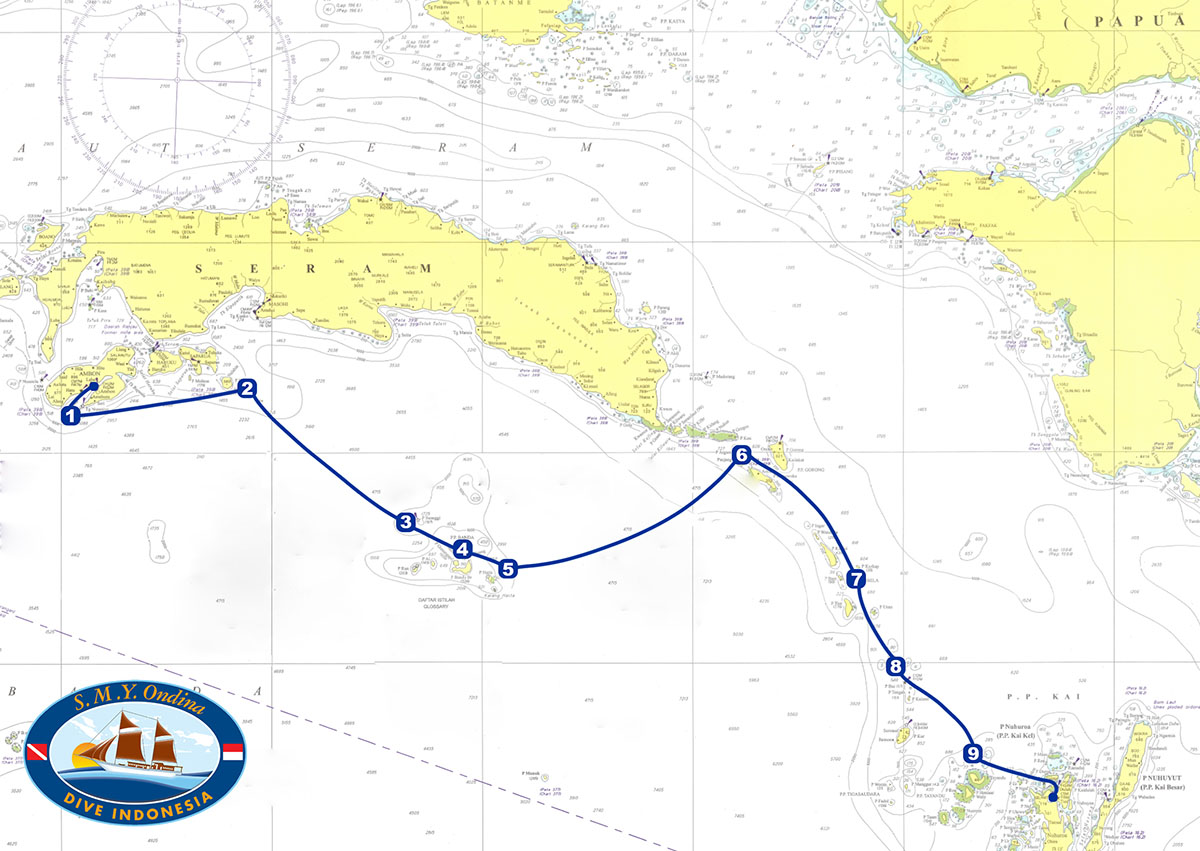
Inclusions
Exclusions
- Cruise fee: 200.00 EUR
Indonesians call their own country Tanah Air Kita, Our Land and Waters, a good way of describing the largest archipelago in the world. Occupying a surface equivalent of the entire Europe of the U.S., Indonesia is strategically positioned across the tropics between the Indian and the Pacific oceans, and is crossed in its entirety by the Ring of Fire. The combination of deep inner seas, volcanic islands, and a monsoon weather regime creates a vast variety of ecosystems both on land and underwater, with a variety of ethnic groups and cultures to match. The result is a kaleidoscope of landscapes, peoples and nature that won’t cease to amaze the most demanding traveller, no matter how many times you visit…
Volcanoes, rainforests, vast expanses of mangroves and some of the richest seas on the planet, this fascinating archipelago is home to a myriad of unusual creatures, from the little Tarsier to the (almost extinct) Sumatran rhino, tiger and elephant. Underwater, more than 4.000 species of fish and 500 types of coral are found throughout its mosaic of islands and reefs, creating a spectacular background that sets the scene for memorable encounters, from the tiny pygmy seahorse to the largest animal ever to exist, the blue whale, everything is possible in this land of wonders…
Different races and ethnic groups have coexisted here for centuries. This is the world’s largest Muslim country, a permissive Islam that coexist with matriarchal cultures, and gives an important role to women in social life. There are also important populations of Christians and Hindus, and traditional animist rituals are still widely practiced, blended with all other faiths. It is this rich mixture of beliefs, customs and lifestyles that make this country a real gem to visit. Indonesians are well known for their permanent smile and hospitality. A trip through this immense country is always a guarantee for wonderful experiences.
Cruises to Komodo start and/or end in Bima or Labuanbajo. For Alor, Maumere, or Kupang are the starting/ending points
Cruises starting or ending in Papua, Maluku or Sulawesi (Sorong, Manokwari, Ambon Tual or Bitung)
For these routes the best entry point is Manado (from Singapore), or Jakarta from elsewhere. From either of these two airports, you can fly to the starting points with a direct flight or with a short stop-over in between.
- 200 € cash to pay for the Harbour Fee on board. This fee includes all national park fees, diving permits for Marine Protected Areas, unexpected fuel price increases, etc…
- Passport valid for a minimum period of 6 months.
- Since 2015 the Indonesian authorities have extended its Free Visa program to all countries except six (Cameroon, Guinea, Montenegro, North Korea, Pakistan and Somalia). All other countries don’t need a pre-arranged visa for stays of less than 30 days. If you plan to stay longer in Indonesia, make sure you have the right visa. Check out the conditions for details.
- Your own diving gear and all spare parts you may need. We have a limited number of sets of dive gear for rent and spare parts on board, but better check in advance if you plan to rent equipment onboard.
- Photography and video equipment.
- Mosquito repellent for when we go out on land tours (not needed onboard).
- Any specific medication you may be taking. No need for malaria treatment unless you are extending your stay in a malaria-endemic area. We have a complete First Aid Kit on board for minor injuries and regular illnesses.
- Your personal toiletries
- Light and comfortable clothing (cotton shorts & T-shirts are best), a sweater, and a pair of washable footwear for landing ashore on some land tours.
- Your favourite alcoholic drink from the Duty-Free shop at the airport. We have beer and a limited number of bottles of liquor on board, but you are welcome to bring your own bottle of the latter. Beer from outside the boat is not permitted. If you want to bring your own beer, we charge a “corkage” fee.
- Domestic flights are usually strict with overweight. You may have to pay extra if you exceed the allowance, so bring the minimum with you and some change to pay for extras.
- Electricity onboard is 220V all-around-the-clock, and all sockets are two round pins European standard. Please bring your adaptors if needed.
The average water temperature is around 28ºC, but in some areas like south Komodo, Alor or North Raja Ampat the temperature can drop to 22-24ºC. Usually a 3 mm wetsuit is enough, but bring a 5 mm or a hooded vest if you tend to get cold underwater.
The first day we only do the check dive in the afternoon plus night dive if we don’t have to cruise a long distance. The last day we also program two dives: early morning and after breakfast, to allow enough time to desaturate and safely fly the morning after. The remaining days we usually do three day-dives and night dive most days, unless we need to sail overnight to the next destination, in which case there is no night dive. Also, certain land tours – such as the walk on the Komodo National Park or the early tour to see the birds of paradise in Papua – take the time equivalent to the first dive in the morning. For all these reasons, the average number of dives at the end of the cruise ends up being about 3 per day.
We encourage our guests to arrive at the port of embarkation before noon (12:00) on the departure date, to allow for the check dive in the afternoon and subsequent departure the same day. If you can’t find a flight arriving at noon at the latest please consult the organization so we can plan accordingly.Equally, on the departure date guests are expected to leave the boat around noon at the latest, to allow for the preparation of the next cruise. The boat usually arrives at the departing port the night before the day of departure.Transfers from and to the airport or hotel at the starting and ending towns are included in the price of the cruise. Remember to provide specific details of arrival, either flight number and ETA, or name, address and telephone number of the hotel if you arrive earlier than the scheduled day of departure. Guests staying in a hotel will be contacted by our Cruise Director at 6 pm the latest the day before departure.
Currents make for good diving, and the reason Indonesia enjoys such great levels of biodiversity is precisely because of this constant flow of nutrient-packed currents and upwellings that feed the reefs. These currents promote rich, varied environments, from walls to flat reefs, slopes, underwater mountains, jetties, river mouths and black sand slopes. It is this extraordinary variety of ecosystems that provides the unique experience that diving Indonesia is.When it comes to currents, it is important to understand is that our cruise directors and diveguides all have many years of experience taking groups of divers in the waters of Indonesia. We have never had an accident, something we pride ourselves for, but we also make an effort to adapt to the needs of every diver, starting from the assessment of the kind of group we have during the first pre-dive briefing upon arrival, and subsequently dividing the group into smaller sub-groups with a ratio of about 4-5 divers to a guide. We assess the needs and interests of every group and plan the dives according to the level and interest of every diver, working around the tides and timing the dives to always ensure everybody has a good experience on board.
Euros and Dollars are widely accepted in Indonesia, although dollar notes must be from years later than 1996 and virtually flawless, or else might be (and often are) rejected. The best exchange rates are in Bali, though pretty much every town has at least one place to exchange hard currency. Banks do change as well but at a slightly lower rate. Always try to stick to larger money changers and avoid smaller ones in tourist areas. We accept any kind of hard currency or Indonesia Rupiah on board, though not credit cards nor checks. We recommend you to bring some small (local) money to buy handicrafts when visiting villages.
As defendants of the “digital detox” movement, our boats don’t have internet connexion. Still, nowadays about 50% of the time there is some public internet connection available, depending on the route. If you are the kind that likes to be connected at all times, we suggest you purchase a phone card with a data package upon arrival in the country. Telkomsel works best and is available in any of the many dedicated phone stores. Our boats are both equipped with a satellite phone for emergencies, and guests are welcome to use them at the established rates.
Visa: Most countries are allowed a 30-days free visa on arrival, but it’s always good to check in advance.
Passports: The date of expiration must be a minimum of 6 months from the date of exiting the country.
Diving insurance: It is compulsory to hold valid personal diving insurance to dive with us.
We strongly recommend considering a Land Tour extension before or after the cruise. After a long journey to Indonesia, it is worth exploring one or more of the numerous places of interest in the region, by the hand of professional, experienced guides. Should you need help arranging for one of the tours we can put you in touch with our partners in Bali which can organize many different land tours and activities throughout the archipelago.
Conditions for Payment and cancellations: To avoid problems, please read carefully the section of Bookings and Cancellations.
Money: Most hard currencies can be exchanged directly at airports and hotels in Indonesia. The best exchange rate to Rupiah is found in the money changers in Bali, though it is best to use the larger ones with a good, professional image. Credit cards are accepted in Bali and the big cities of Indonesia, but not in villages nor in remote islands. You can pay with any currency on board, but not with credit card nor checks.
Cruise fees: Remember to carry € 200 in cash per person to pay the Harbour Fee.
Diving: The diving is normally carried out from the tenders, sometimes without even anchoring. The tenders stay on top of the group for the entire length of the dive, picking up the divers at the end of it. We recommend divers to hold an advanced certification or a minimum of 50 signed dives, so they can fully enjoy the diving. Although we do our utmost to assess the level of the divers and organize the underwater activities accordingly, some dives are in strong currents and a minimum experience of every single diver is key for the safety and enjoyment of the group.
Water temperature: The temperature is normally 28º C, although areas exposed to upwellings from the ocean (like South Komodo or Alor) can experience lower temperatures down to 22º C. Usually a 3 mm dive suit is enough, though some divers like to add a hooded vest or simply wear a 5 mm.
Visibility: The average visibility is 15-20 m, with variations depending on season and tides.
Safety in diving: Every diver must carry a Surface Marker Buoy; if you don’t bring your own we will lend you one for the duration of the cruise.
Rental of diving equipment: Available onboard, please ask in advance for availability and check prices in the Services Onboard section of the menu.
Electricity: Electricity onboard is 220 v with standard two-pin European sockets. The same applies to land.
Health: There are no mandatory vaccinations for traveling to Indonesia. The Tropical Disease Institutes consider that some of the islands of the Indonesian archipelago are affected by malaria, although this is only true for highlands on the interior. Risks are minimum during the cruise and it is sufficient to bring a mosquito repellent for the land tours, or use the one provided onboard. It is important not to drink tap water nor eat fruits and vegetables without peeling, washing or boiling them. If you suffer seasickness carry your own remedy.
Clothing: Our boats do not have laundry service, so we recommend you bring enough clothing for the entire length of the cruise. T-shirts, polo shirts, shorts and bathing suits are the norm, and a sweater for the evenings is usually enough.
Heat: We are near the tropics and it can get very hot. Bring high protection sunscreen, sunglasses, hat…
We do not recommend bringing children under 6 years of age unless it is a consolidated route (see the Types of Route section), and at least one parent or legal tutor must remain on board with the children under 6 during dives.
- Deck Length: 32 meters
- Beam: 8 meters
- Draft: 2,6 metres
- Hull: Iron Wood
- Engine: 400 HP Man 8 cylinders
- Sails: 300 square meters in 7 sails
- Cruising Speed: 7 Knots
- Water: 10.000 liters plus watermaker deposits
- Fuel tanks: 10.000 liters
- Gensets: 2 x 30 Kw plus 1 x 20 Kw
- Compressors: 2 x Bauer Mariner plus spare block
- Nitrox: Membrane system with Atlas Copco compressor
Launched in 2001, this traditional wooden schooner – known as Phinisi in the local language – was built in South Sulawesi by the Bugis tribes of seafarers, using tropical timbers and following traditional methods from their ancestry. Custom-built under the direct supervision of our director of operations, she was built by a diver for the divers.
Her spacious interiors can comfortably sleep 16 passengers in 8 double AC/ensuite cabins, from which the two on the foredeck have twin single bunks each, while the remaining six cabins are fitted with double bed and a single bunk on top. Three gensets provide all-around-the-clock 220 v electricity supply, with two-pin European standard sockets. Ondina is currently based in Sorong, from where she operates different routes in Raja Ampat, Cenderawasih Bay, North Banda Sea, Triton Bay and Halmahera.
Indonesians call their own country Tanah Air Kita, Our Land and Waters, a good way of describing the largest archipelago in the world. Occupying a surface equivalent of the entire Europe of the U.S., Indonesia is strategically positioned across the tropics between the Indian and the Pacific oceans, and is crossed in its entirety by the Ring of Fire. The combination of deep inner seas, volcanic islands, and a monsoon weather regime creates a vast variety of ecosystems both on land and underwater, with a variety of ethnic groups and cultures to match. The result is a kaleidoscope of landscapes, peoples and nature that won’t cease to amaze the most demanding traveller, no matter how many times you visit…
Volcanoes, rainforests, vast expanses of mangroves and some of the richest seas on the planet, this fascinating archipelago is home to a myriad of unusual creatures, from the little Tarsier to the (almost extinct) Sumatran rhino, tiger and elephant. Underwater, more than 4.000 species of fish and 500 types of coral are found throughout its mosaic of islands and reefs, creating a spectacular background that sets the scene for memorable encounters, from the tiny pygmy seahorse to the largest animal ever to exist, the blue whale, everything is possible in this land of wonders…
Different races and ethnic groups have coexisted here for centuries. This is the world’s largest Muslim country, a permissive Islam that coexist with matriarchal cultures, and gives an important role to women in social life. There are also important populations of Christians and Hindus, and traditional animist rituals are still widely practiced, blended with all other faiths. It is this rich mixture of beliefs, customs and lifestyles that make this country a real gem to visit. Indonesians are well known for their permanent smile and hospitality. A trip through this immense country is always a guarantee for wonderful experiences.
Cruises to Komodo start and/or end in Bima or Labuanbajo. For Alor, Maumere, or Kupang are the starting/ending points
Cruises starting or ending in Papua, Maluku or Sulawesi (Sorong, Manokwari, Ambon Tual or Bitung)
For these routes the best entry point is Manado (from Singapore), or Jakarta from elsewhere. From either of these two airports, you can fly to the starting points with a direct flight or with a short stop-over in between.
- 200 € cash to pay for the Harbour Fee on board. This fee includes all national park fees, diving permits for Marine Protected Areas, unexpected fuel price increases, etc…
- Passport valid for a minimum period of 6 months.
- Since 2015 the Indonesian authorities have extended its Free Visa program to all countries except six (Cameroon, Guinea, Montenegro, North Korea, Pakistan and Somalia). All other countries don’t need a pre-arranged visa for stays of less than 30 days. If you plan to stay longer in Indonesia, make sure you have the right visa. Check out the conditions for details.
- Your own diving gear and all spare parts you may need. We have a limited number of sets of dive gear for rent and spare parts on board, but better check in advance if you plan to rent equipment onboard.
- Photography and video equipment.
- Mosquito repellent for when we go out on land tours (not needed onboard).
- Any specific medication you may be taking. No need for malaria treatment unless you are extending your stay in a malaria-endemic area. We have a complete First Aid Kit on board for minor injuries and regular illnesses.
- Your personal toiletries
- Light and comfortable clothing (cotton shorts & T-shirts are best), a sweater, and a pair of washable footwear for landing ashore on some land tours.
- Your favourite alcoholic drink from the Duty-Free shop at the airport. We have beer and a limited number of bottles of liquor on board, but you are welcome to bring your own bottle of the latter. Beer from outside the boat is not permitted. If you want to bring your own beer, we charge a “corkage” fee.
- Domestic flights are usually strict with overweight. You may have to pay extra if you exceed the allowance, so bring the minimum with you and some change to pay for extras.
- Electricity onboard is 220V all-around-the-clock, and all sockets are two round pins European standard. Please bring your adaptors if needed.
The average water temperature is around 28ºC, but in some areas like south Komodo, Alor or North Raja Ampat the temperature can drop to 22-24ºC. Usually a 3 mm wetsuit is enough, but bring a 5 mm or a hooded vest if you tend to get cold underwater.
The first day we only do the check dive in the afternoon plus night dive if we don’t have to cruise a long distance. The last day we also program two dives: early morning and after breakfast, to allow enough time to desaturate and safely fly the morning after. The remaining days we usually do three day-dives and night dive most days, unless we need to sail overnight to the next destination, in which case there is no night dive. Also, certain land tours – such as the walk on the Komodo National Park or the early tour to see the birds of paradise in Papua – take the time equivalent to the first dive in the morning. For all these reasons, the average number of dives at the end of the cruise ends up being about 3 per day.
We encourage our guests to arrive at the port of embarkation before noon (12:00) on the departure date, to allow for the check dive in the afternoon and subsequent departure the same day. If you can’t find a flight arriving at noon at the latest please consult the organization so we can plan accordingly.Equally, on the departure date guests are expected to leave the boat around noon at the latest, to allow for the preparation of the next cruise. The boat usually arrives at the departing port the night before the day of departure.Transfers from and to the airport or hotel at the starting and ending towns are included in the price of the cruise. Remember to provide specific details of arrival, either flight number and ETA, or name, address and telephone number of the hotel if you arrive earlier than the scheduled day of departure. Guests staying in a hotel will be contacted by our Cruise Director at 6 pm the latest the day before departure.
Currents make for good diving, and the reason Indonesia enjoys such great levels of biodiversity is precisely because of this constant flow of nutrient-packed currents and upwellings that feed the reefs. These currents promote rich, varied environments, from walls to flat reefs, slopes, underwater mountains, jetties, river mouths and black sand slopes. It is this extraordinary variety of ecosystems that provides the unique experience that diving Indonesia is.When it comes to currents, it is important to understand is that our cruise directors and diveguides all have many years of experience taking groups of divers in the waters of Indonesia. We have never had an accident, something we pride ourselves for, but we also make an effort to adapt to the needs of every diver, starting from the assessment of the kind of group we have during the first pre-dive briefing upon arrival, and subsequently dividing the group into smaller sub-groups with a ratio of about 4-5 divers to a guide. We assess the needs and interests of every group and plan the dives according to the level and interest of every diver, working around the tides and timing the dives to always ensure everybody has a good experience on board.
Euros and Dollars are widely accepted in Indonesia, although dollar notes must be from years later than 1996 and virtually flawless, or else might be (and often are) rejected. The best exchange rates are in Bali, though pretty much every town has at least one place to exchange hard currency. Banks do change as well but at a slightly lower rate. Always try to stick to larger money changers and avoid smaller ones in tourist areas. We accept any kind of hard currency or Indonesia Rupiah on board, though not credit cards nor checks. We recommend you to bring some small (local) money to buy handicrafts when visiting villages.
As defendants of the “digital detox” movement, our boats don’t have internet connexion. Still, nowadays about 50% of the time there is some public internet connection available, depending on the route. If you are the kind that likes to be connected at all times, we suggest you purchase a phone card with a data package upon arrival in the country. Telkomsel works best and is available in any of the many dedicated phone stores. Our boats are both equipped with a satellite phone for emergencies, and guests are welcome to use them at the established rates.
Visa: Most countries are allowed a 30-days free visa on arrival, but it’s always good to check in advance.
Passports: The date of expiration must be a minimum of 6 months from the date of exiting the country.
Diving insurance: It is compulsory to hold valid personal diving insurance to dive with us.
We strongly recommend considering a Land Tour extension before or after the cruise. After a long journey to Indonesia, it is worth exploring one or more of the numerous places of interest in the region, by the hand of professional, experienced guides. Should you need help arranging for one of the tours we can put you in touch with our partners in Bali which can organize many different land tours and activities throughout the archipelago.
Conditions for Payment and cancellations: To avoid problems, please read carefully the section of Bookings and Cancellations.
Money: Most hard currencies can be exchanged directly at airports and hotels in Indonesia. The best exchange rate to Rupiah is found in the money changers in Bali, though it is best to use the larger ones with a good, professional image. Credit cards are accepted in Bali and the big cities of Indonesia, but not in villages nor in remote islands. You can pay with any currency on board, but not with credit card nor checks.
Cruise fees: Remember to carry € 200 in cash per person to pay the Harbour Fee.
Diving: The diving is normally carried out from the tenders, sometimes without even anchoring. The tenders stay on top of the group for the entire length of the dive, picking up the divers at the end of it. We recommend divers to hold an advanced certification or a minimum of 50 signed dives, so they can fully enjoy the diving. Although we do our utmost to assess the level of the divers and organize the underwater activities accordingly, some dives are in strong currents and a minimum experience of every single diver is key for the safety and enjoyment of the group.
Water temperature: The temperature is normally 28º C, although areas exposed to upwellings from the ocean (like South Komodo or Alor) can experience lower temperatures down to 22º C. Usually a 3 mm dive suit is enough, though some divers like to add a hooded vest or simply wear a 5 mm.
Visibility: The average visibility is 15-20 m, with variations depending on season and tides.
Safety in diving: Every diver must carry a Surface Marker Buoy; if you don’t bring your own we will lend you one for the duration of the cruise.
Rental of diving equipment: Available onboard, please ask in advance for availability and check prices in the Services Onboard section of the menu.
Electricity: Electricity onboard is 220 v with standard two-pin European sockets. The same applies to land.
Health: There are no mandatory vaccinations for traveling to Indonesia. The Tropical Disease Institutes consider that some of the islands of the Indonesian archipelago are affected by malaria, although this is only true for highlands on the interior. Risks are minimum during the cruise and it is sufficient to bring a mosquito repellent for the land tours, or use the one provided onboard. It is important not to drink tap water nor eat fruits and vegetables without peeling, washing or boiling them. If you suffer seasickness carry your own remedy.
Clothing: Our boats do not have laundry service, so we recommend you bring enough clothing for the entire length of the cruise. T-shirts, polo shirts, shorts and bathing suits are the norm, and a sweater for the evenings is usually enough.
Heat: We are near the tropics and it can get very hot. Bring high protection sunscreen, sunglasses, hat…
We do not recommend bringing children under 6 years of age unless it is a consolidated route (see the Types of Route section), and at least one parent or legal tutor must remain on board with the children under 6 during dives.
- Deck Length: 32 meters
- Beam: 8 meters
- Draft: 2,6 metres
- Hull: Iron Wood
- Engine: 400 HP Man 8 cylinders
- Sails: 300 square meters in 7 sails
- Cruising Speed: 7 Knots
- Water: 10.000 liters plus watermaker deposits
- Fuel tanks: 10.000 liters
- Gensets: 2 x 30 Kw plus 1 x 20 Kw
- Compressors: 2 x Bauer Mariner plus spare block
- Nitrox: Membrane system with Atlas Copco compressor
Launched in 2001, this traditional wooden schooner – known as Phinisi in the local language – was built in South Sulawesi by the Bugis tribes of seafarers, using tropical timbers and following traditional methods from their ancestry. Custom-built under the direct supervision of our director of operations, she was built by a diver for the divers.
Her spacious interiors can comfortably sleep 16 passengers in 8 double AC/ensuite cabins, from which the two on the foredeck have twin single bunks each, while the remaining six cabins are fitted with double bed and a single bunk on top. Three gensets provide all-around-the-clock 220 v electricity supply, with two-pin European standard sockets. Ondina is currently based in Sorong, from where she operates different routes in Raja Ampat, Cenderawasih Bay, North Banda Sea, Triton Bay and Halmahera.
Indonesians call their own country Tanah Air Kita, Our Land and Waters, a good way of describing the largest archipelago in the world. Occupying a surface equivalent of the entire Europe of the U.S., Indonesia is strategically positioned across the tropics between the Indian and the Pacific oceans, and is crossed in its entirety by the Ring of Fire. The combination of deep inner seas, volcanic islands, and a monsoon weather regime creates a vast variety of ecosystems both on land and underwater, with a variety of ethnic groups and cultures to match. The result is a kaleidoscope of landscapes, peoples and nature that won’t cease to amaze the most demanding traveller, no matter how many times you visit…
Volcanoes, rainforests, vast expanses of mangroves and some of the richest seas on the planet, this fascinating archipelago is home to a myriad of unusual creatures, from the little Tarsier to the (almost extinct) Sumatran rhino, tiger and elephant. Underwater, more than 4.000 species of fish and 500 types of coral are found throughout its mosaic of islands and reefs, creating a spectacular background that sets the scene for memorable encounters, from the tiny pygmy seahorse to the largest animal ever to exist, the blue whale, everything is possible in this land of wonders…
Different races and ethnic groups have coexisted here for centuries. This is the world’s largest Muslim country, a permissive Islam that coexist with matriarchal cultures, and gives an important role to women in social life. There are also important populations of Christians and Hindus, and traditional animist rituals are still widely practiced, blended with all other faiths. It is this rich mixture of beliefs, customs and lifestyles that make this country a real gem to visit. Indonesians are well known for their permanent smile and hospitality. A trip through this immense country is always a guarantee for wonderful experiences.
Cruises to Komodo start and/or end in Bima or Labuanbajo. For Alor, Maumere, or Kupang are the starting/ending points
Cruises starting or ending in Papua, Maluku or Sulawesi (Sorong, Manokwari, Ambon Tual or Bitung)
For these routes the best entry point is Manado (from Singapore), or Jakarta from elsewhere. From either of these two airports, you can fly to the starting points with a direct flight or with a short stop-over in between.
- 200 € cash to pay for the Harbour Fee on board. This fee includes all national park fees, diving permits for Marine Protected Areas, unexpected fuel price increases, etc…
- Passport valid for a minimum period of 6 months.
- Since 2015 the Indonesian authorities have extended its Free Visa program to all countries except six (Cameroon, Guinea, Montenegro, North Korea, Pakistan and Somalia). All other countries don’t need a pre-arranged visa for stays of less than 30 days. If you plan to stay longer in Indonesia, make sure you have the right visa. Check out the conditions for details.
- Your own diving gear and all spare parts you may need. We have a limited number of sets of dive gear for rent and spare parts on board, but better check in advance if you plan to rent equipment onboard.
- Photography and video equipment.
- Mosquito repellent for when we go out on land tours (not needed onboard).
- Any specific medication you may be taking. No need for malaria treatment unless you are extending your stay in a malaria-endemic area. We have a complete First Aid Kit on board for minor injuries and regular illnesses.
- Your personal toiletries
- Light and comfortable clothing (cotton shorts & T-shirts are best), a sweater, and a pair of washable footwear for landing ashore on some land tours.
- Your favourite alcoholic drink from the Duty-Free shop at the airport. We have beer and a limited number of bottles of liquor on board, but you are welcome to bring your own bottle of the latter. Beer from outside the boat is not permitted. If you want to bring your own beer, we charge a “corkage” fee.
- Domestic flights are usually strict with overweight. You may have to pay extra if you exceed the allowance, so bring the minimum with you and some change to pay for extras.
- Electricity onboard is 220V all-around-the-clock, and all sockets are two round pins European standard. Please bring your adaptors if needed.
The average water temperature is around 28ºC, but in some areas like south Komodo, Alor or North Raja Ampat the temperature can drop to 22-24ºC. Usually a 3 mm wetsuit is enough, but bring a 5 mm or a hooded vest if you tend to get cold underwater.
The first day we only do the check dive in the afternoon plus night dive if we don’t have to cruise a long distance. The last day we also program two dives: early morning and after breakfast, to allow enough time to desaturate and safely fly the morning after. The remaining days we usually do three day-dives and night dive most days, unless we need to sail overnight to the next destination, in which case there is no night dive. Also, certain land tours – such as the walk on the Komodo National Park or the early tour to see the birds of paradise in Papua – take the time equivalent to the first dive in the morning. For all these reasons, the average number of dives at the end of the cruise ends up being about 3 per day.
We encourage our guests to arrive at the port of embarkation before noon (12:00) on the departure date, to allow for the check dive in the afternoon and subsequent departure the same day. If you can’t find a flight arriving at noon at the latest please consult the organization so we can plan accordingly.Equally, on the departure date guests are expected to leave the boat around noon at the latest, to allow for the preparation of the next cruise. The boat usually arrives at the departing port the night before the day of departure.Transfers from and to the airport or hotel at the starting and ending towns are included in the price of the cruise. Remember to provide specific details of arrival, either flight number and ETA, or name, address and telephone number of the hotel if you arrive earlier than the scheduled day of departure. Guests staying in a hotel will be contacted by our Cruise Director at 6 pm the latest the day before departure.
Currents make for good diving, and the reason Indonesia enjoys such great levels of biodiversity is precisely because of this constant flow of nutrient-packed currents and upwellings that feed the reefs. These currents promote rich, varied environments, from walls to flat reefs, slopes, underwater mountains, jetties, river mouths and black sand slopes. It is this extraordinary variety of ecosystems that provides the unique experience that diving Indonesia is.When it comes to currents, it is important to understand is that our cruise directors and diveguides all have many years of experience taking groups of divers in the waters of Indonesia. We have never had an accident, something we pride ourselves for, but we also make an effort to adapt to the needs of every diver, starting from the assessment of the kind of group we have during the first pre-dive briefing upon arrival, and subsequently dividing the group into smaller sub-groups with a ratio of about 4-5 divers to a guide. We assess the needs and interests of every group and plan the dives according to the level and interest of every diver, working around the tides and timing the dives to always ensure everybody has a good experience on board.
Euros and Dollars are widely accepted in Indonesia, although dollar notes must be from years later than 1996 and virtually flawless, or else might be (and often are) rejected. The best exchange rates are in Bali, though pretty much every town has at least one place to exchange hard currency. Banks do change as well but at a slightly lower rate. Always try to stick to larger money changers and avoid smaller ones in tourist areas. We accept any kind of hard currency or Indonesia Rupiah on board, though not credit cards nor checks. We recommend you to bring some small (local) money to buy handicrafts when visiting villages.
As defendants of the “digital detox” movement, our boats don’t have internet connexion. Still, nowadays about 50% of the time there is some public internet connection available, depending on the route. If you are the kind that likes to be connected at all times, we suggest you purchase a phone card with a data package upon arrival in the country. Telkomsel works best and is available in any of the many dedicated phone stores. Our boats are both equipped with a satellite phone for emergencies, and guests are welcome to use them at the established rates.
Visa: Most countries are allowed a 30-days free visa on arrival, but it’s always good to check in advance.
Passports: The date of expiration must be a minimum of 6 months from the date of exiting the country.
Diving insurance: It is compulsory to hold valid personal diving insurance to dive with us.
We strongly recommend considering a Land Tour extension before or after the cruise. After a long journey to Indonesia, it is worth exploring one or more of the numerous places of interest in the region, by the hand of professional, experienced guides. Should you need help arranging for one of the tours we can put you in touch with our partners in Bali which can organize many different land tours and activities throughout the archipelago.
Conditions for Payment and cancellations: To avoid problems, please read carefully the section of Bookings and Cancellations.
Money: Most hard currencies can be exchanged directly at airports and hotels in Indonesia. The best exchange rate to Rupiah is found in the money changers in Bali, though it is best to use the larger ones with a good, professional image. Credit cards are accepted in Bali and the big cities of Indonesia, but not in villages nor in remote islands. You can pay with any currency on board, but not with credit card nor checks.
Cruise fees: Remember to carry € 200 in cash per person to pay the Harbour Fee.
Diving: The diving is normally carried out from the tenders, sometimes without even anchoring. The tenders stay on top of the group for the entire length of the dive, picking up the divers at the end of it. We recommend divers to hold an advanced certification or a minimum of 50 signed dives, so they can fully enjoy the diving. Although we do our utmost to assess the level of the divers and organize the underwater activities accordingly, some dives are in strong currents and a minimum experience of every single diver is key for the safety and enjoyment of the group.
Water temperature: The temperature is normally 28º C, although areas exposed to upwellings from the ocean (like South Komodo or Alor) can experience lower temperatures down to 22º C. Usually a 3 mm dive suit is enough, though some divers like to add a hooded vest or simply wear a 5 mm.
Visibility: The average visibility is 15-20 m, with variations depending on season and tides.
Safety in diving: Every diver must carry a Surface Marker Buoy; if you don’t bring your own we will lend you one for the duration of the cruise.
Rental of diving equipment: Available onboard, please ask in advance for availability and check prices in the Services Onboard section of the menu.
Electricity: Electricity onboard is 220 v with standard two-pin European sockets. The same applies to land.
Health: There are no mandatory vaccinations for traveling to Indonesia. The Tropical Disease Institutes consider that some of the islands of the Indonesian archipelago are affected by malaria, although this is only true for highlands on the interior. Risks are minimum during the cruise and it is sufficient to bring a mosquito repellent for the land tours, or use the one provided onboard. It is important not to drink tap water nor eat fruits and vegetables without peeling, washing or boiling them. If you suffer seasickness carry your own remedy.
Clothing: Our boats do not have laundry service, so we recommend you bring enough clothing for the entire length of the cruise. T-shirts, polo shirts, shorts and bathing suits are the norm, and a sweater for the evenings is usually enough.
Heat: We are near the tropics and it can get very hot. Bring high protection sunscreen, sunglasses, hat…
We do not recommend bringing children under 6 years of age unless it is a consolidated route (see the Types of Route section), and at least one parent or legal tutor must remain on board with the children under 6 during dives.
- Deck Length: 32 meters
- Beam: 8 meters
- Draft: 2,6 metres
- Hull: Iron Wood
- Engine: 400 HP Man 8 cylinders
- Sails: 300 square meters in 7 sails
- Cruising Speed: 7 Knots
- Water: 10.000 liters plus watermaker deposits
- Fuel tanks: 10.000 liters
- Gensets: 2 x 30 Kw plus 1 x 20 Kw
- Compressors: 2 x Bauer Mariner plus spare block
- Nitrox: Membrane system with Atlas Copco compressor
Launched in 2001, this traditional wooden schooner – known as Phinisi in the local language – was built in South Sulawesi by the Bugis tribes of seafarers, using tropical timbers and following traditional methods from their ancestry. Custom-built under the direct supervision of our director of operations, she was built by a diver for the divers.
Her spacious interiors can comfortably sleep 16 passengers in 8 double AC/ensuite cabins, from which the two on the foredeck have twin single bunks each, while the remaining six cabins are fitted with double bed and a single bunk on top. Three gensets provide all-around-the-clock 220 v electricity supply, with two-pin European standard sockets. Ondina is currently based in Sorong, from where she operates different routes in Raja Ampat, Cenderawasih Bay, North Banda Sea, Triton Bay and Halmahera.
Indonesians call their own country Tanah Air Kita, Our Land and Waters, a good way of describing the largest archipelago in the world. Occupying a surface equivalent of the entire Europe of the U.S., Indonesia is strategically positioned across the tropics between the Indian and the Pacific oceans, and is crossed in its entirety by the Ring of Fire. The combination of deep inner seas, volcanic islands, and a monsoon weather regime creates a vast variety of ecosystems both on land and underwater, with a variety of ethnic groups and cultures to match. The result is a kaleidoscope of landscapes, peoples and nature that won’t cease to amaze the most demanding traveller, no matter how many times you visit…
Volcanoes, rainforests, vast expanses of mangroves and some of the richest seas on the planet, this fascinating archipelago is home to a myriad of unusual creatures, from the little Tarsier to the (almost extinct) Sumatran rhino, tiger and elephant. Underwater, more than 4.000 species of fish and 500 types of coral are found throughout its mosaic of islands and reefs, creating a spectacular background that sets the scene for memorable encounters, from the tiny pygmy seahorse to the largest animal ever to exist, the blue whale, everything is possible in this land of wonders…
Different races and ethnic groups have coexisted here for centuries. This is the world’s largest Muslim country, a permissive Islam that coexist with matriarchal cultures, and gives an important role to women in social life. There are also important populations of Christians and Hindus, and traditional animist rituals are still widely practiced, blended with all other faiths. It is this rich mixture of beliefs, customs and lifestyles that make this country a real gem to visit. Indonesians are well known for their permanent smile and hospitality. A trip through this immense country is always a guarantee for wonderful experiences.
Cruises to Komodo start and/or end in Bima or Labuanbajo. For Alor, Maumere, or Kupang are the starting/ending points
Cruises starting or ending in Papua, Maluku or Sulawesi (Sorong, Manokwari, Ambon Tual or Bitung)
For these routes the best entry point is Manado (from Singapore), or Jakarta from elsewhere. From either of these two airports, you can fly to the starting points with a direct flight or with a short stop-over in between.
- 200 € cash to pay for the Harbour Fee on board. This fee includes all national park fees, diving permits for Marine Protected Areas, unexpected fuel price increases, etc…
- Passport valid for a minimum period of 6 months.
- Since 2015 the Indonesian authorities have extended its Free Visa program to all countries except six (Cameroon, Guinea, Montenegro, North Korea, Pakistan and Somalia). All other countries don’t need a pre-arranged visa for stays of less than 30 days. If you plan to stay longer in Indonesia, make sure you have the right visa. Check out the conditions for details.
- Your own diving gear and all spare parts you may need. We have a limited number of sets of dive gear for rent and spare parts on board, but better check in advance if you plan to rent equipment onboard.
- Photography and video equipment.
- Mosquito repellent for when we go out on land tours (not needed onboard).
- Any specific medication you may be taking. No need for malaria treatment unless you are extending your stay in a malaria-endemic area. We have a complete First Aid Kit on board for minor injuries and regular illnesses.
- Your personal toiletries
- Light and comfortable clothing (cotton shorts & T-shirts are best), a sweater, and a pair of washable footwear for landing ashore on some land tours.
- Your favourite alcoholic drink from the Duty-Free shop at the airport. We have beer and a limited number of bottles of liquor on board, but you are welcome to bring your own bottle of the latter. Beer from outside the boat is not permitted. If you want to bring your own beer, we charge a “corkage” fee.
- Domestic flights are usually strict with overweight. You may have to pay extra if you exceed the allowance, so bring the minimum with you and some change to pay for extras.
- Electricity onboard is 220V all-around-the-clock, and all sockets are two round pins European standard. Please bring your adaptors if needed.
The average water temperature is around 28ºC, but in some areas like south Komodo, Alor or North Raja Ampat the temperature can drop to 22-24ºC. Usually a 3 mm wetsuit is enough, but bring a 5 mm or a hooded vest if you tend to get cold underwater.
The first day we only do the check dive in the afternoon plus night dive if we don’t have to cruise a long distance. The last day we also program two dives: early morning and after breakfast, to allow enough time to desaturate and safely fly the morning after. The remaining days we usually do three day-dives and night dive most days, unless we need to sail overnight to the next destination, in which case there is no night dive. Also, certain land tours – such as the walk on the Komodo National Park or the early tour to see the birds of paradise in Papua – take the time equivalent to the first dive in the morning. For all these reasons, the average number of dives at the end of the cruise ends up being about 3 per day.
We encourage our guests to arrive at the port of embarkation before noon (12:00) on the departure date, to allow for the check dive in the afternoon and subsequent departure the same day. If you can’t find a flight arriving at noon at the latest please consult the organization so we can plan accordingly.Equally, on the departure date guests are expected to leave the boat around noon at the latest, to allow for the preparation of the next cruise. The boat usually arrives at the departing port the night before the day of departure.Transfers from and to the airport or hotel at the starting and ending towns are included in the price of the cruise. Remember to provide specific details of arrival, either flight number and ETA, or name, address and telephone number of the hotel if you arrive earlier than the scheduled day of departure. Guests staying in a hotel will be contacted by our Cruise Director at 6 pm the latest the day before departure.
Currents make for good diving, and the reason Indonesia enjoys such great levels of biodiversity is precisely because of this constant flow of nutrient-packed currents and upwellings that feed the reefs. These currents promote rich, varied environments, from walls to flat reefs, slopes, underwater mountains, jetties, river mouths and black sand slopes. It is this extraordinary variety of ecosystems that provides the unique experience that diving Indonesia is.When it comes to currents, it is important to understand is that our cruise directors and diveguides all have many years of experience taking groups of divers in the waters of Indonesia. We have never had an accident, something we pride ourselves for, but we also make an effort to adapt to the needs of every diver, starting from the assessment of the kind of group we have during the first pre-dive briefing upon arrival, and subsequently dividing the group into smaller sub-groups with a ratio of about 4-5 divers to a guide. We assess the needs and interests of every group and plan the dives according to the level and interest of every diver, working around the tides and timing the dives to always ensure everybody has a good experience on board.
Euros and Dollars are widely accepted in Indonesia, although dollar notes must be from years later than 1996 and virtually flawless, or else might be (and often are) rejected. The best exchange rates are in Bali, though pretty much every town has at least one place to exchange hard currency. Banks do change as well but at a slightly lower rate. Always try to stick to larger money changers and avoid smaller ones in tourist areas. We accept any kind of hard currency or Indonesia Rupiah on board, though not credit cards nor checks. We recommend you to bring some small (local) money to buy handicrafts when visiting villages.
As defendants of the “digital detox” movement, our boats don’t have internet connexion. Still, nowadays about 50% of the time there is some public internet connection available, depending on the route. If you are the kind that likes to be connected at all times, we suggest you purchase a phone card with a data package upon arrival in the country. Telkomsel works best and is available in any of the many dedicated phone stores. Our boats are both equipped with a satellite phone for emergencies, and guests are welcome to use them at the established rates.
Visa: Most countries are allowed a 30-days free visa on arrival, but it’s always good to check in advance.
Passports: The date of expiration must be a minimum of 6 months from the date of exiting the country.
Diving insurance: It is compulsory to hold valid personal diving insurance to dive with us.
We strongly recommend considering a Land Tour extension before or after the cruise. After a long journey to Indonesia, it is worth exploring one or more of the numerous places of interest in the region, by the hand of professional, experienced guides. Should you need help arranging for one of the tours we can put you in touch with our partners in Bali which can organize many different land tours and activities throughout the archipelago.
Conditions for Payment and cancellations: To avoid problems, please read carefully the section of Bookings and Cancellations.
Money: Most hard currencies can be exchanged directly at airports and hotels in Indonesia. The best exchange rate to Rupiah is found in the money changers in Bali, though it is best to use the larger ones with a good, professional image. Credit cards are accepted in Bali and the big cities of Indonesia, but not in villages nor in remote islands. You can pay with any currency on board, but not with credit card nor checks.
Cruise fees: Remember to carry € 200 in cash per person to pay the Harbour Fee.
Diving: The diving is normally carried out from the tenders, sometimes without even anchoring. The tenders stay on top of the group for the entire length of the dive, picking up the divers at the end of it. We recommend divers to hold an advanced certification or a minimum of 50 signed dives, so they can fully enjoy the diving. Although we do our utmost to assess the level of the divers and organize the underwater activities accordingly, some dives are in strong currents and a minimum experience of every single diver is key for the safety and enjoyment of the group.
Water temperature: The temperature is normally 28º C, although areas exposed to upwellings from the ocean (like South Komodo or Alor) can experience lower temperatures down to 22º C. Usually a 3 mm dive suit is enough, though some divers like to add a hooded vest or simply wear a 5 mm.
Visibility: The average visibility is 15-20 m, with variations depending on season and tides.
Safety in diving: Every diver must carry a Surface Marker Buoy; if you don’t bring your own we will lend you one for the duration of the cruise.
Rental of diving equipment: Available onboard, please ask in advance for availability and check prices in the Services Onboard section of the menu.
Electricity: Electricity onboard is 220 v with standard two-pin European sockets. The same applies to land.
Health: There are no mandatory vaccinations for traveling to Indonesia. The Tropical Disease Institutes consider that some of the islands of the Indonesian archipelago are affected by malaria, although this is only true for highlands on the interior. Risks are minimum during the cruise and it is sufficient to bring a mosquito repellent for the land tours, or use the one provided onboard. It is important not to drink tap water nor eat fruits and vegetables without peeling, washing or boiling them. If you suffer seasickness carry your own remedy.
Clothing: Our boats do not have laundry service, so we recommend you bring enough clothing for the entire length of the cruise. T-shirts, polo shirts, shorts and bathing suits are the norm, and a sweater for the evenings is usually enough.
Heat: We are near the tropics and it can get very hot. Bring high protection sunscreen, sunglasses, hat…
We do not recommend bringing children under 6 years of age unless it is a consolidated route (see the Types of Route section), and at least one parent or legal tutor must remain on board with the children under 6 during dives.
- Deck Length: 32 meters
- Beam: 8 meters
- Draft: 2,6 metres
- Hull: Iron Wood
- Engine: 400 HP Man 8 cylinders
- Sails: 300 square meters in 7 sails
- Cruising Speed: 7 Knots
- Water: 10.000 liters plus watermaker deposits
- Fuel tanks: 10.000 liters
- Gensets: 2 x 30 Kw plus 1 x 20 Kw
- Compressors: 2 x Bauer Mariner plus spare block
- Nitrox: Membrane system with Atlas Copco compressor
Launched in 2001, this traditional wooden schooner – known as Phinisi in the local language – was built in South Sulawesi by the Bugis tribes of seafarers, using tropical timbers and following traditional methods from their ancestry. Custom-built under the direct supervision of our director of operations, she was built by a diver for the divers.
Her spacious interiors can comfortably sleep 16 passengers in 8 double AC/ensuite cabins, from which the two on the foredeck have twin single bunks each, while the remaining six cabins are fitted with double bed and a single bunk on top. Three gensets provide all-around-the-clock 220 v electricity supply, with two-pin European standard sockets. Ondina is currently based in Sorong, from where she operates different routes in Raja Ampat, Cenderawasih Bay, North Banda Sea, Triton Bay and Halmahera.
Indonesians call their own country Tanah Air Kita, Our Land and Waters, a good way of describing the largest archipelago in the world. Occupying a surface equivalent of the entire Europe of the U.S., Indonesia is strategically positioned across the tropics between the Indian and the Pacific oceans, and is crossed in its entirety by the Ring of Fire. The combination of deep inner seas, volcanic islands, and a monsoon weather regime creates a vast variety of ecosystems both on land and underwater, with a variety of ethnic groups and cultures to match. The result is a kaleidoscope of landscapes, peoples and nature that won’t cease to amaze the most demanding traveller, no matter how many times you visit…
Volcanoes, rainforests, vast expanses of mangroves and some of the richest seas on the planet, this fascinating archipelago is home to a myriad of unusual creatures, from the little Tarsier to the (almost extinct) Sumatran rhino, tiger and elephant. Underwater, more than 4.000 species of fish and 500 types of coral are found throughout its mosaic of islands and reefs, creating a spectacular background that sets the scene for memorable encounters, from the tiny pygmy seahorse to the largest animal ever to exist, the blue whale, everything is possible in this land of wonders…
Different races and ethnic groups have coexisted here for centuries. This is the world’s largest Muslim country, a permissive Islam that coexist with matriarchal cultures, and gives an important role to women in social life. There are also important populations of Christians and Hindus, and traditional animist rituals are still widely practiced, blended with all other faiths. It is this rich mixture of beliefs, customs and lifestyles that make this country a real gem to visit. Indonesians are well known for their permanent smile and hospitality. A trip through this immense country is always a guarantee for wonderful experiences.
Cruises to Komodo start and/or end in Bima or Labuanbajo. For Alor, Maumere, or Kupang are the starting/ending points
Cruises starting or ending in Papua, Maluku or Sulawesi (Sorong, Manokwari, Ambon Tual or Bitung)
For these routes the best entry point is Manado (from Singapore), or Jakarta from elsewhere. From either of these two airports, you can fly to the starting points with a direct flight or with a short stop-over in between.
- 200 € cash to pay for the Harbour Fee on board. This fee includes all national park fees, diving permits for Marine Protected Areas, unexpected fuel price increases, etc…
- Passport valid for a minimum period of 6 months.
- Since 2015 the Indonesian authorities have extended its Free Visa program to all countries except six (Cameroon, Guinea, Montenegro, North Korea, Pakistan and Somalia). All other countries don’t need a pre-arranged visa for stays of less than 30 days. If you plan to stay longer in Indonesia, make sure you have the right visa. Check out the conditions for details.
- Your own diving gear and all spare parts you may need. We have a limited number of sets of dive gear for rent and spare parts on board, but better check in advance if you plan to rent equipment onboard.
- Photography and video equipment.
- Mosquito repellent for when we go out on land tours (not needed onboard).
- Any specific medication you may be taking. No need for malaria treatment unless you are extending your stay in a malaria-endemic area. We have a complete First Aid Kit on board for minor injuries and regular illnesses.
- Your personal toiletries
- Light and comfortable clothing (cotton shorts & T-shirts are best), a sweater, and a pair of washable footwear for landing ashore on some land tours.
- Your favourite alcoholic drink from the Duty-Free shop at the airport. We have beer and a limited number of bottles of liquor on board, but you are welcome to bring your own bottle of the latter. Beer from outside the boat is not permitted. If you want to bring your own beer, we charge a “corkage” fee.
- Domestic flights are usually strict with overweight. You may have to pay extra if you exceed the allowance, so bring the minimum with you and some change to pay for extras.
- Electricity onboard is 220V all-around-the-clock, and all sockets are two round pins European standard. Please bring your adaptors if needed.
The average water temperature is around 28ºC, but in some areas like south Komodo, Alor or North Raja Ampat the temperature can drop to 22-24ºC. Usually a 3 mm wetsuit is enough, but bring a 5 mm or a hooded vest if you tend to get cold underwater.
The first day we only do the check dive in the afternoon plus night dive if we don’t have to cruise a long distance. The last day we also program two dives: early morning and after breakfast, to allow enough time to desaturate and safely fly the morning after. The remaining days we usually do three day-dives and night dive most days, unless we need to sail overnight to the next destination, in which case there is no night dive. Also, certain land tours – such as the walk on the Komodo National Park or the early tour to see the birds of paradise in Papua – take the time equivalent to the first dive in the morning. For all these reasons, the average number of dives at the end of the cruise ends up being about 3 per day.
We encourage our guests to arrive at the port of embarkation before noon (12:00) on the departure date, to allow for the check dive in the afternoon and subsequent departure the same day. If you can’t find a flight arriving at noon at the latest please consult the organization so we can plan accordingly.Equally, on the departure date guests are expected to leave the boat around noon at the latest, to allow for the preparation of the next cruise. The boat usually arrives at the departing port the night before the day of departure.Transfers from and to the airport or hotel at the starting and ending towns are included in the price of the cruise. Remember to provide specific details of arrival, either flight number and ETA, or name, address and telephone number of the hotel if you arrive earlier than the scheduled day of departure. Guests staying in a hotel will be contacted by our Cruise Director at 6 pm the latest the day before departure.
Currents make for good diving, and the reason Indonesia enjoys such great levels of biodiversity is precisely because of this constant flow of nutrient-packed currents and upwellings that feed the reefs. These currents promote rich, varied environments, from walls to flat reefs, slopes, underwater mountains, jetties, river mouths and black sand slopes. It is this extraordinary variety of ecosystems that provides the unique experience that diving Indonesia is.When it comes to currents, it is important to understand is that our cruise directors and diveguides all have many years of experience taking groups of divers in the waters of Indonesia. We have never had an accident, something we pride ourselves for, but we also make an effort to adapt to the needs of every diver, starting from the assessment of the kind of group we have during the first pre-dive briefing upon arrival, and subsequently dividing the group into smaller sub-groups with a ratio of about 4-5 divers to a guide. We assess the needs and interests of every group and plan the dives according to the level and interest of every diver, working around the tides and timing the dives to always ensure everybody has a good experience on board.
Euros and Dollars are widely accepted in Indonesia, although dollar notes must be from years later than 1996 and virtually flawless, or else might be (and often are) rejected. The best exchange rates are in Bali, though pretty much every town has at least one place to exchange hard currency. Banks do change as well but at a slightly lower rate. Always try to stick to larger money changers and avoid smaller ones in tourist areas. We accept any kind of hard currency or Indonesia Rupiah on board, though not credit cards nor checks. We recommend you to bring some small (local) money to buy handicrafts when visiting villages.
As defendants of the “digital detox” movement, our boats don’t have internet connexion. Still, nowadays about 50% of the time there is some public internet connection available, depending on the route. If you are the kind that likes to be connected at all times, we suggest you purchase a phone card with a data package upon arrival in the country. Telkomsel works best and is available in any of the many dedicated phone stores. Our boats are both equipped with a satellite phone for emergencies, and guests are welcome to use them at the established rates.
Visa: Most countries are allowed a 30-days free visa on arrival, but it’s always good to check in advance.
Passports: The date of expiration must be a minimum of 6 months from the date of exiting the country.
Diving insurance: It is compulsory to hold valid personal diving insurance to dive with us.
We strongly recommend considering a Land Tour extension before or after the cruise. After a long journey to Indonesia, it is worth exploring one or more of the numerous places of interest in the region, by the hand of professional, experienced guides. Should you need help arranging for one of the tours we can put you in touch with our partners in Bali which can organize many different land tours and activities throughout the archipelago.
Conditions for Payment and cancellations: To avoid problems, please read carefully the section of Bookings and Cancellations.
Money: Most hard currencies can be exchanged directly at airports and hotels in Indonesia. The best exchange rate to Rupiah is found in the money changers in Bali, though it is best to use the larger ones with a good, professional image. Credit cards are accepted in Bali and the big cities of Indonesia, but not in villages nor in remote islands. You can pay with any currency on board, but not with credit card nor checks.
Cruise fees: Remember to carry € 200 in cash per person to pay the Harbour Fee.
Diving: The diving is normally carried out from the tenders, sometimes without even anchoring. The tenders stay on top of the group for the entire length of the dive, picking up the divers at the end of it. We recommend divers to hold an advanced certification or a minimum of 50 signed dives, so they can fully enjoy the diving. Although we do our utmost to assess the level of the divers and organize the underwater activities accordingly, some dives are in strong currents and a minimum experience of every single diver is key for the safety and enjoyment of the group.
Water temperature: The temperature is normally 28º C, although areas exposed to upwellings from the ocean (like South Komodo or Alor) can experience lower temperatures down to 22º C. Usually a 3 mm dive suit is enough, though some divers like to add a hooded vest or simply wear a 5 mm.
Visibility: The average visibility is 15-20 m, with variations depending on season and tides.
Safety in diving: Every diver must carry a Surface Marker Buoy; if you don’t bring your own we will lend you one for the duration of the cruise.
Rental of diving equipment: Available onboard, please ask in advance for availability and check prices in the Services Onboard section of the menu.
Electricity: Electricity onboard is 220 v with standard two-pin European sockets. The same applies to land.
Health: There are no mandatory vaccinations for traveling to Indonesia. The Tropical Disease Institutes consider that some of the islands of the Indonesian archipelago are affected by malaria, although this is only true for highlands on the interior. Risks are minimum during the cruise and it is sufficient to bring a mosquito repellent for the land tours, or use the one provided onboard. It is important not to drink tap water nor eat fruits and vegetables without peeling, washing or boiling them. If you suffer seasickness carry your own remedy.
Clothing: Our boats do not have laundry service, so we recommend you bring enough clothing for the entire length of the cruise. T-shirts, polo shirts, shorts and bathing suits are the norm, and a sweater for the evenings is usually enough.
Heat: We are near the tropics and it can get very hot. Bring high protection sunscreen, sunglasses, hat…
We do not recommend bringing children under 6 years of age unless it is a consolidated route (see the Types of Route section), and at least one parent or legal tutor must remain on board with the children under 6 during dives.
- Deck Length: 32 meters
- Beam: 8 meters
- Draft: 2,6 metres
- Hull: Iron Wood
- Engine: 400 HP Man 8 cylinders
- Sails: 300 square meters in 7 sails
- Cruising Speed: 7 Knots
- Water: 10.000 liters plus watermaker deposits
- Fuel tanks: 10.000 liters
- Gensets: 2 x 30 Kw plus 1 x 20 Kw
- Compressors: 2 x Bauer Mariner plus spare block
- Nitrox: Membrane system with Atlas Copco compressor
Launched in 2001, this traditional wooden schooner – known as Phinisi in the local language – was built in South Sulawesi by the Bugis tribes of seafarers, using tropical timbers and following traditional methods from their ancestry. Custom-built under the direct supervision of our director of operations, she was built by a diver for the divers.
Her spacious interiors can comfortably sleep 16 passengers in 8 double AC/ensuite cabins, from which the two on the foredeck have twin single bunks each, while the remaining six cabins are fitted with double bed and a single bunk on top. Three gensets provide all-around-the-clock 220 v electricity supply, with two-pin European standard sockets. Ondina is currently based in Sorong, from where she operates different routes in Raja Ampat, Cenderawasih Bay, North Banda Sea, Triton Bay and Halmahera.
Indonesians call their own country Tanah Air Kita, Our Land and Waters, a good way of describing the largest archipelago in the world. Occupying a surface equivalent of the entire Europe of the U.S., Indonesia is strategically positioned across the tropics between the Indian and the Pacific oceans, and is crossed in its entirety by the Ring of Fire. The combination of deep inner seas, volcanic islands, and a monsoon weather regime creates a vast variety of ecosystems both on land and underwater, with a variety of ethnic groups and cultures to match. The result is a kaleidoscope of landscapes, peoples and nature that won’t cease to amaze the most demanding traveller, no matter how many times you visit…
Volcanoes, rainforests, vast expanses of mangroves and some of the richest seas on the planet, this fascinating archipelago is home to a myriad of unusual creatures, from the little Tarsier to the (almost extinct) Sumatran rhino, tiger and elephant. Underwater, more than 4.000 species of fish and 500 types of coral are found throughout its mosaic of islands and reefs, creating a spectacular background that sets the scene for memorable encounters, from the tiny pygmy seahorse to the largest animal ever to exist, the blue whale, everything is possible in this land of wonders…
Different races and ethnic groups have coexisted here for centuries. This is the world’s largest Muslim country, a permissive Islam that coexist with matriarchal cultures, and gives an important role to women in social life. There are also important populations of Christians and Hindus, and traditional animist rituals are still widely practiced, blended with all other faiths. It is this rich mixture of beliefs, customs and lifestyles that make this country a real gem to visit. Indonesians are well known for their permanent smile and hospitality. A trip through this immense country is always a guarantee for wonderful experiences.
Cruises to Komodo start and/or end in Bima or Labuanbajo. For Alor, Maumere, or Kupang are the starting/ending points
Cruises starting or ending in Papua, Maluku or Sulawesi (Sorong, Manokwari, Ambon Tual or Bitung)
For these routes the best entry point is Manado (from Singapore), or Jakarta from elsewhere. From either of these two airports, you can fly to the starting points with a direct flight or with a short stop-over in between.
- 200 € cash to pay for the Harbour Fee on board. This fee includes all national park fees, diving permits for Marine Protected Areas, unexpected fuel price increases, etc…
- Passport valid for a minimum period of 6 months.
- Since 2015 the Indonesian authorities have extended its Free Visa program to all countries except six (Cameroon, Guinea, Montenegro, North Korea, Pakistan and Somalia). All other countries don’t need a pre-arranged visa for stays of less than 30 days. If you plan to stay longer in Indonesia, make sure you have the right visa. Check out the conditions for details.
- Your own diving gear and all spare parts you may need. We have a limited number of sets of dive gear for rent and spare parts on board, but better check in advance if you plan to rent equipment onboard.
- Photography and video equipment.
- Mosquito repellent for when we go out on land tours (not needed onboard).
- Any specific medication you may be taking. No need for malaria treatment unless you are extending your stay in a malaria-endemic area. We have a complete First Aid Kit on board for minor injuries and regular illnesses.
- Your personal toiletries
- Light and comfortable clothing (cotton shorts & T-shirts are best), a sweater, and a pair of washable footwear for landing ashore on some land tours.
- Your favourite alcoholic drink from the Duty-Free shop at the airport. We have beer and a limited number of bottles of liquor on board, but you are welcome to bring your own bottle of the latter. Beer from outside the boat is not permitted. If you want to bring your own beer, we charge a “corkage” fee.
- Domestic flights are usually strict with overweight. You may have to pay extra if you exceed the allowance, so bring the minimum with you and some change to pay for extras.
- Electricity onboard is 220V all-around-the-clock, and all sockets are two round pins European standard. Please bring your adaptors if needed.
The average water temperature is around 28ºC, but in some areas like south Komodo, Alor or North Raja Ampat the temperature can drop to 22-24ºC. Usually a 3 mm wetsuit is enough, but bring a 5 mm or a hooded vest if you tend to get cold underwater.
The first day we only do the check dive in the afternoon plus night dive if we don’t have to cruise a long distance. The last day we also program two dives: early morning and after breakfast, to allow enough time to desaturate and safely fly the morning after. The remaining days we usually do three day-dives and night dive most days, unless we need to sail overnight to the next destination, in which case there is no night dive. Also, certain land tours – such as the walk on the Komodo National Park or the early tour to see the birds of paradise in Papua – take the time equivalent to the first dive in the morning. For all these reasons, the average number of dives at the end of the cruise ends up being about 3 per day.
We encourage our guests to arrive at the port of embarkation before noon (12:00) on the departure date, to allow for the check dive in the afternoon and subsequent departure the same day. If you can’t find a flight arriving at noon at the latest please consult the organization so we can plan accordingly.Equally, on the departure date guests are expected to leave the boat around noon at the latest, to allow for the preparation of the next cruise. The boat usually arrives at the departing port the night before the day of departure.Transfers from and to the airport or hotel at the starting and ending towns are included in the price of the cruise. Remember to provide specific details of arrival, either flight number and ETA, or name, address and telephone number of the hotel if you arrive earlier than the scheduled day of departure. Guests staying in a hotel will be contacted by our Cruise Director at 6 pm the latest the day before departure.
Currents make for good diving, and the reason Indonesia enjoys such great levels of biodiversity is precisely because of this constant flow of nutrient-packed currents and upwellings that feed the reefs. These currents promote rich, varied environments, from walls to flat reefs, slopes, underwater mountains, jetties, river mouths and black sand slopes. It is this extraordinary variety of ecosystems that provides the unique experience that diving Indonesia is.When it comes to currents, it is important to understand is that our cruise directors and diveguides all have many years of experience taking groups of divers in the waters of Indonesia. We have never had an accident, something we pride ourselves for, but we also make an effort to adapt to the needs of every diver, starting from the assessment of the kind of group we have during the first pre-dive briefing upon arrival, and subsequently dividing the group into smaller sub-groups with a ratio of about 4-5 divers to a guide. We assess the needs and interests of every group and plan the dives according to the level and interest of every diver, working around the tides and timing the dives to always ensure everybody has a good experience on board.
Euros and Dollars are widely accepted in Indonesia, although dollar notes must be from years later than 1996 and virtually flawless, or else might be (and often are) rejected. The best exchange rates are in Bali, though pretty much every town has at least one place to exchange hard currency. Banks do change as well but at a slightly lower rate. Always try to stick to larger money changers and avoid smaller ones in tourist areas. We accept any kind of hard currency or Indonesia Rupiah on board, though not credit cards nor checks. We recommend you to bring some small (local) money to buy handicrafts when visiting villages.
As defendants of the “digital detox” movement, our boats don’t have internet connexion. Still, nowadays about 50% of the time there is some public internet connection available, depending on the route. If you are the kind that likes to be connected at all times, we suggest you purchase a phone card with a data package upon arrival in the country. Telkomsel works best and is available in any of the many dedicated phone stores. Our boats are both equipped with a satellite phone for emergencies, and guests are welcome to use them at the established rates.
Visa: Most countries are allowed a 30-days free visa on arrival, but it’s always good to check in advance.
Passports: The date of expiration must be a minimum of 6 months from the date of exiting the country.
Diving insurance: It is compulsory to hold valid personal diving insurance to dive with us.
We strongly recommend considering a Land Tour extension before or after the cruise. After a long journey to Indonesia, it is worth exploring one or more of the numerous places of interest in the region, by the hand of professional, experienced guides. Should you need help arranging for one of the tours we can put you in touch with our partners in Bali which can organize many different land tours and activities throughout the archipelago.
Conditions for Payment and cancellations: To avoid problems, please read carefully the section of Bookings and Cancellations.
Money: Most hard currencies can be exchanged directly at airports and hotels in Indonesia. The best exchange rate to Rupiah is found in the money changers in Bali, though it is best to use the larger ones with a good, professional image. Credit cards are accepted in Bali and the big cities of Indonesia, but not in villages nor in remote islands. You can pay with any currency on board, but not with credit card nor checks.
Cruise fees: Remember to carry € 200 in cash per person to pay the Harbour Fee.
Diving: The diving is normally carried out from the tenders, sometimes without even anchoring. The tenders stay on top of the group for the entire length of the dive, picking up the divers at the end of it. We recommend divers to hold an advanced certification or a minimum of 50 signed dives, so they can fully enjoy the diving. Although we do our utmost to assess the level of the divers and organize the underwater activities accordingly, some dives are in strong currents and a minimum experience of every single diver is key for the safety and enjoyment of the group.
Water temperature: The temperature is normally 28º C, although areas exposed to upwellings from the ocean (like South Komodo or Alor) can experience lower temperatures down to 22º C. Usually a 3 mm dive suit is enough, though some divers like to add a hooded vest or simply wear a 5 mm.
Visibility: The average visibility is 15-20 m, with variations depending on season and tides.
Safety in diving: Every diver must carry a Surface Marker Buoy; if you don’t bring your own we will lend you one for the duration of the cruise.
Rental of diving equipment: Available onboard, please ask in advance for availability and check prices in the Services Onboard section of the menu.
Electricity: Electricity onboard is 220 v with standard two-pin European sockets. The same applies to land.
Health: There are no mandatory vaccinations for traveling to Indonesia. The Tropical Disease Institutes consider that some of the islands of the Indonesian archipelago are affected by malaria, although this is only true for highlands on the interior. Risks are minimum during the cruise and it is sufficient to bring a mosquito repellent for the land tours, or use the one provided onboard. It is important not to drink tap water nor eat fruits and vegetables without peeling, washing or boiling them. If you suffer seasickness carry your own remedy.
Clothing: Our boats do not have laundry service, so we recommend you bring enough clothing for the entire length of the cruise. T-shirts, polo shirts, shorts and bathing suits are the norm, and a sweater for the evenings is usually enough.
Heat: We are near the tropics and it can get very hot. Bring high protection sunscreen, sunglasses, hat…
We do not recommend bringing children under 6 years of age unless it is a consolidated route (see the Types of Route section), and at least one parent or legal tutor must remain on board with the children under 6 during dives.
- Deck Length: 32 meters
- Beam: 8 meters
- Draft: 2,6 metres
- Hull: Iron Wood
- Engine: 400 HP Man 8 cylinders
- Sails: 300 square meters in 7 sails
- Cruising Speed: 7 Knots
- Water: 10.000 liters plus watermaker deposits
- Fuel tanks: 10.000 liters
- Gensets: 2 x 30 Kw plus 1 x 20 Kw
- Compressors: 2 x Bauer Mariner plus spare block
- Nitrox: Membrane system with Atlas Copco compressor
Launched in 2001, this traditional wooden schooner – known as Phinisi in the local language – was built in South Sulawesi by the Bugis tribes of seafarers, using tropical timbers and following traditional methods from their ancestry. Custom-built under the direct supervision of our director of operations, she was built by a diver for the divers.
Her spacious interiors can comfortably sleep 16 passengers in 8 double AC/ensuite cabins, from which the two on the foredeck have twin single bunks each, while the remaining six cabins are fitted with double bed and a single bunk on top. Three gensets provide all-around-the-clock 220 v electricity supply, with two-pin European standard sockets. Ondina is currently based in Sorong, from where she operates different routes in Raja Ampat, Cenderawasih Bay, North Banda Sea, Triton Bay and Halmahera.
Indonesians call their own country Tanah Air Kita, Our Land and Waters, a good way of describing the largest archipelago in the world. Occupying a surface equivalent of the entire Europe of the U.S., Indonesia is strategically positioned across the tropics between the Indian and the Pacific oceans, and is crossed in its entirety by the Ring of Fire. The combination of deep inner seas, volcanic islands, and a monsoon weather regime creates a vast variety of ecosystems both on land and underwater, with a variety of ethnic groups and cultures to match. The result is a kaleidoscope of landscapes, peoples and nature that won’t cease to amaze the most demanding traveller, no matter how many times you visit…
Volcanoes, rainforests, vast expanses of mangroves and some of the richest seas on the planet, this fascinating archipelago is home to a myriad of unusual creatures, from the little Tarsier to the (almost extinct) Sumatran rhino, tiger and elephant. Underwater, more than 4.000 species of fish and 500 types of coral are found throughout its mosaic of islands and reefs, creating a spectacular background that sets the scene for memorable encounters, from the tiny pygmy seahorse to the largest animal ever to exist, the blue whale, everything is possible in this land of wonders…
Different races and ethnic groups have coexisted here for centuries. This is the world’s largest Muslim country, a permissive Islam that coexist with matriarchal cultures, and gives an important role to women in social life. There are also important populations of Christians and Hindus, and traditional animist rituals are still widely practiced, blended with all other faiths. It is this rich mixture of beliefs, customs and lifestyles that make this country a real gem to visit. Indonesians are well known for their permanent smile and hospitality. A trip through this immense country is always a guarantee for wonderful experiences.
Cruises to Komodo start and/or end in Bima or Labuanbajo. For Alor, Maumere, or Kupang are the starting/ending points
Cruises starting or ending in Papua, Maluku or Sulawesi (Sorong, Manokwari, Ambon Tual or Bitung)
For these routes the best entry point is Manado (from Singapore), or Jakarta from elsewhere. From either of these two airports, you can fly to the starting points with a direct flight or with a short stop-over in between.
- 200 € cash to pay for the Harbour Fee on board. This fee includes all national park fees, diving permits for Marine Protected Areas, unexpected fuel price increases, etc…
- Passport valid for a minimum period of 6 months.
- Since 2015 the Indonesian authorities have extended its Free Visa program to all countries except six (Cameroon, Guinea, Montenegro, North Korea, Pakistan and Somalia). All other countries don’t need a pre-arranged visa for stays of less than 30 days. If you plan to stay longer in Indonesia, make sure you have the right visa. Check out the conditions for details.
- Your own diving gear and all spare parts you may need. We have a limited number of sets of dive gear for rent and spare parts on board, but better check in advance if you plan to rent equipment onboard.
- Photography and video equipment.
- Mosquito repellent for when we go out on land tours (not needed onboard).
- Any specific medication you may be taking. No need for malaria treatment unless you are extending your stay in a malaria-endemic area. We have a complete First Aid Kit on board for minor injuries and regular illnesses.
- Your personal toiletries
- Light and comfortable clothing (cotton shorts & T-shirts are best), a sweater, and a pair of washable footwear for landing ashore on some land tours.
- Your favourite alcoholic drink from the Duty-Free shop at the airport. We have beer and a limited number of bottles of liquor on board, but you are welcome to bring your own bottle of the latter. Beer from outside the boat is not permitted. If you want to bring your own beer, we charge a “corkage” fee.
- Domestic flights are usually strict with overweight. You may have to pay extra if you exceed the allowance, so bring the minimum with you and some change to pay for extras.
- Electricity onboard is 220V all-around-the-clock, and all sockets are two round pins European standard. Please bring your adaptors if needed.
The average water temperature is around 28ºC, but in some areas like south Komodo, Alor or North Raja Ampat the temperature can drop to 22-24ºC. Usually a 3 mm wetsuit is enough, but bring a 5 mm or a hooded vest if you tend to get cold underwater.
The first day we only do the check dive in the afternoon plus night dive if we don’t have to cruise a long distance. The last day we also program two dives: early morning and after breakfast, to allow enough time to desaturate and safely fly the morning after. The remaining days we usually do three day-dives and night dive most days, unless we need to sail overnight to the next destination, in which case there is no night dive. Also, certain land tours – such as the walk on the Komodo National Park or the early tour to see the birds of paradise in Papua – take the time equivalent to the first dive in the morning. For all these reasons, the average number of dives at the end of the cruise ends up being about 3 per day.
We encourage our guests to arrive at the port of embarkation before noon (12:00) on the departure date, to allow for the check dive in the afternoon and subsequent departure the same day. If you can’t find a flight arriving at noon at the latest please consult the organization so we can plan accordingly.Equally, on the departure date guests are expected to leave the boat around noon at the latest, to allow for the preparation of the next cruise. The boat usually arrives at the departing port the night before the day of departure.Transfers from and to the airport or hotel at the starting and ending towns are included in the price of the cruise. Remember to provide specific details of arrival, either flight number and ETA, or name, address and telephone number of the hotel if you arrive earlier than the scheduled day of departure. Guests staying in a hotel will be contacted by our Cruise Director at 6 pm the latest the day before departure.
Currents make for good diving, and the reason Indonesia enjoys such great levels of biodiversity is precisely because of this constant flow of nutrient-packed currents and upwellings that feed the reefs. These currents promote rich, varied environments, from walls to flat reefs, slopes, underwater mountains, jetties, river mouths and black sand slopes. It is this extraordinary variety of ecosystems that provides the unique experience that diving Indonesia is.When it comes to currents, it is important to understand is that our cruise directors and diveguides all have many years of experience taking groups of divers in the waters of Indonesia. We have never had an accident, something we pride ourselves for, but we also make an effort to adapt to the needs of every diver, starting from the assessment of the kind of group we have during the first pre-dive briefing upon arrival, and subsequently dividing the group into smaller sub-groups with a ratio of about 4-5 divers to a guide. We assess the needs and interests of every group and plan the dives according to the level and interest of every diver, working around the tides and timing the dives to always ensure everybody has a good experience on board.
Euros and Dollars are widely accepted in Indonesia, although dollar notes must be from years later than 1996 and virtually flawless, or else might be (and often are) rejected. The best exchange rates are in Bali, though pretty much every town has at least one place to exchange hard currency. Banks do change as well but at a slightly lower rate. Always try to stick to larger money changers and avoid smaller ones in tourist areas. We accept any kind of hard currency or Indonesia Rupiah on board, though not credit cards nor checks. We recommend you to bring some small (local) money to buy handicrafts when visiting villages.
As defendants of the “digital detox” movement, our boats don’t have internet connexion. Still, nowadays about 50% of the time there is some public internet connection available, depending on the route. If you are the kind that likes to be connected at all times, we suggest you purchase a phone card with a data package upon arrival in the country. Telkomsel works best and is available in any of the many dedicated phone stores. Our boats are both equipped with a satellite phone for emergencies, and guests are welcome to use them at the established rates.
Visa: Most countries are allowed a 30-days free visa on arrival, but it’s always good to check in advance.
Passports: The date of expiration must be a minimum of 6 months from the date of exiting the country.
Diving insurance: It is compulsory to hold valid personal diving insurance to dive with us.
We strongly recommend considering a Land Tour extension before or after the cruise. After a long journey to Indonesia, it is worth exploring one or more of the numerous places of interest in the region, by the hand of professional, experienced guides. Should you need help arranging for one of the tours we can put you in touch with our partners in Bali which can organize many different land tours and activities throughout the archipelago.
Conditions for Payment and cancellations: To avoid problems, please read carefully the section of Bookings and Cancellations.
Money: Most hard currencies can be exchanged directly at airports and hotels in Indonesia. The best exchange rate to Rupiah is found in the money changers in Bali, though it is best to use the larger ones with a good, professional image. Credit cards are accepted in Bali and the big cities of Indonesia, but not in villages nor in remote islands. You can pay with any currency on board, but not with credit card nor checks.
Cruise fees: Remember to carry € 200 in cash per person to pay the Harbour Fee.
Diving: The diving is normally carried out from the tenders, sometimes without even anchoring. The tenders stay on top of the group for the entire length of the dive, picking up the divers at the end of it. We recommend divers to hold an advanced certification or a minimum of 50 signed dives, so they can fully enjoy the diving. Although we do our utmost to assess the level of the divers and organize the underwater activities accordingly, some dives are in strong currents and a minimum experience of every single diver is key for the safety and enjoyment of the group.
Water temperature: The temperature is normally 28º C, although areas exposed to upwellings from the ocean (like South Komodo or Alor) can experience lower temperatures down to 22º C. Usually a 3 mm dive suit is enough, though some divers like to add a hooded vest or simply wear a 5 mm.
Visibility: The average visibility is 15-20 m, with variations depending on season and tides.
Safety in diving: Every diver must carry a Surface Marker Buoy; if you don’t bring your own we will lend you one for the duration of the cruise.
Rental of diving equipment: Available onboard, please ask in advance for availability and check prices in the Services Onboard section of the menu.
Electricity: Electricity onboard is 220 v with standard two-pin European sockets. The same applies to land.
Health: There are no mandatory vaccinations for traveling to Indonesia. The Tropical Disease Institutes consider that some of the islands of the Indonesian archipelago are affected by malaria, although this is only true for highlands on the interior. Risks are minimum during the cruise and it is sufficient to bring a mosquito repellent for the land tours, or use the one provided onboard. It is important not to drink tap water nor eat fruits and vegetables without peeling, washing or boiling them. If you suffer seasickness carry your own remedy.
Clothing: Our boats do not have laundry service, so we recommend you bring enough clothing for the entire length of the cruise. T-shirts, polo shirts, shorts and bathing suits are the norm, and a sweater for the evenings is usually enough.
Heat: We are near the tropics and it can get very hot. Bring high protection sunscreen, sunglasses, hat…
We do not recommend bringing children under 6 years of age unless it is a consolidated route (see the Types of Route section), and at least one parent or legal tutor must remain on board with the children under 6 during dives.
- Deck Length: 32 meters
- Beam: 8 meters
- Draft: 2,6 metres
- Hull: Iron Wood
- Engine: 400 HP Man 8 cylinders
- Sails: 300 square meters in 7 sails
- Cruising Speed: 7 Knots
- Water: 10.000 liters plus watermaker deposits
- Fuel tanks: 10.000 liters
- Gensets: 2 x 30 Kw plus 1 x 20 Kw
- Compressors: 2 x Bauer Mariner plus spare block
- Nitrox: Membrane system with Atlas Copco compressor
Launched in 2001, this traditional wooden schooner – known as Phinisi in the local language – was built in South Sulawesi by the Bugis tribes of seafarers, using tropical timbers and following traditional methods from their ancestry. Custom-built under the direct supervision of our director of operations, she was built by a diver for the divers.
Her spacious interiors can comfortably sleep 16 passengers in 8 double AC/ensuite cabins, from which the two on the foredeck have twin single bunks each, while the remaining six cabins are fitted with double bed and a single bunk on top. Three gensets provide all-around-the-clock 220 v electricity supply, with two-pin European standard sockets. Ondina is currently based in Sorong, from where she operates different routes in Raja Ampat, Cenderawasih Bay, North Banda Sea, Triton Bay and Halmahera.
Indonesians call their own country Tanah Air Kita, Our Land and Waters, a good way of describing the largest archipelago in the world. Occupying a surface equivalent of the entire Europe of the U.S., Indonesia is strategically positioned across the tropics between the Indian and the Pacific oceans, and is crossed in its entirety by the Ring of Fire. The combination of deep inner seas, volcanic islands, and a monsoon weather regime creates a vast variety of ecosystems both on land and underwater, with a variety of ethnic groups and cultures to match. The result is a kaleidoscope of landscapes, peoples and nature that won’t cease to amaze the most demanding traveller, no matter how many times you visit…
Volcanoes, rainforests, vast expanses of mangroves and some of the richest seas on the planet, this fascinating archipelago is home to a myriad of unusual creatures, from the little Tarsier to the (almost extinct) Sumatran rhino, tiger and elephant. Underwater, more than 4.000 species of fish and 500 types of coral are found throughout its mosaic of islands and reefs, creating a spectacular background that sets the scene for memorable encounters, from the tiny pygmy seahorse to the largest animal ever to exist, the blue whale, everything is possible in this land of wonders…
Different races and ethnic groups have coexisted here for centuries. This is the world’s largest Muslim country, a permissive Islam that coexist with matriarchal cultures, and gives an important role to women in social life. There are also important populations of Christians and Hindus, and traditional animist rituals are still widely practiced, blended with all other faiths. It is this rich mixture of beliefs, customs and lifestyles that make this country a real gem to visit. Indonesians are well known for their permanent smile and hospitality. A trip through this immense country is always a guarantee for wonderful experiences.
Cruises to Komodo start and/or end in Bima or Labuanbajo. For Alor, Maumere, or Kupang are the starting/ending points
Cruises starting or ending in Papua, Maluku or Sulawesi (Sorong, Manokwari, Ambon Tual or Bitung)
For these routes the best entry point is Manado (from Singapore), or Jakarta from elsewhere. From either of these two airports, you can fly to the starting points with a direct flight or with a short stop-over in between.
- 200 € cash to pay for the Harbour Fee on board. This fee includes all national park fees, diving permits for Marine Protected Areas, unexpected fuel price increases, etc…
- Passport valid for a minimum period of 6 months.
- Since 2015 the Indonesian authorities have extended its Free Visa program to all countries except six (Cameroon, Guinea, Montenegro, North Korea, Pakistan and Somalia). All other countries don’t need a pre-arranged visa for stays of less than 30 days. If you plan to stay longer in Indonesia, make sure you have the right visa. Check out the conditions for details.
- Your own diving gear and all spare parts you may need. We have a limited number of sets of dive gear for rent and spare parts on board, but better check in advance if you plan to rent equipment onboard.
- Photography and video equipment.
- Mosquito repellent for when we go out on land tours (not needed onboard).
- Any specific medication you may be taking. No need for malaria treatment unless you are extending your stay in a malaria-endemic area. We have a complete First Aid Kit on board for minor injuries and regular illnesses.
- Your personal toiletries
- Light and comfortable clothing (cotton shorts & T-shirts are best), a sweater, and a pair of washable footwear for landing ashore on some land tours.
- Your favourite alcoholic drink from the Duty-Free shop at the airport. We have beer and a limited number of bottles of liquor on board, but you are welcome to bring your own bottle of the latter. Beer from outside the boat is not permitted. If you want to bring your own beer, we charge a “corkage” fee.
- Domestic flights are usually strict with overweight. You may have to pay extra if you exceed the allowance, so bring the minimum with you and some change to pay for extras.
- Electricity onboard is 220V all-around-the-clock, and all sockets are two round pins European standard. Please bring your adaptors if needed.
The average water temperature is around 28ºC, but in some areas like south Komodo, Alor or North Raja Ampat the temperature can drop to 22-24ºC. Usually a 3 mm wetsuit is enough, but bring a 5 mm or a hooded vest if you tend to get cold underwater.
The first day we only do the check dive in the afternoon plus night dive if we don’t have to cruise a long distance. The last day we also program two dives: early morning and after breakfast, to allow enough time to desaturate and safely fly the morning after. The remaining days we usually do three day-dives and night dive most days, unless we need to sail overnight to the next destination, in which case there is no night dive. Also, certain land tours – such as the walk on the Komodo National Park or the early tour to see the birds of paradise in Papua – take the time equivalent to the first dive in the morning. For all these reasons, the average number of dives at the end of the cruise ends up being about 3 per day.
We encourage our guests to arrive at the port of embarkation before noon (12:00) on the departure date, to allow for the check dive in the afternoon and subsequent departure the same day. If you can’t find a flight arriving at noon at the latest please consult the organization so we can plan accordingly.Equally, on the departure date guests are expected to leave the boat around noon at the latest, to allow for the preparation of the next cruise. The boat usually arrives at the departing port the night before the day of departure.Transfers from and to the airport or hotel at the starting and ending towns are included in the price of the cruise. Remember to provide specific details of arrival, either flight number and ETA, or name, address and telephone number of the hotel if you arrive earlier than the scheduled day of departure. Guests staying in a hotel will be contacted by our Cruise Director at 6 pm the latest the day before departure.
Currents make for good diving, and the reason Indonesia enjoys such great levels of biodiversity is precisely because of this constant flow of nutrient-packed currents and upwellings that feed the reefs. These currents promote rich, varied environments, from walls to flat reefs, slopes, underwater mountains, jetties, river mouths and black sand slopes. It is this extraordinary variety of ecosystems that provides the unique experience that diving Indonesia is.When it comes to currents, it is important to understand is that our cruise directors and diveguides all have many years of experience taking groups of divers in the waters of Indonesia. We have never had an accident, something we pride ourselves for, but we also make an effort to adapt to the needs of every diver, starting from the assessment of the kind of group we have during the first pre-dive briefing upon arrival, and subsequently dividing the group into smaller sub-groups with a ratio of about 4-5 divers to a guide. We assess the needs and interests of every group and plan the dives according to the level and interest of every diver, working around the tides and timing the dives to always ensure everybody has a good experience on board.
Euros and Dollars are widely accepted in Indonesia, although dollar notes must be from years later than 1996 and virtually flawless, or else might be (and often are) rejected. The best exchange rates are in Bali, though pretty much every town has at least one place to exchange hard currency. Banks do change as well but at a slightly lower rate. Always try to stick to larger money changers and avoid smaller ones in tourist areas. We accept any kind of hard currency or Indonesia Rupiah on board, though not credit cards nor checks. We recommend you to bring some small (local) money to buy handicrafts when visiting villages.
As defendants of the “digital detox” movement, our boats don’t have internet connexion. Still, nowadays about 50% of the time there is some public internet connection available, depending on the route. If you are the kind that likes to be connected at all times, we suggest you purchase a phone card with a data package upon arrival in the country. Telkomsel works best and is available in any of the many dedicated phone stores. Our boats are both equipped with a satellite phone for emergencies, and guests are welcome to use them at the established rates.
Visa: Most countries are allowed a 30-days free visa on arrival, but it’s always good to check in advance.
Passports: The date of expiration must be a minimum of 6 months from the date of exiting the country.
Diving insurance: It is compulsory to hold valid personal diving insurance to dive with us.
We strongly recommend considering a Land Tour extension before or after the cruise. After a long journey to Indonesia, it is worth exploring one or more of the numerous places of interest in the region, by the hand of professional, experienced guides. Should you need help arranging for one of the tours we can put you in touch with our partners in Bali which can organize many different land tours and activities throughout the archipelago.
Conditions for Payment and cancellations: To avoid problems, please read carefully the section of Bookings and Cancellations.
Money: Most hard currencies can be exchanged directly at airports and hotels in Indonesia. The best exchange rate to Rupiah is found in the money changers in Bali, though it is best to use the larger ones with a good, professional image. Credit cards are accepted in Bali and the big cities of Indonesia, but not in villages nor in remote islands. You can pay with any currency on board, but not with credit card nor checks.
Cruise fees: Remember to carry € 200 in cash per person to pay the Harbour Fee.
Diving: The diving is normally carried out from the tenders, sometimes without even anchoring. The tenders stay on top of the group for the entire length of the dive, picking up the divers at the end of it. We recommend divers to hold an advanced certification or a minimum of 50 signed dives, so they can fully enjoy the diving. Although we do our utmost to assess the level of the divers and organize the underwater activities accordingly, some dives are in strong currents and a minimum experience of every single diver is key for the safety and enjoyment of the group.
Water temperature: The temperature is normally 28º C, although areas exposed to upwellings from the ocean (like South Komodo or Alor) can experience lower temperatures down to 22º C. Usually a 3 mm dive suit is enough, though some divers like to add a hooded vest or simply wear a 5 mm.
Visibility: The average visibility is 15-20 m, with variations depending on season and tides.
Safety in diving: Every diver must carry a Surface Marker Buoy; if you don’t bring your own we will lend you one for the duration of the cruise.
Rental of diving equipment: Available onboard, please ask in advance for availability and check prices in the Services Onboard section of the menu.
Electricity: Electricity onboard is 220 v with standard two-pin European sockets. The same applies to land.
Health: There are no mandatory vaccinations for traveling to Indonesia. The Tropical Disease Institutes consider that some of the islands of the Indonesian archipelago are affected by malaria, although this is only true for highlands on the interior. Risks are minimum during the cruise and it is sufficient to bring a mosquito repellent for the land tours, or use the one provided onboard. It is important not to drink tap water nor eat fruits and vegetables without peeling, washing or boiling them. If you suffer seasickness carry your own remedy.
Clothing: Our boats do not have laundry service, so we recommend you bring enough clothing for the entire length of the cruise. T-shirts, polo shirts, shorts and bathing suits are the norm, and a sweater for the evenings is usually enough.
Heat: We are near the tropics and it can get very hot. Bring high protection sunscreen, sunglasses, hat…
We do not recommend bringing children under 6 years of age unless it is a consolidated route (see the Types of Route section), and at least one parent or legal tutor must remain on board with the children under 6 during dives.
- Deck Length: 32 meters
- Beam: 8 meters
- Draft: 2,6 metres
- Hull: Iron Wood
- Engine: 400 HP Man 8 cylinders
- Sails: 300 square meters in 7 sails
- Cruising Speed: 7 Knots
- Water: 10.000 liters plus watermaker deposits
- Fuel tanks: 10.000 liters
- Gensets: 2 x 30 Kw plus 1 x 20 Kw
- Compressors: 2 x Bauer Mariner plus spare block
- Nitrox: Membrane system with Atlas Copco compressor
Launched in 2001, this traditional wooden schooner – known as Phinisi in the local language – was built in South Sulawesi by the Bugis tribes of seafarers, using tropical timbers and following traditional methods from their ancestry. Custom-built under the direct supervision of our director of operations, she was built by a diver for the divers.
Her spacious interiors can comfortably sleep 16 passengers in 8 double AC/ensuite cabins, from which the two on the foredeck have twin single bunks each, while the remaining six cabins are fitted with double bed and a single bunk on top. Three gensets provide all-around-the-clock 220 v electricity supply, with two-pin European standard sockets. Ondina is currently based in Sorong, from where she operates different routes in Raja Ampat, Cenderawasih Bay, North Banda Sea, Triton Bay and Halmahera.
Indonesians call their own country Tanah Air Kita, Our Land and Waters, a good way of describing the largest archipelago in the world. Occupying a surface equivalent of the entire Europe of the U.S., Indonesia is strategically positioned across the tropics between the Indian and the Pacific oceans, and is crossed in its entirety by the Ring of Fire. The combination of deep inner seas, volcanic islands, and a monsoon weather regime creates a vast variety of ecosystems both on land and underwater, with a variety of ethnic groups and cultures to match. The result is a kaleidoscope of landscapes, peoples and nature that won’t cease to amaze the most demanding traveller, no matter how many times you visit…
Volcanoes, rainforests, vast expanses of mangroves and some of the richest seas on the planet, this fascinating archipelago is home to a myriad of unusual creatures, from the little Tarsier to the (almost extinct) Sumatran rhino, tiger and elephant. Underwater, more than 4.000 species of fish and 500 types of coral are found throughout its mosaic of islands and reefs, creating a spectacular background that sets the scene for memorable encounters, from the tiny pygmy seahorse to the largest animal ever to exist, the blue whale, everything is possible in this land of wonders…
Different races and ethnic groups have coexisted here for centuries. This is the world’s largest Muslim country, a permissive Islam that coexist with matriarchal cultures, and gives an important role to women in social life. There are also important populations of Christians and Hindus, and traditional animist rituals are still widely practiced, blended with all other faiths. It is this rich mixture of beliefs, customs and lifestyles that make this country a real gem to visit. Indonesians are well known for their permanent smile and hospitality. A trip through this immense country is always a guarantee for wonderful experiences.
Cruises to Komodo start and/or end in Bima or Labuanbajo. For Alor, Maumere, or Kupang are the starting/ending points
Cruises starting or ending in Papua, Maluku or Sulawesi (Sorong, Manokwari, Ambon Tual or Bitung)
For these routes the best entry point is Manado (from Singapore), or Jakarta from elsewhere. From either of these two airports, you can fly to the starting points with a direct flight or with a short stop-over in between.
- 200 € cash to pay for the Harbour Fee on board. This fee includes all national park fees, diving permits for Marine Protected Areas, unexpected fuel price increases, etc…
- Passport valid for a minimum period of 6 months.
- Since 2015 the Indonesian authorities have extended its Free Visa program to all countries except six (Cameroon, Guinea, Montenegro, North Korea, Pakistan and Somalia). All other countries don’t need a pre-arranged visa for stays of less than 30 days. If you plan to stay longer in Indonesia, make sure you have the right visa. Check out the conditions for details.
- Your own diving gear and all spare parts you may need. We have a limited number of sets of dive gear for rent and spare parts on board, but better check in advance if you plan to rent equipment onboard.
- Photography and video equipment.
- Mosquito repellent for when we go out on land tours (not needed onboard).
- Any specific medication you may be taking. No need for malaria treatment unless you are extending your stay in a malaria-endemic area. We have a complete First Aid Kit on board for minor injuries and regular illnesses.
- Your personal toiletries
- Light and comfortable clothing (cotton shorts & T-shirts are best), a sweater, and a pair of washable footwear for landing ashore on some land tours.
- Your favourite alcoholic drink from the Duty-Free shop at the airport. We have beer and a limited number of bottles of liquor on board, but you are welcome to bring your own bottle of the latter. Beer from outside the boat is not permitted. If you want to bring your own beer, we charge a “corkage” fee.
- Domestic flights are usually strict with overweight. You may have to pay extra if you exceed the allowance, so bring the minimum with you and some change to pay for extras.
- Electricity onboard is 220V all-around-the-clock, and all sockets are two round pins European standard. Please bring your adaptors if needed.
The average water temperature is around 28ºC, but in some areas like south Komodo, Alor or North Raja Ampat the temperature can drop to 22-24ºC. Usually a 3 mm wetsuit is enough, but bring a 5 mm or a hooded vest if you tend to get cold underwater.
The first day we only do the check dive in the afternoon plus night dive if we don’t have to cruise a long distance. The last day we also program two dives: early morning and after breakfast, to allow enough time to desaturate and safely fly the morning after. The remaining days we usually do three day-dives and night dive most days, unless we need to sail overnight to the next destination, in which case there is no night dive. Also, certain land tours – such as the walk on the Komodo National Park or the early tour to see the birds of paradise in Papua – take the time equivalent to the first dive in the morning. For all these reasons, the average number of dives at the end of the cruise ends up being about 3 per day.
We encourage our guests to arrive at the port of embarkation before noon (12:00) on the departure date, to allow for the check dive in the afternoon and subsequent departure the same day. If you can’t find a flight arriving at noon at the latest please consult the organization so we can plan accordingly.Equally, on the departure date guests are expected to leave the boat around noon at the latest, to allow for the preparation of the next cruise. The boat usually arrives at the departing port the night before the day of departure.Transfers from and to the airport or hotel at the starting and ending towns are included in the price of the cruise. Remember to provide specific details of arrival, either flight number and ETA, or name, address and telephone number of the hotel if you arrive earlier than the scheduled day of departure. Guests staying in a hotel will be contacted by our Cruise Director at 6 pm the latest the day before departure.
Currents make for good diving, and the reason Indonesia enjoys such great levels of biodiversity is precisely because of this constant flow of nutrient-packed currents and upwellings that feed the reefs. These currents promote rich, varied environments, from walls to flat reefs, slopes, underwater mountains, jetties, river mouths and black sand slopes. It is this extraordinary variety of ecosystems that provides the unique experience that diving Indonesia is.When it comes to currents, it is important to understand is that our cruise directors and diveguides all have many years of experience taking groups of divers in the waters of Indonesia. We have never had an accident, something we pride ourselves for, but we also make an effort to adapt to the needs of every diver, starting from the assessment of the kind of group we have during the first pre-dive briefing upon arrival, and subsequently dividing the group into smaller sub-groups with a ratio of about 4-5 divers to a guide. We assess the needs and interests of every group and plan the dives according to the level and interest of every diver, working around the tides and timing the dives to always ensure everybody has a good experience on board.
Euros and Dollars are widely accepted in Indonesia, although dollar notes must be from years later than 1996 and virtually flawless, or else might be (and often are) rejected. The best exchange rates are in Bali, though pretty much every town has at least one place to exchange hard currency. Banks do change as well but at a slightly lower rate. Always try to stick to larger money changers and avoid smaller ones in tourist areas. We accept any kind of hard currency or Indonesia Rupiah on board, though not credit cards nor checks. We recommend you to bring some small (local) money to buy handicrafts when visiting villages.
As defendants of the “digital detox” movement, our boats don’t have internet connexion. Still, nowadays about 50% of the time there is some public internet connection available, depending on the route. If you are the kind that likes to be connected at all times, we suggest you purchase a phone card with a data package upon arrival in the country. Telkomsel works best and is available in any of the many dedicated phone stores. Our boats are both equipped with a satellite phone for emergencies, and guests are welcome to use them at the established rates.
Visa: Most countries are allowed a 30-days free visa on arrival, but it’s always good to check in advance.
Passports: The date of expiration must be a minimum of 6 months from the date of exiting the country.
Diving insurance: It is compulsory to hold valid personal diving insurance to dive with us.
We strongly recommend considering a Land Tour extension before or after the cruise. After a long journey to Indonesia, it is worth exploring one or more of the numerous places of interest in the region, by the hand of professional, experienced guides. Should you need help arranging for one of the tours we can put you in touch with our partners in Bali which can organize many different land tours and activities throughout the archipelago.
Conditions for Payment and cancellations: To avoid problems, please read carefully the section of Bookings and Cancellations.
Money: Most hard currencies can be exchanged directly at airports and hotels in Indonesia. The best exchange rate to Rupiah is found in the money changers in Bali, though it is best to use the larger ones with a good, professional image. Credit cards are accepted in Bali and the big cities of Indonesia, but not in villages nor in remote islands. You can pay with any currency on board, but not with credit card nor checks.
Cruise fees: Remember to carry € 200 in cash per person to pay the Harbour Fee.
Diving: The diving is normally carried out from the tenders, sometimes without even anchoring. The tenders stay on top of the group for the entire length of the dive, picking up the divers at the end of it. We recommend divers to hold an advanced certification or a minimum of 50 signed dives, so they can fully enjoy the diving. Although we do our utmost to assess the level of the divers and organize the underwater activities accordingly, some dives are in strong currents and a minimum experience of every single diver is key for the safety and enjoyment of the group.
Water temperature: The temperature is normally 28º C, although areas exposed to upwellings from the ocean (like South Komodo or Alor) can experience lower temperatures down to 22º C. Usually a 3 mm dive suit is enough, though some divers like to add a hooded vest or simply wear a 5 mm.
Visibility: The average visibility is 15-20 m, with variations depending on season and tides.
Safety in diving: Every diver must carry a Surface Marker Buoy; if you don’t bring your own we will lend you one for the duration of the cruise.
Rental of diving equipment: Available onboard, please ask in advance for availability and check prices in the Services Onboard section of the menu.
Electricity: Electricity onboard is 220 v with standard two-pin European sockets. The same applies to land.
Health: There are no mandatory vaccinations for traveling to Indonesia. The Tropical Disease Institutes consider that some of the islands of the Indonesian archipelago are affected by malaria, although this is only true for highlands on the interior. Risks are minimum during the cruise and it is sufficient to bring a mosquito repellent for the land tours, or use the one provided onboard. It is important not to drink tap water nor eat fruits and vegetables without peeling, washing or boiling them. If you suffer seasickness carry your own remedy.
Clothing: Our boats do not have laundry service, so we recommend you bring enough clothing for the entire length of the cruise. T-shirts, polo shirts, shorts and bathing suits are the norm, and a sweater for the evenings is usually enough.
Heat: We are near the tropics and it can get very hot. Bring high protection sunscreen, sunglasses, hat…
We do not recommend bringing children under 6 years of age unless it is a consolidated route (see the Types of Route section), and at least one parent or legal tutor must remain on board with the children under 6 during dives.
- Deck Length: 32 meters
- Beam: 8 meters
- Draft: 2,6 metres
- Hull: Iron Wood
- Engine: 400 HP Man 8 cylinders
- Sails: 300 square meters in 7 sails
- Cruising Speed: 7 Knots
- Water: 10.000 liters plus watermaker deposits
- Fuel tanks: 10.000 liters
- Gensets: 2 x 30 Kw plus 1 x 20 Kw
- Compressors: 2 x Bauer Mariner plus spare block
- Nitrox: Membrane system with Atlas Copco compressor
Launched in 2001, this traditional wooden schooner – known as Phinisi in the local language – was built in South Sulawesi by the Bugis tribes of seafarers, using tropical timbers and following traditional methods from their ancestry. Custom-built under the direct supervision of our director of operations, she was built by a diver for the divers.
Her spacious interiors can comfortably sleep 16 passengers in 8 double AC/ensuite cabins, from which the two on the foredeck have twin single bunks each, while the remaining six cabins are fitted with double bed and a single bunk on top. Three gensets provide all-around-the-clock 220 v electricity supply, with two-pin European standard sockets. Ondina is currently based in Sorong, from where she operates different routes in Raja Ampat, Cenderawasih Bay, North Banda Sea, Triton Bay and Halmahera.
Indonesians call their own country Tanah Air Kita, Our Land and Waters, a good way of describing the largest archipelago in the world. Occupying a surface equivalent of the entire Europe of the U.S., Indonesia is strategically positioned across the tropics between the Indian and the Pacific oceans, and is crossed in its entirety by the Ring of Fire. The combination of deep inner seas, volcanic islands, and a monsoon weather regime creates a vast variety of ecosystems both on land and underwater, with a variety of ethnic groups and cultures to match. The result is a kaleidoscope of landscapes, peoples and nature that won’t cease to amaze the most demanding traveller, no matter how many times you visit…
Volcanoes, rainforests, vast expanses of mangroves and some of the richest seas on the planet, this fascinating archipelago is home to a myriad of unusual creatures, from the little Tarsier to the (almost extinct) Sumatran rhino, tiger and elephant. Underwater, more than 4.000 species of fish and 500 types of coral are found throughout its mosaic of islands and reefs, creating a spectacular background that sets the scene for memorable encounters, from the tiny pygmy seahorse to the largest animal ever to exist, the blue whale, everything is possible in this land of wonders…
Different races and ethnic groups have coexisted here for centuries. This is the world’s largest Muslim country, a permissive Islam that coexist with matriarchal cultures, and gives an important role to women in social life. There are also important populations of Christians and Hindus, and traditional animist rituals are still widely practiced, blended with all other faiths. It is this rich mixture of beliefs, customs and lifestyles that make this country a real gem to visit. Indonesians are well known for their permanent smile and hospitality. A trip through this immense country is always a guarantee for wonderful experiences.
Cruises to Komodo start and/or end in Bima or Labuanbajo. For Alor, Maumere, or Kupang are the starting/ending points
Cruises starting or ending in Papua, Maluku or Sulawesi (Sorong, Manokwari, Ambon Tual or Bitung)
For these routes the best entry point is Manado (from Singapore), or Jakarta from elsewhere. From either of these two airports, you can fly to the starting points with a direct flight or with a short stop-over in between.
- 200 € cash to pay for the Harbour Fee on board. This fee includes all national park fees, diving permits for Marine Protected Areas, unexpected fuel price increases, etc…
- Passport valid for a minimum period of 6 months.
- Since 2015 the Indonesian authorities have extended its Free Visa program to all countries except six (Cameroon, Guinea, Montenegro, North Korea, Pakistan and Somalia). All other countries don’t need a pre-arranged visa for stays of less than 30 days. If you plan to stay longer in Indonesia, make sure you have the right visa. Check out the conditions for details.
- Your own diving gear and all spare parts you may need. We have a limited number of sets of dive gear for rent and spare parts on board, but better check in advance if you plan to rent equipment onboard.
- Photography and video equipment.
- Mosquito repellent for when we go out on land tours (not needed onboard).
- Any specific medication you may be taking. No need for malaria treatment unless you are extending your stay in a malaria-endemic area. We have a complete First Aid Kit on board for minor injuries and regular illnesses.
- Your personal toiletries
- Light and comfortable clothing (cotton shorts & T-shirts are best), a sweater, and a pair of washable footwear for landing ashore on some land tours.
- Your favourite alcoholic drink from the Duty-Free shop at the airport. We have beer and a limited number of bottles of liquor on board, but you are welcome to bring your own bottle of the latter. Beer from outside the boat is not permitted. If you want to bring your own beer, we charge a “corkage” fee.
- Domestic flights are usually strict with overweight. You may have to pay extra if you exceed the allowance, so bring the minimum with you and some change to pay for extras.
- Electricity onboard is 220V all-around-the-clock, and all sockets are two round pins European standard. Please bring your adaptors if needed.
The average water temperature is around 28ºC, but in some areas like south Komodo, Alor or North Raja Ampat the temperature can drop to 22-24ºC. Usually a 3 mm wetsuit is enough, but bring a 5 mm or a hooded vest if you tend to get cold underwater.
The first day we only do the check dive in the afternoon plus night dive if we don’t have to cruise a long distance. The last day we also program two dives: early morning and after breakfast, to allow enough time to desaturate and safely fly the morning after. The remaining days we usually do three day-dives and night dive most days, unless we need to sail overnight to the next destination, in which case there is no night dive. Also, certain land tours – such as the walk on the Komodo National Park or the early tour to see the birds of paradise in Papua – take the time equivalent to the first dive in the morning. For all these reasons, the average number of dives at the end of the cruise ends up being about 3 per day.
We encourage our guests to arrive at the port of embarkation before noon (12:00) on the departure date, to allow for the check dive in the afternoon and subsequent departure the same day. If you can’t find a flight arriving at noon at the latest please consult the organization so we can plan accordingly.Equally, on the departure date guests are expected to leave the boat around noon at the latest, to allow for the preparation of the next cruise. The boat usually arrives at the departing port the night before the day of departure.Transfers from and to the airport or hotel at the starting and ending towns are included in the price of the cruise. Remember to provide specific details of arrival, either flight number and ETA, or name, address and telephone number of the hotel if you arrive earlier than the scheduled day of departure. Guests staying in a hotel will be contacted by our Cruise Director at 6 pm the latest the day before departure.
Currents make for good diving, and the reason Indonesia enjoys such great levels of biodiversity is precisely because of this constant flow of nutrient-packed currents and upwellings that feed the reefs. These currents promote rich, varied environments, from walls to flat reefs, slopes, underwater mountains, jetties, river mouths and black sand slopes. It is this extraordinary variety of ecosystems that provides the unique experience that diving Indonesia is.When it comes to currents, it is important to understand is that our cruise directors and diveguides all have many years of experience taking groups of divers in the waters of Indonesia. We have never had an accident, something we pride ourselves for, but we also make an effort to adapt to the needs of every diver, starting from the assessment of the kind of group we have during the first pre-dive briefing upon arrival, and subsequently dividing the group into smaller sub-groups with a ratio of about 4-5 divers to a guide. We assess the needs and interests of every group and plan the dives according to the level and interest of every diver, working around the tides and timing the dives to always ensure everybody has a good experience on board.
Euros and Dollars are widely accepted in Indonesia, although dollar notes must be from years later than 1996 and virtually flawless, or else might be (and often are) rejected. The best exchange rates are in Bali, though pretty much every town has at least one place to exchange hard currency. Banks do change as well but at a slightly lower rate. Always try to stick to larger money changers and avoid smaller ones in tourist areas. We accept any kind of hard currency or Indonesia Rupiah on board, though not credit cards nor checks. We recommend you to bring some small (local) money to buy handicrafts when visiting villages.
As defendants of the “digital detox” movement, our boats don’t have internet connexion. Still, nowadays about 50% of the time there is some public internet connection available, depending on the route. If you are the kind that likes to be connected at all times, we suggest you purchase a phone card with a data package upon arrival in the country. Telkomsel works best and is available in any of the many dedicated phone stores. Our boats are both equipped with a satellite phone for emergencies, and guests are welcome to use them at the established rates.
Visa: Most countries are allowed a 30-days free visa on arrival, but it’s always good to check in advance.
Passports: The date of expiration must be a minimum of 6 months from the date of exiting the country.
Diving insurance: It is compulsory to hold valid personal diving insurance to dive with us.
We strongly recommend considering a Land Tour extension before or after the cruise. After a long journey to Indonesia, it is worth exploring one or more of the numerous places of interest in the region, by the hand of professional, experienced guides. Should you need help arranging for one of the tours we can put you in touch with our partners in Bali which can organize many different land tours and activities throughout the archipelago.
Conditions for Payment and cancellations: To avoid problems, please read carefully the section of Bookings and Cancellations.
Money: Most hard currencies can be exchanged directly at airports and hotels in Indonesia. The best exchange rate to Rupiah is found in the money changers in Bali, though it is best to use the larger ones with a good, professional image. Credit cards are accepted in Bali and the big cities of Indonesia, but not in villages nor in remote islands. You can pay with any currency on board, but not with credit card nor checks.
Cruise fees: Remember to carry € 200 in cash per person to pay the Harbour Fee.
Diving: The diving is normally carried out from the tenders, sometimes without even anchoring. The tenders stay on top of the group for the entire length of the dive, picking up the divers at the end of it. We recommend divers to hold an advanced certification or a minimum of 50 signed dives, so they can fully enjoy the diving. Although we do our utmost to assess the level of the divers and organize the underwater activities accordingly, some dives are in strong currents and a minimum experience of every single diver is key for the safety and enjoyment of the group.
Water temperature: The temperature is normally 28º C, although areas exposed to upwellings from the ocean (like South Komodo or Alor) can experience lower temperatures down to 22º C. Usually a 3 mm dive suit is enough, though some divers like to add a hooded vest or simply wear a 5 mm.
Visibility: The average visibility is 15-20 m, with variations depending on season and tides.
Safety in diving: Every diver must carry a Surface Marker Buoy; if you don’t bring your own we will lend you one for the duration of the cruise.
Rental of diving equipment: Available onboard, please ask in advance for availability and check prices in the Services Onboard section of the menu.
Electricity: Electricity onboard is 220 v with standard two-pin European sockets. The same applies to land.
Health: There are no mandatory vaccinations for traveling to Indonesia. The Tropical Disease Institutes consider that some of the islands of the Indonesian archipelago are affected by malaria, although this is only true for highlands on the interior. Risks are minimum during the cruise and it is sufficient to bring a mosquito repellent for the land tours, or use the one provided onboard. It is important not to drink tap water nor eat fruits and vegetables without peeling, washing or boiling them. If you suffer seasickness carry your own remedy.
Clothing: Our boats do not have laundry service, so we recommend you bring enough clothing for the entire length of the cruise. T-shirts, polo shirts, shorts and bathing suits are the norm, and a sweater for the evenings is usually enough.
Heat: We are near the tropics and it can get very hot. Bring high protection sunscreen, sunglasses, hat…
We do not recommend bringing children under 6 years of age unless it is a consolidated route (see the Types of Route section), and at least one parent or legal tutor must remain on board with the children under 6 during dives.
- Deck Length: 32 meters
- Beam: 8 meters
- Draft: 2,6 metres
- Hull: Iron Wood
- Engine: 400 HP Man 8 cylinders
- Sails: 300 square meters in 7 sails
- Cruising Speed: 7 Knots
- Water: 10.000 liters plus watermaker deposits
- Fuel tanks: 10.000 liters
- Gensets: 2 x 30 Kw plus 1 x 20 Kw
- Compressors: 2 x Bauer Mariner plus spare block
- Nitrox: Membrane system with Atlas Copco compressor
Launched in 2001, this traditional wooden schooner – known as Phinisi in the local language – was built in South Sulawesi by the Bugis tribes of seafarers, using tropical timbers and following traditional methods from their ancestry. Custom-built under the direct supervision of our director of operations, she was built by a diver for the divers.
Her spacious interiors can comfortably sleep 16 passengers in 8 double AC/ensuite cabins, from which the two on the foredeck have twin single bunks each, while the remaining six cabins are fitted with double bed and a single bunk on top. Three gensets provide all-around-the-clock 220 v electricity supply, with two-pin European standard sockets. Ondina is currently based in Sorong, from where she operates different routes in Raja Ampat, Cenderawasih Bay, North Banda Sea, Triton Bay and Halmahera.
Indonesians call their own country Tanah Air Kita, Our Land and Waters, a good way of describing the largest archipelago in the world. Occupying a surface equivalent of the entire Europe of the U.S., Indonesia is strategically positioned across the tropics between the Indian and the Pacific oceans, and is crossed in its entirety by the Ring of Fire. The combination of deep inner seas, volcanic islands, and a monsoon weather regime creates a vast variety of ecosystems both on land and underwater, with a variety of ethnic groups and cultures to match. The result is a kaleidoscope of landscapes, peoples and nature that won’t cease to amaze the most demanding traveller, no matter how many times you visit…
Volcanoes, rainforests, vast expanses of mangroves and some of the richest seas on the planet, this fascinating archipelago is home to a myriad of unusual creatures, from the little Tarsier to the (almost extinct) Sumatran rhino, tiger and elephant. Underwater, more than 4.000 species of fish and 500 types of coral are found throughout its mosaic of islands and reefs, creating a spectacular background that sets the scene for memorable encounters, from the tiny pygmy seahorse to the largest animal ever to exist, the blue whale, everything is possible in this land of wonders…
Different races and ethnic groups have coexisted here for centuries. This is the world’s largest Muslim country, a permissive Islam that coexist with matriarchal cultures, and gives an important role to women in social life. There are also important populations of Christians and Hindus, and traditional animist rituals are still widely practiced, blended with all other faiths. It is this rich mixture of beliefs, customs and lifestyles that make this country a real gem to visit. Indonesians are well known for their permanent smile and hospitality. A trip through this immense country is always a guarantee for wonderful experiences.
Cruises to Komodo start and/or end in Bima or Labuanbajo. For Alor, Maumere, or Kupang are the starting/ending points
Cruises starting or ending in Papua, Maluku or Sulawesi (Sorong, Manokwari, Ambon Tual or Bitung)
For these routes the best entry point is Manado (from Singapore), or Jakarta from elsewhere. From either of these two airports, you can fly to the starting points with a direct flight or with a short stop-over in between.
- 200 € cash to pay for the Harbour Fee on board. This fee includes all national park fees, diving permits for Marine Protected Areas, unexpected fuel price increases, etc…
- Passport valid for a minimum period of 6 months.
- Since 2015 the Indonesian authorities have extended its Free Visa program to all countries except six (Cameroon, Guinea, Montenegro, North Korea, Pakistan and Somalia). All other countries don’t need a pre-arranged visa for stays of less than 30 days. If you plan to stay longer in Indonesia, make sure you have the right visa. Check out the conditions for details.
- Your own diving gear and all spare parts you may need. We have a limited number of sets of dive gear for rent and spare parts on board, but better check in advance if you plan to rent equipment onboard.
- Photography and video equipment.
- Mosquito repellent for when we go out on land tours (not needed onboard).
- Any specific medication you may be taking. No need for malaria treatment unless you are extending your stay in a malaria-endemic area. We have a complete First Aid Kit on board for minor injuries and regular illnesses.
- Your personal toiletries
- Light and comfortable clothing (cotton shorts & T-shirts are best), a sweater, and a pair of washable footwear for landing ashore on some land tours.
- Your favourite alcoholic drink from the Duty-Free shop at the airport. We have beer and a limited number of bottles of liquor on board, but you are welcome to bring your own bottle of the latter. Beer from outside the boat is not permitted. If you want to bring your own beer, we charge a “corkage” fee.
- Domestic flights are usually strict with overweight. You may have to pay extra if you exceed the allowance, so bring the minimum with you and some change to pay for extras.
- Electricity onboard is 220V all-around-the-clock, and all sockets are two round pins European standard. Please bring your adaptors if needed.
The average water temperature is around 28ºC, but in some areas like south Komodo, Alor or North Raja Ampat the temperature can drop to 22-24ºC. Usually a 3 mm wetsuit is enough, but bring a 5 mm or a hooded vest if you tend to get cold underwater.
The first day we only do the check dive in the afternoon plus night dive if we don’t have to cruise a long distance. The last day we also program two dives: early morning and after breakfast, to allow enough time to desaturate and safely fly the morning after. The remaining days we usually do three day-dives and night dive most days, unless we need to sail overnight to the next destination, in which case there is no night dive. Also, certain land tours – such as the walk on the Komodo National Park or the early tour to see the birds of paradise in Papua – take the time equivalent to the first dive in the morning. For all these reasons, the average number of dives at the end of the cruise ends up being about 3 per day.
We encourage our guests to arrive at the port of embarkation before noon (12:00) on the departure date, to allow for the check dive in the afternoon and subsequent departure the same day. If you can’t find a flight arriving at noon at the latest please consult the organization so we can plan accordingly.Equally, on the departure date guests are expected to leave the boat around noon at the latest, to allow for the preparation of the next cruise. The boat usually arrives at the departing port the night before the day of departure.Transfers from and to the airport or hotel at the starting and ending towns are included in the price of the cruise. Remember to provide specific details of arrival, either flight number and ETA, or name, address and telephone number of the hotel if you arrive earlier than the scheduled day of departure. Guests staying in a hotel will be contacted by our Cruise Director at 6 pm the latest the day before departure.
Currents make for good diving, and the reason Indonesia enjoys such great levels of biodiversity is precisely because of this constant flow of nutrient-packed currents and upwellings that feed the reefs. These currents promote rich, varied environments, from walls to flat reefs, slopes, underwater mountains, jetties, river mouths and black sand slopes. It is this extraordinary variety of ecosystems that provides the unique experience that diving Indonesia is.When it comes to currents, it is important to understand is that our cruise directors and diveguides all have many years of experience taking groups of divers in the waters of Indonesia. We have never had an accident, something we pride ourselves for, but we also make an effort to adapt to the needs of every diver, starting from the assessment of the kind of group we have during the first pre-dive briefing upon arrival, and subsequently dividing the group into smaller sub-groups with a ratio of about 4-5 divers to a guide. We assess the needs and interests of every group and plan the dives according to the level and interest of every diver, working around the tides and timing the dives to always ensure everybody has a good experience on board.
Euros and Dollars are widely accepted in Indonesia, although dollar notes must be from years later than 1996 and virtually flawless, or else might be (and often are) rejected. The best exchange rates are in Bali, though pretty much every town has at least one place to exchange hard currency. Banks do change as well but at a slightly lower rate. Always try to stick to larger money changers and avoid smaller ones in tourist areas. We accept any kind of hard currency or Indonesia Rupiah on board, though not credit cards nor checks. We recommend you to bring some small (local) money to buy handicrafts when visiting villages.
As defendants of the “digital detox” movement, our boats don’t have internet connexion. Still, nowadays about 50% of the time there is some public internet connection available, depending on the route. If you are the kind that likes to be connected at all times, we suggest you purchase a phone card with a data package upon arrival in the country. Telkomsel works best and is available in any of the many dedicated phone stores. Our boats are both equipped with a satellite phone for emergencies, and guests are welcome to use them at the established rates.
Visa: Most countries are allowed a 30-days free visa on arrival, but it’s always good to check in advance.
Passports: The date of expiration must be a minimum of 6 months from the date of exiting the country.
Diving insurance: It is compulsory to hold valid personal diving insurance to dive with us.
We strongly recommend considering a Land Tour extension before or after the cruise. After a long journey to Indonesia, it is worth exploring one or more of the numerous places of interest in the region, by the hand of professional, experienced guides. Should you need help arranging for one of the tours we can put you in touch with our partners in Bali which can organize many different land tours and activities throughout the archipelago.
Conditions for Payment and cancellations: To avoid problems, please read carefully the section of Bookings and Cancellations.
Money: Most hard currencies can be exchanged directly at airports and hotels in Indonesia. The best exchange rate to Rupiah is found in the money changers in Bali, though it is best to use the larger ones with a good, professional image. Credit cards are accepted in Bali and the big cities of Indonesia, but not in villages nor in remote islands. You can pay with any currency on board, but not with credit card nor checks.
Cruise fees: Remember to carry € 200 in cash per person to pay the Harbour Fee.
Diving: The diving is normally carried out from the tenders, sometimes without even anchoring. The tenders stay on top of the group for the entire length of the dive, picking up the divers at the end of it. We recommend divers to hold an advanced certification or a minimum of 50 signed dives, so they can fully enjoy the diving. Although we do our utmost to assess the level of the divers and organize the underwater activities accordingly, some dives are in strong currents and a minimum experience of every single diver is key for the safety and enjoyment of the group.
Water temperature: The temperature is normally 28º C, although areas exposed to upwellings from the ocean (like South Komodo or Alor) can experience lower temperatures down to 22º C. Usually a 3 mm dive suit is enough, though some divers like to add a hooded vest or simply wear a 5 mm.
Visibility: The average visibility is 15-20 m, with variations depending on season and tides.
Safety in diving: Every diver must carry a Surface Marker Buoy; if you don’t bring your own we will lend you one for the duration of the cruise.
Rental of diving equipment: Available onboard, please ask in advance for availability and check prices in the Services Onboard section of the menu.
Electricity: Electricity onboard is 220 v with standard two-pin European sockets. The same applies to land.
Health: There are no mandatory vaccinations for traveling to Indonesia. The Tropical Disease Institutes consider that some of the islands of the Indonesian archipelago are affected by malaria, although this is only true for highlands on the interior. Risks are minimum during the cruise and it is sufficient to bring a mosquito repellent for the land tours, or use the one provided onboard. It is important not to drink tap water nor eat fruits and vegetables without peeling, washing or boiling them. If you suffer seasickness carry your own remedy.
Clothing: Our boats do not have laundry service, so we recommend you bring enough clothing for the entire length of the cruise. T-shirts, polo shirts, shorts and bathing suits are the norm, and a sweater for the evenings is usually enough.
Heat: We are near the tropics and it can get very hot. Bring high protection sunscreen, sunglasses, hat…
We do not recommend bringing children under 6 years of age unless it is a consolidated route (see the Types of Route section), and at least one parent or legal tutor must remain on board with the children under 6 during dives.
- Deck Length: 32 meters
- Beam: 8 meters
- Draft: 2,6 metres
- Hull: Iron Wood
- Engine: 400 HP Man 8 cylinders
- Sails: 300 square meters in 7 sails
- Cruising Speed: 7 Knots
- Water: 10.000 liters plus watermaker deposits
- Fuel tanks: 10.000 liters
- Gensets: 2 x 30 Kw plus 1 x 20 Kw
- Compressors: 2 x Bauer Mariner plus spare block
- Nitrox: Membrane system with Atlas Copco compressor
Launched in 2001, this traditional wooden schooner – known as Phinisi in the local language – was built in South Sulawesi by the Bugis tribes of seafarers, using tropical timbers and following traditional methods from their ancestry. Custom-built under the direct supervision of our director of operations, she was built by a diver for the divers.
Her spacious interiors can comfortably sleep 16 passengers in 8 double AC/ensuite cabins, from which the two on the foredeck have twin single bunks each, while the remaining six cabins are fitted with double bed and a single bunk on top. Three gensets provide all-around-the-clock 220 v electricity supply, with two-pin European standard sockets. Ondina is currently based in Sorong, from where she operates different routes in Raja Ampat, Cenderawasih Bay, North Banda Sea, Triton Bay and Halmahera.
Raja Ampat & North Banda Sea: Sorong-Ambon, Ambon-Sorong
Disclaimer: Itineraries are only orientative and might be modified due to weather conditions, sea conditions and other external causes.
DAY 1: Pick up at Sorong airport, transfer to the boat, welcome drink and accommodation. Check dive in the afternoon at one of the reefs surrounding Sorong. Overnight sailing to Misool.
DAY 2: Three day dives and night dive in the colorful reefs of Daram Islands (Misool): Andiamo, Candy Store and Warna Bewarna amongst others.
DAY 3-4: Diving around the main area of Misool, in some of the “classics” such as Nudi and Tank Rocks, Pulau Boo or Shadow Reef (Magic Mountain), as well as visit the blacktip shark nursery in the beach at Yilliet. In the evening of day 4 overnight sail to Pulau Koon.
DAY 5: Three day dives around the very strategic eastern point of Pulau Koon, where the walls on both sides of the island converge into a sandy plateau facing a deep trench, congregating large masses of fish and the added excitement of some pelagic sightings. Overnight sail to Banda Islands.
DAY 6: Full diving day in the Banda group, at famous sites such as Karang Hatta, Batu Kapal and Lava Flows amongst others. Mandarin dive at dusk and traditional dinner at a restored colonial house in Bandaneira, probably the most beautiful natural anchorage of Indonesia.
DAY 7: Cultural visit around Bandaneira, the heart of the Spice Islands: Fort Rotterdam, the Governor’s House and the nutmeg plantation. Dive Batu Kapal and Pulau Soanggi, and sail to Nusa Laut.
DAY 8: Two morning dives at the famous site Ameth’s Knoll, a reef parallel to the coast that the local villagers have protected since the old times, to allow fish to spawn and spill over to adjacent areas. Afternoon and night dives in Pulau Pombo. Overnight sail to Ambon.
DAY 9: Two muck dives around the jetties at the Twilight Zone, with a vast array of critters and oddities to be found. Preparation for departure the morning after.
Inclusions
Exclusions
- Cruise fee: 200.00 EUR
Indonesians call their own country Tanah Air Kita, Our Land and Waters, a good way of describing the largest archipelago in the world. Occupying a surface equivalent of the entire Europe of the U.S., Indonesia is strategically positioned across the tropics between the Indian and the Pacific oceans, and is crossed in its entirety by the Ring of Fire. The combination of deep inner seas, volcanic islands, and a monsoon weather regime creates a vast variety of ecosystems both on land and underwater, with a variety of ethnic groups and cultures to match. The result is a kaleidoscope of landscapes, peoples and nature that won’t cease to amaze the most demanding traveller, no matter how many times you visit…
Volcanoes, rainforests, vast expanses of mangroves and some of the richest seas on the planet, this fascinating archipelago is home to a myriad of unusual creatures, from the little Tarsier to the (almost extinct) Sumatran rhino, tiger and elephant. Underwater, more than 4.000 species of fish and 500 types of coral are found throughout its mosaic of islands and reefs, creating a spectacular background that sets the scene for memorable encounters, from the tiny pygmy seahorse to the largest animal ever to exist, the blue whale, everything is possible in this land of wonders…
Different races and ethnic groups have coexisted here for centuries. This is the world’s largest Muslim country, a permissive Islam that coexist with matriarchal cultures, and gives an important role to women in social life. There are also important populations of Christians and Hindus, and traditional animist rituals are still widely practiced, blended with all other faiths. It is this rich mixture of beliefs, customs and lifestyles that make this country a real gem to visit. Indonesians are well known for their permanent smile and hospitality. A trip through this immense country is always a guarantee for wonderful experiences.
Cruises to Komodo start and/or end in Bima or Labuanbajo. For Alor, Maumere, or Kupang are the starting/ending points
Cruises starting or ending in Papua, Maluku or Sulawesi (Sorong, Manokwari, Ambon Tual or Bitung)
For these routes the best entry point is Manado (from Singapore), or Jakarta from elsewhere. From either of these two airports, you can fly to the starting points with a direct flight or with a short stop-over in between.
- 200 € cash to pay for the Harbour Fee on board. This fee includes all national park fees, diving permits for Marine Protected Areas, unexpected fuel price increases, etc…
- Passport valid for a minimum period of 6 months.
- Since 2015 the Indonesian authorities have extended its Free Visa program to all countries except six (Cameroon, Guinea, Montenegro, North Korea, Pakistan and Somalia). All other countries don’t need a pre-arranged visa for stays of less than 30 days. If you plan to stay longer in Indonesia, make sure you have the right visa. Check out the conditions for details.
- Your own diving gear and all spare parts you may need. We have a limited number of sets of dive gear for rent and spare parts on board, but better check in advance if you plan to rent equipment onboard.
- Photography and video equipment.
- Mosquito repellent for when we go out on land tours (not needed onboard).
- Any specific medication you may be taking. No need for malaria treatment unless you are extending your stay in a malaria-endemic area. We have a complete First Aid Kit on board for minor injuries and regular illnesses.
- Your personal toiletries
- Light and comfortable clothing (cotton shorts & T-shirts are best), a sweater, and a pair of washable footwear for landing ashore on some land tours.
- Your favourite alcoholic drink from the Duty-Free shop at the airport. We have beer and a limited number of bottles of liquor on board, but you are welcome to bring your own bottle of the latter. Beer from outside the boat is not permitted. If you want to bring your own beer, we charge a “corkage” fee.
- Domestic flights are usually strict with overweight. You may have to pay extra if you exceed the allowance, so bring the minimum with you and some change to pay for extras.
- Electricity onboard is 220V all-around-the-clock, and all sockets are two round pins European standard. Please bring your adaptors if needed.
The average water temperature is around 28ºC, but in some areas like south Komodo, Alor or North Raja Ampat the temperature can drop to 22-24ºC. Usually a 3 mm wetsuit is enough, but bring a 5 mm or a hooded vest if you tend to get cold underwater.
The first day we only do the check dive in the afternoon plus night dive if we don’t have to cruise a long distance. The last day we also program two dives: early morning and after breakfast, to allow enough time to desaturate and safely fly the morning after. The remaining days we usually do three day-dives and night dive most days, unless we need to sail overnight to the next destination, in which case there is no night dive. Also, certain land tours – such as the walk on the Komodo National Park or the early tour to see the birds of paradise in Papua – take the time equivalent to the first dive in the morning. For all these reasons, the average number of dives at the end of the cruise ends up being about 3 per day.
We encourage our guests to arrive at the port of embarkation before noon (12:00) on the departure date, to allow for the check dive in the afternoon and subsequent departure the same day. If you can’t find a flight arriving at noon at the latest please consult the organization so we can plan accordingly.Equally, on the departure date guests are expected to leave the boat around noon at the latest, to allow for the preparation of the next cruise. The boat usually arrives at the departing port the night before the day of departure.Transfers from and to the airport or hotel at the starting and ending towns are included in the price of the cruise. Remember to provide specific details of arrival, either flight number and ETA, or name, address and telephone number of the hotel if you arrive earlier than the scheduled day of departure. Guests staying in a hotel will be contacted by our Cruise Director at 6 pm the latest the day before departure.
Currents make for good diving, and the reason Indonesia enjoys such great levels of biodiversity is precisely because of this constant flow of nutrient-packed currents and upwellings that feed the reefs. These currents promote rich, varied environments, from walls to flat reefs, slopes, underwater mountains, jetties, river mouths and black sand slopes. It is this extraordinary variety of ecosystems that provides the unique experience that diving Indonesia is.When it comes to currents, it is important to understand is that our cruise directors and diveguides all have many years of experience taking groups of divers in the waters of Indonesia. We have never had an accident, something we pride ourselves for, but we also make an effort to adapt to the needs of every diver, starting from the assessment of the kind of group we have during the first pre-dive briefing upon arrival, and subsequently dividing the group into smaller sub-groups with a ratio of about 4-5 divers to a guide. We assess the needs and interests of every group and plan the dives according to the level and interest of every diver, working around the tides and timing the dives to always ensure everybody has a good experience on board.
Euros and Dollars are widely accepted in Indonesia, although dollar notes must be from years later than 1996 and virtually flawless, or else might be (and often are) rejected. The best exchange rates are in Bali, though pretty much every town has at least one place to exchange hard currency. Banks do change as well but at a slightly lower rate. Always try to stick to larger money changers and avoid smaller ones in tourist areas. We accept any kind of hard currency or Indonesia Rupiah on board, though not credit cards nor checks. We recommend you to bring some small (local) money to buy handicrafts when visiting villages.
As defendants of the “digital detox” movement, our boats don’t have internet connexion. Still, nowadays about 50% of the time there is some public internet connection available, depending on the route. If you are the kind that likes to be connected at all times, we suggest you purchase a phone card with a data package upon arrival in the country. Telkomsel works best and is available in any of the many dedicated phone stores. Our boats are both equipped with a satellite phone for emergencies, and guests are welcome to use them at the established rates.
Visa: Most countries are allowed a 30-days free visa on arrival, but it’s always good to check in advance.
Passports: The date of expiration must be a minimum of 6 months from the date of exiting the country.
Diving insurance: It is compulsory to hold valid personal diving insurance to dive with us.
We strongly recommend considering a Land Tour extension before or after the cruise. After a long journey to Indonesia, it is worth exploring one or more of the numerous places of interest in the region, by the hand of professional, experienced guides. Should you need help arranging for one of the tours we can put you in touch with our partners in Bali which can organize many different land tours and activities throughout the archipelago.
Conditions for Payment and cancellations: To avoid problems, please read carefully the section of Bookings and Cancellations.
Money: Most hard currencies can be exchanged directly at airports and hotels in Indonesia. The best exchange rate to Rupiah is found in the money changers in Bali, though it is best to use the larger ones with a good, professional image. Credit cards are accepted in Bali and the big cities of Indonesia, but not in villages nor in remote islands. You can pay with any currency on board, but not with credit card nor checks.
Cruise fees: Remember to carry € 200 in cash per person to pay the Harbour Fee.
Diving: The diving is normally carried out from the tenders, sometimes without even anchoring. The tenders stay on top of the group for the entire length of the dive, picking up the divers at the end of it. We recommend divers to hold an advanced certification or a minimum of 50 signed dives, so they can fully enjoy the diving. Although we do our utmost to assess the level of the divers and organize the underwater activities accordingly, some dives are in strong currents and a minimum experience of every single diver is key for the safety and enjoyment of the group.
Water temperature: The temperature is normally 28º C, although areas exposed to upwellings from the ocean (like South Komodo or Alor) can experience lower temperatures down to 22º C. Usually a 3 mm dive suit is enough, though some divers like to add a hooded vest or simply wear a 5 mm.
Visibility: The average visibility is 15-20 m, with variations depending on season and tides.
Safety in diving: Every diver must carry a Surface Marker Buoy; if you don’t bring your own we will lend you one for the duration of the cruise.
Rental of diving equipment: Available onboard, please ask in advance for availability and check prices in the Services Onboard section of the menu.
Electricity: Electricity onboard is 220 v with standard two-pin European sockets. The same applies to land.
Health: There are no mandatory vaccinations for traveling to Indonesia. The Tropical Disease Institutes consider that some of the islands of the Indonesian archipelago are affected by malaria, although this is only true for highlands on the interior. Risks are minimum during the cruise and it is sufficient to bring a mosquito repellent for the land tours, or use the one provided onboard. It is important not to drink tap water nor eat fruits and vegetables without peeling, washing or boiling them. If you suffer seasickness carry your own remedy.
Clothing: Our boats do not have laundry service, so we recommend you bring enough clothing for the entire length of the cruise. T-shirts, polo shirts, shorts and bathing suits are the norm, and a sweater for the evenings is usually enough.
Heat: We are near the tropics and it can get very hot. Bring high protection sunscreen, sunglasses, hat…
We do not recommend bringing children under 6 years of age unless it is a consolidated route (see the Types of Route section), and at least one parent or legal tutor must remain on board with the children under 6 during dives.
- Deck Length: 32 meters
- Beam: 8 meters
- Draft: 2,6 metres
- Hull: Iron Wood
- Engine: 400 HP Man 8 cylinders
- Sails: 300 square meters in 7 sails
- Cruising Speed: 7 Knots
- Water: 10.000 liters plus watermaker deposits
- Fuel tanks: 10.000 liters
- Gensets: 2 x 30 Kw plus 1 x 20 Kw
- Compressors: 2 x Bauer Mariner plus spare block
- Nitrox: Membrane system with Atlas Copco compressor
Launched in 2001, this traditional wooden schooner – known as Phinisi in the local language – was built in South Sulawesi by the Bugis tribes of seafarers, using tropical timbers and following traditional methods from their ancestry. Custom-built under the direct supervision of our director of operations, she was built by a diver for the divers.
Her spacious interiors can comfortably sleep 16 passengers in 8 double AC/ensuite cabins, from which the two on the foredeck have twin single bunks each, while the remaining six cabins are fitted with double bed and a single bunk on top. Three gensets provide all-around-the-clock 220 v electricity supply, with two-pin European standard sockets. Ondina is currently based in Sorong, from where she operates different routes in Raja Ampat, Cenderawasih Bay, North Banda Sea, Triton Bay and Halmahera.
Indonesians call their own country Tanah Air Kita, Our Land and Waters, a good way of describing the largest archipelago in the world. Occupying a surface equivalent of the entire Europe of the U.S., Indonesia is strategically positioned across the tropics between the Indian and the Pacific oceans, and is crossed in its entirety by the Ring of Fire. The combination of deep inner seas, volcanic islands, and a monsoon weather regime creates a vast variety of ecosystems both on land and underwater, with a variety of ethnic groups and cultures to match. The result is a kaleidoscope of landscapes, peoples and nature that won’t cease to amaze the most demanding traveller, no matter how many times you visit…
Volcanoes, rainforests, vast expanses of mangroves and some of the richest seas on the planet, this fascinating archipelago is home to a myriad of unusual creatures, from the little Tarsier to the (almost extinct) Sumatran rhino, tiger and elephant. Underwater, more than 4.000 species of fish and 500 types of coral are found throughout its mosaic of islands and reefs, creating a spectacular background that sets the scene for memorable encounters, from the tiny pygmy seahorse to the largest animal ever to exist, the blue whale, everything is possible in this land of wonders…
Different races and ethnic groups have coexisted here for centuries. This is the world’s largest Muslim country, a permissive Islam that coexist with matriarchal cultures, and gives an important role to women in social life. There are also important populations of Christians and Hindus, and traditional animist rituals are still widely practiced, blended with all other faiths. It is this rich mixture of beliefs, customs and lifestyles that make this country a real gem to visit. Indonesians are well known for their permanent smile and hospitality. A trip through this immense country is always a guarantee for wonderful experiences.
Cruises to Komodo start and/or end in Bima or Labuanbajo. For Alor, Maumere, or Kupang are the starting/ending points
Cruises starting or ending in Papua, Maluku or Sulawesi (Sorong, Manokwari, Ambon Tual or Bitung)
For these routes the best entry point is Manado (from Singapore), or Jakarta from elsewhere. From either of these two airports, you can fly to the starting points with a direct flight or with a short stop-over in between.
- 200 € cash to pay for the Harbour Fee on board. This fee includes all national park fees, diving permits for Marine Protected Areas, unexpected fuel price increases, etc…
- Passport valid for a minimum period of 6 months.
- Since 2015 the Indonesian authorities have extended its Free Visa program to all countries except six (Cameroon, Guinea, Montenegro, North Korea, Pakistan and Somalia). All other countries don’t need a pre-arranged visa for stays of less than 30 days. If you plan to stay longer in Indonesia, make sure you have the right visa. Check out the conditions for details.
- Your own diving gear and all spare parts you may need. We have a limited number of sets of dive gear for rent and spare parts on board, but better check in advance if you plan to rent equipment onboard.
- Photography and video equipment.
- Mosquito repellent for when we go out on land tours (not needed onboard).
- Any specific medication you may be taking. No need for malaria treatment unless you are extending your stay in a malaria-endemic area. We have a complete First Aid Kit on board for minor injuries and regular illnesses.
- Your personal toiletries
- Light and comfortable clothing (cotton shorts & T-shirts are best), a sweater, and a pair of washable footwear for landing ashore on some land tours.
- Your favourite alcoholic drink from the Duty-Free shop at the airport. We have beer and a limited number of bottles of liquor on board, but you are welcome to bring your own bottle of the latter. Beer from outside the boat is not permitted. If you want to bring your own beer, we charge a “corkage” fee.
- Domestic flights are usually strict with overweight. You may have to pay extra if you exceed the allowance, so bring the minimum with you and some change to pay for extras.
- Electricity onboard is 220V all-around-the-clock, and all sockets are two round pins European standard. Please bring your adaptors if needed.
The average water temperature is around 28ºC, but in some areas like south Komodo, Alor or North Raja Ampat the temperature can drop to 22-24ºC. Usually a 3 mm wetsuit is enough, but bring a 5 mm or a hooded vest if you tend to get cold underwater.
The first day we only do the check dive in the afternoon plus night dive if we don’t have to cruise a long distance. The last day we also program two dives: early morning and after breakfast, to allow enough time to desaturate and safely fly the morning after. The remaining days we usually do three day-dives and night dive most days, unless we need to sail overnight to the next destination, in which case there is no night dive. Also, certain land tours – such as the walk on the Komodo National Park or the early tour to see the birds of paradise in Papua – take the time equivalent to the first dive in the morning. For all these reasons, the average number of dives at the end of the cruise ends up being about 3 per day.
We encourage our guests to arrive at the port of embarkation before noon (12:00) on the departure date, to allow for the check dive in the afternoon and subsequent departure the same day. If you can’t find a flight arriving at noon at the latest please consult the organization so we can plan accordingly.Equally, on the departure date guests are expected to leave the boat around noon at the latest, to allow for the preparation of the next cruise. The boat usually arrives at the departing port the night before the day of departure.Transfers from and to the airport or hotel at the starting and ending towns are included in the price of the cruise. Remember to provide specific details of arrival, either flight number and ETA, or name, address and telephone number of the hotel if you arrive earlier than the scheduled day of departure. Guests staying in a hotel will be contacted by our Cruise Director at 6 pm the latest the day before departure.
Currents make for good diving, and the reason Indonesia enjoys such great levels of biodiversity is precisely because of this constant flow of nutrient-packed currents and upwellings that feed the reefs. These currents promote rich, varied environments, from walls to flat reefs, slopes, underwater mountains, jetties, river mouths and black sand slopes. It is this extraordinary variety of ecosystems that provides the unique experience that diving Indonesia is.When it comes to currents, it is important to understand is that our cruise directors and diveguides all have many years of experience taking groups of divers in the waters of Indonesia. We have never had an accident, something we pride ourselves for, but we also make an effort to adapt to the needs of every diver, starting from the assessment of the kind of group we have during the first pre-dive briefing upon arrival, and subsequently dividing the group into smaller sub-groups with a ratio of about 4-5 divers to a guide. We assess the needs and interests of every group and plan the dives according to the level and interest of every diver, working around the tides and timing the dives to always ensure everybody has a good experience on board.
Euros and Dollars are widely accepted in Indonesia, although dollar notes must be from years later than 1996 and virtually flawless, or else might be (and often are) rejected. The best exchange rates are in Bali, though pretty much every town has at least one place to exchange hard currency. Banks do change as well but at a slightly lower rate. Always try to stick to larger money changers and avoid smaller ones in tourist areas. We accept any kind of hard currency or Indonesia Rupiah on board, though not credit cards nor checks. We recommend you to bring some small (local) money to buy handicrafts when visiting villages.
As defendants of the “digital detox” movement, our boats don’t have internet connexion. Still, nowadays about 50% of the time there is some public internet connection available, depending on the route. If you are the kind that likes to be connected at all times, we suggest you purchase a phone card with a data package upon arrival in the country. Telkomsel works best and is available in any of the many dedicated phone stores. Our boats are both equipped with a satellite phone for emergencies, and guests are welcome to use them at the established rates.
Visa: Most countries are allowed a 30-days free visa on arrival, but it’s always good to check in advance.
Passports: The date of expiration must be a minimum of 6 months from the date of exiting the country.
Diving insurance: It is compulsory to hold valid personal diving insurance to dive with us.
We strongly recommend considering a Land Tour extension before or after the cruise. After a long journey to Indonesia, it is worth exploring one or more of the numerous places of interest in the region, by the hand of professional, experienced guides. Should you need help arranging for one of the tours we can put you in touch with our partners in Bali which can organize many different land tours and activities throughout the archipelago.
Conditions for Payment and cancellations: To avoid problems, please read carefully the section of Bookings and Cancellations.
Money: Most hard currencies can be exchanged directly at airports and hotels in Indonesia. The best exchange rate to Rupiah is found in the money changers in Bali, though it is best to use the larger ones with a good, professional image. Credit cards are accepted in Bali and the big cities of Indonesia, but not in villages nor in remote islands. You can pay with any currency on board, but not with credit card nor checks.
Cruise fees: Remember to carry € 200 in cash per person to pay the Harbour Fee.
Diving: The diving is normally carried out from the tenders, sometimes without even anchoring. The tenders stay on top of the group for the entire length of the dive, picking up the divers at the end of it. We recommend divers to hold an advanced certification or a minimum of 50 signed dives, so they can fully enjoy the diving. Although we do our utmost to assess the level of the divers and organize the underwater activities accordingly, some dives are in strong currents and a minimum experience of every single diver is key for the safety and enjoyment of the group.
Water temperature: The temperature is normally 28º C, although areas exposed to upwellings from the ocean (like South Komodo or Alor) can experience lower temperatures down to 22º C. Usually a 3 mm dive suit is enough, though some divers like to add a hooded vest or simply wear a 5 mm.
Visibility: The average visibility is 15-20 m, with variations depending on season and tides.
Safety in diving: Every diver must carry a Surface Marker Buoy; if you don’t bring your own we will lend you one for the duration of the cruise.
Rental of diving equipment: Available onboard, please ask in advance for availability and check prices in the Services Onboard section of the menu.
Electricity: Electricity onboard is 220 v with standard two-pin European sockets. The same applies to land.
Health: There are no mandatory vaccinations for traveling to Indonesia. The Tropical Disease Institutes consider that some of the islands of the Indonesian archipelago are affected by malaria, although this is only true for highlands on the interior. Risks are minimum during the cruise and it is sufficient to bring a mosquito repellent for the land tours, or use the one provided onboard. It is important not to drink tap water nor eat fruits and vegetables without peeling, washing or boiling them. If you suffer seasickness carry your own remedy.
Clothing: Our boats do not have laundry service, so we recommend you bring enough clothing for the entire length of the cruise. T-shirts, polo shirts, shorts and bathing suits are the norm, and a sweater for the evenings is usually enough.
Heat: We are near the tropics and it can get very hot. Bring high protection sunscreen, sunglasses, hat…
We do not recommend bringing children under 6 years of age unless it is a consolidated route (see the Types of Route section), and at least one parent or legal tutor must remain on board with the children under 6 during dives.
- Deck Length: 32 meters
- Beam: 8 meters
- Draft: 2,6 metres
- Hull: Iron Wood
- Engine: 400 HP Man 8 cylinders
- Sails: 300 square meters in 7 sails
- Cruising Speed: 7 Knots
- Water: 10.000 liters plus watermaker deposits
- Fuel tanks: 10.000 liters
- Gensets: 2 x 30 Kw plus 1 x 20 Kw
- Compressors: 2 x Bauer Mariner plus spare block
- Nitrox: Membrane system with Atlas Copco compressor
Launched in 2001, this traditional wooden schooner – known as Phinisi in the local language – was built in South Sulawesi by the Bugis tribes of seafarers, using tropical timbers and following traditional methods from their ancestry. Custom-built under the direct supervision of our director of operations, she was built by a diver for the divers.
Her spacious interiors can comfortably sleep 16 passengers in 8 double AC/ensuite cabins, from which the two on the foredeck have twin single bunks each, while the remaining six cabins are fitted with double bed and a single bunk on top. Three gensets provide all-around-the-clock 220 v electricity supply, with two-pin European standard sockets. Ondina is currently based in Sorong, from where she operates different routes in Raja Ampat, Cenderawasih Bay, North Banda Sea, Triton Bay and Halmahera.
Raja Ampat & North Banda Sea: Sorong-Ambon, Ambon-Sorong
Disclaimer: Itineraries are only orientative and might be modified due to weather conditions, sea conditions and other external causes.
DAY 1: Pick up at Sorong airport, transfer to the boat, welcome drink and accommodation. Check dive in the afternoon at one of the reefs surrounding Sorong. Overnight sailing to Misool.
DAY 2: Three day dives and night dive in the colorful reefs of Daram Islands (Misool): Andiamo, Candy Store and Warna Bewarna amongst others.
DAY 3-4: Diving around the main area of Misool, in some of the “classics” such as Nudi and Tank Rocks, Pulau Boo or Shadow Reef (Magic Mountain), as well as visit the blacktip shark nursery in the beach at Yilliet. In the evening of day 4 overnight sail to Pulau Koon.
DAY 5: Three day dives around the very strategic eastern point of Pulau Koon, where the walls on both sides of the island converge into a sandy plateau facing a deep trench, congregating large masses of fish and the added excitement of some pelagic sightings. Overnight sail to Banda Islands.
DAY 6: Full diving day in the Banda group, at famous sites such as Karang Hatta, Batu Kapal and Lava Flows amongst others. Mandarin dive at dusk and traditional dinner at a restored colonial house in Bandaneira, probably the most beautiful natural anchorage of Indonesia.
DAY 7: Cultural visit around Bandaneira, the heart of the Spice Islands: Fort Rotterdam, the Governor’s House and the nutmeg plantation. Dive Batu Kapal and Pulau Soanggi, and sail to Nusa Laut.
DAY 8: Two morning dives at the famous site Ameth’s Knoll, a reef parallel to the coast that the local villagers have protected since the old times, to allow fish to spawn and spill over to adjacent areas. Afternoon and night dives in Pulau Pombo. Overnight sail to Ambon.
DAY 9: Two muck dives around the jetties at the Twilight Zone, with a vast array of critters and oddities to be found. Preparation for departure the morning after.
Inclusions
Exclusions
- Cruise fee: 200.00 EUR
Indonesians call their own country Tanah Air Kita, Our Land and Waters, a good way of describing the largest archipelago in the world. Occupying a surface equivalent of the entire Europe of the U.S., Indonesia is strategically positioned across the tropics between the Indian and the Pacific oceans, and is crossed in its entirety by the Ring of Fire. The combination of deep inner seas, volcanic islands, and a monsoon weather regime creates a vast variety of ecosystems both on land and underwater, with a variety of ethnic groups and cultures to match. The result is a kaleidoscope of landscapes, peoples and nature that won’t cease to amaze the most demanding traveller, no matter how many times you visit…
Volcanoes, rainforests, vast expanses of mangroves and some of the richest seas on the planet, this fascinating archipelago is home to a myriad of unusual creatures, from the little Tarsier to the (almost extinct) Sumatran rhino, tiger and elephant. Underwater, more than 4.000 species of fish and 500 types of coral are found throughout its mosaic of islands and reefs, creating a spectacular background that sets the scene for memorable encounters, from the tiny pygmy seahorse to the largest animal ever to exist, the blue whale, everything is possible in this land of wonders…
Different races and ethnic groups have coexisted here for centuries. This is the world’s largest Muslim country, a permissive Islam that coexist with matriarchal cultures, and gives an important role to women in social life. There are also important populations of Christians and Hindus, and traditional animist rituals are still widely practiced, blended with all other faiths. It is this rich mixture of beliefs, customs and lifestyles that make this country a real gem to visit. Indonesians are well known for their permanent smile and hospitality. A trip through this immense country is always a guarantee for wonderful experiences.
Cruises to Komodo start and/or end in Bima or Labuanbajo. For Alor, Maumere, or Kupang are the starting/ending points
Cruises starting or ending in Papua, Maluku or Sulawesi (Sorong, Manokwari, Ambon Tual or Bitung)
For these routes the best entry point is Manado (from Singapore), or Jakarta from elsewhere. From either of these two airports, you can fly to the starting points with a direct flight or with a short stop-over in between.
- 200 € cash to pay for the Harbour Fee on board. This fee includes all national park fees, diving permits for Marine Protected Areas, unexpected fuel price increases, etc…
- Passport valid for a minimum period of 6 months.
- Since 2015 the Indonesian authorities have extended its Free Visa program to all countries except six (Cameroon, Guinea, Montenegro, North Korea, Pakistan and Somalia). All other countries don’t need a pre-arranged visa for stays of less than 30 days. If you plan to stay longer in Indonesia, make sure you have the right visa. Check out the conditions for details.
- Your own diving gear and all spare parts you may need. We have a limited number of sets of dive gear for rent and spare parts on board, but better check in advance if you plan to rent equipment onboard.
- Photography and video equipment.
- Mosquito repellent for when we go out on land tours (not needed onboard).
- Any specific medication you may be taking. No need for malaria treatment unless you are extending your stay in a malaria-endemic area. We have a complete First Aid Kit on board for minor injuries and regular illnesses.
- Your personal toiletries
- Light and comfortable clothing (cotton shorts & T-shirts are best), a sweater, and a pair of washable footwear for landing ashore on some land tours.
- Your favourite alcoholic drink from the Duty-Free shop at the airport. We have beer and a limited number of bottles of liquor on board, but you are welcome to bring your own bottle of the latter. Beer from outside the boat is not permitted. If you want to bring your own beer, we charge a “corkage” fee.
- Domestic flights are usually strict with overweight. You may have to pay extra if you exceed the allowance, so bring the minimum with you and some change to pay for extras.
- Electricity onboard is 220V all-around-the-clock, and all sockets are two round pins European standard. Please bring your adaptors if needed.
The average water temperature is around 28ºC, but in some areas like south Komodo, Alor or North Raja Ampat the temperature can drop to 22-24ºC. Usually a 3 mm wetsuit is enough, but bring a 5 mm or a hooded vest if you tend to get cold underwater.
The first day we only do the check dive in the afternoon plus night dive if we don’t have to cruise a long distance. The last day we also program two dives: early morning and after breakfast, to allow enough time to desaturate and safely fly the morning after. The remaining days we usually do three day-dives and night dive most days, unless we need to sail overnight to the next destination, in which case there is no night dive. Also, certain land tours – such as the walk on the Komodo National Park or the early tour to see the birds of paradise in Papua – take the time equivalent to the first dive in the morning. For all these reasons, the average number of dives at the end of the cruise ends up being about 3 per day.
We encourage our guests to arrive at the port of embarkation before noon (12:00) on the departure date, to allow for the check dive in the afternoon and subsequent departure the same day. If you can’t find a flight arriving at noon at the latest please consult the organization so we can plan accordingly.Equally, on the departure date guests are expected to leave the boat around noon at the latest, to allow for the preparation of the next cruise. The boat usually arrives at the departing port the night before the day of departure.Transfers from and to the airport or hotel at the starting and ending towns are included in the price of the cruise. Remember to provide specific details of arrival, either flight number and ETA, or name, address and telephone number of the hotel if you arrive earlier than the scheduled day of departure. Guests staying in a hotel will be contacted by our Cruise Director at 6 pm the latest the day before departure.
Currents make for good diving, and the reason Indonesia enjoys such great levels of biodiversity is precisely because of this constant flow of nutrient-packed currents and upwellings that feed the reefs. These currents promote rich, varied environments, from walls to flat reefs, slopes, underwater mountains, jetties, river mouths and black sand slopes. It is this extraordinary variety of ecosystems that provides the unique experience that diving Indonesia is.When it comes to currents, it is important to understand is that our cruise directors and diveguides all have many years of experience taking groups of divers in the waters of Indonesia. We have never had an accident, something we pride ourselves for, but we also make an effort to adapt to the needs of every diver, starting from the assessment of the kind of group we have during the first pre-dive briefing upon arrival, and subsequently dividing the group into smaller sub-groups with a ratio of about 4-5 divers to a guide. We assess the needs and interests of every group and plan the dives according to the level and interest of every diver, working around the tides and timing the dives to always ensure everybody has a good experience on board.
Euros and Dollars are widely accepted in Indonesia, although dollar notes must be from years later than 1996 and virtually flawless, or else might be (and often are) rejected. The best exchange rates are in Bali, though pretty much every town has at least one place to exchange hard currency. Banks do change as well but at a slightly lower rate. Always try to stick to larger money changers and avoid smaller ones in tourist areas. We accept any kind of hard currency or Indonesia Rupiah on board, though not credit cards nor checks. We recommend you to bring some small (local) money to buy handicrafts when visiting villages.
As defendants of the “digital detox” movement, our boats don’t have internet connexion. Still, nowadays about 50% of the time there is some public internet connection available, depending on the route. If you are the kind that likes to be connected at all times, we suggest you purchase a phone card with a data package upon arrival in the country. Telkomsel works best and is available in any of the many dedicated phone stores. Our boats are both equipped with a satellite phone for emergencies, and guests are welcome to use them at the established rates.
Visa: Most countries are allowed a 30-days free visa on arrival, but it’s always good to check in advance.
Passports: The date of expiration must be a minimum of 6 months from the date of exiting the country.
Diving insurance: It is compulsory to hold valid personal diving insurance to dive with us.
We strongly recommend considering a Land Tour extension before or after the cruise. After a long journey to Indonesia, it is worth exploring one or more of the numerous places of interest in the region, by the hand of professional, experienced guides. Should you need help arranging for one of the tours we can put you in touch with our partners in Bali which can organize many different land tours and activities throughout the archipelago.
Conditions for Payment and cancellations: To avoid problems, please read carefully the section of Bookings and Cancellations.
Money: Most hard currencies can be exchanged directly at airports and hotels in Indonesia. The best exchange rate to Rupiah is found in the money changers in Bali, though it is best to use the larger ones with a good, professional image. Credit cards are accepted in Bali and the big cities of Indonesia, but not in villages nor in remote islands. You can pay with any currency on board, but not with credit card nor checks.
Cruise fees: Remember to carry € 200 in cash per person to pay the Harbour Fee.
Diving: The diving is normally carried out from the tenders, sometimes without even anchoring. The tenders stay on top of the group for the entire length of the dive, picking up the divers at the end of it. We recommend divers to hold an advanced certification or a minimum of 50 signed dives, so they can fully enjoy the diving. Although we do our utmost to assess the level of the divers and organize the underwater activities accordingly, some dives are in strong currents and a minimum experience of every single diver is key for the safety and enjoyment of the group.
Water temperature: The temperature is normally 28º C, although areas exposed to upwellings from the ocean (like South Komodo or Alor) can experience lower temperatures down to 22º C. Usually a 3 mm dive suit is enough, though some divers like to add a hooded vest or simply wear a 5 mm.
Visibility: The average visibility is 15-20 m, with variations depending on season and tides.
Safety in diving: Every diver must carry a Surface Marker Buoy; if you don’t bring your own we will lend you one for the duration of the cruise.
Rental of diving equipment: Available onboard, please ask in advance for availability and check prices in the Services Onboard section of the menu.
Electricity: Electricity onboard is 220 v with standard two-pin European sockets. The same applies to land.
Health: There are no mandatory vaccinations for traveling to Indonesia. The Tropical Disease Institutes consider that some of the islands of the Indonesian archipelago are affected by malaria, although this is only true for highlands on the interior. Risks are minimum during the cruise and it is sufficient to bring a mosquito repellent for the land tours, or use the one provided onboard. It is important not to drink tap water nor eat fruits and vegetables without peeling, washing or boiling them. If you suffer seasickness carry your own remedy.
Clothing: Our boats do not have laundry service, so we recommend you bring enough clothing for the entire length of the cruise. T-shirts, polo shirts, shorts and bathing suits are the norm, and a sweater for the evenings is usually enough.
Heat: We are near the tropics and it can get very hot. Bring high protection sunscreen, sunglasses, hat…
We do not recommend bringing children under 6 years of age unless it is a consolidated route (see the Types of Route section), and at least one parent or legal tutor must remain on board with the children under 6 during dives.
- Deck Length: 32 meters
- Beam: 8 meters
- Draft: 2,6 metres
- Hull: Iron Wood
- Engine: 400 HP Man 8 cylinders
- Sails: 300 square meters in 7 sails
- Cruising Speed: 7 Knots
- Water: 10.000 liters plus watermaker deposits
- Fuel tanks: 10.000 liters
- Gensets: 2 x 30 Kw plus 1 x 20 Kw
- Compressors: 2 x Bauer Mariner plus spare block
- Nitrox: Membrane system with Atlas Copco compressor
Launched in 2001, this traditional wooden schooner – known as Phinisi in the local language – was built in South Sulawesi by the Bugis tribes of seafarers, using tropical timbers and following traditional methods from their ancestry. Custom-built under the direct supervision of our director of operations, she was built by a diver for the divers.
Her spacious interiors can comfortably sleep 16 passengers in 8 double AC/ensuite cabins, from which the two on the foredeck have twin single bunks each, while the remaining six cabins are fitted with double bed and a single bunk on top. Three gensets provide all-around-the-clock 220 v electricity supply, with two-pin European standard sockets. Ondina is currently based in Sorong, from where she operates different routes in Raja Ampat, Cenderawasih Bay, North Banda Sea, Triton Bay and Halmahera.
Raja Ampat & North Banda Sea: Sorong-Ambon, Ambon-Sorong
Disclaimer: Itineraries are only orientative and might be modified due to weather conditions, sea conditions and other external causes.
DAY 1: Pick up at Sorong airport, transfer to the boat, welcome drink and accommodation. Check dive in the afternoon at one of the reefs surrounding Sorong. Overnight sailing to Misool.
DAY 2: Three day dives and night dive in the colorful reefs of Daram Islands (Misool): Andiamo, Candy Store and Warna Bewarna amongst others.
DAY 3-4: Diving around the main area of Misool, in some of the “classics” such as Nudi and Tank Rocks, Pulau Boo or Shadow Reef (Magic Mountain), as well as visit the blacktip shark nursery in the beach at Yilliet. In the evening of day 4 overnight sail to Pulau Koon.
DAY 5: Three day dives around the very strategic eastern point of Pulau Koon, where the walls on both sides of the island converge into a sandy plateau facing a deep trench, congregating large masses of fish and the added excitement of some pelagic sightings. Overnight sail to Banda Islands.
DAY 6: Full diving day in the Banda group, at famous sites such as Karang Hatta, Batu Kapal and Lava Flows amongst others. Mandarin dive at dusk and traditional dinner at a restored colonial house in Bandaneira, probably the most beautiful natural anchorage of Indonesia.
DAY 7: Cultural visit around Bandaneira, the heart of the Spice Islands: Fort Rotterdam, the Governor’s House and the nutmeg plantation. Dive Batu Kapal and Pulau Soanggi, and sail to Nusa Laut.
DAY 8: Two morning dives at the famous site Ameth’s Knoll, a reef parallel to the coast that the local villagers have protected since the old times, to allow fish to spawn and spill over to adjacent areas. Afternoon and night dives in Pulau Pombo. Overnight sail to Ambon.
DAY 9: Two muck dives around the jetties at the Twilight Zone, with a vast array of critters and oddities to be found. Preparation for departure the morning after.
Inclusions
Exclusions
- Cruise fee: 200.00 EUR
Indonesians call their own country Tanah Air Kita, Our Land and Waters, a good way of describing the largest archipelago in the world. Occupying a surface equivalent of the entire Europe of the U.S., Indonesia is strategically positioned across the tropics between the Indian and the Pacific oceans, and is crossed in its entirety by the Ring of Fire. The combination of deep inner seas, volcanic islands, and a monsoon weather regime creates a vast variety of ecosystems both on land and underwater, with a variety of ethnic groups and cultures to match. The result is a kaleidoscope of landscapes, peoples and nature that won’t cease to amaze the most demanding traveller, no matter how many times you visit…
Volcanoes, rainforests, vast expanses of mangroves and some of the richest seas on the planet, this fascinating archipelago is home to a myriad of unusual creatures, from the little Tarsier to the (almost extinct) Sumatran rhino, tiger and elephant. Underwater, more than 4.000 species of fish and 500 types of coral are found throughout its mosaic of islands and reefs, creating a spectacular background that sets the scene for memorable encounters, from the tiny pygmy seahorse to the largest animal ever to exist, the blue whale, everything is possible in this land of wonders…
Different races and ethnic groups have coexisted here for centuries. This is the world’s largest Muslim country, a permissive Islam that coexist with matriarchal cultures, and gives an important role to women in social life. There are also important populations of Christians and Hindus, and traditional animist rituals are still widely practiced, blended with all other faiths. It is this rich mixture of beliefs, customs and lifestyles that make this country a real gem to visit. Indonesians are well known for their permanent smile and hospitality. A trip through this immense country is always a guarantee for wonderful experiences.
Cruises to Komodo start and/or end in Bima or Labuanbajo. For Alor, Maumere, or Kupang are the starting/ending points
Cruises starting or ending in Papua, Maluku or Sulawesi (Sorong, Manokwari, Ambon Tual or Bitung)
For these routes the best entry point is Manado (from Singapore), or Jakarta from elsewhere. From either of these two airports, you can fly to the starting points with a direct flight or with a short stop-over in between.
- 200 € cash to pay for the Harbour Fee on board. This fee includes all national park fees, diving permits for Marine Protected Areas, unexpected fuel price increases, etc…
- Passport valid for a minimum period of 6 months.
- Since 2015 the Indonesian authorities have extended its Free Visa program to all countries except six (Cameroon, Guinea, Montenegro, North Korea, Pakistan and Somalia). All other countries don’t need a pre-arranged visa for stays of less than 30 days. If you plan to stay longer in Indonesia, make sure you have the right visa. Check out the conditions for details.
- Your own diving gear and all spare parts you may need. We have a limited number of sets of dive gear for rent and spare parts on board, but better check in advance if you plan to rent equipment onboard.
- Photography and video equipment.
- Mosquito repellent for when we go out on land tours (not needed onboard).
- Any specific medication you may be taking. No need for malaria treatment unless you are extending your stay in a malaria-endemic area. We have a complete First Aid Kit on board for minor injuries and regular illnesses.
- Your personal toiletries
- Light and comfortable clothing (cotton shorts & T-shirts are best), a sweater, and a pair of washable footwear for landing ashore on some land tours.
- Your favourite alcoholic drink from the Duty-Free shop at the airport. We have beer and a limited number of bottles of liquor on board, but you are welcome to bring your own bottle of the latter. Beer from outside the boat is not permitted. If you want to bring your own beer, we charge a “corkage” fee.
- Domestic flights are usually strict with overweight. You may have to pay extra if you exceed the allowance, so bring the minimum with you and some change to pay for extras.
- Electricity onboard is 220V all-around-the-clock, and all sockets are two round pins European standard. Please bring your adaptors if needed.
The average water temperature is around 28ºC, but in some areas like south Komodo, Alor or North Raja Ampat the temperature can drop to 22-24ºC. Usually a 3 mm wetsuit is enough, but bring a 5 mm or a hooded vest if you tend to get cold underwater.
The first day we only do the check dive in the afternoon plus night dive if we don’t have to cruise a long distance. The last day we also program two dives: early morning and after breakfast, to allow enough time to desaturate and safely fly the morning after. The remaining days we usually do three day-dives and night dive most days, unless we need to sail overnight to the next destination, in which case there is no night dive. Also, certain land tours – such as the walk on the Komodo National Park or the early tour to see the birds of paradise in Papua – take the time equivalent to the first dive in the morning. For all these reasons, the average number of dives at the end of the cruise ends up being about 3 per day.
We encourage our guests to arrive at the port of embarkation before noon (12:00) on the departure date, to allow for the check dive in the afternoon and subsequent departure the same day. If you can’t find a flight arriving at noon at the latest please consult the organization so we can plan accordingly.Equally, on the departure date guests are expected to leave the boat around noon at the latest, to allow for the preparation of the next cruise. The boat usually arrives at the departing port the night before the day of departure.Transfers from and to the airport or hotel at the starting and ending towns are included in the price of the cruise. Remember to provide specific details of arrival, either flight number and ETA, or name, address and telephone number of the hotel if you arrive earlier than the scheduled day of departure. Guests staying in a hotel will be contacted by our Cruise Director at 6 pm the latest the day before departure.
Currents make for good diving, and the reason Indonesia enjoys such great levels of biodiversity is precisely because of this constant flow of nutrient-packed currents and upwellings that feed the reefs. These currents promote rich, varied environments, from walls to flat reefs, slopes, underwater mountains, jetties, river mouths and black sand slopes. It is this extraordinary variety of ecosystems that provides the unique experience that diving Indonesia is.When it comes to currents, it is important to understand is that our cruise directors and diveguides all have many years of experience taking groups of divers in the waters of Indonesia. We have never had an accident, something we pride ourselves for, but we also make an effort to adapt to the needs of every diver, starting from the assessment of the kind of group we have during the first pre-dive briefing upon arrival, and subsequently dividing the group into smaller sub-groups with a ratio of about 4-5 divers to a guide. We assess the needs and interests of every group and plan the dives according to the level and interest of every diver, working around the tides and timing the dives to always ensure everybody has a good experience on board.
Euros and Dollars are widely accepted in Indonesia, although dollar notes must be from years later than 1996 and virtually flawless, or else might be (and often are) rejected. The best exchange rates are in Bali, though pretty much every town has at least one place to exchange hard currency. Banks do change as well but at a slightly lower rate. Always try to stick to larger money changers and avoid smaller ones in tourist areas. We accept any kind of hard currency or Indonesia Rupiah on board, though not credit cards nor checks. We recommend you to bring some small (local) money to buy handicrafts when visiting villages.
As defendants of the “digital detox” movement, our boats don’t have internet connexion. Still, nowadays about 50% of the time there is some public internet connection available, depending on the route. If you are the kind that likes to be connected at all times, we suggest you purchase a phone card with a data package upon arrival in the country. Telkomsel works best and is available in any of the many dedicated phone stores. Our boats are both equipped with a satellite phone for emergencies, and guests are welcome to use them at the established rates.
Visa: Most countries are allowed a 30-days free visa on arrival, but it’s always good to check in advance.
Passports: The date of expiration must be a minimum of 6 months from the date of exiting the country.
Diving insurance: It is compulsory to hold valid personal diving insurance to dive with us.
We strongly recommend considering a Land Tour extension before or after the cruise. After a long journey to Indonesia, it is worth exploring one or more of the numerous places of interest in the region, by the hand of professional, experienced guides. Should you need help arranging for one of the tours we can put you in touch with our partners in Bali which can organize many different land tours and activities throughout the archipelago.
Conditions for Payment and cancellations: To avoid problems, please read carefully the section of Bookings and Cancellations.
Money: Most hard currencies can be exchanged directly at airports and hotels in Indonesia. The best exchange rate to Rupiah is found in the money changers in Bali, though it is best to use the larger ones with a good, professional image. Credit cards are accepted in Bali and the big cities of Indonesia, but not in villages nor in remote islands. You can pay with any currency on board, but not with credit card nor checks.
Cruise fees: Remember to carry € 200 in cash per person to pay the Harbour Fee.
Diving: The diving is normally carried out from the tenders, sometimes without even anchoring. The tenders stay on top of the group for the entire length of the dive, picking up the divers at the end of it. We recommend divers to hold an advanced certification or a minimum of 50 signed dives, so they can fully enjoy the diving. Although we do our utmost to assess the level of the divers and organize the underwater activities accordingly, some dives are in strong currents and a minimum experience of every single diver is key for the safety and enjoyment of the group.
Water temperature: The temperature is normally 28º C, although areas exposed to upwellings from the ocean (like South Komodo or Alor) can experience lower temperatures down to 22º C. Usually a 3 mm dive suit is enough, though some divers like to add a hooded vest or simply wear a 5 mm.
Visibility: The average visibility is 15-20 m, with variations depending on season and tides.
Safety in diving: Every diver must carry a Surface Marker Buoy; if you don’t bring your own we will lend you one for the duration of the cruise.
Rental of diving equipment: Available onboard, please ask in advance for availability and check prices in the Services Onboard section of the menu.
Electricity: Electricity onboard is 220 v with standard two-pin European sockets. The same applies to land.
Health: There are no mandatory vaccinations for traveling to Indonesia. The Tropical Disease Institutes consider that some of the islands of the Indonesian archipelago are affected by malaria, although this is only true for highlands on the interior. Risks are minimum during the cruise and it is sufficient to bring a mosquito repellent for the land tours, or use the one provided onboard. It is important not to drink tap water nor eat fruits and vegetables without peeling, washing or boiling them. If you suffer seasickness carry your own remedy.
Clothing: Our boats do not have laundry service, so we recommend you bring enough clothing for the entire length of the cruise. T-shirts, polo shirts, shorts and bathing suits are the norm, and a sweater for the evenings is usually enough.
Heat: We are near the tropics and it can get very hot. Bring high protection sunscreen, sunglasses, hat…
We do not recommend bringing children under 6 years of age unless it is a consolidated route (see the Types of Route section), and at least one parent or legal tutor must remain on board with the children under 6 during dives.
- Deck Length: 32 meters
- Beam: 8 meters
- Draft: 2,6 metres
- Hull: Iron Wood
- Engine: 400 HP Man 8 cylinders
- Sails: 300 square meters in 7 sails
- Cruising Speed: 7 Knots
- Water: 10.000 liters plus watermaker deposits
- Fuel tanks: 10.000 liters
- Gensets: 2 x 30 Kw plus 1 x 20 Kw
- Compressors: 2 x Bauer Mariner plus spare block
- Nitrox: Membrane system with Atlas Copco compressor
Launched in 2001, this traditional wooden schooner – known as Phinisi in the local language – was built in South Sulawesi by the Bugis tribes of seafarers, using tropical timbers and following traditional methods from their ancestry. Custom-built under the direct supervision of our director of operations, she was built by a diver for the divers.
Her spacious interiors can comfortably sleep 16 passengers in 8 double AC/ensuite cabins, from which the two on the foredeck have twin single bunks each, while the remaining six cabins are fitted with double bed and a single bunk on top. Three gensets provide all-around-the-clock 220 v electricity supply, with two-pin European standard sockets. Ondina is currently based in Sorong, from where she operates different routes in Raja Ampat, Cenderawasih Bay, North Banda Sea, Triton Bay and Halmahera.
Raja Ampat: Sorong-Sorong
Disclaimer: Itineraries are only orientative and might be modified due to weather conditions, sea conditions and other external causes.
DAY 1: Pick up in Sorong airport, transfer to the boat, welcome drink and accommodation. Sail straight to Waisai for clearance and check dive in the afternoon at one of the reefs nearby. Night dive in Saonek.
DAY 2: Diving some of the fabulous reefs of the Dampier Straits: Sardine reef, Blue Magic and Mioskon amongst others. Night dive in the jetties of Saporkren (muck diving).
DAY 3: Early morning excursion to see the birds of paradise on the canopy of Waigeo. Diving in Cape Kri, Sawandarek Jetty and night dive in Yenbuba.
DAY 4: Dive the jetties of Airborek and nearby sites, like Manta Point, Lalosi Reef, or Citrus Ridge. Afternoon visit to the village of Airborek and night dive afterward in the jetties.
DAY 5: Three day dives in the area of Fam, in places such as Melissa’s Garden, Keruo Channel, My Reef, or Galaxy. Ascend to the viewpoint in Penemu Island. Overnight sail to Misool.
DAY 6: First dive in Puri Pinnacle, and the following two dives in the Fiabacet area. After the third dive visit Kalig beach, where we also do the night dive.
DAY 7: Full diving day in Wayilbatan, in sites like Gorgonian Passage, Four Kings and Weeding Cake, amongst others. Night dive at Barracuda Rock.
DAY 8: Three day dives in sites around Pulau Boo, Shadow Reef (a.k.a. Magic Mountain), Yilliet, or Romeo. Afternoon visit to the blacktip reef shark nursery beach in Yiliet and night dive afterward.
DAY 9: Two morning dives in the Daram Islands, in sites like Andiamo and Candy Store. After the dives head to Sorong in the afternoon, while preparing for departure the morning after.
Inclusions
Exclusions
- Cruise fee: 200.00 EUR
Indonesians call their own country Tanah Air Kita, Our Land and Waters, a good way of describing the largest archipelago in the world. Occupying a surface equivalent of the entire Europe of the U.S., Indonesia is strategically positioned across the tropics between the Indian and the Pacific oceans, and is crossed in its entirety by the Ring of Fire. The combination of deep inner seas, volcanic islands, and a monsoon weather regime creates a vast variety of ecosystems both on land and underwater, with a variety of ethnic groups and cultures to match. The result is a kaleidoscope of landscapes, peoples and nature that won’t cease to amaze the most demanding traveller, no matter how many times you visit…
Volcanoes, rainforests, vast expanses of mangroves and some of the richest seas on the planet, this fascinating archipelago is home to a myriad of unusual creatures, from the little Tarsier to the (almost extinct) Sumatran rhino, tiger and elephant. Underwater, more than 4.000 species of fish and 500 types of coral are found throughout its mosaic of islands and reefs, creating a spectacular background that sets the scene for memorable encounters, from the tiny pygmy seahorse to the largest animal ever to exist, the blue whale, everything is possible in this land of wonders…
Different races and ethnic groups have coexisted here for centuries. This is the world’s largest Muslim country, a permissive Islam that coexist with matriarchal cultures, and gives an important role to women in social life. There are also important populations of Christians and Hindus, and traditional animist rituals are still widely practiced, blended with all other faiths. It is this rich mixture of beliefs, customs and lifestyles that make this country a real gem to visit. Indonesians are well known for their permanent smile and hospitality. A trip through this immense country is always a guarantee for wonderful experiences.
Cruises to Komodo start and/or end in Bima or Labuanbajo. For Alor, Maumere, or Kupang are the starting/ending points
Cruises starting or ending in Papua, Maluku or Sulawesi (Sorong, Manokwari, Ambon Tual or Bitung)
For these routes the best entry point is Manado (from Singapore), or Jakarta from elsewhere. From either of these two airports, you can fly to the starting points with a direct flight or with a short stop-over in between.
- 200 € cash to pay for the Harbour Fee on board. This fee includes all national park fees, diving permits for Marine Protected Areas, unexpected fuel price increases, etc…
- Passport valid for a minimum period of 6 months.
- Since 2015 the Indonesian authorities have extended its Free Visa program to all countries except six (Cameroon, Guinea, Montenegro, North Korea, Pakistan and Somalia). All other countries don’t need a pre-arranged visa for stays of less than 30 days. If you plan to stay longer in Indonesia, make sure you have the right visa. Check out the conditions for details.
- Your own diving gear and all spare parts you may need. We have a limited number of sets of dive gear for rent and spare parts on board, but better check in advance if you plan to rent equipment onboard.
- Photography and video equipment.
- Mosquito repellent for when we go out on land tours (not needed onboard).
- Any specific medication you may be taking. No need for malaria treatment unless you are extending your stay in a malaria-endemic area. We have a complete First Aid Kit on board for minor injuries and regular illnesses.
- Your personal toiletries
- Light and comfortable clothing (cotton shorts & T-shirts are best), a sweater, and a pair of washable footwear for landing ashore on some land tours.
- Your favourite alcoholic drink from the Duty-Free shop at the airport. We have beer and a limited number of bottles of liquor on board, but you are welcome to bring your own bottle of the latter. Beer from outside the boat is not permitted. If you want to bring your own beer, we charge a “corkage” fee.
- Domestic flights are usually strict with overweight. You may have to pay extra if you exceed the allowance, so bring the minimum with you and some change to pay for extras.
- Electricity onboard is 220V all-around-the-clock, and all sockets are two round pins European standard. Please bring your adaptors if needed.
The average water temperature is around 28ºC, but in some areas like south Komodo, Alor or North Raja Ampat the temperature can drop to 22-24ºC. Usually a 3 mm wetsuit is enough, but bring a 5 mm or a hooded vest if you tend to get cold underwater.
The first day we only do the check dive in the afternoon plus night dive if we don’t have to cruise a long distance. The last day we also program two dives: early morning and after breakfast, to allow enough time to desaturate and safely fly the morning after. The remaining days we usually do three day-dives and night dive most days, unless we need to sail overnight to the next destination, in which case there is no night dive. Also, certain land tours – such as the walk on the Komodo National Park or the early tour to see the birds of paradise in Papua – take the time equivalent to the first dive in the morning. For all these reasons, the average number of dives at the end of the cruise ends up being about 3 per day.
We encourage our guests to arrive at the port of embarkation before noon (12:00) on the departure date, to allow for the check dive in the afternoon and subsequent departure the same day. If you can’t find a flight arriving at noon at the latest please consult the organization so we can plan accordingly.Equally, on the departure date guests are expected to leave the boat around noon at the latest, to allow for the preparation of the next cruise. The boat usually arrives at the departing port the night before the day of departure.Transfers from and to the airport or hotel at the starting and ending towns are included in the price of the cruise. Remember to provide specific details of arrival, either flight number and ETA, or name, address and telephone number of the hotel if you arrive earlier than the scheduled day of departure. Guests staying in a hotel will be contacted by our Cruise Director at 6 pm the latest the day before departure.
Currents make for good diving, and the reason Indonesia enjoys such great levels of biodiversity is precisely because of this constant flow of nutrient-packed currents and upwellings that feed the reefs. These currents promote rich, varied environments, from walls to flat reefs, slopes, underwater mountains, jetties, river mouths and black sand slopes. It is this extraordinary variety of ecosystems that provides the unique experience that diving Indonesia is.When it comes to currents, it is important to understand is that our cruise directors and diveguides all have many years of experience taking groups of divers in the waters of Indonesia. We have never had an accident, something we pride ourselves for, but we also make an effort to adapt to the needs of every diver, starting from the assessment of the kind of group we have during the first pre-dive briefing upon arrival, and subsequently dividing the group into smaller sub-groups with a ratio of about 4-5 divers to a guide. We assess the needs and interests of every group and plan the dives according to the level and interest of every diver, working around the tides and timing the dives to always ensure everybody has a good experience on board.
Euros and Dollars are widely accepted in Indonesia, although dollar notes must be from years later than 1996 and virtually flawless, or else might be (and often are) rejected. The best exchange rates are in Bali, though pretty much every town has at least one place to exchange hard currency. Banks do change as well but at a slightly lower rate. Always try to stick to larger money changers and avoid smaller ones in tourist areas. We accept any kind of hard currency or Indonesia Rupiah on board, though not credit cards nor checks. We recommend you to bring some small (local) money to buy handicrafts when visiting villages.
As defendants of the “digital detox” movement, our boats don’t have internet connexion. Still, nowadays about 50% of the time there is some public internet connection available, depending on the route. If you are the kind that likes to be connected at all times, we suggest you purchase a phone card with a data package upon arrival in the country. Telkomsel works best and is available in any of the many dedicated phone stores. Our boats are both equipped with a satellite phone for emergencies, and guests are welcome to use them at the established rates.
Visa: Most countries are allowed a 30-days free visa on arrival, but it’s always good to check in advance.
Passports: The date of expiration must be a minimum of 6 months from the date of exiting the country.
Diving insurance: It is compulsory to hold valid personal diving insurance to dive with us.
We strongly recommend considering a Land Tour extension before or after the cruise. After a long journey to Indonesia, it is worth exploring one or more of the numerous places of interest in the region, by the hand of professional, experienced guides. Should you need help arranging for one of the tours we can put you in touch with our partners in Bali which can organize many different land tours and activities throughout the archipelago.
Conditions for Payment and cancellations: To avoid problems, please read carefully the section of Bookings and Cancellations.
Money: Most hard currencies can be exchanged directly at airports and hotels in Indonesia. The best exchange rate to Rupiah is found in the money changers in Bali, though it is best to use the larger ones with a good, professional image. Credit cards are accepted in Bali and the big cities of Indonesia, but not in villages nor in remote islands. You can pay with any currency on board, but not with credit card nor checks.
Cruise fees: Remember to carry € 200 in cash per person to pay the Harbour Fee.
Diving: The diving is normally carried out from the tenders, sometimes without even anchoring. The tenders stay on top of the group for the entire length of the dive, picking up the divers at the end of it. We recommend divers to hold an advanced certification or a minimum of 50 signed dives, so they can fully enjoy the diving. Although we do our utmost to assess the level of the divers and organize the underwater activities accordingly, some dives are in strong currents and a minimum experience of every single diver is key for the safety and enjoyment of the group.
Water temperature: The temperature is normally 28º C, although areas exposed to upwellings from the ocean (like South Komodo or Alor) can experience lower temperatures down to 22º C. Usually a 3 mm dive suit is enough, though some divers like to add a hooded vest or simply wear a 5 mm.
Visibility: The average visibility is 15-20 m, with variations depending on season and tides.
Safety in diving: Every diver must carry a Surface Marker Buoy; if you don’t bring your own we will lend you one for the duration of the cruise.
Rental of diving equipment: Available onboard, please ask in advance for availability and check prices in the Services Onboard section of the menu.
Electricity: Electricity onboard is 220 v with standard two-pin European sockets. The same applies to land.
Health: There are no mandatory vaccinations for traveling to Indonesia. The Tropical Disease Institutes consider that some of the islands of the Indonesian archipelago are affected by malaria, although this is only true for highlands on the interior. Risks are minimum during the cruise and it is sufficient to bring a mosquito repellent for the land tours, or use the one provided onboard. It is important not to drink tap water nor eat fruits and vegetables without peeling, washing or boiling them. If you suffer seasickness carry your own remedy.
Clothing: Our boats do not have laundry service, so we recommend you bring enough clothing for the entire length of the cruise. T-shirts, polo shirts, shorts and bathing suits are the norm, and a sweater for the evenings is usually enough.
Heat: We are near the tropics and it can get very hot. Bring high protection sunscreen, sunglasses, hat…
We do not recommend bringing children under 6 years of age unless it is a consolidated route (see the Types of Route section), and at least one parent or legal tutor must remain on board with the children under 6 during dives.
- Deck Length: 32 meters
- Beam: 8 meters
- Draft: 2,6 metres
- Hull: Iron Wood
- Engine: 400 HP Man 8 cylinders
- Sails: 300 square meters in 7 sails
- Cruising Speed: 7 Knots
- Water: 10.000 liters plus watermaker deposits
- Fuel tanks: 10.000 liters
- Gensets: 2 x 30 Kw plus 1 x 20 Kw
- Compressors: 2 x Bauer Mariner plus spare block
- Nitrox: Membrane system with Atlas Copco compressor
Launched in 2001, this traditional wooden schooner – known as Phinisi in the local language – was built in South Sulawesi by the Bugis tribes of seafarers, using tropical timbers and following traditional methods from their ancestry. Custom-built under the direct supervision of our director of operations, she was built by a diver for the divers.
Her spacious interiors can comfortably sleep 16 passengers in 8 double AC/ensuite cabins, from which the two on the foredeck have twin single bunks each, while the remaining six cabins are fitted with double bed and a single bunk on top. Three gensets provide all-around-the-clock 220 v electricity supply, with two-pin European standard sockets. Ondina is currently based in Sorong, from where she operates different routes in Raja Ampat, Cenderawasih Bay, North Banda Sea, Triton Bay and Halmahera.
Raja Ampat: Sorong-Sorong
Disclaimer: Itineraries are only orientative and might be modified due to weather conditions, sea conditions and other external causes.
DAY 1: Pick up in Sorong airport, transfer to the boat, welcome drink and accommodation. Sail straight to Waisai for clearance and check dive in the afternoon at one of the reefs nearby. Night dive in Saonek.
DAY 2: Diving some of the fabulous reefs of the Dampier Straits: Sardine reef, Blue Magic and Mioskon amongst others. Night dive in the jetties of Saporkren (muck diving).
DAY 3: Early morning excursion to see the birds of paradise on the canopy of Waigeo. Diving in Cape Kri, Sawandarek Jetty and night dive in Yenbuba.
DAY 4: Dive the jetties of Airborek and nearby sites, like Manta Point, Lalosi Reef, or Citrus Ridge. Afternoon visit to the village of Airborek and night dive afterward in the jetties.
DAY 5: Three day dives in the area of Fam, in places such as Melissa’s Garden, Keruo Channel, My Reef, or Galaxy. Ascend to the viewpoint in Penemu Island. Overnight sail to Misool.
DAY 6: First dive in Puri Pinnacle, and the following two dives in the Fiabacet area. After the third dive visit Kalig beach, where we also do the night dive.
DAY 7: Full diving day in Wayilbatan, in sites like Gorgonian Passage, Four Kings and Weeding Cake, amongst others. Night dive at Barracuda Rock.
DAY 8: Three day dives in sites around Pulau Boo, Shadow Reef (a.k.a. Magic Mountain), Yilliet, or Romeo. Afternoon visit to the blacktip reef shark nursery beach in Yiliet and night dive afterward.
DAY 9: Two morning dives in the Daram Islands, in sites like Andiamo and Candy Store. After the dives head to Sorong in the afternoon, while preparing for departure the morning after.
Inclusions
Exclusions
- Cruise fee: 200.00 EUR
Indonesians call their own country Tanah Air Kita, Our Land and Waters, a good way of describing the largest archipelago in the world. Occupying a surface equivalent of the entire Europe of the U.S., Indonesia is strategically positioned across the tropics between the Indian and the Pacific oceans, and is crossed in its entirety by the Ring of Fire. The combination of deep inner seas, volcanic islands, and a monsoon weather regime creates a vast variety of ecosystems both on land and underwater, with a variety of ethnic groups and cultures to match. The result is a kaleidoscope of landscapes, peoples and nature that won’t cease to amaze the most demanding traveller, no matter how many times you visit…
Volcanoes, rainforests, vast expanses of mangroves and some of the richest seas on the planet, this fascinating archipelago is home to a myriad of unusual creatures, from the little Tarsier to the (almost extinct) Sumatran rhino, tiger and elephant. Underwater, more than 4.000 species of fish and 500 types of coral are found throughout its mosaic of islands and reefs, creating a spectacular background that sets the scene for memorable encounters, from the tiny pygmy seahorse to the largest animal ever to exist, the blue whale, everything is possible in this land of wonders…
Different races and ethnic groups have coexisted here for centuries. This is the world’s largest Muslim country, a permissive Islam that coexist with matriarchal cultures, and gives an important role to women in social life. There are also important populations of Christians and Hindus, and traditional animist rituals are still widely practiced, blended with all other faiths. It is this rich mixture of beliefs, customs and lifestyles that make this country a real gem to visit. Indonesians are well known for their permanent smile and hospitality. A trip through this immense country is always a guarantee for wonderful experiences.
Cruises to Komodo start and/or end in Bima or Labuanbajo. For Alor, Maumere, or Kupang are the starting/ending points
Cruises starting or ending in Papua, Maluku or Sulawesi (Sorong, Manokwari, Ambon Tual or Bitung)
For these routes the best entry point is Manado (from Singapore), or Jakarta from elsewhere. From either of these two airports, you can fly to the starting points with a direct flight or with a short stop-over in between.
- 200 € cash to pay for the Harbour Fee on board. This fee includes all national park fees, diving permits for Marine Protected Areas, unexpected fuel price increases, etc…
- Passport valid for a minimum period of 6 months.
- Since 2015 the Indonesian authorities have extended its Free Visa program to all countries except six (Cameroon, Guinea, Montenegro, North Korea, Pakistan and Somalia). All other countries don’t need a pre-arranged visa for stays of less than 30 days. If you plan to stay longer in Indonesia, make sure you have the right visa. Check out the conditions for details.
- Your own diving gear and all spare parts you may need. We have a limited number of sets of dive gear for rent and spare parts on board, but better check in advance if you plan to rent equipment onboard.
- Photography and video equipment.
- Mosquito repellent for when we go out on land tours (not needed onboard).
- Any specific medication you may be taking. No need for malaria treatment unless you are extending your stay in a malaria-endemic area. We have a complete First Aid Kit on board for minor injuries and regular illnesses.
- Your personal toiletries
- Light and comfortable clothing (cotton shorts & T-shirts are best), a sweater, and a pair of washable footwear for landing ashore on some land tours.
- Your favourite alcoholic drink from the Duty-Free shop at the airport. We have beer and a limited number of bottles of liquor on board, but you are welcome to bring your own bottle of the latter. Beer from outside the boat is not permitted. If you want to bring your own beer, we charge a “corkage” fee.
- Domestic flights are usually strict with overweight. You may have to pay extra if you exceed the allowance, so bring the minimum with you and some change to pay for extras.
- Electricity onboard is 220V all-around-the-clock, and all sockets are two round pins European standard. Please bring your adaptors if needed.
The average water temperature is around 28ºC, but in some areas like south Komodo, Alor or North Raja Ampat the temperature can drop to 22-24ºC. Usually a 3 mm wetsuit is enough, but bring a 5 mm or a hooded vest if you tend to get cold underwater.
The first day we only do the check dive in the afternoon plus night dive if we don’t have to cruise a long distance. The last day we also program two dives: early morning and after breakfast, to allow enough time to desaturate and safely fly the morning after. The remaining days we usually do three day-dives and night dive most days, unless we need to sail overnight to the next destination, in which case there is no night dive. Also, certain land tours – such as the walk on the Komodo National Park or the early tour to see the birds of paradise in Papua – take the time equivalent to the first dive in the morning. For all these reasons, the average number of dives at the end of the cruise ends up being about 3 per day.
We encourage our guests to arrive at the port of embarkation before noon (12:00) on the departure date, to allow for the check dive in the afternoon and subsequent departure the same day. If you can’t find a flight arriving at noon at the latest please consult the organization so we can plan accordingly.Equally, on the departure date guests are expected to leave the boat around noon at the latest, to allow for the preparation of the next cruise. The boat usually arrives at the departing port the night before the day of departure.Transfers from and to the airport or hotel at the starting and ending towns are included in the price of the cruise. Remember to provide specific details of arrival, either flight number and ETA, or name, address and telephone number of the hotel if you arrive earlier than the scheduled day of departure. Guests staying in a hotel will be contacted by our Cruise Director at 6 pm the latest the day before departure.
Currents make for good diving, and the reason Indonesia enjoys such great levels of biodiversity is precisely because of this constant flow of nutrient-packed currents and upwellings that feed the reefs. These currents promote rich, varied environments, from walls to flat reefs, slopes, underwater mountains, jetties, river mouths and black sand slopes. It is this extraordinary variety of ecosystems that provides the unique experience that diving Indonesia is.When it comes to currents, it is important to understand is that our cruise directors and diveguides all have many years of experience taking groups of divers in the waters of Indonesia. We have never had an accident, something we pride ourselves for, but we also make an effort to adapt to the needs of every diver, starting from the assessment of the kind of group we have during the first pre-dive briefing upon arrival, and subsequently dividing the group into smaller sub-groups with a ratio of about 4-5 divers to a guide. We assess the needs and interests of every group and plan the dives according to the level and interest of every diver, working around the tides and timing the dives to always ensure everybody has a good experience on board.
Euros and Dollars are widely accepted in Indonesia, although dollar notes must be from years later than 1996 and virtually flawless, or else might be (and often are) rejected. The best exchange rates are in Bali, though pretty much every town has at least one place to exchange hard currency. Banks do change as well but at a slightly lower rate. Always try to stick to larger money changers and avoid smaller ones in tourist areas. We accept any kind of hard currency or Indonesia Rupiah on board, though not credit cards nor checks. We recommend you to bring some small (local) money to buy handicrafts when visiting villages.
As defendants of the “digital detox” movement, our boats don’t have internet connexion. Still, nowadays about 50% of the time there is some public internet connection available, depending on the route. If you are the kind that likes to be connected at all times, we suggest you purchase a phone card with a data package upon arrival in the country. Telkomsel works best and is available in any of the many dedicated phone stores. Our boats are both equipped with a satellite phone for emergencies, and guests are welcome to use them at the established rates.
Visa: Most countries are allowed a 30-days free visa on arrival, but it’s always good to check in advance.
Passports: The date of expiration must be a minimum of 6 months from the date of exiting the country.
Diving insurance: It is compulsory to hold valid personal diving insurance to dive with us.
We strongly recommend considering a Land Tour extension before or after the cruise. After a long journey to Indonesia, it is worth exploring one or more of the numerous places of interest in the region, by the hand of professional, experienced guides. Should you need help arranging for one of the tours we can put you in touch with our partners in Bali which can organize many different land tours and activities throughout the archipelago.
Conditions for Payment and cancellations: To avoid problems, please read carefully the section of Bookings and Cancellations.
Money: Most hard currencies can be exchanged directly at airports and hotels in Indonesia. The best exchange rate to Rupiah is found in the money changers in Bali, though it is best to use the larger ones with a good, professional image. Credit cards are accepted in Bali and the big cities of Indonesia, but not in villages nor in remote islands. You can pay with any currency on board, but not with credit card nor checks.
Cruise fees: Remember to carry € 200 in cash per person to pay the Harbour Fee.
Diving: The diving is normally carried out from the tenders, sometimes without even anchoring. The tenders stay on top of the group for the entire length of the dive, picking up the divers at the end of it. We recommend divers to hold an advanced certification or a minimum of 50 signed dives, so they can fully enjoy the diving. Although we do our utmost to assess the level of the divers and organize the underwater activities accordingly, some dives are in strong currents and a minimum experience of every single diver is key for the safety and enjoyment of the group.
Water temperature: The temperature is normally 28º C, although areas exposed to upwellings from the ocean (like South Komodo or Alor) can experience lower temperatures down to 22º C. Usually a 3 mm dive suit is enough, though some divers like to add a hooded vest or simply wear a 5 mm.
Visibility: The average visibility is 15-20 m, with variations depending on season and tides.
Safety in diving: Every diver must carry a Surface Marker Buoy; if you don’t bring your own we will lend you one for the duration of the cruise.
Rental of diving equipment: Available onboard, please ask in advance for availability and check prices in the Services Onboard section of the menu.
Electricity: Electricity onboard is 220 v with standard two-pin European sockets. The same applies to land.
Health: There are no mandatory vaccinations for traveling to Indonesia. The Tropical Disease Institutes consider that some of the islands of the Indonesian archipelago are affected by malaria, although this is only true for highlands on the interior. Risks are minimum during the cruise and it is sufficient to bring a mosquito repellent for the land tours, or use the one provided onboard. It is important not to drink tap water nor eat fruits and vegetables without peeling, washing or boiling them. If you suffer seasickness carry your own remedy.
Clothing: Our boats do not have laundry service, so we recommend you bring enough clothing for the entire length of the cruise. T-shirts, polo shirts, shorts and bathing suits are the norm, and a sweater for the evenings is usually enough.
Heat: We are near the tropics and it can get very hot. Bring high protection sunscreen, sunglasses, hat…
We do not recommend bringing children under 6 years of age unless it is a consolidated route (see the Types of Route section), and at least one parent or legal tutor must remain on board with the children under 6 during dives.
- Deck Length: 32 meters
- Beam: 8 meters
- Draft: 2,6 metres
- Hull: Iron Wood
- Engine: 400 HP Man 8 cylinders
- Sails: 300 square meters in 7 sails
- Cruising Speed: 7 Knots
- Water: 10.000 liters plus watermaker deposits
- Fuel tanks: 10.000 liters
- Gensets: 2 x 30 Kw plus 1 x 20 Kw
- Compressors: 2 x Bauer Mariner plus spare block
- Nitrox: Membrane system with Atlas Copco compressor
Launched in 2001, this traditional wooden schooner – known as Phinisi in the local language – was built in South Sulawesi by the Bugis tribes of seafarers, using tropical timbers and following traditional methods from their ancestry. Custom-built under the direct supervision of our director of operations, she was built by a diver for the divers.
Her spacious interiors can comfortably sleep 16 passengers in 8 double AC/ensuite cabins, from which the two on the foredeck have twin single bunks each, while the remaining six cabins are fitted with double bed and a single bunk on top. Three gensets provide all-around-the-clock 220 v electricity supply, with two-pin European standard sockets. Ondina is currently based in Sorong, from where she operates different routes in Raja Ampat, Cenderawasih Bay, North Banda Sea, Triton Bay and Halmahera.
Raja Ampat: Sorong-Sorong
Disclaimer: Itineraries are only orientative and might be modified due to weather conditions, sea conditions and other external causes.
DAY 1: Pick up in Sorong airport, transfer to the boat, welcome drink and accommodation. Sail straight to Waisai for clearance and check dive in the afternoon at one of the reefs nearby. Night dive in Saonek.
DAY 2: Diving some of the fabulous reefs of the Dampier Straits: Sardine reef, Blue Magic and Mioskon amongst others. Night dive in the jetties of Saporkren (muck diving).
DAY 3: Early morning excursion to see the birds of paradise on the canopy of Waigeo. Diving in Cape Kri, Sawandarek Jetty and night dive in Yenbuba.
DAY 4: Dive the jetties of Airborek and nearby sites, like Manta Point, Lalosi Reef, or Citrus Ridge. Afternoon visit to the village of Airborek and night dive afterward in the jetties.
DAY 5: Three day dives in the area of Fam, in places such as Melissa’s Garden, Keruo Channel, My Reef, or Galaxy. Ascend to the viewpoint in Penemu Island. Overnight sail to Misool.
DAY 6: First dive in Puri Pinnacle, and the following two dives in the Fiabacet area. After the third dive visit Kalig beach, where we also do the night dive.
DAY 7: Full diving day in Wayilbatan, in sites like Gorgonian Passage, Four Kings and Weeding Cake, amongst others. Night dive at Barracuda Rock.
DAY 8: Three day dives in sites around Pulau Boo, Shadow Reef (a.k.a. Magic Mountain), Yilliet, or Romeo. Afternoon visit to the blacktip reef shark nursery beach in Yiliet and night dive afterward.
DAY 9: Two morning dives in the Daram Islands, in sites like Andiamo and Candy Store. After the dives head to Sorong in the afternoon, while preparing for departure the morning after.
Inclusions
Exclusions
- Cruise fee: 200.00 EUR
Indonesians call their own country Tanah Air Kita, Our Land and Waters, a good way of describing the largest archipelago in the world. Occupying a surface equivalent of the entire Europe of the U.S., Indonesia is strategically positioned across the tropics between the Indian and the Pacific oceans, and is crossed in its entirety by the Ring of Fire. The combination of deep inner seas, volcanic islands, and a monsoon weather regime creates a vast variety of ecosystems both on land and underwater, with a variety of ethnic groups and cultures to match. The result is a kaleidoscope of landscapes, peoples and nature that won’t cease to amaze the most demanding traveller, no matter how many times you visit…
Volcanoes, rainforests, vast expanses of mangroves and some of the richest seas on the planet, this fascinating archipelago is home to a myriad of unusual creatures, from the little Tarsier to the (almost extinct) Sumatran rhino, tiger and elephant. Underwater, more than 4.000 species of fish and 500 types of coral are found throughout its mosaic of islands and reefs, creating a spectacular background that sets the scene for memorable encounters, from the tiny pygmy seahorse to the largest animal ever to exist, the blue whale, everything is possible in this land of wonders…
Different races and ethnic groups have coexisted here for centuries. This is the world’s largest Muslim country, a permissive Islam that coexist with matriarchal cultures, and gives an important role to women in social life. There are also important populations of Christians and Hindus, and traditional animist rituals are still widely practiced, blended with all other faiths. It is this rich mixture of beliefs, customs and lifestyles that make this country a real gem to visit. Indonesians are well known for their permanent smile and hospitality. A trip through this immense country is always a guarantee for wonderful experiences.
Cruises to Komodo start and/or end in Bima or Labuanbajo. For Alor, Maumere, or Kupang are the starting/ending points
Cruises starting or ending in Papua, Maluku or Sulawesi (Sorong, Manokwari, Ambon Tual or Bitung)
For these routes the best entry point is Manado (from Singapore), or Jakarta from elsewhere. From either of these two airports, you can fly to the starting points with a direct flight or with a short stop-over in between.
- 200 € cash to pay for the Harbour Fee on board. This fee includes all national park fees, diving permits for Marine Protected Areas, unexpected fuel price increases, etc…
- Passport valid for a minimum period of 6 months.
- Since 2015 the Indonesian authorities have extended its Free Visa program to all countries except six (Cameroon, Guinea, Montenegro, North Korea, Pakistan and Somalia). All other countries don’t need a pre-arranged visa for stays of less than 30 days. If you plan to stay longer in Indonesia, make sure you have the right visa. Check out the conditions for details.
- Your own diving gear and all spare parts you may need. We have a limited number of sets of dive gear for rent and spare parts on board, but better check in advance if you plan to rent equipment onboard.
- Photography and video equipment.
- Mosquito repellent for when we go out on land tours (not needed onboard).
- Any specific medication you may be taking. No need for malaria treatment unless you are extending your stay in a malaria-endemic area. We have a complete First Aid Kit on board for minor injuries and regular illnesses.
- Your personal toiletries
- Light and comfortable clothing (cotton shorts & T-shirts are best), a sweater, and a pair of washable footwear for landing ashore on some land tours.
- Your favourite alcoholic drink from the Duty-Free shop at the airport. We have beer and a limited number of bottles of liquor on board, but you are welcome to bring your own bottle of the latter. Beer from outside the boat is not permitted. If you want to bring your own beer, we charge a “corkage” fee.
- Domestic flights are usually strict with overweight. You may have to pay extra if you exceed the allowance, so bring the minimum with you and some change to pay for extras.
- Electricity onboard is 220V all-around-the-clock, and all sockets are two round pins European standard. Please bring your adaptors if needed.
The average water temperature is around 28ºC, but in some areas like south Komodo, Alor or North Raja Ampat the temperature can drop to 22-24ºC. Usually a 3 mm wetsuit is enough, but bring a 5 mm or a hooded vest if you tend to get cold underwater.
The first day we only do the check dive in the afternoon plus night dive if we don’t have to cruise a long distance. The last day we also program two dives: early morning and after breakfast, to allow enough time to desaturate and safely fly the morning after. The remaining days we usually do three day-dives and night dive most days, unless we need to sail overnight to the next destination, in which case there is no night dive. Also, certain land tours – such as the walk on the Komodo National Park or the early tour to see the birds of paradise in Papua – take the time equivalent to the first dive in the morning. For all these reasons, the average number of dives at the end of the cruise ends up being about 3 per day.
We encourage our guests to arrive at the port of embarkation before noon (12:00) on the departure date, to allow for the check dive in the afternoon and subsequent departure the same day. If you can’t find a flight arriving at noon at the latest please consult the organization so we can plan accordingly.Equally, on the departure date guests are expected to leave the boat around noon at the latest, to allow for the preparation of the next cruise. The boat usually arrives at the departing port the night before the day of departure.Transfers from and to the airport or hotel at the starting and ending towns are included in the price of the cruise. Remember to provide specific details of arrival, either flight number and ETA, or name, address and telephone number of the hotel if you arrive earlier than the scheduled day of departure. Guests staying in a hotel will be contacted by our Cruise Director at 6 pm the latest the day before departure.
Currents make for good diving, and the reason Indonesia enjoys such great levels of biodiversity is precisely because of this constant flow of nutrient-packed currents and upwellings that feed the reefs. These currents promote rich, varied environments, from walls to flat reefs, slopes, underwater mountains, jetties, river mouths and black sand slopes. It is this extraordinary variety of ecosystems that provides the unique experience that diving Indonesia is.When it comes to currents, it is important to understand is that our cruise directors and diveguides all have many years of experience taking groups of divers in the waters of Indonesia. We have never had an accident, something we pride ourselves for, but we also make an effort to adapt to the needs of every diver, starting from the assessment of the kind of group we have during the first pre-dive briefing upon arrival, and subsequently dividing the group into smaller sub-groups with a ratio of about 4-5 divers to a guide. We assess the needs and interests of every group and plan the dives according to the level and interest of every diver, working around the tides and timing the dives to always ensure everybody has a good experience on board.
Euros and Dollars are widely accepted in Indonesia, although dollar notes must be from years later than 1996 and virtually flawless, or else might be (and often are) rejected. The best exchange rates are in Bali, though pretty much every town has at least one place to exchange hard currency. Banks do change as well but at a slightly lower rate. Always try to stick to larger money changers and avoid smaller ones in tourist areas. We accept any kind of hard currency or Indonesia Rupiah on board, though not credit cards nor checks. We recommend you to bring some small (local) money to buy handicrafts when visiting villages.
As defendants of the “digital detox” movement, our boats don’t have internet connexion. Still, nowadays about 50% of the time there is some public internet connection available, depending on the route. If you are the kind that likes to be connected at all times, we suggest you purchase a phone card with a data package upon arrival in the country. Telkomsel works best and is available in any of the many dedicated phone stores. Our boats are both equipped with a satellite phone for emergencies, and guests are welcome to use them at the established rates.
Visa: Most countries are allowed a 30-days free visa on arrival, but it’s always good to check in advance.
Passports: The date of expiration must be a minimum of 6 months from the date of exiting the country.
Diving insurance: It is compulsory to hold valid personal diving insurance to dive with us.
We strongly recommend considering a Land Tour extension before or after the cruise. After a long journey to Indonesia, it is worth exploring one or more of the numerous places of interest in the region, by the hand of professional, experienced guides. Should you need help arranging for one of the tours we can put you in touch with our partners in Bali which can organize many different land tours and activities throughout the archipelago.
Conditions for Payment and cancellations: To avoid problems, please read carefully the section of Bookings and Cancellations.
Money: Most hard currencies can be exchanged directly at airports and hotels in Indonesia. The best exchange rate to Rupiah is found in the money changers in Bali, though it is best to use the larger ones with a good, professional image. Credit cards are accepted in Bali and the big cities of Indonesia, but not in villages nor in remote islands. You can pay with any currency on board, but not with credit card nor checks.
Cruise fees: Remember to carry € 200 in cash per person to pay the Harbour Fee.
Diving: The diving is normally carried out from the tenders, sometimes without even anchoring. The tenders stay on top of the group for the entire length of the dive, picking up the divers at the end of it. We recommend divers to hold an advanced certification or a minimum of 50 signed dives, so they can fully enjoy the diving. Although we do our utmost to assess the level of the divers and organize the underwater activities accordingly, some dives are in strong currents and a minimum experience of every single diver is key for the safety and enjoyment of the group.
Water temperature: The temperature is normally 28º C, although areas exposed to upwellings from the ocean (like South Komodo or Alor) can experience lower temperatures down to 22º C. Usually a 3 mm dive suit is enough, though some divers like to add a hooded vest or simply wear a 5 mm.
Visibility: The average visibility is 15-20 m, with variations depending on season and tides.
Safety in diving: Every diver must carry a Surface Marker Buoy; if you don’t bring your own we will lend you one for the duration of the cruise.
Rental of diving equipment: Available onboard, please ask in advance for availability and check prices in the Services Onboard section of the menu.
Electricity: Electricity onboard is 220 v with standard two-pin European sockets. The same applies to land.
Health: There are no mandatory vaccinations for traveling to Indonesia. The Tropical Disease Institutes consider that some of the islands of the Indonesian archipelago are affected by malaria, although this is only true for highlands on the interior. Risks are minimum during the cruise and it is sufficient to bring a mosquito repellent for the land tours, or use the one provided onboard. It is important not to drink tap water nor eat fruits and vegetables without peeling, washing or boiling them. If you suffer seasickness carry your own remedy.
Clothing: Our boats do not have laundry service, so we recommend you bring enough clothing for the entire length of the cruise. T-shirts, polo shirts, shorts and bathing suits are the norm, and a sweater for the evenings is usually enough.
Heat: We are near the tropics and it can get very hot. Bring high protection sunscreen, sunglasses, hat…
We do not recommend bringing children under 6 years of age unless it is a consolidated route (see the Types of Route section), and at least one parent or legal tutor must remain on board with the children under 6 during dives.
- Deck Length: 32 meters
- Beam: 8 meters
- Draft: 2,6 metres
- Hull: Iron Wood
- Engine: 400 HP Man 8 cylinders
- Sails: 300 square meters in 7 sails
- Cruising Speed: 7 Knots
- Water: 10.000 liters plus watermaker deposits
- Fuel tanks: 10.000 liters
- Gensets: 2 x 30 Kw plus 1 x 20 Kw
- Compressors: 2 x Bauer Mariner plus spare block
- Nitrox: Membrane system with Atlas Copco compressor
Launched in 2001, this traditional wooden schooner – known as Phinisi in the local language – was built in South Sulawesi by the Bugis tribes of seafarers, using tropical timbers and following traditional methods from their ancestry. Custom-built under the direct supervision of our director of operations, she was built by a diver for the divers.
Her spacious interiors can comfortably sleep 16 passengers in 8 double AC/ensuite cabins, from which the two on the foredeck have twin single bunks each, while the remaining six cabins are fitted with double bed and a single bunk on top. Three gensets provide all-around-the-clock 220 v electricity supply, with two-pin European standard sockets. Ondina is currently based in Sorong, from where she operates different routes in Raja Ampat, Cenderawasih Bay, North Banda Sea, Triton Bay and Halmahera.
Raja Ampat: Sorong-Sorong
Disclaimer: Itineraries are only orientative and might be modified due to weather conditions, sea conditions and other external causes.
DAY 1: Pick up in Sorong airport, transfer to the boat, welcome drink and accommodation. Sail straight to Waisai for clearance and check dive in the afternoon at one of the reefs nearby. Night dive in Saonek.
DAY 2: Diving some of the fabulous reefs of the Dampier Straits: Sardine reef, Blue Magic and Mioskon amongst others. Night dive in the jetties of Saporkren (muck diving).
DAY 3: Early morning excursion to see the birds of paradise on the canopy of Waigeo. Diving in Cape Kri, Sawandarek Jetty and night dive in Yenbuba.
DAY 4: Dive the jetties of Airborek and nearby sites, like Manta Point, Lalosi Reef, or Citrus Ridge. Afternoon visit to the village of Airborek and night dive afterward in the jetties.
DAY 5: Three day dives in the area of Fam, in places such as Melissa’s Garden, Keruo Channel, My Reef, or Galaxy. Ascend to the viewpoint in Penemu Island. Overnight sail to Misool.
DAY 6: First dive in Puri Pinnacle, and the following two dives in the Fiabacet area. After the third dive visit Kalig beach, where we also do the night dive.
DAY 7: Full diving day in Wayilbatan, in sites like Gorgonian Passage, Four Kings and Weeding Cake, amongst others. Night dive at Barracuda Rock.
DAY 8: Three day dives in sites around Pulau Boo, Shadow Reef (a.k.a. Magic Mountain), Yilliet, or Romeo. Afternoon visit to the blacktip reef shark nursery beach in Yiliet and night dive afterward.
DAY 9: Two morning dives in the Daram Islands, in sites like Andiamo and Candy Store. After the dives head to Sorong in the afternoon, while preparing for departure the morning after.
Inclusions
Exclusions
- Cruise fee: 200.00 EUR
Indonesians call their own country Tanah Air Kita, Our Land and Waters, a good way of describing the largest archipelago in the world. Occupying a surface equivalent of the entire Europe of the U.S., Indonesia is strategically positioned across the tropics between the Indian and the Pacific oceans, and is crossed in its entirety by the Ring of Fire. The combination of deep inner seas, volcanic islands, and a monsoon weather regime creates a vast variety of ecosystems both on land and underwater, with a variety of ethnic groups and cultures to match. The result is a kaleidoscope of landscapes, peoples and nature that won’t cease to amaze the most demanding traveller, no matter how many times you visit…
Volcanoes, rainforests, vast expanses of mangroves and some of the richest seas on the planet, this fascinating archipelago is home to a myriad of unusual creatures, from the little Tarsier to the (almost extinct) Sumatran rhino, tiger and elephant. Underwater, more than 4.000 species of fish and 500 types of coral are found throughout its mosaic of islands and reefs, creating a spectacular background that sets the scene for memorable encounters, from the tiny pygmy seahorse to the largest animal ever to exist, the blue whale, everything is possible in this land of wonders…
Different races and ethnic groups have coexisted here for centuries. This is the world’s largest Muslim country, a permissive Islam that coexist with matriarchal cultures, and gives an important role to women in social life. There are also important populations of Christians and Hindus, and traditional animist rituals are still widely practiced, blended with all other faiths. It is this rich mixture of beliefs, customs and lifestyles that make this country a real gem to visit. Indonesians are well known for their permanent smile and hospitality. A trip through this immense country is always a guarantee for wonderful experiences.
Cruises to Komodo start and/or end in Bima or Labuanbajo. For Alor, Maumere, or Kupang are the starting/ending points
Cruises starting or ending in Papua, Maluku or Sulawesi (Sorong, Manokwari, Ambon Tual or Bitung)
For these routes the best entry point is Manado (from Singapore), or Jakarta from elsewhere. From either of these two airports, you can fly to the starting points with a direct flight or with a short stop-over in between.
- 200 € cash to pay for the Harbour Fee on board. This fee includes all national park fees, diving permits for Marine Protected Areas, unexpected fuel price increases, etc…
- Passport valid for a minimum period of 6 months.
- Since 2015 the Indonesian authorities have extended its Free Visa program to all countries except six (Cameroon, Guinea, Montenegro, North Korea, Pakistan and Somalia). All other countries don’t need a pre-arranged visa for stays of less than 30 days. If you plan to stay longer in Indonesia, make sure you have the right visa. Check out the conditions for details.
- Your own diving gear and all spare parts you may need. We have a limited number of sets of dive gear for rent and spare parts on board, but better check in advance if you plan to rent equipment onboard.
- Photography and video equipment.
- Mosquito repellent for when we go out on land tours (not needed onboard).
- Any specific medication you may be taking. No need for malaria treatment unless you are extending your stay in a malaria-endemic area. We have a complete First Aid Kit on board for minor injuries and regular illnesses.
- Your personal toiletries
- Light and comfortable clothing (cotton shorts & T-shirts are best), a sweater, and a pair of washable footwear for landing ashore on some land tours.
- Your favourite alcoholic drink from the Duty-Free shop at the airport. We have beer and a limited number of bottles of liquor on board, but you are welcome to bring your own bottle of the latter. Beer from outside the boat is not permitted. If you want to bring your own beer, we charge a “corkage” fee.
- Domestic flights are usually strict with overweight. You may have to pay extra if you exceed the allowance, so bring the minimum with you and some change to pay for extras.
- Electricity onboard is 220V all-around-the-clock, and all sockets are two round pins European standard. Please bring your adaptors if needed.
The average water temperature is around 28ºC, but in some areas like south Komodo, Alor or North Raja Ampat the temperature can drop to 22-24ºC. Usually a 3 mm wetsuit is enough, but bring a 5 mm or a hooded vest if you tend to get cold underwater.
The first day we only do the check dive in the afternoon plus night dive if we don’t have to cruise a long distance. The last day we also program two dives: early morning and after breakfast, to allow enough time to desaturate and safely fly the morning after. The remaining days we usually do three day-dives and night dive most days, unless we need to sail overnight to the next destination, in which case there is no night dive. Also, certain land tours – such as the walk on the Komodo National Park or the early tour to see the birds of paradise in Papua – take the time equivalent to the first dive in the morning. For all these reasons, the average number of dives at the end of the cruise ends up being about 3 per day.
We encourage our guests to arrive at the port of embarkation before noon (12:00) on the departure date, to allow for the check dive in the afternoon and subsequent departure the same day. If you can’t find a flight arriving at noon at the latest please consult the organization so we can plan accordingly.Equally, on the departure date guests are expected to leave the boat around noon at the latest, to allow for the preparation of the next cruise. The boat usually arrives at the departing port the night before the day of departure.Transfers from and to the airport or hotel at the starting and ending towns are included in the price of the cruise. Remember to provide specific details of arrival, either flight number and ETA, or name, address and telephone number of the hotel if you arrive earlier than the scheduled day of departure. Guests staying in a hotel will be contacted by our Cruise Director at 6 pm the latest the day before departure.
Currents make for good diving, and the reason Indonesia enjoys such great levels of biodiversity is precisely because of this constant flow of nutrient-packed currents and upwellings that feed the reefs. These currents promote rich, varied environments, from walls to flat reefs, slopes, underwater mountains, jetties, river mouths and black sand slopes. It is this extraordinary variety of ecosystems that provides the unique experience that diving Indonesia is.When it comes to currents, it is important to understand is that our cruise directors and diveguides all have many years of experience taking groups of divers in the waters of Indonesia. We have never had an accident, something we pride ourselves for, but we also make an effort to adapt to the needs of every diver, starting from the assessment of the kind of group we have during the first pre-dive briefing upon arrival, and subsequently dividing the group into smaller sub-groups with a ratio of about 4-5 divers to a guide. We assess the needs and interests of every group and plan the dives according to the level and interest of every diver, working around the tides and timing the dives to always ensure everybody has a good experience on board.
Euros and Dollars are widely accepted in Indonesia, although dollar notes must be from years later than 1996 and virtually flawless, or else might be (and often are) rejected. The best exchange rates are in Bali, though pretty much every town has at least one place to exchange hard currency. Banks do change as well but at a slightly lower rate. Always try to stick to larger money changers and avoid smaller ones in tourist areas. We accept any kind of hard currency or Indonesia Rupiah on board, though not credit cards nor checks. We recommend you to bring some small (local) money to buy handicrafts when visiting villages.
As defendants of the “digital detox” movement, our boats don’t have internet connexion. Still, nowadays about 50% of the time there is some public internet connection available, depending on the route. If you are the kind that likes to be connected at all times, we suggest you purchase a phone card with a data package upon arrival in the country. Telkomsel works best and is available in any of the many dedicated phone stores. Our boats are both equipped with a satellite phone for emergencies, and guests are welcome to use them at the established rates.
Visa: Most countries are allowed a 30-days free visa on arrival, but it’s always good to check in advance.
Passports: The date of expiration must be a minimum of 6 months from the date of exiting the country.
Diving insurance: It is compulsory to hold valid personal diving insurance to dive with us.
We strongly recommend considering a Land Tour extension before or after the cruise. After a long journey to Indonesia, it is worth exploring one or more of the numerous places of interest in the region, by the hand of professional, experienced guides. Should you need help arranging for one of the tours we can put you in touch with our partners in Bali which can organize many different land tours and activities throughout the archipelago.
Conditions for Payment and cancellations: To avoid problems, please read carefully the section of Bookings and Cancellations.
Money: Most hard currencies can be exchanged directly at airports and hotels in Indonesia. The best exchange rate to Rupiah is found in the money changers in Bali, though it is best to use the larger ones with a good, professional image. Credit cards are accepted in Bali and the big cities of Indonesia, but not in villages nor in remote islands. You can pay with any currency on board, but not with credit card nor checks.
Cruise fees: Remember to carry € 200 in cash per person to pay the Harbour Fee.
Diving: The diving is normally carried out from the tenders, sometimes without even anchoring. The tenders stay on top of the group for the entire length of the dive, picking up the divers at the end of it. We recommend divers to hold an advanced certification or a minimum of 50 signed dives, so they can fully enjoy the diving. Although we do our utmost to assess the level of the divers and organize the underwater activities accordingly, some dives are in strong currents and a minimum experience of every single diver is key for the safety and enjoyment of the group.
Water temperature: The temperature is normally 28º C, although areas exposed to upwellings from the ocean (like South Komodo or Alor) can experience lower temperatures down to 22º C. Usually a 3 mm dive suit is enough, though some divers like to add a hooded vest or simply wear a 5 mm.
Visibility: The average visibility is 15-20 m, with variations depending on season and tides.
Safety in diving: Every diver must carry a Surface Marker Buoy; if you don’t bring your own we will lend you one for the duration of the cruise.
Rental of diving equipment: Available onboard, please ask in advance for availability and check prices in the Services Onboard section of the menu.
Electricity: Electricity onboard is 220 v with standard two-pin European sockets. The same applies to land.
Health: There are no mandatory vaccinations for traveling to Indonesia. The Tropical Disease Institutes consider that some of the islands of the Indonesian archipelago are affected by malaria, although this is only true for highlands on the interior. Risks are minimum during the cruise and it is sufficient to bring a mosquito repellent for the land tours, or use the one provided onboard. It is important not to drink tap water nor eat fruits and vegetables without peeling, washing or boiling them. If you suffer seasickness carry your own remedy.
Clothing: Our boats do not have laundry service, so we recommend you bring enough clothing for the entire length of the cruise. T-shirts, polo shirts, shorts and bathing suits are the norm, and a sweater for the evenings is usually enough.
Heat: We are near the tropics and it can get very hot. Bring high protection sunscreen, sunglasses, hat…
We do not recommend bringing children under 6 years of age unless it is a consolidated route (see the Types of Route section), and at least one parent or legal tutor must remain on board with the children under 6 during dives.
- Deck Length: 32 meters
- Beam: 8 meters
- Draft: 2,6 metres
- Hull: Iron Wood
- Engine: 400 HP Man 8 cylinders
- Sails: 300 square meters in 7 sails
- Cruising Speed: 7 Knots
- Water: 10.000 liters plus watermaker deposits
- Fuel tanks: 10.000 liters
- Gensets: 2 x 30 Kw plus 1 x 20 Kw
- Compressors: 2 x Bauer Mariner plus spare block
- Nitrox: Membrane system with Atlas Copco compressor
Launched in 2001, this traditional wooden schooner – known as Phinisi in the local language – was built in South Sulawesi by the Bugis tribes of seafarers, using tropical timbers and following traditional methods from their ancestry. Custom-built under the direct supervision of our director of operations, she was built by a diver for the divers.
Her spacious interiors can comfortably sleep 16 passengers in 8 double AC/ensuite cabins, from which the two on the foredeck have twin single bunks each, while the remaining six cabins are fitted with double bed and a single bunk on top. Three gensets provide all-around-the-clock 220 v electricity supply, with two-pin European standard sockets. Ondina is currently based in Sorong, from where she operates different routes in Raja Ampat, Cenderawasih Bay, North Banda Sea, Triton Bay and Halmahera.
Raja Ampat: Sorong-Sorong
Disclaimer: Itineraries are only orientative and might be modified due to weather conditions, sea conditions and other external causes.
DAY 1: Pick up in Sorong airport, transfer to the boat, welcome drink and accommodation. Sail straight to Waisai for clearance and check dive in the afternoon at one of the reefs nearby. Night dive in Saonek.
DAY 2: Diving some of the fabulous reefs of the Dampier Straits: Sardine reef, Blue Magic and Mioskon amongst others. Night dive in the jetties of Saporkren (muck diving).
DAY 3: Early morning excursion to see the birds of paradise on the canopy of Waigeo. Diving in Cape Kri, Sawandarek Jetty and night dive in Yenbuba.
DAY 4: Dive the jetties of Airborek and nearby sites, like Manta Point, Lalosi Reef, or Citrus Ridge. Afternoon visit to the village of Airborek and night dive afterward in the jetties.
DAY 5: Three day dives in the area of Fam, in places such as Melissa’s Garden, Keruo Channel, My Reef, or Galaxy. Ascend to the viewpoint in Penemu Island. Overnight sail to Misool.
DAY 6: First dive in Puri Pinnacle, and the following two dives in the Fiabacet area. After the third dive visit Kalig beach, where we also do the night dive.
DAY 7: Full diving day in Wayilbatan, in sites like Gorgonian Passage, Four Kings and Weeding Cake, amongst others. Night dive at Barracuda Rock.
DAY 8: Three day dives in sites around Pulau Boo, Shadow Reef (a.k.a. Magic Mountain), Yilliet, or Romeo. Afternoon visit to the blacktip reef shark nursery beach in Yiliet and night dive afterward.
DAY 9: Two morning dives in the Daram Islands, in sites like Andiamo and Candy Store. After the dives head to Sorong in the afternoon, while preparing for departure the morning after.
Inclusions
Exclusions
- Cruise fee: 200.00 EUR
Indonesians call their own country Tanah Air Kita, Our Land and Waters, a good way of describing the largest archipelago in the world. Occupying a surface equivalent of the entire Europe of the U.S., Indonesia is strategically positioned across the tropics between the Indian and the Pacific oceans, and is crossed in its entirety by the Ring of Fire. The combination of deep inner seas, volcanic islands, and a monsoon weather regime creates a vast variety of ecosystems both on land and underwater, with a variety of ethnic groups and cultures to match. The result is a kaleidoscope of landscapes, peoples and nature that won’t cease to amaze the most demanding traveller, no matter how many times you visit…
Volcanoes, rainforests, vast expanses of mangroves and some of the richest seas on the planet, this fascinating archipelago is home to a myriad of unusual creatures, from the little Tarsier to the (almost extinct) Sumatran rhino, tiger and elephant. Underwater, more than 4.000 species of fish and 500 types of coral are found throughout its mosaic of islands and reefs, creating a spectacular background that sets the scene for memorable encounters, from the tiny pygmy seahorse to the largest animal ever to exist, the blue whale, everything is possible in this land of wonders…
Different races and ethnic groups have coexisted here for centuries. This is the world’s largest Muslim country, a permissive Islam that coexist with matriarchal cultures, and gives an important role to women in social life. There are also important populations of Christians and Hindus, and traditional animist rituals are still widely practiced, blended with all other faiths. It is this rich mixture of beliefs, customs and lifestyles that make this country a real gem to visit. Indonesians are well known for their permanent smile and hospitality. A trip through this immense country is always a guarantee for wonderful experiences.
Cruises to Komodo start and/or end in Bima or Labuanbajo. For Alor, Maumere, or Kupang are the starting/ending points
Cruises starting or ending in Papua, Maluku or Sulawesi (Sorong, Manokwari, Ambon Tual or Bitung)
For these routes the best entry point is Manado (from Singapore), or Jakarta from elsewhere. From either of these two airports, you can fly to the starting points with a direct flight or with a short stop-over in between.
- 200 € cash to pay for the Harbour Fee on board. This fee includes all national park fees, diving permits for Marine Protected Areas, unexpected fuel price increases, etc…
- Passport valid for a minimum period of 6 months.
- Since 2015 the Indonesian authorities have extended its Free Visa program to all countries except six (Cameroon, Guinea, Montenegro, North Korea, Pakistan and Somalia). All other countries don’t need a pre-arranged visa for stays of less than 30 days. If you plan to stay longer in Indonesia, make sure you have the right visa. Check out the conditions for details.
- Your own diving gear and all spare parts you may need. We have a limited number of sets of dive gear for rent and spare parts on board, but better check in advance if you plan to rent equipment onboard.
- Photography and video equipment.
- Mosquito repellent for when we go out on land tours (not needed onboard).
- Any specific medication you may be taking. No need for malaria treatment unless you are extending your stay in a malaria-endemic area. We have a complete First Aid Kit on board for minor injuries and regular illnesses.
- Your personal toiletries
- Light and comfortable clothing (cotton shorts & T-shirts are best), a sweater, and a pair of washable footwear for landing ashore on some land tours.
- Your favourite alcoholic drink from the Duty-Free shop at the airport. We have beer and a limited number of bottles of liquor on board, but you are welcome to bring your own bottle of the latter. Beer from outside the boat is not permitted. If you want to bring your own beer, we charge a “corkage” fee.
- Domestic flights are usually strict with overweight. You may have to pay extra if you exceed the allowance, so bring the minimum with you and some change to pay for extras.
- Electricity onboard is 220V all-around-the-clock, and all sockets are two round pins European standard. Please bring your adaptors if needed.
The average water temperature is around 28ºC, but in some areas like south Komodo, Alor or North Raja Ampat the temperature can drop to 22-24ºC. Usually a 3 mm wetsuit is enough, but bring a 5 mm or a hooded vest if you tend to get cold underwater.
The first day we only do the check dive in the afternoon plus night dive if we don’t have to cruise a long distance. The last day we also program two dives: early morning and after breakfast, to allow enough time to desaturate and safely fly the morning after. The remaining days we usually do three day-dives and night dive most days, unless we need to sail overnight to the next destination, in which case there is no night dive. Also, certain land tours – such as the walk on the Komodo National Park or the early tour to see the birds of paradise in Papua – take the time equivalent to the first dive in the morning. For all these reasons, the average number of dives at the end of the cruise ends up being about 3 per day.
We encourage our guests to arrive at the port of embarkation before noon (12:00) on the departure date, to allow for the check dive in the afternoon and subsequent departure the same day. If you can’t find a flight arriving at noon at the latest please consult the organization so we can plan accordingly.Equally, on the departure date guests are expected to leave the boat around noon at the latest, to allow for the preparation of the next cruise. The boat usually arrives at the departing port the night before the day of departure.Transfers from and to the airport or hotel at the starting and ending towns are included in the price of the cruise. Remember to provide specific details of arrival, either flight number and ETA, or name, address and telephone number of the hotel if you arrive earlier than the scheduled day of departure. Guests staying in a hotel will be contacted by our Cruise Director at 6 pm the latest the day before departure.
Currents make for good diving, and the reason Indonesia enjoys such great levels of biodiversity is precisely because of this constant flow of nutrient-packed currents and upwellings that feed the reefs. These currents promote rich, varied environments, from walls to flat reefs, slopes, underwater mountains, jetties, river mouths and black sand slopes. It is this extraordinary variety of ecosystems that provides the unique experience that diving Indonesia is.When it comes to currents, it is important to understand is that our cruise directors and diveguides all have many years of experience taking groups of divers in the waters of Indonesia. We have never had an accident, something we pride ourselves for, but we also make an effort to adapt to the needs of every diver, starting from the assessment of the kind of group we have during the first pre-dive briefing upon arrival, and subsequently dividing the group into smaller sub-groups with a ratio of about 4-5 divers to a guide. We assess the needs and interests of every group and plan the dives according to the level and interest of every diver, working around the tides and timing the dives to always ensure everybody has a good experience on board.
Euros and Dollars are widely accepted in Indonesia, although dollar notes must be from years later than 1996 and virtually flawless, or else might be (and often are) rejected. The best exchange rates are in Bali, though pretty much every town has at least one place to exchange hard currency. Banks do change as well but at a slightly lower rate. Always try to stick to larger money changers and avoid smaller ones in tourist areas. We accept any kind of hard currency or Indonesia Rupiah on board, though not credit cards nor checks. We recommend you to bring some small (local) money to buy handicrafts when visiting villages.
As defendants of the “digital detox” movement, our boats don’t have internet connexion. Still, nowadays about 50% of the time there is some public internet connection available, depending on the route. If you are the kind that likes to be connected at all times, we suggest you purchase a phone card with a data package upon arrival in the country. Telkomsel works best and is available in any of the many dedicated phone stores. Our boats are both equipped with a satellite phone for emergencies, and guests are welcome to use them at the established rates.
Visa: Most countries are allowed a 30-days free visa on arrival, but it’s always good to check in advance.
Passports: The date of expiration must be a minimum of 6 months from the date of exiting the country.
Diving insurance: It is compulsory to hold valid personal diving insurance to dive with us.
We strongly recommend considering a Land Tour extension before or after the cruise. After a long journey to Indonesia, it is worth exploring one or more of the numerous places of interest in the region, by the hand of professional, experienced guides. Should you need help arranging for one of the tours we can put you in touch with our partners in Bali which can organize many different land tours and activities throughout the archipelago.
Conditions for Payment and cancellations: To avoid problems, please read carefully the section of Bookings and Cancellations.
Money: Most hard currencies can be exchanged directly at airports and hotels in Indonesia. The best exchange rate to Rupiah is found in the money changers in Bali, though it is best to use the larger ones with a good, professional image. Credit cards are accepted in Bali and the big cities of Indonesia, but not in villages nor in remote islands. You can pay with any currency on board, but not with credit card nor checks.
Cruise fees: Remember to carry € 200 in cash per person to pay the Harbour Fee.
Diving: The diving is normally carried out from the tenders, sometimes without even anchoring. The tenders stay on top of the group for the entire length of the dive, picking up the divers at the end of it. We recommend divers to hold an advanced certification or a minimum of 50 signed dives, so they can fully enjoy the diving. Although we do our utmost to assess the level of the divers and organize the underwater activities accordingly, some dives are in strong currents and a minimum experience of every single diver is key for the safety and enjoyment of the group.
Water temperature: The temperature is normally 28º C, although areas exposed to upwellings from the ocean (like South Komodo or Alor) can experience lower temperatures down to 22º C. Usually a 3 mm dive suit is enough, though some divers like to add a hooded vest or simply wear a 5 mm.
Visibility: The average visibility is 15-20 m, with variations depending on season and tides.
Safety in diving: Every diver must carry a Surface Marker Buoy; if you don’t bring your own we will lend you one for the duration of the cruise.
Rental of diving equipment: Available onboard, please ask in advance for availability and check prices in the Services Onboard section of the menu.
Electricity: Electricity onboard is 220 v with standard two-pin European sockets. The same applies to land.
Health: There are no mandatory vaccinations for traveling to Indonesia. The Tropical Disease Institutes consider that some of the islands of the Indonesian archipelago are affected by malaria, although this is only true for highlands on the interior. Risks are minimum during the cruise and it is sufficient to bring a mosquito repellent for the land tours, or use the one provided onboard. It is important not to drink tap water nor eat fruits and vegetables without peeling, washing or boiling them. If you suffer seasickness carry your own remedy.
Clothing: Our boats do not have laundry service, so we recommend you bring enough clothing for the entire length of the cruise. T-shirts, polo shirts, shorts and bathing suits are the norm, and a sweater for the evenings is usually enough.
Heat: We are near the tropics and it can get very hot. Bring high protection sunscreen, sunglasses, hat…
We do not recommend bringing children under 6 years of age unless it is a consolidated route (see the Types of Route section), and at least one parent or legal tutor must remain on board with the children under 6 during dives.
- Deck Length: 32 meters
- Beam: 8 meters
- Draft: 2,6 metres
- Hull: Iron Wood
- Engine: 400 HP Man 8 cylinders
- Sails: 300 square meters in 7 sails
- Cruising Speed: 7 Knots
- Water: 10.000 liters plus watermaker deposits
- Fuel tanks: 10.000 liters
- Gensets: 2 x 30 Kw plus 1 x 20 Kw
- Compressors: 2 x Bauer Mariner plus spare block
- Nitrox: Membrane system with Atlas Copco compressor
Launched in 2001, this traditional wooden schooner – known as Phinisi in the local language – was built in South Sulawesi by the Bugis tribes of seafarers, using tropical timbers and following traditional methods from their ancestry. Custom-built under the direct supervision of our director of operations, she was built by a diver for the divers.
Her spacious interiors can comfortably sleep 16 passengers in 8 double AC/ensuite cabins, from which the two on the foredeck have twin single bunks each, while the remaining six cabins are fitted with double bed and a single bunk on top. Three gensets provide all-around-the-clock 220 v electricity supply, with two-pin European standard sockets. Ondina is currently based in Sorong, from where she operates different routes in Raja Ampat, Cenderawasih Bay, North Banda Sea, Triton Bay and Halmahera.
Raja Ampat: Sorong-Sorong
Disclaimer: Itineraries are only orientative and might be modified due to weather conditions, sea conditions and other external causes.
DAY 1: Pick up in Sorong airport, transfer to the boat, welcome drink and accommodation. Sail straight to Waisai for clearance and check dive in the afternoon at one of the reefs nearby. Night dive in Saonek.
DAY 2: Diving some of the fabulous reefs of the Dampier Straits: Sardine reef, Blue Magic and Mioskon amongst others. Night dive in the jetties of Saporkren (muck diving).
DAY 3: Early morning excursion to see the birds of paradise on the canopy of Waigeo. Diving in Cape Kri, Sawandarek Jetty and night dive in Yenbuba.
DAY 4: Dive the jetties of Airborek and nearby sites, like Manta Point, Lalosi Reef, or Citrus Ridge. Afternoon visit to the village of Airborek and night dive afterward in the jetties.
DAY 5: Three day dives in the area of Fam, in places such as Melissa’s Garden, Keruo Channel, My Reef, or Galaxy. Ascend to the viewpoint in Penemu Island. Overnight sail to Misool.
DAY 6: First dive in Puri Pinnacle, and the following two dives in the Fiabacet area. After the third dive visit Kalig beach, where we also do the night dive.
DAY 7: Full diving day in Wayilbatan, in sites like Gorgonian Passage, Four Kings and Weeding Cake, amongst others. Night dive at Barracuda Rock.
DAY 8: Three day dives in sites around Pulau Boo, Shadow Reef (a.k.a. Magic Mountain), Yilliet, or Romeo. Afternoon visit to the blacktip reef shark nursery beach in Yiliet and night dive afterward.
DAY 9: Two morning dives in the Daram Islands, in sites like Andiamo and Candy Store. After the dives head to Sorong in the afternoon, while preparing for departure the morning after.
Inclusions
Exclusions
- Cruise fee: 200.00 EUR
Indonesians call their own country Tanah Air Kita, Our Land and Waters, a good way of describing the largest archipelago in the world. Occupying a surface equivalent of the entire Europe of the U.S., Indonesia is strategically positioned across the tropics between the Indian and the Pacific oceans, and is crossed in its entirety by the Ring of Fire. The combination of deep inner seas, volcanic islands, and a monsoon weather regime creates a vast variety of ecosystems both on land and underwater, with a variety of ethnic groups and cultures to match. The result is a kaleidoscope of landscapes, peoples and nature that won’t cease to amaze the most demanding traveller, no matter how many times you visit…
Volcanoes, rainforests, vast expanses of mangroves and some of the richest seas on the planet, this fascinating archipelago is home to a myriad of unusual creatures, from the little Tarsier to the (almost extinct) Sumatran rhino, tiger and elephant. Underwater, more than 4.000 species of fish and 500 types of coral are found throughout its mosaic of islands and reefs, creating a spectacular background that sets the scene for memorable encounters, from the tiny pygmy seahorse to the largest animal ever to exist, the blue whale, everything is possible in this land of wonders…
Different races and ethnic groups have coexisted here for centuries. This is the world’s largest Muslim country, a permissive Islam that coexist with matriarchal cultures, and gives an important role to women in social life. There are also important populations of Christians and Hindus, and traditional animist rituals are still widely practiced, blended with all other faiths. It is this rich mixture of beliefs, customs and lifestyles that make this country a real gem to visit. Indonesians are well known for their permanent smile and hospitality. A trip through this immense country is always a guarantee for wonderful experiences.
Cruises to Komodo start and/or end in Bima or Labuanbajo. For Alor, Maumere, or Kupang are the starting/ending points
Cruises starting or ending in Papua, Maluku or Sulawesi (Sorong, Manokwari, Ambon Tual or Bitung)
For these routes the best entry point is Manado (from Singapore), or Jakarta from elsewhere. From either of these two airports, you can fly to the starting points with a direct flight or with a short stop-over in between.
- 200 € cash to pay for the Harbour Fee on board. This fee includes all national park fees, diving permits for Marine Protected Areas, unexpected fuel price increases, etc…
- Passport valid for a minimum period of 6 months.
- Since 2015 the Indonesian authorities have extended its Free Visa program to all countries except six (Cameroon, Guinea, Montenegro, North Korea, Pakistan and Somalia). All other countries don’t need a pre-arranged visa for stays of less than 30 days. If you plan to stay longer in Indonesia, make sure you have the right visa. Check out the conditions for details.
- Your own diving gear and all spare parts you may need. We have a limited number of sets of dive gear for rent and spare parts on board, but better check in advance if you plan to rent equipment onboard.
- Photography and video equipment.
- Mosquito repellent for when we go out on land tours (not needed onboard).
- Any specific medication you may be taking. No need for malaria treatment unless you are extending your stay in a malaria-endemic area. We have a complete First Aid Kit on board for minor injuries and regular illnesses.
- Your personal toiletries
- Light and comfortable clothing (cotton shorts & T-shirts are best), a sweater, and a pair of washable footwear for landing ashore on some land tours.
- Your favourite alcoholic drink from the Duty-Free shop at the airport. We have beer and a limited number of bottles of liquor on board, but you are welcome to bring your own bottle of the latter. Beer from outside the boat is not permitted. If you want to bring your own beer, we charge a “corkage” fee.
- Domestic flights are usually strict with overweight. You may have to pay extra if you exceed the allowance, so bring the minimum with you and some change to pay for extras.
- Electricity onboard is 220V all-around-the-clock, and all sockets are two round pins European standard. Please bring your adaptors if needed.
The average water temperature is around 28ºC, but in some areas like south Komodo, Alor or North Raja Ampat the temperature can drop to 22-24ºC. Usually a 3 mm wetsuit is enough, but bring a 5 mm or a hooded vest if you tend to get cold underwater.
The first day we only do the check dive in the afternoon plus night dive if we don’t have to cruise a long distance. The last day we also program two dives: early morning and after breakfast, to allow enough time to desaturate and safely fly the morning after. The remaining days we usually do three day-dives and night dive most days, unless we need to sail overnight to the next destination, in which case there is no night dive. Also, certain land tours – such as the walk on the Komodo National Park or the early tour to see the birds of paradise in Papua – take the time equivalent to the first dive in the morning. For all these reasons, the average number of dives at the end of the cruise ends up being about 3 per day.
We encourage our guests to arrive at the port of embarkation before noon (12:00) on the departure date, to allow for the check dive in the afternoon and subsequent departure the same day. If you can’t find a flight arriving at noon at the latest please consult the organization so we can plan accordingly.Equally, on the departure date guests are expected to leave the boat around noon at the latest, to allow for the preparation of the next cruise. The boat usually arrives at the departing port the night before the day of departure.Transfers from and to the airport or hotel at the starting and ending towns are included in the price of the cruise. Remember to provide specific details of arrival, either flight number and ETA, or name, address and telephone number of the hotel if you arrive earlier than the scheduled day of departure. Guests staying in a hotel will be contacted by our Cruise Director at 6 pm the latest the day before departure.
Currents make for good diving, and the reason Indonesia enjoys such great levels of biodiversity is precisely because of this constant flow of nutrient-packed currents and upwellings that feed the reefs. These currents promote rich, varied environments, from walls to flat reefs, slopes, underwater mountains, jetties, river mouths and black sand slopes. It is this extraordinary variety of ecosystems that provides the unique experience that diving Indonesia is.When it comes to currents, it is important to understand is that our cruise directors and diveguides all have many years of experience taking groups of divers in the waters of Indonesia. We have never had an accident, something we pride ourselves for, but we also make an effort to adapt to the needs of every diver, starting from the assessment of the kind of group we have during the first pre-dive briefing upon arrival, and subsequently dividing the group into smaller sub-groups with a ratio of about 4-5 divers to a guide. We assess the needs and interests of every group and plan the dives according to the level and interest of every diver, working around the tides and timing the dives to always ensure everybody has a good experience on board.
Euros and Dollars are widely accepted in Indonesia, although dollar notes must be from years later than 1996 and virtually flawless, or else might be (and often are) rejected. The best exchange rates are in Bali, though pretty much every town has at least one place to exchange hard currency. Banks do change as well but at a slightly lower rate. Always try to stick to larger money changers and avoid smaller ones in tourist areas. We accept any kind of hard currency or Indonesia Rupiah on board, though not credit cards nor checks. We recommend you to bring some small (local) money to buy handicrafts when visiting villages.
As defendants of the “digital detox” movement, our boats don’t have internet connexion. Still, nowadays about 50% of the time there is some public internet connection available, depending on the route. If you are the kind that likes to be connected at all times, we suggest you purchase a phone card with a data package upon arrival in the country. Telkomsel works best and is available in any of the many dedicated phone stores. Our boats are both equipped with a satellite phone for emergencies, and guests are welcome to use them at the established rates.
Visa: Most countries are allowed a 30-days free visa on arrival, but it’s always good to check in advance.
Passports: The date of expiration must be a minimum of 6 months from the date of exiting the country.
Diving insurance: It is compulsory to hold valid personal diving insurance to dive with us.
We strongly recommend considering a Land Tour extension before or after the cruise. After a long journey to Indonesia, it is worth exploring one or more of the numerous places of interest in the region, by the hand of professional, experienced guides. Should you need help arranging for one of the tours we can put you in touch with our partners in Bali which can organize many different land tours and activities throughout the archipelago.
Conditions for Payment and cancellations: To avoid problems, please read carefully the section of Bookings and Cancellations.
Money: Most hard currencies can be exchanged directly at airports and hotels in Indonesia. The best exchange rate to Rupiah is found in the money changers in Bali, though it is best to use the larger ones with a good, professional image. Credit cards are accepted in Bali and the big cities of Indonesia, but not in villages nor in remote islands. You can pay with any currency on board, but not with credit card nor checks.
Cruise fees: Remember to carry € 200 in cash per person to pay the Harbour Fee.
Diving: The diving is normally carried out from the tenders, sometimes without even anchoring. The tenders stay on top of the group for the entire length of the dive, picking up the divers at the end of it. We recommend divers to hold an advanced certification or a minimum of 50 signed dives, so they can fully enjoy the diving. Although we do our utmost to assess the level of the divers and organize the underwater activities accordingly, some dives are in strong currents and a minimum experience of every single diver is key for the safety and enjoyment of the group.
Water temperature: The temperature is normally 28º C, although areas exposed to upwellings from the ocean (like South Komodo or Alor) can experience lower temperatures down to 22º C. Usually a 3 mm dive suit is enough, though some divers like to add a hooded vest or simply wear a 5 mm.
Visibility: The average visibility is 15-20 m, with variations depending on season and tides.
Safety in diving: Every diver must carry a Surface Marker Buoy; if you don’t bring your own we will lend you one for the duration of the cruise.
Rental of diving equipment: Available onboard, please ask in advance for availability and check prices in the Services Onboard section of the menu.
Electricity: Electricity onboard is 220 v with standard two-pin European sockets. The same applies to land.
Health: There are no mandatory vaccinations for traveling to Indonesia. The Tropical Disease Institutes consider that some of the islands of the Indonesian archipelago are affected by malaria, although this is only true for highlands on the interior. Risks are minimum during the cruise and it is sufficient to bring a mosquito repellent for the land tours, or use the one provided onboard. It is important not to drink tap water nor eat fruits and vegetables without peeling, washing or boiling them. If you suffer seasickness carry your own remedy.
Clothing: Our boats do not have laundry service, so we recommend you bring enough clothing for the entire length of the cruise. T-shirts, polo shirts, shorts and bathing suits are the norm, and a sweater for the evenings is usually enough.
Heat: We are near the tropics and it can get very hot. Bring high protection sunscreen, sunglasses, hat…
We do not recommend bringing children under 6 years of age unless it is a consolidated route (see the Types of Route section), and at least one parent or legal tutor must remain on board with the children under 6 during dives.
- Deck Length: 32 meters
- Beam: 8 meters
- Draft: 2,6 metres
- Hull: Iron Wood
- Engine: 400 HP Man 8 cylinders
- Sails: 300 square meters in 7 sails
- Cruising Speed: 7 Knots
- Water: 10.000 liters plus watermaker deposits
- Fuel tanks: 10.000 liters
- Gensets: 2 x 30 Kw plus 1 x 20 Kw
- Compressors: 2 x Bauer Mariner plus spare block
- Nitrox: Membrane system with Atlas Copco compressor
Launched in 2001, this traditional wooden schooner – known as Phinisi in the local language – was built in South Sulawesi by the Bugis tribes of seafarers, using tropical timbers and following traditional methods from their ancestry. Custom-built under the direct supervision of our director of operations, she was built by a diver for the divers.
Her spacious interiors can comfortably sleep 16 passengers in 8 double AC/ensuite cabins, from which the two on the foredeck have twin single bunks each, while the remaining six cabins are fitted with double bed and a single bunk on top. Three gensets provide all-around-the-clock 220 v electricity supply, with two-pin European standard sockets. Ondina is currently based in Sorong, from where she operates different routes in Raja Ampat, Cenderawasih Bay, North Banda Sea, Triton Bay and Halmahera.
Raja Ampat: Sorong-Sorong
Disclaimer: Itineraries are only orientative and might be modified due to weather conditions, sea conditions and other external causes.
DAY 1: Pick up in Sorong airport, transfer to the boat, welcome drink and accommodation. Sail straight to Waisai for clearance and check dive in the afternoon at one of the reefs nearby. Night dive in Saonek.
DAY 2: Diving some of the fabulous reefs of the Dampier Straits: Sardine reef, Blue Magic and Mioskon amongst others. Night dive in the jetties of Saporkren (muck diving).
DAY 3: Early morning excursion to see the birds of paradise on the canopy of Waigeo. Diving in Cape Kri, Sawandarek Jetty and night dive in Yenbuba.
DAY 4: Dive the jetties of Airborek and nearby sites, like Manta Point, Lalosi Reef, or Citrus Ridge. Afternoon visit to the village of Airborek and night dive afterward in the jetties.
DAY 5: Three day dives in the area of Fam, in places such as Melissa’s Garden, Keruo Channel, My Reef, or Galaxy. Ascend to the viewpoint in Penemu Island. Overnight sail to Misool.
DAY 6: First dive in Puri Pinnacle, and the following two dives in the Fiabacet area. After the third dive visit Kalig beach, where we also do the night dive.
DAY 7: Full diving day in Wayilbatan, in sites like Gorgonian Passage, Four Kings and Weeding Cake, amongst others. Night dive at Barracuda Rock.
DAY 8: Three day dives in sites around Pulau Boo, Shadow Reef (a.k.a. Magic Mountain), Yilliet, or Romeo. Afternoon visit to the blacktip reef shark nursery beach in Yiliet and night dive afterward.
DAY 9: Two morning dives in the Daram Islands, in sites like Andiamo and Candy Store. After the dives head to Sorong in the afternoon, while preparing for departure the morning after.
Inclusions
Exclusions
- Cruise fee: 200.00 EUR
Indonesians call their own country Tanah Air Kita, Our Land and Waters, a good way of describing the largest archipelago in the world. Occupying a surface equivalent of the entire Europe of the U.S., Indonesia is strategically positioned across the tropics between the Indian and the Pacific oceans, and is crossed in its entirety by the Ring of Fire. The combination of deep inner seas, volcanic islands, and a monsoon weather regime creates a vast variety of ecosystems both on land and underwater, with a variety of ethnic groups and cultures to match. The result is a kaleidoscope of landscapes, peoples and nature that won’t cease to amaze the most demanding traveller, no matter how many times you visit…
Volcanoes, rainforests, vast expanses of mangroves and some of the richest seas on the planet, this fascinating archipelago is home to a myriad of unusual creatures, from the little Tarsier to the (almost extinct) Sumatran rhino, tiger and elephant. Underwater, more than 4.000 species of fish and 500 types of coral are found throughout its mosaic of islands and reefs, creating a spectacular background that sets the scene for memorable encounters, from the tiny pygmy seahorse to the largest animal ever to exist, the blue whale, everything is possible in this land of wonders…
Different races and ethnic groups have coexisted here for centuries. This is the world’s largest Muslim country, a permissive Islam that coexist with matriarchal cultures, and gives an important role to women in social life. There are also important populations of Christians and Hindus, and traditional animist rituals are still widely practiced, blended with all other faiths. It is this rich mixture of beliefs, customs and lifestyles that make this country a real gem to visit. Indonesians are well known for their permanent smile and hospitality. A trip through this immense country is always a guarantee for wonderful experiences.
Cruises to Komodo start and/or end in Bima or Labuanbajo. For Alor, Maumere, or Kupang are the starting/ending points
Cruises starting or ending in Papua, Maluku or Sulawesi (Sorong, Manokwari, Ambon Tual or Bitung)
For these routes the best entry point is Manado (from Singapore), or Jakarta from elsewhere. From either of these two airports, you can fly to the starting points with a direct flight or with a short stop-over in between.
- 200 € cash to pay for the Harbour Fee on board. This fee includes all national park fees, diving permits for Marine Protected Areas, unexpected fuel price increases, etc…
- Passport valid for a minimum period of 6 months.
- Since 2015 the Indonesian authorities have extended its Free Visa program to all countries except six (Cameroon, Guinea, Montenegro, North Korea, Pakistan and Somalia). All other countries don’t need a pre-arranged visa for stays of less than 30 days. If you plan to stay longer in Indonesia, make sure you have the right visa. Check out the conditions for details.
- Your own diving gear and all spare parts you may need. We have a limited number of sets of dive gear for rent and spare parts on board, but better check in advance if you plan to rent equipment onboard.
- Photography and video equipment.
- Mosquito repellent for when we go out on land tours (not needed onboard).
- Any specific medication you may be taking. No need for malaria treatment unless you are extending your stay in a malaria-endemic area. We have a complete First Aid Kit on board for minor injuries and regular illnesses.
- Your personal toiletries
- Light and comfortable clothing (cotton shorts & T-shirts are best), a sweater, and a pair of washable footwear for landing ashore on some land tours.
- Your favourite alcoholic drink from the Duty-Free shop at the airport. We have beer and a limited number of bottles of liquor on board, but you are welcome to bring your own bottle of the latter. Beer from outside the boat is not permitted. If you want to bring your own beer, we charge a “corkage” fee.
- Domestic flights are usually strict with overweight. You may have to pay extra if you exceed the allowance, so bring the minimum with you and some change to pay for extras.
- Electricity onboard is 220V all-around-the-clock, and all sockets are two round pins European standard. Please bring your adaptors if needed.
The average water temperature is around 28ºC, but in some areas like south Komodo, Alor or North Raja Ampat the temperature can drop to 22-24ºC. Usually a 3 mm wetsuit is enough, but bring a 5 mm or a hooded vest if you tend to get cold underwater.
The first day we only do the check dive in the afternoon plus night dive if we don’t have to cruise a long distance. The last day we also program two dives: early morning and after breakfast, to allow enough time to desaturate and safely fly the morning after. The remaining days we usually do three day-dives and night dive most days, unless we need to sail overnight to the next destination, in which case there is no night dive. Also, certain land tours – such as the walk on the Komodo National Park or the early tour to see the birds of paradise in Papua – take the time equivalent to the first dive in the morning. For all these reasons, the average number of dives at the end of the cruise ends up being about 3 per day.
We encourage our guests to arrive at the port of embarkation before noon (12:00) on the departure date, to allow for the check dive in the afternoon and subsequent departure the same day. If you can’t find a flight arriving at noon at the latest please consult the organization so we can plan accordingly.Equally, on the departure date guests are expected to leave the boat around noon at the latest, to allow for the preparation of the next cruise. The boat usually arrives at the departing port the night before the day of departure.Transfers from and to the airport or hotel at the starting and ending towns are included in the price of the cruise. Remember to provide specific details of arrival, either flight number and ETA, or name, address and telephone number of the hotel if you arrive earlier than the scheduled day of departure. Guests staying in a hotel will be contacted by our Cruise Director at 6 pm the latest the day before departure.
Currents make for good diving, and the reason Indonesia enjoys such great levels of biodiversity is precisely because of this constant flow of nutrient-packed currents and upwellings that feed the reefs. These currents promote rich, varied environments, from walls to flat reefs, slopes, underwater mountains, jetties, river mouths and black sand slopes. It is this extraordinary variety of ecosystems that provides the unique experience that diving Indonesia is.When it comes to currents, it is important to understand is that our cruise directors and diveguides all have many years of experience taking groups of divers in the waters of Indonesia. We have never had an accident, something we pride ourselves for, but we also make an effort to adapt to the needs of every diver, starting from the assessment of the kind of group we have during the first pre-dive briefing upon arrival, and subsequently dividing the group into smaller sub-groups with a ratio of about 4-5 divers to a guide. We assess the needs and interests of every group and plan the dives according to the level and interest of every diver, working around the tides and timing the dives to always ensure everybody has a good experience on board.
Euros and Dollars are widely accepted in Indonesia, although dollar notes must be from years later than 1996 and virtually flawless, or else might be (and often are) rejected. The best exchange rates are in Bali, though pretty much every town has at least one place to exchange hard currency. Banks do change as well but at a slightly lower rate. Always try to stick to larger money changers and avoid smaller ones in tourist areas. We accept any kind of hard currency or Indonesia Rupiah on board, though not credit cards nor checks. We recommend you to bring some small (local) money to buy handicrafts when visiting villages.
As defendants of the “digital detox” movement, our boats don’t have internet connexion. Still, nowadays about 50% of the time there is some public internet connection available, depending on the route. If you are the kind that likes to be connected at all times, we suggest you purchase a phone card with a data package upon arrival in the country. Telkomsel works best and is available in any of the many dedicated phone stores. Our boats are both equipped with a satellite phone for emergencies, and guests are welcome to use them at the established rates.
Visa: Most countries are allowed a 30-days free visa on arrival, but it’s always good to check in advance.
Passports: The date of expiration must be a minimum of 6 months from the date of exiting the country.
Diving insurance: It is compulsory to hold valid personal diving insurance to dive with us.
We strongly recommend considering a Land Tour extension before or after the cruise. After a long journey to Indonesia, it is worth exploring one or more of the numerous places of interest in the region, by the hand of professional, experienced guides. Should you need help arranging for one of the tours we can put you in touch with our partners in Bali which can organize many different land tours and activities throughout the archipelago.
Conditions for Payment and cancellations: To avoid problems, please read carefully the section of Bookings and Cancellations.
Money: Most hard currencies can be exchanged directly at airports and hotels in Indonesia. The best exchange rate to Rupiah is found in the money changers in Bali, though it is best to use the larger ones with a good, professional image. Credit cards are accepted in Bali and the big cities of Indonesia, but not in villages nor in remote islands. You can pay with any currency on board, but not with credit card nor checks.
Cruise fees: Remember to carry € 200 in cash per person to pay the Harbour Fee.
Diving: The diving is normally carried out from the tenders, sometimes without even anchoring. The tenders stay on top of the group for the entire length of the dive, picking up the divers at the end of it. We recommend divers to hold an advanced certification or a minimum of 50 signed dives, so they can fully enjoy the diving. Although we do our utmost to assess the level of the divers and organize the underwater activities accordingly, some dives are in strong currents and a minimum experience of every single diver is key for the safety and enjoyment of the group.
Water temperature: The temperature is normally 28º C, although areas exposed to upwellings from the ocean (like South Komodo or Alor) can experience lower temperatures down to 22º C. Usually a 3 mm dive suit is enough, though some divers like to add a hooded vest or simply wear a 5 mm.
Visibility: The average visibility is 15-20 m, with variations depending on season and tides.
Safety in diving: Every diver must carry a Surface Marker Buoy; if you don’t bring your own we will lend you one for the duration of the cruise.
Rental of diving equipment: Available onboard, please ask in advance for availability and check prices in the Services Onboard section of the menu.
Electricity: Electricity onboard is 220 v with standard two-pin European sockets. The same applies to land.
Health: There are no mandatory vaccinations for traveling to Indonesia. The Tropical Disease Institutes consider that some of the islands of the Indonesian archipelago are affected by malaria, although this is only true for highlands on the interior. Risks are minimum during the cruise and it is sufficient to bring a mosquito repellent for the land tours, or use the one provided onboard. It is important not to drink tap water nor eat fruits and vegetables without peeling, washing or boiling them. If you suffer seasickness carry your own remedy.
Clothing: Our boats do not have laundry service, so we recommend you bring enough clothing for the entire length of the cruise. T-shirts, polo shirts, shorts and bathing suits are the norm, and a sweater for the evenings is usually enough.
Heat: We are near the tropics and it can get very hot. Bring high protection sunscreen, sunglasses, hat…
We do not recommend bringing children under 6 years of age unless it is a consolidated route (see the Types of Route section), and at least one parent or legal tutor must remain on board with the children under 6 during dives.
- Deck Length: 32 meters
- Beam: 8 meters
- Draft: 2,6 metres
- Hull: Iron Wood
- Engine: 400 HP Man 8 cylinders
- Sails: 300 square meters in 7 sails
- Cruising Speed: 7 Knots
- Water: 10.000 liters plus watermaker deposits
- Fuel tanks: 10.000 liters
- Gensets: 2 x 30 Kw plus 1 x 20 Kw
- Compressors: 2 x Bauer Mariner plus spare block
- Nitrox: Membrane system with Atlas Copco compressor
Launched in 2001, this traditional wooden schooner – known as Phinisi in the local language – was built in South Sulawesi by the Bugis tribes of seafarers, using tropical timbers and following traditional methods from their ancestry. Custom-built under the direct supervision of our director of operations, she was built by a diver for the divers.
Her spacious interiors can comfortably sleep 16 passengers in 8 double AC/ensuite cabins, from which the two on the foredeck have twin single bunks each, while the remaining six cabins are fitted with double bed and a single bunk on top. Three gensets provide all-around-the-clock 220 v electricity supply, with two-pin European standard sockets. Ondina is currently based in Sorong, from where she operates different routes in Raja Ampat, Cenderawasih Bay, North Banda Sea, Triton Bay and Halmahera.
Raja Ampat: Sorong-Sorong
Disclaimer: Itineraries are only orientative and might be modified due to weather conditions, sea conditions and other external causes.
DAY 1: Pick up in Sorong airport, transfer to the boat, welcome drink and accommodation. Sail straight to Waisai for clearance and check dive in the afternoon at one of the reefs nearby. Night dive in Saonek.
DAY 2: Diving some of the fabulous reefs of the Dampier Straits: Sardine reef, Blue Magic and Mioskon amongst others. Night dive in the jetties of Saporkren (muck diving).
DAY 3: Early morning excursion to see the birds of paradise on the canopy of Waigeo. Diving in Cape Kri, Sawandarek Jetty and night dive in Yenbuba.
DAY 4: Dive the jetties of Airborek and nearby sites, like Manta Point, Lalosi Reef, or Citrus Ridge. Afternoon visit to the village of Airborek and night dive afterward in the jetties.
DAY 5: Three day dives in the area of Fam, in places such as Melissa’s Garden, Keruo Channel, My Reef, or Galaxy. Ascend to the viewpoint in Penemu Island. Overnight sail to Misool.
DAY 6: First dive in Puri Pinnacle, and the following two dives in the Fiabacet area. After the third dive visit Kalig beach, where we also do the night dive.
DAY 7: Full diving day in Wayilbatan, in sites like Gorgonian Passage, Four Kings and Weeding Cake, amongst others. Night dive at Barracuda Rock.
DAY 8: Three day dives in sites around Pulau Boo, Shadow Reef (a.k.a. Magic Mountain), Yilliet, or Romeo. Afternoon visit to the blacktip reef shark nursery beach in Yiliet and night dive afterward.
DAY 9: Two morning dives in the Daram Islands, in sites like Andiamo and Candy Store. After the dives head to Sorong in the afternoon, while preparing for departure the morning after.
Inclusions
Exclusions
- Cruise fee: 200.00 EUR
Indonesians call their own country Tanah Air Kita, Our Land and Waters, a good way of describing the largest archipelago in the world. Occupying a surface equivalent of the entire Europe of the U.S., Indonesia is strategically positioned across the tropics between the Indian and the Pacific oceans, and is crossed in its entirety by the Ring of Fire. The combination of deep inner seas, volcanic islands, and a monsoon weather regime creates a vast variety of ecosystems both on land and underwater, with a variety of ethnic groups and cultures to match. The result is a kaleidoscope of landscapes, peoples and nature that won’t cease to amaze the most demanding traveller, no matter how many times you visit…
Volcanoes, rainforests, vast expanses of mangroves and some of the richest seas on the planet, this fascinating archipelago is home to a myriad of unusual creatures, from the little Tarsier to the (almost extinct) Sumatran rhino, tiger and elephant. Underwater, more than 4.000 species of fish and 500 types of coral are found throughout its mosaic of islands and reefs, creating a spectacular background that sets the scene for memorable encounters, from the tiny pygmy seahorse to the largest animal ever to exist, the blue whale, everything is possible in this land of wonders…
Different races and ethnic groups have coexisted here for centuries. This is the world’s largest Muslim country, a permissive Islam that coexist with matriarchal cultures, and gives an important role to women in social life. There are also important populations of Christians and Hindus, and traditional animist rituals are still widely practiced, blended with all other faiths. It is this rich mixture of beliefs, customs and lifestyles that make this country a real gem to visit. Indonesians are well known for their permanent smile and hospitality. A trip through this immense country is always a guarantee for wonderful experiences.
Cruises to Komodo start and/or end in Bima or Labuanbajo. For Alor, Maumere, or Kupang are the starting/ending points
Cruises starting or ending in Papua, Maluku or Sulawesi (Sorong, Manokwari, Ambon Tual or Bitung)
For these routes the best entry point is Manado (from Singapore), or Jakarta from elsewhere. From either of these two airports, you can fly to the starting points with a direct flight or with a short stop-over in between.
- 200 € cash to pay for the Harbour Fee on board. This fee includes all national park fees, diving permits for Marine Protected Areas, unexpected fuel price increases, etc…
- Passport valid for a minimum period of 6 months.
- Since 2015 the Indonesian authorities have extended its Free Visa program to all countries except six (Cameroon, Guinea, Montenegro, North Korea, Pakistan and Somalia). All other countries don’t need a pre-arranged visa for stays of less than 30 days. If you plan to stay longer in Indonesia, make sure you have the right visa. Check out the conditions for details.
- Your own diving gear and all spare parts you may need. We have a limited number of sets of dive gear for rent and spare parts on board, but better check in advance if you plan to rent equipment onboard.
- Photography and video equipment.
- Mosquito repellent for when we go out on land tours (not needed onboard).
- Any specific medication you may be taking. No need for malaria treatment unless you are extending your stay in a malaria-endemic area. We have a complete First Aid Kit on board for minor injuries and regular illnesses.
- Your personal toiletries
- Light and comfortable clothing (cotton shorts & T-shirts are best), a sweater, and a pair of washable footwear for landing ashore on some land tours.
- Your favourite alcoholic drink from the Duty-Free shop at the airport. We have beer and a limited number of bottles of liquor on board, but you are welcome to bring your own bottle of the latter. Beer from outside the boat is not permitted. If you want to bring your own beer, we charge a “corkage” fee.
- Domestic flights are usually strict with overweight. You may have to pay extra if you exceed the allowance, so bring the minimum with you and some change to pay for extras.
- Electricity onboard is 220V all-around-the-clock, and all sockets are two round pins European standard. Please bring your adaptors if needed.
The average water temperature is around 28ºC, but in some areas like south Komodo, Alor or North Raja Ampat the temperature can drop to 22-24ºC. Usually a 3 mm wetsuit is enough, but bring a 5 mm or a hooded vest if you tend to get cold underwater.
The first day we only do the check dive in the afternoon plus night dive if we don’t have to cruise a long distance. The last day we also program two dives: early morning and after breakfast, to allow enough time to desaturate and safely fly the morning after. The remaining days we usually do three day-dives and night dive most days, unless we need to sail overnight to the next destination, in which case there is no night dive. Also, certain land tours – such as the walk on the Komodo National Park or the early tour to see the birds of paradise in Papua – take the time equivalent to the first dive in the morning. For all these reasons, the average number of dives at the end of the cruise ends up being about 3 per day.
We encourage our guests to arrive at the port of embarkation before noon (12:00) on the departure date, to allow for the check dive in the afternoon and subsequent departure the same day. If you can’t find a flight arriving at noon at the latest please consult the organization so we can plan accordingly.Equally, on the departure date guests are expected to leave the boat around noon at the latest, to allow for the preparation of the next cruise. The boat usually arrives at the departing port the night before the day of departure.Transfers from and to the airport or hotel at the starting and ending towns are included in the price of the cruise. Remember to provide specific details of arrival, either flight number and ETA, or name, address and telephone number of the hotel if you arrive earlier than the scheduled day of departure. Guests staying in a hotel will be contacted by our Cruise Director at 6 pm the latest the day before departure.
Currents make for good diving, and the reason Indonesia enjoys such great levels of biodiversity is precisely because of this constant flow of nutrient-packed currents and upwellings that feed the reefs. These currents promote rich, varied environments, from walls to flat reefs, slopes, underwater mountains, jetties, river mouths and black sand slopes. It is this extraordinary variety of ecosystems that provides the unique experience that diving Indonesia is.When it comes to currents, it is important to understand is that our cruise directors and diveguides all have many years of experience taking groups of divers in the waters of Indonesia. We have never had an accident, something we pride ourselves for, but we also make an effort to adapt to the needs of every diver, starting from the assessment of the kind of group we have during the first pre-dive briefing upon arrival, and subsequently dividing the group into smaller sub-groups with a ratio of about 4-5 divers to a guide. We assess the needs and interests of every group and plan the dives according to the level and interest of every diver, working around the tides and timing the dives to always ensure everybody has a good experience on board.
Euros and Dollars are widely accepted in Indonesia, although dollar notes must be from years later than 1996 and virtually flawless, or else might be (and often are) rejected. The best exchange rates are in Bali, though pretty much every town has at least one place to exchange hard currency. Banks do change as well but at a slightly lower rate. Always try to stick to larger money changers and avoid smaller ones in tourist areas. We accept any kind of hard currency or Indonesia Rupiah on board, though not credit cards nor checks. We recommend you to bring some small (local) money to buy handicrafts when visiting villages.
As defendants of the “digital detox” movement, our boats don’t have internet connexion. Still, nowadays about 50% of the time there is some public internet connection available, depending on the route. If you are the kind that likes to be connected at all times, we suggest you purchase a phone card with a data package upon arrival in the country. Telkomsel works best and is available in any of the many dedicated phone stores. Our boats are both equipped with a satellite phone for emergencies, and guests are welcome to use them at the established rates.
Visa: Most countries are allowed a 30-days free visa on arrival, but it’s always good to check in advance.
Passports: The date of expiration must be a minimum of 6 months from the date of exiting the country.
Diving insurance: It is compulsory to hold valid personal diving insurance to dive with us.
We strongly recommend considering a Land Tour extension before or after the cruise. After a long journey to Indonesia, it is worth exploring one or more of the numerous places of interest in the region, by the hand of professional, experienced guides. Should you need help arranging for one of the tours we can put you in touch with our partners in Bali which can organize many different land tours and activities throughout the archipelago.
Conditions for Payment and cancellations: To avoid problems, please read carefully the section of Bookings and Cancellations.
Money: Most hard currencies can be exchanged directly at airports and hotels in Indonesia. The best exchange rate to Rupiah is found in the money changers in Bali, though it is best to use the larger ones with a good, professional image. Credit cards are accepted in Bali and the big cities of Indonesia, but not in villages nor in remote islands. You can pay with any currency on board, but not with credit card nor checks.
Cruise fees: Remember to carry € 200 in cash per person to pay the Harbour Fee.
Diving: The diving is normally carried out from the tenders, sometimes without even anchoring. The tenders stay on top of the group for the entire length of the dive, picking up the divers at the end of it. We recommend divers to hold an advanced certification or a minimum of 50 signed dives, so they can fully enjoy the diving. Although we do our utmost to assess the level of the divers and organize the underwater activities accordingly, some dives are in strong currents and a minimum experience of every single diver is key for the safety and enjoyment of the group.
Water temperature: The temperature is normally 28º C, although areas exposed to upwellings from the ocean (like South Komodo or Alor) can experience lower temperatures down to 22º C. Usually a 3 mm dive suit is enough, though some divers like to add a hooded vest or simply wear a 5 mm.
Visibility: The average visibility is 15-20 m, with variations depending on season and tides.
Safety in diving: Every diver must carry a Surface Marker Buoy; if you don’t bring your own we will lend you one for the duration of the cruise.
Rental of diving equipment: Available onboard, please ask in advance for availability and check prices in the Services Onboard section of the menu.
Electricity: Electricity onboard is 220 v with standard two-pin European sockets. The same applies to land.
Health: There are no mandatory vaccinations for traveling to Indonesia. The Tropical Disease Institutes consider that some of the islands of the Indonesian archipelago are affected by malaria, although this is only true for highlands on the interior. Risks are minimum during the cruise and it is sufficient to bring a mosquito repellent for the land tours, or use the one provided onboard. It is important not to drink tap water nor eat fruits and vegetables without peeling, washing or boiling them. If you suffer seasickness carry your own remedy.
Clothing: Our boats do not have laundry service, so we recommend you bring enough clothing for the entire length of the cruise. T-shirts, polo shirts, shorts and bathing suits are the norm, and a sweater for the evenings is usually enough.
Heat: We are near the tropics and it can get very hot. Bring high protection sunscreen, sunglasses, hat…
We do not recommend bringing children under 6 years of age unless it is a consolidated route (see the Types of Route section), and at least one parent or legal tutor must remain on board with the children under 6 during dives.
- Deck Length: 32 meters
- Beam: 8 meters
- Draft: 2,6 metres
- Hull: Iron Wood
- Engine: 400 HP Man 8 cylinders
- Sails: 300 square meters in 7 sails
- Cruising Speed: 7 Knots
- Water: 10.000 liters plus watermaker deposits
- Fuel tanks: 10.000 liters
- Gensets: 2 x 30 Kw plus 1 x 20 Kw
- Compressors: 2 x Bauer Mariner plus spare block
- Nitrox: Membrane system with Atlas Copco compressor
Launched in 2001, this traditional wooden schooner – known as Phinisi in the local language – was built in South Sulawesi by the Bugis tribes of seafarers, using tropical timbers and following traditional methods from their ancestry. Custom-built under the direct supervision of our director of operations, she was built by a diver for the divers.
Her spacious interiors can comfortably sleep 16 passengers in 8 double AC/ensuite cabins, from which the two on the foredeck have twin single bunks each, while the remaining six cabins are fitted with double bed and a single bunk on top. Three gensets provide all-around-the-clock 220 v electricity supply, with two-pin European standard sockets. Ondina is currently based in Sorong, from where she operates different routes in Raja Ampat, Cenderawasih Bay, North Banda Sea, Triton Bay and Halmahera.
Raja Ampat & North Banda Sea: Sorong-Ambon, Ambon-Sorong
Disclaimer: Itineraries are only orientative and might be modified due to weather conditions, sea conditions and other external causes.
DAY 1: Pick up at Sorong airport, transfer to the boat, welcome drink and accommodation. Check dive in the afternoon at one of the reefs surrounding Sorong. Overnight sailing to Misool.
DAY 2: Three day dives and night dive in the colorful reefs of Daram Islands (Misool): Andiamo, Candy Store and Warna Bewarna amongst others.
DAY 3-4: Diving around the main area of Misool, in some of the “classics” such as Nudi and Tank Rocks, Pulau Boo or Shadow Reef (Magic Mountain), as well as visit the blacktip shark nursery in the beach at Yilliet. In the evening of day 4 overnight sail to Pulau Koon.
DAY 5: Three day dives around the very strategic eastern point of Pulau Koon, where the walls on both sides of the island converge into a sandy plateau facing a deep trench, congregating large masses of fish and the added excitement of some pelagic sightings. Overnight sail to Banda Islands.
DAY 6: Full diving day in the Banda group, at famous sites such as Karang Hatta, Batu Kapal and Lava Flows amongst others. Mandarin dive at dusk and traditional dinner at a restored colonial house in Bandaneira, probably the most beautiful natural anchorage of Indonesia.
DAY 7: Cultural visit around Bandaneira, the heart of the Spice Islands: Fort Rotterdam, the Governor’s House and the nutmeg plantation. Dive Batu Kapal and Pulau Soanggi, and sail to Nusa Laut.
DAY 8: Two morning dives at the famous site Ameth’s Knoll, a reef parallel to the coast that the local villagers have protected since the old times, to allow fish to spawn and spill over to adjacent areas. Afternoon and night dives in Pulau Pombo. Overnight sail to Ambon.
DAY 9: Two muck dives around the jetties at the Twilight Zone, with a vast array of critters and oddities to be found. Preparation for departure the morning after.
Inclusions
Exclusions
- Cruise fee: 200.00 EUR
Indonesians call their own country Tanah Air Kita, Our Land and Waters, a good way of describing the largest archipelago in the world. Occupying a surface equivalent of the entire Europe of the U.S., Indonesia is strategically positioned across the tropics between the Indian and the Pacific oceans, and is crossed in its entirety by the Ring of Fire. The combination of deep inner seas, volcanic islands, and a monsoon weather regime creates a vast variety of ecosystems both on land and underwater, with a variety of ethnic groups and cultures to match. The result is a kaleidoscope of landscapes, peoples and nature that won’t cease to amaze the most demanding traveller, no matter how many times you visit…
Volcanoes, rainforests, vast expanses of mangroves and some of the richest seas on the planet, this fascinating archipelago is home to a myriad of unusual creatures, from the little Tarsier to the (almost extinct) Sumatran rhino, tiger and elephant. Underwater, more than 4.000 species of fish and 500 types of coral are found throughout its mosaic of islands and reefs, creating a spectacular background that sets the scene for memorable encounters, from the tiny pygmy seahorse to the largest animal ever to exist, the blue whale, everything is possible in this land of wonders…
Different races and ethnic groups have coexisted here for centuries. This is the world’s largest Muslim country, a permissive Islam that coexist with matriarchal cultures, and gives an important role to women in social life. There are also important populations of Christians and Hindus, and traditional animist rituals are still widely practiced, blended with all other faiths. It is this rich mixture of beliefs, customs and lifestyles that make this country a real gem to visit. Indonesians are well known for their permanent smile and hospitality. A trip through this immense country is always a guarantee for wonderful experiences.
Cruises to Komodo start and/or end in Bima or Labuanbajo. For Alor, Maumere, or Kupang are the starting/ending points
Cruises starting or ending in Papua, Maluku or Sulawesi (Sorong, Manokwari, Ambon Tual or Bitung)
For these routes the best entry point is Manado (from Singapore), or Jakarta from elsewhere. From either of these two airports, you can fly to the starting points with a direct flight or with a short stop-over in between.
- 200 € cash to pay for the Harbour Fee on board. This fee includes all national park fees, diving permits for Marine Protected Areas, unexpected fuel price increases, etc…
- Passport valid for a minimum period of 6 months.
- Since 2015 the Indonesian authorities have extended its Free Visa program to all countries except six (Cameroon, Guinea, Montenegro, North Korea, Pakistan and Somalia). All other countries don’t need a pre-arranged visa for stays of less than 30 days. If you plan to stay longer in Indonesia, make sure you have the right visa. Check out the conditions for details.
- Your own diving gear and all spare parts you may need. We have a limited number of sets of dive gear for rent and spare parts on board, but better check in advance if you plan to rent equipment onboard.
- Photography and video equipment.
- Mosquito repellent for when we go out on land tours (not needed onboard).
- Any specific medication you may be taking. No need for malaria treatment unless you are extending your stay in a malaria-endemic area. We have a complete First Aid Kit on board for minor injuries and regular illnesses.
- Your personal toiletries
- Light and comfortable clothing (cotton shorts & T-shirts are best), a sweater, and a pair of washable footwear for landing ashore on some land tours.
- Your favourite alcoholic drink from the Duty-Free shop at the airport. We have beer and a limited number of bottles of liquor on board, but you are welcome to bring your own bottle of the latter. Beer from outside the boat is not permitted. If you want to bring your own beer, we charge a “corkage” fee.
- Domestic flights are usually strict with overweight. You may have to pay extra if you exceed the allowance, so bring the minimum with you and some change to pay for extras.
- Electricity onboard is 220V all-around-the-clock, and all sockets are two round pins European standard. Please bring your adaptors if needed.
The average water temperature is around 28ºC, but in some areas like south Komodo, Alor or North Raja Ampat the temperature can drop to 22-24ºC. Usually a 3 mm wetsuit is enough, but bring a 5 mm or a hooded vest if you tend to get cold underwater.
The first day we only do the check dive in the afternoon plus night dive if we don’t have to cruise a long distance. The last day we also program two dives: early morning and after breakfast, to allow enough time to desaturate and safely fly the morning after. The remaining days we usually do three day-dives and night dive most days, unless we need to sail overnight to the next destination, in which case there is no night dive. Also, certain land tours – such as the walk on the Komodo National Park or the early tour to see the birds of paradise in Papua – take the time equivalent to the first dive in the morning. For all these reasons, the average number of dives at the end of the cruise ends up being about 3 per day.
We encourage our guests to arrive at the port of embarkation before noon (12:00) on the departure date, to allow for the check dive in the afternoon and subsequent departure the same day. If you can’t find a flight arriving at noon at the latest please consult the organization so we can plan accordingly.Equally, on the departure date guests are expected to leave the boat around noon at the latest, to allow for the preparation of the next cruise. The boat usually arrives at the departing port the night before the day of departure.Transfers from and to the airport or hotel at the starting and ending towns are included in the price of the cruise. Remember to provide specific details of arrival, either flight number and ETA, or name, address and telephone number of the hotel if you arrive earlier than the scheduled day of departure. Guests staying in a hotel will be contacted by our Cruise Director at 6 pm the latest the day before departure.
Currents make for good diving, and the reason Indonesia enjoys such great levels of biodiversity is precisely because of this constant flow of nutrient-packed currents and upwellings that feed the reefs. These currents promote rich, varied environments, from walls to flat reefs, slopes, underwater mountains, jetties, river mouths and black sand slopes. It is this extraordinary variety of ecosystems that provides the unique experience that diving Indonesia is.When it comes to currents, it is important to understand is that our cruise directors and diveguides all have many years of experience taking groups of divers in the waters of Indonesia. We have never had an accident, something we pride ourselves for, but we also make an effort to adapt to the needs of every diver, starting from the assessment of the kind of group we have during the first pre-dive briefing upon arrival, and subsequently dividing the group into smaller sub-groups with a ratio of about 4-5 divers to a guide. We assess the needs and interests of every group and plan the dives according to the level and interest of every diver, working around the tides and timing the dives to always ensure everybody has a good experience on board.
Euros and Dollars are widely accepted in Indonesia, although dollar notes must be from years later than 1996 and virtually flawless, or else might be (and often are) rejected. The best exchange rates are in Bali, though pretty much every town has at least one place to exchange hard currency. Banks do change as well but at a slightly lower rate. Always try to stick to larger money changers and avoid smaller ones in tourist areas. We accept any kind of hard currency or Indonesia Rupiah on board, though not credit cards nor checks. We recommend you to bring some small (local) money to buy handicrafts when visiting villages.
As defendants of the “digital detox” movement, our boats don’t have internet connexion. Still, nowadays about 50% of the time there is some public internet connection available, depending on the route. If you are the kind that likes to be connected at all times, we suggest you purchase a phone card with a data package upon arrival in the country. Telkomsel works best and is available in any of the many dedicated phone stores. Our boats are both equipped with a satellite phone for emergencies, and guests are welcome to use them at the established rates.
Visa: Most countries are allowed a 30-days free visa on arrival, but it’s always good to check in advance.
Passports: The date of expiration must be a minimum of 6 months from the date of exiting the country.
Diving insurance: It is compulsory to hold valid personal diving insurance to dive with us.
We strongly recommend considering a Land Tour extension before or after the cruise. After a long journey to Indonesia, it is worth exploring one or more of the numerous places of interest in the region, by the hand of professional, experienced guides. Should you need help arranging for one of the tours we can put you in touch with our partners in Bali which can organize many different land tours and activities throughout the archipelago.
Conditions for Payment and cancellations: To avoid problems, please read carefully the section of Bookings and Cancellations.
Money: Most hard currencies can be exchanged directly at airports and hotels in Indonesia. The best exchange rate to Rupiah is found in the money changers in Bali, though it is best to use the larger ones with a good, professional image. Credit cards are accepted in Bali and the big cities of Indonesia, but not in villages nor in remote islands. You can pay with any currency on board, but not with credit card nor checks.
Cruise fees: Remember to carry € 200 in cash per person to pay the Harbour Fee.
Diving: The diving is normally carried out from the tenders, sometimes without even anchoring. The tenders stay on top of the group for the entire length of the dive, picking up the divers at the end of it. We recommend divers to hold an advanced certification or a minimum of 50 signed dives, so they can fully enjoy the diving. Although we do our utmost to assess the level of the divers and organize the underwater activities accordingly, some dives are in strong currents and a minimum experience of every single diver is key for the safety and enjoyment of the group.
Water temperature: The temperature is normally 28º C, although areas exposed to upwellings from the ocean (like South Komodo or Alor) can experience lower temperatures down to 22º C. Usually a 3 mm dive suit is enough, though some divers like to add a hooded vest or simply wear a 5 mm.
Visibility: The average visibility is 15-20 m, with variations depending on season and tides.
Safety in diving: Every diver must carry a Surface Marker Buoy; if you don’t bring your own we will lend you one for the duration of the cruise.
Rental of diving equipment: Available onboard, please ask in advance for availability and check prices in the Services Onboard section of the menu.
Electricity: Electricity onboard is 220 v with standard two-pin European sockets. The same applies to land.
Health: There are no mandatory vaccinations for traveling to Indonesia. The Tropical Disease Institutes consider that some of the islands of the Indonesian archipelago are affected by malaria, although this is only true for highlands on the interior. Risks are minimum during the cruise and it is sufficient to bring a mosquito repellent for the land tours, or use the one provided onboard. It is important not to drink tap water nor eat fruits and vegetables without peeling, washing or boiling them. If you suffer seasickness carry your own remedy.
Clothing: Our boats do not have laundry service, so we recommend you bring enough clothing for the entire length of the cruise. T-shirts, polo shirts, shorts and bathing suits are the norm, and a sweater for the evenings is usually enough.
Heat: We are near the tropics and it can get very hot. Bring high protection sunscreen, sunglasses, hat…
We do not recommend bringing children under 6 years of age unless it is a consolidated route (see the Types of Route section), and at least one parent or legal tutor must remain on board with the children under 6 during dives.
- Deck Length: 32 meters
- Beam: 8 meters
- Draft: 2,6 metres
- Hull: Iron Wood
- Engine: 400 HP Man 8 cylinders
- Sails: 300 square meters in 7 sails
- Cruising Speed: 7 Knots
- Water: 10.000 liters plus watermaker deposits
- Fuel tanks: 10.000 liters
- Gensets: 2 x 30 Kw plus 1 x 20 Kw
- Compressors: 2 x Bauer Mariner plus spare block
- Nitrox: Membrane system with Atlas Copco compressor
Launched in 2001, this traditional wooden schooner – known as Phinisi in the local language – was built in South Sulawesi by the Bugis tribes of seafarers, using tropical timbers and following traditional methods from their ancestry. Custom-built under the direct supervision of our director of operations, she was built by a diver for the divers.
Her spacious interiors can comfortably sleep 16 passengers in 8 double AC/ensuite cabins, from which the two on the foredeck have twin single bunks each, while the remaining six cabins are fitted with double bed and a single bunk on top. Three gensets provide all-around-the-clock 220 v electricity supply, with two-pin European standard sockets. Ondina is currently based in Sorong, from where she operates different routes in Raja Ampat, Cenderawasih Bay, North Banda Sea, Triton Bay and Halmahera.
North Banda Sea & Kai Islands: Ambon-Tual, Tual-Ambon
Disclaimer: Itineraries are only orientative and might be modified due to weather conditions, sea conditions and other external causes.
DAY 1: Pick up at Ambon airport, transfer to the boat, welcome drink and accommodation. Check dive in the afternoon at the Twilight Zone in Ambon (muck diving), plus night dive. Overnight sail to Nusa Laut.
DAY 2: First morning dive in Pulau Pombo. Noon and afternoon dives at the famous site Ameth’s Knoll, a reef parallel to the coast that the local villagers have protected since the old times, to allow fish to spawn and spill over to adjacent areas. Overnight sail to Suanggi.
DAY 3: Three day dives in Pulau Suanggi, the northernmost island of the Banda group. After third dive sail to Bandaneira, probably the most beautiful natural anchorage of Indonesia. Dusk dive at the mandarin fish site, and dinner at a restored colonial house.
DAY 4: Cultural visit around Bandaneira, the heart of the Spice Islands: Fort Rotterdam, culture museum, the Governor’s House and the nutmeg plantation. After cultural visit dive the famous places around Bandaneira such as Batu Kapal, Pohon Mirin or Lava Flows.
DAY 5: 3 day dives around Pulau Hatta and Karang Hatta, located in the southern part of the Banda group. Overnight sail to Pulau Koon.
DAY 6: Three day dives around the very strategic eastern point of Pulau Koon, where the walls on both sides of the island converge into a sandy plateau facing a deep trench, congregating large masses of fish and the added excitement of some pelagic sightings. Overnight sail to Kurkap.
DAY 7: Full diving day in Kurkap, diving the main island as well as the reef to the north of the island. Both feature pristine corals gardens and plenty of fish life. After the night dive, sail to Pulau Bui.
DAY 8: Two mornings dive in different seamounts to the north of Pulau Bui, Villoch Reef and Ultima Frontera. Afternoon and night dive in another reef adjacent to Pulau Bui. After the third dive will visit a beautiful white sand beach located on the south part of the island, a long sand bar surrounded by turquoise waters.
DAY 9: Two morning dives north of Pulau Tayandu, first in Karang Rembang and second in Batu Guano. In the afternoon visit Pasir Panjang (a kilometer-plus stretch of white sand beach lined with coconut trees) on our way to Tual. Preparation for departure the morning after.
Inclusions
Exclusions
- Cruise fee: 200.00 EUR
Indonesians call their own country Tanah Air Kita, Our Land and Waters, a good way of describing the largest archipelago in the world. Occupying a surface equivalent of the entire Europe of the U.S., Indonesia is strategically positioned across the tropics between the Indian and the Pacific oceans, and is crossed in its entirety by the Ring of Fire. The combination of deep inner seas, volcanic islands, and a monsoon weather regime creates a vast variety of ecosystems both on land and underwater, with a variety of ethnic groups and cultures to match. The result is a kaleidoscope of landscapes, peoples and nature that won’t cease to amaze the most demanding traveller, no matter how many times you visit…
Volcanoes, rainforests, vast expanses of mangroves and some of the richest seas on the planet, this fascinating archipelago is home to a myriad of unusual creatures, from the little Tarsier to the (almost extinct) Sumatran rhino, tiger and elephant. Underwater, more than 4.000 species of fish and 500 types of coral are found throughout its mosaic of islands and reefs, creating a spectacular background that sets the scene for memorable encounters, from the tiny pygmy seahorse to the largest animal ever to exist, the blue whale, everything is possible in this land of wonders…
Different races and ethnic groups have coexisted here for centuries. This is the world’s largest Muslim country, a permissive Islam that coexist with matriarchal cultures, and gives an important role to women in social life. There are also important populations of Christians and Hindus, and traditional animist rituals are still widely practiced, blended with all other faiths. It is this rich mixture of beliefs, customs and lifestyles that make this country a real gem to visit. Indonesians are well known for their permanent smile and hospitality. A trip through this immense country is always a guarantee for wonderful experiences.
Cruises to Komodo start and/or end in Bima or Labuanbajo. For Alor, Maumere, or Kupang are the starting/ending points
Cruises starting or ending in Papua, Maluku or Sulawesi (Sorong, Manokwari, Ambon Tual or Bitung)
For these routes the best entry point is Manado (from Singapore), or Jakarta from elsewhere. From either of these two airports, you can fly to the starting points with a direct flight or with a short stop-over in between.
- 200 € cash to pay for the Harbour Fee on board. This fee includes all national park fees, diving permits for Marine Protected Areas, unexpected fuel price increases, etc…
- Passport valid for a minimum period of 6 months.
- Since 2015 the Indonesian authorities have extended its Free Visa program to all countries except six (Cameroon, Guinea, Montenegro, North Korea, Pakistan and Somalia). All other countries don’t need a pre-arranged visa for stays of less than 30 days. If you plan to stay longer in Indonesia, make sure you have the right visa. Check out the conditions for details.
- Your own diving gear and all spare parts you may need. We have a limited number of sets of dive gear for rent and spare parts on board, but better check in advance if you plan to rent equipment onboard.
- Photography and video equipment.
- Mosquito repellent for when we go out on land tours (not needed onboard).
- Any specific medication you may be taking. No need for malaria treatment unless you are extending your stay in a malaria-endemic area. We have a complete First Aid Kit on board for minor injuries and regular illnesses.
- Your personal toiletries
- Light and comfortable clothing (cotton shorts & T-shirts are best), a sweater, and a pair of washable footwear for landing ashore on some land tours.
- Your favourite alcoholic drink from the Duty-Free shop at the airport. We have beer and a limited number of bottles of liquor on board, but you are welcome to bring your own bottle of the latter. Beer from outside the boat is not permitted. If you want to bring your own beer, we charge a “corkage” fee.
- Domestic flights are usually strict with overweight. You may have to pay extra if you exceed the allowance, so bring the minimum with you and some change to pay for extras.
- Electricity onboard is 220V all-around-the-clock, and all sockets are two round pins European standard. Please bring your adaptors if needed.
The average water temperature is around 28ºC, but in some areas like south Komodo, Alor or North Raja Ampat the temperature can drop to 22-24ºC. Usually a 3 mm wetsuit is enough, but bring a 5 mm or a hooded vest if you tend to get cold underwater.
The first day we only do the check dive in the afternoon plus night dive if we don’t have to cruise a long distance. The last day we also program two dives: early morning and after breakfast, to allow enough time to desaturate and safely fly the morning after. The remaining days we usually do three day-dives and night dive most days, unless we need to sail overnight to the next destination, in which case there is no night dive. Also, certain land tours – such as the walk on the Komodo National Park or the early tour to see the birds of paradise in Papua – take the time equivalent to the first dive in the morning. For all these reasons, the average number of dives at the end of the cruise ends up being about 3 per day.
We encourage our guests to arrive at the port of embarkation before noon (12:00) on the departure date, to allow for the check dive in the afternoon and subsequent departure the same day. If you can’t find a flight arriving at noon at the latest please consult the organization so we can plan accordingly.Equally, on the departure date guests are expected to leave the boat around noon at the latest, to allow for the preparation of the next cruise. The boat usually arrives at the departing port the night before the day of departure.Transfers from and to the airport or hotel at the starting and ending towns are included in the price of the cruise. Remember to provide specific details of arrival, either flight number and ETA, or name, address and telephone number of the hotel if you arrive earlier than the scheduled day of departure. Guests staying in a hotel will be contacted by our Cruise Director at 6 pm the latest the day before departure.
Currents make for good diving, and the reason Indonesia enjoys such great levels of biodiversity is precisely because of this constant flow of nutrient-packed currents and upwellings that feed the reefs. These currents promote rich, varied environments, from walls to flat reefs, slopes, underwater mountains, jetties, river mouths and black sand slopes. It is this extraordinary variety of ecosystems that provides the unique experience that diving Indonesia is.When it comes to currents, it is important to understand is that our cruise directors and diveguides all have many years of experience taking groups of divers in the waters of Indonesia. We have never had an accident, something we pride ourselves for, but we also make an effort to adapt to the needs of every diver, starting from the assessment of the kind of group we have during the first pre-dive briefing upon arrival, and subsequently dividing the group into smaller sub-groups with a ratio of about 4-5 divers to a guide. We assess the needs and interests of every group and plan the dives according to the level and interest of every diver, working around the tides and timing the dives to always ensure everybody has a good experience on board.
Euros and Dollars are widely accepted in Indonesia, although dollar notes must be from years later than 1996 and virtually flawless, or else might be (and often are) rejected. The best exchange rates are in Bali, though pretty much every town has at least one place to exchange hard currency. Banks do change as well but at a slightly lower rate. Always try to stick to larger money changers and avoid smaller ones in tourist areas. We accept any kind of hard currency or Indonesia Rupiah on board, though not credit cards nor checks. We recommend you to bring some small (local) money to buy handicrafts when visiting villages.
As defendants of the “digital detox” movement, our boats don’t have internet connexion. Still, nowadays about 50% of the time there is some public internet connection available, depending on the route. If you are the kind that likes to be connected at all times, we suggest you purchase a phone card with a data package upon arrival in the country. Telkomsel works best and is available in any of the many dedicated phone stores. Our boats are both equipped with a satellite phone for emergencies, and guests are welcome to use them at the established rates.
Visa: Most countries are allowed a 30-days free visa on arrival, but it’s always good to check in advance.
Passports: The date of expiration must be a minimum of 6 months from the date of exiting the country.
Diving insurance: It is compulsory to hold valid personal diving insurance to dive with us.
We strongly recommend considering a Land Tour extension before or after the cruise. After a long journey to Indonesia, it is worth exploring one or more of the numerous places of interest in the region, by the hand of professional, experienced guides. Should you need help arranging for one of the tours we can put you in touch with our partners in Bali which can organize many different land tours and activities throughout the archipelago.
Conditions for Payment and cancellations: To avoid problems, please read carefully the section of Bookings and Cancellations.
Money: Most hard currencies can be exchanged directly at airports and hotels in Indonesia. The best exchange rate to Rupiah is found in the money changers in Bali, though it is best to use the larger ones with a good, professional image. Credit cards are accepted in Bali and the big cities of Indonesia, but not in villages nor in remote islands. You can pay with any currency on board, but not with credit card nor checks.
Cruise fees: Remember to carry € 200 in cash per person to pay the Harbour Fee.
Diving: The diving is normally carried out from the tenders, sometimes without even anchoring. The tenders stay on top of the group for the entire length of the dive, picking up the divers at the end of it. We recommend divers to hold an advanced certification or a minimum of 50 signed dives, so they can fully enjoy the diving. Although we do our utmost to assess the level of the divers and organize the underwater activities accordingly, some dives are in strong currents and a minimum experience of every single diver is key for the safety and enjoyment of the group.
Water temperature: The temperature is normally 28º C, although areas exposed to upwellings from the ocean (like South Komodo or Alor) can experience lower temperatures down to 22º C. Usually a 3 mm dive suit is enough, though some divers like to add a hooded vest or simply wear a 5 mm.
Visibility: The average visibility is 15-20 m, with variations depending on season and tides.
Safety in diving: Every diver must carry a Surface Marker Buoy; if you don’t bring your own we will lend you one for the duration of the cruise.
Rental of diving equipment: Available onboard, please ask in advance for availability and check prices in the Services Onboard section of the menu.
Electricity: Electricity onboard is 220 v with standard two-pin European sockets. The same applies to land.
Health: There are no mandatory vaccinations for traveling to Indonesia. The Tropical Disease Institutes consider that some of the islands of the Indonesian archipelago are affected by malaria, although this is only true for highlands on the interior. Risks are minimum during the cruise and it is sufficient to bring a mosquito repellent for the land tours, or use the one provided onboard. It is important not to drink tap water nor eat fruits and vegetables without peeling, washing or boiling them. If you suffer seasickness carry your own remedy.
Clothing: Our boats do not have laundry service, so we recommend you bring enough clothing for the entire length of the cruise. T-shirts, polo shirts, shorts and bathing suits are the norm, and a sweater for the evenings is usually enough.
Heat: We are near the tropics and it can get very hot. Bring high protection sunscreen, sunglasses, hat…
We do not recommend bringing children under 6 years of age unless it is a consolidated route (see the Types of Route section), and at least one parent or legal tutor must remain on board with the children under 6 during dives.
- Deck Length: 32 meters
- Beam: 8 meters
- Draft: 2,6 metres
- Hull: Iron Wood
- Engine: 400 HP Man 8 cylinders
- Sails: 300 square meters in 7 sails
- Cruising Speed: 7 Knots
- Water: 10.000 liters plus watermaker deposits
- Fuel tanks: 10.000 liters
- Gensets: 2 x 30 Kw plus 1 x 20 Kw
- Compressors: 2 x Bauer Mariner plus spare block
- Nitrox: Membrane system with Atlas Copco compressor
Launched in 2001, this traditional wooden schooner – known as Phinisi in the local language – was built in South Sulawesi by the Bugis tribes of seafarers, using tropical timbers and following traditional methods from their ancestry. Custom-built under the direct supervision of our director of operations, she was built by a diver for the divers.
Her spacious interiors can comfortably sleep 16 passengers in 8 double AC/ensuite cabins, from which the two on the foredeck have twin single bunks each, while the remaining six cabins are fitted with double bed and a single bunk on top. Three gensets provide all-around-the-clock 220 v electricity supply, with two-pin European standard sockets. Ondina is currently based in Sorong, from where she operates different routes in Raja Ampat, Cenderawasih Bay, North Banda Sea, Triton Bay and Halmahera.
Bahia de Triton e Islas Kai: Tual-Tual
Disclaimer: Itineraries are only orientative and might be modified due to weather conditions, sea conditions and other external causes.
DAY 1: Pick up at Tual airport, transfer to the boat, welcome drink and accommodation. Check dive in the afternoon in one of the reefs outside Tual. Overnight sailing to Pulau Bui.
DAY 2: Diving the ridges and reefs around Pulau Bui. In the afternoons visit a beautiful white sand beach located at the south end of Pulau Bui, with a long sand bar surrounded by turquoise waters.
DAY 3: Dive two seamounts located at the north of the Bui: Villoch Reef and Ultima Frontera Reef, with plenty of fish life and common encounters with larger fauna.
DAY 4: Full diving day in Kurkap, diving the main island as well the reef to the north. Beautiful pristine corals gardens and plenty of fish. After night dive, sail to Mommon.
DAY 5: Two morning dives at Karang Paradise, where literally everything is possible. Soft and hard corals, huge schools of bigeye jacks and surgeons fish, reef sharks and often mantas. In the afternoon dive near Tiki-Tiki waterfall, and after the third dive visit the waterfall. After night dive sail to Triton Bay.
DAY 6: Early morning dives in the bagans (fishing outriggers where whale sharks come to feed on scraps from the night catch of little anchovies) of Teluk Bitsyari with whale sharks. In the afternoon dive in Namatote Wall and Pulau Arembai. Afternoon visit to the ancient rock art in the straits of Namatote.
DAY 7: Full dive of diving in North Aiduma, in Little Komodo, Three Rocks, or Bo’s Rainbow, amongst others.
DAY 8: Full diving day in South Aiduma, diving the famous sites such as GT Rock, Christmas Rock, Larry’s Heaven, or Batu Dramai. Overnight sail to Kay Besar.
DAY 9: Two morning dives to the north of Kay Besar. After diving sail to Tual. Preparation for departure the morning after.
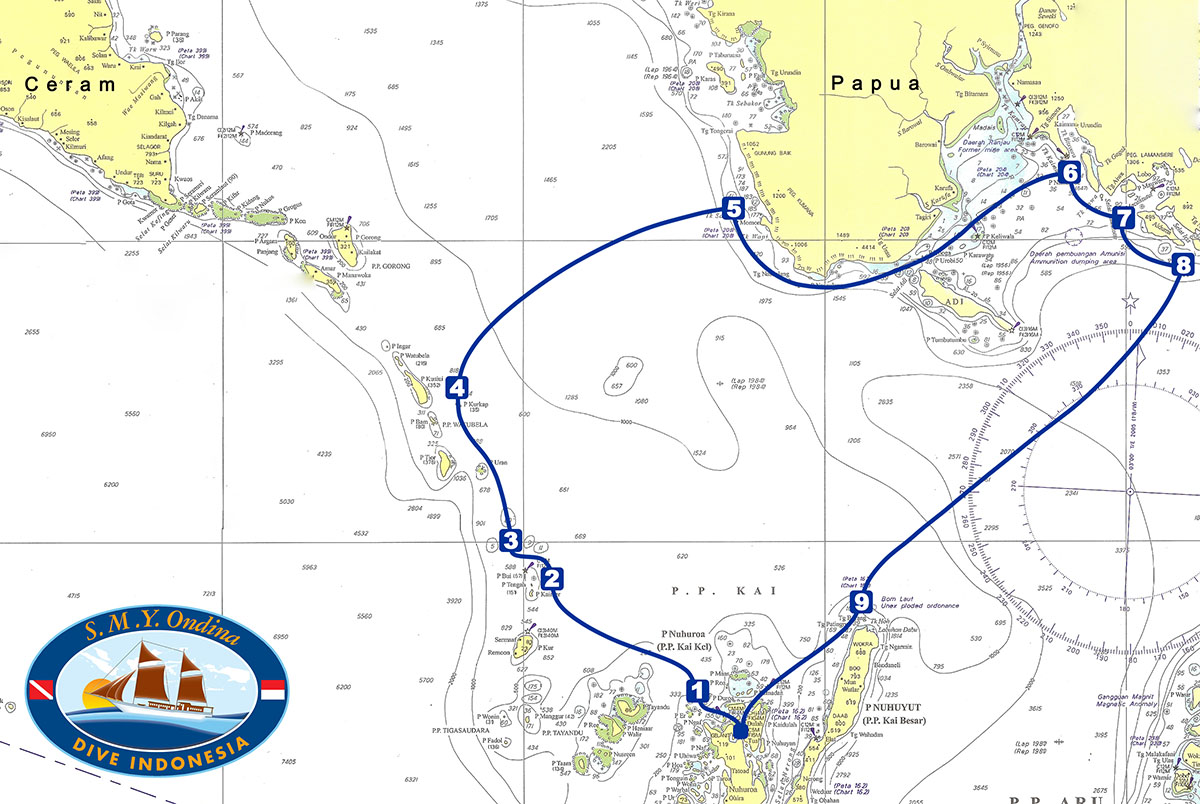
Inclusions
Exclusions
- Cruise fee: 200.00 EUR
Indonesians call their own country Tanah Air Kita, Our Land and Waters, a good way of describing the largest archipelago in the world. Occupying a surface equivalent of the entire Europe of the U.S., Indonesia is strategically positioned across the tropics between the Indian and the Pacific oceans, and is crossed in its entirety by the Ring of Fire. The combination of deep inner seas, volcanic islands, and a monsoon weather regime creates a vast variety of ecosystems both on land and underwater, with a variety of ethnic groups and cultures to match. The result is a kaleidoscope of landscapes, peoples and nature that won’t cease to amaze the most demanding traveller, no matter how many times you visit…
Volcanoes, rainforests, vast expanses of mangroves and some of the richest seas on the planet, this fascinating archipelago is home to a myriad of unusual creatures, from the little Tarsier to the (almost extinct) Sumatran rhino, tiger and elephant. Underwater, more than 4.000 species of fish and 500 types of coral are found throughout its mosaic of islands and reefs, creating a spectacular background that sets the scene for memorable encounters, from the tiny pygmy seahorse to the largest animal ever to exist, the blue whale, everything is possible in this land of wonders…
Different races and ethnic groups have coexisted here for centuries. This is the world’s largest Muslim country, a permissive Islam that coexist with matriarchal cultures, and gives an important role to women in social life. There are also important populations of Christians and Hindus, and traditional animist rituals are still widely practiced, blended with all other faiths. It is this rich mixture of beliefs, customs and lifestyles that make this country a real gem to visit. Indonesians are well known for their permanent smile and hospitality. A trip through this immense country is always a guarantee for wonderful experiences.
Cruises to Komodo start and/or end in Bima or Labuanbajo. For Alor, Maumere, or Kupang are the starting/ending points
Cruises starting or ending in Papua, Maluku or Sulawesi (Sorong, Manokwari, Ambon Tual or Bitung)
For these routes the best entry point is Manado (from Singapore), or Jakarta from elsewhere. From either of these two airports, you can fly to the starting points with a direct flight or with a short stop-over in between.
- 200 € cash to pay for the Harbour Fee on board. This fee includes all national park fees, diving permits for Marine Protected Areas, unexpected fuel price increases, etc…
- Passport valid for a minimum period of 6 months.
- Since 2015 the Indonesian authorities have extended its Free Visa program to all countries except six (Cameroon, Guinea, Montenegro, North Korea, Pakistan and Somalia). All other countries don’t need a pre-arranged visa for stays of less than 30 days. If you plan to stay longer in Indonesia, make sure you have the right visa. Check out the conditions for details.
- Your own diving gear and all spare parts you may need. We have a limited number of sets of dive gear for rent and spare parts on board, but better check in advance if you plan to rent equipment onboard.
- Photography and video equipment.
- Mosquito repellent for when we go out on land tours (not needed onboard).
- Any specific medication you may be taking. No need for malaria treatment unless you are extending your stay in a malaria-endemic area. We have a complete First Aid Kit on board for minor injuries and regular illnesses.
- Your personal toiletries
- Light and comfortable clothing (cotton shorts & T-shirts are best), a sweater, and a pair of washable footwear for landing ashore on some land tours.
- Your favourite alcoholic drink from the Duty-Free shop at the airport. We have beer and a limited number of bottles of liquor on board, but you are welcome to bring your own bottle of the latter. Beer from outside the boat is not permitted. If you want to bring your own beer, we charge a “corkage” fee.
- Domestic flights are usually strict with overweight. You may have to pay extra if you exceed the allowance, so bring the minimum with you and some change to pay for extras.
- Electricity onboard is 220V all-around-the-clock, and all sockets are two round pins European standard. Please bring your adaptors if needed.
The average water temperature is around 28ºC, but in some areas like south Komodo, Alor or North Raja Ampat the temperature can drop to 22-24ºC. Usually a 3 mm wetsuit is enough, but bring a 5 mm or a hooded vest if you tend to get cold underwater.
The first day we only do the check dive in the afternoon plus night dive if we don’t have to cruise a long distance. The last day we also program two dives: early morning and after breakfast, to allow enough time to desaturate and safely fly the morning after. The remaining days we usually do three day-dives and night dive most days, unless we need to sail overnight to the next destination, in which case there is no night dive. Also, certain land tours – such as the walk on the Komodo National Park or the early tour to see the birds of paradise in Papua – take the time equivalent to the first dive in the morning. For all these reasons, the average number of dives at the end of the cruise ends up being about 3 per day.
We encourage our guests to arrive at the port of embarkation before noon (12:00) on the departure date, to allow for the check dive in the afternoon and subsequent departure the same day. If you can’t find a flight arriving at noon at the latest please consult the organization so we can plan accordingly.Equally, on the departure date guests are expected to leave the boat around noon at the latest, to allow for the preparation of the next cruise. The boat usually arrives at the departing port the night before the day of departure.Transfers from and to the airport or hotel at the starting and ending towns are included in the price of the cruise. Remember to provide specific details of arrival, either flight number and ETA, or name, address and telephone number of the hotel if you arrive earlier than the scheduled day of departure. Guests staying in a hotel will be contacted by our Cruise Director at 6 pm the latest the day before departure.
Currents make for good diving, and the reason Indonesia enjoys such great levels of biodiversity is precisely because of this constant flow of nutrient-packed currents and upwellings that feed the reefs. These currents promote rich, varied environments, from walls to flat reefs, slopes, underwater mountains, jetties, river mouths and black sand slopes. It is this extraordinary variety of ecosystems that provides the unique experience that diving Indonesia is.When it comes to currents, it is important to understand is that our cruise directors and diveguides all have many years of experience taking groups of divers in the waters of Indonesia. We have never had an accident, something we pride ourselves for, but we also make an effort to adapt to the needs of every diver, starting from the assessment of the kind of group we have during the first pre-dive briefing upon arrival, and subsequently dividing the group into smaller sub-groups with a ratio of about 4-5 divers to a guide. We assess the needs and interests of every group and plan the dives according to the level and interest of every diver, working around the tides and timing the dives to always ensure everybody has a good experience on board.
Euros and Dollars are widely accepted in Indonesia, although dollar notes must be from years later than 1996 and virtually flawless, or else might be (and often are) rejected. The best exchange rates are in Bali, though pretty much every town has at least one place to exchange hard currency. Banks do change as well but at a slightly lower rate. Always try to stick to larger money changers and avoid smaller ones in tourist areas. We accept any kind of hard currency or Indonesia Rupiah on board, though not credit cards nor checks. We recommend you to bring some small (local) money to buy handicrafts when visiting villages.
As defendants of the “digital detox” movement, our boats don’t have internet connexion. Still, nowadays about 50% of the time there is some public internet connection available, depending on the route. If you are the kind that likes to be connected at all times, we suggest you purchase a phone card with a data package upon arrival in the country. Telkomsel works best and is available in any of the many dedicated phone stores. Our boats are both equipped with a satellite phone for emergencies, and guests are welcome to use them at the established rates.
Visa: Most countries are allowed a 30-days free visa on arrival, but it’s always good to check in advance.
Passports: The date of expiration must be a minimum of 6 months from the date of exiting the country.
Diving insurance: It is compulsory to hold valid personal diving insurance to dive with us.
We strongly recommend considering a Land Tour extension before or after the cruise. After a long journey to Indonesia, it is worth exploring one or more of the numerous places of interest in the region, by the hand of professional, experienced guides. Should you need help arranging for one of the tours we can put you in touch with our partners in Bali which can organize many different land tours and activities throughout the archipelago.
Conditions for Payment and cancellations: To avoid problems, please read carefully the section of Bookings and Cancellations.
Money: Most hard currencies can be exchanged directly at airports and hotels in Indonesia. The best exchange rate to Rupiah is found in the money changers in Bali, though it is best to use the larger ones with a good, professional image. Credit cards are accepted in Bali and the big cities of Indonesia, but not in villages nor in remote islands. You can pay with any currency on board, but not with credit card nor checks.
Cruise fees: Remember to carry € 200 in cash per person to pay the Harbour Fee.
Diving: The diving is normally carried out from the tenders, sometimes without even anchoring. The tenders stay on top of the group for the entire length of the dive, picking up the divers at the end of it. We recommend divers to hold an advanced certification or a minimum of 50 signed dives, so they can fully enjoy the diving. Although we do our utmost to assess the level of the divers and organize the underwater activities accordingly, some dives are in strong currents and a minimum experience of every single diver is key for the safety and enjoyment of the group.
Water temperature: The temperature is normally 28º C, although areas exposed to upwellings from the ocean (like South Komodo or Alor) can experience lower temperatures down to 22º C. Usually a 3 mm dive suit is enough, though some divers like to add a hooded vest or simply wear a 5 mm.
Visibility: The average visibility is 15-20 m, with variations depending on season and tides.
Safety in diving: Every diver must carry a Surface Marker Buoy; if you don’t bring your own we will lend you one for the duration of the cruise.
Rental of diving equipment: Available onboard, please ask in advance for availability and check prices in the Services Onboard section of the menu.
Electricity: Electricity onboard is 220 v with standard two-pin European sockets. The same applies to land.
Health: There are no mandatory vaccinations for traveling to Indonesia. The Tropical Disease Institutes consider that some of the islands of the Indonesian archipelago are affected by malaria, although this is only true for highlands on the interior. Risks are minimum during the cruise and it is sufficient to bring a mosquito repellent for the land tours, or use the one provided onboard. It is important not to drink tap water nor eat fruits and vegetables without peeling, washing or boiling them. If you suffer seasickness carry your own remedy.
Clothing: Our boats do not have laundry service, so we recommend you bring enough clothing for the entire length of the cruise. T-shirts, polo shirts, shorts and bathing suits are the norm, and a sweater for the evenings is usually enough.
Heat: We are near the tropics and it can get very hot. Bring high protection sunscreen, sunglasses, hat…
We do not recommend bringing children under 6 years of age unless it is a consolidated route (see the Types of Route section), and at least one parent or legal tutor must remain on board with the children under 6 during dives.
- Deck Length: 32 meters
- Beam: 8 meters
- Draft: 2,6 metres
- Hull: Iron Wood
- Engine: 400 HP Man 8 cylinders
- Sails: 300 square meters in 7 sails
- Cruising Speed: 7 Knots
- Water: 10.000 liters plus watermaker deposits
- Fuel tanks: 10.000 liters
- Gensets: 2 x 30 Kw plus 1 x 20 Kw
- Compressors: 2 x Bauer Mariner plus spare block
- Nitrox: Membrane system with Atlas Copco compressor
Launched in 2001, this traditional wooden schooner – known as Phinisi in the local language – was built in South Sulawesi by the Bugis tribes of seafarers, using tropical timbers and following traditional methods from their ancestry. Custom-built under the direct supervision of our director of operations, she was built by a diver for the divers.
Her spacious interiors can comfortably sleep 16 passengers in 8 double AC/ensuite cabins, from which the two on the foredeck have twin single bunks each, while the remaining six cabins are fitted with double bed and a single bunk on top. Three gensets provide all-around-the-clock 220 v electricity supply, with two-pin European standard sockets. Ondina is currently based in Sorong, from where she operates different routes in Raja Ampat, Cenderawasih Bay, North Banda Sea, Triton Bay and Halmahera.
Raja Ampat & Kai Islands: Sorong – Tual, Tual – Sorong
Disclaimer: Itineraries are only orientative and might be modified due to weather conditions, sea conditions and other external causes.
DAY 1: Pick up at Sorong airport, transfer to the boat, welcome drink and accommodation. Check dive in the afternoon at one of the reefs outside Sorong. Overnight sail to Misool.
DAY 2: Three day dives and a night dive in the colorful reefs of Daram Islands (Misool): Andiamo, Candy Store and Warna Bewarna, amongst others.
DAY 3-4: Two days diving some of the classic sites in the Misool area, such as Nudi and Tank Rock, Pulau Boo, or Shadow Reef (Magic Mountain). Also, visit the blacktip shark nursery in Yilliet beach. At the end of day 4 night sailing to Pulau Pisang.
DAY 5: Full day around Pulau Pisang diving Lucky Ridge and T-Bone amongst others. Overnight sail to Mommon.
DAY 6: Two morning dives at Karang Paradise, where literally everything is possible. Soft and hard corals, huge schools of bigeye jacks and surgeons fish, reef sharks and quite often mantas. Afternoon dive near Tiki-Tiki waterfall and visit the waterfall afterward. Night dive and sail to Kurkap Island.
DAY 7: Full diving day in Kurkap, diving the main island as well as the reef to the north of it. Pristine corals gardens and lots of fish populate these reefs. After night dive, sail to Pulau Bui.
DAY 8: Two morning dives in two different seamounts north from Pulau Bui: Villoch Reef and Ultima Frontera. In the afternoon one more dive in a ridge close to Pulau Bui, where we also do the night dive.
DAY 9: Two morning dives north of Pulau Tayandu, first in Karang Rembang and the second at Batu Guano. In the afternoon visit Pasir Panjang, a very long stretch of powder white sand beach fringed with coconut trees, before sailing back to Tual. Preparation for departure the morning after.

Inclusions
Exclusions
- Cruise fee: 200.00 EUR
Indonesians call their own country Tanah Air Kita, Our Land and Waters, a good way of describing the largest archipelago in the world. Occupying a surface equivalent of the entire Europe of the U.S., Indonesia is strategically positioned across the tropics between the Indian and the Pacific oceans, and is crossed in its entirety by the Ring of Fire. The combination of deep inner seas, volcanic islands, and a monsoon weather regime creates a vast variety of ecosystems both on land and underwater, with a variety of ethnic groups and cultures to match. The result is a kaleidoscope of landscapes, peoples and nature that won’t cease to amaze the most demanding traveller, no matter how many times you visit…
Volcanoes, rainforests, vast expanses of mangroves and some of the richest seas on the planet, this fascinating archipelago is home to a myriad of unusual creatures, from the little Tarsier to the (almost extinct) Sumatran rhino, tiger and elephant. Underwater, more than 4.000 species of fish and 500 types of coral are found throughout its mosaic of islands and reefs, creating a spectacular background that sets the scene for memorable encounters, from the tiny pygmy seahorse to the largest animal ever to exist, the blue whale, everything is possible in this land of wonders…
Different races and ethnic groups have coexisted here for centuries. This is the world’s largest Muslim country, a permissive Islam that coexist with matriarchal cultures, and gives an important role to women in social life. There are also important populations of Christians and Hindus, and traditional animist rituals are still widely practiced, blended with all other faiths. It is this rich mixture of beliefs, customs and lifestyles that make this country a real gem to visit. Indonesians are well known for their permanent smile and hospitality. A trip through this immense country is always a guarantee for wonderful experiences.
Cruises to Komodo start and/or end in Bima or Labuanbajo. For Alor, Maumere, or Kupang are the starting/ending points
Cruises starting or ending in Papua, Maluku or Sulawesi (Sorong, Manokwari, Ambon Tual or Bitung)
For these routes the best entry point is Manado (from Singapore), or Jakarta from elsewhere. From either of these two airports, you can fly to the starting points with a direct flight or with a short stop-over in between.
- 200 € cash to pay for the Harbour Fee on board. This fee includes all national park fees, diving permits for Marine Protected Areas, unexpected fuel price increases, etc…
- Passport valid for a minimum period of 6 months.
- Since 2015 the Indonesian authorities have extended its Free Visa program to all countries except six (Cameroon, Guinea, Montenegro, North Korea, Pakistan and Somalia). All other countries don’t need a pre-arranged visa for stays of less than 30 days. If you plan to stay longer in Indonesia, make sure you have the right visa. Check out the conditions for details.
- Your own diving gear and all spare parts you may need. We have a limited number of sets of dive gear for rent and spare parts on board, but better check in advance if you plan to rent equipment onboard.
- Photography and video equipment.
- Mosquito repellent for when we go out on land tours (not needed onboard).
- Any specific medication you may be taking. No need for malaria treatment unless you are extending your stay in a malaria-endemic area. We have a complete First Aid Kit on board for minor injuries and regular illnesses.
- Your personal toiletries
- Light and comfortable clothing (cotton shorts & T-shirts are best), a sweater, and a pair of washable footwear for landing ashore on some land tours.
- Your favourite alcoholic drink from the Duty-Free shop at the airport. We have beer and a limited number of bottles of liquor on board, but you are welcome to bring your own bottle of the latter. Beer from outside the boat is not permitted. If you want to bring your own beer, we charge a “corkage” fee.
- Domestic flights are usually strict with overweight. You may have to pay extra if you exceed the allowance, so bring the minimum with you and some change to pay for extras.
- Electricity onboard is 220V all-around-the-clock, and all sockets are two round pins European standard. Please bring your adaptors if needed.
The average water temperature is around 28ºC, but in some areas like south Komodo, Alor or North Raja Ampat the temperature can drop to 22-24ºC. Usually a 3 mm wetsuit is enough, but bring a 5 mm or a hooded vest if you tend to get cold underwater.
The first day we only do the check dive in the afternoon plus night dive if we don’t have to cruise a long distance. The last day we also program two dives: early morning and after breakfast, to allow enough time to desaturate and safely fly the morning after. The remaining days we usually do three day-dives and night dive most days, unless we need to sail overnight to the next destination, in which case there is no night dive. Also, certain land tours – such as the walk on the Komodo National Park or the early tour to see the birds of paradise in Papua – take the time equivalent to the first dive in the morning. For all these reasons, the average number of dives at the end of the cruise ends up being about 3 per day.
We encourage our guests to arrive at the port of embarkation before noon (12:00) on the departure date, to allow for the check dive in the afternoon and subsequent departure the same day. If you can’t find a flight arriving at noon at the latest please consult the organization so we can plan accordingly.Equally, on the departure date guests are expected to leave the boat around noon at the latest, to allow for the preparation of the next cruise. The boat usually arrives at the departing port the night before the day of departure.Transfers from and to the airport or hotel at the starting and ending towns are included in the price of the cruise. Remember to provide specific details of arrival, either flight number and ETA, or name, address and telephone number of the hotel if you arrive earlier than the scheduled day of departure. Guests staying in a hotel will be contacted by our Cruise Director at 6 pm the latest the day before departure.
Currents make for good diving, and the reason Indonesia enjoys such great levels of biodiversity is precisely because of this constant flow of nutrient-packed currents and upwellings that feed the reefs. These currents promote rich, varied environments, from walls to flat reefs, slopes, underwater mountains, jetties, river mouths and black sand slopes. It is this extraordinary variety of ecosystems that provides the unique experience that diving Indonesia is.When it comes to currents, it is important to understand is that our cruise directors and diveguides all have many years of experience taking groups of divers in the waters of Indonesia. We have never had an accident, something we pride ourselves for, but we also make an effort to adapt to the needs of every diver, starting from the assessment of the kind of group we have during the first pre-dive briefing upon arrival, and subsequently dividing the group into smaller sub-groups with a ratio of about 4-5 divers to a guide. We assess the needs and interests of every group and plan the dives according to the level and interest of every diver, working around the tides and timing the dives to always ensure everybody has a good experience on board.
Euros and Dollars are widely accepted in Indonesia, although dollar notes must be from years later than 1996 and virtually flawless, or else might be (and often are) rejected. The best exchange rates are in Bali, though pretty much every town has at least one place to exchange hard currency. Banks do change as well but at a slightly lower rate. Always try to stick to larger money changers and avoid smaller ones in tourist areas. We accept any kind of hard currency or Indonesia Rupiah on board, though not credit cards nor checks. We recommend you to bring some small (local) money to buy handicrafts when visiting villages.
As defendants of the “digital detox” movement, our boats don’t have internet connexion. Still, nowadays about 50% of the time there is some public internet connection available, depending on the route. If you are the kind that likes to be connected at all times, we suggest you purchase a phone card with a data package upon arrival in the country. Telkomsel works best and is available in any of the many dedicated phone stores. Our boats are both equipped with a satellite phone for emergencies, and guests are welcome to use them at the established rates.
Visa: Most countries are allowed a 30-days free visa on arrival, but it’s always good to check in advance.
Passports: The date of expiration must be a minimum of 6 months from the date of exiting the country.
Diving insurance: It is compulsory to hold valid personal diving insurance to dive with us.
We strongly recommend considering a Land Tour extension before or after the cruise. After a long journey to Indonesia, it is worth exploring one or more of the numerous places of interest in the region, by the hand of professional, experienced guides. Should you need help arranging for one of the tours we can put you in touch with our partners in Bali which can organize many different land tours and activities throughout the archipelago.
Conditions for Payment and cancellations: To avoid problems, please read carefully the section of Bookings and Cancellations.
Money: Most hard currencies can be exchanged directly at airports and hotels in Indonesia. The best exchange rate to Rupiah is found in the money changers in Bali, though it is best to use the larger ones with a good, professional image. Credit cards are accepted in Bali and the big cities of Indonesia, but not in villages nor in remote islands. You can pay with any currency on board, but not with credit card nor checks.
Cruise fees: Remember to carry € 200 in cash per person to pay the Harbour Fee.
Diving: The diving is normally carried out from the tenders, sometimes without even anchoring. The tenders stay on top of the group for the entire length of the dive, picking up the divers at the end of it. We recommend divers to hold an advanced certification or a minimum of 50 signed dives, so they can fully enjoy the diving. Although we do our utmost to assess the level of the divers and organize the underwater activities accordingly, some dives are in strong currents and a minimum experience of every single diver is key for the safety and enjoyment of the group.
Water temperature: The temperature is normally 28º C, although areas exposed to upwellings from the ocean (like South Komodo or Alor) can experience lower temperatures down to 22º C. Usually a 3 mm dive suit is enough, though some divers like to add a hooded vest or simply wear a 5 mm.
Visibility: The average visibility is 15-20 m, with variations depending on season and tides.
Safety in diving: Every diver must carry a Surface Marker Buoy; if you don’t bring your own we will lend you one for the duration of the cruise.
Rental of diving equipment: Available onboard, please ask in advance for availability and check prices in the Services Onboard section of the menu.
Electricity: Electricity onboard is 220 v with standard two-pin European sockets. The same applies to land.
Health: There are no mandatory vaccinations for traveling to Indonesia. The Tropical Disease Institutes consider that some of the islands of the Indonesian archipelago are affected by malaria, although this is only true for highlands on the interior. Risks are minimum during the cruise and it is sufficient to bring a mosquito repellent for the land tours, or use the one provided onboard. It is important not to drink tap water nor eat fruits and vegetables without peeling, washing or boiling them. If you suffer seasickness carry your own remedy.
Clothing: Our boats do not have laundry service, so we recommend you bring enough clothing for the entire length of the cruise. T-shirts, polo shirts, shorts and bathing suits are the norm, and a sweater for the evenings is usually enough.
Heat: We are near the tropics and it can get very hot. Bring high protection sunscreen, sunglasses, hat…
We do not recommend bringing children under 6 years of age unless it is a consolidated route (see the Types of Route section), and at least one parent or legal tutor must remain on board with the children under 6 during dives.
- Deck Length: 32 meters
- Beam: 8 meters
- Draft: 2,6 metres
- Hull: Iron Wood
- Engine: 400 HP Man 8 cylinders
- Sails: 300 square meters in 7 sails
- Cruising Speed: 7 Knots
- Water: 10.000 liters plus watermaker deposits
- Fuel tanks: 10.000 liters
- Gensets: 2 x 30 Kw plus 1 x 20 Kw
- Compressors: 2 x Bauer Mariner plus spare block
- Nitrox: Membrane system with Atlas Copco compressor
Launched in 2001, this traditional wooden schooner – known as Phinisi in the local language – was built in South Sulawesi by the Bugis tribes of seafarers, using tropical timbers and following traditional methods from their ancestry. Custom-built under the direct supervision of our director of operations, she was built by a diver for the divers.
Her spacious interiors can comfortably sleep 16 passengers in 8 double AC/ensuite cabins, from which the two on the foredeck have twin single bunks each, while the remaining six cabins are fitted with double bed and a single bunk on top. Three gensets provide all-around-the-clock 220 v electricity supply, with two-pin European standard sockets. Ondina is currently based in Sorong, from where she operates different routes in Raja Ampat, Cenderawasih Bay, North Banda Sea, Triton Bay and Halmahera.
Raja Ampat: Sorong-Sorong
Disclaimer: Itineraries are only orientative and might be modified due to weather conditions, sea conditions and other external causes.
DAY 1: Pick up in Sorong airport, transfer to the boat, welcome drink and accommodation. Sail straight to Waisai for clearance and check dive in the afternoon at one of the reefs nearby. Night dive in Saonek.
DAY 2: Diving some of the fabulous reefs of the Dampier Straits: Sardine reef, Blue Magic and Mioskon amongst others. Night dive in the jetties of Saporkren (muck diving).
DAY 3: Early morning excursion to see the birds of paradise on the canopy of Waigeo. Diving in Cape Kri, Sawandarek Jetty and night dive in Yenbuba.
DAY 4: Dive the jetties of Airborek and nearby sites, like Manta Point, Lalosi Reef, or Citrus Ridge. Afternoon visit to the village of Airborek and night dive afterward in the jetties.
DAY 5: Three day dives in the area of Fam, in places such as Melissa’s Garden, Keruo Channel, My Reef, or Galaxy. Ascend to the viewpoint in Penemu Island. Overnight sail to Misool.
DAY 6: First dive in Puri Pinnacle, and the following two dives in the Fiabacet area. After the third dive visit Kalig beach, where we also do the night dive.
DAY 7: Full diving day in Wayilbatan, in sites like Gorgonian Passage, Four Kings and Weeding Cake, amongst others. Night dive at Barracuda Rock.
DAY 8: Three day dives in sites around Pulau Boo, Shadow Reef (a.k.a. Magic Mountain), Yilliet, or Romeo. Afternoon visit to the blacktip reef shark nursery beach in Yiliet and night dive afterward.
DAY 9: Two morning dives in the Daram Islands, in sites like Andiamo and Candy Store. After the dives head to Sorong in the afternoon, while preparing for departure the morning after.
Inclusions
Exclusions
- Cruise fee: 200.00 EUR
Indonesians call their own country Tanah Air Kita, Our Land and Waters, a good way of describing the largest archipelago in the world. Occupying a surface equivalent of the entire Europe of the U.S., Indonesia is strategically positioned across the tropics between the Indian and the Pacific oceans, and is crossed in its entirety by the Ring of Fire. The combination of deep inner seas, volcanic islands, and a monsoon weather regime creates a vast variety of ecosystems both on land and underwater, with a variety of ethnic groups and cultures to match. The result is a kaleidoscope of landscapes, peoples and nature that won’t cease to amaze the most demanding traveller, no matter how many times you visit…
Volcanoes, rainforests, vast expanses of mangroves and some of the richest seas on the planet, this fascinating archipelago is home to a myriad of unusual creatures, from the little Tarsier to the (almost extinct) Sumatran rhino, tiger and elephant. Underwater, more than 4.000 species of fish and 500 types of coral are found throughout its mosaic of islands and reefs, creating a spectacular background that sets the scene for memorable encounters, from the tiny pygmy seahorse to the largest animal ever to exist, the blue whale, everything is possible in this land of wonders…
Different races and ethnic groups have coexisted here for centuries. This is the world’s largest Muslim country, a permissive Islam that coexist with matriarchal cultures, and gives an important role to women in social life. There are also important populations of Christians and Hindus, and traditional animist rituals are still widely practiced, blended with all other faiths. It is this rich mixture of beliefs, customs and lifestyles that make this country a real gem to visit. Indonesians are well known for their permanent smile and hospitality. A trip through this immense country is always a guarantee for wonderful experiences.
Cruises to Komodo start and/or end in Bima or Labuanbajo. For Alor, Maumere, or Kupang are the starting/ending points
Cruises starting or ending in Papua, Maluku or Sulawesi (Sorong, Manokwari, Ambon Tual or Bitung)
For these routes the best entry point is Manado (from Singapore), or Jakarta from elsewhere. From either of these two airports, you can fly to the starting points with a direct flight or with a short stop-over in between.
- 200 € cash to pay for the Harbour Fee on board. This fee includes all national park fees, diving permits for Marine Protected Areas, unexpected fuel price increases, etc…
- Passport valid for a minimum period of 6 months.
- Since 2015 the Indonesian authorities have extended its Free Visa program to all countries except six (Cameroon, Guinea, Montenegro, North Korea, Pakistan and Somalia). All other countries don’t need a pre-arranged visa for stays of less than 30 days. If you plan to stay longer in Indonesia, make sure you have the right visa. Check out the conditions for details.
- Your own diving gear and all spare parts you may need. We have a limited number of sets of dive gear for rent and spare parts on board, but better check in advance if you plan to rent equipment onboard.
- Photography and video equipment.
- Mosquito repellent for when we go out on land tours (not needed onboard).
- Any specific medication you may be taking. No need for malaria treatment unless you are extending your stay in a malaria-endemic area. We have a complete First Aid Kit on board for minor injuries and regular illnesses.
- Your personal toiletries
- Light and comfortable clothing (cotton shorts & T-shirts are best), a sweater, and a pair of washable footwear for landing ashore on some land tours.
- Your favourite alcoholic drink from the Duty-Free shop at the airport. We have beer and a limited number of bottles of liquor on board, but you are welcome to bring your own bottle of the latter. Beer from outside the boat is not permitted. If you want to bring your own beer, we charge a “corkage” fee.
- Domestic flights are usually strict with overweight. You may have to pay extra if you exceed the allowance, so bring the minimum with you and some change to pay for extras.
- Electricity onboard is 220V all-around-the-clock, and all sockets are two round pins European standard. Please bring your adaptors if needed.
The average water temperature is around 28ºC, but in some areas like south Komodo, Alor or North Raja Ampat the temperature can drop to 22-24ºC. Usually a 3 mm wetsuit is enough, but bring a 5 mm or a hooded vest if you tend to get cold underwater.
The first day we only do the check dive in the afternoon plus night dive if we don’t have to cruise a long distance. The last day we also program two dives: early morning and after breakfast, to allow enough time to desaturate and safely fly the morning after. The remaining days we usually do three day-dives and night dive most days, unless we need to sail overnight to the next destination, in which case there is no night dive. Also, certain land tours – such as the walk on the Komodo National Park or the early tour to see the birds of paradise in Papua – take the time equivalent to the first dive in the morning. For all these reasons, the average number of dives at the end of the cruise ends up being about 3 per day.
We encourage our guests to arrive at the port of embarkation before noon (12:00) on the departure date, to allow for the check dive in the afternoon and subsequent departure the same day. If you can’t find a flight arriving at noon at the latest please consult the organization so we can plan accordingly.Equally, on the departure date guests are expected to leave the boat around noon at the latest, to allow for the preparation of the next cruise. The boat usually arrives at the departing port the night before the day of departure.Transfers from and to the airport or hotel at the starting and ending towns are included in the price of the cruise. Remember to provide specific details of arrival, either flight number and ETA, or name, address and telephone number of the hotel if you arrive earlier than the scheduled day of departure. Guests staying in a hotel will be contacted by our Cruise Director at 6 pm the latest the day before departure.
Currents make for good diving, and the reason Indonesia enjoys such great levels of biodiversity is precisely because of this constant flow of nutrient-packed currents and upwellings that feed the reefs. These currents promote rich, varied environments, from walls to flat reefs, slopes, underwater mountains, jetties, river mouths and black sand slopes. It is this extraordinary variety of ecosystems that provides the unique experience that diving Indonesia is.When it comes to currents, it is important to understand is that our cruise directors and diveguides all have many years of experience taking groups of divers in the waters of Indonesia. We have never had an accident, something we pride ourselves for, but we also make an effort to adapt to the needs of every diver, starting from the assessment of the kind of group we have during the first pre-dive briefing upon arrival, and subsequently dividing the group into smaller sub-groups with a ratio of about 4-5 divers to a guide. We assess the needs and interests of every group and plan the dives according to the level and interest of every diver, working around the tides and timing the dives to always ensure everybody has a good experience on board.
Euros and Dollars are widely accepted in Indonesia, although dollar notes must be from years later than 1996 and virtually flawless, or else might be (and often are) rejected. The best exchange rates are in Bali, though pretty much every town has at least one place to exchange hard currency. Banks do change as well but at a slightly lower rate. Always try to stick to larger money changers and avoid smaller ones in tourist areas. We accept any kind of hard currency or Indonesia Rupiah on board, though not credit cards nor checks. We recommend you to bring some small (local) money to buy handicrafts when visiting villages.
As defendants of the “digital detox” movement, our boats don’t have internet connexion. Still, nowadays about 50% of the time there is some public internet connection available, depending on the route. If you are the kind that likes to be connected at all times, we suggest you purchase a phone card with a data package upon arrival in the country. Telkomsel works best and is available in any of the many dedicated phone stores. Our boats are both equipped with a satellite phone for emergencies, and guests are welcome to use them at the established rates.
Visa: Most countries are allowed a 30-days free visa on arrival, but it’s always good to check in advance.
Passports: The date of expiration must be a minimum of 6 months from the date of exiting the country.
Diving insurance: It is compulsory to hold valid personal diving insurance to dive with us.
We strongly recommend considering a Land Tour extension before or after the cruise. After a long journey to Indonesia, it is worth exploring one or more of the numerous places of interest in the region, by the hand of professional, experienced guides. Should you need help arranging for one of the tours we can put you in touch with our partners in Bali which can organize many different land tours and activities throughout the archipelago.
Conditions for Payment and cancellations: To avoid problems, please read carefully the section of Bookings and Cancellations.
Money: Most hard currencies can be exchanged directly at airports and hotels in Indonesia. The best exchange rate to Rupiah is found in the money changers in Bali, though it is best to use the larger ones with a good, professional image. Credit cards are accepted in Bali and the big cities of Indonesia, but not in villages nor in remote islands. You can pay with any currency on board, but not with credit card nor checks.
Cruise fees: Remember to carry € 200 in cash per person to pay the Harbour Fee.
Diving: The diving is normally carried out from the tenders, sometimes without even anchoring. The tenders stay on top of the group for the entire length of the dive, picking up the divers at the end of it. We recommend divers to hold an advanced certification or a minimum of 50 signed dives, so they can fully enjoy the diving. Although we do our utmost to assess the level of the divers and organize the underwater activities accordingly, some dives are in strong currents and a minimum experience of every single diver is key for the safety and enjoyment of the group.
Water temperature: The temperature is normally 28º C, although areas exposed to upwellings from the ocean (like South Komodo or Alor) can experience lower temperatures down to 22º C. Usually a 3 mm dive suit is enough, though some divers like to add a hooded vest or simply wear a 5 mm.
Visibility: The average visibility is 15-20 m, with variations depending on season and tides.
Safety in diving: Every diver must carry a Surface Marker Buoy; if you don’t bring your own we will lend you one for the duration of the cruise.
Rental of diving equipment: Available onboard, please ask in advance for availability and check prices in the Services Onboard section of the menu.
Electricity: Electricity onboard is 220 v with standard two-pin European sockets. The same applies to land.
Health: There are no mandatory vaccinations for traveling to Indonesia. The Tropical Disease Institutes consider that some of the islands of the Indonesian archipelago are affected by malaria, although this is only true for highlands on the interior. Risks are minimum during the cruise and it is sufficient to bring a mosquito repellent for the land tours, or use the one provided onboard. It is important not to drink tap water nor eat fruits and vegetables without peeling, washing or boiling them. If you suffer seasickness carry your own remedy.
Clothing: Our boats do not have laundry service, so we recommend you bring enough clothing for the entire length of the cruise. T-shirts, polo shirts, shorts and bathing suits are the norm, and a sweater for the evenings is usually enough.
Heat: We are near the tropics and it can get very hot. Bring high protection sunscreen, sunglasses, hat…
We do not recommend bringing children under 6 years of age unless it is a consolidated route (see the Types of Route section), and at least one parent or legal tutor must remain on board with the children under 6 during dives.
- Deck Length: 32 meters
- Beam: 8 meters
- Draft: 2,6 metres
- Hull: Iron Wood
- Engine: 400 HP Man 8 cylinders
- Sails: 300 square meters in 7 sails
- Cruising Speed: 7 Knots
- Water: 10.000 liters plus watermaker deposits
- Fuel tanks: 10.000 liters
- Gensets: 2 x 30 Kw plus 1 x 20 Kw
- Compressors: 2 x Bauer Mariner plus spare block
- Nitrox: Membrane system with Atlas Copco compressor
Launched in 2001, this traditional wooden schooner – known as Phinisi in the local language – was built in South Sulawesi by the Bugis tribes of seafarers, using tropical timbers and following traditional methods from their ancestry. Custom-built under the direct supervision of our director of operations, she was built by a diver for the divers.
Her spacious interiors can comfortably sleep 16 passengers in 8 double AC/ensuite cabins, from which the two on the foredeck have twin single bunks each, while the remaining six cabins are fitted with double bed and a single bunk on top. Three gensets provide all-around-the-clock 220 v electricity supply, with two-pin European standard sockets. Ondina is currently based in Sorong, from where she operates different routes in Raja Ampat, Cenderawasih Bay, North Banda Sea, Triton Bay and Halmahera.
Raja Ampat, Halmahera & Lembeh: Sorong-Bitung, Bitung-Sorong
Disclaimer: Itineraries are only orientative and might be modified due to weather conditions, sea conditions and other external causes.
DAY 1: Pick up at Sorong airport, transfer to the boat, welcome drink and accommodation. Check dive in the afternoon at one of the reefs surrounding Sorong. Overnight sail to Dampier Straits.
DAY 2: Diving in the fabulous reefs in the Dampier Straits: Sardine reef, Blue Magic and Mioskon amongst others. Night dive at Saporkren, one of the best in Raja Ampat (muck diving).
DAY 3: Dive around Fam, at the western end of the Dampier Straits, in My Reef, Melissa’s Garden, The Lagoon… Afternoon ascent to the viewpoint. Overnight sail to Daram (Misool).
DAY 4: Dive around Misool in some of the “classics” such as Fiabacet, Whale Rock, Pulau Boo, or Shadow Reef (a.k.a. Magic Mountain). Visit the blacktip shark nursery on the beach of Yilliet for one of the two days.
DAY 5: Two morning dives around Wayilbatan, like Four King or Wedding Cake. In the afternoon third dive in Kaleidoscope ridge in Pele Island. Overnight sail to Pulau Pisang.
DAY 6: Three day dives around the Batuanyer Rocks to the north and south of Pulau Pisang. Soft corals, schools of jacks and surgeonfish, Napoleon wrasse and tunas. Overnight to the Patintie Straits.
DAY 7: Dive the current-struck sites in the Patintie Straits such as Proco channel, Batu Jabu and the signature site discovered by the manager of Ondina: Ric’s Rock. Night dive and sail to the Goraici group.
DAY 8: Three dives around the Goraici group: Reenie’s Rock, Pulau Goweba and Terumbu Gora. Overnight sail to Pulau Tifore.
DAY 9: Two morning dives in Pantai Sago, a wall with a school of 1.000 barracudas, and afternoon dive in a hard coral garden in the north coast of the island. Night sail to Pulau Lembeh.
DAY 10: Four dives in the Lembeh Strait, looking for strange critters in this “muck” diving paradise.
DAY 11: Two last dives in the morning in Lembeh. In the afternoon visit the Tangkoko Nature Reserve to see the tarsiers, a small nocturnal primate found only on a limited number of islands in Southeast Asia, and preparations for departure the following morning.
Inclusions
Exclusions
- Cruise fee: 200.00 EUR
Indonesians call their own country Tanah Air Kita, Our Land and Waters, a good way of describing the largest archipelago in the world. Occupying a surface equivalent of the entire Europe of the U.S., Indonesia is strategically positioned across the tropics between the Indian and the Pacific oceans, and is crossed in its entirety by the Ring of Fire. The combination of deep inner seas, volcanic islands, and a monsoon weather regime creates a vast variety of ecosystems both on land and underwater, with a variety of ethnic groups and cultures to match. The result is a kaleidoscope of landscapes, peoples and nature that won’t cease to amaze the most demanding traveller, no matter how many times you visit…
Volcanoes, rainforests, vast expanses of mangroves and some of the richest seas on the planet, this fascinating archipelago is home to a myriad of unusual creatures, from the little Tarsier to the (almost extinct) Sumatran rhino, tiger and elephant. Underwater, more than 4.000 species of fish and 500 types of coral are found throughout its mosaic of islands and reefs, creating a spectacular background that sets the scene for memorable encounters, from the tiny pygmy seahorse to the largest animal ever to exist, the blue whale, everything is possible in this land of wonders…
Different races and ethnic groups have coexisted here for centuries. This is the world’s largest Muslim country, a permissive Islam that coexist with matriarchal cultures, and gives an important role to women in social life. There are also important populations of Christians and Hindus, and traditional animist rituals are still widely practiced, blended with all other faiths. It is this rich mixture of beliefs, customs and lifestyles that make this country a real gem to visit. Indonesians are well known for their permanent smile and hospitality. A trip through this immense country is always a guarantee for wonderful experiences.
Cruises to Komodo start and/or end in Bima or Labuanbajo. For Alor, Maumere, or Kupang are the starting/ending points
Cruises starting or ending in Papua, Maluku or Sulawesi (Sorong, Manokwari, Ambon Tual or Bitung)
For these routes the best entry point is Manado (from Singapore), or Jakarta from elsewhere. From either of these two airports, you can fly to the starting points with a direct flight or with a short stop-over in between.
- 200 € cash to pay for the Harbour Fee on board. This fee includes all national park fees, diving permits for Marine Protected Areas, unexpected fuel price increases, etc…
- Passport valid for a minimum period of 6 months.
- Since 2015 the Indonesian authorities have extended its Free Visa program to all countries except six (Cameroon, Guinea, Montenegro, North Korea, Pakistan and Somalia). All other countries don’t need a pre-arranged visa for stays of less than 30 days. If you plan to stay longer in Indonesia, make sure you have the right visa. Check out the conditions for details.
- Your own diving gear and all spare parts you may need. We have a limited number of sets of dive gear for rent and spare parts on board, but better check in advance if you plan to rent equipment onboard.
- Photography and video equipment.
- Mosquito repellent for when we go out on land tours (not needed onboard).
- Any specific medication you may be taking. No need for malaria treatment unless you are extending your stay in a malaria-endemic area. We have a complete First Aid Kit on board for minor injuries and regular illnesses.
- Your personal toiletries
- Light and comfortable clothing (cotton shorts & T-shirts are best), a sweater, and a pair of washable footwear for landing ashore on some land tours.
- Your favourite alcoholic drink from the Duty-Free shop at the airport. We have beer and a limited number of bottles of liquor on board, but you are welcome to bring your own bottle of the latter. Beer from outside the boat is not permitted. If you want to bring your own beer, we charge a “corkage” fee.
- Domestic flights are usually strict with overweight. You may have to pay extra if you exceed the allowance, so bring the minimum with you and some change to pay for extras.
- Electricity onboard is 220V all-around-the-clock, and all sockets are two round pins European standard. Please bring your adaptors if needed.
The average water temperature is around 28ºC, but in some areas like south Komodo, Alor or North Raja Ampat the temperature can drop to 22-24ºC. Usually a 3 mm wetsuit is enough, but bring a 5 mm or a hooded vest if you tend to get cold underwater.
The first day we only do the check dive in the afternoon plus night dive if we don’t have to cruise a long distance. The last day we also program two dives: early morning and after breakfast, to allow enough time to desaturate and safely fly the morning after. The remaining days we usually do three day-dives and night dive most days, unless we need to sail overnight to the next destination, in which case there is no night dive. Also, certain land tours – such as the walk on the Komodo National Park or the early tour to see the birds of paradise in Papua – take the time equivalent to the first dive in the morning. For all these reasons, the average number of dives at the end of the cruise ends up being about 3 per day.
We encourage our guests to arrive at the port of embarkation before noon (12:00) on the departure date, to allow for the check dive in the afternoon and subsequent departure the same day. If you can’t find a flight arriving at noon at the latest please consult the organization so we can plan accordingly.Equally, on the departure date guests are expected to leave the boat around noon at the latest, to allow for the preparation of the next cruise. The boat usually arrives at the departing port the night before the day of departure.Transfers from and to the airport or hotel at the starting and ending towns are included in the price of the cruise. Remember to provide specific details of arrival, either flight number and ETA, or name, address and telephone number of the hotel if you arrive earlier than the scheduled day of departure. Guests staying in a hotel will be contacted by our Cruise Director at 6 pm the latest the day before departure.
Currents make for good diving, and the reason Indonesia enjoys such great levels of biodiversity is precisely because of this constant flow of nutrient-packed currents and upwellings that feed the reefs. These currents promote rich, varied environments, from walls to flat reefs, slopes, underwater mountains, jetties, river mouths and black sand slopes. It is this extraordinary variety of ecosystems that provides the unique experience that diving Indonesia is.When it comes to currents, it is important to understand is that our cruise directors and diveguides all have many years of experience taking groups of divers in the waters of Indonesia. We have never had an accident, something we pride ourselves for, but we also make an effort to adapt to the needs of every diver, starting from the assessment of the kind of group we have during the first pre-dive briefing upon arrival, and subsequently dividing the group into smaller sub-groups with a ratio of about 4-5 divers to a guide. We assess the needs and interests of every group and plan the dives according to the level and interest of every diver, working around the tides and timing the dives to always ensure everybody has a good experience on board.
Euros and Dollars are widely accepted in Indonesia, although dollar notes must be from years later than 1996 and virtually flawless, or else might be (and often are) rejected. The best exchange rates are in Bali, though pretty much every town has at least one place to exchange hard currency. Banks do change as well but at a slightly lower rate. Always try to stick to larger money changers and avoid smaller ones in tourist areas. We accept any kind of hard currency or Indonesia Rupiah on board, though not credit cards nor checks. We recommend you to bring some small (local) money to buy handicrafts when visiting villages.
As defendants of the “digital detox” movement, our boats don’t have internet connexion. Still, nowadays about 50% of the time there is some public internet connection available, depending on the route. If you are the kind that likes to be connected at all times, we suggest you purchase a phone card with a data package upon arrival in the country. Telkomsel works best and is available in any of the many dedicated phone stores. Our boats are both equipped with a satellite phone for emergencies, and guests are welcome to use them at the established rates.
Visa: Most countries are allowed a 30-days free visa on arrival, but it’s always good to check in advance.
Passports: The date of expiration must be a minimum of 6 months from the date of exiting the country.
Diving insurance: It is compulsory to hold valid personal diving insurance to dive with us.
We strongly recommend considering a Land Tour extension before or after the cruise. After a long journey to Indonesia, it is worth exploring one or more of the numerous places of interest in the region, by the hand of professional, experienced guides. Should you need help arranging for one of the tours we can put you in touch with our partners in Bali which can organize many different land tours and activities throughout the archipelago.
Conditions for Payment and cancellations: To avoid problems, please read carefully the section of Bookings and Cancellations.
Money: Most hard currencies can be exchanged directly at airports and hotels in Indonesia. The best exchange rate to Rupiah is found in the money changers in Bali, though it is best to use the larger ones with a good, professional image. Credit cards are accepted in Bali and the big cities of Indonesia, but not in villages nor in remote islands. You can pay with any currency on board, but not with credit card nor checks.
Cruise fees: Remember to carry € 200 in cash per person to pay the Harbour Fee.
Diving: The diving is normally carried out from the tenders, sometimes without even anchoring. The tenders stay on top of the group for the entire length of the dive, picking up the divers at the end of it. We recommend divers to hold an advanced certification or a minimum of 50 signed dives, so they can fully enjoy the diving. Although we do our utmost to assess the level of the divers and organize the underwater activities accordingly, some dives are in strong currents and a minimum experience of every single diver is key for the safety and enjoyment of the group.
Water temperature: The temperature is normally 28º C, although areas exposed to upwellings from the ocean (like South Komodo or Alor) can experience lower temperatures down to 22º C. Usually a 3 mm dive suit is enough, though some divers like to add a hooded vest or simply wear a 5 mm.
Visibility: The average visibility is 15-20 m, with variations depending on season and tides.
Safety in diving: Every diver must carry a Surface Marker Buoy; if you don’t bring your own we will lend you one for the duration of the cruise.
Rental of diving equipment: Available onboard, please ask in advance for availability and check prices in the Services Onboard section of the menu.
Electricity: Electricity onboard is 220 v with standard two-pin European sockets. The same applies to land.
Health: There are no mandatory vaccinations for traveling to Indonesia. The Tropical Disease Institutes consider that some of the islands of the Indonesian archipelago are affected by malaria, although this is only true for highlands on the interior. Risks are minimum during the cruise and it is sufficient to bring a mosquito repellent for the land tours, or use the one provided onboard. It is important not to drink tap water nor eat fruits and vegetables without peeling, washing or boiling them. If you suffer seasickness carry your own remedy.
Clothing: Our boats do not have laundry service, so we recommend you bring enough clothing for the entire length of the cruise. T-shirts, polo shirts, shorts and bathing suits are the norm, and a sweater for the evenings is usually enough.
Heat: We are near the tropics and it can get very hot. Bring high protection sunscreen, sunglasses, hat…
We do not recommend bringing children under 6 years of age unless it is a consolidated route (see the Types of Route section), and at least one parent or legal tutor must remain on board with the children under 6 during dives.
- Deck Length: 32 meters
- Beam: 8 meters
- Draft: 2,6 metres
- Hull: Iron Wood
- Engine: 400 HP Man 8 cylinders
- Sails: 300 square meters in 7 sails
- Cruising Speed: 7 Knots
- Water: 10.000 liters plus watermaker deposits
- Fuel tanks: 10.000 liters
- Gensets: 2 x 30 Kw plus 1 x 20 Kw
- Compressors: 2 x Bauer Mariner plus spare block
- Nitrox: Membrane system with Atlas Copco compressor
Launched in 2001, this traditional wooden schooner – known as Phinisi in the local language – was built in South Sulawesi by the Bugis tribes of seafarers, using tropical timbers and following traditional methods from their ancestry. Custom-built under the direct supervision of our director of operations, she was built by a diver for the divers.
Her spacious interiors can comfortably sleep 16 passengers in 8 double AC/ensuite cabins, from which the two on the foredeck have twin single bunks each, while the remaining six cabins are fitted with double bed and a single bunk on top. Three gensets provide all-around-the-clock 220 v electricity supply, with two-pin European standard sockets. Ondina is currently based in Sorong, from where she operates different routes in Raja Ampat, Cenderawasih Bay, North Banda Sea, Triton Bay and Halmahera.
Derawan Islands: Tarakan-Berau, Berau-Tarakan
Disclaimer: Itineraries are only orientative and might be modified due to weather conditions, sea conditions and other external causes.
DAY 1: Arrival in Berau, embarking and briefings. (if the starting point is Tarakan, optional visit to the mangrove and proboscis monkey conservation park in the afternoon). Overnight sail to Derawan. (*Note that there is no diving on the first day of the cruise, whichever the starting point)
DAY 2: Early morning check dive in Derawan, critter diving in the jetties. Second and third dives in the north coast of Maratua atoll, like Fusilier (with the big swirl of barracudas) and Midreef, with possibilities of sighting thresher shark.
DAY 3: Full diving day on the east coast of Maratua, in famed sites such as The Channel, Shark City and Nunukan Express, with sharks and large schools of barracudas and bigeye jacks. Afternoon visit to snorkel the natural canyon of Halo Tabung and night dive SW of the atoll.
DAY 4: Two morning dives in Karang Muaras, to look for the thresher sharks and other pelagics. Afternoon and night dive in Pulau Sambi.
DAY 5: Full diving day in the bagans, fishing outriggers where whale sharks come to feed on scraps from the night catch of little anchovies. Night dive in a nearby reef and night sail to Sangalaki.
DAY 6: Dive the manta sites in Sangalaki, and afternoon visit to the turtle rookery at the Conservation Centre, followed by a night dive in Pulau Samama.
DAY 7: Full diving day in Kakaban, including the hammerhead site and the thresher site. Visit to the Jellyfish Lake between dives.
DAY 8: Two morning dives in Maratua, possibly The Channel and Gorgonzola, and afternoon sail back to the departure port, to fly the morning after.
*Optional extension 3-night river trip to the orangutan reserve of Tanjung Puting in south Kalimantan can be done flying from both Tarakan and Berau to Tanjung Putting, boarding the riverboat (Klotok) the same day in the afternoon.
Inclusions
Exclusions
- Cruise fee: 200.00 EUR
Indonesians call their own country Tanah Air Kita, Our Land and Waters, a good way of describing the largest archipelago in the world. Occupying a surface equivalent of the entire Europe of the U.S., Indonesia is strategically positioned across the tropics between the Indian and the Pacific oceans, and is crossed in its entirety by the Ring of Fire. The combination of deep inner seas, volcanic islands, and a monsoon weather regime creates a vast variety of ecosystems both on land and underwater, with a variety of ethnic groups and cultures to match. The result is a kaleidoscope of landscapes, peoples and nature that won’t cease to amaze the most demanding traveller, no matter how many times you visit…
Volcanoes, rainforests, vast expanses of mangroves and some of the richest seas on the planet, this fascinating archipelago is home to a myriad of unusual creatures, from the little Tarsier to the (almost extinct) Sumatran rhino, tiger and elephant. Underwater, more than 4.000 species of fish and 500 types of coral are found throughout its mosaic of islands and reefs, creating a spectacular background that sets the scene for memorable encounters, from the tiny pygmy seahorse to the largest animal ever to exist, the blue whale, everything is possible in this land of wonders…
Different races and ethnic groups have coexisted here for centuries. This is the world’s largest Muslim country, a permissive Islam that coexist with matriarchal cultures, and gives an important role to women in social life. There are also important populations of Christians and Hindus, and traditional animist rituals are still widely practiced, blended with all other faiths. It is this rich mixture of beliefs, customs and lifestyles that make this country a real gem to visit. Indonesians are well known for their permanent smile and hospitality. A trip through this immense country is always a guarantee for wonderful experiences.
Cruises to Komodo start and/or end in Bima or Labuanbajo. For Alor, Maumere, or Kupang are the starting/ending points
Cruises starting or ending in Papua, Maluku or Sulawesi (Sorong, Manokwari, Ambon Tual or Bitung)
For these routes the best entry point is Manado (from Singapore), or Jakarta from elsewhere. From either of these two airports, you can fly to the starting points with a direct flight or with a short stop-over in between.
- 200 € cash to pay for the Harbour Fee on board. This fee includes all national park fees, diving permits for Marine Protected Areas, unexpected fuel price increases, etc…
- Passport valid for a minimum period of 6 months.
- Since 2015 the Indonesian authorities have extended its Free Visa program to all countries except six (Cameroon, Guinea, Montenegro, North Korea, Pakistan and Somalia). All other countries don’t need a pre-arranged visa for stays of less than 30 days. If you plan to stay longer in Indonesia, make sure you have the right visa. Check out the conditions for details.
- Your own diving gear and all spare parts you may need. We have a limited number of sets of dive gear for rent and spare parts on board, but better check in advance if you plan to rent equipment onboard.
- Photography and video equipment.
- Mosquito repellent for when we go out on land tours (not needed onboard).
- Any specific medication you may be taking. No need for malaria treatment unless you are extending your stay in a malaria-endemic area. We have a complete First Aid Kit on board for minor injuries and regular illnesses.
- Your personal toiletries
- Light and comfortable clothing (cotton shorts & T-shirts are best), a sweater, and a pair of washable footwear for landing ashore on some land tours.
- Your favourite alcoholic drink from the Duty-Free shop at the airport. We have beer and a limited number of bottles of liquor on board, but you are welcome to bring your own bottle of the latter. Beer from outside the boat is not permitted. If you want to bring your own beer, we charge a “corkage” fee.
- Domestic flights are usually strict with overweight. You may have to pay extra if you exceed the allowance, so bring the minimum with you and some change to pay for extras.
- Electricity onboard is 220V all-around-the-clock, and all sockets are two round pins European standard. Please bring your adaptors if needed.
The average water temperature is around 28ºC, but in some areas like south Komodo, Alor or North Raja Ampat the temperature can drop to 22-24ºC. Usually a 3 mm wetsuit is enough, but bring a 5 mm or a hooded vest if you tend to get cold underwater.
The first day we only do the check dive in the afternoon plus night dive if we don’t have to cruise a long distance. The last day we also program two dives: early morning and after breakfast, to allow enough time to desaturate and safely fly the morning after. The remaining days we usually do three day-dives and night dive most days, unless we need to sail overnight to the next destination, in which case there is no night dive. Also, certain land tours – such as the walk on the Komodo National Park or the early tour to see the birds of paradise in Papua – take the time equivalent to the first dive in the morning. For all these reasons, the average number of dives at the end of the cruise ends up being about 3 per day.
We encourage our guests to arrive at the port of embarkation before noon (12:00) on the departure date, to allow for the check dive in the afternoon and subsequent departure the same day. If you can’t find a flight arriving at noon at the latest please consult the organization so we can plan accordingly.Equally, on the departure date guests are expected to leave the boat around noon at the latest, to allow for the preparation of the next cruise. The boat usually arrives at the departing port the night before the day of departure.Transfers from and to the airport or hotel at the starting and ending towns are included in the price of the cruise. Remember to provide specific details of arrival, either flight number and ETA, or name, address and telephone number of the hotel if you arrive earlier than the scheduled day of departure. Guests staying in a hotel will be contacted by our Cruise Director at 6 pm the latest the day before departure.
Currents make for good diving, and the reason Indonesia enjoys such great levels of biodiversity is precisely because of this constant flow of nutrient-packed currents and upwellings that feed the reefs. These currents promote rich, varied environments, from walls to flat reefs, slopes, underwater mountains, jetties, river mouths and black sand slopes. It is this extraordinary variety of ecosystems that provides the unique experience that diving Indonesia is.When it comes to currents, it is important to understand is that our cruise directors and diveguides all have many years of experience taking groups of divers in the waters of Indonesia. We have never had an accident, something we pride ourselves for, but we also make an effort to adapt to the needs of every diver, starting from the assessment of the kind of group we have during the first pre-dive briefing upon arrival, and subsequently dividing the group into smaller sub-groups with a ratio of about 4-5 divers to a guide. We assess the needs and interests of every group and plan the dives according to the level and interest of every diver, working around the tides and timing the dives to always ensure everybody has a good experience on board.
Euros and Dollars are widely accepted in Indonesia, although dollar notes must be from years later than 1996 and virtually flawless, or else might be (and often are) rejected. The best exchange rates are in Bali, though pretty much every town has at least one place to exchange hard currency. Banks do change as well but at a slightly lower rate. Always try to stick to larger money changers and avoid smaller ones in tourist areas. We accept any kind of hard currency or Indonesia Rupiah on board, though not credit cards nor checks. We recommend you to bring some small (local) money to buy handicrafts when visiting villages.
As defendants of the “digital detox” movement, our boats don’t have internet connexion. Still, nowadays about 50% of the time there is some public internet connection available, depending on the route. If you are the kind that likes to be connected at all times, we suggest you purchase a phone card with a data package upon arrival in the country. Telkomsel works best and is available in any of the many dedicated phone stores. Our boats are both equipped with a satellite phone for emergencies, and guests are welcome to use them at the established rates.
Visa: Most countries are allowed a 30-days free visa on arrival, but it’s always good to check in advance.
Passports: The date of expiration must be a minimum of 6 months from the date of exiting the country.
Diving insurance: It is compulsory to hold valid personal diving insurance to dive with us.
We strongly recommend considering a Land Tour extension before or after the cruise. After a long journey to Indonesia, it is worth exploring one or more of the numerous places of interest in the region, by the hand of professional, experienced guides. Should you need help arranging for one of the tours we can put you in touch with our partners in Bali which can organize many different land tours and activities throughout the archipelago.
Conditions for Payment and cancellations: To avoid problems, please read carefully the section of Bookings and Cancellations.
Money: Most hard currencies can be exchanged directly at airports and hotels in Indonesia. The best exchange rate to Rupiah is found in the money changers in Bali, though it is best to use the larger ones with a good, professional image. Credit cards are accepted in Bali and the big cities of Indonesia, but not in villages nor in remote islands. You can pay with any currency on board, but not with credit card nor checks.
Cruise fees: Remember to carry € 200 in cash per person to pay the Harbour Fee.
Diving: The diving is normally carried out from the tenders, sometimes without even anchoring. The tenders stay on top of the group for the entire length of the dive, picking up the divers at the end of it. We recommend divers to hold an advanced certification or a minimum of 50 signed dives, so they can fully enjoy the diving. Although we do our utmost to assess the level of the divers and organize the underwater activities accordingly, some dives are in strong currents and a minimum experience of every single diver is key for the safety and enjoyment of the group.
Water temperature: The temperature is normally 28º C, although areas exposed to upwellings from the ocean (like South Komodo or Alor) can experience lower temperatures down to 22º C. Usually a 3 mm dive suit is enough, though some divers like to add a hooded vest or simply wear a 5 mm.
Visibility: The average visibility is 15-20 m, with variations depending on season and tides.
Safety in diving: Every diver must carry a Surface Marker Buoy; if you don’t bring your own we will lend you one for the duration of the cruise.
Rental of diving equipment: Available onboard, please ask in advance for availability and check prices in the Services Onboard section of the menu.
Electricity: Electricity onboard is 220 v with standard two-pin European sockets. The same applies to land.
Health: There are no mandatory vaccinations for traveling to Indonesia. The Tropical Disease Institutes consider that some of the islands of the Indonesian archipelago are affected by malaria, although this is only true for highlands on the interior. Risks are minimum during the cruise and it is sufficient to bring a mosquito repellent for the land tours, or use the one provided onboard. It is important not to drink tap water nor eat fruits and vegetables without peeling, washing or boiling them. If you suffer seasickness carry your own remedy.
Clothing: Our boats do not have laundry service, so we recommend you bring enough clothing for the entire length of the cruise. T-shirts, polo shirts, shorts and bathing suits are the norm, and a sweater for the evenings is usually enough.
Heat: We are near the tropics and it can get very hot. Bring high protection sunscreen, sunglasses, hat…
We do not recommend bringing children under 6 years of age unless it is a consolidated route (see the Types of Route section), and at least one parent or legal tutor must remain on board with the children under 6 during dives.
- Deck Length: 32 meters
- Beam: 8 meters
- Draft: 2,6 metres
- Hull: Iron Wood
- Engine: 400 HP Man 8 cylinders
- Sails: 300 square meters in 7 sails
- Cruising Speed: 7 Knots
- Water: 10.000 liters plus watermaker deposits
- Fuel tanks: 10.000 liters
- Gensets: 2 x 30 Kw plus 1 x 20 Kw
- Compressors: 2 x Bauer Mariner plus spare block
- Nitrox: Membrane system with Atlas Copco compressor
Launched in 2001, this traditional wooden schooner – known as Phinisi in the local language – was built in South Sulawesi by the Bugis tribes of seafarers, using tropical timbers and following traditional methods from their ancestry. Custom-built under the direct supervision of our director of operations, she was built by a diver for the divers.
Her spacious interiors can comfortably sleep 16 passengers in 8 double AC/ensuite cabins, from which the two on the foredeck have twin single bunks each, while the remaining six cabins are fitted with double bed and a single bunk on top. Three gensets provide all-around-the-clock 220 v electricity supply, with two-pin European standard sockets. Ondina is currently based in Sorong, from where she operates different routes in Raja Ampat, Cenderawasih Bay, North Banda Sea, Triton Bay and Halmahera.
Derawan Islands: Tarakan-Berau, Berau-Tarakan
Disclaimer: Itineraries are only orientative and might be modified due to weather conditions, sea conditions and other external causes.
DAY 1: Arrival in Berau, embarking and briefings. (if the starting point is Tarakan, optional visit to the mangrove and proboscis monkey conservation park in the afternoon). Overnight sail to Derawan. (*Note that there is no diving on the first day of the cruise, whichever the starting point)
DAY 2: Early morning check dive in Derawan, critter diving in the jetties. Second and third dives in the north coast of Maratua atoll, like Fusilier (with the big swirl of barracudas) and Midreef, with possibilities of sighting thresher shark.
DAY 3: Full diving day on the east coast of Maratua, in famed sites such as The Channel, Shark City and Nunukan Express, with sharks and large schools of barracudas and bigeye jacks. Afternoon visit to snorkel the natural canyon of Halo Tabung and night dive SW of the atoll.
DAY 4: Two morning dives in Karang Muaras, to look for the thresher sharks and other pelagics. Afternoon and night dive in Pulau Sambi.
DAY 5: Full diving day in the bagans, fishing outriggers where whale sharks come to feed on scraps from the night catch of little anchovies. Night dive in a nearby reef and night sail to Sangalaki.
DAY 6: Dive the manta sites in Sangalaki, and afternoon visit to the turtle rookery at the Conservation Centre, followed by a night dive in Pulau Samama.
DAY 7: Full diving day in Kakaban, including the hammerhead site and the thresher site. Visit to the Jellyfish Lake between dives.
DAY 8: Two morning dives in Maratua, possibly The Channel and Gorgonzola, and afternoon sail back to the departure port, to fly the morning after.
*Optional extension 3-night river trip to the orangutan reserve of Tanjung Puting in south Kalimantan can be done flying from both Tarakan and Berau to Tanjung Putting, boarding the riverboat (Klotok) the same day in the afternoon.
Inclusions
Exclusions
- Cruise fee: 200.00 EUR
Indonesians call their own country Tanah Air Kita, Our Land and Waters, a good way of describing the largest archipelago in the world. Occupying a surface equivalent of the entire Europe of the U.S., Indonesia is strategically positioned across the tropics between the Indian and the Pacific oceans, and is crossed in its entirety by the Ring of Fire. The combination of deep inner seas, volcanic islands, and a monsoon weather regime creates a vast variety of ecosystems both on land and underwater, with a variety of ethnic groups and cultures to match. The result is a kaleidoscope of landscapes, peoples and nature that won’t cease to amaze the most demanding traveller, no matter how many times you visit…
Volcanoes, rainforests, vast expanses of mangroves and some of the richest seas on the planet, this fascinating archipelago is home to a myriad of unusual creatures, from the little Tarsier to the (almost extinct) Sumatran rhino, tiger and elephant. Underwater, more than 4.000 species of fish and 500 types of coral are found throughout its mosaic of islands and reefs, creating a spectacular background that sets the scene for memorable encounters, from the tiny pygmy seahorse to the largest animal ever to exist, the blue whale, everything is possible in this land of wonders…
Different races and ethnic groups have coexisted here for centuries. This is the world’s largest Muslim country, a permissive Islam that coexist with matriarchal cultures, and gives an important role to women in social life. There are also important populations of Christians and Hindus, and traditional animist rituals are still widely practiced, blended with all other faiths. It is this rich mixture of beliefs, customs and lifestyles that make this country a real gem to visit. Indonesians are well known for their permanent smile and hospitality. A trip through this immense country is always a guarantee for wonderful experiences.
Cruises to Komodo start and/or end in Bima or Labuanbajo. For Alor, Maumere, or Kupang are the starting/ending points
Cruises starting or ending in Papua, Maluku or Sulawesi (Sorong, Manokwari, Ambon Tual or Bitung)
For these routes the best entry point is Manado (from Singapore), or Jakarta from elsewhere. From either of these two airports, you can fly to the starting points with a direct flight or with a short stop-over in between.
- 200 € cash to pay for the Harbour Fee on board. This fee includes all national park fees, diving permits for Marine Protected Areas, unexpected fuel price increases, etc…
- Passport valid for a minimum period of 6 months.
- Since 2015 the Indonesian authorities have extended its Free Visa program to all countries except six (Cameroon, Guinea, Montenegro, North Korea, Pakistan and Somalia). All other countries don’t need a pre-arranged visa for stays of less than 30 days. If you plan to stay longer in Indonesia, make sure you have the right visa. Check out the conditions for details.
- Your own diving gear and all spare parts you may need. We have a limited number of sets of dive gear for rent and spare parts on board, but better check in advance if you plan to rent equipment onboard.
- Photography and video equipment.
- Mosquito repellent for when we go out on land tours (not needed onboard).
- Any specific medication you may be taking. No need for malaria treatment unless you are extending your stay in a malaria-endemic area. We have a complete First Aid Kit on board for minor injuries and regular illnesses.
- Your personal toiletries
- Light and comfortable clothing (cotton shorts & T-shirts are best), a sweater, and a pair of washable footwear for landing ashore on some land tours.
- Your favourite alcoholic drink from the Duty-Free shop at the airport. We have beer and a limited number of bottles of liquor on board, but you are welcome to bring your own bottle of the latter. Beer from outside the boat is not permitted. If you want to bring your own beer, we charge a “corkage” fee.
- Domestic flights are usually strict with overweight. You may have to pay extra if you exceed the allowance, so bring the minimum with you and some change to pay for extras.
- Electricity onboard is 220V all-around-the-clock, and all sockets are two round pins European standard. Please bring your adaptors if needed.
The average water temperature is around 28ºC, but in some areas like south Komodo, Alor or North Raja Ampat the temperature can drop to 22-24ºC. Usually a 3 mm wetsuit is enough, but bring a 5 mm or a hooded vest if you tend to get cold underwater.
The first day we only do the check dive in the afternoon plus night dive if we don’t have to cruise a long distance. The last day we also program two dives: early morning and after breakfast, to allow enough time to desaturate and safely fly the morning after. The remaining days we usually do three day-dives and night dive most days, unless we need to sail overnight to the next destination, in which case there is no night dive. Also, certain land tours – such as the walk on the Komodo National Park or the early tour to see the birds of paradise in Papua – take the time equivalent to the first dive in the morning. For all these reasons, the average number of dives at the end of the cruise ends up being about 3 per day.
We encourage our guests to arrive at the port of embarkation before noon (12:00) on the departure date, to allow for the check dive in the afternoon and subsequent departure the same day. If you can’t find a flight arriving at noon at the latest please consult the organization so we can plan accordingly.Equally, on the departure date guests are expected to leave the boat around noon at the latest, to allow for the preparation of the next cruise. The boat usually arrives at the departing port the night before the day of departure.Transfers from and to the airport or hotel at the starting and ending towns are included in the price of the cruise. Remember to provide specific details of arrival, either flight number and ETA, or name, address and telephone number of the hotel if you arrive earlier than the scheduled day of departure. Guests staying in a hotel will be contacted by our Cruise Director at 6 pm the latest the day before departure.
Currents make for good diving, and the reason Indonesia enjoys such great levels of biodiversity is precisely because of this constant flow of nutrient-packed currents and upwellings that feed the reefs. These currents promote rich, varied environments, from walls to flat reefs, slopes, underwater mountains, jetties, river mouths and black sand slopes. It is this extraordinary variety of ecosystems that provides the unique experience that diving Indonesia is.When it comes to currents, it is important to understand is that our cruise directors and diveguides all have many years of experience taking groups of divers in the waters of Indonesia. We have never had an accident, something we pride ourselves for, but we also make an effort to adapt to the needs of every diver, starting from the assessment of the kind of group we have during the first pre-dive briefing upon arrival, and subsequently dividing the group into smaller sub-groups with a ratio of about 4-5 divers to a guide. We assess the needs and interests of every group and plan the dives according to the level and interest of every diver, working around the tides and timing the dives to always ensure everybody has a good experience on board.
Euros and Dollars are widely accepted in Indonesia, although dollar notes must be from years later than 1996 and virtually flawless, or else might be (and often are) rejected. The best exchange rates are in Bali, though pretty much every town has at least one place to exchange hard currency. Banks do change as well but at a slightly lower rate. Always try to stick to larger money changers and avoid smaller ones in tourist areas. We accept any kind of hard currency or Indonesia Rupiah on board, though not credit cards nor checks. We recommend you to bring some small (local) money to buy handicrafts when visiting villages.
As defendants of the “digital detox” movement, our boats don’t have internet connexion. Still, nowadays about 50% of the time there is some public internet connection available, depending on the route. If you are the kind that likes to be connected at all times, we suggest you purchase a phone card with a data package upon arrival in the country. Telkomsel works best and is available in any of the many dedicated phone stores. Our boats are both equipped with a satellite phone for emergencies, and guests are welcome to use them at the established rates.
Visa: Most countries are allowed a 30-days free visa on arrival, but it’s always good to check in advance.
Passports: The date of expiration must be a minimum of 6 months from the date of exiting the country.
Diving insurance: It is compulsory to hold valid personal diving insurance to dive with us.
We strongly recommend considering a Land Tour extension before or after the cruise. After a long journey to Indonesia, it is worth exploring one or more of the numerous places of interest in the region, by the hand of professional, experienced guides. Should you need help arranging for one of the tours we can put you in touch with our partners in Bali which can organize many different land tours and activities throughout the archipelago.
Conditions for Payment and cancellations: To avoid problems, please read carefully the section of Bookings and Cancellations.
Money: Most hard currencies can be exchanged directly at airports and hotels in Indonesia. The best exchange rate to Rupiah is found in the money changers in Bali, though it is best to use the larger ones with a good, professional image. Credit cards are accepted in Bali and the big cities of Indonesia, but not in villages nor in remote islands. You can pay with any currency on board, but not with credit card nor checks.
Cruise fees: Remember to carry € 200 in cash per person to pay the Harbour Fee.
Diving: The diving is normally carried out from the tenders, sometimes without even anchoring. The tenders stay on top of the group for the entire length of the dive, picking up the divers at the end of it. We recommend divers to hold an advanced certification or a minimum of 50 signed dives, so they can fully enjoy the diving. Although we do our utmost to assess the level of the divers and organize the underwater activities accordingly, some dives are in strong currents and a minimum experience of every single diver is key for the safety and enjoyment of the group.
Water temperature: The temperature is normally 28º C, although areas exposed to upwellings from the ocean (like South Komodo or Alor) can experience lower temperatures down to 22º C. Usually a 3 mm dive suit is enough, though some divers like to add a hooded vest or simply wear a 5 mm.
Visibility: The average visibility is 15-20 m, with variations depending on season and tides.
Safety in diving: Every diver must carry a Surface Marker Buoy; if you don’t bring your own we will lend you one for the duration of the cruise.
Rental of diving equipment: Available onboard, please ask in advance for availability and check prices in the Services Onboard section of the menu.
Electricity: Electricity onboard is 220 v with standard two-pin European sockets. The same applies to land.
Health: There are no mandatory vaccinations for traveling to Indonesia. The Tropical Disease Institutes consider that some of the islands of the Indonesian archipelago are affected by malaria, although this is only true for highlands on the interior. Risks are minimum during the cruise and it is sufficient to bring a mosquito repellent for the land tours, or use the one provided onboard. It is important not to drink tap water nor eat fruits and vegetables without peeling, washing or boiling them. If you suffer seasickness carry your own remedy.
Clothing: Our boats do not have laundry service, so we recommend you bring enough clothing for the entire length of the cruise. T-shirts, polo shirts, shorts and bathing suits are the norm, and a sweater for the evenings is usually enough.
Heat: We are near the tropics and it can get very hot. Bring high protection sunscreen, sunglasses, hat…
We do not recommend bringing children under 6 years of age unless it is a consolidated route (see the Types of Route section), and at least one parent or legal tutor must remain on board with the children under 6 during dives.
- Deck Length: 32 meters
- Beam: 8 meters
- Draft: 2,6 metres
- Hull: Iron Wood
- Engine: 400 HP Man 8 cylinders
- Sails: 300 square meters in 7 sails
- Cruising Speed: 7 Knots
- Water: 10.000 liters plus watermaker deposits
- Fuel tanks: 10.000 liters
- Gensets: 2 x 30 Kw plus 1 x 20 Kw
- Compressors: 2 x Bauer Mariner plus spare block
- Nitrox: Membrane system with Atlas Copco compressor
Launched in 2001, this traditional wooden schooner – known as Phinisi in the local language – was built in South Sulawesi by the Bugis tribes of seafarers, using tropical timbers and following traditional methods from their ancestry. Custom-built under the direct supervision of our director of operations, she was built by a diver for the divers.
Her spacious interiors can comfortably sleep 16 passengers in 8 double AC/ensuite cabins, from which the two on the foredeck have twin single bunks each, while the remaining six cabins are fitted with double bed and a single bunk on top. Three gensets provide all-around-the-clock 220 v electricity supply, with two-pin European standard sockets. Ondina is currently based in Sorong, from where she operates different routes in Raja Ampat, Cenderawasih Bay, North Banda Sea, Triton Bay and Halmahera.
Derawan Islands: Tarakan-Berau, Berau-Tarakan
Disclaimer: Itineraries are only orientative and might be modified due to weather conditions, sea conditions and other external causes.
DAY 1: Arrival in Berau, embarking and briefings. (if the starting point is Tarakan, optional visit to the mangrove and proboscis monkey conservation park in the afternoon). Overnight sail to Derawan. (*Note that there is no diving on the first day of the cruise, whichever the starting point)
DAY 2: Early morning check dive in Derawan, critter diving in the jetties. Second and third dives in the north coast of Maratua atoll, like Fusilier (with the big swirl of barracudas) and Midreef, with possibilities of sighting thresher shark.
DAY 3: Full diving day on the east coast of Maratua, in famed sites such as The Channel, Shark City and Nunukan Express, with sharks and large schools of barracudas and bigeye jacks. Afternoon visit to snorkel the natural canyon of Halo Tabung and night dive SW of the atoll.
DAY 4: Two morning dives in Karang Muaras, to look for the thresher sharks and other pelagics. Afternoon and night dive in Pulau Sambi.
DAY 5: Full diving day in the bagans, fishing outriggers where whale sharks come to feed on scraps from the night catch of little anchovies. Night dive in a nearby reef and night sail to Sangalaki.
DAY 6: Dive the manta sites in Sangalaki, and afternoon visit to the turtle rookery at the Conservation Centre, followed by a night dive in Pulau Samama.
DAY 7: Full diving day in Kakaban, including the hammerhead site and the thresher site. Visit to the Jellyfish Lake between dives.
DAY 8: Two morning dives in Maratua, possibly The Channel and Gorgonzola, and afternoon sail back to the departure port, to fly the morning after.
*Optional extension 3-night river trip to the orangutan reserve of Tanjung Puting in south Kalimantan can be done flying from both Tarakan and Berau to Tanjung Putting, boarding the riverboat (Klotok) the same day in the afternoon.
Inclusions
Exclusions
- Cruise fee: 200.00 EUR
Indonesians call their own country Tanah Air Kita, Our Land and Waters, a good way of describing the largest archipelago in the world. Occupying a surface equivalent of the entire Europe of the U.S., Indonesia is strategically positioned across the tropics between the Indian and the Pacific oceans, and is crossed in its entirety by the Ring of Fire. The combination of deep inner seas, volcanic islands, and a monsoon weather regime creates a vast variety of ecosystems both on land and underwater, with a variety of ethnic groups and cultures to match. The result is a kaleidoscope of landscapes, peoples and nature that won’t cease to amaze the most demanding traveller, no matter how many times you visit…
Volcanoes, rainforests, vast expanses of mangroves and some of the richest seas on the planet, this fascinating archipelago is home to a myriad of unusual creatures, from the little Tarsier to the (almost extinct) Sumatran rhino, tiger and elephant. Underwater, more than 4.000 species of fish and 500 types of coral are found throughout its mosaic of islands and reefs, creating a spectacular background that sets the scene for memorable encounters, from the tiny pygmy seahorse to the largest animal ever to exist, the blue whale, everything is possible in this land of wonders…
Different races and ethnic groups have coexisted here for centuries. This is the world’s largest Muslim country, a permissive Islam that coexist with matriarchal cultures, and gives an important role to women in social life. There are also important populations of Christians and Hindus, and traditional animist rituals are still widely practiced, blended with all other faiths. It is this rich mixture of beliefs, customs and lifestyles that make this country a real gem to visit. Indonesians are well known for their permanent smile and hospitality. A trip through this immense country is always a guarantee for wonderful experiences.
Cruises to Komodo start and/or end in Bima or Labuanbajo. For Alor, Maumere, or Kupang are the starting/ending points
Cruises starting or ending in Papua, Maluku or Sulawesi (Sorong, Manokwari, Ambon Tual or Bitung)
For these routes the best entry point is Manado (from Singapore), or Jakarta from elsewhere. From either of these two airports, you can fly to the starting points with a direct flight or with a short stop-over in between.
- 200 € cash to pay for the Harbour Fee on board. This fee includes all national park fees, diving permits for Marine Protected Areas, unexpected fuel price increases, etc…
- Passport valid for a minimum period of 6 months.
- Since 2015 the Indonesian authorities have extended its Free Visa program to all countries except six (Cameroon, Guinea, Montenegro, North Korea, Pakistan and Somalia). All other countries don’t need a pre-arranged visa for stays of less than 30 days. If you plan to stay longer in Indonesia, make sure you have the right visa. Check out the conditions for details.
- Your own diving gear and all spare parts you may need. We have a limited number of sets of dive gear for rent and spare parts on board, but better check in advance if you plan to rent equipment onboard.
- Photography and video equipment.
- Mosquito repellent for when we go out on land tours (not needed onboard).
- Any specific medication you may be taking. No need for malaria treatment unless you are extending your stay in a malaria-endemic area. We have a complete First Aid Kit on board for minor injuries and regular illnesses.
- Your personal toiletries
- Light and comfortable clothing (cotton shorts & T-shirts are best), a sweater, and a pair of washable footwear for landing ashore on some land tours.
- Your favourite alcoholic drink from the Duty-Free shop at the airport. We have beer and a limited number of bottles of liquor on board, but you are welcome to bring your own bottle of the latter. Beer from outside the boat is not permitted. If you want to bring your own beer, we charge a “corkage” fee.
- Domestic flights are usually strict with overweight. You may have to pay extra if you exceed the allowance, so bring the minimum with you and some change to pay for extras.
- Electricity onboard is 220V all-around-the-clock, and all sockets are two round pins European standard. Please bring your adaptors if needed.
The average water temperature is around 28ºC, but in some areas like south Komodo, Alor or North Raja Ampat the temperature can drop to 22-24ºC. Usually a 3 mm wetsuit is enough, but bring a 5 mm or a hooded vest if you tend to get cold underwater.
The first day we only do the check dive in the afternoon plus night dive if we don’t have to cruise a long distance. The last day we also program two dives: early morning and after breakfast, to allow enough time to desaturate and safely fly the morning after. The remaining days we usually do three day-dives and night dive most days, unless we need to sail overnight to the next destination, in which case there is no night dive. Also, certain land tours – such as the walk on the Komodo National Park or the early tour to see the birds of paradise in Papua – take the time equivalent to the first dive in the morning. For all these reasons, the average number of dives at the end of the cruise ends up being about 3 per day.
We encourage our guests to arrive at the port of embarkation before noon (12:00) on the departure date, to allow for the check dive in the afternoon and subsequent departure the same day. If you can’t find a flight arriving at noon at the latest please consult the organization so we can plan accordingly.Equally, on the departure date guests are expected to leave the boat around noon at the latest, to allow for the preparation of the next cruise. The boat usually arrives at the departing port the night before the day of departure.Transfers from and to the airport or hotel at the starting and ending towns are included in the price of the cruise. Remember to provide specific details of arrival, either flight number and ETA, or name, address and telephone number of the hotel if you arrive earlier than the scheduled day of departure. Guests staying in a hotel will be contacted by our Cruise Director at 6 pm the latest the day before departure.
Currents make for good diving, and the reason Indonesia enjoys such great levels of biodiversity is precisely because of this constant flow of nutrient-packed currents and upwellings that feed the reefs. These currents promote rich, varied environments, from walls to flat reefs, slopes, underwater mountains, jetties, river mouths and black sand slopes. It is this extraordinary variety of ecosystems that provides the unique experience that diving Indonesia is.When it comes to currents, it is important to understand is that our cruise directors and diveguides all have many years of experience taking groups of divers in the waters of Indonesia. We have never had an accident, something we pride ourselves for, but we also make an effort to adapt to the needs of every diver, starting from the assessment of the kind of group we have during the first pre-dive briefing upon arrival, and subsequently dividing the group into smaller sub-groups with a ratio of about 4-5 divers to a guide. We assess the needs and interests of every group and plan the dives according to the level and interest of every diver, working around the tides and timing the dives to always ensure everybody has a good experience on board.
Euros and Dollars are widely accepted in Indonesia, although dollar notes must be from years later than 1996 and virtually flawless, or else might be (and often are) rejected. The best exchange rates are in Bali, though pretty much every town has at least one place to exchange hard currency. Banks do change as well but at a slightly lower rate. Always try to stick to larger money changers and avoid smaller ones in tourist areas. We accept any kind of hard currency or Indonesia Rupiah on board, though not credit cards nor checks. We recommend you to bring some small (local) money to buy handicrafts when visiting villages.
As defendants of the “digital detox” movement, our boats don’t have internet connexion. Still, nowadays about 50% of the time there is some public internet connection available, depending on the route. If you are the kind that likes to be connected at all times, we suggest you purchase a phone card with a data package upon arrival in the country. Telkomsel works best and is available in any of the many dedicated phone stores. Our boats are both equipped with a satellite phone for emergencies, and guests are welcome to use them at the established rates.
Visa: Most countries are allowed a 30-days free visa on arrival, but it’s always good to check in advance.
Passports: The date of expiration must be a minimum of 6 months from the date of exiting the country.
Diving insurance: It is compulsory to hold valid personal diving insurance to dive with us.
We strongly recommend considering a Land Tour extension before or after the cruise. After a long journey to Indonesia, it is worth exploring one or more of the numerous places of interest in the region, by the hand of professional, experienced guides. Should you need help arranging for one of the tours we can put you in touch with our partners in Bali which can organize many different land tours and activities throughout the archipelago.
Conditions for Payment and cancellations: To avoid problems, please read carefully the section of Bookings and Cancellations.
Money: Most hard currencies can be exchanged directly at airports and hotels in Indonesia. The best exchange rate to Rupiah is found in the money changers in Bali, though it is best to use the larger ones with a good, professional image. Credit cards are accepted in Bali and the big cities of Indonesia, but not in villages nor in remote islands. You can pay with any currency on board, but not with credit card nor checks.
Cruise fees: Remember to carry € 200 in cash per person to pay the Harbour Fee.
Diving: The diving is normally carried out from the tenders, sometimes without even anchoring. The tenders stay on top of the group for the entire length of the dive, picking up the divers at the end of it. We recommend divers to hold an advanced certification or a minimum of 50 signed dives, so they can fully enjoy the diving. Although we do our utmost to assess the level of the divers and organize the underwater activities accordingly, some dives are in strong currents and a minimum experience of every single diver is key for the safety and enjoyment of the group.
Water temperature: The temperature is normally 28º C, although areas exposed to upwellings from the ocean (like South Komodo or Alor) can experience lower temperatures down to 22º C. Usually a 3 mm dive suit is enough, though some divers like to add a hooded vest or simply wear a 5 mm.
Visibility: The average visibility is 15-20 m, with variations depending on season and tides.
Safety in diving: Every diver must carry a Surface Marker Buoy; if you don’t bring your own we will lend you one for the duration of the cruise.
Rental of diving equipment: Available onboard, please ask in advance for availability and check prices in the Services Onboard section of the menu.
Electricity: Electricity onboard is 220 v with standard two-pin European sockets. The same applies to land.
Health: There are no mandatory vaccinations for traveling to Indonesia. The Tropical Disease Institutes consider that some of the islands of the Indonesian archipelago are affected by malaria, although this is only true for highlands on the interior. Risks are minimum during the cruise and it is sufficient to bring a mosquito repellent for the land tours, or use the one provided onboard. It is important not to drink tap water nor eat fruits and vegetables without peeling, washing or boiling them. If you suffer seasickness carry your own remedy.
Clothing: Our boats do not have laundry service, so we recommend you bring enough clothing for the entire length of the cruise. T-shirts, polo shirts, shorts and bathing suits are the norm, and a sweater for the evenings is usually enough.
Heat: We are near the tropics and it can get very hot. Bring high protection sunscreen, sunglasses, hat…
We do not recommend bringing children under 6 years of age unless it is a consolidated route (see the Types of Route section), and at least one parent or legal tutor must remain on board with the children under 6 during dives.
- Deck Length: 32 meters
- Beam: 8 meters
- Draft: 2,6 metres
- Hull: Iron Wood
- Engine: 400 HP Man 8 cylinders
- Sails: 300 square meters in 7 sails
- Cruising Speed: 7 Knots
- Water: 10.000 liters plus watermaker deposits
- Fuel tanks: 10.000 liters
- Gensets: 2 x 30 Kw plus 1 x 20 Kw
- Compressors: 2 x Bauer Mariner plus spare block
- Nitrox: Membrane system with Atlas Copco compressor
Launched in 2001, this traditional wooden schooner – known as Phinisi in the local language – was built in South Sulawesi by the Bugis tribes of seafarers, using tropical timbers and following traditional methods from their ancestry. Custom-built under the direct supervision of our director of operations, she was built by a diver for the divers.
Her spacious interiors can comfortably sleep 16 passengers in 8 double AC/ensuite cabins, from which the two on the foredeck have twin single bunks each, while the remaining six cabins are fitted with double bed and a single bunk on top. Three gensets provide all-around-the-clock 220 v electricity supply, with two-pin European standard sockets. Ondina is currently based in Sorong, from where she operates different routes in Raja Ampat, Cenderawasih Bay, North Banda Sea, Triton Bay and Halmahera.
Derawan Islands: Tarakan-Berau, Berau-Tarakan
Disclaimer: Itineraries are only orientative and might be modified due to weather conditions, sea conditions and other external causes.
DAY 1: Arrival in Berau, embarking and briefings. (if the starting point is Tarakan, optional visit to the mangrove and proboscis monkey conservation park in the afternoon). Overnight sail to Derawan. (*Note that there is no diving on the first day of the cruise, whichever the starting point)
DAY 2: Early morning check dive in Derawan, critter diving in the jetties. Second and third dives in the north coast of Maratua atoll, like Fusilier (with the big swirl of barracudas) and Midreef, with possibilities of sighting thresher shark.
DAY 3: Full diving day on the east coast of Maratua, in famed sites such as The Channel, Shark City and Nunukan Express, with sharks and large schools of barracudas and bigeye jacks. Afternoon visit to snorkel the natural canyon of Halo Tabung and night dive SW of the atoll.
DAY 4: Two morning dives in Karang Muaras, to look for the thresher sharks and other pelagics. Afternoon and night dive in Pulau Sambi.
DAY 5: Full diving day in the bagans, fishing outriggers where whale sharks come to feed on scraps from the night catch of little anchovies. Night dive in a nearby reef and night sail to Sangalaki.
DAY 6: Dive the manta sites in Sangalaki, and afternoon visit to the turtle rookery at the Conservation Centre, followed by a night dive in Pulau Samama.
DAY 7: Full diving day in Kakaban, including the hammerhead site and the thresher site. Visit to the Jellyfish Lake between dives.
DAY 8: Two morning dives in Maratua, possibly The Channel and Gorgonzola, and afternoon sail back to the departure port, to fly the morning after.
*Optional extension 3-night river trip to the orangutan reserve of Tanjung Puting in south Kalimantan can be done flying from both Tarakan and Berau to Tanjung Putting, boarding the riverboat (Klotok) the same day in the afternoon.
Inclusions
Exclusions
- Cruise fee: 200.00 EUR
Indonesians call their own country Tanah Air Kita, Our Land and Waters, a good way of describing the largest archipelago in the world. Occupying a surface equivalent of the entire Europe of the U.S., Indonesia is strategically positioned across the tropics between the Indian and the Pacific oceans, and is crossed in its entirety by the Ring of Fire. The combination of deep inner seas, volcanic islands, and a monsoon weather regime creates a vast variety of ecosystems both on land and underwater, with a variety of ethnic groups and cultures to match. The result is a kaleidoscope of landscapes, peoples and nature that won’t cease to amaze the most demanding traveller, no matter how many times you visit…
Volcanoes, rainforests, vast expanses of mangroves and some of the richest seas on the planet, this fascinating archipelago is home to a myriad of unusual creatures, from the little Tarsier to the (almost extinct) Sumatran rhino, tiger and elephant. Underwater, more than 4.000 species of fish and 500 types of coral are found throughout its mosaic of islands and reefs, creating a spectacular background that sets the scene for memorable encounters, from the tiny pygmy seahorse to the largest animal ever to exist, the blue whale, everything is possible in this land of wonders…
Different races and ethnic groups have coexisted here for centuries. This is the world’s largest Muslim country, a permissive Islam that coexist with matriarchal cultures, and gives an important role to women in social life. There are also important populations of Christians and Hindus, and traditional animist rituals are still widely practiced, blended with all other faiths. It is this rich mixture of beliefs, customs and lifestyles that make this country a real gem to visit. Indonesians are well known for their permanent smile and hospitality. A trip through this immense country is always a guarantee for wonderful experiences.
Cruises to Komodo start and/or end in Bima or Labuanbajo. For Alor, Maumere, or Kupang are the starting/ending points
Cruises starting or ending in Papua, Maluku or Sulawesi (Sorong, Manokwari, Ambon Tual or Bitung)
For these routes the best entry point is Manado (from Singapore), or Jakarta from elsewhere. From either of these two airports, you can fly to the starting points with a direct flight or with a short stop-over in between.
- 200 € cash to pay for the Harbour Fee on board. This fee includes all national park fees, diving permits for Marine Protected Areas, unexpected fuel price increases, etc…
- Passport valid for a minimum period of 6 months.
- Since 2015 the Indonesian authorities have extended its Free Visa program to all countries except six (Cameroon, Guinea, Montenegro, North Korea, Pakistan and Somalia). All other countries don’t need a pre-arranged visa for stays of less than 30 days. If you plan to stay longer in Indonesia, make sure you have the right visa. Check out the conditions for details.
- Your own diving gear and all spare parts you may need. We have a limited number of sets of dive gear for rent and spare parts on board, but better check in advance if you plan to rent equipment onboard.
- Photography and video equipment.
- Mosquito repellent for when we go out on land tours (not needed onboard).
- Any specific medication you may be taking. No need for malaria treatment unless you are extending your stay in a malaria-endemic area. We have a complete First Aid Kit on board for minor injuries and regular illnesses.
- Your personal toiletries
- Light and comfortable clothing (cotton shorts & T-shirts are best), a sweater, and a pair of washable footwear for landing ashore on some land tours.
- Your favourite alcoholic drink from the Duty-Free shop at the airport. We have beer and a limited number of bottles of liquor on board, but you are welcome to bring your own bottle of the latter. Beer from outside the boat is not permitted. If you want to bring your own beer, we charge a “corkage” fee.
- Domestic flights are usually strict with overweight. You may have to pay extra if you exceed the allowance, so bring the minimum with you and some change to pay for extras.
- Electricity onboard is 220V all-around-the-clock, and all sockets are two round pins European standard. Please bring your adaptors if needed.
The average water temperature is around 28ºC, but in some areas like south Komodo, Alor or North Raja Ampat the temperature can drop to 22-24ºC. Usually a 3 mm wetsuit is enough, but bring a 5 mm or a hooded vest if you tend to get cold underwater.
The first day we only do the check dive in the afternoon plus night dive if we don’t have to cruise a long distance. The last day we also program two dives: early morning and after breakfast, to allow enough time to desaturate and safely fly the morning after. The remaining days we usually do three day-dives and night dive most days, unless we need to sail overnight to the next destination, in which case there is no night dive. Also, certain land tours – such as the walk on the Komodo National Park or the early tour to see the birds of paradise in Papua – take the time equivalent to the first dive in the morning. For all these reasons, the average number of dives at the end of the cruise ends up being about 3 per day.
We encourage our guests to arrive at the port of embarkation before noon (12:00) on the departure date, to allow for the check dive in the afternoon and subsequent departure the same day. If you can’t find a flight arriving at noon at the latest please consult the organization so we can plan accordingly.Equally, on the departure date guests are expected to leave the boat around noon at the latest, to allow for the preparation of the next cruise. The boat usually arrives at the departing port the night before the day of departure.Transfers from and to the airport or hotel at the starting and ending towns are included in the price of the cruise. Remember to provide specific details of arrival, either flight number and ETA, or name, address and telephone number of the hotel if you arrive earlier than the scheduled day of departure. Guests staying in a hotel will be contacted by our Cruise Director at 6 pm the latest the day before departure.
Currents make for good diving, and the reason Indonesia enjoys such great levels of biodiversity is precisely because of this constant flow of nutrient-packed currents and upwellings that feed the reefs. These currents promote rich, varied environments, from walls to flat reefs, slopes, underwater mountains, jetties, river mouths and black sand slopes. It is this extraordinary variety of ecosystems that provides the unique experience that diving Indonesia is.When it comes to currents, it is important to understand is that our cruise directors and diveguides all have many years of experience taking groups of divers in the waters of Indonesia. We have never had an accident, something we pride ourselves for, but we also make an effort to adapt to the needs of every diver, starting from the assessment of the kind of group we have during the first pre-dive briefing upon arrival, and subsequently dividing the group into smaller sub-groups with a ratio of about 4-5 divers to a guide. We assess the needs and interests of every group and plan the dives according to the level and interest of every diver, working around the tides and timing the dives to always ensure everybody has a good experience on board.
Euros and Dollars are widely accepted in Indonesia, although dollar notes must be from years later than 1996 and virtually flawless, or else might be (and often are) rejected. The best exchange rates are in Bali, though pretty much every town has at least one place to exchange hard currency. Banks do change as well but at a slightly lower rate. Always try to stick to larger money changers and avoid smaller ones in tourist areas. We accept any kind of hard currency or Indonesia Rupiah on board, though not credit cards nor checks. We recommend you to bring some small (local) money to buy handicrafts when visiting villages.
As defendants of the “digital detox” movement, our boats don’t have internet connexion. Still, nowadays about 50% of the time there is some public internet connection available, depending on the route. If you are the kind that likes to be connected at all times, we suggest you purchase a phone card with a data package upon arrival in the country. Telkomsel works best and is available in any of the many dedicated phone stores. Our boats are both equipped with a satellite phone for emergencies, and guests are welcome to use them at the established rates.
Visa: Most countries are allowed a 30-days free visa on arrival, but it’s always good to check in advance.
Passports: The date of expiration must be a minimum of 6 months from the date of exiting the country.
Diving insurance: It is compulsory to hold valid personal diving insurance to dive with us.
We strongly recommend considering a Land Tour extension before or after the cruise. After a long journey to Indonesia, it is worth exploring one or more of the numerous places of interest in the region, by the hand of professional, experienced guides. Should you need help arranging for one of the tours we can put you in touch with our partners in Bali which can organize many different land tours and activities throughout the archipelago.
Conditions for Payment and cancellations: To avoid problems, please read carefully the section of Bookings and Cancellations.
Money: Most hard currencies can be exchanged directly at airports and hotels in Indonesia. The best exchange rate to Rupiah is found in the money changers in Bali, though it is best to use the larger ones with a good, professional image. Credit cards are accepted in Bali and the big cities of Indonesia, but not in villages nor in remote islands. You can pay with any currency on board, but not with credit card nor checks.
Cruise fees: Remember to carry € 200 in cash per person to pay the Harbour Fee.
Diving: The diving is normally carried out from the tenders, sometimes without even anchoring. The tenders stay on top of the group for the entire length of the dive, picking up the divers at the end of it. We recommend divers to hold an advanced certification or a minimum of 50 signed dives, so they can fully enjoy the diving. Although we do our utmost to assess the level of the divers and organize the underwater activities accordingly, some dives are in strong currents and a minimum experience of every single diver is key for the safety and enjoyment of the group.
Water temperature: The temperature is normally 28º C, although areas exposed to upwellings from the ocean (like South Komodo or Alor) can experience lower temperatures down to 22º C. Usually a 3 mm dive suit is enough, though some divers like to add a hooded vest or simply wear a 5 mm.
Visibility: The average visibility is 15-20 m, with variations depending on season and tides.
Safety in diving: Every diver must carry a Surface Marker Buoy; if you don’t bring your own we will lend you one for the duration of the cruise.
Rental of diving equipment: Available onboard, please ask in advance for availability and check prices in the Services Onboard section of the menu.
Electricity: Electricity onboard is 220 v with standard two-pin European sockets. The same applies to land.
Health: There are no mandatory vaccinations for traveling to Indonesia. The Tropical Disease Institutes consider that some of the islands of the Indonesian archipelago are affected by malaria, although this is only true for highlands on the interior. Risks are minimum during the cruise and it is sufficient to bring a mosquito repellent for the land tours, or use the one provided onboard. It is important not to drink tap water nor eat fruits and vegetables without peeling, washing or boiling them. If you suffer seasickness carry your own remedy.
Clothing: Our boats do not have laundry service, so we recommend you bring enough clothing for the entire length of the cruise. T-shirts, polo shirts, shorts and bathing suits are the norm, and a sweater for the evenings is usually enough.
Heat: We are near the tropics and it can get very hot. Bring high protection sunscreen, sunglasses, hat…
We do not recommend bringing children under 6 years of age unless it is a consolidated route (see the Types of Route section), and at least one parent or legal tutor must remain on board with the children under 6 during dives.
- Deck Length: 32 meters
- Beam: 8 meters
- Draft: 2,6 metres
- Hull: Iron Wood
- Engine: 400 HP Man 8 cylinders
- Sails: 300 square meters in 7 sails
- Cruising Speed: 7 Knots
- Water: 10.000 liters plus watermaker deposits
- Fuel tanks: 10.000 liters
- Gensets: 2 x 30 Kw plus 1 x 20 Kw
- Compressors: 2 x Bauer Mariner plus spare block
- Nitrox: Membrane system with Atlas Copco compressor
Launched in 2001, this traditional wooden schooner – known as Phinisi in the local language – was built in South Sulawesi by the Bugis tribes of seafarers, using tropical timbers and following traditional methods from their ancestry. Custom-built under the direct supervision of our director of operations, she was built by a diver for the divers.
Her spacious interiors can comfortably sleep 16 passengers in 8 double AC/ensuite cabins, from which the two on the foredeck have twin single bunks each, while the remaining six cabins are fitted with double bed and a single bunk on top. Three gensets provide all-around-the-clock 220 v electricity supply, with two-pin European standard sockets. Ondina is currently based in Sorong, from where she operates different routes in Raja Ampat, Cenderawasih Bay, North Banda Sea, Triton Bay and Halmahera.
Derawan Islands: Tarakan-Berau, Berau-Tarakan
Disclaimer: Itineraries are only orientative and might be modified due to weather conditions, sea conditions and other external causes.
DAY 1: Arrival in Berau, embarking and briefings. (if the starting point is Tarakan, optional visit to the mangrove and proboscis monkey conservation park in the afternoon). Overnight sail to Derawan. (*Note that there is no diving on the first day of the cruise, whichever the starting point)
DAY 2: Early morning check dive in Derawan, critter diving in the jetties. Second and third dives in the north coast of Maratua atoll, like Fusilier (with the big swirl of barracudas) and Midreef, with possibilities of sighting thresher shark.
DAY 3: Full diving day on the east coast of Maratua, in famed sites such as The Channel, Shark City and Nunukan Express, with sharks and large schools of barracudas and bigeye jacks. Afternoon visit to snorkel the natural canyon of Halo Tabung and night dive SW of the atoll.
DAY 4: Two morning dives in Karang Muaras, to look for the thresher sharks and other pelagics. Afternoon and night dive in Pulau Sambi.
DAY 5: Full diving day in the bagans, fishing outriggers where whale sharks come to feed on scraps from the night catch of little anchovies. Night dive in a nearby reef and night sail to Sangalaki.
DAY 6: Dive the manta sites in Sangalaki, and afternoon visit to the turtle rookery at the Conservation Centre, followed by a night dive in Pulau Samama.
DAY 7: Full diving day in Kakaban, including the hammerhead site and the thresher site. Visit to the Jellyfish Lake between dives.
DAY 8: Two morning dives in Maratua, possibly The Channel and Gorgonzola, and afternoon sail back to the departure port, to fly the morning after.
*Optional extension 3-night river trip to the orangutan reserve of Tanjung Puting in south Kalimantan can be done flying from both Tarakan and Berau to Tanjung Putting, boarding the riverboat (Klotok) the same day in the afternoon.
Inclusions
Exclusions
- Cruise fee: 200.00 EUR
Indonesians call their own country Tanah Air Kita, Our Land and Waters, a good way of describing the largest archipelago in the world. Occupying a surface equivalent of the entire Europe of the U.S., Indonesia is strategically positioned across the tropics between the Indian and the Pacific oceans, and is crossed in its entirety by the Ring of Fire. The combination of deep inner seas, volcanic islands, and a monsoon weather regime creates a vast variety of ecosystems both on land and underwater, with a variety of ethnic groups and cultures to match. The result is a kaleidoscope of landscapes, peoples and nature that won’t cease to amaze the most demanding traveller, no matter how many times you visit…
Volcanoes, rainforests, vast expanses of mangroves and some of the richest seas on the planet, this fascinating archipelago is home to a myriad of unusual creatures, from the little Tarsier to the (almost extinct) Sumatran rhino, tiger and elephant. Underwater, more than 4.000 species of fish and 500 types of coral are found throughout its mosaic of islands and reefs, creating a spectacular background that sets the scene for memorable encounters, from the tiny pygmy seahorse to the largest animal ever to exist, the blue whale, everything is possible in this land of wonders…
Different races and ethnic groups have coexisted here for centuries. This is the world’s largest Muslim country, a permissive Islam that coexist with matriarchal cultures, and gives an important role to women in social life. There are also important populations of Christians and Hindus, and traditional animist rituals are still widely practiced, blended with all other faiths. It is this rich mixture of beliefs, customs and lifestyles that make this country a real gem to visit. Indonesians are well known for their permanent smile and hospitality. A trip through this immense country is always a guarantee for wonderful experiences.
Cruises to Komodo start and/or end in Bima or Labuanbajo. For Alor, Maumere, or Kupang are the starting/ending points
Cruises starting or ending in Papua, Maluku or Sulawesi (Sorong, Manokwari, Ambon Tual or Bitung)
For these routes the best entry point is Manado (from Singapore), or Jakarta from elsewhere. From either of these two airports, you can fly to the starting points with a direct flight or with a short stop-over in between.
- 200 € cash to pay for the Harbour Fee on board. This fee includes all national park fees, diving permits for Marine Protected Areas, unexpected fuel price increases, etc…
- Passport valid for a minimum period of 6 months.
- Since 2015 the Indonesian authorities have extended its Free Visa program to all countries except six (Cameroon, Guinea, Montenegro, North Korea, Pakistan and Somalia). All other countries don’t need a pre-arranged visa for stays of less than 30 days. If you plan to stay longer in Indonesia, make sure you have the right visa. Check out the conditions for details.
- Your own diving gear and all spare parts you may need. We have a limited number of sets of dive gear for rent and spare parts on board, but better check in advance if you plan to rent equipment onboard.
- Photography and video equipment.
- Mosquito repellent for when we go out on land tours (not needed onboard).
- Any specific medication you may be taking. No need for malaria treatment unless you are extending your stay in a malaria-endemic area. We have a complete First Aid Kit on board for minor injuries and regular illnesses.
- Your personal toiletries
- Light and comfortable clothing (cotton shorts & T-shirts are best), a sweater, and a pair of washable footwear for landing ashore on some land tours.
- Your favourite alcoholic drink from the Duty-Free shop at the airport. We have beer and a limited number of bottles of liquor on board, but you are welcome to bring your own bottle of the latter. Beer from outside the boat is not permitted. If you want to bring your own beer, we charge a “corkage” fee.
- Domestic flights are usually strict with overweight. You may have to pay extra if you exceed the allowance, so bring the minimum with you and some change to pay for extras.
- Electricity onboard is 220V all-around-the-clock, and all sockets are two round pins European standard. Please bring your adaptors if needed.
The average water temperature is around 28ºC, but in some areas like south Komodo, Alor or North Raja Ampat the temperature can drop to 22-24ºC. Usually a 3 mm wetsuit is enough, but bring a 5 mm or a hooded vest if you tend to get cold underwater.
The first day we only do the check dive in the afternoon plus night dive if we don’t have to cruise a long distance. The last day we also program two dives: early morning and after breakfast, to allow enough time to desaturate and safely fly the morning after. The remaining days we usually do three day-dives and night dive most days, unless we need to sail overnight to the next destination, in which case there is no night dive. Also, certain land tours – such as the walk on the Komodo National Park or the early tour to see the birds of paradise in Papua – take the time equivalent to the first dive in the morning. For all these reasons, the average number of dives at the end of the cruise ends up being about 3 per day.
We encourage our guests to arrive at the port of embarkation before noon (12:00) on the departure date, to allow for the check dive in the afternoon and subsequent departure the same day. If you can’t find a flight arriving at noon at the latest please consult the organization so we can plan accordingly.Equally, on the departure date guests are expected to leave the boat around noon at the latest, to allow for the preparation of the next cruise. The boat usually arrives at the departing port the night before the day of departure.Transfers from and to the airport or hotel at the starting and ending towns are included in the price of the cruise. Remember to provide specific details of arrival, either flight number and ETA, or name, address and telephone number of the hotel if you arrive earlier than the scheduled day of departure. Guests staying in a hotel will be contacted by our Cruise Director at 6 pm the latest the day before departure.
Currents make for good diving, and the reason Indonesia enjoys such great levels of biodiversity is precisely because of this constant flow of nutrient-packed currents and upwellings that feed the reefs. These currents promote rich, varied environments, from walls to flat reefs, slopes, underwater mountains, jetties, river mouths and black sand slopes. It is this extraordinary variety of ecosystems that provides the unique experience that diving Indonesia is.When it comes to currents, it is important to understand is that our cruise directors and diveguides all have many years of experience taking groups of divers in the waters of Indonesia. We have never had an accident, something we pride ourselves for, but we also make an effort to adapt to the needs of every diver, starting from the assessment of the kind of group we have during the first pre-dive briefing upon arrival, and subsequently dividing the group into smaller sub-groups with a ratio of about 4-5 divers to a guide. We assess the needs and interests of every group and plan the dives according to the level and interest of every diver, working around the tides and timing the dives to always ensure everybody has a good experience on board.
Euros and Dollars are widely accepted in Indonesia, although dollar notes must be from years later than 1996 and virtually flawless, or else might be (and often are) rejected. The best exchange rates are in Bali, though pretty much every town has at least one place to exchange hard currency. Banks do change as well but at a slightly lower rate. Always try to stick to larger money changers and avoid smaller ones in tourist areas. We accept any kind of hard currency or Indonesia Rupiah on board, though not credit cards nor checks. We recommend you to bring some small (local) money to buy handicrafts when visiting villages.
As defendants of the “digital detox” movement, our boats don’t have internet connexion. Still, nowadays about 50% of the time there is some public internet connection available, depending on the route. If you are the kind that likes to be connected at all times, we suggest you purchase a phone card with a data package upon arrival in the country. Telkomsel works best and is available in any of the many dedicated phone stores. Our boats are both equipped with a satellite phone for emergencies, and guests are welcome to use them at the established rates.
Visa: Most countries are allowed a 30-days free visa on arrival, but it’s always good to check in advance.
Passports: The date of expiration must be a minimum of 6 months from the date of exiting the country.
Diving insurance: It is compulsory to hold valid personal diving insurance to dive with us.
We strongly recommend considering a Land Tour extension before or after the cruise. After a long journey to Indonesia, it is worth exploring one or more of the numerous places of interest in the region, by the hand of professional, experienced guides. Should you need help arranging for one of the tours we can put you in touch with our partners in Bali which can organize many different land tours and activities throughout the archipelago.
Conditions for Payment and cancellations: To avoid problems, please read carefully the section of Bookings and Cancellations.
Money: Most hard currencies can be exchanged directly at airports and hotels in Indonesia. The best exchange rate to Rupiah is found in the money changers in Bali, though it is best to use the larger ones with a good, professional image. Credit cards are accepted in Bali and the big cities of Indonesia, but not in villages nor in remote islands. You can pay with any currency on board, but not with credit card nor checks.
Cruise fees: Remember to carry € 200 in cash per person to pay the Harbour Fee.
Diving: The diving is normally carried out from the tenders, sometimes without even anchoring. The tenders stay on top of the group for the entire length of the dive, picking up the divers at the end of it. We recommend divers to hold an advanced certification or a minimum of 50 signed dives, so they can fully enjoy the diving. Although we do our utmost to assess the level of the divers and organize the underwater activities accordingly, some dives are in strong currents and a minimum experience of every single diver is key for the safety and enjoyment of the group.
Water temperature: The temperature is normally 28º C, although areas exposed to upwellings from the ocean (like South Komodo or Alor) can experience lower temperatures down to 22º C. Usually a 3 mm dive suit is enough, though some divers like to add a hooded vest or simply wear a 5 mm.
Visibility: The average visibility is 15-20 m, with variations depending on season and tides.
Safety in diving: Every diver must carry a Surface Marker Buoy; if you don’t bring your own we will lend you one for the duration of the cruise.
Rental of diving equipment: Available onboard, please ask in advance for availability and check prices in the Services Onboard section of the menu.
Electricity: Electricity onboard is 220 v with standard two-pin European sockets. The same applies to land.
Health: There are no mandatory vaccinations for traveling to Indonesia. The Tropical Disease Institutes consider that some of the islands of the Indonesian archipelago are affected by malaria, although this is only true for highlands on the interior. Risks are minimum during the cruise and it is sufficient to bring a mosquito repellent for the land tours, or use the one provided onboard. It is important not to drink tap water nor eat fruits and vegetables without peeling, washing or boiling them. If you suffer seasickness carry your own remedy.
Clothing: Our boats do not have laundry service, so we recommend you bring enough clothing for the entire length of the cruise. T-shirts, polo shirts, shorts and bathing suits are the norm, and a sweater for the evenings is usually enough.
Heat: We are near the tropics and it can get very hot. Bring high protection sunscreen, sunglasses, hat…
We do not recommend bringing children under 6 years of age unless it is a consolidated route (see the Types of Route section), and at least one parent or legal tutor must remain on board with the children under 6 during dives.
- Deck Length: 32 meters
- Beam: 8 meters
- Draft: 2,6 metres
- Hull: Iron Wood
- Engine: 400 HP Man 8 cylinders
- Sails: 300 square meters in 7 sails
- Cruising Speed: 7 Knots
- Water: 10.000 liters plus watermaker deposits
- Fuel tanks: 10.000 liters
- Gensets: 2 x 30 Kw plus 1 x 20 Kw
- Compressors: 2 x Bauer Mariner plus spare block
- Nitrox: Membrane system with Atlas Copco compressor
Launched in 2001, this traditional wooden schooner – known as Phinisi in the local language – was built in South Sulawesi by the Bugis tribes of seafarers, using tropical timbers and following traditional methods from their ancestry. Custom-built under the direct supervision of our director of operations, she was built by a diver for the divers.
Her spacious interiors can comfortably sleep 16 passengers in 8 double AC/ensuite cabins, from which the two on the foredeck have twin single bunks each, while the remaining six cabins are fitted with double bed and a single bunk on top. Three gensets provide all-around-the-clock 220 v electricity supply, with two-pin European standard sockets. Ondina is currently based in Sorong, from where she operates different routes in Raja Ampat, Cenderawasih Bay, North Banda Sea, Triton Bay and Halmahera.
Derawan Islands: Tarakan-Berau, Berau-Tarakan
Disclaimer: Itineraries are only orientative and might be modified due to weather conditions, sea conditions and other external causes.
DAY 1: Arrival in Berau, embarking and briefings. (if the starting point is Tarakan, optional visit to the mangrove and proboscis monkey conservation park in the afternoon). Overnight sail to Derawan. (*Note that there is no diving on the first day of the cruise, whichever the starting point)
DAY 2: Early morning check dive in Derawan, critter diving in the jetties. Second and third dives in the north coast of Maratua atoll, like Fusilier (with the big swirl of barracudas) and Midreef, with possibilities of sighting thresher shark.
DAY 3: Full diving day on the east coast of Maratua, in famed sites such as The Channel, Shark City and Nunukan Express, with sharks and large schools of barracudas and bigeye jacks. Afternoon visit to snorkel the natural canyon of Halo Tabung and night dive SW of the atoll.
DAY 4: Two morning dives in Karang Muaras, to look for the thresher sharks and other pelagics. Afternoon and night dive in Pulau Sambi.
DAY 5: Full diving day in the bagans, fishing outriggers where whale sharks come to feed on scraps from the night catch of little anchovies. Night dive in a nearby reef and night sail to Sangalaki.
DAY 6: Dive the manta sites in Sangalaki, and afternoon visit to the turtle rookery at the Conservation Centre, followed by a night dive in Pulau Samama.
DAY 7: Full diving day in Kakaban, including the hammerhead site and the thresher site. Visit to the Jellyfish Lake between dives.
DAY 8: Two morning dives in Maratua, possibly The Channel and Gorgonzola, and afternoon sail back to the departure port, to fly the morning after.
*Optional extension 3-night river trip to the orangutan reserve of Tanjung Puting in south Kalimantan can be done flying from both Tarakan and Berau to Tanjung Putting, boarding the riverboat (Klotok) the same day in the afternoon.
Inclusions
Exclusions
- Cruise fee: 200.00 EUR
Indonesians call their own country Tanah Air Kita, Our Land and Waters, a good way of describing the largest archipelago in the world. Occupying a surface equivalent of the entire Europe of the U.S., Indonesia is strategically positioned across the tropics between the Indian and the Pacific oceans, and is crossed in its entirety by the Ring of Fire. The combination of deep inner seas, volcanic islands, and a monsoon weather regime creates a vast variety of ecosystems both on land and underwater, with a variety of ethnic groups and cultures to match. The result is a kaleidoscope of landscapes, peoples and nature that won’t cease to amaze the most demanding traveller, no matter how many times you visit…
Volcanoes, rainforests, vast expanses of mangroves and some of the richest seas on the planet, this fascinating archipelago is home to a myriad of unusual creatures, from the little Tarsier to the (almost extinct) Sumatran rhino, tiger and elephant. Underwater, more than 4.000 species of fish and 500 types of coral are found throughout its mosaic of islands and reefs, creating a spectacular background that sets the scene for memorable encounters, from the tiny pygmy seahorse to the largest animal ever to exist, the blue whale, everything is possible in this land of wonders…
Different races and ethnic groups have coexisted here for centuries. This is the world’s largest Muslim country, a permissive Islam that coexist with matriarchal cultures, and gives an important role to women in social life. There are also important populations of Christians and Hindus, and traditional animist rituals are still widely practiced, blended with all other faiths. It is this rich mixture of beliefs, customs and lifestyles that make this country a real gem to visit. Indonesians are well known for their permanent smile and hospitality. A trip through this immense country is always a guarantee for wonderful experiences.
Cruises to Komodo start and/or end in Bima or Labuanbajo. For Alor, Maumere, or Kupang are the starting/ending points
Cruises starting or ending in Papua, Maluku or Sulawesi (Sorong, Manokwari, Ambon Tual or Bitung)
For these routes the best entry point is Manado (from Singapore), or Jakarta from elsewhere. From either of these two airports, you can fly to the starting points with a direct flight or with a short stop-over in between.
- 200 € cash to pay for the Harbour Fee on board. This fee includes all national park fees, diving permits for Marine Protected Areas, unexpected fuel price increases, etc…
- Passport valid for a minimum period of 6 months.
- Since 2015 the Indonesian authorities have extended its Free Visa program to all countries except six (Cameroon, Guinea, Montenegro, North Korea, Pakistan and Somalia). All other countries don’t need a pre-arranged visa for stays of less than 30 days. If you plan to stay longer in Indonesia, make sure you have the right visa. Check out the conditions for details.
- Your own diving gear and all spare parts you may need. We have a limited number of sets of dive gear for rent and spare parts on board, but better check in advance if you plan to rent equipment onboard.
- Photography and video equipment.
- Mosquito repellent for when we go out on land tours (not needed onboard).
- Any specific medication you may be taking. No need for malaria treatment unless you are extending your stay in a malaria-endemic area. We have a complete First Aid Kit on board for minor injuries and regular illnesses.
- Your personal toiletries
- Light and comfortable clothing (cotton shorts & T-shirts are best), a sweater, and a pair of washable footwear for landing ashore on some land tours.
- Your favourite alcoholic drink from the Duty-Free shop at the airport. We have beer and a limited number of bottles of liquor on board, but you are welcome to bring your own bottle of the latter. Beer from outside the boat is not permitted. If you want to bring your own beer, we charge a “corkage” fee.
- Domestic flights are usually strict with overweight. You may have to pay extra if you exceed the allowance, so bring the minimum with you and some change to pay for extras.
- Electricity onboard is 220V all-around-the-clock, and all sockets are two round pins European standard. Please bring your adaptors if needed.
The average water temperature is around 28ºC, but in some areas like south Komodo, Alor or North Raja Ampat the temperature can drop to 22-24ºC. Usually a 3 mm wetsuit is enough, but bring a 5 mm or a hooded vest if you tend to get cold underwater.
The first day we only do the check dive in the afternoon plus night dive if we don’t have to cruise a long distance. The last day we also program two dives: early morning and after breakfast, to allow enough time to desaturate and safely fly the morning after. The remaining days we usually do three day-dives and night dive most days, unless we need to sail overnight to the next destination, in which case there is no night dive. Also, certain land tours – such as the walk on the Komodo National Park or the early tour to see the birds of paradise in Papua – take the time equivalent to the first dive in the morning. For all these reasons, the average number of dives at the end of the cruise ends up being about 3 per day.
We encourage our guests to arrive at the port of embarkation before noon (12:00) on the departure date, to allow for the check dive in the afternoon and subsequent departure the same day. If you can’t find a flight arriving at noon at the latest please consult the organization so we can plan accordingly.Equally, on the departure date guests are expected to leave the boat around noon at the latest, to allow for the preparation of the next cruise. The boat usually arrives at the departing port the night before the day of departure.Transfers from and to the airport or hotel at the starting and ending towns are included in the price of the cruise. Remember to provide specific details of arrival, either flight number and ETA, or name, address and telephone number of the hotel if you arrive earlier than the scheduled day of departure. Guests staying in a hotel will be contacted by our Cruise Director at 6 pm the latest the day before departure.
Currents make for good diving, and the reason Indonesia enjoys such great levels of biodiversity is precisely because of this constant flow of nutrient-packed currents and upwellings that feed the reefs. These currents promote rich, varied environments, from walls to flat reefs, slopes, underwater mountains, jetties, river mouths and black sand slopes. It is this extraordinary variety of ecosystems that provides the unique experience that diving Indonesia is.When it comes to currents, it is important to understand is that our cruise directors and diveguides all have many years of experience taking groups of divers in the waters of Indonesia. We have never had an accident, something we pride ourselves for, but we also make an effort to adapt to the needs of every diver, starting from the assessment of the kind of group we have during the first pre-dive briefing upon arrival, and subsequently dividing the group into smaller sub-groups with a ratio of about 4-5 divers to a guide. We assess the needs and interests of every group and plan the dives according to the level and interest of every diver, working around the tides and timing the dives to always ensure everybody has a good experience on board.
Euros and Dollars are widely accepted in Indonesia, although dollar notes must be from years later than 1996 and virtually flawless, or else might be (and often are) rejected. The best exchange rates are in Bali, though pretty much every town has at least one place to exchange hard currency. Banks do change as well but at a slightly lower rate. Always try to stick to larger money changers and avoid smaller ones in tourist areas. We accept any kind of hard currency or Indonesia Rupiah on board, though not credit cards nor checks. We recommend you to bring some small (local) money to buy handicrafts when visiting villages.
As defendants of the “digital detox” movement, our boats don’t have internet connexion. Still, nowadays about 50% of the time there is some public internet connection available, depending on the route. If you are the kind that likes to be connected at all times, we suggest you purchase a phone card with a data package upon arrival in the country. Telkomsel works best and is available in any of the many dedicated phone stores. Our boats are both equipped with a satellite phone for emergencies, and guests are welcome to use them at the established rates.
Visa: Most countries are allowed a 30-days free visa on arrival, but it’s always good to check in advance.
Passports: The date of expiration must be a minimum of 6 months from the date of exiting the country.
Diving insurance: It is compulsory to hold valid personal diving insurance to dive with us.
We strongly recommend considering a Land Tour extension before or after the cruise. After a long journey to Indonesia, it is worth exploring one or more of the numerous places of interest in the region, by the hand of professional, experienced guides. Should you need help arranging for one of the tours we can put you in touch with our partners in Bali which can organize many different land tours and activities throughout the archipelago.
Conditions for Payment and cancellations: To avoid problems, please read carefully the section of Bookings and Cancellations.
Money: Most hard currencies can be exchanged directly at airports and hotels in Indonesia. The best exchange rate to Rupiah is found in the money changers in Bali, though it is best to use the larger ones with a good, professional image. Credit cards are accepted in Bali and the big cities of Indonesia, but not in villages nor in remote islands. You can pay with any currency on board, but not with credit card nor checks.
Cruise fees: Remember to carry € 200 in cash per person to pay the Harbour Fee.
Diving: The diving is normally carried out from the tenders, sometimes without even anchoring. The tenders stay on top of the group for the entire length of the dive, picking up the divers at the end of it. We recommend divers to hold an advanced certification or a minimum of 50 signed dives, so they can fully enjoy the diving. Although we do our utmost to assess the level of the divers and organize the underwater activities accordingly, some dives are in strong currents and a minimum experience of every single diver is key for the safety and enjoyment of the group.
Water temperature: The temperature is normally 28º C, although areas exposed to upwellings from the ocean (like South Komodo or Alor) can experience lower temperatures down to 22º C. Usually a 3 mm dive suit is enough, though some divers like to add a hooded vest or simply wear a 5 mm.
Visibility: The average visibility is 15-20 m, with variations depending on season and tides.
Safety in diving: Every diver must carry a Surface Marker Buoy; if you don’t bring your own we will lend you one for the duration of the cruise.
Rental of diving equipment: Available onboard, please ask in advance for availability and check prices in the Services Onboard section of the menu.
Electricity: Electricity onboard is 220 v with standard two-pin European sockets. The same applies to land.
Health: There are no mandatory vaccinations for traveling to Indonesia. The Tropical Disease Institutes consider that some of the islands of the Indonesian archipelago are affected by malaria, although this is only true for highlands on the interior. Risks are minimum during the cruise and it is sufficient to bring a mosquito repellent for the land tours, or use the one provided onboard. It is important not to drink tap water nor eat fruits and vegetables without peeling, washing or boiling them. If you suffer seasickness carry your own remedy.
Clothing: Our boats do not have laundry service, so we recommend you bring enough clothing for the entire length of the cruise. T-shirts, polo shirts, shorts and bathing suits are the norm, and a sweater for the evenings is usually enough.
Heat: We are near the tropics and it can get very hot. Bring high protection sunscreen, sunglasses, hat…
We do not recommend bringing children under 6 years of age unless it is a consolidated route (see the Types of Route section), and at least one parent or legal tutor must remain on board with the children under 6 during dives.
- Deck Length: 32 meters
- Beam: 8 meters
- Draft: 2,6 metres
- Hull: Iron Wood
- Engine: 400 HP Man 8 cylinders
- Sails: 300 square meters in 7 sails
- Cruising Speed: 7 Knots
- Water: 10.000 liters plus watermaker deposits
- Fuel tanks: 10.000 liters
- Gensets: 2 x 30 Kw plus 1 x 20 Kw
- Compressors: 2 x Bauer Mariner plus spare block
- Nitrox: Membrane system with Atlas Copco compressor
Launched in 2001, this traditional wooden schooner – known as Phinisi in the local language – was built in South Sulawesi by the Bugis tribes of seafarers, using tropical timbers and following traditional methods from their ancestry. Custom-built under the direct supervision of our director of operations, she was built by a diver for the divers.
Her spacious interiors can comfortably sleep 16 passengers in 8 double AC/ensuite cabins, from which the two on the foredeck have twin single bunks each, while the remaining six cabins are fitted with double bed and a single bunk on top. Three gensets provide all-around-the-clock 220 v electricity supply, with two-pin European standard sockets. Ondina is currently based in Sorong, from where she operates different routes in Raja Ampat, Cenderawasih Bay, North Banda Sea, Triton Bay and Halmahera.
Raja Ampat, Halmahera & Lembeh: Sorong-Bitung, Bitung-Sorong
Disclaimer: Itineraries are only orientative and might be modified due to weather conditions, sea conditions and other external causes.
DAY 1: Pick up at Sorong airport, transfer to the boat, welcome drink and accommodation. Check dive in the afternoon at one of the reefs surrounding Sorong. Overnight sail to Dampier Straits.
DAY 2: Diving in the fabulous reefs in the Dampier Straits: Sardine reef, Blue Magic and Mioskon amongst others. Night dive at Saporkren, one of the best in Raja Ampat (muck diving).
DAY 3: Dive around Fam, at the western end of the Dampier Straits, in My Reef, Melissa’s Garden, The Lagoon… Afternoon ascent to the viewpoint. Overnight sail to Daram (Misool).
DAY 4: Dive around Misool in some of the “classics” such as Fiabacet, Whale Rock, Pulau Boo, or Shadow Reef (a.k.a. Magic Mountain). Visit the blacktip shark nursery on the beach of Yilliet for one of the two days.
DAY 5: Two morning dives around Wayilbatan, like Four King or Wedding Cake. In the afternoon third dive in Kaleidoscope ridge in Pele Island. Overnight sail to Pulau Pisang.
DAY 6: Three day dives around the Batuanyer Rocks to the north and south of Pulau Pisang. Soft corals, schools of jacks and surgeonfish, Napoleon wrasse and tunas. Overnight to the Patintie Straits.
DAY 7: Dive the current-struck sites in the Patintie Straits such as Proco channel, Batu Jabu and the signature site discovered by the manager of Ondina: Ric’s Rock. Night dive and sail to the Goraici group.
DAY 8: Three dives around the Goraici group: Reenie’s Rock, Pulau Goweba and Terumbu Gora. Overnight sail to Pulau Tifore.
DAY 9: Two morning dives in Pantai Sago, a wall with a school of 1.000 barracudas, and afternoon dive in a hard coral garden in the north coast of the island. Night sail to Pulau Lembeh.
DAY 10: Four dives in the Lembeh Strait, looking for strange critters in this “muck” diving paradise.
DAY 11: Two last dives in the morning in Lembeh. In the afternoon visit the Tangkoko Nature Reserve to see the tarsiers, a small nocturnal primate found only on a limited number of islands in Southeast Asia, and preparations for departure the following morning.
Inclusions
Exclusions
- Cruise fee: 200.00 EUR
Indonesians call their own country Tanah Air Kita, Our Land and Waters, a good way of describing the largest archipelago in the world. Occupying a surface equivalent of the entire Europe of the U.S., Indonesia is strategically positioned across the tropics between the Indian and the Pacific oceans, and is crossed in its entirety by the Ring of Fire. The combination of deep inner seas, volcanic islands, and a monsoon weather regime creates a vast variety of ecosystems both on land and underwater, with a variety of ethnic groups and cultures to match. The result is a kaleidoscope of landscapes, peoples and nature that won’t cease to amaze the most demanding traveller, no matter how many times you visit…
Volcanoes, rainforests, vast expanses of mangroves and some of the richest seas on the planet, this fascinating archipelago is home to a myriad of unusual creatures, from the little Tarsier to the (almost extinct) Sumatran rhino, tiger and elephant. Underwater, more than 4.000 species of fish and 500 types of coral are found throughout its mosaic of islands and reefs, creating a spectacular background that sets the scene for memorable encounters, from the tiny pygmy seahorse to the largest animal ever to exist, the blue whale, everything is possible in this land of wonders…
Different races and ethnic groups have coexisted here for centuries. This is the world’s largest Muslim country, a permissive Islam that coexist with matriarchal cultures, and gives an important role to women in social life. There are also important populations of Christians and Hindus, and traditional animist rituals are still widely practiced, blended with all other faiths. It is this rich mixture of beliefs, customs and lifestyles that make this country a real gem to visit. Indonesians are well known for their permanent smile and hospitality. A trip through this immense country is always a guarantee for wonderful experiences.
Cruises to Komodo start and/or end in Bima or Labuanbajo. For Alor, Maumere, or Kupang are the starting/ending points
Cruises starting or ending in Papua, Maluku or Sulawesi (Sorong, Manokwari, Ambon Tual or Bitung)
For these routes the best entry point is Manado (from Singapore), or Jakarta from elsewhere. From either of these two airports, you can fly to the starting points with a direct flight or with a short stop-over in between.
- 200 € cash to pay for the Harbour Fee on board. This fee includes all national park fees, diving permits for Marine Protected Areas, unexpected fuel price increases, etc…
- Passport valid for a minimum period of 6 months.
- Since 2015 the Indonesian authorities have extended its Free Visa program to all countries except six (Cameroon, Guinea, Montenegro, North Korea, Pakistan and Somalia). All other countries don’t need a pre-arranged visa for stays of less than 30 days. If you plan to stay longer in Indonesia, make sure you have the right visa. Check out the conditions for details.
- Your own diving gear and all spare parts you may need. We have a limited number of sets of dive gear for rent and spare parts on board, but better check in advance if you plan to rent equipment onboard.
- Photography and video equipment.
- Mosquito repellent for when we go out on land tours (not needed onboard).
- Any specific medication you may be taking. No need for malaria treatment unless you are extending your stay in a malaria-endemic area. We have a complete First Aid Kit on board for minor injuries and regular illnesses.
- Your personal toiletries
- Light and comfortable clothing (cotton shorts & T-shirts are best), a sweater, and a pair of washable footwear for landing ashore on some land tours.
- Your favourite alcoholic drink from the Duty-Free shop at the airport. We have beer and a limited number of bottles of liquor on board, but you are welcome to bring your own bottle of the latter. Beer from outside the boat is not permitted. If you want to bring your own beer, we charge a “corkage” fee.
- Domestic flights are usually strict with overweight. You may have to pay extra if you exceed the allowance, so bring the minimum with you and some change to pay for extras.
- Electricity onboard is 220V all-around-the-clock, and all sockets are two round pins European standard. Please bring your adaptors if needed.
The average water temperature is around 28ºC, but in some areas like south Komodo, Alor or North Raja Ampat the temperature can drop to 22-24ºC. Usually a 3 mm wetsuit is enough, but bring a 5 mm or a hooded vest if you tend to get cold underwater.
The first day we only do the check dive in the afternoon plus night dive if we don’t have to cruise a long distance. The last day we also program two dives: early morning and after breakfast, to allow enough time to desaturate and safely fly the morning after. The remaining days we usually do three day-dives and night dive most days, unless we need to sail overnight to the next destination, in which case there is no night dive. Also, certain land tours – such as the walk on the Komodo National Park or the early tour to see the birds of paradise in Papua – take the time equivalent to the first dive in the morning. For all these reasons, the average number of dives at the end of the cruise ends up being about 3 per day.
We encourage our guests to arrive at the port of embarkation before noon (12:00) on the departure date, to allow for the check dive in the afternoon and subsequent departure the same day. If you can’t find a flight arriving at noon at the latest please consult the organization so we can plan accordingly.Equally, on the departure date guests are expected to leave the boat around noon at the latest, to allow for the preparation of the next cruise. The boat usually arrives at the departing port the night before the day of departure.Transfers from and to the airport or hotel at the starting and ending towns are included in the price of the cruise. Remember to provide specific details of arrival, either flight number and ETA, or name, address and telephone number of the hotel if you arrive earlier than the scheduled day of departure. Guests staying in a hotel will be contacted by our Cruise Director at 6 pm the latest the day before departure.
Currents make for good diving, and the reason Indonesia enjoys such great levels of biodiversity is precisely because of this constant flow of nutrient-packed currents and upwellings that feed the reefs. These currents promote rich, varied environments, from walls to flat reefs, slopes, underwater mountains, jetties, river mouths and black sand slopes. It is this extraordinary variety of ecosystems that provides the unique experience that diving Indonesia is.When it comes to currents, it is important to understand is that our cruise directors and diveguides all have many years of experience taking groups of divers in the waters of Indonesia. We have never had an accident, something we pride ourselves for, but we also make an effort to adapt to the needs of every diver, starting from the assessment of the kind of group we have during the first pre-dive briefing upon arrival, and subsequently dividing the group into smaller sub-groups with a ratio of about 4-5 divers to a guide. We assess the needs and interests of every group and plan the dives according to the level and interest of every diver, working around the tides and timing the dives to always ensure everybody has a good experience on board.
Euros and Dollars are widely accepted in Indonesia, although dollar notes must be from years later than 1996 and virtually flawless, or else might be (and often are) rejected. The best exchange rates are in Bali, though pretty much every town has at least one place to exchange hard currency. Banks do change as well but at a slightly lower rate. Always try to stick to larger money changers and avoid smaller ones in tourist areas. We accept any kind of hard currency or Indonesia Rupiah on board, though not credit cards nor checks. We recommend you to bring some small (local) money to buy handicrafts when visiting villages.
As defendants of the “digital detox” movement, our boats don’t have internet connexion. Still, nowadays about 50% of the time there is some public internet connection available, depending on the route. If you are the kind that likes to be connected at all times, we suggest you purchase a phone card with a data package upon arrival in the country. Telkomsel works best and is available in any of the many dedicated phone stores. Our boats are both equipped with a satellite phone for emergencies, and guests are welcome to use them at the established rates.
Visa: Most countries are allowed a 30-days free visa on arrival, but it’s always good to check in advance.
Passports: The date of expiration must be a minimum of 6 months from the date of exiting the country.
Diving insurance: It is compulsory to hold valid personal diving insurance to dive with us.
We strongly recommend considering a Land Tour extension before or after the cruise. After a long journey to Indonesia, it is worth exploring one or more of the numerous places of interest in the region, by the hand of professional, experienced guides. Should you need help arranging for one of the tours we can put you in touch with our partners in Bali which can organize many different land tours and activities throughout the archipelago.
Conditions for Payment and cancellations: To avoid problems, please read carefully the section of Bookings and Cancellations.
Money: Most hard currencies can be exchanged directly at airports and hotels in Indonesia. The best exchange rate to Rupiah is found in the money changers in Bali, though it is best to use the larger ones with a good, professional image. Credit cards are accepted in Bali and the big cities of Indonesia, but not in villages nor in remote islands. You can pay with any currency on board, but not with credit card nor checks.
Cruise fees: Remember to carry € 200 in cash per person to pay the Harbour Fee.
Diving: The diving is normally carried out from the tenders, sometimes without even anchoring. The tenders stay on top of the group for the entire length of the dive, picking up the divers at the end of it. We recommend divers to hold an advanced certification or a minimum of 50 signed dives, so they can fully enjoy the diving. Although we do our utmost to assess the level of the divers and organize the underwater activities accordingly, some dives are in strong currents and a minimum experience of every single diver is key for the safety and enjoyment of the group.
Water temperature: The temperature is normally 28º C, although areas exposed to upwellings from the ocean (like South Komodo or Alor) can experience lower temperatures down to 22º C. Usually a 3 mm dive suit is enough, though some divers like to add a hooded vest or simply wear a 5 mm.
Visibility: The average visibility is 15-20 m, with variations depending on season and tides.
Safety in diving: Every diver must carry a Surface Marker Buoy; if you don’t bring your own we will lend you one for the duration of the cruise.
Rental of diving equipment: Available onboard, please ask in advance for availability and check prices in the Services Onboard section of the menu.
Electricity: Electricity onboard is 220 v with standard two-pin European sockets. The same applies to land.
Health: There are no mandatory vaccinations for traveling to Indonesia. The Tropical Disease Institutes consider that some of the islands of the Indonesian archipelago are affected by malaria, although this is only true for highlands on the interior. Risks are minimum during the cruise and it is sufficient to bring a mosquito repellent for the land tours, or use the one provided onboard. It is important not to drink tap water nor eat fruits and vegetables without peeling, washing or boiling them. If you suffer seasickness carry your own remedy.
Clothing: Our boats do not have laundry service, so we recommend you bring enough clothing for the entire length of the cruise. T-shirts, polo shirts, shorts and bathing suits are the norm, and a sweater for the evenings is usually enough.
Heat: We are near the tropics and it can get very hot. Bring high protection sunscreen, sunglasses, hat…
We do not recommend bringing children under 6 years of age unless it is a consolidated route (see the Types of Route section), and at least one parent or legal tutor must remain on board with the children under 6 during dives.
- Deck Length: 32 meters
- Beam: 8 meters
- Draft: 2,6 metres
- Hull: Iron Wood
- Engine: 400 HP Man 8 cylinders
- Sails: 300 square meters in 7 sails
- Cruising Speed: 7 Knots
- Water: 10.000 liters plus watermaker deposits
- Fuel tanks: 10.000 liters
- Gensets: 2 x 30 Kw plus 1 x 20 Kw
- Compressors: 2 x Bauer Mariner plus spare block
- Nitrox: Membrane system with Atlas Copco compressor
Launched in 2001, this traditional wooden schooner – known as Phinisi in the local language – was built in South Sulawesi by the Bugis tribes of seafarers, using tropical timbers and following traditional methods from their ancestry. Custom-built under the direct supervision of our director of operations, she was built by a diver for the divers.
Her spacious interiors can comfortably sleep 16 passengers in 8 double AC/ensuite cabins, from which the two on the foredeck have twin single bunks each, while the remaining six cabins are fitted with double bed and a single bunk on top. Three gensets provide all-around-the-clock 220 v electricity supply, with two-pin European standard sockets. Ondina is currently based in Sorong, from where she operates different routes in Raja Ampat, Cenderawasih Bay, North Banda Sea, Triton Bay and Halmahera.
Raja Ampat & North Banda Sea: Sorong-Ambon, Ambon-Sorong
Disclaimer: Itineraries are only orientative and might be modified due to weather conditions, sea conditions and other external causes.
DAY 1: Pick up at Sorong airport, transfer to the boat, welcome drink and accommodation. Check dive in the afternoon at one of the reefs surrounding Sorong. Overnight sailing to Misool.
DAY 2: Three day dives and night dive in the colorful reefs of Daram Islands (Misool): Andiamo, Candy Store and Warna Bewarna amongst others.
DAY 3-4: Diving around the main area of Misool, in some of the “classics” such as Nudi and Tank Rocks, Pulau Boo or Shadow Reef (Magic Mountain), as well as visit the blacktip shark nursery in the beach at Yilliet. In the evening of day 4 overnight sail to Pulau Koon.
DAY 5: Three day dives around the very strategic eastern point of Pulau Koon, where the walls on both sides of the island converge into a sandy plateau facing a deep trench, congregating large masses of fish and the added excitement of some pelagic sightings. Overnight sail to Banda Islands.
DAY 6: Full diving day in the Banda group, at famous sites such as Karang Hatta, Batu Kapal and Lava Flows amongst others. Mandarin dive at dusk and traditional dinner at a restored colonial house in Bandaneira, probably the most beautiful natural anchorage of Indonesia.
DAY 7: Cultural visit around Bandaneira, the heart of the Spice Islands: Fort Rotterdam, the Governor’s House and the nutmeg plantation. Dive Batu Kapal and Pulau Soanggi, and sail to Nusa Laut.
DAY 8: Two morning dives at the famous site Ameth’s Knoll, a reef parallel to the coast that the local villagers have protected since the old times, to allow fish to spawn and spill over to adjacent areas. Afternoon and night dives in Pulau Pombo. Overnight sail to Ambon.
DAY 9: Two muck dives around the jetties at the Twilight Zone, with a vast array of critters and oddities to be found. Preparation for departure the morning after.
Inclusions
Exclusions
- Cruise fee: 200.00 EUR
Indonesians call their own country Tanah Air Kita, Our Land and Waters, a good way of describing the largest archipelago in the world. Occupying a surface equivalent of the entire Europe of the U.S., Indonesia is strategically positioned across the tropics between the Indian and the Pacific oceans, and is crossed in its entirety by the Ring of Fire. The combination of deep inner seas, volcanic islands, and a monsoon weather regime creates a vast variety of ecosystems both on land and underwater, with a variety of ethnic groups and cultures to match. The result is a kaleidoscope of landscapes, peoples and nature that won’t cease to amaze the most demanding traveller, no matter how many times you visit…
Volcanoes, rainforests, vast expanses of mangroves and some of the richest seas on the planet, this fascinating archipelago is home to a myriad of unusual creatures, from the little Tarsier to the (almost extinct) Sumatran rhino, tiger and elephant. Underwater, more than 4.000 species of fish and 500 types of coral are found throughout its mosaic of islands and reefs, creating a spectacular background that sets the scene for memorable encounters, from the tiny pygmy seahorse to the largest animal ever to exist, the blue whale, everything is possible in this land of wonders…
Different races and ethnic groups have coexisted here for centuries. This is the world’s largest Muslim country, a permissive Islam that coexist with matriarchal cultures, and gives an important role to women in social life. There are also important populations of Christians and Hindus, and traditional animist rituals are still widely practiced, blended with all other faiths. It is this rich mixture of beliefs, customs and lifestyles that make this country a real gem to visit. Indonesians are well known for their permanent smile and hospitality. A trip through this immense country is always a guarantee for wonderful experiences.
Cruises to Komodo start and/or end in Bima or Labuanbajo. For Alor, Maumere, or Kupang are the starting/ending points
Cruises starting or ending in Papua, Maluku or Sulawesi (Sorong, Manokwari, Ambon Tual or Bitung)
For these routes the best entry point is Manado (from Singapore), or Jakarta from elsewhere. From either of these two airports, you can fly to the starting points with a direct flight or with a short stop-over in between.
- 200 € cash to pay for the Harbour Fee on board. This fee includes all national park fees, diving permits for Marine Protected Areas, unexpected fuel price increases, etc…
- Passport valid for a minimum period of 6 months.
- Since 2015 the Indonesian authorities have extended its Free Visa program to all countries except six (Cameroon, Guinea, Montenegro, North Korea, Pakistan and Somalia). All other countries don’t need a pre-arranged visa for stays of less than 30 days. If you plan to stay longer in Indonesia, make sure you have the right visa. Check out the conditions for details.
- Your own diving gear and all spare parts you may need. We have a limited number of sets of dive gear for rent and spare parts on board, but better check in advance if you plan to rent equipment onboard.
- Photography and video equipment.
- Mosquito repellent for when we go out on land tours (not needed onboard).
- Any specific medication you may be taking. No need for malaria treatment unless you are extending your stay in a malaria-endemic area. We have a complete First Aid Kit on board for minor injuries and regular illnesses.
- Your personal toiletries
- Light and comfortable clothing (cotton shorts & T-shirts are best), a sweater, and a pair of washable footwear for landing ashore on some land tours.
- Your favourite alcoholic drink from the Duty-Free shop at the airport. We have beer and a limited number of bottles of liquor on board, but you are welcome to bring your own bottle of the latter. Beer from outside the boat is not permitted. If you want to bring your own beer, we charge a “corkage” fee.
- Domestic flights are usually strict with overweight. You may have to pay extra if you exceed the allowance, so bring the minimum with you and some change to pay for extras.
- Electricity onboard is 220V all-around-the-clock, and all sockets are two round pins European standard. Please bring your adaptors if needed.
The average water temperature is around 28ºC, but in some areas like south Komodo, Alor or North Raja Ampat the temperature can drop to 22-24ºC. Usually a 3 mm wetsuit is enough, but bring a 5 mm or a hooded vest if you tend to get cold underwater.
The first day we only do the check dive in the afternoon plus night dive if we don’t have to cruise a long distance. The last day we also program two dives: early morning and after breakfast, to allow enough time to desaturate and safely fly the morning after. The remaining days we usually do three day-dives and night dive most days, unless we need to sail overnight to the next destination, in which case there is no night dive. Also, certain land tours – such as the walk on the Komodo National Park or the early tour to see the birds of paradise in Papua – take the time equivalent to the first dive in the morning. For all these reasons, the average number of dives at the end of the cruise ends up being about 3 per day.
We encourage our guests to arrive at the port of embarkation before noon (12:00) on the departure date, to allow for the check dive in the afternoon and subsequent departure the same day. If you can’t find a flight arriving at noon at the latest please consult the organization so we can plan accordingly.Equally, on the departure date guests are expected to leave the boat around noon at the latest, to allow for the preparation of the next cruise. The boat usually arrives at the departing port the night before the day of departure.Transfers from and to the airport or hotel at the starting and ending towns are included in the price of the cruise. Remember to provide specific details of arrival, either flight number and ETA, or name, address and telephone number of the hotel if you arrive earlier than the scheduled day of departure. Guests staying in a hotel will be contacted by our Cruise Director at 6 pm the latest the day before departure.
Currents make for good diving, and the reason Indonesia enjoys such great levels of biodiversity is precisely because of this constant flow of nutrient-packed currents and upwellings that feed the reefs. These currents promote rich, varied environments, from walls to flat reefs, slopes, underwater mountains, jetties, river mouths and black sand slopes. It is this extraordinary variety of ecosystems that provides the unique experience that diving Indonesia is.When it comes to currents, it is important to understand is that our cruise directors and diveguides all have many years of experience taking groups of divers in the waters of Indonesia. We have never had an accident, something we pride ourselves for, but we also make an effort to adapt to the needs of every diver, starting from the assessment of the kind of group we have during the first pre-dive briefing upon arrival, and subsequently dividing the group into smaller sub-groups with a ratio of about 4-5 divers to a guide. We assess the needs and interests of every group and plan the dives according to the level and interest of every diver, working around the tides and timing the dives to always ensure everybody has a good experience on board.
Euros and Dollars are widely accepted in Indonesia, although dollar notes must be from years later than 1996 and virtually flawless, or else might be (and often are) rejected. The best exchange rates are in Bali, though pretty much every town has at least one place to exchange hard currency. Banks do change as well but at a slightly lower rate. Always try to stick to larger money changers and avoid smaller ones in tourist areas. We accept any kind of hard currency or Indonesia Rupiah on board, though not credit cards nor checks. We recommend you to bring some small (local) money to buy handicrafts when visiting villages.
As defendants of the “digital detox” movement, our boats don’t have internet connexion. Still, nowadays about 50% of the time there is some public internet connection available, depending on the route. If you are the kind that likes to be connected at all times, we suggest you purchase a phone card with a data package upon arrival in the country. Telkomsel works best and is available in any of the many dedicated phone stores. Our boats are both equipped with a satellite phone for emergencies, and guests are welcome to use them at the established rates.
Visa: Most countries are allowed a 30-days free visa on arrival, but it’s always good to check in advance.
Passports: The date of expiration must be a minimum of 6 months from the date of exiting the country.
Diving insurance: It is compulsory to hold valid personal diving insurance to dive with us.
We strongly recommend considering a Land Tour extension before or after the cruise. After a long journey to Indonesia, it is worth exploring one or more of the numerous places of interest in the region, by the hand of professional, experienced guides. Should you need help arranging for one of the tours we can put you in touch with our partners in Bali which can organize many different land tours and activities throughout the archipelago.
Conditions for Payment and cancellations: To avoid problems, please read carefully the section of Bookings and Cancellations.
Money: Most hard currencies can be exchanged directly at airports and hotels in Indonesia. The best exchange rate to Rupiah is found in the money changers in Bali, though it is best to use the larger ones with a good, professional image. Credit cards are accepted in Bali and the big cities of Indonesia, but not in villages nor in remote islands. You can pay with any currency on board, but not with credit card nor checks.
Cruise fees: Remember to carry € 200 in cash per person to pay the Harbour Fee.
Diving: The diving is normally carried out from the tenders, sometimes without even anchoring. The tenders stay on top of the group for the entire length of the dive, picking up the divers at the end of it. We recommend divers to hold an advanced certification or a minimum of 50 signed dives, so they can fully enjoy the diving. Although we do our utmost to assess the level of the divers and organize the underwater activities accordingly, some dives are in strong currents and a minimum experience of every single diver is key for the safety and enjoyment of the group.
Water temperature: The temperature is normally 28º C, although areas exposed to upwellings from the ocean (like South Komodo or Alor) can experience lower temperatures down to 22º C. Usually a 3 mm dive suit is enough, though some divers like to add a hooded vest or simply wear a 5 mm.
Visibility: The average visibility is 15-20 m, with variations depending on season and tides.
Safety in diving: Every diver must carry a Surface Marker Buoy; if you don’t bring your own we will lend you one for the duration of the cruise.
Rental of diving equipment: Available onboard, please ask in advance for availability and check prices in the Services Onboard section of the menu.
Electricity: Electricity onboard is 220 v with standard two-pin European sockets. The same applies to land.
Health: There are no mandatory vaccinations for traveling to Indonesia. The Tropical Disease Institutes consider that some of the islands of the Indonesian archipelago are affected by malaria, although this is only true for highlands on the interior. Risks are minimum during the cruise and it is sufficient to bring a mosquito repellent for the land tours, or use the one provided onboard. It is important not to drink tap water nor eat fruits and vegetables without peeling, washing or boiling them. If you suffer seasickness carry your own remedy.
Clothing: Our boats do not have laundry service, so we recommend you bring enough clothing for the entire length of the cruise. T-shirts, polo shirts, shorts and bathing suits are the norm, and a sweater for the evenings is usually enough.
Heat: We are near the tropics and it can get very hot. Bring high protection sunscreen, sunglasses, hat…
We do not recommend bringing children under 6 years of age unless it is a consolidated route (see the Types of Route section), and at least one parent or legal tutor must remain on board with the children under 6 during dives.
- Deck Length: 32 meters
- Beam: 8 meters
- Draft: 2,6 metres
- Hull: Iron Wood
- Engine: 400 HP Man 8 cylinders
- Sails: 300 square meters in 7 sails
- Cruising Speed: 7 Knots
- Water: 10.000 liters plus watermaker deposits
- Fuel tanks: 10.000 liters
- Gensets: 2 x 30 Kw plus 1 x 20 Kw
- Compressors: 2 x Bauer Mariner plus spare block
- Nitrox: Membrane system with Atlas Copco compressor
Launched in 2001, this traditional wooden schooner – known as Phinisi in the local language – was built in South Sulawesi by the Bugis tribes of seafarers, using tropical timbers and following traditional methods from their ancestry. Custom-built under the direct supervision of our director of operations, she was built by a diver for the divers.
Her spacious interiors can comfortably sleep 16 passengers in 8 double AC/ensuite cabins, from which the two on the foredeck have twin single bunks each, while the remaining six cabins are fitted with double bed and a single bunk on top. Three gensets provide all-around-the-clock 220 v electricity supply, with two-pin European standard sockets. Ondina is currently based in Sorong, from where she operates different routes in Raja Ampat, Cenderawasih Bay, North Banda Sea, Triton Bay and Halmahera.
Inclusions
Exclusions
- Cruise fee: 250.00 EUR
Indonesians call their own country Tanah Air Kita, Our Land and Waters, a good way of describing the largest archipelago in the world. Occupying a surface equivalent of the entire Europe of the U.S., Indonesia is strategically positioned across the tropics between the Indian and the Pacific oceans, and is crossed in its entirety by the Ring of Fire. The combination of deep inner seas, volcanic islands, and a monsoon weather regime creates a vast variety of ecosystems both on land and underwater, with a variety of ethnic groups and cultures to match. The result is a kaleidoscope of landscapes, peoples and nature that won’t cease to amaze the most demanding traveller, no matter how many times you visit…
Volcanoes, rainforests, vast expanses of mangroves and some of the richest seas on the planet, this fascinating archipelago is home to a myriad of unusual creatures, from the little Tarsier to the (almost extinct) Sumatran rhino, tiger and elephant. Underwater, more than 4.000 species of fish and 500 types of coral are found throughout its mosaic of islands and reefs, creating a spectacular background that sets the scene for memorable encounters, from the tiny pygmy seahorse to the largest animal ever to exist, the blue whale, everything is possible in this land of wonders…
Different races and ethnic groups have coexisted here for centuries. This is the world’s largest Muslim country, a permissive Islam that coexist with matriarchal cultures, and gives an important role to women in social life. There are also important populations of Christians and Hindus, and traditional animist rituals are still widely practiced, blended with all other faiths. It is this rich mixture of beliefs, customs and lifestyles that make this country a real gem to visit. Indonesians are well known for their permanent smile and hospitality. A trip through this immense country is always a guarantee for wonderful experiences.
Cruises to Komodo start and/or end in Bima or Labuanbajo. For Alor, Maumere, or Kupang are the starting/ending points
Cruises starting or ending in Papua, Maluku or Sulawesi (Sorong, Manokwari, Ambon Tual or Bitung)
For these routes the best entry point is Manado (from Singapore), or Jakarta from elsewhere. From either of these two airports, you can fly to the starting points with a direct flight or with a short stop-over in between.
- 200 € cash to pay for the Harbour Fee on board. This fee includes all national park fees, diving permits for Marine Protected Areas, unexpected fuel price increases, etc…
- Passport valid for a minimum period of 6 months.
- Since 2015 the Indonesian authorities have extended its Free Visa program to all countries except six (Cameroon, Guinea, Montenegro, North Korea, Pakistan and Somalia). All other countries don’t need a pre-arranged visa for stays of less than 30 days. If you plan to stay longer in Indonesia, make sure you have the right visa. Check out the conditions for details.
- Your own diving gear and all spare parts you may need. We have a limited number of sets of dive gear for rent and spare parts on board, but better check in advance if you plan to rent equipment onboard.
- Photography and video equipment.
- Mosquito repellent for when we go out on land tours (not needed onboard).
- Any specific medication you may be taking. No need for malaria treatment unless you are extending your stay in a malaria-endemic area. We have a complete First Aid Kit on board for minor injuries and regular illnesses.
- Your personal toiletries
- Light and comfortable clothing (cotton shorts & T-shirts are best), a sweater, and a pair of washable footwear for landing ashore on some land tours.
- Your favourite alcoholic drink from the Duty-Free shop at the airport. We have beer and a limited number of bottles of liquor on board, but you are welcome to bring your own bottle of the latter. Beer from outside the boat is not permitted. If you want to bring your own beer, we charge a “corkage” fee.
- Domestic flights are usually strict with overweight. You may have to pay extra if you exceed the allowance, so bring the minimum with you and some change to pay for extras.
- Electricity onboard is 220V all-around-the-clock, and all sockets are two round pins European standard. Please bring your adaptors if needed.
The average water temperature is around 28ºC, but in some areas like south Komodo, Alor or North Raja Ampat the temperature can drop to 22-24ºC. Usually a 3 mm wetsuit is enough, but bring a 5 mm or a hooded vest if you tend to get cold underwater.
The first day we only do the check dive in the afternoon plus night dive if we don’t have to cruise a long distance. The last day we also program two dives: early morning and after breakfast, to allow enough time to desaturate and safely fly the morning after. The remaining days we usually do three day-dives and night dive most days, unless we need to sail overnight to the next destination, in which case there is no night dive. Also, certain land tours – such as the walk on the Komodo National Park or the early tour to see the birds of paradise in Papua – take the time equivalent to the first dive in the morning. For all these reasons, the average number of dives at the end of the cruise ends up being about 3 per day.
We encourage our guests to arrive at the port of embarkation before noon (12:00) on the departure date, to allow for the check dive in the afternoon and subsequent departure the same day. If you can’t find a flight arriving at noon at the latest please consult the organization so we can plan accordingly.Equally, on the departure date guests are expected to leave the boat around noon at the latest, to allow for the preparation of the next cruise. The boat usually arrives at the departing port the night before the day of departure.Transfers from and to the airport or hotel at the starting and ending towns are included in the price of the cruise. Remember to provide specific details of arrival, either flight number and ETA, or name, address and telephone number of the hotel if you arrive earlier than the scheduled day of departure. Guests staying in a hotel will be contacted by our Cruise Director at 6 pm the latest the day before departure.
Currents make for good diving, and the reason Indonesia enjoys such great levels of biodiversity is precisely because of this constant flow of nutrient-packed currents and upwellings that feed the reefs. These currents promote rich, varied environments, from walls to flat reefs, slopes, underwater mountains, jetties, river mouths and black sand slopes. It is this extraordinary variety of ecosystems that provides the unique experience that diving Indonesia is.When it comes to currents, it is important to understand is that our cruise directors and diveguides all have many years of experience taking groups of divers in the waters of Indonesia. We have never had an accident, something we pride ourselves for, but we also make an effort to adapt to the needs of every diver, starting from the assessment of the kind of group we have during the first pre-dive briefing upon arrival, and subsequently dividing the group into smaller sub-groups with a ratio of about 4-5 divers to a guide. We assess the needs and interests of every group and plan the dives according to the level and interest of every diver, working around the tides and timing the dives to always ensure everybody has a good experience on board.
Euros and Dollars are widely accepted in Indonesia, although dollar notes must be from years later than 1996 and virtually flawless, or else might be (and often are) rejected. The best exchange rates are in Bali, though pretty much every town has at least one place to exchange hard currency. Banks do change as well but at a slightly lower rate. Always try to stick to larger money changers and avoid smaller ones in tourist areas. We accept any kind of hard currency or Indonesia Rupiah on board, though not credit cards nor checks. We recommend you to bring some small (local) money to buy handicrafts when visiting villages.
As defendants of the “digital detox” movement, our boats don’t have internet connexion. Still, nowadays about 50% of the time there is some public internet connection available, depending on the route. If you are the kind that likes to be connected at all times, we suggest you purchase a phone card with a data package upon arrival in the country. Telkomsel works best and is available in any of the many dedicated phone stores. Our boats are both equipped with a satellite phone for emergencies, and guests are welcome to use them at the established rates.
Visa: Most countries are allowed a 30-days free visa on arrival, but it’s always good to check in advance.
Passports: The date of expiration must be a minimum of 6 months from the date of exiting the country.
Diving insurance: It is compulsory to hold valid personal diving insurance to dive with us.
We strongly recommend considering a Land Tour extension before or after the cruise. After a long journey to Indonesia, it is worth exploring one or more of the numerous places of interest in the region, by the hand of professional, experienced guides. Should you need help arranging for one of the tours we can put you in touch with our partners in Bali which can organize many different land tours and activities throughout the archipelago.
Conditions for Payment and cancellations: To avoid problems, please read carefully the section of Bookings and Cancellations.
Money: Most hard currencies can be exchanged directly at airports and hotels in Indonesia. The best exchange rate to Rupiah is found in the money changers in Bali, though it is best to use the larger ones with a good, professional image. Credit cards are accepted in Bali and the big cities of Indonesia, but not in villages nor in remote islands. You can pay with any currency on board, but not with credit card nor checks.
Cruise fees: Remember to carry € 200 in cash per person to pay the Harbour Fee.
Diving: The diving is normally carried out from the tenders, sometimes without even anchoring. The tenders stay on top of the group for the entire length of the dive, picking up the divers at the end of it. We recommend divers to hold an advanced certification or a minimum of 50 signed dives, so they can fully enjoy the diving. Although we do our utmost to assess the level of the divers and organize the underwater activities accordingly, some dives are in strong currents and a minimum experience of every single diver is key for the safety and enjoyment of the group.
Water temperature: The temperature is normally 28º C, although areas exposed to upwellings from the ocean (like South Komodo or Alor) can experience lower temperatures down to 22º C. Usually a 3 mm dive suit is enough, though some divers like to add a hooded vest or simply wear a 5 mm.
Visibility: The average visibility is 15-20 m, with variations depending on season and tides.
Safety in diving: Every diver must carry a Surface Marker Buoy; if you don’t bring your own we will lend you one for the duration of the cruise.
Rental of diving equipment: Available onboard, please ask in advance for availability and check prices in the Services Onboard section of the menu.
Electricity: Electricity onboard is 220 v with standard two-pin European sockets. The same applies to land.
Health: There are no mandatory vaccinations for traveling to Indonesia. The Tropical Disease Institutes consider that some of the islands of the Indonesian archipelago are affected by malaria, although this is only true for highlands on the interior. Risks are minimum during the cruise and it is sufficient to bring a mosquito repellent for the land tours, or use the one provided onboard. It is important not to drink tap water nor eat fruits and vegetables without peeling, washing or boiling them. If you suffer seasickness carry your own remedy.
Clothing: Our boats do not have laundry service, so we recommend you bring enough clothing for the entire length of the cruise. T-shirts, polo shirts, shorts and bathing suits are the norm, and a sweater for the evenings is usually enough.
Heat: We are near the tropics and it can get very hot. Bring high protection sunscreen, sunglasses, hat…
We do not recommend bringing children under 6 years of age unless it is a consolidated route (see the Types of Route section), and at least one parent or legal tutor must remain on board with the children under 6 during dives.
- Deck Length: 32 meters
- Beam: 8 meters
- Draft: 2,6 metres
- Hull: Iron Wood
- Engine: 400 HP Man 8 cylinders
- Sails: 300 square meters in 7 sails
- Cruising Speed: 7 Knots
- Water: 10.000 liters plus watermaker deposits
- Fuel tanks: 10.000 liters
- Gensets: 2 x 30 Kw plus 1 x 20 Kw
- Compressors: 2 x Bauer Mariner plus spare block
- Nitrox: Membrane system with Atlas Copco compressor
Launched in 2001, this traditional wooden schooner – known as Phinisi in the local language – was built in South Sulawesi by the Bugis tribes of seafarers, using tropical timbers and following traditional methods from their ancestry. Custom-built under the direct supervision of our director of operations, she was built by a diver for the divers.
Her spacious interiors can comfortably sleep 16 passengers in 8 double AC/ensuite cabins, from which the two on the foredeck have twin single bunks each, while the remaining six cabins are fitted with double bed and a single bunk on top. Three gensets provide all-around-the-clock 220 v electricity supply, with two-pin European standard sockets. Ondina is currently based in Sorong, from where she operates different routes in Raja Ampat, Cenderawasih Bay, North Banda Sea, Triton Bay and Halmahera.
Bahia de Triton e Islas Kai: Tual-Tual
Disclaimer: Itineraries are only orientative and might be modified due to weather conditions, sea conditions and other external causes.
DAY 1: Pick up at Tual airport, transfer to the boat, welcome drink and accommodation. Check dive in the afternoon in one of the reefs outside Tual. Overnight sailing to Pulau Bui.
DAY 2: Diving the ridges and reefs around Pulau Bui. In the afternoons visit a beautiful white sand beach located at the south end of Pulau Bui, with a long sand bar surrounded by turquoise waters.
DAY 3: Dive two seamounts located at the north of the Bui: Villoch Reef and Ultima Frontera Reef, with plenty of fish life and common encounters with larger fauna.
DAY 4: Full diving day in Kurkap, diving the main island as well the reef to the north. Beautiful pristine corals gardens and plenty of fish. After night dive, sail to Mommon.
DAY 5: Two morning dives at Karang Paradise, where literally everything is possible. Soft and hard corals, huge schools of bigeye jacks and surgeons fish, reef sharks and often mantas. In the afternoon dive near Tiki-Tiki waterfall, and after the third dive visit the waterfall. After night dive sail to Triton Bay.
DAY 6: Early morning dives in the bagans (fishing outriggers where whale sharks come to feed on scraps from the night catch of little anchovies) of Teluk Bitsyari with whale sharks. In the afternoon dive in Namatote Wall and Pulau Arembai. Afternoon visit to the ancient rock art in the straits of Namatote.
DAY 7: Full dive of diving in North Aiduma, in Little Komodo, Three Rocks, or Bo’s Rainbow, amongst others.
DAY 8: Full diving day in South Aiduma, diving the famous sites such as GT Rock, Christmas Rock, Larry’s Heaven, or Batu Dramai. Overnight sail to Kay Besar.
DAY 9: Two morning dives to the north of Kay Besar. After diving sail to Tual. Preparation for departure the morning after.
Inclusions
Exclusions
- Cruise fee: 200.00 EUR
Indonesians call their own country Tanah Air Kita, Our Land and Waters, a good way of describing the largest archipelago in the world. Occupying a surface equivalent of the entire Europe of the U.S., Indonesia is strategically positioned across the tropics between the Indian and the Pacific oceans, and is crossed in its entirety by the Ring of Fire. The combination of deep inner seas, volcanic islands, and a monsoon weather regime creates a vast variety of ecosystems both on land and underwater, with a variety of ethnic groups and cultures to match. The result is a kaleidoscope of landscapes, peoples and nature that won’t cease to amaze the most demanding traveller, no matter how many times you visit…
Volcanoes, rainforests, vast expanses of mangroves and some of the richest seas on the planet, this fascinating archipelago is home to a myriad of unusual creatures, from the little Tarsier to the (almost extinct) Sumatran rhino, tiger and elephant. Underwater, more than 4.000 species of fish and 500 types of coral are found throughout its mosaic of islands and reefs, creating a spectacular background that sets the scene for memorable encounters, from the tiny pygmy seahorse to the largest animal ever to exist, the blue whale, everything is possible in this land of wonders…
Different races and ethnic groups have coexisted here for centuries. This is the world’s largest Muslim country, a permissive Islam that coexist with matriarchal cultures, and gives an important role to women in social life. There are also important populations of Christians and Hindus, and traditional animist rituals are still widely practiced, blended with all other faiths. It is this rich mixture of beliefs, customs and lifestyles that make this country a real gem to visit. Indonesians are well known for their permanent smile and hospitality. A trip through this immense country is always a guarantee for wonderful experiences.
Cruises to Komodo start and/or end in Bima or Labuanbajo. For Alor, Maumere, or Kupang are the starting/ending points
Cruises starting or ending in Papua, Maluku or Sulawesi (Sorong, Manokwari, Ambon Tual or Bitung)
For these routes the best entry point is Manado (from Singapore), or Jakarta from elsewhere. From either of these two airports, you can fly to the starting points with a direct flight or with a short stop-over in between.
- 200 € cash to pay for the Harbour Fee on board. This fee includes all national park fees, diving permits for Marine Protected Areas, unexpected fuel price increases, etc…
- Passport valid for a minimum period of 6 months.
- Since 2015 the Indonesian authorities have extended its Free Visa program to all countries except six (Cameroon, Guinea, Montenegro, North Korea, Pakistan and Somalia). All other countries don’t need a pre-arranged visa for stays of less than 30 days. If you plan to stay longer in Indonesia, make sure you have the right visa. Check out the conditions for details.
- Your own diving gear and all spare parts you may need. We have a limited number of sets of dive gear for rent and spare parts on board, but better check in advance if you plan to rent equipment onboard.
- Photography and video equipment.
- Mosquito repellent for when we go out on land tours (not needed onboard).
- Any specific medication you may be taking. No need for malaria treatment unless you are extending your stay in a malaria-endemic area. We have a complete First Aid Kit on board for minor injuries and regular illnesses.
- Your personal toiletries
- Light and comfortable clothing (cotton shorts & T-shirts are best), a sweater, and a pair of washable footwear for landing ashore on some land tours.
- Your favourite alcoholic drink from the Duty-Free shop at the airport. We have beer and a limited number of bottles of liquor on board, but you are welcome to bring your own bottle of the latter. Beer from outside the boat is not permitted. If you want to bring your own beer, we charge a “corkage” fee.
- Domestic flights are usually strict with overweight. You may have to pay extra if you exceed the allowance, so bring the minimum with you and some change to pay for extras.
- Electricity onboard is 220V all-around-the-clock, and all sockets are two round pins European standard. Please bring your adaptors if needed.
The average water temperature is around 28ºC, but in some areas like south Komodo, Alor or North Raja Ampat the temperature can drop to 22-24ºC. Usually a 3 mm wetsuit is enough, but bring a 5 mm or a hooded vest if you tend to get cold underwater.
The first day we only do the check dive in the afternoon plus night dive if we don’t have to cruise a long distance. The last day we also program two dives: early morning and after breakfast, to allow enough time to desaturate and safely fly the morning after. The remaining days we usually do three day-dives and night dive most days, unless we need to sail overnight to the next destination, in which case there is no night dive. Also, certain land tours – such as the walk on the Komodo National Park or the early tour to see the birds of paradise in Papua – take the time equivalent to the first dive in the morning. For all these reasons, the average number of dives at the end of the cruise ends up being about 3 per day.
We encourage our guests to arrive at the port of embarkation before noon (12:00) on the departure date, to allow for the check dive in the afternoon and subsequent departure the same day. If you can’t find a flight arriving at noon at the latest please consult the organization so we can plan accordingly.Equally, on the departure date guests are expected to leave the boat around noon at the latest, to allow for the preparation of the next cruise. The boat usually arrives at the departing port the night before the day of departure.Transfers from and to the airport or hotel at the starting and ending towns are included in the price of the cruise. Remember to provide specific details of arrival, either flight number and ETA, or name, address and telephone number of the hotel if you arrive earlier than the scheduled day of departure. Guests staying in a hotel will be contacted by our Cruise Director at 6 pm the latest the day before departure.
Currents make for good diving, and the reason Indonesia enjoys such great levels of biodiversity is precisely because of this constant flow of nutrient-packed currents and upwellings that feed the reefs. These currents promote rich, varied environments, from walls to flat reefs, slopes, underwater mountains, jetties, river mouths and black sand slopes. It is this extraordinary variety of ecosystems that provides the unique experience that diving Indonesia is.When it comes to currents, it is important to understand is that our cruise directors and diveguides all have many years of experience taking groups of divers in the waters of Indonesia. We have never had an accident, something we pride ourselves for, but we also make an effort to adapt to the needs of every diver, starting from the assessment of the kind of group we have during the first pre-dive briefing upon arrival, and subsequently dividing the group into smaller sub-groups with a ratio of about 4-5 divers to a guide. We assess the needs and interests of every group and plan the dives according to the level and interest of every diver, working around the tides and timing the dives to always ensure everybody has a good experience on board.
Euros and Dollars are widely accepted in Indonesia, although dollar notes must be from years later than 1996 and virtually flawless, or else might be (and often are) rejected. The best exchange rates are in Bali, though pretty much every town has at least one place to exchange hard currency. Banks do change as well but at a slightly lower rate. Always try to stick to larger money changers and avoid smaller ones in tourist areas. We accept any kind of hard currency or Indonesia Rupiah on board, though not credit cards nor checks. We recommend you to bring some small (local) money to buy handicrafts when visiting villages.
As defendants of the “digital detox” movement, our boats don’t have internet connexion. Still, nowadays about 50% of the time there is some public internet connection available, depending on the route. If you are the kind that likes to be connected at all times, we suggest you purchase a phone card with a data package upon arrival in the country. Telkomsel works best and is available in any of the many dedicated phone stores. Our boats are both equipped with a satellite phone for emergencies, and guests are welcome to use them at the established rates.
Visa: Most countries are allowed a 30-days free visa on arrival, but it’s always good to check in advance.
Passports: The date of expiration must be a minimum of 6 months from the date of exiting the country.
Diving insurance: It is compulsory to hold valid personal diving insurance to dive with us.
We strongly recommend considering a Land Tour extension before or after the cruise. After a long journey to Indonesia, it is worth exploring one or more of the numerous places of interest in the region, by the hand of professional, experienced guides. Should you need help arranging for one of the tours we can put you in touch with our partners in Bali which can organize many different land tours and activities throughout the archipelago.
Conditions for Payment and cancellations: To avoid problems, please read carefully the section of Bookings and Cancellations.
Money: Most hard currencies can be exchanged directly at airports and hotels in Indonesia. The best exchange rate to Rupiah is found in the money changers in Bali, though it is best to use the larger ones with a good, professional image. Credit cards are accepted in Bali and the big cities of Indonesia, but not in villages nor in remote islands. You can pay with any currency on board, but not with credit card nor checks.
Cruise fees: Remember to carry € 200 in cash per person to pay the Harbour Fee.
Diving: The diving is normally carried out from the tenders, sometimes without even anchoring. The tenders stay on top of the group for the entire length of the dive, picking up the divers at the end of it. We recommend divers to hold an advanced certification or a minimum of 50 signed dives, so they can fully enjoy the diving. Although we do our utmost to assess the level of the divers and organize the underwater activities accordingly, some dives are in strong currents and a minimum experience of every single diver is key for the safety and enjoyment of the group.
Water temperature: The temperature is normally 28º C, although areas exposed to upwellings from the ocean (like South Komodo or Alor) can experience lower temperatures down to 22º C. Usually a 3 mm dive suit is enough, though some divers like to add a hooded vest or simply wear a 5 mm.
Visibility: The average visibility is 15-20 m, with variations depending on season and tides.
Safety in diving: Every diver must carry a Surface Marker Buoy; if you don’t bring your own we will lend you one for the duration of the cruise.
Rental of diving equipment: Available onboard, please ask in advance for availability and check prices in the Services Onboard section of the menu.
Electricity: Electricity onboard is 220 v with standard two-pin European sockets. The same applies to land.
Health: There are no mandatory vaccinations for traveling to Indonesia. The Tropical Disease Institutes consider that some of the islands of the Indonesian archipelago are affected by malaria, although this is only true for highlands on the interior. Risks are minimum during the cruise and it is sufficient to bring a mosquito repellent for the land tours, or use the one provided onboard. It is important not to drink tap water nor eat fruits and vegetables without peeling, washing or boiling them. If you suffer seasickness carry your own remedy.
Clothing: Our boats do not have laundry service, so we recommend you bring enough clothing for the entire length of the cruise. T-shirts, polo shirts, shorts and bathing suits are the norm, and a sweater for the evenings is usually enough.
Heat: We are near the tropics and it can get very hot. Bring high protection sunscreen, sunglasses, hat…
We do not recommend bringing children under 6 years of age unless it is a consolidated route (see the Types of Route section), and at least one parent or legal tutor must remain on board with the children under 6 during dives.
- Deck Length: 32 meters
- Beam: 8 meters
- Draft: 2,6 metres
- Hull: Iron Wood
- Engine: 400 HP Man 8 cylinders
- Sails: 300 square meters in 7 sails
- Cruising Speed: 7 Knots
- Water: 10.000 liters plus watermaker deposits
- Fuel tanks: 10.000 liters
- Gensets: 2 x 30 Kw plus 1 x 20 Kw
- Compressors: 2 x Bauer Mariner plus spare block
- Nitrox: Membrane system with Atlas Copco compressor
Launched in 2001, this traditional wooden schooner – known as Phinisi in the local language – was built in South Sulawesi by the Bugis tribes of seafarers, using tropical timbers and following traditional methods from their ancestry. Custom-built under the direct supervision of our director of operations, she was built by a diver for the divers.
Her spacious interiors can comfortably sleep 16 passengers in 8 double AC/ensuite cabins, from which the two on the foredeck have twin single bunks each, while the remaining six cabins are fitted with double bed and a single bunk on top. Three gensets provide all-around-the-clock 220 v electricity supply, with two-pin European standard sockets. Ondina is currently based in Sorong, from where she operates different routes in Raja Ampat, Cenderawasih Bay, North Banda Sea, Triton Bay and Halmahera.
Raja Ampat & Kai Islands: Sorong – Tual, Tual – Sorong
Disclaimer: Itineraries are only orientative and might be modified due to weather conditions, sea conditions and other external causes.
DAY 1: Pick up at Sorong airport, transfer to the boat, welcome drink and accommodation. Check dive in the afternoon at one of the reefs outside Sorong. Overnight sail to Misool.
DAY 2: Three day dives and a night dive in the colorful reefs of Daram Islands (Misool): Andiamo, Candy Store and Warna Bewarna, amongst others.
DAY 3-4: Two days diving some of the classic sites in the Misool area, such as Nudi and Tank Rock, Pulau Boo, or Shadow Reef (Magic Mountain). Also, visit the blacktip shark nursery in Yilliet beach. At the end of day 4 night sailing to Pulau Pisang.
DAY 5: Full day around Pulau Pisang diving Lucky Ridge and T-Bone amongst others. Overnight sail to Mommon.
DAY 6: Two morning dives at Karang Paradise, where literally everything is possible. Soft and hard corals, huge schools of bigeye jacks and surgeons fish, reef sharks and quite often mantas. Afternoon dive near Tiki-Tiki waterfall and visit the waterfall afterward. Night dive and sail to Kurkap Island.
DAY 7: Full diving day in Kurkap, diving the main island as well as the reef to the north of it. Pristine corals gardens and lots of fish populate these reefs. After night dive, sail to Pulau Bui.
DAY 8: Two morning dives in two different seamounts north from Pulau Bui: Villoch Reef and Ultima Frontera. In the afternoon one more dive in a ridge close to Pulau Bui, where we also do the night dive.
DAY 9: Two morning dives north of Pulau Tayandu, first in Karang Rembang and the second at Batu Guano. In the afternoon visit Pasir Panjang, a very long stretch of powder white sand beach fringed with coconut trees, before sailing back to Tual. Preparation for departure the morning after.
Inclusions
Exclusions
- Cruise fee: 200.00 EUR
Indonesians call their own country Tanah Air Kita, Our Land and Waters, a good way of describing the largest archipelago in the world. Occupying a surface equivalent of the entire Europe of the U.S., Indonesia is strategically positioned across the tropics between the Indian and the Pacific oceans, and is crossed in its entirety by the Ring of Fire. The combination of deep inner seas, volcanic islands, and a monsoon weather regime creates a vast variety of ecosystems both on land and underwater, with a variety of ethnic groups and cultures to match. The result is a kaleidoscope of landscapes, peoples and nature that won’t cease to amaze the most demanding traveller, no matter how many times you visit…
Volcanoes, rainforests, vast expanses of mangroves and some of the richest seas on the planet, this fascinating archipelago is home to a myriad of unusual creatures, from the little Tarsier to the (almost extinct) Sumatran rhino, tiger and elephant. Underwater, more than 4.000 species of fish and 500 types of coral are found throughout its mosaic of islands and reefs, creating a spectacular background that sets the scene for memorable encounters, from the tiny pygmy seahorse to the largest animal ever to exist, the blue whale, everything is possible in this land of wonders…
Different races and ethnic groups have coexisted here for centuries. This is the world’s largest Muslim country, a permissive Islam that coexist with matriarchal cultures, and gives an important role to women in social life. There are also important populations of Christians and Hindus, and traditional animist rituals are still widely practiced, blended with all other faiths. It is this rich mixture of beliefs, customs and lifestyles that make this country a real gem to visit. Indonesians are well known for their permanent smile and hospitality. A trip through this immense country is always a guarantee for wonderful experiences.
Cruises to Komodo start and/or end in Bima or Labuanbajo. For Alor, Maumere, or Kupang are the starting/ending points
Cruises starting or ending in Papua, Maluku or Sulawesi (Sorong, Manokwari, Ambon Tual or Bitung)
For these routes the best entry point is Manado (from Singapore), or Jakarta from elsewhere. From either of these two airports, you can fly to the starting points with a direct flight or with a short stop-over in between.
- 200 € cash to pay for the Harbour Fee on board. This fee includes all national park fees, diving permits for Marine Protected Areas, unexpected fuel price increases, etc…
- Passport valid for a minimum period of 6 months.
- Since 2015 the Indonesian authorities have extended its Free Visa program to all countries except six (Cameroon, Guinea, Montenegro, North Korea, Pakistan and Somalia). All other countries don’t need a pre-arranged visa for stays of less than 30 days. If you plan to stay longer in Indonesia, make sure you have the right visa. Check out the conditions for details.
- Your own diving gear and all spare parts you may need. We have a limited number of sets of dive gear for rent and spare parts on board, but better check in advance if you plan to rent equipment onboard.
- Photography and video equipment.
- Mosquito repellent for when we go out on land tours (not needed onboard).
- Any specific medication you may be taking. No need for malaria treatment unless you are extending your stay in a malaria-endemic area. We have a complete First Aid Kit on board for minor injuries and regular illnesses.
- Your personal toiletries
- Light and comfortable clothing (cotton shorts & T-shirts are best), a sweater, and a pair of washable footwear for landing ashore on some land tours.
- Your favourite alcoholic drink from the Duty-Free shop at the airport. We have beer and a limited number of bottles of liquor on board, but you are welcome to bring your own bottle of the latter. Beer from outside the boat is not permitted. If you want to bring your own beer, we charge a “corkage” fee.
- Domestic flights are usually strict with overweight. You may have to pay extra if you exceed the allowance, so bring the minimum with you and some change to pay for extras.
- Electricity onboard is 220V all-around-the-clock, and all sockets are two round pins European standard. Please bring your adaptors if needed.
The average water temperature is around 28ºC, but in some areas like south Komodo, Alor or North Raja Ampat the temperature can drop to 22-24ºC. Usually a 3 mm wetsuit is enough, but bring a 5 mm or a hooded vest if you tend to get cold underwater.
The first day we only do the check dive in the afternoon plus night dive if we don’t have to cruise a long distance. The last day we also program two dives: early morning and after breakfast, to allow enough time to desaturate and safely fly the morning after. The remaining days we usually do three day-dives and night dive most days, unless we need to sail overnight to the next destination, in which case there is no night dive. Also, certain land tours – such as the walk on the Komodo National Park or the early tour to see the birds of paradise in Papua – take the time equivalent to the first dive in the morning. For all these reasons, the average number of dives at the end of the cruise ends up being about 3 per day.
We encourage our guests to arrive at the port of embarkation before noon (12:00) on the departure date, to allow for the check dive in the afternoon and subsequent departure the same day. If you can’t find a flight arriving at noon at the latest please consult the organization so we can plan accordingly.Equally, on the departure date guests are expected to leave the boat around noon at the latest, to allow for the preparation of the next cruise. The boat usually arrives at the departing port the night before the day of departure.Transfers from and to the airport or hotel at the starting and ending towns are included in the price of the cruise. Remember to provide specific details of arrival, either flight number and ETA, or name, address and telephone number of the hotel if you arrive earlier than the scheduled day of departure. Guests staying in a hotel will be contacted by our Cruise Director at 6 pm the latest the day before departure.
Currents make for good diving, and the reason Indonesia enjoys such great levels of biodiversity is precisely because of this constant flow of nutrient-packed currents and upwellings that feed the reefs. These currents promote rich, varied environments, from walls to flat reefs, slopes, underwater mountains, jetties, river mouths and black sand slopes. It is this extraordinary variety of ecosystems that provides the unique experience that diving Indonesia is.When it comes to currents, it is important to understand is that our cruise directors and diveguides all have many years of experience taking groups of divers in the waters of Indonesia. We have never had an accident, something we pride ourselves for, but we also make an effort to adapt to the needs of every diver, starting from the assessment of the kind of group we have during the first pre-dive briefing upon arrival, and subsequently dividing the group into smaller sub-groups with a ratio of about 4-5 divers to a guide. We assess the needs and interests of every group and plan the dives according to the level and interest of every diver, working around the tides and timing the dives to always ensure everybody has a good experience on board.
Euros and Dollars are widely accepted in Indonesia, although dollar notes must be from years later than 1996 and virtually flawless, or else might be (and often are) rejected. The best exchange rates are in Bali, though pretty much every town has at least one place to exchange hard currency. Banks do change as well but at a slightly lower rate. Always try to stick to larger money changers and avoid smaller ones in tourist areas. We accept any kind of hard currency or Indonesia Rupiah on board, though not credit cards nor checks. We recommend you to bring some small (local) money to buy handicrafts when visiting villages.
As defendants of the “digital detox” movement, our boats don’t have internet connexion. Still, nowadays about 50% of the time there is some public internet connection available, depending on the route. If you are the kind that likes to be connected at all times, we suggest you purchase a phone card with a data package upon arrival in the country. Telkomsel works best and is available in any of the many dedicated phone stores. Our boats are both equipped with a satellite phone for emergencies, and guests are welcome to use them at the established rates.
Visa: Most countries are allowed a 30-days free visa on arrival, but it’s always good to check in advance.
Passports: The date of expiration must be a minimum of 6 months from the date of exiting the country.
Diving insurance: It is compulsory to hold valid personal diving insurance to dive with us.
We strongly recommend considering a Land Tour extension before or after the cruise. After a long journey to Indonesia, it is worth exploring one or more of the numerous places of interest in the region, by the hand of professional, experienced guides. Should you need help arranging for one of the tours we can put you in touch with our partners in Bali which can organize many different land tours and activities throughout the archipelago.
Conditions for Payment and cancellations: To avoid problems, please read carefully the section of Bookings and Cancellations.
Money: Most hard currencies can be exchanged directly at airports and hotels in Indonesia. The best exchange rate to Rupiah is found in the money changers in Bali, though it is best to use the larger ones with a good, professional image. Credit cards are accepted in Bali and the big cities of Indonesia, but not in villages nor in remote islands. You can pay with any currency on board, but not with credit card nor checks.
Cruise fees: Remember to carry € 200 in cash per person to pay the Harbour Fee.
Diving: The diving is normally carried out from the tenders, sometimes without even anchoring. The tenders stay on top of the group for the entire length of the dive, picking up the divers at the end of it. We recommend divers to hold an advanced certification or a minimum of 50 signed dives, so they can fully enjoy the diving. Although we do our utmost to assess the level of the divers and organize the underwater activities accordingly, some dives are in strong currents and a minimum experience of every single diver is key for the safety and enjoyment of the group.
Water temperature: The temperature is normally 28º C, although areas exposed to upwellings from the ocean (like South Komodo or Alor) can experience lower temperatures down to 22º C. Usually a 3 mm dive suit is enough, though some divers like to add a hooded vest or simply wear a 5 mm.
Visibility: The average visibility is 15-20 m, with variations depending on season and tides.
Safety in diving: Every diver must carry a Surface Marker Buoy; if you don’t bring your own we will lend you one for the duration of the cruise.
Rental of diving equipment: Available onboard, please ask in advance for availability and check prices in the Services Onboard section of the menu.
Electricity: Electricity onboard is 220 v with standard two-pin European sockets. The same applies to land.
Health: There are no mandatory vaccinations for traveling to Indonesia. The Tropical Disease Institutes consider that some of the islands of the Indonesian archipelago are affected by malaria, although this is only true for highlands on the interior. Risks are minimum during the cruise and it is sufficient to bring a mosquito repellent for the land tours, or use the one provided onboard. It is important not to drink tap water nor eat fruits and vegetables without peeling, washing or boiling them. If you suffer seasickness carry your own remedy.
Clothing: Our boats do not have laundry service, so we recommend you bring enough clothing for the entire length of the cruise. T-shirts, polo shirts, shorts and bathing suits are the norm, and a sweater for the evenings is usually enough.
Heat: We are near the tropics and it can get very hot. Bring high protection sunscreen, sunglasses, hat…
We do not recommend bringing children under 6 years of age unless it is a consolidated route (see the Types of Route section), and at least one parent or legal tutor must remain on board with the children under 6 during dives.
- Deck Length: 32 meters
- Beam: 8 meters
- Draft: 2,6 metres
- Hull: Iron Wood
- Engine: 400 HP Man 8 cylinders
- Sails: 300 square meters in 7 sails
- Cruising Speed: 7 Knots
- Water: 10.000 liters plus watermaker deposits
- Fuel tanks: 10.000 liters
- Gensets: 2 x 30 Kw plus 1 x 20 Kw
- Compressors: 2 x Bauer Mariner plus spare block
- Nitrox: Membrane system with Atlas Copco compressor
Launched in 2001, this traditional wooden schooner – known as Phinisi in the local language – was built in South Sulawesi by the Bugis tribes of seafarers, using tropical timbers and following traditional methods from their ancestry. Custom-built under the direct supervision of our director of operations, she was built by a diver for the divers.
Her spacious interiors can comfortably sleep 16 passengers in 8 double AC/ensuite cabins, from which the two on the foredeck have twin single bunks each, while the remaining six cabins are fitted with double bed and a single bunk on top. Three gensets provide all-around-the-clock 220 v electricity supply, with two-pin European standard sockets. Ondina is currently based in Sorong, from where she operates different routes in Raja Ampat, Cenderawasih Bay, North Banda Sea, Triton Bay and Halmahera.
Raja Ampat: Sorong-Sorong
Disclaimer: Itineraries are only orientative and might be modified due to weather conditions, sea conditions and other external causes.
DAY 1: Pick up in Sorong airport, transfer to the boat, welcome drink and accommodation. Sail straight to Waisai for clearance and check dive in the afternoon at one of the reefs nearby. Night dive in Saonek.
DAY 2: Diving some of the fabulous reefs of the Dampier Straits: Sardine reef, Blue Magic and Mioskon amongst others. Night dive in the jetties of Saporkren (muck diving).
DAY 3: Early morning excursion to see the birds of paradise on the canopy of Waigeo. Diving in Cape Kri, Sawandarek Jetty and night dive in Yenbuba.
DAY 4: Dive the jetties of Airborek and nearby sites, like Manta Point, Lalosi Reef, or Citrus Ridge. Afternoon visit to the village of Airborek and night dive afterward in the jetties.
DAY 5: Three day dives in the area of Fam, in places such as Melissa’s Garden, Keruo Channel, My Reef, or Galaxy. Ascend to the viewpoint in Penemu Island. Overnight sail to Misool.
DAY 6: First dive in Puri Pinnacle, and the following two dives in the Fiabacet area. After the third dive visit Kalig beach, where we also do the night dive.
DAY 7: Full diving day in Wayilbatan, in sites like Gorgonian Passage, Four Kings and Weeding Cake, amongst others. Night dive at Barracuda Rock.
DAY 8: Three day dives in sites around Pulau Boo, Shadow Reef (a.k.a. Magic Mountain), Yilliet, or Romeo. Afternoon visit to the blacktip reef shark nursery beach in Yiliet and night dive afterward.
DAY 9: Two morning dives in the Daram Islands, in sites like Andiamo and Candy Store. After the dives head to Sorong in the afternoon, while preparing for departure the morning after.
Inclusions
Exclusions
- Cruise fee: 200.00 EUR
Indonesians call their own country Tanah Air Kita, Our Land and Waters, a good way of describing the largest archipelago in the world. Occupying a surface equivalent of the entire Europe of the U.S., Indonesia is strategically positioned across the tropics between the Indian and the Pacific oceans, and is crossed in its entirety by the Ring of Fire. The combination of deep inner seas, volcanic islands, and a monsoon weather regime creates a vast variety of ecosystems both on land and underwater, with a variety of ethnic groups and cultures to match. The result is a kaleidoscope of landscapes, peoples and nature that won’t cease to amaze the most demanding traveller, no matter how many times you visit…
Volcanoes, rainforests, vast expanses of mangroves and some of the richest seas on the planet, this fascinating archipelago is home to a myriad of unusual creatures, from the little Tarsier to the (almost extinct) Sumatran rhino, tiger and elephant. Underwater, more than 4.000 species of fish and 500 types of coral are found throughout its mosaic of islands and reefs, creating a spectacular background that sets the scene for memorable encounters, from the tiny pygmy seahorse to the largest animal ever to exist, the blue whale, everything is possible in this land of wonders…
Different races and ethnic groups have coexisted here for centuries. This is the world’s largest Muslim country, a permissive Islam that coexist with matriarchal cultures, and gives an important role to women in social life. There are also important populations of Christians and Hindus, and traditional animist rituals are still widely practiced, blended with all other faiths. It is this rich mixture of beliefs, customs and lifestyles that make this country a real gem to visit. Indonesians are well known for their permanent smile and hospitality. A trip through this immense country is always a guarantee for wonderful experiences.
Cruises to Komodo start and/or end in Bima or Labuanbajo. For Alor, Maumere, or Kupang are the starting/ending points
Cruises starting or ending in Papua, Maluku or Sulawesi (Sorong, Manokwari, Ambon Tual or Bitung)
For these routes the best entry point is Manado (from Singapore), or Jakarta from elsewhere. From either of these two airports, you can fly to the starting points with a direct flight or with a short stop-over in between.
- 200 € cash to pay for the Harbour Fee on board. This fee includes all national park fees, diving permits for Marine Protected Areas, unexpected fuel price increases, etc…
- Passport valid for a minimum period of 6 months.
- Since 2015 the Indonesian authorities have extended its Free Visa program to all countries except six (Cameroon, Guinea, Montenegro, North Korea, Pakistan and Somalia). All other countries don’t need a pre-arranged visa for stays of less than 30 days. If you plan to stay longer in Indonesia, make sure you have the right visa. Check out the conditions for details.
- Your own diving gear and all spare parts you may need. We have a limited number of sets of dive gear for rent and spare parts on board, but better check in advance if you plan to rent equipment onboard.
- Photography and video equipment.
- Mosquito repellent for when we go out on land tours (not needed onboard).
- Any specific medication you may be taking. No need for malaria treatment unless you are extending your stay in a malaria-endemic area. We have a complete First Aid Kit on board for minor injuries and regular illnesses.
- Your personal toiletries
- Light and comfortable clothing (cotton shorts & T-shirts are best), a sweater, and a pair of washable footwear for landing ashore on some land tours.
- Your favourite alcoholic drink from the Duty-Free shop at the airport. We have beer and a limited number of bottles of liquor on board, but you are welcome to bring your own bottle of the latter. Beer from outside the boat is not permitted. If you want to bring your own beer, we charge a “corkage” fee.
- Domestic flights are usually strict with overweight. You may have to pay extra if you exceed the allowance, so bring the minimum with you and some change to pay for extras.
- Electricity onboard is 220V all-around-the-clock, and all sockets are two round pins European standard. Please bring your adaptors if needed.
The average water temperature is around 28ºC, but in some areas like south Komodo, Alor or North Raja Ampat the temperature can drop to 22-24ºC. Usually a 3 mm wetsuit is enough, but bring a 5 mm or a hooded vest if you tend to get cold underwater.
The first day we only do the check dive in the afternoon plus night dive if we don’t have to cruise a long distance. The last day we also program two dives: early morning and after breakfast, to allow enough time to desaturate and safely fly the morning after. The remaining days we usually do three day-dives and night dive most days, unless we need to sail overnight to the next destination, in which case there is no night dive. Also, certain land tours – such as the walk on the Komodo National Park or the early tour to see the birds of paradise in Papua – take the time equivalent to the first dive in the morning. For all these reasons, the average number of dives at the end of the cruise ends up being about 3 per day.
We encourage our guests to arrive at the port of embarkation before noon (12:00) on the departure date, to allow for the check dive in the afternoon and subsequent departure the same day. If you can’t find a flight arriving at noon at the latest please consult the organization so we can plan accordingly.Equally, on the departure date guests are expected to leave the boat around noon at the latest, to allow for the preparation of the next cruise. The boat usually arrives at the departing port the night before the day of departure.Transfers from and to the airport or hotel at the starting and ending towns are included in the price of the cruise. Remember to provide specific details of arrival, either flight number and ETA, or name, address and telephone number of the hotel if you arrive earlier than the scheduled day of departure. Guests staying in a hotel will be contacted by our Cruise Director at 6 pm the latest the day before departure.
Currents make for good diving, and the reason Indonesia enjoys such great levels of biodiversity is precisely because of this constant flow of nutrient-packed currents and upwellings that feed the reefs. These currents promote rich, varied environments, from walls to flat reefs, slopes, underwater mountains, jetties, river mouths and black sand slopes. It is this extraordinary variety of ecosystems that provides the unique experience that diving Indonesia is.When it comes to currents, it is important to understand is that our cruise directors and diveguides all have many years of experience taking groups of divers in the waters of Indonesia. We have never had an accident, something we pride ourselves for, but we also make an effort to adapt to the needs of every diver, starting from the assessment of the kind of group we have during the first pre-dive briefing upon arrival, and subsequently dividing the group into smaller sub-groups with a ratio of about 4-5 divers to a guide. We assess the needs and interests of every group and plan the dives according to the level and interest of every diver, working around the tides and timing the dives to always ensure everybody has a good experience on board.
Euros and Dollars are widely accepted in Indonesia, although dollar notes must be from years later than 1996 and virtually flawless, or else might be (and often are) rejected. The best exchange rates are in Bali, though pretty much every town has at least one place to exchange hard currency. Banks do change as well but at a slightly lower rate. Always try to stick to larger money changers and avoid smaller ones in tourist areas. We accept any kind of hard currency or Indonesia Rupiah on board, though not credit cards nor checks. We recommend you to bring some small (local) money to buy handicrafts when visiting villages.
As defendants of the “digital detox” movement, our boats don’t have internet connexion. Still, nowadays about 50% of the time there is some public internet connection available, depending on the route. If you are the kind that likes to be connected at all times, we suggest you purchase a phone card with a data package upon arrival in the country. Telkomsel works best and is available in any of the many dedicated phone stores. Our boats are both equipped with a satellite phone for emergencies, and guests are welcome to use them at the established rates.
Visa: Most countries are allowed a 30-days free visa on arrival, but it’s always good to check in advance.
Passports: The date of expiration must be a minimum of 6 months from the date of exiting the country.
Diving insurance: It is compulsory to hold valid personal diving insurance to dive with us.
We strongly recommend considering a Land Tour extension before or after the cruise. After a long journey to Indonesia, it is worth exploring one or more of the numerous places of interest in the region, by the hand of professional, experienced guides. Should you need help arranging for one of the tours we can put you in touch with our partners in Bali which can organize many different land tours and activities throughout the archipelago.
Conditions for Payment and cancellations: To avoid problems, please read carefully the section of Bookings and Cancellations.
Money: Most hard currencies can be exchanged directly at airports and hotels in Indonesia. The best exchange rate to Rupiah is found in the money changers in Bali, though it is best to use the larger ones with a good, professional image. Credit cards are accepted in Bali and the big cities of Indonesia, but not in villages nor in remote islands. You can pay with any currency on board, but not with credit card nor checks.
Cruise fees: Remember to carry € 200 in cash per person to pay the Harbour Fee.
Diving: The diving is normally carried out from the tenders, sometimes without even anchoring. The tenders stay on top of the group for the entire length of the dive, picking up the divers at the end of it. We recommend divers to hold an advanced certification or a minimum of 50 signed dives, so they can fully enjoy the diving. Although we do our utmost to assess the level of the divers and organize the underwater activities accordingly, some dives are in strong currents and a minimum experience of every single diver is key for the safety and enjoyment of the group.
Water temperature: The temperature is normally 28º C, although areas exposed to upwellings from the ocean (like South Komodo or Alor) can experience lower temperatures down to 22º C. Usually a 3 mm dive suit is enough, though some divers like to add a hooded vest or simply wear a 5 mm.
Visibility: The average visibility is 15-20 m, with variations depending on season and tides.
Safety in diving: Every diver must carry a Surface Marker Buoy; if you don’t bring your own we will lend you one for the duration of the cruise.
Rental of diving equipment: Available onboard, please ask in advance for availability and check prices in the Services Onboard section of the menu.
Electricity: Electricity onboard is 220 v with standard two-pin European sockets. The same applies to land.
Health: There are no mandatory vaccinations for traveling to Indonesia. The Tropical Disease Institutes consider that some of the islands of the Indonesian archipelago are affected by malaria, although this is only true for highlands on the interior. Risks are minimum during the cruise and it is sufficient to bring a mosquito repellent for the land tours, or use the one provided onboard. It is important not to drink tap water nor eat fruits and vegetables without peeling, washing or boiling them. If you suffer seasickness carry your own remedy.
Clothing: Our boats do not have laundry service, so we recommend you bring enough clothing for the entire length of the cruise. T-shirts, polo shirts, shorts and bathing suits are the norm, and a sweater for the evenings is usually enough.
Heat: We are near the tropics and it can get very hot. Bring high protection sunscreen, sunglasses, hat…
We do not recommend bringing children under 6 years of age unless it is a consolidated route (see the Types of Route section), and at least one parent or legal tutor must remain on board with the children under 6 during dives.
- Deck Length: 32 meters
- Beam: 8 meters
- Draft: 2,6 metres
- Hull: Iron Wood
- Engine: 400 HP Man 8 cylinders
- Sails: 300 square meters in 7 sails
- Cruising Speed: 7 Knots
- Water: 10.000 liters plus watermaker deposits
- Fuel tanks: 10.000 liters
- Gensets: 2 x 30 Kw plus 1 x 20 Kw
- Compressors: 2 x Bauer Mariner plus spare block
- Nitrox: Membrane system with Atlas Copco compressor
Launched in 2001, this traditional wooden schooner – known as Phinisi in the local language – was built in South Sulawesi by the Bugis tribes of seafarers, using tropical timbers and following traditional methods from their ancestry. Custom-built under the direct supervision of our director of operations, she was built by a diver for the divers.
Her spacious interiors can comfortably sleep 16 passengers in 8 double AC/ensuite cabins, from which the two on the foredeck have twin single bunks each, while the remaining six cabins are fitted with double bed and a single bunk on top. Three gensets provide all-around-the-clock 220 v electricity supply, with two-pin European standard sockets. Ondina is currently based in Sorong, from where she operates different routes in Raja Ampat, Cenderawasih Bay, North Banda Sea, Triton Bay and Halmahera.
Raja Ampat: Sorong-Sorong
Disclaimer: Itineraries are only orientative and might be modified due to weather conditions, sea conditions and other external causes.
DAY 1: Pick up in Sorong airport, transfer to the boat, welcome drink and accommodation. Sail straight to Waisai for clearance and check dive in the afternoon at one of the reefs nearby. Night dive in Saonek.
DAY 2: Diving some of the fabulous reefs of the Dampier Straits: Sardine reef, Blue Magic and Mioskon amongst others. Night dive in the jetties of Saporkren (muck diving).
DAY 3: Early morning excursion to see the birds of paradise on the canopy of Waigeo. Diving in Cape Kri, Sawandarek Jetty and night dive in Yenbuba.
DAY 4: Dive the jetties of Airborek and nearby sites, like Manta Point, Lalosi Reef, or Citrus Ridge. Afternoon visit to the village of Airborek and night dive afterward in the jetties.
DAY 5: Three day dives in the area of Fam, in places such as Melissa’s Garden, Keruo Channel, My Reef, or Galaxy. Ascend to the viewpoint in Penemu Island. Overnight sail to Misool.
DAY 6: First dive in Puri Pinnacle, and the following two dives in the Fiabacet area. After the third dive visit Kalig beach, where we also do the night dive.
DAY 7: Full diving day in Wayilbatan, in sites like Gorgonian Passage, Four Kings and Weeding Cake, amongst others. Night dive at Barracuda Rock.
DAY 8: Three day dives in sites around Pulau Boo, Shadow Reef (a.k.a. Magic Mountain), Yilliet, or Romeo. Afternoon visit to the blacktip reef shark nursery beach in Yiliet and night dive afterward.
DAY 9: Two morning dives in the Daram Islands, in sites like Andiamo and Candy Store. After the dives head to Sorong in the afternoon, while preparing for departure the morning after.
Inclusions
Exclusions
- Cruise fee: 200.00 EUR
Indonesians call their own country Tanah Air Kita, Our Land and Waters, a good way of describing the largest archipelago in the world. Occupying a surface equivalent of the entire Europe of the U.S., Indonesia is strategically positioned across the tropics between the Indian and the Pacific oceans, and is crossed in its entirety by the Ring of Fire. The combination of deep inner seas, volcanic islands, and a monsoon weather regime creates a vast variety of ecosystems both on land and underwater, with a variety of ethnic groups and cultures to match. The result is a kaleidoscope of landscapes, peoples and nature that won’t cease to amaze the most demanding traveller, no matter how many times you visit…
Volcanoes, rainforests, vast expanses of mangroves and some of the richest seas on the planet, this fascinating archipelago is home to a myriad of unusual creatures, from the little Tarsier to the (almost extinct) Sumatran rhino, tiger and elephant. Underwater, more than 4.000 species of fish and 500 types of coral are found throughout its mosaic of islands and reefs, creating a spectacular background that sets the scene for memorable encounters, from the tiny pygmy seahorse to the largest animal ever to exist, the blue whale, everything is possible in this land of wonders…
Different races and ethnic groups have coexisted here for centuries. This is the world’s largest Muslim country, a permissive Islam that coexist with matriarchal cultures, and gives an important role to women in social life. There are also important populations of Christians and Hindus, and traditional animist rituals are still widely practiced, blended with all other faiths. It is this rich mixture of beliefs, customs and lifestyles that make this country a real gem to visit. Indonesians are well known for their permanent smile and hospitality. A trip through this immense country is always a guarantee for wonderful experiences.
Cruises to Komodo start and/or end in Bima or Labuanbajo. For Alor, Maumere, or Kupang are the starting/ending points
Cruises starting or ending in Papua, Maluku or Sulawesi (Sorong, Manokwari, Ambon Tual or Bitung)
For these routes the best entry point is Manado (from Singapore), or Jakarta from elsewhere. From either of these two airports, you can fly to the starting points with a direct flight or with a short stop-over in between.
- 200 € cash to pay for the Harbour Fee on board. This fee includes all national park fees, diving permits for Marine Protected Areas, unexpected fuel price increases, etc…
- Passport valid for a minimum period of 6 months.
- Since 2015 the Indonesian authorities have extended its Free Visa program to all countries except six (Cameroon, Guinea, Montenegro, North Korea, Pakistan and Somalia). All other countries don’t need a pre-arranged visa for stays of less than 30 days. If you plan to stay longer in Indonesia, make sure you have the right visa. Check out the conditions for details.
- Your own diving gear and all spare parts you may need. We have a limited number of sets of dive gear for rent and spare parts on board, but better check in advance if you plan to rent equipment onboard.
- Photography and video equipment.
- Mosquito repellent for when we go out on land tours (not needed onboard).
- Any specific medication you may be taking. No need for malaria treatment unless you are extending your stay in a malaria-endemic area. We have a complete First Aid Kit on board for minor injuries and regular illnesses.
- Your personal toiletries
- Light and comfortable clothing (cotton shorts & T-shirts are best), a sweater, and a pair of washable footwear for landing ashore on some land tours.
- Your favourite alcoholic drink from the Duty-Free shop at the airport. We have beer and a limited number of bottles of liquor on board, but you are welcome to bring your own bottle of the latter. Beer from outside the boat is not permitted. If you want to bring your own beer, we charge a “corkage” fee.
- Domestic flights are usually strict with overweight. You may have to pay extra if you exceed the allowance, so bring the minimum with you and some change to pay for extras.
- Electricity onboard is 220V all-around-the-clock, and all sockets are two round pins European standard. Please bring your adaptors if needed.
The average water temperature is around 28ºC, but in some areas like south Komodo, Alor or North Raja Ampat the temperature can drop to 22-24ºC. Usually a 3 mm wetsuit is enough, but bring a 5 mm or a hooded vest if you tend to get cold underwater.
The first day we only do the check dive in the afternoon plus night dive if we don’t have to cruise a long distance. The last day we also program two dives: early morning and after breakfast, to allow enough time to desaturate and safely fly the morning after. The remaining days we usually do three day-dives and night dive most days, unless we need to sail overnight to the next destination, in which case there is no night dive. Also, certain land tours – such as the walk on the Komodo National Park or the early tour to see the birds of paradise in Papua – take the time equivalent to the first dive in the morning. For all these reasons, the average number of dives at the end of the cruise ends up being about 3 per day.
We encourage our guests to arrive at the port of embarkation before noon (12:00) on the departure date, to allow for the check dive in the afternoon and subsequent departure the same day. If you can’t find a flight arriving at noon at the latest please consult the organization so we can plan accordingly.Equally, on the departure date guests are expected to leave the boat around noon at the latest, to allow for the preparation of the next cruise. The boat usually arrives at the departing port the night before the day of departure.Transfers from and to the airport or hotel at the starting and ending towns are included in the price of the cruise. Remember to provide specific details of arrival, either flight number and ETA, or name, address and telephone number of the hotel if you arrive earlier than the scheduled day of departure. Guests staying in a hotel will be contacted by our Cruise Director at 6 pm the latest the day before departure.
Currents make for good diving, and the reason Indonesia enjoys such great levels of biodiversity is precisely because of this constant flow of nutrient-packed currents and upwellings that feed the reefs. These currents promote rich, varied environments, from walls to flat reefs, slopes, underwater mountains, jetties, river mouths and black sand slopes. It is this extraordinary variety of ecosystems that provides the unique experience that diving Indonesia is.When it comes to currents, it is important to understand is that our cruise directors and diveguides all have many years of experience taking groups of divers in the waters of Indonesia. We have never had an accident, something we pride ourselves for, but we also make an effort to adapt to the needs of every diver, starting from the assessment of the kind of group we have during the first pre-dive briefing upon arrival, and subsequently dividing the group into smaller sub-groups with a ratio of about 4-5 divers to a guide. We assess the needs and interests of every group and plan the dives according to the level and interest of every diver, working around the tides and timing the dives to always ensure everybody has a good experience on board.
Euros and Dollars are widely accepted in Indonesia, although dollar notes must be from years later than 1996 and virtually flawless, or else might be (and often are) rejected. The best exchange rates are in Bali, though pretty much every town has at least one place to exchange hard currency. Banks do change as well but at a slightly lower rate. Always try to stick to larger money changers and avoid smaller ones in tourist areas. We accept any kind of hard currency or Indonesia Rupiah on board, though not credit cards nor checks. We recommend you to bring some small (local) money to buy handicrafts when visiting villages.
As defendants of the “digital detox” movement, our boats don’t have internet connexion. Still, nowadays about 50% of the time there is some public internet connection available, depending on the route. If you are the kind that likes to be connected at all times, we suggest you purchase a phone card with a data package upon arrival in the country. Telkomsel works best and is available in any of the many dedicated phone stores. Our boats are both equipped with a satellite phone for emergencies, and guests are welcome to use them at the established rates.
Visa: Most countries are allowed a 30-days free visa on arrival, but it’s always good to check in advance.
Passports: The date of expiration must be a minimum of 6 months from the date of exiting the country.
Diving insurance: It is compulsory to hold valid personal diving insurance to dive with us.
We strongly recommend considering a Land Tour extension before or after the cruise. After a long journey to Indonesia, it is worth exploring one or more of the numerous places of interest in the region, by the hand of professional, experienced guides. Should you need help arranging for one of the tours we can put you in touch with our partners in Bali which can organize many different land tours and activities throughout the archipelago.
Conditions for Payment and cancellations: To avoid problems, please read carefully the section of Bookings and Cancellations.
Money: Most hard currencies can be exchanged directly at airports and hotels in Indonesia. The best exchange rate to Rupiah is found in the money changers in Bali, though it is best to use the larger ones with a good, professional image. Credit cards are accepted in Bali and the big cities of Indonesia, but not in villages nor in remote islands. You can pay with any currency on board, but not with credit card nor checks.
Cruise fees: Remember to carry € 200 in cash per person to pay the Harbour Fee.
Diving: The diving is normally carried out from the tenders, sometimes without even anchoring. The tenders stay on top of the group for the entire length of the dive, picking up the divers at the end of it. We recommend divers to hold an advanced certification or a minimum of 50 signed dives, so they can fully enjoy the diving. Although we do our utmost to assess the level of the divers and organize the underwater activities accordingly, some dives are in strong currents and a minimum experience of every single diver is key for the safety and enjoyment of the group.
Water temperature: The temperature is normally 28º C, although areas exposed to upwellings from the ocean (like South Komodo or Alor) can experience lower temperatures down to 22º C. Usually a 3 mm dive suit is enough, though some divers like to add a hooded vest or simply wear a 5 mm.
Visibility: The average visibility is 15-20 m, with variations depending on season and tides.
Safety in diving: Every diver must carry a Surface Marker Buoy; if you don’t bring your own we will lend you one for the duration of the cruise.
Rental of diving equipment: Available onboard, please ask in advance for availability and check prices in the Services Onboard section of the menu.
Electricity: Electricity onboard is 220 v with standard two-pin European sockets. The same applies to land.
Health: There are no mandatory vaccinations for traveling to Indonesia. The Tropical Disease Institutes consider that some of the islands of the Indonesian archipelago are affected by malaria, although this is only true for highlands on the interior. Risks are minimum during the cruise and it is sufficient to bring a mosquito repellent for the land tours, or use the one provided onboard. It is important not to drink tap water nor eat fruits and vegetables without peeling, washing or boiling them. If you suffer seasickness carry your own remedy.
Clothing: Our boats do not have laundry service, so we recommend you bring enough clothing for the entire length of the cruise. T-shirts, polo shirts, shorts and bathing suits are the norm, and a sweater for the evenings is usually enough.
Heat: We are near the tropics and it can get very hot. Bring high protection sunscreen, sunglasses, hat…
We do not recommend bringing children under 6 years of age unless it is a consolidated route (see the Types of Route section), and at least one parent or legal tutor must remain on board with the children under 6 during dives.
- Deck Length: 32 meters
- Beam: 8 meters
- Draft: 2,6 metres
- Hull: Iron Wood
- Engine: 400 HP Man 8 cylinders
- Sails: 300 square meters in 7 sails
- Cruising Speed: 7 Knots
- Water: 10.000 liters plus watermaker deposits
- Fuel tanks: 10.000 liters
- Gensets: 2 x 30 Kw plus 1 x 20 Kw
- Compressors: 2 x Bauer Mariner plus spare block
- Nitrox: Membrane system with Atlas Copco compressor
Launched in 2001, this traditional wooden schooner – known as Phinisi in the local language – was built in South Sulawesi by the Bugis tribes of seafarers, using tropical timbers and following traditional methods from their ancestry. Custom-built under the direct supervision of our director of operations, she was built by a diver for the divers.
Her spacious interiors can comfortably sleep 16 passengers in 8 double AC/ensuite cabins, from which the two on the foredeck have twin single bunks each, while the remaining six cabins are fitted with double bed and a single bunk on top. Three gensets provide all-around-the-clock 220 v electricity supply, with two-pin European standard sockets. Ondina is currently based in Sorong, from where she operates different routes in Raja Ampat, Cenderawasih Bay, North Banda Sea, Triton Bay and Halmahera.
Raja Ampat: Sorong-Sorong
Disclaimer: Itineraries are only orientative and might be modified due to weather conditions, sea conditions and other external causes.
DAY 1: Pick up in Sorong airport, transfer to the boat, welcome drink and accommodation. Sail straight to Waisai for clearance and check dive in the afternoon at one of the reefs nearby. Night dive in Saonek.
DAY 2: Diving some of the fabulous reefs of the Dampier Straits: Sardine reef, Blue Magic and Mioskon amongst others. Night dive in the jetties of Saporkren (muck diving).
DAY 3: Early morning excursion to see the birds of paradise on the canopy of Waigeo. Diving in Cape Kri, Sawandarek Jetty and night dive in Yenbuba.
DAY 4: Dive the jetties of Airborek and nearby sites, like Manta Point, Lalosi Reef, or Citrus Ridge. Afternoon visit to the village of Airborek and night dive afterward in the jetties.
DAY 5: Three day dives in the area of Fam, in places such as Melissa’s Garden, Keruo Channel, My Reef, or Galaxy. Ascend to the viewpoint in Penemu Island. Overnight sail to Misool.
DAY 6: First dive in Puri Pinnacle, and the following two dives in the Fiabacet area. After the third dive visit Kalig beach, where we also do the night dive.
DAY 7: Full diving day in Wayilbatan, in sites like Gorgonian Passage, Four Kings and Weeding Cake, amongst others. Night dive at Barracuda Rock.
DAY 8: Three day dives in sites around Pulau Boo, Shadow Reef (a.k.a. Magic Mountain), Yilliet, or Romeo. Afternoon visit to the blacktip reef shark nursery beach in Yiliet and night dive afterward.
DAY 9: Two morning dives in the Daram Islands, in sites like Andiamo and Candy Store. After the dives head to Sorong in the afternoon, while preparing for departure the morning after.
Inclusions
Exclusions
- Cruise fee: 200.00 EUR
Indonesians call their own country Tanah Air Kita, Our Land and Waters, a good way of describing the largest archipelago in the world. Occupying a surface equivalent of the entire Europe of the U.S., Indonesia is strategically positioned across the tropics between the Indian and the Pacific oceans, and is crossed in its entirety by the Ring of Fire. The combination of deep inner seas, volcanic islands, and a monsoon weather regime creates a vast variety of ecosystems both on land and underwater, with a variety of ethnic groups and cultures to match. The result is a kaleidoscope of landscapes, peoples and nature that won’t cease to amaze the most demanding traveller, no matter how many times you visit…
Volcanoes, rainforests, vast expanses of mangroves and some of the richest seas on the planet, this fascinating archipelago is home to a myriad of unusual creatures, from the little Tarsier to the (almost extinct) Sumatran rhino, tiger and elephant. Underwater, more than 4.000 species of fish and 500 types of coral are found throughout its mosaic of islands and reefs, creating a spectacular background that sets the scene for memorable encounters, from the tiny pygmy seahorse to the largest animal ever to exist, the blue whale, everything is possible in this land of wonders…
Different races and ethnic groups have coexisted here for centuries. This is the world’s largest Muslim country, a permissive Islam that coexist with matriarchal cultures, and gives an important role to women in social life. There are also important populations of Christians and Hindus, and traditional animist rituals are still widely practiced, blended with all other faiths. It is this rich mixture of beliefs, customs and lifestyles that make this country a real gem to visit. Indonesians are well known for their permanent smile and hospitality. A trip through this immense country is always a guarantee for wonderful experiences.
Cruises to Komodo start and/or end in Bima or Labuanbajo. For Alor, Maumere, or Kupang are the starting/ending points
Cruises starting or ending in Papua, Maluku or Sulawesi (Sorong, Manokwari, Ambon Tual or Bitung)
For these routes the best entry point is Manado (from Singapore), or Jakarta from elsewhere. From either of these two airports, you can fly to the starting points with a direct flight or with a short stop-over in between.
- 200 € cash to pay for the Harbour Fee on board. This fee includes all national park fees, diving permits for Marine Protected Areas, unexpected fuel price increases, etc…
- Passport valid for a minimum period of 6 months.
- Since 2015 the Indonesian authorities have extended its Free Visa program to all countries except six (Cameroon, Guinea, Montenegro, North Korea, Pakistan and Somalia). All other countries don’t need a pre-arranged visa for stays of less than 30 days. If you plan to stay longer in Indonesia, make sure you have the right visa. Check out the conditions for details.
- Your own diving gear and all spare parts you may need. We have a limited number of sets of dive gear for rent and spare parts on board, but better check in advance if you plan to rent equipment onboard.
- Photography and video equipment.
- Mosquito repellent for when we go out on land tours (not needed onboard).
- Any specific medication you may be taking. No need for malaria treatment unless you are extending your stay in a malaria-endemic area. We have a complete First Aid Kit on board for minor injuries and regular illnesses.
- Your personal toiletries
- Light and comfortable clothing (cotton shorts & T-shirts are best), a sweater, and a pair of washable footwear for landing ashore on some land tours.
- Your favourite alcoholic drink from the Duty-Free shop at the airport. We have beer and a limited number of bottles of liquor on board, but you are welcome to bring your own bottle of the latter. Beer from outside the boat is not permitted. If you want to bring your own beer, we charge a “corkage” fee.
- Domestic flights are usually strict with overweight. You may have to pay extra if you exceed the allowance, so bring the minimum with you and some change to pay for extras.
- Electricity onboard is 220V all-around-the-clock, and all sockets are two round pins European standard. Please bring your adaptors if needed.
The average water temperature is around 28ºC, but in some areas like south Komodo, Alor or North Raja Ampat the temperature can drop to 22-24ºC. Usually a 3 mm wetsuit is enough, but bring a 5 mm or a hooded vest if you tend to get cold underwater.
The first day we only do the check dive in the afternoon plus night dive if we don’t have to cruise a long distance. The last day we also program two dives: early morning and after breakfast, to allow enough time to desaturate and safely fly the morning after. The remaining days we usually do three day-dives and night dive most days, unless we need to sail overnight to the next destination, in which case there is no night dive. Also, certain land tours – such as the walk on the Komodo National Park or the early tour to see the birds of paradise in Papua – take the time equivalent to the first dive in the morning. For all these reasons, the average number of dives at the end of the cruise ends up being about 3 per day.
We encourage our guests to arrive at the port of embarkation before noon (12:00) on the departure date, to allow for the check dive in the afternoon and subsequent departure the same day. If you can’t find a flight arriving at noon at the latest please consult the organization so we can plan accordingly.Equally, on the departure date guests are expected to leave the boat around noon at the latest, to allow for the preparation of the next cruise. The boat usually arrives at the departing port the night before the day of departure.Transfers from and to the airport or hotel at the starting and ending towns are included in the price of the cruise. Remember to provide specific details of arrival, either flight number and ETA, or name, address and telephone number of the hotel if you arrive earlier than the scheduled day of departure. Guests staying in a hotel will be contacted by our Cruise Director at 6 pm the latest the day before departure.
Currents make for good diving, and the reason Indonesia enjoys such great levels of biodiversity is precisely because of this constant flow of nutrient-packed currents and upwellings that feed the reefs. These currents promote rich, varied environments, from walls to flat reefs, slopes, underwater mountains, jetties, river mouths and black sand slopes. It is this extraordinary variety of ecosystems that provides the unique experience that diving Indonesia is.When it comes to currents, it is important to understand is that our cruise directors and diveguides all have many years of experience taking groups of divers in the waters of Indonesia. We have never had an accident, something we pride ourselves for, but we also make an effort to adapt to the needs of every diver, starting from the assessment of the kind of group we have during the first pre-dive briefing upon arrival, and subsequently dividing the group into smaller sub-groups with a ratio of about 4-5 divers to a guide. We assess the needs and interests of every group and plan the dives according to the level and interest of every diver, working around the tides and timing the dives to always ensure everybody has a good experience on board.
Euros and Dollars are widely accepted in Indonesia, although dollar notes must be from years later than 1996 and virtually flawless, or else might be (and often are) rejected. The best exchange rates are in Bali, though pretty much every town has at least one place to exchange hard currency. Banks do change as well but at a slightly lower rate. Always try to stick to larger money changers and avoid smaller ones in tourist areas. We accept any kind of hard currency or Indonesia Rupiah on board, though not credit cards nor checks. We recommend you to bring some small (local) money to buy handicrafts when visiting villages.
As defendants of the “digital detox” movement, our boats don’t have internet connexion. Still, nowadays about 50% of the time there is some public internet connection available, depending on the route. If you are the kind that likes to be connected at all times, we suggest you purchase a phone card with a data package upon arrival in the country. Telkomsel works best and is available in any of the many dedicated phone stores. Our boats are both equipped with a satellite phone for emergencies, and guests are welcome to use them at the established rates.
Visa: Most countries are allowed a 30-days free visa on arrival, but it’s always good to check in advance.
Passports: The date of expiration must be a minimum of 6 months from the date of exiting the country.
Diving insurance: It is compulsory to hold valid personal diving insurance to dive with us.
We strongly recommend considering a Land Tour extension before or after the cruise. After a long journey to Indonesia, it is worth exploring one or more of the numerous places of interest in the region, by the hand of professional, experienced guides. Should you need help arranging for one of the tours we can put you in touch with our partners in Bali which can organize many different land tours and activities throughout the archipelago.
Conditions for Payment and cancellations: To avoid problems, please read carefully the section of Bookings and Cancellations.
Money: Most hard currencies can be exchanged directly at airports and hotels in Indonesia. The best exchange rate to Rupiah is found in the money changers in Bali, though it is best to use the larger ones with a good, professional image. Credit cards are accepted in Bali and the big cities of Indonesia, but not in villages nor in remote islands. You can pay with any currency on board, but not with credit card nor checks.
Cruise fees: Remember to carry € 200 in cash per person to pay the Harbour Fee.
Diving: The diving is normally carried out from the tenders, sometimes without even anchoring. The tenders stay on top of the group for the entire length of the dive, picking up the divers at the end of it. We recommend divers to hold an advanced certification or a minimum of 50 signed dives, so they can fully enjoy the diving. Although we do our utmost to assess the level of the divers and organize the underwater activities accordingly, some dives are in strong currents and a minimum experience of every single diver is key for the safety and enjoyment of the group.
Water temperature: The temperature is normally 28º C, although areas exposed to upwellings from the ocean (like South Komodo or Alor) can experience lower temperatures down to 22º C. Usually a 3 mm dive suit is enough, though some divers like to add a hooded vest or simply wear a 5 mm.
Visibility: The average visibility is 15-20 m, with variations depending on season and tides.
Safety in diving: Every diver must carry a Surface Marker Buoy; if you don’t bring your own we will lend you one for the duration of the cruise.
Rental of diving equipment: Available onboard, please ask in advance for availability and check prices in the Services Onboard section of the menu.
Electricity: Electricity onboard is 220 v with standard two-pin European sockets. The same applies to land.
Health: There are no mandatory vaccinations for traveling to Indonesia. The Tropical Disease Institutes consider that some of the islands of the Indonesian archipelago are affected by malaria, although this is only true for highlands on the interior. Risks are minimum during the cruise and it is sufficient to bring a mosquito repellent for the land tours, or use the one provided onboard. It is important not to drink tap water nor eat fruits and vegetables without peeling, washing or boiling them. If you suffer seasickness carry your own remedy.
Clothing: Our boats do not have laundry service, so we recommend you bring enough clothing for the entire length of the cruise. T-shirts, polo shirts, shorts and bathing suits are the norm, and a sweater for the evenings is usually enough.
Heat: We are near the tropics and it can get very hot. Bring high protection sunscreen, sunglasses, hat…
We do not recommend bringing children under 6 years of age unless it is a consolidated route (see the Types of Route section), and at least one parent or legal tutor must remain on board with the children under 6 during dives.
- Deck Length: 32 meters
- Beam: 8 meters
- Draft: 2,6 metres
- Hull: Iron Wood
- Engine: 400 HP Man 8 cylinders
- Sails: 300 square meters in 7 sails
- Cruising Speed: 7 Knots
- Water: 10.000 liters plus watermaker deposits
- Fuel tanks: 10.000 liters
- Gensets: 2 x 30 Kw plus 1 x 20 Kw
- Compressors: 2 x Bauer Mariner plus spare block
- Nitrox: Membrane system with Atlas Copco compressor
Launched in 2001, this traditional wooden schooner – known as Phinisi in the local language – was built in South Sulawesi by the Bugis tribes of seafarers, using tropical timbers and following traditional methods from their ancestry. Custom-built under the direct supervision of our director of operations, she was built by a diver for the divers.
Her spacious interiors can comfortably sleep 16 passengers in 8 double AC/ensuite cabins, from which the two on the foredeck have twin single bunks each, while the remaining six cabins are fitted with double bed and a single bunk on top. Three gensets provide all-around-the-clock 220 v electricity supply, with two-pin European standard sockets. Ondina is currently based in Sorong, from where she operates different routes in Raja Ampat, Cenderawasih Bay, North Banda Sea, Triton Bay and Halmahera.
Raja Ampat: Sorong-Sorong
Disclaimer: Itineraries are only orientative and might be modified due to weather conditions, sea conditions and other external causes.
DAY 1: Pick up in Sorong airport, transfer to the boat, welcome drink and accommodation. Sail straight to Waisai for clearance and check dive in the afternoon at one of the reefs nearby. Night dive in Saonek.
DAY 2: Diving some of the fabulous reefs of the Dampier Straits: Sardine reef, Blue Magic and Mioskon amongst others. Night dive in the jetties of Saporkren (muck diving).
DAY 3: Early morning excursion to see the birds of paradise on the canopy of Waigeo. Diving in Cape Kri, Sawandarek Jetty and night dive in Yenbuba.
DAY 4: Dive the jetties of Airborek and nearby sites, like Manta Point, Lalosi Reef, or Citrus Ridge. Afternoon visit to the village of Airborek and night dive afterward in the jetties.
DAY 5: Three day dives in the area of Fam, in places such as Melissa’s Garden, Keruo Channel, My Reef, or Galaxy. Ascend to the viewpoint in Penemu Island. Overnight sail to Misool.
DAY 6: First dive in Puri Pinnacle, and the following two dives in the Fiabacet area. After the third dive visit Kalig beach, where we also do the night dive.
DAY 7: Full diving day in Wayilbatan, in sites like Gorgonian Passage, Four Kings and Weeding Cake, amongst others. Night dive at Barracuda Rock.
DAY 8: Three day dives in sites around Pulau Boo, Shadow Reef (a.k.a. Magic Mountain), Yilliet, or Romeo. Afternoon visit to the blacktip reef shark nursery beach in Yiliet and night dive afterward.
DAY 9: Two morning dives in the Daram Islands, in sites like Andiamo and Candy Store. After the dives head to Sorong in the afternoon, while preparing for departure the morning after.
Inclusions
Exclusions
- Cruise fee: 200.00 EUR
Indonesians call their own country Tanah Air Kita, Our Land and Waters, a good way of describing the largest archipelago in the world. Occupying a surface equivalent of the entire Europe of the U.S., Indonesia is strategically positioned across the tropics between the Indian and the Pacific oceans, and is crossed in its entirety by the Ring of Fire. The combination of deep inner seas, volcanic islands, and a monsoon weather regime creates a vast variety of ecosystems both on land and underwater, with a variety of ethnic groups and cultures to match. The result is a kaleidoscope of landscapes, peoples and nature that won’t cease to amaze the most demanding traveller, no matter how many times you visit…
Volcanoes, rainforests, vast expanses of mangroves and some of the richest seas on the planet, this fascinating archipelago is home to a myriad of unusual creatures, from the little Tarsier to the (almost extinct) Sumatran rhino, tiger and elephant. Underwater, more than 4.000 species of fish and 500 types of coral are found throughout its mosaic of islands and reefs, creating a spectacular background that sets the scene for memorable encounters, from the tiny pygmy seahorse to the largest animal ever to exist, the blue whale, everything is possible in this land of wonders…
Different races and ethnic groups have coexisted here for centuries. This is the world’s largest Muslim country, a permissive Islam that coexist with matriarchal cultures, and gives an important role to women in social life. There are also important populations of Christians and Hindus, and traditional animist rituals are still widely practiced, blended with all other faiths. It is this rich mixture of beliefs, customs and lifestyles that make this country a real gem to visit. Indonesians are well known for their permanent smile and hospitality. A trip through this immense country is always a guarantee for wonderful experiences.
Cruises to Komodo start and/or end in Bima or Labuanbajo. For Alor, Maumere, or Kupang are the starting/ending points
Cruises starting or ending in Papua, Maluku or Sulawesi (Sorong, Manokwari, Ambon Tual or Bitung)
For these routes the best entry point is Manado (from Singapore), or Jakarta from elsewhere. From either of these two airports, you can fly to the starting points with a direct flight or with a short stop-over in between.
- 200 € cash to pay for the Harbour Fee on board. This fee includes all national park fees, diving permits for Marine Protected Areas, unexpected fuel price increases, etc…
- Passport valid for a minimum period of 6 months.
- Since 2015 the Indonesian authorities have extended its Free Visa program to all countries except six (Cameroon, Guinea, Montenegro, North Korea, Pakistan and Somalia). All other countries don’t need a pre-arranged visa for stays of less than 30 days. If you plan to stay longer in Indonesia, make sure you have the right visa. Check out the conditions for details.
- Your own diving gear and all spare parts you may need. We have a limited number of sets of dive gear for rent and spare parts on board, but better check in advance if you plan to rent equipment onboard.
- Photography and video equipment.
- Mosquito repellent for when we go out on land tours (not needed onboard).
- Any specific medication you may be taking. No need for malaria treatment unless you are extending your stay in a malaria-endemic area. We have a complete First Aid Kit on board for minor injuries and regular illnesses.
- Your personal toiletries
- Light and comfortable clothing (cotton shorts & T-shirts are best), a sweater, and a pair of washable footwear for landing ashore on some land tours.
- Your favourite alcoholic drink from the Duty-Free shop at the airport. We have beer and a limited number of bottles of liquor on board, but you are welcome to bring your own bottle of the latter. Beer from outside the boat is not permitted. If you want to bring your own beer, we charge a “corkage” fee.
- Domestic flights are usually strict with overweight. You may have to pay extra if you exceed the allowance, so bring the minimum with you and some change to pay for extras.
- Electricity onboard is 220V all-around-the-clock, and all sockets are two round pins European standard. Please bring your adaptors if needed.
The average water temperature is around 28ºC, but in some areas like south Komodo, Alor or North Raja Ampat the temperature can drop to 22-24ºC. Usually a 3 mm wetsuit is enough, but bring a 5 mm or a hooded vest if you tend to get cold underwater.
The first day we only do the check dive in the afternoon plus night dive if we don’t have to cruise a long distance. The last day we also program two dives: early morning and after breakfast, to allow enough time to desaturate and safely fly the morning after. The remaining days we usually do three day-dives and night dive most days, unless we need to sail overnight to the next destination, in which case there is no night dive. Also, certain land tours – such as the walk on the Komodo National Park or the early tour to see the birds of paradise in Papua – take the time equivalent to the first dive in the morning. For all these reasons, the average number of dives at the end of the cruise ends up being about 3 per day.
We encourage our guests to arrive at the port of embarkation before noon (12:00) on the departure date, to allow for the check dive in the afternoon and subsequent departure the same day. If you can’t find a flight arriving at noon at the latest please consult the organization so we can plan accordingly.Equally, on the departure date guests are expected to leave the boat around noon at the latest, to allow for the preparation of the next cruise. The boat usually arrives at the departing port the night before the day of departure.Transfers from and to the airport or hotel at the starting and ending towns are included in the price of the cruise. Remember to provide specific details of arrival, either flight number and ETA, or name, address and telephone number of the hotel if you arrive earlier than the scheduled day of departure. Guests staying in a hotel will be contacted by our Cruise Director at 6 pm the latest the day before departure.
Currents make for good diving, and the reason Indonesia enjoys such great levels of biodiversity is precisely because of this constant flow of nutrient-packed currents and upwellings that feed the reefs. These currents promote rich, varied environments, from walls to flat reefs, slopes, underwater mountains, jetties, river mouths and black sand slopes. It is this extraordinary variety of ecosystems that provides the unique experience that diving Indonesia is.When it comes to currents, it is important to understand is that our cruise directors and diveguides all have many years of experience taking groups of divers in the waters of Indonesia. We have never had an accident, something we pride ourselves for, but we also make an effort to adapt to the needs of every diver, starting from the assessment of the kind of group we have during the first pre-dive briefing upon arrival, and subsequently dividing the group into smaller sub-groups with a ratio of about 4-5 divers to a guide. We assess the needs and interests of every group and plan the dives according to the level and interest of every diver, working around the tides and timing the dives to always ensure everybody has a good experience on board.
Euros and Dollars are widely accepted in Indonesia, although dollar notes must be from years later than 1996 and virtually flawless, or else might be (and often are) rejected. The best exchange rates are in Bali, though pretty much every town has at least one place to exchange hard currency. Banks do change as well but at a slightly lower rate. Always try to stick to larger money changers and avoid smaller ones in tourist areas. We accept any kind of hard currency or Indonesia Rupiah on board, though not credit cards nor checks. We recommend you to bring some small (local) money to buy handicrafts when visiting villages.
As defendants of the “digital detox” movement, our boats don’t have internet connexion. Still, nowadays about 50% of the time there is some public internet connection available, depending on the route. If you are the kind that likes to be connected at all times, we suggest you purchase a phone card with a data package upon arrival in the country. Telkomsel works best and is available in any of the many dedicated phone stores. Our boats are both equipped with a satellite phone for emergencies, and guests are welcome to use them at the established rates.
Visa: Most countries are allowed a 30-days free visa on arrival, but it’s always good to check in advance.
Passports: The date of expiration must be a minimum of 6 months from the date of exiting the country.
Diving insurance: It is compulsory to hold valid personal diving insurance to dive with us.
We strongly recommend considering a Land Tour extension before or after the cruise. After a long journey to Indonesia, it is worth exploring one or more of the numerous places of interest in the region, by the hand of professional, experienced guides. Should you need help arranging for one of the tours we can put you in touch with our partners in Bali which can organize many different land tours and activities throughout the archipelago.
Conditions for Payment and cancellations: To avoid problems, please read carefully the section of Bookings and Cancellations.
Money: Most hard currencies can be exchanged directly at airports and hotels in Indonesia. The best exchange rate to Rupiah is found in the money changers in Bali, though it is best to use the larger ones with a good, professional image. Credit cards are accepted in Bali and the big cities of Indonesia, but not in villages nor in remote islands. You can pay with any currency on board, but not with credit card nor checks.
Cruise fees: Remember to carry € 200 in cash per person to pay the Harbour Fee.
Diving: The diving is normally carried out from the tenders, sometimes without even anchoring. The tenders stay on top of the group for the entire length of the dive, picking up the divers at the end of it. We recommend divers to hold an advanced certification or a minimum of 50 signed dives, so they can fully enjoy the diving. Although we do our utmost to assess the level of the divers and organize the underwater activities accordingly, some dives are in strong currents and a minimum experience of every single diver is key for the safety and enjoyment of the group.
Water temperature: The temperature is normally 28º C, although areas exposed to upwellings from the ocean (like South Komodo or Alor) can experience lower temperatures down to 22º C. Usually a 3 mm dive suit is enough, though some divers like to add a hooded vest or simply wear a 5 mm.
Visibility: The average visibility is 15-20 m, with variations depending on season and tides.
Safety in diving: Every diver must carry a Surface Marker Buoy; if you don’t bring your own we will lend you one for the duration of the cruise.
Rental of diving equipment: Available onboard, please ask in advance for availability and check prices in the Services Onboard section of the menu.
Electricity: Electricity onboard is 220 v with standard two-pin European sockets. The same applies to land.
Health: There are no mandatory vaccinations for traveling to Indonesia. The Tropical Disease Institutes consider that some of the islands of the Indonesian archipelago are affected by malaria, although this is only true for highlands on the interior. Risks are minimum during the cruise and it is sufficient to bring a mosquito repellent for the land tours, or use the one provided onboard. It is important not to drink tap water nor eat fruits and vegetables without peeling, washing or boiling them. If you suffer seasickness carry your own remedy.
Clothing: Our boats do not have laundry service, so we recommend you bring enough clothing for the entire length of the cruise. T-shirts, polo shirts, shorts and bathing suits are the norm, and a sweater for the evenings is usually enough.
Heat: We are near the tropics and it can get very hot. Bring high protection sunscreen, sunglasses, hat…
We do not recommend bringing children under 6 years of age unless it is a consolidated route (see the Types of Route section), and at least one parent or legal tutor must remain on board with the children under 6 during dives.
- Deck Length: 32 meters
- Beam: 8 meters
- Draft: 2,6 metres
- Hull: Iron Wood
- Engine: 400 HP Man 8 cylinders
- Sails: 300 square meters in 7 sails
- Cruising Speed: 7 Knots
- Water: 10.000 liters plus watermaker deposits
- Fuel tanks: 10.000 liters
- Gensets: 2 x 30 Kw plus 1 x 20 Kw
- Compressors: 2 x Bauer Mariner plus spare block
- Nitrox: Membrane system with Atlas Copco compressor
Launched in 2001, this traditional wooden schooner – known as Phinisi in the local language – was built in South Sulawesi by the Bugis tribes of seafarers, using tropical timbers and following traditional methods from their ancestry. Custom-built under the direct supervision of our director of operations, she was built by a diver for the divers.
Her spacious interiors can comfortably sleep 16 passengers in 8 double AC/ensuite cabins, from which the two on the foredeck have twin single bunks each, while the remaining six cabins are fitted with double bed and a single bunk on top. Three gensets provide all-around-the-clock 220 v electricity supply, with two-pin European standard sockets. Ondina is currently based in Sorong, from where she operates different routes in Raja Ampat, Cenderawasih Bay, North Banda Sea, Triton Bay and Halmahera.
Raja Ampat: Sorong-Sorong
Disclaimer: Itineraries are only orientative and might be modified due to weather conditions, sea conditions and other external causes.
DAY 1: Pick up in Sorong airport, transfer to the boat, welcome drink and accommodation. Sail straight to Waisai for clearance and check dive in the afternoon at one of the reefs nearby. Night dive in Saonek.
DAY 2: Diving some of the fabulous reefs of the Dampier Straits: Sardine reef, Blue Magic and Mioskon amongst others. Night dive in the jetties of Saporkren (muck diving).
DAY 3: Early morning excursion to see the birds of paradise on the canopy of Waigeo. Diving in Cape Kri, Sawandarek Jetty and night dive in Yenbuba.
DAY 4: Dive the jetties of Airborek and nearby sites, like Manta Point, Lalosi Reef, or Citrus Ridge. Afternoon visit to the village of Airborek and night dive afterward in the jetties.
DAY 5: Three day dives in the area of Fam, in places such as Melissa’s Garden, Keruo Channel, My Reef, or Galaxy. Ascend to the viewpoint in Penemu Island. Overnight sail to Misool.
DAY 6: First dive in Puri Pinnacle, and the following two dives in the Fiabacet area. After the third dive visit Kalig beach, where we also do the night dive.
DAY 7: Full diving day in Wayilbatan, in sites like Gorgonian Passage, Four Kings and Weeding Cake, amongst others. Night dive at Barracuda Rock.
DAY 8: Three day dives in sites around Pulau Boo, Shadow Reef (a.k.a. Magic Mountain), Yilliet, or Romeo. Afternoon visit to the blacktip reef shark nursery beach in Yiliet and night dive afterward.
DAY 9: Two morning dives in the Daram Islands, in sites like Andiamo and Candy Store. After the dives head to Sorong in the afternoon, while preparing for departure the morning after.
Inclusions
Exclusions
- Cruise fee: 200.00 EUR
Indonesians call their own country Tanah Air Kita, Our Land and Waters, a good way of describing the largest archipelago in the world. Occupying a surface equivalent of the entire Europe of the U.S., Indonesia is strategically positioned across the tropics between the Indian and the Pacific oceans, and is crossed in its entirety by the Ring of Fire. The combination of deep inner seas, volcanic islands, and a monsoon weather regime creates a vast variety of ecosystems both on land and underwater, with a variety of ethnic groups and cultures to match. The result is a kaleidoscope of landscapes, peoples and nature that won’t cease to amaze the most demanding traveller, no matter how many times you visit…
Volcanoes, rainforests, vast expanses of mangroves and some of the richest seas on the planet, this fascinating archipelago is home to a myriad of unusual creatures, from the little Tarsier to the (almost extinct) Sumatran rhino, tiger and elephant. Underwater, more than 4.000 species of fish and 500 types of coral are found throughout its mosaic of islands and reefs, creating a spectacular background that sets the scene for memorable encounters, from the tiny pygmy seahorse to the largest animal ever to exist, the blue whale, everything is possible in this land of wonders…
Different races and ethnic groups have coexisted here for centuries. This is the world’s largest Muslim country, a permissive Islam that coexist with matriarchal cultures, and gives an important role to women in social life. There are also important populations of Christians and Hindus, and traditional animist rituals are still widely practiced, blended with all other faiths. It is this rich mixture of beliefs, customs and lifestyles that make this country a real gem to visit. Indonesians are well known for their permanent smile and hospitality. A trip through this immense country is always a guarantee for wonderful experiences.
Cruises to Komodo start and/or end in Bima or Labuanbajo. For Alor, Maumere, or Kupang are the starting/ending points
Cruises starting or ending in Papua, Maluku or Sulawesi (Sorong, Manokwari, Ambon Tual or Bitung)
For these routes the best entry point is Manado (from Singapore), or Jakarta from elsewhere. From either of these two airports, you can fly to the starting points with a direct flight or with a short stop-over in between.
- 200 € cash to pay for the Harbour Fee on board. This fee includes all national park fees, diving permits for Marine Protected Areas, unexpected fuel price increases, etc…
- Passport valid for a minimum period of 6 months.
- Since 2015 the Indonesian authorities have extended its Free Visa program to all countries except six (Cameroon, Guinea, Montenegro, North Korea, Pakistan and Somalia). All other countries don’t need a pre-arranged visa for stays of less than 30 days. If you plan to stay longer in Indonesia, make sure you have the right visa. Check out the conditions for details.
- Your own diving gear and all spare parts you may need. We have a limited number of sets of dive gear for rent and spare parts on board, but better check in advance if you plan to rent equipment onboard.
- Photography and video equipment.
- Mosquito repellent for when we go out on land tours (not needed onboard).
- Any specific medication you may be taking. No need for malaria treatment unless you are extending your stay in a malaria-endemic area. We have a complete First Aid Kit on board for minor injuries and regular illnesses.
- Your personal toiletries
- Light and comfortable clothing (cotton shorts & T-shirts are best), a sweater, and a pair of washable footwear for landing ashore on some land tours.
- Your favourite alcoholic drink from the Duty-Free shop at the airport. We have beer and a limited number of bottles of liquor on board, but you are welcome to bring your own bottle of the latter. Beer from outside the boat is not permitted. If you want to bring your own beer, we charge a “corkage” fee.
- Domestic flights are usually strict with overweight. You may have to pay extra if you exceed the allowance, so bring the minimum with you and some change to pay for extras.
- Electricity onboard is 220V all-around-the-clock, and all sockets are two round pins European standard. Please bring your adaptors if needed.
The average water temperature is around 28ºC, but in some areas like south Komodo, Alor or North Raja Ampat the temperature can drop to 22-24ºC. Usually a 3 mm wetsuit is enough, but bring a 5 mm or a hooded vest if you tend to get cold underwater.
The first day we only do the check dive in the afternoon plus night dive if we don’t have to cruise a long distance. The last day we also program two dives: early morning and after breakfast, to allow enough time to desaturate and safely fly the morning after. The remaining days we usually do three day-dives and night dive most days, unless we need to sail overnight to the next destination, in which case there is no night dive. Also, certain land tours – such as the walk on the Komodo National Park or the early tour to see the birds of paradise in Papua – take the time equivalent to the first dive in the morning. For all these reasons, the average number of dives at the end of the cruise ends up being about 3 per day.
We encourage our guests to arrive at the port of embarkation before noon (12:00) on the departure date, to allow for the check dive in the afternoon and subsequent departure the same day. If you can’t find a flight arriving at noon at the latest please consult the organization so we can plan accordingly.Equally, on the departure date guests are expected to leave the boat around noon at the latest, to allow for the preparation of the next cruise. The boat usually arrives at the departing port the night before the day of departure.Transfers from and to the airport or hotel at the starting and ending towns are included in the price of the cruise. Remember to provide specific details of arrival, either flight number and ETA, or name, address and telephone number of the hotel if you arrive earlier than the scheduled day of departure. Guests staying in a hotel will be contacted by our Cruise Director at 6 pm the latest the day before departure.
Currents make for good diving, and the reason Indonesia enjoys such great levels of biodiversity is precisely because of this constant flow of nutrient-packed currents and upwellings that feed the reefs. These currents promote rich, varied environments, from walls to flat reefs, slopes, underwater mountains, jetties, river mouths and black sand slopes. It is this extraordinary variety of ecosystems that provides the unique experience that diving Indonesia is.When it comes to currents, it is important to understand is that our cruise directors and diveguides all have many years of experience taking groups of divers in the waters of Indonesia. We have never had an accident, something we pride ourselves for, but we also make an effort to adapt to the needs of every diver, starting from the assessment of the kind of group we have during the first pre-dive briefing upon arrival, and subsequently dividing the group into smaller sub-groups with a ratio of about 4-5 divers to a guide. We assess the needs and interests of every group and plan the dives according to the level and interest of every diver, working around the tides and timing the dives to always ensure everybody has a good experience on board.
Euros and Dollars are widely accepted in Indonesia, although dollar notes must be from years later than 1996 and virtually flawless, or else might be (and often are) rejected. The best exchange rates are in Bali, though pretty much every town has at least one place to exchange hard currency. Banks do change as well but at a slightly lower rate. Always try to stick to larger money changers and avoid smaller ones in tourist areas. We accept any kind of hard currency or Indonesia Rupiah on board, though not credit cards nor checks. We recommend you to bring some small (local) money to buy handicrafts when visiting villages.
As defendants of the “digital detox” movement, our boats don’t have internet connexion. Still, nowadays about 50% of the time there is some public internet connection available, depending on the route. If you are the kind that likes to be connected at all times, we suggest you purchase a phone card with a data package upon arrival in the country. Telkomsel works best and is available in any of the many dedicated phone stores. Our boats are both equipped with a satellite phone for emergencies, and guests are welcome to use them at the established rates.
Visa: Most countries are allowed a 30-days free visa on arrival, but it’s always good to check in advance.
Passports: The date of expiration must be a minimum of 6 months from the date of exiting the country.
Diving insurance: It is compulsory to hold valid personal diving insurance to dive with us.
We strongly recommend considering a Land Tour extension before or after the cruise. After a long journey to Indonesia, it is worth exploring one or more of the numerous places of interest in the region, by the hand of professional, experienced guides. Should you need help arranging for one of the tours we can put you in touch with our partners in Bali which can organize many different land tours and activities throughout the archipelago.
Conditions for Payment and cancellations: To avoid problems, please read carefully the section of Bookings and Cancellations.
Money: Most hard currencies can be exchanged directly at airports and hotels in Indonesia. The best exchange rate to Rupiah is found in the money changers in Bali, though it is best to use the larger ones with a good, professional image. Credit cards are accepted in Bali and the big cities of Indonesia, but not in villages nor in remote islands. You can pay with any currency on board, but not with credit card nor checks.
Cruise fees: Remember to carry € 200 in cash per person to pay the Harbour Fee.
Diving: The diving is normally carried out from the tenders, sometimes without even anchoring. The tenders stay on top of the group for the entire length of the dive, picking up the divers at the end of it. We recommend divers to hold an advanced certification or a minimum of 50 signed dives, so they can fully enjoy the diving. Although we do our utmost to assess the level of the divers and organize the underwater activities accordingly, some dives are in strong currents and a minimum experience of every single diver is key for the safety and enjoyment of the group.
Water temperature: The temperature is normally 28º C, although areas exposed to upwellings from the ocean (like South Komodo or Alor) can experience lower temperatures down to 22º C. Usually a 3 mm dive suit is enough, though some divers like to add a hooded vest or simply wear a 5 mm.
Visibility: The average visibility is 15-20 m, with variations depending on season and tides.
Safety in diving: Every diver must carry a Surface Marker Buoy; if you don’t bring your own we will lend you one for the duration of the cruise.
Rental of diving equipment: Available onboard, please ask in advance for availability and check prices in the Services Onboard section of the menu.
Electricity: Electricity onboard is 220 v with standard two-pin European sockets. The same applies to land.
Health: There are no mandatory vaccinations for traveling to Indonesia. The Tropical Disease Institutes consider that some of the islands of the Indonesian archipelago are affected by malaria, although this is only true for highlands on the interior. Risks are minimum during the cruise and it is sufficient to bring a mosquito repellent for the land tours, or use the one provided onboard. It is important not to drink tap water nor eat fruits and vegetables without peeling, washing or boiling them. If you suffer seasickness carry your own remedy.
Clothing: Our boats do not have laundry service, so we recommend you bring enough clothing for the entire length of the cruise. T-shirts, polo shirts, shorts and bathing suits are the norm, and a sweater for the evenings is usually enough.
Heat: We are near the tropics and it can get very hot. Bring high protection sunscreen, sunglasses, hat…
We do not recommend bringing children under 6 years of age unless it is a consolidated route (see the Types of Route section), and at least one parent or legal tutor must remain on board with the children under 6 during dives.
- Deck Length: 32 meters
- Beam: 8 meters
- Draft: 2,6 metres
- Hull: Iron Wood
- Engine: 400 HP Man 8 cylinders
- Sails: 300 square meters in 7 sails
- Cruising Speed: 7 Knots
- Water: 10.000 liters plus watermaker deposits
- Fuel tanks: 10.000 liters
- Gensets: 2 x 30 Kw plus 1 x 20 Kw
- Compressors: 2 x Bauer Mariner plus spare block
- Nitrox: Membrane system with Atlas Copco compressor
Launched in 2001, this traditional wooden schooner – known as Phinisi in the local language – was built in South Sulawesi by the Bugis tribes of seafarers, using tropical timbers and following traditional methods from their ancestry. Custom-built under the direct supervision of our director of operations, she was built by a diver for the divers.
Her spacious interiors can comfortably sleep 16 passengers in 8 double AC/ensuite cabins, from which the two on the foredeck have twin single bunks each, while the remaining six cabins are fitted with double bed and a single bunk on top. Three gensets provide all-around-the-clock 220 v electricity supply, with two-pin European standard sockets. Ondina is currently based in Sorong, from where she operates different routes in Raja Ampat, Cenderawasih Bay, North Banda Sea, Triton Bay and Halmahera.
Raja Ampat: Sorong-Sorong
Disclaimer: Itineraries are only orientative and might be modified due to weather conditions, sea conditions and other external causes.
DAY 1: Pick up in Sorong airport, transfer to the boat, welcome drink and accommodation. Sail straight to Waisai for clearance and check dive in the afternoon at one of the reefs nearby. Night dive in Saonek.
DAY 2: Diving some of the fabulous reefs of the Dampier Straits: Sardine reef, Blue Magic and Mioskon amongst others. Night dive in the jetties of Saporkren (muck diving).
DAY 3: Early morning excursion to see the birds of paradise on the canopy of Waigeo. Diving in Cape Kri, Sawandarek Jetty and night dive in Yenbuba.
DAY 4: Dive the jetties of Airborek and nearby sites, like Manta Point, Lalosi Reef, or Citrus Ridge. Afternoon visit to the village of Airborek and night dive afterward in the jetties.
DAY 5: Three day dives in the area of Fam, in places such as Melissa’s Garden, Keruo Channel, My Reef, or Galaxy. Ascend to the viewpoint in Penemu Island. Overnight sail to Misool.
DAY 6: First dive in Puri Pinnacle, and the following two dives in the Fiabacet area. After the third dive visit Kalig beach, where we also do the night dive.
DAY 7: Full diving day in Wayilbatan, in sites like Gorgonian Passage, Four Kings and Weeding Cake, amongst others. Night dive at Barracuda Rock.
DAY 8: Three day dives in sites around Pulau Boo, Shadow Reef (a.k.a. Magic Mountain), Yilliet, or Romeo. Afternoon visit to the blacktip reef shark nursery beach in Yiliet and night dive afterward.
DAY 9: Two morning dives in the Daram Islands, in sites like Andiamo and Candy Store. After the dives head to Sorong in the afternoon, while preparing for departure the morning after.
Inclusions
Exclusions
- Cruise fee: 250.00 EUR
Indonesians call their own country Tanah Air Kita, Our Land and Waters, a good way of describing the largest archipelago in the world. Occupying a surface equivalent of the entire Europe of the U.S., Indonesia is strategically positioned across the tropics between the Indian and the Pacific oceans, and is crossed in its entirety by the Ring of Fire. The combination of deep inner seas, volcanic islands, and a monsoon weather regime creates a vast variety of ecosystems both on land and underwater, with a variety of ethnic groups and cultures to match. The result is a kaleidoscope of landscapes, peoples and nature that won’t cease to amaze the most demanding traveller, no matter how many times you visit…
Volcanoes, rainforests, vast expanses of mangroves and some of the richest seas on the planet, this fascinating archipelago is home to a myriad of unusual creatures, from the little Tarsier to the (almost extinct) Sumatran rhino, tiger and elephant. Underwater, more than 4.000 species of fish and 500 types of coral are found throughout its mosaic of islands and reefs, creating a spectacular background that sets the scene for memorable encounters, from the tiny pygmy seahorse to the largest animal ever to exist, the blue whale, everything is possible in this land of wonders…
Different races and ethnic groups have coexisted here for centuries. This is the world’s largest Muslim country, a permissive Islam that coexist with matriarchal cultures, and gives an important role to women in social life. There are also important populations of Christians and Hindus, and traditional animist rituals are still widely practiced, blended with all other faiths. It is this rich mixture of beliefs, customs and lifestyles that make this country a real gem to visit. Indonesians are well known for their permanent smile and hospitality. A trip through this immense country is always a guarantee for wonderful experiences.
Cruises to Komodo start and/or end in Bima or Labuanbajo. For Alor, Maumere, or Kupang are the starting/ending points
Cruises starting or ending in Papua, Maluku or Sulawesi (Sorong, Manokwari, Ambon Tual or Bitung)
For these routes the best entry point is Manado (from Singapore), or Jakarta from elsewhere. From either of these two airports, you can fly to the starting points with a direct flight or with a short stop-over in between.
- 200 € cash to pay for the Harbour Fee on board. This fee includes all national park fees, diving permits for Marine Protected Areas, unexpected fuel price increases, etc…
- Passport valid for a minimum period of 6 months.
- Since 2015 the Indonesian authorities have extended its Free Visa program to all countries except six (Cameroon, Guinea, Montenegro, North Korea, Pakistan and Somalia). All other countries don’t need a pre-arranged visa for stays of less than 30 days. If you plan to stay longer in Indonesia, make sure you have the right visa. Check out the conditions for details.
- Your own diving gear and all spare parts you may need. We have a limited number of sets of dive gear for rent and spare parts on board, but better check in advance if you plan to rent equipment onboard.
- Photography and video equipment.
- Mosquito repellent for when we go out on land tours (not needed onboard).
- Any specific medication you may be taking. No need for malaria treatment unless you are extending your stay in a malaria-endemic area. We have a complete First Aid Kit on board for minor injuries and regular illnesses.
- Your personal toiletries
- Light and comfortable clothing (cotton shorts & T-shirts are best), a sweater, and a pair of washable footwear for landing ashore on some land tours.
- Your favourite alcoholic drink from the Duty-Free shop at the airport. We have beer and a limited number of bottles of liquor on board, but you are welcome to bring your own bottle of the latter. Beer from outside the boat is not permitted. If you want to bring your own beer, we charge a “corkage” fee.
- Domestic flights are usually strict with overweight. You may have to pay extra if you exceed the allowance, so bring the minimum with you and some change to pay for extras.
- Electricity onboard is 220V all-around-the-clock, and all sockets are two round pins European standard. Please bring your adaptors if needed.
The average water temperature is around 28ºC, but in some areas like south Komodo, Alor or North Raja Ampat the temperature can drop to 22-24ºC. Usually a 3 mm wetsuit is enough, but bring a 5 mm or a hooded vest if you tend to get cold underwater.
The first day we only do the check dive in the afternoon plus night dive if we don’t have to cruise a long distance. The last day we also program two dives: early morning and after breakfast, to allow enough time to desaturate and safely fly the morning after. The remaining days we usually do three day-dives and night dive most days, unless we need to sail overnight to the next destination, in which case there is no night dive. Also, certain land tours – such as the walk on the Komodo National Park or the early tour to see the birds of paradise in Papua – take the time equivalent to the first dive in the morning. For all these reasons, the average number of dives at the end of the cruise ends up being about 3 per day.
We encourage our guests to arrive at the port of embarkation before noon (12:00) on the departure date, to allow for the check dive in the afternoon and subsequent departure the same day. If you can’t find a flight arriving at noon at the latest please consult the organization so we can plan accordingly.Equally, on the departure date guests are expected to leave the boat around noon at the latest, to allow for the preparation of the next cruise. The boat usually arrives at the departing port the night before the day of departure.Transfers from and to the airport or hotel at the starting and ending towns are included in the price of the cruise. Remember to provide specific details of arrival, either flight number and ETA, or name, address and telephone number of the hotel if you arrive earlier than the scheduled day of departure. Guests staying in a hotel will be contacted by our Cruise Director at 6 pm the latest the day before departure.
Currents make for good diving, and the reason Indonesia enjoys such great levels of biodiversity is precisely because of this constant flow of nutrient-packed currents and upwellings that feed the reefs. These currents promote rich, varied environments, from walls to flat reefs, slopes, underwater mountains, jetties, river mouths and black sand slopes. It is this extraordinary variety of ecosystems that provides the unique experience that diving Indonesia is.When it comes to currents, it is important to understand is that our cruise directors and diveguides all have many years of experience taking groups of divers in the waters of Indonesia. We have never had an accident, something we pride ourselves for, but we also make an effort to adapt to the needs of every diver, starting from the assessment of the kind of group we have during the first pre-dive briefing upon arrival, and subsequently dividing the group into smaller sub-groups with a ratio of about 4-5 divers to a guide. We assess the needs and interests of every group and plan the dives according to the level and interest of every diver, working around the tides and timing the dives to always ensure everybody has a good experience on board.
Euros and Dollars are widely accepted in Indonesia, although dollar notes must be from years later than 1996 and virtually flawless, or else might be (and often are) rejected. The best exchange rates are in Bali, though pretty much every town has at least one place to exchange hard currency. Banks do change as well but at a slightly lower rate. Always try to stick to larger money changers and avoid smaller ones in tourist areas. We accept any kind of hard currency or Indonesia Rupiah on board, though not credit cards nor checks. We recommend you to bring some small (local) money to buy handicrafts when visiting villages.
As defendants of the “digital detox” movement, our boats don’t have internet connexion. Still, nowadays about 50% of the time there is some public internet connection available, depending on the route. If you are the kind that likes to be connected at all times, we suggest you purchase a phone card with a data package upon arrival in the country. Telkomsel works best and is available in any of the many dedicated phone stores. Our boats are both equipped with a satellite phone for emergencies, and guests are welcome to use them at the established rates.
Visa: Most countries are allowed a 30-days free visa on arrival, but it’s always good to check in advance.
Passports: The date of expiration must be a minimum of 6 months from the date of exiting the country.
Diving insurance: It is compulsory to hold valid personal diving insurance to dive with us.
We strongly recommend considering a Land Tour extension before or after the cruise. After a long journey to Indonesia, it is worth exploring one or more of the numerous places of interest in the region, by the hand of professional, experienced guides. Should you need help arranging for one of the tours we can put you in touch with our partners in Bali which can organize many different land tours and activities throughout the archipelago.
Conditions for Payment and cancellations: To avoid problems, please read carefully the section of Bookings and Cancellations.
Money: Most hard currencies can be exchanged directly at airports and hotels in Indonesia. The best exchange rate to Rupiah is found in the money changers in Bali, though it is best to use the larger ones with a good, professional image. Credit cards are accepted in Bali and the big cities of Indonesia, but not in villages nor in remote islands. You can pay with any currency on board, but not with credit card nor checks.
Cruise fees: Remember to carry € 200 in cash per person to pay the Harbour Fee.
Diving: The diving is normally carried out from the tenders, sometimes without even anchoring. The tenders stay on top of the group for the entire length of the dive, picking up the divers at the end of it. We recommend divers to hold an advanced certification or a minimum of 50 signed dives, so they can fully enjoy the diving. Although we do our utmost to assess the level of the divers and organize the underwater activities accordingly, some dives are in strong currents and a minimum experience of every single diver is key for the safety and enjoyment of the group.
Water temperature: The temperature is normally 28º C, although areas exposed to upwellings from the ocean (like South Komodo or Alor) can experience lower temperatures down to 22º C. Usually a 3 mm dive suit is enough, though some divers like to add a hooded vest or simply wear a 5 mm.
Visibility: The average visibility is 15-20 m, with variations depending on season and tides.
Safety in diving: Every diver must carry a Surface Marker Buoy; if you don’t bring your own we will lend you one for the duration of the cruise.
Rental of diving equipment: Available onboard, please ask in advance for availability and check prices in the Services Onboard section of the menu.
Electricity: Electricity onboard is 220 v with standard two-pin European sockets. The same applies to land.
Health: There are no mandatory vaccinations for traveling to Indonesia. The Tropical Disease Institutes consider that some of the islands of the Indonesian archipelago are affected by malaria, although this is only true for highlands on the interior. Risks are minimum during the cruise and it is sufficient to bring a mosquito repellent for the land tours, or use the one provided onboard. It is important not to drink tap water nor eat fruits and vegetables without peeling, washing or boiling them. If you suffer seasickness carry your own remedy.
Clothing: Our boats do not have laundry service, so we recommend you bring enough clothing for the entire length of the cruise. T-shirts, polo shirts, shorts and bathing suits are the norm, and a sweater for the evenings is usually enough.
Heat: We are near the tropics and it can get very hot. Bring high protection sunscreen, sunglasses, hat…
We do not recommend bringing children under 6 years of age unless it is a consolidated route (see the Types of Route section), and at least one parent or legal tutor must remain on board with the children under 6 during dives.
- Deck Length: 32 meters
- Beam: 8 meters
- Draft: 2,6 metres
- Hull: Iron Wood
- Engine: 400 HP Man 8 cylinders
- Sails: 300 square meters in 7 sails
- Cruising Speed: 7 Knots
- Water: 10.000 liters plus watermaker deposits
- Fuel tanks: 10.000 liters
- Gensets: 2 x 30 Kw plus 1 x 20 Kw
- Compressors: 2 x Bauer Mariner plus spare block
- Nitrox: Membrane system with Atlas Copco compressor
Launched in 2001, this traditional wooden schooner – known as Phinisi in the local language – was built in South Sulawesi by the Bugis tribes of seafarers, using tropical timbers and following traditional methods from their ancestry. Custom-built under the direct supervision of our director of operations, she was built by a diver for the divers.
Her spacious interiors can comfortably sleep 16 passengers in 8 double AC/ensuite cabins, from which the two on the foredeck have twin single bunks each, while the remaining six cabins are fitted with double bed and a single bunk on top. Three gensets provide all-around-the-clock 220 v electricity supply, with two-pin European standard sockets. Ondina is currently based in Sorong, from where she operates different routes in Raja Ampat, Cenderawasih Bay, North Banda Sea, Triton Bay and Halmahera.
Raja Ampat: Sorong-Sorong
Disclaimer: Itineraries are only orientative and might be modified due to weather conditions, sea conditions and other external causes.
DAY 1: Pick up in Sorong airport, transfer to the boat, welcome drink and accommodation. Sail straight to Waisai for clearance and check dive in the afternoon at one of the reefs nearby. Night dive in Saonek.
DAY 2: Diving some of the fabulous reefs of the Dampier Straits: Sardine reef, Blue Magic and Mioskon amongst others. Night dive in the jetties of Saporkren (muck diving).
DAY 3: Early morning excursion to see the birds of paradise on the canopy of Waigeo. Diving in Cape Kri, Sawandarek Jetty and night dive in Yenbuba.
DAY 4: Dive the jetties of Airborek and nearby sites, like Manta Point, Lalosi Reef, or Citrus Ridge. Afternoon visit to the village of Airborek and night dive afterward in the jetties.
DAY 5: Three day dives in the area of Fam, in places such as Melissa’s Garden, Keruo Channel, My Reef, or Galaxy. Ascend to the viewpoint in Penemu Island. Overnight sail to Misool.
DAY 6: First dive in Puri Pinnacle, and the following two dives in the Fiabacet area. After the third dive visit Kalig beach, where we also do the night dive.
DAY 7: Full diving day in Wayilbatan, in sites like Gorgonian Passage, Four Kings and Weeding Cake, amongst others. Night dive at Barracuda Rock.
DAY 8: Three day dives in sites around Pulau Boo, Shadow Reef (a.k.a. Magic Mountain), Yilliet, or Romeo. Afternoon visit to the blacktip reef shark nursery beach in Yiliet and night dive afterward.
DAY 9: Two morning dives in the Daram Islands, in sites like Andiamo and Candy Store. After the dives head to Sorong in the afternoon, while preparing for departure the morning after.
Inclusions
Exclusions
- Cruise fee: 250.00 EUR
Indonesians call their own country Tanah Air Kita, Our Land and Waters, a good way of describing the largest archipelago in the world. Occupying a surface equivalent of the entire Europe of the U.S., Indonesia is strategically positioned across the tropics between the Indian and the Pacific oceans, and is crossed in its entirety by the Ring of Fire. The combination of deep inner seas, volcanic islands, and a monsoon weather regime creates a vast variety of ecosystems both on land and underwater, with a variety of ethnic groups and cultures to match. The result is a kaleidoscope of landscapes, peoples and nature that won’t cease to amaze the most demanding traveller, no matter how many times you visit…
Volcanoes, rainforests, vast expanses of mangroves and some of the richest seas on the planet, this fascinating archipelago is home to a myriad of unusual creatures, from the little Tarsier to the (almost extinct) Sumatran rhino, tiger and elephant. Underwater, more than 4.000 species of fish and 500 types of coral are found throughout its mosaic of islands and reefs, creating a spectacular background that sets the scene for memorable encounters, from the tiny pygmy seahorse to the largest animal ever to exist, the blue whale, everything is possible in this land of wonders…
Different races and ethnic groups have coexisted here for centuries. This is the world’s largest Muslim country, a permissive Islam that coexist with matriarchal cultures, and gives an important role to women in social life. There are also important populations of Christians and Hindus, and traditional animist rituals are still widely practiced, blended with all other faiths. It is this rich mixture of beliefs, customs and lifestyles that make this country a real gem to visit. Indonesians are well known for their permanent smile and hospitality. A trip through this immense country is always a guarantee for wonderful experiences.
Cruises to Komodo start and/or end in Bima or Labuanbajo. For Alor, Maumere, or Kupang are the starting/ending points
Cruises starting or ending in Papua, Maluku or Sulawesi (Sorong, Manokwari, Ambon Tual or Bitung)
For these routes the best entry point is Manado (from Singapore), or Jakarta from elsewhere. From either of these two airports, you can fly to the starting points with a direct flight or with a short stop-over in between.
- 200 € cash to pay for the Harbour Fee on board. This fee includes all national park fees, diving permits for Marine Protected Areas, unexpected fuel price increases, etc…
- Passport valid for a minimum period of 6 months.
- Since 2015 the Indonesian authorities have extended its Free Visa program to all countries except six (Cameroon, Guinea, Montenegro, North Korea, Pakistan and Somalia). All other countries don’t need a pre-arranged visa for stays of less than 30 days. If you plan to stay longer in Indonesia, make sure you have the right visa. Check out the conditions for details.
- Your own diving gear and all spare parts you may need. We have a limited number of sets of dive gear for rent and spare parts on board, but better check in advance if you plan to rent equipment onboard.
- Photography and video equipment.
- Mosquito repellent for when we go out on land tours (not needed onboard).
- Any specific medication you may be taking. No need for malaria treatment unless you are extending your stay in a malaria-endemic area. We have a complete First Aid Kit on board for minor injuries and regular illnesses.
- Your personal toiletries
- Light and comfortable clothing (cotton shorts & T-shirts are best), a sweater, and a pair of washable footwear for landing ashore on some land tours.
- Your favourite alcoholic drink from the Duty-Free shop at the airport. We have beer and a limited number of bottles of liquor on board, but you are welcome to bring your own bottle of the latter. Beer from outside the boat is not permitted. If you want to bring your own beer, we charge a “corkage” fee.
- Domestic flights are usually strict with overweight. You may have to pay extra if you exceed the allowance, so bring the minimum with you and some change to pay for extras.
- Electricity onboard is 220V all-around-the-clock, and all sockets are two round pins European standard. Please bring your adaptors if needed.
The average water temperature is around 28ºC, but in some areas like south Komodo, Alor or North Raja Ampat the temperature can drop to 22-24ºC. Usually a 3 mm wetsuit is enough, but bring a 5 mm or a hooded vest if you tend to get cold underwater.
The first day we only do the check dive in the afternoon plus night dive if we don’t have to cruise a long distance. The last day we also program two dives: early morning and after breakfast, to allow enough time to desaturate and safely fly the morning after. The remaining days we usually do three day-dives and night dive most days, unless we need to sail overnight to the next destination, in which case there is no night dive. Also, certain land tours – such as the walk on the Komodo National Park or the early tour to see the birds of paradise in Papua – take the time equivalent to the first dive in the morning. For all these reasons, the average number of dives at the end of the cruise ends up being about 3 per day.
We encourage our guests to arrive at the port of embarkation before noon (12:00) on the departure date, to allow for the check dive in the afternoon and subsequent departure the same day. If you can’t find a flight arriving at noon at the latest please consult the organization so we can plan accordingly.Equally, on the departure date guests are expected to leave the boat around noon at the latest, to allow for the preparation of the next cruise. The boat usually arrives at the departing port the night before the day of departure.Transfers from and to the airport or hotel at the starting and ending towns are included in the price of the cruise. Remember to provide specific details of arrival, either flight number and ETA, or name, address and telephone number of the hotel if you arrive earlier than the scheduled day of departure. Guests staying in a hotel will be contacted by our Cruise Director at 6 pm the latest the day before departure.
Currents make for good diving, and the reason Indonesia enjoys such great levels of biodiversity is precisely because of this constant flow of nutrient-packed currents and upwellings that feed the reefs. These currents promote rich, varied environments, from walls to flat reefs, slopes, underwater mountains, jetties, river mouths and black sand slopes. It is this extraordinary variety of ecosystems that provides the unique experience that diving Indonesia is.When it comes to currents, it is important to understand is that our cruise directors and diveguides all have many years of experience taking groups of divers in the waters of Indonesia. We have never had an accident, something we pride ourselves for, but we also make an effort to adapt to the needs of every diver, starting from the assessment of the kind of group we have during the first pre-dive briefing upon arrival, and subsequently dividing the group into smaller sub-groups with a ratio of about 4-5 divers to a guide. We assess the needs and interests of every group and plan the dives according to the level and interest of every diver, working around the tides and timing the dives to always ensure everybody has a good experience on board.
Euros and Dollars are widely accepted in Indonesia, although dollar notes must be from years later than 1996 and virtually flawless, or else might be (and often are) rejected. The best exchange rates are in Bali, though pretty much every town has at least one place to exchange hard currency. Banks do change as well but at a slightly lower rate. Always try to stick to larger money changers and avoid smaller ones in tourist areas. We accept any kind of hard currency or Indonesia Rupiah on board, though not credit cards nor checks. We recommend you to bring some small (local) money to buy handicrafts when visiting villages.
As defendants of the “digital detox” movement, our boats don’t have internet connexion. Still, nowadays about 50% of the time there is some public internet connection available, depending on the route. If you are the kind that likes to be connected at all times, we suggest you purchase a phone card with a data package upon arrival in the country. Telkomsel works best and is available in any of the many dedicated phone stores. Our boats are both equipped with a satellite phone for emergencies, and guests are welcome to use them at the established rates.
Visa: Most countries are allowed a 30-days free visa on arrival, but it’s always good to check in advance.
Passports: The date of expiration must be a minimum of 6 months from the date of exiting the country.
Diving insurance: It is compulsory to hold valid personal diving insurance to dive with us.
We strongly recommend considering a Land Tour extension before or after the cruise. After a long journey to Indonesia, it is worth exploring one or more of the numerous places of interest in the region, by the hand of professional, experienced guides. Should you need help arranging for one of the tours we can put you in touch with our partners in Bali which can organize many different land tours and activities throughout the archipelago.
Conditions for Payment and cancellations: To avoid problems, please read carefully the section of Bookings and Cancellations.
Money: Most hard currencies can be exchanged directly at airports and hotels in Indonesia. The best exchange rate to Rupiah is found in the money changers in Bali, though it is best to use the larger ones with a good, professional image. Credit cards are accepted in Bali and the big cities of Indonesia, but not in villages nor in remote islands. You can pay with any currency on board, but not with credit card nor checks.
Cruise fees: Remember to carry € 200 in cash per person to pay the Harbour Fee.
Diving: The diving is normally carried out from the tenders, sometimes without even anchoring. The tenders stay on top of the group for the entire length of the dive, picking up the divers at the end of it. We recommend divers to hold an advanced certification or a minimum of 50 signed dives, so they can fully enjoy the diving. Although we do our utmost to assess the level of the divers and organize the underwater activities accordingly, some dives are in strong currents and a minimum experience of every single diver is key for the safety and enjoyment of the group.
Water temperature: The temperature is normally 28º C, although areas exposed to upwellings from the ocean (like South Komodo or Alor) can experience lower temperatures down to 22º C. Usually a 3 mm dive suit is enough, though some divers like to add a hooded vest or simply wear a 5 mm.
Visibility: The average visibility is 15-20 m, with variations depending on season and tides.
Safety in diving: Every diver must carry a Surface Marker Buoy; if you don’t bring your own we will lend you one for the duration of the cruise.
Rental of diving equipment: Available onboard, please ask in advance for availability and check prices in the Services Onboard section of the menu.
Electricity: Electricity onboard is 220 v with standard two-pin European sockets. The same applies to land.
Health: There are no mandatory vaccinations for traveling to Indonesia. The Tropical Disease Institutes consider that some of the islands of the Indonesian archipelago are affected by malaria, although this is only true for highlands on the interior. Risks are minimum during the cruise and it is sufficient to bring a mosquito repellent for the land tours, or use the one provided onboard. It is important not to drink tap water nor eat fruits and vegetables without peeling, washing or boiling them. If you suffer seasickness carry your own remedy.
Clothing: Our boats do not have laundry service, so we recommend you bring enough clothing for the entire length of the cruise. T-shirts, polo shirts, shorts and bathing suits are the norm, and a sweater for the evenings is usually enough.
Heat: We are near the tropics and it can get very hot. Bring high protection sunscreen, sunglasses, hat…
We do not recommend bringing children under 6 years of age unless it is a consolidated route (see the Types of Route section), and at least one parent or legal tutor must remain on board with the children under 6 during dives.
- Deck Length: 32 meters
- Beam: 8 meters
- Draft: 2,6 metres
- Hull: Iron Wood
- Engine: 400 HP Man 8 cylinders
- Sails: 300 square meters in 7 sails
- Cruising Speed: 7 Knots
- Water: 10.000 liters plus watermaker deposits
- Fuel tanks: 10.000 liters
- Gensets: 2 x 30 Kw plus 1 x 20 Kw
- Compressors: 2 x Bauer Mariner plus spare block
- Nitrox: Membrane system with Atlas Copco compressor
Launched in 2001, this traditional wooden schooner – known as Phinisi in the local language – was built in South Sulawesi by the Bugis tribes of seafarers, using tropical timbers and following traditional methods from their ancestry. Custom-built under the direct supervision of our director of operations, she was built by a diver for the divers.
Her spacious interiors can comfortably sleep 16 passengers in 8 double AC/ensuite cabins, from which the two on the foredeck have twin single bunks each, while the remaining six cabins are fitted with double bed and a single bunk on top. Three gensets provide all-around-the-clock 220 v electricity supply, with two-pin European standard sockets. Ondina is currently based in Sorong, from where she operates different routes in Raja Ampat, Cenderawasih Bay, North Banda Sea, Triton Bay and Halmahera.
Raja Ampat: Sorong-Sorong
Disclaimer: Itineraries are only orientative and might be modified due to weather conditions, sea conditions and other external causes.
DAY 1: Pick up in Sorong airport, transfer to the boat, welcome drink and accommodation. Sail straight to Waisai for clearance and check dive in the afternoon at one of the reefs nearby. Night dive in Saonek.
DAY 2: Diving some of the fabulous reefs of the Dampier Straits: Sardine reef, Blue Magic and Mioskon amongst others. Night dive in the jetties of Saporkren (muck diving).
DAY 3: Early morning excursion to see the birds of paradise on the canopy of Waigeo. Diving in Cape Kri, Sawandarek Jetty and night dive in Yenbuba.
DAY 4: Dive the jetties of Airborek and nearby sites, like Manta Point, Lalosi Reef, or Citrus Ridge. Afternoon visit to the village of Airborek and night dive afterward in the jetties.
DAY 5: Three day dives in the area of Fam, in places such as Melissa’s Garden, Keruo Channel, My Reef, or Galaxy. Ascend to the viewpoint in Penemu Island. Overnight sail to Misool.
DAY 6: First dive in Puri Pinnacle, and the following two dives in the Fiabacet area. After the third dive visit Kalig beach, where we also do the night dive.
DAY 7: Full diving day in Wayilbatan, in sites like Gorgonian Passage, Four Kings and Weeding Cake, amongst others. Night dive at Barracuda Rock.
DAY 8: Three day dives in sites around Pulau Boo, Shadow Reef (a.k.a. Magic Mountain), Yilliet, or Romeo. Afternoon visit to the blacktip reef shark nursery beach in Yiliet and night dive afterward.
DAY 9: Two morning dives in the Daram Islands, in sites like Andiamo and Candy Store. After the dives head to Sorong in the afternoon, while preparing for departure the morning after.
Inclusions
Exclusions
- Cruise fee: 250.00 EUR
Indonesians call their own country Tanah Air Kita, Our Land and Waters, a good way of describing the largest archipelago in the world. Occupying a surface equivalent of the entire Europe of the U.S., Indonesia is strategically positioned across the tropics between the Indian and the Pacific oceans, and is crossed in its entirety by the Ring of Fire. The combination of deep inner seas, volcanic islands, and a monsoon weather regime creates a vast variety of ecosystems both on land and underwater, with a variety of ethnic groups and cultures to match. The result is a kaleidoscope of landscapes, peoples and nature that won’t cease to amaze the most demanding traveller, no matter how many times you visit…
Volcanoes, rainforests, vast expanses of mangroves and some of the richest seas on the planet, this fascinating archipelago is home to a myriad of unusual creatures, from the little Tarsier to the (almost extinct) Sumatran rhino, tiger and elephant. Underwater, more than 4.000 species of fish and 500 types of coral are found throughout its mosaic of islands and reefs, creating a spectacular background that sets the scene for memorable encounters, from the tiny pygmy seahorse to the largest animal ever to exist, the blue whale, everything is possible in this land of wonders…
Different races and ethnic groups have coexisted here for centuries. This is the world’s largest Muslim country, a permissive Islam that coexist with matriarchal cultures, and gives an important role to women in social life. There are also important populations of Christians and Hindus, and traditional animist rituals are still widely practiced, blended with all other faiths. It is this rich mixture of beliefs, customs and lifestyles that make this country a real gem to visit. Indonesians are well known for their permanent smile and hospitality. A trip through this immense country is always a guarantee for wonderful experiences.
Cruises to Komodo start and/or end in Bima or Labuanbajo. For Alor, Maumere, or Kupang are the starting/ending points
Cruises starting or ending in Papua, Maluku or Sulawesi (Sorong, Manokwari, Ambon Tual or Bitung)
For these routes the best entry point is Manado (from Singapore), or Jakarta from elsewhere. From either of these two airports, you can fly to the starting points with a direct flight or with a short stop-over in between.
- 200 € cash to pay for the Harbour Fee on board. This fee includes all national park fees, diving permits for Marine Protected Areas, unexpected fuel price increases, etc…
- Passport valid for a minimum period of 6 months.
- Since 2015 the Indonesian authorities have extended its Free Visa program to all countries except six (Cameroon, Guinea, Montenegro, North Korea, Pakistan and Somalia). All other countries don’t need a pre-arranged visa for stays of less than 30 days. If you plan to stay longer in Indonesia, make sure you have the right visa. Check out the conditions for details.
- Your own diving gear and all spare parts you may need. We have a limited number of sets of dive gear for rent and spare parts on board, but better check in advance if you plan to rent equipment onboard.
- Photography and video equipment.
- Mosquito repellent for when we go out on land tours (not needed onboard).
- Any specific medication you may be taking. No need for malaria treatment unless you are extending your stay in a malaria-endemic area. We have a complete First Aid Kit on board for minor injuries and regular illnesses.
- Your personal toiletries
- Light and comfortable clothing (cotton shorts & T-shirts are best), a sweater, and a pair of washable footwear for landing ashore on some land tours.
- Your favourite alcoholic drink from the Duty-Free shop at the airport. We have beer and a limited number of bottles of liquor on board, but you are welcome to bring your own bottle of the latter. Beer from outside the boat is not permitted. If you want to bring your own beer, we charge a “corkage” fee.
- Domestic flights are usually strict with overweight. You may have to pay extra if you exceed the allowance, so bring the minimum with you and some change to pay for extras.
- Electricity onboard is 220V all-around-the-clock, and all sockets are two round pins European standard. Please bring your adaptors if needed.
The average water temperature is around 28ºC, but in some areas like south Komodo, Alor or North Raja Ampat the temperature can drop to 22-24ºC. Usually a 3 mm wetsuit is enough, but bring a 5 mm or a hooded vest if you tend to get cold underwater.
The first day we only do the check dive in the afternoon plus night dive if we don’t have to cruise a long distance. The last day we also program two dives: early morning and after breakfast, to allow enough time to desaturate and safely fly the morning after. The remaining days we usually do three day-dives and night dive most days, unless we need to sail overnight to the next destination, in which case there is no night dive. Also, certain land tours – such as the walk on the Komodo National Park or the early tour to see the birds of paradise in Papua – take the time equivalent to the first dive in the morning. For all these reasons, the average number of dives at the end of the cruise ends up being about 3 per day.
We encourage our guests to arrive at the port of embarkation before noon (12:00) on the departure date, to allow for the check dive in the afternoon and subsequent departure the same day. If you can’t find a flight arriving at noon at the latest please consult the organization so we can plan accordingly.Equally, on the departure date guests are expected to leave the boat around noon at the latest, to allow for the preparation of the next cruise. The boat usually arrives at the departing port the night before the day of departure.Transfers from and to the airport or hotel at the starting and ending towns are included in the price of the cruise. Remember to provide specific details of arrival, either flight number and ETA, or name, address and telephone number of the hotel if you arrive earlier than the scheduled day of departure. Guests staying in a hotel will be contacted by our Cruise Director at 6 pm the latest the day before departure.
Currents make for good diving, and the reason Indonesia enjoys such great levels of biodiversity is precisely because of this constant flow of nutrient-packed currents and upwellings that feed the reefs. These currents promote rich, varied environments, from walls to flat reefs, slopes, underwater mountains, jetties, river mouths and black sand slopes. It is this extraordinary variety of ecosystems that provides the unique experience that diving Indonesia is.When it comes to currents, it is important to understand is that our cruise directors and diveguides all have many years of experience taking groups of divers in the waters of Indonesia. We have never had an accident, something we pride ourselves for, but we also make an effort to adapt to the needs of every diver, starting from the assessment of the kind of group we have during the first pre-dive briefing upon arrival, and subsequently dividing the group into smaller sub-groups with a ratio of about 4-5 divers to a guide. We assess the needs and interests of every group and plan the dives according to the level and interest of every diver, working around the tides and timing the dives to always ensure everybody has a good experience on board.
Euros and Dollars are widely accepted in Indonesia, although dollar notes must be from years later than 1996 and virtually flawless, or else might be (and often are) rejected. The best exchange rates are in Bali, though pretty much every town has at least one place to exchange hard currency. Banks do change as well but at a slightly lower rate. Always try to stick to larger money changers and avoid smaller ones in tourist areas. We accept any kind of hard currency or Indonesia Rupiah on board, though not credit cards nor checks. We recommend you to bring some small (local) money to buy handicrafts when visiting villages.
As defendants of the “digital detox” movement, our boats don’t have internet connexion. Still, nowadays about 50% of the time there is some public internet connection available, depending on the route. If you are the kind that likes to be connected at all times, we suggest you purchase a phone card with a data package upon arrival in the country. Telkomsel works best and is available in any of the many dedicated phone stores. Our boats are both equipped with a satellite phone for emergencies, and guests are welcome to use them at the established rates.
Visa: Most countries are allowed a 30-days free visa on arrival, but it’s always good to check in advance.
Passports: The date of expiration must be a minimum of 6 months from the date of exiting the country.
Diving insurance: It is compulsory to hold valid personal diving insurance to dive with us.
We strongly recommend considering a Land Tour extension before or after the cruise. After a long journey to Indonesia, it is worth exploring one or more of the numerous places of interest in the region, by the hand of professional, experienced guides. Should you need help arranging for one of the tours we can put you in touch with our partners in Bali which can organize many different land tours and activities throughout the archipelago.
Conditions for Payment and cancellations: To avoid problems, please read carefully the section of Bookings and Cancellations.
Money: Most hard currencies can be exchanged directly at airports and hotels in Indonesia. The best exchange rate to Rupiah is found in the money changers in Bali, though it is best to use the larger ones with a good, professional image. Credit cards are accepted in Bali and the big cities of Indonesia, but not in villages nor in remote islands. You can pay with any currency on board, but not with credit card nor checks.
Cruise fees: Remember to carry € 200 in cash per person to pay the Harbour Fee.
Diving: The diving is normally carried out from the tenders, sometimes without even anchoring. The tenders stay on top of the group for the entire length of the dive, picking up the divers at the end of it. We recommend divers to hold an advanced certification or a minimum of 50 signed dives, so they can fully enjoy the diving. Although we do our utmost to assess the level of the divers and organize the underwater activities accordingly, some dives are in strong currents and a minimum experience of every single diver is key for the safety and enjoyment of the group.
Water temperature: The temperature is normally 28º C, although areas exposed to upwellings from the ocean (like South Komodo or Alor) can experience lower temperatures down to 22º C. Usually a 3 mm dive suit is enough, though some divers like to add a hooded vest or simply wear a 5 mm.
Visibility: The average visibility is 15-20 m, with variations depending on season and tides.
Safety in diving: Every diver must carry a Surface Marker Buoy; if you don’t bring your own we will lend you one for the duration of the cruise.
Rental of diving equipment: Available onboard, please ask in advance for availability and check prices in the Services Onboard section of the menu.
Electricity: Electricity onboard is 220 v with standard two-pin European sockets. The same applies to land.
Health: There are no mandatory vaccinations for traveling to Indonesia. The Tropical Disease Institutes consider that some of the islands of the Indonesian archipelago are affected by malaria, although this is only true for highlands on the interior. Risks are minimum during the cruise and it is sufficient to bring a mosquito repellent for the land tours, or use the one provided onboard. It is important not to drink tap water nor eat fruits and vegetables without peeling, washing or boiling them. If you suffer seasickness carry your own remedy.
Clothing: Our boats do not have laundry service, so we recommend you bring enough clothing for the entire length of the cruise. T-shirts, polo shirts, shorts and bathing suits are the norm, and a sweater for the evenings is usually enough.
Heat: We are near the tropics and it can get very hot. Bring high protection sunscreen, sunglasses, hat…
We do not recommend bringing children under 6 years of age unless it is a consolidated route (see the Types of Route section), and at least one parent or legal tutor must remain on board with the children under 6 during dives.
- Deck Length: 32 meters
- Beam: 8 meters
- Draft: 2,6 metres
- Hull: Iron Wood
- Engine: 400 HP Man 8 cylinders
- Sails: 300 square meters in 7 sails
- Cruising Speed: 7 Knots
- Water: 10.000 liters plus watermaker deposits
- Fuel tanks: 10.000 liters
- Gensets: 2 x 30 Kw plus 1 x 20 Kw
- Compressors: 2 x Bauer Mariner plus spare block
- Nitrox: Membrane system with Atlas Copco compressor
Launched in 2001, this traditional wooden schooner – known as Phinisi in the local language – was built in South Sulawesi by the Bugis tribes of seafarers, using tropical timbers and following traditional methods from their ancestry. Custom-built under the direct supervision of our director of operations, she was built by a diver for the divers.
Her spacious interiors can comfortably sleep 16 passengers in 8 double AC/ensuite cabins, from which the two on the foredeck have twin single bunks each, while the remaining six cabins are fitted with double bed and a single bunk on top. Three gensets provide all-around-the-clock 220 v electricity supply, with two-pin European standard sockets. Ondina is currently based in Sorong, from where she operates different routes in Raja Ampat, Cenderawasih Bay, North Banda Sea, Triton Bay and Halmahera.
Raja Ampat: Sorong-Sorong
Disclaimer: Itineraries are only orientative and might be modified due to weather conditions, sea conditions and other external causes.
DAY 1: Pick up in Sorong airport, transfer to the boat, welcome drink and accommodation. Sail straight to Waisai for clearance and check dive in the afternoon at one of the reefs nearby. Night dive in Saonek.
DAY 2: Diving some of the fabulous reefs of the Dampier Straits: Sardine reef, Blue Magic and Mioskon amongst others. Night dive in the jetties of Saporkren (muck diving).
DAY 3: Early morning excursion to see the birds of paradise on the canopy of Waigeo. Diving in Cape Kri, Sawandarek Jetty and night dive in Yenbuba.
DAY 4: Dive the jetties of Airborek and nearby sites, like Manta Point, Lalosi Reef, or Citrus Ridge. Afternoon visit to the village of Airborek and night dive afterward in the jetties.
DAY 5: Three day dives in the area of Fam, in places such as Melissa’s Garden, Keruo Channel, My Reef, or Galaxy. Ascend to the viewpoint in Penemu Island. Overnight sail to Misool.
DAY 6: First dive in Puri Pinnacle, and the following two dives in the Fiabacet area. After the third dive visit Kalig beach, where we also do the night dive.
DAY 7: Full diving day in Wayilbatan, in sites like Gorgonian Passage, Four Kings and Weeding Cake, amongst others. Night dive at Barracuda Rock.
DAY 8: Three day dives in sites around Pulau Boo, Shadow Reef (a.k.a. Magic Mountain), Yilliet, or Romeo. Afternoon visit to the blacktip reef shark nursery beach in Yiliet and night dive afterward.
DAY 9: Two morning dives in the Daram Islands, in sites like Andiamo and Candy Store. After the dives head to Sorong in the afternoon, while preparing for departure the morning after.
Inclusions
Exclusions
- Cruise fee: 250.00 EUR
Indonesians call their own country Tanah Air Kita, Our Land and Waters, a good way of describing the largest archipelago in the world. Occupying a surface equivalent of the entire Europe of the U.S., Indonesia is strategically positioned across the tropics between the Indian and the Pacific oceans, and is crossed in its entirety by the Ring of Fire. The combination of deep inner seas, volcanic islands, and a monsoon weather regime creates a vast variety of ecosystems both on land and underwater, with a variety of ethnic groups and cultures to match. The result is a kaleidoscope of landscapes, peoples and nature that won’t cease to amaze the most demanding traveller, no matter how many times you visit…
Volcanoes, rainforests, vast expanses of mangroves and some of the richest seas on the planet, this fascinating archipelago is home to a myriad of unusual creatures, from the little Tarsier to the (almost extinct) Sumatran rhino, tiger and elephant. Underwater, more than 4.000 species of fish and 500 types of coral are found throughout its mosaic of islands and reefs, creating a spectacular background that sets the scene for memorable encounters, from the tiny pygmy seahorse to the largest animal ever to exist, the blue whale, everything is possible in this land of wonders…
Different races and ethnic groups have coexisted here for centuries. This is the world’s largest Muslim country, a permissive Islam that coexist with matriarchal cultures, and gives an important role to women in social life. There are also important populations of Christians and Hindus, and traditional animist rituals are still widely practiced, blended with all other faiths. It is this rich mixture of beliefs, customs and lifestyles that make this country a real gem to visit. Indonesians are well known for their permanent smile and hospitality. A trip through this immense country is always a guarantee for wonderful experiences.
Cruises to Komodo start and/or end in Bima or Labuanbajo. For Alor, Maumere, or Kupang are the starting/ending points
Cruises starting or ending in Papua, Maluku or Sulawesi (Sorong, Manokwari, Ambon Tual or Bitung)
For these routes the best entry point is Manado (from Singapore), or Jakarta from elsewhere. From either of these two airports, you can fly to the starting points with a direct flight or with a short stop-over in between.
- 200 € cash to pay for the Harbour Fee on board. This fee includes all national park fees, diving permits for Marine Protected Areas, unexpected fuel price increases, etc…
- Passport valid for a minimum period of 6 months.
- Since 2015 the Indonesian authorities have extended its Free Visa program to all countries except six (Cameroon, Guinea, Montenegro, North Korea, Pakistan and Somalia). All other countries don’t need a pre-arranged visa for stays of less than 30 days. If you plan to stay longer in Indonesia, make sure you have the right visa. Check out the conditions for details.
- Your own diving gear and all spare parts you may need. We have a limited number of sets of dive gear for rent and spare parts on board, but better check in advance if you plan to rent equipment onboard.
- Photography and video equipment.
- Mosquito repellent for when we go out on land tours (not needed onboard).
- Any specific medication you may be taking. No need for malaria treatment unless you are extending your stay in a malaria-endemic area. We have a complete First Aid Kit on board for minor injuries and regular illnesses.
- Your personal toiletries
- Light and comfortable clothing (cotton shorts & T-shirts are best), a sweater, and a pair of washable footwear for landing ashore on some land tours.
- Your favourite alcoholic drink from the Duty-Free shop at the airport. We have beer and a limited number of bottles of liquor on board, but you are welcome to bring your own bottle of the latter. Beer from outside the boat is not permitted. If you want to bring your own beer, we charge a “corkage” fee.
- Domestic flights are usually strict with overweight. You may have to pay extra if you exceed the allowance, so bring the minimum with you and some change to pay for extras.
- Electricity onboard is 220V all-around-the-clock, and all sockets are two round pins European standard. Please bring your adaptors if needed.
The average water temperature is around 28ºC, but in some areas like south Komodo, Alor or North Raja Ampat the temperature can drop to 22-24ºC. Usually a 3 mm wetsuit is enough, but bring a 5 mm or a hooded vest if you tend to get cold underwater.
The first day we only do the check dive in the afternoon plus night dive if we don’t have to cruise a long distance. The last day we also program two dives: early morning and after breakfast, to allow enough time to desaturate and safely fly the morning after. The remaining days we usually do three day-dives and night dive most days, unless we need to sail overnight to the next destination, in which case there is no night dive. Also, certain land tours – such as the walk on the Komodo National Park or the early tour to see the birds of paradise in Papua – take the time equivalent to the first dive in the morning. For all these reasons, the average number of dives at the end of the cruise ends up being about 3 per day.
We encourage our guests to arrive at the port of embarkation before noon (12:00) on the departure date, to allow for the check dive in the afternoon and subsequent departure the same day. If you can’t find a flight arriving at noon at the latest please consult the organization so we can plan accordingly.Equally, on the departure date guests are expected to leave the boat around noon at the latest, to allow for the preparation of the next cruise. The boat usually arrives at the departing port the night before the day of departure.Transfers from and to the airport or hotel at the starting and ending towns are included in the price of the cruise. Remember to provide specific details of arrival, either flight number and ETA, or name, address and telephone number of the hotel if you arrive earlier than the scheduled day of departure. Guests staying in a hotel will be contacted by our Cruise Director at 6 pm the latest the day before departure.
Currents make for good diving, and the reason Indonesia enjoys such great levels of biodiversity is precisely because of this constant flow of nutrient-packed currents and upwellings that feed the reefs. These currents promote rich, varied environments, from walls to flat reefs, slopes, underwater mountains, jetties, river mouths and black sand slopes. It is this extraordinary variety of ecosystems that provides the unique experience that diving Indonesia is.When it comes to currents, it is important to understand is that our cruise directors and diveguides all have many years of experience taking groups of divers in the waters of Indonesia. We have never had an accident, something we pride ourselves for, but we also make an effort to adapt to the needs of every diver, starting from the assessment of the kind of group we have during the first pre-dive briefing upon arrival, and subsequently dividing the group into smaller sub-groups with a ratio of about 4-5 divers to a guide. We assess the needs and interests of every group and plan the dives according to the level and interest of every diver, working around the tides and timing the dives to always ensure everybody has a good experience on board.
Euros and Dollars are widely accepted in Indonesia, although dollar notes must be from years later than 1996 and virtually flawless, or else might be (and often are) rejected. The best exchange rates are in Bali, though pretty much every town has at least one place to exchange hard currency. Banks do change as well but at a slightly lower rate. Always try to stick to larger money changers and avoid smaller ones in tourist areas. We accept any kind of hard currency or Indonesia Rupiah on board, though not credit cards nor checks. We recommend you to bring some small (local) money to buy handicrafts when visiting villages.
As defendants of the “digital detox” movement, our boats don’t have internet connexion. Still, nowadays about 50% of the time there is some public internet connection available, depending on the route. If you are the kind that likes to be connected at all times, we suggest you purchase a phone card with a data package upon arrival in the country. Telkomsel works best and is available in any of the many dedicated phone stores. Our boats are both equipped with a satellite phone for emergencies, and guests are welcome to use them at the established rates.
Visa: Most countries are allowed a 30-days free visa on arrival, but it’s always good to check in advance.
Passports: The date of expiration must be a minimum of 6 months from the date of exiting the country.
Diving insurance: It is compulsory to hold valid personal diving insurance to dive with us.
We strongly recommend considering a Land Tour extension before or after the cruise. After a long journey to Indonesia, it is worth exploring one or more of the numerous places of interest in the region, by the hand of professional, experienced guides. Should you need help arranging for one of the tours we can put you in touch with our partners in Bali which can organize many different land tours and activities throughout the archipelago.
Conditions for Payment and cancellations: To avoid problems, please read carefully the section of Bookings and Cancellations.
Money: Most hard currencies can be exchanged directly at airports and hotels in Indonesia. The best exchange rate to Rupiah is found in the money changers in Bali, though it is best to use the larger ones with a good, professional image. Credit cards are accepted in Bali and the big cities of Indonesia, but not in villages nor in remote islands. You can pay with any currency on board, but not with credit card nor checks.
Cruise fees: Remember to carry € 200 in cash per person to pay the Harbour Fee.
Diving: The diving is normally carried out from the tenders, sometimes without even anchoring. The tenders stay on top of the group for the entire length of the dive, picking up the divers at the end of it. We recommend divers to hold an advanced certification or a minimum of 50 signed dives, so they can fully enjoy the diving. Although we do our utmost to assess the level of the divers and organize the underwater activities accordingly, some dives are in strong currents and a minimum experience of every single diver is key for the safety and enjoyment of the group.
Water temperature: The temperature is normally 28º C, although areas exposed to upwellings from the ocean (like South Komodo or Alor) can experience lower temperatures down to 22º C. Usually a 3 mm dive suit is enough, though some divers like to add a hooded vest or simply wear a 5 mm.
Visibility: The average visibility is 15-20 m, with variations depending on season and tides.
Safety in diving: Every diver must carry a Surface Marker Buoy; if you don’t bring your own we will lend you one for the duration of the cruise.
Rental of diving equipment: Available onboard, please ask in advance for availability and check prices in the Services Onboard section of the menu.
Electricity: Electricity onboard is 220 v with standard two-pin European sockets. The same applies to land.
Health: There are no mandatory vaccinations for traveling to Indonesia. The Tropical Disease Institutes consider that some of the islands of the Indonesian archipelago are affected by malaria, although this is only true for highlands on the interior. Risks are minimum during the cruise and it is sufficient to bring a mosquito repellent for the land tours, or use the one provided onboard. It is important not to drink tap water nor eat fruits and vegetables without peeling, washing or boiling them. If you suffer seasickness carry your own remedy.
Clothing: Our boats do not have laundry service, so we recommend you bring enough clothing for the entire length of the cruise. T-shirts, polo shirts, shorts and bathing suits are the norm, and a sweater for the evenings is usually enough.
Heat: We are near the tropics and it can get very hot. Bring high protection sunscreen, sunglasses, hat…
We do not recommend bringing children under 6 years of age unless it is a consolidated route (see the Types of Route section), and at least one parent or legal tutor must remain on board with the children under 6 during dives.
- Deck Length: 32 meters
- Beam: 8 meters
- Draft: 2,6 metres
- Hull: Iron Wood
- Engine: 400 HP Man 8 cylinders
- Sails: 300 square meters in 7 sails
- Cruising Speed: 7 Knots
- Water: 10.000 liters plus watermaker deposits
- Fuel tanks: 10.000 liters
- Gensets: 2 x 30 Kw plus 1 x 20 Kw
- Compressors: 2 x Bauer Mariner plus spare block
- Nitrox: Membrane system with Atlas Copco compressor
Launched in 2001, this traditional wooden schooner – known as Phinisi in the local language – was built in South Sulawesi by the Bugis tribes of seafarers, using tropical timbers and following traditional methods from their ancestry. Custom-built under the direct supervision of our director of operations, she was built by a diver for the divers.
Her spacious interiors can comfortably sleep 16 passengers in 8 double AC/ensuite cabins, from which the two on the foredeck have twin single bunks each, while the remaining six cabins are fitted with double bed and a single bunk on top. Three gensets provide all-around-the-clock 220 v electricity supply, with two-pin European standard sockets. Ondina is currently based in Sorong, from where she operates different routes in Raja Ampat, Cenderawasih Bay, North Banda Sea, Triton Bay and Halmahera.
Raja Ampat: Sorong-Sorong
Disclaimer: Itineraries are only orientative and might be modified due to weather conditions, sea conditions and other external causes.
DAY 1: Pick up in Sorong airport, transfer to the boat, welcome drink and accommodation. Sail straight to Waisai for clearance and check dive in the afternoon at one of the reefs nearby. Night dive in Saonek.
DAY 2: Diving some of the fabulous reefs of the Dampier Straits: Sardine reef, Blue Magic and Mioskon amongst others. Night dive in the jetties of Saporkren (muck diving).
DAY 3: Early morning excursion to see the birds of paradise on the canopy of Waigeo. Diving in Cape Kri, Sawandarek Jetty and night dive in Yenbuba.
DAY 4: Dive the jetties of Airborek and nearby sites, like Manta Point, Lalosi Reef, or Citrus Ridge. Afternoon visit to the village of Airborek and night dive afterward in the jetties.
DAY 5: Three day dives in the area of Fam, in places such as Melissa’s Garden, Keruo Channel, My Reef, or Galaxy. Ascend to the viewpoint in Penemu Island. Overnight sail to Misool.
DAY 6: First dive in Puri Pinnacle, and the following two dives in the Fiabacet area. After the third dive visit Kalig beach, where we also do the night dive.
DAY 7: Full diving day in Wayilbatan, in sites like Gorgonian Passage, Four Kings and Weeding Cake, amongst others. Night dive at Barracuda Rock.
DAY 8: Three day dives in sites around Pulau Boo, Shadow Reef (a.k.a. Magic Mountain), Yilliet, or Romeo. Afternoon visit to the blacktip reef shark nursery beach in Yiliet and night dive afterward.
DAY 9: Two morning dives in the Daram Islands, in sites like Andiamo and Candy Store. After the dives head to Sorong in the afternoon, while preparing for departure the morning after.
Inclusions
Exclusions
- Cruise fee: 250.00 EUR
Indonesians call their own country Tanah Air Kita, Our Land and Waters, a good way of describing the largest archipelago in the world. Occupying a surface equivalent of the entire Europe of the U.S., Indonesia is strategically positioned across the tropics between the Indian and the Pacific oceans, and is crossed in its entirety by the Ring of Fire. The combination of deep inner seas, volcanic islands, and a monsoon weather regime creates a vast variety of ecosystems both on land and underwater, with a variety of ethnic groups and cultures to match. The result is a kaleidoscope of landscapes, peoples and nature that won’t cease to amaze the most demanding traveller, no matter how many times you visit…
Volcanoes, rainforests, vast expanses of mangroves and some of the richest seas on the planet, this fascinating archipelago is home to a myriad of unusual creatures, from the little Tarsier to the (almost extinct) Sumatran rhino, tiger and elephant. Underwater, more than 4.000 species of fish and 500 types of coral are found throughout its mosaic of islands and reefs, creating a spectacular background that sets the scene for memorable encounters, from the tiny pygmy seahorse to the largest animal ever to exist, the blue whale, everything is possible in this land of wonders…
Different races and ethnic groups have coexisted here for centuries. This is the world’s largest Muslim country, a permissive Islam that coexist with matriarchal cultures, and gives an important role to women in social life. There are also important populations of Christians and Hindus, and traditional animist rituals are still widely practiced, blended with all other faiths. It is this rich mixture of beliefs, customs and lifestyles that make this country a real gem to visit. Indonesians are well known for their permanent smile and hospitality. A trip through this immense country is always a guarantee for wonderful experiences.
Cruises to Komodo start and/or end in Bima or Labuanbajo. For Alor, Maumere, or Kupang are the starting/ending points
Cruises starting or ending in Papua, Maluku or Sulawesi (Sorong, Manokwari, Ambon Tual or Bitung)
For these routes the best entry point is Manado (from Singapore), or Jakarta from elsewhere. From either of these two airports, you can fly to the starting points with a direct flight or with a short stop-over in between.
- 200 € cash to pay for the Harbour Fee on board. This fee includes all national park fees, diving permits for Marine Protected Areas, unexpected fuel price increases, etc…
- Passport valid for a minimum period of 6 months.
- Since 2015 the Indonesian authorities have extended its Free Visa program to all countries except six (Cameroon, Guinea, Montenegro, North Korea, Pakistan and Somalia). All other countries don’t need a pre-arranged visa for stays of less than 30 days. If you plan to stay longer in Indonesia, make sure you have the right visa. Check out the conditions for details.
- Your own diving gear and all spare parts you may need. We have a limited number of sets of dive gear for rent and spare parts on board, but better check in advance if you plan to rent equipment onboard.
- Photography and video equipment.
- Mosquito repellent for when we go out on land tours (not needed onboard).
- Any specific medication you may be taking. No need for malaria treatment unless you are extending your stay in a malaria-endemic area. We have a complete First Aid Kit on board for minor injuries and regular illnesses.
- Your personal toiletries
- Light and comfortable clothing (cotton shorts & T-shirts are best), a sweater, and a pair of washable footwear for landing ashore on some land tours.
- Your favourite alcoholic drink from the Duty-Free shop at the airport. We have beer and a limited number of bottles of liquor on board, but you are welcome to bring your own bottle of the latter. Beer from outside the boat is not permitted. If you want to bring your own beer, we charge a “corkage” fee.
- Domestic flights are usually strict with overweight. You may have to pay extra if you exceed the allowance, so bring the minimum with you and some change to pay for extras.
- Electricity onboard is 220V all-around-the-clock, and all sockets are two round pins European standard. Please bring your adaptors if needed.
The average water temperature is around 28ºC, but in some areas like south Komodo, Alor or North Raja Ampat the temperature can drop to 22-24ºC. Usually a 3 mm wetsuit is enough, but bring a 5 mm or a hooded vest if you tend to get cold underwater.
The first day we only do the check dive in the afternoon plus night dive if we don’t have to cruise a long distance. The last day we also program two dives: early morning and after breakfast, to allow enough time to desaturate and safely fly the morning after. The remaining days we usually do three day-dives and night dive most days, unless we need to sail overnight to the next destination, in which case there is no night dive. Also, certain land tours – such as the walk on the Komodo National Park or the early tour to see the birds of paradise in Papua – take the time equivalent to the first dive in the morning. For all these reasons, the average number of dives at the end of the cruise ends up being about 3 per day.
We encourage our guests to arrive at the port of embarkation before noon (12:00) on the departure date, to allow for the check dive in the afternoon and subsequent departure the same day. If you can’t find a flight arriving at noon at the latest please consult the organization so we can plan accordingly.Equally, on the departure date guests are expected to leave the boat around noon at the latest, to allow for the preparation of the next cruise. The boat usually arrives at the departing port the night before the day of departure.Transfers from and to the airport or hotel at the starting and ending towns are included in the price of the cruise. Remember to provide specific details of arrival, either flight number and ETA, or name, address and telephone number of the hotel if you arrive earlier than the scheduled day of departure. Guests staying in a hotel will be contacted by our Cruise Director at 6 pm the latest the day before departure.
Currents make for good diving, and the reason Indonesia enjoys such great levels of biodiversity is precisely because of this constant flow of nutrient-packed currents and upwellings that feed the reefs. These currents promote rich, varied environments, from walls to flat reefs, slopes, underwater mountains, jetties, river mouths and black sand slopes. It is this extraordinary variety of ecosystems that provides the unique experience that diving Indonesia is.When it comes to currents, it is important to understand is that our cruise directors and diveguides all have many years of experience taking groups of divers in the waters of Indonesia. We have never had an accident, something we pride ourselves for, but we also make an effort to adapt to the needs of every diver, starting from the assessment of the kind of group we have during the first pre-dive briefing upon arrival, and subsequently dividing the group into smaller sub-groups with a ratio of about 4-5 divers to a guide. We assess the needs and interests of every group and plan the dives according to the level and interest of every diver, working around the tides and timing the dives to always ensure everybody has a good experience on board.
Euros and Dollars are widely accepted in Indonesia, although dollar notes must be from years later than 1996 and virtually flawless, or else might be (and often are) rejected. The best exchange rates are in Bali, though pretty much every town has at least one place to exchange hard currency. Banks do change as well but at a slightly lower rate. Always try to stick to larger money changers and avoid smaller ones in tourist areas. We accept any kind of hard currency or Indonesia Rupiah on board, though not credit cards nor checks. We recommend you to bring some small (local) money to buy handicrafts when visiting villages.
As defendants of the “digital detox” movement, our boats don’t have internet connexion. Still, nowadays about 50% of the time there is some public internet connection available, depending on the route. If you are the kind that likes to be connected at all times, we suggest you purchase a phone card with a data package upon arrival in the country. Telkomsel works best and is available in any of the many dedicated phone stores. Our boats are both equipped with a satellite phone for emergencies, and guests are welcome to use them at the established rates.
Visa: Most countries are allowed a 30-days free visa on arrival, but it’s always good to check in advance.
Passports: The date of expiration must be a minimum of 6 months from the date of exiting the country.
Diving insurance: It is compulsory to hold valid personal diving insurance to dive with us.
We strongly recommend considering a Land Tour extension before or after the cruise. After a long journey to Indonesia, it is worth exploring one or more of the numerous places of interest in the region, by the hand of professional, experienced guides. Should you need help arranging for one of the tours we can put you in touch with our partners in Bali which can organize many different land tours and activities throughout the archipelago.
Conditions for Payment and cancellations: To avoid problems, please read carefully the section of Bookings and Cancellations.
Money: Most hard currencies can be exchanged directly at airports and hotels in Indonesia. The best exchange rate to Rupiah is found in the money changers in Bali, though it is best to use the larger ones with a good, professional image. Credit cards are accepted in Bali and the big cities of Indonesia, but not in villages nor in remote islands. You can pay with any currency on board, but not with credit card nor checks.
Cruise fees: Remember to carry € 200 in cash per person to pay the Harbour Fee.
Diving: The diving is normally carried out from the tenders, sometimes without even anchoring. The tenders stay on top of the group for the entire length of the dive, picking up the divers at the end of it. We recommend divers to hold an advanced certification or a minimum of 50 signed dives, so they can fully enjoy the diving. Although we do our utmost to assess the level of the divers and organize the underwater activities accordingly, some dives are in strong currents and a minimum experience of every single diver is key for the safety and enjoyment of the group.
Water temperature: The temperature is normally 28º C, although areas exposed to upwellings from the ocean (like South Komodo or Alor) can experience lower temperatures down to 22º C. Usually a 3 mm dive suit is enough, though some divers like to add a hooded vest or simply wear a 5 mm.
Visibility: The average visibility is 15-20 m, with variations depending on season and tides.
Safety in diving: Every diver must carry a Surface Marker Buoy; if you don’t bring your own we will lend you one for the duration of the cruise.
Rental of diving equipment: Available onboard, please ask in advance for availability and check prices in the Services Onboard section of the menu.
Electricity: Electricity onboard is 220 v with standard two-pin European sockets. The same applies to land.
Health: There are no mandatory vaccinations for traveling to Indonesia. The Tropical Disease Institutes consider that some of the islands of the Indonesian archipelago are affected by malaria, although this is only true for highlands on the interior. Risks are minimum during the cruise and it is sufficient to bring a mosquito repellent for the land tours, or use the one provided onboard. It is important not to drink tap water nor eat fruits and vegetables without peeling, washing or boiling them. If you suffer seasickness carry your own remedy.
Clothing: Our boats do not have laundry service, so we recommend you bring enough clothing for the entire length of the cruise. T-shirts, polo shirts, shorts and bathing suits are the norm, and a sweater for the evenings is usually enough.
Heat: We are near the tropics and it can get very hot. Bring high protection sunscreen, sunglasses, hat…
We do not recommend bringing children under 6 years of age unless it is a consolidated route (see the Types of Route section), and at least one parent or legal tutor must remain on board with the children under 6 during dives.
- Deck Length: 32 meters
- Beam: 8 meters
- Draft: 2,6 metres
- Hull: Iron Wood
- Engine: 400 HP Man 8 cylinders
- Sails: 300 square meters in 7 sails
- Cruising Speed: 7 Knots
- Water: 10.000 liters plus watermaker deposits
- Fuel tanks: 10.000 liters
- Gensets: 2 x 30 Kw plus 1 x 20 Kw
- Compressors: 2 x Bauer Mariner plus spare block
- Nitrox: Membrane system with Atlas Copco compressor
Launched in 2001, this traditional wooden schooner – known as Phinisi in the local language – was built in South Sulawesi by the Bugis tribes of seafarers, using tropical timbers and following traditional methods from their ancestry. Custom-built under the direct supervision of our director of operations, she was built by a diver for the divers.
Her spacious interiors can comfortably sleep 16 passengers in 8 double AC/ensuite cabins, from which the two on the foredeck have twin single bunks each, while the remaining six cabins are fitted with double bed and a single bunk on top. Three gensets provide all-around-the-clock 220 v electricity supply, with two-pin European standard sockets. Ondina is currently based in Sorong, from where she operates different routes in Raja Ampat, Cenderawasih Bay, North Banda Sea, Triton Bay and Halmahera.
Raja Ampat: Sorong-Sorong
Disclaimer: Itineraries are only orientative and might be modified due to weather conditions, sea conditions and other external causes.
DAY 1: Pick up in Sorong airport, transfer to the boat, welcome drink and accommodation. Sail straight to Waisai for clearance and check dive in the afternoon at one of the reefs nearby. Night dive in Saonek.
DAY 2: Diving some of the fabulous reefs of the Dampier Straits: Sardine reef, Blue Magic and Mioskon amongst others. Night dive in the jetties of Saporkren (muck diving).
DAY 3: Early morning excursion to see the birds of paradise on the canopy of Waigeo. Diving in Cape Kri, Sawandarek Jetty and night dive in Yenbuba.
DAY 4: Dive the jetties of Airborek and nearby sites, like Manta Point, Lalosi Reef, or Citrus Ridge. Afternoon visit to the village of Airborek and night dive afterward in the jetties.
DAY 5: Three day dives in the area of Fam, in places such as Melissa’s Garden, Keruo Channel, My Reef, or Galaxy. Ascend to the viewpoint in Penemu Island. Overnight sail to Misool.
DAY 6: First dive in Puri Pinnacle, and the following two dives in the Fiabacet area. After the third dive visit Kalig beach, where we also do the night dive.
DAY 7: Full diving day in Wayilbatan, in sites like Gorgonian Passage, Four Kings and Weeding Cake, amongst others. Night dive at Barracuda Rock.
DAY 8: Three day dives in sites around Pulau Boo, Shadow Reef (a.k.a. Magic Mountain), Yilliet, or Romeo. Afternoon visit to the blacktip reef shark nursery beach in Yiliet and night dive afterward.
DAY 9: Two morning dives in the Daram Islands, in sites like Andiamo and Candy Store. After the dives head to Sorong in the afternoon, while preparing for departure the morning after.
Inclusions
Exclusions
- Cruise fee: 250.00 EUR
Indonesians call their own country Tanah Air Kita, Our Land and Waters, a good way of describing the largest archipelago in the world. Occupying a surface equivalent of the entire Europe of the U.S., Indonesia is strategically positioned across the tropics between the Indian and the Pacific oceans, and is crossed in its entirety by the Ring of Fire. The combination of deep inner seas, volcanic islands, and a monsoon weather regime creates a vast variety of ecosystems both on land and underwater, with a variety of ethnic groups and cultures to match. The result is a kaleidoscope of landscapes, peoples and nature that won’t cease to amaze the most demanding traveller, no matter how many times you visit…
Volcanoes, rainforests, vast expanses of mangroves and some of the richest seas on the planet, this fascinating archipelago is home to a myriad of unusual creatures, from the little Tarsier to the (almost extinct) Sumatran rhino, tiger and elephant. Underwater, more than 4.000 species of fish and 500 types of coral are found throughout its mosaic of islands and reefs, creating a spectacular background that sets the scene for memorable encounters, from the tiny pygmy seahorse to the largest animal ever to exist, the blue whale, everything is possible in this land of wonders…
Different races and ethnic groups have coexisted here for centuries. This is the world’s largest Muslim country, a permissive Islam that coexist with matriarchal cultures, and gives an important role to women in social life. There are also important populations of Christians and Hindus, and traditional animist rituals are still widely practiced, blended with all other faiths. It is this rich mixture of beliefs, customs and lifestyles that make this country a real gem to visit. Indonesians are well known for their permanent smile and hospitality. A trip through this immense country is always a guarantee for wonderful experiences.
Cruises to Komodo start and/or end in Bima or Labuanbajo. For Alor, Maumere, or Kupang are the starting/ending points
Cruises starting or ending in Papua, Maluku or Sulawesi (Sorong, Manokwari, Ambon Tual or Bitung)
For these routes the best entry point is Manado (from Singapore), or Jakarta from elsewhere. From either of these two airports, you can fly to the starting points with a direct flight or with a short stop-over in between.
- 200 € cash to pay for the Harbour Fee on board. This fee includes all national park fees, diving permits for Marine Protected Areas, unexpected fuel price increases, etc…
- Passport valid for a minimum period of 6 months.
- Since 2015 the Indonesian authorities have extended its Free Visa program to all countries except six (Cameroon, Guinea, Montenegro, North Korea, Pakistan and Somalia). All other countries don’t need a pre-arranged visa for stays of less than 30 days. If you plan to stay longer in Indonesia, make sure you have the right visa. Check out the conditions for details.
- Your own diving gear and all spare parts you may need. We have a limited number of sets of dive gear for rent and spare parts on board, but better check in advance if you plan to rent equipment onboard.
- Photography and video equipment.
- Mosquito repellent for when we go out on land tours (not needed onboard).
- Any specific medication you may be taking. No need for malaria treatment unless you are extending your stay in a malaria-endemic area. We have a complete First Aid Kit on board for minor injuries and regular illnesses.
- Your personal toiletries
- Light and comfortable clothing (cotton shorts & T-shirts are best), a sweater, and a pair of washable footwear for landing ashore on some land tours.
- Your favourite alcoholic drink from the Duty-Free shop at the airport. We have beer and a limited number of bottles of liquor on board, but you are welcome to bring your own bottle of the latter. Beer from outside the boat is not permitted. If you want to bring your own beer, we charge a “corkage” fee.
- Domestic flights are usually strict with overweight. You may have to pay extra if you exceed the allowance, so bring the minimum with you and some change to pay for extras.
- Electricity onboard is 220V all-around-the-clock, and all sockets are two round pins European standard. Please bring your adaptors if needed.
The average water temperature is around 28ºC, but in some areas like south Komodo, Alor or North Raja Ampat the temperature can drop to 22-24ºC. Usually a 3 mm wetsuit is enough, but bring a 5 mm or a hooded vest if you tend to get cold underwater.
The first day we only do the check dive in the afternoon plus night dive if we don’t have to cruise a long distance. The last day we also program two dives: early morning and after breakfast, to allow enough time to desaturate and safely fly the morning after. The remaining days we usually do three day-dives and night dive most days, unless we need to sail overnight to the next destination, in which case there is no night dive. Also, certain land tours – such as the walk on the Komodo National Park or the early tour to see the birds of paradise in Papua – take the time equivalent to the first dive in the morning. For all these reasons, the average number of dives at the end of the cruise ends up being about 3 per day.
We encourage our guests to arrive at the port of embarkation before noon (12:00) on the departure date, to allow for the check dive in the afternoon and subsequent departure the same day. If you can’t find a flight arriving at noon at the latest please consult the organization so we can plan accordingly.Equally, on the departure date guests are expected to leave the boat around noon at the latest, to allow for the preparation of the next cruise. The boat usually arrives at the departing port the night before the day of departure.Transfers from and to the airport or hotel at the starting and ending towns are included in the price of the cruise. Remember to provide specific details of arrival, either flight number and ETA, or name, address and telephone number of the hotel if you arrive earlier than the scheduled day of departure. Guests staying in a hotel will be contacted by our Cruise Director at 6 pm the latest the day before departure.
Currents make for good diving, and the reason Indonesia enjoys such great levels of biodiversity is precisely because of this constant flow of nutrient-packed currents and upwellings that feed the reefs. These currents promote rich, varied environments, from walls to flat reefs, slopes, underwater mountains, jetties, river mouths and black sand slopes. It is this extraordinary variety of ecosystems that provides the unique experience that diving Indonesia is.When it comes to currents, it is important to understand is that our cruise directors and diveguides all have many years of experience taking groups of divers in the waters of Indonesia. We have never had an accident, something we pride ourselves for, but we also make an effort to adapt to the needs of every diver, starting from the assessment of the kind of group we have during the first pre-dive briefing upon arrival, and subsequently dividing the group into smaller sub-groups with a ratio of about 4-5 divers to a guide. We assess the needs and interests of every group and plan the dives according to the level and interest of every diver, working around the tides and timing the dives to always ensure everybody has a good experience on board.
Euros and Dollars are widely accepted in Indonesia, although dollar notes must be from years later than 1996 and virtually flawless, or else might be (and often are) rejected. The best exchange rates are in Bali, though pretty much every town has at least one place to exchange hard currency. Banks do change as well but at a slightly lower rate. Always try to stick to larger money changers and avoid smaller ones in tourist areas. We accept any kind of hard currency or Indonesia Rupiah on board, though not credit cards nor checks. We recommend you to bring some small (local) money to buy handicrafts when visiting villages.
As defendants of the “digital detox” movement, our boats don’t have internet connexion. Still, nowadays about 50% of the time there is some public internet connection available, depending on the route. If you are the kind that likes to be connected at all times, we suggest you purchase a phone card with a data package upon arrival in the country. Telkomsel works best and is available in any of the many dedicated phone stores. Our boats are both equipped with a satellite phone for emergencies, and guests are welcome to use them at the established rates.
Visa: Most countries are allowed a 30-days free visa on arrival, but it’s always good to check in advance.
Passports: The date of expiration must be a minimum of 6 months from the date of exiting the country.
Diving insurance: It is compulsory to hold valid personal diving insurance to dive with us.
We strongly recommend considering a Land Tour extension before or after the cruise. After a long journey to Indonesia, it is worth exploring one or more of the numerous places of interest in the region, by the hand of professional, experienced guides. Should you need help arranging for one of the tours we can put you in touch with our partners in Bali which can organize many different land tours and activities throughout the archipelago.
Conditions for Payment and cancellations: To avoid problems, please read carefully the section of Bookings and Cancellations.
Money: Most hard currencies can be exchanged directly at airports and hotels in Indonesia. The best exchange rate to Rupiah is found in the money changers in Bali, though it is best to use the larger ones with a good, professional image. Credit cards are accepted in Bali and the big cities of Indonesia, but not in villages nor in remote islands. You can pay with any currency on board, but not with credit card nor checks.
Cruise fees: Remember to carry € 200 in cash per person to pay the Harbour Fee.
Diving: The diving is normally carried out from the tenders, sometimes without even anchoring. The tenders stay on top of the group for the entire length of the dive, picking up the divers at the end of it. We recommend divers to hold an advanced certification or a minimum of 50 signed dives, so they can fully enjoy the diving. Although we do our utmost to assess the level of the divers and organize the underwater activities accordingly, some dives are in strong currents and a minimum experience of every single diver is key for the safety and enjoyment of the group.
Water temperature: The temperature is normally 28º C, although areas exposed to upwellings from the ocean (like South Komodo or Alor) can experience lower temperatures down to 22º C. Usually a 3 mm dive suit is enough, though some divers like to add a hooded vest or simply wear a 5 mm.
Visibility: The average visibility is 15-20 m, with variations depending on season and tides.
Safety in diving: Every diver must carry a Surface Marker Buoy; if you don’t bring your own we will lend you one for the duration of the cruise.
Rental of diving equipment: Available onboard, please ask in advance for availability and check prices in the Services Onboard section of the menu.
Electricity: Electricity onboard is 220 v with standard two-pin European sockets. The same applies to land.
Health: There are no mandatory vaccinations for traveling to Indonesia. The Tropical Disease Institutes consider that some of the islands of the Indonesian archipelago are affected by malaria, although this is only true for highlands on the interior. Risks are minimum during the cruise and it is sufficient to bring a mosquito repellent for the land tours, or use the one provided onboard. It is important not to drink tap water nor eat fruits and vegetables without peeling, washing or boiling them. If you suffer seasickness carry your own remedy.
Clothing: Our boats do not have laundry service, so we recommend you bring enough clothing for the entire length of the cruise. T-shirts, polo shirts, shorts and bathing suits are the norm, and a sweater for the evenings is usually enough.
Heat: We are near the tropics and it can get very hot. Bring high protection sunscreen, sunglasses, hat…
We do not recommend bringing children under 6 years of age unless it is a consolidated route (see the Types of Route section), and at least one parent or legal tutor must remain on board with the children under 6 during dives.
- Deck Length: 32 meters
- Beam: 8 meters
- Draft: 2,6 metres
- Hull: Iron Wood
- Engine: 400 HP Man 8 cylinders
- Sails: 300 square meters in 7 sails
- Cruising Speed: 7 Knots
- Water: 10.000 liters plus watermaker deposits
- Fuel tanks: 10.000 liters
- Gensets: 2 x 30 Kw plus 1 x 20 Kw
- Compressors: 2 x Bauer Mariner plus spare block
- Nitrox: Membrane system with Atlas Copco compressor
Launched in 2001, this traditional wooden schooner – known as Phinisi in the local language – was built in South Sulawesi by the Bugis tribes of seafarers, using tropical timbers and following traditional methods from their ancestry. Custom-built under the direct supervision of our director of operations, she was built by a diver for the divers.
Her spacious interiors can comfortably sleep 16 passengers in 8 double AC/ensuite cabins, from which the two on the foredeck have twin single bunks each, while the remaining six cabins are fitted with double bed and a single bunk on top. Three gensets provide all-around-the-clock 220 v electricity supply, with two-pin European standard sockets. Ondina is currently based in Sorong, from where she operates different routes in Raja Ampat, Cenderawasih Bay, North Banda Sea, Triton Bay and Halmahera.
Raja Ampat: Sorong-Sorong
Disclaimer: Itineraries are only orientative and might be modified due to weather conditions, sea conditions and other external causes.
DAY 1: Pick up in Sorong airport, transfer to the boat, welcome drink and accommodation. Sail straight to Waisai for clearance and check dive in the afternoon at one of the reefs nearby. Night dive in Saonek.
DAY 2: Diving some of the fabulous reefs of the Dampier Straits: Sardine reef, Blue Magic and Mioskon amongst others. Night dive in the jetties of Saporkren (muck diving).
DAY 3: Early morning excursion to see the birds of paradise on the canopy of Waigeo. Diving in Cape Kri, Sawandarek Jetty and night dive in Yenbuba.
DAY 4: Dive the jetties of Airborek and nearby sites, like Manta Point, Lalosi Reef, or Citrus Ridge. Afternoon visit to the village of Airborek and night dive afterward in the jetties.
DAY 5: Three day dives in the area of Fam, in places such as Melissa’s Garden, Keruo Channel, My Reef, or Galaxy. Ascend to the viewpoint in Penemu Island. Overnight sail to Misool.
DAY 6: First dive in Puri Pinnacle, and the following two dives in the Fiabacet area. After the third dive visit Kalig beach, where we also do the night dive.
DAY 7: Full diving day in Wayilbatan, in sites like Gorgonian Passage, Four Kings and Weeding Cake, amongst others. Night dive at Barracuda Rock.
DAY 8: Three day dives in sites around Pulau Boo, Shadow Reef (a.k.a. Magic Mountain), Yilliet, or Romeo. Afternoon visit to the blacktip reef shark nursery beach in Yiliet and night dive afterward.
DAY 9: Two morning dives in the Daram Islands, in sites like Andiamo and Candy Store. After the dives head to Sorong in the afternoon, while preparing for departure the morning after.
Inclusions
Exclusions
- Cruise fee: 250.00 EUR
Indonesians call their own country Tanah Air Kita, Our Land and Waters, a good way of describing the largest archipelago in the world. Occupying a surface equivalent of the entire Europe of the U.S., Indonesia is strategically positioned across the tropics between the Indian and the Pacific oceans, and is crossed in its entirety by the Ring of Fire. The combination of deep inner seas, volcanic islands, and a monsoon weather regime creates a vast variety of ecosystems both on land and underwater, with a variety of ethnic groups and cultures to match. The result is a kaleidoscope of landscapes, peoples and nature that won’t cease to amaze the most demanding traveller, no matter how many times you visit…
Volcanoes, rainforests, vast expanses of mangroves and some of the richest seas on the planet, this fascinating archipelago is home to a myriad of unusual creatures, from the little Tarsier to the (almost extinct) Sumatran rhino, tiger and elephant. Underwater, more than 4.000 species of fish and 500 types of coral are found throughout its mosaic of islands and reefs, creating a spectacular background that sets the scene for memorable encounters, from the tiny pygmy seahorse to the largest animal ever to exist, the blue whale, everything is possible in this land of wonders…
Different races and ethnic groups have coexisted here for centuries. This is the world’s largest Muslim country, a permissive Islam that coexist with matriarchal cultures, and gives an important role to women in social life. There are also important populations of Christians and Hindus, and traditional animist rituals are still widely practiced, blended with all other faiths. It is this rich mixture of beliefs, customs and lifestyles that make this country a real gem to visit. Indonesians are well known for their permanent smile and hospitality. A trip through this immense country is always a guarantee for wonderful experiences.
Cruises to Komodo start and/or end in Bima or Labuanbajo. For Alor, Maumere, or Kupang are the starting/ending points
Cruises starting or ending in Papua, Maluku or Sulawesi (Sorong, Manokwari, Ambon Tual or Bitung)
For these routes the best entry point is Manado (from Singapore), or Jakarta from elsewhere. From either of these two airports, you can fly to the starting points with a direct flight or with a short stop-over in between.
- 200 € cash to pay for the Harbour Fee on board. This fee includes all national park fees, diving permits for Marine Protected Areas, unexpected fuel price increases, etc…
- Passport valid for a minimum period of 6 months.
- Since 2015 the Indonesian authorities have extended its Free Visa program to all countries except six (Cameroon, Guinea, Montenegro, North Korea, Pakistan and Somalia). All other countries don’t need a pre-arranged visa for stays of less than 30 days. If you plan to stay longer in Indonesia, make sure you have the right visa. Check out the conditions for details.
- Your own diving gear and all spare parts you may need. We have a limited number of sets of dive gear for rent and spare parts on board, but better check in advance if you plan to rent equipment onboard.
- Photography and video equipment.
- Mosquito repellent for when we go out on land tours (not needed onboard).
- Any specific medication you may be taking. No need for malaria treatment unless you are extending your stay in a malaria-endemic area. We have a complete First Aid Kit on board for minor injuries and regular illnesses.
- Your personal toiletries
- Light and comfortable clothing (cotton shorts & T-shirts are best), a sweater, and a pair of washable footwear for landing ashore on some land tours.
- Your favourite alcoholic drink from the Duty-Free shop at the airport. We have beer and a limited number of bottles of liquor on board, but you are welcome to bring your own bottle of the latter. Beer from outside the boat is not permitted. If you want to bring your own beer, we charge a “corkage” fee.
- Domestic flights are usually strict with overweight. You may have to pay extra if you exceed the allowance, so bring the minimum with you and some change to pay for extras.
- Electricity onboard is 220V all-around-the-clock, and all sockets are two round pins European standard. Please bring your adaptors if needed.
The average water temperature is around 28ºC, but in some areas like south Komodo, Alor or North Raja Ampat the temperature can drop to 22-24ºC. Usually a 3 mm wetsuit is enough, but bring a 5 mm or a hooded vest if you tend to get cold underwater.
The first day we only do the check dive in the afternoon plus night dive if we don’t have to cruise a long distance. The last day we also program two dives: early morning and after breakfast, to allow enough time to desaturate and safely fly the morning after. The remaining days we usually do three day-dives and night dive most days, unless we need to sail overnight to the next destination, in which case there is no night dive. Also, certain land tours – such as the walk on the Komodo National Park or the early tour to see the birds of paradise in Papua – take the time equivalent to the first dive in the morning. For all these reasons, the average number of dives at the end of the cruise ends up being about 3 per day.
We encourage our guests to arrive at the port of embarkation before noon (12:00) on the departure date, to allow for the check dive in the afternoon and subsequent departure the same day. If you can’t find a flight arriving at noon at the latest please consult the organization so we can plan accordingly.Equally, on the departure date guests are expected to leave the boat around noon at the latest, to allow for the preparation of the next cruise. The boat usually arrives at the departing port the night before the day of departure.Transfers from and to the airport or hotel at the starting and ending towns are included in the price of the cruise. Remember to provide specific details of arrival, either flight number and ETA, or name, address and telephone number of the hotel if you arrive earlier than the scheduled day of departure. Guests staying in a hotel will be contacted by our Cruise Director at 6 pm the latest the day before departure.
Currents make for good diving, and the reason Indonesia enjoys such great levels of biodiversity is precisely because of this constant flow of nutrient-packed currents and upwellings that feed the reefs. These currents promote rich, varied environments, from walls to flat reefs, slopes, underwater mountains, jetties, river mouths and black sand slopes. It is this extraordinary variety of ecosystems that provides the unique experience that diving Indonesia is.When it comes to currents, it is important to understand is that our cruise directors and diveguides all have many years of experience taking groups of divers in the waters of Indonesia. We have never had an accident, something we pride ourselves for, but we also make an effort to adapt to the needs of every diver, starting from the assessment of the kind of group we have during the first pre-dive briefing upon arrival, and subsequently dividing the group into smaller sub-groups with a ratio of about 4-5 divers to a guide. We assess the needs and interests of every group and plan the dives according to the level and interest of every diver, working around the tides and timing the dives to always ensure everybody has a good experience on board.
Euros and Dollars are widely accepted in Indonesia, although dollar notes must be from years later than 1996 and virtually flawless, or else might be (and often are) rejected. The best exchange rates are in Bali, though pretty much every town has at least one place to exchange hard currency. Banks do change as well but at a slightly lower rate. Always try to stick to larger money changers and avoid smaller ones in tourist areas. We accept any kind of hard currency or Indonesia Rupiah on board, though not credit cards nor checks. We recommend you to bring some small (local) money to buy handicrafts when visiting villages.
As defendants of the “digital detox” movement, our boats don’t have internet connexion. Still, nowadays about 50% of the time there is some public internet connection available, depending on the route. If you are the kind that likes to be connected at all times, we suggest you purchase a phone card with a data package upon arrival in the country. Telkomsel works best and is available in any of the many dedicated phone stores. Our boats are both equipped with a satellite phone for emergencies, and guests are welcome to use them at the established rates.
Visa: Most countries are allowed a 30-days free visa on arrival, but it’s always good to check in advance.
Passports: The date of expiration must be a minimum of 6 months from the date of exiting the country.
Diving insurance: It is compulsory to hold valid personal diving insurance to dive with us.
We strongly recommend considering a Land Tour extension before or after the cruise. After a long journey to Indonesia, it is worth exploring one or more of the numerous places of interest in the region, by the hand of professional, experienced guides. Should you need help arranging for one of the tours we can put you in touch with our partners in Bali which can organize many different land tours and activities throughout the archipelago.
Conditions for Payment and cancellations: To avoid problems, please read carefully the section of Bookings and Cancellations.
Money: Most hard currencies can be exchanged directly at airports and hotels in Indonesia. The best exchange rate to Rupiah is found in the money changers in Bali, though it is best to use the larger ones with a good, professional image. Credit cards are accepted in Bali and the big cities of Indonesia, but not in villages nor in remote islands. You can pay with any currency on board, but not with credit card nor checks.
Cruise fees: Remember to carry € 200 in cash per person to pay the Harbour Fee.
Diving: The diving is normally carried out from the tenders, sometimes without even anchoring. The tenders stay on top of the group for the entire length of the dive, picking up the divers at the end of it. We recommend divers to hold an advanced certification or a minimum of 50 signed dives, so they can fully enjoy the diving. Although we do our utmost to assess the level of the divers and organize the underwater activities accordingly, some dives are in strong currents and a minimum experience of every single diver is key for the safety and enjoyment of the group.
Water temperature: The temperature is normally 28º C, although areas exposed to upwellings from the ocean (like South Komodo or Alor) can experience lower temperatures down to 22º C. Usually a 3 mm dive suit is enough, though some divers like to add a hooded vest or simply wear a 5 mm.
Visibility: The average visibility is 15-20 m, with variations depending on season and tides.
Safety in diving: Every diver must carry a Surface Marker Buoy; if you don’t bring your own we will lend you one for the duration of the cruise.
Rental of diving equipment: Available onboard, please ask in advance for availability and check prices in the Services Onboard section of the menu.
Electricity: Electricity onboard is 220 v with standard two-pin European sockets. The same applies to land.
Health: There are no mandatory vaccinations for traveling to Indonesia. The Tropical Disease Institutes consider that some of the islands of the Indonesian archipelago are affected by malaria, although this is only true for highlands on the interior. Risks are minimum during the cruise and it is sufficient to bring a mosquito repellent for the land tours, or use the one provided onboard. It is important not to drink tap water nor eat fruits and vegetables without peeling, washing or boiling them. If you suffer seasickness carry your own remedy.
Clothing: Our boats do not have laundry service, so we recommend you bring enough clothing for the entire length of the cruise. T-shirts, polo shirts, shorts and bathing suits are the norm, and a sweater for the evenings is usually enough.
Heat: We are near the tropics and it can get very hot. Bring high protection sunscreen, sunglasses, hat…
We do not recommend bringing children under 6 years of age unless it is a consolidated route (see the Types of Route section), and at least one parent or legal tutor must remain on board with the children under 6 during dives.
- Deck Length: 32 meters
- Beam: 8 meters
- Draft: 2,6 metres
- Hull: Iron Wood
- Engine: 400 HP Man 8 cylinders
- Sails: 300 square meters in 7 sails
- Cruising Speed: 7 Knots
- Water: 10.000 liters plus watermaker deposits
- Fuel tanks: 10.000 liters
- Gensets: 2 x 30 Kw plus 1 x 20 Kw
- Compressors: 2 x Bauer Mariner plus spare block
- Nitrox: Membrane system with Atlas Copco compressor
Launched in 2001, this traditional wooden schooner – known as Phinisi in the local language – was built in South Sulawesi by the Bugis tribes of seafarers, using tropical timbers and following traditional methods from their ancestry. Custom-built under the direct supervision of our director of operations, she was built by a diver for the divers.
Her spacious interiors can comfortably sleep 16 passengers in 8 double AC/ensuite cabins, from which the two on the foredeck have twin single bunks each, while the remaining six cabins are fitted with double bed and a single bunk on top. Three gensets provide all-around-the-clock 220 v electricity supply, with two-pin European standard sockets. Ondina is currently based in Sorong, from where she operates different routes in Raja Ampat, Cenderawasih Bay, North Banda Sea, Triton Bay and Halmahera.
Raja Ampat: Sorong-Sorong
Disclaimer: Itineraries are only orientative and might be modified due to weather conditions, sea conditions and other external causes.
DAY 1: Pick up in Sorong airport, transfer to the boat, welcome drink and accommodation. Sail straight to Waisai for clearance and check dive in the afternoon at one of the reefs nearby. Night dive in Saonek.
DAY 2: Diving some of the fabulous reefs of the Dampier Straits: Sardine reef, Blue Magic and Mioskon amongst others. Night dive in the jetties of Saporkren (muck diving).
DAY 3: Early morning excursion to see the birds of paradise on the canopy of Waigeo. Diving in Cape Kri, Sawandarek Jetty and night dive in Yenbuba.
DAY 4: Dive the jetties of Airborek and nearby sites, like Manta Point, Lalosi Reef, or Citrus Ridge. Afternoon visit to the village of Airborek and night dive afterward in the jetties.
DAY 5: Three day dives in the area of Fam, in places such as Melissa’s Garden, Keruo Channel, My Reef, or Galaxy. Ascend to the viewpoint in Penemu Island. Overnight sail to Misool.
DAY 6: First dive in Puri Pinnacle, and the following two dives in the Fiabacet area. After the third dive visit Kalig beach, where we also do the night dive.
DAY 7: Full diving day in Wayilbatan, in sites like Gorgonian Passage, Four Kings and Weeding Cake, amongst others. Night dive at Barracuda Rock.
DAY 8: Three day dives in sites around Pulau Boo, Shadow Reef (a.k.a. Magic Mountain), Yilliet, or Romeo. Afternoon visit to the blacktip reef shark nursery beach in Yiliet and night dive afterward.
DAY 9: Two morning dives in the Daram Islands, in sites like Andiamo and Candy Store. After the dives head to Sorong in the afternoon, while preparing for departure the morning after.
Inclusions
Exclusions
- Cruise fee: 250.00 EUR
Indonesians call their own country Tanah Air Kita, Our Land and Waters, a good way of describing the largest archipelago in the world. Occupying a surface equivalent of the entire Europe of the U.S., Indonesia is strategically positioned across the tropics between the Indian and the Pacific oceans, and is crossed in its entirety by the Ring of Fire. The combination of deep inner seas, volcanic islands, and a monsoon weather regime creates a vast variety of ecosystems both on land and underwater, with a variety of ethnic groups and cultures to match. The result is a kaleidoscope of landscapes, peoples and nature that won’t cease to amaze the most demanding traveller, no matter how many times you visit…
Volcanoes, rainforests, vast expanses of mangroves and some of the richest seas on the planet, this fascinating archipelago is home to a myriad of unusual creatures, from the little Tarsier to the (almost extinct) Sumatran rhino, tiger and elephant. Underwater, more than 4.000 species of fish and 500 types of coral are found throughout its mosaic of islands and reefs, creating a spectacular background that sets the scene for memorable encounters, from the tiny pygmy seahorse to the largest animal ever to exist, the blue whale, everything is possible in this land of wonders…
Different races and ethnic groups have coexisted here for centuries. This is the world’s largest Muslim country, a permissive Islam that coexist with matriarchal cultures, and gives an important role to women in social life. There are also important populations of Christians and Hindus, and traditional animist rituals are still widely practiced, blended with all other faiths. It is this rich mixture of beliefs, customs and lifestyles that make this country a real gem to visit. Indonesians are well known for their permanent smile and hospitality. A trip through this immense country is always a guarantee for wonderful experiences.
Cruises to Komodo start and/or end in Bima or Labuanbajo. For Alor, Maumere, or Kupang are the starting/ending points
Cruises starting or ending in Papua, Maluku or Sulawesi (Sorong, Manokwari, Ambon Tual or Bitung)
For these routes the best entry point is Manado (from Singapore), or Jakarta from elsewhere. From either of these two airports, you can fly to the starting points with a direct flight or with a short stop-over in between.
- 200 € cash to pay for the Harbour Fee on board. This fee includes all national park fees, diving permits for Marine Protected Areas, unexpected fuel price increases, etc…
- Passport valid for a minimum period of 6 months.
- Since 2015 the Indonesian authorities have extended its Free Visa program to all countries except six (Cameroon, Guinea, Montenegro, North Korea, Pakistan and Somalia). All other countries don’t need a pre-arranged visa for stays of less than 30 days. If you plan to stay longer in Indonesia, make sure you have the right visa. Check out the conditions for details.
- Your own diving gear and all spare parts you may need. We have a limited number of sets of dive gear for rent and spare parts on board, but better check in advance if you plan to rent equipment onboard.
- Photography and video equipment.
- Mosquito repellent for when we go out on land tours (not needed onboard).
- Any specific medication you may be taking. No need for malaria treatment unless you are extending your stay in a malaria-endemic area. We have a complete First Aid Kit on board for minor injuries and regular illnesses.
- Your personal toiletries
- Light and comfortable clothing (cotton shorts & T-shirts are best), a sweater, and a pair of washable footwear for landing ashore on some land tours.
- Your favourite alcoholic drink from the Duty-Free shop at the airport. We have beer and a limited number of bottles of liquor on board, but you are welcome to bring your own bottle of the latter. Beer from outside the boat is not permitted. If you want to bring your own beer, we charge a “corkage” fee.
- Domestic flights are usually strict with overweight. You may have to pay extra if you exceed the allowance, so bring the minimum with you and some change to pay for extras.
- Electricity onboard is 220V all-around-the-clock, and all sockets are two round pins European standard. Please bring your adaptors if needed.
The average water temperature is around 28ºC, but in some areas like south Komodo, Alor or North Raja Ampat the temperature can drop to 22-24ºC. Usually a 3 mm wetsuit is enough, but bring a 5 mm or a hooded vest if you tend to get cold underwater.
The first day we only do the check dive in the afternoon plus night dive if we don’t have to cruise a long distance. The last day we also program two dives: early morning and after breakfast, to allow enough time to desaturate and safely fly the morning after. The remaining days we usually do three day-dives and night dive most days, unless we need to sail overnight to the next destination, in which case there is no night dive. Also, certain land tours – such as the walk on the Komodo National Park or the early tour to see the birds of paradise in Papua – take the time equivalent to the first dive in the morning. For all these reasons, the average number of dives at the end of the cruise ends up being about 3 per day.
We encourage our guests to arrive at the port of embarkation before noon (12:00) on the departure date, to allow for the check dive in the afternoon and subsequent departure the same day. If you can’t find a flight arriving at noon at the latest please consult the organization so we can plan accordingly.Equally, on the departure date guests are expected to leave the boat around noon at the latest, to allow for the preparation of the next cruise. The boat usually arrives at the departing port the night before the day of departure.Transfers from and to the airport or hotel at the starting and ending towns are included in the price of the cruise. Remember to provide specific details of arrival, either flight number and ETA, or name, address and telephone number of the hotel if you arrive earlier than the scheduled day of departure. Guests staying in a hotel will be contacted by our Cruise Director at 6 pm the latest the day before departure.
Currents make for good diving, and the reason Indonesia enjoys such great levels of biodiversity is precisely because of this constant flow of nutrient-packed currents and upwellings that feed the reefs. These currents promote rich, varied environments, from walls to flat reefs, slopes, underwater mountains, jetties, river mouths and black sand slopes. It is this extraordinary variety of ecosystems that provides the unique experience that diving Indonesia is.When it comes to currents, it is important to understand is that our cruise directors and diveguides all have many years of experience taking groups of divers in the waters of Indonesia. We have never had an accident, something we pride ourselves for, but we also make an effort to adapt to the needs of every diver, starting from the assessment of the kind of group we have during the first pre-dive briefing upon arrival, and subsequently dividing the group into smaller sub-groups with a ratio of about 4-5 divers to a guide. We assess the needs and interests of every group and plan the dives according to the level and interest of every diver, working around the tides and timing the dives to always ensure everybody has a good experience on board.
Euros and Dollars are widely accepted in Indonesia, although dollar notes must be from years later than 1996 and virtually flawless, or else might be (and often are) rejected. The best exchange rates are in Bali, though pretty much every town has at least one place to exchange hard currency. Banks do change as well but at a slightly lower rate. Always try to stick to larger money changers and avoid smaller ones in tourist areas. We accept any kind of hard currency or Indonesia Rupiah on board, though not credit cards nor checks. We recommend you to bring some small (local) money to buy handicrafts when visiting villages.
As defendants of the “digital detox” movement, our boats don’t have internet connexion. Still, nowadays about 50% of the time there is some public internet connection available, depending on the route. If you are the kind that likes to be connected at all times, we suggest you purchase a phone card with a data package upon arrival in the country. Telkomsel works best and is available in any of the many dedicated phone stores. Our boats are both equipped with a satellite phone for emergencies, and guests are welcome to use them at the established rates.
Visa: Most countries are allowed a 30-days free visa on arrival, but it’s always good to check in advance.
Passports: The date of expiration must be a minimum of 6 months from the date of exiting the country.
Diving insurance: It is compulsory to hold valid personal diving insurance to dive with us.
We strongly recommend considering a Land Tour extension before or after the cruise. After a long journey to Indonesia, it is worth exploring one or more of the numerous places of interest in the region, by the hand of professional, experienced guides. Should you need help arranging for one of the tours we can put you in touch with our partners in Bali which can organize many different land tours and activities throughout the archipelago.
Conditions for Payment and cancellations: To avoid problems, please read carefully the section of Bookings and Cancellations.
Money: Most hard currencies can be exchanged directly at airports and hotels in Indonesia. The best exchange rate to Rupiah is found in the money changers in Bali, though it is best to use the larger ones with a good, professional image. Credit cards are accepted in Bali and the big cities of Indonesia, but not in villages nor in remote islands. You can pay with any currency on board, but not with credit card nor checks.
Cruise fees: Remember to carry € 200 in cash per person to pay the Harbour Fee.
Diving: The diving is normally carried out from the tenders, sometimes without even anchoring. The tenders stay on top of the group for the entire length of the dive, picking up the divers at the end of it. We recommend divers to hold an advanced certification or a minimum of 50 signed dives, so they can fully enjoy the diving. Although we do our utmost to assess the level of the divers and organize the underwater activities accordingly, some dives are in strong currents and a minimum experience of every single diver is key for the safety and enjoyment of the group.
Water temperature: The temperature is normally 28º C, although areas exposed to upwellings from the ocean (like South Komodo or Alor) can experience lower temperatures down to 22º C. Usually a 3 mm dive suit is enough, though some divers like to add a hooded vest or simply wear a 5 mm.
Visibility: The average visibility is 15-20 m, with variations depending on season and tides.
Safety in diving: Every diver must carry a Surface Marker Buoy; if you don’t bring your own we will lend you one for the duration of the cruise.
Rental of diving equipment: Available onboard, please ask in advance for availability and check prices in the Services Onboard section of the menu.
Electricity: Electricity onboard is 220 v with standard two-pin European sockets. The same applies to land.
Health: There are no mandatory vaccinations for traveling to Indonesia. The Tropical Disease Institutes consider that some of the islands of the Indonesian archipelago are affected by malaria, although this is only true for highlands on the interior. Risks are minimum during the cruise and it is sufficient to bring a mosquito repellent for the land tours, or use the one provided onboard. It is important not to drink tap water nor eat fruits and vegetables without peeling, washing or boiling them. If you suffer seasickness carry your own remedy.
Clothing: Our boats do not have laundry service, so we recommend you bring enough clothing for the entire length of the cruise. T-shirts, polo shirts, shorts and bathing suits are the norm, and a sweater for the evenings is usually enough.
Heat: We are near the tropics and it can get very hot. Bring high protection sunscreen, sunglasses, hat…
We do not recommend bringing children under 6 years of age unless it is a consolidated route (see the Types of Route section), and at least one parent or legal tutor must remain on board with the children under 6 during dives.
- Deck Length: 32 meters
- Beam: 8 meters
- Draft: 2,6 metres
- Hull: Iron Wood
- Engine: 400 HP Man 8 cylinders
- Sails: 300 square meters in 7 sails
- Cruising Speed: 7 Knots
- Water: 10.000 liters plus watermaker deposits
- Fuel tanks: 10.000 liters
- Gensets: 2 x 30 Kw plus 1 x 20 Kw
- Compressors: 2 x Bauer Mariner plus spare block
- Nitrox: Membrane system with Atlas Copco compressor
Launched in 2001, this traditional wooden schooner – known as Phinisi in the local language – was built in South Sulawesi by the Bugis tribes of seafarers, using tropical timbers and following traditional methods from their ancestry. Custom-built under the direct supervision of our director of operations, she was built by a diver for the divers.
Her spacious interiors can comfortably sleep 16 passengers in 8 double AC/ensuite cabins, from which the two on the foredeck have twin single bunks each, while the remaining six cabins are fitted with double bed and a single bunk on top. Three gensets provide all-around-the-clock 220 v electricity supply, with two-pin European standard sockets. Ondina is currently based in Sorong, from where she operates different routes in Raja Ampat, Cenderawasih Bay, North Banda Sea, Triton Bay and Halmahera.
Raja Ampat & Kai Islands: Sorong – Tual, Tual – Sorong
Disclaimer: Itineraries are only orientative and might be modified due to weather conditions, sea conditions and other external causes.
DAY 1: Pick up at Sorong airport, transfer to the boat, welcome drink and accommodation. Check dive in the afternoon at one of the reefs outside Sorong. Overnight sail to Misool.
DAY 2: Three day dives and a night dive in the colorful reefs of Daram Islands (Misool): Andiamo, Candy Store and Warna Bewarna, amongst others.
DAY 3-4: Two days diving some of the classic sites in the Misool area, such as Nudi and Tank Rock, Pulau Boo, or Shadow Reef (Magic Mountain). Also, visit the blacktip shark nursery in Yilliet beach. At the end of day 4 night sailing to Pulau Pisang.
DAY 5: Full day around Pulau Pisang diving Lucky Ridge and T-Bone amongst others. Overnight sail to Mommon.
DAY 6: Two morning dives at Karang Paradise, where literally everything is possible. Soft and hard corals, huge schools of bigeye jacks and surgeons fish, reef sharks and quite often mantas. Afternoon dive near Tiki-Tiki waterfall and visit the waterfall afterward. Night dive and sail to Kurkap Island.
DAY 7: Full diving day in Kurkap, diving the main island as well as the reef to the north of it. Pristine corals gardens and lots of fish populate these reefs. After night dive, sail to Pulau Bui.
DAY 8: Two morning dives in two different seamounts north from Pulau Bui: Villoch Reef and Ultima Frontera. In the afternoon one more dive in a ridge close to Pulau Bui, where we also do the night dive.
DAY 9: Two morning dives north of Pulau Tayandu, first in Karang Rembang and the second at Batu Guano. In the afternoon visit Pasir Panjang, a very long stretch of powder white sand beach fringed with coconut trees, before sailing back to Tual. Preparation for departure the morning after.
Inclusions
Exclusions
- Cruise fee: 200.00 EUR
Indonesians call their own country Tanah Air Kita, Our Land and Waters, a good way of describing the largest archipelago in the world. Occupying a surface equivalent of the entire Europe of the U.S., Indonesia is strategically positioned across the tropics between the Indian and the Pacific oceans, and is crossed in its entirety by the Ring of Fire. The combination of deep inner seas, volcanic islands, and a monsoon weather regime creates a vast variety of ecosystems both on land and underwater, with a variety of ethnic groups and cultures to match. The result is a kaleidoscope of landscapes, peoples and nature that won’t cease to amaze the most demanding traveller, no matter how many times you visit…
Volcanoes, rainforests, vast expanses of mangroves and some of the richest seas on the planet, this fascinating archipelago is home to a myriad of unusual creatures, from the little Tarsier to the (almost extinct) Sumatran rhino, tiger and elephant. Underwater, more than 4.000 species of fish and 500 types of coral are found throughout its mosaic of islands and reefs, creating a spectacular background that sets the scene for memorable encounters, from the tiny pygmy seahorse to the largest animal ever to exist, the blue whale, everything is possible in this land of wonders…
Different races and ethnic groups have coexisted here for centuries. This is the world’s largest Muslim country, a permissive Islam that coexist with matriarchal cultures, and gives an important role to women in social life. There are also important populations of Christians and Hindus, and traditional animist rituals are still widely practiced, blended with all other faiths. It is this rich mixture of beliefs, customs and lifestyles that make this country a real gem to visit. Indonesians are well known for their permanent smile and hospitality. A trip through this immense country is always a guarantee for wonderful experiences.
Cruises to Komodo start and/or end in Bima or Labuanbajo. For Alor, Maumere, or Kupang are the starting/ending points
Cruises starting or ending in Papua, Maluku or Sulawesi (Sorong, Manokwari, Ambon Tual or Bitung)
For these routes the best entry point is Manado (from Singapore), or Jakarta from elsewhere. From either of these two airports, you can fly to the starting points with a direct flight or with a short stop-over in between.
- 200 € cash to pay for the Harbour Fee on board. This fee includes all national park fees, diving permits for Marine Protected Areas, unexpected fuel price increases, etc…
- Passport valid for a minimum period of 6 months.
- Since 2015 the Indonesian authorities have extended its Free Visa program to all countries except six (Cameroon, Guinea, Montenegro, North Korea, Pakistan and Somalia). All other countries don’t need a pre-arranged visa for stays of less than 30 days. If you plan to stay longer in Indonesia, make sure you have the right visa. Check out the conditions for details.
- Your own diving gear and all spare parts you may need. We have a limited number of sets of dive gear for rent and spare parts on board, but better check in advance if you plan to rent equipment onboard.
- Photography and video equipment.
- Mosquito repellent for when we go out on land tours (not needed onboard).
- Any specific medication you may be taking. No need for malaria treatment unless you are extending your stay in a malaria-endemic area. We have a complete First Aid Kit on board for minor injuries and regular illnesses.
- Your personal toiletries
- Light and comfortable clothing (cotton shorts & T-shirts are best), a sweater, and a pair of washable footwear for landing ashore on some land tours.
- Your favourite alcoholic drink from the Duty-Free shop at the airport. We have beer and a limited number of bottles of liquor on board, but you are welcome to bring your own bottle of the latter. Beer from outside the boat is not permitted. If you want to bring your own beer, we charge a “corkage” fee.
- Domestic flights are usually strict with overweight. You may have to pay extra if you exceed the allowance, so bring the minimum with you and some change to pay for extras.
- Electricity onboard is 220V all-around-the-clock, and all sockets are two round pins European standard. Please bring your adaptors if needed.
The average water temperature is around 28ºC, but in some areas like south Komodo, Alor or North Raja Ampat the temperature can drop to 22-24ºC. Usually a 3 mm wetsuit is enough, but bring a 5 mm or a hooded vest if you tend to get cold underwater.
The first day we only do the check dive in the afternoon plus night dive if we don’t have to cruise a long distance. The last day we also program two dives: early morning and after breakfast, to allow enough time to desaturate and safely fly the morning after. The remaining days we usually do three day-dives and night dive most days, unless we need to sail overnight to the next destination, in which case there is no night dive. Also, certain land tours – such as the walk on the Komodo National Park or the early tour to see the birds of paradise in Papua – take the time equivalent to the first dive in the morning. For all these reasons, the average number of dives at the end of the cruise ends up being about 3 per day.
We encourage our guests to arrive at the port of embarkation before noon (12:00) on the departure date, to allow for the check dive in the afternoon and subsequent departure the same day. If you can’t find a flight arriving at noon at the latest please consult the organization so we can plan accordingly.Equally, on the departure date guests are expected to leave the boat around noon at the latest, to allow for the preparation of the next cruise. The boat usually arrives at the departing port the night before the day of departure.Transfers from and to the airport or hotel at the starting and ending towns are included in the price of the cruise. Remember to provide specific details of arrival, either flight number and ETA, or name, address and telephone number of the hotel if you arrive earlier than the scheduled day of departure. Guests staying in a hotel will be contacted by our Cruise Director at 6 pm the latest the day before departure.
Currents make for good diving, and the reason Indonesia enjoys such great levels of biodiversity is precisely because of this constant flow of nutrient-packed currents and upwellings that feed the reefs. These currents promote rich, varied environments, from walls to flat reefs, slopes, underwater mountains, jetties, river mouths and black sand slopes. It is this extraordinary variety of ecosystems that provides the unique experience that diving Indonesia is.When it comes to currents, it is important to understand is that our cruise directors and diveguides all have many years of experience taking groups of divers in the waters of Indonesia. We have never had an accident, something we pride ourselves for, but we also make an effort to adapt to the needs of every diver, starting from the assessment of the kind of group we have during the first pre-dive briefing upon arrival, and subsequently dividing the group into smaller sub-groups with a ratio of about 4-5 divers to a guide. We assess the needs and interests of every group and plan the dives according to the level and interest of every diver, working around the tides and timing the dives to always ensure everybody has a good experience on board.
Euros and Dollars are widely accepted in Indonesia, although dollar notes must be from years later than 1996 and virtually flawless, or else might be (and often are) rejected. The best exchange rates are in Bali, though pretty much every town has at least one place to exchange hard currency. Banks do change as well but at a slightly lower rate. Always try to stick to larger money changers and avoid smaller ones in tourist areas. We accept any kind of hard currency or Indonesia Rupiah on board, though not credit cards nor checks. We recommend you to bring some small (local) money to buy handicrafts when visiting villages.
As defendants of the “digital detox” movement, our boats don’t have internet connexion. Still, nowadays about 50% of the time there is some public internet connection available, depending on the route. If you are the kind that likes to be connected at all times, we suggest you purchase a phone card with a data package upon arrival in the country. Telkomsel works best and is available in any of the many dedicated phone stores. Our boats are both equipped with a satellite phone for emergencies, and guests are welcome to use them at the established rates.
Visa: Most countries are allowed a 30-days free visa on arrival, but it’s always good to check in advance.
Passports: The date of expiration must be a minimum of 6 months from the date of exiting the country.
Diving insurance: It is compulsory to hold valid personal diving insurance to dive with us.
We strongly recommend considering a Land Tour extension before or after the cruise. After a long journey to Indonesia, it is worth exploring one or more of the numerous places of interest in the region, by the hand of professional, experienced guides. Should you need help arranging for one of the tours we can put you in touch with our partners in Bali which can organize many different land tours and activities throughout the archipelago.
Conditions for Payment and cancellations: To avoid problems, please read carefully the section of Bookings and Cancellations.
Money: Most hard currencies can be exchanged directly at airports and hotels in Indonesia. The best exchange rate to Rupiah is found in the money changers in Bali, though it is best to use the larger ones with a good, professional image. Credit cards are accepted in Bali and the big cities of Indonesia, but not in villages nor in remote islands. You can pay with any currency on board, but not with credit card nor checks.
Cruise fees: Remember to carry € 200 in cash per person to pay the Harbour Fee.
Diving: The diving is normally carried out from the tenders, sometimes without even anchoring. The tenders stay on top of the group for the entire length of the dive, picking up the divers at the end of it. We recommend divers to hold an advanced certification or a minimum of 50 signed dives, so they can fully enjoy the diving. Although we do our utmost to assess the level of the divers and organize the underwater activities accordingly, some dives are in strong currents and a minimum experience of every single diver is key for the safety and enjoyment of the group.
Water temperature: The temperature is normally 28º C, although areas exposed to upwellings from the ocean (like South Komodo or Alor) can experience lower temperatures down to 22º C. Usually a 3 mm dive suit is enough, though some divers like to add a hooded vest or simply wear a 5 mm.
Visibility: The average visibility is 15-20 m, with variations depending on season and tides.
Safety in diving: Every diver must carry a Surface Marker Buoy; if you don’t bring your own we will lend you one for the duration of the cruise.
Rental of diving equipment: Available onboard, please ask in advance for availability and check prices in the Services Onboard section of the menu.
Electricity: Electricity onboard is 220 v with standard two-pin European sockets. The same applies to land.
Health: There are no mandatory vaccinations for traveling to Indonesia. The Tropical Disease Institutes consider that some of the islands of the Indonesian archipelago are affected by malaria, although this is only true for highlands on the interior. Risks are minimum during the cruise and it is sufficient to bring a mosquito repellent for the land tours, or use the one provided onboard. It is important not to drink tap water nor eat fruits and vegetables without peeling, washing or boiling them. If you suffer seasickness carry your own remedy.
Clothing: Our boats do not have laundry service, so we recommend you bring enough clothing for the entire length of the cruise. T-shirts, polo shirts, shorts and bathing suits are the norm, and a sweater for the evenings is usually enough.
Heat: We are near the tropics and it can get very hot. Bring high protection sunscreen, sunglasses, hat…
We do not recommend bringing children under 6 years of age unless it is a consolidated route (see the Types of Route section), and at least one parent or legal tutor must remain on board with the children under 6 during dives.
- Deck Length: 32 meters
- Beam: 8 meters
- Draft: 2,6 metres
- Hull: Iron Wood
- Engine: 400 HP Man 8 cylinders
- Sails: 300 square meters in 7 sails
- Cruising Speed: 7 Knots
- Water: 10.000 liters plus watermaker deposits
- Fuel tanks: 10.000 liters
- Gensets: 2 x 30 Kw plus 1 x 20 Kw
- Compressors: 2 x Bauer Mariner plus spare block
- Nitrox: Membrane system with Atlas Copco compressor
Launched in 2001, this traditional wooden schooner – known as Phinisi in the local language – was built in South Sulawesi by the Bugis tribes of seafarers, using tropical timbers and following traditional methods from their ancestry. Custom-built under the direct supervision of our director of operations, she was built by a diver for the divers.
Her spacious interiors can comfortably sleep 16 passengers in 8 double AC/ensuite cabins, from which the two on the foredeck have twin single bunks each, while the remaining six cabins are fitted with double bed and a single bunk on top. Three gensets provide all-around-the-clock 220 v electricity supply, with two-pin European standard sockets. Ondina is currently based in Sorong, from where she operates different routes in Raja Ampat, Cenderawasih Bay, North Banda Sea, Triton Bay and Halmahera.
Raja Ampat: Sorong-Sorong
Disclaimer: Itineraries are only orientative and might be modified due to weather conditions, sea conditions and other external causes.
DAY 1: Pick up in Sorong airport, transfer to the boat, welcome drink and accommodation. Sail straight to Waisai for clearance and check dive in the afternoon at one of the reefs nearby. Night dive in Saonek.
DAY 2: Diving some of the fabulous reefs of the Dampier Straits: Sardine reef, Blue Magic and Mioskon amongst others. Night dive in the jetties of Saporkren (muck diving).
DAY 3: Early morning excursion to see the birds of paradise on the canopy of Waigeo. Diving in Cape Kri, Sawandarek Jetty and night dive in Yenbuba.
DAY 4: Dive the jetties of Airborek and nearby sites, like Manta Point, Lalosi Reef, or Citrus Ridge. Afternoon visit to the village of Airborek and night dive afterward in the jetties.
DAY 5: Three day dives in the area of Fam, in places such as Melissa’s Garden, Keruo Channel, My Reef, or Galaxy. Ascend to the viewpoint in Penemu Island. Overnight sail to Misool.
DAY 6: First dive in Puri Pinnacle, and the following two dives in the Fiabacet area. After the third dive visit Kalig beach, where we also do the night dive.
DAY 7: Full diving day in Wayilbatan, in sites like Gorgonian Passage, Four Kings and Weeding Cake, amongst others. Night dive at Barracuda Rock.
DAY 8: Three day dives in sites around Pulau Boo, Shadow Reef (a.k.a. Magic Mountain), Yilliet, or Romeo. Afternoon visit to the blacktip reef shark nursery beach in Yiliet and night dive afterward.
DAY 9: Two morning dives in the Daram Islands, in sites like Andiamo and Candy Store. After the dives head to Sorong in the afternoon, while preparing for departure the morning after.
Inclusions
Exclusions
- Cruise fee: 200.00 EUR
Indonesians call their own country Tanah Air Kita, Our Land and Waters, a good way of describing the largest archipelago in the world. Occupying a surface equivalent of the entire Europe of the U.S., Indonesia is strategically positioned across the tropics between the Indian and the Pacific oceans, and is crossed in its entirety by the Ring of Fire. The combination of deep inner seas, volcanic islands, and a monsoon weather regime creates a vast variety of ecosystems both on land and underwater, with a variety of ethnic groups and cultures to match. The result is a kaleidoscope of landscapes, peoples and nature that won’t cease to amaze the most demanding traveller, no matter how many times you visit…
Volcanoes, rainforests, vast expanses of mangroves and some of the richest seas on the planet, this fascinating archipelago is home to a myriad of unusual creatures, from the little Tarsier to the (almost extinct) Sumatran rhino, tiger and elephant. Underwater, more than 4.000 species of fish and 500 types of coral are found throughout its mosaic of islands and reefs, creating a spectacular background that sets the scene for memorable encounters, from the tiny pygmy seahorse to the largest animal ever to exist, the blue whale, everything is possible in this land of wonders…
Different races and ethnic groups have coexisted here for centuries. This is the world’s largest Muslim country, a permissive Islam that coexist with matriarchal cultures, and gives an important role to women in social life. There are also important populations of Christians and Hindus, and traditional animist rituals are still widely practiced, blended with all other faiths. It is this rich mixture of beliefs, customs and lifestyles that make this country a real gem to visit. Indonesians are well known for their permanent smile and hospitality. A trip through this immense country is always a guarantee for wonderful experiences.
Cruises to Komodo start and/or end in Bima or Labuanbajo. For Alor, Maumere, or Kupang are the starting/ending points
Cruises starting or ending in Papua, Maluku or Sulawesi (Sorong, Manokwari, Ambon Tual or Bitung)
For these routes the best entry point is Manado (from Singapore), or Jakarta from elsewhere. From either of these two airports, you can fly to the starting points with a direct flight or with a short stop-over in between.
- 200 € cash to pay for the Harbour Fee on board. This fee includes all national park fees, diving permits for Marine Protected Areas, unexpected fuel price increases, etc…
- Passport valid for a minimum period of 6 months.
- Since 2015 the Indonesian authorities have extended its Free Visa program to all countries except six (Cameroon, Guinea, Montenegro, North Korea, Pakistan and Somalia). All other countries don’t need a pre-arranged visa for stays of less than 30 days. If you plan to stay longer in Indonesia, make sure you have the right visa. Check out the conditions for details.
- Your own diving gear and all spare parts you may need. We have a limited number of sets of dive gear for rent and spare parts on board, but better check in advance if you plan to rent equipment onboard.
- Photography and video equipment.
- Mosquito repellent for when we go out on land tours (not needed onboard).
- Any specific medication you may be taking. No need for malaria treatment unless you are extending your stay in a malaria-endemic area. We have a complete First Aid Kit on board for minor injuries and regular illnesses.
- Your personal toiletries
- Light and comfortable clothing (cotton shorts & T-shirts are best), a sweater, and a pair of washable footwear for landing ashore on some land tours.
- Your favourite alcoholic drink from the Duty-Free shop at the airport. We have beer and a limited number of bottles of liquor on board, but you are welcome to bring your own bottle of the latter. Beer from outside the boat is not permitted. If you want to bring your own beer, we charge a “corkage” fee.
- Domestic flights are usually strict with overweight. You may have to pay extra if you exceed the allowance, so bring the minimum with you and some change to pay for extras.
- Electricity onboard is 220V all-around-the-clock, and all sockets are two round pins European standard. Please bring your adaptors if needed.
The average water temperature is around 28ºC, but in some areas like south Komodo, Alor or North Raja Ampat the temperature can drop to 22-24ºC. Usually a 3 mm wetsuit is enough, but bring a 5 mm or a hooded vest if you tend to get cold underwater.
The first day we only do the check dive in the afternoon plus night dive if we don’t have to cruise a long distance. The last day we also program two dives: early morning and after breakfast, to allow enough time to desaturate and safely fly the morning after. The remaining days we usually do three day-dives and night dive most days, unless we need to sail overnight to the next destination, in which case there is no night dive. Also, certain land tours – such as the walk on the Komodo National Park or the early tour to see the birds of paradise in Papua – take the time equivalent to the first dive in the morning. For all these reasons, the average number of dives at the end of the cruise ends up being about 3 per day.
We encourage our guests to arrive at the port of embarkation before noon (12:00) on the departure date, to allow for the check dive in the afternoon and subsequent departure the same day. If you can’t find a flight arriving at noon at the latest please consult the organization so we can plan accordingly.Equally, on the departure date guests are expected to leave the boat around noon at the latest, to allow for the preparation of the next cruise. The boat usually arrives at the departing port the night before the day of departure.Transfers from and to the airport or hotel at the starting and ending towns are included in the price of the cruise. Remember to provide specific details of arrival, either flight number and ETA, or name, address and telephone number of the hotel if you arrive earlier than the scheduled day of departure. Guests staying in a hotel will be contacted by our Cruise Director at 6 pm the latest the day before departure.
Currents make for good diving, and the reason Indonesia enjoys such great levels of biodiversity is precisely because of this constant flow of nutrient-packed currents and upwellings that feed the reefs. These currents promote rich, varied environments, from walls to flat reefs, slopes, underwater mountains, jetties, river mouths and black sand slopes. It is this extraordinary variety of ecosystems that provides the unique experience that diving Indonesia is.When it comes to currents, it is important to understand is that our cruise directors and diveguides all have many years of experience taking groups of divers in the waters of Indonesia. We have never had an accident, something we pride ourselves for, but we also make an effort to adapt to the needs of every diver, starting from the assessment of the kind of group we have during the first pre-dive briefing upon arrival, and subsequently dividing the group into smaller sub-groups with a ratio of about 4-5 divers to a guide. We assess the needs and interests of every group and plan the dives according to the level and interest of every diver, working around the tides and timing the dives to always ensure everybody has a good experience on board.
Euros and Dollars are widely accepted in Indonesia, although dollar notes must be from years later than 1996 and virtually flawless, or else might be (and often are) rejected. The best exchange rates are in Bali, though pretty much every town has at least one place to exchange hard currency. Banks do change as well but at a slightly lower rate. Always try to stick to larger money changers and avoid smaller ones in tourist areas. We accept any kind of hard currency or Indonesia Rupiah on board, though not credit cards nor checks. We recommend you to bring some small (local) money to buy handicrafts when visiting villages.
As defendants of the “digital detox” movement, our boats don’t have internet connexion. Still, nowadays about 50% of the time there is some public internet connection available, depending on the route. If you are the kind that likes to be connected at all times, we suggest you purchase a phone card with a data package upon arrival in the country. Telkomsel works best and is available in any of the many dedicated phone stores. Our boats are both equipped with a satellite phone for emergencies, and guests are welcome to use them at the established rates.
Visa: Most countries are allowed a 30-days free visa on arrival, but it’s always good to check in advance.
Passports: The date of expiration must be a minimum of 6 months from the date of exiting the country.
Diving insurance: It is compulsory to hold valid personal diving insurance to dive with us.
We strongly recommend considering a Land Tour extension before or after the cruise. After a long journey to Indonesia, it is worth exploring one or more of the numerous places of interest in the region, by the hand of professional, experienced guides. Should you need help arranging for one of the tours we can put you in touch with our partners in Bali which can organize many different land tours and activities throughout the archipelago.
Conditions for Payment and cancellations: To avoid problems, please read carefully the section of Bookings and Cancellations.
Money: Most hard currencies can be exchanged directly at airports and hotels in Indonesia. The best exchange rate to Rupiah is found in the money changers in Bali, though it is best to use the larger ones with a good, professional image. Credit cards are accepted in Bali and the big cities of Indonesia, but not in villages nor in remote islands. You can pay with any currency on board, but not with credit card nor checks.
Cruise fees: Remember to carry € 200 in cash per person to pay the Harbour Fee.
Diving: The diving is normally carried out from the tenders, sometimes without even anchoring. The tenders stay on top of the group for the entire length of the dive, picking up the divers at the end of it. We recommend divers to hold an advanced certification or a minimum of 50 signed dives, so they can fully enjoy the diving. Although we do our utmost to assess the level of the divers and organize the underwater activities accordingly, some dives are in strong currents and a minimum experience of every single diver is key for the safety and enjoyment of the group.
Water temperature: The temperature is normally 28º C, although areas exposed to upwellings from the ocean (like South Komodo or Alor) can experience lower temperatures down to 22º C. Usually a 3 mm dive suit is enough, though some divers like to add a hooded vest or simply wear a 5 mm.
Visibility: The average visibility is 15-20 m, with variations depending on season and tides.
Safety in diving: Every diver must carry a Surface Marker Buoy; if you don’t bring your own we will lend you one for the duration of the cruise.
Rental of diving equipment: Available onboard, please ask in advance for availability and check prices in the Services Onboard section of the menu.
Electricity: Electricity onboard is 220 v with standard two-pin European sockets. The same applies to land.
Health: There are no mandatory vaccinations for traveling to Indonesia. The Tropical Disease Institutes consider that some of the islands of the Indonesian archipelago are affected by malaria, although this is only true for highlands on the interior. Risks are minimum during the cruise and it is sufficient to bring a mosquito repellent for the land tours, or use the one provided onboard. It is important not to drink tap water nor eat fruits and vegetables without peeling, washing or boiling them. If you suffer seasickness carry your own remedy.
Clothing: Our boats do not have laundry service, so we recommend you bring enough clothing for the entire length of the cruise. T-shirts, polo shirts, shorts and bathing suits are the norm, and a sweater for the evenings is usually enough.
Heat: We are near the tropics and it can get very hot. Bring high protection sunscreen, sunglasses, hat…
We do not recommend bringing children under 6 years of age unless it is a consolidated route (see the Types of Route section), and at least one parent or legal tutor must remain on board with the children under 6 during dives.
- Deck Length: 32 meters
- Beam: 8 meters
- Draft: 2,6 metres
- Hull: Iron Wood
- Engine: 400 HP Man 8 cylinders
- Sails: 300 square meters in 7 sails
- Cruising Speed: 7 Knots
- Water: 10.000 liters plus watermaker deposits
- Fuel tanks: 10.000 liters
- Gensets: 2 x 30 Kw plus 1 x 20 Kw
- Compressors: 2 x Bauer Mariner plus spare block
- Nitrox: Membrane system with Atlas Copco compressor
Launched in 2001, this traditional wooden schooner – known as Phinisi in the local language – was built in South Sulawesi by the Bugis tribes of seafarers, using tropical timbers and following traditional methods from their ancestry. Custom-built under the direct supervision of our director of operations, she was built by a diver for the divers.
Her spacious interiors can comfortably sleep 16 passengers in 8 double AC/ensuite cabins, from which the two on the foredeck have twin single bunks each, while the remaining six cabins are fitted with double bed and a single bunk on top. Three gensets provide all-around-the-clock 220 v electricity supply, with two-pin European standard sockets. Ondina is currently based in Sorong, from where she operates different routes in Raja Ampat, Cenderawasih Bay, North Banda Sea, Triton Bay and Halmahera.
Inclusions
Exclusions
- Cruise fee: 250.00 EUR
Indonesians call their own country Tanah Air Kita, Our Land and Waters, a good way of describing the largest archipelago in the world. Occupying a surface equivalent of the entire Europe of the U.S., Indonesia is strategically positioned across the tropics between the Indian and the Pacific oceans, and is crossed in its entirety by the Ring of Fire. The combination of deep inner seas, volcanic islands, and a monsoon weather regime creates a vast variety of ecosystems both on land and underwater, with a variety of ethnic groups and cultures to match. The result is a kaleidoscope of landscapes, peoples and nature that won’t cease to amaze the most demanding traveller, no matter how many times you visit…
Volcanoes, rainforests, vast expanses of mangroves and some of the richest seas on the planet, this fascinating archipelago is home to a myriad of unusual creatures, from the little Tarsier to the (almost extinct) Sumatran rhino, tiger and elephant. Underwater, more than 4.000 species of fish and 500 types of coral are found throughout its mosaic of islands and reefs, creating a spectacular background that sets the scene for memorable encounters, from the tiny pygmy seahorse to the largest animal ever to exist, the blue whale, everything is possible in this land of wonders…
Different races and ethnic groups have coexisted here for centuries. This is the world’s largest Muslim country, a permissive Islam that coexist with matriarchal cultures, and gives an important role to women in social life. There are also important populations of Christians and Hindus, and traditional animist rituals are still widely practiced, blended with all other faiths. It is this rich mixture of beliefs, customs and lifestyles that make this country a real gem to visit. Indonesians are well known for their permanent smile and hospitality. A trip through this immense country is always a guarantee for wonderful experiences.
Cruises to Komodo start and/or end in Bima or Labuanbajo. For Alor, Maumere, or Kupang are the starting/ending points
Cruises starting or ending in Papua, Maluku or Sulawesi (Sorong, Manokwari, Ambon Tual or Bitung)
For these routes the best entry point is Manado (from Singapore), or Jakarta from elsewhere. From either of these two airports, you can fly to the starting points with a direct flight or with a short stop-over in between.
- 200 € cash to pay for the Harbour Fee on board. This fee includes all national park fees, diving permits for Marine Protected Areas, unexpected fuel price increases, etc…
- Passport valid for a minimum period of 6 months.
- Since 2015 the Indonesian authorities have extended its Free Visa program to all countries except six (Cameroon, Guinea, Montenegro, North Korea, Pakistan and Somalia). All other countries don’t need a pre-arranged visa for stays of less than 30 days. If you plan to stay longer in Indonesia, make sure you have the right visa. Check out the conditions for details.
- Your own diving gear and all spare parts you may need. We have a limited number of sets of dive gear for rent and spare parts on board, but better check in advance if you plan to rent equipment onboard.
- Photography and video equipment.
- Mosquito repellent for when we go out on land tours (not needed onboard).
- Any specific medication you may be taking. No need for malaria treatment unless you are extending your stay in a malaria-endemic area. We have a complete First Aid Kit on board for minor injuries and regular illnesses.
- Your personal toiletries
- Light and comfortable clothing (cotton shorts & T-shirts are best), a sweater, and a pair of washable footwear for landing ashore on some land tours.
- Your favourite alcoholic drink from the Duty-Free shop at the airport. We have beer and a limited number of bottles of liquor on board, but you are welcome to bring your own bottle of the latter. Beer from outside the boat is not permitted. If you want to bring your own beer, we charge a “corkage” fee.
- Domestic flights are usually strict with overweight. You may have to pay extra if you exceed the allowance, so bring the minimum with you and some change to pay for extras.
- Electricity onboard is 220V all-around-the-clock, and all sockets are two round pins European standard. Please bring your adaptors if needed.
The average water temperature is around 28ºC, but in some areas like south Komodo, Alor or North Raja Ampat the temperature can drop to 22-24ºC. Usually a 3 mm wetsuit is enough, but bring a 5 mm or a hooded vest if you tend to get cold underwater.
The first day we only do the check dive in the afternoon plus night dive if we don’t have to cruise a long distance. The last day we also program two dives: early morning and after breakfast, to allow enough time to desaturate and safely fly the morning after. The remaining days we usually do three day-dives and night dive most days, unless we need to sail overnight to the next destination, in which case there is no night dive. Also, certain land tours – such as the walk on the Komodo National Park or the early tour to see the birds of paradise in Papua – take the time equivalent to the first dive in the morning. For all these reasons, the average number of dives at the end of the cruise ends up being about 3 per day.
We encourage our guests to arrive at the port of embarkation before noon (12:00) on the departure date, to allow for the check dive in the afternoon and subsequent departure the same day. If you can’t find a flight arriving at noon at the latest please consult the organization so we can plan accordingly.Equally, on the departure date guests are expected to leave the boat around noon at the latest, to allow for the preparation of the next cruise. The boat usually arrives at the departing port the night before the day of departure.Transfers from and to the airport or hotel at the starting and ending towns are included in the price of the cruise. Remember to provide specific details of arrival, either flight number and ETA, or name, address and telephone number of the hotel if you arrive earlier than the scheduled day of departure. Guests staying in a hotel will be contacted by our Cruise Director at 6 pm the latest the day before departure.
Currents make for good diving, and the reason Indonesia enjoys such great levels of biodiversity is precisely because of this constant flow of nutrient-packed currents and upwellings that feed the reefs. These currents promote rich, varied environments, from walls to flat reefs, slopes, underwater mountains, jetties, river mouths and black sand slopes. It is this extraordinary variety of ecosystems that provides the unique experience that diving Indonesia is.When it comes to currents, it is important to understand is that our cruise directors and diveguides all have many years of experience taking groups of divers in the waters of Indonesia. We have never had an accident, something we pride ourselves for, but we also make an effort to adapt to the needs of every diver, starting from the assessment of the kind of group we have during the first pre-dive briefing upon arrival, and subsequently dividing the group into smaller sub-groups with a ratio of about 4-5 divers to a guide. We assess the needs and interests of every group and plan the dives according to the level and interest of every diver, working around the tides and timing the dives to always ensure everybody has a good experience on board.
Euros and Dollars are widely accepted in Indonesia, although dollar notes must be from years later than 1996 and virtually flawless, or else might be (and often are) rejected. The best exchange rates are in Bali, though pretty much every town has at least one place to exchange hard currency. Banks do change as well but at a slightly lower rate. Always try to stick to larger money changers and avoid smaller ones in tourist areas. We accept any kind of hard currency or Indonesia Rupiah on board, though not credit cards nor checks. We recommend you to bring some small (local) money to buy handicrafts when visiting villages.
As defendants of the “digital detox” movement, our boats don’t have internet connexion. Still, nowadays about 50% of the time there is some public internet connection available, depending on the route. If you are the kind that likes to be connected at all times, we suggest you purchase a phone card with a data package upon arrival in the country. Telkomsel works best and is available in any of the many dedicated phone stores. Our boats are both equipped with a satellite phone for emergencies, and guests are welcome to use them at the established rates.
Visa: Most countries are allowed a 30-days free visa on arrival, but it’s always good to check in advance.
Passports: The date of expiration must be a minimum of 6 months from the date of exiting the country.
Diving insurance: It is compulsory to hold valid personal diving insurance to dive with us.
We strongly recommend considering a Land Tour extension before or after the cruise. After a long journey to Indonesia, it is worth exploring one or more of the numerous places of interest in the region, by the hand of professional, experienced guides. Should you need help arranging for one of the tours we can put you in touch with our partners in Bali which can organize many different land tours and activities throughout the archipelago.
Conditions for Payment and cancellations: To avoid problems, please read carefully the section of Bookings and Cancellations.
Money: Most hard currencies can be exchanged directly at airports and hotels in Indonesia. The best exchange rate to Rupiah is found in the money changers in Bali, though it is best to use the larger ones with a good, professional image. Credit cards are accepted in Bali and the big cities of Indonesia, but not in villages nor in remote islands. You can pay with any currency on board, but not with credit card nor checks.
Cruise fees: Remember to carry € 200 in cash per person to pay the Harbour Fee.
Diving: The diving is normally carried out from the tenders, sometimes without even anchoring. The tenders stay on top of the group for the entire length of the dive, picking up the divers at the end of it. We recommend divers to hold an advanced certification or a minimum of 50 signed dives, so they can fully enjoy the diving. Although we do our utmost to assess the level of the divers and organize the underwater activities accordingly, some dives are in strong currents and a minimum experience of every single diver is key for the safety and enjoyment of the group.
Water temperature: The temperature is normally 28º C, although areas exposed to upwellings from the ocean (like South Komodo or Alor) can experience lower temperatures down to 22º C. Usually a 3 mm dive suit is enough, though some divers like to add a hooded vest or simply wear a 5 mm.
Visibility: The average visibility is 15-20 m, with variations depending on season and tides.
Safety in diving: Every diver must carry a Surface Marker Buoy; if you don’t bring your own we will lend you one for the duration of the cruise.
Rental of diving equipment: Available onboard, please ask in advance for availability and check prices in the Services Onboard section of the menu.
Electricity: Electricity onboard is 220 v with standard two-pin European sockets. The same applies to land.
Health: There are no mandatory vaccinations for traveling to Indonesia. The Tropical Disease Institutes consider that some of the islands of the Indonesian archipelago are affected by malaria, although this is only true for highlands on the interior. Risks are minimum during the cruise and it is sufficient to bring a mosquito repellent for the land tours, or use the one provided onboard. It is important not to drink tap water nor eat fruits and vegetables without peeling, washing or boiling them. If you suffer seasickness carry your own remedy.
Clothing: Our boats do not have laundry service, so we recommend you bring enough clothing for the entire length of the cruise. T-shirts, polo shirts, shorts and bathing suits are the norm, and a sweater for the evenings is usually enough.
Heat: We are near the tropics and it can get very hot. Bring high protection sunscreen, sunglasses, hat…
We do not recommend bringing children under 6 years of age unless it is a consolidated route (see the Types of Route section), and at least one parent or legal tutor must remain on board with the children under 6 during dives.
- Deck Length: 32 meters
- Beam: 8 meters
- Draft: 2,6 metres
- Hull: Iron Wood
- Engine: 400 HP Man 8 cylinders
- Sails: 300 square meters in 7 sails
- Cruising Speed: 7 Knots
- Water: 10.000 liters plus watermaker deposits
- Fuel tanks: 10.000 liters
- Gensets: 2 x 30 Kw plus 1 x 20 Kw
- Compressors: 2 x Bauer Mariner plus spare block
- Nitrox: Membrane system with Atlas Copco compressor
Launched in 2001, this traditional wooden schooner – known as Phinisi in the local language – was built in South Sulawesi by the Bugis tribes of seafarers, using tropical timbers and following traditional methods from their ancestry. Custom-built under the direct supervision of our director of operations, she was built by a diver for the divers.
Her spacious interiors can comfortably sleep 16 passengers in 8 double AC/ensuite cabins, from which the two on the foredeck have twin single bunks each, while the remaining six cabins are fitted with double bed and a single bunk on top. Three gensets provide all-around-the-clock 220 v electricity supply, with two-pin European standard sockets. Ondina is currently based in Sorong, from where she operates different routes in Raja Ampat, Cenderawasih Bay, North Banda Sea, Triton Bay and Halmahera.
Derawan Islands: Tarakan-Berau, Berau-Tarakan
Disclaimer: Itineraries are only orientative and might be modified due to weather conditions, sea conditions and other external causes.
DAY 1: Arrival in Berau, embarking and briefings. (if the starting point is Tarakan, optional visit to the mangrove and proboscis monkey conservation park in the afternoon). Overnight sail to Derawan. (*Note that there is no diving on the first day of the cruise, whichever the starting point)
DAY 2: Early morning check dive in Derawan, critter diving in the jetties. Second and third dives in the north coast of Maratua atoll, like Fusilier (with the big swirl of barracudas) and Midreef, with possibilities of sighting thresher shark.
DAY 3: Full diving day on the east coast of Maratua, in famed sites such as The Channel, Shark City and Nunukan Express, with sharks and large schools of barracudas and bigeye jacks. Afternoon visit to snorkel the natural canyon of Halo Tabung and night dive SW of the atoll.
DAY 4: Two morning dives in Karang Muaras, to look for the thresher sharks and other pelagics. Afternoon and night dive in Pulau Sambi.
DAY 5: Full diving day in the bagans, fishing outriggers where whale sharks come to feed on scraps from the night catch of little anchovies. Night dive in a nearby reef and night sail to Sangalaki.
DAY 6: Dive the manta sites in Sangalaki, and afternoon visit to the turtle rookery at the Conservation Centre, followed by a night dive in Pulau Samama.
DAY 7: Full diving day in Kakaban, including the hammerhead site and the thresher site. Visit to the Jellyfish Lake between dives.
DAY 8: Two morning dives in Maratua, possibly The Channel and Gorgonzola, and afternoon sail back to the departure port, to fly the morning after.
*Optional extension 3-night river trip to the orangutan reserve of Tanjung Puting in south Kalimantan can be done flying from both Tarakan and Berau to Tanjung Putting, boarding the riverboat (Klotok) the same day in the afternoon.
Inclusions
Exclusions
- Cruise fee: 200.00 EUR
Indonesians call their own country Tanah Air Kita, Our Land and Waters, a good way of describing the largest archipelago in the world. Occupying a surface equivalent of the entire Europe of the U.S., Indonesia is strategically positioned across the tropics between the Indian and the Pacific oceans, and is crossed in its entirety by the Ring of Fire. The combination of deep inner seas, volcanic islands, and a monsoon weather regime creates a vast variety of ecosystems both on land and underwater, with a variety of ethnic groups and cultures to match. The result is a kaleidoscope of landscapes, peoples and nature that won’t cease to amaze the most demanding traveller, no matter how many times you visit…
Volcanoes, rainforests, vast expanses of mangroves and some of the richest seas on the planet, this fascinating archipelago is home to a myriad of unusual creatures, from the little Tarsier to the (almost extinct) Sumatran rhino, tiger and elephant. Underwater, more than 4.000 species of fish and 500 types of coral are found throughout its mosaic of islands and reefs, creating a spectacular background that sets the scene for memorable encounters, from the tiny pygmy seahorse to the largest animal ever to exist, the blue whale, everything is possible in this land of wonders…
Different races and ethnic groups have coexisted here for centuries. This is the world’s largest Muslim country, a permissive Islam that coexist with matriarchal cultures, and gives an important role to women in social life. There are also important populations of Christians and Hindus, and traditional animist rituals are still widely practiced, blended with all other faiths. It is this rich mixture of beliefs, customs and lifestyles that make this country a real gem to visit. Indonesians are well known for their permanent smile and hospitality. A trip through this immense country is always a guarantee for wonderful experiences.
Cruises to Komodo start and/or end in Bima or Labuanbajo. For Alor, Maumere, or Kupang are the starting/ending points
Cruises starting or ending in Papua, Maluku or Sulawesi (Sorong, Manokwari, Ambon Tual or Bitung)
For these routes the best entry point is Manado (from Singapore), or Jakarta from elsewhere. From either of these two airports, you can fly to the starting points with a direct flight or with a short stop-over in between.
- 200 € cash to pay for the Harbour Fee on board. This fee includes all national park fees, diving permits for Marine Protected Areas, unexpected fuel price increases, etc…
- Passport valid for a minimum period of 6 months.
- Since 2015 the Indonesian authorities have extended its Free Visa program to all countries except six (Cameroon, Guinea, Montenegro, North Korea, Pakistan and Somalia). All other countries don’t need a pre-arranged visa for stays of less than 30 days. If you plan to stay longer in Indonesia, make sure you have the right visa. Check out the conditions for details.
- Your own diving gear and all spare parts you may need. We have a limited number of sets of dive gear for rent and spare parts on board, but better check in advance if you plan to rent equipment onboard.
- Photography and video equipment.
- Mosquito repellent for when we go out on land tours (not needed onboard).
- Any specific medication you may be taking. No need for malaria treatment unless you are extending your stay in a malaria-endemic area. We have a complete First Aid Kit on board for minor injuries and regular illnesses.
- Your personal toiletries
- Light and comfortable clothing (cotton shorts & T-shirts are best), a sweater, and a pair of washable footwear for landing ashore on some land tours.
- Your favourite alcoholic drink from the Duty-Free shop at the airport. We have beer and a limited number of bottles of liquor on board, but you are welcome to bring your own bottle of the latter. Beer from outside the boat is not permitted. If you want to bring your own beer, we charge a “corkage” fee.
- Domestic flights are usually strict with overweight. You may have to pay extra if you exceed the allowance, so bring the minimum with you and some change to pay for extras.
- Electricity onboard is 220V all-around-the-clock, and all sockets are two round pins European standard. Please bring your adaptors if needed.
The average water temperature is around 28ºC, but in some areas like south Komodo, Alor or North Raja Ampat the temperature can drop to 22-24ºC. Usually a 3 mm wetsuit is enough, but bring a 5 mm or a hooded vest if you tend to get cold underwater.
The first day we only do the check dive in the afternoon plus night dive if we don’t have to cruise a long distance. The last day we also program two dives: early morning and after breakfast, to allow enough time to desaturate and safely fly the morning after. The remaining days we usually do three day-dives and night dive most days, unless we need to sail overnight to the next destination, in which case there is no night dive. Also, certain land tours – such as the walk on the Komodo National Park or the early tour to see the birds of paradise in Papua – take the time equivalent to the first dive in the morning. For all these reasons, the average number of dives at the end of the cruise ends up being about 3 per day.
We encourage our guests to arrive at the port of embarkation before noon (12:00) on the departure date, to allow for the check dive in the afternoon and subsequent departure the same day. If you can’t find a flight arriving at noon at the latest please consult the organization so we can plan accordingly.Equally, on the departure date guests are expected to leave the boat around noon at the latest, to allow for the preparation of the next cruise. The boat usually arrives at the departing port the night before the day of departure.Transfers from and to the airport or hotel at the starting and ending towns are included in the price of the cruise. Remember to provide specific details of arrival, either flight number and ETA, or name, address and telephone number of the hotel if you arrive earlier than the scheduled day of departure. Guests staying in a hotel will be contacted by our Cruise Director at 6 pm the latest the day before departure.
Currents make for good diving, and the reason Indonesia enjoys such great levels of biodiversity is precisely because of this constant flow of nutrient-packed currents and upwellings that feed the reefs. These currents promote rich, varied environments, from walls to flat reefs, slopes, underwater mountains, jetties, river mouths and black sand slopes. It is this extraordinary variety of ecosystems that provides the unique experience that diving Indonesia is.When it comes to currents, it is important to understand is that our cruise directors and diveguides all have many years of experience taking groups of divers in the waters of Indonesia. We have never had an accident, something we pride ourselves for, but we also make an effort to adapt to the needs of every diver, starting from the assessment of the kind of group we have during the first pre-dive briefing upon arrival, and subsequently dividing the group into smaller sub-groups with a ratio of about 4-5 divers to a guide. We assess the needs and interests of every group and plan the dives according to the level and interest of every diver, working around the tides and timing the dives to always ensure everybody has a good experience on board.
Euros and Dollars are widely accepted in Indonesia, although dollar notes must be from years later than 1996 and virtually flawless, or else might be (and often are) rejected. The best exchange rates are in Bali, though pretty much every town has at least one place to exchange hard currency. Banks do change as well but at a slightly lower rate. Always try to stick to larger money changers and avoid smaller ones in tourist areas. We accept any kind of hard currency or Indonesia Rupiah on board, though not credit cards nor checks. We recommend you to bring some small (local) money to buy handicrafts when visiting villages.
As defendants of the “digital detox” movement, our boats don’t have internet connexion. Still, nowadays about 50% of the time there is some public internet connection available, depending on the route. If you are the kind that likes to be connected at all times, we suggest you purchase a phone card with a data package upon arrival in the country. Telkomsel works best and is available in any of the many dedicated phone stores. Our boats are both equipped with a satellite phone for emergencies, and guests are welcome to use them at the established rates.
Visa: Most countries are allowed a 30-days free visa on arrival, but it’s always good to check in advance.
Passports: The date of expiration must be a minimum of 6 months from the date of exiting the country.
Diving insurance: It is compulsory to hold valid personal diving insurance to dive with us.
We strongly recommend considering a Land Tour extension before or after the cruise. After a long journey to Indonesia, it is worth exploring one or more of the numerous places of interest in the region, by the hand of professional, experienced guides. Should you need help arranging for one of the tours we can put you in touch with our partners in Bali which can organize many different land tours and activities throughout the archipelago.
Conditions for Payment and cancellations: To avoid problems, please read carefully the section of Bookings and Cancellations.
Money: Most hard currencies can be exchanged directly at airports and hotels in Indonesia. The best exchange rate to Rupiah is found in the money changers in Bali, though it is best to use the larger ones with a good, professional image. Credit cards are accepted in Bali and the big cities of Indonesia, but not in villages nor in remote islands. You can pay with any currency on board, but not with credit card nor checks.
Cruise fees: Remember to carry € 200 in cash per person to pay the Harbour Fee.
Diving: The diving is normally carried out from the tenders, sometimes without even anchoring. The tenders stay on top of the group for the entire length of the dive, picking up the divers at the end of it. We recommend divers to hold an advanced certification or a minimum of 50 signed dives, so they can fully enjoy the diving. Although we do our utmost to assess the level of the divers and organize the underwater activities accordingly, some dives are in strong currents and a minimum experience of every single diver is key for the safety and enjoyment of the group.
Water temperature: The temperature is normally 28º C, although areas exposed to upwellings from the ocean (like South Komodo or Alor) can experience lower temperatures down to 22º C. Usually a 3 mm dive suit is enough, though some divers like to add a hooded vest or simply wear a 5 mm.
Visibility: The average visibility is 15-20 m, with variations depending on season and tides.
Safety in diving: Every diver must carry a Surface Marker Buoy; if you don’t bring your own we will lend you one for the duration of the cruise.
Rental of diving equipment: Available onboard, please ask in advance for availability and check prices in the Services Onboard section of the menu.
Electricity: Electricity onboard is 220 v with standard two-pin European sockets. The same applies to land.
Health: There are no mandatory vaccinations for traveling to Indonesia. The Tropical Disease Institutes consider that some of the islands of the Indonesian archipelago are affected by malaria, although this is only true for highlands on the interior. Risks are minimum during the cruise and it is sufficient to bring a mosquito repellent for the land tours, or use the one provided onboard. It is important not to drink tap water nor eat fruits and vegetables without peeling, washing or boiling them. If you suffer seasickness carry your own remedy.
Clothing: Our boats do not have laundry service, so we recommend you bring enough clothing for the entire length of the cruise. T-shirts, polo shirts, shorts and bathing suits are the norm, and a sweater for the evenings is usually enough.
Heat: We are near the tropics and it can get very hot. Bring high protection sunscreen, sunglasses, hat…
We do not recommend bringing children under 6 years of age unless it is a consolidated route (see the Types of Route section), and at least one parent or legal tutor must remain on board with the children under 6 during dives.
- Deck Length: 32 meters
- Beam: 8 meters
- Draft: 2,6 metres
- Hull: Iron Wood
- Engine: 400 HP Man 8 cylinders
- Sails: 300 square meters in 7 sails
- Cruising Speed: 7 Knots
- Water: 10.000 liters plus watermaker deposits
- Fuel tanks: 10.000 liters
- Gensets: 2 x 30 Kw plus 1 x 20 Kw
- Compressors: 2 x Bauer Mariner plus spare block
- Nitrox: Membrane system with Atlas Copco compressor
Launched in 2001, this traditional wooden schooner – known as Phinisi in the local language – was built in South Sulawesi by the Bugis tribes of seafarers, using tropical timbers and following traditional methods from their ancestry. Custom-built under the direct supervision of our director of operations, she was built by a diver for the divers.
Her spacious interiors can comfortably sleep 16 passengers in 8 double AC/ensuite cabins, from which the two on the foredeck have twin single bunks each, while the remaining six cabins are fitted with double bed and a single bunk on top. Three gensets provide all-around-the-clock 220 v electricity supply, with two-pin European standard sockets. Ondina is currently based in Sorong, from where she operates different routes in Raja Ampat, Cenderawasih Bay, North Banda Sea, Triton Bay and Halmahera.
Derawan Islands: Tarakan-Berau, Berau-Tarakan
Disclaimer: Itineraries are only orientative and might be modified due to weather conditions, sea conditions and other external causes.
DAY 1: Arrival in Berau, embarking and briefings. (if the starting point is Tarakan, optional visit to the mangrove and proboscis monkey conservation park in the afternoon). Overnight sail to Derawan. (*Note that there is no diving on the first day of the cruise, whichever the starting point)
DAY 2: Early morning check dive in Derawan, critter diving in the jetties. Second and third dives in the north coast of Maratua atoll, like Fusilier (with the big swirl of barracudas) and Midreef, with possibilities of sighting thresher shark.
DAY 3: Full diving day on the east coast of Maratua, in famed sites such as The Channel, Shark City and Nunukan Express, with sharks and large schools of barracudas and bigeye jacks. Afternoon visit to snorkel the natural canyon of Halo Tabung and night dive SW of the atoll.
DAY 4: Two morning dives in Karang Muaras, to look for the thresher sharks and other pelagics. Afternoon and night dive in Pulau Sambi.
DAY 5: Full diving day in the bagans, fishing outriggers where whale sharks come to feed on scraps from the night catch of little anchovies. Night dive in a nearby reef and night sail to Sangalaki.
DAY 6: Dive the manta sites in Sangalaki, and afternoon visit to the turtle rookery at the Conservation Centre, followed by a night dive in Pulau Samama.
DAY 7: Full diving day in Kakaban, including the hammerhead site and the thresher site. Visit to the Jellyfish Lake between dives.
DAY 8: Two morning dives in Maratua, possibly The Channel and Gorgonzola, and afternoon sail back to the departure port, to fly the morning after.
*Optional extension 3-night river trip to the orangutan reserve of Tanjung Puting in south Kalimantan can be done flying from both Tarakan and Berau to Tanjung Putting, boarding the riverboat (Klotok) the same day in the afternoon.
Inclusions
Exclusions
- Cruise fee: 200.00 EUR
Indonesians call their own country Tanah Air Kita, Our Land and Waters, a good way of describing the largest archipelago in the world. Occupying a surface equivalent of the entire Europe of the U.S., Indonesia is strategically positioned across the tropics between the Indian and the Pacific oceans, and is crossed in its entirety by the Ring of Fire. The combination of deep inner seas, volcanic islands, and a monsoon weather regime creates a vast variety of ecosystems both on land and underwater, with a variety of ethnic groups and cultures to match. The result is a kaleidoscope of landscapes, peoples and nature that won’t cease to amaze the most demanding traveller, no matter how many times you visit…
Volcanoes, rainforests, vast expanses of mangroves and some of the richest seas on the planet, this fascinating archipelago is home to a myriad of unusual creatures, from the little Tarsier to the (almost extinct) Sumatran rhino, tiger and elephant. Underwater, more than 4.000 species of fish and 500 types of coral are found throughout its mosaic of islands and reefs, creating a spectacular background that sets the scene for memorable encounters, from the tiny pygmy seahorse to the largest animal ever to exist, the blue whale, everything is possible in this land of wonders…
Different races and ethnic groups have coexisted here for centuries. This is the world’s largest Muslim country, a permissive Islam that coexist with matriarchal cultures, and gives an important role to women in social life. There are also important populations of Christians and Hindus, and traditional animist rituals are still widely practiced, blended with all other faiths. It is this rich mixture of beliefs, customs and lifestyles that make this country a real gem to visit. Indonesians are well known for their permanent smile and hospitality. A trip through this immense country is always a guarantee for wonderful experiences.
Cruises to Komodo start and/or end in Bima or Labuanbajo. For Alor, Maumere, or Kupang are the starting/ending points
Cruises starting or ending in Papua, Maluku or Sulawesi (Sorong, Manokwari, Ambon Tual or Bitung)
For these routes the best entry point is Manado (from Singapore), or Jakarta from elsewhere. From either of these two airports, you can fly to the starting points with a direct flight or with a short stop-over in between.
- 200 € cash to pay for the Harbour Fee on board. This fee includes all national park fees, diving permits for Marine Protected Areas, unexpected fuel price increases, etc…
- Passport valid for a minimum period of 6 months.
- Since 2015 the Indonesian authorities have extended its Free Visa program to all countries except six (Cameroon, Guinea, Montenegro, North Korea, Pakistan and Somalia). All other countries don’t need a pre-arranged visa for stays of less than 30 days. If you plan to stay longer in Indonesia, make sure you have the right visa. Check out the conditions for details.
- Your own diving gear and all spare parts you may need. We have a limited number of sets of dive gear for rent and spare parts on board, but better check in advance if you plan to rent equipment onboard.
- Photography and video equipment.
- Mosquito repellent for when we go out on land tours (not needed onboard).
- Any specific medication you may be taking. No need for malaria treatment unless you are extending your stay in a malaria-endemic area. We have a complete First Aid Kit on board for minor injuries and regular illnesses.
- Your personal toiletries
- Light and comfortable clothing (cotton shorts & T-shirts are best), a sweater, and a pair of washable footwear for landing ashore on some land tours.
- Your favourite alcoholic drink from the Duty-Free shop at the airport. We have beer and a limited number of bottles of liquor on board, but you are welcome to bring your own bottle of the latter. Beer from outside the boat is not permitted. If you want to bring your own beer, we charge a “corkage” fee.
- Domestic flights are usually strict with overweight. You may have to pay extra if you exceed the allowance, so bring the minimum with you and some change to pay for extras.
- Electricity onboard is 220V all-around-the-clock, and all sockets are two round pins European standard. Please bring your adaptors if needed.
The average water temperature is around 28ºC, but in some areas like south Komodo, Alor or North Raja Ampat the temperature can drop to 22-24ºC. Usually a 3 mm wetsuit is enough, but bring a 5 mm or a hooded vest if you tend to get cold underwater.
The first day we only do the check dive in the afternoon plus night dive if we don’t have to cruise a long distance. The last day we also program two dives: early morning and after breakfast, to allow enough time to desaturate and safely fly the morning after. The remaining days we usually do three day-dives and night dive most days, unless we need to sail overnight to the next destination, in which case there is no night dive. Also, certain land tours – such as the walk on the Komodo National Park or the early tour to see the birds of paradise in Papua – take the time equivalent to the first dive in the morning. For all these reasons, the average number of dives at the end of the cruise ends up being about 3 per day.
We encourage our guests to arrive at the port of embarkation before noon (12:00) on the departure date, to allow for the check dive in the afternoon and subsequent departure the same day. If you can’t find a flight arriving at noon at the latest please consult the organization so we can plan accordingly.Equally, on the departure date guests are expected to leave the boat around noon at the latest, to allow for the preparation of the next cruise. The boat usually arrives at the departing port the night before the day of departure.Transfers from and to the airport or hotel at the starting and ending towns are included in the price of the cruise. Remember to provide specific details of arrival, either flight number and ETA, or name, address and telephone number of the hotel if you arrive earlier than the scheduled day of departure. Guests staying in a hotel will be contacted by our Cruise Director at 6 pm the latest the day before departure.
Currents make for good diving, and the reason Indonesia enjoys such great levels of biodiversity is precisely because of this constant flow of nutrient-packed currents and upwellings that feed the reefs. These currents promote rich, varied environments, from walls to flat reefs, slopes, underwater mountains, jetties, river mouths and black sand slopes. It is this extraordinary variety of ecosystems that provides the unique experience that diving Indonesia is.When it comes to currents, it is important to understand is that our cruise directors and diveguides all have many years of experience taking groups of divers in the waters of Indonesia. We have never had an accident, something we pride ourselves for, but we also make an effort to adapt to the needs of every diver, starting from the assessment of the kind of group we have during the first pre-dive briefing upon arrival, and subsequently dividing the group into smaller sub-groups with a ratio of about 4-5 divers to a guide. We assess the needs and interests of every group and plan the dives according to the level and interest of every diver, working around the tides and timing the dives to always ensure everybody has a good experience on board.
Euros and Dollars are widely accepted in Indonesia, although dollar notes must be from years later than 1996 and virtually flawless, or else might be (and often are) rejected. The best exchange rates are in Bali, though pretty much every town has at least one place to exchange hard currency. Banks do change as well but at a slightly lower rate. Always try to stick to larger money changers and avoid smaller ones in tourist areas. We accept any kind of hard currency or Indonesia Rupiah on board, though not credit cards nor checks. We recommend you to bring some small (local) money to buy handicrafts when visiting villages.
As defendants of the “digital detox” movement, our boats don’t have internet connexion. Still, nowadays about 50% of the time there is some public internet connection available, depending on the route. If you are the kind that likes to be connected at all times, we suggest you purchase a phone card with a data package upon arrival in the country. Telkomsel works best and is available in any of the many dedicated phone stores. Our boats are both equipped with a satellite phone for emergencies, and guests are welcome to use them at the established rates.
Visa: Most countries are allowed a 30-days free visa on arrival, but it’s always good to check in advance.
Passports: The date of expiration must be a minimum of 6 months from the date of exiting the country.
Diving insurance: It is compulsory to hold valid personal diving insurance to dive with us.
We strongly recommend considering a Land Tour extension before or after the cruise. After a long journey to Indonesia, it is worth exploring one or more of the numerous places of interest in the region, by the hand of professional, experienced guides. Should you need help arranging for one of the tours we can put you in touch with our partners in Bali which can organize many different land tours and activities throughout the archipelago.
Conditions for Payment and cancellations: To avoid problems, please read carefully the section of Bookings and Cancellations.
Money: Most hard currencies can be exchanged directly at airports and hotels in Indonesia. The best exchange rate to Rupiah is found in the money changers in Bali, though it is best to use the larger ones with a good, professional image. Credit cards are accepted in Bali and the big cities of Indonesia, but not in villages nor in remote islands. You can pay with any currency on board, but not with credit card nor checks.
Cruise fees: Remember to carry € 200 in cash per person to pay the Harbour Fee.
Diving: The diving is normally carried out from the tenders, sometimes without even anchoring. The tenders stay on top of the group for the entire length of the dive, picking up the divers at the end of it. We recommend divers to hold an advanced certification or a minimum of 50 signed dives, so they can fully enjoy the diving. Although we do our utmost to assess the level of the divers and organize the underwater activities accordingly, some dives are in strong currents and a minimum experience of every single diver is key for the safety and enjoyment of the group.
Water temperature: The temperature is normally 28º C, although areas exposed to upwellings from the ocean (like South Komodo or Alor) can experience lower temperatures down to 22º C. Usually a 3 mm dive suit is enough, though some divers like to add a hooded vest or simply wear a 5 mm.
Visibility: The average visibility is 15-20 m, with variations depending on season and tides.
Safety in diving: Every diver must carry a Surface Marker Buoy; if you don’t bring your own we will lend you one for the duration of the cruise.
Rental of diving equipment: Available onboard, please ask in advance for availability and check prices in the Services Onboard section of the menu.
Electricity: Electricity onboard is 220 v with standard two-pin European sockets. The same applies to land.
Health: There are no mandatory vaccinations for traveling to Indonesia. The Tropical Disease Institutes consider that some of the islands of the Indonesian archipelago are affected by malaria, although this is only true for highlands on the interior. Risks are minimum during the cruise and it is sufficient to bring a mosquito repellent for the land tours, or use the one provided onboard. It is important not to drink tap water nor eat fruits and vegetables without peeling, washing or boiling them. If you suffer seasickness carry your own remedy.
Clothing: Our boats do not have laundry service, so we recommend you bring enough clothing for the entire length of the cruise. T-shirts, polo shirts, shorts and bathing suits are the norm, and a sweater for the evenings is usually enough.
Heat: We are near the tropics and it can get very hot. Bring high protection sunscreen, sunglasses, hat…
We do not recommend bringing children under 6 years of age unless it is a consolidated route (see the Types of Route section), and at least one parent or legal tutor must remain on board with the children under 6 during dives.
- Deck Length: 32 meters
- Beam: 8 meters
- Draft: 2,6 metres
- Hull: Iron Wood
- Engine: 400 HP Man 8 cylinders
- Sails: 300 square meters in 7 sails
- Cruising Speed: 7 Knots
- Water: 10.000 liters plus watermaker deposits
- Fuel tanks: 10.000 liters
- Gensets: 2 x 30 Kw plus 1 x 20 Kw
- Compressors: 2 x Bauer Mariner plus spare block
- Nitrox: Membrane system with Atlas Copco compressor
Launched in 2001, this traditional wooden schooner – known as Phinisi in the local language – was built in South Sulawesi by the Bugis tribes of seafarers, using tropical timbers and following traditional methods from their ancestry. Custom-built under the direct supervision of our director of operations, she was built by a diver for the divers.
Her spacious interiors can comfortably sleep 16 passengers in 8 double AC/ensuite cabins, from which the two on the foredeck have twin single bunks each, while the remaining six cabins are fitted with double bed and a single bunk on top. Three gensets provide all-around-the-clock 220 v electricity supply, with two-pin European standard sockets. Ondina is currently based in Sorong, from where she operates different routes in Raja Ampat, Cenderawasih Bay, North Banda Sea, Triton Bay and Halmahera.
Inclusions
Exclusions
- Cruise fee: 200.00 EUR
Indonesians call their own country Tanah Air Kita, Our Land and Waters, a good way of describing the largest archipelago in the world. Occupying a surface equivalent of the entire Europe of the U.S., Indonesia is strategically positioned across the tropics between the Indian and the Pacific oceans, and is crossed in its entirety by the Ring of Fire. The combination of deep inner seas, volcanic islands, and a monsoon weather regime creates a vast variety of ecosystems both on land and underwater, with a variety of ethnic groups and cultures to match. The result is a kaleidoscope of landscapes, peoples and nature that won’t cease to amaze the most demanding traveller, no matter how many times you visit…
Volcanoes, rainforests, vast expanses of mangroves and some of the richest seas on the planet, this fascinating archipelago is home to a myriad of unusual creatures, from the little Tarsier to the (almost extinct) Sumatran rhino, tiger and elephant. Underwater, more than 4.000 species of fish and 500 types of coral are found throughout its mosaic of islands and reefs, creating a spectacular background that sets the scene for memorable encounters, from the tiny pygmy seahorse to the largest animal ever to exist, the blue whale, everything is possible in this land of wonders…
Different races and ethnic groups have coexisted here for centuries. This is the world’s largest Muslim country, a permissive Islam that coexist with matriarchal cultures, and gives an important role to women in social life. There are also important populations of Christians and Hindus, and traditional animist rituals are still widely practiced, blended with all other faiths. It is this rich mixture of beliefs, customs and lifestyles that make this country a real gem to visit. Indonesians are well known for their permanent smile and hospitality. A trip through this immense country is always a guarantee for wonderful experiences.
Cruises to Komodo start and/or end in Bima or Labuanbajo. For Alor, Maumere, or Kupang are the starting/ending points
Cruises starting or ending in Papua, Maluku or Sulawesi (Sorong, Manokwari, Ambon Tual or Bitung)
For these routes the best entry point is Manado (from Singapore), or Jakarta from elsewhere. From either of these two airports, you can fly to the starting points with a direct flight or with a short stop-over in between.
- 200 € cash to pay for the Harbour Fee on board. This fee includes all national park fees, diving permits for Marine Protected Areas, unexpected fuel price increases, etc…
- Passport valid for a minimum period of 6 months.
- Since 2015 the Indonesian authorities have extended its Free Visa program to all countries except six (Cameroon, Guinea, Montenegro, North Korea, Pakistan and Somalia). All other countries don’t need a pre-arranged visa for stays of less than 30 days. If you plan to stay longer in Indonesia, make sure you have the right visa. Check out the conditions for details.
- Your own diving gear and all spare parts you may need. We have a limited number of sets of dive gear for rent and spare parts on board, but better check in advance if you plan to rent equipment onboard.
- Photography and video equipment.
- Mosquito repellent for when we go out on land tours (not needed onboard).
- Any specific medication you may be taking. No need for malaria treatment unless you are extending your stay in a malaria-endemic area. We have a complete First Aid Kit on board for minor injuries and regular illnesses.
- Your personal toiletries
- Light and comfortable clothing (cotton shorts & T-shirts are best), a sweater, and a pair of washable footwear for landing ashore on some land tours.
- Your favourite alcoholic drink from the Duty-Free shop at the airport. We have beer and a limited number of bottles of liquor on board, but you are welcome to bring your own bottle of the latter. Beer from outside the boat is not permitted. If you want to bring your own beer, we charge a “corkage” fee.
- Domestic flights are usually strict with overweight. You may have to pay extra if you exceed the allowance, so bring the minimum with you and some change to pay for extras.
- Electricity onboard is 220V all-around-the-clock, and all sockets are two round pins European standard. Please bring your adaptors if needed.
The average water temperature is around 28ºC, but in some areas like south Komodo, Alor or North Raja Ampat the temperature can drop to 22-24ºC. Usually a 3 mm wetsuit is enough, but bring a 5 mm or a hooded vest if you tend to get cold underwater.
The first day we only do the check dive in the afternoon plus night dive if we don’t have to cruise a long distance. The last day we also program two dives: early morning and after breakfast, to allow enough time to desaturate and safely fly the morning after. The remaining days we usually do three day-dives and night dive most days, unless we need to sail overnight to the next destination, in which case there is no night dive. Also, certain land tours – such as the walk on the Komodo National Park or the early tour to see the birds of paradise in Papua – take the time equivalent to the first dive in the morning. For all these reasons, the average number of dives at the end of the cruise ends up being about 3 per day.
We encourage our guests to arrive at the port of embarkation before noon (12:00) on the departure date, to allow for the check dive in the afternoon and subsequent departure the same day. If you can’t find a flight arriving at noon at the latest please consult the organization so we can plan accordingly.Equally, on the departure date guests are expected to leave the boat around noon at the latest, to allow for the preparation of the next cruise. The boat usually arrives at the departing port the night before the day of departure.Transfers from and to the airport or hotel at the starting and ending towns are included in the price of the cruise. Remember to provide specific details of arrival, either flight number and ETA, or name, address and telephone number of the hotel if you arrive earlier than the scheduled day of departure. Guests staying in a hotel will be contacted by our Cruise Director at 6 pm the latest the day before departure.
Currents make for good diving, and the reason Indonesia enjoys such great levels of biodiversity is precisely because of this constant flow of nutrient-packed currents and upwellings that feed the reefs. These currents promote rich, varied environments, from walls to flat reefs, slopes, underwater mountains, jetties, river mouths and black sand slopes. It is this extraordinary variety of ecosystems that provides the unique experience that diving Indonesia is.When it comes to currents, it is important to understand is that our cruise directors and diveguides all have many years of experience taking groups of divers in the waters of Indonesia. We have never had an accident, something we pride ourselves for, but we also make an effort to adapt to the needs of every diver, starting from the assessment of the kind of group we have during the first pre-dive briefing upon arrival, and subsequently dividing the group into smaller sub-groups with a ratio of about 4-5 divers to a guide. We assess the needs and interests of every group and plan the dives according to the level and interest of every diver, working around the tides and timing the dives to always ensure everybody has a good experience on board.
Euros and Dollars are widely accepted in Indonesia, although dollar notes must be from years later than 1996 and virtually flawless, or else might be (and often are) rejected. The best exchange rates are in Bali, though pretty much every town has at least one place to exchange hard currency. Banks do change as well but at a slightly lower rate. Always try to stick to larger money changers and avoid smaller ones in tourist areas. We accept any kind of hard currency or Indonesia Rupiah on board, though not credit cards nor checks. We recommend you to bring some small (local) money to buy handicrafts when visiting villages.
As defendants of the “digital detox” movement, our boats don’t have internet connexion. Still, nowadays about 50% of the time there is some public internet connection available, depending on the route. If you are the kind that likes to be connected at all times, we suggest you purchase a phone card with a data package upon arrival in the country. Telkomsel works best and is available in any of the many dedicated phone stores. Our boats are both equipped with a satellite phone for emergencies, and guests are welcome to use them at the established rates.
Visa: Most countries are allowed a 30-days free visa on arrival, but it’s always good to check in advance.
Passports: The date of expiration must be a minimum of 6 months from the date of exiting the country.
Diving insurance: It is compulsory to hold valid personal diving insurance to dive with us.
We strongly recommend considering a Land Tour extension before or after the cruise. After a long journey to Indonesia, it is worth exploring one or more of the numerous places of interest in the region, by the hand of professional, experienced guides. Should you need help arranging for one of the tours we can put you in touch with our partners in Bali which can organize many different land tours and activities throughout the archipelago.
Conditions for Payment and cancellations: To avoid problems, please read carefully the section of Bookings and Cancellations.
Money: Most hard currencies can be exchanged directly at airports and hotels in Indonesia. The best exchange rate to Rupiah is found in the money changers in Bali, though it is best to use the larger ones with a good, professional image. Credit cards are accepted in Bali and the big cities of Indonesia, but not in villages nor in remote islands. You can pay with any currency on board, but not with credit card nor checks.
Cruise fees: Remember to carry € 200 in cash per person to pay the Harbour Fee.
Diving: The diving is normally carried out from the tenders, sometimes without even anchoring. The tenders stay on top of the group for the entire length of the dive, picking up the divers at the end of it. We recommend divers to hold an advanced certification or a minimum of 50 signed dives, so they can fully enjoy the diving. Although we do our utmost to assess the level of the divers and organize the underwater activities accordingly, some dives are in strong currents and a minimum experience of every single diver is key for the safety and enjoyment of the group.
Water temperature: The temperature is normally 28º C, although areas exposed to upwellings from the ocean (like South Komodo or Alor) can experience lower temperatures down to 22º C. Usually a 3 mm dive suit is enough, though some divers like to add a hooded vest or simply wear a 5 mm.
Visibility: The average visibility is 15-20 m, with variations depending on season and tides.
Safety in diving: Every diver must carry a Surface Marker Buoy; if you don’t bring your own we will lend you one for the duration of the cruise.
Rental of diving equipment: Available onboard, please ask in advance for availability and check prices in the Services Onboard section of the menu.
Electricity: Electricity onboard is 220 v with standard two-pin European sockets. The same applies to land.
Health: There are no mandatory vaccinations for traveling to Indonesia. The Tropical Disease Institutes consider that some of the islands of the Indonesian archipelago are affected by malaria, although this is only true for highlands on the interior. Risks are minimum during the cruise and it is sufficient to bring a mosquito repellent for the land tours, or use the one provided onboard. It is important not to drink tap water nor eat fruits and vegetables without peeling, washing or boiling them. If you suffer seasickness carry your own remedy.
Clothing: Our boats do not have laundry service, so we recommend you bring enough clothing for the entire length of the cruise. T-shirts, polo shirts, shorts and bathing suits are the norm, and a sweater for the evenings is usually enough.
Heat: We are near the tropics and it can get very hot. Bring high protection sunscreen, sunglasses, hat…
We do not recommend bringing children under 6 years of age unless it is a consolidated route (see the Types of Route section), and at least one parent or legal tutor must remain on board with the children under 6 during dives.
- Deck Length: 32 meters
- Beam: 8 meters
- Draft: 2,6 metres
- Hull: Iron Wood
- Engine: 400 HP Man 8 cylinders
- Sails: 300 square meters in 7 sails
- Cruising Speed: 7 Knots
- Water: 10.000 liters plus watermaker deposits
- Fuel tanks: 10.000 liters
- Gensets: 2 x 30 Kw plus 1 x 20 Kw
- Compressors: 2 x Bauer Mariner plus spare block
- Nitrox: Membrane system with Atlas Copco compressor
Launched in 2001, this traditional wooden schooner – known as Phinisi in the local language – was built in South Sulawesi by the Bugis tribes of seafarers, using tropical timbers and following traditional methods from their ancestry. Custom-built under the direct supervision of our director of operations, she was built by a diver for the divers.
Her spacious interiors can comfortably sleep 16 passengers in 8 double AC/ensuite cabins, from which the two on the foredeck have twin single bunks each, while the remaining six cabins are fitted with double bed and a single bunk on top. Three gensets provide all-around-the-clock 220 v electricity supply, with two-pin European standard sockets. Ondina is currently based in Sorong, from where she operates different routes in Raja Ampat, Cenderawasih Bay, North Banda Sea, Triton Bay and Halmahera.
Inclusions
Exclusions
- Cruise fee: 200.00 EUR
Indonesians call their own country Tanah Air Kita, Our Land and Waters, a good way of describing the largest archipelago in the world. Occupying a surface equivalent of the entire Europe of the U.S., Indonesia is strategically positioned across the tropics between the Indian and the Pacific oceans, and is crossed in its entirety by the Ring of Fire. The combination of deep inner seas, volcanic islands, and a monsoon weather regime creates a vast variety of ecosystems both on land and underwater, with a variety of ethnic groups and cultures to match. The result is a kaleidoscope of landscapes, peoples and nature that won’t cease to amaze the most demanding traveller, no matter how many times you visit…
Volcanoes, rainforests, vast expanses of mangroves and some of the richest seas on the planet, this fascinating archipelago is home to a myriad of unusual creatures, from the little Tarsier to the (almost extinct) Sumatran rhino, tiger and elephant. Underwater, more than 4.000 species of fish and 500 types of coral are found throughout its mosaic of islands and reefs, creating a spectacular background that sets the scene for memorable encounters, from the tiny pygmy seahorse to the largest animal ever to exist, the blue whale, everything is possible in this land of wonders…
Different races and ethnic groups have coexisted here for centuries. This is the world’s largest Muslim country, a permissive Islam that coexist with matriarchal cultures, and gives an important role to women in social life. There are also important populations of Christians and Hindus, and traditional animist rituals are still widely practiced, blended with all other faiths. It is this rich mixture of beliefs, customs and lifestyles that make this country a real gem to visit. Indonesians are well known for their permanent smile and hospitality. A trip through this immense country is always a guarantee for wonderful experiences.
Cruises to Komodo start and/or end in Bima or Labuanbajo. For Alor, Maumere, or Kupang are the starting/ending points
Cruises starting or ending in Papua, Maluku or Sulawesi (Sorong, Manokwari, Ambon Tual or Bitung)
For these routes the best entry point is Manado (from Singapore), or Jakarta from elsewhere. From either of these two airports, you can fly to the starting points with a direct flight or with a short stop-over in between.
- 200 € cash to pay for the Harbour Fee on board. This fee includes all national park fees, diving permits for Marine Protected Areas, unexpected fuel price increases, etc…
- Passport valid for a minimum period of 6 months.
- Since 2015 the Indonesian authorities have extended its Free Visa program to all countries except six (Cameroon, Guinea, Montenegro, North Korea, Pakistan and Somalia). All other countries don’t need a pre-arranged visa for stays of less than 30 days. If you plan to stay longer in Indonesia, make sure you have the right visa. Check out the conditions for details.
- Your own diving gear and all spare parts you may need. We have a limited number of sets of dive gear for rent and spare parts on board, but better check in advance if you plan to rent equipment onboard.
- Photography and video equipment.
- Mosquito repellent for when we go out on land tours (not needed onboard).
- Any specific medication you may be taking. No need for malaria treatment unless you are extending your stay in a malaria-endemic area. We have a complete First Aid Kit on board for minor injuries and regular illnesses.
- Your personal toiletries
- Light and comfortable clothing (cotton shorts & T-shirts are best), a sweater, and a pair of washable footwear for landing ashore on some land tours.
- Your favourite alcoholic drink from the Duty-Free shop at the airport. We have beer and a limited number of bottles of liquor on board, but you are welcome to bring your own bottle of the latter. Beer from outside the boat is not permitted. If you want to bring your own beer, we charge a “corkage” fee.
- Domestic flights are usually strict with overweight. You may have to pay extra if you exceed the allowance, so bring the minimum with you and some change to pay for extras.
- Electricity onboard is 220V all-around-the-clock, and all sockets are two round pins European standard. Please bring your adaptors if needed.
The average water temperature is around 28ºC, but in some areas like south Komodo, Alor or North Raja Ampat the temperature can drop to 22-24ºC. Usually a 3 mm wetsuit is enough, but bring a 5 mm or a hooded vest if you tend to get cold underwater.
The first day we only do the check dive in the afternoon plus night dive if we don’t have to cruise a long distance. The last day we also program two dives: early morning and after breakfast, to allow enough time to desaturate and safely fly the morning after. The remaining days we usually do three day-dives and night dive most days, unless we need to sail overnight to the next destination, in which case there is no night dive. Also, certain land tours – such as the walk on the Komodo National Park or the early tour to see the birds of paradise in Papua – take the time equivalent to the first dive in the morning. For all these reasons, the average number of dives at the end of the cruise ends up being about 3 per day.
We encourage our guests to arrive at the port of embarkation before noon (12:00) on the departure date, to allow for the check dive in the afternoon and subsequent departure the same day. If you can’t find a flight arriving at noon at the latest please consult the organization so we can plan accordingly.Equally, on the departure date guests are expected to leave the boat around noon at the latest, to allow for the preparation of the next cruise. The boat usually arrives at the departing port the night before the day of departure.Transfers from and to the airport or hotel at the starting and ending towns are included in the price of the cruise. Remember to provide specific details of arrival, either flight number and ETA, or name, address and telephone number of the hotel if you arrive earlier than the scheduled day of departure. Guests staying in a hotel will be contacted by our Cruise Director at 6 pm the latest the day before departure.
Currents make for good diving, and the reason Indonesia enjoys such great levels of biodiversity is precisely because of this constant flow of nutrient-packed currents and upwellings that feed the reefs. These currents promote rich, varied environments, from walls to flat reefs, slopes, underwater mountains, jetties, river mouths and black sand slopes. It is this extraordinary variety of ecosystems that provides the unique experience that diving Indonesia is.When it comes to currents, it is important to understand is that our cruise directors and diveguides all have many years of experience taking groups of divers in the waters of Indonesia. We have never had an accident, something we pride ourselves for, but we also make an effort to adapt to the needs of every diver, starting from the assessment of the kind of group we have during the first pre-dive briefing upon arrival, and subsequently dividing the group into smaller sub-groups with a ratio of about 4-5 divers to a guide. We assess the needs and interests of every group and plan the dives according to the level and interest of every diver, working around the tides and timing the dives to always ensure everybody has a good experience on board.
Euros and Dollars are widely accepted in Indonesia, although dollar notes must be from years later than 1996 and virtually flawless, or else might be (and often are) rejected. The best exchange rates are in Bali, though pretty much every town has at least one place to exchange hard currency. Banks do change as well but at a slightly lower rate. Always try to stick to larger money changers and avoid smaller ones in tourist areas. We accept any kind of hard currency or Indonesia Rupiah on board, though not credit cards nor checks. We recommend you to bring some small (local) money to buy handicrafts when visiting villages.
As defendants of the “digital detox” movement, our boats don’t have internet connexion. Still, nowadays about 50% of the time there is some public internet connection available, depending on the route. If you are the kind that likes to be connected at all times, we suggest you purchase a phone card with a data package upon arrival in the country. Telkomsel works best and is available in any of the many dedicated phone stores. Our boats are both equipped with a satellite phone for emergencies, and guests are welcome to use them at the established rates.
Visa: Most countries are allowed a 30-days free visa on arrival, but it’s always good to check in advance.
Passports: The date of expiration must be a minimum of 6 months from the date of exiting the country.
Diving insurance: It is compulsory to hold valid personal diving insurance to dive with us.
We strongly recommend considering a Land Tour extension before or after the cruise. After a long journey to Indonesia, it is worth exploring one or more of the numerous places of interest in the region, by the hand of professional, experienced guides. Should you need help arranging for one of the tours we can put you in touch with our partners in Bali which can organize many different land tours and activities throughout the archipelago.
Conditions for Payment and cancellations: To avoid problems, please read carefully the section of Bookings and Cancellations.
Money: Most hard currencies can be exchanged directly at airports and hotels in Indonesia. The best exchange rate to Rupiah is found in the money changers in Bali, though it is best to use the larger ones with a good, professional image. Credit cards are accepted in Bali and the big cities of Indonesia, but not in villages nor in remote islands. You can pay with any currency on board, but not with credit card nor checks.
Cruise fees: Remember to carry € 200 in cash per person to pay the Harbour Fee.
Diving: The diving is normally carried out from the tenders, sometimes without even anchoring. The tenders stay on top of the group for the entire length of the dive, picking up the divers at the end of it. We recommend divers to hold an advanced certification or a minimum of 50 signed dives, so they can fully enjoy the diving. Although we do our utmost to assess the level of the divers and organize the underwater activities accordingly, some dives are in strong currents and a minimum experience of every single diver is key for the safety and enjoyment of the group.
Water temperature: The temperature is normally 28º C, although areas exposed to upwellings from the ocean (like South Komodo or Alor) can experience lower temperatures down to 22º C. Usually a 3 mm dive suit is enough, though some divers like to add a hooded vest or simply wear a 5 mm.
Visibility: The average visibility is 15-20 m, with variations depending on season and tides.
Safety in diving: Every diver must carry a Surface Marker Buoy; if you don’t bring your own we will lend you one for the duration of the cruise.
Rental of diving equipment: Available onboard, please ask in advance for availability and check prices in the Services Onboard section of the menu.
Electricity: Electricity onboard is 220 v with standard two-pin European sockets. The same applies to land.
Health: There are no mandatory vaccinations for traveling to Indonesia. The Tropical Disease Institutes consider that some of the islands of the Indonesian archipelago are affected by malaria, although this is only true for highlands on the interior. Risks are minimum during the cruise and it is sufficient to bring a mosquito repellent for the land tours, or use the one provided onboard. It is important not to drink tap water nor eat fruits and vegetables without peeling, washing or boiling them. If you suffer seasickness carry your own remedy.
Clothing: Our boats do not have laundry service, so we recommend you bring enough clothing for the entire length of the cruise. T-shirts, polo shirts, shorts and bathing suits are the norm, and a sweater for the evenings is usually enough.
Heat: We are near the tropics and it can get very hot. Bring high protection sunscreen, sunglasses, hat…
We do not recommend bringing children under 6 years of age unless it is a consolidated route (see the Types of Route section), and at least one parent or legal tutor must remain on board with the children under 6 during dives.
- Deck Length: 32 meters
- Beam: 8 meters
- Draft: 2,6 metres
- Hull: Iron Wood
- Engine: 400 HP Man 8 cylinders
- Sails: 300 square meters in 7 sails
- Cruising Speed: 7 Knots
- Water: 10.000 liters plus watermaker deposits
- Fuel tanks: 10.000 liters
- Gensets: 2 x 30 Kw plus 1 x 20 Kw
- Compressors: 2 x Bauer Mariner plus spare block
- Nitrox: Membrane system with Atlas Copco compressor
Launched in 2001, this traditional wooden schooner – known as Phinisi in the local language – was built in South Sulawesi by the Bugis tribes of seafarers, using tropical timbers and following traditional methods from their ancestry. Custom-built under the direct supervision of our director of operations, she was built by a diver for the divers.
Her spacious interiors can comfortably sleep 16 passengers in 8 double AC/ensuite cabins, from which the two on the foredeck have twin single bunks each, while the remaining six cabins are fitted with double bed and a single bunk on top. Three gensets provide all-around-the-clock 220 v electricity supply, with two-pin European standard sockets. Ondina is currently based in Sorong, from where she operates different routes in Raja Ampat, Cenderawasih Bay, North Banda Sea, Triton Bay and Halmahera.
Derawan Islands: Tarakan-Berau, Berau-Tarakan
Disclaimer: Itineraries are only orientative and might be modified due to weather conditions, sea conditions and other external causes.
DAY 1: Arrival in Berau, embarking and briefings. (if the starting point is Tarakan, optional visit to the mangrove and proboscis monkey conservation park in the afternoon). Overnight sail to Derawan. (*Note that there is no diving on the first day of the cruise, whichever the starting point)
DAY 2: Early morning check dive in Derawan, critter diving in the jetties. Second and third dives in the north coast of Maratua atoll, like Fusilier (with the big swirl of barracudas) and Midreef, with possibilities of sighting thresher shark.
DAY 3: Full diving day on the east coast of Maratua, in famed sites such as The Channel, Shark City and Nunukan Express, with sharks and large schools of barracudas and bigeye jacks. Afternoon visit to snorkel the natural canyon of Halo Tabung and night dive SW of the atoll.
DAY 4: Two morning dives in Karang Muaras, to look for the thresher sharks and other pelagics. Afternoon and night dive in Pulau Sambi.
DAY 5: Full diving day in the bagans, fishing outriggers where whale sharks come to feed on scraps from the night catch of little anchovies. Night dive in a nearby reef and night sail to Sangalaki.
DAY 6: Dive the manta sites in Sangalaki, and afternoon visit to the turtle rookery at the Conservation Centre, followed by a night dive in Pulau Samama.
DAY 7: Full diving day in Kakaban, including the hammerhead site and the thresher site. Visit to the Jellyfish Lake between dives.
DAY 8: Two morning dives in Maratua, possibly The Channel and Gorgonzola, and afternoon sail back to the departure port, to fly the morning after.
*Optional extension 3-night river trip to the orangutan reserve of Tanjung Puting in south Kalimantan can be done flying from both Tarakan and Berau to Tanjung Putting, boarding the riverboat (Klotok) the same day in the afternoon.
Inclusions
Exclusions
- Cruise fee: 200.00 EUR
Indonesians call their own country Tanah Air Kita, Our Land and Waters, a good way of describing the largest archipelago in the world. Occupying a surface equivalent of the entire Europe of the U.S., Indonesia is strategically positioned across the tropics between the Indian and the Pacific oceans, and is crossed in its entirety by the Ring of Fire. The combination of deep inner seas, volcanic islands, and a monsoon weather regime creates a vast variety of ecosystems both on land and underwater, with a variety of ethnic groups and cultures to match. The result is a kaleidoscope of landscapes, peoples and nature that won’t cease to amaze the most demanding traveller, no matter how many times you visit…
Volcanoes, rainforests, vast expanses of mangroves and some of the richest seas on the planet, this fascinating archipelago is home to a myriad of unusual creatures, from the little Tarsier to the (almost extinct) Sumatran rhino, tiger and elephant. Underwater, more than 4.000 species of fish and 500 types of coral are found throughout its mosaic of islands and reefs, creating a spectacular background that sets the scene for memorable encounters, from the tiny pygmy seahorse to the largest animal ever to exist, the blue whale, everything is possible in this land of wonders…
Different races and ethnic groups have coexisted here for centuries. This is the world’s largest Muslim country, a permissive Islam that coexist with matriarchal cultures, and gives an important role to women in social life. There are also important populations of Christians and Hindus, and traditional animist rituals are still widely practiced, blended with all other faiths. It is this rich mixture of beliefs, customs and lifestyles that make this country a real gem to visit. Indonesians are well known for their permanent smile and hospitality. A trip through this immense country is always a guarantee for wonderful experiences.
Cruises to Komodo start and/or end in Bima or Labuanbajo. For Alor, Maumere, or Kupang are the starting/ending points
Cruises starting or ending in Papua, Maluku or Sulawesi (Sorong, Manokwari, Ambon Tual or Bitung)
For these routes the best entry point is Manado (from Singapore), or Jakarta from elsewhere. From either of these two airports, you can fly to the starting points with a direct flight or with a short stop-over in between.
- 200 € cash to pay for the Harbour Fee on board. This fee includes all national park fees, diving permits for Marine Protected Areas, unexpected fuel price increases, etc…
- Passport valid for a minimum period of 6 months.
- Since 2015 the Indonesian authorities have extended its Free Visa program to all countries except six (Cameroon, Guinea, Montenegro, North Korea, Pakistan and Somalia). All other countries don’t need a pre-arranged visa for stays of less than 30 days. If you plan to stay longer in Indonesia, make sure you have the right visa. Check out the conditions for details.
- Your own diving gear and all spare parts you may need. We have a limited number of sets of dive gear for rent and spare parts on board, but better check in advance if you plan to rent equipment onboard.
- Photography and video equipment.
- Mosquito repellent for when we go out on land tours (not needed onboard).
- Any specific medication you may be taking. No need for malaria treatment unless you are extending your stay in a malaria-endemic area. We have a complete First Aid Kit on board for minor injuries and regular illnesses.
- Your personal toiletries
- Light and comfortable clothing (cotton shorts & T-shirts are best), a sweater, and a pair of washable footwear for landing ashore on some land tours.
- Your favourite alcoholic drink from the Duty-Free shop at the airport. We have beer and a limited number of bottles of liquor on board, but you are welcome to bring your own bottle of the latter. Beer from outside the boat is not permitted. If you want to bring your own beer, we charge a “corkage” fee.
- Domestic flights are usually strict with overweight. You may have to pay extra if you exceed the allowance, so bring the minimum with you and some change to pay for extras.
- Electricity onboard is 220V all-around-the-clock, and all sockets are two round pins European standard. Please bring your adaptors if needed.
The average water temperature is around 28ºC, but in some areas like south Komodo, Alor or North Raja Ampat the temperature can drop to 22-24ºC. Usually a 3 mm wetsuit is enough, but bring a 5 mm or a hooded vest if you tend to get cold underwater.
The first day we only do the check dive in the afternoon plus night dive if we don’t have to cruise a long distance. The last day we also program two dives: early morning and after breakfast, to allow enough time to desaturate and safely fly the morning after. The remaining days we usually do three day-dives and night dive most days, unless we need to sail overnight to the next destination, in which case there is no night dive. Also, certain land tours – such as the walk on the Komodo National Park or the early tour to see the birds of paradise in Papua – take the time equivalent to the first dive in the morning. For all these reasons, the average number of dives at the end of the cruise ends up being about 3 per day.
We encourage our guests to arrive at the port of embarkation before noon (12:00) on the departure date, to allow for the check dive in the afternoon and subsequent departure the same day. If you can’t find a flight arriving at noon at the latest please consult the organization so we can plan accordingly.Equally, on the departure date guests are expected to leave the boat around noon at the latest, to allow for the preparation of the next cruise. The boat usually arrives at the departing port the night before the day of departure.Transfers from and to the airport or hotel at the starting and ending towns are included in the price of the cruise. Remember to provide specific details of arrival, either flight number and ETA, or name, address and telephone number of the hotel if you arrive earlier than the scheduled day of departure. Guests staying in a hotel will be contacted by our Cruise Director at 6 pm the latest the day before departure.
Currents make for good diving, and the reason Indonesia enjoys such great levels of biodiversity is precisely because of this constant flow of nutrient-packed currents and upwellings that feed the reefs. These currents promote rich, varied environments, from walls to flat reefs, slopes, underwater mountains, jetties, river mouths and black sand slopes. It is this extraordinary variety of ecosystems that provides the unique experience that diving Indonesia is.When it comes to currents, it is important to understand is that our cruise directors and diveguides all have many years of experience taking groups of divers in the waters of Indonesia. We have never had an accident, something we pride ourselves for, but we also make an effort to adapt to the needs of every diver, starting from the assessment of the kind of group we have during the first pre-dive briefing upon arrival, and subsequently dividing the group into smaller sub-groups with a ratio of about 4-5 divers to a guide. We assess the needs and interests of every group and plan the dives according to the level and interest of every diver, working around the tides and timing the dives to always ensure everybody has a good experience on board.
Euros and Dollars are widely accepted in Indonesia, although dollar notes must be from years later than 1996 and virtually flawless, or else might be (and often are) rejected. The best exchange rates are in Bali, though pretty much every town has at least one place to exchange hard currency. Banks do change as well but at a slightly lower rate. Always try to stick to larger money changers and avoid smaller ones in tourist areas. We accept any kind of hard currency or Indonesia Rupiah on board, though not credit cards nor checks. We recommend you to bring some small (local) money to buy handicrafts when visiting villages.
As defendants of the “digital detox” movement, our boats don’t have internet connexion. Still, nowadays about 50% of the time there is some public internet connection available, depending on the route. If you are the kind that likes to be connected at all times, we suggest you purchase a phone card with a data package upon arrival in the country. Telkomsel works best and is available in any of the many dedicated phone stores. Our boats are both equipped with a satellite phone for emergencies, and guests are welcome to use them at the established rates.
Visa: Most countries are allowed a 30-days free visa on arrival, but it’s always good to check in advance.
Passports: The date of expiration must be a minimum of 6 months from the date of exiting the country.
Diving insurance: It is compulsory to hold valid personal diving insurance to dive with us.
We strongly recommend considering a Land Tour extension before or after the cruise. After a long journey to Indonesia, it is worth exploring one or more of the numerous places of interest in the region, by the hand of professional, experienced guides. Should you need help arranging for one of the tours we can put you in touch with our partners in Bali which can organize many different land tours and activities throughout the archipelago.
Conditions for Payment and cancellations: To avoid problems, please read carefully the section of Bookings and Cancellations.
Money: Most hard currencies can be exchanged directly at airports and hotels in Indonesia. The best exchange rate to Rupiah is found in the money changers in Bali, though it is best to use the larger ones with a good, professional image. Credit cards are accepted in Bali and the big cities of Indonesia, but not in villages nor in remote islands. You can pay with any currency on board, but not with credit card nor checks.
Cruise fees: Remember to carry € 200 in cash per person to pay the Harbour Fee.
Diving: The diving is normally carried out from the tenders, sometimes without even anchoring. The tenders stay on top of the group for the entire length of the dive, picking up the divers at the end of it. We recommend divers to hold an advanced certification or a minimum of 50 signed dives, so they can fully enjoy the diving. Although we do our utmost to assess the level of the divers and organize the underwater activities accordingly, some dives are in strong currents and a minimum experience of every single diver is key for the safety and enjoyment of the group.
Water temperature: The temperature is normally 28º C, although areas exposed to upwellings from the ocean (like South Komodo or Alor) can experience lower temperatures down to 22º C. Usually a 3 mm dive suit is enough, though some divers like to add a hooded vest or simply wear a 5 mm.
Visibility: The average visibility is 15-20 m, with variations depending on season and tides.
Safety in diving: Every diver must carry a Surface Marker Buoy; if you don’t bring your own we will lend you one for the duration of the cruise.
Rental of diving equipment: Available onboard, please ask in advance for availability and check prices in the Services Onboard section of the menu.
Electricity: Electricity onboard is 220 v with standard two-pin European sockets. The same applies to land.
Health: There are no mandatory vaccinations for traveling to Indonesia. The Tropical Disease Institutes consider that some of the islands of the Indonesian archipelago are affected by malaria, although this is only true for highlands on the interior. Risks are minimum during the cruise and it is sufficient to bring a mosquito repellent for the land tours, or use the one provided onboard. It is important not to drink tap water nor eat fruits and vegetables without peeling, washing or boiling them. If you suffer seasickness carry your own remedy.
Clothing: Our boats do not have laundry service, so we recommend you bring enough clothing for the entire length of the cruise. T-shirts, polo shirts, shorts and bathing suits are the norm, and a sweater for the evenings is usually enough.
Heat: We are near the tropics and it can get very hot. Bring high protection sunscreen, sunglasses, hat…
We do not recommend bringing children under 6 years of age unless it is a consolidated route (see the Types of Route section), and at least one parent or legal tutor must remain on board with the children under 6 during dives.
- Deck Length: 32 meters
- Beam: 8 meters
- Draft: 2,6 metres
- Hull: Iron Wood
- Engine: 400 HP Man 8 cylinders
- Sails: 300 square meters in 7 sails
- Cruising Speed: 7 Knots
- Water: 10.000 liters plus watermaker deposits
- Fuel tanks: 10.000 liters
- Gensets: 2 x 30 Kw plus 1 x 20 Kw
- Compressors: 2 x Bauer Mariner plus spare block
- Nitrox: Membrane system with Atlas Copco compressor
Launched in 2001, this traditional wooden schooner – known as Phinisi in the local language – was built in South Sulawesi by the Bugis tribes of seafarers, using tropical timbers and following traditional methods from their ancestry. Custom-built under the direct supervision of our director of operations, she was built by a diver for the divers.
Her spacious interiors can comfortably sleep 16 passengers in 8 double AC/ensuite cabins, from which the two on the foredeck have twin single bunks each, while the remaining six cabins are fitted with double bed and a single bunk on top. Three gensets provide all-around-the-clock 220 v electricity supply, with two-pin European standard sockets. Ondina is currently based in Sorong, from where she operates different routes in Raja Ampat, Cenderawasih Bay, North Banda Sea, Triton Bay and Halmahera.
Derawan Islands: Tarakan-Berau, Berau-Tarakan
Disclaimer: Itineraries are only orientative and might be modified due to weather conditions, sea conditions and other external causes.
DAY 1: Arrival in Berau, embarking and briefings. (if the starting point is Tarakan, optional visit to the mangrove and proboscis monkey conservation park in the afternoon). Overnight sail to Derawan. (*Note that there is no diving on the first day of the cruise, whichever the starting point)
DAY 2: Early morning check dive in Derawan, critter diving in the jetties. Second and third dives in the north coast of Maratua atoll, like Fusilier (with the big swirl of barracudas) and Midreef, with possibilities of sighting thresher shark.
DAY 3: Full diving day on the east coast of Maratua, in famed sites such as The Channel, Shark City and Nunukan Express, with sharks and large schools of barracudas and bigeye jacks. Afternoon visit to snorkel the natural canyon of Halo Tabung and night dive SW of the atoll.
DAY 4: Two morning dives in Karang Muaras, to look for the thresher sharks and other pelagics. Afternoon and night dive in Pulau Sambi.
DAY 5: Full diving day in the bagans, fishing outriggers where whale sharks come to feed on scraps from the night catch of little anchovies. Night dive in a nearby reef and night sail to Sangalaki.
DAY 6: Dive the manta sites in Sangalaki, and afternoon visit to the turtle rookery at the Conservation Centre, followed by a night dive in Pulau Samama.
DAY 7: Full diving day in Kakaban, including the hammerhead site and the thresher site. Visit to the Jellyfish Lake between dives.
DAY 8: Two morning dives in Maratua, possibly The Channel and Gorgonzola, and afternoon sail back to the departure port, to fly the morning after.
*Optional extension 3-night river trip to the orangutan reserve of Tanjung Puting in south Kalimantan can be done flying from both Tarakan and Berau to Tanjung Putting, boarding the riverboat (Klotok) the same day in the afternoon.
Inclusions
Exclusions
- Cruise fee: 200.00 EUR
Indonesians call their own country Tanah Air Kita, Our Land and Waters, a good way of describing the largest archipelago in the world. Occupying a surface equivalent of the entire Europe of the U.S., Indonesia is strategically positioned across the tropics between the Indian and the Pacific oceans, and is crossed in its entirety by the Ring of Fire. The combination of deep inner seas, volcanic islands, and a monsoon weather regime creates a vast variety of ecosystems both on land and underwater, with a variety of ethnic groups and cultures to match. The result is a kaleidoscope of landscapes, peoples and nature that won’t cease to amaze the most demanding traveller, no matter how many times you visit…
Volcanoes, rainforests, vast expanses of mangroves and some of the richest seas on the planet, this fascinating archipelago is home to a myriad of unusual creatures, from the little Tarsier to the (almost extinct) Sumatran rhino, tiger and elephant. Underwater, more than 4.000 species of fish and 500 types of coral are found throughout its mosaic of islands and reefs, creating a spectacular background that sets the scene for memorable encounters, from the tiny pygmy seahorse to the largest animal ever to exist, the blue whale, everything is possible in this land of wonders…
Different races and ethnic groups have coexisted here for centuries. This is the world’s largest Muslim country, a permissive Islam that coexist with matriarchal cultures, and gives an important role to women in social life. There are also important populations of Christians and Hindus, and traditional animist rituals are still widely practiced, blended with all other faiths. It is this rich mixture of beliefs, customs and lifestyles that make this country a real gem to visit. Indonesians are well known for their permanent smile and hospitality. A trip through this immense country is always a guarantee for wonderful experiences.
Cruises to Komodo start and/or end in Bima or Labuanbajo. For Alor, Maumere, or Kupang are the starting/ending points
Cruises starting or ending in Papua, Maluku or Sulawesi (Sorong, Manokwari, Ambon Tual or Bitung)
For these routes the best entry point is Manado (from Singapore), or Jakarta from elsewhere. From either of these two airports, you can fly to the starting points with a direct flight or with a short stop-over in between.
- 200 € cash to pay for the Harbour Fee on board. This fee includes all national park fees, diving permits for Marine Protected Areas, unexpected fuel price increases, etc…
- Passport valid for a minimum period of 6 months.
- Since 2015 the Indonesian authorities have extended its Free Visa program to all countries except six (Cameroon, Guinea, Montenegro, North Korea, Pakistan and Somalia). All other countries don’t need a pre-arranged visa for stays of less than 30 days. If you plan to stay longer in Indonesia, make sure you have the right visa. Check out the conditions for details.
- Your own diving gear and all spare parts you may need. We have a limited number of sets of dive gear for rent and spare parts on board, but better check in advance if you plan to rent equipment onboard.
- Photography and video equipment.
- Mosquito repellent for when we go out on land tours (not needed onboard).
- Any specific medication you may be taking. No need for malaria treatment unless you are extending your stay in a malaria-endemic area. We have a complete First Aid Kit on board for minor injuries and regular illnesses.
- Your personal toiletries
- Light and comfortable clothing (cotton shorts & T-shirts are best), a sweater, and a pair of washable footwear for landing ashore on some land tours.
- Your favourite alcoholic drink from the Duty-Free shop at the airport. We have beer and a limited number of bottles of liquor on board, but you are welcome to bring your own bottle of the latter. Beer from outside the boat is not permitted. If you want to bring your own beer, we charge a “corkage” fee.
- Domestic flights are usually strict with overweight. You may have to pay extra if you exceed the allowance, so bring the minimum with you and some change to pay for extras.
- Electricity onboard is 220V all-around-the-clock, and all sockets are two round pins European standard. Please bring your adaptors if needed.
The average water temperature is around 28ºC, but in some areas like south Komodo, Alor or North Raja Ampat the temperature can drop to 22-24ºC. Usually a 3 mm wetsuit is enough, but bring a 5 mm or a hooded vest if you tend to get cold underwater.
The first day we only do the check dive in the afternoon plus night dive if we don’t have to cruise a long distance. The last day we also program two dives: early morning and after breakfast, to allow enough time to desaturate and safely fly the morning after. The remaining days we usually do three day-dives and night dive most days, unless we need to sail overnight to the next destination, in which case there is no night dive. Also, certain land tours – such as the walk on the Komodo National Park or the early tour to see the birds of paradise in Papua – take the time equivalent to the first dive in the morning. For all these reasons, the average number of dives at the end of the cruise ends up being about 3 per day.
We encourage our guests to arrive at the port of embarkation before noon (12:00) on the departure date, to allow for the check dive in the afternoon and subsequent departure the same day. If you can’t find a flight arriving at noon at the latest please consult the organization so we can plan accordingly.Equally, on the departure date guests are expected to leave the boat around noon at the latest, to allow for the preparation of the next cruise. The boat usually arrives at the departing port the night before the day of departure.Transfers from and to the airport or hotel at the starting and ending towns are included in the price of the cruise. Remember to provide specific details of arrival, either flight number and ETA, or name, address and telephone number of the hotel if you arrive earlier than the scheduled day of departure. Guests staying in a hotel will be contacted by our Cruise Director at 6 pm the latest the day before departure.
Currents make for good diving, and the reason Indonesia enjoys such great levels of biodiversity is precisely because of this constant flow of nutrient-packed currents and upwellings that feed the reefs. These currents promote rich, varied environments, from walls to flat reefs, slopes, underwater mountains, jetties, river mouths and black sand slopes. It is this extraordinary variety of ecosystems that provides the unique experience that diving Indonesia is.When it comes to currents, it is important to understand is that our cruise directors and diveguides all have many years of experience taking groups of divers in the waters of Indonesia. We have never had an accident, something we pride ourselves for, but we also make an effort to adapt to the needs of every diver, starting from the assessment of the kind of group we have during the first pre-dive briefing upon arrival, and subsequently dividing the group into smaller sub-groups with a ratio of about 4-5 divers to a guide. We assess the needs and interests of every group and plan the dives according to the level and interest of every diver, working around the tides and timing the dives to always ensure everybody has a good experience on board.
Euros and Dollars are widely accepted in Indonesia, although dollar notes must be from years later than 1996 and virtually flawless, or else might be (and often are) rejected. The best exchange rates are in Bali, though pretty much every town has at least one place to exchange hard currency. Banks do change as well but at a slightly lower rate. Always try to stick to larger money changers and avoid smaller ones in tourist areas. We accept any kind of hard currency or Indonesia Rupiah on board, though not credit cards nor checks. We recommend you to bring some small (local) money to buy handicrafts when visiting villages.
As defendants of the “digital detox” movement, our boats don’t have internet connexion. Still, nowadays about 50% of the time there is some public internet connection available, depending on the route. If you are the kind that likes to be connected at all times, we suggest you purchase a phone card with a data package upon arrival in the country. Telkomsel works best and is available in any of the many dedicated phone stores. Our boats are both equipped with a satellite phone for emergencies, and guests are welcome to use them at the established rates.
Visa: Most countries are allowed a 30-days free visa on arrival, but it’s always good to check in advance.
Passports: The date of expiration must be a minimum of 6 months from the date of exiting the country.
Diving insurance: It is compulsory to hold valid personal diving insurance to dive with us.
We strongly recommend considering a Land Tour extension before or after the cruise. After a long journey to Indonesia, it is worth exploring one or more of the numerous places of interest in the region, by the hand of professional, experienced guides. Should you need help arranging for one of the tours we can put you in touch with our partners in Bali which can organize many different land tours and activities throughout the archipelago.
Conditions for Payment and cancellations: To avoid problems, please read carefully the section of Bookings and Cancellations.
Money: Most hard currencies can be exchanged directly at airports and hotels in Indonesia. The best exchange rate to Rupiah is found in the money changers in Bali, though it is best to use the larger ones with a good, professional image. Credit cards are accepted in Bali and the big cities of Indonesia, but not in villages nor in remote islands. You can pay with any currency on board, but not with credit card nor checks.
Cruise fees: Remember to carry € 200 in cash per person to pay the Harbour Fee.
Diving: The diving is normally carried out from the tenders, sometimes without even anchoring. The tenders stay on top of the group for the entire length of the dive, picking up the divers at the end of it. We recommend divers to hold an advanced certification or a minimum of 50 signed dives, so they can fully enjoy the diving. Although we do our utmost to assess the level of the divers and organize the underwater activities accordingly, some dives are in strong currents and a minimum experience of every single diver is key for the safety and enjoyment of the group.
Water temperature: The temperature is normally 28º C, although areas exposed to upwellings from the ocean (like South Komodo or Alor) can experience lower temperatures down to 22º C. Usually a 3 mm dive suit is enough, though some divers like to add a hooded vest or simply wear a 5 mm.
Visibility: The average visibility is 15-20 m, with variations depending on season and tides.
Safety in diving: Every diver must carry a Surface Marker Buoy; if you don’t bring your own we will lend you one for the duration of the cruise.
Rental of diving equipment: Available onboard, please ask in advance for availability and check prices in the Services Onboard section of the menu.
Electricity: Electricity onboard is 220 v with standard two-pin European sockets. The same applies to land.
Health: There are no mandatory vaccinations for traveling to Indonesia. The Tropical Disease Institutes consider that some of the islands of the Indonesian archipelago are affected by malaria, although this is only true for highlands on the interior. Risks are minimum during the cruise and it is sufficient to bring a mosquito repellent for the land tours, or use the one provided onboard. It is important not to drink tap water nor eat fruits and vegetables without peeling, washing or boiling them. If you suffer seasickness carry your own remedy.
Clothing: Our boats do not have laundry service, so we recommend you bring enough clothing for the entire length of the cruise. T-shirts, polo shirts, shorts and bathing suits are the norm, and a sweater for the evenings is usually enough.
Heat: We are near the tropics and it can get very hot. Bring high protection sunscreen, sunglasses, hat…
We do not recommend bringing children under 6 years of age unless it is a consolidated route (see the Types of Route section), and at least one parent or legal tutor must remain on board with the children under 6 during dives.
- Deck Length: 32 meters
- Beam: 8 meters
- Draft: 2,6 metres
- Hull: Iron Wood
- Engine: 400 HP Man 8 cylinders
- Sails: 300 square meters in 7 sails
- Cruising Speed: 7 Knots
- Water: 10.000 liters plus watermaker deposits
- Fuel tanks: 10.000 liters
- Gensets: 2 x 30 Kw plus 1 x 20 Kw
- Compressors: 2 x Bauer Mariner plus spare block
- Nitrox: Membrane system with Atlas Copco compressor
Launched in 2001, this traditional wooden schooner – known as Phinisi in the local language – was built in South Sulawesi by the Bugis tribes of seafarers, using tropical timbers and following traditional methods from their ancestry. Custom-built under the direct supervision of our director of operations, she was built by a diver for the divers.
Her spacious interiors can comfortably sleep 16 passengers in 8 double AC/ensuite cabins, from which the two on the foredeck have twin single bunks each, while the remaining six cabins are fitted with double bed and a single bunk on top. Three gensets provide all-around-the-clock 220 v electricity supply, with two-pin European standard sockets. Ondina is currently based in Sorong, from where she operates different routes in Raja Ampat, Cenderawasih Bay, North Banda Sea, Triton Bay and Halmahera.
Derawan Islands: Tarakan-Berau, Berau-Tarakan
Disclaimer: Itineraries are only orientative and might be modified due to weather conditions, sea conditions and other external causes.
DAY 1: Arrival in Berau, embarking and briefings. (if the starting point is Tarakan, optional visit to the mangrove and proboscis monkey conservation park in the afternoon). Overnight sail to Derawan. (*Note that there is no diving on the first day of the cruise, whichever the starting point)
DAY 2: Early morning check dive in Derawan, critter diving in the jetties. Second and third dives in the north coast of Maratua atoll, like Fusilier (with the big swirl of barracudas) and Midreef, with possibilities of sighting thresher shark.
DAY 3: Full diving day on the east coast of Maratua, in famed sites such as The Channel, Shark City and Nunukan Express, with sharks and large schools of barracudas and bigeye jacks. Afternoon visit to snorkel the natural canyon of Halo Tabung and night dive SW of the atoll.
DAY 4: Two morning dives in Karang Muaras, to look for the thresher sharks and other pelagics. Afternoon and night dive in Pulau Sambi.
DAY 5: Full diving day in the bagans, fishing outriggers where whale sharks come to feed on scraps from the night catch of little anchovies. Night dive in a nearby reef and night sail to Sangalaki.
DAY 6: Dive the manta sites in Sangalaki, and afternoon visit to the turtle rookery at the Conservation Centre, followed by a night dive in Pulau Samama.
DAY 7: Full diving day in Kakaban, including the hammerhead site and the thresher site. Visit to the Jellyfish Lake between dives.
DAY 8: Two morning dives in Maratua, possibly The Channel and Gorgonzola, and afternoon sail back to the departure port, to fly the morning after.
*Optional extension 3-night river trip to the orangutan reserve of Tanjung Puting in south Kalimantan can be done flying from both Tarakan and Berau to Tanjung Putting, boarding the riverboat (Klotok) the same day in the afternoon.
Inclusions
Exclusions
- Cruise fee: 200.00 EUR
Indonesians call their own country Tanah Air Kita, Our Land and Waters, a good way of describing the largest archipelago in the world. Occupying a surface equivalent of the entire Europe of the U.S., Indonesia is strategically positioned across the tropics between the Indian and the Pacific oceans, and is crossed in its entirety by the Ring of Fire. The combination of deep inner seas, volcanic islands, and a monsoon weather regime creates a vast variety of ecosystems both on land and underwater, with a variety of ethnic groups and cultures to match. The result is a kaleidoscope of landscapes, peoples and nature that won’t cease to amaze the most demanding traveller, no matter how many times you visit…
Volcanoes, rainforests, vast expanses of mangroves and some of the richest seas on the planet, this fascinating archipelago is home to a myriad of unusual creatures, from the little Tarsier to the (almost extinct) Sumatran rhino, tiger and elephant. Underwater, more than 4.000 species of fish and 500 types of coral are found throughout its mosaic of islands and reefs, creating a spectacular background that sets the scene for memorable encounters, from the tiny pygmy seahorse to the largest animal ever to exist, the blue whale, everything is possible in this land of wonders…
Different races and ethnic groups have coexisted here for centuries. This is the world’s largest Muslim country, a permissive Islam that coexist with matriarchal cultures, and gives an important role to women in social life. There are also important populations of Christians and Hindus, and traditional animist rituals are still widely practiced, blended with all other faiths. It is this rich mixture of beliefs, customs and lifestyles that make this country a real gem to visit. Indonesians are well known for their permanent smile and hospitality. A trip through this immense country is always a guarantee for wonderful experiences.
Cruises to Komodo start and/or end in Bima or Labuanbajo. For Alor, Maumere, or Kupang are the starting/ending points
Cruises starting or ending in Papua, Maluku or Sulawesi (Sorong, Manokwari, Ambon Tual or Bitung)
For these routes the best entry point is Manado (from Singapore), or Jakarta from elsewhere. From either of these two airports, you can fly to the starting points with a direct flight or with a short stop-over in between.
- 200 € cash to pay for the Harbour Fee on board. This fee includes all national park fees, diving permits for Marine Protected Areas, unexpected fuel price increases, etc…
- Passport valid for a minimum period of 6 months.
- Since 2015 the Indonesian authorities have extended its Free Visa program to all countries except six (Cameroon, Guinea, Montenegro, North Korea, Pakistan and Somalia). All other countries don’t need a pre-arranged visa for stays of less than 30 days. If you plan to stay longer in Indonesia, make sure you have the right visa. Check out the conditions for details.
- Your own diving gear and all spare parts you may need. We have a limited number of sets of dive gear for rent and spare parts on board, but better check in advance if you plan to rent equipment onboard.
- Photography and video equipment.
- Mosquito repellent for when we go out on land tours (not needed onboard).
- Any specific medication you may be taking. No need for malaria treatment unless you are extending your stay in a malaria-endemic area. We have a complete First Aid Kit on board for minor injuries and regular illnesses.
- Your personal toiletries
- Light and comfortable clothing (cotton shorts & T-shirts are best), a sweater, and a pair of washable footwear for landing ashore on some land tours.
- Your favourite alcoholic drink from the Duty-Free shop at the airport. We have beer and a limited number of bottles of liquor on board, but you are welcome to bring your own bottle of the latter. Beer from outside the boat is not permitted. If you want to bring your own beer, we charge a “corkage” fee.
- Domestic flights are usually strict with overweight. You may have to pay extra if you exceed the allowance, so bring the minimum with you and some change to pay for extras.
- Electricity onboard is 220V all-around-the-clock, and all sockets are two round pins European standard. Please bring your adaptors if needed.
The average water temperature is around 28ºC, but in some areas like south Komodo, Alor or North Raja Ampat the temperature can drop to 22-24ºC. Usually a 3 mm wetsuit is enough, but bring a 5 mm or a hooded vest if you tend to get cold underwater.
The first day we only do the check dive in the afternoon plus night dive if we don’t have to cruise a long distance. The last day we also program two dives: early morning and after breakfast, to allow enough time to desaturate and safely fly the morning after. The remaining days we usually do three day-dives and night dive most days, unless we need to sail overnight to the next destination, in which case there is no night dive. Also, certain land tours – such as the walk on the Komodo National Park or the early tour to see the birds of paradise in Papua – take the time equivalent to the first dive in the morning. For all these reasons, the average number of dives at the end of the cruise ends up being about 3 per day.
We encourage our guests to arrive at the port of embarkation before noon (12:00) on the departure date, to allow for the check dive in the afternoon and subsequent departure the same day. If you can’t find a flight arriving at noon at the latest please consult the organization so we can plan accordingly.Equally, on the departure date guests are expected to leave the boat around noon at the latest, to allow for the preparation of the next cruise. The boat usually arrives at the departing port the night before the day of departure.Transfers from and to the airport or hotel at the starting and ending towns are included in the price of the cruise. Remember to provide specific details of arrival, either flight number and ETA, or name, address and telephone number of the hotel if you arrive earlier than the scheduled day of departure. Guests staying in a hotel will be contacted by our Cruise Director at 6 pm the latest the day before departure.
Currents make for good diving, and the reason Indonesia enjoys such great levels of biodiversity is precisely because of this constant flow of nutrient-packed currents and upwellings that feed the reefs. These currents promote rich, varied environments, from walls to flat reefs, slopes, underwater mountains, jetties, river mouths and black sand slopes. It is this extraordinary variety of ecosystems that provides the unique experience that diving Indonesia is.When it comes to currents, it is important to understand is that our cruise directors and diveguides all have many years of experience taking groups of divers in the waters of Indonesia. We have never had an accident, something we pride ourselves for, but we also make an effort to adapt to the needs of every diver, starting from the assessment of the kind of group we have during the first pre-dive briefing upon arrival, and subsequently dividing the group into smaller sub-groups with a ratio of about 4-5 divers to a guide. We assess the needs and interests of every group and plan the dives according to the level and interest of every diver, working around the tides and timing the dives to always ensure everybody has a good experience on board.
Euros and Dollars are widely accepted in Indonesia, although dollar notes must be from years later than 1996 and virtually flawless, or else might be (and often are) rejected. The best exchange rates are in Bali, though pretty much every town has at least one place to exchange hard currency. Banks do change as well but at a slightly lower rate. Always try to stick to larger money changers and avoid smaller ones in tourist areas. We accept any kind of hard currency or Indonesia Rupiah on board, though not credit cards nor checks. We recommend you to bring some small (local) money to buy handicrafts when visiting villages.
As defendants of the “digital detox” movement, our boats don’t have internet connexion. Still, nowadays about 50% of the time there is some public internet connection available, depending on the route. If you are the kind that likes to be connected at all times, we suggest you purchase a phone card with a data package upon arrival in the country. Telkomsel works best and is available in any of the many dedicated phone stores. Our boats are both equipped with a satellite phone for emergencies, and guests are welcome to use them at the established rates.
Visa: Most countries are allowed a 30-days free visa on arrival, but it’s always good to check in advance.
Passports: The date of expiration must be a minimum of 6 months from the date of exiting the country.
Diving insurance: It is compulsory to hold valid personal diving insurance to dive with us.
We strongly recommend considering a Land Tour extension before or after the cruise. After a long journey to Indonesia, it is worth exploring one or more of the numerous places of interest in the region, by the hand of professional, experienced guides. Should you need help arranging for one of the tours we can put you in touch with our partners in Bali which can organize many different land tours and activities throughout the archipelago.
Conditions for Payment and cancellations: To avoid problems, please read carefully the section of Bookings and Cancellations.
Money: Most hard currencies can be exchanged directly at airports and hotels in Indonesia. The best exchange rate to Rupiah is found in the money changers in Bali, though it is best to use the larger ones with a good, professional image. Credit cards are accepted in Bali and the big cities of Indonesia, but not in villages nor in remote islands. You can pay with any currency on board, but not with credit card nor checks.
Cruise fees: Remember to carry € 200 in cash per person to pay the Harbour Fee.
Diving: The diving is normally carried out from the tenders, sometimes without even anchoring. The tenders stay on top of the group for the entire length of the dive, picking up the divers at the end of it. We recommend divers to hold an advanced certification or a minimum of 50 signed dives, so they can fully enjoy the diving. Although we do our utmost to assess the level of the divers and organize the underwater activities accordingly, some dives are in strong currents and a minimum experience of every single diver is key for the safety and enjoyment of the group.
Water temperature: The temperature is normally 28º C, although areas exposed to upwellings from the ocean (like South Komodo or Alor) can experience lower temperatures down to 22º C. Usually a 3 mm dive suit is enough, though some divers like to add a hooded vest or simply wear a 5 mm.
Visibility: The average visibility is 15-20 m, with variations depending on season and tides.
Safety in diving: Every diver must carry a Surface Marker Buoy; if you don’t bring your own we will lend you one for the duration of the cruise.
Rental of diving equipment: Available onboard, please ask in advance for availability and check prices in the Services Onboard section of the menu.
Electricity: Electricity onboard is 220 v with standard two-pin European sockets. The same applies to land.
Health: There are no mandatory vaccinations for traveling to Indonesia. The Tropical Disease Institutes consider that some of the islands of the Indonesian archipelago are affected by malaria, although this is only true for highlands on the interior. Risks are minimum during the cruise and it is sufficient to bring a mosquito repellent for the land tours, or use the one provided onboard. It is important not to drink tap water nor eat fruits and vegetables without peeling, washing or boiling them. If you suffer seasickness carry your own remedy.
Clothing: Our boats do not have laundry service, so we recommend you bring enough clothing for the entire length of the cruise. T-shirts, polo shirts, shorts and bathing suits are the norm, and a sweater for the evenings is usually enough.
Heat: We are near the tropics and it can get very hot. Bring high protection sunscreen, sunglasses, hat…
We do not recommend bringing children under 6 years of age unless it is a consolidated route (see the Types of Route section), and at least one parent or legal tutor must remain on board with the children under 6 during dives.
- Deck Length: 32 meters
- Beam: 8 meters
- Draft: 2,6 metres
- Hull: Iron Wood
- Engine: 400 HP Man 8 cylinders
- Sails: 300 square meters in 7 sails
- Cruising Speed: 7 Knots
- Water: 10.000 liters plus watermaker deposits
- Fuel tanks: 10.000 liters
- Gensets: 2 x 30 Kw plus 1 x 20 Kw
- Compressors: 2 x Bauer Mariner plus spare block
- Nitrox: Membrane system with Atlas Copco compressor
Launched in 2001, this traditional wooden schooner – known as Phinisi in the local language – was built in South Sulawesi by the Bugis tribes of seafarers, using tropical timbers and following traditional methods from their ancestry. Custom-built under the direct supervision of our director of operations, she was built by a diver for the divers.
Her spacious interiors can comfortably sleep 16 passengers in 8 double AC/ensuite cabins, from which the two on the foredeck have twin single bunks each, while the remaining six cabins are fitted with double bed and a single bunk on top. Three gensets provide all-around-the-clock 220 v electricity supply, with two-pin European standard sockets. Ondina is currently based in Sorong, from where she operates different routes in Raja Ampat, Cenderawasih Bay, North Banda Sea, Triton Bay and Halmahera.
Derawan Islands: Tarakan-Berau, Berau-Tarakan
Disclaimer: Itineraries are only orientative and might be modified due to weather conditions, sea conditions and other external causes.
DAY 1: Arrival in Berau, embarking and briefings. (if the starting point is Tarakan, optional visit to the mangrove and proboscis monkey conservation park in the afternoon). Overnight sail to Derawan. (*Note that there is no diving on the first day of the cruise, whichever the starting point)
DAY 2: Early morning check dive in Derawan, critter diving in the jetties. Second and third dives in the north coast of Maratua atoll, like Fusilier (with the big swirl of barracudas) and Midreef, with possibilities of sighting thresher shark.
DAY 3: Full diving day on the east coast of Maratua, in famed sites such as The Channel, Shark City and Nunukan Express, with sharks and large schools of barracudas and bigeye jacks. Afternoon visit to snorkel the natural canyon of Halo Tabung and night dive SW of the atoll.
DAY 4: Two morning dives in Karang Muaras, to look for the thresher sharks and other pelagics. Afternoon and night dive in Pulau Sambi.
DAY 5: Full diving day in the bagans, fishing outriggers where whale sharks come to feed on scraps from the night catch of little anchovies. Night dive in a nearby reef and night sail to Sangalaki.
DAY 6: Dive the manta sites in Sangalaki, and afternoon visit to the turtle rookery at the Conservation Centre, followed by a night dive in Pulau Samama.
DAY 7: Full diving day in Kakaban, including the hammerhead site and the thresher site. Visit to the Jellyfish Lake between dives.
DAY 8: Two morning dives in Maratua, possibly The Channel and Gorgonzola, and afternoon sail back to the departure port, to fly the morning after.
*Optional extension 3-night river trip to the orangutan reserve of Tanjung Puting in south Kalimantan can be done flying from both Tarakan and Berau to Tanjung Putting, boarding the riverboat (Klotok) the same day in the afternoon.
Inclusions
Exclusions
- Cruise fee: 200.00 EUR
Indonesians call their own country Tanah Air Kita, Our Land and Waters, a good way of describing the largest archipelago in the world. Occupying a surface equivalent of the entire Europe of the U.S., Indonesia is strategically positioned across the tropics between the Indian and the Pacific oceans, and is crossed in its entirety by the Ring of Fire. The combination of deep inner seas, volcanic islands, and a monsoon weather regime creates a vast variety of ecosystems both on land and underwater, with a variety of ethnic groups and cultures to match. The result is a kaleidoscope of landscapes, peoples and nature that won’t cease to amaze the most demanding traveller, no matter how many times you visit…
Volcanoes, rainforests, vast expanses of mangroves and some of the richest seas on the planet, this fascinating archipelago is home to a myriad of unusual creatures, from the little Tarsier to the (almost extinct) Sumatran rhino, tiger and elephant. Underwater, more than 4.000 species of fish and 500 types of coral are found throughout its mosaic of islands and reefs, creating a spectacular background that sets the scene for memorable encounters, from the tiny pygmy seahorse to the largest animal ever to exist, the blue whale, everything is possible in this land of wonders…
Different races and ethnic groups have coexisted here for centuries. This is the world’s largest Muslim country, a permissive Islam that coexist with matriarchal cultures, and gives an important role to women in social life. There are also important populations of Christians and Hindus, and traditional animist rituals are still widely practiced, blended with all other faiths. It is this rich mixture of beliefs, customs and lifestyles that make this country a real gem to visit. Indonesians are well known for their permanent smile and hospitality. A trip through this immense country is always a guarantee for wonderful experiences.
Cruises to Komodo start and/or end in Bima or Labuanbajo. For Alor, Maumere, or Kupang are the starting/ending points
Cruises starting or ending in Papua, Maluku or Sulawesi (Sorong, Manokwari, Ambon Tual or Bitung)
For these routes the best entry point is Manado (from Singapore), or Jakarta from elsewhere. From either of these two airports, you can fly to the starting points with a direct flight or with a short stop-over in between.
- 200 € cash to pay for the Harbour Fee on board. This fee includes all national park fees, diving permits for Marine Protected Areas, unexpected fuel price increases, etc…
- Passport valid for a minimum period of 6 months.
- Since 2015 the Indonesian authorities have extended its Free Visa program to all countries except six (Cameroon, Guinea, Montenegro, North Korea, Pakistan and Somalia). All other countries don’t need a pre-arranged visa for stays of less than 30 days. If you plan to stay longer in Indonesia, make sure you have the right visa. Check out the conditions for details.
- Your own diving gear and all spare parts you may need. We have a limited number of sets of dive gear for rent and spare parts on board, but better check in advance if you plan to rent equipment onboard.
- Photography and video equipment.
- Mosquito repellent for when we go out on land tours (not needed onboard).
- Any specific medication you may be taking. No need for malaria treatment unless you are extending your stay in a malaria-endemic area. We have a complete First Aid Kit on board for minor injuries and regular illnesses.
- Your personal toiletries
- Light and comfortable clothing (cotton shorts & T-shirts are best), a sweater, and a pair of washable footwear for landing ashore on some land tours.
- Your favourite alcoholic drink from the Duty-Free shop at the airport. We have beer and a limited number of bottles of liquor on board, but you are welcome to bring your own bottle of the latter. Beer from outside the boat is not permitted. If you want to bring your own beer, we charge a “corkage” fee.
- Domestic flights are usually strict with overweight. You may have to pay extra if you exceed the allowance, so bring the minimum with you and some change to pay for extras.
- Electricity onboard is 220V all-around-the-clock, and all sockets are two round pins European standard. Please bring your adaptors if needed.
The average water temperature is around 28ºC, but in some areas like south Komodo, Alor or North Raja Ampat the temperature can drop to 22-24ºC. Usually a 3 mm wetsuit is enough, but bring a 5 mm or a hooded vest if you tend to get cold underwater.
The first day we only do the check dive in the afternoon plus night dive if we don’t have to cruise a long distance. The last day we also program two dives: early morning and after breakfast, to allow enough time to desaturate and safely fly the morning after. The remaining days we usually do three day-dives and night dive most days, unless we need to sail overnight to the next destination, in which case there is no night dive. Also, certain land tours – such as the walk on the Komodo National Park or the early tour to see the birds of paradise in Papua – take the time equivalent to the first dive in the morning. For all these reasons, the average number of dives at the end of the cruise ends up being about 3 per day.
We encourage our guests to arrive at the port of embarkation before noon (12:00) on the departure date, to allow for the check dive in the afternoon and subsequent departure the same day. If you can’t find a flight arriving at noon at the latest please consult the organization so we can plan accordingly.Equally, on the departure date guests are expected to leave the boat around noon at the latest, to allow for the preparation of the next cruise. The boat usually arrives at the departing port the night before the day of departure.Transfers from and to the airport or hotel at the starting and ending towns are included in the price of the cruise. Remember to provide specific details of arrival, either flight number and ETA, or name, address and telephone number of the hotel if you arrive earlier than the scheduled day of departure. Guests staying in a hotel will be contacted by our Cruise Director at 6 pm the latest the day before departure.
Currents make for good diving, and the reason Indonesia enjoys such great levels of biodiversity is precisely because of this constant flow of nutrient-packed currents and upwellings that feed the reefs. These currents promote rich, varied environments, from walls to flat reefs, slopes, underwater mountains, jetties, river mouths and black sand slopes. It is this extraordinary variety of ecosystems that provides the unique experience that diving Indonesia is.When it comes to currents, it is important to understand is that our cruise directors and diveguides all have many years of experience taking groups of divers in the waters of Indonesia. We have never had an accident, something we pride ourselves for, but we also make an effort to adapt to the needs of every diver, starting from the assessment of the kind of group we have during the first pre-dive briefing upon arrival, and subsequently dividing the group into smaller sub-groups with a ratio of about 4-5 divers to a guide. We assess the needs and interests of every group and plan the dives according to the level and interest of every diver, working around the tides and timing the dives to always ensure everybody has a good experience on board.
Euros and Dollars are widely accepted in Indonesia, although dollar notes must be from years later than 1996 and virtually flawless, or else might be (and often are) rejected. The best exchange rates are in Bali, though pretty much every town has at least one place to exchange hard currency. Banks do change as well but at a slightly lower rate. Always try to stick to larger money changers and avoid smaller ones in tourist areas. We accept any kind of hard currency or Indonesia Rupiah on board, though not credit cards nor checks. We recommend you to bring some small (local) money to buy handicrafts when visiting villages.
As defendants of the “digital detox” movement, our boats don’t have internet connexion. Still, nowadays about 50% of the time there is some public internet connection available, depending on the route. If you are the kind that likes to be connected at all times, we suggest you purchase a phone card with a data package upon arrival in the country. Telkomsel works best and is available in any of the many dedicated phone stores. Our boats are both equipped with a satellite phone for emergencies, and guests are welcome to use them at the established rates.
Visa: Most countries are allowed a 30-days free visa on arrival, but it’s always good to check in advance.
Passports: The date of expiration must be a minimum of 6 months from the date of exiting the country.
Diving insurance: It is compulsory to hold valid personal diving insurance to dive with us.
We strongly recommend considering a Land Tour extension before or after the cruise. After a long journey to Indonesia, it is worth exploring one or more of the numerous places of interest in the region, by the hand of professional, experienced guides. Should you need help arranging for one of the tours we can put you in touch with our partners in Bali which can organize many different land tours and activities throughout the archipelago.
Conditions for Payment and cancellations: To avoid problems, please read carefully the section of Bookings and Cancellations.
Money: Most hard currencies can be exchanged directly at airports and hotels in Indonesia. The best exchange rate to Rupiah is found in the money changers in Bali, though it is best to use the larger ones with a good, professional image. Credit cards are accepted in Bali and the big cities of Indonesia, but not in villages nor in remote islands. You can pay with any currency on board, but not with credit card nor checks.
Cruise fees: Remember to carry € 200 in cash per person to pay the Harbour Fee.
Diving: The diving is normally carried out from the tenders, sometimes without even anchoring. The tenders stay on top of the group for the entire length of the dive, picking up the divers at the end of it. We recommend divers to hold an advanced certification or a minimum of 50 signed dives, so they can fully enjoy the diving. Although we do our utmost to assess the level of the divers and organize the underwater activities accordingly, some dives are in strong currents and a minimum experience of every single diver is key for the safety and enjoyment of the group.
Water temperature: The temperature is normally 28º C, although areas exposed to upwellings from the ocean (like South Komodo or Alor) can experience lower temperatures down to 22º C. Usually a 3 mm dive suit is enough, though some divers like to add a hooded vest or simply wear a 5 mm.
Visibility: The average visibility is 15-20 m, with variations depending on season and tides.
Safety in diving: Every diver must carry a Surface Marker Buoy; if you don’t bring your own we will lend you one for the duration of the cruise.
Rental of diving equipment: Available onboard, please ask in advance for availability and check prices in the Services Onboard section of the menu.
Electricity: Electricity onboard is 220 v with standard two-pin European sockets. The same applies to land.
Health: There are no mandatory vaccinations for traveling to Indonesia. The Tropical Disease Institutes consider that some of the islands of the Indonesian archipelago are affected by malaria, although this is only true for highlands on the interior. Risks are minimum during the cruise and it is sufficient to bring a mosquito repellent for the land tours, or use the one provided onboard. It is important not to drink tap water nor eat fruits and vegetables without peeling, washing or boiling them. If you suffer seasickness carry your own remedy.
Clothing: Our boats do not have laundry service, so we recommend you bring enough clothing for the entire length of the cruise. T-shirts, polo shirts, shorts and bathing suits are the norm, and a sweater for the evenings is usually enough.
Heat: We are near the tropics and it can get very hot. Bring high protection sunscreen, sunglasses, hat…
We do not recommend bringing children under 6 years of age unless it is a consolidated route (see the Types of Route section), and at least one parent or legal tutor must remain on board with the children under 6 during dives.
- Deck Length: 32 meters
- Beam: 8 meters
- Draft: 2,6 metres
- Hull: Iron Wood
- Engine: 400 HP Man 8 cylinders
- Sails: 300 square meters in 7 sails
- Cruising Speed: 7 Knots
- Water: 10.000 liters plus watermaker deposits
- Fuel tanks: 10.000 liters
- Gensets: 2 x 30 Kw plus 1 x 20 Kw
- Compressors: 2 x Bauer Mariner plus spare block
- Nitrox: Membrane system with Atlas Copco compressor
Launched in 2001, this traditional wooden schooner – known as Phinisi in the local language – was built in South Sulawesi by the Bugis tribes of seafarers, using tropical timbers and following traditional methods from their ancestry. Custom-built under the direct supervision of our director of operations, she was built by a diver for the divers.
Her spacious interiors can comfortably sleep 16 passengers in 8 double AC/ensuite cabins, from which the two on the foredeck have twin single bunks each, while the remaining six cabins are fitted with double bed and a single bunk on top. Three gensets provide all-around-the-clock 220 v electricity supply, with two-pin European standard sockets. Ondina is currently based in Sorong, from where she operates different routes in Raja Ampat, Cenderawasih Bay, North Banda Sea, Triton Bay and Halmahera.
Derawan Islands: Tarakan-Berau, Berau-Tarakan
Disclaimer: Itineraries are only orientative and might be modified due to weather conditions, sea conditions and other external causes.
DAY 1: Arrival in Berau, embarking and briefings. (if the starting point is Tarakan, optional visit to the mangrove and proboscis monkey conservation park in the afternoon). Overnight sail to Derawan. (*Note that there is no diving on the first day of the cruise, whichever the starting point)
DAY 2: Early morning check dive in Derawan, critter diving in the jetties. Second and third dives in the north coast of Maratua atoll, like Fusilier (with the big swirl of barracudas) and Midreef, with possibilities of sighting thresher shark.
DAY 3: Full diving day on the east coast of Maratua, in famed sites such as The Channel, Shark City and Nunukan Express, with sharks and large schools of barracudas and bigeye jacks. Afternoon visit to snorkel the natural canyon of Halo Tabung and night dive SW of the atoll.
DAY 4: Two morning dives in Karang Muaras, to look for the thresher sharks and other pelagics. Afternoon and night dive in Pulau Sambi.
DAY 5: Full diving day in the bagans, fishing outriggers where whale sharks come to feed on scraps from the night catch of little anchovies. Night dive in a nearby reef and night sail to Sangalaki.
DAY 6: Dive the manta sites in Sangalaki, and afternoon visit to the turtle rookery at the Conservation Centre, followed by a night dive in Pulau Samama.
DAY 7: Full diving day in Kakaban, including the hammerhead site and the thresher site. Visit to the Jellyfish Lake between dives.
DAY 8: Two morning dives in Maratua, possibly The Channel and Gorgonzola, and afternoon sail back to the departure port, to fly the morning after.
*Optional extension 3-night river trip to the orangutan reserve of Tanjung Puting in south Kalimantan can be done flying from both Tarakan and Berau to Tanjung Putting, boarding the riverboat (Klotok) the same day in the afternoon.
Inclusions
Exclusions
- Cruise fee: 200.00 EUR
Indonesians call their own country Tanah Air Kita, Our Land and Waters, a good way of describing the largest archipelago in the world. Occupying a surface equivalent of the entire Europe of the U.S., Indonesia is strategically positioned across the tropics between the Indian and the Pacific oceans, and is crossed in its entirety by the Ring of Fire. The combination of deep inner seas, volcanic islands, and a monsoon weather regime creates a vast variety of ecosystems both on land and underwater, with a variety of ethnic groups and cultures to match. The result is a kaleidoscope of landscapes, peoples and nature that won’t cease to amaze the most demanding traveller, no matter how many times you visit…
Volcanoes, rainforests, vast expanses of mangroves and some of the richest seas on the planet, this fascinating archipelago is home to a myriad of unusual creatures, from the little Tarsier to the (almost extinct) Sumatran rhino, tiger and elephant. Underwater, more than 4.000 species of fish and 500 types of coral are found throughout its mosaic of islands and reefs, creating a spectacular background that sets the scene for memorable encounters, from the tiny pygmy seahorse to the largest animal ever to exist, the blue whale, everything is possible in this land of wonders…
Different races and ethnic groups have coexisted here for centuries. This is the world’s largest Muslim country, a permissive Islam that coexist with matriarchal cultures, and gives an important role to women in social life. There are also important populations of Christians and Hindus, and traditional animist rituals are still widely practiced, blended with all other faiths. It is this rich mixture of beliefs, customs and lifestyles that make this country a real gem to visit. Indonesians are well known for their permanent smile and hospitality. A trip through this immense country is always a guarantee for wonderful experiences.
Cruises to Komodo start and/or end in Bima or Labuanbajo. For Alor, Maumere, or Kupang are the starting/ending points
Cruises starting or ending in Papua, Maluku or Sulawesi (Sorong, Manokwari, Ambon Tual or Bitung)
For these routes the best entry point is Manado (from Singapore), or Jakarta from elsewhere. From either of these two airports, you can fly to the starting points with a direct flight or with a short stop-over in between.
- 200 € cash to pay for the Harbour Fee on board. This fee includes all national park fees, diving permits for Marine Protected Areas, unexpected fuel price increases, etc…
- Passport valid for a minimum period of 6 months.
- Since 2015 the Indonesian authorities have extended its Free Visa program to all countries except six (Cameroon, Guinea, Montenegro, North Korea, Pakistan and Somalia). All other countries don’t need a pre-arranged visa for stays of less than 30 days. If you plan to stay longer in Indonesia, make sure you have the right visa. Check out the conditions for details.
- Your own diving gear and all spare parts you may need. We have a limited number of sets of dive gear for rent and spare parts on board, but better check in advance if you plan to rent equipment onboard.
- Photography and video equipment.
- Mosquito repellent for when we go out on land tours (not needed onboard).
- Any specific medication you may be taking. No need for malaria treatment unless you are extending your stay in a malaria-endemic area. We have a complete First Aid Kit on board for minor injuries and regular illnesses.
- Your personal toiletries
- Light and comfortable clothing (cotton shorts & T-shirts are best), a sweater, and a pair of washable footwear for landing ashore on some land tours.
- Your favourite alcoholic drink from the Duty-Free shop at the airport. We have beer and a limited number of bottles of liquor on board, but you are welcome to bring your own bottle of the latter. Beer from outside the boat is not permitted. If you want to bring your own beer, we charge a “corkage” fee.
- Domestic flights are usually strict with overweight. You may have to pay extra if you exceed the allowance, so bring the minimum with you and some change to pay for extras.
- Electricity onboard is 220V all-around-the-clock, and all sockets are two round pins European standard. Please bring your adaptors if needed.
The average water temperature is around 28ºC, but in some areas like south Komodo, Alor or North Raja Ampat the temperature can drop to 22-24ºC. Usually a 3 mm wetsuit is enough, but bring a 5 mm or a hooded vest if you tend to get cold underwater.
The first day we only do the check dive in the afternoon plus night dive if we don’t have to cruise a long distance. The last day we also program two dives: early morning and after breakfast, to allow enough time to desaturate and safely fly the morning after. The remaining days we usually do three day-dives and night dive most days, unless we need to sail overnight to the next destination, in which case there is no night dive. Also, certain land tours – such as the walk on the Komodo National Park or the early tour to see the birds of paradise in Papua – take the time equivalent to the first dive in the morning. For all these reasons, the average number of dives at the end of the cruise ends up being about 3 per day.
We encourage our guests to arrive at the port of embarkation before noon (12:00) on the departure date, to allow for the check dive in the afternoon and subsequent departure the same day. If you can’t find a flight arriving at noon at the latest please consult the organization so we can plan accordingly.Equally, on the departure date guests are expected to leave the boat around noon at the latest, to allow for the preparation of the next cruise. The boat usually arrives at the departing port the night before the day of departure.Transfers from and to the airport or hotel at the starting and ending towns are included in the price of the cruise. Remember to provide specific details of arrival, either flight number and ETA, or name, address and telephone number of the hotel if you arrive earlier than the scheduled day of departure. Guests staying in a hotel will be contacted by our Cruise Director at 6 pm the latest the day before departure.
Currents make for good diving, and the reason Indonesia enjoys such great levels of biodiversity is precisely because of this constant flow of nutrient-packed currents and upwellings that feed the reefs. These currents promote rich, varied environments, from walls to flat reefs, slopes, underwater mountains, jetties, river mouths and black sand slopes. It is this extraordinary variety of ecosystems that provides the unique experience that diving Indonesia is.When it comes to currents, it is important to understand is that our cruise directors and diveguides all have many years of experience taking groups of divers in the waters of Indonesia. We have never had an accident, something we pride ourselves for, but we also make an effort to adapt to the needs of every diver, starting from the assessment of the kind of group we have during the first pre-dive briefing upon arrival, and subsequently dividing the group into smaller sub-groups with a ratio of about 4-5 divers to a guide. We assess the needs and interests of every group and plan the dives according to the level and interest of every diver, working around the tides and timing the dives to always ensure everybody has a good experience on board.
Euros and Dollars are widely accepted in Indonesia, although dollar notes must be from years later than 1996 and virtually flawless, or else might be (and often are) rejected. The best exchange rates are in Bali, though pretty much every town has at least one place to exchange hard currency. Banks do change as well but at a slightly lower rate. Always try to stick to larger money changers and avoid smaller ones in tourist areas. We accept any kind of hard currency or Indonesia Rupiah on board, though not credit cards nor checks. We recommend you to bring some small (local) money to buy handicrafts when visiting villages.
As defendants of the “digital detox” movement, our boats don’t have internet connexion. Still, nowadays about 50% of the time there is some public internet connection available, depending on the route. If you are the kind that likes to be connected at all times, we suggest you purchase a phone card with a data package upon arrival in the country. Telkomsel works best and is available in any of the many dedicated phone stores. Our boats are both equipped with a satellite phone for emergencies, and guests are welcome to use them at the established rates.
Visa: Most countries are allowed a 30-days free visa on arrival, but it’s always good to check in advance.
Passports: The date of expiration must be a minimum of 6 months from the date of exiting the country.
Diving insurance: It is compulsory to hold valid personal diving insurance to dive with us.
We strongly recommend considering a Land Tour extension before or after the cruise. After a long journey to Indonesia, it is worth exploring one or more of the numerous places of interest in the region, by the hand of professional, experienced guides. Should you need help arranging for one of the tours we can put you in touch with our partners in Bali which can organize many different land tours and activities throughout the archipelago.
Conditions for Payment and cancellations: To avoid problems, please read carefully the section of Bookings and Cancellations.
Money: Most hard currencies can be exchanged directly at airports and hotels in Indonesia. The best exchange rate to Rupiah is found in the money changers in Bali, though it is best to use the larger ones with a good, professional image. Credit cards are accepted in Bali and the big cities of Indonesia, but not in villages nor in remote islands. You can pay with any currency on board, but not with credit card nor checks.
Cruise fees: Remember to carry € 200 in cash per person to pay the Harbour Fee.
Diving: The diving is normally carried out from the tenders, sometimes without even anchoring. The tenders stay on top of the group for the entire length of the dive, picking up the divers at the end of it. We recommend divers to hold an advanced certification or a minimum of 50 signed dives, so they can fully enjoy the diving. Although we do our utmost to assess the level of the divers and organize the underwater activities accordingly, some dives are in strong currents and a minimum experience of every single diver is key for the safety and enjoyment of the group.
Water temperature: The temperature is normally 28º C, although areas exposed to upwellings from the ocean (like South Komodo or Alor) can experience lower temperatures down to 22º C. Usually a 3 mm dive suit is enough, though some divers like to add a hooded vest or simply wear a 5 mm.
Visibility: The average visibility is 15-20 m, with variations depending on season and tides.
Safety in diving: Every diver must carry a Surface Marker Buoy; if you don’t bring your own we will lend you one for the duration of the cruise.
Rental of diving equipment: Available onboard, please ask in advance for availability and check prices in the Services Onboard section of the menu.
Electricity: Electricity onboard is 220 v with standard two-pin European sockets. The same applies to land.
Health: There are no mandatory vaccinations for traveling to Indonesia. The Tropical Disease Institutes consider that some of the islands of the Indonesian archipelago are affected by malaria, although this is only true for highlands on the interior. Risks are minimum during the cruise and it is sufficient to bring a mosquito repellent for the land tours, or use the one provided onboard. It is important not to drink tap water nor eat fruits and vegetables without peeling, washing or boiling them. If you suffer seasickness carry your own remedy.
Clothing: Our boats do not have laundry service, so we recommend you bring enough clothing for the entire length of the cruise. T-shirts, polo shirts, shorts and bathing suits are the norm, and a sweater for the evenings is usually enough.
Heat: We are near the tropics and it can get very hot. Bring high protection sunscreen, sunglasses, hat…
We do not recommend bringing children under 6 years of age unless it is a consolidated route (see the Types of Route section), and at least one parent or legal tutor must remain on board with the children under 6 during dives.
- Deck Length: 32 meters
- Beam: 8 meters
- Draft: 2,6 metres
- Hull: Iron Wood
- Engine: 400 HP Man 8 cylinders
- Sails: 300 square meters in 7 sails
- Cruising Speed: 7 Knots
- Water: 10.000 liters plus watermaker deposits
- Fuel tanks: 10.000 liters
- Gensets: 2 x 30 Kw plus 1 x 20 Kw
- Compressors: 2 x Bauer Mariner plus spare block
- Nitrox: Membrane system with Atlas Copco compressor
Launched in 2001, this traditional wooden schooner – known as Phinisi in the local language – was built in South Sulawesi by the Bugis tribes of seafarers, using tropical timbers and following traditional methods from their ancestry. Custom-built under the direct supervision of our director of operations, she was built by a diver for the divers.
Her spacious interiors can comfortably sleep 16 passengers in 8 double AC/ensuite cabins, from which the two on the foredeck have twin single bunks each, while the remaining six cabins are fitted with double bed and a single bunk on top. Three gensets provide all-around-the-clock 220 v electricity supply, with two-pin European standard sockets. Ondina is currently based in Sorong, from where she operates different routes in Raja Ampat, Cenderawasih Bay, North Banda Sea, Triton Bay and Halmahera.
Derawan Islands: Tarakan-Berau, Berau-Tarakan
Disclaimer: Itineraries are only orientative and might be modified due to weather conditions, sea conditions and other external causes.
DAY 1: Arrival in Berau, embarking and briefings. (if the starting point is Tarakan, optional visit to the mangrove and proboscis monkey conservation park in the afternoon). Overnight sail to Derawan. (*Note that there is no diving on the first day of the cruise, whichever the starting point)
DAY 2: Early morning check dive in Derawan, critter diving in the jetties. Second and third dives in the north coast of Maratua atoll, like Fusilier (with the big swirl of barracudas) and Midreef, with possibilities of sighting thresher shark.
DAY 3: Full diving day on the east coast of Maratua, in famed sites such as The Channel, Shark City and Nunukan Express, with sharks and large schools of barracudas and bigeye jacks. Afternoon visit to snorkel the natural canyon of Halo Tabung and night dive SW of the atoll.
DAY 4: Two morning dives in Karang Muaras, to look for the thresher sharks and other pelagics. Afternoon and night dive in Pulau Sambi.
DAY 5: Full diving day in the bagans, fishing outriggers where whale sharks come to feed on scraps from the night catch of little anchovies. Night dive in a nearby reef and night sail to Sangalaki.
DAY 6: Dive the manta sites in Sangalaki, and afternoon visit to the turtle rookery at the Conservation Centre, followed by a night dive in Pulau Samama.
DAY 7: Full diving day in Kakaban, including the hammerhead site and the thresher site. Visit to the Jellyfish Lake between dives.
DAY 8: Two morning dives in Maratua, possibly The Channel and Gorgonzola, and afternoon sail back to the departure port, to fly the morning after.
*Optional extension 3-night river trip to the orangutan reserve of Tanjung Puting in south Kalimantan can be done flying from both Tarakan and Berau to Tanjung Putting, boarding the riverboat (Klotok) the same day in the afternoon.
Inclusions
Exclusions
- Cruise fee: 200.00 EUR
Indonesians call their own country Tanah Air Kita, Our Land and Waters, a good way of describing the largest archipelago in the world. Occupying a surface equivalent of the entire Europe of the U.S., Indonesia is strategically positioned across the tropics between the Indian and the Pacific oceans, and is crossed in its entirety by the Ring of Fire. The combination of deep inner seas, volcanic islands, and a monsoon weather regime creates a vast variety of ecosystems both on land and underwater, with a variety of ethnic groups and cultures to match. The result is a kaleidoscope of landscapes, peoples and nature that won’t cease to amaze the most demanding traveller, no matter how many times you visit…
Volcanoes, rainforests, vast expanses of mangroves and some of the richest seas on the planet, this fascinating archipelago is home to a myriad of unusual creatures, from the little Tarsier to the (almost extinct) Sumatran rhino, tiger and elephant. Underwater, more than 4.000 species of fish and 500 types of coral are found throughout its mosaic of islands and reefs, creating a spectacular background that sets the scene for memorable encounters, from the tiny pygmy seahorse to the largest animal ever to exist, the blue whale, everything is possible in this land of wonders…
Different races and ethnic groups have coexisted here for centuries. This is the world’s largest Muslim country, a permissive Islam that coexist with matriarchal cultures, and gives an important role to women in social life. There are also important populations of Christians and Hindus, and traditional animist rituals are still widely practiced, blended with all other faiths. It is this rich mixture of beliefs, customs and lifestyles that make this country a real gem to visit. Indonesians are well known for their permanent smile and hospitality. A trip through this immense country is always a guarantee for wonderful experiences.
Cruises to Komodo start and/or end in Bima or Labuanbajo. For Alor, Maumere, or Kupang are the starting/ending points
Cruises starting or ending in Papua, Maluku or Sulawesi (Sorong, Manokwari, Ambon Tual or Bitung)
For these routes the best entry point is Manado (from Singapore), or Jakarta from elsewhere. From either of these two airports, you can fly to the starting points with a direct flight or with a short stop-over in between.
- 200 € cash to pay for the Harbour Fee on board. This fee includes all national park fees, diving permits for Marine Protected Areas, unexpected fuel price increases, etc…
- Passport valid for a minimum period of 6 months.
- Since 2015 the Indonesian authorities have extended its Free Visa program to all countries except six (Cameroon, Guinea, Montenegro, North Korea, Pakistan and Somalia). All other countries don’t need a pre-arranged visa for stays of less than 30 days. If you plan to stay longer in Indonesia, make sure you have the right visa. Check out the conditions for details.
- Your own diving gear and all spare parts you may need. We have a limited number of sets of dive gear for rent and spare parts on board, but better check in advance if you plan to rent equipment onboard.
- Photography and video equipment.
- Mosquito repellent for when we go out on land tours (not needed onboard).
- Any specific medication you may be taking. No need for malaria treatment unless you are extending your stay in a malaria-endemic area. We have a complete First Aid Kit on board for minor injuries and regular illnesses.
- Your personal toiletries
- Light and comfortable clothing (cotton shorts & T-shirts are best), a sweater, and a pair of washable footwear for landing ashore on some land tours.
- Your favourite alcoholic drink from the Duty-Free shop at the airport. We have beer and a limited number of bottles of liquor on board, but you are welcome to bring your own bottle of the latter. Beer from outside the boat is not permitted. If you want to bring your own beer, we charge a “corkage” fee.
- Domestic flights are usually strict with overweight. You may have to pay extra if you exceed the allowance, so bring the minimum with you and some change to pay for extras.
- Electricity onboard is 220V all-around-the-clock, and all sockets are two round pins European standard. Please bring your adaptors if needed.
The average water temperature is around 28ºC, but in some areas like south Komodo, Alor or North Raja Ampat the temperature can drop to 22-24ºC. Usually a 3 mm wetsuit is enough, but bring a 5 mm or a hooded vest if you tend to get cold underwater.
The first day we only do the check dive in the afternoon plus night dive if we don’t have to cruise a long distance. The last day we also program two dives: early morning and after breakfast, to allow enough time to desaturate and safely fly the morning after. The remaining days we usually do three day-dives and night dive most days, unless we need to sail overnight to the next destination, in which case there is no night dive. Also, certain land tours – such as the walk on the Komodo National Park or the early tour to see the birds of paradise in Papua – take the time equivalent to the first dive in the morning. For all these reasons, the average number of dives at the end of the cruise ends up being about 3 per day.
We encourage our guests to arrive at the port of embarkation before noon (12:00) on the departure date, to allow for the check dive in the afternoon and subsequent departure the same day. If you can’t find a flight arriving at noon at the latest please consult the organization so we can plan accordingly.Equally, on the departure date guests are expected to leave the boat around noon at the latest, to allow for the preparation of the next cruise. The boat usually arrives at the departing port the night before the day of departure.Transfers from and to the airport or hotel at the starting and ending towns are included in the price of the cruise. Remember to provide specific details of arrival, either flight number and ETA, or name, address and telephone number of the hotel if you arrive earlier than the scheduled day of departure. Guests staying in a hotel will be contacted by our Cruise Director at 6 pm the latest the day before departure.
Currents make for good diving, and the reason Indonesia enjoys such great levels of biodiversity is precisely because of this constant flow of nutrient-packed currents and upwellings that feed the reefs. These currents promote rich, varied environments, from walls to flat reefs, slopes, underwater mountains, jetties, river mouths and black sand slopes. It is this extraordinary variety of ecosystems that provides the unique experience that diving Indonesia is.When it comes to currents, it is important to understand is that our cruise directors and diveguides all have many years of experience taking groups of divers in the waters of Indonesia. We have never had an accident, something we pride ourselves for, but we also make an effort to adapt to the needs of every diver, starting from the assessment of the kind of group we have during the first pre-dive briefing upon arrival, and subsequently dividing the group into smaller sub-groups with a ratio of about 4-5 divers to a guide. We assess the needs and interests of every group and plan the dives according to the level and interest of every diver, working around the tides and timing the dives to always ensure everybody has a good experience on board.
Euros and Dollars are widely accepted in Indonesia, although dollar notes must be from years later than 1996 and virtually flawless, or else might be (and often are) rejected. The best exchange rates are in Bali, though pretty much every town has at least one place to exchange hard currency. Banks do change as well but at a slightly lower rate. Always try to stick to larger money changers and avoid smaller ones in tourist areas. We accept any kind of hard currency or Indonesia Rupiah on board, though not credit cards nor checks. We recommend you to bring some small (local) money to buy handicrafts when visiting villages.
As defendants of the “digital detox” movement, our boats don’t have internet connexion. Still, nowadays about 50% of the time there is some public internet connection available, depending on the route. If you are the kind that likes to be connected at all times, we suggest you purchase a phone card with a data package upon arrival in the country. Telkomsel works best and is available in any of the many dedicated phone stores. Our boats are both equipped with a satellite phone for emergencies, and guests are welcome to use them at the established rates.
Visa: Most countries are allowed a 30-days free visa on arrival, but it’s always good to check in advance.
Passports: The date of expiration must be a minimum of 6 months from the date of exiting the country.
Diving insurance: It is compulsory to hold valid personal diving insurance to dive with us.
We strongly recommend considering a Land Tour extension before or after the cruise. After a long journey to Indonesia, it is worth exploring one or more of the numerous places of interest in the region, by the hand of professional, experienced guides. Should you need help arranging for one of the tours we can put you in touch with our partners in Bali which can organize many different land tours and activities throughout the archipelago.
Conditions for Payment and cancellations: To avoid problems, please read carefully the section of Bookings and Cancellations.
Money: Most hard currencies can be exchanged directly at airports and hotels in Indonesia. The best exchange rate to Rupiah is found in the money changers in Bali, though it is best to use the larger ones with a good, professional image. Credit cards are accepted in Bali and the big cities of Indonesia, but not in villages nor in remote islands. You can pay with any currency on board, but not with credit card nor checks.
Cruise fees: Remember to carry € 200 in cash per person to pay the Harbour Fee.
Diving: The diving is normally carried out from the tenders, sometimes without even anchoring. The tenders stay on top of the group for the entire length of the dive, picking up the divers at the end of it. We recommend divers to hold an advanced certification or a minimum of 50 signed dives, so they can fully enjoy the diving. Although we do our utmost to assess the level of the divers and organize the underwater activities accordingly, some dives are in strong currents and a minimum experience of every single diver is key for the safety and enjoyment of the group.
Water temperature: The temperature is normally 28º C, although areas exposed to upwellings from the ocean (like South Komodo or Alor) can experience lower temperatures down to 22º C. Usually a 3 mm dive suit is enough, though some divers like to add a hooded vest or simply wear a 5 mm.
Visibility: The average visibility is 15-20 m, with variations depending on season and tides.
Safety in diving: Every diver must carry a Surface Marker Buoy; if you don’t bring your own we will lend you one for the duration of the cruise.
Rental of diving equipment: Available onboard, please ask in advance for availability and check prices in the Services Onboard section of the menu.
Electricity: Electricity onboard is 220 v with standard two-pin European sockets. The same applies to land.
Health: There are no mandatory vaccinations for traveling to Indonesia. The Tropical Disease Institutes consider that some of the islands of the Indonesian archipelago are affected by malaria, although this is only true for highlands on the interior. Risks are minimum during the cruise and it is sufficient to bring a mosquito repellent for the land tours, or use the one provided onboard. It is important not to drink tap water nor eat fruits and vegetables without peeling, washing or boiling them. If you suffer seasickness carry your own remedy.
Clothing: Our boats do not have laundry service, so we recommend you bring enough clothing for the entire length of the cruise. T-shirts, polo shirts, shorts and bathing suits are the norm, and a sweater for the evenings is usually enough.
Heat: We are near the tropics and it can get very hot. Bring high protection sunscreen, sunglasses, hat…
We do not recommend bringing children under 6 years of age unless it is a consolidated route (see the Types of Route section), and at least one parent or legal tutor must remain on board with the children under 6 during dives.
- Deck Length: 32 meters
- Beam: 8 meters
- Draft: 2,6 metres
- Hull: Iron Wood
- Engine: 400 HP Man 8 cylinders
- Sails: 300 square meters in 7 sails
- Cruising Speed: 7 Knots
- Water: 10.000 liters plus watermaker deposits
- Fuel tanks: 10.000 liters
- Gensets: 2 x 30 Kw plus 1 x 20 Kw
- Compressors: 2 x Bauer Mariner plus spare block
- Nitrox: Membrane system with Atlas Copco compressor
Launched in 2001, this traditional wooden schooner – known as Phinisi in the local language – was built in South Sulawesi by the Bugis tribes of seafarers, using tropical timbers and following traditional methods from their ancestry. Custom-built under the direct supervision of our director of operations, she was built by a diver for the divers.
Her spacious interiors can comfortably sleep 16 passengers in 8 double AC/ensuite cabins, from which the two on the foredeck have twin single bunks each, while the remaining six cabins are fitted with double bed and a single bunk on top. Three gensets provide all-around-the-clock 220 v electricity supply, with two-pin European standard sockets. Ondina is currently based in Sorong, from where she operates different routes in Raja Ampat, Cenderawasih Bay, North Banda Sea, Triton Bay and Halmahera.
Raja Ampat: Sorong-Sorong
Disclaimer: Itineraries are only orientative and might be modified due to weather conditions, sea conditions and other external causes.
DAY 1: Pick up in Sorong airport, transfer to the boat, welcome drink and accommodation. Sail straight to Waisai for clearance and check dive in the afternoon at one of the reefs nearby. Night dive in Saonek.
DAY 2: Diving some of the fabulous reefs of the Dampier Straits: Sardine reef, Blue Magic and Mioskon amongst others. Night dive in the jetties of Saporkren (muck diving).
DAY 3: Early morning excursion to see the birds of paradise on the canopy of Waigeo. Diving in Cape Kri, Sawandarek Jetty and night dive in Yenbuba.
DAY 4: Dive the jetties of Airborek and nearby sites, like Manta Point, Lalosi Reef, or Citrus Ridge. Afternoon visit to the village of Airborek and night dive afterward in the jetties.
DAY 5: Three day dives in the area of Fam, in places such as Melissa’s Garden, Keruo Channel, My Reef, or Galaxy. Ascend to the viewpoint in Penemu Island. Overnight sail to Misool.
DAY 6: First dive in Puri Pinnacle, and the following two dives in the Fiabacet area. After the third dive visit Kalig beach, where we also do the night dive.
DAY 7: Full diving day in Wayilbatan, in sites like Gorgonian Passage, Four Kings and Weeding Cake, amongst others. Night dive at Barracuda Rock.
DAY 8: Three day dives in sites around Pulau Boo, Shadow Reef (a.k.a. Magic Mountain), Yilliet, or Romeo. Afternoon visit to the blacktip reef shark nursery beach in Yiliet and night dive afterward.
DAY 9: Two morning dives in the Daram Islands, in sites like Andiamo and Candy Store. After the dives head to Sorong in the afternoon, while preparing for departure the morning after.
Inclusions
Exclusions
- Cruise fee: 250.00 EUR
Indonesians call their own country Tanah Air Kita, Our Land and Waters, a good way of describing the largest archipelago in the world. Occupying a surface equivalent of the entire Europe of the U.S., Indonesia is strategically positioned across the tropics between the Indian and the Pacific oceans, and is crossed in its entirety by the Ring of Fire. The combination of deep inner seas, volcanic islands, and a monsoon weather regime creates a vast variety of ecosystems both on land and underwater, with a variety of ethnic groups and cultures to match. The result is a kaleidoscope of landscapes, peoples and nature that won’t cease to amaze the most demanding traveller, no matter how many times you visit…
Volcanoes, rainforests, vast expanses of mangroves and some of the richest seas on the planet, this fascinating archipelago is home to a myriad of unusual creatures, from the little Tarsier to the (almost extinct) Sumatran rhino, tiger and elephant. Underwater, more than 4.000 species of fish and 500 types of coral are found throughout its mosaic of islands and reefs, creating a spectacular background that sets the scene for memorable encounters, from the tiny pygmy seahorse to the largest animal ever to exist, the blue whale, everything is possible in this land of wonders…
Different races and ethnic groups have coexisted here for centuries. This is the world’s largest Muslim country, a permissive Islam that coexist with matriarchal cultures, and gives an important role to women in social life. There are also important populations of Christians and Hindus, and traditional animist rituals are still widely practiced, blended with all other faiths. It is this rich mixture of beliefs, customs and lifestyles that make this country a real gem to visit. Indonesians are well known for their permanent smile and hospitality. A trip through this immense country is always a guarantee for wonderful experiences.
Cruises to Komodo start and/or end in Bima or Labuanbajo. For Alor, Maumere, or Kupang are the starting/ending points
Cruises starting or ending in Papua, Maluku or Sulawesi (Sorong, Manokwari, Ambon Tual or Bitung)
For these routes the best entry point is Manado (from Singapore), or Jakarta from elsewhere. From either of these two airports, you can fly to the starting points with a direct flight or with a short stop-over in between.
- 200 € cash to pay for the Harbour Fee on board. This fee includes all national park fees, diving permits for Marine Protected Areas, unexpected fuel price increases, etc…
- Passport valid for a minimum period of 6 months.
- Since 2015 the Indonesian authorities have extended its Free Visa program to all countries except six (Cameroon, Guinea, Montenegro, North Korea, Pakistan and Somalia). All other countries don’t need a pre-arranged visa for stays of less than 30 days. If you plan to stay longer in Indonesia, make sure you have the right visa. Check out the conditions for details.
- Your own diving gear and all spare parts you may need. We have a limited number of sets of dive gear for rent and spare parts on board, but better check in advance if you plan to rent equipment onboard.
- Photography and video equipment.
- Mosquito repellent for when we go out on land tours (not needed onboard).
- Any specific medication you may be taking. No need for malaria treatment unless you are extending your stay in a malaria-endemic area. We have a complete First Aid Kit on board for minor injuries and regular illnesses.
- Your personal toiletries
- Light and comfortable clothing (cotton shorts & T-shirts are best), a sweater, and a pair of washable footwear for landing ashore on some land tours.
- Your favourite alcoholic drink from the Duty-Free shop at the airport. We have beer and a limited number of bottles of liquor on board, but you are welcome to bring your own bottle of the latter. Beer from outside the boat is not permitted. If you want to bring your own beer, we charge a “corkage” fee.
- Domestic flights are usually strict with overweight. You may have to pay extra if you exceed the allowance, so bring the minimum with you and some change to pay for extras.
- Electricity onboard is 220V all-around-the-clock, and all sockets are two round pins European standard. Please bring your adaptors if needed.
The average water temperature is around 28ºC, but in some areas like south Komodo, Alor or North Raja Ampat the temperature can drop to 22-24ºC. Usually a 3 mm wetsuit is enough, but bring a 5 mm or a hooded vest if you tend to get cold underwater.
The first day we only do the check dive in the afternoon plus night dive if we don’t have to cruise a long distance. The last day we also program two dives: early morning and after breakfast, to allow enough time to desaturate and safely fly the morning after. The remaining days we usually do three day-dives and night dive most days, unless we need to sail overnight to the next destination, in which case there is no night dive. Also, certain land tours – such as the walk on the Komodo National Park or the early tour to see the birds of paradise in Papua – take the time equivalent to the first dive in the morning. For all these reasons, the average number of dives at the end of the cruise ends up being about 3 per day.
We encourage our guests to arrive at the port of embarkation before noon (12:00) on the departure date, to allow for the check dive in the afternoon and subsequent departure the same day. If you can’t find a flight arriving at noon at the latest please consult the organization so we can plan accordingly.Equally, on the departure date guests are expected to leave the boat around noon at the latest, to allow for the preparation of the next cruise. The boat usually arrives at the departing port the night before the day of departure.Transfers from and to the airport or hotel at the starting and ending towns are included in the price of the cruise. Remember to provide specific details of arrival, either flight number and ETA, or name, address and telephone number of the hotel if you arrive earlier than the scheduled day of departure. Guests staying in a hotel will be contacted by our Cruise Director at 6 pm the latest the day before departure.
Currents make for good diving, and the reason Indonesia enjoys such great levels of biodiversity is precisely because of this constant flow of nutrient-packed currents and upwellings that feed the reefs. These currents promote rich, varied environments, from walls to flat reefs, slopes, underwater mountains, jetties, river mouths and black sand slopes. It is this extraordinary variety of ecosystems that provides the unique experience that diving Indonesia is.When it comes to currents, it is important to understand is that our cruise directors and diveguides all have many years of experience taking groups of divers in the waters of Indonesia. We have never had an accident, something we pride ourselves for, but we also make an effort to adapt to the needs of every diver, starting from the assessment of the kind of group we have during the first pre-dive briefing upon arrival, and subsequently dividing the group into smaller sub-groups with a ratio of about 4-5 divers to a guide. We assess the needs and interests of every group and plan the dives according to the level and interest of every diver, working around the tides and timing the dives to always ensure everybody has a good experience on board.
Euros and Dollars are widely accepted in Indonesia, although dollar notes must be from years later than 1996 and virtually flawless, or else might be (and often are) rejected. The best exchange rates are in Bali, though pretty much every town has at least one place to exchange hard currency. Banks do change as well but at a slightly lower rate. Always try to stick to larger money changers and avoid smaller ones in tourist areas. We accept any kind of hard currency or Indonesia Rupiah on board, though not credit cards nor checks. We recommend you to bring some small (local) money to buy handicrafts when visiting villages.
As defendants of the “digital detox” movement, our boats don’t have internet connexion. Still, nowadays about 50% of the time there is some public internet connection available, depending on the route. If you are the kind that likes to be connected at all times, we suggest you purchase a phone card with a data package upon arrival in the country. Telkomsel works best and is available in any of the many dedicated phone stores. Our boats are both equipped with a satellite phone for emergencies, and guests are welcome to use them at the established rates.
Visa: Most countries are allowed a 30-days free visa on arrival, but it’s always good to check in advance.
Passports: The date of expiration must be a minimum of 6 months from the date of exiting the country.
Diving insurance: It is compulsory to hold valid personal diving insurance to dive with us.
We strongly recommend considering a Land Tour extension before or after the cruise. After a long journey to Indonesia, it is worth exploring one or more of the numerous places of interest in the region, by the hand of professional, experienced guides. Should you need help arranging for one of the tours we can put you in touch with our partners in Bali which can organize many different land tours and activities throughout the archipelago.
Conditions for Payment and cancellations: To avoid problems, please read carefully the section of Bookings and Cancellations.
Money: Most hard currencies can be exchanged directly at airports and hotels in Indonesia. The best exchange rate to Rupiah is found in the money changers in Bali, though it is best to use the larger ones with a good, professional image. Credit cards are accepted in Bali and the big cities of Indonesia, but not in villages nor in remote islands. You can pay with any currency on board, but not with credit card nor checks.
Cruise fees: Remember to carry € 200 in cash per person to pay the Harbour Fee.
Diving: The diving is normally carried out from the tenders, sometimes without even anchoring. The tenders stay on top of the group for the entire length of the dive, picking up the divers at the end of it. We recommend divers to hold an advanced certification or a minimum of 50 signed dives, so they can fully enjoy the diving. Although we do our utmost to assess the level of the divers and organize the underwater activities accordingly, some dives are in strong currents and a minimum experience of every single diver is key for the safety and enjoyment of the group.
Water temperature: The temperature is normally 28º C, although areas exposed to upwellings from the ocean (like South Komodo or Alor) can experience lower temperatures down to 22º C. Usually a 3 mm dive suit is enough, though some divers like to add a hooded vest or simply wear a 5 mm.
Visibility: The average visibility is 15-20 m, with variations depending on season and tides.
Safety in diving: Every diver must carry a Surface Marker Buoy; if you don’t bring your own we will lend you one for the duration of the cruise.
Rental of diving equipment: Available onboard, please ask in advance for availability and check prices in the Services Onboard section of the menu.
Electricity: Electricity onboard is 220 v with standard two-pin European sockets. The same applies to land.
Health: There are no mandatory vaccinations for traveling to Indonesia. The Tropical Disease Institutes consider that some of the islands of the Indonesian archipelago are affected by malaria, although this is only true for highlands on the interior. Risks are minimum during the cruise and it is sufficient to bring a mosquito repellent for the land tours, or use the one provided onboard. It is important not to drink tap water nor eat fruits and vegetables without peeling, washing or boiling them. If you suffer seasickness carry your own remedy.
Clothing: Our boats do not have laundry service, so we recommend you bring enough clothing for the entire length of the cruise. T-shirts, polo shirts, shorts and bathing suits are the norm, and a sweater for the evenings is usually enough.
Heat: We are near the tropics and it can get very hot. Bring high protection sunscreen, sunglasses, hat…
We do not recommend bringing children under 6 years of age unless it is a consolidated route (see the Types of Route section), and at least one parent or legal tutor must remain on board with the children under 6 during dives.
- Deck Length: 32 meters
- Beam: 8 meters
- Draft: 2,6 metres
- Hull: Iron Wood
- Engine: 400 HP Man 8 cylinders
- Sails: 300 square meters in 7 sails
- Cruising Speed: 7 Knots
- Water: 10.000 liters plus watermaker deposits
- Fuel tanks: 10.000 liters
- Gensets: 2 x 30 Kw plus 1 x 20 Kw
- Compressors: 2 x Bauer Mariner plus spare block
- Nitrox: Membrane system with Atlas Copco compressor
Launched in 2001, this traditional wooden schooner – known as Phinisi in the local language – was built in South Sulawesi by the Bugis tribes of seafarers, using tropical timbers and following traditional methods from their ancestry. Custom-built under the direct supervision of our director of operations, she was built by a diver for the divers.
Her spacious interiors can comfortably sleep 16 passengers in 8 double AC/ensuite cabins, from which the two on the foredeck have twin single bunks each, while the remaining six cabins are fitted with double bed and a single bunk on top. Three gensets provide all-around-the-clock 220 v electricity supply, with two-pin European standard sockets. Ondina is currently based in Sorong, from where she operates different routes in Raja Ampat, Cenderawasih Bay, North Banda Sea, Triton Bay and Halmahera.
Raja Ampat: Sorong-Sorong
Disclaimer: Itineraries are only orientative and might be modified due to weather conditions, sea conditions and other external causes.
DAY 1: Pick up in Sorong airport, transfer to the boat, welcome drink and accommodation. Sail straight to Waisai for clearance and check dive in the afternoon at one of the reefs nearby. Night dive in Saonek.
DAY 2: Diving some of the fabulous reefs of the Dampier Straits: Sardine reef, Blue Magic and Mioskon amongst others. Night dive in the jetties of Saporkren (muck diving).
DAY 3: Early morning excursion to see the birds of paradise on the canopy of Waigeo. Diving in Cape Kri, Sawandarek Jetty and night dive in Yenbuba.
DAY 4: Dive the jetties of Airborek and nearby sites, like Manta Point, Lalosi Reef, or Citrus Ridge. Afternoon visit to the village of Airborek and night dive afterward in the jetties.
DAY 5: Three day dives in the area of Fam, in places such as Melissa’s Garden, Keruo Channel, My Reef, or Galaxy. Ascend to the viewpoint in Penemu Island. Overnight sail to Misool.
DAY 6: First dive in Puri Pinnacle, and the following two dives in the Fiabacet area. After the third dive visit Kalig beach, where we also do the night dive.
DAY 7: Full diving day in Wayilbatan, in sites like Gorgonian Passage, Four Kings and Weeding Cake, amongst others. Night dive at Barracuda Rock.
DAY 8: Three day dives in sites around Pulau Boo, Shadow Reef (a.k.a. Magic Mountain), Yilliet, or Romeo. Afternoon visit to the blacktip reef shark nursery beach in Yiliet and night dive afterward.
DAY 9: Two morning dives in the Daram Islands, in sites like Andiamo and Candy Store. After the dives head to Sorong in the afternoon, while preparing for departure the morning after.
Inclusions
Exclusions
- Cruise fee: 250.00 EUR
Indonesians call their own country Tanah Air Kita, Our Land and Waters, a good way of describing the largest archipelago in the world. Occupying a surface equivalent of the entire Europe of the U.S., Indonesia is strategically positioned across the tropics between the Indian and the Pacific oceans, and is crossed in its entirety by the Ring of Fire. The combination of deep inner seas, volcanic islands, and a monsoon weather regime creates a vast variety of ecosystems both on land and underwater, with a variety of ethnic groups and cultures to match. The result is a kaleidoscope of landscapes, peoples and nature that won’t cease to amaze the most demanding traveller, no matter how many times you visit…
Volcanoes, rainforests, vast expanses of mangroves and some of the richest seas on the planet, this fascinating archipelago is home to a myriad of unusual creatures, from the little Tarsier to the (almost extinct) Sumatran rhino, tiger and elephant. Underwater, more than 4.000 species of fish and 500 types of coral are found throughout its mosaic of islands and reefs, creating a spectacular background that sets the scene for memorable encounters, from the tiny pygmy seahorse to the largest animal ever to exist, the blue whale, everything is possible in this land of wonders…
Different races and ethnic groups have coexisted here for centuries. This is the world’s largest Muslim country, a permissive Islam that coexist with matriarchal cultures, and gives an important role to women in social life. There are also important populations of Christians and Hindus, and traditional animist rituals are still widely practiced, blended with all other faiths. It is this rich mixture of beliefs, customs and lifestyles that make this country a real gem to visit. Indonesians are well known for their permanent smile and hospitality. A trip through this immense country is always a guarantee for wonderful experiences.
Cruises to Komodo start and/or end in Bima or Labuanbajo. For Alor, Maumere, or Kupang are the starting/ending points
Cruises starting or ending in Papua, Maluku or Sulawesi (Sorong, Manokwari, Ambon Tual or Bitung)
For these routes the best entry point is Manado (from Singapore), or Jakarta from elsewhere. From either of these two airports, you can fly to the starting points with a direct flight or with a short stop-over in between.
- 200 € cash to pay for the Harbour Fee on board. This fee includes all national park fees, diving permits for Marine Protected Areas, unexpected fuel price increases, etc…
- Passport valid for a minimum period of 6 months.
- Since 2015 the Indonesian authorities have extended its Free Visa program to all countries except six (Cameroon, Guinea, Montenegro, North Korea, Pakistan and Somalia). All other countries don’t need a pre-arranged visa for stays of less than 30 days. If you plan to stay longer in Indonesia, make sure you have the right visa. Check out the conditions for details.
- Your own diving gear and all spare parts you may need. We have a limited number of sets of dive gear for rent and spare parts on board, but better check in advance if you plan to rent equipment onboard.
- Photography and video equipment.
- Mosquito repellent for when we go out on land tours (not needed onboard).
- Any specific medication you may be taking. No need for malaria treatment unless you are extending your stay in a malaria-endemic area. We have a complete First Aid Kit on board for minor injuries and regular illnesses.
- Your personal toiletries
- Light and comfortable clothing (cotton shorts & T-shirts are best), a sweater, and a pair of washable footwear for landing ashore on some land tours.
- Your favourite alcoholic drink from the Duty-Free shop at the airport. We have beer and a limited number of bottles of liquor on board, but you are welcome to bring your own bottle of the latter. Beer from outside the boat is not permitted. If you want to bring your own beer, we charge a “corkage” fee.
- Domestic flights are usually strict with overweight. You may have to pay extra if you exceed the allowance, so bring the minimum with you and some change to pay for extras.
- Electricity onboard is 220V all-around-the-clock, and all sockets are two round pins European standard. Please bring your adaptors if needed.
The average water temperature is around 28ºC, but in some areas like south Komodo, Alor or North Raja Ampat the temperature can drop to 22-24ºC. Usually a 3 mm wetsuit is enough, but bring a 5 mm or a hooded vest if you tend to get cold underwater.
The first day we only do the check dive in the afternoon plus night dive if we don’t have to cruise a long distance. The last day we also program two dives: early morning and after breakfast, to allow enough time to desaturate and safely fly the morning after. The remaining days we usually do three day-dives and night dive most days, unless we need to sail overnight to the next destination, in which case there is no night dive. Also, certain land tours – such as the walk on the Komodo National Park or the early tour to see the birds of paradise in Papua – take the time equivalent to the first dive in the morning. For all these reasons, the average number of dives at the end of the cruise ends up being about 3 per day.
We encourage our guests to arrive at the port of embarkation before noon (12:00) on the departure date, to allow for the check dive in the afternoon and subsequent departure the same day. If you can’t find a flight arriving at noon at the latest please consult the organization so we can plan accordingly.Equally, on the departure date guests are expected to leave the boat around noon at the latest, to allow for the preparation of the next cruise. The boat usually arrives at the departing port the night before the day of departure.Transfers from and to the airport or hotel at the starting and ending towns are included in the price of the cruise. Remember to provide specific details of arrival, either flight number and ETA, or name, address and telephone number of the hotel if you arrive earlier than the scheduled day of departure. Guests staying in a hotel will be contacted by our Cruise Director at 6 pm the latest the day before departure.
Currents make for good diving, and the reason Indonesia enjoys such great levels of biodiversity is precisely because of this constant flow of nutrient-packed currents and upwellings that feed the reefs. These currents promote rich, varied environments, from walls to flat reefs, slopes, underwater mountains, jetties, river mouths and black sand slopes. It is this extraordinary variety of ecosystems that provides the unique experience that diving Indonesia is.When it comes to currents, it is important to understand is that our cruise directors and diveguides all have many years of experience taking groups of divers in the waters of Indonesia. We have never had an accident, something we pride ourselves for, but we also make an effort to adapt to the needs of every diver, starting from the assessment of the kind of group we have during the first pre-dive briefing upon arrival, and subsequently dividing the group into smaller sub-groups with a ratio of about 4-5 divers to a guide. We assess the needs and interests of every group and plan the dives according to the level and interest of every diver, working around the tides and timing the dives to always ensure everybody has a good experience on board.
Euros and Dollars are widely accepted in Indonesia, although dollar notes must be from years later than 1996 and virtually flawless, or else might be (and often are) rejected. The best exchange rates are in Bali, though pretty much every town has at least one place to exchange hard currency. Banks do change as well but at a slightly lower rate. Always try to stick to larger money changers and avoid smaller ones in tourist areas. We accept any kind of hard currency or Indonesia Rupiah on board, though not credit cards nor checks. We recommend you to bring some small (local) money to buy handicrafts when visiting villages.
As defendants of the “digital detox” movement, our boats don’t have internet connexion. Still, nowadays about 50% of the time there is some public internet connection available, depending on the route. If you are the kind that likes to be connected at all times, we suggest you purchase a phone card with a data package upon arrival in the country. Telkomsel works best and is available in any of the many dedicated phone stores. Our boats are both equipped with a satellite phone for emergencies, and guests are welcome to use them at the established rates.
Visa: Most countries are allowed a 30-days free visa on arrival, but it’s always good to check in advance.
Passports: The date of expiration must be a minimum of 6 months from the date of exiting the country.
Diving insurance: It is compulsory to hold valid personal diving insurance to dive with us.
We strongly recommend considering a Land Tour extension before or after the cruise. After a long journey to Indonesia, it is worth exploring one or more of the numerous places of interest in the region, by the hand of professional, experienced guides. Should you need help arranging for one of the tours we can put you in touch with our partners in Bali which can organize many different land tours and activities throughout the archipelago.
Conditions for Payment and cancellations: To avoid problems, please read carefully the section of Bookings and Cancellations.
Money: Most hard currencies can be exchanged directly at airports and hotels in Indonesia. The best exchange rate to Rupiah is found in the money changers in Bali, though it is best to use the larger ones with a good, professional image. Credit cards are accepted in Bali and the big cities of Indonesia, but not in villages nor in remote islands. You can pay with any currency on board, but not with credit card nor checks.
Cruise fees: Remember to carry € 200 in cash per person to pay the Harbour Fee.
Diving: The diving is normally carried out from the tenders, sometimes without even anchoring. The tenders stay on top of the group for the entire length of the dive, picking up the divers at the end of it. We recommend divers to hold an advanced certification or a minimum of 50 signed dives, so they can fully enjoy the diving. Although we do our utmost to assess the level of the divers and organize the underwater activities accordingly, some dives are in strong currents and a minimum experience of every single diver is key for the safety and enjoyment of the group.
Water temperature: The temperature is normally 28º C, although areas exposed to upwellings from the ocean (like South Komodo or Alor) can experience lower temperatures down to 22º C. Usually a 3 mm dive suit is enough, though some divers like to add a hooded vest or simply wear a 5 mm.
Visibility: The average visibility is 15-20 m, with variations depending on season and tides.
Safety in diving: Every diver must carry a Surface Marker Buoy; if you don’t bring your own we will lend you one for the duration of the cruise.
Rental of diving equipment: Available onboard, please ask in advance for availability and check prices in the Services Onboard section of the menu.
Electricity: Electricity onboard is 220 v with standard two-pin European sockets. The same applies to land.
Health: There are no mandatory vaccinations for traveling to Indonesia. The Tropical Disease Institutes consider that some of the islands of the Indonesian archipelago are affected by malaria, although this is only true for highlands on the interior. Risks are minimum during the cruise and it is sufficient to bring a mosquito repellent for the land tours, or use the one provided onboard. It is important not to drink tap water nor eat fruits and vegetables without peeling, washing or boiling them. If you suffer seasickness carry your own remedy.
Clothing: Our boats do not have laundry service, so we recommend you bring enough clothing for the entire length of the cruise. T-shirts, polo shirts, shorts and bathing suits are the norm, and a sweater for the evenings is usually enough.
Heat: We are near the tropics and it can get very hot. Bring high protection sunscreen, sunglasses, hat…
We do not recommend bringing children under 6 years of age unless it is a consolidated route (see the Types of Route section), and at least one parent or legal tutor must remain on board with the children under 6 during dives.
- Deck Length: 32 meters
- Beam: 8 meters
- Draft: 2,6 metres
- Hull: Iron Wood
- Engine: 400 HP Man 8 cylinders
- Sails: 300 square meters in 7 sails
- Cruising Speed: 7 Knots
- Water: 10.000 liters plus watermaker deposits
- Fuel tanks: 10.000 liters
- Gensets: 2 x 30 Kw plus 1 x 20 Kw
- Compressors: 2 x Bauer Mariner plus spare block
- Nitrox: Membrane system with Atlas Copco compressor
Launched in 2001, this traditional wooden schooner – known as Phinisi in the local language – was built in South Sulawesi by the Bugis tribes of seafarers, using tropical timbers and following traditional methods from their ancestry. Custom-built under the direct supervision of our director of operations, she was built by a diver for the divers.
Her spacious interiors can comfortably sleep 16 passengers in 8 double AC/ensuite cabins, from which the two on the foredeck have twin single bunks each, while the remaining six cabins are fitted with double bed and a single bunk on top. Three gensets provide all-around-the-clock 220 v electricity supply, with two-pin European standard sockets. Ondina is currently based in Sorong, from where she operates different routes in Raja Ampat, Cenderawasih Bay, North Banda Sea, Triton Bay and Halmahera.
Raja Ampat, Halmahera & Lembeh: Sorong-Bitung, Bitung-Sorong
Disclaimer: Itineraries are only orientative and might be modified due to weather conditions, sea conditions and other external causes.
DAY 1: Pick up at Sorong airport, transfer to the boat, welcome drink and accommodation. Check dive in the afternoon at one of the reefs surrounding Sorong. Overnight sail to Dampier Straits.
DAY 2: Diving in the fabulous reefs in the Dampier Straits: Sardine reef, Blue Magic and Mioskon amongst others. Night dive at Saporkren, one of the best in Raja Ampat (muck diving).
DAY 3: Dive around Fam, at the western end of the Dampier Straits, in My Reef, Melissa’s Garden, The Lagoon… Afternoon ascent to the viewpoint. Overnight sail to Daram (Misool).
DAY 4: Dive around Misool in some of the “classics” such as Fiabacet, Whale Rock, Pulau Boo, or Shadow Reef (a.k.a. Magic Mountain). Visit the blacktip shark nursery on the beach of Yilliet for one of the two days.
DAY 5: Two morning dives around Wayilbatan, like Four King or Wedding Cake. In the afternoon third dive in Kaleidoscope ridge in Pele Island. Overnight sail to Pulau Pisang.
DAY 6: Three day dives around the Batuanyer Rocks to the north and south of Pulau Pisang. Soft corals, schools of jacks and surgeonfish, Napoleon wrasse and tunas. Overnight to the Patintie Straits.
DAY 7: Dive the current-struck sites in the Patintie Straits such as Proco channel, Batu Jabu and the signature site discovered by the manager of Ondina: Ric’s Rock. Night dive and sail to the Goraici group.
DAY 8: Three dives around the Goraici group: Reenie’s Rock, Pulau Goweba and Terumbu Gora. Overnight sail to Pulau Tifore.
DAY 9: Two morning dives in Pantai Sago, a wall with a school of 1.000 barracudas, and afternoon dive in a hard coral garden in the north coast of the island. Night sail to Pulau Lembeh.
DAY 10: Four dives in the Lembeh Strait, looking for strange critters in this “muck” diving paradise.
DAY 11: Two last dives in the morning in Lembeh. In the afternoon visit the Tangkoko Nature Reserve to see the tarsiers, a small nocturnal primate found only on a limited number of islands in Southeast Asia, and preparations for departure the following morning.
Inclusions
Exclusions
- Cruise fee: 200.00 EUR
Indonesians call their own country Tanah Air Kita, Our Land and Waters, a good way of describing the largest archipelago in the world. Occupying a surface equivalent of the entire Europe of the U.S., Indonesia is strategically positioned across the tropics between the Indian and the Pacific oceans, and is crossed in its entirety by the Ring of Fire. The combination of deep inner seas, volcanic islands, and a monsoon weather regime creates a vast variety of ecosystems both on land and underwater, with a variety of ethnic groups and cultures to match. The result is a kaleidoscope of landscapes, peoples and nature that won’t cease to amaze the most demanding traveller, no matter how many times you visit…
Volcanoes, rainforests, vast expanses of mangroves and some of the richest seas on the planet, this fascinating archipelago is home to a myriad of unusual creatures, from the little Tarsier to the (almost extinct) Sumatran rhino, tiger and elephant. Underwater, more than 4.000 species of fish and 500 types of coral are found throughout its mosaic of islands and reefs, creating a spectacular background that sets the scene for memorable encounters, from the tiny pygmy seahorse to the largest animal ever to exist, the blue whale, everything is possible in this land of wonders…
Different races and ethnic groups have coexisted here for centuries. This is the world’s largest Muslim country, a permissive Islam that coexist with matriarchal cultures, and gives an important role to women in social life. There are also important populations of Christians and Hindus, and traditional animist rituals are still widely practiced, blended with all other faiths. It is this rich mixture of beliefs, customs and lifestyles that make this country a real gem to visit. Indonesians are well known for their permanent smile and hospitality. A trip through this immense country is always a guarantee for wonderful experiences.
Cruises to Komodo start and/or end in Bima or Labuanbajo. For Alor, Maumere, or Kupang are the starting/ending points
Cruises starting or ending in Papua, Maluku or Sulawesi (Sorong, Manokwari, Ambon Tual or Bitung)
For these routes the best entry point is Manado (from Singapore), or Jakarta from elsewhere. From either of these two airports, you can fly to the starting points with a direct flight or with a short stop-over in between.
- 200 € cash to pay for the Harbour Fee on board. This fee includes all national park fees, diving permits for Marine Protected Areas, unexpected fuel price increases, etc…
- Passport valid for a minimum period of 6 months.
- Since 2015 the Indonesian authorities have extended its Free Visa program to all countries except six (Cameroon, Guinea, Montenegro, North Korea, Pakistan and Somalia). All other countries don’t need a pre-arranged visa for stays of less than 30 days. If you plan to stay longer in Indonesia, make sure you have the right visa. Check out the conditions for details.
- Your own diving gear and all spare parts you may need. We have a limited number of sets of dive gear for rent and spare parts on board, but better check in advance if you plan to rent equipment onboard.
- Photography and video equipment.
- Mosquito repellent for when we go out on land tours (not needed onboard).
- Any specific medication you may be taking. No need for malaria treatment unless you are extending your stay in a malaria-endemic area. We have a complete First Aid Kit on board for minor injuries and regular illnesses.
- Your personal toiletries
- Light and comfortable clothing (cotton shorts & T-shirts are best), a sweater, and a pair of washable footwear for landing ashore on some land tours.
- Your favourite alcoholic drink from the Duty-Free shop at the airport. We have beer and a limited number of bottles of liquor on board, but you are welcome to bring your own bottle of the latter. Beer from outside the boat is not permitted. If you want to bring your own beer, we charge a “corkage” fee.
- Domestic flights are usually strict with overweight. You may have to pay extra if you exceed the allowance, so bring the minimum with you and some change to pay for extras.
- Electricity onboard is 220V all-around-the-clock, and all sockets are two round pins European standard. Please bring your adaptors if needed.
The average water temperature is around 28ºC, but in some areas like south Komodo, Alor or North Raja Ampat the temperature can drop to 22-24ºC. Usually a 3 mm wetsuit is enough, but bring a 5 mm or a hooded vest if you tend to get cold underwater.
The first day we only do the check dive in the afternoon plus night dive if we don’t have to cruise a long distance. The last day we also program two dives: early morning and after breakfast, to allow enough time to desaturate and safely fly the morning after. The remaining days we usually do three day-dives and night dive most days, unless we need to sail overnight to the next destination, in which case there is no night dive. Also, certain land tours – such as the walk on the Komodo National Park or the early tour to see the birds of paradise in Papua – take the time equivalent to the first dive in the morning. For all these reasons, the average number of dives at the end of the cruise ends up being about 3 per day.
We encourage our guests to arrive at the port of embarkation before noon (12:00) on the departure date, to allow for the check dive in the afternoon and subsequent departure the same day. If you can’t find a flight arriving at noon at the latest please consult the organization so we can plan accordingly.Equally, on the departure date guests are expected to leave the boat around noon at the latest, to allow for the preparation of the next cruise. The boat usually arrives at the departing port the night before the day of departure.Transfers from and to the airport or hotel at the starting and ending towns are included in the price of the cruise. Remember to provide specific details of arrival, either flight number and ETA, or name, address and telephone number of the hotel if you arrive earlier than the scheduled day of departure. Guests staying in a hotel will be contacted by our Cruise Director at 6 pm the latest the day before departure.
Currents make for good diving, and the reason Indonesia enjoys such great levels of biodiversity is precisely because of this constant flow of nutrient-packed currents and upwellings that feed the reefs. These currents promote rich, varied environments, from walls to flat reefs, slopes, underwater mountains, jetties, river mouths and black sand slopes. It is this extraordinary variety of ecosystems that provides the unique experience that diving Indonesia is.When it comes to currents, it is important to understand is that our cruise directors and diveguides all have many years of experience taking groups of divers in the waters of Indonesia. We have never had an accident, something we pride ourselves for, but we also make an effort to adapt to the needs of every diver, starting from the assessment of the kind of group we have during the first pre-dive briefing upon arrival, and subsequently dividing the group into smaller sub-groups with a ratio of about 4-5 divers to a guide. We assess the needs and interests of every group and plan the dives according to the level and interest of every diver, working around the tides and timing the dives to always ensure everybody has a good experience on board.
Euros and Dollars are widely accepted in Indonesia, although dollar notes must be from years later than 1996 and virtually flawless, or else might be (and often are) rejected. The best exchange rates are in Bali, though pretty much every town has at least one place to exchange hard currency. Banks do change as well but at a slightly lower rate. Always try to stick to larger money changers and avoid smaller ones in tourist areas. We accept any kind of hard currency or Indonesia Rupiah on board, though not credit cards nor checks. We recommend you to bring some small (local) money to buy handicrafts when visiting villages.
As defendants of the “digital detox” movement, our boats don’t have internet connexion. Still, nowadays about 50% of the time there is some public internet connection available, depending on the route. If you are the kind that likes to be connected at all times, we suggest you purchase a phone card with a data package upon arrival in the country. Telkomsel works best and is available in any of the many dedicated phone stores. Our boats are both equipped with a satellite phone for emergencies, and guests are welcome to use them at the established rates.
Visa: Most countries are allowed a 30-days free visa on arrival, but it’s always good to check in advance.
Passports: The date of expiration must be a minimum of 6 months from the date of exiting the country.
Diving insurance: It is compulsory to hold valid personal diving insurance to dive with us.
We strongly recommend considering a Land Tour extension before or after the cruise. After a long journey to Indonesia, it is worth exploring one or more of the numerous places of interest in the region, by the hand of professional, experienced guides. Should you need help arranging for one of the tours we can put you in touch with our partners in Bali which can organize many different land tours and activities throughout the archipelago.
Conditions for Payment and cancellations: To avoid problems, please read carefully the section of Bookings and Cancellations.
Money: Most hard currencies can be exchanged directly at airports and hotels in Indonesia. The best exchange rate to Rupiah is found in the money changers in Bali, though it is best to use the larger ones with a good, professional image. Credit cards are accepted in Bali and the big cities of Indonesia, but not in villages nor in remote islands. You can pay with any currency on board, but not with credit card nor checks.
Cruise fees: Remember to carry € 200 in cash per person to pay the Harbour Fee.
Diving: The diving is normally carried out from the tenders, sometimes without even anchoring. The tenders stay on top of the group for the entire length of the dive, picking up the divers at the end of it. We recommend divers to hold an advanced certification or a minimum of 50 signed dives, so they can fully enjoy the diving. Although we do our utmost to assess the level of the divers and organize the underwater activities accordingly, some dives are in strong currents and a minimum experience of every single diver is key for the safety and enjoyment of the group.
Water temperature: The temperature is normally 28º C, although areas exposed to upwellings from the ocean (like South Komodo or Alor) can experience lower temperatures down to 22º C. Usually a 3 mm dive suit is enough, though some divers like to add a hooded vest or simply wear a 5 mm.
Visibility: The average visibility is 15-20 m, with variations depending on season and tides.
Safety in diving: Every diver must carry a Surface Marker Buoy; if you don’t bring your own we will lend you one for the duration of the cruise.
Rental of diving equipment: Available onboard, please ask in advance for availability and check prices in the Services Onboard section of the menu.
Electricity: Electricity onboard is 220 v with standard two-pin European sockets. The same applies to land.
Health: There are no mandatory vaccinations for traveling to Indonesia. The Tropical Disease Institutes consider that some of the islands of the Indonesian archipelago are affected by malaria, although this is only true for highlands on the interior. Risks are minimum during the cruise and it is sufficient to bring a mosquito repellent for the land tours, or use the one provided onboard. It is important not to drink tap water nor eat fruits and vegetables without peeling, washing or boiling them. If you suffer seasickness carry your own remedy.
Clothing: Our boats do not have laundry service, so we recommend you bring enough clothing for the entire length of the cruise. T-shirts, polo shirts, shorts and bathing suits are the norm, and a sweater for the evenings is usually enough.
Heat: We are near the tropics and it can get very hot. Bring high protection sunscreen, sunglasses, hat…
We do not recommend bringing children under 6 years of age unless it is a consolidated route (see the Types of Route section), and at least one parent or legal tutor must remain on board with the children under 6 during dives.
- Deck Length: 32 meters
- Beam: 8 meters
- Draft: 2,6 metres
- Hull: Iron Wood
- Engine: 400 HP Man 8 cylinders
- Sails: 300 square meters in 7 sails
- Cruising Speed: 7 Knots
- Water: 10.000 liters plus watermaker deposits
- Fuel tanks: 10.000 liters
- Gensets: 2 x 30 Kw plus 1 x 20 Kw
- Compressors: 2 x Bauer Mariner plus spare block
- Nitrox: Membrane system with Atlas Copco compressor
Launched in 2001, this traditional wooden schooner – known as Phinisi in the local language – was built in South Sulawesi by the Bugis tribes of seafarers, using tropical timbers and following traditional methods from their ancestry. Custom-built under the direct supervision of our director of operations, she was built by a diver for the divers.
Her spacious interiors can comfortably sleep 16 passengers in 8 double AC/ensuite cabins, from which the two on the foredeck have twin single bunks each, while the remaining six cabins are fitted with double bed and a single bunk on top. Three gensets provide all-around-the-clock 220 v electricity supply, with two-pin European standard sockets. Ondina is currently based in Sorong, from where she operates different routes in Raja Ampat, Cenderawasih Bay, North Banda Sea, Triton Bay and Halmahera.
Raja Ampat, Halmahera & Lembeh: Sorong-Bitung, Bitung-Sorong
Disclaimer: Itineraries are only orientative and might be modified due to weather conditions, sea conditions and other external causes.
DAY 1: Pick up at Sorong airport, transfer to the boat, welcome drink and accommodation. Check dive in the afternoon at one of the reefs surrounding Sorong. Overnight sail to Dampier Straits.
DAY 2: Diving in the fabulous reefs in the Dampier Straits: Sardine reef, Blue Magic and Mioskon amongst others. Night dive at Saporkren, one of the best in Raja Ampat (muck diving).
DAY 3: Dive around Fam, at the western end of the Dampier Straits, in My Reef, Melissa’s Garden, The Lagoon… Afternoon ascent to the viewpoint. Overnight sail to Daram (Misool).
DAY 4: Dive around Misool in some of the “classics” such as Fiabacet, Whale Rock, Pulau Boo, or Shadow Reef (a.k.a. Magic Mountain). Visit the blacktip shark nursery on the beach of Yilliet for one of the two days.
DAY 5: Two morning dives around Wayilbatan, like Four King or Wedding Cake. In the afternoon third dive in Kaleidoscope ridge in Pele Island. Overnight sail to Pulau Pisang.
DAY 6: Three day dives around the Batuanyer Rocks to the north and south of Pulau Pisang. Soft corals, schools of jacks and surgeonfish, Napoleon wrasse and tunas. Overnight to the Patintie Straits.
DAY 7: Dive the current-struck sites in the Patintie Straits such as Proco channel, Batu Jabu and the signature site discovered by the manager of Ondina: Ric’s Rock. Night dive and sail to the Goraici group.
DAY 8: Three dives around the Goraici group: Reenie’s Rock, Pulau Goweba and Terumbu Gora. Overnight sail to Pulau Tifore.
DAY 9: Two morning dives in Pantai Sago, a wall with a school of 1.000 barracudas, and afternoon dive in a hard coral garden in the north coast of the island. Night sail to Pulau Lembeh.
DAY 10: Four dives in the Lembeh Strait, looking for strange critters in this “muck” diving paradise.
DAY 11: Two last dives in the morning in Lembeh. In the afternoon visit the Tangkoko Nature Reserve to see the tarsiers, a small nocturnal primate found only on a limited number of islands in Southeast Asia, and preparations for departure the following morning.
Inclusions
Exclusions
- Cruise fee: 200.00 EUR
Indonesians call their own country Tanah Air Kita, Our Land and Waters, a good way of describing the largest archipelago in the world. Occupying a surface equivalent of the entire Europe of the U.S., Indonesia is strategically positioned across the tropics between the Indian and the Pacific oceans, and is crossed in its entirety by the Ring of Fire. The combination of deep inner seas, volcanic islands, and a monsoon weather regime creates a vast variety of ecosystems both on land and underwater, with a variety of ethnic groups and cultures to match. The result is a kaleidoscope of landscapes, peoples and nature that won’t cease to amaze the most demanding traveller, no matter how many times you visit…
Volcanoes, rainforests, vast expanses of mangroves and some of the richest seas on the planet, this fascinating archipelago is home to a myriad of unusual creatures, from the little Tarsier to the (almost extinct) Sumatran rhino, tiger and elephant. Underwater, more than 4.000 species of fish and 500 types of coral are found throughout its mosaic of islands and reefs, creating a spectacular background that sets the scene for memorable encounters, from the tiny pygmy seahorse to the largest animal ever to exist, the blue whale, everything is possible in this land of wonders…
Different races and ethnic groups have coexisted here for centuries. This is the world’s largest Muslim country, a permissive Islam that coexist with matriarchal cultures, and gives an important role to women in social life. There are also important populations of Christians and Hindus, and traditional animist rituals are still widely practiced, blended with all other faiths. It is this rich mixture of beliefs, customs and lifestyles that make this country a real gem to visit. Indonesians are well known for their permanent smile and hospitality. A trip through this immense country is always a guarantee for wonderful experiences.
Cruises to Komodo start and/or end in Bima or Labuanbajo. For Alor, Maumere, or Kupang are the starting/ending points
Cruises starting or ending in Papua, Maluku or Sulawesi (Sorong, Manokwari, Ambon Tual or Bitung)
For these routes the best entry point is Manado (from Singapore), or Jakarta from elsewhere. From either of these two airports, you can fly to the starting points with a direct flight or with a short stop-over in between.
- 200 € cash to pay for the Harbour Fee on board. This fee includes all national park fees, diving permits for Marine Protected Areas, unexpected fuel price increases, etc…
- Passport valid for a minimum period of 6 months.
- Since 2015 the Indonesian authorities have extended its Free Visa program to all countries except six (Cameroon, Guinea, Montenegro, North Korea, Pakistan and Somalia). All other countries don’t need a pre-arranged visa for stays of less than 30 days. If you plan to stay longer in Indonesia, make sure you have the right visa. Check out the conditions for details.
- Your own diving gear and all spare parts you may need. We have a limited number of sets of dive gear for rent and spare parts on board, but better check in advance if you plan to rent equipment onboard.
- Photography and video equipment.
- Mosquito repellent for when we go out on land tours (not needed onboard).
- Any specific medication you may be taking. No need for malaria treatment unless you are extending your stay in a malaria-endemic area. We have a complete First Aid Kit on board for minor injuries and regular illnesses.
- Your personal toiletries
- Light and comfortable clothing (cotton shorts & T-shirts are best), a sweater, and a pair of washable footwear for landing ashore on some land tours.
- Your favourite alcoholic drink from the Duty-Free shop at the airport. We have beer and a limited number of bottles of liquor on board, but you are welcome to bring your own bottle of the latter. Beer from outside the boat is not permitted. If you want to bring your own beer, we charge a “corkage” fee.
- Domestic flights are usually strict with overweight. You may have to pay extra if you exceed the allowance, so bring the minimum with you and some change to pay for extras.
- Electricity onboard is 220V all-around-the-clock, and all sockets are two round pins European standard. Please bring your adaptors if needed.
The average water temperature is around 28ºC, but in some areas like south Komodo, Alor or North Raja Ampat the temperature can drop to 22-24ºC. Usually a 3 mm wetsuit is enough, but bring a 5 mm or a hooded vest if you tend to get cold underwater.
The first day we only do the check dive in the afternoon plus night dive if we don’t have to cruise a long distance. The last day we also program two dives: early morning and after breakfast, to allow enough time to desaturate and safely fly the morning after. The remaining days we usually do three day-dives and night dive most days, unless we need to sail overnight to the next destination, in which case there is no night dive. Also, certain land tours – such as the walk on the Komodo National Park or the early tour to see the birds of paradise in Papua – take the time equivalent to the first dive in the morning. For all these reasons, the average number of dives at the end of the cruise ends up being about 3 per day.
We encourage our guests to arrive at the port of embarkation before noon (12:00) on the departure date, to allow for the check dive in the afternoon and subsequent departure the same day. If you can’t find a flight arriving at noon at the latest please consult the organization so we can plan accordingly.Equally, on the departure date guests are expected to leave the boat around noon at the latest, to allow for the preparation of the next cruise. The boat usually arrives at the departing port the night before the day of departure.Transfers from and to the airport or hotel at the starting and ending towns are included in the price of the cruise. Remember to provide specific details of arrival, either flight number and ETA, or name, address and telephone number of the hotel if you arrive earlier than the scheduled day of departure. Guests staying in a hotel will be contacted by our Cruise Director at 6 pm the latest the day before departure.
Currents make for good diving, and the reason Indonesia enjoys such great levels of biodiversity is precisely because of this constant flow of nutrient-packed currents and upwellings that feed the reefs. These currents promote rich, varied environments, from walls to flat reefs, slopes, underwater mountains, jetties, river mouths and black sand slopes. It is this extraordinary variety of ecosystems that provides the unique experience that diving Indonesia is.When it comes to currents, it is important to understand is that our cruise directors and diveguides all have many years of experience taking groups of divers in the waters of Indonesia. We have never had an accident, something we pride ourselves for, but we also make an effort to adapt to the needs of every diver, starting from the assessment of the kind of group we have during the first pre-dive briefing upon arrival, and subsequently dividing the group into smaller sub-groups with a ratio of about 4-5 divers to a guide. We assess the needs and interests of every group and plan the dives according to the level and interest of every diver, working around the tides and timing the dives to always ensure everybody has a good experience on board.
Euros and Dollars are widely accepted in Indonesia, although dollar notes must be from years later than 1996 and virtually flawless, or else might be (and often are) rejected. The best exchange rates are in Bali, though pretty much every town has at least one place to exchange hard currency. Banks do change as well but at a slightly lower rate. Always try to stick to larger money changers and avoid smaller ones in tourist areas. We accept any kind of hard currency or Indonesia Rupiah on board, though not credit cards nor checks. We recommend you to bring some small (local) money to buy handicrafts when visiting villages.
As defendants of the “digital detox” movement, our boats don’t have internet connexion. Still, nowadays about 50% of the time there is some public internet connection available, depending on the route. If you are the kind that likes to be connected at all times, we suggest you purchase a phone card with a data package upon arrival in the country. Telkomsel works best and is available in any of the many dedicated phone stores. Our boats are both equipped with a satellite phone for emergencies, and guests are welcome to use them at the established rates.
Visa: Most countries are allowed a 30-days free visa on arrival, but it’s always good to check in advance.
Passports: The date of expiration must be a minimum of 6 months from the date of exiting the country.
Diving insurance: It is compulsory to hold valid personal diving insurance to dive with us.
We strongly recommend considering a Land Tour extension before or after the cruise. After a long journey to Indonesia, it is worth exploring one or more of the numerous places of interest in the region, by the hand of professional, experienced guides. Should you need help arranging for one of the tours we can put you in touch with our partners in Bali which can organize many different land tours and activities throughout the archipelago.
Conditions for Payment and cancellations: To avoid problems, please read carefully the section of Bookings and Cancellations.
Money: Most hard currencies can be exchanged directly at airports and hotels in Indonesia. The best exchange rate to Rupiah is found in the money changers in Bali, though it is best to use the larger ones with a good, professional image. Credit cards are accepted in Bali and the big cities of Indonesia, but not in villages nor in remote islands. You can pay with any currency on board, but not with credit card nor checks.
Cruise fees: Remember to carry € 200 in cash per person to pay the Harbour Fee.
Diving: The diving is normally carried out from the tenders, sometimes without even anchoring. The tenders stay on top of the group for the entire length of the dive, picking up the divers at the end of it. We recommend divers to hold an advanced certification or a minimum of 50 signed dives, so they can fully enjoy the diving. Although we do our utmost to assess the level of the divers and organize the underwater activities accordingly, some dives are in strong currents and a minimum experience of every single diver is key for the safety and enjoyment of the group.
Water temperature: The temperature is normally 28º C, although areas exposed to upwellings from the ocean (like South Komodo or Alor) can experience lower temperatures down to 22º C. Usually a 3 mm dive suit is enough, though some divers like to add a hooded vest or simply wear a 5 mm.
Visibility: The average visibility is 15-20 m, with variations depending on season and tides.
Safety in diving: Every diver must carry a Surface Marker Buoy; if you don’t bring your own we will lend you one for the duration of the cruise.
Rental of diving equipment: Available onboard, please ask in advance for availability and check prices in the Services Onboard section of the menu.
Electricity: Electricity onboard is 220 v with standard two-pin European sockets. The same applies to land.
Health: There are no mandatory vaccinations for traveling to Indonesia. The Tropical Disease Institutes consider that some of the islands of the Indonesian archipelago are affected by malaria, although this is only true for highlands on the interior. Risks are minimum during the cruise and it is sufficient to bring a mosquito repellent for the land tours, or use the one provided onboard. It is important not to drink tap water nor eat fruits and vegetables without peeling, washing or boiling them. If you suffer seasickness carry your own remedy.
Clothing: Our boats do not have laundry service, so we recommend you bring enough clothing for the entire length of the cruise. T-shirts, polo shirts, shorts and bathing suits are the norm, and a sweater for the evenings is usually enough.
Heat: We are near the tropics and it can get very hot. Bring high protection sunscreen, sunglasses, hat…
We do not recommend bringing children under 6 years of age unless it is a consolidated route (see the Types of Route section), and at least one parent or legal tutor must remain on board with the children under 6 during dives.
- Deck Length: 32 meters
- Beam: 8 meters
- Draft: 2,6 metres
- Hull: Iron Wood
- Engine: 400 HP Man 8 cylinders
- Sails: 300 square meters in 7 sails
- Cruising Speed: 7 Knots
- Water: 10.000 liters plus watermaker deposits
- Fuel tanks: 10.000 liters
- Gensets: 2 x 30 Kw plus 1 x 20 Kw
- Compressors: 2 x Bauer Mariner plus spare block
- Nitrox: Membrane system with Atlas Copco compressor
Launched in 2001, this traditional wooden schooner – known as Phinisi in the local language – was built in South Sulawesi by the Bugis tribes of seafarers, using tropical timbers and following traditional methods from their ancestry. Custom-built under the direct supervision of our director of operations, she was built by a diver for the divers.
Her spacious interiors can comfortably sleep 16 passengers in 8 double AC/ensuite cabins, from which the two on the foredeck have twin single bunks each, while the remaining six cabins are fitted with double bed and a single bunk on top. Three gensets provide all-around-the-clock 220 v electricity supply, with two-pin European standard sockets. Ondina is currently based in Sorong, from where she operates different routes in Raja Ampat, Cenderawasih Bay, North Banda Sea, Triton Bay and Halmahera.
Raja Ampat: Sorong-Sorong
Disclaimer: Itineraries are only orientative and might be modified due to weather conditions, sea conditions and other external causes.
DAY 1: Pick up in Sorong airport, transfer to the boat, welcome drink and accommodation. Sail straight to Waisai for clearance and check dive in the afternoon at one of the reefs nearby. Night dive in Saonek.
DAY 2: Diving some of the fabulous reefs of the Dampier Straits: Sardine reef, Blue Magic and Mioskon amongst others. Night dive in the jetties of Saporkren (muck diving).
DAY 3: Early morning excursion to see the birds of paradise on the canopy of Waigeo. Diving in Cape Kri, Sawandarek Jetty and night dive in Yenbuba.
DAY 4: Dive the jetties of Airborek and nearby sites, like Manta Point, Lalosi Reef, or Citrus Ridge. Afternoon visit to the village of Airborek and night dive afterward in the jetties.
DAY 5: Three day dives in the area of Fam, in places such as Melissa’s Garden, Keruo Channel, My Reef, or Galaxy. Ascend to the viewpoint in Penemu Island. Overnight sail to Misool.
DAY 6: First dive in Puri Pinnacle, and the following two dives in the Fiabacet area. After the third dive visit Kalig beach, where we also do the night dive.
DAY 7: Full diving day in Wayilbatan, in sites like Gorgonian Passage, Four Kings and Weeding Cake, amongst others. Night dive at Barracuda Rock.
DAY 8: Three day dives in sites around Pulau Boo, Shadow Reef (a.k.a. Magic Mountain), Yilliet, or Romeo. Afternoon visit to the blacktip reef shark nursery beach in Yiliet and night dive afterward.
DAY 9: Two morning dives in the Daram Islands, in sites like Andiamo and Candy Store. After the dives head to Sorong in the afternoon, while preparing for departure the morning after.
Inclusions
Exclusions
- Cruise fee: 200.00 EUR
Indonesians call their own country Tanah Air Kita, Our Land and Waters, a good way of describing the largest archipelago in the world. Occupying a surface equivalent of the entire Europe of the U.S., Indonesia is strategically positioned across the tropics between the Indian and the Pacific oceans, and is crossed in its entirety by the Ring of Fire. The combination of deep inner seas, volcanic islands, and a monsoon weather regime creates a vast variety of ecosystems both on land and underwater, with a variety of ethnic groups and cultures to match. The result is a kaleidoscope of landscapes, peoples and nature that won’t cease to amaze the most demanding traveller, no matter how many times you visit…
Volcanoes, rainforests, vast expanses of mangroves and some of the richest seas on the planet, this fascinating archipelago is home to a myriad of unusual creatures, from the little Tarsier to the (almost extinct) Sumatran rhino, tiger and elephant. Underwater, more than 4.000 species of fish and 500 types of coral are found throughout its mosaic of islands and reefs, creating a spectacular background that sets the scene for memorable encounters, from the tiny pygmy seahorse to the largest animal ever to exist, the blue whale, everything is possible in this land of wonders…
Different races and ethnic groups have coexisted here for centuries. This is the world’s largest Muslim country, a permissive Islam that coexist with matriarchal cultures, and gives an important role to women in social life. There are also important populations of Christians and Hindus, and traditional animist rituals are still widely practiced, blended with all other faiths. It is this rich mixture of beliefs, customs and lifestyles that make this country a real gem to visit. Indonesians are well known for their permanent smile and hospitality. A trip through this immense country is always a guarantee for wonderful experiences.
Cruises to Komodo start and/or end in Bima or Labuanbajo. For Alor, Maumere, or Kupang are the starting/ending points
Cruises starting or ending in Papua, Maluku or Sulawesi (Sorong, Manokwari, Ambon Tual or Bitung)
For these routes the best entry point is Manado (from Singapore), or Jakarta from elsewhere. From either of these two airports, you can fly to the starting points with a direct flight or with a short stop-over in between.
- 200 € cash to pay for the Harbour Fee on board. This fee includes all national park fees, diving permits for Marine Protected Areas, unexpected fuel price increases, etc…
- Passport valid for a minimum period of 6 months.
- Since 2015 the Indonesian authorities have extended its Free Visa program to all countries except six (Cameroon, Guinea, Montenegro, North Korea, Pakistan and Somalia). All other countries don’t need a pre-arranged visa for stays of less than 30 days. If you plan to stay longer in Indonesia, make sure you have the right visa. Check out the conditions for details.
- Your own diving gear and all spare parts you may need. We have a limited number of sets of dive gear for rent and spare parts on board, but better check in advance if you plan to rent equipment onboard.
- Photography and video equipment.
- Mosquito repellent for when we go out on land tours (not needed onboard).
- Any specific medication you may be taking. No need for malaria treatment unless you are extending your stay in a malaria-endemic area. We have a complete First Aid Kit on board for minor injuries and regular illnesses.
- Your personal toiletries
- Light and comfortable clothing (cotton shorts & T-shirts are best), a sweater, and a pair of washable footwear for landing ashore on some land tours.
- Your favourite alcoholic drink from the Duty-Free shop at the airport. We have beer and a limited number of bottles of liquor on board, but you are welcome to bring your own bottle of the latter. Beer from outside the boat is not permitted. If you want to bring your own beer, we charge a “corkage” fee.
- Domestic flights are usually strict with overweight. You may have to pay extra if you exceed the allowance, so bring the minimum with you and some change to pay for extras.
- Electricity onboard is 220V all-around-the-clock, and all sockets are two round pins European standard. Please bring your adaptors if needed.
The average water temperature is around 28ºC, but in some areas like south Komodo, Alor or North Raja Ampat the temperature can drop to 22-24ºC. Usually a 3 mm wetsuit is enough, but bring a 5 mm or a hooded vest if you tend to get cold underwater.
The first day we only do the check dive in the afternoon plus night dive if we don’t have to cruise a long distance. The last day we also program two dives: early morning and after breakfast, to allow enough time to desaturate and safely fly the morning after. The remaining days we usually do three day-dives and night dive most days, unless we need to sail overnight to the next destination, in which case there is no night dive. Also, certain land tours – such as the walk on the Komodo National Park or the early tour to see the birds of paradise in Papua – take the time equivalent to the first dive in the morning. For all these reasons, the average number of dives at the end of the cruise ends up being about 3 per day.
We encourage our guests to arrive at the port of embarkation before noon (12:00) on the departure date, to allow for the check dive in the afternoon and subsequent departure the same day. If you can’t find a flight arriving at noon at the latest please consult the organization so we can plan accordingly.Equally, on the departure date guests are expected to leave the boat around noon at the latest, to allow for the preparation of the next cruise. The boat usually arrives at the departing port the night before the day of departure.Transfers from and to the airport or hotel at the starting and ending towns are included in the price of the cruise. Remember to provide specific details of arrival, either flight number and ETA, or name, address and telephone number of the hotel if you arrive earlier than the scheduled day of departure. Guests staying in a hotel will be contacted by our Cruise Director at 6 pm the latest the day before departure.
Currents make for good diving, and the reason Indonesia enjoys such great levels of biodiversity is precisely because of this constant flow of nutrient-packed currents and upwellings that feed the reefs. These currents promote rich, varied environments, from walls to flat reefs, slopes, underwater mountains, jetties, river mouths and black sand slopes. It is this extraordinary variety of ecosystems that provides the unique experience that diving Indonesia is.When it comes to currents, it is important to understand is that our cruise directors and diveguides all have many years of experience taking groups of divers in the waters of Indonesia. We have never had an accident, something we pride ourselves for, but we also make an effort to adapt to the needs of every diver, starting from the assessment of the kind of group we have during the first pre-dive briefing upon arrival, and subsequently dividing the group into smaller sub-groups with a ratio of about 4-5 divers to a guide. We assess the needs and interests of every group and plan the dives according to the level and interest of every diver, working around the tides and timing the dives to always ensure everybody has a good experience on board.
Euros and Dollars are widely accepted in Indonesia, although dollar notes must be from years later than 1996 and virtually flawless, or else might be (and often are) rejected. The best exchange rates are in Bali, though pretty much every town has at least one place to exchange hard currency. Banks do change as well but at a slightly lower rate. Always try to stick to larger money changers and avoid smaller ones in tourist areas. We accept any kind of hard currency or Indonesia Rupiah on board, though not credit cards nor checks. We recommend you to bring some small (local) money to buy handicrafts when visiting villages.
As defendants of the “digital detox” movement, our boats don’t have internet connexion. Still, nowadays about 50% of the time there is some public internet connection available, depending on the route. If you are the kind that likes to be connected at all times, we suggest you purchase a phone card with a data package upon arrival in the country. Telkomsel works best and is available in any of the many dedicated phone stores. Our boats are both equipped with a satellite phone for emergencies, and guests are welcome to use them at the established rates.
Visa: Most countries are allowed a 30-days free visa on arrival, but it’s always good to check in advance.
Passports: The date of expiration must be a minimum of 6 months from the date of exiting the country.
Diving insurance: It is compulsory to hold valid personal diving insurance to dive with us.
We strongly recommend considering a Land Tour extension before or after the cruise. After a long journey to Indonesia, it is worth exploring one or more of the numerous places of interest in the region, by the hand of professional, experienced guides. Should you need help arranging for one of the tours we can put you in touch with our partners in Bali which can organize many different land tours and activities throughout the archipelago.
Conditions for Payment and cancellations: To avoid problems, please read carefully the section of Bookings and Cancellations.
Money: Most hard currencies can be exchanged directly at airports and hotels in Indonesia. The best exchange rate to Rupiah is found in the money changers in Bali, though it is best to use the larger ones with a good, professional image. Credit cards are accepted in Bali and the big cities of Indonesia, but not in villages nor in remote islands. You can pay with any currency on board, but not with credit card nor checks.
Cruise fees: Remember to carry € 200 in cash per person to pay the Harbour Fee.
Diving: The diving is normally carried out from the tenders, sometimes without even anchoring. The tenders stay on top of the group for the entire length of the dive, picking up the divers at the end of it. We recommend divers to hold an advanced certification or a minimum of 50 signed dives, so they can fully enjoy the diving. Although we do our utmost to assess the level of the divers and organize the underwater activities accordingly, some dives are in strong currents and a minimum experience of every single diver is key for the safety and enjoyment of the group.
Water temperature: The temperature is normally 28º C, although areas exposed to upwellings from the ocean (like South Komodo or Alor) can experience lower temperatures down to 22º C. Usually a 3 mm dive suit is enough, though some divers like to add a hooded vest or simply wear a 5 mm.
Visibility: The average visibility is 15-20 m, with variations depending on season and tides.
Safety in diving: Every diver must carry a Surface Marker Buoy; if you don’t bring your own we will lend you one for the duration of the cruise.
Rental of diving equipment: Available onboard, please ask in advance for availability and check prices in the Services Onboard section of the menu.
Electricity: Electricity onboard is 220 v with standard two-pin European sockets. The same applies to land.
Health: There are no mandatory vaccinations for traveling to Indonesia. The Tropical Disease Institutes consider that some of the islands of the Indonesian archipelago are affected by malaria, although this is only true for highlands on the interior. Risks are minimum during the cruise and it is sufficient to bring a mosquito repellent for the land tours, or use the one provided onboard. It is important not to drink tap water nor eat fruits and vegetables without peeling, washing or boiling them. If you suffer seasickness carry your own remedy.
Clothing: Our boats do not have laundry service, so we recommend you bring enough clothing for the entire length of the cruise. T-shirts, polo shirts, shorts and bathing suits are the norm, and a sweater for the evenings is usually enough.
Heat: We are near the tropics and it can get very hot. Bring high protection sunscreen, sunglasses, hat…
We do not recommend bringing children under 6 years of age unless it is a consolidated route (see the Types of Route section), and at least one parent or legal tutor must remain on board with the children under 6 during dives.
- Deck Length: 32 meters
- Beam: 8 meters
- Draft: 2,6 metres
- Hull: Iron Wood
- Engine: 400 HP Man 8 cylinders
- Sails: 300 square meters in 7 sails
- Cruising Speed: 7 Knots
- Water: 10.000 liters plus watermaker deposits
- Fuel tanks: 10.000 liters
- Gensets: 2 x 30 Kw plus 1 x 20 Kw
- Compressors: 2 x Bauer Mariner plus spare block
- Nitrox: Membrane system with Atlas Copco compressor
Launched in 2001, this traditional wooden schooner – known as Phinisi in the local language – was built in South Sulawesi by the Bugis tribes of seafarers, using tropical timbers and following traditional methods from their ancestry. Custom-built under the direct supervision of our director of operations, she was built by a diver for the divers.
Her spacious interiors can comfortably sleep 16 passengers in 8 double AC/ensuite cabins, from which the two on the foredeck have twin single bunks each, while the remaining six cabins are fitted with double bed and a single bunk on top. Three gensets provide all-around-the-clock 220 v electricity supply, with two-pin European standard sockets. Ondina is currently based in Sorong, from where she operates different routes in Raja Ampat, Cenderawasih Bay, North Banda Sea, Triton Bay and Halmahera.
Raja Ampat: Sorong-Sorong
Disclaimer: Itineraries are only orientative and might be modified due to weather conditions, sea conditions and other external causes.
DAY 1: Pick up in Sorong airport, transfer to the boat, welcome drink and accommodation. Sail straight to Waisai for clearance and check dive in the afternoon at one of the reefs nearby. Night dive in Saonek.
DAY 2: Diving some of the fabulous reefs of the Dampier Straits: Sardine reef, Blue Magic and Mioskon amongst others. Night dive in the jetties of Saporkren (muck diving).
DAY 3: Early morning excursion to see the birds of paradise on the canopy of Waigeo. Diving in Cape Kri, Sawandarek Jetty and night dive in Yenbuba.
DAY 4: Dive the jetties of Airborek and nearby sites, like Manta Point, Lalosi Reef, or Citrus Ridge. Afternoon visit to the village of Airborek and night dive afterward in the jetties.
DAY 5: Three day dives in the area of Fam, in places such as Melissa’s Garden, Keruo Channel, My Reef, or Galaxy. Ascend to the viewpoint in Penemu Island. Overnight sail to Misool.
DAY 6: First dive in Puri Pinnacle, and the following two dives in the Fiabacet area. After the third dive visit Kalig beach, where we also do the night dive.
DAY 7: Full diving day in Wayilbatan, in sites like Gorgonian Passage, Four Kings and Weeding Cake, amongst others. Night dive at Barracuda Rock.
DAY 8: Three day dives in sites around Pulau Boo, Shadow Reef (a.k.a. Magic Mountain), Yilliet, or Romeo. Afternoon visit to the blacktip reef shark nursery beach in Yiliet and night dive afterward.
DAY 9: Two morning dives in the Daram Islands, in sites like Andiamo and Candy Store. After the dives head to Sorong in the afternoon, while preparing for departure the morning after.
Inclusions
Exclusions
- Cruise fee: 200.00 EUR
Indonesians call their own country Tanah Air Kita, Our Land and Waters, a good way of describing the largest archipelago in the world. Occupying a surface equivalent of the entire Europe of the U.S., Indonesia is strategically positioned across the tropics between the Indian and the Pacific oceans, and is crossed in its entirety by the Ring of Fire. The combination of deep inner seas, volcanic islands, and a monsoon weather regime creates a vast variety of ecosystems both on land and underwater, with a variety of ethnic groups and cultures to match. The result is a kaleidoscope of landscapes, peoples and nature that won’t cease to amaze the most demanding traveller, no matter how many times you visit…
Volcanoes, rainforests, vast expanses of mangroves and some of the richest seas on the planet, this fascinating archipelago is home to a myriad of unusual creatures, from the little Tarsier to the (almost extinct) Sumatran rhino, tiger and elephant. Underwater, more than 4.000 species of fish and 500 types of coral are found throughout its mosaic of islands and reefs, creating a spectacular background that sets the scene for memorable encounters, from the tiny pygmy seahorse to the largest animal ever to exist, the blue whale, everything is possible in this land of wonders…
Different races and ethnic groups have coexisted here for centuries. This is the world’s largest Muslim country, a permissive Islam that coexist with matriarchal cultures, and gives an important role to women in social life. There are also important populations of Christians and Hindus, and traditional animist rituals are still widely practiced, blended with all other faiths. It is this rich mixture of beliefs, customs and lifestyles that make this country a real gem to visit. Indonesians are well known for their permanent smile and hospitality. A trip through this immense country is always a guarantee for wonderful experiences.
Cruises to Komodo start and/or end in Bima or Labuanbajo. For Alor, Maumere, or Kupang are the starting/ending points
Cruises starting or ending in Papua, Maluku or Sulawesi (Sorong, Manokwari, Ambon Tual or Bitung)
For these routes the best entry point is Manado (from Singapore), or Jakarta from elsewhere. From either of these two airports, you can fly to the starting points with a direct flight or with a short stop-over in between.
- 200 € cash to pay for the Harbour Fee on board. This fee includes all national park fees, diving permits for Marine Protected Areas, unexpected fuel price increases, etc…
- Passport valid for a minimum period of 6 months.
- Since 2015 the Indonesian authorities have extended its Free Visa program to all countries except six (Cameroon, Guinea, Montenegro, North Korea, Pakistan and Somalia). All other countries don’t need a pre-arranged visa for stays of less than 30 days. If you plan to stay longer in Indonesia, make sure you have the right visa. Check out the conditions for details.
- Your own diving gear and all spare parts you may need. We have a limited number of sets of dive gear for rent and spare parts on board, but better check in advance if you plan to rent equipment onboard.
- Photography and video equipment.
- Mosquito repellent for when we go out on land tours (not needed onboard).
- Any specific medication you may be taking. No need for malaria treatment unless you are extending your stay in a malaria-endemic area. We have a complete First Aid Kit on board for minor injuries and regular illnesses.
- Your personal toiletries
- Light and comfortable clothing (cotton shorts & T-shirts are best), a sweater, and a pair of washable footwear for landing ashore on some land tours.
- Your favourite alcoholic drink from the Duty-Free shop at the airport. We have beer and a limited number of bottles of liquor on board, but you are welcome to bring your own bottle of the latter. Beer from outside the boat is not permitted. If you want to bring your own beer, we charge a “corkage” fee.
- Domestic flights are usually strict with overweight. You may have to pay extra if you exceed the allowance, so bring the minimum with you and some change to pay for extras.
- Electricity onboard is 220V all-around-the-clock, and all sockets are two round pins European standard. Please bring your adaptors if needed.
The average water temperature is around 28ºC, but in some areas like south Komodo, Alor or North Raja Ampat the temperature can drop to 22-24ºC. Usually a 3 mm wetsuit is enough, but bring a 5 mm or a hooded vest if you tend to get cold underwater.
The first day we only do the check dive in the afternoon plus night dive if we don’t have to cruise a long distance. The last day we also program two dives: early morning and after breakfast, to allow enough time to desaturate and safely fly the morning after. The remaining days we usually do three day-dives and night dive most days, unless we need to sail overnight to the next destination, in which case there is no night dive. Also, certain land tours – such as the walk on the Komodo National Park or the early tour to see the birds of paradise in Papua – take the time equivalent to the first dive in the morning. For all these reasons, the average number of dives at the end of the cruise ends up being about 3 per day.
We encourage our guests to arrive at the port of embarkation before noon (12:00) on the departure date, to allow for the check dive in the afternoon and subsequent departure the same day. If you can’t find a flight arriving at noon at the latest please consult the organization so we can plan accordingly.Equally, on the departure date guests are expected to leave the boat around noon at the latest, to allow for the preparation of the next cruise. The boat usually arrives at the departing port the night before the day of departure.Transfers from and to the airport or hotel at the starting and ending towns are included in the price of the cruise. Remember to provide specific details of arrival, either flight number and ETA, or name, address and telephone number of the hotel if you arrive earlier than the scheduled day of departure. Guests staying in a hotel will be contacted by our Cruise Director at 6 pm the latest the day before departure.
Currents make for good diving, and the reason Indonesia enjoys such great levels of biodiversity is precisely because of this constant flow of nutrient-packed currents and upwellings that feed the reefs. These currents promote rich, varied environments, from walls to flat reefs, slopes, underwater mountains, jetties, river mouths and black sand slopes. It is this extraordinary variety of ecosystems that provides the unique experience that diving Indonesia is.When it comes to currents, it is important to understand is that our cruise directors and diveguides all have many years of experience taking groups of divers in the waters of Indonesia. We have never had an accident, something we pride ourselves for, but we also make an effort to adapt to the needs of every diver, starting from the assessment of the kind of group we have during the first pre-dive briefing upon arrival, and subsequently dividing the group into smaller sub-groups with a ratio of about 4-5 divers to a guide. We assess the needs and interests of every group and plan the dives according to the level and interest of every diver, working around the tides and timing the dives to always ensure everybody has a good experience on board.
Euros and Dollars are widely accepted in Indonesia, although dollar notes must be from years later than 1996 and virtually flawless, or else might be (and often are) rejected. The best exchange rates are in Bali, though pretty much every town has at least one place to exchange hard currency. Banks do change as well but at a slightly lower rate. Always try to stick to larger money changers and avoid smaller ones in tourist areas. We accept any kind of hard currency or Indonesia Rupiah on board, though not credit cards nor checks. We recommend you to bring some small (local) money to buy handicrafts when visiting villages.
As defendants of the “digital detox” movement, our boats don’t have internet connexion. Still, nowadays about 50% of the time there is some public internet connection available, depending on the route. If you are the kind that likes to be connected at all times, we suggest you purchase a phone card with a data package upon arrival in the country. Telkomsel works best and is available in any of the many dedicated phone stores. Our boats are both equipped with a satellite phone for emergencies, and guests are welcome to use them at the established rates.
Visa: Most countries are allowed a 30-days free visa on arrival, but it’s always good to check in advance.
Passports: The date of expiration must be a minimum of 6 months from the date of exiting the country.
Diving insurance: It is compulsory to hold valid personal diving insurance to dive with us.
We strongly recommend considering a Land Tour extension before or after the cruise. After a long journey to Indonesia, it is worth exploring one or more of the numerous places of interest in the region, by the hand of professional, experienced guides. Should you need help arranging for one of the tours we can put you in touch with our partners in Bali which can organize many different land tours and activities throughout the archipelago.
Conditions for Payment and cancellations: To avoid problems, please read carefully the section of Bookings and Cancellations.
Money: Most hard currencies can be exchanged directly at airports and hotels in Indonesia. The best exchange rate to Rupiah is found in the money changers in Bali, though it is best to use the larger ones with a good, professional image. Credit cards are accepted in Bali and the big cities of Indonesia, but not in villages nor in remote islands. You can pay with any currency on board, but not with credit card nor checks.
Cruise fees: Remember to carry € 200 in cash per person to pay the Harbour Fee.
Diving: The diving is normally carried out from the tenders, sometimes without even anchoring. The tenders stay on top of the group for the entire length of the dive, picking up the divers at the end of it. We recommend divers to hold an advanced certification or a minimum of 50 signed dives, so they can fully enjoy the diving. Although we do our utmost to assess the level of the divers and organize the underwater activities accordingly, some dives are in strong currents and a minimum experience of every single diver is key for the safety and enjoyment of the group.
Water temperature: The temperature is normally 28º C, although areas exposed to upwellings from the ocean (like South Komodo or Alor) can experience lower temperatures down to 22º C. Usually a 3 mm dive suit is enough, though some divers like to add a hooded vest or simply wear a 5 mm.
Visibility: The average visibility is 15-20 m, with variations depending on season and tides.
Safety in diving: Every diver must carry a Surface Marker Buoy; if you don’t bring your own we will lend you one for the duration of the cruise.
Rental of diving equipment: Available onboard, please ask in advance for availability and check prices in the Services Onboard section of the menu.
Electricity: Electricity onboard is 220 v with standard two-pin European sockets. The same applies to land.
Health: There are no mandatory vaccinations for traveling to Indonesia. The Tropical Disease Institutes consider that some of the islands of the Indonesian archipelago are affected by malaria, although this is only true for highlands on the interior. Risks are minimum during the cruise and it is sufficient to bring a mosquito repellent for the land tours, or use the one provided onboard. It is important not to drink tap water nor eat fruits and vegetables without peeling, washing or boiling them. If you suffer seasickness carry your own remedy.
Clothing: Our boats do not have laundry service, so we recommend you bring enough clothing for the entire length of the cruise. T-shirts, polo shirts, shorts and bathing suits are the norm, and a sweater for the evenings is usually enough.
Heat: We are near the tropics and it can get very hot. Bring high protection sunscreen, sunglasses, hat…
We do not recommend bringing children under 6 years of age unless it is a consolidated route (see the Types of Route section), and at least one parent or legal tutor must remain on board with the children under 6 during dives.
- Deck Length: 32 meters
- Beam: 8 meters
- Draft: 2,6 metres
- Hull: Iron Wood
- Engine: 400 HP Man 8 cylinders
- Sails: 300 square meters in 7 sails
- Cruising Speed: 7 Knots
- Water: 10.000 liters plus watermaker deposits
- Fuel tanks: 10.000 liters
- Gensets: 2 x 30 Kw plus 1 x 20 Kw
- Compressors: 2 x Bauer Mariner plus spare block
- Nitrox: Membrane system with Atlas Copco compressor
Launched in 2001, this traditional wooden schooner – known as Phinisi in the local language – was built in South Sulawesi by the Bugis tribes of seafarers, using tropical timbers and following traditional methods from their ancestry. Custom-built under the direct supervision of our director of operations, she was built by a diver for the divers.
Her spacious interiors can comfortably sleep 16 passengers in 8 double AC/ensuite cabins, from which the two on the foredeck have twin single bunks each, while the remaining six cabins are fitted with double bed and a single bunk on top. Three gensets provide all-around-the-clock 220 v electricity supply, with two-pin European standard sockets. Ondina is currently based in Sorong, from where she operates different routes in Raja Ampat, Cenderawasih Bay, North Banda Sea, Triton Bay and Halmahera.
Raja Ampat: Sorong-Sorong
Disclaimer: Itineraries are only orientative and might be modified due to weather conditions, sea conditions and other external causes.
DAY 1: Pick up in Sorong airport, transfer to the boat, welcome drink and accommodation. Sail straight to Waisai for clearance and check dive in the afternoon at one of the reefs nearby. Night dive in Saonek.
DAY 2: Diving some of the fabulous reefs of the Dampier Straits: Sardine reef, Blue Magic and Mioskon amongst others. Night dive in the jetties of Saporkren (muck diving).
DAY 3: Early morning excursion to see the birds of paradise on the canopy of Waigeo. Diving in Cape Kri, Sawandarek Jetty and night dive in Yenbuba.
DAY 4: Dive the jetties of Airborek and nearby sites, like Manta Point, Lalosi Reef, or Citrus Ridge. Afternoon visit to the village of Airborek and night dive afterward in the jetties.
DAY 5: Three day dives in the area of Fam, in places such as Melissa’s Garden, Keruo Channel, My Reef, or Galaxy. Ascend to the viewpoint in Penemu Island. Overnight sail to Misool.
DAY 6: First dive in Puri Pinnacle, and the following two dives in the Fiabacet area. After the third dive visit Kalig beach, where we also do the night dive.
DAY 7: Full diving day in Wayilbatan, in sites like Gorgonian Passage, Four Kings and Weeding Cake, amongst others. Night dive at Barracuda Rock.
DAY 8: Three day dives in sites around Pulau Boo, Shadow Reef (a.k.a. Magic Mountain), Yilliet, or Romeo. Afternoon visit to the blacktip reef shark nursery beach in Yiliet and night dive afterward.
DAY 9: Two morning dives in the Daram Islands, in sites like Andiamo and Candy Store. After the dives head to Sorong in the afternoon, while preparing for departure the morning after.
Inclusions
Exclusions
- Cruise fee: 200.00 EUR
Indonesians call their own country Tanah Air Kita, Our Land and Waters, a good way of describing the largest archipelago in the world. Occupying a surface equivalent of the entire Europe of the U.S., Indonesia is strategically positioned across the tropics between the Indian and the Pacific oceans, and is crossed in its entirety by the Ring of Fire. The combination of deep inner seas, volcanic islands, and a monsoon weather regime creates a vast variety of ecosystems both on land and underwater, with a variety of ethnic groups and cultures to match. The result is a kaleidoscope of landscapes, peoples and nature that won’t cease to amaze the most demanding traveller, no matter how many times you visit…
Volcanoes, rainforests, vast expanses of mangroves and some of the richest seas on the planet, this fascinating archipelago is home to a myriad of unusual creatures, from the little Tarsier to the (almost extinct) Sumatran rhino, tiger and elephant. Underwater, more than 4.000 species of fish and 500 types of coral are found throughout its mosaic of islands and reefs, creating a spectacular background that sets the scene for memorable encounters, from the tiny pygmy seahorse to the largest animal ever to exist, the blue whale, everything is possible in this land of wonders…
Different races and ethnic groups have coexisted here for centuries. This is the world’s largest Muslim country, a permissive Islam that coexist with matriarchal cultures, and gives an important role to women in social life. There are also important populations of Christians and Hindus, and traditional animist rituals are still widely practiced, blended with all other faiths. It is this rich mixture of beliefs, customs and lifestyles that make this country a real gem to visit. Indonesians are well known for their permanent smile and hospitality. A trip through this immense country is always a guarantee for wonderful experiences.
Cruises to Komodo start and/or end in Bima or Labuanbajo. For Alor, Maumere, or Kupang are the starting/ending points
Cruises starting or ending in Papua, Maluku or Sulawesi (Sorong, Manokwari, Ambon Tual or Bitung)
For these routes the best entry point is Manado (from Singapore), or Jakarta from elsewhere. From either of these two airports, you can fly to the starting points with a direct flight or with a short stop-over in between.
- 200 € cash to pay for the Harbour Fee on board. This fee includes all national park fees, diving permits for Marine Protected Areas, unexpected fuel price increases, etc…
- Passport valid for a minimum period of 6 months.
- Since 2015 the Indonesian authorities have extended its Free Visa program to all countries except six (Cameroon, Guinea, Montenegro, North Korea, Pakistan and Somalia). All other countries don’t need a pre-arranged visa for stays of less than 30 days. If you plan to stay longer in Indonesia, make sure you have the right visa. Check out the conditions for details.
- Your own diving gear and all spare parts you may need. We have a limited number of sets of dive gear for rent and spare parts on board, but better check in advance if you plan to rent equipment onboard.
- Photography and video equipment.
- Mosquito repellent for when we go out on land tours (not needed onboard).
- Any specific medication you may be taking. No need for malaria treatment unless you are extending your stay in a malaria-endemic area. We have a complete First Aid Kit on board for minor injuries and regular illnesses.
- Your personal toiletries
- Light and comfortable clothing (cotton shorts & T-shirts are best), a sweater, and a pair of washable footwear for landing ashore on some land tours.
- Your favourite alcoholic drink from the Duty-Free shop at the airport. We have beer and a limited number of bottles of liquor on board, but you are welcome to bring your own bottle of the latter. Beer from outside the boat is not permitted. If you want to bring your own beer, we charge a “corkage” fee.
- Domestic flights are usually strict with overweight. You may have to pay extra if you exceed the allowance, so bring the minimum with you and some change to pay for extras.
- Electricity onboard is 220V all-around-the-clock, and all sockets are two round pins European standard. Please bring your adaptors if needed.
The average water temperature is around 28ºC, but in some areas like south Komodo, Alor or North Raja Ampat the temperature can drop to 22-24ºC. Usually a 3 mm wetsuit is enough, but bring a 5 mm or a hooded vest if you tend to get cold underwater.
The first day we only do the check dive in the afternoon plus night dive if we don’t have to cruise a long distance. The last day we also program two dives: early morning and after breakfast, to allow enough time to desaturate and safely fly the morning after. The remaining days we usually do three day-dives and night dive most days, unless we need to sail overnight to the next destination, in which case there is no night dive. Also, certain land tours – such as the walk on the Komodo National Park or the early tour to see the birds of paradise in Papua – take the time equivalent to the first dive in the morning. For all these reasons, the average number of dives at the end of the cruise ends up being about 3 per day.
We encourage our guests to arrive at the port of embarkation before noon (12:00) on the departure date, to allow for the check dive in the afternoon and subsequent departure the same day. If you can’t find a flight arriving at noon at the latest please consult the organization so we can plan accordingly.Equally, on the departure date guests are expected to leave the boat around noon at the latest, to allow for the preparation of the next cruise. The boat usually arrives at the departing port the night before the day of departure.Transfers from and to the airport or hotel at the starting and ending towns are included in the price of the cruise. Remember to provide specific details of arrival, either flight number and ETA, or name, address and telephone number of the hotel if you arrive earlier than the scheduled day of departure. Guests staying in a hotel will be contacted by our Cruise Director at 6 pm the latest the day before departure.
Currents make for good diving, and the reason Indonesia enjoys such great levels of biodiversity is precisely because of this constant flow of nutrient-packed currents and upwellings that feed the reefs. These currents promote rich, varied environments, from walls to flat reefs, slopes, underwater mountains, jetties, river mouths and black sand slopes. It is this extraordinary variety of ecosystems that provides the unique experience that diving Indonesia is.When it comes to currents, it is important to understand is that our cruise directors and diveguides all have many years of experience taking groups of divers in the waters of Indonesia. We have never had an accident, something we pride ourselves for, but we also make an effort to adapt to the needs of every diver, starting from the assessment of the kind of group we have during the first pre-dive briefing upon arrival, and subsequently dividing the group into smaller sub-groups with a ratio of about 4-5 divers to a guide. We assess the needs and interests of every group and plan the dives according to the level and interest of every diver, working around the tides and timing the dives to always ensure everybody has a good experience on board.
Euros and Dollars are widely accepted in Indonesia, although dollar notes must be from years later than 1996 and virtually flawless, or else might be (and often are) rejected. The best exchange rates are in Bali, though pretty much every town has at least one place to exchange hard currency. Banks do change as well but at a slightly lower rate. Always try to stick to larger money changers and avoid smaller ones in tourist areas. We accept any kind of hard currency or Indonesia Rupiah on board, though not credit cards nor checks. We recommend you to bring some small (local) money to buy handicrafts when visiting villages.
As defendants of the “digital detox” movement, our boats don’t have internet connexion. Still, nowadays about 50% of the time there is some public internet connection available, depending on the route. If you are the kind that likes to be connected at all times, we suggest you purchase a phone card with a data package upon arrival in the country. Telkomsel works best and is available in any of the many dedicated phone stores. Our boats are both equipped with a satellite phone for emergencies, and guests are welcome to use them at the established rates.
Visa: Most countries are allowed a 30-days free visa on arrival, but it’s always good to check in advance.
Passports: The date of expiration must be a minimum of 6 months from the date of exiting the country.
Diving insurance: It is compulsory to hold valid personal diving insurance to dive with us.
We strongly recommend considering a Land Tour extension before or after the cruise. After a long journey to Indonesia, it is worth exploring one or more of the numerous places of interest in the region, by the hand of professional, experienced guides. Should you need help arranging for one of the tours we can put you in touch with our partners in Bali which can organize many different land tours and activities throughout the archipelago.
Conditions for Payment and cancellations: To avoid problems, please read carefully the section of Bookings and Cancellations.
Money: Most hard currencies can be exchanged directly at airports and hotels in Indonesia. The best exchange rate to Rupiah is found in the money changers in Bali, though it is best to use the larger ones with a good, professional image. Credit cards are accepted in Bali and the big cities of Indonesia, but not in villages nor in remote islands. You can pay with any currency on board, but not with credit card nor checks.
Cruise fees: Remember to carry € 200 in cash per person to pay the Harbour Fee.
Diving: The diving is normally carried out from the tenders, sometimes without even anchoring. The tenders stay on top of the group for the entire length of the dive, picking up the divers at the end of it. We recommend divers to hold an advanced certification or a minimum of 50 signed dives, so they can fully enjoy the diving. Although we do our utmost to assess the level of the divers and organize the underwater activities accordingly, some dives are in strong currents and a minimum experience of every single diver is key for the safety and enjoyment of the group.
Water temperature: The temperature is normally 28º C, although areas exposed to upwellings from the ocean (like South Komodo or Alor) can experience lower temperatures down to 22º C. Usually a 3 mm dive suit is enough, though some divers like to add a hooded vest or simply wear a 5 mm.
Visibility: The average visibility is 15-20 m, with variations depending on season and tides.
Safety in diving: Every diver must carry a Surface Marker Buoy; if you don’t bring your own we will lend you one for the duration of the cruise.
Rental of diving equipment: Available onboard, please ask in advance for availability and check prices in the Services Onboard section of the menu.
Electricity: Electricity onboard is 220 v with standard two-pin European sockets. The same applies to land.
Health: There are no mandatory vaccinations for traveling to Indonesia. The Tropical Disease Institutes consider that some of the islands of the Indonesian archipelago are affected by malaria, although this is only true for highlands on the interior. Risks are minimum during the cruise and it is sufficient to bring a mosquito repellent for the land tours, or use the one provided onboard. It is important not to drink tap water nor eat fruits and vegetables without peeling, washing or boiling them. If you suffer seasickness carry your own remedy.
Clothing: Our boats do not have laundry service, so we recommend you bring enough clothing for the entire length of the cruise. T-shirts, polo shirts, shorts and bathing suits are the norm, and a sweater for the evenings is usually enough.
Heat: We are near the tropics and it can get very hot. Bring high protection sunscreen, sunglasses, hat…
We do not recommend bringing children under 6 years of age unless it is a consolidated route (see the Types of Route section), and at least one parent or legal tutor must remain on board with the children under 6 during dives.
- Deck Length: 32 meters
- Beam: 8 meters
- Draft: 2,6 metres
- Hull: Iron Wood
- Engine: 400 HP Man 8 cylinders
- Sails: 300 square meters in 7 sails
- Cruising Speed: 7 Knots
- Water: 10.000 liters plus watermaker deposits
- Fuel tanks: 10.000 liters
- Gensets: 2 x 30 Kw plus 1 x 20 Kw
- Compressors: 2 x Bauer Mariner plus spare block
- Nitrox: Membrane system with Atlas Copco compressor
Launched in 2001, this traditional wooden schooner – known as Phinisi in the local language – was built in South Sulawesi by the Bugis tribes of seafarers, using tropical timbers and following traditional methods from their ancestry. Custom-built under the direct supervision of our director of operations, she was built by a diver for the divers.
Her spacious interiors can comfortably sleep 16 passengers in 8 double AC/ensuite cabins, from which the two on the foredeck have twin single bunks each, while the remaining six cabins are fitted with double bed and a single bunk on top. Three gensets provide all-around-the-clock 220 v electricity supply, with two-pin European standard sockets. Ondina is currently based in Sorong, from where she operates different routes in Raja Ampat, Cenderawasih Bay, North Banda Sea, Triton Bay and Halmahera.
Raja Ampat: Sorong-Sorong
Disclaimer: Itineraries are only orientative and might be modified due to weather conditions, sea conditions and other external causes.
DAY 1: Pick up in Sorong airport, transfer to the boat, welcome drink and accommodation. Sail straight to Waisai for clearance and check dive in the afternoon at one of the reefs nearby. Night dive in Saonek.
DAY 2: Diving some of the fabulous reefs of the Dampier Straits: Sardine reef, Blue Magic and Mioskon amongst others. Night dive in the jetties of Saporkren (muck diving).
DAY 3: Early morning excursion to see the birds of paradise on the canopy of Waigeo. Diving in Cape Kri, Sawandarek Jetty and night dive in Yenbuba.
DAY 4: Dive the jetties of Airborek and nearby sites, like Manta Point, Lalosi Reef, or Citrus Ridge. Afternoon visit to the village of Airborek and night dive afterward in the jetties.
DAY 5: Three day dives in the area of Fam, in places such as Melissa’s Garden, Keruo Channel, My Reef, or Galaxy. Ascend to the viewpoint in Penemu Island. Overnight sail to Misool.
DAY 6: First dive in Puri Pinnacle, and the following two dives in the Fiabacet area. After the third dive visit Kalig beach, where we also do the night dive.
DAY 7: Full diving day in Wayilbatan, in sites like Gorgonian Passage, Four Kings and Weeding Cake, amongst others. Night dive at Barracuda Rock.
DAY 8: Three day dives in sites around Pulau Boo, Shadow Reef (a.k.a. Magic Mountain), Yilliet, or Romeo. Afternoon visit to the blacktip reef shark nursery beach in Yiliet and night dive afterward.
DAY 9: Two morning dives in the Daram Islands, in sites like Andiamo and Candy Store. After the dives head to Sorong in the afternoon, while preparing for departure the morning after.
Inclusions
Exclusions
- Cruise fee: 200.00 EUR
Indonesians call their own country Tanah Air Kita, Our Land and Waters, a good way of describing the largest archipelago in the world. Occupying a surface equivalent of the entire Europe of the U.S., Indonesia is strategically positioned across the tropics between the Indian and the Pacific oceans, and is crossed in its entirety by the Ring of Fire. The combination of deep inner seas, volcanic islands, and a monsoon weather regime creates a vast variety of ecosystems both on land and underwater, with a variety of ethnic groups and cultures to match. The result is a kaleidoscope of landscapes, peoples and nature that won’t cease to amaze the most demanding traveller, no matter how many times you visit…
Volcanoes, rainforests, vast expanses of mangroves and some of the richest seas on the planet, this fascinating archipelago is home to a myriad of unusual creatures, from the little Tarsier to the (almost extinct) Sumatran rhino, tiger and elephant. Underwater, more than 4.000 species of fish and 500 types of coral are found throughout its mosaic of islands and reefs, creating a spectacular background that sets the scene for memorable encounters, from the tiny pygmy seahorse to the largest animal ever to exist, the blue whale, everything is possible in this land of wonders…
Different races and ethnic groups have coexisted here for centuries. This is the world’s largest Muslim country, a permissive Islam that coexist with matriarchal cultures, and gives an important role to women in social life. There are also important populations of Christians and Hindus, and traditional animist rituals are still widely practiced, blended with all other faiths. It is this rich mixture of beliefs, customs and lifestyles that make this country a real gem to visit. Indonesians are well known for their permanent smile and hospitality. A trip through this immense country is always a guarantee for wonderful experiences.
Cruises to Komodo start and/or end in Bima or Labuanbajo. For Alor, Maumere, or Kupang are the starting/ending points
Cruises starting or ending in Papua, Maluku or Sulawesi (Sorong, Manokwari, Ambon Tual or Bitung)
For these routes the best entry point is Manado (from Singapore), or Jakarta from elsewhere. From either of these two airports, you can fly to the starting points with a direct flight or with a short stop-over in between.
- 200 € cash to pay for the Harbour Fee on board. This fee includes all national park fees, diving permits for Marine Protected Areas, unexpected fuel price increases, etc…
- Passport valid for a minimum period of 6 months.
- Since 2015 the Indonesian authorities have extended its Free Visa program to all countries except six (Cameroon, Guinea, Montenegro, North Korea, Pakistan and Somalia). All other countries don’t need a pre-arranged visa for stays of less than 30 days. If you plan to stay longer in Indonesia, make sure you have the right visa. Check out the conditions for details.
- Your own diving gear and all spare parts you may need. We have a limited number of sets of dive gear for rent and spare parts on board, but better check in advance if you plan to rent equipment onboard.
- Photography and video equipment.
- Mosquito repellent for when we go out on land tours (not needed onboard).
- Any specific medication you may be taking. No need for malaria treatment unless you are extending your stay in a malaria-endemic area. We have a complete First Aid Kit on board for minor injuries and regular illnesses.
- Your personal toiletries
- Light and comfortable clothing (cotton shorts & T-shirts are best), a sweater, and a pair of washable footwear for landing ashore on some land tours.
- Your favourite alcoholic drink from the Duty-Free shop at the airport. We have beer and a limited number of bottles of liquor on board, but you are welcome to bring your own bottle of the latter. Beer from outside the boat is not permitted. If you want to bring your own beer, we charge a “corkage” fee.
- Domestic flights are usually strict with overweight. You may have to pay extra if you exceed the allowance, so bring the minimum with you and some change to pay for extras.
- Electricity onboard is 220V all-around-the-clock, and all sockets are two round pins European standard. Please bring your adaptors if needed.
The average water temperature is around 28ºC, but in some areas like south Komodo, Alor or North Raja Ampat the temperature can drop to 22-24ºC. Usually a 3 mm wetsuit is enough, but bring a 5 mm or a hooded vest if you tend to get cold underwater.
The first day we only do the check dive in the afternoon plus night dive if we don’t have to cruise a long distance. The last day we also program two dives: early morning and after breakfast, to allow enough time to desaturate and safely fly the morning after. The remaining days we usually do three day-dives and night dive most days, unless we need to sail overnight to the next destination, in which case there is no night dive. Also, certain land tours – such as the walk on the Komodo National Park or the early tour to see the birds of paradise in Papua – take the time equivalent to the first dive in the morning. For all these reasons, the average number of dives at the end of the cruise ends up being about 3 per day.
We encourage our guests to arrive at the port of embarkation before noon (12:00) on the departure date, to allow for the check dive in the afternoon and subsequent departure the same day. If you can’t find a flight arriving at noon at the latest please consult the organization so we can plan accordingly.Equally, on the departure date guests are expected to leave the boat around noon at the latest, to allow for the preparation of the next cruise. The boat usually arrives at the departing port the night before the day of departure.Transfers from and to the airport or hotel at the starting and ending towns are included in the price of the cruise. Remember to provide specific details of arrival, either flight number and ETA, or name, address and telephone number of the hotel if you arrive earlier than the scheduled day of departure. Guests staying in a hotel will be contacted by our Cruise Director at 6 pm the latest the day before departure.
Currents make for good diving, and the reason Indonesia enjoys such great levels of biodiversity is precisely because of this constant flow of nutrient-packed currents and upwellings that feed the reefs. These currents promote rich, varied environments, from walls to flat reefs, slopes, underwater mountains, jetties, river mouths and black sand slopes. It is this extraordinary variety of ecosystems that provides the unique experience that diving Indonesia is.When it comes to currents, it is important to understand is that our cruise directors and diveguides all have many years of experience taking groups of divers in the waters of Indonesia. We have never had an accident, something we pride ourselves for, but we also make an effort to adapt to the needs of every diver, starting from the assessment of the kind of group we have during the first pre-dive briefing upon arrival, and subsequently dividing the group into smaller sub-groups with a ratio of about 4-5 divers to a guide. We assess the needs and interests of every group and plan the dives according to the level and interest of every diver, working around the tides and timing the dives to always ensure everybody has a good experience on board.
Euros and Dollars are widely accepted in Indonesia, although dollar notes must be from years later than 1996 and virtually flawless, or else might be (and often are) rejected. The best exchange rates are in Bali, though pretty much every town has at least one place to exchange hard currency. Banks do change as well but at a slightly lower rate. Always try to stick to larger money changers and avoid smaller ones in tourist areas. We accept any kind of hard currency or Indonesia Rupiah on board, though not credit cards nor checks. We recommend you to bring some small (local) money to buy handicrafts when visiting villages.
As defendants of the “digital detox” movement, our boats don’t have internet connexion. Still, nowadays about 50% of the time there is some public internet connection available, depending on the route. If you are the kind that likes to be connected at all times, we suggest you purchase a phone card with a data package upon arrival in the country. Telkomsel works best and is available in any of the many dedicated phone stores. Our boats are both equipped with a satellite phone for emergencies, and guests are welcome to use them at the established rates.
Visa: Most countries are allowed a 30-days free visa on arrival, but it’s always good to check in advance.
Passports: The date of expiration must be a minimum of 6 months from the date of exiting the country.
Diving insurance: It is compulsory to hold valid personal diving insurance to dive with us.
We strongly recommend considering a Land Tour extension before or after the cruise. After a long journey to Indonesia, it is worth exploring one or more of the numerous places of interest in the region, by the hand of professional, experienced guides. Should you need help arranging for one of the tours we can put you in touch with our partners in Bali which can organize many different land tours and activities throughout the archipelago.
Conditions for Payment and cancellations: To avoid problems, please read carefully the section of Bookings and Cancellations.
Money: Most hard currencies can be exchanged directly at airports and hotels in Indonesia. The best exchange rate to Rupiah is found in the money changers in Bali, though it is best to use the larger ones with a good, professional image. Credit cards are accepted in Bali and the big cities of Indonesia, but not in villages nor in remote islands. You can pay with any currency on board, but not with credit card nor checks.
Cruise fees: Remember to carry € 200 in cash per person to pay the Harbour Fee.
Diving: The diving is normally carried out from the tenders, sometimes without even anchoring. The tenders stay on top of the group for the entire length of the dive, picking up the divers at the end of it. We recommend divers to hold an advanced certification or a minimum of 50 signed dives, so they can fully enjoy the diving. Although we do our utmost to assess the level of the divers and organize the underwater activities accordingly, some dives are in strong currents and a minimum experience of every single diver is key for the safety and enjoyment of the group.
Water temperature: The temperature is normally 28º C, although areas exposed to upwellings from the ocean (like South Komodo or Alor) can experience lower temperatures down to 22º C. Usually a 3 mm dive suit is enough, though some divers like to add a hooded vest or simply wear a 5 mm.
Visibility: The average visibility is 15-20 m, with variations depending on season and tides.
Safety in diving: Every diver must carry a Surface Marker Buoy; if you don’t bring your own we will lend you one for the duration of the cruise.
Rental of diving equipment: Available onboard, please ask in advance for availability and check prices in the Services Onboard section of the menu.
Electricity: Electricity onboard is 220 v with standard two-pin European sockets. The same applies to land.
Health: There are no mandatory vaccinations for traveling to Indonesia. The Tropical Disease Institutes consider that some of the islands of the Indonesian archipelago are affected by malaria, although this is only true for highlands on the interior. Risks are minimum during the cruise and it is sufficient to bring a mosquito repellent for the land tours, or use the one provided onboard. It is important not to drink tap water nor eat fruits and vegetables without peeling, washing or boiling them. If you suffer seasickness carry your own remedy.
Clothing: Our boats do not have laundry service, so we recommend you bring enough clothing for the entire length of the cruise. T-shirts, polo shirts, shorts and bathing suits are the norm, and a sweater for the evenings is usually enough.
Heat: We are near the tropics and it can get very hot. Bring high protection sunscreen, sunglasses, hat…
We do not recommend bringing children under 6 years of age unless it is a consolidated route (see the Types of Route section), and at least one parent or legal tutor must remain on board with the children under 6 during dives.
- Deck Length: 32 meters
- Beam: 8 meters
- Draft: 2,6 metres
- Hull: Iron Wood
- Engine: 400 HP Man 8 cylinders
- Sails: 300 square meters in 7 sails
- Cruising Speed: 7 Knots
- Water: 10.000 liters plus watermaker deposits
- Fuel tanks: 10.000 liters
- Gensets: 2 x 30 Kw plus 1 x 20 Kw
- Compressors: 2 x Bauer Mariner plus spare block
- Nitrox: Membrane system with Atlas Copco compressor
Launched in 2001, this traditional wooden schooner – known as Phinisi in the local language – was built in South Sulawesi by the Bugis tribes of seafarers, using tropical timbers and following traditional methods from their ancestry. Custom-built under the direct supervision of our director of operations, she was built by a diver for the divers.
Her spacious interiors can comfortably sleep 16 passengers in 8 double AC/ensuite cabins, from which the two on the foredeck have twin single bunks each, while the remaining six cabins are fitted with double bed and a single bunk on top. Three gensets provide all-around-the-clock 220 v electricity supply, with two-pin European standard sockets. Ondina is currently based in Sorong, from where she operates different routes in Raja Ampat, Cenderawasih Bay, North Banda Sea, Triton Bay and Halmahera.
Raja Ampat: Sorong-Sorong
Disclaimer: Itineraries are only orientative and might be modified due to weather conditions, sea conditions and other external causes.
DAY 1: Pick up in Sorong airport, transfer to the boat, welcome drink and accommodation. Sail straight to Waisai for clearance and check dive in the afternoon at one of the reefs nearby. Night dive in Saonek.
DAY 2: Diving some of the fabulous reefs of the Dampier Straits: Sardine reef, Blue Magic and Mioskon amongst others. Night dive in the jetties of Saporkren (muck diving).
DAY 3: Early morning excursion to see the birds of paradise on the canopy of Waigeo. Diving in Cape Kri, Sawandarek Jetty and night dive in Yenbuba.
DAY 4: Dive the jetties of Airborek and nearby sites, like Manta Point, Lalosi Reef, or Citrus Ridge. Afternoon visit to the village of Airborek and night dive afterward in the jetties.
DAY 5: Three day dives in the area of Fam, in places such as Melissa’s Garden, Keruo Channel, My Reef, or Galaxy. Ascend to the viewpoint in Penemu Island. Overnight sail to Misool.
DAY 6: First dive in Puri Pinnacle, and the following two dives in the Fiabacet area. After the third dive visit Kalig beach, where we also do the night dive.
DAY 7: Full diving day in Wayilbatan, in sites like Gorgonian Passage, Four Kings and Weeding Cake, amongst others. Night dive at Barracuda Rock.
DAY 8: Three day dives in sites around Pulau Boo, Shadow Reef (a.k.a. Magic Mountain), Yilliet, or Romeo. Afternoon visit to the blacktip reef shark nursery beach in Yiliet and night dive afterward.
DAY 9: Two morning dives in the Daram Islands, in sites like Andiamo and Candy Store. After the dives head to Sorong in the afternoon, while preparing for departure the morning after.
Inclusions
Exclusions
- Cruise fee: 250.00 EUR
Indonesians call their own country Tanah Air Kita, Our Land and Waters, a good way of describing the largest archipelago in the world. Occupying a surface equivalent of the entire Europe of the U.S., Indonesia is strategically positioned across the tropics between the Indian and the Pacific oceans, and is crossed in its entirety by the Ring of Fire. The combination of deep inner seas, volcanic islands, and a monsoon weather regime creates a vast variety of ecosystems both on land and underwater, with a variety of ethnic groups and cultures to match. The result is a kaleidoscope of landscapes, peoples and nature that won’t cease to amaze the most demanding traveller, no matter how many times you visit…
Volcanoes, rainforests, vast expanses of mangroves and some of the richest seas on the planet, this fascinating archipelago is home to a myriad of unusual creatures, from the little Tarsier to the (almost extinct) Sumatran rhino, tiger and elephant. Underwater, more than 4.000 species of fish and 500 types of coral are found throughout its mosaic of islands and reefs, creating a spectacular background that sets the scene for memorable encounters, from the tiny pygmy seahorse to the largest animal ever to exist, the blue whale, everything is possible in this land of wonders…
Different races and ethnic groups have coexisted here for centuries. This is the world’s largest Muslim country, a permissive Islam that coexist with matriarchal cultures, and gives an important role to women in social life. There are also important populations of Christians and Hindus, and traditional animist rituals are still widely practiced, blended with all other faiths. It is this rich mixture of beliefs, customs and lifestyles that make this country a real gem to visit. Indonesians are well known for their permanent smile and hospitality. A trip through this immense country is always a guarantee for wonderful experiences.
Cruises to Komodo start and/or end in Bima or Labuanbajo. For Alor, Maumere, or Kupang are the starting/ending points
Cruises starting or ending in Papua, Maluku or Sulawesi (Sorong, Manokwari, Ambon Tual or Bitung)
For these routes the best entry point is Manado (from Singapore), or Jakarta from elsewhere. From either of these two airports, you can fly to the starting points with a direct flight or with a short stop-over in between.
- 200 € cash to pay for the Harbour Fee on board. This fee includes all national park fees, diving permits for Marine Protected Areas, unexpected fuel price increases, etc…
- Passport valid for a minimum period of 6 months.
- Since 2015 the Indonesian authorities have extended its Free Visa program to all countries except six (Cameroon, Guinea, Montenegro, North Korea, Pakistan and Somalia). All other countries don’t need a pre-arranged visa for stays of less than 30 days. If you plan to stay longer in Indonesia, make sure you have the right visa. Check out the conditions for details.
- Your own diving gear and all spare parts you may need. We have a limited number of sets of dive gear for rent and spare parts on board, but better check in advance if you plan to rent equipment onboard.
- Photography and video equipment.
- Mosquito repellent for when we go out on land tours (not needed onboard).
- Any specific medication you may be taking. No need for malaria treatment unless you are extending your stay in a malaria-endemic area. We have a complete First Aid Kit on board for minor injuries and regular illnesses.
- Your personal toiletries
- Light and comfortable clothing (cotton shorts & T-shirts are best), a sweater, and a pair of washable footwear for landing ashore on some land tours.
- Your favourite alcoholic drink from the Duty-Free shop at the airport. We have beer and a limited number of bottles of liquor on board, but you are welcome to bring your own bottle of the latter. Beer from outside the boat is not permitted. If you want to bring your own beer, we charge a “corkage” fee.
- Domestic flights are usually strict with overweight. You may have to pay extra if you exceed the allowance, so bring the minimum with you and some change to pay for extras.
- Electricity onboard is 220V all-around-the-clock, and all sockets are two round pins European standard. Please bring your adaptors if needed.
The average water temperature is around 28ºC, but in some areas like south Komodo, Alor or North Raja Ampat the temperature can drop to 22-24ºC. Usually a 3 mm wetsuit is enough, but bring a 5 mm or a hooded vest if you tend to get cold underwater.
The first day we only do the check dive in the afternoon plus night dive if we don’t have to cruise a long distance. The last day we also program two dives: early morning and after breakfast, to allow enough time to desaturate and safely fly the morning after. The remaining days we usually do three day-dives and night dive most days, unless we need to sail overnight to the next destination, in which case there is no night dive. Also, certain land tours – such as the walk on the Komodo National Park or the early tour to see the birds of paradise in Papua – take the time equivalent to the first dive in the morning. For all these reasons, the average number of dives at the end of the cruise ends up being about 3 per day.
We encourage our guests to arrive at the port of embarkation before noon (12:00) on the departure date, to allow for the check dive in the afternoon and subsequent departure the same day. If you can’t find a flight arriving at noon at the latest please consult the organization so we can plan accordingly.Equally, on the departure date guests are expected to leave the boat around noon at the latest, to allow for the preparation of the next cruise. The boat usually arrives at the departing port the night before the day of departure.Transfers from and to the airport or hotel at the starting and ending towns are included in the price of the cruise. Remember to provide specific details of arrival, either flight number and ETA, or name, address and telephone number of the hotel if you arrive earlier than the scheduled day of departure. Guests staying in a hotel will be contacted by our Cruise Director at 6 pm the latest the day before departure.
Currents make for good diving, and the reason Indonesia enjoys such great levels of biodiversity is precisely because of this constant flow of nutrient-packed currents and upwellings that feed the reefs. These currents promote rich, varied environments, from walls to flat reefs, slopes, underwater mountains, jetties, river mouths and black sand slopes. It is this extraordinary variety of ecosystems that provides the unique experience that diving Indonesia is.When it comes to currents, it is important to understand is that our cruise directors and diveguides all have many years of experience taking groups of divers in the waters of Indonesia. We have never had an accident, something we pride ourselves for, but we also make an effort to adapt to the needs of every diver, starting from the assessment of the kind of group we have during the first pre-dive briefing upon arrival, and subsequently dividing the group into smaller sub-groups with a ratio of about 4-5 divers to a guide. We assess the needs and interests of every group and plan the dives according to the level and interest of every diver, working around the tides and timing the dives to always ensure everybody has a good experience on board.
Euros and Dollars are widely accepted in Indonesia, although dollar notes must be from years later than 1996 and virtually flawless, or else might be (and often are) rejected. The best exchange rates are in Bali, though pretty much every town has at least one place to exchange hard currency. Banks do change as well but at a slightly lower rate. Always try to stick to larger money changers and avoid smaller ones in tourist areas. We accept any kind of hard currency or Indonesia Rupiah on board, though not credit cards nor checks. We recommend you to bring some small (local) money to buy handicrafts when visiting villages.
As defendants of the “digital detox” movement, our boats don’t have internet connexion. Still, nowadays about 50% of the time there is some public internet connection available, depending on the route. If you are the kind that likes to be connected at all times, we suggest you purchase a phone card with a data package upon arrival in the country. Telkomsel works best and is available in any of the many dedicated phone stores. Our boats are both equipped with a satellite phone for emergencies, and guests are welcome to use them at the established rates.
Visa: Most countries are allowed a 30-days free visa on arrival, but it’s always good to check in advance.
Passports: The date of expiration must be a minimum of 6 months from the date of exiting the country.
Diving insurance: It is compulsory to hold valid personal diving insurance to dive with us.
We strongly recommend considering a Land Tour extension before or after the cruise. After a long journey to Indonesia, it is worth exploring one or more of the numerous places of interest in the region, by the hand of professional, experienced guides. Should you need help arranging for one of the tours we can put you in touch with our partners in Bali which can organize many different land tours and activities throughout the archipelago.
Conditions for Payment and cancellations: To avoid problems, please read carefully the section of Bookings and Cancellations.
Money: Most hard currencies can be exchanged directly at airports and hotels in Indonesia. The best exchange rate to Rupiah is found in the money changers in Bali, though it is best to use the larger ones with a good, professional image. Credit cards are accepted in Bali and the big cities of Indonesia, but not in villages nor in remote islands. You can pay with any currency on board, but not with credit card nor checks.
Cruise fees: Remember to carry € 200 in cash per person to pay the Harbour Fee.
Diving: The diving is normally carried out from the tenders, sometimes without even anchoring. The tenders stay on top of the group for the entire length of the dive, picking up the divers at the end of it. We recommend divers to hold an advanced certification or a minimum of 50 signed dives, so they can fully enjoy the diving. Although we do our utmost to assess the level of the divers and organize the underwater activities accordingly, some dives are in strong currents and a minimum experience of every single diver is key for the safety and enjoyment of the group.
Water temperature: The temperature is normally 28º C, although areas exposed to upwellings from the ocean (like South Komodo or Alor) can experience lower temperatures down to 22º C. Usually a 3 mm dive suit is enough, though some divers like to add a hooded vest or simply wear a 5 mm.
Visibility: The average visibility is 15-20 m, with variations depending on season and tides.
Safety in diving: Every diver must carry a Surface Marker Buoy; if you don’t bring your own we will lend you one for the duration of the cruise.
Rental of diving equipment: Available onboard, please ask in advance for availability and check prices in the Services Onboard section of the menu.
Electricity: Electricity onboard is 220 v with standard two-pin European sockets. The same applies to land.
Health: There are no mandatory vaccinations for traveling to Indonesia. The Tropical Disease Institutes consider that some of the islands of the Indonesian archipelago are affected by malaria, although this is only true for highlands on the interior. Risks are minimum during the cruise and it is sufficient to bring a mosquito repellent for the land tours, or use the one provided onboard. It is important not to drink tap water nor eat fruits and vegetables without peeling, washing or boiling them. If you suffer seasickness carry your own remedy.
Clothing: Our boats do not have laundry service, so we recommend you bring enough clothing for the entire length of the cruise. T-shirts, polo shirts, shorts and bathing suits are the norm, and a sweater for the evenings is usually enough.
Heat: We are near the tropics and it can get very hot. Bring high protection sunscreen, sunglasses, hat…
We do not recommend bringing children under 6 years of age unless it is a consolidated route (see the Types of Route section), and at least one parent or legal tutor must remain on board with the children under 6 during dives.
- Deck Length: 32 meters
- Beam: 8 meters
- Draft: 2,6 metres
- Hull: Iron Wood
- Engine: 400 HP Man 8 cylinders
- Sails: 300 square meters in 7 sails
- Cruising Speed: 7 Knots
- Water: 10.000 liters plus watermaker deposits
- Fuel tanks: 10.000 liters
- Gensets: 2 x 30 Kw plus 1 x 20 Kw
- Compressors: 2 x Bauer Mariner plus spare block
- Nitrox: Membrane system with Atlas Copco compressor
Launched in 2001, this traditional wooden schooner – known as Phinisi in the local language – was built in South Sulawesi by the Bugis tribes of seafarers, using tropical timbers and following traditional methods from their ancestry. Custom-built under the direct supervision of our director of operations, she was built by a diver for the divers.
Her spacious interiors can comfortably sleep 16 passengers in 8 double AC/ensuite cabins, from which the two on the foredeck have twin single bunks each, while the remaining six cabins are fitted with double bed and a single bunk on top. Three gensets provide all-around-the-clock 220 v electricity supply, with two-pin European standard sockets. Ondina is currently based in Sorong, from where she operates different routes in Raja Ampat, Cenderawasih Bay, North Banda Sea, Triton Bay and Halmahera.
Raja Ampat: Sorong-Sorong
Disclaimer: Itineraries are only orientative and might be modified due to weather conditions, sea conditions and other external causes.
DAY 1: Pick up in Sorong airport, transfer to the boat, welcome drink and accommodation. Sail straight to Waisai for clearance and check dive in the afternoon at one of the reefs nearby. Night dive in Saonek.
DAY 2: Diving some of the fabulous reefs of the Dampier Straits: Sardine reef, Blue Magic and Mioskon amongst others. Night dive in the jetties of Saporkren (muck diving).
DAY 3: Early morning excursion to see the birds of paradise on the canopy of Waigeo. Diving in Cape Kri, Sawandarek Jetty and night dive in Yenbuba.
DAY 4: Dive the jetties of Airborek and nearby sites, like Manta Point, Lalosi Reef, or Citrus Ridge. Afternoon visit to the village of Airborek and night dive afterward in the jetties.
DAY 5: Three day dives in the area of Fam, in places such as Melissa’s Garden, Keruo Channel, My Reef, or Galaxy. Ascend to the viewpoint in Penemu Island. Overnight sail to Misool.
DAY 6: First dive in Puri Pinnacle, and the following two dives in the Fiabacet area. After the third dive visit Kalig beach, where we also do the night dive.
DAY 7: Full diving day in Wayilbatan, in sites like Gorgonian Passage, Four Kings and Weeding Cake, amongst others. Night dive at Barracuda Rock.
DAY 8: Three day dives in sites around Pulau Boo, Shadow Reef (a.k.a. Magic Mountain), Yilliet, or Romeo. Afternoon visit to the blacktip reef shark nursery beach in Yiliet and night dive afterward.
DAY 9: Two morning dives in the Daram Islands, in sites like Andiamo and Candy Store. After the dives head to Sorong in the afternoon, while preparing for departure the morning after.
Inclusions
Exclusions
- Cruise fee: 250.00 EUR
Indonesians call their own country Tanah Air Kita, Our Land and Waters, a good way of describing the largest archipelago in the world. Occupying a surface equivalent of the entire Europe of the U.S., Indonesia is strategically positioned across the tropics between the Indian and the Pacific oceans, and is crossed in its entirety by the Ring of Fire. The combination of deep inner seas, volcanic islands, and a monsoon weather regime creates a vast variety of ecosystems both on land and underwater, with a variety of ethnic groups and cultures to match. The result is a kaleidoscope of landscapes, peoples and nature that won’t cease to amaze the most demanding traveller, no matter how many times you visit…
Volcanoes, rainforests, vast expanses of mangroves and some of the richest seas on the planet, this fascinating archipelago is home to a myriad of unusual creatures, from the little Tarsier to the (almost extinct) Sumatran rhino, tiger and elephant. Underwater, more than 4.000 species of fish and 500 types of coral are found throughout its mosaic of islands and reefs, creating a spectacular background that sets the scene for memorable encounters, from the tiny pygmy seahorse to the largest animal ever to exist, the blue whale, everything is possible in this land of wonders…
Different races and ethnic groups have coexisted here for centuries. This is the world’s largest Muslim country, a permissive Islam that coexist with matriarchal cultures, and gives an important role to women in social life. There are also important populations of Christians and Hindus, and traditional animist rituals are still widely practiced, blended with all other faiths. It is this rich mixture of beliefs, customs and lifestyles that make this country a real gem to visit. Indonesians are well known for their permanent smile and hospitality. A trip through this immense country is always a guarantee for wonderful experiences.
Cruises to Komodo start and/or end in Bima or Labuanbajo. For Alor, Maumere, or Kupang are the starting/ending points
Cruises starting or ending in Papua, Maluku or Sulawesi (Sorong, Manokwari, Ambon Tual or Bitung)
For these routes the best entry point is Manado (from Singapore), or Jakarta from elsewhere. From either of these two airports, you can fly to the starting points with a direct flight or with a short stop-over in between.
- 200 € cash to pay for the Harbour Fee on board. This fee includes all national park fees, diving permits for Marine Protected Areas, unexpected fuel price increases, etc…
- Passport valid for a minimum period of 6 months.
- Since 2015 the Indonesian authorities have extended its Free Visa program to all countries except six (Cameroon, Guinea, Montenegro, North Korea, Pakistan and Somalia). All other countries don’t need a pre-arranged visa for stays of less than 30 days. If you plan to stay longer in Indonesia, make sure you have the right visa. Check out the conditions for details.
- Your own diving gear and all spare parts you may need. We have a limited number of sets of dive gear for rent and spare parts on board, but better check in advance if you plan to rent equipment onboard.
- Photography and video equipment.
- Mosquito repellent for when we go out on land tours (not needed onboard).
- Any specific medication you may be taking. No need for malaria treatment unless you are extending your stay in a malaria-endemic area. We have a complete First Aid Kit on board for minor injuries and regular illnesses.
- Your personal toiletries
- Light and comfortable clothing (cotton shorts & T-shirts are best), a sweater, and a pair of washable footwear for landing ashore on some land tours.
- Your favourite alcoholic drink from the Duty-Free shop at the airport. We have beer and a limited number of bottles of liquor on board, but you are welcome to bring your own bottle of the latter. Beer from outside the boat is not permitted. If you want to bring your own beer, we charge a “corkage” fee.
- Domestic flights are usually strict with overweight. You may have to pay extra if you exceed the allowance, so bring the minimum with you and some change to pay for extras.
- Electricity onboard is 220V all-around-the-clock, and all sockets are two round pins European standard. Please bring your adaptors if needed.
The average water temperature is around 28ºC, but in some areas like south Komodo, Alor or North Raja Ampat the temperature can drop to 22-24ºC. Usually a 3 mm wetsuit is enough, but bring a 5 mm or a hooded vest if you tend to get cold underwater.
The first day we only do the check dive in the afternoon plus night dive if we don’t have to cruise a long distance. The last day we also program two dives: early morning and after breakfast, to allow enough time to desaturate and safely fly the morning after. The remaining days we usually do three day-dives and night dive most days, unless we need to sail overnight to the next destination, in which case there is no night dive. Also, certain land tours – such as the walk on the Komodo National Park or the early tour to see the birds of paradise in Papua – take the time equivalent to the first dive in the morning. For all these reasons, the average number of dives at the end of the cruise ends up being about 3 per day.
We encourage our guests to arrive at the port of embarkation before noon (12:00) on the departure date, to allow for the check dive in the afternoon and subsequent departure the same day. If you can’t find a flight arriving at noon at the latest please consult the organization so we can plan accordingly.Equally, on the departure date guests are expected to leave the boat around noon at the latest, to allow for the preparation of the next cruise. The boat usually arrives at the departing port the night before the day of departure.Transfers from and to the airport or hotel at the starting and ending towns are included in the price of the cruise. Remember to provide specific details of arrival, either flight number and ETA, or name, address and telephone number of the hotel if you arrive earlier than the scheduled day of departure. Guests staying in a hotel will be contacted by our Cruise Director at 6 pm the latest the day before departure.
Currents make for good diving, and the reason Indonesia enjoys such great levels of biodiversity is precisely because of this constant flow of nutrient-packed currents and upwellings that feed the reefs. These currents promote rich, varied environments, from walls to flat reefs, slopes, underwater mountains, jetties, river mouths and black sand slopes. It is this extraordinary variety of ecosystems that provides the unique experience that diving Indonesia is.When it comes to currents, it is important to understand is that our cruise directors and diveguides all have many years of experience taking groups of divers in the waters of Indonesia. We have never had an accident, something we pride ourselves for, but we also make an effort to adapt to the needs of every diver, starting from the assessment of the kind of group we have during the first pre-dive briefing upon arrival, and subsequently dividing the group into smaller sub-groups with a ratio of about 4-5 divers to a guide. We assess the needs and interests of every group and plan the dives according to the level and interest of every diver, working around the tides and timing the dives to always ensure everybody has a good experience on board.
Euros and Dollars are widely accepted in Indonesia, although dollar notes must be from years later than 1996 and virtually flawless, or else might be (and often are) rejected. The best exchange rates are in Bali, though pretty much every town has at least one place to exchange hard currency. Banks do change as well but at a slightly lower rate. Always try to stick to larger money changers and avoid smaller ones in tourist areas. We accept any kind of hard currency or Indonesia Rupiah on board, though not credit cards nor checks. We recommend you to bring some small (local) money to buy handicrafts when visiting villages.
As defendants of the “digital detox” movement, our boats don’t have internet connexion. Still, nowadays about 50% of the time there is some public internet connection available, depending on the route. If you are the kind that likes to be connected at all times, we suggest you purchase a phone card with a data package upon arrival in the country. Telkomsel works best and is available in any of the many dedicated phone stores. Our boats are both equipped with a satellite phone for emergencies, and guests are welcome to use them at the established rates.
Visa: Most countries are allowed a 30-days free visa on arrival, but it’s always good to check in advance.
Passports: The date of expiration must be a minimum of 6 months from the date of exiting the country.
Diving insurance: It is compulsory to hold valid personal diving insurance to dive with us.
We strongly recommend considering a Land Tour extension before or after the cruise. After a long journey to Indonesia, it is worth exploring one or more of the numerous places of interest in the region, by the hand of professional, experienced guides. Should you need help arranging for one of the tours we can put you in touch with our partners in Bali which can organize many different land tours and activities throughout the archipelago.
Conditions for Payment and cancellations: To avoid problems, please read carefully the section of Bookings and Cancellations.
Money: Most hard currencies can be exchanged directly at airports and hotels in Indonesia. The best exchange rate to Rupiah is found in the money changers in Bali, though it is best to use the larger ones with a good, professional image. Credit cards are accepted in Bali and the big cities of Indonesia, but not in villages nor in remote islands. You can pay with any currency on board, but not with credit card nor checks.
Cruise fees: Remember to carry € 200 in cash per person to pay the Harbour Fee.
Diving: The diving is normally carried out from the tenders, sometimes without even anchoring. The tenders stay on top of the group for the entire length of the dive, picking up the divers at the end of it. We recommend divers to hold an advanced certification or a minimum of 50 signed dives, so they can fully enjoy the diving. Although we do our utmost to assess the level of the divers and organize the underwater activities accordingly, some dives are in strong currents and a minimum experience of every single diver is key for the safety and enjoyment of the group.
Water temperature: The temperature is normally 28º C, although areas exposed to upwellings from the ocean (like South Komodo or Alor) can experience lower temperatures down to 22º C. Usually a 3 mm dive suit is enough, though some divers like to add a hooded vest or simply wear a 5 mm.
Visibility: The average visibility is 15-20 m, with variations depending on season and tides.
Safety in diving: Every diver must carry a Surface Marker Buoy; if you don’t bring your own we will lend you one for the duration of the cruise.
Rental of diving equipment: Available onboard, please ask in advance for availability and check prices in the Services Onboard section of the menu.
Electricity: Electricity onboard is 220 v with standard two-pin European sockets. The same applies to land.
Health: There are no mandatory vaccinations for traveling to Indonesia. The Tropical Disease Institutes consider that some of the islands of the Indonesian archipelago are affected by malaria, although this is only true for highlands on the interior. Risks are minimum during the cruise and it is sufficient to bring a mosquito repellent for the land tours, or use the one provided onboard. It is important not to drink tap water nor eat fruits and vegetables without peeling, washing or boiling them. If you suffer seasickness carry your own remedy.
Clothing: Our boats do not have laundry service, so we recommend you bring enough clothing for the entire length of the cruise. T-shirts, polo shirts, shorts and bathing suits are the norm, and a sweater for the evenings is usually enough.
Heat: We are near the tropics and it can get very hot. Bring high protection sunscreen, sunglasses, hat…
We do not recommend bringing children under 6 years of age unless it is a consolidated route (see the Types of Route section), and at least one parent or legal tutor must remain on board with the children under 6 during dives.
- Deck Length: 32 meters
- Beam: 8 meters
- Draft: 2,6 metres
- Hull: Iron Wood
- Engine: 400 HP Man 8 cylinders
- Sails: 300 square meters in 7 sails
- Cruising Speed: 7 Knots
- Water: 10.000 liters plus watermaker deposits
- Fuel tanks: 10.000 liters
- Gensets: 2 x 30 Kw plus 1 x 20 Kw
- Compressors: 2 x Bauer Mariner plus spare block
- Nitrox: Membrane system with Atlas Copco compressor
Launched in 2001, this traditional wooden schooner – known as Phinisi in the local language – was built in South Sulawesi by the Bugis tribes of seafarers, using tropical timbers and following traditional methods from their ancestry. Custom-built under the direct supervision of our director of operations, she was built by a diver for the divers.
Her spacious interiors can comfortably sleep 16 passengers in 8 double AC/ensuite cabins, from which the two on the foredeck have twin single bunks each, while the remaining six cabins are fitted with double bed and a single bunk on top. Three gensets provide all-around-the-clock 220 v electricity supply, with two-pin European standard sockets. Ondina is currently based in Sorong, from where she operates different routes in Raja Ampat, Cenderawasih Bay, North Banda Sea, Triton Bay and Halmahera.
Raja Ampat: Sorong-Sorong
Disclaimer: Itineraries are only orientative and might be modified due to weather conditions, sea conditions and other external causes.
DAY 1: Pick up in Sorong airport, transfer to the boat, welcome drink and accommodation. Sail straight to Waisai for clearance and check dive in the afternoon at one of the reefs nearby. Night dive in Saonek.
DAY 2: Diving some of the fabulous reefs of the Dampier Straits: Sardine reef, Blue Magic and Mioskon amongst others. Night dive in the jetties of Saporkren (muck diving).
DAY 3: Early morning excursion to see the birds of paradise on the canopy of Waigeo. Diving in Cape Kri, Sawandarek Jetty and night dive in Yenbuba.
DAY 4: Dive the jetties of Airborek and nearby sites, like Manta Point, Lalosi Reef, or Citrus Ridge. Afternoon visit to the village of Airborek and night dive afterward in the jetties.
DAY 5: Three day dives in the area of Fam, in places such as Melissa’s Garden, Keruo Channel, My Reef, or Galaxy. Ascend to the viewpoint in Penemu Island. Overnight sail to Misool.
DAY 6: First dive in Puri Pinnacle, and the following two dives in the Fiabacet area. After the third dive visit Kalig beach, where we also do the night dive.
DAY 7: Full diving day in Wayilbatan, in sites like Gorgonian Passage, Four Kings and Weeding Cake, amongst others. Night dive at Barracuda Rock.
DAY 8: Three day dives in sites around Pulau Boo, Shadow Reef (a.k.a. Magic Mountain), Yilliet, or Romeo. Afternoon visit to the blacktip reef shark nursery beach in Yiliet and night dive afterward.
DAY 9: Two morning dives in the Daram Islands, in sites like Andiamo and Candy Store. After the dives head to Sorong in the afternoon, while preparing for departure the morning after.
Inclusions
Exclusions
- Cruise fee: 200.00 EUR
Indonesians call their own country Tanah Air Kita, Our Land and Waters, a good way of describing the largest archipelago in the world. Occupying a surface equivalent of the entire Europe of the U.S., Indonesia is strategically positioned across the tropics between the Indian and the Pacific oceans, and is crossed in its entirety by the Ring of Fire. The combination of deep inner seas, volcanic islands, and a monsoon weather regime creates a vast variety of ecosystems both on land and underwater, with a variety of ethnic groups and cultures to match. The result is a kaleidoscope of landscapes, peoples and nature that won’t cease to amaze the most demanding traveller, no matter how many times you visit…
Volcanoes, rainforests, vast expanses of mangroves and some of the richest seas on the planet, this fascinating archipelago is home to a myriad of unusual creatures, from the little Tarsier to the (almost extinct) Sumatran rhino, tiger and elephant. Underwater, more than 4.000 species of fish and 500 types of coral are found throughout its mosaic of islands and reefs, creating a spectacular background that sets the scene for memorable encounters, from the tiny pygmy seahorse to the largest animal ever to exist, the blue whale, everything is possible in this land of wonders…
Different races and ethnic groups have coexisted here for centuries. This is the world’s largest Muslim country, a permissive Islam that coexist with matriarchal cultures, and gives an important role to women in social life. There are also important populations of Christians and Hindus, and traditional animist rituals are still widely practiced, blended with all other faiths. It is this rich mixture of beliefs, customs and lifestyles that make this country a real gem to visit. Indonesians are well known for their permanent smile and hospitality. A trip through this immense country is always a guarantee for wonderful experiences.
Cruises to Komodo start and/or end in Bima or Labuanbajo. For Alor, Maumere, or Kupang are the starting/ending points
Cruises starting or ending in Papua, Maluku or Sulawesi (Sorong, Manokwari, Ambon Tual or Bitung)
For these routes the best entry point is Manado (from Singapore), or Jakarta from elsewhere. From either of these two airports, you can fly to the starting points with a direct flight or with a short stop-over in between.
- 200 € cash to pay for the Harbour Fee on board. This fee includes all national park fees, diving permits for Marine Protected Areas, unexpected fuel price increases, etc…
- Passport valid for a minimum period of 6 months.
- Since 2015 the Indonesian authorities have extended its Free Visa program to all countries except six (Cameroon, Guinea, Montenegro, North Korea, Pakistan and Somalia). All other countries don’t need a pre-arranged visa for stays of less than 30 days. If you plan to stay longer in Indonesia, make sure you have the right visa. Check out the conditions for details.
- Your own diving gear and all spare parts you may need. We have a limited number of sets of dive gear for rent and spare parts on board, but better check in advance if you plan to rent equipment onboard.
- Photography and video equipment.
- Mosquito repellent for when we go out on land tours (not needed onboard).
- Any specific medication you may be taking. No need for malaria treatment unless you are extending your stay in a malaria-endemic area. We have a complete First Aid Kit on board for minor injuries and regular illnesses.
- Your personal toiletries
- Light and comfortable clothing (cotton shorts & T-shirts are best), a sweater, and a pair of washable footwear for landing ashore on some land tours.
- Your favourite alcoholic drink from the Duty-Free shop at the airport. We have beer and a limited number of bottles of liquor on board, but you are welcome to bring your own bottle of the latter. Beer from outside the boat is not permitted. If you want to bring your own beer, we charge a “corkage” fee.
- Domestic flights are usually strict with overweight. You may have to pay extra if you exceed the allowance, so bring the minimum with you and some change to pay for extras.
- Electricity onboard is 220V all-around-the-clock, and all sockets are two round pins European standard. Please bring your adaptors if needed.
The average water temperature is around 28ºC, but in some areas like south Komodo, Alor or North Raja Ampat the temperature can drop to 22-24ºC. Usually a 3 mm wetsuit is enough, but bring a 5 mm or a hooded vest if you tend to get cold underwater.
The first day we only do the check dive in the afternoon plus night dive if we don’t have to cruise a long distance. The last day we also program two dives: early morning and after breakfast, to allow enough time to desaturate and safely fly the morning after. The remaining days we usually do three day-dives and night dive most days, unless we need to sail overnight to the next destination, in which case there is no night dive. Also, certain land tours – such as the walk on the Komodo National Park or the early tour to see the birds of paradise in Papua – take the time equivalent to the first dive in the morning. For all these reasons, the average number of dives at the end of the cruise ends up being about 3 per day.
We encourage our guests to arrive at the port of embarkation before noon (12:00) on the departure date, to allow for the check dive in the afternoon and subsequent departure the same day. If you can’t find a flight arriving at noon at the latest please consult the organization so we can plan accordingly.Equally, on the departure date guests are expected to leave the boat around noon at the latest, to allow for the preparation of the next cruise. The boat usually arrives at the departing port the night before the day of departure.Transfers from and to the airport or hotel at the starting and ending towns are included in the price of the cruise. Remember to provide specific details of arrival, either flight number and ETA, or name, address and telephone number of the hotel if you arrive earlier than the scheduled day of departure. Guests staying in a hotel will be contacted by our Cruise Director at 6 pm the latest the day before departure.
Currents make for good diving, and the reason Indonesia enjoys such great levels of biodiversity is precisely because of this constant flow of nutrient-packed currents and upwellings that feed the reefs. These currents promote rich, varied environments, from walls to flat reefs, slopes, underwater mountains, jetties, river mouths and black sand slopes. It is this extraordinary variety of ecosystems that provides the unique experience that diving Indonesia is.When it comes to currents, it is important to understand is that our cruise directors and diveguides all have many years of experience taking groups of divers in the waters of Indonesia. We have never had an accident, something we pride ourselves for, but we also make an effort to adapt to the needs of every diver, starting from the assessment of the kind of group we have during the first pre-dive briefing upon arrival, and subsequently dividing the group into smaller sub-groups with a ratio of about 4-5 divers to a guide. We assess the needs and interests of every group and plan the dives according to the level and interest of every diver, working around the tides and timing the dives to always ensure everybody has a good experience on board.
Euros and Dollars are widely accepted in Indonesia, although dollar notes must be from years later than 1996 and virtually flawless, or else might be (and often are) rejected. The best exchange rates are in Bali, though pretty much every town has at least one place to exchange hard currency. Banks do change as well but at a slightly lower rate. Always try to stick to larger money changers and avoid smaller ones in tourist areas. We accept any kind of hard currency or Indonesia Rupiah on board, though not credit cards nor checks. We recommend you to bring some small (local) money to buy handicrafts when visiting villages.
As defendants of the “digital detox” movement, our boats don’t have internet connexion. Still, nowadays about 50% of the time there is some public internet connection available, depending on the route. If you are the kind that likes to be connected at all times, we suggest you purchase a phone card with a data package upon arrival in the country. Telkomsel works best and is available in any of the many dedicated phone stores. Our boats are both equipped with a satellite phone for emergencies, and guests are welcome to use them at the established rates.
Visa: Most countries are allowed a 30-days free visa on arrival, but it’s always good to check in advance.
Passports: The date of expiration must be a minimum of 6 months from the date of exiting the country.
Diving insurance: It is compulsory to hold valid personal diving insurance to dive with us.
We strongly recommend considering a Land Tour extension before or after the cruise. After a long journey to Indonesia, it is worth exploring one or more of the numerous places of interest in the region, by the hand of professional, experienced guides. Should you need help arranging for one of the tours we can put you in touch with our partners in Bali which can organize many different land tours and activities throughout the archipelago.
Conditions for Payment and cancellations: To avoid problems, please read carefully the section of Bookings and Cancellations.
Money: Most hard currencies can be exchanged directly at airports and hotels in Indonesia. The best exchange rate to Rupiah is found in the money changers in Bali, though it is best to use the larger ones with a good, professional image. Credit cards are accepted in Bali and the big cities of Indonesia, but not in villages nor in remote islands. You can pay with any currency on board, but not with credit card nor checks.
Cruise fees: Remember to carry € 200 in cash per person to pay the Harbour Fee.
Diving: The diving is normally carried out from the tenders, sometimes without even anchoring. The tenders stay on top of the group for the entire length of the dive, picking up the divers at the end of it. We recommend divers to hold an advanced certification or a minimum of 50 signed dives, so they can fully enjoy the diving. Although we do our utmost to assess the level of the divers and organize the underwater activities accordingly, some dives are in strong currents and a minimum experience of every single diver is key for the safety and enjoyment of the group.
Water temperature: The temperature is normally 28º C, although areas exposed to upwellings from the ocean (like South Komodo or Alor) can experience lower temperatures down to 22º C. Usually a 3 mm dive suit is enough, though some divers like to add a hooded vest or simply wear a 5 mm.
Visibility: The average visibility is 15-20 m, with variations depending on season and tides.
Safety in diving: Every diver must carry a Surface Marker Buoy; if you don’t bring your own we will lend you one for the duration of the cruise.
Rental of diving equipment: Available onboard, please ask in advance for availability and check prices in the Services Onboard section of the menu.
Electricity: Electricity onboard is 220 v with standard two-pin European sockets. The same applies to land.
Health: There are no mandatory vaccinations for traveling to Indonesia. The Tropical Disease Institutes consider that some of the islands of the Indonesian archipelago are affected by malaria, although this is only true for highlands on the interior. Risks are minimum during the cruise and it is sufficient to bring a mosquito repellent for the land tours, or use the one provided onboard. It is important not to drink tap water nor eat fruits and vegetables without peeling, washing or boiling them. If you suffer seasickness carry your own remedy.
Clothing: Our boats do not have laundry service, so we recommend you bring enough clothing for the entire length of the cruise. T-shirts, polo shirts, shorts and bathing suits are the norm, and a sweater for the evenings is usually enough.
Heat: We are near the tropics and it can get very hot. Bring high protection sunscreen, sunglasses, hat…
We do not recommend bringing children under 6 years of age unless it is a consolidated route (see the Types of Route section), and at least one parent or legal tutor must remain on board with the children under 6 during dives.
- Deck Length: 32 meters
- Beam: 8 meters
- Draft: 2,6 metres
- Hull: Iron Wood
- Engine: 400 HP Man 8 cylinders
- Sails: 300 square meters in 7 sails
- Cruising Speed: 7 Knots
- Water: 10.000 liters plus watermaker deposits
- Fuel tanks: 10.000 liters
- Gensets: 2 x 30 Kw plus 1 x 20 Kw
- Compressors: 2 x Bauer Mariner plus spare block
- Nitrox: Membrane system with Atlas Copco compressor
Launched in 2001, this traditional wooden schooner – known as Phinisi in the local language – was built in South Sulawesi by the Bugis tribes of seafarers, using tropical timbers and following traditional methods from their ancestry. Custom-built under the direct supervision of our director of operations, she was built by a diver for the divers.
Her spacious interiors can comfortably sleep 16 passengers in 8 double AC/ensuite cabins, from which the two on the foredeck have twin single bunks each, while the remaining six cabins are fitted with double bed and a single bunk on top. Three gensets provide all-around-the-clock 220 v electricity supply, with two-pin European standard sockets. Ondina is currently based in Sorong, from where she operates different routes in Raja Ampat, Cenderawasih Bay, North Banda Sea, Triton Bay and Halmahera.
Raja Ampat: Sorong-Sorong
Disclaimer: Itineraries are only orientative and might be modified due to weather conditions, sea conditions and other external causes.
DAY 1: Pick up in Sorong airport, transfer to the boat, welcome drink and accommodation. Sail straight to Waisai for clearance and check dive in the afternoon at one of the reefs nearby. Night dive in Saonek.
DAY 2: Diving some of the fabulous reefs of the Dampier Straits: Sardine reef, Blue Magic and Mioskon amongst others. Night dive in the jetties of Saporkren (muck diving).
DAY 3: Early morning excursion to see the birds of paradise on the canopy of Waigeo. Diving in Cape Kri, Sawandarek Jetty and night dive in Yenbuba.
DAY 4: Dive the jetties of Airborek and nearby sites, like Manta Point, Lalosi Reef, or Citrus Ridge. Afternoon visit to the village of Airborek and night dive afterward in the jetties.
DAY 5: Three day dives in the area of Fam, in places such as Melissa’s Garden, Keruo Channel, My Reef, or Galaxy. Ascend to the viewpoint in Penemu Island. Overnight sail to Misool.
DAY 6: First dive in Puri Pinnacle, and the following two dives in the Fiabacet area. After the third dive visit Kalig beach, where we also do the night dive.
DAY 7: Full diving day in Wayilbatan, in sites like Gorgonian Passage, Four Kings and Weeding Cake, amongst others. Night dive at Barracuda Rock.
DAY 8: Three day dives in sites around Pulau Boo, Shadow Reef (a.k.a. Magic Mountain), Yilliet, or Romeo. Afternoon visit to the blacktip reef shark nursery beach in Yiliet and night dive afterward.
DAY 9: Two morning dives in the Daram Islands, in sites like Andiamo and Candy Store. After the dives head to Sorong in the afternoon, while preparing for departure the morning after.
Inclusions
Exclusions
- Cruise fee: 200.00 EUR
Indonesians call their own country Tanah Air Kita, Our Land and Waters, a good way of describing the largest archipelago in the world. Occupying a surface equivalent of the entire Europe of the U.S., Indonesia is strategically positioned across the tropics between the Indian and the Pacific oceans, and is crossed in its entirety by the Ring of Fire. The combination of deep inner seas, volcanic islands, and a monsoon weather regime creates a vast variety of ecosystems both on land and underwater, with a variety of ethnic groups and cultures to match. The result is a kaleidoscope of landscapes, peoples and nature that won’t cease to amaze the most demanding traveller, no matter how many times you visit…
Volcanoes, rainforests, vast expanses of mangroves and some of the richest seas on the planet, this fascinating archipelago is home to a myriad of unusual creatures, from the little Tarsier to the (almost extinct) Sumatran rhino, tiger and elephant. Underwater, more than 4.000 species of fish and 500 types of coral are found throughout its mosaic of islands and reefs, creating a spectacular background that sets the scene for memorable encounters, from the tiny pygmy seahorse to the largest animal ever to exist, the blue whale, everything is possible in this land of wonders…
Different races and ethnic groups have coexisted here for centuries. This is the world’s largest Muslim country, a permissive Islam that coexist with matriarchal cultures, and gives an important role to women in social life. There are also important populations of Christians and Hindus, and traditional animist rituals are still widely practiced, blended with all other faiths. It is this rich mixture of beliefs, customs and lifestyles that make this country a real gem to visit. Indonesians are well known for their permanent smile and hospitality. A trip through this immense country is always a guarantee for wonderful experiences.
Cruises to Komodo start and/or end in Bima or Labuanbajo. For Alor, Maumere, or Kupang are the starting/ending points
Cruises starting or ending in Papua, Maluku or Sulawesi (Sorong, Manokwari, Ambon Tual or Bitung)
For these routes the best entry point is Manado (from Singapore), or Jakarta from elsewhere. From either of these two airports, you can fly to the starting points with a direct flight or with a short stop-over in between.
- 200 € cash to pay for the Harbour Fee on board. This fee includes all national park fees, diving permits for Marine Protected Areas, unexpected fuel price increases, etc…
- Passport valid for a minimum period of 6 months.
- Since 2015 the Indonesian authorities have extended its Free Visa program to all countries except six (Cameroon, Guinea, Montenegro, North Korea, Pakistan and Somalia). All other countries don’t need a pre-arranged visa for stays of less than 30 days. If you plan to stay longer in Indonesia, make sure you have the right visa. Check out the conditions for details.
- Your own diving gear and all spare parts you may need. We have a limited number of sets of dive gear for rent and spare parts on board, but better check in advance if you plan to rent equipment onboard.
- Photography and video equipment.
- Mosquito repellent for when we go out on land tours (not needed onboard).
- Any specific medication you may be taking. No need for malaria treatment unless you are extending your stay in a malaria-endemic area. We have a complete First Aid Kit on board for minor injuries and regular illnesses.
- Your personal toiletries
- Light and comfortable clothing (cotton shorts & T-shirts are best), a sweater, and a pair of washable footwear for landing ashore on some land tours.
- Your favourite alcoholic drink from the Duty-Free shop at the airport. We have beer and a limited number of bottles of liquor on board, but you are welcome to bring your own bottle of the latter. Beer from outside the boat is not permitted. If you want to bring your own beer, we charge a “corkage” fee.
- Domestic flights are usually strict with overweight. You may have to pay extra if you exceed the allowance, so bring the minimum with you and some change to pay for extras.
- Electricity onboard is 220V all-around-the-clock, and all sockets are two round pins European standard. Please bring your adaptors if needed.
The average water temperature is around 28ºC, but in some areas like south Komodo, Alor or North Raja Ampat the temperature can drop to 22-24ºC. Usually a 3 mm wetsuit is enough, but bring a 5 mm or a hooded vest if you tend to get cold underwater.
The first day we only do the check dive in the afternoon plus night dive if we don’t have to cruise a long distance. The last day we also program two dives: early morning and after breakfast, to allow enough time to desaturate and safely fly the morning after. The remaining days we usually do three day-dives and night dive most days, unless we need to sail overnight to the next destination, in which case there is no night dive. Also, certain land tours – such as the walk on the Komodo National Park or the early tour to see the birds of paradise in Papua – take the time equivalent to the first dive in the morning. For all these reasons, the average number of dives at the end of the cruise ends up being about 3 per day.
We encourage our guests to arrive at the port of embarkation before noon (12:00) on the departure date, to allow for the check dive in the afternoon and subsequent departure the same day. If you can’t find a flight arriving at noon at the latest please consult the organization so we can plan accordingly.Equally, on the departure date guests are expected to leave the boat around noon at the latest, to allow for the preparation of the next cruise. The boat usually arrives at the departing port the night before the day of departure.Transfers from and to the airport or hotel at the starting and ending towns are included in the price of the cruise. Remember to provide specific details of arrival, either flight number and ETA, or name, address and telephone number of the hotel if you arrive earlier than the scheduled day of departure. Guests staying in a hotel will be contacted by our Cruise Director at 6 pm the latest the day before departure.
Currents make for good diving, and the reason Indonesia enjoys such great levels of biodiversity is precisely because of this constant flow of nutrient-packed currents and upwellings that feed the reefs. These currents promote rich, varied environments, from walls to flat reefs, slopes, underwater mountains, jetties, river mouths and black sand slopes. It is this extraordinary variety of ecosystems that provides the unique experience that diving Indonesia is.When it comes to currents, it is important to understand is that our cruise directors and diveguides all have many years of experience taking groups of divers in the waters of Indonesia. We have never had an accident, something we pride ourselves for, but we also make an effort to adapt to the needs of every diver, starting from the assessment of the kind of group we have during the first pre-dive briefing upon arrival, and subsequently dividing the group into smaller sub-groups with a ratio of about 4-5 divers to a guide. We assess the needs and interests of every group and plan the dives according to the level and interest of every diver, working around the tides and timing the dives to always ensure everybody has a good experience on board.
Euros and Dollars are widely accepted in Indonesia, although dollar notes must be from years later than 1996 and virtually flawless, or else might be (and often are) rejected. The best exchange rates are in Bali, though pretty much every town has at least one place to exchange hard currency. Banks do change as well but at a slightly lower rate. Always try to stick to larger money changers and avoid smaller ones in tourist areas. We accept any kind of hard currency or Indonesia Rupiah on board, though not credit cards nor checks. We recommend you to bring some small (local) money to buy handicrafts when visiting villages.
As defendants of the “digital detox” movement, our boats don’t have internet connexion. Still, nowadays about 50% of the time there is some public internet connection available, depending on the route. If you are the kind that likes to be connected at all times, we suggest you purchase a phone card with a data package upon arrival in the country. Telkomsel works best and is available in any of the many dedicated phone stores. Our boats are both equipped with a satellite phone for emergencies, and guests are welcome to use them at the established rates.
Visa: Most countries are allowed a 30-days free visa on arrival, but it’s always good to check in advance.
Passports: The date of expiration must be a minimum of 6 months from the date of exiting the country.
Diving insurance: It is compulsory to hold valid personal diving insurance to dive with us.
We strongly recommend considering a Land Tour extension before or after the cruise. After a long journey to Indonesia, it is worth exploring one or more of the numerous places of interest in the region, by the hand of professional, experienced guides. Should you need help arranging for one of the tours we can put you in touch with our partners in Bali which can organize many different land tours and activities throughout the archipelago.
Conditions for Payment and cancellations: To avoid problems, please read carefully the section of Bookings and Cancellations.
Money: Most hard currencies can be exchanged directly at airports and hotels in Indonesia. The best exchange rate to Rupiah is found in the money changers in Bali, though it is best to use the larger ones with a good, professional image. Credit cards are accepted in Bali and the big cities of Indonesia, but not in villages nor in remote islands. You can pay with any currency on board, but not with credit card nor checks.
Cruise fees: Remember to carry € 200 in cash per person to pay the Harbour Fee.
Diving: The diving is normally carried out from the tenders, sometimes without even anchoring. The tenders stay on top of the group for the entire length of the dive, picking up the divers at the end of it. We recommend divers to hold an advanced certification or a minimum of 50 signed dives, so they can fully enjoy the diving. Although we do our utmost to assess the level of the divers and organize the underwater activities accordingly, some dives are in strong currents and a minimum experience of every single diver is key for the safety and enjoyment of the group.
Water temperature: The temperature is normally 28º C, although areas exposed to upwellings from the ocean (like South Komodo or Alor) can experience lower temperatures down to 22º C. Usually a 3 mm dive suit is enough, though some divers like to add a hooded vest or simply wear a 5 mm.
Visibility: The average visibility is 15-20 m, with variations depending on season and tides.
Safety in diving: Every diver must carry a Surface Marker Buoy; if you don’t bring your own we will lend you one for the duration of the cruise.
Rental of diving equipment: Available onboard, please ask in advance for availability and check prices in the Services Onboard section of the menu.
Electricity: Electricity onboard is 220 v with standard two-pin European sockets. The same applies to land.
Health: There are no mandatory vaccinations for traveling to Indonesia. The Tropical Disease Institutes consider that some of the islands of the Indonesian archipelago are affected by malaria, although this is only true for highlands on the interior. Risks are minimum during the cruise and it is sufficient to bring a mosquito repellent for the land tours, or use the one provided onboard. It is important not to drink tap water nor eat fruits and vegetables without peeling, washing or boiling them. If you suffer seasickness carry your own remedy.
Clothing: Our boats do not have laundry service, so we recommend you bring enough clothing for the entire length of the cruise. T-shirts, polo shirts, shorts and bathing suits are the norm, and a sweater for the evenings is usually enough.
Heat: We are near the tropics and it can get very hot. Bring high protection sunscreen, sunglasses, hat…
We do not recommend bringing children under 6 years of age unless it is a consolidated route (see the Types of Route section), and at least one parent or legal tutor must remain on board with the children under 6 during dives.
- Deck Length: 32 meters
- Beam: 8 meters
- Draft: 2,6 metres
- Hull: Iron Wood
- Engine: 400 HP Man 8 cylinders
- Sails: 300 square meters in 7 sails
- Cruising Speed: 7 Knots
- Water: 10.000 liters plus watermaker deposits
- Fuel tanks: 10.000 liters
- Gensets: 2 x 30 Kw plus 1 x 20 Kw
- Compressors: 2 x Bauer Mariner plus spare block
- Nitrox: Membrane system with Atlas Copco compressor
Launched in 2001, this traditional wooden schooner – known as Phinisi in the local language – was built in South Sulawesi by the Bugis tribes of seafarers, using tropical timbers and following traditional methods from their ancestry. Custom-built under the direct supervision of our director of operations, she was built by a diver for the divers.
Her spacious interiors can comfortably sleep 16 passengers in 8 double AC/ensuite cabins, from which the two on the foredeck have twin single bunks each, while the remaining six cabins are fitted with double bed and a single bunk on top. Three gensets provide all-around-the-clock 220 v electricity supply, with two-pin European standard sockets. Ondina is currently based in Sorong, from where she operates different routes in Raja Ampat, Cenderawasih Bay, North Banda Sea, Triton Bay and Halmahera.
Raja Ampat: Sorong-Sorong
Disclaimer: Itineraries are only orientative and might be modified due to weather conditions, sea conditions and other external causes.
DAY 1: Pick up in Sorong airport, transfer to the boat, welcome drink and accommodation. Sail straight to Waisai for clearance and check dive in the afternoon at one of the reefs nearby. Night dive in Saonek.
DAY 2: Diving some of the fabulous reefs of the Dampier Straits: Sardine reef, Blue Magic and Mioskon amongst others. Night dive in the jetties of Saporkren (muck diving).
DAY 3: Early morning excursion to see the birds of paradise on the canopy of Waigeo. Diving in Cape Kri, Sawandarek Jetty and night dive in Yenbuba.
DAY 4: Dive the jetties of Airborek and nearby sites, like Manta Point, Lalosi Reef, or Citrus Ridge. Afternoon visit to the village of Airborek and night dive afterward in the jetties.
DAY 5: Three day dives in the area of Fam, in places such as Melissa’s Garden, Keruo Channel, My Reef, or Galaxy. Ascend to the viewpoint in Penemu Island. Overnight sail to Misool.
DAY 6: First dive in Puri Pinnacle, and the following two dives in the Fiabacet area. After the third dive visit Kalig beach, where we also do the night dive.
DAY 7: Full diving day in Wayilbatan, in sites like Gorgonian Passage, Four Kings and Weeding Cake, amongst others. Night dive at Barracuda Rock.
DAY 8: Three day dives in sites around Pulau Boo, Shadow Reef (a.k.a. Magic Mountain), Yilliet, or Romeo. Afternoon visit to the blacktip reef shark nursery beach in Yiliet and night dive afterward.
DAY 9: Two morning dives in the Daram Islands, in sites like Andiamo and Candy Store. After the dives head to Sorong in the afternoon, while preparing for departure the morning after.
Inclusions
Exclusions
- Cruise fee: 200.00 EUR
Indonesians call their own country Tanah Air Kita, Our Land and Waters, a good way of describing the largest archipelago in the world. Occupying a surface equivalent of the entire Europe of the U.S., Indonesia is strategically positioned across the tropics between the Indian and the Pacific oceans, and is crossed in its entirety by the Ring of Fire. The combination of deep inner seas, volcanic islands, and a monsoon weather regime creates a vast variety of ecosystems both on land and underwater, with a variety of ethnic groups and cultures to match. The result is a kaleidoscope of landscapes, peoples and nature that won’t cease to amaze the most demanding traveller, no matter how many times you visit…
Volcanoes, rainforests, vast expanses of mangroves and some of the richest seas on the planet, this fascinating archipelago is home to a myriad of unusual creatures, from the little Tarsier to the (almost extinct) Sumatran rhino, tiger and elephant. Underwater, more than 4.000 species of fish and 500 types of coral are found throughout its mosaic of islands and reefs, creating a spectacular background that sets the scene for memorable encounters, from the tiny pygmy seahorse to the largest animal ever to exist, the blue whale, everything is possible in this land of wonders…
Different races and ethnic groups have coexisted here for centuries. This is the world’s largest Muslim country, a permissive Islam that coexist with matriarchal cultures, and gives an important role to women in social life. There are also important populations of Christians and Hindus, and traditional animist rituals are still widely practiced, blended with all other faiths. It is this rich mixture of beliefs, customs and lifestyles that make this country a real gem to visit. Indonesians are well known for their permanent smile and hospitality. A trip through this immense country is always a guarantee for wonderful experiences.
Cruises to Komodo start and/or end in Bima or Labuanbajo. For Alor, Maumere, or Kupang are the starting/ending points
Cruises starting or ending in Papua, Maluku or Sulawesi (Sorong, Manokwari, Ambon Tual or Bitung)
For these routes the best entry point is Manado (from Singapore), or Jakarta from elsewhere. From either of these two airports, you can fly to the starting points with a direct flight or with a short stop-over in between.
- 200 € cash to pay for the Harbour Fee on board. This fee includes all national park fees, diving permits for Marine Protected Areas, unexpected fuel price increases, etc…
- Passport valid for a minimum period of 6 months.
- Since 2015 the Indonesian authorities have extended its Free Visa program to all countries except six (Cameroon, Guinea, Montenegro, North Korea, Pakistan and Somalia). All other countries don’t need a pre-arranged visa for stays of less than 30 days. If you plan to stay longer in Indonesia, make sure you have the right visa. Check out the conditions for details.
- Your own diving gear and all spare parts you may need. We have a limited number of sets of dive gear for rent and spare parts on board, but better check in advance if you plan to rent equipment onboard.
- Photography and video equipment.
- Mosquito repellent for when we go out on land tours (not needed onboard).
- Any specific medication you may be taking. No need for malaria treatment unless you are extending your stay in a malaria-endemic area. We have a complete First Aid Kit on board for minor injuries and regular illnesses.
- Your personal toiletries
- Light and comfortable clothing (cotton shorts & T-shirts are best), a sweater, and a pair of washable footwear for landing ashore on some land tours.
- Your favourite alcoholic drink from the Duty-Free shop at the airport. We have beer and a limited number of bottles of liquor on board, but you are welcome to bring your own bottle of the latter. Beer from outside the boat is not permitted. If you want to bring your own beer, we charge a “corkage” fee.
- Domestic flights are usually strict with overweight. You may have to pay extra if you exceed the allowance, so bring the minimum with you and some change to pay for extras.
- Electricity onboard is 220V all-around-the-clock, and all sockets are two round pins European standard. Please bring your adaptors if needed.
The average water temperature is around 28ºC, but in some areas like south Komodo, Alor or North Raja Ampat the temperature can drop to 22-24ºC. Usually a 3 mm wetsuit is enough, but bring a 5 mm or a hooded vest if you tend to get cold underwater.
The first day we only do the check dive in the afternoon plus night dive if we don’t have to cruise a long distance. The last day we also program two dives: early morning and after breakfast, to allow enough time to desaturate and safely fly the morning after. The remaining days we usually do three day-dives and night dive most days, unless we need to sail overnight to the next destination, in which case there is no night dive. Also, certain land tours – such as the walk on the Komodo National Park or the early tour to see the birds of paradise in Papua – take the time equivalent to the first dive in the morning. For all these reasons, the average number of dives at the end of the cruise ends up being about 3 per day.
We encourage our guests to arrive at the port of embarkation before noon (12:00) on the departure date, to allow for the check dive in the afternoon and subsequent departure the same day. If you can’t find a flight arriving at noon at the latest please consult the organization so we can plan accordingly.Equally, on the departure date guests are expected to leave the boat around noon at the latest, to allow for the preparation of the next cruise. The boat usually arrives at the departing port the night before the day of departure.Transfers from and to the airport or hotel at the starting and ending towns are included in the price of the cruise. Remember to provide specific details of arrival, either flight number and ETA, or name, address and telephone number of the hotel if you arrive earlier than the scheduled day of departure. Guests staying in a hotel will be contacted by our Cruise Director at 6 pm the latest the day before departure.
Currents make for good diving, and the reason Indonesia enjoys such great levels of biodiversity is precisely because of this constant flow of nutrient-packed currents and upwellings that feed the reefs. These currents promote rich, varied environments, from walls to flat reefs, slopes, underwater mountains, jetties, river mouths and black sand slopes. It is this extraordinary variety of ecosystems that provides the unique experience that diving Indonesia is.When it comes to currents, it is important to understand is that our cruise directors and diveguides all have many years of experience taking groups of divers in the waters of Indonesia. We have never had an accident, something we pride ourselves for, but we also make an effort to adapt to the needs of every diver, starting from the assessment of the kind of group we have during the first pre-dive briefing upon arrival, and subsequently dividing the group into smaller sub-groups with a ratio of about 4-5 divers to a guide. We assess the needs and interests of every group and plan the dives according to the level and interest of every diver, working around the tides and timing the dives to always ensure everybody has a good experience on board.
Euros and Dollars are widely accepted in Indonesia, although dollar notes must be from years later than 1996 and virtually flawless, or else might be (and often are) rejected. The best exchange rates are in Bali, though pretty much every town has at least one place to exchange hard currency. Banks do change as well but at a slightly lower rate. Always try to stick to larger money changers and avoid smaller ones in tourist areas. We accept any kind of hard currency or Indonesia Rupiah on board, though not credit cards nor checks. We recommend you to bring some small (local) money to buy handicrafts when visiting villages.
As defendants of the “digital detox” movement, our boats don’t have internet connexion. Still, nowadays about 50% of the time there is some public internet connection available, depending on the route. If you are the kind that likes to be connected at all times, we suggest you purchase a phone card with a data package upon arrival in the country. Telkomsel works best and is available in any of the many dedicated phone stores. Our boats are both equipped with a satellite phone for emergencies, and guests are welcome to use them at the established rates.
Visa: Most countries are allowed a 30-days free visa on arrival, but it’s always good to check in advance.
Passports: The date of expiration must be a minimum of 6 months from the date of exiting the country.
Diving insurance: It is compulsory to hold valid personal diving insurance to dive with us.
We strongly recommend considering a Land Tour extension before or after the cruise. After a long journey to Indonesia, it is worth exploring one or more of the numerous places of interest in the region, by the hand of professional, experienced guides. Should you need help arranging for one of the tours we can put you in touch with our partners in Bali which can organize many different land tours and activities throughout the archipelago.
Conditions for Payment and cancellations: To avoid problems, please read carefully the section of Bookings and Cancellations.
Money: Most hard currencies can be exchanged directly at airports and hotels in Indonesia. The best exchange rate to Rupiah is found in the money changers in Bali, though it is best to use the larger ones with a good, professional image. Credit cards are accepted in Bali and the big cities of Indonesia, but not in villages nor in remote islands. You can pay with any currency on board, but not with credit card nor checks.
Cruise fees: Remember to carry € 200 in cash per person to pay the Harbour Fee.
Diving: The diving is normally carried out from the tenders, sometimes without even anchoring. The tenders stay on top of the group for the entire length of the dive, picking up the divers at the end of it. We recommend divers to hold an advanced certification or a minimum of 50 signed dives, so they can fully enjoy the diving. Although we do our utmost to assess the level of the divers and organize the underwater activities accordingly, some dives are in strong currents and a minimum experience of every single diver is key for the safety and enjoyment of the group.
Water temperature: The temperature is normally 28º C, although areas exposed to upwellings from the ocean (like South Komodo or Alor) can experience lower temperatures down to 22º C. Usually a 3 mm dive suit is enough, though some divers like to add a hooded vest or simply wear a 5 mm.
Visibility: The average visibility is 15-20 m, with variations depending on season and tides.
Safety in diving: Every diver must carry a Surface Marker Buoy; if you don’t bring your own we will lend you one for the duration of the cruise.
Rental of diving equipment: Available onboard, please ask in advance for availability and check prices in the Services Onboard section of the menu.
Electricity: Electricity onboard is 220 v with standard two-pin European sockets. The same applies to land.
Health: There are no mandatory vaccinations for traveling to Indonesia. The Tropical Disease Institutes consider that some of the islands of the Indonesian archipelago are affected by malaria, although this is only true for highlands on the interior. Risks are minimum during the cruise and it is sufficient to bring a mosquito repellent for the land tours, or use the one provided onboard. It is important not to drink tap water nor eat fruits and vegetables without peeling, washing or boiling them. If you suffer seasickness carry your own remedy.
Clothing: Our boats do not have laundry service, so we recommend you bring enough clothing for the entire length of the cruise. T-shirts, polo shirts, shorts and bathing suits are the norm, and a sweater for the evenings is usually enough.
Heat: We are near the tropics and it can get very hot. Bring high protection sunscreen, sunglasses, hat…
We do not recommend bringing children under 6 years of age unless it is a consolidated route (see the Types of Route section), and at least one parent or legal tutor must remain on board with the children under 6 during dives.
- Deck Length: 32 meters
- Beam: 8 meters
- Draft: 2,6 metres
- Hull: Iron Wood
- Engine: 400 HP Man 8 cylinders
- Sails: 300 square meters in 7 sails
- Cruising Speed: 7 Knots
- Water: 10.000 liters plus watermaker deposits
- Fuel tanks: 10.000 liters
- Gensets: 2 x 30 Kw plus 1 x 20 Kw
- Compressors: 2 x Bauer Mariner plus spare block
- Nitrox: Membrane system with Atlas Copco compressor
Launched in 2001, this traditional wooden schooner – known as Phinisi in the local language – was built in South Sulawesi by the Bugis tribes of seafarers, using tropical timbers and following traditional methods from their ancestry. Custom-built under the direct supervision of our director of operations, she was built by a diver for the divers.
Her spacious interiors can comfortably sleep 16 passengers in 8 double AC/ensuite cabins, from which the two on the foredeck have twin single bunks each, while the remaining six cabins are fitted with double bed and a single bunk on top. Three gensets provide all-around-the-clock 220 v electricity supply, with two-pin European standard sockets. Ondina is currently based in Sorong, from where she operates different routes in Raja Ampat, Cenderawasih Bay, North Banda Sea, Triton Bay and Halmahera.
Raja Ampat: Sorong-Sorong
Disclaimer: Itineraries are only orientative and might be modified due to weather conditions, sea conditions and other external causes.
DAY 1: Pick up in Sorong airport, transfer to the boat, welcome drink and accommodation. Sail straight to Waisai for clearance and check dive in the afternoon at one of the reefs nearby. Night dive in Saonek.
DAY 2: Diving some of the fabulous reefs of the Dampier Straits: Sardine reef, Blue Magic and Mioskon amongst others. Night dive in the jetties of Saporkren (muck diving).
DAY 3: Early morning excursion to see the birds of paradise on the canopy of Waigeo. Diving in Cape Kri, Sawandarek Jetty and night dive in Yenbuba.
DAY 4: Dive the jetties of Airborek and nearby sites, like Manta Point, Lalosi Reef, or Citrus Ridge. Afternoon visit to the village of Airborek and night dive afterward in the jetties.
DAY 5: Three day dives in the area of Fam, in places such as Melissa’s Garden, Keruo Channel, My Reef, or Galaxy. Ascend to the viewpoint in Penemu Island. Overnight sail to Misool.
DAY 6: First dive in Puri Pinnacle, and the following two dives in the Fiabacet area. After the third dive visit Kalig beach, where we also do the night dive.
DAY 7: Full diving day in Wayilbatan, in sites like Gorgonian Passage, Four Kings and Weeding Cake, amongst others. Night dive at Barracuda Rock.
DAY 8: Three day dives in sites around Pulau Boo, Shadow Reef (a.k.a. Magic Mountain), Yilliet, or Romeo. Afternoon visit to the blacktip reef shark nursery beach in Yiliet and night dive afterward.
DAY 9: Two morning dives in the Daram Islands, in sites like Andiamo and Candy Store. After the dives head to Sorong in the afternoon, while preparing for departure the morning after.
Inclusions
Exclusions
- Cruise fee: 200.00 EUR
Indonesians call their own country Tanah Air Kita, Our Land and Waters, a good way of describing the largest archipelago in the world. Occupying a surface equivalent of the entire Europe of the U.S., Indonesia is strategically positioned across the tropics between the Indian and the Pacific oceans, and is crossed in its entirety by the Ring of Fire. The combination of deep inner seas, volcanic islands, and a monsoon weather regime creates a vast variety of ecosystems both on land and underwater, with a variety of ethnic groups and cultures to match. The result is a kaleidoscope of landscapes, peoples and nature that won’t cease to amaze the most demanding traveller, no matter how many times you visit…
Volcanoes, rainforests, vast expanses of mangroves and some of the richest seas on the planet, this fascinating archipelago is home to a myriad of unusual creatures, from the little Tarsier to the (almost extinct) Sumatran rhino, tiger and elephant. Underwater, more than 4.000 species of fish and 500 types of coral are found throughout its mosaic of islands and reefs, creating a spectacular background that sets the scene for memorable encounters, from the tiny pygmy seahorse to the largest animal ever to exist, the blue whale, everything is possible in this land of wonders…
Different races and ethnic groups have coexisted here for centuries. This is the world’s largest Muslim country, a permissive Islam that coexist with matriarchal cultures, and gives an important role to women in social life. There are also important populations of Christians and Hindus, and traditional animist rituals are still widely practiced, blended with all other faiths. It is this rich mixture of beliefs, customs and lifestyles that make this country a real gem to visit. Indonesians are well known for their permanent smile and hospitality. A trip through this immense country is always a guarantee for wonderful experiences.
Cruises to Komodo start and/or end in Bima or Labuanbajo. For Alor, Maumere, or Kupang are the starting/ending points
Cruises starting or ending in Papua, Maluku or Sulawesi (Sorong, Manokwari, Ambon Tual or Bitung)
For these routes the best entry point is Manado (from Singapore), or Jakarta from elsewhere. From either of these two airports, you can fly to the starting points with a direct flight or with a short stop-over in between.
- 200 € cash to pay for the Harbour Fee on board. This fee includes all national park fees, diving permits for Marine Protected Areas, unexpected fuel price increases, etc…
- Passport valid for a minimum period of 6 months.
- Since 2015 the Indonesian authorities have extended its Free Visa program to all countries except six (Cameroon, Guinea, Montenegro, North Korea, Pakistan and Somalia). All other countries don’t need a pre-arranged visa for stays of less than 30 days. If you plan to stay longer in Indonesia, make sure you have the right visa. Check out the conditions for details.
- Your own diving gear and all spare parts you may need. We have a limited number of sets of dive gear for rent and spare parts on board, but better check in advance if you plan to rent equipment onboard.
- Photography and video equipment.
- Mosquito repellent for when we go out on land tours (not needed onboard).
- Any specific medication you may be taking. No need for malaria treatment unless you are extending your stay in a malaria-endemic area. We have a complete First Aid Kit on board for minor injuries and regular illnesses.
- Your personal toiletries
- Light and comfortable clothing (cotton shorts & T-shirts are best), a sweater, and a pair of washable footwear for landing ashore on some land tours.
- Your favourite alcoholic drink from the Duty-Free shop at the airport. We have beer and a limited number of bottles of liquor on board, but you are welcome to bring your own bottle of the latter. Beer from outside the boat is not permitted. If you want to bring your own beer, we charge a “corkage” fee.
- Domestic flights are usually strict with overweight. You may have to pay extra if you exceed the allowance, so bring the minimum with you and some change to pay for extras.
- Electricity onboard is 220V all-around-the-clock, and all sockets are two round pins European standard. Please bring your adaptors if needed.
The average water temperature is around 28ºC, but in some areas like south Komodo, Alor or North Raja Ampat the temperature can drop to 22-24ºC. Usually a 3 mm wetsuit is enough, but bring a 5 mm or a hooded vest if you tend to get cold underwater.
The first day we only do the check dive in the afternoon plus night dive if we don’t have to cruise a long distance. The last day we also program two dives: early morning and after breakfast, to allow enough time to desaturate and safely fly the morning after. The remaining days we usually do three day-dives and night dive most days, unless we need to sail overnight to the next destination, in which case there is no night dive. Also, certain land tours – such as the walk on the Komodo National Park or the early tour to see the birds of paradise in Papua – take the time equivalent to the first dive in the morning. For all these reasons, the average number of dives at the end of the cruise ends up being about 3 per day.
We encourage our guests to arrive at the port of embarkation before noon (12:00) on the departure date, to allow for the check dive in the afternoon and subsequent departure the same day. If you can’t find a flight arriving at noon at the latest please consult the organization so we can plan accordingly.Equally, on the departure date guests are expected to leave the boat around noon at the latest, to allow for the preparation of the next cruise. The boat usually arrives at the departing port the night before the day of departure.Transfers from and to the airport or hotel at the starting and ending towns are included in the price of the cruise. Remember to provide specific details of arrival, either flight number and ETA, or name, address and telephone number of the hotel if you arrive earlier than the scheduled day of departure. Guests staying in a hotel will be contacted by our Cruise Director at 6 pm the latest the day before departure.
Currents make for good diving, and the reason Indonesia enjoys such great levels of biodiversity is precisely because of this constant flow of nutrient-packed currents and upwellings that feed the reefs. These currents promote rich, varied environments, from walls to flat reefs, slopes, underwater mountains, jetties, river mouths and black sand slopes. It is this extraordinary variety of ecosystems that provides the unique experience that diving Indonesia is.When it comes to currents, it is important to understand is that our cruise directors and diveguides all have many years of experience taking groups of divers in the waters of Indonesia. We have never had an accident, something we pride ourselves for, but we also make an effort to adapt to the needs of every diver, starting from the assessment of the kind of group we have during the first pre-dive briefing upon arrival, and subsequently dividing the group into smaller sub-groups with a ratio of about 4-5 divers to a guide. We assess the needs and interests of every group and plan the dives according to the level and interest of every diver, working around the tides and timing the dives to always ensure everybody has a good experience on board.
Euros and Dollars are widely accepted in Indonesia, although dollar notes must be from years later than 1996 and virtually flawless, or else might be (and often are) rejected. The best exchange rates are in Bali, though pretty much every town has at least one place to exchange hard currency. Banks do change as well but at a slightly lower rate. Always try to stick to larger money changers and avoid smaller ones in tourist areas. We accept any kind of hard currency or Indonesia Rupiah on board, though not credit cards nor checks. We recommend you to bring some small (local) money to buy handicrafts when visiting villages.
As defendants of the “digital detox” movement, our boats don’t have internet connexion. Still, nowadays about 50% of the time there is some public internet connection available, depending on the route. If you are the kind that likes to be connected at all times, we suggest you purchase a phone card with a data package upon arrival in the country. Telkomsel works best and is available in any of the many dedicated phone stores. Our boats are both equipped with a satellite phone for emergencies, and guests are welcome to use them at the established rates.
Visa: Most countries are allowed a 30-days free visa on arrival, but it’s always good to check in advance.
Passports: The date of expiration must be a minimum of 6 months from the date of exiting the country.
Diving insurance: It is compulsory to hold valid personal diving insurance to dive with us.
We strongly recommend considering a Land Tour extension before or after the cruise. After a long journey to Indonesia, it is worth exploring one or more of the numerous places of interest in the region, by the hand of professional, experienced guides. Should you need help arranging for one of the tours we can put you in touch with our partners in Bali which can organize many different land tours and activities throughout the archipelago.
Conditions for Payment and cancellations: To avoid problems, please read carefully the section of Bookings and Cancellations.
Money: Most hard currencies can be exchanged directly at airports and hotels in Indonesia. The best exchange rate to Rupiah is found in the money changers in Bali, though it is best to use the larger ones with a good, professional image. Credit cards are accepted in Bali and the big cities of Indonesia, but not in villages nor in remote islands. You can pay with any currency on board, but not with credit card nor checks.
Cruise fees: Remember to carry € 200 in cash per person to pay the Harbour Fee.
Diving: The diving is normally carried out from the tenders, sometimes without even anchoring. The tenders stay on top of the group for the entire length of the dive, picking up the divers at the end of it. We recommend divers to hold an advanced certification or a minimum of 50 signed dives, so they can fully enjoy the diving. Although we do our utmost to assess the level of the divers and organize the underwater activities accordingly, some dives are in strong currents and a minimum experience of every single diver is key for the safety and enjoyment of the group.
Water temperature: The temperature is normally 28º C, although areas exposed to upwellings from the ocean (like South Komodo or Alor) can experience lower temperatures down to 22º C. Usually a 3 mm dive suit is enough, though some divers like to add a hooded vest or simply wear a 5 mm.
Visibility: The average visibility is 15-20 m, with variations depending on season and tides.
Safety in diving: Every diver must carry a Surface Marker Buoy; if you don’t bring your own we will lend you one for the duration of the cruise.
Rental of diving equipment: Available onboard, please ask in advance for availability and check prices in the Services Onboard section of the menu.
Electricity: Electricity onboard is 220 v with standard two-pin European sockets. The same applies to land.
Health: There are no mandatory vaccinations for traveling to Indonesia. The Tropical Disease Institutes consider that some of the islands of the Indonesian archipelago are affected by malaria, although this is only true for highlands on the interior. Risks are minimum during the cruise and it is sufficient to bring a mosquito repellent for the land tours, or use the one provided onboard. It is important not to drink tap water nor eat fruits and vegetables without peeling, washing or boiling them. If you suffer seasickness carry your own remedy.
Clothing: Our boats do not have laundry service, so we recommend you bring enough clothing for the entire length of the cruise. T-shirts, polo shirts, shorts and bathing suits are the norm, and a sweater for the evenings is usually enough.
Heat: We are near the tropics and it can get very hot. Bring high protection sunscreen, sunglasses, hat…
We do not recommend bringing children under 6 years of age unless it is a consolidated route (see the Types of Route section), and at least one parent or legal tutor must remain on board with the children under 6 during dives.
- Deck Length: 32 meters
- Beam: 8 meters
- Draft: 2,6 metres
- Hull: Iron Wood
- Engine: 400 HP Man 8 cylinders
- Sails: 300 square meters in 7 sails
- Cruising Speed: 7 Knots
- Water: 10.000 liters plus watermaker deposits
- Fuel tanks: 10.000 liters
- Gensets: 2 x 30 Kw plus 1 x 20 Kw
- Compressors: 2 x Bauer Mariner plus spare block
- Nitrox: Membrane system with Atlas Copco compressor
Launched in 2001, this traditional wooden schooner – known as Phinisi in the local language – was built in South Sulawesi by the Bugis tribes of seafarers, using tropical timbers and following traditional methods from their ancestry. Custom-built under the direct supervision of our director of operations, she was built by a diver for the divers.
Her spacious interiors can comfortably sleep 16 passengers in 8 double AC/ensuite cabins, from which the two on the foredeck have twin single bunks each, while the remaining six cabins are fitted with double bed and a single bunk on top. Three gensets provide all-around-the-clock 220 v electricity supply, with two-pin European standard sockets. Ondina is currently based in Sorong, from where she operates different routes in Raja Ampat, Cenderawasih Bay, North Banda Sea, Triton Bay and Halmahera.
Raja Ampat: Sorong-Sorong
Disclaimer: Itineraries are only orientative and might be modified due to weather conditions, sea conditions and other external causes.
DAY 1: Pick up in Sorong airport, transfer to the boat, welcome drink and accommodation. Sail straight to Waisai for clearance and check dive in the afternoon at one of the reefs nearby. Night dive in Saonek.
DAY 2: Diving some of the fabulous reefs of the Dampier Straits: Sardine reef, Blue Magic and Mioskon amongst others. Night dive in the jetties of Saporkren (muck diving).
DAY 3: Early morning excursion to see the birds of paradise on the canopy of Waigeo. Diving in Cape Kri, Sawandarek Jetty and night dive in Yenbuba.
DAY 4: Dive the jetties of Airborek and nearby sites, like Manta Point, Lalosi Reef, or Citrus Ridge. Afternoon visit to the village of Airborek and night dive afterward in the jetties.
DAY 5: Three day dives in the area of Fam, in places such as Melissa’s Garden, Keruo Channel, My Reef, or Galaxy. Ascend to the viewpoint in Penemu Island. Overnight sail to Misool.
DAY 6: First dive in Puri Pinnacle, and the following two dives in the Fiabacet area. After the third dive visit Kalig beach, where we also do the night dive.
DAY 7: Full diving day in Wayilbatan, in sites like Gorgonian Passage, Four Kings and Weeding Cake, amongst others. Night dive at Barracuda Rock.
DAY 8: Three day dives in sites around Pulau Boo, Shadow Reef (a.k.a. Magic Mountain), Yilliet, or Romeo. Afternoon visit to the blacktip reef shark nursery beach in Yiliet and night dive afterward.
DAY 9: Two morning dives in the Daram Islands, in sites like Andiamo and Candy Store. After the dives head to Sorong in the afternoon, while preparing for departure the morning after.
Inclusions
Exclusions
- Cruise fee: 200.00 EUR
Indonesians call their own country Tanah Air Kita, Our Land and Waters, a good way of describing the largest archipelago in the world. Occupying a surface equivalent of the entire Europe of the U.S., Indonesia is strategically positioned across the tropics between the Indian and the Pacific oceans, and is crossed in its entirety by the Ring of Fire. The combination of deep inner seas, volcanic islands, and a monsoon weather regime creates a vast variety of ecosystems both on land and underwater, with a variety of ethnic groups and cultures to match. The result is a kaleidoscope of landscapes, peoples and nature that won’t cease to amaze the most demanding traveller, no matter how many times you visit…
Volcanoes, rainforests, vast expanses of mangroves and some of the richest seas on the planet, this fascinating archipelago is home to a myriad of unusual creatures, from the little Tarsier to the (almost extinct) Sumatran rhino, tiger and elephant. Underwater, more than 4.000 species of fish and 500 types of coral are found throughout its mosaic of islands and reefs, creating a spectacular background that sets the scene for memorable encounters, from the tiny pygmy seahorse to the largest animal ever to exist, the blue whale, everything is possible in this land of wonders…
Different races and ethnic groups have coexisted here for centuries. This is the world’s largest Muslim country, a permissive Islam that coexist with matriarchal cultures, and gives an important role to women in social life. There are also important populations of Christians and Hindus, and traditional animist rituals are still widely practiced, blended with all other faiths. It is this rich mixture of beliefs, customs and lifestyles that make this country a real gem to visit. Indonesians are well known for their permanent smile and hospitality. A trip through this immense country is always a guarantee for wonderful experiences.
Cruises to Komodo start and/or end in Bima or Labuanbajo. For Alor, Maumere, or Kupang are the starting/ending points
Cruises starting or ending in Papua, Maluku or Sulawesi (Sorong, Manokwari, Ambon Tual or Bitung)
For these routes the best entry point is Manado (from Singapore), or Jakarta from elsewhere. From either of these two airports, you can fly to the starting points with a direct flight or with a short stop-over in between.
- 200 € cash to pay for the Harbour Fee on board. This fee includes all national park fees, diving permits for Marine Protected Areas, unexpected fuel price increases, etc…
- Passport valid for a minimum period of 6 months.
- Since 2015 the Indonesian authorities have extended its Free Visa program to all countries except six (Cameroon, Guinea, Montenegro, North Korea, Pakistan and Somalia). All other countries don’t need a pre-arranged visa for stays of less than 30 days. If you plan to stay longer in Indonesia, make sure you have the right visa. Check out the conditions for details.
- Your own diving gear and all spare parts you may need. We have a limited number of sets of dive gear for rent and spare parts on board, but better check in advance if you plan to rent equipment onboard.
- Photography and video equipment.
- Mosquito repellent for when we go out on land tours (not needed onboard).
- Any specific medication you may be taking. No need for malaria treatment unless you are extending your stay in a malaria-endemic area. We have a complete First Aid Kit on board for minor injuries and regular illnesses.
- Your personal toiletries
- Light and comfortable clothing (cotton shorts & T-shirts are best), a sweater, and a pair of washable footwear for landing ashore on some land tours.
- Your favourite alcoholic drink from the Duty-Free shop at the airport. We have beer and a limited number of bottles of liquor on board, but you are welcome to bring your own bottle of the latter. Beer from outside the boat is not permitted. If you want to bring your own beer, we charge a “corkage” fee.
- Domestic flights are usually strict with overweight. You may have to pay extra if you exceed the allowance, so bring the minimum with you and some change to pay for extras.
- Electricity onboard is 220V all-around-the-clock, and all sockets are two round pins European standard. Please bring your adaptors if needed.
The average water temperature is around 28ºC, but in some areas like south Komodo, Alor or North Raja Ampat the temperature can drop to 22-24ºC. Usually a 3 mm wetsuit is enough, but bring a 5 mm or a hooded vest if you tend to get cold underwater.
The first day we only do the check dive in the afternoon plus night dive if we don’t have to cruise a long distance. The last day we also program two dives: early morning and after breakfast, to allow enough time to desaturate and safely fly the morning after. The remaining days we usually do three day-dives and night dive most days, unless we need to sail overnight to the next destination, in which case there is no night dive. Also, certain land tours – such as the walk on the Komodo National Park or the early tour to see the birds of paradise in Papua – take the time equivalent to the first dive in the morning. For all these reasons, the average number of dives at the end of the cruise ends up being about 3 per day.
We encourage our guests to arrive at the port of embarkation before noon (12:00) on the departure date, to allow for the check dive in the afternoon and subsequent departure the same day. If you can’t find a flight arriving at noon at the latest please consult the organization so we can plan accordingly.Equally, on the departure date guests are expected to leave the boat around noon at the latest, to allow for the preparation of the next cruise. The boat usually arrives at the departing port the night before the day of departure.Transfers from and to the airport or hotel at the starting and ending towns are included in the price of the cruise. Remember to provide specific details of arrival, either flight number and ETA, or name, address and telephone number of the hotel if you arrive earlier than the scheduled day of departure. Guests staying in a hotel will be contacted by our Cruise Director at 6 pm the latest the day before departure.
Currents make for good diving, and the reason Indonesia enjoys such great levels of biodiversity is precisely because of this constant flow of nutrient-packed currents and upwellings that feed the reefs. These currents promote rich, varied environments, from walls to flat reefs, slopes, underwater mountains, jetties, river mouths and black sand slopes. It is this extraordinary variety of ecosystems that provides the unique experience that diving Indonesia is.When it comes to currents, it is important to understand is that our cruise directors and diveguides all have many years of experience taking groups of divers in the waters of Indonesia. We have never had an accident, something we pride ourselves for, but we also make an effort to adapt to the needs of every diver, starting from the assessment of the kind of group we have during the first pre-dive briefing upon arrival, and subsequently dividing the group into smaller sub-groups with a ratio of about 4-5 divers to a guide. We assess the needs and interests of every group and plan the dives according to the level and interest of every diver, working around the tides and timing the dives to always ensure everybody has a good experience on board.
Euros and Dollars are widely accepted in Indonesia, although dollar notes must be from years later than 1996 and virtually flawless, or else might be (and often are) rejected. The best exchange rates are in Bali, though pretty much every town has at least one place to exchange hard currency. Banks do change as well but at a slightly lower rate. Always try to stick to larger money changers and avoid smaller ones in tourist areas. We accept any kind of hard currency or Indonesia Rupiah on board, though not credit cards nor checks. We recommend you to bring some small (local) money to buy handicrafts when visiting villages.
As defendants of the “digital detox” movement, our boats don’t have internet connexion. Still, nowadays about 50% of the time there is some public internet connection available, depending on the route. If you are the kind that likes to be connected at all times, we suggest you purchase a phone card with a data package upon arrival in the country. Telkomsel works best and is available in any of the many dedicated phone stores. Our boats are both equipped with a satellite phone for emergencies, and guests are welcome to use them at the established rates.
Visa: Most countries are allowed a 30-days free visa on arrival, but it’s always good to check in advance.
Passports: The date of expiration must be a minimum of 6 months from the date of exiting the country.
Diving insurance: It is compulsory to hold valid personal diving insurance to dive with us.
We strongly recommend considering a Land Tour extension before or after the cruise. After a long journey to Indonesia, it is worth exploring one or more of the numerous places of interest in the region, by the hand of professional, experienced guides. Should you need help arranging for one of the tours we can put you in touch with our partners in Bali which can organize many different land tours and activities throughout the archipelago.
Conditions for Payment and cancellations: To avoid problems, please read carefully the section of Bookings and Cancellations.
Money: Most hard currencies can be exchanged directly at airports and hotels in Indonesia. The best exchange rate to Rupiah is found in the money changers in Bali, though it is best to use the larger ones with a good, professional image. Credit cards are accepted in Bali and the big cities of Indonesia, but not in villages nor in remote islands. You can pay with any currency on board, but not with credit card nor checks.
Cruise fees: Remember to carry € 200 in cash per person to pay the Harbour Fee.
Diving: The diving is normally carried out from the tenders, sometimes without even anchoring. The tenders stay on top of the group for the entire length of the dive, picking up the divers at the end of it. We recommend divers to hold an advanced certification or a minimum of 50 signed dives, so they can fully enjoy the diving. Although we do our utmost to assess the level of the divers and organize the underwater activities accordingly, some dives are in strong currents and a minimum experience of every single diver is key for the safety and enjoyment of the group.
Water temperature: The temperature is normally 28º C, although areas exposed to upwellings from the ocean (like South Komodo or Alor) can experience lower temperatures down to 22º C. Usually a 3 mm dive suit is enough, though some divers like to add a hooded vest or simply wear a 5 mm.
Visibility: The average visibility is 15-20 m, with variations depending on season and tides.
Safety in diving: Every diver must carry a Surface Marker Buoy; if you don’t bring your own we will lend you one for the duration of the cruise.
Rental of diving equipment: Available onboard, please ask in advance for availability and check prices in the Services Onboard section of the menu.
Electricity: Electricity onboard is 220 v with standard two-pin European sockets. The same applies to land.
Health: There are no mandatory vaccinations for traveling to Indonesia. The Tropical Disease Institutes consider that some of the islands of the Indonesian archipelago are affected by malaria, although this is only true for highlands on the interior. Risks are minimum during the cruise and it is sufficient to bring a mosquito repellent for the land tours, or use the one provided onboard. It is important not to drink tap water nor eat fruits and vegetables without peeling, washing or boiling them. If you suffer seasickness carry your own remedy.
Clothing: Our boats do not have laundry service, so we recommend you bring enough clothing for the entire length of the cruise. T-shirts, polo shirts, shorts and bathing suits are the norm, and a sweater for the evenings is usually enough.
Heat: We are near the tropics and it can get very hot. Bring high protection sunscreen, sunglasses, hat…
We do not recommend bringing children under 6 years of age unless it is a consolidated route (see the Types of Route section), and at least one parent or legal tutor must remain on board with the children under 6 during dives.
- Deck Length: 32 meters
- Beam: 8 meters
- Draft: 2,6 metres
- Hull: Iron Wood
- Engine: 400 HP Man 8 cylinders
- Sails: 300 square meters in 7 sails
- Cruising Speed: 7 Knots
- Water: 10.000 liters plus watermaker deposits
- Fuel tanks: 10.000 liters
- Gensets: 2 x 30 Kw plus 1 x 20 Kw
- Compressors: 2 x Bauer Mariner plus spare block
- Nitrox: Membrane system with Atlas Copco compressor
Launched in 2001, this traditional wooden schooner – known as Phinisi in the local language – was built in South Sulawesi by the Bugis tribes of seafarers, using tropical timbers and following traditional methods from their ancestry. Custom-built under the direct supervision of our director of operations, she was built by a diver for the divers.
Her spacious interiors can comfortably sleep 16 passengers in 8 double AC/ensuite cabins, from which the two on the foredeck have twin single bunks each, while the remaining six cabins are fitted with double bed and a single bunk on top. Three gensets provide all-around-the-clock 220 v electricity supply, with two-pin European standard sockets. Ondina is currently based in Sorong, from where she operates different routes in Raja Ampat, Cenderawasih Bay, North Banda Sea, Triton Bay and Halmahera.
Raja Ampat: Sorong-Sorong
Disclaimer: Itineraries are only orientative and might be modified due to weather conditions, sea conditions and other external causes.
DAY 1: Pick up in Sorong airport, transfer to the boat, welcome drink and accommodation. Sail straight to Waisai for clearance and check dive in the afternoon at one of the reefs nearby. Night dive in Saonek.
DAY 2: Diving some of the fabulous reefs of the Dampier Straits: Sardine reef, Blue Magic and Mioskon amongst others. Night dive in the jetties of Saporkren (muck diving).
DAY 3: Early morning excursion to see the birds of paradise on the canopy of Waigeo. Diving in Cape Kri, Sawandarek Jetty and night dive in Yenbuba.
DAY 4: Dive the jetties of Airborek and nearby sites, like Manta Point, Lalosi Reef, or Citrus Ridge. Afternoon visit to the village of Airborek and night dive afterward in the jetties.
DAY 5: Three day dives in the area of Fam, in places such as Melissa’s Garden, Keruo Channel, My Reef, or Galaxy. Ascend to the viewpoint in Penemu Island. Overnight sail to Misool.
DAY 6: First dive in Puri Pinnacle, and the following two dives in the Fiabacet area. After the third dive visit Kalig beach, where we also do the night dive.
DAY 7: Full diving day in Wayilbatan, in sites like Gorgonian Passage, Four Kings and Weeding Cake, amongst others. Night dive at Barracuda Rock.
DAY 8: Three day dives in sites around Pulau Boo, Shadow Reef (a.k.a. Magic Mountain), Yilliet, or Romeo. Afternoon visit to the blacktip reef shark nursery beach in Yiliet and night dive afterward.
DAY 9: Two morning dives in the Daram Islands, in sites like Andiamo and Candy Store. After the dives head to Sorong in the afternoon, while preparing for departure the morning after.
Inclusions
Exclusions
- Cruise fee: 200.00 EUR
Indonesians call their own country Tanah Air Kita, Our Land and Waters, a good way of describing the largest archipelago in the world. Occupying a surface equivalent of the entire Europe of the U.S., Indonesia is strategically positioned across the tropics between the Indian and the Pacific oceans, and is crossed in its entirety by the Ring of Fire. The combination of deep inner seas, volcanic islands, and a monsoon weather regime creates a vast variety of ecosystems both on land and underwater, with a variety of ethnic groups and cultures to match. The result is a kaleidoscope of landscapes, peoples and nature that won’t cease to amaze the most demanding traveller, no matter how many times you visit…
Volcanoes, rainforests, vast expanses of mangroves and some of the richest seas on the planet, this fascinating archipelago is home to a myriad of unusual creatures, from the little Tarsier to the (almost extinct) Sumatran rhino, tiger and elephant. Underwater, more than 4.000 species of fish and 500 types of coral are found throughout its mosaic of islands and reefs, creating a spectacular background that sets the scene for memorable encounters, from the tiny pygmy seahorse to the largest animal ever to exist, the blue whale, everything is possible in this land of wonders…
Different races and ethnic groups have coexisted here for centuries. This is the world’s largest Muslim country, a permissive Islam that coexist with matriarchal cultures, and gives an important role to women in social life. There are also important populations of Christians and Hindus, and traditional animist rituals are still widely practiced, blended with all other faiths. It is this rich mixture of beliefs, customs and lifestyles that make this country a real gem to visit. Indonesians are well known for their permanent smile and hospitality. A trip through this immense country is always a guarantee for wonderful experiences.
Cruises to Komodo start and/or end in Bima or Labuanbajo. For Alor, Maumere, or Kupang are the starting/ending points
Cruises starting or ending in Papua, Maluku or Sulawesi (Sorong, Manokwari, Ambon Tual or Bitung)
For these routes the best entry point is Manado (from Singapore), or Jakarta from elsewhere. From either of these two airports, you can fly to the starting points with a direct flight or with a short stop-over in between.
- 200 € cash to pay for the Harbour Fee on board. This fee includes all national park fees, diving permits for Marine Protected Areas, unexpected fuel price increases, etc…
- Passport valid for a minimum period of 6 months.
- Since 2015 the Indonesian authorities have extended its Free Visa program to all countries except six (Cameroon, Guinea, Montenegro, North Korea, Pakistan and Somalia). All other countries don’t need a pre-arranged visa for stays of less than 30 days. If you plan to stay longer in Indonesia, make sure you have the right visa. Check out the conditions for details.
- Your own diving gear and all spare parts you may need. We have a limited number of sets of dive gear for rent and spare parts on board, but better check in advance if you plan to rent equipment onboard.
- Photography and video equipment.
- Mosquito repellent for when we go out on land tours (not needed onboard).
- Any specific medication you may be taking. No need for malaria treatment unless you are extending your stay in a malaria-endemic area. We have a complete First Aid Kit on board for minor injuries and regular illnesses.
- Your personal toiletries
- Light and comfortable clothing (cotton shorts & T-shirts are best), a sweater, and a pair of washable footwear for landing ashore on some land tours.
- Your favourite alcoholic drink from the Duty-Free shop at the airport. We have beer and a limited number of bottles of liquor on board, but you are welcome to bring your own bottle of the latter. Beer from outside the boat is not permitted. If you want to bring your own beer, we charge a “corkage” fee.
- Domestic flights are usually strict with overweight. You may have to pay extra if you exceed the allowance, so bring the minimum with you and some change to pay for extras.
- Electricity onboard is 220V all-around-the-clock, and all sockets are two round pins European standard. Please bring your adaptors if needed.
The average water temperature is around 28ºC, but in some areas like south Komodo, Alor or North Raja Ampat the temperature can drop to 22-24ºC. Usually a 3 mm wetsuit is enough, but bring a 5 mm or a hooded vest if you tend to get cold underwater.
The first day we only do the check dive in the afternoon plus night dive if we don’t have to cruise a long distance. The last day we also program two dives: early morning and after breakfast, to allow enough time to desaturate and safely fly the morning after. The remaining days we usually do three day-dives and night dive most days, unless we need to sail overnight to the next destination, in which case there is no night dive. Also, certain land tours – such as the walk on the Komodo National Park or the early tour to see the birds of paradise in Papua – take the time equivalent to the first dive in the morning. For all these reasons, the average number of dives at the end of the cruise ends up being about 3 per day.
We encourage our guests to arrive at the port of embarkation before noon (12:00) on the departure date, to allow for the check dive in the afternoon and subsequent departure the same day. If you can’t find a flight arriving at noon at the latest please consult the organization so we can plan accordingly.Equally, on the departure date guests are expected to leave the boat around noon at the latest, to allow for the preparation of the next cruise. The boat usually arrives at the departing port the night before the day of departure.Transfers from and to the airport or hotel at the starting and ending towns are included in the price of the cruise. Remember to provide specific details of arrival, either flight number and ETA, or name, address and telephone number of the hotel if you arrive earlier than the scheduled day of departure. Guests staying in a hotel will be contacted by our Cruise Director at 6 pm the latest the day before departure.
Currents make for good diving, and the reason Indonesia enjoys such great levels of biodiversity is precisely because of this constant flow of nutrient-packed currents and upwellings that feed the reefs. These currents promote rich, varied environments, from walls to flat reefs, slopes, underwater mountains, jetties, river mouths and black sand slopes. It is this extraordinary variety of ecosystems that provides the unique experience that diving Indonesia is.When it comes to currents, it is important to understand is that our cruise directors and diveguides all have many years of experience taking groups of divers in the waters of Indonesia. We have never had an accident, something we pride ourselves for, but we also make an effort to adapt to the needs of every diver, starting from the assessment of the kind of group we have during the first pre-dive briefing upon arrival, and subsequently dividing the group into smaller sub-groups with a ratio of about 4-5 divers to a guide. We assess the needs and interests of every group and plan the dives according to the level and interest of every diver, working around the tides and timing the dives to always ensure everybody has a good experience on board.
Euros and Dollars are widely accepted in Indonesia, although dollar notes must be from years later than 1996 and virtually flawless, or else might be (and often are) rejected. The best exchange rates are in Bali, though pretty much every town has at least one place to exchange hard currency. Banks do change as well but at a slightly lower rate. Always try to stick to larger money changers and avoid smaller ones in tourist areas. We accept any kind of hard currency or Indonesia Rupiah on board, though not credit cards nor checks. We recommend you to bring some small (local) money to buy handicrafts when visiting villages.
As defendants of the “digital detox” movement, our boats don’t have internet connexion. Still, nowadays about 50% of the time there is some public internet connection available, depending on the route. If you are the kind that likes to be connected at all times, we suggest you purchase a phone card with a data package upon arrival in the country. Telkomsel works best and is available in any of the many dedicated phone stores. Our boats are both equipped with a satellite phone for emergencies, and guests are welcome to use them at the established rates.
Visa: Most countries are allowed a 30-days free visa on arrival, but it’s always good to check in advance.
Passports: The date of expiration must be a minimum of 6 months from the date of exiting the country.
Diving insurance: It is compulsory to hold valid personal diving insurance to dive with us.
We strongly recommend considering a Land Tour extension before or after the cruise. After a long journey to Indonesia, it is worth exploring one or more of the numerous places of interest in the region, by the hand of professional, experienced guides. Should you need help arranging for one of the tours we can put you in touch with our partners in Bali which can organize many different land tours and activities throughout the archipelago.
Conditions for Payment and cancellations: To avoid problems, please read carefully the section of Bookings and Cancellations.
Money: Most hard currencies can be exchanged directly at airports and hotels in Indonesia. The best exchange rate to Rupiah is found in the money changers in Bali, though it is best to use the larger ones with a good, professional image. Credit cards are accepted in Bali and the big cities of Indonesia, but not in villages nor in remote islands. You can pay with any currency on board, but not with credit card nor checks.
Cruise fees: Remember to carry € 200 in cash per person to pay the Harbour Fee.
Diving: The diving is normally carried out from the tenders, sometimes without even anchoring. The tenders stay on top of the group for the entire length of the dive, picking up the divers at the end of it. We recommend divers to hold an advanced certification or a minimum of 50 signed dives, so they can fully enjoy the diving. Although we do our utmost to assess the level of the divers and organize the underwater activities accordingly, some dives are in strong currents and a minimum experience of every single diver is key for the safety and enjoyment of the group.
Water temperature: The temperature is normally 28º C, although areas exposed to upwellings from the ocean (like South Komodo or Alor) can experience lower temperatures down to 22º C. Usually a 3 mm dive suit is enough, though some divers like to add a hooded vest or simply wear a 5 mm.
Visibility: The average visibility is 15-20 m, with variations depending on season and tides.
Safety in diving: Every diver must carry a Surface Marker Buoy; if you don’t bring your own we will lend you one for the duration of the cruise.
Rental of diving equipment: Available onboard, please ask in advance for availability and check prices in the Services Onboard section of the menu.
Electricity: Electricity onboard is 220 v with standard two-pin European sockets. The same applies to land.
Health: There are no mandatory vaccinations for traveling to Indonesia. The Tropical Disease Institutes consider that some of the islands of the Indonesian archipelago are affected by malaria, although this is only true for highlands on the interior. Risks are minimum during the cruise and it is sufficient to bring a mosquito repellent for the land tours, or use the one provided onboard. It is important not to drink tap water nor eat fruits and vegetables without peeling, washing or boiling them. If you suffer seasickness carry your own remedy.
Clothing: Our boats do not have laundry service, so we recommend you bring enough clothing for the entire length of the cruise. T-shirts, polo shirts, shorts and bathing suits are the norm, and a sweater for the evenings is usually enough.
Heat: We are near the tropics and it can get very hot. Bring high protection sunscreen, sunglasses, hat…
We do not recommend bringing children under 6 years of age unless it is a consolidated route (see the Types of Route section), and at least one parent or legal tutor must remain on board with the children under 6 during dives.
- Deck Length: 32 meters
- Beam: 8 meters
- Draft: 2,6 metres
- Hull: Iron Wood
- Engine: 400 HP Man 8 cylinders
- Sails: 300 square meters in 7 sails
- Cruising Speed: 7 Knots
- Water: 10.000 liters plus watermaker deposits
- Fuel tanks: 10.000 liters
- Gensets: 2 x 30 Kw plus 1 x 20 Kw
- Compressors: 2 x Bauer Mariner plus spare block
- Nitrox: Membrane system with Atlas Copco compressor
Launched in 2001, this traditional wooden schooner – known as Phinisi in the local language – was built in South Sulawesi by the Bugis tribes of seafarers, using tropical timbers and following traditional methods from their ancestry. Custom-built under the direct supervision of our director of operations, she was built by a diver for the divers.
Her spacious interiors can comfortably sleep 16 passengers in 8 double AC/ensuite cabins, from which the two on the foredeck have twin single bunks each, while the remaining six cabins are fitted with double bed and a single bunk on top. Three gensets provide all-around-the-clock 220 v electricity supply, with two-pin European standard sockets. Ondina is currently based in Sorong, from where she operates different routes in Raja Ampat, Cenderawasih Bay, North Banda Sea, Triton Bay and Halmahera.
Inclusions
Exclusions
- Cruise fee: 250.00 EUR
Indonesians call their own country Tanah Air Kita, Our Land and Waters, a good way of describing the largest archipelago in the world. Occupying a surface equivalent of the entire Europe of the U.S., Indonesia is strategically positioned across the tropics between the Indian and the Pacific oceans, and is crossed in its entirety by the Ring of Fire. The combination of deep inner seas, volcanic islands, and a monsoon weather regime creates a vast variety of ecosystems both on land and underwater, with a variety of ethnic groups and cultures to match. The result is a kaleidoscope of landscapes, peoples and nature that won’t cease to amaze the most demanding traveller, no matter how many times you visit…
Volcanoes, rainforests, vast expanses of mangroves and some of the richest seas on the planet, this fascinating archipelago is home to a myriad of unusual creatures, from the little Tarsier to the (almost extinct) Sumatran rhino, tiger and elephant. Underwater, more than 4.000 species of fish and 500 types of coral are found throughout its mosaic of islands and reefs, creating a spectacular background that sets the scene for memorable encounters, from the tiny pygmy seahorse to the largest animal ever to exist, the blue whale, everything is possible in this land of wonders…
Different races and ethnic groups have coexisted here for centuries. This is the world’s largest Muslim country, a permissive Islam that coexist with matriarchal cultures, and gives an important role to women in social life. There are also important populations of Christians and Hindus, and traditional animist rituals are still widely practiced, blended with all other faiths. It is this rich mixture of beliefs, customs and lifestyles that make this country a real gem to visit. Indonesians are well known for their permanent smile and hospitality. A trip through this immense country is always a guarantee for wonderful experiences.
Cruises to Komodo start and/or end in Bima or Labuanbajo. For Alor, Maumere, or Kupang are the starting/ending points
Cruises starting or ending in Papua, Maluku or Sulawesi (Sorong, Manokwari, Ambon Tual or Bitung)
For these routes the best entry point is Manado (from Singapore), or Jakarta from elsewhere. From either of these two airports, you can fly to the starting points with a direct flight or with a short stop-over in between.
- 200 € cash to pay for the Harbour Fee on board. This fee includes all national park fees, diving permits for Marine Protected Areas, unexpected fuel price increases, etc…
- Passport valid for a minimum period of 6 months.
- Since 2015 the Indonesian authorities have extended its Free Visa program to all countries except six (Cameroon, Guinea, Montenegro, North Korea, Pakistan and Somalia). All other countries don’t need a pre-arranged visa for stays of less than 30 days. If you plan to stay longer in Indonesia, make sure you have the right visa. Check out the conditions for details.
- Your own diving gear and all spare parts you may need. We have a limited number of sets of dive gear for rent and spare parts on board, but better check in advance if you plan to rent equipment onboard.
- Photography and video equipment.
- Mosquito repellent for when we go out on land tours (not needed onboard).
- Any specific medication you may be taking. No need for malaria treatment unless you are extending your stay in a malaria-endemic area. We have a complete First Aid Kit on board for minor injuries and regular illnesses.
- Your personal toiletries
- Light and comfortable clothing (cotton shorts & T-shirts are best), a sweater, and a pair of washable footwear for landing ashore on some land tours.
- Your favourite alcoholic drink from the Duty-Free shop at the airport. We have beer and a limited number of bottles of liquor on board, but you are welcome to bring your own bottle of the latter. Beer from outside the boat is not permitted. If you want to bring your own beer, we charge a “corkage” fee.
- Domestic flights are usually strict with overweight. You may have to pay extra if you exceed the allowance, so bring the minimum with you and some change to pay for extras.
- Electricity onboard is 220V all-around-the-clock, and all sockets are two round pins European standard. Please bring your adaptors if needed.
The average water temperature is around 28ºC, but in some areas like south Komodo, Alor or North Raja Ampat the temperature can drop to 22-24ºC. Usually a 3 mm wetsuit is enough, but bring a 5 mm or a hooded vest if you tend to get cold underwater.
The first day we only do the check dive in the afternoon plus night dive if we don’t have to cruise a long distance. The last day we also program two dives: early morning and after breakfast, to allow enough time to desaturate and safely fly the morning after. The remaining days we usually do three day-dives and night dive most days, unless we need to sail overnight to the next destination, in which case there is no night dive. Also, certain land tours – such as the walk on the Komodo National Park or the early tour to see the birds of paradise in Papua – take the time equivalent to the first dive in the morning. For all these reasons, the average number of dives at the end of the cruise ends up being about 3 per day.
We encourage our guests to arrive at the port of embarkation before noon (12:00) on the departure date, to allow for the check dive in the afternoon and subsequent departure the same day. If you can’t find a flight arriving at noon at the latest please consult the organization so we can plan accordingly.Equally, on the departure date guests are expected to leave the boat around noon at the latest, to allow for the preparation of the next cruise. The boat usually arrives at the departing port the night before the day of departure.Transfers from and to the airport or hotel at the starting and ending towns are included in the price of the cruise. Remember to provide specific details of arrival, either flight number and ETA, or name, address and telephone number of the hotel if you arrive earlier than the scheduled day of departure. Guests staying in a hotel will be contacted by our Cruise Director at 6 pm the latest the day before departure.
Currents make for good diving, and the reason Indonesia enjoys such great levels of biodiversity is precisely because of this constant flow of nutrient-packed currents and upwellings that feed the reefs. These currents promote rich, varied environments, from walls to flat reefs, slopes, underwater mountains, jetties, river mouths and black sand slopes. It is this extraordinary variety of ecosystems that provides the unique experience that diving Indonesia is.When it comes to currents, it is important to understand is that our cruise directors and diveguides all have many years of experience taking groups of divers in the waters of Indonesia. We have never had an accident, something we pride ourselves for, but we also make an effort to adapt to the needs of every diver, starting from the assessment of the kind of group we have during the first pre-dive briefing upon arrival, and subsequently dividing the group into smaller sub-groups with a ratio of about 4-5 divers to a guide. We assess the needs and interests of every group and plan the dives according to the level and interest of every diver, working around the tides and timing the dives to always ensure everybody has a good experience on board.
Euros and Dollars are widely accepted in Indonesia, although dollar notes must be from years later than 1996 and virtually flawless, or else might be (and often are) rejected. The best exchange rates are in Bali, though pretty much every town has at least one place to exchange hard currency. Banks do change as well but at a slightly lower rate. Always try to stick to larger money changers and avoid smaller ones in tourist areas. We accept any kind of hard currency or Indonesia Rupiah on board, though not credit cards nor checks. We recommend you to bring some small (local) money to buy handicrafts when visiting villages.
As defendants of the “digital detox” movement, our boats don’t have internet connexion. Still, nowadays about 50% of the time there is some public internet connection available, depending on the route. If you are the kind that likes to be connected at all times, we suggest you purchase a phone card with a data package upon arrival in the country. Telkomsel works best and is available in any of the many dedicated phone stores. Our boats are both equipped with a satellite phone for emergencies, and guests are welcome to use them at the established rates.
Visa: Most countries are allowed a 30-days free visa on arrival, but it’s always good to check in advance.
Passports: The date of expiration must be a minimum of 6 months from the date of exiting the country.
Diving insurance: It is compulsory to hold valid personal diving insurance to dive with us.
We strongly recommend considering a Land Tour extension before or after the cruise. After a long journey to Indonesia, it is worth exploring one or more of the numerous places of interest in the region, by the hand of professional, experienced guides. Should you need help arranging for one of the tours we can put you in touch with our partners in Bali which can organize many different land tours and activities throughout the archipelago.
Conditions for Payment and cancellations: To avoid problems, please read carefully the section of Bookings and Cancellations.
Money: Most hard currencies can be exchanged directly at airports and hotels in Indonesia. The best exchange rate to Rupiah is found in the money changers in Bali, though it is best to use the larger ones with a good, professional image. Credit cards are accepted in Bali and the big cities of Indonesia, but not in villages nor in remote islands. You can pay with any currency on board, but not with credit card nor checks.
Cruise fees: Remember to carry € 200 in cash per person to pay the Harbour Fee.
Diving: The diving is normally carried out from the tenders, sometimes without even anchoring. The tenders stay on top of the group for the entire length of the dive, picking up the divers at the end of it. We recommend divers to hold an advanced certification or a minimum of 50 signed dives, so they can fully enjoy the diving. Although we do our utmost to assess the level of the divers and organize the underwater activities accordingly, some dives are in strong currents and a minimum experience of every single diver is key for the safety and enjoyment of the group.
Water temperature: The temperature is normally 28º C, although areas exposed to upwellings from the ocean (like South Komodo or Alor) can experience lower temperatures down to 22º C. Usually a 3 mm dive suit is enough, though some divers like to add a hooded vest or simply wear a 5 mm.
Visibility: The average visibility is 15-20 m, with variations depending on season and tides.
Safety in diving: Every diver must carry a Surface Marker Buoy; if you don’t bring your own we will lend you one for the duration of the cruise.
Rental of diving equipment: Available onboard, please ask in advance for availability and check prices in the Services Onboard section of the menu.
Electricity: Electricity onboard is 220 v with standard two-pin European sockets. The same applies to land.
Health: There are no mandatory vaccinations for traveling to Indonesia. The Tropical Disease Institutes consider that some of the islands of the Indonesian archipelago are affected by malaria, although this is only true for highlands on the interior. Risks are minimum during the cruise and it is sufficient to bring a mosquito repellent for the land tours, or use the one provided onboard. It is important not to drink tap water nor eat fruits and vegetables without peeling, washing or boiling them. If you suffer seasickness carry your own remedy.
Clothing: Our boats do not have laundry service, so we recommend you bring enough clothing for the entire length of the cruise. T-shirts, polo shirts, shorts and bathing suits are the norm, and a sweater for the evenings is usually enough.
Heat: We are near the tropics and it can get very hot. Bring high protection sunscreen, sunglasses, hat…
We do not recommend bringing children under 6 years of age unless it is a consolidated route (see the Types of Route section), and at least one parent or legal tutor must remain on board with the children under 6 during dives.
- Deck Length: 32 meters
- Beam: 8 meters
- Draft: 2,6 metres
- Hull: Iron Wood
- Engine: 400 HP Man 8 cylinders
- Sails: 300 square meters in 7 sails
- Cruising Speed: 7 Knots
- Water: 10.000 liters plus watermaker deposits
- Fuel tanks: 10.000 liters
- Gensets: 2 x 30 Kw plus 1 x 20 Kw
- Compressors: 2 x Bauer Mariner plus spare block
- Nitrox: Membrane system with Atlas Copco compressor
Launched in 2001, this traditional wooden schooner – known as Phinisi in the local language – was built in South Sulawesi by the Bugis tribes of seafarers, using tropical timbers and following traditional methods from their ancestry. Custom-built under the direct supervision of our director of operations, she was built by a diver for the divers.
Her spacious interiors can comfortably sleep 16 passengers in 8 double AC/ensuite cabins, from which the two on the foredeck have twin single bunks each, while the remaining six cabins are fitted with double bed and a single bunk on top. Three gensets provide all-around-the-clock 220 v electricity supply, with two-pin European standard sockets. Ondina is currently based in Sorong, from where she operates different routes in Raja Ampat, Cenderawasih Bay, North Banda Sea, Triton Bay and Halmahera.
Inclusions
Exclusions
- Cruise fee: 250.00 EUR
Indonesians call their own country Tanah Air Kita, Our Land and Waters, a good way of describing the largest archipelago in the world. Occupying a surface equivalent of the entire Europe of the U.S., Indonesia is strategically positioned across the tropics between the Indian and the Pacific oceans, and is crossed in its entirety by the Ring of Fire. The combination of deep inner seas, volcanic islands, and a monsoon weather regime creates a vast variety of ecosystems both on land and underwater, with a variety of ethnic groups and cultures to match. The result is a kaleidoscope of landscapes, peoples and nature that won’t cease to amaze the most demanding traveller, no matter how many times you visit…
Volcanoes, rainforests, vast expanses of mangroves and some of the richest seas on the planet, this fascinating archipelago is home to a myriad of unusual creatures, from the little Tarsier to the (almost extinct) Sumatran rhino, tiger and elephant. Underwater, more than 4.000 species of fish and 500 types of coral are found throughout its mosaic of islands and reefs, creating a spectacular background that sets the scene for memorable encounters, from the tiny pygmy seahorse to the largest animal ever to exist, the blue whale, everything is possible in this land of wonders…
Different races and ethnic groups have coexisted here for centuries. This is the world’s largest Muslim country, a permissive Islam that coexist with matriarchal cultures, and gives an important role to women in social life. There are also important populations of Christians and Hindus, and traditional animist rituals are still widely practiced, blended with all other faiths. It is this rich mixture of beliefs, customs and lifestyles that make this country a real gem to visit. Indonesians are well known for their permanent smile and hospitality. A trip through this immense country is always a guarantee for wonderful experiences.
Cruises to Komodo start and/or end in Bima or Labuanbajo. For Alor, Maumere, or Kupang are the starting/ending points
Cruises starting or ending in Papua, Maluku or Sulawesi (Sorong, Manokwari, Ambon Tual or Bitung)
For these routes the best entry point is Manado (from Singapore), or Jakarta from elsewhere. From either of these two airports, you can fly to the starting points with a direct flight or with a short stop-over in between.
- 200 € cash to pay for the Harbour Fee on board. This fee includes all national park fees, diving permits for Marine Protected Areas, unexpected fuel price increases, etc…
- Passport valid for a minimum period of 6 months.
- Since 2015 the Indonesian authorities have extended its Free Visa program to all countries except six (Cameroon, Guinea, Montenegro, North Korea, Pakistan and Somalia). All other countries don’t need a pre-arranged visa for stays of less than 30 days. If you plan to stay longer in Indonesia, make sure you have the right visa. Check out the conditions for details.
- Your own diving gear and all spare parts you may need. We have a limited number of sets of dive gear for rent and spare parts on board, but better check in advance if you plan to rent equipment onboard.
- Photography and video equipment.
- Mosquito repellent for when we go out on land tours (not needed onboard).
- Any specific medication you may be taking. No need for malaria treatment unless you are extending your stay in a malaria-endemic area. We have a complete First Aid Kit on board for minor injuries and regular illnesses.
- Your personal toiletries
- Light and comfortable clothing (cotton shorts & T-shirts are best), a sweater, and a pair of washable footwear for landing ashore on some land tours.
- Your favourite alcoholic drink from the Duty-Free shop at the airport. We have beer and a limited number of bottles of liquor on board, but you are welcome to bring your own bottle of the latter. Beer from outside the boat is not permitted. If you want to bring your own beer, we charge a “corkage” fee.
- Domestic flights are usually strict with overweight. You may have to pay extra if you exceed the allowance, so bring the minimum with you and some change to pay for extras.
- Electricity onboard is 220V all-around-the-clock, and all sockets are two round pins European standard. Please bring your adaptors if needed.
The average water temperature is around 28ºC, but in some areas like south Komodo, Alor or North Raja Ampat the temperature can drop to 22-24ºC. Usually a 3 mm wetsuit is enough, but bring a 5 mm or a hooded vest if you tend to get cold underwater.
The first day we only do the check dive in the afternoon plus night dive if we don’t have to cruise a long distance. The last day we also program two dives: early morning and after breakfast, to allow enough time to desaturate and safely fly the morning after. The remaining days we usually do three day-dives and night dive most days, unless we need to sail overnight to the next destination, in which case there is no night dive. Also, certain land tours – such as the walk on the Komodo National Park or the early tour to see the birds of paradise in Papua – take the time equivalent to the first dive in the morning. For all these reasons, the average number of dives at the end of the cruise ends up being about 3 per day.
We encourage our guests to arrive at the port of embarkation before noon (12:00) on the departure date, to allow for the check dive in the afternoon and subsequent departure the same day. If you can’t find a flight arriving at noon at the latest please consult the organization so we can plan accordingly.Equally, on the departure date guests are expected to leave the boat around noon at the latest, to allow for the preparation of the next cruise. The boat usually arrives at the departing port the night before the day of departure.Transfers from and to the airport or hotel at the starting and ending towns are included in the price of the cruise. Remember to provide specific details of arrival, either flight number and ETA, or name, address and telephone number of the hotel if you arrive earlier than the scheduled day of departure. Guests staying in a hotel will be contacted by our Cruise Director at 6 pm the latest the day before departure.
Currents make for good diving, and the reason Indonesia enjoys such great levels of biodiversity is precisely because of this constant flow of nutrient-packed currents and upwellings that feed the reefs. These currents promote rich, varied environments, from walls to flat reefs, slopes, underwater mountains, jetties, river mouths and black sand slopes. It is this extraordinary variety of ecosystems that provides the unique experience that diving Indonesia is.When it comes to currents, it is important to understand is that our cruise directors and diveguides all have many years of experience taking groups of divers in the waters of Indonesia. We have never had an accident, something we pride ourselves for, but we also make an effort to adapt to the needs of every diver, starting from the assessment of the kind of group we have during the first pre-dive briefing upon arrival, and subsequently dividing the group into smaller sub-groups with a ratio of about 4-5 divers to a guide. We assess the needs and interests of every group and plan the dives according to the level and interest of every diver, working around the tides and timing the dives to always ensure everybody has a good experience on board.
Euros and Dollars are widely accepted in Indonesia, although dollar notes must be from years later than 1996 and virtually flawless, or else might be (and often are) rejected. The best exchange rates are in Bali, though pretty much every town has at least one place to exchange hard currency. Banks do change as well but at a slightly lower rate. Always try to stick to larger money changers and avoid smaller ones in tourist areas. We accept any kind of hard currency or Indonesia Rupiah on board, though not credit cards nor checks. We recommend you to bring some small (local) money to buy handicrafts when visiting villages.
As defendants of the “digital detox” movement, our boats don’t have internet connexion. Still, nowadays about 50% of the time there is some public internet connection available, depending on the route. If you are the kind that likes to be connected at all times, we suggest you purchase a phone card with a data package upon arrival in the country. Telkomsel works best and is available in any of the many dedicated phone stores. Our boats are both equipped with a satellite phone for emergencies, and guests are welcome to use them at the established rates.
Visa: Most countries are allowed a 30-days free visa on arrival, but it’s always good to check in advance.
Passports: The date of expiration must be a minimum of 6 months from the date of exiting the country.
Diving insurance: It is compulsory to hold valid personal diving insurance to dive with us.
We strongly recommend considering a Land Tour extension before or after the cruise. After a long journey to Indonesia, it is worth exploring one or more of the numerous places of interest in the region, by the hand of professional, experienced guides. Should you need help arranging for one of the tours we can put you in touch with our partners in Bali which can organize many different land tours and activities throughout the archipelago.
Conditions for Payment and cancellations: To avoid problems, please read carefully the section of Bookings and Cancellations.
Money: Most hard currencies can be exchanged directly at airports and hotels in Indonesia. The best exchange rate to Rupiah is found in the money changers in Bali, though it is best to use the larger ones with a good, professional image. Credit cards are accepted in Bali and the big cities of Indonesia, but not in villages nor in remote islands. You can pay with any currency on board, but not with credit card nor checks.
Cruise fees: Remember to carry € 200 in cash per person to pay the Harbour Fee.
Diving: The diving is normally carried out from the tenders, sometimes without even anchoring. The tenders stay on top of the group for the entire length of the dive, picking up the divers at the end of it. We recommend divers to hold an advanced certification or a minimum of 50 signed dives, so they can fully enjoy the diving. Although we do our utmost to assess the level of the divers and organize the underwater activities accordingly, some dives are in strong currents and a minimum experience of every single diver is key for the safety and enjoyment of the group.
Water temperature: The temperature is normally 28º C, although areas exposed to upwellings from the ocean (like South Komodo or Alor) can experience lower temperatures down to 22º C. Usually a 3 mm dive suit is enough, though some divers like to add a hooded vest or simply wear a 5 mm.
Visibility: The average visibility is 15-20 m, with variations depending on season and tides.
Safety in diving: Every diver must carry a Surface Marker Buoy; if you don’t bring your own we will lend you one for the duration of the cruise.
Rental of diving equipment: Available onboard, please ask in advance for availability and check prices in the Services Onboard section of the menu.
Electricity: Electricity onboard is 220 v with standard two-pin European sockets. The same applies to land.
Health: There are no mandatory vaccinations for traveling to Indonesia. The Tropical Disease Institutes consider that some of the islands of the Indonesian archipelago are affected by malaria, although this is only true for highlands on the interior. Risks are minimum during the cruise and it is sufficient to bring a mosquito repellent for the land tours, or use the one provided onboard. It is important not to drink tap water nor eat fruits and vegetables without peeling, washing or boiling them. If you suffer seasickness carry your own remedy.
Clothing: Our boats do not have laundry service, so we recommend you bring enough clothing for the entire length of the cruise. T-shirts, polo shirts, shorts and bathing suits are the norm, and a sweater for the evenings is usually enough.
Heat: We are near the tropics and it can get very hot. Bring high protection sunscreen, sunglasses, hat…
We do not recommend bringing children under 6 years of age unless it is a consolidated route (see the Types of Route section), and at least one parent or legal tutor must remain on board with the children under 6 during dives.
- Deck Length: 32 meters
- Beam: 8 meters
- Draft: 2,6 metres
- Hull: Iron Wood
- Engine: 400 HP Man 8 cylinders
- Sails: 300 square meters in 7 sails
- Cruising Speed: 7 Knots
- Water: 10.000 liters plus watermaker deposits
- Fuel tanks: 10.000 liters
- Gensets: 2 x 30 Kw plus 1 x 20 Kw
- Compressors: 2 x Bauer Mariner plus spare block
- Nitrox: Membrane system with Atlas Copco compressor
Launched in 2001, this traditional wooden schooner – known as Phinisi in the local language – was built in South Sulawesi by the Bugis tribes of seafarers, using tropical timbers and following traditional methods from their ancestry. Custom-built under the direct supervision of our director of operations, she was built by a diver for the divers.
Her spacious interiors can comfortably sleep 16 passengers in 8 double AC/ensuite cabins, from which the two on the foredeck have twin single bunks each, while the remaining six cabins are fitted with double bed and a single bunk on top. Three gensets provide all-around-the-clock 220 v electricity supply, with two-pin European standard sockets. Ondina is currently based in Sorong, from where she operates different routes in Raja Ampat, Cenderawasih Bay, North Banda Sea, Triton Bay and Halmahera.
Raja Ampat: Sorong-Sorong
Disclaimer: Itineraries are only orientative and might be modified due to weather conditions, sea conditions and other external causes.
DAY 1: Pick up in Sorong airport, transfer to the boat, welcome drink and accommodation. Sail straight to Waisai for clearance and check dive in the afternoon at one of the reefs nearby. Night dive in Saonek.
DAY 2: Diving some of the fabulous reefs of the Dampier Straits: Sardine reef, Blue Magic and Mioskon amongst others. Night dive in the jetties of Saporkren (muck diving).
DAY 3: Early morning excursion to see the birds of paradise on the canopy of Waigeo. Diving in Cape Kri, Sawandarek Jetty and night dive in Yenbuba.
DAY 4: Dive the jetties of Airborek and nearby sites, like Manta Point, Lalosi Reef, or Citrus Ridge. Afternoon visit to the village of Airborek and night dive afterward in the jetties.
DAY 5: Three day dives in the area of Fam, in places such as Melissa’s Garden, Keruo Channel, My Reef, or Galaxy. Ascend to the viewpoint in Penemu Island. Overnight sail to Misool.
DAY 6: First dive in Puri Pinnacle, and the following two dives in the Fiabacet area. After the third dive visit Kalig beach, where we also do the night dive.
DAY 7: Full diving day in Wayilbatan, in sites like Gorgonian Passage, Four Kings and Weeding Cake, amongst others. Night dive at Barracuda Rock.
DAY 8: Three day dives in sites around Pulau Boo, Shadow Reef (a.k.a. Magic Mountain), Yilliet, or Romeo. Afternoon visit to the blacktip reef shark nursery beach in Yiliet and night dive afterward.
DAY 9: Two morning dives in the Daram Islands, in sites like Andiamo and Candy Store. After the dives head to Sorong in the afternoon, while preparing for departure the morning after.
Inclusions
Exclusions
- Cruise fee: 250.00 EUR
Indonesians call their own country Tanah Air Kita, Our Land and Waters, a good way of describing the largest archipelago in the world. Occupying a surface equivalent of the entire Europe of the U.S., Indonesia is strategically positioned across the tropics between the Indian and the Pacific oceans, and is crossed in its entirety by the Ring of Fire. The combination of deep inner seas, volcanic islands, and a monsoon weather regime creates a vast variety of ecosystems both on land and underwater, with a variety of ethnic groups and cultures to match. The result is a kaleidoscope of landscapes, peoples and nature that won’t cease to amaze the most demanding traveller, no matter how many times you visit…
Volcanoes, rainforests, vast expanses of mangroves and some of the richest seas on the planet, this fascinating archipelago is home to a myriad of unusual creatures, from the little Tarsier to the (almost extinct) Sumatran rhino, tiger and elephant. Underwater, more than 4.000 species of fish and 500 types of coral are found throughout its mosaic of islands and reefs, creating a spectacular background that sets the scene for memorable encounters, from the tiny pygmy seahorse to the largest animal ever to exist, the blue whale, everything is possible in this land of wonders…
Different races and ethnic groups have coexisted here for centuries. This is the world’s largest Muslim country, a permissive Islam that coexist with matriarchal cultures, and gives an important role to women in social life. There are also important populations of Christians and Hindus, and traditional animist rituals are still widely practiced, blended with all other faiths. It is this rich mixture of beliefs, customs and lifestyles that make this country a real gem to visit. Indonesians are well known for their permanent smile and hospitality. A trip through this immense country is always a guarantee for wonderful experiences.
Cruises to Komodo start and/or end in Bima or Labuanbajo. For Alor, Maumere, or Kupang are the starting/ending points
Cruises starting or ending in Papua, Maluku or Sulawesi (Sorong, Manokwari, Ambon Tual or Bitung)
For these routes the best entry point is Manado (from Singapore), or Jakarta from elsewhere. From either of these two airports, you can fly to the starting points with a direct flight or with a short stop-over in between.
- 200 € cash to pay for the Harbour Fee on board. This fee includes all national park fees, diving permits for Marine Protected Areas, unexpected fuel price increases, etc…
- Passport valid for a minimum period of 6 months.
- Since 2015 the Indonesian authorities have extended its Free Visa program to all countries except six (Cameroon, Guinea, Montenegro, North Korea, Pakistan and Somalia). All other countries don’t need a pre-arranged visa for stays of less than 30 days. If you plan to stay longer in Indonesia, make sure you have the right visa. Check out the conditions for details.
- Your own diving gear and all spare parts you may need. We have a limited number of sets of dive gear for rent and spare parts on board, but better check in advance if you plan to rent equipment onboard.
- Photography and video equipment.
- Mosquito repellent for when we go out on land tours (not needed onboard).
- Any specific medication you may be taking. No need for malaria treatment unless you are extending your stay in a malaria-endemic area. We have a complete First Aid Kit on board for minor injuries and regular illnesses.
- Your personal toiletries
- Light and comfortable clothing (cotton shorts & T-shirts are best), a sweater, and a pair of washable footwear for landing ashore on some land tours.
- Your favourite alcoholic drink from the Duty-Free shop at the airport. We have beer and a limited number of bottles of liquor on board, but you are welcome to bring your own bottle of the latter. Beer from outside the boat is not permitted. If you want to bring your own beer, we charge a “corkage” fee.
- Domestic flights are usually strict with overweight. You may have to pay extra if you exceed the allowance, so bring the minimum with you and some change to pay for extras.
- Electricity onboard is 220V all-around-the-clock, and all sockets are two round pins European standard. Please bring your adaptors if needed.
The average water temperature is around 28ºC, but in some areas like south Komodo, Alor or North Raja Ampat the temperature can drop to 22-24ºC. Usually a 3 mm wetsuit is enough, but bring a 5 mm or a hooded vest if you tend to get cold underwater.
The first day we only do the check dive in the afternoon plus night dive if we don’t have to cruise a long distance. The last day we also program two dives: early morning and after breakfast, to allow enough time to desaturate and safely fly the morning after. The remaining days we usually do three day-dives and night dive most days, unless we need to sail overnight to the next destination, in which case there is no night dive. Also, certain land tours – such as the walk on the Komodo National Park or the early tour to see the birds of paradise in Papua – take the time equivalent to the first dive in the morning. For all these reasons, the average number of dives at the end of the cruise ends up being about 3 per day.
We encourage our guests to arrive at the port of embarkation before noon (12:00) on the departure date, to allow for the check dive in the afternoon and subsequent departure the same day. If you can’t find a flight arriving at noon at the latest please consult the organization so we can plan accordingly.Equally, on the departure date guests are expected to leave the boat around noon at the latest, to allow for the preparation of the next cruise. The boat usually arrives at the departing port the night before the day of departure.Transfers from and to the airport or hotel at the starting and ending towns are included in the price of the cruise. Remember to provide specific details of arrival, either flight number and ETA, or name, address and telephone number of the hotel if you arrive earlier than the scheduled day of departure. Guests staying in a hotel will be contacted by our Cruise Director at 6 pm the latest the day before departure.
Currents make for good diving, and the reason Indonesia enjoys such great levels of biodiversity is precisely because of this constant flow of nutrient-packed currents and upwellings that feed the reefs. These currents promote rich, varied environments, from walls to flat reefs, slopes, underwater mountains, jetties, river mouths and black sand slopes. It is this extraordinary variety of ecosystems that provides the unique experience that diving Indonesia is.When it comes to currents, it is important to understand is that our cruise directors and diveguides all have many years of experience taking groups of divers in the waters of Indonesia. We have never had an accident, something we pride ourselves for, but we also make an effort to adapt to the needs of every diver, starting from the assessment of the kind of group we have during the first pre-dive briefing upon arrival, and subsequently dividing the group into smaller sub-groups with a ratio of about 4-5 divers to a guide. We assess the needs and interests of every group and plan the dives according to the level and interest of every diver, working around the tides and timing the dives to always ensure everybody has a good experience on board.
Euros and Dollars are widely accepted in Indonesia, although dollar notes must be from years later than 1996 and virtually flawless, or else might be (and often are) rejected. The best exchange rates are in Bali, though pretty much every town has at least one place to exchange hard currency. Banks do change as well but at a slightly lower rate. Always try to stick to larger money changers and avoid smaller ones in tourist areas. We accept any kind of hard currency or Indonesia Rupiah on board, though not credit cards nor checks. We recommend you to bring some small (local) money to buy handicrafts when visiting villages.
As defendants of the “digital detox” movement, our boats don’t have internet connexion. Still, nowadays about 50% of the time there is some public internet connection available, depending on the route. If you are the kind that likes to be connected at all times, we suggest you purchase a phone card with a data package upon arrival in the country. Telkomsel works best and is available in any of the many dedicated phone stores. Our boats are both equipped with a satellite phone for emergencies, and guests are welcome to use them at the established rates.
Visa: Most countries are allowed a 30-days free visa on arrival, but it’s always good to check in advance.
Passports: The date of expiration must be a minimum of 6 months from the date of exiting the country.
Diving insurance: It is compulsory to hold valid personal diving insurance to dive with us.
We strongly recommend considering a Land Tour extension before or after the cruise. After a long journey to Indonesia, it is worth exploring one or more of the numerous places of interest in the region, by the hand of professional, experienced guides. Should you need help arranging for one of the tours we can put you in touch with our partners in Bali which can organize many different land tours and activities throughout the archipelago.
Conditions for Payment and cancellations: To avoid problems, please read carefully the section of Bookings and Cancellations.
Money: Most hard currencies can be exchanged directly at airports and hotels in Indonesia. The best exchange rate to Rupiah is found in the money changers in Bali, though it is best to use the larger ones with a good, professional image. Credit cards are accepted in Bali and the big cities of Indonesia, but not in villages nor in remote islands. You can pay with any currency on board, but not with credit card nor checks.
Cruise fees: Remember to carry € 200 in cash per person to pay the Harbour Fee.
Diving: The diving is normally carried out from the tenders, sometimes without even anchoring. The tenders stay on top of the group for the entire length of the dive, picking up the divers at the end of it. We recommend divers to hold an advanced certification or a minimum of 50 signed dives, so they can fully enjoy the diving. Although we do our utmost to assess the level of the divers and organize the underwater activities accordingly, some dives are in strong currents and a minimum experience of every single diver is key for the safety and enjoyment of the group.
Water temperature: The temperature is normally 28º C, although areas exposed to upwellings from the ocean (like South Komodo or Alor) can experience lower temperatures down to 22º C. Usually a 3 mm dive suit is enough, though some divers like to add a hooded vest or simply wear a 5 mm.
Visibility: The average visibility is 15-20 m, with variations depending on season and tides.
Safety in diving: Every diver must carry a Surface Marker Buoy; if you don’t bring your own we will lend you one for the duration of the cruise.
Rental of diving equipment: Available onboard, please ask in advance for availability and check prices in the Services Onboard section of the menu.
Electricity: Electricity onboard is 220 v with standard two-pin European sockets. The same applies to land.
Health: There are no mandatory vaccinations for traveling to Indonesia. The Tropical Disease Institutes consider that some of the islands of the Indonesian archipelago are affected by malaria, although this is only true for highlands on the interior. Risks are minimum during the cruise and it is sufficient to bring a mosquito repellent for the land tours, or use the one provided onboard. It is important not to drink tap water nor eat fruits and vegetables without peeling, washing or boiling them. If you suffer seasickness carry your own remedy.
Clothing: Our boats do not have laundry service, so we recommend you bring enough clothing for the entire length of the cruise. T-shirts, polo shirts, shorts and bathing suits are the norm, and a sweater for the evenings is usually enough.
Heat: We are near the tropics and it can get very hot. Bring high protection sunscreen, sunglasses, hat…
We do not recommend bringing children under 6 years of age unless it is a consolidated route (see the Types of Route section), and at least one parent or legal tutor must remain on board with the children under 6 during dives.
- Deck Length: 32 meters
- Beam: 8 meters
- Draft: 2,6 metres
- Hull: Iron Wood
- Engine: 400 HP Man 8 cylinders
- Sails: 300 square meters in 7 sails
- Cruising Speed: 7 Knots
- Water: 10.000 liters plus watermaker deposits
- Fuel tanks: 10.000 liters
- Gensets: 2 x 30 Kw plus 1 x 20 Kw
- Compressors: 2 x Bauer Mariner plus spare block
- Nitrox: Membrane system with Atlas Copco compressor
Launched in 2001, this traditional wooden schooner – known as Phinisi in the local language – was built in South Sulawesi by the Bugis tribes of seafarers, using tropical timbers and following traditional methods from their ancestry. Custom-built under the direct supervision of our director of operations, she was built by a diver for the divers.
Her spacious interiors can comfortably sleep 16 passengers in 8 double AC/ensuite cabins, from which the two on the foredeck have twin single bunks each, while the remaining six cabins are fitted with double bed and a single bunk on top. Three gensets provide all-around-the-clock 220 v electricity supply, with two-pin European standard sockets. Ondina is currently based in Sorong, from where she operates different routes in Raja Ampat, Cenderawasih Bay, North Banda Sea, Triton Bay and Halmahera.
Raja Ampat: Sorong-Sorong
Disclaimer: Itineraries are only orientative and might be modified due to weather conditions, sea conditions and other external causes.
DAY 1: Pick up in Sorong airport, transfer to the boat, welcome drink and accommodation. Sail straight to Waisai for clearance and check dive in the afternoon at one of the reefs nearby. Night dive in Saonek.
DAY 2: Diving some of the fabulous reefs of the Dampier Straits: Sardine reef, Blue Magic and Mioskon amongst others. Night dive in the jetties of Saporkren (muck diving).
DAY 3: Early morning excursion to see the birds of paradise on the canopy of Waigeo. Diving in Cape Kri, Sawandarek Jetty and night dive in Yenbuba.
DAY 4: Dive the jetties of Airborek and nearby sites, like Manta Point, Lalosi Reef, or Citrus Ridge. Afternoon visit to the village of Airborek and night dive afterward in the jetties.
DAY 5: Three day dives in the area of Fam, in places such as Melissa’s Garden, Keruo Channel, My Reef, or Galaxy. Ascend to the viewpoint in Penemu Island. Overnight sail to Misool.
DAY 6: First dive in Puri Pinnacle, and the following two dives in the Fiabacet area. After the third dive visit Kalig beach, where we also do the night dive.
DAY 7: Full diving day in Wayilbatan, in sites like Gorgonian Passage, Four Kings and Weeding Cake, amongst others. Night dive at Barracuda Rock.
DAY 8: Three day dives in sites around Pulau Boo, Shadow Reef (a.k.a. Magic Mountain), Yilliet, or Romeo. Afternoon visit to the blacktip reef shark nursery beach in Yiliet and night dive afterward.
DAY 9: Two morning dives in the Daram Islands, in sites like Andiamo and Candy Store. After the dives head to Sorong in the afternoon, while preparing for departure the morning after.
Inclusions
Exclusions
- Cruise fee: 250.00 EUR
Indonesians call their own country Tanah Air Kita, Our Land and Waters, a good way of describing the largest archipelago in the world. Occupying a surface equivalent of the entire Europe of the U.S., Indonesia is strategically positioned across the tropics between the Indian and the Pacific oceans, and is crossed in its entirety by the Ring of Fire. The combination of deep inner seas, volcanic islands, and a monsoon weather regime creates a vast variety of ecosystems both on land and underwater, with a variety of ethnic groups and cultures to match. The result is a kaleidoscope of landscapes, peoples and nature that won’t cease to amaze the most demanding traveller, no matter how many times you visit…
Volcanoes, rainforests, vast expanses of mangroves and some of the richest seas on the planet, this fascinating archipelago is home to a myriad of unusual creatures, from the little Tarsier to the (almost extinct) Sumatran rhino, tiger and elephant. Underwater, more than 4.000 species of fish and 500 types of coral are found throughout its mosaic of islands and reefs, creating a spectacular background that sets the scene for memorable encounters, from the tiny pygmy seahorse to the largest animal ever to exist, the blue whale, everything is possible in this land of wonders…
Different races and ethnic groups have coexisted here for centuries. This is the world’s largest Muslim country, a permissive Islam that coexist with matriarchal cultures, and gives an important role to women in social life. There are also important populations of Christians and Hindus, and traditional animist rituals are still widely practiced, blended with all other faiths. It is this rich mixture of beliefs, customs and lifestyles that make this country a real gem to visit. Indonesians are well known for their permanent smile and hospitality. A trip through this immense country is always a guarantee for wonderful experiences.
Cruises to Komodo start and/or end in Bima or Labuanbajo. For Alor, Maumere, or Kupang are the starting/ending points
Cruises starting or ending in Papua, Maluku or Sulawesi (Sorong, Manokwari, Ambon Tual or Bitung)
For these routes the best entry point is Manado (from Singapore), or Jakarta from elsewhere. From either of these two airports, you can fly to the starting points with a direct flight or with a short stop-over in between.
- 200 € cash to pay for the Harbour Fee on board. This fee includes all national park fees, diving permits for Marine Protected Areas, unexpected fuel price increases, etc…
- Passport valid for a minimum period of 6 months.
- Since 2015 the Indonesian authorities have extended its Free Visa program to all countries except six (Cameroon, Guinea, Montenegro, North Korea, Pakistan and Somalia). All other countries don’t need a pre-arranged visa for stays of less than 30 days. If you plan to stay longer in Indonesia, make sure you have the right visa. Check out the conditions for details.
- Your own diving gear and all spare parts you may need. We have a limited number of sets of dive gear for rent and spare parts on board, but better check in advance if you plan to rent equipment onboard.
- Photography and video equipment.
- Mosquito repellent for when we go out on land tours (not needed onboard).
- Any specific medication you may be taking. No need for malaria treatment unless you are extending your stay in a malaria-endemic area. We have a complete First Aid Kit on board for minor injuries and regular illnesses.
- Your personal toiletries
- Light and comfortable clothing (cotton shorts & T-shirts are best), a sweater, and a pair of washable footwear for landing ashore on some land tours.
- Your favourite alcoholic drink from the Duty-Free shop at the airport. We have beer and a limited number of bottles of liquor on board, but you are welcome to bring your own bottle of the latter. Beer from outside the boat is not permitted. If you want to bring your own beer, we charge a “corkage” fee.
- Domestic flights are usually strict with overweight. You may have to pay extra if you exceed the allowance, so bring the minimum with you and some change to pay for extras.
- Electricity onboard is 220V all-around-the-clock, and all sockets are two round pins European standard. Please bring your adaptors if needed.
The average water temperature is around 28ºC, but in some areas like south Komodo, Alor or North Raja Ampat the temperature can drop to 22-24ºC. Usually a 3 mm wetsuit is enough, but bring a 5 mm or a hooded vest if you tend to get cold underwater.
The first day we only do the check dive in the afternoon plus night dive if we don’t have to cruise a long distance. The last day we also program two dives: early morning and after breakfast, to allow enough time to desaturate and safely fly the morning after. The remaining days we usually do three day-dives and night dive most days, unless we need to sail overnight to the next destination, in which case there is no night dive. Also, certain land tours – such as the walk on the Komodo National Park or the early tour to see the birds of paradise in Papua – take the time equivalent to the first dive in the morning. For all these reasons, the average number of dives at the end of the cruise ends up being about 3 per day.
We encourage our guests to arrive at the port of embarkation before noon (12:00) on the departure date, to allow for the check dive in the afternoon and subsequent departure the same day. If you can’t find a flight arriving at noon at the latest please consult the organization so we can plan accordingly.Equally, on the departure date guests are expected to leave the boat around noon at the latest, to allow for the preparation of the next cruise. The boat usually arrives at the departing port the night before the day of departure.Transfers from and to the airport or hotel at the starting and ending towns are included in the price of the cruise. Remember to provide specific details of arrival, either flight number and ETA, or name, address and telephone number of the hotel if you arrive earlier than the scheduled day of departure. Guests staying in a hotel will be contacted by our Cruise Director at 6 pm the latest the day before departure.
Currents make for good diving, and the reason Indonesia enjoys such great levels of biodiversity is precisely because of this constant flow of nutrient-packed currents and upwellings that feed the reefs. These currents promote rich, varied environments, from walls to flat reefs, slopes, underwater mountains, jetties, river mouths and black sand slopes. It is this extraordinary variety of ecosystems that provides the unique experience that diving Indonesia is.When it comes to currents, it is important to understand is that our cruise directors and diveguides all have many years of experience taking groups of divers in the waters of Indonesia. We have never had an accident, something we pride ourselves for, but we also make an effort to adapt to the needs of every diver, starting from the assessment of the kind of group we have during the first pre-dive briefing upon arrival, and subsequently dividing the group into smaller sub-groups with a ratio of about 4-5 divers to a guide. We assess the needs and interests of every group and plan the dives according to the level and interest of every diver, working around the tides and timing the dives to always ensure everybody has a good experience on board.
Euros and Dollars are widely accepted in Indonesia, although dollar notes must be from years later than 1996 and virtually flawless, or else might be (and often are) rejected. The best exchange rates are in Bali, though pretty much every town has at least one place to exchange hard currency. Banks do change as well but at a slightly lower rate. Always try to stick to larger money changers and avoid smaller ones in tourist areas. We accept any kind of hard currency or Indonesia Rupiah on board, though not credit cards nor checks. We recommend you to bring some small (local) money to buy handicrafts when visiting villages.
As defendants of the “digital detox” movement, our boats don’t have internet connexion. Still, nowadays about 50% of the time there is some public internet connection available, depending on the route. If you are the kind that likes to be connected at all times, we suggest you purchase a phone card with a data package upon arrival in the country. Telkomsel works best and is available in any of the many dedicated phone stores. Our boats are both equipped with a satellite phone for emergencies, and guests are welcome to use them at the established rates.
Visa: Most countries are allowed a 30-days free visa on arrival, but it’s always good to check in advance.
Passports: The date of expiration must be a minimum of 6 months from the date of exiting the country.
Diving insurance: It is compulsory to hold valid personal diving insurance to dive with us.
We strongly recommend considering a Land Tour extension before or after the cruise. After a long journey to Indonesia, it is worth exploring one or more of the numerous places of interest in the region, by the hand of professional, experienced guides. Should you need help arranging for one of the tours we can put you in touch with our partners in Bali which can organize many different land tours and activities throughout the archipelago.
Conditions for Payment and cancellations: To avoid problems, please read carefully the section of Bookings and Cancellations.
Money: Most hard currencies can be exchanged directly at airports and hotels in Indonesia. The best exchange rate to Rupiah is found in the money changers in Bali, though it is best to use the larger ones with a good, professional image. Credit cards are accepted in Bali and the big cities of Indonesia, but not in villages nor in remote islands. You can pay with any currency on board, but not with credit card nor checks.
Cruise fees: Remember to carry € 200 in cash per person to pay the Harbour Fee.
Diving: The diving is normally carried out from the tenders, sometimes without even anchoring. The tenders stay on top of the group for the entire length of the dive, picking up the divers at the end of it. We recommend divers to hold an advanced certification or a minimum of 50 signed dives, so they can fully enjoy the diving. Although we do our utmost to assess the level of the divers and organize the underwater activities accordingly, some dives are in strong currents and a minimum experience of every single diver is key for the safety and enjoyment of the group.
Water temperature: The temperature is normally 28º C, although areas exposed to upwellings from the ocean (like South Komodo or Alor) can experience lower temperatures down to 22º C. Usually a 3 mm dive suit is enough, though some divers like to add a hooded vest or simply wear a 5 mm.
Visibility: The average visibility is 15-20 m, with variations depending on season and tides.
Safety in diving: Every diver must carry a Surface Marker Buoy; if you don’t bring your own we will lend you one for the duration of the cruise.
Rental of diving equipment: Available onboard, please ask in advance for availability and check prices in the Services Onboard section of the menu.
Electricity: Electricity onboard is 220 v with standard two-pin European sockets. The same applies to land.
Health: There are no mandatory vaccinations for traveling to Indonesia. The Tropical Disease Institutes consider that some of the islands of the Indonesian archipelago are affected by malaria, although this is only true for highlands on the interior. Risks are minimum during the cruise and it is sufficient to bring a mosquito repellent for the land tours, or use the one provided onboard. It is important not to drink tap water nor eat fruits and vegetables without peeling, washing or boiling them. If you suffer seasickness carry your own remedy.
Clothing: Our boats do not have laundry service, so we recommend you bring enough clothing for the entire length of the cruise. T-shirts, polo shirts, shorts and bathing suits are the norm, and a sweater for the evenings is usually enough.
Heat: We are near the tropics and it can get very hot. Bring high protection sunscreen, sunglasses, hat…
We do not recommend bringing children under 6 years of age unless it is a consolidated route (see the Types of Route section), and at least one parent or legal tutor must remain on board with the children under 6 during dives.
- Deck Length: 32 meters
- Beam: 8 meters
- Draft: 2,6 metres
- Hull: Iron Wood
- Engine: 400 HP Man 8 cylinders
- Sails: 300 square meters in 7 sails
- Cruising Speed: 7 Knots
- Water: 10.000 liters plus watermaker deposits
- Fuel tanks: 10.000 liters
- Gensets: 2 x 30 Kw plus 1 x 20 Kw
- Compressors: 2 x Bauer Mariner plus spare block
- Nitrox: Membrane system with Atlas Copco compressor
Launched in 2001, this traditional wooden schooner – known as Phinisi in the local language – was built in South Sulawesi by the Bugis tribes of seafarers, using tropical timbers and following traditional methods from their ancestry. Custom-built under the direct supervision of our director of operations, she was built by a diver for the divers.
Her spacious interiors can comfortably sleep 16 passengers in 8 double AC/ensuite cabins, from which the two on the foredeck have twin single bunks each, while the remaining six cabins are fitted with double bed and a single bunk on top. Three gensets provide all-around-the-clock 220 v electricity supply, with two-pin European standard sockets. Ondina is currently based in Sorong, from where she operates different routes in Raja Ampat, Cenderawasih Bay, North Banda Sea, Triton Bay and Halmahera.
Raja Ampat: Sorong-Sorong
Disclaimer: Itineraries are only orientative and might be modified due to weather conditions, sea conditions and other external causes.
DAY 1: Pick up in Sorong airport, transfer to the boat, welcome drink and accommodation. Sail straight to Waisai for clearance and check dive in the afternoon at one of the reefs nearby. Night dive in Saonek.
DAY 2: Diving some of the fabulous reefs of the Dampier Straits: Sardine reef, Blue Magic and Mioskon amongst others. Night dive in the jetties of Saporkren (muck diving).
DAY 3: Early morning excursion to see the birds of paradise on the canopy of Waigeo. Diving in Cape Kri, Sawandarek Jetty and night dive in Yenbuba.
DAY 4: Dive the jetties of Airborek and nearby sites, like Manta Point, Lalosi Reef, or Citrus Ridge. Afternoon visit to the village of Airborek and night dive afterward in the jetties.
DAY 5: Three day dives in the area of Fam, in places such as Melissa’s Garden, Keruo Channel, My Reef, or Galaxy. Ascend to the viewpoint in Penemu Island. Overnight sail to Misool.
DAY 6: First dive in Puri Pinnacle, and the following two dives in the Fiabacet area. After the third dive visit Kalig beach, where we also do the night dive.
DAY 7: Full diving day in Wayilbatan, in sites like Gorgonian Passage, Four Kings and Weeding Cake, amongst others. Night dive at Barracuda Rock.
DAY 8: Three day dives in sites around Pulau Boo, Shadow Reef (a.k.a. Magic Mountain), Yilliet, or Romeo. Afternoon visit to the blacktip reef shark nursery beach in Yiliet and night dive afterward.
DAY 9: Two morning dives in the Daram Islands, in sites like Andiamo and Candy Store. After the dives head to Sorong in the afternoon, while preparing for departure the morning after.
Inclusions
Exclusions
- Cruise fee: 250.00 EUR
Indonesians call their own country Tanah Air Kita, Our Land and Waters, a good way of describing the largest archipelago in the world. Occupying a surface equivalent of the entire Europe of the U.S., Indonesia is strategically positioned across the tropics between the Indian and the Pacific oceans, and is crossed in its entirety by the Ring of Fire. The combination of deep inner seas, volcanic islands, and a monsoon weather regime creates a vast variety of ecosystems both on land and underwater, with a variety of ethnic groups and cultures to match. The result is a kaleidoscope of landscapes, peoples and nature that won’t cease to amaze the most demanding traveller, no matter how many times you visit…
Volcanoes, rainforests, vast expanses of mangroves and some of the richest seas on the planet, this fascinating archipelago is home to a myriad of unusual creatures, from the little Tarsier to the (almost extinct) Sumatran rhino, tiger and elephant. Underwater, more than 4.000 species of fish and 500 types of coral are found throughout its mosaic of islands and reefs, creating a spectacular background that sets the scene for memorable encounters, from the tiny pygmy seahorse to the largest animal ever to exist, the blue whale, everything is possible in this land of wonders…
Different races and ethnic groups have coexisted here for centuries. This is the world’s largest Muslim country, a permissive Islam that coexist with matriarchal cultures, and gives an important role to women in social life. There are also important populations of Christians and Hindus, and traditional animist rituals are still widely practiced, blended with all other faiths. It is this rich mixture of beliefs, customs and lifestyles that make this country a real gem to visit. Indonesians are well known for their permanent smile and hospitality. A trip through this immense country is always a guarantee for wonderful experiences.
Cruises to Komodo start and/or end in Bima or Labuanbajo. For Alor, Maumere, or Kupang are the starting/ending points
Cruises starting or ending in Papua, Maluku or Sulawesi (Sorong, Manokwari, Ambon Tual or Bitung)
For these routes the best entry point is Manado (from Singapore), or Jakarta from elsewhere. From either of these two airports, you can fly to the starting points with a direct flight or with a short stop-over in between.
- 200 € cash to pay for the Harbour Fee on board. This fee includes all national park fees, diving permits for Marine Protected Areas, unexpected fuel price increases, etc…
- Passport valid for a minimum period of 6 months.
- Since 2015 the Indonesian authorities have extended its Free Visa program to all countries except six (Cameroon, Guinea, Montenegro, North Korea, Pakistan and Somalia). All other countries don’t need a pre-arranged visa for stays of less than 30 days. If you plan to stay longer in Indonesia, make sure you have the right visa. Check out the conditions for details.
- Your own diving gear and all spare parts you may need. We have a limited number of sets of dive gear for rent and spare parts on board, but better check in advance if you plan to rent equipment onboard.
- Photography and video equipment.
- Mosquito repellent for when we go out on land tours (not needed onboard).
- Any specific medication you may be taking. No need for malaria treatment unless you are extending your stay in a malaria-endemic area. We have a complete First Aid Kit on board for minor injuries and regular illnesses.
- Your personal toiletries
- Light and comfortable clothing (cotton shorts & T-shirts are best), a sweater, and a pair of washable footwear for landing ashore on some land tours.
- Your favourite alcoholic drink from the Duty-Free shop at the airport. We have beer and a limited number of bottles of liquor on board, but you are welcome to bring your own bottle of the latter. Beer from outside the boat is not permitted. If you want to bring your own beer, we charge a “corkage” fee.
- Domestic flights are usually strict with overweight. You may have to pay extra if you exceed the allowance, so bring the minimum with you and some change to pay for extras.
- Electricity onboard is 220V all-around-the-clock, and all sockets are two round pins European standard. Please bring your adaptors if needed.
The average water temperature is around 28ºC, but in some areas like south Komodo, Alor or North Raja Ampat the temperature can drop to 22-24ºC. Usually a 3 mm wetsuit is enough, but bring a 5 mm or a hooded vest if you tend to get cold underwater.
The first day we only do the check dive in the afternoon plus night dive if we don’t have to cruise a long distance. The last day we also program two dives: early morning and after breakfast, to allow enough time to desaturate and safely fly the morning after. The remaining days we usually do three day-dives and night dive most days, unless we need to sail overnight to the next destination, in which case there is no night dive. Also, certain land tours – such as the walk on the Komodo National Park or the early tour to see the birds of paradise in Papua – take the time equivalent to the first dive in the morning. For all these reasons, the average number of dives at the end of the cruise ends up being about 3 per day.
We encourage our guests to arrive at the port of embarkation before noon (12:00) on the departure date, to allow for the check dive in the afternoon and subsequent departure the same day. If you can’t find a flight arriving at noon at the latest please consult the organization so we can plan accordingly.Equally, on the departure date guests are expected to leave the boat around noon at the latest, to allow for the preparation of the next cruise. The boat usually arrives at the departing port the night before the day of departure.Transfers from and to the airport or hotel at the starting and ending towns are included in the price of the cruise. Remember to provide specific details of arrival, either flight number and ETA, or name, address and telephone number of the hotel if you arrive earlier than the scheduled day of departure. Guests staying in a hotel will be contacted by our Cruise Director at 6 pm the latest the day before departure.
Currents make for good diving, and the reason Indonesia enjoys such great levels of biodiversity is precisely because of this constant flow of nutrient-packed currents and upwellings that feed the reefs. These currents promote rich, varied environments, from walls to flat reefs, slopes, underwater mountains, jetties, river mouths and black sand slopes. It is this extraordinary variety of ecosystems that provides the unique experience that diving Indonesia is.When it comes to currents, it is important to understand is that our cruise directors and diveguides all have many years of experience taking groups of divers in the waters of Indonesia. We have never had an accident, something we pride ourselves for, but we also make an effort to adapt to the needs of every diver, starting from the assessment of the kind of group we have during the first pre-dive briefing upon arrival, and subsequently dividing the group into smaller sub-groups with a ratio of about 4-5 divers to a guide. We assess the needs and interests of every group and plan the dives according to the level and interest of every diver, working around the tides and timing the dives to always ensure everybody has a good experience on board.
Euros and Dollars are widely accepted in Indonesia, although dollar notes must be from years later than 1996 and virtually flawless, or else might be (and often are) rejected. The best exchange rates are in Bali, though pretty much every town has at least one place to exchange hard currency. Banks do change as well but at a slightly lower rate. Always try to stick to larger money changers and avoid smaller ones in tourist areas. We accept any kind of hard currency or Indonesia Rupiah on board, though not credit cards nor checks. We recommend you to bring some small (local) money to buy handicrafts when visiting villages.
As defendants of the “digital detox” movement, our boats don’t have internet connexion. Still, nowadays about 50% of the time there is some public internet connection available, depending on the route. If you are the kind that likes to be connected at all times, we suggest you purchase a phone card with a data package upon arrival in the country. Telkomsel works best and is available in any of the many dedicated phone stores. Our boats are both equipped with a satellite phone for emergencies, and guests are welcome to use them at the established rates.
Visa: Most countries are allowed a 30-days free visa on arrival, but it’s always good to check in advance.
Passports: The date of expiration must be a minimum of 6 months from the date of exiting the country.
Diving insurance: It is compulsory to hold valid personal diving insurance to dive with us.
We strongly recommend considering a Land Tour extension before or after the cruise. After a long journey to Indonesia, it is worth exploring one or more of the numerous places of interest in the region, by the hand of professional, experienced guides. Should you need help arranging for one of the tours we can put you in touch with our partners in Bali which can organize many different land tours and activities throughout the archipelago.
Conditions for Payment and cancellations: To avoid problems, please read carefully the section of Bookings and Cancellations.
Money: Most hard currencies can be exchanged directly at airports and hotels in Indonesia. The best exchange rate to Rupiah is found in the money changers in Bali, though it is best to use the larger ones with a good, professional image. Credit cards are accepted in Bali and the big cities of Indonesia, but not in villages nor in remote islands. You can pay with any currency on board, but not with credit card nor checks.
Cruise fees: Remember to carry € 200 in cash per person to pay the Harbour Fee.
Diving: The diving is normally carried out from the tenders, sometimes without even anchoring. The tenders stay on top of the group for the entire length of the dive, picking up the divers at the end of it. We recommend divers to hold an advanced certification or a minimum of 50 signed dives, so they can fully enjoy the diving. Although we do our utmost to assess the level of the divers and organize the underwater activities accordingly, some dives are in strong currents and a minimum experience of every single diver is key for the safety and enjoyment of the group.
Water temperature: The temperature is normally 28º C, although areas exposed to upwellings from the ocean (like South Komodo or Alor) can experience lower temperatures down to 22º C. Usually a 3 mm dive suit is enough, though some divers like to add a hooded vest or simply wear a 5 mm.
Visibility: The average visibility is 15-20 m, with variations depending on season and tides.
Safety in diving: Every diver must carry a Surface Marker Buoy; if you don’t bring your own we will lend you one for the duration of the cruise.
Rental of diving equipment: Available onboard, please ask in advance for availability and check prices in the Services Onboard section of the menu.
Electricity: Electricity onboard is 220 v with standard two-pin European sockets. The same applies to land.
Health: There are no mandatory vaccinations for traveling to Indonesia. The Tropical Disease Institutes consider that some of the islands of the Indonesian archipelago are affected by malaria, although this is only true for highlands on the interior. Risks are minimum during the cruise and it is sufficient to bring a mosquito repellent for the land tours, or use the one provided onboard. It is important not to drink tap water nor eat fruits and vegetables without peeling, washing or boiling them. If you suffer seasickness carry your own remedy.
Clothing: Our boats do not have laundry service, so we recommend you bring enough clothing for the entire length of the cruise. T-shirts, polo shirts, shorts and bathing suits are the norm, and a sweater for the evenings is usually enough.
Heat: We are near the tropics and it can get very hot. Bring high protection sunscreen, sunglasses, hat…
We do not recommend bringing children under 6 years of age unless it is a consolidated route (see the Types of Route section), and at least one parent or legal tutor must remain on board with the children under 6 during dives.
- Deck Length: 32 meters
- Beam: 8 meters
- Draft: 2,6 metres
- Hull: Iron Wood
- Engine: 400 HP Man 8 cylinders
- Sails: 300 square meters in 7 sails
- Cruising Speed: 7 Knots
- Water: 10.000 liters plus watermaker deposits
- Fuel tanks: 10.000 liters
- Gensets: 2 x 30 Kw plus 1 x 20 Kw
- Compressors: 2 x Bauer Mariner plus spare block
- Nitrox: Membrane system with Atlas Copco compressor
Launched in 2001, this traditional wooden schooner – known as Phinisi in the local language – was built in South Sulawesi by the Bugis tribes of seafarers, using tropical timbers and following traditional methods from their ancestry. Custom-built under the direct supervision of our director of operations, she was built by a diver for the divers.
Her spacious interiors can comfortably sleep 16 passengers in 8 double AC/ensuite cabins, from which the two on the foredeck have twin single bunks each, while the remaining six cabins are fitted with double bed and a single bunk on top. Three gensets provide all-around-the-clock 220 v electricity supply, with two-pin European standard sockets. Ondina is currently based in Sorong, from where she operates different routes in Raja Ampat, Cenderawasih Bay, North Banda Sea, Triton Bay and Halmahera.
Raja Ampat: Sorong-Sorong
Disclaimer: Itineraries are only orientative and might be modified due to weather conditions, sea conditions and other external causes.
DAY 1: Pick up in Sorong airport, transfer to the boat, welcome drink and accommodation. Sail straight to Waisai for clearance and check dive in the afternoon at one of the reefs nearby. Night dive in Saonek.
DAY 2: Diving some of the fabulous reefs of the Dampier Straits: Sardine reef, Blue Magic and Mioskon amongst others. Night dive in the jetties of Saporkren (muck diving).
DAY 3: Early morning excursion to see the birds of paradise on the canopy of Waigeo. Diving in Cape Kri, Sawandarek Jetty and night dive in Yenbuba.
DAY 4: Dive the jetties of Airborek and nearby sites, like Manta Point, Lalosi Reef, or Citrus Ridge. Afternoon visit to the village of Airborek and night dive afterward in the jetties.
DAY 5: Three day dives in the area of Fam, in places such as Melissa’s Garden, Keruo Channel, My Reef, or Galaxy. Ascend to the viewpoint in Penemu Island. Overnight sail to Misool.
DAY 6: First dive in Puri Pinnacle, and the following two dives in the Fiabacet area. After the third dive visit Kalig beach, where we also do the night dive.
DAY 7: Full diving day in Wayilbatan, in sites like Gorgonian Passage, Four Kings and Weeding Cake, amongst others. Night dive at Barracuda Rock.
DAY 8: Three day dives in sites around Pulau Boo, Shadow Reef (a.k.a. Magic Mountain), Yilliet, or Romeo. Afternoon visit to the blacktip reef shark nursery beach in Yiliet and night dive afterward.
DAY 9: Two morning dives in the Daram Islands, in sites like Andiamo and Candy Store. After the dives head to Sorong in the afternoon, while preparing for departure the morning after.
Inclusions
Exclusions
- Cruise fee: 250.00 EUR
Indonesians call their own country Tanah Air Kita, Our Land and Waters, a good way of describing the largest archipelago in the world. Occupying a surface equivalent of the entire Europe of the U.S., Indonesia is strategically positioned across the tropics between the Indian and the Pacific oceans, and is crossed in its entirety by the Ring of Fire. The combination of deep inner seas, volcanic islands, and a monsoon weather regime creates a vast variety of ecosystems both on land and underwater, with a variety of ethnic groups and cultures to match. The result is a kaleidoscope of landscapes, peoples and nature that won’t cease to amaze the most demanding traveller, no matter how many times you visit…
Volcanoes, rainforests, vast expanses of mangroves and some of the richest seas on the planet, this fascinating archipelago is home to a myriad of unusual creatures, from the little Tarsier to the (almost extinct) Sumatran rhino, tiger and elephant. Underwater, more than 4.000 species of fish and 500 types of coral are found throughout its mosaic of islands and reefs, creating a spectacular background that sets the scene for memorable encounters, from the tiny pygmy seahorse to the largest animal ever to exist, the blue whale, everything is possible in this land of wonders…
Different races and ethnic groups have coexisted here for centuries. This is the world’s largest Muslim country, a permissive Islam that coexist with matriarchal cultures, and gives an important role to women in social life. There are also important populations of Christians and Hindus, and traditional animist rituals are still widely practiced, blended with all other faiths. It is this rich mixture of beliefs, customs and lifestyles that make this country a real gem to visit. Indonesians are well known for their permanent smile and hospitality. A trip through this immense country is always a guarantee for wonderful experiences.
Cruises to Komodo start and/or end in Bima or Labuanbajo. For Alor, Maumere, or Kupang are the starting/ending points
Cruises starting or ending in Papua, Maluku or Sulawesi (Sorong, Manokwari, Ambon Tual or Bitung)
For these routes the best entry point is Manado (from Singapore), or Jakarta from elsewhere. From either of these two airports, you can fly to the starting points with a direct flight or with a short stop-over in between.
- 200 € cash to pay for the Harbour Fee on board. This fee includes all national park fees, diving permits for Marine Protected Areas, unexpected fuel price increases, etc…
- Passport valid for a minimum period of 6 months.
- Since 2015 the Indonesian authorities have extended its Free Visa program to all countries except six (Cameroon, Guinea, Montenegro, North Korea, Pakistan and Somalia). All other countries don’t need a pre-arranged visa for stays of less than 30 days. If you plan to stay longer in Indonesia, make sure you have the right visa. Check out the conditions for details.
- Your own diving gear and all spare parts you may need. We have a limited number of sets of dive gear for rent and spare parts on board, but better check in advance if you plan to rent equipment onboard.
- Photography and video equipment.
- Mosquito repellent for when we go out on land tours (not needed onboard).
- Any specific medication you may be taking. No need for malaria treatment unless you are extending your stay in a malaria-endemic area. We have a complete First Aid Kit on board for minor injuries and regular illnesses.
- Your personal toiletries
- Light and comfortable clothing (cotton shorts & T-shirts are best), a sweater, and a pair of washable footwear for landing ashore on some land tours.
- Your favourite alcoholic drink from the Duty-Free shop at the airport. We have beer and a limited number of bottles of liquor on board, but you are welcome to bring your own bottle of the latter. Beer from outside the boat is not permitted. If you want to bring your own beer, we charge a “corkage” fee.
- Domestic flights are usually strict with overweight. You may have to pay extra if you exceed the allowance, so bring the minimum with you and some change to pay for extras.
- Electricity onboard is 220V all-around-the-clock, and all sockets are two round pins European standard. Please bring your adaptors if needed.
The average water temperature is around 28ºC, but in some areas like south Komodo, Alor or North Raja Ampat the temperature can drop to 22-24ºC. Usually a 3 mm wetsuit is enough, but bring a 5 mm or a hooded vest if you tend to get cold underwater.
The first day we only do the check dive in the afternoon plus night dive if we don’t have to cruise a long distance. The last day we also program two dives: early morning and after breakfast, to allow enough time to desaturate and safely fly the morning after. The remaining days we usually do three day-dives and night dive most days, unless we need to sail overnight to the next destination, in which case there is no night dive. Also, certain land tours – such as the walk on the Komodo National Park or the early tour to see the birds of paradise in Papua – take the time equivalent to the first dive in the morning. For all these reasons, the average number of dives at the end of the cruise ends up being about 3 per day.
We encourage our guests to arrive at the port of embarkation before noon (12:00) on the departure date, to allow for the check dive in the afternoon and subsequent departure the same day. If you can’t find a flight arriving at noon at the latest please consult the organization so we can plan accordingly.Equally, on the departure date guests are expected to leave the boat around noon at the latest, to allow for the preparation of the next cruise. The boat usually arrives at the departing port the night before the day of departure.Transfers from and to the airport or hotel at the starting and ending towns are included in the price of the cruise. Remember to provide specific details of arrival, either flight number and ETA, or name, address and telephone number of the hotel if you arrive earlier than the scheduled day of departure. Guests staying in a hotel will be contacted by our Cruise Director at 6 pm the latest the day before departure.
Currents make for good diving, and the reason Indonesia enjoys such great levels of biodiversity is precisely because of this constant flow of nutrient-packed currents and upwellings that feed the reefs. These currents promote rich, varied environments, from walls to flat reefs, slopes, underwater mountains, jetties, river mouths and black sand slopes. It is this extraordinary variety of ecosystems that provides the unique experience that diving Indonesia is.When it comes to currents, it is important to understand is that our cruise directors and diveguides all have many years of experience taking groups of divers in the waters of Indonesia. We have never had an accident, something we pride ourselves for, but we also make an effort to adapt to the needs of every diver, starting from the assessment of the kind of group we have during the first pre-dive briefing upon arrival, and subsequently dividing the group into smaller sub-groups with a ratio of about 4-5 divers to a guide. We assess the needs and interests of every group and plan the dives according to the level and interest of every diver, working around the tides and timing the dives to always ensure everybody has a good experience on board.
Euros and Dollars are widely accepted in Indonesia, although dollar notes must be from years later than 1996 and virtually flawless, or else might be (and often are) rejected. The best exchange rates are in Bali, though pretty much every town has at least one place to exchange hard currency. Banks do change as well but at a slightly lower rate. Always try to stick to larger money changers and avoid smaller ones in tourist areas. We accept any kind of hard currency or Indonesia Rupiah on board, though not credit cards nor checks. We recommend you to bring some small (local) money to buy handicrafts when visiting villages.
As defendants of the “digital detox” movement, our boats don’t have internet connexion. Still, nowadays about 50% of the time there is some public internet connection available, depending on the route. If you are the kind that likes to be connected at all times, we suggest you purchase a phone card with a data package upon arrival in the country. Telkomsel works best and is available in any of the many dedicated phone stores. Our boats are both equipped with a satellite phone for emergencies, and guests are welcome to use them at the established rates.
Visa: Most countries are allowed a 30-days free visa on arrival, but it’s always good to check in advance.
Passports: The date of expiration must be a minimum of 6 months from the date of exiting the country.
Diving insurance: It is compulsory to hold valid personal diving insurance to dive with us.
We strongly recommend considering a Land Tour extension before or after the cruise. After a long journey to Indonesia, it is worth exploring one or more of the numerous places of interest in the region, by the hand of professional, experienced guides. Should you need help arranging for one of the tours we can put you in touch with our partners in Bali which can organize many different land tours and activities throughout the archipelago.
Conditions for Payment and cancellations: To avoid problems, please read carefully the section of Bookings and Cancellations.
Money: Most hard currencies can be exchanged directly at airports and hotels in Indonesia. The best exchange rate to Rupiah is found in the money changers in Bali, though it is best to use the larger ones with a good, professional image. Credit cards are accepted in Bali and the big cities of Indonesia, but not in villages nor in remote islands. You can pay with any currency on board, but not with credit card nor checks.
Cruise fees: Remember to carry € 200 in cash per person to pay the Harbour Fee.
Diving: The diving is normally carried out from the tenders, sometimes without even anchoring. The tenders stay on top of the group for the entire length of the dive, picking up the divers at the end of it. We recommend divers to hold an advanced certification or a minimum of 50 signed dives, so they can fully enjoy the diving. Although we do our utmost to assess the level of the divers and organize the underwater activities accordingly, some dives are in strong currents and a minimum experience of every single diver is key for the safety and enjoyment of the group.
Water temperature: The temperature is normally 28º C, although areas exposed to upwellings from the ocean (like South Komodo or Alor) can experience lower temperatures down to 22º C. Usually a 3 mm dive suit is enough, though some divers like to add a hooded vest or simply wear a 5 mm.
Visibility: The average visibility is 15-20 m, with variations depending on season and tides.
Safety in diving: Every diver must carry a Surface Marker Buoy; if you don’t bring your own we will lend you one for the duration of the cruise.
Rental of diving equipment: Available onboard, please ask in advance for availability and check prices in the Services Onboard section of the menu.
Electricity: Electricity onboard is 220 v with standard two-pin European sockets. The same applies to land.
Health: There are no mandatory vaccinations for traveling to Indonesia. The Tropical Disease Institutes consider that some of the islands of the Indonesian archipelago are affected by malaria, although this is only true for highlands on the interior. Risks are minimum during the cruise and it is sufficient to bring a mosquito repellent for the land tours, or use the one provided onboard. It is important not to drink tap water nor eat fruits and vegetables without peeling, washing or boiling them. If you suffer seasickness carry your own remedy.
Clothing: Our boats do not have laundry service, so we recommend you bring enough clothing for the entire length of the cruise. T-shirts, polo shirts, shorts and bathing suits are the norm, and a sweater for the evenings is usually enough.
Heat: We are near the tropics and it can get very hot. Bring high protection sunscreen, sunglasses, hat…
We do not recommend bringing children under 6 years of age unless it is a consolidated route (see the Types of Route section), and at least one parent or legal tutor must remain on board with the children under 6 during dives.
- Deck Length: 32 meters
- Beam: 8 meters
- Draft: 2,6 metres
- Hull: Iron Wood
- Engine: 400 HP Man 8 cylinders
- Sails: 300 square meters in 7 sails
- Cruising Speed: 7 Knots
- Water: 10.000 liters plus watermaker deposits
- Fuel tanks: 10.000 liters
- Gensets: 2 x 30 Kw plus 1 x 20 Kw
- Compressors: 2 x Bauer Mariner plus spare block
- Nitrox: Membrane system with Atlas Copco compressor
Launched in 2001, this traditional wooden schooner – known as Phinisi in the local language – was built in South Sulawesi by the Bugis tribes of seafarers, using tropical timbers and following traditional methods from their ancestry. Custom-built under the direct supervision of our director of operations, she was built by a diver for the divers.
Her spacious interiors can comfortably sleep 16 passengers in 8 double AC/ensuite cabins, from which the two on the foredeck have twin single bunks each, while the remaining six cabins are fitted with double bed and a single bunk on top. Three gensets provide all-around-the-clock 220 v electricity supply, with two-pin European standard sockets. Ondina is currently based in Sorong, from where she operates different routes in Raja Ampat, Cenderawasih Bay, North Banda Sea, Triton Bay and Halmahera.
Raja Ampat: Sorong-Sorong
Disclaimer: Itineraries are only orientative and might be modified due to weather conditions, sea conditions and other external causes.
DAY 1: Pick up in Sorong airport, transfer to the boat, welcome drink and accommodation. Sail straight to Waisai for clearance and check dive in the afternoon at one of the reefs nearby. Night dive in Saonek.
DAY 2: Diving some of the fabulous reefs of the Dampier Straits: Sardine reef, Blue Magic and Mioskon amongst others. Night dive in the jetties of Saporkren (muck diving).
DAY 3: Early morning excursion to see the birds of paradise on the canopy of Waigeo. Diving in Cape Kri, Sawandarek Jetty and night dive in Yenbuba.
DAY 4: Dive the jetties of Airborek and nearby sites, like Manta Point, Lalosi Reef, or Citrus Ridge. Afternoon visit to the village of Airborek and night dive afterward in the jetties.
DAY 5: Three day dives in the area of Fam, in places such as Melissa’s Garden, Keruo Channel, My Reef, or Galaxy. Ascend to the viewpoint in Penemu Island. Overnight sail to Misool.
DAY 6: First dive in Puri Pinnacle, and the following two dives in the Fiabacet area. After the third dive visit Kalig beach, where we also do the night dive.
DAY 7: Full diving day in Wayilbatan, in sites like Gorgonian Passage, Four Kings and Weeding Cake, amongst others. Night dive at Barracuda Rock.
DAY 8: Three day dives in sites around Pulau Boo, Shadow Reef (a.k.a. Magic Mountain), Yilliet, or Romeo. Afternoon visit to the blacktip reef shark nursery beach in Yiliet and night dive afterward.
DAY 9: Two morning dives in the Daram Islands, in sites like Andiamo and Candy Store. After the dives head to Sorong in the afternoon, while preparing for departure the morning after.
Inclusions
Exclusions
- Cruise fee: 250.00 EUR
Indonesians call their own country Tanah Air Kita, Our Land and Waters, a good way of describing the largest archipelago in the world. Occupying a surface equivalent of the entire Europe of the U.S., Indonesia is strategically positioned across the tropics between the Indian and the Pacific oceans, and is crossed in its entirety by the Ring of Fire. The combination of deep inner seas, volcanic islands, and a monsoon weather regime creates a vast variety of ecosystems both on land and underwater, with a variety of ethnic groups and cultures to match. The result is a kaleidoscope of landscapes, peoples and nature that won’t cease to amaze the most demanding traveller, no matter how many times you visit…
Volcanoes, rainforests, vast expanses of mangroves and some of the richest seas on the planet, this fascinating archipelago is home to a myriad of unusual creatures, from the little Tarsier to the (almost extinct) Sumatran rhino, tiger and elephant. Underwater, more than 4.000 species of fish and 500 types of coral are found throughout its mosaic of islands and reefs, creating a spectacular background that sets the scene for memorable encounters, from the tiny pygmy seahorse to the largest animal ever to exist, the blue whale, everything is possible in this land of wonders…
Different races and ethnic groups have coexisted here for centuries. This is the world’s largest Muslim country, a permissive Islam that coexist with matriarchal cultures, and gives an important role to women in social life. There are also important populations of Christians and Hindus, and traditional animist rituals are still widely practiced, blended with all other faiths. It is this rich mixture of beliefs, customs and lifestyles that make this country a real gem to visit. Indonesians are well known for their permanent smile and hospitality. A trip through this immense country is always a guarantee for wonderful experiences.
Cruises to Komodo start and/or end in Bima or Labuanbajo. For Alor, Maumere, or Kupang are the starting/ending points
Cruises starting or ending in Papua, Maluku or Sulawesi (Sorong, Manokwari, Ambon Tual or Bitung)
For these routes the best entry point is Manado (from Singapore), or Jakarta from elsewhere. From either of these two airports, you can fly to the starting points with a direct flight or with a short stop-over in between.
- 200 € cash to pay for the Harbour Fee on board. This fee includes all national park fees, diving permits for Marine Protected Areas, unexpected fuel price increases, etc…
- Passport valid for a minimum period of 6 months.
- Since 2015 the Indonesian authorities have extended its Free Visa program to all countries except six (Cameroon, Guinea, Montenegro, North Korea, Pakistan and Somalia). All other countries don’t need a pre-arranged visa for stays of less than 30 days. If you plan to stay longer in Indonesia, make sure you have the right visa. Check out the conditions for details.
- Your own diving gear and all spare parts you may need. We have a limited number of sets of dive gear for rent and spare parts on board, but better check in advance if you plan to rent equipment onboard.
- Photography and video equipment.
- Mosquito repellent for when we go out on land tours (not needed onboard).
- Any specific medication you may be taking. No need for malaria treatment unless you are extending your stay in a malaria-endemic area. We have a complete First Aid Kit on board for minor injuries and regular illnesses.
- Your personal toiletries
- Light and comfortable clothing (cotton shorts & T-shirts are best), a sweater, and a pair of washable footwear for landing ashore on some land tours.
- Your favourite alcoholic drink from the Duty-Free shop at the airport. We have beer and a limited number of bottles of liquor on board, but you are welcome to bring your own bottle of the latter. Beer from outside the boat is not permitted. If you want to bring your own beer, we charge a “corkage” fee.
- Domestic flights are usually strict with overweight. You may have to pay extra if you exceed the allowance, so bring the minimum with you and some change to pay for extras.
- Electricity onboard is 220V all-around-the-clock, and all sockets are two round pins European standard. Please bring your adaptors if needed.
The average water temperature is around 28ºC, but in some areas like south Komodo, Alor or North Raja Ampat the temperature can drop to 22-24ºC. Usually a 3 mm wetsuit is enough, but bring a 5 mm or a hooded vest if you tend to get cold underwater.
The first day we only do the check dive in the afternoon plus night dive if we don’t have to cruise a long distance. The last day we also program two dives: early morning and after breakfast, to allow enough time to desaturate and safely fly the morning after. The remaining days we usually do three day-dives and night dive most days, unless we need to sail overnight to the next destination, in which case there is no night dive. Also, certain land tours – such as the walk on the Komodo National Park or the early tour to see the birds of paradise in Papua – take the time equivalent to the first dive in the morning. For all these reasons, the average number of dives at the end of the cruise ends up being about 3 per day.
We encourage our guests to arrive at the port of embarkation before noon (12:00) on the departure date, to allow for the check dive in the afternoon and subsequent departure the same day. If you can’t find a flight arriving at noon at the latest please consult the organization so we can plan accordingly.Equally, on the departure date guests are expected to leave the boat around noon at the latest, to allow for the preparation of the next cruise. The boat usually arrives at the departing port the night before the day of departure.Transfers from and to the airport or hotel at the starting and ending towns are included in the price of the cruise. Remember to provide specific details of arrival, either flight number and ETA, or name, address and telephone number of the hotel if you arrive earlier than the scheduled day of departure. Guests staying in a hotel will be contacted by our Cruise Director at 6 pm the latest the day before departure.
Currents make for good diving, and the reason Indonesia enjoys such great levels of biodiversity is precisely because of this constant flow of nutrient-packed currents and upwellings that feed the reefs. These currents promote rich, varied environments, from walls to flat reefs, slopes, underwater mountains, jetties, river mouths and black sand slopes. It is this extraordinary variety of ecosystems that provides the unique experience that diving Indonesia is.When it comes to currents, it is important to understand is that our cruise directors and diveguides all have many years of experience taking groups of divers in the waters of Indonesia. We have never had an accident, something we pride ourselves for, but we also make an effort to adapt to the needs of every diver, starting from the assessment of the kind of group we have during the first pre-dive briefing upon arrival, and subsequently dividing the group into smaller sub-groups with a ratio of about 4-5 divers to a guide. We assess the needs and interests of every group and plan the dives according to the level and interest of every diver, working around the tides and timing the dives to always ensure everybody has a good experience on board.
Euros and Dollars are widely accepted in Indonesia, although dollar notes must be from years later than 1996 and virtually flawless, or else might be (and often are) rejected. The best exchange rates are in Bali, though pretty much every town has at least one place to exchange hard currency. Banks do change as well but at a slightly lower rate. Always try to stick to larger money changers and avoid smaller ones in tourist areas. We accept any kind of hard currency or Indonesia Rupiah on board, though not credit cards nor checks. We recommend you to bring some small (local) money to buy handicrafts when visiting villages.
As defendants of the “digital detox” movement, our boats don’t have internet connexion. Still, nowadays about 50% of the time there is some public internet connection available, depending on the route. If you are the kind that likes to be connected at all times, we suggest you purchase a phone card with a data package upon arrival in the country. Telkomsel works best and is available in any of the many dedicated phone stores. Our boats are both equipped with a satellite phone for emergencies, and guests are welcome to use them at the established rates.
Visa: Most countries are allowed a 30-days free visa on arrival, but it’s always good to check in advance.
Passports: The date of expiration must be a minimum of 6 months from the date of exiting the country.
Diving insurance: It is compulsory to hold valid personal diving insurance to dive with us.
We strongly recommend considering a Land Tour extension before or after the cruise. After a long journey to Indonesia, it is worth exploring one or more of the numerous places of interest in the region, by the hand of professional, experienced guides. Should you need help arranging for one of the tours we can put you in touch with our partners in Bali which can organize many different land tours and activities throughout the archipelago.
Conditions for Payment and cancellations: To avoid problems, please read carefully the section of Bookings and Cancellations.
Money: Most hard currencies can be exchanged directly at airports and hotels in Indonesia. The best exchange rate to Rupiah is found in the money changers in Bali, though it is best to use the larger ones with a good, professional image. Credit cards are accepted in Bali and the big cities of Indonesia, but not in villages nor in remote islands. You can pay with any currency on board, but not with credit card nor checks.
Cruise fees: Remember to carry € 200 in cash per person to pay the Harbour Fee.
Diving: The diving is normally carried out from the tenders, sometimes without even anchoring. The tenders stay on top of the group for the entire length of the dive, picking up the divers at the end of it. We recommend divers to hold an advanced certification or a minimum of 50 signed dives, so they can fully enjoy the diving. Although we do our utmost to assess the level of the divers and organize the underwater activities accordingly, some dives are in strong currents and a minimum experience of every single diver is key for the safety and enjoyment of the group.
Water temperature: The temperature is normally 28º C, although areas exposed to upwellings from the ocean (like South Komodo or Alor) can experience lower temperatures down to 22º C. Usually a 3 mm dive suit is enough, though some divers like to add a hooded vest or simply wear a 5 mm.
Visibility: The average visibility is 15-20 m, with variations depending on season and tides.
Safety in diving: Every diver must carry a Surface Marker Buoy; if you don’t bring your own we will lend you one for the duration of the cruise.
Rental of diving equipment: Available onboard, please ask in advance for availability and check prices in the Services Onboard section of the menu.
Electricity: Electricity onboard is 220 v with standard two-pin European sockets. The same applies to land.
Health: There are no mandatory vaccinations for traveling to Indonesia. The Tropical Disease Institutes consider that some of the islands of the Indonesian archipelago are affected by malaria, although this is only true for highlands on the interior. Risks are minimum during the cruise and it is sufficient to bring a mosquito repellent for the land tours, or use the one provided onboard. It is important not to drink tap water nor eat fruits and vegetables without peeling, washing or boiling them. If you suffer seasickness carry your own remedy.
Clothing: Our boats do not have laundry service, so we recommend you bring enough clothing for the entire length of the cruise. T-shirts, polo shirts, shorts and bathing suits are the norm, and a sweater for the evenings is usually enough.
Heat: We are near the tropics and it can get very hot. Bring high protection sunscreen, sunglasses, hat…
We do not recommend bringing children under 6 years of age unless it is a consolidated route (see the Types of Route section), and at least one parent or legal tutor must remain on board with the children under 6 during dives.
- Deck Length: 32 meters
- Beam: 8 meters
- Draft: 2,6 metres
- Hull: Iron Wood
- Engine: 400 HP Man 8 cylinders
- Sails: 300 square meters in 7 sails
- Cruising Speed: 7 Knots
- Water: 10.000 liters plus watermaker deposits
- Fuel tanks: 10.000 liters
- Gensets: 2 x 30 Kw plus 1 x 20 Kw
- Compressors: 2 x Bauer Mariner plus spare block
- Nitrox: Membrane system with Atlas Copco compressor
Launched in 2001, this traditional wooden schooner – known as Phinisi in the local language – was built in South Sulawesi by the Bugis tribes of seafarers, using tropical timbers and following traditional methods from their ancestry. Custom-built under the direct supervision of our director of operations, she was built by a diver for the divers.
Her spacious interiors can comfortably sleep 16 passengers in 8 double AC/ensuite cabins, from which the two on the foredeck have twin single bunks each, while the remaining six cabins are fitted with double bed and a single bunk on top. Three gensets provide all-around-the-clock 220 v electricity supply, with two-pin European standard sockets. Ondina is currently based in Sorong, from where she operates different routes in Raja Ampat, Cenderawasih Bay, North Banda Sea, Triton Bay and Halmahera.
Raja Ampat: Sorong-Sorong
Disclaimer: Itineraries are only orientative and might be modified due to weather conditions, sea conditions and other external causes.
DAY 1: Pick up in Sorong airport, transfer to the boat, welcome drink and accommodation. Sail straight to Waisai for clearance and check dive in the afternoon at one of the reefs nearby. Night dive in Saonek.
DAY 2: Diving some of the fabulous reefs of the Dampier Straits: Sardine reef, Blue Magic and Mioskon amongst others. Night dive in the jetties of Saporkren (muck diving).
DAY 3: Early morning excursion to see the birds of paradise on the canopy of Waigeo. Diving in Cape Kri, Sawandarek Jetty and night dive in Yenbuba.
DAY 4: Dive the jetties of Airborek and nearby sites, like Manta Point, Lalosi Reef, or Citrus Ridge. Afternoon visit to the village of Airborek and night dive afterward in the jetties.
DAY 5: Three day dives in the area of Fam, in places such as Melissa’s Garden, Keruo Channel, My Reef, or Galaxy. Ascend to the viewpoint in Penemu Island. Overnight sail to Misool.
DAY 6: First dive in Puri Pinnacle, and the following two dives in the Fiabacet area. After the third dive visit Kalig beach, where we also do the night dive.
DAY 7: Full diving day in Wayilbatan, in sites like Gorgonian Passage, Four Kings and Weeding Cake, amongst others. Night dive at Barracuda Rock.
DAY 8: Three day dives in sites around Pulau Boo, Shadow Reef (a.k.a. Magic Mountain), Yilliet, or Romeo. Afternoon visit to the blacktip reef shark nursery beach in Yiliet and night dive afterward.
DAY 9: Two morning dives in the Daram Islands, in sites like Andiamo and Candy Store. After the dives head to Sorong in the afternoon, while preparing for departure the morning after.
Inclusions
Exclusions
- Cruise fee: 200.00 EUR
Indonesians call their own country Tanah Air Kita, Our Land and Waters, a good way of describing the largest archipelago in the world. Occupying a surface equivalent of the entire Europe of the U.S., Indonesia is strategically positioned across the tropics between the Indian and the Pacific oceans, and is crossed in its entirety by the Ring of Fire. The combination of deep inner seas, volcanic islands, and a monsoon weather regime creates a vast variety of ecosystems both on land and underwater, with a variety of ethnic groups and cultures to match. The result is a kaleidoscope of landscapes, peoples and nature that won’t cease to amaze the most demanding traveller, no matter how many times you visit…
Volcanoes, rainforests, vast expanses of mangroves and some of the richest seas on the planet, this fascinating archipelago is home to a myriad of unusual creatures, from the little Tarsier to the (almost extinct) Sumatran rhino, tiger and elephant. Underwater, more than 4.000 species of fish and 500 types of coral are found throughout its mosaic of islands and reefs, creating a spectacular background that sets the scene for memorable encounters, from the tiny pygmy seahorse to the largest animal ever to exist, the blue whale, everything is possible in this land of wonders…
Different races and ethnic groups have coexisted here for centuries. This is the world’s largest Muslim country, a permissive Islam that coexist with matriarchal cultures, and gives an important role to women in social life. There are also important populations of Christians and Hindus, and traditional animist rituals are still widely practiced, blended with all other faiths. It is this rich mixture of beliefs, customs and lifestyles that make this country a real gem to visit. Indonesians are well known for their permanent smile and hospitality. A trip through this immense country is always a guarantee for wonderful experiences.
Cruises to Komodo start and/or end in Bima or Labuanbajo. For Alor, Maumere, or Kupang are the starting/ending points
Cruises starting or ending in Papua, Maluku or Sulawesi (Sorong, Manokwari, Ambon Tual or Bitung)
For these routes the best entry point is Manado (from Singapore), or Jakarta from elsewhere. From either of these two airports, you can fly to the starting points with a direct flight or with a short stop-over in between.
- 200 € cash to pay for the Harbour Fee on board. This fee includes all national park fees, diving permits for Marine Protected Areas, unexpected fuel price increases, etc…
- Passport valid for a minimum period of 6 months.
- Since 2015 the Indonesian authorities have extended its Free Visa program to all countries except six (Cameroon, Guinea, Montenegro, North Korea, Pakistan and Somalia). All other countries don’t need a pre-arranged visa for stays of less than 30 days. If you plan to stay longer in Indonesia, make sure you have the right visa. Check out the conditions for details.
- Your own diving gear and all spare parts you may need. We have a limited number of sets of dive gear for rent and spare parts on board, but better check in advance if you plan to rent equipment onboard.
- Photography and video equipment.
- Mosquito repellent for when we go out on land tours (not needed onboard).
- Any specific medication you may be taking. No need for malaria treatment unless you are extending your stay in a malaria-endemic area. We have a complete First Aid Kit on board for minor injuries and regular illnesses.
- Your personal toiletries
- Light and comfortable clothing (cotton shorts & T-shirts are best), a sweater, and a pair of washable footwear for landing ashore on some land tours.
- Your favourite alcoholic drink from the Duty-Free shop at the airport. We have beer and a limited number of bottles of liquor on board, but you are welcome to bring your own bottle of the latter. Beer from outside the boat is not permitted. If you want to bring your own beer, we charge a “corkage” fee.
- Domestic flights are usually strict with overweight. You may have to pay extra if you exceed the allowance, so bring the minimum with you and some change to pay for extras.
- Electricity onboard is 220V all-around-the-clock, and all sockets are two round pins European standard. Please bring your adaptors if needed.
The average water temperature is around 28ºC, but in some areas like south Komodo, Alor or North Raja Ampat the temperature can drop to 22-24ºC. Usually a 3 mm wetsuit is enough, but bring a 5 mm or a hooded vest if you tend to get cold underwater.
The first day we only do the check dive in the afternoon plus night dive if we don’t have to cruise a long distance. The last day we also program two dives: early morning and after breakfast, to allow enough time to desaturate and safely fly the morning after. The remaining days we usually do three day-dives and night dive most days, unless we need to sail overnight to the next destination, in which case there is no night dive. Also, certain land tours – such as the walk on the Komodo National Park or the early tour to see the birds of paradise in Papua – take the time equivalent to the first dive in the morning. For all these reasons, the average number of dives at the end of the cruise ends up being about 3 per day.
We encourage our guests to arrive at the port of embarkation before noon (12:00) on the departure date, to allow for the check dive in the afternoon and subsequent departure the same day. If you can’t find a flight arriving at noon at the latest please consult the organization so we can plan accordingly.Equally, on the departure date guests are expected to leave the boat around noon at the latest, to allow for the preparation of the next cruise. The boat usually arrives at the departing port the night before the day of departure.Transfers from and to the airport or hotel at the starting and ending towns are included in the price of the cruise. Remember to provide specific details of arrival, either flight number and ETA, or name, address and telephone number of the hotel if you arrive earlier than the scheduled day of departure. Guests staying in a hotel will be contacted by our Cruise Director at 6 pm the latest the day before departure.
Currents make for good diving, and the reason Indonesia enjoys such great levels of biodiversity is precisely because of this constant flow of nutrient-packed currents and upwellings that feed the reefs. These currents promote rich, varied environments, from walls to flat reefs, slopes, underwater mountains, jetties, river mouths and black sand slopes. It is this extraordinary variety of ecosystems that provides the unique experience that diving Indonesia is.When it comes to currents, it is important to understand is that our cruise directors and diveguides all have many years of experience taking groups of divers in the waters of Indonesia. We have never had an accident, something we pride ourselves for, but we also make an effort to adapt to the needs of every diver, starting from the assessment of the kind of group we have during the first pre-dive briefing upon arrival, and subsequently dividing the group into smaller sub-groups with a ratio of about 4-5 divers to a guide. We assess the needs and interests of every group and plan the dives according to the level and interest of every diver, working around the tides and timing the dives to always ensure everybody has a good experience on board.
Euros and Dollars are widely accepted in Indonesia, although dollar notes must be from years later than 1996 and virtually flawless, or else might be (and often are) rejected. The best exchange rates are in Bali, though pretty much every town has at least one place to exchange hard currency. Banks do change as well but at a slightly lower rate. Always try to stick to larger money changers and avoid smaller ones in tourist areas. We accept any kind of hard currency or Indonesia Rupiah on board, though not credit cards nor checks. We recommend you to bring some small (local) money to buy handicrafts when visiting villages.
As defendants of the “digital detox” movement, our boats don’t have internet connexion. Still, nowadays about 50% of the time there is some public internet connection available, depending on the route. If you are the kind that likes to be connected at all times, we suggest you purchase a phone card with a data package upon arrival in the country. Telkomsel works best and is available in any of the many dedicated phone stores. Our boats are both equipped with a satellite phone for emergencies, and guests are welcome to use them at the established rates.
Visa: Most countries are allowed a 30-days free visa on arrival, but it’s always good to check in advance.
Passports: The date of expiration must be a minimum of 6 months from the date of exiting the country.
Diving insurance: It is compulsory to hold valid personal diving insurance to dive with us.
We strongly recommend considering a Land Tour extension before or after the cruise. After a long journey to Indonesia, it is worth exploring one or more of the numerous places of interest in the region, by the hand of professional, experienced guides. Should you need help arranging for one of the tours we can put you in touch with our partners in Bali which can organize many different land tours and activities throughout the archipelago.
Conditions for Payment and cancellations: To avoid problems, please read carefully the section of Bookings and Cancellations.
Money: Most hard currencies can be exchanged directly at airports and hotels in Indonesia. The best exchange rate to Rupiah is found in the money changers in Bali, though it is best to use the larger ones with a good, professional image. Credit cards are accepted in Bali and the big cities of Indonesia, but not in villages nor in remote islands. You can pay with any currency on board, but not with credit card nor checks.
Cruise fees: Remember to carry € 200 in cash per person to pay the Harbour Fee.
Diving: The diving is normally carried out from the tenders, sometimes without even anchoring. The tenders stay on top of the group for the entire length of the dive, picking up the divers at the end of it. We recommend divers to hold an advanced certification or a minimum of 50 signed dives, so they can fully enjoy the diving. Although we do our utmost to assess the level of the divers and organize the underwater activities accordingly, some dives are in strong currents and a minimum experience of every single diver is key for the safety and enjoyment of the group.
Water temperature: The temperature is normally 28º C, although areas exposed to upwellings from the ocean (like South Komodo or Alor) can experience lower temperatures down to 22º C. Usually a 3 mm dive suit is enough, though some divers like to add a hooded vest or simply wear a 5 mm.
Visibility: The average visibility is 15-20 m, with variations depending on season and tides.
Safety in diving: Every diver must carry a Surface Marker Buoy; if you don’t bring your own we will lend you one for the duration of the cruise.
Rental of diving equipment: Available onboard, please ask in advance for availability and check prices in the Services Onboard section of the menu.
Electricity: Electricity onboard is 220 v with standard two-pin European sockets. The same applies to land.
Health: There are no mandatory vaccinations for traveling to Indonesia. The Tropical Disease Institutes consider that some of the islands of the Indonesian archipelago are affected by malaria, although this is only true for highlands on the interior. Risks are minimum during the cruise and it is sufficient to bring a mosquito repellent for the land tours, or use the one provided onboard. It is important not to drink tap water nor eat fruits and vegetables without peeling, washing or boiling them. If you suffer seasickness carry your own remedy.
Clothing: Our boats do not have laundry service, so we recommend you bring enough clothing for the entire length of the cruise. T-shirts, polo shirts, shorts and bathing suits are the norm, and a sweater for the evenings is usually enough.
Heat: We are near the tropics and it can get very hot. Bring high protection sunscreen, sunglasses, hat…
We do not recommend bringing children under 6 years of age unless it is a consolidated route (see the Types of Route section), and at least one parent or legal tutor must remain on board with the children under 6 during dives.
- Deck Length: 32 meters
- Beam: 8 meters
- Draft: 2,6 metres
- Hull: Iron Wood
- Engine: 400 HP Man 8 cylinders
- Sails: 300 square meters in 7 sails
- Cruising Speed: 7 Knots
- Water: 10.000 liters plus watermaker deposits
- Fuel tanks: 10.000 liters
- Gensets: 2 x 30 Kw plus 1 x 20 Kw
- Compressors: 2 x Bauer Mariner plus spare block
- Nitrox: Membrane system with Atlas Copco compressor
Launched in 2001, this traditional wooden schooner – known as Phinisi in the local language – was built in South Sulawesi by the Bugis tribes of seafarers, using tropical timbers and following traditional methods from their ancestry. Custom-built under the direct supervision of our director of operations, she was built by a diver for the divers.
Her spacious interiors can comfortably sleep 16 passengers in 8 double AC/ensuite cabins, from which the two on the foredeck have twin single bunks each, while the remaining six cabins are fitted with double bed and a single bunk on top. Three gensets provide all-around-the-clock 220 v electricity supply, with two-pin European standard sockets. Ondina is currently based in Sorong, from where she operates different routes in Raja Ampat, Cenderawasih Bay, North Banda Sea, Triton Bay and Halmahera.
Inclusions
Exclusions
- Cruise fee: 250.00 EUR
Indonesians call their own country Tanah Air Kita, Our Land and Waters, a good way of describing the largest archipelago in the world. Occupying a surface equivalent of the entire Europe of the U.S., Indonesia is strategically positioned across the tropics between the Indian and the Pacific oceans, and is crossed in its entirety by the Ring of Fire. The combination of deep inner seas, volcanic islands, and a monsoon weather regime creates a vast variety of ecosystems both on land and underwater, with a variety of ethnic groups and cultures to match. The result is a kaleidoscope of landscapes, peoples and nature that won’t cease to amaze the most demanding traveller, no matter how many times you visit…
Volcanoes, rainforests, vast expanses of mangroves and some of the richest seas on the planet, this fascinating archipelago is home to a myriad of unusual creatures, from the little Tarsier to the (almost extinct) Sumatran rhino, tiger and elephant. Underwater, more than 4.000 species of fish and 500 types of coral are found throughout its mosaic of islands and reefs, creating a spectacular background that sets the scene for memorable encounters, from the tiny pygmy seahorse to the largest animal ever to exist, the blue whale, everything is possible in this land of wonders…
Different races and ethnic groups have coexisted here for centuries. This is the world’s largest Muslim country, a permissive Islam that coexist with matriarchal cultures, and gives an important role to women in social life. There are also important populations of Christians and Hindus, and traditional animist rituals are still widely practiced, blended with all other faiths. It is this rich mixture of beliefs, customs and lifestyles that make this country a real gem to visit. Indonesians are well known for their permanent smile and hospitality. A trip through this immense country is always a guarantee for wonderful experiences.
Cruises to Komodo start and/or end in Bima or Labuanbajo. For Alor, Maumere, or Kupang are the starting/ending points
Cruises starting or ending in Papua, Maluku or Sulawesi (Sorong, Manokwari, Ambon Tual or Bitung)
For these routes the best entry point is Manado (from Singapore), or Jakarta from elsewhere. From either of these two airports, you can fly to the starting points with a direct flight or with a short stop-over in between.
- 200 € cash to pay for the Harbour Fee on board. This fee includes all national park fees, diving permits for Marine Protected Areas, unexpected fuel price increases, etc…
- Passport valid for a minimum period of 6 months.
- Since 2015 the Indonesian authorities have extended its Free Visa program to all countries except six (Cameroon, Guinea, Montenegro, North Korea, Pakistan and Somalia). All other countries don’t need a pre-arranged visa for stays of less than 30 days. If you plan to stay longer in Indonesia, make sure you have the right visa. Check out the conditions for details.
- Your own diving gear and all spare parts you may need. We have a limited number of sets of dive gear for rent and spare parts on board, but better check in advance if you plan to rent equipment onboard.
- Photography and video equipment.
- Mosquito repellent for when we go out on land tours (not needed onboard).
- Any specific medication you may be taking. No need for malaria treatment unless you are extending your stay in a malaria-endemic area. We have a complete First Aid Kit on board for minor injuries and regular illnesses.
- Your personal toiletries
- Light and comfortable clothing (cotton shorts & T-shirts are best), a sweater, and a pair of washable footwear for landing ashore on some land tours.
- Your favourite alcoholic drink from the Duty-Free shop at the airport. We have beer and a limited number of bottles of liquor on board, but you are welcome to bring your own bottle of the latter. Beer from outside the boat is not permitted. If you want to bring your own beer, we charge a “corkage” fee.
- Domestic flights are usually strict with overweight. You may have to pay extra if you exceed the allowance, so bring the minimum with you and some change to pay for extras.
- Electricity onboard is 220V all-around-the-clock, and all sockets are two round pins European standard. Please bring your adaptors if needed.
The average water temperature is around 28ºC, but in some areas like south Komodo, Alor or North Raja Ampat the temperature can drop to 22-24ºC. Usually a 3 mm wetsuit is enough, but bring a 5 mm or a hooded vest if you tend to get cold underwater.
The first day we only do the check dive in the afternoon plus night dive if we don’t have to cruise a long distance. The last day we also program two dives: early morning and after breakfast, to allow enough time to desaturate and safely fly the morning after. The remaining days we usually do three day-dives and night dive most days, unless we need to sail overnight to the next destination, in which case there is no night dive. Also, certain land tours – such as the walk on the Komodo National Park or the early tour to see the birds of paradise in Papua – take the time equivalent to the first dive in the morning. For all these reasons, the average number of dives at the end of the cruise ends up being about 3 per day.
We encourage our guests to arrive at the port of embarkation before noon (12:00) on the departure date, to allow for the check dive in the afternoon and subsequent departure the same day. If you can’t find a flight arriving at noon at the latest please consult the organization so we can plan accordingly.Equally, on the departure date guests are expected to leave the boat around noon at the latest, to allow for the preparation of the next cruise. The boat usually arrives at the departing port the night before the day of departure.Transfers from and to the airport or hotel at the starting and ending towns are included in the price of the cruise. Remember to provide specific details of arrival, either flight number and ETA, or name, address and telephone number of the hotel if you arrive earlier than the scheduled day of departure. Guests staying in a hotel will be contacted by our Cruise Director at 6 pm the latest the day before departure.
Currents make for good diving, and the reason Indonesia enjoys such great levels of biodiversity is precisely because of this constant flow of nutrient-packed currents and upwellings that feed the reefs. These currents promote rich, varied environments, from walls to flat reefs, slopes, underwater mountains, jetties, river mouths and black sand slopes. It is this extraordinary variety of ecosystems that provides the unique experience that diving Indonesia is.When it comes to currents, it is important to understand is that our cruise directors and diveguides all have many years of experience taking groups of divers in the waters of Indonesia. We have never had an accident, something we pride ourselves for, but we also make an effort to adapt to the needs of every diver, starting from the assessment of the kind of group we have during the first pre-dive briefing upon arrival, and subsequently dividing the group into smaller sub-groups with a ratio of about 4-5 divers to a guide. We assess the needs and interests of every group and plan the dives according to the level and interest of every diver, working around the tides and timing the dives to always ensure everybody has a good experience on board.
Euros and Dollars are widely accepted in Indonesia, although dollar notes must be from years later than 1996 and virtually flawless, or else might be (and often are) rejected. The best exchange rates are in Bali, though pretty much every town has at least one place to exchange hard currency. Banks do change as well but at a slightly lower rate. Always try to stick to larger money changers and avoid smaller ones in tourist areas. We accept any kind of hard currency or Indonesia Rupiah on board, though not credit cards nor checks. We recommend you to bring some small (local) money to buy handicrafts when visiting villages.
As defendants of the “digital detox” movement, our boats don’t have internet connexion. Still, nowadays about 50% of the time there is some public internet connection available, depending on the route. If you are the kind that likes to be connected at all times, we suggest you purchase a phone card with a data package upon arrival in the country. Telkomsel works best and is available in any of the many dedicated phone stores. Our boats are both equipped with a satellite phone for emergencies, and guests are welcome to use them at the established rates.
Visa: Most countries are allowed a 30-days free visa on arrival, but it’s always good to check in advance.
Passports: The date of expiration must be a minimum of 6 months from the date of exiting the country.
Diving insurance: It is compulsory to hold valid personal diving insurance to dive with us.
We strongly recommend considering a Land Tour extension before or after the cruise. After a long journey to Indonesia, it is worth exploring one or more of the numerous places of interest in the region, by the hand of professional, experienced guides. Should you need help arranging for one of the tours we can put you in touch with our partners in Bali which can organize many different land tours and activities throughout the archipelago.
Conditions for Payment and cancellations: To avoid problems, please read carefully the section of Bookings and Cancellations.
Money: Most hard currencies can be exchanged directly at airports and hotels in Indonesia. The best exchange rate to Rupiah is found in the money changers in Bali, though it is best to use the larger ones with a good, professional image. Credit cards are accepted in Bali and the big cities of Indonesia, but not in villages nor in remote islands. You can pay with any currency on board, but not with credit card nor checks.
Cruise fees: Remember to carry € 200 in cash per person to pay the Harbour Fee.
Diving: The diving is normally carried out from the tenders, sometimes without even anchoring. The tenders stay on top of the group for the entire length of the dive, picking up the divers at the end of it. We recommend divers to hold an advanced certification or a minimum of 50 signed dives, so they can fully enjoy the diving. Although we do our utmost to assess the level of the divers and organize the underwater activities accordingly, some dives are in strong currents and a minimum experience of every single diver is key for the safety and enjoyment of the group.
Water temperature: The temperature is normally 28º C, although areas exposed to upwellings from the ocean (like South Komodo or Alor) can experience lower temperatures down to 22º C. Usually a 3 mm dive suit is enough, though some divers like to add a hooded vest or simply wear a 5 mm.
Visibility: The average visibility is 15-20 m, with variations depending on season and tides.
Safety in diving: Every diver must carry a Surface Marker Buoy; if you don’t bring your own we will lend you one for the duration of the cruise.
Rental of diving equipment: Available onboard, please ask in advance for availability and check prices in the Services Onboard section of the menu.
Electricity: Electricity onboard is 220 v with standard two-pin European sockets. The same applies to land.
Health: There are no mandatory vaccinations for traveling to Indonesia. The Tropical Disease Institutes consider that some of the islands of the Indonesian archipelago are affected by malaria, although this is only true for highlands on the interior. Risks are minimum during the cruise and it is sufficient to bring a mosquito repellent for the land tours, or use the one provided onboard. It is important not to drink tap water nor eat fruits and vegetables without peeling, washing or boiling them. If you suffer seasickness carry your own remedy.
Clothing: Our boats do not have laundry service, so we recommend you bring enough clothing for the entire length of the cruise. T-shirts, polo shirts, shorts and bathing suits are the norm, and a sweater for the evenings is usually enough.
Heat: We are near the tropics and it can get very hot. Bring high protection sunscreen, sunglasses, hat…
We do not recommend bringing children under 6 years of age unless it is a consolidated route (see the Types of Route section), and at least one parent or legal tutor must remain on board with the children under 6 during dives.
- Deck Length: 32 meters
- Beam: 8 meters
- Draft: 2,6 metres
- Hull: Iron Wood
- Engine: 400 HP Man 8 cylinders
- Sails: 300 square meters in 7 sails
- Cruising Speed: 7 Knots
- Water: 10.000 liters plus watermaker deposits
- Fuel tanks: 10.000 liters
- Gensets: 2 x 30 Kw plus 1 x 20 Kw
- Compressors: 2 x Bauer Mariner plus spare block
- Nitrox: Membrane system with Atlas Copco compressor
Launched in 2001, this traditional wooden schooner – known as Phinisi in the local language – was built in South Sulawesi by the Bugis tribes of seafarers, using tropical timbers and following traditional methods from their ancestry. Custom-built under the direct supervision of our director of operations, she was built by a diver for the divers.
Her spacious interiors can comfortably sleep 16 passengers in 8 double AC/ensuite cabins, from which the two on the foredeck have twin single bunks each, while the remaining six cabins are fitted with double bed and a single bunk on top. Three gensets provide all-around-the-clock 220 v electricity supply, with two-pin European standard sockets. Ondina is currently based in Sorong, from where she operates different routes in Raja Ampat, Cenderawasih Bay, North Banda Sea, Triton Bay and Halmahera.
Inclusions
Exclusions
- Cruise fee: 250.00 EUR
Indonesians call their own country Tanah Air Kita, Our Land and Waters, a good way of describing the largest archipelago in the world. Occupying a surface equivalent of the entire Europe of the U.S., Indonesia is strategically positioned across the tropics between the Indian and the Pacific oceans, and is crossed in its entirety by the Ring of Fire. The combination of deep inner seas, volcanic islands, and a monsoon weather regime creates a vast variety of ecosystems both on land and underwater, with a variety of ethnic groups and cultures to match. The result is a kaleidoscope of landscapes, peoples and nature that won’t cease to amaze the most demanding traveller, no matter how many times you visit…
Volcanoes, rainforests, vast expanses of mangroves and some of the richest seas on the planet, this fascinating archipelago is home to a myriad of unusual creatures, from the little Tarsier to the (almost extinct) Sumatran rhino, tiger and elephant. Underwater, more than 4.000 species of fish and 500 types of coral are found throughout its mosaic of islands and reefs, creating a spectacular background that sets the scene for memorable encounters, from the tiny pygmy seahorse to the largest animal ever to exist, the blue whale, everything is possible in this land of wonders…
Different races and ethnic groups have coexisted here for centuries. This is the world’s largest Muslim country, a permissive Islam that coexist with matriarchal cultures, and gives an important role to women in social life. There are also important populations of Christians and Hindus, and traditional animist rituals are still widely practiced, blended with all other faiths. It is this rich mixture of beliefs, customs and lifestyles that make this country a real gem to visit. Indonesians are well known for their permanent smile and hospitality. A trip through this immense country is always a guarantee for wonderful experiences.
Cruises to Komodo start and/or end in Bima or Labuanbajo. For Alor, Maumere, or Kupang are the starting/ending points
Cruises starting or ending in Papua, Maluku or Sulawesi (Sorong, Manokwari, Ambon Tual or Bitung)
For these routes the best entry point is Manado (from Singapore), or Jakarta from elsewhere. From either of these two airports, you can fly to the starting points with a direct flight or with a short stop-over in between.
- 200 € cash to pay for the Harbour Fee on board. This fee includes all national park fees, diving permits for Marine Protected Areas, unexpected fuel price increases, etc…
- Passport valid for a minimum period of 6 months.
- Since 2015 the Indonesian authorities have extended its Free Visa program to all countries except six (Cameroon, Guinea, Montenegro, North Korea, Pakistan and Somalia). All other countries don’t need a pre-arranged visa for stays of less than 30 days. If you plan to stay longer in Indonesia, make sure you have the right visa. Check out the conditions for details.
- Your own diving gear and all spare parts you may need. We have a limited number of sets of dive gear for rent and spare parts on board, but better check in advance if you plan to rent equipment onboard.
- Photography and video equipment.
- Mosquito repellent for when we go out on land tours (not needed onboard).
- Any specific medication you may be taking. No need for malaria treatment unless you are extending your stay in a malaria-endemic area. We have a complete First Aid Kit on board for minor injuries and regular illnesses.
- Your personal toiletries
- Light and comfortable clothing (cotton shorts & T-shirts are best), a sweater, and a pair of washable footwear for landing ashore on some land tours.
- Your favourite alcoholic drink from the Duty-Free shop at the airport. We have beer and a limited number of bottles of liquor on board, but you are welcome to bring your own bottle of the latter. Beer from outside the boat is not permitted. If you want to bring your own beer, we charge a “corkage” fee.
- Domestic flights are usually strict with overweight. You may have to pay extra if you exceed the allowance, so bring the minimum with you and some change to pay for extras.
- Electricity onboard is 220V all-around-the-clock, and all sockets are two round pins European standard. Please bring your adaptors if needed.
The average water temperature is around 28ºC, but in some areas like south Komodo, Alor or North Raja Ampat the temperature can drop to 22-24ºC. Usually a 3 mm wetsuit is enough, but bring a 5 mm or a hooded vest if you tend to get cold underwater.
The first day we only do the check dive in the afternoon plus night dive if we don’t have to cruise a long distance. The last day we also program two dives: early morning and after breakfast, to allow enough time to desaturate and safely fly the morning after. The remaining days we usually do three day-dives and night dive most days, unless we need to sail overnight to the next destination, in which case there is no night dive. Also, certain land tours – such as the walk on the Komodo National Park or the early tour to see the birds of paradise in Papua – take the time equivalent to the first dive in the morning. For all these reasons, the average number of dives at the end of the cruise ends up being about 3 per day.
We encourage our guests to arrive at the port of embarkation before noon (12:00) on the departure date, to allow for the check dive in the afternoon and subsequent departure the same day. If you can’t find a flight arriving at noon at the latest please consult the organization so we can plan accordingly.Equally, on the departure date guests are expected to leave the boat around noon at the latest, to allow for the preparation of the next cruise. The boat usually arrives at the departing port the night before the day of departure.Transfers from and to the airport or hotel at the starting and ending towns are included in the price of the cruise. Remember to provide specific details of arrival, either flight number and ETA, or name, address and telephone number of the hotel if you arrive earlier than the scheduled day of departure. Guests staying in a hotel will be contacted by our Cruise Director at 6 pm the latest the day before departure.
Currents make for good diving, and the reason Indonesia enjoys such great levels of biodiversity is precisely because of this constant flow of nutrient-packed currents and upwellings that feed the reefs. These currents promote rich, varied environments, from walls to flat reefs, slopes, underwater mountains, jetties, river mouths and black sand slopes. It is this extraordinary variety of ecosystems that provides the unique experience that diving Indonesia is.When it comes to currents, it is important to understand is that our cruise directors and diveguides all have many years of experience taking groups of divers in the waters of Indonesia. We have never had an accident, something we pride ourselves for, but we also make an effort to adapt to the needs of every diver, starting from the assessment of the kind of group we have during the first pre-dive briefing upon arrival, and subsequently dividing the group into smaller sub-groups with a ratio of about 4-5 divers to a guide. We assess the needs and interests of every group and plan the dives according to the level and interest of every diver, working around the tides and timing the dives to always ensure everybody has a good experience on board.
Euros and Dollars are widely accepted in Indonesia, although dollar notes must be from years later than 1996 and virtually flawless, or else might be (and often are) rejected. The best exchange rates are in Bali, though pretty much every town has at least one place to exchange hard currency. Banks do change as well but at a slightly lower rate. Always try to stick to larger money changers and avoid smaller ones in tourist areas. We accept any kind of hard currency or Indonesia Rupiah on board, though not credit cards nor checks. We recommend you to bring some small (local) money to buy handicrafts when visiting villages.
As defendants of the “digital detox” movement, our boats don’t have internet connexion. Still, nowadays about 50% of the time there is some public internet connection available, depending on the route. If you are the kind that likes to be connected at all times, we suggest you purchase a phone card with a data package upon arrival in the country. Telkomsel works best and is available in any of the many dedicated phone stores. Our boats are both equipped with a satellite phone for emergencies, and guests are welcome to use them at the established rates.
Visa: Most countries are allowed a 30-days free visa on arrival, but it’s always good to check in advance.
Passports: The date of expiration must be a minimum of 6 months from the date of exiting the country.
Diving insurance: It is compulsory to hold valid personal diving insurance to dive with us.
We strongly recommend considering a Land Tour extension before or after the cruise. After a long journey to Indonesia, it is worth exploring one or more of the numerous places of interest in the region, by the hand of professional, experienced guides. Should you need help arranging for one of the tours we can put you in touch with our partners in Bali which can organize many different land tours and activities throughout the archipelago.
Conditions for Payment and cancellations: To avoid problems, please read carefully the section of Bookings and Cancellations.
Money: Most hard currencies can be exchanged directly at airports and hotels in Indonesia. The best exchange rate to Rupiah is found in the money changers in Bali, though it is best to use the larger ones with a good, professional image. Credit cards are accepted in Bali and the big cities of Indonesia, but not in villages nor in remote islands. You can pay with any currency on board, but not with credit card nor checks.
Cruise fees: Remember to carry € 200 in cash per person to pay the Harbour Fee.
Diving: The diving is normally carried out from the tenders, sometimes without even anchoring. The tenders stay on top of the group for the entire length of the dive, picking up the divers at the end of it. We recommend divers to hold an advanced certification or a minimum of 50 signed dives, so they can fully enjoy the diving. Although we do our utmost to assess the level of the divers and organize the underwater activities accordingly, some dives are in strong currents and a minimum experience of every single diver is key for the safety and enjoyment of the group.
Water temperature: The temperature is normally 28º C, although areas exposed to upwellings from the ocean (like South Komodo or Alor) can experience lower temperatures down to 22º C. Usually a 3 mm dive suit is enough, though some divers like to add a hooded vest or simply wear a 5 mm.
Visibility: The average visibility is 15-20 m, with variations depending on season and tides.
Safety in diving: Every diver must carry a Surface Marker Buoy; if you don’t bring your own we will lend you one for the duration of the cruise.
Rental of diving equipment: Available onboard, please ask in advance for availability and check prices in the Services Onboard section of the menu.
Electricity: Electricity onboard is 220 v with standard two-pin European sockets. The same applies to land.
Health: There are no mandatory vaccinations for traveling to Indonesia. The Tropical Disease Institutes consider that some of the islands of the Indonesian archipelago are affected by malaria, although this is only true for highlands on the interior. Risks are minimum during the cruise and it is sufficient to bring a mosquito repellent for the land tours, or use the one provided onboard. It is important not to drink tap water nor eat fruits and vegetables without peeling, washing or boiling them. If you suffer seasickness carry your own remedy.
Clothing: Our boats do not have laundry service, so we recommend you bring enough clothing for the entire length of the cruise. T-shirts, polo shirts, shorts and bathing suits are the norm, and a sweater for the evenings is usually enough.
Heat: We are near the tropics and it can get very hot. Bring high protection sunscreen, sunglasses, hat…
We do not recommend bringing children under 6 years of age unless it is a consolidated route (see the Types of Route section), and at least one parent or legal tutor must remain on board with the children under 6 during dives.
- Deck Length: 32 meters
- Beam: 8 meters
- Draft: 2,6 metres
- Hull: Iron Wood
- Engine: 400 HP Man 8 cylinders
- Sails: 300 square meters in 7 sails
- Cruising Speed: 7 Knots
- Water: 10.000 liters plus watermaker deposits
- Fuel tanks: 10.000 liters
- Gensets: 2 x 30 Kw plus 1 x 20 Kw
- Compressors: 2 x Bauer Mariner plus spare block
- Nitrox: Membrane system with Atlas Copco compressor
Launched in 2001, this traditional wooden schooner – known as Phinisi in the local language – was built in South Sulawesi by the Bugis tribes of seafarers, using tropical timbers and following traditional methods from their ancestry. Custom-built under the direct supervision of our director of operations, she was built by a diver for the divers.
Her spacious interiors can comfortably sleep 16 passengers in 8 double AC/ensuite cabins, from which the two on the foredeck have twin single bunks each, while the remaining six cabins are fitted with double bed and a single bunk on top. Three gensets provide all-around-the-clock 220 v electricity supply, with two-pin European standard sockets. Ondina is currently based in Sorong, from where she operates different routes in Raja Ampat, Cenderawasih Bay, North Banda Sea, Triton Bay and Halmahera.
Inclusions
Exclusions
- Cruise fee: 250.00 EUR
Indonesians call their own country Tanah Air Kita, Our Land and Waters, a good way of describing the largest archipelago in the world. Occupying a surface equivalent of the entire Europe of the U.S., Indonesia is strategically positioned across the tropics between the Indian and the Pacific oceans, and is crossed in its entirety by the Ring of Fire. The combination of deep inner seas, volcanic islands, and a monsoon weather regime creates a vast variety of ecosystems both on land and underwater, with a variety of ethnic groups and cultures to match. The result is a kaleidoscope of landscapes, peoples and nature that won’t cease to amaze the most demanding traveller, no matter how many times you visit…
Volcanoes, rainforests, vast expanses of mangroves and some of the richest seas on the planet, this fascinating archipelago is home to a myriad of unusual creatures, from the little Tarsier to the (almost extinct) Sumatran rhino, tiger and elephant. Underwater, more than 4.000 species of fish and 500 types of coral are found throughout its mosaic of islands and reefs, creating a spectacular background that sets the scene for memorable encounters, from the tiny pygmy seahorse to the largest animal ever to exist, the blue whale, everything is possible in this land of wonders…
Different races and ethnic groups have coexisted here for centuries. This is the world’s largest Muslim country, a permissive Islam that coexist with matriarchal cultures, and gives an important role to women in social life. There are also important populations of Christians and Hindus, and traditional animist rituals are still widely practiced, blended with all other faiths. It is this rich mixture of beliefs, customs and lifestyles that make this country a real gem to visit. Indonesians are well known for their permanent smile and hospitality. A trip through this immense country is always a guarantee for wonderful experiences.
Cruises to Komodo start and/or end in Bima or Labuanbajo. For Alor, Maumere, or Kupang are the starting/ending points
Cruises starting or ending in Papua, Maluku or Sulawesi (Sorong, Manokwari, Ambon Tual or Bitung)
For these routes the best entry point is Manado (from Singapore), or Jakarta from elsewhere. From either of these two airports, you can fly to the starting points with a direct flight or with a short stop-over in between.
- 200 € cash to pay for the Harbour Fee on board. This fee includes all national park fees, diving permits for Marine Protected Areas, unexpected fuel price increases, etc…
- Passport valid for a minimum period of 6 months.
- Since 2015 the Indonesian authorities have extended its Free Visa program to all countries except six (Cameroon, Guinea, Montenegro, North Korea, Pakistan and Somalia). All other countries don’t need a pre-arranged visa for stays of less than 30 days. If you plan to stay longer in Indonesia, make sure you have the right visa. Check out the conditions for details.
- Your own diving gear and all spare parts you may need. We have a limited number of sets of dive gear for rent and spare parts on board, but better check in advance if you plan to rent equipment onboard.
- Photography and video equipment.
- Mosquito repellent for when we go out on land tours (not needed onboard).
- Any specific medication you may be taking. No need for malaria treatment unless you are extending your stay in a malaria-endemic area. We have a complete First Aid Kit on board for minor injuries and regular illnesses.
- Your personal toiletries
- Light and comfortable clothing (cotton shorts & T-shirts are best), a sweater, and a pair of washable footwear for landing ashore on some land tours.
- Your favourite alcoholic drink from the Duty-Free shop at the airport. We have beer and a limited number of bottles of liquor on board, but you are welcome to bring your own bottle of the latter. Beer from outside the boat is not permitted. If you want to bring your own beer, we charge a “corkage” fee.
- Domestic flights are usually strict with overweight. You may have to pay extra if you exceed the allowance, so bring the minimum with you and some change to pay for extras.
- Electricity onboard is 220V all-around-the-clock, and all sockets are two round pins European standard. Please bring your adaptors if needed.
The average water temperature is around 28ºC, but in some areas like south Komodo, Alor or North Raja Ampat the temperature can drop to 22-24ºC. Usually a 3 mm wetsuit is enough, but bring a 5 mm or a hooded vest if you tend to get cold underwater.
The first day we only do the check dive in the afternoon plus night dive if we don’t have to cruise a long distance. The last day we also program two dives: early morning and after breakfast, to allow enough time to desaturate and safely fly the morning after. The remaining days we usually do three day-dives and night dive most days, unless we need to sail overnight to the next destination, in which case there is no night dive. Also, certain land tours – such as the walk on the Komodo National Park or the early tour to see the birds of paradise in Papua – take the time equivalent to the first dive in the morning. For all these reasons, the average number of dives at the end of the cruise ends up being about 3 per day.
We encourage our guests to arrive at the port of embarkation before noon (12:00) on the departure date, to allow for the check dive in the afternoon and subsequent departure the same day. If you can’t find a flight arriving at noon at the latest please consult the organization so we can plan accordingly.Equally, on the departure date guests are expected to leave the boat around noon at the latest, to allow for the preparation of the next cruise. The boat usually arrives at the departing port the night before the day of departure.Transfers from and to the airport or hotel at the starting and ending towns are included in the price of the cruise. Remember to provide specific details of arrival, either flight number and ETA, or name, address and telephone number of the hotel if you arrive earlier than the scheduled day of departure. Guests staying in a hotel will be contacted by our Cruise Director at 6 pm the latest the day before departure.
Currents make for good diving, and the reason Indonesia enjoys such great levels of biodiversity is precisely because of this constant flow of nutrient-packed currents and upwellings that feed the reefs. These currents promote rich, varied environments, from walls to flat reefs, slopes, underwater mountains, jetties, river mouths and black sand slopes. It is this extraordinary variety of ecosystems that provides the unique experience that diving Indonesia is.When it comes to currents, it is important to understand is that our cruise directors and diveguides all have many years of experience taking groups of divers in the waters of Indonesia. We have never had an accident, something we pride ourselves for, but we also make an effort to adapt to the needs of every diver, starting from the assessment of the kind of group we have during the first pre-dive briefing upon arrival, and subsequently dividing the group into smaller sub-groups with a ratio of about 4-5 divers to a guide. We assess the needs and interests of every group and plan the dives according to the level and interest of every diver, working around the tides and timing the dives to always ensure everybody has a good experience on board.
Euros and Dollars are widely accepted in Indonesia, although dollar notes must be from years later than 1996 and virtually flawless, or else might be (and often are) rejected. The best exchange rates are in Bali, though pretty much every town has at least one place to exchange hard currency. Banks do change as well but at a slightly lower rate. Always try to stick to larger money changers and avoid smaller ones in tourist areas. We accept any kind of hard currency or Indonesia Rupiah on board, though not credit cards nor checks. We recommend you to bring some small (local) money to buy handicrafts when visiting villages.
As defendants of the “digital detox” movement, our boats don’t have internet connexion. Still, nowadays about 50% of the time there is some public internet connection available, depending on the route. If you are the kind that likes to be connected at all times, we suggest you purchase a phone card with a data package upon arrival in the country. Telkomsel works best and is available in any of the many dedicated phone stores. Our boats are both equipped with a satellite phone for emergencies, and guests are welcome to use them at the established rates.
Visa: Most countries are allowed a 30-days free visa on arrival, but it’s always good to check in advance.
Passports: The date of expiration must be a minimum of 6 months from the date of exiting the country.
Diving insurance: It is compulsory to hold valid personal diving insurance to dive with us.
We strongly recommend considering a Land Tour extension before or after the cruise. After a long journey to Indonesia, it is worth exploring one or more of the numerous places of interest in the region, by the hand of professional, experienced guides. Should you need help arranging for one of the tours we can put you in touch with our partners in Bali which can organize many different land tours and activities throughout the archipelago.
Conditions for Payment and cancellations: To avoid problems, please read carefully the section of Bookings and Cancellations.
Money: Most hard currencies can be exchanged directly at airports and hotels in Indonesia. The best exchange rate to Rupiah is found in the money changers in Bali, though it is best to use the larger ones with a good, professional image. Credit cards are accepted in Bali and the big cities of Indonesia, but not in villages nor in remote islands. You can pay with any currency on board, but not with credit card nor checks.
Cruise fees: Remember to carry € 200 in cash per person to pay the Harbour Fee.
Diving: The diving is normally carried out from the tenders, sometimes without even anchoring. The tenders stay on top of the group for the entire length of the dive, picking up the divers at the end of it. We recommend divers to hold an advanced certification or a minimum of 50 signed dives, so they can fully enjoy the diving. Although we do our utmost to assess the level of the divers and organize the underwater activities accordingly, some dives are in strong currents and a minimum experience of every single diver is key for the safety and enjoyment of the group.
Water temperature: The temperature is normally 28º C, although areas exposed to upwellings from the ocean (like South Komodo or Alor) can experience lower temperatures down to 22º C. Usually a 3 mm dive suit is enough, though some divers like to add a hooded vest or simply wear a 5 mm.
Visibility: The average visibility is 15-20 m, with variations depending on season and tides.
Safety in diving: Every diver must carry a Surface Marker Buoy; if you don’t bring your own we will lend you one for the duration of the cruise.
Rental of diving equipment: Available onboard, please ask in advance for availability and check prices in the Services Onboard section of the menu.
Electricity: Electricity onboard is 220 v with standard two-pin European sockets. The same applies to land.
Health: There are no mandatory vaccinations for traveling to Indonesia. The Tropical Disease Institutes consider that some of the islands of the Indonesian archipelago are affected by malaria, although this is only true for highlands on the interior. Risks are minimum during the cruise and it is sufficient to bring a mosquito repellent for the land tours, or use the one provided onboard. It is important not to drink tap water nor eat fruits and vegetables without peeling, washing or boiling them. If you suffer seasickness carry your own remedy.
Clothing: Our boats do not have laundry service, so we recommend you bring enough clothing for the entire length of the cruise. T-shirts, polo shirts, shorts and bathing suits are the norm, and a sweater for the evenings is usually enough.
Heat: We are near the tropics and it can get very hot. Bring high protection sunscreen, sunglasses, hat…
We do not recommend bringing children under 6 years of age unless it is a consolidated route (see the Types of Route section), and at least one parent or legal tutor must remain on board with the children under 6 during dives.
- Deck Length: 32 meters
- Beam: 8 meters
- Draft: 2,6 metres
- Hull: Iron Wood
- Engine: 400 HP Man 8 cylinders
- Sails: 300 square meters in 7 sails
- Cruising Speed: 7 Knots
- Water: 10.000 liters plus watermaker deposits
- Fuel tanks: 10.000 liters
- Gensets: 2 x 30 Kw plus 1 x 20 Kw
- Compressors: 2 x Bauer Mariner plus spare block
- Nitrox: Membrane system with Atlas Copco compressor
Launched in 2001, this traditional wooden schooner – known as Phinisi in the local language – was built in South Sulawesi by the Bugis tribes of seafarers, using tropical timbers and following traditional methods from their ancestry. Custom-built under the direct supervision of our director of operations, she was built by a diver for the divers.
Her spacious interiors can comfortably sleep 16 passengers in 8 double AC/ensuite cabins, from which the two on the foredeck have twin single bunks each, while the remaining six cabins are fitted with double bed and a single bunk on top. Three gensets provide all-around-the-clock 220 v electricity supply, with two-pin European standard sockets. Ondina is currently based in Sorong, from where she operates different routes in Raja Ampat, Cenderawasih Bay, North Banda Sea, Triton Bay and Halmahera.
Inclusions
Exclusions
- Cruise fee: 250.00 EUR
Indonesians call their own country Tanah Air Kita, Our Land and Waters, a good way of describing the largest archipelago in the world. Occupying a surface equivalent of the entire Europe of the U.S., Indonesia is strategically positioned across the tropics between the Indian and the Pacific oceans, and is crossed in its entirety by the Ring of Fire. The combination of deep inner seas, volcanic islands, and a monsoon weather regime creates a vast variety of ecosystems both on land and underwater, with a variety of ethnic groups and cultures to match. The result is a kaleidoscope of landscapes, peoples and nature that won’t cease to amaze the most demanding traveller, no matter how many times you visit…
Volcanoes, rainforests, vast expanses of mangroves and some of the richest seas on the planet, this fascinating archipelago is home to a myriad of unusual creatures, from the little Tarsier to the (almost extinct) Sumatran rhino, tiger and elephant. Underwater, more than 4.000 species of fish and 500 types of coral are found throughout its mosaic of islands and reefs, creating a spectacular background that sets the scene for memorable encounters, from the tiny pygmy seahorse to the largest animal ever to exist, the blue whale, everything is possible in this land of wonders…
Different races and ethnic groups have coexisted here for centuries. This is the world’s largest Muslim country, a permissive Islam that coexist with matriarchal cultures, and gives an important role to women in social life. There are also important populations of Christians and Hindus, and traditional animist rituals are still widely practiced, blended with all other faiths. It is this rich mixture of beliefs, customs and lifestyles that make this country a real gem to visit. Indonesians are well known for their permanent smile and hospitality. A trip through this immense country is always a guarantee for wonderful experiences.
Cruises to Komodo start and/or end in Bima or Labuanbajo. For Alor, Maumere, or Kupang are the starting/ending points
Cruises starting or ending in Papua, Maluku or Sulawesi (Sorong, Manokwari, Ambon Tual or Bitung)
For these routes the best entry point is Manado (from Singapore), or Jakarta from elsewhere. From either of these two airports, you can fly to the starting points with a direct flight or with a short stop-over in between.
- 200 € cash to pay for the Harbour Fee on board. This fee includes all national park fees, diving permits for Marine Protected Areas, unexpected fuel price increases, etc…
- Passport valid for a minimum period of 6 months.
- Since 2015 the Indonesian authorities have extended its Free Visa program to all countries except six (Cameroon, Guinea, Montenegro, North Korea, Pakistan and Somalia). All other countries don’t need a pre-arranged visa for stays of less than 30 days. If you plan to stay longer in Indonesia, make sure you have the right visa. Check out the conditions for details.
- Your own diving gear and all spare parts you may need. We have a limited number of sets of dive gear for rent and spare parts on board, but better check in advance if you plan to rent equipment onboard.
- Photography and video equipment.
- Mosquito repellent for when we go out on land tours (not needed onboard).
- Any specific medication you may be taking. No need for malaria treatment unless you are extending your stay in a malaria-endemic area. We have a complete First Aid Kit on board for minor injuries and regular illnesses.
- Your personal toiletries
- Light and comfortable clothing (cotton shorts & T-shirts are best), a sweater, and a pair of washable footwear for landing ashore on some land tours.
- Your favourite alcoholic drink from the Duty-Free shop at the airport. We have beer and a limited number of bottles of liquor on board, but you are welcome to bring your own bottle of the latter. Beer from outside the boat is not permitted. If you want to bring your own beer, we charge a “corkage” fee.
- Domestic flights are usually strict with overweight. You may have to pay extra if you exceed the allowance, so bring the minimum with you and some change to pay for extras.
- Electricity onboard is 220V all-around-the-clock, and all sockets are two round pins European standard. Please bring your adaptors if needed.
The average water temperature is around 28ºC, but in some areas like south Komodo, Alor or North Raja Ampat the temperature can drop to 22-24ºC. Usually a 3 mm wetsuit is enough, but bring a 5 mm or a hooded vest if you tend to get cold underwater.
The first day we only do the check dive in the afternoon plus night dive if we don’t have to cruise a long distance. The last day we also program two dives: early morning and after breakfast, to allow enough time to desaturate and safely fly the morning after. The remaining days we usually do three day-dives and night dive most days, unless we need to sail overnight to the next destination, in which case there is no night dive. Also, certain land tours – such as the walk on the Komodo National Park or the early tour to see the birds of paradise in Papua – take the time equivalent to the first dive in the morning. For all these reasons, the average number of dives at the end of the cruise ends up being about 3 per day.
We encourage our guests to arrive at the port of embarkation before noon (12:00) on the departure date, to allow for the check dive in the afternoon and subsequent departure the same day. If you can’t find a flight arriving at noon at the latest please consult the organization so we can plan accordingly.Equally, on the departure date guests are expected to leave the boat around noon at the latest, to allow for the preparation of the next cruise. The boat usually arrives at the departing port the night before the day of departure.Transfers from and to the airport or hotel at the starting and ending towns are included in the price of the cruise. Remember to provide specific details of arrival, either flight number and ETA, or name, address and telephone number of the hotel if you arrive earlier than the scheduled day of departure. Guests staying in a hotel will be contacted by our Cruise Director at 6 pm the latest the day before departure.
Currents make for good diving, and the reason Indonesia enjoys such great levels of biodiversity is precisely because of this constant flow of nutrient-packed currents and upwellings that feed the reefs. These currents promote rich, varied environments, from walls to flat reefs, slopes, underwater mountains, jetties, river mouths and black sand slopes. It is this extraordinary variety of ecosystems that provides the unique experience that diving Indonesia is.When it comes to currents, it is important to understand is that our cruise directors and diveguides all have many years of experience taking groups of divers in the waters of Indonesia. We have never had an accident, something we pride ourselves for, but we also make an effort to adapt to the needs of every diver, starting from the assessment of the kind of group we have during the first pre-dive briefing upon arrival, and subsequently dividing the group into smaller sub-groups with a ratio of about 4-5 divers to a guide. We assess the needs and interests of every group and plan the dives according to the level and interest of every diver, working around the tides and timing the dives to always ensure everybody has a good experience on board.
Euros and Dollars are widely accepted in Indonesia, although dollar notes must be from years later than 1996 and virtually flawless, or else might be (and often are) rejected. The best exchange rates are in Bali, though pretty much every town has at least one place to exchange hard currency. Banks do change as well but at a slightly lower rate. Always try to stick to larger money changers and avoid smaller ones in tourist areas. We accept any kind of hard currency or Indonesia Rupiah on board, though not credit cards nor checks. We recommend you to bring some small (local) money to buy handicrafts when visiting villages.
As defendants of the “digital detox” movement, our boats don’t have internet connexion. Still, nowadays about 50% of the time there is some public internet connection available, depending on the route. If you are the kind that likes to be connected at all times, we suggest you purchase a phone card with a data package upon arrival in the country. Telkomsel works best and is available in any of the many dedicated phone stores. Our boats are both equipped with a satellite phone for emergencies, and guests are welcome to use them at the established rates.
Visa: Most countries are allowed a 30-days free visa on arrival, but it’s always good to check in advance.
Passports: The date of expiration must be a minimum of 6 months from the date of exiting the country.
Diving insurance: It is compulsory to hold valid personal diving insurance to dive with us.
We strongly recommend considering a Land Tour extension before or after the cruise. After a long journey to Indonesia, it is worth exploring one or more of the numerous places of interest in the region, by the hand of professional, experienced guides. Should you need help arranging for one of the tours we can put you in touch with our partners in Bali which can organize many different land tours and activities throughout the archipelago.
Conditions for Payment and cancellations: To avoid problems, please read carefully the section of Bookings and Cancellations.
Money: Most hard currencies can be exchanged directly at airports and hotels in Indonesia. The best exchange rate to Rupiah is found in the money changers in Bali, though it is best to use the larger ones with a good, professional image. Credit cards are accepted in Bali and the big cities of Indonesia, but not in villages nor in remote islands. You can pay with any currency on board, but not with credit card nor checks.
Cruise fees: Remember to carry € 200 in cash per person to pay the Harbour Fee.
Diving: The diving is normally carried out from the tenders, sometimes without even anchoring. The tenders stay on top of the group for the entire length of the dive, picking up the divers at the end of it. We recommend divers to hold an advanced certification or a minimum of 50 signed dives, so they can fully enjoy the diving. Although we do our utmost to assess the level of the divers and organize the underwater activities accordingly, some dives are in strong currents and a minimum experience of every single diver is key for the safety and enjoyment of the group.
Water temperature: The temperature is normally 28º C, although areas exposed to upwellings from the ocean (like South Komodo or Alor) can experience lower temperatures down to 22º C. Usually a 3 mm dive suit is enough, though some divers like to add a hooded vest or simply wear a 5 mm.
Visibility: The average visibility is 15-20 m, with variations depending on season and tides.
Safety in diving: Every diver must carry a Surface Marker Buoy; if you don’t bring your own we will lend you one for the duration of the cruise.
Rental of diving equipment: Available onboard, please ask in advance for availability and check prices in the Services Onboard section of the menu.
Electricity: Electricity onboard is 220 v with standard two-pin European sockets. The same applies to land.
Health: There are no mandatory vaccinations for traveling to Indonesia. The Tropical Disease Institutes consider that some of the islands of the Indonesian archipelago are affected by malaria, although this is only true for highlands on the interior. Risks are minimum during the cruise and it is sufficient to bring a mosquito repellent for the land tours, or use the one provided onboard. It is important not to drink tap water nor eat fruits and vegetables without peeling, washing or boiling them. If you suffer seasickness carry your own remedy.
Clothing: Our boats do not have laundry service, so we recommend you bring enough clothing for the entire length of the cruise. T-shirts, polo shirts, shorts and bathing suits are the norm, and a sweater for the evenings is usually enough.
Heat: We are near the tropics and it can get very hot. Bring high protection sunscreen, sunglasses, hat…
We do not recommend bringing children under 6 years of age unless it is a consolidated route (see the Types of Route section), and at least one parent or legal tutor must remain on board with the children under 6 during dives.
- Deck Length: 32 meters
- Beam: 8 meters
- Draft: 2,6 metres
- Hull: Iron Wood
- Engine: 400 HP Man 8 cylinders
- Sails: 300 square meters in 7 sails
- Cruising Speed: 7 Knots
- Water: 10.000 liters plus watermaker deposits
- Fuel tanks: 10.000 liters
- Gensets: 2 x 30 Kw plus 1 x 20 Kw
- Compressors: 2 x Bauer Mariner plus spare block
- Nitrox: Membrane system with Atlas Copco compressor
Launched in 2001, this traditional wooden schooner – known as Phinisi in the local language – was built in South Sulawesi by the Bugis tribes of seafarers, using tropical timbers and following traditional methods from their ancestry. Custom-built under the direct supervision of our director of operations, she was built by a diver for the divers.
Her spacious interiors can comfortably sleep 16 passengers in 8 double AC/ensuite cabins, from which the two on the foredeck have twin single bunks each, while the remaining six cabins are fitted with double bed and a single bunk on top. Three gensets provide all-around-the-clock 220 v electricity supply, with two-pin European standard sockets. Ondina is currently based in Sorong, from where she operates different routes in Raja Ampat, Cenderawasih Bay, North Banda Sea, Triton Bay and Halmahera.
Inclusions
Exclusions
- Cruise fee: 250.00 EUR
Indonesians call their own country Tanah Air Kita, Our Land and Waters, a good way of describing the largest archipelago in the world. Occupying a surface equivalent of the entire Europe of the U.S., Indonesia is strategically positioned across the tropics between the Indian and the Pacific oceans, and is crossed in its entirety by the Ring of Fire. The combination of deep inner seas, volcanic islands, and a monsoon weather regime creates a vast variety of ecosystems both on land and underwater, with a variety of ethnic groups and cultures to match. The result is a kaleidoscope of landscapes, peoples and nature that won’t cease to amaze the most demanding traveller, no matter how many times you visit…
Volcanoes, rainforests, vast expanses of mangroves and some of the richest seas on the planet, this fascinating archipelago is home to a myriad of unusual creatures, from the little Tarsier to the (almost extinct) Sumatran rhino, tiger and elephant. Underwater, more than 4.000 species of fish and 500 types of coral are found throughout its mosaic of islands and reefs, creating a spectacular background that sets the scene for memorable encounters, from the tiny pygmy seahorse to the largest animal ever to exist, the blue whale, everything is possible in this land of wonders…
Different races and ethnic groups have coexisted here for centuries. This is the world’s largest Muslim country, a permissive Islam that coexist with matriarchal cultures, and gives an important role to women in social life. There are also important populations of Christians and Hindus, and traditional animist rituals are still widely practiced, blended with all other faiths. It is this rich mixture of beliefs, customs and lifestyles that make this country a real gem to visit. Indonesians are well known for their permanent smile and hospitality. A trip through this immense country is always a guarantee for wonderful experiences.
Cruises to Komodo start and/or end in Bima or Labuanbajo. For Alor, Maumere, or Kupang are the starting/ending points
Cruises starting or ending in Papua, Maluku or Sulawesi (Sorong, Manokwari, Ambon Tual or Bitung)
For these routes the best entry point is Manado (from Singapore), or Jakarta from elsewhere. From either of these two airports, you can fly to the starting points with a direct flight or with a short stop-over in between.
- 200 € cash to pay for the Harbour Fee on board. This fee includes all national park fees, diving permits for Marine Protected Areas, unexpected fuel price increases, etc…
- Passport valid for a minimum period of 6 months.
- Since 2015 the Indonesian authorities have extended its Free Visa program to all countries except six (Cameroon, Guinea, Montenegro, North Korea, Pakistan and Somalia). All other countries don’t need a pre-arranged visa for stays of less than 30 days. If you plan to stay longer in Indonesia, make sure you have the right visa. Check out the conditions for details.
- Your own diving gear and all spare parts you may need. We have a limited number of sets of dive gear for rent and spare parts on board, but better check in advance if you plan to rent equipment onboard.
- Photography and video equipment.
- Mosquito repellent for when we go out on land tours (not needed onboard).
- Any specific medication you may be taking. No need for malaria treatment unless you are extending your stay in a malaria-endemic area. We have a complete First Aid Kit on board for minor injuries and regular illnesses.
- Your personal toiletries
- Light and comfortable clothing (cotton shorts & T-shirts are best), a sweater, and a pair of washable footwear for landing ashore on some land tours.
- Your favourite alcoholic drink from the Duty-Free shop at the airport. We have beer and a limited number of bottles of liquor on board, but you are welcome to bring your own bottle of the latter. Beer from outside the boat is not permitted. If you want to bring your own beer, we charge a “corkage” fee.
- Domestic flights are usually strict with overweight. You may have to pay extra if you exceed the allowance, so bring the minimum with you and some change to pay for extras.
- Electricity onboard is 220V all-around-the-clock, and all sockets are two round pins European standard. Please bring your adaptors if needed.
The average water temperature is around 28ºC, but in some areas like south Komodo, Alor or North Raja Ampat the temperature can drop to 22-24ºC. Usually a 3 mm wetsuit is enough, but bring a 5 mm or a hooded vest if you tend to get cold underwater.
The first day we only do the check dive in the afternoon plus night dive if we don’t have to cruise a long distance. The last day we also program two dives: early morning and after breakfast, to allow enough time to desaturate and safely fly the morning after. The remaining days we usually do three day-dives and night dive most days, unless we need to sail overnight to the next destination, in which case there is no night dive. Also, certain land tours – such as the walk on the Komodo National Park or the early tour to see the birds of paradise in Papua – take the time equivalent to the first dive in the morning. For all these reasons, the average number of dives at the end of the cruise ends up being about 3 per day.
We encourage our guests to arrive at the port of embarkation before noon (12:00) on the departure date, to allow for the check dive in the afternoon and subsequent departure the same day. If you can’t find a flight arriving at noon at the latest please consult the organization so we can plan accordingly.Equally, on the departure date guests are expected to leave the boat around noon at the latest, to allow for the preparation of the next cruise. The boat usually arrives at the departing port the night before the day of departure.Transfers from and to the airport or hotel at the starting and ending towns are included in the price of the cruise. Remember to provide specific details of arrival, either flight number and ETA, or name, address and telephone number of the hotel if you arrive earlier than the scheduled day of departure. Guests staying in a hotel will be contacted by our Cruise Director at 6 pm the latest the day before departure.
Currents make for good diving, and the reason Indonesia enjoys such great levels of biodiversity is precisely because of this constant flow of nutrient-packed currents and upwellings that feed the reefs. These currents promote rich, varied environments, from walls to flat reefs, slopes, underwater mountains, jetties, river mouths and black sand slopes. It is this extraordinary variety of ecosystems that provides the unique experience that diving Indonesia is.When it comes to currents, it is important to understand is that our cruise directors and diveguides all have many years of experience taking groups of divers in the waters of Indonesia. We have never had an accident, something we pride ourselves for, but we also make an effort to adapt to the needs of every diver, starting from the assessment of the kind of group we have during the first pre-dive briefing upon arrival, and subsequently dividing the group into smaller sub-groups with a ratio of about 4-5 divers to a guide. We assess the needs and interests of every group and plan the dives according to the level and interest of every diver, working around the tides and timing the dives to always ensure everybody has a good experience on board.
Euros and Dollars are widely accepted in Indonesia, although dollar notes must be from years later than 1996 and virtually flawless, or else might be (and often are) rejected. The best exchange rates are in Bali, though pretty much every town has at least one place to exchange hard currency. Banks do change as well but at a slightly lower rate. Always try to stick to larger money changers and avoid smaller ones in tourist areas. We accept any kind of hard currency or Indonesia Rupiah on board, though not credit cards nor checks. We recommend you to bring some small (local) money to buy handicrafts when visiting villages.
As defendants of the “digital detox” movement, our boats don’t have internet connexion. Still, nowadays about 50% of the time there is some public internet connection available, depending on the route. If you are the kind that likes to be connected at all times, we suggest you purchase a phone card with a data package upon arrival in the country. Telkomsel works best and is available in any of the many dedicated phone stores. Our boats are both equipped with a satellite phone for emergencies, and guests are welcome to use them at the established rates.
Visa: Most countries are allowed a 30-days free visa on arrival, but it’s always good to check in advance.
Passports: The date of expiration must be a minimum of 6 months from the date of exiting the country.
Diving insurance: It is compulsory to hold valid personal diving insurance to dive with us.
We strongly recommend considering a Land Tour extension before or after the cruise. After a long journey to Indonesia, it is worth exploring one or more of the numerous places of interest in the region, by the hand of professional, experienced guides. Should you need help arranging for one of the tours we can put you in touch with our partners in Bali which can organize many different land tours and activities throughout the archipelago.
Conditions for Payment and cancellations: To avoid problems, please read carefully the section of Bookings and Cancellations.
Money: Most hard currencies can be exchanged directly at airports and hotels in Indonesia. The best exchange rate to Rupiah is found in the money changers in Bali, though it is best to use the larger ones with a good, professional image. Credit cards are accepted in Bali and the big cities of Indonesia, but not in villages nor in remote islands. You can pay with any currency on board, but not with credit card nor checks.
Cruise fees: Remember to carry € 200 in cash per person to pay the Harbour Fee.
Diving: The diving is normally carried out from the tenders, sometimes without even anchoring. The tenders stay on top of the group for the entire length of the dive, picking up the divers at the end of it. We recommend divers to hold an advanced certification or a minimum of 50 signed dives, so they can fully enjoy the diving. Although we do our utmost to assess the level of the divers and organize the underwater activities accordingly, some dives are in strong currents and a minimum experience of every single diver is key for the safety and enjoyment of the group.
Water temperature: The temperature is normally 28º C, although areas exposed to upwellings from the ocean (like South Komodo or Alor) can experience lower temperatures down to 22º C. Usually a 3 mm dive suit is enough, though some divers like to add a hooded vest or simply wear a 5 mm.
Visibility: The average visibility is 15-20 m, with variations depending on season and tides.
Safety in diving: Every diver must carry a Surface Marker Buoy; if you don’t bring your own we will lend you one for the duration of the cruise.
Rental of diving equipment: Available onboard, please ask in advance for availability and check prices in the Services Onboard section of the menu.
Electricity: Electricity onboard is 220 v with standard two-pin European sockets. The same applies to land.
Health: There are no mandatory vaccinations for traveling to Indonesia. The Tropical Disease Institutes consider that some of the islands of the Indonesian archipelago are affected by malaria, although this is only true for highlands on the interior. Risks are minimum during the cruise and it is sufficient to bring a mosquito repellent for the land tours, or use the one provided onboard. It is important not to drink tap water nor eat fruits and vegetables without peeling, washing or boiling them. If you suffer seasickness carry your own remedy.
Clothing: Our boats do not have laundry service, so we recommend you bring enough clothing for the entire length of the cruise. T-shirts, polo shirts, shorts and bathing suits are the norm, and a sweater for the evenings is usually enough.
Heat: We are near the tropics and it can get very hot. Bring high protection sunscreen, sunglasses, hat…
We do not recommend bringing children under 6 years of age unless it is a consolidated route (see the Types of Route section), and at least one parent or legal tutor must remain on board with the children under 6 during dives.
- Deck Length: 32 meters
- Beam: 8 meters
- Draft: 2,6 metres
- Hull: Iron Wood
- Engine: 400 HP Man 8 cylinders
- Sails: 300 square meters in 7 sails
- Cruising Speed: 7 Knots
- Water: 10.000 liters plus watermaker deposits
- Fuel tanks: 10.000 liters
- Gensets: 2 x 30 Kw plus 1 x 20 Kw
- Compressors: 2 x Bauer Mariner plus spare block
- Nitrox: Membrane system with Atlas Copco compressor
-
- VAT
- Airport transfer
- Water, tea & coffee, soft drinks
- All meals
- Snacks
- Diving package
- Tanks, weights
- Land excursions
- Dive guide/snorkel guide
- Towels & toiletries
Includes
Excludes
- Flights
- Visa fees
- Harbor fees (200 USD)
- Travel insurance
- Nitrox
- Alcoholic beverages
- Gratuities
- Rental gear
- Scuba diving courses
- Private guide
-
- Camera & charging station
- Housekeeping
- Entertainment system
- Library
- Air-Conditioned rooms
- Sun deck & shaded areas
- Hammocks
- Snorkeler friendly
- Hot showers
- En-Suite bathrooms
- Outside showers
- Bar
-
- Nitrox available
- DIN/INT adapters
- Dive deck
- 2 dive tenders
- Freshwater hoses
- Camera table
Rental Equipment
- BCD 10€ per day
- Dive computer 10€ per day
- Dive light 10€ per day
- Full equipment 30€ per day
- Nitrox tank 10€ per day
- Regulator 10€ per day
- Wetsuit & booties 10€ per day
- Mask, snorkel & fins 10€ per day
-
- Western food
- Asian food
- Buffet
- Beer & wine available
- Free soft drinks
- Fruits & snacks
- Vegetarian & vegan options
- Al Fresco dining
-
- GPS
- Compass
- Radar
- Echo sounder
- EPIRB
- Depth finder
- Radio VHF/DSC/SSB
- Satellite phones
- Life vests
- Life rafts
- Fire alarm & fire extinguishers
- Smoke detectors
- CO2 bombs
- Oxygen
- First aid kits
- Emergency flares
- Nautilus marine rescue GPS
-
- Timezone Raja Ampat: UTC +9h
- Local currency: Indonesian Rupiah (IDR)
- Language: English
- Electricity: 220v power
- Payment onboard: Cash in USD, Euro, IDR
USD
$ 3,148.00





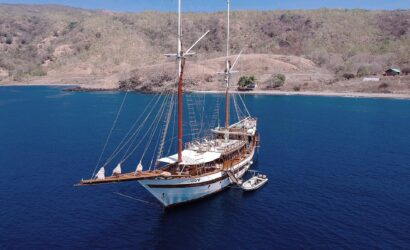
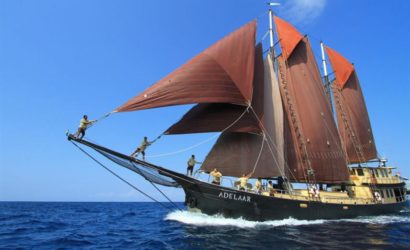


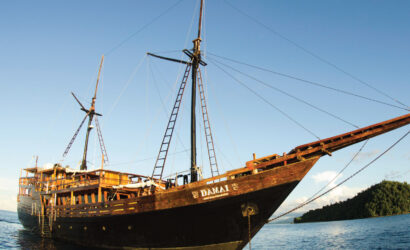

Recent Comments